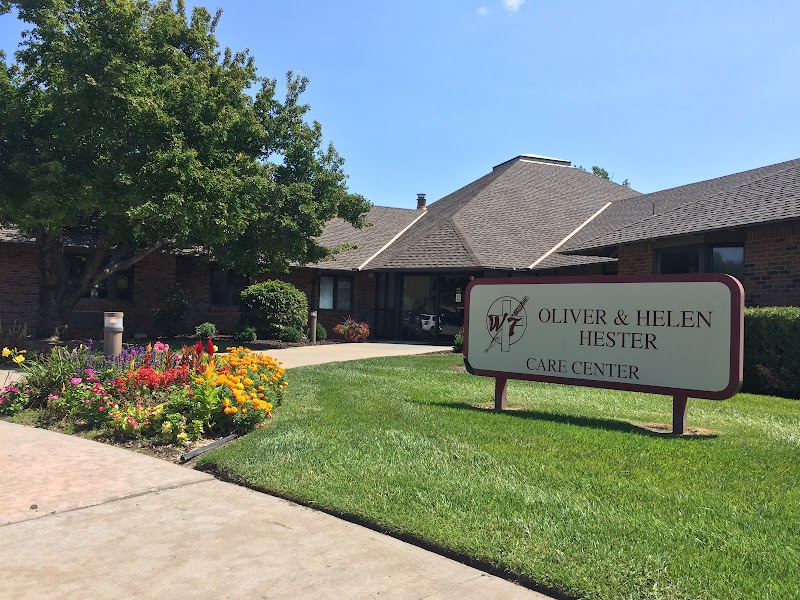
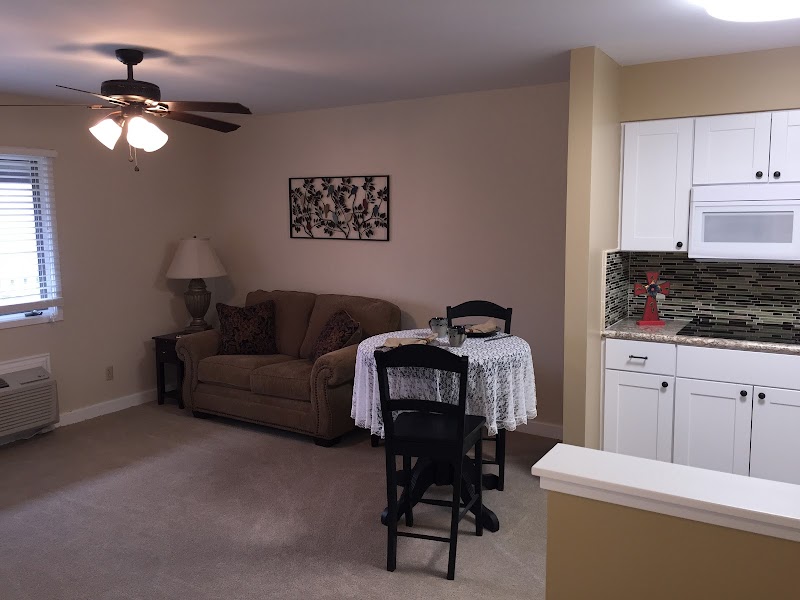
WESLEY TOWERS INC

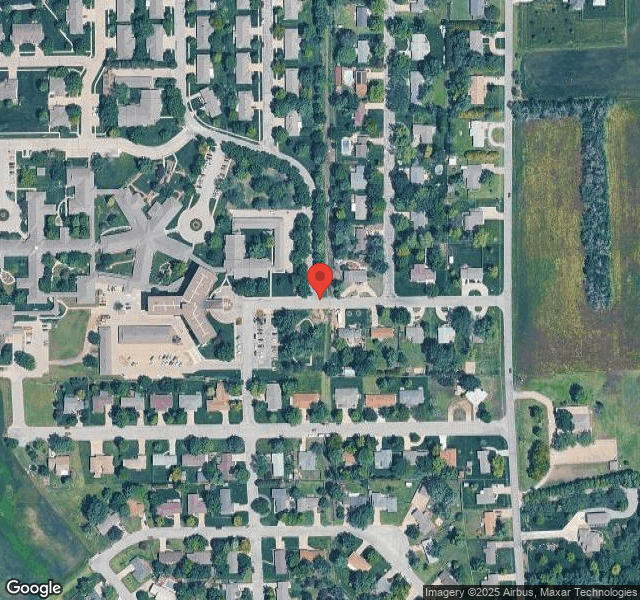
700 MONTEREY PL, HUTCHINSON, KS 67502 (620) 663-9175
Non profit - Corporation 52 Beds Independent Data: November 2025
Trust Grade
90/100
#47 of 295 in KS
Last Inspection: May 2024

Within standard 12-15 month inspection cycle. Federal law requires annual inspections.

Overview

Wesley Towers Inc in Hutchinson, Kansas, has received a Trust Grade of A, indicating it is an excellent facility that is highly recommended. It ranks #47 out of 295 nursing homes in Kansas, placing it in the top half of facilities in the state, and #3 out of 7 in Reno County, meaning only two local options are ranked higher. The facility is improving, with the number of issues decreasing from 4 in 2022 to 2 in 2024. Staffing is a strong point, with a 5/5 rating and a turnover rate of 42%, which is below the state average of 48%. Notably, there have been no fines reported, and the facility has more RN coverage than 84% of Kansas facilities, ensuring better oversight of resident care. However, there are some concerns. The facility has had issues with dietary management, as they failed to employ a full-time Certified Dietary Manager, which puts residents at risk for inadequate nutrition. Additionally, there were lapses in food storage and preparation, with improperly labeled items and sanitary concerns noted during inspections. Lastly, there was an instance where a resident's care assessment was not fully completed, which could affect their care planning. Overall, while Wesley Towers Inc has many strengths, families should be aware of these weaknesses as they consider their options.

Trust Score
A
90/100
In Kansas
#47/295
Top 15%
Safety Record
Low Risk
No red flags
Inspections
Getting Better
4 → 2 violations
Staff Stability
○ Average
42% turnover. Near Kansas's 48% average. Typical for the industry.
Penalties
✓ Good
No fines on record. Clean compliance history, better than most Kansas facilities.
Skilled Nurses
✓ Good
Each resident gets 60 minutes of Registered Nurse (RN) attention daily — more than 97% of Kansas nursing homes. RNs are the most trained staff who catch health problems before they become serious.
Violations
○ Average
7 deficiencies on record. Average for a facility this size. Mostly minor or procedural issues.
★★★★★
5.0
Overall Rating
★★★★★
5.0
Staff Levels
★★★★★
5.0
Care Quality
★★★★☆
4.0
Inspection Score
Stable
2022: 4 issues
2024: 2 issues

The Good

  • 5-Star Staffing Rating · Excellent nurse staffing levels
  • 5-Star Quality Measures · Strong clinical quality outcomes
  • Full Sprinkler Coverage · Fire safety systems throughout facility
  • No fines on record
  • Staff turnover below average (42%)

    6 points below Kansas average of 48%

Facility shows strength in staffing levels, quality measures, fire safety.

The Bad

Staff Turnover: 42%

Near Kansas avg (46%)

Typical for the industry

The Ugly 7 deficiencies on record

May 2024 2 deficiencies
CONCERN (E) 📢 Someone Reported This

A family member, employee, or ombudsman was alarmed enough to file a formal complaint

Potential for Harm - no one hurt, but risky conditions existed

Unnecessary Medications (Tag F0759)

Could have caused harm · This affected multiple residents

The facility had a census of 42 residents. The sample included 12 residents. Based on observation, record review, and interview, the facility failed to ensure an error rate of five percent (%) or less...

Read full inspector narrative →
The facility had a census of 42 residents. The sample included 12 residents. Based on observation, record review, and interview, the facility failed to ensure an error rate of five percent (%) or less, when staff failed to prime (a procedure used to remove the air from the needle and cartridge that may collect during normal use) ) insulin (a hormone that lowers the level of glucose in the blood) KwikPens (a disposable prefilled pen containing insulin) prior to administration to Resident (R) 21. This deficient practice resulted in a medication error rate of 6.06 % and placed all residents who received insulin at risk for medication errors. Findings included: - On 05/07/24 at 09:33 AM, observation during medication administration revealed Licensed Nurse (LN) G turned the dial on R21's Humalog (fast-acting insulin) KwikPen to 36 units and the Lantus (long-acting insulin) KwikPen to 80 units but did not prime either pen. LN G entered R21's room and asked the resident where he would like his insulin administered; R21 replied in his abdomen. Further observation revealed LN G used an alcohol pad on R21's right lower abdomen and without priming the Humalog pen, administered the 36 units. Further observation revealed LN G used the same procedure to administer the 80 units of Lantus insulin in a different spot on R21's lower abdomen. On 05/07/24 at 09:33 AM, LN G verified she had not primed either insulin KwikPen and stated it was not the facility policy to prime insulin KwikPens prior to administration. The Humalog KwikPen Instruction Sheet, instructed staff to use the following procedure before administrating the physician-ordered dosage of the medication: For each injection: 1. Select a dose of 2 units 2. Take off the outer needle cap (save it) and inner needle cap (throw it away) 3. With the pen pointing up, tap the insulin to move the air bubbles to the top 4. Press the button all the way in and make sure insulin comes out of the needle The Lantus KwikPen Instruction Sheet, instructed staff to use the following procedure before administrating the physician-ordered dosage of the medication: 1. Remove the pen cap with clean hands. Check the reservoir to make sure the insulin is clear and colorless and has no particles-if not, use another pen. 3. Attach the needle. 4. Dial a test dose of 2 Units. Hold the pen with the needle pointing up and lightly tap the insulin reservoir so the air bubbles rise to the top of the needle. This will help you get the most accurate dose. Press the injection button all the way in and check to see that insulin comes out of the needle. The dial will automatically go back to zero after you perform the test. On 05/07/24 at 02:07 PM, Administrative Nurse D stated she expected the nurse to prime Humalog and Lantus KwikPens before administration. The facility's Specific Medication Administration Procedures Policy, revised in April 2020, instructed staff to administer medications via subcutaneous (beneath the skin), intradermal (between the layers of the skin), and intramuscular (into, a muscle) routes in a safe, accurate, and effective manner. The facility failed to ensure residents received their medications with an error rate of five percent or less when staff failed to prime a Humalog and Lantus KwikPen before administration resulting in an error rate of 6.06% and placed the residents who received insulin at risk for medication errors.
CONCERN (F) 📢 Someone Reported This

A family member, employee, or ombudsman was alarmed enough to file a formal complaint

Potential for Harm - no one hurt, but risky conditions existed

Deficiency F0801 (Tag F0801)

Could have caused harm · This affected most or all residents

The facility had a census of 42 residents. Based on observation, record review, and interview, the facility failed to employ a full-time Certified Dietary Manager (CDM) for the 42 residents who reside...

Read full inspector narrative →
The facility had a census of 42 residents. Based on observation, record review, and interview, the facility failed to employ a full-time Certified Dietary Manager (CDM) for the 42 residents who resided in the facility and received their meals from the kitchen. This placed the residents at risk for inadequate nutrition. Findings included: - On 05/06/24 at 12:06 PM, observation revealed dietary staff preparing meals for the midday meal. Dietary Staff (DS) BB reported she was the dietary manager and was enrolled in a Certified Dietary Manager course. DS BB reported she worked under the supervision of a registered dietician and had completed the first module of the training. The facility's Certified Dietary Manager Job Summary, dated 03/2024, documented the CDM is responsible for providing quality nutritional care to the residents according to facility policy and procedures and federal and state regulations. The qualifications require successful competition of the Certified Dietary Manager exam following the approved training program, certification as a Certified Food Protection Professional preferred and prior experience in healthcare food service also preferred. The facility failed to employ a full-time Certified Dietary Manager for the 42 residents who resided in the facility, which placed the residents at risk for inadequate nutrition.
Nov 2022 4 deficiencies
CONCERN (D) 📢 Someone Reported This

A family member, employee, or ombudsman was alarmed enough to file a formal complaint

Potential for Harm - no one hurt, but risky conditions existed

Assessment Accuracy (Tag F0641)

Could have caused harm · This affected 1 resident

**NOTE- TERMS IN BRACKETS HAVE BEEN EDITED TO PROTECT CONFIDENTIALITY** The facility reported a census of 32 residents, with 12 sampled, including one for accuracy of assessments in the Minimum Data S...

Read full inspector narrative →
**NOTE- TERMS IN BRACKETS HAVE BEEN EDITED TO PROTECT CONFIDENTIALITY** The facility reported a census of 32 residents, with 12 sampled, including one for accuracy of assessments in the Minimum Data Set (MDS). Based on interview and record review, the facility failed to document resident (R) 14 regarding hospice or comfort care (palliative and supportive treatment for patients who are suffering from a terminal illness). Findings included: - Review of the quarterly Minimum Data Set (MDS), dated [DATE], documented R14 did not receive special treatments or procedures. The MDS lacked documentation that the resident received hospice services. Review of the quarterly MDS, dated [DATE], lacked documentation the resident received hospice services. Review of the quarterly MDS, dated [DATE], lacked documentation the resident received hospice services. Review of the annual MDS, dated [DATE], lacked documentation the resident received hospice services. Review of the quarterly MDS, dated [DATE], lacked documentation the resident received hospice services. The Physician's orders included to admit the resident to hospice on 10/06/21. On 11/21/22 at 01:56 PM, Administrative Nurse B verified staff should document comfort care/ hospices services on the MDS for accuracy of the MDS. The facility used the Resident Assessment Instrument (RAI) manual for guidance in completing the MDS's. The facility failed to accurately code the MDS for this resident that received hospice services.
CONCERN (D) 📢 Someone Reported This

A family member, employee, or ombudsman was alarmed enough to file a formal complaint

Potential for Harm - no one hurt, but risky conditions existed

Incontinence Care (Tag F0690)

Could have caused harm · This affected 1 resident

**NOTE- TERMS IN BRACKETS HAVE BEEN EDITED TO PROTECT CONFIDENTIALITY** The facility reported a census of 32 residents with 12 residents selected for review included 2 residents sampled for Bowel/Blad...

Read full inspector narrative →
**NOTE- TERMS IN BRACKETS HAVE BEEN EDITED TO PROTECT CONFIDENTIALITY** The facility reported a census of 32 residents with 12 residents selected for review included 2 residents sampled for Bowel/Bladder/Catheter or Incontinence Care. Based on observation, interview, and record review, the facility failed to provide appropriate care of Resident (R)6's perineum (area of the body including genitals and anus) during incontinence care. Findings included: - Review of R6's diagnoses from the 09/05/22 Physicians Orders in the Electronic Health Record (EHR) revealed the following diagnoses: neuromuscular dysfunction of the bladder (dysfunction of the urinary bladder caused by a lesion of the nervous system), cerebral palsy ([CP], a progressive disorder of movement, muscle tone or posture caused by injury or abnormal development in the immature brain, most often before birth) and intellectual disabilities (a neurodevelopmental condition that develops in childhood can affect the ability to learn and perform self-care tasks such as feeding and hygiene). The quarterly Minimum Data Set (MDS) dated [DATE], revealed a Brief Interview for Mental Status (BIMS) score of 8, indicating moderately impaired cognition. The resident required extensive one-person assistance with personal hygiene and had an indwelling urinary catheter (insertion of a catheter into the bladder to drain the urine into a collection bag). The annual MDS dated [DATE], revealed a BIMS of 9, indicating moderately impaired cognition. The resident required extensive one-person assistance with personal hygiene and had an indwelling urinary catheter. Review of the 05/25/22 Urinary Incontinence and Indwelling Catheter Care Area Assessment (CAA), lacked documentation related to perineal care. Review of 09/05/22 care plan revealed instructions for staff to provide perineal care as needed. Observation of R6 on 11/21/22 at 10:34 AM, revealed Certified Nurse Aide (CNA) J and CNA K provided resident cares. CNA J used warm soapy washcloths to perform catheter and perineal care. CNA J used the same washcloth for two swipes on the urinary catheter. The edge of the wet washcloth became soiled after the washcloth came in direct contact with the resident's skin between the first and second swipe of the same washcloth during the catheter care. CNA J then utilized a single washcloth to clean R6's groin folds (the crease where the thighs join the trunk) and used the same washcloth on the resident's perineum. Interview on 11/21/22 at 10:40 AM with CNA J reported the same cloth or wipe could be used more than one swipe if a clean portion of the cloth or wipe used for an additional swipe. Interview on 11/21/22 at 10:42 AM with Licensed Nurse (LN) E and LN F reported that normal procedure for cleansing is to use One swipe per wipe when performing incontinence care, catheter care or perineal care. Interview on 11/21/22 at 10:50 AM with Administrative Nurse B, revealed that all staff received training related to incontinence and perineum care during a Skills fair event the previous month. Administrative Nurse B stated that it was the individual preference of the caregiver to use One swipe per wipe or to fold the wipe and use a clean area for an additional swipe. The facility's policy for Perineal Care, dated 07/2017, revealed staff should perform female perineal care and wipe from front to back, and use one swipe per wipe. The facility failed to provide appropriate care of R6's perineum during incontinence care, increasing her risk for developing urinary tract infections.
CONCERN (F) 📢 Someone Reported This

A family member, employee, or ombudsman was alarmed enough to file a formal complaint

Potential for Harm - no one hurt, but risky conditions existed

Comprehensive Assessments (Tag F0636)

Could have caused harm · This affected most or all residents

**NOTE- TERMS IN BRACKETS HAVE BEEN EDITED TO PROTECT CONFIDENTIALITY** - Review of Resident (R) 8's Electronic Health Record (EHR), documented the following diagnosis: major depressive disorder (majo...

Read full inspector narrative →
**NOTE- TERMS IN BRACKETS HAVE BEEN EDITED TO PROTECT CONFIDENTIALITY** - Review of Resident (R) 8's Electronic Health Record (EHR), documented the following diagnosis: major depressive disorder (major mood disorder,) type II diabetes mellitus (when the body cannot use glucose, not enough insulin made or the body cannot respond to the insulin), and essential hypertension (elevated blood pressure). The 09/30/22 admission Minimum Data Set (MDS) documented a Brief Interview for Mental Status (BIMS) score of 15, indicating intact cognition. The Care Area Assessment (CAA) documented the ADL Function/Rehabilitation Potential, Urinary Incontinence and Indwelling Catheter, Falls, Dental Care, Pressure Ulcer/Injury, and Psychotropic Drug Use areas all triggered. The 09/30/22 Care Area Assessment (CAA) for R8 lacked analysis completion by staff. Interview on 11/16/22 at 11:35 AM with Administrative Nurse B, reported the MDS coordinator did not follow the Resident Assessment Instrument(RAI) on providing the information as indicated for care planning. Interview on 11/17/22 at 01:04 PM with Administrative Nurse C, reported she lacked training on how to complete the CAA's. Administrative Nurse C confirmed she had not completed the CAA areas for over a year on all the residents in the facility. The Resident Assessment Instrument, (R.A.I.) Manual, Section 2.7 titled The Care Area Assessment (CAA) Process and Care Plan Completion, dated 2019, documentation included . Federal statute and regulations require nursing homes to conduct initial and periodic assessments for all their residents. The assessment information is used to develop, review, and revise the resident's plans of care that will be used to provide services to attain or maintain the resident's highest practicable physical, mental, and psychosocial well-being. The RAI process, which includes the Federally mandated MDS, is the basis for an accurate assessment of nursing home residents. The MDS information and the CAA process provide the foundation upon which the care plan is formulated. There are 20 problem-oriented CAAs, each of which includes MDS-based trigger conditions that signal the need for additional assessment and review of the triggered care area. Detailed information regarding each care area and the CAA process, including definitions and triggers, appear in Chapter 4 of the manual. Chapter 4 also contains detailed information on care planning development utilizing the RAI and CAA process. CAA(s) completion is required for comprehensive assessments. The facility failed to complete the Care Area Assessment (CAA analysis of findings) related to the comprehensive assessment for this resident, as required. - Review of Resident (R) 6's Electronic Health Record (EHR), documented the following diagnosis: major depressive disorder (major mood disorder,) type II diabetes mellitus (when the body cannot use glucose, not enough insulin made or the body cannot respond to the insulin), and essential hypertension (elevated blood pressure). The 05/25/22 Annual Minimum Data Set (MDS) documented a Brief Interview for Mental Status (BIMS) score of nine, indicating moderately impaired cognition. The Care Area Assessment (CAA) documented the Cognitive Loss/Dementia, ADL Function/Rehabilitation Potential, Urinary Incontinence and Indwelling Catheter, Falls, Dehydration/Fluid Maintenance, Pressure Ulcer/Injury, and Psychotropic Drug Use areas all triggered. The 05/25/22 Care Area Assessment (CAA) for R6 lacked analysis completion by staff. Interview on 11/16/22 at 11:35 AM with Administrative Nurse B, reported the MDS coordinator did not follow the Resident Assessment Instrument(RAI) on providing the information as indicated for care planning. Interview on 11/17/22 at 01:04 PM with Administrative Nurse C, reported she lacked training on how to complete the CAA's. Administrative Nurse C confirmed she had not completed the CAA areas for over a year on all the residents in the facility. The Resident Assessment Instrument, (R.A.I.) Manual, Section 2.7 titled The Care Area Assessment (CAA) Process and Care Plan Completion, dated 2019, documentation included . Federal statute and regulations require nursing homes to conduct initial and periodic assessments for all their residents. The assessment information is used to develop, review, and revise the resident's plans of care that will be used to provide services to attain or maintain the resident's highest practicable physical, mental, and psychosocial well-being. The RAI process, which includes the Federally mandated MDS, is the basis for an accurate assessment of nursing home residents. The MDS information and the CAA process provide the foundation upon which the care plan is formulated. There are 20 problem-oriented CAAs, each of which includes MDS-based trigger conditions that signal the need for additional assessment and review of the triggered care area. Detailed information regarding each care area and the CAA process, including definitions and triggers, appear in Chapter 4 of the manual. Chapter 4 also contains detailed information on care planning development utilizing the RAI and CAA process. CAA(s) completion is required for comprehensive assessments. The facility failed to complete the Care Area Assessment (CAA analysis of findings) related to the comprehensive assessment for this resident, as required. - Review of Resident (R) 14's Electronic Health Record (EHR), documented the following diagnosis: dementia (progressive mental disorder characterized by failing memory, confusion,) major depressive disorder (major mood disorder,) type II diabetes mellitus (when the body cannot use glucose, not enough insulin made or the body cannot respond to the insulin), and anxiety (mental or emotional reaction characterized by apprehension, uncertainty and irrational fear). The 08/03/22 Annual Minimum Data Set (MDS), documented R14 had a Brief Interview for Mental Status (BIMS) score of 15, indicating intact cognition. The Care Area Assessment (CAA) documented the ADL Function/Rehabilitation Potential, Urinary Incontinence and Indwelling Catheter, Falls, Nutritional Status, Pressure Ulcer/Injury, and Psychotropic Drug Use areas all triggered. The 08/03/22 Care Area Assessment (CAA) for R14 lacked analysis completion by staff. Interview on 11/16/22 at 11:35 AM with Administrative Nurse B, reported the MDS coordinator did not follow the Resident Assessment Instrument(RAI) on providing the information as indicated for care planning. Interview on 11/17/22 at 01:04 PM with Administrative Nurse C, reported she lacked training on how to complete the CAA's. Administrative Nurse C confirmed she had not completed the CAA areas for over a year on all the residents in the facility. The Resident Assessment Instrument, (R.A.I.) Manual, Section 2.7 titled The Care Area Assessment (CAA) Process and Care Plan Completion, dated 2019, documentation included . Federal statute and regulations require nursing homes to conduct initial and periodic assessments for all their residents. The assessment information is used to develop, review, and revise the resident's plans of care that will be used to provide services to attain or maintain the resident's highest practicable physical, mental, and psychosocial well-being. The RAI process, which includes the Federally mandated MDS, is the basis for an accurate assessment of nursing home residents. The MDS information and the CAA process provide the foundation upon which the care plan is formulated. There are 20 problem-oriented CAAs, each of which includes MDS-based trigger conditions that signal the need for additional assessment and review of the triggered care area. Detailed information regarding each care area and the CAA process, including definitions and triggers, appear in Chapter 4 of the manual. Chapter 4 also contains detailed information on care planning development utilizing the RAI and CAA process. CAA(s) completion is required for comprehensive assessments. The facility failed to complete the Care Area Assessment (CAA analysis of findings) related to the comprehensive assessment for R14, as required. The facility reported a census of 32 residents with 12 residents selected in the sample. The facility identified 32 residents that lacked a Care Area Assessment (CAA) and analysis findings of the triggered care areas. Based on interview and record review, the facility failed to complete the CAAs for the comprehensive assessments for the residents that resided in the facility. The deficient practice of failure to complete the care area assessment and analysis of findings of the care areas also included Resident (R) 4, R6, R8, R9, R11, and R14. Findings included: - Review of the Physician Orders, dated 10/10/22 for Resident R4 indicated major depressive disorder (a major mood disorder). The annual Minimum Data Set (MDS) dated [DATE], revealed a Brief Interview for Mental Status (BIMS) score of 13, indicating intact cognition. R4 displayed physical and verbal behavioral symptoms directed towards others between one and three days out of seven during the look back period. Review of the Care Area Assessment (CAA) dated 01/12/22 lacked analysis completion by staff. Interview on 11/16/22 at 11:35 AM with Administrative Nurse B, reported the MDS coordinator did not follow the Resident Assessment Instrument(RAI) on providing the information as indicated for care planning. Interview on 11/17/22 at 01:04 PM with Administrative Nurse C, reported she lacked training on how to complete the CAA's. Administrative Nurse C confirmed she had not completed the CAA areas for over a year on all 32 residents in the facility. The Resident Assessment Instrument, (R.A.I.) Manual, Section 2.7 titled The Care Area Assessment (CAA) Process and Care Plan Completion, dated 2019, documentation included . Federal statute and regulations require nursing homes to conduct initial and periodic assessments for all their residents. The assessment information is used to develop, review, and revise the resident's plans of care that will be used to provide services to attain or maintain the resident's highest practicable physical, mental, and psychosocial well-being. The RAI process, which includes the Federally mandated MDS, is the basis for an accurate assessment of nursing home residents. The MDS information and the CAA process provide the foundation upon which the care plan is formulated. There are 20 problem-oriented CAAs, each of which includes MDS-based trigger conditions that signal the need for additional assessment and review of the triggered care area. Detailed information regarding each care area and the CAA process, including definitions and triggers, appear in Chapter 4 of the manual. Chapter 4 also contains detailed information on care planning development utilizing the RAI and CAA process. CAA(s) completion is required for comprehensive assessments. The facility failed to complete the Care Area Assessment (CAA analysis of findings) related to the comprehensive assessment for this resident, as required. - Review of the Physician Orders, dated 10/10/22, for Resident R11 indicated anxiety disorder (mental or emotional reaction characterized by apprehension, uncertainty, and irrational fear) spinal stenosis (stiffness and severe back pain). The annual Minimum Data Set (MDS) dated [DATE] revealed a Brief Interview for Mental Status (BIMS) score of 15, indicating intact cognition. R11 displayed the use of medication for seven days during the look back period of seven days the use of antianxiety and opioid medication. Review of the Care Area Assessment (CAA) dated 01/12/22 lacked analysis completion by staff. Interview on 11/16/22 at 11:35 AM with Administrative Nurse B, reported the MDS coordinator did not follow the Resident Assessment Instrument(RAI) on providing the information as indicated for care planning. Interview on 11/17/22 at 01:04 PM with Administrative Nurse C, reported she lacked training on how to complete the CAA's. Administrative Nurse C confirmed she had not completed the CAA areas for over a year on all 32 residents in the facility. The Resident Assessment Instrument, (R.A.I.) Manual, Section 2.7 titled The Care Area Assessment (CAA) Process and Care Plan Completion, dated 2019, documentation included . Federal statute and regulations require nursing homes to conduct initial and periodic assessments for all their residents. The assessment information is used to develop, review, and revise the resident's plans of care that will be used to provide services to attain or maintain the resident's highest practicable physical, mental, and psychosocial well-being. The RAI process, which includes the Federally mandated MDS, is the basis for an accurate assessment of nursing home residents. The MDS information and the CAA process provide the foundation upon which the care plan is formulated. There are 20 problem-oriented CAAs, each of which includes MDS-based trigger conditions that signal the need for additional assessment and review of the triggered care area. Detailed information regarding each care area and the CAA process, including definitions and triggers, appear in Chapter 4 of the manual. Chapter 4 also contains detailed information on care planning development utilizing the RAI and CAA process. CAA(s) completion is required for comprehensive assessments. The facility failed to complete the Care Area Assessment (CAA analysis of findings) related to the comprehensive assessment for this resident, as required. - Review of the Physician Orders, dated 10/10/22 for Resident R9 indicated dementia (progressive mental disorder characterized by failing memory, confusion) major depressive disorder (a major mood disorder) The annual Minimum Data Set (MDS) dated [DATE] revealed a Brief Interview for Mental Status (BIMS) score of 10, indicating moderate impaired cognition. R9 displayed the use of medication for seven days during the look back period of seven days the use of antianxiety and antipsychotics were received on a routine basis medication. Review of the Care Area Assessment (CAA) dated 01/12/22 lacked analysis completion by staff that included Cognitive Loss/ Dementia, Mood state, and Psychotropic Drug Use. Interview on 11/16/22 at 11:35 AM with Administrative Nurse B, reported the MDS coordinator did not follow the Resident Assessment Instrument(RAI) on providing the information as indicated for care planning. Interview on 11/17/22 at 01:04 PM with Administrative Nurse C, reported she lacked training on how to complete the CAA's. Administrative Nurse C confirmed she had not completed the CAA areas for over a year on all 32 residents in the facility. The Resident Assessment Instrument, (R.A.I.) Manual, Section 2.7 titled The Care Area Assessment (CAA) Process and Care Plan Completion, dated 2019, documentation included . Federal statute and regulations require nursing homes to conduct initial and periodic assessments for all their residents. The assessment information is used to develop, review, and revise the resident's plans of care that will be used to provide services to attain or maintain the resident's highest practicable physical, mental, and psychosocial well-being. The RAI process, which includes the Federally mandated MDS, is the basis for an accurate assessment of nursing home residents. The MDS information and the CAA process provide the foundation upon which the care plan is formulated. There are 20 problem-oriented CAAs, each of which includes MDS-based trigger conditions that signal the need for additional assessment and review of the triggered care area. Detailed information regarding each care area and the CAA process, including definitions and triggers, appear in Chapter 4 of the manual. Chapter 4 also contains detailed information on care planning development utilizing the RAI and CAA process. CAA(s) completion is required for comprehensive assessments. The facility failed to complete the Care Area Assessment (CAA analysis of findings) related to the comprehensive assessment for this resident, as required.
CONCERN (F) 📢 Someone Reported This

A family member, employee, or ombudsman was alarmed enough to file a formal complaint

Potential for Harm - no one hurt, but risky conditions existed

Food Safety (Tag F0812)

Could have caused harm · This affected most or all residents

**NOTE- TERMS IN BRACKETS HAVE BEEN EDITED TO PROTECT CONFIDENTIALITY** The facility reported a census of 32 residents. Based on observation, interview, and record review, the facility failed to store...

Read full inspector narrative →
**NOTE- TERMS IN BRACKETS HAVE BEEN EDITED TO PROTECT CONFIDENTIALITY** The facility reported a census of 32 residents. Based on observation, interview, and record review, the facility failed to store, prepare, and serve food under sanitary conditions for the residents of the facility. Findings included: - Observation of the [NAME] satellite kitchen, on 11/14/22 at 04:37 PM, with Dietary Staff AA, revealed the following areas of concern: 1. In the stand-alone freezer; six plastic baggies that contained pre-cooked bacon, open and undated. 2. In the dry storage area was one bag of potato chips, resealed with plastic-wrap and lacked an opened date. In addition, observation of the main kitchen on 11/14/22 at 04:55 PM with Dietary Staff AA, revealed the following concerns: 1. The walk-in freezer contained a clear plastic container of discolored lima beans resealed with plastic wrap with a Use-by date obscured and unreadable. 2. A vegetable washing sink drain lacked a two-inch air gap between the discharge line and the floor drain. 3. An ice machine lacked two-inch air gap between the discharge line and the floor drain. On 11/14/22 at 04:55 PM, Dietary Staff AA verified all opened food items should be in a closed container and labeled with a use by date. Staff should discard foods by the use by date of seven days from the date the food opened if the food remained in the original packaging, or 72 hours if food not stored in the original container. Frozen foods that have been opened should be thoroughly wrapped or packaged to ensure product was not compromised. On 11/21/22 at 02:40 PM, with Dietary Staff AA, Administrator A and Administrative Nurse B revealed that the drains for the vegetable sink and ice machine should have gaps between the discharge lines and the floor drains. The facility's policy for Labeling of Food Items dated 11/2022 revealed all opened food items would be labeled with the day and the date the product opened. If food was perishable, the container would be labeled with an expiration date of 72 hour from opening the package. After an item had been opened, staff were to use the manufacturer expiration date, or seven days from opening, whichever came first. Frozen foods that were opened would be packaged in a manner to avoid compromising the contents. In addition, the facility's policy Food Preparation and Handling Policy dated 03/2021, documented Food with an abnormal appearance would be discarded immediately. All food items would be checked by the cook daily for expiration dates or use by dates. The facility failed to store, prepare, and serve food under sanitary conditions for the residents in the facility.
Mar 2021 1 deficiency
CONCERN (F)

Potential for Harm - no one hurt, but risky conditions existed

Food Safety (Tag F0812)

Could have caused harm · This affected most or all residents

The facility reported a census of 32 residents all receiving meals from one kitchen. Based on observation, staff interview, and record review the facility failed to store food under sanitary condition...

Read full inspector narrative →
The facility reported a census of 32 residents all receiving meals from one kitchen. Based on observation, staff interview, and record review the facility failed to store food under sanitary conditions by the failure to dispose of undated food items. Findings included: - On 03/09/21 at 01:30PM, during the initial tour of the main kitchen, the following items were undated/expired: six bags of corn chips, one bag of rice cereal, five containers of horseradish, and one bag of shredded carrots. Also, on the initial tour of the staging kitchen, the following items were undated/expired: one bag of frosted flakes cereal and one bag of corn flakes cereal. During an interview on 03/09/21 at 01:45 PM, dietary staff A threw away all expired items and stated she expected all staff to monitor food items more closely for expiration dates. All open perishable foods were to be used within seven days of opening or by the expiration date, which ever came first. Opened dry goods were to be used within 90 days of opening or by the expiration date, whichever came first. Dietary staff A stated she expected all staff to remove all expired items from the shelf to prevent them from being used. Review of the Food Service Policies and Procedures dated 06/06 documented, All non-perishable food items will be maintained no longer than 3 months. This will be identified by a date that states when product was opened. Food will not be used and will be disposed of 90 days from opened date. The facility failed to store food in accordance with professional standards for food service safety to prevent the outbreak of foodborne illness when observations revealed expired food in the kitchen.
Understanding Severity Codes (click to expand)
Life-Threatening (Immediate Jeopardy)
J - Isolated K - Pattern L - Widespread
Actual Harm
G - Isolated H - Pattern I - Widespread
Potential for Harm
D - Isolated E - Pattern F - Widespread
No Harm (Minor)
A - Isolated B - Pattern C - Widespread

Questions to Ask on Your Visit

  • "Can I speak with families of current residents?"
  • "What's your RN coverage like on weekends and overnight?"

Our Honest Assessment

Strengths
  • • Grade A (90/100). Above average facility, better than most options in Kansas.
  • • No major safety red flags. No abuse findings, life-threatening violations, or SFF status.
  • • No fines on record. Clean compliance history, better than most Kansas facilities.
  • • 42% turnover. Below Kansas's 48% average. Good staff retention means consistent care.
Concerns
  • • No significant concerns identified. This facility shows no red flags across CMS ratings, staff turnover, or federal penalties.
Bottom line: Generally positive indicators. Standard due diligence and a personal visit recommended.

About This Facility

What is Wesley Towers Inc's CMS Rating?

CMS assigns WESLEY TOWERS INC an overall rating of 5 out of 5 stars, which is considered much above average nationally. Within Kansas, this rating places the facility higher than 99% of the state's 100 nursing homes. This rating reflects solid performance across the metrics CMS uses to evaluate nursing home quality.

How is Wesley Towers Inc Staffed?

CMS rates WESLEY TOWERS INC's staffing level at 5 out of 5 stars, which is much above average compared to other nursing homes. Staff turnover is 42%, compared to the Kansas average of 46%. This relatively stable workforce can support continuity of care.

What Have Inspectors Found at Wesley Towers Inc?

State health inspectors documented 7 deficiencies at WESLEY TOWERS INC during 2021 to 2024. These included: 7 with potential for harm.

Who Owns and Operates Wesley Towers Inc?

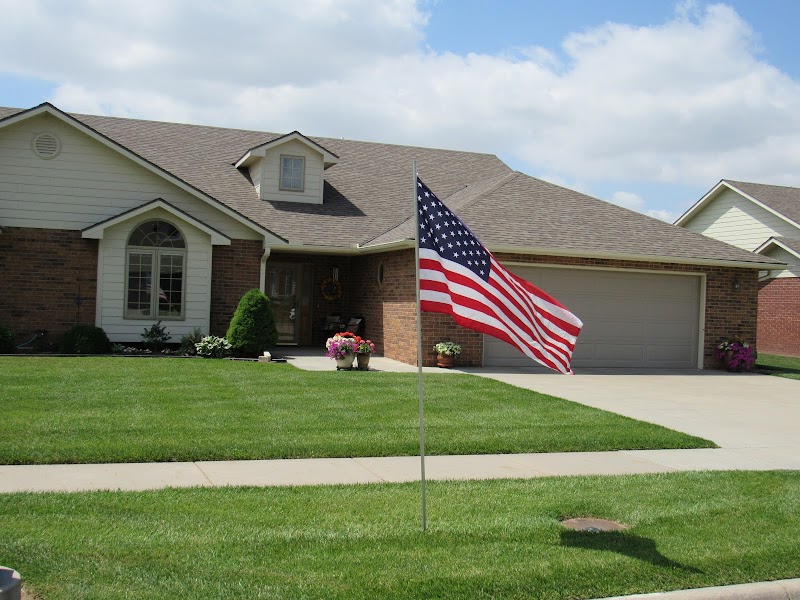
WESLEY TOWERS INC is owned by a non-profit organization. Non-profit facilities reinvest revenue into operations rather than distributing to shareholders. The facility operates independently rather than as part of a larger chain. With 52 certified beds and approximately 46 residents (about 88% occupancy), it is a smaller facility located in HUTCHINSON, Kansas.

How Does Wesley Towers Inc Compare to Other Kansas Nursing Homes?

Compared to the 100 nursing homes in Kansas, WESLEY TOWERS INC's overall rating (5 stars) is above the state average of 2.9, staff turnover (42%) is near the state average of 46%, and health inspection rating (4 stars) is above the national benchmark.

What Should Families Ask When Visiting Wesley Towers Inc?

Based on this facility's data, families visiting should ask: "Can I visit during a mealtime to observe dining assistance and food quality?" "How do you handle medical emergencies, and what is your hospital transfer rate?" "Can I speak with family members of current residents about their experience?"

Is Wesley Towers Inc Safe?

Based on CMS inspection data, WESLEY TOWERS INC has a clean safety record: no substantiated abuse findings (meaning no confirmed cases of resident harm), no Immediate Jeopardy citations (the most serious violation level indicating risk of serious injury or death), and is not on the Special Focus Facility watch list (a federal program monitoring the lowest-performing 1% of nursing homes). The facility has a 5-star overall rating and ranks #1 of 100 nursing homes in Kansas. While no facility is perfect, families should still ask about staff-to-resident ratios and recent inspection results during their visit.

Do Nurses at Wesley Towers Inc Stick Around?

WESLEY TOWERS INC has a staff turnover rate of 42%, which is about average for Kansas nursing homes (state average: 46%). Moderate turnover is common in nursing homes, but families should still ask about staff tenure and how the facility maintains care continuity when employees leave.

Was Wesley Towers Inc Ever Fined?

WESLEY TOWERS INC has no federal fines on record. CMS issues fines when nursing homes fail to meet care standards or don't correct problems found during inspections. The absence of fines suggests the facility has either maintained compliance or corrected any issues before penalties were assessed. This is a positive indicator, though families should still review recent inspection reports for the full picture.

Is Wesley Towers Inc on Any Federal Watch List?

WESLEY TOWERS INC is not on any federal watch list. The most significant is the Special Focus Facility (SFF) program, which identifies the bottom 1% of nursing homes nationally based on persistent, serious quality problems. Not being on this list means the facility has avoided the pattern of deficiencies that triggers enhanced federal oversight. This is a positive indicator, though families should still review the facility's inspection history directly.