STANTON COUNTY HEALTH CARE FACILITY LTCU
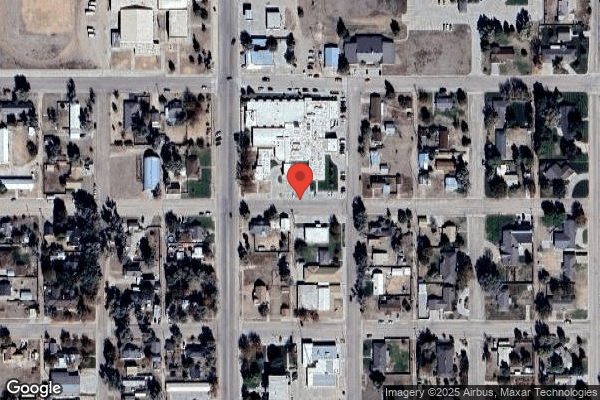
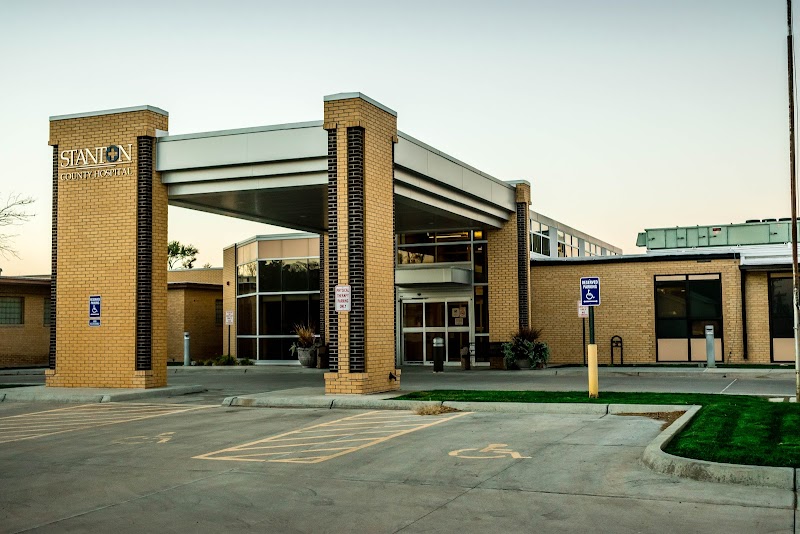
404 N CHESTNUT, JOHNSON, KS 67855 (620) 492-6250
Government - City/county 25 Beds Independent Data: November 2025 1 Immediate Jeopardy citation
Trust Grade
48/100
#160 of 295 in KS
Last Inspection: August 2025

Inspected within the last 6 months. Data reflects current conditions.

Overview

Stanton County Health Care Facility in Johnson, Kansas, currently holds a Trust Grade of D, which indicates below-average quality and some significant concerns. Ranking #160 out of 295 in the state places it in the bottom half of Kansas facilities, although it is the only nursing home in Stanton County. The facility's trend is improving, with the number of issues decreasing from 15 in 2023 to 9 in 2025. Staffing is a strong point, receiving a 5 out of 5 rating, with a turnover rate of 34%, which is much lower than the state average of 48%. Despite no fines on record, there are notable weaknesses, such as a critical issue where a malfunctioning heating unit left residents in uncomfortably low temperatures and concerns about the lack of a full-time Certified Dietary Manager, which could jeopardize residents' nutritional needs. Additionally, infection control measures were not properly implemented for a resident with a urinary catheter, highlighting potential risks for infectious diseases.

Trust Score
D
48/100
In Kansas
#160/295
Bottom 46%
Safety Record
High Risk
Review needed
Inspections
Getting Better
15 → 9 violations
Staff Stability
○ Average
34% turnover. Near Kansas's 48% average. Typical for the industry.
Penalties
✓ Good
No fines on record. Clean compliance history, better than most Kansas facilities.
Skilled Nurses
✓ Good
Each resident gets 86 minutes of Registered Nurse (RN) attention daily — more than 97% of Kansas nursing homes. RNs are the most trained staff who catch health problems before they become serious.
Violations
⚠ Watch
28 deficiencies on record. Higher than average. Multiple issues found across inspections.
★★★☆☆
3.0
Overall Rating
★★★★★
5.0
Staff Levels
★★★☆☆
3.0
Care Quality
★★☆☆☆
2.0
Inspection Score
Stable
2023: 15 issues
2025: 9 issues

The Good

  • 5-Star Staffing Rating · Excellent nurse staffing levels
  • Full Sprinkler Coverage · Fire safety systems throughout facility
  • No fines on record
  • Staff turnover below average (34%)

    14 points below Kansas average of 48%

Facility shows strength in staffing levels, fire safety.

The Bad

3-Star Overall Rating

Near Kansas average (2.9)

Meets federal standards, typical of most facilities

Staff Turnover: 34%

12pts below Kansas avg (46%)

Typical for the industry

The Ugly 28 deficiencies on record

1 life-threatening
Aug 2025 9 deficiencies
CONCERN (D) 📢 Someone Reported This

A family member, employee, or ombudsman was alarmed enough to file a formal complaint

Potential for Harm - no one hurt, but risky conditions existed

Deficiency F0628 (Tag F0628)

Could have caused harm · This affected 1 resident

**NOTE- TERMS IN BRACKETS HAVE BEEN EDITED TO PROTECT CONFIDENTIALITY** The facility identified a census of 22 residents. The sample included 12 residents, with two sampled residents reviewed for hosp...

Read full inspector narrative →
**NOTE- TERMS IN BRACKETS HAVE BEEN EDITED TO PROTECT CONFIDENTIALITY** The facility identified a census of 22 residents. The sample included 12 residents, with two sampled residents reviewed for hospitalization. Based on observation, record review, and interview, the facility failed to ensure that Resident (R) 8 and R20 and their representative were provided a written notification of transfer upon the residents' transfer to the hospital. This placed R8 and R20 at risk of miscommunication between the facility and the resident's representative, and the possible missed opportunity for healthcare services.Findings included: - R8’s Electronic Medical Record (EMR) documented diagnoses of atrial fibrillation (rapid, irregular heartbeat), chronic kidney disease (the kidneys have mild to moderate damage and are less able to filter waste and fluid out of your blood), heart failure (when the heart cannot pump enough blood to meet the body’s needs), and chronic obstructive pulmonary disease (COPD- a progressive and irreversible condition characterized by diminished lung capacity and difficulty or discomfort in breathing). R8’s “Discharge Minimum Data Set (MDS)” dated 10/02/24 documented an unplanned discharge to an acute hospital with a return anticipated. R8’s “Entry MDS” dated 10/14/24 documented a re-entry to the facility from an acute hospital. R8’s “Annual MDS” dated 12/16/24 documented he had a Brief Interview for Mental Status (BIMS) score of 13, which indicated intact cognition. R8 was independent with his cares. The overall goal for R8 was to remain in the facility. No active discharge planning was occurring. R8’s “Discharge MDS” dated 05/21/25 documented an unplanned discharge to an acute hospital with a return anticipated. R8’s “Entry MDS” dated 05/29/25 documented a re-entry to the facility from an acute hospital. The facility provided R8 and his representative a bed hold for his hospitalization on 10/02/24 and 05/21/25. The facility lacked the required written notification of transfer, which included where and why R8 was transferred, and was provided to R8 and his representative upon his transfer to the hospital on [DATE] and 05/21/25. On 08/26/25 at 10:15 AM, R8 sat in his recliner in his room watching television. On 08/27/25 at 03:10 PM, Social Services X stated that when a resident was transferred out to the hospital, the bed hold was completed, and a progress note was entered about the resident's transfer. Social Services X stated that no written notification was provided to the resident or their representative, but the representative was notified by phone of the transfer. The facility policy “Notice of Transfer/Discharge” dated 01/24 documented should it become necessary to transfer or discharge a resident from our facility, a representative of the administration would provide the resident and family member (representative/sponsor) with a written thirty (30) day advance notice of the transfer or discharge. A transfer or discharge notice would include the following: The reason for the transfer or discharge; the effective date of the transfer or discharge; The location to which the resident is transferred or discharged ; an explanation of the resident’s right to appeal the transfer or discharge to the State; and the name, address, and telephone number of the state long-term care ombudsman. The reason(s) for a transfer or discharge will be recorded in the resident’s clinical record. - R20's Electronic Medical Record (EMR) included diagnoses of disorientation, urinary tract infection (UTI- an infection in any part of the urinary system), diarrhea, diabetes mellitus(DM- when the body cannot use glucose, not enough insulin is made, or the body cannot respond to the insulin), heart failure, and depression (a mood disorder that causes a persistent feeling of sadness and loss of interest). R20’s “Minimum Data Set” (MDS) dated [DATE] recorded a discharge return anticipated. On 08/11/25, the MDS recorded an entry into the facility. The “Progress Note” dated 08/09/25 at 11:11 AM documented a telephone order received by the provider to transfer R20 to the hospital for admission related to sepsis from urinary tract infection. The “Progress Note” dated 08/11/25 at 01:02 PM documented that R20 was readmitted to the long-term care unit, via wheelchair. On 08/26/25 at 08:20 AM, R20 sat in her wheelchair, dressed and groomed appropriately for the day. On 08/27/25 at 11:00 AM, Administrative Nurse F reported for the transfer of a resident from the long-term care unit to the hospital. The nurse would call report to the hospital about the resident’s condition, send a face sheet, and a CCD (Continuity of Care Document). Administrative Nurse F stated the residents’ representative would be notified via phone or in person if at the facility at the time of discharge. No written form was given to the resident or the resident’s representative of the reason for the transfer. The facility’s “Emergency transfer/discharge”, policy dated 01/22/25, documented should it become necessary to make an emergency transfer or discharge to a hospital or other related institution, the facility will implement the following procedure of prepare the resident for transfer, a transfer form to be sent with the resident, notify the durable power of attorney or other family member, and other as appropriate or as necessary.
CONCERN (D) 📢 Someone Reported This

A family member, employee, or ombudsman was alarmed enough to file a formal complaint

Potential for Harm - no one hurt, but risky conditions existed

Deficiency F0742 (Tag F0742)

Could have caused harm · This affected 1 resident

**NOTE- TERMS IN BRACKETS HAVE BEEN EDITED TO PROTECT CONFIDENTIALITY** The facility had a census of 22 residents. The sample included 12 residents. Based on observation, record review, and interview,...

Read full inspector narrative →
**NOTE- TERMS IN BRACKETS HAVE BEEN EDITED TO PROTECT CONFIDENTIALITY** The facility had a census of 22 residents. The sample included 12 residents. Based on observation, record review, and interview, the facility failed to provide Resident (R) 3, who had a mental disorder and adjustment difficulties, with treatment and services to attain the highest practical mental and psychosocial well-being.Findings included:- R3's Electronic Medical Record (EMR) included diagnoses of dementia (a progressive mental disorder characterized by failing memory and confusion) with other behavioral disturbance, urinary tract infection (UTI- an infection in any part of the urinary system), nausea with vomiting, major depressive disorder (major mood disorder that causes persistent feelings of sadness), dizziness, and giddiness.R3's Quarterly Minimum Data Set (MDS), dated [DATE], documented that R3 had severe cognitive impairment, had no signs or symptoms of delirium (sudden severe confusion, disorientation, and restlessness), psychosis (any major mental disorder characterized by a gross impairment in reality perception), or exhibited behaviors. R3 rejected care one to three days of the look-back period and wandered four to six days of the look-back period. R3 received an antipsychotic (a class of medications used to treat major mental conditions that cause a break from reality) and an antidepressant (a class of medications used to treat mood disorders). The MDS further documented that R3 received an antipsychotic on a routine basis and had a GDR on 03/28/25, and the physician documented a GDR as clinically contraindicated. R3 required substantial/maximal assistance with toileting hygiene, sit-to-standing transfers, bathing, and had occasional incontinence of urine and bowel.The Behavioral Symptoms Care Area Assessment (CAA), dated 03/19/25, documented that R3 would exhibit behaviors when staff attempted to assist her with toileting needs in the mornings, and staff were to leave R3 alone, even when incontinent in bed. The Psychotropic Medication Care Area Assessment (CAA), dated 03/19/25, documented that R3 had increased behaviors when staff attempted to assist her with activities of daily living due to R3 not being independent any longer and not understanding why staff needed to help her. R3's Care Plan dated 06/24/25 documented R3 had social behavioral symptoms as evidenced by dementia with cognitive loss. The Care Plan directed staff to avoid confrontation, not to argue with the resident, to keep their voice calm, modulated, and firm, and not to shout. The Care Plan documented expressed concern and desire to protect R3 from harm. The Care Plan directed staff to acknowledge the resident's power to make decisions when behavior begins, encouraging the resident to recall and share memories. The Care Plan documented R3 tried to call family and would become very upset and depressed when calls were returned. The Care Plan informed staff that R3 would act out and try to leave at times. The Care Plan directed staff to divert behaviors by providing activities and one-on-one interactions, administering medication, and monitoring and recording effectiveness. The Care Plan directed staff not to engage R3 in sensitive topics such as going home. The Care Plan directed staff to observe and report socially inappropriate/disruptive behaviors around others. The Care Plan lacked social services-specific interventions.The Physician Order dated 04/23/25, directed staff to administer quetiapine (an antipsychotic) 100 mg every evening due to increased behaviors for dementia with behavioral disturbance. The Psychoactive Medication Physician Progress Note dated 06/09/25 documented quetiapine 100 mg daily. Reduction is not clinically indicated for the following reasons: increased refusal of care, behavior issues, and combativeness despite alternative interventions.The Progress Notes dated 07/22/25 at 04:35 AM documented that R3 had refused assistance from staff throughout the shift, was increasingly agitated as R3 requested to call family so they might take her home. R3 had refused to go to bed until the family came. R3 began walking the halls with her walker before accepting assistance to go to bed. The progress notes further documented that five minutes later, the alarm activated, and R3 was observed to be cleaning urine from the floor. Staff offered a shower, but she refused, became agitated, sat in her recliner, and verbally ordered staff to leave. On 08/26/25 at 01:53 PM, R3 sat in her wheelchair in her room, holding a bible in her hands. R3 reported she was reading. On 08/27/25 at 01:20 PM, R3 sat at the activity room door, in her wheelchair. She greeted visitors pleasantly, and the activity staff invited R3 in to participate.On 08/28/25 at 09:03 AM, Social Service X reported that the Licensed Master Social Worker (LMSW) was contracted, did not come to the facility, and reviewed the electronic charting. Social Service X reported she had not received guidance from the LMSW related to the behavioral aspects of the residents, and no mental health provider sees the resident in person or via telehealth consultations. The facility's Social Services policy, dated 02/2024, documented that the director of social services is a qualified social worker and is responsible for the oversight of the social services manager, assessing residents' psychosocial needs. Emotional support and ensures regulatory compliance, and will consult with social services personnel.
CONCERN (D) 📢 Someone Reported This

A family member, employee, or ombudsman was alarmed enough to file a formal complaint

Potential for Harm - no one hurt, but risky conditions existed

Deficiency F0744 (Tag F0744)

Could have caused harm · This affected 1 resident

The facility identified a census of 22 residents. The sample included 12 residents, with five residents reviewed for dementia care. Based on observation, record review, and interview, the facility fai...

Read full inspector narrative →
The facility identified a census of 22 residents. The sample included 12 residents, with five residents reviewed for dementia care. Based on observation, record review, and interview, the facility failed to ensure staff provided the necessary person-centered activities and interventions to address Resident (R) 11's dementia (a progressive mental disorder characterized by failing memory, confusion) diagnosis. This deficient practice placed R11 at risk of ineffective treatment and decreased quality of care.Findings included:- R11's Electronic Medical Record (EMR) documented diagnoses of dementia with psychotic disturbance (a condition characterized by cognitive decline accompanied by psychotic symptoms such as hallucinations and delusions), anxiety (mental or emotional reaction characterized by apprehension, uncertainty, and irrational fear), delirium (sudden severe confusion, disorientation, and restlessness), congestive heart disease (CHF- a condition with low heart output and the body becomes congested with fluid), and atrial fibrillation (rapid, irregular heart beat).R11's Annual Minimum Data Set (MDS) dated 08/08/25 documented she had a Brief Interview for Mental Status (BIMS) score of three, which indicated severely impaired cognition. R11 required partial/moderate assistance from staff for most activities of daily living (ADL). R11 required substantial staff assistance with bathing. R11 received an antipsychotic and an antidepressant medication regularly.R11's Cognitive Loss/Dementia Care Area Assessment (CAA) dated 08/21/25 documented R11 had a slow cognitive decline due to dementia.R11's Psychotropic Drug Use Care CAA dated 08/21/25 documented R11 had episodes of agitation and restlessness. The CAA documented staff attempted to redirect the resident and focus attention on something else when she became agitated. R11's Care Plan, revised on 08/24/24 for dementia care and on 11/21/22 for activities, directed staff to be alert to triggers (specific triggers not listed) that would create negative behaviors or responses. The Care Plan directed staff to engage R11 in conversation that was meaningful to her (R11's interests not listed). The Care Plan directed staff that R11 was not at ease joining other residents in activities, and directed staff to ensure R11 attended two group activities per week and mingled with other residents and staff daily. The Care Plan directed staff to do one-on-one visitation with R11 at least daily.On 08/26/25 at 01:15 PM, R11 sat in her wheelchair in the TV area with other residents. R11 was sleeping with her head down toward her chest.On 08/26/25 at 01:45 PM, Administrative Nurse D stated that staff had been working on the care plans. Administrative Nurse D stated R11, as well as other residents' care plans, would be updated with person-centered interventions for dementia and activities.On 08/27/25 at 02:35 PM, Certified Nurse Aide (CNA) O stated that staff completed dementia training and education on Relias, but she had not received specialized training on behaviors specific to dementia. CNA O stated she would just sit and talk and listen to the residents. CNA O stated she did not think R11's care plan specified activities of interest to her or triggers that might cause behaviors.On 08/27/25 at 02:54 PM, Licensed Nurse (LN) F stated that R11's care plan did list some activities to do with her, but that the care plan was not specific and person-centered. LN F stated that staff had been working on the care plans. LN F stated she would start working with the administrative nursing staff to ensure residents with dementia had a more person-centered care plan.The facility lacked a dementia care policy.
CONCERN (D) 📢 Someone Reported This

A family member, employee, or ombudsman was alarmed enough to file a formal complaint

Potential for Harm - no one hurt, but risky conditions existed

Deficiency F0757 (Tag F0757)

Could have caused harm · This affected 1 resident

The facility had a census of 22 residents. The sample included 12 residents. Based on observation, record review, and interview, the facility failed to identify the missed vital signs required for R10...

Read full inspector narrative →
The facility had a census of 22 residents. The sample included 12 residents. Based on observation, record review, and interview, the facility failed to identify the missed vital signs required for R10 metoprolol succinate (an extended-release, beta-blocker used to treat high blood pressure) medication and R11's digoxin (a medication used to treat CHF and heart rhythm problems) medication. This placed the residents at risk for unnecessary medications.Findings included:- R10's Electronic Medical Record (EMR) recorded diagnoses of pleural effusion (a condition where excess fluid accumulates in the thin cavity between the lungs and the chest wall), hypertension (HTN- elevated blood pressure), chronic respiratory failure with hypoxia (a condition where the lungs are unable to provide enough oxygen to the body over a prolonged period, leading to low oxygen levels in the blood), and chronic obstructive pulmonary disease (COPD- a progressive and irreversible condition characterized by diminished lung capacity and difficulty or discomfort in breathing).R10's Annual Minimum Data Set (MDS) dated 08/15/25 documented a Brief Interview for Mental Status (BIMS) score of 14, which indicated intact cognition. R10 was independent with most activities of daily living (ADL) cares but required partial moderate assistance with bathing. R10 used a walker and a wheelchair to assist in mobility. R10 received an antidepressant (a class of medications used to treat mood disorders), an anticoagulant (a class of medications sued to prevent the blood from clotting), a diuretic (a class of medications used to prevent the blood from clotting), and an opioid (a class of controlled drugs used to treat pain) medication regularly.R10's Functional Abilities Care Area Assessment (CAA) dated 08/26/25 documented R10 had weakness and respiratory COPD that made it difficult for her with some cares. However, R10 was independent most of the time. R10 used supplemental oxygen constantly. R10 was able to call for assistance when needed.R10's Care Plan last revised on 04/08/25, directed staff to monitor the pulse, blood pressure, and orthostatic (measurements of blood pressure and pulse taken with the patient in the supine, sitting, and standing positions to assess low blood pressure and possible blood pooling in the lower extremities resulting in dizziness) blood pressure. The Care Plan directed staff to report any signs and symptoms of adverse side effects to the provider.R10's EMR Orders tab recorded an order, dated 09/02/24, for metoprolol succinate 50 milligrams (mg) orally once daily for atrial fibrillation (rapid, irregular heartbeat). R10's EMR Orders tab recorded an order, dated 09/02/24, to notify the physician for systolic blood pressure (SBP- top number, the force your heart exerts on the walls of your arteries each time it beats) greater than 180 or less than 100 on two consecutive readings or a heart rate greater than 120 or less than 50.Review of R10's May 2025 Medication Administration Record (MAR) revealed R10's blood pressure and pulse had not been documented before administration of her physician-ordered metoprolol on 31 of 31 occasions.Review of R10's June 2025 MAR revealed R10's blood pressure and pulse had not been documented before administration of her physician-ordered metoprolol on 30 of 30 occasions.Review of R10's July 2025 MAR revealed R10's blood pressure and pulse had not been documented before administration of her physician-ordered metoprolol on 31 of 31 occasions.Review of R10's August 2025 MAR revealed R10's blood pressure and pulse had not been documented before administration of her physician-ordered metoprolol on 26 of 26 occasions.On 08/26/25 at 01:19 PM, Administrative Nurse D stated the physician did not monitor the pulse or blood pressure of every resident who was on an antihypertensive medication. Administrative Nurse D stated that all residents did get weekly vital signs taken, but not daily. Administrative Nurse D assumed the physician was aware of what medications required monitoring of the blood pressure or pulse according to the federal regulations, but could not be certain.The facility lacked a policy regarding unnecessary medications. - R11's Electronic Medical Record (EMR) documented diagnoses of dementia with psychotic disturbance (a condition characterized by cognitive decline accompanied by psychotic symptoms such as hallucinations and delusions), anxiety (mental or emotional reaction characterized by apprehension, uncertainty, and irrational fear), delirium (sudden severe confusion, disorientation, and restlessness), congestive heart disease (CHF- a condition with low heart output and the body becomes congested with fluid), and atrial fibrillation (rapid, irregular heartbeat).R11's Annual Minimum Data Set (MDS) dated 08/08/25 documented she had a Brief Interview for Mental Status (BIMS) score of three, which indicated severely impaired cognition. R11 required partial/moderate assistance from staff for most activities of daily living (ADL). R11 required substantial staff assistance with bathing. R11 received an antipsychotic and an antidepressant medication regularly.R11's Cognitive Loss/Dementia Care Area Assessment (CAA) dated 08/21/25 documented R11 had a slow cognitive decline due to dementia.R11's Psychotropic Drug Use Care CAA dated 08/21/25 documented R11 had episodes of agitation and restlessness. Staff attempt to redirect the resident and focus attention on something else when she becomes agitated. R11's Care Plan, last revised 04/15/25, directed staff to give medications as directed. R11's Care Plan lacked staff direction on her digoxin.R11's Orders tab documented an order dated 01/10/24 for digoxin 125 micrograms (mcg) by mouth daily for atrial fibrillation. This order was discontinued on 05/01/25.R11's Orders tab documented an order dated 05/01/25 for digoxin 125 mcg (0.125 mg) tablet to administer 0.625 mg by mouth daily for atrial fibrillation.Review of R11's May 2025 Medication Administration Record (MAR) revealed that R11's pulse rate was not obtained before the administration of digoxin on 31 of 31 opportunities. Review of R11's June 2025 MAR revealed that R11's pulse rate was not obtained before the administration of digoxin on 30 of 30 opportunities. Review of R11's July 2025 MAR revealed that R11's pulse rate was not obtained before the administration of digoxin on 31 of 31 opportunities. Review of R11's August 2025 MAR revealed that R11's pulse rate was not obtained before the administration of digoxin on 27of 27 opportunities. On 08/26/25 at 01:19 PM, Administrative Nurse D stated the physician did not monitor the pulse or blood pressure of every resident who was on an antihypertensive medication. Administrative Nurse D stated that all residents did get weekly vital signs taken, but not daily. Administrative Nurse D assumed the physician was aware of what medications required monitoring of the blood pressure or pulse according to the federal regulations, but could not be certain.The facility lacked a policy regarding unnecessary medications.
CONCERN (D) 📢 Someone Reported This

A family member, employee, or ombudsman was alarmed enough to file a formal complaint

Potential for Harm - no one hurt, but risky conditions existed

Deficiency F0761 (Tag F0761)

Could have caused harm · This affected 1 resident

The facility had a census of 22 residents. The Sample included 12 residents. Based on observation, record review, and interview, the facility failed to store drugs and biologicals for Resident (R) 4 a...

Read full inspector narrative →
The facility had a census of 22 residents. The Sample included 12 residents. Based on observation, record review, and interview, the facility failed to store drugs and biologicals for Resident (R) 4 according to policy in the medication cart. This placed the resident at risk for an ineffective medication regimen.Findings included:- On 08/25/25 at 02:08 PM, during the medication room tour, the medication cart labeled with R4's name contained a Lantus insulin pen without a name or date the insulin pen was put into use. Licensed Nurse (LN) G verified that the insulin pen should have a label with R4's name and the date it was put into use.The facility's Medication Storage policy, dated 01/28/25, documented that no outdated or deteriorated medications are available for use in the facility. All such medications are destroyed. Drug containers having solid, illegible, worn, makeshift, incomplete, damaged, or missing labels will be returned to the pharmacy for proper labeling before storage.
CONCERN (E) 📢 Someone Reported This

A family member, employee, or ombudsman was alarmed enough to file a formal complaint

Potential for Harm - no one hurt, but risky conditions existed

Deficiency F0605 (Tag F0605)

Could have caused harm · This affected multiple residents

**NOTE- TERMS IN BRACKETS HAVE BEEN EDITED TO PROTECT CONFIDENTIALITY** The facility had a census of 22 residents. The sample included 12 residents, of whom six sampled residents were reviewed for unn...

Read full inspector narrative →
**NOTE- TERMS IN BRACKETS HAVE BEEN EDITED TO PROTECT CONFIDENTIALITY** The facility had a census of 22 residents. The sample included 12 residents, of whom six sampled residents were reviewed for unnecessary medications. Based on observation, record review, and interview, the facility failed to ensure that Resident (R) 2, R3, R16, and R18, were free from antipsychotic (a class of medications used to treat major mental conditions that cause a break from reality) medication use without an appropriate indication for use, a gradual dose reduction (GDR - tapering of a medication dose to determine if symptoms, conditions, or risks can be managed by a lower dose or if the dose or medication can be discontinued), or ensure the physician provided the risk versus benefit for the continued use of antipsychotic medications. These deficient practices placed R2, R3, R16, and R18 at risk of unnecessary medication administration and related complications.Findings included:- R2’s Electronic Medical Record (EMR) documented diagnoses of dementia (a progressive mental disorder characterized by failing memory and confusion) with behavioral disturbance, major depressive disorder (major mood disorder that causes persistent feelings of sadness), pulmonary hypertension, and angina (chest pain). R2’s “Annual Minimum Data Set (MDS)” dated 12/29/24 documented she had a Brief Interview for Mental Status (BIMS) score of three, which indicated severely impaired cognition. R2 displayed physical and verbal behaviors directed toward others. R2 rejected care behavior during one to three days of the look-back period. R2 required substantial to maximal assistance from staff for her activities of daily living (ADL) care. R2 used a walker or a wheelchair to assist with mobility. R2 received an antipsychotic, an antianxiety (a class of medications that calm and relax people), and an antidepressant (a class of medications used to treat mood disorders). R2’s “Behavioral Care Area Assessment (CAA)” dated 01/13/25 documented that the resident often refused care. R2 would often refuse ADL care and exhibited behaviors towards staff. She did not like taking a shower. Staff needed to explain the task at hand to her before they began. At times, it may take three to four attempts to complete tasks with R2, with periods in between, so she did not become agitated. R2’s “Care Plan,” last revised on 04/30/25, directed staff that she received an antipsychotic medication related to increased behaviors of yelling, hitting, cursing, and refusal of care. R2 received Seroquel (an antipsychotic medication) to assist in improvement in the resident’s functional status. The Care Plan directed staff to explain to the resident what they were doing. The Care Plan directed staff to take time and be gentle with R2 to prevent her from becoming agitated. The Care Plan directed staff to assess and record the effectiveness of medication treatment. The Care Plan directed staff to monitor R2 for signs of sedation. The Care Plan directed staff to attempt a gradual dose reduction (GDR) yearly. R2’s “Orders” tab of the EMR documented an order dated 07/19/25 for Seroquel 200 milligrams (mg) daily for unspecified dementia with behavioral disturbance. R2’s “Orders” tab of the EMR documented an order dated 07/19/25 for quetiapine (Seroquel) 100 mg at bedtime for major depressive disorder. A review of the Consultant Pharmacist recommendations for R2 from January 2024 to July 2025 revealed no recommendations for an appropriate CMS indication for use of the antipsychotic Seroquel (quetiapine). A GDR had been recommended, but was declined by the physician due to R2’s increased behaviors. On 08/25/25 at 01:20 PM, R2 sat in her wheelchair and was swinging her arm to try to bat away staff as they attempted to assist her to perform cares. On 08/26/25 at 01:19 PM, Administrative Nurse D stated the facility had a monthly pharmacy and therapeutics meeting, which the pharmacist and physician were present, and a printout of antipsychotics and antibiotics was given to both the pharmacist and physician. Administrative Nurse D stated the Pharmacist did a monthly review, which was in the paper chart, but no report was sent to the physician. Administrative Nurse D stated the physician did review the information, but did not sign off to ensure the monitoring or concerns of the pharmacist were followed. Administrative Nurse D stated the facility did not have the physician do a risk versus benefit rationale with the use of psychotropic medication. Administrative Nurse D stated she assumed the physician knew the CMS's indications of use and the rationale for continued use of psychotropic medication and documentation. The facility’s “Antipsychotic Drug Use” policy dated 03/06/25 documented antipsychotic drug therapy shall be used only when it was necessary to treat a specific condition. Antipsychotic medication should not be used for sedation or convenience. The attending physician must include a reason or symptoms with any order for antipsychotic drug therapy, along with failed attempts at nonpharmacological interventions. Nursing documentation must include a description of target symptom(s), their frequency, and expected outcomes so that the attending physician can determine if the medications are working effectively. Nurses will complete a consent for psychotropic medication use quarterly and before the initiation of any new psychotropic medications or dose changes. The attending physician will evaluate and document conclusions about the effectiveness of the medication and the need to continue or adjust the current dosage, or to discontinue or change the medication. Unless the resident’s medical record clearly indicates that the resident has one (1) or more of the following “specific conditions,” antipsychotic drugs should not be used. These “specific conditions” include: schizophrenia (a mental disorder characterized by gross distortion of reality, disturbances of language and communication, and fragmentation of thought); schizo-affective disorder(a mental disorder characterized by gross distortion of reality, disturbances of language and communication, and fragmentation of thought); delusional disorder (untrue persistent belief or perception held by a person although evidence shows it was untrue); psychotic mood disorders (including mania and depression with psychotic features); acute psychotic episodes; brief reactive psychosis; schizophreniform disorder (a mental health condition characterized by symptoms similar to schizophrenia but of shorter duration) ; atypical psychosis (a group of mental health conditions characterized by psychotic symptoms that do not fully meet the diagnostic criteria for schizophrenia or other traditional psychotic disorders); Tourette’s disorder (condition of the nervous syndrome causing uncontrollable repetitive movements or unwanted sounds); Huntington’s disease (a rare abnormal hereditary condition characterized by progressive mental deterioration, a disabling central nervous system movement disorder); and organic mental syndromes (a group of conditions that cause changes in mental functioning due to an underlying physical or physiological cause) with associated psychotic and/or agitated behaviors. - R3’s Electronic Medical Record (EMR) included diagnoses of dementia (a progressive mental disorder characterized by failing memory and confusion) with other behavioral disturbance, urinary tract infection (UTI- an infection in any part of the urinary system), nausea with vomiting, major depressive disorder (major mood disorder that causes persistent feelings of sadness), dizziness, and giddiness. R3’s “Quarterly Minimum Data Set” (MDS), dated [DATE], documented that R3 had severe cognitive impairment, had no signs or symptoms of delirium (sudden severe confusion, disorientation, and restlessness), psychosis (any major mental disorder characterized by a gross impairment in reality perception), or exhibited behaviors. R3 rejected care behavior one to three days of the look-back period and wandered four to six days of the look-back period. R3 received an antipsychotic and an antidepressant (a class of medications used to treat mood disorders). The MDS further documented that R3 received an antipsychotic on a routine basis and had a GDR on 03/28/25, and the physician documented a GDR as clinically contraindicated. R3 required substantial/maximal assistance with toileting hygiene, sit-to-standing transfers, bathing, and had occasional incontinence of urine and bowel. The “Behavioral Symptoms Care Area Assessment” (CAA), dated 03/19/25, documented that R3 would exhibit behaviors when staff attempted to assist her with toileting needs in the mornings and staff to leave R3 alone even when incontinent in bed. The “Psychotropic Medication Care Area Assessment” (CAA), dated 03/19/25, documented that R3 had increased behaviors when staff attempted to assist her with activities of daily living due to R3 not being independent any longer and not understanding why staff needed to help her. R3’s “Care Plan”, dated 06/24/25, documented that R3 received antipsychotic medication related to dementia and behaviors, and took quetiapine (antipsychotic) 100 milligrams (mg) at 03:00 PM. The Care Plan directed staff to redirect R3 by recalling her times as a Certified Nurse Aide (CNA), assess R3’s behavioral symptoms and present a danger to the resident or others, and to intervene as needed. The Care Plan further directed staff to assess/record R3’s functional status before initiation of drug use to serve as a baseline. Monitor R3’s behaviors and responses to medications and attempt a GDR quarterly. The “Physician Order” dated 04/23/25, directed staff to administer quetiapine 100 mg every evening due to increased behaviors for dementia with behavioral disturbance. The “Psychoactive Medication Physician Progress Note” dated 06/09/25 documented quetiapine 100 mg daily. Reduction is not clinically indicated for the following reasons: increased refusal of care, behavior issues, and combativeness despite alternative interventions. The “Pharmacist Medication Regimen Review” dated 01/31/25, 02/28/25, 03/31/25, 04/29/25, 05/29/25, 06/29/25, and 07/28/25 lacked mention of the appropriate indication of use for antipsychotic medication for R3. The “Progress Notes” dated 07/22/25 at 04:35 AM, documented that R3 had refused assistance from staff throughout the shift, was increasingly agitated as R3 requested to call family so they may take her home. R3 had refused to go to bed until the family came. R3 began walking the halls with her walker before accepting assistance to go to bed. The progress notes further documented that five minutes later, the alarm activated, and R3 was observed to be cleaning urine from the floor. Staff offered a shower, but she refused, became agitated, sat in her recliner, and verbally ordered staff to leave. The “Progress Note”, dated 06/29/25 at 08:32 PM, Licensed Master Social Worker (LMSW) reviewed quarterly cognition, PHQ2-9 (Patient Health Questionnaire-9, a screening tool to assess the severity and presence of depression in adults), and progress notes. The LMSW lacked specifics related to R3’s behavioral symptoms, medication use, or alternative therapies. On 08/26/25 at 01:53 PM, R3 was in her room, sitting in her wheelchair, with a bible in her hands. She reported she was reading. On 08/27/25 at 01:20 PM, R3 sat at the activity room door, in her wheelchair. The activity staff invited R3 to participate. On 08/28/25 at 09:03 AM, Social Service X reported that the LMSW was contracted, did not come to the facility, and reviewed the electronic charting. Social Service X reported she had not received guidance from the LMSW related to the behavioral aspects of the residents, and no mental health provider sees the resident in person or via telehealth consultations. On 08/27/25 at 03:00 PM, Administrative Nurse F stated the resident had been prescribed an antipsychotic and was unsure of the indications of use. Administrative Nurse F stated medication use was discussed at the monthly Pharmacy Therapeutics meetings, but had not received a recommendation related to the appropriate indication for the use of psychotropic medication from the pharmacist. The facility’s “Antipsychotic Drug Use” dated 03/06/25, documented that antipsychotic drug therapy would be used only when it is necessary to treat a specific condition. Antipsychotic medication should not be used for sedation or convenience. Antipsychotics should be used if one or more of the following is/are the only indications: wandering, poor self-care, restlessness, impaired memory, anxiety, depression (without psychotic features), insomnia, unsociability, indifference to surroundings, fidgeting, nervousness, uncooperativeness, or agitated behaviors which do not represent danger to the resident or others. - R16’s Electronic Medical Record (EMR) included diagnoses of major depressive disorder (major mood disorder that causes persistent feelings of sadness) with severe psychotic (any major mental disorder characterized by a gross impairment in reality perception) symptoms, Alzheimer’s disease (progressive mental deterioration characterized by confusion and memory failure), congestive heart failure (CHF- a condition with low heart output and the body becomes congested with fluid), and pain. The “Quarterly Minimum Data Set” (MDS), dated [DATE], documented that R16 had moderately impaired cognition, had inattention and disorganized thinking, which fluctuated, and wandering behavior occurred daily. R16 required partial/moderate assistance with oral hygiene, showering, upper and lower body dressing, and toileting hygiene, and was independent with transfers and bed mobility. The MDS further documented that R16 received antipsychotics (a class of medications used to treat major mental conditions that cause a break from reality), antidepressants (a class of medications used to treat mood disorders), and the antipsychotics received on a routine basis. The physician documented a gradual dose reduction (GDR - tapering of a medication dose to determine if symptoms, conditions, or risks can be managed by a lower dose or if the dose or medication can be discontinued) as clinically contraindicated on 03/27/25. R16’s “Care Plan” dated 06/26/25, documented that R16 received antipsychotic medication related to restlessness and agitation. Quetiapine 50 mg in the morning and quetiapine 100 milligrams (mg) every evening. The Care Plan directed staff to offer R16 to lie in bed to rest. Often, she is tired and restless. To make sure basic needs are met, offer the resident to look at pictures in her room and monitor R16’s behavior and response to medications. The “Physician Order” dated 06/26/25, directed staff to administer quetiapine 100 mg every evening and quetiapine 50 mg in the morning. The “Psychoactive Medication Physician Progress Note” dated 06/26/25, documented R16 quetiapine was not clinically indicated for the following reason, and no response was documented. The “Pharmacist Medication Regimen Review” dated 01/31/25, 02/28/25, 03/31/25, 04/29/25, 05/29/25, 06/29/25, and 07/28/25 lacked mention of the appropriate indication of use for antipsychotic medication for R16. The “Progress Note” dated 07/22/25 at 04:30 AM, documented R16 had bouts of tearfulness, but would calm down when staff would interact with the resident. R16 continued to wander throughout the early evening, and staff assisted R16 into her recliner multiple times. R16 rubbed the left leg and grimaced, and medication was given. R16 was assisted to bed around 09:00 PM. On 08/28/25 at 09:03 AM, Social Service X reported that the Licensed Master Social Worker (LMSW) was contracted, did not come to the facility, and reviewed the electronic charting. Social Service X reported she had not received guidance from the LMSW related to the behavioral aspects of the residents, and no mental health provider sees the resident in person or via telehealth consultations. On 08/27/25 at 03:00 PM, Administrative Nurse F stated the resident had been prescribed an antipsychotic and was unsure of the indications of use. Administrative Nurse F stated medication use was discussed at the monthly Pharmacy Therapeutics meetings, but had not received a recommendation related to the appropriate indication for the use of psychotropic medication from the pharmacist. The facility’s “Antipsychotic Drug Use” dated 03/06/25, documented that antipsychotic drug therapy would be used only when it is necessary to treat a specific condition. Antipsychotic medication should not be used for sedation or convenience. Antipsychotics should be used if one or more of the following is/are the only indications: wandering, poor self-care, restlessness, impaired memory, anxiety, depression (without psychotic features), insomnia, unsociability, indifference to surroundings, fidgeting, nervousness, uncooperativeness, or agitated behaviors which do not represent danger to the resident or others. - R18’s Electronic Medical Record (EMR) documented diagnoses of congestive heart failure (CHF- a condition with low heart output and the body becomes congested with fluid), delusional disorders(untrue persistent belief or perception held by a person although evidence shows it was untrue), pain, anxiety disorder (mental or emotional reaction characterized by apprehension, uncertainty, and irrational fear), dementia (a progressive mental disorder characterized by failing memory and confusion) in other diseases classified elsewhere, and insomnia (inability to sleep). The “Quarterly Minimum Data Set” (MDS), dated [DATE], document R17 had moderately impaired cognition, disorganized thinking, which fluctuated, and rejection of care behavior occurred four to six days of the look-back period. The MDS further documented that R18 required substantial/maximal assistance with oral care and toileting hygiene. R18 was dependent on dressing, bathing, transfers, and wheelchair mobility. R18 received an antipsychotic (a class of medications used to treat major mental conditions that cause a break from reality), antidepressant (a class of medications used to treat mood disorders), and diuretic (a medication to promote the formation and excretion of urine). The antipsychotic was received regularly; no GDR with the physician documented that the GDR (GDR - tapering of a medication dose to determine if symptoms, conditions, or risks can be managed by a lower dose or if the dose or medication can be discontinued) was contraindicated on 07/24/25. The “Psychotropic Medication Use Care Area Assessment” (CAA), dated 11/08/25, documented R18 had been refusing her medications and spat them out. Staff encouraged R18 to take her medications and drink fluids. R18’s “Care Plan” dated 07/21/25, documented that R18 received antipsychotic medication related to anxiety and yelling out. The Care Plan directs staff to assess/record the effectiveness of drug treatment, divert the resident’s behavior by offering her favorite snack, give redirection when the resident is having behavior monitor for behavior, and respond to medication. The “Physician Order” dated 07/15/25, instructed staff to administer haloperidol (an antipsychotic) liquid concentrate two milligrams (mg), three times a day in a drink for anxiety disorder. The “Pharmacist Medication Regimen Review” dated 01/31/25, 02/28/25, 03/31/25, 04/29/25, 05/29/25, 06/29/25, and 07/28/25 lacked mention of the appropriate indication of use for antipsychotic medication for R18. The “Progress Note” dated 06/16/25 at 07:30 PM, documented R18 very weakly moved extremities, responded to verbal stimuli, but refused to speak until staff squeezed the resident’s hand, where the resident responded by saying ouch loudly. R18 nods and shakes her head slightly but refuses to open her eyes. Previous staff stated the resident had been acting lethargic since the resident had taken the ordered haloperidol. On 08/26/25 at 09:04 AM, R18 was brought back from breakfast in the dining room to her room in her wheelchair. R18 was slumped forward, with her eyes closed. The staff used a full-body lift to transfer the resident to her recliner, elevated the leg rests, used pillows on her right side for positioning aides, and covered the resident with a blanket. The door was left open, and the call light was attached to the blanket covering the resident. On 08/28/25 at 09:03 AM, Social Service X reported that the Licensed Master Social Worker (LMSW) was contracted, did not come to the facility, and reviewed the electronic charting. Social Service X reported she had not received guidance from the LMSW related to the behavioral aspects of the residents, and no mental health provider sees the resident in person or via telehealth consultations. On 08/27/25 at 03:00 PM, Administrative Nurse F stated the resident had been prescribed an antipsychotic and was unsure of the indications of use. Administrative Nurse F stated medication use was discussed at the monthly Pharmacy Therapeutics meetings, but had not received a recommendation related to the appropriate indication for the use of psychotropic medication from the pharmacist. The facility’s “Antipsychotic Drug Use” dated 03/06/25, documented that antipsychotic drug therapy would be used only when it is necessary to treat a specific condition. Antipsychotic medication should not be used for sedation or convenience. Antipsychotics should be used if one or more of the following is/are the only indications: wandering, poor self-care, restlessness, impaired memory, anxiety, depression (without psychotic features), insomnia, unsociability, indifference to surroundings, fidgeting, nervousness, uncooperativeness, or agitated behaviors which do not represent danger to the resident or others.
CONCERN (E) 📢 Someone Reported This

A family member, employee, or ombudsman was alarmed enough to file a formal complaint

Potential for Harm - no one hurt, but risky conditions existed

Drug Regimen Review (Tag F0756)

Could have caused harm · This affected multiple residents

**NOTE- TERMS IN BRACKETS HAVE BEEN EDITED TO PROTECT CONFIDENTIALITY** The facility had a census of 22 residents. The sample included 12 residents. Based on observation, record review, and interview,...

Read full inspector narrative →
**NOTE- TERMS IN BRACKETS HAVE BEEN EDITED TO PROTECT CONFIDENTIALITY** The facility had a census of 22 residents. The sample included 12 residents. Based on observation, record review, and interview, the facility failed to ensure the Consultant Pharmacist (CP) identified and reported to the Director of Nursing and the Medical Director for Residents (R) 2, R3, R16, and R18 for the appropriate use of antipsychotics (a class of medications used to treat major mental conditions that cause a break from reality). The facility furtherly failed to ensure the CP identified and reported to the Director of Nursing and the Medical Director the missed vital signs required for R10 and R11's heart medications. This placed the residents at risk for inappropriate use of medications and unnecessary medications.Findings included: - R2’s Electronic Medical Record (EMR) documented diagnoses of dementia (a progressive mental disorder characterized by failing memory and confusion) with behavioral disturbance, major depressive disorder (major mood disorder that causes persistent feelings of sadness), pulmonary hypertension, and angina (chest pain). R2’s “Annual Minimum Data Set (MDS)” dated 12/29/24 documented she had a Brief Interview for Mental Status (BIMS) score of three, which indicated severely impaired cognition. R2 displayed physical and verbal behaviors directed toward others. R2 rejected care behavior during one to three days of the look-back period. R2 required substantial to maximal assistance from staff for her activities of daily living (ADL) care. R2 used a walker or a wheelchair to assist with mobility. R2 received an antipsychotic, an antianxiety (a class of medications that calm and relax people), and an antidepressant (a class of medications used to treat mood disorders). R2’s “Behavioral Care Area Assessment (CAA)” dated 01/13/25 documented that the resident often refused care. R2 would often refused ADL care and exhibited behaviors towards staff. She did not like taking a shower. Staff needed to explain the task at hand to her before they began. At times, it may take three to four attempts to complete tasks with R2, with periods in between, so she did not become agitated. R2’s “Care Plan,” last revised on 04/30/25, directed staff that she received an antipsychotic medication related to increased behaviors of yelling, hitting, cursing, and refusal of cares. The Care Plan documented R2 received Seroquel (an antipsychotic medication) to assist in improvement in the resident’s functional status. The Care Plan directed staff to explain to the resident what they were doing. The Care Plan directed staff to take time and be gentle with R2 to prevent her from becoming agitated. The Care Plan directed staff to assess and record the effectiveness of medication treatment. The Care Plan directed staff to monitor R2 for signs of sedation. The Care Plan directed staff to attempt a gradual dose reduction (GDR) yearly. R2’s “Orders” tab of the EMR documented an order dated 07/19/25 for Seroquel 200 milligrams (mg) daily for unspecified dementia with behavioral disturbance. R2’s “Orders” tab of the EMR documented an order dated 07/19/25 for quetiapine (antipsychotic- Seroquel) 100 mg at bedtime for major depressive disorder. A review of the Consultant Pharmacist recommendations for R2 from January 2024 to July 2025 revealed no recommendations for an appropriate CMS indication for use for the antipsychotic Seroquel (quetiapine). A GDR had been recommended but declined by the physician due to R2’s increased behaviors. On 08/26/25 at 01:19 PM, Administrative Nurse D stated the facility had a monthly pharmacy and therapeutics meeting, which the pharmacist and physician was present, and a printout of antipsychotics and antibiotics was given to both the pharmacist and physician. Administrative Nurse D stated the Pharmacist did a monthly review, which was in the paper chart, but no report was sent to the physician. Administrative Nurse D stated the physician was to look the review and review it but did not sign off to ensure the monitoring or concerns of the pharmacist was followed. Administrative Nurse D stated the facility did not have the physician do a risk versus benefit rationale with the use of psychotropic medication, nor did the pharmacist report the CMS indication of use. Administrative Nurse D stated she assumed the physician and pharmacist knew the CMS's indications of use and the rationale for continued use of psychotropic medication use and documentation. The “Consulting Pharmacist” policy dated 01/28/25, documented the consultant pharmacist agreed to render the required service in accordance with local, state, and federal laws, regulations, and guidelines; facility policies and procedures; community standards of practice; and professional standards of practice. The consultant pharmacist provides pharmaceutical care services, including but not limited to the following: Checking the emergency medication supply at least monthly to ascertain that it is properly sealed and stored and that the contents are not outdated. Reviewing the medication regimen (drug regimen review) of each elder in the health center at least monthly, incorporating federally mandated standards of care in addition to other applicable professional standards, and documenting the review and findings in the elder’s clinical record. Communicating potential or actual problems detected related to medication therapy orders to the responsible physician and the Director of Nursing. Reviewing medication administration records and physician orders monthly at the facility to ensure proper documentation of medication orders and administration of medication to elders. The appropriate review was documented in the elder’s clinical record. Communicating to the responsible physician and the facility Director of Nursing, potential or actual problems detected, and other findings relating to medication therapy orders. Communicating recommendations for changes in medication therapy and monitoring of medication therapy. Submitting a written report of findings and recommendations resulting from the review of medication therapy documentation as described above. Assisting in the assessment and improvement in nursing staff medication administration through medication pass observation, as required by nursing and administration, and through medication record reviews. Working with the provider pharmacy to establish a system of records of receipt and disposition of all controlled substances that produces an accurate reconciliation and account of use on a periodic basis. Assisting in the accounting, destruction, and reconciliation of unused controlled substances and non-controlled substances as required by state and federal law. Assisting the Director of Nursing in setting standards and developing, implementing, and monitoring policies and procedures for the safe and effective distribution, control, and use of medications and related equipment and services in the facility. - R3’s Electronic Medical Record (EMR) included diagnoses of dementia (a progressive mental disorder characterized by failing memory and confusion) with other behavioral disturbance, urinary tract infection (UTI- an infection in any part of the urinary system), nausea with vomiting, major depressive disorder (major mood disorder that causes persistent feelings of sadness), dizziness, and giddiness. R3’s “Quarterly Minimum Data Set” (MDS), dated [DATE], documented that R3 had severe cognitive impairment, had no signs or symptoms of delirium (sudden severe confusion, disorientation, and restlessness), psychosis (any major mental disorder characterized by a gross impairment in reality perception), or exhibited behaviors. R3 rejected care behavior one to three days of the look-back period and wandered four to six days of the look-back period. R3 received an antipsychotic and an antidepressant (a class of medications used to treat mood disorders). The MDS further documented that R3 received an antipsychotic on a routine basis and had a GDR on 03/28/25, and the physician documented a GDR as clinically contraindicated. R3 required substantial/maximal assistance with toileting hygiene, sit-to-standing transfers, bathing, and had occasional incontinence of urine and bowel. The “Behavioral Symptoms Care Area Assessment” (CAA), dated 03/19/25, documented that R3 would exhibit behaviors when staff attempted to assist her with toileting needs in the mornings and staff to leave R3 alone even when incontinent in bed. The “Psychotropic Medication Care Area Assessment” (CAA), dated 03/19/25, documented that R3 had increased behaviors when staff attempted to assist her with activities of daily living due to R3 not being independent any longer and not understanding why staff needed to help her. R3’s “Care Plan”, dated 06/24/25, documented that R3 received antipsychotic medication related to dementia and behaviors, and took quetiapine (antipsychotic) 100 milligrams (mg) at 03:00 PM. The Care Plan directed staff to redirect R3 by recalling her times as a Certified Nurse Aide (CNA), assess R3’s behavioral symptoms, and if they present a danger to the resident or others, and intervene as needed. The Care Plan further directed staff to assess/record R3’s functional status before initiation of drug use to serve as a baseline, monitor R3’s behaviors and responses to medications, and attempt a GDR quarterly. The “Physician Order” dated 04/23/25, directed staff to administer quetiapine 100 mg every evening due to increased behaviors for dementia with behavioral disturbance. The “Psychoactive Medication Physician Progress Note” dated 06/09/25 documented quetiapine 100 mg daily. Reduction is not clinically indicated for the following reasons: increased refusal of care, behavior issues, and combativeness despite alternative interventions. The “Pharmacist Medication Regimen Review” dated 01/31/25, 02/28/25, 03/31/25, 04/29/25, 05/29/25, 06/29/25, and 07/28/25 lacked mention of the appropriate indication of use for antipsychotic medication for R3. The “Progress Notes” dated 07/22/25 at 04:35 AM, documented that R3 had refused assistance from staff throughout the shift, was increasingly agitated as R3 requested to call family so they might take her home. R3 had refused to go to bed until the family came. R3 began walking the halls with her walker before accepting assistance to go to bed. The progress notes further documented that five minutes later, the alarm activated, and R3 was observed to be cleaning urine from the floor. Staff offered a shower, but she refused, became agitated, sat in her recliner, and verbally ordered staff to leave. On 08/26/25 at 01:53 PM, R3 was in her room, sitting in her wheelchair, with a bible in her hands. She reported she was reading. On 08/27/25 at 01:20 PM, R3 sat at the activity room door, in her wheelchair. She greeted visitors pleasantly, and the activity staff invited R3 in to participate. On 08/27/25 at 03:00 PM, Administrative Nurse F stated the resident had been prescribed an antipsychotic and was unsure of the indications of use. Administrative Nurse F stated medication use was discussed at the monthly Pharmacy Therapeutics meetings, but had not received a recommendation related to the appropriate indication for the use of psychotropic medication from the pharmacist. The facility’s “Consultant Pharmacist” policy, dated 01/28/25, documented that the consultant pharmacist agrees to render the required services in accordance with local, state, and federal laws, regulations, and guidelines, facility policies, and procedures. The consultant pharmacist provides pharmaceutical care services, including but not limited to reviewing the medication regimen (drug regimen review) of each elder in the health center at least monthly, incorporating federally mandated standards of care in addition to other applicable professional standards, and documenting the review and findings in the elder’s clinical record. Communicating potential or actual problems detected related to medication therapy or errors to the responsible physician and the Director of Nursing. Communicating with the responsible physician and the facility Director of Nursing about potential or actual problems detected and other findings related to medication therapy orders. Communicating recommendations for changes in medication therapy and monitoring of medication therapy. Submit a written report of findings and recommendations resulting from the review of medication therapy documentation as previously described above. - R16’s Electronic Medical Record (EMR) included diagnoses of major depressive disorder (major mood disorder that causes persistent feelings of sadness) with severe psychotic (any major mental disorder characterized by a gross impairment in reality perception) symptoms, Alzheimer’s disease (progressive mental deterioration characterized by confusion and memory failure), congestive heart failure (CHF- a condition with low heart output and the body becomes congested with fluid), and pain. The “Quarterly Minimum Data Set” (MDS), dated [DATE], documented that R16 had moderately impaired cognition, had inattention and disorganized thinking, which fluctuated, and wandering behavior occurred daily. R16 required partial/moderate assistance with oral hygiene, showering, upper and lower body dressing, and toileting hygiene, and was independent with transfers and bed mobility. The MDS further documented that R16 received antipsychotics (a class of medications used to treat major mental conditions that cause a break from reality), antidepressants (a class of medications used to treat mood disorders), and which antipsychotics received on a routine basis. The physician documented a gradual dose reduction (GDR - tapering of a medication dose to determine if symptoms, conditions, or risks can be managed by a lower dose or if the dose or medication can be discontinued) as clinically contraindicated on 03/27/25. R16’s “Care Plan” dated 06/26/25, documented that R16 received antipsychotic medication related to restlessness and agitation. Quetiapine (antipsychotic) 50 mg in the morning and quetiapine 100 milligrams (mg) every evening. The Care Plan directed staff to offer R16 to lie in bed to rest. Often, she was tired and restless, to make sure basic needs are met, offer the resident to look at pictures in her room, and monitor R16’s behavior and response to medications. The “Physician Order” dated 06/26/25, directed staff to administer quetiapine 100 mg every evening and quetiapine 50 mg in the morning. The “Psychoactive Medication Physician Progress Note” dated 06/26/25, documented R16 quetiapine was not clinically indicated for the following reason, and no response was documented. The “Pharmacist Medication Regimen Review” dated 01/31/25, 02/28/25, 03/31/25, 04/29/25, 05/29/25, 06/29/25, and 07/28/25 lacked mention of the appropriate indication of use for antipsychotic medication for R16.The “Progress Note” dated 07/22/25 at 04:30 AM, documented R16 had bouts of tearfulness, but would calm down when staff would interact with the resident. R16 continued to wander throughout the early evening, and staff assisted R16 into her recliner multiple times. R16 rubbed the left leg and grimaced, and medication was given. R16 was assisted to bed around 09:00 PM. On 08/27/25 at 03:00 PM, Administrative Nurse F stated the resident had been prescribed an antipsychotic and was unsure of the indications of use. Administrative Nurse F stated medication use was discussed at the monthly Pharmacy Therapeutics meetings, but had not received a recommendation related to the appropriate indication for the use of psychotropic medication from the pharmacist. The facility’s “Consultant Pharmacist” policy, dated 01/28/25, documented that the consultant pharmacist agrees to render the required services in accordance with local, state, and federal laws, regulations, and guidelines, facility policies, and procedures. The consultant pharmacist provides pharmaceutical care services, including but not limited to reviewing the medication regimen (drug regimen review) of each elder in the health center at least monthly, incorporating federally mandated standards of care in addition to other applicable professional standards, and documenting the review and findings in the elder’s clinical record. Communicating potential or actual problems detected related to medication therapy or errors to the responsible physician and the Director of Nursing. Communicating with the responsible physician and the facility Director of Nursing about potential or actual problems detected and other findings related to medication therapy orders. Communicating recommendations for changes in medication therapy and monitoring of medication therapy. Submit a written report of findings and recommendations resulting from the review of medication therapy documentation as previously described above. - R18’s Electronic Medical Record (EMR) documented diagnoses of congestive heart failure (CHF- a condition with low heart output and the body becomes congested with fluid), delusional disorders(untrue persistent belief or perception held by a person although evidence shows it was untrue), pain, anxiety disorder (mental or emotional reaction characterized by apprehension, uncertainty, and irrational fear), dementia (a progressive mental disorder characterized by failing memory and confusion) in other diseases classified elsewhere, and insomnia (inability to sleep). The “Quarterly Minimum Data Set” (MDS), dated [DATE], document R18 had moderately impaired cognition, disorganized thinking, which fluctuated, and rejection of care behavior occurred four to six days of the look-back period. The MDS further documented that R18 required substantial/maximal assistance with oral care and toileting hygiene. R18 was dependent on dressing, bathing, transfers, and wheelchair mobility. R18 received an antipsychotic (a class of medications used to treat major mental conditions that cause a break from reality), antidepressant (a class of medications used to treat mood disorders), and diuretic (a medication to promote the formation and excretion of urine). The antipsychotic was received regularly; no GDR with the physician documented that the GDR (GDR - tapering of a medication dose to determine if symptoms, conditions, or risks can be managed by a lower dose or if the dose or medication can be discontinued) was contraindicated on 07/24/25. The “Psychotropic Medication Use Care Area Assessment” (CAA), dated 11/08/24, documented R18 had been refusing her medications and spat them out. Staff encouraged R18 to take her medications and drink fluids. R18’s “Care Plan” dated 07/21/25, documented that R18 received antipsychotic medication related to anxiety and yelling out. The Care Plan directed staff to assess and record the effectiveness of drug treatment, divert the resident’s behavior by offering her favorite snack, give redirection when the resident is having behavior monitor for behavior, and respond to medication. The “Physician Order” dated 07/15/25, instructed staff to administer haloperidol (an antipsychotic) liquid concentrate two milligrams (mg), three times a day in a drink for anxiety disorder. The “Pharmacist Medication Regimen Review” dated 01/31/25, 02/28/25, 03/31/25, 04/29/25, 05/29/25, 06/29/25, and 07/28/25 lacked mention of the appropriate indication of use for antipsychotic medication for R18. The “Progress Note” dated 06/16/25 at 07:30 PM, documented R18 very weakly moved extremities, responded to verbal stimuli, but refused to speak until staff squeezed the resident’s hand, where the resident responded by saying ouch loudly. R18 nods and shakes her head slightly but refuses to open her eyes. Previous staff stated the resident had been acting lethargic since taking the ordered haloperidol. On 08/26/25 at 09:04 AM, R18 was brought back from breakfast in the dining room to her room in her wheelchair. R18 was slumped forward, with her eyes closed. The staff used a full-body lift to transfer the resident to her recliner, elevated the leg rests, used pillows on her right side for positioning aides, and covered the resident with a blanket. The door was left open, and the call light was attached to the blanket covering the resident. On 08/27/25 at 03:00 PM, Administrative Nurse F stated the resident had been prescribed an antipsychotic and was unsure of the indications of use. Administrative Nurse F stated medication use was discussed at the monthly Pharmacy Therapeutics meetings but had not received a recommendation related to the appropriate indication for the use of psychotropic medication from the pharmacist. The facility’s “Consultant Pharmacist” policy, dated 01/28/25, documented that the consultant pharmacist agrees to render the required services in accordance with local, state, and federal laws, regulations, and guidelines, facility policies, and procedures. The consultant pharmacist provides pharmaceutical care services, including but not limited to reviewing the medication regimen (drug regimen review) of each elder in the health center at least monthly, incorporating federally mandated standards of care in addition to other applicable professional standards, and documenting the review and findings in the elder’s clinical record. Communicating potential or actual problems detected related to medication therapy or errors to the responsible physician and the Director of Nursing. Communicating with the responsible physician and the facility Director of Nursing about potential or actual problems detected and other findings related to medication therapy orders. Communicating recommendations for changes in medication therapy and monitoring of medication therapy. Submit a written report of findings and recommendations resulting from the review of medication therapy documentation as previously described above. - R10’s Electronic Medical Record (EMR) recorded diagnoses of pleural effusion (a condition where excess fluid accumulates in the thin cavity between the lungs and the chest wall), hypertension (HTN- elevated blood pressure), chronic respiratory failure with hypoxia (a condition where the lungs are unable to provide enough oxygen to the body over a prolonged period, leading to low oxygen levels in the blood), and chronic obstructive pulmonary disease (COPD- a progressive and irreversible condition characterized by diminished lung capacity and difficulty or discomfort in breathing). R10’s “Annual Minimum Data Set (MDS)” dated 08/15/25 documented a Brief Interview for Mental Status (BIMS) score of 14, which indicated intact cognition. R10 was independent with most activities of daily living (ADL), but required partial moderate assistance with bathing. R10 used a walker and a wheelchair to assist in mobility. R10 received an antidepressant (a class of medications used to treat mood disorder), an anticoagulant (a class of medications used to prevent the blood from clotting), a diuretic (a class of medications used to prevent the blood from clotting), and an opioid (a class of controlled drugs used to treat pain) medication regularly. R10’s “Functional Abilities Care Area Assessment (CAA)” dated 08/26/25 documented R10 had weakness and respiratory COPD that made it difficult for her with some cares. However, R10 was independent most of the time. R10 used supplemental oxygen constantly. R10 was able to call for assistance when needed. R10’s “Care Plan” last revised on 04/08/25, directed staff to monitor the pulse, blood pressure, and orthostatic (measurements of blood pressure and pulse taken with the patient in the supine, sitting, and standing positions to assess low blood pressure and possible blood pooling in the lower extremities resulting in dizziness) blood pressure. The Care Plan directed staff to report any signs and symptoms of adverse side effects to the provider. R10’s EMR “Orders” tab recorded an order, dated 09/02/24, for metoprolol succinate (an extended-release, beta-blocker used to treat high blood pressure) 50 milligrams (mg) orally once daily for atrial fibrillation (rapid, irregular heartbeat). R10’s EMR “Orders” tab recorded an order, dated 09/02/24, to notify the physician for systolic blood pressure (SBP- top number, the force your heart exerts on the walls of your arteries each time it beats) greater than 180 or less than 100 on two consecutive readings or a heart rate greater than 120 or less than 50. Review of R10’s May 2025 “Medication Administration Record (MAR)” revealed R10’s blood pressure and pulse had not been documented before administration of her physician-ordered metoprolol on 31 of 31 occasions. Review of R10’s June 2025 “MAR” revealed R10’s blood pressure and pulse had not been documented before administration of her physician-ordered metoprolol on 30 of 30 occasions. Review of R10’s July 2025 “MAR” revealed R10’s blood pressure and pulse had not been documented before administration of her physician-ordered metoprolol on 31 of 31 occasions. Review of R10’s August 2025 “MAR” revealed R10’s blood pressure and pulse had not been documented before administration of her physician-ordered metoprolol on 26 of 26 occasions. Review of the Consultant Pharmacist's written recommendations from January 2024 to July 2025 revealed the recommendations lacked a recommendation for blood pressure or pulse monitoring before the administration of R10’s metoprolol. On 08/26/25 at 01:19 PM, Administrative Nurse D stated the facility had a monthly pharmacy and therapeutics meeting, which the pharmacist and physician were present. Administrative Nurse D stated the Pharmacist did a monthly review, which was in the paper chart, but no report was sent to the physician. Administrative Nurse D stated the physician was to look at the review and respond to the review, but did not sign off to ensure the monitoring or concerns of the pharmacist were followed. The “Consulting Pharmacist” policy dated 01/28/25, documented the consultant pharmacist agrees to render the required service in accordance with local, state, and federal laws, regulations, and guidelines; facility policies and procedures; community standards of practice; and professional standards of practice. The consultant pharmacist provides pharmaceutical care services, including but not limited to the following: Checking the emergency medication supply at least monthly to ascertain that it is properly sealed and stored and that the contents are not outdated. Reviewing the medication regimen (drug regimen review) of each elder in health center at least monthly, incorporating federally mandated standards of care in addition to other applicable professional standards, and documenting the review and findings in the elder’s clinical record. Communicating potential or actual problems detected related to medication therapy orders to the responsible physician and the Director of Nursing. Reviewing medication administration records and physician orders monthly at the facility to ensure proper documentation of medication orders and administration of medication to elders. The appropriate review was documented in the elder’s clinical record. Communicating to the responsible physician and the facility Director of Nursing, potential or actual problems detected and other findings relating to medication therapy orders. Communicating recommendations for changes in medication therapy and monitoring of medication therapy. Submit a written report of findings and recommendations resulting from the review of medication therapy documentation as described above. Assisting in the assessment and improvement in nursing staff medication administration through medication pass observation, as required by nursing and administration, and through medication record reviews. Working with the provider pharmacy to establish a system of records of receipt and disposition of all controlled substances that produces an accurate reconciliation and account of use periodically. Assisting in the accounting, destruction, and reconciliation of unused controlled substances and non-controlled substances as required by state and federal law. Assisting the Director of Nursing in setting standards and developing, implementing, and monitoring policies and procedures for the safe and effective distribution, control, and use of medications and related equipment and services in the facility. - R11’s Electronic Medical Record (EMR) documented diagnoses of dementia with psychotic disturbance (a condition characterized by cognitive decline accompanied by psychotic symptoms such as hallucinations and delusions), anxiety (mental or emotional reaction characterized by apprehension, uncertainty, and irrational fear), delirium (sudden severe confusion, disorientation, and restlessness), congestive heart disease (CHF- a condition with low heart output and the body becomes congested with fluid), and atrial fibrillation (rapid, irregular heartbeat). R11’s “Annual Minimum Data Set (MDS)” dated 08/08/25 documented she had a Brief Interview for Mental Status (BIMS) score of three, which indicated severely impaired cognition. R11 required partial/moderate assistance from staff for most activities of daily living (ADL). R11 required substantial staff assistance with bathing. R11 received an antipsychotic and an antidepressant medication regularly. R11’s “Cognitive Loss/Dementia Care Area Assessment (CAA)” dated 08/21/25 documented R11 had a slow cognitive decline due to dementia. R11’s “Psychotropic Drug Use Care CAA” dated 08/21/25 documented R11 had episodes of agitation and restlessness. Staff attempted to redirect the resident and focus attention on something else when she became agitated. R11’s “Care Plan,” last revised 04/15/25, directed staff to give medications as directed. R11’s “Care Plan” lacked staff direction on her digoxin (a medication used to treat CHF and heart rhythm problems) or her carvedilol (a beta-blocker). R11’s “Orders” tab documented an order dated 01/10/24 for digoxin 125 micrograms (mcg) by mouth daily for atrial fibrillation. This order was discontinued on 05/01/25. R11’s “Orders” tab documented an order dated 05/01/25 for digoxin 125 mcg (0.125 mg) tablet to administer 0.625 mg by mouth daily for atrial fibrillation. Review of R11’s May 2025 “Medication Administration Record (MAR)” revealed that R11’s pulse rate was not obtained before the administration of digoxin on 31of 31 opportunities. R11’s blood pressure was not obtained before the administration of her carvedilol on 31 of 31 opportunities. Review of R11’s June 2025 “MAR” revealed that R11’s pulse rate was not obtained before the administration of digoxin on 30 of 30 opportunities. Review of R11’s July 2025 “MAR” revealed that R11’s pulse rate was not obtained before the administration of digoxin on 31of 31 opportunities. Review of R11’s August 2025 “MAR” revealed that R11’s pulse rate was not obtained before the administration of digoxin on 27of 27 opportunities. Review of the Consultant Pharmacist’s MRR lacked a recommendation for pulse monitoring for digoxin use. On 08/26/25 at 01:19 PM, Administrative Nurse D stated the facility had a monthly pharmacy and therapeutics meeting, which the pharmacist and physician were present. Administrative Nurse D stated the Pharmacist did a monthly review, which was in
CONCERN (F) 📢 Someone Reported This

A family member, employee, or ombudsman was alarmed enough to file a formal complaint

Potential for Harm - no one hurt, but risky conditions existed

Deficiency F0801 (Tag F0801)

Could have caused harm · This affected most or all residents

The facility had a census of 22 residents and one kitchen. The sample included 12 residents. Based on observation, record review, and interview, the facility failed to employ a full-time Certified Die...

Read full inspector narrative →
The facility had a census of 22 residents and one kitchen. The sample included 12 residents. Based on observation, record review, and interview, the facility failed to employ a full-time Certified Dietary Manager for 22 residents who reside in the facility and received their meals from the kitchen. This placed the residents at risk of not receiving adequate nutrition.Findings included:- On 08/25/25 at 10:45 AM, Dietary staff preparing for the noon meal, Dietary Staff (DS) BB present in the kitchen. DS BB identified herself as the Dietary Manager, was enrolled in a Dietary Manager Certification course, but had not yet finished the course. DS BB reported that the Registered Dietitian came to the facility monthly.The facility's Dietitian policy, dated 01/2025, documented that a qualified dietitian would help oversee clinical nutritional dietary services in the facility. A dietitian's qualification shall be based upon: Registration by the Commission on Dietetic Registration of the American Dietetic Association, or demonstrated education, training, or experience in the identification of dietary needs, planning, and implementation of dietary programs.
CONCERN (F) 📢 Someone Reported This

A family member, employee, or ombudsman was alarmed enough to file a formal complaint

Potential for Harm - no one hurt, but risky conditions existed

Infection Control (Tag F0880)

Could have caused harm · This affected most or all residents

The facility had a census of 22 residents. The sample included 12 residents. Based on observation, record review, and interview, the facility failed to implement Enhanced Barrier Precautions (EBP- inf...

Read full inspector narrative →
The facility had a census of 22 residents. The sample included 12 residents. Based on observation, record review, and interview, the facility failed to implement Enhanced Barrier Precautions (EBP- infection control interventions designed to reduce transmission of resistant organisms, which employ targeted gown and glove use during high contact care) for Resident (R) 1, who had an indwelling urinary catheter (tube placed in the bladder to drain urine into a collection bag) and shared use of a full body lift sling. This deficient practice placed the residents who reside in the facility at risk of infectious disease processes.Findings included:- R1's Electronic Medical Record (EMR), documented diagnoses of dementia (a progressive mental disorder characterized by failing memory and confusion), urinary tract infection (UTI- an infection in any part of the urinary system), right thigh blister, neuromuscular dysfunction of the bladder(the muscles that control the flow of urine out of the body do not relax and prevent the bladder from fully emptying), edema(swelling resulting from an excessive accumulation of fluid in the body tissues), acute cystitis (inflammation of the bladder) with hematuria (blood in the urine), and chronic pain.R1's Quarterly Minimum Data Set dated 07/11/25, documented that R1 had severe cognitive impairment, an altered level of consciousness that fluctuated, and had not exhibited behaviors. R1 was dependent on staff for all functional abilities and mobility. The MDS further documented that R1 had an indwelling catheter and was frequently incontinent of bowel. R1 also received an antibiotic (a class of medications used to treat infections).R1's Care Plan dated 07/14/25, documented R1 had a risk for healthcare-acquired infections due to a medical device, as evidenced by an indwelling catheter. The Care Plan directed staff to change the catheter monthly, drain the catheter bag every shift, as needed, and continue to adhere to other infection prevention measures. The Care Plan directed gowns and gloves were to be used during high-contact activities with increased risk for Multidrug-resistant organisms (MDRO- common bacteria that have developed resistance to multiple types of antibiotics) transmission, during dressing, bathing, transfers, providing hygiene, changing briefs, and assisting with toileting.The Physician Order dated 07/23/24, directed staff to implement Enhanced Barrier Precautions.The Physician Order dated 07/03/25, directed staff to change the catheter monthly, using sterile technique.The Progress Note dated 08/15/25 at 11:34 AM, documented two blisters with one intact and one open under the catheter secure adhesive.The Progress Note dated 08/17/25, documented R1's brief was wet, the catheter was advanced, and ten milliliters of sterile saline were used to inflate the balloon. On 08/26/25 at 09:36 AM, Certified Nurse Aide (CNA) M and CNA N took R1 to her room and donned disposable gloves and gowns. Staff utilized a full-body mechanical lift to transfer R1 from her wheelchair to the toilet, pulling the brief loose, and sat R1 on the toilet. CNA M and CNA N provided R1 with toileting hygiene, reattached the brief, and then placed R1 in bed. Once finished with positioning the resident, CNA M took the lift and sling out of the room. CNA M reported the sling used with R1 was also utilized for two other residents. On 08/27/25 at 10:14 AM, Administrative Nurse E reported the facility should purchase a sling lift for single use of R1, who had an indwelling catheter.The facility's Enhanced Barrier Precautions policy, dated 03/27/25, documented that the facility follows recommendations and guidance from the Centers for Disease Control in order to keep residents as safe from Healthcare Acquired Infections (HAI). Multidrug-resistant organism (MDRO) transmission is common in nursing facilities, contributing to substantial resident morbidity and mortality and increased healthcare costs. Enhanced Barrier Precautions (EBP) are implemented as one intervention this facility uses to reduce transmission of resistant organisms, which employs targeted Personal Protective Equipment (PPE) use during high-contact resident care activities. Standard Precautions continue to apply to the care of all residents, regardless of suspected or confirmed infection or colonization status.
Aug 2023 11 deficiencies
CONCERN (D)

Potential for Harm - no one hurt, but risky conditions existed

Resident Rights (Tag F0550)

Could have caused harm · This affected 1 resident

**NOTE- TERMS IN BRACKETS HAVE BEEN EDITED TO PROTECT CONFIDENTIALITY** The facility had a census of 23 residents. The sample included 12 residents, with two residents reviewed for dignity. Based on o...

Read full inspector narrative →
**NOTE- TERMS IN BRACKETS HAVE BEEN EDITED TO PROTECT CONFIDENTIALITY** The facility had a census of 23 residents. The sample included 12 residents, with two residents reviewed for dignity. Based on observation, interview, and record review, the facility failed to provide dignity for one Resident (R10), by having an uncovered urinary collection bag visible to guests and other residents, placing the resident at risk for embarrassment and an undignified living environment. Findings included: - R 10's signed physician orders dated 07/31/23 revealed the resident had diagnoses that included neuromuscular disorder of the bladder (dysfunction of the urinary bladder caused by a lesion of the nervous system) and Alzheimer's disease (progressive mental deterioration characterized by confusion and memory failure). The Annual Minimum Data Set (MDS) dated [DATE], revealed the resident rarely/never understood. The resident was total dependent of staff for all cares. R10 had an indwelling urinary catheter (insertion of a catheter into the bladder to drain the urine into a collection bag). Review of the Quarterly MDS dated 06/01/23, revealed no significant changes since the annual MDS dated [DATE]. R 10's cognitive loss/dementia Care Area Assessment (CAA) dated 12/02/22 revealed staff needed to assist with her cares. The Urinary Incontinence and Indwelling catheter CAA revealed the resident had an indwelling catheter. Review of the Care Plan dated 11/12/2022, revealed R10 required an indwelling urinary catheter related to decreased ability to empty her bladder. Staff were to store the urinary collection bag inside a protective dignity pouch. Observation on 08/07/23 at 02:39 PM revealed the resident's catheter bag hung on the side of the bed. The catheter collection bag contained urine and lacked a protective dignity cover. Observation on 08/08/23 at 02:50 PM revealed the resident in her room. The catheter collection bag contained urine and lacked a protective dignity cover. Observation on 08/08/23 at 04:24 PM, Certified Nursing Assistant (CNA) E and Certified Medication Aide (CMA) F entered the resident room to get the resident up for the evening meal. The resident was in her bed and the catheter collection bag lacked a protective dignity cover. On 08/09/23 at 09:50 AM revealed R10 was in her reclining chair. The collection bag continued to have urine visible and lacked a protective dignity cover. On 08/10/23 at 09:10 AM revealed R10's catheter unchanged as it lacked a protective dignity cover. Administrative Nurse B verified the resident lacked a protective dignity cover, and at that time, Administrative Nurse B placed the urinary collection bag into a protective dignity bag. On 08/08/23 at 04:24 PM, CMA F reported staff had a dignity bag on R10's wheelchair, but not one on her bed. On 08/09/23 at 03:15 PM, CNA G reported there isn't always a dignity bag hanging on her bed to put her catheter in. On 08/09/23 at 01:00 PM, Administrative Nurse H reported the CNAs should know to make sure the resident had a protective dignity cover for the urinary collection bag. On 08/10/23 at 09:20 AM, Administrative Nurse B reported all staff know how to care for a catheter and she expected them to keep the catheter in a dignity bag. Review of the facility policy named Right to Dignity dated 06/14/17 revealed the facility would promote care for residents of the facility in a manner and in an environment that maintained and enhanced each resident's dignity and respect in full recognition of the resident individuality. The facility failed to ensure the residents dignity by the failure to place the catheter drainage bag in a dignity bag and away from public view for this resident.
CONCERN (D)

Potential for Harm - no one hurt, but risky conditions existed

Transfer Notice (Tag F0623)

Could have caused harm · This affected 1 resident

**NOTE- TERMS IN BRACKETS HAVE BEEN EDITED TO PROTECT CONFIDENTIALITY** The facility reported a census of 23 residents with 12 included in the sample that included one resident for hospitalization. Ba...

Read full inspector narrative →
**NOTE- TERMS IN BRACKETS HAVE BEEN EDITED TO PROTECT CONFIDENTIALITY** The facility reported a census of 23 residents with 12 included in the sample that included one resident for hospitalization. Based on interview and record review, the facility failed to send a copy of the facility- initiated hospitalization transfer/discharge notice to the representative of the Office of the State Long-Term Ombudsman for Resident (R) 22, who required hospitalization. Findings included: - Review of R22's admission Data Set (MDS) tracking form documented the resident discharged to the hospital on [DATE] and returned to the facility on [DATE]. Review of R22's Electronic Medical Record (EMR) lacked evidence of written notification of the facility-initiated hospitalization transfer/discharge notice to the representative of the Office of the State Long-Term Care Ombudsman. On 08/08/23 at 02:30 PM Licensed Nurse (LN) K RN reported the resident had a fall while being transferred in the bathroom and resulted in a hospitalization with a fractured shoulder. On 08/09/23 at 03:00 PM, Administrative Nurse B reported Medical Records staff was responsible for the Ombudsman notice. That staff member was not working but would notify medical records staff. On 08/10/23 at 9:00 AM, Administrative Nurse B confirmed she contacted the staff for the Ombudsman notification and was informed that the facility lacked a Bed Hold for R22 when he went to the hospital. Staff did not notify the Ombudsman because she would just fax the Ombudsman Office with a copy of the bed hold when signed, but since she did not complete the Bed Hold, there was no notice sent to the Ombudsman Office. Review of the facility's policy for Bed Hold Policy dated 12/03/19, revealed all unplanned facility-initiated discharges, for any reason, would be reported to the State Ombudsman Office. The facility failed to notify/send a copy of the facility- initiated hospitalization transfer/discharge notice to the representative of the Office of the State Long-Term Ombudsman for Resident (R) 22's required hospitalization.
CONCERN (D)

Potential for Harm - no one hurt, but risky conditions existed

Deficiency F0625 (Tag F0625)

Could have caused harm · This affected 1 resident

**NOTE- TERMS IN BRACKETS HAVE BEEN EDITED TO PROTECT CONFIDENTIALITY** The facility reported a census of 23 residents with 12 residents included in the sample. Based on interview and record review, t...

Read full inspector narrative →
**NOTE- TERMS IN BRACKETS HAVE BEEN EDITED TO PROTECT CONFIDENTIALITY** The facility reported a census of 23 residents with 12 residents included in the sample. Based on interview and record review, the facility failed to provide a copy of the facility bed hold policy to Resident (R) 22 and/or his representative, with a written notice specifying the duration and cost of the bed hold policy, at the time of the resident's transfer to the hospital. Findings included: - Review of R22 Minimum data Set (MDS) tracking form documented the resident discharged to the hospital on [DATE] and returned to the facility on [DATE]. Review of R22's Electronic Medical Record lacked evidence of written notification of the facility-initiated hospitalization transfer and bed hold to R22 or his representative. On 08/08/23 at 02:30 PM Licensed Nurse (LN) K RN reported the resident had a fall while being transferred in the bathroom and resulted in a hospitalization with a fractured shoulder. On 08/09/23 at 03:00 PM, Administrative Nurse B reported Medical Records staff was responsible for the bed hold policy. That staff member was not working but would notify medical records staff. On 08/10/23 at 9:00 AM, Administrative Nurse B confirmed the facility lacked a written Bed Hold for R22 when he went to the hospital. Review of the facility policy for Bed Hold Policy dated 12/03/19, revealed prior to transferring a resident to a hospital or allowing a resident to go on a therapeutic leave, facility nursing staff would provide written information to the resident and/or representative and family that specifies: the duration of the bed-hold policy under State Law and regulation during which the resident is permitted to return and resume residence in the facility. If the resident is transferred on an emergency basis, facility staff would provide the bed-hold policy to the resident/representative at the first opportunity, either in person by the facility at the hospital or other health care facility, or by registered mail, with a return receipt requested. The facility failed to provide R22 and/or their representative, with a written notice specifying the duration and cost of the bed hold policy, at the time of the resident's transfer to the hospital.
CONCERN (D)

Potential for Harm - no one hurt, but risky conditions existed

Deficiency F0637 (Tag F0637)

Could have caused harm · This affected 1 resident

**NOTE- TERMS IN BRACKETS HAVE BEEN EDITED TO PROTECT CONFIDENTIALITY** The facility reported a census of 23 residents with 12 residents included in the sample. Based on observation, interview, and re...

Read full inspector narrative →
**NOTE- TERMS IN BRACKETS HAVE BEEN EDITED TO PROTECT CONFIDENTIALITY** The facility reported a census of 23 residents with 12 residents included in the sample. Based on observation, interview, and record review, the facility failed to complete a significant change comprehensive assessment for two residents, that experienced a consistent pattern of change. Resident (R) 12 following a fall, changes in medication and use of oxygen, and for R 22, following a return from the hospital following a fall with fracture and a pressure ulcer developed in the hospital. Findings included: - R12's signed physician orders dated 07/31/23 revealed dementia (progressive mental disorder characterized by failing memory, confusion), diabetes (when the body cannot use glucose, not enough insulin made, or the body cannot respond to the insulin), acute respiratory failure, and anxiety (mental or emotional reaction characterized by apprehension, uncertainty, and irrational fear). The Annual Minimum Data Set (MDS) dated [DATE] revealed a Brief Interview for Mental Status (BIMS) score of 07, indicating severe cognitive impairment. The resident had verbal behaviors one to three days during the look back period. The resident required extensive assistance of one staff for bed mobility, transfers, locomotion, dressing, toilet use, and personal hygiene. Medications included antipsychotic (class of medications used to treat psychosis and other mental emotional conditions), antidepressant (class of medications used to treat mood disorders and relieve symptoms of depression), anticoagulant (medications used to prevent or reduce blood clots) and a diuretic (medications to promote the formation and excretion of urine). The MDS lacked the use of oxygen (O2). The Quarterly MDS dated 06/16/23, revealed a BIMS score of 05, indicating severe cognitive impairment. The resident had no behaviors. The resident required extensive assist of two staff for bed mobility, transfer, locomotion, dressing, toilet use and personal hygiene. The assessment had no O2 listed. All medications had been discontinued. The Care Area Assessment (CAA) dated 03/24/23 revealed the resident had a diagnosis of Alzheimer's and the progression of the disease process. R12 had a history of dehydration and required staff assistance with fluid intake. The resident had a decline over the past few months. Review of the Care Plan dated 03/30/20, revealed R12 was at risk for falling related to Alzheimer's and decreased strength. The care plan lacked interventions for oxygen use. Review of the Physician orders revealed an order for O2 for dyspnea (difficulty breathing) as needed, ordered 05/23/20. Review of the electronic records, on 06/03/2023 at 03:39 PM, the resident's physician ordered to discontinue all scheduled medications. Continue as needed medications. On 06/16/2023 at 09:37 PM, revealed at 09:20 PM, staff found the resident on the floor next to bed, lying face down. There was a large amount of blood on the floor. There was bruising to R12's nose and bridge of the nose, and a deep laceration (wound to the skin) as well as bruising and abrasion to the resident's left knee. Staff sent the resident to the emergency room and returned to the facility on [DATE] at 12:21 AM. On 06/18/2023 at 01:01 PM, revealed the resident had 75 percent (%) saturation rate on room air. Once staff applied O2, the resident's saturation rates increased to 88-90%. Observation on 08/08/23 at 08:37 AM, revealed the resident asleep in a recliner in the TV area, without O2. On 08/08/23 at 12:46 PM, Licensed Nurse (LN) K and Certified Medication Aide (CMA) F assisted the resident to her room and laid her in her bed. Nurse K placed an O2 cannula on the resident. Observation on 08/09/23 at 07:56 AM, revealed the resident sat at the assisted table in the DR. Staff fed the resident her breakfast. On 08/08/23 at 12:52 PM, CMA F reported staff placed fall mats on both sides of her bed in case she attempted to get up by herself. Staff also use a bed alarm since the resident fell. On 08/09/23 at 3:00 PM, Certified Nursing Assistant (CNA) G reported the resident was extensive assistance of two with transfers. Sometimes she would try to wash her face when staff would hand her the washcloth, but usually she was unable to wash her face. R12 could bear some weight, but she required two staff to transfer her. On 08/08/23 at 12:58 PM, LN K reported the resident used O2 as needed, but she usually had it whenever she is laid down to rest. The resident refused care at times, and staff would offer her cares later. Staff position the resident's bed in a low position and required fall mats to prevent injury if she fell. Interview on 08/09/23 at 2:45 PM, Administrative Nurse H reported she did not think Activities of daily living (ADL) decline or medication changes should trigger a significant change assessment. Staff verified the lack on O2 on the MDS, and Administrative Nurse H reported there should have been a significant change MDS completed. On 08/10/23 at 09:00 AM, Administrative Nurse B reported she expected the MDS to be accurate and up to date with the care plans. O2 therapy should be included on the MDS. A facility policy for MDS was requested on 08/10/23 but no policy provided. The facility failed to complete a significant change comprehensive assessment for Resident (R) 12 following a fall, changes in medication and use of oxygen. - R22's signed physician orders dated 07/31/23 revealed the resident had the following diagnoses of vascular dementia (a progressive mental disorder characterized by failing memory and confusion caused by a decreased blood flow to the brain) with psychotic disturbance, malignant (the tendency of a medical condition, especially tumors, to become progressively worse, most familiar as a characteristic of cancer) neoplasm (tumor) of the prostate, restlessness and agitation, and disruption of a surgical incision. The admission Minimum Data Set (MDS) dated [DATE] revealed a Brief Interview for Mental Status (BIMS) score of 99, indicating the resident was unable to complete the BIMS with severe cognitive impairment. The resident had verbal and physical behaviors and rejection of cares four to six days a week during the lookback period. The resident had pain and received pain medications on schedule and as needed. The resident had a history of falls prior to admission and received antipsychotic (class of medications used to treat psychosis and other mental emotional conditions), antidepressant (class of medications used to treat mood disorders and relieve symptoms of depression), and opioid pain medications seven days of the seven-day observation period. The Quarterly MDS dated 07/27/23 revealed no change in cognition and behaviors. The resident required total dependence with two staff for daily care. The resident was frequently incontinent. The resident had daily pain and received an opioid pain medication. The resident had two or more falls with minor injury and a fall with major injury resulting in a fracture that required surgical repair. The resident was readmitted from the hospital with a stage two pressure ulcer (partial thickness loss of dermis presenting as a shallow open ulcer with a red or pink wound bed, without slough. This may also present as an intact or open/ruptured serum-filled blister) on the coccyx. The resident received restorative nursing program. The Cognitive Loss/Dementia Care Area Assessment (CAA) dated 04/28/23, revealed the resident had a decline in cognitive loss and had agitation/ behaviors. The resident had pain in his lower back and right knee. The resident wore hearing aids and eyeglasses. Review of the Care Plan dated 06/29/23 revealed the resident had decreased mobility and strength related to a fractured right humerus (upper bone in the arm). May use Full Hoyer Lift ( a full body mechanical lift) as needed (PRN), initiated 05/18/23. The resident had self-care deficit, and required staff assistance with bathing/hygiene, dressing, grooming and toileting, dated 07/27/2023. The resident received antidepressant medication related to diagnosis of dementia and behaviors, started 05/02/23. The resident was at risk for pressure ulcers related to decreased mobility and fragile skin, dated 08/01/2023. Staff were to place floor mats alongside of the bed when the resident was in bed, dated 05/15/2023. Staff were to place a tab alarm on while the resident was in the recliner, wheelchair, and in bed, dated 05/11/2023. Post fall intervention revealed staff were to reposition the resident to a recliner in the living room area, dated 05/07/23. A post fall intervention revealed staff were to always use gait belt and two staff assistance, dated 5/11/2023. Staff were to encourage early mobility programs, such as walking to and from the dining room. Participate in a schedule exercise program, dated 05/01/2023. Review of the medical records, revealed on 05/11/2023 at 10:05 AM, the resident fell in the bathroom. R22 had a laceration (wound to the skin) and bruise to his forehead. The resident assessed and sent to the emergency room due to severe right shoulder pain. Observation on 08/08/23 at 12:35 PM revealed the resident lying in bed slightly on his left side. On 08/08/23 at 04:36 PM, Certified Nursing Assistant (CNA) E and certified Medication Aide (CMA) F donned gloves and raised the bed. Staff talked to the resident and proceeded to change his brief. Staff assisted the resident with repositioning to his side and provided perineal care. Licensed Nurse (LN) K entered the room and provided wound treatment to his buttocks area. On 08/08/23 at 02:20 PM CMA F reported the resident did have a small open area on his coccyx. Staff required to change and turn the resident every two hours. The resident could get combative at times with care. He requires more assistance since he returned from the hospital and staff do pretty much everything for him. On 08/08/23 at 02:30 PM, LN K reported the resident had a fall while being transferred in the bathroom and that resulted in a fractured shoulder. He was hospitalized for a couple of days and when he returned, he had an open area on his bottom. Staff need to turn and reposition him frequently. The resident declined since the hospital. He has an alarm on his bed and has a low bed to alert staff if he would attempt to get up on his own. Staff also monitor the resident with a video camera from the medication room to prevent further falls. On 08/09/23 at 09:13 AM, Administrative Nurse H reported she did an entry tracking when the resident returned from the hospital but did not do a significant change MDS even though the resident had changes because his Quarterly MDS was coming due. A facility policy for MDS was requested on 08/10/23 but no policy provided. The facility failed to complete a significant change comprehensive assessment for Resident (R) 22 following a fall, changes in ADL's and a pressure ulcer developed in the hospital.
CONCERN (D)

Potential for Harm - no one hurt, but risky conditions existed

Comprehensive Care Plan (Tag F0656)

Could have caused harm · This affected 1 resident

**NOTE- TERMS IN BRACKETS HAVE BEEN EDITED TO PROTECT CONFIDENTIALITY** The facility identified a census of 23 residents with 12 selected for review. Based on observation, record review, and interview...

Read full inspector narrative →
**NOTE- TERMS IN BRACKETS HAVE BEEN EDITED TO PROTECT CONFIDENTIALITY** The facility identified a census of 23 residents with 12 selected for review. Based on observation, record review, and interview, the facility failed to develop a comprehensive person-centered care plan for Resident (R)7, regarding splint application/care. Findings include: - R7's Electronic Medical Record (EMR) revealed the resident had a diagnosis that included unspecified pain. The Annual Minimum Data Set (MDS) dated [DATE], revealed a Brief Interview for Mental Status (BIMS) score of 15, indicating intact cognition. The resident was totally dependent on two or more staff for all cares, except eating which R7 performed independently. The resident no special treatments or therapies. The Activities of Daily Living (ADL) Functional / Rehabilitation Potential Care Area Assessment (CAA) dated 09/02/22, documented the resident had a cerebrovascular accident ([stroke-CVA] sudden death of brain cells due to lack of oxygen caused by impaired blood flow to the brain by blockage or rupture of an artery to the brain) which resulted in left sided weakness and R7 required staff assistance with all cares, and was receiving physical therapy and restorative aide. The Quarterly MDS dated 05/25/23, revealed a BIMS score of 15 indicating intact cognition. The resident was totally dependent on two or more staff for all cares, except eating which R7 performed independently. R7 did not receive special treatments or therapies. The Care Plan dated 08/09/23 lacked guidance for splint or brace application to the resident's left hand/wrist. The Electronic Health Records (EHR) Physician Orders lacked active orders specific to splint or brace application to the resident's left hand/wrist. The Treatment Administration Record (TAR) from 05/01/23 to 08/09/23 lacked documentation related to application of splint or brace to the resident's left hand/wrist. The EMR Progress Notes from 01/01/23 to 08/09/23 lacked documentation related to application of splint or brace to the resident's left hand/wrist. On 08/07/23 at 02:00 PM, R7 observed in her room with a splint/brace applied but unsecured to left hand. On 08/08/23 at 01:27 PM, R7 observed in her room with a splint/brace applied and secured to left hand/wrist. On 08/09/23 at 07:40 AM, R7 observed staff assist the resident from her room to the dining area via wheelchair, and her left hand/wrist lacked a splint or a brace. On 08/07/23 at 02:00 PM, R7 revealed that the splint/brace on her left hand had been ordered by a physician after her stroke to help with pain in her hand due to contractures (an abnormal permanent or semi-permanent fixation of muscles or joints). R7 also stated that the staff put the splint/brace on every morning and would remove it off every night. On 08/09/23 at 09:12 AM, Certified Nurse Aide (CNA) E stated that she did not know if the splint/brace was on the care plan. Further stated that either a CNA or the restorative aide would put the splint/brace on every morning and take it off at night before bed. On 08/09/23 at 02:50 PM, CNA I stated that she did not know if the splint/brace was on the care plan, but it should be documented there for CNAs to apply or remove the splint/brace every day. On 08/09/23 at 03:05 PM, CNA G stated that R7's splint/brace instructions should be on the care plan, but she didn't know if it was documented there. On 08/09/23 at 03:20 PM, Administrative Nurse H confirmed that R7's splint/brace was not documented on the care plan. The facility's policy Coordination and Completion of MDS by Interdisciplinary Team Plan of Care dated 10/17/19 documented that the interdisciplinary team would assess each resident to develop a resident-specific care plan based on identified problems, needs and strengths. The facility failed to include splint/brace application on the comprehensive care plan. This deficient practice placed R7 at risk for not receiving needed cares.
CONCERN (D)

Potential for Harm - no one hurt, but risky conditions existed

Deficiency F0657 (Tag F0657)

Could have caused harm · This affected 1 resident

**NOTE- TERMS IN BRACKETS HAVE BEEN EDITED TO PROTECT CONFIDENTIALITY** The facility reported a census of 23 residents with 12 residents sampled. Based on interview and record review, the facility fai...

Read full inspector narrative →
**NOTE- TERMS IN BRACKETS HAVE BEEN EDITED TO PROTECT CONFIDENTIALITY** The facility reported a census of 23 residents with 12 residents sampled. Based on interview and record review, the facility failed to review and revise the care plans for two residents, Resident (R)9 and R18, regarding discontinued medications. Findings included: - R9's Electronic Medical Record (EMR) included a diagnosis of major depressive disorder (MDD - a serious mood disorder involving one or more episodes of intense psychological depression or loss of interest or pleasure that lasts two or more weeks). The Annual Minimum Data Set (MDS), dated [DATE], documented a Brief Interview for Mental Status (BIMS) of four, indicating severely impaired cognition. The resident had verbal behaviors towards others that occurred one to three days during the seven-day look-back period. R9 received an antidepressant (a class of medication used to treat mood disorders and relieve symptoms of depression) daily during the seven-day look-back period. The Quarterly MDS dated 05/18/23 documents a BIMS of four. R9 received an antidepressant daily during the seven-day look-back period. The Cognitive Loss / Dementia Care Area Assessment (CAA) dated 02/03/23 documented cognitive loss related to Alzheimer's (progressive mental deterioration characterized by confusion and memory failure) disease. The Behavioral Symptoms CAA, dated 02/03/23 documented that the resident would get agitated at times with cares related to Alzheimer's disease and progression of disease process. The Care Plan dated 08/09/23 documented R9 received the following medications: 1. Celexa (citalopram) 20 milligrams (mg) by mouth, once daily, at bedtime, dated 02/19/19. 2. Remeron (mirtazapine) 15 mg, by mouth, once daily, at bedtime, dated 03/15/23. The Physician's orders documented: 1. Remeron (mirtazapine) 15 mg to be given once daily at bedtime, initiated on 03/15/23 and discontinued on 05/25/23. 2. Celexa (citalopram) 20 mg to be given once daily each morning, related to depression, dated 02/23/23. On 08/09/23 at 03:20 PM, Administrative Nurse H stated that she updated the care plans with every quarterly MDS assessment, which included adding new interventions and removing discontinued interventions. Administrative Nurse H confirmed the entries on R9's care plan of Celexa (citalopram) is documented to be given at the wrong time of day and the presence of Remeron (mirtazapine) which had been discontinued. The facility's Care Plan Revisions policy, dated 12/17/19, documented that when changes in medications occur, the care plan would be updated immediately. Further documented that the care plan would be revised whenever the physician added, removed, or amended any medication included in the resident's regimen. Additionally, the MDS coordinator was responsible for all care plan revisions in collaboration with the resident/family, direct care staff, interdisciplinary team. Items that are no longer applicable would be archived for possible future review or retrieval. The facility failed to review and revise R9's care plan related to medications. - R18's the Electronic Medical Record (EMR) included a diagnosis of unspecified dementia (a progressive mental disorder characterized by failing memory and confusion) with behavioral disturbance, restlessness and agitation and anxiety (a mental or emotional reaction characterized by apprehension, uncertainty, and irrational fear) disorder. The Quarterly Minimum Data Set (MDS), dated [DATE], documented a brief interview for mental status (BIMS) of 99, indicating severely impaired cognition. R18 had hallucinations and wandering behavior. R18 received antidepressant (a class of medications used to treat mood disorders and relieve symptoms of depression) and antianxiety (a class of medication that calm and relax people with excessive anxiety, nervousness, or tension) medications daily during the seven-day look-back period. The Annual MDS dated 07/13/23 documented a BIMS of 99. R9 received antidepressant and antianxiety medications daily during the seven-day look-back period. The Cognitive Loss / Dementia Care Area Assessment (CAA) dated 07/13/23 documented cognitive loss related to Alzheimer's (progressive mental deterioration characterized by confusion and memory failure) disease. Further documented R18 hasn't had any recent behaviors or bad behavior. The Psychotropic Drug Use CAA, dated 07/13/23 documented Refer to EMAR (electronic medication administration record) and resident chart. The Care Plan dated 08/08/23 documented the following: 1. R18 received Remeron (mirtazapine) 7.5 milligrams (mg) by mouth, once daily at bedtime, dated 10/27/22. 2. The care plan lacked information related to daily administration of Xanax (alprazolam). The Physician's orders documented: 1. Remeron (mirtazapine) 7.5 mg to be given once daily at bedtime, initiated on 10/27/22 and discontinued on 10/30/22. 2. Xanax (alprazolam) 0.25 mg to be given once daily at bedtime related to anxiety disorder, dated 07/05/23. On 08/09/23 at 03:20 PM, Administrative Nurse H stated that she updated the care plans with every quarterly MDS assessment, which included adding new interventions and removing discontinued interventions. Administrative Nurse H confirmed the entries on R18's care plan of Remeron (mirtazapine) which had been discontinued and that Xanax (alprazolam) was not listed as a daily medication. The facility's Care Plan Revisions policy, dated 12/17/19, documented that when changes in medications occur, the care plan would be updated immediately. Further documented that the care plan would be revised whenever the physician added, removed, or amended any medication included in the resident's regimen. Additionally, documented that the MDS coordinator was responsible for all care plan revisions in collaboration with the resident/family, direct care staff, interdisciplinary team. Further documented that items that are no longer applicable would be archived for possible future review or retrieval. The facility failed to review and revise R18's care plan related to medications.
CONCERN (D)

Potential for Harm - no one hurt, but risky conditions existed

Accident Prevention (Tag F0689)

Could have caused harm · This affected 1 resident

**NOTE- TERMS IN BRACKETS HAVE BEEN EDITED TO PROTECT CONFIDENTIALITY** The facility reported a census of 23 residents with 12 residents selected for review, which included one resident sampled for ac...

Read full inspector narrative →
**NOTE- TERMS IN BRACKETS HAVE BEEN EDITED TO PROTECT CONFIDENTIALITY** The facility reported a census of 23 residents with 12 residents selected for review, which included one resident sampled for accidents. Based on observation, interview and record review, the facility failed to provide a safe environment when staff operated a mechanical lift with only one staff member present for Resident (R)7. This placed R7 at increased risk for falls and potential for injury from falls. Findings include: - R7's Electronic Medical Record (EMR) revealed the resident had a diagnosis that included unspecified pain. The Annual Minimum Data Set (MDS) dated [DATE], revealed a Brief Interview for Mental Status (BIMS) score of 15, indicating intact cognition. The resident was totally dependent on two or more staff for all cares, except eating, which R7 performed independently. The resident did not receive special treatments or therapies. The Activities of Daily Living (ADL) Functional / Rehabilitation Potential Care Area Assessment (CAA) dated 09/02/22, documented the resident cerebrovascular accident ([stroke-CVA] sudden death of brain cells due to lack of oxygen caused by impaired blood flow to the brain by blockage or rupture of an artery to the brain) which resulted in left sided weakness and R7 required staff assistance with all cares, and was receiving physical therapy and restorative aide. The Quarterly MDS dated 05/25/23, revealed a BIMS score of 15 indicating intact cognition. The resident was totally dependent on two or more staff for all cares, except eating which the resident performed independently. The Care Plan dated 08/09/23 documented the following: 1. On 11/28/17, R7 required a full Hoyer (a type of full body mechanical lift) lift with transfers. 2. On 01/20/18, R7 required a full Hoyer lift with sling. On 08/09/23 at 02:50 PM, Certified Nurse Aide (CNA) I assisted R7 into her wheelchair using a Hoyer lift without additional staff members present. Interview with CNA I revealed that a second staff member should have been present for safe operation of the lift. On 08/09/23 at 03:05 PM, CNA G revealed that, for safety reasons, two staff members should always be present when operating any mechanical lift. On 08/09/23 at 03:20 PM, Administrative Nurse H stated that the standard of care was for two staff members to be present when a mechanical lift was being used for safety reasons. On 08/09/23 at 03:35 PM, Administrative Nurse L stated that two staff members should be present for mechanical lift operation except perhaps in extreme emergency situations, but that would be a rare occurrence. On 08/10/23 at 08:15 AM, Administrative Nurse B stated that one staff member could operate a mechanical lift but was unable to cite or provide a facility policy or manufacturer recommendation related to the number of staff to safely operate mechanical lifts. Administrative Nurse B identified seven residents that required a full body mechanical lift for transfers. The facility's Fall Prevention Policy policy dated 03/17/21, documented that each resident would be provided with services and care that ensures the resident's environment remained as free from accident hazards as possible and each resident would receive adequate supervision to prevent accidents. The policy lacked documentation related to the fall risk associated with mechanical lift usage. The facility provided an undated manufacturer's recommended user guide that lacked recommendations that included the number of staff members required for safe operation of the mechanical lift. The facility failed to provide a safe environment when staff operated a mechanical lift with only one staff member present for R7. This deficient practice placed R7 at increased risk for falls and potential for injury from falls.
CONCERN (D)

Potential for Harm - no one hurt, but risky conditions existed

Infection Control (Tag F0880)

Could have caused harm · This affected 1 resident

**NOTE- TERMS IN BRACKETS HAVE BEEN EDITED TO PROTECT CONFIDENTIALITY** The facility reported a census of 23 residents with 12 residents included in the sample, that included one resident reviewed for...

Read full inspector narrative →
**NOTE- TERMS IN BRACKETS HAVE BEEN EDITED TO PROTECT CONFIDENTIALITY** The facility reported a census of 23 residents with 12 residents included in the sample, that included one resident reviewed for urinary catheter. Based on observation, interview, and record review, the facility failed to provide necessary services to decrease the risk of a urinary tract infection when the staff failed to ensure Resident (R) 10's urinary catheter drainage bag did not come in direct contact with the floor. In addition, the facility failed to provide necessary infection control techniques, related to R16's perineal care, when staff failed to change gloves during incontinence cares. Findings included: - R 10's signed physician orders dated 07/31/23 revealed the following diagnoses that included neuromuscular disorder of the bladder (dysfunction of the urinary bladder caused by a lesion of the nervous system) and Alzheimer's disease (progressive mental deterioration characterized by confusion and memory failure). The Annual Minimum Data Set (MDS) dated [DATE] revealed then resident rarely/never understood. The resident was total dependent of staff for all cares. R10 had an indwelling urinary catheter (insertion of a catheter into the bladder to drain the urine into a collection bag) and was always incontinent of bowel. The resident received an antidepressant (class of medications used to treat psychosis and other mental emotional conditions) daily during the look back period. Review of the Quarterly MDS dated 06/01/23 revealed no significant changes since the annual MDS dated [DATE]. R 10's Care Area Assessment (CAA) dated 12/02/22 revealed the following: Cognitive loss/dementia- Resident had diagnoses of Alzheimer's and the progression of the disease process. Staff to assist R10 with her cares. The Urinary catheter and Indwelling Catheter CAA revealed R10 had an indwelling catheter. Staff would provide catheter care per protocol. Review of the Care Plan dated 11/12/2022, included staff was not to allow tubing or any part of the drainage system to touch the floor. Provide catheter care every shift and as needed, and staff was to store the urinary collection bag inside a protective dignity pouch. On 08/07/23 02:39 PM, R10's catheter bag hung on the side of the bed with no dignity bag covering. The drainage bag was sitting directly on the floor with no barrier under the bag. On 08/08/23 at 02:50 PM, the resident was in her bed that was in low position. The catheter bag hooked to the side railing of bed. The catheter bag sat directly on the floor and lacked a barrier. On 08/08/23 at 04:24 PM Certified Medication Aide (CMA) F reported she did not know the catheter bag or tubing could not come into contact with the floor. On 08/09/23 at 03:15 PM, Certified Nursing Assistant (CNA) G reported she did not know the catheter bag was not to touch the floor. On 08/09/23 at 01:00 PM, Administrative Nurse (LN) H reported the CNAs are aware of the catheter bag being in the dignity bag and off the floor. On 08/10/23 at 09:20 AM, Administrative Nurse B reported all staff know how to care for a catheter and she expected them to keep the catheter in a dignity bag and off the floor. The facility's policy for Indwelling Catheter care dated 03/23 lacked care of the drainage bag and tubing. The facility failed to provide necessary services to decrease the risk of a urinary tract infection when the staff failed to ensure Resident (R) 10's urinary catheter drainage bag did not come in direct contact with the floor. - R16's signed physician order's dated 07/31/23 revealed diagnoses of Alzheimer's disease (progressive mental deterioration characterized by confusion and memory failure). The Annual Minimum Data Set (MDS) dated [DATE] revealed a Brief Interview for Mental Status (BIMS) score of 99 indicating severe cognitive impairment with the resident unable to complete the BIMS. The resident required extensive assist of two staff for daily activities of daily living (ADLs). Review of the Quarterly MDS dated [DATE], revealed no significant changes in resident cognition or ADL cares from the Annual MDS dated [DATE]. On 08/08/23 at 01:59 PM, Certified Nursing Assistant (CNA) M Certified Medication Aide CMA F assisted the resident with incontinent cares. Staff instructed the resident to stand and hang onto the grab bar. Staff removed the soiled brief and sat the resident on the toilet. CNA M cleansed the resident with disposable wet wipes and completed the incontinence care, and then placed a clean brief on the resident, pulled the resident's clothing up, and staff took the resident back to the TV area and placed the resident in a recliner. Staff failed to change gloves from soiled to clean. On 08/08/23 at 02:10 PM, CNA M reported that they should have probably changed their gloves but just did not do it. She got busy and forgot. On 08/09/23 at 9:30 AM, Administrative Nurse B reported she expected all staff to follow hand hygiene when caring for the residents. The facility's policy for hand washing, dated 07/20/19 revealed hands were to be washed after removing gloves. The facility failed to provide necessary services to decrease the risk of a urinary tract infection by the failure to change gloves during incontinence care when going from a soiled brief to clean brief for R16.
CONCERN (F)

Potential for Harm - no one hurt, but risky conditions existed

Deficiency F0727 (Tag F0727)

Could have caused harm · This affected most or all residents

The facility had a census of 23 residents. Based on observation, record review, and interview, the facility failed to provide Registered Nurse (RN) coverage eight hours a day, seven days a week, that ...

Read full inspector narrative →
The facility had a census of 23 residents. Based on observation, record review, and interview, the facility failed to provide Registered Nurse (RN) coverage eight hours a day, seven days a week, that placed all the residents who reside at the facility at risk of lack of assessments and inappropriate care. Findings included: - Upon review of Payroll Based Journal (PBJ- a required detail information submitted by nursing homes of staffing information that is required by the Centers of Medicare and Medicaid Services [CMS]) the facility reported a lack of RN consecutive eight-hour coverage for 20 dates during the months of April 2022, May 2022, June 2022, July 2022, August 2022 and September 2022. Upon review of the facility's schedule for Licensed Nurses of the months of April 2022, May 2022, June 2022, July 2022, August 2022 September 2022, October 2022, November 2022, December 2022, January 2023, February 2023, March 2023 and May 2023 a total of four dates lacked RN consecutive eight-hour coverage. On 8/10/23 at 08:15 AM, Administrative Nurse B stated she was unaware that the eight-hour tour of duty for RNs had to be consecutive and could not be interrupted by a midnight. Further, she verified the lack of eight-hour RN coverage on 04/02/22, 04/30/22, 09/10/22 and 09/25/22. Administrative Nurse further stated that she knew it was a requirement for each date to have eight-hours of continuous RN coverage. The facility failed to provide a policy related to staffing coverage as requested on 08/10/23. The facility failed to provide Registered Nurse coverage eight consecutive hours a day, seven days per week placing the residents who resided in the facility at risk of lack of assessment and inappropriate care.
CONCERN (F)

Potential for Harm - no one hurt, but risky conditions existed

Food Safety (Tag F0812)

Could have caused harm · This affected most or all residents

The facility reported a census of 23 residents. The facility identified one central kitchen with one dining area. Based on observation, interview, and record review, the facility failed to provide san...

Read full inspector narrative →
The facility reported a census of 23 residents. The facility identified one central kitchen with one dining area. Based on observation, interview, and record review, the facility failed to provide sanitary food preparation and storage of food to prevent the spread of food borne illness to the residents of the facility. Findings included: - Initial environmental walk through of the kitchen on 08/07/23 at 12:20 PM with Dietary Staff C identified the following concerns: 1. In the side-by-side refrigerator, a container of strawberry topping labeled with an open date of 07/30/23. 2. In the side-by side refrigerator, a container of cream cheese labeled with an open date of 07/23/23. 3. In the side-by side refrigerator, a container of pre-sliced potatoes, lacked open or expiration dates. 4. In the side-by side refrigerator, a container of yellow cheese cubes labeled with an open date of 07/15/23. 5. In the side-by side refrigerator, a container of Swiss cheese, opened and unsealed and lacked open or expiration dates. 6. In the side-by side refrigerator, a container of cabbage, opened and unsealed and lacked open or expiration dates. 7. In the side-by side refrigerator, a tray containing iced gingerbread cake was open and unsealed and lacked an expiration date. 8. In the side-by side refrigerator, a tray containing an unidentified desert was open and unsealed and lacked an expiration date. 9. In the side-by side refrigerator, a partially full pie pan containing strawberry rhubarb pie was open and unsealed and lacked an expiration date. 10. In the meal preparation area, a brown plastic cutting board had multiple deep slices which resulted in an uncleanable surface. Further observation revealed Dietary Staff C was unable to perform a check of the sanitizer solution level, in the dishwasher, during the rinse cycle due to equipment malfunction. Further review of the kitchen's sanitization level check logs, from 05/01/23 to 08/07/23, revealed no sanitizer concentration recorded on 13/98 of the 10:00 AM checks; nine of 98 of the 03:00 PM checks; and 27/97 of the 08:00 PM checks. Two dates, on 07/20/23 and 07/27/23 revealed the lack of documentation of any sanitizer concentration check for the dates. The sink identified by Dietary Staff C as a food preparation sink lacked a two-inch air gap on the wastewater discharge drain line between the sink discharge drain and the floor municipal sewer connection, leaving the potential for backflow of sewer water up into the preparation sink. The ice machine lacked a two-inch air gap on the wastewater discharge drain line between the discharge drain line and the floor municipal sewer connection, leaving the potential for backflow of sewer water up into the ice machine. On 08/07/23 at 12:40 PM, Dietary Staff C revealed that all foods in the refrigerator are marked with an open date, and all foods were to be used or discarded within 3 days. Further stated that the kitchen staff were to check the refrigerators at the end of each day and discard any foods that were out-of-date. Additionally, Dietary Staff C stated that the staff were to check the concentration of the sanitizer three times daily (at the end of each meal service) before washing the dishes from the meal services. Further observation, on 08/09/23 at 10:37 AM, revealed Dietary Staff D filled a soiled food container with water from the food preparation sink then carried the soiled food container over to the dish washing sink. On 08/09/23 at 10:40 AM, Dietary Staff C stated that Dietary Staff D should not have utilized the food preparation sink for any purpose other than preparation of foods. Another observation, on 08/09/23 at 10:45 AM, revealed Dietary Staff D preparing puree meals per the recipe. Dietary Staff D placed the appropriate food items in the blender and attempted to obtain water for puree preparation from the dish-washing sink but this time, Dietary Staff C stopped Staff D. Dietary Staff D then obtained the required water from the food preparation sink. Dietary Staff D then blended food and water until pudding thick consistency, then set the covered blender bowl aside. Staff D, then started puree preparation on the second food item by donning gloves (without performing hand hygiene) and removed cooked and seasoned potatoes from the steam table and cut the skins off the potatoes with a paring knife directly on the steam table tray without the use of a cutting board. Dietary Staff C interrupted and re-educated Dietary Staff D about proper hand hygiene and cutting board use. Dietary Staff D then doffed the gloves, performed hand hygiene, donned clean gloves, obtained a cutting board and continued food preparation for second puree item. The facility's Food Storage policy dated 08/31/17 documented that prepared foods stored in the refrigerator would be tightly sealed with plastic wrap, foil, sealed bag, or lid. The facility's Food Handling policy, dated 05/2017, documented to prevent foodborne illness dietary staff were to perform hand hygiene prior to donning gloves and food would be properly labeled and dated and expired foods discarded. The facility failed to provide a policy related to sanitization of washing the dishes as requested on 08/07/23. The facility failed to provide sanitary food preparation and storage of food to prevent the spread of food borne illness to the residents of the facility.
CONCERN (F)

Potential for Harm - no one hurt, but risky conditions existed

Staffing Data (Tag F0851)

Could have caused harm · This affected most or all residents

The facility had a census of 23 residents. Based on interview and record review, the facility failed to submit complete and accurate staffing information to the federal regulatory agency through Payro...

Read full inspector narrative →
The facility had a census of 23 residents. Based on interview and record review, the facility failed to submit complete and accurate staffing information to the federal regulatory agency through Payroll Based Journaling (PBJ), when the facility failed to accurately report the 24 hour per day, seven days per week Registered Nurse/Licensed Nurse coverage. Findings included: - Upon review of Payroll Based Journal (PBJ- a required detail information submitted by nursing homes of staffing information that is required by the Centers of Medicare and Medicaid Services [CMS]) the facility reported a lack of RN consecutive eight-hour coverage for 20 dates during the months of April 2022, May 2022, June 2022, July 2022, August 2022 and September 2022. Additionally, the PBJ report documented that the facility reported a lack of Licensed Nurse coverage 24/7 a total of 42 dates during the months of July 2022, August 2022, September 2022, October 2022, November 2022, December 2022, January 2023, February 2023, March 2023, and May 2023. Upon review of the facility's schedule for Licensed Nurses of the months of April 2022, May 2022, June 2022, July 2022, August 2022 September 2022, October 2022, November 2022, December 2022, January 2023, February 2023, March 2023 and May 2023 a total of four dates lacked RN consecutive eight-hour coverage. On 8/10/23 at 08:15 AM, Administrative Nurse B stated she was unaware that the eight-hour tour of duty for RNs had to be consecutive and could not be interrupted by a midnight. Further, she verified the lack of eight-hour RN coverage on 04/02/22, 04/30/22, 09/10/22 and 09/25/22. Administrative Nurse further stated that she knew it was a requirement for each date to have eight-hours of continuous RN coverage. The facility failed to provide a policy related to staffing coverage as requested on 08/10/23. The facility failed to submit complete and accurate staffing information to the federal regulatory agency through Payroll Based Journaling, when the facility failed to accurately report the 24 hour per day, seven days per week Registered Nurse/Licensed Nurse coverage.
Feb 2023 4 deficiencies 1 IJ (1 facility-wide)
CRITICAL (L) 📢 Someone Reported This

A family member, employee, or ombudsman was alarmed enough to file a formal complaint

Immediate Jeopardy (IJ) - the most serious Medicare violation

Safe Environment (Tag F0584)

Someone could have died · This affected most or all residents

⚠️ Facility-wide issue

**NOTE- TERMS IN BRACKETS HAVE BEEN EDITED TO PROTECT CONFIDENTIALITY** The facility census totaled 24 Residents (R). Based on observation, interview, and record review the facility failed to keep the...

Read full inspector narrative →
**NOTE- TERMS IN BRACKETS HAVE BEEN EDITED TO PROTECT CONFIDENTIALITY** The facility census totaled 24 Residents (R). Based on observation, interview, and record review the facility failed to keep the facility heating unit in working condition to ensure comfortable and safe temperature levels in the facility of greater than 71 degrees Fahrenheit (F) for all 24 residents who resided in the facility. On 12/22/22 the heating unit malfunctioned, and the facility called in a maintenance team for repair. On 02/01/23 the heating unit malfunctioned, and temperatures measured below the 71 degree F minimum safe temperature. Upon entry into the facility on [DATE] at 09:45 PM all resident rooms and resident areas measured below the 71 degrees F. Residents observed wearing multiple layers of clothes and blankets to stay warm with no approved mitigating factors implemented by the facility to prevent the drop below safe temperature levels. The failure to keep the environment in the facility at a safe and comfortable temperature placed the 21 remaining residents in Immediate Jeopardy. Findings included: - Initial observation on 02/01/23 at 09:30 PM revealed residents were in their rooms covered with blankets. The hallways were cool. There were no heat sources noted to increase the low temperatures in the facility. Observation upon initial entrance on 02/01/23 revealed the following temperatures for the following resident rooms: 64 degrees F: room [ROOM NUMBER] 65 degrees F: Rooms 110, 108, 107, 102 66 degrees F: Rooms 109, 111, 118, 119 67 degrees F: Rooms 103-104, 117, 120-122 68 degrees F: Rooms 106, 123 71 degrees F: room [ROOM NUMBER] On 02/02/23 at 09:50 AM: 59 degrees F: room [ROOM NUMBER] Observation on 02/02/23 at 09:30 AM, revealed seven residents sat in the TV area covered up with multiple blankets. One male resident sat in the hallway with a heavy coat on and multiple blankets. The temperature in the hallway was 65 degrees F. Observation on 02/02/23 at 10:20 AM revealed two male residents sat in the dining room and R1 coloring a valentine picture. The temperature in the dining room measured 71 degrees F. On 02/02/23 at 09:45 AM, R2 stated he was cold right now. He stated he had two blankets on and did not feel warm at all. The room temperature measured 63 degrees F. On 02/02/23 at 09:52 AM, R3 revealed she was cold, had the door open, and a blanket on to try and stay warm. She further revealed it had been cold for a while. The temperature in the room was 65 degrees F. On 02/02/23 10:00 AM, with R1 revealed he was cold. His room was in the northwest part of the building, and it was very cold. He stated staff had not asked him to relocate to a warmer place. He stated the slept in his room with 3 blankets to try and stay warm and tried to stay out of his room during the day to stay warm. The temperature in his room at the time of the interview measured 59 degrees F. On 02/01/23 at 05:09 PM, Administrative Staff A stated the facility temperatures had been below the 71 degrees F temperature throughout the facility. Administrative Staff A further revealed they had moved four facility residents to the other side of the building, due to low temperatures, but the remaining residents were still on the LTCU side. Administrative Staff A said they had provided the residents with extra blankets but had not utilized the emergency preparedness plan they had in place, due to cold temperatures. On 02/02/23 at 09:35 AM, Housekeeping staff U revealed the residents did not stay in their rooms due the facility being so cold. She stated they mostly sit in the TV area and the staff were covering the residents with multiple blankets to try and keep them warm. Staff U further stated this is the second time this has happened, and when the weather outside is cold the facility temperature was cold. On 02/02/23 at 09:50 AM, Direct Care Staff M revealed staff are putting double blankets, blankets from the warmer, and extra clothes on the residents to try and keep them warm. On 02/02/23 at 10:00 AM, Direct Care Staff N revealed she did not think the facility was providing a safe environment for the residents. She stated staff had told facility administration before that the rooms were too cold. Staff N further revealed the room where R1 resided was always cold. On 02/02/23 at 11:07 AM, Administrative Nurse E revealed R1 had not stayed in his room, but had been relocated to another room on the LTCU side of the facility. She stated residents were being moved to the other side of the facility where there were currently 14 open beds. Administrative Nurse E did not know residents were asked if they wanted to move to another location to be warmer but had started to contact family members. The facilty temperature logs from 11/01/22-02/02/23, as requested from Administrative Staff A on 02/01-02/02/23, were not provided by the facility. The Facility Assessment with a review date of 01/24/22, revealed as part of the emergency preparedness the facility could utilize the connecting medical facility, the local school gymnasium, along with buses, and two nearby hospitals. The plan did not include emergency preparedness for extreme temperatures. The Emergency Operations Plan for Maintenance Safety, last updated 01/24/22 under Utility Failure revealed in the event of loss of utility this center will provide a system to provide the following: temperatures to protect resident health and safety and safe storage of provisions with partial or full generator HVAC backup. Under the Extreme Cold the document revealed: in the event of extreme cold, patients/ residents will be provided with extra blankets and may be evacuated within the facility to a warmer area. Space heaters or other heating devices may be used only with permission of the Fire Marshal's Office, in the extreme cold event is expected to last more than 72 hours, plans for evacuation from the facility will need to be discussed depending on permission to use space heaters. The facilty failed to maintained a safe and comfortable temperature, when the heating malfunctioned and the temperatures inside the facility dropped below the safe threshold of 71 degrees, placing all 21 remaining residents at risk of hypothermia and in Immediate Jeopardy, The facilities removal plan was accepted on 02/02/23 at 03:11 PM when the facility implemented the following: All remaining 21 residents would be evacuated to the specialty clinic or the attached hospital. Meals, medications, and cares will be handled by the facility staff. The facility would continue to work with the contracted company to ensure the boiler will be repaired and there would be a technician onsite on 02/02/23. Heat barriers were installed on all resident room windows. Temperatures will be monitored for 24 hours after the unit has been fixed to ensure that the temperatures are maintained above 71 degrees F. Once that is maintained the residents would be returned to their rooms. An onsite visit was completed on 02/03/22 at 01:30 PM to verify the removal of the Immediate Jeopardy. The scope and severity remain at an F.
CONCERN (F) 📢 Someone Reported This

A family member, employee, or ombudsman was alarmed enough to file a formal complaint

Potential for Harm - no one hurt, but risky conditions existed

Administration (Tag F0835)

Could have caused harm · This affected most or all residents

**NOTE- TERMS IN BRACKETS HAVE BEEN EDITED TO PROTECT CONFIDENTIALITY** The facility reported a census of 24 residents. Based on observation, interview, and record review the facility failed to admini...

Read full inspector narrative →
**NOTE- TERMS IN BRACKETS HAVE BEEN EDITED TO PROTECT CONFIDENTIALITY** The facility reported a census of 24 residents. Based on observation, interview, and record review the facility failed to administer the facility in a manner to effectively and efficiently maintain the highest practicable physical well-being of all 24 residents when the facility knew of the needed repairs to the facility heating unit in December of 2022 when the facility heating system initially failed and could not be maintained at full capacity. On 02/01/23 the air handlers malfunctioned, which caused the temperatures in the facility to fall below the 71 degrees F. Upon entry into the facility on [DATE] at 09:30 PM all resident rooms and resident areas measured below the comfortable level threshold level of 71 degrees F. Residents were covered in multiple layers of clothes and blankets to stay warm with no mitigating interventions implemented by the facility to prevent the drop in temperature. This failure affected all 24 residents that resided in the facility. Findings included: - Observation on 02/01/23 revealed the resident rooms and common areas measured 54-68 degrees Fahrenheit (F) with a low outside temperature forecasted to drop to 17 degrees F and no supplemental heat utilized to reduce the potential for a temperature drop inside the facility. The facility failed to provide temperature logs for December 2022, January 2023, and February 1st, 2023, upon request. Review of an Electronic Message dated 01/31/23 from Administrative Nurse D revealed the facility had boilers in need of replacement and they could not function at full capacity. Administrative Nurse D stated in the message that the boilers were ordered months ago and were scheduled to be installed the next week. The message further revealed the air handlers were in need of repair due to pipes freezing during the last cold spell. Review of documentation sent to the State Fire Marshalls Office on 01/31/23 by Administrative Staff A revealed an invoice from a contracted company dated 11/30/22 for a 6000 MBH Dual Fuel Boiler for a cost of $249,500.00. The electronic message revealed that the boiler installation was to be begin 02/01/23 and the repairs were still pending on the two air handlers. Review of an Electronic Message dated 2/1/23 at 11:24 AM, Administrative Staff A revealed the air handlers were being repaired, however the boilers were delayed until 02/20/23. The facility plan was to isolate the bad boiler, which should help the air handlers from freezing. Interview on 02/01/23 at 05:09 PM with Administrative Staff A revealed the facility temperatures measured below the 71 degrees F comfortable temperature threshold throughout the facility. Staff A further revealed they had moved 4 facility residents to the other side of the building due to low temperatures, but the remaining residents were still on the LTCU side. Staff A revealed they had provided the residents with extra blankets but had not utilized the emergency preparedness plan they had in place due to cold temperatures. Review of the Facility Assessment reviewed on 01/24/22 revealed the for-emergency preparedness the facility could utilize the connecting medical facility, the local school gymnasium along with buses and two nearby hospitals. The Emergency Operations Plan for Maintenance Safety, last revised 01/24/22 under Utility Failure revealed in the event of loss of utility this center will provide a system to provide the following: temperatures to protect resident health and safety and safe storage of provisions with partial or full generator HVAC backup. Under the Extreme Cold the document revealed: in the event of extreme cold, patients/ residents will be provided with extra blankets and may be evacuated within the facility to a warmer area. Space heaters or other heating devices may be used only with permission of the Fire Marshal's Office, in the extreme cold event is expected to last more than 72 hours, plans for evacuation from the facility will need to be discussed depending on permission to use space heaters. The facility failed to use its resources effectively/efficiently to maintain the highest practicable physical well-being of each resident in relation with the heating system to maintain temperatures above 71 degrees F. This failure affected all 24 residents.
CONCERN (F) 📢 Someone Reported This

A family member, employee, or ombudsman was alarmed enough to file a formal complaint

Potential for Harm - no one hurt, but risky conditions existed

Deficiency F0838 (Tag F0838)

Could have caused harm · This affected most or all residents

**NOTE- TERMS IN BRACKETS HAVE BEEN EDITED TO PROTECT CONFIDENTIALITY** The facility reported a census of 24 residents. Based on observation, interview, and record review the facility failed to conduc...

Read full inspector narrative →
**NOTE- TERMS IN BRACKETS HAVE BEEN EDITED TO PROTECT CONFIDENTIALITY** The facility reported a census of 24 residents. Based on observation, interview, and record review the facility failed to conduct/document a thorough updated facility-wide assessment to determine what resources were necessary to care for residents competently during day-to-day operations and emergencies. The facility assessment failed to indicate evacuation of residents during extreme cold temperatures of less than 71 degrees Fahrenheit (F). This failure affected all 24 residents. Findings Included: - Review of the Facility Assessment under the Emergency Operations Plan for Maintenance Safety, last updated 01/24/22 under Utility Failure revealed in the event of loss of utility this center will provide a system to provide the following: temperatures to protect resident health and safety and safe storage of provisions with partial or full generator HVAC backup. Under the Extreme Cold the document revealed in the event of extreme cold, patients/residents will be provided with extra blankets and may be evacuated within the facility to a warmer area. Space heaters or other heating devices may be used only with permission of the Fire Marshal's Office, in the extreme cold event is expected to last more than 72 hours, plans for evacuation from the facility would need to be discussed depending on permission to use space heaters. Initial observation on 02/01/23 at 09:30 PM revealed residents were in their rooms covered with multiple blankets. The hallways were cool. There were no extra heat sources noted to increase the low temperatures in the facility. Observation upon initial entrance on 02/01/23 revealed temperatures ranged from 64-71 degrees Fahrenheit (F). Per historical weather data recorded for [NAME], Kansas on Wunderground.com the weather temperature high and lows were as follows for the following dates: 01/30/23: High of 10 degrees F, low of 4 degrees F 01/31/23: High of 25 degrees F, low of 0 degrees F 02/01/23: High of 38 degrees F, low of 0 degrees F 02/02/23: High of 45 degrees F, low of 17 degrees F On 02/01/23 at 05:09 PM, Administrative Staff A confirmed the facility temperatures had been below the 71 degrees F temperature throughout the facility. Administrative Staff A further revealed they moved four facility residents to the other side of the building, due to low temperatures, but the remaining residents were still on the LTCU side. Administrative Staff A said they had provided the residents with extra blankets but had not utilized the emergency preparedness plan they had in place, due to cold temperatures. The facility assessment failed to immediately assess the safety and ensure the residents were safe from the risk of hypothermia when temperatures fell below 71 degrees F inside the facility.
CONCERN (F) 📢 Someone Reported This

A family member, employee, or ombudsman was alarmed enough to file a formal complaint

Potential for Harm - no one hurt, but risky conditions existed

Room Equipment (Tag F0908)

Could have caused harm · This affected most or all residents

**NOTE- TERMS IN BRACKETS HAVE BEEN EDITED TO PROTECT CONFIDENTIALITY** The facility had a census of 24 residents. Based on observation, interview, and record review the facility failed to maintain th...

Read full inspector narrative →
**NOTE- TERMS IN BRACKETS HAVE BEEN EDITED TO PROTECT CONFIDENTIALITY** The facility had a census of 24 residents. Based on observation, interview, and record review the facility failed to maintain the mechanical/electrical aspects of the facility's heating unit to keep the unit in safe operating condition, to ensure the temperatures inside the facility did not fall below the safe and comfortable threshold of 71 degrees Fahrenheit (F). Findings Included: - Initial observation on 02/01/23 at 09:30 PM revealed residents were in their rooms covered with multiple blankets. The hallways were cool. There were no extra heat sources noted to increase the low temperatures in the facility. Observation upon initial entrance on 02/01/23 revealed temperatures ranged from 64-71 degrees Fahrenheit (F). Per historical weather data recorded for [NAME], Kansas on Wunderground.com the weather temperature high and lows were as follows for the following dates: 01/30/23: High of 10 degrees F, low of 4 degrees F 01/31/23: High of 25 degrees F, low of 0 degrees F 02/01/23: High of 38 degrees F, low of 0 degrees F 02/02/23: High of 45 degrees F, low of 17 degrees F Review of an Electronic Message dated 01/31/23 from Administrative Nurse D revealed the facility had boilers in need of replacement and they could not function at full capacity. Administrative Nurse D stated in the message that the boilers were ordered months ago and were scheduled to be installed the next week. The message further revealed the air handlers were in need of repair due to pipes freezing during the last cold spell. Review of documentation sent to the State Fire Marshalls Office on 01/31/23 by Administrative Staff A revealed an invoice from a contracted company dated 11/30/22 for a 6000 MBH Dual Fuel Boiler for a cost of $249,500.00. The electronic message revealed that the boiler installation was to be begin 02/01/23 and the repairs were still pending on the two air handlers. Review of the maintenance logs titled Hot Water Heating Boilers for boiler one and two, regarding the heating system from November 2022 to present revealed the system was in good working order each week. The November log had a note dated 11/29/22 that reavealed the number one hot water heater was down. On 02/01/23 at 05:09 PM, Administrative Staff A confirmed the facility temperatures had been below the 71 degrees F temperature throughout the facility. Administrative Staff A further revealed they moved four facility residents to the other side of the building, due to low temperatures, but the remaining residents were still on the LTCU side. Administrative Staff A said they had provided the residents with extra blankets but had not utilized the emergency preparedness plan they had in place, due to cold temperatures. On 02/02/23 at 10:00 AM, Direct Care Staff N revealed she did not think the facility was providing a safe environment for the residents. She stated staff had told facility administration before, that the rooms were too cold. Staff N further revealed the room where R1 resided was always cold. Review of the Emergency Operations Plan for Maintenance Safety, last revised 01/25/22 under Utility Failure revealed in the event of loss of utility this center will provide a system to provide the following: temperatures to protect resident health and safety and safe storage of provisions with partial or full generator HVAC backup. Under the Extreme Cold the document revealed: in the event of extreme cold, patients/ residents will be provided with extra blankets and may be evacuated within the facility to a warmer area. Space heaters or other heating devices may be used only with permission of the Fire Marshal's Office, in the extreme cold event is expected to last more than 72 hours, plans for evacuation from the facility will need to be discussed depending on permission to use space heaters. The facility failed to maintain the mechanical/electrical aspects of the facility's heating unit to keep the unit in safe operating condition, to ensure the temperatures inside the facility did not fall below the safe and comfortable threshold of 71 degrees Fahrenheit (F).
Sept 2021 4 deficiencies
CONCERN (D)

Potential for Harm - no one hurt, but risky conditions existed

Deficiency F0657 (Tag F0657)

Could have caused harm · This affected 1 resident

**NOTE- TERMS IN BRACKETS HAVE BEEN EDITED TO PROTECT CONFIDENTIALITY** The facility census totaled 24 residents with 12 included in the sample. Based on observation, interview, and record review the ...

Read full inspector narrative →
**NOTE- TERMS IN BRACKETS HAVE BEEN EDITED TO PROTECT CONFIDENTIALITY** The facility census totaled 24 residents with 12 included in the sample. Based on observation, interview, and record review the facility failed to revise Resident (R) 8's care plan with new fall interventions after each of four falls experienced by R8 in the last year. Findings included: - R8's signed Physician Orders dated 09/07/21 revealed the following diagnoses: Alzheimer's disease (progressive mental deterioration characterized by confusion and memory failure), hallucinations (sensing things while awake that appear to be real, but the mind created), and anemia (condition without enough healthy red blood cells to carry adequate oxygen to body tissues). The Significant Change in Status Minimum Data Set (MDS) dated [DATE] revealed the resident had severe cognitive impairment, required total assistance of two staff with daily cares, and no falls documented. The resident received scheduled and as needed pain medication and received antipsychotic and antidepressant medications daily in the seven day look back period. The Quarterly MDS dated 07/16/21 revealed a Brief Interview for Mental Status (BIMS) score of 14, indicating intact cognition, required limited assistance of one staff for daily cares, and no falls documented. The resident received scheduled pain medication and received antidepressant, anticoagulant, and diuretic medications daily in the seven-day observation period. Review of the Fall Care Area Assessment (CAA) dated 10/20/20 revealed the resident had a history of falls and injury related to falls. Review of the Fall Risk Assessment dated 07/12/21 revealed the resident as a high fall risk. Review of the Care Plan dated 03/04/21 revealed R8 was at risk for falls related to history of falls, gait and balance problems, and cognitive impairment. The resident slipped out of his chair, leading to a request for a cushion to his wheelchair. The staff were to check the adaptive aids worked and in good repair, and to check the environment for fall risk factors and institute corrective action. Tabletops, furniture, and bed rails should be sturdy and in good repair. Encourage early mobility programs, such as walking to and from the dining room and participation in a scheduled exercise program. Ensure that lighting is adequate, and lights are functioning, including nightlights. Ensure the resident's clothing does not cause tripping, rubber soled shoes or nonskid slippers were worn, and keep frequently used items in easy reach. The Care Plan lacked revisions related to new fall prevention interventions occurring on 12/23/20, 12/26/20, 06/01/21 and 09/06/21. The Fall Investigation dated 12/24/20 revealed on12/23/20 at 06:20 PM the resident was found kneeling on the floor between his wheelchair and table. He stated he slid out of his seat and had no complaints of pain. The care plan lacked a revision after the 12/23/20 fall. The Fall Investigation dated 12/26/20 at 07:07 AM revealed the staff found the resident yelling for help from his room, seated on the floor next to his bed. The resident had not utilized his call light and stated he tried to get up because his concession stand order was wrong. The recommended actions included to re-orientate the resident, remind him to use call light, and monitor for continued behaviors. The care plan lacked a revision after the 12/26/20 fall. The Fall Investigation dated 06/01/21 revealed the resident had a fall on 06/01/21 at 10:00 AM. The staff found the resident sitting on the floor between his wheelchair and bed, with no injuries noted The resident stated he was trying to get in bed. The recommended actions included to reinforce the use of call light and wait for assistance. The care plan lacked a revision after the 06/01/21 fall. The Fall Investigation dated 09/07/21 revealed the resident fell on [DATE] at 06:35 PM, when the staff found the resident on the floor in his room. He stated he slipped out of his wheelchair and landed on the floor. The recommended action included to remind the resident to use his call light and to sit back in the chair. The care plan lacked a revision after the 09/06/21 fall. Observation on 09/20/21 at 08:44 AM revealed CNA F and Licensed Nurse G put the lift belt around resident for the sit to stand lift, and transferred the resident. On 09/22/21 at 03:00 PM Licensed Nurse (LN) B did not know who was supposed to update the resident's care plan following a fall. Interview on 09/23/21 at 11:20 AM Administrative Nurse A reported when a resident fell she expected the care plan to be revised and updated. The facility policy for Care Plan Revisions dated 03/17/21 revealed the care plan would be revised after every fall to include specific instructions to staff based on the causal factors identified at the time of occurrence and during the investigatory process to prevent or reduce the possibility for recurrence of a fall. The facility failed to revise the care plan with interventions to prevent further falls for R8.
CONCERN (D)

Potential for Harm - no one hurt, but risky conditions existed

Accident Prevention (Tag F0689)

Could have caused harm · This affected 1 resident

**NOTE- TERMS IN BRACKETS HAVE BEEN EDITED TO PROTECT CONFIDENTIALITY** The facility census totaled 24 residents with 12 included in the sample. Based on observation, interview, and record review the ...

Read full inspector narrative →
**NOTE- TERMS IN BRACKETS HAVE BEEN EDITED TO PROTECT CONFIDENTIALITY** The facility census totaled 24 residents with 12 included in the sample. Based on observation, interview, and record review the facility failed to ensure a safe environment for Resident (R) 8 by the failure to determine causal factors and develop interventions to prevent further falls after each of four falls experienced by R8 in the last year. Findings included: - R8's signed Physician Orders dated 09/07/21 revealed the following diagnoses: Alzheimer's disease (progressive mental deterioration characterized by confusion and memory failure), hallucinations (sensing things while awake that appear to be real, but the mind created), and anemia (condition without enough healthy red blood cells to carry adequate oxygen to body tissues). The Significant Change in Status Minimum Data Set (MDS) dated [DATE] revealed the resident had severe cognitive impairment, required total assistance of two staff with daily cares, and no falls documented. The resident received scheduled and as needed pain medication and received antipsychotic and antidepressant medications daily in the seven day look back period. The Quarterly MDS dated 07/16/21 revealed a Brief Interview for Mental Status (BIMS) score of 14, indicating intact cognition, required limited assistance of one staff for daily cares, and no falls documented. The resident received scheduled pain medication and received antidepressant, anticoagulant, and diuretic medications daily in the seven-day observation period. Review of the Fall Care Area Assessment (CAA) dated 10/20/20 revealed the resident had a history of falls and injury related to falls. Review of the Fall Risk Assessment dated 07/12/21 revealed the resident as a high fall risk. Review of the Care Plan dated 03/04/21 revealed R8 was at risk for falls related to history of falls, gait and balance problems, and cognitive impairment. The resident slipped out of his chair, leading to a request for a cushion to his wheelchair. The staff were to check the adaptive aids worked and in good repair, and to check the environment for fall risk factors and institute corrective action. Tabletops, furniture, and bed rails should be sturdy and in good repair. Encourage early mobility programs, such as walking to and from the dining room and participation in a scheduled exercise program. Ensure that lighting is adequate, and lights are functioning, including nightlights. Ensure the resident's clothing does not cause tripping, rubber soled shoes or nonskid slippers were worn, and keep frequently used items in easy reach. The Care Plan lacked new fall interventions for falls occurring on 12/23/20, 12/26/20, 06/01/21 and 09/06/21. The Fall Investigation dated 12/24/20 revealed on 12/23/20 at 06:20 PM the resident was found kneeling on the floor between his wheelchair and table. He stated he slid out of his seat and had no complaints of pain. The fall investigation failed to identify causal factors for the fall to develop interventions to prevent further falls. The Fall Investigation dated 12/26/20 at 07:07 AM revealed the resident was yelling for help from his room and was found sitting on the floor next to his bed. Call light not utilized. The resident stated he tried to get up because his concession stand order was wrong. Resident experienced increased confusion and attempted to get out of bed without assist and no call light. Recommended actions were to re-orientate the resident, remind him to use call light, and monitor for continued behaviors. The fall investigation failed to identify causal factors for the fall to develop interventions to prevent further falls. The Fall Investigation dated 06/01/21 revealed the resident had a fall on 06/01/21 at 10:00 AM. The Certified Nursing Assistant (CNA) called for help from the resident's room. Upon arrival the resident was sitting on the floor between his wheelchair and bed. No injuries noted at this time. The resident stated he was trying to get in bed. Actions included to reinforce the use of call light and wait for assistance. The fall investigation failed to identify causal factors for the fall to develop interventions to prevent further falls. The Fall Investigation dated 09/07/21 revealed the resident had a fall on 09/06/21 at 06:35 PM. Staff heard the resident yelling from his room. The charge nurse and CNA went to his room and found resident on the floor. He stated he slipped out of his wheelchair and landed on the floor. The resident had been sitting on the edge of the wheelchair and slipped out on the floor. Recommended action was to remind resident to use call light and to sit back in the chair. The fall investigation failed to identify causal factors for the fall to develop interventions to prevent further falls. Observation on 09/20/21 at 08:44 AM revealed CNA F and Licensed Nurse G put the lift belt around resident for the sit to stand lift. Staff instructed the resident to hold the handles and staff placed his feet on foot pads. CNA F then transferred the resident to the toilet. On 09/22/21 at 03:00 PM Licensed Nurse (LN) B did not know who was supposed to update the care plan following a fall. Interview on 09/23/21 at 11:20 AM Administrative Nurse A reported when a resident has a fall it is the responsibility of the MDS coordinator to revise and update the care plan. She thought the nurse doing the investigation would determine causal factors for the MDS Coordinator to update the care plan. The Facility Policy for Fall Prevention dated 03/17/21 revealed the care plan would be revised after every fall to include specific instructions identified at the time of the fall. The facility failed to ensure a safe environment by the failure to determine causal factors of falls and implement fall interventions to prevent further falls for R8.
CONCERN (D)

Potential for Harm - no one hurt, but risky conditions existed

Respiratory Care (Tag F0695)

Could have caused harm · This affected 1 resident

**NOTE- TERMS IN BRACKETS HAVE BEEN EDITED TO PROTECT CONFIDENTIALITY** The facility census totaled 24 residents, with 12 residents in the sample, and one resident reviewed for respiratory care. Based...

Read full inspector narrative →
**NOTE- TERMS IN BRACKETS HAVE BEEN EDITED TO PROTECT CONFIDENTIALITY** The facility census totaled 24 residents, with 12 residents in the sample, and one resident reviewed for respiratory care. Based on observation, interview, and record review the facility failed to ensure the resident's oxygen (O2) tubing and cannula remained sanitary when facility staff failed to store the O2 tubing and cannula in a pouch on the concentrator when not in use, change out Resident (R) 10's oxygen (O2) tubing per physician orders, and did not provide a humidifier bottle for her oxygen concentrator. Findings included: - R10's signed Physician Orders dated 07/05/21 revealed the following diagnoses: congestive heart failure (CHF, a condition with low heart output and the body becomes congested with fluid), hypertension (elevated blood pressure), and coronary artery disease (any abnormal condition characterized by dysfunction of the heart and blood vessels) The admission Minimum Data Set (MDS) dated [DATE] revealed R10 received O2 therapy. Review of the Care Plan dated 07/09/21 included R10 received oxygen (O2) at two liters via nasal cannula, as needed and monitor. Observation of R10's room revealed the O2 tubing laid on the floor and the nasal cannula laid in the bed covers of R10's unmade bed. Further observation revealed no storage pouch located on the O2 concentrator. Observation on 09/21/21 at 09:30 AM revealed the resident sat in her room with O2 running at two liters, with no humidifier noted on the concentrator and no storage pouch located on the concentrator. During an interview on 09/21/21 at 09:30 AM the resident did not know when staff changed the O2 tubing and did not know her cannula should be in a bag when not in use. During an interview on 09/22/21 at 03:30 PM Certified Nurse Aide (CNA) D reported the CNAs changed the oxygen tubing and humidifier bottles for residents with O2, every Sunday. She stated the staff were expected to store the cannula and tubing in a bag, but the residents tubing was too long, so she did not put the cannula in a bag and usually laid them on the resident's bed or chair. During an interview on 09/22/21 08:28 AM Licensed Nurse B reported the CNAs changed the O2 tubing and humidifier bottles every Sunday and marked the date on the tubing and the bottle. LN B reported she did not monitor where the CNA's placed the O2 cannula when not in use. During an interview on 09/22/21 at 10:30 AM Administrative Nurse A reported the CNAs were responsible for changing and dating resident O2 tubing every Sunday night. Review of the facility policy Infection Prevention during Oxygen Administration dated 05/26/21 Storage of Tubing and Oxygen Therapy Supplies revealed staff stored all cannulas, and oxygen tubing in an IP-Pouch when not in use and replaced the O2 tubing and humidifier bottle once weekly on Sundays, and initialed with a permanent marker. The facility failed to ensure the resident's O2 tubing and cannula remained sanitary when facility staff failed to store the O2 tubing and cannula in a pouch on the concentrator when not in use, change out R10's oxygen (O2) tubing per physician orders, and did not provide a humidifier bottle for her oxygen concentrator.
CONCERN (E)

Potential for Harm - no one hurt, but risky conditions existed

Resident Rights (Tag F0550)

Could have caused harm · This affected multiple residents

The facility reported a census of 24 residents with 12 included in the sample. Based on observation, interview, and record review the facility failed to ensure the dignity of four residents when facil...

Read full inspector narrative →
The facility reported a census of 24 residents with 12 included in the sample. Based on observation, interview, and record review the facility failed to ensure the dignity of four residents when facility staff stood over resident's while assisting the residents to eat during the breakfast meal. (Resident (R) 16, R18, R7, and R13). Findings included: - Observation on 09/21/21 at 08:00 AM revealed Certified Nursing Assistant (CNA) C stood beside R18, and R13 while she provided eating assistance to R13 and R18, during the morning meal. Observation on 09/21/21 at 08:05 AM revealed Licensed Nurse (LN) B provided eating assistance in the dining room for two residents with their meal. The LN B stood to the side of R16 and provided the resident bites of food and then stood next to R7, without sitting beside or conversing with the residents. Interview on 09/21/21 at 08:10 AM CNA C reported she did not sit beside the residents in the dining room, when she provided eating assistance. Interview on 09/21/21 at 08:19 AM LN B reported she stood by the resident when she provided eating assistance and on occasion she sat down while providing eating assistance, but usually stood up. Interview on 09/22/21 at 03:30 PM with Administrative Nurse A reported she expected staff to sit with residents needing assistance so they could encourage the resident to eat more if they had the attention of the staff. The facility did not provide a policy regarding assisting residents with eating in the dining room, as requested on 09/23/21. The facility failed to ensure the dignity of four residents when facility staff stood over resident's while assisting the residents to eat during the breakfast meal.
Understanding Severity Codes (click to expand)
Life-Threatening (Immediate Jeopardy)
J - Isolated K - Pattern L - Widespread
Actual Harm
G - Isolated H - Pattern I - Widespread
Potential for Harm
D - Isolated E - Pattern F - Widespread
No Harm (Minor)
A - Isolated B - Pattern C - Widespread

Questions to Ask on Your Visit

  • "What changes have you made since the serious inspection findings?"
  • "Can I speak with families of current residents?"
  • "What's your RN coverage like on weekends and overnight?"

Our Honest Assessment

Strengths
  • • No fines on record. Clean compliance history, better than most Kansas facilities.
  • • 34% turnover. Below Kansas's 48% average. Good staff retention means consistent care.
Concerns
  • • Multiple safety concerns identified: 1 life-threatening violation(s), Payment denial on record. Review inspection reports carefully.
  • • 28 deficiencies on record, including 1 critical (life-threatening) violation. These warrant careful review before choosing this facility.
  • • Grade D (48/100). Below average facility with significant concerns.
Bottom line: Trust Score of 48/100 indicates significant concerns. Thoroughly evaluate alternatives.

About This Facility

What is Stanton County Health Care Facility Ltcu's CMS Rating?

CMS assigns STANTON COUNTY HEALTH CARE FACILITY LTCU an overall rating of 3 out of 5 stars, which is considered average nationally. Within Kansas, this rating places the facility higher than 99% of the state's 100 nursing homes. This mid-range rating indicates the facility meets federal standards but may have areas for improvement.
How is Stanton County Health Care Facility Ltcu Staffed?

CMS rates STANTON COUNTY HEALTH CARE FACILITY LTCU's staffing level at 5 out of 5 stars, which is much above average compared to other nursing homes. Staff turnover is 34%, compared to the Kansas average of 46%. This relatively stable workforce can support continuity of care.

What Have Inspectors Found at Stanton County Health Care Facility Ltcu?

State health inspectors documented 28 deficiencies at STANTON COUNTY HEALTH CARE FACILITY LTCU during 2021 to 2025. These included: 1 Immediate Jeopardy (the most serious level, indicating potential for serious harm or death) and 27 with potential for harm. Immediate Jeopardy findings are rare and represent the most serious regulatory concerns. They require immediate corrective action.
Who Owns and Operates Stanton County Health Care Facility Ltcu?

STANTON COUNTY HEALTH CARE FACILITY LTCU is owned by a government entity. Government-operated facilities are typically run by state, county, or municipal agencies. The facility operates independently rather than as part of a larger chain. With 25 certified beds and approximately 22 residents (about 88% occupancy), it is a smaller facility located in JOHNSON, Kansas.
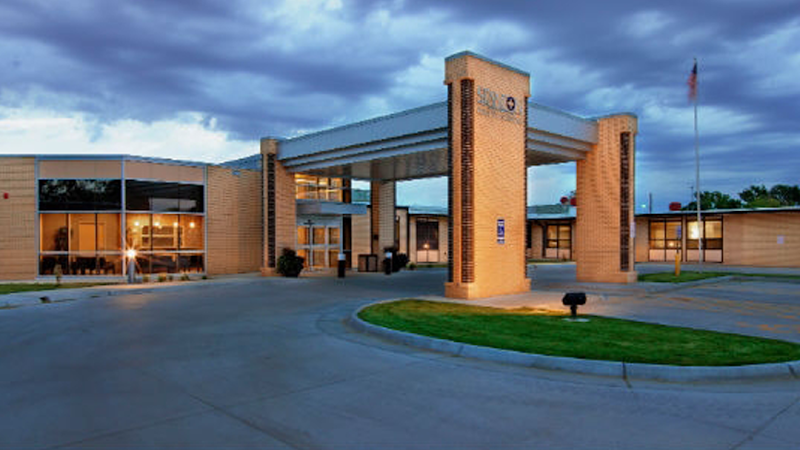
How Does Stanton County Health Care Facility Ltcu Compare to Other Kansas Nursing Homes?

Compared to the 100 nursing homes in Kansas, STANTON COUNTY HEALTH CARE FACILITY LTCU's overall rating (3 stars) is above the state average of 2.9, staff turnover (34%) is significantly lower than the state average of 46%, and health inspection rating (2 stars) is below the national benchmark.

What Should Families Ask When Visiting Stanton County Health Care Facility Ltcu?

Based on this facility's data, families visiting should ask: "What changes have been made since the serious inspection findings, and how are you preventing similar issues?" "Can I visit during a mealtime to observe dining assistance and food quality?" "How do you handle medical emergencies, and what is your hospital transfer rate?" "Can I speak with family members of current residents about their experience?" These questions are particularly relevant given the facility's Immediate Jeopardy citations.

Is Stanton County Health Care Facility Ltcu Safe?

Based on CMS inspection data, STANTON COUNTY HEALTH CARE FACILITY LTCU has documented safety concerns. Inspectors have issued 1 Immediate Jeopardy citation (the most serious violation level indicating risk of serious injury or death). The facility has a 3-star overall rating and ranks #1 of 100 nursing homes in Kansas. Families considering this facility should ask detailed questions about what corrective actions have been taken since these incidents.

Do Nurses at Stanton County Health Care Facility Ltcu Stick Around?

STANTON COUNTY HEALTH CARE FACILITY LTCU has a staff turnover rate of 34%, which is about average for Kansas nursing homes (state average: 46%). Moderate turnover is common in nursing homes, but families should still ask about staff tenure and how the facility maintains care continuity when employees leave.

Was Stanton County Health Care Facility Ltcu Ever Fined?

STANTON COUNTY HEALTH CARE FACILITY LTCU has no federal fines on record. CMS issues fines when nursing homes fail to meet care standards or don't correct problems found during inspections. The absence of fines suggests the facility has either maintained compliance or corrected any issues before penalties were assessed. This is a positive indicator, though families should still review recent inspection reports for the full picture.

Is Stanton County Health Care Facility Ltcu on Any Federal Watch List?

STANTON COUNTY HEALTH CARE FACILITY LTCU is not on any federal watch list. The most significant is the Special Focus Facility (SFF) program, which identifies the bottom 1% of nursing homes nationally based on persistent, serious quality problems. Not being on this list means the facility has avoided the pattern of deficiencies that triggers enhanced federal oversight. This is a positive indicator, though families should still review the facility's inspection history directly.