VALLEY VIEW SENIOR LIFE
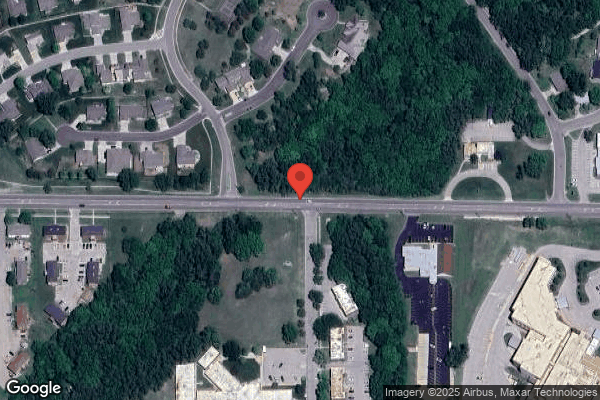
1417 W ASH ST, JUNCTION CITY, KS 66441 (785) 762-2162
For profit - Partnership 100 Beds Independent Data: November 2025
Trust Grade
75/100
#99 of 295 in KS
Last Inspection: August 2025

Inspected within the last 6 months. Data reflects current conditions.

Overview

Valley View Senior Life in Junction City, Kansas has a Trust Grade of B, indicating it is a good choice, though not without some concerns. It ranks #99 out of 295 facilities in Kansas, placing it in the top half, and is the only option in Geary County. Unfortunately, the facility's performance is worsening, with issues increasing from 4 in 2023 to 9 in 2025. Staffing is a strength, as they have a 4/5 star rating and a 36% turnover rate, which is lower than the state average of 48%, indicating staff stability. On the downside, there have been concerning incidents, including the failure to implement a water management program to prevent Legionella, which poses an infection risk, and issues with food safety, where expired food was not disposed of properly, increasing the risk of foodborne illnesses. Additionally, there was a lapse in securing medications, which could lead to accidental ingestion. Overall, while Valley View has commendable staffing and no fines, families should weigh these strengths against the identified concerns.

Trust Score
B
75/100
In Kansas
#99/295
Top 33%
Safety Record
Low Risk
No red flags
Inspections
Getting Worse
4 → 9 violations
Staff Stability
○ Average
36% turnover. Near Kansas's 48% average. Typical for the industry.
Penalties
✓ Good
No fines on record. Clean compliance history, better than most Kansas facilities.
Skilled Nurses
✓ Good
Each resident gets 46 minutes of Registered Nurse (RN) attention daily — more than average for Kansas. RNs are trained to catch health problems early.
Violations
⚠ Watch
18 deficiencies on record. Higher than average. Multiple issues found across inspections.
★★★★☆
4.0
Overall Rating
★★★★☆
4.0
Staff Levels
★★★★☆
4.0
Care Quality
★★★★☆
4.0
Inspection Score
Stable
2023: 4 issues
2025: 9 issues

The Good

  • 4-Star Staffing Rating · Above-average nurse staffing levels
  • 4-Star Quality Measures · Strong clinical quality outcomes
  • Full Sprinkler Coverage · Fire safety systems throughout facility
  • No fines on record
  • Staff turnover below average (36%)

    12 points below Kansas average of 48%

Facility shows strength in staffing levels, quality measures, fire safety.

The Bad

Staff Turnover: 36%

Near Kansas avg (46%)

Typical for the industry

The Ugly 18 deficiencies on record

Aug 2025 9 deficiencies
CONCERN (D)

Potential for Harm - no one hurt, but risky conditions existed

Deficiency F0628 (Tag F0628)

Could have caused harm · This affected 1 resident

**NOTE- TERMS IN BRACKETS HAVE BEEN EDITED TO PROTECT CONFIDENTIALITY** The facility had a census of 62 residents. The sample included 16 residents, with one reviewed for discharge. Based on record re...

Read full inspector narrative →
**NOTE- TERMS IN BRACKETS HAVE BEEN EDITED TO PROTECT CONFIDENTIALITY** The facility had a census of 62 residents. The sample included 16 residents, with one reviewed for discharge. Based on record review and interview, the facility failed to notify the Office of the Long-Term Care Ombudsman (LTCO- a public official who works to resolve resident issues in nursing facilities) of Resident (R) 1 and R67's. The facility also failed to develop a discharge summary that included a recapitulation (a concise summary of the resident's stay and course of treatment in the facility) of the resident's stay for R67's unplanned discharge. This placed the residents at risk for uninformed care choices and impaired rights.Findings included:- R1's Electronic Medical Record (EMR) documented R1 had diagnoses of sepsis (a life-threatening systemic reaction that develops due to infections that cause inflammation throughout the entire body), Parkinson's disease (a slowly progressive neurologic disorder characterized by resting tremors, rolling of the fingers, masklike faces, shuffling gait, muscle rigidity, and weakness), and aspiration pneumonia (an inflammatory condition of the lungs caused by inhaling foreign material or vomit). R1's Quarterly Minimum Data Set (MDS), dated [DATE], documented the resident had a Brief Interview of Mental Status (BIMS) score of 14, which indicated intact cognition. The MDS documented R1 had pneumonia. R1's Care Plan, revised 07/14/25, documented R1 had Parkinson’s and instructed staff to monitor, document, and report to the physician as needed (PRN) any signs and symptoms of aspiration or dysphagia (swallowing difficulty), choking, fever, and or coughing. R1's Progress Notes dated 06/30/25 at 03:18 AM documented the resident was transferred to the hospital. R1's clinical record lacked evidence the LTCO was notified of the hospital transfer. On 08/05/25 at 10:45 AM, R1 ambulated around the facility with a walker without signs of shortness of breath. On 08/05/25 at 02:10 PM, Administrative Staff B stated she was responsible for notifying the LTCO when a resident was transferred to the hospital. Administrative Staff B verified she had not notified the LTCO when R1 was transferred to the hospital on [DATE]. Administrative Staff B stated she must have missed it. The facility's Resident Admission, Transfer, and Discharge Rights Policy, undated, documented that the facility must send a copy of the transfer or discharge notice to the LTCO program promptly after issuing the transfer notice to the resident. - R67’s Electronic Medical Record (EMR) documented diagnoses of chronic iron deficiency (an inadequate number of healthy red blood cells to carry adequate oxygen to body tissues ), low back pain, Barrett’s esophagus (a condition caused by inflammation and damage to the lining of the esophagus), and cognitive communication deficit (an impairment in organization, sequencing, attention,, memory, planning, problem-solving, and safety awareness). The” Quarterly Minimum Data Set” (MDS), dated [DATE], documented R67 had intact cognition. R67 was independent with all activities of daily living (ADL), had disorganized thinking, rejection of care for four to six days during the look-back period, and had no medications. The MDS further documented R67 did not want any agency referrals before discharge. R67’s “Care Plan,” dated 06/09/25, initiated on 11/6/24, documented staff would provide R67 with options related to discharge planning, medication education, and community health services. The care plan further documented, R67 planned to discharge to the street, as he had been homeless for many years, and he chose to live that way. The “Nurse’s Note,” dated 06/20/25 at 09:16 AM, documented R67 was adamant about leaving AMA (against medical advice) today. R67 had his wagon packed up with his things, and he reiterated his wishes as above. The nurse asked him to sit tight until she was able to consult with management and his physician. The note further documented, the nurse left R67 in the front commons area while notifying management of the situation, and the social worker was requested to consult with the resident. The” Nurse’s Note,” dated 06/20/25 at 11:16 AM, documented the social worker was notified that R67 planned to leave the facility. She spoke with him about how they were in the summer season and how hot it was going to be in the coming days, but he stated he was a country boy and that he was used to the heat. R67 stated he did not need any medications or medical interventions as he had lived off the land, and living inside was killing him. The note further documented that other staff members tried to talk him into staying in the facility. APS (Adult Protective Services) and the local police department were notified of his discharge. R67’s clinical record lacked evidence that the ombudsman was notified of the discharge. R67's EMR lacked evidence that a thorough recapitulation of R67’s stay was developed. On 08/05/25 at 10:05 AM, Administrative Nurse E stated she did not know what a recapitulation was and that she only completed a nursing discharge when a resident left the facility. On 08/05/25 at 10:15 AM, Administrative Staff B stated she did not notify the ombudsman when R67 was discharged from the facility and only notified the ombudsman for hospital discharges. On 0805/25 at 11:00 AM, Administrative Nurse D stated she was unsure what a recapitulation was but verified that the discharge summary that was completed was not a thorough representation of R67’s stay in the facility. Administrative Nurse D further stated, the ombudsman should have been notified of his discharge. The facility’s “Resident Admission, Transfer, and Discharge Rights” undated policy documented that the facility shall not request or require residents to waive any rights related to admission, transfer, or discharge. Residents would be admitted , transferred, or discharged only for reasons permitted by law and by established procedures that safeguard their rights. The facility must send a copy of the transfer or discharge notice to the Long-Term Care Ombudsman program promptly after the resident is discharged . Regular audits and case reviews would be conducted to ensure the Ombudsman was properly and promptly notified. The facility’s “Discharge summary” undated policy documented that the facility shall prepare and provide a discharge summary, including a recapitulation of stay. The recapitulation shall include the disposition of pre- and post-medications, diagnoses and conditions, course of their illness and treatment, pertinent lab, other diagnostic tests, and results. The recapitulation shall also include documented consultations, physician verification for discharge and/or transfer, and any other pertinent information.
CONCERN (D)

Potential for Harm - no one hurt, but risky conditions existed

Deficiency F0657 (Tag F0657)

Could have caused harm · This affected 1 resident

The facility identified a census of 62 residents. The sample included 16 residents. Based on observation, record review, and interview, the facility failed to ensure that Resident (R) 9's comprehensiv...

Read full inspector narrative →
The facility identified a census of 62 residents. The sample included 16 residents. Based on observation, record review, and interview, the facility failed to ensure that Resident (R) 9's comprehensive care plan was revised with information about his dialysis (a procedure where impurities or wastes were removed from the blood). This deficient practice placed R9 at risk for missed dialysis visits and complications related to dialysis.Findings included:- R9's EMR documented diagnoses of end-stage renal disease (ESRD- a terminal disease of the kidneys) and dependence on renal dialysis.R9's admission Minimum Data Set (MDS) dated 04/01/25 documented a Brief Interview for Mental Status (BIMS) score of 15, which indicated intact cognition. R9 had functional limitation in range of motion impairment on both lower extremities. R9 used a walker and a wheelchair to assist with his mobility. R9 required substantial staff assistance with toileting and was dependent on staff for bathing. R9 was on a dialysis program.R9's Functional Abilities Care Area Assessment (CAA) dated 04/01/25 documented he had a diagnosis of stage renal disease. R9 has a central venous catheter (CVC- a thin, flexible tube inserted into a large vein to provide long-term access to the bloodstream for medical purposes) port in the right chest and a shunt (tube or device implanted in the body to redirect a body fluid from one cavity to another) in his left arm. R9's dialysis days are Tuesday, Thursday, and Saturday. R9 was alert and oriented with clear speech. R9's hearing and vision was adequate. R9 was currently on physician therapy and occupational therapy services and would be on a restorative program upon completion. R9's Care Plan dated 03/25/25 directed staff that he had end-stage renal disease. The Care Plan directed staff that R9 had a shunt for dialysis in his left arm. Staff were directed to monitor, document, and report any signs and symptoms of infection to his dialysis access site to the physician. The Care Plan directed staff not to take blood pressure in the left arm. The Care Plan directed staff to monitor the access site for bleeding for 24 hours after he returned from his dialysis treatment. The Care Plan lacked staff direction on the dialysis center location and contact information. The Care Plan lacked staff direction on the days that R9 had his dialysis treatment. R9's Orders tab of the EMR lacked the physician's order for dialysis.R9's Misc. tab of the EMR did contain a scanned Communication Form that documented pre- and post-dialysis vital signs. The form also contained information on any labs drawn or new orders from the dialysis clinic. On 08/05/25 at 12:58 PM, R9 sat in his wheelchair in his room and stated that he had returned from his dialysis appointment earlier. R9 stated that he went to dialysis on Tuesdays, Thursdays, and Saturdays early in the morning.On 08/06/25 at 09:15 AM, Certified Nurse Aide (CNA) N stated that the nurses usually told the CNAs which residents were on dialysis or hospice. CNA N stated the nurse would usually tell staff in the mornings which resident had dialysis that day. CNA N stated he could not say if R9's care plan had dialysis information in it that he was aware of.On 08/06/25 at 09:30 AM, Licensed Nurse (LN) G stated R9 should have his dialysis information in his care plan. LN G stated that R9 had dialysis on Tuesdays, Thursdays, and Saturdays out of town. LN G stated R9's pre-dialysis form and vital signs were completed prior to his transportation to his dialysis appointments.On 08/06/25 at 11:15 AM, Administrative Nurse D stated that R9's care plan did contain the dialysis provider name in his care plan but not the information on the days that R9 went to dialysis. Administrative Nurse D stated that it must have been overlooked upon R9's return from the hospital in April. Administrative Nurse D stated R9 did go to dialysis out of town on Tuesday, Thursday, and Saturday mornings, the pre-dialysis form was completed by the nurse before each visit and the form was returned with the resident post-clinic.The facility's Care Plan Revisions policy dated 08/01/25 documented changes in a resident's condition always required changes to be made in the plan of care, either by a change in the individual approaches or by the addition of new problems to the plan of care. All physician orders, progress notes, and consultant notes would be reviewed and appropriately added to the care plan. The revisions to the care plan would be the responsibility of a licensed nurse in collaboration with the resident, the representative/family, direct care staff, and the entire interdisciplinary team, and changes would be communicated with all staff and all shifts.
CONCERN (D)

Potential for Harm - no one hurt, but risky conditions existed

Deficiency F0692 (Tag F0692)

Could have caused harm · This affected 1 resident

The facility identified a census of 62 residents. The sample included 16 residents. Based on observation, record review, and interview, the facility failed to ensure Resident (R) 2's physician ordered...

Read full inspector narrative →
The facility identified a census of 62 residents. The sample included 16 residents. Based on observation, record review, and interview, the facility failed to ensure Resident (R) 2's physician ordered fluid restriction was followed by staff. This placed R2 at risk of fluid overload and possible complications.Findings included:- R2's Electronic Medical Record (EMR) documented diagnoses of congestive heart failure (CHF- a condition with low heart output and the body becomes congested with fluid), respiratory failure (a condition where the lungs cannot adequately exchange oxygen and carbon dioxide between the blood and the air, leading to insufficient oxygen or excessive carbon dioxide in the bloodstream), and hypertension (HTN- elevated blood pressure).R2's Significant Change Minimum Data Set (MDS) dated 01/31/25 documented a Brief Interview for Mental Status (BIMS) score of 11, which indicated moderately impaired cognition. R2 used a wheelchair to assist with mobility. R2 had a functional limitation in the range of motion with impairment on one side of her lower extremity. R2 required partial assistance from staff with dressing, required substantial assistance with bathing, and was dependent on staff with toileting and lower body dressing. R2 had a pressure ulcer (localized injury to the skin and/or underlying tissue usually over a bony prominence, as a result of pressure, or pressure in combination with shear and/or friction) that was present on admission. R2 required oxygen therapy.R2's Nutritional Status Care Area Assessment (CAA) dated 02/03/25 documented a recent hospitalization from 01/19/25 to 01/24/25. R2 was on a 2000 milliliter (ml) fluid restriction per 24 hours. Dietary allowed 16 ounces(oz) (480 mL) beverage of choice with meals to equal 48 oz (1440 mL) per 24 hours. Nursing allowed 18 oz (560 mL) per 24 hours. R2 was to have no bedside water pitcher. The Registered Dietitian was to remain available to assist with R2's nutritional needs and concerns as identified.R2's Care Plan last revised on 06/24/25 directed staff of her 2000 ml fluid restriction in 24 hours, dietary allowed 16 ounces(oz) (480 mL) beverage of choice with meals, 48 oz (1440 mL) per 24 hours; nursing allowed 18 oz (560 mL) per 24 hours. R2 was to have no bedside water pitcher. The Care Plan directed staff that R2 was on a no-added salt diet.R2's Orders tab documented a physician's order dated 05/15/25 for a fluid restriction 2000 ml daily. Nursing may provide 500 ml between meals with med pass per shift. Dietary may provide 500 ml with each meal. Review of R2's June 2025 Treatment Administration Record (TAR) revealed that R2's physician ordered 2000 ml fluid restriction was exceeded on 10 of 30 days.Review of R2's July 2025 TAR revealed that R2's physician ordered 2000 ml fluid restriction was exceeded on three of 31 days.Review of R2's August 2025 TAR revealed that R2's physician ordered 2000 ml fluid restriction was exceeded on two of six days.On 08/05/25 at 01:15 PM, R2 sat in her wheelchair in her room, her supplemental oxygen on. R2 stated she did not always follow her fluid restriction. On 08/06/25 at 09:15 AM, Certified Nurse Aide (CNA) N stated that R2 used to be the director of nursing at this facility, so she was one who was going to do just what she wanted to. CNA N stated R2 knew about her fluid restriction, but she did not always follow it.On 08/06/25 at 09:30 AM, Licensed Nurse (LN) G stated R2 was a special resident. LN G stated R2 was a former director of nursing at the facility. LN G stated R2 did have a fluid restriction that included how much fluid she could have a meals and how much other fluid she could have throughout the day. LN G stated R2 did not always follow her fluid restriction and was aware of what that could cause with her health.On 08/06/25 at 09:34 AM, Administrative Nurse D stated that R2 knew of her fluid restriction but would not always follow the orders and would drink more than she should. Administrative Nurse D stated R2 was a former nurse and director of nursing here at this facility, and had told staff that she would drink as much fluids as she wanted, regardless of what the doctor said.The facility's Fluid Restrictions policy dated 08/01/25 documented that fluid restrictions ordered by a physician were carried out by the nursing and dietary departments. Unless otherwise specified, the nursing department, in collaboration with the registered dietician, determined the allotment of fluids for meal trays, med-passes, and water provided in the room. Nursing would record the residents' consumption of fluids in the room, during meals, and during med passes using facility input and output documentation. A CNA would review fluid restrictions documented on the resident's individualized, comprehensive care plan to make sure that allotted amounts were not exceeded on meal trays and in-room water services.
CONCERN (D)

Potential for Harm - no one hurt, but risky conditions existed

Deficiency F0698 (Tag F0698)

Could have caused harm · This affected 1 resident

The facility identified a census of 62 residents. The sample included 16 residents. Based on observation, record review, and interview, the facility failed to ensure that Resident (R) 9's dialysis (a ...

Read full inspector narrative →
The facility identified a census of 62 residents. The sample included 16 residents. Based on observation, record review, and interview, the facility failed to ensure that Resident (R) 9's dialysis (a procedure where impurities or wastes were removed from the blood) physician order was in his orders of the Electronic Medical Record (EMR). This deficient practice placed R9 at risk for missed dialysis visits and complications related to dialysis.Findings included:- R9's EMR documented diagnoses of end-stage renal disease (ESRD- a terminal disease of the kidneys), and dependence on renal dialysis.R9's admission Minimum Data Set (MDS) dated 04/01/25 documented a Brief Interview for Mental Status (BIMS) score of 15, which indicated intact cognition. R9 had a functional limitation in the range of motion impairment on both lower extremities. R9 used a walker and a wheelchair to assist with his mobility. R9 required substantial staff assistance with toileting and was dependent on staff for bathing. R9 was on a dialysis program.R9's Functional Abilities Care Area Assessment (CAA) dated 04/01/25 documented he had a diagnosis of stage renal disease. R9 has a central venous catheter (CVC- a thin, flexible tube inserted into a large vein to provide long-term access to the bloodstream for medical purposes) port in the right chest and a shunt (tube or device implanted in the body to redirect a body fluid from one cavity to another) in his left arm. R9's dialysis days are Tuesday, Thursday, and Saturday. R9 was alert and oriented with clear speech. R9's hearing and vision were adequate. R9 was currently on physician therapy and occupational therapy services and would be on a restorative program upon completion. R9's Care Plan dated 03/25/25 directed staff that he had end-stage renal disease. The Care Plan directed staff that R9 had a shunt for dialysis in his left arm. Staff was directed to monitor, document, and report any signs and symptoms of infection to his dialysis access site to the physician. The Care Plan directed staff not to do blood pressure in the left arm. The Care Plan directed staff to monitor the access site for bleeding for 24 hours after he returned from his dialysis treatment. The Care Plan lacked staff direction on the dialysis center location and contact information. The Care Plan lacked staff direction on the days that R9 had his dialysis treatment. R9's Orders tab of the EMR lacked the physician's order for dialysis.R9's Misc. tab of the EMR did contain a scanned Communication Form that documented pre- and post-dialysis vital signs. The form also contained information on any labs drawn or new orders from the dialysis clinic. On 08/05/25 at 12:58 PM, R9 sat in his wheelchair in his room and stated that he had returned from his dialysis appointment earlier. R9 stated that he went to dialysis on Tuesdays, Thursdays, and Saturdays early in the morning.On 08/06/25 at 09:15 AM, Certified Nurse Aide (CNA) N stated that the nurses usually told the CNAs which residents were on dialysis or hospice. CNA N stated the nurse would usually tell staff in the mornings which resident had dialysis that day. CNA N stated the facility did not have a dialysis book for R9 that he was aware of.On 08/06/25 at 09:30 AM, Licensed Nurse (LN) G stated R9 should have his dialysis order on his Medication Administration Record (MAR) or Treatment Administration Record (TAR). LN G stated that R9 had dialysis on Tuesdays, Thursdays, and Saturdays. LN G stated R9's pre-dialysis form and vital signs were completed prior to his transportation to his dialysis appointments.On 08/06/25 at 11:15 AM, Administrative Nurse D stated that R9's order did not have his physician's dialysis order in it, but now it did. Administrative Nurse D stated that it must have been overlooked upon R9's return from the hospital in April. Administrative Nurse D stated R9 did go to dialysis out of town on Tuesday, Thursday, and Saturday mornings, the pre-dialysis form was completed by the nurse before each visit, and the form was returned with the resident post-clinic.The facility's Hemo-Dialysis Policy dated 08/01/25 documented the medical management of the resident receiving hemo-dialysis was under the direction of the resident's chosen attending primary care physician in collaborative consultation with the Medical Director of the dialysis unit. This facility would establish and maintain a written agreement with the renal dialysis unit that clearly identified the roles and responsibilities of each party for the care and services of the resident. Management of the resident's overall comprehensive plan of care was the responsibility of this facility in collaborative cooperation with the dialysis unit. Coordination of care included: times of dialysis therapy and dialysis access orders; dialysis clinic appointments and laboratory schedule; transportation arrangements; information transmitted to the dialysis unit by the facility prior to dialysis; and information transmitted to the facility by the dialysis unit after dialysis.
CONCERN (D)

Potential for Harm - no one hurt, but risky conditions existed

Drug Regimen Review (Tag F0756)

Could have caused harm · This affected 1 resident

**NOTE- TERMS IN BRACKETS HAVE BEEN EDITED TO PROTECT CONFIDENTIALITY** The facility had a census of 62 residents. The sample included 16 residents. Based on observation, record review, and interview,...

Read full inspector narrative →
**NOTE- TERMS IN BRACKETS HAVE BEEN EDITED TO PROTECT CONFIDENTIALITY** The facility had a census of 62 residents. The sample included 16 residents. Based on observation, record review, and interview, the facility failed to ensure the Consultant Pharmacist (CP) identified Resident (R) 32's as-needed antianxiety (a class of medications that calm and relax people) without a stop date and R2's fluid restriction parameter monitoring with the use of a diuretic (a medication to promote the formation and excretion of urine). This placed the residents at risk for inappropriate and/or unnecessary medication.Finding included:- R32's Electronic Medical Record (EMR) included diagnoses of severe protein-calorie malnutrition, chronic kidney disease, major depressive disorder (major mood disorder that causes persistent feelings of sadness), non-pressure chronic ulcer of the left lower leg, paralytic syndrome (loss of muscle function leading to weakness or inability to move), anemia (an inadequate number of healthy red blood cells to carry adequate oxygen to body tissues), disorder of arteries, peripheral vascular disease (PVD- slow and progressive circulation disorder causing narrowing, blockage, or spasms in a blood vessel), diabetes mellitus (DM- when the body cannot use glucose, not enough insulin is made, or the body cannot respond to the insulin), and paraplegia (paralysis characterized by motor or sensory loss in the lower limbs and trunk).The Significant Change Minimum Data Set (MDS), dated [DATE], documented that R32 had mild cognitive impairment, was dependent on staff with toileting hygiene, bathing, and lower body dressing, and required partial/moderate assistance with upper body dressing. R32 received an antipsychotic (a class of medications used to treat major mental conditions that cause a break from reality), an antianxiety, antidepressant (a class of medications used to treat mood disorders), antibiotic (a class of medications used to treat infections), diuretic (a medication to promote the formation and excretion of urine), opioid (a class of medication used to treat pain) and anticonvulsant (a class of medications used to treat seizures). R32 had pressure ulcers (localized injury to the skin and/or underlying tissue usually over a bony prominence, as a result of pressure, or pressure in combination with shear and/or friction). The MDS further documented that R32 had a condition or chronic disease that may result in a life expectancy of less than six months.R32's Care Plan dated 07/17/25, documented high-risk Black Box Warning (BBW- the highest safety-related warning that medications can have assigned by the Food and Drug Administration) use of lorazepam and opioids may result in profound sedation, respiratory depression, coma, and death.The Physician Order dated 07/07/25, directed staff to administer lorazepam, one to two milligram (mg) tablet by mouth every four hours as needed for agitation, anxiety, or shortness of air. The order lacked a stop/discontinue date.The CP monthly review dated 07/25/25 failed to identify R32's PRN lorazepam lacked a stop date and documented no recommendations.The Progress Note dated 07/07/25 at 11:25 AM documented that before the noon medication administration, R32 was minimally responsive. R32 was able to open eyes with tactile stimulation but was unable to vocalize anything; pupils were sluggish, and radial pulses bilaterally were faint. The Progress Note further documented that the noon medications were held due to R32's inability to safely swallow.On 08/05/25 at 09:37 AM, R32 sat in bed, on a low air loss mattress, watching TV with a breakfast tray on the overbed table.On 08/05/25 at 03:41 PM, Licensed Nurse (LN) H reported the PRN lorazepam did not have a stop date and was indefinite.On 08/05/25 at 09:43 AM, Administrative Nurse D reported that the PRN lorazepam order should have a stop date, and the facility generally implemented a stop date of six months from the original order; the CP should have caught the lack of a stop date.The facility's Drug Regimen Review Report Distribution policy, 08/01/25, documented the CP will report any recommendations of apparent irregularities resulting from the medication regimen review of each resident to the attending physician and/or the director of nursing on a medication regimen review report form. Each recommendation must be acted upon.
CONCERN (D)

Potential for Harm - no one hurt, but risky conditions existed

Deficiency F0757 (Tag F0757)

Could have caused harm · This affected 1 resident

**NOTE- TERMS IN BRACKETS HAVE BEEN EDITED TO PROTECT CONFIDENTIALITY** The facility had a census of 62 residents. The sample included 16 residents. Based on observation, record review, and interview,...

Read full inspector narrative →
**NOTE- TERMS IN BRACKETS HAVE BEEN EDITED TO PROTECT CONFIDENTIALITY** The facility had a census of 62 residents. The sample included 16 residents. Based on observation, record review, and interview, the facility failed to obtain a stop date for Resident (R) 32's as-needed (PRN) antianxiety (a class of medications that calm and relax people) lorazepam, which placed R32 at risk of receiving unnecessary medication.Findings included:- R32's Electronic Medical Record (EMR) included diagnoses of severe protein-calorie malnutrition, chronic kidney disease, major depressive disorder (major mood disorder that causes persistent feelings of sadness), non-pressure chronic ulcer of the left lower leg, paralytic syndrome (loss of muscle function leading to weakness or inability to move), anemia (an inadequate number of healthy red blood cells to carry adequate oxygen to body tissues), disorder of arteries, peripheral vascular disease (PVD- slow and progressive circulation disorder causing narrowing, blockage, or spasms in a blood vessel), diabetes mellitus (DM- when the body cannot use glucose, not enough insulin is made, or the body cannot respond to the insulin), and paraplegia (paralysis characterized by motor or sensory loss in the lower limbs and trunk).The Significant Change Minimum Data Set (MDS), dated [DATE], documented that R32 had mild cognitive impairment, was dependent on staff with toileting hygiene, bathing, and lower body dressing, and required partial/moderate assistance with upper body dressing. R32 received an antipsychotic (a class of medications used to treat major mental conditions that cause a break from reality), an antianxiety, antidepressant (a class of medications used to treat mood disorders), antibiotic (a class of medications used to treat infections), diuretic (a medication to promote the formation and excretion of urine), opioid (a class of medication used to treat pain) and anticonvulsant (a class of medications used to treat seizures). R32 had pressure ulcers (localized injury to the skin and/or underlying tissue usually over a bony prominence, as a result of pressure, or pressure in combination with shear and/or friction). The MDS further documented that R32 had a condition or chronic disease that may result in a life expectancy of less than six months.R32's Care Plan dated 07/17/25, documented high-risk Black Box Warning (BBW- the highest safety-related warning that medications can have assigned by the Food and Drug Administration) use of lorazepam and opioids may result in profound sedation, respiratory depression, coma, and death.The Physician Order dated 07/07/25, directed staff to administer a lorazepam, one to two milligrams (mg) tablet by mouth every four hours as needed for agitation, anxiety, or shortness of air. The order lacked a stop/discontinue date.The Progress Note dated 07/07/25 at 11:25 AM documented before the noon medication administration, R32 was minimally responsive. R32 was able to open eyes with tactile stimulation but was unable to vocalize anything; pupils were sluggish, and radial pulses bilaterally were faint. The Progress Note further documented that the noon medications were held due to R32's inability to safely swallow.The Progress Note dated 07/08/25 at 11:09 AM documented that facility staff spoke with R32 regarding his current health status and his recent decision to no longer pursue hospitalizations, blood transfusions, ectara. The facility staff discussed hospice services and benefits, and R32 was in agreement with hospice services at that time and would speak to his spouse and let the spouse know of his decision.On 08/05/25 at 09:37 AM, R32 sat in bed, on a low air loss mattress, watching TV with a breakfast tray on the overbed table.On 08/05/25 at 03:41 PM, Licensed Nurse (LN) H reported the PRN lorazepam did not have a stop date and was indefinite.On 08/05/25 at 09:43 AM, Administrative Nurse D reported the PRN lorazepam order should have a stop date, and the facility generally implemented a stop date of six months from the original order.The facility's Psychotropic Medication Use policy, dated 08/01/25, documented that the Centers for Medicare & Medicaid Services (CMS) regulations state that each resident's drug regimen must be free of unnecessary drugs and define what is considered an unnecessary drug. An unnecessary drug is any drug used in excessive doses, for excessive duration, without adequate indications, without adequate monitoring, or in the presence of adverse consequences, which indicate the dosage should be reduced or discontinued.
CONCERN (D)

Potential for Harm - no one hurt, but risky conditions existed

Deficiency F0849 (Tag F0849)

Could have caused harm · This affected 1 resident

**NOTE- TERMS IN BRACKETS HAVE BEEN EDITED TO PROTECT CONFIDENTIALITY** The facility had a census of 62 residents. The sample included 16 residents. Based on observation, record review, and interview,...

Read full inspector narrative →
**NOTE- TERMS IN BRACKETS HAVE BEEN EDITED TO PROTECT CONFIDENTIALITY** The facility had a census of 62 residents. The sample included 16 residents. Based on observation, record review, and interview, the facility failed to include a hospice (a program that gives special care to people who are near the end of life) plan of care that outlined visit frequency, medications, medical equipment, and the resident representative's preference for Resident (R) 4 and R32. This deficient practice placed the residents at risk of not receiving resident-directed end-of-life care.Findings included:- R4’s Electronic Medical Record (EMR) documented diagnoses of hemiplegia and hemiparesis (weakness and paralysis on one side of the body), cerebral infarction (stroke - sudden death of brain cells due to lack of oxygen caused by impaired blood flow to the brain by blockage or rupture of an artery to the brain), diabetes mellitus (DM- when the body cannot use glucose, not enough insulin is made, or the body cannot respond to the insulin), chronic kidney disease (a condition where the kidneys are damaged and are unable to filter blood effectively), and hypertension (HTN- elevated blood pressure). R4’s “Significant Change Minimum Data Set (MDS)” dated 04/17/25 documented she had a Brief Interview for Mental Status (BIMS) score of two, which indicated severely impaired cognition. R4 was independent with eating but dependent on staff for activities of daily living (ADL). R4 was on hospice services. R4’s “Functional Abilities Care Area Assessment (CAA)” dated 04/24/25 documented she was a significant change in status related to a recent hospitalization for gastrointestinal (GI) bleed and aspiration pneumonia (a lung infection caused by inhaling food, liquid, vomit, or saliva into the lungs). R4 returned to the facility on hospice services. R4 has had weight loss. R4 has had a deterioration in her ADLs and required two staff to assist for safety. R4 used a wheelchair for mobility, propelled by staff. R4’s “Care Plan,” revised on 07/22/25, directed staff that she was on hospice services. The Care Plan directed staff to refer to her notebook at the nurses' station related to her care and services from hospice. The Care Plan directed staff to work cooperatively with the hospice team to ensure the resident’s spiritual, emotional, intellectual, physical, and social needs were met. R4’s Care Plan lacked staff direction on the hospice contact information, the supplies and medications provided by hospice, and hospice staff and the frequency of visits. On 08/05/25 at 07:54 AM, R4 laid in her bed with her supplemental oxygen on via a nasal cannula (a device that gives you supplemental oxygen through your nose). On 08/06/25 at 09:15 AM, Certified Nurse Aide (CNA) N stated that residents who were on hospice each had a notebook at the nurse’s station that had the hospice information. CNA N stated he could not say what supplies hospice provided, and all that information was in their notebook. CNA N stated the nurse usually would relay any hospice information to them. On 08/06/25 at 09:30 AM, Licensed Nurse (LN) G stated that R4’s care plan had information about her being on hospice and the hospice provider. LN G stated that any other information about what hospice provided was in R4’s hospice book at the nurse’s station. On 08/06/25 at 09:34 AM, Administrative Nurse D stated R4’s care plan did let staff know she was on hospice services, but did not contain the hospice contact information, the medications, or supplies that hospice provided. Administrative Nurse D stated that R4’s hospice book at the nurse’s station contained all the information on what hospice provided, and staff could find the information there. Administrative Nurse D stated she had not thought about including that information on R4’s facility care plan. The facility’s “Hospice Services” policy dated 08/01/25 documented the facility would coordinate care planning with the hospice provider including all services and supplies provided by the hospice provider including: nursing services; nurse aide services; social service; chaplaincy services; durable medical equipment; medications; and grief support to family members. - R32’s Electronic Medical Record (EMR) included diagnoses of severe protein-calorie malnutrition, chronic kidney disease, major depressive disorder (major mood disorder that causes persistent feelings of sadness), non-pressure chronic ulcer of the left lower leg, paralytic syndrome (loss of muscle function leading to weakness or inability to move), anemia (an inadequate number of healthy red blood cells to carry adequate oxygen to body tissues), disorder of arteries, peripheral vascular disease (PVD- slow and progressive circulation disorder causing narrowing, blockage, or spasms in a blood vessel), diabetes mellitus (DM- when the body cannot use glucose, not enough insulin is made, or the body cannot respond to the insulin), and paraplegia (paralysis characterized by motor or sensory loss in the lower limbs and trunk). R32’s “Significant Change Minimum Data Set” (MDS), dated [DATE], documented R32 had mild cognitive impairment, was dependent on staff with toileting hygiene, bathing, and lower body dressing, and required partial/moderate assistance with upper body dressing. R32 received scheduled and as-needed pain medication and had pressure ulcers (localized injury to the skin and/or underlying tissue usually over a bony prominence, as a result of pressure, or pressure in combination with shear and/or friction). The MDS further documented that R32 had a condition or chronic disease that may result in a life expectancy of less than six months and received hospice care. R32’s “Functional Abilities Care Area Assessment” (CAA), dated 07/17/25, documented R32 had been admitted to hospice for palliative care (treatment designed to relieve or reduce the intensity of uncomfortable symptoms) and would proceed to the Care Plan. R32’s “Care Plan” dated 07/17/25, documented R32 had a terminal prognosis related to severe protein-calorie malnutrition secondary to chronic kidney disease. The Care Plan directed staff to adjust provisions of Activities of Daily Living (ADL) to compensate for resident’s changing abilities, encourage participation to the extent the resident wishes, and a hospice notebook kept at the nurses’ station. The Care Plan further directed staff to work cooperatively with the hospice team to ensure R32’s spiritual, emotional, intellectual, physical, and social needs were met. The care plan lacked specifics of delegation of hospice staff services, visit frequency, medication, medical equipment, and supplies provided. The Hospice Physician Order” dated 07/09/25, documented R32 admitted to hospice services with a diagnosis of severe protein-calorie malnutrition secondary to kidney disease, and weight loss was expected due to the disease process. The patient’s life expectancy was six months or less if the disease followed natural progression. Discharge from hospice upon death. The “Progress Note” dated 07/08/25 at 11:09 AM, documented that facility staff spoke with R32 regarding his current health status and his recent decision to no longer pursue hospitalizations, blood transfusions, ectara. The facility staff discussed hospice services and benefits, and R32 was in agreement with hospice services at that time and would speak to his spouse and let the spouse know of his decision. On 08/05/25 at 09:37 AM, R32 sat in bed, on a low air loss mattress, watching TV with a breakfast tray on the overbed table. On 08/05/25 at 03:41 PM, Licensed Nurse (LN) H reported that the facility care plan had included the name of the hospice provider, but lacked specifics related to supplies, medication, and treatment responsibilities for R32. LN H stated some of the information may be in the hospice notebook for R32, which was located at the nurses’ station. On 08/06/25 at 09:43 AM, Administrative Nurse D stated that each resident had a hospice notebook, which was located at the nurses’ station for review. Administrative Nurse D reported R32’s hospice provider did not specify when hospice staff was to visit the resident or specifics related to medications and supplies. The facility’s “Hospice Services” policy, dated 08/01/25, documented an interdisciplinary care plan that integrates the care and services provided by the facility and the hospice provider. The facility would coordinate care planning with the hospice provider, including all services and supplies provided by the hospice provider, including nursing services, nurse aide services, social services, chaplaincy services, durable medical equipment, medications, and grief support to family members.
CONCERN (D)

Potential for Harm - no one hurt, but risky conditions existed

Infection Control (Tag F0880)

Could have caused harm · This affected 1 resident

The facility had a census of 62 residents. The sample included 18 residents. Based on observation, record review, and interview, the facility failed to ensure a sanitary and comfortable environment to...

Read full inspector narrative →
The facility had a census of 62 residents. The sample included 18 residents. Based on observation, record review, and interview, the facility failed to ensure a sanitary and comfortable environment to help prevent the development and transmission of communicable diseases and infections when staff failed to provide enhanced barrier precautions (EBP - infection control interventions designed to reduce transmission of resistant organisms which employ targeted gown and glove use during high contact care) for Resident (R) 17. The facility staff failed to change gloves when providing incontinent care for R17. This deficient practice placed the residents at risk for possible exposure to infection.Findings included:- On 08/04/25 at 03:30 PM, observation revealed no EBP signage or personal protective equipment (PPE) outside or inside R17's room.On 08/04/25 at 03:34 PM, R17 sat in a chair in the living room area between all halls. Licensed Nurse (LN) F and Certified Nurse Aide (CNA) M assisted R17 using a walker and a gait belt to R17's room. LN F asked the resident if she could provide wound care to her left heel. R17 replied yes and smiled. CNA M applied gloves, cued R17 to sit on the bedside. LN F placed a barrier on the bed, put all items on it, applied gloves, and removed R17's heel protector boot from the left foot and sock to reveal a wound (without a dressing), with oval-shaped black eschar (dead tissue) with an opening above the eschar. Above this area was an open area with a small amount of serious (thin, clear) drainage. LN F applied wound wash on a 4 by 4 gauze pad and cleansed the wound, then removed and discarded gloves, applied new gloves, and placed betadine (prevents the growth of disease-causing microorganisms on the skin) on a 4x4 gauze pad and applied it to the wound. LN F then removed and discarded gloves, applied new gloves, and left the wound open to air. LN F placed R17's socks and heel protector back on. Further observation revealed CNA M assisted the resident to stand by the bed. R17 stood and took hold of her walker. Further observation revealed CNA M removed R17's wet incontinent brief, provided perineal (private area) care, then, without changing gloves, placed a new incontinent brief on R17, pulled R17's blouse down in the back, pulled up R17's pants up and placed blouse over her pants, then removed and discarded her gloves. When LN F was asked if R17 was on EBP, she stated she did not think so because she never used the PPE when providing wound care to R17's left heel.On 08/05/25 at 08:47 AM, Administrative Nurse D stated she was unaware R17 was not on EBP and stated the resident should be on them. When she first obtained the wound, the resident was not placed on EBP because it was not open, but on 07/30/25, the wound had serous drainage, and R17 should have been placed on EBP then.On 08/06/25 at 08:14 AM, Administrative Nurse D stated she would expect staff to change gloves between dirty and clean when providing incontinent care. The facility's Enhanced Barrier Precautions (EBP) documented that EBP would be implemented as one intervention this facility used to reduce transmission of resistant organisms that employs targeted personal PPE use during high-contact resident care activities. Standard precautions continue to apply to the care of all residents, regardless of suspected or confirmed infection or colonization status. The policy documented that EBP would be used for residents with any of the following: Central line (a type of intravenous (IV) line that is inserted into a large vein, typically near the heart, to administer medications, fluids, blood products, or nutrition, or to draw blood), Urinary Catheter (a tube inserted into the bladder to drain the urine into a collection bag), feeding tube (tube for introducing high-calorie fluids into the stomach), an tracheostomy (opening through the neck into the trachea through which an indwelling tube may be inserted)/ventilator (a machine or device used medically to support or replace the breathing of a person, and infection with a novel or targeted multiple drug-resistant organisms (MDRO- common bacteria that have developed resistance to multiple types of antibiotics).The facility's Female Perineal Care Policy, revised 05/01/25, instructed staff, when providing perineal care, to use the following procedure: wash hands, collect equipment, explain the procedure to the elder, ask another staff member to assist them if the resident is anxious or needs assistance with turning and repositioning, close bedroom door, and if a semi-private room, ensure privacy curtain provides for complete perineal privacy. The policy instructed staff to wash their hands and put on gloves, clean the perineal area with a wet washcloth or perineal wipes, discard gloves into the wastebasket, wash hands and put on clean gloves, then assist the resident with clothing and remake the bed, if needed, and reposition the resident, etc.
CONCERN (E)

Potential for Harm - no one hurt, but risky conditions existed

Deficiency F0761 (Tag F0761)

Could have caused harm · This affected multiple residents

The facility identified a census of 62 residents. The facility had two medication rooms and three medication carts. Based on observation, record review, and interview, the facility failed to ensure st...

Read full inspector narrative →
The facility identified a census of 62 residents. The facility had two medication rooms and three medication carts. Based on observation, record review, and interview, the facility failed to ensure staff locked and secured medications while away from the medication cart on the Sunshine Hall. This placed residents at risk for accidental ingestion of medication and adverse reactions.Findings included:- On 08/04/25 at 09:04 AM, on Sunshine Hall, the nurse's medication cart located beside the nurse's desk was found unattended and unlocked. At 09:05 AM, Administrative Nurse E walked down the hall to the medication cart and noticed it was unlocked. Administrative Nurse E locked the cart and stood beside the cart until Licensed Nurse (LN) I returned to her cart.On 08/04/25 at 09:07 AM, Administrative Nurse E stated to LN I, upon her return to her medication cart, that her cart should remain locked any time she was away from the cart. On 08/06/25 at 09:34 AM, Administrative Nurse D stated that all medication carts and rooms should remain locked when not in use or when staff walked away from direct sight of the medication cart.The facility's Medication Storage in the Facility policy dated 08/01/25 documented medications and biologicals were stored safely, securely, and properly following the manufacturer or supplier recommendations. The medication supply was accessible only to licensed nursing personnel, pharmacy personnel, or staff members lawfully authorized to administer medications. Medication rooms, carts, and medication supplies were locked or attended by a person authorized to access.
Nov 2023 4 deficiencies
CONCERN (D)

Potential for Harm - no one hurt, but risky conditions existed

Deficiency F0582 (Tag F0582)

Could have caused harm · This affected 1 resident

The facility had a census of 63 residents. The sample included 16 residents. Based on record review and interview, the facility failed to provide Resident (R)5 and R20, or their representative, the co...

Read full inspector narrative →
The facility had a census of 63 residents. The sample included 16 residents. Based on record review and interview, the facility failed to provide Resident (R)5 and R20, or their representative, the completed Skilled Nursing Facility Advanced Beneficiary Notices (ABN) form 10055 which included the cost to continue services. This placed the resident at risk of uninformed decisions about their skilled services. Findings included: - The Medicare ABN form 10055 informed the beneficiary that Medicare may not pay for future skilled therapy services. The form included an option for the beneficiary to receive specific services listed, and bill Medicare for an official decision on payment. The form stated 1) I understand if Medicare does not pay, I will be responsible for payment, but can make an appeal to Medicare, (2) receive therapy listed, but do not bill Medicare, I am responsible for payment for services, (3) I do not want the listed services. Review of the form 10055 the facility provided to R5 revealed the form lacked the cost of continued service. The resident's skilled services ended on 09/27/23. Review of the form 10055 the facility provided to R20 revealed the form lacked the cost of continued service. The resident's skilled services ended on 08/11/23. On 11/14/23 at 10:30 AM, Social Services X verified she had not provided R5 or R20, or their representative, the amount of money it would cost the resident for continued services on the form 10055. On 11/20/23 at 09:15 AM, Administrative Nurse D verified the facility had not provided R5 or R20, or their representative, the amount it would cost the resident if they wished to continue services. The facility's Advance Beneficiary Notices policy, dated January 2023, recorded the facility would ensure Medicare residents are informed of their right to appeal and request demand billing of services when it is determined that a resident will no longer qualify for Medicare covered services as evidenced by the following policy and procedure. Upon notification that a resident will no longer be eligible for Medicare covered services, Social Services or facility representative will give no less than two days' notice prior to the end of Medicare covered services, verbal and written notification 9OMB Approval No 0938-0953/ form No CMS 10123 and Form No CMS 10055 (2018) of non-coverage to the resident advising them of their rights to appeal the decision and/or to request demand billing of services. The facility would obtain signed receipt of written notification from resident along with their decision regarding appeal and/or demand bill. Social Services will notify the Accounting Office of any requests for demand billing services. The facility failed to provide R5 and R20 (or their representatives) the completed 10055 form which included an estimated cost of continued services when discharged from skilled care. This placed the residents at risk for uninformed decisions about their skilled services.
CONCERN (D)

Potential for Harm - no one hurt, but risky conditions existed

Deficiency F0790 (Tag F0790)

Could have caused harm · This affected 1 resident

**NOTE- TERMS IN BRACKETS HAVE BEEN EDITED TO PROTECT CONFIDENTIALITY** The facility had a census of 63 residents. The sample included 16 residents with one reviewed for dental care. Based on observat...

Read full inspector narrative →
**NOTE- TERMS IN BRACKETS HAVE BEEN EDITED TO PROTECT CONFIDENTIALITY** The facility had a census of 63 residents. The sample included 16 residents with one reviewed for dental care. Based on observation, record review and interview, the facility failed to facilitate the necessary dental care services for Resident (R) 26. This placed R26 at risk for pain, weight loss, and worsening dental issues. Findings included: - R26's Electronic Medical Record (EMR) recorded diagnoses of hemiplegia (paralysis one side of the body), hemiparesis (muscular weakness of one half of the body), dysphagia (swallowing difficulty), and gastroesophageal reflux (GERD-backflow of stomach contents to the esophagus). R26's admission Minimum Data Set (MDS), dated [DATE], recorded R26 had a Brief Interview for Mental Status (BIMS) score of 13, indicating intact cognition. The assessment revealed R26 required staff to help with more than half the effort for oral hygiene. R26's Care Area Assessment (CAA), dated 08/16/23, recorded R26 had a history of poor dental care. R26 denied having a dentist and denied pain or discomfort with her teeth. The CAA indicated the facility would have the in-facility dental service provider evaluate the resident. R26's Oral Assessment, dated 07/25/23, recorded the resident had broken, carious (decayed) teeth, and loose teeth. The assessment lacked any additional documentation. R26's Care Plan, dated 07/25/23, lacked any reference to R26's broken, decayed teeth or the dental services to be provided. On 11/13/23 at 12:30 PM, observation of R26's mouth revealed she had missing, decayed teeth and some broken teeth on the lower jaw with brown discoloration along the gum line. Observation revealed R26 continued to act like she was chewing during the interview but did not have anything in her mouth. On 11/16/23 at 09:00 AM, Social Service X verified R26 had broken, decaying teeth, and verified the resident was not currently on the facility dental services provide by an outside source. Social Service X said the resident and/or representative was informed of the services upon admission and had the choice to sign up for the dental services. Social Service X reviewed R26's EMR and verified the resident and/or representative had not been provided the form to elect for the in-facility dental services provided. Social Service X stated she would contact R26's representative and inform her of the dental services provided. The facility's Oral Health policy, dated 07/12/23, documented every elder would receive oral care twice daily to ensure the highest level of oral health and oral function. Each elder will receive an oral assessment by a dental practitioner within 90 days prior to admission or 90 days of admission. The policy documented each elder would receive an oral assessment by a licensed nurse on admission and according to their MDS schedule. The assessment includes the condition of the oral cavity, teeth, and tooth supporting structures, the presence or absence of natural teeth or dentures and the ability to function with or without natural teeth or dentures including assessment of the ability of the resident to perform oral care tasks and the amount and type of assistance required for appropriate oral hygiene care. A dental hygienist/designee would assess the resident every 3 months as long as the elder and/or surrogate decision maker consent. The elder has the right to go to a dentist of his/her choice in preference to the dentist contracted by the facility. The facility would arrange for transportation for residents if dental services were provided outside the facility. Emergency dental care would be provided to the elder in need of emergency services within 24 hours. Oral hygiene care will be provided by nursing and other staff members will be documented in the resident's clinical record along with any changes in oral health status. The facility failed to facilitate the necessary dental care for R26's broken, decaying teeth. This placed the resident at risk for pain, weight loss, and worsening dental issues.
CONCERN (E)

Potential for Harm - no one hurt, but risky conditions existed

Food Safety (Tag F0812)

Could have caused harm · This affected multiple residents

The facility had a census of 63 residents. Based on observation, interview, and record review, the facility failed to serve food in one of two dining rooms in a sanitary manner. This deficient practic...

Read full inspector narrative →
The facility had a census of 63 residents. Based on observation, interview, and record review, the facility failed to serve food in one of two dining rooms in a sanitary manner. This deficient practice placed residents at risk for food borne illness. Findings included: - On 11/13/23 at 11:58 AM, observation in the facility's main dining room revealed Dietary Staff (DS) CC dropped the lid from a soda bottle, picked it up from the floor, and did not wash her hands before obtaining and placing an unwrapped straw in a resident's glass. Observation at 12:16 PM revealed DS CC touched a resident on the shoulder, cut up his food, then handled another resident's silverware, to cut up his food, without washing or sanitizing her hands. DS CC then went to another table and accepted a resident's silverware from her and cut up her food without handwashing or using sanitizer. On 11/20/23 at 10:32 AM, DS BB verified staff were to wash their hands after picking up items from the floor and before handling resident straws. She stated staff should wash their hands or use hand sanitizer between handling other residents' silverware when cutting up their food. The facility's Handwashing Policy and Procedure policy, dated 08/2023, stated all food workers must wash their hands after assisting residents in the dining room (touching silverware, cups, straws) prior to assisting another resident. Hand sanitizer may be used in place of handwashing. All food workers must wash their hands after picking items up off the floor or any other contamination to the hands. The facility failed to serve food in one of two dining rooms in a sanitary manner, placing residents at risk for food borne illness.
CONCERN (F)

Potential for Harm - no one hurt, but risky conditions existed

Infection Control (Tag F0880)

Could have caused harm · This affected most or all residents

The facility had a census of 63 residents. Based on observation, record review, and interview, the facility failed to implement a water management program for Legionella disease (Legionella is a bacte...

Read full inspector narrative →
The facility had a census of 63 residents. Based on observation, record review, and interview, the facility failed to implement a water management program for Legionella disease (Legionella is a bacterium spread through mist, such as air-conditioning units in large buildings. Adults over the age of 50 and people with weak immune systems, chronic lung disease or heavy tobacco use are most at risk of developing a pneumonia caused by Legionella). This deficient practice placed the residents at increased risk of infectious disease. Findings included: - On 11/20/23 at 12:51 PM Maintenance Staff U stated he was not aware of the need for a water management system for the prevention of Legionella. Maintenance Staff U stated the facility drained the hot water tanks every couple of months to prevent the build of scale. On 11/20/23 at 01:26 PM, Administrative Staff A reported the facility did not have tanks with standing water and the city ran tests on a daily basis and would report to the facility if there were any issues. The facility's Water Management Policy dated 2023 documented the purpose of the policy was to ensure that as far as possible, all users of the facility were protected from the incidence of Legionnaire's disease. The Director of Environmental Services was responsible for all relevant details regarding rolls and responsibilities and testing regimens contained in the policy and procedure. All results were reported to the Quality Assessment Performance Improvement committee on a quarterly basis and the Administrator of the facility was responsible for reporting all results and findings to the Board of Governance on an annual basis. The facility failed to implement a water management program to test and manage waterborne pathogens placing the residents who resided in the facility at risk of contracting Legionella pneumonia.
May 2022 5 deficiencies
CONCERN (D)

Potential for Harm - no one hurt, but risky conditions existed

ADL Care (Tag F0677)

Could have caused harm · This affected 1 resident

**NOTE- TERMS IN BRACKETS HAVE BEEN EDITED TO PROTECT CONFIDENTIALITY** - Resident (R) 9's Physician's Order Sheet, dated 04/18/22, recorded diagnoses of Alzheimer's disease (progressive mental deteri...

Read full inspector narrative →
**NOTE- TERMS IN BRACKETS HAVE BEEN EDITED TO PROTECT CONFIDENTIALITY** - Resident (R) 9's Physician's Order Sheet, dated 04/18/22, recorded diagnoses of Alzheimer's disease (progressive mental deterioration characterized by confusion and memory failure), and dementia with behavioral disturbances (progressive mental disorder characterized by failing memory, confusion with agitation including verbal and physical aggression, wandering and hoarding). R9's admission Minimum Data Set (MDS), dated [DATE], recorded R9 had a Brief Interview for Mental Status (BIMS) score of six which indicated severely impaired cognition. The MDS recorded she required staff supervision with personal hygiene and bathing. The Activities of Daily Living (ADL) Care Plan, dated 01/18/22, directed one staff to provide R9 assistance with hygienic cares. The ADL Care Plan recorded the resident recently moved from her family member's house and R9 did not like to bathe. The Care Plan directed staff to continue to offer encouragement for compliance and if R9 refused, set up a bath kit in her room, and assist her with completing her hygienic cares with one staff assist. The January Bathing Report documented R9 received a shower/bath on the following day: 01/25/22 The February Bathing Report documented R9 received a shower/bath on the following days: 02/13/22 (no bath for 19 days) 02/15/22 The March Bathing Report documented R9 received a shower/bath on the following days: 03/01/22 (no shower/bath for 14 days) 03/22/22 (no shower/bath for 20 days) The April Bathing Report documented R9 received a shower/bath on the following day: 04/29/22 (no shower/bath for 39 days) On 04/28/22 at 10:25 AM, observation revealed R9 sat in the doorway of her room with her shoes off. Her hair appeared uncombed and disheveled. On 05/03/22 at 03:30 PM, Administrative Nurse D verified the residents had scheduled bath/shower days including a skin assessment. The aides documented in the electronic health records when the resident received a shower/bath, and if it was not documented, it was not completed. Administrative Nurse D verified R9 was diagnosed with Alzheimer's and dementia and it was a struggle to get her to take a bath. The facility's Activities of Daily Living (ADLs) policy, dated 03/01/22, documented the facility would provide each elder with care, treatment and services according to the elder's individualized care plan, based on the individual elder's comprehensive assessment, facility staff will ensure that each elder's ability in activities of daily living do not diminish unless circumstance of the elder's clinical condition demonstrates that the decline was unavoidable, including bathing, dressing, grooming, transfers, locomotion, ambulation, toileting, eating and communication. The facility failed to provide the necessary care and bathing services for R9, placing the resident at risk for poor hygiene, and skin breakdown. The facility had a census of 61 residents. The sample included 16 residents, with five reviewed for activities of daily living (ADLs). Based on observation, record review, and interview, the facility failed to provide consistent bathing services for three sampled residents, Resident (R) 38, R49, and R9 . This placed the residents at risk for complications related to poor hygiene. Findings included: - The electronic medical record (EMR) for R38 recorded diagnoses of hypertension (high blood pressure), cognitive decline (memory loss), and chronic kidney disease (kidneys are damaged and cannot filter blood the way they should). R38's Quarterly Minimum Data Set (MDS), dated [DATE], documented the resident had severely impaired cognition and required extensive assistance with bed mobility, transfers, dressing, toileting, and personal hygiene. The MDS documented R38 required extensive assistance of one staff for bathing. The ADL Care Plan, dated 03/14/22, documented R38 preferred a whirlpool for bathing and directed staff to assist the resident on his scheduled bath days. The March and April 2022 Bathing Record documented R38 requested whirlpool baths on Wednesday and Saturday evenings and documented the resident had not received a bath during the following days: 03/27/22-04/08/22 (13 days) 04/17/22-04/29/22 (13 days) The EMR lacked evidence R38 refused any baths. On 04/28/22 at 12:17 PM, observation revealed R38 unshaven and eating lunch in the dining room. On 05/02/22 at 09:40 AM, observation revealed R38 unshaven and lying in his bed. On 05/03/22 at 11:48 AM, Certified Nurse Aide (CNA) M stated R38 sometimes refused his showers, staff continued to ask him, and if he continued to refuse, staff filled out a shower sheet that stated he refused and gave it to the charge nurse. On 05/03/22 at 01:40 PM, Licensed Nurse (LN) H stated when a resident refused a shower or bath, they are asked again and a shower sheet with refusal was marked and given to the care coordinator. On 05/04/22 at 09:16 AM, Administrative Nurse D verified R38 had not received his whirlpool baths as requested and staff should document any refusals. The facility's Activities of Daily Living policy, dated 03/01/22, documented the facility provided each elder with care, treatment, and services according to the elders individualized care plan. Based on the individual elder's comprehensive assessment, facility staff would ensure that each elder's abilities in activities of daily living do not diminish unless circumstances of the elders clinical condition demonstrated that the decline was unavoidable, including bathing, dressing, grooming, transferring, locomotion, ambulation, toileting, and eating. The facility failed to provide consistent bathing for R38, placing the resident at risk for complications related to poor hygiene. - The electronic medical record (EMR) reported R49 had diagnoses of depression (abnormal emotional state characterized by exaggerated feelings of sadness, worthlessness, emptiness and hopelessness), hypertension (high blood pressure), and anxiety (mental or emotional reaction characterized by apprehension, uncertainty and irrational fear). R49's admission Minimum Data Set (MDS), dated [DATE], documented the resident had intact cognition and required extensive assistance with bed mobility, transfers, dressing, toileting, and personal hygiene. The MDS documented R49 required extensive assistance of one staff for bathing. The ADL Care Plan, dated 04/25/22, documented R49 preferred showers for bathing and requested two showers per week. The Care Plan directed staff to offer the resident a choice between a shower or bath on her bath days. The April 2022 Bathing Record documented the resident requested bathing twice per week and documented R49 had not received a bath or shower during the following days: 04/05/22-04/13/22 (9 days) The EMR lacked evidence R49 refused any bath or shower. On 04/28/22 at 09:59 PM, observation revealed R49 resting on top of the covers in bed watching television. On 05/03/22 at 11:48 AM, Certified Nurse Aide (CNA) M stated, when staff got to work, they looked in the EMR tasks to see which resident was to receive a bath for that day, and a list was given to staff for bathing. On 05/03/22 at 01:40 PM, Licensed Nurse (LN) H stated when a resident refused a shower or bath, they are asked again and a shower sheet with refusal was marked and given to the care coordinator. On 05/04/22 at 09:16 AM, Administrative Nurse D verified R49 had not received her showers as requested. The facility's Activities of Daily Living policy, dated 03/01/22, documented the facility provided each elder with care, treatment, and services according to the elders individualized care plan. Based on the individual elder's comprehensive assessment, facility staff would ensure that each elder's abilities in activities of daily living do not diminish unless circumstances of the elders clinical condition demonstrated that the decline was unavoidable, including bathing, dressing, grooming, transferring, locomotion, ambulation, toileting, and eating. The facility failed to provide consistent bathing for R49, placing the resident at risk for complications related to poor hygiene. - Resident (R) 9's Physician's Order Sheet, dated 04/18/22, recorded diagnoses of Alzheimer's disease (progressive mental deterioration characterized by confusion and memory failure), and dementia with behavioral disturbances (progressive mental disorder characterized by failing memory, confusion with agitation including verbal and physical aggression, wandering and hoarding). R9's admission Minimum Data Set (MDS), dated [DATE], recorded R9 had a Brief Interview for Mental Status (BIMS) score of six which indicated severely impaired cognition. The MDS recorded she required staff supervision with personal hygiene and bathing. The Activities of Daily Living (ADL) Care Plan, dated 01/18/22, directed one staff to provide R9 assistance with hygienic cares. The ADL Care Plan recorded the resident recently moved from her family member's house and R9 did not like to bathe. The Care Plan directed staff to continue to offer encouragement for compliance and if R9 refused, set up a bath kit in her room, and assist her with completing her hygienic cares with one staff assist. The January Bathing Report documented R9 received a shower/bath on the following day: 01/25/22 The February Bathing Report documented R9 received a shower/bath on the following days: 02/13/22 (no bath for 19 days) 02/15/22 The March Bathing Report documented R9 received a shower/bath on the following days: 03/01/22 (no shower/bath for 14 days) 03/22/22 (no shower/bath for 20 days) The April Bathing Report documented R9 received a shower/bath on the following day: 04/29/22 (no shower/bath for 39 days) On 04/28/22 at 10:25 AM, observation revealed R9 sat in the doorway of her room with her shoes off. Her hair appeared uncombed and disheveled. On 05/03/22 at 03:30 PM, Administrative Nurse D verified the residents had scheduled bath/shower days including a skin assessment. The aides documented in the electronic health records when the resident received a shower/bath, and if it was not documented, it was not completed. Administrative Nurse D verified R9 was diagnosed with Alzheimer's and dementia and it was a struggle to get her to take a bath. The facility's Activities of Daily Living (ADLs) policy, dated 03/01/22, documented the facility would provide each elder with care, treatment and services according to the elder's individualized care plan, based on the individual elder's comprehensive assessment, facility staff will ensure that each elder's ability in activities of daily living do not diminish unless circumstance of the elder's clinical condition demonstrates that the decline was unavoidable, including bathing, dressing, grooming, transfers, locomotion, ambulation, toileting, eating and communication. The facility failed to provide the necessary care and bathing services for R9, placing the resident at risk for poor hygiene, and skin breakdown.
CONCERN (D)

Potential for Harm - no one hurt, but risky conditions existed

Deficiency F0757 (Tag F0757)

Could have caused harm · This affected 1 resident

**NOTE- TERMS IN BRACKETS HAVE BEEN EDITED TO PROTECT CONFIDENTIALITY** The facility had a census of 61 residents. The sample included 16 residents, with five reviewed for unnecessary medications. Bas...

Read full inspector narrative →
**NOTE- TERMS IN BRACKETS HAVE BEEN EDITED TO PROTECT CONFIDENTIALITY** The facility had a census of 61 residents. The sample included 16 residents, with five reviewed for unnecessary medications. Based on observation, record review, and interview, the facility failed to monitor and provide the physician ordered interventions for bowel management for one sampled resident, Resident (R) 38. This placed the resident at risk for constipation and decline. Findings included: - The electronic medical record (EMR) for R38 recorded diagnoses of hypertension (high blood pressure), cognitive decline (memory loss), chronic kidney disease (kidneys are damaged and cannot filter blood the way they should) and constipation (difficulty passing stools). R38's Quarterly Minimum Data Set (MDS), dated [DATE], documented the resident had severely impaired cognition, required extensive assistance with bed mobility, transfers, dressing, toileting, and personal hygiene, and was always incontinent of bowel. The Pain Care Plan, dated 03/14/22, directed staff to monitor and document for side effects of pain medication and monitor for constipation. R38's Incontinence Assessment, dated 03/10/22, documented the resident did not have hard or difficult bowel movements, had several bowel movements daily, and did not use laxatives (stimulates or facilitates bowel movements) or suppositories (medication inserted into the rectum [the final section of the large intestine, terminating at the anus] to treat constipation) for regulation. The Orders tab revealed the following medications which could contribute to constipation: 3/10/22 fentanyl (narcotic pain medication) patch 72hr 25 micrograms/hr-apply one patch one time a day every three days for pain and remover per schedule. 3/10/22 hydrocodone ( narcotic pain reliever) tab 10-325 milligrams give one tab every six hours as needed for pain. 3/16/22 hydrocodone tab 10-325 milligrams give one tab daily for pain. The Orders tab recorded the following medications for bowel maintenence: 3/9/22 dulcolax (medication used to treat constipation) suppository. Give one suppository rectally every 24 hours as needed for constipation The Bowel Monitoring Record, dated March 2022, revealed R38 did not have a bowel movement for the following days: 03/25/22-03/31/22 (7 consecutive days) The Treatment Administration Record (TAR), dated March 2022, lacked documentation the staff provided interventions during the lack of bowel elimination on the above dates. The Bowel Monitoring Record, dated April 2022, revealed R38 did not have a bowel movement for the following days: 04/14/22-04/20/22 (7 consecutive days) The Treatment Administration Record (TAR), dated April 2022, lacked documentation the staff provided interventions during the lack of bowel elimination on the above dates. On 04/21/22, the orders tab was updated with the following orders: 4/21/22 colace (stool softner) cap 100 milligrams by mouth twice daily for constipation. 4/21/22 milk of magnesia ( laxative) 1200 milligrams in15 milliliters, give 30 milliliters every 24 hours as needed for constipation for three days. On 04/28/22 at 12:17 PM, observation revealed R38 ate lunch in the dining room. On 05/03/22 at 11:48 AM, Certified Nurse Aide (CNA) M stated bowel movements are documented in the computer and was unaware if R38 had concerns with constipation. On 05/03/22 at 01:40 PM, Licensed Nurse (LN) H stated she looked in the computer daily for residents who had not had a bowel movement and if R38 had not had a bowel movement in three days, she would look at the facility standing orders and administer Milk of Magnesium (a laxative) to the resident. LN H further stated, she relied on the nurse aides to also tell her if R38 had not had a bowel movement as R38 was too confused to be able to tell staff if he had or had not had a bowel movement. On 05/04/22 at 09:16 AM, Administrative Nurse D verified R38 had not had interventions provided for the resident during the above dates he had not had a bowel movement and stated staff are to follow the bowel management protocol. The facility's Bowel Habits policy, dated 03/10/22, documented each elder were assessed by shift for bowel patterns per CNA reporting in the charting system. The LN on each shift would generate a bowel report from the system at the beginning of the shift and initiate the bowel protocol as appropriate. If the elder had no bowel movement in the previous six-eight-hour shift, a laxative would be ordered by the physician. The policy documented the LN would document follow up on the intervention within eight hours after a laxative had been administered. The LN and CNA were responsible for following the bowel protocol document and all attempts to assist the elder in having a bowel movement with prune juice, power pudding, increased fiber laxatives and notification of the physician. The facility failed to monitor bowel movements and provide interventions for R38, who had multiple days without a bowel movement, placing the resident at risk for constipation and decline.
CONCERN (D)

Potential for Harm - no one hurt, but risky conditions existed

Unnecessary Medications (Tag F0759)

Could have caused harm · This affected 1 resident

The facility had a census of 61 residents. The sample included 16 residents. Based on observation, record review, and interview the facility failed to ensure one of six residents reviewed during medic...

Read full inspector narrative →
The facility had a census of 61 residents. The sample included 16 residents. Based on observation, record review, and interview the facility failed to ensure one of six residents reviewed during medication administration pass, remained free of medication error. This placed the resident at risk for adverse reaction from the medication. Findings included: - Resident (R) 39's Physician Order Sheet, dated 04/18/22, recorded diagnoses of dementia with behavioral disturbances (progressive mental disorder characterized by failing memory, confusion with agitation including verbal and physical aggression, wandering and hoarding), hallucinations (sensing things while awake that appear to be real, but the mind created), major depressive disorder (major mood disorder), and epilepsy (brain disorder characterized by repeated seizures). R39's Physician Order, dated 04/12/22 instructed staff to administer, Pristique (antidepressant) ER (extended release), 25 milligrams (mg) 1 tablet a day, Potassium Chloride (potassium supplement) ER, 10 milliequivalents (mEq) 1 tablet a day, and Depakote (anticonvulsant and mood stabilizer) DR (Delayed Release), 1 tablet in the morning. On 05/03/22 at 07:20 AM, observation revealed License Nurse (LN) I crushed R39's pills, including the Pristique ER, Potassium Chloride ER, and the Depakote DR and mixed the medication with strawberry jello. LN I administered two spoons full of the medication and the resident ingested all of the medications. On 05/03/22 at 07:20 AM, LN I stated R39 did not like to take her medications, so staff crushed them, and mixed the medication into strawberry jello. On 05/04/22 at 09:30 AM, Administrative Nurse D verified the extended release medication should not be crushed, should be administered whole due to the extended release of the medication over time, and would get the medications in a liquid if available. The Wed MD recommended Pristique ER, Potassium Chloride ER and Depakote DR should be administered whole, and not crushed, chewed or sucked, as it can release all the medication at once, increasing the risk for side effects. The facility's Medication Crushing Guidelines policy, dated October 2017, documented most crushed tablets or emptied capsules may be mixed with applesauce, pudding, or jelly immediately prior to administration if necessary, to improve their palatability (Check compatibility before mixing). Water may also be used. Juice should only be used when so ordered by the physician. No other products should be mixed with food or beverages other than water unless a physician specific order is obtained. Medication should not be mixed with eternal feeding solutions unless ordered by physician. Medication that should not be crushed or chewed when a resident's condition prohibits the administration of solid dosage forms (tablets, capsules, etc) the nurse administering the medication should check to see that there is no contradiction to crushing the medications in question in liquid form, if possible. The rationale for not crushing some medications include-timed released tablets are designed to release medication over a sustained period usually 8-24 hours. These formulations are utilized to reduce stomach irritation in some cases and to achieve prolonged medication action in other cases. In either case these tablets should not be crushed. The facility failed to ensure staff administered the extended release medication whole to R39, which placed the resident at risk for adverse reaction from the medication.
CONCERN (D)

Potential for Harm - no one hurt, but risky conditions existed

Deficiency F0761 (Tag F0761)

Could have caused harm · This affected 1 resident

The facility had a census of 61 residents. The sample included 16 residents. Based on observation, interview, and record review, the facility failed to label Resident (R) 36's insulin (hormone which a...

Read full inspector narrative →
The facility had a census of 61 residents. The sample included 16 residents. Based on observation, interview, and record review, the facility failed to label Resident (R) 36's insulin (hormone which allows cells throughout the body to uptake glucose) pen with the opened and expiration date, and discard expired stock medications on one of three medication carts. This placed the residents at risk for ineffective medications. Findings included: -On 05/02/22 at 01:30 PM, observation of the Sunshine medication cart, revealed the following: R36's Lantus (long acting insulin) flex pen lacked a date opened, and a date of expiration. One bottle of Thiamin (Vitamin B1), 100 milligrams (mg), 100 count tablets, expired 03/22. On 05/02/22 at 01:35 PM, Licensed Nurse (LN) G, verified the stock medication in the Sunshine cart had expired, the nurses are to look at the bottles before administering the medications to the residents, and discard expired medications. LN G stated the nurses dated the insulin pens/vials when opened and expired and discarded expired medications. The facility's Medication Storage in the Facility, dated 01/10/22, documented medication and biologicals are stored safely, securely, and properly following the manufacture or supplier recommendations. The medication supply is accessible only to licensed nursing personnel, pharmacy personnel, or staff members lawfully authorized to administer medications. Outdated, contaminated, or deteriorated drugs and those in containers, which are cracked, soiled or without secure closures will be immediately withdrawn from the stock. They will be disposed according to drug disposal procedures, and reordered from the pharmacy if a current order exists. Expiration dates of dispensed medications shall be determined by the pharmacist at the time of dispensing. Certain medications or package types, such as IV solutions, multiple dose injectable vials, ophthalmic, nitroglycerine tablets, blood sugar testing solutions and strips, once opened, require expiration date shorter than the manufacture's expiration date to ensure medication purity and potency. The nurse will check the expiration date of each medication before administering it. The facility failed to label and date R36's Lantus insulin flex pen with an opened and expiration date, and discard expired stock medications, placing the residents at risk for ineffective medications.
CONCERN (F)

Potential for Harm - no one hurt, but risky conditions existed

Food Safety (Tag F0812)

Could have caused harm · This affected most or all residents

The facility had a census of 61 residents. The sample included 16 residents. Based on observation, record review, and interview the facility failed to distribute and serve food in accordance with prof...

Read full inspector narrative →
The facility had a census of 61 residents. The sample included 16 residents. Based on observation, record review, and interview the facility failed to distribute and serve food in accordance with professional standards for food service safety for the 61 residents who resided in the facility and received their food from the facility kitchen, when the facility failed to ensure clean and sanitary food prep areas, and failed to dispose of expired food items. This placed the 61 residents at risk for foodborne illness. Findings included: - On 04/28/22 at 09:02 AM, observation in the kitchen revealed the following: The kitchen ceiling had three areas of peeling paint, one approximately 12 inches (jn) x 12 in and two with approximately 8 in diameter, above the three-compartment sink. An area of bubbling paint, approximately 8 in x 12 in above the preparation table. Two of 28 fluorescent lights with gray fuzzy particles. Three box air/heat units on the ceiling with grease coated filters and lint on the pipes. The cord to the electrical box, on the ceiling, over the taller preparation table, with two dead flies. The windowsill beside the clean dishracks had numerous dead bugs. The wall behind the soiled dish/sprayer area had an area, approximately two foot by one foot, with a black substance. Two of the five drawers by the steam table, with serving utensils, had a small amount of dried food particles. The large uncovered mixer had dried pink and cream-colored food on the machine over the bowl. The walk-in refrigerator had the following undated opened or expired food items: One-gallon bag of shredded mild cheddar cheese. Two packages (one-gallon bag) sliced cheese. One (two gallon) bag of shredded mozzarella cheese. A small jar of pickles One-gallon pitcher of thickened juice. Two (one gallon) pitchers of thickened water. Three (five-pound (lb.) containers of sour cream Two (five lb.) containers of cottage cheese. One-gallon bag of tater tots. One-gallon bag of onion rings. One-gallon partial bag of bacon toppings dated 03/29/22 On 04/28/22 at 02:10 PM, Certified Dietary Manager (CDM) BB verified the above issues in the kitchen. The facility's Food Receiving and Storage policy, revised March 2022, documented all foods stored in the dry storage, refrigerator or freezer would be covered, labeled and dated with open date. The facility's Daily Kitchen and Hallway Cleaning Logs policy, revised January 2022, documented it would be the facility's practice all kitchen and dining areas would always be cleaned and remained presentable. The facility failed to store, prepare and serve food in accordance with professional standards for food service safety. This placed the 61 residents who resided at the facility and received food from the facility kitchen at risk for receiving a foodborne illness.
Understanding Severity Codes (click to expand)
Life-Threatening (Immediate Jeopardy)
J - Isolated K - Pattern L - Widespread
Actual Harm
G - Isolated H - Pattern I - Widespread
Potential for Harm
D - Isolated E - Pattern F - Widespread
No Harm (Minor)
A - Isolated B - Pattern C - Widespread

Questions to Ask on Your Visit

  • "Can I speak with families of current residents?"
  • "What's your RN coverage like on weekends and overnight?"

Our Honest Assessment

Strengths
  • • No major safety red flags. No abuse findings, life-threatening violations, or SFF status.
  • • No fines on record. Clean compliance history, better than most Kansas facilities.
  • • 36% turnover. Below Kansas's 48% average. Good staff retention means consistent care.
Concerns
  • • 18 deficiencies on record. Higher than average. Multiple issues found across inspections.
Bottom line: Generally positive indicators. Standard due diligence and a personal visit recommended.

About This Facility

What is Valley View Senior Life's CMS Rating?

CMS assigns VALLEY VIEW SENIOR LIFE an overall rating of 4 out of 5 stars, which is considered above average nationally. Within Kansas, this rating places the facility higher than 99% of the state's 100 nursing homes. This rating reflects solid performance across the metrics CMS uses to evaluate nursing home quality.

How is Valley View Senior Life Staffed?

CMS rates VALLEY VIEW SENIOR LIFE's staffing level at 4 out of 5 stars, which is above average compared to other nursing homes. Staff turnover is 36%, compared to the Kansas average of 46%. This relatively stable workforce can support continuity of care.

What Have Inspectors Found at Valley View Senior Life?

State health inspectors documented 18 deficiencies at VALLEY VIEW SENIOR LIFE during 2022 to 2025. These included: 18 with potential for harm.

Who Owns and Operates Valley View Senior Life?

VALLEY VIEW SENIOR LIFE is owned by a for-profit company. For-profit facilities operate as businesses with obligations to shareholders or private owners. The facility operates independently rather than as part of a larger chain. With 100 certified beds and approximately 68 residents (about 68% occupancy), it is a mid-sized facility located in JUNCTION CITY, Kansas.

How Does Valley View Senior Life Compare to Other Kansas Nursing Homes?

Compared to the 100 nursing homes in Kansas, VALLEY VIEW SENIOR LIFE's overall rating (4 stars) is above the state average of 2.9, staff turnover (36%) is near the state average of 46%, and health inspection rating (4 stars) is above the national benchmark.

What Should Families Ask When Visiting Valley View Senior Life?

Based on this facility's data, families visiting should ask: "Can I visit during a mealtime to observe dining assistance and food quality?" "How do you handle medical emergencies, and what is your hospital transfer rate?" "Can I speak with family members of current residents about their experience?"

Is Valley View Senior Life Safe?

Based on CMS inspection data, VALLEY VIEW SENIOR LIFE has a clean safety record: no substantiated abuse findings (meaning no confirmed cases of resident harm), no Immediate Jeopardy citations (the most serious violation level indicating risk of serious injury or death), and is not on the Special Focus Facility watch list (a federal program monitoring the lowest-performing 1% of nursing homes). The facility has a 4-star overall rating and ranks #1 of 100 nursing homes in Kansas. While no facility is perfect, families should still ask about staff-to-resident ratios and recent inspection results during their visit.

Do Nurses at Valley View Senior Life Stick Around?

VALLEY VIEW SENIOR LIFE has a staff turnover rate of 36%, which is about average for Kansas nursing homes (state average: 46%). Moderate turnover is common in nursing homes, but families should still ask about staff tenure and how the facility maintains care continuity when employees leave.

Was Valley View Senior Life Ever Fined?

VALLEY VIEW SENIOR LIFE has no federal fines on record. CMS issues fines when nursing homes fail to meet care standards or don't correct problems found during inspections. The absence of fines suggests the facility has either maintained compliance or corrected any issues before penalties were assessed. This is a positive indicator, though families should still review recent inspection reports for the full picture.

Is Valley View Senior Life on Any Federal Watch List?

VALLEY VIEW SENIOR LIFE is not on any federal watch list. The most significant is the Special Focus Facility (SFF) program, which identifies the bottom 1% of nursing homes nationally based on persistent, serious quality problems. Not being on this list means the facility has avoided the pattern of deficiencies that triggers enhanced federal oversight. This is a positive indicator, though families should still review the facility's inspection history directly.