MEDICALODGES KINSLEY
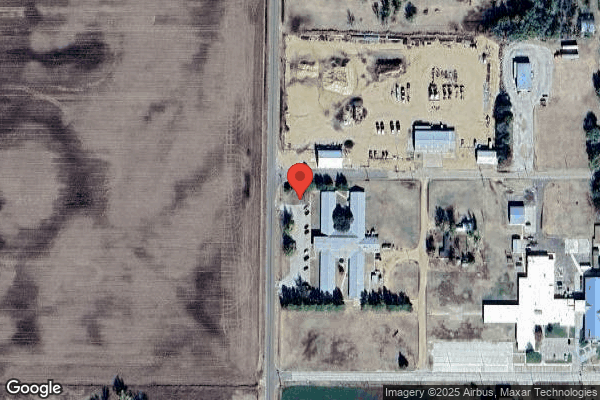
620 WINCHESTER AVENUE, KINSLEY, KS 67547 (620) 659-2156
For profit - Corporation 42 Beds MEDICALODGES, INC. Data: November 2025 1 Immediate Jeopardy citation
Trust Grade
38/100
#142 of 295 in KS
Last Inspection: November 2024

Within standard 12-15 month inspection cycle. Federal law requires annual inspections.

Overview

Medicalodges Kinsley has received a Trust Grade of F, indicating significant concerns about its operations and care quality. It ranks #142 out of 295 facilities in Kansas, placing it in the top half but still reflecting poor performance overall. The trend is improving, as issues decreased from 7 in 2024 to 2 in 2025, which is a positive sign. Staffing is a relative strength, with a 4/5 rating, though the turnover rate is average at 56%. However, the facility has faced concerning fines totaling $53,580, which is higher than 90% of Kansas facilities, highlighting issues with compliance. On the downside, there have been critical incidents, including one resident experiencing severe pain without proper management, leading to complications until her death. Additionally, the facility failed to consistently provide the required RN coverage, affecting care quality for residents. While there are some strengths in staffing, the serious deficiencies and high fines suggest families should be cautious when considering this facility for their loved ones.

Trust Score
F
38/100
In Kansas
#142/295
Top 48%
Safety Record
High Risk
Review needed
Inspections
Getting Better
7 → 2 violations
Staff Stability
⚠ Watch
56% turnover. Above average. Higher turnover means staff may not know residents' routines.
Penalties
✓ Good
$53,580 in fines. Lower than most Kansas facilities. Relatively clean record.
Skilled Nurses
○ Average
Each resident gets 33 minutes of Registered Nurse (RN) attention daily — about average for Kansas. RNs are the most trained staff who monitor for health changes.
Violations
⚠ Watch
13 deficiencies on record. Higher than average. Multiple issues found across inspections.
★★★☆☆
3.0
Overall Rating
★★★★☆
4.0
Staff Levels
★★★★★
5.0
Care Quality
★★☆☆☆
2.0
Inspection Score
Stable
2024: 7 issues
2025: 2 issues

The Good

  • 4-Star Staffing Rating · Above-average nurse staffing levels
  • 5-Star Quality Measures · Strong clinical quality outcomes
  • Full Sprinkler Coverage · Fire safety systems throughout facility
  • No fines on record

Facility shows strength in staffing levels, quality measures, fire safety.

The Bad

3-Star Overall Rating

Near Kansas average (2.9)

Meets federal standards, typical of most facilities

Staff Turnover: 56%

Near Kansas avg (46%)

Frequent staff changes - ask about care continuity

Federal Fines: $53,580

Above median ($33,413)

Moderate penalties - review what triggered them

Chain: MEDICALODGES, INC.

Part of a multi-facility chain

Ask about local staffing decisions and management

Staff turnover is elevated (56%)

8 points above Kansas average of 48%

The Ugly 13 deficiencies on record

1 life-threatening
Jul 2025 2 deficiencies
CONCERN (D) 📢 Someone Reported This

A family member, employee, or ombudsman was alarmed enough to file a formal complaint

Potential for Harm - no one hurt, but risky conditions existed

Free from Abuse/Neglect (Tag F0600)

Could have caused harm · This affected 1 resident

The facility reported a census of 24 residents, with four residents reviewed for abuse. Based on observation, interview, and record review, the facility failed to ensure Resident (R) 1 remained free f...

Read full inspector narrative →
The facility reported a census of 24 residents, with four residents reviewed for abuse. Based on observation, interview, and record review, the facility failed to ensure Resident (R) 1 remained free from verbal abuse and mistreatment. This deficient practice placed the resident at risk for fear and decreased quality of life.Findings included:- R1's Electronic Health Record (EHR) documented diagnoses that included unspecified dementia (a progressive mental disorder characterized by failing memory and confusion).R1's 12/13/24 Significant Change Minimum Data Set (MDS) documented a Brief Interview of Mental Status (BIMS) score of seven, which indicated severely impaired cognition. The assessment documented R1 utilized a wheelchair for locomotion and was dependent on staff for shower/bathing and toileting hygiene. R1 required substantial/maximal assistance for all other cares except eating, which was performed independently. The assessment documented R1 was frequently incontinent of bowel and bladder.The 12/13/24 Delirium CAA documented R1 was unable to focus attention and had disorganized thoughts.The 12/13/24 ADL Functional / Rehabilitation Potential CAA documented R1 needed assistance from staff.R1's 03/14/25 Quarterly MDS documented a BIMS score of 99 which indicated the assessment could not be completed. Staff assessed R1 to have memory problems with moderately impaired cognition. The assessment documented R1 was dependent on staff for shower/bathing and toileting hygiene. R1 required substantial/maximal assistance for all other cares except eating, which required setup/cleanup assistance. R1 was frequently incontinent of bowel and bladder.The EHR Progress Notes tab reviewed from 06/04/25 to 07/02/25 lacked documentation of the incident on 06/08/25.The facility's investigation documented on 06/08/25 at approximately 01:30 AM, Certified Nurse Aide (CNA) M and CNA O provided incontinence care to R1. R1 had feces on one hand, and when CNA O attempted to clean R1's hand, R1 reached for CNA M. CNA O reported that CNA M threatened R1 with physical violence if he touched her. CNA O informed CNA M that the speech was inappropriate and asked CNA M to leave the room.CNA O's undated and unnotarized Witness Statement documented on (the night of) 06/07/25, R1 had a loose bowel movement in bed, and CNA M and CNA O went into R1's room to clean him up. CNA O documented that CNA M was assisting R1 with standing so CNA O could clean the bed and the resident. CNA O documented CNA M said, If you touch me with that hand, I will head butt you to R1. CNA O documented that she informed CNA M that she could not say that to a resident.The facility did not obtain a witness statement from CNA M.During an observation on 07/02/25 at 11:40 AM, R1 self-propelled in his wheelchair in the front lobby of the building without an apparent destination.During an interview on 07/02/25 at 11:40 AM, R1 was unable to answer questions, responding with rambling speech. He indicated he wanted to go fishing after attending religious services.On 07/02/25 at 11:00 AM, CNA O was unavailable for interview, and no contact information was provided by the facility.During an interview on 07/02/25 at 11:30, CNA N revealed if she observed another staff member saying or doing anything inappropriate to a resident, she would intervene and ensure resident was safe then immediately report to the charge nurse, Administrative Staff A or Administrative Nurse D. CNA N confirmed education was provided by leadership staff since the incident that occurred on 06/08/25.During an interview on 07/02/25 at 11:42 AM, Certified Medication Aide (CMA) R revealed if they observed another staff saying or doing anything inappropriate to a resident, they would intervene and ensure the resident remained safe and then immediately report to the charge nurse, Administrative Nurse D or Administrative Staff A. CMA R confirmed education was provided by leadership since the incident that occurred 06/08/25.During an interview on 07/02/25 at 11:45 AM, Maintenance U revealed if another staff member was observed saying or doing anything inappropriate to a resident, he would intervene and ensure the resident was safe, then immediately report to Administrative Staff A. Maintenance U confirmed education had been provided by leadership since the incident that occurred on 06/08/25.During an interview on 07/02/25 at 11:50 AM, Dietary BB revealed if another staff was observed saying or doing anything inappropriate to a resident, their immediate reaction depended on what happened and would report the concern immediately to her supervisor and/or Administrative Staff A. Dietary BB revealed that no education had been provided by leadership since the incident on 06/08/25.During an interview on 07/02/25 at 11:55 AM, Dietary CC revealed if she witnessed anything she suspected was inappropriate, she would immediately report the situation to her supervisor and/or Administrative Staff A. Dietary CC revealed no education had been provided by leadership since the incident on 06/08/25.During an interview on 07/02/25 at 11:56 AM, Laundry W revealed if she saw or heard anything that she thought was inappropriate towards a resident, she would immediately report the situation to her supervisor or Administrative Staff A. Laundry W revealed no education was provided by leadership since the incident on 06/08/25During an interview on 07/02/25 at 12:00 PM, Administrative Staff A revealed on 06/11/25 at approximately 02:00 PM, Administrative Nurse D and a group of CNA staff had a meeting where CNA O revealed the statements made by CNA M to R1 on 06/08/25. Administrative Nurse D immediately notified Administrative Staff A, who initiated an investigation. Administrative Staff A revealed CNA M was telephoned and informed not to return to the facility as her employment was terminated due to the result of the investigation, as well as other concerns. Administrative Staff A reported that staff education was only provided to direct care staff, as the allegation of abuse was a nursing matter.The facility's 10/2022 Abuse, Neglect and Exploitation policy documented that the resident has the right to be free from verbal, sexual, physical, and mental abuse and involuntary seclusion. The policy defined verbal abuse as oral language and provided an example of threats of harm.
CONCERN (D) 📢 Someone Reported This

A family member, employee, or ombudsman was alarmed enough to file a formal complaint

Potential for Harm - no one hurt, but risky conditions existed

Report Alleged Abuse (Tag F0609)

Could have caused harm · This affected 1 resident

The facility reported a census of 24 residents, with four residents reviewed for abuse. Based on observation, interview and record review, the facility failed to report an allegation of abuse for one ...

Read full inspector narrative →
The facility reported a census of 24 residents, with four residents reviewed for abuse. Based on observation, interview and record review, the facility failed to report an allegation of abuse for one resident, Resident (R) 1 when on 06/08/24 at approximately 01:30 AM, Certified Nurse Aide (CNA) M verbally threatened R1 with physical violence was witnessed by CNA O, however the incident was not reported to Administrative Nurse D until 06/11/25 at approximately 02:00 PM. This deficient practice allowed CNA M to work an additional three shifts, which had the potential to have a negative psychosocial impact for the residents in the facility.Findings included:- R1's Electronic Health Record (EHR) documented diagnoses that included unspecified dementia (a progressive mental disorder characterized by failing memory and confusion).R1's 12/13/24 Significant Change Minimum Data Set (MDS) documented a Brief Interview of Mental Status (BIMS) score of seven, which indicated severely impaired cognition. The assessment documented R1 utilized a wheelchair for locomotion and was dependent on staff for shower/bathing and toileting hygiene. R1 required substantial/maximal assistance for all other cares except eating, which was performed independently. The assessment documented R1 was frequently incontinent of bowel and bladder. The 12/13/24 Delirium CAA documented R1 was unable to focus attention and had disorganized thoughts.The 12/13/24 ADL Functional / Rehabilitation Potential CAA documented R1 needed assistance from staff.R1's 03/14/25 Quarterly MDS documented a BIMS score of 99, which indicated the assessment could not be completed. Staff assessed R1 to have memory problems with moderately impaired cognition. The assessment documented R1 was dependent on staff for shower/bathing and toileting hygiene. R1 required substantial/maximal assistance for all other cares except eating, which required setup/cleanup assistance. R1 was frequently incontinent of bowel and bladder. The EHR Progress Notes tab reviewed from 06/04/25 to 07/02/25 lacked documentation of the incident on 06/08/25.The facility's investigation documented on 06/08/25 at approximately 01:30 AM, Certified Nurse Aide (CNA) M and CNA O provided incontinence care to R1. R1 had feces on one hand, and when CNA O attempted to clean R1's hand, R1 reached for CNA M. CNA O reported that CNA M threatened R1 with physical violence if he touched her. CNA O informed CNA M the speech was inappropriate and asked CNA M to leave the room. CNA O's undated and unnotarized Witness Statement documented on (the night of) 06/07/25, R1 had a loose bowel movement in bed, and CNA M and CNA O went into R1's room to clean him up. CNA O documented that CNA M was assisting R1 with standing so CNA O could clean the bed and the resident. CNA O documented CNA M said, If you touch me with that hand, I will head butt you to R1. CNA O documented she informed CNA M that she could not say that to a resident. The facility did not obtain a witness statement from CNA M.Review of the facility's staffing schedule revealed CNA M worked 06/07/25, 06/08/25, 06/09/25, and 06/10/25. During an observation on 07/02/25 at 11:40 AM, R1 self-propelled in his wheelchair in the front lobby of the building without an apparent destination.During an interview on 07/02/25 at 11:40 AM, R1 was unable to answer questions, responding with rambling speech. He indicated he wanted to go fishing after attending religious services. On 07/02/25 at 11:00 AM, CNA O was unavailable for interview, and no contact information was provided by the facility.During an interview on 07/02/25 at 11:30 AM, CNA N revealed if she observed another staff member saying or doing anything inappropriate to a resident, she would intervene and ensure resident was safe then immediately report to the charge nurse, Administrative Staff A or Administrative Nurse D. CNA N confirmed education was provided by leadership staff since the incident that occurred on 06/08/25.During an interview on 07/02/25 at 11:42 AM, Certified Medication Aide (CMA) R revealed if they observed another staff saying or doing anything inappropriate to a resident, they would intervene and ensure the resident remained safe and then immediately report to the charge nurse, Administrative Nurse D or Administrative Staff A. CMA R confirmed education was provided by leadership since the incident that occurred 06/08/25.During an interview on 07/02/25 at 11:45 AM, Maintenance U revealed if another staff member was observed saying or doing anything inappropriate to a resident, he would intervene and ensure the resident was safe, then immediately report to Administrative Staff A. Maintenance U confirmed education had been provided by leadership since the incident that occurred on 06/08/25.During an interview on 07/02/25 at 11:50 AM, Dietary BB revealed if another staff was observed saying or doing anything that is inappropriate to a resident, their immediate reaction depended on what happened and would report the concern immediately to her supervisor and/or Administrative Staff A. Dietary BB revealed no education had been provided by leadership since the incident on 06/08/25.During an interview on 07/02/25 at 11:55 AM, Dietary CC revealed if she witnessed anything she suspected was inappropriate, she would immediately report the situation to her supervisor and/or Administrative Staff A. Dietary CC revealed no education had been provided by leadership since the incident on 06/08/25.During an interview on 07/02/25 at 11:56 AM, Laundry W revealed if she saw or heard anything that she thought was inappropriate towards a resident, she would immediately report the situation to her supervisor or Administrative Staff A. Laundry W revealed no education was provided by leadership since the incident on 06/08/25During an interview on 07/02/25 at 12:00 PM, Administrative Staff A revealed on 06/11/25 at approximately 02:00 PM, Administrative Nurse D and a group of CNA staff had a meeting where CNA O revealed the statements made by CNA M to R1 on 06/08/25. Administrative Nurse D immediately notified Administrative Staff A, who initiated an investigation. Administrative Staff A revealed CNA M was telephoned and informed not to return to the facility as her employment was terminated due to the result of the investigation, as well as other concerns. Administrative Staff A reported CNA O said the concern was not immediately reported to the nurse on duty because CNA O did not think it was abuse since nothing physical happened. Administrative Staff A reported that staff education was only provided to direct care staff, as the allegation of abuse was a nursing matter.The facility's 10/2022 Abuse, Neglect and Exploitation policy documented that the resident has the right to be free from verbal, sexual, physical, and mental abuse and involuntary seclusion. Additionally, the policy documented that every employee of the facility was responsible to report any abuse or allegations of abuse to the facility's administrator and/or the administrator's designee, the appropriate State Agency (SA), and, when applicable, law enforcement (LE). All allegations should be reported within two hours after the allegation is made if the allegation involves abuse or resulted in serious bodily injury.
Nov 2024 7 deficiencies 1 IJ
CRITICAL (J)

Immediate Jeopardy (IJ) - the most serious Medicare violation

Deficiency F0697 (Tag F0697)

Someone could have died · This affected 1 resident

**NOTE- TERMS IN BRACKETS HAVE BEEN EDITED TO PROTECT CONFIDENTIALITY** The facility reported a census of 22 residents with 10 residents sampled and one resident reviewed for pain management and two a...

Read full inspector narrative →
**NOTE- TERMS IN BRACKETS HAVE BEEN EDITED TO PROTECT CONFIDENTIALITY** The facility reported a census of 22 residents with 10 residents sampled and one resident reviewed for pain management and two additional residents reviewed for unnecessary medication use. Based on observation, interview, and record review the facility failed to assess pain and failed to take appropriate action to manage severe pain despite repeated complaints from Resident (R)74. Additionally, the facility lacked effective communication between nurses, doctors, and other healthcare providers regarding R74's pain management. This failure led to R74 reporting waves of severe pain over approximately a month, until her death on [DATE], and placed R74 in immediate jeopardy. Findings Included: - Review of the Electronic Health Record (EHR), documented R74 had diagnoses of incisional hernia (occurs when the abdominal muscles or connective tissue weaken or gap at the site of a surgical incision, allowing abdominal contents to protrude. This can happen weeks, months, or years after the surgery) and osteoarthritis (degenerative changes to one or many joints characterized by swelling and pain). The [DATE] Quarterly Minimum Data Set (MDS) documented a Brief Interview for Mental Status (BIMS) score of 11, which indicated moderately impaired cognition. R74 was independent with transfers and bed mobility, she required set up for oral care and eating. R74 required supervision for ambulation, dressing, toileting, personal hygiene, footwear, and maximum assistance required for bathing. The resident reported her pain at a level 5 out of 10, that occurred occasionally and affected her sleep. The [DATE] Annual MDS lacked a BIMS score and lacked a staff interview; cognition was not assessed. Depression was not assessed. R74 required maximal assistance with activities of daily living (ADL) such as bathing and bed mobility. She required supervision assistance with ambulation, toileting, dressing, personal hygiene, and footwear. R74 rated her pain at a six out of 10, which occasionally affected her sleep. The [DATE] Cognitive Loss/Dementia CAA documented R74 triggered for cognitive loss related to rejection of care on occasion. The [DATE] Pain CAA triggered related to R74 had occasional pain. The resident's Care Plan documented the following: [DATE] - Staff were instructed to recognize the resident's pain tolerance and her level of discomfort as real and painful for her. [DATE] - Staff were instructed to use alternative methods for pain management such as massage, aroma therapy, warm packs, and distraction. [DATE] - Staff were educated to monitor for nonverbal cues of pain such as facial grimace, guarding, and moaning. Review of the Physician Orders documented the following: Acetaminophen 325 milligram (mg) tablet, give two tablets by mouth, every six hours as needed for pain, date ordered [DATE]. Acetaminophen 325 mg tablet, give two tablets by mouth, three times a day for moderate pain, date ordered [DATE]. Review of the Medication Administration Record dated [DATE] thru [DATE] documented staff administered R74's Acetaminophen on the following days: On [DATE] at 11:25 PM, reported pain level of five, with effective results noted. On [DATE] at 11:20 PM, reported pain level of five, with effective results noted. On [DATE] at 11:31 AM, reported pain level of four, with undetermined results noted. On [DATE] at 05:52 AM, reported pain level of seven, with ineffective results noted. On [DATE] at 02:46 AM, reported pain level of six, with ineffective results noted. On [DATE] at 04:11 AM, reported pain level of eight, with ineffective results noted. The [DATE] at 03:51 PM Progress Note revealed R74 complained of stomach discomfort. The on-call provider was notified and gave and order for Simethicone (medication used to relieve the painful symptoms of too much gas in the stomach and intestines) 80 mg three times, daily. The [DATE] at 11:23 PM Progress Note revealed R74 reported abdominal pain at a level of six out of 10 for last three days. R74 experienced polyuria (is when your body makes too much urine) more than baseline. R74 requested assistance to the bathroom multiple times an hour on top of having multiple incontinent episodes. R74 was very restless and unable to rest for more than 15 to 20 minutes without yelling out or pressing her call light. Urinalysis (lab analysis of urine) was to be collected on [DATE] in the morning when the lab was open. The [DATE] at12:09 PM Progress Note revealed R74 complained frequently to several staff that her stomach hurt. R74's blood pressure was elevated to 204/100 millimeters of mercury (mmHg) and staff administered an as needed dose of clonidine (medication for high blood pressure). The writer informed the provider via the telephone at 11:30 AM regarding the resident's elevated blood pressure and complaint of stomach pain. The provider did not give any new orders to address the resident's complaints of pain. The [DATE] at 08:35 AM Progress Note revealed staff sent a communication to R74 's provider regarding her continued complaints of abdominal discomfort and new complaints of nausea, confusion, dizziness, and the shakes. The provider gave an order to obtain a urinalysis and give four mg of Zofran (is a medication that prevents nausea and vomiting). The note lacked evidence the provider addressed the resident's pain. The [DATE] at 11:32 AM Progress Note revealed a communication was sent to the resident's provider, R74 continued to not feel well, the facility received orders for R74 to have a computed tomography (CT scan- test that used x-ray technology to make multiple cross-sectional views of organs, bone, soft tissue and blood vessels) and outpatient labs. The [DATE] at 04:59 PM Progress Note revealed R74 had a partially strangulated hernia (occurs when the blood supply to the herniated (an abnormal condition or process in which an organ or other tissue protrudes through an opening tissue) has been decreased in flow) and she was sent to the hospital per provider. The [DATE] at 08:32 PM Progress Note revealed R74 returned from the hospital with no new orders. The resident had no complaints of pain upon her return. Review of the resident's record from [DATE] through [DATE] lacked any follow up progress notes after R74's hospital visit. The [DATE] at 02:53 AM Progress Note revealed staff found R74 on the floor with no injuries noted. The [DATE] at 11:44 PM Progress Note R74 used her call light up to 30 times in an hour. R74 continued to call out help me God, help me up. I cannot do those things R74 was very restless, and as needed acetaminophen was utilized multiple times, but the resident had no changes in behaviors. R74 yelled at staff for the past two days when staff attempted to help her. R74's confusion and anger increased, and her urinalysis came back negative. R74 screamed No when transferred to the wheelchair. Staff sent a fax to the resident's provider to please advise. The [DATE] at 09:01 AM Progress Note revealed R74 up was up and self-propelled around in her wheelchair with no complaints of pain expressed. The [DATE] at 03:20 PM Progress Note revealed R74 was found on the floor in her room with no injuries noted. R74 repeatedly stated God help me and she had no complaints of pain associated with fall. The [DATE] at 11:43 PM Progress Note revealed R74 continued to be very restless, would lay down in bed, and yell God help me, God help me up. When R74 was assisted up to a wheelchair R74 would continue to yell God help me, I need to lay down. R74 could not be redirected and continued to push her call light when staff was in the room. Day shift reported R74 exhibited the same behaviors, and staff administered as needed acetaminophen multiple times. The resident had no changes in behavior or relief noted. The writer noted multiple faxes were sent to the resident's provider. The [DATE] at 01:19 PM Progress Note revealed R74 was seen by the provider, noted R74 wanted to go home, and the provider ordered a urinalysis. The [DATE] at 02:22 PM Progress Note revealed R74 was not herself, she was lethargic, incontinent with loose stools, had a temperature of 98.0 degrees Fahrenheit, a pulse of 58 beats per minute, respirations at16, blood pressure measured 92/37 (low) and oxygen saturations (percentage of oxygen in the blood) was 93% on room air. R74 was slightly pale in color and her provider was notified of a suspicion of sepsis. Labs were ordered and a chest Xray if wheezing or cough was noted. Labs were obtained and sent to lab for processing. The [DATE] at 05:09 PM Progress Note revealed lab results were received and reported to the resident's provider. New orders were given to change the resident's antibiotic to Bactrim DS twice a day for seven days and the order for Macrobid (antibiotic) was discontinued. The [DATE] at 02:33 AM Progress Note revealed R74 required three staff members to transfer her to the wheelchair as R74 was unable to assist. R74 was hunched over in her wheelchair and could not sit up erect. R74 was assisted to the toilet and was unable to stand once at the toilet, R74 leaned over sideways, and her upper body leaned up against the wall as she began to have dry heaves. R74 was assisted back to bed after she received care. R74 yelled and moaned the entire time. R74 responded that she had pain in her back. The resident's vital signs were out of limits, R74's respiration's fluctuated from 18 to 28 breaths per minute, her oxygen saturation was 86%- to91% on room air and R74 laid in her bed with her eyes closed. Review of the [DATE] Hospital Visit documentation confirmed the resident went to the hospital, the EHR lacked evidence of the residents transfer to the hospital. The hospital paperwork in R74's paper chart documented R74 was there for a little over an hour and all of her medications were discontinued except for Acetaminophen and Bactrim DS. The facility was to consult hospice for R74 for anemia (inadequate number of healthy red blood cells to carry adequate oxygen to body tissues) and gastrointestinal bleeding (bleeding into the stomach and/or digestive tract). R74's full code was changed to a do not resuscitate (DNR- or no code, a legal document or order that means the person does not desire CPR in the event of cardiac arrest). The [DATE] 09:17 AM Progress Note revealed R74 had her eyes open and made eye contact when spoken to. The [DATE] at 10:21 AM Progress Note revealed R74 passed away at 09:56 AM. The [DATE] at 10:29 AM Discharge Note revealed Hospice services were ordered, but not completed before R74 passed away. All medications were discontinued during the hospital visit during the night except for Acetaminophen and Bactrim DS. During an interview on [DATE] at 02:12 PM, Certified Nurse Aide (CNA) M reported if a resident complained of pain, staff were to notify the charge nurse. CNA M could not recall R74 complaining of pain, she did report R74 would sometimes yell out for help. During an interview on [DATE] at 01:37 PM Administrative Nurse B reported R74 received an order for hospice services when she transferred back from the hospital on [DATE] but she passed away prior to hospice consult being completed. Administrative Nurse B reported R74 could not have anything stronger than Acetaminophen for pain, when Administrative Nurse B was asked why, she could not recall why she could not have a stronger pain medication. Additionally, Administrative Nurse B reported she was instructed on what she could and could not chart in the resident's progress notes. When Administrative Nurse B was asked what kind of notes that she could not document, she commented They are old and are going to die anyways that is what was said to her when some of the providers were contacted for residents' concerns. Administrative Nurse B did not identify which provided stated that. Additionally, she reported she could not jump over the providers heads and call the medical director as the on-call providers would get mad. Administrative Nurse B confirmed that R74's progress notes lacked abdominal assessments and follow through with complaints that R74 had with her pain. During an interview on [DATE] at 02:45 PM, Licensed Nurse (LN) G reported if a resident did not have relief from a scheduled or as needed pain medication, the provider should be notified and updated on resident's condition and should receive new orders. LN G reported that there were some residents that would drug seek for pain medications so they may not receive new orders. The facility policy Pain Management dated 10/2022 documented to provide a systematic approach for identifying residents at risk for pain and develop interventions to decrease the effect of pain on the resident's quality of life. To provide guidelines for assessment and individualized treatment plan including pharmacological and non-pharmacological interventions. The facility is to review all residents with unmanaged pain weekly. If there is a decline in the effectiveness of pain management, the plan of care is to be reviewed for appropriateness and revised as needed. The physician and responsible party are to be notified of the need to changed pain management interventions and plan of care. The facility failed to assess pain and failed to take appropriate action to manage severe pain despite repeated complaints from Resident (R) 74. Additionally, the facility lacked communication between nurses, doctors, and other healthcare providers regarding R74's pain management. This failure placed R74 in immediate jeopardy. On [DATE] at 10:25 AM, Administrative Staff A and Consultant Staff T were provided the Immediate Jeopardy (IJ) template and notified the facility failure to ensure staff identified, updated providers and responded appropriately to complaints of R74's pain that was consistently left without an effective pain medication being administered, leading to signs of distress, such as moaning, yelling and agitation which significantly impacts their quality of life and could potentially result in further complications if not addressed and R74's unrelieved pain could be a possible indicator of a returned strangulated hernia or other significant disease processes. The facility submitted an acceptable plan for removal of the immediate jeopardy on [DATE] at 02:35 PM which included the following: 1. R74 died on [DATE]. Residents will have a pain assessment including assessment of areas identified completed with physician intervention if appropriate and the care plan updated on [DATE]. 2. Pain assessed every shift by licensing nursing with staff interventions if applicable date started [DATE]. 3. Immediate Quality Assurance and Performance Improvement (QAPI is a data-driven approach to improving the quality of care and services provided to patients) meeting held with the Medical Director, Administrative Staff A and Administrative Nurse B completed on [DATE]. 4. License staff will receive education on pain assessment including assessment of areas identified with pharmacological and non-pharmacological interventions and verbal notification on [DATE]. 5. Administrative Nurse B or designee will audit pain goals and reported pain with interventions through clinical excellence on [DATE] 6. Physician and responsible party are to be notified and documentation of the need to change pain management interventions and plan of care on [DATE] 7. Results of audits findings will be reviewed during QAPI meeting monthly. The surveyor verified the above corrective actions were implemented while on-site on [DATE]. This deficient practice remained at a scope and severity of a G.
CONCERN (D)

Potential for Harm - no one hurt, but risky conditions existed

Deficiency F0582 (Tag F0582)

Could have caused harm · This affected 1 resident

The facility reported a census of 22 residents. The sample included 10 residents. Based on interview and record review, the facility failed to issue accurate and complete Beneficiary Protection Notifi...

Read full inspector narrative →
The facility reported a census of 22 residents. The sample included 10 residents. Based on interview and record review, the facility failed to issue accurate and complete Beneficiary Protection Notification forms to Resident (R) 16. Findings included: - On 11/04/24 review of the Skilled Nursing Facility Advance Beneficiary Notice of Non-Coverage Form CMS-20052 (SNFABN) and the Notification of Medicare Non-Coverage Form 10123(NOMNC- the form used to notify Medicare A participants of their rights to appeal and the last covered date of service). The SNFABN had the incorrect dates on the form and lacked cognitively intact R16's signature, the family member signed the form. The facility lacked a signed NOMNC for R16. During an interview on 11/14/24 at 07:45 AM, Administrative Staff A reported there was no NOMNC issued for R16 when discharged from therapy. She reported R16 started therapy 06/06/24 and last cover day was 06/27/24 from therapy. A SNFABN was given to resident with the incorrect dates of 07/22/24 to pay out of pocket. The SNFABN form was signed on 07/16/24 by family member and was not sure why R16 did not sign the form. Administrative Staff A reported that was the old Social Service Designee who is no longer worked at the facility as she had problems completing the required paperwork. The facility did not provide a policy for Medicare Advance Beneficiary and Medicare Non-Coverage Notices, as requested. The facility failed to ensure the correct and complete Beneficiary Protection Notification forms were issued to R16, as required.
CONCERN (D)

Potential for Harm - no one hurt, but risky conditions existed

Deficiency F0637 (Tag F0637)

Could have caused harm · This affected 1 resident

The facility reported a census of 22 residents with 10 residents sampled. Based on observation, interview, and record review the facility failed to identify a significant change and complete an assess...

Read full inspector narrative →
The facility reported a census of 22 residents with 10 residents sampled. Based on observation, interview, and record review the facility failed to identify a significant change and complete an assessment for two residents reviewed for significant change assessments. Resident (R) 19 had a decline with ambulation, toileting hygiene, transfers, bed mobility and dressing. R11 had a decline with ambulation, transfers, toileting hygiene, and bed mobility. This deficient practice had the potential to lead to uncommunicated needs, which could lead to negative impacts on the resident's physical, mental and psychosocial well-being. Findings included: - Resident (R)19's Electronic Health Record (EHR) revealed a diagnosis, which included dementia (progressive mental disorder characterized by failing memory, confusion). The 06/26/24 admission Minimum Data Set (MDS) documented a Brief Interview for Mental Status (BIMS) score of five, which indicated severely impaired cognition. R19 had a total mood severity score of 00, indicating no depression and he had no behaviors noted. R19 required set up for eating and required supervision assistance with ADLs such as ambulation 150 feet, toileting, dressing, footwear, and personal hygiene. R19 was independent with ambulation 10 feet, transfers and bed mobility. He required moderate assistance with bathing. History of falls and R19 did not use a wheelchair. The Functional Abilities/Functional Rehabilitation Care Area Assessment (CAA) dated 06/26/24, documented R19 triggered the functional CAA due to needing assistance from staff. The Cognitive Loss/Dementia CAA dated 06/26/24, documented R19 triggered the cognitive CAA due to having a low BIMS score. The 09/20/24 Quarterly MDS documented R19 had a BIMS score of five, which indicated severely impaired cognition. R19 had behaviors noted 1-3 days of kicking, hitting, wandering, refusal of care, pushing, and grabbing captured in the seven day lookback. R19 required maximal assistance with bed mobility, transfers, oral care, and personal hygiene. No ambulation was captured in the seven day lookback period. R19 was dependent for toileting hygiene. Bathing, dressing, and footwear were not assessed on the MDS. One fall non-injury. The Care Plan documented the following: Staff were instructed to provide more assistance for completing ADLs if R19 had pain, dated 06/20/24. Staff were instructed to provide one staff assistance for dressing and personal care. Additionally, staff were instructed to provide two staff assistance with transfers and R19 was independent with wheelchair mobility, dated 10/16/24. The Physician Orders Physical Therapy evaluation and treat, date ordered 10/08/24. The 08/04/24 at 06:20 PM Progress Note documented R19 had increased confusion and was unable to dress himself, he required assistance with toileting hygiene and adjustment of clothes, R19 was unable to follow verbal cues when instructed what he needed to do. R19 was unsteady with ambulation and would attempt to stand up and sat back down. The 08/05/24 at 05:38 PM Progress Note documented provider reported R19's urinalysis was unremarkable, therefore suspected behavior represented a progression of known dementia. The 08/19/24 at 12:05 PM Progress Note documented R19 confused and would not cooperate with staff when they attempted to provide care with ADLs. The floor had a large amount of urine on it as if he had sat on the side of the bed and urinated. The 09/29/24 at 05:05 PM Progress Note documented R19 found o floor in front of his wheelchair at the nurse's station. The 10/03/24 at 11:27 AM Progress Note documented a request had been made by therapy to obtain an order for physical therapy as R19 declined in strength and difficulty noted with ambulation. During an observation on 11/12/24 R19 was seated in his chair in his room, an unidentified therapist assisted R19 to a standing position. She reported that R19 started therapy the second week of October 2024 to strengthen his legs. During an observation on 11/13/24 at 08:30 AM and 12:25 PM, R19 was seated in his wheelchair in the dining room eating his lunch. During an interview on 11/13/24 at 02:15 PM, Certified Nurse Aide (CNA) M reported R19 had a decline with ambulation and doing care by himself over a couple of months ago, she reported that was easier for R19 to get around in his wheelchair and that he does not walk unless staff walk him. CNA M reported she would communicate with the charge nurse if there was a decline of ADLs for any resident when noticed. During an observation on 11/13/24 at 02:18 PM, R19 was seated in a wheelchair in television lounge, he held onto the handrail on the wall in front of him with one hand. During an observation on 11/13/24 at 02:26 PM, R19 was found ambulating independently in the television lounge approximately 20 feet from his wheelchair, his gait was unsteady and R19 almost fell as he started to lean towards his left side. Dietary Manager C moved quickly toward R19 and assisted him back to his wheelchair. Dietary Manager C reported R19 had not ambulated like that for a few months and reported R19 used to ambulate all over the facility when he was first admitted . During an interview on 11/14/24 at 10:00 AM, CNA M reported R19 had a decline in his ADL's since he was admitted . CNA M reported R19 ambulated all over the facility and he was more independent with his ADL's, she reported that R19 started to decline in 08/2024. CNA M reported that the staff have to assist R19 with is ADLs as he could not complete them like he had in the past. CNA M revealed that if a resident had a decline for a few days, she would report that information to the charge nurse. During an interview on 11/14/24 at 10:30 AM, Licensed Nurse (LN) H reported that R19 had a decline on walking and performing ADLs over the past couple of months. She said that a therapy consult would be obtained and reported that R19 had started physical therapy sometime last month. During an interview on 11/14/24 at 02:48 PM, Administrative Nurse A reported that she did not complete R19's MDS on 09/20/24 and did not agree that R19 had a decline is his ADLs. She reported that R19 could still walk and that he uses his legs to propel his wheelchair independently and that R19 can dress himself too. Reviewed the MDS completed in EHR and continued to report that R19 had no decline and she commented that she needed assistance to complete the MDS's in the facility as she had fell behind and that she should have just completed the MDS's herself so they would be correct. On 11/14/24, Administrative Staff A stated that the RAI manual is used as their policy. The facility failed to identify a significant change and complete an assessment for R19 he had a decline with ambulation, toileting hygiene, transfers, bed mobility and dressing. This deficient practice had the potential to lead to uncommunicated needs, which could lead to negative impacts on the resident's physical, mental and psychosocial well-being. - Resident (R) 11's Electronic Health Record (EHR) revealed diagnoses, which included repeated falls, fatigue, weakness, and congestive heart failure (CHF- a condition with low heart output and the body becomes congested with fluid). The 03/07/24 admission Minimum Data Set (MDS) documented a Brief Interview for Mental Status (BIMS) score of 10, which indicated moderately impaired cognition. R11 had a total mood severity score of 00, indicating no depression and he had no behaviors noted. R11 required set up for eating and oral care. He required supervision assistance with activities of daily living (ADL) such as toileting hygiene, bed mobility, and transfers. R11 required moderate assistance for dressing, personal hygiene, and ambulation. He required maximum assistance for bathing, footwear, car transfer and mobility. R11 was frequently incontinent of bladder and continent of bowel. He had a history of falls and one minor injury fall. R11 had no oxygen or continuous positive airway pressure (CPAP- ventilation device that blows a gentle stream of air into the nose to keep airway open during sleep). The Functional Abilities (Self-Care and Mobility) Care Area Assessment (CAA) dated 03/07/24, documented R11 triggered the functional CAA due to needing assistance from staff. The Cognitive Loss and Dementia CAA dated 03/07/24, documented R11 triggered the cognitive CAA due to having a BIMS score of 10. The 09/06/24 Quarterly MDS R11 BIMS score and depression were not assessed. No behaviors noted in lookback period. R11 required total dependence on staff for personal hygiene, toileting hygiene, bed mobility, and transfers. R11 was non-ambulatory and wheelchair mobility was not assessed. R11 had frequent incontinence of bladder and bowel. R11 had two or more injury falls. The Care Plan documented the following: Staff were instructed to provide more assistance for completing ADLs if R19 had pain, dated 04/11/24. Staff were instructed to provide assistance as needed for toileting, dated 04/29/24. Staff were instructed to provide peri care as needed, dated 04/29/24. Staff were instructed to utilize mechanical lift for transfers, dated 10/16/24. The Physician Orders lacked any orders for ADLs. The 03/03/24 at 08:03 PM Progress Note documented R11 found on the bathroom floor, R11 reported he lost his balance when he turned around and fell. The 05/28/24 at 01:30 PM Progress Note documented R11 found on floor in his room, he reported his knee gave out and he fell. The 06/11/24 at 10:08 AM Progress Note documented R11 found on floor in room, he reported he bent over to pick up a piece of paper. The 06/17/24 at 09:17 AM Progress Note documented R11 confused and ambulated by himself in hallway, called provider for a urinalysis (lab analysis of urine) order. The 07/19/24 at 09:53 AM Progress Note documented R11 ambulated 15 feet with restorative aide he complained of pain. The 08/04/24 at 06:35 PM Progress Note documented R11 stayed in bed longer during the morning, refused to be assisted out of bed. R11 had difficulty with transfers, complained of pain, and did not want to bear weight. Three staff assisted R11 with a transfer out of bed to wheelchair. The 08/16/24 at 09:56 AM Progress Note documented R11 would not ambulate and complained of pain in his back. The 09/19/24 at 07:13 AM Progress Note revealed R11 had declined with ambulation and required a sit-to-stand lift for transfers. During an interview on 11/12/24 at 04:56 PM R11's family member reported that R11 used to walk, and now required a mechanical lift for all his transfers. R11's family member said R11 required increased staff assistance since he moved into the facility in June of 24, with bathing, dressing and toileting. During an observation on 11/13/24 at 09:30 AM, R11 self-propelled in his wheelchair from dining room to his room, no concerns noted. During an interview on 11/14/24 at 10:00 AM, Certified Nurse Aide (CNA) L reported R11 had a decline with ambulation a few months ago, she reported that R11 is now a mechanical lift and he required more assistance with ADLs. CNA L reported she would communicate with the charge nurse if there was a decline of ADLs for any resident when noticed. During an interview on 11/14/24 at 02:51 PM, Administrative Nurse A reported that she did not complete R11's MDS on 09/06/24 and did not agree that R11 had a decline is his ADLs. She reported that R11 could walk when he was admitted to facility. Administrative Nurse B reported she was unsure if R11 was a true significant change as she required assistance to complete the MDS's in the facility as she had fell behind and that she should have just completed the MDS's herself so they would be correct. On 11/14/24 Administrative Staff A stated the facility used the RAI manual as their policy for MDSs. The facility failed to identify a significant change and complete an assessment for R11 who had a decline with ambulation, toileting hygiene, transfers, bed mobility and personal hygiene. This deficient practice had the potential to lead to uncommunicated needs, which could lead to negative impacts on the resident's physical, mental and psychosocial well-being.
CONCERN (D)

Potential for Harm - no one hurt, but risky conditions existed

Quality of Care (Tag F0684)

Could have caused harm · This affected 1 resident

The facility reported a census of 22 residents with 10 residents sampled. Based on observation, interview, and record review the facility failed to complete a weekly skin assessment for one resident. ...

Read full inspector narrative →
The facility reported a census of 22 residents with 10 residents sampled. Based on observation, interview, and record review the facility failed to complete a weekly skin assessment for one resident. Observation during the survey revealed Resident (19) with a dressing on his right elbow and no skin notes, or progress notes in the Electronic Health Record (EHR) regarding the right elbow dressing. This deficient practice had the potential to lead to uncommunicated needs, which could lead to negative impacts on the resident's physical, mental and psychosocial well-being. Findings included: - Resident (R) 19's Electronic Health Record (EHR) revealed a diagnosis of dementia (progressive mental disorder characterized by failing memory, confusion). The 06/26/24 admission Minimum Data Set (MDS) documented a Brief Interview for Mental Status (BIMS) score of five, which indicated severely impaired cognition. R19 had a total mood severity score of 00, indicating no depression and no behaviors noted. R19 required set up for eating and required supervision assistance with ADLs such as ambulating 150 feet, toileting, dressing, footwear, and personal hygiene. R19 was independent with ambulating 10 feet, transfers, and bed mobility. He required moderate assistance with bathing. R19 had a history of falls and no skin issues noted. The Functional Abilities (Self-Care and Mobility) Care Area Assessment (CAA) dated 06/26/24, documented R19 triggered the functional CAA due to needing assistance from staff. The Cognitive Loss and Dementia CAA dated 06/26/24, documented R19 triggered the cognitive CAA due to having a low BIMS score. The 09/20/24 Quarterly MDS documented R19 had a BIMS score of five, which indicated severely impaired cognition. R19 had behaviors noted 1-3 days of kicking, hitting, wandering, refusal of care, pushing, and grabbing captured in the seven day lookback. R19 required maximal assistance with bed mobility, transfers, oral care, and personal hygiene. No ambulation was captured in the seven day lookback period. R19 was dependent for toileting hygiene, had one fall non-injury, with no skin issues noted. The Care Plan included a 10/17/24 intervention, which instructed staff to inspect R19's skin with bathing and daily care and report changes to the nurse. Review of the Physician Orders lacked any orders for wound care for R19. The 10/16/24 at 03:26 PM Progress Note revealed R19 had a fall earlier in the morning and a v shaped skin tear was noted on left elbow that measured at 0.8 centimeters on each side of the skin tear. The 10/17/24 at 12:37 AM Skin/Wound Assessment revealed R19 has a skin tear (a traumatic wound that occurs when the skin separates from the underlying layers) that measured two centimeters length by one and a half centimeters wide on right elbow. The EHR did not contain further skin assessments regarding R19's right elbow dressing from 10/18/24 through 11/18/24. During an observation on 11/19/24 at 01:05 PM R19 had no dressing noted on right elbow, but a healing abrasion area red in color approximate size of three centimeters (cm) by one and a half cm. Licensed Nurse (LN) I confirmed the skin area on right elbow and reported that she did not know R19 had a skin issue. During an interview on 11/19/24 at 09:44 AM, Administrative Staff A reported the skin/wound condition assessment would be completed weekly by the charge nurse. Administrative Staff A confirmed R19's last skin wound assessment completed was on 10/17/24 and did not know why R19 would have had a dressing on his right elbow. During an interview on 11/19/24 at 01:20 PM Certified Nurse Aide (CNA) K reported that she did not know why R19 had a dressing on his right elbow the other day and stated maybe it was a skin tear. She reported she first noticed the dressing on R19's right elbow about two weeks ago. CNA K reported is a resident had a new skin issue the charge nurse would be updated. During an interview on 11/19/24 at 01:38 PM LN I reported that the charge nurse were responsible to complete the skin condition notes on every resident weekly and are they assigned to the charge nurse. LN I reported that it would be on the resident's treatment administration record in EHR for the nurse to know when to complete the skin note. LN I reported that R19 did not have that placed in the orders so it would not be on the administration record. LN I revealed a handwritten assignment sheet in a book for nurses to look for skin note calendar and reported that R19 was to have his skin note completed on Monday evening shift. She then confirmed that R19's last skin condition note was completed in the EHR on 09/11/24 and reported that the agency nurses do not always look in the book. LN I reported there were two different types of skin notes that could be documented in EHR. She reported the skin wound condition assessment would be completed if a resident had a wound that was monitored, and that assessment would be completed weekly also by the charge nurse or by Administrative Nurse B. LN I confirmed that R19's last skin wound condition note was 10/17/24. The facility's policy Wound Prevent and Management dated 12/2018, documented the following: Providing guidelines for optimal care to promote healing for residents with all identified skin alterations. Licensed nurses would be responsible for weekly assessments of skin for all residents and document finding in the EHR in skin condition note. The facility failed to complete a weekly skin assessment for R19, who was observed with a dressing on his right elbow on 11/12/24 and no recent skin notes, or progress notes in EHR regarding the dressing. This deficient practice had the potential to lead to uncommunicated needs, which could lead to negative impacts on the resident's physical, mental and psychosocial well-being.
CONCERN (D)

Potential for Harm - no one hurt, but risky conditions existed

Drug Regimen Review (Tag F0756)

Could have caused harm · This affected 1 resident

**NOTE- TERMS IN BRACKETS HAVE BEEN EDITED TO PROTECT CONFIDENTIALITY** The facility reported a census of 22 residents with 10 included in the sample and five residents reviewed for unnecessary medica...

Read full inspector narrative →
**NOTE- TERMS IN BRACKETS HAVE BEEN EDITED TO PROTECT CONFIDENTIALITY** The facility reported a census of 22 residents with 10 included in the sample and five residents reviewed for unnecessary medication use. Based on observation, interview and record review the facility failed to ensure the consultant pharmacist identified Residents (R) 16 lacked administration for heart medication. Findings included: - The Physicians Orders dated 06/08/24 revealed the diagnosis of atrioventricular block (a slow heart rate that occurs because of a malfunction with the heart's electrical system). The admission Minimum Data Set (MDS) dated [DATE] revealed a Brief Interview for Mental Status (BIMS) score of 11, which indicated moderately impaired cognition. The resident required assistance with toileting, showers, and mobility. The Medication Administration Record (MAR) reviewed from 07/01/24 to 10/31/24 revealed an order for vericiguat (a medication used in adults for heart failure) five milligram (mg) daily. The MAR lacked documentation for 70 days of the review period, which indicated staff did not administer the medication to the resident and did not notify the physician. The Progress Notes from 07/01/24 to 10/31/24 indicated the facility was either waiting for delivery of medication or medication were not available during the times the resident did not received the ordered dose of vericiguat. The documentation also lacked a notification to the resident's physician. Review of the Pharmacy Consultant Notes from 07/01/24 to 11/06/24 lacked documentation regarding the resident not receiving her vericiguat as ordered. During an interview on 11/14/24 at 08:35 AM with Licensed Nurse (LN) H revealed if a resident did not have a medication available, she would chart the reason, notify the physician, and call the pharmacy. During an interview on 11/14/24 at 03:25 PM with Administrative Staff A and B revealed the medication, vericiguat 5 mg, was a sample medication that was provided by his physician, and the facility was unable to get the medication due to the expense. They reported they were aware the medication was not given, and further verified the physician was not aware. During an interview on 11/20/24 at 03:24 PM with Consulting Staff Pharmacist U revealed she was not aware the resident's progress notes included documentation indicating a medication was not given. Consultant Staff U only looked at the MAR and thought the 0 marked meant the medication was administered and she was unaware how to look at the progress notes (MAR) to determine if a medication was not given and/or waiting for delivery of the medication. The facility's policy Medication Monitoring Medication Regimen Review and Reporting dated 01/2024 the consultant pharmacist reviews the medication regimen and medical charts of each resident at least monthly to appropriately monitor the medication regimen and ensure that mediation each resident receives are clinically indicated. Identification of irregularities may occur by the consultant pharmacist utilizing a variety of sources including medication administration records (MAR), prescriber's orders, progress notes and nurse's notes. Information from the nursing care center staff and other health professionals involved in the resident's care. The facility failed to ensure the consultant pharmacies identified Residents (R) 16 lacked of administration for heart medication.
CONCERN (D)

Potential for Harm - no one hurt, but risky conditions existed

Food Safety (Tag F0812)

Could have caused harm · This affected 1 resident

The facility reported a census of 22 residents. Based on observation, interview, and record review, the facility failed to store, prepare, and serve food in a sanitary manner to prevent possible food-...

Read full inspector narrative →
The facility reported a census of 22 residents. Based on observation, interview, and record review, the facility failed to store, prepare, and serve food in a sanitary manner to prevent possible food-borne illness to the residents of the facility. Findings included: - Observation of the kitchen and food storage areas on 11/12/24 at 12:30 PM, revealed the following areas of concern: Bowls placed upright and not covered on the cart. There were no foot operated trash cans by the hand washing area. Dry cereal container was not labeled with a date. Apple Cider vinegar was not labeled with a date. A bread bag was opened without a date. An opened and not labeled bag of cream of wheat. Several bags of pasta were opened and were not labeled with an opened date. Opened box of individually wrapped cookies that were not dated when they were opened and were past the expiration date of 11/06/24. The freezers had assorted cookie batter or muffin batter without a date or a label. The freezer had assorted ice treats that were not labeled with a date when box was opened. The refrigerator contained strawberries and vegetables not dated. An opened bag of mozzarella cheese that was not labeled or dated. An opened tube of icing that was not dated. During an interview on 11/12/14 at 12:50 PM, Dietary Manager C, confirmed the above items were concerns and she had worked with staff to label items when received and when opened. During an observation on 11/13/24 at 11:25 AM, Dietary Staff W washed her hands in the kitchen, she dried her hands off, then took the damp disposable towel and wiped the countertop of the sink off. Dietary Staff W then walked across the kitchen, lifted the lid on garbage can with her left hand, and threw out the paper towels. During an interview 11/13/24 at 11:28 AM with Dietary Manager C, she confirmed that wiping off the sink after washing hands was not appropriate, she reported the kitchen used to have a garbage can with a foot pedal. She had another staff member locate a garbage can with a foot control and verbally educated the kitchen staff to use the foot pedal garbage can after washing their hands. During an observation on 11/13/24 at 12:04 PM Dietary Staff W laid a knife on the cookbook while retrieving supplies to puree the custard. She then picked the knife back up off the recipe book and used that knife to cut the pieces of pie out of the pan before pureeing them. During an observation on 11/13/24 at 12:10 PM the drain for the ice maker was not off the floor it was lying directly on the drain cover on the floor that was visibly dirty. Dietary Manager C reported she was unaware that the ice machine drain had to be off the floor and confirmed the floor and drain were quite dirty and she reported she would let maintenance know. During an observation on 11/13/24 at 12:18 PM the ovens had black colored debris on the bottom of them. The air vent above the stove had grease and dust stuck to them. The curtains had grease and were covered in a thick amount of dust that were on a window right above the prep area for food. Additionally, there was a cart in front of that window with dishes that faced upright and not covered. The staff walked back and forth in front of that window. There were several cutting boards that had scratches, gouges and a melted area. The potholders were worn and the inner batting was exposed. During an Interview on 11/13/24 at 12:30 PM Dietary Manager C acknowledged the ovens and surface areas had dust and black colored debris noted on the bottom of oven. She reported that they were cleaned weekly. She reported the dishes are usually covered. Dietary Manager C confirmed that the knife should not have been placed on the recipe book that everyone touched when cooking. During an interview on 11/19/24 at 09:44 AM Administrative Staff A confirmed all the concerns in the kitchen were an issue and Dietary Manager C had started to work on the concerns. The facility's Food Storage policy dated 2011 documented food shall store at appropriate methods to ensure the highest level of food safety. Label all food items held longer that 24 hours. The label must include the name of the food and the date by which it should be consumed or discarded. Discard food that has passed the expiration date. Wrap food properly, never leave any food item uncovered and not labeled. The facility failed to store, prepare, and serve food in a sanitary manner to prevent possible food-borne illness to the residents of the facility.
CONCERN (F)

Potential for Harm - no one hurt, but risky conditions existed

Staffing Data (Tag F0851)

Could have caused harm · This affected most or all residents

The facility reported a census of 22 resident. Based on interview and record review the facility failed to submit complete and accurate staffing information to the federal regulatory agency through Pa...

Read full inspector narrative →
The facility reported a census of 22 resident. Based on interview and record review the facility failed to submit complete and accurate staffing information to the federal regulatory agency through Payroll Based Journaling (PBJ) when the facility failed to submit staffing hour data for all nursing personnel by the required deadline. Findings included: - The PBJ report provided by the Centers for Medicare and Medicaid services (CMS) for Fiscal Year (FY) 2024 Quarter 1, documented the facility failed to have Licensed Nursing Coverage 24 hour/day on 10/01/24, 10/04/24, 11/23/24, and 12/31/24. Upon review of printed staffing days sheet provided by the facility, the date above it was revealed the facility had proof of RN hours and LN hours for the dates of 10/4/24, 11/23/24, and 12/31/24 but lacked eight hours of RN coverage on 10/01/24. Interview on 11/19/24 a 09:44 AM with Administrative Staff A reported the Director of Nursing can count as RN coverage if the census was less than 60 residents. Administrative Staff A stated 10/01/24 was the only day the facility did not have eight consecutive hours of RN coverage. Administrative Staff A reported she fills out agency sheets, then sends to the corporation and they complete the PBJ reporting. The facility failed to provide a policy regarding reporting Payroll-Based Journal, as requested on 11/20/24. The facility failed to accurately submit staffing information to the Payroll Based Journaling (PBJ) for Quarter 1 of Fiscal Year 2024.
Jan 2023 2 deficiencies
CONCERN (D) 📢 Someone Reported This

A family member, employee, or ombudsman was alarmed enough to file a formal complaint

Potential for Harm - no one hurt, but risky conditions existed

Respiratory Care (Tag F0695)

Could have caused harm · This affected 1 resident

**NOTE- TERMS IN BRACKETS HAVE BEEN EDITED TO PROTECT CONFIDENTIALITY** The facility reported a census of 20 residents with 12 included in the sample. that included one resident reviewed for respirato...

Read full inspector narrative →
**NOTE- TERMS IN BRACKETS HAVE BEEN EDITED TO PROTECT CONFIDENTIALITY** The facility reported a census of 20 residents with 12 included in the sample. that included one resident reviewed for respiratory care. Based on observation, interview, and record review, the facility failed to ensure necessary respiratory care and services on the one Resident (R)10 reviewed, who required inhalation respiratory treatments, to prevent possible respiratory illness. Findings included: - The Physician Orders for Resident (R)10, dated 12/22 revealed the following diagnosis chronic obstructive pulmonary disease (progressive and irreversible condition characterized by diminished lung capacity and difficulty or discomfort in breathing). The annual Minimum Data Set (MDS) dated [DATE] revealed the Brief Interview for Mental Status (BIMS) score of two, indicating severely impaired cognition. R10 required extensive assistance with one-person physical assistance with transfers, limited assistance with one -person physical assist with dressing, toilet use, and personal hygiene. Review of the Care Plan revealed R10's nebulizer (device which changes liquid medication into a mist easily inhaled into the lungs) kit and tubing were to be changed every Friday night. The care plan lacked guidance regarding cleansing of the nebulizer chambers or storage of the nebulizer tubing/chambers/ mouthpiece. The Electronic Medical Record (EMR)indicated R10 received Ipratropium-Albuterol Solution (medication used to treat and prevent symptoms of wheezing and shortness of breath caused by ongoing lung disease) 0.5-2.5 milligrams (mg) in three milliliters (ml), inhalation, four times a day, related to chronic obstructive pulmonary disease, ordered 09/17/22. Observation on 01/17/23 at 01:16 PM revealed Certified Nurse Aide (CMA) R provided the inhaled treatment to R10 with the nebulizer and a mask. At 01:30 PM, CMA R returned to the room, removed the mask from the resident, and placed the mask and nebulizer back on the nebulizer equipment on R10's bed side table. The chamber contained droplets of the nebulizer treatment. CMA R failed to rinse the medication from the nebulizer. Observation on 01/18/23 at 09:15 AM, revealed the mask and nebulizer chamber stored directly to the inhalation machine. The nebulizer chamber had droplets in the chamber. Observation on 01/18/23 at 11:45 AM, revealed the nebulizer and mask remained attached to the machine and had droplets in the nebulizer chamber. Interview with CMA R on 01/18/23 at 11:59 AM, reported staff should rinse the nebulizer out, place the nebulizer pieces a paper towel to air dry, then place the nebulizer parts in a bag for storage. Interview with Administrative Nurse B on 01/19/23 at 11:35 AM, revealed staff should rinse the nebulizer after each use, air dry, then placed in a bag for storage. The facility failed to provide a policy regarding Respirator Care/ Nebulizer as requested on 01/19/23. The facility failed to ensure necessary respiratory care and services for this resident that required inhalation respiratory treatments.
CONCERN (F)

Potential for Harm - no one hurt, but risky conditions existed

Deficiency F0727 (Tag F0727)

Could have caused harm · This affected most or all residents

The facility reported a census of 20 residents. Based on interview and record review, the facility failed to use the services of a registered nurse for at least 8 hours a day, seven days a week, as re...

Read full inspector narrative →
The facility reported a census of 20 residents. Based on interview and record review, the facility failed to use the services of a registered nurse for at least 8 hours a day, seven days a week, as required, for five days of the six months reviewed. This had the potential to affect all residents. Findings included: - Review of the nursing schedule and staffing sheets on 03/13/22, 03/26/22, 04/23/22, 05/08/22 and 05/21/22, revealed no Registered Nurse (RN) worked. The documentation revealed Licensed Practical Nurses scheduled. Interview with Administrative Nurse B on 01/19/23 at 11:50 AM, Administrative Nurse B reported the facility attempted to have a Registered Nurse for 8 hours a day and verified the facility lacked the required RN coverage. The facility did not provide a policy for Staffing 0n 01/19/23. The facility failed to ensure the use of a Registered Nurse as required, for five of the 6 month reviewed, to ensure the provision of adequate cares to the residents of the facility.
May 2021 2 deficiencies
CONCERN (D)

Potential for Harm - no one hurt, but risky conditions existed

Deficiency F0943 (Tag F0943)

Could have caused harm · This affected 1 resident

The facility census totaled 21 residents. Based on interview and record review, the facility failed to ensure that all facility staff were trained in Abuse, Neglect, and Exploitation (ANE) annually. ...

Read full inspector narrative →
The facility census totaled 21 residents. Based on interview and record review, the facility failed to ensure that all facility staff were trained in Abuse, Neglect, and Exploitation (ANE) annually. Findings included: - Review of staff training records for Certified Nurse Aide (CNA) D lacked ANE training evidence from 04/01/20 through 04/01/2021. Interview with Administrative Nurse A and Administrative Staff B on 05/12/21 at 01:03 PM revealed staff receive prompts on what trainings to complete each month through an online training service. Administrative Staff B monitored all trainings via audits, but it was the responsibility of the staff member to complete the trainings. CNA D was reminded about completing the ANE training as it was past-due. The ANE training was also discussed at a staff meeting, which CNA D did not attend. Review of the 09/2017 facility policy entitled Abuse, Neglect and Exploitation Policy revealed all new employees shall have training during orientation, and all employees shall receive training at least annually, and as the need arose. Verification of training will be maintained in the employee's personnel file and/or the in-service records. The facility failed to ensure all staff received training over ANE annually.
CONCERN (F)

Potential for Harm - no one hurt, but risky conditions existed

Food Safety (Tag F0812)

Could have caused harm · This affected most or all residents

The facility reported a census of 21 residents. The facility had one main kitchen where food was stored and prepared for one dining room. Based on observation, interview, and record review the facilit...

Read full inspector narrative →
The facility reported a census of 21 residents. The facility had one main kitchen where food was stored and prepared for one dining room. Based on observation, interview, and record review the facility failed to ensure dietary staff who worked in the kitchen wore a hairnet. The facility also failed to properly store food items in a refrigerator and freezers by the failure to ensure all food items were dated after being opened. These failures had the ability to affect all residents in the facility. Findings included: - During the initial environmental tour of the dietary department on 05/06/21 at 08:21 AM the following concerns identified: 1. Twenty-four chocolate shakes with instructions printed on the carton to keep no longer than 14 days unfrozen, were found in the 2-door refrigerator in the kitchen area, thawed and not dated. 2. Two opened bags of what appeared to be chicken nuggets with no open date marked on the bags were found in the two-door stainless steel freezer located in the dry storage room. 3. An open bag of tater tots with no open date marked on the bag was found in the two-door Victory freezer located in the dry goods storage room. During the follow-up kitchen tour on 05/11/21 at 10:03 AM revealed the following concerns identified: 1. An open package of four boiled eggs found with no open date, in the two-door refrigerator in the kitchen area. 2. An opened bag of what appeared to be chicken nuggets, and an opened bag with two portions of Oven Ready Whole Grain Breaded Fish Sandwich Portion found with no open date marked on the packaging. 3. An opened bag of what appeared to be biscuits, found with no open date marked on the packaging. 4. An observation on 05/11/21 at 10:42 AM revealed Dietary Staff (DS) H was in the dishwashing, storage, and food preparation areas of the kitchen without a hairnet in place. At 11:48 AM, DS H put on a hairnet but still had strands of hair not fully covered by the hairnet. During an interview on 05/12/21 at 08:57 AM, Dietary Manager (DM) I stated it was her expectation that all food opened food items located in the refrigerator or freezer should be dated. DM I also stated she expected supplemental shakes that needed to be used within 14 days of being thawed should be dated as to when they were thawed. DM I stated she expected any staff who passed through the door and entered the kitchen to wear a hairnet and make sure all strands of hair be covered to the best of their ability. Review of the Hair Restraints policy revealed, Staff shall wear hair restraints in all food production, dishwashing and serving areas. Review of the Food Storage (Dry, Refrigerated, and Frozen policy revealed, All food items will be labeled. The label must include the name of the food and the date by which it should be .consumed, or discarded. The facility failed to properly store food items and ensure staff wore hairnets.
Understanding Severity Codes (click to expand)
Life-Threatening (Immediate Jeopardy)
J - Isolated K - Pattern L - Widespread
Actual Harm
G - Isolated H - Pattern I - Widespread
Potential for Harm
D - Isolated E - Pattern F - Widespread
No Harm (Minor)
A - Isolated B - Pattern C - Widespread

Questions to Ask on Your Visit

  • "What changes have you made since the serious inspection findings?"
  • "Why is there high staff turnover? How do you retain staff?"
  • "Can I speak with families of current residents?"
  • "What's your RN coverage like on weekends and overnight?"

Our Honest Assessment

Strengths
  • • Licensed and certified facility. Meets minimum state requirements.
Concerns
  • • Multiple safety concerns identified: 1 life-threatening violation(s), $53,580 in fines. Review inspection reports carefully.
  • • 13 deficiencies on record, including 1 critical (life-threatening) violation. These warrant careful review before choosing this facility.
  • • $53,580 in fines. Extremely high, among the most fined facilities in Kansas. Major compliance failures.
  • • Grade F (38/100). Below average facility with significant concerns.
Bottom line: Trust Score of 38/100 indicates significant concerns. Thoroughly evaluate alternatives.

About This Facility

What is Medicalodges Kinsley's CMS Rating?

CMS assigns MEDICALODGES KINSLEY an overall rating of 3 out of 5 stars, which is considered average nationally. Within Kansas, this rating places the facility higher than 99% of the state's 100 nursing homes. This mid-range rating indicates the facility meets federal standards but may have areas for improvement.

How is Medicalodges Kinsley Staffed?

CMS rates MEDICALODGES KINSLEY's staffing level at 4 out of 5 stars, which is above average compared to other nursing homes. Staff turnover is 56%, which is 10 percentage points above the Kansas average of 46%. High turnover can affect care consistency as new staff learn residents' individual needs.

What Have Inspectors Found at Medicalodges Kinsley?

State health inspectors documented 13 deficiencies at MEDICALODGES KINSLEY during 2021 to 2025. These included: 1 Immediate Jeopardy (the most serious level, indicating potential for serious harm or death) and 12 with potential for harm. Immediate Jeopardy findings are rare and represent the most serious regulatory concerns. They require immediate corrective action.

Who Owns and Operates Medicalodges Kinsley?

MEDICALODGES KINSLEY is owned by a for-profit company. For-profit facilities operate as businesses with obligations to shareholders or private owners. The facility is operated by MEDICALODGES, INC., a chain that manages multiple nursing homes. With 42 certified beds and approximately 23 residents (about 55% occupancy), it is a smaller facility located in KINSLEY, Kansas.

How Does Medicalodges Kinsley Compare to Other Kansas Nursing Homes?

Compared to the 100 nursing homes in Kansas, MEDICALODGES KINSLEY's overall rating (3 stars) is above the state average of 2.9, staff turnover (56%) is near the state average of 46%, and health inspection rating (2 stars) is below the national benchmark.

What Should Families Ask When Visiting Medicalodges Kinsley?

Based on this facility's data, families visiting should ask: "What changes have been made since the serious inspection findings, and how are you preventing similar issues?" "How do you ensure continuity of care given staff turnover, and what is your staff retention strategy?" "Can I visit during a mealtime to observe dining assistance and food quality?" "How do you handle medical emergencies, and what is your hospital transfer rate?" These questions are particularly relevant given the facility's Immediate Jeopardy citations and the facility's high staff turnover rate.

Is Medicalodges Kinsley Safe?

Based on CMS inspection data, MEDICALODGES KINSLEY has documented safety concerns. Inspectors have issued 1 Immediate Jeopardy citation (the most serious violation level indicating risk of serious injury or death). The facility has a 3-star overall rating and ranks #1 of 100 nursing homes in Kansas. Families considering this facility should ask detailed questions about what corrective actions have been taken since these incidents.

Do Nurses at Medicalodges Kinsley Stick Around?

Staff turnover at MEDICALODGES KINSLEY is high. At 56%, the facility is 10 percentage points above the Kansas average of 46%. High turnover means new staff may not know residents' individual needs, medications, or preferences. It can also be disorienting for residents, especially those with dementia who rely on familiar faces. Families should ask: What is causing the turnover? What retention programs are in place? How do you ensure care continuity during staff transitions?

Was Medicalodges Kinsley Ever Fined?

MEDICALODGES KINSLEY has been fined $53,580 across 1 penalty action. This is above the Kansas average of $33,615. Fines in this range indicate compliance issues significant enough for CMS to impose meaningful financial consequences. Common causes include delayed correction of deficiencies, repeat violations, or care failures affecting resident safety. Families should ask facility leadership what changes have been made since these penalties.

Is Medicalodges Kinsley on Any Federal Watch List?

MEDICALODGES KINSLEY is not on any federal watch list. The most significant is the Special Focus Facility (SFF) program, which identifies the bottom 1% of nursing homes nationally based on persistent, serious quality problems. Not being on this list means the facility has avoided the pattern of deficiencies that triggers enhanced federal oversight. This is a positive indicator, though families should still review the facility's inspection history directly.