KIOWA HOSPITAL DISTRICT MANOR
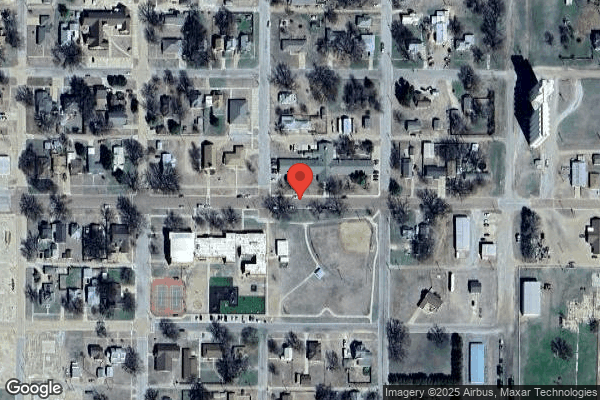
1020 MAIN STREET, KIOWA, KS 67070 (620) 825-4117
Government - Hospital district 29 Beds Independent Data: November 2025 1 Immediate Jeopardy citation
Trust Grade
78/100
#21 of 295 in KS
Last Inspection: September 2025

Inspected within the last 6 months. Data reflects current conditions.

Overview

Kiowa Hospital District Manor has a Trust Grade of B, indicating it is a good choice for care, though not without its issues. Ranked #21 out of 295 facilities in Kansas, it is in the top half, and it is the top-rated facility in Barber County. However, the facility is experiencing a worsening trend, as the number of reported issues increased from three in 2024 to four in 2025. Staffing is a strength, with a 5/5 star rating and a turnover rate of 39%, which is below the Kansas average, but there is concerning RN coverage that is less than 80% of other state facilities. There have been no fines reported, which is a positive sign, but specific incidents include a resident being transported without a seatbelt, leading to a fall, and unsanitary kitchen conditions that risk foodborne illnesses, highlighting some areas for improvement.

Trust Score
B
78/100
In Kansas
#21/295
Top 7%
Safety Record
High Risk
Review needed
Inspections
Getting Worse
3 → 4 violations
Staff Stability
○ Average
39% turnover. Near Kansas's 48% average. Typical for the industry.
Penalties
✓ Good
No fines on record. Clean compliance history, better than most Kansas facilities.
Skilled Nurses
✓ Good
Each resident gets 44 minutes of Registered Nurse (RN) attention daily — more than average for Kansas. RNs are trained to catch health problems early.
Violations
○ Average
10 deficiencies on record. Average for a facility this size. Mostly minor or procedural issues.
★★★★★
5.0
Overall Rating
★★★★★
5.0
Staff Levels
★★★★★
5.0
Care Quality
★★★☆☆
3.0
Inspection Score
Stable
2024: 3 issues
2025: 4 issues

The Good

  • 5-Star Staffing Rating · Excellent nurse staffing levels
  • 5-Star Quality Measures · Strong clinical quality outcomes
  • Full Sprinkler Coverage · Fire safety systems throughout facility
  • No fines on record
  • Staff turnover below average (39%)

    9 points below Kansas average of 48%

Facility shows strength in staffing levels, quality measures, fire safety.

The Bad

Staff Turnover: 39%

Near Kansas avg (46%)

Typical for the industry

The Ugly 10 deficiencies on record

1 life-threatening
Sept 2025 4 deficiencies 1 IJ
CRITICAL (J)

Immediate Jeopardy (IJ) - the most serious Medicare violation

Accident Prevention (Tag F0689)

Someone could have died · This affected 1 resident

**NOTE- TERMS IN BRACKETS HAVE BEEN EDITED TO PROTECT CONFIDENTIALITY** The facility identified a census of 21 residents. The sample included 12 residents, with six residents reviewed for accidents. B...

Read full inspector narrative →
**NOTE- TERMS IN BRACKETS HAVE BEEN EDITED TO PROTECT CONFIDENTIALITY** The facility identified a census of 21 residents. The sample included 12 residents, with six residents reviewed for accidents. Based on observation, interview, and record review, the facility failed to ensure an environment free of accident hazards for Resident (R)6, when Certified Medication Aide (CMA) R transported R6 in the facility van without safely securing the resident with a seatbelt in her wheelchair. On 05/08/25 CMA R abruptly applied the brakes to avoid a collision, causing R6 to slide out of her chair and fall on the floor, with her leg bent behind her. R6 cried out in pain as Emergency Medical Services (EMS) and facility staff removed R6 from the van. EMS transported R6 to the hospital via ambulance and R6 had severe pain, though the X-rays revealed no injuries. The facility's failure to ensure staff safely secured R6 with a seatbelt in a moving vehicle placed R6 in immediate jeopardy. Findings included:- R6's Electronic Medical record (EMR) under the Physician Orders dated 06/09/25 indicated the following diagnoses: type 2 diabetes (DM- a disease in which the body's ability to produce or respond to the hormone insulin is impaired), vascular dementia (a progressive mental disorder characterized by failing memory, confusion), and hypertension (elevated blood pressure).R6's Annual Minimum Data Set (MDS) dated [DATE] revealed a Brief Interview for Mental Status (BIMS) score of 10, indicating moderately impaired cognition. The MDS noted R6 was dependent on staff for toileting, showers, dressing and transfers. The MDS noted R6 used a wheelchair for mobility.R6's Quarterly MDS dated [DATE] revealed a BIMS score of 15, indicating intact cognition. The MDS noted R6 was dependent on staff for wheelchair propulsion.R6's Care Plan dated 05/02/25 documented the resident had a self-care performance deficit related to limited mobility, back pain, and knee pain. The plan directed staff R6 needed total assistance from two staff and the Hoyer lift (full body mechanical lift) for all transfers. The plan noted R6 had memory loss, which varied day-to-day. On 05/08/25, the plan noted a new intervention that instructed R6 to be transported in the bus instead of the van until further evaluation; evaluation and new seatbelts were placed in the van for safety and comfort. R6's Progress Notes in the EMR dated 05/08/25 at 03:15 PM, CMA R called the facility, explaining she needed assistance with R6. Three certified nurse aides (CNA) and a nurse went out to the van and found R6 on the floor of the van with her left leg bent backward toward her hip and her right leg tucked underneath the passenger chair. The note documented R6 had no active bleeding or protruding bones. R6's wheelchair was pushed up against R6's back and still attached to the floor. R6 yelled, Ow, ow, help me, it's my leg. Someone help me. One of the CNA staff members moved R6's legs to straighten them out, and R6 reported immediate relief. The note documented staff notified the fire department. EMS and emergency services arrived at 3:16 PM and transferred R6 to the hospital for further evaluation. The noted recorded R6 had no fractures upon her return to the facility.The facility's investigation N Adv-Post Fall Evaluation dated 05/08/25 at 06:28 PM documented CMA R was the witness to the fall. CMA R hit the brakes, causing R6 to lean too far forward, and R6 slid out of her wheelchair. The assessment noted R6 had pain rated at a seven (pain rating scale where zero equals no pain and 10 is the worst pain imaginable). R6 had vocal complaints of pain as well that got worse with movement. The assessment documented the root cause was the car in front of the transport van slammed on its brakes without warning, which caused CMA R to hit the brakes, and R6 slid out of her wheelchair onto the floor.CMA R's Witness Statement dated 05/08/25 documented after R6's dental appointment, CMA R loaded R6 back into the van, attached the front strap-downs above the front wheels of the wheelchair, and then attached the back strap-downs to the back bars that crossed underneath the wheelchair. CMA R noted during the drive, a car pulled in front of the van, and CMA R quickly hit the brakes to avoid hitting it. R6 slid forward in her chair, but they were still three blocks from the facility. R6 told CMA R she could feel herself sliding more, so CMA R called the facility to alert them. As they arrived at the facility, R6 slid all the way out of the wheelchair onto the floor with her left leg partially under her and her knee and lower leg turned at an angle. The CMA quickly undid the straps on the front wheels of R6's wheelchair and climbed over the center console to undo the back straps. EMS arrived and finished moving the wheelchair out of the way.On 09/02/25 at 04:25 PM, observation of the facility transportation van revealed hooks for the front and back of the wheelchair. The van also had new seat belts.On 09/03/25 at 09:14 AM, observation revealed R6 in the dining room, eating breakfast. She sat in her wheelchair and wore protective boots with leg wraps. On 09/02/25 at 03:21 PM, CNA M said CMA R came into the facility on [DATE] and told staff she needed help. CNA M reported R6 was on the floor of the van, with her right side up against the front seats, and she looked like a W shape. CNA M said staff called EMS. CMA M said she entered the van from the front door, and the rest of the staff went in through the back. CNA M said she held R6's legs up so they would not be on the metal at the bottom of the seats. CNA M said it took six people to get R6 out of the van. She said R6 did not have a seat belt on, but confirmed the facility made a point of getting seat belts after that incident.On 09/02/25 at 03:31 PM, CNA S said CMA R called and asked for help on 05/28/25. CNA S stated she went out to the van and saw R6's wheelchair tipped over in the van, though it was still latched on the bottom wheels. CNA S said R6 complained about her leg, as she was in a small space and her left leg was bent. CNA S said R6 had an X-ray, and the facility used heat pads to address the pain in R6's leg. CNA S stated the van was updated with seat belts.On 09/02/25 at 04:26 PM CMA R stated, as she and R6 were returning to the facility in the transportation van, a car pulled in front of the van. CMA R stated she applied the brakes to avoid hitting the car, and R6 slid forward, putting her hands on the back of the two seats. CMA R said she placed her hand on R6 to steady her. CMA R verified there were no seatbelts in the van to apply to the resident while she was in her wheelchair, at the time of this incident.On 09/02/25 at 03:34 PM, Administrative Nurse D revealed the facility van did not have seatbelts prior to the incident. Administrative Nurse D stated that after the incident, the facility identified the van did not have seatbelts, so the facility maintenance staff removed seatbelts from the facility's bus and placed them in the transportation van to avoid a recurrence of the situation. Administrative Nurse D stated they notified the Medical Director of the situation and addressed the incident in risk management.The policy Fall and Accident Prevention dated 06/24/25, documented to ensure the resident environment remains as free of accident hazards as possible and to ensure each resident receives adequate supervision and assistive devices to prevent accidents. Accidents refer to any unexpected or unintentional incident that results or may result in injury or illness to a resident that does not include other types of harm, such as adverse outcomes that are direct consequences of treatment or care that is provided in accordance with current professional standards of practice.On 09/03/25 at 09:56 AM, Administrative Nurse D received a copy of the Immediate Jeopardy [IJ] Template and was informed of the IJ for R6, who was identified on the template as R1.The facility completed corrective actions that included installation of seatbelts in the facility's transport van, staff instruction on how to use the seatbelts and review of the incident at Quality Assurance and Performance Improvement (QAPI). The facility completed all corrections by 05/09/25, prior to the onsite visit; therefore, the deficient practice was deemed past noncompliance and remained at a scope and severity of J.
CONCERN (D)

Potential for Harm - no one hurt, but risky conditions existed

Deficiency F0628 (Tag F0628)

Could have caused harm · This affected 1 resident

**NOTE- TERMS IN BRACKETS HAVE BEEN EDITED TO PROTECT CONFIDENTIALITY** The facility reported a census of 21 residents. The sample included 12 residents with one resident reviewed for hospitalization....

Read full inspector narrative →
**NOTE- TERMS IN BRACKETS HAVE BEEN EDITED TO PROTECT CONFIDENTIALITY** The facility reported a census of 21 residents. The sample included 12 residents with one resident reviewed for hospitalization. Based on interview and record review, the facility failed to provide Resident (R) 5 a written notification of transfer to the resident and/or his representative as soon as practicable. This placed the resident at risk of impaired rights related to transfer and discharge. Findings included:- R5's Electronic Medical Record (EMR) revealed a diagnosis of heart failure (a condition where the heart muscle is weakened and cannot pump blood effectively enough to meet the body's needs).R5's EMR documented a Progress Note which noted R5 transferred to the hospital on [DATE].R5's EMR lacked documentation of a written notification to the resident and/or his representative, which explained the reason for the transfer to the hospital.On 09/04/25 at 07:55 AM, Social Services Staff X stated the family was provided the bed hold policy, and the Ombudsman was notified of the transfer to the hospital. Social Services Staff X confirmed that staff had not notified the resident and/or his representative in writing of the reason for transfer to the hospital. On 09/04/25 at 11:15 AM, Administrative Nurse D said she was unaware of the requirement to notify the resident and/or his representative in writing of the reason for transfer to the hospital, and confirmed that it was not done for R5's transfer on 07/14/25.The facility policy for Transfer Agreement, last reviewed 12/02/24, included: Before the facility transfers or discharges a resident, the facility shall notify the resident and the resident's representative of the transfer or discharge.
CONCERN (F)

Potential for Harm - no one hurt, but risky conditions existed

Food Safety (Tag F0812)

Could have caused harm · This affected most or all residents

The facility reported a census of 21 residents, and one main kitchen. Based on observation, record review, and interview, the facility failed to prepare and serve food under sanitary conditions to pre...

Read full inspector narrative →
The facility reported a census of 21 residents, and one main kitchen. Based on observation, record review, and interview, the facility failed to prepare and serve food under sanitary conditions to prevent the potential for food borne bacteria. This placed the residents at risk for food borne illnesses. Findings included:- During the initial tour of the kitchen on 09/02/25 at 08:40 AM, observation revealed a bag of beef patties, a bag of hash browns, one bag of fish, and one bag of chicken strips were left open to air. Three cutting boards had a black substance around the edges and grooves in the boards.The pans and bowls were not inverted or covered. On 09/04/25 at 11:05 AM, the follow-up kitchen tour revealed a box of beef patties left open in the freezer area, and the cutting boards still had the black substance around the edges of the cutting boards and deep grooves. On 09/02/25 at 11:25 AM, Dietary Staff BB revealed that the staff were reminded to close the bags and to date when the bag was opened. Dietary Staff BB said the cutting boards will be replaced. The policy Food and Nutrition-Food Preparation-Manor and Hospital, dated 06/24/25, documented that all dietary personnel and other persons preparing food for the consumption of residents shall be routinely instructed and evaluated in sanitary food handling techniques, hand washing practice, and personal hygiene.
MINOR (C)

Minor Issue - procedural, no safety impact

Staffing Data (Tag F0851)

Minor procedural issue · This affected most or all residents

The facility reported a census of 21 residents. Based on interview and record review, the facility failed to electronically submit accurate staffing information through Payroll-Based Journaling (PBJ)....

Read full inspector narrative →
The facility reported a census of 21 residents. Based on interview and record review, the facility failed to electronically submit accurate staffing information through Payroll-Based Journaling (PBJ). Findings included:- The PBJ Staffing Data Report for Fiscal Year (FY) 2025 Quarter 1 (October 1 - December 31) and FY 2025 Quarter 2 (January 1 - March 31) documented the facility failed to have Registered Nurse (RN) coverage on the following dates:10/02/24; 10/08/24; 10/19/24; 10/20/24; 10/22/24; 10/23/24; 10/29/24; 11/08/24; 11/12/24; 11/20/24; 12/03/24; 12/13/24; 12/17/24; 12/24/24; 12/27/24; 01/22/25; 01/28/25; 02/11/25; 02/18/25; 02/19/25; 02/25/25; 02/27/25; 03/04/25.Review of the PBJ Staffing Data Report for Fiscal Year (FY) 2025 for Quarter 1 and FY 2025 Quarter 2the facility failed to have Licensed Nurse (LN) coverage 24 hours a day on the following dates:10/11/24; 10/19/24; 12/03/24; 12/14/24; 12/21/24; 12/27/24.Review of the Daily Nurse Staffing Form and Payroll Data Sheets indicated the days listed above were covered with the appropriate staff with eight consecutive hours of RN coverage and LN coverage 24 hours each day. On 09/04/25 at 10:00 AM, Administrative Nurse D revealed that when she started her new position, the system did not recognize her as working as an RN in the building, so it was not reported as RN staffing hours. Administrative Nurse D stated the problem is fixed.On 09/04/25 at 10:14 AM, Administrative Staff B reported she reports PBJ information each quarter. She manually records staff who were agency and contracted workers. Administrative Staff B verified that there was a period of time during which RN hours were not reported correctly.The facility policy CMS Payroll Based Journal (PBJ) Submission Policy, last updated 07/09/25, documented that the facility was responsible for submitting timely and accurate staffing data through the CMS Payroll-Based Journal (PBJ) system.
Jan 2024 3 deficiencies
CONCERN (D) 📢 Someone Reported This

A family member, employee, or ombudsman was alarmed enough to file a formal complaint

Potential for Harm - no one hurt, but risky conditions existed

Deficiency F0558 (Tag F0558)

Could have caused harm · This affected 1 resident

**NOTE- TERMS IN BRACKETS HAVE BEEN EDITED TO PROTECT CONFIDENTIALITY** The facility had a census of 26 residents, which included 12 residents, that included one resident reviewed for accommodation of...

Read full inspector narrative →
**NOTE- TERMS IN BRACKETS HAVE BEEN EDITED TO PROTECT CONFIDENTIALITY** The facility had a census of 26 residents, which included 12 residents, that included one resident reviewed for accommodation of needs. Based on observation, record review, and interview, the facility failed to provide reasonable accommodations related to an appropriately sized mechanical lift sling for Resident (R)4. Findings included: - The Electronic Health Records (EHR) for Resident (R)4 included diagnoses of diabetes mellitus type 2 (DM2 - when the body cannot use glucose, not enough insulin made or the body cannot respond to the insulin), chronic pulmonary edema (a chronic condition in which the lungs accumulate excess extravascular fluid around the lung tissue) and generalized weakness. The Significant Change Minimum Data Set (MDS) dated [DATE] documented a Brief Interview for Mental Status (BIMS) score of 15, which indicated intact cognition. R4 required extensive assistance from two staff for all cares except eating and received hospice services. The ADL (activities of daily living such as walking, grooming, toileting, dressing and eating) Functional / Rehabilitation Potential Care Area Assessment (CAA) dated 10/09/23, documented R4 had an ADL self-care deficit related to multiple diagnoses which included (but not limited to) generalized weakness, non-ambulatory (not walking) status, limited range of motion due to body size and chronic pain. The Care Plan dated 01/03/24, documented R4 had an ADL self-performance deficit and instructed staff to utilize a Hoyer lift (a two-person full-body mechanical lift use to transfer residents) and lacked direction on the size of sling to use. The Physician Orders lacked information related to the full body mechanical lift use. On 01/02/24 at 11:21 AM, R4 revealed that the full body mechanical lift sling that staff had been using caused discomfort during transfers because it was too small for his body. On 01/03/24 at 07:25 AM, Certified Nurse Aide (CNA)C, CNA F and CNA E transferred R4 with a full body mechanical lift. R4 expressed discomfort due to the sling size during the transfer. On 01/04/24 at 09:49 AM, CNA C stated that the Hoyer lift was a little too small for the resident to use and the legs of the mechanical lift could not open wide enough to accommodate R4's wheelchair. Additionally, stated that R4 was recently readmitted to the facility on hospice and that hospice provided the lift and that even though the lift and sling are too small for the resident, staff were to use the hospice lift and not the two lifts owned by the facility. Further stated that R4 used to complain daily about the lift causing discomfort but has given up on saying anything about it. On 01/04/24 at 10:01 AM, CNA D confirmed that R4 was readmitted to the facility on hospice services and that the lift provided by hospice was too small for R4. The facility owned lifts that were larger, but staff were to use the lift provided by hospice even if it was too small because the hospice lift was in the room and the other ones were stored all the way at the end of the hall. On 01/04/24 at 10:23 AM, Administrative Nurse B confirmed that R4 had recently readmitted to the facility on hospice services; however, stated that staff had not been advised to exclusively use the lift provided by hospice rather than the two larger lifts owned by the facility. Administrative Nurse B was not aware R4 expressed discomfort related to the small size of the full body mechanical sling. Stated that her expectation was for staff to utilize appropriately sized equipment to accommodate R4's body size without causing discomfort. The facility's Accommodation of Need policy, dated 02/2004, documented that residents have the right to reside and receive services with reasonable accommodations of individual needs. The facility failed to provide this resident with reasonable accommodations of his needs and preferences for an appropriately sized mechanical lift sling.
CONCERN (D) 📢 Someone Reported This

A family member, employee, or ombudsman was alarmed enough to file a formal complaint

Potential for Harm - no one hurt, but risky conditions existed

Accident Prevention (Tag F0689)

Could have caused harm · This affected 1 resident

**NOTE- TERMS IN BRACKETS HAVE BEEN EDITED TO PROTECT CONFIDENTIALITY** The facility reported a census of 26 residents with 12 residents selected for review which included three residents reviewed for...

Read full inspector narrative →
**NOTE- TERMS IN BRACKETS HAVE BEEN EDITED TO PROTECT CONFIDENTIALITY** The facility reported a census of 26 residents with 12 residents selected for review which included three residents reviewed for accident hazards. Based on observation, interview, and record review, the facility failed to provide a safe environment when staff failed to carry call light pagers hooked to the call light system to alert staff when the resident moved. Resident (R) 25 had a fall with minor injury and staff were unaware the alarm sounded to his movements prior to a fall. Findings include: - R25's Electronic Health Record (EHR) revealed the resident had diagnoses that included dementia (a progressive mental disorder characterized by failing memory, confusion) and benign prostatic hyperplasia (BPH - a non-cancerous enlargement of the prostate which can lead to interference with urine flow, urinary frequency, and urinary tract infections). The admission Minimum Data Set (MDS) dated [DATE], revealed a Brief Interview for Mental Status (BIMS) score of two, indicating severely impaired cognition. The resident required moderate assistance of staff for all cares, except eating. The resident utilized a walker or wheelchair for locomotion. The Cognitive Loss / Dementia Care Area Assessment (CAA) dated 10/12/23, documented the resident had impaired cognitive function and short-term memory loss related to dementia. The Falls CAA, dated 10/12/23, documented that the resident was at a moderate risk of falls related to confusion, lack of safety awareness, incontinence, and generalized weakness. The Care Plan dated 01/03/24, documented R25 was at moderate risk for falls and instructed staff to perform the following interventions: 1. On 10/04/23, instructed staff to anticipate and meet R25's needs. 2. On 10/04/23, instructed staff to ensure the call light was within reach and encourage the resident to use it for assistance. (With severely impaired cognition, this is ineffective as the resident would not remember.) 3. On 10/04/23, instructed staff to ensure the resident was wearing appropriate footwear when transferring and ambulating. 4. On 10/04/23 and revised on 11/01/23, instructed staff that the resident ambulated with a gait belt and walker. Staff were to pull the wheelchair behind the resident. 5. On 10/04/23, instructed staff to place a silent fall alarm on the resident's recliner and bed. (A type of alarm hooked to the call light system to alert staff of resident movements.) 6. On 11/21/23, instructed night shift nurses to carry call light pagers to help respond to the silent fall alarms in a timelier manner. The Fall Risk Assessments documented the following: 1. On 10/03/23, fall risk score of 14, which indicated the resident was at risk for falls. 2. On 11/21/23, fall risk score of 11, which indicated the resident was at risk for falls. Review of fall reports revealed that on 11/21/23 at 05:40 AM, R25 had a fall with minor injury. The root cause analysis investigation determined that the staff did not respond to R25's fall alarm in an adequate time to prevent the fall because they failed to carry the call light pagers with them. On 01/04/24 at 10:23 AM, Administrative Nurse B revealed her expectation was for all licensed nursing staff to carry the call light pagers to assist in answering call lights when the Certified Nurse Aides (CNAs) were busy with other call lights. Administrative Nurse B further explained that on the night of 11/21/23 when R25 fell, the nurse on duty was not wearing the call light pager as per her expectation. The facility's Fall and Accident Prevention Policy policy, dated 08/28/20, documented that the facility would provide an environment that was free from accident hazards that the facility had control, which included supervision and assistance to prevent avoidable accidents. The facility failed to provide a safe environment when staff failed to follow care planned interventions including to carry the call light pagers on the night shift when R25 had a fall with minor injury and staff were unaware he had called for help. - R10's Electronic Health Record (EHR) revealed the resident had diagnoses that included dementia (a progressive mental disorder characterized by failing memory, confusion) and major depressive disorder (a mood disorder categorized as mental health problems, feelings of sadness, helplessness, guilt, wanting to die were more intense and persistent than what may normally be felt from time to time). The 11/10/23 Annual Minimum Data Set (MDS) documented a Brief Interview for Mental Status (BIMS) score of three, which indicated severely impaired cognition. The resident was dependent on staff for cares. The 11/10/23 Cognitive Loss / Dementia Care Area Assessment CAA, documented that the resident had impaired cognitive function with cognitive decline noted related to her diagnosis of dementia. R10 had chronic episodes of inattention, disorganized thinking, and the appearance of decreased consciousness where she was less responsive to others around her. The 11/10/23 Falls CAA, documented R10 was at risk for falls related to weakness, dementia, medications, aggressive behaviors at times during ADLs (activities of daily living - such as grooming, walking, bathing, and toileting), and had a history of falls. Soft touch call light in place. Directed staff to anticipate and meet R10's needs as she was unable to make them known verbally and that a dycem (a slip resistant pad placed between the buttocks and a chair) pad was to be placed on top of R10's wheelchair cushion to prevent buttocks from sliding forward for fall prevention. The Care Plan, dated 11/16/23, documented that R10 was a moderate risk for falls and instructed staff to perform the following interventions: 1. On 06/08/18, for staff to anticipate and meet R10's needs as she was unable to make them known verbally. 2. On 11/14/2023, for staff to place dycem on top of the wheelchair cushion to prevent buttocks from sliding forward for fall prevention. 3. On 05/26/2021, for staff to ensure that R10 wore appropriate footwear such as non-skid socks, shoes, when ambulating and must have one to two staff assisting with ambulation. R10's primary mode of locomotion was for staff to propel R10's wheelchair, but R10 would sometimes propel herself. 4. On 11/22/2022, that R10 didn't use her call light but instructed staff to make sure R10's call light was within her reach for use by utilization of soft touch call light. 5. On 06/18/18, R10 needed a safe environment with: even floors free from spills and/or clutter; adequate, glare-free light; a working and reachable call light, the bed in a position that best fits her height; handrails on wall in bathroom and personal items within reach. 6. On 12/31/23, instructed a staff member to face R10 and to maintain visual supervision while resident is using the restroom. 7. On 12/09/23, instructed staff to perform visual safety checks every 15 minutes while awake. The Physician's Orders lacked orders specific to fall prevention. The EHR Assessments documented the following: 1. On 12/09/23, fall risk evaluation of 12, which indicated resident was at risk for falls. 2. On 12/31/23, fall risk evaluation of 12, which indicated resident was at risk for falls. The facility fall report revealed R 10 had an unwitnessed fall on 10/9/2023 with no injury and a witnessed fall on 12/31/23 that resulted in a hematoma (collection of blood trapped in the tissues of the skin or in an organ, resulting from trauma) to her forehead. On 01/03/23 at 08:30 AM, R10's wheelchair lacked a dycem pad. On 01/04/03 at 07:45 AM, Certified Nurse Aide (CNA) G reported that if staff do not look at the resident [NAME] (nursing tool that gives a brief overview of the care needs of each resident) each day, they would likely not know that a dycem pad should be in R10's wheelchair. On 01/03/23 at 11:27 AM, Administrative Nurse B revealed that R10 should have dycem pad in her wheelchair per the instructions in the care plan to reduce the risk of falls from R10 sliding out of her wheelchair. The facility's Fall and Accident Prevention Policy policy, dated 08/28/20, documented that the facility would provide an environment that was free from accident hazards that the facility had control, which included supervision and assistance to prevent avoidable accidents. The facility failed to provide a safe environment when staff did not ensure that a dycem pad in R10's wheelchair as documented in the care plan. This deficient practice created an accident hazard related to falls.
CONCERN (F) 📢 Someone Reported This

A family member, employee, or ombudsman was alarmed enough to file a formal complaint

Potential for Harm - no one hurt, but risky conditions existed

Staffing Data (Tag F0851)

Could have caused harm · This affected most or all residents

The facility reported a census of 26 residents. Based on interview and record review, the facility failed to submit complete and accurate staffing information to the Federal regulatory agency through ...

Read full inspector narrative →
The facility reported a census of 26 residents. Based on interview and record review, the facility failed to submit complete and accurate staffing information to the Federal regulatory agency through Payroll-Based Journaling (PBJ) when the facility failed to accurately submit hourly staffing data for all nursing personnel. Findings included: - Review of the Fiscal Year (FY) Quarter 1, 2023 (October 1 - December 31), the facility failed to accurately submit the Licensed Nursing Coverage 24 hours/Day for the following dates: 10/01 Saturday (SA); 10/02 Sunday (SU); 10/08 (SA); 10/09 (SU); 10/15 (SA); 10/22 (SA); 10/23 (SU); 10/27 Thursday (TH), 11/05 (SA); 11/29 Tuesday (TU);12/12 Monday (MO), and 12/16 Friday (FR). FY Quarter 2, 2023 (January 1 - March 31), the facility failed to accurately submit the Licensed Nursing Coverage 24 hours/Day for the following dates: 01/18 Wednesday (WE); 02/18 (SA); 02/26 (SU); 03/11 (SA); 03/12 (SU); 03/18 (SA) and 03/26 (SU). FY Quarter 3, 2023 (April 1 - June 30), the facility failed to accurately submit the Licensed Nursing Coverage 24 hours/Day for the following dates: 04/29 (SA); 04/30 (SU); 05/02 (TU); 05/06 (SA); 05/27 (SA); 05/28 (SU); 06/17 (SA); 06/24 (SA); and 06/25 (SU). Review of the nursing schedule and clocking sheets for the above dates revealed adequate hours to account for 24-hour nursing coverage. Interview on 01/04/24 at 12:30 PM, Administrative Nurse B reported that Human Resource staff (HR) at the hospital was responsible for submission of payroll data and was unable to provide explanation for inaccurate data. The Electronic Staffing Data Submission Payroll-Based Journal for Long Term Care Facilities, dated 06/2022, documented that long term care facilities must electronically submit to Centers for Medicare Services (CMS - the federal regulatory agency) complete and accurate direct care staffing information, including information for agency and contract staff, based on payroll and other verifiable and auditable date in a uniform format according to specifications established by CMS. The facility failed to submit complete and accurate staffing information to the Federal regulatory agency through PBJ when the facility failed to accurately submit hourly staffing data for all nursing personnel.
Feb 2022 3 deficiencies
CONCERN (D)

Potential for Harm - no one hurt, but risky conditions existed

Transfer Notice (Tag F0623)

Could have caused harm · This affected 1 resident

**NOTE- TERMS IN BRACKETS HAVE BEEN EDITED TO PROTECT CONFIDENTIALITY** The facility census totaled 19 residents with eight residents included in the sample. Based on observation, interview, and recor...

Read full inspector narrative →
**NOTE- TERMS IN BRACKETS HAVE BEEN EDITED TO PROTECT CONFIDENTIALITY** The facility census totaled 19 residents with eight residents included in the sample. Based on observation, interview, and record review the facility failed to provide written notice to the State Ombudsman of the 12/13/21 facility-initiated hospitalization transfer of Resident (R) 9. Findings included: - R9's Electronic Health Record (EHR) documented diagnoses of muscle spasm of back, and chronic pain. The 10/13/21 admission Minimum Data Set (MDS) revealed a Brief Interview for Mental Status (BIMS) score of 15, which indicated intact cognition. The 01/06/22 Quarterly MDS revealed a BIMS score of 15, which indicated intact cognition. The 12/13/21 Health Status Note documented R9 stated her pain was unbearable and that she would like to be transported to the emergency room. Observation on 02/16/22 at 09:44 AM revealed R9 sat in a recliner in her room, was pleasant, had a smile on her face and did not appear to be in any pain. On 02/16/22 at 11:59 AM, Social Services Designee (SSD) D stated she notified the ombudsman of any residents discharged to the hospital at the beginning of each month. SSD D stated she could not find this notification concerning R9's 12/13/21 hospitalization. On 02/16/22 at 12:16 PM, Administrative Nurse B stated it was her understanding the Social Services Designee (SSD) was the one who notified the ombudsman when a resident was transferred to the hospital. The facility did not provide a policy on ombudsman notification of resident transfer to the hospital. The facility failed to notify the ombudsman when R9 admitted to the hospital on [DATE].
CONCERN (D)

Potential for Harm - no one hurt, but risky conditions existed

Deficiency F0625 (Tag F0625)

Could have caused harm · This affected 1 resident

The facility census totaled 19 residents with eight residents included in the sample. Based on observation, interview, and record review the facility failed to provide Resident (R) 9 or her representa...

Read full inspector narrative →
The facility census totaled 19 residents with eight residents included in the sample. Based on observation, interview, and record review the facility failed to provide Resident (R) 9 or her representative with a bed hold policy upon transfer to the hospital. Findings included: - R9's Electronic Health Record (EHR) documented diagnoses of muscle spasm of back, and chronic pain. The 10/13/21 admission Minimum Data Set (MDS) revealed a Brief Interview for Mental Status (BIMS) score of 15, which indicated intact cognition. The 01/06/22 Quarterly MDS revealed a BIMS score of 15, which indicated intact cognition. The 12/13/21 Health Status Note documented R9 stated her pain was unbearable and that she would like to be transported to the emergency room. Observation on 02/16/22 at 09:44 AM revealed R9 sat in a recliner in her room, was pleasant, had a smile on her face and did not appear to be in any pain. On 02/16/22 at 11:49 AM, Licensed Nurse (LN) C stated R9 was sent to the hospital due to having had bad back pain. LN C stated there was a bed hold included in a hospital transfer packet that was provided at the time of transfer to the hospital, but was not signed by either R9 or her representative. On 02/16/22 at 12:16 PM, Administrative Nurse B stated the nurse should provide the bed hold policy upon transfer, but stated there was no current system to make bed holds were signed by the resident or their representative. The facility's Bed Hold Policy & Resident Return policy dated 02/07/22 documented, At the time a resident is transferred to a hospital .the resident/resident representative will be provided with, and asked to sign, a request for bed hold form. The facility failed to provide R9 or her representative with written notice concerning the facility's bed hold policy when R9 discharged to the hospital.
CONCERN (D)

Potential for Harm - no one hurt, but risky conditions existed

Infection Control (Tag F0880)

Could have caused harm · This affected 1 resident

The facility had a census of 19 residents with 8 residents in the sample. Based on observation, interview, and record review the facility failed to perform blood sugar testing on two residents, Reside...

Read full inspector narrative →
The facility had a census of 19 residents with 8 residents in the sample. Based on observation, interview, and record review the facility failed to perform blood sugar testing on two residents, Residents (R) 12 and R5 in a sanitary manner when Licensed Nurse (LN) C failed to clean the facility glucometer (instrument used to calculate blood glucose) after using it on the first resident and/or before testing the second resident. Findings included: Observation on 02/16/22 at 08:14 AM revealed LNC as she checked the blood sugar for R12. The nurse donned gloves and cleaned R12's finger with an alcohol pad. LN C then used a lancet (sharp object to pierce skin to obtain blood sample) to draw blood and placed a small drop of blood onto the glucometer strip. LN C then left the glucometer sitting on the counter and failed to clean it after use. Observation on 02/16/22 at 08:23 AM revealed LN C as she checked the blood sugar for R5. The nurse donned gloves and used an alcohol pad to clean R5's finger. Using a lancet to draw R5's blood, she then placed it on the strip in the uncleaned glucometer, which she previously used on R12. LN C then placed the glucometer in the top drawer of the medication cart without cleaning it after using it for both R12 and R5. On 02/16/22 at 08:30 AM LN C reported she probably should have cleaned the glucometer and took it back out of the cart. The nurse then put gloves on and cleaned it with a wet disinfecting wipe. On 02/16/22 at 09:45 AM Administrative Nurse B reported the glucometer should be cleaned after every use. She was of the understanding all residents receiving blood sugar checks had their own glucometer in the medication cart. The facility policy named Blood Glucose Monitoring dated 12/2016 revealed the licensed nurse would test a resident's blood sugar level with the facility provided glucometer. After each resident use, the glucose monitoring device would be thoroughly cleaned. The device would then be placed in a zip-loc bag labeled with that resident's name when appropriate. The facility failed to perform blood sugar testing on two residents in a sanitary manner by the failure to clean the facility glucometer after using it and before testing a second resident.
Understanding Severity Codes (click to expand)
Life-Threatening (Immediate Jeopardy)
J - Isolated K - Pattern L - Widespread
Actual Harm
G - Isolated H - Pattern I - Widespread
Potential for Harm
D - Isolated E - Pattern F - Widespread
No Harm (Minor)
A - Isolated B - Pattern C - Widespread

Questions to Ask on Your Visit

  • "What changes have you made since the serious inspection findings?"
  • "Can I speak with families of current residents?"
  • "What's your RN coverage like on weekends and overnight?"

Our Honest Assessment

Strengths
  • • No fines on record. Clean compliance history, better than most Kansas facilities.
  • • 39% turnover. Below Kansas's 48% average. Good staff retention means consistent care.
Concerns
  • • Multiple safety concerns identified: 1 life-threatening violation(s). Review inspection reports carefully.
  • • 10 deficiencies on record, including 1 critical (life-threatening) violation. These warrant careful review before choosing this facility.
Bottom line: Generally positive indicators. Standard due diligence and a personal visit recommended.

About This Facility

What is Kiowa Hospital District Manor's CMS Rating?

CMS assigns KIOWA HOSPITAL DISTRICT MANOR an overall rating of 5 out of 5 stars, which is considered much above average nationally. Within Kansas, this rating places the facility higher than 99% of the state's 100 nursing homes. This rating reflects solid performance across the metrics CMS uses to evaluate nursing home quality.

How is Kiowa Hospital District Manor Staffed?

CMS rates KIOWA HOSPITAL DISTRICT MANOR's staffing level at 5 out of 5 stars, which is much above average compared to other nursing homes. Staff turnover is 39%, compared to the Kansas average of 46%. This relatively stable workforce can support continuity of care.

What Have Inspectors Found at Kiowa Hospital District Manor?

State health inspectors documented 10 deficiencies at KIOWA HOSPITAL DISTRICT MANOR during 2022 to 2025. These included: 1 Immediate Jeopardy (the most serious level, indicating potential for serious harm or death), 8 with potential for harm, and 1 minor or isolated issues. Immediate Jeopardy findings are rare and represent the most serious regulatory concerns. They require immediate corrective action.

Who Owns and Operates Kiowa Hospital District Manor?

KIOWA HOSPITAL DISTRICT MANOR is owned by a government entity. Government-operated facilities are typically run by state, county, or municipal agencies. The facility operates independently rather than as part of a larger chain. With 29 certified beds and approximately 22 residents (about 76% occupancy), it is a smaller facility located in KIOWA, Kansas.

How Does Kiowa Hospital District Manor Compare to Other Kansas Nursing Homes?

Compared to the 100 nursing homes in Kansas, KIOWA HOSPITAL DISTRICT MANOR's overall rating (5 stars) is above the state average of 2.9, staff turnover (39%) is near the state average of 46%, and health inspection rating (3 stars) is at the national benchmark.

What Should Families Ask When Visiting Kiowa Hospital District Manor?

Based on this facility's data, families visiting should ask: "What changes have been made since the serious inspection findings, and how are you preventing similar issues?" "Can I visit during a mealtime to observe dining assistance and food quality?" "How do you handle medical emergencies, and what is your hospital transfer rate?" "Can I speak with family members of current residents about their experience?" These questions are particularly relevant given the facility's Immediate Jeopardy citations.

Is Kiowa Hospital District Manor Safe?

Based on CMS inspection data, KIOWA HOSPITAL DISTRICT MANOR has documented safety concerns. Inspectors have issued 1 Immediate Jeopardy citation (the most serious violation level indicating risk of serious injury or death). The facility has a 5-star overall rating and ranks #1 of 100 nursing homes in Kansas. Families considering this facility should ask detailed questions about what corrective actions have been taken since these incidents.

Do Nurses at Kiowa Hospital District Manor Stick Around?

KIOWA HOSPITAL DISTRICT MANOR has a staff turnover rate of 39%, which is about average for Kansas nursing homes (state average: 46%). Moderate turnover is common in nursing homes, but families should still ask about staff tenure and how the facility maintains care continuity when employees leave.

Was Kiowa Hospital District Manor Ever Fined?

KIOWA HOSPITAL DISTRICT MANOR has no federal fines on record. CMS issues fines when nursing homes fail to meet care standards or don't correct problems found during inspections. The absence of fines suggests the facility has either maintained compliance or corrected any issues before penalties were assessed. This is a positive indicator, though families should still review recent inspection reports for the full picture.

Is Kiowa Hospital District Manor on Any Federal Watch List?

KIOWA HOSPITAL DISTRICT MANOR is not on any federal watch list. The most significant is the Special Focus Facility (SFF) program, which identifies the bottom 1% of nursing homes nationally based on persistent, serious quality problems. Not being on this list means the facility has avoided the pattern of deficiencies that triggers enhanced federal oversight. This is a positive indicator, though families should still review the facility's inspection history directly.