WICHITA COUNTY HEALTH CENTER LTCU
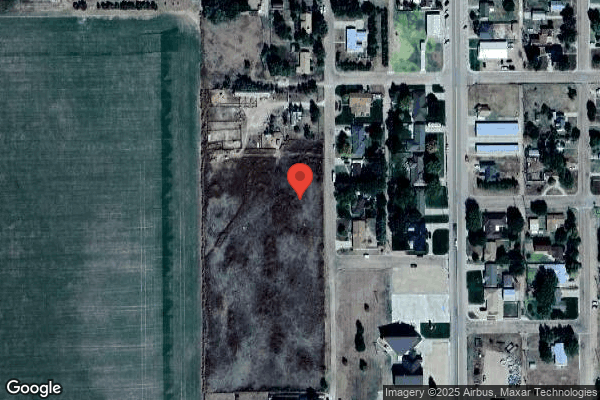
211 EAST EARL STREET, LEOTI, KS 67861 (620) 375-2233
Government - County 10 Beds Independent Data: November 2025
Trust Grade
70/100
#103 of 295 in KS
Last Inspection: June 2025

Inspected within the last 6 months. Data reflects current conditions.

Overview

Wichita County Health Center LTCU has a Trust Grade of B, indicating it is a good choice for families seeking care, as it falls in the 70-79 range on the trust score scale. It ranks #103 out of 295 facilities in Kansas, which places it in the top half, and is the only option in Wichita County. The facility is improving, with issues decreasing from 15 in 2023 to 6 in 2025. Staffing is a strong point, with a 4 out of 5 rating and a turnover rate of 0%, significantly lower than the Kansas average of 48%. On the downside, the facility has faced some concerns, including the lack of a full-time Certified Dietary Manager, which risks residents' nutrition, and issues with food safety practices in the kitchen, such as improperly stored food that could lead to foodborne illnesses. Additionally, there are concerns about the competencies of nursing staff, which could impact the quality of care provided to residents. However, the absence of fines and strong RN coverage-better than 89% of Kansas facilities-are positive aspects to consider.

Trust Score
B
70/100
In Kansas
#103/295
Top 34%
Safety Record
Low Risk
No red flags
Inspections
Getting Better
15 → 6 violations
Staff Stability
○ Average
Turnover data not reported for this facility.
Penalties
✓ Good
No fines on record. Clean compliance history, better than most Kansas facilities.
Skilled Nurses
✓ Good
Each resident gets 125 minutes of Registered Nurse (RN) attention daily — more than 97% of Kansas nursing homes. RNs are the most trained staff who catch health problems before they become serious.
Violations
⚠ Watch
31 deficiencies on record. Higher than average. Multiple issues found across inspections.
★★★★☆
4.0
Overall Rating
★★★★☆
4.0
Staff Levels
★★★★★
5.0
Care Quality
★★★☆☆
3.0
Inspection Score
Stable
2023: 15 issues
2025: 6 issues

The Good

  • 4-Star Staffing Rating · Above-average nurse staffing levels
  • 5-Star Quality Measures · Strong clinical quality outcomes
  • Full Sprinkler Coverage · Fire safety systems throughout facility
  • No fines on record

Facility shows strength in staffing levels, quality measures, fire safety.

The Bad

No Significant Concerns Identified

This facility shows no red flags. Among Kansas's 100 nursing homes, only 0% achieve this.

The Ugly 31 deficiencies on record

Jun 2025 6 deficiencies
CONCERN (D)

Potential for Harm - no one hurt, but risky conditions existed

Deficiency F0628 (Tag F0628)

Could have caused harm · This affected 1 resident

**NOTE- TERMS IN BRACKETS HAVE BEEN EDITED TO PROTECT CONFIDENTIALITY** The facility had a census of 10 residents. Based on observation, interview, and record review, the facility failed to provide a ...

Read full inspector narrative →
**NOTE- TERMS IN BRACKETS HAVE BEEN EDITED TO PROTECT CONFIDENTIALITY** The facility had a census of 10 residents. Based on observation, interview, and record review, the facility failed to provide a Bed Hold Notice to Resident (R) 2 or her representative, upon transfer and admission to a hospital. This deficient practice placed R2 at risk of not being permitted to return and resume residence in the nursing facility. Findings included: - R2's Electronic Medical Record documented diagnoses of anxiety (mental or emotional reaction characterized by apprehension, uncertainty, and irrational fear), hypertension (elevated blood pressure), diabetes mellitus (DM - when the body cannot use glucose, not enough insulin made or the body cannot respond to the insulin), and heart disease. R2's admission Minimum Data Set (MDS), dated [DATE], documented a Brief Interview for Mental Status (BIMS) score of 13, indicating intact cognition. The MDS documented R2 had re-entered the facility from a skilled nursing facility and required staff assistance with most activities of daily living. R2's Care Plan, dated 04/22/25, directed staff to report signs of medication reactions, take vital signs as ordered, and report abnormal values to the provider. The Progress Note dated 11/23/24 stated R2 was admitted to the hospital for respiratory failure and heart issues. The facility could not provide documentation they provided R2 with a Bed Hold Notice upon discharge to a hospital on [DATE]. On 06/01/25 at 12:55 PM, R2 sat in a recliner in her room. She wore oxygen per nasal cannula and stated she had been hospitalized for open heart surgery. On 06/03/25 at 08:45 AM, Administrative Nurse E verified the facility had not provided a Bed Hold notice to the resident or her representative upon discharge to the hospital on [DATE]. The facility's Bed Hold policy, dated 04/13/11, revised 06/03/25, stated before a nursing facility transfers a resident to a hospital the facility must provide written information to the resident or their representative concerning the bed hold policy.
CONCERN (D)

Potential for Harm - no one hurt, but risky conditions existed

Deficiency F0761 (Tag F0761)

Could have caused harm · This affected 1 resident

**NOTE- TERMS IN BRACKETS HAVE BEEN EDITED TO PROTECT CONFIDENTIALITY** The facility had a census of 10 residents. The sample included eight residents. Based on observation, record review, and intervi...

Read full inspector narrative →
**NOTE- TERMS IN BRACKETS HAVE BEEN EDITED TO PROTECT CONFIDENTIALITY** The facility had a census of 10 residents. The sample included eight residents. Based on observation, record review, and interview, the facility failed to date insulin (a hormone that lowers the level of glucose in the blood) subcutaneous (beneath the skin) injectable pens with an open date and expiration date for Resident (R) 2 and R6. This deficient practice placed the residents at risk of receiving outdated medication that may cause adverse consequences. Findings included: - On [DATE] at 09:04 AM, during an initial tour of the medication room R2's Basaglar (long-acting insulin) and R10's Lantus (long-acting insulin) pens stored in the medication room refrigerator lacked open and expired dates. Licensed Nurse (LN) H verified the in-use pens stored in the medication room refrigerator lacked open and expired dates. On [DATE] at 09:01 AM, Administrative Nurse D verified the insulin pens in use should be labeled with open and expiration dates. The facility's Medication Administration Subcutaneous Injection policy, dated [DATE], documented that Licensed Nurses were allowed to administer patients and residents subcutaneous injections. The policy documented if using a multi-dose vial: date, time, and initial when it was opened.
CONCERN (F)

Potential for Harm - no one hurt, but risky conditions existed

Deficiency F0801 (Tag F0801)

Could have caused harm · This affected most or all residents

The facility had a census of 10 residents. Based on observation, interview, and record review, the facility failed to employ a full-time Certified Dietary Manager for the 10 residents who received the...

Read full inspector narrative →
The facility had a census of 10 residents. Based on observation, interview, and record review, the facility failed to employ a full-time Certified Dietary Manager for the 10 residents who received their meals from the facility kitchen. This deficient practice placed the residents at risk of not receiving adequate nutrition. Findings included: - On 06/01/25 at 08:55 AM, observation in the facility's kitchen revealed three dietary staff working. On 06/02/25 at 09:10 AM, Dietary Staff BB verified she did not have certification as a Dietary Manager. She stated she had taken the coursework but not a test to become certified. On 06/03/25 at 08:00 AM, Administrative Nurse D verified the dietary manager was not certified. Administrative Nurse D was aware that the facility should have a Certified Dietary Manager. The facility's Dietary Manager policy, dated 10/26/22, stated the Dietary Manager would supervise food preparation and service, dietary supplies, conduct training for the dietary department, and maintain certified dietary manager credentials. The Dietary Manager would communicate with nursing and the registered dietician any nutritional concerns, assessments, recommendations, and care plan reviews.
CONCERN (F)

Potential for Harm - no one hurt, but risky conditions existed

Food Safety (Tag F0812)

Could have caused harm · This affected most or all residents

The facility had a census of 10 residents. Based on observation, interview, and record review, the facility failed to store, prepare, and serve food in a sanitary condition for 10 residents who reside...

Read full inspector narrative →
The facility had a census of 10 residents. Based on observation, interview, and record review, the facility failed to store, prepare, and serve food in a sanitary condition for 10 residents who reside in the facility and received meals from the facility's kitchen, placing them at risk for foodborne illness. Findings included: - On 06/01/25 at 08:55 AM, the facility kitchen had three dietary staff cleaning and preparing food. The walk-in refrigerator had opened but undated containers of macaroni salad, black olives, cottage cheese, and one eight-pound box of Deli salad. On 06/01/25 at 09:00, Dietary Staff (DS) CC verified the opened, undated foods. On 06/02/25 at 09:10 AM, DS BB verified staff were to date packages of food when they opened them. The facility's Food Storage policy, dated 10/05/23, stated leftover food would be stored in covered containers or wrapped carefully and securely and clearly labeled and dated before being refrigerated.
MINOR (C)

Minor Issue - procedural, no safety impact

Staffing Information (Tag F0732)

Minor procedural issue · This affected most or all residents

The facility had a census of 10 residents. Based on observation, record review, and interview, the facility failed to display accurate nursing personnel hours for staff responsible for providing direc...

Read full inspector narrative →
The facility had a census of 10 residents. Based on observation, record review, and interview, the facility failed to display accurate nursing personnel hours for staff responsible for providing direct care accessible to residents and visitors. Findings included: - During the survey period of 06/01/25 to 06/03/25 the facility posted nursing staff by name and shift but lacked the facility's census and direct care nursing staff hours of nursing. On 06/03/25 at 08:00 AM, Administrative Nurse D reported using a different scheduling system and believed the posting was accurate, related to who and when direct care staff worked but lacked totaled hours. The facility's Posting Daily Nurse Staffing Form policy, dated 06/03/25, documented the Director of Nursing or designee would ensure that the number of registered nurses, licensed practical nurses and certified nurse aides (Direct Care Partners) scheduled for each day, the name of the facility, census of the facility, and total number of hours of each position listed in posted at the entrance to the health center and would be kept current during each day by revising the form as staffing and census change. Daily forms would be kept no less than eighteen (18) months.
MINOR (C)

Minor Issue - procedural, no safety impact

Staffing Data (Tag F0851)

Minor procedural issue · This affected most or all residents

The facility had a census of 10 residents. Based on record review and interviews, the facility failed to submit complete and accurate staff information through the Payroll-Based Journal (PBJ) as requi...

Read full inspector narrative →
The facility had a census of 10 residents. Based on record review and interviews, the facility failed to submit complete and accurate staff information through the Payroll-Based Journal (PBJ) as required. Findings included: - The PBJ report provided by the Centers for Medicare &Medicaid Services (CMS) for Fiscal Year (YR) 2024 Quarter (Q) 2 and Q3, indicated excessively low weekend staffing. The PBJ further indicated that Q4 lacked licensed nurse coverage for 24 hours, seven days in August, and one day in September 2024. A review of the facility's weekend and licensed nurse hours on the dates listed on the PBJ revealed appropriate weekend and licensed nurse coverage. On 06/02/25 at 08:00 AM, Administrative Nurse D reported that the discrepancy may be related to the vendor the facility used to submit PBJ information to CMS had not been accurate. The facility's undated Mandatory Submission of Uniform Format Staffing Information (PBJ) documented the facility will electronically submit to CMS complete and accurate direct care staffing information, including information for agency and contracted staff, based on payroll and other verifiable and auditable data in a uniform format according to specifications established by the Centers for Medicare and Medicaid Services (CMS). The facility would submit to CMS complete and accurate direct care staffing data, including the category of work for each person on direct care staff, including but not limited to if the individual was a registered nurse (RN), licensed practical nurse (LPN), licensed vocational nurse (LNV), certified nursing assistant (CNA), therapist, or other type of medical personnel as specified by CMS. Resident census data. Information on direct care staff turnover and tenure and the hours of care provided by each category of staff per resident day, including but not limited to, start date, end date, and hours worked for each individual. The facility would distinguish employees from agency and contracted workers. The facility would report information about direct care staff, the facility must specify if the individual was an employee of the facility or was engaged by the facility under contract or through an agency. The facility would submit as directed by CMS to CMS during the established staffing reporting periods but no less frequently than quarterly.
Sept 2023 15 deficiencies
CONCERN (D)

Potential for Harm - no one hurt, but risky conditions existed

Deficiency F0554 (Tag F0554)

Could have caused harm · This affected 1 resident

**NOTE- TERMS IN BRACKETS HAVE BEEN EDITED TO PROTECT CONFIDENTIALITY** The facility had a census of eight residents. The sample included eight residents. Based on observation, record review and inter...

Read full inspector narrative →
**NOTE- TERMS IN BRACKETS HAVE BEEN EDITED TO PROTECT CONFIDENTIALITY** The facility had a census of eight residents. The sample included eight residents. Based on observation, record review and interview, the facility failed to ensure Resident (R) 8 had a physician's order and was assessed for the ability to safely self- administer topical (on the surface of the body) medication, which placed R8 at risk of improper use of medication and related side effects. Findings included: - R8's Electronic Medical Record (EMR) recorded diagnoses of Parkinson's disease (slowly progressive neurologic disorder characterized by resting tremor, rolling of the fingers, masklike faces, shuffling gait, muscle rigidity and weakness), frequent falls, hypertension (elevated blood pressure), and urinary retention (lack of ability to urinate and empty the bladder). The admission Minimum Data Set (MDS), dated [DATE], documented R8 had severe cognitive impairment, exhibited no behaviors, required limited assistance of one staff with transfers, walking, toilet use and personal hygiene. R8 was not steady and only able to stabilize with staff assistance; R8 had functional range of motion impairment to one side of upper and lower extremities and used a walker and wheelchair for mobility. The MDS further documented R8 was frequently incontinent of urine. R8 had falls prior to admission and had two or more non-injury falls and two or more falls with injury after admission. The Pain Management Care Plan, dated 07/26/23, documented R8 was able to voice increased pain, and took medication for neuropathy (weakness, numbness and pain from nerve damage, usually in the hands and feet). The plan further documented R8 had diclofenac gel (Voltaren-topical pain medication) as ordered as needed. The plan had un undated, handwritten intervention which stated R8 may keep Aspercreme (topical pain medication) at bedside and self- administer. The Physician Order, dated 06/06/23, stated staff may administer diclofenac two gram (gm) topically four times a day as needed. The Physician Order, dated 06/27/23, stated staff may administer Aspercreme twice a day as needed. The Physician Orders lacked direction R8 could self-administer any medications or keep at bedside. R8's clinical record lacked evidence the facility assessed R8's ability to safely and effectively self-administer topical medications. On 09/19/23 at 09:21 AM, observation revealed R8's bedside table had Aspercreme and diclofenac gel containers in the basket. On 09/19/23 at 10:04 AM, Administrative Nurse E verified the facility did not have an assessment tool to verify R8 had the cognitive ability to self-administer medications safely. On 09/20/23 at 08:55 AM, Administrative Nurse E verified the physician orders did not indicate the Aspercreme or diclofenac gel may be self-administered. The facility's Medication Self Administration policy, dated 04/02/08, documented some patients or residents desire to the ability to self-administer their medications without supervision or medical staff. A resident must be alert, oriented and able to self-administer the physician ordered medication properly. A physician or midlevel practitioner may write or verbally order permission for a resident to self-administer their medication. The physician or midlevel will determine if the resident is competent to administer the drug without supervision. The resident must demonstrate an understanding of the indication of the medication, dose, frequency of use and proper administration technique to the physician or licensed nurse. The facility failed to ensure R8 had a physician order and the ability to safely self- administer topical medication which placed the resident at risk improper use of medication and related side effects.
CONCERN (D)

Potential for Harm - no one hurt, but risky conditions existed

Transfer Notice (Tag F0623)

Could have caused harm · This affected 1 resident

**NOTE- TERMS IN BRACKETS HAVE BEEN EDITED TO PROTECT CONFIDENTIALITY** The facility had a census of eight residents. The sample included eight residents. Based on observation, interview, and record r...

Read full inspector narrative →
**NOTE- TERMS IN BRACKETS HAVE BEEN EDITED TO PROTECT CONFIDENTIALITY** The facility had a census of eight residents. The sample included eight residents. Based on observation, interview, and record review the facility failed to notify the state Long Term Care Ombudsan (LTCO) of Resident (R)3's discharge to a hospital in July 2023. This deficient practice placed R3 at risk for impaired rights due to decreased oversight of transfers. Findings included: - R3's Electronic Medical Record documented diagnoses of anxiety disorder (mental or emotional reaction characterized by apprehension, uncertainty and irrational fear), diabetes (DM-when the body cannot use glucose, not enough insulin made or the body cannot respond to the insulin), and dementia (progressive mental disorder characterized by failing memory, confusion). The Annual Minimum Data Set (MDS), dated [DATE], documented a Brief Interview for Mental Status (BIMS) score of 15, indicating intact cognition. The MDS documented R3 was independent with all activities of daily living (ADL). R3's Care Plan dated 07/07/23 directed R3 was independent with all personal cares and ADLs. The Progress Note, dated 07/18/23 at 08:00 PM, documented R3 was admitted to the hospital for cough and hypoxia (inadequate supply of oxygen). The Progress Note, dated 07/20/23 at 11:10 AM, documented R3 was transferred back to the facility from the hospital. The facility was unable to provide evidence the LTCO was notified t=of the facility initiated transfer. On 09/19/23 at 09:05 AM, observation revealed Licensed Nurse (LN) G administered medications to R3 who took the pills whole with water. On 09/19/23 at 12:34 PM, Administrative Nurse E verified R3 was discharged to the hospital 07/18/23 and the facility did not send discharge notices to the LTCO. Upon request the facility did not provide a policy for notifying the ombudsman of discharges. The facility failed to notify the state LTCO of R3's facility-initiated discharge to a hospital in July 2023, placing R3 at risk for impaired rights due to decreased oversight of transfers.
CONCERN (D)

Potential for Harm - no one hurt, but risky conditions existed

Deficiency F0625 (Tag F0625)

Could have caused harm · This affected 1 resident

**NOTE- TERMS IN BRACKETS HAVE BEEN EDITED TO PROTECT CONFIDENTIALITY** The facility had a census of eight residents. The sample included eight residents. Based on observation, interview, and record r...

Read full inspector narrative →
**NOTE- TERMS IN BRACKETS HAVE BEEN EDITED TO PROTECT CONFIDENTIALITY** The facility had a census of eight residents. The sample included eight residents. Based on observation, interview, and record review the facility failed to provide a copy of the Bed Hold notice to Resident (R)3, or her representative, upon discharge to a hospital in July 2023. This deficient practice place R3 at risk to not be allowed to return to their same room upon discharge from the hospital. Findings included: - R3's Electronic Medical Record documented diagnoses of anxiety disorder (mental or emotional reaction characterized by apprehension, uncertainty and irrational fear), diabetes (DM-when the body cannot use glucose, not enough insulin made or the body cannot respond to the insulin), and dementia (progressive mental disorder characterized by failing memory, confusion). The Annual Minimum Data Set (MDS), dated [DATE], documented a Brief Interview for Mental Status (BIMS) score of 15, indicating intact cognition. The MDS documented R3 was independent with all activities of daily living (ADL). R3's Care Plan dated 07/07/23 directed R3 was independent with all personal cares and ADL. The Progress Note, dated 07/18/23 at 08:00 PM, documented R3 was admitted to the hospital for cough and hypoxia (inadequate supply of oxygen). The Progress Note, dated 07/20/23 at 11:10 AM, documented R3 was transferred back to the facility from the hospital. R3's clinical record lacked evidence the resident or representative was provided a Bed Hold notice. On 09/19/23 at 09:05 AM, observation revealed Licensed Nurse (LN) G administered medications to R3 who took the pills whole with water. On 09/19/23 at 12:34 PM, Administrative Nurse E verified R3 was discharged to the hospital 07/18/23 and the facility did not provide R3 with a bed hold notice. The facilities Bed Hold policy, dated 11/15/17, stated information regarding the bed hold policy would be provided to the resident or their representative prior to transfer of the resident for hospitalization or therapeutic leave by the charge nurse or the Social Service staff. The facility failed to provide a copy of the Bed Hold notice to R3, or her representative, upon discharge to a hospital, placing R3 at risk to not be allowed to return to their same room upon discharge from the hospital.
CONCERN (D)

Potential for Harm - no one hurt, but risky conditions existed

Deficiency F0657 (Tag F0657)

Could have caused harm · This affected 1 resident

**NOTE- TERMS IN BRACKETS HAVE BEEN EDITED TO PROTECT CONFIDENTIALITY** The facility had a census of eight resident. The sample included eight residents. Based on observation, record review, and inter...

Read full inspector narrative →
**NOTE- TERMS IN BRACKETS HAVE BEEN EDITED TO PROTECT CONFIDENTIALITY** The facility had a census of eight resident. The sample included eight residents. Based on observation, record review, and interview, the facility failed to revise the care plan with effective interventions for Resident (R) 8 who had over 60 falls in four months. This placed R8 at risk for ongoing falls and injury due to uncommunicated care needs. Findings included: - R8's Electronic Medical Record (EMR) diagnoses of Parkinson's disease (slowly progressive neurologic disorder characterized by resting tremor, rolling of the fingers, masklike faces, shuffling gait, muscle rigidity and weakness), frequent falls, hypertension (elevated blood pressure), and urinary retention (lack of ability to urinate and empty the bladder). The admission Minimum Data Set (MDS), dated [DATE], documented R8 had severe cognitive impairment, exhibited no behaviors, required limited assistance of one staff with transfers, transfers, walking, toilet use and personal hygiene. R8 was not steady and only able to stabilize with staff assistance; R8 had functional range of motion impairment to one side of upper and lower extremities and used a walker and wheelchair for mobility. The MDS further documented R8 was frequently incontinent of urine. R8 had falls prior to admission and had two or more non-injury falls and two or more falls with injury after admission. The Comprehensive Care Plan, dated 06/22/23, documented R8 was a high fall risk, had unsteady balance and forgot her limitations. The plan documented she fell frequently, required a gait belt, walker and one staff assist with ambulation and to the bathroom. The care plan also documented R8 had nonslip tape in front of her bed and recliner to reduce her falls. R8's medical record recorded falls for the month of June 2023 on 06/06, 06/07, 06/08, 06/10, 06/11, 06/12 (twice), 06/13, 06/17, 06/19 (twice), 06/21, 06/24, 06/27 (five times), and 06/29. R8 was sent to the emergency room on [DATE] for a contusion (bruise) on the left side of her head, and on 08/17/23 due to small to her left eyebrow. The June 2023 Fall Risk Care Plan interventions included the use non-skid socks once, one person assistance twice, two person assistance three times, gait belt with transfers four times, use of assistive device four times, bed alarm once, 15 minute checks (unspecific length time frame) four times, 30 minute (unspecific length of time frame) six times, cueing and reminding 14 times, bold Bathroom sign three times, personal items next to bed, once and slipper socks on at bedtime once. R8's medical record recorded falls for the month of July 2023 on 07/02, 07/05, 07/06, 07/08, 07/09, 07/10 (four times), 07/12, 07/13, 07/14, 07/15, 07/16, 07/18, 07/19 (twice), 07/20, 07/21 (twice), 07/23, 07/27, 07/29 (twice), and 07/31. The July 2023 Fall Risk Care Plan interventions included the use of non-skid socks five times, one person assist five times, use of gait bet with transfers three times, 30 minute checks (unspecific length time frame) three times, toileting program (unspecified to type) four times, cueing and reminding 24 times, bathroom sign in room four times, personal items next to bed three times, and place trash can closer four times. R8's medical record recorded falls for the month of August 2023 on 08/02, 08/04, 08/05 (twice), 08/08, 08/09, 08/12, 08/16, 08/20 (twice), 08/24, and 08/30. The August 2023 Fall Risk Care Plan interventions included cueing and reminding 14 times and 30-minute checks (unspecific length of time frame) twice. R8's medical record recorded falls for the month of September 2023 on 09/02, 09/06, 09/10, 09/13 (twice), 09/18 (twice), 09/19 (twice), and 09/20. The September 2023 Fall Risk Care Plan interventions included cueing and reminding three times. On 09/19/23 at 08:19 AM, observation revealed R8 tried to leave the dining room in her wheelchair. R8 had some difficultly crossing the threshold of carpet and linoleum floor so dietary staff assisted her. R8 leaned to the left in her wheelchair and her left arm hung over the side of the chair. Further observation R8 had difficulty navigating brick pillars and corners on her left side as she went to the commons area near the nurse's station. R8 was pleasant to staff and other residents. On 09/19/23 at 08:43 AM Certified Nurse Aide (CNA) N reported the staff try to check on R8 every 15 minutes; R8 had a motion sensor in her room. CNA N reported staff had to remind R8 to sit up straight in the wheelchair and said R8 fell frequently. On 09/19/23 at 09:21 AM Licensed Nurse (LN) H stated R8 had a motion sensor in her room and staff checked on her frequently. LN H said staff offered to take R8 to the bathroom. On 09/19/23 at 09:40 AM, R8 reported the small dressing to her right elbow was due to falling twice the day before. R8 said she had rug burn. On 09/19/23 at 10:04 AM, Administrative Nurse D verified R8 was checked frequently, and reported distraction for R8 helped. Administrative D stated at monthly fall meetings, the facility's interdisciplinary team reviewed falls and the appropriateness of interventions but they met more often for R8. Administrative Nurse D verified the care plan had repeated interventions and R8 continued to have falls . Upon request the facility failed to provide a policy related to the revision of care plans. The facility failed to revise the care plan with person centered interventions to prevent R8 from falling which placed R8 at risk of ongoing falls and injury related to uncommunicated care needs.
CONCERN (D)

Potential for Harm - no one hurt, but risky conditions existed

Quality of Care (Tag F0684)

Could have caused harm · This affected 1 resident

**NOTE- TERMS IN BRACKETS HAVE BEEN EDITED TO PROTECT CONFIDENTIALITY** The facility had a census of eight residents. The sample included eight residents. Based on observation, interview, and record r...

Read full inspector narrative →
**NOTE- TERMS IN BRACKETS HAVE BEEN EDITED TO PROTECT CONFIDENTIALITY** The facility had a census of eight residents. The sample included eight residents. Based on observation, interview, and record review the facility failed to document and assess a skin injury of unknown origin to Resident (R) 1 which required treatment. This deficient practice placed R1 at risk for impaired skin care and treatment for her injury and risk for further injuries. Findings included: - R1's Electronic Medical Record documented diagnoses of anxiety (mental or emotional reaction characterized by apprehension, uncertainty and irrational fear), dementia (progressive mental disorder characterized by failing memory, confusion), and macular degeneration (progressive deterioration of the retina). The Annual Minimum Data Set (MDS), dated [DATE], documented a Brief Interview for Mental Status (BIMS) score of one, indicating severely impaired cognition. The MDS documented R1 required total staff assistance with all activities of daily living, had impaired range of motion (ROM) in both lower extremities and used a wheelchair. The Skin Care Plan, dated 07/07/23, directed the aide or nurse to cut the resident's toenails, perform a weekly skin assessment, and explain all cares. The Mobility/Safety Care Plan, dated 07/07/23, directed staff to use a full lift and two staff with all transfers. The Skin Assessment, dated 06/13/23, documented an old bruise to R1's right forearm. The Progress Note, dated 06/17/23, documented the resident removed the steri-strips (wound closure adhesive strips) to an old skin tear on her left forearm. The nurse cleansed the wound and applied three new steri-strips. The progress notes and skin assessments lacked further documentation regarding the injury to R1's left forearm. On 09/18/23 at 03:15 PM, observation revealed R1 sat in a wheelchair in the living room in front of the TV while other residents and staff played a card game in the room. She was alert, non-verbal, and did not respond to voice. She moved her hands lightly over her knees. On 09/20/23 at 09:00 AM, Certified Nurse Aide (CNA) M stated R1 moved around in bed when she needed to toilet. She stated R1 got skin tears mostly on her legs, so staff were to remove the wheelchair foot pedals during transfers. CNA M stated R1 received a skin tear on her hand during a lift transfer at beginning of August. CNA M stated staff were to report any incidents or injuries to the nurse immediately. On 09/20/23 at 10:25 AM, Administrative Nurse F stated nurse aides were to inform nurses of new bruising or skin tears and the unit manager, assistant director of nursing, or the risk manager should investigate. On 09/20/23 at 10:51 AM, Administrative Nurse B verified the lack of documentation for the 06/17/23 injury and stated staff had not notified the risk manager to investigate the injury. Administrative Nurse B verified staff were to document an assessment when finding a skin tear, place treatment orders on the Treatment Administration Record (TAR), and send the form for skin tears to the risk manager who would investigate. The facilities Abuse, Neglect or Exploitation policy, dated 11/28/27, stated incident reports and documentation would be reviewed to identify events such as suspicious bruising to determine if an investigation was warranted. All incidences need to be reported to the immediate supervisor and investigation procedures initiated upon any incident of unknown origin. Skin tears of unknown origin were to be documented and investigated. Investigation forms would be completed and turned into the risk manager. The facility failed to document and assess a skin injury to R 1 requiring treatment when she had an injury of unknown origin and date, placing R1 at risk for impaired skin care and treatment for her injury.
CONCERN (D)

Potential for Harm - no one hurt, but risky conditions existed

Accident Prevention (Tag F0689)

Could have caused harm · This affected 1 resident

**NOTE- TERMS IN BRACKETS HAVE BEEN EDITED TO PROTECT CONFIDENTIALITY** The facility had a census of eight residents. The sample included eight residents. Based on observation, interview and record re...

Read full inspector narrative →
**NOTE- TERMS IN BRACKETS HAVE BEEN EDITED TO PROTECT CONFIDENTIALITY** The facility had a census of eight residents. The sample included eight residents. Based on observation, interview and record review, the facility failed to investigate causative factors and implement relevant interventions, including changing interventions which were ineffective, to prevent falls for Resident (R) 8 who had over 60 falls in four months and for R5. The facility further failed to assess R5 for the safe use of an electric recliner. This placed the residents at further risk of injuries from falls and preventable accidents. Findings included: - R8's Electronic Medical Record (EMR) diagnoses of Parkinson's disease (slowly progressive neurologic disorder characterized by resting tremor, rolling of the fingers, masklike faces, shuffling gait, muscle rigidity and weakness), frequent falls, hypertension (elevated blood pressure), and urinary retention (lack of ability to urinate and empty the bladder). The admission Minimum Data Set (MDS), dated [DATE], documented R8 had severe cognitive impairment, exhibited no behaviors, required limited assistance of one staff with transfers, transfers, walking, toilet use and personal hygiene. R8 was not steady and only able to stabilize with staff assistance; R8 had functional range of motion impairment to one side of upper and lower extremities and used a walker and wheelchair for mobility. The MDS further documented R8 was frequently incontinent of urine. R8 had falls prior to admission and had two or more non-injury falls and two or more falls with injury after admission. The Comprehensive Care Plan, dated 06/22/23, documented R8 was a high fall risk, had unsteady balance and forgot her limitations. The plan documented she fell frequently, required a gait belt, walker and one staff assist with ambulation and to the bathroom. The care plan also documented R8 had nonslip tape in front of herbed and recliner to reduce her falls. R8's medical record recorded falls for the month of June 2023 on 06/06, 06/07, 06/08, 06/10, 06/11, 06/12 (twice), 06/13, 06/17, 06/19 (twice), 06/21, 06/24, 06/27 (five times), and 06/29. R8 was sent to the emergency room on [DATE] for a contusion (bruise) on the left side of her head, and on 08/17/23 due to a cut to her left eyebrow . The June 2023 Fall Risk Care Plan interventions included the use non-skid socks once, one person assistance twice, two person assistance three times, gait belt with transfers four times, use of assistive device four times, bed alarm once, 15 minute checks (unspecific length time frame) four times, 30 minute (unspecific length of time frame) six times, cueing and reminding 14 times, bold Bathroom sign three times, personal items next to bed, once and slipper socks on at bedtime once. R8's medical record recorded falls for the month of July 2023 on 07/02, 07/05, 07/06, 07/08, 07/09, 07/10 (four times), 07/12, 07/13, 07/14, 07/15, 07/16, 07/18, 07/19 (twice), 07/20, 07/21 (twice), 07/23, 07/27, 07/29 (twice), and 07/31. The July 2023 Fall Risk Care Plan interventions included the use of non-skid socks five times, one person assist five times, use of gait bet with transfers three times, 30 minute checks (unspecific length time frame) three times, toileting program (unspecified to type) four times, cueing and reminding 24 times, bathroom sign in room four times, personal items next to bed three times, and place trash can closer four times. R8's medical record recorded falls for the month of August 2023 on 08/02, 08/04, 08/05 (twice), 08/08, 08/09, 08/12, 08/16, 08/20 (twice), 08/24, and 08/30. The August 2023 Fall Risk Care Plan interventions included cueing and reminding 14 times and 30-minute checks (unspecific length of time frame) twice. R8's medical record recorded falls for the month of September 2023 on 09/02, 09/06, 09/10, 09/13 (twice), 09/18 (twice), 09/19 (twice), and 09/20. The September 2023 Fall Risk Care Plan interventions included cueing and reminding three times. On 09/19/23 at 08:19 AM, observation revealed R8 trying to leave the dining room in her wheelchair. R8 had some difficultly crossing the threshold of carpet and linoleum floor when dietary staff assisted her. R8 leaned to the left in her wheelchair and her left arm hung over the side of the chair. Further observation R8 had difficulty navigating brick pillars and corners on her left side as she went to the commons area near the nurse's station. R8 pleasant to staff and other residents. On 09/19/23 at 08:19 AM, observation revealed R8 tried to leave the dining room in her wheelchair. R8 had some difficultly crossing the threshold of carpet and linoleum floor so dietary staff assisted her. R8 leaned to the left in her wheelchair and her left arm hung over the side of the chair. Further observation R8 had difficulty navigating brick pillars and corners on her left side as she went to the commons area near the nurse's station. R8 was pleasant to staff and other residents. On 09/19/23 at 08:43 AM Certified Nurse Aide (CNA) N reported the staff try to check on R8 every 15 minutes; R8 had a motion sensor in her room. CNA N reported staff had to remind R8 to sit up straight in the wheelchair and said R8 fell frequently. On 09/19/23 at 09:21 AM Licensed Nurse (LN) H stated R8 had a motion sensor in her room and staff checked on her frequently. LN H said staff offered to take R8 to the bathroom. On 09/19/23 at 09:40 AM, R8 reported the small dressing to her right elbow was due to falling twice the day before. R8 said she had rug burn. On 09/19/23 at 10:04 AM, Administrative Nurse D verified R8 was checked frequently, and reported distraction helped. Administrative D stated at monthly fall meetings, the facility's interdisciplinary team reviewed falls and the appropriateness of interventions but had met more often for R8. Administrative Nurse D verified the care plan had repeated interventions and R8 continued to have falls. The facility's Fall Intervention and Reduction Policy and Procedure for Residents, dated 05/24/23, documented to provide the safest environment to minimize resident falls and accidents. To actively work toward reducing injury and number of falls or accident occurrences on our residents. Fall interventions need to be evaluated, individualized, monitored, and appropriate interventions are to be placed on the resident care plan. The facility staff is expected to provide safe quality care to our residents and anticipate specific needs of our residents and patients to provide that care. Anticipating and minimizing a fall, accidents or near miss is our expectation for the safety of the residents at this facility. The licensed nurses, Certified Nurse's Aides, ancillary staff, the resident coordinator, Risk Manager, and Medical staff will be involved in prevention and minimizing hazards for accidents and falls. Those same staff shall be involved in the investigation and interventions for possible causes. The facility failed to identify causative factors and provide relevant interventions, to include changing or modifying ineffective interventions, to prevent R8 from falling. This placed the R8 at risk for continued falls and injury. - R5's Electronic Medical Record (EMR) recorded diagnoses of coronary artery disease (CAD - abnormal condition that may affect the flow of oxygen to the heart), atrial fibrillation (rapid, irregular heart beat), hypertension (elevated blood pressure), anemia (inadequate number of healthy red blood cells to carry adequate oxygen to body tissue), heart failure and chronic fatigue. R5's Quarterly Minimum Data Set (MDS), dated [DATE], recorded the resident had a Brief Interview for Mental Status (BIMS) score of 13 which indicated intact cognition. R5 required extensive staff assistance with transfers and limited staff assistance with bed mobility. The Cognitive Loss Care Area Assessment (CAA), and Fall CAA, dated 6/02/23, was triggered but lacked a reason for the triggered area. The Fall/Mobility Care Plan, dated 07/07/23, directed staff to pivot transfer R5 with two person assist, and have a Dycem (non-slip pad used to help stabilize objects and hold things firmly in place, or to provide a better grip) in chair for slippage prevention. The care plan documented R5 would use her wheelchair for mobility throughout the day. The care plan documented R5 would call for assistance to move around the room. The Fall Risk Assessment, dated 05/21/23, documented a score of 70.0 (a score of 45.0 or greater indicated a high risk for falls). R5's clinical record lacked an assessment to determine if the resident was safe to use the electric lift chair. The Nurses Note, dated 05/24/23 at 09:05 PM, recorded R5 had an unwitnessed fall from her recliner and landed on her face and left hand. The resident was alert and mildly confused, and stated she was trying to kill a bug and fell out of the recliner. R5 had a large laceration on her forehead, and staff controlled the bleeding and cleansed the wound. R5 was placed on a cervical spine board and transferred to the hospital on a stretcher. R5's EMR lacked evidence of an through investigation regarding the residents fall, witness statements, or root cause. On 07/18/23 at 08:10 AM, observation revealed R5 sat in the lift recliner in her room, feet elevated, eyes closed and a Dycem on the chair seat. On 09/19/21 at 08:40 AM, Licensed Nurse (LN) H stated the medical records documented the resident had a fall out of the recliner chair 05/24/23. LN H verified the resident was a high fall risk and required two staff assist with transfers. LN H verified the facility did not thoroughly investigate, obtain witness statements, or complete a post fall investigation. LN H verified a Dycem non slip pad was placed in the resident's wheelchair and recliner after the fall to prevent further slippage. The facility's Fall Intervention and Reduction policy, dated 5/24/2017, stated the facility would provide the safest environment possible to minimize resident falls and accidents, maximize residents' strengths and abilities to help minimize falls, and to decrease chance of serious resident injury. The facility staff was expected to provide safe quality care to the residents and anticipated specific needs of the residents when they provide care. The staff would anticipate and minimize fall, accident or near miss and would be involved in preventing and minimizing hazards for accidents and falls. The policy recorded staff would be involved in the investigation and interventions for possible causes, such as interventions to prevent falls/accidents, and nurses would be anticipatory not reactionary. The staff would use the following tips to keep the residents safe, which include; anticipate the resident's needs, placement of bed, position resident for comfort, personal needs, pain, inspect environment, provide a quiet relaxing environment in resting hours to promote sleep. The facility would strive to be restraint free/alarm free facility for the residents, spend quality of time with the resident, engage residents during the day in activity and activities, monitor medication interaction, reaction, and review for unnecessary medications. The facility failed to assess R5 for safe use of an electric recliner and failed to thoroughly investigate causative factors and implement interventions to reduce of prevent falls for R5 after she fell from the recliner, placing the resident at risk for further fall related injuries.
CONCERN (D)

Potential for Harm - no one hurt, but risky conditions existed

Drug Regimen Review (Tag F0756)

Could have caused harm · This affected 1 resident

**NOTE- TERMS IN BRACKETS HAVE BEEN EDITED TO PROTECT CONFIDENTIALITY** The facility had a census of eight residents. The sample included eight residents, with five reviewed for unnecessary medication...

Read full inspector narrative →
**NOTE- TERMS IN BRACKETS HAVE BEEN EDITED TO PROTECT CONFIDENTIALITY** The facility had a census of eight residents. The sample included eight residents, with five reviewed for unnecessary medications. Based on observation, interview and record review, the facility failed to ensure the Consultant Pharmacist identified and reported the lack of an appropriate indication, or the required physician documentation, for Resident (R) 2's use of an antipsychotic medication (class of medications used to treat any major mental disorder characterized by a gross impairment in reality testing and other mental emotional conditions). This placed the resident at risk for inappropriate use of an antipsychotic medication with side effects. Findings include: - R2's Electronic Medical Record (EMR) recorded diagnoses of dementia (progressive mental deterioration characterized by confusion and memory failure) with behavioral disturbance, and depression (a mood disorder that causes a persistent feeling of sadness and loss of interest.) R2's admission Minimum Data Set (MDS), dated [DATE], recorded R2 had Brief Interview for Mental Status (BIMS) score of three which indicated severe cognition impairment. The MDS recorded R2 was totally dependent and required two staff for most activities of daily living (ADLS.) The MDS recorded R2 received an antipsychotic medication for all seven days of the look back period. The Psychotropic Care Area Assessment (CAA), dated 06/29/23, recorded the area triggered but did not give a description as to why the area triggered. The Medication Care Plan, dated 07/18/23 recorded R2 received Black Box Warning (BBW-highest safety-related warning that medications can have assigned by the Food and Drug Administration,) medication and referenced the Medication Administration Record (MAR) in the EMR. The Physician's Order, dated 08/24/23, directed the staff to administer Seroquel (antipsychotic) 25 milligrams (mg), in the morning and administer Seroquel 50 mg, at bedtime for a diagnosis of behaviors. Review of the Consultant Pharmacist monthly review on 08/29/23, 07/30/23, 6/30/23, 05/30/23, 04/30/23, 03/30/23, 02/28/23, 01/31/23, 12/31/22, 11/29/22, and 10/30/22 lacked a recomendation for the appropriate diagnosis for the Seroquel. R2's EMR lacked a documented physician rationale which included the multiple unsuccessful attempts for nonpharmacological symptom management and risk versus benefits for the continued Seroquel use. On 09/19/23 at 09:00 AM, observation revealed R2 in bed with head of bed elevated approximately 40 degrees, LN I crushed R2's medications and mixed in chocolate pudding, then administered the resident her morning medications which included the Seroquel 25 mg tablet. On 09/21/23 at 09:20 AM, Administrative Nurse F verified the resident received Seroquel, an antipsychotic medication with a diagnosis of dementia with behavior disturbance and said that was an inappropriate diagnosis for the medication. Administrative Nurse F verified the pharmacist had sent monthly reviews to the facility for a gradual dose reduction however failed to request an appropriate diagnosis for the use of the Seroquel. The facility's Pharmacist Consultant policy, dated 02/22/2012 recorded the consultant pharmacist would review the residents charts monthly to monitor for gradual dose reduction (GDR),) proper diagnosis , proper assessment regarding medication therapy and proper diagnosis in the care plan, and assure positive outcome to prescribed therapy. The facility failed to ensure the Consultant Pharmacist reported the inappropriate indication for the continued use of antipsychotic medication. This placed the resident at risk for unecessary antipsychotic medication with side effects.
CONCERN (D)

Potential for Harm - no one hurt, but risky conditions existed

Medication Errors (Tag F0758)

Could have caused harm · This affected 1 resident

**NOTE- TERMS IN BRACKETS HAVE BEEN EDITED TO PROTECT CONFIDENTIALITY** The facility had a census of eight residents. The sample included eight residents, with five reviewed for unnecessary medication...

Read full inspector narrative →
**NOTE- TERMS IN BRACKETS HAVE BEEN EDITED TO PROTECT CONFIDENTIALITY** The facility had a census of eight residents. The sample included eight residents, with five reviewed for unnecessary medications. Based on observations, interview and record review, the facility failed to ensure an appropriate indication, or a documented physician rationale which included the multiple unsuccessful attempts for nonpharmacological symptom management and risk versus benefits for the continued use for Resident (R)2's antipsychotic (a medication used to treat any major mental disorder characterized by a gross impairment testing). This placed R2 at risk for unintended effects related to psychotropic (alters mood or thought) drug medications. Findings include: - R2's Electronic Medical Record (EMR) recorded diagnoses of dementia (progressive mental deterioration characterized by confusion and memory failure) with behavioral disturbance, and depression (a mood disorder that causes a persistent feeling of sadness and loss of interest.) R2's admission Minimum Data Set (MDS), dated [DATE], recorded R2 had Brief Interview for Mental Status (BIMS) score of three which indicated severe cognition impairment. The MDS recorded R2 was totally dependent and required two staff for most activities of daily living (ADLS.) The MDS recorded R2 received an antipsychotic medication for all seven days of the look back period. The Psychotropic Care Area Assessment (CAA), dated 06/29/23, recorded the area triggered but did not give a description as to why the area triggered. The Medication Care Plan, dated 07/18/23 recorded R2 received Black Box Warning (BBW-highest safety-related warning that medications can have assigned by the Food and Drug Administration,) medication and referenced the Medication Administration Record (MAR) in the EMR. The Physician's Order, dated 08/24/23, directed the staff to administer Seroquel (antipsychotic) 25 milligrams (mg), in the morning and administer Seroquel 50 mg, at bedtime for a diagnosis of behaviors. R2's EMR lacked a documented physician rationale which included the multiple unsuccessful attempts for nonpharmacological symptom management and risk versus benefits for the continued Seroquel use. On 09/19/23 at 09:00 AM, observation revealed R2 in bed with head of bed elevated approximately 40 degrees, LN I crushed R2's medications and mixed in chocolate pudding, then administered the resident her morning medications which included the Seroquel 25 mg tablet. On 09/21/23 at 09:20 AM, Administrative Nurse F verified the resident received Seroquel, an antipsychotic medication with a diagnosis of dementia with behavior disturbance and said that was an inappropriate diagnosis for the medication. The Psychotropic Medication Use and Monitoring policy, dated 05/10/2018 recorded a psychotropic drug is any drug that affects brain activities associated with mental processes and behaviors. Each resident's need for the psychotropic medication would be monitored, as well as when the resident has received optimal benefits from the medication and when the medication dose can be lowered or discontinued. The facility would use and administer psychotropic medications appropriately working with the interdisciplinary team to ensure the appropriate use, evaluation and monitoring. The facility would make every effort to comply with State and Federal regulations related to the use of psychotropic medications in the facility to include regular review for the continued need, appropriate dosage change, side effects, risk and/or benefits. The facility would support the appropriate use of psychotropic medications that are therapeutic and enabling for residents suffering from mental illness while recognizing that the use of psychotropic medications for dementia -related behaviors is inappropriate in most cases but rather the use of non-pharmacological interventions based on individual needs, preferences and routines is the most appropriate and first-line treatment for dementia related behaviors. Efforts to reduce dosage or discontinue psychotropic medications will be on-going, as appropriate, for the clinical situation. Psychotropic medications would never be used for the purpose of discipline or convivence. The facility failed to ensure R2 did not receive antipsychotic medication without an appropriate diagnosis or required documentation for its use, placing R2 at risk for adverse side effects related to the use of Seroquel.
CONCERN (D)

Potential for Harm - no one hurt, but risky conditions existed

Deficiency F0761 (Tag F0761)

Could have caused harm · This affected 1 resident

**NOTE- TERMS IN BRACKETS HAVE BEEN EDITED TO PROTECT CONFIDENTIALITY** The facility had a census of eight residents. The sample included eight residents. Based on observation, interview, and record r...

Read full inspector narrative →
**NOTE- TERMS IN BRACKETS HAVE BEEN EDITED TO PROTECT CONFIDENTIALITY** The facility had a census of eight residents. The sample included eight residents. Based on observation, interview, and record review, the facility failed to label Resident(R)3's insulin (hormone which allows cells throughout the body to uptake glucose) flex pen, stored in the medication room, with the date opened. This deficient practice placed the affected resident at risk for ineffective medications. Findings included: - On [DATE] at 08:20 AM, observation of the facility's medication room revealed the following: R3's Levemir (long-acting insulin) flex pen lacked an open date and expiration date. On [DATE] at 08:25 AM, Licensed Nurse (LN) H verified the nurses were to date the flex pens when opened and discard the expired insulin. On [DATE] at 10:00 AM, Administrative Nurse E verified the nurses should label and date the flex pens with the resident's name and discard expired pens. Upon request the facility's lacked a Storage of Medication policy. The facility failed to label, and date the resident's insulin flex pen with the date opened and expiration date placing the resident at risk for ineffective medication.
CONCERN (F)

Potential for Harm - no one hurt, but risky conditions existed

Deficiency F0726 (Tag F0726)

Could have caused harm · This affected most or all residents

The facility had a census of eight residents. The sample included eight residents. Based on record review and interview, the facility failed to ensure licensed nursing staff had appropriate competenci...

Read full inspector narrative →
The facility had a census of eight residents. The sample included eight residents. Based on record review and interview, the facility failed to ensure licensed nursing staff had appropriate competencies and skill sets to provide nursing and related services to assure resident safety and attain or maintain the highest practicable physical, mental, and psychosocial well-being of each resident. This placed all residents at risk for decreased quality of care. Findings included: - The facility Facility Assessment, dated 04/25/2019, documented nursing of personal care, enteral feedings (provision of nutrients through the gastrointestinal tract when the resident cannot ingest, chew or swallow food), wound and skin integrity, pain management, fall reduction program, diabetes (DM-when the body cannot use glucose, not enough insulin made or the body cannot respond to the insulin) management, orthopedic (pertaining to bones) management, palliative (treatment designed to relieve or reduce intensity of uncomfortable symptoms)/hospice care (end of life care), cardiovascular (pertaining to the heart and blood vessels) and cerebral vascular accident (stoke) management, activities of daily living, RAI (resident assessment instrument) process, diagnostic services/lab/radiology, respiratory care, infection control, medication management, bowel/bladder/GU(pertaining to genital and urinary system) management, care of mental illness, dementia(progressive mental disorder characterized by failing memory, confusion) care, care of dialysis (procedure where impurities or wastes were removed from the blood) residents, clinical records, vital signs including pain, blood glucose (sugar) monitoring, ostomy (a surgical procedure that creates an opening in the abdominal wall) services, respite care (short term health services to the dependent adult), and isolation procedures. The facility was unable to provide any evidence of staff competencies for the licensed nursing staff. On 09/19/23 at 04:34 PM, Administrative Nurse D reported the licensed nurse staff for the long-term care residents consisted of all agency nursing staff, which the facility did not assess competencies or provide performance evaluations for. Administrative Nurse D said the facility's nursing management staff which consisyted of the director of nursing, assistant director of nursing, Resident Assessment Instrument (RAI) nurse, and clinical care nurse were employees of the facility but also had no competency skill reviews. Upon request the facility failed to provide a policy for nursing staff competencies. The facility failed to ensure licensed staff had appropriate competencies and skill sets to provide nursing related services to assure resident safety and attain or maintain the highest practicable physical, mental, and psychosocial well-being of each resident. This placed all residents at risk for decreased quality of care.
CONCERN (F)

Potential for Harm - no one hurt, but risky conditions existed

Deficiency F0801 (Tag F0801)

Could have caused harm · This affected most or all residents

The facility had a census of eight residents. The sample included eight residents. Based on observation, interview, and record review the facility failed to employ a full time certified dietary manage...

Read full inspector narrative →
The facility had a census of eight residents. The sample included eight residents. Based on observation, interview, and record review the facility failed to employ a full time certified dietary manager for the eight residents who resided in the facility and received meals from the facility kitchen. This deficient practice placed the eight residents at risk for receiving inadequate nutrition. Findings included: - On 09/18/23 at 08:20 AM, observation revealed six dietary staff preparing and serving meals in the facility's temporary kitchen. The facility kitchen was under construction and currently empty. Staff were using two dorm size refrigerators and the walk-in refrigerator and freezer. Staff served meals on disposable plates with regular cups and silverware. On 09/18/23 at 08:20 AM, Dietary Staff BB stated she was not certified in dietary management and had been taking those classes since January 2023. On 09/20/23 at 12:00 PM, Administrative Staff A stated the facility was aware the dietary manager needed to be certified. She stated the current dietary manager had been enrolled and taking classes since January 2023. The facilities Dietary Policy, dated 03/09/2012, stated the dietary manager was responsible for dietary assessment and progress notes, menu changes and options, and to inform the nursing supervisor and physician of dietician recommendations. The facility failed to employ a full time certified dietary manager for the eight residents who resided in the facility and received meals from the facility kitchen, placing the eight residents at risk for receiving inadequate nutrition.
CONCERN (F)

Potential for Harm - no one hurt, but risky conditions existed

Food Safety (Tag F0812)

Could have caused harm · This affected most or all residents

The facility had a census of eight residents. The sample included eight residents. Based on observation, interview, and record review the facility failed to monitor refrigerator temperatures, sanitati...

Read full inspector narrative →
The facility had a census of eight residents. The sample included eight residents. Based on observation, interview, and record review the facility failed to monitor refrigerator temperatures, sanitation during dishwashing, and failed to ensure thorough coverage of hair when serving meals. This deficient practice placed the eight residents of the facility at risk for food borne illness. Findings included: - On 09/18/23 at 08:20 AM, observation revealed six dietary staff preparing meals in the facility's temporary kitchen. The facility kitchen was under construction and currently empty. Staff were using two dorm size refrigerators and the walk-in refrigerator and freezer. Staff served meals on disposable plates with regular cups and silverware. On 09/18/23 at 11:45 AM, observation revealed one of six dietary staff with a moderate amount of hair outside of the back of the hairnet. On 09/19/23 at 07:45 AM, observation revealed Dietary Staff (DS) BB plated breakfast items from the steam table for residents with many long hairs dangling out of her hairnet. The Temperature Log for equipment temperatures had a line drawn through 09/15/23 and no refrigerator or freezer temperatures documented. On 09/16/23 through 09/18/23, the log lacked evidence the staff assessed and recorded refrigerator temperatures for the mini refrigerators used for food preparation during construction. On 09/19/23 at 08:41 AM, DS BB stated staff washed dishes using three dish tubs, Dawn dish detergent, quaternary sanitizer, and a rinse. DS BB verified staff had not tested the sanitizer in the dishwashing tubs for the past five days. DS BB verified staff were to ensure all hair was contained in a hair net when cooking or serving food. The Dietary Department Monitoring of Refrigerator/Freezer Temperatures policy, dated 07/06/2012, stated one time each shift staff would record the temperature of the reach in refrigerator, walk-in refrigerator, and walk-in freezer on the appropriate form. The Monitoring of Dish Machine Temperature/Sanitation policy, dated 06/28/12, stated staff would record the temperature and sanitation readings. Inadequate temperature or sanitation readings would be reported to the Dietary Manager as soon as possible. The Dietary Dress Code policy, dated 07/22/23, stated employees who work in food service must secure their hair and wear hairnets over hair in accordance with established health standards. The facility failed to monitor refrigerator temperatures and sanitation during dishwashing, and failed to ensure thorough coverage of hair when serving meals, placing the eight residents of the facility at risk for food borne illness.
CONCERN (F)

Potential for Harm - no one hurt, but risky conditions existed

Staffing Data (Tag F0851)

Could have caused harm · This affected most or all residents

The facility had a census of eight residents. Based on interview, and record review the facility failed to submit complete and accurate staffing information through Payroll Based Journaling (PBJ) when...

Read full inspector narrative →
The facility had a census of eight residents. Based on interview, and record review the facility failed to submit complete and accurate staffing information through Payroll Based Journaling (PBJ) when the facility failed to submit staffing hour data for all direct care personnel as required. Findings included: - The PBJ report provided by the Centers for Medicare & Medicaid Services (CMS) for Fiscal year (FY) 2022 Quarter 4 and FY 2023 Quarters 1 through 3 indicated data was suppressed though the facility did not meet the reasons for suppressed data other than inaccurate data or failure to report. On 09/20/23 at 10:36 AM, Administrative Nurse D reported he was now submitting the staffing information to CMS, and the staff who did it prior must have submitted the incomplete nursing coverage. Upon request the facility did not provide PBJ submission policy. The facility failed to submit accurate information to CMS PBJ as required.
MINOR (C)

Minor Issue - procedural, no safety impact

Deficiency F0572 (Tag F0572)

Minor procedural issue · This affected most or all residents

The facility had a census of eight residents. The sample included eight residents. Based on observation, interview, and record review the facility failed to review resident rights routinely with the e...

Read full inspector narrative →
The facility had a census of eight residents. The sample included eight residents. Based on observation, interview, and record review the facility failed to review resident rights routinely with the eight residents of the facility. Findings included: - Review of the Resident Council minutes for the past 12 months revealed no documentation residents' rights were discussed or reviewed during the meetings. On 09/19/23 at 01:40 PM, during an interview regarding the Resident Council, Resident (R) 5 and R6 stated the staff did not review residents' rights with them. On 09/19/23 at 02:32 PM, Administrative Nurse D verified staff had not documented the resident rights were reviewed routinely during resident council meetings or any other time. The facilities Resident Rights policy stated the facility must establish and maintain policies regarding transfer, discharge, and the provision of services under the state plan for all residents. The facility failed to review resident rights routinely with the eight residents of the facility.
MINOR (C)

Minor Issue - procedural, no safety impact

Deficiency F0577 (Tag F0577)

Minor procedural issue · This affected most or all residents

The facility had a census of eight residents. The sample included eight residents. Based on observation, interview, and record review the facility failed to post, as required, the past three years of ...

Read full inspector narrative →
The facility had a census of eight residents. The sample included eight residents. Based on observation, interview, and record review the facility failed to post, as required, the past three years of survey and complaint review results (a 2567 form) in a public place accessible to residents and the public. Findings included: - On 09/18/23 at 04:55 PM, observation revealed the last survey or complaint report posted was dated 04/16/19. The most recent health resurvey report, dated 07/14/22, and a complaint visit result form, dated 12/14/22, was not posted. On 09/18/23 at 05:00 PM, Administrative Nurse D verified the survey results were not posted in a public place. The facility did not provide a policy for posting survey results. The facility failed to post, the required previous survey and complaint review results in a public place accessible to residents and the public.
Dec 2022 1 deficiency
CONCERN (D) 📢 Someone Reported This

A family member, employee, or ombudsman was alarmed enough to file a formal complaint

Potential for Harm - no one hurt, but risky conditions existed

Accident Prevention (Tag F0689)

Could have caused harm · This affected 1 resident

The facility identified a census of eight residents with three residents reviewed for falls. Based on observation, record review, and interview, the facility failed to follow Resident (R) 1's care pla...

Read full inspector narrative →
The facility identified a census of eight residents with three residents reviewed for falls. Based on observation, record review, and interview, the facility failed to follow Resident (R) 1's care plan to use one staff assistance with gait belt for ambulation which resulted in R1 falling, being sent to the emergency room, and sustaining a hematoma (collection of blood trapped in the tissues of the skin or in an organ, resulting from trauma) on the back of R1's head and a hematoma on R1's right mid posterior back. This deficient practice placed R1 at risk for injury and pain. Findings included: - R1's Electronic Medical Record (EMR) documented R1 had the following diagnoses: weakness, hypertension (high blood pressure), and chronic obstructive pulmonary disease (COPD - progressive and irreversible condition characterized by diminished lung capacity and difficulty or discomfort in breathing). The Significant Change Minimum Data Set (MDS), dated 11/21/22, documented R1 had a Brief Interview for Mental Status score of twelve which indicated moderately impaired cognition. The MDS further documented R1 required limited assistance of one staff for ambulation, locomotion, dressing, toilet use, personal hygiene, and bathing. R1 was documented a walker with ambulation and used oxygen while in the facililty. The facility lacked written Care Area Assessments (CAA's). The Activities of Daily Living (ADL) Care Plan, dated 11/08/22, directed staff R1 required one staff assist with a gait belt and a walker. The care plan informed staff R1 was a high risk for falls and to ensure R1 had appropriate footwear on at all times, keep R1's call light within reach, and provide R1 with a safe environment. The Morse Fall Assessment, dated 11/21/22, documented R1 had a fall score of 85 which indicated R1 was a high risk for falls. The Facility Incident Report, dated 11/21/22, documented at 08:05 AM R1 ambulated from the bathroom with Certified Nurse's Aide (CNA) M assistance. R1 asked CNA M to get a washcloth. CNA M let go of R1 to get a wash cloth and R1 fell. R1 was transferred to the emergency room. Education and counseling were given to CNA M regarding following R1's care plan and using a gait belt with ambulation. Hooks were placed on the inside of all resident bathroom doors for gait belts related to consistency of placement. The Emergency Department Note, dated 11/21/22, documented R1 had a fall at the facility and was complaining of right shoulder and right hip pain. X-rays and scans were obtained and were negative for fractures. R1 did sustain a hematoma to her scalp that was mildly tender to palpation and a large fluctuant (unstable) swelling consistent with a hematoma over R1's right mid posterior back. R1 rated her pain at a 4. On 12/14/22 at 11:30 AM, observation revealed R1 sat in a chair and drank coffee. On 12/14/22 at 10:30 AM, CNA M stated that she assisted R1 in the bathroom; she and R1 were getting ready to exit the bathroom when R1 asked for a warm washcloth. CNA M stated she let go of R1's gait belt to turn on the hot water and get a washcloth and she heard R1 fall. CNA M stated she thought R1 had tripped over her oxygen tubing and fell into her side table. R1 stated she called on the walkie talkie for assistance to R1's room and no one answered. R1 was complaining of the gait belt hurting her left ribs so CNA M stated she took the gait belt off R1. CNA M stated she again called on the radio for assistance to R1's room and no one came. CNA M stated she left R1 on the floor to go get assistance. CNA M stated that she had let go of the gait belt to turn on the hot water and get the wash cloth and that is when R1 fell. On 12/14/22 at 10:45 AM, Administrative Nurse D stated R1's care plan had not been followed by CNA M resulting in R1's fall. Administrative Nurse D stated she expected all facility staff to follow the resident's care plan. On 12/14/22 at 11:30 AM, R1 stated that she fell against her side table that day because she lost her balance. R1 stated she was walking forward and then all of sudden took a step backwards and fell. R1 could not remember if she had a gait belt on or not that day. The facility's Fall Intervention and Reduction Policy, revised 11/30/22, documented the facility wanted to provide the safest environment possible to minimize resident falls and accidents, to maximize resident strengths and abilities to minimize falls, and to decrease chances of serious injury. The facility staff is expected to provide safe quality care to the residents and anticipate specific needs of the resident to provide that care. Anticipating and minimizing a fall, accident, or near miss is the facility's expectation for the safety of the residents. The licensed nurses, CNA's, ancillary staff, the resident coordinator, Risk Manager, and medical staff will be involved in prevention and minimizing hazards for accidents and falls. The facility failed to ensure CNA M followed R1's care plan which resulted in R1 falling, being sent to the emergency room, and sustaining a hematoma on the back of R1's head and a hematoma on R1's right mid back. This deficient practice placed R1 at risk for injury and pain.
Jul 2022 9 deficiencies
CONCERN (D)

Potential for Harm - no one hurt, but risky conditions existed

Deficiency F0554 (Tag F0554)

Could have caused harm · This affected 1 resident

**NOTE- TERMS IN BRACKETS HAVE BEEN EDITED TO PROTECT CONFIDENTIALITY** The facility had a census of eight residents. The sample included eight residents. Based on observation, interview and record re...

Read full inspector narrative →
**NOTE- TERMS IN BRACKETS HAVE BEEN EDITED TO PROTECT CONFIDENTIALITY** The facility had a census of eight residents. The sample included eight residents. Based on observation, interview and record review the facility failed to assess Resident (R) 8, R9 and R7 for the ability to self-administer his own medications safely. This deficient practice placed R8 at risk for medication errors and adverse effects. Findings included: - Resident (R) 8's Physician Order Sheet (POS), dated 6/30/22, documented diagnoses of macular degeneration (causes loss in the center of the field of vision), and spinal stenosis (narrowing of the spaces within your spine, which can put pressure on the nerves that travel through the spine). The Annual Minimum Data Set (MDS), dated [DATE], documented a Brief Interview for Mental Status (BIMS) score of 14, indicating intact cognition. The MDS documented R8 independent for all activities of daily living, balance steady at all times, used a cane, and had no falls since the previous MDS. The MDS documented R8 received scheduled and as needed pain medication, antianxiety (class of medication used to treat anxiety), antidepressant (class of medication used to treat depression), and opioid (narcotic) medications. The Care Plan, dated 6/8/22, lacked information regarding self-administration of medications. R8's clinical record lacked evidence he was assessed for his ability to safely administer medications on his own. R8's medications included the following: Tylenol (mild pain reliever) 1000 milligrams (mg) twice daily started 04/27/22 Pantoprazole (treats stomach acid) 40 mg, daily, 03/04/22 Ferrous sulfate (treats iron deficiency) 325 mg daily, 03/04/22 Metoprolol (treats high blood pressure) 25 mg daily, 03/04/22 Miralax (bowel laxative) 17 gram every 24hours, 03/04/22 Fentanyl patch (moderate pain reliever) 100 micrograms (mcg)/72 hours, 06/17/22 Duloxetine (antidepressant) 60 mg every evening, 04/18/22 Hydroxyzine (used to treat itching or anxiety) 25 mg at bedtime, 05/04/22 Melatonin (sleep aid) 5 mg at bedtime, 03/03/22 Levothyroxine (used to treat an underactive thyroid gland) 112 mcg, daily, 06/29/22 The Medication Report dated 01/31/22 documented at 08:30 PM, when the nurse attempted to administer the resident's scheduled bedtime medications, she found a medication cup which contained R8's bedtime medications on R8's table. The medications included 1000mg Tylenol, 60 mg duloxetine, hydroxyzine, 5 mg melatonin. On 07/12/22 at 12:18 PM, observation revealed Licensed Nurse (LN) G administered medications to R8 who took the pills whole, followed by juice while LN G was there. On 07/13/22 at 04:10 PM, Administrative Nurse F verified on 01/31/22 the night shift nurse found R8's bedtime medications from the previous night on his table. She stated the nurse reported the four pills in the cup on R8's table were exactly the same as the bedtime pills for R8. The nurse reported the incident to management. Administrative Nurse F verified staff had not assessed the resident for safe self-administration of medications. The Medication Self-Administration policy, dated 04/02/2008, documented the physician would determine if the resident is competent to administer the drug without supervision. The resident must demonstrate an understanding of the indication for the medication, dosage, frequency, and proper administration technique to the physician or licensed nurse. A verbal or written order may be given for specific or multiple medications. The medications will be in a safe and secure area, not accessible to other residents or visitors. The facility failed to assess R8 for the ability to self-administer his own medications safely, placing the risk at risk for medication errors, ineffective medication therapy, and related complications. - R9's diagnosis included hypertension (elevated blood pressure), emphysema (long-term, progressive disease of the lungs characterized by shortness of breath), iron deficiency anemia (condition without enough healthy red blood cells to carry adequate oxygen to body tissues), and osteoporosis (abnormal loss of bone density and deterioration of bone tissue with an increased fracture risk). R9's Quarterly Minimum Data Set (MDS), dated [DATE], recorded R9 had a Brief Interview for Mental Status (BIMS) score of 15, indicating intact cognition. The assessment revealed the resident required limited staff assistance for personal hygiene, dressing. The assessment documented the resident received pain medication, antianxiety and diuretic medication daily. R9's clincial record lacked evidence of assessment of R9's ability to safely self-administer medications. R9's physician order, dated 06/29/22, instructed staff to administer; Enalapril (medication used to treat hypertension) 20 mg (milligram), one tablet in the morning Gabapentin (relieves nerve pain and seizures) 30 mg one tablet four times a day Omeprazole (treats heartburn) 40 mg, one tablet at 08:00 AM Oxybutynin (treats overactive bladder), 10 mg, one in the morning Multi-Vitamin with minerals, one tablet daily Calcium with Vitamin D, 1000 mg (micrograms) one tablet daily Tylenol (treats aches, pains and reduces fever), 1000 mg, one tablet twice a day. On 07/12/22 at 07:55 AM, observation revealed Licensed Nurse (LN) G dispensed the above documented resident's medication, documented in the physician order 06/29/22, and left the medications in a cup on the resident's bedside nightstand. Continued observation 15 minutes later revealed the medication cup was still full of medication. On 07/12/22 at 09:00 AM, observation revealed the medication cup was empty and LN G stated the resident took a long time to take her medication and took one or two at a time. LN G verified the resident lacked an assessment for self-administration of medication in her medical record. On 07/13/22 at 12:00 PM, Administrative Nurse E verified the nurse should not leave the residents medication on the bedside table unattended and should watch the resident take the medication before leaving the room. Administrative Nurse D verified the facility has not completed any self-administration medication assessment on any of the resident who reside in the facility. The facility's Medication Self Administration policy, dated 04/02/2008, documented the physician would determine if the resident is competent to administer the drug without supervision. The resident must demonstrate an understanding of the indication for the medication, dosage, frequency, and proper administration technique to the physician or licensed nurse. A verbal or written order may be given for specific or multiple medications. The medications would be in a safe and secure area, not accessible to other residents or visitors. The facility failed to assess R9 for the ability to self-administer medications safely, placing R9 at risk for medication errors, ineffective medication therapy, and related complications. - R7's Physician Order Sheet (POS), dated 06/14/22, documented diagnoses of anxiety (nervous disorder characterized by a state of excessive uneasiness and apprehension), dementia (the loss of cognitive functioning - thinking, remembering, and reasoning), and a history of drug overdose 04/27/22. The Quarterly Minimum Data Set (MDS), dated [DATE], documented a Brief Interview for Mental Status (BIMS) score of 15, indicating intact cognition. The MDS documented R7 independent with all activities of daily living, balance steady at all times, used a walker, and two or more non-injury falls. The MDS documented R7 received scheduled and as needed pain medication, insulin (hormone to help control blood sugar levels) and antianxiety (medication used to treat anxiety) medication seven days of the lookback period. The Care Plan, dated 06/08/22, directed staff to administer medications as ordered, and report any signs or symptoms of medication reaction to my provider; take vital signs as ordered and report any abnormal values to the provider. The care plan further directed staff to obtain labs as ordered and give results to the provider. The care plan included side effects for all R7's medications, including Lyrica. R7's clincial record lacked evidence of assessment of R7's ability to safely self-administer medications. On 07/12/22 at 09:37 AM, observation revealed Licensed Nurse (LN) G administered medications to R7 including Lyrica 50 mg one tablet. Observation revealed LN G left the medications on the bedside table and stated the resident takes the medications throughout her meal. LN G stated she was unsure if they have assessed her for self-administration of medication and stated, she has done it that way all of the time. On 07/14/22 at 09:22 AM, Administrative Nurse D verified R7 had not been assessed for self-administration of medications and staff were to stay with the resident when administering medications. The facility's Medication Self Administration policy, dated 04/02/2008, documented the physician would determine if the resident is competent to administer the drug without supervision. The resident must demonstrate an understanding of the indication for the medication, dosage, frequency, and proper administration technique to the physician or licensed nurse. A verbal or written order may be given for specific or multiple medications. The medications would be in a safe and secure area, not accessible to other residents or visitors. The facility failed to assess R7 for the ability to self-administer medications safely, placing R7 at risk for medication errors, ineffective medication therapy, and related complications.
CONCERN (D)

Potential for Harm - no one hurt, but risky conditions existed

Pharmacy Services (Tag F0755)

Could have caused harm · This affected 1 resident

**NOTE- TERMS IN BRACKETS HAVE BEEN EDITED TO PROTECT CONFIDENTIALITY** The facility had a census of eight residents. The sample included eight residents. Based on observation, interview and record re...

Read full inspector narrative →
**NOTE- TERMS IN BRACKETS HAVE BEEN EDITED TO PROTECT CONFIDENTIALITY** The facility had a census of eight residents. The sample included eight residents. Based on observation, interview and record review the facility's pharmacy failed to provide the correct dosage packaging of Lyrica (used to treat pain from nerve damage, anxiety, or seizures) for Resident (R) 7, when the pharmacy packaged the total Lyrica dose for a three times a day dosing into one blister pack. This deficient practice contributed to a medication error which caused lethargy (drowsiness or aversion to activity as is induced by disease, injury, or drugs) and R7 was hospitalized overnight for observation. Findings included: - Resident (R) 7's Physician Order Sheet (POS), dated 06/14/22, documented diagnoses of anxiety (nervous disorder characterized by a state of excessive uneasiness and apprehension), dementia (the loss of cognitive functioning - thinking, remembering, and reasoning), and a history of drug overdose 04/27/22. The Quarterly Minimum Data Set (MDS), dated [DATE], documented a Brief Interview for Mental Status (BIMS) score of 15, indicating intact cognition. The MDS documented R7 independent with all activities of daily living, balance steady at all times, used a walker, and two or more non-injury falls. The MDS documented R7 received scheduled and as needed pain medication, insulin and antianxiety medication 7 days of the lookback period. The Care Plan, dated 06/08/22, directed staff to administer medications as ordered, and report any signs or symptoms of medication reaction to my provider. Take vital signs as ordered and report any abnormal values to the provider. Obtain lab as ordered and give results to the provider. The care plan included side effects for all her medications including Lyrica. A Progress Note, dated 04/20/22, documented the primary care physician saw R7 and increased the Lyrica dose to 75 mg (1 tab) three times daily. A Progress Note, dated 04/21/22 at 07:00 PM, documented during the narcotic count nursing staff noted R7 received the wrong dose of Lyrica for the last three scheduled doses. The Advance Practice Registered Nurse (APRN) assessed R7, who was confused and lethargic at that time. R7 stated, there is something wrong with me and was unable to tell the time of day. The day nurse reported R7 had been sleepy all day. R7's vital signs were stable and she was sent to acute care for observation. A Hospital Progress Note, dated 04/22/22 at 02:35 PM, documented R7 arrived at 06:00 PM on 04/21/22, and appeared very alert and oriented. At 05:30 AM, R7 was up to the bathroom and ambulated with walker without problems. At 06:44 AM, R7's pulse was between 44-50 beats per minute for the last hour, oxygen saturations (the fraction of oxygen-saturated hemoglobin relative to total hemoglobin in the blood) were 74-85% on room air. R7 was easy to awaken, she took deep breaths and oxygen was still below 88%. The nurse applied one liter of oxygen and her oxygen saturation level rose to 94-96%. At 07:45 AM, R7 stated she felt a little dizzy when getting up. At 08:00 AM, nursing removed the oxygen and R7's oxygen level stayed above 90%. At 02:30 PM, the physician discharged R7 back to the nursing home. A Facility Investigation, dated 04/21/22, included pictures of R7's Lyrica blister pack from the pharmacy which had three 75 mg pills in each bubble, for a total of 225 mg. The correct physician order was printed at the top, Lyrica, 75 milligrams (mg), three times daily. The investigation included the narcotic count sheet with a total of 90 Lyrica pills. The count sheet documented staff had dispensed three Lyrica 75 mg pills (total of 225 mg) on 4/20/22 at bedtime, on 04/21/22 at 08:00 AM, and 02:00 PM. The investigation documented the evening nurse questioned the discrepancy between the blister pack and the physician order. Administrative nursing was contacted, and assessment of the resident done. On 07/12/22 at 09:37 AM, observation revealed Licensed Nurse (LN) G administered medications to R7 including one Lyrica 50 mg tablet. 0n 07/12/22 at 11:14 AM, Licensed Nurse (LN)H verified staff had administered Lyrica, 225 mg (three times the prescribed dose) on three different times, to R7. On 07/13/22 at 02:50 PM, Administrative Staff D stated she audited the medication cart for drug blister pack labeling to ensure all were correct. On 07/14/22 at 09:22 AM, Administrative Nurse D stated staff contacted pharmacy to inform them of the error. Administrative Nurse D stated due to the error, she developed a form for administrative nurses to check the medications when they come from the pharmacy. The facility policy Policy and Procedure for Filling Nursing Home Orders dated 07/18/22 recorded orders were fileld and blisterer packed, if a capsule or tablet, through count module. RN/LPN must sign for delivery. The facility failed to ensure pharmacy packaged and labeled R7's medication correctly which resulted in a medication error for R7. This placed R7 at increased risk for adverse effects related to medication.
CONCERN (D)

Potential for Harm - no one hurt, but risky conditions existed

Deficiency F0760 (Tag F0760)

Could have caused harm · This affected 1 resident

**NOTE- TERMS IN BRACKETS HAVE BEEN EDITED TO PROTECT CONFIDENTIALITY** The facility had a census of eight residents. The sample included eight residents. Based on observation, interview and record re...

Read full inspector narrative →
**NOTE- TERMS IN BRACKETS HAVE BEEN EDITED TO PROTECT CONFIDENTIALITY** The facility had a census of eight residents. The sample included eight residents. Based on observation, interview and record review the facility failed to ensure Resident (R) 7 received the correct dosage of Lyrica (used to treat pain from nerve damage, anxiety, or seizures) per physician orders. This deficient practice caused lethargy (drowsiness or aversion to activity as iinduced by disease, injury, or drugs) and R7 was hospitalized overnight for observation. Findings included: - R7's Physician Order Sheet (POS), dated 06/14/22, documented diagnoses of anxiety (nervous disorder characterized by a state of excessive uneasiness and apprehension), dementia (the loss of cognitive functioning - thinking, remembering, and reasoning), and a history of drug overdose 04/27/22. The Quarterly Minimum Data Set (MDS), dated [DATE], documented a Brief Interview for Mental Status (BIMS) score of 15, indicating intact cognition. The MDS documented R7 independent with all activities of daily living, balance steady at all times, used a walker, and two or more non-injury falls. The MDS documented R7 received scheduled and as needed pain medication, insulin (hormone to help control blood sugar levels) and antianxiety (medication used to treat anxiety) medication seven days of the lookback period. The Care Plan, dated 06/08/22, directed staff to administer medications as ordered, and report any signs or symptoms of medication reaction to my provider; take vital signs as ordered and report any abnormal values to the provider. The care plan further directed staff to obtain labs as ordered and give results to the provider. The care plan included side effects for all R7's medications, including Lyrica. A Progress Note dated 04/19/22 at 12:49 PM documented the resident had increased bilateral foot and ankle pain and the nurse notified the primary care provider (PCP). A 04/20/22 Progress Note documented the PCP saw R7 and increased the Lyrica dose to 75 milligrams ( mg) (one tab) three times daily. A Progress Note dated 04/21/22 at 07:00 PM documented during the narcotic count, nursing staff noted R7 received the wrong dose of Lyrica (225 mg instead of the prescribed 75 mg) for the last three scheduled doses. The Advance Practice Registered Nurse (APRN) assessed R7 who was confused and lethargic at that time. R7 stated, there is something wrong with me and was unable to tell the time of day. The day nurse reported R7 had been sleepy all day. R7's vital signs were stable and she was sent to acute care for observation. The Hospital Note, dated 04/22/22 at 02:35 PM documented R7 arrived at 06:00 PM on 04/21/22 and appeared very alert and oriented. At 05:30 AM, R7 was up to the bathroom and ambulated with walker without problems. At 06:44 AM, R7's pulse was between 44-50 beats per minute for the last hour, oxygen saturation level (the fraction of oxygen-saturated hemoglobin relative to total hemoglobin in the blood) were 74-85% on room air. R7 was easy to awaken, she took deep breaths and oxygen level was still below 88%. The nurse applied one liter of oxygen and her level rose to 94-96%. At 07:45 AM, R7 stated she felt a little dizzy when getting up. At 08:00 AM, nursing removed the oxygen and R7's oxygen level stayed above 90%. At 02:30 PM, the physician discharged R7 back to the nursing home. The facility's Investigation of the 04/21/22 medication error included pictures of the Lyrica blister pack from the pharmacy which had three pills in each bubble for a total of 225 mg. The correct physician order was printed at the top, Lyrica, 75 mg, three times daily. The investigation included the narcotic count sheet with a total of 90 Lyrica pills. The count sheet documented staff had dispensed three Lyrica 75 mg pills on 4/20/22 at bedtime, and 04/21/22 at 08:00 AM, and 02:00 PM. The investigation documented the 04/21/22 evening nurse questioned the discrepancy between the blister pack and the physician order. Administrative nursing was contacted, and assessment of the resident done. On 07/12/22 at 09:37 AM, observation revealed Licensed Nurse (LN) G administered medications to R7 including Lyrica 50 mg 1 tablet. Observation revealed LN G left the medications on the bedside table and stated the resident takes the medications throughout her meal. LNG stated she was unsure if they have assessed her for self-administration of medication and stated, she has done it that way all of the time. 0n 07/12/22 at 11:14 AM, Licensed Nurse (LN) H verified staff had administered Lyrica, three times the dose for three different times, to R7. On 07/13/22 at 02:50 PM, Administrative Staff D stated she audited the medication cart for drug blister pack labeling to ensure all were correct. On 07/13/22 at 03:39 PM, LN F stated the nurse who gave the 04/21/22 AM and 02:00 PM doses was an agency nurse and had not answered the facility's phone calls and no longer worked here so they did not get a witness statement from her. On 07/14/22 at 09:22 AM, Administrative Nurse D stated staff contacted pharmacy to inform them of the error. The facility reviewed and educated in a nursing staff meeting the five medication administration rights. Administrative Nurse D stated because the error went through so many staff, facilty staff went over the card system, developed a form for administrative nursing to check the medications when they come from the pharmacy. Administrative Nurse D stated the facility performed one on one education immediately with nurses in April when the incident happened. The Medication Error policy, undated, documented all actual or potential errors would be documented through the Quality Assurance Risk Management system. Significant errors are those which require medication intervention or result in possible or confirmed morbidity or mortality. Types of medication errors include wrong dose, drug, route or time. omission of drug, and unordered dose. The facility failed to ensure R7 received the correct physician ordered medication doses of Lyrica, causing R7 to have adverse effects and be hospitalized for observation.
CONCERN (D)

Potential for Harm - no one hurt, but risky conditions existed

Deficiency F0790 (Tag F0790)

Could have caused harm · This affected 1 resident

**NOTE- TERMS IN BRACKETS HAVE BEEN EDITED TO PROTECT CONFIDENTIALITY** The facility had a census of eight residents. The sample included eight residents with one reviewed for dental care. Based on ob...

Read full inspector narrative →
**NOTE- TERMS IN BRACKETS HAVE BEEN EDITED TO PROTECT CONFIDENTIALITY** The facility had a census of eight residents. The sample included eight residents with one reviewed for dental care. Based on observation, record review and interview, the facility failed to offer and/or provide timely dental assessment and care for Resident R(9). This placed R9 at risk for weight loss, and dental issues. Findings included: - R9's diagnosis included hypertension (elevated blood pressure), emphysema (long-term, progressive disease of the lungs characterized by shortness of breath), iron deficiency anemia (condition without enough healthy red blood cells to carry adequate oxygen to body tissues), and osteoporosis (abnormal loss of bone density and deterioration of bone tissue with an increased fracture risk). R9's Quarterly Minimum Data Set (MDS), dated [DATE], recorded R9 had a Brief Interview for Mental Status (BIMS) score of 15, indicating intact cognition. The assessment revealed the resident required limited staff assistance for personal hygiene, dressing and had no oral or dental issues. The Care Area Assessment (CAA), dated 12/15/21, for activities of daily living (ADLs) failed to identify or document any sign/symptoms of dental problems, pain or missing teeth. The Activities of Daily Living (ADL) Care Plan, dated 04/06/22, recorded R9 required limited one staff assistance with bed mobility, transfers, locomotion, dressing, toileting, hygiene and eating. The care plan documented the resident had upper dentures and no teeth or dentures on the bottom. The care plan directed the staff to provide R9 oral care assistance in the morning and evening and report any concerns regarding the resident's mouth to the nurse. The care plan documented the facility would offer R9 a yearly dental exam and an appointment sooner if dental problems arose. The Adult Nutritional Initial Assessment, dated 12/03/21, documented R9 had upper dentures an no teeth or dentures on the lower jaw. The documentation revealed the resident had surgery on her jaw and the lower dentures did not fit. Review of R9's Interdisciplinary Notes documented R9 had not obtained any appointment or evaluation for her dental issues since admission to the facility 12/03/21. On 07/11/22 at 01:30 PM, observation of the resident's mouth revealed she had upper dentures and missing lower teeth and no lower dentures. On 07/11/22 at 01:30 PM, R9 stated she had upper dentures and missing lower dentures or teeth. R9 stated she had lower jaw surgery and since, her bottom dentures no longer fit, and the top dentures required a lot of adhesive to stay in her mouth. R9 stated she had difficulty eating meat or hard food due to the lack of dentures and had loss some weight since admission to the facility. R9 verified she had not had or been offered a dental appointment since admission to the facility. On 7/13/22 at 02:45 PM, Administrative Nurse E verified the resident had missing lower teeth and no dentures. Administrative Nurse E verified the resident did not have an initial oral exam upon admission and no on-going oral assessment quarterly or as her symptoms warranted. The facility's Dental policy, dated 11/28/17, documented the facility takes responsibility for provision of dental care needs of each resident. The facility will assist the resident in obtaining routine and 24-hour emergency dental care for each resident based on routine and emergency oral assessments and the resident and/or the representative stated needs. The policy documented upon admission the facility would obtain the resident's contact information for the current provider for dental services and the date the resident was last seen by the practitioner and the information would be documented in the clinical record. During admission assessment, nursing staff would perform an oral assessment, and would be completed quarterly and any time the resident indicated pain or bleeding or any other oral abnormalities. If the resident is unable to pay for needed dental services, the facility would attempt to find alternate funding sources or alternate service delivery systems so that the resident is able to maintain his/her highest practicable level of well-being. The policy documented Social Service staff would assist the resident with Medicaid benefits to apply for application of the cost of dental services to the resident's monthly obligation to the facility. The facility failed to provide timely dental assessment and care for R9, placing the resident at risk for infection, weight loss and poor hygiene.
CONCERN (E)

Potential for Harm - no one hurt, but risky conditions existed

Deficiency F0657 (Tag F0657)

Could have caused harm · This affected multiple residents

**NOTE- TERMS IN BRACKETS HAVE BEEN EDITED TO PROTECT CONFIDENTIALITY** The facility had a census of eight residents. The sample included eight residents, with eight reviewed for accidents/side rails....

Read full inspector narrative →
**NOTE- TERMS IN BRACKETS HAVE BEEN EDITED TO PROTECT CONFIDENTIALITY** The facility had a census of eight residents. The sample included eight residents, with eight reviewed for accidents/side rails. Based on observation, record review, and interview, the facility failed to update Resident (R)9, R2, R4, R3, R1, R5, and R8s' care plan for the use of side rails. This placed the affected residents at risk for risk of side rail related injuries and uncommunicated care needs. Findings included: - R9's diagnosis included hypertension (elevated blood pressure), emphysema (long-term, progressive disease of the lungs characterized by shortness of breath), iron deficiency anemia (condition without enough healthy red blood cells to carry adequate oxygen to body tissues), and osteoporosis (abnormal loss of bone density and deterioration of bone tissue with an increased fracture risk). R9's Quarterly Minimum Data Set (MDS), dated [DATE], recorded R9 had a Brief Interview for Mental Status (BIMS) score of 15, indicating. intact cognition. The assessment revealed R9 required limited staff assistance for personal hygiene, dressing. The MDS lacked documentation the resident had bed side rails. The Activities of Daily Living (ADL) Care Plan, dated 04/06/22, recorded R9 required limited one staff assistance with bed mobility, transfers, locomotion, dressing, toileting, hygiene and eating. The Care Plan lacked indication of the use of a side rail to assist with repositioning in bed. R9's electronic medical record lacked a side rail assessment. On 7/13/22 at 12:15 PM, observation revealed an upper one-third side rail on the outer right side of the bed. The upper opening measured 24.75 inches long by 3.5 inches wide on the bottom of the rail to the top of the mattress with the up and down opening 12.75 inches long by 3.5 inches wide. The side rails were positioned on both sides of the bed. On 07/13/22 at 12:15 PM, Administrative Nurse D verified the residents' care plans did not include the use of the side rails and indications for use. The facility's Side Rail Assessment policy, dated 07/14/22, documented administrative nursing staff would do a formal side rail assessment on every resident admitted to the facility. If a resident needs the side rails, they will be care planned. The bars within the bed rails should be closely spaced to prevent a person's head from passing through the openings and becoming entrapped. The space between the mattress and bed rail should fit to prevent a resident from falling between the rail and bed. Maintenance and monitoring of the mattress and bed rails should be ongoing. The facility's Care Plan Revisions policy, undated, documented the process would include resident assessment, intervention and evaluation of resident care and treatment in order to meet the resident's needs. The facility failed to revise R9's care plan with an appropriate intervention for the side rails and indication for use. This placed R9 at risk for side rail related injuries and uncommunicated care needs. - R2's diagnosis included sleep apnea (disorder of sleep characterized by periods without respirations), venous stasis (loss of proper vein function of the legs that causes the blood to pool), memory loss, and muscle spasms. R2's Quarterly Minimum Data Set (MDS), dated [DATE], recorded R2 had a Brief Interview for Mental Status (BIMS) score of 13, indicating intact cognition. The assessment revealed R2 required limited staff assistance for personal hygiene, dressing. The MDS lacked documentation the resident had bed side rails. The Activities of Daily Living (ADL) Care Plan, dated 06/15/22, recorded R2 required extensive two staff assistance with bed mobility, transfers, locomotion, dressing, toileting, and hygiene. The Care Plan lacked indication of the use of a side rail to assist with repositioning in bed. R2's electronic medical record lacked a side rail assessment. On 07/11/22 at 12:00 PM, observation revealed R2 sat in an electric scooter at the dining room table eating lunch. On 7/13/22 at 12:10 PM, observation revealed an upper one-third side rail on the outer right side of the bed. The upper opening measured 24.75 inches long by 3.5 inches wide on the bottom of the rail to the top of the mattress with the up and down opening 12.75 inches long by 3.5 inches wide. The side rails are positioned on both sides of the bed. On 07/13/22 at 12:15 PM, Administrative Nurse D verified the residents' care plans did not include the use of the side rails and indications for use. The facility's Side Rail Assessment policy, dated 07/14/22, documented administrative nursing staff would do a formal side rail assessment on every resident admitted to the facility. If a resident needs the side rails, they will be care planned. The bars within the bed rails should be closely spaced to prevent a person's head from passing through the openings and becoming entrapped. The space between the mattress and bed rail should fit to prevent a resident from falling between the rail and bed. Maintenance and monitoring of the mattress and bed rails should be ongoing. The facility's Care Plan Revisions policy, undated, documented the process would include resident assessment, intervention and evaluation of resident care and treatment in order to meet the resident's needs. The facility failed to revise R2's care plan with an appropriate intervention for the side rails and indication for use. This placed R2 at risk for side rail related injuries and uncommunicated care needs. - R4's diagnosis included insomnia (inability to sleep), depression (abnormal emotional state characterized by exaggerated feelings of sadness, worthlessness and emptiness), iron deficiency anemia (condition without enough healthy red blood cells to carry adequate oxygen to body tissues), and osteoporosis (abnormal loss of bone density and deterioration of bone tissue with an increased fracture risk). R4's admission Minimum Data Set (MDS), dated [DATE], recorded R4 had a Brief Interview for Mental Status (BIMS) score of eight, indicating moderately impaired cognition. The assessment revealed R4 required extensive staff assistance of two for personal hygiene, dressing. The MDS lacked documentation the resident had bed side rails. The Activities of Daily Living (ADL) Care Plan, dated 05/24/22, recorded R4 required limited one staff assistance with bed mobility, transfers, locomotion, dressing, toileting, hygiene and eating. The Care Plan lacked indication of the use of a side rail to assist with repositioning in bed. R4's electronic medical record lacked a side rail assessment. On 07/12/22 at 07:45 PM, observation revealed R4 sat in a wheelchair at the dining room table eating breakfast. On 7/13/22 at 12:05 PM, observation revealed an upper one-third side rail on the outer right side of the bed. The upper opening measured 24.75 inches long by 3.5 inches wide on the bottom of the rail to the top of the mattress with the bottom opening the same size. The side rails were positioned on both sides of the bed. On 07/13/22 at 12:15 PM, Administrative Nurse D verified the residents' care plans did not include the use of the side rails and indications for use. The facility's Side Rail Assessment policy, dated 07/14/22, documented administrative nursing staff would do a formal side rail assessment on every resident admitted to the facility. If a resident needs the side rails, they will be care planned. The bars within the bed rails should be closely spaced to prevent a person's head from passing through the openings and becoming entrapped. The space between the mattress and bed rail should fit to prevent a resident from falling between the rail and bed. Maintenance and monitoring of the mattress and bed rails should be ongoing. The facility's Care Plan Revisions policy, undated, documented the process would include resident assessment, intervention and evaluation of resident care and treatment in order to meet the resident's needs. The facility failed to revise R4's care plan with an appropriate intervention for the side rails and indication for use. This placed R4 at risk for side rail related injuries and uncommunicated care needs. - R3's diagnosis included chronic obstructive pulmonary disease (progressive and irreversible condition characterized by diminished lung capacity and difficulty or discomfort in breathing), incontinence (loss of bladder control), heart failure, and chronic fatigue. R3's admission Minimum Data Set (MDS), dated [DATE], recorded R3 had a Brief Interview for Mental Status (BIMS) score of 15, indicating intact cognition. The assessment revealed R3 required limited staff assistance for personal hygiene, dressing. The MDS lacked documentation the resident had bed side rails. The Activities of Daily Living (ADL) Care Plan, dated 05/24/22, recorded R3 was independent with all personal cares and could transfer independently assistance with bed mobility, transfers, locomotion, dressing, toileting, hygiene and eating. The Care Plan lacked indication of the use of a side rail to assist with repositioning in bed. R3's electronic medical record lacked a side rail assessment. On 07/11/22 at 12:10 PM, observation revealed R3 sat in a recliner in the room and watched TV. On 7/13/22 at 12:00 PM, observation revealed an upper one-third side rail on the outer right side of the bed. The upper opening measured 24.75 inches long by 3.5 inches wide on the bottom of the rail to the top of the mattress with the bottom opening the same size. The side rails are positioned on both sides of the bed. On 07/13/22 at 12:15 PM, Administrative Nurse D verified the residents' care plans did not include the use of the side rails and indications for use. The facility's Side Rail Assessment policy, dated 07/14/22, documented administrative nursing staff would do a formal side rail assessment on every resident admitted to the facility. If a resident needs the side rails, they will be care planned. The bars within the bed rails should be closely spaced to prevent a person's head from passing through the openings and becoming entrapped. The space between the mattress and bed rail should fit to prevent a resident from falling between the rail and bed. Maintenance and monitoring of the mattress and bed rails should be ongoing. The facility's Care Plan Revisions policy, undated, documented the process would include resident assessment, intervention and evaluation of resident care and treatment in order to meet the resident's needs. The facility failed to revise R3's care plan with an appropriate intervention for the side rails and indication for use. This placed R3 at risk for side rail related injuries and uncommunicated care needs. - R1's Physician Order Sheet (POS), dated 07/12/22, documented diagnoses of restless leg syndrome (RLS-condition characterized by a nearly irresistible urge to move the legs, typically in the evenings), anxiety (feelings of worry, anxiety, or fear that are strong enough to interfere with one's daily activities), dementia (loss of cognitive functioning- thinking, remembering, and reasoning), and a history of fractured hip. The Quarterly Minimum Data Set (MDS), dated [DATE], documented short/long, severely impaired. The MDS documented R1 required total assistance for all activities of daily living, did not walk, had no impaired range of motion, and used a wheelchair. The MDS documented R1 had no falls, no impaired range of motion, no restraints, and received active range of motion exercise two times per week. The 07/15/22 Annual MDS was in progress. The Care Plan dated 5/24/22 lacked information regarding the use of side rails on her bed. The care plan documented the resident was a high fall risk and she forgot her limitations of mobility. On 07/12/22 at 08:40 AM, observation revealed Certified Nurse Aides (CNA) M and N used a total lift with a sling to transfer R1 from bed to her wheelchair. Her bed had a rail up on each side, with a long gap in the rail. ON 07/13/22 at 11:50 AM, Administrative Staff A measured and verified the bed rails had a 3-inch by 14-inch gap between the rails. She verified the opening was too large. On 07/13/22 at 12:15 PM, Administrative Nurse D verified the residents care plans did not include the use of the side rails and indications for use. The facility's Side Rail Assessment policy, dated 07/14/22, documented administrative nursing staff would do a formal side rail assessment on every resident admitted to the facility. If a resident needs the side rails, they will be care planned. The bars within the bed rails should be closely spaced to prevent a person's head from passing through the openings and becoming entrapped. The space between the mattress and bed rail should fit to prevent a resident from falling between the rail and bed. Maintenance and monitoring of the mattress and bed rails should be ongoing. The facility's Care Plan Revisions policy, undated, documented the process would include resident assessment, intervention and evaluation of resident care and treatment in order to meet the resident's needs. The facility failed to revise R1's care plan with an appropriate intervention for the side rails and indication for use. This placed R at risk for side rail related injuries and uncommunicated care needs. - R5's Physician Order Sheet (POS), dated 07/01/22, documented diagnoses of a stroke (loss of blood flow to part of the brain, which damages brain tissue), glaucoma (eye conditions that can cause blindness), and chronic anxiety (nervous disorder characterized by a state of excessive uneasiness and apprehension). The admission Minimum Data Set (MDS), dated [DATE], documented a Brief Interview for Mental Status (BIMS) score of eight, indicating moderate impairment of cognitive skills. The MDS documented R5 independent all activities of daily living, had steady balance, and no falls. The MDS documented R5 received antianxiety medications seven days of the lookback period and had no restraints. The Care Plan, dated 06/08/22, lacked information regarding the use of bed rails. On 07/12/22 at 07:49 AM, observation revealed R5 sat on the side of her bed, awake and alert. A bed rail was in the up position near the head of R5's bed. 07/13/22 at 11:50 AM, Administrative staff measured and verified the bed rails had a 15.5 inch gap between the rails. She verified the opening was too large. On 07/14/22 at 11:15 AM, observation revealed R5 was ambulating independently in her room. Her bed rails had been removed. R5 stated she did not use them anyway. On 07/13/22 at 12:15 PM, Administrative Nurse D verified the residents care plans did not include the use of the side rails and indications for use. The facility's Side Rail Assessment policy, dated 07/14/22, documented administrative nursing staff would do a formal side rail assessment on every resident admitted to the facility. If a resident needs the side rails, they will be care planned. The bars within the bed rails should be closely spaced to prevent a person's head from passing through the openings and becoming entrapped. The space between the mattress and bed rail should fit to prevent a resident from falling between the rail and bed. Maintenance and monitoring of the mattress and bed rails should be ongoing. The facility's Care Plan Revisions policy, undated, documented the process would include resident assessment, intervention and evaluation of resident care and treatment in order to meet the resident's needs. The facility failed to revise R1's care plan with an appropriate intervention for the side rails and indication for use. This placed R1 at risk for side rail related injuries and uncommunicated care needs. - R8's Physician Order Sheet (POS), dated 06/30/22, documented diagnoses of macular degeneration (causes loss in the center of the field of vision), and spinal stenosis (narrowing of the spaces within your spine, which can put pressure on the nerves that travel through the spine). The Annual Minimum Data Set (MDS), dated [DATE], documented a Brief Interview for Mental Status (BIMS) score of 14, indicating intact cognition. The MDS documented R8 independent for all activities of daily living, balance steady at all times, used a cane, and had no falls since the previous MDS. The MDS documented R8 received scheduled and as needed pain medication, antianxiety, antidepressant, and opioid medications. The Care Plan, dated 06/8/22, lacked information regarding the use of bed rails. On 07/12/22 at 09:37 AM, observation revealed R8 in bed, with one bed rail up which had a long gap between the bars. The other bed rail was down. On 07/13/22 at 11:50 AM, Administrative Staff A measured and verified the bed rails had 3 by 14-inch gap between the rails. She verified the opening was too large. On 07/13/22 at 12:15 PM, Administrative Nurse D verified the residents' care plans did not include the use of the side rails and indications for use. The facility's Side Rail Assessment policy, dated 07/14/22, documented administrative nursing staff would do a formal side rail assessment on every resident admitted to the facility. If a resident needs the side rails, they will be care planned. The bars within the bed rails should be closely spaced to prevent a person's head from passing through the openings and becoming entrapped. The space between the mattress and bed rail should fit to prevent a resident from falling between the rail and bed. Maintenance and monitoring of the mattress and bed rails should be ongoing. The facility's Care Plan Revisions policy, undated, documented the process would include resident assessment, intervention and evaluation of resident care and treatment in order to meet the resident's needs. The facility failed to revise R8's care plan with an appropriate intervention for the side rails and indication for use. This placed R8 at risk for side rail related injuries and uncommunicated care needs.
CONCERN (E)

Potential for Harm - no one hurt, but risky conditions existed

Deficiency F0761 (Tag F0761)

Could have caused harm · This affected multiple residents

The facility had a census of eight residents. The sample included eight residents and one medication room Based on observation, interview, and record review, the facility failed to discard expired sto...

Read full inspector narrative →
The facility had a census of eight residents. The sample included eight residents and one medication room Based on observation, interview, and record review, the facility failed to discard expired stock medication in one medication room. This placed these residents at risk for ineffective medications. Findings included: - On 07/11/22 at 12:00 PM, observation of the medication room revealed one bottle of Citrucel (bulk-forming laxative) 16.9 ounces (oz), expired 02/22. On 07/11/22 at 12:05 PM, Licensed Nurse (LN) G, verified the stock medications in the medication room had expired. LN G stated the nurses were to look at the bottles and verify expiration dates before administering the medications to the discard expired medications. LN G stated the pharmacy had just recently delivered the stock medication to the facility. On 07/13/22 at 4:00 PM, Administrative Nurse D verified expired stock medications should be discarded; the nurses would check the stock medication delivered by the pharmacy for expiration dates before use. The facility's Medication Labeling and Storage policy, undated, documented medications are labeled in accordance with facility requirements and Kansas and Federal laws. All drug containers will be labeled, and drug labels must be clear, consistent, legible and in compliance with state and federal requirements. Floor stock medications are labeled floor stock or House supply and kept in the original manufacture's container with the expiration date and lot number clearly evident. The facility failed to discard expired stock medications, placing the residents at risk for ineffective medications.
CONCERN (F)

Potential for Harm - no one hurt, but risky conditions existed

Grievances (Tag F0585)

Could have caused harm · This affected most or all residents

The facility had a census of eight residents and the sample included all eight. Based on observation, record review and interview the facility failed to resolve grievances recorded during Resident Cou...

Read full inspector narrative →
The facility had a census of eight residents and the sample included all eight. Based on observation, record review and interview the facility failed to resolve grievances recorded during Resident Council meetings and failed to inform the resident's how to file a grievance. This placed the residents at the facility at risk for unresolved grievances and decreased quality of life. Findings included: - Review of the Resident Council Minutes from May 2021 to May 2022 recorded four documented grievances from the Resident Council which staff had not addressed the residents' concerns regarding staff not announcing themselves upon entrance to resident rooms and the staff's facility name badges being unreadable. Review of the facility Grievance/Variance Log from June 2021 to June 2022 recorded only one grievance in August 2021. On 07/12/22 at 03:30 PM, three facility residents met with the surveyor to discuss the resident council. The residents verbalized the residents had concerns and grievances with staff not announcing themselves upon entrance to their rooms and the staff's name badges were flipped over and the residents were not able to read the staff names. The residents stated they were unaware how to file a grievance, who to report grievances to, and how staff would inform them of the resolution or concern regarding the grievance. The residents stated there was no system in place, that they knew about, to address grievances and resolutions. On 07/12/22 at 04:30 PM, Activity Staff Z verbalized she was unsure if grievances from Resident Council meetings were addressed. On 07/13/22 at 04:00 PM, Administrative Nurse D verified the lack of system in place for the residents to file a grievance, who to report to if they have a grievance, and how to get back with the residents for a resolution or follow through of the grievances. Administrative Nurse D stated the facility would be implementing a system and policy for grievances. On 07/14/22 at 01:30 PM, Administrative Staff E stated she was aware of the resident council meeting minutes with grievances regarding the name tags and staff not announcing themselves on entrance to the facility. Administrative Staff E verbalized she expected the grievances to be addressed when the different resident complaints were received during Resident Council meetings. The facility's Resident Rules and Regulations policy, undated, stated complaints regarding the physical condition of a resident should be reported to the charge nurse. Complaints concerning food, services, or other areas of concern should be reported to the Director of Nursing or the Administrator. If the resident or their families has a grievance to be heard, arrangements can be made to meet with the Administrator and/or the Board of Trustees to arbitrate the dispute. If the dispute cannot be resolved between the resident, patient, and/or their family and the facility, the state Ombudsman (a official, who investigates, reports on, and helps settle complaints) would be contacted in an effort to resolve the dispute. The facility failed to respond to Resident Council grievances and failed to inform the residents how and where to file a grievance, placing the residents in the facility at risk for unresolved issues.
CONCERN (F)

Potential for Harm - no one hurt, but risky conditions existed

Deficiency F0700 (Tag F0700)

Could have caused harm · This affected most or all residents

**NOTE- TERMS IN BRACKETS HAVE BEEN EDITED TO PROTECT CONFIDENTIALITY** The facility had a census of eight residents. The sample included eight residents, with eight reviewed for side rails. Based on ...

Read full inspector narrative →
**NOTE- TERMS IN BRACKETS HAVE BEEN EDITED TO PROTECT CONFIDENTIALITY** The facility had a census of eight residents. The sample included eight residents, with eight reviewed for side rails. Based on observation, record review, and interview, the facility failed to assess Resident (R)9's, R2, R4, R3, R 1, R5, R7, and R8 side rails for safe use and failed to ensure the openings (gaps) in the siderails met stardards of practice to prevent entrapment. This placed the residents at risk for injury. Findings included: - R9's diagnosis included hypertension (elevated blood pressure), emphysema (long-term, progressive disease of the lungs characterized by shortness of breath), iron deficiency anemia (condition without enough healthy red blood cells to carry adequate oxygen to body tissues), and osteoporosis (abnormal loss of bone density and deterioration of bone tissue with an increased fracture risk). R9's Quarterly Minimum Data Set (MDS), dated [DATE], recorded R9 had a Brief Interview for Mental Status (BIMS) score of 15, indicating. intact cognition. The assessment revealed R9 required limited staff assistance for personal hygiene, dressing. The MDS lacked documentation the resident had bed side rails. The Activities of Daily Living (ADL) Care Plan, dated 04/06/22, recorded R9 required limited one staff assistance with bed mobility, transfers, locomotion, dressing, toileting, hygiene and eating. The Care Plan lacked indication of the use of a side rail to assist with repositioning in bed. R9's electronic medical record lacked a side rail assessment. On 7/13/22 at 12:15 PM, observation revealed an upper one-third side rail on the outer right side of the bed. The upper opening measured 24.75 inches long by 3.5 inches wide on the bottom of the rail to the top of the mattress with the up and down opening 12.75 inches long by 3.5 inches wide. The side rails were positioned on both sides of the bed. On 07/13/22 at 12:15 PM, Administrative Staff A, verified the bed rails should not be on R9's bed and verified the rails had too large of openings. On 07/13/22 at 12:20 PM, Administrative Nurse Staff E verified the residents bed rails had too large of an opening and the medical record lacked a side rail assessment for safety of the rails. The facility's Side Rail Assessment policy, dated 07/14/22, documented administrative nursing staff would do a formal side rail assessment on every resident admitted to the facility. If a resident needs the side rails, they would be care planned. The bars within the bed rails should be closely spaced to prevent a person's head from passing through the openings and becoming entrapped. The space between the mattress and bed rail should fit to prevent a resident from falling between the rail and bed. Maintenance and monitoring of the mattress and bed rails should be ongoing. The facility failed to adequately assess R9 for the appropriate side rail, placing her at risk for accident or injury. - R2's diagnosis included sleep apnea (disorder of sleep characterized by periods without respirations), venous stasis (loss of proper vein function of the legs that causes the blood to pool), memory loss, and muscle spasms. R2's Quarterly Minimum Data Set (MDS), dated [DATE], recorded R2 had a Brief Interview for Mental Status (BIMS) score of 13, indicating intact cognition. The assessment revealed R2 required limited staff assistance for personal hygiene, dressing. The MDS lacked documentation the resident had bed side rails. The Activities of Daily Living (ADL) Care Plan, dated 06/15/22, recorded R2 required extensive two staff assistance with bed mobility, transfers, locomotion, dressing, toileting, and hygiene. The Care Plan lacked indication of the use of a side rail to assist with repositioning in bed. R2's electronic medical record lacked a side rail assessment. On 07/11/22 at 12:00 PM, observation revealed R2 sat in an electric scooter at the dining room table eating lunch. On 7/13/22 at 12:10 PM, observation revealed an upper one-third side rail on the outer right side of the bed. The upper opening measured 24.75 inches long by 3.5 inches wide on the bottom of the rail to the top of the mattress with the up and down opening 12.75 inches long by 3.5 inches wide. The side rails are positioned on both sides of the bed. On 07/13/22 at 12:15 PM, Administrative Staff A, verified the bed rails should not be on R2's bed and verified the rails had too large of openings. On 07/13/22 at 12:20 PM, Administrative Nurse Staff E verified the residents bed rails had too large of an opening and the medical record lacked a side rail assessment for safety of the rails. The facility's Side Rail Assessment policy, dated 07/14/22, documented administrative nursing staff would do a formal side rail assessment on every resident admitted to the facility. If a resident needs the side rails, they would be care planned. The bars within the bed rails should be closely spaced to prevent a person's head from passing through the openings and becoming entrapped. The space between the mattress and bed rail should fit to prevent a resident from falling between the rail and bed. Maintenance and monitoring of the mattress and bed rails should be ongoing. The facility failed to adequately assess R2 for the appropriate side rail, placing him at risk for accident or injury. - R4's diagnosis included insomnia (inability to sleep), depression (abnormal emotional state characterized by exaggerated feelings of sadness, worthlessness and emptiness), iron deficiency anemia (condition without enough healthy red blood cells to carry adequate oxygen to body tissues), and osteoporosis (abnormal loss of bone density and deterioration of bone tissue with an increased fracture risk). R4's admission Minimum Data Set (MDS), dated [DATE], recorded R4 had a Brief Interview for Mental Status (BIMS) score of eight, indicating moderately impaired cognition. The assessment revealed R4 required extensive staff assistance of two for personal hygiene, dressing. The MDS lacked documentation the resident had bed side rails. The Activities of Daily Living (ADL) Care Plan, dated 05/24/22, recorded R4 required limited one staff assistance with bed mobility, transfers, locomotion, dressing, toileting, hygiene and eating. The Care Plan lacked indication of the use of a side rail to assist with repositioning in bed. R4's electronic medical record lacked a side rail assessment. On 07/12/22 at 07:45 PM, observation revealed R4 sat in a wheelchair at the dining room table eating breakfast. On 7/13/22 at 12:05 PM, observation revealed an upper one-third side rail on the outer right side of the bed. The upper opening measured 24.75 inches long by 3.5 inches wide on the bottom of the rail to the top of the mattress with the bottom opening the same size. The side rails were positioned on both sides of the bed. On 07/13/22 at 12:15 PM, Administrative Staff A, verified the bed rails should not be on R4's bed and verified the rails had too large of openings. On 07/13/22 at 12:20 PM, Administrative Nurse Staff E verified the residents bed rails had too large of an opening and the medical record lacked a side rail assessment for safety of the rails. The facility's Side Rail Assessment policy, dated 07/14/22, documented administrative nursing staff would do a formal side rail assessment on every resident admitted to the facility. If a resident needs the side rails, they would be care planned. The bars within the bed rails should be closely spaced to prevent a person's head from passing through the openings and becoming entrapped. The space between the mattress and bed rail should fit to prevent a resident from falling between the rail and bed. Maintenance and monitoring of the mattress and bed rails should be ongoing. The facility failed to adequately assess R4 for the appropriate side rail, placing her at risk for accident or injury. - R3's diagnosis included chronic obstructive pulmonary disease (progressive and irreversible condition characterized by diminished lung capacity and difficulty or discomfort in breathing), incontinence (loss of bladder control), heart failure, and chronic fatigue. R3's admission Minimum Data Set (MDS), dated [DATE], recorded R3 had a Brief Interview for Mental Status (BIMS) score of 15, indicating intact cognition. The assessment revealed R3 required limited staff assistance for personal hygiene, dressing. The MDS lacked documentation the resident had bed side rails. The Activities of Daily Living (ADL) Care Plan, dated 05/24/22, recorded R3 was independent with all personal cares and could transfer independently assistance with bed mobility, transfers, locomotion, dressing, toileting, hygiene and eating. The Care Plan lacked indication of the use of a side rail to assist with repositioning in bed. R3's electronic medical record lacked a side rail assessment. On 07/11/22 at 12:10 PM, observation revealed R3 sat in a recliner in the room and watched TV. On 07/13/22 at 12:00 PM, observation revealed an upper one-third side rail on the outer right side of the bed. The upper opening measured 24.75 inches long by 3.5 inches wide on the bottom of the rail to the top of the mattress with the bottom opening the same size. The side rails are positioned on both sides of the bed. On 07/13/22 at 12:15 PM, Administrative Staff A, verified the bed rails should not be on R3's bed and verified the rails had too large of openings. On 07/13/22 at 12:20 PM, Administrative Nurse Staff E verified the residents bed rails had too large of an opening and the medical record lacked a side rail assessment for safety of the rails. The facility's Side Rail Assessment policy, dated 07/14/22, documented administrative nursing staff would do a formal side rail assessment on every resident admitted to the facility. If a resident needs the side rails, they would be care planned. The bars within the bed rails should be closely spaced to prevent a person's head from passing through the openings and becoming entrapped. The space between the mattress and bed rail should fit to prevent a resident from falling between the rail and bed. Maintenance and monitoring of the mattress and bed rails should be ongoing. The facility failed to adequately assess R3 for the appropriate side rail, placing her at risk for accident or injury. - R1's Physician Order Sheet (POS), dated 07/12/22, documented diagnoses of restless leg syndrome (RLS-condition characterized by a nearly irresistible urge to move the legs, typically in the evenings), anxiety (feelings of worry, anxiety, or fear that are strong enough to interfere with one's daily activities), dementia (loss of cognitive functioning- thinking, remembering, and reasoning), and a history of fractured hip. The Quarterly Minimum Data Set (MDS), dated [DATE], documented short/long, severely impaired. The MDS documented R1 required total assistance for all activities of daily living, did not walk, had no impaired range of motion, and used a wheelchair. The MDS documented R1 had no falls, no impaired range of motion, no restraints, and received active range of motion exercise two times per week. The 07/15/22 Annual MDS was in progress. The Care Plan dated 5/24/22 lacked information regarding the use of side rails on her bed. The care plan documented the resident was a high fall risk and she forgot her limitations of mobility. On 07/12/22 at 08:40 AM, observation revealed Certified Nurse Aides (CNA) M and N used a total lift with a sling to transfer R1 from bed to her wheelchair. Her bed had a rail up on each side, with a long gap in the rail. On 07/13/22 at 11:50 AM, Administrative Staff A measured and verified the bed rails had a 3-inch by 14-inch gap between the rails. She verified the opening was too large. On 07/14/22 at 11:15 AM, observation revealed R1's bed rails had tape around them to prevent large gaps. On 07/13/22 at 12:00 PM, Administrative Nurse E verified the facility had not assessed the resident's bed rails for safety or resident use. On 7/13/22 at 04:10 PM, Administrative Nurse D stated she was currently developing a policy for bed rails since she could not find one. The Side Rail Assessment policy, dated 07/14/22, documented administrative nursing staff would do a formal side rail assessment on every resident admitted to the facility. If a resident needs the side rails, they will be care planned. The bars within the bed rails should be closely spaced to prevent a person's head from passing through the openings and becoming entrapped. The space between the mattress and bed rail should fit to prevent a resident from falling between the rail and bed. Maintenance and monitoring of the mattress and bed rails should be ongoing. The facility failed to assess R1 for the use of bed rails and failed assess R1's bed rails for safety, placing R1 at risk for injury. - R5's Physician Order Sheet (POS), dated 07/01/22, documented diagnoses of a stroke (loss of blood flow to part of the brain, which damages brain tissue), glaucoma (eye conditions that can cause blindness), and chronic anxiety (nervous disorder characterized by a state of excessive uneasiness and apprehension). The admission Minimum Data Set (MDS), dated [DATE], documented a Brief Interview for Mental Status (BIMS) score of eight, indicating moderate impairment of cognitive skills. The MDS documented R5 independent all activities of daily living, had steady balance, and no falls. The MDS documented R5 received antianxiety medications seven days of the lookback period and had no restraints. The Care Plan, dated 06/08/22, lacked information regarding the use of bed rails. On 07/12/22 at 07:49 AM, observation revealed R5 sat on the side of her bed, awake and alert. A bed rail was in the up position near the head of R5's bed. 07/13/22 at 11:50 AM, Administrative staff measured and verified the bed rails had a 15.5 inch gap between the rails. She verified the opening was too large. On 07/14/22 at 11:15 AM, observation revealed R5 was ambulating independently in her room. Her bed rails had been removed. R5 stated she did not use them anyway. 07/13/22 at 12:00 PM, Administrative Nurse E verified the facility had not assessed the resident's bed rails for safety or resident use. The Side Rail Assessment policy, dated 07/14/22, documented administrative nursing staff would do a formal side rail assessment on every resident admitted to the facility. If a resident needs the side rails, they will be care planned. The bars within the bed rails should be closely spaced to prevent a person's head from passing through the openings and becoming entrapped. The space between the mattress and bed rail should fit to prevent a resident from falling between the rail and bed. Maintenance and monitoring of the mattress and bed rails should be ongoing. The facility failed to assess R5 for the use of bed rails and failed assess R5's bed rails for safety, placing R5 at risk for injury. - R7's Physician Order Sheet (POS), dated 06/14/22, documented diagnoses of anxiety (nervous disorder characterized by a state of excessive uneasiness and apprehension), dementia (the loss of cognitive functioning - thinking, remembering, and reasoning), and a history of drug overdose 4/27/22. The Quarterly Minimum Data Set (MDS), dated [DATE], documented a Brief Interview for Mental Status (BIMS) score of 15, indicating intact cognition. The MDS documented R7 independent with all activities of daily living, balance steady at all times, used a walker, and two or more non-injury falls. The MDS documented R7 received scheduled and as needed pain medication, insulin and antianxiety medication 7 days of the lookback period. The MDS indicated no restorative or therapy provided. The Fall Care Plan, dated 06/08/22, documented R7 ambulated with her walker independently, balance was steady, transferred independently, and used a bed rail. On 07/13/22 at 09:50 AM, observation revealed R7's bed rail down. On 07/13/22 at 11:50 AM, Administrative Staff A measured and verified the bed rails had a 3 inch by 14 inch gap between the rails. She verified the opening was too large. On 07/13/22 at 12:00 PM, Administrative Nurse E verified the facility had not assessed the resident's side rails for safety or resident use. On 07/13/22 at 04:10 PM, Administrative Nurse D stated she was currently developing a policy for side rails since she could not find one. The Side Rail Assessment policy, dated 07/14/22, documented administrative nursing staff would do a formal side rail assessment on every resident admitted to the facility. If a resident needs the side rails, they will be care planned. The bars within the bed rails should be closely spaced to prevent a person's head from passing through the openings and becoming entrapped. The space between the mattress and bed rail should fit to prevent a resident from falling between the rail and bed. Maintenance and monitoring of the mattress and bed rails should be ongoing. The facility failed to assess R7 for the use of bed rails and failed assess R7's bed rails for safety, placing R7 at risk for injury. - R8's Physician Order Sheet (POS), dated 6/30/22, documented diagnoses of macular degeneration (causes loss in the center of the field of vision), and spinal stenosis (narrowing of the spaces within your spine, which can put pressure on the nerves that travel through the spine). The Annual Minimum Data Set (MDS), dated [DATE], documented a Brief Interview for Mental Status (BIMS) score of 14, indicating intact cognition. The MDS documented R8 independent for all activities of daily living, balance steady at all times, used a cane, and had no falls since the previous MDS. The MDS documented R8 received scheduled and as needed pain medication, antianxiety, antidepressant, and opioid medications. The Care Plan, dated 06/08/22, lacked information regarding the use of bed rails. On 07/12/22 at 09:37 AM, observation revealed R8 in bed, with one bed rail up which had a long gap between the bars. The other bed rail was down. On 07/13/22 at 11:50 AM, Administrative Staff A measured and verified the bed rails had 3 by 14-inch gap between the rails. She verified the opening was too large. On 07/13/22 at 12:00 PM, Administrative Nurse E verified the facility had not assessed the resident's side rails for safety or resident use. On 7/13/22 at 04:10 PM, Administrative Nurse D stated she was currently developing a policy for side rails since she could not find one. The Side Rail Assessment policy, dated 07/14/22, documented administrative nursing staff would do a formal side rail assessment on every resident admitted to the facility. If a resident needs the side rails, they will be care planned. The bars within the bed rails should be closely spaced to prevent a person's head from passing through the openings and becoming entrapped. The space between the mattress and bed rail should fit to prevent a resident from falling between the rail and bed. Maintenance and monitoring of the mattress and bed rails should be ongoing. The facility failed to assess R8 for the use of bed rails and failed assess R8's bed rails for safety, placing R8 at risk for injury.
CONCERN (F)

Potential for Harm - no one hurt, but risky conditions existed

Deficiency F0868 (Tag F0868)

Could have caused harm · This affected most or all residents

The facility had a census of eight residents. The sample included eight residents. Based on observation, record review and interview the facility failed to ensure their Medical Director attended the Q...

Read full inspector narrative →
The facility had a census of eight residents. The sample included eight residents. Based on observation, record review and interview the facility failed to ensure their Medical Director attended the Quality Assessment and Assurance (QAA) Committee quarterly meetings, and the facility failed to have quarterly meetings. This placed the eight residents who resided in the facility at risk for lack of quality care. Findings included: - The facility provided QAA committee attendance rosters for 06/21/22, 06/06/22 and 04/13/22 in which the medical director had not been present. The facility only provided documentation for two quarters of the four required for the year 2021-2022. On 07/14/22 at 12:30 PM, Administrative Nurse E verified the QAA meetings should be held quarterly and were to include the medical director. On 07/14/22 at 12:30 PM Administrative Staff A verified the lack of quarterly meetings, and stated the medical director came to the facility every Monday for meetings with other providers. Administrative Staff A stated going forward, the facility would probably just ask her to stay at the facility and have the QAA meeting quarterly. The facility's Quality Assurance and Performance Improvement policy, dated 11/28/17, documented the facility would ensure that all staff would consistently develop processes and systems to provide safe, effective, and optimal care and services to each elder residing at or receiving services from the facility and all staff, family members, visitors, vendors, and volunteers would benefit from optimal processes and systems to facilitate elder care and services. The governing body of the organization understands and supports processes and systems of care that are coordinated and collaborative with the mission of continuously improving performance involving every department and discipline for every elder served. The facility failed to ensure the QAA committee met quarterly and failed to ensure the medical director attended the meeting quarterly, placing the eight residents who resided in the facility at risk for lack of quality care.
Understanding Severity Codes (click to expand)
Life-Threatening (Immediate Jeopardy)
J - Isolated K - Pattern L - Widespread
Actual Harm
G - Isolated H - Pattern I - Widespread
Potential for Harm
D - Isolated E - Pattern F - Widespread
No Harm (Minor)
A - Isolated B - Pattern C - Widespread

Questions to Ask on Your Visit

  • "Can I speak with families of current residents?"
  • "What's your RN coverage like on weekends and overnight?"

Our Honest Assessment

Strengths
  • • No major safety red flags. No abuse findings, life-threatening violations, or SFF status.
  • • No fines on record. Clean compliance history, better than most Kansas facilities.
Concerns
  • • 31 deficiencies on record. Higher than average. Multiple issues found across inspections.
Bottom line: Mixed indicators with Trust Score of 70/100. Visit in person and ask pointed questions.

About This Facility

What is Wichita County Ltcu's CMS Rating?

CMS assigns WICHITA COUNTY HEALTH CENTER LTCU an overall rating of 4 out of 5 stars, which is considered above average nationally. Within Kansas, this rating places the facility higher than 99% of the state's 100 nursing homes. This rating reflects solid performance across the metrics CMS uses to evaluate nursing home quality.

How is Wichita County Ltcu Staffed?

CMS rates WICHITA COUNTY HEALTH CENTER LTCU's staffing level at 4 out of 5 stars, which is above average compared to other nursing homes.

What Have Inspectors Found at Wichita County Ltcu?

State health inspectors documented 31 deficiencies at WICHITA COUNTY HEALTH CENTER LTCU during 2022 to 2025. These included: 27 with potential for harm and 4 minor or isolated issues.

Who Owns and Operates Wichita County Ltcu?

WICHITA COUNTY HEALTH CENTER LTCU is owned by a government entity. Government-operated facilities are typically run by state, county, or municipal agencies. The facility operates independently rather than as part of a larger chain. With 10 certified beds and approximately 9 residents (about 90% occupancy), it is a smaller facility located in LEOTI, Kansas.

How Does Wichita County Ltcu Compare to Other Kansas Nursing Homes?

Compared to the 100 nursing homes in Kansas, WICHITA COUNTY HEALTH CENTER LTCU's overall rating (4 stars) is above the state average of 2.9 and health inspection rating (3 stars) is at the national benchmark.

What Should Families Ask When Visiting Wichita County Ltcu?

Based on this facility's data, families visiting should ask: "Can I visit during a mealtime to observe dining assistance and food quality?" "How do you handle medical emergencies, and what is your hospital transfer rate?" "Can I speak with family members of current residents about their experience?"

Is Wichita County Ltcu Safe?

Based on CMS inspection data, WICHITA COUNTY HEALTH CENTER LTCU has a clean safety record: no substantiated abuse findings (meaning no confirmed cases of resident harm), no Immediate Jeopardy citations (the most serious violation level indicating risk of serious injury or death), and is not on the Special Focus Facility watch list (a federal program monitoring the lowest-performing 1% of nursing homes). The facility has a 4-star overall rating and ranks #1 of 100 nursing homes in Kansas. While no facility is perfect, families should still ask about staff-to-resident ratios and recent inspection results during their visit.

Do Nurses at Wichita County Ltcu Stick Around?

WICHITA COUNTY HEALTH CENTER LTCU has not reported staff turnover data to CMS. Staff turnover matters because consistent caregivers learn residents' individual needs, medications, and preferences. When staff frequently change, this institutional knowledge is lost. Families should ask the facility directly about their staff retention rates and average employee tenure.

Was Wichita County Ltcu Ever Fined?

WICHITA COUNTY HEALTH CENTER LTCU has no federal fines on record. CMS issues fines when nursing homes fail to meet care standards or don't correct problems found during inspections. The absence of fines suggests the facility has either maintained compliance or corrected any issues before penalties were assessed. This is a positive indicator, though families should still review recent inspection reports for the full picture.

Is Wichita County Ltcu on Any Federal Watch List?

WICHITA COUNTY HEALTH CENTER LTCU is not on any federal watch list. The most significant is the Special Focus Facility (SFF) program, which identifies the bottom 1% of nursing homes nationally based on persistent, serious quality problems. Not being on this list means the facility has avoided the pattern of deficiencies that triggers enhanced federal oversight. This is a positive indicator, though families should still review the facility's inspection history directly.