SOUTHWEST MEDICAL CENTER SNF
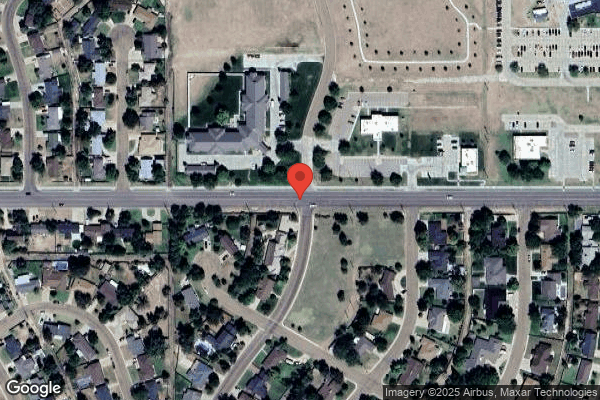

315 W 15TH STREET, LIBERAL, KS 67905 (620) 629-6291
Government - County 18 Beds Independent Data: November 2025
Trust Grade
70/100
#158 of 295 in KS
Last Inspection: June 2024

Within standard 12-15 month inspection cycle. Federal law requires annual inspections.

Overview

Southwest Medical Center SNF in Liberal, Kansas, has a Trust Grade of B, which indicates it's a good, solid choice for care. However, it ranks #158 out of 295 facilities in Kansas, placing it in the bottom half of state options, though it is ranked #1 out of 3 in Seward County, meaning it has the best local standing. The facility is facing a worsening trend, with issues increasing from 1 in 2019 to 7 in 2024, raising concerns about overall care quality. Staffing is a significant concern, rated at 1 out of 5 stars, although it has a low turnover rate of 0%, which is much better than the state average. Notably, there were no fines reported, and RN coverage exceeds that of all other Kansas facilities, which is a positive aspect as it helps ensure better oversight. However, specific incidents raised flags, such as improper food handling that could lead to foodborne illnesses and issues with garbage disposal that could attract pests. Additionally, the facility failed to accurately report licensed nurse coverage, which is critical for maintaining care standards. Overall, while there are strengths, families should be aware of the recent compliance issues.

Trust Score
B
70/100
In Kansas
#158/295
Bottom 47%
Safety Record
Low Risk
No red flags
Inspections
Getting Worse
1 → 7 violations
Staff Stability
○ Average
Turnover data not reported for this facility.
Penalties
✓ Good
No fines on record. Clean compliance history, better than most Kansas facilities.
Skilled Nurses
✓ Good
Each resident gets 265 minutes of Registered Nurse (RN) attention daily — more than 97% of Kansas nursing homes. RNs are the most trained staff who catch health problems before they become serious.
Violations
○ Average
8 deficiencies on record. Average for a facility this size. Mostly minor or procedural issues.
★★★☆☆
3.0
Overall Rating
★☆☆☆☆
1.0
Staff Levels
★★★★★
5.0
Care Quality
★★★☆☆
3.0
Inspection Score
Stable
2019: 1 issues
2024: 7 issues

The Good

  • 5-Star Quality Measures · Strong clinical quality outcomes
  • Full Sprinkler Coverage · Fire safety systems throughout facility
  • No fines on record

Facility shows strength in quality measures, fire safety.

The Bad

3-Star Overall Rating

Near Kansas average (2.9)

Meets federal standards, typical of most facilities

The Ugly 8 deficiencies on record

Jun 2024 7 deficiencies
CONCERN (D)

Potential for Harm - no one hurt, but risky conditions existed

Comprehensive Assessments (Tag F0636)

Could have caused harm · This affected 1 resident

**NOTE- TERMS IN BRACKETS HAVE BEEN EDITED TO PROTECT CONFIDENTIALITY** The facility reported a census of four residents with four residents sampled. Based on interview and record review, the facility...

Read full inspector narrative →
**NOTE- TERMS IN BRACKETS HAVE BEEN EDITED TO PROTECT CONFIDENTIALITY** The facility reported a census of four residents with four residents sampled. Based on interview and record review, the facility failed to accurately complete a comprehensive assessment on the Minimum Data Set, for resident (R)7 within the time frame of 14 calendar days. Findings included: - Resident (R)7's Electronic Health Record (EHR) revealed a diagnosis of diabetes mellitus type two (DM2-when the body cannot use glucose, not enough insulin made, or the body cannot respond to the insulin), diabetic left foot ulcer (is a skin sore that often occurs on the feet, toes, or legs in people with diabetes) and pain. The EHR lacked an admission Minimum Data Set (MDS). R7 was admitted on [DATE]. Review of the 05/26/24 five day MDS, documented a brief interview for mental status (BIMS) of 15, indicating intact cognition. No depression, no behaviors. R7 was independent with ADL's (activities of daily living such as walking, grooming, toileting, dressing and eating). On 06/10/24 the Care Plan dated 05/22/24 documented: R7 had impaired skin integrity instructed staff to keep skin dry, avoid pressure and friction. Review of Physician Orders on 06/10/24 documented: Wound- Vac (a vacuum-assisted wound treatment that applies gentle suction to a wound to help it heal) management, change every 72 hours, ordered on 05/20/24. Review of the Progress Notes from 05/20/24 to 06/10/24 revealed the following: On 05/20/24 at 02:30 PM, R7 admitted (to the facility) and was alert and oriented. R7 has debridement (medical removal of dead, damaged, or infected tissue to improve the healing potential for the remaining healthy tissue) and wash out of left foot on 05/14/24. On 06/10/24 at 04:00 PM, Administrative Nurse C stated R7 would not have an admission MDS completed. Stated he would have to look at the timeframe R7 had been here. On 06/11/24 at 08:25 AM, Administrative Nurse C stated that the admission MDS was not completed as patient was a private insurance. Administrative Nurse C agreed that a five day MDS was the only MDS completed and stated that patients do not stay longer than two weeks. On 06/11/24 at 08:56 AM, Licensed Nurse (LN) N revealed that she was not aware that R7 required a MDS because of PDPM (Patient Driven Payment Model. It's a case-mix classification model implemented by the Centers for Medicare & Medicaid Services (CMS) for Medicare-covered nursing home care. The PDPM focuses on patient diagnoses and characteristics rather than the specific services provided to them). LN N stated that she knows to complete an MDS on day eight for days one through seven. LN N agreed R7 had been a resident in the facility for 22 days on 06/11/24. LN N stated there was no alert in EHR when a MDS is needed to be completed. Review of the Assessment and Reassessment policy dated 12/2023 documented: The goal of the patient assessment is to determine what kind of care, treatment and services are required to meet the patients' needs. The MDS coordinator will complete an admission MDS no later than day 14 of admission. The facility failed to complete a timely comprehensive admission assessment on the MDS and an analysis of findings on R5. This practice had the potential to lead to negative psychosocial effects related to safety and uncommunicated needs.
CONCERN (D)

Potential for Harm - no one hurt, but risky conditions existed

Infection Control (Tag F0880)

Could have caused harm · This affected 1 resident

The facility reported a census of four residents. The sample included four residents. Based on observation, interview, and record review, the facility failed to maintain an effective infection control...

Read full inspector narrative →
The facility reported a census of four residents. The sample included four residents. Based on observation, interview, and record review, the facility failed to maintain an effective infection control program related to hand hygiene by lack of hand hygiene during R7's peripherally inserted central catheter (PICC-a form of access directly into the bloodstream via a vein that can be used for a prolonged period of time) to prevent the spread of infection. Findings included: - On 06/11/24 at 10:38 AM, Licensed Nurse (LN) N stood at R7's door with gloves on her hands, handled a wound vac (a vacuum-assisted wound treatment that applies gentle suction to a wound to help it heal) and the bag for the wound vac. LN N proceeded to place wound vac and bag down on a counter, and applied a personal protective gown to herself and left the gloves on her hands. LN N then explained to R7 that she was there to remove his peripherally inserted central catheter (PICC-a form of access directly into the bloodstream via a vein that can be used for a prolonged period of time). LN N removed the dressing from the PICC line site, removed gloves, then applied new sterile gloves. LN N lacked hand hygiene prior to removal of the dressing and in between glove changes during the procedure. On 06/11/24 at 10:50 AM, Administrative Nurse C revealed that hand hygiene should be completed prior to any care being delivered. Also stated that LN N should have removed her gloves after handling the wound vac and should have completed hand hygiene and applied new gloves before PICC dressing removal. Administrative Nurse C stated that LN N should have completed hand hygiene when gloves were removed, before applying a new the sterile gloves. On 06/11/24 at 10:55 AM, Administrative Nurse O revealed she expected staff to perform hand hygiene prior to care and agreed that LN N should have removed her gloves after handling the wound vac as any equipment is considered contaminated. Administrative Nurse O stated that hand hygiene should be completed when gloves are removed during care and before applying a new pair of gloves. On 06/11/24 at 01:55 PM, LN N stated that she generally does wash her hands and thought the wound vac was clean and agreed she should have removed her gloves and washed her hands prior to the PICC dressing removal and stated she should have washed her hands after removing the gloves before applying the sterile gloves. Review of the policy PICC Line Care dated 05/2022 documented: To establish guidelines for RN's (Registered Nurses) working with a PICC line that provided for patient safety, infection prevention and standards of care. Discontinuations of PICC directions for staff included: Wash hands, put on non-sterile gloves. The facility failed to maintain an effective infection control program related to hand hygiene by lack of hand hygiene during R7's peripherally inserted central catheter (PICC-a form of access directly into the bloodstream via a vein that can be used for a prolonged period of time) to prevent the spread of infection.
CONCERN (D)

Potential for Harm - no one hurt, but risky conditions existed

Deficiency F0883 (Tag F0883)

Could have caused harm · This affected 1 resident

The facility reported a census of four residents with four residents sampled. Based on interview and record review, the facility failed to provide requested vaccination to one of the residents. Reside...

Read full inspector narrative →
The facility reported a census of four residents with four residents sampled. Based on interview and record review, the facility failed to provide requested vaccination to one of the residents. Resident (R) 6 requested the pneumococcal vaccine (vaccine designed to prevent pneumonia [inflammation of the lungs which can be debilitating or lethal in the elderly]). Findings included: - Review of the Electronic Health Record (EHR) on 06/11/24 for (R)6 lacked documentation of any pneumococcal vaccine administered. A consent for pneumococcal vaccine was located in R6's paper chart, which R6 signed to receive a pneumococcal vaccine on an undated form. Review of EHR on 06/11/24 revealed an Immunization Assessment dated 06/04/24 at 12:44 PM, documented yes, that indicated the physician to be informed before discharge of patient's indication for the pneumococcal vaccine. On 06/11/24 at 10:05 AM, Administrative Nurse C stated that R6 did not receive the requested pneumococcal vaccine prior to discharge. Administrative Nurse C stated, it slipped through the cracks. On 06/11/24 at 01:00 PM, Administrative Nurse O stated that R6 did not have a history of having the pneumococcal vaccine in the system and indicated he was eligible for the vaccine on admission. Administrative Nurse O expected that resident who consents for the pneumococcal vaccine, should have one administered prior to discharge. The facility lacked a policy on pneumococcal vaccine. The facility failed to provide requested vaccination to one of the residents, R6 who requested the pneumococcal vaccine.
CONCERN (F)

Potential for Harm - no one hurt, but risky conditions existed

Food Safety (Tag F0812)

Could have caused harm · This affected most or all residents

The facility reported a census of four residents. Based on observation, interview, and record review, the facility failed to serve food under sanitary conditions, to the residents of the facility appr...

Read full inspector narrative →
The facility reported a census of four residents. Based on observation, interview, and record review, the facility failed to serve food under sanitary conditions, to the residents of the facility appropriately to prevent the potential for food borne illness. This deficient practice had the potential to negatively affect all residents in the facility. Findings included: - During observation of the noon meal service in the kitchen on 06/11/24 at 11:35 AM, Dietary Staff G removed a thermometer probe from the sheath in her sleeve pocket and placed the tip of the thermometer into a steak product without sanitizing the thermometer probe. On 06/11/24 at 11:35 AM, Dietary Staff G stated that the thermometer had been sanitized that morning and that the thermometer was stowed in a sheath in her sleeve pocket. On 06/11/24 at 11:36 AM, Dietary Staff G inspected the sheath of the thermometer probe in her sleeve pocket under the direction of Dietary Manager F and surveyor and revealed that the sheath was not fully enclosed and had a pre-manufactured hole in the end. Dietary Staff G stated that she should have sanitized the thermometer before obtaining a temperature measurement of the foods. On 06/11/24 at 11:37 AM, Dietary Manager F stated that all thermometers should be sanitized with commercially available sanitizer solution or isopropyl alcohol wipe before each temperature measurement. The facility's Diet, Menu, and Tray Service policy, dated 2022, documented temperatures of foods are taken at the beginning of tray service to ensure proper serving temperatures using a stem thermometer sanitized with alcohol. The facility failed to serve food under sanitary conditions, to the residents of the facility appropriately to prevent the potential for food borne illness. This deficient practice had the potential to negatively affect all residents in the facility.
CONCERN (F)

Potential for Harm - no one hurt, but risky conditions existed

Garbage Disposal (Tag F0814)

Could have caused harm · This affected most or all residents

The facility reported a census of four residents. Based on observation, interview, and record review, the facility failed to maintain and/or dispose of garbage and refuse properly in a sanitary condit...

Read full inspector narrative →
The facility reported a census of four residents. Based on observation, interview, and record review, the facility failed to maintain and/or dispose of garbage and refuse properly in a sanitary condition to prevent the harborage and feeding of pests. Findings included: - Initial tour of the kitchen facilities on 06/10/24 at 02:00 PM with Dietary Manager F, revealed that the outside dumpster area contained eight double-lidded dumpsters and that four of the eight dumpster lids were in the open position. On 06/10/24 at 02:10 PM, Dietary Manager F stated that the dumpsters were shared between the facility and the attached hospital and that the lids remaining open was an on-going problem and stated that the attached hospital's environmental services staff routinely left the lids open on the trash dumpsters. Additionally stated that the lids to the dumpsters were to be closed at all times. On 06/10/24 at 05:30 PM, observation of two of the eight dumpsters had lids stowed in the open position. On 06/11/24 at 07:20 AM, observation of one of the eight dumpsters had lids stowed in the open position. The facility failed to provide a policy related to garbage and refuse handling and disposal as requested on 06/10/24. The facility failed to provide sanitary garbage and refuse containers that were maintained with lids closed or otherwise covered. This deficient practice had the potential to lead to harborage and feeding of pest animals.
CONCERN (F)

Potential for Harm - no one hurt, but risky conditions existed

Staffing Data (Tag F0851)

Could have caused harm · This affected most or all residents

The facility reported a census of four residents. Based on observation, interview, and record review the facility failed to electronically submit to Centers for Medicare and Medicaid Services (CMS) wi...

Read full inspector narrative →
The facility reported a census of four residents. Based on observation, interview, and record review the facility failed to electronically submit to Centers for Medicare and Medicaid Services (CMS) with complete and accurate direct staffing information, based on payroll and other verifiable and auditable data in a uniform format according to specifications established by CMS (i.e. Payroll Base Journal (PBJ), related to licensed nursing staffing information, when the facility failed to accurately report 24 hour per day Licensed Nurse coverage on 59 dates between 01/01/23 and 12/31/23. Findings included: - Review of the Payroll Base Journal (PBJ) Staffing Data Report for fiscal year (FY), Quarter 3 2023 (April 1-June 31) revealed a lack of License Nurse (LN) for 24 hours/seven days a week 24 hour/day on the following dates: On 04/05, Wednesday (WE), On 04/08, Saturday (SA), On 04/12, WE, On 04/22, SA, On 04/28, Friday (FR), On 04/29, SA, On 05/06, SA, On 05/13, SA, On 05/29, Monday (MO), On 06/15, Thursday (TH), Review of the Payroll Base Journal (PBJ) Staffing Data Report for fiscal year (FY), Quarter 4 2023 (July 1-September 30) revealed a lack of License Nurse (LN) for 24 hours/seven days a week 24 hour/day on the following dates: On 07/13, TH, On 07/15, SA, On 08/01, Tuesday (TU), On 08/20, SU, On 08/22, TU, On 08/23, WE, On 08/25, FR, On 08/29, TU, On 08/30, WE, On 09/02, SA, On 09/03, SU, On 09/04, MO, On 09/07, TH, On 09/11, MO, On 09/12, TU, On 09/15, FR, On 09/16, SA, On 09/17, SU, On 09/20, WE, On 09/21, TH, On 09/24, SU, On 09/26, TU, On 09/29, FR, On 09/30, SA, Review of the Payroll Base Journal (PBJ) Staffing Data Report for fiscal year (FY), Quarter 1 2024 (October 1-December 31) revealed a lack of License Nurse (LN) for 24 hours/seven days a week 24 hour/day on the following dates: On 10/01, SU, On 10/10, TU, On 10/20, FR, On 10/23, MO, On 11/07, TU, On 11/10, FR, On 11/20, MO, On 12/16, SA, On 12/17, SU, On 12/25, MO, Review of the Payroll Base Journal (PBJ) Staffing Data Report for fiscal year (FY), Quarter 2 2023 (January 1-March 31) revealed a lack of License Nurse (LN) for 24 hours/seven days a week 24 hour/day on the following dates: On 01/01, MO, On 01/14, SU, On 02/05, MO, On 02/06, TU, On 02/10, SA, On 02/11, SU, On 02/12, MO, On 02/14, WE, On 02/15, TH, On 02/19, MO, On 02/20, TU, On 02/24, SA, On 02/25, SU, On 02/29, TH, On 03/03, SU, On 06/11/24 at 02:00 PM, Administrative Nurse C provided information which revealed the facility had the required 24-hour nurse staff on the days mentioned. The facility lacked a policy for the accurate completion of the PBJ reports. The facility failed to electronically submit to Centers for Medicare and Medicaid Services (CMS) with complete and accurate direct staffing information, based on payroll and other verifiable and auditable data in a uniform format according to specifications established by CMS (i.e., Payroll Base Journal (PBJ), related to licensed nursing staffing information when the facility failed to accurately report 24 hour per day Licensed Nurse coverage on 59 dates between 01/01/23 and 12/31/23.
CONCERN (F)

Potential for Harm - no one hurt, but risky conditions existed

Deficiency F0947 (Tag F0947)

Could have caused harm · This affected most or all residents

The facility reported a census of four residents. Based on interview and record review, the facility failed to ensure five of five Certified Nurse Aides (CNAs) reviewed had the required in-service edu...

Read full inspector narrative →
The facility reported a census of four residents. Based on interview and record review, the facility failed to ensure five of five Certified Nurse Aides (CNAs) reviewed had the required in-service education which included the abuse, neglect and exploitation (ANE) and one CNA which also lacked dementia management training. This deficient practice placed the residents at risk for inadequate care. Findings included: - Review of five staff personnel files/in-service training records revealed all five CNA staff, (CNA H, CNA I, CNA J, CNA K and CNA L) lacked abuse, neglect and exploitation (ANE) training as required. Additionally, CNA J lacked training related to the care of residents with dementia (a progressive mental disorder characterized by failing memory, confusion) as required. On 06/11/24 at 02:33 PM, Administrative Staff M confirmed the above information and revealed that she was unaware of the regulatory requirement for required continuing education topics. On 06/13/24 at 11:23 AM, Administrative Nurse B confirmed the training records for CNA H, CNA I, CNA J, CNA K and CNA L lacked ANE training as required and that CNA J lacked training related to the care of residents with dementia as required. The facility's Employee Annual Education policy, dated 05/2024 documented that the education department required an ongoing annual in-service that included the topic of ANE, but lacked documentation related to the care of persons with dementia as required. The facility failed to ensure five of five CNAs reviewed had the required in-service education which included the abuse, neglect and exploitation and one CNA which also lacked dementia management training. This deficient practice placed the residents at risk for inadequate care.
Sept 2019 1 deficiency
CONCERN (F)

Potential for Harm - no one hurt, but risky conditions existed

Deficiency F0868 (Tag F0868)

Could have caused harm · This affected most or all residents

The facility had a census of four residents. Based on interview and record review during the annual resurvey completed 09/25/19, the facility failed to hold a Quality Assessment and Assurance (QAA) me...

Read full inspector narrative →
The facility had a census of four residents. Based on interview and record review during the annual resurvey completed 09/25/19, the facility failed to hold a Quality Assessment and Assurance (QAA) meeting on at least a quarterly basis. Findings included: - Review of the QAA documentation revealed no sign-in sheets for quarterly QAA meetings for 2018. During an interview on 09/25/19 at 07:58 AM, Administrative Nurse A stated the facility did not hold any QAA meetings from the second quarter through the fourth quarter of 2018 and did not meet again until March 2019. Review of the Quality Assessment Performance Improvement Plan for SNU dated 01/2018 revealed, The QAPI Committee meets on a quarterly basis. The facility failed to ensure QAA meetings were conducted on a quarterly basis.
Understanding Severity Codes (click to expand)
Life-Threatening (Immediate Jeopardy)
J - Isolated K - Pattern L - Widespread
Actual Harm
G - Isolated H - Pattern I - Widespread
Potential for Harm
D - Isolated E - Pattern F - Widespread
No Harm (Minor)
A - Isolated B - Pattern C - Widespread

Questions to Ask on Your Visit

  • "Can I speak with families of current residents?"
  • "What's your RN coverage like on weekends and overnight?"

Our Honest Assessment

Strengths
  • • No major safety red flags. No abuse findings, life-threatening violations, or SFF status.
  • • No fines on record. Clean compliance history, better than most Kansas facilities.
Concerns
  • • No major red flags. Standard due diligence and a personal visit recommended.
Bottom line: Mixed indicators with Trust Score of 70/100. Visit in person and ask pointed questions.

About This Facility

What is Southwest Medical Center Snf's CMS Rating?

CMS assigns SOUTHWEST MEDICAL CENTER SNF an overall rating of 3 out of 5 stars, which is considered average nationally. Within Kansas, this rating places the facility higher than 99% of the state's 100 nursing homes. This mid-range rating indicates the facility meets federal standards but may have areas for improvement.
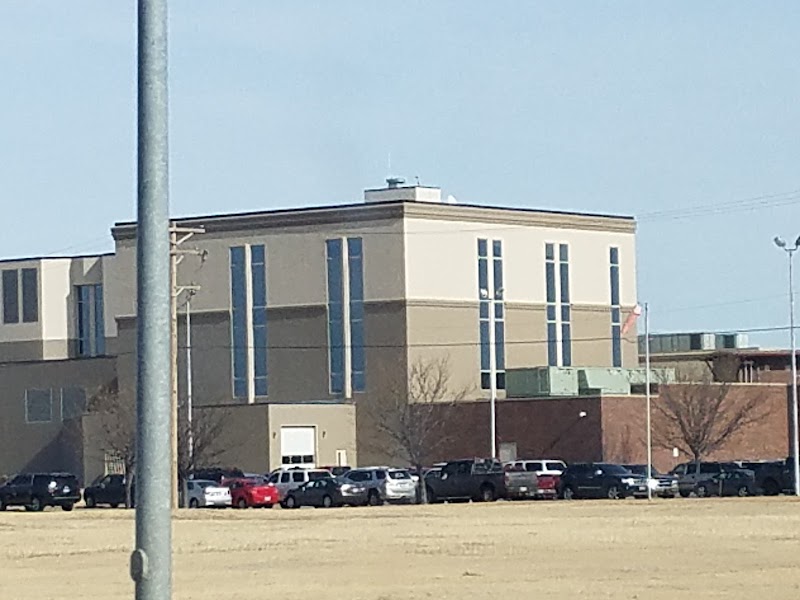
How is Southwest Medical Center Snf Staffed?

CMS rates SOUTHWEST MEDICAL CENTER SNF's staffing level at 1 out of 5 stars, which is much below average compared to other nursing homes.

What Have Inspectors Found at Southwest Medical Center Snf?

State health inspectors documented 8 deficiencies at SOUTHWEST MEDICAL CENTER SNF during 2019 to 2024. These included: 8 with potential for harm.
Who Owns and Operates Southwest Medical Center Snf?

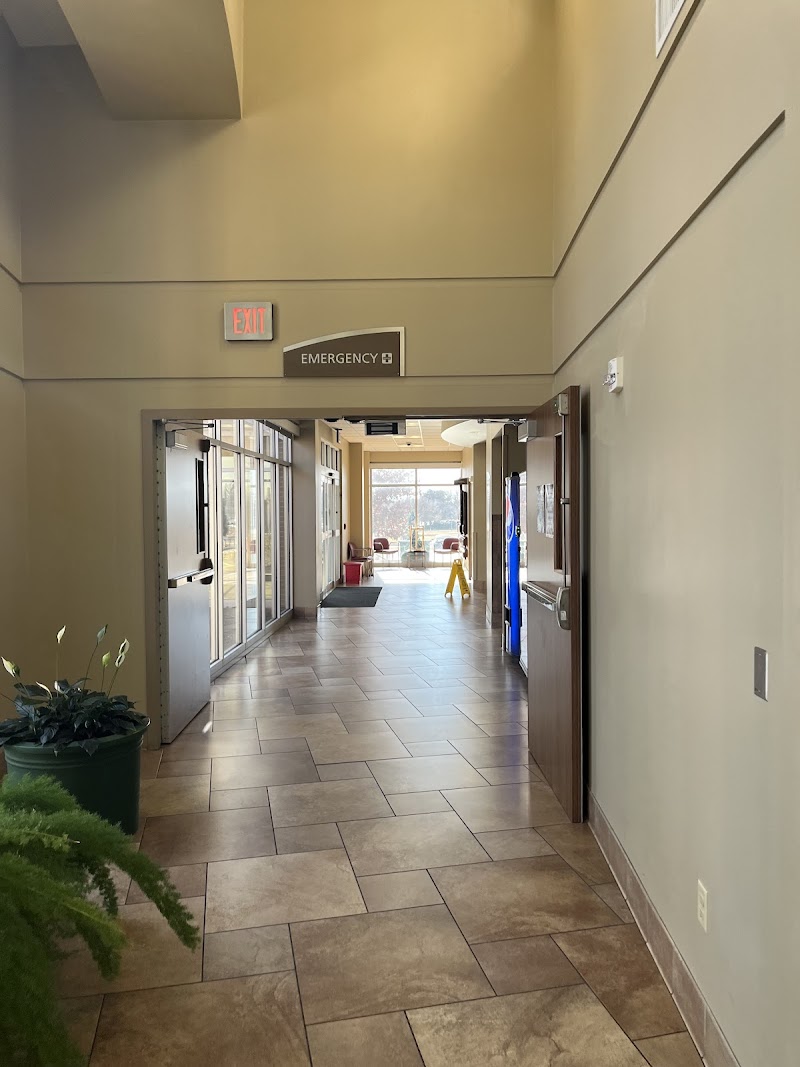
SOUTHWEST MEDICAL CENTER SNF is owned by a government entity. Government-operated facilities are typically run by state, county, or municipal agencies. The facility operates independently rather than as part of a larger chain. With 18 certified beds and approximately 4 residents (about 22% occupancy), it is a smaller facility located in LIBERAL, Kansas.
How Does Southwest Medical Center Snf Compare to Other Kansas Nursing Homes?

Compared to the 100 nursing homes in Kansas, SOUTHWEST MEDICAL CENTER SNF's overall rating (3 stars) is above the state average of 2.9 and health inspection rating (3 stars) is at the national benchmark.

What Should Families Ask When Visiting Southwest Medical Center Snf?

Based on this facility's data, families visiting should ask: "Can you walk me through typical staffing levels on day, evening, and night shifts?" "Can I visit during a mealtime to observe dining assistance and food quality?" "How do you handle medical emergencies, and what is your hospital transfer rate?" "Can I speak with family members of current residents about their experience?" These questions are particularly relevant given the below-average staffing rating.

Is Southwest Medical Center Snf Safe?

Based on CMS inspection data, SOUTHWEST MEDICAL CENTER SNF has a clean safety record: no substantiated abuse findings (meaning no confirmed cases of resident harm), no Immediate Jeopardy citations (the most serious violation level indicating risk of serious injury or death), and is not on the Special Focus Facility watch list (a federal program monitoring the lowest-performing 1% of nursing homes). The facility has a 3-star overall rating and ranks #1 of 100 nursing homes in Kansas. While no facility is perfect, families should still ask about staff-to-resident ratios and recent inspection results during their visit.

Do Nurses at Southwest Medical Center Snf Stick Around?

SOUTHWEST MEDICAL CENTER SNF has not reported staff turnover data to CMS. Staff turnover matters because consistent caregivers learn residents' individual needs, medications, and preferences. When staff frequently change, this institutional knowledge is lost. Families should ask the facility directly about their staff retention rates and average employee tenure.

Was Southwest Medical Center Snf Ever Fined?

SOUTHWEST MEDICAL CENTER SNF has no federal fines on record. CMS issues fines when nursing homes fail to meet care standards or don't correct problems found during inspections. The absence of fines suggests the facility has either maintained compliance or corrected any issues before penalties were assessed. This is a positive indicator, though families should still review recent inspection reports for the full picture.

Is Southwest Medical Center Snf on Any Federal Watch List?

SOUTHWEST MEDICAL CENTER SNF is not on any federal watch list. The most significant is the Special Focus Facility (SFF) program, which identifies the bottom 1% of nursing homes nationally based on persistent, serious quality problems. Not being on this list means the facility has avoided the pattern of deficiencies that triggers enhanced federal oversight. This is a positive indicator, though families should still review the facility's inspection history directly.