LINCOLN PARK MANOR INC

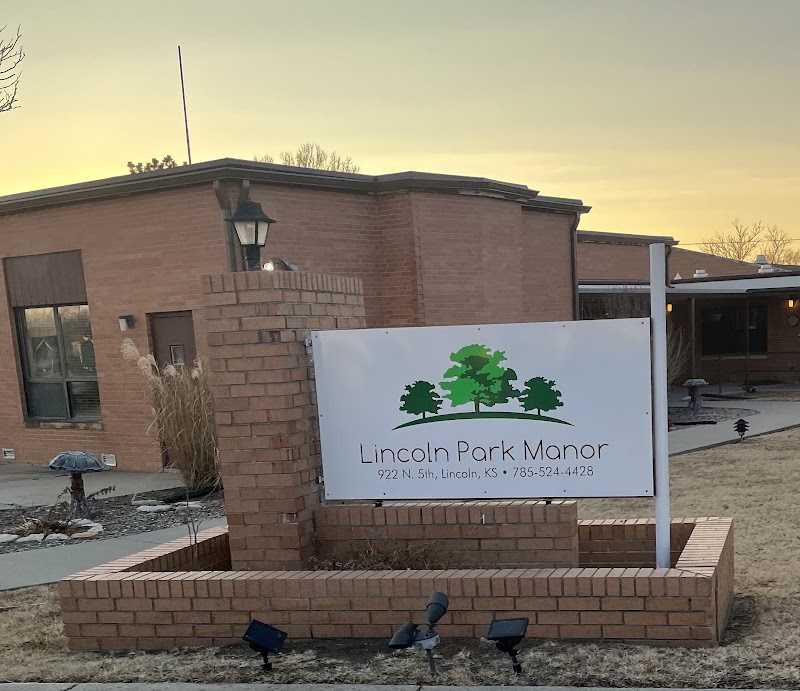
922 N 5TH ST, LINCOLN, KS 67455 (785) 524-4428
Non profit - Corporation 36 Beds Independent Data: November 2025
Trust Grade
60/100
#137 of 295 in KS
Last Inspection: August 2025

Inspected within the last 6 months. Data reflects current conditions.

Overview

Lincoln Park Manor Inc has a Trust Grade of C+, indicating it is slightly above average but not exceptional. It ranks #137 out of 295 facilities in Kansas, placing it in the top half of the state's nursing homes, and is the only option in Lincoln County. The facility is showing improvement, with the number of issues decreasing from 15 in 2023 to 10 in 2025. Staffing is a strength here, receiving a 4 out of 5 stars, with a turnover rate of 36%, which is lower than the state average of 48%. However, there are concerning aspects, such as lower RN coverage than 89% of Kansas facilities and several specific incidents, including staff not having the required dietary management certification and failing to follow proper infection control practices during wound care, which could put residents at risk for health issues.

Trust Score
C+
60/100
In Kansas
#137/295
Top 46%
Safety Record
Low Risk
No red flags
Inspections
Getting Better
15 → 10 violations
Staff Stability
○ Average
36% turnover. Near Kansas's 48% average. Typical for the industry.
Penalties
✓ Good
No fines on record. Clean compliance history, better than most Kansas facilities.
Skilled Nurses
⚠ Watch
Each resident gets only 24 minutes of Registered Nurse (RN) attention daily — below average for Kansas. Fewer RN minutes means fewer trained eyes watching for problems.
Violations
⚠ Watch
37 deficiencies on record. Higher than average. Multiple issues found across inspections.
★★★☆☆
3.0
Overall Rating
★★★★☆
4.0
Staff Levels
★★☆☆☆
2.0
Care Quality
★★★☆☆
3.0
Inspection Score
Stable
2023: 15 issues
2025: 10 issues

The Good

  • 4-Star Staffing Rating · Above-average nurse staffing levels
  • Full Sprinkler Coverage · Fire safety systems throughout facility
  • No fines on record
  • Staff turnover below average (36%)

    12 points below Kansas average of 48%

Facility shows strength in staffing levels, fire safety.

The Bad

3-Star Overall Rating

Near Kansas average (2.9)

Meets federal standards, typical of most facilities

Staff Turnover: 36%

Near Kansas avg (46%)

Typical for the industry

The Ugly 37 deficiencies on record

Aug 2025 10 deficiencies
CONCERN (D)

Potential for Harm - no one hurt, but risky conditions existed

Deficiency F0554 (Tag F0554)

Could have caused harm · This affected 1 resident

**NOTE- TERMS IN BRACKETS HAVE BEEN EDITED TO PROTECT CONFIDENTIALITY** The facility had a census of 34 residents. The sample included 13 residents. Based on observation, record review, and interview,...

Read full inspector narrative →
**NOTE- TERMS IN BRACKETS HAVE BEEN EDITED TO PROTECT CONFIDENTIALITY** The facility had a census of 34 residents. The sample included 13 residents. Based on observation, record review, and interview, the facility failed to ensure that Resident (R)1 had a physician's order and was assessed for the ability to safely self-administer medications left at the bedside. This placed R1 at risk for improper use of medications and related side effects.Findings included:- The Electronic Medical Record (EMR) for R1 documented diagnoses of chronic obstructive pulmonary disease (COPD- a progressive and irreversible condition characterized by diminished lung capacity and difficulty or discomfort in breathing), edema (swelling resulting from an excessive accumulation of fluid in the body tissue), chronic pain, anxiety (mental or emotional reaction characterized by apprehension uncertainty, and irrational fear), hypertension (high blood pressure), and atrial fibrillation (rapid, irregular heartbeat).The admission Minimum Data Set (MDS), dated [DATE], documented R1 had moderately impaired cognition. R1 required supervision with bathing, and was independent with dressing, toileting, hygiene, eating, mobility, transfers, and oral care. The MDS further documented R1 received anticoagulant (a class of medication used to prevent the blood from clotting), diuretic (a medication to promote the formation and excretion of urine), and opioid (a class of controlled drug used to treat pain) medication.R1's Care Plan dated 07/22/25 directed staff to administer medications as ordered and monitor for side effects, administer supplemental oxygen as ordered to keep oxygen saturation (percentage of oxygen in the blood) above 90%.The Self-Administration of Medications Assessment, dated 07/28/25, documented R1 required assistance for all medications, including inhalants.R1's EMR lacked a physician's order that allowed R1 to keep medications at her bedside and self-administer.The Physician's Order, dated 07/22/25, directed staff to administer Breztri Aerosphere (an inhaler used for the maintenance treatment of COPD), 160-9-4.8 mcg (micrograms), two puffs, twice a day for COPD.On 08/19/25 at 09:00 AM, observation revealed Licensed Nurse (LN) H went into R1's room to administer her Breztri inhaler. When she opened the box, the inhaler was not in it. R1 stated, The inhaler is over here, and pointed to the table next to her recliner. LN H stated, I will have to get an order for the inhaler to be left in your room; it cannot be left in your room without it. R1 took the inhaler and self-administered 2 puffs into her mouth.On 08/20/25 at 12:20 PM, Administrative Nurse D stated that there should be an order before any medication can be left at a resident's bedside, and there also needs an assessment to make sure the resident can self-administer medication.The facility's Self-Administration of Medications policy, dated 02/21, documented that the residents have the right to self-administer medications if the interdisciplinary team (IDT) had determined that it was clinically appropriate and safe for the resident to do so. The policy further documented, as part of the evaluation comprehensive assessment, the IDT assesses each resident's cognitive and physical abilities to determine whether self-administering medications is safe and clinically appropriate for the resident.
CONCERN (D)

Potential for Harm - no one hurt, but risky conditions existed

Deficiency F0583 (Tag F0583)

Could have caused harm · This affected 1 resident

The facility identified a census of 34 residents. The sample included 13 residents. Based on observation, record review, and interview, the facility failed to ensure staff secured and protected the pr...

Read full inspector narrative →
The facility identified a census of 34 residents. The sample included 13 residents. Based on observation, record review, and interview, the facility failed to ensure staff secured and protected the privacy and confidentiality of Resident (R) 24's medical record. This placed this resident at risk for impaired right to confidentiality.Findings included:- On 08/19/25 at 08:08 AM, an observation revealed that facility staff left R24's point of care (POC) information of the Electronic Medical Record (EMR) open and visible on the east medication cart laptop. On 08/19/25 at 08:09 AM, Certified Medication Aide (CMA) R stated the screen should not be left unlocked with resident information open.On 08/20/25 at 09:02 AM, Licensed Nurse (LN) G stated that the medication cart and the laptop screen should always be locked when away from the cart.On 08/20/25 at 12:15 PM, Administrative Nurse D stated she would expect any nursing staff to lock any screen on the laptop, and the medication cart should always be locked as well when a staff member was not in direct sight of the cart.The facility's undated Protected Health Information (PHI), Management and Protection of policy documented that PHI shall not be used or disclosed except as permitted by current federal and state laws.
CONCERN (D)

Potential for Harm - no one hurt, but risky conditions existed

Deficiency F0605 (Tag F0605)

Could have caused harm · This affected 1 resident

**NOTE- TERMS IN BRACKETS HAVE BEEN EDITED TO PROTECT CONFIDENTIALITY** The facility had a census of 34 residents. The sample included 13 residents, with five reviewed for unnecessary medications. Bas...

Read full inspector narrative →
**NOTE- TERMS IN BRACKETS HAVE BEEN EDITED TO PROTECT CONFIDENTIALITY** The facility had a census of 34 residents. The sample included 13 residents, with five reviewed for unnecessary medications. Based on observation, record review, and interview, the facility failed to obtain a stop date for Resident (R) 10's as needed (PRN) Ativan (an antianxiety medication class of medication that calms and relaxes people). The facility failed to ensure an appropriate indication for R17's Seroquel (an antipsychotic) and failed to document a physician's rationale and the risks versus benefits for the Seroquel use. The facility further failed to obtain a gradual dose reduction (GDR) for R6. This placed the residents at risk for unnecessary psychotropic (alters perception, mood, consciousness, cognition, or behavior) medications and related complications.Findings included:- The Electronic Medical Record for R10 documented diagnoses of vascular dementia (a progressive mental disorder characterized by failing memory and confusion caused by a decreased blood flow to the brain), anxiety (mental or emotional reaction characterized by apprehension, uncertainty, and irrational fear), bipolar disorder (a major mental illness that causes people to have episodes of severe high and low moods), and major depressive disorder (major mood disorder that causes persistent feelings of sadness). The” Significant Change Minimum Data Set” (MDS), dated [DATE], documented R10 had intact cognition. R10 required supervision with bathing and was independent with all other activities of daily living. The MDS further documented R10 received antipsychotic (a class of medications used to treat major mental conditions), antidepressant (a class of medications used to treat mood disorders), and antianxiety (a class of medications used to calm and relax people). The “Quarterly MDS,” dated 05/23/25, documented R10 had intact cognition. R10 required supervision with showers and dressing and was independent with all other activities of daily living. R10 received antipsychotic, antidepressant, and antianxiety medications daily. R10’s “Care Plan” dated 08/04/25, initiated on 07/14/25, documented R10 was at risk for complications from medications with Black Box Warning (BBW- highest safety-related Warning that medications can have assigned by the Food and Drug Administration), and directed staff to administer medications as ordered by the physician, monitor for side effects, and the pharmacist would review her medications monthly. The” Physician’s Order,” dated 02/23/25, directed staff to administer Ativan (an antianxiety medication), 1 milligram (mg), by mouth every four hours, PRN, for restlessness and anxiety. The order lacked a stop date for the PRN medication. On 08/19/25 at 08:00 AM, Licensed Nurse (LN) H administered R10’s medications without issue or concern. On 08/20/25 at 12:15 PM, Administrative Nurse D stated R10’s Ativan should have a stop date and be reassessed by the physician. Upon request, a policy for Psychotropic Medication Use was not provided by the facility. - The Electronic Medical Record for R17 documented diagnoses of Alzheimer's disease (a progressive mental deterioration characterized by confusion and memory failure), hypertension (high blood pressure), anxiety (mental or emotional reaction characterized by apprehension, uncertainty, and irrational fear), and depression (a mood disorder that causes a persistent feeling of sadness and loss of interest).The “Annual Minimum Data Set” (MDS), dated [DATE], documented R17 had severely impaired cognition. R17 required substantial staff assistance for toileting, hygiene, and personal hygiene. R17 was independent with eating, dressing, mobility, transfers, and ambulation. The MDS further documented R17 received antidepressant (a class of medications used to treat mood disorders) and antianxiety (a class of medications used to calm and relax people) medication daily. The “Quarterly Minimum Data Set (MDS),” dated 06/20/25, documented R17 had severely impaired cognition. R17 required supervision from staff for personal hygiene, eating, oral care, dressing, and set up assistance with mobility and transfers. The MDS further documented R17 received antipsychotic (a class of medications used to treat major mental conditions), antidepressant, and antianxiety medication daily. R17’s “Care Plan” dated 07/02/25, initiated on 02/12/24, directed staff to converse with R17 while providing care, encourage activities, encourage family involvement, and facilitate resident interaction. The update, dated 01/15/24, documented R17 was at risk for adverse reactions from medications with Black Box Warning (BBW- the highest safety-related Warning that medications can have assigned by the Food and Drug Administration) and directed staff to monitor for signs and symptoms of side effects from the medications. The care plan update, dated 01/16/24, directed staff to cue, reorient, and supervise as needed and use task segmentation to support short-term memory deficits. The care plan update, dated 04/07/25, directed staff to consult with the pharmacy and physician to consider dosage reduction when clinically appropriate, at least quarterly. The “Physician’s Order,” dated 01/27/25, directed staff to administer Seroquel (an antipsychotic medication), 12.5 milligrams (mg), by mouth, at bedtime, for anxiety and agitation. The medication was increased to twice per day on 03/07/25. On 08/19/25 at 08:30 AM, Certified Medication Aide (CMA) R administered R17’s medication with a lot of encouragement and discussion. CMA R stated R17 had periods of crying and, at times, aggression. CMA R further stated that staff provided 1:1 care, took her to activities, and she had as-needed anxiety medication. On 08/20/25 at 10:20 AM, Licensed Nurse (LN) H stated R17 had a lot of anxiety and at times she seems to be afraid to be alone. LN H further stated that staff provided a lot of 1:1 activities with her to help with the anxiety. On 08/20/25 at 12:15 PM, Administrative Nurse D stated the physician needed to provide an ongoing indication or risk versus benefit for her Seroquel. Administrative Nurse D verified that agitation was not an appropriate diagnosis for the Seroquel use. Upon request, a policy for Antipsychotic Medication Use was not provided by the facility. - R6‘s “Electronic Medical Record” included diagnoses of diabetes mellitus (DM- when the body cannot use glucose, not enough insulin is made, or the body cannot respond to the insulin) and major depressive disorder (major mood disorder which causes persistent feelings of sadness). R6‘s “Quarterly Minimum Data Set” (MDS), dated [DATE], documented a Brief Interview for Mental Status (BIMS) score of 12, indicating moderate cognitive impairment, and no mood issues or behaviors. The MDS documented R6 required substantial staff assistance with most activities of daily living. The MDS documented R6 received insulin (a hormone that lowers the level of glucose in the blood), antidepressant (a class of medications used to treat mood disorders), and anticonvulsant (a drug that is used to prevent or treat seizures or convulsions by controlling abnormal electrical activity in the brain) medications. R6‘s Care Plan, dated 05/15/25, directed staff to administer medications as ordered. R6's plan of care directed staff to monitor for side effects and effectiveness, initiated 07/12/19. The “Physician Order,” dated 07/12/19, directed staff to administer Sertraline, 50 milligrams (mg) by mouth daily, related to major depressive disorder, a single episode. The Consultant Pharmacist's review on 05/05/25 recommended a gradual dose reduction (GDR) of sertraline or a rationale explaining the decision for continuing the sertraline. No physician response was documented. On 08/19/25, upon request, the consultant pharmacist sent to the facility the February 2025 “Drug Regimen Review,” which recommended a GDR, rationale, or risk versus benefit statement for sertraline. On 08/19/25 at 09:15 AM, Licensed Nurse (LN) H administered medications to R6. He took them whole in pudding with water. On 08/19/25 at 03:55 PM, Administrative Nurse D stated the pharmacist consultant had forgotten to send the February 2025 drug regimen reviews to the facility. She verified R6’s physician would not have received the February 2025 recommendation. Administrative Nurse D verified the physician had not responded to the 05/05/25 recommendation. Upon request, the facility did not provide a policy for Psychotropic drugs. The facility’s “Pharmacy Services” policy, dated April 2019, stated the consultant pharmacist will provide specific activities related to medication regimen review, including: A documented review of the medication regimen of each resident at least monthly, or more frequently under certain conditions, based on applicable federal and state guidelines. Appropriate communication of information to prescribers and facility leadership about potential or actual problems related to any aspect of medications and pharmacy services, including medication irregularities, and pertinent resident-specific documentation in the medical record, as indicated. Providing the facility with written or electronic reports and recommendations related to all aspects of medication and pharmaceutical services review.
CONCERN (D)

Potential for Harm - no one hurt, but risky conditions existed

Deficiency F0657 (Tag F0657)

Could have caused harm · This affected 1 resident

**NOTE- TERMS IN BRACKETS HAVE BEEN EDITED TO PROTECT CONFIDENTIALITY** The facility identified a census of 34 residents. The sample included 13 residents. Based on observation, record review, and int...

Read full inspector narrative →
**NOTE- TERMS IN BRACKETS HAVE BEEN EDITED TO PROTECT CONFIDENTIALITY** The facility identified a census of 34 residents. The sample included 13 residents. Based on observation, record review, and interview, the facility failed to ensure Resident (R) 38's care plan was revised with interventions to reflect his current level of staff assistance her required after a recent hospital stay and on hospice care. The facility failed to update R2's care plan with interventions related to the need for enhanced barrier precautions (EBP- infection control interventions designed to reduce transmission of resistant organisms, which employ targeted gown and glove use during high contact care). This placed R38 and R2 at risk for delayed or missed care.Findings included:- The Electronic Medical Record (EMR) for R2 had diagnoses of Alzheimer's disease (a progressive mental deterioration characterized by confusion and memory failure), chronic obstructive pulmonary disease (COPD- a progressive and irreversible condition characterized by diminished lung capacity and difficulty or discomfort in breathing), hemiparesis/hemiplegia (weakness and paralysis on one side of the body), and anxiety (mental or emotional reaction characterized by apprehension, uncertainty, and irrational fear). The “Quarterly Minimum Data Set” (MDS), dated [DATE], documented R2 had severely impaired cognition. R2 was dependent upon staff for all activities of daily living, had a Stage 2 (partial-thickness skin loss into but no deeper than the dermis, including intact or ruptured blisters), and was on received Hospice (specialized care that mainly aims to provide comfort and dignity to the patients, by providing physical comfort and emotional, social, and spiritual support for people nearing the end of life) services. R2’s “Care Plan,” dated 07/17/25, initiated on 07/12/23, documented R2 had actual skin impairment due to dry skin and limited mobility. The care plan directed staff to follow policies/protocols for the prevention and treatment of skin breakdown, monitor, and report any changes in skin status. The care plan lacked documentation. R2 was on Enhanced Barrier Precautions (EBP- infection control interventions designed to reduce transmission of resistant organisms, which employ targeted gown and glove use during high contact care) and lacked direction to staff on what personal protective equipment (PPE- gowns, face shields, and/or eyeglasses/goggles, and gloves) to use. The” Physician’s Order,” dated 07/22/25, directed staff to apply Opti foam (a brand of foam wound dressing designed to absorb fluid and protect wounds) to her Stage 2 pressure ulcer, change the dressing every seven days and as needed, and discontinue when healed. On 08/20/25 at 10:15 AM, Licensed Nurse (LN) G and LN H sanitized their hands and donned clean gloves. LN G stated R2 had recently gotten a small open area on her coccyx. LN H got on the side of the bed closest to the wall, and LN G was on the opposite side. R2 had bilateral heel protectors on, and LN G pulled down her pants, checked her incontinence brief, and stated she had a bowel movement (bm). R2’s heel protectors and pants were removed due to LN G had gotten BM on her pants while she was providing personal care. Both LN G and LN H removed their soiled glove and donned clean gloves. LN G and LN H assisted R2 onto her left side so that LN H could perform wound care. LN H removed the old dressing, used gauze to cleanse the wound, placed the wound cleanser on the bed, and measured the wound. LN H put Opti foam on R2’s wound, assisted with a clean brief, and still had on soiled gloves. LN H verified that she should have changed her gloves after she cleansed the wound. LN H stated that she had discussed with Administrative Nurse D that R2 needed to be on EBP, and she had not done it yet. LN H stated, it was on her list and would do it right away. On 08/20/25 at 11:00 AM, Certified Nurse Aide (CNA) N stated she did not know that R2 required EBP and that she had never worn a gown while she provided care to R2, only gloves. On 08/20/25 at 12:20 PM, Administrative Nurse D stated R2 should be on EBP due to her open area and that staff should have changed her gloves after she cleaned R2’s wound. Administrative Nurse D further stated she would review the care plan and make sure the EBP information was on the care plan. The facility’s “Care Plans, Comprehensive Person-Centered” policy, dated 03/22, documented a comprehensive, person-centered care plan that includes measurable objectives and timetables to meet the physical, psychosocial, and functional needs was developed for each resident. The interdisciplinary team reviewed and updated the care plan when there has been a significant change in the resident's condition, at least quarterly, and when a resident has been readmitted to the facility from a hospital stay. - The “Medical Diagnosis” tab of R38’s Electronic Medical Record (EMR) documented diagnoses of paraplegia (paralysis characterized by motor or sensory loss in the lower limbs and trunk), hypertension (HTN- elevated blood pressure), pressure ulcer (localized injury to the skin and/or underlying tissue usually over a bony prominence, as the result of pressure, or pressure in combination with shear and/or friction) of the sacral region (area between the posterior hip bones), and osteomyelitis (local or generalized infection of the bone and bone marrow). R38’s “Significant Change Minimum Data Set (MDS)” dated 08/13/25 documented he had a Brief Interview for Mental Status (BIMS) score of seven, which indicated moderately impaired cognition. R38 required substantial to being dependent on staff for his activities of daily living (ADL) cares. R38 had an indwelling catheter (tube placed in the bladder to drain urine into a collection bag) and an ostomy (surgical opening from an area inside the body to the outside). R38 had a Stage 4 (a deep pressure wound that reaches the muscles, ligaments, or even bone) pressure ulcer. R38 was on Hospice services. R38’s “Functional Abilities Care Area Assessment (CAA)” dated 08/15/25 documented he was a [AGE] year-old male admitted on hospice with osteomyelitis of the sacral and sacrococcygeal (area located at the base of the spine) region. R38 presented with a pressure ulcer, Stage 4 of the sacral region (left buttocks), chronic paraplegia, and multiple comorbidities. R38 has severe cognitive impairment. R38’s Care Plan, last revised 08/15/25, directed staff for his activities of daily living (ADL) cares: for bathing, he had been getting showers one to two times per week. The Care Plan documented R38 used a shower chair and a sit-to-stand (device to assist with going from a seated position to standing) for transfers, and R38 shaved himself daily independently. The Care Plan directed staff that on occasion, R38 would get up in his wheelchair and he could independently propel himself. The Care Plan directed staff that, due to the R38’s inability to safely ambulate, stair climbing, and walking would not be routinely assessed or documented by direct care staff. The Care Plan documented these activities posed a safety risk and are not within the resident's current functional capabilities. The Care Plan directed staff R38 liked to reposition himself and would request help if needed, dressing, and R38 could dress himself. The Care Plan documented R38 wore a shirt only and a brief, but R38 did not wear pants. The Care Plan documented R38 was able to eat independently with set-up help only, was on a regular diet, and preferred high protein. The Care Plan documented R38 was able to do his own oral care with set-up help only. The Care Plan documented R38 required the assistance of one staff member with personal hygiene. The Care Plan documented R38 had his own wipes and were kept in his room. R38 was incontinent of bowel and does not use the toilet. R38 would tell you when he needs to be changed. The Care Plan documented R38 used a bedpan for bowel movements; he has a metal bedpan and a plastic one. R38 required a mechanical lift full lift with two assist. R38 refused to get up in his wheelchair or recliner most time. R38 often moved and turned himself fast and often bangs his arms around on the side rails and headboard while doing so. R38 requests that staff move out of the way while moving himself. R38 had a hospital stay from 07/22/25 to 08/07/25. Upon R38’s return from the hospital, he was placed on hospice services. R38’s care plan was not revised and updated to reflect his current ADL care needs as indicated from his Significant Change MDS on 08/13/25. On 08/20/25 at 12:15 PM, Administrative Nurse D stated that R38’s care plan should have been updated with his most current level of care needed after his return from the hospital. Administrative Nurse D stated she had gotten behind on the updates on the care plans, and she took responsibility for that. The facility’s “Care Plans, Comprehensive Person-Centered” policy, dated March 2022, documented the comprehensive, person-centered care plan was developed within seven days of the completion of the required MDS assessment, and no more than 21 days after admission. The interdisciplinary team (IDT) reviewed and updated the care plan when there had been a significant change in the resident’s condition; when the desired outcome was not met; when the resident had been readmitted to the facility from a hospital stay; and at least quarterly, in conjunction with the required quarterly MDS assessment.
CONCERN (D)

Potential for Harm - no one hurt, but risky conditions existed

Respiratory Care (Tag F0695)

Could have caused harm · This affected 1 resident

**NOTE- TERMS IN BRACKETS HAVE BEEN EDITED TO PROTECT CONFIDENTIALITY** The facility had a census of 34 residents. The sample included 13 residents, with one reviewed for respiratory care. Based on ob...

Read full inspector narrative →
**NOTE- TERMS IN BRACKETS HAVE BEEN EDITED TO PROTECT CONFIDENTIALITY** The facility had a census of 34 residents. The sample included 13 residents, with one reviewed for respiratory care. Based on observation, record review, and interview, the facility failed to provide adequate respiratory care and services for Resident (R) 10 when staff failed to store their oxygen tubing and cannula (a medical device used to deliver supplemental oxygen through the nostril) and nebulizer (a medical device that converts liquid medication into a fine mist, allowing it to be inhaled into the lungs) mask in a sanitary manner when not in use. This placed the resident at risk for an infection.Findings included:- The Electronic Medical Record for R10 documented diagnoses of chronic obstructive pulmonary disease (COPD- a progressive and irreversible condition characterized by diminished lung capacity and difficulty or discomfort in breathing), vascular dementia (a progressive mental disorder characterized by failing memory and confusion caused by a decreased blood flow to the brain), anxiety (mental or emotional reaction characterized by apprehension, uncertainty, and irrational fear), bipolar disorder (a major mental illness that causes people to have episodes of severe high and low moods), and major depressive disorder (major mood disorder that causes persistent feelings of sadness).The Significant Change Minimum Data Set (MDS), dated [DATE], documented R10 had intact cognition. R10 required supervision with bathing and was independent with all other activities of daily living. The MDS further documented R10 received antipsychotic (a class of medications used to treat major mental conditions), antidepressant (a class of medications used to treat mood disorders), and antianxiety (a class of medications used to calm and relax people) medications. The MDS documented R10 did not require supplemental oxygen.The Quarterly MDS, dated 05/23/25, documented R10 had intact cognition. R10 required supervision with showers and dressing, and was independent with all other activities of daily living. R10 received antipsychotic, antidepressant, and antianxiety medications daily. The MDS further documented R10 received supplemental oxygen.R10's Care Plan dated 08/04/25, initiated on 03/03/25, directed staff to monitor for signs or symptoms of respiratory distress and report to the physician as needed. The care plan further directed staff to administer oxygen via nasal cannula at 2 liters per minute at all times.The Physician's Order, dated 09/15/24, directed staff to administer Oxygen at 2 liters to keep her saturation above 90%.The Physician's Order, dated 12/04/24, directed staff to administer ipratropium-albuterol (medication to help control symptoms of lung diseases) 0.5 - 2.5 (3) milligrams (mg)/3 milliliters (ml), one vial, inhaled, twice a day for COPD.On 08/18/25 at 09:56 AM, R10's oxygen tubing and cannula were unbagged and draped over the lamp beside her recliner. Further observation revealed the nebulizer mask was unbagged and lying on the table by the recliner.On 08/19/25 at 08:00 AM, R10's nebulizer mask was unbagged and lying on the table by the recliner and was visualized by Licensed Nurse (LN) H.On 08/19/25 at 08:10 AM, LN H stated the oxygen tubing and canula, as well as the nebulizer mask, should always be bagged when not in use. LN H further stated R10 put the tubing over the lamp as her preference and that it should be care planned to do so.On 08/20/25 at 11:01 AM, Certified Nurse Aide (CNA) N stated that when R10 left her room, she personally made sure the tubing was bagged, as they had been provided with bags to store the tubing in.On 08/20/25 at 12:15 PM, Administrative Nurse D stated that the oxygen tubing, as well as the nebulizer mask, should be in a bag when not in use. The facility's Departmental (Respiratory Therapy)-Prevention of Infection policy, dated 11/11, directed staff to keep the oxygen cannula, tubing, and nebulizer mask in a plastic bag when not in use.
CONCERN (D)

Potential for Harm - no one hurt, but risky conditions existed

Deficiency F0849 (Tag F0849)

Could have caused harm · This affected 1 resident

**NOTE- TERMS IN BRACKETS HAVE BEEN EDITED TO PROTECT CONFIDENTIALITY** The facility identified a census of 34 residents. The sample included 13 residents, with two residents sampled for hospice care....

Read full inspector narrative →
**NOTE- TERMS IN BRACKETS HAVE BEEN EDITED TO PROTECT CONFIDENTIALITY** The facility identified a census of 34 residents. The sample included 13 residents, with two residents sampled for hospice care. Based on observation, record review, and interview, the facility failed to ensure there was a collaboration of care between Resident (R) 2 and R38's hospice provider and the facility which included the information on what hospice would provide the residents. This placed R2 and R38 at risk of inadequate end-of-life care. Findings included:- The Electronic Medical Record (EMR) for R2 had diagnoses of Alzheimer's disease (a progressive mental deterioration characterized by confusion and memory failure), chronic obstructive pulmonary disease (COPD-a progressive and irreversible condition characterized by diminished lung capacity and difficulty or discomfort in breathing), hemiparesis/hemiplegia (weakness and paralysis on one side of the body), and anxiety (mental or emotional reaction characterized by apprehension, uncertainty, and irrational fear). The “Significant Change Minimum Data Set” (MMDS), dated [DATE], documented R2 had severely impaired cognition. R2 was dependent upon the staff for activities of daily living. The MDS documented R2 received Hospice (specialized care that mainly aims to provide comfort and dignity to the patients, by providing physical comfort and emotional, social, and spiritual support for people nearing the end of life) services. The” Quarterly MDS,” dated 07/1/25, documented R2 had severely impaired cognition. R2 was dependent upon the staff for activities of daily living. The MDS documented R2 received Hospice services. R2’s “Care Plan” dated 07/17/25, initiated on 04/22/25, documented R2 received hospice services and directed staff to keep the environment quiet and calm, observe for pain, and administer medications as ordered. The care plan lacked instruction on the services provided by hospices, including the frequency of support visits, supplies and medical equipment provided by hospice, medications covered by hospice, and the address of the chosen hospice. Review of R2's clinical record revealed the resident was admitted to hospice care on 04/11/25. On 08/19/25 at 12:40 PM, R2 sat in a reclined Broda (specialized wheelchair with the ability to tilt and recline), with her eyes closed. On 08/20/25 at 10:15 AM, Licensed Nurse (LN) G stated R2 received hospice services, the nurse came twice per week, as well as a nurse aide. On 08/20/25 at 12:15 PM, Administrative Nurse D stated she would review the care plan to make sure the appropriate information was on the care plan. The facility’s “Hospice Program” policy, dated 07/17, documented that the facility and hospice company would coordinate care provided to the residents. The facility would communicate with hospice representatives to ensure quality of care for the resident and family. The coordinated care plans for the resident receiving hospice services would include the most recent hospice plan of care as well as the care and services provided by the facility. - The “Medical Diagnosis” tab of R38’s Electronic Medical Record (EMR) documented diagnoses of paraplegia (paralysis characterized by motor or sensory loss in the lower limbs and trunk), hypertension (HTN- elevated blood pressure), pressure ulcer (localized injury to the skin and/or underlying tissue usually over a bony prominence, as the result of pressure, or pressure in combination with shear and/or friction) of the sacral region (area between the posterior hip bones), and osteomyelitis (local or generalized infection of the bone and bone marrow). R38’s “Significant Change Minimum Data Set (MDS)” dated 08/13/25 documented he had a Brief Interview for Mental Status (BIMS) score of seven, which indicated moderately impaired cognition. R38 required substantial to being dependent on staff for his activities of daily living (ADL) cares. R38 had an indwelling catheter (tube placed in the bladder to drain urine into a collection bag) and an ostomy (surgical opening from an area inside the body to the outside). R38 had a Stage 4 (a deep pressure wound that reaches the muscles, ligaments, or even bone) pressure ulcer. R38 was on Hospice services. R38’s “Functional Abilities Care Area Assessment (CAA)” dated 08/15/25 documented he was a [AGE] year-old male admitted to hospice with osteomyelitis of the sacral and sacrococcygeal (area located at the base of the spine) region. R38 presented with a pressure ulcer, Stage 4 of the sacral region (left buttocks), chronic paraplegia, and multiple comorbidities. R38 has severe cognitive impairment. R38’s Care Plan, revised on 08/15/25, directed staff that R38 had a terminal prognosis related to osteomyelitis and was on hospice services. The Care Plan directed staff to consult with the physician and social services to have hospice care for the resident in the facility. The Care Plan directed staff to keep the environment quiet and calm. The Care Plan directed staff to keep linens clean, dry, and wrinkle-free. The Care Plan directed staff to keep the lighting low and familiar objects close. The Care Plan directed staff to observe R38 closely for signs of pain, to administer pain medications as ordered, and to notify the physician immediately if there was breakthrough pain. The Care Plan directed staff to work cooperatively with the hospice team to ensure the resident's spiritual, emotional, intellectual, physical, and social needs are met. The Care Plan directed staff to work with nursing staff to provide maximum comfort for the resident. The Care Plan lacked staff direction on the durable medical equipment (DME), supplies, and medications provided by hospice. The Care Plan lacked staff direction on what hospice staff would visit and how often those visits would be. R38’s “Misc.” tab of the EMR was a scanned “Referral Order” dated 08/06/25 for a referral for hospice care. R38’s “Misc.” tab of the EMR had a scanned “Facility Notification of Hospice Admission/Change” document with an effective date of 08/07/25. R38’s “Misc.” tab of the EMR documented the “Hospice Certification and Plan of Care” dated for the period of 08/07/25 to 11/04/25. The plan of care documented the frequency/duration of hospice staff visits; orders of discipline and treatments; goals; DME and supplies; functional limitations; safety measures; activities permitted; nutritional requirements; advance directives; mental statuses; allergies; medications; the hospice physician information; and the order description. On 08/18/25 at 11:35 AM, R38 laid on his back on his low air loss mattress (a specialized type of medical mattress designed to prevent and treat pressure ulcers). Staff were preparing to provide care for R38. On 08/20/25 at 09:02 AM, Licensed Nurse (LN) G stated that Administrative Nurse D typically updated the care plans for residents, but the floor nurses could also update the care plans. LN G stated the care plan should list all the hospice information on it.On 08/20/25 at 12:15 PM, Administrative Nurse D stated that when R38 returned to the facility on hospice, his care plan should have been updated to include all the hospice information, which included what equipment, medications, and supplies that hospice provided. Administrative Nurse D stated R38’s care plan should also contain the information on what hospice staff would visit and how often. The facility “Hospice Program” policy, dated July 2017, documented the coordinated care plans for residents receiving hospice services would include the most recent hospice plan of care as well as the care and services provided by the facility to maintain the resident’s highest practicable physical, mental, and psychosocial well-being.
CONCERN (E)

Potential for Harm - no one hurt, but risky conditions existed

Drug Regimen Review (Tag F0756)

Could have caused harm · This affected multiple residents

**NOTE- TERMS IN BRACKETS HAVE BEEN EDITED TO PROTECT CONFIDENTIALITY** The facility had a census of 34 residents. The sample included 13 residents, with five reviewed for unnecessary medications. Bas...

Read full inspector narrative →
**NOTE- TERMS IN BRACKETS HAVE BEEN EDITED TO PROTECT CONFIDENTIALITY** The facility had a census of 34 residents. The sample included 13 residents, with five reviewed for unnecessary medications. Based on observation, record review, and interview, the facility pharmacist consultant failed to provide the facility with a monthly Drug Regimen Review for February 2025, which placed all residents who received prescribed medications from the facility at risk for less supervision regarding their medication regimen. The facility pharmacist consultant failed to continue to request a gradual dose reduction (GDR) or a physician's rationale and the risks versus benefits for Resident (R) 6's sertraline (antidepressant- a class of medications used to treat mood disorders), for R17's Seroquel (antipsychotic- a class of medications used to treat major mental conditions that cause a break from reality) use, and obtain a stop date for R10's as needed (PRN) Ativan (antianxiety- a class of medication that calm and relax people).Findings included:- The Electronic Medical Record for R17 documented diagnoses of Alzheimer's disease (a progressive mental deterioration characterized by confusion and memory failure), hypertension (high blood pressure), anxiety (mental or emotional reaction characterized by apprehension, uncertainty, and irrational fear), and depression (a mood disorder that causes a persistent feeling of sadness and loss of interest). The “Annual Minimum Data Set” (MDS), dated [DATE], documented R17 had severely impaired cognition. R17 required substantial staff assistance for toileting hygiene and personal hygiene. R17 was independent with eating, dressing, mobility, transfers, and ambulation. The MDS further documented R17 received antidepressant (a class of medications used to treat mood disorders) and antianxiety (a class of medications used to calm and relax people) medication daily. The “Quarterly MDS,” dated 06/20/25, documented R17 had severely impaired cognition. R17 required supervision from staff for personal hygiene, eating, oral care, dressing, and set up assistance with mobility and transfers. The MDS further documented R17 received antipsychotic (a class of medications used to treat major mental conditions), antidepressant, and antianxiety medication daily. R17’s “Care Plan” dated 07/02/25, initiated on 02/12/24, directed staff to converse with R17 while providing care, encourage activities, encourage family involvement, and facilitate resident interaction. The care plan update, dated 01/15/24, documented R17 was at risk for adverse reactions from medications with Black Box Warning (BBW- the highest safety-related Warning that medications can have assigned by the Food and Drug Administration) and directed staff to monitor for signs and symptoms of side effects from the medications. The care plan update, dated 01/16/24, directed staff to cue, reorient, and supervise as needed and use task segmentation to support short-term memory deficits. The care plan update, dated 04/07/25, directed staff to consult with the pharmacy and physician to consider dosage reduction when clinically appropriate, at least quarterly. The “Physician’s Order,” dated 01/27/25, directed staff to administer Seroquel (an antipsychotic medication), 12.5 milligrams (mg), by mouth, at bedtime, for anxiety and agitation. The medication was increased to twice per day on 03/07/25. The “Medication Regimen Review,” dated 02/05/25, documented that R17 received the antipsychotic agent Seroquel but lacked an allowable diagnosis to support the use. If continued use of this medication for the indication currently listed in the chart was warranted, please provide a risk versus benefit or discontinue the medication. The Consultant Pharmacist failed to send the recommendations to the facility or the physician; therefore, there was no response from the physician. On 08/19/25 at 03:55 PM, Administrative Nurse D stated the Pharmacist Consultant had forgotten to send the February 2025 Medication Regimen Reviews to the facility. Administrative Nurse D stated that, after she received the monthly recommendations, she would send the recommendations to the physician. The facility’s “Pharmacy Services-Role of the Consultant Pharmacist” policy, dated 04/19, documented that the Consultant Pharmacist would review the medication regimen of each resident at least monthly, or more frequently under certain conditions, based on applicable federal and state guidelines. Appropriate communication of information to prescribers and facility leadership about potential or actual problems related to any aspect of medications and pharmacy services, including medication irregularities, and pertinent resident-specific documentation in the medical record, as indicated. - R6‘s “Electronic Medical Record” included diagnoses of diabetes mellitus (DM- when the body cannot use glucose, not enough insulin is made, or the body cannot respond to the insulin) and major depressive disorder (major mood disorder which causes persistent feelings of sadness). R6‘s “Quarterly Minimum Data Set” (MDS), dated [DATE], documented a Brief Interview for Mental Status (BIMS) score of 12, indicating moderate cognitive impairment, and no mood issues or behaviors. The MDS documented R6 required substantial staff assistance with most activities of daily living. The MDS documented R6 received insulin (a hormone that lowers the level of glucose in the blood), antidepressant (a class of medications used to treat mood disorders), and anticonvulsant (a drug that is used to prevent or treat seizures or convulsions by controlling abnormal electrical activity in the brain) medications. R6‘s Care Plan, dated 05/15/25, directed staff to administer medications as ordered. R6's plan of care directed staff to monitor for side effects and effectiveness, initiated 07/12/19. The “Physician Order,” dated 07/12/19, directed staff to administer Sertraline (antidepressant medication), 50 milligrams (mg) by mouth daily, related to major depressive disorder, single episode. The Consultant Pharmacist's review on 05/05/25 recommended a gradual dose reduction (GDR) of sertraline or a rationale explaining the decision for continuing the sertraline. No physician response was documented. On 08/19/25, upon request, the consultant pharmacist sent to the facility the February 2025 “Medication Regimen Review,” which recommended a GDR, rationale, or risk versus benefit statement for sertraline. On 08/19/25 at 09:15 AM, Licensed Nurse (LN) H administered medications to R6. He took them whole in pudding with water. On 08/19/25 at 03:55 PM, Administrative Nurse D stated the pharmacist consultant had forgotten to send the February 2025 Medication Regimen Reviews to the facility. She verified R6’s physician would not have received the February 2025 recommendation. Administrative Nurse D verified the physician had not responded to the 05/05/25 recommendation. She verified that the pharmacist consultant sends the monthly reviews to the facility, and she sends them on to each specific physician. She verified the physicians would not have received the February 2025 reports. The facility’s “Pharmacy Services” policy, dated April 2019, stated the consultant pharmacist would provide specific activities related to medication regimen review, including: a documented review of the medication regimen of each resident at least monthly, or more frequently under certain conditions, based on applicable federal and state guidelines. Appropriate communication of information to prescribers and facility leadership about potential or actual problems related to any aspect of medications and pharmacy services, including medication irregularities, and pertinent resident-specific documentation in the medical record, as indicated. The policy documented regular review of the emergency medication supply, review of medication storage areas at least monthly, and medication carts at least quarterly, for proper storage and labeling of medications, cleanliness, and expired medications, and providing the facility with written or electronic reports and recommendations related to all aspects of medication and pharmaceutical services review.
CONCERN (E)

Potential for Harm - no one hurt, but risky conditions existed

Deficiency F0761 (Tag F0761)

Could have caused harm · This affected multiple residents

The facility had a census of 34 residents. Based on observation, interview, and record review, the facility failed to ensure medications were secure when a medication cart was left unlocked and unatte...

Read full inspector narrative →
The facility had a census of 34 residents. Based on observation, interview, and record review, the facility failed to ensure medications were secure when a medication cart was left unlocked and unattended, failed to label and date insulin (a hormone that lowers the level of glucose in the blood) pens when opened, and failed to remove expired medication from use. This deficient practice placed residents at risk of receiving ineffective medication.Findings included:- On 08/18/25 at 09:32 AM, the facility's west medication cart contained:An insulin flex pen without a name or an opened date. A bottle of Aspirin (non-steroidal anti-inflammatory drug- NSAID), 81 milligram (mg) pills, expired 08/2024. Systane (eye lubricant) eye drops, expired 06/2025. Dulcolax (laxative) pills,100 mg, expired 04/2023. On 08/18/25 at 09:45 AM, the facility's east medication cart contained: Two unlabeled, undated insulin pens.A bottle of melatonin (sleep aide) 3 mg pills, expired April 30, 2024.Artificial tears, expired 03/2023.On 08/20/25 at 12:25 PM, the facility's medication room emergency medication kit (E-Kit) had two expired medications: Lidocaine (pain reliever) jelly 2% with expiration date of 07/31/25. Epinephrine (used to treat severe allergic reactions, cardiac arrest, and other conditions) auto-injector 0.3 mg expired 07/31/25. On 08/18/25 at 08:40 AM, Certified Medication Aide (CMA) T verified that the medications in the west medication cart had expired. On 08/18/25 at 09:45 AM, Licensed Nurse (LN) G verified the unlabeled insulin pens and expired medications in the facility's east medication cart.On 08/20/25 at 12:10 PM, Administrative Nurse D verified that staff were to ensure the medication cart was locked when they left it. Staff were to check for and remove expired medications. Staff were to label and date insulin pens when opened.On 08/20/25 at 12:25 PM, CMA RR verified the expiration dates on the E-kit paperwork.On 08/20/25 at 01:20 PM, Administrative Nurse D opened the E-kit and verified that the lidocaine jelly and epinephrine pen were expired. The facility's Medication Labeling and Storage policy, dated February 2023, stated that drawers, cabinets, rooms, or carts containing medications and biologicals would be locked when not in use, and carts would not be left unattended if open and potentially available to others. The policy stated medication labels would include the resident's name and expiration date. The facility's Administering Medications policy, dated February 2023, stated insulin pens would be clearly labeled with the resident's name. Staff would check the medical label for the expiration date, and when opening a multi-dose container, record the date opened on the container.
CONCERN (F)

Potential for Harm - no one hurt, but risky conditions existed

Deficiency F0801 (Tag F0801)

Could have caused harm · This affected most or all residents

The facility identified a census of 34 residents. The facility had one main kitchen and one main dining area. Based on observation, record review, and interview, the facility failed to ensure the dire...

Read full inspector narrative →
The facility identified a census of 34 residents. The facility had one main kitchen and one main dining area. Based on observation, record review, and interview, the facility failed to ensure the director of food and nutrition services had the required qualifications of a certified dietary manager (CDM). This placed residents at risk for unmet dietary and nutritional needs.Findings included:- On 08/19/25 at 08:20 AM, Dietary BB stated she did not have her CDM certification, but the administrator and she were currently enrolled in classes to get certified.On 08/19/25 at 10:15 AM, Administrative Staff A stated that the dietary manager and she were currently in classes to get certified as a dietary manager. Administrative Staff A stated the registered dietician came to the facility twice a month, but she was always available by phone.The facility's Dietician policy dated July 2025 documented if a dietician was not employed full-time, a director of food and nutrition services would be designated. This individual would be a certified dietary manager; or a certified food service manager; or be nationally certified in food service management and safety; or have an associate's degree in food service management or hospitality; or has two or more years of experience in the position of director of food and nutrition services in a nursing facility setting and has completed a course of study in food safety and management.The facility failed to ensure the director of food and nutrition services had the required qualifications of a CDM. This placed residents at risk for unmet dietary and nutritional needs.
CONCERN (F)

Potential for Harm - no one hurt, but risky conditions existed

Infection Control (Tag F0880)

Could have caused harm · This affected most or all residents

**NOTE- TERMS IN BRACKETS HAVE BEEN EDITED TO PROTECT CONFIDENTIALITY** The facility identified a census of 34 residents. The sample included 13 residents. Based on observation, record review, and int...

Read full inspector narrative →
**NOTE- TERMS IN BRACKETS HAVE BEEN EDITED TO PROTECT CONFIDENTIALITY** The facility identified a census of 34 residents. The sample included 13 residents. Based on observation, record review, and interview, the facility failed to ensure staff followed appropriate Enhanced Barrier Precautions (EBP- infection control interventions designed to reduce transmission of resistant organisms which employ targeted gown and glove use during high contact care) and hand hygiene while providing wound care to Resident (R) 38 and R2. The facility failed to ensure R10's nasal cannula (NC- a hollow tube medical device that provides supplemental oxygen therapy to people who have lower oxygen levels) and nebulizer (a device that changes liquid medication into a mist easily inhaled into the lungs) mask was properly stored when not in use. This placed R38, R2, and R10 at risk of infection development and possible respiratory complications.Findings included:- The Electronic Medical Record (EMR) for R2 had diagnoses of Alzheimer's disease (a progressive mental deterioration characterized by confusion and memory failure), chronic obstructive pulmonary disease (COPD- a progressive and irreversible condition characterized by diminished lung capacity and difficulty or discomfort in breathing), hemiparesis/hemiplegia (weakness and paralysis on one side of the body), and anxiety (mental or emotional reaction characterized by apprehension, uncertainty, and irrational fear). The “Quarterly Minimum Data Set” (MDS), dated [DATE], documented R2 had severely impaired cognition. R2 was dependent upon staff for all activities of daily living, had a Stage 2 (partial-thickness skin loss into but no deeper than the dermis, including intact or ruptured blisters), and was on received Hospice (specialized care that mainly aims to provide comfort and dignity to the patients, by providing physical comfort and emotional, social, and spiritual support for people nearing the end of life) services. R2’s “Care Plan,” initiated on 07/12/23, documented R2 had actual skin impairment due to dry skin and limited mobility. The care plan directed staff to follow policies/protocols for the prevention and treatment of skin breakdown, monitor, and report any changes in skin status. The care plan lacked documentation. R2 was on Enhanced Barrier Precautions (EBP- infection control interventions designed to reduce transmission of resistant organisms, which employ targeted gown and glove use during high contact care) and lacked direction to staff on what personal protective equipment (PPE- gowns, face shields, and/or eyeglasses/goggles, and gloves) to use. The Physician’s Order,” dated 07/22/25, directed staff to apply Opti foam (a brand of foam wound dressing designed to absorb fluid and protect wounds) to her Stage 2 pressure ulcer, change the dressing every seven days and as needed, and discontinue when healed. On 08/20/25 at 10:15 AM, Licensed Nurse (LN) G and LN H sanitized their hands and donned clean gloves. LN G stated R2 had recently gotten a small open area on her coccyx. LN H got on the side of the bed closest to the wall, and LN G was on the opposite side. R2 had bilateral heel protectors on, and LN G pulled down her pants, checked her incontinence brief, and stated she had a bowel movement (bm). R2’s heel protectors and pants were removed due to LN G had gotten BM on her pants while she was providing personal care. Both LN G and LN H removed their soiled glove and donned clean gloves. LN G and LN H assisted R2 onto her left side so that LN H could perform wound care. LN H removed the old dressing, used gauze to cleanse the wound, placed the wound cleanser on the bed, and measured the wound. LN H put Opti foam on R2’s wound, assisted with a clean brief, and still had on soiled gloves. LN H verified that she should have changed her gloves after she cleansed the wound. LN H stated that she had discussed with Administrative Nurse D that R2 needed to be on EBP, and she had not done it yet. LN H stated, it was on her list and would do it right away. On 08/20/25 at 11:00 AM, Certified Nurse Aide (CNA) N stated she did not know that R2 required EBP and that she had never worn a gown while she provided care to R2, only gloves. On 08/20/25 at 12:20 PM, Administrative Nurse D stated R2 should be on EBP due to her open area and that staff should have changed her gloves after she cleaned R2’s wound. Administrative Nurse D further stated she would review the care plan and make sure the EBP information was on the care plan. The facility’s “Enhanced Barrier Precautions” policy, dated 12/24, documented that EBP is utilized to prevent the spread of multidrug-resistant organisms (MDRO) to residents. Enhanced barrier precautions apply when a resident is not known to be infected or colonized with any MDRO, has a wound or indwelling medical devices, and does not have secretions or excretions that are unable to be covered or contained, and contact precautions do not otherwise apply. EBPs employ targeted gown and glove use in addition to standard precautions during high-contact resident care activities when contact precautions do not otherwise apply. High-contact resident care activities requiring the use of a gown and gloves for EBPs included: dressing, bathing, providing hygiene or grooming, changing briefs or assisting with toileting, transferring, bed mobility, changing linens, and wound care. Signs are posted on the door or wall outside the residents’ rooms, which communicate the type of precautions and PPE required. - On 08/18/25 at 11:35 AM, an observation of R38’s Stage 4 (a deep pressure wound that reaches the muscles, ligaments, or even bone) pressure ulcer (localized injury to the skin and/or underlying tissue usually over a bony prominence, as the result of pressure, or pressure in combination with shear and/or friction) wound care revealed the following: Licensed Nurse (LN) G gathered the wound care supplies to complete R38’s wound care. LN G placed a barrier on R38’s bedside table and placed all supplies needed on top of the barrier. LN H was in R38’s room to assist LN G. LN H performed hand hygiene with hand sanitizer prior to applying clean gloves. LN G applied clean gloves without performing hand hygiene. Neither LN G nor LN H donned a protective gown prior to beginning wound care for R38. LN G raised R38’s bed to be at a height appropriate to do wound care. LN G and LN H assisted in rolling R38 to his right side. LN G unfastened R38’s brief and then placed a clean barrier under his bottom. LN G removed her gloves and threw them in the trash. LN G then put on a clean pair of gloves (no hand hygiene performed) and began to remove R38’s old wound dressings and placed the dressings in the trash can. LN G then grabbed the wound cleanser and cleans the wound area, and wiped with clean 4 x 4 gauze. LN G then started to grab the bottle of packing tape, but stopped and stated, “I guess I should probably change my gloves.” LN G removed the dirty gloves and put on a clean pair of gloves (no hand hygiene performed). LN G continued to perform the wound care as ordered. LN G gathered the trash after the task was completed and removed her gloves. LN G failed to perform hand hygiene after disposing of the trash. LN H removed her gloves and performed hand hygiene before leaving R38’s room. On 08/18/25 at 11:50 AM, LN G stated she should have washed her hands and done hand hygiene after removing her gloves. LN G stated that a gown should have also been worn while providing cares to R38. On 08/20/25 at 12:15 PM, Administrative Nurse D, the facility’s Infection Preventionist, stated the staff had just had an education session with staff about the EBP. Administrative Nurse D stated staff should know to always wear gloves and gowns when providing a resident on EBP as well as doing hand hygiene in between glove changes. The facility’s “Enhanced Barrier Precautions” policy dated December 2024 documented EBPs were utilized to prevent the spread of multidrug-resistant organisms (MDRO) to residents. EBP applies when a resident was infected with a Centers for Disease Control and Prevention (CDC)- targeted MDRO. EBPs employ targeted gown and glove use in addition to standard precautions during high-contact resident care activities when contact precautions do not otherwise apply. Gloves and a gown are applied prior to performing the high-contact resident care activity. Examples of high-contact resident activities requiring the used of gown and gloves for EBPs included: dressing bathing/showering; providing hygiene or grooming changing briefs or assisting with toileting; transferring; providing bed mobility; changing linens; prolonged, high-contact with items in the resident’s room, with resident’s equipment, or with resident’s clothing or skin’ device care or use; and wound care. The undated facility’s Handwashing/Hand Hygiene” policy documented all personnel were trained and regularly in-service on the importance of hand hygiene in preventing the transmission of healthcare-associated infections. All personnel were expected to adhere to hand hygiene policies and practices to help prevent the spread of infections to other personnel, residents, and visitors. Hand hygiene products and supplies were readily accessible and convenient for staff use to encourage compliance with hand hygiene policies. Alcohol based hand-rub (ABHR) dispensers were placed in areas of high visibility and consistent with workflow throughout the facility. All personnel were to perform hand hygiene before applying non-sterile gloves. After removing gloves, perform hand hygiene.
Dec 2023 15 deficiencies
CONCERN (D)

Potential for Harm - no one hurt, but risky conditions existed

Deficiency F0553 (Tag F0553)

Could have caused harm · This affected 1 resident

**NOTE- TERMS IN BRACKETS HAVE BEEN EDITED TO PROTECT CONFIDENTIALITY** The facility had a census of 32 residents. The sample included 14 residents. Based on observation, record review, and interview,...

Read full inspector narrative →
**NOTE- TERMS IN BRACKETS HAVE BEEN EDITED TO PROTECT CONFIDENTIALITY** The facility had a census of 32 residents. The sample included 14 residents. Based on observation, record review, and interview, the facility failed to include two sampled residents, Resident (R) 1 and R14, in the development and planning of the residents' care plan. This placed the residents at risk of impaired care and decreased autonomy. Findings included: - The Electronic Medical Record (EMR) for R1 documented diagnoses of diabetes mellitus type 2 (DM-when the body cannot use glucose, not enough insulin made or the body cannot respond to the insulin), dementia with other behavioral disturbance (progressive mental disorder characterized by failing memory, confusion), auditory hallucinations (sensing things while awake that appear to be real, but the mind created), anxiety (mental or emotional reaction characterized by apprehension, uncertainty and irrational fear), migraines ( a recurrent, throbbing headache that typically affects one side of the head and is often accompanied by nausea and disturbed vision), psychosis (any major mental disorder characterized by a gross impairment in reality testing), acute kidney failure (inability of the kidneys to excrete wastes, concentrate urine and conserve electrolytes), and delirium due to known physiological condition (sudden severe confusion, disorientation and restlessness). The Annual Minimum Data Set (MDS), dated [DATE], document R1 had intact cognition and was independent with toileting, oral care, personal hygiene, and eating. R1 required supervision with bathing and ambulation. The MDS further documented it was very important to R1 to have her family involved in discussions about her care. R1's Care Plan, dated 10/26/23, directed staff to encourage R1 to do as much for herself as she could, and assist as needed. R1 slept in, late at times until noon, and her breakfast may be served in her room per choice. The plan further directed when she had migraine headaches, she may not come out of her room for several days, and she preferred medications in the dining room with meals. R1's Care Plan Conference Summary, dated 02/22/23, 05/17/23, and 11/01/23 documented family and resident not present. On 12/13/23 at 04:40 PM, observation revealed R1 was in her room watching television. She wore pajamas as she laid in bed. On 12/13/23 at 04:43 PM, R1 stated she knew what the care plan meeting was but had never been invited or participated in the care plan process. R1 stated she would attend if invited. On 12/18/23 at 01:28 PM, Social Service X stated she gave the residents care plan letters and reminded them about the meetings during her MDS interviews. Social Service X stated R1 did not attend the meetings and her family was not able to come to them as they worked during the time the meetings were held. Social Service X further stated she did not document in the EMR when she invited the resident or family to the meetings. On 12/19/23 at 09:58 AM, Administrative Nurse D verified the facility did not document in the EMR if a resident was invited, only if they attended. The facility's Care Plans, Comprehensive Person Centered policy, dated 03/22, documented the interdisciplinary team (IDT), in conjunction with the resident and his/her family or legal representative, developed and implemented a comprehensive, person-centered care plan for each resident and had the right to participate in the planning process, request meetings, request revisions to the plan of care, and see the car plan and sign it after significant changes are made. The resident was informed of his or her right to participate in his or her treatment and provided advance notice of care planning conferences. The facility failed to include R1 in the development and planning of the resident's care plan placing her at risk for impaired care and autonomy. - The Electronic Medical Record (EMR) for R14 documented diagnoses of dysphagia (swallowing difficulty), hypertension (high blood pressure), flaccid hemiplegia affecting right dominant side (paralysis of one side of the body), and diabetes mellitus type 2 (DM-when the body cannot use glucose, not enough insulin made, or the body cannot respond to the insulin). The Quarterly Minimum Data Set (MDS), dated [DATE], documented R14 had moderately impaired cognition, and required extensive assistance of two staff for bed mobility, transfers, dressing and toileting; R14 did not ambulate. The MDS further documented it was very important to R14 to have his family involved in discussions about his care. R14's Care Plan, dated 09/11/23, directed staff to cue R14 to gather items to brush his teeth, allow him to pick out his clothing, cue through the process of dressing, and assist with a gait belt and one staff for transfers. R14's Care Plan Conference Summary, dated 03/22/23, documented family and resident were not present. On 12/13/23 at 09:38 AM, R14 reported he had lived at the facility for four years and had never participated in a care plan meeting. R14 reported he did not know what the meeting was for. On 12/18/23 at 01:28 PM, Social Service X stated she gave the residents care plan letters and reminded them about the meetings during her MDS interviews. Social Service X stated R14 did not attend the meetings. She also stated she did not document in the EMR when she invited the resident or family to the meetings. On 12/19/23 at 09:58 AM, Administrative Nurse D verified the facility did not document in the EMR if a resident was invited, only if they attended. The facility's Care Plans, Comprehensive Person Centered policy, dated 03/22, documented the interdisciplinary team (IDT), in conjunction with the resident and his/her family or legal representative, developed and implemented a comprehensive, person-centered care plan for each resident and had the right to participate in the planning process, request meetings, request revisions to the plan of care, and see the car plan and sign it after significant changes are made. The resident was informed of his or her right to participate in his or her treatment and provided advance notice of care planning conferences. The facility failed to include R14 in the development and planning of the resident's care plan placing him at risk for impaired care and autonomy.
CONCERN (D)

Potential for Harm - no one hurt, but risky conditions existed

Deficiency F0554 (Tag F0554)

Could have caused harm · This affected 1 resident

**NOTE- TERMS IN BRACKETS HAVE BEEN EDITED TO PROTECT CONFIDENTIALITY** The facility had a census of 32 residents. The sample included 14 residents. Based on observation, record review, and interview,...

Read full inspector narrative →
**NOTE- TERMS IN BRACKETS HAVE BEEN EDITED TO PROTECT CONFIDENTIALITY** The facility had a census of 32 residents. The sample included 14 residents. Based on observation, record review, and interview, the facility failed to ensure Resident (R) 1 had a physician's order and was assessed for the ability to safely self-administer medications left at the bed side. This placed R1 at risk for improper use of medication and related side effects. Findings included: - The Electronic Medical Record (EMR) for R1 documented diagnoses of diabetes mellitus type 2 (DM-when the body cannot use glucose, not enough insulin made or the body cannot respond to the insulin), dementia with other behavioral disturbance (progressive mental disorder characterized by failing memory, confusion), auditory hallucinations (sensing things while awake that appear to be real, but the mind created) , anxiety (mental or emotional reaction characterized by apprehension, uncertainty and irrational fear), migraines (a recurrent, throbbing headache that typically affects one side of the head and is often accompanied by nausea and disturbed vision), psychosis (any major mental disorder characterized by a gross impairment in reality testing), acute kidney failure (inability of the kidneys to excrete wastes, concentrate urine and conserve electrolytes), gastro esophageal reflux (GERD-backflow of stomach contents to the esophagus), and delirium due to known physiological condition (sudden severe confusion, disorientation and restlessness. The Annual Minimum Data Set (MDS), dated [DATE], document R1 had intact cognition and was independent with toileting, oral care, personal hygiene, and eating. R1 required supervision with bathing and ambulation. The MDS further documented R1 received antipsychotic (medications used to treat psychosis and other mental emotional conditions), antidepressant (medications used to treat mood disorders and relieve symptoms of depression), antiplatelet (medication that prevent blood clots from forming), and a hypoglycemic (medication used to help reduce the amount of sugar present in the blood). R1's Care Plan, dated 10/26/23, initiated on 02/14/20, documented R1 was at risk for complications from medications with Black Box Warning (BBW- highest safety-related warning that medications can have assigned by the Food and Drug Administration), and directed staff to administer medications as ordered by the physician, monitor for side effects and effectiveness, and report as needed any adverse reactions to the physician. The Physician's Orders, dated 01/14/20, directed staff to administer, lisinopril (blood pressure medication), 40 milligrams (mg), one by mouth, daily for hypertension (high blood pressure), amlodipine (blood pressure medication), 5 mg, one by mouth, daily, for hypertension, and magnesium oxide, one 400 mg, by mouth twice per day, for nutritional supplement. The Physician's Order, dated 03/23/20, directed staff to administer Cymbalta DR (an antidepressant), 60 mg, one by mouth, daily, for depression (persistent feelings of sadness). The Physician's Order, dated 12/11/20, directed staff to administer metformin HCI extended release (ER) (anti-diabetic), 500 mg, one by mouth twice per day for diabetes. The Physician's Order, dated 04/20/21, directed staff to administer pantoprazole sodium (acid reducer), 40 mg, one by mouth daily for GERD. The Physician's Order, dated 07/29/21, directed staff to administer Ultram (pain medication), 50 mg, every six hours as needed for pain. The Physician's Order, dated 12/14/21, directed staff to administer aspirin (anti-inflammatory), 81 mg, two by mouth daily for a healed fracture. The Physician's Order, dated 09/09/22, directed staff to administer Colace caplet (stool softener), 100 mg, one by mouth daily in the morning for hard stools. The Physician's Order, dated 02/22/23, directed staff to administer Ritalin (stimulant), 5 mg, one by mouth in the morning for energy. R1's EMR lacked a physician's order which allowed R1 to keep medications at her bedside and self-administer. R1's EMR lacked evidence the facility assessed R1 for the ability to safely self-administer medication. On 12/14/23 at 09:15 AM, observation revealed Licensed Nurse (LN) G asked R1 several times to sit up in bed so she could take her medication. R1 stated she did not want to take her pills right then, so LN G placed the pills on her bedside table and left R1's room. LN G stated she would return later to make sure the resident took the medication. LN G said she often left the medication on R1's bedside table to take later. At 09:30 AM, observation revealed R1 sat on the side of her bed and took her medication. On 12/19/23 at 09:58 AM, Administrative Nurse D stated R1 probably had a self-administration assessment somewhere down in a box in the basement but verified R1 had not been assessed recently. The facility's Self-Administration of Medications policy, dated 02/21, documented the residents have the right to self-administer medications if the interdisciplinary team (IDT) had determined that it was clinically appropriate and safe for the resident to do so. The policy further documented, as part of the evaluation comprehensive assessment, the IDT assess each resident's cognitive and physical abilities to determine whether self-administering medications are safe and clinically appropriate for the resident. The facility failed to ensure R1 had a physician order and the ability to safely self-administer medications prior to leaving medications at the bedside. This placed the resident at risk for improper use of medication and related side effects.
CONCERN (D)

Potential for Harm - no one hurt, but risky conditions existed

Transfer Notice (Tag F0623)

Could have caused harm · This affected 1 resident

**NOTE- TERMS IN BRACKETS HAVE BEEN EDITED TO PROTECT CONFIDENTIALITY** The facility had census of 32 residents. The sample included 14 residents with one reviewed for hospitalization. Based on observ...

Read full inspector narrative →
**NOTE- TERMS IN BRACKETS HAVE BEEN EDITED TO PROTECT CONFIDENTIALITY** The facility had census of 32 residents. The sample included 14 residents with one reviewed for hospitalization. Based on observation, record review, and interview, the facility failed to provide a written notice for a facility-initiated transfer to Resident (R32) or her representative within a practicable time when R32 was transferred to the hospital. This placed the resident at risk for uninformed care choices. Findings included: - R32's Electronic Medical Record (EMR) documented R32 had diagnoses of heart failure, hypoxemia (abnormal deficiency in the concentration of oxygen in arterial blood) and edema (swelling resulting from an excessive accumulation of fluid in the body tissues). R32's admission Minimum Data Set (MDS), dated [DATE], documented R32's Brief Interview of Mental Status (BIMS) score of 13 which indicated intact cognition. The MDS documented R32 required extensive staff assistance with most activities of daily living (ADLs). R32's Care Area Assessment (CAA) did not trigger for hydration/fluid maintenance. R32's Care Plan, revised 09/13/23, documented R32 required limited staff assistance with most ADLs. The Progress Note, dated 10/24/2023 at 01:34 PM documented R32 was admitted to the hospital. Review of R32's clinical record lacked evidence the resident or representative was provided written notice. On 12/14/23 at 10:35 AM, observation revealed R32 sat in a wheelchair in her room. On 12/19/23 at 09:28 AM, Social Service X stated she was responsible for providing R32 or her representative with written notice of R32's transfer to hospital. Social Service X stated she mailed the transfer information to R32's representative but had not received it back and lacked documentation regarding when she mailed the form. On 12/19/23 at 10:10 AM, Administrative Nurse D stated social service staff was responsible for providing transfer information to R32 or her representative when R32 was transferred to the hospital. Administrative Nurse D stated she expected staff to follow up in two to three days if they had not received the signed form back. Upon request the facility did not provide a policy regarding written notification of resident transfers to hospital. The facility failed to provide R32 or her representative written notice regarding R32's transfer to the hospital. This placed the resident and/or her representative at risk of uninformed care choices.
CONCERN (D)

Potential for Harm - no one hurt, but risky conditions existed

Deficiency F0625 (Tag F0625)

Could have caused harm · This affected 1 resident

**NOTE- TERMS IN BRACKETS HAVE BEEN EDITED TO PROTECT CONFIDENTIALITY** The facility had a census of 32 residents. The sample included 14 residents. Based on record review and interview, the facility ...

Read full inspector narrative →
**NOTE- TERMS IN BRACKETS HAVE BEEN EDITED TO PROTECT CONFIDENTIALITY** The facility had a census of 32 residents. The sample included 14 residents. Based on record review and interview, the facility failed to provide Resident (R)32 or his representative with written information regarding the facility bed hold policy when R32 was transferred to the hospital. This placed R32 at risk for not being permitted to return and resume residence in the nursing facility. Findings included: - R32's Electronic Medical Record (EMR) documented R32 had diagnoses of heart failure, hypoxemia (abnormal deficiency in the concentration of oxygen in arterial blood) and edema (swelling resulting from an excessive accumulation of fluid in the body tissues). R32's admission Minimum Data Set (MDS), dated [DATE], documented R32's Brief Interview of Mental Status (BIMS) score of 13 which indicated intact cognition. The MDS documented R32 required extensive staff assistance with most activities of daily living (ADLs). R32's Care Area Assessment (CAA) did not trigger for hydration/fluid maintenance. R32's Care Plan, revised 09/13/23, documented R32 required limited staff assistance with most ADLs. The Progress Note, dated 10/24/2023 at 01:34 PM documented R32 was admitted to the hospital. Review of R32's clinical record lacked evidence the resident or representative was provided the facility bed hold policy. On 12/19/23 at 09:28 AM, Social Service X stated she was responsible for providing R32 or her representative with the bed hold policy when R32 was transferred to the hospital. Social Service X stated she mailed the bed hold policy to R32's representative but had not received it back and lacked documentation regarding when she mailed the form. On 12/19/23 at 10:10 AM, Administrative Nurse D stated social service staff was responsible for providing the bed hold policy to R32 or her representative when R32 was transferred to the hospital. Administrative Nurse D stated she expected staff to follow up in two to three days if they had not received the signed bed hold policy back. The facility's Bed-Holds and Returns Policy, revised March of 2022, documented all residents/representatives would be provided written information regarding the facility bed-hold policies, which address holding or reserving a resident's bed during periods of absence (hospitalization or therapeutic leave). The facility failed to provide R32 or his representative with the bed hold policy when R32 was transferred to the hospital. This placed the resident at risk for not being permitted to return and resume residence in the nursing facility.
CONCERN (D)

Potential for Harm - no one hurt, but risky conditions existed

Deficiency F0657 (Tag F0657)

Could have caused harm · This affected 1 resident

**NOTE- TERMS IN BRACKETS HAVE BEEN EDITED TO PROTECT CONFIDENTIALITY** The facility had a census of 32 residents. The sample included 14 residents. Based on observation, record review, and interview,...

Read full inspector narrative →
**NOTE- TERMS IN BRACKETS HAVE BEEN EDITED TO PROTECT CONFIDENTIALITY** The facility had a census of 32 residents. The sample included 14 residents. Based on observation, record review, and interview, the facility failed to revise the care plan for Resident (R) 30 to include the Black Box Warning (BBW- highest safety-related warning that medications can have assigned by the Food and Drug Administration) for risperidone (antipsychotic medication) for staff direction to monitor for side effects from the antipsychotic medication. This placed the residents at risk due to uncommunicated care needs and adverse side effects. Findings included: - The Electronic Medical Record (EMR) for R30 documented diagnoses of frontotemporal neurocognitive disorder (occurs when nerve cells in the frontal and temporal lobes of the brain are lost), depression (a mood disorder that causes a persistent feeling of sadness and loss of interest), expressive language disorder (caused by brain damage sustained from neurological conditions), and abnormalities of gait and mobility. The Significant Change-5 Day Minimum Data Set (MDS), dated [DATE], documented R30 had moderately impaired cognition and required extensive assistance of two staff for bed mobility, dressing, and toileting. R30 required extensive assistance of one staff for transfers and personal hygiene. The MDS further documented R30 received antidepressant (class of medications used to treat mood disorders and relieve symptoms of depression) and opioid (narcotic pain medication) medication. R30 had no behaviors. The Quarterly MDS, dated 11/17/23, documented R30 had severely impaired cognition and required substantial assistance for toileting. personal hygiene, dressing, and ambulation. R30 had had physical, verbal, and other behaviors 1-3 days, and received anxiety and depression medication. R30's Care Plan, dated 12/04/23, initiated on 03/15/23, documented R30 received medications with a BBW but failed to have risperidone medication on the care plan and what BBW signs and symptoms to monitor for. The Physician's Order, dated 11/21/23, directed staff to administer risperidone, 0.25 mg, one by mouth, twice per day for frontotemporal neurocognitive disorder, anxiety, and depression. On 12/13/23 at 02:37 PM, observation revealed R30 ambulated down the hall with staff and required verbal cues to make sure R30 held on to her walker when she ambulated. Further observation revealed, R30 very pleasant and acknowledged other staff. On 12/18/23 at 11:04 AM, Certified Nurse Aide (CNA) O stated there have been designated staff to be one on one with the resident due to her anxiety, and her impaired vision. CNA O stated R30 and times she tried to hit staff but otherwise very pleasant. On 12/19/23 at 10:00 AM, Licensed Nurse (LN) G stated R30 had periods of anxiety and agitation and felt the medication had help with some of her anxiety. On 12/19/23 at 10:32 AM, Administrative Nurse D verified there were not interventions placed on the care plan for the risperidone and the black box warnings. The facility's Care Plans, Comprehensive Person-Centered policy, dated 03/22, documented a comprehensive, person-centered care plan that included measurable objectives and timetables to meet a resident's physical, psychosocial and functional needs was developed and implemented for each resident and are derived from a thorough analysis of the information gathered as part of the comprehensive assessment. The facility failed revise the care plan for adverse side effects for R30's risperidone medication. This placed the resident at risk for possible side effects and decline due to uncommunicated care needs.
CONCERN (D)

Potential for Harm - no one hurt, but risky conditions existed

Accident Prevention (Tag F0689)

Could have caused harm · This affected 1 resident

The facility had a census of 32 residents. The sample included 14 residents, with five reviewed for falls, Based on observation, record review, and interview, the facility failed to evaluate effective...

Read full inspector narrative →
The facility had a census of 32 residents. The sample included 14 residents, with five reviewed for falls, Based on observation, record review, and interview, the facility failed to evaluate effectiveness of fall interventions and change or modify the interventions which were ineffective at preventing falls for Resident (R) 19. This placed the resident at risk for further falls and injury. Findings included: - The Electronic Medical Record (EMR) for R19 documented diagnoses of weakness, epilepsy (a brain disorder characterized by repeated seizures), congestive heart failure (CHF-a condition with low heart output and the body becomes congested with fluid), transient ischemic attack (TIA- temporary episode of inadequate blood supply to the brain), anxiety (mental or emotional reaction characterized by apprehension, uncertainty and irrational fear), and pain. The Quarterly- 5 Day Medicare Minimum Data Set (MD, dated 12/29/23, documented R19 had intact cognition and required supervision and one staff assistance for dressing, toileting, and personal hygiene. R19 required supervision and one staff assistance for bed mobility, transfers, ambulation, and eating. R19 had unsteady balance, no functional impairment, and had no falls. The Quarterly MDS, dated 10/06/23, documented R19 had intact cognition and required supervision with transfers. R19 was independent with eating, oral hygiene, personal hygiene, and had no functional impairment. The MDS recorded R19 had no falls. The Fall Risk Assessments, dated 12/27/22, 01/03/23, 01/10/23, 01/11/23, 01/21/23, 02/20/23, 03/05/23, 04/07/23, 05/09/23, 06/02/23, 07/02/23, 10/02/23, and11/12/23, documented R19 was a high risk for falls. R19's Care Plan, dated 10/12/23, initiated on 08/14/20, directed staff to keep items frequently used by R19 within reaching distance. The update on 08/28/20, directed staff to move her phone closer to her. The update, dated 12/23/21, directed staff to put gripper socks on the resident when in bed. The update, dated 01/03/23, directed staff to remind R19 that staff need to be present when she transferred. The update, dated 01/10/23, directed staff to ensure R19's call light was within reach and encourage the resident to use it for assistance. The update, dated 01/11/23, directed staff to place nonskid strips in front of her recliner. The update, dated 02/20/23, directed staff to place nonskid strips in front of her sofa. The update, dated 03/05/23, documented staff reeducated R19 on the importance of using her call light for assistance. The update, dated 03/29/23, directed staff to move her phone next to her couch or chair. The update, dated, 04/07/23, directed staff to place signs in her room to remind her to call for assistance when getting up. The update, dated 05/09/23, directed staff to remind the resident to call for assistance when she transferred. The update, dated 06/02/23, directed staff to have gripper socks or shoes on at all times while resident was in her recliner or wheelchair. The update, dated, 11/10/23, directed staff to explain and assist R19 when transferred to make sure she was ready to move and stable when staff is. The update, dated 11/15/23, directed staff to place gripper socks on R19 at night. The update, dated 12/01/23, directed staff to place a fall mat beside R19's bed. The Fall Investigation, dated 01/10/23 at 06:24 PM, documented staff heard a soft thud and found R19 in her room, on her right side, with her feet between the walker wheels, able to move all extremities, and had no injuries. The note further documented R19 was assisted up by three staff members and a gait belt. The Fall Investigation, dated 02/20/23 at 07:44 PM, documented R19 yelled for help and staff found her on the floor leaning next to her sofa. R19 stated she got tired of sitting in the chair and had transferred herself from her wheelchair to her sofa. The noted further documented R19 had been educated several times to ask for assistance and to wait until someone came to transfer her. The resident did not sustain any injuries and was assisted by two staff and gait belt to her wheelchair. The Fall Investigation, dated 03/05/23 at 06:31 PM, documented staff heard R19 scream for assistance and found her seated on the floor between her recliner and wheelchair. R19 stated she fell while she transferred herself to her wheelchair. R19 was assisted by two staff and gait belt to her recliner and did not sustain any injuries. The Fall Investigation, dated 04/07/23 at 06:20 PM, documented R19 tried to transfer herself to her wheelchair, fell and hit her head. The investigation further documented R19 had a hematoma (solid swelling of clotted blood within the tissues) on the back of her head and a skin tear on her right forearm and was assisted up by staff and placed in her recliner. The Fall Investigation, dated 05/09/23 at 09:00 AM, documented staff found R19 in her room on the floor in front of her recliner. R19 had the wheelchair within reach in front of her and stated she tried to sit in her recliner and missed the chair. R19 did not sustain any injuries and was able to move all extremities as previous. The Fall Investigation, dated 06/02/23 at 02:10 PM, documented staff found R19 on the floor, on her right side, in front of her recliner. The fall was unwitnessed; R19 had no injury and stated she had tried to take herself to the bathroom. The investigation further documented two staff assisted R19 up with a gait belt and placed her in her wheelchair. The Fall Investigation, dated 11/10/23, documented staff assisted R19 to transfer from her wheelchair to her bed, and her hand slipped off the bed rail and she fell to the floor. The Fall Investigation, dated 12/01/23 at 10:06 AM, documented staff found R19 on the floor between her bed and wheelchair with both legs extended outward towards her end table with her right arm resting on her bed. The investigation further documented R19 did not sustain any injury; she had her call light within reach, but it was not activated. R19 was able to move all extremities and assisted up by staff. On 12/19/23 at 10:17 AM, observation revealed Certified Nurse Aide (CNA) N placed a gait belt around R19's waist, used her left hand under the gait belt to try to lift R19 from her wheelchair to her recliner. Further observation revealed R19 needed cueing during the transfer to stand up and pivot into the recliner as R19's legs were bent, and CNA N had to use extensive assistance to transfer her. On 12/19/23 at 09:54 AM, Licensed Nurse (LN) G stated R19 was supposed to call for assistance when she wanted to transfer but did not remember to use her call light. LN G said R19 got antsy and did it herself which usually resulted in a fall. LN G further stated staff had placed three signs in R19's room for reminders, and the resident had a low bed, and had been reeducated multiples to call for assistance. On 12/19/23 at 10:20 AM, CNA N stated R19 received therapy for transfers and strengthening and required a lot of reeducation not to transfer alone as she did not remember to call for assistance. On 12/19/23 at 10:32 AM, Administrative Nurse D stated she had run out of interventions to prevent falls for R19 and verified there were repetitive interventions on R19's Care Plan. The facility's Falls and Fall Risk, Managing policy, dated 03/18, documented staff identified interventions related to the residents specific risks and causes to try to prevent the resident from falls and to minimize complications from falls. Care plan interventions were chosen only after data gathered, proper sequencing of events, careful consideration of the relationship between the resident's problem areas ad their causes, and relevant clinical decision making. The staff, with the input of the attending physician, would implement a resident-centered fall prevention plan to reduce the specific risk factors for each resident at risk or with a history of falls. The facility failed to evaluate effectiveness of fall interventions and change or modify the interventions which were ineffective at preventing falls for R19. This placed the resident at risk for further falls and injury.
CONCERN (D)

Potential for Harm - no one hurt, but risky conditions existed

Deficiency F0692 (Tag F0692)

Could have caused harm · This affected 1 resident

**NOTE- TERMS IN BRACKETS HAVE BEEN EDITED TO PROTECT CONFIDENTIALITY** The facility had a census of 32 residents. The sample included 14 residents with one reviewed for hydration. Based on observatio...

Read full inspector narrative →
**NOTE- TERMS IN BRACKETS HAVE BEEN EDITED TO PROTECT CONFIDENTIALITY** The facility had a census of 32 residents. The sample included 14 residents with one reviewed for hydration. Based on observation, record review, and interview, the facility nursing staff failed to consistently monitor Resident (R) 32's fluid intake related to a physician-ordered fluid restriction. This placed R32 at risk for fluid overload. Findings included: - R32's Electronic Medical Record (EMR) documented R32 had diagnoses of heart failure, hypoxemia (abnormal deficiency in the concentration of oxygen in arterial blood) and edema (swelling resulting from an excessive accumulation of fluid in the body tissues). R32's admission Minimum Data Set (MDS), dated [DATE], documented R32's Brief Interview of Mental Status (BIMS) score of 13 which indicated intact cognition. The MDS documented R32 required extensive staff assistance with most activities of daily living (ADLs). R32's Care Plan, revised on 09/13/23, documented R32 received a 2000 cubic centimeter (cc) fluid restriction and instructed dietary to provide R32 with 360 cc of fluid at breakfast, 480 cc at lunch and 480 cc at supper. The care plan instructed nursing staff to provide R32 270 cc from 06:00AM - 02:00PM, 270 cc from 02:00PM-10:00PM, and 140 cc from 10:00PM-06:00AM. The Progress Note, dated 10/24/23, documented R32 admitted to the hospital due to weight gain and hospital staff removed fluid from R32's body. The Physician Order, dated 12/04/23, instructed staff to provide R32 with a 2000 cc fluid restriction. The Progress note, dated 12/06/23 at 11:02 AM, documented R32 readmitted from the hospital on [DATE] due to fluid overload and instructed staff to continue to provide R32 with a 2000 cc fluid restriction. R32's December 2023 Medication Administration Record/Treatment Administration Record (MAR/TAR) lacked documentation on R32's fluid intake on the following days: Day shift December 05, 11,12, and 17. Evening shift December 07,09, and 15. Night shift 12/09/23 On 12/14/23 at 04:00 PM, observation revealed R32's bedside table had a pitcher on it with 200 cc of uniced water. On 12/19/23 at 10:46 AM, Dietary Staff (DS) BB stated she kept track of R32's fluid intake with meals then reported the intake to nursing and the nurses were responsible for recording it in R32's clinical record. On 12/19/23 at 10:58 AM, Administrative Nurse D verified the lack of fluid intake documentation on the above listed dates and stated nursing staff should document R32's fluid intake every shift. The facility's Encouraging and Restricting Fluids Policy, revised October 2010, instructed staff to follow specific instructions concerning fluid intake or restrictions, be accurate when recording fluid intake and record fluid intake on the intake side of the intake and output record. Record fluid intake in milters (ml) The facility failed to consistently monitor and record R32's physician ordered fluid restriction. This placed the resident at risk for fluid overload.
CONCERN (D)

Potential for Harm - no one hurt, but risky conditions existed

Drug Regimen Review (Tag F0756)

Could have caused harm · This affected 1 resident

**NOTE- TERMS IN BRACKETS HAVE BEEN EDITED TO PROTECT CONFIDENTIALITY** The facility had a census of 32 residents. The sample included 14 residents, with six reviewed for unnecessary medications. Base...

Read full inspector narrative →
**NOTE- TERMS IN BRACKETS HAVE BEEN EDITED TO PROTECT CONFIDENTIALITY** The facility had a census of 32 residents. The sample included 14 residents, with six reviewed for unnecessary medications. Based on observation, record review, and interview, the facility failed to ensure the Consultant Pharmacist identified and reported that Resident (R) 26's as needed (PRN) Xanax (a sedative used for anxiety and panic disorder) lacked a 14-day stop date or specified duration which included a physician rationale. This placed the resident at risk for inappropriate use of medications. Findings included: - The Electronic Medical Record (EMR) for R26 recorded diagnoses of dementia without behavioral disturbance (progressive mental disorder characterized by failing memory, confusion), anxiety (mental or emotional reaction characterized by apprehension, uncertainty and irrational fear), and restlessness and agitation. The Significant Change Minimum Data Set (MDS), dated [DATE], documented R26 had severely impaired cognition and was independent with dressing, toileting, eating, and oral care. The MDS further documented R26 received antianxiety (class of medications that calm and relax people), antidepressant (class of medications used to treat mood disorders and relieve symptoms of depression), anticoagulant (medication that inhibits the coagulation of the blood), and diuretic medication (medication to promote the formation and excretion of urine) and had no behaviors. R26's Care Plan, dated 10/05/23 documented R26 was at risk for medication adverse reactions related to Black Box Warning (BBW- highest safety-related warning that medications can have assigned by the Food and Drug Administration) for Xanax and directed staff to monitor for side effects from medications. The Physician's Order, dated 10/11/23, directed staff to administer Xanax, 25 milligrams (mg), one by mouth, every eight hours, PRN, for anxiety. The order lacked a stop date. The Medication Regimen Review, dated 11/07/23, documented the pharmacist had no recommendations. On 12/14/23 at 07:40 AM, observation revealed R26 laid in bed on her right side, on top of the covers. On 12/14/23 at 08:00 AM, Licensed Nurse G stated R26 had some behaviors of yelling at staff and had PRN medication for anxiety. On 12/18/23 at 10:57 AM, Certified Nurse Aide (CNA) O stated R26 yelled at staff a lot but was always easily redirectable and had never been aggressive towards other residents. On 12/19/23 at 10:32 AM, Administrative Nurse D stated R26's PRN Xanax should have a stop date or a rationale as to why she received the medication, and the pharmacist should have let the facility know. The Antipsychotic Medication Use policy, dated 12/16, documented residents would not receive PRN does of psychotropic medications unless that medication was necessary to treat a specific condition that was documented in the clinical record and the need to continue PRN orders beyond 14 days required that the practitioner document the rationale for the extended order. The duration of the PRN order would be indicated on the order and would not be renewed beyond 14 days unless the healthcare practitioner had evaluated the resident for the appropriateness of that medication. The facility failed to ensure the Consultant Pharmacist identified and reported that R26's PRN Xanax lacked a 14-day stop date. This placed the resident at risk for inappropriate use of medications.
CONCERN (D)

Potential for Harm - no one hurt, but risky conditions existed

Medication Errors (Tag F0758)

Could have caused harm · This affected 1 resident

**NOTE- TERMS IN BRACKETS HAVE BEEN EDITED TO PROTECT CONFIDENTIALITY** The facility had a census of 32 residents. The sample included 14 residents, with six reviewed for unnecessary medications. Base...

Read full inspector narrative →
**NOTE- TERMS IN BRACKETS HAVE BEEN EDITED TO PROTECT CONFIDENTIALITY** The facility had a census of 32 residents. The sample included 14 residents, with six reviewed for unnecessary medications. Based on observation, record review, and interview, the facility failed to identify Resident (R) 30's allergy medication, Benadryl, with psychotropic (alters mood or thoughts) properties being used to treat anxiety and failed to apply the required 14-day stop date or obtain a specified duration for use with a physician rationale as required for as needed (PRN) psychotropic medications. The facility further failed to ensure an appropriate indication for R30's risperidone (an antipsychotic) or the required physician documentation and failed to ensure R30's PRN lorazepam (an antianxiety medication) had a physician's rationale for the extended use. The facility also failed to ensure R26's PRN Xanax (a sedative used for anxiety and panic disorder) had a 14-day stop date as required. This placed the residents at risk for unnecessary psychotropic medications and related complications. Findings included: - The Electronic Medical Record (EMR) for R30 documented diagnoses of frontotemporal neurocognitive disorder (occurs when nerve cells in the frontal and temporal lobes of the brain are lost), depression (a mood disorder that causes a persistent feeling of sadness and loss of interest), expressive language disorder (caused by brain damage sustained from neurological conditions), and abnormalities of gait and mobility. The Significant Change-5 Day Minimum Data Set (MDS), dated [DATE], documented R30 had moderately impaired cognition and required extensive assistance of two staff for bed mobility, dressing, and toileting. R30 required extensive assistance of one staff for transfers and personal hygiene. The MDS further documented R30 received antidepressant (class of medications used to treat mood disorders and relieve symptoms of depression) and opioid (narcotic pain medication) medication. R30 had no behaviors. The Quarterly MDS, dated 11/17/23, documented R30 had severely impaired cognition and required substantial assistance for toileting. personal hygiene, dressing, and ambulation. R30 had had physical, verbal, and other behaviors 1-3 days, and received anxiety and depression medication. R30's Care Plan, dated 12/04/23, initiated on 03/15/23, documented R30 received Black Box Warning (BBW- highest safety-related warning that medications can have assigned by the Food and Drug Administration) but failed to have risperidone medication on the care plan and what signs and symptoms to monitor for. A Physician's Order, dated 07/12/23, directed staff to administer alprazolam (Xanax), 0.5 milligrams (mg), one by mouth, PRN for anxiety. This medication was discontinued on 09/05/23. A Physician's Order, dated 09/05/23, directed staff to administer alprazolam 0.5 mg, one by mouth, every 24 hours, PRN for anxiety. This medication was discontinued on 10/06/23. A Physician's Order, dated 10/06/23, directed staff to administer Xanax, 0.5 mg, one by mouth, every 12 hours PRN for anxiety. This medication was discontinued on 11/09/03. A Physician's Order, dated 11/09/23, directed staff to administer Ativan (anxiety medication), 1 mg, one by mouth, every 6 hours PRN for agitation. This medication was discontinued on 11/14/23. A Physician's Order, dated 11/14/23, directed staff to administer lorazepam (Ativan), 1 milligram (mg), one by mouth, every five hours PRN for agitation. The order lacked a stop date. A Physician's Order, dated 11/19/23, directed staff to administer ziprasidone (antipsychotic medication), 20 mg, one by mouth, every 12 hours PRN. This medication was discontinued on 11/21/23. A Physician's Order, dated 11/21/23, directed staff to administer risperidone, 0.25 mg, one by mouth, twice per day for frontotemporal neurocognitive disorder, anxiety, and depression. A Physician's Order, dated 11/24/23, directed staff to administer Benadryl, 25 mg, one by mouth every eight hours PRN for anxiety, and may administer Benadryl 50 mg, one by mouth every eight hours PRN for anxiety. The order lacked a stop date. The December MAR documented R30 received seven doses of the PRN Benadryl 25 mg and seven doses of the 50 mg. R30's clinical record lacked evidence of a documented physician rationale which included the multiple unsuccessful attempts for nonpharmacological symptom management and risk versus benefits for the continued use of an antipsychotic. The record further lacked a specified duration with physician rationale for the extended PRN lorazepam and Benadryl being used for anxiety without stop dates. On 12/13/23 at 02:37 PM, observation revealed R30 ambulated down the hall with staff and required verbal cues to make sure R30 held on to her walker when she ambulated. Further observation revealed R30 was pleasant and acknowledged staff. On 12/18/23 at 11:04 AM, Certified Nurse Aide (CNA) O stated there had been designated staff to be one on one with R30 due to her anxiety, and her impaired vision. CNA O stated R30 tried to hit staff at times but was otherwise very pleasant. On 12/19/23 at 10:00 AM, Licensed Nurse (LN) G stated R30 had periods of anxiety and agitation and felt the medication had help with some of her anxiety. On 12/19/23 at 10:32 AM, Administrative Nurse D stated she had felt the Benadryl was not appropriate for the resident due to her fall risk and that it should not be used for anxiety, but the doctor ordered it. Administrative Nurse D verified there were not interventions placed on the care plan for the risperidone and the black box warnings. The Antipsychotic Medication Use policy, dated 12/16, documented antipsychotic medications may be considered for residents with dementia but only after medical, physical, functional, psychological, emotional psychiatric, social and environmental causes of behavioral symptoms have been identified and addressed. The facility failed to ensure an appropriate indication or the required physician documentation or the continued use of risperidone, lorazepam, and Benadryl. This placed R30 at risk for unnecessary adverse psychotropic medication side effects. - The Electronic Medical Record (EMR) for R26 recorded diagnoses of dementia without behavioral disturbance (progressive mental disorder characterized by failing memory, confusion), anxiety (mental or emotional reaction characterized by apprehension, uncertainty and irrational fear), and restlessness and agitation. The Significant Change Minimum Data Set (MDS), dated [DATE], documented R26 had severely impaired cognition and was independent with dressing, toileting, eating, and oral care. The MDS further documented R26 received antianxiety (class of medications that calm and relax people), antidepressant (class of medications used to treat mood disorders and relieve symptoms of depression), anticoagulant (medication that inhibits the coagulation of the blood), and diuretic medication (medication to promote the formation and excretion of urine) and had no behaviors. R26's Care Plan, dated 10/05/23 documented R26 was at risk for medication adverse reactions related to Black Box Warning (BBW- highest safety-related warning that medications can have assigned by the Food and Drug Administration) for Xanax and directed staff to monitor for side effects from medications. A Physician's Order, dated 10/11/23, directed staff to administer Xanax, 25 milligrams (mg), one by mouth, every eight hours, PRN, for anxiety. The order lacked a stop date. The Medication Regimen Review, dated 11/07/23, documented the pharmacist had no recommendations. On 12/14/23 at 07:40 AM, observation revealed R26 laid in bed on her right side, on top of the covers. On 12/14/23 at 08:00 AM, Licensed Nurse G stated R26 had some behaviors of yelling at staff and had PRN medication for anxiety. On 12/18/23 at 10:57 AM, Certified Nurse Aide (CNA) O stated R26 yelled at staff a lot but was always easily redirectable and had never been aggressive towards other residents. On 12/19/23 at 10:32 AM, Administrative Nurse D stated R26's PRN Xanax should have a stop date or a rationale as to why she received the medication. The Antipsychotic Medication Use policy, dated 12/16, documented residents would not receive PRN doses of psychotropic medications unless that medication was necessary to treat a specific condition that was documented in the clinical record and the need to continue PRN orders beyond 14 days required that the practitioner document the rationale for the extended order. The duration of the PRN order would be indicated on the order and would not be renewed beyond 14 days unless the healthcare practitioner had evaluated the resident for the appropriateness of that medication. The facility failed to obtain a stop date for R26's PRN Xanax. This placed the resident at risk for receiving unnecessary psychotropic medications and related adverse effects.
CONCERN (D)

Potential for Harm - no one hurt, but risky conditions existed

Unnecessary Medications (Tag F0759)

Could have caused harm · This affected 1 resident

**NOTE- TERMS IN BRACKETS HAVE BEEN EDITED TO PROTECT CONFIDENTIALITY** The facility had a census of 32 residents. The sample had 14 residents, with six reviewed for unnecessary medications. Based on ...

Read full inspector narrative →
**NOTE- TERMS IN BRACKETS HAVE BEEN EDITED TO PROTECT CONFIDENTIALITY** The facility had a census of 32 residents. The sample had 14 residents, with six reviewed for unnecessary medications. Based on observation, record review, and interview, the facility failed ensure a medications error rate of less than five percent (%) when staff incorrectly administered medications to Resident (R)1. This placed the resident at risk for improper use of medication and related side effects and resulted in a medication error rate of 27 %. Findings included: - The Electronic Medical Record (EMR) for R1 documented diagnoses of diabetes mellitus type 2 (DM-when the body cannot use glucose, not enough insulin made or the body cannot respond to the insulin), dementia with other behavioral disturbance (progressive mental disorder characterized by failing memory, confusion), auditory hallucinations (sensing things while awake that appear to be real, but the mind created) , anxiety (mental or emotional reaction characterized by apprehension, uncertainty and irrational fear), migraines (a recurrent, throbbing headache that typically affects one side of the head and is often accompanied by nausea and disturbed vision), psychosis (any major mental disorder characterized by a gross impairment in reality testing), acute kidney failure (inability of the kidneys to excrete wastes, concentrate urine and conserve electrolytes), gastro esophageal reflux (GERD-backflow of stomach contents to the esophagus), and delirium due to known physiological condition (sudden severe confusion, disorientation and restlessness. The Annual Minimum Data Set (MDS), dated [DATE], document R1 had intact cognition and was independent with toileting, oral care, personal hygiene, and eating. R1 required supervision with bathing and ambulation. The MDS further documented R1 received antipsychotic (medications used to treat psychosis and other mental emotional conditions), antidepressant (medications used to treat mood disorders and relieve symptoms of depression), antiplatelet (medication that prevent blood clots from forming), and a hypoglycemic (medication used to help reduce the amount of sugar present in the blood). R1's Care Plan, dated 10/26/23, initiated on 02/14/20, documented R1 was at risk for complications from medications with Black Box Warning (BBW- highest safety-related warning that medications can have assigned by the Food and Drug Administration), and directed staff to administer medications as ordered by the physician, monitor for side effects and effectiveness, and report as needed any adverse reactions to the physician. The Physician's Orders, dated 01/14/20, directed staff to administer, lisinopril (blood pressure medication), 40 milligrams (mg), one by mouth, daily for hypertension (high blood pressure), amlodipine (blood pressure medication), 5 mg, one by mouth, daily, for hypertension, and magnesium oxide, one 400 mg, by mouth twice per day, for nutritional supplement. The Physician's Order, dated 03/23/20, directed staff to administer Cymbalta DR (an antidepressant), 60 mg, one by mouth, daily, for depression (persistent feelings of sadness). The Physician's Order, dated 12/11/20, directed staff to administer metformin HCI extended release (ER) (anti-diabetic), 500 mg, one by mouth twice per day for diabetes. The Physician's Order, dated 04/20/21, directed staff to administer pantoprazole sodium (acid reducer), 40 mg, one by mouth daily for GERD. The Physician's Order, dated 07/29/21, directed staff to administer Ultram (pain medication), 50 mg, every six hours as needed for pain. The Physician's Order, dated 12/14/21, directed staff to administer aspirin (anti-inflammatory), 81 mg, two by mouth daily for a healed fracture. The Physician's Order, dated 09/09/22, directed staff to administer Colace caplet (stool softener), 100 mg, one by mouth daily in the morning for hard stools. The Physician's Order, dated 02/22/23, directed staff to administer Ritalin (stimulant), 5 mg, one by mouth in the morning for energy. R1's EMR lacked a physician's order which allowed R1 to keep medications at her bedside and self-administer. R1's EMR lacked evidence the facility assessed R1 for the ability to safely self-administer medication. On 12/14/23 at 09:15 AM, observation revealed Licensed Nurse (LN) G asked R1 several times to sit up in bed so she could take her medication. R1 stated she did not want to take her pills right then, so LN G placed the pills on her bedside table and left R1's room. LN G stated she would return later to make sure the resident took the medication. LN G said she often left the medication on R1's bedside table to take later. At 09:30 AM, observation revealed R1 sat on the side of her bed and took her medication. On 12/19/23 at 09:58 AM, Administrative Nurse D stated R1 probably had a self-administration assessment somewhere down in a box in the basement but verified R1 had not been assessed recently. The facility's Adverse Consequences and Medication Errors policy, dated 02/23, documented a medication error was defined as the preparation or administration of drugs or biological which was not in accordance with physician's orders, manufacturer specifications, or accepted professional standards and principles of the professional (s) providing services. The facility failed to ensure a medication error rate of less than 5% when staff incorrectly administered R1's medications. This placed the resident at risk for improper use of medication and related side effects and resulted in a medication error rate of 27%.
CONCERN (D)

Potential for Harm - no one hurt, but risky conditions existed

Deficiency F0849 (Tag F0849)

Could have caused harm · This affected 1 resident

**NOTE- TERMS IN BRACKETS HAVE BEEN EDITED TO PROTECT CONFIDENTIALITY** The facility had a census of 32 residents. The sample included 14 residents, with one reviewed for hospice (a type of health car...

Read full inspector narrative →
**NOTE- TERMS IN BRACKETS HAVE BEEN EDITED TO PROTECT CONFIDENTIALITY** The facility had a census of 32 residents. The sample included 14 residents, with one reviewed for hospice (a type of health care that focused on the terminally ill patient's pain and symptoms and attended to their emotional and spiritual needs at the end of life) services. Based on observation, record review, and interview, the facility failed to ensure a coordinated plan of care, which coordinated care and services provided by the facility with the care and services provided by hospice, was developed and available for Resident (R) 26. This placed R26 at risk for inappropriate and/or unmet end of life cares. Findings included: - R26's Electronic Medical Record (EMR) recorded diagnoses of dementia without behavioral disturbance (progressive mental disorder characterized by failing memory, confusion), anxiety (mental or emotional reaction characterized by apprehension, uncertainty and irrational fear), and restlessness and agitation. The Significant Change Minimum Data Set (MDS), dated [DATE], documented R26 had severely impaired cognition and was independent with dressing, toileting, eating, and oral care. The MDS further documented R26 received hospice services. R26's Care Plan, dated 11/29/23, documented R26 received hospice services and the facility worked side by side with hospice if problems or issues arose and directed staff to use the hospice plan of care for reference. R26's EMR documented R26 was admitted to hospice care of 11/29/23 and lacked a hospice care plan with hospice services. On 12/14/23 at 07:40 AM, observation revealed R26 laid in bed on her right side, on top of the covers. On 12/14/23 at 10:57 AM, Licensed Nurse (LN) G stated R26 received hospice services due to her decline and refusal of medications. LN G stated the hospice nurse came to see R26 twice per week. On 12/14/23 at 02:14 PM, Consultant GG stated she came to see R26 twice per week and would send the facility her visit paperwork weekly on Fridays. Consultant GG said the care plan should have been sent to the facility. On 12/18/23 at 10:57 AM, Certified Nurse Aide (CNA) O stated R26 received hospice services and the hospice aide was responsible for one of her three showers per week. On 12/19/23 at 10:32 AM Administrative Nurse D stated the hospice care plan should have been in the resident's medical record. The facility's Nursing Facility Hospice Services Agreement, dated 01/19, documented hospice shall establish and maintain a coordinated plan of care for each resident who became a patient in accordance with applicable federal and state laws and regulations, and in conjunction with the nursing facility. The facility failed to coordinate care between themselves and hospice services for R26, who received hospice services, placing her at risk for inappropriate and/or unmet end of life care.
CONCERN (D)

Potential for Harm - no one hurt, but risky conditions existed

Infection Control (Tag F0880)

Could have caused harm · This affected 1 resident

The facility had a census of 32 residents. The sample included 14 residents with one reviewed for bladder and bowel incontinence. Based on observation, record review, and interview, the facility staff...

Read full inspector narrative →
The facility had a census of 32 residents. The sample included 14 residents with one reviewed for bladder and bowel incontinence. Based on observation, record review, and interview, the facility staff failed exercise appropriate hand hygiene when providing Resident (R)31 incontinent and catheter (tube inserted directly into the bladder to drain urine) cares. This placed the resident at risk for infection. Findings included: - R31's Electronic Medical Record (EMR) documented R31 had diagnoses reflux uropathy (condition when urine flows backwards into your kidneys (two bean-shaped organs found on the left and right sides of the body) and urine retention (lack of ability to urinate and empty the bladder). R31's admission Minimum Data Set (MDS) documented R31 had short term memory problems and modified independent cognitive skills for daily decision making. The MDS documented R31 required limited staff assistance with most activities of daily living (ADLs), had an indwelling urinary catheter (tube placed in the bladder to drain urine into a collection bag), and was frequently incontinent of bowel. The Care Area Assessment, (CAA), dated 09/26/23, documented R31 had an indwelling catheter. R31needed some assistance with bed mobility, limited assistance for transfer, ambulation, locomotion, dressing and toileting with frequent bowel incontinence. R31's Care Plan, revised 09/20/23, documented R31 required limited staff assistance with toileting. The care plan instructed staff to monitor and document if R31 had pain or discomfort due to catheter. The plan directed staff to report to physician if R31 had signs/symptoms of urinary tract infection (UTI). On 12/18/23 at 2:15 PM, Certified Nurse Aide (CNA) M entered R31's room and assisted him with a walker and stand by assist to the bathroom. CNA M cued R31 to pivot turn and stand above the toilet. Observation revealed CNA M applied gloves, pulled down the resident's pants and incontinent brief to reveal a small amount of soft stool in the brief. CNA M verified the stool in the brief, then removed and discarded the incontinent brief into the trash can. CNA M cued R31 to sit on the toilet. CNA M, with the same soiled gloves, retrieved a new incontinent brief from a plastic container in the bathroom by sink. CNA M placed the new incontinent brief on the resident's left leg. Further observation revealed CNA M, wearing with the same soiled gloves, placed three paper towels on the floor in front of the resident's feet. CNA M took a urinal out of a plastic container touching the front of it to open it and placed the urinal on the paper towels. With the same soiled gloves, CNA M opened the port of the leg bag, drained clear yellow urine into the urinal from the leg bag urine container and closed the port. Still wearing the soiled gloves, CNA M then took an alcohol pad and wiped the spout drainage port, then reconnected the leg bag to the resident's leg with a strap. Further observation revealed CNA M, with the same soiled gloves, took a clean blue washcloth and wiped from the tip of R31's penis down the catheter tubing, then placed the cloth into a plastic bag. CNA M, with the same soiled gloves, attempted to place the new incontinent brief on R31's right leg, touched the bottom of R31's shoes with the brief and her gloved hands, then took off the brief and placed it in the trash can. With the same soiled gloves, CNA M took a new incontinent brief from the same plastic container, touching the door front when she opened it, and placed the new incontinent brief on the resident's legs. CNA M cued the resident to stand, and she provided perineal (private area) care to the resident's buttock area, then with the same soiled gloves, pulled up R31's incontinent brief and pants, and pulled the resident's shirt down in the back. CNA M poured urine into the toilet from the urinal, then removed and discarded the gloves, but did not wash hands. Observation revealed CNA M touched the resident's walker and gait belt while assisting him back to his bed, adjusted the resident's bed pad, removed his shoes, and placed them on the bedside table as resident had requested. CNA M, with unwashed hands, picked up R31's water pitcher and gave him a drink of water. CNA M returned to the bathroom, tied up the two trash bags but did not wash her hands. When asked, CNA M stated she did not get anything on the gloves, but common sense should have told her to change them. When asked, CNA M said she would wash her hands before leaving the room. CNA M then picked up the trash bags and without washing her hands, left the room, took the bags to shower room, touched the door handle, placed the trash bags into the trash can, then washed her hands. On 12/19/23 at 10:10 AM, Administrative Nurse D stated she expected staff, when providing a resident incontinent care, to change gloves after taking off a dirty incontinent brief, after providing perineal care, and before they touch anything clean. Administrative Nurse D stated she expected staff to wash hands before they put on gloves, when taking off gloves, and anytime they met a resident's bodily fluids. The facility's Handwashing/Hand Hygiene Policy, revised August 2019, documented the use of gloves does not replace hand washing/hand hygiene. single use disposable gloves should be used before aseptic procedures, when anticipating contact with blood or body fluids, and when in contact with a resident, or the equipment or environment of a resident who is on contact precautions. The facility staff failed to change gloves and wash hands when providing R31 incontinent and catheter cares and continued to provide care with the same soiled gloves. This placed the resident at risk for infection.
CONCERN (F)

Potential for Harm - no one hurt, but risky conditions existed

Deficiency F0801 (Tag F0801)

Could have caused harm · This affected most or all residents

The facility had a census of 32 residents. The sample included 14 residents. Based on observation, record review, and interview, the facility failed to employ a full time certified dietary manager for...

Read full inspector narrative →
The facility had a census of 32 residents. The sample included 14 residents. Based on observation, record review, and interview, the facility failed to employ a full time certified dietary manager for the 32 residents who resided in the facility and received meals form the facility kitchen. This placed the residents at risk for inadequate nutrition. Findings included: - On 12/14/23, review of the noon meal consisted of enchiladas, refried beans, whole kernel corn, garlic bread, and apple pie. On 12/14/23 at 11:20AM, observation revealed Dietary Staff BB in the kitchen overseeing the preparation of the noon meal. On 12/13/23 at 08:1AM, Dietary Staff BB verified she was not a certified dietary manager. Dietary Staff BB stated she had not started the certified dietary manager classes. On 12/14/23 at 2:00PM, Administrative Staff A verified Dietary Staff BB had no dietary manager certification. Upon request the facility did not provide a policy regarding Certified Dietary management requirements. The facility failed to employ a full time certified dietary manager for 32 residents who resided in the facility who received meals from the kitchen. This placed the residents at risk for inadequate nutrition.
CONCERN (F)

Potential for Harm - no one hurt, but risky conditions existed

Food Safety (Tag F0812)

Could have caused harm · This affected most or all residents

The facility had a census of 32 residents. The sample included 14 residents. Based on observation, record review, and interview, the facility failed to store, prepare, distribute and serve food in acc...

Read full inspector narrative →
The facility had a census of 32 residents. The sample included 14 residents. Based on observation, record review, and interview, the facility failed to store, prepare, distribute and serve food in accordance with professional standards for food service safety for the 32 residents who received their meals from the facility's kitchens when staff stored uncovered hamburger in two freezers. Kitchen staff failed to defrost the chest freezer and clean the outside of a chest and upright freezer. Kitchen staff failed to ensure the dishwasher sanitizing test strips were still effective. This placed the 32 residents at risk for foodborne illness. Findings included: - On 12/13/23 at 08:15 AM, observation in the kitchen revealed the following: The inside of the white chest freezer, located in the dry storage room, had approximately one-quarter inch ice buildup, 13 uncovered quarter-pound hamburger patties, and seven slider hamburgers in an unsealed zip-lock bag. The outside of the white chest freezer and upright freezer, located in the dry storage room, had numerous different size areas of black substance. On 12/13/23 at 08:30 AM, Dietary Staff (DS) CC verified the above findings, removed and discarded the hamburger patties and stated the chest freezer needed defrosted. DS CC stated staff should make sure food was stored in a sealed container in the freezers. On 12/14/23 at 12:00 PM, observation revealed DS BB attempted to check the dishwasher sanitization level by placing a sanitizing test strip in sanitizing cycle and the test strip failed to read on the strip. DS BB checked the expiration date on the test strips and the label read expiration date 06/22. DS BB verified the strips were expired and stated she would order some more. On 12/14/23 at 12:00 PM, DS BB verified the peeling paint on the cupboards, the ice buildup inside the white chest freezer and the numerous different size areas on the two freezer doors, located in the dry storage room. DS BB stated food should be stored in a covered container or sealed bag when placed in the freezer. Upon request the facility did not provide a food storage policy. The facility's Dietary Aides Weekly Cleaning Chart documented tasks for the aides to do daily. The Cooks daily cleaning chart listed tasks for the cook to completed am/pm and weekly cleaning. The facility's Sanitization Policy, revised November 2022 documented all kitchens, kitchen areas and dining areas are kept clean. The policy documented the chemical solution is maintained at the correct concentration, based on periodic testing, at least once per shift and for the effective contact time according to manufacturer's guidelines. The facility kitchen staff failed to store, prepare, distribute and serve food in accordance with professional standards for food service safety for the 32 residents who received their food from the kitchen. This placed the 32 residents at risk for food borne illness.
CONCERN (F)

Potential for Harm - no one hurt, but risky conditions existed

Staffing Data (Tag F0851)

Could have caused harm · This affected most or all residents

The facility had a census of 32 residents. Based on observation, interview and record review, the facility failed to submit complete and accurate staffing information through Payroll Based Journaling ...

Read full inspector narrative →
The facility had a census of 32 residents. Based on observation, interview and record review, the facility failed to submit complete and accurate staffing information through Payroll Based Journaling (PBJ) as required. This deficient practice placed the residents at risk for unidentified and ongoing inadequate nurse staffing. Findings included: - The PBJ report provided by the Centers for Medicare & Medicaid Services (CMS) for Fiscal Year (YR) 2023 Quarter 2 and 3 indicated the facility did not have licensed nurse coverage 24 hours a day, seven days a week on multiple days, (Quarter 2: 5 dates, Quarter 3: 6 dates) Review of the facility licensed nurse payroll data for the dates listed on the PBJ revealed a licensed nurse on duty for 24 hours a day seven days a week. On 12/13/23 at 08:00 AM, observation revealed a licensed nurse on duty in the facility. On 12/14/23 at 12:30 PM, Administrative Staff B stated the facility's corporate office completed the PBJ report and would have access to the staff schedule from the computer. On 12/18/23 at 08:00 AM, Administrative Staff B stated the PBJ report completed by the corporate office did not show that the information sent to CMS was incorrect and that it did not show they were lacking licensed nurse coverage for the dates above. The facility's Reporting Direct Care Staffing Information (Payroll-Based Journal) policy, dated 08/22, documented complete and accurate direct care staffing information was reported electronically to CMS through the PBJ system in a uniform format specified by CMS. Staffing information was collected daily and reported for each fiscal quarter no later than 45 days after the end of the reporting quarter. The facility failed to submit accurate PBJ data which placed the residents at risk for unidentified and ongoing inadequate staffing.
May 2022 12 deficiencies
CONCERN (D)

Potential for Harm - no one hurt, but risky conditions existed

Free from Abuse/Neglect (Tag F0600)

Could have caused harm · This affected 1 resident

**NOTE- TERMS IN BRACKETS HAVE BEEN EDITED TO PROTECT CONFIDENTIALITY** The facility had a census of 32 residents. The sample included 13 residents, with four reviewed for neglect. Based on observatio...

Read full inspector narrative →
**NOTE- TERMS IN BRACKETS HAVE BEEN EDITED TO PROTECT CONFIDENTIALITY** The facility had a census of 32 residents. The sample included 13 residents, with four reviewed for neglect. Based on observation, record review, and interview, the facility failed to ensure Resident (R)22 remained free from neglect when staff failed to provide the necessary care and services during a transfer as directed by R22's plan of care. This deficient practice placed R22 at risk for injury and impaired physical and psychosocial well-being. Findings included: - The Electronic Medical Record (EMR) documented R22 had diagnoses of type 2 diabetes mellitus (when the body cannot use glucose, not enough insulin made or the body cannot respond to the insulin), dementia without behavioral disturbance (progressive mental disorder characterized by failing memory and confusion), hypertension (high blood pressure), and depression (abnormal emotional state characterized by exaggerated feelings of sadness, worthlessness and emptiness. R22's Quarterly Minimum Data Set (MDS), dated [DATE], documented R22 had moderately impaired cognition and required extensive assistance with bed mobility, transfers, dressing, toileting, and personal hygiene. The MDS further documented R22 had unsteady balance, upper impairment on one side and lower impairment on both sides. The Activities of Daily Living (ADL) Care Plan, dated 04/20/22, directed staff to transfer the resident with a sit to stand lift (a lift designed to assist residents to rise from a sitting position) and assist of two staff at times and other times he was able to use his walker with one to two staff. The care plan lacked direction to staff to identify when R22 was able to transfer with 1-2 assist using the walker and when R22 required the lift. The Facility Investigation, dated 04/29/22 at approximately 07:00 AM, documented Licensed Nurse (LN) I went to R22's room to dress a skin tear on the resident's right elbow. CNA P and R22 reported they were uncertain how R22 sustained the skin tear. The investigation further documented, at 08:00 AM, LN I administered medication to the resident and noticed a skin tear on the resident's left elbow and a hematoma (collection of blood trapped in the tissues of the skin or in an organ, resulting from trauma) on R22's forehead. The investigation documented R22 stated he hit them coming out of the bathroom late the previous night. The investigation documented at 12:30 PM, LN I noted R22 had an abrasion (scrape) to his left knee and a skin tear to his iliac crest (the top of the pelvic bone). LN I asked staff to leave the room so she could talk with the resident. It documented R22 fell that morning when he was transferred from his bed to his recliner without his walker and with only one staff, CNA P, present. The investigation recorded R22 further stated his knees buckled, he hit the floor, and hit his head but he did not want to get anyone into trouble. A Nurse's Note, dated 04/29/22 at 01:41 PM, documented LN I educated R22 multiple times about the importance of letting a nurse know what happened and reminded the resident he would not be in any trouble. The note further recorded LN I pulled CNA P off the floor immediately after she was informed of the incident. CNA P wrote a witness statement, and left the facility. On 05/02/22, an in-service was held to educate all staff on change of condition, types of abuse, types of neglect and retaliation. On 05/23/22 at 01:50 PM, observation revealed R22 sat in his recliner. R22 wore a short sleeved shirt and had steri strips ( adhesive strips used to hold wound edges together) to his right elbow. On 05/23/22 at 02:00 PM, Administrative Nurse D stated CNA P was no longer allowed to work in the facility. Administrative Nurse D stated staff were educated on the importance of reporting any change of condition to the charge nurse immediately and staff are to follow the resident's care plan. Administrative Nurse D said staff were given a care sheet at the beginning of the shift that showed how each resident was transferred. On 05/26/22 at 08:40 AM, CNA O stated after R22 transferred to his recliner, she noticed he had a scrape on his left knee and outer thigh. When she asked the resident how he got the injuries, R22 stated he did not know. CNA O further stated she told the nurse about the injuries. On 05/26/22 at 09:43 AM, LN G stated R22 got the skin tears from a fall that occurred when a CNA transferred the resident. LN G further stated she did not know a lot about the incident. The facility's Abuse and Neglect policy, dated 02/27/2015, documented the facility would prohibit neglect, mental or physical abuse, including involuntary seclusion and the misappropriation of the property of residents. The policy further documented neglect was the failure to provide goods and services necessary to avoid physical harm, mental languish, or mental illness and staff would report any suspicious event that may constitute abuse or neglect. The facility would track all incidents to identify trends that could constitute abuse or neglect, and any events of unknown origin will be investigated. The facility failed to prevent an incident of neglect for R22 when staff failed to provide the necessary care and services during a transfer placing the resident at risk for further injury and neglect.
CONCERN (D)

Potential for Harm - no one hurt, but risky conditions existed

Report Alleged Abuse (Tag F0609)

Could have caused harm · This affected 1 resident

**NOTE- TERMS IN BRACKETS HAVE BEEN EDITED TO PROTECT CONFIDENTIALITY** The facility had a census of 32 residents. The sample included 13 residents. Based on observation, record review, and interview,...

Read full inspector narrative →
**NOTE- TERMS IN BRACKETS HAVE BEEN EDITED TO PROTECT CONFIDENTIALITY** The facility had a census of 32 residents. The sample included 13 residents. Based on observation, record review, and interview, the facility staff failed to report an injury of unknown origin to administration staff for one sampled resident, Resident (R) 30, who had a bruise with swelling on top of her forehead. This placed the resident at risk for further injury and unidentified abuse or mistreatment. Findings included: - The Electronic Medical Record (EMR) documented R30 had diagnoses of hypertension (high blood pressure), dementia without behavioral disturbance (progressive mental disorder characterized by failing memory and confusion), and type 2 diabetes mellitus (when the body cannot use glucose, not enough insulin made or the body cannot respond to the insulin). The Quarterly Minimum Data Set (MDS), dated [DATE], documented R30 had moderately impaired cognition and required extensive assistance of two staff for bed mobility, transfers, dressing, toileting, and personal hygiene. The MDS further documented R30 had unsteady balance and and lower impairment on both sides. The Cognition Care Plan, dated 04/20/22, documented R30 had impaired cognition related to cognitive function, dementia or impaired thought processes and directed staff to cue, reorient, and supervise as needed. The Skin Observation Tool, dated 07/12/21, documented swelling under R30's skin and a bruise measuring 1 centimeter (cm) x 1.5 cm. The Nurse's Note, dated 07/12/21 at 02:40 PM, documented a bruise to the top of R30's forehead. The note documented the resident was unable to explain when or how it happened. The note further documented staff would monitor the bruise daily until it healed. Review of the EMR lacked further documentation regarding the bruise including notification to Administrative Staff A or Administrative Nurse D. The facility was unable to provide an investigation regarding the bruise on R30's forehead. On 05/25/22 at 10:00 AM, observation revealed R30 sat in her recliner with her eyes closed. Her wheelchair was placed beside her bed, fall mats on the floor, and nonskid strips in front of her recliner. On 05/25/22 at 08:50 AM, Certified Nurse Aide (CNA) M stated if a resident had any type of injury, it was reported to the nurse. On 05/26/22 at 10:40 AM, Licensed Nurse (LN) H stated, if a resident had an injury of unknown origin, she filled out report and gave it to Administrative Nurse D for investigation. LN H further stated, if R30 had a bruise that was not from a lab draw, she would have filled out the report. On 05/26/22 at 01:00 PM, Administrative Nurse D stated she had not been aware of the bruise otherwise she would have investigated it. The facility's Abuse and Neglect policy, dated February 27, 2015, documented staff would report any suspicious event that may constitute abuse or neglect and the facility would track all incidents to identify trends that could constitute abuse or neglect. The policy further documented, any events of unknown origin would be investigated. The facility staff failed to report a bruise of unknown origin to administrative staff for cognitively impaired R30, placing her at risk for further injury and unidentified abuse or mistreatment.
CONCERN (D)

Potential for Harm - no one hurt, but risky conditions existed

Investigate Abuse (Tag F0610)

Could have caused harm · This affected 1 resident

**NOTE- TERMS IN BRACKETS HAVE BEEN EDITED TO PROTECT CONFIDENTIALITY** The facility had a census of 32 residents. The sample included 13 residents. Based on observation, record review, and interview,...

Read full inspector narrative →
**NOTE- TERMS IN BRACKETS HAVE BEEN EDITED TO PROTECT CONFIDENTIALITY** The facility had a census of 32 residents. The sample included 13 residents. Based on observation, record review, and interview, the facility failed to investigate an injury of unknown origin for one sampled resident, Resident (R) 30, who had a bruise with swelling on top of her forehead. This placed the resident at risk for further injury and unidentified abuse or mistreatment. Findings included: - The Electronic Medical Record (EMR) documented R 30 had diagnoses of hypertension (high blood pressure), dementia without behavioral disturbance (progressive mental disorder characterized by failing memory and confusion), and type 2 diabetes mellitus (when the body cannot use glucose, not enough insulin made or the body cannot respond to the insulin). The Quarterly Minimum Data Set (MDS), dated [DATE], documented R30 had moderately impaired cognition and required extensive assistance of two staff for bed mobility, transfers, dressing, toileting, and personal hygiene. The MDS further documented R30 had unsteady balance and and lower impairment on both sides. The Cognition Care Plan, dated 04/20/22, documented R30 had impaired cognition related to cognitive function, dementia or impaired thought processes and directed staff to cue, reorient, and supervise as needed. The Skin Observation Tool, dated 07/12/21, documented swelling under R30's skin and a bruise measuring 1 centimeter (cm) x 1.5 cm. The Nurse's Note, dated 07/12/21 at 02:40 PM, documented a bruise to the top of R30's forehead. The note documented the resident was unable to explain when or how it happened. The note further documented staff would monitor the bruise daily until it healed. Review of the EMR lacked further documentation regarding the bruise including notification to Administrative Staff A or Administrative Nurse D. The facility was unable to provide an investigation regarding the bruise on R30's forehead. On 05/25/22 at 10:00 AM, observation revealed R30 sat in her recliner with her eyes closed. Her wheelchair was placed beside her bed, fall mats on the floor, and nonskid strips in front of her recliner. On 05/25/22 at 08:50 AM, Certified Nurse Aide (CNA) M stated if a resident had any type of injury, it was reported to the nurse. On 05/26/22 at 10:40 AM, Licensed Nurse (LN) H stated, if a resident had an injury of unknown origin, she filled out a report and gave it to Administrative Nurse D for investigation. LN H further stated, if R30 had a bruise that was not from a lab draw, she would have filled out the report. On 05/26/22 at 01:00 PM, Administrative Nurse D stated she had not been aware of the bruise otherwise she would have investigated it. The facility's Abuse and Neglect policy, dated February 27, 2015, documented staff would report any suspicious event that may constitute abuse or neglect and the facility would track all incidents to identify trends that could constitute abuse or neglect. The policy further documented, any events of unknown origin would be investigated. The facility failed to investigate a bruise of unknown origin for cognitively impaired R30, placing her at risk for further injury and unidentified abuse or mistreatment.
CONCERN (D)

Potential for Harm - no one hurt, but risky conditions existed

Transfer Notice (Tag F0623)

Could have caused harm · This affected 1 resident

**NOTE- TERMS IN BRACKETS HAVE BEEN EDITED TO PROTECT CONFIDENTIALITY** The facility identified a census of 32 residents. The sample included 13 residents. One resident (R)9 was reviewed for transfer ...

Read full inspector narrative →
**NOTE- TERMS IN BRACKETS HAVE BEEN EDITED TO PROTECT CONFIDENTIALITY** The facility identified a census of 32 residents. The sample included 13 residents. One resident (R)9 was reviewed for transfer and discharge. Based on record review and interview, the facility failed to provide written notice of discharge when R9 was discharged to an acute care facility. Findings included: - The electronic medical record for R9 documented diagnoses of pneumonia (inflammation of the lungs), chronic obstructive pulmonary disease (COPD-a progressive and irreversible condition characterized by diminished lung capacity and difficulty or discomfort in breathing), hemiplegia and hemiparesis following cerebral infarction affecting left dominant side (muscular weakness of one half of the body and paralysis of one side of the body following a stroke), and congestive heart failure (CHF-a condition with low heart output and the body becomes congested with fluid). The Annual Minimum Data Set (MDS) dated [DATE] documented R9 had a Brief Interview for Mental Status (BIMS) score of eight which indicated a moderately impaired cognition. R9 required extensive to total assist of two staff for activities of daily living (ADLs). The Quarterly MDS dated 02/26/22 documented R9 had a BIMS score of 10 which indicated moderately impaired cognition. R9 required extensive to total assist of two staff for ADLs. He required the use of oxygen (O2) therapy. The ADL Care Area Assessment (CAA) dated 09/14/21 documented R9 had hemiplegia following a stroke, and mild cognitive impairment. R9 was non-ambulatory and was dependent on staff for most ADLs. A Health Status Note dated 02/16/22 at 3:05 PM documented R9 was sent to the emergency room at 8:30 AM due to crackles throughout lungs and increased drowsiness and cough. R9's wife notified. Report was given to staff at the hospital. R9 tested positive for COVID -19 (an acute respiratory illness caused by a virus). Resident was sent the hospital. The Administrator and Director of Nursing (DON) was notified. A Health Status Note dated 02/21/22 at 2:19 PM documented R9 would return to the facility that day. The EMR lacked documentation for a Notice of Discharge/Transfer form. On 05/23/22 at 01:02 PM R9 was observed resting in his bed. He had his O2 nasal canula on. On 05/24/22 at 09:04 AM R9 laid on his back in bed. He wore his O2 per nasal canula on. On 05/25/22 at 04:50 PM R9 was up in his wheelchair. He used portable O2. On 05/26/22 at 09:45 AM Licensed Nurse (LN) G stated that when a resident was sent to the hospital or to another facility a discharge summary was sent with the resident a phone call was made to the receiving facility to give them important information on the resident. The family representative was notified by phone of any transfer to another facility, but no written notification was sent to them. On 05/26/22 at 11:47AM Social Services X stated the facility called the family to notify them when a family member was sent to another facility or the hospital. Social Services X sent an email to the Ombudsman to notify of any transfers/discharges. A written notification of transfer was not ever provided to the family. On 05/26/22 at 12:00 PM Administrative Staff B stated the facility did not send written notification of transfer to the resident's representative and only a phone call was made to the representative. On 05/26/22 at 12:56 PM Administrative Nurse D stated that a written notification was not sent to the family representative when a resident was discharged to another facility or had a stay at the hospital. The facility policy Discharge Summary and Plan revised December 2016 lacked documentation for written notice of transfer. The facility failed to provide the resident representative and with written notice of discharge as soon as practicable when R9 was sent to an acute care facility.
CONCERN (D)

Potential for Harm - no one hurt, but risky conditions existed

Quality of Care (Tag F0684)

Could have caused harm · This affected 1 resident

**NOTE- TERMS IN BRACKETS HAVE BEEN EDITED TO PROTECT CONFIDENTIALITY** The facility had a census of 32 residents. The sample included 13 residents, with one reviewed for change of condition. Based on...

Read full inspector narrative →
**NOTE- TERMS IN BRACKETS HAVE BEEN EDITED TO PROTECT CONFIDENTIALITY** The facility had a census of 32 residents. The sample included 13 residents, with one reviewed for change of condition. Based on observation, record review, and interview, the facility failed to follow up with care in a timely period consistent with standards of nursing care after Resident (R) 31 developed increased weakness in her right arm. This placed R31, who had a history of a stroke at increased risk for physical decline and delay in treatment. Findings included: - The Electronic Medical Record (EMR) documented diagnoses of vascular dementia without behavioral disturbance (problems with reasoning, planning, judgement, memory and other thought processes caused by impaired blood supply to the brain), cerebrovascular disease (an area of the brain is temporarily or permanently affected by bleeding of one or more of the cerebral blood vessels) and cerebral infarction (CVA-occurs as a result of disrupted blood flow to the brain due to problems with the blood vessels that supply it). R31's Annual Minimum Data Set (MDS), dated [DATE], documented R31 had moderately impaired cognition and required extensive assistance of one staff for bed mobility, transfer, dressing, toileting, and personal hygiene. The MDS further documented the resident had unsteady balance and her functional impairment was not assessed. The Alteration in Neurological Status Care Plan, dated 05/11/22, directed staff to monitor, document, and report as needed signs and symptoms of tremors, rigidity, dizziness, changes in level of consciousness, and slurred speech. The Nurse's Note, dated 05/06/21 at 03:08 AM, documented staff observed R31 was not using her right arm as much as her left. The note further documented R31 reported increased weakness in her right arm. The Nurse's Note, dated 05/06/21 at 06:39 PM, documented R31 had not been using her right arm. The note recorded R31 could squeeze with right hand but could not grasp, and could not lift her right arm without assistance. The note further documented R31 had a history of CVA. The Nurse's Note, dated 05/07/21 at 02:33, documented the facility notified the resident's Durable Power of Attorney (DPOA) and physician of the increased right-side weakness to see if the physician wanted the resident evaluated in the emergency room (ER) . The note documented the physician's nurse stated she was waiting to see what R1's family wanted. The Nurse's Note, dated 05/07/21 at 08:20 PM, documented R31's right arm was still weaker than the left arm. The Nurse's Note, date 05/10/21 at 01:44 PM, documented the facility staff contacted R31's physician to check if the physician wanted an appointment made for the resident. The Nurse's Note, dated 05/13/21 at 05:36 PM, documented the facility staff contacted the physician to report R31 continued with weakness and inability to use her right arm. The physician ordered a computerized tomography scan (CT- combines a series of x-rays from different angles around the body to provide more detailed information than regular x-rays do). The Nurse's Note, dated 05/14/21 at 03:28 PM, documented R31 went to the clinic for a CT of her head. The CT Final Report, dated 05/17/21, documented no acute intracranial (within the skull) process identified but significant white matter disease likely secondary to chronic small vessel ischemia (inadequate blood supply). On 05/25/22 at 09:30 AM, observation revealed Certified Nurse Aide (CNA) N placed a gait belt around R31's waist to assist her to transfer into her recliner. Further observation revealed R 31 used her left hand to assist with the transfer but was unable to use her right hand as it remained at her side. CNA N stated the resident had right sided weakness and required assistance with transfer. On 05/26/22 at 09:43 AM, Licensed Nurse (LN) G stated, if a resident had a change in condition, the physician and family are notified immediately for new orders. LN G further stated she was unaware of the residents change in condition. On 05/26/22 at 01:00 PM, Administrative Nurse D stated when a resident had a change of condition, the nurse should contact the physician and follow-up to get new orders. The facility's Change In Condition policy, dated February 2021, documented the facility would promptly notify the resident's attending physician or physician on call when there had been a significant change in the resident's physical, emotional, and mental condition. the policy further documented the nurse would record in the resident's medical record information relative to changes in the resident's medical/mental condition or status and if the need to alter the resident's medical treatment significantly. The facility failed to notify the physician timely and follow-up with the physician after R31 had right arm weakness and was unable to use her arm. This placed the resident at risk for further decline and delayed treatment.
CONCERN (D)

Potential for Harm - no one hurt, but risky conditions existed

Respiratory Care (Tag F0695)

Could have caused harm · This affected 1 resident

**NOTE- TERMS IN BRACKETS HAVE BEEN EDITED TO PROTECT CONFIDENTIALITY** The facility identified a census of 32 residents. The sample included 13 residents. Based on observations, record review and int...

Read full inspector narrative →
**NOTE- TERMS IN BRACKETS HAVE BEEN EDITED TO PROTECT CONFIDENTIALITY** The facility identified a census of 32 residents. The sample included 13 residents. Based on observations, record review and interview, the facility failed to ensure resident (R)9 and R4's oxygen (O2) tubing was dated and stored in a plastic bag when not in use. This deficient practice left R9 and R4 at risk for respiratory complication and increased risk for bacteria formation. Findings included: - The electronic medical record for R9 documented diagnoses of pneumonia (inflammation of the lungs), chronic obstructive pulmonary disease (COPD-a progressive and irreversible condition characterized by diminished lung capacity and difficulty or discomfort in breathing), hemiplegia and hemiparesis following cerebral infarction affecting left dominant side (muscular weakness of one half of the body and paralysis of one side of the body following a stroke), and congestive heart failure (CHF-a condition with low heart output and the body becomes congested with fluid). The Annual Minimum Data Set (MDS) dated [DATE] documented R9 had a Brief Interview for Mental Status (BIMS) score of eight which indicated a moderately impaired cognition. R9 required extensive to total assist of two staff for activities of daily living (ADLs). The Quarterly MDS dated 02/26/22 documented R9 had a BIMS score of 10 which indicated moderately impaired cognition. R9 required extensive to total assist of two staff for ADLs. He required the use of oxygen (O2) therapy. The ADL Care Area Assessment (CAA) dated 09/14/21 documented R9 had hemiplegia following a stroke, and mild cognitive impairment. R9 was non-ambulatory and was dependent on staff for most ADLs. The Oxygen Therapy Care Plan revised on 09/21/21 documented R9 was always to have two liters (L) O2 per nasal canula (a hollow tube used to deliver supplemental O2) or mask as needed. The May Order Summary Report documented an order dated 06/28/19 for O2 at two L per nasal canula as needed. The Treatment Administration Report (TAR) for R9 documented an order for O2 at two L per nasal canula as needed. The TAR lacked instruction on O2 equipment maintenance/changing. The facility Nurse Night Shift Cleaning Schedule for 05/01/21 through 05/07/21 had been signed off by staff for O2 tubing to be replace on the first of every month and as needed. On 05/23/22 at 01:02 PM R9 was observed resting in his bed. He had his O2 nasal canula on. The tubing lacked a date. On 05/24/22 at 09:04 AM R9 laid on his back in bed. He wore his O2 per nasal canula on. No date was visible on the O2 tubing. On 05/25/22 at 04:50 PM R9 was up in his wheelchair. He used portable O2. The regular O2 tubing laid on top of R9's bed and was not placed in a bag. On 05/26/22 at 12:35 PM Certified Nurse Aide (C NA) O stated that the O2 tubing should be stored in a bag when not in use. She was not sure who was responsible for changing out the O2 tubing, but thought it was changed weekly or maybe only monthly. If the tubing needed to be replaced, she would get a new one from the supply room. On 05/26/22 at 09:45 AM Licensed Nurse (LN) G stated the overnight nurse was responsible for replacing the O2 tubing at the beginning of every month. The tubing should be dated when changed. The breathing treatment mask and tubing for nasal canula should be stored in a plastic bag labeled with the resident's name and the date it was changed. LN G said nothing was documented on the TAR when the tubing was to be changed, but the facility did have a nightly cleaning schedule that listed that tubing should be changed monthly. On 05/26/22 at 10:26 AM LN H stated she thought the O2 tubing for R9 was changed out weekly. LN H said the night shift nurse typically did change the tubing, so she was not positive how often it was changed. LN H stated the tubing should be dated and stored in a bag when it was not in use. On 05/26/22 at 12:56 PM Administrative Nurse D stated that the O2 tubing was to be changed out monthly by the overnight nurse. Administrative Nurse D said staff did not document on the TAR anywhere when the O2 tubing was changed out. She further stated the facility had a Nurse Night Shift Cleaning Schedule that had a place to sign off monthly that the tubing had been changed. Administrative nurse D said the tubing should be dated when changed and place in a plastic bag when not in use. The facility policy (awaiting to receive). The facility failed to ensure that R9's O2 tubing was properly stored in a bad when not in used and failed to ensure the new O2 tubing was dated when changed. This placed R9 at risk for respiratory complications and increased infection. - The electronic medical record (EMR) for R4 documented diagnoses of shortness of breath, fracture of left ulna (one of two bones that make up the forearm), and dementia with behavioral disturbance (progressive mental disorder characterized by failing memory, confusion). The Annual Minimum Data Set (MDS) dated [DATE] documented R4 had a Brief Interview for Mental Status (BIMS) score of 14 which indicated intact cognition. R4 was independent to supervision her activities of daily living (ADLs) and required the assistance of one staff with dressing. R4 required O2 therapy while a resident. The Quarterly MDS dated [DATE] documented R4 had a BIMS score of 14 which indicated intact cognition. R4 required limited to extensive assist of one staff member for ADLs. She required O2 therapy while a resident. The ADL Care Area Assessment (CAA) dated 07/29/21 documented R4 was usually performed ADL's independently. R4 required supervision with ambulation on occasion. R4 was independent with ambulation with no assistive device. The Oxygen Therapy Care Plan revised on 05/21/21 documented O2 settings: O2 via two liters (L) per nasal canula (a hollow tube used to administer supplemental O2) at bedtime. The May 2022 Order Summary Report documented an order dated 10/20/20 for O2 at two L per minute via nasal canula at bedtime for shortness of breath. The May 2022 Treatment Administration Report (TAR) for R4 documented an order for O2 at two L per nasal canula as needed. The TAR lacked instruction on O2 equipment maintenance/changing. The facility Nurse Night Shift Cleaning Schedule for 05/01/21 through 05/07/21 was signed off by staff for O2 tubing to be replace on the first of every month and as needed. On 05/23/22 at 10:23 AM R4 sat in a chair in her room. R4's O2 tubing laid on top of the O2 concentrator (a device used to provide supplemental O2). The tubing was not dated and was not stored in a plastic bag. On 05/24/22 at 07:52 AM R4 sat in her recliner doing a word search puzzle. R4's O2 tubing/nasal canula was draped over the O2 concentrator and was not stored in a plastic bag; no date was visible on the tubing. On 05/25/22 at 09:32 AM R4 sat in her dimly lit room in her wheelchair. R4's undated O2 tubing/nasal canula was draped over the O2 concentrator and was not in a plastic bag. On 05/26/22 at 12:35 PM Certified Nurse Aide (C NA) O stated that the O2 tubing should be stored in a bag when not in use. She was not sure who was responsible for changing out the O2 tubing, but thought it was changed weekly or maybe only monthly. If the tubing needed to be replaced, she would get a new one from the supply room. On 05/26/22 at 09:45 AM Licensed Nurse (LN) G stated the overnight nurse was responsible for replacing the O2 tubing at the beginning of every month. The tubing should be dated when changed. The breathing treatment mask and tubing for nasal canula should be stored in a plastic bag labeled with the resident's name and the date it was changed. LN G said nothing was documented on the TAR when the tubing was to be changed, but the facility did have a nightly cleaning schedule that listed that tubing should be changed monthly. On 05/26/22 at 10:26 AM LN H stated she thought the O2 tubing for R9 was changed out weekly. LN H said the night shift nurse typically did change the tubing, so she was not positive how often it was changed. LN H stated the tubing should be dated and stored in a bag when it was not in use. On 05/26/22 at 12:56 PM Administrative Nurse D stated that the O2 tubing was to be changed out monthly by the overnight nurse. Administrative Nurse D said staff did not document on the TAR anywhere when the O2 tubing was changed out. She further stated the facility had a Nurse Night Shift Cleaning Schedule that had a place to sign off monthly that the tubing had been changed. Administrative Nurse D said the tubing should be dated when changed and place in a plastic bag when not in use. The undated facility Oxygen Therapy - Prevention of Infection policy documented: the purpose of this procedure was to guide prevention of infection associated with respiratory therapy tasks and equipment. Change the O2 cannula and tubing used every seven days, or as needed. Keep the oxygen canula and tubing used as needed in a plastic bag when not in use. Wash filters from O2 concentrator every seven days with soap and water. The facility failed to ensure that R4's O2 tubing was properly stored in a bad when not in used and failed to ensure the new O2 tubing was dated when changed. This placed R4 at risk for respiratory complications and increased infection.
CONCERN (D)

Potential for Harm - no one hurt, but risky conditions existed

Drug Regimen Review (Tag F0756)

Could have caused harm · This affected 1 resident

**NOTE- TERMS IN BRACKETS HAVE BEEN EDITED TO PROTECT CONFIDENTIALITY** The facility had a census of 32 residents. The sample included 13 residents, with five reviewed for unnecessary medications. Bas...

Read full inspector narrative →
**NOTE- TERMS IN BRACKETS HAVE BEEN EDITED TO PROTECT CONFIDENTIALITY** The facility had a census of 32 residents. The sample included 13 residents, with five reviewed for unnecessary medications. Based on observations, record review, and interview, the facility's failed to ensure the Consultant Pharmacist (CP)followed up with monthly with recommendations to change R31's inappropriate diagnosis for the Seroquel (antipsychotic medication) [medication used to treat psychosis and other mental emotional conditions]). The facility further failed to ensure staff followed up on the CP recommendation from June 2021. This deficient practice placed R31 at risk for adverse side effects related to antipsychotic use. Finding included: - The Electronic Medical Record (EMR) documented diagnoses of vascular dementia without behavioral disturbance (problems with reasoning, planning, judgement, memory and other thought processes caused by impaired blood supply to the brain), anxiety (a feeling of worry, nervousness, or unease), cerebrovascular disease (an area of the brain is temporarily or permanently affected by bleeding of one or more of the cerebral blood vessels), altered mental status (changes in cognition, mood, or behavior), and depression (a mood disorder that causes a persistent feeling of sadness and loss of interest). R31's Annual Minimum Data Set (MDS), dated [DATE], documented the resident had moderately impaired cognition and required extensive assistance of one staff for bed mobility, transfer, dressing, toileting, and personal hygiene. The MDS documented the resident received antipsychotic medication on a routine basis. The Psychotropic Medication Care Plan, dated 05/11/22, directed staff to administer medication as ordered, monitor for side effects and effectiveness. The care plan documented R31's medications would be reviewed by the pharmacist consultant monthly, the physician every 60 days, and by both as needed. The Physician Orders, dated 06/01/20, directed staff to administer Seroquel, 12.5 milligrams (mg) by mouth, in the evening, for the altered mental status. The Medication Regimen Review, dated 06/15/21, recommended a change to the diagnosis as the use of antipsychotic medication was discouraged for the diagnosis of altered mental status. R31's clinical record lacked evidence the physician responded to the recommendation and/or the facility followed up with the physician regarding the recommendations. The Medication Regimen Reviews, dated July 2021-May 2022, failed to identify the inappropriate diagnosis for the use of Seroquel. On 05/25/22 at 08:32 AM, observation revealed Licensed Nurse (LN) G administered R31's morning medications, LN G told the resident what each medication was; R31 took her medications without difficulty. On 05/26/22 at 09:43 Am, LN G stated she was not aware of what would be an inappropriate diagnosis for the use of Seroquel medication. On 05/26/22 at 1:00 PM, Administrative Nurse D verified the diagnosis for the Seroquel medication. The facility's Antipsychotic Medication Use policy, dated December 2016, documented the resident would only receive antipsychotic medication when necessary to treat specific conditions for which that are indicated and effective. The policy further documented diagnosis of specific condition for which antipsychotic medications as necessary to treat would be based on a comprehensive assessment of the resident. The facility failed to ensure the CP followed up monthly with recommendations to change R31's inappropriate diagnosis for the Seroquel medications, and failed to follow up on the CP recommendation from June 2021 placing the resident at risk for adverse side effects.
CONCERN (D)

Potential for Harm - no one hurt, but risky conditions existed

Deficiency F0757 (Tag F0757)

Could have caused harm · This affected 1 resident

**NOTE- TERMS IN BRACKETS HAVE BEEN EDITED TO PROTECT CONFIDENTIALITY** The facility had a census of 32 residents. The sample included 13 residents, with five residents' reviewed for unnecessary medic...

Read full inspector narrative →
**NOTE- TERMS IN BRACKETS HAVE BEEN EDITED TO PROTECT CONFIDENTIALITY** The facility had a census of 32 residents. The sample included 13 residents, with five residents' reviewed for unnecessary medications. Based on observation, record review, and interview, the facility failed to provide interventions for lack of bowel movements for one sampled resident, Resident (R) 31, who had a history of constipation (difficulty in emptying the bowels) This placed the resident at risk for complications related to constipation. Findings included: - The Electronic Medical Record (EMR) documented R31 had diagnoses of constipation, congestive heart failure (a condition with low heart output and the body becomes congested with fluid), and hypertension (high blood pressure). R31's Annual Minimum Data Set (MDS), dated [DATE], documented the resident had moderately impaired cognition and required extensive assistance of one staff for bed mobility, transfer, dressing, toileting, and personal hygiene. The MDS documented the resident was always continent of bowel. R31's EMR lacked documentation a Bladder and Bowel Assessment was completed. The Black Box Warning Care Plan, dated 05/11/22, directed staff to monitor for constipation and notify the charge nurse for changes. The Physician Orders, dated 06/02/20, directed staff to administer MiraLAX (a laxative used for constipation), 17 grams (gm), by mouth in the morning and mix in 4-8 ounces (oz) of fluid of choice. The Physician Orders, dated 12/06/20, directed staff to administer bisacodyl suppository (a laxative used to treat constipation), 10 milligrams (mg) rectally, as needed for constipation greater than two days, not to exceed two consecutive days. The Bowel Monitoring Record, dated February and March 2022, revealed R31 did not have a bowel movement for the following days: 02/13/22-02/16/22 (4 consecutive days) 02/28-03/05/22 (6 consecutive days) The Bowel Monitoring Record, dated April 2022, revealed R31 did not have a bowel movement for the following days: 04/07/22-04/11/22 The Medication Administration Record, dated February, March, and April 2022, lacked documentation the staff provided interventions of physician ordered bisacodyl or performed bowel assessments during the lack of bowel elimination on the above dates. On 05/25/22 at 08:32 AM, observation revealed Licensed Nurse (LN) G administered R31's morning medications. LN G told the resident what each medication was, and R31 took her medications without difficulty. LN G asked R31 if she wanted her MiraLAX mixed into her coffee or juice, and R31 stated she did not want her MiraLAX at that time. On 05/26/22 at 09:43 AM, LN G stated staff had a log they looked at for bowel management. LN G said staff did not let the resident go longer than three days without interventions. LN G stated a less aggressive intervention was tried first, and the effectiveness was documented in the progress note. On 05/26/22 at 01:00 PM, Administrative Nurse D stated staff should follow the bowel management protocol for R31. Upon request, a policy for the facility's Bowel Protocol was not provided from the facility. The facility failed to monitor bowel movements and provide interventions for R31, who had a history of constipation, placing the resident at risk for impaction and decline.
CONCERN (D)

Potential for Harm - no one hurt, but risky conditions existed

Medication Errors (Tag F0758)

Could have caused harm · This affected 1 resident

**NOTE- TERMS IN BRACKETS HAVE BEEN EDITED TO PROTECT CONFIDENTIALITY** The facility had a census of 32 residents. The sample included 13 residents, with five reviewed for unnecessary medications. Bas...

Read full inspector narrative →
**NOTE- TERMS IN BRACKETS HAVE BEEN EDITED TO PROTECT CONFIDENTIALITY** The facility had a census of 32 residents. The sample included 13 residents, with five reviewed for unnecessary medications. Based on observations, record review, and interview, the facility failed to ensure an appropriate diagnosis for Resident (R) 31's Seroquel (antipsychotic medication [medication used to treat psychosis and other mental emotional conditions]). placing R31 at risk for adverse side effects. Finding included: - The Electronic Medical Record (EMR) documented R31 had diagnoses of vascular dementia without behavioral disturbance (problems with reasoning, planning, judgement, memory and other thought processes caused by impaired blood supply to the brain), anxiety (a feeling of worry, nervousness, or unease), cerebrovascular disease (an area of the brain is temporarily or permanently affected by bleeding of one or more of the cerebral blood vessels), altered mental status (changes in cognition, mood, or behavior), and depression (a mood disorder that causes a persistent feeling of sadness and loss of interest). R31's Annual Minimum Data Set (MDS), dated [DATE], documented the resident had moderately impaired cognition and required extensive assistance of one staff for bed mobility, transfer, dressing, toileting, and personal hygiene. The MDS documented the resident received antipsychotic medication on a routine basis. The Psychotropic [affecting thought or mood] Medication Care Plan, dated 05/11/22, directed staff to administer medication as ordered, monitor for side effects and effectiveness. The care plan documented R31's medications were reviewed by the pharmacist consultant monthly, the physician every 60 days, and by both as needed. The Physician Orders, dated 06/01/20, directed staff to administer Seroquel 12.5 milligrams (mg) by mouth, in the evening, for a diagnosis of altered mental status. On 05/25/22 at 08:32 AM, observation revealed Licensed Nurse (LN) G administered R31's morning medications, LN G told the resident what each medication was; R31 took her medications without difficulty. On 05/26/22 at 09:43 Am, LN G stated she was not aware of what was considered an inappropriate diagnosis for the use of Seroquel. On 05/26/22 at 1:00 PM, Administrative Nurse D verified the diagnosis of altered mental status was not the appropriate diagnosis for the Seroquel medication. The facility's Antipsychotic Medication Use policy, dated December 2016, documented the resident would only receive antipsychotic medication when necessary to treat specific conditions for which that are indicated and effective. The policy further documented diagnosis of specific condition for which antipsychotic medications are necessary to treat would be based on a comprehensive assessment of the resident. The facility failed to ensure an appropriate diagnosis for R31's Seroquel, placing the resident at risk for adverse side effects.
CONCERN (E)

Potential for Harm - no one hurt, but risky conditions existed

Deficiency F0657 (Tag F0657)

Could have caused harm · This affected multiple residents

**NOTE- TERMS IN BRACKETS HAVE BEEN EDITED TO PROTECT CONFIDENTIALITY** The facility identified a census of 32 residents. The sample included 13 residents reviewed for care plan. Based on observation,...

Read full inspector narrative →
**NOTE- TERMS IN BRACKETS HAVE BEEN EDITED TO PROTECT CONFIDENTIALITY** The facility identified a census of 32 residents. The sample included 13 residents reviewed for care plan. Based on observation, interview and record review, the facility failed to revise and update Resident (R)29, R22, R30 and R31s' care plan with interventions aimed to prevent falls and fall related injuries. This placed the residents at risk for ineffective care and monitoring. Findings included: - The electronic medical record (EMR) for R29 documented diagnoses of restless leg syndrome (a condition that causes an uncontrollable urge to move the legs, usually because of an uncomfortable sensation), history of stress fracture (a crack in the bone due to repetitive pressure), osteoporosis (abnormal loss of bone density and deterioration of bone tissue with an increased fracture risk), and artificial left knee joint (a procedure that involves cutting away of damage cartilage and bone). The Annual Minimum Data Set (MDS) dated [DATE] documented R29 had a Brief Interview for Mental Status (BIMS) of six which indicated severely impaired cognition. R29 required supervision to limited assistance of one with dressing. She required physical help with transfer only during bathing. R29 had no fall history on admission or since admission. The Quarterly MDS dated 04/26/22 documented R29 had BIMS score of eight which indicated a moderately impaired cognition. R29 required supervision of staff with locomotion on and off unit. R29's balance during transitions and walking was not steady, but able to stabilize without staff assistance. R29 used a walker for a mobility device. R29 had a fall since prior assessment that resulted in an injury. The Fall Care Area Assessment (CAA) dated 09/02/21 documented R29 has had no recent falls and no balance impairment but did have a risk for falls. R29 was independent with mobility and had a steady balance. No history of recent falls was reported. The Fall Care Plan initiated on 10/11/19 and revised on 06/22/21 directed staff: assure R29 was wearing her eyeglasses; assure the floor was free of liquid and foreign objects; encourage her to assume a standing position slowly; R29 used her four wheeled walker independently; keep personal items and frequently used items within reach; keep call light within reach at all times; provide an environment free of clutter; provide proper, well maintained footwear. The Fall Care Plan had new interventions with dates of 03/23/22 and 04/28/22 for physical therapy (PT)/occupational therapy (OT) to evaluate and treat R29. The Fall Risk Assessment under the Forms tab on the following dates 06/01/21, 08/18/21, 11/08/21, 01/31/21, 03/23/2, 04/20/22 and 04/28/22 documented R29 was a high risk for falls. The EMR documented R29 had falls on these dates: 6/21/21, 03/23/22, and 4/28/22. R29's clinical record lacked evidence of a root cause analysis or resident centered intervention placed to prevent future falls. R29's fall on 04/28/21 resulted in a laceration to the back of her head that measured 0.5 centimeters (cm) by 0.1 cm. PT/OT was ordered for evaluation and treatment. On 05/23/22 at 02:50 PM R29 stated she had a recent fall and had hit head. On 05/24/22 at 12:15 PM R29 ambulated with her four wheeled walker from the dining room to her room, an unsteady gait noted. On 05/26/22 at 12:35 PM Certified Nurse Aide (CNA) O stated R29 had a couple falls recently. R29 was to wear shoes and wear her glasses. When a resident fell, she would call for assistance and made sure the resident was safe until the nurse arrived to assess the resident then both staff would use a lift to assist a resident off the floor. On 05/26/22 at 09:45 AM Licensed Nurse (LN) G stated R29 has had a few falls and was receiving therapy. On 05/26/22 at 10:26 AM LN H stated R29 had a lot of items in her room and would try to walk a lot without the use of her walker that she often forgot. Staff frequently would have to remind R29 to use her walker and the call light when she needed assistance. The care plan interventions for falls would get updated by the nurse or by Administrative Nurse D. A root cause analysis should be part of the fall investigation when it was completed after a fall. On 05/26/22 at 01:00 PM, Administrative Nurse D stated she had been very busy and had not been able to update all the care plans and verified they needed revised with better interventions to prevent falls. Upon request a policy for care plan revision was not provided by the facility. The facility failed to revise R29's care plan with new, meaningful interventions to prevent falls, placing the resident at risk for injury. - The Electronic Medical Record (EMR) documented R22 had diagnoses of type 2 diabetes mellitus (when the body cannot use glucose, not enough insulin made or the body cannot respond to the insulin), dementia without behavioral disturbance (progressive mental disorder characterized by failing memory and confusion), hypertension (high blood pressure), and depression (abnormal emotional state characterized by exaggerated feelings of sadness, worthlessness and emptiness. The Quarterly Minimum Data Set (MDS), dated [DATE], documented R22 had moderately impaired cognition and required extensive assistance with bed mobility, transfers, dressing, toileting, and personal hygiene. The MDS further documented R22 had unsteady balance, upper impairment on one side and lower impairment on both sides. The Fall Risk Assessments, dated 12/01/21, 1/19/22, 1/30/22, 2/7/22, and 04/29/22, documented the resident a high risk for falls. The Fall Care Plan, originally dated 10/05/21 documented R22 at risk for falls. The care plan directed staff to ensure the brakes on the wheelchair were locked when the resident went to bed at night and ensure the wheelchair was next to his bed. An update, dated 12/25/21, directed staff to encourage R22 to use his call light and ask for help. An update, dated 01/19/22, directed staff to encourage R22 to use his call light and ask for help. An update dated 02/02/22 directed staff to place non-skid strips in front of the resident's recliner. The Care Plan lacked new interventions to prevent further falls. The EMR documented falls on these dates: 12/25/21, 01/20/22, 01/30/22, 02/02/22, 02/07/22, and 04/29/22. R22's clinical record lacked evidence of a root cause analysis or resident centered intervention placed to prevent future falls. On 05/25/22 at 09:40 PM, observation revealed R22 laid in his bed waiting to get up for the day. Further observation revealed Certified Nurse Aide (CNA) M and CNA N assisted R22 up to sit on the side of his bed. CNA M placed the sit to stand lift (a lift designed to assist residents to rise from a sitting position) sling (a flexible strap or belt used to support or raise a weight) around the resident's waist and told him to hold onto hand grips. CNA M raised him to a standing position using the lift and sat him down in his wheelchair. On 05/25/22 at 09:45 AM, CNA M stated R22 had falls when he tried to get up alone and did not call for assistance. CNA M further stated staff use the sit to stand lift with two staff and have not tried to ambulate with him for a few weeks as he did not transfer well. On 05/26/22 at 09:45 AM, Licensed Nurse (LN) G stated R22 had a few falls and received daily therapy. LN G further stated R22 tried several times to get up on his own and fell because he wanted to be independent. On 05/26/22 at 01:00 PM, Administrative Nurse D stated she had been very busy and had not been able to update all the care plans and verified they needed revised with better interventions to prevent falls. Upon request a policy for care plan revision was not provided by the facility. The facility failed to revise R221's care plan with new, meaningful interventions to prevent falls, placing the resident at risk for injury. - The Electronic Medical Record (EMR) documented R30 had diagnoses of hypertension (high blood pressure), dementia without behavioral disturbance (progressive mental disorder characterized by failing memory and confusion), and type 2 diabetes mellitus (when the body cannot use glucose, not enough insulin made or the body cannot respond to the insulin). The Quarterly Minimum Data Set (MDS), dated [DATE], documented R30 had moderately impaired cognition and required extensive assistance of two staff for bed mobility, transfers, dressing, toileting, and personal hygiene. The MDS further documented R30 had unsteady balance, lower impairment on both sides, and one non injury fall since prior assessment. The Fall Risk Assessment, dated 10/14/20, 01/01/21, 04/01/22, and 05/11/22, documented the resident a high risk for falls. The Fall Care Plan, originally dated 01/21/20 documented R30 at risk for falls. The care plan directed staff to provide proper, well maintained footwear for the resident, keep her call light in reach at all times and encourage her to use it, provide an environment free of clutter, and assess for bathroom needs frequently each shift. The update, dated 04/26/20, directed staff to put a sign up in her room to remind R30 to call for help. The update, dated 06/27/20, directed staff to keep her walker within reach. The update, dated 08/18/20, directed staff to encourage the resident to use her call light and to take R30 to the bathroom every two hours while awake. The update, dated 04/01/22, directed staff to keep R30's walker within reach when she was in the recliner. The Care Plan lacked new interventions to prevent further falls. The EMR documented falls on these dates: 10/14/20, 12/14/20, 01/02/21,12/21/28, 04/01/22, 04/11/22, and 05/11/22. On 05/25/22 at 08:50 AM, observation revealed R30 sat in her wheelchair and waited to be transferred into her recliner. Further observation revealed CNA M placed the sit to stand lift (a lift designed to assist residents to rise from a sitting position) sling (a flexible strap or belt used to support or raise a weight) around the resident's waist and told her to hold onto hand grips. CNA N raised her to a standing position using the lift and CNA N guided her to the recliner and the resident was lowered into her recliner. CNA N placed the resident's feet up, covered her with a blanket, and gave R30 her call light. On 05/25/22 at 08:55 AM, CNA M stated R30 had falls when she tried to get up alone and did not remember to use her call light. CNA M further stated staff take the resident to the bathroom before and after meals, using only the sit to stand lift because she is not steady to stand with her walker. CNA M further stated therapy staff were the only ones who ambulated the resident. On 05/26/22 at 10:40 AM, Licensed Nurse (LN) H stated R30 had falls because of her dementia and not remembering to call for assistance. LN H stated nursing staff were responsible to put interventions in to place immediately after a fall and if someone had frequent falls, the administrative staff implemented different interventions. On 05/26/22 at 01:00 PM, Administrative Nurse D stated she had been very busy and had not been able to update all the care plans and verified they needed revised with better interventions to prevent falls. Upon request a policy for care plan revision was not provided by the facility. The facility failed to revise R30's care plan with new, meaningful interventions to prevent falls, placing the resident at risk for injury. - The Electronic Medical Record (EMR) documented R31 had diagnoses of vascular dementia without behavioral disturbance (problems with reasoning, planning, judgement, memory and other thought processes caused by impaired blood supply to the brain), anxiety (a feeling of worry, nervousness, or unease), cerebrovascular disease (an area of the brain is temporarily or permanently affected by bleeding of one or more of the cerebral blood vessels), altered mental status (changes in cognition, mood, or behavior), and depression (a mood disorder that causes a persistent feeling of sadness and loss of interest). R31's Annual Minimum Data Set (MDS), dated [DATE], documented the resident had moderately impaired cognition and required extensive assistance of one staff for bed mobility, transfer, dressing, toileting, and personal hygiene. The MDS further documented R31 had unsteady balance, functional impairment was not assessed, and two falls with injury since prior assessment. The Fall Risk Assessments, dated 11/3/20, 11/9/20, 11/30/20, 12/8/20, 12/25/20, 01/18/21, 01/19/21, 03/31/21, 04/22/21, 02/05/22, 03/10/22, 04/18/22, and 05/16/22, documented the resident a high risk for falls. The Fall Care Plan, originally dated 06/01/20, documented R31 was a high risk for falls due to unsteady gait and directed staff to encourage and remind the resident to use her call light for assistance. Updates, dated 07/13/20, 11/30/20, 12/31/20,1/13/21, and 1/17/21 directed staff to encourage R31 to call for assistance. Updates, dated 12/13/20, 05/15/21, 07/11/21, 10/03/21, 01/19/22, and 01/29/22, directed staff to educate R31 on the importance of wearing shoes or non-skid socks when up and ensure shoes fit properly. The Care Plan lacked new interventions to prevent further falls The EMR documented falls on these dates: 11/03/20, 11/09/20, 11/30/20, 12/08/20, 12/25/20, 01/18/21, 01/19/21, 03/31/21, 04/22/21, 02/05/22, 03/10/11, 04/18/22, and 05/15/22. On 05/25/22 at 09:30 AM, observation revealed Certified Nurse Aide (CNA) N placed a gait belt around R31's waist to assist her to transfer into her recliner. Further observation revealed R 31 used her left hand to assist with the transfer but was unable to use her right hand as it remained at her side. CNA N stated the resident had right sided weakness and required assistance with transfer. On 05/25/22 at 09:30 AM, CNA N stated R31 had a lot of falls because she does not like to use her call light and call for assistance. CNA N further stated R31 used to have a motion alarm, but they took it away after R31 got upset and would swing her leg at it to set it off. On 05/26/22 at 09:43 AM, Licensed Nurse (LN) G stated it was a full team effort for interventions for the resident to prevent falls due to R31's dementia and she cannot remember to use her call light. LN G further stated R31 was stubborn and did not like to ask for assistance. On 05/26/22 at 01:00 PM, Administrative Nurse D stated she had been very busy and had not been able to update all the care plans and verified they needed revised with better interventions to prevent falls. Upon request a policy for care plan revision was not provided by the facility. The facility failed to revise R31's care plan with new, meaningful interventions to prevent falls, placing the resident at risk for injury.
CONCERN (E)

Potential for Harm - no one hurt, but risky conditions existed

Accident Prevention (Tag F0689)

Could have caused harm · This affected multiple residents

**NOTE- TERMS IN BRACKETS HAVE BEEN EDITED TO PROTECT CONFIDENTIALITY** - The electronic medical record (EMR) for R29 documented diagnoses of restless leg syndrome (a condition that causes an uncontro...

Read full inspector narrative →
**NOTE- TERMS IN BRACKETS HAVE BEEN EDITED TO PROTECT CONFIDENTIALITY** - The electronic medical record (EMR) for R29 documented diagnoses of restless leg syndrome (a condition that causes an uncontrollable urge to move the legs, usually because of an uncomfortable sensation), history of stress fracture (a crack in the bone due to repetitive pressure), osteoporosis (abnormal loss of bone density and deterioration of bone tissue with an increased fracture risk), and artificial left knee joint (a procedure that involves cutting away of damage cartilage and bone). The Annual Minimum Data Set (MDS) dated [DATE] documented R29 had a Brief Interview for Mental Status (BIMS) of six which indicated severely impaired cognition. R29 required supervision to limited assistance of one with dressing. She required physical help with transfer only during bathing. R29 had no fall history on admission or since admission. The Quarterly MDS dated 04/26/22 documented R29 had BIMS score of eight which indicated a moderately impaired cognition. R29 required supervision of staff with locomotion on and off unit. R29's balance during transitions and walking was not steady, but she was able to stabilize without staff assistance. R29 used a walker for a mobility device. R29 had a fall since prior assessment that resulted in an injury. The Fall Care Area Assessment (CAA) dated 09/02/21 documented R29 had no recent falls and no balance impairment but did have a risk for falls. R29 was independent with mobility and had a steady balance. No history of recent falls was reported. The Fall Risk Assessment under the Forms tab on the following dates 06/01/21, 08/18/21, 11/08/21, 01/31/21, 03/23/2, 04/20/22 and 04/28/22 documented R29 was a high risk for falls. The Fall Care Plan initiated on 10/11/19 and revised on 06/22/21 directed staff to assure R29 wore her eyeglasses, assure the floor was free of liquid and foreign objects, and encourage her to assume a standing position slowly. R29 used her four wheeled walker independently. The care plan directed staff to keep personal items and frequently used items within reach and keep the call light within reach at all times. The care plan directed staff to provide an environment free of clutter, and provide proper, well maintained footwear. The Fall Care Plan had new interventions with dates of 03/23/22 and 04/28/22 for physical therapy (PT)/occupational therapy (OT) to evaluate and treat R29. The EMR documented R29 had falls on these dates: 6/21/21, 03/23/22, and 4/28/22. R29's clinical record lacked evidence of a root cause analysis or resident centered intervention placed to prevent future falls. R29's fall on 04/28/21 resulted in a laceration to the back of her head that measured 0.5 centimeters (cm) by 0.1 cm. PT/OT was ordered for evaluation and treatment. On 05/23/22 at 02:50 PM R29 stated she had a recent fall and had hit head. On 05/24/22 at 12:15 PM R29 ambulated with her four wheeled walker from the dining room to her room unassisted. She had an unsteady gait. On 05/26/22 at 12:35 PM Certified Nurse Aide (CNA) O stated R29 had a couple falls recently and said R29 was to wear shoes and glasses. CNO O stated when a resident fell, she would call for assistance and made sure the resident was safe until the nurse arrived to assess the resident then both staff would use a lift to assist a resident off the floor. On 05/26/22 at 09:45 AM Licensed Nurse (LN) G stated R29 has had a few falls and was receiving therapy. On 05/26/22 at 10:26 AM LN H stated R29 had a lot of items in her room and would try to walk a lot without the use of her walker that she often forgot. LN H said staff frequently had to remind R29 to use her walker and the call light when she needed assistance. LN h said the care plan interventions for falls were updated by the nurse or by Administrative Nurse D. She further stated a root cause analysis should be part of the fall investigation when it was completed after a fall. On 05/26/22 at 04:35 PM Administrative Nurse D stated she did not do a root cause analysis on falls and stated she should, but just has not. The facility Falls and Fall Risk, Managing policy dated March 2018, documented staff would identify interventions related to the resident's specific risks and causes to try to prevent the resident from falling and to try to minimize complications from falling. The policy further documented if falling recurs, despite initial interventions, staff would implement additional or different interventions or indicate why the current approach remains relevant. If underlying causes cannot be readily identified or corrected, staff would try various interventions, based on assessment of the nature or category of falling until falling was reduced or stopped, or until the reason for the continuation of the falling was identified as unavoidable. The facility failed to complete a root cause analysis to identify causative factors and failed to implement meaningful, resident-centered interventions for cognitively impaired R29, who had multiple falls, placing R29 at risk for further falls and injury. The facility had a census of 32 residents. The sample included 13 residents with nine reviewed for accidents. Based on observation, record review, and interview, the facility failed to complete a root cause analysis to identify causative factors and failed to implement meaningful, resident centered interventions for five sampled residents, Resident (R) 22, R30, R31, and R29, who were at risk and had falls. This placed the residents at increased risk for falls and fall related injury. Findings included: - The Electronic Medical Record (EMR) documented R22 had diagnoses of type 2 diabetes mellitus (when the body cannot use glucose, not enough insulin made or the body cannot respond to the insulin), dementia without behavioral disturbance (progressive mental disorder characterized by failing memory and confusion), hypertension (high blood pressure), and depression (abnormal emotional state characterized by exaggerated feelings of sadness, worthlessness and emptiness. The Quarterly Minimum Data Set (MDS), dated [DATE], documented R22 had moderately impaired cognition and required extensive assistance with bed mobility, transfers, dressing, toileting, and personal hygiene. The MDS further documented R22 had unsteady balance, upper impairment on one side and lower impairment on both sides. The Fall Risk Assessments, dated 12/01/21, 1/19/22, 1/30/22, 2/7/22, and 04/29/22, documented the resident a high risk for falls. The Fall Care Plan, originally dated 10/05/21 documented R22 at risk for falls. The care plan directed staff to ensure the brakes on the wheelchair were locked when the resident went to bed at night and ensure the wheelchair was next to his bed. An update, dated 12/25/21, directed staff to encourage R22 to use his call light and ask for help . An update, dated 01/19/22, directed staff to encourage R22 to use his call light and ask for help. An update dated 02/02/22 directed staff to place non-skid strips in front of the resident's recliner. The EMR documented falls on these dates: 12/25/21, 01/20/22, 01/30/22, 02/02/22, 02/07/22, and 04/29/22. R22's clinical record lacked evidence of a root cause analysis or resident centered intervention placed to prevent future falls. On 05/25/22 at 09:40 PM, observation revealed R22 laid in his bed waiting to get up for the day. Further observation revealed Certified Nurse Aide (CNA) M and CNA N assisted R22 up to sit on the side of his bed. CNA M placed the sit to stand lift (a lift designed to assist residents to rise from a sitting position) sling (a flexible strap or belt used to support or raise a weight) around the resident's waist and told him to hold onto hand grips. CNA M raised him to a standing position using the lift and sat him down in his wheelchair. On 05/25/22 at 09:45 AM, CNA M stated R22 had falls when he tried to get up alone and did not call for assistance. CNA M further stated staff use the sit to stand lift with two staff and have not tried to ambulate with him for a few weeks as he did not transfer well. On 05/26/22 at 09:45 AM, Licensed Nurse (LN) G stated R22 had a few falls and received daily therapy. LN G further stated R22 tried several times to get up on his own and fell because he wanted to be independent. On 05/25/22 at 04:35 PM, Administrative Nurse D stated, she does not do root cause analysis on the falls and stated she should, but hasn't. The facility's Falls and Fall Risk, Managing policy, dated March 2018, documented staff would identify interventions related to the resident's specific risks and causes to try to prevent the resident from falling and to try to minimize complications from falling. The policy further documented if falling recurs, despite initial interventions, staff would implement additional or different interventions or indicate why the current approach remains relevant. If underlying causes cannot be readily identified or corrected, staff would try various interventions, based on assessment of the nature or category of falling, until falling was reduced or stopped, or until the reason for the continuation of the falling was identified as unavoidable. The facility failed to complete a root cause analysis to identify causative factors and failed to implement meaningful, resident centered interventions for cognitively impaired R22, who had multiple falls, placing the resident at risk for further falls and injury. - The Electronic Medical Record (EMR) documented R30 had diagnoses of hypertension (high blood pressure), dementia without behavioral disturbance (progressive mental disorder characterized by failing memory and confusion), and type 2 diabetes mellitus (when the body cannot use glucose, not enough insulin made or the body cannot respond to the insulin). The Quarterly Minimum Data Set (MDS), dated [DATE], documented R30 had moderately impaired cognition and required extensive assistance of two staff for bed mobility, transfers, dressing, toileting, and personal hygiene. The MDS further documented R30 had unsteady balance, lower impairment on both sides, and one non injury fall since prior assessment. The Fall Risk Assessment, dated 10/14/20, 01/01/21, 04/01/22, and 05/11/22, documented the resident a high risk for falls. The Fall Care Plan, originally dated 01/21/20 documented R30 at risk for falls. The care plan directed staff to provide proper, well maintained footwear for the resident, keep her call light in reach at all times and encourage her to use it, provide an environment free of clutter, and assess for bathroom needs frequently each shift. The update, dated 04/26/20, directed staff to put a sign up in her room to remind R30 to call for help. The update, dated 06/27/20, directed staff to keep her walker within reach. The update, dated 08/18/20, directed staff to encourage the resident to use her call light and to take R30 to the bathroom every two hours while awake. The update, dated 04/01/22, directed staff to keep R30's walker within reach when she was in the recliner. The EMR documented falls on these dates: 10/14/20, 12/14/20, 01/02/21,12/21/28, 04/01/22, 04/11/22, and 05/11/22. On 05/25/22 at 08:50 AM, observation revealed R30 sat in her wheelchair and waited to be transferred into her recliner. Further observation revealed CNA M placed the sit to stand lift (a lift designed to assist residents to rise from a sitting position) sling (a flexible strap or belt used to support or raise a weight) around the resident's waist and told her to hold onto hand grips. CNA N raised her to a standing position using the lift and CNA N guided her to the recliner and the resident was lowered into her recliner. CNA N placed the resident's feet up, covered her with a blanket, and gave R30 her call light. On 05/25/22 at 08:55 AM, CNA M stated R30 had falls when she tried to get up alone and did not remember to use her call light. CNA M further stated staff take the resident to the bathroom before and after meals, using only the sit to stand lift because she is not steady to stand with her walker. CNA M further stated therapy staff were the only ones who ambulated the resident. On 05/26/22 at 10:40 AM, Licensed Nurse (LN) H stated R30 had falls because of her dementia and not remembering to call for assistance. LN H stated nursing staff were responsible to put interventions in to place immediately after a fall and if someone had frequent falls, the administrative staff implemented different interventions. On 05/25/22 at 04:35 PM, Administrative Nurse D stated she did not do root cause analysis on the falls. She said she should but has not. Administrative Nurse D stated she was aware R30 has had a lot of falls and duplicate interventions. The facility's Falls and Fall Risk, Managing policy, dated March 2018, documented staff would identify interventions related to the resident's specific risks and causes to try to prevent the resident from falling and to try to minimize complications from falling. The policy further documented if falling recurs, despite initial interventions, staff would implement additional or different interventions or indicate why the current approach remains relevant. If underlying causes cannot be readily identified or corrected, staff would try various interventions, based on assessment of the nature or category of falling, until falling was reduced or stopped, or until the reason for the continuation of the falling was identified as unavoidable. The facility failed to complete a root cause analysis to identify causative factors and failed to implement meaningful, resident centered interventions for cognitively impaired R30, who had multiple falls, placing the resident at risk for further falls and injury. - The Electronic Medical Record (EMR) documented R31 had diagnoses of vascular dementia without behavioral disturbance (problems with reasoning, planning, judgement, memory and other thought processes caused by impaired blood supply to the brain), anxiety (a feeling of worry, nervousness, or unease), cerebrovascular disease (an area of the brain is temporarily or permanently affected by bleeding of one or more of the cerebral blood vessels), altered mental status (changes in cognition, mood, or behavior), and depression (a mood disorder that causes a persistent feeling of sadness and loss of interest). R31's Annual Minimum Data Set (MDS), dated [DATE], documented the resident had moderately impaired cognition and required extensive assistance of one staff for bed mobility, transfer, dressing, toileting, and personal hygiene. The MDS further documented R31 had unsteady balance, functional impairment was not assessed, and two falls with injury since prior assessment. The Fall Risk Assessments, dated 11/3/20, 11/9/20, 11/30/20, 12/8/20, 12/25/20, 01/18/21, 01/19/21, 03/31/21, 04/22/21, 02/05/22, 03/10/22, 04/18/22, and 05/16/22, documented the resident a high risk for falls. The Fall Care Plan, originally dated 06/01/20, documented R31 was a high risk for falls due to unsteady gait and directed staff to encourage and remind the resident to use her call light for assistance. Updates, dated 07/13/20, 11/30/20, 12/31/20,1/13/21, and 1/17/21 directed staff to encourage R31 to call for assistance. Updates, dated 12/13/20, 05/15/21, 07/11/21, 10/03/21, 01/19/22, and 01/29/22, directed staff to educate R31 on the importance of wearing shoes or non-skid socks when up and ensure shoes fit properly. The EMR documented falls on these dates: 11/03/20, 11/09/20, 11/30/20, 12/08/20, 12/25/20, 01/18/21, 01/19/21, 03/31/21, 04/22/21, 02/05/22, 03/10/11, 04/18/22, and 05/15/22. On 05/25/22 at 09:30 AM, observation revealed Certified Nurse Aide (CNA) N placed a gait belt around R31's waist to assist her to transfer into her recliner. Further observation revealed R 31 used her left hand to assist with the transfer but was unable to use her right hand as it remained at her side. CNA N stated the resident had right sided weakness and required assistance with transfer. On 05/25/22 at 09:30 AM, CNA N stated R31 had a lot of falls because she does not like to use her call light and call for assistance. CNA N further stated R31 used to have a motion alarm, but they took it away after R31 got upset and would swing her leg at it to set it off. On 05/26/22 at 09:43 AM, Licensed Nurse (LN) G stated it was a full team effort for interventions for the resident to prevent falls due to R31's dementia and she cannot remember to use her call light. LN G further stated R31 was stubborn and did not like to ask for assistance. On 05/25/22 at 04:35 PM, Administrative Nurse D stated, she does not do root cause analysis on the falls and stated she should but has not The facility's Falls and Fall Risk, Managing policy, dated March 2018, documented staff would identify interventions related to the resident's specific risks and causes to try to prevent the resident from falling and to try to minimize complications from falling. The policy further documented if falling recurs, despite initial interventions, staff would implement additional or different interventions or indicate why the current approach remains relevant. If underlying causes cannot be readily identified or corrected, staff would try various interventions, based on assessment of the nature or category of falling, until falling was reduced or stopped, or until the reason for the continuation of the falling was identified as unavoidable. The facility failed to complete a root cause analysis to identify causative factors and failed to implement meaningful, resident centered interventions for cognitively impaired R31, who had multiple falls, placing the resident at risk for further falls and injury.
CONCERN (E)

Potential for Harm - no one hurt, but risky conditions existed

Infection Control (Tag F0880)

Could have caused harm · This affected multiple residents

The facility identified a census of 32 residents. Based on observation, record review and interview, the facility failed to ensure staff followed infection control standard of practice. The facility f...

Read full inspector narrative →
The facility identified a census of 32 residents. Based on observation, record review and interview, the facility failed to ensure staff followed infection control standard of practice. The facility failed to practice proper hand hygiene while serving residents their meals in the dining room. The facility failed to provide a clean barrier under the glucometer (instrument used to calculate blood glucose) while obtaining blood glucose reading. The facility failed to ensure staff sanitized the facility glucometer after each use. The facility failed to properly store the scoop for the ice chest in a sanitary manner. This placed the residents at risk for increased infection and transmission of communicable disease. Findings included: - On 05/23/22 at 11:10 AM Dietary Staff CC and Dietary Staff DD donned a hairnet and gloves as they came out of the kitchen area carrying trays with the plates and bowls of food on them to serve to residents. Gloves were not removed after serving food from the tray. On 05/23/22 at 11:14 AM Dietary Staff CC walked out of the kitchen with the same gloves on and delivered a couple residents their plates of food. Gloves were not removed after food delivery, no hand hygiene was performed. On 05/23/22 at 11:16 AM Dietary Staff CC walked out of the kitchen carrying another tray of food to deliver to residents in dining area. Dietary Staff CC did not remove gloves or do hand hygiene before coming out of kitchen. On 05/23/22 at 11:30 AM Dietary Staff DD walked out of the kitchen area wearing gloves carrying a tray with plates of food for residents. She placed a plate of food in front of a resident and delivers a plate of food to another resident. Dietary Staff DD returns to the kitchen carrying the tray. The gloves were not removed and not hand hygiene was performed. On 05/24/22 at 11:01 AM Certified Medication Aide (CMA) R obtained a finger stick blood sugar on R30. CMA R gathered the supplies needed to obtain the blood sample (glucometer, alcohol swab, lancet pen (a device with a needle used to puncture the skin), gauze pad, test strip). CMA R sanitized her hands and applied clean gloves. CMA R knocked on R30's door and entered room. CMA R explained to R30 what she was going to do. CMA R sat the glucometer on the arm of R30's recliner (no clean barrier was placed under the glucometer). CMA R opened the alcohol wipe and wiped R30's finger and allowed it to dry, then she placed the lancet pen against R30's finger and engaged the needle to puncture the skin. The droplet of blood was placed on the test strip and inserted into the machine. CMA R removed the test strip from the glucometer and the needle from the lancet pen and placed them in the sharps container. CMA R removed her gloves and gathered the glucometer and lancet pen and exited R30's room and returned to the medication cart and sanitized her hands after she sat the glucometer on the cart. CMA R gathered supplies to obtain another blood sugar on another resident and went to the resident's room. The glucometer was not sanitized after either use on these residents. On 05/25/22 at 03:42 PM CNA O filled the resident's water mugs with fresh ice. CNA O did not perform hand hygiene as she exited each room. The ice scoop was not properly stored in a plastic bag or storage bin after ice was scooped out of the ice chest. On 05/26/22 at 12:10 PM Dietary Staff BB stated she assumed it was ok for the staff to wear the same gloves when serving food, as long as they did not touch any food or other surfaces while carrying the trays. She further stated so much had changed in the last couple of years due to COVID (a serious respiratory illness caused by a virus). On 05/26/22 at 09:45 AM Licensed Nurse (G) stated that she did the facility infection control reporting. Administrative Nurse D had the certification and oversaw and inspected everything she did. LN G stated that the glucometer should be sanitized after each resident and that a barrier of some type should be placed underneath of the glucometer when used. LN G stated there should be a plastic bag or a holder for the ice scoop on the cart when not in use in between scooping ice for the residents. She further stated that hand hygiene should be done before and after care was performed on a resident, after using the bathroom, and after serving food but she was not certain about the dietary policy for that. On 05/26/22 at 12:56 PM Administrative Nurse D stated she expected staff to clean the glucometer after each us on a resident. The facility has been working on trying a different system to obtain more glucometers or for each resident to have their own. Administrative Nurse D stated a barrier should be placed under the glucometer when obtaining a blood sugar. She further stated there should be a bag on the cart that the ice scoop was stored in when not in use. The facility policy Blood Sampling - Capillary (Finger Sticks) revised September 2014 documented: always ensure that blood glucose meters intended for reuse are cleaned and disinfected between resident uses. Steps in the procedure included to wash hands, don gloves and place blood glucose monitoring device on a clean field. The facility Food Preparation and Service policy revised September 2017 documented: food and nutrition services staff, including nursing services personnel, wash their hands before serving food to residents. Employees also wash their hands after collecting soiled plates and food waste prior to handling food trays. Bare hand contact with food is prohibited. Gloves should be worn during food service and when handling food directly and change in between tasks. Disposable gloves were single-use items and were discarded after each use. The facility failed to ensure that staff practiced hand hygiene while serving residents in the dining area. The facility failed to ensure staff cleaned and/or sanitized reusable blood glucose monitoring equipment before being used on the next resident. The facility failed to ensure that staff placed a barrier down on a surface before placing the glucometer on a surface. And the facility failed to maintain and keep an ice scoop clean and sanitized after each use. These deficient practices left the facility's residents vulnerable for the potential spread of infection and disease to the residents of the facility.
Understanding Severity Codes (click to expand)
Life-Threatening (Immediate Jeopardy)
J - Isolated K - Pattern L - Widespread
Actual Harm
G - Isolated H - Pattern I - Widespread
Potential for Harm
D - Isolated E - Pattern F - Widespread
No Harm (Minor)
A - Isolated B - Pattern C - Widespread

Questions to Ask on Your Visit

  • "Can I speak with families of current residents?"
  • "What's your RN coverage like on weekends and overnight?"

Our Honest Assessment

Strengths
  • • No major safety red flags. No abuse findings, life-threatening violations, or SFF status.
  • • No fines on record. Clean compliance history, better than most Kansas facilities.
  • • 36% turnover. Below Kansas's 48% average. Good staff retention means consistent care.
Concerns
  • • 37 deficiencies on record. Higher than average. Multiple issues found across inspections.
Bottom line: Mixed indicators with Trust Score of 60/100. Visit in person and ask pointed questions.

About This Facility

What is Lincoln Park Manor Inc's CMS Rating?

CMS assigns LINCOLN PARK MANOR INC an overall rating of 3 out of 5 stars, which is considered average nationally. Within Kansas, this rating places the facility higher than 99% of the state's 100 nursing homes. This mid-range rating indicates the facility meets federal standards but may have areas for improvement.
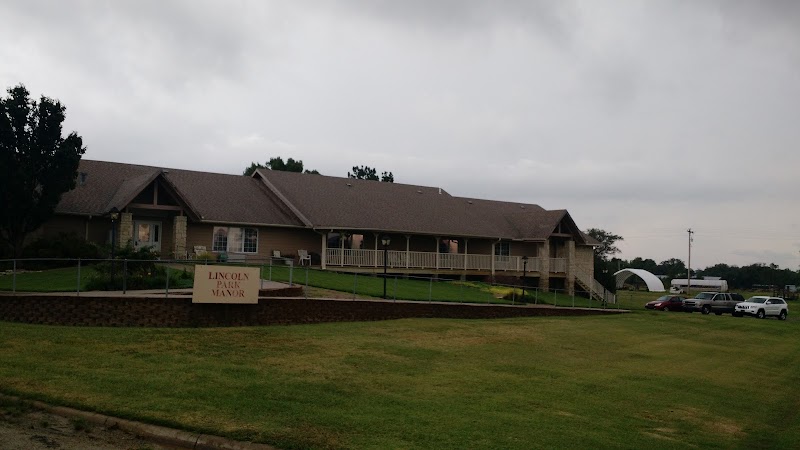
How is Lincoln Park Manor Inc Staffed?

CMS rates LINCOLN PARK MANOR INC's staffing level at 4 out of 5 stars, which is above average compared to other nursing homes. Staff turnover is 36%, compared to the Kansas average of 46%. This relatively stable workforce can support continuity of care.

What Have Inspectors Found at Lincoln Park Manor Inc?

State health inspectors documented 37 deficiencies at LINCOLN PARK MANOR INC during 2022 to 2025. These included: 37 with potential for harm.
Who Owns and Operates Lincoln Park Manor Inc?

LINCOLN PARK MANOR INC is owned by a non-profit organization. Non-profit facilities reinvest revenue into operations rather than distributing to shareholders. The facility operates independently rather than as part of a larger chain. With 36 certified beds and approximately 34 residents (about 94% occupancy), it is a smaller facility located in LINCOLN, Kansas.

How Does Lincoln Park Manor Inc Compare to Other Kansas Nursing Homes?

Compared to the 100 nursing homes in Kansas, LINCOLN PARK MANOR INC's overall rating (3 stars) is above the state average of 2.9, staff turnover (36%) is near the state average of 46%, and health inspection rating (3 stars) is at the national benchmark.

What Should Families Ask When Visiting Lincoln Park Manor Inc?

Based on this facility's data, families visiting should ask: "Can I visit during a mealtime to observe dining assistance and food quality?" "How do you handle medical emergencies, and what is your hospital transfer rate?" "Can I speak with family members of current residents about their experience?"

Is Lincoln Park Manor Inc Safe?

Based on CMS inspection data, LINCOLN PARK MANOR INC has a clean safety record: no substantiated abuse findings (meaning no confirmed cases of resident harm), no Immediate Jeopardy citations (the most serious violation level indicating risk of serious injury or death), and is not on the Special Focus Facility watch list (a federal program monitoring the lowest-performing 1% of nursing homes). The facility has a 3-star overall rating and ranks #1 of 100 nursing homes in Kansas. While no facility is perfect, families should still ask about staff-to-resident ratios and recent inspection results during their visit.

Do Nurses at Lincoln Park Manor Inc Stick Around?

LINCOLN PARK MANOR INC has a staff turnover rate of 36%, which is about average for Kansas nursing homes (state average: 46%). Moderate turnover is common in nursing homes, but families should still ask about staff tenure and how the facility maintains care continuity when employees leave.

Was Lincoln Park Manor Inc Ever Fined?

LINCOLN PARK MANOR INC has no federal fines on record. CMS issues fines when nursing homes fail to meet care standards or don't correct problems found during inspections. The absence of fines suggests the facility has either maintained compliance or corrected any issues before penalties were assessed. This is a positive indicator, though families should still review recent inspection reports for the full picture.

Is Lincoln Park Manor Inc on Any Federal Watch List?

LINCOLN PARK MANOR INC is not on any federal watch list. The most significant is the Special Focus Facility (SFF) program, which identifies the bottom 1% of nursing homes nationally based on persistent, serious quality problems. Not being on this list means the facility has avoided the pattern of deficiencies that triggers enhanced federal oversight. This is a positive indicator, though families should still review the facility's inspection history directly.