LINN COMMUNITY NURSING HOME
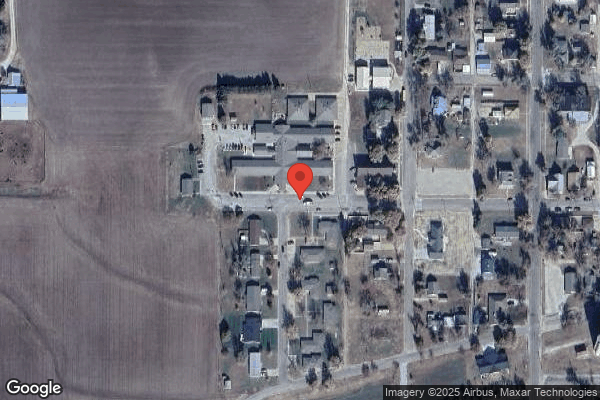

612 THIRD ST, LINN, KS 66953 (785) 348-5551
Non profit - Corporation 42 Beds Independent Data: November 2025 1 Immediate Jeopardy citation
Trust Grade
36/100
#202 of 295 in KS
Last Inspection: June 2024

Within standard 12-15 month inspection cycle. Federal law requires annual inspections.

Overview

Linn Community Nursing Home has received a Trust Grade of F, indicating significant concerns about the quality of care provided. It ranks #202 out of 295 facilities in Kansas, placing it in the bottom half of the state, although it is the only option in Washington County. The facility's situation appears to be improving, with a decrease in reported issues from 9 in 2024 to just 2 in 2025. Staffing is relatively strong, rated 4 out of 5 stars with a turnover rate of 41%, lower than the state average, which suggests that staff members are familiar with the residents. However, there are serious concerns, including a critical finding related to a resident's medical documentation and multiple incidents of improper food storage that could lead to foodborne illnesses, as well as a lack of measures to prevent Legionella disease, putting residents at risk.

Trust Score
F
36/100
In Kansas
#202/295
Bottom 32%
Safety Record
High Risk
Review needed
Inspections
Getting Better
9 → 2 violations
Staff Stability
○ Average
41% turnover. Near Kansas's 48% average. Typical for the industry.
Penalties
○ Average
$16,536 in fines. Higher than 70% of Kansas facilities. Some compliance issues.
Skilled Nurses
✓ Good
Each resident gets 45 minutes of Registered Nurse (RN) attention daily — more than average for Kansas. RNs are trained to catch health problems early.
Violations
⚠ Watch
24 deficiencies on record. Higher than average. Multiple issues found across inspections.
★★☆☆☆
2.0
Overall Rating
★★★★☆
4.0
Staff Levels
★★★☆☆
3.0
Care Quality
★★☆☆☆
2.0
Inspection Score
Stable
2024: 9 issues
2025: 2 issues

The Good

  • 4-Star Staffing Rating · Above-average nurse staffing levels
  • Full Sprinkler Coverage · Fire safety systems throughout facility
  • No fines on record
  • Staff turnover below average (41%)

    7 points below Kansas average of 48%

Facility shows strength in staffing levels, fire safety.

The Bad

2-Star Overall Rating

Below Kansas average (2.9)

Below average - review inspection findings carefully

Staff Turnover: 41%

Near Kansas avg (46%)

Typical for the industry

Federal Fines: $16,536

Below median ($33,413)

Minor penalties assessed

The Ugly 24 deficiencies on record

1 life-threatening
Jul 2025 2 deficiencies
CONCERN (D) 📢 Someone Reported This

A family member, employee, or ombudsman was alarmed enough to file a formal complaint

Potential for Harm - no one hurt, but risky conditions existed

Report Alleged Abuse (Tag F0609)

Could have caused harm · This affected 1 resident

**NOTE- TERMS IN BRACKETS HAVE BEEN EDITED TO PROTECT CONFIDENTIALITY** The facility had a census of 37 residents. The sample included two residents. Based on observation, record review, and interview...

Read full inspector narrative →
**NOTE- TERMS IN BRACKETS HAVE BEEN EDITED TO PROTECT CONFIDENTIALITY** The facility had a census of 37 residents. The sample included two residents. Based on observation, record review, and interview, the facility failed to report Resident (R) 1's request to not be pushed by Maintenance Staff U as witnessed by staff to the State Agency (SA) as required. This placed R1 at risk for ongoing abuse and mistreatment. Findings included: - R1's electronic Medical Record (EMR) included diagnoses of hypertension (HTN - elevated blood pressure), pain, unspecified soft tissue disorder, generalized edema (swelling resulting from an excessive accumulation of fluid in the body tissues), low back pain, muscle weakness, retention of urine, and major depressive disorder (major mood disorder that causes persistent feelings of sadness). R1's Quarterly Minimum Data Set (MDS), dated [DATE], documented that R1 had intact cognition, used a wheelchair or walker, required set up or clean up assistance with toileting hygiene, bathing, and upper body dressing. R1 also required set-up or clean-up assistance with rolling in bed, sitting to lying, and lying to sitting. The MDS further documented R1 required supervision or touch assistance with sit-to-standing, toilet transfers, walking, or using a wheelchair for 50 to 150 feet. R1 received a scheduled pain medication regimen, had pain occasionally, which occasionally interfered with day-to-day activities. R1's Care Plan, dated 03/25/25, documented daily tasks of manual wheelchair mobility, staff provide at least supervision, up to propelling R1. R1 used the wheelchair for most of her mobility to get to her destinations. The Progress Note dated 05/28/25 at 10:24 AM, documented R1 attended activities of her liking, able to walk with staff assistance using her walker, but most of the time R1 used the wheelchair to and from activities. On 07/02/25 at 12:59 PM, Certified Nurse Aide (CNA) M reported on 06/05/25 that he witnessed Maintenance Staff U pushing R1 from activities, when he heard R1 tell Maintenance Staff U to stop. CNA M asked R1 if she had needed anything. R1 stated, No, I just want him gone, not in a jovial way. CNA M turned to assist R1 back to activities when Maintenance Staff U stated, No, I got this and proceeded to wheel R1 away from the area. CNA M reported to Licensed Nurse (LN) G. CNA M reported he filled out a grievance about the event and had been informed to Let it go, but was not interviewed for what was witnessed. On 07/02/25 at 01:40 PM, Dietary Staff (DS) BB reported on 06/05/25, while in the dining room, he witnessed Maintenance Staff U pushing R1 around the building in her wheelchair, when R1 requested Maintenance Staff U several times to stop, because R1 wanted to go to the activity room. Dietary Staff BB reported Maintenance Staff U softly pushed R1 into him and another staff member, and R1 had put a foot on the ground to stop. Dietary Staff BB filed a grievance concern, but had not been interviewed or questioned about the occurrence. On 07/02/25 at 01:35 PM, Licensed Staff (LN) G reported staff had reported Maintenance Staff U had pushed R1 around the facility, with R1 objecting, wanting to go to the activity room. LN G reported that three staff had reported this, and staff filled out a grievance in writing, and LN G took it to Administrative Staff A. On 07/02/25 at 03:25 PM, Administrative Staff A reported she was told by staff that Maintenance Staff U had taken R1 and staff were unaware of R1's whereabouts. Administrative Staff A stated that when told of this, she witnessed R1 and Maintenance Staff U returning inside the building through the front doors. Administrative Staff A reported R1 and Maintenance Staff U usually sat in the front of the building. Administrative Staff A reported she later interviewed R1 in private regarding the interaction between her and the Maintenance Staff U. R1 stated it was all fun and games as both R1 and Maintenance Staff U had worked together at the facility. Administrative Staff A stated she briefly talked to staff in the hallway about the incident but had not written an investigation or talked to staff individually because R1 would not say she wanted Maintenance Staff U to stop, or other specifics related to the occurrence. Administrative Staff A stated she had not called the State Agency, nor completed a written investigation related to the staff grievance related to R1 and Maintenance Staff U. The facility's Abuse, Neglect, Exploitation policy, dated 06/05/25, documented it was policy of the facility to encourage and support all residents, staff, families, visitors, volunteers and resident representees in reporting any suspected acts or abuse, neglect, exploitation, involuntary seclusion or misappropriation of resident property from corporal punishment, involuntary seclusion and physical or chemical restraint not required to treat the resident's medical symptoms. The Administrator/designee ensures that all alleged or suspected violations involving the mistreatment, neglect, or abuse, including injuries of unknown origin and misappropriation of resident property, are investigated and reported immediately to the State Agency Complaint Hotline.
CONCERN (D) 📢 Someone Reported This

A family member, employee, or ombudsman was alarmed enough to file a formal complaint

Potential for Harm - no one hurt, but risky conditions existed

Investigate Abuse (Tag F0610)

Could have caused harm · This affected 1 resident

**NOTE- TERMS IN BRACKETS HAVE BEEN EDITED TO PROTECT CONFIDENTIALITY** The facility had a census of 37 residents. Based on observation, record review, and interview, the facility failed to fully inve...

Read full inspector narrative →
**NOTE- TERMS IN BRACKETS HAVE BEEN EDITED TO PROTECT CONFIDENTIALITY** The facility had a census of 37 residents. Based on observation, record review, and interview, the facility failed to fully investigate an allegation of abuse for Resident (R) 1. This placed the resident at risk for ongoing abuse. Findings included: - R1's electronic Medical Record (EMR) included diagnoses of hypertension (HTN - elevated blood pressure), pain, unspecified soft tissue disorder, generalized edema (swelling resulting from an excessive accumulation of fluid in the body tissues), low back pain, muscle weakness, retention of urine, and major depressive disorder (major mood disorder that causes persistent feelings of sadness). R1's Quarterly Minimum Data Set (MDS), dated [DATE], documented that R1 had intact cognition, used a wheelchair or walker, required set up or clean up assistance with toileting hygiene, bathing, and upper body dressing. R1 also required set-up or clean-up assistance with rolling in bed, sitting to lying, and lying to sitting. The MDS further documented R1 required supervision or touch assistance with sit-to-standing, toilet transfers, walking, or using a wheelchair for 50 to 150 feet. R1 received a scheduled pain medication regimen, had pain occasionally, which occasionally interfered with day-to-day activities. R1's Care Plan, dated 03/25/25, documented daily tasks of manual wheelchair mobility, staff provide at least supervision, up to propelling R1. R1 used the wheelchair for most of her mobility to get to her destinations. The Progress Note dated 05/28/25 at 10:24 AM, documented R1 attended activities of her liking, able to walk with staff assistance using her walker, but most of the time R1 used the wheelchair to and from activities. On 07/02/25 at 12:59 PM, Certified Nurse Aide (CNA) M reported on 06/05/25 that he witnessed Maintenance Staff U pushing R1 from activities, when he heard R1 tell Maintenance Staff U to stop. CNA M asked R1 if she had needed anything. R1 stated, No, I just want him gone, not in a jovial way. CNA M turned to assist R1 back to activities when Maintenance Staff U stated, No, I got this and proceeded to wheel R1 away from the area. CNA M reported to Licensed Nurse (LN) G. CNA M reported he filled out a grievance about the event and had been informed to Let it go, but was not interviewed for what was witnessed. On 07/02/25 at 01:40 PM, Dietary Staff (DS) BB reported on 06/05/25, while in the dining room, he witnessed Maintenance Staff U pushing R1 around the building in her wheelchair, when R1 requested Maintenance Staff U to stop several times, because R1 wanted to go to the activity room. Dietary Staff BB reported Maintenance Staff U softly pushed R1 into him and another staff member, and R1 had put a foot on the ground to stop. Dietary Staff BB filed a grievance concern but had not been interviewed or questioned about the occurrence. On 07/02/25 at 01:35 PM, Licensed Staff (LN) G reported staff had reported Maintenance Staff U had pushed R1 around the facility, with R1 objecting, wanting to go to the activity room. LN G reported that three staff had reported this, and staff filled out a grievance in writing, and LN G took it to Administrative Staff A. On 07/02/25 at 03:25 PM, Administrative Staff A reported she was told by staff that Maintenance Staff U had taken R1 and staff were unaware of R1's whereabouts. Administrative Staff A stated that when told of this, she witnessed R1 and Maintenance Staff U returning inside the building through the front doors. Administrative Staff A reported R1 and Maintenance Staff U usually sat in the front of the building. Administrative Staff A reported she later interviewed R1 in private regarding the interaction between her and the Maintenance Staff U. R1 stated it was all fun and games as both R1 and Maintenance Staff U had worked together at the facility. Administrative Staff A stated she briefly talked to the staff in the hallway about the incident but had not written an investigation or talked to the staff individually because R1 would not say she wanted Maintenance Staff U to stop, or other specifics related to the occurrence. Administrative Staff A stated she had not called the State Agency, nor completed a written investigation related to the staff grievance related to R1 and Maintenance Staff U. The facility's Abuse, Neglect, Exploitation policy, dated 06/05/25, documented it was policy of the facility to encourage and support all residents, the staff, families, visitors, volunteers and resident representees in reporting any suspected acts or abuse, neglect, exploitation, involuntary seclusion or misappropriation of resident property from corporal punishment, involuntary seclusion and physical or chemical restraint not required to treat the resident's medical symptoms. The Administrator/designee ensures that all alleged or suspected violations involving the mistreatment, neglect, or abuse, including injuries of unknown origin and misappropriation of resident property, are investigated and reported immediately to the State Agency Complaint Hotline.
Jun 2024 9 deficiencies 1 IJ
CRITICAL (J) 📢 Someone Reported This

A family member, employee, or ombudsman was alarmed enough to file a formal complaint

Immediate Jeopardy (IJ) - the most serious Medicare violation

Accident Prevention (Tag F0689)

Someone could have died · This affected 1 resident

**NOTE- TERMS IN BRACKETS HAVE BEEN EDITED TO PROTECT CONFIDENTIALITY** - R12's Electronic Medical Record (EMR), documented diagnoses of spinal stenosis (degenerative condition of the spine that could...

Read full inspector narrative →
**NOTE- TERMS IN BRACKETS HAVE BEEN EDITED TO PROTECT CONFIDENTIALITY** - R12's Electronic Medical Record (EMR), documented diagnoses of spinal stenosis (degenerative condition of the spine that could cause weakness and loss of use of extremities), cognitive-communication deficit, a need for assistance with personal care, restlessness, agitation (feeling of aggravation or restlessness brought on by a provocation or a medical condition), pain, Alzheimer's disease (progressive mental deterioration characterized by confusion and memory failure), and urinary tract infection. The Quarterly Minimum Data Set (MDS), dated [DATE], documented R12 had moderately impaired cognition as assessed by staff. R12 had no delirium (sudden severe confusion, disorientation, and restlessness), psychosis (any major mental disorder characterized by gross impairment in reality perception), or exhibited behaviors. R12 had no functional range of motion impairment and did not use of mobility aids. R12 required substantial to maximal assistance with functional abilities and mobility. R12 was frequently incontinent of urine and bowel. R12 received scheduled pain medication and non-medication interventions for pain. The MDS further documented R12 had two or more falls with no injuries. The Fall Care Area Assessment (CAA), dated 02/07/24, documented R12 falls could be serious and could lead to death, and finding root causes could aid in prevention, and addressing the root causes with interventions would aid in reducing the risk for further occurrence and injuries associated with a fall. R12's Safety Care Plan dated 05/20/24 documented R12 was a high fall risk due to some of the medication R12 took, a fall history, and an unsteady gait. The Progress Note and Care Plan review revealed: On 06/22/23 at 10:35 PM, R12 had a fall with his knees on the floor and his upper body was leaning on his bed. The care plan instructed staff to leave the resident's door open. On 09/15/23 at 04:03 PM, staff assisted R12 with a chair in the dining room when R12's knee gave out. Staff broke the fall with R12 landing on a staff member's foot. The care plan documented R12 had a restorative program but may need more therapy. On 10/16/23 at 08:14 PM, the nurse was called to R12's room and found the resident lying on the floor with gripper socks on and the right foot with grippers on the top of the foot. R12 reported he reached for the wheelchair and the wheelchair rolled away from him. The care plan instructed staff to ensure gripper socks were worn correctly. On 11/08/23 at 04:53 AM, R12 was wandering around the facility when he came through the front doors, near the office, tripped on the rug, and landed on the floor. The care plan lacked intervention related to the 11/08/23 fall. On 12/02/23 at 08:33 PM, a resident reported R12 was sitting on the floor of the dining room. The care plan lacked any intervention related to the 12/02/23 fall. On 01/18/24 at 02:08 PM, documented R12 had a fall and was lying on his right side next to a recliner. The care plan lacked any intervention related to the 01/18/24 fall. On 02/01/24 at 03:00 PM, R12 was watching a staff member at the bird cage when R12 crossed his leg and lost his balance. Staff attempted to stop R12's fall by grabbing R12's arms. The care plan intervention instructed staff to know R12 was incontinent, and that the resident's toileting plan had been adjusted. On 02/28/24 at 01:04 PM, documented R12 waved at a visitor, lost his balance, fell back against a wall, slid down, and landed on the floor. The care plan instructed staff R12 had fatigue and his gait and balance were more unstable. The physician had been notified with a request for acetaminophen to help with sleep. On 03/19/24 at 07:00 PM, R12 fell in the lobby and landed on his side. The care plan lacked any intervention related to the 03/19/24 fall. On 04/14/24 at 09:35 PM, R12 was found sitting on the floor in front of the dresser in his room. The care plan lacked any intervention related to the 04/14/24 fall. On 05/01/24 at 11:20 PM, R12 slid out of a wheelchair onto the floor. The care plan directed staff to ensure a gripper pad was in place on the wheelchair seat. On 06/03/24 at 09:05 AM, observation revealed R12 ambulated independently, without an assistive device, slightly leaning forward, arms hanging along his sides. Staff approached him and guided him to a chair in the commons area of the facility. On 06/04/24 at 08:31 AM, Certified Nurse Aide (CNA) O stated R12 wandered throughout the facility and staff tried to keep an eye on him, ensure he was wearing proper footwear, and maintain his toileting program. On 06/05/24 at 11:55 AM, Administrative Nurse D stated all resident falls should have care plan interventions to prevent further falls. Administrative Nurse D verified R12 lacked interventions for falls on 11/08/23, 12/02/23, 01/18/23, 02/01/24, 03/19/24, and 04/14/24. The facility's Fall Prevention Protocol, dated 05/07/24, documented that the effectiveness of the facility fall reduction program will be evaluated on a monthly basis by the Quality Assurance and Performance Improvement (QAPI) committee. Outcome indicators include the number of falls, the severity of fall-related injuries, and the effectiveness of implemented care plan interventions. The facility failed to adequately prevent R12's falls due to a lack of preventative interventions for five of 11 falls experienced which placed R12 at risk for injuries due to falling. The facility had a census of 38 residents. The sample included 12 residents, with four reviewed for accidents. Based on observation, record review, and interview the facility failed to ensure an environment free from accident hazards for cognitively impaired Resident (R) 35. On 05/23/24 at approximately 10:07 AM, Dietary Staff (DS) BB let R35 out the exit door by the main dining room, which led to the patio. DS BB then returned to dietary tasks without ensuring additional supervision for R35. The patio area contained a gate that was unlocked and R35 exited the patio area through the unlocked gate. At approximately 10:39 AM, Maintenance Staff U saw R35 on a bench by the front door reading a newspaper and when he went out the door, R35 walked back inside the facility. At approximately 01:12 PM, another resident asked DS BB to go outside, and DS BB stated they would have to check with the charge nurse to see if the resident could go outside. When DS BB asked the charge nurse, DS BB mentioned letting R35 outside earlier. The staff did not know R35 was outside of the facility without staff supervision until approximately 3.5 hours later. Staff found R35 in her room in her recliner, as R35 had made her way back to her room. The facility's failure to provide adequate supervision to ensure an environment free from accident hazards placed R35 in immediate jeopardy. The facility additionally failed to provide interventions for R12 to prevent falls. This placed R12 at risk for fall-related injury. Findings included: - R35's Electronic Medical Record (EMR) documented R35 had diagnoses of osteoarthritis (degenerative changes to one or many joints characterized by swelling and pain), dementia (a progressive mental disorder characterized by failing memory, and confusion), and a history of falling. R35's Quarterly Minimum Data Assessment, (MDS) revised 04/03/24 documented R35 had a Brief Interview of Mental Status (BIMS) score of nine, which indicated severe cognitive impairment. The MDS documented R35 used a walker for mobility and required supervision with ambulation. R35's Care Plan revised 04/22/24, instructed staff to make sure R35 had her walker with her when ambulating. The care plan documented R35 needed to focus on stabilizing herself when she stood up. R35 was unsafe when she walked by herself, and needed reminders for her safety, especially to use her walker. The care plan documented R35's wander/elopement risk assessment concluded she was at moderate risk due to being new to the facility and having poor short-term cognition. The Facility's Incident Report dated 05/23/24 documented Dietary Staff (DS) BB last saw R35 at 10:07 AM when she let R140 back in the facility and R35 went out the patio door behind him. DS BB told R35 she could not go outside without permission, however R35 continued outside. R35 exited the patio through an unlocked gate, then walked around on the sidewalk with her front-wheeled walker to the front door area of the facility at approximately 10:39 AM. R35 sat on a bench by the front door, and read the newspaper. The report documented Maintenance Staff (MS) U went out the front door and R35 grabbed the door before it closed and went into the facility. The report documented that at 01:12 PM R27 asked DS BB if she could go outside on the patio. DS BB went to the charge nurse to ask if R27 could go outside and mentioned to the charge nurse at that time that R35 was outside. The report noted the charge nurse immediately started looking for R35 and notified Administrative Staff E and Administrative Nurse D. Other staff were notified as well and staff searched for R35. At approximately 01:17 PM staff observed R35 in her room. Observation on 06/03/24 at 09:32 AM revealed an unlocked gait located at the end of a sidewalk, approximately 50 feet outside the dining room exit leading to the patio. The other gait was secured with a zip tie. The surveyor opened the unlocked gait, but the staff did not respond. During an interview on 06/03/24 at 09:32 AM, DS BB stated she let R35 go out on the patio on 05/23/24 because she thought it was safe. DS BB stated she did not know the gate was unlocked. During an interview on 06/03/24 at 09:51 AM, Administrative Nurse D verified the gate straight from the exit door to the patio was unlocked and stated it should be locked. Administrative Nurse D stated the patio gates do not alarm when they are opened and went on to say the facility was trying to get someone to come and put alarms on them. Administrative Nurse D verified the unlocked gate was the one R35 used to leave the building unsupervised on 05/23/24. The facility's Accident Prevention Policy, revised 05/06/24, documented that all staff members of the facility would ensure that each resident's environment remained as free from accident hazards as possible, and each resident would receive adequate supervision and assistive devices to prevent accidents. On 06/03/24 at 02:43 PM, the administrative staff were provided the IJ template and notified the facility's failure to provide a safe environment and supervision for R35 placed the resident in immediate jeopardy. The facility provided an acceptable plan for removal on 06/03/24 at 04:06 PM which included the following corrective actions: Updated Elopement and Elopement Risk Policies The facility started a sign-off sheet to include charge nurses' verification that a resident was able to go outside the facility without staff or a family member. Staff participated in an elopement drill on 05/28/24. R35's care plan was updated on 05/23/24. Initiated daily maintenance cheeks of the patio gates to make sure they are secured. R35 received 15-minute checks. Updated R35's wander/elopement risk assessment which shows moderate risk for elopement. The surveyor verified the removal of the immediacy and implementation of the corrective actions while on site on 06/04/24 at 11:26 AM. The deficient practice remained at a D scope and severity.
CONCERN (D) 📢 Someone Reported This

A family member, employee, or ombudsman was alarmed enough to file a formal complaint

Potential for Harm - no one hurt, but risky conditions existed

Deficiency F0625 (Tag F0625)

Could have caused harm · This affected 1 resident

**NOTE- TERMS IN BRACKETS HAVE BEEN EDITED TO PROTECT CONFIDENTIALITY** The facility had a census of 38 residents. The sample included 12 residents. Based on observation, record review, and interview,...

Read full inspector narrative →
**NOTE- TERMS IN BRACKETS HAVE BEEN EDITED TO PROTECT CONFIDENTIALITY** The facility had a census of 38 residents. The sample included 12 residents. Based on observation, record review, and interview, the facility failed to provide Resident (R) 17 or his representative with written information regarding the facility bed hold policy when R17 transferred to the hospital. This placed the resident at risk of not being permitted to return and resume residence in the nursing facility. Findings included: - R17's Electronic Medical Record (EMR) documented R17 had diagnoses of congestive heart failure (CHF-a condition with low heart output and the body becomes congested with fluid) and acute (condition characterized by a relatively sudden onset of symptoms that are usually severe) upper respiratory infection (infections of parts of the body involved in breathing, such as the sinuses, throat, airways or lungs). R17's Quarterly Minimum Data Set (MDS), dated [DATE], documented R17 had a Brief Interview of Mental Status (BIMS) score of zero, which indicated severely impaired cognition. The MDS documented the resident was dependent on staff for most activities of daily living (ADL). R17's Care Plan, revised 04/22/24, documented that staff put oxygen on R17 at night at two liters a minute via nasal cannula because R17 had trouble breathing when he laid flat. The Nurse's Note, dated 12/30/23 at 10:37 PM, documented R17 admitted to the hospital. A review of R17's clinical record lacked evidence the facility provided the resident or representative with the bed hold policy upon transfer to the hospital. On 06/03/24 at 11:56 AM, observation revealed R17 sat in a wheelchair at the west kitchenette counter, with no signs or symptoms of respiratory distress. On 06/05/24 at 08:07 AM, Administrative Nurse D stated she was responsible for providing the bed hold policy to residents when they transferred to the hospital. Administrative Nurse D verified the lack of evidence that R17 or his representative received the bed hold policy when R17 transferred to the hospital on [DATE]. The facility's Bed Hold Policy, revised 01/03/24, documented that before this facility transfers a resident to a hospital or the resident goes on therapeutic leave, the facility would provide written information to the resident and or resident representative that specifies the duration of the state bed-hold policy during which the resident is permitted to return and resume residency in the facility; the reserve bed payment policy in the state plan; the facility polices regarding bed-hold period, which is consistent with the law permitting the resident to return. The facility failed to provide R17 or his representative with the bed hold policy when R17 was transferred to the hospital. This placed the residents at risk of not being permitted to return and resume residence in the nursing facility.
CONCERN (D) 📢 Someone Reported This

A family member, employee, or ombudsman was alarmed enough to file a formal complaint

Potential for Harm - no one hurt, but risky conditions existed

Deficiency F0661 (Tag F0661)

Could have caused harm · This affected 1 resident

**NOTE- TERMS IN BRACKETS HAVE BEEN EDITED TO PROTECT CONFIDENTIALITY** The facility had a census of 38 residents. The sample included 12 residents with one reviewed for discharge. Based on record rev...

Read full inspector narrative →
**NOTE- TERMS IN BRACKETS HAVE BEEN EDITED TO PROTECT CONFIDENTIALITY** The facility had a census of 38 residents. The sample included 12 residents with one reviewed for discharge. Based on record review, and interview, the facility failed to complete a discharge summary for Resident (R) 39, which included a recapitulation (a concise summary of the resident's stay and course of treatment in the facility) summary of the resident's stay in the facility. This placed the resident at risk of unidentified and unmet care needs. Findings included: - The Electronic Medical Record (EMR), documented R39 admitted to the facility on [DATE] and documented diagnoses of idiopathic peripheral neuropathy (no identifiable cause for weakness, numbness, and pain from nerve damage, usually in the hands and feet), enterocolitis (disease of the digestive tract) due to clostridium (C-diff: contagious bacteria characterized by foul-smelling frequent loose bowel movements), edema (swelling), vomiting, calculus (area of thickened and sometimes hardened skin that forms as a response to repeated friction, pressure, or other irritation) of kidney, anemia (inadequate number of healthy red blood cells to carry adequate oxygen to body tissues), urinary tract infection, abdominal pain, and pain in the left leg. R39's Care Plan, dated 02/05/24, documented R39 wanted to return to live in the community. The Physician Order, dated 03/18/24, documented a phone order to discharge R39 back to her apartment with the same medication orders. The Progress Note dated 03/18/24 at 03:29 PM, documented R39 informed the nurse a family member was picking her up to take R39 to her apartment. The family member and R39 left the facility at 01:20 PM with medications and instructions. The Discharge Summary Course in Nursing Home documented R39 went home to her apartment. R39's EMR lacked a recapitulation of the resident's stay. On 06/05/24 at 08:00 AM, Administrative Nurse D verified the discharge summary lacked a recapitulation of R39's stay. The facility's Admission, Transfer and Discharge policy, dated 01/03/24, documented the clinical record documentation including the provision of and response to medical treatment and care, and changes in the resident's condition by the resident's chosen attending physician. The resident's functional status at the time of admission and at the time of discharge as well as progress notes that are reported at the time of observation and that describe significant changes in the resident's condition. The facility failed to develop a recapitulation of the resident's stay for R39. This placed the resident at risk for unidentified and unmet care needs.
CONCERN (D) 📢 Someone Reported This

A family member, employee, or ombudsman was alarmed enough to file a formal complaint

Potential for Harm - no one hurt, but risky conditions existed

Deficiency F0699 (Tag F0699)

Could have caused harm · This affected 1 resident

**NOTE- TERMS IN BRACKETS HAVE BEEN EDITED TO PROTECT CONFIDENTIALITY** The facility had a census of 38 residents. The sample included 12 residents. Based on observation, record review, and interview ...

Read full inspector narrative →
**NOTE- TERMS IN BRACKETS HAVE BEEN EDITED TO PROTECT CONFIDENTIALITY** The facility had a census of 38 residents. The sample included 12 residents. Based on observation, record review, and interview the facility failed to assess Resident (R) 22 for trauma-informed care needs to eliminate or mitigate triggers that may cause re-traumatization of the resident. This placed R22 at risk for impaired quality of life. Findings included: - R22's Electronic Medical Record (EMR) documented diagnoses of hypertension (elevated blood pressure), mild cognitive impairment, muscle weakness, chronic pain, and dementia (progressive mental disorder characterized by failing memory, and confusion) with psychotic (any major mental disorder characterized by a gross impairment in reality perception) disturbance. R22's Quarterly Minimum Data Set (MDS), dated [DATE], documented R22 had intact cognition. R22 had no delirium (sudden severe confusion, disorientation, and restlessness), but did have delusions (untrue persistent belief or perception held by a person although evidence shows it was untrue) and verbal behaviors directed toward others which occurred daily, and other behavioral symptoms not directed at others occurred four to six days of the observation period. R22 required set up or clean up assistance with functional abilities and mobility; the resident was always continent of urine and bowel. The MDS further documented R22 received non-medication interventions for pain and received a diuretic ( medication used to promote the formation and excretion of urine). R22's Care Plan dated 04/24/24, documented the resident received a high-alert medication of valproate (antiepileptic drug), and olanzapine (antipsychotic). The Progress Note dated 04/24/24 at 09:08 AM, documented R22 left the facility and the receiving behavioral health unit was called with a report. The Progress Note dated 04/26/24 at 03:25 PM, documented R22 returned to the facility from the behavioral health unit. The Progress Note dated 05/16/24 at 03:09 PM, documented that staff discussed R22's conflict and name-calling of another resident in the dining room. R22's EMR lacked evidence the facility assessed R22 for a history of trauma to identify potential mental health needs. On 06/03/24 at 11:59 AM R22 finished lunch and independently returned to her room using a wheeled walker. On 06/04/24 at 12:45 PM, Certified Nurse Aide (CNA) O stated R22 continued to have behaviors following readmission to the facility. CNA O stated R22 could be unpredictable, but CNA O would try to talk to the resident or allow the resident time to calm down before approaching. On 06/05/24 at 11:15 AM, Administrative Nurse D stated she had not done a trauma assessment and said the assessment would have been done by social services. On 06/05/24 at 11:27 AM, Social Service X reported she had not completed a trauma-informed care assessment for R22, although she does ask residents about past traumas. Social Service X stated trauma-informed care should be included in the care plan, which would be helpful to staff to manage behavioral symptoms. The facility's Trauma Informed Care policy, dated 06/05/24, documented that the facility ensures that residents who are trauma survivors receive culturally competent, trauma-informed care in accordance with professional standards of proactive and accounting for each resident's experiences and preferences in order to eliminate or mitigate triggers that may cause re-traumatization of the resident. Within forty-eight (48) hours of admission an initial screening for a history of trauma and determine if a resident has trauma-related symptoms. The facility failed to assess R22 for trauma-informed care needs to eliminate or mitigate triggers that may cause re-traumatization of the resident. This placed the resident at risk for unmet care emotional and psychosocial needs.
CONCERN (E) 📢 Someone Reported This

A family member, employee, or ombudsman was alarmed enough to file a formal complaint

Potential for Harm - no one hurt, but risky conditions existed

Drug Regimen Review (Tag F0756)

Could have caused harm · This affected multiple residents

**NOTE- TERMS IN BRACKETS HAVE BEEN EDITED TO PROTECT CONFIDENTIALITY** The facility had a census of 38 residents. The sample included 12 residents with five reviewed for unnecessary medications. Base...

Read full inspector narrative →
**NOTE- TERMS IN BRACKETS HAVE BEEN EDITED TO PROTECT CONFIDENTIALITY** The facility had a census of 38 residents. The sample included 12 residents with five reviewed for unnecessary medications. Based on observation, record review, and interview, the facility failed to ensure the Consultant Pharmacist (CP) identified and reported an unapproved indication for use, the lack of target behaviors and side effect monitoring, and lack of patient-specific rationale describing why a gradual dose reduction (GDR) was contraindicated for the use of psychotropic (alters mood or thoughts) medications for Resident (R) 6, R13, R22, and R21. This placed the residents at risk for unnecessary medication side effects. Findings included: - R6's Electronic Medical Record (EMR), documented diagnoses of altered mental status, slurred speech, kidney failure, anxiety (mental or emotional reaction characterized by apprehension, uncertainty, and irrational fear), and chronic obstructive pulmonary disease (COPD- a progressive and irreversible condition characterized by diminished lung capacity and difficulty or discomfort in breathing). R6's Quarterly Minimum Data Set (MDS), dated [DATE], documented R6 had severe cognitive impairment with no signs or symptoms of delirium (sudden severe confusion, disorientation, and restlessness) or psychosis (any major mental disorder characterized by gross impairment in reality perception). R6 had behavioral symptoms not directed toward others, which occurred one to three days during the observation period. R6 was dependent on staff for functional abilities and mobility. The MDS further documented R6 received an antipsychotic (class of medications used to treat major mental conditions that cause a break from reality), antianxiety (class of medications that calm and relax people), antidepressant (class of medications used to treat mood disorders), and opioid (a medication used to treat pain) medications. A GDR was documented as clinically contraindicated on 03/22/24. R6's Care Plan, dated 05/28/24, documented R6 received a high alert medication of divalproex (a mood stabilizer), Lexapro (an antidepressant), lorazepam (an antianxiety), Norco (medication used to treat pain), and olanzapine (an antipsychotic); staff was to monitor for adverse side effects. The care plan lacked resident-specific targeted behaviors and monitoring related side effects from the use of high-alert medications. The Physician Orders directed staff to administer the following: Divalproex Sodium Delayed-Release 250 milligrams (mg) tablet daily for disorientation 04/06/23 Lexapro 10 mg daily for anxiety disorder 03/05/22 Zyprexa 2.5 mg daily for altered mental status and anxiety disorder 04/06/23 Lorazepam 0.5 mg two times a day for anxiety disorder 03/04/22 The CP monthly medication regimen reviews (MRR) documented a recommendation for a GDR for Lexapro and Zyprexa on 02/28/24 and a GDR recommendation for lorazepam on 03/31/24. The Progress Note on 03/10/24 at 10:41 AM, documented R6 continued to holler out since waking in the morning. Scheduled medications were administered as ordered and R6 continued to holler out for mom at times, otherwise just hollered. The resident denied pain and when asked if he needed anything he would say no. The Progress Note on 03/22/24 at 03:05 PM, documented R6's physician declined the GDR for Lexapro and Zyprexa. The MRR reviewed from 05/31/23 through 05/31/24 lacked evidence the CP identified and reported the lack of side effects and targeted behaviors monitoring and lacked evidence the CP reported the unapproved indication and associated risks for Zyprexa. A review of R6's clinical record lacked evidence the physician documented the specific benefits versus the risks for R6's continuation of the antipsychotic medication. On 06/03/24 at 10:29 AM, observation revealed R6 sat in a Broda chair ( special wheelchair with the ability to tilt and recline) dressed for the day. R6 had ongoing verbalizations and hollering that were not words. Licensed Nurse (LN) G administered the ordered medications without difficulties. LN G inquired if R6 wanted breakfast and the resident declined but accepted the offer of a glass of chocolate milk. On 06/04/24 at 02:46 PM, LN H reported physician orders in the EMR alerted staff to the type of medications the residents received with black box warnings. The EMR was specific with diagnoses but lacked specific targeted behaviors the resident exhibited. LN H reported the certified nurse aides (CNA) would alert the nurse of behaviors and the nurse would document in the progress notes. On 06/04/24 at 03:20 PM, Administrative Nurse D verified the use of psychotropic medication lacked specific targeted behaviors, symptom monitoring for adverse side effects, and lack of risk versus benefit statement by the physician. Administrative Nurse D verified she was aware of the unapproved indication related to the use of R6's antipsychotic medication, and said the consultant pharmacist had not included that in the monthly reviews. The facility's Consultant Pharmacist Services Provider Requirements, dated 06/05/24, documented the consultant pharmacist provides pharmaceutical care services, including but not limited to reviewing the medication regimen (drug regimen review) of each elder in the healthcare center at least monthly incorporating federally mandated standards of care in addition to other applicable professional standards, and documenting the review and findings in the elder's clinical record. Communicating potential or actual problems detected related to medication therapy orders to the responsible physician and the Director of Nursing. The facility failed to ensure the CP identified and reported the lack of an approved indication for the use of an antipsychotic as well as inadequate monitoring and/or rationale for the continued use of psychotropic medications for R6. This placed R6 at risk of unnecessary psychotropic medications and related side effects. - R13's Electronic Medical Record (EMR) documented diagnoses of anxiety (mental or emotional reaction characterized by apprehension, uncertainty, and irrational fear), pain, sleep disorder, heart failure, weakness, and major depressive disorder (major mood disorder which causes persistent feelings of sadness)with psychotic (any major mental disorder characterized by gross impairment in reality perception) features. R13's Quarterly Minimum Data Set (MDS), dated [DATE], documented R13 had intact cognition. R13 had no signs or symptoms of delirium (sudden severe confusion, disorientation, and restlessness) or psychosis (any major mental disorder characterized by gross impairment in reality perception), and exhibited no behaviors. R13 required set up or clean up assistance with functional abilities and supervision or touch assistance with mobility. The MDS further documented the use of an antianxiety (a class of medications that calm and relax people), an antidepressant (a class of medications used to treat mood disorders), a hypnotic (a class of medications used to induce sleep), diuretic (medication to promote the formation and excretion of urine), and opioid (a medication used to treat pain) medication. R13's Care Plan, dated 05/21/24, documented the use of high-alert medications including zolpidem (a hypnotic), duloxetine (an antidepressant), furosemide (a diuretic), Norco (medication to treat pain), trazodone (an antidepressant); staff were to monitor for adverse side effects. The care plan lacked resident-specific targeted behaviors and specific side effect monitoring with the use of high-alert medications. The Physician Orders directed staff to administer the following : Zolpidem 5 milligrams (mg) one time a day related to a sleep disorder 02/03/23 Duloxetine 60 mg one time a day for major depressive disorder, single episode, severe with psychotic features 12/13/23 Trazodone 100 mg one time a day related to a sleep disorder 02/03/23 Buspirone 5 mg two times a day for anxiety disorder 12/27/21 Depakote delayed release 250 mg two times a day for depression 02/29/24 The Progress Note dated 04/06/24 at 08:53 PM, documented R13 stood in the doorway of her room where another resident hollered and R13 stated to the other resident Oh shut up. On 04/24/24 the Pharmacy Recommendation requested the physician to consider a GDR for duloxetine, trazodone, buspirone, and a trial discontinuation of zolpidem. The physician declined the GDR and trial discontinuation of zolpidem. The physician declined the GDRs based on the listed reason that it would impair the resident's function or cause psychiatric instability by exacerbating an underlying condition or disorder. The denials did not record a patient-specific rationale describing why or how a GDR was likely to impair function or cause psychiatric instability in R13. The MRR reviewed from 05/31/23 through 05/31/24 lacked evidence the CP identified and reported the lack of side effects and targeted behaviors monitoring for R13's psychotropic medications. On 06/04/24 at 02:46 PM, LN H reported physician orders in the EMR alerted staff to the type of medications the residents received with black box warnings. The EMR was specific with diagnoses but lacked specific targeted behaviors the resident exhibited. LN H reported the certified nurse aides (CNA) would alert the nurses of behaviors and the nurse would document them in the progress notes. On 06/04/24 at 03:20 PM, Administrative Nurse D verified the lack of specific target behaviors and symptom monitoring for adverse side effects, as well as the lack of risk versus benefit statements by the physician. The facility's Consultant Pharmacist Services Provider Requirements, dated 06/05/24, documented the consultant pharmacist provides pharmaceutical care services, including but not limited to reviewing the medication regimen (drug regimen review) of each elder in the healthcare center at least monthly incorporating federally mandated standards of care in addition to other applicable professional standards, and documenting the review and findings in the resident's clinical record. Communicating potential or actual problems detected related to medication therapy orders to the responsible physician and the Director of Nursing. The facility failed to ensure the CP identified and reported the inadequate monitoring and/or rationale for the continued use of psychotropic medications for R13. This placed R13 at risk of unnecessary psychotropic medications and related side effects. - R22's Electronic Medical Record (EMR) documented diagnoses of hypertension (elevated blood pressure), mild cognitive impairment, muscle weakness, chronic pain, and dementia (progressive mental disorder characterized by failing memory, and confusion) with psychotic (any major mental disorder characterized by gross impairment in reality perception) disturbance. R22's Quarterly Minimum Data Set (MDS), dated [DATE], documented R22 had intact cognition. R22 had no delirium (sudden severe confusion, disorientation, and restlessness), but did have delusions (untrue persistent belief or perception held by a person although evidence shows it was untrue) and verbal behaviors directed toward others which occurred daily, and other behavioral symptoms not directed at others occurred four to six days of the observation period. R22 required set up or clean up assistance with functional abilities and mobility; the resident was always continent of urine and bowel. The MDS further documented R22 received non-medication interventions for pain and received a diuretic ( medication used to promote the formation and excretion of urine). R22's Care Plan dated 04/24/24, documented high-alert medications of valproate and olanzapine. The Physician Orders directed staff to administer olanzapine (an antipsychotic) 2.5 milligrams (mg) two times a day related to dementia with psychotic disturbance. The Consultant Pharmacist Evaluation of Drug Regimen dated 04/30/24, noted an increase in olanzapine. The CP's evaluation lacked information regarding the unapproved indication for the use of the antipsychotic. On 06/04/24 at 12:45 PM, Certified Nurse Aide (CNA) O stated that R22 continued to have behaviors following readmission to the facility. CNA O stated R22 could be unpredictable, but CNA O would try to talk to the resident or allow the resident time to calm down before approaching. On 06/04/24 at 02:46 PM, LN H reported physician orders on the EMR alerted staff to the type of medications the residents received with black box warnings. The EMR was specific with diagnoses but lacked specific targeted behaviors the resident exhibited. LN H reported the certified nurse aides (CNA) would alert the nurses of behaviors and the nurse would document them in the progress notes. On 06/04/24 at 03:20 PM, Administrative Nurse D verified she was aware of the unapproved indication related to the use of R22's antipsychotic medication, and said the consultant pharmacist had not included that in the monthly reviews. The facility's Consultant Pharmacist Services Provider Requirements, dated 06/05/24, documented the consultant pharmacist provides pharmaceutical care services, including but not limited to reviewing the medication regimen (drug regimen review) of each elder in the healthcare center at least monthly incorporating federally mandated standards of care in addition to other applicable professional standards, and documenting the review and findings in the elder's clinical record. Communicating potential or actual problems detected related to medication therapy orders to the responsible physician and the Director of Nursing. The facility failed to ensure the CP identified and reported the lack of an approved indication for the use of an antipsychotic for R22. This placed R22 at risk of unnecessary psychotropic medications and related side effects. - R21's Electronic Medical Record (EMR) documented that R21 had diagnoses of major depressive disorder (a major mood disorder that causes persistent feelings of sadness), Parkinson ' s disease (a slowly progressive neurologic disorder characterized by resting tremors, rolling of the fingers, masklike faces, shuffling gait, muscle rigidity, and weakness), and insomnia (inability to sleep). R21's Quarterly Minimum Data Set (MDS), dated [DATE], documented R21 had a Brief Interview of Mental Status (BIMS) score of 11, which indicated moderate cognitive impairment. The MDS documented R21 received an antipsychotic (a class of medications used to treat major mental conditions that cause a break from reality) antidepressant (a class of medications used to treat mood disorders) and antianxiety medications during the observation period. R21's Care Plan, revised 04/22/24, documented R21 received Pristiq (a medication used to treat depression and instructed staff to monitor R21 for specific side effects. The care plan documented R21 received Seroquel (antipsychotic) for bipolar disorder (a major mental illness that causes people to have episodes of severe high and low moods) and instructed staff to monitor R21 for specific side effects. The Physician Order, dated 10/11/23, instructed staff to administer R21 Seroquel extended-release (XR) tablet one time a day for behaviors. The Consultant Pharmacist's (CP) monthly medication regimen reviews (MRR) revealed the following: On 03/24/24 the CP recommended a GDR for Pristiq 50 milligrams (mg), Abilify 2 mg, and Seroquel 100 mg, daily. The physician declined the recommendations because the GDR was clinically contraindicated as indicated by the resident's target symptoms returned or worsened after the most recent GDR attempt within the facility and a GDR attempt at this time would likely impair the individual's function or cause psychiatric insatiability by exacerbating an underlying medical condition or psychiatric disorder. A review of the MRR revealed the CP did not identify or report the inadequate monitoring for targeted behaviors for R21's psychotropic medications and or the unapproved indication for Seroquel. A review of R21's clinical record lacked evidence of targeted behavior monitoring related to R21's psychotropic medications. On 06/03/24 at 11:55 AM, observation revealed R21 sat in a wheelchair at the dining room table and visited politely with another resident at her table. On 06/04/24 at 03:20 PM, Administrative Nurse D verified the CP had not alerted the facility of the unapproved indication for Seroquel and/or specific targeted behaviors they should be monitoring for or the symptoms of adverse reactions for R21's psychotropic medications. The facility's CP Services Provider Requirements Policy, revised 06/05/24, documented the CP would communicate potential or actual problems detected related to medication therapy orders to the responsible physician and the director of nursing. The CP failed to identify and report the unapproved indication for use for R21's Seroquel and inadequate monitoring of targeted behaviors for R21's psychotropic medications. This placed the resident at risk for unnecessary psychotropic medications and related side effects.
CONCERN (E) 📢 Someone Reported This

A family member, employee, or ombudsman was alarmed enough to file a formal complaint

Potential for Harm - no one hurt, but risky conditions existed

Medication Errors (Tag F0758)

Could have caused harm · This affected multiple residents

**NOTE- TERMS IN BRACKETS HAVE BEEN EDITED TO PROTECT CONFIDENTIALITY** The facility had a census of 38 residents. The sample included 12 residents with five reviewed for unnecessary medications. Base...

Read full inspector narrative →
**NOTE- TERMS IN BRACKETS HAVE BEEN EDITED TO PROTECT CONFIDENTIALITY** The facility had a census of 38 residents. The sample included 12 residents with five reviewed for unnecessary medications. Based on observation, record review, and interview, the facility failed to ensure Resident (R) 6, R13, R22, and R21 had approved indications and adequate monitoring for the use of psychotropic (alters mood or thought) medications. This placed the residents at risk of receiving unnecessary psychotropic medications. Findings included: - R6's Electronic Medical Record (EMR), documented diagnoses of altered mental status, slurred speech, kidney failure, anxiety (mental or emotional reaction characterized by apprehension, uncertainty, and irrational fear), and chronic obstructive pulmonary disease (COPD- a progressive and irreversible condition characterized by diminished lung capacity and difficulty or discomfort in breathing). R6's Quarterly Minimum Data Set (MDS), dated [DATE], documented R6 had severe cognitive impairment with no signs or symptoms of delirium (sudden severe confusion, disorientation, and restlessness) or psychosis (any major mental disorder characterized by gross impairment in reality perception). R6 had behavioral symptoms not directed toward others, which occurred one to three days during the observation period. R6 was dependent on staff for functional abilities and mobility. The MDS further documented R6 received an antipsychotic (class of medications used to treat major mental conditions that cause a break from reality), antianxiety (class of medications that calm and relax people), antidepressant (class of medications used to treat mood disorders), and opioid (a medication used to treat pain) medications. A GDR was documented as clinically contraindicated on 03/22/24. R6's Care Plan, dated 05/28/24, documented R6 received a high alert medication of divalproex (a mood stabilizer), Lexapro (an antidepressant), lorazepam (an antianxiety), Norco (medication used to treat pain), and olanzapine (an antipsychotic); staff was to monitor for adverse side effects. The care plan lacked resident-specific targeted behaviors and monitoring related side effects from the use of high-alert medications. The Physician Orders directed staff to administer the following: Divalproex Sodium Delayed-Release 250 milligrams (mg) tablet daily for disorientation 04/06/23 Lexapro 10 mg daily for anxiety disorder 03/05/22 Zyprexa 2.5 mg daily for altered mental status and anxiety disorder 04/06/23 Lorazepam 0.5 mg two times a day for anxiety disorder 03/04/22 The CP monthly medication regimen reviews (MRR) documented a recommendation for a GDR for Lexapro and Zyprexa on 02/28/24 and a GDR recommendation for lorazepam on 03/31/24. The Progress Note on 03/10/24 at 10:41 AM, documented R6 continued to holler out since waking in the morning. Scheduled medications were administered as ordered and R6 continued to holler out for mom at times, otherwise just hollered. The resident denied pain and when asked if he needed anything he would say no. The Progress Note on 03/22/24 at 03:05 PM, documented R6's physician declined the GDR for Lexapro and Zyprexa. The MRR reviewed from 05/31/23 through 05/31/24 lacked evidence the CP identified and reported the lack of side effects and targeted behaviors monitoring and lacked evidence the CP reported the unapproved indication and associated risks for Zyprexa. A review of R6's clinical record lacked evidence the physician documented the specific benefits versus the risks for R6's continuation of the antipsychotic medication. On 06/03/24 at 10:29 AM, observation revealed R6 sat in a Broda chair ( special wheelchair with the ability to tilt and recline) dressed for the day. R6 had ongoing verbalizations and hollering that were not words. Licensed Nurse (LN) G administered the ordered medications without difficulties. LN G inquired if R6 wanted breakfast and the resident declined but accepted the offer of a glass of chocolate milk. On 06/04/24 at 02:46 PM, LN H reported physician orders in the EMR alerted staff to the type of medications the residents received with black box warnings. The EMR was specific with diagnoses but lacked specific targeted behaviors the resident exhibited. LN H reported the certified nurse aides (CNA) would alert the nurse of behaviors and the nurse would document in the progress notes. On 06/04/24 at 03:20 PM, Administrative Nurse D verified the use of psychotropic medication lacked specific targeted behaviors, symptom monitoring for adverse side effects, and lack of risk versus benefit statement by the physician. Administrative Nurse D verified she was aware of the unapproved indication related to the use of R6's antipsychotic medication. The facility's Psychotropic Medication Use policy, dated 06/03/24, documented that the need for psychotropic medication will be monitored, as well as when the resident has received optional benefits from the medication and when the medication dose can be lowered or discontinued. The physician's order for a psychotropic drug will include both a qualifying diagnosis for the drug and a list of specific target behaviors that the staff will monitor during the drug administration. The continued use in accordance with current standards of practice and the physician has documented the clinical rationale for why any attempted dose reduction would be likely to impair the resident's function or cause psychiatric disorder or instability by exacerbating an underlying medical or psychiatric disorder: or the resident's target symptoms returned or worsened after the most recent GDR attempted dose reduction at that time would be likely to impair the resident. Licensed nurses will be aware of the potential side effects of psychotropic medications and report any side effects to the resident's attending physician. The facility failed to ensure R6 had an approved indication for the use of an antipsychotic as well as adequate monitoring and/or rationale for the continued use of psychotropic medications for R6. This placed R6 at risk of unnecessary psychotropic medications and related side effects. - R13's Electronic Medical Record (EMR) documented diagnoses of anxiety (mental or emotional reaction characterized by apprehension, uncertainty, and irrational fear), pain, sleep disorder, heart failure, weakness, and major depressive disorder (major mood disorder which causes persistent feelings of sadness)with psychotic (any major mental disorder characterized by gross impairment in reality perception) features. R13's Quarterly Minimum Data Set (MDS), dated [DATE], documented R13 had intact cognition. R13 had no signs or symptoms of delirium (sudden severe confusion, disorientation, and restlessness) or psychosis (any major mental disorder characterized by gross impairment in reality perception), and exhibited no behaviors. R13 required set up or clean up assistance with functional abilities and supervision or touch assistance with mobility. The MDS further documented the use of an antianxiety (a class of medications that calm and relax people), an antidepressant (a class of medications used to treat mood disorders), a hypnotic (a class of medications used to induce sleep), diuretic (medication to promote the formation and excretion of urine), and opioid (a medication used to treat pain) medication. R13's Care Plan, dated 05/21/24, documented the use of high-alert medications including zolpidem (a hypnotic), duloxetine (an antidepressant), furosemide (a diuretic), Norco (medication to treat pain), trazodone (an antidepressant); staff were to monitor for adverse side effects. The care plan lacked resident-specific targeted behaviors and specific side effect monitoring with the use of high-alert medications. The Physician Orders directed staff to administer the following : Zolpidem 5 milligrams (mg) one time a day related to a sleep disorder 02/03/23 Duloxetine 60 mg one time a day for major depressive disorder, single episode, severe with psychotic features 12/13/23 Trazodone 100 mg one time a day related to a sleep disorder 02/03/23 Buspirone 5 mg two times a day for anxiety disorder 12/27/21 Depakote delayed release 250 mg two times a day for depression 02/29/24 The Progress Note dated 04/06/24 at 08:53 PM, documented R13 stood in the doorway of her room where another resident hollered and R13 stated to the other resident Oh shut up. On 04/24/24 the Pharmacy Recommendation requested the physician to consider a GDR for duloxetine, trazodone, buspirone, and a trial discontinuation of zolpidem. The physician declined the GDR and trial discontinuation of zolpidem. The physician declined the GDRs based on the listed reason that it would impair the resident's function or cause psychiatric instability by exacerbating an underlying condition or disorder. The denials did not record a patient-specific rationale describing why or how a GDR was likely to impair function or cause psychiatric instability in R13. The MRR reviewed from 05/31/23 through 05/31/24 lacked evidence the CP identified and reported the lack of side effects and targeted behaviors monitoring for R13's psychotropic medications. On 06/04/24 at 02:46 PM, LN H reported physician orders in the EMR alerted staff to the type of medications the residents received with black box warnings. The EMR was specific with diagnoses but lacked specific targeted behaviors the resident exhibited. LN H reported the certified nurse aides (CNA) would alert the nurses of behaviors and the nurse would document them in the progress notes. On 06/04/24 at 03:20 PM, Administrative Nurse D verified the lack of specific target behaviors and symptom monitoring for adverse side effects, as well as the lack of risk versus benefit statements by the physician. The facility's Psychotropic Medication Use policy, dated 06/03/24, documented that the need for psychotropic medication will be monitored, as well as when the resident has received optional benefits from the medication and when the medication dose can be lowered or discontinued. The physician's order for a psychotropic drug will include both a qualifying diagnosis for the drug and a list of specific target behaviors that the staff will monitor during the drug administration. The continued use in accordance with current standards of practice and the physician has documented the clinical rationale for why any attempted dose reduction would be likely to impair the resident's function or cause psychiatric disorder or instability by exacerbating an underlying medical or psychiatric disorder: or the resident's target symptoms returned or worsened after the most recent GDR attempted dose reduction at that time would be likely to impair the resident. Licensed nurses will be aware of the potential side effects of psychotropic medications and report any side effects to the resident's attending physician. The facility failed to ensure tR13 had adequate monitoring and/or rationale for the continued use of psychotropic medications. This placed R13 at risk of unnecessary psychotropic medications and related side effects. - R22's Electronic Medical Record (EMR) documented diagnoses of hypertension (elevated blood pressure), mild cognitive impairment, muscle weakness, chronic pain, and dementia (progressive mental disorder characterized by failing memory, and confusion) with psychotic (any major mental disorder characterized by gross impairment in reality perception) disturbance. R22's Quarterly Minimum Data Set (MDS), dated [DATE], documented R22 had intact cognition. R22 had no delirium (sudden severe confusion, disorientation, and restlessness), but did have delusions (untrue persistent belief or perception held by a person although evidence shows it was untrue) and verbal behaviors directed toward others which occurred daily, and other behavioral symptoms not directed at others occurred four to six days of the observation period. R22 required set up or clean up assistance with functional abilities and mobility; the resident was always continent of urine and bowel. The MDS further documented R22 received non-medication interventions for pain and received a diuretic ( medication used to promote the formation and excretion of urine). R22's Care Plan dated 04/24/24, documented high-alert medications of valproate and olanzapine. The Physician Orders directed staff to administer olanzapine (an antipsychotic) 2.5 milligrams (mg) two times a day related to dementia with psychotic disturbance. The Consultant Pharmacist Evaluation of Drug Regimen dated 04/30/24, noted an increase in olanzapine. The CP's evaluation lacked information regarding the unapproved indication for the use of the antipsychotic. On 06/04/24 at 12:45 PM, Certified Nurse Aide (CNA) O stated that R22 continued to have behaviors following readmission to the facility. CNA O stated R22 could be unpredictable, but CNA O would try to talk to the resident or allow the resident time to calm down before approaching. On 06/04/24 at 02:46 PM, LN H reported physician orders on the EMR alerted staff to the type of medications the residents received with black box warnings. The EMR was specific with diagnoses but lacked specific targeted behaviors the resident exhibited. LN H reported the certified nurse aides (CNA) would alert the nurses of behaviors and the nurse would document them in the progress notes. On 06/04/24 at 03:20 PM, Administrative Nurse D verified she was aware of the unapproved indication related to the use of R22's antipsychotic medication, and said the consultant pharmacist had not included that in the monthly reviews. The facility's Psychotropic Medication Use policy, dated 06/03/24, documented that the need for psychotropic medication will be monitored, as well as when the resident has received optional benefits from the medication and when the medication dose can be lowered or discontinued. The physician's order for a psychotropic drug will include both a qualifying diagnosis for the drug and a list of specific target behaviors that the staff will monitor during the drug administration. The continued use in accordance with current standards of practice and the physician has documented the clinical rationale for why any attempted dose reduction would be likely to impair the resident's function or cause psychiatric disorder or instability by exacerbating an underlying medical or psychiatric disorder: or the resident's target symptoms returned or worsened after the most recent GDR attempted dose reduction at that time would be likely to impair the resident. Licensed nurses will be aware of the potential side effects of psychotropic medications and report any side effects to the resident's attending physician. The facility failed to ensure R22 had an approved indication for the use of an antipsychotic. This placed R22 at risk of unnecessary psychotropic medications and related side effects. - R21's Electronic Medical Record (EMR) documented that R21 had diagnoses of major depressive disorder (a major mood disorder that causes persistent feelings of sadness), Parkinson's disease (a slowly progressive neurologic disorder characterized by resting tremors, rolling of the fingers, masklike faces, shuffling gait, muscle rigidity, and weakness), and insomnia (inability to sleep). R21's Quarterly Minimum Data Set (MDS), dated [DATE], documented R21 had a Brief Interview of Mental Status (BIMS) score of 11, which indicated moderate cognitive impairment. The MDS documented that R21 received an antipsychotic (a class of medications used to treat major mental conditions that cause a break from reality) antidepressant (a class of medications used to treat mood disorders) and antianxiety medications during the observation period. R21's Care Plan, revised 04/22/24, documented R21 received Pristiq (a medication used to treat depression and instructed staff to monitor R21 for specific side effects. The care plan documented R21 received Seroquel (antipsychotic) for bipolar disorder (a major mental illness that causes people to have episodes of severe high and low moods) and instructed staff to monitor R21 for specific side effects. The Physician Order, dated 10/11/23, instructed staff to administer R21 Seroquel extended-release (XR) tablet one time a day for behaviors. The Consultant Pharmacist's (CP) monthly medication regimen reviews (MRR) revealed the following: On 03/24/24 the CP recommended a GDR for Pristiq 50 milligrams (mg), Abilify 2 mg, and Seroquel 100 mg, daily. The physician declined the recommendations because the GDR was clinically contraindicated as indicated by the resident's target symptoms returned or worsened after the most recent GDR attempt within the facility and a GDR attempt at this time would likely impair the individual's function or cause psychiatric insatiability by exacerbating an underlying medical condition or psychiatric disorder. A review of the MRR revealed the CP did not identify or report the inadequate monitoring for targeted behaviors for R21's psychotropic medications and or the unapproved indication for Seroquel. A review of R21's clinical record lacked evidence of targeted behavior monitoring related to R21's psychotropic medications. On 06/03/24 at 11:55 AM, observation revealed R21 sat in a wheelchair at the dining room table and visited politely with another resident at her table. On 06/04/24 at 03:20 PM, Administrative Nurse D verified the CP had not alerted the facility of the unapproved indication for Seroquel and/or specific targeted behaviors they should be monitoring for or the symptoms of adverse reactions for R21's psychotropic medications. The facility's Psychotropic Medication Use policy, dated 06/03/24, documented that the need for psychotropic medication will be monitored, as well as when the resident has received optional benefits from the medication and when the medication dose can be lowered or discontinued. The physician's order for a psychotropic drug will include both a qualifying diagnosis for the drug and a list of specific target behaviors that the staff will monitor during the drug administration. The continued use in accordance with current standards of practice and the physician has documented the clinical rationale for why any attempted dose reduction would be likely to impair the resident's function or cause psychiatric disorder or instability by exacerbating an underlying medical or psychiatric disorder: or the resident's target symptoms returned or worsened after the most recent GDR attempted dose reduction at that time would be likely to impair the resident. Licensed nurses will be aware of the potential side effects of psychotropic medications and report any side effects to the resident's attending physician. The facility failed to ensure an approved indication for use for R21's Seroquel and adequate monitoring of targeted behaviors for R21's psychotropic medications. This placed the resident at risk for unnecessary psychotropic medications and related side effects.
CONCERN (E) 📢 Someone Reported This

A family member, employee, or ombudsman was alarmed enough to file a formal complaint

Potential for Harm - no one hurt, but risky conditions existed

Deficiency F0883 (Tag F0883)

Could have caused harm · This affected multiple residents

The facility had a census of 38 residents. Based on the interview and record review, the facility failed to offer pneumococcal (type of bacterial infection) immunizations for four of the six residents...

Read full inspector narrative →
The facility had a census of 38 residents. Based on the interview and record review, the facility failed to offer pneumococcal (type of bacterial infection) immunizations for four of the six residents sampled for immunizations: Residents (R) 13, R25, R12, and R24. This placed the residents at risk for complications related to pneumococcal pneumonia. Findings included: - R13's Electronic Health Record (EHR) documentation indicated R13 received one Pneumovax dose on 04/07/16. The facility lacked documentation R13 was offered or refused any further pneumococcal vaccinations. R13's Physician Order dated 03/26/21, directed staff to administer the pneumococcal vaccine per facility policy. R25's EHR documentation indicated R25 received one Pneumovax dose on 12/05/19. The facility lacked documentation R25 was offered or refused any further pneumococcal vaccinations. R25's EHR documented an admitting diagnosis of pneumonia and a Physician Order dated 02/23/22 that directed staff to administer the pneumococcal vaccine per facility policy. R12's EHR documentation indicated R12 received one Pneumovax dose on 09/24/19. The facility lacked documentation R12 was offered or refused any further pneumococcal vaccinations. R12's Physician Order dated 03/23/23, directed staff to administer the pneumococcal vaccine per facility policy. R24's EHR documentation indicated R24 received one Pneumovax dose on 11/19/15. The facility lacked documentation that R24 was offered or refused any further pneumococcal vaccinations. R24's Physician Order dated 08/10/21 directed staff to administer the pneumococcal vaccine per facility policy. During an interview on 06/04/24 at 01:14 PM, Administrative Nurse E verified four of the six reviewed residents had not received a second pneumonia immunization since admission to the facility and the facility had not screened the residents for eligibility for a second pnuemovax. During an interview on 06/04/24 at 03:00 PM, Administrative Nurse D stated the facility had not made a list of residents eligible to receive a second pneumococcal vaccination. She verified the residents reviewed were older than 65. She stated all the information was in their EHR. She stated the pharmacy would perform the vaccinations after they (the pharmacy) reviewed for eligible residents. During an interview on 06/05/24 at 09:42 AM, Administrative Nurse D verified the facility should have offered residents the physician-ordered pneumococcal vaccination according to facility policy. The facility's Influenza and Pneumonia Immunization Policy dated 01/04/24, stated all current and newly admitted residents would be offered the Pneumovax injection as desired by the resident and approved by the primary care physician after investigation related to current immunization status. The Centers for Disease Control and Prevention (CDC) recommends two pneumococcal vaccines for all adults 65 years or older. PCV13 followed by a dose of PPSV23 at least one year later. If PPSV23 is done- a dose of PCV13 will be administered at least one year later. Each resident's immunization status would be determined, if possible, prior to vaccination and documented in the resident's clinical record. Prior to offering the vaccination each resident or their representative would receive current education regarding the benefits and potential side effects of the immunization. Pneumococcal vaccines are offered and administered by the county Health Department or the resident's physician. The clinical record would include the education provided and whether the vaccine was received or refused. The facility failed to offer R13, R25, R12, and R24 the physician ordered pneumococcal immunization. This placed the residents at risk for complications related to pneumococcal pneumonia.
CONCERN (F) 📢 Someone Reported This

A family member, employee, or ombudsman was alarmed enough to file a formal complaint

Potential for Harm - no one hurt, but risky conditions existed

Food Safety (Tag F0812)

Could have caused harm · This affected most or all residents

The facility had a census of 38 residents. The sample included 12 residents. Based on observation, interview, and record review the facility failed to store foods and ensure proper dishwashing in a ma...

Read full inspector narrative →
The facility had a census of 38 residents. The sample included 12 residents. Based on observation, interview, and record review the facility failed to store foods and ensure proper dishwashing in a manner to prevent food-borne illness. This placed the residents at risk for foodborne illness. Findings included: - On 05/30/24 at 09:22 AM, during the initial kitchen tour, observation revealed the following: The stainless-steel double-door refrigerator with a freezer on the bottom lacked a thermometer in the refrigerator section. The freezer section had seven opened, unsealed, unlabeled bags of frozen foods. The thermometer on the door shelf was not working. The walk-in freezer had boxes of homestyle portion chicken, frozen pasta, white shrimp, diced strawberries, and peach pies stored on the freezer floor. The white refrigerator in the hallway entry with a freezer in the top portion that had seven containers of an expired frozen product with a label that read Must be used by 06/28/23. On 06/03/24 at 10:48 AM, observation in the facility kitchen revealed the walk-in freezer lacked an independent backup thermometer. The facility dishwashing machine used detergent pellets and sensors for heating and amounts of chemicals to disperse. The dishwashing logs documented the following: 05/01/24 through 05/06/24 temperatures 158-165 degrees F (Fahrenheit) with 200 parts per million (ppm) sanitizers. 05/06/24 through 5/31/24, no temperatures were recorded. 05/18/24, 05/19/24, and 05/29/24 the documentation lacked sanitizer or temperatures recorded. The facility's Weekly Water Temperature Log documented April kitchen water heater weekly checks, which measured 117-118 F, May checks measured 110-118 F, and June checks measured 118 F. On 05/30/24 at 09:22 AM, Dietary Staff DD verified the undated bags of frozen foods, the lack of an independent thermometer in cold storage, and the expired foods. Dietary Staff DD verified the boxes on the floor and stated the delivery came the day before and the employee could not lift so she was trying to get them put away today as she got time. Dietary Staff DD verified the expiration dates and stated the activity department put those in there and they should have been thrown away. On 06/04/24 at 10:21 AM, Dietary Staff CC verified staff should not store boxes of food on the freezer floor. Staff was to label and date food when opened, ensure working backup thermometers in each cold storage unit and dispose of expired foods. On 06/04/24 at 01:25 PM, Dietary Staff CC verified staff should have checked the temperature and chemical sanitation twice, daily. He verified the missing documentation and stated the dishwasher used chemical sanitation with low-temperature detergent. The facility's Dietary Purchases, Receipt, and Storage policy, dated 06/04/24, stated the Dining Services Manager was responsible for receiving and storing all food and supplies in a proper area. Ordering procedures require weekly inventories and there will be a complete inventory of all consumable items weekly by the Dining Services Manager. Staff would check refrigerators daily for any expired food and dispose of it daily. The facility failed to store foods and ensure proper dishwashing in a manner to prevent food-borne illness related to unsealed, undated bags of frozen food, food stored on the freezer floor, no backup thermometers for cold storage, and the dishwashing log lacked monitoring of chemical or temperatures for three days in May 2024. This placed the residents at risk for foodborne illness.
CONCERN (F) 📢 Someone Reported This

A family member, employee, or ombudsman was alarmed enough to file a formal complaint

Potential for Harm - no one hurt, but risky conditions existed

Infection Control (Tag F0880)

Could have caused harm · This affected most or all residents

The facility had a census of 38 residents. Based on interviews and record review, the facility failed to implement a water management program for Legionella disease (Legionella is a bacterium spread t...

Read full inspector narrative →
The facility had a census of 38 residents. Based on interviews and record review, the facility failed to implement a water management program for Legionella disease (Legionella is a bacterium spread through mist, such as from air-conditioning units for large buildings. Adults over the age of 50 and people with weak immune systems, chronic lung disease, or heavy tobacco use are most at risk of developing pneumonia caused by Legionella). This placed the residents in the facility at risk for infectious disease. Findings included: - The facility's Water Temperature Check Log documented checks of laundry, kitchen, common areas, and resident rooms weekly. The facility did not have documentation of Legionella preventative measures including identification of risk areas and actions taken to mitigate risk. During an interview on 06/04/24 at 03:10 PM, Maintenance Staff V verified the facility lacked a map of water distribution and dead-end or little-used faucets despite one whole resident hall was not used. Maintenance Staff V confirmed there was no documentation of disinfection of shower heads. During an interview on 06/04/24 at 03:13 PM the facility's Infection Control Preventionist CC verified the facility did not have the required documentation to show follow through with the water management plan to prevent Legionella or another waterborne pathogen. The facility's Water Management Policy, dated 01/17/24, stated the minimum standards included: suitable Legionella risk assessments. Description of building water systems. Identification of where Legionella could grow and spread. Action plan for preventing or controlling the risk. Implementation, management, monitoring, and recording of precautions to include regular inspections, microbiological monitoring, temperature checks, and flushing where appropriate. The facility failed to implement a water management program to manage waterborne pathogens placing the residents who reside in the facility at risk of contracting Legionella pneumonia.
Jan 2023 5 deficiencies
CONCERN (D)

Potential for Harm - no one hurt, but risky conditions existed

Resident Rights (Tag F0550)

Could have caused harm · This affected 1 resident

The facility had a census of 37 residents. The sample included 12 residents. Based on observation, record review and interview the facility failed to treat Resident (R) 3 with respect and dignity by n...

Read full inspector narrative →
The facility had a census of 37 residents. The sample included 12 residents. Based on observation, record review and interview the facility failed to treat Resident (R) 3 with respect and dignity by not providing privacy during an intramuscular (IM-an injection in a muscle) injection. This placed the resident at risk for an undignified life. Findings included: - On 01/24/23 at 12:15PM, observation revealed R3 seated in a wheelchair at the dining table. Further observation revealed Licensed Nurse (LN) H pulled up R3's clothing to expose her left hip area. LN H administered an IM injection into R3's left hip at the dining table. Further observation revealed eight other residents seated in the dining room. On 01/25/23 at 01:20PM, Administrative Nurse D stated the expectation of the facility was to provide dignity for all residents. Administrative Nurse D stated R3 should have been taken to a private area for the nurse to administer the injection into R3's hip. The Dignity policy, dated 01/04/23, stated the facility will promote care for elders of the facility in a manner and in an environment that maintains and enhances each elder's dignity and respect in full recognition of the elder's individuality. The facility failed to provide dignity for R3, placing the resident at risk for an undignified life.
CONCERN (D)

Potential for Harm - no one hurt, but risky conditions existed

Quality of Care (Tag F0684)

Could have caused harm · This affected 1 resident

**NOTE- TERMS IN BRACKETS HAVE BEEN EDITED TO PROTECT CONFIDENTIALITY** The facility had a census of 37 residents. The sample included 12 residents. Based on observation, record review and interview t...

Read full inspector narrative →
**NOTE- TERMS IN BRACKETS HAVE BEEN EDITED TO PROTECT CONFIDENTIALITY** The facility had a census of 37 residents. The sample included 12 residents. Based on observation, record review and interview the facility failed to identify, assess and respond to alteration in Resident (R) 13's skin condition. This placed the resident at risk for delay in intervention to prevent further injury and unidentified care needs. Findings included: - R13's Electronic Medical Record (EMR) documented she had diagnoses of heart failure (a chronic condition in which the heart doesn't pump blood as well as it should) and dementia (a disorder affecting thinking and social systems that interferes with daily functioning). R13's Annual Minimal Data Set (MDS), dated [DATE], documented the resident had a Brief Interview of Mental Status (BIMS) score of six, which indicated severely impaired cognition. The MDS documented the resident required extensive assistance with bed mobility and transfers. The MDS further documented no skin issues. The Care Area Assessment (CAA) dated 12/06/22, documented R13 required extensive assistance and staff were to keep the resident safe during care. R13's Daily Task Care Plan, dated 12/19/22, instructed the staff to use a full body lift with assist of two staff for all transfers. R13's left arm did not move so staff were to be careful during cares. R13's Preferences Care Plan, dated 12/19/22, documented R13 always cold and prefered to dress warmly. R13's Skin Care Plan, dated 12/19/22, instructed staff to keep her arms inside the sling when transferring with a full body lift to keep R13 safe and injury free. The Weekly Skin Assessment dated 12/29/22 documented a skin tear to R13's right elbow with a measurement of 0.1 centimeters (cm) by 2.0 cm. with no other skin issues. The Weekly Skin Assessmenst, dated 01/06/23, 01/13/23 and 01/20/23, documented no skin impairment. On 01/24/23 at 11:33AM, observation revealed R13 sat in a high backed wheelchair at the dining table. Further observation revealed R13 wore a short-sleeved shirt. She had numerous purple and dark brown areas clearly visible on both forearms. On 01/25/23 at 01:15PM, observation of Certified Nurse Aide (CNA) M and CNA N in R13's room revealed R13 seated in her high-backed wheelchair. CNA M placed a full lift sling behind the resident's back; CNA N attached the sling to the full body lift and raised the resident up out of her chair. Observation revealed R13's arms were outside of the sling as she was transferred to her bed. R13's arms were bumping against the full body lift during the transfer. On 01/25/23 at 01:20PM, CNA M stated R13 bumps her arms a lot when she was transferred with the lift. CNA M stated she was to report to the charge nurse any changes in a resident's skin. On 01/25/23 at 01:30PM, Licensed Nurse (LN) G stated weekly skin assessments were done for R13 then staff documented if there were any changes. LN G stated he was not aware R13 had any skin issues on her forearms. On 01/25/23 at 02:00PM, Administrative Nurse D stated the nurses complete weekly skin assessment for R13. Administrative Nurse D stated the last weekly skin assessment was completed for R13 on 01/20/23 and no skin impairment were documented. Administrative Nurse D stated her expectation of staff was to report any new skin issues and the nurse to assess and document those skin changes. On 01/25/23 at 03:15PM, Nurses Note documented R13 with bruising on both forearms. Documented the following measurements of skin impairment: Left upper extremity, a 3.3cm x 3.5cm purple bruise to the Left wrist. 1.0cm x 0.8cm brown bruise to the top of resident's left hand, 0.5cm x 1.0cm brown bruise to the top of her Left hand, a 1.0cm x 1.0cm scab to the top of her Left hand. 1.7cm x 1.7cm brown bruise to her Left inner forearm, 2.0cm x 1.2cm purple bruise to her outer forearm, 1.0cm x 1.3cm purple bruise to , 0.7cm, x 1.0cm purple bruise to the outer left forearm. 18.5cm x 14 cm light yellow area (bruise) to left forearm. 2.5cm x 3cm purple bruise to outer left forearm. 1.0cm x 1.0 4.0cm x 3.0cm purple bruise above the left elbow, 2.0cm x 2.0cm purple bruise to outer left forearm. Right upper extremity, 1.0cm x 1.5cm brown bruise to the back of her right arm. 1.0cm x 1.0cm brown bruise to the back of her right arm, 0.6cm x 0.7cm purple bruise to her outer right arm proximate to her elbow, 0.5cm x 1.0cm purple bruise to her outer right arm proximate to her right elbow. 14.5 x 10.5cm brown bruise to her inner right forearm. 1.8cm x 1.7cm purple bruise to her right upper forearm. 1.8cm x 2.7cm purple bruise to right upper arm, 3.0 x 2.0cm brown bruise to right underside forearm. 9.0cm x 10cm yellow/purple bruise to the top of resident's right hand. On 01/25/23 at 02:30PM, observation revealed LN G in R13's room measuring skin areas on her arms. LN G stated he was told to come and measure bruises on R13's arms. The Skin Integrity policy, dated 01/09/23, stated the nurse will perform a full-body assessment weekly to identify new skin issues and to update skin conditions. Observation of skin is to include erythema or any color changes to the skin. The nurse is to plan and implement preventative care to avoid complications and document. The facility failed to assess, identify, document and provide preventative measures for R13, to prevent bruises and changes in skin integrity. This placed the resident at risk for delay in intervention to prevent further injury and unidentified care needs.
CONCERN (E)

Potential for Harm - no one hurt, but risky conditions existed

Accident Prevention (Tag F0689)

Could have caused harm · This affected multiple residents

The facility had a census of 37 residents. The sample included 12 residents. Based on observation, record review and interview the facility failed to exercise safe needle (sharp) practice after Reside...

Read full inspector narrative →
The facility had a census of 37 residents. The sample included 12 residents. Based on observation, record review and interview the facility failed to exercise safe needle (sharp) practice after Resident (R) 3 received an intramuscular injection (an injection in a muscle). This placed R3 and others in the affected area at risk for accidental needle sticks. Findings included: - On 01/25/23 at 01:10PM, observation revealed Licensed Nurse (LN) G entering R3's room with a syringe. Further observation revealed R3 laying on her bed on her left side. LN G pulled back the resident's blanket on the bed and exposed her right hip area. LN G put on clean gloves and used an alcohol wipe and cleansed a small are on R3's right hip area. LN G injected Rocephin (an antibiotic) into R3's hip. LN G then covered R3 with the blanket and moved his hands all around the bed. On 01/25/23 at 01:10PM, LN G stated he was looking for the cap for the syringe, and stated he lost the cap, but he guessed the staff could get the cap when they got the resident back out of bed. On 01/25/23 at 01:15PM, observation revealed LN G ambulated out of R3's room down hallway with the uncapped (non -safety) syringe with an exposed needle, out to the medication cart by the nurses desk then placed the syringe in the sharps container. On 01/25/23 at 01:20PM, Administrative Nurse D stated her expectation when a staff nurse administers an injection is the sharps container should be brought with the nurse to discard the syringe. Administrative Nurse D also stated the cap of the syringe should not have been left in R3's bed. The facility's Administering Intramuscular Medications, policy dated 01/13/23, stated the facility will ensure that each elder receives proper and appropriate treatment and care during an injection. All syringes are to be discarded in a sharps container. The facility's Accident Prevention, policy dated 12/29/22, stated all staff will ensure that each elder's environment remains free from accident hazards. The facility failed to provide a safe environment for R3, placing her at risk for injury as well as others in the affected area.
CONCERN (F)

Potential for Harm - no one hurt, but risky conditions existed

Food Safety (Tag F0812)

Could have caused harm · This affected most or all residents

The facility had a census of 37 residents. The sample included 12 residents. Based on observation, record review, and interview the facility failed to distribute and serve food in accordance with prof...

Read full inspector narrative →
The facility had a census of 37 residents. The sample included 12 residents. Based on observation, record review, and interview the facility failed to distribute and serve food in accordance with professional standards for food service safety for the 37 residents who resided in the facility and received their food from the facility kitchen, when the facility failed to ensure clean and sanitary food prep and storage areas, and failed to wear hairnets in the two kitchenettes, while dishing up food for the residents meals. This placed the 37 residents at risk for foodborne illness. Findings included: - 01/24/23 at 9:00 AM observation revealed the following in the kitchen: The white refrigerator located next to the entrance door of the kitchen had dried red liquids stain approximately two inches (in) wide underneath the two bottom drawers at the bottom of the fridge and the door shelves had numerous different size brownish black dried liquid stains. The freezer above the white refrigerator had numerous specks of different size food particles on all shelves. The silver refrigerator located to the left of the ovens had numerous size specs of food items on each shelf. The bottom freezer drawer had unpackaged individual French fries and other specs of food. On 01/24/23 at 11:48 AM, observation revealed Dietary Staff (DS) DD dishing up resident meals in the west kitchenette without a hair net. DS DD verified she did not have a hair net on and stated she thought if she had her hair up pulled up she did not need a hairnet. On 01/24/23 at 12:10 PM, observation revealed DS EE in the east kitchenette dishing up residents noon meals without a hair net. DS EE had hair pulled back in a pony tail behind her head. DS CC verified she did not have a hair net on and stated the she did not have to wear one if she had her hair up. On 01/25/23 at 07:33 AM, observation revealed DS CC preparing food in north kitchenette with approximately one in. of her hair below the hair net by her ears. On 01/25/23 at 07:34 AM, observation revealed DS EE in the east kitchenette dishing up food for the residents food items, without a hairnet. On 01/30/23 at 08:40 AM, observation revealed DS in west kitchenette with hair braided in one pony tail down the back of her head, without a hair net, dishing up resident's food items for breakfast meal. On 01/25/23 at 08:30 AM, DS BB stated dietary staff did not have to wear a hairnet in the kitchenette when serving residents meals only when preparing them. 01/26/23 08:38 AM, Consultant Staff (CS) GG stated she would expect staff to wear a hair net when physically cooking resident meals but if they are in the kitchenette serving food to residents, they should have their clean hair and should pull it back. On 01/25/23 at 10:30 AM, observation revealed the following findings in the kitchen: The silver bottom freezer drawer had a open bag of chicken patties and sweet potato fries, verified by DS FF, who stated they should not be open and discarded the items. DS BBB walked into the kitchen prep area without a hair net, DS FF verified the finding and told her that she needed to wear a hair net in the kitchen. The oven hood was greasy inside and the outside had numerous different size streaks of brown greasy substance all across the front of the oven hood. The mopboard and wall located across from three sink by dishwasher had numerous areas of different size reddish brown substance. approximately 3-4 ft from the dishwasher entrance door. Five ceiling vents had brownish gray substance approximately 2-4 inches around them. The pipes underneath the dishwasher had brownish gray substance running from the garbage disposal to the dishwasher. On 1/25/23 at 11:28 AM, DS BB verified the above findings in the kitchen and stated the company who cleaned the oven hood was last here in October and staff clean the oven hood monthly but had not cleaned this month. DS BB stated staff have a daily cleaning schedule. On 1/30/23 at 1:30 PM, DS BB stated the gray substance around the ceiling vents were dust particles and staff clean the areas when they clean the vents. The Kitchen Daily Cleaning Schedule,undated, documented tasks for the dietary staff to conduct daily. The facility's Food Preparation and Handling Policy, undated, documented all food items, while being prepared, will be protected against contamination from dust, flies, rodents, and other vermin, unclean utensils and work surfaces, unnecessary handling , coughs and sneezes, flood in drainage and overhead leakage, and any other possible source of contamination . The kitchen and equipment would be kept clean, neat, orderly , and well maintained all food service staff would wear hairnets when cooking or preparing food. Staff do not need to wear hairnets when distributing foods to residents at the dining tables or when assisting residents to dine. All food handlers would ensure their hair was clean and long hair was tied back when handling food. The facility failed to store, prepare, and serve food in accordance with professional standards for food service safety for the 37 residents who resident in the facility and received their food from the facility kitchen. This placed the 37 residents at risk for foodborne illness.
CONCERN (F)

Potential for Harm - no one hurt, but risky conditions existed

Infection Control (Tag F0880)

Could have caused harm · This affected most or all residents

**NOTE- TERMS IN BRACKETS HAVE BEEN EDITED TO PROTECT CONFIDENTIALITY** The facility had a census of 37 residents. The sample included 12 residents with no COVID-19 ((an acute respiratory illness capa...

Read full inspector narrative →
**NOTE- TERMS IN BRACKETS HAVE BEEN EDITED TO PROTECT CONFIDENTIALITY** The facility had a census of 37 residents. The sample included 12 residents with no COVID-19 ((an acute respiratory illness capable of producing severe respiratory complications including death) positive residents identified. Based on observation, record review and interview the facility failed to identify high community transmission rates for COVID-19 and failed to ensure facility staff wore masks to protect COVID-19 transmission for the 37 residents residing in the facility. Findings included: - On 01/24/23 at 08:30AM, upon entrance into the facility observation revealed facility staff did not wear masks to prevent COVID-19 transmission in the resident care and resident common areas. On 01/24/23 at 08:35AM, Administrative Nurse D verified that facility staff were not wearing masks. On 01/24/23 at 09:45AM, Administrative Nurse D stated the facility checks every Thursday regarding the transmission rate for COVID-19 and then makes the decision if facial coverings/masks were required. The Centers for Disease Control and Prevention (CDC) COVID-19 Data Tracker (https://covid.cdc.gov/covid-data-tracker) documented [NAME] county transmission rate on 01/24/23 as High. Further review of the time lapse shows the [NAME] county community transmission level was high on 01/19/23 (the previous Thursday). The website states community levels are updated weekly on Thursdays however transmission levels used by health care facilities are updates daily. The Centers for Medicare and Medicaid Services (CMS) memo QSO-20-39-NH revised on 09/23/22 directs If the nursing home ' s county COVID-19 community transmission is high, everyone in a healthcare setting should wear face coverings or masks. The undated facility policy, COVID-19 Community Transmission, stated when levels are high, source control is recommended for everyone in a healthcare setting, When community levels are high masks should be worn in the healthcare setting. The facility staff failed to wear masks to prevent COVID-19 transmission and infection, placing the 37 residents residing in the facility at risk for COVID-19 infection.
Aug 2021 8 deficiencies
CONCERN (D)

Potential for Harm - no one hurt, but risky conditions existed

Deficiency F0657 (Tag F0657)

Could have caused harm · This affected 1 resident

**NOTE- TERMS IN BRACKETS HAVE BEEN EDITED TO PROTECT CONFIDENTIALITY** The facility had a census of 41 residents. The sample included 12 residents. Based on observation, interview, and record review ...

Read full inspector narrative →
**NOTE- TERMS IN BRACKETS HAVE BEEN EDITED TO PROTECT CONFIDENTIALITY** The facility had a census of 41 residents. The sample included 12 residents. Based on observation, interview, and record review the facility failed to review and revise one of twelve residents' care plans with effective interventions to prevent further falls, Resident (R) 1. Findings included: - R1's Physician Order Sheet (POS) dated 07/23/21 documented diagnoses of glaucoma (group of eye conditions that damage the optic nerve), osteoporosis (causes bones to become weak and brittle), hypertension (high blood pressure), and dementia (a group of conditions characterized by impairment of at least two brain functions, such as memory loss and judgment). The Annual Minimum Data Set (MDS), dated [DATE], documented brief Interview for Mental Status (BIMS) score of seven, indicating severely impaired cognition. The MDS documented R1 required staff supervision for all activities of daily living (ADLs), more than two non-injury falls, one minor injury fall, and one major injury fall. The MDS documented the resident had impaired balance, but could stabilize herself, and received restorative services six days weekly. The Falls Care Area Assessment (CAA), dated 07/13/21, documented the resident toileted self and when staff were aware that she was up, they assisted her with a walker and stand-by assistance (staff closely supervise), and R1 forgot to call for assistance. The Fall Care Plan, dated 07/13/21, directed staff to remind R1 to have her walker in reach at all times, use a hi/low bed and ensure the bed positioned at the correct height so her knees are at a 90 degree angle. The care plan directed staff to encourage her to ask for assistance picking things up off the floor and to use her walker at all times. The care plan further documented fall interventions: 04/22/21- Staff to remind me to wear shoes when I ambulate with my walker. 05/19/21- Staff to provide more frequent checks during the night. 05/25/21- Staff to ensure that I have shoes on when I am getting up. 06/04/21- Staff to ensure that I have shoes on when I am getting up, especially at night to go to the bathroom. 06/30/2021 no intervention listed. 07/03/21- Staff to look in on me when they are walking going up and down the hallway or in the area where I am. 07/13/21- no intervention listed. The Fall Risk Assessments, dated 04/07//21 and 07/13/21 indicated a moderate risk for falls with a score of 10. The 05/19/21, 05/25/21, 06/04/21 assessments indicated a high risk for falls. Falls: The Fall Note, dated 04/22/21 at 07:07 PM, documented staff found the resident around 04:30 PM, on the floor in the bathroom, sitting on her buttocks in an upright position holding on to her walker. R1 was not wearing her shoes, but had her socks on. Intervention: Re-educate the resident to wear shoes at all time when ambulating. (Care plan update intervention- remind me to wear shoes.) The Fall Note, dated 05/19/21 at 04:45 AM, documented at 03:12 AM, staff found R1 on the floor, blocking the way into her room, lying on her left side between the bedroom and bathroom door. The floor around the bathroom door and the resident was wet. Staff put shoes on the resident, then assisted her to a sitting position on the bed. The resident stated, I slipped and hit my head on the floor. An abrasion was noted to her mid back that measured 8 centimeter (cm) long x 1 cm wide. (Care plan update intervention - more frequent checks during the night.) The Fall Note, dated 05/22/21 at 07:20 PM, documented staff found R1 lying on the floor on her left side with her head resting on her left arm, against the dresser, and blanket under her knees. R1 repeatedly stated, I didn't fall. I squatted down to get a brief and my knees got weak. (Care plan update intervention- ensure that I have shoes on-which repeated the care plan intervention from 04/22/21.) The Fall Note, dated 06/04/21 at 06:40 AM, documented at 06:40 AM, staff found the resident on the floor lying on her back, with her head facing the bed and feet facing the dresser. R1 stated she was getting clothes out of the dresser, her knees gave out, and she fell backwards. (Repeated care plan intervention from 04/22/21 and 05/22/21.) The Fall Note, dated 06/30/21 at 09:20 PM, documented at 03:20 PM, staff found the resident on the floor in a seated upright position with her legs crossed. Her pants were down, a clean pull-up was by her side, and she had a new pull-up she was trying to pull up over her street pants. Her shoes and walker were by her recliner chair and bed. (Care plan not updated with new intervention.) The Fall Note, dated 07/03/21 at 02:37 PM, documented staff found the resident between the closet and the foot of the bed with her head up against the foot board. R1 said she was trying to hang pictures on her closet door and her legs gave out. (Care plan intervention- staff to look in on me when they are walking going up and down the hallway.) The Fall Note, dated 07/13/21 at 04:55 PM, documented staff in the North dining room witnessed R1 get up from her chair at the table and turn away from the table without her walker. Staff further reported R1 began to stumble, her leg twisted, and she fell against the door frame striking her head. Blood noted on the left side of her head with a quarter sized indentation above her left ear where she struck the door frame. She also complained of pain above her right knee and rotation noted in her right lower extremity and the facility sent her to the emergency room. (Care plan not updated with new intervention.) On 08/05/21 at 11:02 AM, observation revealed Certified Nurse Aide (CNA) O and Therapist GG assisted the resident from her bed to the toilet with a walker and gait belt. They stayed in bathroom with her. Therapist GG assisted her to stand and R1 took small steps to the sink while Therapist GG provided limited assistance. R1 leaned over the sink to brush her teeth, told staff when her legs were tired, and they brought the wheelchair to her. Staff placed the leg wedge between her legs. On 08/10/21 at 08:30 AM, Administrative Nurse D verified the resident was forgetful and three of the fall interventions repeated ensuring or reminding her to wear shoes. Administrative Nurse D verified staff had not developed a new intervention after the 07/13/21 fall. The facility's Care Plan Revision policy, dated 08/11/21, documented the facility would revise the care plan after every fall to include specific instructions to staff based on causal factors identified at the time of the fall and during the fall investigation process, to prevent or reduce the possibility for recurrence of a fall. The facility failed to review and revise R1's fall care plan with effective interventions to prevent further falls for R1, who had a diagnosis of dementia, placing R1 at risk for potential injury related to falls.
CONCERN (D)

Potential for Harm - no one hurt, but risky conditions existed

Accident Prevention (Tag F0689)

Could have caused harm · This affected 1 resident

**NOTE- TERMS IN BRACKETS HAVE BEEN EDITED TO PROTECT CONFIDENTIALITY** The facility had a census of 41 residents. The sample included 12 residents with three reviewed for falls. Based on observation,...

Read full inspector narrative →
**NOTE- TERMS IN BRACKETS HAVE BEEN EDITED TO PROTECT CONFIDENTIALITY** The facility had a census of 41 residents. The sample included 12 residents with three reviewed for falls. Based on observation, interview, and record review the facility failed to provide effective interventions to prevent falls for one of three Residents (R)1, who had repeated falls in a three-month period. Findings included: - R1's Physician Order Sheet (POS) dated 07/23/21 documented diagnoses of glaucoma (group of eye conditions that damage the optic nerve), osteoporosis (causes bones to become weak and brittle), hypertension (high blood pressure), and dementia (a group of conditions characterized by impairment of at least two brain functions, such as memory loss and judgment). The Annual Minimum Data Set (MDS), dated [DATE], documented brief Interview for Mental Status (BIMS) score of seven, indicating severely impaired cognition. The MDS documented R1 required staff supervision for all activities of daily living (ADLs), more than two non-injury falls, one minor injury fall, and one major injury fall. The MDS documented the resident had impaired balance, but could stabilize herself, and received restorative services six days weekly. The Falls Care Area Assessment (CAA), dated 07/13/21, documented the resident toileted self and when staff were aware that she was up, they assisted her with a walker and stand-by assistance (staff closely supervise), and R1 forgot to call for assistance. The Fall Care Plan, dated 07/13/21, directed staff to remind R1 to have her walker in reach at all times, use a hi/low bed and ensure the bed positioned at the correct height so her knees are at a 90 degree angle. The care plan directed staff to encourage her to ask for assistance picking things up off the floor and to use her walker at all times. The care plan further documented fall interventions: 04/22/21- Staff to remind me to wear shoes when I ambulate with my walker. 05/19/21- Staff to provide more frequent checks during the night. 05/25/21- Staff to ensure that I have shoes on when I am getting up. 06/04/21- Staff to ensure that I have shoes on when I am getting up, especially at night to go to the bathroom. 06/30/2021 no intervention listed. 07/03/21- Staff to look in on me when they are walking going up and down the hallway or in the area where I am. 07/13/21- no intervention listed. The Fall Risk Assessments, dated 04/07//21 and 07/13/21 indicated a moderate risk for falls with a score of 10. The 05/19/21, 05/25/21, 06/04/21 assessments indicated a high risk for falls. Falls: The Fall Note, dated 04/22/21 at 07:07 PM, documented staff found the resident around 04:30 PM, on the floor in the bathroom, sitting on her buttocks in an upright position holding on to her walker. R1 was not wearing her shoes, but had her socks on. Intervention: Re-educate the resident to wear shoes at all time when ambulating. (Care plan update intervention- remind me to wear shoes.) The Fall Note, dated 05/19/21 at 04:45 AM, documented at 03:12 AM, staff found R1 on the floor, blocking the way into her room, lying on her left side between the bedroom and bathroom door. The floor around the bathroom door and the resident was wet. Staff put shoes on the resident, then assisted her to a sitting position on the bed. The resident stated, I slipped and hit my head on the floor. An abrasion was noted to her mid back that measured 8 centimeter (cm) long x 1 cm wide. (Care plan update intervention - more frequent checks during the night.) The Fall Note, dated 05/22/21 at 07:20 PM, documented staff found R1 lying on the floor on her left side with her head resting on her left arm, against the dresser, and blanket under her knees. R1 repeatedly stated, I didn't fall. I squatted down to get a brief and my knees got weak. (Care plan update intervention- ensure that I have shoes on-which repeated the care plan intervention from 04/22/21.) The Fall Note, dated 06/04/21 at 06:40 AM, documented at 06:40 AM, staff found the resident on the floor lying on her back, with her head facing the bed and feet facing the dresser. R1 stated she was getting clothes out of the dresser, her knees gave out, and she fell backwards. (Repeated care plan intervention from 04/22/21 and 05/22/21.) The Fall Note, dated 06/30/21 at 09:20 PM, documented at 03:20 PM, staff found the resident on the floor in a seated upright position with her legs crossed. Her pants were down, a clean pull-up was by her side, and she had a new pull-up she was trying to pull up over her street pants. Her shoes and walker were by her recliner chair and bed. (Care plan not updated with new intervention.) The Fall Note, dated 07/03/21 at 02:37 PM, documented staff found the resident between the closet and the foot of the bed with her head up against the foot board. R1 said she was trying to hang pictures on her closet door and her legs gave out. (Care plan intervention- staff to look in on me when they are walking going up and down the hallway.) The Fall Note, dated 07/13/21 at 04:55 PM, documented staff in the North dining room witnessed R1 get up from her chair at the table and turn away from the table without her walker. Staff further reported R1 began to stumble, her leg twisted, and she fell against the door frame striking her head. Blood noted on the left side of her head with a quarter sized indentation above her left ear where she struck the door frame. She also complained of pain above her right knee and rotation noted in her right lower extremity and the facility sent her to the emergency room. (Care plan not updated with new intervention.) On 08/05/21 at 11:02 AM, observation revealed Certified Nurse Aide (CNA) O and Therapist GG assisted the resident from her bed to the toilet with a walker and gait belt. They stayed in bathroom with her. Therapist GG assisted her to stand and R1 took small steps to the sink while Therapist GG provided limited assistance. R1 leaned over the sink to brush her teeth, told staff when her legs were tired, and they brought the wheelchair to her. Staff placed the leg wedge between her legs. On 08/10/21 at 08:30 AM, Administrative Nurse D verified the resident was forgetful and three of the fall interventions repeated ensuring or reminding her to wear shoes. Administrative Nurse D verified staff had not developed a new intervention after the 07/13/21 fall. On 08/10/21 at 10:50 AM, CNA P stated R1 does not always call for help, so staff constantly observe her when we walk past, or stop in the room to check on her. CNA P verified the resident forgets a lot, but she might retain information for a while. The facility's Fall Prevention policy, dated 08/10/21, documented the effectiveness of the fall reduction activities, including assessment, causal factors, interventions, and education will be evaluated by the Interdisciplinary Care Plan Team at each comprehensive assessment. The effectiveness of the facility fall reduction program will be evaluated on a monthly basis by the Quality Assurance Plan of Improvement (QAPI) committee. Outcome indicators include the number of falls, the severity of injuries, and effectiveness of implemented care plan interventions. The facility failed to provide effective fall prevention and supervision for R1 who had seven falls in a three-month period, placing the resident at risk for further accidents or injuries.
CONCERN (D)

Potential for Harm - no one hurt, but risky conditions existed

Drug Regimen Review (Tag F0756)

Could have caused harm · This affected 1 resident

**NOTE- TERMS IN BRACKETS HAVE BEEN EDITED TO PROTECT CONFIDENTIALITY** The facility had a census of 41. The sample included 12 residents with five reviewed for unnecessary medications. Based on obser...

Read full inspector narrative →
**NOTE- TERMS IN BRACKETS HAVE BEEN EDITED TO PROTECT CONFIDENTIALITY** The facility had a census of 41. The sample included 12 residents with five reviewed for unnecessary medications. Based on observation, record review, and interview the facility consultant pharmacist failed to identify and report the lack of blood pressure parameters (instructions on what blood pressure readings staff should hold medication or notify physician) for Resident (R) 29's blood pressure medications. Findings included: - The Physician Order, dated 06/30/21, documented the resident had a diagnosis of hypertension (elevated blood pressure). The Quarterly Minimum Data Set (MDS), dated [DATE], documented the resident had a Brief Interview for Mental Status (BIMS) score of 15, which indicated intact cognition. The MDS documented the resident required total staff assistance with bed mobility, transfers, dressing, toilet use and supervision with locomotion on and off unit, eating and personal hygiene. The MDS documented the resident received an antidepressant (class of medications used to treat mood disorders and relieve symptoms of abnormal emotional state characterized by exaggerated feelings of sadness, worthlessness and emptiness) medication, every day, during the seven day look back period. The High Alert Medications Care Plan, revised 07/08/21, documented the resident received amiodarone (used to treat hypertension), metoprolol ( medication used to lower blood pressure), prazosin (medication used to lower blood pressure), and toresmide (medication used in combination of other medications to lower blood pressure) and instructed staff to monitor the resident's pulse and blood pressure. The Physician Order Sheet, dated 06/30/21, instructed staff to administer to the resident the following medications: amiodarone HCI tablet , 200 milligram (mg) every day for hypertension metoprolol capsule extended release (ER) 24 hour sprinkle, 50 mg every day for hypertension Ranexa ER 12 hour, 500 mg twice a day for hypertension toresmide, 100 mg tablet every day for hypertension The physician order sheet lacked documentation guiding staff on blood pressure parameters. Review of the Medical Record revealed lack of documentation guiding staff on parameters for resident's blood pressures. On 08/04/21 at 03:30 PM, observation revealed the resident sat quietly in a wheelchair in the commons area at the end of hall, coloring a picture with colored pencils. On 08/09/21 at 01:50 PM, Certified Medication Aide (CMA) N was not sure if the resident's medications had blood pressure parameters and she was not sure when to hold the resident's blood pressure medications or phone the physician. On 08/09/21 at 03:30 PM Administrative Nurse D verified the resident's medical record lacked documentation regarding parameters on her blood pressure medications and stated the facility needed to obtain parameters. The Linn Community Nursing Home Medication Administration Policy, revised on 08/10/21, documented the consultant pharmacist would review each resident's medication regimen monthly and would document in the resident's clinical record the finding, conclusions, and recommendations that resulted from monitoring the medication regimen and communicate them to the physician, prescriber, and those involved in the resident's care. The facility's consultant pharmacist failed to identify and report the lack of parameters for R29's blood pressure medications, placing the resident at risk for hypotensive (low blood pressure) reaction which could be life threatening.
CONCERN (D)

Potential for Harm - no one hurt, but risky conditions existed

Deficiency F0757 (Tag F0757)

Could have caused harm · This affected 1 resident

**NOTE- TERMS IN BRACKETS HAVE BEEN EDITED TO PROTECT CONFIDENTIALITY** The facility had a census of 41. The sample included 12 residents with five reviewed for unnecessary medications. Based on obser...

Read full inspector narrative →
**NOTE- TERMS IN BRACKETS HAVE BEEN EDITED TO PROTECT CONFIDENTIALITY** The facility had a census of 41. The sample included 12 residents with five reviewed for unnecessary medications. Based on observation, record review , and interview the facility failed to provide adequate monitoring of Resident (R) 29's blood pressure medications. Findings included: - The Physician Order, dated 06/30/21, documented the resident had a diagnosis of hypertension (elevated blood pressure). The Quarterly Minimum Data Set (MDS), dated [DATE], documented the resident had a Brief Interview for Mental Status (BIMS) score of 15, which indicated intact cognition. The MDS documented the resident required total staff assistance with bed mobility, transfers, dressing, toilet use and supervision with locomotion on and off unit, eating and personal hygiene. The MDS documented the resident received an antidepressant (class of medications used to treat mood disorders and relieve symptoms of abnormal emotional state characterized by exaggerated feelings of sadness, worthlessness and emptiness) medication, every day, during the seven day look back period. The High Alert Medications Care Plan, revised 07/08/21, documented the resident received amiodarone (used to treat hypertension), metoprolol ( medication used to lower blood pressure), prazosin (medication used to lower blood pressure), and toresmide (medication used in combination of other medications to lower blood pressure) and instructed staff to monitor the resident's pulse and blood pressure. The Physician Order Sheet, dated 06/30/21, instructed staff to administer to the resident the following medications: amiodarone HCI tablet , 200 milligram (mg) every day for hypertension. metoprolol capsule extended release (ER) 24 hour sprinkle, 50 mg every day for hypertension. Ranexa ER 12 hour, 500 mg twice a day for hypertension toresmide, 100 mg tablet every day for hypertension The physician order sheet lacked documentation guiding staff on parameters (instructions on what blood pressure readings staff should hold medication or notify physician). Review of the Medical Record revealed lack of documentation guiding staff on parameters for resident's blood pressures. On 08/04/21 at 03:30 PM, observation revealed the resident sat quietly in a wheelchair in the commons area at the end of hall, coloring a picture with colored pencils. On 08/09/21 at 01:50 PM, Certified Medication Aide (CMA) N was not sure if the resident's medications had blood pressure parameters and she was not sure when to hold the resident's blood pressure medications or phone the physician. On 08/09/21 at 03:30 PM Administrative Nurse D verified the resident's medical record lacked documentation regarding parameters on her blood pressure medications and stated the facility needed to obtain parameters The Linn Community Nursing Home Medication Administration Policy, revised on 08/10/21, documented all medications would be adequately monitored. The facility staff failed to adequately monitor R29's blood pressure medications, when they administered them without receiving parameters from the physician, placing the resident at risk for hypotensive (low blood pressure) reaction which could be life threatening.
CONCERN (F)

Potential for Harm - no one hurt, but risky conditions existed

Food Safety (Tag F0812)

Could have caused harm · This affected most or all residents

**NOTE- TERMS IN BRACKETS HAVE BEEN EDITED TO PROTECT CONFIDENTIALITY** The facility had a census of 41 residents. The sample included 12 residents. Based on observation, interview and record review, ...

Read full inspector narrative →
**NOTE- TERMS IN BRACKETS HAVE BEEN EDITED TO PROTECT CONFIDENTIALITY** The facility had a census of 41 residents. The sample included 12 residents. Based on observation, interview and record review, the facility failed to store, prepare, and serve food under sanitary conditions for 41 residents who resided in the facility and received meals from the kitchen and two of two kitchenettes. Findings included: - On 08/04/21 at 09:27 AM, during initial tour of the facility kitchen, observation revealed 20 frozen cups of Wild Berry Magic cups with a use by date of 05/22/21 and numerous mixed berry icicles without use by date or received date in the white refrigerator/freezer in a food storage area connected to the kitchen. Further observation of the East kitchenette freezer revealed two Butter Pecan Magic cups with a use by date of 05/29/21, and two individually wrapped sandwich packages without a label. On 08/05/21 at 11:25 AM, follow up observation of the facility kitchen revealed a silver measuring cup in a bulk storage container of powdered sugar, and the silver refrigerator/freezer in the main kitchen area lacked a thermometer inside both refrigerator and freezer sections. Further observation of the refrigerator/freezer revealed open clear plastic bags in the freezer compartment of chicken nuggets, chicken strips, French fries, and chicken breasts, without open or use by dates. Inspection of the walk-in freezer revealed two 20-pound raw frozen pork packages lying on the floor. On 08/04, 08/05, 08/09 and 08/10/21 observation revealed on going white scaly coating to the ice and water dispenser in the East dining room, and the dessert refrigerator attached to the East dining room contained 20 [NAME] Coffee individually wrapped cakes without date received or use by date. On 08/09/21 at 04:09 PM, observation revealed individual serving containers of nine fruit cobbler type dessert dated 08/15, three individual serving containers of marble cake dated 08/14, and ten individual serving containers of white cake with frosting dated 08/12, sitting on the counter of the north dining room at room temperature. On 08/04/21 at 09:27 AM, Dietary Staff (DS) BB verified the expired Wild Berry Magic cups and undated mixed berry icicles in the refrigerator/freezer, and a silver measuring cup in the powdered sugar. DS CC verified the expired Butter Pecan Magic cups and the unlabeled and undated sandwich packages. DS CC stated the sandwich packages probably belonged to staff and should not be stored in the freezer of the kitchenette. On 08/05/21 at 11:25 AM, DS BB verified the silver refrigerator/freezer in the main kitchen did not have a thermometer in either refrigerator or freezer, and staff used the digital reading in the door. He verified the open sacks of chicken nuggets, chicken strips, French fries and chicken breast packages did not contain an open or use by date. He stated he was not aware of a regulation that required the frozen foods in the freezers to be labeled with use by dates and the facility's policy was to visually inspect the food for freezer damage or ice accumulation for discarding. DS BB verified two 20-pound packages of frozen raw pork sitting on the floor of the freezer and due to the freezer floor was an elevated floor, the frozen products could sit on the floor. On 08/09/21 at 09:34 AM, DS CC stated the ice and water dispensing machine was on the cleaning schedule for dietary staff and was not aware of the last time the machine was cleaned. On 08/09/21 at 04:09 PM, Administrative Staff A verified the 20 [NAME] Coffee cakes should have been labeled with either a receiving date or use by date, desserts should not be stored at room temperature and verified freezer food items should not be stored on the floor of the freezer. The facility's Open Product Date Policy, dated 06/17/19, documented all potential hazardous food items should have an opened date printed label or written on the product, and all items with an open date will be used within seven days of this date. The facility's Use by Date Policy, dated 06/09/19, documented all use by and best buy dating in not an expiration date but a best if used by for optimal flavor. All items with a used by date or best by date would be used within seven days. The facility's Refrigerator/Freezer Thermometer Policy, dated 06/17/19, documented all refrigerators and freezers must have a thermometer and must be recorded on the logs daily. Built in thermometers should be used and a physical thermometer may be used as back up. The facility's Food Storage Policy, dated 06/17/19, documented all items must be stored at least 6 inches of the ground, all items must be rotated so first in and first out dates are used. The facility's Employee Foods Policy, dated 06/17/19, documented all food that an employee brings in must follow our Food from Family, Visitors, Community policy and must be stored separate from resident food such as a break room refrigerator or any other area that is designated by employees supervisor. The facility's undated Ice Machine and Ice Storage Chests policy documented ice machines and ice storage/distribution containers would be used and maintained to assure a safe and sanitary supply of ice. Our facility has established procedures for cleaning and disinfecting ice machines and ice storage chest which adhere to manufacturer's instruction. The facility's Bulk Dry Storage Policy, dated 06/17/19, documented no utensils or scoops should be left directly in the bulk dry item and scoops should be placed back into their holder after use. The facility's Room Temperature Foods Policy, dated 06/17/19, documented all baked goods made in house that do not contain potentially hazardous ingredients after cooking are not temperature controlled and must be labeled with a date, and must be dated within seven days of the product being made. If it is a commercially purchased item, it must be use by the expiration date. The facility failed to store, prepare, and serve food under sanitary conditions for 41 residents who receive meals prepared in the facility kitchen.
CONCERN (F)

Potential for Harm - no one hurt, but risky conditions existed

Deficiency F0838 (Tag F0838)

Could have caused harm · This affected most or all residents

The facility had a census of 41 residents. Based on interview and record review, the facility failed to complete a facility assessment that included the care required by the resident population consid...

Read full inspector narrative →
The facility had a census of 41 residents. Based on interview and record review, the facility failed to complete a facility assessment that included the care required by the resident population considering the types of diseases, condition, or the overall acuity of the resident with staffing, on a day to day operations, for the 41 residents who resided in the facility. Findings included: - The Facility Assessment, revised on 05/29/19, lacked the consideration of the facility's census and resident's acuity to determine the number of staff required to meet each resident's need and was not reviewed within the past 25 months. On 08/10/21 at 10:32 AM, Administrative Staff A verified the facility assessment lacked the determination of staff based on the resident's acuity and it was last reviewed on 05/29/19. The facility lacked a policy for the facility assessment in regard to staffing and frequency of review . The facility failed to complete a facility assessment that included the facility's census and resident's acuity to determine the number of staff required to meet each resident's needs during both the day-to-day operations and emergencies and failed to update the assessment at least annually.
CONCERN (F)

Potential for Harm - no one hurt, but risky conditions existed

Infection Control (Tag F0880)

Could have caused harm · This affected most or all residents

**NOTE- TERMS IN BRACKETS HAVE BEEN EDITED TO PROTECT CONFIDENTIALITY** The facility had a census of 41 residents. The sample included 12 residents. Based on observation, interview, and record review,...

Read full inspector narrative →
**NOTE- TERMS IN BRACKETS HAVE BEEN EDITED TO PROTECT CONFIDENTIALITY** The facility had a census of 41 residents. The sample included 12 residents. Based on observation, interview, and record review, the facility failed to adhere to infection control practices for one of two residents reviewed for catheter use, Resident (R) 11, and inappropriate handling of soiled laundry. Findings included: - R11's diagnosis from the Physician Order Sheet (POS), dated 06/21/21, included diagnoses of multiple sclerosis (progressive disease of the nerve fibers of the brain and spinal cord), inflammatory polyneuropathy (disease affecting motor and sensory nerves), edema (swelling), neuromuscular disfunction of bladder (urinary bladder problems that involve in the control of urination), and dementia (progressive mental disorder characterized by failing memory, confusion) without behavioral disturbance. The Quarterly Minimum Data Set (MDS), dated [DATE], documented the resident had intact cognition, and required extensive to total dependence of one to two staff for bed mobility, transfers, and toileting. The MDS further documented R11 had an indwelling urinary catheter (a flexible tube that drains the bladder of urine) and was always incontinent of bowel. The Urinary Incontinence/Indwelling Catheter Care Area Assessment (CAA), dated 09/01/20, documented the resident needed assistance with activities of daily living and was incontinent of bowel which placed her at risk for skin breakdown and infections. The Daily Tasks Care Plan, dated 06/01/21, documented the need of two staff to assist with cleaning after bowel movements and to make sure to drain the catheter. The Physician Order dated 06/01/21, directed staff to change the indwelling catheter every month and as needed. On 08/04/21 at 11:20 AM, observation revealed R11 seated in the dining room, in her wheelchair with a privacy bag which contained the catheter drainage bag attached to the underside of the wheelchair and the drainage tube touched the floor. On 08/05/21 at 07:48 AM, observation revealed the resident seated in the dining room, in her wheelchair talking to staff and other residents. She had a privacy bag attached to the underside of her wheelchair which contained the catheter drainage bag and the catheter drainage tube touched the floor. On 08/05/21 at 12:05 PM, observation of Certified Nurse Aide (CNA) M and CNA N assisted R11 into her wheelchair using a mechanical lift. The CNA's checked the resident for bowel movement and none found at the time. They reported they provide catheter care before and after assisting her in and out of bed from the wheelchair, and attached the privacy bag containing the urine drainage bag to the underside of her wheelchair. On 08/10/21 at 02:10 PM, Administrative Nurse D stated her expectation of staff was to keep the catheter tubing off the floor. The facility's Indwelling Catheter Protocol policy, dated 08/10/21, documented because of the danger of infection when a catheter is introduced, the equipment used must be sterile and should be handled aseptically, and never allow the bag or the tubing to touch the floor. The facility failed to keep the catheter drainage tube off the floor for R11, placing the resident at risk for urinary tract infections. - On 08/05/21 at 12:30 PM, observation revealed Laundry Staff (LS) U wore gloves and an N95 mask, no isolation gown, when she removed soiled linens by handfuls from a laundry cart on north-east hall and put them in another laundry cart. During the transfer the soiled linens briefly touched the front of her shirt. LS U took the soiled laundry to the washroom, transferred the soiled laundry to a container in the dirty laundry room, removed her gloves, and washed her hands and forearms. On 08/10/21 at 08:18 AM, observation revealed LS U removed soiled linens from a cart in north-east hall and put them in another cart to take to the laundry. Observation revealed LS U wore gloves and N95 mask, but no gown. The soiled linens briefly touched the front of her shirt during the transfer. On 08/10/21 at 08:18 AM, LS U stated she always transferred the soiled laundry this way, as she was taught to 3 years ago when she started. On 08/10/21 at 08:22 AM, Maintenance Staff/Laundry Supervisor V stated laundry staff were to bring a cart from laundry with a bag in it and switch the cart for the soiled laundry cart on the resident halls. They then take the soiled laundry to the washing room, take the bag of soiled laundry out of the cart and put a new bag in. LS V verified staff should handle the soiled laundry directly as little as possible. The facility's Linn Community Nursing Home Laundry Protocols policy, dated 08/10/21, documented facility staff would handle, store, process, and transport linens in a method to prevent the spread of infection. The facility failed to handle soiled laundry in a manner designed to prevent the spread of infection, placing residents who resided on the north-east hall at risk for infection.
MINOR (C)

Minor Issue - procedural, no safety impact

Staffing Information (Tag F0732)

Minor procedural issue · This affected most or all residents

The facility reported a census of 41 residents. Based on observation, interview, and record review, the facility failed to post daily nurse staffing information. Findings included: - On 08/04/21 at 10...

Read full inspector narrative →
The facility reported a census of 41 residents. Based on observation, interview, and record review, the facility failed to post daily nurse staffing information. Findings included: - On 08/04/21 at 10:00 AM, observation revealed nurse staffing not posted in the facility. On 08/05/21 at 08:00 AM, observation revealed nurse staffing not posted in the facility. On 08/05/21 at 8:00 AM, Administrative Nurse D verified the nurse staffing was not posted and stated it was located in a white three binder on the nurse desk by the front entrance common area due to a wandering resident had taken it off the wall several times in the past. The Linn Community Nursing Home Sufficient Nursing Staff policy, revised 08/10/21, documented the staffing pattern would reflect the assessed and identified needs and preferences of the residents residing in the facility. The policy lacked documentation regarding where nurse staffing should be posted. The facility failed to post daily nurse staffing information, placing the residents at risk for miscommunication regarding care and staffing.
Understanding Severity Codes (click to expand)
Life-Threatening (Immediate Jeopardy)
J - Isolated K - Pattern L - Widespread
Actual Harm
G - Isolated H - Pattern I - Widespread
Potential for Harm
D - Isolated E - Pattern F - Widespread
No Harm (Minor)
A - Isolated B - Pattern C - Widespread

Questions to Ask on Your Visit

  • "What changes have you made since the serious inspection findings?"
  • "Can I speak with families of current residents?"
  • "What's your RN coverage like on weekends and overnight?"

Our Honest Assessment

Strengths
  • • 41% turnover. Below Kansas's 48% average. Good staff retention means consistent care.
Concerns
  • • Multiple safety concerns identified: 1 life-threatening violation(s). Review inspection reports carefully.
  • • 24 deficiencies on record, including 1 critical (life-threatening) violation. These warrant careful review before choosing this facility.
  • • $16,536 in fines. Above average for Kansas. Some compliance problems on record.
  • • Grade F (36/100). Below average facility with significant concerns.
Bottom line: Trust Score of 36/100 indicates significant concerns. Thoroughly evaluate alternatives.

About This Facility

What is Linn Community's CMS Rating?

CMS assigns LINN COMMUNITY NURSING HOME an overall rating of 2 out of 5 stars, which is considered below average nationally. Within Kansas, this rating places the facility higher than 0% of the state's 100 nursing homes. A rating at this level reflects concerns identified through health inspections, staffing assessments, or quality measures that families should carefully consider.

How is Linn Community Staffed?

CMS rates LINN COMMUNITY NURSING HOME's staffing level at 4 out of 5 stars, which is above average compared to other nursing homes. Staff turnover is 41%, compared to the Kansas average of 46%. This relatively stable workforce can support continuity of care.

What Have Inspectors Found at Linn Community?

State health inspectors documented 24 deficiencies at LINN COMMUNITY NURSING HOME during 2021 to 2025. These included: 1 Immediate Jeopardy (the most serious level, indicating potential for serious harm or death), 22 with potential for harm, and 1 minor or isolated issues. Immediate Jeopardy findings are rare and represent the most serious regulatory concerns. They require immediate corrective action.

Who Owns and Operates Linn Community?

LINN COMMUNITY NURSING HOME is owned by a non-profit organization. Non-profit facilities reinvest revenue into operations rather than distributing to shareholders. The facility operates independently rather than as part of a larger chain. With 42 certified beds and approximately 34 residents (about 81% occupancy), it is a smaller facility located in LINN, Kansas.

How Does Linn Community Compare to Other Kansas Nursing Homes?

Compared to the 100 nursing homes in Kansas, LINN COMMUNITY NURSING HOME's overall rating (2 stars) is below the state average of 2.9, staff turnover (41%) is near the state average of 46%, and health inspection rating (2 stars) is below the national benchmark.

What Should Families Ask When Visiting Linn Community?

Based on this facility's data, families visiting should ask: "What changes have been made since the serious inspection findings, and how are you preventing similar issues?" "Can I visit during a mealtime to observe dining assistance and food quality?" "How do you handle medical emergencies, and what is your hospital transfer rate?" "Can I speak with family members of current residents about their experience?" These questions are particularly relevant given the facility's Immediate Jeopardy citations.

Is Linn Community Safe?

Based on CMS inspection data, LINN COMMUNITY NURSING HOME has documented safety concerns. Inspectors have issued 1 Immediate Jeopardy citation (the most serious violation level indicating risk of serious injury or death). The facility has a 2-star overall rating and ranks #100 of 100 nursing homes in Kansas. Families considering this facility should ask detailed questions about what corrective actions have been taken since these incidents.

Do Nurses at Linn Community Stick Around?

LINN COMMUNITY NURSING HOME has a staff turnover rate of 41%, which is about average for Kansas nursing homes (state average: 46%). Moderate turnover is common in nursing homes, but families should still ask about staff tenure and how the facility maintains care continuity when employees leave.

Was Linn Community Ever Fined?

LINN COMMUNITY NURSING HOME has been fined $16,536 across 2 penalty actions. This is below the Kansas average of $33,244. While any fine indicates a compliance issue, fines under $50,000 are relatively common and typically reflect isolated problems that were subsequently corrected. Families should ask what specific issues led to these fines and confirm they've been resolved.

Is Linn Community on Any Federal Watch List?

LINN COMMUNITY NURSING HOME is not on any federal watch list. The most significant is the Special Focus Facility (SFF) program, which identifies the bottom 1% of nursing homes nationally based on persistent, serious quality problems. Not being on this list means the facility has avoided the pattern of deficiencies that triggers enhanced federal oversight. This is a positive indicator, though families should still review the facility's inspection history directly.