LOGAN MANOR COMMUNITY HEALTH SERVICES
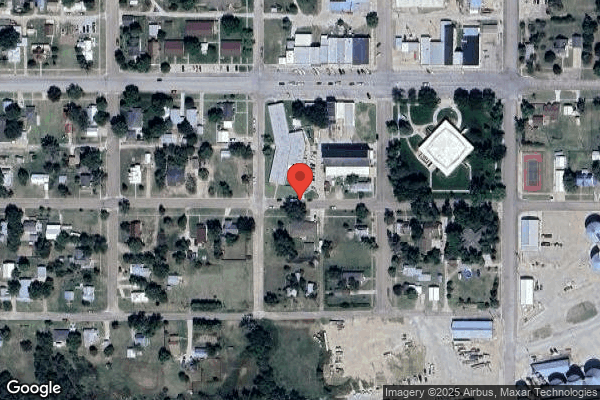
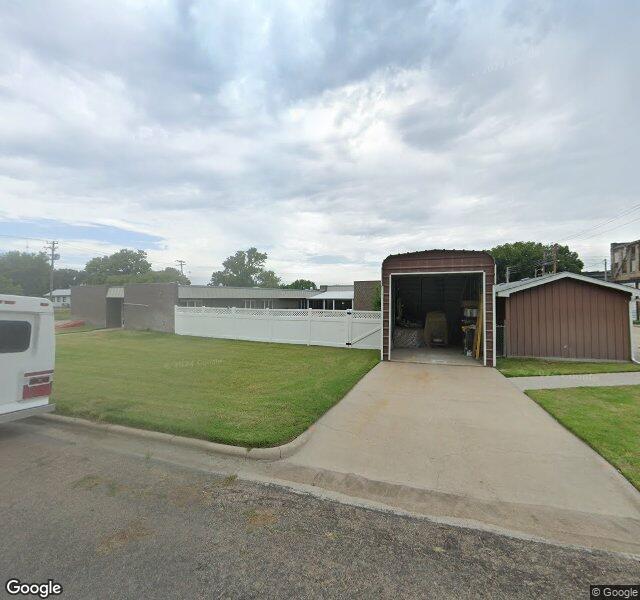
108 S ADAMS STREET, LOGAN, KS 67646 (785) 689-4201
Government - City 36 Beds Independent Data: November 2025
Trust Grade
45/100
#261 of 295 in KS
Last Inspection: January 2024

Within standard 12-15 month inspection cycle. Federal law requires annual inspections.

Overview

Logan Manor Community Health Services has a Trust Grade of D, indicating below-average performance with some concerns. It ranks #261 out of 295 nursing homes in Kansas, placing it in the bottom half of facilities statewide, but it is the top choice out of two in Phillips County. The trend appears to be improving, with the number of issues decreasing from 10 in 2024 to just 1 in 2025. Staffing is a significant concern, as the facility has less RN coverage than 99% of other Kansas facilities, which could risk inadequate care. Specific incidents have been noted, such as failing to have a registered nurse on duty for at least eight hours daily and not properly implementing a water management program to prevent infections, highlighting areas where improvements are urgently needed. While the facility has no fines on record and a staffing turnover rate that is stable, the overall quality ratings suggest substantial room for improvement.

Trust Score
D
45/100
In Kansas
#261/295
Bottom 12%
Safety Record
Low Risk
No red flags
Inspections
Getting Better
10 → 1 violations
Staff Stability
⚠ Watch
48% turnover. Above average. Higher turnover means staff may not know residents' routines.
Penalties
✓ Good
No fines on record. Clean compliance history, better than most Kansas facilities.
Skilled Nurses
⚠ Watch
Each resident gets only 13 minutes of Registered Nurse (RN) attention daily — below average for Kansas. Fewer RN minutes means fewer trained eyes watching for problems.
Violations
⚠ Watch
18 deficiencies on record. Higher than average. Multiple issues found across inspections.
★☆☆☆☆
1.0
Overall Rating
★☆☆☆☆
1.0
Staff Levels
★☆☆☆☆
1.0
Care Quality
★★★☆☆
3.0
Inspection Score
Stable
2024: 10 issues
2025: 1 issues

The Good

  • Full Sprinkler Coverage · Fire safety systems throughout facility
  • No fines on record

Facility shows strength in fire safety.

The Bad

1-Star Overall Rating

Below Kansas average (2.9)

Significant quality concerns identified by CMS

Staff Turnover: 48%

Near Kansas avg (46%)

Higher turnover may affect care consistency

The Ugly 18 deficiencies on record

Jul 2025 1 deficiency
CONCERN (D) 📢 Someone Reported This

A family member, employee, or ombudsman was alarmed enough to file a formal complaint

Potential for Harm - no one hurt, but risky conditions existed

Accident Prevention (Tag F0689)

Could have caused harm · This affected 1 resident

The facility identified a census of 35 residents, with three reviewed for elopement. Based on record review, observation, and interview, the facility failed to provide sufficient supervision for Resid...

Read full inspector narrative →
The facility identified a census of 35 residents, with three reviewed for elopement. Based on record review, observation, and interview, the facility failed to provide sufficient supervision for Resident (R) 1 to prevent R1 from exiting the building. This deficient practice placed R1 at risk for elopement, falls, and injury. Findings included: - R1's Electronic Medical Record (EMR) documented R1 had diagnoses of nontraumatic brain dysfunction (brain damage that occurs form internal factors), dementia (progressive mental disorder characterized by failing memory, confusion), anxiety (mental or emotional reaction characterized by apprehension, uncertainty and irrational fear), depression (a mood disorder that causes a persistent feeling of sadness and loss of interest), and psychotic disorder (any major mental disorder characterized by a gross impairment in reality perception). The admission Minimum Data Set (MDS), dated 05/11/25, documented R1 had a Brief Interview for Mental Status score of 15, which indicated intact cognition. The MDS documented R1 required moderate staff assistance for bathing, upper body dressing, personal hygiene, transfer, bed mobility, and ambulation. The MDS documented R1 was dependent on staff for lower body dressing and donning/doffing footwear. The MDS documented R1 was independent with locomotion in his wheelchair. The MDS documented R1 had delusions. The Cognitive Loss/Dementia Care Area Assessment (CAA), dated 05/11/25, documented R1 was alert and oriented but had impaired decision-making skills and confusion. R1's Care Plan lacked any interventions for wandering/elopement prior to the incident. R1's care plan documented he required one staff assistance for most activities of daily living (ADLs) (05/12/25). The care plan directed staff R1 was a fall risk and required a chair and bed alarm to alert staff when R1 got up by himself (05/12/25). The care plan directed staff to call R1's wife when he hallucinated (05/12/25). The Health Status Note, dated 05/28/25, documented R1 sat in his wheelchair in the community room watching Maintenance Person U unwrap a new refrigerator. Maintenance Person U left the community room to go get a knife. When Maintenance Person U returned, he saw R1 outside in his wheelchair on the sidewalk by the generator. R1 left through the double door. As Maintenance Person U headed outside to bring R1 back in, he saw Licensed Nurse (LN) G, and they both went out to get R1 and assisted R1 back into the facility. R1 was asked where he was going, and he said, I was just looking around. A head-to-toe assessment was completed with no abnormal findings. R1's primary care physician and the responsible party were notified. A Wanderguard was applied to R1's wheelchair. The Notarized Witness Statement, dated 05/28/25, documented Maintenance Person U unpackaged some equipment which had just come in. The double doors to the community room were open. As Maintenance Person U worked on unpackaging the boxes, R1 came up behind and visited with Maintenance Person U as he worked. Maintenance Person U went back to his office to grab a knife to keep unpackaging boxes, and came right back. Maintenance Person U saw R1 was no longer by the equipment, and looked outside and saw R1 outside a set of unlocked doors in his wheelchair on the sidewalk. Maintenance Person U saw LN G in the main hallway and called for her to come help bring R1 back inside. LN G and Maintenance Person U brought R1 back into the facility. LN G's Notarized Witness Statement, dated 05/28/25, documented LN G was walking down the main hallway when Maintenance Person U caught her and asked if she could come with him as R1 got out. We arrived at the west exit doors just south of the double doors that lead to our facility. LN G stated she could see R1 in his wheelchair pedaling slowly along the sidewalk. R1 was looking all around and was calm. R1 was about sixty feet away from the building. R1 apparently exited the building through the west exit doors, which do not lock from the inside, only from the outside. LN G walked up behind R1 and asked R1 what he was doing and startling R1. LN G told R1 we needed to get him inside out of the rain. LN G pushed R1 to the west facility exit, and once inside R1 continued to pedal himself to his household. The Health Status Note, dated 05/31/25, documented R1 was found sitting outside in his wheelchair on the grass looking at the generator out the west door. R1's Wanderguard did not activate. R1 was assisted back into the building. A head-to-toe assessment was completed with no abnormalities noted. R1 stated he was trying to figure out what the generator was and was impressed with its size. R1's primary care physician and responsible party were notified. Certified Nurse's Aide (CNA) M's Notarized Witness Statement, dated 05/31/25, documented CNA M took out trash to the dumpster and saw R1 in his wheelchair on the grass between pod 3 and the building to the south. R1 stated he got out the southwest door of pod 3. The Facility Incident Report, dated 06/01/25, documented on 05/28/25, R1 was seen on camera exiting the building at 03:37:49 PM. R1 had sat in the hallway of the community room and watched Maintenance Person U open a new freezer and refrigerator. Maintenance Person U went to get a knife from his office. R1 then proceeded to exit the building. At 03:59:37 PM, Maintenance Person U and LN G exit the same door to get R1, and at 04:00:36 PM, LN G and R1 entered the west door of the facility. A head-to-toe assessment was done upon return to the facility, with no abnormalities noted. The outside temperature was 59 degrees, and it was sprinkling. Immediate intervention: a wanderguard was placed underneath R1's wheelchair. On 05/31/25 at 04:39 PM, CNA M went to take the trash out when she saw R1 sat in his wheelchair on the grass looking at the generator. Upon review of the camera footage, R1 kicked the west door open to exit the building at 04:23:31 PM. R1 and staff returned to the building at 04:46:05 PM. The outside temperature was 86 degrees and sunny. It was noted the wanderguard did not activate. A new wanderguard was placed an in working order. On 07/02/25 at 10:30 AM, observation revealed R1 self-propelled in his wheelchair around the household where he lived. A wanderguard was placed underneath R1's wheelchair. On 07/02/25 at 11:00 AM, observation revealed the door out of the community room led to a smooth, brand-new sidewalk with very nice grassy areas on each side. There were several air conditioning units in the grassy areas to the left side of the sidewalk, and then farther down was a very large generator (12 feet tall by 6 feet wide) for both the school and the facility. Out the west door was more sidewalk that led around the corner to the south (left) to the above area just described. In front of the west door was car parking on a gravel road with a baseball field that was fenced in behind the parking. To the north of the door (right) was more sidewalk leading to the north side of the building. The sidewalk had grassy areas on both sides and ran along the gravel parking area. On 07/02/25 at 11:30 AM, CNA M stated R1 waited until she was getting residents up for supper, and then he disappeared, and for whatever reason, she went to take the trash out the back (west) door and went around to the south side of the building and found R1. R1 had rolled his w/c into the grass and was watching the generator. On 07/02/25 at 12:30 PM, Administrative Nurse D stated R1 has been a farmer his whole life and just wanted to be outside. Administrative Nurse D stated R1 is a younger man who went in to have neck surgery, and the anesthesia messed with his head, and he has not been the same since. R1 is alert and oriented during the day, but as it gets closer to evening, his behavior worsens. After the initial exit, the new wanderguard was placed on R1, and they must not have programmed it wrong because initially it alarmed at the doors, but then when R1 went out the west door, it did not alarm. The video showed R1 kicking the door open and broke the door. Administrative Nurse D stated that all education on elopement and elopement drills on every shift had been completed. The facility's Elopement Policy, dated 08/23/24, documented the facility wished to ensure the safety of those residents who had been identified as being at risk for elopement. It is the policy of this facility to identify those residents at risk for elopement and take precautions to ensure their safety and well-being. Special secure living units are provided by the facility, and additional securing, including a Wanderguard door locking system, is provided.
Jan 2024 10 deficiencies
CONCERN (D)

Potential for Harm - no one hurt, but risky conditions existed

Transfer Notice (Tag F0623)

Could have caused harm · This affected 1 resident

**NOTE- TERMS IN BRACKETS HAVE BEEN EDITED TO PROTECT CONFIDENTIALITY** The facility had a census of 32 residents. The sample included 12 residents with one reviewed for hospitalization. Based on obse...

Read full inspector narrative →
**NOTE- TERMS IN BRACKETS HAVE BEEN EDITED TO PROTECT CONFIDENTIALITY** The facility had a census of 32 residents. The sample included 12 residents with one reviewed for hospitalization. Based on observation, interview, and record review the facility failed to notify the State of Kansas Long Term Care Ombudsman of facility-initiated discharges for Resident (R) 22, who was hospitalized twice in November 2023. This placed the resident at risk for decreased oversight and assistance with transfers and discharge. Findings included: - R22's Electronic Medical Record documented diagnoses of neuromuscular dysfunction of the bladder (the muscles that control the flow of urine out of the body do not relax and prevent the bladder from fully emptying), encephalopathy (a broad term for any brain disease that alters brain function or structure), and respiratory failure. The Quarterly Minimum Data Set (MDS), dated [DATE], documented a Brief Interview for Mental Status (BIMS) score of three, indicating severely impaired cognition. The MDS documented R22 was dependent on staff for most activities of daily living, had a urinary catheter (insertion of a catheter into the bladder to drain the urine into a collection bag), and received antibiotic medication. R22's census record documented he was discharged from 11/03/23 to 11/08/23 and again from 11/30/23 to 12/05/23. On 01/03/24 at 09:00 AM, observation revealed R22 sat in a wheelchair in the front lobby, with a catheter collection bag in a privacy bag under the wheelchair. On 01/03/24 at 03:00 PM, Administrative Staff A verified the facility had not notified the Ombudsman of the resident's discharges to the hospital twice in November 2023. The facility's Admission, Transfer and Discharge policy, dated 01/05/24, stated the staff would notify the State Ombudsman of any facility-initiated discharges. The facility failed to notify the State of Kansas Long Term Care Ombudsman of the discharge from the facility of R22, who was hospitalized twice in November 2023. This placed the resident at risk for decreased oversight and assistance with transfers and discharge.
CONCERN (D)

Potential for Harm - no one hurt, but risky conditions existed

Deficiency F0657 (Tag F0657)

Could have caused harm · This affected 1 resident

**NOTE- TERMS IN BRACKETS HAVE BEEN EDITED TO PROTECT CONFIDENTIALITY** The facility had a census of 32 residents. The sample included 12 residents. Based on observation, interview, and record review ...

Read full inspector narrative →
**NOTE- TERMS IN BRACKETS HAVE BEEN EDITED TO PROTECT CONFIDENTIALITY** The facility had a census of 32 residents. The sample included 12 residents. Based on observation, interview, and record review the facility failed to revise the care plan to include interventions related to delusions when the physician prescribed an antipsychotic (a class of medications used to treat major mental conditions which cause a break from reality) medication new to the resident. This deficient practice placed Resident (R) 31 at risk for inadequate response to her mental health needs due to uncommunicated care needs. Findings included: - R31's Electronic Medical Record documented diagnoses of dementia (a progressive mental disorder characterized by failing memory, and confusion), Alzheimer's disease (progressive mental deterioration characterized by confusion and memory failure), anxiety (mental or emotional reaction characterized by apprehension, uncertainty and irrational fear) disorder, delusional disorder mental health condition in which a person can't tell what's real from what's imagined), and psychotic disorder (mental disorder characterized by a disconnection from reality) with delusions (untrue persistent belief or perception held by a person although evidence shows it was untrue). The Quarterly Minimum Data Set (MDS), dated [DATE], documented a Brief Interview for Mental Status (BIMS) score of three, indicating severely impaired cognition. The MDS documented R31 required supervision for eating, transfer, mobility, and partial to moderate staff assistance for toileting, and dressing. The MDS documented R31 received antipsychotic medication. R31's Care Plan, dated 11/30/23, stated R31 was resistive to care at times related to Alzheimer's dementia and directed staff to administer medications as ordered, monitor for side effects and effectiveness, and cue, reorient, and supervise the resident as needed. The care plan lacked interventions for delusions. The Physician Order, dated 10/17/23, directed staff to administer risperidone (an antipsychotic drug), 0.5 milligrams (mg) daily for psychotic disorder with delusions. On 11/14/23 the physician increased the dose to 0.5 mg twice daily. On 12/12/23 the physician changed the time to bedtime only. On 12/29/23 the physician increased the risperidone order to 0.5 mg twice daily. R31's Medication Administration Record (MAR) documented the target behavior for risperidone was delusional disorder and aggression. The Psychiatric Practitioner Note, dated 11/14/23, documented that R31 was delusional, and staff stated she was aggressive with other residents and staff. The practitioner stated R31's thought process was without hallucinations. The Psychiatric Practitioner Note, dated 12/12/23, documented staff reported the resident was sleepier and fell this morning. The practitioner noted no anxiety, depression, or hallucinations, however R31 was having delusions and mood was anxious. On 01/03/24 at 02:06 PM, observation revealed Certified Medication Aide (CMA) R administered risperidone medication to R31 in her room. At 02:15 PM, R31 independently ambulated to the nursing station. She was confused and had a little trouble with her speech. On 01/08/24 at 01:30 PM, Administrative Nurse D verified R31's care plan lacked interventions for delusion/psychotic behaviors. The facility's Care Plan Revision policy, dated 01/05/24, stated the care plan would be revised whenever the physician or consulting practitioner adds, removes, or amends any medication in the resident's regimen. The care plan would be revised to include specific, individualized targeted behaviors of the resident and specific individualized instructions to staff with interventions to meet the needs of the resident. The facility failed to revise R31's care plan to include interventions related to delusions when the physician prescribed an antipsychotic medication new to the resident, placing her at risk for inadequate response to her mental health needs due to uncommunicated care needs.
CONCERN (D)

Potential for Harm - no one hurt, but risky conditions existed

Drug Regimen Review (Tag F0756)

Could have caused harm · This affected 1 resident

**NOTE- TERMS IN BRACKETS HAVE BEEN EDITED TO PROTECT CONFIDENTIALITY** - R25 's medical diagnoses include dementia (a progressive mental disorder characterized by failing memory, confusion with agita...

Read full inspector narrative →
**NOTE- TERMS IN BRACKETS HAVE BEEN EDITED TO PROTECT CONFIDENTIALITY** - R25 's medical diagnoses include dementia (a progressive mental disorder characterized by failing memory, confusion with agitation including verbal and physical aggression, wandering, and hoarding), major depressive disorder (major mood disorder which causes persistent feelings of sadness,) and hypertension (HTN-elevated blood pressure.) R25's Quarterly Minimum Data Set (MDS), dated [DATE], recorded R25 had impaired long and short-term memory and severe cognition impairment. The MDS recorded R25 was dependent and required one staff for most activities of daily living (ADLS.) The MDS recorded R25 received an antipsychotic medication. The Psychotropic Care Area Assessment (CAA), dated 05/24/23, recorded the resident was admitted to the facility on multiple psychotropic medications, was resistant to care, verbally and physically abusive at times with cares, restless and moved self around the facility in a wheelchair during the day and staff will obtain a behavioral health consult. R25's Care Plan, recorded R25 had a mood problem due to dementia and agitation, major depressive disorder, and anxiety disorder and staff would administer medication as the physician ordered. The resident would have behavioral health consults monthly and as needed. Staff will monitor the resident's mood to determine if the problems seem to be related to external causes, medications, or treatments. The Physician's Order, dated 05/15/23, directed the staff to administer Geodon (antipsychotic) 40 milligrams (mg), by mouth two times a day for a diagnosis of dementia with agitation. R25's monthly pharmacy reviews documented the following dates the pharmacist lacked identification of the inappropriate indication for the use of the Geodon: 06/05/23, 07/11/23, 09/08/23, 09/12/23, 10/10/23, 11/13/23, and 12/09/23. On 01/03/24 at 08:10 AM, observation revealed R25 seated in a wheelchair at the dining room table. Continued observation revealed Certified Medication Aide R crushed R25s medication, mixed in applesauce then opened the Geodon 40 mg capsule, sprinkled the medication in the applesauce, then administered the resident his morning medications. On 01/4/24 at 10:30 AM, Administrative Nurse D verified the resident received Geodon, an antipsychotic medication with a diagnosis of dementia with agitation which was an inappropriate diagnosis for the medication. Administrative Nurse D verified the pharmacist reviewed the resident's medications monthly and had failed to recommend an appropriate indication for the use of the Geodon. The facility's Pharmacist Consultant policy dated 01/08/2023 recorded the consultant pharmacist would review the resident's charts monthly incorporating federally mandated standards of care in addition to other applicable professional standards and document the review and findings in the resident's clinical record. Communicate potential or actual problems detected related to medication therapy orders to the responsible physician and Director of Nursing (DON). Review the resident Medication Administration Records (MAR) and physician orders monthly at the facility to ensure proper documentation of medication orders and administration of medications to the residents. Communicate to the responsible physician and the DON potential or actual problems detected and other findings related to medication therapy orders. Communicating recommendations for change in medication therapy and monitoring of medication therapy. Submit a written report of findings and recommendations resulting from the review of medication therapy as described above. Assist in the assessment and improvement of nursing staff medication administration through medication pass observance, as required by nursing and administration, and through medication record review. The facility failed to ensure the Consultant Pharmacist reported the inappropriate indication for the continued use of R25's antipsychotic medication. This placed the resident at risk for inappropriate use of an antipsychotic medication with side effects. The facility had a census of 32 residents. The sample included 12 residents with five reviewed for unnecessary drugs. Based on observation, interview, and record review the facility's Consultant Pharmacist failed to notify the facility of the need to obtain an appropriate indication for the use of antipsychotic drugs (a class of medications used to treat major mental conditions which cause a break from reality) for Residents (R) 30 and R25. This deficient practice placed the residents at risk of receiving unnecessary antipsychotic drugs. Findings included: - R30's Electronic Medical Record documented diagnoses of dementia (a progressive mental disorder characterized by failing memory, and confusion), recurrent major depressive disorder (a mood disorder that causes a persistent feeling of sadness and loss of interest), anxiety disorder (mental disorder characterized by apprehension, uncertainty and irrational fear), bipolar disorder (major mental illness that caused people to have episodes of severe high and low moods), and psychosis (any major mental disorder characterized by a gross impairment in reality perception). The Quarterly Minimum Data Set (MDS), dated [DATE], documented a Brief Interview for Mental Status (BIMS) score of four, indicating severely impaired cognition. The MDS documented R30 had delusions (untrue persistent beliefs or perceptions held by a person although evidence shows it was untrue), physical behaviors, and wandering. The MDS documented R30 was independent for eating, required maximum staff assistance for toileting, moderate assistance for mobility or transfers, and received antipsychotic medication. R30's Care Plan dated 11/30/23, documented the resident used psychotropic medications related to bipolar disorder, depressive disorder, and anxiety. The care plan directed staff to administer psychotropic medications as ordered by the physician. Monitor for side effects and effectiveness every shift (06/20/23). Consult with the pharmacist and physician to consider dosage reduction when clinically appropriate at least quarterly (06/20/23). Discuss with the physician and family the ongoing need for the use of medication. Review behaviors/interventions and alternate therapies attempted and their effectiveness as per facility policy (06/20/23). Monitor/document/report any adverse reactions to medications (06/20/23). Monitor/record occurrence of target behavior symptoms wandering, inappropriate response to verbal communication, violence/aggression towards staff/others, restlessness, and document per facility protocol (06/20/23). The Physician Order, dated 11/15/23, directed staff to administer risperidone (antipsychotic drug) 0.5 milligrams (mg), every day, for agitation related to psychosis. The Physician Order, dated 12/07/23, directed staff to administer risperidone 1 mg, for psychosis. The Medication Administration Record (MAR) included the target behavior for risperidone was combative behavior such as hitting and kicking. every day and night shift for behaviors, initiated 06/08/23. The Consultant Pharmacist Drug Regimen Reviews, dated 07/11/23, 08/08/23, 09/12/23, 10/10/23, 11/13/23, and 12/09/23, lacked the need for an approved indication for the use of risperidone. The Psychiatric Practitioner Note, dated 10/17/23, stated the resident's thought process was coherent, without delusions or hallucinations. Judgement and insight are poor. The Assessment/Plan for generalized anxiety disorder was to continue with the same medications and follow up in one month and listed diagnoses of recurrent major depressive disorder and dementia. The Psychiatric Practitioner Note, dated 11/14/23, stated the resident reported feeling anxious daily. She has been rude to staff and other patients and still talks about her husband coming back to get her. Her thought process is confused, without delusions or hallucinations. Will increase Risperidone to 0.5 mg in AM and 1 mg at bedtime since she is becoming aggressive with other residents. The Psychiatric Practitioner Note, dated 12/12/23, stated nursing reported the new timing of the Risperidone was not helping. The resident was feeling anxious daily, and rude to staff and others. Plan to increase buspirone (antianxiety drug). On 01/03/24 at 02:09 PM, observation revealed R30 sat quietly in a chair in the front lobby with her walker in front of her. Staff sat down by her, talked to her and R30 answered appropriately. On 01/08/24 at 01:30 PM, Administrative Nurse D verified the physician had not provided a rationale for the use of risperidone without an approved diagnosis and the consultant pharmacist had not requested an approved diagnosis during medication regimen reviews. The facility's Pharmacist Consultant policy dated 01/08/23 recorded the consultant pharmacist would review the resident's charts monthly incorporating federally mandated standards of care in addition to other applicable professional standards and document the review and findings in the resident's clinical record. Communicate potential or actual problems detected related to medication therapy orders to the responsible physician and Director of Nursing (DON). Review the resident Medication Administration Records (MAR) and physician orders monthly at the facility to ensure proper documentation of medication orders and administration of medications to the residents. Communicate to the responsible physician and the DON potential or actual problems detected and other findings related to medication therapy orders. Communicating recommendations for change in medication therapy and monitoring of medication therapy. Submit a written report of findings and recommendations resulting from the review of medication therapy as described above. Assist in the assessment and improvement of nursing staff medication administration through medication pass observance, as required by nursing and administration, and through medication record review. The facility's Consultant Pharmacist failed to notify the physician and the director of nursing of the need to obtain an appropriate indication for the use of antipsychotic drugs for R30, placing the resident at risk of receiving unnecessary antipsychotic drugs.
CONCERN (D)

Potential for Harm - no one hurt, but risky conditions existed

Medication Errors (Tag F0758)

Could have caused harm · This affected 1 resident

**NOTE- TERMS IN BRACKETS HAVE BEEN EDITED TO PROTECT CONFIDENTIALITY** - R25's Electronic Medical Record (EMR) recorded medical diagnoses of dementia (a progressive mental disorder characterized by f...

Read full inspector narrative →
**NOTE- TERMS IN BRACKETS HAVE BEEN EDITED TO PROTECT CONFIDENTIALITY** - R25's Electronic Medical Record (EMR) recorded medical diagnoses of dementia (a progressive mental disorder characterized by failing memory, confusion with agitation including verbal and physical aggression, wandering, and hoarding), major depressive disorder (major mood disorder which causes persistent feelings of sadness,) and hypertension (HTN-elevated blood pressure.) R25's Quarterly Minimum Data Set (MDS), dated [DATE], recorded R25 had impaired long and short-term memory and severe cognition impairment. The MDS recorded R25 was dependent and required one staff for most activities of daily living (ADLS.) The MDS recorded R25 received an antipsychotic medication. The Psychotropic Care Area Assessment (CAA), dated 05/24/23, recorded the resident was admitted to the facility on multiple psychotropic medications, was resistant to care, verbally and physically abusive at times with cares, restless and moved self around the facility in a wheelchair during the day and staff will obtain a behavioral health consult. R25's Care Plan, recorded that R25 had a mood problem due to dementia and agitation, major depressive disorder, and anxiety disorder and staff would administer medication as the physician ordered. The resident would have behavioral health consults monthly and as needed. Staff will monitor the resident's mood to determine if the problems seem to be related to external causes, medications, or treatments. The Physician's Order, dated 05/15/23, directed the staff to administer Geodon (antipsychotic) 40 milligrams (mg), by mouth two times a day for a diagnosis of dementia with agitation. R25's EMR lacked a documented physician rationale which included the multiple unsuccessful attempts for nonpharmacological symptom management and risk versus benefits for the continued use. On 01/03/24 at 08:10 AM, observation revealed R25 seated in a wheelchair at the dining room table. Continued observation revealed Certified Medication Aide R crushed R25s medication, mixed in applesauce then opened the Geodon 40 mg capsule and sprinkled the medication in the applesauce, then administered the resident his morning medications. On 01/4/24 at 10:30 AM, Administrative Nurse D verified the resident received Geodon, an antipsychotic medication with a diagnosis of dementia with agitation and that was an inappropriate diagnosis for the medication. Administrative Nurse D verified the pharmacist reviewed the resident medications monthly and had failed to recommend an appropriate diagnosis for the use of the Geodon. Psychotropic Medication Use, dated 01/05/24 documented that Psycho-pharmacological medications are drugs that affect brain activities associated with mental processes and behavior. These drugs are also called psychoactive or psychotherapeutic medications, Psychotropic medications are divided into four broad categories: antipsychotic, anti-depressant, anti-anxiety, and hypnotic medications. CMS regulations state that each resident's drug regimen must be free from unnecessary drugs and define what is considered an unnecessary drug. An unnecessary drug is any drug used; in excessive dose, for excessive duration without adequate indication, without adequate monitoring or without adequate indication for its use; or in the presence of adverse consequences, which indicates the dosage should be reduced or discontinued. The resident's need for psychotropic medication would be monitored, as well as when the resident has received optional benefits from the medication and when the medication dose can be lowered or discontinued. Both the physician and the nursing staff would evaluate the effectiveness of the as-needed orders for psychotropic drugs and manage behaviors. The facility failed to ensure R25 did not receive antipsychotic medication without an appropriate diagnosis or required documentation for its use, placing R25 at risk for adverse side effects related to the use of Geodon. The facility had a census of 32 residents. The sample included 12 residents with five reviewed for unnecessary drugs. Based on observation, interview, and record review, the facility failed to obtain an appropriate indication, or the required physician documentation, for the use of antipsychotic drugs (a class of medications used to treat major mental conditions that cause a break from reality) for Residents (R) 30, R31, and R25. This deficient practice placed the residents at risk of receiving unnecessary antipsychotic drugs. Findings included: - R30's Electronic Medical Record documented diagnoses of dementia (a progressive mental disorder characterized by failing memory, and confusion), recurrent major depressive disorder (a mood disorder that causes a persistent feeling of sadness and loss of interest), anxiety disorder (mental disorder characterized by apprehension, uncertainty and irrational fear), bipolar disorder (major mental illness that caused people to have episodes of severe high and low moods), and psychosis (any major mental disorder characterized by a gross impairment in reality perception). The Quarterly Minimum Data Set (MDS), dated [DATE], documented a Brief Interview for Mental Status (BIMS) score of four, indicating severely impaired cognition. The MDS documented R30 had delusions (untrue persistent beliefs or perceptions held by a person although evidence shows it was untrue), physical behaviors, and wandering. The MDS documented R30 was independent for eating, required maximum staff assistance for toileting, moderate assistance for mobility or transfers, and received antipsychotic medication. R30's Care Plan dated 11/30/23, documented the resident used psychotropic medications related to bipolar disorder, depressive disorder, and anxiety. The care plan directed staff to administer psychotropic medications as ordered by the physician. Monitor for side effects and effectiveness every shift (06/20/23). Consult with the pharmacist and physician to consider dosage reduction when clinically appropriate at least quarterly (06/20/23). Discuss with the physician and family the ongoing need for the use of medication. Review behaviors/interventions and alternate therapies attempted and their effectiveness as per facility policy (06/20/23). Monitor/document/report any adverse reactions to medications (06/20/23). Monitor/record occurrence of target behavior symptoms wandering, inappropriate response to verbal communication, violence/aggression towards staff/others, restlessness, and document per facility protocol (06/20/23). The Physician Order, dated 11/15/23, directed staff to administer risperidone (antipsychotic drug) 0.5 milligrams (mg), every day, for agitation related to psychosis. The Physician Order, dated 12/07/23, directed staff to administer risperidone 1 mg, for psychosis. R30's Medication Administration Record (MAR) included the target behavior for risperidone was combative behavior such as hitting and kicking. every day and night shift for behaviors, initiated 06/08/23. The Consultant Pharmacist Drug Regimen Review, dated 10/10/23, recommended a review of risperidone 1 mg at bedtime. The physician ordered no changes and wrote benefit outweighs risk without explaining why. The Psychiatric Practitioner Note, dated 10/17/23, stated the resident's thought process was coherent, without delusions or hallucinations. Judgement and insight are poor. The Assessment/Plan for generalized anxiety disorder was to continue with the same medications and follow up in one month and listed diagnoses of recurrent major depressive disorder and dementia. The Psychiatric Practitioner Note, dated 11/14/23, stated the resident reported feeling anxious daily. She has been rude to staff and other patients and still talks about her husband coming back to get her. Her thought process is confused, without delusions or hallucinations. Will increase Risperidone to 0.5 mg in AM and 1 mg at bedtime since she is becoming aggressive with other residents. The Psychiatric Practitioner Note, dated 12/12/23, stated nursing reported the new timing of the risperidone was not helping. The resident was feeling anxious daily, and rude to staff and others. Plan to increase buspirone (antianxiety drug). On 01/03/24 at 02:09 PM, observation revealed R30 sat quietly in a chair in the front lobby with her walker in front of her. Staff sat down by her, talked to her and R30 answered appropriately. On 01/08/24 at 01:30 PM, Administrative Nurse D stated R30 was admitted to the facility from a psychiatric hospital on [DATE] with orders for risperidone two mg at bedtime. Since then, risperidone has decreased, and the time of administration changed. She verified the physician had not provided a rationale for the use of risperidone without an approved diagnosis. The facility's Psychotropic Medication Use policy, dated 01/05/24, documented the regulation stated that residents who have not previously used antipsychotic drugs should not be given those drugs unless necessary to treat a specific condition as diagnosed and documented in the clinical record. The policy stated alternative non-pharmacological interventions for psychiatric disorders and problem behaviors related to dementia would be attempted prior to and during the administration of antipsychotic medications. The physician's order for a psychotropic drug would include a qualifying diagnosis for the drug and a list of specific behaviors for the staff to monitor. The psychiatric physician must certify that a psychotropic medication was necessary to treat a specific condition/behavior. For any resident receiving an antipsychotic medication a gradual dose reduction may be contraindicated if the physician had documented the clinical rationale for why any additional attempted dose reduction would be likely to impair the resident's function or cause psychiatric instability. The facility failed to ensure an appropriate indication, or the required physician documentation was obtained for the use of antipsychotic drugs for R30. This placed the resident at risk of receiving unnecessary antipsychotic drugs. - R31's Electronic Medical Record documented diagnoses of dementia (a progressive mental disorder characterized by failing memory, and confusion), Alzheimer's disease (progressive mental deterioration characterized by confusion and memory failure), anxiety (mental or emotional reaction characterized by apprehension, uncertainty and irrational fear) disorder, delusional disorder (mental health condition in which a person can't tell what's real from what's imagined), and psychotic disorder (mental disorder characterized by a disconnection from reality) with delusions (untrue persistent belief or perception held by a person although evidence shows it was untrue). The Quarterly Minimum Data Set (MDS), dated [DATE], documented a Brief Interview for Mental Status (BIMS) score of three, indicating severely impaired cognition. The MDS documented R31 required supervision for eating, transfer, mobility, and partial to moderate staff assistance for toileting, and dressing. The MDS documented that R31 received antipsychotic medication (a class of medications used to treat major mental conditions that cause a break from reality). R31's Care Plan, dated 11/30/23, stated R31 was resistive to care at times related to Alzheimer's dementia and directed staff to administer medications as ordered, monitor for side effects and effectiveness, and cue, reorient, and supervise the resident as needed. The care plan lacked interventions for delusions. The Physician Order, dated 10/17/23, directed staff to administer risperidone (an antipsychotic drug), 0.5 milligrams (mg) daily for psychotic disorder with delusions. On 11/14/23 the physician increased the dose to 0.5 mg twice daily. On 12/12/23 the physician changed the time to bedtime only. On 12/29/23 the physician increased the risperidone order to 0.5 mg twice daily. R31's Medication Administration Record (MAR) documented the target behavior for risperidone was delusional disorder and aggression. The Consultant Pharmacist Review, dated 11/13/23, recommended a review of the risperidone diagnosis and a risk versus benefit rationale. On 11/15/23 the physician stated the diagnosis was a delusional disorder. On 12/07/23 the physician wrote benefit outweighs risk without further explanation and stated the diagnosis was psychosis/delusions. The Psychiatric Practitioner Note, dated 11/14/23, documented that R31 was delusional, and staff stated she was aggressive with other residents and staff. The practitioner stated R31's thought process was without hallucinations. The Psychiatric Practitioner Note, dated 12/12/23, documented staff reported the resident was sleepier and fell that morning. The practitioner noted no anxiety, depression, or hallucinations, however R31 was having delusions and mood was anxious. On 01/03/24 at 02:06 PM, observation revealed Certified Medication Aide (CMA) R administered risperidone medication to R31 in her room. At 02:15 PM, R31 independently ambulated to the nursing station. She was confused and had a little trouble with her speech. On 01/08/24 at 01:30 PM, Administrative Nurse D verified R31's care plan lacked interventions for delusion/psychotic behaviors and stated the care plan had interventions for when the resident was resistant to care. She stated the physician's response on 12/07/23 was the risk versus benefit statement. The facility's Psychotropic Medication Use policy, dated 01/05/24, documented regulation stated that residents who have not previously used antipsychotic drugs should not be given those drugs unless necessary to treat a specific condition as diagnosed and documented in the clinical record. The policy stated alternative non-pharmacological interventions for psychiatric disorders and problem behaviors related to dementia would be attempted prior to and during the administration of antipsychotic medications. The physician's order for a psychotropic drug would include a qualifying diagnosis for the drug and a list of specific behaviors for the staff to monitor. The psychiatric physician must certify that a psychotropic medication was necessary to treat a specific condition/behavior. For any resident receiving an antipsychotic medication a gradual dose reduction may be contraindicated if the physician had documented the clinical rationale for why any additional attempted dose reduction would be likely to impair the resident's function or cause psychiatric instability. The facility failed to obtain an appropriate indication, or the required physician documentation, for the use of antipsychotic drugs for R31. This placed the resident at risk of receiving unnecessary antipsychotic drugs.
CONCERN (D)

Potential for Harm - no one hurt, but risky conditions existed

Unnecessary Medications (Tag F0759)

Could have caused harm · This affected 1 resident

The facility had a census of 32 residents. The sample included 12 residents. Based on observation, record review, and interview the facility failed to ensure Resident (R)25, reviewed during the medica...

Read full inspector narrative →
The facility had a census of 32 residents. The sample included 12 residents. Based on observation, record review, and interview the facility failed to ensure Resident (R)25, reviewed during the medication administration pass, remained free of medication errors This placed the resident at risk for adverse reactions from the medication and resulted in a facility medication error rate of 5.13 percent (%). Findings included: - R25's medical diagnoses include dementia (a progressive mental disorder characterized by failing memory, confusion with agitation including verbal and physical aggression, wandering, and hoarding), major depressive disorder (major mood disorder which causes persistent feelings of sadness,) and hypertension (HTN-elevated blood pressure.) The Physician order, dated 05/15/23 instructed staff to administer potassium chloride (potassium supplement) extended release (ER), 20 milliequivalents (mEq) 1 tablet a day for hypertension, and Pristiq (antidepressant) oral tablet, ER 50 milligrams (mg), 1 tablet a day for major depressive disorder. On 01/03/24 at 08:10 AM, observation revealed Certified Medication Aide (CMA) R crushed R25's pills, including the potassium chloride ER, and the desvenlafaxine (Pristiq) ER (extended release), and mixed the medication with applesauce. CMA R administered one spoonful of the medication and the resident ingested all the medications. On 01/03/24 at 09:10 AM, CMA R revealed R25 liked to take his medications with applesauce, and the staff crushed them, so he was able to take them more easily. On 01/03/24 at 10:30 AM, Administrative Nurse D verified the extended-release medication should not be crushed; it should be administered whole due to the extended release of the medication over time. Administrative Nurse D stated she would see if she could get the medications in another form except for pills. The facility's Medication Administration policy, dated 01/05/2024, recorded all medications would be administered to every resident as ordered by the physician in a safe and sanitary manner. Each resident's medication regimen would be free from unnecessary drugs, defined as: in excessive dose, including duplicate therapy; or for excessive duration; or without adequate, recommended monitoring; or without adequate indications for use; or in the presence of adverse consequences which indicate the dose should be reduced discontinued; or any combination of the above reasons. The facility would use the interdisciplinary process that includes the prescribing physician, consultant pharmacist, clinical nursing staff, therapy staff, and resident or the resident's decision-maker to monitor the resident's medication, including psychoactive and psychotropic medications. Psychotropic medications are prescribed when indicated by assessment and medically necessary. After other pharmacologic interventions or alternatives have been considered or used. At the lowest effective therapeutic dose and for the lowest effective duration. The interdisciplinary team monitors the use of each medication monthly through the Quality Assurance Performance Improvement (QAPI) Process. A diagnosis, condition, or indication for use exists for each medication ordered. The contracted consulting pharmacist would review the appropriateness of all medications to be administered at the facility monthly. Adhere to the manufacturer's recommendations for the route of administration unless the physician order specifically states an alternate and appropriate route of administration. The consulting pharmacist would review each resident's medication regimen monthly and would communicate with the physician, prescriber, and those involved in the resident's care the findings, conclusion, and recommendations that result from monitoring the medication regimen. Clinical staff would monitor each resident's response to medications by accounting for actual or potential adverse drug reactions, events, significant change, and medication errors through the appropriate specific policies and procedures. The facility failed to ensure staff did not crush the extended-release medication. This practice placed R25 at risk for adverse reactions from the medication and created a facility medication error rate greater than five percent.
CONCERN (E)

Potential for Harm - no one hurt, but risky conditions existed

Deficiency F0761 (Tag F0761)

Could have caused harm · This affected multiple residents

The facility had a census of 32 residents. The sample included 12 residents. Based on observation, interview, and record review, the facility failed to dispose of expired medications appropriately. Th...

Read full inspector narrative →
The facility had a census of 32 residents. The sample included 12 residents. Based on observation, interview, and record review, the facility failed to dispose of expired medications appropriately. This deficient practice placed the residents at risk of receiving ineffective medication. Findings included: - On 01/02/24 at10:45 AM, observation in the facility's medication storage and preparation room revealed the following: One box of acetaminophen suppositories (pain reliever medication) with an expiration date of 09/2023. One bag of six acetaminophen suppositories with an expiration date of 04/2023. One box of 10 albuterol (medication which relaxes and opens the air passages to the lungs) 2.5 milligram (mg) inhaler solutions with an expiration date of 07/2023. On 01/02/24 at 10:45 AM, Licensed Nurse (LN) G verified the expired medications and stated staff should have disposed of them at the expiration date. The facility's Disposition of Unusable and Outdated Drugs policy, dated 01/05/24, stated all discontinued, outdated, or contaminated drugs would be returned to the provider pharmacy for proper disposal or destroyed onsite. Those drugs would be stored in an isolated area in the facility designated for the storage of unusable drugs. The policy stated all drug storage areas would be inspected for outdated drugs on a weekly basis by nursing and on a monthly basis by the contracted consulting pharmacist. The facility failed to dispose of expired medications appropriately, placing residents at risk of receiving ineffective medications.
CONCERN (F)

Potential for Harm - no one hurt, but risky conditions existed

Deficiency F0727 (Tag F0727)

Could have caused harm · This affected most or all residents

The facility had a census of 32 residents. The sample included 12 residents. Based on observation, record review, and interview, the facility failed to use the services of a registered nurse for at le...

Read full inspector narrative →
The facility had a census of 32 residents. The sample included 12 residents. Based on observation, record review, and interview, the facility failed to use the services of a registered nurse for at least eight consecutive hours a day, seven days a week, for the 32 residents who resided in the facility. This placed the facility and residents at risk for inadequate nurse guidance and leadership. Findings included: - Review of the Registered Nursing Staffing Schedule for October, November, and December 2022, and January through December 2023, recorded the facility lacked a registered nurse on the following days: One day in October 2022 (10/29/22) Two days in November 2022 (11/05/22, and 11/19/22) One day in December 2022 (12/28/22) One day February 2023 (02/26/23) Six days March 2023 (03/01/23, 03/11/23, 03/12/23, 03/25/23, 03/26/23, 03/28/23) Six days April 2023 (04/08/23, 04/09/23, 04/15/23, 04/22/23, 04/23/23, 04/29/23) Seven days May 2023 (05/06/23, 05/07/23, 05/20/23, 05/21/23, 05/27/23, 05/28/23, 05/29/23) Seven days June 2023 (06/03/23, 06/04/23, 06/11/23, 06/17/23, 06/18/23, 06/24/23, 06/25/23) Six days July 2023 (07/01/23, 07/02/23, 07/04/23, 07/08/23, 07/15/23, 07/16/23) Three days August 2023 (08/06/23, 08/19/23, 08/20/23) Four days September 2023 (09/02/23, 09/03/23, 09/04/23, 09/16/23) Six days October 2023 (10/07/23, 10/08/23, 10/14/23, 10/15/23, 10/21/23, 10/22/23) Nine days November 2023 (11/04/23, 11/05/23, 11/11/23, 11/12/23, 11/18/23, 11/19/23, 11/23/23, 11/25/23, 11/26/23) Eleven days December 2023 (12/02/23, 12/03/23, 12/09/23, 12/10/23, 12/16/23, 12/17/23, 12/23/23. 12/24/23. 12/25/23, 12/30/23, 12/31/23) On 01/02/24 at 10:00 AM, observation revealed 32 residents resided in the facility. On 01/04/24 at 10:30 AM, Administrative Staff A verified the facility did not have a registered nurse in the building or working as a charge nurse for the required eight consecutive hours on the above-documented dates. The facility's Registered Nurse policy dated 01/05/24 recorded the facility would employ the services of a Registered Nurse (RN) for at least eight consecutive hours a day, seven days a week. The facility would designate an RN to serve as the Director of Nursing (DON) on a full-time basis. The DON may serve as a charge nurse only when the facility has an average daily of 60 or fewer residents. The facility would employ an RN at least 8 hours a day, 7 days a week, and the hours would be recorded and reported on a staffing sheet and would be reported on a Payroll Based Journal (PBJ) reporting system. Per the Facility Assessment, the facility may identify when the residents of the facility require the services of an RN for more than 8 hours a day based on the acuity level of the resident population. The facility may choose a variety of hours of duty such as 8-hour or 12-hour shifts, but the facility would always ensure 8 consecutive hours of RN coverage every day, 7 days per week. The facility failed to provide a registered charge nurse for the 32 residents who resided in the facility for at least eight consecutive hours a day, seven days a week, placing the facility and residents at risk for inadequate nurse guidance and leadership.
CONCERN (F)

Potential for Harm - no one hurt, but risky conditions existed

Staffing Data (Tag F0851)

Could have caused harm · This affected most or all residents

The facility had a census of 32 residents. Based on observation, interview, and record review, the facility failed to submit complete and accurate staffing information through Payroll Based Journal (P...

Read full inspector narrative →
The facility had a census of 32 residents. Based on observation, interview, and record review, the facility failed to submit complete and accurate staffing information through Payroll Based Journal (PBJ) as required. This deficient practice placed the residents at risk for unidentified and ongoing inadequate nurse staffing. Findings included: - The PBJ report provided by the Centers for Medicare & Medicaid Services (CMS) for Fiscal Year (FY) 2023 Quarter 2 indicated the facility did not have licensed nurse coverage 24 hours a day, seven days a week on following days. (Quarter 2: 02/24/24, 02/26/24, 03/18/24, 03/19/24 and 03/28/24) A review of the facility licensed nurse payroll data for the dates listed on the PBJ revealed a licensed nurse was on duty for 24 hours a day seven days a week. On 01/02/24 at 10:00 AM, observation revealed a registered nurse on duty in the facility. On 01/04/24 at 10:30 AM, Administrative Staff A verified the facility did not send in the correct data to CMS for payroll-based data. The facility's Registered Nurse policy dated 01/05/24 recorded the facility would employ the services of a Registered Nurse (RN) for at least eight consecutive hours a day, seven days a week. The facility would designate an RN to serve as the Director of Nursing (DON) on a full-time basis. The DON may serve as a charge nurse only when the facility has an average daily of 60 or fewer residents. The facility would employ an RN at least 8 hours a day, 7 days a week, and the hours would be recorded and reported on a staffing sheet and would be reported on a Payroll Based Journal (PBJ) reporting system. Per the Facility Assessment, the facility may identify when the residents of the facility require the services of an RN for more than 8 hours a day based on the acuity level of the resident population. The facility may choose a variety of hours of duty such as 8-hour or 12-hour shifts, but the facility would always ensure 8 consecutive hours of RN coverage every day, 7 days per week. The facility failed to submit accurate PBJ data which placed the residents at risk for unidentified and ongoing inadequate staffing.
CONCERN (F)

Potential for Harm - no one hurt, but risky conditions existed

Infection Control (Tag F0880)

Could have caused harm · This affected most or all residents

**NOTE- TERMS IN BRACKETS HAVE BEEN EDITED TO PROTECT CONFIDENTIALITY** The facility had a census of 32 residents. The sample included 12 residents. Based on observation, record review, and interview ...

Read full inspector narrative →
**NOTE- TERMS IN BRACKETS HAVE BEEN EDITED TO PROTECT CONFIDENTIALITY** The facility had a census of 32 residents. The sample included 12 residents. Based on observation, record review, and interview the facility failed to implement a water management program for the prevention of Legionella disease (a bacterium which can cause pneumonia in vulnerable populations) and failed to store Resident (R) 4's oxygen tubing in a manner to prevent infection. This placed the residents of the facility at risk for infections. Findings Included: - Upon request, the facility produced the information material for the water management process however was unable to provide evidence of implementation of the water management policy and procedure other than the log for hot water temperatures for resident rooms. On 01/04/23 at 09:04 AM, Administrative Staff A stated the maintenance staff person checked for waterborne infection potential. The facility's Water Management Policy, dated 01/05/24, stated the Director of Environmental Services was responsible for: Carrying out suitable and sufficient Legionella risk assessments. Description of building water systems. Identify areas where Legionella could grow and spread.Preparation of an action plan or written scheme for preventing or controlling the risk. Implementation, management, monitoring, and recording of precautions to include regular inspection, microbiological monitoring, temperature checks, and flushing where appropriate. Documentation of all monitoring. The scope of this policy includes hot and cold-water storage tanks, water heaters, pipes, valves and fittings, water filters, faucets, aerators, showerheads and hoses, humidifiers, ice machines, decorative fountains, and medical devices. The plan was to include: Building description of incoming cold water and distribution (including bathrooms, kitchen, all outside taps), hot water storage and distribution, fire control systems, and dead legs (unused water distribution point). On a monthly basis, the staff would monitor and log: The condition of cold-water storage or distribution, system water temperatures (cold and hot), water quality, and potential for exposure to droplets. The facility failed to thoroughly implement a water management program to test and manage waterborne pathogens placing the residents who reside in the facility at risk of contracting Legionella pneumonia. - R4's Electronic Medical Record documented diagnoses of severe dementia (a progressive mental disorder characterized by failing memory, and confusion) and chronic obstructive pulmonary disease (COPD- a progressive and irreversible condition characterized by diminished lung capacity and difficulty or discomfort in breathing). The admission Minimum Data Set (MDS), dated [DATE], documented a Brief Interview for Mental Status (BIMS) score of two, indicating severe cognitive impairment. The MDS documented R4 required moderate to substantial staff assistance with all activities of daily living and received oxygen therapy. R4's COPD Care Plan, dated 11/30/23, directed staff to monitor breathing patterns and report abnormalities to the physician. The plan directed staff to provide oxygen therapy as ordered, initiated on 11/21/23. The Physician Order, dated 11/7/23, directed staff to provide oxygen via nasal cannula at 2-5 liters per minute (LPM) to maintain oxygen saturation at 92% or above. On 01/02/24 at 01:32 PM, observation revealed staff removed R4's nasal cannula, which was connected to the oxygen tank, and placed it in the wheelchair seat unbagged. Staff then placed the nasal cannula connected to the oxygen concentrator on the resident. On 01/03/24 at 07:50 AM, observation revealed R4 sat at the dining table and used a nasal cannula for oxygen from the concentrator. Staff draped the oxygen tank nasal cannula over the back of her wheelchair, unbagged. On 01/03/24 at 08:12 AM, observation revealed R4 sat at a dining table and her oxygen tubing and cannula connected to the oxygen tank had been draped over the back of her wheelchair in the hall. On 01/03/24 at 11:30 AM, observation revealed Certified Nurse Aide (CNA) M assisted R4 to a dining room chair, removed her oxygen cannula and placed it on the back of the wheelchair seat unbagged. CNA M wheeled R4's wheelchair to a commons area outside the dining room. On 01/04/24 at 11:00 AM, observation revealed R4 in a recliner in her room with her wheelchair in the hall and her oxygen cannula draped over the back of the wheelchair, unbagged. On 01/04/24 at 11:40 AM, Administrative Nurse E verified staff should place R4's oxygen nasal cannula in a bag when not in use. The facility's Oxygen Infection Control policy, dated 01/05/24, stated oxygen tubing would not be draped across furniture or equipment including but not limited to headboard or assistive devices. The policy directed staff to store all cannulas, nebulizer masks, and tubing in a labeled and dated bag. The facility failed to store R4's oxygen tubing in a sanitary manner, placing R4 at risk for infection.
MINOR (C)

Minor Issue - procedural, no safety impact

Deficiency F0576 (Tag F0576)

Minor procedural issue · This affected most or all residents

The facility had a census of 32 residents. The sample included 12 residents. Based on record review and interview the facility failed to deliver mail to the facility residents on Saturdays. Findings ...

Read full inspector narrative →
The facility had a census of 32 residents. The sample included 12 residents. Based on record review and interview the facility failed to deliver mail to the facility residents on Saturdays. Findings included: - On 01/03/24 at 01:30 PM during the resident council meeting, the residents verbalized there was no mail delivery on Saturdays. On 01/0/324 at 03:30 PM, Administrative Nurse D verified the Certified Medication Aides (CMA) would get the mail during the weekends at the post office box downtown, and then deliver the mail to the residents. Administrative Nurse D verified the mail should be delivered to the residents on Saturdays and verified the facility had recently hired a new CMA and failed to tell her she should get the mail on Saturdays at the post office box downtown, and she worked every other weekend. Administrative Nurse D verified the facility did not pick up or deliver mail to the residents every other Saturday. The facility's Right to Send and Receive Mail policy, dated 01/05/24, documented the facility each resident has the right to privacy of written communications. Those rights include the right to send and receive unopened mail and the right to have access to stationary, postage, and writing implements at the residents' own expense. The resident will receive mail on the day it is delivered to the facility unless the resident or Responsible Party has requested that business mail be held or forwarded if the resident has agreed to that arrangement, or the resident has determined to be incompetent or with impaired decision making. Mail will be delivered to the resident on the day it is received by the facility. If the facility has mail delivered to a post office box, the facility will arrange for mail pick-up on the day the mail is delivered to the post office box. The facility failed to deliver mail to the residents in the facility on Saturdays.
Jun 2022 5 deficiencies
CONCERN (D)

Potential for Harm - no one hurt, but risky conditions existed

Pressure Ulcer Prevention (Tag F0686)

Could have caused harm · This affected 1 resident

**NOTE- TERMS IN BRACKETS HAVE BEEN EDITED TO PROTECT CONFIDENTIALITY** The facility had a census of 29 residents. The sample included 12 residents of which four had been reviewed for pressures ulcers...

Read full inspector narrative →
**NOTE- TERMS IN BRACKETS HAVE BEEN EDITED TO PROTECT CONFIDENTIALITY** The facility had a census of 29 residents. The sample included 12 residents of which four had been reviewed for pressures ulcers (localized injury to the skin and/or underlying tissue usually over a bony prominence, as a result of pressure, or pressure in combination with shear and/or friction). Based on observation, interview, and record review, the facility failed to implement interventions to relive pressure in order to promote healing of pressure ulcer for one of four residents, Resident (R) 13, which placed R13 at risk for unhealed pressure ulcers. Findings included: - R13's Physician Order Sheet (POS), dated 05/12/22, diagnoses included major depressive disorder, restless leg syndrome, dementia (progressive mental disorder characterized by failing memory, confusion )with behavioral symptoms, muscle weakness, edema (swelling resulting from an excessive accumulation of fluid in the body tissues), anxiety disorder (mental or emotional reaction characterized by apprehension, uncertainty and irrational fear ), personal history of COVID-19 (a mild to severe respiratory illness which may progress to pneumonia [inflammation of the lungs] or respiratory failure). The Annual Minimum Data Set (MDS), dated [DATE], documented R13 had severe cognitive impairment. The resident required extensive assistance of two staff with activities of daily living (ADL's). R13 received scheduled pain medication. The MDS further documented R13 had no ulcers, was at risk of developing pressure ulcers, and had pressure reducing device for chair and bed. The Pressure Ulcer Care Area Assessment (CAA), date 04/13/22, documented R13 had a recent hospitalization for pneumonia and urinary tract infection and required increased assistance from staff for ADL's. The MDS further documented R13 had redness over the tops of her bilateral (both sides) second toes with scabbing present upon return from hospital. It directed treatment as ordered by physician. The Pressure Ulcer Care Plan dated 04/15/22, documented treatment consisted of moleskin (a thick, strong cotton fabric with a shaved pile surface with adhesive backing used as a foot bandage) between the first and second toes on right foot related to redness. It further directed to monitor redness to second toes on both feet for signs of breakdown. The Physician Order dated 12/14/22 directed staff to place moleskin to the inner side of the right great toe every Monday and Thursday to provide comfort and prevent breakdown to second toe. The Physician Order dated 06/14/22 directed staff to cleanse wounds, apply skin prep (liquid skin barrier) to surrounding tissue, then apply collagenase powder (used to treat skin ulcers which remove dead skin and aid in healing) to open areas to the right second toe and the end of left first toe wound bed. Place calcium alginate (a dressing used to manage drainage of wounds) to wound bed and secure with non-adherent dressing and tape on bath dates until resolved. The Wound/Skin note, dated 04/25/22, documented R13 had redness across the tops of the right and left second toes with a white center to left second toe, and a scab area to medial edge of right second toe. The left great toe had redness and lightly scabbed area measuring 0.5 centimeter (cm) by 0.5 cm. The Wound/Skin note, dated 05/30/22, documented an open area to the top and underside of the right second toe, a calloused shiny white area to left second toe, and reddened scabbed are to the end of left first toe measured 0.9 cm by 0.7 cm. The Wound/Skin note, date 06/13/22, documented an open area to the top and underside of right second toe, scab to top left second toe, and top of left first toe open which measured 1.5 cm by 1.5 cm with red and serous (clear) drainage. On 06/14/22 at 02:24 PM observation revealed staff assisted R13 to lay in bed. Staff covered R13 with a blanket which draped across the top of her toes. On 06/16/22 at 11:30 AM, Administrative Nurse D verified R13 wore socks and house shoes and blankets were draped over the toes of the resident. She verified no foot of the bed tent or other appropriate device had been provided for pressure relief to R13's toes. The facility's undated Policy and Procedures for Prevention of Pressure Ulcers documented pressure relieving devices implemented on residents with identified potential risks. Those with current skin integrity impairment will be reassessed on a weekly basis by nursing in addition to taking preventative measures. The facility failed to provide pressure relief to R13's toes which placed the resident at risk for continued pressure ulcers to both feet and toes.
CONCERN (D)

Potential for Harm - no one hurt, but risky conditions existed

Accident Prevention (Tag F0689)

Could have caused harm · This affected 1 resident

**NOTE- TERMS IN BRACKETS HAVE BEEN EDITED TO PROTECT CONFIDENTIALITY** The facility had a census of 29 residents. The sample included 12 residents. Based on observations, interview, and record review...

Read full inspector narrative →
**NOTE- TERMS IN BRACKETS HAVE BEEN EDITED TO PROTECT CONFIDENTIALITY** The facility had a census of 29 residents. The sample included 12 residents. Based on observations, interview, and record review, the facility failed to assess and identify risks and implement interventions to pervent hot liquid spills for one of five residents, Resident (R)24, reviewed for accidents. This deficient practice placed R24 at risk for injuries related to hot liquid spills. Findings included: - R24's Physician Order Sheet (POS), dated 05/04/22, included diagnoses of restlessness and agitation, osteoarthritis (degenerative changes to one or many joints characterized by swelling and pain), history of mental and behavioral disorder, altered mental status, dementia (progressive mental disorder characterized by failing memory, confusion) with behavioral disturbance, major depressive disorder (abnormal emotional state characterized by exaggerated feelings of sadness, worthlessness, emptiness and hopelessness), generalized anxiety (mental or emotional reaction characterized by apprehension, uncertainty and irrational fear) disorder. The Quarterly Minimum Data Set (MDS), dated [DATE], documented R24 had severe cognitive impairment, delusions (untrue persistent belief or perception held by a person although evidence shows it was untrue), and verbal behavioral symptoms directed toward others which occurred one to three days of the MDS look back period. The MDS further documented R24 required extensive assistance of two staff for activities of daily living (ADL's), except for eating which required supervision and set up help only. R24 had a mechanically altered diet. The Dehydration/Fluid Maintenance Care Area Assessment (CAA), dated 09/22/21, documented R24 was dependent on staff for bringing fluids. R24 was able to grasp cups to drink, though he had some difficulty navigating drinks to mouth without spilling. Supervision and assistance were provided as needed. The Nutritional Problem or Potential Nutritional Problem Care Plan, dated 05/24/22, instructed staff to monitor for dysphagia (swallowing difficulty), offer supervision, encouragement, and assistance of one staff as needed. The Physician Order dated 04/28/22, documented R24 received a regular diet, soft texture, and regular liquids. The Progress Note dated 05/23/22 at 08:12 AM documented R24 spilled coffee on his lap at breakfast. Staff assisted R24 to his room for a change of clothes. R24 had light redness without welts or blisters noted to his left upper thigh. On 06/14/22 at 08:36 AM, observation revealed R24 sat in the restorative room next to the main dining room with an over-bed table in front of him. Staff brought a bowl of hot cereal and a plate with a biscuit covered in gravy; staff then provided an uncovered cup of coffee to R24. Staff sat next to R24 and assisted the resident to eat. R24 picked up his coffee; staff reminded R24 the coffee was hot. He took a drink. Upon setting the cup down, R24spilled the coffee. No coffee fell onto the resident. 0n 06/16/22 at 08:17 AM, observation revealed R24 sat in the restorative room next to the dining room. He had the breakfast meal with a cup of coffee without a lid or cover. Staff brought medication to the resident and he used the cup of coffee to swallow the pills. On 06/14/22 at 08:45 AM, Certified Nurse Aid (CNA) M, reported R24 spilled his coffee quite a bit. On 06/16/22 at 11:35 AM, Administrative Nurse D reported she was not informed the resident spilled coffee and sustained reddened skin on his thigh. Administrative Nurse D stated she was uncertain if the facility a hot liquid safety assessment. The facility's Hot Beverage policy, dated 12/17/13, documented to protect resident's safety while allowing freedom of choice in beverages. All resident who are fed at assisted dining tables shall not be given hot beverages until a CNA is present to assist. The facility failed to assess and identify risks and implement interventions to pervent hot liquid spills for R24. This deficient practice placed R24 at risk for injuries related to hot liquid spills
CONCERN (D)

Potential for Harm - no one hurt, but risky conditions existed

Deficiency F0692 (Tag F0692)

Could have caused harm · This affected 1 resident

The facility had a census of 29 residents. The sample included 12 residents with three residents reviewed for nutritional and hydration status. Based on observation, record review, and interview, the ...

Read full inspector narrative →
The facility had a census of 29 residents. The sample included 12 residents with three residents reviewed for nutritional and hydration status. Based on observation, record review, and interview, the facility failed to proivide and monitor Resident (R)13's intake of nutritional supplement which placed the resident at risk for continued weight loss. Finding included: - R13's Physician Order Sheet (POS), dated 05/12/22, diagnoses included major depressive disorder, restless leg syndrome, dementia (progressive mental disorder characterized by failing memory, confusion )with behavioral symptoms, muscle weakness, edema (swelling resulting from an excessive accumulation of fluid in the body tissues), anxiety disorder (mental or emotional reaction characterized by apprehension, uncertainty and irrational fear ), personal history of COVID-19 (a mild to severe respiratory illness which may progress to pneumonia [inflammation of the lungs] or respiratory failure). The Quarterly Minimum Data Set (MDS), dated 03/3122, documented R13 had severe cognitive impairment, and rejected evaluation or care which occurred one to three days of the MDS look back period. The MDS further documented R13 required extensive assistance of two staff for activities of daily living (ADL's), except for eating which required supervision and set up help only. R13 had a mechanically altered diet and weighed 125 pounds (lbs.). The Nutritional Status Care Assessment (CAA), dated 04/13/22, documented R13's appetite varied. She had weight loss, and a house supplement was started three times a day; she continued super cereal in the mornings, and enjoyed soda and ice cream bar at bedtime. The CAA further documented hot chocolate to be served with every meal. The Nutrition Care Plan, dated 04/15/22, documented the resident had a potential nutritional problem related to weight loss following a hospitalization. The care plan further documented to continue supplements, supervise dining, and add super cereal added to breakfast. The care plan directed staff to monitor for dysphagia (swallowing difficulty), and to obtain weight weekly. The Physician Order Sheet (POS), dated 05/12/22, directed staff to serve a regular consistency diet of soft easy to chew foods and give a house supplement three times a day for weight loss. It directed staff to serve one source of Vitamin C and Vitamin A foods daily, and super cereal every morning. The Dietitian Nutrition Assessment, dated 04/09/22, documented an annual and post-hospitalization assessment. The assessment documented R13 had unintentional weight loss. She received a regular, soft easy to chew foods, and regular liquids. The assessment recorded R13 received additional calories with house supplement three times a day, Vitamin C and A food source daily, and super cereal in the morning. The assessment docuemtned R13 shoudl receive a Magic Cup (ice cream which is calorie dense) daily. Review of the medical record lacked evidence staff offered the house supplement three times daily. The clinical record lacked documentation of how much of the supplement the resident consumed. The medical record also lacked evidence a Magic cup was provided. On 06/14/22 at 08:03 AM, observation revealed R13 sat in the dining room. She reported she was cold. She had hot chocolate in a Styrofoam cup which she drank independently. R13 received a bowl of super cereal and staff sat next to her to feed the resident. The resident was brought a biscuit with gravy. Staff attempted to feed this to R13 at which time the resident complained it was too salty tasting. R13 declined to eat any more. On 06/15/22 at 12:25 PM, observation revealed R13 sat in the dining room. Staff sat next to her and attempted to feed the resident by placing food in her mouth. Resident let food fall from her mouth. R13 was not provided a cup of hot chocolate. On 06/16/22 at 11:30 AM, Administrative Nurse D stated it was the nurse aide's responsibility to give the residents house supplements as ordered by the physician with snack pass at 10:00 AM, 02:00 PM, and 07:00 PM. Administrative Nurse D reported the nurse aides were to notify the charge nurse if the resident did not drink the supplement. Administrative Nurse D verified the medical record lacked documentation related to supplement intake. The facility's undated Policy and Procedure for Nutrition and Hydration, documented it was the policy of the facility to assure and maintain all residents are provided appropriate nutrition and hydration. All resident will be assessed for proper nutrition and hydration appropriate to their needs by qualified nursing and dietary. The care plan team will develop an individualized care plan to be implemented by the interdisciplinary team through education of staff. The facility failed to provide and monitor R13's intake of a house supplement provided three times a day, Magic Cup and failed to provide hot chocolate at every meal for R13. This placed R13 at increased risk for continued weight loss.
CONCERN (D)

Potential for Harm - no one hurt, but risky conditions existed

Infection Control (Tag F0880)

Could have caused harm · This affected 1 resident

The facility had a census of 29 residents. The sample included 12 residents. Based on observation, record review, and interview, the facility failed to maintain standardized infection control practice...

Read full inspector narrative →
The facility had a census of 29 residents. The sample included 12 residents. Based on observation, record review, and interview, the facility failed to maintain standardized infection control practice during a dressing change for Resident (R)13, which placed the resident at increased risk of wound infection. Findings included: -On 06/16/22 at 10:02 AM, observation revealed R13 sat in her recliner with her bare feet elevated. R13's foot dressings had been removed in the bathing room. Administrative Nurse D gathered the dressing change supplies from the treatment cart and placed the dressing change supplies on R13's over bed table next to the resident. Administrative Nurse D put on gloves then proceeded to cleanse the pressure ulcer (localized injury to the skin and/or underlying tissue usually over a bony prominence, as a result of pressure, or pressure in combination with shear and/or friction) area with wound cleaner and gauze. After cleansing and examining the wound, Administrative Nurse D proceeded to apply treatment cream to wound base with cotton tipped applicator without changing gloves and/or performing hand hygiene. She then cut the new dressing to size and applied the clean dressing to wound with the same soiled gloves. On 06/16/22 at 10:30 AM, Administrative Nurse D verified she had not changed gloves following cleansing the wound and placing treatment cream and dressings to the wound. The facility's undated Policy and Procedures for Dressing Changes, documented all nurses performing dressing changes or any treatment to impaired skin integrity will be educated on technique and proper procedural steps. The policy further instructed staff to put on clean gloves, cleanse wound a prescribed by physician, inspect the wound and evaluate for signs or healing versus signs of infection, then remove soiled gloves, preform hand hygiene, put on clean gloves again, apply appropriate dressings and secure in place. The facility failed to maintain standardized infection control practice during a dressing change which placed R13 at increased risk of a wound infection.
CONCERN (F)

Potential for Harm - no one hurt, but risky conditions existed

Food Safety (Tag F0812)

Could have caused harm · This affected most or all residents

The facility had a census of 29 residents. Based on observation, record review, and interview the facility failed to provide a backflow device (unwanted flow of water in the reverse direction) or a tw...

Read full inspector narrative →
The facility had a census of 29 residents. Based on observation, record review, and interview the facility failed to provide a backflow device (unwanted flow of water in the reverse direction) or a two-inch air gap for the drainage system of the kitchen ice machine, used by the 29 residents who resided in the facility. This placed the affected residents at risk to receive contaminated ice. Findings Included: - On 06/15/22 at 11:15 AM, observation revealed a one-inch plastic drainpipe extended from the back of the ice machine approximately 12 feet and inserted into a floor drain under a three-compartment sink. Continued observation revealed the ice machine drainage system had no backflow device or two-inch air gap at the floor drain. On 06/15/22 at 01:10 PM, Administrative Staff A verified the ice machine drainage system did not have a backflow device, or two-inch air gap to prevent possible backflow contamination into the ice supply. Upon request the facility was not able to provide an ice machine policy. The facility failed to provide a backflow device or two-inch air gap for the drainage system of the kitchen ice machine, placing the 29 residents who resided in the facility at risk for contaminated ice.
Nov 2020 2 deficiencies
CONCERN (D)

Potential for Harm - no one hurt, but risky conditions existed

Safe Environment (Tag F0584)

Could have caused harm · This affected 1 resident

The facility had a census of 28 residents. The sample included 12 residents. Based on observation, interview, and record review, the facility failed to maintain three resident wheelchairs in good cond...

Read full inspector narrative →
The facility had a census of 28 residents. The sample included 12 residents. Based on observation, interview, and record review, the facility failed to maintain three resident wheelchairs in good condition, Resident (R) 8, R12, and R22. Findings included: - On 11/17/20 at 03:14 PM, observation revealed the following: R22's wheelchair armrests worn with torn covers and foam interior showing. R12's right wheelchair armrest torn approximately 5 inches (in) with foam interior showing. R8's right wheelchair armrest with cracks in the cover and interior foam exposed. On 11/19/20 at 03:15 PM, Administrative Nurse D reported 16 residents used a wheelchair and staff were to notify the maintenance person of any damage or needed repairs. Administrative Nurse D stated staff could find another wheelchair for the residents to use if needed. On 11/19/20 at 03:17 PM, Maintenance Staff (MS) U stated staff informed him of maintenance needs on wheelchairs but had not recently reported any needed repairs. MS U verified the three residents' armrests needed replaced. The Night Shift Cleaning List, dated 08/30/20, instructed staff to report anything needing repairs to the charge nurse so it could be passed on to maintenance and repairs could be made. Upon request, the facility did not provide a policy for the maintenance of resident equipment. The facility failed to provide services to maintain R8, R12, and R22's wheelchairs in good condition, placing the residents at risk for injury.
CONCERN (D)

Potential for Harm - no one hurt, but risky conditions existed

Deficiency F0692 (Tag F0692)

Could have caused harm · This affected 1 resident

**NOTE- TERMS IN BRACKETS HAVE BEEN EDITED TO PROTECT CONFIDENTIALITY** The facility had a census of 28 residents. The sample included 12 residents with two reviewed for hydration. Based on observatio...

Read full inspector narrative →
**NOTE- TERMS IN BRACKETS HAVE BEEN EDITED TO PROTECT CONFIDENTIALITY** The facility had a census of 28 residents. The sample included 12 residents with two reviewed for hydration. Based on observation, record review, and interview, the facility failed to document fluid intakes as physician ordered for two of two sampled residents, Resident (R) 3 and R24. Findings included: - R3's Physician Order Sheet (POS), dated 09/01/20, documented diagnoses of frontotemporal dementia (a group of disorders caused by progressive nerve loss in the brain's frontal lobes), hyponatremia (abnormally low of sodium in the blood that helps regulate the amount of water that is in and round cells), edema, heart failure, obsessive compulsive personality disorder (anxiety disorder characterized by recurrent and persistent thoughts, ideas and feelings of obsessions, and dementia (progressive mental disorder characterized by failing memory, confusion) with behavioral disturbance. The Quarterly Minimum Data Set (MDS), dated [DATE], documented the resident had intact cognition, independent with transfers, toilet use, personal hygiene, and ate independently with set up assistance. The MDS documented the resident weighed 183 pounds (lbs) and received a diuretic (medication to increase formation and secretion of urine) daily. The Dehydration/Fluid Maintenance Care Area Assessment (CAA), dated 03/08/20, documented R3 had heart failure, received a diuretic daily, carried his cup around, and refilled it numerous times throughout the day. The Hydration Care Plan, dated 09/14/20, documented the resident had altered cardiovascular status related to cardiac infraction (changes in the heart's function due to damage from a heart attack), on a 1500 milliliter (ml)/24-hour fluid restriction with a recent increase to 1800 ml's per day. The care plan directed staff to attempt to monitor and detour the resident from drinking more than ordered, the resident was able to move around and would drink out of faucets in the bathroom, and would take other's drinks when able. The POS, dated 09/01/20, recorded the resident received a 1800 ml/24-hour fluid restriction consisting of 400 ml each meal and 200 ml three times a day at snack times. The POS documented the resident received a diuretic, furosemide 20 milligrams (mg) two times a day for edema. The Dietary Nutrition Assessment, dated 09/10/20, recorded the resident was non-compliant with his fluid restriction, had an 1800 ml fluid restriction, directed staff to educate the resident regarding diet and fluid restriction, and monitor and evaluate food and fluid intake. The Progress Note, dated 09/21/20 at 11:39 PM, recorded R3 searched through his roommate's drawers and one of two bottles of mouthwash was missing from his roommate's drawer. The mouthwash was removed from the room and placed at the nurse's station. On 11/19/20 at 07:36 AM, observation revealed R3 walking in the hallways with a mask on, and no water cup. On 11/19/20 at 12:37 PM, License Nurse (LN) G stated R3 was on a fluid restriction, dietary staff were responsible for the fluids he received, and nursing staff did not document the amount of fluid R3 consumed. LN G reported R3 was non-compliant with his fluid restriction and would drink from the faucet in his room. On 11/19/20 at 12:15 PM, Administrative Nurse D stated R3 was on a fluid restriction and the nursing staff did not document the amount of intake due to R3's non-compliance with intake. Administrative Nurse D stated staff weighed R3 daily and reported his weights to R3's physician every two weeks. The facility's Fluid Restriction policy, dated 02/03/13, documented a fluid restriction by a physician are carried out by the nursing and dietary department. Unless otherwise specified, the nursing department in collaboration with the registered dietician determines the allotment of fluids for meal trays, medication passes, and water provided in the room. Nursing staff will review fluid restriction documentation on the resident's individualized, comprehensive care plan to make sure that allotted amounts are not exceeded. The facility failed to document and evaluate R3's fluid intake, placing the resident at risk for alteration in fluid health status. - R24's POS, dated 09/01/20, documented diagnoses of hyponatremia (abnormally low of sodium in the blood that helps regulate the amount of water that is in and round cells), chronic obstructive pulmonary disease (progressive and irreversible condition characterized by diminished lung capacity and difficulty or discomfort in breathing), hypertension (elevated blood pressure), wheezing, and dementia (progressive mental disorder characterized by failing memory, confusion) without behavioral disturbance. The Quarterly MDS, dated 09/01/20, documented the resident required limited assistance of one staff for activities of daily living (ADLs), ate independently with supervision and set up assistance, and weighed 130 lbs. The Dehydration/Fluid Maintenance CAA, dated 03/19/20, documented R24's hospital order's for fluid restriction related to low sodium levels. The Nutrition Care Plan, dated 09/06/20, documented the resident at risk for dehydration related to hyponatremia. The care plan directed staff to follow the resident's fluid restriction as ordered. The POS, dated 09/01/20, directed staff to administer the resident an 1800-ml fluid restriction in 24 hours, original order initiated on 03/21/20. The Dietician Nutrition Assessment, dated 10/15/20, recorded R24 received a regular mechanical soft diet with ground meat and on a 1800 ml daily fluid restriction. The assessment recommended staff evaluate the resident's food and fluid intake. The Progress Note, dated 09/06/20 at 10:15 AM, documented the resident continued on a fluid restriction as ordered related to hyponatremia. The note documented the resident would often request additional fluids, had no edema, and continued on sodium tablets . On 11/18/20 at 11:03 AM, observation revealed a Styrofoam cup of ice water on the resident's overbed table. Continued observation at 12:33 PM, revealed three small white Styrofoam cups of water, tea, and Kool-Aid, containing 120 ml in each cup, and a meal on the residents over bed table. R24 did not have a water pitcher in her room. On 11/18/20 at 03:30 PM, Certified Nurse Aide (CNA) M reported the resident was on a fluid restriction, each shift gave her a cup of ice water, and if R24 wanted more fluids she would let the charge nurse know. On 11/19/20 at 12:45 PM, LN G stated R24 was on a fluid restriction, dietary staff were responsible for the fluids R24 received, and nursing staff did not document the amount of fluid R24 consumed. On 11/19/20 at 12:54 PM, Administrative Nurse D stated the dietary department were responsible for giving the resident her allotted fluids. Administrative Nurse D stated the resident always drank all of her fluids and had complained she was thirsty, so the physician adjusted the amount she could have. The facility's Fluid Restriction policy, dated 02/03/13, documented a fluid restriction by a physician are carried out by the nursing and dietary department. Unless otherwise specified, the nursing department in collaboration with the registered dietician determines the allotment of fluids for meal trays, medication passes, and water provided in the room. Nursing staff will review fluid restriction documentation on the resident's individualized, comprehensive care plan to make sure that allotted amounts are not exceeded. The facility failed to document and evaluate R24's fluid intake, placing the resident at risk for alteration in fluid health status.
Understanding Severity Codes (click to expand)
Life-Threatening (Immediate Jeopardy)
J - Isolated K - Pattern L - Widespread
Actual Harm
G - Isolated H - Pattern I - Widespread
Potential for Harm
D - Isolated E - Pattern F - Widespread
No Harm (Minor)
A - Isolated B - Pattern C - Widespread

Questions to Ask on Your Visit

  • "Can I speak with families of current residents?"
  • "What's your RN coverage like on weekends and overnight?"

Our Honest Assessment

Strengths
  • • No major safety red flags. No abuse findings, life-threatening violations, or SFF status.
  • • No fines on record. Clean compliance history, better than most Kansas facilities.
Concerns
  • • 18 deficiencies on record. Higher than average. Multiple issues found across inspections.
  • • Grade D (45/100). Below average facility with significant concerns.
Bottom line: Trust Score of 45/100 indicates significant concerns. Thoroughly evaluate alternatives.

About This Facility

What is Logan Manor Community Health Services's CMS Rating?

CMS assigns LOGAN MANOR COMMUNITY HEALTH SERVICES an overall rating of 1 out of 5 stars, which is considered much below average nationally. Within Kansas, this rating places the facility higher than 0% of the state's 100 nursing homes. A rating at this level reflects concerns identified through health inspections, staffing assessments, or quality measures that families should carefully consider.

How is Logan Manor Community Health Services Staffed?

CMS rates LOGAN MANOR COMMUNITY HEALTH SERVICES's staffing level at 1 out of 5 stars, which is much below average compared to other nursing homes. Staff turnover is 48%, compared to the Kansas average of 46%.

What Have Inspectors Found at Logan Manor Community Health Services?

State health inspectors documented 18 deficiencies at LOGAN MANOR COMMUNITY HEALTH SERVICES during 2020 to 2025. These included: 17 with potential for harm and 1 minor or isolated issues.

Who Owns and Operates Logan Manor Community Health Services?

LOGAN MANOR COMMUNITY HEALTH SERVICES is owned by a government entity. Government-operated facilities are typically run by state, county, or municipal agencies. The facility operates independently rather than as part of a larger chain. With 36 certified beds and approximately 32 residents (about 89% occupancy), it is a smaller facility located in LOGAN, Kansas.

How Does Logan Manor Community Health Services Compare to Other Kansas Nursing Homes?

Compared to the 100 nursing homes in Kansas, LOGAN MANOR COMMUNITY HEALTH SERVICES's overall rating (1 stars) is below the state average of 2.9, staff turnover (48%) is near the state average of 46%, and health inspection rating (3 stars) is at the national benchmark.

What Should Families Ask When Visiting Logan Manor Community Health Services?

Based on this facility's data, families visiting should ask: "Can you walk me through typical staffing levels on day, evening, and night shifts?" "Can I visit during a mealtime to observe dining assistance and food quality?" "How do you handle medical emergencies, and what is your hospital transfer rate?" "Can I speak with family members of current residents about their experience?" These questions are particularly relevant given the below-average staffing rating.

Is Logan Manor Community Health Services Safe?

Based on CMS inspection data, LOGAN MANOR COMMUNITY HEALTH SERVICES has a clean safety record: no substantiated abuse findings (meaning no confirmed cases of resident harm), no Immediate Jeopardy citations (the most serious violation level indicating risk of serious injury or death), and is not on the Special Focus Facility watch list (a federal program monitoring the lowest-performing 1% of nursing homes). The facility has a 1-star overall rating and ranks #100 of 100 nursing homes in Kansas. While no facility is perfect, families should still ask about staff-to-resident ratios and recent inspection results during their visit.

Do Nurses at Logan Manor Community Health Services Stick Around?

LOGAN MANOR COMMUNITY HEALTH SERVICES has a staff turnover rate of 48%, which is about average for Kansas nursing homes (state average: 46%). Moderate turnover is common in nursing homes, but families should still ask about staff tenure and how the facility maintains care continuity when employees leave.

Was Logan Manor Community Health Services Ever Fined?

LOGAN MANOR COMMUNITY HEALTH SERVICES has no federal fines on record. CMS issues fines when nursing homes fail to meet care standards or don't correct problems found during inspections. The absence of fines suggests the facility has either maintained compliance or corrected any issues before penalties were assessed. This is a positive indicator, though families should still review recent inspection reports for the full picture.

Is Logan Manor Community Health Services on Any Federal Watch List?

LOGAN MANOR COMMUNITY HEALTH SERVICES is not on any federal watch list. The most significant is the Special Focus Facility (SFF) program, which identifies the bottom 1% of nursing homes nationally based on persistent, serious quality problems. Not being on this list means the facility has avoided the pattern of deficiencies that triggers enhanced federal oversight. This is a positive indicator, though families should still review the facility's inspection history directly.