MEADE DISTRICT HOSP LTCU DBA LONE TREE RETIREMENT
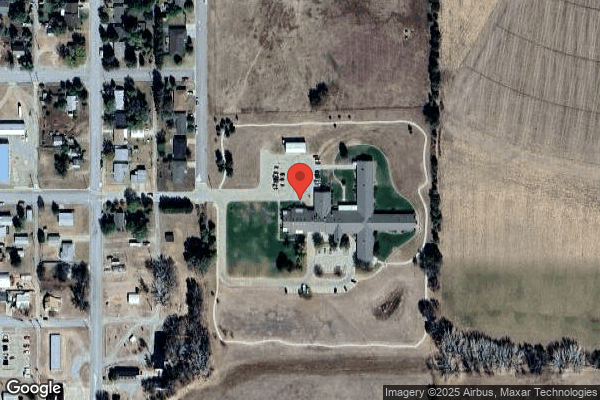
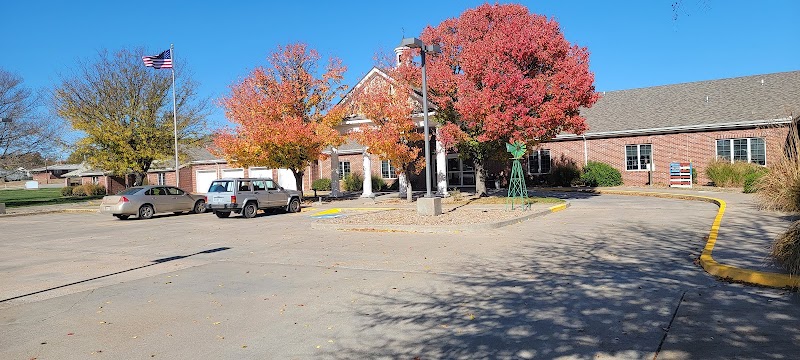
801 E GRANT, MEADE, KS 67864 (620) 873-2146
For profit - Corporation 45 Beds Independent Data: November 2025 1 Immediate Jeopardy citation
Trust Grade
63/100
#78 of 295 in KS
Last Inspection: August 2025

Inspected within the last 6 months. Data reflects current conditions.

Overview

Meade District Hospital LTCU, operating as Lone Tree Retirement, has a Trust Grade of C+, which indicates it is slightly above average in terms of care quality. It ranks #78 out of 295 facilities in Kansas, placing it in the top half, and #2 out of 2 in Meade County, meaning only one other facility in the area is rated higher. Unfortunately, the trend is worsening, with reported issues increasing from 1 in 2024 to 8 in 2025. Staffing is a notable strength, receiving a 5-star rating with a 48% turnover rate, which is on par with the state average, suggesting staff consistency. While the facility has no fines on record, indicating good compliance, specific incidents have raised concerns, such as a failure to supervise a resident at risk of elopement and unsanitary food preparation conditions, both of which put residents at potential risk. Overall, while there are strengths in staffing and compliance, families should be aware of the facility's recent trend of increasing issues and specific safety concerns.

Trust Score
C+
63/100
In Kansas
#78/295
Top 26%
Safety Record
High Risk
Review needed
Inspections
Getting Worse
1 → 8 violations
Staff Stability
⚠ Watch
48% turnover. Above average. Higher turnover means staff may not know residents' routines.
Penalties
✓ Good
No fines on record. Clean compliance history, better than most Kansas facilities.
Skilled Nurses
✓ Good
Each resident gets 51 minutes of Registered Nurse (RN) attention daily — more than average for Kansas. RNs are trained to catch health problems early.
Violations
⚠ Watch
18 deficiencies on record. Higher than average. Multiple issues found across inspections.
★★★★☆
4.0
Overall Rating
★★★★★
5.0
Staff Levels
★★★★☆
4.0
Care Quality
★★★☆☆
3.0
Inspection Score
Stable
2024: 1 issues
2025: 8 issues

The Good

  • 5-Star Staffing Rating · Excellent nurse staffing levels
  • 4-Star Quality Measures · Strong clinical quality outcomes
  • Full Sprinkler Coverage · Fire safety systems throughout facility
  • No fines on record

Facility shows strength in staffing levels, quality measures, fire safety.

The Bad

Staff Turnover: 48%

Near Kansas avg (46%)

Higher turnover may affect care consistency

The Ugly 18 deficiencies on record

1 life-threatening
Aug 2025 8 deficiencies
CONCERN (D)

Potential for Harm - no one hurt, but risky conditions existed

Resident Rights (Tag F0550)

Could have caused harm · This affected 1 resident

The facility reported a census of 33 residents. The sample included 12 residents with two reviewed for dignity. Based on observation, interview and record review, the facility failed to treat resident...

Read full inspector narrative →
The facility reported a census of 33 residents. The sample included 12 residents with two reviewed for dignity. Based on observation, interview and record review, the facility failed to treat residents in a dignified manner when Resident (R)4 received care without privacy. This deficient practice placed the resident at risk for decreased psychosocial well-being and embarrassment. Findings included:- R4's Electronic Health Record (EHR) included diagnoses of Alzheimer's disease (progressive mental deterioration characterized by confusion and memory failure) and dementia (a progressive mental disorder characterized by failing memory and confusion). R4's 07/17/25 Significant Change Minimum Data Set (MDS) documented a Brief Interview for Mental Status (BIMS) score of eight, which indicated moderately impaired cognition. The assessment documented R4 was dependent on staff for transfers. The 07/17/25 Cognitive Loss / Dementia Care Area Assessment (CAA) documented R4 had impaired cognitive function. The 07/17/25 ADL Functional / Rehabilitation Potential CAA documented R4 had a self-care performance deficit related to impaired balance, impaired coordination related to progression of Alzheimer's disease, and other medical conditions. Observation on 08/19/25 at 01:07 PM revealed Certified Nurse Aide (CNA) M went into R4's room with a mechanical lift and left the door to the hallway open, and the privacy curtain remained in the open position. CNA M pressed the call light for additional assistance, and while waiting for help, connected R4 to the mechanical lift. The procedure was fully visible from the hallway. At 08/19/25 at 01:09 PM, CNA N walked by R4's room, then went in and closed the door. During an interview on 08/19/25 at 01:20 PM, CNA M revealed the door and/or privacy curtain should have been closed to provide privacy and dignity for R4 when the resident was being connected to the mechanical lift. During an interview on 08/21/25 at 11:25 AM, Licensed Nurse (LN) G revealed when mechanical lifts are in use, or when connecting to a resident or resident's sling, the doors and privacy curtains should be closed to provide privacy and dignity for the residents. During an interview on 08/21/25 at 11:40 AM, Administrative Nurse D revealed doors should be closed and curtains drawn during every stage of mechanical lift use to provide privacy and dignity for the residents. The facility's Resident Rights policy, dated 01/10/25, documented all residents have the right to a dignified existence. The facility must protect and promote each resident's dignity and respect in all aspects of care and daily life. The policy documented residents would receive care in a manner that enhances and maintains their dignity and respect.
CONCERN (D)

Potential for Harm - no one hurt, but risky conditions existed

Deficiency F0628 (Tag F0628)

Could have caused harm · This affected 1 resident

**NOTE- TERMS IN BRACKETS HAVE BEEN EDITED TO PROTECT CONFIDENTIALITY** The facility had a census of 33 residents. The sample included 12 residents with one resident reviewed for discharge. Based on o...

Read full inspector narrative →
**NOTE- TERMS IN BRACKETS HAVE BEEN EDITED TO PROTECT CONFIDENTIALITY** The facility had a census of 33 residents. The sample included 12 residents with one resident reviewed for discharge. Based on observation, interview, and record review, the facility failed to provide a written discharge summary or recapitulation of the stay for Resident (R) 37. This placed the resident at risk for impaired rights related to continuity of care. Findings included:- R37's Electronic Health Record (EHR) documented diagnoses that included chronic pain and hypothyroidism (a condition characterized by decreased activity of the thyroid gland).R37's Nursing Home Discharge Minimum Data Set (MDS), dated [DATE], documented R37's discharge from the facility to the community on 06/19/25.R37's EHR noted Physician Orders, which documented an order to discharge to independent apartments on Thursday, 06/19/25, dated 06/17/25.The EHR Progress Notes documented:On 06/11/25 at 11:09 AM, fax communication with the physician who requested orders to discharge the resident to home.On 06/12/25 at 10:25 AM, fax communication received from the physician with written orders to discharge the resident to home on or about 06/19/25 with medications and treatments.On 06/17/25 at 10:33 AM, the physician performed a routine 60-day visit with R37 and documented an order to discharge to independent apartments on 06/19/25.On 06/19/25 at 10:44 AM, staff documented R37's family was at the facility moving R37's belongings to an independent apartment due to R37 being discharged the same day.On 06/19/25 at 12:27 PM, staff documented a discharge meeting was held for R37. Administrative Nurse D reviewed the medication list with R37, and R37 had made arrangements for follow-up appointments with her primary healthcare provider as well as transportation arrangements with family in the community.On 06/19/25 at 01:26 PM, staff documented R37 was at the nurses' station at 01:00 PM and told staff she was leaving. Staff documented R37 was supplied with her medications.On 06/19/25 at 01:31 PM, staff documented fax communication with the physician to inform them R37 was discharged to home at 01:00 PM.R37's EHR lacked evidence that the facility provided a written discharge summary or recapitulation of the stay to R37 or R37's family.On 08/20/25, the facility provided a printed copy of R37's Planned Discharge - Interdisciplinary evaluation that documented a discharge date , brief reason for admission, treatment provided, treatment progression, and reason for discharge. The evaluation did not contain the condition at the time of admission, destination of discharge, to whom the resident was released, disposition of medications and/or personal possessions, instructions for after care/continuity of care, or summary of the stay.During an interview on 08/20/25 at 01:31 PM, Administrative Nurse D revealed the discharge summary and recapitulation should be in the EHR under the Evaluations tab. Administrative Nurse D confirmed that R37's EHR Evaluations tab lacked a recapitulation of the stay, and a brief recapitulation was documented on a Planned Discharge - Interdisciplinary evaluation.During an interview on 08/20/25 at 01:36 PM, Administrative Staff A stated the recapitulation should be in each resident's medical record.During an interview on 08/20/25 at 04:30 PM, R37 stated during the actual discharge process on 06/19/25, she was provided with a reconciliation of her medications and was not provided with a written discharge summary or recapitulation of the stay. R37 stated the facility did not assist her with coordinating transportation in the community or follow-up appointments with her primary care provider because she had already made those arrangements independently.The facility's Resident Rights policy, dated 01/10/25, did not address the discharge process.The facility's Admission, Transfer, and Discharge Policy policy, dated 01/10/25, documented the facility would comply with regulations to protect residents' rights during discharge. At least 30 days advanced written notice would be provided, except in case of emergency situations, and would include reason, effective date, location, contact information for LTCO (Long Term Care Ombudsman) and SA (State Agency), and appeal rights. The policy did not document providing a written discharge summary, recapitulation of stay, or reconciliation of medications to the resident or residents' representatives.
CONCERN (E)

Potential for Harm - no one hurt, but risky conditions existed

Assessment Accuracy (Tag F0641)

Could have caused harm · This affected multiple residents

**NOTE- TERMS IN BRACKETS HAVE BEEN EDITED TO PROTECT CONFIDENTIALITY** The facility had a census of 33 residents. The sample included 12 residents. Based on observation, interview, and record review,...

Read full inspector narrative →
**NOTE- TERMS IN BRACKETS HAVE BEEN EDITED TO PROTECT CONFIDENTIALITY** The facility had a census of 33 residents. The sample included 12 residents. Based on observation, interview, and record review, the facility failed to accurately complete the Minimum Data Set (MDS) for five residents: Resident (R) 7, and R4 related to personal alarms; R5 related to pressure ulcers and medications; R2 related to dental; and R25 related to nutrition. This deficient practice placed the affected residents at risk for impaired care due to unidentified care needs. Findings included:During an observation and interview on 08/19/25 at 01:23 PM, R7 reported she has had some falls and hit her head, which she needed staples sometime this past year. Observation revealed a bed and chair alarm in her room.R7's Care Plan in the Electronic Health Record (EHR) directed staff to provide a silent alarm on R7's bed and chair dated 09/11/24. R7's EHR recorded a Quarterly MDS, dated [DATE], and an Annual MDS, dated [DATE], which both lacked documentation of R7's bed and chair alarm in Section P.During an observation and interview on 08/19/25 at 01:39 PM, R4 sat in a recliner with her representative present. R4's representative pointed out the silent alarm under R4 and stated the alarm was utilized while R4 was in bed or in the recliner. R4's EHR recorded a Care Plan that noted staff provided a silent alarm on the bed and chair dated 04/20/25. R4's EHR recorded a Significant Change MDS, dated [DATE], which lacked documentation of R4's bed alarm in Section P.During an interview on 08/20/25 at 05:25 PM, Certified Nurse Aide (CNA) T reported that R4 and R7 had a silent alarm on their bed and chair, and have had them for quite some time.During an interview on 08/21/25 at 12:00 PM, Administrative Nurse E confirmed both R4 and R7's comprehensive and quarterly assessments were coded incorrectly for alarms.R5's Electronic Health Record (EHR) recorded a Physician Order for Remeron (an antidepressant used to treat mood disorders) 30 milligram (mg) tablet dated 11/24/21.R5's Quarterly MDS, dated [DATE], lacked documentation of R5's antidepressant in Section N.R5's EHR recorded a Skin/Wound Note dated 12/30/24, which documented a wound to the coccyx had healed.R5's EHR recorded a Skin/Wound Note dated 01/06/25, 01/13/25, 01/20/25, 01/27/25, documented no skin issues noted.A Progress Note dated 02/01/25 at 02:36 PM documented the resident transferred to the hospital.The admission Skin Note dated 02/04/25 at 03:08 PM, documented a Stage 2 (partial-thickness skin loss into but no deeper than the dermis, including intact or ruptured blisters) on the coccyx (area over the tailbone); the wound was healed prior to leaving the facility but present on readmission. R5's Quarterly MDS, dated [DATE], incorrectly recorded the resident had one facility-acquired Stage 3 (full-thickness pressure injury extending through the skin into the tissue below).During an observation on 08/21/25 at 8:50 AM, R5 had a dressing noted on her coccyx during care.During an interview on 08/21/25 at 12:55 PM, Administrative Nurse D confirmed that R5's pressure ulcer was healed in December of 2024, and when R5 was readmitted from the hospital in February 2025, the wound was open.During an interview on 08/21/25 at 01:20 PM, Administrative Nurse E confirmed R5's quarterly assessment dated [DATE] was coded incorrectly for antidepressant and facility-acquired pressure ulcer.- R2's Electronic Health record (EHR) recorded a Progress Note 03/04/25 at 11:10 AM, which documented R2's upper dentures and lower dentures were broken.R2's EHR recorded an admission Assessment dated 03/04/25 at 12:33 PM, which documented R2 had upper dentures.R2's Care Plan, revised 03/10/25, documented the resident had upper dentures and directed staff to provide a toothbrush and soak the dental device at night. The plan instructed staff to report changes, problems with gums, dental devices, or signs of pain such as grimacing while eating. The plan noted R2's lower dentures were lost prior to admission.R2's EHR recorded an admission MDS, dated 03/10/25, which lacked documentation in Section L of R2's edentulous (no natural teeth) status.During an interview on 08/19/25 at 9:16 AM, R2 reported she had been without a lower denture for six months; she reported she lost them at dinner at a restaurant.During an interview on 08/21/25 at 01:20 PM, Administrative Nurse E confirmed the admission assessment was coded incorrectly for R2's dental status.R25's Electronic Health record (EHR) recorded a Physician Order for a regular portion-regular diet with soft texture; ground meat or cut up in small pieces; always serve with gravy or sauces, dated 12/25/24.R25's Care Plan, revised 12/25/24, instructed staff to offer the resident a regular diet with regular portions, soft texture (meat cut up in small pieces or ground meat texture with gravy or sauce).R25's Annual MDS, dated [DATE], and Quarterly MDS, dated 08/05/25, lacked documentation in Section K of R25's mechanically altered diet (require change in texture of food or liquids).During an observation on 08/19/25 at 01:54 PM, R25 sat in his recliner, drooling from his mouth. R25 wiped off his face and gurgled when he talked.During an interview on 08/21/25 at 01:20 PM, Administrative Nurse E confirmed R2's comprehensive and quarterly assessments were coded incorrectly for his mechanically altered diet.The facility did not provide a policy on accurate MDS.
CONCERN (E)

Potential for Harm - no one hurt, but risky conditions existed

Infection Control (Tag F0880)

Could have caused harm · This affected multiple residents

The facility reported a census of 33 residents. The sample included 12 residents. Based on interviews, observation and record review, the facility failed to utilize Enhanced Barrier Precautions (EBP-i...

Read full inspector narrative →
The facility reported a census of 33 residents. The sample included 12 residents. Based on interviews, observation and record review, the facility failed to utilize Enhanced Barrier Precautions (EBP-infection control interventions designed to reduce transmission of resistant organisms which employ targeted gown and glove use during high contact care) when providing direct care to a Resident (R) 5 with a Stage 3 (full-thickness pressure injury extending through the skin into the tissue below) pressure injury. The facility further failed to ensure adequate hand hygiene during personal care for R5 and R32 when staff failed to complete adequate hand hygiene. The facility failed to deliver food in a sanitary manner for several residents in the dining room. These deficient practices had the potential to spread infections to the residents in the facility.Findings included:- Observation on 08/20/25 at 05:49 PM, Certified Medication Aide (CMA) R delivered food to the resident's tables with thumbs touching the eating surface of the plate.Observation on 08/20/25 at 05:49 PM, Certified Nurse Aide (CNA) P delivered food to residents with thumbs touching the eating surface of the plates.Observation on 08/20/25 at 05:55 PM, CNA O delivered food to residents with thumbs touching the eating surface of the plates.Observation on 08/20/25 at 06:09 PM, CNA Q delivered plates of food to the residents with thumbs touching the eating surface of the plates.Observation on 08/21/25 at 08:50 AM, CNA S and CNA M provided peri-care care to R5. R5 had EBP signage and personal protective equipment (PPE- gowns, face shields, and/or eyeglasses/goggles, and gloves) located outside her room. Neither CNA donned a gown, but only wore gloves. CNA S removed her glove from her right hand in between the dirty and clean actions during peri-care provided and applied a new glove to her right hand without performing hand hygiene. CNA S and CNA M completed peri-care to R5, then removed their gloves. Both CNA applied a clean pair of gloves without performing hand hygiene first and proceeded to assist R32, R5's roommate, with peri-care. CNA S and CNA M transferred R32 back to her recliner from the shared bathroom. CNA S and CNA M then removed their gloves but did not perform hand hygiene. They exited the room. CNA M pushed the mechanical lift out of the room and down the hall. CNA M stopped at R1's room as the resident asked the CNA M to do a couple of things in her room. CNA M entered R1's room without performing hand hygiene, adjusted the thermometer, and moved some items in the room; then CNA M came out of the room and, without performing hand hygiene, continued to push the mechanical lift down the hall to the storage room. CNA M pushed the lift into the room and then performed hand hygiene. The mechanical lift was not cleaned off after use and before being placed in the common storage area.During an interview on 08/20/25 at 06:00 PM, Consultant Staff GG said he expected staff to keep their hands clear of the eating surface of plates since that was an infection control concern. He stated staff were provided education.During an interview on 08/21/25 at 09:10 AM, CNA S and CNA M reported they should have worn a gown when providing care to R5, and reported they normally washed their hands after care was provided. CNA M reported she normally wiped down the mechanical lift after each use.During an interview on 08/21/25 at 10:18 AM, Licensed Nurse (LN) G reported the staff should perform hand hygiene after removing gloves and between resident care provided. LN G said the mechanical lift should be sanitized after use, and confirmed the staff were required to wear gowns and gloves with EBP residents during the hands-on care.During an interview on 08/21/25 at 01:06 PM, Administrative Nurse D stated she expected staff to wear the required PPE for residents who have EBP. She stated she expected staff to complete hand hygiene when gloves were removed and between resident care. She said she expected staff to sanitize the shared equipment between residents.The facility's policy Infection Control dated 01/10/25, documented staff perform hand hygiene before and after direct contact with a resident and immediately after removing gloves.The facility's policy Enhanced Barrier Precautions dated 11/12/24, documented EBP were implemented as one intervention this facility uses to reduce transmission of resistant organisms that employs targeted PPE use during high contact resident care activities. The facility's policy Food Handling & Preparation dated 01/10/25, documented ensuring safe, nutritious, and palatable food service in compliance with federal and state requirements. Use tongs, scoops, or utensils-not bare hands-to prepare and serve food.
CONCERN (F) 📢 Someone Reported This

A family member, employee, or ombudsman was alarmed enough to file a formal complaint

Potential for Harm - no one hurt, but risky conditions existed

Food Safety (Tag F0812)

Could have caused harm · This affected most or all residents

**NOTE- TERMS IN BRACKETS HAVE BEEN EDITED TO PROTECT CONFIDENTIALITY** The facility reported a census of 33 residents, and one main kitchen. Based on observation, record review and interview the faci...

Read full inspector narrative →
**NOTE- TERMS IN BRACKETS HAVE BEEN EDITED TO PROTECT CONFIDENTIALITY** The facility reported a census of 33 residents, and one main kitchen. Based on observation, record review and interview the facility failed to prepare and serve food under sanitary conditions to prevent the potential for food borne bacteria. This placed the residents at risk for food borne illnesses.Findings included:- Observation of the kitchen and food storage areas on 08/19/25 at 07:40 AM revealed the following areas of concern:Dry storage concerns:Four cases of soda cans and a 50-pound bag of sealed flour were stored on the floor.One unsealed bag of marshmallows.One bag of unsealed russet instant mashed potatoes.A large container of pinto beans that was not sealed with the lid all the way.Several bottles of spices with no date opened and no expiration date.Walk-In Cooler concerns:Several containers of caffeine and sunshine drink with straws in them, with initials TP and no date. Two bags of fresh broccoli unsealed,One bag of sliced onions unsealed.One box of Pizza [NAME] pizza, no date, no name.One unsealed bag of shredded cheese,One bowl of mixed fruit labeled Joyce, no date.Walk-in freezer concerns:One bag of unsealed biscuits, an unsealed waffle, and a bag of unsealed ground beef.A plastic storage container on the top shelf, no date, no label, looks like ice and noodles.Two free-standing refrigerators in the kitchen had one bag of unsealed roast beef and an open gallon of milk with no date when opened.During the second observation on 08/20/25 at 10:20 AM, revealed several cooking pans with black colored debris on the bottom of them; one frying pan was dented, and four cutting boards had several scratches noted over the surfaces. During an interview on 08/20/25 at 07:55 AM, Certified Dietary Manager (CDM) BB reported that some of the items in the fridge and freezer were staff food items and that they have stored those items in the fridge for over 30 years, and no one had ever had a concern with staff items in the fridge. CDM BB reported that the flour and soda pop should not have been placed on the floor and verified that it was delivered on 08/13/25. CDM BB said staff were expected to keep items off the floor. Additionally, CDM BB stated staff were expected to label all food items in the kitchen when opened, and all items should be properly sealed.During an interview on 08/20/25 at 10:30 AM, CDM BB reported she would have the pans and cutting boards replaced.During an interview on 08/20/25 at 01:00 PM, Administrative Staff A stated she expected all food items to be stored, sealed, labeled, and dated properly. Additionally, Administrative Staff A said she expected kitchen equipment to be in good working order.The facility's policy Food Receiving and Storage dated 10/2017 documented personal staff items and food storage.Employees may store their personal items in employee refrigerators or designated storage areas that follow sanitation and appropriate storage. Employee personal staff items may be stored in designated areas, including food storage areas, provided they are properly covered, clearly labeled with the staff member's name, and maintained in a sanitary manner.The facility's policy Dietary Food Storage dated 01/10/25 documented food shall be stored on shelves in a clean, dry area, free from contaminants. Food shall be stored at appropriate temperatures and using appropriate methods to ensure the highest level of food safety. All food items taken out of original packaging will be labeled and stored in air-tight containers. The label must include the received by date and/or open date.The facility's policy Food Handling & Preparation dated 01/10/25 documented to maintain clean, organized kitchens and equipment.
CONCERN (F) 📢 Someone Reported This

A family member, employee, or ombudsman was alarmed enough to file a formal complaint

Potential for Harm - no one hurt, but risky conditions existed

Garbage Disposal (Tag F0814)

Could have caused harm · This affected most or all residents

The facility reported a census of 33 residents. Based on observations, interviews and record review, the facility failed to maintain and/or dispose of kitchen garbage and refuse properly. This placed ...

Read full inspector narrative →
The facility reported a census of 33 residents. Based on observations, interviews and record review, the facility failed to maintain and/or dispose of kitchen garbage and refuse properly. This placed facility residents at risk for insect or rodent infestation.Findings included:- During a tour of the kitchen on 08/19/25 at 07:40 AM, observation revealed three garbage cans with no lids on them. During an observation on 08/20/25 at 10:20 AM, the same three garbage cans were found with no lids in the kitchen. Certified Dietary Manager (CDM) BB reported that the garbage cans did have lids and pulled a lid out from behind a garbage can and placed it on the can next to the steamer counter. CDM BB reported that the garbage cans should be covered. During an observation on 08/20/25 at 11:25 AM, the garbage can that was approximately three feet away from the stove had no lid. Dietary Staff CC had just finished cooking hamburgers and reported that the garbage cans in the kitchen rarely had a lid placed on them. During an interview on 08/20/25 at 01:00 PM, Administrative Staff A reported she expected all the garbage cans to always have the proper lids on them in the kitchen. The facility's policy Waste Disposal, revised on 10/10/24, states that all garbage will be disposed of daily and as needed throughout the day. Trash will be deposited into a sealed container outside the premises.The facility did not provide a policy on waste management.
CONCERN (F)

Potential for Harm - no one hurt, but risky conditions existed

Deficiency F0882 (Tag F0882)

Could have caused harm · This affected most or all residents

The facility reported a census of 33 residents. Based on interview and record review the facility failed to designate a qualified Infection Preventionist (IP), who had completed specialized training i...

Read full inspector narrative →
The facility reported a census of 33 residents. Based on interview and record review the facility failed to designate a qualified Infection Preventionist (IP), who had completed specialized training in infection prevention and control, to be responsible for the facility's Infection Prevention and Control Program (IPCP). This failure has the potential to affect all 33 residents.Findings included:- During an interview on 08/19/25 at 07:50 AM, Administrative Staff A revealed she was the facility IP, and Administrative Nurse D assisted with the task. Administrative Staff A provided a certificate for completion of Nursing Home Infection Prevention Training Course dated 01/22/25.During an interview on 08/21/25 at 01:06 PM, Administrative Staff A reported she had a bachelor's degree in Aging Sociology but no health-related degrees. She confirmed she was the IP of the facility while Administrative Nurse D was taking the IP class to receive her certification. During an interview on 08/21/25 at 01:10 PM, Consultant Staff GG stated he thought any staff member could be the IP of the facility.The facility's Infection Control Policy dated 01/10/2025, documented the IP was responsible for overseeing the infection control program, including but not limited to surveillance of infections, tracking and trending infections in the facility, and having primary training in nursing, medical technology, microbiology, epidemiology, or another related field.
MINOR (C)

Minor Issue - procedural, no safety impact

Staffing Data (Tag F0851)

Minor procedural issue · This affected most or all residents

The facility reported a census of 33 residents. Based on interview and record review, the facility failed to submit complete and accurate staffing information to the Payroll-Based Journaling (PBJ) as ...

Read full inspector narrative →
The facility reported a census of 33 residents. Based on interview and record review, the facility failed to submit complete and accurate staffing information to the Payroll-Based Journaling (PBJ) as required. Findings included:- Review of the PBJ Staffing Data Report for Fiscal Year (FY) 2024 Quarter (Q) 3 (April 1 - June 30) and FY 2024 Q4 (July 1 - September 30) revealed the facility did not have Licensed Nursing Coverage 24 hours a day on the following dates: 04/13/24, 04/28/24, 05/04/24, 05/05/24, 05/10/24, 05/11/24, 05/12/24, 05/25/24, 07/03/24, 07/07/24, 08/18/24, 09/22/24. Review of the facility's nursing schedule and payroll data for the above dates revealed the facility had 24-hour nursing coverage. During an interview on 08/20/25 at 04:00 PM, Consultant HH provided the nursing schedule and payroll data that revealed the time-keeping system had automatically removed a 30-minute lunch period for the above dates, even though the nurses remained in the building. The facility did not provide a policy related to PBJ reporting.
Jun 2024 1 deficiency 1 IJ
CRITICAL (J) 📢 Someone Reported This

A family member, employee, or ombudsman was alarmed enough to file a formal complaint

Immediate Jeopardy (IJ) - the most serious Medicare violation

Accident Prevention (Tag F0689)

Someone could have died · This affected 1 resident

The facility reported a census of 32 residents, with three residents reviewed for risk of elopement (an incident in which a cognitively impaired resident with poor or impaired decision-making ability/...

Read full inspector narrative →
The facility reported a census of 32 residents, with three residents reviewed for risk of elopement (an incident in which a cognitively impaired resident with poor or impaired decision-making ability/safety awareness leaves the facility without the knowledge of staff). Based on observation, record review, and interview, the facility failed to provide adequate supervision and a safe environment as free of accident hazards as possible, to prevent the elopement of cognitively impaired and independently mobile Resident (R)2, who the facility identified as an elopement risk. On 05/25/24 R2 displayed an increase in his wandering/exit seeking behavior which included statements he was going to leave, and he attempted to push open the front. On 05/26/24 R2 pushed on the doors leading to the apartments, displayed agitation, and thought the facility was a jail. On 05/27/24 at 10:38 AM, R2 attempted to exit the front entrance without success. On 05/27/24 at 10:40 AM, visitors entered the building and held the door open for R2 and he exited the front entrance without staff knowledge. R2 remained outside, unsupervised by staff until 10:43 AM, when Certified Nurse Aide (CNA) LL noticed R2 sitting outside unattended. The failure to provide adequate supervision and effective intervention to address the exit seeking behaviors, placed R2 in immediate jeopardy. Findings included: - The Medical Diagnosis tab for R2 included diagnoses of vascular dementia (a progressive mental disorder characterized by failing memory and confusion caused by a decreased blood flow to the brain) with agitation, anxiety (mental or emotional reaction characterized by apprehension, uncertainty, and irrational fear) disorder, and altered mental status. The admission Minimum Data Set dated 04/23/24 assessed R2 with a Brief Interview of Mental Status score of three, indicating severe cognitive impairment. R2 wandered one to three days of the assessment period, did not require the use of mobility devices, and was independent with walking and transfers. The Cognitive Loss/Dementia Care Area Assessment (CAA) dated 04/30/24 revealed R2 was at risk for impaired cognitive function or thought process related to anxiety, forgetfulness, and confusion. The Behavioral Symptoms CAA dated 04/30/24 revealed R2 was at risk for physical and verbal unusual behaviors directed towards others, related to complications from loss of independence and anxiety. The CAA lacked information about R2's wandering. The Care Plan dated 05/06/24 for R2 included a goal of R2 not having any episodes of wandering or elopement through the next review period. The care plan revealed R2 may have wandered one to three days and the staff were to perform a Wandering Risk scale quarterly and as needed. The staff were to keep the medical provider informed of changes in behavior, and to watch for and report to the nurse of any signs and symptoms of wandering. The care plan lacked additional interventions related to wandering/exit seeking until 05/27/24 when the facility added new interventions to include a Wander Guard (bracelet that sets off an alarm when residents wearing one attempt to exit the building without an escort) to his right ankle and if R2 verbalized thought of wanting to leave the facility, the staff were to stay with him and have someone notify the nurse. Additionally, on 05/27/24, the facility posted signage at the front door for visitors to not let residents out of the facility. The Wandering Risk Scale dated 05/18/24, scored R2 at a nine, which indicated R2 was at risk to wander. The Census tab for R2 revealed a room change to a different hallway on 05/22/24. The Progress Note dated 05/19/24 at 08:04 PM, revealed R2 wandered down the hall and walked into two other resident rooms. The Progress Note dated 05/23/24 at 03:59 AM, revealed R2 had been wandering the hallway he resided on throughout the night, had gone in another resident room, and hollered out where is everyone at? The Progress Note dated 05/23/24 at 06:29 AM, revealed R2 had walked up and down his hallway and another hallway in the facility all day yesterday after R2 was moved into another room. The Progress Note dated 05/24/24, revealed R2 walked up and down the halls most of the shift. R2 went on a facility bus ride and at supper time asked if staff had seen his brother. R2 did not sit in chairs for very long before he got right back up and started walking again. The Progress Note dated 05/25/24 at 02:20 AM, revealed R2 had recent medication changes and continued to have difficulty sleeping. R2 was wandering around the hallways at night and noted R2 wandered to the front door, at times. The Progress Note dated 05/25/24 at 05:41 PM, revealed R2 constantly stated he was going to leave. The Progress Note dated 05/25/24 at 06:00 PM, revealed R2 went to the front door and attempted to push it open. The Progress Note dated 05/26/24 at 04:50 PM, revealed R2 went up front and to the double doors leading to the apartments and was pushing on the doors. R2 thought the facility (staff) was keeping him from his house. The Progress Note dated 05/26/24 at 05:08 PM, revealed R2 thought the facility was a jail and displayed agitation. The Progress Note dated 05/26/24 at 05:52 PM, revealed Licensed Nurse (LN) G received a phone call from R2's family. LN G informed family R2 had been restless and wanting to go to the farm and the house, more agitated and trying to open doors, and the facility (staff) possibly would put a Wander Guard on him. The Progress Note dated 05/26/24 at 06:58 PM, revealed R2 had confusion to place, time, and situation, ambulated independently with a front wheeled walker, and had six episodes of wandering in the last week. The Progress Note dated 05/27/24 at 10:54 AM, revealed LN H notified Administrative Nurse D regarding R2 seated on the outdoor bench at the entrance of the building. The Progress Note dated 05/27/24 at 11:12 AM, revealed R2 sat at the front door in a chair after elopement, upset and stated, this is jail and they are all liars! and refused to move. R2 had a Wander Guard placed to his right ankle. Administrative Nurse D reviewed the facility camera which revealed at 10:38 AM, R2 walked to the front door and attempted to enter a door code, then turned towards a chair. At 10:40 AM, visitors opened the front door and left it open for R2 to exit. R2 then turned and sat on the bench outside the front doors, and when a truck was outside, he became upset and wanted to leave in the truck. On 06/12/24 at 12:02 PM, observation of facility video footage from 05/27/24 revealed at 10:39 AM, R2 was at the front entrance and could not get out. He sat down in a chair at 10:40 AM until three visitors came in the front doors and held the door open for him. R2 then went outside and sat on a bench next to the front doors. At 10:43 AM, two staff exited the front of the building to bring R2 back inside. On 06/12/24 at 12:09 PM, observation revealed R2 sat in the dining room eating his lunch with his walker beside him. R2 then exited the dining room with the walker. Right before he made it to his room CNA O approached his side and offered the restroom, which R2 declined. R2 sat in his recliner and had a Wander Guard in place to his right ankle. On 06/12/24 at 12:52 PM, CNA LL stated on 05/27/24 she was propelling a resident down [specified hall] and happened to glance to the left and observed R2 outside on the bench by the front doors, through a resident room window. CNA LL then got on the walkie talkie and asked if anyone was out with R2 or had let him out and received a response back no. CNA LL stated then we all started to head to the front door. CNA LL did not know if his family was there with him or if R2 was just sitting there. CNA LL stated when staff tried to get him in, he became agitated, but were able to get him in and then applied a Wander Guard. On 06/12/24 at 02:10 PM, CNA M stated R2 wandered on the evening shift and R2 wandered more since he moved to another room. CNA M stated before the room change, he would come out of his room and go back in and now he goes to all areas of the facility and other resident rooms. CNA M stated before R2 eloped, he would try to open the doors on the halls, resident room doors and say he wanted to go to another city and CNA M saw him try to push doors open. CNA M stated she made the charge nurse aware when R2 did that. On 06/12/24 at 03:05 PM, CNA N stated she was off duty two days prior to the elopement and worked the day R2 eloped. CNA N stated when she received report the morning before R2 eloped, she was told R2 had been wandering a little bit. CNA N stated she was shocked when she heard he had been wandering around and wanted to leave because he was not like that before. On 06/12/24 at 03:19 PM, CNA O stated around the time R2's medicine changed he seemed to be worse, before he would walk around, she did not think out of confusion, he just liked to walk around. On 06/12/24 at 03:46 PM LN G stated she recalled when he attempted to open the double doors, she informed staff to keep an eye on him like they would with someone with a Wander Guard, or until a decision could be made about application of a Wander Guard. LN G recalled she discussed a Wander Guard bracelet but could not recall if that was before of after R2 eloped. LN G stated R2 seemed to have increased behaviors after going on an outing to a cemetery such as pushing on doors and telling people he was going to the farm. On 06/12/24 at 04:15 PM, Administrative Nurse D stated when a resident would display exit seeking behaviors, staff should redirect or attempt interventions. If interventions did not work, usually staff would then apply a Wander Guard. Administrative Nurse D stated the weekend before the elopement (which occurred on Monday) CNA P contacted her regarding R2 and had told them to try different interventions such as taking him to the common area to monitor him and to call the family, as he had not had exit seeking behaviors prior to that weekend and had gone on a bus ride on Friday (05/24/24). Administrative Nurse D stated she did not recall talking to a nurse that weekend. Administrative Nurse D stated he was not exit seeking, just wandered into other rooms and was not talking about the leaving until the bus ride on that Friday when she wrote the note about his wandering on 05/26/24. Administrative Nurse D stated she was not aware R2 had pushed on the doors and would have expected the staff to notify her of that behavior. The facility's policy Wandering/Wander Guard updated 04/24/24, revealed residents with exit seeking behaviors or high risk for elopement as determined by nursing would have a Wander Guard placed. The facility failed to implement additional interventions when cognitively impaired R2, identified as an elopement risk, displayed exit seeking behaviors and then eloped from the facility when incoming visitors held the door open for him on 05/27/24, without staff knowledge. On 06/13/24 at 10:42 AM, Administrative Staff A was provided the Immediate Jeopardy Template and notified of the facility's failure to provide adequate supervision when R2, who had been displaying exit seeking behaviors several days before, eloped from the facility on 05/27/24 at 10:40 AM. The immediate jeopardy was determined to first exist on 05/27/24 at 10:40 AM, when R2 exited the facility without staff knowledge. The surveyor verified the facility identified and implemented corrective actions completed on 05/29/24 at 02:30 PM when the facility completed the following: 1. On 05/27/24, electronic communication message sent out via electronic medical record communication board. 2. On 05/27/24 at 12:35 PM, the staff placed a Wander Guard to R2's right ankle and posted signage at the front door stating Please do not let anyone out the doors. Check with charge nurse at Nurse's Station. 3. On 05/27/24, R2's care plan updated to include the Wander Guard, Wander Risk Assessment completed, and the Medical Director notified. 4. On 05/27/24 at 02:30 PM a meeting was held with CNA's, CMA's and Licensed Nurses to educate on Elopement and Behaviors. Due to the corrective actions implemented prior to the onsite visit, the deficient practice was deemed past non-compliance and existed at a J scope and severity.
Aug 2023 5 deficiencies
CONCERN (D)

Potential for Harm - no one hurt, but risky conditions existed

Respiratory Care (Tag F0695)

Could have caused harm · This affected 1 resident

The facility has a census of 27 with 12 residents included in the sample, two reviewed for respiratory care. Based on observation, interview, and record review, the facility failed to provide necessar...

Read full inspector narrative →
The facility has a census of 27 with 12 residents included in the sample, two reviewed for respiratory care. Based on observation, interview, and record review, the facility failed to provide necessary respiratory care consistent with professional standards of practice regarding the use of nebulizer (a device that delivers medication as a mist to the lungs) for Resident (R) 26, and R27. Findings included: - The ''Physician Orders'' dated 07/04/23 for Resident (R)26 revealed the diagnosis included chronic obstructive pulmonary disease (COPD - a progressive irreversible condition characterized diminished lung capacity and difficulty or discomfort in breathing). The admission Minimum Data Set dated 01/17/23, revealed a Brief Interview for Mental Status BIMS score of 15, that indicated intact cognition. The MDS further revealed R26 had shortness of breath and received oxygen therapy. The Care Plan dated 04/18/23, revealed R26 had shortness of breath and would require pulmonary rehabilitation at the local hospital. The resident had shortness of breath with ambulation, sitting in a wheelchair, and while lying flat in bed. Staff offer R26 breathing treatments. R26's shortness of breath could increase anxiety. Staff should monitor the resident for decreased air movement or wheezing as needed. Review of the Physician Orders dated 07/04/23, revealed the following: Budesonide inhalation suspension 0.5 mg (milligrams), 1 application, inhale orally, two times a day for COPD. Albuterol sulfate, inhalation nebulization solution (2.5 mg/3 milliliter (ml), one vial, inhale orally, three times a day, and every 4 hours as needed, for COPD. Change the nebulizer and oxygen tubing on the 15th of each month. Clean the nebulizer after each use and soak in vinegar water through the night, and up to three times a day for breathing treatment use. On 08/28/23 at 09:42 AM, observation revealed both the nebulizer machine and the nebulizer tubing/medication chamber laid directly on the resident's bed. R26 reported the nurse had just brought her the nebulizer treatment. The nurse would bring the treatment in, set it up in the machine, and just leave the nebulizer treatment for when she wanted to take the treatment. On 08/28/23 at 10:45 AM, (one hour and 3 minutes later), observation revealed R26 was out of her room, however, the nebulizer machine and nebulizer tubing/ medication chamber remained on her bed. The medication chamber contained moisture and fluid droplets. On 08/29/23 at 09:35 AM, the nebulizer machine, tubing and medication chamber laid directly on the bed. The medication chamber contained clear fluid. On 08/29/23 at 01:45 PM, Interview with Certified Nurse Aide (CNA) M reported R26's nebulizer machine remained on her bed around 11:45 AM. On 08/30/23 at 09:46 AM, Interview with Licensed Nurse (LN) G reported staff should rinse out nebulizers after each use. Staff had been instructed to cleanse the nebulizer chamber/mouth pieces with vinegar water after each breathing treatment. On 08/30/23 at 01:20 PM, interview with Administrative Nurse D revealed she expected the nursing staff to rinse the resident's nebulizer after each treatment. Night shift should soak the nebulizers in vinegar water. On 08/31/23 at 11:25 AM, interview with Administrative Nurse D revealed the nursing staff does not monitor the residents with nebulizer treatments for effectiveness, as staff do not obtain a oxygen saturation or check breath sounds before or after the nebulizer treatment. The undated facility's policy for Nebulizer Treatment, revealed when all the medication gone from the medicine cup, remove the mask or mouthpiece and turn the machine off. Staff should wash their hands, then wash the (nebulizer) mask or mouthpiece and nebulizer part with warm water, rinse with a strong stream of warm water for 30 seconds. Shake off the excess water, air dry, place the pieces in a basket at the sink in between use. The policy did not document monitoring for the effectiveness of the nebulizer treatment. The facility failed to provide respiratory care consistent with professional standards of care for R 26 regarding the use and cleaning of the nebulizer. - R27's Physician Orders dated 07/04/23, revealed the following diagnosis of atrial fibrillation (rapid irregular heartbeat). Review of the Physician Orders dated 08/22/23, revealed an order for albuterol sulfate inhalation, nebulizer, two times a day, for shortness of air for 10 days. Albuterol sulfate inhalation nebulization solution 0.63/mg (milligrams) 3 milliliters (ml), 1 vial, inhale orally two times a day, for shortness of air for 10 days. Observation on 08/28/23 at 01:29 PM, revealed R27's nebulizer attached to the nebulizer machine on the resident's bedside table. The fluid from the nebulizer medication chamber leaked out and there was a puddle of the liquid medication directly underneath the medication chamber. Observation on 08/29/23 at 10:05 AM, The resident was not in the bedroom, however the nebulizer attached to machine contained droplets of clear fluid in the nebulizer. On 08/30/23 at 09:46 AM, Interview with Licensed Nurse (LN) G reported staff should rinse out nebulizers after each use. Staff had been instructed to cleanse the nebulizer chamber/mouth pieces with vinegar water after each breathing treatment. On 08/30/23 at 01:20 PM, interview with Administrative Nurse D revealed she expected the nursing staff to rinse the resident's nebulizer after each treatment. Night shift should soak the nebulizers in vinegar water. On 08/31/23 at 11:25 AM, interview with Administrative Nurse D revealed the nursing staff does not monitor the residents with nebulizer treatments for effectiveness, as staff do not obtain a oxygen saturation or check breath sounds before or after the nebulizer treatment. The undated facility's policy for Nebulizer Treatment, revealed when all the medication gone from the medicine cup, remove the mask or mouthpiece and turn the machine off. Staff should wash their hands, then wash the (nebulizer) mask or mouthpiece and nebulizer part with warm water, rinse with a strong stream of warm water for 30 seconds. Shake off the excess water, air dry, place the pieces in a basket at the sink in between use. The policy did not document monitoring for the effectiveness of the nebulizer treatment. The facility failed to provide respiratory care consistent with professional standards of care for R 27 regarding the use and cleaning of the nebulizer.
CONCERN (D)

Potential for Harm - no one hurt, but risky conditions existed

Infection Control (Tag F0880)

Could have caused harm · This affected 1 resident

The facility reported a census of 27 with 12 residents included in the sample. Based on observation, interview and record review the facility failed to provide a sanitary environment by the failure to...

Read full inspector narrative →
The facility reported a census of 27 with 12 residents included in the sample. Based on observation, interview and record review the facility failed to provide a sanitary environment by the failure to clean the nebulizer equipment between uses for Resident (R)26, R27 and on R16 failed to provide proper hand hygiene during incontinent care. Findings included: - The ''Physician Orders'' dated 07/04/23 for Resident (R)26 revealed the diagnosis included chronic obstructive pulmonary disease (COPD - a progressive irreversible condition characterized diminished lung capacity and difficulty or discomfort in breathing). The admission Minimum Data Set dated 01/17/23, revealed a Brief Interview for Mental Status BIMS score of 15, that indicated intact cognition. The MDS further revealed R26 had shortness of breath and received oxygen therapy. The Care Plan dated 04/18/23, revealed R26 had shortness of breath and would require pulmonary rehabilitation at the local hospital. The resident had shortness of breath with ambulation, sitting in a wheelchair, and while lying flat in bed. Staff offer R26 breathing treatments. R26's shortness of breath could increase anxiety. Staff should monitor the resident for decreased air movement or wheezing as needed. Review of the Physician Orders dated 07/04/23, revealed the following: Budesonide inhalation suspension 0.5 mg (milligrams), 1 application, inhale orally, two times a day for COPD. Albuterol sulfate, inhalation nebulization solution (2.5 mg/3 milliliter (ml), one vial, inhale orally, three times a day, and every 4 hours as needed, for COPD. Change the nebulizer and oxygen tubing on the 15th of each month. Clean the nebulizer after each use and soak in vinegar water through the night, and up to three times a day for breathing treatment use. On 08/28/23 at 09:42 AM, observation revealed both the nebulizer machine and the nebulizer tubing/medication chamber laid directly on the resident's bed. R26 reported the nurse had just brought her the nebulizer treatment. The nurse would bring the treatment in, set it up in the machine, and just leave the nebulizer treatment for when she wanted to take the treatment. On 08/28/23 at 10:45 AM, (one hour and 3 minutes later), observation revealed R26 was out of her room, however, the nebulizer machine and nebulizer tubing/ medication chamber remained on her bed. The medication chamber contained moisture and fluid droplets. On 08/29/23 at 09:35 AM, the nebulizer machine, tubing and medication chamber laid directly on the bed. The medication chamber contained clear fluid. On 08/30/23 at 09:46 AM, Interview with Licensed Nurse (LN) G reported staff should rinse out nebulizers after each use. Staff had been instructed to cleanse the nebulizer chamber/mouth pieces with vinegar water after each breathing treatment. On 08/30/23 at 01:20 PM, interview with Administrative Nurse D revealed she expected the nursing staff to rinse the resident's nebulizer after each treatment. Night shift should soak the nebulizers in vinegar water. The undated facility's policy for Respiratory Therapy Prevention of Infection related to medication nebulizer/ continuous aerosol revealed: Staff would obtain equipment, wash hands, after completion of therapy. 1. Remove the nebulizer container. 2. Rinse the container with fresh tap water. 3. Dry on a clean paper towel or gauze sponge. 4. Wipe the mouthpiece with damp paper towel or gauze sponge. 5. Store the circuit in plastic bag, marked with date and resident's name between uses. The facility failed to provide respiratory care consistent with professional standards of care for R 26 regarding the cleaning of the nebulizer. - R27's Physician Orders dated 07/04/23, revealed the following diagnosis of atrial fibrillation (rapid irregular heartbeat). Review of the Physician Orders dated 08/22/23, revealed an order for albuterol sulfate inhalation, nebulizer, two times a day, for shortness of air for 10 days. Albuterol sulfate inhalation nebulization solution 0.63/mg (milligrams) 3 milliliters (ml), 1 vial, inhale orally two times a day, for shortness of air for 10 days. Observation on 08/28/23 at 01:29 PM, revealed R27's nebulizer attached to the nebulizer machine on the resident's bedside table. The fluid from the nebulizer medication chamber leaked out and there was a puddle of the liquid medication directly underneath the medication chamber. Observation on 08/29/23 at 10:05 AM, The resident was not in the bedroom, however the nebulizer attached to machine contained droplets of clear fluid in the nebulizer. On 08/30/23 at 09:46 AM, Interview with Licensed Nurse (LN) G reported staff should rinse out nebulizers after each use. Staff had been instructed to cleanse the nebulizer chamber/mouth pieces with vinegar water after each breathing treatment. On 08/30/23 at 01:20 PM, interview with Administrative Nurse D revealed she expected the nursing staff to rinse the resident's nebulizer after each treatment. Night shift should soak the nebulizers in vinegar water. The undated facility's policy for Respiratory Therapy Prevention of Infection related to medication nebulizer/ continuous aerosol revealed: Staff would obtain equipment, wash hands, after completion of therapy. 1. Remove the nebulizer container. 2. Rinse the container with fresh tap water. 3. Dry on a clean paper towel or gauze sponge. 4. Wipe the mouthpiece with damp paper towel or gauze sponge. 5. Store the circuit in plastic bag, marked with date and resident's name between uses. The facility failed to provide respiratory care consistent with professional standards of care for R 27 regarding the cleaning of the nebulizer. - Observation on 08/28/23 at 12:50 PM, revealed staff assisted R16 from the dining room to her room. Certified Nursing Assistant (CNA)N and CNA O assisted the resident to the toilet. The resident stood in the bathroom with CNA O holding onto R16's gait belt and CNA N, while wearing gloves, pulled the residents pants down and removed R16's wet brief. The resident was then assisted to sit on the toilet and a clean brief placed on the resident. The resident voided in the toilet then CNA N stood the resident and provided perineal (peri) care with wet wipes. CNA N failed to remove her soiled gloves and failed to provide hand hygiene when CNA N pulled the resident's clean brief and clean pants up into place. CNA N failed to wash her hands after removal of the soiled gloves. Interview on 08/28/23 at 01:00 PM, CNA N reported she understood the need to change gloves between dirty and clean techniques. The facility's policy for Perineal Care dated 03/21, revealed the staff were to provide privacy for the resident, wash hands and don gloves. They were to remove the soiled brief and place in a closable plastic bag and remove their gloves and wash their hands, then don on clean gloves. Staff were to wash and dry the peri-rectal area and remove gloves. Staff were to wash hands or use alcohol-based hand rub and don clean gloves to put clean brief on the resident. Remove gloves and perform hand hygiene. The facility failed to provide a clean, sanitary environment for R16 by the failure to perform hand hygiene and change gloves between dirty and clean surfaces, to ensure no possible infections for this resident.
CONCERN (F)

Potential for Harm - no one hurt, but risky conditions existed

Food Safety (Tag F0812)

Could have caused harm · This affected most or all residents

The facility reported a census of 27 residents with one central kitchen. Based on observation, interview, and record review, the facility failed to store foods safely and ensure proper sanitization an...

Read full inspector narrative →
The facility reported a census of 27 residents with one central kitchen. Based on observation, interview, and record review, the facility failed to store foods safely and ensure proper sanitization and food handling practices to prevent the outbreak of foodborne illnesses for the residents of the facility. Findings included: - On 08/28/23 at 10:32 AM during the initial tour of the kitchen, revealed the facility's dish washer was not in working order. Dietary staff were washing all the dishes with the three-sink method. Dietary staff CC was in the dish room washing the dishes. He reported the dish machine was broke down and replacement parts were on back order. Until then, the dishes were being washed manually and sanitized. The dishes were sanitized with chlorine after washing. Dietary staff CC was not sure how to test the level of chlorine being used to sanitize the dishes. Dietary supervisor BB instructed/supervised dietary staff CC while he used testing strips to check the chlorine level. The sanitizing sink water tested at a concentration of 100 PPM and air dried. During the initial tour on 08/28/23 at 10:32 AM, the following areas of concern were noted: The reach-in refrigerator had the following concerns: 1. Two open bags of cheese lacked an opened date. 2. A bowl of salad lacked a date. 3. One-half green pepper lacked a date. 4. A peeled cucumber lacked a date. 5. A large bag of salad mix lacked an opened date. The walk-in refrigerator had the following concern: 1. A box with three bags of rotten strawberries. 2. Two bags of rotted bananas. 3. A large bag of broccoli that was discolored and mushy in texture. The dry storage area had the following concerns: 1. A large bag of tortilla chips open to the air and lacked an opened date. 2. A partial box of noodles with the box open to air and lacked an opened date, 3. An open bag of flour tortillas open and lacked an opened date. Dietary Staff BB verified the above concerns at the time of the tour. On 08/30/23 at 10:50 AM, a follow-up tour of the kitchen staff hand washed the residents' tableware/dishes in a three-sink method. There was no log visible for checking the sanitization of the chlorine used to sanitize the dishes. Dietary staff BB stated there was no log and the facility did not have a schedule to test the chlorine. On 08/30/23 at 12:00 PM, dietary staff CC reported he did not know he should test the chlorine levels. Review of the facility's policy for Food Receiving and Storage dated 07/14, revealed dry food to be labeled and dated with use by date and rotated using a first in-first out system. All foods stored in the refrigerator or freezer would be covered, labeled, and dated. The facility's policy for Sanitization dated 10/08, revealed manual washing and sanitizing would employ a three-step process for washing, rinsing, and sanitizing: Scrape food particles and wash using hot water and detergent; rinse with hot water to remove soap residue; and sanitize with hot water of chemical sanitizing solution of chlorine 50 PPM for 10 seconds. The facility failed to store foods safely and ensure proper sanitization and food handling practices to prevent the outbreak of foodborne illnesses for the residents of the facility.
CONCERN (F)

Potential for Harm - no one hurt, but risky conditions existed

Room Equipment (Tag F0908)

Could have caused harm · This affected most or all residents

The facility census totaled 27 residents with all residents receiving meals from the one main kitchen. Based on observation and interview the facility failed to maintain mechanical, electrical, and pa...

Read full inspector narrative →
The facility census totaled 27 residents with all residents receiving meals from the one main kitchen. Based on observation and interview the facility failed to maintain mechanical, electrical, and patient care equipment in good working condition by the failure to have a functioning dish machine since 08/08/23. This failure has made it necessary to manually wash all dishes used in the kitchen and for residents with questionable sanitization. This had the potential to affect all residents residing in the facility. Findings included: - On 08/28/23 at 10:32 AM during the initial tour of the kitchen, revealed the facility's dish washer was not in working order. Dietary staff were washing all the dishes with the three-sink method. Dietary staff CC was in the dish room washing the dishes. He reported the dish machine was broke down and replacement parts were on back order. Until then, the dishes were being washed manually and sanitized. The dishes were sanitized with chlorine after washing. Dietary staff CC was not sure how to test the level of chlorine being used to sanitize the dishes. Dietary supervisor BB instructed/supervised dietary staff CC while he used testing strips to check the chlorine level. The sanitizing sink water tested at a concentration of 100 PPM and air dried. On 08/30/23 at 10:50 AM, a follow-up tour of the kitchen staff hand washed the residents' tableware/dishes in a three-sink method. There was no log visible for checking the sanitization of the chlorine used to sanitize the dishes. Dietary staff BB stated there was no log and the facility did not have a schedule to test the chlorine. Interview on 08/30/23 at 10:50 AM dietary staff BB stated she had no idea how long the dishwasher would be down. She reported being told by Administrative Staff A the part had been ordered and was on back order with no delivery date available. On 08/30/23 at 1:30 PM Administrative staff A reported she did not know how long it was going to take to get the part or if there was a plan to do anything else with the dish machine. She reported she would contact the hospital maintenance department who had ordered the part to get a copy of the invoice when the part was ordered and get an update on what was happening with that. She would send a copy of the invoice and plan to surveyor that day. On 08/30/23 at 1:30 PM a request was made for a policy for maintaining equipment. On 08/31/23 at 12:00 PM, Administrative staff A revealed no invoice had been received as stated and no policy was received. The facility failed to maintain mechanical, electrical, and patient care equipment in good working condition by the failure to have a functioning dish machine since 08/08/23.
MINOR (C)

Minor Issue - procedural, no safety impact

Staffing Data (Tag F0851)

Minor procedural issue · This affected most or all residents

The facility reported a census of 27 residents. Based on interview and record review the facility failed to submit complete and accurate staffing information to the federal regulatory agency through P...

Read full inspector narrative →
The facility reported a census of 27 residents. Based on interview and record review the facility failed to submit complete and accurate staffing information to the federal regulatory agency through Payroll Based Journaling (PBJ) when the facility failed to submit staffing hour data for all nursing personnel by the required deadline. Finding included: - The PBJ reported provided by the Centers for Medicare & Medicaid services (CMS) for Fiscal Year (FY) 2022 Quarter three documented the facility failed to have staff Licensed Nursing Coverage 24 hour/day on 04/09/22, 04/16/22, 06/05/22, and 06/19/22. The PBJ reported provided by the CMS for FY 2022 Quarter four documented the facility had a one-star staffing rating. The facility failed to have staff Registered Nurse hours on 07/02/22, 07/16/22, 08/27/22, and 09/10/22. The facility failed to have staff Licensed Nurse Coverage 24 hours/day on 07/02/22, 07/04/22, 07/09/22, 07/10/22, 07/16/22, 07/17/22 07/23/22, 07/30/22, 07/31/23, 08/06/22, 08/13/22, 08/14/22, 08/20/22, 08/27/22, 08/28/22, 09/03/22, 09/04/22, 09/10/22, 09/11/22, 09/17/22, 09/24/22, and 09/25/22. The PBJ reported provided by the Centers for Medicare & Medicaid services (CMS) for Fiscal Year (FY) 2022- 2023 Quarter one documented the facility failed to have staff Licensed Nursing Coverage 24 hours/day on 10/01/22, 10/02/22, 10/08/22, 10/09/22, 10/15/22, 10/16/22, 10/22/22, 10/23/22, 10/29/22, 10/30/22, 11/05/22,11/06/22, 11/12/22, 11/13/22, 11/19/22, 11/24/22,, 11/26/22, 11/27/22, 12/03/22, 12/04/22, 12/08/22, 12/10/22, 12/11/22, 12/16/22, 12/17/22, 12/18/22, 12/19/22, 12/23/22, 12/24/22, 12/25/22, 12/26/22, 12/27/22, and 12/31/22. The PBJ reported provided by the Centers for Medicare & Medicaid services (CMS) for Fiscal Year (FY) 2023 Quarter two documented the facility failed to have staff Licensed Nursing Coverage 24 hours/day on 01/0,1/23, 01/07/23, 01/08/23, 01/13/23, 01/20/23, 01/21/23, 01/22/23, 01/25/23, 01/28/23, 02/04/23, 02/11/23, 03/11/23, 03/12/23, and 03/26/23. Upon review of printed staffing day sheets provided by the facility, the dates above it was revealed that the facility had proof of RN hours and LN hours. On 08/30/23 at 09:04 AM with Administrative Nurse D revealed the payroll clocking system the facility used, would kick the nurses out of the system. The facility changed to a different payroll system, and the hours are reviewed they are submitted. The facility failed to provide a policy regarding Reporting Direct-Care Staffing Information (Payroll-Based Journal) as requested on 08/30/23. The facility failed to submit complete and accurate staffing information to the federal regulatory agency through PBJ) failed to submit/ provide Licensed Nursing Coverage 24 hours/day and RN staffing hour data for all nursing personnel by the required deadline.
Nov 2021 4 deficiencies
CONCERN (D)

Potential for Harm - no one hurt, but risky conditions existed

Resident Rights (Tag F0550)

Could have caused harm · This affected 1 resident

**NOTE- TERMS IN BRACKETS HAVE BEEN EDITED TO PROTECT CONFIDENTIALITY** The facility reported a census of 33, with 12 residents in the sample. Based on observation, interview, and record review the fa...

Read full inspector narrative →
**NOTE- TERMS IN BRACKETS HAVE BEEN EDITED TO PROTECT CONFIDENTIALITY** The facility reported a census of 33, with 12 residents in the sample. Based on observation, interview, and record review the facility failed to ensure Resident (R) 6 was treated with dignity when they did not provide a privacy bag for an indwelling catheter bag. Findings included: - The Physician's Orders dated 09/22/21 revealed a diagnosis of chronic kidney disease, stage 4 (persisting for a long period, often for the remainder of a person's lifetime). The Annual Minimum Data Set (MDS) dated [DATE] revealed a Brief Interview for Mental Status (BIMS) score of nine, which indicated moderately impaired cognition. R6 required extensive assistance of two staff for most activities of daily living. The Care Plan dated 01/29/21 revealed R6 had an indwelling foley catheter due to obstructive uropathy and staff would change the indwelling foley catheter and drainage bag as ordered. Observation on 11/15/21 at 10:00 AM revealed the residents indwelling catheter bag hanging on the side of the bed with no privacy bag and the catheter bag visible from doorway. On 11/15/21 at 02:00 PM interview with Certified Nurse Aide (CNA) E revealed the facility policy was to place catheter bags in a privacy bag on the resident's bed and wheelchair. On 11/16/21 at 09:24 AM interview with Licensed Nurse (LN) C revealed the resident's catheter bag needed to be below the bladder and was not aware it needed to be in a privacy bag. On 11/16/21 at 09:10 AM interview with Administrative Nurse B revealed the indwelling catheter bag should always be in a privacy bag The facility provide a policy Quality of Life- Dignity revealed each resident should be cared for in a manner that promotes and enhances quality of life, dignity, respect and individuality by keeping the resident urinary catheter bags covered. The facility failed to ensure R6 was treated with dignity when a privacy bag was not provided for indwelling catheter bag.
CONCERN (D)

Potential for Harm - no one hurt, but risky conditions existed

Deficiency F0625 (Tag F0625)

Could have caused harm · This affected 1 resident

**NOTE- TERMS IN BRACKETS HAVE BEEN EDITED TO PROTECT CONFIDENTIALITY** The facility census totaled 33 residents, with 12 included in the sample. Based on interview and record review the facility fail...

Read full inspector narrative →
**NOTE- TERMS IN BRACKETS HAVE BEEN EDITED TO PROTECT CONFIDENTIALITY** The facility census totaled 33 residents, with 12 included in the sample. Based on interview and record review the facility failed to provide Resident (R) 26 or the resident representative with a bed-hold policy upon transfer to a hospital. Findings included: - The signed Physician Orders dated 11/15/21 revealed diagnoses of colon cancer with metastasis (cancer that has spread to other organs of body). The admission Minimum Data Set (MDS) dated [DATE] revealed a Brief Interview for Mental Status (BIMS) score of 15, indicating intact cognition. Review of the Quarterly MDS dated [DATE] revealed no significant changes from MDS dated [DATE]. Review of the Care Plan dated 10/12/21 revealed the resident last transferred to the hospital on [DATE] and returned 10/28/21. The Health Status Note dated 10/25/21 at 05:10 PM revealed R26 went to the hospital for further evaluation. The Health Status Note dated 10/25/21 at 07:05 PM revealed this nurse informed Administrative Nurse B the resident transferred to the hospital. Review of the Electronic Medical Record for R26 lacked record of a bed hold policy being sent with the resident on 10/25/21 and/or follow up with the resident's representative. On 11/16/21 at 01:15 PM Licensed Nurse C reported she did not know anything about sending a bed hold with a resident when they went to the hospital. On 11/16/21 at 01:30 PM Administrative Staff A verified no bed hold policy was sent with the resident to the hospital. Review of the facility's policy Bed-Holds and Returns dated 03/17 revealed prior to transfers and therapeutic leaves, residents or resident representatives would be informed in writing of the bed-hold and return policy. The facility failed to provide R26 or the resident's representative with a bed-hold policy upon transfer to a hospital.
CONCERN (D)

Potential for Harm - no one hurt, but risky conditions existed

Deficiency F0657 (Tag F0657)

Could have caused harm · This affected 1 resident

The facility census totaled 33 residents, with 12 included in the sample. Based on observation, interview, and record review the facility failed to revise care plans for Resident (R) 9 and R28 in incl...

Read full inspector narrative →
The facility census totaled 33 residents, with 12 included in the sample. Based on observation, interview, and record review the facility failed to revise care plans for Resident (R) 9 and R28 in include care of the oxygen both residents were receiving. Findings included: - Review of R9's pertinent diagnosis from the 09/22/21 Physician Orders revealed chronic obstructive pulmonary disease (COPD, a progressive and irreversible condition characterized by diminished lung capacity and difficulty or discomfort in breathing). The 05/17/21 Quarterly Minimum Data Set (MDS) revealed R9 received oxygen. The 08/17/21 Annual MDS revealed the resident received O2. The 08/06/21 Comprehensive Care Plan revealed R9 used O2, the staff followed the cleaning instructions from the O2 supplier but lacked information on the frequency of O2 supplies. The 03/25/21 Physician Order revealed R9 received O2 at bedtime but lacked information on frequency of O2 supplies. Observation on 11/10/21 at 08:53 AM revealed R9 lying on her back with the head of the bed slightly elevated. She had her nasal cannula in place running at 2 liters (L) per minute and O2 tubing and bottle lack a date to indicate when it was last changed. Interview on 11/15/21 at 08:40 AM with Licensed Nurse (LN) C revealed R9 received O2 on an as needed basis during the day and continuous at night. She stated she had not updated or reviewed care plans for the resident. Interview on 11/15/21 at 04:45 PM with Administrative Nurse B revealed she expected the nurses to update the care plans with new orders and clarify orders if not clear. The 10/2010 Oxygen Administration policy/procedure lacked instructions on the care of the O2 supplies. The facility failed to revise care plans for R9 to include the oxygen the resident was received. - Review of R28's pertinent diagnosis from the 09/22/21 Physician Orders revealed the resident has a diagnosis of chronic obstructive pulmonary disease (COPD, a progressive and irreversible condition characterized by diminished lung capacity and difficulty or discomfort in breathing). The 01/26/21 Annual Minimum Data Set (MDS) revealed a Brief Interview for Mental Status (BIMS) score of 11, indicating moderate cognitive impairment and received O2 (oxygen). The 10/19/21 Quarterly MDS revealed R28 received O2. The 07/16/21 Comprehensive Care Plan revealed R28 suffered from shortness of breath, staff assessed her oxygen saturation as needed, and offered oxygen via nasal cannula or mask as ordered. The Care Plan lacked information about the care of the tubing/cannula and how often changed. The 09/28/21 Physician Orders revealed R28 used O2 0.5 liters (L) with the nasal cannula at bedtime and as needed throughout day to maintain O2 saturations at or above 92%. The orders lacked information about how often O2 tubing changed. Observation on 11/09/21 at 09:41 AM revealed R28's O2 tubing rolled up on the concentrator with the undated cannula hanging with no storage bag noted. Observation on 11/10/21 at 01:28 PM revealed R28's O2 concentrator was next to her bed, the undated tubing was not in a storage bag on the concentrator. Observation on 11/15/21 at 11:24 AM revealed R28's O2 tubing with nasal cannula laid over the back of the concentrator, not in a storage bag, still not dated. Interview on 11/10/21 at 01:33 PM with Certified Nurse Aide (CNA) G revealed R28 used the O2 at night. She acknowledged there was no storage bag on the concentrator and the tubing was wound around the machine and then stated that was how it always was. Interview on 11/15/21 at 08:40 AM with Licensed Nurse (LN) C revealed R9 received O2 on an as needed basis during the day and continuous at night. She stated she had not updated or reviewed care plans for the resident. Interview on 11/15/21 at 04:45 PM with Administrative Nurse B revealed she expected the nurses to update the care plans with new orders and clarify orders, if not clear. The 10/2010 Care Plans policy revealed it is to describe services that are furnished to attain or maintain the resident's highest level of health and being. The facility failed to revise care plans for R28 to include the care of the oxygen and tubing.
CONCERN (E)

Potential for Harm - no one hurt, but risky conditions existed

Respiratory Care (Tag F0695)

Could have caused harm · This affected multiple residents

**NOTE- TERMS IN BRACKETS HAVE BEEN EDITED TO PROTECT CONFIDENTIALITY** The facility reported a census of 33 residents, with 12 in the sample, and four reviewed for oxygen/respiratory care. Based on o...

Read full inspector narrative →
**NOTE- TERMS IN BRACKETS HAVE BEEN EDITED TO PROTECT CONFIDENTIALITY** The facility reported a census of 33 residents, with 12 in the sample, and four reviewed for oxygen/respiratory care. Based on observation, interview, and record review the facility failed to change oxygen tubing and nebulizer tubing routinely and failed to ensure the nebulizer and oxygen tubing were stored sanitarily for Resident (R)9, R28, R17, and R25. Findings included: - The Physician's Orders dated 09/22/21 revealed R17 with a diagnosis of chronic pulmonary disease (progressive and irreversible condition characterized by diminished lung capacity and difficulty or discomfort in breathing). The Annual Minimum Data Set (MDS) dated [DATE] revealed a Brief Interview for Mental Status (BIMS) score of 14, indicating intact cognition. R17 required extensive assistance of two staff for most activities of daily living (ADL) and with no shortness of breath noted. The Quarterly Minimum Data Set (MDS) dated [DATE] revealed a BIMS score of nine, indicating moderate cognitive impairment, and no changes noted in ADL function. The health conditions indicated shortness of breath with sitting, exertion, or laying down and noted R17's use of oxygen. The Care Plan dated 12/04/20 revealed R17 receive nebulizer treatments and instructed staff to clean the nebulizer after each use. The Medication Administration Record (MAR) revealed R17 to receive Duo-Neb Solution 0.5-2.5 milligram (mg)/three milliliters (ML) one inhalation inhale orally two times a day for cough or shortness of breath. The resident used oxygen at two liters, per nasal cannula, while napping. Observation on 11/09/21 at 10:33 AM revealed R17's bubbler and oxygen tubing did not have a date to indicate when it was last changed. The oxygen tubing was wrapped up and laying over the top of the bubbler. Observation on 11/10/21 at 09:46 AM revealed the handheld nebulizer laying on bedside table/night stand. The nebulizer was not rinsed after the 07:00 AM treatment, and the nebulizer did not have a date to indicate when it was last changed. Observation on 11/10/21 at 12:55 PM revealed the handheld nebulizer remained at the bedside, still attached to the tubing. Observation on 11/15/21 at 10:31 AM revealed R17 laid in bed, and did not use the oxygen and the oxygen tubing hung off of the concentrator, with no storage bag observed. Further observation revealed the nebulizer was still attached to the tubing, indicating the staff did not rinse the nebulizer after the 07:00 AM treatment. Interview with Certified Medication Aide (CMA) I on 11/15/21 at 01:50 PM revealed the nurse cleaned the nebulizer equipment and the medication aides did not give the residents those treatments. Interview with Licensed Nurse (LN) C on 11/16/21 at 09:20 AM revealed the nurses administer the breathing treatments. LN C stated she did not rinse the nebulizer after each use. Interview on 11/16/21 at 08:59 AM, Administrative Nurse B expected the staff on the night shift to soak the nebulizers in vinegar and water over night. Administrative Nurse B said the staff do not rinse the nebulizer in between treatment and stated the tubing was changed on the first and fifteenth of every month. Administrative Nurse B verified there was no documentation in the resident's chart to indicate when it was changed and expected the staff to use the form to document tubing changes and nebulizer cleaning. The policy on Administering Medication through a Small Volume (Handheld) Nebulizer dated 2001 revealed the purpose of the procedure was to safely and aseptically administer aerosolized particles of medication into the resident's airway. When treatment was complete, turn off nebulizer, and disconnect T-piece, mouthpiece and mediation cup. The policy then indicated to rinse and disinfect the nebulizer equipment according to facility protocol. The facility failed to ensure the sanitary storage and routine changing of oxygen tubing, and the cleaning and proper storage of the nebulizer after use, for R17. - The Physician's Orders dated 09/22/21 for R25 revealed the following diagnosis: heart failure (a condition with low heart output and the body becomes congested with fluid). The Significant Change Minimum Data Set (MDS) dated [DATE] revealed a Brief Interview for Mental Status (BIMS) score of 11, indicated moderate impaired cognition. R25 required extensive assistance of two staff for all activities of daily living. The Care Plan dated 12/04/20 revealed R25 received nebulizer treatments and instructed staff to clean the nebulizer after each use. The Medication Administration Record (MAR) revealed R25 to receive solution Ipratropium-Albuterol 0.5-2.5 milligram (mg)/three milliliters (mL) inhalation inhale orally three times a day. Observation on 11/09/21 at 01:07 PM revealed R25's handheld nebulizer laying on bedside table with no date on tubing when last changed and nebulizer not rinsed after treatment time. Observation on 11/10/21 at 01:00 PM R 25's handheld nebulizer laying on bedside table/night stand the nebulizer was not rinsed after treatment at 07:00 AM no date on tubing for nebulizer when last changed. Observation on 11/15/21 at 10:00 PM handheld nebulizer remained at bedside still attached to tubing. Interview with Certified Medication Aide (CMA) I on 11/15/21 at 1:50 PM revealed the nurse cleaned the nebulizer equipment and the medication aides do not give the residents those treatments. Interview with Licensed Nurse (LN) C on 11/16/21 at 09:20 AM revealed the nurses administer the breathing treatments. LN C stated she did not rinse the nebulizer after each use. Interview on 11/16/21 at 08:59 AM, Administrative Nurse B expected the staff on the night shift to soak the nebulizers in vinegar and water over night. Administrative Nurse B said the staff do not rinse the nebulizer in between treatment and stated the tubing was changed on the first and fifteenth of every month. Administrative Nurse B verified there was no documentation in the resident's chart to indicate when it was changed and expected the staff to use the form to document tubing changes and nebulizer cleaning. The policy on Administering Medication through a Small Volume (Handheld) Nebulizer dated 2001 revealed the purpose of the procedure was to safely and aseptically administer aerosolized particles of medication into the resident's airway. When treatment was complete, turn off nebulizer, and disconnect T-piece, mouthpiece and mediation cup. The policy then indicated to rinse and disinfect the nebulizer equipment according to facility protocol. The facility failed to ensure the sanitary storage and routine changing of oxygen tubing, and cleaning and proper storage of the nebulizer after use, for R25. - Review of R28's pertinent diagnosis from the 09/22/21 Physician Orders revealed the resident has a diagnosis of chronic obstructive pulmonary disease (COPD, a progressive and irreversible condition characterized by diminished lung capacity and difficulty or discomfort in breathing). The 01/26/21 Annual Minimum Data Set (MDS) revealed a Brief Interview for Mental Status (BIMS) score of 11, indicating moderate cognitive impairment and the resident received O2. The 10/19/21 Quarterly MDS revealed R28 received O2. The 07/16/21 Comprehensive Care Plan revealed R28 suffered from shortness of breath, staff assessed her oxygen saturation as needed and offered oxygen via nasal cannula or mask as ordered. The Care Plan lacked information about the care of the tubing/cannula and how often changed. The 09/28/21 Physician Orders revealed R28 used O2 at 0.5 liters (L) with the nasal cannula at bedtime, and as needed throughout day to maintain O2. The orders lacked information about how often to change O2 tubing. Observation on 11/09/21 at 09:41 AM revealed R28's O2 tubing rolled up on the concentrator with the undated cannula hanging and no storage bag noted. Observation on 11/10/21 at 01:28 PM revealed R28s O2 concentrator was next to her bed, the undated tubing was not in a storage bag on the concentrator. Observation on 11/15/21 at 11:24 AM revealed R28s O2 tubing with nasal cannula laid over the back of the concentrator, no in a containment bag, and remained undated. Interview on 11/10/21 at 01:33 PM with Certified Nurse Aide (CNA) G revealed R28 used the O2 at night. She acknowledged there was no storage bag on the concentrator and the tubing was wound around the machine and then stated that was how it always was. Interview on 11/15/21 at 08:40 AM with Licensed Nurse (LN) C revealed R28 received O2 and did not know when the O2 tubing and bottle were last changed. Interview on 11/15/21 at 04:45 PM with Administrative Nurse B revealed she expected the nurses to update the care plans with new orders and clarify orders if not clear. The 10/2010 Oxygen Administration policy/procedure revealed the purpose it to provide guidelines for safe oxygen administration. [Staff must] verify that there was a physician's orders and review the physicians order or the facility protocol for oxygen administration. [Staff should] record the date and time the procedure was performed in the resident's medical record. The facility failed to ensure O2 tubing and supply change orders were in place for R28 and failed to ensure the sanitary storage of the resident's O2 tubing when not in use. - Review of R9's pertinent diagnosis from the 09/22/21 Physician Orders revealed chronic obstructive pulmonary disease (COPD, a progressive and irreversible condition characterized by diminished lung capacity and difficulty or discomfort in breathing). The 05/17/21 Quarterly Minimum Data Set (MDS) revealed R9 received oxygen. The 08/17/21 Annual MDS revealed the resident received O2. The 08/06/21 Comprehensive Care Plan revealed R9 used O2. The staff followed the cleaning instructions from the O2 supplier but lacked information on the frequency of O2 supplies. The 03/25/21 Physician Order revealed R9 received O2 at bedtime but lacked information on frequency of O2 supplies. Observation on 11/10/21 at 08:53 AM revealed R9 lying on her back with the head of the bed slightly elevated. She had her nasal cannula in place running at 2 liters (L) per minute and O2 tubing and bottle lack a date when it was last changed. Interview on 11/15/21 at 08:40 AM with Licensed Nurse (LN) C revealed R28 received O2 and did not know when the O2 tubing and bottle were last changed. Interview on 11/15/21 at 04:45 PM with Administrative Nurse B revealed she expected the nurses to update the care plans with new orders and clarify orders if not clear. The 10/2010 Oxygen Administration policy/procedure revealed the purpose was to provide guidelines for safe oxygen administration. [Staff must] verify that there was a physician's orders and review the physicians order or the facility protocol for oxygen administration. [Staff should] record the date and time the procedure was performed in the resident's medical record. The facility failed to ensure O2 tubing and supply change orders were in place for R9 and failed to ensure the sanitary storage of the resident's O2 tubing when not in use.
Understanding Severity Codes (click to expand)
Life-Threatening (Immediate Jeopardy)
J - Isolated K - Pattern L - Widespread
Actual Harm
G - Isolated H - Pattern I - Widespread
Potential for Harm
D - Isolated E - Pattern F - Widespread
No Harm (Minor)
A - Isolated B - Pattern C - Widespread

Questions to Ask on Your Visit

  • "What changes have you made since the serious inspection findings?"
  • "Can I speak with families of current residents?"
  • "What's your RN coverage like on weekends and overnight?"

Our Honest Assessment

Strengths
  • • No fines on record. Clean compliance history, better than most Kansas facilities.
Concerns
  • • Multiple safety concerns identified: 1 life-threatening violation(s). Review inspection reports carefully.
  • • 18 deficiencies on record, including 1 critical (life-threatening) violation. These warrant careful review before choosing this facility.
Bottom line: Mixed indicators with Trust Score of 63/100. Visit in person and ask pointed questions.

About This Facility

What is Meade District Hosp Ltcu Dba Lone Tree Retirement's CMS Rating?

CMS assigns MEADE DISTRICT HOSP LTCU DBA LONE TREE RETIREMENT an overall rating of 4 out of 5 stars, which is considered above average nationally. Within Kansas, this rating places the facility higher than 99% of the state's 100 nursing homes. This rating reflects solid performance across the metrics CMS uses to evaluate nursing home quality.
How is Meade District Hosp Ltcu Dba Lone Tree Retirement Staffed?

CMS rates MEADE DISTRICT HOSP LTCU DBA LONE TREE RETIREMENT's staffing level at 5 out of 5 stars, which is much above average compared to other nursing homes. Staff turnover is 48%, compared to the Kansas average of 46%.

What Have Inspectors Found at Meade District Hosp Ltcu Dba Lone Tree Retirement?

State health inspectors documented 18 deficiencies at MEADE DISTRICT HOSP LTCU DBA LONE TREE RETIREMENT during 2021 to 2025. These included: 1 Immediate Jeopardy (the most serious level, indicating potential for serious harm or death), 15 with potential for harm, and 2 minor or isolated issues. Immediate Jeopardy findings are rare and represent the most serious regulatory concerns. They require immediate corrective action.

Who Owns and Operates Meade District Hosp Ltcu Dba Lone Tree Retirement?

MEADE DISTRICT HOSP LTCU DBA LONE TREE RETIREMENT is owned by a for-profit company. For-profit facilities operate as businesses with obligations to shareholders or private owners. The facility operates independently rather than as part of a larger chain. With 45 certified beds and approximately 35 residents (about 78% occupancy), it is a smaller facility located in MEADE, Kansas.
How Does Meade District Hosp Ltcu Dba Lone Tree Retirement Compare to Other Kansas Nursing Homes?

Compared to the 100 nursing homes in Kansas, MEADE DISTRICT HOSP LTCU DBA LONE TREE RETIREMENT's overall rating (4 stars) is above the state average of 2.9, staff turnover (48%) is near the state average of 46%, and health inspection rating (3 stars) is at the national benchmark.

What Should Families Ask When Visiting Meade District Hosp Ltcu Dba Lone Tree Retirement?

Based on this facility's data, families visiting should ask: "What changes have been made since the serious inspection findings, and how are you preventing similar issues?" "Can I visit during a mealtime to observe dining assistance and food quality?" "How do you handle medical emergencies, and what is your hospital transfer rate?" "Can I speak with family members of current residents about their experience?" These questions are particularly relevant given the facility's Immediate Jeopardy citations.

Is Meade District Hosp Ltcu Dba Lone Tree Retirement Safe?

Based on CMS inspection data, MEADE DISTRICT HOSP LTCU DBA LONE TREE RETIREMENT has documented safety concerns. Inspectors have issued 1 Immediate Jeopardy citation (the most serious violation level indicating risk of serious injury or death). The facility has a 4-star overall rating and ranks #1 of 100 nursing homes in Kansas. Families considering this facility should ask detailed questions about what corrective actions have been taken since these incidents.

Do Nurses at Meade District Hosp Ltcu Dba Lone Tree Retirement Stick Around?

MEADE DISTRICT HOSP LTCU DBA LONE TREE RETIREMENT has a staff turnover rate of 48%, which is about average for Kansas nursing homes (state average: 46%). Moderate turnover is common in nursing homes, but families should still ask about staff tenure and how the facility maintains care continuity when employees leave.

Was Meade District Hosp Ltcu Dba Lone Tree Retirement Ever Fined?

MEADE DISTRICT HOSP LTCU DBA LONE TREE RETIREMENT has no federal fines on record. CMS issues fines when nursing homes fail to meet care standards or don't correct problems found during inspections. The absence of fines suggests the facility has either maintained compliance or corrected any issues before penalties were assessed. This is a positive indicator, though families should still review recent inspection reports for the full picture.

Is Meade District Hosp Ltcu Dba Lone Tree Retirement on Any Federal Watch List?

MEADE DISTRICT HOSP LTCU DBA LONE TREE RETIREMENT is not on any federal watch list. The most significant is the Special Focus Facility (SFF) program, which identifies the bottom 1% of nursing homes nationally based on persistent, serious quality problems. Not being on this list means the facility has avoided the pattern of deficiencies that triggers enhanced federal oversight. This is a positive indicator, though families should still review the facility's inspection history directly.