MINNEAPOLIS HEALTHCARE AND REHABILITATION CENTER
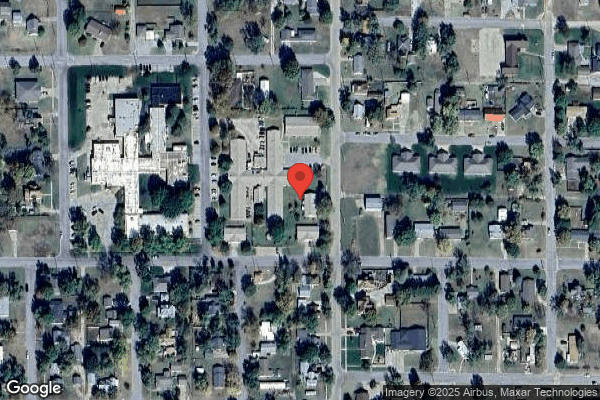
815 N ROTHSAY STREET, MINNEAPOLIS, KS 67467 (785) 392-2162
For profit - Corporation 45 Beds RECOVER-CARE HEALTHCARE Data: November 2025 1 Immediate Jeopardy citation
Trust Grade
61/100
#80 of 295 in KS
Last Inspection: May 2025

Inspected within the last 6 months. Data reflects current conditions.

Overview

Minneapolis Healthcare and Rehabilitation Center has a Trust Grade of C+, indicating a decent, slightly above-average level of care. It ranks #80 out of 295 facilities in Kansas, placing it in the top half statewide, and is the only option in Ottawa County. However, the facility is facing a worsening trend, with issues increasing from 1 in 2024 to 2 in 2025. Staffing is a concern, rated at 2 out of 5 stars, with a turnover rate of 54%, which is average for the state. The facility has accumulated $24,151 in fines, which is higher than 77% of Kansas facilities, suggesting ongoing compliance issues. On the positive side, it has good RN coverage, surpassing 85% of facilities in the state, which can help catch problems that CNAs might miss. Unfortunately, there are serious incidents to note, including a critical failure to secure a resident's wheelchair during transportation, leading to multiple cervical spine fractures. Additionally, another resident fell out of a wheelchair due to improperly engaged brakes, resulting in an arm fracture. Lastly, the facility does not have a full-time certified dietary manager, putting residents at risk for inadequate nutrition. Overall, while there are strengths in RN coverage, the incidents and fines present significant concerns.

Trust Score
C+
61/100
In Kansas
#80/295
Top 27%
Safety Record
High Risk
Review needed
Inspections
Getting Worse
1 → 2 violations
Staff Stability
⚠ Watch
54% turnover. Above average. Higher turnover means staff may not know residents' routines.
Penalties
✓ Good
$24,151 in fines. Lower than most Kansas facilities. Relatively clean record.
Skilled Nurses
✓ Good
Each resident gets 52 minutes of Registered Nurse (RN) attention daily — more than average for Kansas. RNs are trained to catch health problems early.
Violations
○ Average
6 deficiencies on record. Average for a facility this size. Mostly minor or procedural issues.
★★★★☆
4.0
Overall Rating
★★☆☆☆
2.0
Staff Levels
★★★★☆
4.0
Care Quality
★★★★☆
4.0
Inspection Score
Stable
2024: 1 issues
2025: 2 issues

The Good

  • 4-Star Quality Measures · Strong clinical quality outcomes
  • Full Sprinkler Coverage · Fire safety systems throughout facility
  • No fines on record

Facility shows strength in quality measures, fire safety.

The Bad

Staff Turnover: 54%

Near Kansas avg (46%)

Higher turnover may affect care consistency

Federal Fines: $24,151

Below median ($33,413)

Minor penalties assessed

Chain: RECOVER-CARE HEALTHCARE

Part of a multi-facility chain

Ask about local staffing decisions and management

The Ugly 6 deficiencies on record

1 life-threatening 1 actual harm
May 2025 2 deficiencies
CONCERN (F) 📢 Someone Reported This

A family member, employee, or ombudsman was alarmed enough to file a formal complaint

Potential for Harm - no one hurt, but risky conditions existed

Deficiency F0801 (Tag F0801)

Could have caused harm · This affected most or all residents

The facility had a census of 44 residents. The sample included 12 residents. Based on observation, record review, and interview, the facility failed to provide the services of a full-time certified di...

Read full inspector narrative →
The facility had a census of 44 residents. The sample included 12 residents. Based on observation, record review, and interview, the facility failed to provide the services of a full-time certified dietary manager for the 44 residents who resided in the facility and received their meals from the kitchen. This placed the residents at risk for inadequate nutrition. Findings included: - On 05/14/25 at 07:35 AM, observation revealed that dietary staff in the kitchen prepared the breakfast meal. On 05/14/25 at 09:00 AM, Dietary Staff BB verified she was not a certified dietary manager and stated she had completed the course and needed to take the test to become certified. Dietary Staff BB stated the facility had two residents with a pureed diet. On 05/16/24 at 01:00 PM, Administrative Staff A verified Dietary Staff BB was not certified. The facility's Director of Food and Nutrition Services dated 2017, documented that the director of food and nutrition services would be responsible for the safe, sanitary, economical, and nutritional operation of the food and nutrition service department. The policy documented the director would be qualified according to the position's job description and guidelines put forth by the agency that regulates the facility. The director of food and nutrition services or designee would be considered the immediate supervisor of the cooks/chefs and other food and nutrition services staff. Support staff work under the supervision of the registered dietician nutritionist.
CONCERN (F) 📢 Someone Reported This

A family member, employee, or ombudsman was alarmed enough to file a formal complaint

Potential for Harm - no one hurt, but risky conditions existed

Food Safety (Tag F0812)

Could have caused harm · This affected most or all residents

The facility had a census of 44 residents. Based on observation, interview, and record review, the facility failed to prepare and serve food in a sanitary manner when dietary staff did not complete ha...

Read full inspector narrative →
The facility had a census of 44 residents. Based on observation, interview, and record review, the facility failed to prepare and serve food in a sanitary manner when dietary staff did not complete hair coverage with the hairnet and beard cover. This deficient practice placed the residents of the facility who received meals from the facility at risk for foodborne illness. Findings included: - On 05/12/25 at 07:35 AM, observation revealed dietary staff in the facility kitchen preparing and serving breakfast to the residents. Dietary Staff (DS) CC wore a beard net but did not cover his sideburns or mustache and had a hair net that did not cover the back of his hair. On 05/13/25 at 11:20 AM, observation in the facility kitchen revealed DS CC prepared food without covering his sideburns or mustache, and his hairnet stopped at the back of his head. Approximately one inch of hair at the back of his head was uncovered. Further observation revealed DS CC had long, full sideburns in front of his ears to his jawline, and his mustache which were not covered with a beard net while he prepared drinks and desserts for the residents. DS CC hairnet he wore on his head did not contain the hair at the lower backside of his head. On 05/14/25 at 10:00 AM, DS BB stated staff were to wear hairnets, cover beards, and have thorough hair coverage including mustaches and sideburns with a beard net. The facility's Food Safety and Sanitization policy, dated 2017, documented all local, state, and federal standards and regulations would be followed to ensure a safe and sanitary department of food and nutrition services. The policy documented all staff would be in good health, would have clean personal habits, and would use safe food handling practices. Employees were required to have their hair styled so that it did not touch the collar, and wear clean aprons, clothes, shoes, and hair restraints were required and should cover all hair on the head. [NAME] nets were required when facial hair was visible.
Oct 2024 1 deficiency 1 IJ
CRITICAL (J) 📢 Someone Reported This

A family member, employee, or ombudsman was alarmed enough to file a formal complaint

Immediate Jeopardy (IJ) - the most serious Medicare violation

Accident Prevention (Tag F0689)

Someone could have died · This affected 1 resident

The facility identified a census of 44 residents with three residents reviewed for falls and accidents. Based on record review, observation, and interview, the facility failed to ensure Resident (R) 1...

Read full inspector narrative →
The facility identified a census of 44 residents with three residents reviewed for falls and accidents. Based on record review, observation, and interview, the facility failed to ensure Resident (R) 1's safety needs were met during transportation from dialysis (a procedure where impurities or wastes were removed from the blood). On 10/21/24, R1 was picked up from dialysis by transportation driver Certified Nurse's Aide (CNA) M, twenty-one miles from the facility. CNA M failed to strap R1's wheelchair into the van with the front safety harnesses. CNA M stopped at the stop light and when he drove away from the stop light, R1's wheelchair fell backwards in the transportation van and R1 hit his head on the wheelchair ramp. CNA M pulled over and was able to get R1 back in his wheelchair and transported R1 to the emergency room. At the emergency room, R1 was diagnosed with multiple cervical spine (C-the uppermost part of the spine, consisting of seven bones) fractures. The facility's failure to safely anchor the front of R1's wheelchair during van transport placed R1 in immediate jeopardy. Findings included: - R1's Electronic Medical Record (EMR) documented R1 had diagnoses of chronic subdural hemorrhage (SDH-serious condition, typically caused by head injury, where blood collects between the skull and the surface of the brain), end stage renal disease (ESRD-a terminal disease of the kidneys), diabetes mellitus (DM-when the body cannot use glucose, not enough insulin made or the body cannot respond to the insulin), and dependence on a wheelchair. The Quarterly Minimum Data Set (MDS), dated 08/05/24, documented R1 had a Brief Interview for Mental Status score of 14, which indicated intact cognition. The MDS documented R1 had impairment on both sides of his upper extremities and impairment on one side of his lower extremities and used a wheelchair for mobility. The MDS documented R1 had not had any falls during the assessment period. The Functional Abilities Care Area Assessment (CAA), dated 01/29/24, documented R1 required staff assistance with all of his activities of daily living (ADLs), was able to make his needs and wants known, and was participating in therapy to regain strength. The Falls CAA, dated 01/29/24, documented R1 had one fall during the assessment period. The CAA documented R1 required assistance with his ADLs but was non-compliant with asking for assistance. R1's Care Plan documented R1 as dependent on staff for bathing and putting on and taking off his footwear. The care plan documented R1 required substantial/maximum assistance from staff for toileting, dressing, personal hygiene, sit-to-stand, and transfer. The care plan documented R1 as independent with mobility in his wheelchair. The care plan documented R1 as at risk for falls due to vision impairment, impulsivity, poor choices, and weakness. R1's Morse Fall Scale, dated 10/10/24, documented R1 had a fall score of 80, which indicated R1 had a high risk for falls. The Facility Incident Report, documented on 10/21/24at approximately 11:30 AM Social Services Designee (SSD) X received notification from CMA M stating he picked R1 up from dialysis. CNA M stated R1 was sitting in his wheelchair in the rear of the van and CNA M was driving down the street and stopped at a stoplight. When the light turned green, CNA M started to go and R1's wheelchair tipped backwards causing R1 to strike his head on the ramp at the back of the van. CNA M pulled over and assisted R1 back into a sitting position in his wheelchair and took R1 immediately to the emergency room for evaluation. CNA M was suspended pending investigation. CNA M stated he did not hook up the wheelchair in the front. R1 was released from the emergency room and returned to the facility at approximately 09:20 PM on 10/21/24. R1 had a C6 (cervical fracture at the level of the sixth bone) fracture, and a cervical collar (C-collar: provides support and restricts movement of the neck while neck bones and tissues heal) was in place. The investigation showed R1's wheelchair was not properly secured per staff and resident interviews. The facility re-educated all staff on Abuse, Neglect, and Exploitation (ANE), performed Driver Basic Skills Validation with approved drivers, and implemented a Pre-Transportation Safety Checklist which would be monitored weekly for four weeks, every two weeks for four weeks, and then monthly for four months. CNA M's Witness Statement, dated 10/21/24, documented CNA M stopped at a red light and when it turned green, he accelerated and R1, who was in the wheelchair fell backwards. CNA M stated he went to get R1 out of the van and when he let down the wheelchair ramp R1 slipped out of his wheelchair. CNA M laid R1 down on the wheelchair ramp and got R1's wheelchair out of the van. A man stopped and helped CNA M pick R1 up and set R1 back in the wheelchair. CNA M then strapped R1 down and took R1 to the emergency room. CNA M stated the incident occurred because he did not hook up R1's wheelchair in the front with the safety harnesses. The Nurse's Note, dated 10/21/24 at 12:15 PM, documented R1's next of kin was notified of his fall and R1 being transported to the emergency room. The Nurse's Note, dated 10/21/24 at 12:16 PM, documented R1's primary care physician was notified of his fall. The Emergency Department Report, dated 10/21/24, documented R1 presented to the emergency department for evaluation after falling out of his wheelchair. R1 arrived with a staff from the nursing facility. R1 completed dialysis and the resident's the wheelchair was not secured in the transport vehicle. When the transport vehicle started moving, R1's wheelchair fell backward hitting the back of his head against the floor of the transport vehicle. R1 complained of a headache and posterior neck pain. The Cervical Spine Computed Tomography [CT scan- test that used x-ray technology to make multiple cross-sectional views of organs, bone, soft tissue and blood vessels] Scan Results, dated 10/21/24, documented R1 had sustained an acute bilateral (both sides) C6 lamina fracture, and acute bilateral C6 inferior articulating facet fractures (cervical neck fracture with dislocation), and an acute distracted fracture (a break in a bone where the bone components widen, resulting in an increase in the bone's overall length) of the spinous process of C5. The Assessment and Plan, dated 10/21/24, documented due to R1 having numerous medical comorbidities, it would be ideal to avoid surgery and consider non-surgical interventions as R1 was a high-risk patient. The neurosurgeon advised a cervical collar and to watch healing closely with repeat X-rays. The neurosurgeon discussed with R1 the necessity to wear the cervical collar at all times but said R1 could take it off daily to clean underneath the collar while maintaining cervical spine precautions. The neurosurgeon stressed to R1 to watch for numbness or tingling, worsening pains, trouble using his arms and legs from his baseline, or any changes in bowel or bladder habits. R1 stated he would like to proceed with this course of action. The plan noted to get X-rays in a couple of weeks, allow R1 to discharge, and maintain cervical spine precautions at all times. The Nurse's Note, dated 10/21/24 at 06:43 PM, documented R1's next of kin was updated on R1's condition. The Nurse's Note, dated 10/21/24 at 09:50 PM, documented R1 returned from the emergency room via facility van. R1 returned with a neck brace with instructions not to remove it but once a day for cleaning. The Nurse's Note, dated 10/21/24, documented the facility notified R1's primary care provider at 07:00 PM the C6 fracture from the fall. The Change of Condition Follow Up, dated 10/22/24, documented R1's pain level was a four and R1 stated he was having moderate pain to his neck area. R1 complained of discomfort from the C-collar. Staff administered R1 pain medication. R1 was angry and wanted to remove the C-collar. The Nurse's Note, dated 10/22/24, documented R1 had moderate pain from a fall that had occurred the previous day. R1 needed to be repositioned in his chair every fifteen to thirty minutes the entire shift due to his bottom sliding forward and his body lying to one side in the chair. R1 refused to lie in bed and was given education on how lying in bed could be beneficial to healing and aligning his body. R1 stated, I don't think so. This is fine. R1 continually asked for the C-collar to be removed as it was uncomfortable. Staff educated R1 on why the C-collar could not be removed. R1 initially refused to eat his meals stating he could not eat with the C-collar on and asked for the C-collar to be removed so he could eat. Staff educated R1 that he would have to learn to eat with the C-collar on as it could not be removed. R1 then required one staff assistance for eating and ate all of his food. R1 required two to three staff for all transfers as he was very weak. The Nurse's Note, dated 10/22/24, documented staff brought R1 to the dining room to be assisted with the dinner meal. R1 called the aide a name and stated, I would rather starve to death than have to do this. The aide asked R1 if she could finish helping him eat and R1 said no. The Change of Condition Follow-Up, dated 10/23/24, documented R1 had no complaints, slept well, and awakened easily. R1 stated he was a little achy from the accident. The Change of Condition Follow Up, dated 10/23/24, documented R1 was alert and oriented, able to make his needs known and was a little weak. The Change of Condition Follow-Up, dated 10/24/24, documented R1 was sore and weak, verbalizing needs, and had no concerns. The Nurse's Note, dated 10/26/24, documented the nurse went to R1's room to administer medications that morning. R1 sat in his recliner and leaned to his right side, and the C-collar was not positioned correctly on R1. The collar was over R1's chin and covered his mouth and nose region. The nurse sat R1 up straight, supported the C-spine, and placed the C-collar on correctly. R1 asked why he could not wear the collar the way it was because it was comfortable. The nurse educated R1 on the need to wear the collar correctly. R1 stated he did not care, he wanted it off. The Nurse's Note, dated 10/26/24, documented R1 was assisted up to his wheelchair and brought out to the dining room for breakfast so the aide could assist him with his meal. R1 did not argue and was pleasant to the staff. R1 ate 75% of his breakfast and then was assisted back to his recliner in his room. R1 asked to be shaved because his facial hair was bothering him with the collar. The Nurse's Note, dated 10/26/24, documented the nurse was asked by the aide to readjust R1's C-collar as the collar was over his chin and covered his mouth area again. The nurse asked R1 if he was moving the C-collar. R1 denied touching the collar. The nurse educated R1 again on the reason why the C-collar needed to be in the correct position. After properly placing the C-collar, R1 was repositioned in his recliner and propped up with more pillows. The Nurse's Note, dated 10/26/24, documented the nurse went to R1's room to deliver noon medications and saw R1 pulling at the C-collar and moving his head back and forth then grabbing at the Velcro. The nurse asked R1 what he was doing and R1 said sleeping. The nurse again educated R1 that the C-collar must be left in the proper position, or he would not heal properly. R1 stated I don't care. I don't like it on. The Nurse's Note, dated 10/26/24, documented the nurse went to R1's room two more times to re-adjust the C-collar. R1 continued to pull his chin out of the C-collar so that his neck was tucked down. R1 stated he was not touching the C-collar, but staff have seen R1 pulling at the Velcro and chin area and wriggling his head down. The Nurse's Note, dated 10/26/24, documented R1's C-collar was again above his chin covering his mouth and nose. The nurse repositioned the C-collar again and assisted R1 to the wheelchair to come out for the dinner meal. The Nurse's Note, dated 10/27/24, documented the nurse went to R1's room and he had the c-collar on correctly. R1 took his medications without difficulty, transferred to the wheelchair with two staff assist, and complained of pain at a 3 out of 10. R1 came out for breakfast, and he ate 75% of his meal. On 12/28/24 at 12:15 PM, observation revealed R1 sat at the lunch table in his wheelchair being fed by a CNA. R1 had the C-collar in place correctly. On 12/28/24 at 09:30 AM, Administrative Staff A stated the transportation driver admitted he did not hook up the wheelchair safety straps to the front of R1's wheelchair. Administrative Staff A stated the facility suspended the transportation driver immediately and ended up firing him because of his lack of concern for R1's safety in the transportation van. Administrative Staff A stated re-education had been completed with all the other staff that were trained on transportation. ANE re-education had been completed with all staff on 10/21/24 after the accident had been reported back to the facility. Administrative Staff stated she expected all staff who drove the facility van to have all residents safely and correctly buckled in with all safety straps and harnesses. On 12/28/24 at 12:30 PM, R1 stated he was very upset that this happened to him because it could have been avoided if the driver had just paid attention to what he was doing. R1 stated he was in a lot of pain from his injury. R1 said he was angry that he had to be fed like a baby. The facility's Staff Vehicle Safety Policy and Procedure dated 2021, documented the purpose of the policy was to prevent vehicle accidents and to promote the safety of residents and employees while using facility vehicles. The Resident Securement Checklist, documented Pre-securement: Ensure that the resident is seated properly in the wheelchair. The resident's back should completely touch the seatback without spaces; Evaluate cushion usage for safety; Check that you have all the following equipment: four securement straps per wheelchair, one seat belt per wheelchair, and one shoulder strap per wheelchair; Make sure all the equipment is in good working order; and Check that the securement tracks are clean. Wheelchair Securement: Put the wheelchair into position and lock the brakes; Secure the front straps: anchor straps on the floor track three inches outside the front wheels, ensure straps are at a 30-45 degree angle, secure close to the seat surface, and ensure the track fittings and straps are secure by tugging at them; Secure the rear straps: anchor straps on the floor track three inches outside the rear wheels, ensure straps are at a 30-45 degree angle, secure close to the seat surface, and ensure the track fittings and straps are secure by tugging at them. Lock the brakes. Put on the resident's seat belt with the lap belt buckle on the hip opposite of the shoulder strap to be used. Ensure the belt fits tight across the lap and under the wheelchair armrest. The facility's failure to safely anchor the front of R1's wheelchair during van transport resulted in a cervical spine fracture for R1 and placed R1 in immediate jeopardy. On 10/28/24 at 12:51 PM Administrative Staff A received a copy of the Immediate Jeopardy [IJ] Template and was informed the facility's failure to ensure a safe environment free from preventable accidents evidenced by staff failure to buckle the front wheelchair harness during motor vehicle transport placed R1 in IJ. On 10/21/24, the facility completed ANE education with all facility staff, performed Driver Basic Skills Validation with approved drivers on 10/21/24, implemented a Pre-Transportation Safety Checklist which would be monitored weekly for four weeks, every two weeks for four weeks, and then monthly for four months. CMA M was terminated. Since all corrective actions were completed prior to the onsite survey, the deficient practice was deemed past noncompliance and remained at the scope and severity of J.
Sept 2023 2 deficiencies
CONCERN (D)

Potential for Harm - no one hurt, but risky conditions existed

Accident Prevention (Tag F0689)

Could have caused harm · This affected 1 resident

**NOTE- TERMS IN BRACKETS HAVE BEEN EDITED TO PROTECT CONFIDENTIALITY** The facility had a census of 42 residents. The sample included 12 residents, with five reviewed for falls. Based on observation,...

Read full inspector narrative →
**NOTE- TERMS IN BRACKETS HAVE BEEN EDITED TO PROTECT CONFIDENTIALITY** The facility had a census of 42 residents. The sample included 12 residents, with five reviewed for falls. Based on observation, record review, and interview the facility failed to implement meaningful, resident centered interventions for two sampled residents, Resident (R) 21 and R29, who were at risk and had falls. This placed the residents at increased risk for falls and injury. Findings included: - The Electronic Medical Record (EMR) documented R21 had diagnoses of dementia without behavioral disturbance (progressive mental disorder characterized by failing memory and confusion), abnormalities of gait and mobility, unsteadiness on feet, need for assistance with personal care, repeated falls, cognitive communication deficit (an impairment in organization, sequencing, attention, memory, planning, problem-solving, and safety awareness), pain, and vertigo (a sensation of whirling and loss of balance). The Significant Change Minimum Data Set (MDS), dated [DATE], documented R21 had severely impaired cognition and required extensive assistance of one staff for personal hygiene and limited assistance of one staff for bed mobility, transfers, ambulation, dressing, and toileting. The MDS further documented R21 had steady balance, no functional impairment, and had no falls. The Quarterly MDS, dated 08/20/23, documented R21 had severely impaired cognition, and required extensive assistance of one staff for bed mobility, transfers, ambulation in his room, dressing, toileting, and personal hygiene. The MDS further documented R21 had unsteady balance, no functional impairment, and had on fall since prior assessment. The Fall Risk Assessments, dated 10/28/22, 01/26/23, 02/17/23, 03/02/23, 03/08/23, 05/19/23, 07/10/23, documented R21 a high risk for falls. The Fall Care Plan, dated 08/14/23, documented R21 was at risk for falls. The care plan initiated on 12/31/20 directed staff to make sure his call light was within reach and encourage him to use it for assistance as needed, respond promptly for all requests for assistance, and anticipate and meet his needs. The update dated, 01/06/23, educated staff the importance of meeting the resident's basic needs in a timely manner. The update, dated 03/02/23, directed staff to place a sign on R21's walker to use his call light for assistance. The update, dated 03/08/23, directed staff to place a sign in the bathroom to remind R21 to use his call light for assistance. The update, dated 07/10/23, educated staff to put R21's walker by his bed when he was in bed and place a sign on his walker to press his call light for assistance. The Fall Investigation, dated 01/06/23 at 06:55 PM, documented staff heard hollering for help from R21's room and observed R21 lying on the floor next to his bed. R21 was assisted off the floor by two staff members with a gait belt without difficulty and was taken to the bathroom. The investigation documented R21 did not have any injuries, was incontinent, had impaired memory, and had attempted to self-transfer from his wheelchair to his bed. The investigation further documented staff was educated to not leave a cognitively impaired resident alone or ask to wait for assistance. The Fall Investigation, dated 03/02/23 at 12:15 AM, documented staff heard hollering for help from R21's room and observed him on the floor on the right side on the bed with head just under the bed with his legs sticking out. The investigation documented R21 had a raised, fluid filled 2 centimeters (cm) area on the right outer aspect occiput on the back of his head, had impaired memory, gait imbalance, and the physician directed staff to notify him if R21 had any changes. The investigation further documented staff were directed to put a note on his walker to call for assistance to the bathroom. The Fall Investigation, dated 03/09/23 at 06:41 PM, documented staff heard a thump sound and observed R21 with his right side against the bathroom door and he stated he attempted to stand up from the toilet, fell to the right, hit his head on the door, when he pulled his pants up. The investigation further documented R21 had impaired memory, impaired gait and balance, weakness and staff were directed to place a sign in the bathroom to remind R21 to use his call light. The Fall Investigation, dated 07/10/23 at 06:31 PM, documented staff hear hollering for help and observed R21 lying on the floor and he stated he needed to use the bathroom. The investigation further documented R21 obtained a skin tear to his left elbow. The investigation further documented R21 had been taken to the bathroom [ROOM NUMBER] minutes prior to the fall. The investigation documented R21 only had socks on when attempted to take himself to the bathroom, and directed staff to place his walker within reach with a note to call for assistance. On 09/07/23 at 02:09 PM, observation revealed Certified Nurse Aide (CNA) N sat R21 on the side of the bed, placed a gait belt around his waist, put the walker in front of him and tried to assist him to stand up. Further observation revealed R21 could not stand up straight, and sat back down on the bed. CNA N assisted him again to try to stand up, at that time he was able to stand up and used his walker to walk to the bathroom, and sat on the toilet. On 09/07/23 at 02:09 PM, CNA N stated she was unsure if she was able to look at the resident's care plan to know what all the interventions were to prevent him from falls but would contact the nurse if he had a fall. On 09/11/23 at 08:00 AM, Licensed Nurse (LN) H stated R21 had not had any falls on the day she works at the facility, and that he was on hospice (a program designed to make the process of dying as comfortable as possible), was a one person assist with transfers and ambulation. On 09/12/23 at 11:28 AM, Administrative Nurse D stated she was unable to inform me of her expectations of staff for prevention of falls until she reviewed his care plan. The facility's Fall Prevention policy, dated 02/01/20, documented the care plan would be assessed for the risks of falling and the resident would receive care and services in accordance with the level of risk to minimize the likelihood of falls. The policy further documented, if a resident with high risk protocol, staff implement interventions from low/moderate risk protocols and interventions would be implemented that address unique risk factors by the risk assessment tool. Each resident's risk factors, environmental hazards would be evaluated when developing the resident's comprehensive care plan and monitored for effectiveness. The facility failed to implement meaningful, person centered interventions which addressed the causative factors for falls for cognitively impaired R21. This placed the resident at risk for further falls and injuries. - The Electronic Medical Record (EMR) for R29 documented diagnoses of dementia without behavioral disturbance (progressive mental disorder characterized by failing memory and confusion), abnormalities of gait and mobility, history of falling, and muscle weakness. The Annual Minimum Data Set (MDS), dated [DATE], documented R29 had intact cognition and required extensive assistance of one staff for bed mobility, transfers, ambulation, toileting and personal hygiene. The assessment further documented R29 had unsteady balance, no functional impairment, and had no falls. The Quarterly MDS, dated 07/17/23, documented R29 had intact cognition and required extensive assistance of one staff for bed mobility, transfers, ambulation in room, dressing, toileting, and limited assistance of two staff for personal hygiene. The MDS further documented R29 had unsteady balance, no functional impairment, and no falls. The Fall Assessments, dated 01/23/23, 02/19/23, 02/28/23, 04/29/23, 07/15/23, 08/18/23, 08/23/23, and 09/06/23, documented R29 a high risk for falls. The Fall Care Plan, dated 07/31/23, documented R29 was at risk for falls. The care plan initiated on 4/07/22 directed staff to reeducate R29 to use the call light for assistance when transferring. The update, dated 06/7/22, directed staff to reeducate R29 to use the call light for assistance with transfers. The update dated 02/28/23 directed staff to reeducate R29 to call for assistance to the bathroom at night. The update, dated 08/17/23, directed staff to use 2 staff assist with transfers until R29 felt better. The update, dated 08/23/23, documented anti-rollback brakes placed on the wheelchair. The update, dated 08/28/23, directed staff to be sure R29's call light was within reach and encourage her to use it for assistance as needed and to respond quickly to all requests for assistance. The update, dated 09/06/23, reeducated staff to make sue resident has shoes on for transfers and a note was placed in R29's room to use the call light for assistance. The update, dated 09/08/23, directed staff to use 2 staff for transfers at all times. The Fall Investigation, dated 02/28/23 at 04:25 AM, documented staff heard R29 say, OH, and observed R29 fall onto her bottom in the bathroom; her right arm hit the wall and she sustained a skin tear to her right upper forearm. The Investigation further documented R29 had gait imbalance, fell after she lost her balance getting onto the toilet and had not utilized her call light for assistance. The investigation documented R29 was educated to use the call light and wait for assistance to go to the bathroom. The Fall Investigation, dated 09/06/23 at 07:30 AM, documented R29 slid to the ground during a transfer to her wheelchair with staff. The investigation further documented R29 had impaired memory, gait imbalance, and weakness, and sustained a skin tear to her right elbow. The investigation documented staff were reeducated to ensure R29 had shoes on during transfers. The Fall Investigation, dated 09/06/23 at 06:30 PM, documented R29 fell to the floor while she attempted to transfer herself. The investigation documented staff had just told R29 to wait a minute as they were assisting another resident and R29 decided to transfer herself. The investigation documented R29 had impaired memory, gait imbalance, and staff were educated to place a sign in the resident's room to press her call light for assistance. The Fall Investigation, dated 09/08/23 at 01:35 PM, documented R29 was on the floor in her bathroom with her back against the adjoining room door, legs stretched out in front of her, and a gait belt around her waist. The investigation further documented staff were assisting R29 when she lost her balance, fell over, and reopened a healing skin tear on her right arm. The investigation documented R29 would be a two-person transfer. On 09/07/23 at 03:00 PM, Certified Nurse Aide (CNA) M stated she needed to find a second CNA to assist her to transfer the resident as she had two falls the previous day and she was now a two-person transfer. Observation revealed CNA M placed a gait belt around R29's waist, took her wheelchair pedals off, CNA M on her left side and CNA N on her right, stood R29 in front of her walker, held on to her gait belt as R29 was unsteady, and walked her into the bathroom, and assisted her to the toilet. Further observation revealed CNA N stated she was going to go assist another resident and CNA M should be ok now. CNA M asked if she was coming back to assist her and CNA N stated she did not think she needed to. CNA M told her that she had been told that R29 was a two person transfer because of her two falls and CNA N stated she had not attended report, so she did not know that R29 was now a two person assist. On 09/12/23 at 11:28 AM, Administrative Nurse D stated R29 would be admitted to hospice (a program designed to make the process of dying as comfortable as possible) due to her decline and multiple falls and she was unable to inform me of her expectations of staff for prevention of falls until she reviewed her care plan. The facility's Fall Prevention policy, dated 02/01/20, documented the care plan would be assessed for the risks of falling and the resident would receive care and services in accordance with the level of risk to minimize the likelihood of falls. The policy further documented, if a resident with high-risk protocol, staff implement interventions from low/moderate risk protocols and interventions would be implemented that address unique risk factors by the risk assessment tool. Each resident's risk factors and environmental hazards would be evaluated when developing the resident's comprehensive care plan. The facility failed to implement meaningful, person-centered interventions which addressed the causative factors for falls for R29. This placed the resident at risk for further falls and injuries.
CONCERN (D)

Potential for Harm - no one hurt, but risky conditions existed

Deficiency F0698 (Tag F0698)

Could have caused harm · This affected 1 resident

The facility had a census of 42 residents. The sample included 12 residents with one reviewed for dialysis. Based on observation, record review, and interview, the facility failed to provide ongoing c...

Read full inspector narrative →
The facility had a census of 42 residents. The sample included 12 residents with one reviewed for dialysis. Based on observation, record review, and interview, the facility failed to provide ongoing communication and assessment of the resident's dialysis (the process of removing waste products and excess fluid from the body when the kidneys are not able to adequately filter the blood) treatment, including monitoring for Resident (R)26. This placed the resident at risk for complications and health decline. Findings included: - R26's Electronic Health Record (EHR) documented R26 had diagnoses of end stage renal disease (decline in kidney function.) R26s Quarterly Minimum Data Set (MDS), dated 07/18/23, recorded R26 had a Brief Interview for Mental Status (BIMS) score of 15 which indicated intact cognition. The MDS recorded he required limited assistance of one staff for bed mobility, transfers and toilet use. The MDS further recorded R26 was occasionally incontinent of urine and recorded the resident received dialysis treatment. The Dialysis Care Plan, dated 07/26/23, documented R26 received dialysis three times a week on Mondays, Wednesday and Friday. The Physician Order, dated 08/28/23 directed staff R26 required dialysis three times a week. The facility lacked evidence of communication and collaboration from the dialysis center to the facility for orders, guidance or direction with each appointment the resident had at the dialysis center. On 09/07/23 at 10:15 AM, observation revealed R26 sat in a recliner in his room while Licensed Nurse G administered the resident's morning medications. Continued observation revealed the resident was dressed in street clothes and nicely groomed. On 09/12/23 at 11:00AM, Administrative Nurse D verified R26 received dialysis three times a week on Mondays, Wednesdays and Fridays, and the facility should send a communication sheet with the resident with each dialysis treatment when he left the facility. Administrative Nurse D did say if the sheet was sent, the dialysis center failed to send the communication form back with the resident with each appointment. The facility's Hemodialysis policy, undated, documented the facility would provide the necessary care and treatment, consistent with professional standards of practice, physician orders, the comprehensive person-centered care plan, and the resident's goals and preferences, to meet the special medical, nursing, mental, and psychosocial needs of the residents receiving hemodialysis. The facility would assure that each resident receives care and services for the provision of hemodialysis consistent with professional standards of practice. The ongoing assessment of the resident's condition and monitoring for complications before and after dialysis treatment received at a certified dialysis facility. The ongoing communication and collaboration with the dialysis facility regarding dialysis care and services. The license nurse may communicate to the dialysis facility via telephone communication or written format, such as a dialysis communication form or other form when appropriate, that would include, but not limited to timely medication orders, physician/treatment orders, laboratory values, and vital signs. changes or decline in condition related to the vascular access site, dialysis adverse reaction/complications and or recommendations for follow up observation and monitoring, dialysis treatment provided, , nutritional fluid management, occurrence of risk or falls and any concerns related to transportation to and from the dialysis facility. The facility failed to provide R26 dialysis communication form, and/or failed to receive the dialysis communication from when sent with R26, appointments to the dialysis facility, with each appointment placing the resident at risk for complications and health decline.
Jan 2023 1 deficiency 1 Harm
SERIOUS (G) 📢 Someone Reported This

A family member, employee, or ombudsman was alarmed enough to file a formal complaint

Actual Harm - a resident was hurt due to facility failures

Accident Prevention (Tag F0689)

A resident was harmed · This affected 1 resident

The facility identified a census of 41 residents with three reviewed for falls. Based on record review, observation and interview, the facility failed to prevent an avoidable accident when Resident (R...

Read full inspector narrative →
The facility identified a census of 41 residents with three reviewed for falls. Based on record review, observation and interview, the facility failed to prevent an avoidable accident when Resident (R) 1 fell out of the transportation van after an appointment due to the brakes to R1's high backed wheelchair were not fully engaged on both sides, resulting in R1's wheelchair rolling and R1 slid out of her wheelchair, falling on the ground, and sustaining a non-displaced humerus (upper arm) fracture. Findings included: - R1's Electronic Medical Record (EMR) documented diagnoses of myotonic muscular dystrophy (group of inherited disorders that involve muscle weakness and loss of muscle tissue, and worsen over time), respiratory failure, and protein calorie malnutrition. The admission Minimum Data Set (MDS), dated 01/18/23, documented R1 had a Brief Interview for Mental Status (BIMS), score of 15, which indicated she was cognitively intact. The MDS documented R1 required extensive assistance of two staff for bed mobility, transfer, locomotion on and off the unit, toileting, dressing, and personal hygiene. The MDS documented R1 required assistance with a tracheostomy (opening though the neck into the trachea through which an indwelling tube may be inserted), a gastronomy tube (surgical creation of an artificial opening into the stomach thru the abdominal wall), and R1 utilized oxygen at all times. The Activity of Daily Living Care Area Assessment (CAA) dated 01/18/23, documented R1 required extensive assistance for all activities of daily living and R1 would be care planned to minimize risks. The Fall CAA, dated 01/18/23, documented R1 was at risk for falls, required assistance for all her activities of daily living, had a diagnosis of myotonic muscular dystrophy, and would be care planned to minimize risks. The Activities of Daily Living Care Plan, dated 01/13/23, documented R1 had a self-care deficit and required assistance with her care needs due to a diagnosis of myotonic muscular dystrophy. The care plan directed staff R1 was dependent on two staff for bathing and required assistance of one to two staff for bed mobility, transfer, dressing, eating, and personal hygiene. The Fall Care Plan, dated 01/18/23, documented R1 was at risk for falls due to impaired mobility. The care plan directed staff to anticipate and meet R1's needs and to educate R1, her family and her caregivers about safety reminders. The Morse Fall Scale, dated 01/19/23, documented R1 had a score of 80, which indicated R1 was a high risk for falling. The Facility Incident Report, dated 01/19/23, documented R1 was out of the facility at a doctor's appointment when Transportation Driver GG assisted R1 up the ramp into the van in R1's wheelchair and pushed the brakes of the wheelchair to lock. Transportation Driver GG stepped down from the van to walk around to the other side to finish securing the chair, when the chair rolled forward some and R1, along with her cushion, slid forward off the wheelchair after the chair stopped. R1's left arm got tangled in the wheelchair arm when she slipped forward. The nurses and the doctor's office came out and assisted R1. R1 had no notable injury at that time and R1 declined to go to the hospital to be evaluated. When R1 returned to the facility, R1 complained of pain in her left arm and right ankle. R1's primary care physician was called and updated, and a new order was received for an x-ray at bedside. At approximately 07:30 PM, a radiology report was received with the impression of the left arm stating an irregularity involving the neck of the humerus, which could represent fracture of unknown age. R1's primary care physician was notified of the results and no new orders were received. On 01/20/23 the facility charge nurse followed up with R1's primary care physician and new orders were received for a Computerized Tomography (CT) scan of the left arm at 02:00 PM on 01/20/23. The CT scan results confirmed a fracture and R1 was sent to a higher level of care per R1's primary care physician. On 01/20/23 at 11:35 PM, R1 returned to the facility after the CT scan was reviewed by the orthopedic team at the higher level of care. R1 had a sling to her left arm and orders for outpatient follow-up with orthopedics and an order for morphine (pain medication) 15 milligrams (mg) as needed. The Witness Statement, dated 01/23/23, documented Transportation Driver GG stated when she loaded R1 into the van on 01/19/23 at approximately 2:20 PM, the left sliding door of the van had bumped R1's foot. Because of this, upon loading R1 into the van for the return to the facility, Transportation Driver GG opened both left and right-side sliding doors of the van to check for clearance on both sides. Transportation Driver GG stated she loaded R1 into the van and she thought she had applied the brake on the right side of the wheelchair, and she reached to apply the left brake and due to limited clearance on the left side she asked R1 to check that the left brake was set. Transportation Driver GG stated she then exited the van and her weight on the ramp caused the wheelchair on the van to move. Transportation Driver GG heard R1 say, Oh. Transportation Driver GG stated she turned and saw the chair move forward through the left side doorway causing R1 to slide out of the chair along with the cushion. Transportation Driver GG stated she immediately went around the van and checked on R1, asking if she was okay and covering her with a blanket, and then told the greeter that she needed medical assistance because R1 was on the ground. Transportation Driver GG then went back to R1 to see if she could make R1 more comfortable. R1 wanted Transportation Driver GG to move her legs. Transportation Driver GG moved R1's legs cautiously and R1 showed not discomfort. R1 then asked Transportation Driver GG to move her left arm which was between the van door and the wheelchair arm rest. Transportation Driver GG moved R1's left arm cautiously and she could tell it was painful to R1. A nurse finally came and called for another nurse, and they all lifted R1 back into her chair. Transportation Driver GG asked R1 if she was okay and R1 replied, Yes. The Transportation Driver GG asked the nurses if they felt R1 should be seen by a doctor and the nurses asked R1 what she wanted to do and R1 replied she wanted to go home [to the facility]. R1 was then secured in the van and taken back to the facility. On 01/30/23 at 10:15 AM, Transportation Driver GG stated that she had transported R1 to a doctor's appointment on 01/19/23 using the side loading van. When Transportation Driver GG had put R1 into the side loading van when leaving the facility, R1 had told her that she had bumped her foot on the left door. Transportation Driver GG stated to protect R1's foot, she opened both doors to make sure there was enough clearance. Transportation Driver GG she thought she had locked the right brake, but because of the occurrence, she was no longer certain. She said she asked R1 to lock the left side brake because there was not enough clearance between the back seat and the wheelchair for Transportation GG to get her arm back there to lock it. Transportation GG then got off the van and thinks that perhaps her weight must have shifted the van because the wheelchair moved and R1 slid off the wheelchair with her wheelchair cushion and landed on the ground. On 01/30/23 at 11:00 AM, Administrative Nurse D stated she expected transportation staff to ensure both brakes were fully engaged and functioning. The facility's Staff Vehicle Safety Policy and Procedure policy, revised May 2022, documented Only the trained driver may secure residents in the vehicle. The driver may not delegate this responsibility to any other person unless that person is also trained in securing resident's in vehicles. The facility's undated Accidents and Supervision policy documented all staff are to be involved in observing and identifying potential hazards in the environment while taking into consideration of the unique characteristics and abilities of each resident. The facility should make a reasonable effort to identify the hazard and risk factors in the resident environment. Supervision is an intervention and a means of mitigating accident risk. The facility will provide adequate supervision to prevent accidents. The facility failed to prevent an avoidable accident when R1 slid out of her wheelchair during a transportation event. As a result, R1 sustained a humerus fracture which caused discomfort and required R1 to wear a sling. On 01/19/23, prior to the survey, the facility completed corrective actions which included review of the incident, education, and training to relevant staff on how to safely load and transport the resident in the van. The deficient practice was cited as past noncompliance.
Understanding Severity Codes (click to expand)
Life-Threatening (Immediate Jeopardy)
J - Isolated K - Pattern L - Widespread
Actual Harm
G - Isolated H - Pattern I - Widespread
Potential for Harm
D - Isolated E - Pattern F - Widespread
No Harm (Minor)
A - Isolated B - Pattern C - Widespread

Questions to Ask on Your Visit

  • "What changes have you made since the serious inspection findings?"
  • "Can I speak with families of current residents?"
  • "What's your RN coverage like on weekends and overnight?"

Our Honest Assessment

Strengths
  • • Licensed and certified facility. Meets minimum state requirements.
Concerns
  • • Multiple safety concerns identified: 1 life-threatening violation(s), 1 harm violation(s). Review inspection reports carefully.
  • • 6 deficiencies on record, including 1 critical (life-threatening) violation. These warrant careful review before choosing this facility.
  • • $24,151 in fines. Higher than 94% of Kansas facilities, suggesting repeated compliance issues.
Bottom line: Mixed indicators with Trust Score of 61/100. Visit in person and ask pointed questions.

About This Facility

What is Minneapolis Healthcare And Rehabilitation Center's CMS Rating?

CMS assigns MINNEAPOLIS HEALTHCARE AND REHABILITATION CENTER an overall rating of 4 out of 5 stars, which is considered above average nationally. Within Kansas, this rating places the facility higher than 99% of the state's 100 nursing homes. This rating reflects solid performance across the metrics CMS uses to evaluate nursing home quality.

How is Minneapolis Healthcare And Rehabilitation Center Staffed?

CMS rates MINNEAPOLIS HEALTHCARE AND REHABILITATION CENTER's staffing level at 2 out of 5 stars, which is below average compared to other nursing homes. Staff turnover is 54%, compared to the Kansas average of 46%. RN turnover specifically is 57%, which is notably high. RNs provide skilled clinical oversight, so turnover in this role can affect medical care quality.

What Have Inspectors Found at Minneapolis Healthcare And Rehabilitation Center?

State health inspectors documented 6 deficiencies at MINNEAPOLIS HEALTHCARE AND REHABILITATION CENTER during 2023 to 2025. These included: 1 Immediate Jeopardy (the most serious level, indicating potential for serious harm or death), 1 that caused actual resident harm, and 4 with potential for harm. Immediate Jeopardy findings are rare and represent the most serious regulatory concerns. They require immediate corrective action.

Who Owns and Operates Minneapolis Healthcare And Rehabilitation Center?

MINNEAPOLIS HEALTHCARE AND REHABILITATION CENTER is owned by a for-profit company. For-profit facilities operate as businesses with obligations to shareholders or private owners. The facility is operated by RECOVER-CARE HEALTHCARE, a chain that manages multiple nursing homes. With 45 certified beds and approximately 41 residents (about 91% occupancy), it is a smaller facility located in MINNEAPOLIS, Kansas.

How Does Minneapolis Healthcare And Rehabilitation Center Compare to Other Kansas Nursing Homes?

Compared to the 100 nursing homes in Kansas, MINNEAPOLIS HEALTHCARE AND REHABILITATION CENTER's overall rating (4 stars) is above the state average of 2.9, staff turnover (54%) is near the state average of 46%, and health inspection rating (4 stars) is above the national benchmark.

What Should Families Ask When Visiting Minneapolis Healthcare And Rehabilitation Center?

Based on this facility's data, families visiting should ask: "What changes have been made since the serious inspection findings, and how are you preventing similar issues?" "Can you walk me through typical staffing levels on day, evening, and night shifts?" "Can I visit during a mealtime to observe dining assistance and food quality?" "How do you handle medical emergencies, and what is your hospital transfer rate?" These questions are particularly relevant given the facility's Immediate Jeopardy citations and the below-average staffing rating.

Is Minneapolis Healthcare And Rehabilitation Center Safe?

Based on CMS inspection data, MINNEAPOLIS HEALTHCARE AND REHABILITATION CENTER has documented safety concerns. Inspectors have issued 1 Immediate Jeopardy citation (the most serious violation level indicating risk of serious injury or death). The facility has a 4-star overall rating and ranks #1 of 100 nursing homes in Kansas. Families considering this facility should ask detailed questions about what corrective actions have been taken since these incidents.

Do Nurses at Minneapolis Healthcare And Rehabilitation Center Stick Around?

MINNEAPOLIS HEALTHCARE AND REHABILITATION CENTER has a staff turnover rate of 54%, which is 8 percentage points above the Kansas average of 46%. Moderate turnover is common in nursing homes, but families should still ask about staff tenure and how the facility maintains care continuity when employees leave.

Was Minneapolis Healthcare And Rehabilitation Center Ever Fined?

MINNEAPOLIS HEALTHCARE AND REHABILITATION CENTER has been fined $24,151 across 2 penalty actions. This is below the Kansas average of $33,320. While any fine indicates a compliance issue, fines under $50,000 are relatively common and typically reflect isolated problems that were subsequently corrected. Families should ask what specific issues led to these fines and confirm they've been resolved.

Is Minneapolis Healthcare And Rehabilitation Center on Any Federal Watch List?

MINNEAPOLIS HEALTHCARE AND REHABILITATION CENTER is not on any federal watch list. The most significant is the Special Focus Facility (SFF) program, which identifies the bottom 1% of nursing homes nationally based on persistent, serious quality problems. Not being on this list means the facility has avoided the pattern of deficiencies that triggers enhanced federal oversight. This is a positive indicator, though families should still review the facility's inspection history directly.