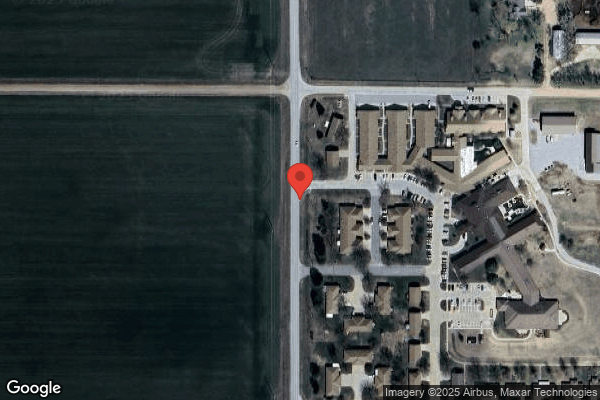
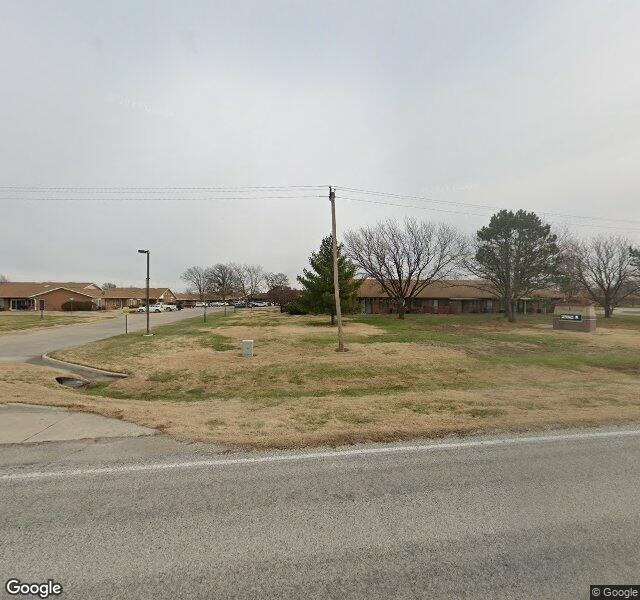
PINE VILLAGE

86 TWENTY-SECOND AVENUE, MOUNDRIDGE, KS 67107 (620) 345-2901
Non profit - Corporation 74 Beds Independent Data: November 2025
Trust Grade
65/100
#148 of 295 in KS
Last Inspection: May 2025

Inspected within the last 6 months. Data reflects current conditions.

Overview

Pine Village in Moundridge, Kansas holds a Trust Grade of C+, indicating it is slightly above average but still has room for improvement. Ranked #148 out of 295 facilities in Kansas, it falls in the bottom half, and is #4 out of 7 in McPherson County, meaning only three local options are better. The facility's performance has remained stable over recent years, with four reported issues both in 2023 and 2025. Staffing is a relative strength with a 4/5 star rating and a turnover rate of 44%, which is better than the state average. However, the facility has concerning RN coverage, with less than 7% of Kansas facilities, which may impact the quality of care. While there have been no fines reported, indicating good compliance overall, there are some health and safety concerns. Specific incidents include improper food storage that could risk foodborne illness and incomplete staffing reports that may affect adequate nurse staffing levels. Additionally, the facility has not consistently provided required training for nurse aides, which poses a risk for inadequate care. Overall, while Pine Village has strengths in staffing and compliance, families should be aware of the identified issues that could impact resident safety and care quality.

Trust Score
C+
65/100
In Kansas
#148/295
Top 50%
Safety Record
Low Risk
No red flags
Inspections
Holding Steady
4 → 4 violations
Staff Stability
○ Average
44% turnover. Near Kansas's 48% average. Typical for the industry.
Penalties
✓ Good
No fines on record. Clean compliance history, better than most Kansas facilities.
Skilled Nurses
○ Average
Each resident gets 30 minutes of Registered Nurse (RN) attention daily — about average for Kansas. RNs are the most trained staff who monitor for health changes.
Violations
⚠ Watch
13 deficiencies on record. Higher than average. Multiple issues found across inspections.
★★★☆☆
3.0
Overall Rating
★★★★☆
4.0
Staff Levels
★☆☆☆☆
1.0
Care Quality
★★★★☆
4.0
Inspection Score
Stable
2023: 4 issues
2025: 4 issues

The Good

  • 4-Star Staffing Rating · Above-average nurse staffing levels
  • Full Sprinkler Coverage · Fire safety systems throughout facility
  • No fines on record
  • Staff turnover below average (44%)

    4 points below Kansas average of 48%

Facility shows strength in staffing levels, fire safety.

The Bad

3-Star Overall Rating

Near Kansas average (2.9)

Meets federal standards, typical of most facilities

Staff Turnover: 44%

Near Kansas avg (46%)

Typical for the industry

The Ugly 13 deficiencies on record

May 2025 4 deficiencies
CONCERN (D)

Potential for Harm - no one hurt, but risky conditions existed

Deficiency F0757 (Tag F0757)

Could have caused harm · This affected 1 resident

**NOTE- TERMS IN BRACKETS HAVE BEEN EDITED TO PROTECT CONFIDENTIALITY** The facility had a census of 66 residents. The sample included 17 residents, with five reviewed for unnecessary medications. Bas...

Read full inspector narrative →
**NOTE- TERMS IN BRACKETS HAVE BEEN EDITED TO PROTECT CONFIDENTIALITY** The facility had a census of 66 residents. The sample included 17 residents, with five reviewed for unnecessary medications. Based on observation, record review, and interview, the facility failed to hold blood pressure medications per the physician-ordered parameters for one resident, Resident (R) 30. This placed the resident at risk for physical decline and other related complications. Findings included: - The Electronic Medical Record (EMR) for R30 documented diagnoses of dementia (a progressive mental disorder characterized by failing memory and confusion), anxiety (mental or emotional reaction characterized by apprehension, uncertainty, and irrational fear), edema (swelling resulting from an excessive accumulation of fluid in the body tissue), and hypertension (high blood pressure). R30's Quarterly Minimum Data Set (MDS), dated [DATE], documented R30 had severely impaired cognition. The MDS documented R30 required partial staff assistance for oral hygiene, toileting hygiene, bathing, transfers, and did not ambulate. The MDS documented R30 received a diuretic (a medication to promote the formation and excretion of urine), antidepressant (a class of medication used to treat mood disorders), and antianxiety (a class of medication that calms and relaxes people). R30's Care Plan, dated 03/29/25, initiated on 08/06/22, directed staff to administer medications as ordered, monitor for adverse responses, and notify the physician of ineffectiveness. The Physician's Order, dated 08/06/22, directed staff to administer atenolol (high blood pressure medication), 50 milligrams (mg), by mouth, daily for hypertension. Hold the medication if the systolic blood pressure (SBP -the top number, the force your heart exerts on the walls of your arteries) was less than 110 millimeters of mercury (mmHg), if diastolic blood pressure (DBP - minimum level of blood pressure measured between contractions of the heart; the bottom number of a blood pressure reading) was less than 60 mmHg. R30's Medication Administration Record (MAR) for April 2025 documented the following days R30 received the atenolol when SBP or DBP was under the ordered parameters: 04/01/25 - 118/51 04/02/25 - 137/58 04/17/25 - 110/56 04/21/25 - 128/52 04/27/25 - 102/80 On 05/04/25 at 02:30 PM, R30 sat in a chair in the activity area of the Special Care Unit (SCU), did not speak, but held out her hand to shake hands. R30 periodically closed her eyes to rest. On 05/05/25 at 03:02 PM, Certified Medication Aide (CMA) R verified that the atenolol medication was out of physician-ordered parameters and stated the medication should have been held. On 05/06/25 at 09:41 AM, Licensed Nurse (LN) H stated the CMA should notify her when the blood pressure was out of parameters so she could either wait and retake the blood pressure within the hour to see if it was within parameters for the medication. On 05/06/25 at 11:48 AM, Administrative Nurse D stated the CMA should notify the nurse when the blood pressure was out of parameters and hold the medication. The facility's Medication Administration policy, dated 02/09/18, documented all staff administering medications would follow the guidelines, check the vital signs on appropriate medications as ordered, and record it in the resident's chart.
CONCERN (E)

Potential for Harm - no one hurt, but risky conditions existed

Infection Control (Tag F0880)

Could have caused harm · This affected multiple residents

The facility had a census of 65 residents. The sample included 13 residents. Based on observation, record review, and interview, the facility failed to use appropriate barriers while sorting soiled la...

Read full inspector narrative →
The facility had a census of 65 residents. The sample included 13 residents. Based on observation, record review, and interview, the facility failed to use appropriate barriers while sorting soiled laundry. This placed the residents at risk of infectious diseases. Findings included: - On 05/06/25 at 07:47 AM, while on tour of the laundry department, Maintenance/Housekeeping Staff U stated the soiled laundry was sorted by laundry staff using only gloves; unless there was obvious visual soilage, and then a gown would be worn. Maintenance/Housekeeping Staff U stated she had not thought about transferring soiled/potentially infectious laundry to the clean laundry. On 05/06/25 at 11:30 AM, Administrative Nurse D verified that laundry staff should wear clothing barrier and gloves while sorting soiled laundry. The facility's Laundry policy, dated 05/10/20, documents the facility launders linens and clothing in accordance with current Centers for Disease Control and Prevention (CDC) guidelines to prevent transmission of pathogens. Aligning with principles of standard precautions, staff shall consider all previously worn clothing and used linens as potentially contaminated. Soiled laundry shall be handled as little as possible with minimum agitation to avoid contamination of areas, surfaces, and persons. Laundry staff would be in-service on handling linens and laundry on a regular basis.
CONCERN (F)

Potential for Harm - no one hurt, but risky conditions existed

Food Safety (Tag F0812)

Could have caused harm · This affected most or all residents

The facility had a census of 66 residents. The sample included 17 residents. Based on observation, record review, and interview, the facility failed to store food by professional standards for food se...

Read full inspector narrative →
The facility had a census of 66 residents. The sample included 17 residents. Based on observation, record review, and interview, the facility failed to store food by professional standards for food service safety in one kitchen. This deficient practice placed the residents who received their meals from the facility's kitchens at risk for foodborne illness. Findings included: - On 05/04/25 at 08:34 AM, the silver upright freezer, located by the entrance door, inside the kitchen, had the following: A cardboard box had the plastic torn open, exposing four corn dogs. A cardboard box had the plastic torn open, exposing 19 (4-ounce (oz) beef burger patties. A cardboard box had the plastic torn open, exposing 16 (2.6oz) chicken patties. The walk-in fridge had an unlabeled, undated plastic bag with shredded radishes and a plastic bag with unlabeled, undated shredded carrots. On 05/04/25 at 08:34 AM, Dietary Staff (DS) CC verified the above findings and stated staff should cover food when placed in the freezer. DS CC stated that the shredded radishes and shredded carrots should have been labeled and dated. On 05/05/25 at 03:07 PM, Certified Dietary Manager (CDM) stated staff should not leave any stored food open to air and should label and date food items before placing them in the refrigerator or freezer. The facility's Food Storage Policy, revised 12/19/19, documented leftover food would be stored in covered containers or wrapped securely. Each item is clearly labeled and dated before being refrigerated. All foods should be covered, labeled, and dated.
CONCERN (F)

Potential for Harm - no one hurt, but risky conditions existed

Staffing Data (Tag F0851)

Could have caused harm · This affected most or all residents

The facility had a census of 66 residents. Based on observation, record review, and interview, the facility failed to submit complete and accurate staffing information through Payroll-Based Journal (P...

Read full inspector narrative →
The facility had a census of 66 residents. Based on observation, record review, and interview, the facility failed to submit complete and accurate staffing information through Payroll-Based Journal (PBJ) as required. This deficient practice placed the residents at risk for unidentified and ongoing inadequate nurse staffing. Findings included: - The PBJ report provided by the Centers for Medicare and Medicaid Services (CMS) for Fiscal Year (FY) 2024 Quarter (Q) 1 indicated no Registered nurse (RN) hours for four days in October 2024 and two days in November 2024. A review of the facility's staffing and RN hours of the days listed above revealed RN coverage. On 05/06/25 at 09:18 AM, Administrative Staff B stated that Q1 was the first time she'd submitted the information by herself. Administrative Staff B stated that there had been the appropriate number of staff, and it was possible that salaried staff did not pull over to be submitted. On 05/06/25 at 11:50 AM, Administrative Staff A stated that the facility always had RN coverage and more than enough staff, that she did not understand why the PBJ reported that there was not enough RN coverage. Administrative Staff A stated they had problems submitting information and had collaborated with CMS to find out what the problem was. Administrative Staff A stated that the facility ended up entering the staffing information by hand, but was unsure if Quarter 1 was part of that timeframe. The facility's Payroll Based Journal policy, dated 03/24/25, documented that it was the policy of the facility to electronically submit timely to CMS complete and accurate direct care staffing information. This information would include agency and contract staff, and other verifiable and auditable data in a uniform format according to specifications established by CMS.
Aug 2023 4 deficiencies
CONCERN (D) 📢 Someone Reported This

A family member, employee, or ombudsman was alarmed enough to file a formal complaint

Potential for Harm - no one hurt, but risky conditions existed

Deficiency F0661 (Tag F0661)

Could have caused harm · This affected 1 resident

**NOTE- TERMS IN BRACKETS HAVE BEEN EDITED TO PROTECT CONFIDENTIALITY** The facility had a census of 72 residents. The sample included 18 residents. Based on record review and interview, the facility ...

Read full inspector narrative →
**NOTE- TERMS IN BRACKETS HAVE BEEN EDITED TO PROTECT CONFIDENTIALITY** The facility had a census of 72 residents. The sample included 18 residents. Based on record review and interview, the facility failed to develop a discharge summary that included a complete recapitulation (a concise summary of the resident's stay and course of treatment in the facility) of the resident's stay and post discharge plan for Resident (R) 71. This placed the resident at risk for missed care opportunities. Findings included: - R71's Electronic Medical Record (EMR) revealed the resident admitted to the facility on [DATE]. R71's admission Minimum Data Set (MDS), dated [DATE], documented R71 required limited staff assistance with activities of daily living (ADLs) except supervision with eating. The MD'S documented the resident expected to remain in the facility. The Return to Community Care Area Assessment (CAA) did not trigger. R71's Addendum to Baseline Care Plan, dated 06/05/23, documented an interdisciplinary evaluation to determine the support she needed to be safe and functioning at her highest level of ability while honoring her personal choices was conducted and R71's goal was to complete her rehab goals and transition to assisted living. The Nurse's Note, dated 06/23/23 at 02:45 PM, documented R71 was discharged from the facility to assisted living. Review of R72's EMR lacked a discharge summary which included a complete recapitulation of her stay. On 08/30/23 at 02:30PM, Administrative Staff A verified R71's discharge summary had an incomplete recapitulation of her stay and stated social service staff was responsible for completing the discharge summary. The facility's Discharge/Transfer Of The Resident Policy, revised 01/19/2002, documented staff should complete a discharge summary and post discharge plan of care form which included a list of medications with instructions in simple terms, include instructions for post discharge care and explain to the resident and/or representative. and have resident and/or representative or person responsible for care sign discharge summary and post discharge care form. The facility failed to develop a discharge summary that included a complete recapitulation of R71's stay and post discharge plan. This placed the resident at risk for missed care opportunities.
CONCERN (D) 📢 Someone Reported This

A family member, employee, or ombudsman was alarmed enough to file a formal complaint

Potential for Harm - no one hurt, but risky conditions existed

Accident Prevention (Tag F0689)

Could have caused harm · This affected 1 resident

**NOTE- TERMS IN BRACKETS HAVE BEEN EDITED TO PROTECT CONFIDENTIALITY** The facility had a census of 72 residents. The sample included 18 residents of which 10 were reviewed for accidents. Based on ob...

Read full inspector narrative →
**NOTE- TERMS IN BRACKETS HAVE BEEN EDITED TO PROTECT CONFIDENTIALITY** The facility had a census of 72 residents. The sample included 18 residents of which 10 were reviewed for accidents. Based on observation, record review, and interview, the facility failed to provide a safe environment when the facility failed to assess Resident (R)16 for safe use of an electric recliner. This placed the R16 at risk for injury due to preventable accidents and hazards. Findings included: - R16's Electronic Medical Record (EMR) recorded cerebral vascular accident (CVA-stroke - sudden death of brain cells due to lack of oxygen caused by impaired blood flow to the brain by blockage or rupture of an artery to the brain,) hemiplegia (paralysis one side of the body,) anxiety (mental or emotional reaction characterized by apprehension, uncertainty and irrational fear) and essential tremors. R16's Quarterly Minimum Data Set (MDS), dated [DATE], recorded the resident had a Brief Interview for Mental Status (BIMS) score of 15 which indicated intact cognition. The MDS recorded R16 required extensive staff assistance with bed mobility and transfers and had two falls with minor injury. The Fall Care Area Assessment (CAA), dated 04/28/23 documented staff would assure medical stability, prevent decline, expect fluctuations due to right side pain, and weakness. The Fall Care Plan, dated 07/31/23, recorded R16 was at risk for falls due to impaired mobility, weakness, poor balance, and past falls. The care plan recorded R16 failed to use the call light and wait for staff assistance with transfers and staff would perform visual checks for safety when in her room. R16's clinical record lacked evidence the facility assessed the resident for safe use of an electric lift recliner. The Nurses Note, dated 03/28/23 at 04:25 PM, recorded R16 had an unwitnessed fall from her electric lift recliner and was observed in front of the recliner. R16 stated she pushed the button on the recliner too high and slid out of the recliner onto the floor. The resident was found sitting upright on her bottom, on the floor, in front of the recliner. She had no shoes or socks on. Her legs were in front of her. Staff educated R16 to wear nonslip footwear and wait for assistance before using the remote on the chair. No injuries were noted. On 08/28/23 at 03:45 PM, observation revealed R16 sat in her electric lift recliner and License Nurse (LN) G administered the residents morning medication. R16 was dressed in street clothes and shoes. On 08/30/23 at 02:30 PM Administrative Nurse D verified the resident had the electric lift recliner since admission to the facility and an electric lift chair safety assessment had not been completed on the resident's safe use of the chair. Administrative Nurse D verified the electric lift recliner assessments should be completed on admission, with a change in condition, and yearly. The facility's Falls Management policy, dated December 2017, stated all residents would be evaluated for fall risk upon admission, increased number of falls, quarterly reviews and significant change with appropriate interventions implemented to decrease the risk of falls. The falls are reviewed by the nurse manager, Administrator and Director of Nursing. The policy documented all departments are responsible for the safety of the residents. The facility failed to assess R16 for safe use of an electric lift chair, placing the resident at risk for preventable accidents or injury.
CONCERN (D) 📢 Someone Reported This

A family member, employee, or ombudsman was alarmed enough to file a formal complaint

Potential for Harm - no one hurt, but risky conditions existed

Medication Errors (Tag F0758)

Could have caused harm · This affected 1 resident

**NOTE- TERMS IN BRACKETS HAVE BEEN EDITED TO PROTECT CONFIDENTIALITY** The facility had a census of 72 residents. The sample included 18 residents with five reviewed for unnecessary medications. Base...

Read full inspector narrative →
**NOTE- TERMS IN BRACKETS HAVE BEEN EDITED TO PROTECT CONFIDENTIALITY** The facility had a census of 72 residents. The sample included 18 residents with five reviewed for unnecessary medications. Based on observation, record review, and interview the facility failed to ensure an appropriate indication for use, or a documented physician rationale which included the multiple unsuccessful attempts for nonpharmacological symptom management and risk versus benefits for the continued use of an antipsychotic (class of medications used to treat mental disorder characterized by a gross impairment in reality testing) for Resident (R)19, who had a diagnosis of dementia (progressive mental disorder characterized by failing memory, confusion). This placed the resident at risk for unnecessary psychotropic (alters mood or thought) medications and related side effects. Findings included: - R19's Electronic Medical Record (EMR) documented she had a diagnoses of dementia, paranoid personality disorder, anxiety disorder (mental or emotional reaction characterized by apprehension, uncertainty and irrational fear), major depressive disorder (abnormal emotional state characterized by exaggerated feelings of sadness, worthlessness, emptiness and hopelessness), visual (experienced through vision) and auditory (experienced through hearing) hallucinations (sensing things while awake that appear to be real, but the mind created) , and delusional disorder (untrue persistent belief or perception held by a person although evidence shows it was untrue). R19's Quarterly Minimum Data Set (MDS), dated [DATE], documented R19 had a Brief Interview for Mental Status (BIMS) score of five, which indicated severe impaired cognition. The MDS documented the R19 required supervision with activities of daily living (ADLs). The MDS documented R19 received an antipsychotic and antidepressant (class of medications used to treat mood disorders and relieve symptoms of abnormal emotional state characterized by exaggerated feelings of sadness, worthlessness and emptiness) medication every day during the lookback period. R19s Psychotropic Medication Care Plan, dated 07/26/23, instructed staff to observe, document, and report to physician if R19 showed signs or symptoms of drug related complications; notify social service staff if noting signs or symptoms of depressed mood or cognitive decline. The care plan instructed staff to address R19's mood, affect, and anxiety concerns with the interdisciplinary team (IDT) in weekly meetings, and monitor R19 for exacerbation of delusions and hallucinations. The care plan instructed staff to administer to R19 Seroquel (antipsychotic medication), 25 milligram (mg) every evening for hallucinations. The Physician Order, dated 10/04/22, instructed staff to administer Seroquel, 25 mg tablet, every evening for hallucinations. The Monthly Pharmacy Regimen Review documented the following: On 12/2/22 the pharmacist recommended the physician place an acceptable diagnosis for R19's Seroquel, and listed the acceptable diagnoses as schizophrenia (psychotic disorder characterized by gross distortion of reality, disturbances of language and communication and fragmentation of thought), Huntington's disease (rare abnormal hereditary condition characterized by progressive mental deterioration; a disabling central nervous system movement disorder), or Tourette's syndrome (involves uncontrollable repetitive movements or unwanted sounds (tics), such as repeatedly blinking the eyes, shrugging shoulders, or blurting out offensive words) and requested the physician pick one of them. The physician responded the resident had hallucinations but did not address placing the acceptable indication for use or the required documentation for the Seroquel. On 01/05/23 the pharmacist documented Seroquel 25 mg with a diagnoses of hallucinations was not an acceptable diagnosis and recommended the physician change to one of the appropriate diagnoses (schizophrenia, Huntington disease, or Tourette's syndrome). The physician responded R19 was receiving it for hallucinations and had not tolerated a reduction in the past. On 02/21/23 the pharmacist requested a gradual does reduction (GDR) for R19's Seroquel and requested an approved diagnosis for it. The physician responded no change in the dose, and noted the resident suffered from delusions and paranoia, and stopping the medicine would not be in her best interest but failed to address the request for changing the Seroquel diagnosis. On 03/19/23 the pharmacist requested the physician place an approved diagnosis for R19's Seroquel (schizophrenia, Huntington disease, or Tourette's). The physician responded R19 had failed a dose reduction of the medication in the past but did not address changing the Seroquel diagnosis. On 04/02/23 the pharmacist requested the physician indicate which diagnosis should be marked to the Seroquel order, as use of antipsychotics were discouraged. The pharmacist requested the physician choose a diagnosis from the list which included schizophrenia, Tourette's syndrome, Huntington disease, major depressive disorder, bipolar disorder, delusional disorder or Parkinson's disease psychosis. The physician checked delusional disorder due to medical condition. On 05/10/23, 06/03/23 and 07/04/23, the pharmacist did not address the inappropriate diagnoses for R19's Seroquel. R19's clinical record lacked a physician-signed rationale which included the multiple unsuccessful attempts for nonpharmacological symptom management and risk versus benefits for the continued use of an antipsychotic. On 08/29/23 at 12:00 PM, R19 sat in a chair at the dining room table and visited politely with other residents at the table. On 08/31/23 at 09:49 AM, Administrative Nurse D verified the physician had not placed an approved diagnosis for R19's Seroquel and stated staff should have followed up on the pharmacist recommendation and obtained an appropriate diagnosis. The facility's Antipsychotic Medication Policy, revised 12/15/21, documented all physician orders for antipsychotic medications would be clear and accurate and would include a diagnosis, condition, or indication for use. The facility failed to ensure an appropriate indication for use, or or the required documentation, for the continued of Seroquel for R19, who had dementia.This placed the resident at risk for unnecessary psychotropic medications.
CONCERN (F) 📢 Someone Reported This

A family member, employee, or ombudsman was alarmed enough to file a formal complaint

Potential for Harm - no one hurt, but risky conditions existed

Deficiency F0730 (Tag F0730)

Could have caused harm · This affected most or all residents

The facility had a census of 72 residents. The sample included 18 residents. Based on record review and interview, the facility failed to complete performance reviews of all nurse aides, provide regul...

Read full inspector narrative →
The facility had a census of 72 residents. The sample included 18 residents. Based on record review and interview, the facility failed to complete performance reviews of all nurse aides, provide regular in-service education based on the outcome of these reviews, and ensure all nurse aides received the required number of in-service training hours per year. This placed the residents at risk for inadequate care. Findings included: - The facility's employment records documented the nurse aides who were employed at the facility for at least one year, review of the facility's in-service records documented one of the five Certified Nurse Aide (CNA) M lacked the required 12 hours of in-service training in the past year. On 08/30/23 at 09:30AM, Administrative Staff A and Administrative Nurse D stated CNA M had not completed the 12 hours of required in-service training in the last year. They stated the human resource personnel was responsible to keep track of the required hours. They stated the facility had staff turn-over in that department and did not monitor the staff completion of in-service hours or ensure completion of performance reviews of the nursing staff. The facility's Required Training for Staff and Volunteers dated 05/01/2021, documented the facility would ensure staff and volunteers are provided with training and continuing education related to the rights of persons served. The facility had developed, implemented, and maintained an effective training program for all new and existing staff, individuals providing services under a contractual arrangement, and volunteers, consistent with defined and expected roles. The facility determines the amount and type of training necessary based on the Facility Assessment Training topics for all staff. All direct care staff are required to attend twelve (12) hours of continuing education annually including but not limited to: Dementia. Infection control, blood borne pathogens and Antibiotic Stewardship. HIPAA and confidentiality. Resident rights and facility responsibilities. Prevention of abuse, neglect exploitation and mistreatment of residents. Corporate compliance and ethics. Emergency preparedness. Quality Assurance /Performance Improvement (OAPI). Safety and Hazard training program. The Human Resources department would verify credentials and document verification at the time of employment and when credentials are renewed or updated. The facility Director of Nursing defines the competencies required of the staff providing care, treatment and services related to techniques, procedures and technology. The facility failed to ensure nurse aides employed at least one year completed 12 hours of required in-service education, placing the residents who resided in the facility at risk for receiving inadequate care.
Dec 2021 5 deficiencies
CONCERN (D)

Potential for Harm - no one hurt, but risky conditions existed

Deficiency F0582 (Tag F0582)

Could have caused harm · This affected 1 resident

The facility had a census of 63 residents. The sample included 16 residents, with three reviewed for Beneficiary Notices. Based on record review and interview, the facility failed to provide one of th...

Read full inspector narrative →
The facility had a census of 63 residents. The sample included 16 residents, with three reviewed for Beneficiary Notices. Based on record review and interview, the facility failed to provide one of the sampled residents, Resident (R) 115 (or their representative) the completed Notice of Medicare Non-Coverage (NOMNC) Form 10123 Centers for Medicare and Medicaid Services (CMS), and the completed Skilled Nursing Facility Advanced Beneficiary Notice of Non Coverage (SNF ABN) Form 10055 . Findings included: - The Medicare Form 10123 informed the beneficiary that Medicare may not pay for future skilled therapy. The form included detailed explanation of non-coverage and explained the appeal process The Medicare Form 10055 informed the beneficiary that Medicare may not pay for skilled therapy services and provided a cost estimate for continued services. It explained: (1) if Medicare does not pay, the resident would be responsible for payment, but can make an appeal to Medicare, (2) receive therapy listed, but do not bill Medicare, would be responsible for payment for services, or (3) does not want the listed services. A provider must issue advance written notice to enrollees before termination of services in a Skilled Nursing Facility (SNF), Home Health Agency (HHA), or Comprehensive Outpatient Rehabilitation Facility (CORF). If an enrollee files an appeal, then the plan must deliver a detailed explanation of why services should end. The facility lacked documentation staff provided R115, or her representative, form 10123 which included detailed explanation of non-coverage and explained the appeal process , and form 10055 which included the estimated cost documentation for the services to be able to make an informed choice whether the resident wanted to receive the items or services, knowing she may have to pay out of pocket. The resident's skilled services ended on 12/07/21. The facility did not get signed forms returned to the facility. On 12/22/21 at 01:30 PM, Administrative Staff A verified R115 was discharged from the facility on 12/07/21 and stated the resident's representative failed/refused to sign the forms before the resident was discharged . The facility's Medicare Denial Notice and Advance Benefit Notification (ABN) policy dated 12/29/20 recorded the facility would inform each resident before, or at the time of admission. And periodically during the resident's stay of services available in the facility and charges for those services including and charges for services not covered under Medicare by the facility's per diem rate. The facility would provide each resident with a written description of legal rights which includes a description of the manner of protecting personal funds. The policy documented the facility would provide written/oral notification to resident with necessary information to decide whether or not to appeal a decision to terminate Medicare care and services at least three days prior to the planned change in payor status or discharge. When the facility's Medicare Utilization Review Committee will meet weekly to discuss all resident's currently receiving Medicare benefits, the resident's progress toward stated goals, and goals toward discharge from Medicare services. The denial notice would be provided to the resident and/or responsible party no later than three calendar days prior to the planned discharge. Notification of non-coverage for a resident who is not competent will be made to the resident's legal representative (responsible party.) If the facility is unable to personally unable to deliver a denial letter to a person acting on behalf of Medicare resident, the facility representative will telephone the responsible party to advise him/her when the resident's services would no longer be covered. The date of the conversation is the date of receipt of notice. Confirmation of the telephone contact by written notice will be mailed on the same date of the telephone notification by certified mail, return receipt requested, the date the responsible party signs the receipt is the date of receipt. A dated copy of the notice would be placed in the resident's clinical record. If a notice is returned by the post office with no indication of a refusal date, the resident's liability starts on the second working day after the facility's mailing date. The facility notification would be provided on facility letter head. The denial notification would contain both CMS Form 10055 and 10123 including all denial notification with state appeal process, contact address and phone numbers and time frame requirements. Residents/responsible party must choose options to continue services or not continue services. Signature line where resident/responsible party must sign and date of receipt of CMS form 10055 and CMS form 10123. The facility failed to obtain signed CMS form 10123 and 10055 by the resident's, or their representative, when discharged from skilled care for R115, which placed the resident, or their representative, at risk to make uninformed decisions about continuation of their skilled care.
CONCERN (D)

Potential for Harm - no one hurt, but risky conditions existed

Deficiency F0645 (Tag F0645)

Could have caused harm · This affected 1 resident

**NOTE- TERMS IN BRACKETS HAVE BEEN EDITED TO PROTECT CONFIDENTIALITY** The facility had a census of 63 residents. The sample included 16 residents, with one reviewed for Pre-admission Screening and A...

Read full inspector narrative →
**NOTE- TERMS IN BRACKETS HAVE BEEN EDITED TO PROTECT CONFIDENTIALITY** The facility had a census of 63 residents. The sample included 16 residents, with one reviewed for Pre-admission Screening and Annual Resident Review (PASARR). Based on observation, interviews, and record review the facililty failed to ensure a referral was made promptly by the nursing home to the state PASARR program for a Level 2 Resident Review for Resident (R) 63 who had a documented a mental illness (MI) or intellectual disability (ID). Findings include: - R63's Physician Order Sheet (POS), dated 04/30/21, recorded the diagnoses of Major Depressive Disorder (MDD) (a mental disorder characterized by a persistently depressed mood and long-term loss of pleasure or interest in life), delusional disorder (untrue persistent belief or perception held by a person although evidence shows it was untrue) , cerebrovascular accident (CVA)(sudden death of brain cells due to lack of oxygen caused by impaired blood flow to the brain by blockage or rupture of an artery to the brain), and wandering. R63's Quarterly Minimum Data Set (MDS), dated [DATE], recorded the resident had a Brief Interview for Mental Status (BIMS) score of 14, cognitively intact. The MDS documented the resident had no delusions and no behavior symptoms. The MDS further documented the resident had a wander guard alarm and elopement alarm. The Behavior Care Plan, dated 11/24/21, indicated the resident had impaired behavior and could become agitated and demanding to leave the facility and required a wander guard alarm. The Care Plan directed staff to intervene as necessary to ensure safety of residents and others and divert attention from stimuli that agitated the resident. Review of the resident's Electronic Medical Record revealed it lacked evidence a referral was made or a PASRR screen was completed. On 12/16/21 at 02:30 PM, observation revealed R63 sat in a recliner in his room and read a book. He was dressed and appeared comfortable. On 12/20/21 at 09:50 AM, Administrative Nurse D verified the resident lacked a PASARR assessment. The facility's Preadmission Screening and Annual Resident Review (PASARR) policy dated 12/29/20 documented the policy would ensure that individuals with mental and intellectual disabilities receive the care and services that they need in the most appropriate setting. The PASARR would be evaluated annually and upon asignificant change for those individuals identified. It is the policy of the facility to follow Kansas Department of Aging and Disabilities Level 1 care manual. The facility will participate in or complete the Level 1 CARE Assessment screen for all potential admission regardless of payor source to determine if the individual meets the criteria for mental disorder (SMI/SMD), intellectual disability (ID) or related condition. Based on the Level 1 Care Assessment, if an individual is determined to meet the above criteria, the facility would not admit an individual, the facility will refer the potential admission to the State PASARR Representative for the Level II screening process. Upon completion of the Level II screen the facility would review the screening recommendations and determine the facility's ability to provide the specialized services outlined. admission decision would be determined and notification to the State PASSAR representative, the potential resident and/or representative will be completed. Upon admission, the facility will include the PASSAR Level ll determination and evaluation report into the resident's assessment, comprehensive care plan and transitions care plan. The facility failed to adequately assess the resident for placement in the facility by completing a PASARR screening, placing R63 at risk for inadequate facility care and treatment.
CONCERN (D)

Potential for Harm - no one hurt, but risky conditions existed

Accident Prevention (Tag F0689)

Could have caused harm · This affected 1 resident

**NOTE- TERMS IN BRACKETS HAVE BEEN EDITED TO PROTECT CONFIDENTIALITY** The facility had a census of 63 residents. The sample included 16 residents, with nine reviewed for accidents. Based on observat...

Read full inspector narrative →
**NOTE- TERMS IN BRACKETS HAVE BEEN EDITED TO PROTECT CONFIDENTIALITY** The facility had a census of 63 residents. The sample included 16 residents, with nine reviewed for accidents. Based on observation, record review, and interview, the facility failed to follow toileting and fall interventions as directed in the resident's plan of care care for one sampled resident, Resident (R) 29, who had several falls. Findings included: - R29's admission Minimum Data Set (MDS), dated [DATE], documented the resident had intact cognition and required extensive assistance of one staff for bed mobility, transfers, toileting and limited assistance of one staff for ambulation in room. The MDS further documented the resident, occasionally incontinent of bladder, unsteady gait, had no upper or lower functional impairment, had one non- injury fall since admission, and did not use any alarms. The Quarterly MDS, dated 12/11/21, documented the resident had severely impaired cognition and required extensive assistance of one staff for bed mobility, transfers, toileting, and ambulation in room and hallways. The MDS further documented the resident was frequently incontinent of bladder, had unsteady gait, had no upper or lower functional impairment, had two non-injury and one injury fall since the prior assessment, and used a motion detector daily. The revised Fall Care Plan, dated 09/22/21, originally dated 06/15/21, directed staff to offer assistance to the bathroom whenever the resident was awake at night, and to ensure safety while honoring choices and preferences. The update, dated 06/17/21, documented R29 fell taking himself to the bathroom and a motion sensor was initiated when R29 was alone in his room. An update, dated 08/26/21, documented R29 fell while going to the bathroom. Staff were reeducated on R29's two-hour toileting program which was recorded on the Medication Administration Record (MAR). An intervention, dated 09/09/21, directed staff to offer toileting more frequently in the afternoon. An intervention, dated 10/29/21, documented staff were provided reeducation regarding the resident's bladder and bowel incontinence. The Fall Risk Assessment, dated 06/04/21, 08/08/21, 09/06/21, and 12/13/21, documented the resident at high risk for falls. The Physician Orders, dated 08/26/21, directed staff to take R29 to the bathroom at 06:00 AM, 08:00 AM, 10:00 AM, 12:00 PM, 02:00 PM, 04:00 PM, 06:00 PM, 08:00 PM, and 10:00 PM. The Nurse's Note, dated 08/26/21 at 01:14 PM, documented the resident was on the floor in the doorway of his bathroom. The resident was incontinent of urine at the time of the fall and his pants and undergarments were changed. The note documented the staff were reeducated of the two hour toileting program. The Nurse's Note, dated 09/09/21 at 02:36 PM, documented the resident was on the floor in his room in front of his recliner with his pants at his ankles. The resident stated he needed to go to the bathroom. The note further documented the resident's pull-up was wet. The September 2021 MAR lacked documentation R29 was toileted at 02:00 PM. The Nurse's Note, dated 09/18/21 at 04:39 PM, documented R29 laid on his back in front of his recliner. The resident stated he was trying to get into bed when he fell. The note further documented the motion sensor was not in place nor activated at the time of the fall. The note documented R29 had bruising and swelling to the back of his head and the physician directed staff to obtain and monitor neurological tests (a test to evaluate a person's nervous system) on the resident. The Nurse's Note, dated 10/29/21 at 04:00 PM, documented the resident laid on his left side in the bathroom. The note documented R29 did not hit his head or receive any injury from the fall. The note further documented the resident's motion sensor was near his recliner but had not been turned on. The Nurse's Note, dated 12/11/21 at 06:05 AM, documented the resident laid on the floor in front of his bed. The note further documented the resident's brief was wet and fell off of him as he stood up and walked to the bathroom. The note documented the resident had a small abrasion (a scrape) to his left knee which measured 1.8 centimeter (cm) x 0.5 cm. The note directed staff to ensure the motion sensor was in proper placement. On 12/16/21 at 11:10 AM, observation revealed Certified Nurse Aide (CNA) M put a gait belt on R29, stand him up in front of his wheelchair in preparation to walk down the hall with his walker. Further observation revealed R29 ambulated down the hall before he got tired. On 12/21/21 at 09:15 AM, observation revealed an X on R29's floor where the motion sensor was to be placed. Further observation revealed, the motion sensor was on the floor by the end of the bed, not on the X. On 12/16/21 at 11:15 AM, CNA M stated R29 had a lot of falls because he liked to get up on his own all the time. On 12/21/21 at 09:15 AM, Certified Medication Aide (CMA) R stated the motion sensor was to be placed on the X when R29 was in bed to make sure that it alarmed when R29 got out of bed. CMA R further stated staff asked R29 if he needed to go to the bathroom every two hours,usually, and CMA R did not know of any falls related to R29's toileting schedule or the motion sensor not used appropriately. On 12/21/21 at 09:27 AM, Licensed Nurse (LN) G stated the CNAs tell the CMA or the nurse when R29 was last toileted but the MAR does not reflect the exact time. LN G stated R29 was able to tell staff if he needed to go to the bathroom. LN G could not recall if any of R29's falls were related to the motion sensor not being turned on. On 12/21/21 at 01:30 PM, Administrative Nurse D verified the motion sensor was not turned on or placed appropriately for some of R29's falls and verified R29's toileting had been a problem so they put it on the MAR. Administrative Nurse D stated the MAR charting would only reflect if the resident refused toileting and what time the refusal was. The facility's Falls policy, dated 12/11/17, documented all residents would be evaluated for fall risk upon admission, quarterly, and significant change and appropriate interventions would be implemented to decrease the risk for falls. The policy documented, after a new fall, preventative interventions are placed on the care plan update sheet and if the resident continued to fall, only those interventions that were still appropriate would be continued. The facility failed to follow R29's interventions for toileting and motion sensor use to prevent falls, placing the resident at risk for further falls and/or injuries related to falls.
CONCERN (D)

Potential for Harm - no one hurt, but risky conditions existed

Deficiency F0700 (Tag F0700)

Could have caused harm · This affected 1 resident

**NOTE- TERMS IN BRACKETS HAVE BEEN EDITED TO PROTECT CONFIDENTIALITY** The facility had a census of 63 residents. The sample included 16 residents, with one reviewed for side rails. Based on observat...

Read full inspector narrative →
**NOTE- TERMS IN BRACKETS HAVE BEEN EDITED TO PROTECT CONFIDENTIALITY** The facility had a census of 63 residents. The sample included 16 residents, with one reviewed for side rails. Based on observation, record review, and interview, the facility failed to accurately assess Resident (R) 5's side rails for safe use, placing R5 at risk for accident and injury. Findings included: - R5's Quarterly Minimum Data Set (MDS), dated [DATE], recorded the resident had a Brief Interview for Mental Status (BIMS) score of seven, indicating moderately impaired cognition. The MDS documented the resident required extensive assistance of onestaff with bed mobility, transfer and locomotion on and off the unit. The MDS lacked documentation the resident had bedrails. The Activities of Daily Living (ADL) Care Plan, dated 12/13/21, indicated one staff assisted the resident with bed mobility. R5 utilized a quarter side rail (a structural support attached to the frame of the bed and intended to prevent a patient from falling and assist with transfers) to assist with repositioning and bed mobility. The Side Rail Assessment dated 12/02/21, recorded the side rail was not a restraint. The assessment documented the side rail had been measured and the gaps between the rails and the gap between the side rails were conducive to the resident's safety based on the individual resident. The assessment documented a visual review had been performed and staff assessed the mattress did not shift or slide which would allow an increased gap between the bed and the side rail. The review resulted in no safety issues or concerns. On 12/15/21 at 04:10 PM, observation revealed the resident lying in bed on her back with her right hand through the bedrail opening, eyes closed and light off in the room. Continued observation revealed a one-third siderail on both the right and left sides of the bed with the upper opening of 25.5 inches x 3.5 inches, and an opening 25.5 inches x 3.5 inches on the bottom of the rail. Continued observation revealed the one-third siderail attached to two metal bars with a width opening of 7.5 inches x 10 inches that were secured to the bed. On 12/22/21 at 09:30 AM, Administrative Nurse D verified the bedrails should not be on the R5's bed and verified the rails had too large of openings. Administrative Nurse D verified the bed had been brought into the facility from the storage shed when R5 was moved into the room. The facility's Bed Inspection policy, dated 12/29/20 recorded the facility would conduct regular inspections of all bed frames, mattresses, and bed rails, as part of a regular maintenance program to identify areas of potential entrapment or other safety hazards. The facility would comply with approaches to risk identification and prevention of entrapment or other related safety hazards. This would serve as key component of care plan development including appropriate assessment of safety risk of each resident, implementation of appropriate interventions to reduce identified risk, monitoring for effectiveness of planned interventions and modifying interventions as indicated. It is the policy of the facility to prevent entrapment and other safety hazards associated with resident bed rails, bed frames, mattresses, and other bed mobility devices. The facility leadership are responsible for providing employees appropriate information, education, and training pertaining to entrapment and other safety hazards associated with resident bed rails, frames, mattresses and other bed mobility enhancing devices with potential entrapment risk. The policy documented any open space between the perimeter of the rail can present a risk of head entrapment FDA recommends space less than 4 and ¾ inches. Facility maintenance staff will conduct bed inspections in accordance with providing a safe, clean, comfortable and homelike environment. The facility failed to accurately assess siderail and identify safety risks, placing R5 at risk for accident and injury.
CONCERN (D)

Potential for Harm - no one hurt, but risky conditions existed

Medication Errors (Tag F0758)

Could have caused harm · This affected 1 resident

**NOTE- TERMS IN BRACKETS HAVE BEEN EDITED TO PROTECT CONFIDENTIALITY** The facility had a census of 63 residents. The sample included 16 residents with five reviewed for unnecessary medications. Base...

Read full inspector narrative →
**NOTE- TERMS IN BRACKETS HAVE BEEN EDITED TO PROTECT CONFIDENTIALITY** The facility had a census of 63 residents. The sample included 16 residents with five reviewed for unnecessary medications. Based on observation, record review, and interview, the facility failed to ensure appropriate diagnoses for the use of antipsychotic medications (class of medications used to treat any major mental disorder characterized by a gross impairment in reality testing and other mental illness conditions) for three sampled residents, Residents (R) 9, R29 and R14. This placed the residents at increased risk for inappropriate treatment and risk for adverse outcomes associated with antipsychotic medications Findings included: - R9's Physician Order Sheet (POS), dated 11/02/21, documented diagnoses of Alzheimer's disease (progressive mental deterioration characterized by confusion and memory failure) and depression (abnormal emotional state characterized by exaggerated feelings of sadness, worthlessness and emptiness). The Quarterly Minimum Data Set (MDS), dated [DATE], documented R9 had severely impaired cognition, and required extensive assistance of one staff for bed mobility, transfers, dressing, toileting, and hygiene. The MDS further documented R9 had continuous disorganized thinking and received antipsychotic medications all seven days of the look back period. The Psychotropic [alters mood or thought] Drug Use Care Plan, dated 09/22/21, directed staff to consult with pharmacy and physician to consider dosage reduction when clinically appropriate, address psychotropic medication changes and psychiatric signs and symptoms with the team weekly, monitor for side effects, and address mood affect and anxiety from antipsychotics. The Medication Side Effects Care Plan, dated 09/22/21, documented Seroquel (antipsychotic medication) was associated with increased mortality (death) in older adults and these agents were not approved for treatment of behavioral symptoms in older adults with dementia related psychosis and to use only when benefit outweighed risk. The Physician Orders, dated 08/06/21, directed staff to administer Seroquel, 12.5 milligrams (mg), by mouth, at bedtime for the diagnosis of depression. On 12/20/21 at 02:00 PM, observation revealed the resident sat by the nurse's station in his wheelchair, waved and smiled. On 12/21/21 at 09:15 AM, Licensed Nurse (LN) G stated a member of the management team send the physician any recommendations from the pharmacist. LN g was not sure what happened after that. On 12/20/21 at 01:30 PM, Administrative Nurse D stated the facilty staff knew depression was not an appropriate diagnosis for the Seroquel medication and sent documentation from the pharmacist to the physician requesting to change the diagnosis. The facility's Medication Monitoring policy, dated 07/27/12, documented each elder was provided only those medications that are clinically indicated in the dose and for the duration to meet his/her assessed needs. The effects of medications on elders are monitored to assess the effectiveness of the medication therapy and to minimize the occurrence of adverse events. The LN or Certified Medication Aide (CMA) administering medications evaluated the elder continuously for effectiveness and adverse effects of medications as indicated on the medication care plan. The facility failed to ensure an appropriate diagnosis for R9's antipsychotic medication, placing the resident at risk for adverse side effects. - R29's Physician Order Sheet (POS), dated 12/08/21, documented diagnoses of dementia with behavioral disturbance (progressive mental disorder characterized by failing memory and confusion), depression (abnormal emotional state characterized by exaggerated feelings of sadness, worthlessness and emptiness), and hallucinations (sensing things while awake that appear to be real, but the mind created). The Quarterly Minimum Data Set' (MDS), dated [DATE], documented R29 had impaired cognition, and required extensive assistance of one staff for bed mobility, transfers, dressing, toileting, personal hygiene and eating. The MDS further documented R29 had inattention, disorganized thinking, hallucinations and received antipsychotic, and antidepressant (medication used to treat mood disorders and relieve symptoms of depression) medications all seven days of the look back period. The Psychotropic [alters mood or thought] Drug Use Care Plan, dated 10/20/21, directed staff to consult with pharmacy and physician to consider dosage reduction when clinically appropriate, to address psychotropic medication changes and psychiatric signs and symptoms with the team weekly, monitor for side effects, and address mood affect and anxiety from antipsychotics. The Medication Side Effect Care Plan, dated 10/20/21, documented the pharmacist monthly review referred to the medication administration record and POS for current listing of all medications, corresponding diagnoses, risk versus benefit, and side effects for the use of Risperdal (antipsychotic) medication. The Physician Order, dated 11/18/20, directed staff to administer Risperdal, 0.5 milligrams (mg), by mouth, at bedtime, for the diagnosis of hallucinations. On 12/20/21 at 02:00 PM, observation revealed the resident seated in his recliner with his eyes closed. On 12/21/21 at 09:15 AM, Licensed Nurse (LN) G stated someone from the management team send the physician any recommendations from the pharmacist. LN G was not sure what happened after that. On 12/20/21 at 01:30 PM, Administrative Nurse D stated hallucinations was not an appropriate diagnosis for the Risperdal medication and requested the physician change the diagnosis. The facility's Medication Monitoring policy, dated 07/27/12, documented each elder was provided only those medications that are clinically indicated in the dose and for the duration to meet his/her assessed needs. The effects of medications on elders are monitored to assess the effectiveness of the medication therapy and to minimize the occurrence of adverse events. The LN or Certified Medication Aide (CMA) administering medications evaluated the elder continuously for effectiveness and adverse effects of medications as indicated on the medication care plan. The facility failed to ensure an appropriate diagnosis for R29's Risperdal, placing the resident at risk for adverse side effects. - Resident (R) 14's Physician Order Sheet (POS), dated 11/22/21, recorded the diagnoses of Major Depressive Disorder (MDD-a mental disorder characterized by a persistently depressed mood and long-term loss of pleasure or interest in life). The Quarterly Minimum Data Set (MDS), dated [DATE], recorded the resident had a Brief Interview for Mental Status (BIMS) score of 15 indicating intact cognition. The MDS recorded R14 required one staff assist with bed mobility and transfers and recorded R14 received antipsychotic medication on a daily basis. The Antipsychotic Care Plan, dated 09/24/21, directed staff to monitor the resident for side effects of the medication. The Care Plan recorded R14 received Seroquel (an antipsychotic medication) for depression and to contact the physician and consulting pharmacist to consider gradual dose reduction when clinically appropriate. The Physician Order, dated 10/28/21, directed the staff to administer Seroquel, 50 milligrams (mg) by mouth twice daily. On 12/15/21 at 12:20 PM, observation revealed R14 stood in her doorway, awaiting staff to deliver lunch. The resident had a flat affect. On 12/20/21 at 01:00 PM, Administrative Nurse D verified R14's diagnosis of depression for the use of the Seroquel was not an appropriate diagnosis. The facility's Medication Monitoring policy, dated 07/27/12 documented each elder is provided only the medications that are clinically indicated, including the dose and duration to meet his/her assessed needs. The policy recorded the effects of medications on elders are monitored to assess the effectiveness of the medication therapy and to minimize the occurrence of adverse events and the nurse or medication aide administering medications evaluated the elder continuously for effectiveness and adverse effects of medications as indicated on the medication care plan. The facility failed to have an appropriate diagnosis for the use of the antipsychotic medication for R14 placing the resident at risk for adverse side effects.
Understanding Severity Codes (click to expand)
Life-Threatening (Immediate Jeopardy)
J - Isolated K - Pattern L - Widespread
Actual Harm
G - Isolated H - Pattern I - Widespread
Potential for Harm
D - Isolated E - Pattern F - Widespread
No Harm (Minor)
A - Isolated B - Pattern C - Widespread

Questions to Ask on Your Visit

  • "Can I speak with families of current residents?"
  • "What's your RN coverage like on weekends and overnight?"

Our Honest Assessment

Strengths
  • • No major safety red flags. No abuse findings, life-threatening violations, or SFF status.
  • • No fines on record. Clean compliance history, better than most Kansas facilities.
  • • 44% turnover. Below Kansas's 48% average. Good staff retention means consistent care.
Concerns
  • • 13 deficiencies on record. Higher than average. Multiple issues found across inspections.
Bottom line: Mixed indicators with Trust Score of 65/100. Visit in person and ask pointed questions.

About This Facility

What is Pine Village's CMS Rating?

CMS assigns PINE VILLAGE an overall rating of 3 out of 5 stars, which is considered average nationally. Within Kansas, this rating places the facility higher than 99% of the state's 100 nursing homes. This mid-range rating indicates the facility meets federal standards but may have areas for improvement.

How is Pine Village Staffed?

CMS rates PINE VILLAGE's staffing level at 4 out of 5 stars, which is above average compared to other nursing homes. Staff turnover is 44%, compared to the Kansas average of 46%. This relatively stable workforce can support continuity of care.

What Have Inspectors Found at Pine Village?

State health inspectors documented 13 deficiencies at PINE VILLAGE during 2021 to 2025. These included: 13 with potential for harm.

Who Owns and Operates Pine Village?

PINE VILLAGE is owned by a non-profit organization. Non-profit facilities reinvest revenue into operations rather than distributing to shareholders. The facility operates independently rather than as part of a larger chain. With 74 certified beds and approximately 67 residents (about 91% occupancy), it is a smaller facility located in MOUNDRIDGE, Kansas.

How Does Pine Village Compare to Other Kansas Nursing Homes?

Compared to the 100 nursing homes in Kansas, PINE VILLAGE's overall rating (3 stars) is above the state average of 2.9, staff turnover (44%) is near the state average of 46%, and health inspection rating (4 stars) is above the national benchmark.

What Should Families Ask When Visiting Pine Village?

Based on this facility's data, families visiting should ask: "Can I visit during a mealtime to observe dining assistance and food quality?" "How do you handle medical emergencies, and what is your hospital transfer rate?" "Can I speak with family members of current residents about their experience?"

Is Pine Village Safe?

Based on CMS inspection data, PINE VILLAGE has a clean safety record: no substantiated abuse findings (meaning no confirmed cases of resident harm), no Immediate Jeopardy citations (the most serious violation level indicating risk of serious injury or death), and is not on the Special Focus Facility watch list (a federal program monitoring the lowest-performing 1% of nursing homes). The facility has a 3-star overall rating and ranks #1 of 100 nursing homes in Kansas. While no facility is perfect, families should still ask about staff-to-resident ratios and recent inspection results during their visit.

Do Nurses at Pine Village Stick Around?

PINE VILLAGE has a staff turnover rate of 44%, which is about average for Kansas nursing homes (state average: 46%). Moderate turnover is common in nursing homes, but families should still ask about staff tenure and how the facility maintains care continuity when employees leave.

Was Pine Village Ever Fined?

PINE VILLAGE has no federal fines on record. CMS issues fines when nursing homes fail to meet care standards or don't correct problems found during inspections. The absence of fines suggests the facility has either maintained compliance or corrected any issues before penalties were assessed. This is a positive indicator, though families should still review recent inspection reports for the full picture.

Is Pine Village on Any Federal Watch List?

PINE VILLAGE is not on any federal watch list. The most significant is the Special Focus Facility (SFF) program, which identifies the bottom 1% of nursing homes nationally based on persistent, serious quality problems. Not being on this list means the facility has avoided the pattern of deficiencies that triggers enhanced federal oversight. This is a positive indicator, though families should still review the facility's inspection history directly.