NEODESHA CARE AND REHAB
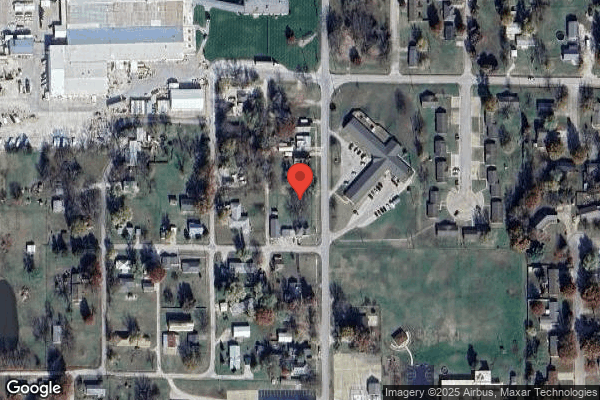

1626 N 8TH STREET, NEODESHA, KS 66757 (620) 325-3088
For profit - Corporation 45 Beds MISSION HEALTH COMMUNITIES Data: November 2025
Trust Grade
68/100
#82 of 295 in KS
Last Inspection: June 2024

Within standard 12-15 month inspection cycle. Federal law requires annual inspections.

Overview

Neodesha Care and Rehab has a Trust Grade of C+, which means it is considered decent and slightly above average in quality. It ranks #82 out of 295 facilities in Kansas, placing it in the top half, and is the only nursing home in Wilson County, making it the best local option. The facility's performance has been stable, with the same number of issues reported in both 2022 and 2024. Staffing is a moderate strength, with a turnover rate of 34%, which is lower than the state average, though the staffing rating is average at 3 out of 5 stars. However, there are some concerns, including $11,911 in fines, which is average but indicates some compliance issues. There have been serious findings such as the failure to prevent pressure ulcers for a resident with significant mobility challenges, and concerns about accurate staffing reporting to federal agencies, as well as issues with unsanitized personal care items in the beauty shop that could lead to infection risks. Overall, while the care home has its strengths, families should be aware of these weaknesses when considering it for their loved ones.

Trust Score
C+
68/100
In Kansas
#82/295
Top 27%
Safety Record
Moderate
Needs review
Inspections
Holding Steady
3 → 3 violations
Staff Stability
○ Average
34% turnover. Near Kansas's 48% average. Typical for the industry.
Penalties
✓ Good
$11,911 in fines. Lower than most Kansas facilities. Relatively clean record.
Skilled Nurses
○ Average
Each resident gets 31 minutes of Registered Nurse (RN) attention daily — about average for Kansas. RNs are the most trained staff who monitor for health changes.
Violations
⚠ Watch
13 deficiencies on record. Higher than average. Multiple issues found across inspections.
★★★★☆
4.0
Overall Rating
★★★☆☆
3.0
Staff Levels
★★★☆☆
3.0
Care Quality
★★★★☆
4.0
Inspection Score
Stable
2022: 3 issues
2024: 3 issues

The Good

  • Full Sprinkler Coverage · Fire safety systems throughout facility
  • No fines on record
  • Staff turnover below average (34%)

    14 points below Kansas average of 48%

Facility shows strength in fire safety.

The Bad

Staff Turnover: 34%

11pts below Kansas avg (46%)

Typical for the industry

Federal Fines: $11,911

Below median ($33,413)

Minor penalties assessed

Chain: MISSION HEALTH COMMUNITIES

Part of a multi-facility chain

Ask about local staffing decisions and management

The Ugly 13 deficiencies on record

1 actual harm
Jun 2024 3 deficiencies
CONCERN (D)

Potential for Harm - no one hurt, but risky conditions existed

Medication Errors (Tag F0758)

Could have caused harm · This affected 1 resident

**NOTE- TERMS IN BRACKETS HAVE BEEN EDITED TO PROTECT CONFIDENTIALITY** The facility reported a census of 29 residents with 13 residents sampled, including five residents reviewed for unnecessary medi...

Read full inspector narrative →
**NOTE- TERMS IN BRACKETS HAVE BEEN EDITED TO PROTECT CONFIDENTIALITY** The facility reported a census of 29 residents with 13 residents sampled, including five residents reviewed for unnecessary medications. Based on interview and record review, the facility failed to ensure appropriate monitoring of psychotropic medications (a medication which affects behavior, mood, thoughts, or perception) for one Resident (R)5, regarding the use of anti-depressant medications (medications used to treat depression). Findings included: - Review of Resident (R)5's electronic medical record (EMR) revealed the following diagnoses: auditory hallucinations (when a person hears voices or noises that don't exist in reality), major depressive disorder (MDD-a major mood disorder) and psychosis (any major mental disorder characterized by a gross impairment in reality perception). The Annual Minimum Data Set (MDS), dated [DATE], documented the resident had a Brief Interview for Mental Status (BIMS) score of 14, indicating intact cognition. She received anti-depressant medications (medications used to treat depression) seven days of the seven day look back period. The Psychotropic Drug Care Area Assessment (CAA), dated 06/07/23, documented the resident received anti-depressant medications. The Quarterly MDS, dated 03/09/24, documented the resident had a BIMS score of 15, indicating intact cognition. She received anti-depressant medications during the assessment period. The care plan for anti-depressant medication use, instructed staff to monitor for side effects and effectiveness of the resident's anti-depressant medication. Review of the resident's EMR revealed the following physician orders: Bupropion (an anti-depressant medication), 300 milligrams (mg), by mouth (po), every day (QD) for MDD with psychotic symptoms, ordered 03/09/24. Wellbutrin (an anti-depressant medication), 150 mg, po, QD for MDD, ordered 03/09/24. Effexor (an anti-depressant medication), 150 mg, po, twice daily (BID) for MDD, ordered 04/11/22. Review of the resident's EMR lacked documentation of side effects and/or effectiveness of the anti-depressant medications. On 06/12/24 at 11:03 AM, Administrative Nurse D confirmed the lack of monitoring for the anti-depressant medications for this resident. The facility policy for Psychotropic Drug Use, revised 04/2024, included: Staff shall review each resident's medication regime and initiate the appropriate monitoring for each classification of drug, including targeted behaviors. The facility failed to appropriately monitor the use of anti-depressant medications for this dependent resident.
CONCERN (F)

Potential for Harm - no one hurt, but risky conditions existed

Staffing Data (Tag F0851)

Could have caused harm · This affected most or all residents

The facility reported a census of 29 residents. Based on record review and interview, the facility failed to electronically submit to Centers for Medicare and Medicaid Services (CMS) with complete and...

Read full inspector narrative →
The facility reported a census of 29 residents. Based on record review and interview, the facility failed to electronically submit to Centers for Medicare and Medicaid Services (CMS) with complete and accurate direct staffing information based on payroll and other verifiable and auditable data in a uniform format according to specifications established by CMS i.e., Payroll Base Journal (PBJ), related to licensed nursing licensed and certified nursing staffing information when the facility failed to accurately report weekend staffing for the third quarter 2023 April through June. Findings included: Review of the nursing staff schedule for the third quarter 2023 April through June, revealed lack of completed daily staff postings for May 28, 29 and 30. Review of the PBJ Staffing Data Report for the third quarter 2023, revealed the PBJ triggered for Excessively Low weekend Staffing. Interview, on 06/12/24 at 02:20 PM, with Administrative Staff A, revealed the system used in 2023 for documentation of nursing staff hour may have caused errors in reporting on the PBJ report. The facility utilized a new reporting system and did not have a policy for the system used in 2023. The facility failed to accurately report weekend staffing for the third quarter 2023, April through June 2023 as required.
CONCERN (F)

Potential for Harm - no one hurt, but risky conditions existed

Infection Control (Tag F0880)

Could have caused harm · This affected most or all residents

- On 06/12/24 at 12:58 PM, during the environmental tour of the beauty shop with Maintenance Staff V, observation identified an unlabeled hairbrush and five unlabeled combs that had hair which remaine...

Read full inspector narrative →
- On 06/12/24 at 12:58 PM, during the environmental tour of the beauty shop with Maintenance Staff V, observation identified an unlabeled hairbrush and five unlabeled combs that had hair which remained in the bristles of the brush and teeth. Maintenance staff V confirmed the findings and reported he did not know who was responsible for sanitizing and storing the personal care items stored in the beauty shop. He agreed the items should be labeled, sanitized, and stored to prevent cross contamination and the spread of infection between residents. He reported the facility also used the beauty shop area to provide restorative nursing programs for multiple residents and the beauty shop was available for use by all residents of the facility. On 06/12/24 at 03:37 PM, Administrative Staff A, stated she expected the staff to sanitize, label, and store resident's personal hygiene items such as brushes and combs and to prevent cross contamination and prevent infection. She stated the facility had identified the need to clean the cabinets of the beauty shop on their environmental tour on 05/22/24 but had not implemented the plan to date. Administrative Staff A stated she was not sure who was responsible for maintain the community's beauty shop, to ensure proper sanitation and storage of personal care items. The facility lacked a policy to address sanitizing, labeling, and storage of personal hygiene care items tin the beauty shop to prevent cross contamination and the spread of infection. The facility failed to prevent cross contamination and the spread of infection related to the maintaining sanitary storage of personal hygiene supplies in the beauty shop for the residents of the facility. The facility reported a census of 29 residents. Based on observation, interview and record review, the facility failed ensure a plan to monitor the effectiveness of recommended measures put in place following identification of positive Legionella (a pneumonia [lung infection] bacteria found in water) detected in the facility water system in March 2024 and April 2024. In addition, the facility failed to ensure five combs and one hair brush were stored in a sanitary manner in the beauty shop. Findings included: - The CDC (Center for Disease Control) indicated the following guidelines for significance of Legionella concentrations: Well controlled growth in potable water (drinking water) detectable levels to 0.9 CFU/ml (Colony Forming Units/milliliter) and in non-potable water the detectable level is to 9 CFU/ml. Poorly controlled growth in potable water with measures of 1.0-9.9 CFU/ml and in non-potable water, the level is 10-99 CFU/ml. Uncontrolled growth in potable water greater than 10 CFU/ml in potable water and greater than 100 CFU/ml in non-potable water. Change in concentration over time indicates that Legionella growth appears: Legionella well controlled at concentrations steady at 0.5CFU/ml for two samplings. Poorly controlled if there is a 10-fold increase in concentrations. Uncontrolled if there is a 100-fold or greater increase in concentrations. Review of the Legionella Testing and Remediation, documented the facility obtained water test results for water collected on 02/12/24, on 02/21/24. The testing revealed the following three positive test results for Legionella (Legionella pneumophilia ): 1. Water tested in the Therapy room contained a positive result of 2.2 CFU/ml (Colony Forming Units/milliliter). Results of 1.0-9.9 in potable (drinking) water indicated poorly controlled growth and well controlled CFU/ml in nonpotable water. 2. Water tested in the whirlpool (nonpotable) contained a result of 25 CFU/ml which indicated poorly controlled growth (10-99). 3. Water tested in the kitchen sink contained a positive result of 11 CFU/ml which indicate poorly controlled growth for potable water. The facility routinely flushed the water heaters monthly with previous flush 02/01/24 per the Work History Report Task Completed. Retest of the facility water, 03/13/24, revealed the following two positive test results, reported on 03/22/24 by the water testing company. 1. Results of water tested in the shower room revealed a positive result of 22 CFU/ml which the testing company report indicated uncontrolled growth by the CDC. 2. Results of the water in the water heater, revealed a positive result of 0.2 CFU/ml, which indicated well controlled by the CDC. The testing company recommended a temperature adjustment to 130 degrees Fahrenheit on the water heater and if detected growth persists, to drain the tank, flush and inspect for sediment or mineral buildup. The testing company did not indicate when to retest the water in this report. Interview, on 06/11/24 at 04:20 PM, with Administrative Staff A, revealed the facility drained the hot water tanks, flushed them, cleaned the tanks, and increased the water temperature to 130 degrees Fahrenheit on 03/31/24. Administrative Staff A stated the facility drained the hot water tanks monthly. Interview on 06/12/24 at 12:20 PM, with Administrative Staff A, revealed the facility did not retest the water since the 03/22/24 report, and would contact the water testing company to determine a retesting recommendation date at that time. Interview, on 06/12/24 at 01:30 PM, with Administrative Staff A, revealed the water testing company recommended a three month follow up test in June 2024. Interview, on 06/12/24 at 02:30 PM, with Maintenance Staff U, revealed with the monthly flushing of the hot water heater, he did not notice sediment. The facility policy Water Management, Legionella Testing reviewed 01/2024, instructed staff the facility handles and maintains the water supply in accordance with recommendations of the CDC, Healthcare Infection Control Practices Advisory Committee, and the FDA (Food and Drug Administration). The facility will demonstrate measures to minimize the risk of Legionella and other pathogens in the water system through the water management program. The facility failed staff failed to enact follow up monitoring to ensure the effectiveness of the increase in hot water temperature and monthly draining, flushing and inspection of the hot water heaters, to provide a sanitary water supply for the residents to prevent water borne illness.
Nov 2022 3 deficiencies 1 Harm
SERIOUS (G) 📢 Someone Reported This

A family member, employee, or ombudsman was alarmed enough to file a formal complaint

Actual Harm - a resident was hurt due to facility failures

Pressure Ulcer Prevention (Tag F0686)

A resident was harmed · This affected 1 resident

The facility reported a census of 36 residents, with 12 sampled, including four residents sampled for pressure ulcers. Based on observation, interview, and record review, the facility failed to provid...

Read full inspector narrative →
The facility reported a census of 36 residents, with 12 sampled, including four residents sampled for pressure ulcers. Based on observation, interview, and record review, the facility failed to provide care consistent with professional standards to prevent pressure ulcers (PU, localized injury to the skin and/or underlying tissue usually over a bony prominence, as a result of pressure, or pressure in combination with shear and/or friction) by failure to perform skin assessments under a medical immobilization device for Resident (R) 3, allowing an unstageable (full thickness tissue loss in which actual. depth of the ulcer is completely obscured) PU to develop. Findings included: - The 11/28/22 Electronic Health Record (EHR) documented R3 had the following diagnoses: fracture of the left tibia (bone of the lower leg) and fibula (one of the two bones of the lower leg) shafts on the left side, hemiparesis (muscular weakness of one half of the body) on the left, hemiplegia (paralysis of one side of the body) on the left, and peripheral vascular disease (PVD- abnormal condition affecting the blood vessels). The 10/19/22 admission Minimum Data Set (MDS) documented a brief interview for mental status (BIMS) of 12, indicating moderately impaired cognition. R3 required extensive to total assistance of two staff for all activities of daily living (ADL). The MDS noted R3 had a pressure reducing device for the chair and the bed, and R3 had one stage two (expands into deeper layers of the skin. It can look like a scrape, abrasion, blister, or a shallow crater in the skin) PU present on admission. The 11/07/22 Interim Payment Assessment MDS documented a BIMS of 13, indicating intact cognition. R3 had no PU. The 10/19/22 ADL Functional/Rehabilitation Potential Care Area Assessment (CAA) documented R3 on admission needed nearly total assistance with ADL but R3 had improved with therapy and required limited to extensive assistance with most ADL. The 10/19/22 Pressure Ulcer CAA, documented R3 admitted with a stage two PU to the right trochanter (hip area) that had healed since admission. Licensed staff should perform a skin assessment weekly and observations of skin by care staff with cares. R3 required an immobilizer to her left lower extremity (LLE). The 11/14/22 Care Plan documented R3 had an actual impairment to skin integrity related to a medical device (immobilizer to LLE). Staff were to perform daily skin and circulatory checks to the LLE related to the immobilizer. The EHR Physician Orders lacked documentation of daily skin assessments from 10/12/22 until an order dated 11/14/22 which instructed staff to loosen the immobilizer to assess skin daily. On 11/09/22, the Daily Skilled Progress Note documented R3 received skilled nursing and skilled nursing services. The resident required assistance of two staff for transfers, bed mobility and toileting. The resident had an immobilizer in place to her left leg. On 11/11/22, the Daily Skilled Progress Note documented R3's skin was warm, dry, and intact, and the immobilizer to right leg remained in place. On 11/12/22, the Daily Skilled Progress Note documented R3 continued to receive skilled services. She required assistance of two staff for transfers and toileting. The immobilizer remained in place to her LLE due to fractures. On 11/13/22, the Progress Note documented the resident had an unstageable pressure injury to her left lateral malleolus (the bony prominence of the ankle), related to a medical device. The resident had a tibia/fibula fracture and had an immobilizer in place. The wound measurements/description documented as 2.3 cm by 1.5 cm (centimeters), circular in dimension. The wound bed had 100 percent (%) firmly adherent yellow/tan slough (dead tissue, usually cream or yellow in color). The wound edges were defined and attached to the wound base. The area cleansed with normal saline, plurogel (wound dressing) applied to the wound bed to promote autolytic debridement (a form of wound removal of dead, damaged, or infected tissue). The wound covered with Opti foam gentle (a foam dressing with a silicone adhesive border). The resident complained of pain during the dressing change, rated six out of 10 (pain scale). Staff administered as needed (PRN) oxycodone (narcotic medication used for severe pain). On 11/28/22, the Progress Note documented R3 started on Keflex (an antibiotic) 500 mg (milligram) for the wound to the LLE. The weekly Skin Assessments documented the following: On 10/22/22, noted the skin was intact. PU to right trochanter healing well. On 10/23/22 the resident has stage two PU to the right trochanter, present on admission is now closed. On 10/29/22, noted R3's skin was intact. On 11/05/22, noted R3 had skin tears, On 11/12/22, noted R3 only had redness behind her left thigh. On 11/29/22 at 08:24 AM, observed Licensed Nurse (LN) G perform a dressing change to R3's left outer ankle. LN G stated she did not measure the wounds because the director of nursing (DON) measured wounds weekly. On 11/29/22 at 02:03 PM, R3 sat in the common area, and wore an immobilizer on her LLE. On 11/29/22 at 08:45 AM, R3 stated she was mad at the facility because they made her get the wound on her leg. On 11/30/22 at 09:45 AM Certified Nurse Aide (CNA) M stated R3 came to the facility with the immobilizer on her left leg and at first the CNAs were not allowed to take it off, even at night. CNA M stated she did know R3 had a wound, and it was on her left, weaker side, so R3 may not have even felt the sore start. On 11/30/22 at 11:46 AM, LN H revealed R3 had little feeling to her left side, so she was probably unable to know the wound was forming. LN H stated when she completed the wound care, sometimes, she would measure it and give it to the DON who measured them weekly. On 11/30/22 at 11:57 AM, Administrative Nurse D revealed she expected her or her staff to have noted the unstageable PU to R3's left outer ankle with the skin assessments. Administrative Nurse D confirmed she did not believe the unstageable PU could have developed in the day or two that the documentation noted in the assessments. Administrative Nurse D stated as soon as it was brought to her attention, she obtained orders for dressings and assessments. On 12/01/22 at 11:51 AM, Physician GG reported the pressure ulcer should not have progressed from intact skin to an unstageable pressure ulcer as it did. The facility's Skin Integrity, Pressure Injuries Nursing Protocol policy, revised May 2022, documented staff were to identify residents at risk for developing PU on admission, and should implement, monitor, and modify interventions to attempt to reduce or remove underlying risk factors. Staff were to implement interventions for the prevention and care of skin issues. The facility failed to identify and provide care consistent with professional standard of practice, to prevent the development of an unstageable pressure ulcers for R3.
CONCERN (D) 📢 Someone Reported This

A family member, employee, or ombudsman was alarmed enough to file a formal complaint

Potential for Harm - no one hurt, but risky conditions existed

Drug Regimen Review (Tag F0756)

Could have caused harm · This affected 1 resident

The facility census totaled 36 residents, with 12 sampled, including five residents sampled for unnecessary medications. Based on observation, interview, and record review, the facility failed to ensu...

Read full inspector narrative →
The facility census totaled 36 residents, with 12 sampled, including five residents sampled for unnecessary medications. Based on observation, interview, and record review, the facility failed to ensure adequate follow-up of the consultant pharmacist recommendations regarding Depakote (anti-convulsant medication, sometimes used for the manic episodes associated with bipolar) for Resident (R) 10, regarding decreasing the dose of this medication. This failure placed the resident at risk for adverse effects related to medication use. Findings Included: - R10's 11/29/22 Electronic Health Record (EHR), documented diagnosis of dementia (progressive mental disorder characterized by failing memory, confusion), anxiety (mental or emotional reaction characterized by apprehension, uncertainty, and irrational fear), and major depressive disorder (major mood disorder). The 07/15/22 Annual Minimum Data Set (MDS) documented a Brief Interview for Mental Status (BIMS) score of 99, and per staff R10 had long and short-term memory problems which indicated moderately impaired cognition. The assessment documented the use of an antidepressant and diuretic medication daily for R10. The 10/21/22 Quarterly Minimum Data Set (MDS) documented a BIMS score of eight which indicated moderately impaired cognition. The assessment documented the use of an antianxiety medication once during the seven day look back period and antidepressant and diuretic daily for R10. The Physicians Orders documented an order dated 04/14/21 for Depakote, 250 milligrams (mg) three times a day for anxiety. Review of the monthly Pharmacy Medication Record Review (MRR) for May 2021 through November 2022 documented a recommendation on 05/17/22 to reevaluate the dose of Depakote and consider a reduction to 250 mg twice a day. The provider signed the recommendation in agreement on 06/16/22, 30 days after recommendation made. Review of the EMAR (Electronic Medication Record), from 06/16/22 thru 11/30/22 documented that R10 received Depakote 250 mg three times daily, the dosage was never implemented. On 11/29/22 at 03:37 PM, R10 sat in her wheelchair in the common area, was pleasant and visited with both staff members and other residents. On 11/29/22 at 02:08 PM, Licensed Nurse (LN) G stated the director of nursing (DON) should handle the MRR's for R10. On 11/30/22 at 07:38 AM, Administrative Staff D confirmed she was responsible for completion of the MRR's. She stated she had some issues with the timeliness of the providers processing the MRRs. She stated she would get them to the provider and the nurses would process the signed orders. She confirmed the 05/17/22 recommendation had been signed by the provider and not implemented for R10. On 12/01/22 at 02:36 PM, Consultant Staff HH confirmed the facility had issues with timely responses to the recommendations. He stated the facility had an issue with getting documents scanned into their EHR in a timely manner. The facilities May 2022 Pharmacy Services policy documented the facility staff were to work with the consultant pharmacist in the collaboration to ensure each resident received the appropriate medications for the appropriate diagnosis and length of administration. The facility failed to act upon the consultant pharmacist identified recommendations for a gradual dose reduction in a timely manner for R10 by the failure to decrease the Depakote when recommended.
CONCERN (D) 📢 Someone Reported This

A family member, employee, or ombudsman was alarmed enough to file a formal complaint

Potential for Harm - no one hurt, but risky conditions existed

Deficiency F0757 (Tag F0757)

Could have caused harm · This affected 1 resident

The facility census totaled 36 residents, with 12 sampled, including five residents sampled for unnecessary medications. Based on observation, interview, and record review, the facility failed to ensu...

Read full inspector narrative →
The facility census totaled 36 residents, with 12 sampled, including five residents sampled for unnecessary medications. Based on observation, interview, and record review, the facility failed to ensure reduction in Depakote (anti-convulsant medication, sometimes used for the manic episodes associated with bipolar) for Resident (R) 10, by not decreasing the medication as ordered. This failure placed the resident at risk for adverse effects related to medication use. Findings Included: - R10's 11/29/22 Electronic Health Record (EHR), documented diagnosis of dementia (progressive mental disorder characterized by failing memory, confusion), anxiety (mental or emotional reaction characterized by apprehension, uncertainty, and irrational fear), and major depressive disorder (major mood disorder). The 07/15/22 Annual Minimum Data Set (MDS) documented a Brief Interview for Mental Status (BIMS) score of 99, and per staff R10 had long and short-term memory problems which indicated moderately impaired cognition. The assessment documented the use of an antidepressant and diuretic medication daily for R10. The 10/21/22 Quarterly Minimum Data Set (MDS) documented a BIMS score of eight which indicated moderately impaired cognition. The assessment documented the use of an antianxiety medication once during the seven day look back period and antidepressant and diuretic daily for R10. The Physicians Orders documented an order dated 04/14/21 for Depakote, 250 milligrams (mg) three times a day for anxiety. Review of the monthly Pharmacy Medication Record Review (MRR) for May 2021 through November 2022 documented a recommendation on 05/17/22 to reevaluate the dose of Depakote and consider a reduction to 250 mg twice a day. The provider signed the recommendation in agreement on 06/16/22, 30 days after recommendation made. Review of the EMAR (Electronic Medication Record), from 06/16/22 thru 11/30/22 documented that R10 received Depakote 250 mg three times daily, the dosage was never implemented. On 11/29/22 at 03:37 PM, R10 sat in her wheelchair in the common area, was pleasant and visited with both staff members and other residents. On 11/29/22 at 02:08 PM, Licensed Nurse (LN) G confirmed R10 took Depakote 250 mg three times daily. On 11/30/22 at 07:38 AM, Administrative Staff D confirmed the 05/17/22 recommendation had been signed by the provider and not implemented for R10. The facilities May 2022 Pharmacy Services policy documented the facility staff were to work with the consultant pharmacist in the collaboration to ensure each resident received the appropriate medications for the appropriate diagnosis and length of administration. The facility failed to act upon the provider signed recommendation for a gradual dose reduction in a timely manner for R10 by the failure to decrease the Depakote when ordered, that resulted in an increased risk for adverse effects related to medication.
Jun 2021 7 deficiencies
CONCERN (D)

Potential for Harm - no one hurt, but risky conditions existed

Incontinence Care (Tag F0690)

Could have caused harm · This affected 1 resident

**NOTE- TERMS IN BRACKETS HAVE BEEN EDITED TO PROTECT CONFIDENTIALITY** The facility reported a census of 34 residents with 12 selected for review, including four reviewed for urinary catheter (insert...

Read full inspector narrative →
**NOTE- TERMS IN BRACKETS HAVE BEEN EDITED TO PROTECT CONFIDENTIALITY** The facility reported a census of 34 residents with 12 selected for review, including four reviewed for urinary catheter (insertion of a catheter into the bladder to drain the urine into a collection bag). Based on observation, interview, and record review, the facility failed to keep the catheter tubing from touching directly on the floor for one of the residents, Resident (R)7, creating a risk for developing urinary tract infections. - Findings included: The Physician Order, dated 06/23/21, for Resident (R)7 included a diagnosis of end of life. The admission Minimum Data Set (MDS), dated [DATE], assessed R7 with a Brief Interview of Mental Status (BIMS) score of 15, indicating she was cognitively intact. She required extensive assist of two or more staff for toilet use, did not have an indwelling catheter, and was occasionally incontinent of bladder. The Urinary Incontinence and Indwelling Catheter Care Area Assessment (CAA), dated 04/20/21, revealed R7 admitted to the facility with an indwelling catheter that had since been removed, needed toileting assist, and had occasional incontinence. The Care Plan, dated 05/05/21, included a problem initiated on 06/23/21, that R7 had an indwelling catheter for infection and a terminal condition. An intervention included to keep the catheter bag and tubing below the bladder level but lacked instruction to keep the tubing from having contact with the floor. The Physician Order, dated 06/23/21, included indwelling catheter for end of life, change the catheter and bag as needed, and provide oversite to ensure the catheter care completed. On 06/23/21 at 01:55 PM, R7's catheter tubing was in direct contact with the floor. Administrative Nurse D and Certified Nurse Aide (CNA) M assisted R7 to sit up on the side of the bed. The catheter tubing remained in contact with the floor and staff exited the room. On 06/29/21 at 08:14 AM, R7 sat on the side of her bed, with approximately six inches of the catheter tubing on the floor, then the tubing went over the top of her foot, and approximately six more inches of the tubing was in direct contact with the floor. On 06/20/21 at 08:22 AM, R7 sat on the side of the bed, with approximately six inches of the catheter tubing in direct contact with the floor. On 06/29/21 at 09:30 AM, R7 continued to sit on the side of the bed, and the catheter tubing remained in direct contact with the floor. On 06/30/21 at 02:09 AM, CNA N stated if the catheter tubing touches the floor, she would clean it with an alcohol pad. On 06/30/21 at 02:22 PM, Administrative Nurse D stated if the catheter tubing was on the floor, staff should pick it up and wipe it down with an alcohol swab. The facility policy Indwelling Urinary Catheters, dated 11/2017, indicated to ensure the catheter tubing and drainage bag are kept off of the floor. The facility failed to keep R7's urinary catheter tubing from touching directly on the floor, increasing her risk for developing urinary tract infections.
CONCERN (D)

Potential for Harm - no one hurt, but risky conditions existed

Drug Regimen Review (Tag F0756)

Could have caused harm · This affected 1 resident

The facility reported a census of 34, with 12 residents sampled for review, which included five residents reviewed for unnecessary medications. Based on observation, interview, and record review, the ...

Read full inspector narrative →
The facility reported a census of 34, with 12 residents sampled for review, which included five residents reviewed for unnecessary medications. Based on observation, interview, and record review, the facility failed to ensure the consultant pharmacist identified for one of the five residents sampled, Resident (R)25, lacked laboratory testing to monitor the effectiveness of a medication. In addition, the facility failed to act upon a gradual dose reduction of Resident (R)25's fluoxetine (a medication to treat an abnormal emotional state of sadness and worthlessness) and alprazolam (a medication for anxiety) to ensure the resident remained free from unnecessary psychotropic (chemical substance that changes nervous system function and results in alterations in perception, mood, consciousness, cognition, or behavior) medications. Finding included: - The Order Summary Report, dated 05/20/21, for Resident (R)25 included diagnoses of anxiety disorder (mental or emotional reaction characterized by apprehension, uncertainty, and irrational fear) and major depression disorder (abnormal emotional state characterized by exaggerated feelings of sadness, worthlessness, emptiness, and hopelessness), and atrial fibrillation (rapid, irregular heart beat). The Order Summary Report, dated 05/20/21, included the following orders: 1.) Fluoxetine, 20 mg (milligrams), daily, for major depressive disorder, dated 02/08/20. 2.) Alprazolam, 0.25 mg, twice daily, for anxiety disorder, dated 06/02/20. 3.) Digoxin, 62.5 mg, Give 62.5 mg by mouth in the morning, for atrial fibrillation. Hold if the resident's pulse was less than 60. 4.) Digoxin level every other month starting on 02/01/21, with an order date of 01/14/21. Review of the electronic medical record (EMR), revealed on 12/23/20, the consultant pharmacist completed a medication regimen review (MRR), and recommended to the physician a gradual dose reduction for the fluoxetine and the alprazolam. The pharmacy, Consultation Report, dated 12/23/20 indicated R25 had received fluoxetine 20 mg daily for major depressive disorder since 02/08/21, and had received alprazolam 0.25mg twice daily for anxiety since 06/02/20, and documented to please attempt a gradual dose reduction (GDR) while concurrently monitoring for reemergence of depressive and/or withdrawal symptoms. The pharmacy, Consultation Report, dated 12/23/20, lacked a signature or date of the physician. The facility failed to act upon the consultant pharmacist recommendation for GDR. Furthermore, review of R25's laboratory records, lacked documentation of the digoxin level, that was ordered for on 01/14/21. On 06/30/21 at 11:41 AM, Administrative Nurse E, confirmed the pharmacy recommendation did not have a response from the physician and a digoxin level was not completed as ordered for April 2021. After several attempts, the Consultant Pharmacist was unable to be reached for interview. The facility policy, Medication Regimen Review, dated 05/21, documented the consultant pharmacist shall review the medication regimen per state and federal guidelines and review psychotropic drugs and the need for gradual dose reductions. Furthermore, the facility policy, Lab and Diagnostic Test Results, dated 02/14, documented labs would be ordered by a physician and the staff would process test requisitions and arrange for tests per community and contracted lab protocol. The facility failed to act upon a pharmacy recommendation for gradual dose reduction for R25 and psychotropic medications, to ensure the resident remained from of unnecessary psychotropic medications and the facility failed to ensure the Consultant Pharmacist failed to ensure the facility acted upon the physician ordered laboratory test to monitor the effectiveness of a medication used to treat various heart conditions for R25, who required a medication for the diagnosis of atrial fibrillation.
CONCERN (D)

Potential for Harm - no one hurt, but risky conditions existed

Deficiency F0757 (Tag F0757)

Could have caused harm · This affected 1 resident

**NOTE- TERMS IN BRACKETS HAVE BEEN EDITED TO PROTECT CONFIDENTIALITY** - The Order Summary Report, dated 05/20/21, for Resident (R)25 included diagnoses of anxiety disorder (mental or emotional react...

Read full inspector narrative →
**NOTE- TERMS IN BRACKETS HAVE BEEN EDITED TO PROTECT CONFIDENTIALITY** - The Order Summary Report, dated 05/20/21, for Resident (R)25 included diagnoses of anxiety disorder (mental or emotional reaction characterized by apprehension, uncertainty, and irrational fear) and major depression disorder (abnormal emotional state characterized by exaggerated feelings of sadness, worthlessness, emptiness, and hopelessness), and atrial fibrillation (rapid, irregular heart beat). The Order Summary Report, dated 05/20/21, included the following orders 1.) Digoxin (a medication used to treat various heart conditions), 62.5 mg (milligram), Give 62.5 mg by mouth in the morning, for atrial fibrillation. Hold if pulse is less than 60, dated 01/25/21. 2.) Digoxin level every other month starting on 02/01/21, with an order date of 01/14/21. Review of R25's laboratory records, lacked documentation of the digoxin level, that was ordered for on 01/14/21. On 06/30/21 at 11:41 AM, Administrative Nurse E, confirmed the digoxin level was not completed as ordered. The facility policy, Lab and Diagnostic Test Results, dated 02/14, documented labs will be ordered by a physician and the staff will process test requisitions and arrange for tests per community and contracted lab protocol. The facility failed to obtain laboratory to monitor the effectiveness of a medication used to treat various heart conditions for R25, who required a medication for the diagnosis of atrial fibrillation. The facility reported a census of 34 residents with 12 selected for review including five residents reviewed for unnecessary medications. Based on interview and record review, the facility failed to obtain blood sugar parameters for Resident (R)26, administered insulin to R26 when blood glucose levels were below normal range increasing risk for hypoglycemia (less than normal amount of glucose in the blood), and failed to obtain lab as ordered by the physician to monitor for adverse effects of R25's medication. Findings included: - The Order Summary Report, dated 05/22/21, for Resident (R)26 included diagnoses of hyperglycemia (greater than normal amount of glucose in the blood) and diabetes mellitus (when the body cannot use glucose, not enough insulin made or the body cannot respond to the insulin). The Annual Minimum Data Set (MDS), dated [DATE], revealed R26 received insulin injections for seven days. The Quarterly MDS, dated 05/06/21, revealed R26 received insulin injections for seven days. The Care Plan, dated 06/16/21, included R26 had hyperglycemia, diabetes, and required insulin (medication used to treat diabetes) dependent and check her fasting blood sugar and administer insulin as ordered by the doctor. The Order Summary Report, dated 05/22/21, included an order for Novolog (type of short-acting insulin) solution, 100 units per milliliter (ml), inject eight units, subcutaneous, every day and 10 units, subcutaneous, twice daily for diabetes mellitus. A physician order, dated 05/28/20, included to monitor blood glucose level every Monday, Wednesday, and Friday. The order lacked parameters for when to notify the physician or how to treat instances of low blood glucose levels. The Diabetic Monitoring Record, dated May and June 2021, revealed that on 05/17/21 and 06/14/21 at 07:00 AM, R26's blood glucose level was 62. The Medication Administration Record, dated 05/17/21 and 06/14/21 at 08:00 AM, revealed the facility administered R26 Novolog insulin. The electronic medical record (EMR), lacked documentation that the facility staff had rechecked R26's blood glucose level prior to administration, placing her at risk for further hypoglycemia. On 06/30/21 at 09:32 AM, Licensed Nurse (LN) G stated that the orders would include when to notify the physician for blood glucose levels above or below parameters, and confirmed that R26 did not have parameters ordered. LN G stated staff should monitor the blood glucose level again before administering the insulin if the blood glucose level was 62 and would notify the physician if the resident's blood glucose was 60 or below and staff should provide the resident a snack or a meal. On 06/30/21 at 09:41 AM, Administrative Nurse D stated that R26 should have parameters in place, the staff should not administer insulin if the blood glucose level was 62 without rechecking the blood glucose first, and that information should be documented in the EMR. The facility policy Diabetes-Clinical Guidelines, dated 02/2020, included to obtain parameters for reporting of blood sugars for each resident affected. The facility failed to obtain blood sugar parameters for Resident (R)26 and administered insulin to R26 when blood glucose levels were below normal range, increasing her risk for further hypoglycemia.
CONCERN (D)

Potential for Harm - no one hurt, but risky conditions existed

Medication Errors (Tag F0758)

Could have caused harm · This affected 1 resident

The facility reported a census of 34, with 12 residents sampled for review, which included five residents reviewed for unnecessary medications. Based on observations, interviews, and record review, th...

Read full inspector narrative →
The facility reported a census of 34, with 12 residents sampled for review, which included five residents reviewed for unnecessary medications. Based on observations, interviews, and record review, the facility failed to act upon a gradual dose reduction of Resident (R)25's fluoxetine (a medication to treat an abnormal emotional state of sadness and worthlessness) and alprazolam (a medication for anxiety) to ensure the resident remained free from unnecessary psychotropic (chemical substance that changes nervous system function and results in alterations in perception, mood, consciousness, cognition, or behavior) medications. Findings included: - Review of the Order Summary Report, dated 05/20/21, included diagnoses of anxiety disorder (mental or emotional reaction characterized by apprehension, uncertainty, and irrational fear) and major depression disorder (abnormal emotional state characterized by exaggerated feelings of sadness, worthlessness, emptiness, and hopelessness). The Order Summary Report, dated 05/20/21, included the following orders: 1. )Fluoxetine , 20 mg (milligrams), daily, for major depressive disorder, dated 02/08/20. 2.) Alprazolam, 0.25mg, twice daily, for anxiety disorder, dated 06/02/20. Review of the electronic medical record (EMR), revealed on 12/23/20, the consultant pharmacist completed a medication regimen review (MRR), and recommended to the physician a gradual dose reduction of the above medications. The pharmacy, Consultation Report, dated 12/23/20 indicated R25 had received fluoxetine 20 mg daily for major depressive disorder since 02/08/21, and had received alprazolam 0.25mg twice daily for anxiety since 06/02/20, and documented to please attempt a gradual dose reduction (GDR) while concurrently monitoring for reemergence of depressive and/or withdrawal symptoms. The pharmacy, Consultation Report, dated 12/23/20, lacked a signature or date of the physician. On 06/30/21 at 11:41 AM Administrative Nurse E, confirmed the pharmacy recommendation did not have a response from the physician. The facility policy, Medication Regimen Review, dated 05/21, documented the consultant pharmacist shall review the medication regimen per state and federal guidelines and review psychotropic drugs and the need for gradual dose reductions. The facility failed to act upon a pharmacy recommendations for gradual dose reduction for R25 and psychotropic medications, to ensure the resident remained from of unnecessary psychotropic medications.
CONCERN (E)

Potential for Harm - no one hurt, but risky conditions existed

Safe Environment (Tag F0584)

Could have caused harm · This affected multiple residents

- An observation on 06/23/21 at 08:49 AM, revealed the tables in the activity room with debris and light-colored smears on it and the counter with food crumbs and a dust build-up. The sink basin had d...

Read full inspector narrative →
- An observation on 06/23/21 at 08:49 AM, revealed the tables in the activity room with debris and light-colored smears on it and the counter with food crumbs and a dust build-up. The sink basin had dried paint splatters inside and a soiled paint tray. The back of the sink had a waded-up paper towel, and the sink faucet lacked handles. These following items were on the floor: a large paper sack, a box, a sack of dog food, four activity balls, a speaker, a game box, a portable music speaker, an ironing board, two towels, and the floor had food crumbs throughout. On 06/23/21 at 08:51 AM, Activity staff Z stated housekeeping as well as himself were responsible for cleaning the room. He verified residents use the room and the residents would also occasionally eat with their families in the activity room. On 06/24/21 at 07:58 AM, housekeeping staff V stated the activity room should be cleaned daily, however, the activity room was not cleaned before 06/23/21 (Wednesday) at 08:49 AM. Housekeeping staff V reported there was a party over the weekend, which was three days prior. The facility policy Safe, Clean, Comfortable, Homelike Environment, dated 11/2017, included the facility staff and management shall maximize, to the extent possible, the characteristics of the facility including cleanliness and order. The facility failed to provide housekeeping services necessary to maintain a sanitary, orderly, and comfortable interior in the room designated as the activity room for resident and family use. The facility reported a census of 34 residents. Based on observation, interview, and record review, the facility failed to provide housekeeping and maintenance services to maintain an orderly, sanitary, and comfortable environment, in eleven of 26 resident rooms and two hallways, for the residents of the facility. Findings included: - Environmental tour, on 06/30/21 at 03:30 PM, with Maintenance Staff U, revealed the following concerns in the designated resident areas: North Hall 1). A Resident room had a cabinet drawer that was broken and would not close. In addition, name tags from the previous resident remained on the drawers. There were multiple scuff marks on the closet. 2). A resident room had a stained, brown, discolored bathroom floor under the sink and around the toilet. The toilet bowl had brown stains. 3). A resident room had a stained pink bathroom floor under the sink. 4). A resident room had stained substance and a build-up under the sinck and around the parameter of the toilet. 5). A resident room had multiple brown stains around the floor and throughout the room. 6). A resident room had a brown substance on the toilet riser. South Hall 1). A resident's bathroom door frame had multiple scratches and gouging in the door that exposed bare wood. The bathroom floor tiles at the junction of the wall had a brown/ black discoloration. The floor was soiled around the edges of the floor and the base of the toilet. The bathroom sink had a chipped finish in several places with rust around the drain. The sink faucet had a white discoloration and scaling below the handles, and a green/turquoise discoloration on the waterspout. There were multiple tiles in the bedroom floor with cracks and chips. The two over bed lights were non-functioning, and the doorway to the resident's room had multiple scratches with missing paint. 2). A resident room lacked a privacy curtain. The bathroom toilet bowl had stained, dried BM to back of toilet riser. The floor had a brown substance. The walls had a brown/black discoloration on and between the tiles. The bathroom doorway had multiple scratches that exposed the bare wood. The entrance doorway had multiple scratches/chipped paint. The room entrance at the doorway with peeled wallpaper and a crack in the wall that spanned from the doorway to the ceiling. 3). A resident's bathroom doorway had multiple scratches. The bathroom floor had dirt and pink discoloration around the edges. The bathroom walls had orange colored stains that spanned down the length of the wall from the sink drainpipe. The sink faucet had a white build-up and blue/green discoloration. There were multiple floor tiles with a brown/black discoloration between the tiles. 4). A resident's bathroom toilet riser had a brown substance on the inside of the toilet bowl. A sink drain with rust, and the sink faucet had a white coating of a scaley white build-up. The bedroom floor and wall tiles were soiled throughout. The room door frame had a brown discoloration and the bedroom floor tiles had cracked and brown/black discoloration. 5). A resident's bathroom toilet riser had a brown substance beneath the toilet riser. The bathroom wall tiles had numerous cracks. 6). A dining room had multiple chairs that had scratches and chipped finish, that exposed bare wood. On 06/29/21 at 12:46 PM, Housekeeping Staff V, stated the facility had limited housekeeping staff and it was difficult to get the needed cleaning done on schedule. She agreed the resident rooms and common areas were in need of a deep cleaning. On 06/30/21 at 03:49 PM, Maintenance Staff U, verified the above concerns in the designated resident areas. He stated that the flooring in the resident's bathroom and rooms required replacement. He agreed the above areas required general cleaning and repairs. The facility policy, Clean, Comfortable, Homelike Environment, dated 09/2020, documentation included residents have the right to a safe, clean, comfortable, and homelike environment which include cleanliness and order. The facility failed to provide maintenance and housekeeping services to maintain an orderly, sanitary, and comfortable environment, in the resident care areas for the residents of the facility.
CONCERN (F)

Potential for Harm - no one hurt, but risky conditions existed

Food Safety (Tag F0812)

Could have caused harm · This affected most or all residents

The facility reported a census of 34 residents. Based on observation and interview, the facility failed to store, prepare, and serve food under sanitary conditions to the residents of the facility. F...

Read full inspector narrative →
The facility reported a census of 34 residents. Based on observation and interview, the facility failed to store, prepare, and serve food under sanitary conditions to the residents of the facility. Findings included: - During a tour of the dietary department on 06/23/21 at 08:52 AM, dietary staff BB revealed the following items/areas in need of cleaning: 1.) The microwave had food debris on the glass plate turntable and the area above the turntable had food debris. 2.) The air conditioner unit near the food prep area had a thick layer of brown dust. 3.) The metal shelves located on each side of the dishwasher had rust and grime buildup, and chipping paint. On 06/29/21 at 02:30 PM, dietary staff BB stated the facility had a dietary cleaning schedule, and the dietary staff should follow the cleaning schedule. She confirmed these areas required cleaning. The facility policy, Sanitization, dated 02/21, documented all kitchen areas shall be kept clean .Kitchen surfaces not in contact with food shall be cleaned on a regular schedule and frequently enough to prevent accumulation of grime. The facility failed to store, prepare, distribute, and serve food under sanitary conditions for the residents of the facility.
CONCERN (F)

Potential for Harm - no one hurt, but risky conditions existed

Safe Environment (Tag F0921)

Could have caused harm · This affected most or all residents

The facility reported a census of 34 residents. Based on observation, interview, and record review, the facility failed to provide housekeeping and maintenance services to ensure safe and sanitary env...

Read full inspector narrative →
The facility reported a census of 34 residents. Based on observation, interview, and record review, the facility failed to provide housekeeping and maintenance services to ensure safe and sanitary environment for residents and staff in the laundry, one of two clean linen rooms, and one of two soiled linen rooms. Findings included: - On 06/29/21 at 10:57 AM, during tour of the Laundry and linen storage rooms with Housekeeping/Laundry Staff V, the following concerns were identified: 1). The North Hall clean linen room with peeling base board along one wall. 2). The North Hall soiled linen room with approximately 10 tiles broken and cracked throughout the room. 3). The hallway leading to the laundry with approximately six broken tiles in the hallway entrance to the laundry. 4). The Laundry room had multiple broken, stained, and lacked several floor tiles throughout. The washer mounted on a concrete slab with brown rust stains that extended from an iron platform to the concrete. The wall behind the clean folded towels had areas of peeled sheetrock. The deep sink in the laundry lacked handles to turn the water on and off. On 06/29/21 at 12:46 PM, Laundry/housekeeping staff V verified the above findings. She agreed the above areas needed repair and the laundry needed to be cleaned. On 06/29/21 at 12:52 PM, Maintenance Staff U verified the above findings and agreed they identified areas in need of repairs and cleaning. The facility policy, Clean, Comfortable, Homelike Environment, dated 09/2020, lacked address of the needed housekeeping and maintenance services for non-resident areas. The facility failed to provide housekeeping and maintenance services to ensure safe and sanitary environment for residents and staff of the facility related to the laundry, one of two clean linen rooms, and one of two soiled linen rooms.
Understanding Severity Codes (click to expand)
Life-Threatening (Immediate Jeopardy)
J - Isolated K - Pattern L - Widespread
Actual Harm
G - Isolated H - Pattern I - Widespread
Potential for Harm
D - Isolated E - Pattern F - Widespread
No Harm (Minor)
A - Isolated B - Pattern C - Widespread

Questions to Ask on Your Visit

  • "Can I speak with families of current residents?"
  • "What's your RN coverage like on weekends and overnight?"

Our Honest Assessment

Strengths
  • • 34% turnover. Below Kansas's 48% average. Good staff retention means consistent care.
Concerns
  • • 13 deficiencies on record, including 1 serious (caused harm) violation. Ask about corrective actions taken.
  • • $11,911 in fines. Above average for Kansas. Some compliance problems on record.
Bottom line: Mixed indicators with Trust Score of 68/100. Visit in person and ask pointed questions.

About This Facility

What is Neodesha Care And Rehab's CMS Rating?

CMS assigns NEODESHA CARE AND REHAB an overall rating of 4 out of 5 stars, which is considered above average nationally. Within Kansas, this rating places the facility higher than 99% of the state's 100 nursing homes. This rating reflects solid performance across the metrics CMS uses to evaluate nursing home quality.

How is Neodesha Care And Rehab Staffed?

CMS rates NEODESHA CARE AND REHAB's staffing level at 3 out of 5 stars, which is average compared to other nursing homes. Staff turnover is 34%, compared to the Kansas average of 46%. This relatively stable workforce can support continuity of care.

What Have Inspectors Found at Neodesha Care And Rehab?

State health inspectors documented 13 deficiencies at NEODESHA CARE AND REHAB during 2021 to 2024. These included: 1 that caused actual resident harm and 12 with potential for harm. Deficiencies causing actual harm indicate documented cases where residents experienced negative health consequences.

Who Owns and Operates Neodesha Care And Rehab?

NEODESHA CARE AND REHAB is owned by a for-profit company. For-profit facilities operate as businesses with obligations to shareholders or private owners. The facility is operated by MISSION HEALTH COMMUNITIES, a chain that manages multiple nursing homes. With 45 certified beds and approximately 42 residents (about 93% occupancy), it is a smaller facility located in NEODESHA, Kansas.

How Does Neodesha Care And Rehab Compare to Other Kansas Nursing Homes?

Compared to the 100 nursing homes in Kansas, NEODESHA CARE AND REHAB's overall rating (4 stars) is above the state average of 2.9, staff turnover (34%) is significantly lower than the state average of 46%, and health inspection rating (4 stars) is above the national benchmark.

What Should Families Ask When Visiting Neodesha Care And Rehab?

Based on this facility's data, families visiting should ask: "Can I visit during a mealtime to observe dining assistance and food quality?" "How do you handle medical emergencies, and what is your hospital transfer rate?" "Can I speak with family members of current residents about their experience?"

Is Neodesha Care And Rehab Safe?

Based on CMS inspection data, NEODESHA CARE AND REHAB has a clean safety record: no substantiated abuse findings (meaning no confirmed cases of resident harm), no Immediate Jeopardy citations (the most serious violation level indicating risk of serious injury or death), and is not on the Special Focus Facility watch list (a federal program monitoring the lowest-performing 1% of nursing homes). The facility has a 4-star overall rating and ranks #1 of 100 nursing homes in Kansas. While no facility is perfect, families should still ask about staff-to-resident ratios and recent inspection results during their visit.

Do Nurses at Neodesha Care And Rehab Stick Around?

NEODESHA CARE AND REHAB has a staff turnover rate of 34%, which is about average for Kansas nursing homes (state average: 46%). Moderate turnover is common in nursing homes, but families should still ask about staff tenure and how the facility maintains care continuity when employees leave.

Was Neodesha Care And Rehab Ever Fined?

NEODESHA CARE AND REHAB has been fined $11,911 across 1 penalty action. This is below the Kansas average of $33,198. While any fine indicates a compliance issue, fines under $50,000 are relatively common and typically reflect isolated problems that were subsequently corrected. Families should ask what specific issues led to these fines and confirm they've been resolved.

Is Neodesha Care And Rehab on Any Federal Watch List?

NEODESHA CARE AND REHAB is not on any federal watch list. The most significant is the Special Focus Facility (SFF) program, which identifies the bottom 1% of nursing homes nationally based on persistent, serious quality problems. Not being on this list means the facility has avoided the pattern of deficiencies that triggers enhanced federal oversight. This is a positive indicator, though families should still review the facility's inspection history directly.