BETHEL HEALTH CARE CENTER
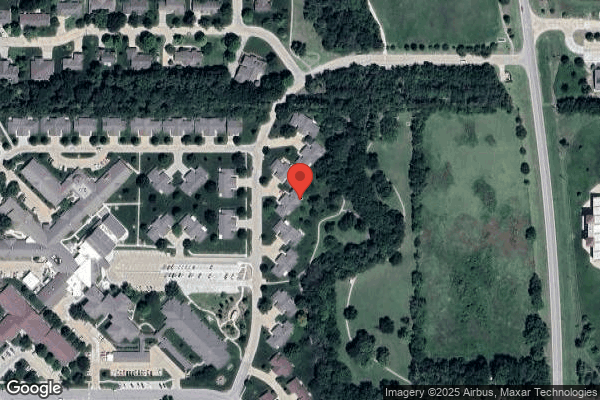
3000 IVY DRIVE, NORTH NEWTON, KS 67117 (316) 284-2900
Non profit - Corporation 65 Beds Independent Data: November 2025
Trust Grade
93/100
#5 of 295 in KS
Last Inspection: December 2024

Within standard 12-15 month inspection cycle. Federal law requires annual inspections.

Overview

Bethel Health Care Center in North Newton, Kansas, has an excellent Trust Grade of A, indicating a high level of quality and care. Ranking #5 out of 295 facilities in the state places them in the top tier, and they are the best option among 7 facilities in Harvey County. The facility is improving, having reduced the number of issues from 3 in 2023 to 2 in 2024. Staffing is a strong point, with a 5/5 rating and only 25% turnover, which is significantly lower than the state average, ensuring consistent care from experienced staff. However, there are some concerns, including findings of improper food storage that could lead to food-borne illness and a failure to conduct thorough assessments for resident care, which may impact overall quality. Overall, while Bethel Health Care Center has notable strengths, families should be aware of these areas that need improvement.

Trust Score
A
93/100
In Kansas
#5/295
Top 1%
Safety Record
Low Risk
No red flags
Inspections
Getting Better
3 → 2 violations
Staff Stability
✓ Good
25% annual turnover. Excellent stability, 23 points below Kansas's 48% average. Staff who stay learn residents' needs.
Penalties
✓ Good
No fines on record. Clean compliance history, better than most Kansas facilities.
Skilled Nurses
✓ Good
Each resident gets 64 minutes of Registered Nurse (RN) attention daily — more than 97% of Kansas nursing homes. RNs are the most trained staff who catch health problems before they become serious.
Violations
✓ Good
Only 5 deficiencies on record. Cleaner than most facilities. Minor issues only.
★★★★★
5.0
Overall Rating
★★★★★
5.0
Staff Levels
★★★★☆
4.0
Care Quality
★★★★★
5.0
Inspection Score
Stable
2023: 3 issues
2024: 2 issues

The Good

  • 5-Star Staffing Rating · Excellent nurse staffing levels
  • 4-Star Quality Measures · Strong clinical quality outcomes
  • Low Staff Turnover (25%) · Staff stability means consistent care
  • Full Sprinkler Coverage · Fire safety systems throughout facility
  • No fines on record
  • Staff turnover is low (25%)

    23 points below Kansas average of 48%

Facility shows strength in staffing levels, quality measures, staff retention, fire safety.

The Bad

No Significant Concerns Identified

This facility shows no red flags. Among Kansas's 100 nursing homes, only 1% achieve this.

The Ugly 5 deficiencies on record

Dec 2024 2 deficiencies
CONCERN (F)

Potential for Harm - no one hurt, but risky conditions existed

Food Safety (Tag F0812)

Could have caused harm · This affected most or all residents

The facility had a census of 57 residents. Based on observation, interview, and record review the facility failed to store food in a safe, sanitary manner to prevent contamination or spoilage in the m...

Read full inspector narrative →
The facility had a census of 57 residents. Based on observation, interview, and record review the facility failed to store food in a safe, sanitary manner to prevent contamination or spoilage in the main food preparation kitchen and the storage building with the walk-in refrigeration units. This placed the 57 residents of the facility at risk for food-borne illness. Findings included: - On 12/16/24 at 08:52 AM, observation of the facility's walk-in refrigerator revealed a crate of grapes on the floor and the walk-in freezer had an opened box with two pies, two boxes of chicken breasts, and a large flat box of strawberries, all on the floor. On 12/16/24 (Monday) at 9:02 AM, Dietary Staff (DS) CC verified the boxes of food delivered by Sysco on the previous Friday were still stored on the floor of the walk-in refrigerator and freezer. On 12/16/24 at 09:10 AM, observation revealed the freezer in the kitchen, labeled for healthcare use, contained the following opened, undated foods: Two bags of frozen peach slices One bag of mango cubes One bag of French fries One bag of frozen potato slices One bag of ham cubes Four buckets of ice cream On 12/16/24 at 09:15 AM, DS DD verified the undated bags of food in the kitchen refrigerator. On 12/17/24 at 11:30 AM, DS EE verified boxes of food should not be on the bare floor. He stated staff tried to put away the deliveries after meals or whenever they could. On 12/17/24 at 01:00 PM, DS FF verified the delivery people sometimes left boxes of food on the floor and staff would put the items in the appropriate place after the meal was served. On 12/17/24 at 16:40 PM, Consultant GG verified staff were not to store boxes of food items on the floor and were to date food packages when opened. She verified Sysco delivered food on Tuesdays and Fridays. The facility's Food Storage policy, dated 04/23/24, stated sufficient storage facilities would be provided to keep foods safe. Food would be stored in an area that was clean, dry, and free from contaminants. Food would be stored at appropriate temperatures and by methods to prevent contamination. Dry storage rooms must be well-ventilated and illuminated with adequate temperature and humidity controls to prevent condensation of moisture and the growth of mold. Food items would be stored on shelves. Food should be stored a minimum of six inches above the floor and 18 inches from the ceiling. All foods should be covered, labeled, and dated routinely to assure that foods would be consumed by their use dates, frozen, or discarded. Frozen foods should be covered, labeled, and dated. The facility failed to store food in a safe, sanitary manner to prevent contamination or spoilage. This placed the 57 residents of the facility at risk for food-borne illness.
CONCERN (F)

Potential for Harm - no one hurt, but risky conditions existed

Deficiency F0838 (Tag F0838)

Could have caused harm · This affected most or all residents

The facility identified a census of 57 residents. The sample included 15 residents. Based on interviews and record reviews, the facility failed to conduct a thorough facility-wide assessment to determ...

Read full inspector narrative →
The facility identified a census of 57 residents. The sample included 15 residents. Based on interviews and record reviews, the facility failed to conduct a thorough facility-wide assessment to determine the resources necessary to care for residents competently during both day-to-day operations and non-routine situations that impact staffing and resident care. This failure placed all 57 residents residing in the facility at risk for impaired care. Findings Included: - An inspection of the Facility Assessment 2024 dated July 2024 provided by the facility on 12/16/24 revealed the following: The assessment identified the faciliy had 65 dually certified beds, with an average census of 57. The assessment included a staff compentnenceis tab which listed the skill sets for all depratments. The assessment had a personnel tab which stated staff assignment were based on the acuity og the neighborhoods and staffw ere assigned to specific neighborhoofd for icnreased continuity of care. A review of the entire Facility Assessment 2024 under all tabs revealed the assessment did not identify the specific staffing levels needed for each unit and identify the number of Registered Nurses (RN), Licensed Nurses (LPN/LVN), Certified Medication Aides (CMA), and Certified Nurse Aides (CNA) needed for each unit, on each shift including weekends. The assessment lacked an informed contingency plan for events that do not require activation of the facility's emergency plan but have the potential to impact staffing and resident care. The assessment lacked a plan to maximize recruitment and retention of direct care staff. The facility provided an additional document for review, the Bethel Health Care Facility Wide Resource Assessment dated July 2024. This document also lacked the above information (specific staffing level and staffing contingency plan for events that do not meet emergency criteria but still have the ability to impact staffing and resident care). On 12/17/24 at 03:45 PM Administrative Staff A stated the facility assessment was currently what they had gathered and implemented into utilizing the current facility assessment. The facility Facility Wide Resource Assessment(FWRA) policy dated 07/31/24 documented that the Bethel Health Care Center FWRA is required by the nursing home Requirements of Participation to identify and analyze Bethels Health Care Center's resident population and identify the personnel, physical plant, environmental and emergencies response resources needed to completely care for the residents during day-to-day operations and emergencies. The FWRA serves as a resource to support decision-making regarding the day-to-day operations and resources to support the operations. The FWRA collects information about the resident population to identify the number of residents; facility capacity; the care required; staff competencies; the ethnic, cultural, and religious aspects of the unique resident population; physical; and personnel resources needed; contractual agreements; health information technology resources; environment; equipment, supplies and other services utilized. Resources are identified and evaluated to ensure that care can be provided to meet resident's needs during day-to-day and emergency operations. The FWRA would be reviewed annually and updated as needed based on changes in the resident population, new types of care and services provided, or new technology, equipment, or other resources introduced. The facility failed to conduct a thorough, updated facility-wide assessment to determine what resources were necessary to care for residents competently during both day-to-day operations and events that had the potential to impact staffing and resident care. This failure placed all 57 residents residing in the facility at risk for impaired care.
Jan 2023 3 deficiencies
CONCERN (D) 📢 Someone Reported This

A family member, employee, or ombudsman was alarmed enough to file a formal complaint

Potential for Harm - no one hurt, but risky conditions existed

Resident Rights (Tag F0550)

Could have caused harm · This affected 1 resident

**NOTE- TERMS IN BRACKETS HAVE BEEN EDITED TO PROTECT CONFIDENTIALITY** The facility had a census of 58 residents. The sample included 16 residents with, one reviewed for dignity. Based on observation...

Read full inspector narrative →
**NOTE- TERMS IN BRACKETS HAVE BEEN EDITED TO PROTECT CONFIDENTIALITY** The facility had a census of 58 residents. The sample included 16 residents with, one reviewed for dignity. Based on observation, record review, and interviews, the facility failed to promote care in a manner to maintain and enhance dignity and respect for one sampled resident, Resident (R) 38, who required assistance with meals. This placed the resident at risk for impaired dignity and decreased psychosocial well-being. Findings included: - The Electronic Medical Record (EMR) for R38 recorded diagnoses of dementia without behavioral disturbance (progressive mental disorder characterized by failing memory and confusion), anxiety (mental or emotional reaction characterized by apprehension, uncertainty, and irrational fear), hypertension (high blood pressure), and weakness (the state or condition of lacking strength). R38's Quarterly Minimum Data Set (MDS), dated [DATE], documented R38 had moderately impaired cognition and required extensive assistance of one staff for bed mobility, transfers, dressing, toileting, and personal hygiene. The assessment further documented R38 required supervision with one staff for meals; she held food in her mouth/cheeks or had residual food in her mouth after meals, and received a mechanically altered diet. The Activities of Daily Living [ADL] Care Plan, dated, 01/17/23 documented R38 would benefit from assistance with ADL cares due to her anxiety, cognitive impairment, and weakness. The care plan directed staff to assist with ADL cares as she allowed, as R38 had become more accepting of assistance and offer, instead of asking, if she needed help. The care plan further documented R38's left arm was weak, and some things were difficult for her to do. The EMR documented R38 was placed into hospice care on 10/05/22. On 01/18/23 at 12:12 PM, observation revealed R38's meal tray was on a small black table that was positioned off to her right side. Further observation revealed a Styrofoam bowl of melted chocolate ice cream, in an empty fruit bowl, positioned on its side, and the ice cream had spilled over onto the food tray. R38 had a grilled cheese sandwich, untouched that was still partially in the aluminum foil it came in. Continued observation revealed R38 had chocolate running down her chin from her mouth and had a chunk of peaches on her face. R38 did not receive staff assistance per the observation. On 01/19/23 at 12:19 PM, R38 stated she required a lot of assistance and she would love it if staff would sit with her at meals to visit with her and to help her when she needed it. On 01/19/23 at 12:25 PM, Administrative Nurse E stated R38 had been declining and required assistance at meals, even if just sitting and visiting with R38. Administrative Nurse E further stated it was not dignified for R38 to have food running down her face and understood the need for staff to assist R38. On 01/23/23 at 10:40 AM, Administrative Nurse D stated anyone can get messy in a short period of time and that R38's abilities for self-care fluctuated. On 01/23/23 at 11:00 AM, Certified Nurse Aide (CNA) M stated R38 received hospice care and was totally dependent upon staff for all of her care. CNA M further stated R38 ate her meals in her room but had trouble staying awake during the meal. CNA M acknowledged R38's need for assistance with meals. The facility Dignity policy, undated, documented residents at the village would have certain rights and protections under Federal Law that would help and ensure they get care and services needed, the policy further documented, residents have the right to be treated with respect and dignity, and have the right to a safe, comfortable, and homelike environment that allowed residents to be as independent as possible. The facility failed to promote care for R38 in a manner to maintain and enhance dignity and respect. This placed the resident at risk for impaired dignity and decreased psychosocial well-being.
CONCERN (D) 📢 Someone Reported This

A family member, employee, or ombudsman was alarmed enough to file a formal complaint

Potential for Harm - no one hurt, but risky conditions existed

ADL Care (Tag F0677)

Could have caused harm · This affected 1 resident

**NOTE- TERMS IN BRACKETS HAVE BEEN EDITED TO PROTECT CONFIDENTIALITY** The facility had a census of 58 residents. The sample included 16 residents, with five reviewed for activities of daily living (...

Read full inspector narrative →
**NOTE- TERMS IN BRACKETS HAVE BEEN EDITED TO PROTECT CONFIDENTIALITY** The facility had a census of 58 residents. The sample included 16 residents, with five reviewed for activities of daily living (ADL). Based on observation, record review, and interview, the facility failed to provide one sampled resident, Resident (R) 38 with the necessary level of assistance for eating. This placed the resident at risk for weight loss. Findings included: - The Electronic Medical Record (EMR) for R38 recorded diagnoses of dementia without behavioral disturbance (progressive mental disorder characterized by failing memory and confusion), anxiety (mental or emotional reaction characterized by apprehension, uncertainty, and irrational fear), hypertension (high blood pressure), and weakness (the state or condition of lacking strength). R38's Quarterly Minimum Data Set (MDS), dated [DATE], documented R38 had moderately impaired cognition and required extensive assistance of one staff for bed mobility, transfers, dressing, toileting, and personal hygiene. The assessment further documented R38 required supervision with one staff for meals; she held food in her mouth/cheeks or had residual food in her mouth after meals, and received a mechanically altered diet. The ADL Care Plan, dated, 01/17/23 documented R38 would benefit from assistance with ADL cares due to her anxiety, cognitive impairment, and weakness. The care plan directed staff to assist with ADL cares as she allowed, as R38 had become more accepting of assistance and offer, instead of asking, if she needed help. The care plan further documented R38's left arm was weak, and some things were difficult for her to do. The EMR documented R38 was placed into hospice care on 10/05/22. On 01/18/23 at 12:12 PM, observation revealed R38's meal tray was on a small black table that was positioned off to her right side. Further observation revealed a Styrofoam bowl of melted chocolate ice cream, in an empty fruit bowl, positioned on its side, and the ice cream had spilled over onto the food tray. R38 had a grilled cheese sandwich, untouched that was still partially in the aluminum foil it came in. Continued observation revealed R38 had chocolate running down her chin from her mouth and had a chunk of peaches on her face. R38 did not receive staff assistance per the observation. On 01/19/23 at 12:19 PM, R38 stated she required a lot of assistance and she would love it if staff would sit with her at meals to visit with her and to help her when she needed it. On 01/19/23 at 12:25 PM, Administrative Nurse E stated R38 had been declining and required assistance at meals, even if just sitting and visiting with R38. Administrative Nurse E further stated it was not dignified for R38 to have food running down her face and understood the need for staff to assist R38. On 01/23/23 at 10:40AM, Administrative Staff A stated the care plan team would look at R38's care plan and would update it to reflect R38's need for assistance at meal times. On 01/23/23 at 11:00 AM, Certified Nurse Aide (CNA) M stated R38 received hospice care and was totally dependent upon staff for all of her care. CNA M further stated R38 ate her meals in her room but had trouble staying awake during the meal. CNA M acknowledged R38's need for assistance with meals. Upon request a policy for ADL assistance was not provided by the facility. The facility failed to provide an adequate level of meal assistance for cognitively impaired R38, placing the resident at risk for weight loss.
CONCERN (D) 📢 Someone Reported This

A family member, employee, or ombudsman was alarmed enough to file a formal complaint

Potential for Harm - no one hurt, but risky conditions existed

Medication Errors (Tag F0758)

Could have caused harm · This affected 1 resident

The facility had a census of 58 residents. The sample included 16 residents, with five reviewed for unnecessary medications. Based on observation, record review, and interviews, the facility failed to...

Read full inspector narrative →
The facility had a census of 58 residents. The sample included 16 residents, with five reviewed for unnecessary medications. Based on observation, record review, and interviews, the facility failed to ensure an appropriate indication for Resident (R) 47's antipsychotic (a medication used to treat any major mental disorder characterized by a gross impairment in reality testing) medication, Seroquel. This placed the resident at risk for adverse side effects related to antipsychotic use. Findings included: - The Electronic Medical Record (EMR) for R47 recorded diagnoses of dementia with behavioral disturbance (progressive mental disorder characterized by failing memory and confusion), anxiety (mental or emotional reaction characterized by apprehension, uncertainty, and irrational fear), and agitation (feeling of aggravation or restlessness brought on by a provocation or a medical condition). R47's 5 Day Medicare Minimum Data Set, dated 11/10/22, documented R47 had long and short term memory problems with moderately impaired decision making skills and required extensive assistance of one staff for bed mobility, transfers, dressing, toileting, and ambulation in the corridors. The MDS further documented R47 had disorganized thinking, verbal behaviors, rejection of care, wandering, had delusions (something that is believed to be true or real but that is actually false or unreal), and received an antipsychotic medication seven days during the lookback period. R47's Care Plan, dated 10/31/22, documented R47 had a history of aggressive behaviors, used antipsychotic medication for dementia with behaviors, and received psychiatric services. The care plan directed staff to administer medication as ordered by the physician, observe for and report any side effects, review the use of psychotropic medication use with the resident and/or family as needed. R47's Abnormal Involuntary Movement Scale (AIMS), (assessment for detection of involuntary movements related to use of antipsychotic medication) dated 11/09/22, recorded a score of 0 (a score of two or higher indicated the resident has involuntary movements). The Physician Orders, dated 04/20/22, directed staff to administer the resident Seroquel (antipsychotic), 25 milligrams (mg) by mouth in the morning for dementia without behavioral disturbance. The Physician Orders, dated 09/29/22, directed staff to administer the resident Seroquel, 75 mg twice a day for dementia with behavioral disturbance. The order further directed staff to administer 25 mg and 50 mg tablets to equal 75 mg. The Psychiatry Progress Note dated 11/30/22 documented R47 had diagnoses of dementia with behavioral disturbance, delusional disorder, insomnia (difficulty sleeping) and anxiety. The note, under the Symptom Description and Subjective Report recorded R47 was oriented to person but disoriented to place and time. R47 had exit seeking at times and was redirectable. Staff reported R47 had some falls, but no dizziness. R47 continued to have some wandering and exit-seeking at night time but was mostly redirectable. The section Response to Medication recorded only not specified. The note recorded R47 continued Seroquel 25 mg in the morning, 75 mg in the afternoon and 75 mg at bedtime in the Existing Prescribed Medication and Medication Moving Forward sections, though both sections were blank under the Symptoms Being Treated fields. On 01/17/23 at 02:31 PM, observation revealed R47 independently ambulated down the west hall without an assistive device. Further observation revealed R47 was turning right to go down a small hallway which led to another resident household. Administrative Nurse E saw the resident and went to assist him back to his room for toileting assistance. On 01/19/23 at 09:00 AM, Administrative Nurse E stated R47 had behaviors and at times required 1:1 assistance. On 01/23/23 at 10:40 AM, Administrative Nurse D stated staff spend a lot of time with R47 and he required Seroquel medication. Administrative Nurse D stated he would investigate the diagnosis and asked if he just needed to get the diagnosis changed. The facility Policy and Procedure Antipsychotic Medications policy, undated, documented the interdisciplinary team would ensure any resident who used antipsychotic drugs received gradual dose reduction and behavioral interventions unless clinically contraindicated in an effort to discontinue these drugs to ensure the resident did not receive unnecessary medications and the lowest possible dose was administered for the shortest amount of time. The policy further documented, residents who have not used antipsychotic drugs was not given the drug unless antipsychotic drug therapy was necessary to treat a specific condition as diagnosed and documented in the resident's clinical record. The facility failed to ensure an appropriate indication for the use of R47's Seroquel, placing the resident at risk for adverse side effects.
Understanding Severity Codes (click to expand)
Life-Threatening (Immediate Jeopardy)
J - Isolated K - Pattern L - Widespread
Actual Harm
G - Isolated H - Pattern I - Widespread
Potential for Harm
D - Isolated E - Pattern F - Widespread
No Harm (Minor)
A - Isolated B - Pattern C - Widespread

Questions to Ask on Your Visit

  • "Can I speak with families of current residents?"
  • "What's your RN coverage like on weekends and overnight?"

Our Honest Assessment

Strengths
  • • Grade A (93/100). Above average facility, better than most options in Kansas.
  • • No major safety red flags. No abuse findings, life-threatening violations, or SFF status.
  • • No fines on record. Clean compliance history, better than most Kansas facilities.
  • • Only 5 deficiencies on record. Cleaner than most facilities. Minor issues only.
Concerns
  • • No significant concerns identified. This facility shows no red flags across CMS ratings, staff turnover, or federal penalties.
Bottom line: Generally positive indicators. Standard due diligence and a personal visit recommended.

About This Facility

What is Bethel Health's CMS Rating?

CMS assigns BETHEL HEALTH CARE CENTER an overall rating of 5 out of 5 stars, which is considered much above average nationally. Within Kansas, this rating places the facility higher than 99% of the state's 100 nursing homes. This rating reflects solid performance across the metrics CMS uses to evaluate nursing home quality.

How is Bethel Health Staffed?

CMS rates BETHEL HEALTH CARE CENTER's staffing level at 5 out of 5 stars, which is much above average compared to other nursing homes. Staff turnover is 25%, compared to the Kansas average of 46%. This relatively stable workforce can support continuity of care.

What Have Inspectors Found at Bethel Health?

State health inspectors documented 5 deficiencies at BETHEL HEALTH CARE CENTER during 2023 to 2024. These included: 5 with potential for harm.

Who Owns and Operates Bethel Health?

BETHEL HEALTH CARE CENTER is owned by a non-profit organization. Non-profit facilities reinvest revenue into operations rather than distributing to shareholders. The facility operates independently rather than as part of a larger chain. With 65 certified beds and approximately 59 residents (about 91% occupancy), it is a smaller facility located in NORTH NEWTON, Kansas.

How Does Bethel Health Compare to Other Kansas Nursing Homes?

Compared to the 100 nursing homes in Kansas, BETHEL HEALTH CARE CENTER's overall rating (5 stars) is above the state average of 2.9, staff turnover (25%) is significantly lower than the state average of 46%, and health inspection rating (5 stars) is much above the national benchmark.

What Should Families Ask When Visiting Bethel Health?

Based on this facility's data, families visiting should ask: "Can I visit during a mealtime to observe dining assistance and food quality?" "How do you handle medical emergencies, and what is your hospital transfer rate?" "Can I speak with family members of current residents about their experience?"

Is Bethel Health Safe?

Based on CMS inspection data, BETHEL HEALTH CARE CENTER has a clean safety record: no substantiated abuse findings (meaning no confirmed cases of resident harm), no Immediate Jeopardy citations (the most serious violation level indicating risk of serious injury or death), and is not on the Special Focus Facility watch list (a federal program monitoring the lowest-performing 1% of nursing homes). The facility has a 5-star overall rating and ranks #1 of 100 nursing homes in Kansas. While no facility is perfect, families should still ask about staff-to-resident ratios and recent inspection results during their visit.

Do Nurses at Bethel Health Stick Around?

Staff at BETHEL HEALTH CARE CENTER tend to stick around. With a turnover rate of 25%, the facility is 21 percentage points below the Kansas average of 46%. Low turnover is a positive sign. It means caregivers have time to learn each resident's needs, medications, and personal preferences. Consistent staff also notice subtle changes in a resident's condition more quickly. Registered Nurse turnover is also low at 17%, meaning experienced RNs are available to handle complex medical needs.

Was Bethel Health Ever Fined?

BETHEL HEALTH CARE CENTER has no federal fines on record. CMS issues fines when nursing homes fail to meet care standards or don't correct problems found during inspections. The absence of fines suggests the facility has either maintained compliance or corrected any issues before penalties were assessed. This is a positive indicator, though families should still review recent inspection reports for the full picture.

Is Bethel Health on Any Federal Watch List?

BETHEL HEALTH CARE CENTER is not on any federal watch list. The most significant is the Special Focus Facility (SFF) program, which identifies the bottom 1% of nursing homes nationally based on persistent, serious quality problems. Not being on this list means the facility has avoided the pattern of deficiencies that triggers enhanced federal oversight. This is a positive indicator, though families should still review the facility's inspection history directly.