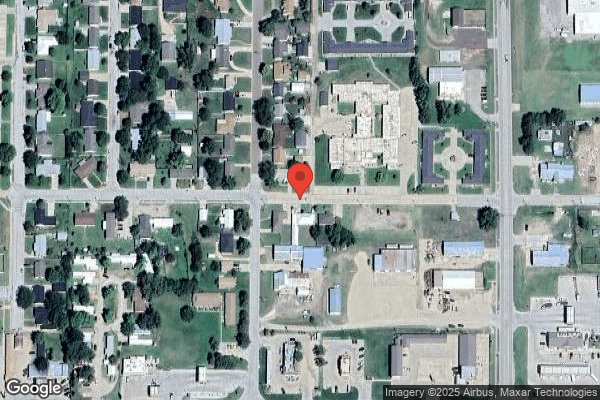
ANDBE HOME, INC

201 W CRANE STREET, NORTON, KS 67654 (785) 877-2601
Non profit - Other 50 Beds Independent Data: November 2025 1 Immediate Jeopardy citation
Trust Grade
28/100
#235 of 295 in KS
Last Inspection: June 2024

Within standard 12-15 month inspection cycle. Federal law requires annual inspections.

Overview

Andbe Home, Inc in Norton, Kansas has a Trust Grade of F, indicating significant concerns about the quality of care provided. It ranks #235 out of 295 nursing homes in the state, placing it in the bottom half of facilities, and it is the only option in Norton County. The facility is worsening, with reported issues increasing from 3 in 2022 to 9 in 2024. Staffing is a relative strength, with a turnover rate of 0%, which is well below the state average, but the RN coverage is concerning, being lower than 84% of Kansas facilities. However, the facility has incurred fines totaling $30,947, which is higher than 80% of other homes in the state, raising concerns about repeated compliance issues. Specific incidents noted include a resident who rejected care and exhibited wandering behaviors, and failures in food safety practices that put residents at risk for foodborne illnesses, as well as a lack of measures to prevent Legionella bacteria, which can lead to pneumonia. Overall, while staffing stability is a positive aspect, the facility has many critical areas needing improvement.

Trust Score
F
28/100
In Kansas
#235/295
Bottom 21%
Safety Record
High Risk
Review needed
Inspections
Getting Worse
3 → 9 violations
Staff Stability
○ Average
Turnover data not reported for this facility.
Penalties
○ Average
$30,947 in fines. Higher than 74% of Kansas facilities. Some compliance issues.
Skilled Nurses
⚠ Watch
Each resident gets only 27 minutes of Registered Nurse (RN) attention daily — below average for Kansas. Fewer RN minutes means fewer trained eyes watching for problems.
Violations
⚠ Watch
18 deficiencies on record. Higher than average. Multiple issues found across inspections.
★☆☆☆☆
1.0
Overall Rating
★★★☆☆
3.0
Staff Levels
★★★☆☆
3.0
Care Quality
★☆☆☆☆
1.0
Inspection Score
Stable
2022: 3 issues
2024: 9 issues

The Good

  • Full Sprinkler Coverage · Fire safety systems throughout facility
  • No fines on record

Facility shows strength in fire safety.

The Bad

1-Star Overall Rating

Below Kansas average (2.9)

Significant quality concerns identified by CMS

Federal Fines: $30,947

Below median ($33,413)

Moderate penalties - review what triggered them

The Ugly 18 deficiencies on record

1 life-threatening
Jun 2024 9 deficiencies 1 IJ (1 affecting multiple)
CRITICAL (K) 📢 Someone Reported This

A family member, employee, or ombudsman was alarmed enough to file a formal complaint

Immediate Jeopardy (IJ) - the most serious Medicare violation

Accident Prevention (Tag F0689)

Someone could have died · This affected multiple residents

**NOTE- TERMS IN BRACKETS HAVE BEEN EDITED TO PROTECT CONFIDENTIALITY** - R8's Electronic Medical Record (EMR) documented diagnoses of major depressive disorder (major mood disorder that causes persis...

Read full inspector narrative →
**NOTE- TERMS IN BRACKETS HAVE BEEN EDITED TO PROTECT CONFIDENTIALITY** - R8's Electronic Medical Record (EMR) documented diagnoses of major depressive disorder (major mood disorder that causes persistent feelings of sadness), diabetes mellitus (DM-when the body cannot use glucose, not enough insulin is made or the body cannot respond to the insulin), adult failure to thrive (includes not doing well, feeling poorly, weight loss, poor self-care that could be seen in elderly individuals), chronic pain, chronic kidney disease, dementia (a progressive mental disorder characterized by failing memory, confusion), muscle weakness, difficulty in walking, and neurocognitive disorder (dysfunction with ability to think and reason). R8's Annual Minimum Data Set (MDS), dated [DATE], documented R8 had severe cognitive impairment and delusions (untrue persistent belief or perception held by a person although evidence shows it was untrue). R8 rejected care four to six days of the observation period and had wandering behavior which occurred one to three days of the observation period, and behavioral symptoms that had worsened. R8 had no functional range of motion impairment and used a walker and wheelchair. R8 was independent with bed rolling, sitting on the edge of the bed, and sit-to-stand transfers, and required set-up assistance with walking 10 to 50 feet. The MDS further documented R8 was frequently incontinent of urine and bowel. R8 had two or more non-injury falls and used bed and chair alarms daily. R8 also received scheduled pain medication and took an antianxiety (class of medications that calm and relax people), an antidepressant (class of medications used to treat mood disorders), and an antiplatelet (medication used to slow blood from clotting). R8's Care Plan, dated 05/15/24, documented R8 was at risk for falls. The care plan direct staff R8 should have slipper socks on at night and a gripper strip placed beside the bed. The plan directed staff to ensure the alarm was with the resident at all times, functioning properly, plugged in and out of reach. The plan directed staff should strongly encourage the use of a call light, and keep the environment clutter-free with frequently used items within reach. R8 should use a wheelchair to go to meals. The Progress Notes and Investigation Notes documented the following falls: On 08/18/23 at 07:45 PM, staff were called to R8 rooms and found the resident sitting on the floor next to the bed. R8 reported he was getting up to go to the bathroom. The investigation, dated 08/19/23, documented the care plan was followed and remained appropriate, an exit alarm was in place and functioning. The care plan lacked new resident-specific interventions related to the fall. On 08/19/23 at 02:00 AM, R8's alarm sounded, and the resident was sitting on the floor next to the bed. R8 was incontinent of urine and reported he slipped on blankets. Staff assisted the resident to the bathroom. The investigation, dated 08/19/23, documented the care plan was followed and remained appropriate, and the exit alarm was in place and functioning. The care plan lacked new resident-specific interventions related to the fall. On 08/31/23 at 05:52 PM, R8's roommate told staff R8 had been leaving the bathroom, had a misstep, and fell. The facility failed to provide an investigation and the care plan lacked new resident-specific intervention related to the fall. On 09/10/23 at 11:13 AM, R8 reported heading to the bathroom and R8's feet got caught in the blanket causing the fall. The investigation, dated 09/20/23, documented the care plan was followed and remained appropriate, the exit alarm was in place and functioning. The care plan lacked a new resident-specific intervention related to the fall. On 10/03/23 at 04:20 AM, staff found R8 on the floor by staff. The note further documented the care plan was followed and the alarm was in place but did not sound when the resident got up. The investigation, dated 10/03/23, documented the care plan was followed and remained appropriate, and the exit alarm was in place and functioning. The care plan lacked new resident-specific interventions related to the fall. On 10/03/23 at 06:38 PM, R8 was lowered to the floor by staff while assisting to transfer to a wheelchair and fell onto his knees. The investigation, dated 10/03/23, documented the care plan was followed and remained appropriate, and the exit alarm was in place and functioning. The care plan lacked new resident-specific interventions related to the fall. On 11/06/23 at 03:30 AM, R8 had been getting up to use the bathroom and staff saw R8 lying on the floor. R8 reported he hit his head when he fell. The investigation, dated 11/06/23, documented the care plan was followed and remained appropriate, and the exit alarm was in place and functioning. The care plan lacked new resident-specific interventions related to the fall. On 11/15/23 at 03:29 PM, the nurse was called to R8 room where R8 fell onto his knees and then lowered himself onto his buttocks on the floor. R8 reported his knees were sore. The investigation, dated 11/15/23, documented the care plan was followed and remained appropriate, and the exit alarm was in place and functioning. The care plan lacked new resident-specific interventions related to the fall. On 11/19/23 at 02:16 AM, R8 got up to the bathroom, unplugged the bed alarm, and stood up. R8's roommate reported the fall and that R8 hit his head. The investigation, dated 11/19/23, documented the care plan was followed and remained appropriate, and the exit alarm was in place and functioning. The care plan lacked new resident-specific interventions related to the fall. On 12/29/23 at 03:41 PM, R8 was found on his hands and knees on the floor, leaning his head on his roommate's reclining chair. The investigation, dated 12/29/23, documented the care plan was followed and remained appropriate, the exit alarm was in place and functioning and R8 was noncompliant with interventions. The care plan lacked new resident-specific interventions related to the fall. On 01/04/24 at 07:00 AM, R8 fell out of bed and the alarm sounded. The investigation, dated 01/04/24, documented the care plan was followed and remained appropriate, the exit alarm was in place and, functioning, and R8 was noncompliant with interventions. The care plan lacked new resident-specific interventions related to the fall. On 02/14/24 at 07:10 AM, R8 was sitting on the floor next to his bed. R8 reported he was getting up. The investigation, dated 02/14/24, documented the care plan was followed and remained appropriate, the exit alarm was in place and functioning, and R8 was noncompliant with interventions. A care plan update, dated 02/22/24, documented R8 had a room change to be closer to the nurse's station. On 02/20/24 at 07:56 PM, R8 was found on his hands and knees, next to the bed. R8 reported he was getting out of bed. The investigation on 02/20/24 documented the care plan was followed and remained appropriate, the exit alarm was in place and functioning, and R8 was noncompliant with interventions. The care plan lacked new resident-specific interventions related to the fall. On 06/11/24 at 09:42 PM, observation revealed R8 remained in his room, in bed, leaning over to eat breakfast in bed. R8's bed was flat. R8 ate independently by leaning over to his left side. On 06/11/24 at 10:01 AM, Certified Nurse Aide (CNA) M reported to prevent falls for R8, staff were to make sure the alarms were in place. CNA M stated that R8 wore gripper socks and the staff checked on the resident frequently. On 06/12/24 at 10:08 AM, Licensed Nurse (LN) H reported staff could look over the care plan for intervention to prevent falls. LN H reported R8 had alarms which staff monitored to ensure function and properly placed. LN H verified R8 had numerous falls and the interventions were not changed and were not effective in preventing falls until R8 was moved closer to the nurse's station. On 06/12/24 at 04:02 PM, Administrative Nurse D verified new interventions should have been implemented to prevent falls for R8. Administrative Nurse D verified interventions were not always created or implemented. The facility's Falls-Clinical Protocol policy, dated 03/2018, documented the treatment and management the staff and physician will identify pertinent interventions to try to prevent subsequent falls and to address the risks of clinically significant consequences of falling. If the individual continues to fall, the staff and physician will re-evaluate the situation and reconsider possible reasons for the resident's falling and also reconsider the current interventions. The facility failed to identify and implement interventions to prevent R8 from falling which placed the resident at risk of further falls and injuries. The facility had a census of 34 residents. Based on observation, interview, and record review the facility failed to ensure an environment free from accident hazards when the facility failed to ensure water temperatures in areas with resident access and in Resident (R)18, R17, R25, R1, and R4's rooms remained at a safe temperature when temperatures above 140 degrees Fahrenheit (F) were recorded. This common area and sink were open to the center hallway and accessible to any independently mobile residents. The facility identified seven independently mobile, cognitively impaired residents. This placed twelve residents in immediate jeopardy. The excessively high hot water temperatures of 128-139 degrees F were also recorded in resident room sinks, placing an additional seven residents at risk for burns. The facility failed to identify and implement interventions to prevent R8 from falling which placed the resident at risk of further falls and injuries. Findings included: - On 06/12/24 at 07:53 AM, observation revealed the water temperature of the center living room/café area sink was 152.6 degrees F by surveyor thermometer. On 06/12/24 at 08:00 AM, Certified Nurse Aide (CNA) N obtained a facility thermometer and tested the sink at 161 degrees F and verified the temperature was too hot. On 06/12/24 at 08:05 AM, an assessment of other resident room sink water temperatures were performed to ascertain the extent of the problem. The following sink water temperatures were found: R18's room measured 147 degrees F. R4's room measured 143.4 degrees F. R17's room measured 139.2 degrees F. R7's room measured 138.2 degrees F. R20's room measured 129.8 degrees F. R9's room measured 129.4 degrees F. R8's room measured 129.2 degrees F. R2's room measured 129 degrees F. R22's room measured 128.5 degrees F. R21's room measured 129 degrees F. R27's room measured 124.5 degrees F. R11's room measured 122.4 degrees F. On 06/12/24 at 08:07 AM, Maintenance Staff U stated the water heater that runs the north resident rooms, north shower bathroom, and common area quit working a couple of days ago, 06/09/24. He stated he opened the valve to the laundry heater to go through the resident hot water heater system. After switching the line, he stated he tested the common area but did not document that and did not test the common areas or resident rooms daily while the line was coming from the laundry heater. On 06/12/24 at 08:30 AM, Administrative Staff A was informed of the hot water temperatures, and she reported the maintenance person stated he repaired the resident hot water heater on 06/11/24 but had not turned the valve to stop the laundry water heater hot water from going to the resident lines. On 06/12/24 at 9:24 AM, R18 stated he had not noted the water to be too hot. On 06/12/24 at 09:38 AM, R31 stated she had no problems with hot water being too hot to touch. On 06/12/24 at 09:40 AM, R22 stated she had not had any issues with the water being too hot. On 06/12/24 at 09:44 AM, R17 stated her bathroom sink water was scalding hot, every morning when the girls (CNAs) get her up, she warns them to be careful the hot water temperature is really hot, because they let it run for a while, and one of them put her hand underneath it and told her she was right it was very hot. On 06/12/24 at 09:30 AM, Licensed Nurse (LN) H stated she had not noted any issues with the water being too hot and would inform maintenance if she thought the water temperature too hot. She stated no staff nor residents had complained about the water being too hot. On 06/12/24 at 09:50 AM, Administrative Staff A stated the maintenance person informed her he checked water temperatures weekly but did not document them. On 06/12/24 at 04:45 PM to 05:00 PM, Re-check of water temperatures indicated the following: R17's room measured 149 degrees F. R4's room measured 144 degrees F. R25's room measured 150.3 degrees F. R28's room measured 139.6 degrees F. R1's room measured 141 degrees F. On 06/12/24 at 05:00 PM, surveyors notified the administrator who checked the temperatures and verified they were still too hot for some of the rooms. She contacted the maintenance person who informed her there was a separate water heater for those rooms. The administrator stated she would ensure the heater was turned down or off immediately. On 06/12/24 at 05:45 PM, Administrative Staff A obtained water temperatures from resident rooms and all temperatures were below 114.2 F. The Centers for Medicare and Medicaid (CMS) State Operations Manual (SOM) recorded temperatures at 124 degrees F can cause a third-degree burn (serious burn which affects the outer layer of skin as well as the entire layer beneath and requires immediate medical attention) in three minutes of exposure; temperatures at 127 degrees F can cause third degree burn with one minute of exposure; temperatures at 133 degrees F can cause third-degree burn in 15 seconds of exposure, and water temperatures at 140 degrees F can cause a third-degree burn in five seconds of exposure. The facility's Safety of Water Temperatures policy, dated 12/2009, stated the tap water in the facility shall be kept within a temperature range to prevent scalding of residents. Water heaters that service resident rooms, bathrooms, common areas, and shower areas would be set to temperatures of no more than 120 F. Maintenance staff were responsible for checking thermostats and temperature controls in the facility and recording those checks in a maintenance log. Maintenance staff would conduct periodic tap water temperature checks and record the temperatures in a safety log. If hot water temperatures felt excessive to the touch staff were to report that to the immediate supervisor. On 06/12/24 at 11:26 AM, Administrative Staff A received the Immediate Jeopardy Template and was informed the facility's failure to ensure the environment remained free of accidents when unsafe hot water temperatures were found in the handwashing sink in R18, R17, R25, R1, and R4's room, placing the five residents in immediate jeopardy related to potential burns from the hot water. Unacceptably hot water was also found in seven other resident rooms placing the twelve affected residents at risk for hot water related burns and/or injuries. On 06/13/24 the surveyor verified the following corrective actions to remove the immediacy: Maintenance Staff U immediately adjusted the valve on the hot water line so the excessively hot water for the laundry would not go into the residential hot water line which was set at 120 degrees F. The water heaters were adjusted to maintain an acceptable level between 105-120 degrees F. Education was provided to the maintenance supervisor of the water temperature requirements and documentation of auditing water temperature. Accident education was assigned to all staff to be completed by 08:00 AM Monday 06/17/2024. Medical Director was notified. The scope and severity remained at the level of E, after removal of the immediacy.
CONCERN (D) 📢 Someone Reported This

A family member, employee, or ombudsman was alarmed enough to file a formal complaint

Potential for Harm - no one hurt, but risky conditions existed

Resident Rights (Tag F0550)

Could have caused harm · This affected 1 resident

The facility had a census of 34 residents. The sample included 12 residents. Based on observation, interview, and record review the facility failed to promote care in a manner to maintain and enhance ...

Read full inspector narrative →
The facility had a census of 34 residents. The sample included 12 residents. Based on observation, interview, and record review the facility failed to promote care in a manner to maintain and enhance dignity and respect when staff stood over two residents, Resident (R) 5 and R33, while assisting them to eat. This placed the residents of the facility at risk for impaired dignity. Findings included: - On 06/10/24 at 11:48 AM, observation revealed Certified Nurse Aide (CNA) O assisted residents in the dining room. CNA O stood up while feeding R5 a few bites of food and then walked over and stood over R33 while assisting him to eat. At 12:18 PM, CNA O sat next to R5 and fed her a few bites of food, then at 12:20 PM, she got up and assisted R33 again. At 12:21 PM, CNA O stood over R5 and gave her a bite of food, walked away from the table, came back, and gave her another bite while standing over her. At 12:23 PM, CNA O stood beside R33 to assist him with a drink and cut up his chicken into smaller pieces. At 12:24 PM CNA O sat by R5 and fed her pureed eggroll. At 12:28 PM, CNA O stood over R33 and fed him a bite or two of cake, then sat by R5 at 12:30 PM, and assisted her again. At 12:38 PM, CNA O stood over R5 again to give her a couple of bites of her meal, and at 12:40 PM, CNA O walked away. At 12:41 PM, a different aide sat with R5 to assist her and at 12:44 PM, the aide took R5 back to her room. On 06/11/24 at 08:50 AM, observation revealed R5 sat in her wheelchair at the dining table independently drinking thickened grape juice. The CNA that had been assisting her to eat was helping others. R5 had eaten approximately 50 percent (%) of her pureed breakfast. At 09:00 AM, CNA O stood over R5 and fed her two spoonfuls of sausage, and then some eggs. CNA O then walked over to assist R33 in eating while standing over him. CNA O walked back and assisted R5 again. On 06/11/24 at 12:19 PM, observation revealed CNA O sat with R5 and offered a drink of her vanilla shake. CNA O tried to get her to drink the supplement through a straw without success. At 12:38 PM, the dietary staff served her a meal of pureed pork chop, mixed vegetables, sweet potato, and a dessert. Further observation during the meal revealed CNA O got up and assisted R33 with cutting up his food and she stood over him to feed him a bite of food at least three times in between assisting R5 to eat her meal. At 12:51 PM, CNA O went to another table, talked to R25, and offered her assistance before returning to assist R5 again. On 06/11/24 at 02:04 PM, Dietary Staff BB stated staff should not stand over residents while assisting them to eat. On 06/11/24 at 02:27 PM, Administrative Nurse D verified staff were not to stand over residents while feeding them. The facility's Assistance with Meals policy, dated 03/2022, stated residents would receive assistance with meals in a manner that meets the individual needs of each resident. Residents who cannot feed themselves would be fed with attention to safety, comfort, and dignity for example: not standing over residents while assisting them to eat. The facility failed to promote care in a manner that maintains and enhances dignity and respect when staff stood over R5 and R33 while assisting them to eat. This placed the residents at risk for impaired dignity.
CONCERN (D) 📢 Someone Reported This

A family member, employee, or ombudsman was alarmed enough to file a formal complaint

Potential for Harm - no one hurt, but risky conditions existed

Incontinence Care (Tag F0690)

Could have caused harm · This affected 1 resident

**NOTE- TERMS IN BRACKETS HAVE BEEN EDITED TO PROTECT CONFIDENTIALITY** The facility had a census of 34 residents. The sample included 12 residents with two reviewed for urinary catheter (a tube inser...

Read full inspector narrative →
**NOTE- TERMS IN BRACKETS HAVE BEEN EDITED TO PROTECT CONFIDENTIALITY** The facility had a census of 34 residents. The sample included 12 residents with two reviewed for urinary catheter (a tube inserted into the bladder to drain urine) or urinary tract infection (UTI). Based on observation, record review, and interview, the facility staff failed to ensure sanitary catheter care for Resident (R)11. This placed the resident at risk for infection and catheter-related complications. Findings included: - R11's Electronic Medical Record (EMR) documented R11 had diagnoses of neuromuscular dysfunction of the bladder (the muscles that control the flow of urine out of the body do not relax and prevent the bladder from fully emptying) and urine retention (when your bladder doesn't empty completely or at all). R11's Quarterly Minimum Data Set (MDS), dated [DATE], documented the resident had a Brief Interview of Mental Status (BIMS) of 15, which indicated intact cognition. The MDS documented R11 had a urinary catheter and no UTI during the observation period. R11's Care Plan, revised 07/07/24, documented the resident had poor kidney health, and a urinary catheter, and instructed staff to change the catheter monthly per physician order. The care plan instructed staff to soak the graduated cylinder and the catheter holder in vinegar weekly for 20 minutes, get new ones monthly, and record intake and output and provide catheter care every shift. The Nurse's Note, dated 01/13/24 documented R11 admitted to the hospital with a diagnosis of sepsis (a life-threatening systemic reaction that develops due to infections that cause inflammation throughout the entire body) secondary to UTI. A review of R11's clinical record revealed R11 had positive UTIs on 01/13/24, 03/16/24 and 03/27/24. On 06/11/24 at 08:27 AM, observation revealed R11 self-propelled down the hall to the dining room with his urinary catheter tubing touching the floor underneath the seat of his wheelchair. On 06/11/24 at 11:44 AM, observation revealed R11 self-propelled in a wheelchair down the hall from his room to the dining room with his catheter tubing hitting the back of his shoes and touching the floor, underneath the seat of his wheelchair. On 06/11/24 at 02:00 PM, observation revealed R11 self-propelled down the hall from his room with his urinary catheter tubing touching the floor all the way to the dining room. On 06/11/24 at 03:26 PM, observation revealed R11 self-propelled from his room into the hall with his catheter tubing touching the floor underneath the seat of his wheelchair. Licensed Nurse (LN) I verified the tubing was touching the floor and stated staff should keep R11's catheter tubing off the floor. LN I retrieved a clip and secured the tubing off the floor. On 06/12/24 at 01:24 PM, Certified Nurse Aide (CNA) P, entered R11's room and asked if he was ready for her to provide catheter care and the resident replied Yes. CNA P cued R11 to self-propel in a wheelchair into the bathroom, lock the wheelchair brakes, and use the grab bar on the wall to stand by the toilet. CNA P assisted R11 in pulling down his incontinent brief and pants, then applied gloves, and removed the incontinent brief which contained a bowel movement (bm)in it. Further observation revealed CNA P provided catheter care with premoistened wipes, then with the same soiled gloves touched the wheelchair arms and moved it back from the toilet. Further observation revealed CNA P, with the same soiled gloves, placed a new incontinent brief on the resident, touching his pant legs, then CNA P cued R11 to stand and, with the same soiled gloves, pulled up R11's incontinent brief and pants. Observation revealed CNA P, with the same soiled gloves, moved the wheelchair closer to the resident, touching the arms of it and brakes, then removed and discarded the gloves. R11 self-propelled out of the bathroom and CNA P followed him and asked R11 if he needed anything else. CNA P left the room without washing her hands. On 06/12/24 at 01:30 PM, CNA P verified she had not changed her gloves after providing perineal care and had not washed her hands prior to leaving the resident's room. CNA P stated she should have. On 06/12/24 at 04:10 PM, Administrative Nurse D stated she expected staff to change gloves immediately after providing catheter care and staff should position R11's catheter tubing under his wheelchair to keep it off the floor. The facility did not provide a policy regarding how to position a resident's catheter tubing, change gloves, or wash hands when providing catheter care. The facility staff failed to ensure staff provided sanitary catheter care for R11. This placed the resident at risk for infection and catheter-related complications.
CONCERN (D) 📢 Someone Reported This

A family member, employee, or ombudsman was alarmed enough to file a formal complaint

Potential for Harm - no one hurt, but risky conditions existed

Deficiency F0692 (Tag F0692)

Could have caused harm · This affected 1 resident

**NOTE- TERMS IN BRACKETS HAVE BEEN EDITED TO PROTECT CONFIDENTIALITY** The facility had a census of 34 residents. The sample included 12 residents. Based on observation, interview, and record review ...

Read full inspector narrative →
**NOTE- TERMS IN BRACKETS HAVE BEEN EDITED TO PROTECT CONFIDENTIALITY** The facility had a census of 34 residents. The sample included 12 residents. Based on observation, interview, and record review the facility failed to ensure Resident (R) 5 received the required staff assistance with meals in an uninterrupted manner that promoted intake. This deficient practice placed the resident at risk for weight loss. Findings included: - R5's Electronic Health Record (EHR) documented diagnoses of epilepsy (brain disorder characterized by repeated seizures), generalized anxiety disorder (mental or emotional reaction characterized by apprehension, uncertainty, and irrational fear), major depressive disorder (major mood disorder which causes persistent feelings of sadness), history of cerebral infarction (stroke), and dysphagia (swallowing difficulty). The Quarterly Minimum Data Set (MDS), dated [DATE], documented a Brief Interview for Mental Status (BIMS) score of 99 and severely impaired decision-making. The MDS documented R5 required maximal staff assistance for eating. She weighed 93 pounds (lbs.), had weight loss, and was not on a physician-prescribed weight loss regimen. R5's Care Plan, dated 05/01/24, directed staff to provide a pureed diet with nectar thick liquids, a 120 milliliter (ml) dietary supplement four times daily, 120 ml juice supplement three times daily, Med-plus supplement as ordered, and encourage 120 ml of water between meals. The care plan directed staff to encourage R5 to eat the high-protein food first, offer menu selections daily, and help mark choices as needed. Staff were to obtain weekly weights. The Physician Order, dated 07/20/22, directed staff to assist the resident at all meals to aid in safe swallowing and to increase intake. Provide nectar thick liquids, and extra juice at meals and place water in a six-ounce cup. The Nutrition Note by the registered dietician (RD), dated 1/22/24, documented R5's weight was 106 lbs. which was lower than desirable for her age. R5's diet was regular with the meat cut into small bite-size pieces and nectar liquids. R5 ate 26 to 50% of the meals and ate at the assisted table in the main dining room. The Nutrition Note, dated 2/5/24, documented a four-ounce Gelatein (gelatin-like protein supplement) was added daily in addition to other multiple interventions. The physician had no new orders other than the Gelatein. R5's weight was 106 lbs., and her current meal intakes were fair, 51 to 75% of meals. The Physician Order, dated 02/16/24, directed staff to ensure the resident was up in a wheelchair for meals. The Nutrition Note, dated 04/01/24, documented R5's current weight was 95.8 lbs. and lower than desirable for age. Her diet was regular with meats cut into small bite-size pieces and nectar thick fluids. R5 ate 26 to 50% of meals at the assisted table. Staff tried to help the resident with eating and drinking, but she refused to let them help her. Estimated intakes were meeting estimated nutritional needs, but weight loss was noted. The note suggested increasing the juice supplement to four ounces four times daily, increasing the dietary supplement drink to 120 ml four times daily, and notifying the physician of weight loss. The note suggested if continued weight loss occurred, may consider seeing what R5's family wishes were regarding tube feeding. The Nutrition Note, dated 05/20/24, documented R5's current weight was 89.8 lbs. R5's diet changed to pureed with nectar liquids earlier in the month and the resident was allowing staff to assist. On 06/10/24 at 11:48 AM, observation revealed Certified Nurse Aide (CNA) O assisted residents with eating in the dining room. CNA O stood up while feeding R5 a few bites of food and then walked over and stood over R33 while assisting him to eat. At 12:18 PM, CNA O sat next to R5 and fed her a few bites of food, then at 12:20 PM, she got up and assisted R33 again. At 12:21 PM, CNA O stood over R5 and gave her a bite of food, walked away from the table, came back, and gave her another bite while standing over her. At 12:23 PM, CNA O stood beside R33 to assist him with a drink and cut up his chicken into smaller pieces. At 12:24 PM CNA O sat by R5 and fed her pureed eggroll. At 12:28 PM, CNA O stood over R33 and fed him a bite or two of cake, then sat by R5 at 12:30 PM, and assisted her again. At 12:38 PM, CNA O stood over R5 again to give her a couple of bites of her meal, and at 12:40 PM, CNA O walked away. At 12:41 PM, a different aide sat with R5 to assist her and at 12:44 PM, the aide took R5 back to her room. On 06/11/24 at 08:50 AM, observation revealed R5 sat in her wheelchair at the dining table independently drinking thickened grape juice. The CNA that had been assisting her to eat was helping others. R5 had eaten approximately 50 percent (%) of her pureed breakfast. At 09:00 AM, CNA O stood over R5 and fed her two spoonfuls of sausage, and then some eggs. CNA O then walked over to assist R33 in eating while standing over him. CNA O walked back and assisted R5 again. On 06/11/24 at 12:19 PM, observation revealed CNA O sat with R5 and offered a drink of her vanilla shake. CNA O tried to get her to drink the supplement through a straw without success. At 12:38 PM, the dietary staff served her a meal of pureed pork chop, mixed vegetables, sweet potato, and a dessert. Further observation during the meal revealed CNA O got up and assisted R33 with cutting up his food and she stood over him to feed him a bite of food at least three times in between assisting R5 to eat her meal. At 12:51 PM, CNA O went to another table, talked to R25, and offered her assistance before returning to assist R5 again. On 06/11/24 at 08:42 AM, Licensed Nurse (LN) J verified staff should not stand over a resident while assisting them to eat. On 06/11/24 at 02:04 PM, Dietary Staff BB stated she and the RD monitored weights and would question Administrative Staff D regarding any fluctuations. Dietary Staff BB stated R5 had lost quite a bit of weight prior to getting pureed foods in early May and now ate better. She said R5 also quit spitting out food if the CNAs fed her. On 06/12/24 at 01:13 PM, LN H stated if R5 was hungry and interested, she ate well though at other times she may not eat much. LN H said R5 sometimes would hold her lips closed when she did not want to eat more. On 06/12/24 at 04:03 PM, Administrative Nurse D verified that R5 might eat better some days if a staff person could sit next to her, visit with her, and assist her without interruption. Administrative Nurse D verified staff were not to stand over residents while feeding them. The facility's Assistance with Meals policy, dated 03/2022, stated residents would receive assistance with meals in a manner that meets the individual needs of each resident. Residents who cannot feed themselves would be fed with attention to safety, comfort, and dignity for example: not standing over residents while assisting them to eat. The facility failed to ensure R5 was assisted with meals in an uninterrupted manner, placing the resident at risk for weight loss.
CONCERN (D) 📢 Someone Reported This

A family member, employee, or ombudsman was alarmed enough to file a formal complaint

Potential for Harm - no one hurt, but risky conditions existed

Deficiency F0697 (Tag F0697)

Could have caused harm · This affected 1 resident

**NOTE- TERMS IN BRACKETS HAVE BEEN EDITED TO PROTECT CONFIDENTIALITY** The facility had a census of 34 residents. The sample included 12 residents. Based on observation, record review, and interview,...

Read full inspector narrative →
**NOTE- TERMS IN BRACKETS HAVE BEEN EDITED TO PROTECT CONFIDENTIALITY** The facility had a census of 34 residents. The sample included 12 residents. Based on observation, record review, and interview, the facility failed to ensure adequate pain management was available for Resident (R) 27 who had chronic pain. This placed the resident at risk for unrelieved pain. Findings included: - R27's Electronic Medical Record (EMR) documented R27 had diagnoses of peripheral (outside, surface, or surrounding area of an organ, other structure, or field of vision) neuropathy (weakness, numbness, and pain from nerve damage, usually in the hands and feet) and absence of left leg below the knee. R27's Quarterly Minimum Data Set (MDS), dated [DATE], documented R27 had a Brief Interview of Mental Status (BIMS) score of 15, which indicated intact cognition. The MDS documented R27 required moderate staff assistance with personal hygiene and toileting. R39 had lower extremity impairment on one side and was independent with activities of daily living (ADLs) except showering. The MDS documented R27 received scheduled and as-needed (PRN) pain medications, frequently and had pain that rated seven on the pain intensity scale; pain occasionally made it hard for R27 to sleep at night. The MDS documented R27 received an opioid (narcotic) pain medication daily during the observation period. R27's Care Plan, revised 03/07/24, documented R27 had frequent, all-over joint pain and phantom leg syndrome( a condition in which patients experience sensations, whether painful or otherwise, in a limb that does not exist). The care plan instructed staff to administer Norco (opioid pain medication) twice a day. The Physician Order, dated 03/11/24, instructed staff to administer Norco, one to two tablets 10-325 milligrams (mg), every six hours PRN for pain. The Physician Order, dated 03/20/24, instructed staff to administer, Norco, two tablets, 10-325 mg twice a day at 08:00 AM and 08:00 PM. The Progress Note, dated 06/10/24 at 01:19 PM, documented the nurse received a fax from the physician with a new order to discontinue R27's PRN Norco and change the scheduled Norco, 10-325 mg, two tablets, to three times a day and schedule them for 08:00 AM, 02:00 PM, and 08:00 PM. R27'se Medication Administration Record (MAR) documented the nurse did not administer R27 his Norco, 10-325mg, two tablets on the following dates and times due to it being unavailable: 06/10/24 at 08:53 AM, 01:05 PM, and 08:00 PM, and on 06/11/24 at 08:00 AM and 10:57 AM. The Medication Order Book documented that staff reordered R27's Norco on 06/02/24 The Progress note, dated 06/09/24 at 02:59 PM, documented the nurse sent a fax to the physician requesting R27's Norco, be changed to three times a day due to R27 having been requesting a PRN dose frequently the last few weeks. The Progress Note, dated 06/11/24 at 04:12 AM, documented the pharmacy did not send R27's Norco, tablets the previous day so R27 had not received his scheduled pain medication that morning. The note documented R27 complained of significant generalized pain and stated he had not slept all night. The note documented the resident statement was true as his light had been on since midnight. R27 requested ibuprofen (pain medication), however there was no standing order for it. The nurse offered Tylenol 1000mg, instead and R27 agreed to take it. Tylenol,1000mg, was administered to R27 as a one-time order at 04:00 AM per standing order for significant pain. The Progress Note, dated 06/11/024 at 04:52 AM, documented R27 was out in the hallways roaming in his wheelchair and complaining of pain. R27 was rubbing his leg and grimacing. The nurse assured R27 that the medication would be sorted out as soon as possible and he would be able to have his Norco soon. The note documented R27 stated, I know it's not your fault. I'm just really hurting. R27'se Medication Administration Record (MAR) documented the nurse did not administer R27 his Norco, 10-325mg, two tablets on the following dates and times due to it being unavailable: 06/10/24 at 08:53 AM, 01:05 PM, and 08:00 PM, and on 06/11/24 at 08:00 AM and 10:57 AM. On 06/11/24 at 08:04 AM, observation revealed R27 sat in a wheelchair by the nurse's cart at the end of the west hall. R27 told the nurse that he had pain all over. The nurse stated she would call the pharmacy and find out why R27's Norco was not delivered the previous night, as soon as she was done checking his blood sugar. On 06/11/24 at 10:00 AM, LN G stated the facility had not received R27's Norco; the physician had increased the Norco the previous day but failed to send it to the pharmacy. LN G stated R27 had not received his Norco since the previous day and he was having pain. LN G stated if staff see that a resident is getting low on medication and the facility still has not received it, staff can call the pharmacy and reorder it again. LN G verified staff had not followed up on the Norco. On 06/12/24 at 11:43 AM, Licensed Nurse (LN) G stated staff should reorder residents' medication seven days prior to them running out. LN G verified it was ordered on 06/02/24 and staff did not follow up when it was not delivered. On 06/12/24 at 04:10 PM, Administrative Nurse D stated she expected staff to reorder a resident's medication seven days in advance or if the medication was scheduled twice a day, they should order it 14 days in advance. Administrative Nurse D stated if the pharmacy had not delivered the resident's medication after two days, she expected staff to follow up with the pharmacy to see why the facility had not received it. Upon request, the facility did not provide a policy regarding reordering medications. The facility failed to follow up on R27's Norco medication reorder causing the resident to run out of the medication. This placed the resident at risk for unrelieved pain.
CONCERN (D) 📢 Someone Reported This

A family member, employee, or ombudsman was alarmed enough to file a formal complaint

Potential for Harm - no one hurt, but risky conditions existed

Deficiency F0804 (Tag F0804)

Could have caused harm · This affected 1 resident

The facility had a census of 34 residents. Based on observation, record review, and interview the facility kitchen staff failed to provide food prepared by methods that conserve nutritive value, flavo...

Read full inspector narrative →
The facility had a census of 34 residents. Based on observation, record review, and interview the facility kitchen staff failed to provide food prepared by methods that conserve nutritive value, flavor, and appearance when dietary staff failed to follow a recipe while preparing the pureed diet. This placed the resident at risk for impaired nutrition. Findings included: - On 06/11/24 at 11:55, Dietary Staff (DS) CC with Dietary Manager (DM) BB overlooking, stated the facility had one resident who received a pureed diet and five residents who received mechanical soft diets. DS CC placed six three-ounce (oz) pork chops into a steam table pan, transferred them into a blender using tongs, and blended to a mechanically soft consistency. DS CC then transferred an unmeasured amount of mechanical soft pork chop into a steam table pan and placed it on the steam table. Observation revealed DS CC placed the rest of the mechanical soft pork chop in the blender container, added an unmeasured amount of milk, blended the meat to the consistency of mashed potatoes, then transferred the pureed pork chops into a steam table pan, and placed it on the steam table. DS CC said he knew the portions were accurate by estimating the serving size of both the mechanical soft and pureed portions. Observation revealed DS CC placed five three-ounce servings of mixed vegetables into a clean blender container, blended, then added an unmeasured amount of water from the sink and blended to the consistency of pudding. On 06/11/24 at 12:00 PM, DS CC verified he had not followed a recipe and stated the facility's dietary department did not have a recipe to follow. On 06/11/24 at 12:05 PM, DM BB stated the facility did not have recipes for pureed diets. She stated staff uses different liquids to puree food items and said that for meats, staff should use gravy, and for chicken, staff should use chicken broth. DM BB said if a food item had milk in it, staff should use milk for the liquid, and if for vegetable food items, staff should use the juice from the vegetables to get the right consistency. On 06/11/24 at 2:00 PM, DM BB provided a sheet of paper with the batch recipe and stated the pureed recipe was at the bottom of the recipe. A review of the recipes for the batch food items revealed the bottom included instructions to kitchen staff describing how to puree food items to the right consistency but did not have a specific recipe for each pureed food item. The facility's Following Recipes for Pureed Diets Policy, revised 09/15/17, documented that dietary staff would prepare pureed diets according to the pureed diet recipes provided with the facility menus. Staff would measure the food, liquid, and thickener according to directions. The facility kitchen staff failed to follow a recipe when preparing one resident's pureed diet. This placed the residents at risk for impaired nutrition.
CONCERN (E) 📢 Someone Reported This

A family member, employee, or ombudsman was alarmed enough to file a formal complaint

Potential for Harm - no one hurt, but risky conditions existed

Deficiency F0761 (Tag F0761)

Could have caused harm · This affected multiple residents

The facility had a census of 34 residents. The sample included 12 residents. Based on observation, interview, and record review the facility failed to dispose of expired medications appropriately. Thi...

Read full inspector narrative →
The facility had a census of 34 residents. The sample included 12 residents. Based on observation, interview, and record review the facility failed to dispose of expired medications appropriately. This deficient practice placed residents at risk of receiving ineffective medication. Findings included: - On 06/10/24 at 08:15 AM, observation revealed the north medication cart contained the following expired medications: One bottle of stool softener, 50 milligrams (mg)/8.6 mg senna (laxative), with an expiration date of 12/2023. One bottle of calcium complete, 250 mg, plus 2.5 micrograms (mcg) of vitamin D, with an expiration date of 06/2023. One bottle of liquid Gerilanta (used to treat the symptoms of too much stomach acid) with an expiration date of 12/2023. On 06/10/24 at 08:15 AM, Licensed Nurse (LN) J verified the above expired medications should have been disposed of. On 06/10/24 at 08:52 AM, observation revealed the east medication room contained the following expired medications: One bottle of extra strength pain relief Tylenol/diphenhydramine (Benadryl), 500/25 mg, with an expiration date of 05/2024. One bottle of gas relief, 80 mg, with an expiration date of 02/2024. On 06/10/24 at 08:52 AM, LN J verified the above expired medications should have been disposed of. On 06/13/24 at 10:10 AM, Administrative Nurse D verified staff were to check the medication carts and rooms for expired medications twice weekly and dispose of expired medications. The facility's Medication Labeling and Storage policy, dated 02/2023, stated if the facility had discontinued, outdated medications the staff would contact the dispensing pharmacy for instructions regarding returning or destroying those items. The facility failed to dispose of expired medications appropriately, placing residents at risk of receiving ineffective medication.
CONCERN (F) 📢 Someone Reported This

A family member, employee, or ombudsman was alarmed enough to file a formal complaint

Potential for Harm - no one hurt, but risky conditions existed

Food Safety (Tag F0812)

Could have caused harm · This affected most or all residents

The facility had a census of 34 residents. The sample included 12 residents. Based on observation, record review, and interview the facility failed to store, prepare, distribute, and serve food in acc...

Read full inspector narrative →
The facility had a census of 34 residents. The sample included 12 residents. Based on observation, record review, and interview the facility failed to store, prepare, distribute, and serve food in accordance with professional standards for food service safety for the 34 residents who received their meals from the facility's kitchen. This placed the 34 residents at risk for foodborne illness. Findings included: - On 06/10/24 at 08:10 AM. observation revealed the nourishment refrigerator/freezer on the right lacked a thermometer. The second refrigerator on the left lacked a thermometer in the freezer and had an expired package of simply steamed cauliflower with an expiration date of July 23, 2023. On 6/11/24 at 08:10 AM, Certified Nurse Aide (CNA) O verified the finding above and stated dietary staff was responsible for placing the thermometers in the nourishment refrigerator/freezers and discarded the simply steam cauliflower. On 06/11/24 at 11:11 AM, observation in the kitchen revealed the following: The two-door silver fridge lacked a backup thermometer inside it. The fridge had two unlabeled. undated eggs in a plastic bowl, four slices of undated, unlabeled yellow cheese in plastic wrap. Dietary Staff (DS) CC verified the above findings and discarded the food items. An unlabeled, undated powered milk bin, noodle bin, and flour bin. Two ceiling vents, one by the entrance door and one above the cupboard had a gray fuzzy substance that flared onto the ceiling approximately four inches. On 06/12/24 at 03:00 PM, observation revealed staff passing uncovered bowls of ice cream on a cart in the facility halls. Certified Nurse Aide (CNA) Q verified the ice cream was uncovered and stated it should be covered. On 06/11/24 at 11:15 AM Dietary Manager (DM) BB verified the issues in the kitchen and stated staff should label and date all food items when placed in the refrigerator and the powered milk bin, noodle bin, and flour bind should be labeled and dated. On 06/11/24 at 02:00 PM, Dietary Manager (DM) BB verified the lack of thermometers in the nourishment room and stated nursing was responsible for obtaining them and placing them in the refrigerator/freezers, then they reported the temperatures to her. On 06/12/24 at 04:10 PM, Administrative Nurse D stated she would expect staff to cover food items when transporting them down the hall and nursing was responsible for placing thermometers in the nourishment center refrigerators. The facility's Cleaning and Sanitation of Dining and Food Service Areas Policy, revised 09/15/17, documented the food and nutrition services staff would maintain the cleanliness and sanitation of the dining and food service areas through compliance with a written, comprehensive cleaning schedule. The facility's Food Storage Policy, documented that food would be stored in an area that is clean, dry, and free from contaminants. food would be stored at appropriate temperatures and by methods designed to prevent contamination or cross-contamination. food should be dated as it is placed on the shelves. Every refrigerator must be equipped with an internal thermometer. All foods should be covered, labeled, and dated. frozen food must be maintained at a temperature to keep the food frozen solid. Freezer temperatures should be checked at least two times each day. The facility kitchen staff failed to prepare food in accordance with professional standards for food service safety when staff failed to cover bowls of ice cream when transporting them down the hall on the snack cart. The facility failed to place backup thermometers in refrigerators and freezers. This placed the 34 residents who received their food from the facility's kitchen at risk for foodborne illness.
CONCERN (F) 📢 Someone Reported This

A family member, employee, or ombudsman was alarmed enough to file a formal complaint

Potential for Harm - no one hurt, but risky conditions existed

Infection Control (Tag F0880)

Could have caused harm · This affected most or all residents

The facility had a census of 34 residents. Based on interviews and record review the facility failed to implement a water management program for the Legionella disease (Legionella is a bacterium sprea...

Read full inspector narrative →
The facility had a census of 34 residents. Based on interviews and record review the facility failed to implement a water management program for the Legionella disease (Legionella is a bacterium spread through mist, such as from air-conditioning units for large buildings. Adults over the age of 50 and people with weak immune systems, chronic lung disease, or heavy tobacco use are most at risk of developing pneumonia caused by Legionella). This placed the residents in the facility at risk for Legionella pneumonia Findings included: - The facility's Water Temperature Check Log documented temperature checks of laundry, kitchen, common areas, and resident rooms weekly. The facility did not have documentation of Legionella preventative measures including risk assessments and identification of potential problem areas and actions taken. On 06/10/24 at 03:36 PM, Administrative Staff A stated the city came to the facility yearly and tested the water. The facility uses an osmosis water filtration system for drinking water. She verified the facility lacked a Legionella or waterborne pathogen prevention plan. The facility failed to implement a water management program to test and manage waterborne pathogens placing the residents who reside in the facility at risk of contracting Legionella pneumonia.
Aug 2022 3 deficiencies
CONCERN (D)

Potential for Harm - no one hurt, but risky conditions existed

Pressure Ulcer Prevention (Tag F0686)

Could have caused harm · This affected 1 resident

**NOTE- TERMS IN BRACKETS HAVE BEEN EDITED TO PROTECT CONFIDENTIALITY** The facility had a census of 40 residents. The sample included 13 residents with two reviewed for pressure ulcers. Based on obse...

Read full inspector narrative →
**NOTE- TERMS IN BRACKETS HAVE BEEN EDITED TO PROTECT CONFIDENTIALITY** The facility had a census of 40 residents. The sample included 13 residents with two reviewed for pressure ulcers. Based on observation, record review and interview, the facility failed to involve the physician in the care and treatment of a pressure ulcer (localized injury to the skin and/or underlying tissue usually over a bony prominence, as a result of pressure) for one sampled resident, Residents (R) 91. This placed the resident at risk for a worsening wound and infection. Findings included: - The Physician Order Sheet, dated 08/01/22, recorded R91 had diagnoses of hypertension (elevated blood pressure), coronary artery disease (abnormal condition that may affect the flow of oxygen to the heart), atrial fibrillation (rapid, irregular heartbeat), and vascular dementia (progressive mental disorder characterized by failing memory and confusion). The Annual Minimum Data Set (MDS), dated [DATE], recorded R91 had a Brief Interview for Mental Status score of five (severe cognitive impairment) with no behaviors. The MDS recorded R91 transferred and walked independently and had a Stage two pressure ulcer (open wound characterized by full or partial loss of skin). The Skin Breakdown Care Plan, dated 06/27/22, recorded R91 admitted with a pressure ulcer on her coccyx (small triangular bone at the base of the spine) and directed staff to provide care and treatment for the wound as directed by the physician. The admission Skin Assessment, dated 07/20/21, recorded R91 had an open wound on her coccyx that measured 1.5 centimeter (cm) long, 0.5 cm wide and 0.5 cm deep. The admission Skin Assessment, recorded the physician ordered a wound consultation for R91 to assess the wound and implement treatment orders. The Physician Order, dated 09/14/21, directed staff to cleanse R91's wound, apply collagen powder (wound medication used to enhance wound closure), hydrogel filler (gel used to bound with the wound surface) and cover with a transparent dressing. The Physician Progress Note, dated 02/09/22, recorded R91 had a pinpoint coccyx wound, and directed staff to continue the collagen wound treatment. The Physician Progress Note, dated 04/05/22, recorded R91 doing well and lacked documentation concerning the resident's pressure ulcer. The Physician Progress Note, dated 06/29/22, recorded R91 had no skin issues and lacked documentation concerning the resident's pressure ulcer. The Physician Progress Note, dated 08/15/22, recorded R91 doing well and lacked documentation concerning the resident's pressure ulcer. On 08/24/22 at 09:28 AM, observation revealed R91 transferred from her bed, walked to the bathroom, and leaned over the sink counter for Licensed Nurse (LN) G to complete her coccyx wound dressing change. Continued observation revealed R91's coccyx wound a slit with no drainage or signs of infection, and LN G measured the resident's coccyx wound 1.0 cm long by 0.6 cm deep. LN G completed the wound treatment as ordered by the physician on 09/14/21 (11 months ago) On 08/24/22 at 09:35 AM, LN G stated R91 admitted with the pressure ulcer over a year ago, and the wound had improved but not healed. LN G stated staff provided the same wound treatment for R91 as ordered by the physician on 09/14/21, and she was not aware if staff had reported the resident's current wound status to the physician. On 08/29/22 at 9:10 AM, Administrative Nurse D stated R91's medical record lacked documentation staff reported the resident's coccyx wound status to the physician for new treatment and intervention orders if needed. The facility's Pressure Injury Treatment Guidelines Policy, dated May 2022, directed staff to monitor wound status and report lack of healing progress to the physician for possible new treatments and interventions. The facility failed to involve the physician in R91's pressure ulcer care and treatment, placing the resident at risk for a worsening wound and infection.
CONCERN (E)

Potential for Harm - no one hurt, but risky conditions existed

ADL Care (Tag F0677)

Could have caused harm · This affected multiple residents

**NOTE- TERMS IN BRACKETS HAVE BEEN EDITED TO PROTECT CONFIDENTIALITY** - The Electronic Medical Record (EMR) documented R3 had diagnoses of seizures (a disorder in which nerve cell activity in the br...

Read full inspector narrative →
**NOTE- TERMS IN BRACKETS HAVE BEEN EDITED TO PROTECT CONFIDENTIALITY** - The Electronic Medical Record (EMR) documented R3 had diagnoses of seizures (a disorder in which nerve cell activity in the brain is disturbed), traumatic brain injury (brain dysfunction caused by an outside force, usually a violent blow to the head), and dementia (thinking and social symptoms that interferes with daily functioning). The Quarterly Minimum Data Set (MDS), dated 05/11/22, documented the resident had moderately impaired cognition, required maximum assistance with transfers, dressing, personal hygiene and bathing and functional impairment on one side of upper and lower extremities. The Activities of Daily Living (ADL) Care Plan dated 05/11/22, documented the resident to have a whirlpool bath or shower weekly with a goal of twice weekly. The Bathing Record documentation revealed the following: 07/11/22 received a bath, next bath received 07/25/22, (14 days with no bath) 08/04/22 received a bath, next bath received 08/15/22, (11 days with no bath) On 08/23/22 at 01:130PM, observation revealed R3 sat in her wheelchair in the hallway by the nurses' desk. Further observation revealed R3 with uncombed hair, both hands with dried brown substance on top of hands and under fingernails. On 08/24/22 at 02:10PM, Nurse Aide (NA) N stated there was a bath schedule but they do not always get the resident baths done. On 08/24/22 at 03:30PM, Licensed Nurse (LN) H stated the nurse aides were to report to the charge nurse if a resident bath is not done. On 08/29/22 at 08:30AM, Administrative Nurse D verified R3's baths were not completed as scheduled. Administrative Nurse D stated she expected the residents to receive baths as scheduled. The facility's Activities of Daily Living policy, dated 05/2022, stated residents who are unable to carry out ADLS receive the necessary care and services to maintain good grooming and personal hygiene. If a resident refuses care and treatment include interventions that were tried to bath a resident. The facility failed to complete bathing for R3, placing the resident at risk for poor hygiene. - The Electronic Medical Record (EMR) documented R21 had diagnoses of congestive heart failure (a chronic condition in which the heart doesn't pump blood), and dementia (thinking and social symptoms that interferes with daily functioning). The Quarterly Minimum Data Set (MDS), dated 07/06/22, documented the resident with severely impaired cognition, required maximum assistance with transfers, dressing, personal hygiene and bathing. The Activities of Daily Living (ADL)Care Plan documented R21 to receive a shower one to two times a week. The Bathing Record documentation revealed the following: 08/10/22 received a shower next shower 08/24/22 (14 days no shower) On 08/23/22 at 02:10 PM, observation revealed R21 sat in a recliner in the living room. Further observation revealed R21 with uncombed hair. On 08/24/22 at 02:10PM, Nurse Aide (NA) N stated there was a bath schedule but they do not always get the resident baths done. On 08/24/22 at 03:30PM, Licensed Nurse (LN) H stated the nurse aides were to report to the charge nurse if a resident bath is not done. On 08/29/22 at 08:30AM, Administrative Nurse (AN) D verified R3's baths not completed as scheduled. Administrative Nurse D stated she expected the residents to receive baths as scheduled. The facility's Activities of Daily Living policy, dated 05/2022, stated residents who are unable to carry out ADLS receive the necessary care and services to maintain good grooming and personal hygiene. If a resident refuses care and treatment include interventions that were tried to bath a resident. The facility failed to complete bathing for R21, placing the resident at risk for poor hygiene. The facility had a census of 40 residents. The sample included 13 residents, with six reviewed for activities of daily living (ADLs). Based on observation, record review, and interview, the facility failed to provide scheduled bathing for four sampled residents, Resident (R) 8, R34, R3, and R21. This placed these residents at risk for skin problems and poor hygiene. Findings included: - R8's Physician's Order Sheet, dated 02/07/22, recorded diagnoses dementia (persistent mental disorder marked by memory loss and impaired reasoning), anxiety (mental or emotional reaction characterized by apprehension, uncertainty and irrational fear), depression (abnormal emotional state characterized by exaggerated feelings of sadness), and psychotic disorder (any major mental disorder characterized by a gross impairment in reality). The Quarterly Minimum Data Set (MDS), dated [DATE], recorded R8 had moderately impaired cognition, with inattention, disorganized thinking, verbal behaviors, and delusions (untrue beliefs or perceptions held by a person although evidence shows it was untrue). The MDS recorded R8 was incontinent of bowel and urine and required extensive staff assistance with personal hygiene and bathing. The Activities of Daily Living (ADLS) Care Plan, dated 06/29/22, was at risk for skin breakdown due to incontinence and directed staff to provide supervision and extensive assistance with the resident's dressing, grooming, bathing, and personal hygiene. The facility's undated Bathing schedule, directed staff to shower R8 on Tuesday and Friday every week. The June Bathing Report, recorded R8 had a shower on the following days: 06/17/22 (16-day interval) 06/22/22 06/28/22 The July Bathing Report, recorded R8 had a shower on the following days: 07/06/22 (8-day interval) 07/15/22 (9-day interval) 07/20/22 07/22/22 The August Bathing Report, recorded R8 had a shower on the following days: 08/12/22 (21-day interval) On 08/29/22 the resident currently had a 17-day interval without a shower. On 08/25/22 at 09:24 AM, observation revealed R8 walked to the living room without an assistive device and participated in a group activity. On 08/24/22 at 03:10 PM, Certified Nurse Aide (CNA) M stated staff record completed bathing on the computer and a bath sheet, and staff should provide bathing as scheduled for the resident. On 08/25/22 at 02:10 PM, Licensed Nurse (LN) I stated R8 required limited staff assistance with bathing, staff should provide R8's bathing as scheduled, and she was not aware who monitored the resident's bathing frequency. On 08/29/22 at 09:10 AM, Administrative Nurse D stated staff should provide R8's bathing as scheduled, and record completed bathing on the computer and bath sheet. Administrative Staff D stated the facility did not have a system to monitor resident bathing frequency. The facility's Activity of Daily Living Policy, dated May 2022, directed staff to complete and record resident bathing as scheduled. The facility failed to provide scheduled bathing for R8, placing the resident at risk for skin problems and poor hygiene. - R34's Physician's Order Sheet, dated 02/07/22, recorded diagnoses of rheumatoid arthritis (chronic inflammatory disease that affected joints and other organ systems), osteoporosis with pathological vertebrae fractures (abnormal loss of bone density and deterioration of bone tissue with vertebrae fractures caused by the underlying disease), chronic pain. The Quarterly Minimum Data Set (MDS), dated [DATE], recorded R34 had a Brief Interview for Mental Status (BIMS) score of 15 (cognitively intact) with no behaviors. The MDS recorded R34 required extensive to total staff assistance with transfers, dressing, personal hygiene, bathing, and had frequent moderate pain. The Activities of Daily Living Care Plan, dated 07/22/22, recorded R34 was at risk for skin breakdown due to immobility and directed staff to provide weekly showers and skin assessments. The facility's undated Bathing schedule, directed staff to shower R34 on Wednesday every week. The June Bathing Report, recorded R34 had a shower on the following days: 06/10/22 (10-day interval) 06/17/22 06/30/22 (13-day interval) The July Bathing Report, recorded R34 had a shower on the following days: 07/06/22 07/15/22 (9-day interval) 07/22/22 The August Bathing Report, recorded R34 had a shower on the following days: 08/10/22 (19-day interval) 08/17/22 On 08/29/22 the resident currently had a 12-day interval without a shower. On 08/25/22 at 09:34 AM, observation revealed R34 sat in a wheelchair in her room with her cervical neck brace (medical device used to support and stabilize a person's neck) in place working on her computer. On 08/24/22 at 03:10 PM, Certified Nurse Aide (CNA) M stated staff record completed bathing on the computer and a bath sheet, and staff should provide bathing as scheduled for the resident. On 08/25/22 at 02:10 PM, Licensed Nurse (LN) I stated R34 required extensive staff assistance with bathing, staff should provide R34's bathing as scheduled, and she was not aware who monitored the resident's bathing frequency. On 08/29/22 at 09:10 AM, Administrative Nurse D stated staff should provide R34's bathing as scheduled, and record completed bathing on the computer and bath sheet. Administrative Staff D stated the facility did not have a system to monitor resident bathing frequency. The facility's Activity of Daily Living Policy, dated May 2022, directed staff to complete and record resident bathing as scheduled. The facility failed to provide scheduled bathing for R34, placing the resident at risk for skin problems and poor hygiene.
CONCERN (F)

Potential for Harm - no one hurt, but risky conditions existed

Infection Control (Tag F0880)

Could have caused harm · This affected most or all residents

The facility had a census of 40 residents. The sample included 13 residents. Based on observation, record review and interview the facility failed to prevent the development and transmission of infect...

Read full inspector narrative →
The facility had a census of 40 residents. The sample included 13 residents. Based on observation, record review and interview the facility failed to prevent the development and transmission of infections by not handling and transporting residents' linens in a safe, sanitary manner. This placed the residents at increased risk for communicable disease and infections. Findings included: - On 08/24/22 at 07:45AM, observation revealed Housekeeping Staff (HS) V walked out of Resident (R) 32's carrying unbagged sheets rolled up in a ball. HS V carried the unbagged soiled linen down the hallway to the soiled utility room. On 08/24/22 at 07:55AM, observation revealed HS V in R 21's room. Further observation revealed HS V took the bed sheets off of R21's bed and rolled them up in a ball, then carried the unbagged soiled linen down the hallway to the soiled utility room. On 08/24/22 at 08:05AM, observation revealed HS V in R37's room. Further observation revealed HS V walked out of R37's room with bed sheets rolled up in a ball and carried unbagged soiled linen to the soiled utility room. On 08/24/22 at 08:10AM, observation revealed HS W entering R5's room. Further observation revealed HS W walked out of R5's room and carried unbagged soiled linen to the soiled utility room. On 08/25/22 at 07:40AM, observation revealed a housekeeping cart in hallway outside of R29's room. Further observation revealed HS W placed unbagged soiled linen on top of the housekeeping cart and pushed the cart down the hallway. On 08/25/22 at 08:00AM, observation revealed HS W entered R17's room. Further observation revealed HS W removed linen off of R17's bed, rolled it up in a ball and then carried the unbagged soiled linen to the utility room. On 08/25/22 at 08:05AM, observation revealed HS W entered R2's room. Further observation revealed HS W removed linen off of R2's bed, rolled it up in a ball and then carried the unbagged soiled linen to the utility room. On 08/25/22 at 08:10AM, Housekeeping Supervisor U stated, this is the way we have always removed linen from the resident beds then take it to the soiled utility room. The bed sheets were changed weekly. Housekeeping Supervisor verified the housekeeper should not place soiled linen on top of the housekeeping cart. On 08/25/22 at 09:50AM, Infection Control Nurse E verified when changing resident bed linen the linen should be bagged and covered before leaving the resident room and transporting the linen to the soiled utility room. On 08/25/22 at 10:10AM, Administrative Staff A verified resident linens should be bagged and not transported unbagged down the hallway. The facility's Laundry and Bedding policy, dated 05/2022, stated bedding shall be handled in a manner that prevents gross microbial contamination of air. All linen is to be handled as potentially contaminated. Laundry is to be placed in a laundry bag or a container at the location where it was used, then taken to the soiled utility room. The facility failed to prevent the development and transmission of infections by not handling and transporting residents' linens in a safe, sanitary manner. This placed the residents at increased risk for communicable disease and infections.
Jun 2021 6 deficiencies
CONCERN (D)

Potential for Harm - no one hurt, but risky conditions existed

Quality of Care (Tag F0684)

Could have caused harm · This affected 1 resident

**NOTE- TERMS IN BRACKETS HAVE BEEN EDITED TO PROTECT CONFIDENTIALITY** The facility had a census of 42 residents. The sample included 13 residents with three reviewed for skin condition not pressure ...

Read full inspector narrative →
**NOTE- TERMS IN BRACKETS HAVE BEEN EDITED TO PROTECT CONFIDENTIALITY** The facility had a census of 42 residents. The sample included 13 residents with three reviewed for skin condition not pressure related. Based on observation, record review, and interview, the facility failed to provide necessary care and notify the physician of changes in condition, for two of three sampled residents, Resident (R) 9 who obtained drainage and an open area from a hematoma (pool of clotted or partially clotted blood) and (R) 22 who had drainage from a stasis ulcer (wound on a leg or ankle caused by abnormal or damaged veins). Findings included: - R22's Physician Order Sheet, dated 06/15/21, documented diagnoses of peripheral vascular disease (a circulatory condition in which narrowed blood vessels reduce blood flow to the limbs), diabetes mellitus type 2 (chronic condition that affects the way the body processes blood sugar), and peripheral neuropathy (pain such as stabbing, burning or tingling that affects hands, feet, and other parts of the body). The admission Minimum Data Set (MDS), dated [DATE], documented the resident had moderately impaired cognition and required extensive assistance of two staff for bed mobility, transfers, and toileting. The Pressure Ulcer Care Area Assessment (CAA), dated 05/20/21, documented the resident had peripheral vascular disease and pain which required a special mattress and seat cushion to reduces or relieve pressure. The Pressure Ulcer Care Plan, dated 05/23/21, documented the resident had stasis ulcers that were present upon admission to the facility, and directed staff to monitor the condition of the resident's skin during cares and report any increased redness and changes in skin integrity to the nurse. The Physician Orders, dated 05/13/21, directed staff to cleanse the resident's left lateral arch (outer side of the foot) with wound cleanser, pat the wound dry, apply Aquacel Ag (dressing suited to manage moderate to highly exuding wounds), and cover with a bordered foam dressing (dressing used to cover wounds over bony ridges or near inflamed (reddened) skin) daily. The Physician Orders, dated 05/13/21, directed staff to cleanse the resident's left lateral pinky toe with wound cleanser, pat the wound dry, apply Aquacel Ag and cover with a bordered foam dressing daily. The Nurse's Note, dated 06/24/21 at 01:20 PM, documented the areas around the wounds had moderate purulent (consisting of, containing, or discharging pus [a thick liquid produced in infected tissue, consisting of dead white blood cells and bacteria]) drainage on the dressing and a foul odor. The Nurse's Note, dated 06/26/21 at 11:35 AM, documented staff completed the treatment to the resident's left food and noted a foul odor. On 06/24/21 at 10:10 AM, observation revealed the resident sat in his recliner, foot rest up and his legs propped up on a pillow. The resident's legs were purple from the knee down and his left foot had a dressing on it. Observation revealed Administrative Nurse E washed her hands, donned clean gloves, and removed the old dressing. Further observation revealed the dressing saturated (thoroughly soaked) with brown drainage and had an odor. Administrative Nurse E cleansed the wounds with wound cleanser, removed her soiled gloves, washed her hands, and donned clean gloves. Administrative Nurse E cut the Aquacel Ag to the size of the wounds, placed a bordered dressing on, and secured the dressing with Coban (self-adherent wrap which functions like tape). On 06/28/21 at 02:52 PM, Administrative Nurse D verified there was not a culture for the resident's stasis ulcers in the medical record, verified a culture should be obtained due to the odorous drainage of the resident's wounds, and stated she would contact the physician for an order. The facility's Wound Guidelines policy, dated May 2021, directed staff to verify the resident had an order for treatment and determine if there were special resident needs. The policy directed staff to report other information in accordance with facility policy and professional standards of practice. The facility failed to obtain an order for a wound culture for R22's odorous drainage from a stasis ulcer, placing the resident at risk for infection. - R9's Physician Order Sheet (POS), dated 05/18/21, documented diagnoses of muscular dystrophy (group of genetic diseases that cause progressive weakness and loss of muscle mass) and venous insufficiency (leg veins don't allow blood to flow back up to your heart). The Quarterly Minimum Data Set (MDS), dated [DATE], documented a Brief Interview for Mental Status (BIMS) score of 11, indicating moderately impaired cognition. The MDS documented R9 independent with locomotion, used a wheelchair for mobility, required extensive assistance of two staff for toilet use and dressing, and totally dependent on staff for bed mobility and transfers. The MDS documented the resident had no falls or skin issues. The Hematoma (localized bleeding outside of blood vessels, due to either disease or trauma including injury) on Right Lower Extremity Care Plan, dated 06/03/21, documented the resident ran her leg into the parallel bars in the therapy room and then shut off her wheelchair. The care plan directed staff to provide treatment as ordered, monitor area closely for signs and symptoms of infection, and elevate the resident's left leg. The Physical Therapy (PT) Note, dated 05/24/21, documented after a standing trial in the parallel bars, patient was educated about the exercises. Patient stated she was unable to understand Physical Therapist (PT) II's statement. Patient again counseled by the therapist and R9 stated she did not understand what the therapist wanted. Visual cues were used to explain and R9 was then requested to reposition herself in the parallel bars so her left leg was inside the space between poles of parallel bars, by self-operating her powered wheelchair. While moving forward, R9 hit her right lower leg on the right pole of the parallel bars and the controls turned off. Therapy Staff GG assisted and operated the controls while PT II held R9 to avoid any falls. R9 reported pain in her lower leg, therapy staff unwrapped her leg, and noted swelling on the lateral (outer) aspect of her right lower leg. Therapy Staff GG informed Administrative Nurse D and Licensed Nurse (LN) I assessed the resident. The Progress Note, dated 05/24/21 at 11:00 AM, documented R9 returned to her room, nursing applied ice to the right lower leg hematoma, and the resident requested to be sent to the emergency room (ER) for evaluation of her 18 centimeter (cm) raised hematoma and severe pain. The Progress Note, dated 05/24/21 at 01:45 PM, documented the resident returned from the ER with orders to elevate the right leg, watch for signs and symptoms of cellulitis (bacterial skin infection that causes redness, swelling, and pain), provide pain medication as needed, and wrap the right leg for compression. The Physician Note, dated 05/27/21, documented a large hematoma on the resident's right lateral calf, that occurred Monday, was resolving. The note documented staff x-rayed and completed an ultrasound on the area, noted no fracture, and ordered to continue with conservative treatment. The physician diagnosed mild early cellulitis on the right lower leg and ordered Z-Pack (antibiotic), 500 milligrams (mg), today, then 250 mg daily for four days. The Skin Assessment, dated 05/28/21, documented the right lower leg hematoma measured 18 cm X 16 cm x 3 cm high with serous sanguineous drainage (contains both blood and a clear yellow liquid known as blood serum), and no warmth or swelling in foot or toes. Review of R9's Medical Record lacked documentation in progress notes, physician orders, or wound documentation that staff notified the physician of the new development of drainage. The Skin Assessment, dated 05/30/21 at 10:42 AM, documented R9's right lower leg hematoma with serous sanguineous drainage, a red area at the bottom edge of the hematoma, warm to touch, and a new open area measuring 1 cm x 1 cm, mid hematoma. Review of R9's Medical Record lacked documentation in progress notes, physician orders, or wound documentation that staff notified the physician of the new open area in the middle of the hematoma. The Progress Note, dated 05/31/21 at 09:22 PM, documented the resident's representative requested the physician refer the resident to a wound doctor to monitor the wound due to resident's history of sepsis (occurs when chemicals released in the bloodstream to fight an infection trigger inflammation throughout the body) in wounds. The note documented the resident's right leg hematoma draining and had a black spot directly in the center of the hematoma. The Progress Note, dated 06/02/21 at 06:17 AM, documented referral to wound care and the wound progress notes were faxed to the wound doctor. The Surgery Report, dated 06/08/21, documented R9's wound was evaluated in Wound Care Clinic for large traumatic right leg hematoma. After discussion, decision was made to proceed with debridement. Large hematoma in the right lower leg measured 14 cm x 8 cm x 3 cm. Wound debrided and measured 15.0 x 9.8 x 1.0 cm before debridement, and 15.2 x 10.1 x 1.5 cm after debridement, with large amount of necrotic (dead) skin and subcutaneous tissue (deepest layer of your skin) noted in the wound. The Hospital Wound Note, dated 06/28/21, documented the resident arrived at the hospital at 10:30 AM, with wound vac running and canister very full. Moderate odor noted with dressing removal and wound measured 14 cm x 10 cm, with depth noticeably reduced. On 06/23/21 at 03:03 PM, observation revealed R9 rested in her recliner with feet elevated. On 06/24/21 at 09:05 AM, observation revealed the resident sat in her electric wheelchair at a dining table and visited with another resident. R9 ate 100% of breakfast, wore slacks, and her wound vac dressing was not visible. Observation revealed the wound vac machine hung in a holder on the back of her wheelchair. Continued observation at 09:30 AM, revealed R9 drove her wheelchair through the facility carefully and did not come close to the walls or corners. On 06/23/21 at 03:03 PM, R9 stated her wound vac beeped at times, but she had gone to the wound clinic in [NAME] that morning, staff debrided the wound, and placed a new wound vac dressing on. R9 reported the wound used to be more painful after the injury first happened, and staff only gave her Tylenol. R9 stated the injury was not painful yesterday and today she only requested one Tylenol so far. R9 stated the wound happened when she was in the therapy room and the therapist wanted her to move her electric wheelchair into a small space. R9 told Physical Therapist II it wouldn't fit but he wanted her to move it. R9 stated she ended up hitting her lower leg and it bruised, but later opened. The wound vac dressing covered an approximately 10-12 cm oval shaped area on R9's right lower leg. On 06/24/21 at 12:50 PM, Occupational Therapist (OT) GG stated she was in the room when R9's accident happened. She stated R9 was good at driving her wheelchair and wheeled up to the parallel bars at one end. The PT II, who had a heavy foreign accent, wanted her to use her legs to stand. R9 moved her chair sideways unexpectedly (instead of straight back), pinched her leg between the side of the parallel bar and the wheelchair power went off. OT GG stated R9 had leg wraps on at the time, so therapy staff notified LN I and assessed R9's injury. OT GG and LN I found no open skin, but the area swelled up quickly, and they sent R9 to the ER. On 06/29/21 at 10:40 AM, Administrative Nurse D verified staff had not notified the physician on 05/28/21 of the new drainage from the hematoma, or on 05/30/21 when the hematoma developed an open area in the middle. The facility's Guidelines for Notifying Physicians of Clinical Problems policy, dated May 2021, documented the charge nurse or supervisor should contact the physician at any time they feel a clinical situation requires immediate discussion and management. The physician is responsible to respond in a timely manner. The facility's Wound Care Guideline policy, dated May 2021, directed staff to report information in accordance with facility policy and professional standards of practice. The facility failed to notify R9's physician of changes in R9's injury in a timely manner, placing the resident at risk for lack of wound treatment guidance.
CONCERN (D)

Potential for Harm - no one hurt, but risky conditions existed

Drug Regimen Review (Tag F0756)

Could have caused harm · This affected 1 resident

**NOTE- TERMS IN BRACKETS HAVE BEEN EDITED TO PROTECT CONFIDENTIALITY** The facility had a census of 42 residents. The sample included 13 residents, with five reviewed for unnecessary medications. Bas...

Read full inspector narrative →
**NOTE- TERMS IN BRACKETS HAVE BEEN EDITED TO PROTECT CONFIDENTIALITY** The facility had a census of 42 residents. The sample included 13 residents, with five reviewed for unnecessary medications. Based on observation, record review, and interview, the facility's consultant pharmacist failed to report irregularities and lack of duration for use, for Resident (R) 28's PRN (as needed) Ativan (antianxiety medication). Findings included: - R28's Physician Order Sheet (POS), dated 05/27/21, documented diagnoses of vascular dementia (progressive mental disorder characterized by failing memory and confusion caused by a decreased blood flow to the brain) with and without behavioral disturbance, generalized anxiety disorder (mental or emotional reaction characterized by apprehension, uncertainty and irrational fear), major depressive disorder (abnormal emotional state characterized by exaggerated feelings of sadness, worthlessness, emptiness and hopelessness) with severe psychotic features (mood episode that also have the presence of delusions (untrue persistent belief or perception held by a person although evidence shows it was untrue) or hallucinations (sensing things while awake that appear to be real, but the mind created), and altered mental status. The Annual Minimum Data Set (MDS), dated [DATE], recorded the resident had severe cognitive impairment, no behaviors, and required extensive to total assistance of one to two staff for activities of daily living (ADLs). The MDS recorded the resident received an antipsychotic (class of medications used to treat a severe mental disorder in which thought and emotions are so impaired that contact is lost with external reality and other mental emotional conditions), antidepressant (class of medications used to treat mood disorders and relieve symptoms of depression), antianxiety (class of medications that calm and relax people with excessive mental or emotional reaction characterized by apprehension, uncertainty and irrational fear, nervousness, or tension), and opioids (medication used to treat pain) on a daily basis. The Psychotropic Drug Use Care Area Assessment (CAA), dated 06/27/21, was not completed. The Psychotropic Medication Care Plan, dated 05/28/21, recorded Ativan had the following Black Box Warning: (indicate that the drug carries a significant risk of serious or even life-threatening adverse effects) the resident at risk for profound increase in sedation and respiratory suppression if used with opioids, and directed staff to monitor for adverse reactions. The Physician Order, dated 04/19/21, directed staff to apply Ativan cream 0.5 mg, topically (the surface of a part of the body), every eight hours, as needed for anxiety. The order lacked a stop date for the PRN Ativan. The Medication Reviews by Pharmacist, dated 05/12/21 and 06/14/21, lacked recommendations to the physician or facility regarding the Ativan use. Review of R28's April 2021 and May 2021 Medication Administration Record documented PRN Ativan had been used on 04/30/21 and 05/01/21. On 06/28/21 at 11:24 AM, observation revealed R28 sat in his recliner in his room, with his eyes closed and feet hanging over the end of the recliner. On 06/29/21 at 03:20 PM, Administrative Nurse A stated R28's medical recorded did not include a stop date for the PRN Ativan, nor had the pharmacist addressed the lack of a stop date. On 6/30/21 at 10:45 AM, Consultant HH reported a previous PRN order for Ativan had been discontinued in February 2021 and he missed the reinstated PRN Ativan order for 04/20/21. The facility's Medication Regimen Reviews policy, dated November 2016, documented the Consultant Pharmacist shall review the medication regimen per state and federal guidelines. The policy further documented a review of the residents with PRN psychotropic medications for a documented diagnosis specified condition, and that they are limited to 14 days and if greater than 14 days the rationale for such listed in the medical record. The facility's consultant pharmacist failed to identify and report the lack of a stop date for R28's PRN Ativan, placing the resident at risk for unnecessary medications.
CONCERN (D)

Potential for Harm - no one hurt, but risky conditions existed

Medication Errors (Tag F0758)

Could have caused harm · This affected 1 resident

**NOTE- TERMS IN BRACKETS HAVE BEEN EDITED TO PROTECT CONFIDENTIALITY** The facility had a census of 42 residents. The sample included 13 residents, with five reviewed for unnecessary medications. Bas...

Read full inspector narrative →
**NOTE- TERMS IN BRACKETS HAVE BEEN EDITED TO PROTECT CONFIDENTIALITY** The facility had a census of 42 residents. The sample included 13 residents, with five reviewed for unnecessary medications. Based on observation, record review, and interview, the facility failed to obtain a stop date for Resident (R) 28's PRN (as needed) Ativan (antianxiety medication). Findings included: - R28's Physician Order Sheet (POS), dated 05/27/21, documented diagnoses of vascular dementia (progressive mental disorder characterized by failing memory and confusion caused by a decreased blood flow to the brain) with and without behavioral disturbance, generalized anxiety disorder (mental or emotional reaction characterized by apprehension, uncertainty and irrational fear), major depressive disorder (abnormal emotional state characterized by exaggerated feelings of sadness, worthlessness, emptiness and hopelessness) with severe psychotic features (mood episode that also have the presence of delusions (untrue persistent belief or perception held by a person although evidence shows it was untrue) or hallucinations (sensing things while awake that appear to be real, but the mind created), and altered mental status. The Annual Minimum Data Set (MDS), dated [DATE], recorded the resident had severe cognitive impairment, no behaviors, and required extensive to total assistance of one to two staff for activities of daily living (ADLs). The MDS recorded the resident received an antipsychotic (class of medications used to treat a severe mental disorder in which thought and emotions are so impaired that contact is lost with external reality and other mental emotional conditions), antidepressant (class of medications used to treat mood disorders and relieve symptoms of depression), antianxiety (class of medications that calm and relax people with excessive mental or emotional reaction characterized by apprehension, uncertainty and irrational fear , nervousness, or tension), and opioids (medication used to treat pain) on a daily basis. The Psychotropic Drug Use Care Area Assessment (CAA), dated 06/27/21, was not completed. The Psychotropic Medication Care Plan, dated 05/28/21, recorded Ativan had the following Black Box Warning: (indicate that the drug carries a significant risk of serious or even life-threatening adverse effects) the resident at risk for profound increase in sedation and respiratory suppression if used with opioids, and directed staff to monitor for adverse reactions. The Physician Order, dated 04/19/21, directed staff to apply Ativan cream 0.5 mg, topically (the surface of a part of the body), every eight hours, as needed for anxiety. The order lacked a stop date for the PRN Ativan. The Medication Reviews by Pharmacist, dated 05/12/21 and 06/14/21, lacked recommendations to the physician or facility regarding the Ativan use. Review of R28's April 2021 and May 2021 Medication Administration Record documented PRN Ativan had been used on 04/30/21 and 05/01/21. On 06/28/21 at 11:24 AM, observation revealed R28 sat in his recliner in his room with his eyes closed and feet hanging over the end of the recliner. On 06/29/21 at 03:20 PM, Administrative Nurse A stated R28's medical recorded did not include a stop date for the PRN Ativan, nor had the pharmacist addressed the lack of a stop date. On 06/30/21 at 10:45 AM, Consultant HH reported a previous PRN order for Ativan had been discontinued in February 2021 and he missed the reinstated PRN Ativan order for 04/20/21. The facility's Unnecessary Drug Psychotropic Use policy dated November 2007, documented to limit antidepressants, hypnotics, and antianxiety drugs to 14 days through documentation in the medical record by the practitioner as to why this should occur. The facility failed to identify the lack of a stop date for R28's PRN Ativan, placing the resident at risk for receiving unnecessary medications.
CONCERN (D)

Potential for Harm - no one hurt, but risky conditions existed

Deficiency F0761 (Tag F0761)

Could have caused harm · This affected 1 resident

**NOTE- TERMS IN BRACKETS HAVE BEEN EDITED TO PROTECT CONFIDENTIALITY** The facility had a census of 42 residents. The sample included 13 residents. Based on observation and interview, the facility fa...

Read full inspector narrative →
**NOTE- TERMS IN BRACKETS HAVE BEEN EDITED TO PROTECT CONFIDENTIALITY** The facility had a census of 42 residents. The sample included 13 residents. Based on observation and interview, the facility failed to remove outdated medication in one of two medication storage rooms, and date an insulin (a hormone which regulates the amount of glucose in the blood) pen in one of three medication carts. Findings included: - On [DATE] at 08:35 AM, observation during initial tour revealed Resident (R) 29's Novolog insulin pen opened and not dated in the north east medication cart. On [DATE] at 02:39 PM, observation revealed two bottles of expired acetaminophen (a drug used to relieve mild or chronic pain and to reduce fever) tablets, R6 with use by date of [DATE] and R4 with use by date [DATE] in the North Hall medication room. On [DATE] at 08:35 AM, Licensed Nurse (LN) G stated R29's Novolog insulin pen was in use and had not been dated when opened. On [DATE] at 02:39 PM, LN H verified the two acetaminophen tablet bottles for R6 and R4 were expired. The facility's Storage of Medication policy, dated [DATE], documented the facility shall not use discontinued, outdated, or deteriorated drugs or biologicals. All such drugs shall be returned to the dispensing pharmacy or destroyed. The policy further documented drug containers that have missing, incomplete, improper, or incorrect labels shall be returned to the pharmacy for proper labeling and storage. Upon request the facility failed to provide an insulin pen use policy. The facility failed to remove two expired bottles of acetaminophen and label R29's insulin pen with date opened, placing the residents at risk for receiving ineffective medications.
CONCERN (E)

Potential for Harm - no one hurt, but risky conditions existed

Infection Control (Tag F0880)

Could have caused harm · This affected multiple residents

The facility had a census of 42 residents. Based on observation, interview, and record review, the facility failed to serve fresh ice water to residents on one of four halls in a sanitary manner. Fin...

Read full inspector narrative →
The facility had a census of 42 residents. Based on observation, interview, and record review, the facility failed to serve fresh ice water to residents on one of four halls in a sanitary manner. Findings included: - On 06/24/21 at 09:18 AM, observation revealed Certified Nurse Aide (CNA) M, on the northeast hall, filled a resident's water mug room with ice while holding the used water mug over the uncovered ice chest and touched the inside of the used mug with the ice scoop. On 06/29/21 at 09:56 AM, observation revealed CNA N held a resident's used water mug over the ice chest to fill the mug and touched the inside of the mug with the ice scoop. At 10:11 AM, observation revealed CNA N brought a used resident water mug out into the hall, filled it with ice over the ice chest, and touched the ice scoop inside mug. On 06/29/21 at 01:45 PM, Administrator A verified staff should not hold the water mugs over the ice chest or touch the ice scoop to the mug when placing fresh ice in residents' water mugs. The facility's Serve Drinking Water policy, dated October 2010, directed staff to fill the ice chest and roll the cart to the resident's hall. Empty the resident's water mug, rinse the mug, fill the mug one-half with tap water, and take the mug to the ice cart. Fill the mug with ice, do not allow the ice scoop to touch the water mug. Take the water mug to the resident and offer a drink. Repeat the steps until the procedure has been completed for each of the residents. Wash your hands. The facility failed to serve fresh ice water in a sanitary manner to residents on one of four resident halls, placing the residents at risk for infection.
CONCERN (F)

Potential for Harm - no one hurt, but risky conditions existed

Food Safety (Tag F0812)

Could have caused harm · This affected most or all residents

The facility had a census of 42 residents. Based on observation, interview, and record review, the facility failed to store, prepare, and serve foods in a sanitary manner for the 42 residents who rece...

Read full inspector narrative →
The facility had a census of 42 residents. Based on observation, interview, and record review, the facility failed to store, prepare, and serve foods in a sanitary manner for the 42 residents who received food from the facility kitchen. Findings included: - On 06/23/21 at 08:20 AM, observation in the facility's kitchen revealed the following outdated food in the reach in refrigerator: Three boiled eggs, dated 06/14 (9 days old) Canister of pear slices, dated 6/14 (9 days old) Canister of green pepper mix, dated 06/14 (9 days old) Canister of baked beans, dated 06/16 (7 days old) Container of honey mustard chicken, dated 06/12 (11 days old) Container of chicken jambalaya, dated 06/16 (7 days old) Baggie of chopped steak, dated 06/13 (10 days old) Lime applesauce, dated 06/14 (9 days old) Bagged turkey for salad, dated 06/13 (10 days old) Bag of dinner rolls dated 6/2 with mold inside. (21 days old) On 06/24/21 at 02:00 PM, observation in the facility kitchen revealed two of six large utensil drawers and three of three shoebox size utensil drawers with dried food crumbs in with the utensils. On 06/29/21 at 11:00 AM, observation revealed the circulating fan in the nourishment area with a 1-2-inch-long string of gray lint on the front, blowing toward the ice machine and refrigerator doors. Observation of the ice machine by the kitchen revealed the drainpipe touching the floor drain without a two-inch air gap. On 06/29/21 at 11:00 AM, observation revealed a food cart outside the kitchen with approximately 20 uncovered beverages. Dietary Staff (DS) left the cart and performed other tasks in the kitchen out of sight of the cart. Staff and residents passed within 1-2 feet of the cart. At 11:18, continued observation revealed staff delivered some beverages to residents who were in the dining room. At 11:20, continued observation revealed a resident self-propelled her wheelchair past the cart, one resident ambulated past the cart twice, and nursing staff, maintenance, aides, all passed by the uncovered glasses. On 06/23/21 at 08:20 AM, DS BB stated leftovers were kept seven days and verified the foods listed above were outdated and needed to be disposed. Review of the June 2021 Kitchen Cleaning Schedule documented staff were to clean out the reach-in refrigerator every Monday. The scheduled lacked documentation staff cleaned the refrigerator. On 06/24/21 at 02:10 PM, DS CC stated leftovers could be kept seven days and reheated one time only. DS CC stated staff cleaned the double refrigerator weekly and should notice any outdated foods and dispose of them at that time. DS C verified the system of a weekly check for outdated foods should be revised and the utensil drawers needed cleaned. On 06/29/21 at 11:00 AM, Maintenance Staff U verified the nourishment room fan should be cleaned and the ice machine by the kitchen should have a two-inch air gap. On 06/29/21 at 11:33 AM, DS BB verified the beverages on the cart were uncovered and verified they should be covered. The facility's Sanitization F812 policy, dated November 2017, documented utensils, counters, shelves, and equipment shall be kept clean, maintained in good repair and shall be free from breaks, corrosion, open seams, cracks and chipped areas that may affect their use or proper cleaning. Food service staff should be trained to maintain cleanliness throughout their work areas during all tasks and to clean after each task. The facility's Food Preparation and Service F804 policy, dated February 2021, documented food service employees shall prepare and serve food in a manner that complies with safe food handling practices. The facility's Ice Machine and Ice Storage Chests policy, dated August 2011, documented staff were to keep the ice scoop in a covered container when not in use. The policy lacked direction to ensure a two-inch air gap in the drain line. The facility failed to store, prepare, and serve foods in a sanitary manner for the 42 residents who received food from the facility kitchen, placing the residents at risk for food borne illnesses.
Understanding Severity Codes (click to expand)
Life-Threatening (Immediate Jeopardy)
J - Isolated K - Pattern L - Widespread
Actual Harm
G - Isolated H - Pattern I - Widespread
Potential for Harm
D - Isolated E - Pattern F - Widespread
No Harm (Minor)
A - Isolated B - Pattern C - Widespread

Questions to Ask on Your Visit

  • "What changes have you made since the serious inspection findings?"
  • "Can I speak with families of current residents?"
  • "What's your RN coverage like on weekends and overnight?"

Our Honest Assessment

Strengths
  • • Licensed and certified facility. Meets minimum state requirements.
Concerns
  • • Multiple safety concerns identified: 1 life-threatening violation(s), $30,947 in fines, Payment denial on record. Review inspection reports carefully.
  • • 18 deficiencies on record, including 1 critical (life-threatening) violation. These warrant careful review before choosing this facility.
  • • $30,947 in fines. Higher than 94% of Kansas facilities, suggesting repeated compliance issues.
  • • Grade F (28/100). Below average facility with significant concerns.
Bottom line: Trust Score of 28/100 indicates significant concerns. Thoroughly evaluate alternatives.

About This Facility

What is Andbe Home, Inc's CMS Rating?

CMS assigns ANDBE HOME, INC an overall rating of 1 out of 5 stars, which is considered much below average nationally. Within Kansas, this rating places the facility higher than 0% of the state's 100 nursing homes. A rating at this level reflects concerns identified through health inspections, staffing assessments, or quality measures that families should carefully consider.

How is Andbe Home, Inc Staffed?

CMS rates ANDBE HOME, INC's staffing level at 3 out of 5 stars, which is average compared to other nursing homes.

What Have Inspectors Found at Andbe Home, Inc?

State health inspectors documented 18 deficiencies at ANDBE HOME, INC during 2021 to 2024. These included: 1 Immediate Jeopardy (the most serious level, indicating potential for serious harm or death) and 17 with potential for harm. Immediate Jeopardy findings are rare and represent the most serious regulatory concerns. They require immediate corrective action.

Who Owns and Operates Andbe Home, Inc?

ANDBE HOME, INC is owned by a non-profit organization. Non-profit facilities reinvest revenue into operations rather than distributing to shareholders. The facility operates independently rather than as part of a larger chain. With 50 certified beds and approximately 33 residents (about 66% occupancy), it is a smaller facility located in NORTON, Kansas.

How Does Andbe Home, Inc Compare to Other Kansas Nursing Homes?

Compared to the 100 nursing homes in Kansas, ANDBE HOME, INC's overall rating (1 stars) is below the state average of 2.9 and health inspection rating (1 stars) is much below the national benchmark.

What Should Families Ask When Visiting Andbe Home, Inc?

Based on this facility's data, families visiting should ask: "What changes have been made since the serious inspection findings, and how are you preventing similar issues?" "Can I visit during a mealtime to observe dining assistance and food quality?" "How do you handle medical emergencies, and what is your hospital transfer rate?" "Can I speak with family members of current residents about their experience?" These questions are particularly relevant given the facility's Immediate Jeopardy citations.

Is Andbe Home, Inc Safe?

Based on CMS inspection data, ANDBE HOME, INC has documented safety concerns. Inspectors have issued 1 Immediate Jeopardy citation (the most serious violation level indicating risk of serious injury or death). The facility has a 1-star overall rating and ranks #100 of 100 nursing homes in Kansas. Families considering this facility should ask detailed questions about what corrective actions have been taken since these incidents.

Do Nurses at Andbe Home, Inc Stick Around?

ANDBE HOME, INC has not reported staff turnover data to CMS. Staff turnover matters because consistent caregivers learn residents' individual needs, medications, and preferences. When staff frequently change, this institutional knowledge is lost. Families should ask the facility directly about their staff retention rates and average employee tenure.

Was Andbe Home, Inc Ever Fined?

ANDBE HOME, INC has been fined $30,947 across 1 penalty action. This is below the Kansas average of $33,388. While any fine indicates a compliance issue, fines under $50,000 are relatively common and typically reflect isolated problems that were subsequently corrected. Families should ask what specific issues led to these fines and confirm they've been resolved.

Is Andbe Home, Inc on Any Federal Watch List?

ANDBE HOME, INC is not on any federal watch list. The most significant is the Special Focus Facility (SFF) program, which identifies the bottom 1% of nursing homes nationally based on persistent, serious quality problems. Not being on this list means the facility has avoided the pattern of deficiencies that triggers enhanced federal oversight. This is a positive indicator, though families should still review the facility's inspection history directly.