LOGAN COUNTY SENIOR LIVING INC
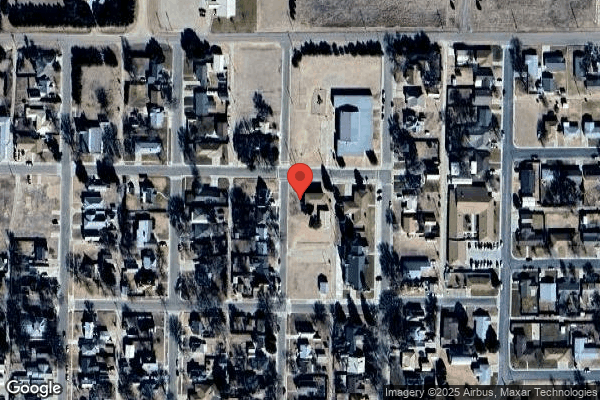

615 PRICE AVE, OAKLEY, KS 67748 (785) 672-8109
Non profit - Corporation 30 Beds Independent Data: November 2025 3 Immediate Jeopardy citations
Trust Grade
0/100
#260 of 295 in KS
Last Inspection: April 2024

Within standard 12-15 month inspection cycle. Federal law requires annual inspections.

Overview

Logan County Senior Living Inc in Oakley, Kansas has received a Trust Grade of F, which indicates significant concerns about the facility's care quality. It ranks #260 out of 295 in Kansas, placing it in the bottom half of nursing homes in the state, although it is the only option within Logan County. The facility's trend is improving, with issues decreasing from 12 in 2024 to just 1 in 2025. While staffing is a relative strength with a rating of 4 out of 5 stars and a turnover rate below the state average at 44%, it has concerning aspects such as $98,346 in fines, which is higher than 97% of Kansas facilities, and less RN coverage than 76% of state homes. Specific incidents of concern include a failure to administer necessary antibiotic treatment to a resident and instances of verbal abuse by staff, highlighting serious deficiencies that families should consider carefully.

Trust Score
F
0/100
In Kansas
#260/295
Bottom 12%
Safety Record
High Risk
Review needed
Inspections
Getting Better
12 → 1 violations
Staff Stability
○ Average
44% turnover. Near Kansas's 48% average. Typical for the industry.
Penalties
⚠ Watch
$98,346 in fines. Higher than 89% of Kansas facilities, suggesting repeated compliance issues.
Skilled Nurses
○ Average
Each resident gets 33 minutes of Registered Nurse (RN) attention daily — about average for Kansas. RNs are the most trained staff who monitor for health changes.
Violations
⚠ Watch
26 deficiencies on record. Higher than average. Multiple issues found across inspections.
★☆☆☆☆
1.0
Overall Rating
★★★★☆
4.0
Staff Levels
★☆☆☆☆
1.0
Care Quality
★★☆☆☆
2.0
Inspection Score
Stable
2024: 12 issues
2025: 1 issues

The Good

  • 4-Star Staffing Rating · Above-average nurse staffing levels
  • Full Sprinkler Coverage · Fire safety systems throughout facility
  • No fines on record
  • Staff turnover below average (44%)

    4 points below Kansas average of 48%

Facility shows strength in staffing levels, fire safety.

The Bad

1-Star Overall Rating

Below Kansas average (2.9)

Significant quality concerns identified by CMS

Staff Turnover: 44%

Near Kansas avg (46%)

Typical for the industry

Federal Fines: $98,346

Well above median ($33,413)

Moderate penalties - review what triggered them

The Ugly 26 deficiencies on record

3 life-threatening 4 actual harm
Feb 2025 1 deficiency 1 Harm
SERIOUS (G) 📢 Someone Reported This

A family member, employee, or ombudsman was alarmed enough to file a formal complaint

Actual Harm - a resident was hurt due to facility failures

Free from Abuse/Neglect (Tag F0600)

A resident was harmed · This affected 1 resident

The facility identified a census of 27 residents, with three residents reviewed for abuse, neglect, and exploitation. Based on record review, observation, and interview, the facility failed to prevent...

Read full inspector narrative →
The facility identified a census of 27 residents, with three residents reviewed for abuse, neglect, and exploitation. Based on record review, observation, and interview, the facility failed to prevent staff from physically forcing Resident (R) 1 to take her medications when she refused to take her medications. On 12/15/24 at approximately 07:20 AM, Licensed Nurse (LN) G attempted to administer medications to R1. R1 swatted LN G's hand away indicating R1 did not want to take the medications. LN G pushed R1's hands away into her lap, removed R1's coffee cup asR1 attempted to grab it and replaced it with a cup of water. LN G then held R1's shoulders and attempted to spoon the medications into R1's mouth. R1 spit out the medications and LN G placed the medications that were spit out back on the spoon and attempted to administer the medications again. LN G grabbed the back of R1's head, pushed her head forward, lifted the water cup up to R1's mouth, and poured water into R1's mouth. R1 attempted to spit the medications back out. Certified Nurse's Aide (CNA) M intervened, sat beside R1, and encouraged R1 to take her medications. R1 accepted direction from CNA M and swallowed her medications. Based on the reasonable person concept, this deficient practice resulted in feelings of fear for R1 and placed R1 at risk for further psychosocial harm, intimidation, and neglect. Findings included: - R1's Electronic Medical Record (EMR) documented R1 had diagnoses of Alzheimer's Disease (progressive mental deterioration characterized by confusion and memory failure), anxiety (mental or emotional reaction characterized by apprehension, uncertainty, and irrational fear), major depressive disorder (major mood disorder which causes persistent feelings of sadness), and need for assistance with personal care. The Quarterly Minimum Data Set (MDS), dated 12/31/24, documented R1 had a Brief Interview for Mental Status (BIMS) score of three, which indicated severely impaired cognition. The MDS documented R1 required supervision or touch assistance for oral hygiene, toileting hygiene, dressing, and personal hygiene The MDS documented R1 was independent with ambulation, bed mobility, and transfers. The MDS documented R1 had a mood severity score of 15, which indicated moderately severe depression. The Cognitive Loss/Dementia Care Area Assessment (CAA), dated 09/10/24, documented R1 previously lived with her son, had a BIMS score of 6, which indicated severely impaired cognition, and only sometimes understood others. The Functional Abilities CAA, dated 09/10/24, documented R1 was unsteady on her feet, was incontinent of urine, and required some assistance with her activities of daily living (ADL). R1's Care Plan documented R1 had a communication problem with the potential for unmet needs due to miscommunication and confusion. The care plan directed staff to anticipate and meet R1's needs, allow R1 adequate time to respond, not rush R1, and use simple, brief, consistent cues, and words (09/18/24). The care plan documented R1 had the potential for sadness, a sense of hopelessness, and directed staff to allow R1 time to answer questions, verbalize feelings and fears, and encourage participation from R1, who depended on others to make her own decisions (09/18/24). CNA N's Notarized Witness Statement, dated 12/19/24, documented CNA N was in the dining room assisting another resident. LN G was trying to get R1 to take her pills. CNA M stood beside R1. R1 did not want to take her pills. LN G got the pills in R1's mouth and put her hand behind her head and poured water in her mouth so R1 would take her pills. CNA M told LN G she would sit with R1 and make sure R1 got her pills down. LN G walked away. CNA M and CNA N looked at each other and CNA N reported the incident to Administrative Nurse D at 7:38 AM over the phone. Administrative Nurse D's Notarized Witness Statement, dated 12/19/24, documented LN G told Administrative Nurse D R1 usually takes her meds for me. I was just trying to get her to take them. Administrative Nurse D documented LN G stated this after LN G was told she was suspended pending investigation due to a report from other employees who were in the dining room area and witnessed LN G grab R1's neck when LN G tried to administer medications to R1; even after R1 swatted the meds away. CNA M's Notarized Witness Statement, dated 12/20/24, documented CNA M entered the dining room and witnessed LN G trying to force pills into R1's mouth. LN G tipped R1's head back and tried to pour water into R1's mouth. CNA M stated she sat down next to R1 and offered to help. Once R1 swallowed her pills, CNA M and LN G walked away. CNA M and CNA N talked about the incident and CNA N stated she would call and report the incident to Administrative Nurse D. The Facility Incident Report, dated 12/20/24, documented on 12/15/24 at 07:38 AM, Administrative Nurse D received a phone call from CNA N who stated she was in the dining room and LN G was giving medications. LN G went to R1 to give her meds and LN G put her hand on the back of R1's head and tipped her head back to get her to take them around 07:24 AM. Administrative Nurse D notified Administrative Staff A. Administrative Staff A and Administrative Nurse D came to the facility and reviewed the camera footage. Upon review, R1 sat in a dining room chair at the dining room table eating her breakfast meal. LN G approached R1 to administer R1's medications. R1 swatted or pushed R1's hands away which indicated R1 did not want to take the medications. LN G responded by pushing R1's hands down to her lap and removed the coffee cup R1 attempted to grab and replaced it with a cup of water. LN G then used her left arm to hold R1's shoulder and placed the medications into R1's mouth with a spoon. R1 attempted to spit the medications out. LN G took the medications R1 spit out, placed them back on the spoon, and administered them again. LN G grabbed the back of R1's head, pushed her head forward, lifted the water cup to R1's mouth, and poured water into R1's mouth. R1 again attempted to spit out the medications. CNA M approached and sat next to R1 and encouraged R1 to take a drink of water. R1 complied, drank the water, and swallowed her medications. LN G stepped back, monitored R1 for signs of swallowing, and observed LN G resume eating. LN G was placed on immediate suspension pending investigation. LN G's behavior demonstrated frustration and a failure to respect R1's verbal and physical refusal to take medications. LN G violated appropriate care protocols and failed to adhere to resident rights by using physical force to administer medications. On 02/17/25 at 10:00 AM, R1 laid in bed watching television. R1 was unable to have a conversation or answer questions. On 02/17/25 at 11:30 AM, R1 wandered into the activity room and said, I need to go to bed. R1 pulled out a chair, sat down, And was unable to make conversation. R1 stated again, I need to go to bed, got up from the table, and left the room. On 02/17/25 at 10:15 AM, CNA N stated R1 did not want to take her medications so LN G forced them into R1's mouth and poured water into R1's mouth. CNA N stated it was unusual for R1 to react like that, as she normally did not react to much of anything. On 02/17/25 at 12:00 PM, Administrative Nurse D stated she expected facility staff not to force residents to do anything they did not want to. She expected the facility staff to honor resident wishes and resident rights. Administrative Nurse D stated all education was completed with all current staff at the facility by 12/22/24. The facility's Abuse, Neglect, Exploitation and Misappropriation Prevention Policy, revised April 2021, documented residents have the right to be free from abuse, neglect, misappropriation of resident property, and exploitation. This includes but is not limited to freedom from corporal punishment, involuntary seclusion, verbal, mental, sexual, or physical abuse and physical and chemical restraint not required to treat the resident's symptoms. The facility-wide commitment and resource allocation to support the following objectives: Protect the residents from abuse, neglect, exploitation and misappropriation of resident property, develop and implement policies and protocols to prevent and identify abuse or mistreatment of residents, neglect of residents, theft, exploitation or misappropriation of resident property, ensure adequate staffing and oversight/support to prevent burnout, stressful work situations, and high turnover rates, conduct employee background checks and not knowingly employ or otherwise engage any individual who has been found guilty of abuse, neglect, exploitation, misappropriation of resident property by a court of law, had a finding entered into the state registry concerning abuse, neglect, exploitation or mistreatment of residents, establish and maintain a culture of compassion and caring for all residents and particularly those with behavioral, cognitive or emotional problems, provide staff orientation and training programs that include topics such as abuse prevention, identification and reporting, stress management, and handling verbally or physically aggressive resident behavior, implement measure to address factors that may lead to abusive situations, identify all possible incidents of abuse and neglect, investigate and report any allegation within timeframes required by federal requirements, protect residents from any further harm during the investigation, establish and implement QAPI review for analysis of reports, allegations or findings of abuse, neglect, and mistreatment of residents, and involve the resident council in monitoring and evaluating the facility's abuse prevention program. The facility failed to prevent staff from physically forcing R1 to take her medications. Based on the reasonable person concept, this deficient practice resulted in feelings of fear for R1 and placed R1 at risk for further psychosocial harm, intimidation, and neglect. The facility completed corrective actions to correct the deficit practice, which were completed by 12/22/24. The actions included: immediate steps were taken to ensure R1's safety following the incident; LN G was immediately suspended pending investigation; all notifications were completed to Administrative Staff A, Administrative Nurse D, R1's responsible party, R1's primary care provider, the Ombudsman, and KDADS; Police were notified and a case was opened; a thorough investigation was conducted including staff interviews, resident assessments and a review of incident details; all staff were re-educated on the Abuse, Neglect, and Exploitation policy and procedures emphasizing the importance of immediate reporting and adherence to abuse prevention protocols; staff educations and retraining on abuse prevention, proper redirection techniques and resident rights to reinforce care standards and ensure compliance; twice daily skin assessments were implemented for R1 to monitor for potential injuries with no concerns noted throughout the monitoring period; and a report was made to the KSBN regarding the investigation and findings involving LN G. Since all corrective actions were completed before the onsite survey, the deficient practice was deemed past noncompliance and remained at G to represent the psychosocial harm to R1.
Apr 2024 12 deficiencies
CONCERN (D) 📢 Someone Reported This

A family member, employee, or ombudsman was alarmed enough to file a formal complaint

Potential for Harm - no one hurt, but risky conditions existed

Deficiency F0582 (Tag F0582)

Could have caused harm · This affected 1 resident

The facility had a census of 27 residents. The sample included 13 residents. Based on record review and interview, the facility failed to provide Resident (R)5, R19, and R79 or their representative, t...

Read full inspector narrative →
The facility had a census of 27 residents. The sample included 13 residents. Based on record review and interview, the facility failed to provide Resident (R)5, R19, and R79 or their representative, the accurate Centers for Medicare and Medicaid (CMS) Skilled Nursing Facility Advanced Beneficiary Notices (ABN) Form 10055. This placed the resident at risk of uninformed decisions about their skilled services. Findings included: - The Medicare ABN form 10055 informed the beneficiary that Medicare may not pay for future skilled therapy services. The form included an option for the beneficiary to receive specific services listed, and bill Medicare for an official decision on payment. The form stated 1) I understand if Medicare does not pay, I will be responsible for payment but can make an appeal to Medicare, (2) receive therapy listed, but do not bill Medicare, I am responsible for payment for services, (3) I do not want the listed services. A review of the ABN provided to R5 revealed that R5 received form CMS-R-131 instead of CMS Form 10055. The resident's skilled services ended on 03/02/24. A review of the ABN provided to R19 revealed that R19 received form CMS -R-131 instead of CMS Form 10055. The resident's skilled services ended on 12/14/23. A review of the ABN provided to R79 revealed that R79 received form CMS -R-131 instead of CMS Form 10055. The resident's skilled services ended on 02/02/24. On 04/02/24 at 01:45 PM, Social Services X verified she provided R5, R19, and R79, and/or their representative, the CMS-R-131 form, and failed to provide the 10055 forms. On 04/02/24 at 01:55 PM, Administrative Staff A verified the facility provided the CMS-R-131 form to R5, R19, and R79, and/or their representative, and verified the facility was previously owned by the local hospital and was bought out by a new corporation. Administrative Staff A said the facility had only been Medicare certified for a few years and had been using that form but also said the facility would switch to the correct form. The Advanced Beneficiary and Medicare Non-Coverage Notices policy, dated September 2022, documented that residents were informed in advance when changes would occur to their bills. The facility issues the Skilled Nursing Facility Advance Beneficiary Notices (CMS form 10055). The facility failed to provide R5, R19, and R79 or their representatives, the correct 10055 form which included an estimated cost of continued services when discharged from skilled care. This placed the residents at risk of uninformed decisions about their services and the continuation of their skilled services.
CONCERN (D) 📢 Someone Reported This

A family member, employee, or ombudsman was alarmed enough to file a formal complaint

Potential for Harm - no one hurt, but risky conditions existed

Deficiency F0657 (Tag F0657)

Could have caused harm · This affected 1 resident

**NOTE- TERMS IN BRACKETS HAVE BEEN EDITED TO PROTECT CONFIDENTIALITY** The facility had a census of 27 residents. The sample included 13, with two reviewed for dementia (progressive mental deteriorat...

Read full inspector narrative →
**NOTE- TERMS IN BRACKETS HAVE BEEN EDITED TO PROTECT CONFIDENTIALITY** The facility had a census of 27 residents. The sample included 13, with two reviewed for dementia (progressive mental deterioration characterized by confusion and memory failure) care. Based on observation, record review, and interview, the facility failed to develop and implement an individualized dementia treatment plan for Resident (R)22, who had dementia and behaviors. This placed the resident at risk for abuse and decreased quality of life. Finding included: - R22's Electronic Medical Record (EMR) documented diagnoses of dementia without behavioral disturbance, mood disorder (category of mental health problems, feelings of sadness, helplessness, guilt, wanting to die were more intense and persistent than what may normally be felt from time to time), depression (abnormal emotional state characterized by exaggerated feelings of sadness, worthlessness, emptiness, and hopelessness), and pain. The admission Minimum Data Set (MDS), dated [DATE], documented R22 had moderately impaired cognition. R22 required set-up assistance with toileting, eating, dressing, and personal hygiene, and was independent with mobility and transfers. The assessment further documented R22 received an antipsychotic (a class of medications used to treat major mental conditions that cause a break from reality) and had no behaviors. The Quarterly MDS, dated 02/22/24, documented R22 had severely impaired cognition. R22 required set-up assistance with personal hygiene and was independent with toileting, transfers, and mobility. The assessment further documented R22 received antipsychotic medications and had no behaviors. R22's Care Plan, dated 03/07/24 and initiated on 11/16/23, directed staff to administer medications as ordered, and communicate R22's capabilities with the resident, family, and caregivers. The plan directed staff to cue, reorient, and supervise as needed, and document any changes in R22's cognitive function. The plan lacked an individualized dementia treatment plan or guidance for staff when R22 had behaviors. The Physician's Order, dated 11/16/23, directed staff to administer Risperdal (an antipsychotic medication), 0.5 milligrams (mg) by mouth daily for the diagnosis of psychosis (any major mental disorder characterized by gross impairment in perception). This medication was discontinued on 02/14/24. The Physician's Order, dated 11/22/23, directed staff to monitor for behaviors. The Physician's Order, dated 01/18/24, directed staff to contact t Service to evaluate and treat for psychiatric and psychological needs. The Physician's Order, dated 02/17/24, directed staff to decrease the Risperdal medication to 0.25 mg daily for seven days and then discontinue. The Physician's Order, dated 02/17/24, directed staff to administer Zoloft (an antidepressant medication), 25 mg for seven days then increase to 50 mg for the diagnosis of depression. The Physician's Order, dated 02/24/24, directed staff to administer Depakote (an anticonvulsant also used to treat mood disorders), 125 mg twice per day for the diagnosis of depression with psychotic symptoms. The Nurse's Note, dated 12/29/23 at 08:57 AM, documented R22 smacked a Certified Nurse Aide's (CNA) buttocks and made an inappropriate remark about the size of her buttocks. The Nurse's Note, dated 12/30/23 at 12:00 PM, documented R22 was verbally aggressive with another resident after a resident made a remark about R22's wife. The kitchen staff thought the verbal altercation might come to blows. The Nurse's Note, dated 03/03/34 at 06:22 PM, documented R22 slapped a CNA on the buttocks after she served his drinks and turned away. The note further documented the CNA asked R22 not to do that again and he asked her if she wanted a kiss as a reward for the drinks; the staff stated No and walked away. On 04/002/24 at 08:00 AM, observation revealed R22 at the dining table waiting for breakfast. R22 did not exhibit any behaviors. On 04/04/24 at 08:40 AM, Certified Medication Aide (CMA) R stated R22 yelled shut up at another resident who was loud but also said R22 had no other behaviors towards her. CNA R further stated if R22 had any behaviors toward her, she would tell him that it was not appropriate and tell the charge nurse. On 04/04/24 at 09:00 AM, Licensed Nurse (LN) G stated R22 had sexually inappropriate behaviors towards staff and recently started to see a physician through web-based mental health provider; he still had behaviors. On 94/04/24 at 1:00 PM, Administrative Nurse D verified R22's Care Plan did not have person centered interventions for R22's dementia behaviors and stated staff redirected R22 when he was inappropriate. The facility's Care Plans, Comprehensive Person-Centered policy, dated 03/22, documented a comprehensive, person-centered care plan would be developed to include measurable objectives and timetables to meet the resident's physical, psychosocial and functional needs. The interdisciplinary team review and update the care plan if there was a significant change in the condition of the resident, when the desired outcome was met, when the resident had been readmitted to the facility from a hospital stay and at least quarterly in conjunction with the required quarterly MDS assessment. The facility failed to revise the care plan with person centered interventions for R22 who had dementia and behaviors. This placed R22 at risk for decreased quality of life due to uncommunicated care needs.
CONCERN (D) 📢 Someone Reported This

A family member, employee, or ombudsman was alarmed enough to file a formal complaint

Potential for Harm - no one hurt, but risky conditions existed

Quality of Care (Tag F0684)

Could have caused harm · This affected 1 resident

**NOTE- TERMS IN BRACKETS HAVE BEEN EDITED TO PROTECT CONFIDENTIALITY** The facility had a census of 27 residents. The sample included 13 residents. Based on observation, record review, and interview,...

Read full inspector narrative →
**NOTE- TERMS IN BRACKETS HAVE BEEN EDITED TO PROTECT CONFIDENTIALITY** The facility had a census of 27 residents. The sample included 13 residents. Based on observation, record review, and interview, the facility failed to staff followed acceptable standard of practice related to wound care for Resident (R) 79, who had an infected wound. This placed the resident at risk for delayed healing and other complications. Findings included: - The Electronic Medical Record (EMR) for R79 documented diagnoses of diabetes mellitus (DM-when the body cannot use glucose, not enough sepsis is made or the body cannot respond to the insulin), Charcot arthropathy (a rare complication of diabetes-related neuropathy (nerve damage)), Methicillin-resistant Staphylococcus aureus (MRSA-a type of bacteria resistant to many antibiotics), neuropathy, chronic kidney disease, stage three (mild to moderate damage to the kidneys and they are less able to filter waste and fluid out of your blood), and vascular insufficiency (improper function of the vein valves in the leg). The Significant Change Minimum Data Set (MDS), dated [DATE], documented R79 had intact cognition. R79 required set-up assistance for eating, personal hygiene, and mobility. R79 was dependent on staff for toileting and transfers. R79 did not ambulate. The assessment further documented R79 had a diabetic ulcer (a serious complication caused by a combination of poor circulation, susceptibility to infection, and nerve damage from high blood sugar levels), cellulitis (skin infection caused by bacteria), and had dressings to his feet. R79's Care Plan, dated 02/01/24, initiated on 08/17/23, directed staff to float R79's heels on a pillow while lying in bed and use caution during transfers and bed mobility to prevent striking arms, legs, and hands against any sharp or hard surfaces. The update, dated 03/13/24, documented R79 had a diabetic ulcer and directed staff to ensure appropriate protective devices were applied to affected areas. The plan documented R79 had a wound vacuum (vacuum-assisted closure of a wound is a type of therapy to help wounds heal) in place on the wound on his right heel after the area was surgically debrided (process of removing dead tissue from wounds) and directed to monitor blood sugar levels, monitor and document the size of the wound, monitor for infection, and keep skin clean and dry. The Physician's Order, dated 03/11/24, directed staff to change R79's right heel wound vacuum every Monday, Wednesday, and Friday. Cleanse the area with normal saline, pat dry, apply foam, secure with film, then cut a slit in the film cover with suctioning attachment; ensure a proper seal, and cover with another layer of film. The Physician's Order, dated 03/27/24, directed staff to send R79 to the hospital daily for ceftriaxone sodium (an antibiotic), 2 grams (gm), intravenous (IV-administered directly into the bloodstream via a vein), until 04/08/24, for right heel wound. The Physician's Order, dated 03/27/24, directed staff to send R79 to the hospital daily for Daptomycin (an antibiotic), 500 milligrams (mg), IV daily, until 04/08/24, for right heel wound. On 04/02/24 at 08:15 AM, observation revealed Administrative Nurse D moved several personal items off R79's bedside table and set the scissors and wound vacuum supplies on it but did not sanitize the table first. Further observation revealed Administrative Nurse D washed her hands, donned a clean gown and gloves, removed the tubing from the wound vacuum, and removed the old dressing and foam from the wound. Wearing the same gloves, Administrative Nurse D cleansed the wound with wound cleanser, did not change her gloves, and then placed the bottle directly on R79's bed with the nozzle on the bed. Continued observation revealed Administrative Nurse D removed her gloves, washed her hands, donned clean gloves, and cut the foam for the wound vacuum without sanitizing the scissors. She placed the foam into the wound, covered it with film, attached the wound vacuum tubing, and turned on the wound vacuum. Administrative Nurse D removed her gloves and immediately took the wound cleanser and scissors and laid them both inside R79's dresser drawer. Administrative Nurse D then washed her hands and sanitized the bedside table. On 04/02/24 at 08:30 AM, Administrative Nurse D verified she did not sanitize the bedside table before setting the clean supplies on it. Administrative Nurse D stated she should not have laid the wound cleanser on the resident's bed and acknowledged the potential for cross-contamination. The facility's Wound Care policy, dated 10/10, directed staff to assemble the equipment and supplies as needed, wipe nozzles, bottle tops, with alcohol before opening. Use a disposable cloth to establish clean field on resident's overbed table and place all items to be used during the procedure on the clean field and arrange the supplies so they can be easily reached. Place a disposable cloth next to the resident to serve as a barrier to protect the bed linen and other body sites. When finished with the dressing, remove the disposable cloth net to the resident and discard into the designated container, saturate the bedside table with alcohol, wipe reusable supplies with alcohol as indicated, such as outsides of containers that were touched by unclean hands, scissor blades and return them to the resident's drawer in the treatment cart. The facility failed to staff followed acceptable standard of practice related to wound care for R79, who had an infected wound. This placed the resident at risk for delayed healing and other complications.
CONCERN (D) 📢 Someone Reported This

A family member, employee, or ombudsman was alarmed enough to file a formal complaint

Potential for Harm - no one hurt, but risky conditions existed

Accident Prevention (Tag F0689)

Could have caused harm · This affected 1 resident

**NOTE- TERMS IN BRACKETS HAVE BEEN EDITED TO PROTECT CONFIDENTIALITY** The facility had a census of 27 residents. The sample included 13 residents, with five reviewed for accidents. Based on observat...

Read full inspector narrative →
**NOTE- TERMS IN BRACKETS HAVE BEEN EDITED TO PROTECT CONFIDENTIALITY** The facility had a census of 27 residents. The sample included 13 residents, with five reviewed for accidents. Based on observation, record review, and interview, the facility failed to ensure the environment was free of accident hazards for two sampled residents, Resident (R) 9, and R18, when the facility failed to assess the residents to safely use an electric wheelchair or to safely smoke. This placed the residents at risk for preventable accidents and injury. Findings included: - The Electronic Medical Record (EMR) documented R9 had diagnoses of diabetes mellitus type two (when the body cannot use glucose, not enough insulin made, or the body cannot respond to the insulin), chronic obstructive pulmonary disease (COPD-a group of lung diseases that block airflow and make it difficult to breath), congestive heart failure (CHF-a condition with low heart output and the body becomes congested with fluid), hypertension (high blood pressure), and weakness. The Quarterly Minimum Data Set (MDS), dated [DATE], documented R9 a Brief Interview for Mental Status score (BIMs) of 11, which indicated moderately impaired cognition. R9 required set-up assistance with toileting, dressing, and personal hygiene, and was independent with mobility and transfers. The assessment documented that R9 used a wheelchair for mobility. R9 had no impairments of the upper or lower extremities. R9's Care Plan, dated 01/25/24 and initiated on 01/15/24, documented that R9 used a wheelchair for locomotion throughout the facility. R9 was able to independently propel himself and had an electric wheelchair. The plan directed R9 must have a footrest to place his feet on. The update, dated 03/11/24, documented R9 was unsafe at times with his electric wheelchair and directed staff to use the manual wheelchair due to R9's confusion or unsafe actions. R9's EMR lacked documentation the facility assessed R9's ability to safely operate the electric wheelchair before R9's use of the chair in the facility. The Physician's Order, dated 03/11/24, directed staff to monitor R9 for unsafe electric wheelchair use. The Physician's Order, dated 03/12/24, directed staff to have Physical Therapy (PT) evaluate and treat for physical deconditioning and unsafe transportation in an electric wheelchair. The Nurse's Note, dated 02/05/24 at 10:00 AM, documented R9 ran over R22's feet with his electric wheelchair. R22 got mad and there was a fight between the two residents. A family member alerted staff and asked for assistance to separate the two residents. The Nurse's Note, dated 02/07/24 at 01:45 PM, documented R9 came down the hallway in his electric wheelchair and did not slow down until another resident was right in front of him. R9 yelled for the resident to get out of his way. The Nurse's Note, dated 02/10/24 at 03:15 PM, documented R9 was confused, leaning in his electric wheelchair, and running into furniture. R9 did not remember how to turn it off. The note further documented R9's confusion occurred daily and R9 could not be redirected. The Nurse's Note, dated 02/11/24 at 05:12 PM, documented R9 continued to increase in confusion and needed more assistance from staff drove up and down the halls in his electric wheelchair, bumped into doorways, the snack cart, and almost ran over a visitor. The Nurse's Note, dated 02/29/24 at 04:05 PM, documented R9 was confused and could not figure out how to use his electric wheelchair or his electric recliner. The Nurse's Note, dated 03/11/24 at 09:50 AM, documented R9 was upset and yelled at the nurse that he wanted his electric wheelchair back; R9 said was told it was broken and that maintenance would work on it but when he talked to maintenance, they were unaware what was going on with it. The note documented the nurse told R9 that he had been confused and had not controlled the electric wheelchair very well; he ran into walls, got his foot caught, and ran into lifts. R9 was upset and asked why they told him it required work on it instead of being told he had been confused and the nurse stated they felt the white lie was better than making the resident upset. R9 stated he would give them one week and if he did not get the wheelchair back, he would call his lawyer and press charges. Staff reminded R9 that he was able to move around the facility in his manual wheelchair but R9 stated that he could not get around as fast in the manual wheelchair. On 04/03/24 at 03:14 PM, observation revealed R9 sat in a manual wheelchair in the hallway most of the day and was friendly with staff. On 04/03/24 at 08:50 AM, Certified Medication Aide (CMA) R stated R9 had advanced cancer which caused him to become confused and he would run into mechanical lifts, and courtesy carts, and he ran over another resident's feet. CMA R further stated R9 drove down the hall so fast that he turned into another resident's room, who was in the dying process, and almost ran over a family member. On 04/03/24 at 09:00 AM, Licensed Nurse (LN) G stated R9 was rude to the CNA staff and had been confused. LN G said R9 tried to use his television remote to work the electric wheelchair so it was taken away. On 04/03/24 at 01:00 PM, Administrative Nurse D stated the facility had not completed a safety assessment for R9 when he got his electric wheelchair and because of his increased confusion, he was getting physical therapy. The facility's Assistive Devices and Equipment policy, dated 01/20, documented the facility maintained and supervised the use of assistive devices and equipment for residents. Certain devices and equipment that assist with resident mobility, safety, and independence are provided for residents, these may include mobility devices (wheelchairs, walkers, and canes), and recommendations for the use of the devices and equipment are based on the comprehensive assessment and documented in the resident medical record. The resident, family, and visitors are trained as indicated on the safe use of equipment and devices. The residents are assessed for lower extremity strength, range of motion, balance, and cognitive abilities when determining the safest use of devices and equipment. The facility failed to ensure the environment was free of accident hazards for R9, who was unsafe on his electric scooter. This placed the resident at risk for injury. - R18's Electronic Medical Record (EMR) documented diagnoses of nicotine dependence (when you need nicotine, the chemical in tobacco that makes it hard to quit), diabetes mellitus type two (when the body cannot use glucose, not enough insulin made, or the body cannot respond to the insulin), mood disorder (category of mental health problems, feelings of sadness, helplessness, guilt, and wanting to die were more intense and persistent than what may normally be felt from time to time), edema (swelling resulting from an excessive accumulation of fluid in the body tissue), and chronic obstructive pulmonary disease (COPD-a group of lung diseases that block airflow and make it difficult to breath). The Quarterly Minimum Data Set (MDS), dated [DATE], documented R18 had intact cognition and was independent with toileting, dressing, personal hygiene, mobility, and transfers. The assessment revealed R18 did not have any functional impairment. R18's Care Plan, dated 04/01/24, initiated on 04/20/23, documented R18 required supervision while she smoked, and her smoking supplies were stored in the medication cart. R18's EMR lacked evidence the facility assessed R18 for safe smoking practices. The Nurse's Note, dated 01/10/24 at 09:38 PM, documented R18 was upset and accused staff of not wanting to take her out to smoke, called the nurse a derogatory name, went to her room, and slammed the door. The Nurse' Note, dated 02/08/24 at 09:23 PM, documented that at 06:15 PM, R18 yelled at staff to go out and smoke because she could not wait until 07:00 PM for a cigarette. Staff explained to R18 that the scheduled time to smoke was 07:00 PM and R18 yelled that it only took five seconds to get her a cigarette and take her out. R18 went back to her room and slammed the door. The Nurse's Note, dated 03/26/24 at 03:09 AM, documented that during the evening shift, R18 wanted to go outside for a cigarette and became angry when staff would not take her out due to the rain, snow, and wind. On 04/04/24 at 09:00 AM, observation revealed R18 outside with a staff member, smoking a cigarette. On 04/03/24 at 09:48 AM, Certified Nurse Aide (CNA) M stated R18 was taken outside to smoke five times a day, at 07:00 AM, 09:00 AM, 01:00 PM, 08:00 PM, and 10:00 PM. CNA M said R18 would often get mad at staff if they could not take her outside due to the weather. CNA M stated if it was colder than 32 degrees, staff would not take R18 outside. On 04/03/24 at 01:45 PM, Administrative Nurse D verified a smoking assessment for R18 was not completed. Administrative Nurse D said R18 would get angry if the staff did not take her outside when she wanted to go smoke. The facility's Smoking Policy, dated 10/23, documented the facility has established and maintained safe resident smoking practices. Before and upon admission, the resident was informed of the facility's smoking policy, which is located outside of the building, and smoking was not allowed inside the facility under any circumstances. The resident's smoking status was evaluated upon admission of the current level of tobacco consumption, method of tobacco consumption, desire to quit smoking, and ability to smoke safely with or without supervision. The resident's ability to smoke safely was reevaluated quarterly, upon a significant change, and as determined by the staff. The facility failed to evaluate R18 for safe smoking practices. This placed R18 at risk for preventable accidents and related injury.
CONCERN (D) 📢 Someone Reported This

A family member, employee, or ombudsman was alarmed enough to file a formal complaint

Potential for Harm - no one hurt, but risky conditions existed

Deficiency F0742 (Tag F0742)

Could have caused harm · This affected 1 resident

**NOTE- TERMS IN BRACKETS HAVE BEEN EDITED TO PROTECT CONFIDENTIALITY** The facility had a census of 27 residents. The sample included 13 residents with nine reviewed for mood and behavior. Based on o...

Read full inspector narrative →
**NOTE- TERMS IN BRACKETS HAVE BEEN EDITED TO PROTECT CONFIDENTIALITY** The facility had a census of 27 residents. The sample included 13 residents with nine reviewed for mood and behavior. Based on observation, record review, and interview, the facility failed to provide the necessary behavioral health care and services to attain or maintain the highest practicable physical, mental, and psychosocial well-being for Resident (R)2. This placed her at risk for impaired quality of life due to untreated and ongoing mental health concerns. Findings - R2's Electronic Health Record (EHR) revealed diagnoses of schizophrenia (a mental disorder characterized by gross distortion of reality, disturbances of language and communication, and fragmentation of thought), bipolar disorder (a major mental illness that causes people to have episodes of severe high and low moods), and depression (a mood disorder that causes a persistent feeling of sadness and loss of interest). R2's admission Minimum Data Set (MDS), dated [DATE], recorded the resident had a Brief Interview for Mental Status (BIMS) score of 15, indicating intact cognition. The MDS documented the resident had a mood score of 16 which indicates moderate to severe depression. The MDS further indicated the resident had thoughts of being better off dead or of hurting herself. R2's Care Plan, dated 03/04/24 documented the resident had depression and was at risk for lack of hope for the future, changes in mood, sadness, and impaired concentration due to depression and schizophrenia disorder bipolar type. The care plan documented that staff would administer R2's medication as ordered and monitor and document for side effects and effectiveness. The facility would arrange for a psychiatric consult with follow-up as needed. The care plan directed staff to monitor and report any risk for self-harm, suicidal plan, past attempts at suicide, risky actions, intentional self-harm or attempts for self-harm, refusing to eat or drink, refusing medications and therapies, a sense of hopelessness or helplessness, impaired judgment, or safety awareness. The care plan directed staff to remove the resident to a calm safe environment and allow her to vent her feelings when conflict arises. The Social Services Notes, dated 02/23/24 at 09:40 AM, documented the resident stated she was feeling down and hopeless and she felt this way every day. The social service note documented the resident stated she was currently on medication for depression. R2's clinical record revealed lacked evidence or documentation from social service staff regarding resident statements or her behaviors. R2's clinical record lacked psychotherapy notes or evidence of mental health services. On 04/01/24 at 04:00 PM, observation revealed R2 sat in her recliner, watching TV, dressed in a nightgown. Her hair was scraggly and uncombed. On 04/03/24 at 12:50 PM, Administrative Staff A verified the documentation on the admission MDS indicating the resident felt she would be better off dead or hurting herself. Administrative Staff A verified the section of the MDS was completed by the Social Service Designee (SSD) and she nor the Director of Nursing were informed that R2 had said that or felt that way. Administrative Staff A verified the SSD should convey the information to the charge nurse and the charge nurse would assess the resident and notify the physician; the staff would alert the Administrator and the DON and further action would be taken to provide care for the resident and keep her safe until further treatment as needed. The facility's, Suicide Threats policy, dated December 2007, documented resident suicide threats shall be taken seriously and addressed appropriately. Staff shall report any resident threats of suicide immediately to the Nurse Supervisor or Charge Nurse. The Charge Nurse would immediately assess the situation and shall notify the Charge Nurse and/or Director of Nursing of such threats. A staff member shall stay with the resident until the Nurse Supervisor arrives to evaluate the resident. After assessing the resident in more detail, the Nurse Supervisor shall notify the resident's attending physician and responsible party and shall seek further direction from the physician. All nursing personnel and other staff involved in caring for the resident shall be informed of the suicide threat and instructed to report changes in the resident's behavior immediately. As indicated, a psychiatric consultation or transfer for emergency psychiatric evaluation may be initiated. If the resident remains in the facility, staff will monitor the resident's mood and behavior and update the care plan accordingly, until a physician has determined that a risk of suicide does not appear to be present. Staff shall determine details of the situation objectively in the resident's medical record. The facility failed to assess, monitor, and provide mental health services for R2 after R2 verbalized she would be better off dead or had thoughts of self-harm. This deficient practice placed her at risk for impaired quality of life due to untreated and ongoing mental health concerns.
CONCERN (D) 📢 Someone Reported This

A family member, employee, or ombudsman was alarmed enough to file a formal complaint

Potential for Harm - no one hurt, but risky conditions existed

Deficiency F0744 (Tag F0744)

Could have caused harm · This affected 1 resident

**NOTE- TERMS IN BRACKETS HAVE BEEN EDITED TO PROTECT CONFIDENTIALITY** The facility had a census of 27 residents. The sample included 13, with two reviewed for dementia (progressive mental deteriorat...

Read full inspector narrative →
**NOTE- TERMS IN BRACKETS HAVE BEEN EDITED TO PROTECT CONFIDENTIALITY** The facility had a census of 27 residents. The sample included 13, with two reviewed for dementia (progressive mental deterioration characterized by confusion and memory failure) care. Based on observation, record review, and interview, the facility failed to develop and implement an individualized dementia treatment plan for Resident (R)22, who had dementia and behaviors. This placed the resident at risk for abuse and decreased quality of life. Finding included: - R22's Electronic Medical Record (EMR) documented diagnoses of dementia without behavioral disturbance, mood disorder (category of mental health problems, feelings of sadness, helplessness, guilt, wanting to die were more intense and persistent than what may normally be felt from time to time), depression (abnormal emotional state characterized by exaggerated feelings of sadness, worthlessness, emptiness, and hopelessness), and pain. The admission Minimum Data Set (MDS), dated [DATE], documented R22 had moderately impaired cognition. R22 required set-up assistance with toileting, eating, dressing, and personal hygiene, and was independent with mobility and transfers. The assessment further documented R22 received an antipsychotic (a class of medications used to treat major mental conditions that cause a break from reality) and had no behaviors. The Quarterly MDS, dated 02/22/24, documented R22 had severely impaired cognition. R22 required set-up assistance with personal hygiene and was independent with toileting, transfers, and mobility. The assessment further documented R22 received antipsychotic medications and had no behaviors. R22's Care Plan, dated 03/07/24 and initiated on 11/16/23, directed staff to administer medications as ordered, and communicate R22's capabilities with the resident, family, and caregivers. The plan directed staff to cue, reorient, and supervise as needed, and document any changes in R22's cognitive function. The plan lacked an individualized dementia treatment plan or guidance for staff when R22 had behaviors. The Physician's Order, dated 11/16/23, directed staff to administer Risperdal (an antipsychotic medication), 0.5 milligrams (mg) by mouth daily for the diagnosis of psychosis (any major mental disorder characterized by gross impairment in perception). This medication was discontinued on 02/14/24. The Physician's Order, dated 11/22/23, directed staff to monitor for behaviors. The Physician's Order, dated 01/18/24, directed staff to contact t Service to evaluate and treat for psychiatric and psychological needs. The Physician's Order, dated 02/17/24, directed staff to decrease the Risperdal medication to 0.25 mg daily for seven days and then discontinue. The Physician's Order, dated 02/17/24, directed staff to administer Zoloft (an antidepressant medication), 25 mg for seven days then increase to 50 mg for the diagnosis of depression. The Physician's Order, dated 02/24/24, directed staff to administer Depakote (an anticonvulsant also used to treat mood disorders), 125 mg twice per day for the diagnosis of depression with psychotic symptoms. The Nurse's Note, dated 12/29/23 at 08:57 AM, documented R22 smacked a Certified Nurse Aide's (CNA) buttocks and made an inappropriate remark about the size of her buttocks. The Nurse's Note, dated 12/30/23 at 12:00 PM, documented R22 was verbally aggressive with another resident after a resident made a remark about R22's wife. The kitchen staff thought the verbal altercation might come to blows. The Nurse's Note, dated 03/03/34 at 06:22 PM, documented R22 slapped a CNA on the buttocks after she served his drinks and turned away. The note further documented the CNA asked R22 not to do that again and he asked her if she wanted a kiss as a reward for the drinks; the staff stated No and walked away. On 04/002/24 at 08:00 AM, observation revealed R22 at the dining table waiting for breakfast. R22 did not exhibit any behaviors. On 04/04/24 at 08:40 AM, Certified Medication Aide (CMA) R stated R22 yelled shut up at another resident who was loud but also said R22 had no other behaviors towards her. CNA R further stated if R22 had any behaviors toward her, she would tell him that it was not appropriate and tell the charge nurse. On 04/04/24 at 09:00 AM, Licensed Nurse (LN) G stated R22 had sexually inappropriate behaviors towards staff and recently started to see a physician through web-based mental health provider; he still had behaviors. On 94/04/24 at 1:00 PM, Administrative Nurse D verified that R22's Care Plan did not have person-centered interventions for R22's dementia behaviors and stated staff redirected R22 when he was inappropriate. The facility's Dementia policy, dated 11/18, documented the individual confirmed with dementia, the interdisciplinary team would identify a resident-centered care plan to maximize remaining function and quality of life, and the nursing assistance team would receive initial training in the care of residents with dementia and related behaviors. In-services would be conducted at least annually thereafter. The policy further documented the physician would order appropriate interventions to address significant behavioral and psychiatric symptoms based on pertinent clinical guidelines and consistent with regulatory requirements. The facility failed to develop and implement individualized interventions and/or a dementia treatment plan for R22 who had dementia and behaviors. This deficient practice placed the resident at risk for abuse and decreased quality of life.
CONCERN (D) 📢 Someone Reported This

A family member, employee, or ombudsman was alarmed enough to file a formal complaint

Potential for Harm - no one hurt, but risky conditions existed

Deficiency F0757 (Tag F0757)

Could have caused harm · This affected 1 resident

**NOTE- TERMS IN BRACKETS HAVE BEEN EDITED TO PROTECT CONFIDENTIALITY** The facility had a census of 27 residents. The sample included 13 residents, with five reviewed for unnecessary medications. Bas...

Read full inspector narrative →
**NOTE- TERMS IN BRACKETS HAVE BEEN EDITED TO PROTECT CONFIDENTIALITY** The facility had a census of 27 residents. The sample included 13 residents, with five reviewed for unnecessary medications. Based on observation, record review, and interview, the facility failed to notify the physician of out-of-parameter blood sugars for one resident, Resident (R) 18. This placed the resident at risk for unnecessary medication side effects and other related complications. Findings included: - The Electronic Medical Record (EMR) documented diagnoses of diabetes mellitus type two (when the body cannot use glucose, not enough insulin made, or the body cannot respond to the insulin), mood disorder (category of mental health problems, feelings of sadness, helplessness, guilt, and wanting to die were more intense and persistent than what may normally be felt from time to time), edema (swelling resulting from an excessive accumulation of fluid in the body tissue), and chronic obstructive pulmonary disease (COPD-a group of lung diseases that block airflow and make it difficult to breath). The Quarterly Minimum Data Set (MDS), dated [DATE], documented R18 had intact cognition and was independent with toileting, dressing, personal hygiene, mobility, and transfers. The assessment revealed R18 received hypoglycemic (low blood sugar) medication. R18's Care Plan, dated 04/01/24, initiated on 04/20/23 directed staff to avoid exposure to extreme heat or cold, check the body for breaks in the skin, and treat promptly as ordered by the physician. The plan directed staff to administer diabetes medication as ordered by the physician and document for side effects and effectiveness. The Physician's Order, dated 12/30/22, directed staff to obtain R18's blood sugar daily at bedtime. The order was discontinued on 03/26/24. The Physician's Order, dated 06/27/23, directed staff to notify the physician if R18's blood sugar was less than 70 milliliters (ml) per deciliter (dL) or greater than 170 milliliters dL. The Physician's Order, dated 03/26/24, directed staff to obtain R18's blood sugar every Monday and Thursday for the diagnosis of diabetes mellitus type two. R18's Treatment Administrative Record, dated February 2024, documented the following days R18's blood sugar was out of parameters and the physician was not notified. 02/03/24-178 mm/dL 02/07/24-176 mm/dL 02/17/24-235 mm/dL 02/20/24-219 mm/dL 02/29/24-180 mm/dL R18's Treatment Administrative Record, dated March 2024, documented the following days R18's blood sugar was out of parameters and the physician was not notified. 03/09/24-202 mm/dL 03/12/24-181 mm/dL 03/18/24-202 mm/dL 03/19/24-214 mm/dL 03/22/24-179 mm/dL On 04/01/24 at 04:00 PM, observation revealed R18 ambulated with her walker into the dining room. On 04/03/24 at 01:45 PM, Administrative Nurse D verified the physician was not notified of the out-of-parameter blood sugars. On 04/04/24 at 09:00 AM Licensed Nurse (LN) G stated she would notify the doctor if the resident's blood sugar was over 400 mm/dL and verified the Treatment Administration Record did not indicate what the blood sugar parameters were for R18. The facility's Diabetes Clinical Protocol, dated 11/20, documented as part of the initial assessment, the physician would help identify individuals with elevated blood sugar, impaired glucose tolerance, or confirmed diabetes, as well as factors that may influence glucose intolerance, the physician would order desired parameters for monitoring and reporting information related to blood sugar management. The facility failed to notify the physician when R18's blood sugar was out of the physician-ordered parameters. This placed the resident at risk for unnecessary medication side effects and other related complications.
CONCERN (D) 📢 Someone Reported This

A family member, employee, or ombudsman was alarmed enough to file a formal complaint

Potential for Harm - no one hurt, but risky conditions existed

Deficiency F0761 (Tag F0761)

Could have caused harm · This affected 1 resident

**NOTE- TERMS IN BRACKETS HAVE BEEN EDITED TO PROTECT CONFIDENTIALITY** The facility had a census of 27 residents. The sample included 13 residents. Based on observation, interview, and record review,...

Read full inspector narrative →
**NOTE- TERMS IN BRACKETS HAVE BEEN EDITED TO PROTECT CONFIDENTIALITY** The facility had a census of 27 residents. The sample included 13 residents. Based on observation, interview, and record review, the facility failed to date Resident (R)11's insulin (a hormone that allows cells throughout the body to uptake glucose) flex pen. This deficient practice placed the resident at risk for ineffective medications. Findings included: - On [DATE] at 10:30 AM, observation revealed R11's Levemir (long-acting insulin) flex pen lacked an open date. On [DATE] at 10:35 AM, Licensed Nurse (LN) H verified the nurses were to date the flex pens when opened and discard the insulin pen when expired. On [DATE] at 04:00 PM, Administrative Nurse E verified the nurses should label and date the flex pens with the resident's name and discard expired and/or outdated pens. According to www.Medlineplus.gov, Levemir pens can be used within 42 days, but after that time they must be discarded. The facility's Insulin Administration policy, dated [DATE], documented the facility would provide safe administration of insulin to residents with diabetes. The type of insulin, dosage requirements, strength, method of administration, and blood sugar parameters must be verified before administration, to assure that it corresponds with the order on the medication sheet and the physician's order. The nurse would check the expiration date The facility failed to dispose of an outdated insulin flex pen for R11 placing the resident at risk for ineffective medication.
CONCERN (D) 📢 Someone Reported This

A family member, employee, or ombudsman was alarmed enough to file a formal complaint

Potential for Harm - no one hurt, but risky conditions existed

Deficiency F0849 (Tag F0849)

Could have caused harm · This affected 1 resident

**NOTE- TERMS IN BRACKETS HAVE BEEN EDITED TO PROTECT CONFIDENTIALITY** The facility had a census of 27 residents. The sample included 13 residents with one reviewed for hospice (a type of health care...

Read full inspector narrative →
**NOTE- TERMS IN BRACKETS HAVE BEEN EDITED TO PROTECT CONFIDENTIALITY** The facility had a census of 27 residents. The sample included 13 residents with one reviewed for hospice (a type of health care that focuses on the terminally ill patient's pain and symptoms and attending to their emotional and spiritual needs at the end of life) services. Based on observation, record review, and interview, the facility failed to ensure a coordinated plan of care, which coordinated care and services provided by the facility with the care and services provided by hospice, was developed and available for Resident (R)3. This placed R3 at risk for inappropriate end-of-life care. Findings included: - R3's Electronic Health Record (EHR) revealed diagnoses of heart failure (a condition with low heart output and the body becomes congested with fluid), abnormal weight loss, stage 3 kidney disease (mild to moderate damage and they are less able to filter waste and fluid from your body), anxiety (mental or emotional reaction characterized by apprehension, uncertainty, and irrational fear), and dementia (progressive mental disorder characterized by failing memory, confusion) with behavioral disturbance. R3's Significant Change Minimum Data Set (MDS), dated [DATE], recorded R3 had severely impaired cognition. The MDS recorded she required extensive assistance from two staff with bed mobility and transfers. The MDS failed to document the resident received hospice services. R3's Care Plan, dated 03/07/24, recorded R3 required extensive assistance with most activities of daily living (ADL) care. R3's Care Plan documented there was a holistic (treating someone as mind and body, instead of treating only the part of the body that is the sickest) approach to resident care by collaboration between hospice and nursing facility staff. A review of R3's Care Plans revealed the resident was admitted to hospice care on 03/07/24 but lacked evidence of coordination of care between hospice and the facility. The facility had not received the hospice care plan from hospice, so the hospice care plan was not available to review in the EHR. The review revealed there was no communication book or external document. On 04/01/24 at 04:00 PM, observation revealed R3 sat in a recliner in her room hollering. Staff went into the resident's room and assisted her in standing with two staff using a gait belt. Staff assisted her to the commode in her room, assisted with toileting activity, and then assisted her back to the room following peri care. On 04/02/24 at 04:05 PM, Administrative Staff A stated she expected the facility to have a hospice care plan for R3 to be able to coordinate care with hospice services. Administrative Staff A verified the facility lacked a hospice care plan for R3 since her admission to hospice 03/07/24. The Hospice Program policy, dated July 2017, documented the hospice contractor who contracts with the facility must have a written agreement outlining in detail the responsibilities of the facility and the hospice agency and are held responsible for meeting the same professional standards and timelines of services as any contracted individual or agency associated with the facility. The responsibility of hospice is to manage the resident's care as it relates to the terminal illness and related conditions. The facility would coordinate care provided to the resident by the facility staff and the hospice staff. Coordinated care plans for residents receiving hospice services would include the most recent hospice plan of care as well as the care and services provided by the facility (including the responsible provider and discipline assigned to specific tasks) to maintain the resident's highest practicable physical, mental, and psychosocial well-being. The coordinating care plan shall be revised and updated as necessary to reflect the resident's status including, but not limited to diagnosis, problem list, symptom management, bowel and bladder care, nutrition and hydration, oral health, skin integrity, spiritual, activity and psychosocial needs, and mobility and positioning. The facility failed to coordinate care between the facility and the hospice provider for R3, who received hospice services. This deficient practice placed her at risk for inappropriate end-of-life care.
CONCERN (D) 📢 Someone Reported This

A family member, employee, or ombudsman was alarmed enough to file a formal complaint

Potential for Harm - no one hurt, but risky conditions existed

Infection Control (Tag F0880)

Could have caused harm · This affected 1 resident

The facility had a census of 27 residents. The sample included 13 residents. Based on observation, record review, and interview, the facility failed to ensure adequate infection control measures for R...

Read full inspector narrative →
The facility had a census of 27 residents. The sample included 13 residents. Based on observation, record review, and interview, the facility failed to ensure adequate infection control measures for Resident (R) 79 before, during, and after wound care. This placed the resident at risk for continued wound infection, cross contamination, and other infectious disease. Findings included: - On 04/02/24 at 08:15 AM, observation revealed Administrative Nurse D moved several personal items off R79's bedside table and set the scissors and wound vacuum supplies on it but did not sanitize the table first. Further observation revealed Administrative Nurse D washed her hands, donned a clean gown and gloves, removed the tubing from the wound vacuum, and removed the old dressing and foam from the wound. Wearing the same gloves, Administrative Nurse D cleansed the wound with wound cleanser, did not change her gloves, and then placed the bottle directly on R79's bed with the nozzle on the bed. Continued observation revealed Administrative Nurse D removed her gloves, washed her hands, donned clean gloves, and cut the foam for the wound vacuum without sanitizing the scissors. She placed the foam into the wound, covered it with film, attached the wound vacuum tubing, and turned on the wound vacuum. Administrative Nurse D removed her gloves and immediately took the wound cleanser and scissors and laid them both inside R79's dresser drawer. Administrative Nurse D then washed her hands and sanitized the bedside table. On 04/02/24 at 08:30 AM, Administrative Nurse D verified she did not sanitize the bedside table before setting the clean supplies on it. Administrative Nurse D stated she should not have laid the wound cleanser on the resident's bed and acknowledged the potential for cross-contamination. The facility's Wound Care policy, dated 10/10, directed staff to assemble the equipment and supplies as needed, and wipe nozzles, and bottle tops, with alcohol before opening. Use a disposable cloth to establish a clean field on the resident's overbed table and place all items to be used during the procedure on the clean field and arrange the supplies so they can be easily reached. Place a disposable cloth next to the resident to serve as a barrier to protect the bed linen and other body sites. When finished with the dressing, remove the disposable cloth net from the resident and discard it into the designated container, saturate the bedside table with alcohol, and wipe reusable supplies with alcohol as indicated, such as the outsides of containers that were touched by unclean hands, scissor blades and return them to the resident's drawer in the treatment cart. The facility failed to ensure adequate infection control measures during wound care for R79, who had an infection in a wound. This placed the resident at risk for continued wound infection, cross contamination, and other infectious disease.
CONCERN (F) 📢 Someone Reported This

A family member, employee, or ombudsman was alarmed enough to file a formal complaint

Potential for Harm - no one hurt, but risky conditions existed

Staffing Data (Tag F0851)

Could have caused harm · This affected most or all residents

The facility had a census of 27 residents. Based on record review and interview, the facility failed to submit complete and accurate staffing information through Payroll Based Journal (PBJ) as require...

Read full inspector narrative →
The facility had a census of 27 residents. Based on record review and interview, the facility failed to submit complete and accurate staffing information through Payroll Based Journal (PBJ) as required. This deficient practice placed the residents at risk for unidentified and ongoing inadequate nurse staffing. Findings included: - The PBJ report provided by the Centers for Medicare & Medicaid Services (CMS) for Fiscal Year (FY) 2023 Quarter 2 indicated the facility did not have licensed nurse coverage 24 hours a day, seven days a week on following days: 01/03/23, 01/13/23, 01/14/23, 01/16/23, 01/19/23, 01/26/23, 01/27/23, 01/29/23. 02/02/23, 02/06/23, 02/12/23, 02/14/23, 02/16/23, 02/23/23, 02/25/23, 02/26/23, 03/12/23, 03/26/23. The PBJ report for FY 2023 Quarter 3 indicated no licensed nurse coverage on 04/09/23, 04/21/23, 05/04/23, 05/06/23, 05/20/23, 05/21/23, 05/29/23, 06/10/23 and 06/11/23. The PBJ report for FY 2023 Quarter 4 indicated no licensed nurse coverage on 08/13/23, 08/20/23, 08/26/23, 08/27/23, 08/28/23, 09/02/23, 09/03/23, 09/17/23, 09/22/23, 09/23/23, 09/24/23, and 09/30/23. Review of the facility licensed nurse payroll data for the dates listed on the PBJ revealed a licensed nurse was on duty for 24 hours a day seven days a week. On 04/02/24 at 11:30 AM, Administrative Staff A verified the facility submitted accurate nursing hour data for the PBJ, however the corporate staff that would input the data failed to document the correct hours, and the corporation has a new employee that is currently submitting the data. She verified the nurse clock in hours and nurse coverage on all the days. The facility's Staffing, Sufficient and Competent policy, dated August 2022 documented the facility provides enough nursing staff with the appropriate skills and competency necessary to provide nursing and related care and services for all residents in accordance with residents' care plans and the facility assessment. License nurses and certified assistants are available 24 hours a day, 7 days a week to provide competent resident care and services . A registered nurse provides services at least eight (8) consecutive hours every 24 hours, seven (&) days a week. RN's may be scheduled more than 8 hours depending on the acuity of needs of the residents. Licensed nurses are required to supervise nurse's aide and nursing assistants and are scheduled in such a way that permits adequate time to do so. The facility failed to submit accurate PBJ data which placed the residents at risk for unidentified and ongoing inadequate staffing.
MINOR (C) 📢 Someone Reported This

A family member, employee, or ombudsman was alarmed enough to file a formal complaint

Minor Issue - procedural, no safety impact

Deficiency F0576 (Tag F0576)

Minor procedural issue · This affected most or all residents

The facility had a census of 27 residents. The sample included 13 residents. Based on record review and interview the facility failed to ensure the residents received their mail on Saturdays. Findings...

Read full inspector narrative →
The facility had a census of 27 residents. The sample included 13 residents. Based on record review and interview the facility failed to ensure the residents received their mail on Saturdays. Findings included: - On 04/02/24 at 10:30 AM during the resident council meeting, the residents verbalized there was no mail delivery on Saturdays. On 04/02/24 at 11:15 AM, Activity Staff Z verified the administration staff would get the mail during the week from a mailbox outside the facility and the key to the mailbox was located in the nurse's station. On 04/02/24 at 11:20 AM, Administrative Staff A verified the Administration staff would get the mail during the week from the mailbox in front of the facility, then the Social Service staff would deliver the mail to the residents. Administrative Staff A verified the key to the mailbox was kept in the nurse's station. Administration Staff A verified she was not sure if the weekend staff knew they were to get the mail and deliver it to the residents on Saturdays, but she would inform them. The facility's Mail and Electronic Communication policy, dated May 2017 documented that residents are allowed to communicate privately with individuals of their choice and may send and receive personal mail, emails, and other electronic forms of communication confidentially. Mail will be delivered to the resident unopened. Mail and packages will be delivered to the resident within 24 hours of delivery on the premises or to the facility's post office box (including Saturday deliveries.) The facility failed to ensure the residents received their mail on Saturdays.
Dec 2023 1 deficiency 1 Harm
SERIOUS (G) 📢 Someone Reported This

A family member, employee, or ombudsman was alarmed enough to file a formal complaint

Actual Harm - a resident was hurt due to facility failures

Accident Prevention (Tag F0689)

A resident was harmed · This affected 1 resident

The facility identified a census of 24 residents with three residents reviewed for accidents and hazards. Based on record review, observation, and interview, the facility failed to prevent a fall out ...

Read full inspector narrative →
The facility identified a census of 24 residents with three residents reviewed for accidents and hazards. Based on record review, observation, and interview, the facility failed to prevent a fall out of a wheelchair when staff failed to place foot pedals on the wheelchair before assisting Resident (R) 1 outside in her wheelchair. On 12/15/23 at approximately 06:20 PM, Licensed Nurse (LN) G propelled R1 down the sloped sidewalk, without foot pedals on the wheelchair, and R1 planted her feet on the sidewalk and leaned forward, causing her to fall face first on the sidewalk. The fall resulted in a forehead hematoma (collection of blood trapped in the tissues of the skin or in an organ, resulting from trauma) and laceration (cut) which required sutures to close, abrasions, and a cervical (neck/spine) fracture (broken bone) of R1's first vertebrae (the first bone at the top of the spine). The deficient practice also placed R1 at risk for increased pain and impaired mobility. Findings included: - R1's Electronic Medical Record (EMR) documented R1 had the diagnoses of dementia (progressive mental disorder characterized by failing memory, confusion), hallucinations (sensing things while awake that appear to be real, but the mind created), delusions (untrue persistent belief or perception held by a person although evidence shows it was untrue), unsteadiness on feet, and muscle weakness. The Quarterly Minimum Data Set (MDS), dated 10/10/23, documented R1 had a Brief Interview for Mental Status score of 11, which indicated moderate cognitive impairment. The MDS further documented R1 required substantial assistance from staff for toileting, bathing, dressing, bed mobility, and transfers. The MDS documented R1 used a manual wheelchair and was able to self-propel herself independently in the wheelchair in corridors or similar spaces and able to make turns in the wheelchair. The MDS documented R1 reported occasional pain during the observation period and rated her pain at a four on a 0-10 pain scale (scale used to rate pain with zero representing no pain and 10 representing the worst pain imaginable). The Cognitive Loss/Dementia Care Area Assessment (CAA), dated 07/19/23, documented R1 had moderate cognitive impairment. R1 had one day of exhibiting yelling, screaming, physical behaviors (pinching/scratching/spitting), used abusive language, and rejected care. R1 called 911 several times and had combative behaviors. The CAA documented R1 was at risk for activities of daily living (ADL) declines due to her cognitive impairment. The Fall CAA, dated 07/19/23, documented R1 had functional limitations to her bilateral upper extremities and bilateral lower extremities. The CAA documented R1 was non-ambulatory, her balance was not steady, and she was only able to stabilize with staff assistance with the use of a wheelchair for mobility and a sit-to-stand lift (mechanical lift to aid with standing) for transfers. R1's Care Plan directed staff R1 used a wheelchair when she was not in her recliner or in bed, could independently self-propel, and preferred to self-propel herself backwards. R1's Care Plan documented R1 was a high risk for falls. The care plan lacked any direction to staff about use of foot pedals on R1's wheelchair when propelled by staff. The Health Status Note, dated 12/15/23, documented R1 was very confused that day, was crying, and was adamant that her children were young and at home alone and she wanted to leave. R1's behaviors started at 03:00 PM. R1 stated, If you will just take me to the parking lot to see if my car is there. If it's not then I will stop asking and stop crying. LN G took R1 out of the front door in her wheelchair. LN G pushed R1 down the sidewalk to the area where the sidewalk began to slope. R1 looked around then put her feet down, stood up and fell forward, hitting her head on the side. R1 laid on the sidewalk on her left side. LN G obtained assistance from other staff and emergency medical services (EMS) was called at 06:17 PM. R1's neurological checks were within normal limits, R1's vision was good, her pupils measured three millimeters (mm). R1 denied pain everywhere except her head and complained she was cold. EMS arrived at 06:26 PM. EMS staff assessed R1 and assisted her to roll on to her right side and then onto her back. EMS transferred R1 to the stretcher and transported her to the local hospital at 06:40 PM. The emergency room Paperwork, dated 12/15/23, documented R1 presented to the emergency room after being pushed in a wheelchair that hit a crack on the sidewalk and caused R1 to fall forward out of the wheelchair and strike her head. R1 reported neck pain and right knee pain. R1 had a large hematoma (collection of blood trapped in the tissues of the skin or in an organ, resulting from trauma) on her forehead with a small laceration (cut). R1 had abrasions to her upper nose and distal forehead. A soft cervical collar was on R1's neck upon arrival to the emergency room and emergency room staff then applied a Miami J (a cervical collar that provides comfortable immobilization of the neck after injury). The x-ray report documented R1 had a non-displaced fracture through the lamina (the roof of the spinal canal that provides support and protection for the backside of the spinal cord) of the first cervical vertebrae. The radiologist called the doctor to report the finding at 07:36 PM. The decision was made to transfer R1 to a higher level of care by emergency flight. The admission Paperwork, dated 12/16/23, documented R1 was admitted to the hospital after a ground level fall and was found to have an acute C1 fracture. R1's history was limited due to dementia. R1 reported pain to her neck and face and a headache. R1 presented with in a c-collar, mild tenderness, left periorbital (around the eye) hematoma, and a three-centimeter (cm) laceration to the left forehead with surrounding hematoma. Plan was for non-operative management of the fracture, maintain c-collar, and pain control. The Discharge Paperwork, dated 12/19/23, documented R1 required an Aspen collar. The paperwork documented orders for activity as tolerated, upright cervical x-ray when/if able, Keppra (anti-seizure medication) twice a day for seven days, physical and occupational therapy, pain control as needed, and follow up with primary care physician in one to two weeks. The Facility Incident Report, dated 12/21/23, documented on 12/15/23 LN G took R1 outside due to R1's delusions of needing to leave the facility and look for her family. LN G took R1 outside and while R1 looked, she leaned forward, planted her feet on the ground, and it appeared R1 tried to stand up from her wheelchair. LN G could not get R1 to sit back or lean back in her wheelchair. R1 then fell to the ground and had a laceration to her head from the fall. LN G stated she could not stop the fall. LN G called Administrative Nurse D and informed her the hospital told LN G she was under investigation, and they would be turning LN G in, as R1 stated LN G had gone over a crack in the sidewalk and dumped her out of the wheelchair. Administrative Nurse D called the hospital to ask about the report and investigation. The emergency room nurse informed Administrative Nurse D R1 had a fracture to her neck as well as a laceration and the hospital transferred R1 to another facility and said they would be turning the incident in to the state. Administrative Staff A and Administrative Nurse D called the staff at the facility to see if they saw anything and no one saw what happened. Staff also reported they had no concerns regarding LN G. Administrative Staff A and Administrative Nurse D went to the facility to evaluate the scene of the fall. There were no rough cracks in the cement in front of the facility or to the decline area where R1 fell. LN H, the night shift nurse, came and showed Administrative Staff D and Administrative Nurse D where the wheelchair was observed post fall, and where R1 landed. R1 had just passed the pillar at the front of the building and went over the initial crack in the cement passed the pillar; the crack was very smooth and would not have caused any kind of fall from a wheelchair/seated position. The facility implemented corrective actions in response to the incident which included staff kept R1's c-collar in place for healing; removed sutures to R1's forehead laceration on the appropriate date; re-directed R1 when she was confused, delusional, or hallucinating; staff offered R1 activities or tasks that helped her during times of confusion, delusions or hallucinations; a medication review with medication adjustment was performed to assist with delusional disorder and hallucination diagnosis; staff re-directed R1 before going outside and staff received education on behaviors and targeted behavior charting. LN G's Witness Statement, dated 12/21/23, documented LN G noted R1 had increased confusion and was upset and cried. R1 propelled herself in the halls, crying, and wanted to talk to her husband; R1 said her children were home alone and she needed to leave. R1 stated, Please help me out to my car. R1 refused to eat but did take her medications. The statement recorded LN G planned to leave at 06:10 PM but R1 requested LN G take her to the parking lot to look for her blue and white car, and R1 said if LN G would do that then R1 would stop crying and quit asking to leave. LN G attempted to take R1 out of the south door to the parking lot, but R1 stated she wanted to go out the front. LN G took R1 out the front and R1 looked around, then put her feet on the ground, leaned forward, and was face down on the sidewalk. R1 laid more on her left side and her glasses laid above her head. R1 complained her head hurt and she was cold. LN G had staff paged for assistance. Upon assessment, R1 could move all of her extremities, complained only pain in her head but due to her size, emergency services were called. LN H's Witness Statement, dated 12/21/23, documented LN G stated she was going to take R1 outside so R1 could see that her car was not at the facility in hopes to reorient R1. Shortly after exiting the building through the front door pushing R1 in her wheelchair, LN G alerted staff R1 fell out of her wheelchair headfirst, and LN G needed help. LN H and other staff walked outside with LN G. R1 laid on the concrete in front of the building in a prone position slightly turned to her left with blood forming under her forehead. On 12/28/23 at 10:00 AM, observation revealed R1 sat in her recliner with a c-collar in place attempted to eat breakfast. R1 had multiple areas of bruising in different stages of healing on her forehead, under her eyes, and down into her cheeks. There was a large hematoma in the middle of her forehead. R1 had a cup of coffee with a straw and appeared to have difficulty as she tried to get the straw over the c-collar to her mouth. On 12/28/23 at 10:00 AM, R1 stated she tried to eat breakfast, but the collar was in her way. R1 said that she fell when she was leaving work. She went on to say she was in a wheelchair and the girl pushing the wheelchair down the ramp went too fast, and lost control of the wheelchair. R1 said that's when she fell face first on the sidewalk. R1 stated she was in pain all the time. On 12/28/23 at 10:30 PM, LN G stated she finished giving nursing report. LN G said R1 was waiting for her outside of the office and begged her to take R1 outside to see if the car was there. LN G told R1 she would take her outside to look for her car if she would stop crying and exit seeking and R1 stated if she saw that her car was not here, she would believe. LN G stated she did not expect to be outside long because it was cold outside. LN G stated she did not put foot pedals on R1's wheelchair and stated she did not even think about putting R1's foot pedals on her wheelchair. She said she wheeled R1's wheelchair out of the door and then as they were going down the sloped sidewalk, R1 planted her feet on the sidewalk then leaned forward to her left, looking down the street, and fell face first onto the sidewalk. On 12/28/23 at 11:00 AM, Administrative Nurse D stated nothing could have prevented the fall from happening. R1's delusions were very real to her and R1 was not very redirectable once she got a thought in her mind. Administrative Nurse D stated even if foot pedals were on R1's chair, R1 would have put her feet down behind the foot pedals and still planted her feet as Administrative Nurse D saw R1 do that before. The undated Managing Falls and Fall Risk Policy, documented based on previous evaluations and current data, the staff will identify interventions related to the resident's specific risks and causes to try to prevent the resident from falling and to try to minimize complications from falling. The facility failed to prevent a fall out of a wheelchair by not placing foot pedals on the wheelchair before assisting R1 outside in her wheelchair. The deficient practice resulted in facial abrasions, hematoma, laceration requiring sutures, increased pain, and neck fracture for R1.
Nov 2023 1 deficiency 1 Harm
SERIOUS (G) 📢 Someone Reported This

A family member, employee, or ombudsman was alarmed enough to file a formal complaint

Actual Harm - a resident was hurt due to facility failures

Accident Prevention (Tag F0689)

A resident was harmed · This affected 1 resident

The facility identified a census of 23 residents with three residents reviewed for accidents. Based on record review, observation, and interview, the facility failed to follow Resident (R) 1's care pl...

Read full inspector narrative →
The facility identified a census of 23 residents with three residents reviewed for accidents. Based on record review, observation, and interview, the facility failed to follow Resident (R) 1's care plan, which directed two staff to assist the resident for transfers with a sit to stand lift, which resulted in a very large skin tear to R1's posterior left calf which measured 4.5 centimeters (cm) by 3 cm. On 10/30/23 between 05:00 PM and 05:30 PM, Certified Nurse Aide (CNA) M transferred R1 from the toilet using the sit to stand lift by herself and R1 sustained a skin tear to her left posterior leg. CNA M did not notice R1 was bleeding from the skin tear until after she transferred R1 back to the wheelchair using the sit to stand lift by herself. This deficient practice placed R1 at risk for skin tears, pain, and delayed healing. Findings included: - R1's Electronic Medical Record (EMR) documented R1 had diagnoses of dementia (progressive mental disorder characterized by failing memory, confusion), anxiety (mental or emotional reaction characterized by apprehension, uncertainty, and irrational fear), and hypertension (high blood pressure). The Annual Minimum Data Set (MDS), dated 11/08/23, documented R1 had a Brief Interview for Mental Status score of two, which indicated severely impaired cognitive status. The MDS documented R1 had functional limitation of range of motion to her bilateral upper extremities and bilateral lower extremities. The MDS further documented R1 required substantial/maximum assistance with all of her Activities of Daily Living (ADLs). The Pressure Ulcer/Injury Care Area Assessment (CAA), dated 11/08/23, documented R1 had frequent urinary incontinence and limited range of motion to her bilateral upper and lower extremities. The CAA documented R1 required substantial assistance for toileting, bathing, dressing, bed mobility, and transfers and was non-ambulatory. R1was at risk for pressure injury. The CAA documented the goal was for R1 to maintain her skin integrity and avoid skin breakdown or pressure injury development. R1's Care Plan revised 04/04/23, directed staff to use a sit to stand lift for all transfers and use two staff for toileting and perianal care. The care plan documented R1 would have intact skin free of redness, blisters or discoloration through the review date and caregivers would be educated as the causes of skin breakdown including transfer/positioning requirement, importance of taking care during ambulating/mobility, good nutrition, and frequent repositioning. The Skin/Wound Note, dated 10/18/23, documented a CNA was transferring R1 with the sit to stand lift from the bathroom to her wheelchair and bumped the back side of her left leg on something during the transfer creating a skin tear approximately the size of a nickel. Serous (thin, clear) fluid immediately started running out of the skin tear changing over to pale colored blood. The nurse was unable to secure R1's skin once it was put in place due to the amount of fluid coming out of the wound. The nurse placed a Covaderm (nonstick gauze) over the open area after cleaning it and applying pressure, but fluid soaked the Covaderm in a short period of time, so the nurse wrapped Kling (gauze wrap) around the area of the skin tear. Fluid had already started to soak through the wrap while being secured with tape. The Health Status Note, dated 10/30/23, documented a skin tear and blood blister noted to the back of R1's left calf. Staff cleaned the area with normal saline and collagen powder (protein powder to promote healing), applied Telfa and covered it with Kerlex (stretchy gauze wrap). The skin tear measured 4.5 cm by 3 cm without approximated edges. The blood blister measured 5 cm by 4.5 cm and the total are measured 7.5 cm by 4.5 cm. R1 denied any pain or discomfort to area. R1's primary care physician was notified by fax at 10:29 PM. Skin tear protocol was initiated per standing orders. The Wound Data Collection Tool, dated 10/30/23, documented a full thickness skin loss of the left posterior calf, which measured 4.5 cm by 3 cm. The wound bed had 100% granulation (new tissue formed during wound healing) tissue. The area also presented with a partially intact blister, which measured 4.5 cm by 5 cm and heavy serosanguineous (semi-thick blood-tinged drainage) drainage noted. Collagen powder, Telfa, and Kerlex applied. The Skin/Wound Note, dated 11/08/23, documented the dressing to the back of R1's left calf had a moderate amount of drainage noted. Staff changed the , cleansed the area cleansed with normal saline and a Telfa pad and applied Kerlex. The skin tear measured 2.5 cm by 2.5 cm. The blister measured 4.5 cm by 4.5 cm and was no longer fluid filled. The skin over the blister remained intact. The Wound Collection Data Tool, dated 11/21/23, documented the skin tear measured 3.5 cm by 3.5 cm. The wound bed had 100 % granulation tissue present. Minimum serosanguineous drainage noted. Covaderm dressing placed after cleansing with normal saline. The Wound Collection Data Tool, dated 11/28/23, documented the skin tear measured 3 cm by 2.5 cm. The wound bed had 100 % granulation tissue present. Minimum serosanguineous drainage was noted and staff placed a bordered gauze on the area. The Facility Incident Report, dated 11/03/23, documented on 10/30/23 at 09:22 PM Licensed Nurse (LN) G reported to Administrative Nurse D that R1 had sustained a significant skin tear to her left posterior calf, and it occurred when CNA M transferred R1 before supper. Administrative Nurse D called Administrative Staff A and notified her of R1's skin tear and the deviation from R1's care plan. Administrative Nurse D called CNA M and asked CNA M what happened before supper and what had happened with the skin tear. CNA M stated R1 had an old skin tear on the back of her left calf and when CNA M went to adjust R1's feet on the sit to stand lift, CNA M grabbed R1's leg and it reopened the skin tear up. Administrative Nurse D asked CNA M if there were two staff in the room and CNA M stated no, she did not have two people for the transfer with the mechanical sit to stand lift, as everyone else was busy handling something else. CNA M stated she reported the skin tear to LN H and told her it needed a dressing. LN H was busy and when the night nurse, LN G, arrived she was able to get a dressing on the area. LN G went into R1's room at 09:30 PM and had to change the dressing again due to it was seeping fluid and blood. LN G measured the area and the skin tear measured 4.5 cm by 3 cm and there was a partially intact blister that had a significant amount of fluid in it, seeping as well. The blister measured 7.5 cm by 4.5 cm. R1's skin tear was unable to be approximated (the edges were together) and was left open after cleaning. Staff faxed R1's primary care physician about the skin tear and blood blister and used the standing order for dressing changes and weekly measurements. R1's chart noted on 10/18/23 R1 sustained a skin tear to the back of her calf when a transfer was performed, and it was the size of a nickel and was able to be approximated. CNA M's Witness Statement, dated 11/01/23, documented CNA M worked with R1 on 10/30/23 on the 06:00 AM to 06:00 PM shift. CNA M gave R1 a bath that morning and took off the gauze and pad from her left leg to wash it. R1's wound was okay until about 05:00 to 05:30 PM when CNA M took R1 to the bathroom. CNA M had to move R1's legs back in order to pull up R1's pants. CNA M stated she did not know that she had broken open the wound until after CNA M placed R1 in her wheelchair and saw the blood. CNA M stated her hand moved a little in order for it to break open when CNA M moved R1's leg back in the bathroom. CNA M stated she took R1 out to the dining room and told LN H about the skin tear and LN H said ok. CNA M went to help other residents and to take the laundry to the soiled linen closet and the trash out to the dumpster. On 11/29/23 at 10:00 AM, observation revealed R1 sat in her recliner watching television. She had a dressing to her left calf. On 11/29/23 at 10:30 AM, CNA M stated she did not know if she caused the skin tear to R1's left calf when she moved her leg on the sit to stand lift or if it happened when she was moving the sit to stand lift to place R1 in her wheelchair. CNA M stated she did not see the skin tear until R1 was in her wheelchair and then she saw the blood. CNA M stated she used the sit to stand lift to transfer R1 by herself without a second staff in the room. On 11/29/23 at 11:30 AM, Administrative Staff A stated CNA M did not follow R1's Care Plan when she transferred R1 without a second staff member present, but there was nothing to say that transferring R1 with only one staff caused the skin tear to occur. On 11/29/23 at 11:30 AM, Administrative Nurse D stated she reeducated all of the staff about always having two staff when operating any mechanical lift, and skin tear protocol including charting and dressing changes. Administrative Nurse D stated all education and training was completed on 10/31/23. Administrative Nurse D stated staff were told to keep R1's legs elevated to prevent swelling. The facility's Using a Mechanical Lifting Machine Policy, revised July 2017, documented the purposed of this procedure is to establish general principles of safe lifting using a mechanical lifting device. At least two nursing assistants are needed to safely move a resident with a mechanical lift. Be mindful of the resident's position, balance and skin. The facility failed to follow R 1's Care Plan for requiring two staff assist for transfers with a sit to stand lift. Subsequently, R1 acquired a significant skin tear to her posterior left calf. This deficient practice also placed R1 at risk for skin tears, pain, and delayed healing. On 10/31/23 the facility completed all corrective actions related to the deficient practice therefore the citation was deemed past noncompliance at a G scope and severity.
Sept 2023 1 deficiency 1 IJ
CRITICAL (J) 📢 Someone Reported This

A family member, employee, or ombudsman was alarmed enough to file a formal complaint

Immediate Jeopardy (IJ) - the most serious Medicare violation

Quality of Care (Tag F0684)

Someone could have died · This affected 1 resident

**NOTE- TERMS IN BRACKETS HAVE BEEN EDITED TO PROTECT CONFIDENTIALITY** The facility identified a census of 25 residents with three residents reviewed for quality of care. Based on record review, obse...

Read full inspector narrative →
**NOTE- TERMS IN BRACKETS HAVE BEEN EDITED TO PROTECT CONFIDENTIALITY** The facility identified a census of 25 residents with three residents reviewed for quality of care. Based on record review, observation, and interview, the facility failed to ensure staff implemented care and treatment consistent with standards of care when staff failed to ensure Resident (R)1 received the antibiotic treatment as ordered by the infectious disease physician. On [DATE] R1 readmitted to the facility after an acute hospital stay related to empyema (collection of pus in the pleural cavity related to bacterial pneumonia). Upon readmission, facility staff noted R1's three antibiotic medications did not have a stop date noted. R1's admission paperwork noted multiple times the resident was to continue antibiotics for four weeks, but facility staff did not review the admission paperwork and health information sent by the hospital and failed to contact the ordering physician for clarification. Facility staff called the resident's primary care physician, relayed inaccurate and/or incomplete information, and received orders to continue the antibiotics for seven days and then discontinue. R1's antibiotic treatment stopped on [DATE]. On [DATE] the resident was noted to be pale with his eyes rolled back, he had abnormal vital signs with a blood pressure of 92/53 mmHg (millimeters of Mercury), pulse of 124 BPM (beats per minute), and oxygen saturation of 71-91% on room air. Staff notified the physician and received orders to send R1 to the hospital. R1 was sent to a higher level of care. R1 was admitted to the intensive care unit with respiratory failure due to empyema. R1 expired on [DATE]. The facility's failure to ensure staff provided nursing care and treatment consistent with standards of practice placed R1 in Immediate Jeopardy. Findings included: - R1's Electronic Medical Record (EMR) documented R1 had diagnoses of congestive heart failure (CHF - a condition with low heart output and the body becomes congested with fluid), hypertension (high blood pressure), and anxiety (mental or emotional reaction characterized by apprehension, uncertainty and irrational fear). The admission Minimum Data Set (MDS), dated [DATE], documented R1 had a Brief Interview for Mental Status (BIMS) score of four, which indicated severe cognitive impairment. The MDS further documented R1 required supervision of one staff for bed mobility, transfers, ambulation, locomotion, eating, and personal hygiene. The MDS documented R1 used oxygen as a resident in the facility. The Oxygen Therapy Care Plan, dated [DATE], directed staff to monitor R1 for signs and symptoms of respiratory distress, report to the doctor as needed, and to titrate oxygen settings to keep oxygen saturation above 90 percent (%). The Impaired Cognitive Function Care Plan, dated [DATE], directed staff to monitor/document/report as needed any changes in cognitive function. The Cognitive Loss/Dementia Care Area Assessment (CAA), dated [DATE], documented R1 had a BIMS score of four and had documented physical, verbal, and other behaviors that included wandering and rejection of care during the look back period. The Health Status Note, dated [DATE], documented at 08:43 PM staff called the facility nurse to the bath house to assess R1. When the nurse entered R1 was slouched in the bath chair with drool running down the right side of his face and a slight facial droop. R1 was not responding to questions. R1's vital signs were assessed and measured at the following: blood pressure (BP) 54/34 mm/Hg, pulse 88 beats per minute and respirations 13 breaths per minute. Staff notified R1's representative and she wanted R1 to be seen in the emergency room. Staff notified R1's primary care physician and they ordered to send R1 to the emergency room. At 08:52 PM, R1's vital signs were BP 227/135 mm/Hg, oxygen saturation 77% on six liters of oxygen, pulse bouncing between 110 to 135 beats per minute, and respirations 24 per minute. At 09:04 PM emergency medical system in the building and transported R1 to the hospital. The Health Status Note, dated [DATE] at 03:05 AM, documented the local hospital was transferring R1 to a higher level of care and was waiting for a plane. The Health and Physical Document (H & P), dated [DATE], documented R1 had septic shock (a life-threatening condition caused by a severe localized or system-wide infection) suspected due to right-side empyema. R1's right sided weakness was due to sepsis (a systemic reaction that develops when the chemicals in the immune system release into the blood stream to fight an infection which cause inflammation throughout the entire body instead) rather than acute ischemia (decreased supply of oxygenated blood to a body part). The H & P documented R1 was critically ill with accompanied acute impairment of one or more vital organ systems. The hospital Infectious Disease Consult Note, dated [DATE], documented R1 had an infectious process due to due to a right sided empyema and hydropneumothorax (abnormal presence of air and fluid in the pleural space) with a pleural (pertaining to the pleura the thin covering that protects the lungs) drainage catheter (a flexible tube inserted through a narrow opening into a body cavity) in place that was actually a biliary (relating to the bile duct) drain that had migrated to R1's lung. On [DATE] the biliary tube was removed and replaced with an actual chest tube in radiology and the pleural fluid that returned was turbid (cloudy, opaque or thick with suspended matter) and had 30,000 white cells (blood cells that protect against illness and disease) of which 100% were neutrophils (a part of the white blood cell that is an innate part of the immune system). The gram stain (a method used to classify bacterial species) had many neutrophils and a rare gram-positive coccus (type of bacteria). Pleural fluid growth showed moderate growth of Raoultella (type of bacteria), moderate growth of Citrobacter (type of bacteria), and moderate growth of MRSA (methicillin resistant staphylococcus aureus - type of bacteria). R1 had been on vancomycin (antibiotic) and ceftriaxone (antibiotic). R1 also had a urine culture that had greater than 100,000 colonies of white cells of E. coli (type of bacteria). The infectious disease doctor recommended four weeks of antibiotic treatment with cefdinir, Flagyl, and linezolid. The Hospital Progress Note, scanned into R1's EMR under the Misc tab, dated [DATE], documented R1 was seen that morning with his son at his bedside. R1 complained of intermittent right abdominal pain, otherwise no complaints. R1 appeared to be resting comfortably. The report documented R1 was receiving cefdinir 300 milligrams (mg) by mouth twice a day, flagyl 500 mg by mouth every twelve hours, and linezolid 600 mg by mouth twice a day. Recommendations were to continue cefdinir, flagyl and linezolid for four weeks and if R1 did not tolerate them, then they would need to consider intravenous (IV - given through a vein) antibiotics. The Hospitalist Progress Note, under the Misc. tab dated [DATE], documented R1 was somewhat grumpy and wanting to leave the hospital. R1 denied chest pain or shortness of breath. R1's chest tube had been removed and R1 was afebrile. R1 transitioned to oral antibiotics. Tentative plans were for R1 to go to swing bed near his hometown. Antibiotics would be continued(cefdinir, flagyl, and linezolid) for four weeks. The Health Status Note, under Progress Notes tab dated [DATE], documented Administrative Nurse D received a nurse to nurse report regarding R1. The discharging facility nurse reported R1 was admitted for suspected stroke with negative CT (computed tomography) scan and MRI (magnetic resonance imaging). R1 actually had an infection, a urinary tract infection, and this was suspected to be the cause of R1's stroke like symptoms. R1's chest tube and biliary drain was also infected and tested positive for MRSA. R1 had the drain removed and a dressing was in place. The admission Summary Note, dated [DATE], documented R1 was readmitted to the facility at 05:04 PM. R1 returned to the facility via personal vehicle with his son driving. R1 was weak with transfer, but able to stand pivot with one person assist. R1 was alert and oriented to person only. R1's lung sounds were clear throughout all lobes. R1's bowel sounds were active to all quadrants. R1 had no complaints of pain or discomfort. The Discharge Instructions, under the Misc. tab dated [DATE], documented R1 was being discharged to the facility for skilled care with orders for physical therapy, occupational therapy, and speech therapy to see R1. The instructions documented R1 would be on a cardiac diet with no activity restrictions. The discharge instructions ordered the facility to obtain a comprehensive metabolic panel (CMP-lab text) and complete blood count (CBC-lab test) every Monday for three weeks and fax to the discharging physician. The medication orders in the discharge instructions documented R1 would be on cefdinir 300 mg twice a day, Flagyl 500 mg twice a day, and linezolid 600 mg twice a day for infection treatment and prevention. The medication orders did not have a stop date. Administrative Nurse D wrote in beside the orders Times 7 days per primary care physician. The discharge instructions documented R1 was to follow up with the discharging physician and cardiology in two to three weeks and was to follow up with his primary care physician in one to two weeks. R1's EMR documented R1 was given the antibiotics cefdinir, Flagyl, and linezolid twice a day for seven days with the last date administered on [DATE]. The Antibiotic Monitoring Note, dated [DATE], documented R1 was taking cefdinir, Flagyl, and linezolid related to the diagnosis of MRSA in right rib wound. The Antibiotic Monitoring Note, dated [DATE], documented R1 completed his antibiotics that day. A late entry Laboratory Note, dated [DATE], but entered on [DATE], documented a voicemail was left with R1's responsible party stating that lab results were sent to the discharging physician's office and R1's antibiotics were finished. The Health Status Note, dated 08.08.23, documented R1 was pale with his eyes rolling back. His BP was 92/53 mm/Hg, oxygen saturation was 71-91% on room air, and pulse was 124 bpm. R1's primary care physician was notified of R1's status at 08:19 PM and he gave orders to send R1 to the emergency room. The Health Status Note, dated [DATE], documented R1 was transferred to a higher level of care. The Health Status Note, dated [DATE], documented R1's responsible party called to the facility asking questions about R1's antibiotic treatment from his previous hospital admission. The responsible party told the facility the family was under the impression that R1's antibiotics were to be given for four weeks after his discharge from the hospital and the nurse last night stated the antibiotics were only scheduled for seven days. Administrative Nurse D stated that there was no end date for the antibiotics upon R1's return to the facility so she consulted R1's primary care physician on how long R1 was to take the antibiotics and he made the order for seven days. The Hospital Heath and Physical, dated [DATE], documented R1 was transferred to a higher level of care related to acute respiratory failure. After CT results were obtained, it was noted R1 had an empyema to his right lung and recommendations were for a chest tube to be placed and IV fluid resuscitation. The Hospital Consultation Report, dated [DATE], documented R1 was admitted to the hospital with septic shock from empyema and cardiogenic shock (when the heart cannot pump enough blood and oxygen to the brain and other vital organs) from sepsis. The Hospital Progress Note, dated [DATE], documented R1 had septic shock due to empyema, which was improving. The empyema (MRSA, Raoultella and Citrobacter) was due to a mal-positioned cholecystostomy tube (tube to drain fluid from the gall bladder). The empyema was recently evaluated by infectious disease at another hospital and R1 was placed on a four-week regimen of antibiotics. R1 was only administered seven days of antibiotics at the long-term care facility. Once R1 was more stable, will plan on transitioning R1 back to oral antibiotics. The Hospital Discharge Summary, dated [DATE], documented R1 expired on [DATE] at 11:20 AM. On [DATE] at 10:00 AM, Administrative Nurse D stated she had not called the hospital and clarified the antibiotics duration because R1 got to the facility after 05:00 PM and she was the charge nurse that day. Administrative Nurse D stated the discharging physician was not going to follow R1 after his discharge. Administrative Nurse D stated all she was told in the nurse to nurse report was that R1 had MRSA in his biliary tube site and his nares. Administrative Nurse D stated that is what she reported to R1's primary care physician when she called him for an end date on the antibiotics. Administrative Nurse D stated R1's primary care physician stated R1 had probably been on antibiotics while at the hospital so stated to go ahead and continue the antibiotics for seven more days. Administrative Nurse D stated she never read through the other discharge documents the discharging facility had sent until after the family notified the facility R1 was supposed to have been on antibiotics for four weeks. Administrative Nurse D stated she then read the progress notes from the discharging hospital stating antibiotics were to continue for four weeks. On [DATE] at 01:20 PM, Administrative Staff A stated Administrative Nurse D had done nothing that any other nurse would not have done. Administrative Nurse A stated getting a new admission especially late in the day is overwhelming and that she probably would have done the exact same thing as Administrative Nurse D. The facility admission Criteria Policy, revised [DATE], documented the objectives of our admission policy are to provide uniform criteria for admitting residents to the facility, admit residents who can be cared for adequately by the facility, address concerns residents and family have during the admission process, assure that the facility receives appropriate medical and financial records prior to or upon the resident's admission. Prior to or prior to admission the resident's attending physician provides the facility with information needed for the immediate care of the resident including at least: type of diet, medication orders, including as necessary, a medical condition or problem associated with each medication and routine care orders to maintain or improve the resident's function until the physician and care planning team can conduct a comprehensive assessment. The facility failed to ensure staff provided nursing care and treatment consistent with standards of practice which placed R1 in Immediate Jeopardy. On [DATE] the facility completed the following corrective actions to address the immediacy for R1: On [DATE] the medical director, nurse consultant, and regional manager were consulted. On [DATE] a report was made with state agency. On [DATE] an admission/readmission checklist was made to include a second nurse check of medication list. A nurse-to-nurse report template was created. On [DATE], added if order clarification is needed and discharge provider is unavailable a temporary order will be obtained from the primary care provider while awaiting clarification from discharge provider. Admission/readmission Audit, including review of hospital discharge paperwork will be completed within 72 hours of admission/readmission by DON and designee. On [DATE] all nurses were educated on a second nurse check of orders from any new admission or readmission. Administrative staff were educated on the admission audit. On [DATE] all nurses were educated on the additions made to the admission/readmission checklist. After the immediacy was removed the deficient practice remained at a scope and severity of G to represent the actual harm to R1.
Aug 2023 2 deficiencies 2 IJ
CRITICAL (J) 📢 Someone Reported This

A family member, employee, or ombudsman was alarmed enough to file a formal complaint

Immediate Jeopardy (IJ) - the most serious Medicare violation

Free from Abuse/Neglect (Tag F0600)

Someone could have died · This affected 1 resident

The facility identified a census of 24 residents with three residents reviewed for abuse and neglect. Based on record review, observation, and interview, the facility failed to ensure residents remain...

Read full inspector narrative →
The facility identified a census of 24 residents with three residents reviewed for abuse and neglect. Based on record review, observation, and interview, the facility failed to ensure residents remained free from verbal and mental abuse and mistreatment. On 08/06/23 at approximately 02:00 AM, Certified Nurse Aide (CNA) M heard Licensed Nurse (LN) G holler at Resident (R)1 shut the [expletive] up or I swear I will kill you. CNA M asked CNA N who she should report the incident to, and CNA N told CNA M to talk to Administrative Nurse D next time CNA M saw her. Five days later, CNA M reported the incident to LN H. Upon receiving the allegation, the facility started an investigation which revealed another resident, R2, reported LN G had yelled and cussed at him. The investigation further revealed other staff heard LN G cussing in the hallways and telling residents to be quiet, then shutting the residents' doors so LN G would not have to hear them yelling, though the staff had not reported this to the facility administrator when it occurred. The facility failed to ensure R1 and R2 were free from staff abuse and mistreatment. This placed R1 and R2 in immediate jeopardy. Findings included: - The Electronic Medical Record (EMR) documented R1 had diagnoses of insomnia (inability to sleep), depression (abnormal emotional state characterized by exaggerated feelings of sadness, worthlessness, and emptiness), and age-related debility. The admission Minimum Data Set (MDS), dated 05/15/23, documented R1 had a Brief Interview for Mental Status (BIMS) score of six, which indicated severely impaired cognition. The MDS documented R1 required limited to extensive assistance with all activities of daily living (ADL) except for eating which was supervision/set-up help. The MDS documented R1 exhibited verbal behaviors directed towards others one to three days during the look back period. The MDS documented R1 had other behavioral symptoms not directed towards others (e.g., physical symptoms such as hitting or scratching self, pacing, rummaging, or verbal/vocal symptoms like screaming/disruptive sounds) one to three days during the look back period. The Cognitive Loss/Dementia Care Area Assessment (CAA), dated 05/15/23, documented R1 had severe cognitive impairment and required cues for recall. The Behavioral Symptom CAA, dated 05/15/23, documented R1 had behaviors of yelling/screaming and crying. The Behavioral Care Plan, dated 05/22/23, documented R1 had occasional episodes of yelling/screaming and directed staff to analyze key times, places, circumstances, triggers, and what de-escalated R1's behavior and document. The care plan directed staff to assess and anticipate R1's needs: food, thirst, toileting needs, comfort level, body positioning, pain, etc. The Impaired Cognitive Function Care Plan, dated 05/09/23, directed staff to cue, reorient, and supervise R1 as needed. The care plan directed staff to monitor/document/report as needed any changes in cognitive function specifically changes in: decision making ability, memory, recall and general awareness, difficulty expressing self, difficulty understanding others, level of consciousness, and mental status. The Nurse's Note, dated 06/22/23, documented R1 was in bed and yelling about wanting to get up. R1 stated, I wish I could just go to sleep but I can't. The Mood/Behavior Note, dated 08/06/23 at 01:00 AM, documented R1 yelled help me and please and woke up other residents. R1 exhibited this behavior from 08/05/23 at 07:00 PM to 08/06/23 at 01:00 AM. R1 was in her room, in her recliner watching television. When staff asked R1 what she needed or why she was hollering R1 stated, I don't know or I'm not hollering. Staff told R1 that she was disturbing other residents and R1 stated, No I'm not. Interventions that were tried: food, beverages, pain medication, repositioning, different setting, different staff approaching, and talking to R1. None of the interventions were effective. The Facility Incident Report, dated 08/14/23, documented on 08/10/23 at 07:48 PM Administrative Staff A called Administrative Nurse D to inform her a report was made to the night shift nurse LN H, by CNA M, that LN G yelled at R1 during the night on 08/06/23 at approximately 02:00 AM. CNA M reported she went to the nurses station to ask CNA N to help her with repositioning another resident. While CNA M and CNA N were in the nurse's station, CNA M stated she heard R1 yelling out and LN G went to R1's room and told R1 to Shut the [expletive] up or I swear I am going to kill you. CNA M stated she asked CNA N what she should do since she didn't know who to call or where the information was so turn it in. CNA M stated she did not feel the interaction was appropriate. CNA M stated CNA N told her she should talk to Administrative Nurse D when she saw her next. Administrative Nurse D went to the facility to interview CNA M and educated CNA M on proper Abuse, Neglect, and Exploitation procedure and to call Administrative Nurse D any time with concerns. CNA M then filled out a witness statement. Administrative Nurse D called CNA N to ask what had occurred. CNA N stated she did not remember the statement that was made or the incident that was reported because the night was very busy, and the residents were restless, and she was running around helping a lot of people. Administrative Nurse D called LN G and spoke to her about the incident that occurred. LN G stated she never said anything like that. LN G stated she went to R1's room and told her to use her call light if she needed help because she knew how to use a call light. LN G stated R1 was sitting in her recliner and when LN G left the room, R1 used her call light, and CNA N went into her room to assist her. LN G was placed on suspension while the investigation was pending. LN G had worked one shift after the incident, the night shift of 08/06/23 06:00 PM to 06:00 AM. On 08/11/23 at 09:30 AM, Administrative Nurse D interviewed R1 about the incident that was reported. R1 stated, Yes the nurse yelled at me at supper and then again during the night. Administrative Nurse D asked R1 if she remembered what the nurse said and R1 stated, No I just remember her yelling at me and it making me feel worse. I don't know what I did wrong. Administrative Nurse D assured R1 she did not do anything wrong. When Administrative Nurse D interviewed R1, R1's arms and hands were shaking and Administrative Nurse D assured R1 the facility would protect her and do the right thing, and R1 thanked Administrative Nurse D. On 08/11/23, LN G came to the facility to speak with Administrative Nurse D and to fill out a Witness Statement. LN G told Administrative Nurse D she had a hard time when the residents were restless and when R1 yelled out a lot, LN G had to step away, but she had not yelled or said anything inappropriate to the residents. Administrative Nurse D spoke to three cognitively intact residents. Two of the residents had no problems with LN G. R2 stated LN G had yelled and cussed at him before and he did not like her. R2 denied LN G had been physically mean to him. Administrative Nurse D spoke to CNA N about LN G. CNA N stated LN G got overwhelmed when the residents were crazy and LN G would make comments about wanting to kill herself, but CNA N stated she had never heard LN G be mean to someone when CNA N had been in the room, but LN G would make comments about hating it at the facility and wanting to kill herself. Administrative Nurse D interviewed CMA R, who had recently switched to day shift from night shift. CMA R stated LN G was a very loud person with a horrible potty mouth. CMA R stated she had heard LN G yelling in the halls and cussing about residents. CMA R did not know if the residents heard or understood LN G. CMA R stated LN G would get frustrated and voice her feelings very loud in the hall and there were several nights when a resident was yelling out all night and LN G would go into their room and tell them to be quiet and shut their door so she could not hear them. CMA R stated she would go and open the resident's doors up and check on them or talk to them. CMA R stated there were times she would tell LN G a resident was anxious, and LN G would say she wasn't going to give the resident anything because she did not want them to make them sleep too much and LN G did not want to chemically restrain the residents. CMA R stated LN G did not want to do anything when she was at the facility and would complain all of her shift. On 08/14/23 the facility terminated the employment of LN G. On 08/15/23 at 10:00 AM, observation revealed R1 seated at the dining room table in the commons area coloring in a picture book. On 08/15/23 at 10:00 AM, R1 stated the nurse had yelled at her and growled at her and she was scared, but she was not scared anymore. On 08/15/23 at 11:30 AM, CNA M stated she had heard LN G yell at R1 stating Shut the [expletive] up or I am going to kill you! CNA M stated she did not know what to do about the situation but knew what LN G said was horribly inappropriate and something needed to be done. On 08/15/23 at 12:50 PM, Administrative Nurse D stated the results of the investigation she conducted showed LN G did not have a lot of patience, could be loud and inappropriate in the halls, and LN G did not need to be working with the elderly. Administrative Nurse D stated she expected staff to know the reporting procedure for any alleged abuse and neglect allegations, so the facility could provide safety for the residents. On 08/15/23 at 03:30 PM, Administrative Staff A expressed regret the facility hired LN G and said she expected all staff to know and adhere to the abuse and neglect policy of the facility. The facility's Abuse, Neglect, Exploitation or Misappropriation - Reporting and Investigating Policy, dated September 2022, documented all reports of resident abuse including injuries of unknown origin, neglect, exploitation, or theft/misappropriation of resident property are reported to the local, state, and federal agencies as required by current regulations and thoroughly investigated by facility management. If resident abuse, neglect, exploitation, misappropriation of resident property must be reported immediately to the administrator and to other officials according to state law. Immediately is defined as within two hours of an allegation involving abuse or results in bodily harm or within 24 hours of an allegation that does not involve abuse or result in bodily harm. The facility failed to ensure R1 and R2 were free from staff abuse and mistreatment. This placed R1 and R2 in immediate jeopardy. On 08/15/23, the onsite surveyor verified the following corrective actions to remove the immediacy for R1 and R2: On 08/10/23 the facility immediately educated CNA M, CNA N, LN H on the process of how to report abuse, neglect, and exploitation. The facility immediately suspended LN G pending the investigation. On 08/10/23 the facility submitted the incident to the State Agency. On 08/11/23 Administrative Nurse D filed a police report. On 08/15/23 Administrative Nurse D reported LN G to Kansas State Board of Nursing Licensing Department. On 08/15/23 the facility emailed all agency staff schedulers the abuse, neglect, and exploitation (ANE) information and what the facility expected of their staff upon entering the facility. On 08/15/23 Administrative Nurse D and Administrative Staff A educated all staff either in person or via phone call about the facility expectations regarding ANE. The facility also gave written warnings to the staff who heard LN G act inappropriately during her shift and failed to report to Administrative Nurse D or Administrative Staff A. On 08/15/23 the facility hung posters in staff areas regarding the proper way to report any suspicion of ANE, provided all residents the same information for self-reporting, and called resident representatives regarding the provided information as well. After the immediacy was removed, the deficient practice remained at the scope and severity of G to represent the isolated, actual harm to R1 as evidence by R1's verbalizations of fear.
CRITICAL (J) 📢 Someone Reported This

A family member, employee, or ombudsman was alarmed enough to file a formal complaint

Immediate Jeopardy (IJ) - the most serious Medicare violation

Report Alleged Abuse (Tag F0609)

Someone could have died · This affected 1 resident

The facility identified a census of 24 residents with three residents reviewed for abuse and neglect. Based on record review, observation, and interview the facility failed to ensure staff identified ...

Read full inspector narrative →
The facility identified a census of 24 residents with three residents reviewed for abuse and neglect. Based on record review, observation, and interview the facility failed to ensure staff identified a situation of verbal and mental abuse and mistreatment as an allegation of abuse and failed to immediately report to the facility administrator (LNHA). On 08/06/23 at approximately 02:00 AM, Certified Nurse Aide (CNA) M heard Licensed Nurse (LN) G holler at Resident (R)1 shut the [expletive] up or I swear I will kill you. CNA M asked CNA N who she should report the incident to, and CNA N told CNA M to talk to Administrative Nurse D next time CNA M saw her. Five days later, CNA M reported the incident to LN H. Upon receiving the allegation, the facility started an investigation which revealed another resident, R2, reported LN G had yelled and cussed at him. The investigation further revealed other staff heard LN G cussing in the hallways and telling residents to be quiet, then shutting the residents' doors so LN G would not have to hear them yelling, though the staff had not reported this to the facility administrator when it occurred. The facility failed to ensure staff identified a situation of verbal and mental abuse and mistreatment as an allegation of abuse and failed to immediately report to the LNHA. This placed R1 and R2 in immediate jeopardy. Findings included: - The Electronic Medical Record (EMR) documented R1 had diagnoses of insomnia (inability to sleep), depression (abnormal emotional state characterized by exaggerated feelings of sadness, worthlessness, and emptiness), and age-related debility. The admission Minimum Data Set (MDS), dated 05/15/23, documented R1 had a Brief Interview for Mental Status (BIMS) score of six, which indicated severely impaired cognition. The MDS documented R1 required limited to extensive assistance with all activities of daily living (ADL) except for eating which was supervision/set-up help. The MDS documented R1 exhibited verbal behaviors directed towards others one to three days during the look back period. The MDS documented R1 had other behavioral symptoms not directed towards others (e.g., physical symptoms such as hitting or scratching self, pacing, rummaging, or verbal/vocal symptoms like screaming/disruptive sounds) one to three days during the look back period. The Cognitive Loss/Dementia Care Area Assessment (CAA), dated 05/15/23, documented R1 had severe cognitive impairment and required cues for recall. The Behavioral Symptom CAA, dated 05/15/23, documented R1 had behaviors of yelling/screaming and crying. The Behavioral Care Plan, dated 05/22/23, documented R1 had occasional episodes of yelling/screaming and directed staff to analyze key times, places, circumstances, triggers, and what de-escalated R1's behavior and document. The care plan directed staff to assess and anticipate R1's needs: food, thirst, toileting needs, comfort level, body positioning, pain, etc. The Impaired Cognitive Function Care Plan, dated 05/09/23, directed staff to cue, reorient, and supervise R1 as needed. The care plan directed staff to monitor/document/report as needed any changes in cognitive function specifically changes in: decision making ability, memory, recall and general awareness, difficulty expressing self, difficulty understanding others, level of consciousness, and mental status. The Nurse's Note, dated 06/22/23, documented R1 was in bed and yelling about wanting to get up. R1 stated, I wish I could just go to sleep but I can't. The Mood/Behavior Note, dated 08/06/23 at 01:00 AM, documented R1 yelled help me and please and woke up other residents. R1 exhibited this behavior from 08/05/23 at 07:00 PM to 08/06/23 at 01:00 AM. R1 was in her room, in her recliner watching television. When staff asked R1 what she needed or why she was hollering R1 stated, I don't know or I'm not hollering. Staff told R1 that she was disturbing other residents and R1 stated, No I'm not. Interventions that were tried: food, beverages, pain medication, repositioning, different setting, different staff approaching, and talking to R1. None of the interventions were effective. The Facility Incident Report, dated 08/14/23, documented on 08/10/23 at 07:48 PM Administrative Staff A called Administrative Nurse D to inform her a report was made to the night shift nurse LN H, by CNA M, that LN G yelled at R1 during the night on 08/06/23 at approximately 02:00 AM. CNA M reported she went to the nurses station to ask CNA N to help her with repositioning another resident. While CNA M and CNA N were in the nurse's station, CNA M stated she heard R1 yelling out and LN G went to R1's room and told R1 to Shut the [expletive] up or I swear I am going to kill you. CNA M stated she asked CNA N what she should do since she didn't know who to call or where the information was so turn it in. CNA M stated she did not feel the interaction was appropriate. CNA M stated CNA N told her she should talk to Administrative Nurse D when she saw her next. Administrative Nurse D went to the facility to interview CNA M and educated CNA M on proper Abuse, Neglect, and Exploitation procedure and to call Administrative Nurse D any time with concerns. CNA M then filled out a witness statement. Administrative Nurse D called CNA N to ask what had occurred. CNA N stated she did not remember the statement that was made or the incident that was reported because the night was very busy, and the residents were restless, and she was running around helping a lot of people. Administrative Nurse D called LN G and spoke to her about the incident that occurred. LN G stated she never said anything like that. LN G stated she went to R1's room and told her to use her call light if she needed help because she knew how to use a call light. LN G stated R1 was sitting in her recliner and when LN G left the room, R1 used her call light, and CNA N went into her room to assist her. LN G was placed on suspension while the investigation was pending. LN G had worked one shift after the incident, the night shift of 08/06/23 06:00 PM to 06:00 AM. On 08/11/23 at 09:30 AM, Administrative Nurse D interviewed R1 about the incident that was reported. R1 stated, Yes the nurse yelled at me at supper and then again during the night. Administrative Nurse D asked R1 if she remembered what the nurse said and R1 stated, No I just remember her yelling at me and it making me feel worse. I don't know what I did wrong. Administrative Nurse D assured R1 she did not do anything wrong. When Administrative Nurse D interviewed R1, R1's arms and hands were shaking and Administrative Nurse D assured R1 the facility would protect her and do the right thing, and R1 thanked Administrative Nurse D. On 08/11/23, LN G came to the facility to speak with Administrative Nurse D and to fill out a Witness Statement. LN G told Administrative Nurse D she had a hard time when the residents were restless and when R1 yelled out a lot, LN G had to step away, but she had not yelled or said anything inappropriate to the residents. Administrative Nurse D spoke to three cognitively intact residents. Two of the residents had no problems with LN G. R2 stated LN G had yelled and cussed at him before and he did not like her. R2 denied LN G had been physically mean to him. Administrative Nurse D spoke to CNA N about LN G. CNA N stated LN G got overwhelmed when the residents were crazy and LN G would make comments about wanting to kill herself, but CNA N stated she had never heard LN G be mean to someone when CNA N had been in the room, but LN G would make comments about hating it at the facility and wanting to kill herself. Administrative Nurse D interviewed CMA R, who had recently switched to day shift from night shift. CMA R stated LN G was a very loud person with a horrible potty mouth. CMA R stated she had heard LN G yelling in the halls and cussing about residents. CMA R did not know if the residents heard or understood LN G. CMA R stated LN G would get frustrated and voice her feelings very loud in the hall and there were several nights when a resident was yelling out all night and LN G would go into their room and tell them to be quiet and shut their door so she could not hear them. CMA R stated she would go and open the resident's doors up and check on them or talk to them. CMA R stated there were times she would tell LN G a resident was anxious, and LN G would say she wasn't going to give the resident anything because she did not want them to make them sleep too much and LN G did not want to chemically restrain the residents. CMA R stated LN G did not want to do anything when she was at the facility and would complain all of her shift. On 08/14/23 the facility terminated the employment of LN G. On 08/15/23 at 10:00 AM, observation revealed R1 seated at the dining room table in the commons area coloring in a picture book. On 08/15/23 at 10:00 AM, R1 stated the nurse had yelled at her and growled at her and she was scared, but she was not scared anymore. On 08/15/23 at 11:30 AM, CNA M stated she had heard LN G yell at R1 stating Shut the [expletive] up or I am going to kill you! CNA M stated she did not know what to do about the situation but knew what LN G said was horribly inappropriate and something needed to be done. On 08/15/23 at 12:50 PM, Administrative Nurse D stated the results of the investigation she conducted showed LN G did not have a lot of patience, could be loud and inappropriate in the halls, and LN G did not need to be working with the elderly. Administrative Nurse D stated she expected staff to know the reporting procedure for any alleged abuse and neglect allegations, so the facility could provide safety for the residents. On 08/15/23 at 03:30 PM, Administrative Staff A expressed regret the facility hired LN G and said she expected all staff to know and adhere to the abuse and neglect policy of the facility. The facility's Abuse, Neglect, Exploitation or Misappropriation - Reporting and Investigating Policy, dated September 2022, documented all reports of resident abuse including injuries of unknown origin, neglect, exploitation, or theft/misappropriation of resident property are reported to the local, state, and federal agencies as required by current regulations and thoroughly investigated by facility management. If resident abuse, neglect, exploitation, misappropriation of resident property must be reported immediately to the administrator and to other officials according to state law. Immediately is defined as within two hours of an allegation involving abuse or results in bodily harm or within 24 hours of an allegation that does not involve abuse or result in bodily harm. The facility failed to ensure staff identified a situation of verbal and mental abuse and mistreatment as an allegation of abuse and failed to immediately report to the LNHA. This placed R1 and R2 in immediate jeopardy. On 08/15/23, the onsite surveyor verified the following corrective actions to remove the immediacy for R1 and R2: On 08/10/23 the facility immediately educated CNA M, CNA N, LN H on the process of how to report abuse, neglect, and exploitation. The facility immediately suspended LN G pending the investigation. On 08/10/23 the facility submitted the incident to the State Agency. On 08/11/23 Administrative Nurse D filed a police report. On 08/15/23 Administrative Nurse D reported LN G to Kansas State Board of Nursing Licensing Department. On 08/15/23 the facility emailed all agency staff schedulers the abuse, neglect, and exploitation (ANE) information and what the facility expected of their staff upon entering the facility. On 08/15/23 Administrative Nurse D and Administrative Staff A educated all staff either in person or via phone call about the facility expectations regarding ANE. The facility also gave written warnings to the staff who heard LN G act inappropriately during her shift and failed to report to Administrative Nurse D or Administrative Staff A. On 08/15/23 the facility hung posters in staff areas regarding the proper way to report any suspicion of ANE, provided all residents the same information for self-reporting, and called resident representatives regarding the provided information as well. After the immediacy was removed, the deficient practice remained at the scope and severity of D
Apr 2022 4 deficiencies
CONCERN (D)

Potential for Harm - no one hurt, but risky conditions existed

Deficiency F0700 (Tag F0700)

Could have caused harm · This affected 1 resident

**NOTE- TERMS IN BRACKETS HAVE BEEN EDITED TO PROTECT CONFIDENTIALITY** The facility had a census of 27 residents. The sample included 12 residents, with one reviewed for side rails. Based on observat...

Read full inspector narrative →
**NOTE- TERMS IN BRACKETS HAVE BEEN EDITED TO PROTECT CONFIDENTIALITY** The facility had a census of 27 residents. The sample included 12 residents, with one reviewed for side rails. Based on observation, record review, and interview, the facility failed to assess Resident (R) 25's side rail for safe use. This placed the resident at risk for injury. Findings included: - The Physician's Order Sheet dated 03/22/22 recorded diagnoses of weakness, pain, and stiffness of the shoulders. R25's Quarterly Minimum Data Set (MDS), dated [DATE], recorded the resident had a Brief Interview for Mental Status (BIMS) score of 15, indicating intact cognition. The MDS documented R25 required extensive assistance of one staff with bed mobility and transfers and lacked documentation the resident had bed side rails. R25's Activities of Daily Living (ADLs) Care Plan, dated 03/09/22, indicated one staff would assist the resident with transfers and utilized a walker with gait belt assist to maximize independence with transferring. The Care Plan lacked bed mobility or indication of the use of a side rail to assist with repositioning in bed. R25's clinical record lacked a side rail assessment. On 04/05/22 at 07:45 AM, observation revealed R25 propelled on an electric scooter from her room to the dining room for breakfast, dressed in street clothes and nicely groomed. On 4/05/22 at 09:10 AM, observation revealed an upper 1/3 side rail on the outside left side of R25's bed with the upper opening 16 inches long x 5 inches wide, the middle opening 16 inches long x 4 and ¾ inches wide, and the lower opening 16 inches long x 4 and ¾ inches on the bottom of the rail. The side rail was not attached to the bed and was able to freely move in and out of the bed frame. On 04/05/22 at 09:15 AM, Administrative Staff A verified the bed rails should not have been on R25's bed and verified the rails had too large of openings. Administrative Staff A verified she was unsure when the bed rails were placed on the resident's bed and questioned if a family member brought them into the facility recently. Administrative Staff A verified they lacked a side rail assessment for safety of the rails. The facility's Proper Use of Side Rails policy, dated December 2016 recorded the purpose of the guidelines are to ensure the safe use of side rails as residents mobility aids to prohibit the use of side rails as restraints unless necessary to treat a resident's medical symptom. The side rails are only permissible if they are used to treat a resident's medical symptoms or to assist with mobility and transfer the resident, and an assessment would be made to determine the residents symptoms, risk of entrapment and reason for using the side rails. When used for mobility and transfer, an assessment will include a review of the resident's bed mobility ability to change position, risk of entrapment for the use of side rails, and the beds dimensions are appropriate for the resident's size and weight. The use of the side rail as an assistive device will be addressed in the resident's care plan and consent for using restrictive devices would be obtained from the resident legal representative per facility protocol. When side rail usage is appropriate, the facility would assess the space between the mattress and the side rails to reduce the risk for entrapment (the amount of safe space may vary depending on the type of bed and mattress being used). The facility failed to adequately assess R25 for an appropriate side rail, placing her at risk for accident or injury.
CONCERN (D)

Potential for Harm - no one hurt, but risky conditions existed

Drug Regimen Review (Tag F0756)

Could have caused harm · This affected 1 resident

**NOTE- TERMS IN BRACKETS HAVE BEEN EDITED TO PROTECT CONFIDENTIALITY** The facility had a census of 27 residents. The sample included 12 residents with five reviewed for unnecessary medications. Base...

Read full inspector narrative →
**NOTE- TERMS IN BRACKETS HAVE BEEN EDITED TO PROTECT CONFIDENTIALITY** The facility had a census of 27 residents. The sample included 12 residents with five reviewed for unnecessary medications. Based on observation, record review, and interview, the facility failed to ensure the Consultant Pharmacist identified and reported to the Director of Nursing, medical director, and physician, the inappropriate diagnosis for the use of an antipsychotic medication (class of medications used to treat any major mental disorder characterized by a gross impairment in reality testing and other mental emotional conditions) for two of five sampled residents, Resident (R) 12 and R17. This placed the residents at risk for inappropriate use of an antipsychotic medication. Findings included: - R12's Physician Order Sheet, dated 02/16/22, recorded a diagnosis of vascular dementia (progressive mental disorder characterized by failing memory, confusion) with Alzheimer's disease (progressive mental deterioration characterized by confusion and memory failure). The Quarterly Minimum Data Set (MDS), dated [DATE], documented R12 had severely impaired cognition, and required extensive assistance of two staff for bed mobility and transfers. R12 received an antipsychotic medication seven days a week. The Care Plan, dated 02/21/22, directed staff to consult with the pharmacy monthly, and a healthcare provider to review for a gradual dose reduction. The Care Plan recorded R12 received Risperdal (antipsychotic medication used to treat schizophrenia [psychotic disorder characterized by gross distortion of reality, disturbances of language and communication and fragmentation of thought]), and bipolar disorder [major mental illness that caused people to have episodes of severe high and low moods) medications due to dementia with behavioral disturbance. The Physician Order, dated 09/02/21, directed the staff to administer Risperdal 0.5 milligrams (mg) by mouth (PO) twice daily, for vascular dementia with behavioral disturbance . The Consultant Pharmacist Review, dated 12/17/21, 01/14/22, and 02/07/22 documented no irregularities and no recommendation for an appropriate diagnosis for the use of the routine Risperdal. On 03/31/22 at 09:00 AM, observation revealed R12 sat at the dining room table in a wheelchair eating breakfast. Licensed Nurse (LN) G administered the resident medication at the dining room table. On 04/05/22 at 09:30 AM, Administrative Staff D verified the inappropriate diagnosis of vascular dementia with behavioral disturbance for the resident's use of the Risperdal medications, and no recommendations from the pharmacist for the appropriate diagnoses for the use of the Risperdal. The facility's Pharmacy Services- Role of the Consulting Pharmacist policy, dated April 2019 recorded the facility shall have the services of a consultant pharmacist. The consulting Pharmacist would provide specific activities related medication regimen review including monthly review, regular review of emergency medication, review of medication storage at least monthly, the medication carts quarterly. The policy recorded the pharmacist would have appropriate communication of information to prescribers and facility leadership about potential or actual problems related to any aspect of medications and pharmacy services, including medication irregularities, and pertinent resident-specific documentation in the medical record. The facility failed to ensure the Consultant Pharmacist identified and reported to the facility Director of Nursing (DON), medical director, and physician the inappropriate diagnosis for R12's use of antipsychotic medication, Risperdal. This placed the resident at risk for inappropriate use of an antipsychotic medication. - R17's Physician's Order, dated 02/16/22, recorded the following diagnoses of vascular dementia without behavior disturbance (progressive mental disorder characterized by failing memory and confusion), psychosis (any major mental disorder characterized by a gross impairment in reality testing), and anxiety (mental or emotional reaction characterized by apprehension, uncertainty and irrational fear). The Annual Minimum Data Set (MDS), dated [DATE], recorded R17 had severely impaired cognition. The MDS recorded the resident required limited staff assistance with bed mobility, dressing, toileting, and personal hygiene. R17 received an antipsychotic medication seven days a week. The Annual Care Area Assessment (CAA) for Psychotropic Drug Use, dated 03/01/22 recorded R17 received scheduled Seroquel (antipsychotic medication). The CAA recorded the resident had a diagnosis of unspecified dementia, anxiety, and major depressive disorder. The Psychotropic Care Plan, dated 02/28/22, recorded R17 had aggressive behaviors, with angry statements. The Care Plan recorded the resident received Seroquel with a Black Box Warning (BBW) (strictest warning put in the labeling of prescription drugs or drug products by the Food and Drug Administration (FDA) when there is reasonable evidence of an association of a serious hazard with the drug) that Seroquel was not approved for dementia-related psychosis due to the medication was not effective for the treatment of dementia related behaviors. Seroquel could increase mortality (death) risk and adverse side effects in elderly dementia residents. The Physician Order, dated 11/20/21 directed staff to administer Seroquel, 25 milligrams (mg), one time a day for diagnosis of dementia with behavioral disturbance. The Consultant Pharmacist Review, dated 12/17/21, 01/14/22, and 02/07/22 documented no irregularities and no recommendation for an appropriate diagnosis for the use of the routine Seroquel. On 03/31/22 at 09:25 AM, observation revealed R17 sat at the dining room table eating breakfast with staff cueing. Licensed Nurse (LN) G administered the resident medication at the dining room table. On 04/05/22 at 09:30 PM, Administrative Staff D verified the inappropriate diagnosis of dementia with behaviors for the resident's use of the Seroquel medications, and no recommendations from the pharmacist for the appropriate diagnoses for the use of the Seroquel. The facility's Pharmacy Services- Role of the Consulting Pharmacist policy, dated April 2019 recorded the facility shall have the services of a consultant pharmacist. The consulting Pharmacist would provide specific activities related medication regimen review including monthly review, regular review of emergency medication, review of medication storage at least monthly, the medication carts quarterly. The policy recorded the pharmacist would have appropriate communication of information to prescribers and facility leadership about potential or actual problems related to any aspect of medications and pharmacy services, including medication irregularities, and pertinent resident-specific documentation in the medical record. The facility failed to ensure the Consultant Pharmacist identified and reported to the Director of Nursing, medical director, and physician, the inappropriate diagnosis for R17's use of Seroquel. This placed R17 at risk for inappropriate use of an antipsychotic medication.
CONCERN (D)

Potential for Harm - no one hurt, but risky conditions existed

Medication Errors (Tag F0758)

Could have caused harm · This affected 1 resident

**NOTE- TERMS IN BRACKETS HAVE BEEN EDITED TO PROTECT CONFIDENTIALITY** The facility had a census of 27 residents. The sample included 12 residents with five reviewed for unnecessary medications. Base...

Read full inspector narrative →
**NOTE- TERMS IN BRACKETS HAVE BEEN EDITED TO PROTECT CONFIDENTIALITY** The facility had a census of 27 residents. The sample included 12 residents with five reviewed for unnecessary medications. Based on observation, record review, and interview, the facility failed to monitor behaviors for Resident (R) 18, and use an appropriate diagnosis for R12 and R17 who both received an antipsychotic (class of medications used to treat psychosis (any major mental disorder characterized by a gross impairment in reality testing) and other mental emotional conditions ) medication. This placed the residents at risk for lack of appropriate behavioral treatment and inappropriate use of an antipsychotic medication. Findings included: -R18's Physician Order Sheet (POS), dated 02/07/22, documented diagnosis of bipolar disorder (major mental illness that caused people to have episodes of severe high and low moods). The Quarterly Minimum Data Set (MDS), dated [DATE], documented R18 had intact cognition, exhibited no behaviors, and received an antipsychotic medication on a routine basis. The Psychotropic Care Area Assessment (CAA), dated 09/15/21, documented R18 had bipolar disorder and took olanzapine (an antipsychotic medication). The Care Plan, dated 03/09/22, documented R18 used olanzapine for diagnosis of bipolar disorder, and directed staff to monitor for side effects and effectiveness of the medication. The Care Plan further directed staff to review behaviors, interventions and side effects. The Physician Order, dated 01/17/22, directed staff to administer olanzapine 10 milligrams (mg) by mouth one time a day related to bipolar disorder. The Physician Order further directed staff to monitor for tearfulness, lack of interest in participating in activities of daily living (ADLs), depressed statements, restlessness and agitation every shift (day shift and night shift) for bipolar disorder. Review of the Medication/Treatment Administration Record (MAR/TAR), lacked documentation of behavioral symptoms for day shift on: 01/30/22 02/07/22 02/21/22 03/07/22 03/10/22 03/12/22 03/13/22 03/16/22 03/18/22 04/01/22 On 03/31/22 at 08:22 AM, R18 returned to his room, laid on his bed, and covered himself. On 04/05/22 at 09:51 AM, Administrative Nurse D stated R18 was to be monitored for behavioral symptoms for the use of olanzapine for bipolar disorder. She expected nursing staff to document in the MAR/TAR each shift. The facility's Behavioral Assessment Intervention and Monitoring policy, dated March 2019, documented the residents would receive behavioral health services as needed to attain or maintain the highest practical physical, mental and psychosocial well-being in accordance with the comprehensive assessment and plan of care. If the resident is being rerated for altered behavior or mood, the interdisciplinary team would seek and document any improvement or worsening in the individual's behavior, mood, and function. The policy further documented when medications are prescribed for behavioral symptoms, documentation will include monitoring for efficacy and adverse consequences, specific target behaviors, and expected outcomes. The facility failed to monitor R18 for targeted behavioral symptoms placing the resident at risk for adverse effects from psychotropic medication. - R12's Physician Order Sheet, dated 02/16/22, recorded a diagnosis of vascular dementia (progressive mental disorder characterized by failing memory, confusion) with Alzheimer's disease (progressive mental deterioration characterized by confusion and memory failure). The Quarterly Minimum Data Set (MDS), dated [DATE], documented R12 had severely impaired cognition, and required extensive assistance of two staff for bed mobility and transfers. R12 received an antipsychotic medication seven days a week. The Care Plan, dated 02/21/22, directed staff to consult with the pharmacy monthly, and a healthcare provider to review for a gradual dose reduction. The Care Plan recorded R12 received Risperdal (antipsychotic medication used to treat schizophrenia [psychotic disorder characterized by gross distortion of reality, disturbances of language and communication and fragmentation of thought]), and bipolar disorder (major mental illness that caused people to have episodes of severe high and low moods) medications due to dementia with behavioral disturbance. The Physician Order, dated 09/02/21, directed the staff to administer Risperdal 0.5 milligrams (mg) by mouth (PO) twice daily, for vascular dementia with behavioral disturbance. On 03/31/22 at 09:00 AM, observation revealed R12 sat at the dining room table in a wheelchair eating breakfast. Licensed Nurse (LN) G administered the resident medication at the dining room table. On 04/05/22 at 09:00 AM, Administrative Staff A verified the inappropriate diagnosis of dementia with behavioral disturbance for R12's use of Risperdal. The facility's Antipsychotic Medication Use policy, dated December 2016, documented the antipsychotic medications may be considered for residents with dementia but only after medical, physical, functional, psychological, emotional, psychiatric, social and environmental causes of behavioral symptoms had been identified and addressed. The antipsychotic medication would be prescribed at the lowest possible dosage for the shortest period and are subject to gradual dose reduction and review. Antipsychotic medications shall generally be used for the following conditions/diagnoses as documented in the medical record, consistent with the definitions in the Diagnostic and Statistical Manual of Mental Disorders such as Schizophrenia, Schizo affective disorder, Schizophreniform disorder, delusional disorder, mood disorder such as bipolar, depression with psychotic features and treatment of refractory major depression, Psychosis in the absence of dementia, Medical illness with psychosis symptoms and or treatment related psychosis or mania, Tourette's disorder. Huntington disease, Hiccups, nausea and vomiting associated with cancer or chemotherapy. The facility failed to have an appropriate diagnosis for R12's Risperdal medication, placing the resident at risk for inappropriate use of an antipsychotic medication. - R17's Physician's Order, dated 02/16/22, recorded the following diagnoses of vascular dementia without behavior disturbance (progressive mental disorder characterized by failing memory and confusion), psychosis (any major mental disorder characterized by a gross impairment in reality testing), and anxiety (mental or emotional reaction characterized by apprehension, uncertainty and irrational fear). The Annual Minimum Data Set (MDS), dated [DATE], recorded R17 had severely impaired cognition. The MDS recorded the resident required limited staff assistance with bed mobility, dressing, toileting, and personal hygiene. R17 received an antipsychotic medication seven days a week. The Annual Care Area Assessment (CAA) for Psychotropic Drug Use, dated 03/01/22 recorded R17 received scheduled Seroquel (antipsychotic medication). The CAA recorded the resident had a diagnosis of unspecified dementia, anxiety and major depressive disorder. The Psychotropic Care Plan, dated 02/28/22, recorded R17 had aggressive behaviors, with angry statements. The Care Plan recorded the resident received Seroquel with a Black Box Warning (BBW) (strictest warning put in the labeling of prescription drugs or drug products by the Food and Drug Administration (FDA) when there is reasonable evidence of an association of a serious hazard with the drug) that Seroquel was not approved for dementia-related psychosis due to the medication was not effective for the treatment of dementia related behaviors. Seroquel could increase mortality (death) risk and adverse side effects in elderly dementia residents. The Physician Order, dated 11/20/21 directed staff to administer Seroquel, 25 milligrams (mg), one time a day for diagnosis of dementia with behavioral disturbance. On 03/31/22 at 09:25 AM, observation revealed R17 sat at the dining room table eating breakfast with staff cueing. Licensed Nurse (LN) G administered the resident medication at the dining room table. On 04/05/22 at 09:00 AM, Administrative Staff A verified the inappropriate diagnosis of dementia with behavioral disturbance for the resident's use of Seroquel. The facility's Antipsychotic Medication Use policy, dated December 2016, documented the antipsychotic medications may be considered for residents with dementia but only after medical, physical, functional, psychological, emotional, psychiatric, social and environmental causes of behavioral symptoms had been identified and addressed. The policy documented the antipsychotic medication would be prescribed at the lowest possible dosage for the shortest period and are subject to gradual dose reduction and review. Antipsychotic medications shall generally be used for the following conditions/diagnoses as documented in the medical record, consistent with the definitions in the Diagnostic and Statistical Manual of Mental Disorders such as Schizophrenia, Schizo affective disorder, Schizophreniform disorder, delusional disorder, mood disorder such as bipolar, depression with psychotic features and treatment of refractory major depression, Psychosis in the absence of dementia, Medical illness with psychosis symptoms and or treatment related psychosis or mania, Tourette's disorder. Huntington disease, Hiccups, nausea and vomiting associated with cancer or chemotherapy. The facility failed to have an appropriate diagnosis for R17's Seroquel medication, placing the resident at risk for inappropriate use of an antipsychotic medication.
CONCERN (E)

Potential for Harm - no one hurt, but risky conditions existed

Infection Control (Tag F0880)

Could have caused harm · This affected multiple residents

The facility had a census of 27 residents. The sample included 12 residents with one reviewed for infection control. Based on observation, record review, and interview, the facility failed to prevent ...

Read full inspector narrative →
The facility had a census of 27 residents. The sample included 12 residents with one reviewed for infection control. Based on observation, record review, and interview, the facility failed to prevent the development and transmission of infection for one of the three residents who received blood glucose testing (a blood sample test which measures the amount of sugar in the blood) R7. The facility also failed to properly store Resident (R) 1, R22, R28 and R21's oxygen tubing and nasal cannula (a device used to deliver supplemental oxygen or increased airflow to a person in need of respiratory help). Findings included: - On 03/31/22 at 08:40 AM, observation revealed Licensed Nurse (LN) G obtained a blood glucose test for R7. After completing the blood glucose test, LN G cleansed the blood glucose testing device with an alcohol pad, and returned the device to the nylon storage case. On 03/31/22 at 09:00 AM, LN G verified she cleaned the testing device with an alcohol pad and did not clean the glucometer with a disinfectant wipe. LN G verified three residents received daily blood glucose testing. On 04/05/22 at 10:30 AM, Administrative Staff A verified LN G should have cleaned the blood glucose testing device with a disinfectant wipe after each use, and the wipes were kept on each medication cart. The facility's Blood Sampling- Capillary (finger stick) policy, dated February 2014, documented the purpose of the procedure is to guide the safe handling of capillary blood sampling devices to prevent transmission of bloodborne diseases to residents and employees. Always ensure that blood glucose meters intended for reuse are cleaned and disinfected between resident uses. Single -resident use finger stick devices (pen-like devices) should never be used by more than one resident. Staff to follow the manufacturer's instructions, clean and disinfect reusable equipment, parts, and/or devices after each use. The Gluco Navii blood glucose monitor manufacturer's Cleaning and Disinfecting the blood glucose Meter handbook documented the meter should be cleaned and disinfected between each patient in order to avoid cross-contamination. The approved cleaning products are Super Sani cloth Germicidal Disposable wipes, Sani Cloth Bleach Germicidal Disposable wipe, or diluted 1 milliliter (ml of household bleach (5%-6% sodium hypochlorite) in 9 ml of water to achieve a 1:10 dilution. The solution can then be used to dampen a paper towel to thoroughly wipe down the meter. The facility failed to properly disinfectant the blood glucose meter between and after use for R7, placing the three residents who received daily blood glucose tests at risk for infection. - On 03/31/22 at 01:30 PM, observation revealed R1, R22, R28 and R21's oxygen tubing and nasal cannula, coiled up, unbagged, and placed under the handle of the oxygen concentrator in their rooms. On 03/31/22 at 01:30 PM, observation revealed R1's oxygen tubing and nasal cannula coiled up, unbagged, and placed under the handle of the oxygen concentrator next to his bed. On 3/31/22 at 01:35 PM, observation revealed R22 seated in a wheelchair in his room with the oxygen tubing and nasal cannula unbagged and tossed across the canister behind the wheelchair. On 03/31/22 at 01:40 PM, observation revealed R28's oxygen tubing and nasal cannula coiled up, unbagged, and placed over the handle of the oxygen canister with the nasal cannula hanging eight inches from the floor in the resident's room. On 03/31/22 at 01:45 PM, observation revealed R21's oxygen tubing and nasal cannula coiled up, unbagged, and placed under the handle of the oxygen concentrator in R21's room. On 3/31/22 at 01:45 PM, Administrative Nurse D stated the staff changed the tubing, nasal cannulas and storage bags every two weeks, and apparently staff forgot to replace the bags when they replaced the tubing and cannulas. Administrative Nurse D verified the tubing and cannulas should be stored in a bag when not in use. The facility's Departmental Respiratory Therapy- Prevention of Infection policy, dated November 2011 documented the purpose of the procedure information was to guide prevention of infection associated with respiratory therapy tasks and equipment, including ventilators, among resident and staff. The policy documented the staff would keep the oxygen cannula and tubing use as needed in a plastic bag when not in use. The facility failed to store R1, R22, R28, and R21's oxygen tubing and nasal cannula in a sanitary environment, placing the residents at risk for infection.
Aug 2020 4 deficiencies 1 Harm
SERIOUS (G)

Actual Harm - a resident was hurt due to facility failures

Accident Prevention (Tag F0689)

A resident was harmed · This affected 1 resident

**NOTE- TERMS IN BRACKETS HAVE BEEN EDITED TO PROTECT CONFIDENTIALITY** The facility had a census of 19 residents. The sample included eight residents with four reviewed for accidents. Based on observ...

Read full inspector narrative →
**NOTE- TERMS IN BRACKETS HAVE BEEN EDITED TO PROTECT CONFIDENTIALITY** The facility had a census of 19 residents. The sample included eight residents with four reviewed for accidents. Based on observation, interview, and record review, the facility failed to provide adequate supervision with meals for one of four sampled residents, Resident (R) 12, who received a second degree burn (partial thickness skin damage causing pain, redness, swelling, and blistering) to the top of her left hand. Findings included: - R12's Physician Order Sheet (POS), dated 07/23/20, documented diagnoses of pain, anxiety disorder (mental or emotional reaction characterized by apprehension, uncertainty and irrational fear), aphasia (condition with disordered or absent language function), hemiplegia (paralysis of one side of the body), hemiparesis (muscular weakness of one half of the body) following cerebral infarction (cerebrovascular accident, CVA-stroke - sudden death of brain cells due to lack of oxygen caused by impaired blood flow to the brain by blockage or rupture of an artery to the brain) affecting left nondominant side, and vascular dementia (progressive mental disorder characterized by failing memory and confusion caused by a decreased blood flow to the brain). The Annual Minimum Data Set (MDS), dated [DATE], documented the resident had moderate cognitive impairment with a Brief Interview for Mental Status (BIMS) score of 11, displayed physical behavior directed toward others, and rejected care. The MDS documented R12 required staff supervision with eating, extensive assistance of one staff for hygiene, and extensive assistance of two staff for transfers and dressing. The MDS documented R12 had range of motion (ROM) impairment in one upper extremity, reported no pain, and had two or more non-injury falls. The MDS documented R12 had loss of liquids/solids from her mouth when eating, no skin problems, and received restorative services for eating and swallowing six days per week. The Skin Care Area Assessment (CAA), dated 06/30/20, documented R12 received staff assistance with bed mobility, transfers, ambulation, toileting, and no current skin breakdown. The assessment documented the resident had a diagnosis of CVA with left sided hemiplegia and limited functional ROM of her left arm. The Nutrition CAA, dated 06/30/20, documented R12 reported loss of liquid or solids from her mouth when eating or drinking and limited functional ROM of her left arm due to a CVA. The ADL Care Plan, dated 07/01/20, documented the resident required supervision with eating due to swallowing issues. The care plan directed staff to increase ADL assistance as needed and inform all staff of R12's special dietary and safety needs. The care plan documented the resident received a fortified puréed (texture of pudding) diet with honey thickened liquids, small portions, and directed staff to cue or assist R12 to eat. The Skin Care Plan, dated 07/01/20, directed staff to follow facility policies and protocols for the prevention and treatment of skin breakdown, and inform the resident/family/caregivers of any new area of skin breakdown. The Occupational Therapy Screening, dated 06/30/20, documented R12 had a special plastic-coated shallow spoon which helped decrease coughing. The Nurse's Note, dated 07/25/20 at 03:00 PM, documented R12 refused pain gel treatment to the top of her left hand due to blisters. The Nurse's Note, dated 07/25/20 at 06:56 PM, documented R12 had two water filled blisters, approximately the size of a dime on top side of her left hand. The resident would not allow Licensed Nurse (LN) G to obtain actual measurements of the blisters and told LN G they were okay. The note documented the resident was given hot cereal at breakfast time (cream of wheat) and did not wear a clothing protector. The note documented when LN G went to administer her medications, LN G asked R12 if the cereal was hot and she said, yes. The note documented LN G obtained a clothing protector for R12 and cleaned the cream of wheat off her left hand and her sweater. The note documented the cereal was too hot for R12 to eat, so LN G asked the resident if she could help her with her water or juice, and that would give her cereal time to cool off a little. The note documented LN G did not notice any redness to R12's left hand. The note documented Certified Nurse Aide (CNA) M asked during the evening meal if LN G noticed the two blisters on the top of R12's left hand, LN G related it to the cream of wheat served at breakfast, and the resident's blisters were left open to air. The Nurse's Note, dated 07/26/20 at 09:12 AM, documented staff notified LN H of R12's skin integrity concerns, but noted no blisters to R12's left hand that morning. The Weekly Skin Assessments, dated 07/28/20 and 08/04/20, contained no mention of the resident's left hand blisters. LN G's Witness Statement, dated 08/13/20, documented on 07/26/20, staff brought R12 to the dining room and the cook prepared cream of wheat cereal for her. LN G continued to set up medications (approximately 15-20 feet away) and no one else was in the dining room. The cook served R12 her cereal and thickened liquids and LN G observed the resident started eating on her own. The statement documented some of the cereal fell off R12's spoon onto her left hand, LN G placed a clothing protector on the resident after cleaning her hand, assisted the resident to eat, and asked if the cereal was hot. The resident replied, yes, so LN G administered R12's medications with thickened liquids. LN G documented she stirred some of the Ensure (supplement beverage) into the resident's cereal and occasionally stirred it while she assisted the resident with her drinks. LN G documented CNA M asked her if she noted the blisters on the top of R12's left hand, LN G documented she assessed the resident's left hand and found two fluid filled blisters to the top of the left hand, approximately 0.5 centimeters (cm) x 0.5 cm in size. LN G notified the nurse manager, charted on the blisters, and how they may have occurred. The statement documented LN G forgot to notify the physician and family, documented the blisters were small and thought they could be reported the next day, so she reported the incident to the oncoming nurse. CNA M's Witness Statement, dated 07/26/20, documented she walked past R12 and noticed some bumps on her left hand, so she signaled to LN G to come assess them. The facility's Incident Investigation, dated 08/13/20, documented R12, who had left sided weakness and lack of sensation, was not wearing a clothing protector (not care planned and not a policy). The investigation documented the facility failed to timely notify the physician and family when blisters were identified. The Nurse's Note, dated 08/05/20 at 11:34 AM, documented the physician visited R12 during monthly rounds (nine days after blisters noted) and ordered Bactroban (antibiotic ointment) to the resident's left hand for second degree burn to the skin due to hot food falling on the resident's hand several weeks ago. The Nurse's Note, dated 08/06/20 at 04:28 AM, documented R12 tolerated application of Bactroban ointment to the burns on the back of her left hand, affected area scabbed, and currently open to air without redness or drainage. The Nurse's Note, dated 08/08/20 at 02:04 PM, documented a large scab to the back of R12's left hand with redness to edges around the scab. The Nurse's Note, dated 08/12/20 at 07:58 PM, documented a second degree burn to top of R12's left hand, the scab partially came off, and had rough edges. R12 refused to allow nursing to trim the scab to prevent it from getting pulled off, but allowed nurses to apply Bactroban ointment two times that day. The Physician's Order, dated 08/13/20, directed staff to monitor R12's left hand and chart twice per day related to the second degree burn to the back of the left hand (nursing home as the place of occurrence of the external cause -contact with hot food). The Nurse's Note, dated 08/15/20 at 07:24 PM, documented pink areas on the resident's left hand, scabs were gone, and her hand appeared healthy and healing. The Nurse's Note, dated 08/17/20 at 11:51 AM, documented the resident's left hand partially healed,, skin to the top of her left hand clean and pink in color, with no open areas. The Skin Note, dated 08/18/20 at 09:43 AM, documented a 2 cm in length scab to back of R12's left hand, a second scab measuring 0.5 cm wide, and no drainage or redness. On 08/13/20 at 09:39 AM, observation revealed CNA N used a gait belt and walker, and assisted R12 out of bed. Further observation revealed R12's left hand reddened and bruised with a large tan colored scab, CNA N carefully handled that hand and assisted the resident to the bathroom. On 08/13/20 at 09:50 AM, observation revealed LN G cleansed the back of R12's left hand with soap and water and applied Bactroban ointment via a cotton swab. Observation revealed the scab was very loose over most of the wound with pink skin underneath. On 08/13/20 at 10:04 AM, observation revealed LN G assisted the resident with her thickened liquids, Dietary Staff (DS) BB brought R12 hot cereal and LN G instructed the resident to take a small bite first to see if it was too hot. Observation revealed R12 held her left hand to her chest under the clothing protector and spilled some of the cereal onto her clothing protector. On 08/13/20 at 04:37 PM, observation of R12's left hand revealed a 0.7 cm x 0.2 cm damaged area and a 2 cm x 0.3 cm area, both with dry eschar (dead tissue) in the center and pink skin surrounding. On 08/17/20 at 01:13 PM, LN G stated nursing staff did not complete skin treatments and assessments of the resident's left hand blisters prior to the physician's visit. LN G verified she did not notify the physician of the blisters from the hot food in a timely manner. LN G stated on 08/05/20, the day the physician came to the facility, the blisters were scabbed. On 08/18/20 at 02:48 PM, Administrative Nurse D stated LN G stood at the med cart and watched the resident from 15-20 feet away as she prepared R12's medications. Administrative Nurse D stated staff did not notify the physician in a timely manner or call the injury into the state hotline. On 08/19/20 at 04:18 PM, Physician GG's nurse (LN I) stated the facility staff did not report R12's burns to Physician GG, the physician found the wounds during rounds on 08/05/20, and asked the nursing staff about them. LN I reported Physician GG expected staff to report the burns the same day they occurred. The facility's Accident and Incidents policy, dated July 2017, documented all accidents or incidents involving residents, occurring on our premises shall be investigated and reported to the Administrator. The Charge Nurse and/or the department director or supervisor shall promptly initiate and document investigation of the accident or incident. The facility failed to provide R12 adequate supervision with meals to prevent a second degree burn to the top of her left hand from hot food, placing the resident at risk for a serious skin injury and infection.
CONCERN (D)

Potential for Harm - no one hurt, but risky conditions existed

Notification of Changes (Tag F0580)

Could have caused harm · This affected 1 resident

**NOTE- TERMS IN BRACKETS HAVE BEEN EDITED TO PROTECT CONFIDENTIALITY** The facility had a census of 19 residents. The sample included eight residents with four reviewed for accidents. Based on observ...

Read full inspector narrative →
**NOTE- TERMS IN BRACKETS HAVE BEEN EDITED TO PROTECT CONFIDENTIALITY** The facility had a census of 19 residents. The sample included eight residents with four reviewed for accidents. Based on observation, interview, and record review, the facility failed to notify Resident (R) 12's physician in a timely manner of the facility acquired second degree burn to her left hand. Findings included: - R12's Physician Order Sheet (POS), dated 07/23/20, documented diagnoses of pain, anxiety disorder (mental or emotional reaction characterized by apprehension, uncertainty and irrational fear), aphasia (condition with disordered or absent language function), hemiplegia (paralysis of one side of the body), hemiparesis (muscular weakness of one half of the body) following cerebral infarction (cerebrovascular accident, CVA-stroke - sudden death of brain cells due to lack of oxygen caused by impaired blood flow to the brain by blockage or rupture of an artery to the brain) affecting left nondominant side, and vascular dementia (progressive mental disorder characterized by failing memory and confusion caused by a decreased blood flow to the brain). The Annual Minimum Data Set (MDS), dated [DATE], documented the resident had moderate cognitive impairment with a Brief Interview for Mental Status (BIMS) score of 11, displayed physical behavior directed toward others, and rejected care. The MDS documented R12 required staff supervision with eating, extensive assistance of one staff for hygiene, and extensive assistance of two staff for transfers and dressing. The MDS documented R12 had range of motion (ROM) impairment in one upper extremity, reported no pain, and had two or more non-injury falls. The MDS documented R12 had loss of liquids/solids from her mouth when eating, no skin problems, and received restorative services for eating and swallowing six days per week. The Skin Care Area Assessment (CAA), dated 06/30/20, documented R12 received staff assistance with bed mobility, transfers, ambulation, toileting, and no current skin breakdown. The assessment documented the resident had a diagnosis of CVA with left sided hemiplegia and limited functional ROM of her left arm. The Nutrition CAA, dated 06/30/20, documented R12 reported loss of liquid or solids from her mouth when eating or drinking and limited functional ROM of her left arm due to a CVA. The ADL Care Plan, dated 07/01/20, documented the resident required supervision with eating due to swallowing issues. The care plan directed staff to increase ADL assistance as needed and inform all staff of R12's special dietary and safety needs. The care plan documented the resident received a fortified puréed (texture of pudding) diet with honey thickened liquids, small portions, and directed staff to cue or assist R12 to eat. The Skin Care Plan, dated 07/01/20, directed staff to follow facility policies and protocols for the prevention and treatment of skin breakdown, and inform the resident/family/caregivers of any new area of skin breakdown. The Nurse's Note, dated 07/25/20 at 03:00 PM, documented R12 refused pain gel treatment to the top of her left hand due to blisters. The Nurse's Note, dated 07/25/20 at 06:56 PM, documented R12 had two water filled blisters, approximately the size of a dime on top side of her left hand. The resident would not allow Licensed Nurse (LN) G to obtain actual measurements of the blisters and told LN G they were okay. The note documented the resident was given hot cereal at breakfast time (cream of wheat) and did not wear a clothing protector. The note documented when LN G went to administer her medications, LN G asked R12 if the cereal was hot and she said, yes. The note documented LN G obtained a clothing protector for R12 and cleaned the cream of wheat off her left hand and her sweater. The note documented the cereal was too hot for R12 to eat, so LN G asked the resident if she could help her with her water or juice, and that would give her cereal time to cool off a little. The note documented LN G did not notice any redness to R12's left hand. The note documented Certified Nurse Aide (CNA) M asked during the evening meal if LN G noticed the two blisters on the top of R12's left hand, LN G related it to the cream of wheat served at breakfast, and the resident's blisters were left open to air. LN G's Witness Statement, dated 08/13/20, documented on 07/26/20, staff brought R12 to the dining room and the cook prepared cream of wheat cereal for her. LN G continued to set up medications (approximately 15-20 feet away) and no one else was in the dining room. The cook served R12 her cereal and thickened liquids and LN G observed the resident started eating on her own. The statement documented some of the cereal fell off R12's spoon onto her left hand, LN G placed a clothing protector on the resident after cleaning her hand, assisted the resident to eat, and asked if the cereal was hot. The resident replied, yes, so LN G administered R12's medications with thickened liquids. LN G documented she stirred some of the Ensure (supplement beverage) into the resident's cereal and occasionally stirred it while she assisted the resident with her drinks. LN G documented CNA M asked her if she noted the blisters on the top of R12's left hand, LN G documented she assessed the resident's left hand and found two fluid filled blisters to the top of the left hand, approximately 0.5 centimeters (cm) x 0.5 cm in size. LN G notified the nurse manager, charted on the blisters, and how they may have occurred. The statement documented LN G forgot to notify the physician and family, documented the blisters were small and thought they could be reported the next day, so she reported the incident to the oncoming nurse. The facility's Incident Investigation, dated 08/13/20, documented R12, who had left sided weakness and lack of sensation, was not wearing a clothing protector (not care planned and not a policy). The investigation documented the facility failed to timely notify the physician and family when blisters were identified. The Nurse's Note, dated 08/05/20 at 11:34 AM, documented the physician visited R12 during monthly rounds (nine days after blisters noted) and ordered Bactroban (antibiotic ointment) to the resident's left hand for second degree burn to the skin due to hot food falling on the resident's hand several weeks ago. The Physician's Order, dated 08/13/20, directed staff to monitor R12's left hand and chart twice per day related to the second degree burn to the back of the left hand (nursing home as the place of occurrence of the external cause -contact with hot food). The Skin Note, dated 08/18/20 at 09:43 AM, documented a 2 cm in length scab to back of R12's left hand, a second scab measuring 0.5 cm wide, and no drainage or redness. On 08/13/20 at 04:37 PM, observation of R12's left hand revealed a 0.7 cm x 0.2 cm damaged area and a 2 cm x 0.3 cm area, both with dry eschar (dead tissue) in the center and pink skin surrounding. On 08/17/20 at 01:13 PM, LN G verified she did not notify the physician of the blisters from the hot food in a timely manner. LN G stated on 08/05/20, the day the physician came to the facility, the blisters were scabbed. On 08/18/20 at 02:48 PM, Administrative Nurse D verified staff did not notify the physician in a timely manner or call the injury into the state hotline. On 08/19/20 at 04:18 PM, Physician GG's nurse (LN I) stated the facility staff did not report R12's burns to Physician GG, the physician found the wounds during rounds on 08/05/20, and asked the nursing staff about them. LN I reported Physician GG expected staff to report the burns the same day they occurred. The facility's Change in a Resident's Condition or Status policy, dated May 2017, documented staff would promptly notify the physician and representative of changes in the resident's medical or mental status, including an incident or accident involving the resident, and a discovery of injuries of unknown source. Except in medical emergencies, notifications will be made within 24 hours. The facility failed to notify R12's physician in a timely manner of the facility acquired second degree burn to her left hand, placing the resident at risk for inappropriate treatment and delayed healing.
CONCERN (D)

Potential for Harm - no one hurt, but risky conditions existed

Report Alleged Abuse (Tag F0609)

Could have caused harm · This affected 1 resident

**NOTE- TERMS IN BRACKETS HAVE BEEN EDITED TO PROTECT CONFIDENTIALITY** The facility had a census of 19 residents. The sample included eight residents with four residents reviewed for accidents. Based...

Read full inspector narrative →
**NOTE- TERMS IN BRACKETS HAVE BEEN EDITED TO PROTECT CONFIDENTIALITY** The facility had a census of 19 residents. The sample included eight residents with four residents reviewed for accidents. Based on observation, interview, and record review, the facility failed to report to the state agency Resident (R) 12's second degree burn (partial thickness skin damage causing pain, redness, swelling, and blistering) to the top of her left hand. Findings included: - R12's Physician Order Sheet (POS), dated 07/23/20, documented diagnoses of pain, anxiety disorder (mental or emotional reaction characterized by apprehension, uncertainty and irrational fear), aphasia (condition with disordered or absent language function), hemiplegia (paralysis of one side of the body), hemiparesis (muscular weakness of one half of the body) following cerebral infarction (cerebrovascular accident, CVA-stroke - sudden death of brain cells due to lack of oxygen caused by impaired blood flow to the brain by blockage or rupture of an artery to the brain) affecting left nondominant side, and vascular dementia (progressive mental disorder characterized by failing memory and confusion caused by a decreased blood flow to the brain). The Annual Minimum Data Set (MDS), dated [DATE], documented the resident had moderate cognitive impairment with a Brief Interview for Mental Status (BIMS) score of 11, displayed physical behavior directed toward others, and rejected care. The MDS documented R12 required staff supervision with eating, extensive assistance of one staff for hygiene, and extensive assistance of two staff for transfers and dressing. The MDS documented R12 had range of motion (ROM) impairment in one upper extremity, reported no pain, and had two or more non-injury falls. The MDS documented R12 had loss of liquids/solids from her mouth when eating, no skin problems, and received restorative services for eating and swallowing six days per week. The Skin Care Area Assessment (CAA), dated 06/30/20, documented R12 received staff assistance with bed mobility, transfers, ambulation, toileting, and no current skin breakdown. The assessment documented the resident had a diagnosis of CVA with left sided hemiplegia and limited functional ROM of her left arm. The Nutrition CAA, dated 06/30/20, documented R12 reported loss of liquid or solids from her mouth when eating or drinking and limited functional ROM of her left arm due to a CVA. The ADL Care Plan, dated 07/01/20, documented the resident required supervision with eating due to swallowing issues. The care plan directed staff to increase ADL assistance as needed and inform all staff of R12's special dietary and safety needs. The care plan documented the resident received a fortified puréed (texture of pudding) diet with honey thickened liquids, small portions, and directed staff to cue or assist R12 to eat. The Skin Care Plan, dated 07/01/20, directed staff to follow facility policies and protocols for the prevention and treatment of skin breakdown, and inform the resident/family/caregivers of any new area of skin breakdown. The Occupational Therapy Screening, dated 06/30/20, documented R12 had a special plastic-coated shallow spoon which helped decrease coughing. The Nurse's Note, dated 07/25/20 at 03:00 PM, documented R12 refused pain gel treatment to the top of her left hand due to blisters. The Nurse's Note, dated 07/25/20 at 06:56 PM, documented R12 had two water filled blisters, approximately the size of a dime on top side of her left hand. The resident would not allow Licensed Nurse (LN) G to obtain actual measurements of the blisters and told LN G they were okay. The note documented the resident was given hot cereal at breakfast time (cream of wheat) and did not wear a clothing protector. The note documented when LN G went to administer her medications, LN G asked R12 if the cereal was hot and she said, yes. The note documented LN G obtained a clothing protector for R12 and cleaned the cream of wheat off her left hand and her sweater. The note documented the cereal was too hot for R12 to eat, so LN G asked the resident if she could help her with her water or juice, and that would give her cereal time to cool off a little. The note documented LN G did not notice any redness to R12's left hand. The note documented Certified Nurse Aide (CNA) M asked during the evening meal if LN G noticed the two blisters on the top of R12's left hand, LN G related it to the cream of wheat served at breakfast, and the resident's blisters were left open to air. The Nurse's Note, dated 07/26/20 at 09:12 AM, documented staff notified LN H of R12's skin integrity concerns, but noted no blisters to R12's left hand that morning. The Weekly Skin Assessments, dated 07/28/20 and 08/04/20, contained no mention of the resident's left hand blisters. LN G's Witness Statement, dated 08/13/20, documented on 07/26/20, staff brought R12 to the dining room and the cook prepared cream of wheat cereal for her. LN G continued to set up medications (approximately 15-20 feet away) and no one else was in the dining room. The cook served R12 her cereal and thickened liquids and LN G observed the resident started eating on her own. The statement documented some of the cereal fell off R12's spoon onto her left hand, LN G placed a clothing protector on the resident after cleaning her hand, assisted the resident to eat, and asked if the cereal was hot. The resident replied, yes, so LN G administered R12's medications with thickened liquids. LN G documented she stirred some of the Ensure (supplement beverage) into the resident's cereal and occasionally stirred it while she assisted the resident with her drinks. LN G documented CNA M asked her if she noted the blisters on the top of R12's left hand, LN G documented she assessed the resident's left hand and found two fluid filled blisters to the top of the left hand, approximately 0.5 centimeters (cm) x 0.5 cm in size. LN G notified the nurse manager, charted on the blisters, and how they may have occurred. The statement documented LN G forgot to notify the physician and family, documented the blisters were small and thought they could be reported the next day, so she reported the incident to the oncoming nurse. CNA M's Witness Statement, dated 07/26/20, documented she walked past R12 and noticed some bumps on her left hand, so she signaled to LN G to come assess them. The facility's Incident Investigation, dated 08/13/20, documented R12, who had left sided weakness and lack of sensation, was not wearing a clothing protector (not care planned and not a policy). The investigation documented the facility failed to timely notify the physician and family when blisters were identified. The Physician's Order, dated 08/13/20, directed staff to monitor R12's left hand and chart twice per day related to the second degree burn to the back of the left hand (nursing home as the place of occurrence of the external cause -contact with hot food). On 08/13/20 at 09:39 AM, observation revealed CNA N used a gait belt and walker, and assisted R12 out of bed. Further observation revealed R12's left hand reddened and bruised with a large tan colored scab. On 08/13/20 at 04:37 PM, observation of R12's left hand revealed a 0.7 cm x 0.2 cm damaged area and a 2 cm x 0.3 cm area, both with dry eschar (dead tissue) in the center and pink skin surrounding. On 08/18/20 at 02:48 PM, Administrative Nurse D stated LN G stood at the med cart and watched the resident from 15-20 feet away as she prepared R12's medications. Administrative Nurse D stated staff did not notify the physician in a timely manner or call the injury into the state hotline. The facility's Abuse/Neglect/Exploitation policy, dated July 2017, documented the Administrator, or his/her designee, will provide the appropriate agencies (local, state and federal agencies) listed above with a written report of the findings of the investigation within five (5) working days of the occurrence of the incident. The facility failed to report R12's second degree burn (partial thickness skin damage causing pain, redness, swelling, and blistering) to the top of her left hand to the state agency, placing the resident at risk for further incidents.
CONCERN (D)

Potential for Harm - no one hurt, but risky conditions existed

Quality of Care (Tag F0684)

Could have caused harm · This affected 1 resident

**NOTE- TERMS IN BRACKETS HAVE BEEN EDITED TO PROTECT CONFIDENTIALITY** The facility had a census of 19 residents. The sample included eight residents with four residents reviewed for accidents. Based...

Read full inspector narrative →
**NOTE- TERMS IN BRACKETS HAVE BEEN EDITED TO PROTECT CONFIDENTIALITY** The facility had a census of 19 residents. The sample included eight residents with four residents reviewed for accidents. Based on observation, interview, and record review the facility failed to assess Resident (R) 12's second degree burn (partial thickness skin damage causing pain, redness, swelling, and blistering) to the top of her left hand. Findings included: - R12's Physician Order Sheet (POS), dated 07/23/20, documented diagnoses of pain, anxiety disorder (mental or emotional reaction characterized by apprehension, uncertainty and irrational fear), aphasia (condition with disordered or absent language function), hemiplegia (paralysis of one side of the body), hemiparesis (muscular weakness of one half of the body) following cerebral infarction (cerebrovascular accident, CVA-stroke - sudden death of brain cells due to lack of oxygen caused by impaired blood flow to the brain by blockage or rupture of an artery to the brain) affecting left nondominant side, and vascular dementia (progressive mental disorder characterized by failing memory and confusion caused by a decreased blood flow to the brain). The Annual Minimum Data Set (MDS), dated [DATE], documented the resident had moderate cognitive impairment with a Brief Interview for Mental Status (BIMS) score of 11, displayed physical behavior directed toward others, and rejected care. The MDS documented R12 required staff supervision with eating, extensive assistance of one staff for hygiene, and extensive assistance of two staff for transfers and dressing. The MDS documented R12 had range of motion (ROM) impairment in one upper extremity, reported no pain, and had two or more non-injury falls. The MDS documented R12 had loss of liquids/solids from her mouth when eating, no skin problems, and received restorative services for eating and swallowing six days per week. R12's Skin Care Area Assessment (CAA), dated 06/30/20, documented no current skin breakdown. The assessment documented the resident had a diagnosis of CVA with left sided hemiplegia and limited functional ROM of her left arm. The Nutrition CAA, dated 06/30/20, documented R12 reported loss of liquid or solids from her mouth when eating or drinking and limited functional ROM of her left arm due to a CVA. The Skin Care Plan, dated 07/01/20, directed staff to follow facility policies and protocols for the prevention and treatment of skin breakdown, and inform the resident/family/caregivers of any new area of skin breakdown. The Nurse's Note, dated 07/25/20 at 03:00 PM, documented R12 refused pain gel treatment to the top of her left hand due to blisters. The Nurse's Note, dated 07/25/20 at 06:56 PM, documented R12 had two water filled blisters, approximately the size of a dime on top side of her left hand. The resident would not allow Licensed Nurse (LN) G to obtain actual measurements of the blisters and told LN G they were okay. The note documented the resident was given hot cereal at breakfast time (cream of wheat) and did not wear a clothing protector. The note documented when LN G went to administer her medications, LN G asked R12 if the cereal was hot and she said, yes. The note documented LN G obtained a clothing protector for R12 and cleaned the cream of wheat off her left hand and her sweater. The note documented the cereal was too hot for R12 to eat, so LN G asked the resident if she could help her with her water or juice, and that would give her cereal time to cool off a little. The note documented LN G did not notice any redness to R12's left hand. The note documented Certified Nurse Aide (CNA) M asked during the evening meal if LN G noticed the two blisters on the top of R12's left hand, LN G related it to the cream of wheat served at breakfast, and the resident's blisters were left open to air. The Nurse's Note, dated 07/26/20 at 09:12 AM, documented staff notified LN H of R12's skin integrity concerns, but noted no blisters to R12's left hand that morning. The Weekly Skin Assessments, dated 07/28/20 and 08/04/20, contained no mention of the resident's left hand blisters. The Nurse's Note, dated 08/05/20 at 11:34 AM, documented the physician visited R12 during monthly rounds (nine days after blisters noted) and ordered Bactroban (antibiotic ointment) to the resident's left hand for second degree burn to the skin due to hot food falling on the resident's hand several weeks ago. The Nurse's Note, dated 08/06/20 at 04:28 AM, documented R12 tolerated application of Bactroban ointment to the burns on the back of her left hand, affected area scabbed, and currently open to air without redness or drainage. The Nurse's Note, dated 08/08/20 at 02:04 PM, documented a large scab to the back of R12's left hand with redness to edges around the scab. The Nurse's Note, dated 08/12/20 at 07:58 PM, documented a second degree burn to top of R12's left hand, the scab partially came off, and had rough edges. R12 refused to allow nursing to trim the scab to prevent it from getting pulled off, but allowed nurses to apply Bactroban ointment two times that day. The Physician's Order, dated 08/13/20, directed staff to monitor R12's left hand and chart twice per day related to the second degree burn to the back of the left hand (nursing home as the place of occurrence of the external cause -contact with hot food). LN G's Witness Statement, dated 08/13/20, documented on 07/26/20, CNA M asked LN G if she noted the blisters on the top of R12's left hand, LN G documented she assessed the resident's left hand and found two fluid filled blisters to the top of the left hand, approximately 0.5 centimeters (cm) x 0.5 cm in size. LN G notified the nurse manager, charted on the blisters, and reported the incident to the oncoming nurse. The Skin Note, dated 08/18/20 at 09:43 AM, documented a 2 cm in length scab to back of R12's left hand, a second scab measuring 0.5 cm wide, and no drainage or redness. On 08/13/20 at 09:39 AM, observation revealed CNA N used a gait belt and walker, and assisted R12 out of bed. Further observation revealed R12's left hand reddened and bruised with a large tan colored scab, approximately one inch wide by two inches in length. On 08/13/20 at 04:37 PM, observation of R12's left hand revealed a 0.7 cm x 0.2 cm damaged area and a 2 cm x 0.3 cm area, both with dry eschar (dead tissue) in the center and pink skin surrounding. On 08/17/20 at 01:13 PM, LN G stated nursing staff did not complete skin treatments and assessments of the resident's left hand blisters prior to the physician's visit ten days after the blisters noted. On 08/18/20 at 02:48 PM, Administrative Nurse D verified nursing did not assess the burn/damaged skin routinely prior to the physician visit 10 days after the incident. On 08/19/20 at 04:18 PM, Physician GG's nurse (LN I) stated the facility staff did not report R12's burns to Physician GG, the physician found the wounds during rounds on 08/05/20, and asked the nursing staff about them. Upon request the facility did not provide a policy for the routine, ongoing assessment of wounds or injuries. The facility failed to routinely assess Resident (R) 12's second degree burn to the top of her left hand, placing the resident at risk for delayed healing and infection.
Understanding Severity Codes (click to expand)
Life-Threatening (Immediate Jeopardy)
J - Isolated K - Pattern L - Widespread
Actual Harm
G - Isolated H - Pattern I - Widespread
Potential for Harm
D - Isolated E - Pattern F - Widespread
No Harm (Minor)
A - Isolated B - Pattern C - Widespread

Questions to Ask on Your Visit

  • "What changes have you made since the serious inspection findings?"
  • "What safeguards are in place to prevent abuse and neglect?"
  • "Can I speak with families of current residents?"
  • "What's your RN coverage like on weekends and overnight?"

Our Honest Assessment

Strengths
  • • 44% turnover. Below Kansas's 48% average. Good staff retention means consistent care.
Concerns
  • • Multiple safety concerns identified: Federal abuse finding, 3 life-threatening violation(s), 4 harm violation(s), $98,346 in fines, Payment denial on record. Review inspection reports carefully.
  • • 26 deficiencies on record, including 3 critical (life-threatening) violations. These warrant careful review before choosing this facility.
  • • $98,346 in fines. Extremely high, among the most fined facilities in Kansas. Major compliance failures.
  • • Grade F (0/100). Below average facility with significant concerns.
Bottom line: This facility has a substantiated abuse finding. Extreme caution advised. Explore alternatives.

About This Facility

What is Logan County Senior Living Inc's CMS Rating?

CMS assigns LOGAN COUNTY SENIOR LIVING INC an overall rating of 1 out of 5 stars, which is considered much below average nationally. Within Kansas, this rating places the facility higher than 0% of the state's 100 nursing homes. A rating at this level reflects concerns identified through health inspections, staffing assessments, or quality measures that families should carefully consider.

How is Logan County Senior Living Inc Staffed?

CMS rates LOGAN COUNTY SENIOR LIVING INC's staffing level at 4 out of 5 stars, which is above average compared to other nursing homes. Staff turnover is 44%, compared to the Kansas average of 46%. This relatively stable workforce can support continuity of care. RN turnover specifically is 60%, which is notably high. RNs provide skilled clinical oversight, so turnover in this role can affect medical care quality.

What Have Inspectors Found at Logan County Senior Living Inc?

State health inspectors documented 26 deficiencies at LOGAN COUNTY SENIOR LIVING INC during 2020 to 2025. These included: 3 Immediate Jeopardy (the most serious level, indicating potential for serious harm or death), 4 that caused actual resident harm, 18 with potential for harm, and 1 minor or isolated issues. Immediate Jeopardy findings are rare and represent the most serious regulatory concerns. They require immediate corrective action.

Who Owns and Operates Logan County Senior Living Inc?

LOGAN COUNTY SENIOR LIVING INC is owned by a non-profit organization. Non-profit facilities reinvest revenue into operations rather than distributing to shareholders. The facility operates independently rather than as part of a larger chain. With 30 certified beds and approximately 25 residents (about 83% occupancy), it is a smaller facility located in OAKLEY, Kansas.

How Does Logan County Senior Living Inc Compare to Other Kansas Nursing Homes?

Compared to the 100 nursing homes in Kansas, LOGAN COUNTY SENIOR LIVING INC's overall rating (1 stars) is below the state average of 2.9, staff turnover (44%) is near the state average of 46%, and health inspection rating (2 stars) is below the national benchmark.

What Should Families Ask When Visiting Logan County Senior Living Inc?

Based on this facility's data, families visiting should ask: "What changes have been made since the serious inspection findings, and how are you preventing similar issues?" "What safeguards and monitoring systems are in place to protect residents from abuse or neglect?" "Can I visit during a mealtime to observe dining assistance and food quality?" "How do you handle medical emergencies, and what is your hospital transfer rate?" These questions are particularly relevant given the facility's Immediate Jeopardy citations and the substantiated abuse finding on record.

Is Logan County Senior Living Inc Safe?

Based on CMS inspection data, LOGAN COUNTY SENIOR LIVING INC has documented safety concerns. The facility has 1 substantiated abuse finding (meaning confirmed case of resident harm by staff or other residents). Inspectors have issued 3 Immediate Jeopardy citations (the most serious violation level indicating risk of serious injury or death). The facility has a 1-star overall rating and ranks #100 of 100 nursing homes in Kansas. Families considering this facility should ask detailed questions about what corrective actions have been taken since these incidents.

Do Nurses at Logan County Senior Living Inc Stick Around?

LOGAN COUNTY SENIOR LIVING INC has a staff turnover rate of 44%, which is about average for Kansas nursing homes (state average: 46%). Moderate turnover is common in nursing homes, but families should still ask about staff tenure and how the facility maintains care continuity when employees leave.

Was Logan County Senior Living Inc Ever Fined?

LOGAN COUNTY SENIOR LIVING INC has been fined $98,346 across 4 penalty actions. This is above the Kansas average of $34,062. Fines in this range indicate compliance issues significant enough for CMS to impose meaningful financial consequences. Common causes include delayed correction of deficiencies, repeat violations, or care failures affecting resident safety. Families should ask facility leadership what changes have been made since these penalties.

Is Logan County Senior Living Inc on Any Federal Watch List?

LOGAN COUNTY SENIOR LIVING INC is not on any federal watch list. The most significant is the Special Focus Facility (SFF) program, which identifies the bottom 1% of nursing homes nationally based on persistent, serious quality problems. Not being on this list means the facility has avoided the pattern of deficiencies that triggers enhanced federal oversight. This is a positive indicator, though families should still review the facility's inspection history directly.