GOOD SAMARITAN SOCIETY - DECATUR COUNTY

108 E ASH STREET, OBERLIN, KS 67749 (785) 475-2245
For profit - Corporation 45 Beds GOOD SAMARITAN SOCIETY Data: November 2025
Trust Grade
28/100
#189 of 295 in KS
Last Inspection: November 2023

Within standard 12-15 month inspection cycle. Federal law requires annual inspections.

Overview

Good Samaritan Society - Decatur County in Oberlin, Kansas has a Trust Grade of F, indicating significant concerns about the quality of care provided. Ranking #189 out of 295 facilities in Kansas places it in the bottom half, while being ranked #1 of 1 in Decatur County means there are no local alternatives. The facility's trend is worsening, with issues increasing from 1 in 2024 to 4 in 2025. Staffing is a relative strength, receiving 4 out of 5 stars, but turnover is average at 50%. Notably, the facility has been fined $20,207, which is concerning as it reflects ongoing compliance issues. There is good RN coverage, exceeding that of 94% of facilities in the state, which helps identify problems that CNAs might miss. However, specific incidents raise serious red flags. One serious finding involved a CNA physically abusing a resident by forcefully grabbing her wrist and yelling at her, which severely compromised the resident's dignity. Another incident involved a resident who fell out of bed due to a lack of preventive measures, resulting in a hip fracture. Lastly, a resident was found with a stage three pressure ulcer, indicating inadequate care for skin integrity. These findings highlight both the facility's strengths in staffing and RN coverage, but they also underscore critical weaknesses in ensuring resident safety and well-being.

Trust Score
F
28/100
In Kansas
#189/295
Bottom 36%
Safety Record
High Risk
Review needed
Inspections
Getting Worse
1 → 4 violations
Staff Stability
⚠ Watch
50% turnover. Above average. Higher turnover means staff may not know residents' routines.
Penalties
✓ Good
$20,207 in fines. Lower than most Kansas facilities. Relatively clean record.
Skilled Nurses
✓ Good
Each resident gets 75 minutes of Registered Nurse (RN) attention daily — more than 97% of Kansas nursing homes. RNs are the most trained staff who catch health problems before they become serious.
Violations
⚠ Watch
33 deficiencies on record. Higher than average. Multiple issues found across inspections.
★★☆☆☆
2.0
Overall Rating
★★★★☆
4.0
Staff Levels
★★☆☆☆
2.0
Care Quality
★★☆☆☆
2.0
Inspection Score
Stable
2024: 1 issues
2025: 4 issues

The Good

  • 4-Star Staffing Rating · Above-average nurse staffing levels
  • Full Sprinkler Coverage · Fire safety systems throughout facility
  • No fines on record

Facility shows strength in staffing levels, fire safety.

The Bad

2-Star Overall Rating

Below Kansas average (2.9)

Below average - review inspection findings carefully

Staff Turnover: 50%

Near Kansas avg (46%)

Higher turnover may affect care consistency

Federal Fines: $20,207

Below median ($33,413)

Minor penalties assessed

Chain: GOOD SAMARITAN SOCIETY

Part of a multi-facility chain

Ask about local staffing decisions and management

The Ugly 33 deficiencies on record

4 actual harm
Apr 2025 4 deficiencies
CONCERN (E) 📢 Someone Reported This

A family member, employee, or ombudsman was alarmed enough to file a formal complaint

Potential for Harm - no one hurt, but risky conditions existed

Resident Rights (Tag F0550)

Could have caused harm · This affected multiple residents

The facility identified a census of 14 residents, with five residents reviewed for resident rights, activities, staffing, and Activities of Daily Living (ADL). Based on record review, observation, and...

Read full inspector narrative →
The facility identified a census of 14 residents, with five residents reviewed for resident rights, activities, staffing, and Activities of Daily Living (ADL). Based on record review, observation, and interview, the facility failed to provide Resident (R) 2, R3, R4, R5, R6, and R7 with the resident's right to a dignified existence by ensuring the residents were well groomed, clean, and dressed appropriately for the day. This deficient practice placed R2, R3, R4, R5, R6, and R7 at risk for impaired dignity and psychosocial impairment. Findings included: - R2's Electronic Medical Record (EMR) documented R2 had diagnoses of dementia (progressive mental disorder characterized by failing memory, confusion), Alzheimer's disease (progressive mental deterioration characterized by confusion and memory failure), depression (a mood disorder that causes a persistent feeling of sadness and loss of interest), mood disorder (category of mental health problems, feelings of sadness, helplessness, guilt, wanting to die were more intense and persistent than what may normally be felt from time to time), and anxiety (mental or emotional reaction characterized by apprehension, uncertainty and irrational fear). R2's Quarterly Minimum Data Set (MDS), dated 03/01/25, documented R2 had a Brief Interview for Mental Status score of 99. The MDS documented R2 had short-term and long-term memory loss, and R2 was severely cognitively impaired. The MDS documented R2 was dependent on the staff for completing all of her activities of daily living (ADL). The Cognitive Loss/Dementia Care Area Assessment (CAA), dated 08/29/24, documented R2 had a diagnosis of dementia, had memory loss, and required a proxy for health care decisions. The Behavioral Symptom CAA, dated 08/29/24, documented R2 had behaviors of physical aggression towards staff during cares, which placed R2 at risk for injury. R2's Care Plan directed staff to engage R2 in simple, structured activities that were not demanding (09/27/23). The care plan directed staff to ensure R2 wore a bra daily and to smooth her shirt so it was not wrinkled (03/18/25). The care plan directed staff to transfer R2 with a full lift with two staff assistance using the high-backed yellow sling (10/04/24). The care plan directed staff to provide weekly one-on-one visits and manicures, and R2's preferred activities were hymns and devotions (09/27/23). On 04/28/25 at 09:30 AM, observation revealed R2 sat in the activity room after breakfast in her wheelchair with a yellow high-backed lift sling under her. R2's hair had not been combed and was mussed. R2 had dried yellow and brown food particles on the sides of her wheelchair that appeared to be days old. R2's blouse was wrinkled. There was no staff in the activity room, and there was no activity for R2 to enjoy. R2 sat and either looked around the room at the five other residents sitting with her or slept in her wheelchair. On 04/28/25 at 10:30 AM, R2 sat in the same position. Someone had placed hymnals to play on the iPad. No staff were in the room interacting with R2. R2 slept with her head tilted to her right shoulder. On 04/28/25 at 01:30 PM, observation revealed Certified Nurse's Aide (CNA) M rolled R2 back and forth in bed by herself to provide R2 incontinent care. R2 grabbed CNA M's hands and arms to try and stop her. After CNA M left the room, observation revealed R2 had a dark brown food ring around her mouth that had not been cleaned from lunch. On 04/28/25 at 09:35 AM, Certified Nurse's Aide (CNA) M stated there were not enough CNAs working on the floor for the day shift or evening shift to make sure all resident cares were completed. CNA M stated that over half of the residents were full lifts or sit-to-stand lifts that required two staff, and by the time the staff got all the residents up, there was not enough time to take care of morning personal hygiene before breakfast. On 04/28/25 at 10:00 AM, CNA N stated she was responsible for the restorative program. CNA N stated there was not enough staff to make sure the residents were cared for the way they were supposed to be. CNA N stated that when she first started at the facility, the facility was one of the best, and she recommended to her family to place family members who required care in the facility. CNA N stated that was not the case anymore, and her family was thinking about pulling her family members out of the facility. On 04/28/25 at 11:10 AM, CNA O stated there were not enough CNAs on shift to take care of the residents responsibly. CNA O stated that two CNAs on the floor to take care of all the residents did not leave any extra time to take care of personal hygiene for residents, and a lot of the time, when they finally got everyone out to breakfast food was cold. CNA O stated that just one extra CNA would make a world of difference. CNA O stated administrative staff never came out of their offices to assist with resident care. On 04/28/25 at 02:30 PM, Administrative Nurse D stated she had been fighting corporate on staffing for a while, and she would not drop her staffing numbers anymore. Administrative Nurse D stated she thought staffing was okay for staff to take care of the needs of the residents. Administrative Nurse D became emotionally upset when the resident's conditions and activity involvement were described to her. Administrative Nurse D stated she would expect the nursing staff to take care of all the residents' ADLs and personal hygiene needs and not leave them in the condition they were found in. Administrative Nurse D verified that over half of the fourteen residents required a full lift or sit-to-stand lift for transfers, which required two staff for the transfers. On 04/28/25 at 03:30 PM, Administrative Staff A stated she felt staffing was appropriate for the facility. Administrative Staff A stated she expected staff to make sure all the residents' needs were provided for to ensure the residents' dignity. The facility's Nursing Services Staff Policy, revised 10/29/24, documented the facility must have sufficient nursing staff with the appropriate competencies and skill set to provide nursing and related services to assure resident safety and maintain the highest practicable physical, mental, and psychosocial well-being of each resident as determined by resident assessments and induvial plans of care and considering the number, acuity, and diagnoses of the facility's resident population. The facility must provide services with the sufficient number of staff to provide nursing care to all residents. - R3's EMR documented R3 had diagnoses of dementia (progressive mental disorder characterized by failing memory, confusion), Alzheimer's disease (progressive mental deterioration characterized by confusion and memory failure), and anxiety (mental or emotional reaction characterized by apprehension, uncertainty, and irrational fear). R3's Quarterly Minimum Data Set (MDS), dated 03/05/25, documented R3 was rarely/never understood. The MDS documented R3 had short-term and long-term memory loss and had severely impaired cognition. The MDS documented R3 was dependent on staff for all of her activities of daily living (ADL). The MDS documented R3 had physical and verbal behaviors directed towards others for four to six days during the look-back period. R3's Cognitive Loss/Dementia Care Area Assessment (CAA), dated 12/03/24, documented R3 had diagnoses of dementia and Alzheimer's disease and was severely cognitively impaired. The Psychosocial Well-Being CAA, dated 12/03/25, documented R3 was no longer able to tell of her favorite activity. The CAA documented that R3 received family visits one to two times a week and would attend morning devotions. R3's Care Plan directed staff to reminisce with R3 using photos of family and friends (06/15/22). R3's care plan directed staff R3 preferred to have makeup and perfume on every day (12/08/23). R3's care plan directed staff that R3 required two staff to transfer her with a sit-to-stand lift with the green bordered lift sling. R3's care plan directed staff to assist R3 out of bed at 04:00 PM every day and place R3 in front of the TV (07/14/23), provide weekly one on one visits (12/15/20), and offer weekly visits with the chaplain/attends Catholic mass (12/08/23), and invite and remind R3 of scheduled activities and assist as needed (12/15/20). On 04/28/25 at 09:30 AM, R3 sat in her wheelchair in the activity room with five other wheelchair bound residents. There was no activity for R3 to enjoy. There was no staff in the room. R3's hair had not been combed that morning and was sticking up on end. R3 did not have a bra on, and her left breast and nipple were showing through the blouse she had on. R3 did not have any makeup on. There were dark brown food particles on the sides of R3's wheelchair that appeared to be days old. On 04/28/25 at 10:30 AM, R3 sat in the same position. Someone had placed hymnals to play on the iPad. No staff were in the room interacting with R3. R3 slept with her chin on her chest. On 04/28/25 at 01:30 PM, observation revealed CNA N rolled R3 back and forth in bed by herself to provide R3 incontinent care. After CNA N left the room, observation revealed R3 had a dark brown food ring around her mouth that had not been cleaned from lunch. On 04/28/25 at 09:35 AM, Certified Nurse's Aide (CNA) M stated there were not enough CNAs working on the floor for the day shift or evening shift to make sure all resident cares were completed. CNA M stated that over half of the residents were full lifts or sit-to-stand lifts that required two staff, and by the time the staff got all the residents up, there was not enough time to take care of morning personal hygiene before breakfast. On 04/28/25 at 10:00 AM, CNA N stated she was responsible for the restorative program. CNA N stated there was not enough staff to make sure the residents were cared for the way they were supposed to be. CNA N stated that when she first started at the facility, the facility was one of the best, and she recommended to her family to place family members who required care in the facility. CNA N stated that was not the case anymore, and her family was thinking about pulling her family members out of the facility. On 04/28/25 at 11:10 AM, CNA O stated there were not enough CNAs on shift to take care of the residents responsibly. CNA O stated that two CNAs on the floor to take care of all the residents did not leave any extra time to take care of personal hygiene for residents, and a lot of the time, when they finally got everyone out to breakfast food was cold. CNA O stated that just one extra CNA would make a world of difference. CNA O stated administrative staff never came out of their offices to assist with resident care. CNA O stated she did not know anything about activities. On 04/28/25 at 02:30 PM, Administrative Nurse D stated she had been fighting corporate on staffing for a while, and she would not drop her staffing numbers anymore. Administrative Nurse D stated she thought staffing was okay for staff to take care of the needs of the residents. Administrative Nurse D became emotionally upset when the resident's conditions and activity involvement were described to her. Administrative Nurse D stated she would expect the nursing staff to take care of all the residents' ADLs and personal hygiene needs and not leave them in the condition they were found in. Administrative Nurse D verified that over half of the fourteen residents required a full lift or sit-to-stand lift for transfers, which required two staff for the transfers. On 04/28/25 at 03:30 PM, Administrative Staff A stated she felt staffing was appropriate for the facility. Administrative Staff A stated she expected staff to make sure all the residents' needs were provided for to ensure the residents' dignity. The facility's Nursing Services Staff Policy, revised 10/29/24, documented the facility must have sufficient nursing staff with the appropriate competencies and skill set to provide nursing and related services to assure resident safety and maintain the highest practicable physical, mental, and psychosocial well-being of each resident as determined by resident assessments and induvial plans of care and considering the number, acuity, and diagnoses of the facility's resident population. The facility must provide services with the sufficient number of staff to provide nursing care to all residents. - R4's EMR documented R4 had diagnoses of dementia (progressive mental disorder characterized by failing memory, confusion), anxiety (mental or emotional reaction characterized by apprehension, uncertainty and irrational fear), non-traumatic brain dysfunction (damage to the brain that does not result from an external force, such as a fall or accident), need for assistance with personal care, edema (swelling resulting from an excessive accumulation of fluid in the body tissues), and abnormalities of gait and mobility. The Quarterly Minimum Data Set (MDS), dated 01/07/25, documented R4 had a BIMS score of three, which indicated severely impaired cognition. The MDS documented R4 was dependent on staff for toileting, bathing, and transfer. The MDS documented R4 required maximum/substantial assistance from staff for ambulation, dressing, and bed mobility. The Cognitive Loss/Dementia Care Area Assessment (CAA), dated 07/07/24, documented R4 had dementia, memory problems, and required assistance with decision making. The Psychosocial Well Being CAA, dated 07/07/24, documented R4 had been a farmer his whole life and rarely socialized. R4's brother visited a few times a week, otherwise, there was no family involvement. R4's Care Plan directed staff R4 preferred to get up at 07:00 AM, eat breakfast, watch TV, and would like to attend morning activities (03/14/25). The care plan directed R4 required a sit-to-stand lift utilizing the yellow bordered sling with two staff assist for transfers and a wheelchair for mobility (02/27/25). On 04/28/25 at 08:45 AM, observation revealed R4 sat in his wheelchair at a table with breakfast in front of him. R4 sat with his head down, his chin on his chest. R4's pants were stained with food particles, his button-down shirt only had two buttons buttoned, and showed a large portion of his chest and stomach. R4's shirt had a large, old orange stain on the cuff. R4 had coughed up some yellow, bloody phlegm on his shirt. On 04/28/25 at 09:30 AM, R4 sat in his wheelchair in the activity room with five other wheelchair bound residents. There was no activity for R4 to enjoy. There was no staff in the room. R4's wheelchair had dark brown dried food particles on the sides of his wheelchair that appeared to have been there for days. On 04/28/25 at 10:30 AM, R4 sat in the same position. Someone had placed hymnals to play on the iPad. No staff were in the room interacting with R4. R4 wrung his hands and played with his fingers. On 04/28/25 at 01:40 PM, R4 sat in his wheelchair in his room. The TV was not on, and R4 looked around his room. R4 continued to be in stained, unclean clothing with the large yellow, bloody phlegm on the front of his shirt. On 04/28/25 at 09:35 AM, Certified Nurse's Aide (CNA) M stated there were not enough CNAs working on the floor for the day shift or evening shift to make sure all resident cares were completed. CNA M stated that over half of the residents were full lifts or sit-to-stand lifts that required two staff, and by the time the staff got all the residents up, there was not enough time to take care of morning personal hygiene before breakfast. She knew that after breakfast, the wheelchair bound residents were brought into the activity room, and usually, some kind of activity would occur. On 04/28/25 at 10:00 AM, CNA N stated she was responsible for the restorative program. CNA N stated there was not enough staff to make sure the residents were cared for the way they were supposed to be. CNA N stated that when she first started at the facility, the facility was one of the best, and she recommended to her family to place family members who required care in the facility. CNA N stated that was not the case anymore, and her family was thinking about pulling her family members out of the facility. On 04/28/25 at 11:10 AM, CNA O stated there were not enough CNAs on shift to take care of the residents responsibly. CNA O stated that two CNAs on the floor to take care of all the residents did not leave any extra time to take care of personal hygiene for residents, and a lot of the time, when they finally got everyone out to breakfast food was cold. CNA O stated that just one extra CNA would make a world of difference. CNA O stated administrative staff never came out of their offices to assist with resident care. On 04/28/25 at 02:30 PM, Administrative Nurse D stated she had been fighting corporate on staffing for a while, and she would not drop her staffing numbers anymore. Administrative Nurse D stated she thought staffing was okay for staff to take care of the needs of the residents. Administrative Nurse D became emotionally upset when the resident's conditions and activity involvement were described to her. Administrative Nurse D stated she would expect the nursing staff to take care of all the residents' ADLs and personal hygiene needs and not leave them in the condition they were found in. Administrative Nurse D verified that over half of the fourteen residents required a full lift or sit-to-stand lift for transfers, which required two staff for the transfers. On 04/28/25 at 03:30 PM, Administrative Staff A stated she felt staffing was appropriate for the facility. Administrative Staff A stated she expected staff to make sure all the residents' needs were provided for to ensure the residents' dignity. The facility's Nursing Services Staff Policy, revised 10/29/24, documented the facility must have sufficient nursing staff with the appropriate competencies and skill set to provide nursing and related services to assure resident safety and maintain the highest practicable physical, mental, and psychosocial well-being of each resident as determined by resident assessments and induvial plans of care and considering the number, acuity, and diagnoses of the facility's resident population. The facility must provide services with the sufficient number of staff to provide nursing care to all residents. - R5's EMR documented R5 had diagnoses of dementia (progressive mental disorder characterized by failing memory, confusion), congestive heart failure (CHF - a condition with low heart output and the body becomes congested with fluid), atrial fibrillation (rapid, irregular heartbeat), and a history of falling. R5's Annual MDS, dated 02/14/25, documented R5 had a BIMS score of 99, R5 had short and long-term memory deficits, and R5 made poor decisions and required supervision. The MDS documented R5 was dependent on staff for all of her ADLs. The Cognitive Loss/Dementia CAA, dated 02/14/25, documented R5 had dementia, was unable to make decisions appropriately, and had short and long-term memory loss. The Psychosocial Well Being CAA, dated 02/14/25, documented R5 was unable to describe her favorite activity, and family visited often. R5's Care Plan documented R5's preferred activities were devotions, bible study, group exercises, social events, and current events. The care plan directed staff to reminisce with R5 using photos of family and friends. The care plan documented R5 transferred with a full lift using a red-bordered high back sling and two staff. On 04/28/25 at 09:30 AM, R5 sat in her wheelchair in the activity room with five other wheelchair bound residents. There was no activity for R5 to enjoy. There was no staff in the room. R5's hair had not been combed that morning and was sticking up on end. There were dried yellow egg particles on R5's shirt and pants, probably from breakfast. There were dark brown food particles on the sides of R5's wheelchair that appeared to be days old. On 04/28/25 at 10:30 AM, R5 sat in the same position. Someone had placed hymnals to play on the iPad. No staff were in the room interacting with R5. R5 played with the arm protectors on her arms. On 04/28/25 at 11:00 AM, someone brought a cart into the activity room with cookies, tea, and coffee on it. Someone had given R5 a cookie, and R5 broke up the cookie and threw it on the floor. R5 went from 09:30 AM to lunchtime without anything to drink while in the activity room. On 04/28/25 at 01:20 PM, R5 sat in her wheelchair in a living area off the activity room by herself. No staff were interacting with R5. R5 continued to have clothes covered with dried yellow egg particles from breakfast. On 04/28/25 at 09:35 AM, Certified Nurse's Aide (CNA) M stated there were not enough CNAs working on the floor for the day shift or evening shift to make sure all resident cares were completed. CNA M stated that over half of the residents were full lifts or sit-to-stand lifts that required two staff, and by the time the staff got all the residents up, there was not enough time to take care of morning personal hygiene before breakfast. She knew that after breakfast, the wheelchair bound residents were brought into the activity room, and usually, some kind of activity would occur. On 04/28/25 at 10:00 AM, CNA N stated she was responsible for the restorative program. CNA N stated there was not enough staff to make sure the residents were cared for the way they were supposed to be. CNA N stated that when she first started at the facility, the facility was one of the best, and she recommended to her family to place family members who required care in the facility. CNA N stated that was not the case anymore, and her family was thinking about pulling her family members out of the facility. On 04/28/25 at 11:10 AM, CNA O stated there were not enough CNAs on shift to take care of the residents responsibly. CNA O stated that two CNAs on the floor to take care of all the residents did not leave any extra time to take care of personal hygiene for residents, and a lot of the time, when they finally got everyone out to breakfast, the food was cold. CNA O stated that just one extra CNA would make a world of difference. CNA O stated that the administrative staff never came out of their offices to assist with resident care. On 04/28/25 at 02:30 PM, Administrative Nurse D stated she had been fighting corporate on staffing for a while, and she would not drop her staffing numbers anymore. Administrative Nurse D stated she thought staffing was okay for staff to take care of the needs of the residents. Administrative Nurse D became emotionally upset when the resident's conditions and activity involvement were described to her. Administrative Nurse D stated she would expect the nursing staff to take care of all the residents' ADLs and personal hygiene needs and not leave them in the condition they were found in. Administrative Nurse D verified that over half of the fourteen residents required a full lift or sit-to-stand lift for transfers, which required two staff for the transfers. On 04/28/25 at 03:30 PM, Administrative Staff A stated she felt staffing was appropriate for the facility. Administrative Staff A stated she expected staff to make sure all the residents' needs were provided for to ensure the residents' dignity. The facility's Nursing Services Staff Policy, revised 10/29/24, documented the facility must have sufficient nursing staff with the appropriate competencies and skill set to provide nursing and related services to assure resident safety and maintain the highest practicable physical, mental, and psychosocial well-being of each resident as determined by resident assessments and induvial plans of care and considering the number, acuity, and diagnoses of the facility's resident population. The facility must provide services with the sufficient number of staff to provide nursing care to all residents. - R6's EMR documented R6 had diagnoses of dementia (progressive mental disorder characterized by failing memory, confusion), major depressive disorder (major mood disorder which causes persistent feelings pf sadness), mood disorder (category of mental health problems, feelings of sadness, helplessness, guilt, wanting to die were more intense and persistent than what may normally be felt from time to time), and anxiety(mental or emotional reaction characterized by apprehension, uncertainty and irrational fear). R6's Quarterly MDS, dated 01/01/25, documented R6 had a BIMS score of three, which indicated severely impaired cognition. The MDS documented R6 was dependent on staff for most of her ADLs. The Cognitive Loss/Dementia CAA, dated 07/01/24, documented a cognitive deficit, short-term and long-term memory loss, and required assistance with decision-making. R6's Care Plan documented R6 would express satisfaction with activities and would come and go during morning activities, manicures, and parties/programs. The care plan directed staff R6 required a full lift with two staff assistance for transfer and bed mobility using the yellow bordered sling. R6's care plan documented R6 used a wheelchair for mobility and could propel short distances. The care plan directed staff R6 enjoyed watching sports on TV, enjoyed bingo, and liked social hour and group exercises. On 04/28/25 at 09:30 AM, R6 sat in her wheelchair in the activity room with five other wheelchair bound residents. There was no activity for R6 to enjoy. There was no staff in the room. R6's hair had not been combed that morning and was sticking up on end. There were dried yellow egg particles on R6's shirt and pants, probably from breakfast. There were dark brown food particles on the sides of R6's wheelchair that appeared to be days old. On 04/28/25 at 10:30 AM, R6 sat in the same position. Someone had placed hymnals to play on the iPad. No staff were in the room interacting with R6. R6 slept with her chin on her chest. On 04/28/25 at 09:35 AM, Certified Nurse ' s Aide (CNA) M stated there were not enough CNAs working on the floor for the day shift or evening shift to make sure all resident cares were completed. CNA M stated that over half of the residents were full lifts or sit-to-stand lifts that required two staff, and by the time the staff got all the residents up, there was not enough time to take care of morning personal hygiene before breakfast. CNA M stated she did not know about the activities for that morning. She knew that after breakfast, the wheelchair bound residents were brought into the activity room, and usually, some kind of activity would occur. On 04/28/25 at 10:00 AM, CNA N stated she was responsible for the restorative program. CNA N stated there was not enough staff to make sure the residents were cared for the way they were supposed to be. CNA N stated that when she first started at the facility, the facility was one of the best, and she recommended to her family to place family members who required care in the facility. CNA N stated that was not the case anymore, and her family was thinking about pulling her family members out of the facility. On 04/28/25 at 11:10 AM, CNA O stated there were not enough CNAs on shift to take care of the residents responsibly. CNA O stated two CNAs on the floor to take care of all the residents did not leave any extra time to take care of personal hygiene for residents, and a lot of the time, when they finally got everyone out to breakfast food was cold. CNA O stated just one extra CNA would make a world of difference. CNA O stated administrative staff never came out of their offices to assist with resident care. On 04/28/25 at 02:30 PM, Administrative Nurse D stated she had been fighting corporate on staffing for a while, and she would not drop her staffing numbers anymore. Administrative Nurse D stated she thought staffing was okay for staff to take care of the needs of the residents. Administrative Nurse D became emotionally upset when the resident's conditions and activity involvement were described to her. Administrative Nurse D stated she would expect the nursing staff to take care of all the residents' ADLs and personal hygiene needs and not leave them in the condition they were found in. Administrative Nurse D verified that over half of the fourteen residents required a full lift or sit-to-stand lift for transfers, which required two staff for the transfers. On 04/28/25 at 03:30 PM, Administrative Staff A stated she felt staffing was appropriate for the facility. Administrative Staff A stated she expected staff to make sure all the residents' needs were provided for to ensure the residents' dignity. The facility's Nursing Services Staff Policy, revised 10/29/24, documented the facility must have sufficient nursing staff with the appropriate competencies and skill set to provide nursing and related services to assure resident safety and maintain the highest practicable physical, mental, and psychosocial well-being of each resident as determined by resident assessments and induvial plans of care and considering the number, acuity, and diagnoses of the facility's resident population. The facility must provide services with the sufficient number of staff to provide nursing care to all residents. - R7's EMR documented diagnoses of dementia (progressive mental disorder characterized by failing memory, confusion), failure to thrive, muscle weakness, and dysphagia (swallowing difficulty). R7's Annual MDS, dated 01/29/25, documented R7 had a BIMS score of 99. The MDS documented R7 had short-term and long-term memory problems and moderately impaired cognitive skills for daily decision making. The MDS documented R7 was dependent on staff for toileting, bathing, donning and doffing footwear, and personal hygiene. The MDS documented R7 required substantial/maximum assistance for dressing, transfer, and bed mobility. The Cognitive Loss/Dementia CAA, dated 01/29/25, documented R7 had dementia and short and long-term memory loss. The CAA documented R7's communication was slow, and R7 would often not respond; R7 could sit in silence for long periods. R7's Care Plan directed staff to engage R7 in simple, structured activities that avoided overly demanding tasks such as sorting or folding and directed staff to reminisce with R7 using photos of family and friends (04/29/22). The care plan documented R7 had a self-care performance deficit and required extensive staff assistance for ADLs (05/18/22). The care plan directed staff R7's preferred activities were devotions, bingo, watching TV, and visits (11/07/23). The care plan directed staff to turn on R7's TV in her room when R7 chose not to participate in organized activities 11/07/23). On 04/28/25 at 09:35 AM, observation revealed R7 sat in a recliner in her room with the lights off and the TV off. R7 leaned clear to the recliner's left and over the side. R7's water pitcher was too far away for her to reach to get a drink of water. R7's hair was standing up on end, and her clothes appeared to have been slept in. On 04/28/25 at 10:35 AM, observation revealed, R7 sat in the same position as previously. R7 did not have any activities going on in her room to enjoy. On 04/28/25 at 11:15 AM, R7 continued to sit in the same position; continued to lean clear to the left side of her chair, over the armrest, in an uncomfortable position. On 04/28/25 at 09:35 AM, Certified Nurse's Aide (CNA) M stated there were not enough CNAs working on the floor for the day shift or evening shift to make sure all resident cares were completed. CNA M stated that over half of the residents were full lifts or sit-to-stand lifts that required two staff, and by the time the staff got all the residents up, there was not enough time to take care of morning personal hygiene before breakfast. On [TRUNCATED]
CONCERN (E) 📢 Someone Reported This

A family member, employee, or ombudsman was alarmed enough to file a formal complaint

Potential for Harm - no one hurt, but risky conditions existed

ADL Care (Tag F0677)

Could have caused harm · This affected multiple residents

The facility identified a census of 14 residents, with five residents reviewed for resident rights, activities, staffing, and Activities of Daily Living (ADL). Based on record review, observation, and...

Read full inspector narrative →
The facility identified a census of 14 residents, with five residents reviewed for resident rights, activities, staffing, and Activities of Daily Living (ADL). Based on record review, observation, and interview, the facility failed to provide Resident (R) 2, R3, R4, R5, R6, and R7 with appropriate ADL care for each resident to maintain a dignified existence and quality of life to maintain the highest practicable physical, mental, and psychosocial wellbeing. This deficient practice placed R2, R3, R4, R5, R6, and R7 at risk for an undignified existence and a decline in their mental and psychosocial well-being. (Refer to F725) Findings included: - R2's Electronic Medical Record (EMR) documented R2 had diagnoses of dementia (progressive mental disorder characterized by failing memory, confusion), Alzheimer's disease (progressive mental deterioration characterized by confusion and memory failure), depression (a mood disorder that causes a persistent feeling of sadness and loss of interest), mood disorder (category of mental health problems, feelings of sadness, helplessness, guilt, wanting to die were more intense and persistent than what may normally be felt from time to time), and anxiety (mental or emotional reaction characterized by apprehension, uncertainty and irrational fear). R2's Quarterly Minimum Data Set (MDS), dated 03/01/25, documented R2 had a Brief Interview for Mental Status score of 99. The MDS documented R2 had short and long-term memory loss, and R2 was severely cognitively impaired. The MDS documented R2 was dependent on the staff for completing all of her activities of daily living (ADL). The Cognitive Loss/Dementia Care Area Assessment (CAA), dated 08/29/24, documented R2 had a diagnosis of dementia, had memory loss, and required a proxy for health care decisions. The Behavioral Symptom CAA, dated 08/29/24, documented R2 had behaviors of physical aggression towards staff during cares, which placed R2 at risk for injury. R2's Care Plan directed staff to engage R2 in simple, structured activities that were not demanding (09/27/23). The care plan directed staff to ensure R2 wore a bra daily and to smooth her shirt so it was not wrinkled (03/18/25). The care plan directed staff to transfer R2 with a full lift with two staff assistance using the high-backed yellow sling (10/04/24). The care plan directed staff to provide weekly one-on-one visits and manicures, and R2's preferred activities were hymns and devotions (09/27/23). On 04/28/25 at 09:30 AM, observation revealed R2 sat in the activity room after breakfast in her wheelchair with a yellow high-backed lift sling under her. R2's hair had not been combed and was mussed. R2 had dried yellow and brown food particles on the sides of her wheelchair that appeared days old. R2's blouse was wrinkled. There was no staff in the activity room, and there was no activity for R2 to enjoy. R2 sat and either looked around the room at the five other residents sitting with her or slept in her wheelchair. On 04/28/25 at 10:30 AM, R2 sat in the same position. Someone had placed hymnals to play on the iPad. No staff were in the room interacting with R2. R2 slept with her head tilted to her right shoulder. On 04/28/25 at 11:00 AM, someone had brought a cart into the activity room that had cookies, tea, and coffee on it. No one had served R2 a drink or snack. R2 went from 09:30 AM to lunchtime without anything to drink while in the activity room. On 04/28/25 at 01:30 PM, observation revealed Certified Nurse's Aide (CNA) M rolled R2 back and forth in bed by herself to provide R2 incontinent care. R2 grabbed CNA M's hands and arms to try and stop her. After CNA M left the room, observation revealed R2 had a dark brown food ring around her mouth that had not been cleaned from lunch. On 04/28/25 at 09:35 AM, Certified Nurse's Aide (CNA) M stated there were not enough CNAs working on the floor for the day shift or evening shift to make sure all resident cares were completed. CNA M stated that over half of the residents were full lifts or sit-to-stand lifts that required two staff, and by the time the staff got all the residents up, there was not enough time to take care of morning personal hygiene before breakfast. CNA M stated she did not know about the activities for that morning. She knew that after breakfast, the wheelchair bound residents were brought into the activity room, and usually, some kind of activity would occur. On 04/28/25 at 10:00 AM, CNA N stated she was responsible for the restorative program. CNA N stated there was not enough staff to make sure the residents were cared for the way they were supposed to be. CNA N stated that when she first started at the facility, the facility was one of the best, and she recommended to her family to place family members who required care in the facility. CNA N stated that it was not the case anymore, and her family was thinking about pulling her family members out of the facility. CNA N stated that there were times when the activity staff was gone, she would cover for her, but she was not aware that there was no activity staff on duty for the day. CNA N stated that overall, the activities were subpar. On 04/28/25 at 11:10 AM, CNA O stated there were not enough CNAs on shift to take care of the residents responsibly. CNA O stated that two CNAs on the floor to take care of all the residents did not leave any extra time to take care of personal hygiene for residents, and a lot of the time, when they finally got everyone out to breakfast food was cold. CNA O stated that just one extra CNA would make a world of difference. CNA O stated administrative staff never came out of their offices to assist with resident care. CNA O stated she did not know anything about activities. On 04/28/25 at 01:30 PM, Activities Staff/Social Services Staff Z stated she was in charge of activities and social services and was allowed three and a half hours a day for each position. Activities Staff Z stated she was gone on Friday and today but had a replacement staff member covering for her activities. It was explained to Activities Staff Z that there was no observed staff who took her place that day. Activities Staff Z stated that a normal morning would be for devotions to be read to residents, hymnals played for residents, an exercise group, and a social hour group. Activities Staff Z stated a folding group was also on the schedule for residents who like to fold clothing protectors, but Activity Staff Z stated a lot of those residents had passed on. Activities Staff Z stated she did not make changes to the activity schedule often. Activity Staff Z stated a Catholic priest was scheduled to come into the facility to meet with Catholic residents, but would not come into the facility and had not since COVID. Activity Staff Z stated the Catholic priest was hard to talk to and admitted she had not tried to get anyone but the local pastor to come in for the spirituality of the residents, and admitted the Catholic residents would not want to meet with him. On 04/28/25 at 02:30 PM, Administrative Nurse D stated she had been fighting corporate on staffing for a while, and she would not drop her staffing numbers anymore. Administrative Nurse D stated she thought staffing was okay for staff to take care of the needs of the residents. Administrative Nurse D became emotionally upset when the resident's conditions and activity involvement were described to her. Administrative Nurse D stated she would expect the nursing staff to take care of all the residents' ADLs and personal hygiene needs and not leave them in the condition they were found in. Administrative Nurse D verified that over half of the fourteen residents required a full lift or sit-to-stand lift for transfers, which required two staff for the transfers. Administrative Nurse D stated she was not aware Activity Staff Z was going to be gone today. Administrative Nurse D admitted that the activities provided to the residents were old, redundant, and the activity calendar was rarely changed to meet residents' activity needs. On 04/28/25 at 03:30 PM, Administrative Staff A stated she felt staffing was appropriate for the facility. Administrative Staff A stated she expected staff to make sure all the residents' needs were provided for to ensure the residents' dignity. Administrative Staff A verified that not all the activities on the activity calendar met all of the residents' needs for activity. The facility's Nursing Services Staff Policy, revised 10/29/24, documented the facility must have sufficient nursing staff with the appropriate competencies and skill set to provide nursing and related services to assure resident safety and maintain the highest practicable physical, mental, and psychosocial well-being of each resident as determined by resident assessments and induvial plans of care and considering the number, acuity, and diagnoses of the facility's resident population. The facility must provide services with the sufficient number of staff to provide nursing care to all residents. - R3's EMR documented R3 had diagnoses of dementia (progressive mental disorder characterized by failing memory, confusion), Alzheimer's disease (progressive mental deterioration characterized by confusion and memory failure), and anxiety (mental or emotional reaction characterized by apprehension, uncertainty, and irrational fear). R3's Quarterly Minimum Data Set (MDS), dated 03/05/25, documented R3 was rarely/never understood. The MDS documented R3 had short-term and long-term memory loss and had severely impaired cognition. The MDS documented R3 was dependent on staff for all of her activities of daily living (ADL). The MDS documented R3 had physical and verbal behaviors directed towards others for four to six days during the look-back period. R3's Cognitive Loss/Dementia Care Area Assessment (CAA), dated 12/03/24, documented R3 had diagnoses of dementia and Alzheimer's disease and was severely cognitively impaired. The Psychosocial Well-Being CAA, dated 12/03/25, documented R3 was no longer able to tell of her favorite activity. The CAA documented that R3 received family visits one to two times a week and would attend morning devotions. R3's Care Plan directed staff to reminisce with R3 using photos of family and friends (06/15/22). R3's care plan directed staff R3 preferred to have makeup and perfume on every day (12/08/23). R3's care plan directed R3 required two staff to transfer her with a sit-to-stand lift with the green bordered lift sling. R3's care plan directed staff to assist R3 out of bed at 04:00 PM every day and place R3 in front of the TV (07/14/23), provide weekly one on one visits (12/15/20), and offer weekly visits with the chaplain/attends Catholic mass (12/08/23), and invite and remind R3 of scheduled activities and assist as needed (12/15/20). On 04/28/25 at 09:30 AM, R3 sat in her wheelchair in the activity room with five other wheelchair bound residents. There was no activity for R3 to enjoy. There was no staff in the room. R3's hair had not been combed that morning and was sticking up on end. R3 did not have a bra on, and her left breast and nipple were showing through the blouse she had on. R3 did not have any makeup on. There were dark brown food particles on the sides of R3's wheelchair that appeared to be days old. On 04/28/25 at 10:30 AM, R3 sat in the same position. Someone had placed hymnals to play on the iPad. No staff were in the room interacting with R3. R3 slept with her chin on her chest. On 04/28/25 at 11:00 AM, someone brought a cart into the activity room with cookies, tea, and coffee on it. No one had served R3 a drink or snack. R3 went from 09:30 AM to lunchtime without anything to drink while in the activity room. On 04/28/25 at 01:30 PM, observation revealed CNA N rolled R3 back and forth in bed by herself to provide R3 incontinent care. After CNA N left the room, observation revealed R3 had a dark brown food ring around her mouth that had not been cleaned from lunch. On 04/28/25 at 09:35 AM, Certified Nurse's Aide (CNA) M stated there were not enough CNAs working on the floor for the day shift or evening shift to make sure all resident cares were completed. CNA M stated that over half of the residents were full lifts or sit-to-stand lifts that required two staff, and by the time the staff got all the residents up, there was not enough time to take care of morning personal hygiene before breakfast. CNA M stated she did not know about the activities for that morning. She knew that after breakfast, the wheelchair bound residents were brought into the activity room, and usually, some kind of activity would occur. On 04/28/25 at 10:00 AM, CNA N stated she was responsible for the restorative program. CNA N stated there was not enough staff to make sure the residents were cared for the way they were supposed to be. CNA N stated that when she first started at the facility, the facility was one of the best, and she recommended to her family to place family members who required care in the facility. CNA N stated that it was not the case anymore, and her family was thinking about pulling her family members out of the facility. CNA N stated that there were times when the activity staff was gone, she would cover for her, but she was not aware that there was no activity staff on duty for the day. CNA N stated that overall, the activities were subpar. On 04/28/25 at 11:10 AM, CNA O stated there were not enough CNAs on shift to take care of the residents responsibly. CNA O stated that two CNAs on the floor to take care of all the residents did not leave any extra time to take care of personal hygiene for residents, and a lot of the time, when they finally got everyone out to breakfast food was cold. CNA O stated that just one extra CNA would make a world of difference. CNA O stated administrative staff never came out of their offices to assist with resident care. CNA O stated she did not know anything about activities. On 04/28/25 at 01:30 PM, Activities Staff/Social Services Staff Z stated she was in charge of activities and social services and was allowed three and a half hours a day for each position. Activities Staff Z stated she was gone on Friday and today, but had a replacement staff member covering for her activities. It was explained to Activities Staff Z that there was no observed staff who took her place that day. Activities Staff Z stated that a normal morning would be for devotions to be read to residents, hymnals played for residents, an exercise group, and a social hour group. Activities Staff Z stated a folding group was also on the schedule for residents who like to fold clothing protectors, but Activity Staff Z stated a lot of those residents had passed on. Activities Staff Z stated she did not make changes to the activity schedule often. Activity Staff Z stated a Catholic priest was scheduled to come into the facility to meet with Catholic residents, but would not come into the facility and had not since COVID. Activity Staff Z stated the Catholic priest was hard to talk to and admitted she had not tried to get anyone but the local pastor to come in for the spirituality of the residents, and admitted the Catholic residents would not want to meet with him. On 04/28/25 at 02:30 PM, Administrative Nurse D stated she had been fighting corporate on staffing for a while, and she would not drop her staffing numbers anymore. Administrative Nurse D stated she thought staffing was okay for staff to take care of the needs of the residents. Administrative Nurse D became emotionally upset when the resident's conditions and activity involvement were described to her. Administrative Nurse D stated she would expect the nursing staff to take care of all the residents' ADLs and personal hygiene needs and not leave them in the condition they were found in. Administrative Nurse D verified that over half of the fourteen residents required a full lift or sit-to-stand lift for transfers, which required two staff for the transfers. Administrative Nurse D stated she was not aware Activity Staff Z was going to be gone today. Administrative Nurse D admitted that the activities provided to the residents were old, redundant, and the activity calendar was rarely changed to meet residents' activity needs. On 04/28/25 at 03:30 PM, Administrative Staff A stated she felt staffing was appropriate for the facility. Administrative Staff A stated she expected staff to make sure all the residents' needs were provided for to ensure the residents' dignity. Administrative Staff A verified that not all the activities on the activity calendar met all of the residents' needs for activity. The facility's Nursing Services Staff Policy, revised 10/29/24, documented the facility must have sufficient nursing staff with the appropriate competencies and skill set to provide nursing and related services to assure resident safety and maintain the highest practicable physical, mental, and psychosocial well-being of each resident as determined by resident assessments and induvial plans of care and considering the number, acuity, and diagnoses of the facility's resident population. The facility must provide services with the sufficient number of staff to provide nursing care to all residents. - R4's EMR documented R4 had diagnoses of dementia (progressive mental disorder characterized by failing memory, confusion), anxiety (mental or emotional reaction characterized by apprehension, uncertainty and irrational fear), non-traumatic brain dysfunction (damage to the brain that does not result from an external force, such as a fall or accident), need for assistance with personal care, edema (swelling resulting from an excessive accumulation of fluid in the body tissues), and abnormalities of gait and mobility. The Quarterly Minimum Data Set (MDS), dated 01/07/25, documented R4 had a BIMS score of three, which indicated severely impaired cognition. The MDS documented R4 was dependent on staff for toileting, bathing, and transfer. The MDS documented R4 required maximum/substantial assistance from staff for ambulation, dressing, and bed mobility. The Cognitive Loss/Dementia Care Area Assessment (CAA), dated 07/07/24, documented R4 had dementia, memory problems, and required assistance with decision making. The Psychosocial Well Being CAA, dated 07/07/24, documented R4 had been a farmer his whole life and rarely socialized. R4's brother visited a few times a week, otherwise, there was no family involvement. R4's Care Plan directed staff R4 preferred to get up and 07:00 AM, eat breakfast, watch TV, and would like to attend morning activities (03/14/25). The care plan directed R4 required a sit-to-stand lift utilizing the yellow bordered sling with two staff assist for transfers and a wheelchair for mobility (02/27/25). On 04/28/25 at 08:45 AM, observation revealed R4 sat in his wheelchair at a table with breakfast in front of him. R4 sat with his head down, his chin on his chest. R4's pants were stained with food particles, his button-down shirt only had two buttons buttoned, and showed a large portion of his chest and stomach. R4's shirt had a large, old orange stain on the cuff. R4 had coughed up some yellow, bloody phlegm on his shirt. On 04/28/25 at 09:30 AM, R4 sat in his wheelchair in the activity room with five other wheelchair bound residents. There was no activity for R4 to enjoy. There was no staff in the room. R4's wheelchair had dark brown dried food particles on the sides of his wheelchair that appeared to have been there for days. On 04/28/25 at 10:30 AM, R4 sat in the same position. Someone had placed hymnals to play on the iPad. No staff were in the room interacting with R4. R4 wrung his hands and played with his fingers. On 04/28/25 at 11:00 AM, someone brought a cart into the activity room with cookies, tea, and coffee on it. No one had served R4 a drink or snack. R4 went from 09:30 AM to lunchtime without anything to drink while in the activity room. On 04/28/25 at 01:40 PM, R4 sat in his wheelchair in his room. The TV was not on, and R4 looked around his room. R4 continued to be in stained, unclean clothing with the large yellow, bloody phlegm on the front of his shirt. On 04/28/25 at 09:35 AM, Certified Nurse's Aide (CNA) M stated there were not enough CNAs working on the floor for the day shift or evening shift to make sure all resident cares were completed. CNA M stated that over half of the residents were full lifts or sit-to-stand lifts that required two staff, and by the time the staff got all the residents up, there was not enough time to take care of morning personal hygiene before breakfast. CNA M stated she did not know about the activities for that morning. She knew that after breakfast, the wheelchair bound residents were brought into the activity room, and usually, some kind of activity would occur. On 04/28/25 at 10:00 AM, CNA N stated she was responsible for the restorative program. CNA N stated there was not enough staff to make sure the residents were cared for the way they were supposed to be. CNA N stated that when she first started at the facility, the facility was one of the best, and she recommended to her family to place family members who required care in the facility. CNA N stated that it was not the case anymore, and her family was thinking about pulling her family members out of the facility. CNA N stated there were times when the activity staff was gone; she would cover for her, but she was not aware that there was no activity staff on duty for the day. CNA N stated that overall, the activities were subpar. On 04/28/25 at 11:10 AM, CNA O stated there were not enough CNAs on shift to take care of the residents responsibly. CNA O stated that two CNAs on the floor to take care of all the residents did not leave any extra time to take care of personal hygiene for residents, and a lot of the time, when they finally got everyone out to breakfast food was cold. CNA O stated that just one extra CNA would make a world of difference. CNA O stated administrative staff never came out of their offices to assist with resident care. CNA O stated she did not know anything about activities. On 04/28/25 at 01:30 PM, Activities Staff/Social Services Staff Z stated she was in charge of activities and social services and was allowed three and a half hours a day for each position. Activities Staff Z stated she was gone on Friday and today, but had a replacement staff member covering for her activities. It was explained to Activities Staff Z that there was no observed staff who took her place that day. Activities Staff Z stated that a normal morning would be for devotions to be read to residents, hymnals played for residents, an exercise group, and a social hour group. Activities Staff Z stated a folding group was also on the schedule for residents who like to fold clothing protectors, but Activity Staff Z stated a lot of those residents had passed on. Activities Staff Z stated she did not make changes to the activity schedule often. Activity Staff Z stated a Catholic priest was scheduled to come into the facility to meet with Catholic residents, but would not come into the facility and had not since COVID. Activity Staff Z stated the Catholic priest was hard to talk to and admitted she had not tried to get anyone but the local pastor to come in for the spirituality of the residents, and admitted the Catholic residents would not want to meet with him. On 04/28/25 at 02:30 PM, Administrative Nurse D stated she had been fighting corporate on staffing for a while, and she would not drop her staffing numbers anymore. Administrative Nurse D stated she thought staffing was okay for staff to take care of the needs of the residents. Administrative Nurse D became emotionally upset when the resident's conditions and activity involvement were described to her. Administrative Nurse D stated she would expect the nursing staff to take care of all the residents' ADLs and personal hygiene needs and not leave them in the condition they were found in. Administrative Nurse D verified that over half of the fourteen residents required a full lift or sit-to-stand lift for transfers, which required two staff for the transfers. Administrative Nurse D stated she was not aware Activity Staff Z was going to be gone today. Administrative Nurse D admitted that the activities provided to the residents were old, redundant, and the activity calendar was rarely changed to meet residents' activity needs. On 04/28/25 at 03:30 PM, Administrative Staff A stated she felt staffing was appropriate for the facility. Administrative Staff A stated she expected staff to make sure all the residents' needs were provided for to ensure the residents' dignity. Administrative Staff A verified that not all the activities on the activity calendar met all the residents' needs for activity. The facility's Nursing Services Staff Policy, revised 10/29/24, documented the facility must have sufficient nursing staff with the appropriate competencies and skill set to provide nursing and related services to assure resident safety and maintain the highest practicable physical, mental, and psychosocial well-being of each resident as determined by resident assessments and induvial plans of care and considering the number, acuity, and diagnoses of the facility's resident population. The facility must provide services with the sufficient number of staff to provide nursing care to all residents. - R5's EMR documented R5 had diagnoses of dementia (progressive mental disorder characterized by failing memory, confusion), congestive heart failure (CHF - a condition with low heart output and the body becomes congested with fluid), atrial fibrillation (rapid, irregular heartbeat), and a history of falling. R5's Annual MDS, dated 02/14/25, documented R5 had a BIMS score of 99, R5 had short and long-term memory deficits, and R5 made poor decisions and required supervision. The MDS documented R5 was dependent on staff for all of her ADLs. The Cognitive Loss/Dementia CAA, dated 02/14/25, documented R5 had dementia, was unable to make decisions appropriately, and had short and long-term memory loss. The Psychosocial Well Being CAA, dated 02/14/25, documented R5 was unable to describe her favorite activity, and family visited often. R5's Care Plan documented R5's preferred activities were devotions, bible study, group exercises, social events, and current events. The care plan directed staff to reminisce with R5 using photos of family and friends. The care plan documented R5 transferred with a full lift using a red-bordered high back sling and two staff. On 04/28/25 at 09:30 AM, R5 sat in her wheelchair in the activity room with five other wheelchair bound residents. There was no activity for R5 to enjoy. There was no staff in the room. R5's hair had not been combed that morning and was sticking up on end. There were dried yellow egg particles on R5's shirt and pants, probably from breakfast. There were dark brown food particles on the sides of R5's wheelchair that appeared to be days old. On 04/28/25 at 10:30 AM, R5 sat in the same position. Someone had placed hymnals to play on the iPad. No staff were in the room interacting with R5. R5 played with the arm protectors on her arms. On 04/28/25 at 11:00 AM, someone brought a cart into the activity room with cookies, tea, and coffee on it. Someone had given R5 a cookie, and R5 broke up the cookie and threw it on the floor. R5 went from 09:30 AM to lunchtime without anything to drink while in the activity room. On 04/28/25 at 01:20 PM, R5 sat in her wheelchair in a living area off the activity room by herself. No staff were interacting with R5. R5 continued to have clothes covered with dried yellow egg particles from breakfast. On 04/28/25 at 09:35 AM, Certified Nurse's Aide (CNA) M stated there were not enough CNAs working on the floor for the day shift or evening shift to make sure all resident cares were completed. CNA M stated that over half of the residents were full lifts or sit-to-stand lifts that required two staff, and by the time the staff got all the residents up, there was not enough time to take care of morning personal hygiene before breakfast. CNA M stated she did not know about the activities for that morning. She knew that after breakfast, the wheelchair bound residents were brought into the activity room, and usually, some kind of activity would occur. On 04/28/25 at 10:00 AM, CNA N stated she was responsible for the restorative program. CNA N stated there was not enough staff to make sure the residents were cared for the way they were supposed to be. CNA N stated that when she first started at the facility, the facility was one of the best, and she recommended to her family to place family members who required care in the facility. CNA N stated that it was not the case anymore, and her family was thinking about pulling her family members out of the facility. CNA N stated that there were times when the activity staff was gone, she would cover for her, but she was not aware that there was no activity staff on duty for the day. CNA N stated that overall, the activities were subpar. On 04/28/25 at 11:10 AM, CNA O stated there were not enough CNAs on shift to take care of the residents responsibly. CNA O stated that two CNAs on the floor to take care of all the residents did not leave any extra time to take care of personal hygiene for residents, and a lot of the time, when they finally got everyone out to breakfast food was cold. CNA O stated that just one extra CNA would make a world of difference. CNA O stated administrative staff never came out of their offices to assist with resident care. CNA O stated she did not know anything about activities. On 04/28/25 at 01:30 PM, Activities Staff/Social Services Staff Z stated she was in charge of activities and social services and was allowed three and a half hours a day for each position. Activities Staff Z stated she was gone on Friday and today but had a replacement staff member covering for her activities. It was explained to Activities Staff Z that there was no observed staff who took her place that day. Activities Staff Z stated that a normal morning would be for devotions to be read to residents, hymnals played for residents, an exercise group, and a social hour group. Activities Staff Z stated a folding group was also on the schedule for residents who like to fold clothing protectors, but Activity Staff Z stated a lot of those residents had passed on. Activities Staff Z stated she did not make changes to the activity schedule often. Activity Staff Z stated a Catholic priest was scheduled to come into the facility to meet with Catholic residents, but would not come into the facility and had not since COVID. Activity Staff Z stated the Catholic priest was hard to talk to and admitted she had not tried to get anyone but the local pastor to come in for the spirituality of the residents, and admitted the Catholic residents would not want to meet with him. On 04/28/25 at 02:30 PM, Administrative Nurse D stated she had been fighting corporate on staffing for a while, and she would not drop her staffing numbers anymore. Administrative Nurse D stated she thought staffing was okay for staff to take care of the needs of the residents. Administrative Nurse D became emotionally upset when the resident's conditions and activity involvement were described to her. Administrative Nurse D stated she would expect the nursing staff to take care of all the residents' ADLs and personal hygiene needs and not leave them in the condition they were found in. Administrative Nurse D verified that over half of the fourteen residents required a full lift or sit-to-stand lift for transfers, which required two staff for the transfers. Administrative Nurse D stated she was not aware Activity Staff Z was going to be gone today. Administrative Nurse D admitted that the activities provided [TRUNCATED]
CONCERN (E) 📢 Someone Reported This

A family member, employee, or ombudsman was alarmed enough to file a formal complaint

Potential for Harm - no one hurt, but risky conditions existed

Deficiency F0679 (Tag F0679)

Could have caused harm · This affected multiple residents

The facility identified a census of 14 residents, with five residents reviewed for resident rights, activities, staffing, and Activities of Daily Living (ADL). Based on record review, observation, and...

Read full inspector narrative →
The facility identified a census of 14 residents, with five residents reviewed for resident rights, activities, staffing, and Activities of Daily Living (ADL). Based on record review, observation, and interview, the facility failed to provide Resident (R) 2, R3, R4, R5, R6, and R7 with a resident-centered activities program that incorporated the resident's interests, hobbies, and cultural preferences to maintain or improve the resident's physical, mental, and psychosocial well-being. This deficient practice placed R2, R3, R4, R5, R6, and R7 at risk for decline in meaningful interaction, meaningful activities, and psychosocial well-being. Findings included: - R2's Electronic Medical Record (EMR) documented R2 had diagnoses of dementia (progressive mental disorder characterized by failing memory, confusion), Alzheimer's disease (progressive mental deterioration characterized by confusion and memory failure), depression (a mood disorder that causes a persistent feeling of sadness and loss of interest), mood disorder (category of mental health problems, feelings of sadness, helplessness, guilt, wanting to die were more intense and persistent than what may normally be felt from time to time), and anxiety (mental or emotional reaction characterized by apprehension, uncertainty and irrational fear). R2's Quarterly Minimum Data Set (MDS), dated 03/01/25, documented R2 had a Brief Interview for Mental Status score of 99. The MDS documented R2 had short and long-term memory loss, and R2 was severely cognitively impaired. The MDS documented R2 was dependent on the staff for completing all of her activities of daily living (ADL). The Cognitive Loss/Dementia Care Area Assessment (CAA), dated 08/29/24, documented R2 had a diagnosis of dementia, had memory loss, and required a proxy for health care decisions. The Behavioral Symptom CAA, dated 08/29/24, documented R2 had behaviors of physical aggression towards staff during cares, which placed R2 at risk for injury. R2's Care Plan directed staff to engage R2 in simple, structured activities that were not demanding (09/27/23). The care plan directed staff to ensure R2 wore a bra daily and to smooth her shirt so it was not wrinkled (03/18/25). The care plan directed staff to transfer R2 with a full lift with two staff assistance using the high-backed yellow sling (10/04/24). The care plan directed staff to provide weekly one-on-one visits and manicures, and R2's preferred activities were hymns and devotions (09/27/23). On 04/28/25 at 09:30 AM, observation revealed R2 sat in the activity room after breakfast in her wheelchair with a yellow high-backed lift sling under her. R2's hair had not been combed and was mussed. R2 had dried yellow and brown food particles on the sides of her wheelchair that appeared to be days old. R2's blouse was wrinkled. There was no staff in the activity room, and there was no activity for R2 to enjoy. R2 sat and either looked around the room at the five other residents sitting with her or slept in her wheelchair. On 04/28/25 at 10:30 AM, R2 sat in the same position. Someone had placed hymnals to play on the iPad. No staff were in the room interacting with R2. R2 slept with her head tilted to her right shoulder. On 04/28/25 at 11:00 AM, someone had brought a cart into the activity room that had cookies, tea, and coffee on it. No one had served R2 a drink or snack. R2 went from 09:30 AM to lunchtime without anything to drink while in the activity room. On 04/28/25 at 01:30 PM, observation revealed Certified Nurse's Aide (CNA) M rolled R2 back and forth in bed by herself to provide R2 incontinent care. R2 grabbed CNA M's hands and arms to try and stop her. After CNA M left the room, observation revealed R2 had a dark brown food ring around her mouth that had not been cleaned from lunch. On 04/28/25 at 09:35 AM, Certified Nurse's Aide (CNA) M stated there were not enough CNAs working on the floor for the day shift or evening shift to make sure all resident cares were completed. CNA M stated that over half of the residents were full lifts or sit-to-stand lifts that required two staff, and by the time the staff got all the residents up, there was not enough time to take care of morning personal hygiene before breakfast. CNA M stated she did not know about the activities for that morning. She knew that after breakfast, the wheelchair bound residents were brought into the activity room, and usually, some kind of activity would occur. On 04/28/25 at 10:00 AM, CNA N stated she was responsible for the restorative program. CNA N stated there was not enough staff to make sure the residents were cared for the way they were supposed to be. CNA N stated that when she first started at the facility, the facility was one of the best, and she recommended to her family to place family members who required care in the facility. CNA N stated that was not the case anymore, and her family was thinking about pulling her family members out of the facility. CNA N stated that there were times when the activity staff was gone, she would cover for her, but she was not aware that there was no activity staff on duty for the day. CNA N stated that overall, the activities were subpar. On 04/28/25 at 11:10 AM, CNA O stated there were not enough CNAs on shift to take care of the residents responsibly. CNA O stated that two CNAs on the floor to take care of all the residents did not leave any extra time to take care of personal hygiene for residents, and a lot of the time, when they finally got everyone out to breakfast food was cold. CNA O stated that just one extra CNA would make a world of difference. CNA O stated administrative staff never came out of their offices to assist with resident care. CNA O stated she did not know anything about activities. On 04/28/25 at 01:30 PM, Activities Staff/Social Services Staff Z stated she was in charge of activities and social services and was allowed three and a half hours a day for each position. Activities Staff Z stated she was gone on Friday and today, but had a replacement staff member covering for her activities. It was explained to Activities Staff Z that there was no observed staff who took her place that day. Activities Staff Z stated that a normal morning would be for devotions to be read to residents, hymnals played for residents, an exercise group, and a social hour group. Activities Staff Z stated a folding group was also on the schedule for residents who like to fold clothing protectors, but Activity Staff Z stated a lot of those residents had passed on. Activities Staff Z stated she did not make changes to the activity schedule often. Activity Staff Z stated a Catholic priest was scheduled to come into the facility to meet with Catholic residents, but would not come into the facility and had not since COVID. Activity Staff Z stated the Catholic priest was hard to talk to and admitted she had not tried to get anyone but the local pastor to come in for the spirituality of the residents, and admitted the Catholic residents would not want to meet with him. On 04/28/25 at 02:30 PM, Administrative Nurse D stated she had been fighting corporate on staffing for a while, and she would not drop her staffing numbers anymore. Administrative Nurse D stated she thought staffing was okay for staff to take care of the needs of the residents. Administrative Nurse D became emotionally upset when the resident's conditions and activity involvement were described to her. Administrative Nurse D stated she would expect the nursing staff to take care of all the residents' ADLs and personal hygiene needs and not leave them in the condition they were found in. Administrative Nurse D verified that over half of the fourteen residents required a full lift or sit-to-stand lift for transfers, which required two staff for the transfers. Administrative Nurse D stated she was not aware Activity Staff Z was going to be gone today. Administrative Nurse D admitted that the activities provided to the residents were old, redundant, and the activity calendar was rarely changed to meet residents' activity needs. On 04/28/25 at 03:30 PM, Administrative Staff A stated she felt staffing was appropriate for the facility. Administrative Staff A stated she expected staff to make sure all the residents' needs were provided for to ensure the residents' dignity. Administrative Staff A verified that not all the activities on the activity calendar met all of the residents' needs for activity. The facility's Nursing Services Staff Policy, revised 10/29/24, documented the facility must have sufficient nursing staff with the appropriate competencies and skill set to provide nursing and related services to assure resident safety and maintain the highest practicable physical, mental, and psychosocial well-being of each resident as determined by resident assessments and induvial plans of care and considering the number, acuity, and diagnoses of the facility's resident population. The facility must provide services with the sufficient number of staff to provide nursing care to all residents. - R3's EMR documented R3 had diagnoses of dementia (progressive mental disorder characterized by failing memory, confusion), Alzheimer's disease (progressive mental deterioration characterized by confusion and memory failure), and anxiety (mental or emotional reaction characterized by apprehension, uncertainty, and irrational fear). R3's Quarterly Minimum Data Set (MDS), dated 03/05/25, documented R3 was rarely/never understood. The MDS documented R3 had short-term and long-term memory loss and had severely impaired cognition. The MDS documented R3 was dependent on staff for all of her activities of daily living (ADL). The MDS documented R3 had physical and verbal behaviors directed towards others for four to six days during the look-back period. R3's Cognitive Loss/Dementia Care Area Assessment (CAA), dated 12/03/24, documented R3 had diagnoses of dementia and Alzheimer's disease and was severely cognitively impaired. The Psychosocial Well-Being CAA, dated 12/03/25, documented R3 was no longer able to tell of her favorite activity. The CAA documented that R3 received family visits one to two times a week and would attend morning devotions. R3's Care Plan directed staff to reminisce with R3 using photos of family and friends (06/15/22). R3's care plan directed staff R3 preferred to have makeup and perfume on every day (12/08/23). R3's care plan directed R3 required two staff to transfer her with a sit-to-stand lift with the green bordered lift sling. R3's care plan directed staff to assist R3 out of bed at 04:00 PM every day and place R3 in front of the TV (07/14/23), provide weekly one on one visits (12/15/20), and offer weekly visits with the chaplain/attends Catholic mass (12/08/23), and invite and remind R3 of scheduled activities and assist as needed (12/15/20). On 04/28/25 at 09:30 AM, R3 sat in her wheelchair in the activity room with five other wheelchair bound residents. There was no activity for R3 to enjoy. There was no staff in the room. R3's hair had not been combed that morning and was sticking up on end. R3 did not have a bra on, and her left breast and nipple were showing through the blouse she had on. R3 did not have any makeup on. There were dark brown food particles on the sides of R3's wheelchair that appeared to be days old. On 04/28/25 at 10:30 AM, R3 sat in the same position. Someone had placed hymnals to play on the iPad. No staff were in the room interacting with R3. R3 slept with her chin on her chest. On 04/28/25 at 11:00 AM, someone brought a cart into the activity room with cookies, tea, and coffee on it. No one had served R3 a drink or snack. R3 went from 09:30 AM to lunchtime without anything to drink while in the activity room. On 04/28/25 at 01:30 PM, observation revealed CNA N rolled R3 back and forth in bed by herself to provide R3 incontinent care. After CNA N left the room, observation revealed R3 had a dark brown food ring around her mouth that had not been cleaned from lunch. On 04/28/25 at 09:35 AM, Certified Nurse's Aide (CNA) M stated there were not enough CNAs working on the floor for the day shift or evening shift to make sure all resident cares were completed. CNA M stated that over half of the residents were full lifts or sit-to-stand lifts that required two staff, and by the time the staff got all the residents up, there was not enough time to take care of morning personal hygiene before breakfast. CNA M stated she did not know about the activities for that morning. She knew that after breakfast, the wheelchair bound residents were brought into the activity room, and usually, some kind of activity would occur. On 04/28/25 at 10:00 AM, CNA N stated she was responsible for the restorative program. CNA N stated there was not enough staff to make sure the residents were cared for the way they were supposed to be. CNA N stated that when she first started at the facility, the facility was one of the best, and she recommended to her family to place family members who required care in the facility. CNA N stated that was not the case anymore, and her family was thinking about pulling her family members out of the facility. CNA N stated that there were times when the activity staff was gone, she would cover for her, but she was not aware that there was no activity staff on duty for the day. CNA N stated that overall, the activities were subpar. On 04/28/25 at 11:10 AM, CNA O stated there were not enough CNAs on shift to take care of the residents responsibly. CNA O stated that two CNAs on the floor to take care of all the residents did not leave any extra time to take care of personal hygiene for residents, and a lot of the time, when they finally got everyone out to breakfast food was cold. CNA O stated that just one extra CNA would make a world of difference. CNA O stated administrative staff never came out of their offices to assist with resident care. CNA O stated she did not know anything about activities. On 04/28/25 at 01:30 PM, Activities Staff/Social Services Staff Z stated she was in charge of activities and social services and was allowed three and a half hours a day for each position. Activities Staff Z stated she was gone on Friday and today, but had a replacement staff member covering for her activities. It was explained to Activities Staff Z that there was no observed staff who took her place that day. Activities Staff Z stated that a normal morning would be for devotions to be read to residents, hymnals played for residents, an exercise group, and a social hour group. Activities Staff Z stated a folding group was also on the schedule for residents who like to fold clothing protectors, but Activity Staff Z stated a lot of those residents had passed on. Activities Staff Z stated she did not make changes to the activity schedule often. Activity Staff Z stated a Catholic priest was scheduled to come into the facility to meet with Catholic residents, but would not come into the facility and had not since COVID. Activity Staff Z stated the Catholic priest was hard to talk to and admitted she had not tried to get anyone but the local pastor to come in for the spirituality of the residents, and admitted the Catholic residents would not want to meet with him. On 04/28/25 at 02:30 PM, Administrative Nurse D stated she had been fighting corporate on staffing for a while, and she would not drop her staffing numbers anymore. Administrative Nurse D stated she thought staffing was okay for staff to take care of the needs of the residents. Administrative Nurse D became emotionally upset when the resident's conditions and activity involvement were described to her. Administrative Nurse D stated she would expect the nursing staff to take care of all the residents' ADLs and personal hygiene needs and not leave them in the condition they were found in. Administrative Nurse D verified that over half of the fourteen residents required a full lift or sit-to-stand lift for transfers, which required two staff for the transfers. Administrative Nurse D stated she was not aware Activity Staff Z was going to be gone today. Administrative Nurse D admitted that the activities provided to the residents were old, redundant, and the activity calendar was rarely changed to meet residents' activity needs. On 04/28/25 at 03:30 PM, Administrative Staff A stated she felt staffing was appropriate for the facility. Administrative Staff A stated she expected staff to make sure all the residents' needs were provided for to ensure the residents' dignity. Administrative Staff A verified that not all the activities on the activity calendar met all of the residents' needs for activity. The facility's Nursing Services Staff Policy, revised 10/29/24, documented the facility must have sufficient nursing staff with the appropriate competencies and skill set to provide nursing and related services to assure resident safety and maintain the highest practicable physical, mental, and psychosocial well-being of each resident as determined by resident assessments and induvial plans of care and considering the number, acuity, and diagnoses of the facility's resident population. The facility must provide services with the sufficient number of staff to provide nursing care to all residents. - R4's EMR documented R4 had diagnoses of dementia (progressive mental disorder characterized by failing memory, confusion), anxiety (mental or emotional reaction characterized by apprehension, uncertainty and irrational fear), non-traumatic brain dysfunction (damage to the brain that does not result from an external force, such as a fall or accident), need for assistance with personal care, edema (swelling resulting from an excessive accumulation of fluid in the body tissues), and abnormalities of gait and mobility. The Quarterly Minimum Data Set (MDS), dated 01/07/25, documented R4 had a BIMS score of three, which indicated severely impaired cognition. The MDS documented R4 was dependent on staff for toileting, bathing, and transfer. The MDS documented R4 required maximum/substantial assistance from staff for ambulation, dressing, and bed mobility. The Cognitive Loss/Dementia Care Area Assessment (CAA), dated 07/07/24, documented R4 had dementia, memory problems, and required assistance with decision making. The Psychosocial Well Being CAA, dated 07/07/24, documented R4 had been a farmer his whole life and rarely socialized. R4's brother visited a few times a week, otherwise, there was no family involvement. R4's Care Plan directed staff R4 preferred to get up and 07:00 AM, eat breakfast, watch TV, and would like to attend morning activities (03/14/25). The care plan directed R4 required a sit-to-stand lift utilizing the yellow bordered sling with two staff assist for transfers and a wheelchair for mobility (02/27/25). On 04/28/25 at 08:45 AM, observation revealed R4 sat in his wheelchair at a table with breakfast in front of him. R4 sat with his head down, his chin on his chest. R4's pants were stained with food particles, his button-down shirt only had two buttons buttoned, and showed a large portion of his chest and stomach. R4's shirt had a large, old orange stain on the cuff. R4 had coughed up some yellow, bloody phlegm on his shirt. On 04/28/25 at 09:30 AM, R4 sat in his wheelchair in the activity room with five other wheelchair bound residents. There was no activity for R4 to enjoy. There was no staff in the room. R4's wheelchair had dark brown dried food particles on the sides of his wheelchair that appeared to have been there for days. On 04/28/25 at 10:30 AM, R4 sat in the same position. Someone had placed hymnals to play on the iPad. No staff were in the room interacting with R4. R4 wrung his hands and played with his fingers. On 04/28/25 at 11:00 AM, someone brought a cart into the activity room with cookies, tea, and coffee on it. No one had served R4 a drink or snack. R4 went from 09:30 AM to lunchtime without anything to drink while in the activity room. On 04/28/25 at 01:40 PM, R4 sat in his wheelchair in his room. The TV was not on, and R4 looked around his room. R4 continued to be in stained, unclean clothing with the large yellow, bloody phlegm on the front of his shirt. On 04/28/25 at 09:35 AM, Certified Nurse's Aide (CNA) M stated there were not enough CNAs working on the floor for the day shift or evening shift to make sure all resident cares were completed. CNA M stated that over half of the residents were full lifts or sit-to-stand lifts that required two staff, and by the time the staff got all the residents up, there was not enough time to take care of morning personal hygiene before breakfast. CNA M stated she did not know about the activities for that morning. She knew that after breakfast, the wheelchair bound residents were brought into the activity room, and usually, some kind of activity would occur. On 04/28/25 at 10:00 AM, CNA N stated she was responsible for the restorative program. CNA N stated there was not enough staff to make sure the residents were cared for the way they were supposed to be. CNA N stated that when she first started at the facility, the facility was one of the best, and she recommended to her family to place family members who required care in the facility. CNA N stated that it was not the case anymore, and her family was thinking about pulling her family members out of the facility. CNA N stated that there were times when the activity staff was gone, she would cover for her, but she was not aware that there was no activity staff on duty for the day. CNA N stated that overall, the activities were subpar. On 04/28/25 at 11:10 AM, CNA O stated there were not enough CNAs on shift to take care of the residents responsibly. CNA O stated that two CNAs on the floor to take care of all the residents did not leave any extra time to take care of personal hygiene for residents, and a lot of the time, when they finally got everyone out to breakfast food was cold. CNA O stated that just one extra CNA would make a world of difference. CNA O stated administrative staff never came out of their offices to assist with resident care. CNA O stated she did not know anything about activities. On 04/28/25 at 01:30 PM, Activities Staff/Social Services Staff Z stated she was in charge of activities and social services and was allowed three and a half hours a day for each position. Activities Staff Z stated she was gone on Friday and today, but had a replacement staff member covering for her activities. It was explained to Activities Staff Z that there was no observed staff who took her place that day. Activities Staff Z stated that a normal morning would be for devotions to be read to residents, hymnals played for residents, an exercise group, and a social hour group. Activities Staff Z stated a folding group was also on the schedule for residents who like to fold clothing protectors, but Activity Staff Z stated a lot of those residents had passed on. Activities Staff Z stated she did not make changes to the activity schedule often. Activity Staff Z stated a Catholic priest was scheduled to come into the facility to meet with Catholic residents, but would not come into the facility and had not since COVID. Activity Staff Z stated the Catholic priest was hard to talk to and admitted she had not tried to get anyone but the local pastor to come in for the spirituality of the residents, and admitted the Catholic residents would not want to meet with him. On 04/28/25 at 02:30 PM, Administrative Nurse D stated she had been fighting corporate on staffing for a while, and she would not drop her staffing numbers anymore. Administrative Nurse D stated she thought staffing was okay for staff to take care of the needs of the residents. Administrative Nurse D became emotionally upset when the resident's conditions and activity involvement were described to her. Administrative Nurse D stated she would expect the nursing staff to take care of all the residents' ADLs and personal hygiene needs and not leave them in the condition they were found in. Administrative Nurse D verified that over half of the fourteen residents required a full lift or sit-to-stand lift for transfers, which required two staff for the transfers. Administrative Nurse D stated she was not aware Activity Staff Z was going to be gone today. Administrative Nurse D admitted that the activities provided to the residents were old, redundant, and the activity calendar was rarely changed to meet residents' activity needs. On 04/28/25 at 03:30 PM, Administrative Staff A stated she felt staffing was appropriate for the facility. Administrative Staff A stated she expected staff to make sure all the residents' needs were provided for to ensure the residents' dignity. Administrative Staff A verified that not all the activities on the activity calendar met all the residents' needs for activity. The facility's Nursing Services Staff Policy, revised 10/29/24, documented the facility must have sufficient nursing staff with the appropriate competencies and skill set to provide nursing and related services to assure resident safety and maintain the highest practicable physical, mental, and psychosocial well-being of each resident as determined by resident assessments and induvial plans of care and considering the number, acuity, and diagnoses of the facility's resident population. The facility must provide services with the sufficient number of staff to provide nursing care to all residents. - R5's EMR documented R5 had diagnoses of dementia (progressive mental disorder characterized by failing memory, confusion), congestive heart failure (CHF - a condition with low heart output and the body becomes congested with fluid), atrial fibrillation (rapid, irregular heartbeat), and a history of falling. R5's Annual MDS, dated 02/14/25, documented R5 had a BIMS score of 99, R5 had short and long-term memory deficits, and R5 made poor decisions and required supervision. The MDS documented R5 was dependent on staff for all of her ADLs. The Cognitive Loss/Dementia CAA, dated 02/14/25, documented R5 had dementia, was unable to make decisions appropriately, and had short and long-term memory loss. The Psychosocial Well Being CAA, dated 02/14/25, documented R5 was unable to describe her favorite activity, and family visited often. R5's Care Plan documented R5's preferred activities were devotions, bible study, group exercises, social events, and current events. The care plan directed staff to reminisce with R5 using photos of family and friends. The care plan documented R5 transferred with a full lift using a red-bordered high back sling and two staff. On 04/28/25 at 09:30 AM, R5 sat in her wheelchair in the activity room with five other wheelchair bound residents. There was no activity for R5 to enjoy. There was no staff in the room. R5's hair had not been combed that morning and was sticking up on end. There were dried yellow egg particles on R5's shirt and pants, probably from breakfast. There were dark brown food particles on the sides of R5's wheelchair that appeared to be days old. On 04/28/25 at 10:30 AM, R5 sat in the same position. Someone had placed hymnals to play on the iPad. No staff were in the room interacting with R5. R5 played with the arm protectors on her arms. On 04/28/25 at 11:00 AM, someone brought a cart into the activity room with cookies, tea, and coffee on it. Someone had given R5 a cookie, and R5 broke up the cookie and threw it on the floor. R5 went from 09:30 AM to lunchtime without anything to drink while in the activity room. On 04/28/25 at 01:20 PM, R5 sat in her wheelchair in a living area off the activity room by herself. No staff were interacting with R5. R5 continued to have clothes covered with dried yellow egg particles from breakfast. On 04/28/25 at 09:35 AM, Certified Nurse's Aide (CNA) M stated there were not enough CNAs working on the floor for the day shift or evening shift to make sure all resident cares were completed. CNA M stated that over half of the residents were full lifts or sit-to-stand lifts that required two staff, and by the time the staff got all the residents up, there was not enough time to take care of morning personal hygiene before breakfast. CNA M stated she did not know about the activities for that morning. She knew that after breakfast, the wheelchair bound residents were brought into the activity room, and usually, some kind of activity would occur. On 04/28/25 at 10:00 AM, CNA N stated she was responsible for the restorative program. CNA N stated there was not enough staff to make sure the residents were cared for the way they were supposed to be. CNA N stated that when she first started at the facility, the facility was one of the best, and she recommended to her family to place family members who required care in the facility. CNA N stated that it was not the case anymore, and her family was thinking about pulling her family members out of the facility. CNA N stated there were times when the activity staff was gone, she would cover for her, but she was not aware that there was no activity staff on duty for the day. CNA N stated that overall, the activities were subpar. On 04/28/25 at 11:10 AM, CNA O stated there were not enough CNAs on shift to take care of the residents responsibly. CNA O stated that two CNAs on the floor to take care of all the residents did not leave any extra time to take care of personal hygiene for residents, and a lot of the time, when they finally got everyone out to breakfast food was cold. CNA O stated that just one extra CNA would make a world of difference. CNA O stated administrative staff never came out of their offices to assist with resident care. CNA O stated she did not know anything about activities. On 04/28/25 at 01:30 PM, Activities Staff/Social Services Staff Z stated she was in charge of activities and social services and was allowed three and a half hours a day for each position. Activities Staff Z stated she was gone on Friday and today but had a replacement staff member covering for her activities. It was explained to Activities Staff Z that there was no observed staff who took her place that day. Activities Staff Z stated that a normal morning would be for devotions to be read to residents, hymnals played for residents, an exercise group, and a social hour group. Activities Staff Z stated a folding group was also on the schedule for residents who like to fold clothing protectors, but Activity Staff Z stated a lot of those residents had passed on. Activities Staff Z stated she did not make changes to the activity schedule often. Activity Staff Z stated a Catholic priest was scheduled to come into the facility to meet with Catholic residents, but would not come into the facility and had not since COVID. Activity Staff Z stated the Catholic priest was hard to talk to and admitted she had not tried to get anyone but the local pastor to come in for the spirituality of the residents, and admitted the Catholic residents would not want to meet with him. On 04/28/25 at 02:30 PM, Administrative Nurse D stated she had been fighting corporate on staffing for a while, and she would not drop her staffing numbers anymore. Administrative Nurse D stated she thought staffing was okay for staff to take care of the needs of the residents. Administrative Nurse D became emotionally upset when the resident's conditions and activity involvement were described to her. Administrative Nurse D stated she would expect the nursing staff to take care of all the residents' ADLs and personal hygiene needs and not leave them in the condition they were found in. Administrative Nurse D verified that over half of the fourteen residents required a full lift or sit-to-stand lift for transfers, which required two staff for the transfers. Administrative Nurse D stated she was not aware Activity Staff Z was going to be gone today. Administrative Nurse D admitted that the activit[TRUNCATED]
CONCERN (F) 📢 Someone Reported This

A family member, employee, or ombudsman was alarmed enough to file a formal complaint

Potential for Harm - no one hurt, but risky conditions existed

Deficiency F0725 (Tag F0725)

Could have caused harm · This affected most or all residents

The facility identified a census of 14 residents, with five residents reviewed for resident rights, activities, staffing, and activities of daily living (ADL). Based on record review, observation, and...

Read full inspector narrative →
The facility identified a census of 14 residents, with five residents reviewed for resident rights, activities, staffing, and activities of daily living (ADL). Based on record review, observation, and interview, the facility failed to provide sufficient nurse staffing with the appropriate skill sets and competencies to treat Resident (R) 2, R3, R4, R5, and R7 with respect, dignity, and care for each resident in a manner and in an environment that promoted maintenance or enhancement of his or her quality of life to maintain the highest practicable physical, mental, and psychosocial wellbeing. (Refer to F677) Findings included: - R2's Electronic Medical Record (EMR) documented R2 had diagnoses of dementia (progressive mental disorder characterized by failing memory, confusion), Alzheimer's disease (progressive mental deterioration characterized by confusion and memory failure), depression (a mood disorder that causes a persistent feeling of sadness and loss of interest), mood disorder (category of mental health problems, feelings of sadness, helplessness, guilt, wanting to die were more intense and persistent than what may normally be felt from time to time), and anxiety (mental or emotional reaction characterized by apprehension, uncertainty and irrational fear). R2's Quarterly Minimum Data Set (MDS), dated 03/01/25, documented R2 had a Brief Interview for Mental Status score of 99. The MDS documented R2 had short and long-term memory loss, and R2 was severely cognitively impaired. The MDS documented R2 was dependent on staff for completing all of her activities of daily living (ADL). The Cognitive Loss/Dementia Care Area Assessment (CAA), dated 08/29/24, documented R2 had a diagnosis of dementia, had memory loss, and required a proxy for health care decisions. The Behavioral Symptom CAA, dated 08/29/24, documented R2 had behaviors of physical aggression towards staff during cares, which placed R2 at risk for injury. R2's Care Plan directed staff to engage R2 in simple, structured activities that were not demanding (09/27/23). The care plan directed staff to ensure R2 wore a bra daily and to smooth her shirt so it was not wrinkled (03/18/25). The care plan directed staff to transfer R2 with a full lift with two staff assistance using the high-backed yellow sling (10/04/24). The care plan directed staff to provide weekly one-on-one visits and manicures, and R2's preferred activities were hymns and devotions (09/27/23). On 04/28/25 at 09:30 AM, observation revealed R2 sat in the activity room after breakfast in her wheelchair with a yellow high-backed lift sling under her. R2's hair had not been combed and was mussed. R2 had dried yellow and brown food particles on the sides of her wheelchair that appeared to be days old. R2's blouse was wrinkled. There was no staff in the activity room, and there was no activity for R2 to enjoy. R2 sat and either looked around the room at the five other residents sitting with her or slept in her wheelchair. On 04/28/25 at 10:30 AM, R2 sat in the same position. Someone had placed hymnals to play on the iPad. No staff were in the room interacting with R2. R2 slept with her head tilted to her right shoulder. On 04/28/25 at 11:00 AM, someone had brought a cart into the activity room that had cookies, tea, and coffee on it. No one had served R2 a drink or snack. R2 went from 09:30 AM to lunchtime without anything to drink while in the activity room. On 04/28/25 at 01:30 PM, observation revealed Certified Nurse's Aide (CNA) M rolled R2 back and forth in bed by herself to provide R2 incontinent care. R2 grabbed CNA M's hands and arms to try and stop her. After CNA M left the room, observation revealed R2 had a dark brown food ring around her mouth that had not been cleaned from lunch. On 04/28/25 at 09:35 AM, Certified Nurse's Aide (CNA) M stated there were not enough CNAs working on the floor for the day shift or evening shift to make sure all resident cares were completed. CNA M stated that over half of the residents were full lifts or sit-to-stand lifts that required two staff, and by the time the staff got all the residents up, there was not enough time to take care of morning personal hygiene before breakfast. CNA M stated she did not know about the activities for that morning. She knew that after breakfast, the wheelchair bound residents were brought into the activity room, and usually, some kind of activity would occur. On 04/28/25 at 10:00 AM, CNA N stated she was responsible for the restorative program. CNA N stated there was not enough staff to make sure the residents were cared for the way they were supposed to be. CNA N stated that when she first started at the facility, the facility was one of the best, and she recommended to her family to place family members who required care in the facility. CNA N stated that was not the case anymore, and her family was thinking about pulling her family members out of the facility. CNA N stated that there were times when the activity staff was gone; she would cover for her, but she was not aware that there was no activity staff on duty for the day. CNA N stated that overall, the activities were subpar. On 04/28/25 at 11:10 AM, CNA O stated there were not enough CNAs on shift to take care of the residents responsibly. CNA O stated that two CNAs on the floor to take care of all the residents did not leave any extra time to take care of personal hygiene for residents, and a lot of the time, when they finally got everyone out to breakfast food was cold. CNA O stated just one extra CNA would make a world of difference. CNA O stated administrative staff never came out of their offices to assist with resident care. CNA O stated she did not know anything about activities. On 04/28/25 at 01:30 PM, Activities Staff/Social Services Staff Z stated she was in charge of activities and social services and was allowed three and a half hours a day for each position. Activities Staff Z stated she was gone on Friday and today but had a replacement staff member covering for her activities. It was explained to Activities Staff Z that there was no observed staff who took her place that day. Activities Staff Z stated that a normal morning would be for devotions to be read to residents, hymnals played for residents, an exercise group, and a social hour group. Activities Staff Z stated a folding group was also on the schedule for residents who like to fold clothing protectors, but Activity Staff Z stated a lot of those residents had passed on. Activities Staff Z stated she did not make changes to the activity schedule often. Activity Staff Z stated a Catholic priest was scheduled to come into the facility to meet with Catholic residents, but would not come into the facility and had not since COVID. Activity Staff Z stated the Catholic priest was hard to talk to and admitted she had not tried to get anyone but the local pastor to come in for the spirituality of the residents, and admitted the Catholic residents would not want to meet with him. On 04/28/25 at 02:30 PM, Administrative Nurse D stated she had been fighting corporate on staffing for a while, and she would not drop her staffing numbers anymore. Administrative Nurse D stated she thought staffing was okay for staff to take care of the needs of the residents. Administrative Nurse D became emotionally upset when the resident's conditions and activity involvement were described to her. Administrative Nurse D stated she would expect the nursing staff to take care of all the residents' ADLs and personal hygiene needs and not leave them in the condition they were found in. Administrative Nurse D verified that over half of the fourteen residents required a full lift or sit-to-stand lift for transfers, which required two staff for the transfers. Administrative Nurse D stated she was not aware Activity Staff Z was going to be gone today. Administrative Nurse D admitted that the activities provided to the residents were old, redundant, and the activity calendar was rarely changed to meet residents' activity needs. On 04/28/25 at 03:30 PM, Administrative Staff A stated she felt staffing was appropriate for the facility. Administrative Staff A stated she expected staff to make sure all the residents' needs were provided for to ensure the residents' dignity. Administrative Staff A verified that not all the activities on the activity calendar met all of the residents' needs for activity. The facility's Nursing Services Staff Policy, revised 10/29/24, documented the facility must have sufficient nursing staff with the appropriate competencies and skill set to provide nursing and related services to assure resident safety and maintain the highest practicable physical, mental, and psychosocial well-being of each resident as determined by resident assessments and induvial plans of care and considering the number, acuity, and diagnoses of the facility's resident population. The facility must provide services with the sufficient number of staff to provide nursing care to all residents. - R3's EMR documented R3 had diagnoses of dementia (progressive mental disorder characterized by failing memory, confusion), Alzheimer's disease (progressive mental deterioration characterized by confusion and memory failure), and anxiety (mental or emotional reaction characterized by apprehension, uncertainty, and irrational fear). R3's Quarterly Minimum Data Set (MDS), dated 03/05/25, documented R3 was rarely/never understood. The MDS documented R3 had short-term and long-term memory loss and had severely impaired cognition. The MDS documented R3 was dependent on staff for all of her activities of daily living (ADL). The MDS documented R3 had physical and verbal behaviors directed towards others for four to six days during the look-back period. R3's Cognitive Loss/Dementia Care Area Assessment (CAA), dated 12/03/24, documented R3 had diagnoses of dementia and Alzheimer's disease and was severely cognitively impaired. The Psychosocial Well-Being CAA, dated 12/03/25, documented R3 was no longer able to tell of her favorite activity. The CAA documented that R3 received family visits one to two times a week and would attend morning devotions. R3's Care Plan directed staff to reminisce with R3 using photos of family and friends (06/15/22). R3's care plan directed staff R3 preferred to have makeup and perfume on every day (12/08/23). R3's care plan directed R3 required two staff to transfer her with a sit-to-stand lift with the green bordered lift sling. R3's care plan directed staff to assist R3 out of bed at 04:00 PM every day and place R3 in front of the TV (07/14/23), provide weekly one on one visits (12/15/20), and offer weekly visits with the chaplain/attends Catholic mass (12/08/23), and invite and remind R3 of scheduled activities and assist as needed (12/15/20). On 04/28/25 at 09:30 AM, R3 sat in her wheelchair in the activity room with five other wheelchair bound residents. There was no activity for R3 to enjoy. There was no staff in the room. R3's hair had not been combed that morning and was sticking up on end. R3 did not have a bra on, and her left breast and nipple were showing through the blouse she had on. R3 did not have any makeup on. There were dark brown food particles on the sides of R3's wheelchair that appeared to be days old. On 04/28/25 at 10:30 AM, R3 sat in the same position. Someone had placed hymnals to play on the iPad. No staff were in the room interacting with R3. R3 slept with her chin on her chest. On 04/28/25 at 11:00 AM, someone brought a cart into the activity room with cookies, tea, and coffee on it. No one had served R3 a drink or snack. R3 went from 09:30 AM to lunchtime without anything to drink while in the activity room. On 04/28/25 at 01:30 PM, observation revealed CNA N rolled R3 back and forth in bed by herself to provide R3 incontinent care. After CNA N left the room, observation revealed R3 had a dark brown food ring around her mouth that had not been cleaned from lunch. On 04/28/25 at 09:35 AM, Certified Nurse's Aide (CNA) M stated there were not enough CNAs working on the floor for the day shift or evening shift to make sure all resident cares were completed. CNA M stated that over half of the residents were full lifts or sit-to-stand lifts that required two staff, and by the time the staff got all the residents up, there was not enough time to take care of morning personal hygiene before breakfast. CNA M stated she did not know about the activities for that morning. She knew that after breakfast, the wheelchair bound residents were brought into the activity room, and usually, some kind of activity would occur. On 04/28/25 at 10:00 AM, CNA N stated she was responsible for the restorative program. CNA N stated there was not enough staff to make sure the residents were cared for the way they were supposed to be. CNA N stated that when she first started at the facility, the facility was one of the best, and she recommended to her family to place family members who required care in the facility. CNA N stated that was not the case anymore, and her family was thinking about pulling her family members out of the facility. CNA N stated that there were times when the activity staff was gone; she would cover for her, but she was not aware that there was no activity staff on duty for the day. CNA N stated that overall, the activities were subpar. On 04/28/25 at 11:10 AM, CNA O stated there were not enough CNAs on shift to take care of the residents responsibly. CNA O stated that two CNAs on the floor to take care of all the residents did not leave any extra time to take care of personal hygiene for residents, and a lot of the time, when they finally got everyone out to breakfast food was cold. CNA O stated that just one extra CNA would make a world of difference. CNA O stated administrative staff never came out of their offices to assist with resident care. CNA O stated she did not know anything about activities. On 04/28/25 at 01:30 PM, Activities Staff/Social Services Staff Z stated she was in charge of activities and social services and was allowed three and a half hours a day for each position. Activities Staff Z stated she was gone on Friday and today, but had a replacement staff member covering for her activities. It was explained to Activities Staff Z that there was no observed staff who took her place that day. Activities Staff Z stated that a normal morning would be for devotions to be read to residents, hymnals played for residents, an exercise group, and a social hour group. Activities Staff Z stated a folding group was also on the schedule for residents who like to fold clothing protectors, but Activity Staff Z stated a lot of those residents had passed on. Activities Staff Z stated she did not make changes to the activity schedule often. Activity Staff Z stated a Catholic priest was scheduled to come into the facility to meet with Catholic residents, but would not come into the facility and had not since COVID. Activity Staff Z stated the Catholic priest was hard to talk to and admitted she had not tried to get anyone but the local pastor to come in for the spirituality of the residents, and admitted the Catholic residents would not want to meet with him. On 04/28/25 at 02:30 PM, Administrative Nurse D stated she had been fighting corporate on staffing for a while, and she would not drop her staffing numbers anymore. Administrative Nurse D stated she thought staffing was okay for staff to take care of the needs of the residents. Administrative Nurse D became emotionally upset when the resident's conditions and activity involvement were described to her. Administrative Nurse D stated she would expect the nursing staff to take care of all the residents' ADLs and personal hygiene needs and not leave them in the condition they were found in. Administrative Nurse D verified that over half of the fourteen residents required a full lift or sit-to-stand lift for transfers, which required two staff for the transfers. Administrative Nurse D stated she was not aware Activity Staff Z was going to be gone today. Administrative Nurse D admitted that the activities provided to the residents were old, redundant, and the activity calendar was rarely changed to meet residents' activity needs. On 04/28/25 at 03:30 PM, Administrative Staff A stated she felt staffing was appropriate for the facility. Administrative Staff A stated she expected staff to make sure all the residents' needs were provided for to ensure the residents' dignity. Administrative Staff A verified that not all the activities on the activity calendar met all of the residents' needs for activity. The facility's Nursing Services Staff Policy, revised 10/29/24, documented the facility must have sufficient nursing staff with the appropriate competencies and skill set to provide nursing and related services to assure resident safety and maintain the highest practicable physical, mental, and psychosocial well-being of each resident as determined by resident assessments and induvial plans of care and considering the number, acuity, and diagnoses of the facility's resident population. The facility must provide services with the sufficient number of staff to provide nursing care to all residents. - R4's EMR documented R4 had diagnoses of dementia (progressive mental disorder characterized by failing memory, confusion), anxiety (mental or emotional reaction characterized by apprehension, uncertainty and irrational fear), non-traumatic brain dysfunction (damage to the brain that does not result from an external force, such as a fall or accident), need for assistance with personal care, edema (swelling resulting from an excessive accumulation of fluid in the body tissues), and abnormalities of gait and mobility. The Quarterly Minimum Data Set (MDS), dated 01/07/25, documented R4 had a BIMS score of three, which indicated severely impaired cognition. The MDS documented R4 was dependent on staff for toileting, bathing, and transfer. The MDS documented R4 required maximum/substantial assistance from staff for ambulation, dressing, and bed mobility. The Cognitive Loss/Dementia Care Area Assessment (CAA), dated 07/07/24, documented R4 had dementia, memory problems, and required assistance with decision making. The Psychosocial Well Being CAA, dated 07/07/24, documented R4 had been a farmer his whole life and rarely socialized. R4's brother visited a few times a week, otherwise, there was no family involvement. R4's Care Plan directed staff R4 preferred to get up and 07:00 AM, eat breakfast, watch TV, and would like to attend morning activities (03/14/25). The care plan directed R4 required a sit-to-stand lift utilizing the yellow bordered sling with two staff assist for transfers and a wheelchair for mobility (02/27/25). On 04/28/25 at 08:45 AM, observation revealed R4 sat in his wheelchair at a table with breakfast in front of him. R4 sat with his head down, his chin on his chest. R4's pants were stained with food particles, his button-down shirt only had two buttons buttoned, and showed a large portion of his chest and stomach. R4's shirt had a large, old orange stain on the cuff. R4 had coughed up some yellow, bloody phlegm on his shirt. On 04/28/25 at 09:30 AM, R4 sat in his wheelchair in the activity room with five other wheelchair bound residents. There was no activity for R4 to enjoy. There was no staff in the room. R4's wheelchair had dark brown dried food particles on the sides of his wheelchair that appeared to have been there for days. On 04/28/25 at 10:30 AM, R4 sat in the same position. Someone had placed hymnals to play on the iPad. No staff were in the room interacting with R4. R4 wrung his hands and played with his fingers. On 04/28/25 at 11:00 AM, someone brought a cart into the activity room with cookies, tea, and coffee on it. No one had served R4 a drink or snack. R4 went from 09:30 AM to lunchtime without anything to drink while in the activity room. On 04/28/25 at 01:40 PM, R4 sat in his wheelchair in his room. The TV was not on, and R4 looked around his room. R4 continued to be in stained, unclean clothing with the large yellow, bloody phlegm on the front of his shirt. On 04/28/25 at 09:35 AM, Certified Nurse's Aide (CNA) M stated there were not enough CNAs working on the floor for the day shift or evening shift to make sure all resident cares were completed. CNA M stated that over half of the residents were full lifts or sit-to-stand lifts that required two staff, and by the time the staff got all the residents up, there was not enough time to take care of morning personal hygiene before breakfast. CNA M stated she did not know about the activities for that morning. She knew that after breakfast, the wheelchair bound residents were brought into the activity room, and usually, some kind of activity would occur. On 04/28/25 at 10:00 AM, CNA N stated she was responsible for the restorative program. CNA N stated there was not enough staff to make sure the residents were cared for the way they were supposed to be. CNA N stated that when she first started at the facility, the facility was one of the best, and she recommended to her family to place family members who required care in the facility. CNA N stated that was not the case anymore, and her family was thinking about pulling her family members out of the facility. CNA N stated that there were times when the activity staff was gone; she would cover for her, but she was not aware that there was no activity staff on duty for the day. CNA N stated that overall, the activities were subpar. On 04/28/25 at 11:10 AM, CNA O stated there were not enough CNAs on shift to take care of the residents responsibly. CNA O stated that two CNAs on the floor to take care of all the residents did not leave any extra time to take care of personal hygiene for residents, and a lot of the time, when they finally got everyone out to breakfast food was cold. CNA O stated that just one extra CNA would make a world of difference. CNA O stated administrative staff never came out of their offices to assist with resident care. CNA O stated she did not know anything about activities. On 04/28/25 at 01:30 PM, Activities Staff/Social Services Staff Z stated she was in charge of activities and social services and was allowed three and a half hours a day for each position. Activities Staff Z stated she was gone on Friday and today but had a replacement staff member covering for her activities. It was explained to Activities Staff Z that there was no observed staff who took her place that day. Activities Staff Z stated that a normal morning would be for devotions to be read to residents, hymnals played for residents, an exercise group, and a social hour group. Activities Staff Z stated a folding group was also on the schedule for residents who like to fold clothing protectors, but Activity Staff Z stated a lot of those residents had passed on. Activities Staff Z stated she did not make changes to the activity schedule often. Activity Staff Z stated a Catholic priest was scheduled to come into the facility to meet with Catholic residents, but would not come into the facility and had not since COVID. Activity Staff Z stated the Catholic priest was hard to talk to and admitted she had not tried to get anyone but the local pastor to come in for the spirituality of the residents, and admitted the Catholic residents would not want to meet with him. On 04/28/25 at 02:30 PM, Administrative Nurse D stated she had been fighting corporate on staffing for a while, and she would not drop her staffing numbers anymore. Administrative Nurse D stated she thought staffing was okay for staff to take care of the needs of the residents. Administrative Nurse D became emotionally upset when the resident's conditions and activity involvement were described to her. Administrative Nurse D stated she would expect the nursing staff to take care of all the residents' ADLs and personal hygiene needs and not leave them in the condition they were found in. Administrative Nurse D verified that over half of the fourteen residents required a full lift or sit-to-stand lift for transfers, which required two staff for the transfers. Administrative Nurse D stated she was not aware Activity Staff Z was going to be gone today. Administrative Nurse D admitted that the activities provided to the residents were old, redundant, and the activity calendar was rarely changed to meet residents' activity needs. On 04/28/25 at 03:30 PM, Administrative Staff A stated she felt staffing was appropriate for the facility. Administrative Staff A stated she expected staff to make sure all the residents' needs were provided for to ensure the residents' dignity. Administrative Staff A verified that not all the activities on the activity calendar met all the residents' needs for activity. The facility's Nursing Services Staff Policy, revised 10/29/24, documented the facility must have sufficient nursing staff with the appropriate competencies and skill set to provide nursing and related services to assure resident safety and maintain the highest practicable physical, mental, and psychosocial well-being of each resident as determined by resident assessments and induvial plans of care and considering the number, acuity, and diagnoses of the facility's resident population. The facility must provide services with the sufficient number of staff to provide nursing care to all residents. - R5's EMR documented R5 had diagnoses of dementia (progressive mental disorder characterized by failing memory, confusion), congestive heart failure (CHF - a condition with low heart output and the body becomes congested with fluid), atrial fibrillation (rapid, irregular heartbeat), and a history of falling. R5's Annual MDS, dated 02/14/25, documented R5 had a BIMS score of 99, R5 had short and long-term memory deficits, and R5 made poor decisions and required supervision. The MDS documented R5 was dependent on staff for all of her ADLs. The Cognitive Loss/Dementia CAA, dated 02/14/25, documented R5 had dementia, was unable to make decisions appropriately, and had short and long-term memory loss. The Psychosocial Well Being CAA, dated 02/14/25, documented R5 was unable to describe her favorite activity, and family visited often. R5's Care Plan documented R5's preferred activities were devotions, bible study, group exercises, social events, and current events. The care plan directed staff to reminisce with R5 using photos of family and friends. The care plan documented R5 transferred with a full lift using a red-bordered high back sling and two staff. On 04/28/25 at 09:30 AM, R5 sat in her wheelchair in the activity room with five other wheelchair bound residents. There was no activity for R5 to enjoy. There was no staff in the room. R5's hair had not been combed that morning and was sticking up on end. There were dried yellow egg particles on R5's shirt and pants, probably from breakfast. There were dark brown food particles on the sides of R5's wheelchair that appeared to be days old. On 04/28/25 at 10:30 AM, R5 sat in the same position. Someone had placed hymnals to play on the iPad. No staff were in the room interacting with R5. R5 played with the arm protectors on her arms. On 04/28/25 at 11:00 AM, someone brought a cart into the activity room with cookies, tea, and coffee on it. Someone had given R5 a cookie, and R5 broke up the cookie and threw it on the floor. R5 went from 09:30 AM to lunchtime without anything to drink while in the activity room. On 04/28/25 at 01:20 PM, R5 sat in her wheelchair in a living area off the activity room by herself. No staff were interacting with R5. R5 continued to have clothes covered with dried yellow egg particles from breakfast. On 04/28/25 at 09:35 AM, Certified Nurse's Aide (CNA) M stated there were not enough CNAs working on the floor for the day shift or evening shift to make sure all resident cares were completed. CNA M stated that over half of the residents were full lifts or sit-to-stand lifts that required two staff, and by the time the staff got all the residents up, there was not enough time to take care of morning personal hygiene before breakfast. CNA M stated she did not know about the activities for that morning. She knew that after breakfast, the wheelchair bound residents were brought into the activity room, and usually, some kind of activity would occur. On 04/28/25 at 10:00 AM, CNA N stated she was responsible for the restorative program. CNA N stated there was not enough staff to make sure the residents were cared for the way they were supposed to be. CNA N stated that when she first started at the facility, the facility was one of the best, and she recommended to her family to place family members who required care in the facility. CNA N stated that was not the case anymore, and her family was thinking about pulling her family members out of the facility. CNA N stated that there were times when the activity staff was gone; she would cover for her, but she was not aware that there was no activity staff on duty for the day. CNA N stated that overall, the activities were subpar. On 04/28/25 at 11:10 AM, CNA O stated there were not enough CNAs on shift to take care of the residents responsibly. CNA O stated that two CNAs on the floor to take care of all the residents did not leave any extra time to take care of personal hygiene for residents, and a lot of the time, when they finally got everyone out to breakfast food was cold. CNA O stated that just one extra CNA would make a world of difference. CNA O stated administrative staff never came out of their offices to assist with resident care. CNA O stated she did not know anything about activities. On 04/28/25 at 01:30 PM, Activities Staff/Social Services Staff Z stated she was in charge of activities and social services and was allowed three and a half hours a day for each position. Activities Staff Z stated she was gone on Friday and today, but had a replacement staff member covering for her for activities. It was explained to Activities Staff Z that there was no observed staff who took her place that day. Activities Staff Z stated that a normal morning would be for devotions to be read to residents, hymnals played for residents, an exercise group, and a social hour group. Activities Staff Z stated a folding group was also on the schedule for residents who like to fold clothing protectors, but Activity Staff Z stated a lot of those residents had passed on. Activities Staff Z stated she did not make changes to the activity schedule often. Activity Staff Z stated a Catholic priest was scheduled to come into the facility to meet with Catholic residents, but would not come into the facility and had not since COVID. Activity Staff Z stated the Catholic priest was hard to talk to and admitted she had not tried to get anyone but the local pastor to come in for the spirituality of the residents, and admitted the Catholic residents would not want to meet with him. On 04/28/25 at 02:30 PM, Administrative Nurse D stated she had been fighting corporate on staffing for a while, and she would not drop her staffing numbers anymore. Administrative Nurse D stated she thought staffing was okay for staff to take care of the needs of the residents. Administrative Nurse D became emotionally upset when the resident's conditions and activity involvement were described to her. Administrative Nurse D stated she would expect the nursing staff to take care of all the residents' ADLs and personal hygiene needs and not leave them in the condition they were found in. Administrative Nurse D verified that over half of the fourteen residents required a full lift or sit-to-stand lift for transfers, which required two staff for the transfers. Administrative Nurse D stated she was not aware Activity Staff Z was going to be gone today. Administrative Nurse D admitted that the activities provided to the residents were ol[TRUNCATED]
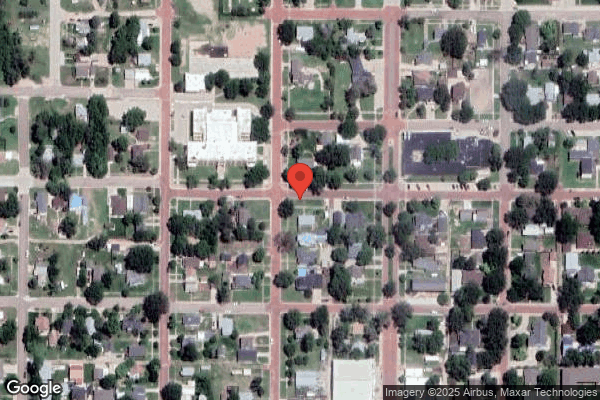
Feb 2024 1 deficiency 1 Harm
SERIOUS (G) 📢 Someone Reported This

A family member, employee, or ombudsman was alarmed enough to file a formal complaint

Actual Harm - a resident was hurt due to facility failures

Free from Abuse/Neglect (Tag F0600)

A resident was harmed · This affected 1 resident

The facility identified a census of 31 residents with three residents reviewed for abuse and neglect. Based on record review, observation, and interview, the facility failed to ensure Resident (R) 1 r...

Read full inspector narrative →
The facility identified a census of 31 residents with three residents reviewed for abuse and neglect. Based on record review, observation, and interview, the facility failed to ensure Resident (R) 1 remained free from abuse and/or neglect. On 02/09/24, Certified Nurse Aide (CNA) M forcefully grabbed R1's wrist, took the glass of orange juice out of R1's hand, and slammed the orange juice on the table. Then CNA M aggressively grabbed R1's wheelchair to start moving her, and R1 put her foot down on the floor. CNA M yelled at R1 and aggressively placed R1's feet on the foot pedals. Social Services X attempted to intervene, but CNA M ignored Social Services X and continued to try and wheel R1 out of the dining room. CNA M treated R1 in a manner that did not uphold the resident's sense of self-worth and individuality. This deficient practice placed R1 at risk for physical harm, pain, and mental anguish. Findings included: - R1's Electronic Medical Record (EMR) documented R1 had diagnoses of dementia (a progressive mental disorder characterized by failing memory, and confusion), Alzheimer's disease (progressive mental deterioration characterized by confusion and memory failure), and delusional disorder (untrue persistent belief or perception held by a person although evidence shows it was untrue). The Quarterly Minimum Data Set (MDS), dated 11/29/23, documented R1 was unable to complete the Brief Interview for Mental Status (BIMS). R1 had short-term and long-term memory loss. The MDS documented R1 had exhibited physical and verbal behaviors directed towards others. The Cognitive Loss/Dementia Care Area Assessment (CAA), dated 08/29/23, documented R1 had short-term and long-term memory loss and was only alert to herself. The Behavioral Symptoms CAA, dated 08/29/23, documented R1 had behaviors associated with dementia and had sundowning (a state of confusion occurring in the late afternoon and lasting into the night) episodes. The CAA documented R1 was frequently frightened when staff approached her and would hit, bite, and scratch staff during care as a means of communicating her fear. The CAA documented R1 required slow, calm movements, allowing R1 to process before a task was performed. R1's Care Plan directed staff to ensure her safety from potential inappropriate threats or behaviors regarding her impaired cognitive function (01/10/24). The plan directed staff R1 required one staff assistance with bathing, and the assistance of one staff with a sit-to-stand lift for transfers and was dependent on staff for eating. The plan directed staff R1 had the potential to be resistant to care and become frightened, striking at staff, pinching, and/or biting. R1's Care Plan directed staff that before beginning any care, staff were to speak calmly to R1 explaining the task that would be done. Staff were directed to move slowly with R1 with each task. If she became overwhelmed and began to exhibit behaviors, staff were to ensure R1's safety, leave the room, and change caregivers (10/25/23). The plan directed staff to provide R1 with a calm, quiet setting at mealtimes (09/13/23). The Facility Incident Report, dated 02/15/24, documented on 02/09/24 around 09:30 AM, CNA M was in the main dining room trying to remove R1 from the dining room after breakfast. CNA M removed a glass of orange juice from R1's hand and placed the glass firmly on the table. As CNA M tried to move R1's wheelchair, R1 placed her foot on the floor. CNA M picked up R1's legs abruptly and placed her legs on the wheelchair foot pedals. Social Services X approached CNA M and told CNA M to stop pushing R1's wheelchair. Social Services X said she would provide R1 transportation out of the dining room while CNA M stepped outside. R1 was immediately separated from CNA M. The police were notified and came to the facility. Staff performed a skin assessment on R1 with no bruising or reddened areas noted. A second skin assessment was completed two hours later with no bruising or reddened areas noted and no unusual complaints of pain noted. R1's Care Plan was reviewed. CNA M was interviewed, her witness statement gathered, and CNA M was suspended pending investigation. The report did not indicate that any abuse prevention training was provided after the incident occurred. CNA M's Witness Statement, dated 02/09/24, documented she was getting ready to take R1 out of the dining room. CNA M tried to put R1's feet back on the foot pedals as R1 tried to grab and pinch CNA M's side. CNA M stated she moved R1's hand away. R1 then tried to throw her orange juice at CNA M so CNA M took the cup away from R1 and slammed it down on the table. CNA M went back to try and put R1's foot on the foot pedal and R1 kicked at CNA M. CNA M stopped R1 from kicking her and put R1's foot back on the foot pedal. Social Services X told CNA M to leave, and that Social Services X would get R1. CNA M took Social Services X's direction, left R1, and stepped outside for a minute. Licensed Nurse (LN) G's Witness Statement, dated 02/09/24, documented LN G was in the dining room around 09:30 AM giving another resident their medication. LN G heard a loud bang and looked up and observed CNA M taking her hand away from a glass on the table. CNA M yelled something at R1, but LN G could not quite make out what was said. CNA M then proceeded to yell Stop in R1's face as she aggressively picked up R1's left leg and slammed it down on the foot pedal. R1 then went to reach for CNA M, as she was bent down in front of R1. Before R1 could grab CNA M, CNA M abruptly grabbed R1's left arm and forcefully moved it away from CNA M to the other side of R1's wheelchair. Social Services X told CNA M she needed to step away from R1. CNA M ignored Social Services X and grumbled something under her breath. Social Services X then removed R1 away from CNA M. Social Services X's Witness Statement, dated 02/09/24, documented at approximately 09:30 AM CNA M was in the dining room taking R1 out from the dining room after breakfast. CNA M was very rough with R1. Social Services X saw CNA M pull R1 away from the table and CNA M was again very rough with R1. CNA M aggressively lifted R1's legs and feet onto the foot pedals. CNA M pushed R1's hand back against R1's chest and shoved the wheelchair. Social Services X told CMA M to take a break. CNA M pushed the wheelchair about ten feet and then stopped. Social Services X again told CNA M to take a break. Social Services X transported R1 to the activity room and reported the incident to Administrative Staff A. Dietary Staff BB's Witness Statement, dated 02/09/24, documented Dietary Staff BB was cleaning up in the dining room when CNA M came to get R1 out of the dining room. R1 would not put her feet up on the foot pedals. CNA M grabbed R1's legs and threw R1's feet up on the pedals. CNA M then grabbed R1's wrist to grab the cup out of R1's hand and slammed the cup down on the table. Social Services X told CNA M to take a breath and walk away. Social Services X took R1 to where she needed to be. On 02/28/24 at 10:30 AM observation revealed R1 lying in bed sleeping. On 02/28/24 at 12:30 PM observation revealed R1 sat in her wheelchair at the lunch table. R1 said she was having a bad day and requested to be left alone. R1 then shut her eyes and sat quietly. On 02/28/24 at 10:20 AM, Administrative Staff A stated she considered the event to be abuse. Administrative Staff A asked CNA M if she knew what she did was wrong, and CNA M stated yes, she knew it was wrong. Administrative Staff A stated the abuse was witnessed by three other staff members. Administrative Staff A stated Social Services X was visibly shaken about the incident. Administrative Staff A stated the facility did not tolerate abuse and CNA M had subsequently quit. On 02/28/24 at 11:00 AM, Dietary Staff BB stated CNA M slammed R1's legs down onto the foot pedals and was right in [R1's] face. Dietary Staff BB stated CNA M yelled something at R1, but she could not hear what was said. CNA M then grabbed R1's wrist forcefully, took the glass of orange juice out of R1's hand, and slammed it down on the table. Dietary Staff BB stated Social Services X told CNA M to go take a break and at first CNA M ignored her then Social Services X repeated herself and CNA M left. Dietary Staff BB stated she knew what she saw was wrong. On 02/28/24 at 12:00 PM, Social Services X became tearful when asked about the incident that occurred in the dining room on 02/09/24. Social Services X stated she felt so bad for R1 because R1 did not have the cognitive capacity to understand. Social Services X stated CNA M grabbed R1's arm forcefully, took the orange juice out of R1's hand and slammed the cup down on the table, and then shoved R1's arm back into her chest. CNA M then grabbed both of R1's legs and aggressively put her legs on the foot pedals. CNA M was shoving at the wheelchair and Social Services X told her to go take a break. CNA M said, I don't have time for this. Social Services X again told CNA M to take a break. CNA M left the dining room and Social Services X took R1 to the activity room, put on music for her to listen to, and then reported the incident to Administrative Staff A. The facility's Abuse and Neglect Policy, revised 07/06/23, documented that residents have the right to be free from abuse, neglect, misappropriation of property, and exploitation. This includes but is not limited to freedom from corporal punishment and involuntary seclusion. Residents must not be subjected to abuse by anyone, including, but not limited to, location employees, other residents, consultants or volunteers, employees of other agencies serving the resident, family members or legal guardians, friends, or other individuals. The facility failed to ensure R1 was free from staff to resident abuse when R1 was treated in a manner that did not uphold her sense of self-worth and individuality and was handled with aggressive force. The situation dehumanized R1 and placed her at risk for physical harm, pain, and mental anguish. The scope and severity were determined to be actual harm based on the reasonable person concept due to the circumstances of R1's severe cognitive impairment and inability to self-identify and express her feelings regarding the event.
Dec 2023 1 deficiency
CONCERN (D) 📢 Someone Reported This

A family member, employee, or ombudsman was alarmed enough to file a formal complaint

Potential for Harm - no one hurt, but risky conditions existed

Free from Abuse/Neglect (Tag F0600)

Could have caused harm · This affected 1 resident

The facility identified a census of 32 residents with three residents reviewed for abuse and neglect. Based on record review, observation, and interview, the facility failed to ensure Resident (R) 1 w...

Read full inspector narrative →
The facility identified a census of 32 residents with three residents reviewed for abuse and neglect. Based on record review, observation, and interview, the facility failed to ensure Resident (R) 1 was free from abuse when R2 touched R1 in a sexually inappropriate manner. R1, who was severely cognitively impaired, was unable to consent. This deficient practice placed R1 at risk for continued abuse and impaired psychosocial well-being. Findings included: - R1's Electronic Medical Record (EMR) documented R1 had diagnoses of dementia (progressive mental disorder characterized by failing memory, confusion), major depressive disorder (a mood disorder that causes a persistent feeling of sadness and loss of interest), and hypertension (high blood pressure). The Quarterly Minimum Data Set (MDS), dated 10/29/23, documented R1 had a Brief Interview for Mental Status (BIMS) score of three which indicated severe cognitive impairment. The MDS documented R1 required substantial assistance with bed mobility and was totally dependent on staff for transfer, bathing, toileting, dressing, and personal hygiene. R1's Care Plan, dated 05/18/22, directed staff to monitor, document, and report any changes in cognitive function, specifically changes in decision making ability, memory, recall, awareness, difficulty expressing herself, difficulty understanding others, level of consciousness and mental status. The care plan directed staff to supervise R1 with all decision making, keep consistent care routines, and only present one thought, idea, question, or command at a time. The Communication with Physician Note, dated 12/05/23, documented staff notified R1's primary care provider by phone that a male resident touched R1 inappropriately. The provider gave no further orders. The Communication with Family Note, dated 12/05/23, documented staff notified R1's representative that R1 was involved in an incident where a male resident touched R1 inappropriately. Staff informed R1's representative the incident was a reportableevent, and the facility would be doing an investigation. R1's representative verbalized understanding. An Other Progress Note, dated 12/06/23, documented the previous day at 07:30 PM, Certified Nurse Aide (CNA) M reported to Licensed Nurse (LN) G that R2 was observed touching R1 inappropriately and CNA M removed R1 from the situation. The facility administrator was called. Staff checked R1 for any visible signs; there were no marks on R1's right breast where R2 was observed touching R1. CNA M's Witness Statement, dated 12/05/23, documented CNA M walked out of another resident's room and saw R1 sitting in her wheelchair at the corner by the basement door. R2 was with R1 and it initially appeared that R2 held R1's hand and talked to her. CNA M noted the motion of R2's hand did not look right as CNA M got closer and then she realized R2 was rubbing R1's breast in a sexual manner. CNA M grabbed R1's wheelchair and puller her away from R2 and told R2 she would take care of R1 now. CNA M stated that she startled R2 and then he proceeded to walk back to his own hall. CNA M then reported the incident to LN G. LN G's Witness Statement, dated 12/05/23, documented LN G passed medications down the 300 hall. At approximately 07:15 PM, R2 walked with his walker down the 300 hall. At 07:30 PM CNA M reported to LN G she witnessed R2 touching R1's breast and reported she removed R1 from the common area where R1 sat by the television. CMA M reported to LN G she saw R2 touching R1's right breast and holding R1's hand. CNA M took R1 away from R2. LN G called Administrative Staff A to report the incident. After speaking to Administrative Staff, A, LN G and CNA M took R1 to her room and checked to see if there were any marks; no skin alterations were noted. R2's Witness Statement, dated 12/08/23, documented R2 said he was coming up the hall and R1 blocked the hallway so R2 moved her chair over to get by. R2 stated nothing ever happened. R2 said he was just dumbfounded. The Facility Incident Report, dated 12/11/23, documented on 12/05/23 at around 07:30 PM R2 had his hand on R1's breast, stimulating her nipple. The residents were at the nurse's station in the main common area watching TV. The residents were immediately separated by staff. and staff notified the police around 07:45 PM. A skin assessment and trauma assessment were completed with no injuries or redness noted. Administrative Staff A, Administrative Nurse D, R1's primary care physician, and R1's representative were notified. The care plans were reviewed and updated. Behavioral health was notified of a doctor's order for R2 to be assessed. R2 was placed on 15-minute checks during the first twenty-four hours and when out of his room R2 was monitored within visual line of site. The state Long-Term Care Ombudsmen was notified and scheduled for a visit on 12/11/23 or 12/13/23. Staff held a care plan meeting for R2 on 12/08/23 with changes made to his care plan to encompass the path that he took from his room to and from the dining room; his puzzles that he liked to work on in the small dining room were moved to an area where visual monitoring of his actions could occur. R1 was observed for any trauma demonstrated in her behaviors, meal time, or changes in her baseline. On 12/11/23 at 11:00 AM, observation revealed R1 sat in the common area by the nurse's desk people watching. R1 was not able to hold a conversation. On 12/11/23 at 11:30 AM, observation revealed R2 ambulating throughout the facility. R2 had just returned from an outing On 12/11/23 at 10:00 AM, Administrative Staff A stated R2 was found stimulating R1's nipple repeatedly through R1's clothing with no skin to skin contact in the common area by the nurse's desk. Administrative Staff A stated that R1 and R2 were immediately separated and a head to toe assessment was completed on R1 and no harm was found. Administrative Staff A stated it was the facility's responsibility to protect all of the residents from any form of abuse. On 12/11/23 at 10:30 AM, Administrative Nurse D Administrative Nurse D stated R2 was found in the dining room fondling a female resident's breast. Administrative Nurse D stated interventions were placed in R2's care plan to keep him away from female residents and visually observe R2 when he was out of his room. On 12/11/23 at 04:00 PM, CNA M stated when she saw what R2 did to R1 and she knew it was wrong and just reacted and got R1 away from R2. CNA M stated she notified her charge nurse and they took R1 to her room and performed a skin assessment. The facility Abuse and Neglect Policy, reviewed 07/06/23, documented the resident has the right to be free from abuse, neglect, misappropriation of resident property and exploitation. This includes but is not limited to freedom from corporal punishment and involuntary seclusion. Residents must not be subjected to abuse by anyone, including, but not limited to location employees, other residents, family members or legal guardians, friends or other individuals. Alleged or suspected violations involving any mistreatment, neglect, exploitation or abuse including injuries of unknown origin will be reported immediately to the administrator. In the absence of the administrator the following employees have the authority delegated by the administrator, Director of Nursing Services and/or supervisor of social services, to intervene in any situation to protect residents, Remove any individual from the location if necessary for the protection of residents or employees, Call local law enforcement for assistance with interventions necessary for the protection of residents and employees, and Call 911 for any type of emergency assistance. The facility failed to prevent an incident of resident to resident abuse to R1. This deficient practice placed R1 at risk for further abuse, and impaired psychosocial functioning.
Nov 2023 8 deficiencies
CONCERN (D)

Potential for Harm - no one hurt, but risky conditions existed

Investigate Abuse (Tag F0610)

Could have caused harm · This affected 1 resident

**NOTE- TERMS IN BRACKETS HAVE BEEN EDITED TO PROTECT CONFIDENTIALITY** The facility had a census of 32 residents. The sample included 12 residents. Based on observation, record review, and interview,...

Read full inspector narrative →
**NOTE- TERMS IN BRACKETS HAVE BEEN EDITED TO PROTECT CONFIDENTIALITY** The facility had a census of 32 residents. The sample included 12 residents. Based on observation, record review, and interview, the facility failed to investigate Resident (R) 16's bruises of unknown origin on her left arm and left breast area. This deficient practice placed the resident at risk for unidentified and ongoing abuse and/or mistreatment. Findings included: - R16's Electronic Medical Record (EMR) documented diagnoses of osteoarthritis (degenerative changes to one or many joints characterized by swelling and pain), difficulty walking, lack of coordination, and healing of left neck femur fracture (hip fracture). The Significant Change Minimum Data Set (MDS) dated [DATE], documented R16 had a Brief Interview for Mental Status (BIMS) score of seven which indicated severely impaired cognition. The MDS further documented R16 required total assist with bed mobility and transfers; R16 used a wheelchair. The Care Area Assessment Summary (CAA) dated 09/17/23, documented R16 had memory loss and was unable to recall accurately. R16's Care Plan, dated 09/17/23, directed the staff to provide total assistance with transfers, bed mobility, dressing, grooming and personal hygiene. The Nurses Notes dated 11/13/23 at 02:05PM, stated the licensed dayshift Charge Nurse received a report from the night shift Certified Nurse Aide (CNA) that R16 had bruises on her left arm and on her left breast. The nurse asked R16 about the bruises but R16 was unable to recall or verbalize where the bruises came from on her left arm and left breast. R16's medical record lacked further assessment or documentation of the bruises on her left arm or left breast and lacked evidence an investigation was completed to rule out abuse. On 11/29/23 at 12:45PM, Administrative Nurse D verified she was not aware of the bruises on R16's left arm and left breast. Administrative Nurse D verified no facility investigation was completed on the bruises of unknown origin. On 11/29/23 at 12:55PM, Administrative Staff A verified no facility investigation was completed on R16's bruises on left arm and left breast. The facility's Abuse, Neglect and Exploitation policy dated 11/23/23, stated the facility is to investigate injuries of unknown origin. The facility failed to investigate R16's bruises on her left arm and left breast, placing the resident at risk unidentified and ongoing abuse and/or mistreatment.
CONCERN (D)

Potential for Harm - no one hurt, but risky conditions existed

Assessment Accuracy (Tag F0641)

Could have caused harm · This affected 1 resident

**NOTE- TERMS IN BRACKETS HAVE BEEN EDITED TO PROTECT CONFIDENTIALITY** The facility had a census of 32 residents. The sample included 12 residents. Based on observation, record review, and interview,...

Read full inspector narrative →
**NOTE- TERMS IN BRACKETS HAVE BEEN EDITED TO PROTECT CONFIDENTIALITY** The facility had a census of 32 residents. The sample included 12 residents. Based on observation, record review, and interview, the facility failed to assess one of 12 sampled residents, Resident (R)12's cognition on the Minimum Data Set (MDS) assessment. This placed the resident at risk for an inaccurate care plan and unmet care needs. Findings included: - R12's Electronic Medical Record (EMR) documented R12 had diagnoses of hypertension (elevated blood pressure), bipolar disorder (major mental illness that caused people to have episodes of severe high and low moods), and depression (a mood disorder that causes a persistent feeling of sadness and loss of interest). R12's comprehensive admission Minimum Data Set(MDS), dated [DATE] lacked documentation regarding R12's cognition. The MDS documented R12 was independent with activities of daily living (ADLs). R12's Care Plan, revised 10/03/23, documented R12 was independent with ADLs. The plan documented R12 saw a psychologist (expert in the mind and behavior, who help people cope with mental health challenges and improve their well-being), and instructed staff to provide the resident assistance, supervision, and support to identify precipitating factor and stresses but lacked a section regarding her cognition. On 11/27/23 at 04:42 PM, observation revealed R12 sat in a chair in her room and crocheted. On 11/29/23 at 01:41 PM, Administrative Nurse E verified R12's 08/28/23 MDS lacked information regarding R12's cognition in Section C. Administrative Nurse E stated staff failed to get the interview of R12's cognition to her before the assessment reference date (ARD) date so she submitted it without the information. On 11/30/23 at 08:46 AM, Administrative Nurse D stated staff in charge of conducted the interview for R12's cognition should get the information to the MDS coordinator prior to the resident's ARD date. The facility's Minimum Data Set (MDS) 3.0 Resident Assessment Instrument (RAI) Policy, revised 06/13/23, documented the social worker/ Registered Nurse (RN) coordinator/designated employee should notify interdisciplinary team members of timelines for completion of the Resident Assessment Instrument (RAI) process. The interviews must be conducted during the designated observation period, if any discipline is unable to complete its section the RN coordinator should assign another person to complete this section within the time frame. The facility failed to assess R12's cognition on her 09/12/23 comprehensive MDS. This placed the resident at risk for an inaccurate care plan and unmet care needs.
CONCERN (D)

Potential for Harm - no one hurt, but risky conditions existed

ADL Care (Tag F0677)

Could have caused harm · This affected 1 resident

**NOTE- TERMS IN BRACKETS HAVE BEEN EDITED TO PROTECT CONFIDENTIALITY** The facility had a census of 32 residents. The sample included 12 residents. Based on observation, record review, and interview,...

Read full inspector narrative →
**NOTE- TERMS IN BRACKETS HAVE BEEN EDITED TO PROTECT CONFIDENTIALITY** The facility had a census of 32 residents. The sample included 12 residents. Based on observation, record review, and interview, the facility failed to provide Resident (R) 21 appropriate activities of daily living (ADL) care, which included incontinence care, for R21 placing the resident at risk for poor hygiene and impaired quality of life. Findings included: - R21's Electronic Medical Record (EMR) documented diagnoses of osteoarthritis (degenerative changes to one or many joints characterized by swelling and pain), hemiplegia (paralysis of one side of the body), hemiparesis (muscular weakness of one half of the body), contracture of left shoulder and left wrist (abnormal permanent fixation of a joint or muscle) and cerebral infarction (stroke - sudden death of brain cells due to lack of oxygen caused by impaired blood flow to the brain by blockage or rupture of an artery to the brain). The Quarterly Minimum Data Set (MDS) dated [DATE], documented R21 had a Brief Interview of Mental Status (BIMS) score of eight indicating moderately impaired cognition. The MDS further documented R21 required two staff assist with bed mobility, and transfers. R21 was incontinent of bowel and bladder. The Activities of Daily Living Care Area Assessment Summary (CAA), dated 02/11/23, stated R21 required total staff assistance with bed mobility and transfers and was incontinent of bowel and bladder. R21's Care Plan, reviewed on 11/14/23, directed the staff to use a full mechanical lift for all transfers from bed and the wheelchair. The plan directed staff to provide incontinent care and check and change incontinent brief after each meal and as needed. The plan directed to reposition R21 every two hours when R21 was in the wheelchair or bed. On 11/28/23 at 07:40AM, observation revealed R21 sat in her wheelchair at the dining table and ate breakfast. On 11/28/23 at 09:40AM, observation revealed R21 sat in her wheelchair at the dining table. On 11/28/23 at 09:55AM, observation revealed Certified Nurse Aide (CNA) M pushed R21 in her chair to the activity room. CNA M did not provide R21 a check and /or change. On 11/28/23 at 11:10AM, observation revealed CNA M pushed R21 in her wheelchair to the front lobby area near the dining room entrance but did not provide a check or change of the incontinent brief. On 11/28/23 at 11:30AM, observation revealed CNA N pushed R21 in her wheelchair to the dining room. CNA N did not check or change R21's brief. On 11/28/23 at 12:50PM, observation revealed CNA M pushed R21 in her wheelchair to her room. On 11/28/23 at 01:00PM, observation revealed CNA M and CNA N in R21's room. Further observation revealed CNA M attached the full body lift sling to the lift and raised R21 from her wheelchair to her recliner chair. CNA N raised the foot of the recliner and placed a lap blanket on R21. Neither staff member provided a check or change of R21's incontinent brief. On 11/28/23 at 03:50PM, observation revealed CNA M and CNA N in R21's room. Further observation revealed CNA M attached the full body lift sling to the lift and raised R21 from her recliner to her wheelchair. CNA N raised the foot pedals on the wheelchair, placed a lap blanket on the resident and then pushed R21 from her room to the front lobby area near the dining room entrance. On 11/28/23 at 04:45PM, observation revealed CNA M pushed R21 in her wheelchair into the dining room. On 11/29/23 at 09:10AM, CNA O verified R21's incontinent brief should be changed after meals and before transferring her from her bed or recliner to her wheelchair. On 11/29/23 at 11:50AM, Licensed Nurse (LN) G verified R21 was incontinent of bowel and bladder and wore incontinent briefs, which were to be changed by staff. On 11/29/23 at 01:45PM, Administrative Nurse D verified she expected staff to follow the care plan for R21. Administrative Nurse D said R21 should have been checked and changed after meals and before transferring her to and from her wheelchair. The facility's Activities of Daily Living policy dated 11/20/22, stated staff are to provide residents with appropriate treatment and services to maintain activities of daily living for the well-being, for residents who are unable to carry out personal hygiene. The facility failed to provide R21 assistive ADL care and as directed in R21's plan of care. This deficient practice placed the resident at risk for poor hygiene and impaired quality of life.
CONCERN (D)

Potential for Harm - no one hurt, but risky conditions existed

Quality of Care (Tag F0684)

Could have caused harm · This affected 1 resident

**NOTE- TERMS IN BRACKETS HAVE BEEN EDITED TO PROTECT CONFIDENTIALITY** The facility had a census of 32 residents. The sample included 12 residents. Based on observation, record review, and interview,...

Read full inspector narrative →
**NOTE- TERMS IN BRACKETS HAVE BEEN EDITED TO PROTECT CONFIDENTIALITY** The facility had a census of 32 residents. The sample included 12 residents. Based on observation, record review, and interview, the facility failed to provide Resident (R) 21 the necessary care and services for positioning when in the wheelchair, or assessment and care of R21's skin. This deficient practice placed the resident at risk for discomfort and potential skin breakdown. Findings included: - R21's Electronic Medical Record (EMR) documented diagnosis of osteoarthritis (degenerative changes to one or many joints characterized by swelling and pain), hemiplegia (paralysis of one side of the body),hemiparesis (muscular weakness of one half of the body), contracture of left shoulder and left wrist (abnormal permanent fixation of a joint or muscle) and cerebral infarction (stroke - sudden death of brain cells due to lack of oxygen caused by impaired blood flow to the brain by blockage or rupture of an artery to the brain). The Quarterly Minimum Data Set (MDS) dated [DATE], documented R21 had a Brief Interview of Mental Status (BIMS) score of eight indicating moderately impaired cognition. The MDS further documented R21 required two staff assist with bed mobility, transfers and positioning. The MDS recorded R21 was at risk for skin breakdown. The Activities of Daily Living Care Area Assessment Summary (CAA), and Pressure Ulcer CAA dated 02/11/23, stated R21 required total staff assistance with bed mobility, transfers and positioning and was at risk for skin breakdown. R21's Care Plan, reviewed on 11/14/23, directed the staff to use a full mechanical lift for all transfers from bed and from wheelchair. R21 was at risk for skin breakdown due to hemiplegia and needed positioning and pressure reducing devices when in the wheelchair. R21's updated Care Plan, on 11/24/23, instructed the staff to use an elbow pillow under R21's left elbow when she was in the wheelchair. R21's Braden Scale (an assessment to determine risk for skin breakdown or pressure ulcers) dated 09/15/23 documented a score of eight which indicated the resident was at very high risk for pressure ulcer (localized injury to the skin and/or underlying tissue usually over a bony prominence, as a result of pressure, or pressure in combination with shear and/or friction) and skin breakdown. The Nurses Notes dated 11/23/23 at 08:00PM, stated R21 had a small open area to the left elbow. Staff cleansed the area and left it open to air. R21's Skin Assessment sheet dated 11/23/23 lacked documentation of the area on the left elbow. On 11/28/23 at 07:40AM, observation revealed R21 sat in her wheelchair at the dining table and ate breakfast. R21's left arm was down in the wheelchair and there was no left elbow pillow present or in use. On 11/28/23 at 09:40AM, observation revealed R21 sat in her wheelchair at the dining table with no left elbow pillow present. On 11/28/23 at 09:55AM, observation revealed R21 pushed in her wheelchair from the dining room by Certified Nurse Aide (CNA) M pushed R21 to the activity room. R21 did not have a left elbow pillow. On 11/28/23 at 11:10AM, observation revealed CNA M pushed R21 in her wheelchair to the front lobby area near the dining room entrance, R21 did not have a left elbow pillow. On 11/28/23 at 11:30AM, observation revealed CNA N pushed R21 in her wheelchair to the dining roomR21 did not have a left elbow pillow. On 11/28/23 at 12:50PM, observation revealed CNA M pushed R21 in her wheelchair to her room with no left elbow pillow. On 11/28/23 at 01:00PM, observation revealed CNA M and CNA N in R21's room. Further observation revealed CNA M attached the full body lift sling to the lift and raised R21 from her wheelchair to her recliner chair. CNA N raised the foot of the recliner and placed a lap blanket on R21 but R21 was not provided a left elbow pillow. On 11/28/23 at 03:50PM, observation revealed CNA M and CNA N in R21's room. Further observation revealed CNA M attached the full body lift sling to the lift and raised R21 from her recliner to her wheelchair. CNA N raised the foot pedals on the wheelchair and placed a lap blanket on the resident. The staff did not provide R21 a left elbow pillow. Staff then pushed R21 from her room to the front lobby area near the dining room entrance. On 11/29/23 at 07:40AM, observation revealed R21 sat in her wheelchair at the dining table. Her left arm was down in the wheelchair with no left elbow pillow present. On 11/29/23 at 11:50AM, observation revealed R21 laid in bed. Per request Licensed Nurse (LN) G preformed a skin assessment of R21's left elbow. R21's elbow had a band aid. LN G removed the band-aid and measured a 0.5 centimeter (cm) by 0.5cm reddened area on R21's left elbow. On 11/29/23 at 12:30PM, LN G verified she was not aware of the reddened area on R21's left elbow. On 11/29/23 at 01:45PM, Administrative Nurse D verified she expected staff to follow the care plan for R21. Administrative Nurse D was not aware of the documentation on 11/23/23 at 08:00PM regarding the area on R21's left elbow. Administrative Nurse D verified she expected the LN staff to assess and document skin concerns on the skin assessment. The facility's Skin Assessment Pressure Ulcer Prevention and Documentation Policy dated 04/26/23, stated staff are to appropriately use prevention techniques for residents at risk for skin breakdown and use of prevention devices to decrease risk of skin breakdown. Documentation on skin assessment of reddened areas, bruises, and pressure ulcers are to be done as needed and weekly. The facility failed to provide a positioning device as care planned for R21 placing the resident at risk for skin breakdown and discomfort.
CONCERN (D)

Potential for Harm - no one hurt, but risky conditions existed

Deficiency F0804 (Tag F0804)

Could have caused harm · This affected 1 resident

The facility had a census of 32 residents. Based on observation, record review, and interview the facility kitchen staff failed to provide food prepared by methods that conserve nutritive value, flavo...

Read full inspector narrative →
The facility had a census of 32 residents. Based on observation, record review, and interview the facility kitchen staff failed to provide food prepared by methods that conserve nutritive value, flavor and appearance, when dietary staff failed to follow a recipe while preparing for the two residents' pureed diets. This placed the residents at risk for impaired nutrition. Findings included: - On 11/28/23 at 10:35 AM, Dietary Staff (DS) CC, with DS BB overlooking, stated the facility had two residents who received pureed diets. DS CC placed two Salisbury steaks into a blender container, blended, then poured unmeasured hot water into the blender and blended to the consistency of mashed potatoes. DS BB placed the pureed Salisbury steak into a container and placed on the steam table. DS BB stated one of the resident's family members brought in some macaroni and cheese. DS CC placed the macaroni and cheese container into the microwave on high for one minute, checked the temperature (149 degrees Fahrenheit [F.]) and then placed it into a blender container. DS CC blended, then added an unmeasured amount of milk and blended to a consistency of mashed potatoes. 11/28/23 at 11:20 AM, DS CC verified he had not used a recipe and stated he had been employed with the facility for one year but was not trained on how to prepare pureed diets. DS CC stated he just used the way his grandmother's food used to look for reference. 11/28/23 at 11:22AM, DS BB verified the facility dietary department lacked pureed diet recipes and said staff should have a recipe to follow. The facility's Blenderized Diet-Food and Nutrition Policy, revised 05/02/23, documented the blenderized diet provided adequate amounts of calories and protein to meet most resident's needs. The dietitian should assess the resident for the nutritional adequacy of this diet for extended use and consider use of a multivitamin and mineral supplement. all menu items served on the blenderized diet must be prepared using a standard recipe. The facility kitchen staff failed to follow a recipe when preparing pureed diet for two residents. This placed the residents at risk for impaired nutrition.
CONCERN (D)

Potential for Harm - no one hurt, but risky conditions existed

Infection Control (Tag F0880)

Could have caused harm · This affected 1 resident

**NOTE- TERMS IN BRACKETS HAVE BEEN EDITED TO PROTECT CONFIDENTIALITY** The facility had a census of 32 residents. The sample included 12 residents with one reviewed for bladder and bowel incontinence...

Read full inspector narrative →
**NOTE- TERMS IN BRACKETS HAVE BEEN EDITED TO PROTECT CONFIDENTIALITY** The facility had a census of 32 residents. The sample included 12 residents with one reviewed for bladder and bowel incontinence. Based on observation, record review and interview the facility staff failed to follow acceptable infection control practices when staff failed to change gloves and perform adequate hand hygiene when providing Resident (R)23 incontinent cares. This placed the resident at increased risk for infection. Findings included: - R23's Electronic Medical Record (EMR) documented R23 had diagnoses of dementia (progressive mental disorder characterized by failing memory, confusion) and hypertension (elevated blood pressure). R23's Quarterly Minimum Data Set (MDS), dated [DATE], documented R23 had short- and long-term memory problems, and modified independent cognitive skills for daily decision making. The MDS documented R23 required extensive staff assistance with dressing and personal hygiene. R23 was frequently incontinent with urine, and occasionally incontinent of bowel. R23's Care Plan, revised 09/08/23, documented R23 had dementia and needed staff assistance with dressing, toilet use and personal hygiene. On 11/29/23 at 08:20 AM, observation revealed R23 standing in front of the bathroom toilet. Certified Nurse Aide (CNA) P gathered the residents' clothes then cued R23 to sit on the toilet. CNA P applied gloves and removed R23's wet incontinent brief then, with the same soiled gloves, applied a new incontinent brief, and placed R23's pants, socks, and shoes on. Continued observation revealed CNA P, with the same soiled gloves, provided perineal (private area) care and applied ointment on R23's buttock area. Wearing the same soiled gloves, CNA P then pulled up R23's incontinent brief and pants, assisted R23's in putting his shirt on, buttoned the shirt, then removed and discarded gloves. CNA P did not wash or sanitize her hands after removing the soiled gloves. Further observation revealed CNA P tied up the trash bag, then made R23's and his roommates' bed but still did not wash her hands. CNA P then took R23's hand and assisted R23 to ambulate with his cane, down the hall. CNA P dropped off the trash bag at the dirty utility room, across from administrator's office and continued holding R23's hand to the dining room without ever performing hand hygiene. On 11/29/23 at 08:38AM, CNA P verified R23's incontinent brief she took off was wet with urine and that she did not change gloves or wash her hands when providing R23 incontinent care. CNA P stated she should have changed gloves after removing R23's incontinent brief and after providing urinary incontinent care. CNA P verified she had not washed her hands at any time when providing cares to R23 during the observed time frame and stated she should have when she entered the room and before leaving the room. On 11/29/23 at 10:30 AM, Administrative Nurse D stated staff should change gloves and wash hands after removing wet incontinent brief, and after providing urinary incontinence care. The facility's Perineal Care Policy, revised 08/30/23, instructed staff to use the following procedure when providing perineal care: 1. Apply gloves and if applicable Personal Protective Equipment (PPE) 2. Fold covers down and remove soiled pad. If bowel (BM) is present, use the soiled pad to remove as much solid waste as possible. 3. Remove soiled clothing as necessary. 4. Remove soiled gloves, wash hands or use hand sanitizer before touching objects in the environment. 5. Re-glove to resume perineal care. 6. Continue providing perineal care, remove gloves and complete hand hygiene. Apply gloves prior to assisting with incontinent t pad placement and/or assisting with clean clothing if there may be contact with bodily fluids during the tasks. The facility staff failed to change gloves and wash hands when providing R23 incontinent cares and continued to provide care with the same soiled gloves and/or hands This placed the resident at risk for infection.
CONCERN (F)

Potential for Harm - no one hurt, but risky conditions existed

Deficiency F0801 (Tag F0801)

Could have caused harm · This affected most or all residents

The facility had a census of 32 residents. The sample included 12 residents. Based on observation, record review, and interview, the facility failed to employ a full time certified dietary manager for...

Read full inspector narrative →
The facility had a census of 32 residents. The sample included 12 residents. Based on observation, record review, and interview, the facility failed to employ a full time certified dietary manager for the 32 residents who resided in the facility and received meals form the facility kitchen. This placed the residents at risk for impaired nutrition. Findings included: - On 11/28/23 at 10:35 AM, review of the noon meal consisted of Salisbury steak, tomato soup, grilled cheese sandwich, and cinnamon apples. On 11/28/23 at 10:35AM, observation revealed Dietary Staff BB was in the kitchen and oversaw the preparation of the noon meal. On 11/28/23 at 10:35 AM, Dietary Staff BB verified she was not a certified dietary manager. Dietary Staff BB stated she had started the classes but had not completed them. On 11/28/23 at 4:00 AM, Administrative Staff A verified Dietary Staff BB had no dietary manager certification. The facility's Organizational Structure -Food and Nutrition Services Policy, revised 12/18/22, documented the person who has overall responsibility for food and nutrition services at locations offering rehabilitation /skilled care services would be designated at the director of food and nutrition services to ensure that centers for Medicare and Medicaid (CMS) minimum education requirements are reflected. The facility failed to employ a full time certified dietary manager for 32 residents who resided in the facility. This placed the residents at risk for not inadequate nutrition.
CONCERN (F)

Potential for Harm - no one hurt, but risky conditions existed

Food Safety (Tag F0812)

Could have caused harm · This affected most or all residents

The facility had a census of 32 residents. The facility had one kitchen. Based on observation, record review, and interview, the facility failed to prepare food in accordance with professional standar...

Read full inspector narrative →
The facility had a census of 32 residents. The facility had one kitchen. Based on observation, record review, and interview, the facility failed to prepare food in accordance with professional standards for food service safety when staff failed to check temperatures of food items prior to serving and failed to ensure clean and sanitary refrigerators and food preparation areas. This placed the residents at risk for foodborne illness. Findings included: - On 11/27/23 at 12:35 PM, observation of the kitchen revealed the white refrigerator's bottom two shelves had numerous different-sized yellow, dried liquid stains and the freezer had numerous undated four-ounce (oz) health shakes. On 11/27/23 at 1:00 PM, observation revealed the white refrigerator/ freezer, located in the activity room on Angle Lane, had numerous undated four oz health shakes and the bottom two shelves had numerous, different-sized red, dried, food and liquid stains. On 11/28/23 at 10:30 AM, observation during follow up to the kitchen revealed an unlabeled, undated, flour and sugar container. On 11/28/23 at 12:30PM, Dietary Staff (DS) BB verified the above observations and stated she had been employed with facility for three weeks and was in the process of making a cleaning schedule. DS BB stated the shakes should be dated, and the flour and sugar bins should be labeled and dated. DS BB said she unaware if dietary was responsible for the refrigerator located in the activity room. The facility's Cleaning Schedule-Food and Nutrition Services, revised 11/27/23, documented the director of food and nutrition services (DFN), senior living dining director or designee is to post written daily, weekly and monthly cleaning assignments in the kitchen areas. Employees were responsible for knowing his or her assigned duty and carrying it out during the designated work shift. The policy listed tasks for staff to complete daily. The facility's Food-Supply Storage-Food and Nutrition Services Policy, revised 05/11/23, documented to ensure food is stored properly products should be consumed on or before the date listed on the package of food items. The facility failed to prepare food in accordance with professional standards for food service safety when failed to ensure clean and sanitary refrigerators and food preparation areas. This placed the residents at risk for foodborne illness. - On 11/28/23 at 11:55 AM during observation of preparation of resident's pureed diets, Dietary Staff (DS) CC placed a container of macaroni and cheese into the microwave, heated on high for one minute, blended, then added unmeasured cold milk. DS CC placed the macaroni and cheese into a container and handed the container to another dietary aide to serve to the resident. After intervention from the survey team, DS CC DS CC stated oh! in response to an inquiry if the macaroni and cheese would be the appropriate temperature and DS CC then checked the temperature of the food item. the temperature of the macaroni and cheese was 112 degrees Fahrenheit (F) so DS CC placed the macaroni and cheese into the microwave for 30 seconds, rechecked the temperature which was 149 degrees F. DS CC then handed it to the dietary manager to serve to the resident. On 11/28/23 at 12:10PM, DS CC began to dish up tomato soup into a resident's bowl until prompted by the survey team to check the temperature of the soup. DS CC stated he sometimes checked food temperatures prior to dishing them up and serving to residents and other times he waited until after the residents were served. DS CC stated it just depended on how quickly the residents needed their meals. DS CC stated he was unaware he was supposed to check the food temperatures prior to serving. On 11/28/23 at 12:00PM, DS BB stated staff should check the temperature of food items prior to serving them. Upon request the facility did not provide a policy regarding checking food temperatures. The facility failed to check food temperatures prior to serving the 32 residents who received their food from the facility kitchen. This placed the 32 residents at risk for foodborne illness.
Sept 2023 1 deficiency 1 Harm
SERIOUS (G) 📢 Someone Reported This

A family member, employee, or ombudsman was alarmed enough to file a formal complaint

Actual Harm - a resident was hurt due to facility failures

Accident Prevention (Tag F0689)

A resident was harmed · This affected 1 resident

**NOTE- TERMS IN BRACKETS HAVE BEEN EDITED TO PROTECT CONFIDENTIALITY** The facility identified a census of 30 residents with three reviewed for falls. Based on record review, observation, and intervi...

Read full inspector narrative →
**NOTE- TERMS IN BRACKETS HAVE BEEN EDITED TO PROTECT CONFIDENTIALITY** The facility identified a census of 30 residents with three reviewed for falls. Based on record review, observation, and interview, the facility failed to ensure interventions were implemented to prevent Resident (R) 1 from falling out of bed and failed to ensure intervention in place to prevent injuries for R1 who had multiple falls from her bed. As a result, R1 fell out of bed and sustained an acute left hip fracture. This deficient practice also placed R1 at risk for further falls and injuries. Findings included: - R1's Electronic Medical Record (EMR) documented R1 had diagnoses of dementia (progressive mental disorder characterized by failing memory, confusion), diabetes (when the body cannot use glucose, not enough insulin made or the body cannot respond to the insulin), and hypertension (high blood pressure). The Quarterly Minimum Data Set (MDS), dated 06/22/23, documented R1 had a Brief Interview for Mental Status score of three, which indicated severe cognitive impairment. The MDS documented R1 required extensive assistance of one to two staff for bed mobility, transfer, locomotion, dressing, toileting, personal hygiene, and bathing. The MDS recorded the resident had no falls and used a motion sensor alarm daily. The Cognitive Loss/Dementia Care Area Assessment (CAA), dated 12/20/22, documented R1 had a diagnosis of dementia that was evidenced by memory loss and periods of confusion. The Activities of Daily Living Function/Rehabilitation Potential CAA, dated 12/20/22, documented R1 required extensive assistance with all of her activities of daily living except eating. R1 used a sit to stand mechanical lift for transfers and a wheelchair for mobility that staff would push. The Fall CAA, dated 12/20/22, documented R1 was at risk for falls related to R1 being unable to hold her own weight secondary to poor knee condition and dementia. The Fall Care Plan, revised 09/06/23, documented on 03/29/23 staff were to ensure correct bed height. R1's bed was to be in the lowest position when she was lying in bed. Staff were to frequently monitor R1 during the night R1 was properly positioned away from the side of the bed. The intervention dated 06/16/23 documented staff were to use the motion sensor to alert staff to R1's movement and to assist staff in monitoring movement during nighttime hours. The intervention placed on 05/17/23, directed staff to review R1 for significant changes in cognition, safety awareness and decision-making capacity. The intervention on 07/14/23 directed staff to place motion sensor and staff were to check the motion sensor alarm for functionality prior to leaving the room after cares. The interventions on 09/04/23 directed staff to ensure R1 was wearing appropriate footwear of gripper socks when lying in bed at all times and morning staff were to check on R1 at start of shift to assist her out of bed in a timely manner to prevent R1 from attempting to get herself out of bed. It directed staff to ensure a floor mat on the floor while R1 was lying in bed. The Fall Risk Assessment, dated 07/14/23 documented R1 was a high fall risk. The Incident Note, dated 04/13/23, documented a CNA had found R1 lying on the floor next to her bed on her right side. Staff checked on R1 twenty minutes prior. R1 was able to move all of her extremities. R1 complained of generalized pain. R1 was assisted back to bed using a full lift and two staff assist. R1's care plan lacked any interventions put into place regarding this fall. The Incident Note, dated 04/16/23, documented R1 was found out of bed, face down on the floor at the foot of the bed calling for help. R1's forehead was resting on the bed frame, and she was clutching the tubing connected to the air mattress. Staff noted blood on the floor from a skin tear to R1's left elbow, a small bruise on R1's right hand, and scattered bruising noted to R1's left forearm. R1 was transferred back to bed using a full body lift. R1 was incontinent of urine. The Incident Note, dated 05/17/23, documented R1 was found sitting on the floor next to her bed, leaning up against the bed frame. R1 had no immediate injuries, and the bed was in the lowest position. R1 was assisted up and to bed with two-person assistance and the use of a full lift. The note documented R1 was awake most of the night. The CNA heard R1's motion sensor alarm and went in her room and found R1 on the floor. The Incident Note, dated 07/14/23, documented R1 was heard yelling help, and her call light was not on. Staff found R1 on her buttocks with her legs sticking out in front of her, leaning her back against the bed. R1 wore a shirt, a cardigan, a brief, and socks. R1 had a large amount of bowel movement on the bed pad and her brief. The Incident Note, dated 09/03/23, documented the CNA found R1 sitting on the floor with her back against her bed. R1 stated she needed to go find her girls. The Other Progress Note, dated 09/04/23, documented LN G was called to R1's room. R1 was found on the floor with the top part of her head under the bed. R1 was trying to grip the bed to pull herself up. Staff assisted R1 away from the bed. LN G assessed R1 and asked if she had pain anywhere. R1 stated her hip hurt. LN G assessed R1's left hip and the left hip appeared rotated. R1 was transferred to the local hospital by EMS. The Health Status Note, dated 09/04/23, documented the facility received notification R1 was sent to a higher level of care related to a broken left hip. The Witness Statement, dated 09/04/23, documented staff called LN G into R1's room. When LN G entered R1's room, R1 was on the floor with the top part of her head under the bed. R1 was trying to grab the bed to pull herself up. Staff assisted R1 away from the bed. LN G assessed R1 and asked if she hurt anywhere and R1 stated her hip. LN G stated R1's left hip appeared rotated. The Witness Statement, dated 09/04/23, documented CNA M walked to the nurse's station about 02:30 PM to chart. Laundry Staff GG came up to CNA M and told CNA M that R1 was on the floor. CNA M went to R1 and radioed for LN G. R1 was laying on the floor with her head a little under the bed and R1 told CNA M her hip was hurting. The Witness Statement, dated 09/04/23, documented Laundry Staff GG was putting away R1's clothes and R1 was lying in bed with her arms up on the rails. Laundry Staff GG stated R1 looked like she was going to fall out of bed, so she went to get help. Laundry Staff GG stated she was halfway down the hall when she heard R1 say, Help! I fell out of bed. Laundry Staff GG stated R1 kept repeating that. Laundry Staff GG found CNA M and told her what happened. Laundry Staff GG and CNA M hurried to R1's room and R1 was on the floor with her head underneath her bed. On 09/11/23 at 12:30 PM, Laundry Staff GG stated that when she was in R1's room putting her clothes away, R1 was moving in bed and was on the edge of the bed. Laundry Staff GG stated the motion sensor alarm was not alarming. Laundry Staff GG went to get help and before she was halfway down the hall, she heard R1 yelling for help that she had fallen. Laundry Staff GG stated she did not hear the motion sensor alarm alarming. On 09/11/23 at 12:45 PM, CNA M stated Laundry Staff GG came and got her and told her R1 had fallen. Upon arriving to R1's room R1 was on the floor and trying to pull herself up with the mobility bar and her head was underneath the bed. CNA M stated the motion sensor alarm was not sounding. On 09/11/23 at 01:00 PM, LN G stated that when she got to the room R1's head was under the bed, and she was trying to pull herself up with the mobility bar. LN G stated R1's motion sensor alarm was not sounding. LN G verified staff were to make sure the motion sensor alarm was functional after all cares were completed before leaving R1's room. On 09/11/23 at 02:00 PM, Administrative Staff A stated she expected appropriate fall interventions in place for every fall, to prevent future falls. Administrative Staff A stated Administrative Nurse D had investigated the fall and found the motion sensor alarm was working appropriately. The facility Fall Prevention and Management Policy, reviewed/revised 03/29/23, documented the risk for falling for residents in long-term care locations substantially increases due to decreased mobility, frailty, muscle weakness, gait disturbance, and disease progression. In order for fall prevention and management program to be successful there must be accountability from the leadership and caregivers in the location. On admission or readmission, review the applicable documents and any additional admit information for fall risk factors. Complete the Fall Tools UDA for fall screening and identifying fall risk factors. Care Plan the appropriate interventions including personalizing all areas. Communicate fall risks and interventions to prevent a fall before it occurs per the 24-hour report, care plan, [NAME], daily stand-up meeting, and/or Fall Committee Meetings. The facility failed to ensure interventions were implemented to prevent R1 from falling out of bed and failed to ensure intervention in place to prevent injuries for R1 who had multiple falls from her bed. As a result, R1 fell out of bed and sustained an acute left hip fracture. This deficient practice also placed R1 at risk for further falls and injuries.
May 2023 1 deficiency
CONCERN (D) 📢 Someone Reported This

A family member, employee, or ombudsman was alarmed enough to file a formal complaint

Potential for Harm - no one hurt, but risky conditions existed

Pressure Ulcer Prevention (Tag F0686)

Could have caused harm · This affected 1 resident

The facility identified a census of 32 residents. Three residents were sampled. Based on record review, observation, and interview, the facility failed to implement a repositioning program and failed ...

Read full inspector narrative →
The facility identified a census of 32 residents. Three residents were sampled. Based on record review, observation, and interview, the facility failed to implement a repositioning program and failed to contact the registered dietician for nutritional support to promote healing for Resident (R) 1 who had a facility acquired pressure ulcer (full-thickness skin and tissue loss in which the extent of tissue damage within the ulcer cannot be confirmed because the wound bed is obscured by slough [non-viable yellow, tan, gray, green or brown tissue; usually moist, can be soft, stringy and mucinous in texture] or eschar [dead or devitalized tissue that is hard or soft in texture; usually black, brown, or tan in color, and may appear scab-like]. This placed R1 at risk for impaired and/or delayed healing. Findings included: - The Electronic Medical Record (EMR) documented R1 had diagnose of diabetes mellitus (when the body cannot use glucose, not enough insulin made or the body cannot respond to the insulin) with diabetic neuropathy (nerve damage), hypertension (high blood pressure, and morbid (severe) obesity. The Quarterly Minimum Data Set (MDS), dated 02/10/23, documented R1 had a Brief Interview for Mental Status score of fifteen which indicated intact cognition. The MDS further documented R1 required extensive assistance to total dependence of one to two staff for bed mobility, transfer, locomotion on and off the unit, dressing, toilet use, personal hygiene, and bathing. The MDS documented R1 did not currently have any pressure ulcers, was at risk for developing pressure ulcers, had a pressure reducing device for her bed, had a pressure reducing device for her chair, and was not on a turning/repositioning program. The Activities of Daily Living (ADL) Care Area Assessment (CAA), dated 11/10/22, documented R1 was totally dependent with transfers, wheelchair mobility, bed mobility of turning side to side, and did not participate with self-efforts with any position changes. The Pressure Ulcer/Injury CAA, dated 11/10/22, documented R1 was at risk for pressure ulcers related to the Braden Assessment (pressure ulcer risk tool), was incontinent of bowel and bladder, would sit in a wheelchair for long periods of time, did not turn side to side in bed, and made little to no position changes throughout the day. The CAA documented R1 was diabetic which placed her at higher risk for skin breakdown and R1' blood sugars ran high most of the time. The Activities of Daily Living Care Plan, revised on 02/21/23, directed that R1 required two staff assist for bed mobility and required two staff assist with a full total mechanical lift for transfer. The Risk for Impairment to Skin Integrity r/t Immobility, Obesity, and Diabetes Care Plan, revised 11/18/22, directed staff to reduce R1's risk for skin impairment, use extra caution during transfers and bed mobility to prevent R1 from striking her arms, legs, or hands against any sharp objects, keep R1's skin clean and dry, use lotion to R1's skin, and perform weekly skin observation by the licensed nurse. The care plan lacked a turning/repositioning program or heel protectors to bilateral heels. The Potential for Pressure Ulcer Development r/t Immobility and Non-Weight Bearing Status Care Plan, revised 11/18/22, directed staff to provide pressure relieving/reducing devices to R1's wheelchair and bed, float R1's heels off of mattress when lying in bed, and notify the nurse immediately of any new areas of skin breakdown: redness, blisters, bruises, discoloration etc. noting during bath or daily care. The care plan lacked a turning/repositioning program or heel protectors to bilateral heels. The Pressure Ulcer to Left Heel Care Plan, dated 04/06/23, directed staff to educate R1 to the causes of skin breakdown, assess/record/monitor wound healing daily and weekly, and to report improvements and declines to R1's health care provider. The plan directed staff to apply skin prep (liquid skin barrier) to R1's left heel twice daily, ensure that heel protectors were in place when R1 was in bed and ensure heels were offloaded. The care plan directed staff to notify the nurse of any new areas of skin breakdown, redness, blisters, bruises, or discoloration noted during bath or daily care. The care plan lacked a turning/repositioning program or directives. The Braden Scale for Pressure Ulcer Risk, dated 02/06/23, documented R1 had a pressure ulcer risk score of 15 which indicated R1 was at mild risk for developing pressure ulcers. The Skin Observation Note, dated 03/21/23, documented R1's skin was without any skin conditions noted. The Skin Observation Note, dated 03/28/23, documented R1 had a pressure ulcer to her left heel about 3 centimeters (cm) in circumference, skin intact, and purple in color. Treatment included skin prep to the left heel and heel lift boots. The Wound Data Collection Tool, dated 03/28/23, documented R1 had a wound to her left heel that measured 1.5 cm in length by 1.5 cm in width and was deep purple in color with redness on the surrounding tissue. Heel protectors were documented to be placed to R1's heels when in bed with heels offloaded. Skin prep was ordered to be applied to the left heel twice a day. The Wound RN Assessment, dated 03/28/23, documented R1 had an unstageable pressure ulcer to her left heel. The modifications to R1's plan of care was repositioning/turning, support surfaces, and skin prep to the left heel twice a day. R1's primary care physician was notified regarding R1's wound status and care plan was updated. The facility failed to contact the RD regarding the unstageable pressure ulcer to R1's left heel for nutritional support to support healing of the pressure ulcer. The Wound Data Collection Tool, dated 04/03/23, documented R1 had an unstageable left heel pressure ulcer that measured 2.0 cm in length by 1.5 cm in width and was dark purple in color with a white center. The Wound Data Collection Tool, dated 04/17/23, documented R1 had an unstageable left heel pressure ulcer that measured 1.5 cm in length and 1.0 cm in width and was dry, intact and deep purple in color. The Wound Data Collection Tool, dated 04/24/23, documented R1 had an unstageable left heel pressure ulcer that measured 2.0 cm in length by 1.0 cm in width, the wound bed was 100% eschar, and the area was deep purple/brownish color. The Wound Data Collection Tool, dated 05/01/23, documented R1 had an unstageable left heel pressure ulcer that measured 1.5 cm in length by 1.0 cm in width with an eschar cap that was intact. The Wound Data Collection Tool, dated 05/08/23, documented R1 had an unstageable left heel pressure ulcer that measured 1.5 cm in length by 1.0 cm in width, the wound bed was 100% eschar, and had an intact eschar cap. On 05/10/23 at 10:00 AM, observation revealed R1 laying in bed on pressure reducing mattress with heel protectors in place to her bilateral heels. On 05/10/23 at 10:00 AM, R1 stated that her left heel hurt and she had not started wearing heel protectors until after she had sustained the pressure ulcer to her left heel. R1 stated that she had not been on a turning/repositioning program. R1 stated she just would just lay in bed on her back. On 05/10/23 at 10:30 AM, Licensed Nurse (LN) G, stated R1 had not been wearing pressure relieving boots to her heals until after she obtained the pressure ulcer to her left heel. LN G stated R1 had not been on a turning/repositioning program. On 05/10/23 at 10:45 AM, LN H looked on R1's EMR to check to see if R1 had a turning/repositioning program and LN H verified R1 was not on a turning/repositioning program. On 05/10/23 at 11:00 AM, Certified Nurse's Aide (CNA) M stated that R1 had not worn pressure relieving boot to her bilateral heels until after she had obtained a pressure ulcer to her left heel. CNA M stated R1 had no been on a turning/repositioning program. On 05/10/23 at 11:30 AM, Administrative Nurse D stated that she did not think that R1 had to be on a turning/repositioning program because it is just part of nursing care to turn/reposition residents who have poor bed mobility every couple of hours. Administrative Nurse D verified that there had not been a turning/repositioning task for CNA's to follow in R1's plan of care. Administrative Nurse D stated that she thought R1 had heel protectors were on prior to her obtaining the pressure ulcer to her left heel but she could not verify it as it was not in R1's care plan. Administrative Nurse D stated the RD had not been contacted regarding R1's pressure ulcer to her left heel. The facility's Pressure Ulcer Prevention and Documentation Policy, revised 04/26/23, documented the facility would provide appropriate assessment and prevention of pressure ulcers as well as treatment when necessary. Based on the resident's comprehensive assessment, the location will use prevention and assessment interventions to ensure that a resident entering the location without pressure ulcers does not develop a pressure ulcer unless that resident's clinical condition demonstrates that this was unavoidable. A resident who has a pressure ulcer will receive the necessary treatment and services to promote healing, prevent infection, and prevent any new pressure ulcers from developing. Residents will receive appropriate assessments and services to promote and maintain skin integrity. Residents who are unable to reposition themselves independently should be repositioned as often as directed by the care plan approaches. Developing an individualized repositioning schedule is required for those residents unable to position themselves and is based on nutrition, hydration, incontinence, diagnoses, mobility, and observation of the resident's skin over a period of time. The positioning schedule should be communicated to the nursing assistants. The facility failed to implement a turning/repositioning schedule, and failed to notify the RD for additional protein or vitamin needs necessary to heal R1's pressure ulcer. This placed R1 at risk for impaired and/or delayed healing.
Jul 2022 10 deficiencies 1 Harm
SERIOUS (G)

Actual Harm - a resident was hurt due to facility failures

Pressure Ulcer Prevention (Tag F0686)

A resident was harmed · This affected 1 resident

**NOTE- TERMS IN BRACKETS HAVE BEEN EDITED TO PROTECT CONFIDENTIALITY** -The Medical Diagnosis section with R7's Electronic Medical Record (EMR) included diagnoses of dementia (progressive mental diso...

Read full inspector narrative →
**NOTE- TERMS IN BRACKETS HAVE BEEN EDITED TO PROTECT CONFIDENTIALITY** -The Medical Diagnosis section with R7's Electronic Medical Record (EMR) included diagnoses of dementia (progressive mental disorder characterized by failing memory, confusion) without behavioral disturbance, overactive bladder, hypertension (high blood pressure), and dysphagia (swallowing difficulty) following other cerebrovascular (a group of conditions that affect blood flow and blood vessels in the brain) disease. The Quarterly Minimum Data Set (MDS), dated [DATE], documented R7 had moderately impaired cognition, exhibited no behavior symptoms, had no functional range of motion impairment in upper or lower extremities, no nutritional approaches, and at risk for pressure ulcers. The MDS further documented R7 had an unhealed pressure ulcer stage three (full thickness skin loss) not present upon admission, had pressure reducing device for his bed, received nutritional or hydration interventions to manage skin problems, and had pressure ulcer care. The Nutritional Annual Care Area Assessment (CAA), dated 02/25/22, documented R7 had a stage three pressure ulcer located mid spine, nutritional intake is good, had dementia, require cueing to eat, and took nutritional supplement to maintain weight. The Care Plan, dated 04/19/22, lacked skin/wound care problem, goals, or interventions related to the stage three pressure ulcer to his mid spine area. A Skin Observation recorded on 06/01/22 documented the area of intact skin over vertebrae that has been previously open was light pink in color. The Wound Data Collection Tool dated 06/07/22 documented a 3 centimeter (cm) by (x) 3 cm area of fragile skin but no open areas. The mid-spine area was cleansed and patted dry. Skin prep (liquid skin barrier) was applied as well as a transparent dressing. The Wound Registered Nurse (RN) Assessment, dated 06/15/22, documented a stage two pressure ulcer (a sore that has broken through the top layer of skin) with serous (clear) drainage, autolytic debridement (uses the body's enzymes and natural fluids to soften bad tissue) modification to treatment plan. The note lacked measurement of wound size. The Physician Order, dated 06/17/22, directed staff to cleanse mid spine area, pat dry, apply skin prep to periwound (tissue surrounding the wound), cover with small hydrocolloid (opaque dressing for wounds that is biodegradable, non-breathable, and adheres to the skin) dressing, and reinforce with a transparent film dressing. The order further instructed the dressings to be changed twice a week and as needed. The Wound RN Assessment, dated 06/27/22, documented a healing stage three pressure ulcer decreased in size and continued autolytic debridement. The document lacked wound size. The Wound Data Collection Tool completed on 07/01/22, 07/03/22, 07/05/22, 07/07/22 lacked information regarding the size of the wound, status of healing, presence of drainage, periwound status or treatment information. A Skin Observation completed on 06/22/22, 06/29/22 and 07/06/22 lacked information regarding the size of the wound, status of healing, presence of drainage, periwound status or effectiveness of the treatment. The Wound RN Assessment completed on 07/06/22 recorded a stage two wound but lacked further information. On 07/14/22 at 10:21 AM, observation revealed Administrative Nurse E and Consultant GG remove R7's dressing from the mid spine wound and measure the area. The wound measured 2.5 centimeters (cm) by 2.5 cm with four small open areas. On 07/13/22 at 01:59 PM, Administrative Nurse D stated the resident's skin was checked weekly on bath days by the nurses, and area of concerns should be followed on a weekly basis which should include size, drainage, treatment, stage, and treatment regimen. The facility's Skin Assessment Pressure Ulcer Prevention and Documentation policy, dated 04/26/22, documented id a pressure ulcer is identified, the registered nurse should record the type of wound, and the degree of tissue damage, location, and should be assessed/evaluated at least weekly and documented on the Wound RN Assessment. The facility failed to adequately monitor and assess R7's recurring pressure ulcer to the mid spine which placed the resident at risk for delayed healing and complications related to wounds. -The Medical Diagnoses section with R31's Electronic Medical Record (EMR) included diagnoses of paraplegia (paralysis characterized by motor or sensory loss in the lower limbs and trunk), pressure ulcer (localized injury to the skin and/or underlying tissue usually over a bony prominence, as a result of pressure, or pressure in combination with shear and/or friction ) stage four (sore that extend below into deep tissue, including muscle, tendon and ligaments) of the right buttock and sacral region (large triangular bone between the two hip bones), pressure ulcer stage two (sore through top layer of skin) of right buttock, chronic pain, muscle weakness, and anemia (condition without enough healthy red blood cells to carry adequate oxygen to body tissues). The Quarterly Minimum Data Set (MDS), dated [DATE], documented R31 had intact cognition, no behavioral symptoms exhibited, required supervision and limited assistance with activities of daily living, and had functional range of motion impairment of both side lower extremities. The MDS further documented no nutritional approaches. R31 had a stage three (full thickness skin loss which fat may been seen) and stage four pressure ulcer upon admission/entry or reentry. R31 had a pressure reducing device for bed, nutrition/hydration interventions to manage skin problems, received pressure ulcer/injury care, application of nonsurgical dressing, application of ointment/medications other than to feet. The Pressure Ulcer Care Area Assessment, date 09/05/21, recorded R31 had stage 4 pressure areas on right and left ischium, stage three pressure ulcer to left lower leg, and stage two pressure ulcer to right buttock. The Care Plan, dated 06/27/22, documented R31 had paraplegia related to inoperable spinal tumor, two stage four pressure ulcers to left gluteal (pertaining to the buttocks or buttocks muscles) fold and right ischium (part of the hip bone) related to immobility and paraplegia. The Care Plan directed staff to encourage repositioning at least every two hours, pay particular attention to ankles, heels and bottom of feet. Educate resident/family as to cause of skin breakdown, including transfers/positioning requirements, good nutrition, and frequent repositioning. Encourage, assist with use of assist bar, trapeze bar to assist with turning. Provide pressure relieving/reducing device on bed and chair. The Physician Order, dated 06/17/22, directed staff cleanse right buttock, pat dry, apply skin prep (liquid skin barrier) to periwound, place Santyl (a sterile enzymatic debriding ointment) to wound bed, cut and apply calcium alginate (dressing absorbs drainage) to open wound bed, cover with bordered super absorbent dressing, and change daily. The Wound Data Collection Assessment, dated 05/09/22, documented the right buttock measured 8.5 centimeters (cm) in length by 3.0 cm wide, and 0.1 cm depth, non-healing, increased drainage and had 75 percent (%) slough. The Wound Data Collection Assessment, dated 05/19/22, documented the right buttock measured 16.0 cm in length by 3.0 cm width and 0.1 cm in depth which included four wounds. Inferior wound one measured 2 cm in length by 0.9 cm in width and inferior wound two measured 0.5 cm in length by 1.7 cm in length, middle wound measured 5.5 cm in length by 3 cm wide, and a superior wound 2 cm in length by 0.8 cm in length with 50% granulation and slough. The note included Wound Care Skin Integrity Evaluation which documented discussed management and prevention of infection for wound goals. Unknown if patient is a candidate for surgical interventions, or if he would want this if he were. Facility needed to discuss with physician if patient was a candidate for wound vac (device which applies negative pressure to wound to assist in wound healing). The clinical record lacked evidence R31 was evaluated for surgical intervention and lacked evidence R31 was evaluated for a wound vac to assist with healing. The Physician Order, dated 06/17/22, directed staff cleanse right buttock, pat dry, apply skin prep (liquid skin barrier) to periwound, place Santyl (a sterile enzymatic debriding ointment) to wound bed, cut and apply calcium alginate (dressing absorbs drainage) to open wound bed, cover with bordered super absorbent dressing, and change daily. The Wound Data Collection Assessment, dated 06/29/22, documented a stage three pressure ulcer to right buttock which measured 11 cm in length by 4.5 cm in width by 0.2 cm in depth with 30% granulation (tissue formed during wound healing) and slough (dead tissue, usually cream or yellow in color). On 07/12/22 at 11:08 AM, observed Licensed Nurse (LN) H change dressing and provided physician ordered treatment to pressure wounds. R31 assisted nurse by rolling to his side on an air mattress bed. On 07/14/22 at 10:55 AM, Administrative Nurse F verified the pressure ulcer had declined since June 2022 and no new interventions had been placed on the care plan. She also verified the record lacked documentation of education provided regarding to skin care and understanding the risk versus benefit of declined treatment interventions to the resident. On 07/14/22 at 12:42 PM, Administrative Nurse E verified she measured wounds weekly, and was not aware of the recommendation to discuss treatment interventions related to surgical interventions or wound vac treatment. The facility's Wound and Pressure Ulcer Management policy, dated 05/26/22, documented wound care management included the management and treatment of surgical wounds, pressure ulcers, diabetic ulcers conditions. Wound care programs and pressure ulcer guidelines and protocols have been developed and implemented to ensure that quality services are provided to the resident. A comprehensive management program to prevent development of pressure ulcers. The facility's Pressure Ulcer policy, dated 05/03/22, documented a resident who has a pressure ulcer will receive the necessary treatment and services to promote healing, prevent infection and prevent new pressure ulcer from developing. The facility failed to discuss treatment plan recommendations with R31, which placed the resident at further risk of unhealed stage three pressure ulcer to his right buttock. The facility had a census of 35 residents. The sample included 13 residents of which five were reviewed for pressure ulcers (localized injury to the skin and/or underlying tissue usually over a bony prominence, as a result of pressure, or pressure in combination with shear and/or friction). Based on observations, record review, and interview, the facility failed to identify the risk for pressure injuries and implement preventive interventions for Resident (R)8 who had pressure areas on her buttocks and had a decline in health. As a result, R8 developed a pressure injury to her left heel, which progressed to an open wound. The facility further failed to ensure weekly monitoring of skin conditions in order to assess wound status including wound bed, healing, and effectiveness of treatments for R7 and failed to review and offer treatment options to R31. This deficient practice placed those residents at risk for delayed healing or worsened wounds. Findings included: - The Electronic Medical Record (EMR) documented R8 had diagnoses of hypertension (high blood pressure), atrial fibrillation (an irregular heartbeat), and lymphocytic leukemia (a type of cancer of the blood and bone). The Quarterly Minimum Data Set (MDS), dated [DATE], documented R8 required extensive assistance of one staff for bed mobility, transfers, toileting, ambulation, and personal hygiene. The MDS documented R8 had upper functional range of motion impairment on one side. She was not assessed for risk for breakdown, had no skin breakdown, and no turning or repositioning program. The Pressure Ulcer Care Area Assessment (CAA), dated 01/13/22, documented R8 required extensive assistance with bed mobility and transfers. The CAA further documented the resident sat in her recliner all day long, only left her room for meals, and occasionally walked in the halls in the evening. The Braden Scale Assessment, (formal assessment for predicting pressure ulcer risk) dated 02/24/21, documented a score of 21, indicating not at risk for pressure ulcer development. The EMR lacked documentation the facility completed a more recent Braden Scale Assessment. The Pressure Ulcer Care Plan, revised 04/22/22, originally dated 2/28/22, directed staff to educate R8 as to causes of skin breakdown, provide pressure relieving/reducing devices and/or skin protective device, pressure relieving mattress, and pressure relieving cushion in recliner. It further directed staff to notify the nurse immediately of any new areas of skin breakdown. The plan of care recorded the resident had several small open areas to her bilateral buttocks. The care plan lacked documentation R8 had a deep tissue injury (a localized area of discolored intact skin or blood- filled blister due to damage of underlying soft tissue from pressure and/or shear) that opened on her left heel and lacked interventions to prevent the breakdown on her heel. The Physician's Order, dated 03/11/22, directed staff to administer LiquaCel (liquid protein), 1 ounce (oz), by mouth, twice a day, for wound healing. The Dietician Assessment, dated 05/04/22, documented R8 had a significant change, received medical nutritional supplements, and snacks; R8 had wounds. A Nurse's Note, dated 05/21/22 at 09:04 PM, documented a deep tissue injury to R8's left heel. Skin prep (a liquid film-forming protective barrier) was applied to her heel. Staff provided a foam heel protector on R8's left heel. The note lacked measurements of the deep tissue injury. The Skin Observation Tool, dated 05/27/22, documented R8 had a deep tissue injury to her left heel; a foam dressing was in place and skin prep applied twice daily. R8 had no signs of infection. A Physician Progress Note, dated 06/01/22, documented R8's left heel had a 2.5 centimeter (cm) black area. The heel was soft and had no redness or drainage. The note directed staff to continue the skin prep, notify the wound nurse if the area opened, and confirm that heel pad was in place. (The order was discontinued on 06/15/22). The Physician's Order, dated 06/15/22, directed staff to use skin prep to R8's left heel three times daily. (The order was discontinued on 06/27/22) The Skin Observation Tool, dated 06/18/22, documented R8's left heel was purple in color and firm around the edges but slightly boggy (soft) in the middle. The Skin Observation Tool, dated 06/21/22, documented R8's left heel was purple in color, firm around the edges, but slightly boggy in the middle. The Skin Observation Tool, dated 06/23/22, documented R8's left heel was purple in color and firm around the edges, but slightly boggy in the middle. The Wound Data Collection Tool, dated 06/27/22, documented R8 had a deep tissue injury, with a small open area in the center, which measured 2.5 cm x 2.0 cm. The middle area was slightly boggy and had a pinpoint open area with sanguineous drainage (leakage of fresh blood produced by an open wound). The Physician's Order, dated 06/27/22, directed staff to cleanse the left heel wound, pat dry, apply skin prep to intact peri wound skin and allow to dry. The order further directed staff to cut and fit xeroform gauze (an fine mesh dressing used to cover wounds to reduce infection) over the center of the wound area that was draining, cover all of wound with an ABD (an extra thick dressing designed to care for moderate to heavily draining wounds), secure with bulkee (elastic bandage wrap) gauze and tape, and change the dressing daily. The Wound Data Collection Tool, dated 07/03/22, documented a loose scab pulled off of the wound to R8's left heel with a small tear drop open area, which measured 2 cm x 1 cm that a red center. The Wound Data Collection Tool, dated 07/07/22, documented a pressure ulcer to R8's left heel which measured 1.0 cm x 1.5 cm x 0.1 cm and had no drainage. The Wound Data Collection Tool, dated 07/11/22, documented a pressure ulcer to R8's left heel. The tool documented the wound was small, approximately 0.5 cm in diameter and shallow. The tissue surrounding the wound was intact, had good color, and no odor or drainage. The Wound Data Collection Tool, dated 07/14/22, documented a pressure ulcer to R8's left heel which measured 0.3 cm x 0.3 cm x 0.1 cm, 100% pale pink wound bed with hypo granulation (not enough tissue to fill the wound bed) tissue, and minimum serous (a thin, watery fluid) drainage; the surrounding skin was fragile and calloused (hardened skin). On 07/12/22 at 09:30 AM, observation revealed Licensed Nurse (LN) G washed her hands, gloved, and removed the old dressing from R8's left heel. Continued observation revealed LN G cleansed the wound with wound cleanser, removed her soiled gloves, and donned a clean pair of gloves. LN G wiped the skin around the wound with skin prep, placed xeroform on the wound bed, covered R8's heel with an ABD pad, and wrapped her foot with gauze wrap. LN G put the heel protector back onto the residents left foot. On 07/12/22 at 09:30 AM, LN H stated R8 had skin breakdown to her buttock intermittently since R8 admitted in January. The area on R8's buttocks was healed since June. LN H stated R8 had a decline in May and stopped getting out of bed. LN H stated when staff discovered the wound on R8's heel, they put a heel protector on her left foot, and skin prep to the area. The heel had a black spot that recently opened. On 07/12/22 at 02:45 PM, Administrative Nurse E stated R8 had sensitive, fragile skin, and her buttocks would break down, and then heal. Administrative Nurse E further stated R8 had a decline and was not getting out of bed. After that decline, staff found the deep tissue injury on R8's left heel. Administrative Nurse E verified that although R8 had the skin breakdown on her buttocks, staff had not implemented the heel protector until after the resident had the deep tissue injury. On 07/14/22 at 10:07 AM, Certified Nurse Aide (CNA) M stated R8 did not have any skin breakdown to her buttocks, but had an open area on her left heel. CNA M further stated R8 did not have the heel protector until after the resident's heel broke down. On 07/14/22 at 11:30 AM, Administrative Nurse D stated staff should have floated R8's heels and should have implemented more interventions to prevent the breakdown on her heel since she already had skin breakdown on her buttocks and her skin was compromised. On 07/19/22 at 08:36 AM, Consultant II stated that he saw R8 during the time she had a decline, and the facility efforts were focused on R8's buttocks wound. Facility staff repositioned her when she was in recliner. Consultant II stated he did not observe any issue on R8's heels when she was in bed. Consultant II stated R8 would have benefitted from proactive measures to prevent heel breakdown. The facility's Pressure Ulcers policy, dated 05/03/22, documented a resident who had a pressure ulcer would receive the necessary treatment and services to promote healing, prevent infection and prevent new pressure ulcers from developing. The residents would receive appropriate assessments and services to promote and maintain skin integrity. If a resident's clinical condition makes compromise of skin integrity clinically unavoidable, this information would be documented in the medical record. The facility failed to implement preventative interventions to prevent pressure injuries on R8's left heel. As a result of this deficient practice, R8 developed a deep tissue injury which later opened to a pressure ulcer.
CONCERN (D)

Potential for Harm - no one hurt, but risky conditions existed

Report Alleged Abuse (Tag F0609)

Could have caused harm · This affected 1 resident

**NOTE- TERMS IN BRACKETS HAVE BEEN EDITED TO PROTECT CONFIDENTIALITY** The facility had a census of 35 residents. The sample included 13 residents. Based on observation, record review, and interview,...

Read full inspector narrative →
**NOTE- TERMS IN BRACKETS HAVE BEEN EDITED TO PROTECT CONFIDENTIALITY** The facility had a census of 35 residents. The sample included 13 residents. Based on observation, record review, and interview, the facility failed to submit a completed investigation to the State Agency (SA) within the required five days for Resident (R) 17 for whom the facility reported an injury of unknown origin. This placed the resident at risk for further injury and unidentified abuse or mistreatment. Findings included: - The Electronic Medical Record (EMR) for R17 recorded diagnoses of malignant neoplasm of transverse colon (colon cancer), acute kidney failure (when kidneys suddenly become unable to filter waste products from the blood), hypertension (high blood pressure), anxiety (mental or emotional reaction characterized by apprehension, uncertainty and irrational fear), and depression (abnormal emotional state characterized by exaggerated feelings of sadness, worthlessness, emptiness and hopelessness). The Quarterly Minimum Data Set (MDS), dated [DATE], documented R17 had moderately impaired cognition and required limited assistance of one staff for bed mobility, transfers, ambulation, and limited assistance of two staff for toileting. The MDS further documented R17's balance unsteady, had no falls, and had upper functional impairment on one side. The Quarterly MDS, dated 05/03/22, documented R17 had moderately impaired cognition and required extensive assistance of one staff for bed mobility, dressing, toileting, personal hygiene, and required limited assistance of one staff for transfers. The MDS further documented R17's balance unsteady, had one fall with injury, and had upper functional impairment on one side. The Falls Tool, dated 04/13/21 and 11/18/21 documented R17 a high risk for falls. The Fall Care Plan, 05/18/22, originally dated 04/22/21, directed staff to ensure resident wore appropriate footwear when ambulating or mobilizing in wheelchair, contact physical therapy for strength and mobility, and encourage resident to participate in activities that promoted exercise, physical activity for strengthening and improved mobility. The care plan further directed staff to educate R17 not bend over to pick up dropped items, retrieve her walker when she was seen not using her walker, and assist R17 with her restorative program for ambulation. The Nurse's Note, dated 09/11/21 at 11:45 AM, documented R17 witnessed a fall after R17 tried to reach for something and lost her balance. The note further documented R17 fell backwards and her left shoulder and hip hit the closet doors and she landed on her right hip. The note documented R17 did not hit her head, had full range of motion (rom) in her arms and legs, no red areas, skin tears, or bruising, did not complain of pain, and R17 stated she was trying to locate stuff on her dresser. The Nurse's Note, dated 09/15/21 at 4:18 PM, documented R17 sat in the common area recliner, and cried out in pain repeating, it hurts, it hurts and staff contacted the physician to report the pain and to receive and order for an xray (imaging that creates a picture inside the body). The Xray Report, dated 09/15/21, documented a fracture of the left inferior pubic ramus. The Nurse's Note, dated 09/15/21 at 06:49 PM, documented R17 returned to the facility. On 09/16/21 the SA received a facility report of an injury of unknown origin which stated R17 was found to have a fracture of the left inferior pubic ramus. The resident had a witnessed fall on 09/11/21 while going through her dresser. The resident lost balance and fell into the closet door and then to floor. After a full body assessment, staff determined R17 had no injuries. On 9/15/2021, R17 started complaining of left side pain around the hip area. An x-ray was ordered, and the fracture was found. Upon request, the facility was unable to produce a completed investigation or demonstrate the investigation was submitted to the SA within the five required working days. On 07/12/22 at 08:00 AM, observation revealed R17 ambulated slowly down the hall with her walker and staff at her side. On 07/12/22 at 09:58 AM, Administrative Nurse D stated he was unable to locate the investigation for the resident's fall or injury. On 07/14/22 at 12:45 PM, Administrative Nurse D stated Administrative Nurse F remembered having the investigation to send in but did not remember where the paperwork went. The facility's Abuse and Neglect policy, dated 03/31/22, documented the investigation team would determine whether further investigation was needed and the social worker or the designated person would notify the designated agency. The results of the investigation would be reported to the administrator or designated representative and to other officials in accordance with state law, including to the state survey and certification agency within five working days of the incident, or sooner as designated by state law. The facility failed to submit the completed investigation related to R17's fracture of undetermined origin to the SA in the required timeframe. This placed the resident at risk for further injury and unidentified abuse or mistreatment
CONCERN (D)

Potential for Harm - no one hurt, but risky conditions existed

Investigate Abuse (Tag F0610)

Could have caused harm · This affected 1 resident

**NOTE- TERMS IN BRACKETS HAVE BEEN EDITED TO PROTECT CONFIDENTIALITY** The facility had a census of 35 residents. The sample included 13 residents. Based on observation, record review, and interview,...

Read full inspector narrative →
**NOTE- TERMS IN BRACKETS HAVE BEEN EDITED TO PROTECT CONFIDENTIALITY** The facility had a census of 35 residents. The sample included 13 residents. Based on observation, record review, and interview, the facility failed to investigate an injury and fall for one resident, Resident (R) 17, who had a fracture of her pubic ramus (pelvis bone). This placed the R17 at risk for further injury and unidentified abuse and mistreatment. Findings included: - The Electronic Medical Record (EMR) for R17 recorded diagnoses of malignant neoplasm of transverse colon (colon cancer), acute kidney failure (when kidneys suddenly become unable to filter waste products from the blood), hypertension (high blood pressure), anxiety (mental or emotional reaction characterized by apprehension, uncertainty and irrational fear), and depression (abnormal emotional state characterized by exaggerated feelings of sadness, worthlessness, emptiness and hopelessness). The Quarterly Minimum Data Set (MDS), dated [DATE], documented R17 had moderately impaired cognition and required limited assistance of one staff for bed mobility, transfers, ambulation, and limited assistance of two staff for toileting. The MDS further documented R17's balance unsteady, had no falls, and had upper functional impairment on one side. The Quarterly MDS, dated 05/03/22, documented R17 had moderately impaired cognition and required extensive assistance of one staff for bed mobility, dressing, toileting, personal hygiene, and required limited assistance of one staff for transfers. The MDS further documented R17's balance unsteady, had one fall with injury, and had upper functional impairment on one side. The Falls Tool, dated 04/13/21 and 11/18/21 documented R17 a high risk for falls. The Fall Care Plan, 05/18/22, originally dated 04/22/21, directed staff to ensure resident wore appropriate footwear when ambulating or mobilizing in wheelchair, contact physical therapy for strength and mobility, and encourage resident to participate in activities that promoted exercise, physical activity for strengthening and improved mobility. The care plan further directed staff to educate R17 not bend over to pick up dropped items, retrieve her walker when she was seen not using her walker, and assist R17 with her restorative program for ambulation. The Nurse's Note, dated 09/11/21 at 11:45 AM, documented R17 witnessed a fall after R17 tried to reach for something and lost her balance. The note further documented R17 fell backwards and her left shoulder and hip hit the closet doors and she landed on her right hip. The note documented R17 did not hit her head, had full range of motion (rom) in her arms and legs, no red areas, skin tears, or bruising, did not complain of pain, and R17 stated she was trying to locate stuff on her dresser. The Nurse's Note, dated 09/15/21 at 4:18 PM, documented R17 sat in the common area recliner, and cried out in pain repeating, it hurts, it hurts and staff contacted the physician to report the pain and to receive and order for an xray (imaging that creates a picture inside the body). The Xray Report, dated 09/15/21, documented a fracture of the left inferior pubic ramus. The Nurse's Note, dated 09/15/21 at 06:49 PM, documented R17 returned to the facility. On 09/16/21 the SA received a facility report of an injury of unknown origin which stated R17 was found to have a fracture of the left inferior pubic ramus. The resident had a witnessed fall on 09/11/21 while going through her dresser. The resident lost balance and fell into the closet door and then to floor. After a full body assessment, staff determined R17 had no injuries. On 9/15/2021, R17 started complaining of left side pain around the hip area. An x-ray was ordered, and the fracture was found. Upon request, the facility was unable to produce a completed investigation or demonstrate the investigation was submitted to the SA within the five required working days. On 07/12/22 at 08:00 AM, observation revealed R17 ambulating slowly down the hall with her walker and staff at her side. On 07/12/22 at 09:58 AM, Administrative Nurse D stated he was unable to locate the investigation for the resident's fall and/or injury. On 07/14/22 at 12:45 PM, Administrative Nurse D stated Administrative Nurse F remembered having the investigation to send in but did not remember where the paperwork went. The facility's Abuse and Neglect policy, dated 03/31/22, documented the charge nurse or licensed nurse would be notified immediately and would assess the situation to determine whether any emergency treatment or action was required and complete and initial investigation. The investigation team would review all incidents no later than the next working day following the incident. The facility would ensure someone was assigned to complete the investigation and that the care plan had been updated with any new interventions put into place. The investigation team would determine whether further investigation was needed. The facility failed to investigate a pelvis fracture for R17 . This placed the resident at risk for further injury and unidentified abuse or mistreatment.
CONCERN (D)

Potential for Harm - no one hurt, but risky conditions existed

Comprehensive Care Plan (Tag F0656)

Could have caused harm · This affected 1 resident

**NOTE- TERMS IN BRACKETS HAVE BEEN EDITED TO PROTECT CONFIDENTIALITY** -The Medical Diagnosis section with R7's Electronic Medical Record (EMR) included diagnoses of dementia (progressive mental diso...

Read full inspector narrative →
**NOTE- TERMS IN BRACKETS HAVE BEEN EDITED TO PROTECT CONFIDENTIALITY** -The Medical Diagnosis section with R7's Electronic Medical Record (EMR) included diagnoses of dementia (progressive mental disorder characterized by failing memory, confusion) without behavioral disturbance, overactive bladder, hypertension (high blood pressure), and dysphagia (swallowing difficulty) following other cerebrovascular (a group of conditions that affect blood flow and blood vessels in the brain) disease. The Quarterly Minimum Data Set (MDS), dated [DATE], documented R7 had moderately impaired cognition, exhibited no behavior symptoms, had no functional range of motion impairment in upper or lower extremities, no nutritional approaches, and at risk for pressure ulcers. The MDS further documented R7 had an unhealed pressure ulcer stage three (full thickness skin loss) not present upon admission, had pressure reducing device for his bed, received nutritional or hydration interventions to manage skin problems, and had pressure ulcer care. The Nutritional Annual Care Area Assessment (CAA), dated 02/25/22, documented R7 had a stage three pressure ulcer located mid spine, nutritional intake is good, had dementia, require cueing to eat, and took nutritional supplement to maintain weight. The Care Plan, dated 04/19/22, lacked skin/wound care problem, goals, or interventions related to the stage three pressure ulcer to his mid spine area. A Skin Observation recorded on 06/01/22 documented the area of intact skin over vertebrae that has been previously open was light pink in color. The Wound Data Collection Tool dated 06/07/22 documented a 3 centimeter (cm) by (x) 3 cm area of fragile skin but no open areas. The mid-spine area was cleansed and patted dry. Skin prep (liquid skin barrier) was applied as well as a transparent dressing. The Wound Registered Nurse (RN) Assessment, dated 06/15/22, documented a stage two pressure ulcer (a sore that has broken through the top layer of skin) with serous (clear) drainage, autolytic debridement (uses the body's enzymes and natural fluids to soften bad tissue) modification to treatment plan. The note lacked measurement of wound size. The Physician Order, dated 06/17/22, directed staff to cleanse mid spine area, pat dry, apply skin prep to periwound (tissue surrounding the wound), cover with small hydrocolloid (opaque dressing for wounds that is biodegradable, non-breathable, and adheres to the skin) dressing, and reinforce with a transparent film dressing. The order further instructed the dressings to be changed twice a week and as needed. The Wound RN Assessment, dated 06/27/22, documented a healing stage three pressure ulcer decreased in size and continued autolytic debridement. The document lacked wound size. The Wound Data Collection Tool completed on 07/01/22, 07/03/22, 07/05/22, 07/07/22 lacked information regarding the size of the wound, status of healing, presence of drainage, periwound status or treatment information. A Skin Observation completed on 06/22/22, 06/29/22 and 07/06/22 lacked information regarding the size of the wound, status of healing, presence of drainage, periwound status or effectiveness of the treatment. The Wound RN Assessment completed on 07/06/22 recorded a stage two wound but lacked further information. On 07/14/22 at 10:21 AM, observation revealed Administrative Nurse E and Consultant GG remove R7's dressing from the mid spine wound and measure the area. The wound measured 2.5 centimeters (cm) by 2.5 cm with four small open areas. On 07/13/22 at 01:59 PM, Administrative Nurse D stated the resident's skin was checked weekly on bath days by the nurses, and area of concerns should be followed on a weekly basis which should include size, drainage, treatment, stage, and treatment regimen. On 07/14/22 at 11:30 AM, Administrative Nurse D stated the care plan should be updated and staff have been trying to make the care plan more individualized. The facility's Care Plan policy, dated 05/03/22 documented each resident would have an individualized, person-centered, comprehensive plan of care that would include measurable goals and timetables directed toward achieving and maintaining the resident's optimal medical, nursing, physical, functional, spiritual emotional, psychosocial, and educational needs. The comprehensive plan of care would be finalized during an interdisciplinary care team conference no later than seven days after completion of the comprehensive resident assessment. The facility failed to to develop a comprehensive care plan which addressed the risk for pressure injuries and interventions and treaments related to a recurring pressure wounds for R7. This placed the resident at risk for delayed healing, recurring wound and uncommunicated care needs. The facility had a census of 35 residents. The sample included 13 residents, with five reviewed for unnecessary medications. Based on observation, record review, and interview, the facility failed to develop a comprehensive care plan for hypertension (high blood pressure) with signs and symptoms of side effects from the antihypertensive medication. This placed the resident at risk for physical decline and complications related to high blood pressure. The facility further failed to develop a comprehensive care plan which addressed the risk for pressure injuries and interventions and treaments related to a recurring pressure wounds for R7. This placed the resident at risk for delayed healing, recurring wound and uncommunicated care needs. Findings included: - The Electronic Medical Record (EMR) documented diagnoses of hypertension (high blood pressure), dementia without behavioral disturbance (progressive mental disorder characterized by failing memory and confusion), and diabetes mellitus type 2 (when the body cannot use glucose, not enough insulin made, or the body cannot respond to the insulin). The Quarterly Minimum Data Set (MDS), dated [DATE], documented R2's had long and short- term memory problems and required extensive assistance of two staff for bed mobility, transfers, dressing, toileting, and personal hygiene. The MDS documented the resident received insulin (a hormone produced in the pancreas by the cells in the pancreas), an antidepressant (a class of medication that used to treat mood disorders and relieve symptoms of depression), and a diuretic (medication to help the body get rid of extra fluids) during the look back period. R2's EMR lacked documentation a hypertension care plan, with signs and symptoms of side effects from the antihypertensive medication, was developed. The Physician's Order, dated 03/15/21, directed staff to administer Norvasc, 5 milligrams (mg), by mouth, as needed when R2's systolic blood pressure (SBP-the top number that measures the force the heart exerts on the walls of the arteries each time it beats) was greater than 150 millimeters of mercury (mmHg) at 05:00 PM and at hs (hour of sleep). The Medication Administration Record (MAR), dated May 2022, documented the following days R2 did not receive the medication when the SBP was over the ordered parameter: 05/01/22-173/78 05/02/22-186/82 05/03/22-180/94 05/04/22-190/86 05/05/22-151/64 05/06/22-152/68 05/07/22-162/70 05/08/22-157/70 05/09/22-166/72 05/13/22-168/62 05/14/22-174/61 05/15/22-159/63 05/16/22-170/72 05/19/22-186/86 05/20/22-170/66 05/22/22-154/78 05/23/22-178/78 05/24/22-166/73 05/31/22-164/89 The Medication Administration Record (MAR), dated June 2022, documented the following days R2 did not receive the medication when the SBP was over the ordered parameter: 06/01/22-161/59 06/05/22-155/74 06/08/22-151/57 06/11/22-189/91 06/13/22-162/74 06/17/22-158/62 06/18/22-158/56 06/19/22-179/83 06/23/22-163/76 06/29/22-209/89 06/30/22-188/61 The Medication Administration Record (MAR), dated July 2022, documented the following days R2 did not receive the medication when the SBP was over the ordered parameter: 07/01/22-156/92 07/04/22-181/88 07/08/22-185/72 07/11/22-152-78 On 07/12/22 at 08:00 AM, observation revealed R2 sat in her wheelchair, in the dining room, and ate breakfast. On 07/13/22 at 2:07 PM, Administrative Nurse D verified staff had not followed the physician order and the Norvasc medication should have been administered when the resident's SBP was above 150. Administrative Nurse D verified there was not a care plan for the resident's hypertension medication. On 07/14/22 at 10:29 AM, Licensed Nurse (LN) I stated she had questioned the ordered for clarity and verified the order had not been followed and R2 should have received the medication when her SBP was out of parameter. On 07/14/22 at 10:55 AM, Administrative Nurse F verified there she had not developed a care plan for R2's hypertension medications. On 07/14/22 at 11:30 AM, Administrative Nurse D stated the care plan should be updated and staff have been trying to make the care plan more individualized. The facility's Care Plan policy, dated 05/03/22 documented each resident would have an individualized, person-centered, comprehensive plan of care that would include measurable goals and timetables directed toward achieving and maintaining the resident's optimal medical, nursing, physical, functional, spiritual emotional, psychosocial, and educational needs. The comprehensive plan of care would be finalized during an interdisciplinary care team conference no later than seven days after completion of the comprehensive resident assessment. The facility failed to develop a comprehensive care plan for R2's antihypertensive medication. This placed R2 at risk for physical decline and complications related to high blood pressure.
CONCERN (D)

Potential for Harm - no one hurt, but risky conditions existed

Deficiency F0657 (Tag F0657)

Could have caused harm · This affected 1 resident

**NOTE- TERMS IN BRACKETS HAVE BEEN EDITED TO PROTECT CONFIDENTIALITY** The facility had a census of 35 residents. The sample included 13 residents, with five reviewed for pressure ulcers (localized i...

Read full inspector narrative →
**NOTE- TERMS IN BRACKETS HAVE BEEN EDITED TO PROTECT CONFIDENTIALITY** The facility had a census of 35 residents. The sample included 13 residents, with five reviewed for pressure ulcers (localized injury to the skin and/or underlying tissue usually over a bony prominence, as a result of pressure, or pressure in combination with shear and/or friction). Based on observations, record review, and interview, the facility failed to revise the comprehensive care plan for Resident (R)8 to include interventions to prevent pressure injuries to R8's heels and failed to revise to add treatments once a pressure injury developed on R8's left heel. This placed the resident at risk for delayed healing related to uncommunicated care needs. Findings included: - The Electronic Medical Record (EMR) documented R8 had diagnoses of hypertension (high blood pressure), atrial fibrillation (an irregular heartbeat), and lymphocytic leukemia (a type of cancer of the blood and bone). The Quarterly Minimum Data Set (MDS), dated [DATE], documented R8 required extensive assistance of one staff for bed mobility, transfers, toileting, ambulation, and personal hygiene. The MDS documented R8 had upper functional range of motion impairment on one side. She was not assessed for risk for breakdown, had no skin breakdown, and no turning or repositioning program. The Pressure Ulcer Care Area Assessment (CAA), dated 01/13/22, documented R8 required extensive assistance with bed mobility and transfers. The CAA further documented the resident sat in her recliner all day long, only left her room for meals, and occasionally walked in the halls in the evening. The Braden Scale Assessment, (formal assessment for predicting pressure ulcer risk) dated 02/24/21, documented a score of 21, indicating not at risk for pressure ulcer development. The EMR lacked documentation the facility completed a more recent Braden Scale Assessment. The Pressure Ulcer Care Plan, revised 04/22/22, originally dated 2/28/22, directed staff to educate R8 as to causes of skin breakdown, provide pressure relieving/reducing devices and/or skin protective device, pressure relieving mattress, and pressure relieving cushion in recliner. It further directed staff to notify the nurse immediately of any new areas of skin breakdown. The plan of care recorded the resident had several small open areas to her bilateral buttocks. The care plan lacked documentation R8 had a deep tissue injury (a localized area of discolored intact skin or blood- filled blister due to damage of underlying soft tissue from pressure and/or shear) that opened on her left heel and lacked interventions to prevent the breakdown on her heel. The Physician's Order, dated 03/11/22, directed staff to administer LiquaCel (liquid protein), 1 ounce (oz), by mouth, twice a day, for wound healing. The Dietician Assessment, dated 05/04/22, documented R8 had a significant change, received medical nutritional supplements, and snacks; R8 had wounds. A Nurse's Note, dated 05/21/22 at 09:04 PM, documented a deep tissue injury to R8's left heel. Skin prep (a liquid film-forming protective barrier) was applied to her heel. Staff provided a foam heel protector on R8's left heel. The note lacked measurements of the deep tissue injury. The Skin Observation Tool, dated 05/27/22, documented R8 had a deep tissue injury to her left heel; a foam dressing was in place and skin prep applied twice daily. R8 had no signs of infection. A Physician Progress Note, dated 06/01/22, documented R8's left heel had a 2.5 centimeter (cm) black area. The heel was soft and had no redness or drainage. The note directed staff to continue the skin prep, notify the wound nurse if the area opened, and confirm that heel pad was in place. (The order was discontinued on 06/15/22). The Physician's Order, dated 06/15/22, directed staff to use skin prep to R8's left heel three times daily. (The order was discontinued on 06/27/22) The Skin Observation Tool, dated 06/18/22, documented R8's left heel was purple in color and firm around the edges but slightly boggy (soft) in the middle. The Skin Observation Tool, dated 06/21/22, documented R8's left heel was purple in color, firm around the edges, but slightly boggy in the middle. The Skin Observation Tool, dated 06/23/22, documented R8's left heel was purple in color and firm around the edges, but slightly boggy in the middle. The Wound Data Collection Tool, dated 06/27/22, documented R8 had a deep tissue injury, with a small open area in the center, which measured 2.5 cm x 2.0 cm. The middle area was slightly boggy and had a pinpoint open area with sanguineous drainage (leakage of fresh blood produced by an open wound). The Physician's Order, dated 06/27/22, directed staff to cleanse the left heel wound, pat dry, apply skin prep to intact peri wound skin and allow to dry. The order further directed staff to cut and fit xeroform gauze (an fine mesh dressing used to cover wounds to reduce infection) over the center of the wound area that was draining, cover all of wound with an ABD (an extra thick dressing designed to care for moderate to heavily draining wounds), secure with bulkee (elastic bandage wrap) gauze and tape, and change the dressing daily. The Wound Data Collection Tool, dated 07/03/22, documented a loose scab pulled off of the wound to R8's left heel with a small tear drop open area, which measured 2 cm x 1 cm that a red center. The Wound Data Collection Tool, dated 07/07/22, documented a pressure ulcer to R8's left heel which measured 1.0 cm x 1.5 cm x 0.1 cm and had no drainage. The Wound Data Collection Tool, dated 07/11/22, documented a pressure ulcer to R8's left heel. The tool documented the wound was small, approximately 0.5 cm in diameter and shallow. The tissue surrounding the wound was intact, had good color, and no odor or drainage. The Wound Data Collection Tool, dated 07/14/22, documented a pressure ulcer to R8's left heel which measured 0.3 cm x 0.3 cm x 0.1 cm, 100% pale pink wound bed with hypo granulation (not enough tissue to fill the wound bed) tissue, and minimum serous (a thin, watery fluid) drainage; the surrounding skin was fragile and calloused (hardened skin). On 07/12/22 at 09:30 AM, observation revealed Licensed Nurse (LN) G washed her hands, gloved, and removed the old dressing from R8's left heel. Continued observation revealed LN G cleansed the wound with wound cleanser, removed her soiled gloves, and donned a clean pair of gloves. LN G wiped the skin around the wound with skin prep, placed xeroform on the wound bed, covered R8's heel with an ABD pad, and wrapped her foot with gauze wrap. LN G put the heel protector back onto the residents left foot. On 07/12/22 at 09:30 AM, LN H stated R8 had skin breakdown to her buttock intermittently since R8 admitted in January. The area on R8's buttocks was healed since June. LN H stated R8 had a decline in May and stopped getting out of bed. LN H stated when staff discovered the wound on R8's heel, they put a heel protector on her left foot, and skin prep to the area. The heel had a black spot that recently opened. On 7/14/22 at 10:55 AM Administrative Nurse F verified the care plan for R8 had not been updated to include the open area on her heel and verified there were not current Braden scale assessments for the resident with her skin breakdown. On 07/14/22 at 11:30 AM, Administrative Nurse D stated the care plan should be updated and have been trying to make the care plan more individualized. The facility's Care Plan policy, dated 05/03/22, documented the plan of care would be modified to reflect the care currently required/provided for the resident. The interdisciplinary team would review care plans at least quarterly. Care plans also would be reviewed, evaluated, and updated when there was a significant change in the resident's condition. The facility failed to revise the comprehensive care plan for R8 to include interventions to prevent pressure injuries to R8's heels and failed to revise to add treatments once a pressure injury developed on R8's left heel. This placed the resident at risk for delayed healing related to uncommunicated care needs.
CONCERN (D)

Potential for Harm - no one hurt, but risky conditions existed

Quality of Care (Tag F0684)

Could have caused harm · This affected 1 resident

**NOTE- TERMS IN BRACKETS HAVE BEEN EDITED TO PROTECT CONFIDENTIALITY** The facility had a census of 35 residents. The sample included 13 residents with one resident reviewed for quality of care. Base...

Read full inspector narrative →
**NOTE- TERMS IN BRACKETS HAVE BEEN EDITED TO PROTECT CONFIDENTIALITY** The facility had a census of 35 residents. The sample included 13 residents with one resident reviewed for quality of care. Based on observation, record review, and interview, the facility failed to monitor Resident (R) 184's skin condition including wound size and effectiveness of treatment which placed R184 at risk for delayed healing and treatment. Findings included; -The Medical Diagnosis section within R184's Electronic Medical Records (EMR) included diagnoses of dementia (progressive mental disorder characterized by failing memory, confusion) without behavioral disturbance, diabetes mellitus (when the body cannot use glucose, not enough insulin made or the body cannot respond to the insulin), hypertension (elevated blood pressure ) and atherosclerotic (a progressive hardening of the vessels supplying blood to the heart) heart disease. The admission Minimum Data Set (MDS), dated [DATE], documented R184 had moderately impaired cognition without behaviors, required supervision and set up assistance with activities of daily living, and had no skin issues . The Pressure Ulcer (localized injury to the skin and/or underlying tissue usually over a bony prominence, as a result of pressure, or pressure in combination with shear and/or friction) Care Area Assessment (CAA), dated 07/11/22, documented R184's skin was intact and without concern. The Care Plan, dated 06/20/22, instructed staff R184 had a self-care performance deficit related to dementia and needed set up assistance with activities of daily living. The Skin Observation Note, date 06/09/22, documented R184 had a 5.4 centimeter (cm) by 4 cm red area with open spots that bleed to his right shoulder. The Physician Order, dated 06/21/22, directed staff to clean area on right scapula (shoulder blade), pat dry, cover with composite (multilayer) dressing and change daily. The order further instructed to use hydrocolloid (dressings to keep the wound surface moist) dressing if drainage increased and reassess in one week. The Physician Order, dated 07/11/22, instructed staff to clean area on right scapula and pat dry. Skin prep to intact peri wound (tissue surrounding a wound) and allow to dry. Cover with hydrogel (a gel in which the liquid component is water) sheet dressing. Change dressing twice a week and as needed. The medical record lacked further assessment which included status and size of wound and effectiveness of treatment related to R184's right shoulder. On 07/13/22 at 10:46 AM, Licensed Nurse (LN) H removed R184 dressing from his right scapula area, cleansed the area with wound cleanser, patted the area dry, then replaced a hydrogel dressing. R184 reported the area itched and asked LN H to scratch it. LN H declined and stated it would make the area bleed. On 07/13/22 at 03:01 PM, Administrative Nurse E reported R184 had right scapula skin impairment upon admission to the facility. On 07/13/22 at 01:59 PM, Administrative Nurse D stated the nurses checked the resident's skin on bath days. The nurse should notify the physician, director of nursing, wound care nurse and MDS nurse of any skin issue. Administrative Nurse D stated skin issues were brought to the daily clinical meeting. The facility's Skin Assessment Pressure Ulcer Prevention and Document Requirements policy, dated 04/26/22, documented a bruise/contusion/skin tear/abrasion should be monitored weekly and any changes and/or progress toward healing should be documented on the Skin Observation Assessment and on the resident's care plan. The facility failed to monitor R184 skin impairment to his right scapula which placed the resident at risk for delayed healing.
CONCERN (D)

Potential for Harm - no one hurt, but risky conditions existed

Incontinence Care (Tag F0690)

Could have caused harm · This affected 1 resident

**NOTE- TERMS IN BRACKETS HAVE BEEN EDITED TO PROTECT CONFIDENTIALITY** The facility had a census of 35 residents. The sample included 13 residents with two reviewed for catheter (tube placed into the...

Read full inspector narrative →
**NOTE- TERMS IN BRACKETS HAVE BEEN EDITED TO PROTECT CONFIDENTIALITY** The facility had a census of 35 residents. The sample included 13 residents with two reviewed for catheter (tube placed into the bladder to drain urine) related urinary tract infection (UTI). Based on observation, record review and interview the facility failed to prevent recurrent UTI for Resident (R)31, who had an indwelling catheter which placed the resident at risk of further infections. Findings included: - The Medical Diagnoses section with R31's Electronic Medical Record (EMR) included diagnoses of paraplegia (paralysis characterized by motor or sensory loss in the lower limbs and trunk), pressure ulcer (localized injury to the skin and/or underlying tissue usually over a bony prominence, as a result of pressure, or pressure in combination with shear and/or friction ) stage four (sore that extend below into deep tissue, including muscle, tendon and ligaments) of the right buttock and sacral region (large triangular bone between the two hip bones), pressure ulcer stage two (sore through top layer of skin) of right buttock, chronic pain, muscle weakness, and anemia (condition without enough healthy red blood cells to carry adequate oxygen to body tissues). The Quarterly Minimum Data Set (MDS), dated [DATE], documented R31 had intact cognition, no behavioral symptoms exhibited, required supervision and limited assistance with activities of daily living, and had functional range of motion impairment of both side lower extremities. The MDS documented R31 had a catheter. The Urinary Incontinence/Indwelling Catheter Care Area Assessment (CAA), dated 09/05/21, documented R31 had an indwelling catheter in place related to paraplegia and neurogenic bladder. The CAA further documented staff emptied bag for outputs each shift. R31 had pain at times related to UTIs. The Care Plan, dated 06/27/22, documented R31 had urinary tract infection as evidenced by abnormal lab results. It directed staff to monitor/document/report to health care provider as needed for signs and symptoms of UTI's (frequency, urgency, malaise, foul smelling urine, dysuria [difficulty urinating], fever, nausea, vomiting, flank pain, supra-pubic pain, hematuria, cloudy urine, altered mental status, loss of appetite or behavioral changes). The Physician Order in the EMR instructed staff to change suprapubic catheter (catheter inserted through a surgically ceated entry in the abdomen to the bladder) monthly, clean and dry urinary stoma, place gauze around the tube with tape daily. The orders further instructed staff to flush catheter with sterile water as need to keep urinary catheter open. A Communication/Visit with Physician note on 07/31/21 recorded R31 felt discomfort consistent with the type he felt when he had a previous UTI. A urninalysis (UA-urine test for UTI) was ordered and an order obtained to administer Rocephin (antibiotic) one gram daily for five days. A Communication/Visit with Physician note on 08/12/21 documented R31 had bladder fullness and burning. The physician ordered to continue Bactrim ( antibiotic). The Progress Note, dated 09/24/21, documented R31 discharged from the hospital following intravenous (needle inserted into vein to directly administer medication into the blood stream) antibiotic treatment for an UTI. The note further documented the catheter had yellow urine with some sediment in the tubing. A Communication/Visit with Physician note on 04/11/22 recorded the physician called the facility regarding R31's UA results which showed bacteria in the urine. A Communication/Visit with Physician note on 04/14/22 recorded the physician ordered Augmentin( antibiotic) to treat bacteria in R31's urine. A Communication/Visit with Physician note dated 05/27/22 recorded the on call provider ordered Rocephin 2 gm intramuscularly (IM-injected directly into the muscle with a needle) for seven days due to UA results. A Progress Note dated 07/12/22 documented R31 was unresponsive, and grinding his teeth. R31 was transported to the hospital via emergency services. On 07/12/22 at 11:08 AM, observation revealed the suprapubic catheter insertion site with clean gauze dressing taped to lower abdominal area. The catheter drainage bag touched the floor and lacked a privacy bag/cover. On 07/12/22 at 01:50 PM observation revealed R31's uncovered catheter bag touched the floor. Certified Nurse Aid (CNA) N and CNA O emptied, measured, and cleansed drainage spout of catheter drainage bag. CNA N and CAN O stated the facility had privacy bags but they did not know why R31 did not have one. On 07/14/22 at 10:55 AM, Administrative Nurse F stated the catheter drainage bag should not touch the floor and confirmed R31 was transferred to the hospital on [DATE] with UTI sepsis. On 07/14/22 at 01:35 PM Administrative Nurse D verified R31's catheter drainage system should not contact the floor for infection control. The facility's Catheter Care, Insertion and removal, Drainage Bags, Irrigation, Specimen policy, dated 04/26/22, documented emptying catheter drainage bag equipment do not touch the floor. The facility failed to keep R31's urinary drainage bag from touching the floor placing the resident at risk for recurring catheter related UTI's.
CONCERN (D)

Potential for Harm - no one hurt, but risky conditions existed

Drug Regimen Review (Tag F0756)

Could have caused harm · This affected 1 resident

**NOTE- TERMS IN BRACKETS HAVE BEEN EDITED TO PROTECT CONFIDENTIALITY** The facility had a census of 35 residents. The sample included 13 residents, with five reviewed for unnecessary medications. Bas...

Read full inspector narrative →
**NOTE- TERMS IN BRACKETS HAVE BEEN EDITED TO PROTECT CONFIDENTIALITY** The facility had a census of 35 residents. The sample included 13 residents, with five reviewed for unnecessary medications. Based on observation, record review, and interview, the facility's Consultant Pharmacist (CP) failed to identify and report multiple episodes of Norvasc medication not administered when the resident's blood pressure was out of parameters for Resident (R) 2. This placed R2 at risk for physical decline and complications related to high blood pressure. - The Electronic Medical Record (EMR) documented diagnoses of hypertension (high blood pressure), dementia without behavioral disturbance (progressive mental disorder characterized by failing memory and confusion), and diabetes mellitus type 2 (when the body cannot use glucose, not enough insulin made, or the body cannot respond to the insulin). The Quarterly Minimum Data Set (MDS), dated [DATE], documented R2's had long and short- term memory problems and required extensive assistance of two staff for bed mobility, transfers, dressing, toileting, and personal hygiene. The MDS documented the resident received insulin (a hormone produced in the pancreas by the cells in the pancreas), an antidepressant (a class of medication that used to treat mood disorders and relieve symptoms of depression), and a diuretic (medication to help the body get rid of extra fluids) during the look back period. R2's EMR lacked documentation a hypertension care plan, with signs and symptoms of side effects from the antihypertensive medication, was developed. The Physician's Order, dated 03/15/21, directed staff to administer Norvasc, 5 milligrams (mg), by mouth, as needed when R2's systolic blood pressure (SBP-the top number that measures the force the heart exerts on the walls of the arteries each time it beats) was greater than 150 millimeters of mercury (mmHg) at 05:00 PM and at hs (hour of sleep). The Medication Regimen Review, dated June 2022, failed to identify blood pressures out of the physician ordered parameters. The Medication Administration Record (MAR), dated May 2022, documented the following days R2 did not receive the medication when the SBP was over the ordered parameter: 05/01/22-173/78 05/02/22-186/82 05/03/22-180/94 05/04/22-190/86 05/05/22-151/64 05/06/22-152/68 05/07/22-162/70 05/08/22-157/70 05/09/22-166/72 05/13/22-168/62 05/14/22-174/61 05/15/22-159/63 05/16/22-170/72 05/19/22-186/86 05/20/22-170/66 05/22/22-154/78 05/23/22-178/78 05/24/22-166/73 05/31/22-164/89 On 07/12/22 at 08:00 AM, observation revealed R8 sat in her wheelchair, in the dining room, and ate breakfast. On 07/13/22 at 2:07 PM, Administrative Nurse D verified staff had not followed the physician order and the Norvasc medication should have been administered when the resident's SBP was above 150. Administrative Nurse D verified he had not been aware the pharmacist had not addressed the concern. On 07/14/22 at 10:29 AM, Licensed Nurse (LN) I stated she had questioned the ordered for clarity and verified the order had not been followed and R2 should have received the medication when her SBP was out of parameter. On 07/18/22 at 09:46 AM, Consultant Pharmacist HH stated he used to look at the resident's MAR and run a report to make sure if any of the hypertension medications or medications requiring pulses were being done but has not specifically looked a R2's blood pressure to make sure the medication was given and stated he would start doing that. The facility's Medication Drug Regimen Review policy, dated 1/25/22, documented the drug regimen review was a review of medications to assure that doses and duration are appropriate to each resident's clinical condition, age and comorbidities, monitoring of meds for efficacy and adverse consequences, protentional medication irregularities, response to these irregularities, and medication related errors and gradual dose reduction. The pharmacist completed a written report noting any drug irregularities or issues of concern for each resident review, and the report would be given to the director of nursing services upon completion of each monthly review. The facility's CP failed to identify and report to the Director of Nursing, Physician, and Medical Director R2's multiple episodes of Norvasc medication not administered when the resident's blood pressure was out of parameters . This placed R2 at risk for physical decline and complications related to high blood pressure.
CONCERN (D)

Potential for Harm - no one hurt, but risky conditions existed

Deficiency F0757 (Tag F0757)

Could have caused harm · This affected 1 resident

**NOTE- TERMS IN BRACKETS HAVE BEEN EDITED TO PROTECT CONFIDENTIALITY** The facility had a census of 35 residents. The sample included 13 residents, with five reviewed for unnecessary medications. Bas...

Read full inspector narrative →
**NOTE- TERMS IN BRACKETS HAVE BEEN EDITED TO PROTECT CONFIDENTIALITY** The facility had a census of 35 residents. The sample included 13 residents, with five reviewed for unnecessary medications. Based on observation, record review, and interview, the facility failed to administer Norvasc (a medication that treats high blood pressure) when blood pressures were out of parameters for one of five sampled residents, Resident (R) 2. This placed R2 at risk for physical decline and complications related to high blood pressure. - The Electronic Medical Record (EMR) documented diagnoses of hypertension (high blood pressure), dementia without behavioral disturbance (progressive mental disorder characterized by failing memory and confusion), and diabetes mellitus type 2 (when the body cannot use glucose, not enough insulin made, or the body cannot respond to the insulin). The Quarterly Minimum Data Set (MDS), dated [DATE], documented R2's had long and short- term memory problems and required extensive assistance of two staff for bed mobility, transfers, dressing, toileting, and personal hygiene. The MDS documented the resident received insulin (a hormone produced in the pancreas by the cells in the pancreas), an antidepressant (a class of medication that used to treat mood disorders and relieve symptoms of depression), and a diuretic (medication to help the body get rid of extra fluids) during the look back period. R2's EMR lacked documentation a hypertension care plan, with signs and symptoms of side effects from the antihypertensive medication, was developed. The Physician's Order, dated 03/15/21, directed staff to administer Norvasc, 5 milligrams (mg), by mouth, as needed when R2's systolic blood pressure (SBP-the top number that measures the force the heart exerts on the walls of the arteries each time it beats) was greater than 150 millimeters of mercury (mmHg) at 05:00 PM and at hs (hour of sleep). The Medication Administration Record (MAR), dated May 2022, documented the following days R2 did not receive the medication when the SBP was over the ordered parameter: 05/01/22-173/78 05/02/22-186/82 05/03/22-180/94 05/04/22-190/86 05/05/22-151/64 05/06/22-152/68 05/07/22-162/70 05/08/22-157/70 05/09/22-166/72 05/13/22-168/62 05/14/22-174/61 05/15/22-159/63 05/16/22-170/72 05/19/22-186/86 05/20/22-170/66 05/22/22-154/78 05/23/22-178/78 05/24/22-166/73 05/31/22-164/89 The Medication Administration Record (MAR), dated June 2022, documented the following days R2 did not receive the medication when the SBP was over the ordered parameter: 06/01/22-161/59 06/05/22-155/74 06/08/22-151/57 06/11/22-189/91 06/13/22-162/74 06/17/22-158/62 06/18/22-158/56 06/19/22-179/83 06/23/22-163/76 06/29/22-209/89 06/30/22-188/61 The Medication Administration Record (MAR), dated July 2022, documented the following days R2 did not receive the medication when the SBP was over the ordered parameter: 07/01/22-156/92 07/04/22-181/88 07/08/22-185/72 07/11/22-152-78 On 07/12/22 at 08:00 AM, observation revealed R2 sat in her wheelchair, in the dining room, and ate breakfast. On 07/13/22 at 2:07 PM, Administrative Nurse D verified staff had not followed the physician order and the Norvasc medication should have been administered when the resident's SBP was above 150. On 07/14/22 at 10:29 AM, Licensed Nurse (LN) I stated she had questioned the ordered for clarity and verified the order had not been followed and R2 should have received the medication when her SBP was out of parameter. The facility's Physician/Practitioner Orders policy, dated 12/02/21, documented the facility provided individualized care to each resident by obtaining appropriate, accurate and timely physician/practitioner orders. A physician, physician's assistant, nurse practitioner or clinical nurse specialist must provide orders for the resident's immediate care, consistent with the resident's present physical and mental status and needs. The facility failed to administer Norvasc when R2's blood pressures were out of parameters. This placed R2 at risk for physical decline and complications related to high blood pressure.
CONCERN (D)

Potential for Harm - no one hurt, but risky conditions existed

Infection Control (Tag F0880)

Could have caused harm · This affected 1 resident

**NOTE- TERMS IN BRACKETS HAVE BEEN EDITED TO PROTECT CONFIDENTIALITY** The facility had a census of 35 residents. The sample included 13 residents. Based on observation, record review, and interview,...

Read full inspector narrative →
**NOTE- TERMS IN BRACKETS HAVE BEEN EDITED TO PROTECT CONFIDENTIALITY** The facility had a census of 35 residents. The sample included 13 residents. Based on observation, record review, and interview, the facility failed to maintain the catheter (tube inserted directly into the bladder to drain urine) drainage bag for Resident (R)31, who had an indwelling catheter and a history of urinary tract infections (UTI) which placed the resident at risk of bacterial contamination and further infections. Findings included: - The Medical Diagnoses section with R31's Electronic Medical Record (EMR) included diagnoses of paraplegia (paralysis characterized by motor or sensory loss in the lower limbs and trunk), pressure ulcer (localized injury to the skin and/or underlying tissue usually over a bony prominence, as a result of pressure, or pressure in combination with shear and/or friction ) stage four (sore that extend below into deep tissue, including muscle, tendon and ligaments) of the right buttock and sacral region (large triangular bone between the two hip bones), pressure ulcer stage two (sore through top layer of skin) of right buttock, chronic pain, muscle weakness, and anemia (condition without enough healthy red blood cells to carry adequate oxygen to body tissues). The Quarterly Minimum Data Set (MDS), dated [DATE], documented R31 had intact cognition, no behavioral symptoms exhibited, required supervision and limited assistance with activities of daily living, and had functional range of motion impairment of both side lower extremities. The MDS documented R31 had a catheter. The Urinary Incontinence/Indwelling Catheter Care Area Assessment (CAA), dated 09/05/21, documented R31 had an indwelling catheter in place related to paraplegia and neurogenic bladder. The CAA further documented staff emptied bag for outputs each shift. R31 had pain related to paraplegia and at times related to UTI. The Care Plan, dated 06/27/22, documented R31 had urinary tract infection as evidenced by abnormal lab results. It directed staff to monitor/document/report to health care provider as needed for signs and symptoms of UTI's (frequency, urgency, malaise, foul smelling urine, dysuria, fever, nausea, vomiting, flank pain, supra-pubic pain, hematuria, cloudy urine, altered mental status, loss of appetite or behavioral changes). The Physician Order in the EMR instructed staff to change suprapubic catheter monthly, clean and dry urinary stoma, place gauze around the tube with tape daily. The orders further instructed staff to flush catheter with sterile water as need to keep urinary catheter open. The Progress Note, dated 09/24/21, documented R31 discharged from the hospital following intravenous antibiotic treatment for an UTI. The note further documented the catheter had yellow urine with some sediment in the tubing. On 07/12/22 at 11:08 AM, observation revealed the suprapubic catheter insertion site with clean gauze dressing taped to lower abdominal area. The catheter drainage bag touched the floor and lacked a privacy bag/cover. On 07/12/22 at 01:50 PM observation revealed R31's uncovered catheter bag touched the floor. Certified Nurse Aid (CNA) N and CNA O emptied, measured, and cleansed drainage spout of catheter drainage bag. CNA N and CNA O stated the facility had privacy bags, but they did not know why R31 did not have one. On 07/14/22 at 10:55 AM, Administrative Nurse F stated the catheter drainage bag should not touch the floor and confirmed R31 was transferred to the hospital on [DATE] with UTI sepsis (blood infection). On 07/14/22 at 01:35 PM Administrative Nurse D verified R31's catheter drainage system should not contact the floor for infection control reason. The facility's Catheter Care, Insertion and removal, Drainage Bags, Irrigation, Specimen policy, dated 04/26/22, documented catheter drainage bag equipment should not touch the floor. The facility failed to keep R31's urinary drainage bag from touching the floor placing the resident at risk for bacterial contamination and infection.
Jan 2021 7 deficiencies 1 Harm
SERIOUS (G)

Actual Harm - a resident was hurt due to facility failures

Pressure Ulcer Prevention (Tag F0686)

A resident was harmed · This affected 1 resident

**NOTE- TERMS IN BRACKETS HAVE BEEN EDITED TO PROTECT CONFIDENTIALITY** The facility had a census of 40 residents. The sample included 12 residents with two reviewed for pressure ulcers (localized inj...

Read full inspector narrative →
**NOTE- TERMS IN BRACKETS HAVE BEEN EDITED TO PROTECT CONFIDENTIALITY** The facility had a census of 40 residents. The sample included 12 residents with two reviewed for pressure ulcers (localized injury to the skin and/or underlying tissue usually over a boney prominence, due to pressure, or pressure in combination with shear and/or friction). Based on observation, record review, and interview, the facility failed to provide interventions to prevent the development of Resident (R) 13's facility acquired, unstageable pressure ulcer (partial thickness loss of skin and the wound bed is viable) to the left scapula/vertebrae. Findings included: - R13's Physician Order Sheet (POS), dated 01/14/21, documented the resident had diagnoses of depression (abnormal emotional state characterized by exaggerated feelings of sadness, worthlessness and emptiness) aphasia (condition with disordered or absent language function), and muscle weakness. The Quarterly Minimum Data Set (MDS), dated [DATE], recorded the resident had short- and long-term memory loss with severely impaired cognition. The MDS documented the resident required extensive staff assistance with bed mobility and transfers, no pressure ulcers or skin issues. The Pressure Ulcer Care Area Assessment (CAA), dated 05/08/20 recorded the resident tended to walk on the balls of his feet with a slight shuffling gait, ambulated with a walker, had a pressure relieving mattress on his bed, and a pressure relieving pad on his chair. The CAA documented the resident had frequent episodes of bowel and bladder incontinence. The Skin and Wound Care Plan, dated 01/28/2021, recorded the resident had an unstageable pressure ulcer develop due to immobility. The care plan directed the staff to assess and monitor wound healing daily, the registered nurse would assess weekly, and report improvements to the health care provider. The care plan directed the staff to provide the resident pressure relieving/reducing devices on bed (air mattress) and gel cushion in the chair. The 02/05/20, 05/05/20, and 08/07/20 Braden Scale Assessment, (a skin assessment to determine risk for pressure ulcers) documented the resident was not at risk for pressure ulcer development. The 11/13/20 Braden Scale Assessment revealed a score of 12, which placed the resident at risk for pressure ulcers. The Physician Telephone Order, dated 12/08/20, directed staff to apply skin prep two times daily to the resident's red pressure area on the left mid spine. The resident's record lacked further documentation of the resident's pressure area until six days later on 12/11/20. The Wound Evaluation sheet, dated 12/11/20, documented the resident had upper mid vertebrae redness with irritation on the left side of the back, area covered with Tegaderm (transparent dressing used to cover and protect wounds). The resident's record lacked orders for the wound until two days later on 12/13/20. The evaluation sheet lacked further description of the wound. The Physician Telephone Order, dated 12/13/20, directed staff to cleanse the small open areas to the resident's left mid spine with wound wash, pat dry, apply skin prep to peri-wound (tissue surrounding the wound), and apply transparent dressing every 48 hours and as needed. The Wound Evaluation Sheet, dated 12/16/20, documented two superficial abraded areas to the left upper back, cleansed with wound wash, skin prep applied to peri wound, Island (sterile, non-adherent, absorbent wound pad that provides a waterproof and bacterial barrier) dressing applied. No measurements documented. The evaluation sheet lacked further description of the wound. The Wound Evaluation Sheet, dated 12/23/20, documented a transparent dressing over area on the left upper back. No measurements documented or description of the wound. The Wound Evaluation Sheet, dated 12/27/20, documented the left scapula open area measuring 2.8 centimeters (cm) x 1.4 cm with necrotic (dead tissue) area in the middle 1.0 cm x 0.7 cm. The evaluation documented treatments of calcium alginate (highly absorbent dressing that promotes healing and the formation of granulated tissue) applied to the wound and covered with foam. The Wound Evaluation sheet, dated 12/30/20, documented the left side of the vertebral column, abraded areas cleansed with wound wash, skin prep to peri wound, and Island dressing over the left back area. The evaluation sheet lacked further description on the wound. The Physician Telephone Order, dated 01/06/21, instructed staff to cleanse with saline wash, apply skin prep to peri wound, apply hydrocolloid (a dressing that provides a moist and insulated healing environment that protects uninfected wounds while allowing the body's own enzymes to help heal the wound) over area, and change every 72 hours and as needed to open area on left mid spine. The Wound Evaluation sheet, dated 01/06/21, documented the left upper back cleansed, and hydrocolloid dressing applied. The Wound Evaluation sheet, dated 01/13/20, documented treatments to offload pressure points with pillows, gel pads in wheelchair under bottom and behind back, dressings to open areas as needed. The evaluation sheet lacked further description of the wound. The POS, dated 01/20/20, ordered staff to clean the open area on the left mid spine/left scapula with saline wash, apply skin prep to peri wound, then apply a hydrocolloid sheet over the area. The physician ordered the dressing to be changed every two days and as needed. The order sheet lacked further documentation of the wound. No additional wound evaluation sheets were noted until 01/22/21, 9 days later. The Wound Evaluation Sheet, dated 01/22/21, documented cleansed with saline wash, skin prep to peri wound, and hydrocolloid dressing to small open area. The evaluation sheet lacked further description of the wound. On 01/26/21 at 11:40 AM, observation revealed Licensed Nurse (LN) I removed the dressing from the resident's left scapula, cleansed the wound with wound cleanser, the area measured 6.3 cm x 3.0 cm, with dark black eschar (dead tissue covering the wound that eventually sloughs off) then applied a hydrocolloid dressing to the wound. On 01/26/21 at 02:10 PM, Administrative Nurse D verified the resident developed a facility acquired pressure ulcer on his left scapula/vertebrae approximately four weeks ago. Staff initiated the Geri chair (an upholstered recliner on wheels that can be pushed around like a wheelchair, usually with a removable tray) after he had developed other skin redness on his feet and then he developed the areas on his spine and scapula. They placed gel cushions in the seat and back of the Geri chair. Administrative Nurse D verified the area was pressure related and stated they had contacted therapy last week to evaluate for a new wheelchair or cushion that would suit him better and not cause pressure on his back area which they feel caused the wound to begin with. The facility Skin Assessment Pressure Ulcer Prevention and Documentation policy, dated 11/17/20, documented the facility would appropriately use prevention techniques and pressure redistribution surfaces for those residents at [NAME] for pressure ulcers. The facility would assess residents with regards to skin breakdown, accurately document observations assessments of residents. The residents would have a comprehensive skin inspection completed by a licensed nurse on admission/readmission to identify and skin issues present including, but not limited to, pressure ulcers, and the results would be documented in the medical record. The registered nurse would complete the Braden Scale for Predicting Pressure Sore Risk on all residents quarterly or when the resident has a change of condition that could affect his or her risk of developing an ulcer. The facility would implement treatments and interventions per communication with the physician. The facility failed to provide interventions, weekly measurements and/or weekly monitoring of the wound to prevent the development of R13's facility acquired unstageable left scapula/vertebrae pressure ulcer, placing the resident at risk for infection and further pressure ulcers.
CONCERN (D)

Potential for Harm - no one hurt, but risky conditions existed

Report Alleged Abuse (Tag F0609)

Could have caused harm · This affected 1 resident

**NOTE- TERMS IN BRACKETS HAVE BEEN EDITED TO PROTECT CONFIDENTIALITY** The facility had a census of 40 residents. The sample included 12 residents. Based on observation, record review, and interview,...

Read full inspector narrative →
**NOTE- TERMS IN BRACKETS HAVE BEEN EDITED TO PROTECT CONFIDENTIALITY** The facility had a census of 40 residents. The sample included 12 residents. Based on observation, record review, and interview, the facility failed to report Resident (R) 33's missing Fentanyl (narcotic) patch, to the state agency. Findings included: - R33's Annual Minimum Data Set (MDS), dated [DATE] documented the resident had a Brief Interview for Mental Status (BIMS) score of two, which indicated severe cognitive impairment. The MDS documented the resident required limited assistance of one staff for dressing, toileting, and personal hygiene. The MDS documented the resident received scheduled and as needed opioid (a class of pain-relieving medication including fentanyl) pain medication two times a week. The Pain Care Pan, dated 01/04/21, documented the resident received pain medication for unrelieved pain due to history of colon cancer. The care plan further documented the resident had impaired cognitive function at times with episodes of memory loss. The Nurse's Note, dated 12/13/20 at 10:33 PM, documented staff checked the location of the Fentanyl patch every shift, staff could not find the patch, and notified Administrative Nurse D. On 01/27/21 at 08:50 AM, observation revealed the resident sat at the dining room table in in her wheelchair and Licensed Nurse (LN) J administered her morning medications. On 01/27/21 at 08:45 AM, Certified Nurse Aide (CNA) O stated the resident was ambulatory a few months ago, would walk everywhere in the building, and could discard the patch anywhere. CNA O verified the resident would remove her pain patches all the time, and staff would find them in her covers, or the trash can. On 01/27/21 at 09:00 AM, LN J stated the resident had an order for a pain patch last month for back and overall pain. LN J verified the resident would remove the patch, they tried to put an adhesive dressing over the patch, and she would still get the patch off. The physician discontinued the Fentanyl patch order and ordered Tramadol, an oral pain medication. On 01/27/21 at 11:05 AM, Administrative Nurse D verified she had not reported the missing Fentanyl patch to the state agency and realized she should have. Administrative Nurse D stated the resident would remove her pain patches all the time and the physician discontinued the patches and ordered oral pain medication. The facility's Abuse, Neglect, and Exploitation policy, dated October 2015, documented the facility would work to assure that all patients/residents would be free of physical, emotional, and sexual abuse, neglectful treatment and misappropriation of funds and resources. The policy further documented the resident and family members would be informed upon admission of their right to be free from abuse, neglect, and misappropriation of their property and would be encouraged to report concerns, incidents and grievances without the fear of retribution, and all reports would be investigated and kept confidential, and reported to the appropriate state agency. The facility failed to report R33's missing Fentanyl patch to the state agency.
CONCERN (D)

Potential for Harm - no one hurt, but risky conditions existed

Accident Prevention (Tag F0689)

Could have caused harm · This affected 1 resident

**NOTE- TERMS IN BRACKETS HAVE BEEN EDITED TO PROTECT CONFIDENTIALITY** The facility had a census of 40 residents. The sample included 12 residents with three residents reviewed for accidents. Based o...

Read full inspector narrative →
**NOTE- TERMS IN BRACKETS HAVE BEEN EDITED TO PROTECT CONFIDENTIALITY** The facility had a census of 40 residents. The sample included 12 residents with three residents reviewed for accidents. Based on observation, record review, and interview, the facility failed to provide a safe environment for one of the three sampled residents, Resident (R) 137 who fell from his recliner. Findings included: - R137's admission Minimum Data Set (MDS), dated [DATE], recorded the resident had moderately impaired cognition, required extensive staff assistance with bed mobility and transfers, and had functional impairment in both lower extremities. The Cognitive Loss Care Area Assessment (CAA), dated 12/23/20, recorded the resident's cognition fluctuated and had poor decision making skills. The Fall CAA, dated 12/23/20, recorded the resident a high fall risk and had a fall upon admission out of an electric recliner chair. The Activities of Daily Living (ADL) Care Plan, dated 12/23/20,directed staff to use two staff to transfer the resident with the full mechanical lift in and out of bed. The Fall Care Plan, dated 12/23/20, documented the resident fell out of his recliner on 12/17/20 on his admission date. The care plan directed staff to watch the resident closely when in the electric lift recliner due to confusion and the resident used the lift control to raise himself up and down. The Fall Risk Assessment, dated 12/17/20, documented a score of 18 (high risk for falls). The facility did not have an assessment for the use of the lift chair. The Nurses Note, dated 01/19/21, recorded the resident had a second fall from his lift recliner when he raised the recliner chair to high and fell face forward out of the recliner. Three staff used the full mechanical lift and transferred the resident from the floor to his bed. On 01/26/21 at 01:30 PM, observation revealed R137 sat in the lift recliner in his room with the controller hanging on the side of the chair. On 01/26/21 at 01:55 PM, observation revealed Certified Nurse Aide (CNA) M and CNA N in the resident's room, CNA M pushed the full mechanical lift in front of the resident's recliner and attached the full body lift sling to the lift. CNA N then raised the mechanical lift up and transferred the resident to his bed. On 01/27/21 at 08:15 AM, observation revealed R137 sat in the lift recliner in his room with the control for the lift recliner on the resident's lap. On 01/26/21 at 02:10 PM, CNA N verified the resident had impaired cognition and used the controller for the lift recliner to raise and lower himself. CNA N also verified the resident would raise himself up and down frequently when in the recliner. On 01/26/21 at 03:30 PM, Licensed Nurse (LN) G verified the resident had two falls out of the recliner chair since his admission on [DATE]. LN G verified the resident had impaired cognition and did not know how to safely use the lift recliner. On 01/27/21 at 09:15 AM, Administrative Nurse D verified R137 had impaired cognition and had two falls from the lift recliner since his admission on [DATE]. Administrative Nurse D verified the facility does not complete an assessment for the use of a electric lift chair recliner. Administrative Nurse D stated the resident was not safe using the lift recliner and the recliner should be removed and a different non lift chair should be used. The facility's Fall Prevention and Management policy, dated 06/24/20, stated the facility is to promote resident well-being by developing and implementing fall prevention. The facility is to identify risk factors and prevent falls to prevent resident injury. The facility failed to provide a safe environment for R137, placing the resident at risk for injury when using an electric lift recliner.
CONCERN (D)

Potential for Harm - no one hurt, but risky conditions existed

Drug Regimen Review (Tag F0756)

Could have caused harm · This affected 1 resident

**NOTE- TERMS IN BRACKETS HAVE BEEN EDITED TO PROTECT CONFIDENTIALITY** The facility had a census of 40 residents. The sample included 12 residents with five residents reviewed for unnecessary medicat...

Read full inspector narrative →
**NOTE- TERMS IN BRACKETS HAVE BEEN EDITED TO PROTECT CONFIDENTIALITY** The facility had a census of 40 residents. The sample included 12 residents with five residents reviewed for unnecessary medications. Based on observation, record review, and interview, the facility's consultant pharmacist failed to report irregularities, which included the lack of a duration of use for Resident (R) 28's use of as needed (PRN) Xanax (antianxiety medication). Findings included: - R28's Physician's Order Sheet, dated 12/18/20, recorded the following diagnoses: chronic obstructive pulmonary disease (progressive and irreversible condition characterized by diminished lung capacity and difficulty or discomfort in breathing) and anxiety (mental or emotional reaction characterized by apprehension, uncertainty and irrational fear). The Quarterly Minimum Data Set (MDS), dated [DATE], recorded the resident had a Brief Interview for Mental Status (BIMS) score of 15 (intact cognition). The MDS recorded the resident as independent with activities of daily living and received antianxiety medication. The Psychotropic Drug Use Care Area Assessment (CAA), dated 06/24/20, documented the resident received Xanax (antianxiety medication) 0.5 milligrams (mg), PRN (as needed) and documented the resident had Chronic Obstructive Pulmonary Disease (COPD) and anxiety. The Care Plan, dated 06/12/20, recorded the resident received Xanax for shortness of breath and pain management. The Physician Order, dated 03/03/20, directed staff to administer Xanax (antianxiety medication), 0.5 mg, one tablet, every 24 hours as needed for anxiety. The order lacked any stop date for the PRN Xanax. The Registered Pharmacist Monthly Reviews, dated 05/04/20, 06/18/20, 07/31/20, 08/14/20, 09/18/20, 10/31/20, 11/30/20, and 12/01/20, each lacked recommendations to the physician or facility regarding the Xanax use. The resident's medical record lacked documentation the PRN Xanax had a 14 day stop date. On 01/21/20 at 08:45 AM, observation revealed the resident seated on the side of the bed, dressed in a night gown, with oxygen on per nasal cannula and Licensed Nurse (LN) I administered the resident's morning medications. On 01/28/21 at 02:00 PM, Administrative Nurse D stated the facility's consultant pharmacist had not addressed the resident's PRN Xanax, which lacked a 14 day stop date. Upon request the facility did not provide a Consultant Pharmacist Provider policy. The facility's consultant pharmacist failed to identify and report the lack of a duration of use for R28's use of PRN Xanax, which placed the resident at risk for adverse medication side effects.
CONCERN (D)

Potential for Harm - no one hurt, but risky conditions existed

Medication Errors (Tag F0758)

Could have caused harm · This affected 1 resident

The facility had a census of 40 residents. The sample included 12 residents with five residents reviewed for unnecessary medications. Based on observation, record review and interview the facility fai...

Read full inspector narrative →
The facility had a census of 40 residents. The sample included 12 residents with five residents reviewed for unnecessary medications. Based on observation, record review and interview the facility failed to ensure one of five sampled Resident (R) 28 received (PRN) as needed Xanax (an antianxiety medication that calm and relax people with excessive restlessness, nervousness and tension) with a 14 day stop date. Findings included: - R28's Physician's Order Sheet, dated 12/18/20, recorded the following diagnoses: chronic obstructive pulmonary disease (progressive and irreversible condition characterized by diminished lung capacity and difficulty or discomfort in breathing) and anxiety (mental or emotional reaction characterized by apprehension, uncertainty and irrational fear). The Quarterly Minimum Data Set (MDS), dated 12/13/20, recorded the resident had a Brief Interview for Mental Status (BIMS) score of 15 (intact cognition). The MDS recorded the resident as independent with activities of daily living and received antianxiety medication. The Psychotropic Drug Use Care Area Assessment (CAA), dated 06/24/20, documented the resident received Xanax (antianxiety medication) 0.5 milligrams (mg), PRN (as needed) and documented the resident had Chronic Obstructive Pulmonary Disease (COPD) and anxiety. The Care Plan, dated 06/12/20, recorded the resident received Xanax for shortness of breath and pain management. The Physician Order, dated 03/03/20, directed staff to administer Xanax, 0.5 mg, one tablet, every 24 hours as needed for anxiety. The order lacked any stop date for the PRN Xanax. The Registered Pharmacist Monthly Reviews, dated 05/04/20, 06/18/20, 07/31/20, 08/14/20, 09/18/20, 10/31/20, 11/30/20, and 12/01/20, each lacked recommendations to the physician or facility regarding the Xanax use. The resident's medical record lacked documentation the PRN Xanax had a 14 day stop date. On 01/21/20 at 8:45 AM, observation revealed the resident seated on the side of the bed, dressed in a night gown, with Oxygen on per nasal cannula and Licensed Nurse (LN) I administered the resident's morning medications. On 01/27/21 at 10:45 AM, Administrative Nurse D verified the resident had a routine order for Xanax four times a day and had a PRN order if she need another one during the day. Administrative Nurse D verified the resident had not received the medication in December 2020 or January 2021 and verified the PRN Xanax lacked a 14 day stop date. The facility's Psychotropic Medication policy, dated 11/19/20, recorded the resident would be free from any chemical restraint imposed for the purpose of discipline or convenience and not required to treat the resident's medical symptoms. The policy recorded the use of PRN psychotropic medication is not encouraged, if a PRN physician's order is received, ensure the order has clear parameters. The policy documented PRN orders for psychotropic drugs are limited to 14 days, if the physician believes that it is appropriate for the PRN order to be extended beyond 14 days, he or she should document the rationale in the resident's medical record and indicate the duration for the PRN order. The facility failed to ensure R28's PRN antianxiety medication had a 14 day stop date, placing the resident at risk for adverse medication side effects.
CONCERN (F)

Potential for Harm - no one hurt, but risky conditions existed

Infection Control (Tag F0880)

Could have caused harm · This affected most or all residents

The facility had a census of 40 residents. The sample included 12 residents. Based on observation, record review, and interview, the facility failed to clean the glucometer (machine used to measure th...

Read full inspector narrative →
The facility had a census of 40 residents. The sample included 12 residents. Based on observation, record review, and interview, the facility failed to clean the glucometer (machine used to measure the amount of sugar in the blood) between resident uses for three residents, Resident (R) 4, R5, R18 Findings included: - On 01/20/21 at 11:10 AM, observation revealed Licensed Nurse (LN) I obtained a blood glucose test for R4. After completing the blood glucose test, LN I did not clean the blood glucose testing device. On 01/20/21 at 11:20 AM, observation revealed LN I obtained a blood glucose test for R5. After completing the blood glucose test, LN I did not clean the blood glucose testing device. On 01/20/21 at 11:30 AM, observation revealed LN I obtained a blood glucose test for R18. After completing the blood glucose test, LN I did not clean the blood glucose testing device. On 01/21/21 at 11:50 AM, LN I verified she did not clean the testing device after use. LN I stated, I guess I use these sani-cloth wipes. On 01/20/21 at 12:30 PM, Administrative Nurse D verified LN I should clean the blood glucose testing device after each use. The facility's Blood Glucose Monitoring Disinfecting and Cleaning policy, dated 04/09/20, stated the blood glucose meter is to be cleaned and disinfected after each use, whether the meter is assigned to a resident or is shared among residents. Use a disinfectant wipe or germicide wipe to clean the meter. The facility failed to disinfectant the blood glucose meter between resident uses, placing the residents at risk for infection.
MINOR (C)

Minor Issue - procedural, no safety impact

Deficiency F0801 (Tag F0801)

Minor procedural issue · This affected most or all residents

The facility had a census of 40 residents. Based on observation, record review, and interview, the facility failed to employ a full time certified dietary manager to plan and supervise the preparation...

Read full inspector narrative →
The facility had a census of 40 residents. Based on observation, record review, and interview, the facility failed to employ a full time certified dietary manager to plan and supervise the preparation of meals for the 40 residents who resided in the facility and received their meals from the facility kitchen. Findings included: - On 01/27/21 at 11:15 AM, observation revealed Dietary Staff (DS) BB in the kitchen overseeing the preparation of the noon meal. The posted noon meal revealed Salisbury steak, mashed potatoes and gravy, French green beans, dinner roll with margarine, and a brownie. On 01/20/21 at 08:30 AM, Dietary Staff BB stated she was not certified as a dietary manager and was currently enrolled in the dietary manager classes. DS BB stated she had only been working for six months as the dietary manager and the facility dietician came to the facility two times a month. DS BB verified six residents received mechanically altered diet. On 01/20/21 at 10:20 AM, Administrative Staff A verified DS BB was not a Certified Dietary Manager. Administrative Staff A also verified DS BB was enrolled in the dietary manager classes and had not yet completed the course. The facility's Dietary Manager policy, dated April 2019, documented the Director of Food and Nutrition would be responsible for the safe, sanitary, economical, and nutritional operation of the Food and Nutrition services department. The Director of Food and Nutrition would be qualified according to the position's job description and guidelines put forth by the agency that regulates the facility. The facility failed to employ a full time Certified Dietary Manager for the 40 residents that resided in the facility and received meals from the facility kitchen, placing the residents at risk for inadequate nutrition.
Understanding Severity Codes (click to expand)
Life-Threatening (Immediate Jeopardy)
J - Isolated K - Pattern L - Widespread
Actual Harm
G - Isolated H - Pattern I - Widespread
Potential for Harm
D - Isolated E - Pattern F - Widespread
No Harm (Minor)
A - Isolated B - Pattern C - Widespread

Questions to Ask on Your Visit

  • "Can I speak with families of current residents?"
  • "What's your RN coverage like on weekends and overnight?"

Our Honest Assessment

Strengths
  • • Licensed and certified facility. Meets minimum state requirements.
Concerns
  • • Multiple safety concerns identified: 4 harm violation(s). Review inspection reports carefully.
  • • 33 deficiencies on record, including 4 serious (caused harm) violations. Ask about corrective actions taken.
  • • $20,207 in fines. Higher than 94% of Kansas facilities, suggesting repeated compliance issues.
  • • Grade F (28/100). Below average facility with significant concerns.
Bottom line: Trust Score of 28/100 indicates significant concerns. Thoroughly evaluate alternatives.

About This Facility

What is Good Samaritan Society - Decatur County's CMS Rating?

CMS assigns GOOD SAMARITAN SOCIETY - DECATUR COUNTY an overall rating of 2 out of 5 stars, which is considered below average nationally. Within Kansas, this rating places the facility higher than 0% of the state's 100 nursing homes. A rating at this level reflects concerns identified through health inspections, staffing assessments, or quality measures that families should carefully consider.

How is Good Samaritan Society - Decatur County Staffed?

CMS rates GOOD SAMARITAN SOCIETY - DECATUR COUNTY's staffing level at 4 out of 5 stars, which is above average compared to other nursing homes. Staff turnover is 50%, compared to the Kansas average of 46%.

What Have Inspectors Found at Good Samaritan Society - Decatur County?

State health inspectors documented 33 deficiencies at GOOD SAMARITAN SOCIETY - DECATUR COUNTY during 2021 to 2025. These included: 4 that caused actual resident harm, 28 with potential for harm, and 1 minor or isolated issues. Deficiencies causing actual harm indicate documented cases where residents experienced negative health consequences.

Who Owns and Operates Good Samaritan Society - Decatur County?

GOOD SAMARITAN SOCIETY - DECATUR COUNTY is owned by a for-profit company. For-profit facilities operate as businesses with obligations to shareholders or private owners. The facility is operated by GOOD SAMARITAN SOCIETY, a chain that manages multiple nursing homes. With 45 certified beds and approximately 18 residents (about 40% occupancy), it is a smaller facility located in OBERLIN, Kansas.

How Does Good Samaritan Society - Decatur County Compare to Other Kansas Nursing Homes?

Compared to the 100 nursing homes in Kansas, GOOD SAMARITAN SOCIETY - DECATUR COUNTY's overall rating (2 stars) is below the state average of 2.9, staff turnover (50%) is near the state average of 46%, and health inspection rating (2 stars) is below the national benchmark.

What Should Families Ask When Visiting Good Samaritan Society - Decatur County?

Based on this facility's data, families visiting should ask: "Can I visit during a mealtime to observe dining assistance and food quality?" "How do you handle medical emergencies, and what is your hospital transfer rate?" "Can I speak with family members of current residents about their experience?"

Is Good Samaritan Society - Decatur County Safe?

Based on CMS inspection data, GOOD SAMARITAN SOCIETY - DECATUR COUNTY has a clean safety record: no substantiated abuse findings (meaning no confirmed cases of resident harm), no Immediate Jeopardy citations (the most serious violation level indicating risk of serious injury or death), and is not on the Special Focus Facility watch list (a federal program monitoring the lowest-performing 1% of nursing homes). The facility has a 2-star overall rating and ranks #100 of 100 nursing homes in Kansas. While no facility is perfect, families should still ask about staff-to-resident ratios and recent inspection results during their visit.

Do Nurses at Good Samaritan Society - Decatur County Stick Around?

GOOD SAMARITAN SOCIETY - DECATUR COUNTY has a staff turnover rate of 50%, which is about average for Kansas nursing homes (state average: 46%). Moderate turnover is common in nursing homes, but families should still ask about staff tenure and how the facility maintains care continuity when employees leave.

Was Good Samaritan Society - Decatur County Ever Fined?

GOOD SAMARITAN SOCIETY - DECATUR COUNTY has been fined $20,207 across 1 penalty action. This is below the Kansas average of $33,281. While any fine indicates a compliance issue, fines under $50,000 are relatively common and typically reflect isolated problems that were subsequently corrected. Families should ask what specific issues led to these fines and confirm they've been resolved.

Is Good Samaritan Society - Decatur County on Any Federal Watch List?

GOOD SAMARITAN SOCIETY - DECATUR COUNTY is not on any federal watch list. The most significant is the Special Focus Facility (SFF) program, which identifies the bottom 1% of nursing homes nationally based on persistent, serious quality problems. Not being on this list means the facility has avoided the pattern of deficiencies that triggers enhanced federal oversight. This is a positive indicator, though families should still review the facility's inspection history directly.