VILLA ST FRANCIS CATHOLIC CARE CENTER INC
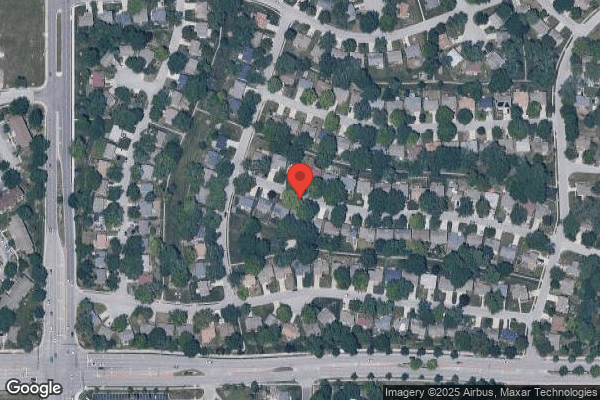
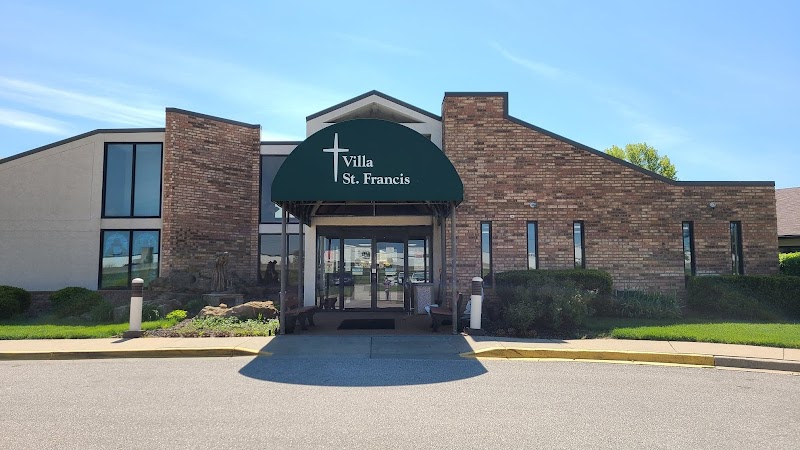
16600 W. 126TH ST, OLATHE, KS 66062 (913) 829-5201
Non profit - Corporation 170 Beds Independent Data: November 2025
Trust Grade
83/100
#45 of 295 in KS
Last Inspection: December 2024

Within standard 12-15 month inspection cycle. Federal law requires annual inspections.

Overview

Villa St. Francis Catholic Care Center in Olathe, Kansas, has a Trust Grade of B+, which means it is recommended and performs above average compared to other facilities. It ranks #45 out of 295 in the state, placing it in the top half of Kansas nursing homes, and #6 out of 35 in Johnson County, indicating only five local options are better. The facility's trend is stable, with 9 issues reported in both 2023 and 2024. Staffing is a strong point, with a perfect 5/5 rating and a turnover rate of 29%, significantly lower than the state average of 48%, suggesting experienced staff who know the residents well. However, there are some concerning findings. The facility has had issues with infection control, such as failing to sanitize medical equipment after use and improperly storing oxygen supplies, which puts residents at risk for infections. Additionally, one resident's pressure-relief mattress was not set correctly, risking skin breakdown, and there were unsecured hazardous materials accessible to cognitively impaired residents, increasing the likelihood of accidents. While the facility has strengths in staffing and overall ratings, families should be aware of these safety concerns.

Trust Score
B+
83/100
In Kansas
#45/295
Top 15%
Safety Record
Low Risk
No red flags
Inspections
Holding Steady
9 → 9 violations
Staff Stability
✓ Good
29% annual turnover. Excellent stability, 19 points below Kansas's 48% average. Staff who stay learn residents' needs.
Penalties
✓ Good
No fines on record. Clean compliance history, better than most Kansas facilities.
Skilled Nurses
✓ Good
Each resident gets 45 minutes of Registered Nurse (RN) attention daily — more than average for Kansas. RNs are trained to catch health problems early.
Violations
⚠ Watch
25 deficiencies on record. Higher than average. Multiple issues found across inspections.
★★★★★
5.0
Overall Rating
★★★★★
5.0
Staff Levels
★★★★★
5.0
Care Quality
★★★☆☆
3.0
Inspection Score
Stable
2023: 9 issues
2024: 9 issues

The Good

  • 5-Star Staffing Rating · Excellent nurse staffing levels
  • 5-Star Quality Measures · Strong clinical quality outcomes
  • Low Staff Turnover (29%) · Staff stability means consistent care
  • Full Sprinkler Coverage · Fire safety systems throughout facility
  • No fines on record
  • Staff turnover is low (29%)

    19 points below Kansas average of 48%

Facility shows strength in staffing levels, quality measures, staff retention, fire safety.

The Bad

No Significant Concerns Identified

This facility shows no red flags. Among Kansas's 100 nursing homes, only 1% achieve this.

The Ugly 25 deficiencies on record

Dec 2024 9 deficiencies
CONCERN (D)

Potential for Harm - no one hurt, but risky conditions existed

Resident Rights (Tag F0550)

Could have caused harm · This affected 1 resident

**NOTE- TERMS IN BRACKETS HAVE BEEN EDITED TO PROTECT CONFIDENTIALITY** The facility identified a census of 136 residents. The sample included 27 residents with three residents reviewed for dignity. B...

Read full inspector narrative →
**NOTE- TERMS IN BRACKETS HAVE BEEN EDITED TO PROTECT CONFIDENTIALITY** The facility identified a census of 136 residents. The sample included 27 residents with three residents reviewed for dignity. Based on observation, record review, and interviews the facility failed to provide services in a dignified manner for Resident (R) 1 when staff stood over R1 while feeding her a pudding cup. This deficient practice placed R1 at risk for impaired dignity and decreased psychosocial well-being. Findings Included: - R1's Electronic Medical Record (EMR) from the Diagnoses tab documented diagnoses of cerebral palsy (a progressive disorder of movement, muscle tone, or posture caused by injury or abnormal development in the immature brain, most often before birth), muscle weakness, dysphagia (swallowing difficulty), anxiety (mental or emotional reaction characterized by apprehension, uncertainty, and irrational fear), hyperlipidemia (condition of elevated blood lipid levels), major depressive disorder (major mood disorder that causes persistent feelings of sadness), aphasia (condition with disordered or absent language function), respiratory failure ( not enough oxygen passes from your lungs to your blood), and insomnia (inability to sleep). The Quarterly Minimum Data Set (MDS) dated [DATE] documented a Brief Interview of Mental Status (BIMS) score of zero which indicated severely impaired cognition. The MDS documented R1 should not have an interview for mental status, as she was rarely understood. The MDS documented R1 was dependent on staff for oral hygiene, toileting, dressing, eating, and showers. R1's Functional Abilities (Self-Care and Mobility) Care Area Assessment (CAA) dated 05/28/24 documented R1 had alterations in her activities of daily living (ADL) function related to a diagnosis of cerebral palsy, and R1 was dependent on staff for ADLs. R1 used nonverbal cues, and staff anticipated R1's needs. R1's Care Plan dated 05/27/21 documented R1 needed assistance with eating. R1 required a pureed diet, with pudding thick fluids. R1's plan of care documented R1 was at nutritional risk due to cerebral palsy and dysphagia. R1's plan of care documented she was at risk for dehydration due to thickened liquids, she had a good appetite since admission and needed total assistance from staff for eating. On 12/30/24 at 01:12 PM R1 sat in her Broda chair (specialized wheelchair with the ability to tilt and recline) in the dining room while Licensed Nurse (LN) H stood over R1 and fed her a pudding cup. On 12/31/24 at 08:09 AM LN G stated staff should always sit and be at eye level with the resident. LN G stated staff should be engaged with the resident in conversation, even if the resident cannot communicate. On 12/31/24 at 08:22 AM Certified Nurse Aide (CNA) M stated staff should always sit next to the resident and never stand over the resident while helping the resident eat or drink. On 12/31/24 at 10:01 AM, Administrative Nurse D stated all staff members should sit next to the resident when they helped any resident with eating. The facility's Dignity policy dated 11/01/22 documented each resident shall be cared for in a manner that promotes and enhances quality of life, dignity, respect, and individuality. Residents shall always be treated with dignity and respect. Treated with dignity means the resident will be assisted in maintaining and enhancing his or her self-esteem and self-worth. Residents shall be groomed as they wish to be groomed hairstyles, nails, facial hair, etc.). Residents shall be encouraged and assisted to dress in their own clothes rather than in hospital gowns. The facility failed to ensure R1's dignity when staff stood while feeding R1 a pudding cup. This deficient practice placed R1 at risk for impaired dignity and decreased psychosocial well-being.
CONCERN (D)

Potential for Harm - no one hurt, but risky conditions existed

Deficiency F0558 (Tag F0558)

Could have caused harm · This affected 1 resident

**NOTE- TERMS IN BRACKETS HAVE BEEN EDITED TO PROTECT CONFIDENTIALITY** The facility identified a census of 136 residents. The sample included 27 residents. Three residents were sampled for reasonable...

Read full inspector narrative →
**NOTE- TERMS IN BRACKETS HAVE BEEN EDITED TO PROTECT CONFIDENTIALITY** The facility identified a census of 136 residents. The sample included 27 residents. Three residents were sampled for reasonable accommodations of resident needs. Based on observation, record review, and interview, the facility failed to ensure Resident (R) 16's call light was within her reach. This deficient practice left R16 vulnerable to unmet care needs due to the inability to call for staff assistance. Findings included: - R16's Electronic Medical Record (EMR) from the Diagnoses tab documented diagnoses of Alzheimer's disease (progressive mental deterioration characterized by confusion and memory failure), major depressive disorder (major mood disorder that causes persistent feelings of sadness), anxiety (mental or emotional reaction characterized by apprehension, uncertainty, and irrational fear), hypertension (high blood pressure), cardiac arrhythmia (a condition where the heart beats abnormally), edema (swelling resulting from an excessive accumulation of fluid in the body tissues), and insomnia (inability to sleep). The Quarterly Minimum Data Set (MDS) dated [DATE] documented a Brief Interview of Mental Status (BIMS) score of zero which indicated severely impaired cognition. The MDS documented a mental status interview should not be conducted as R16 was rarely or never understood. The MDS documented R16 was dependent on staff for toileting, bathing, dressing, and eating. The Cognitive Loss/Dementia (CAA) dated 02/19/24 documented R16 was at risk for cognition decline due to her diagnosis of Alzheimer's disease. The Urinary Incontinence and Indwelling Catheter CAA dated 02/19/24 documented R16 was started on a toileting diary on admission, and a toileting pattern was not noted. R16 required staff assistance for toileting. R16's Care Plan dated 02/14/22 documented R16 was at risk for falls due to confusion and poor safety awareness. She was impulsive and tried to do for herself when she was unable. Staff were to ensure R16's call light was within her reach and anticipate her needs such as toileting and snacks. On 12/23/24 at 07:27 AM, R16 laid on her bed, her call light was dangling off the bed on the floor, and R16's call light was not within her reach. On 12/30/24 at 08:02 AM R16 laid in her bed, R16's call light was clipped to the room dividing curtain, and R16's call light was not within her reach. On 12/31/24 at 08:09 AM Licensed Nurse (LN) G stated call lights should be within the resident's reach. On 12/31/24 at 08:22 AM, Certified Nurse's Aide (CNA) M stated residents' call lights should be pinned to the resident or be within their reach. On 12/31/24 at 10:01 AM Administrative Nurse D stated the resident's call light was to be placed within the resident's reach. The facility's Accommodation of Needs policy dated 11/01/24 documented each elder has a right to reside and receive services at this facility with reasonable accommodation of individual needs and preferences, except when the health or safety of the elder or other elders would be endangered. The facility maintains a safe, functional environment for all elders residing in the facility. Interior spaces meet the needs of each elder and the elder population in its entirety for safety and suitability for the care, treatment, and services provided. It is understood that interior spaces contain necessary equipment and therapeutic activities required to accomplish each eider's goals, but the environment will be arranged and maintained in a way that does not compromise the safety of the environment and will not detract from the environment of home provided by the facility. The facility failed to ensure R16's call light was within her reach. This deficient practice left R16 vulnerable to unmet care needs due to the inability to call for staff assistance.
CONCERN (D)

Potential for Harm - no one hurt, but risky conditions existed

Deficiency F0582 (Tag F0582)

Could have caused harm · This affected 1 resident

The facility identified a census of 136 residents. The sample included 27 residents with three residents reviewed for Beneficiary Notification. Based on record review and interview the facility failed...

Read full inspector narrative →
The facility identified a census of 136 residents. The sample included 27 residents with three residents reviewed for Beneficiary Notification. Based on record review and interview the facility failed to ensure a Centers for Medicare and Medicaid Services (CMS) form 10055 Skilled Nursing Facility Advance Beneficiary Notice of Non-coverage (SNF ABN) form was provided to Resident (R) 117. This placed R117 at risk of uninformed treatment decisions and unexpected costs. Findings included: - A review of R117's Electronic Medical Record (EMR) documented that her Medicare Part A episode began on 10/01/24 and ended on 10/09/24. R117 remained in the facility for custodial care. R117 was provided the CMS form-10123 Notice of Medicare Non-Coverage (NOMNC) on 10/07/24. R117 was not issued the SNF ABN, form CMS-10055 as required. On 12/31/24 at 10:29 AM Social Services X stated she had been issuing the ABNs except for residents on managed care as their insurance directed the care and would send the documents. Social Services X stated to her understanding, the ABN was not made mandatory until after 10/31/24. The Medicare Denial Notices (Advance Benefit Notification- ABN) policy dated 11/01/24 documented: The SNF ABN would be issued to the resident or representative by the facility staff in the following situations- In the situation the facility believed Medicare would not pay for extended care items or services that the physician had ordered, the facility would provide a SNF ABN to the resident or representative prior to furnishing the non-covered extended care items or services to the resident. In the situation in which the facility recommended a reduction to the resident's extended care items or services because other facility anticipated that Medicare would not pay for a subset of extended care items or services, or for any items or services at the current level and or frequency of care that a physician had ordered, the facility would provide a SNF ABN to the resident or representative prior to reducing the items or services to the resident. Or in the situation in which the facility proposed to stop furnishing all extended care items or services to the resident because the facility expected that Medicare would not continue to pay for items or services that the physician had ordered and the resident would like to continue receiving the care, the facility would provide a SNF ABN to the resident/representative prior to terminating extended care items or services. The facility failed to ensure a CMS-10055 SNF ABN form was provided to R117. This placed R117 at risk of uninformed treatment decisions and unexpected costs.
CONCERN (D)

Potential for Harm - no one hurt, but risky conditions existed

ADL Care (Tag F0677)

Could have caused harm · This affected 1 resident

**NOTE- TERMS IN BRACKETS HAVE BEEN EDITED TO PROTECT CONFIDENTIALITY** The facility identified a census of 136 residents. The sample included 27 residents with three residents reviewed for activities...

Read full inspector narrative →
**NOTE- TERMS IN BRACKETS HAVE BEEN EDITED TO PROTECT CONFIDENTIALITY** The facility identified a census of 136 residents. The sample included 27 residents with three residents reviewed for activities of daily living (ADL) care. Based on observation, record review, and interviews, the facility failed to ensure staff assisted Resident (R) 1 with grooming and failed to ensure R1's fingernails were cut short and kept clean. This deficient practice placed R1 at risk for impaired dignity, comfort, and further decline in ADL. Findings Included: - R1's Electronic Medical Record (EMR) from the Diagnoses tab documented diagnoses of cerebral palsy (a progressive disorder of movement, muscle tone, or posture caused by injury or abnormal development in the immature brain, most often before birth), muscle weakness, dysphagia (swallowing difficulty), anxiety (mental or emotional reaction characterized by apprehension, uncertainty, and irrational fear), hyperlipidemia (condition of elevated blood lipid levels), major depressive disorder (major mood disorder that causes persistent feelings of sadness), aphasia (condition with disordered or absent language function), respiratory failure ( not enough oxygen passes from your lungs to your blood), and insomnia (inability to sleep). The Quarterly Minimum Data Set (MDS) dated [DATE] documented a Brief Interview of Mental Status (BIMS) score of zero which indicated severely impaired cognition. The MDS documented R1 should not have an interview for mental status, as she was rarely understood. The MDS documented R1 was dependent on staff for oral hygiene, toileting, dressing, eating, and showers. R1's Functional Abilities (Self-Care and Mobility) Care Area Assessment (CAA) dated 05/28/24 documented R1 had alterations in her ADL function related to a diagnosis of cerebral palsy R1 was dependent on staff for ADLs. R1 used nonverbal cues and staff anticipated R1's needs. R1's Care Plan dated 05/27/21 documented R1 preferred to take a shower, on Tuesdays and Fridays during the day. R1's plan of care documented R1 required assistance with eating. R1 required a Hoyer (total body mechanical lift) lift assist of two staff with transfers. Staff were to keep R1's nails short, and to ensure her safety with hand movements. On 12/23/24 at 08:22 AM R1 sat in her Broda chair (specialized wheelchair with the ability to tilt and recline) in the dining room, and staff assisted her with eating. R1's fingernails were not trimmed short and R1 had a dark substance under her nails. R1's hair appeared greasy and was uncombed. On 12/30/24 at 8:12 AM, R1 sat in the dining room while staff assisted her with eating breakfast. R1's fingernails were not trimmed and there was a dark substance under her fingernails. R1's hair was greasy and uncombed. On 12/31/24 at 08:09 AM Licensed Nurse (LN) G stated R1 got a bed bath twice a week. She stated staff should have looked at R1's fingernails to ensure they were clean and cut short. She stated R1's fingernails were kept short to ensure she was not scratching herself. LN G stated the resident's hair should have been washed when she needed it. On 12/31/24 at 08:22 AM Certified Nurse Aide (CNA) M stated she would talk to the nurse before cutting anyone's fingernails. She stated the charge nurse let her know if anyone needed their nails trimmed and she would trim them. CNA M stated she would give baths or showers if they were to be done on her shift. On 12/31/24 at 10:10 AM, Administrative Nurse D stated all nursing staff have access to the care plan and would know which residents required their fingernails to be trimmed short. All nursing staff should have monitored residents to ensure each resident's fingernails were kept clean. Administrative Nurse D stated CNAs fill out a shower sheet for each resident on his or her shower day. He stated this was also documented in the resident's EMR. The facility's ADLs policy dated 11/01/24 documented the facility provides each resident with care, treatment, and services according to the resident's individualized care plan. Based on the individual resident's comprehensive assessment, facility staff will ensure that each resident's abilities in activities of daily living do not diminish unless circumstances of the resident's clinical condition demonstrate that the decline was unavoidable, including: bathing, dressing, grooming, transferring, locomotion, ambulation, toileting, eating, and communication including using speech, language, or other functional communication systems specific to the needs of the individual resident. The facility failed to ensure staff assisted R1 with grooming and failed to ensure her fingernails were cut short and clean. This deficient practice placed R1 at risk for impaired dignity and further decline in ADLs.
CONCERN (D)

Potential for Harm - no one hurt, but risky conditions existed

Deficiency F0688 (Tag F0688)

Could have caused harm · This affected 1 resident

**NOTE- TERMS IN BRACKETS HAVE BEEN EDITED TO PROTECT CONFIDENTIALITY** The facility identified a census of 136 residents. The sample included 27 residents with five residents reviewed for positioning...

Read full inspector narrative →
**NOTE- TERMS IN BRACKETS HAVE BEEN EDITED TO PROTECT CONFIDENTIALITY** The facility identified a census of 136 residents. The sample included 27 residents with five residents reviewed for positioning and mobility. Based on observation, record review, and interviews, the facility failed to ensure Resident (R) 1's washcloth was applied to her hands. This deficient practice placed the resident at risk for discomfort and decreased range of motion (ROM - the full movement potential of a joint, usually its range of flexion and extension). Findings Included: - R1's Electronic Medical Record (EMR) from the Diagnoses tab documented diagnoses of cerebral palsy (a progressive disorder of movement, muscle tone, or posture caused by injury or abnormal development in the immature brain, most often before birth), muscle weakness, dysphagia (swallowing difficulty), anxiety (mental or emotional reaction characterized by apprehension, uncertainty, and irrational fear), hyperlipidemia (condition of elevated blood lipid levels), major depressive disorder (major mood disorder that causes persistent feelings of sadness), aphasia (condition with disordered or absent language function), respiratory failure ( not enough oxygen passes from your lungs to your blood), and insomnia (inability to sleep). The Quarterly Minimum Data Set (MDS) dated [DATE] documented a Brief Interview of Mental Status (BIMS) score of zero which indicated severely impaired cognition. The MDS documented R1 should not have an interview for mental status, as she was rarely understood. The MDS documented R1 was dependent on staff for oral hygiene, toileting, dressing, eating, and showers. R1's Functional Abilities (Self-Care and Mobility) Care Area Assessment (CAA) dated 05/28/24 for R1 had alterations in her activities of daily living (ADL) function related to a diagnosis of cerebral palsy. R1 was dependent on staff for ADLs. R1 used nonverbal cues and staff anticipated R1's needs. R1's Care Plan revised 09/02/24 documented R1 would have passive ROM to maintain her current level of ADL level without avoidable decline. R1's plan of care documented passive range of motion to the right wrist. R1's right wrist presented with contracture (abnormal permanent fixation of a joint or muscle). Staff were to apply a clean washcloth to R1's right hand to prevent contracture daily, the washcloth was acceptable to use in place of a splint. On 12/23/24 at 08:22 AM R1 sat in her Broda chair (specialized wheelchair with the ability to tilt and recline) in the dining room, and staff assisted her with eating. R1 did not have a washcloth in her right hand. R1's right hand was closed tight. On 12/30/24 at 8:12 AM, R1 sat in the dining room staff assisted her with eating breakfast. R1 did not have a washcloth in her right hand. R1's hands were closed tight. On 12/31/24 at 08:09 AM Licensed Nurse (LN) G stated if a resident's care plan states there should be a washcloth in their hand for contracture, all nursing staff would be responsible for ensuring the washcloth was placed daily. LN G stated all nursing staff have access to a summary of care for each resident. She said she was unsure if the Certified Nurse Aide (CNA) had full access to the care plan. On 12/31/24 at 08:22 AM, CNA M stated she goes by what the charge nurse tells her to do, and the summary of the resident's care paper that was handed to her each morning. CNA M stated she did not know if she could see the full resident's care plan. On 12/31/24 at 10:01 AM, Administrative Nurse D said all nursing staff and CNAs can pull the full care plan up on their phones at any time. He stated each CNA was given a care summary every morning, but they do have access to the care plan. He stated the charge nurse was responsible for ensuring each resident received care as ordered. The facility's Range of Motion policy documented Based on the comprehensive assessment of an elder, facility staff will ensure that each elder who enters the facility without a limited range of motion does not experience a reduction in range of motion unless the elder's clinical condition demonstrates that a reduction in range of motion is unavoidable and an elder with a limited range of motion receives appropriate treatment and services to increase range of motion and, or to prevent further decrease in range of motion. Authorized personnel will use specific protocols when performing a range of motion exercises on elders. Elders of this facility will be provided care to prevent the formation and progression of contractures and deformities. Active and passive ROM exercises are therapeutic activities that are implemented by nursing order. The facility failed to ensure R1's washcloth was applied to her hands to treat her contracture. This deficient practice placed R1 at risk for discomfort and decreased ROM.
CONCERN (D)

Potential for Harm - no one hurt, but risky conditions existed

Deficiency F0849 (Tag F0849)

Could have caused harm · This affected 1 resident

**NOTE- TERMS IN BRACKETS HAVE BEEN EDITED TO PROTECT CONFIDENTIALITY** The facility identified a census of 136 residents. The sample included 27 residents, with three residents reviewed for hospice s...

Read full inspector narrative →
**NOTE- TERMS IN BRACKETS HAVE BEEN EDITED TO PROTECT CONFIDENTIALITY** The facility identified a census of 136 residents. The sample included 27 residents, with three residents reviewed for hospice services. Based on observation, record review, and interviews, the facility failed to ensure collaboration between the nursing home and hospice services to identify hospice-supplied services, supplies, medication, and equipment for Resident (R) 66. This deficient practice placed the resident at risk for delayed services and uncommunicated care needs. Findings included: - The Medical Diagnosis section within R66's Electronic Medical Records (EMR) noted diagnoses of dementia (a progressive mental disorder characterized by failing memory and confusion), cognitive-communication deficit (an impairment in organization, sequencing, attention, memory, planning, problem-solving, and safety awareness), muscle weakness, dysphagia (difficulty swallowing), and type two diabetes mellitus (DM-when the body cannot use glucose, not enough insulin is made, or the body cannot respond to the insulin). R66's Significant Change Minimum Data Set (MDS) dated [DATE] documented a Brief Interview of Mental Status (BIMS) score of three indicating severe cognitive impairment. The MDS noted bilateral lower extremity impairment. The MDS indicated R66 used a wheelchair for mobility. The MDS indicated R66 required substantial to maximal assistance with bed mobility, transfers, bathing, personal hygiene, dressing, and toileting. The MDS indicated R66 was placed on hospice services. R66's Pressure Injuries Care Area Assessment (CAA) completed 12/10/24 indicated R66 was at increased risk for pressure ulcers related to his history of incontinence, weakness, and immobility. The CAA noted R66 started hospice services on 11/18/24 due to his cognitive decline, and a care plan would be implemented to minimize the risks. R66's Care Plan initiated on 01/07/22 indicated he was at risk for skin breakdown, falls, incontinence, and a decline of his Activities of Daily Living (ADLs) related to his medical diagnoses and cognitive decline. The plan noted R66 required assistance from staff for all transfers and his ADLs. The plan noted R66 began hospice services on 11/19/24 and instructed staff to encourage him to express his feelings and allow family support. The plan instructed staff to provide non-judgmental acceptance and compassion. The policy indicated equipment and medication will be provided by hospice per the admission agreement. The plan lacked documentation related to the staff and services provided by his assigned hospice. R66's EMR under Miscellaneous revealed his Hospice Admission form was completed on 11/18/24. The form indicated he was admitted to hospice for senile degeneration (age-related cognitive decline). The form indicated he was assigned a hospice nurse, social worker, and health aide but failed to indicate the date, time, and frequency of the hospice visits. The documentation indicated hospice would provide his low air-loss mattress, Broda chair (specialized wheelchair with the ability to tilt and recline), and incontinence products. The agreement failed to identify which medications the hospice provided. On 12/24/24 at 10:44 AM R66 sat in a Broda chair in his room. R66 stated he was put on hospice services and had no concerns with the care provided to him. On 12/31/24 at 08:12 AM Certified Nurse's Aide (CNA) M stated the care plan should include the services provided by hospice, medications, visit frequency, and equipment. On 12/31/24 at 08:25 AM Licensed Nurse (LN) G stated the facility's care plans should indicate the hospice selected, but she was not sure if the care plan identified staffing, equipment, and medications. She stated the hospice admission paperwork should show that information. On 12/31/24 at 10:05 AM Administrative Nurse D stated the facility holds frequent care plan meetings with hospice services to ensure each resident's hospice choices are reflected in the care plan. He stated the plan should notify staff of the hospice service information, equipment, medications, and staff services. He stated staff may also refer to the hospice admission agreement. He stated the agreement should show what service hospice provided and how often they were provided. The facility's Hospice Program policy 01/2023 indicated the facility will create a management program with contracted hospice services to provide quality care for terminally ill residents. The policy indicated the facility will ensure coordinated care planning with each resident, family, and hospice service. The facility failed to ensure collaboration between the nursing home and hospice services to identify hospice-provided services and medication for R66. This deficient practice placed both residents at risk for delayed services and uncommunicated care needs.
CONCERN (E)

Potential for Harm - no one hurt, but risky conditions existed

Pressure Ulcer Prevention (Tag F0686)

Could have caused harm · This affected multiple residents

**NOTE- TERMS IN BRACKETS HAVE BEEN EDITED TO PROTECT CONFIDENTIALITY** The facility identified a census of 136 residents. The sample included 27 residents with four reviewed for pressure ulcers (loca...

Read full inspector narrative →
**NOTE- TERMS IN BRACKETS HAVE BEEN EDITED TO PROTECT CONFIDENTIALITY** The facility identified a census of 136 residents. The sample included 27 residents with four reviewed for pressure ulcers (localized injury to the skin or underlying tissue usually over a bony prominence, because of pressure, or pressure in combination with shear or friction). Based on interviews, observations, and record reviews, the facility failed to ensure Resident (R) 66's low air-loss mattress was set to the appropriate weight settings for pressure reduction. This deficient practice placed R66 at risk for complications related to skin breakdown and pressure ulcers. Findings included: - The Medical Diagnosis section within R66's Electronic Medical Records (EMR) noted diagnoses of dementia (a progressive mental disorder characterized by failing memory and confusion), cognitive-communication deficit (an impairment in organization, sequencing, attention, memory, planning, problem-solving, and safety awareness), muscle weakness, dysphagia (difficulty swallowing), and type two diabetes mellitus (DM-when the body cannot use glucose, not enough insulin is made, or the body cannot respond to the insulin). R66's Significant Change Minimum Data Set (MDS) dated [DATE] documented a Brief Interview of Mental Status (BIMS) score of three indicating severe cognitive impairment. The MDS noted bilateral lower extremity impairment. The MDS indicated R66 used a wheelchair for mobility. The MDS indicated R66 required substantial to maximal assistance with bed mobility, transfers, bathing, personal hygiene, dressing, and toileting. The MDS noted R66 was at risk for developing pressure injuries. The MDS indicated R66 weighed 202 pounds (lbs.). The MDS indicated R66 was placed on hospice services. R66's Pressure Injuries Care Area Assessment (CAA) completed 12/10/24 indicated he was at increased risk for pressure ulcers related to his history of incontinence weakness, and immobility. The CAA noted he started hospice services on 11/18/24 due to his cognitive decline and a care plan would be implemented to minimize the risks. R66's Care Plan initiated on 01/07/22 indicated he was at risk for alterations in skin integrity related to his medical diagnoses. The plan noted R66 required extensive assistance from staff for his Activities of Daily Living (ADLs). The plan instructed staff to complete skin inspections during his ADLs. The plan instructed staff to keep R66's linen clean, dry, and wrinkle-free. The plan instructed staff to educate him not to sit for prolonged periods in his wheelchair. The plan instructed staff to offload R66's heels while in bed. R66's EMR under Physician's Orders instructed staff to ensure R66's air mattress was set to his current weight each shift. The order instructed staff to ensure the power unit was on and working. The order instructed staff to ensure the mattress was not set to static. R66's EMR under Vitals noted he weighed 195.9 lbs. on 12/24/24. A review of the low air-loss mattress manufacturer's operation guide (Drive Model 14530) indicated the pump and mattress were intended to reduce the incidence of pressure ulcers while optimizing comfort. The guide indicated that firmness can be adjusted based on the recommendations of the health care professional and the patient's weight. On 12/23/24 at 07:05 AM R66 rested in his bed. R66's low air-loss mattress control panel was set to 350 lbs. (maximum weight setting). The Drive low air-loss mattress system range was between 50-350 lbs. adjustable weight increments. The panel indicated the mattress was set to the static setting. On 12/23/24 at 12:45 PM, R66 sat in his Broda chair (specialized wheelchair with the ability to tilt and recline) in his room. R66's low air-loss mattress panel was still set to 350 lbs. R66 stated he was not sure about the weight settings or if staff asked him if he wanted it adjusted. On 12/24/24 at 09:54 AM an inspection of R66's low air-loss mattress revealed it was set between 125 lbs. and 150 lbs. On 12/31/24 at 10:02 AM Certified Nurse's Aide (CNA) O stated the low air-loss mattresses should be set to the closest weight setting and staff should check on them each shift. On 12/31/24 at 08:30 AM Licensed Nurse (LN) G stated the air mattresses should be set per the resident's current weight. She stated the mattresses should not be too firm or too soft to be effective at preventing skin injuries. On 12/31/24 at 10:05 AM Administrative Nurse D stated staff were expected to set the pumps per the resident's current weight. The facility's Pressure Ulcer Prevention policy revised 11/2024 indicated the facility will implement preventative interventions to minimize the risk associated with skin breakdown and pressure injuries. The policy noted the facility will utilize pressure redistribution surfaces deemed appropriate based on the resident's risk factors and care needs. The facility's Low Air Loss Mattress policy dated 11/2024 indicated the facility would ensure pressure settings were adjusted to match the resident's current weight as closely as possible. The policy indicated proper use of the air mattresses was essential to prevent pressure injuries and promote resident comfort. The facility failed to ensure R66's low air-loss mattress system was set to his appropriate weight. This deficient practice placed R66 at risk for complications related to skin breakdown and pressure ulcers.
CONCERN (E)

Potential for Harm - no one hurt, but risky conditions existed

Accident Prevention (Tag F0689)

Could have caused harm · This affected multiple residents

The facility had a census of 136 residents. The sample included 27 residents, with five residents reviewed for accidents and, or hazards. Based on observation, record review, and interview, the facili...

Read full inspector narrative →
The facility had a census of 136 residents. The sample included 27 residents, with five residents reviewed for accidents and, or hazards. Based on observation, record review, and interview, the facility failed to secure areas containing hazardous materials to keep them out of reach of 28 cognitively impaired, independently mobile residents. This deficient practice placed the affected residents at risk for preventable injuries and accidents. Findings Included: - On 12/23/24 at 07:10 AM, a walkthrough of the facility was completed with the following observation: An inspection of the 100-unit (secured unit for severely cognitively impaired residents) revealed unlocked closets in the sitting area of the left-side dining room. Both closets contained purple disinfectant wipe containers and tile cleaner spray bottles. All products contained the warning, Keep out of reach of children, hazardous to humans, can cause eye irritation, and harmful if swallowed. An inspection of the facility's HM -hallway revealed a spray bottle of window cleaner in the kitchenette sink. The spray bottle contained the warning, Keep out of reach of children, hazardous to humans, can cause eye irritation, and harmful if swallowed. An inspection of the facility's 600 and 700 hall's lift storage rooms revealed purple disinfectant wipes stored in the rooms. The room's doors were propped open. The wipe's containers contained the warning, Keep out of reach of children, hazardous to humans, can cause eye irritation, and harmful if swallowed. An inspection of the 600-hallway revealed an unlocked electrical panel room. An inspection of the room revealed boxed supplies of personal protective equipment (PPE) and eight large unlocked electrical panels. The panels contained the warning, high voltage - danger of electric shock. At 07:45 AM, Certified Nurse's Aide (CNA) P secured the door and stated all the rooms with potential hazards should remain locked. On 12/31/24 at 08:24 AM, CNA M stated chemicals and electrical rooms should be locked. CNA M stated cleaning materials should never be left out for residents to access. On 12/31/24 at 08:30 AM, Licensed Nurse (LN) G stated the residents should not have access to areas with potential hazards. On 12/31/24 at 10:05 AM, Administrative Nurse D stated staff should never leave potentially hazardous materials within reach or access to the residents. Staff were expected to lock all products and areas with potential hazards. The facility's Accidents policy revised 11/2024 documented the facility will ensure a safe environment for all residents. The policy indicated staff will assess each resident's potential risks, including functional abilities, potential falls, assistive devices, and environment, to ensure resident safety. The facility failed to secure rooms containing hazardous materials out of reach of 28 cognitively impaired, independently mobile residents. This deficient practice placed the affected residents at risk for preventable injuries and accidents.
CONCERN (F)

Potential for Harm - no one hurt, but risky conditions existed

Infection Control (Tag F0880)

Could have caused harm · This affected most or all residents

The facility identified a census of 136 residents. The facility identified 19 residents on Enhanced Barrier Precautions (EBP-infection control interventions designed to reduce transmission of resistan...

Read full inspector narrative →
The facility identified a census of 136 residents. The facility identified 19 residents on Enhanced Barrier Precautions (EBP-infection control interventions designed to reduce transmission of resistant organisms that employ targeted gown and glove use during high contact care). Based on record review, observations, and interviews, the facility failed to ensure the blood pressure cuff, pulse monitor, and oxygen saturation equipment were sanitized after each resident's use and further failed to ensure all oxygen cannulas and nebulizer masks were stored in a sanitary manner. These deficient practices placed the residents at risk for infectious diseases. Findings included: - On 12/23/24 at 07:07 AM on the initial walk-through of the facility, Resident (R) 1's nebulizer mask laid directly on her dresser on a box next to her bed, and a rolled-up nasal cannula laid directly on the bedside table. On 12/24/24 at 07:18 AM, a tour through the laundry room revealed wet linens were left in the washer overnight. On 12/30/24 at 07:21 AM R1's nasal cannula laid over her oxygen canister next to her bed, unbagged. On 12/30/24 at 07:40 AM Certified Medication Aide (CMA) R obtained an unidentified residents' vital signs. CMA R did not sanitize the blood pressure cuff, pulse monitor, and oxygen saturation equipment before or after the resident's vital signs were obtained. On 12/30/24 at 02:32 PM, R39 was asleep in his electric wheelchair. R39's nasal tubing was thrown over the nightstand in his room and was not in a bag. On 12/31/24 at 08:09 AM, Licensed Nurse (LN) G stated nasal cannulas were stored in a bag when not in use and were changed weekly. LN G stated nebulizer masks were rinsed and laid on a paper towel, and then the mask was put into a bag. LN G stated blood pressure cuffs should be sanitized with wipes before the cuff after each resident's use. On 12/31/24 at 08:41 AM, Housekeeping Supervisor U stated the evening shift would wash a load of linens each evening before they would leave, and this practice helped the laundry department. She stated damp laundry could not be left in the dryer, but it could be left overnight in the washer. On 12/31/24 at 10:01 AM, Administrative Nurse D stated the blood pressure cuff and shared resident equipment should be sanitized after staff used it on a resident. He stated nasal cannulas, if not in use, are placed in a bag. Administrative Nurse D stated nebulizer bulbs and masks were to be rinsed and laid to dry before being bagged. The facility's Infection Control policy dated 11/01/24 documented that the facility will facilitate safe care of all residents and staff with known or suspected communicable diseases by establishing and maintaining an infection prevention and control program designated to provide a safe, sanitary, and comfortable environment and to help prevent the development and transition of communicable diseases and infections. The policy applies to all staff members from all departments of this facility, including direct and indirect care staff, contracted staff, consultants, volunteers, and others who provide care and services to residents on behalf of the facility. The facility failed to ensure shared equipment was sanitized after each resident's use and further failed to ensure respiratory equipment was stored in a sanitary manner. These deficient practices placed the residents at risk for infection.
Jul 2023 1 deficiency
CONCERN (D) 📢 Someone Reported This

A family member, employee, or ombudsman was alarmed enough to file a formal complaint

Potential for Harm - no one hurt, but risky conditions existed

ADL Care (Tag F0677)

Could have caused harm · This affected 1 resident

**NOTE- TERMS IN BRACKETS HAVE BEEN EDITED TO PROTECT CONFIDENTIALITY** The facility identified a census of 118 residents. The sample included one resident reviewed for pressure-related injuries. Base...

Read full inspector narrative →
**NOTE- TERMS IN BRACKETS HAVE BEEN EDITED TO PROTECT CONFIDENTIALITY** The facility identified a census of 118 residents. The sample included one resident reviewed for pressure-related injuries. Based on record review and interviews, the facility failed to ensure staff provided the appropriate level of assistance, as directed by Resident (R) 1's care plan, for bed mobility. This deficient practice placed R1 at risk for unwarranted physical complications. Findings included: - R1 admitted to the facility for respite care (short term health services to the dependent adult) on 07/12/23 and discharged home on [DATE]. The Diagnoses tab of R1's Electronic Medical Record (EMR) documented a diagnosis of dementia (progressive mental disorder characterized by failing memory, confusion) with agitation. The Activities of Daily Living (ADL) Care Plan, dated 07/12/23, directed R1 needed assistance of two staff for bed mobility. The Notes tab of R1's EMR revealed a Hospice/Palliative/Terminal Prognosis Note on 07/17/23 at 01:36 PM that documented a new skin issue was reported to hospice case manager by the nurse. In a Witness Statement on 07/19/23, Certified Nurse Aide (CNA) M stated he took care of R1 overnight on 07/16/23 and he was told she required one person for cares but that was not the case. He stated he was not given a care plan on 07/15/23 and 07/16/23. CNA M stated he changed R1 regularly and repositioned her as well. On 07/27/23 at 01:29 PM, CNA N stated R1 required two people for bed mobility and when a resident was moved up in bed, they were lifted up instead of slid up in bed. She stated CNAs were required to carry a [NAME] (CNA care plan) on them at all times. On 07/27/23 at 01:39 PM, Licensed Nurse (LN) G stated CNAs carried a [NAME] on them at all times and the charge nurse was in charge of giving the CNAs the [NAME] at the beginning of the shift. She stated R1 was a two person assist with bed mobility. On 07/27/23 at 02:10 PM, Administrative Nurse D stated R1 was a two person assist for bed mobility including changing and repositioning. He stated when CNAs showed up for work, they received report and any updates were added to the [NAME] then the nurse printed the [NAME] off for the CNAs. Administrative Nurse D stated CNAs were expected to follow the [NAME] and have it with them at all times. On 07/28/23 at 11:57 AM, CNA M stated he was never informed that R1 was a two person assist with bed mobility. He stated he should have read the care plan and followed the care plan. CNA M stated the nurse usually printed the [NAME] off and gave it to him. He stated he did not receive a [NAME] on 07/15/23 and 07/16/23. He said he could have asked for it, but he did not think about it. He stated the nurse was with him one or two times for R1's repositioning but he repositioned her by himself about five times. The facility's Care Plan and [NAME] Policy, not dated, directed the [NAME] was printed by the charge nurse at the beginning of the shift and given to the CNAs. If a CNA was not given a [NAME], they looked up the [NAME] for each individual resident. The facility's Bed Mobility Policy, not dated, directed staff always followed the resident's interim/comprehensive care plan schedule and positioning instructions. The facility failed to ensure staff provided the adequate level of assistance required by R1 for bed mobility. This deficient practice placed R1 at risk for unwarranted physical complications.
May 2023 8 deficiencies
CONCERN (D)

Potential for Harm - no one hurt, but risky conditions existed

Resident Rights (Tag F0550)

Could have caused harm · This affected 1 resident

The facility had a census of 118 residents. The sample included 25 residents. Based on observation, record review, and interview, the facility failed to promote care in a manner to maintain and enhanc...

Read full inspector narrative →
The facility had a census of 118 residents. The sample included 25 residents. Based on observation, record review, and interview, the facility failed to promote care in a manner to maintain and enhance dignity and respect for one resident, Resident (R) 69, when another resident urinated on her while in the dining room. This placed R69 at risk for impaired dignity and psychosocial wellbeing. Findings included: - The Electronic Medical Record (EMR) for R69 documented diagnoses of Alzheimer's disease (progressive mental deterioration characterized by confusion and memory failure), depression (abnormal emotional state characterized by exaggerated feelings of sadness, worthlessness and emptiness), and anxiety (mental or emotional reaction characterized by apprehension, uncertainty and irrational fear). The Quarterly Minimum Data Set (MDS), documented R69 had severely impaired cognition and required extensive assistance of two staff for bed mobility, transfers, dressing, toileting, and extensive assistance of one staff for eating and personal hygiene. R69's Care PLan dated 05/03/23 documented R69 was at risk for altered mood related to depression and directed staff to monitor for agitation, and behaviors. The care plan directed staff to honor her interpersonal space, maintain a distance, do not crowd or touch her. The plan directed staff to always prepare R69 if staff were going to touch her, and report to the physician any changes in mental health status. The Nurse's Note, dated 02/26/23 at 07:10 AM, documented R69's colleague urinated on her at the common area in the dining room. The resident was cleaned up and taken away. The EMR lacked any follow-up related to the incident. On 05/22/23 at 03:35 PM, observation revealed R69 sat in her Broda chair (positioning chair), at the dining room table. On 05/18/23 at 01:00 PM, Certified Nurse Aide (CNA) O stated R69 had been urinated on when R69 was in bed but CNA O did not know about the incident in the dining room; CNA O stated it had happened more than once. On 05/18/23 at 01:30 PM, Administrative Nurse E stated she had not been made aware of the incident in the dining room butsaid she would investigate and talk with staff. At 03:00 PM, Administrative Nurse E stated the incident would be thoroughly investigated, reported, and the resident that urinated on R69 would be placed with staff 1:1. Administrative Nurse E further stated the physician and family were made aware and R69's family had not seen any changes in R69's mood or psychosocial well being. Administrative Nurse E said staff would be educated on reporting after any incidents. On 05/22/23 at 10:09 AM, Licensed Nurse (LN) K stated there had not been a change in R69's behaviors since the incident and there had not been any further incidents between the two residents. LN K further stated, if residents were in the dining room, a staff member was always present. On 05/22/23 at 03:16 PM, Social Services X stated she had contacted the physician and family regarding the incident and R69's family visited quite often and had not seen any changes in the resident's behavior or demeanor. On 05/23/23 at 10:11 AM, Administrative Nurse D stated he had reported the incident and staff were educated on reporting. Administrative Nurse D further stated the facility was taking precautions so this would not happen again. The Quality of Life-Accommodation of Needs policy, dated 03/28/23, documented the facility's environment and staff behaviors are directed toward assisting the resident in maintaining and/or achieving independent functioning, dignity, and well-being. The facility failed to promote care in a manner to maintain and enhance dignity and respect for R69 when another resident urinated on her while in the dining room. This placed R69 at risk for impaired dignity and psychosocial wellbeing.
CONCERN (D)

Potential for Harm - no one hurt, but risky conditions existed

Deficiency F0558 (Tag F0558)

Could have caused harm · This affected 1 resident

**NOTE- TERMS IN BRACKETS HAVE BEEN EDITED TO PROTECT CONFIDENTIALITY** The facility had a census of 118 residents. The sample included 25 residents. Based on observation, record review, and interview...

Read full inspector narrative →
**NOTE- TERMS IN BRACKETS HAVE BEEN EDITED TO PROTECT CONFIDENTIALITY** The facility had a census of 118 residents. The sample included 25 residents. Based on observation, record review, and interview, the facility failed to provide a comfortable table height while dining for Resident (R) 65. This placed the resident at risk for discomfort and weight loss. Findings included: - The Electronic Medical Record (EMR) for R65 documented diagnoses of dementia without behavioral disturbance (progressive mental disorder characterized by failing memory, confusion), anxiety (mental or emotional reaction characterized by apprehension, uncertainty, and irrational fear), muscle weakness, pain, and need for assistance with personal cares. The Quarterly Minimum Data Set (MDS), dated [DATE], documented R65 had severely impaired cognition and required extensive assistance of two staff for transfers, extensive assistance of one staff for bed mobility, ambulation, dressing, and personal hygiene. The assessment documented R65 required supervision and set-up assistance for eating. The Care Plan, dated 04/21/23, documented R65 was at risk for self-care deficit and emotional well-being and directed staff to monitor for poor appetite, and used a pedal Broda chair (positioning chair) for mobility. On 05/17/23 at 12:14 PM, observation revealed R65 in her Broda chair at the dining room table. Further observation revealed the edge of the table was at chin level of the resident. Continued observation revealed R65 took the top of the croissant (roll) with her fork and tried to eat it. On 05/18/23 at 12:12 PM, observation revealed R65 at the dining table. The table was at her shoulder level and she had to take the bowl of fruit off the table and hold it so she could eat it. On 05/22/23 at 12:01 PM, observation revealed R65 in her Broda chair at the dining table waiting for the noon meal. Further observation revealed the edge of the table was at the residents shoulder. On 05/22/23 at 12:13 PM, Licensed Nurse (LN) J stated that if staff sat R65 at a bedside table instead of a dining table,, it would isolate her. LN J was not sure if the dining tables could be lowered. On 05/23/23 at 10:44 AM, Administrative Nurse D stated the facility would look at the tables to see if they could be adjusted for R65 so she would be able to eat better and be more comfortable. The facility's Quality of Life-Accommodation of Needs policy, dated 03/28/23, documented the resident's individual needs and preferences shall be accommodated to the extent possible, except when the health and safety of the individual or other residents would be endangered. The facility failed to ensure the dining room tables were are a comfortable height for R65. This placed the resident at risk for discomfort and weight loss.
CONCERN (D)

Potential for Harm - no one hurt, but risky conditions existed

Report Alleged Abuse (Tag F0609)

Could have caused harm · This affected 1 resident

**NOTE- TERMS IN BRACKETS HAVE BEEN EDITED TO PROTECT CONFIDENTIALITY** The facility had a census of 118 residents. The sample included 25 residents. Based on observation, record review, and interview...

Read full inspector narrative →
**NOTE- TERMS IN BRACKETS HAVE BEEN EDITED TO PROTECT CONFIDENTIALITY** The facility had a census of 118 residents. The sample included 25 residents. Based on observation, record review, and interview, the facility staff failed to report to administration a resident to resident incident for one sampled resident, Resident (R) 106, who urinated on another resident. This placed the residents at risk for unidentified abuse and/or ongoing mistreatment. Findings included: - The Electronic Medical Record (EMR) for R106 documented diagnoses of dementia without behavioral disturbance (progressive mental disorder characterized by failing memory, confusion), anxiety (mental or emotional reaction characterized by apprehension, uncertainty, and irrational fear), and depression (abnormal emotional state characterized by exaggerated feelings of sadness, worthlessness, and emptiness). The admission Minimum Data Set (MDS), dated [DATE], documented R106 had severely impaired cognition and required extensive assistance of one staff for bed mobility, toileting, dressing, personal hygiene, and required supervision and one staff for ambulation. The assessment further documented R106 had inattention, disorganized thinking and wandered daily. R106's Quarterly MDS, dated 02/27/23, documented R106 had severely impaired cognition and required extensive assistance of two staff for bed mobility, transfers, dressing, toileting, and limited assistance of one staff for ambulation. The assessment further documented R106 had inattention, disorganized thinking, rejection of care one to three days, and other behavioral symptoms one to three days. R106 wandered daily, and his wandering significantly intruded on the privacy or activities of others. R106 received an antidepressant (medication used to treat depression) medication daily. The admission Assessment, dated 12/22/21, documented R106 had a history of wandering and was anxious and restless. The Mood and Behavior Care Plan, dated 03/03/23, initiated on 12/22/21, documented R106 wandered around the special care unit and would go into other resident rooms at times. R106 would mimic the staff and follow them around. The update, dated 01/07/22, directed staff to give R106 time and space to ambulate and self sooth. R106 liked music and to sing. The update, dated 11/14/22, directed staff to give R106 items to fidget with, redirect as possible when wandered, and refer to the physician for review as needed. The update, dated 05/15/23, documented, when R106 declined cares, staff were to ensure he was safe and reapproach later or try other staff to approach. The Bowel and Bladder Care Plan, dated 03/03/23, initiated on 12/22/21, documented R106 often pulled at his brief as a warning he needed to void or that he felt wet from already voiding. When he was wandering and staff were unable to redirect to the bathroom, staff were to give R106 time and space, redirect back as able, and when R106 paced, it was a warning for the need to be toileted. The care plan directed staff to offer assistance with toileting/check and change upon rising, before and after meals, bedtime, at 01:00 AM, 03:00 AM, at 05:00 AM rounds and as needed. The Nurse's Note, dated 02/26/23 at 07:00 AM, documented R106 urinated on a fellow resident in the dining room area. The note further documented R106 was seen walking around the dining room prior to him urinating on the resident. The note documented staff took the resident to the bathroom and talked to him about boundaries. On 05/18/23 at 08:30 AM, observation revealed R106 independently wandered in the dining room, singing. R106 approached the surveyor, and tapped the outside of the computer. On 05/18/23 at 01:00 PM, Certified Nurse Aide (CNA) O stated R106 had urinated on another resident when the other was in bed but CNA O did not know about the incident in the dining room on 02/26/23. CNA O stated it had happened more than once. On 05/18/23 at 01:30 PM, Administrative Nurse E stated she had not been made aware of the incident in the dining room on 02/26/23 but said she would investigate and talk with staff. At 03:00 PM, Administrative Nurse E stated the incident would be thoroughly investigated, reported, and R106 would be placed 1:1 with staff. Administrative Nurse E further stated the physician and family were made aware and staff would be educated on reporting after any incidents. On 05/22/23 at 10:09 AM, Licensed Nurse (LN) K stated, since R106 urinated on the other resident there had not been any further incidents between the two residents. LN K stated R106 had urinated on his roommates bed and on the floor of another resident's room. LN K further stated staff tried to redirect R106 but he could get agitated; staff kept trying. On 05/22/23 at 03:16 PM, Social Service X stated she had contacted the families involved and the physicians. Social Services X further stated she had also contacted the psychologist and he did visit with R106 and gave recommendations. On 05/23/23 at 09:51 AM, LN L stated staff were educated on reporting events and the staff in the Special Care Unit were provided with extra education on behaviors and dementia by outside sources and through computer training. On 05/23/23 at 10:11 AM, Administrative Nurse D stated he had reported the incident and staff were educated on reporting. Administrative Nurse D further stated, the facility was taking precautions so this would not happen again. On 05/23/23 at 11:11 AM, Administrative Staff A stated they have reeducated staff on reporting incidents and are utilizing a report from the computer that would be generated daily to see if there were any incidents or behaviors so they can make sure nothing like the incident with R106 would happen again. The facility Abuse Prevention Policy and Procedure dated 09/07/22, documented each resident had the right to be free from abuse and must not be subjected to abuse by anyone, including other residents. The policy further documented, mandated reporters are to immediately report to their onsite supervisor when they have reasonable cause to believe abuse has occurred. The Director of Nursing and/or administrator shall be immediately notified of all allegations of abuse and neglect. Any incidents of abuse or injuries of unknown origin and resident to resident altercations would be reported to the state. The facility staff failed to report a resident to resident incident to administration awhen R106 urinated on another resident. This placed the residents at risk for unidentified and ongoing abuse and mistreatment.
CONCERN (D)

Potential for Harm - no one hurt, but risky conditions existed

Deficiency F0688 (Tag F0688)

Could have caused harm · This affected 1 resident

**NOTE- TERMS IN BRACKETS HAVE BEEN EDITED TO PROTECT CONFIDENTIALITY** The facility had a census of 118 residents. The sample included 25 residents with two residents reviewed for range of motion dif...

Read full inspector narrative →
**NOTE- TERMS IN BRACKETS HAVE BEEN EDITED TO PROTECT CONFIDENTIALITY** The facility had a census of 118 residents. The sample included 25 residents with two residents reviewed for range of motion difficulties. Based on observation, interview, and record review, the facility failed to provide care and services to maintain range of motion for Resident (R) 61 who had contractures (condition of shortening and hardening of muscles, tendons, or other tissue, often leading to deformity and rigidity of joints) in both hands. This deficient practice placed R61 at risk for complications resulting from contracted hands. Findings included: - R61's Electronic Medical Record documented diagnoses of diabetes mellitus (group of diseases that result in too much sugar in the blood (high blood glucose), hypertension (high blood pressure), atrial fibrillation (irregular and often very rapid heart rhythm), encephalopathy (a disease in which the functioning of the brain is affected by some agent or condition), depression (mental health disorder characterized by persistently depressed mood or loss of interest in activities, causing significant impairment in daily life), and contractures. The Quarterly Minimum Data Set (MDS), dated [DATE], documented a Brief Interview for Mental Status (BIMS) score of eight, indicating moderately impaired cognition. The MDS documented R61 required extensive staff assistance with all activities of daily living (ADLs), had range of motion (ROM) impairment in all extremities, and received passive ROM therapy. R61's ADL Care Plan, dated 04/06/23, directed staff to provide palm protectors in both hands at all times except with hand hygiene. The plan directed staff to provide range of motion (passive) to maintain current ADL level without avoidable declines. An intervention dated 08/2/21 directed a splint/brace was needed to maintain R61's current level of function of range of motion and further contracture prevention, 5-7 days a week, 15 minutes a day. Another intervention dated 02/22/2023 directed staff R61's splint was on hold at that time due to a skin tear to her hand. On 05/17/23 at 09:58 AM, observation revealed R61 in bed with severe contractures to both hands and no palm protectors in either hand. A sign from therapy services, on the wall by her bed, directed staff to place the right-hand palm protector with the black line facing out, and the left-hand protector with the line facing out. The sign also stated Please wear these at all times except during hand hygiene. On 05/18/23 at 08:09 AM, observation revealed R61 in bed while Certified Nurse Aide (CNA) M fed her. R61 wore a hospital gown and had no palm protectors in either hand. On 05/18/23 at 12:20 PM, observation revealed CNA M fed R61, who laid in bed with a hospital gown on. R61 had no palm protectors in either hand. On 05/18/23 at 12:50 PM, upon surveyor request, Licensed Nurse (LN) H checked the resident's palms which had no redness but did have some odor. R61 complained of pain when the nurse gently tried to open her hand. LN H used a moist wipe and slowly drew it through R61's contractured palms to clean them and even that slight movement caused R61 pain. On 05/18/23 at 12:20 PM, CNA M verified the resident did not have the hand splints or palm protectors on and stated he did not know where they were. On 05/18/23 at 12:33 PM, LN H verified the resident should have something in her hands due to the contractures. She stated R61's hand splints had been on hold since February 2022 due to a skin tear. On 05/22/23 at 09:55 AM, Consultant GG stated therapy ordered palm protectors to both R61's hands in February 2022. She stated the resident tilted her head to the side and sometimes food or drink dribbled down to her neck crease, and she had a history of yeast buildup there. Consultant GG stated therapy had provided staff education for ROM and staff were to ensure palm protectors were in at all times. She stated the resident was able to lift her left arm a little and had use of her left thumb. On 05/23/23 at 10:25 AM, Administrative Nurse D verified staff should have placed the palm protectors on the resident at all times. The facility's Treatment of Contractures policy, dated 02/01/23, stated restorative staff, nursing staff and therapy staff will work closely to prevent the progression of contractures with treatment of slow, gentle stretching and massage. Contracture treatment plans would be developed and supervised by skilled therapy and the restorative coordinator. Handrolls should be considered part of the routine care of all dependent residents and staff was responsible for keeping the skin clean and dry under the handroll. Staff were to remove the handroll each shift, wash the hand with soap and water, dry the hand well and then reapply the handroll. The facility failed to ensure palm protectors were in place for R61's contractures in both hands, placing R61 at risk for complications resulting from contracted hands.
CONCERN (D)

Potential for Harm - no one hurt, but risky conditions existed

Incontinence Care (Tag F0690)

Could have caused harm · This affected 1 resident

**NOTE- TERMS IN BRACKETS HAVE BEEN EDITED TO PROTECT CONFIDENTIALITY** The facility had a census of 118 residents. The sample included 25 residents. Based on observation, record review, and interview...

Read full inspector narrative →
**NOTE- TERMS IN BRACKETS HAVE BEEN EDITED TO PROTECT CONFIDENTIALITY** The facility had a census of 118 residents. The sample included 25 residents. Based on observation, record review, and interview, the facility failed to provide Resident (R) 104, who had incontinence, with toileting opportunities in an effort to avoid incontinence and related complications. This placed the resident at risk for skin breakdown and infections. Findings included: - The Electronic Medical Record (EMR) for R104 documented diagnoses of dementia without behavior disturbance (progressive mental disorder characterized by failing memory, confusion), difficulty walking, and muscle weakness. The Quarterly Minimum Data Set (MDS), dated [DATE] documented R104 had severely impaired cognition and required extensive assistance of two staff for transfers, toileting, and extensive assistance of one staff for bed mobility, ambulation, and personal hygiene. The MDS further documented R104 was frequently incontinent of bladder and had no toileting program. The Bowel and Bladder Care Plan, dated 04/25/23, initiated on 11/04/21, documented R104 had a history of incontinence and, due to dementia, was unable to voice her need to void. The care plan directed staff to use absorbent briefs for incontinence management to keep moisture away from the skin and for dignity, assist with peri-care after each incontinent episode, and to change brief when needed, R104's care plan directed staff to offer assistance with toileting/check and change upon rising, before and after meals, at bed time, 01:00 AM, 03:00 AM, at 05:00 AM rounds and as needed. On 05/18/23 at 11:15 AM, observation revealed Certified Nurse Aide (CNA) P and CNA Q assisted R104 to the bathroom. Further observation revealed CNA P placed a gait belt around R104's waist, took off the foot pedals on the wheelchair, and pushed the resident into the bathroom. Continued observation revealed, the room did not have a trash can and CNA Q had to leave to go find one. Upon her return CNA Q stood behind R104 and both CNA P and CNA Q assisted R104 to stand, and as CNA Q pulled down R104's pants, the incontinence brief was extremely soiled with urine and bowel was noted to be seeping out of the brief up to R104's back. Continued observation revealed when CNA Q removed the incontinence brief, R104's buttocks and the back of her legs were red. CMA P provided personal care, applied barrier cream and a new incontinence brief was placed on the resident. CNA P told CNA Q that R104's shirt was soiled and she would need a clean shirt. R104 was transferred into her wheelchair. On 05/18/23 at 11:20 AM, CNA Q stated R104 should be toileted every two hours and as needed and stated most of the time R104 was dry and she would fight the nurse aides when they tried to toilet her. CNA Q verified R104 had not been toileted since 08:00 AM, when she was taken to the dining table for breakfast. When CNA Q was asked about the room not having a trash can and where they had thrown away the incontinence brief when they had gotten the resident up, she stated, R104 was dry when they got her up. On 05/22/23 at 12:04 PM, Licensed Nurse (LN) J stated staff offered toileting every two hours. LN J said staff should make sure R104 was toileted as care planned. On 05/22/23 at 01:30 PM LN GG stated a bladder assessment was completed at admission and was resolved so there was not one in the system for review On 05/23/23 at 10:34 AM, Administrative Nurse D stated R104 should be toileted on a timely basis and as care planned. The facility's Bowel and Bladder policy, dated 02/01/23, documented the facility would ensure a quality assessment and treatment for Bowel and Bladder incontinence and to establish appropriate toileting program for the resident's elimination. An assessment for incontinence was performed as part of the admission process and as clinical judgement determines, Staff will use clinical judgement to determine when it is appropriate to reevaluate a resident's ability to participate in a toileting trials. The resident's incontinence would be reviewed and the plan of care updated if there is a change in their baseline. The facility failed to provide R104, who had incontinence, with toileting opportunities in an effort to avoid incontinence and related complications. This placed the resident at risk for skin breakdown and infections.
CONCERN (D)

Potential for Harm - no one hurt, but risky conditions existed

Deficiency F0744 (Tag F0744)

Could have caused harm · This affected 1 resident

**NOTE- TERMS IN BRACKETS HAVE BEEN EDITED TO PROTECT CONFIDENTIALITY** The facility had a census of 118 residents. The sample included 25 residents, with five reviewed for behaviors. Based on observa...

Read full inspector narrative →
**NOTE- TERMS IN BRACKETS HAVE BEEN EDITED TO PROTECT CONFIDENTIALITY** The facility had a census of 118 residents. The sample included 25 residents, with five reviewed for behaviors. Based on observation, record review, and interview, the facility failed to provide the necessary dementia (progressive mental disorder characterized by failing memory, confusion) care and services for Resident (R) 106, who had behaviors of urinating in inappropriate places, grabbing items out of other resident's hands, and wandering. This placed the resident at risk for injury, unmet needs, and imapired quality of life. Findings included: - The Electronic Medical Record (EMR) for R106 documented diagnoses of dementia without behavioral disturbance, anxiety (mental or emotional reaction characterized by apprehension, uncertainty, and irrational fear), and depression (abnormal emotional state characterized by exaggerated feelings of sadness, worthlessness, and emptiness). The admission Minimum Data Set (MDS), dated [DATE], documented R106 had severely impaired cognition and required extensive assistance of one staff for bed mobility, toileting, dressing, personal hygiene, and required supervision and one staff for ambulation. The assessment further documented R106 had inattention, disorganized thinking and wandered daily. R106's Quarterly MDS, dated 02/27/23, documented R106 had severely impaired cognition and required extensive assistance of two staff for bed mobility, transfers, dressing, toileting, and limited assistance of one staff for ambulation. The assessment further documented R106 had inattention, disorganized thinking, rejection of care one to three days, and other behavioral symptoms one to three days. R106 wandered daily, and his wandering significantly intruded on the privacy or activities of others. R106 received an antidepressant (medication used to treat depression) medication daily. The admission Assessment, dated 12/22/21, documented R106 had a history of wandering and was anxious and restless. The Mood and Behavior Care Plan, dated 03/03/23, initiated on 12/22/21, documented R106 wandered around the special care unit and would go into other resident rooms at times. R106 would mimic the staff and follow them around. The update, dated 01/07/22, directed staff to give R106 time and space to ambulate and self sooth. R106 liked music and to sing. The update, dated 11/14/22, directed staff to give R106 items to fidget with, redirect as possible when wandered, and refer to the physician for review as needed. The update, dated 05/15/23, documented, when R106 declined cares, staff were to ensure he was safe and reapproach later or try other staff to approach. The Bowel and Bladder Care Plan, dated 03/03/23, initiated on 12/22/21, documented R106 often pulled at his brief as a warning he needed to void or that he felt wet from already voiding. When he was wandering and staff were unable to redirect to the bathroom, staff were to give R106 time and space, redirect back as able, and when R106 paced, it was a warning for the need to be toileted. The care plan directed staff to offer assistance with toileting/check and change upon rising, before and after meals, bedtime, at 01:00 AM, 03:00 AM, at 05:00 AM rounds and as needed. The Physician's Order, dated 02/03/22, directed staff to administer Depakote (medication used to treat manic-depressive illnesses), 125 milligrams (mg), by mouth, daily. This order was discontinued on 08/25/22. The Physician's Order, dated 8/26/22, directed staff to administer Depakote Sprinkles, 125 mg, by mouth, daily. This order was discontinued on 08/29/22. The Physician's Order, dated 08/30/22, directed staff to administer Depakote Sprinkles, 125 mg, by mouth, in the morning, This order was discontinued on 09/09/22. The Physician's Order, dated 09/10/22, directed staff to administer Depakote Sprinkles, 125 mg, by mouth at bedtime. The Physician's Order, dated 10/23/22, directed staff to monitor R106 for agitation with cares and document the number of behavior episodes, interventions, and effectiveness of the interventions. The Nurse's Note, dated 01/31/22 at 12:49 AM, documented R106 wandered into other residents' rooms and touched their belongings. The note documented staff found R106 urinating on his roommates bed. Staff were unable to redirect R106. He yelled and pushed staff's hand away when staff attempted to assist R106 to the bathroom. The note further documented toileting was frequently offered but the resident had started to refuse and became angry during cares. The Nurse's Note, dated 07/28/22 at 01:04 PM, documented R106 wandered, and was disruptive. R106 grabbed food and items from other residents, upsetting residents, and redirection only escalated the behavior. The Nurse's Note, dated 11/10/22 at 11:41 AM, documented R106 had increased behaviors with going into other resident rooms, including lying on their beds, and taking food from other resident's plates. When staff redirected R106 out of another residents room, he became agitated and did not want to leave. The note further documented R106 would also go over to the other hall on the Special Care Unit and do the same things. The note documented staff continued to redirect and tried to keep R106 occupied with other things but at times staff had to allow R106 to calm down for a few minutes before they tried to redirect him. The Nurse's Note, dated 11/19/22 at 12:53 PM, documented R106 grabbed food items from other residents, tried to hold other resident's hands and tried to push wheelchairs. The Nurse's Note, dated 12/15/22 at 01:50 PM, documented staff tried to help R106 with cares but he would refuse, so staff would leave and try again at a later time to prevent R106 from becoming upset. The Nurse's Note, dated 12/30/22 at 01:16 PM, documented R106 was restless, wandered, and was difficult to redirect. He grabbed other residents' food. The Nurse's Note, dated 01/24/23 at 03:34 PM, documented R106 wandered into other resident rooms, grabbed items from other residents, and redirection was not effective most times. The Nurse's Note, dated 02/02/23 at 02:18 PM, documented R106 required redirection throughout the shift with cares to prevent him from becoming agitated or from getting into other residents' faces. The Nurse's Note, dated 02/25/23 at 01:45 PM, documented R106 did not want to use the bathroom and staff would continually take him until they were able to get him to go to the bathroom. The Nurse's Note, dated 02/26/23 at 07:00 AM, documented R106 urinated on a fellow resident in the dining room area. The note further documented R106 was seen walking around the dining room prior to him urinating on the resident. The note documented staff took the resident to the bathroom and talked to him about boundaries. The Nurse's Note, dated 05/08/23 at 08:04 PM, documented R106 was intrusive, grabbed other residents' food and items, and staff redirected. On 05/18/23 at 08:30 AM, observation revealed R106 independently wandered in the dining room, singing. R106 approached the surveyor, and tapped the outside of the computer. On 05/18/23 at 01:00 PM, Certified Nurse Aide (CNA) O stated R106 had urinated on another resident when the other was in bed but CNA O did not know about the incident in the dining room. on 02/26/23. CNA O stated it had happened more than once. On 05/18/23 at 01:30 PM, Administrative Nurse E stated she had not been made aware of the incident in the dining room on 02/26/23 but she would investigate and talk with staff. At 03:00 PM, Administrative Nurse E stated the incident would be thoroughly investigated, reported, and R106 would be placed 1:1 with staff. Administrative Nurse E further stated the physician and family were made aware and staff would be educated on reporting after any incidents. On 05/22/23 at 10:09 AM, Licensed Nurse (LN) K stated, since R106 urinated on the other resident there had not been any further incidents between the two residents. LN K stated R106 had urinated on his roommates bed and on the floor of another resident's room. LN K further stated staff tried to redirect R106 and he can get agitated, but staff kept trying. On 05/22/23 at 03:16 PM, Social Service X stated she had contacted the families involved and the physicians. Social Services X further stated she had also contacted the psychologist and he did visit with R106 and gave recommendations. On 05/23/23 at 09:51 AM, LN L stated staff were educated on reporting events and the staff in the Special Care Unit are provided with extra education on behaviors and dementia by outside sources and through computer training. On 05/23/23 at 10:11 AM, Administrative Nurse D further stated, the facility was taking precautions so this would not happen again. On 05/23/23 at 11:11 AM, Administrative Staff A stated the facility reeducated staff on reporting incidents and are utilizing a report from the computer that would be generated daily to see if there were any incidents or behaviors so they can make sure nothing like the incident with R106 would happen again. The Behavior Assessment, Intervention and Monitoring policy, dated January 2023, documented the facility would provide and residents would receive behavioral health services as needed to attain or maintain the highest practicable physical, mental, and psychosocial well-being in accordance with the comprehensive assessment and plan of care. The behavior symptoms would be identified using facility approved behavioral screening tools and the comprehensive assessment. The team would evaluate behavioral symptoms in residents to determine the degree of severity, distress ad potential safety risk to the resident, and develop a plan of care accordingly. Safety strategies would be implemented immediately if necessary to protect the resident and others from harm. The facility failed to provide the necessary dementia care and services for R106. This placed the resident at risk for injury, unmet needs and impaired quality of life.
CONCERN (E)

Potential for Harm - no one hurt, but risky conditions existed

Deficiency F0805 (Tag F0805)

Could have caused harm · This affected multiple residents

The facility had a census of 118 residents. The sample included 25 residents. Based on observation, interview, and record review, the facility failed to provide food prepared in puree form (to chop or...

Read full inspector narrative →
The facility had a census of 118 residents. The sample included 25 residents. Based on observation, interview, and record review, the facility failed to provide food prepared in puree form (to chop or grind into a thick paste), from a standardized recipe for eight residents who received pureed meals which placed the residents at risk to not receive essential nutrients. Findings included: - On 05/18/23 at 11:10 AM, observation revealed Dietary Staff (DS) CC prepared the noon meal of which one of the menu items consisted of zucchini. DS CC placed the zucchini, with the liquid it had been prepared with, into the facility's blender. DS CC initiated the blender, added tap hot water and a commercial thickening agent. The facility's Pureed Seasoned Zucchini recipe instructed to place prepared, drained, vegetables in food processer and blend until a smooth consistency. The recipe instructed to add prepared hot broth if product needed thinning. The recipe specifically directed not to use water. On 05/23/23 at 08:09 AM, DS BB verified DS CC had not followed the zucchini pureed recipe, by adding water, which changed the nutrient value. The facility's Food Preparation and Service policy, dated 03/13/23, documented food will be prepared and served in accordance with resident wishes and/or diets ordered. Diets may include but not limited to mechanically soft, puree, fortified foods, supplements, etc. The facility failed to follow pureed diet recipe which placed eight residents at risk to not receive essential nutrients from the facility's kitchen.
CONCERN (E)

Potential for Harm - no one hurt, but risky conditions existed

Food Safety (Tag F0812)

Could have caused harm · This affected multiple residents

The facility had a census 118 residents. The sample included 25 residents. Based on observation, record review, and interview, the facility failed store, prepare, and serve food, in a sanitary conditi...

Read full inspector narrative →
The facility had a census 118 residents. The sample included 25 residents. Based on observation, record review, and interview, the facility failed store, prepare, and serve food, in a sanitary condition for residents who received meals from the facility kitchen, which placed them at risk for food borne illness. Findings included: - On 05/18/23 at 11:00 AM, during observation of the kitchen, Dietary Staff (DS) BB reported the main kitchen dishwasher had not been working since 05/13/23. DS BB stated the repair required a part that had not been received. The kitchen was utilizing the three-compartment sink for washing cook and prep ware. The Hydrion Micro Essential sanitation test strip had an expiration date of September 15, 2021. DS BB reported she was not aware the testing strips had an expiration date. The facility's Sanitation policy, dated 11/01/22, documented manual washing and sanitizing will employ a three-step process for washing rinsing and sanitizing. Quaternary ammonium compound for time designated by the manufacturer. The facility failed to store, prepare, and serve food in a sanitary condition by using expired sanitation test strips which placed the residents at risk for food borne illness.
Sept 2021 7 deficiencies
CONCERN (D)

Potential for Harm - no one hurt, but risky conditions existed

Transfer Notice (Tag F0623)

Could have caused harm · This affected 1 resident

**NOTE- TERMS IN BRACKETS HAVE BEEN EDITED TO PROTECT CONFIDENTIALITY** The facility identified a census of 150 residents. The sample included 26 residents; one resident sampled for discharge review. ...

Read full inspector narrative →
**NOTE- TERMS IN BRACKETS HAVE BEEN EDITED TO PROTECT CONFIDENTIALITY** The facility identified a census of 150 residents. The sample included 26 residents; one resident sampled for discharge review. Based on observations, record reviews, and interviews, the facility failed to provide a written notification of transfer to Resident (R) 49 or to her family/durable power of attorney (DPOA- legal document that named a person to make healthcare decisions when the resident was no longer able to). This deficient practice had the risk of miscommunication between facility and resident/family and possible missed opportunity for healthcare services. Findings included: - R49 was admitted on [DATE], discharged to hospital on [DATE], and readmitted to facility 06/15/21. The Diagnoses tab of R49's Electronic Medical Record (EMR) documented diagnoses of dementia (progressive mental disorder characterized by failing memory, confusion) with behavioral disturbance and dislocation of left hip. The Significant Change Minimum Data Set (MDS) dated [DATE], documented R49 had a Brief Interview for Mental Status of zero which indicated severe cognitive impairment. The Cognitive Loss/Dementia Care Area Assessment (CAA) dated 09/06/21, documented R49 had severe impairment and staff and family anticipated her needs. The Care Plan dated 06/15/21 documented R49 had a diagnosis of dementia and needed assistance with cares and daily activities. The Assessments tab of R49's EMR documented a Transfer to Hospital assessment that documented R49 was transferred to the hospital for left hip pain and her representative was notified of transfer. R49's medical record lacked documentation of a written notification of transfer to resident or family for the transfer on 06/13/21. Facility unable to provide written notification of transfer for transfer to hospital on [DATE]. On 09/22/21 at 02:52 PM, R49 laid in bed on her left side, eyes closed. She rested comfortably without signs of distress. On 09/27/21 at 03:13 PM, Social Services X stated social services did not do any written notifications of transfer. On 09/27/21 at 04:48 PM, Licensed Nurse (LN) G stated when a resident transferred to the hospital, the family was notified by phone call and the transfer form was sent with the resident to the hospital. LN G did not know about a written notification of transfer. On 09/27/21 at 05:24 PM, Administrative Nurse D stated when a resident transferred to the hospital, the family was notified by phone call and the resident/family was notified about their right to appeal their transfer. He stated the resident or family were not provided a written notification of transfer. The facility's Transfer or Discharge Notice policy, last revised 04/01/21, directed the resident and/or representative was provided the following information: reason for transfer; effective date of the transfer; location to which resident was transferred; name, address, and telephone number of the state long-term care ombudsman; and the name, address, and telephone number of the state health department agency that was designated to handle appeals of transfers. The policy lacked direction that the notification was to be written. The facility failed to provide a written notification of transfer to R49 or her family/DPOA. This deficient practice had the risk of miscommunication between facility and resident/family and possible missed opportunity for healthcare services.
CONCERN (D)

Potential for Harm - no one hurt, but risky conditions existed

Pressure Ulcer Prevention (Tag F0686)

Could have caused harm · This affected 1 resident

**NOTE- TERMS IN BRACKETS HAVE BEEN EDITED TO PROTECT CONFIDENTIALITY** The facility identified a census of 150 residents. The sample included 26 residents, with three residents reviewed for pressure ...

Read full inspector narrative →
**NOTE- TERMS IN BRACKETS HAVE BEEN EDITED TO PROTECT CONFIDENTIALITY** The facility identified a census of 150 residents. The sample included 26 residents, with three residents reviewed for pressure ulcers (localized injury to the skin and/or underlying tissue usually over a bony prominence, because of pressure, or pressure in combination with shear and/or friction). Based on observation, record review, and interviews, the facility failed to ensure pressure reducing measures were placed on Resident (R) 128's bilateral lower extremities to prevent pressure ulcers. This placed R128 at increased risk for pressure ulcer development. Findings included: - R128's electronic medical record (EMR) from the Diagnoses tab documented diagnoses of dementia (progressive mental disorder characterized by failing memory, confusion), pressure ulcer on buttocks, and diabetes mellitus (when the body cannot use glucose, not enough insulin made, or the body cannot respond to the insulin). The Annual Minimum Data Set (MDS) dated [DATE] documented moderately impaired cognition from a staff interview. The MDS documented R128 required extensive assistance of two staff members for dressing and bed mobility. R128 was totally dependent upon two staff members for transfers. The MDS documented R128 was at risk for pressure, she had pressure reducing devices in her chair and on her bed. The MDS documented she was on a turning and repositioning program, along with a nutrition or hydration interventions for her skin problems. R128's Pressure Ulcer/Injury Care Area Assessment (CAA) dated 09/02/21 documented she had multiple chronic pressure ulcers. She was at increased risk for pressure ulcers related to her diagnoses and was dependent upon staff assistance for her activities of daily living. Preventive measures would be care planned and continue to work toward current pressure ulcers toward healing. R128's Care Plan dated 04/29/15 directed staff to encourage her to off load/reposition every two hours. The Care Plan dated 07/06/16 documented a pressure relieving chair, air mattress on the bed and a wedge for positioning. The Care Plan dated 12/28/16 documented position with pillow and float heels. An intervention dated 04/29/18 documented heels to be elevated off the bed with bunny boots or Prafo (pressure reducing ankle foot orthotic) boots in bed. Another intervention dated 04/29/20 documented an air mattress for pressure relief. On 09/22/21 at 08:12 AM R128 laid in bed on her back, head of elevated, eyes closed, and no distress noted. Her bilateral lower extremities rested directly on the mattress and lacked Prafo boots. On 09/23/21 at 01:11 PM R128 laid in bed with her head of bed elevated, her eyes closed, and bilateral lower extremities lacked Prafo boots and laid directly on the mattress. On 09/27/21 at 09:30 AM R128 sat upright in bed, and nursing staff assisted her with breakfast. R128's bilateral lower extremities rested directly on the bed and lacked Prafo boots. On 09/27/21 at 10:00 AM two nursing staff turned R128 on to her left side for licensed nurse to preform a treatment to her buttocks, bilateral lower extremities rested directly on the mattress. On 09/27/21 at 02:46 PM R128 was asleep in bed, no distress noted, head of bed elevated, and bilateral lower extremities rested directly on pillow, no boots were present, and heels were not floated. On 09/27/21 at 01:45 PM in an interview, Certified Nurses Aide (CNA) M stated that R128 had a pressure reducing mattress on her bed for pressure ulcer prevention. CNA M stated that she was unaware of any other pressure reducing measures in place for R128. CNA M stared that the nurse printed off an information sheet from the [NAME] (electronic care sheet used by staff) every day for the staff, which listed the care plan information. On 09/27/21 at 02:20 PM in an interview, Licensed Nurse (LN) I stated R128 had an air loss mattress on her bed for pressure reducing. LN, I stated she was not aware of any other pressure reducing devices that R128 had in place. On 09/27/21 at 05:15 PM in an interview, Administrative Nurse D stated the skin preventive measures that are listed on the care plan are printed on an information sheet that the charge nurse printed off and is given to the CNA's at the start of the shift. The facility Wound Management policy last revision date August 2021 documented the facility provide care and services to: Promote the preventions of pressure ulcer development. Promote the healing of pressure ulcers that are present. Prevent the development of additional, avoidable pressure ulcers. the policy documented to prevent the development of skin breakdown or prevent existing pressure ulcers from worsening staff would implement the following approaches: A. Stabilize, reduce or remove any existing and underlying risks. B. Monitor impact or interventions and modify interventions as appropriate based on any identified changes in condition. C. Reposition the resident. D. Use pressure relieving /reducing and redistributing devices (including but not limited to low air loss mattress, wedges, pillows, etc.) E. Use transfer techniques which minimize friction and skin tears/shears as applicable (mechanical lift). F. If the resident is incontinent, make sure that his/her skin remains clean and dry with regular peri care and toileting when appropriate. G. Implement measures to maintain or improve nutritional and hydration status related to wound prevention and healing. The facility failed to implement pressure reducing measures for R128, who was at risk for pressure injuries. This placed R128 at increased risk for pressure/skin injuries.
CONCERN (D)

Potential for Harm - no one hurt, but risky conditions existed

Deficiency F0698 (Tag F0698)

Could have caused harm · This affected 1 resident

**NOTE- TERMS IN BRACKETS HAVE BEEN EDITED TO PROTECT CONFIDENTIALITY** The facility identified a census of 150 residents. The sample included 26 residents; one resident sampled for hemodialysis (proc...

Read full inspector narrative →
**NOTE- TERMS IN BRACKETS HAVE BEEN EDITED TO PROTECT CONFIDENTIALITY** The facility identified a census of 150 residents. The sample included 26 residents; one resident sampled for hemodialysis (procedure using a machine to remove excess water, solutes, and toxins from the blood in people whose kidneys can no longer perform these functions naturally) review. Based on observations, record reviews, and interviews, the facility failed to retain dialysis communication sheets and obtain or document vital signs and/or assessments after dialysis for Resident (R) 112. This deficient practice had the risk for adverse outcomes and unwarranted physical complications asscoaited with dialysis. Findings included: - The Diagnoses tab of R112's Electronic Medical Record (EMR) documented R112 had diagnoses of end stage renal disease (occurs when chronic kidney disease or the gradual loss of kidney function reaches an advanced state) and vascular dementia (a progressive mental disorder characterized by failing memory and confusion caused by a decreased blood flow to the brain) without behavioral disturbance. The Annual Minimum Data Set (MDS) dated [DATE], documented R112 had a Brief Interview for Mental Status (BIMS) score of 12 which indicated moderate cognitive impairment. R112 received dialysis. The Cognitive Loss/Dementia Care Area Assessment (CAA) dated 08/06/21, documented R112 was at risk for cognitive decline due to diagnoses of vascular dementia and had a BIMS score of 12 which indicated mild cognitive impairment. The Renal Function Care Plan dated 10/26/1 documented R112 was on dialysis for end stage renal disease and documented an intervention dated 05/13/21 that staff nurse ensured dialysis paperwork was received, completed, and sent to medical records upon return from dialysis on Tuesday, Thursday, and Saturday. The Orders tab of R112's EMR documented an order with a start date of 05/15/21 that resident went to dialysis on Tuesday, Thursday, and Saturday at 06:15 AM. Review of R112's medical record revealed missing Dialysis Communication Reports for the following dates: 03/06/21, 03/20/21, 03/25/21, 03/27/21, 04/08/21, 04/20/21, 05/11/21, 05/25/21, 06/29/21, 08/24/21, and 08/26/21. Review of R112's medical record revealed missing pre-dialysis or post-dialysis assessments on the Dialysis Communication Reports for the following dates: 03/13/21, 05/01/21, 05/22/21, and 07/17/21. Upon request, facility was unable to provide the missing Dialysis Communication Reports. On 09/23/21 at 01:24 PM, R112 sat in his recliner in his room and watched television. He stated dialysis went well and he ate lunch when he returned. On 09/27/21 at 04:48 PM, Licensed Nurse (LN) G stated dialysis communication forms were completed with vital signs and assessment before and after dialysis. He stated if a communication form was not returned from dialysis, he contacted the dialysis company and requested it. He stated dialysis communication forms were placed in medical records once completed. On 09/27/21 at 05:24 PM, Administrative Nurse D stated dialysis communication forms were started by the nurse in the morning, completed with vital signs and assessment, then sent with resident or driver to dialysis. He stated dialysis was not consistent about sending the forms back, but staff were expected to call the dialysis center and request the form. The facility's Hemo-Dialysis policy, last revised 07/18/21, directed a facility dialysis documentation form accompanied the resident to all appointments. Documentation occurred according to protocols. The facility failed to retain dialysis communication sheets and obtain or document vital signs and/or assessments before/after dialysis for R112. This deficient practice had the potential for adverse outcomes and unwarranted physical complications related to dialysis.
CONCERN (D)

Potential for Harm - no one hurt, but risky conditions existed

Drug Regimen Review (Tag F0756)

Could have caused harm · This affected 1 resident

**NOTE- TERMS IN BRACKETS HAVE BEEN EDITED TO PROTECT CONFIDENTIALITY** - The Diagnoses tab of R120's Electronic Medical Record (EMR) documented diagnoses of hypertension (high blood pressure) and typ...

Read full inspector narrative →
**NOTE- TERMS IN BRACKETS HAVE BEEN EDITED TO PROTECT CONFIDENTIALITY** - The Diagnoses tab of R120's Electronic Medical Record (EMR) documented diagnoses of hypertension (high blood pressure) and type two diabetes mellitus (a condition when the body cannot use glucose, not enough insulin made, or the body cannot respond to the insulin) without complications. The Annual Minimum Data Set (MDS) dated [DATE], documented R120 was unable to complete a Brief Interview for Mental Status (BIMS) due to rarely being understood. R120 received insulin seven days in the seven-day lookback period of the assessment. The Quarterly MDS dated 08/16/21, documented R120 was unable to complete a BIMS score due to rarely being understood. R120 received insulin seven days in the seven-day lookback period. The Cognitive/Dementia Care Area Assessment (CAA) dated 12/17/20, documented R120 was severely cognitively impaired and at risk for continued cognitive decline due to diagnosis of dementia. The Care Plan last revised 04/11/19, documented R120 had alterations in cardiac function related to diagnosis of hypertension and directed staff gave anti-hypertensive medications (medications used to treat high blood pressure) as ordered. The Care Plan dated 02/19/16, documented R120 was at risk for hypoglycemia (low blood sugar) related to diabetes and directed staff checked blood sugar and gave insulin as ordered. The Orders tab of R120's EMR documented an order with a start date of 02/16/21 for amlodipine besylate (anti-hypertensive medication) 5 milligrams (mg) one time a day for primary hypertension; an order with a start date of 02/16/21 for metoprolol succinate extended release (ER) (antihypertensive medication) 25 mg one time a day for primary hypertension; an order with a start date of 05/07/21 for Tresiba (insulin- medication used to treat diabetes) 30 units every morning related to type two diabetes mellitus without complications; and an order with a start date of 05/06/21 for Novolog insulin sliding scale (scale with dosage dependent upon blood sugar reading) before meals related to type two diabetes mellitus without complications. Review of the Medication Administration Record (MAR) for March through September 2021 revealed R120 missed daily medication administrations for amlodipine, metoprolol, and Tresiba with documented reason of Resident Sleeping for the following dates: 06/18/21, 06/30/21, 07/07/21, 07/08/21, 07/14/21, 07/19/21, 07/21/21, 08/01/21, 08/05/21, 08/11/21, 08/12/21, 08/18/21, 08/24/21, 08/25/21, 09/01/21, 09/06/21, 09/13/21, 09/15/21, 09/16/21, and 09/20/21. Review of the MAR for March through September 2021 revealed R120 missed scheduled lunch dose administration of Novolog with documented reason of Resident Sleeping for the following dates: 06/18/21, 06/30/21, 07/07/21, 07/08/21, 07/14/21, 07/19/21, 07/21/21, 08/05/21, 08/11/21, 08/12/21, 08/18/21, 08/20/21, 08/25/21, 08/25/21, 09/13/21, 09/15/21, and 09/16/21; and supper dose administration of Novolog with documented reason of Resident Sleeping for 07/17/21, 07/25/21, and 08/07/21. Review of R120's medical record lacked documentation the physician was notified of missed doses of antihypertensive and insulin medications. Review of the Medication Regimen Reviews for R120 from June 2021 to September 2021 lacked evidence the CP identified and reported to the facility the inconsistent administration of antihypertensive and insulin medications due to resident sleeping and lack of documentation the physician was notified of missed doses. On 09/22/21 at 09:25 AM, R120 sat in her wheelchair in her room, she appeared comfortable and without signs of distress or discomfort. On 09/27/21 at 04:39 PM, Certified Medication Aide (CMA) R stated if a resident was sleeping, he waited until the resident was awake to give and if they slept through medication administration time then he notified the nurse who documented on the medication. On 09/27/21 at 04:48 PM, Licensed Nurse (LN) G stated if a resident was sleeping, depending on the medication, he held the medication and waited until the resident woke up. If the resident missed a couple doses due to sleeping, the provider was notified of missed doses. On 09/27/21 at 05:24 PM, Administrative Nurse D stated if a resident was sleeping then staff held the medication and attempted to administer when resident woke up. He stated if a resident missed several doses of medication due to sleeping, the provider was notified to potentially change medication administration times when resident was awake. On 09/28/21 at 01:10 PM, CP GG stated when she reviewed a resident's medications, she reviewed the charting to ensure medications were given as ordered and what reason they were not given and if a progress note was made when doses were missed. CP GG stated she made any recommendations as needed. The facility's Medication Administration policy, not dated, directed all medications were administered to every elder as ordered by a physician and medications were administered at general, liberalized times with exceptions to those that a physician placed at specified times. The policy directed that morning medications may be given 05:00 AM to 02:00 PM. The facility's Medication Regimen Review policy, dated 09/01/21, directed the pharmacist reviewed each resident's medication regimen at least once a month in order to identify irregularities and to identify clinically significant risks and/or adverse consequences resulting from or associated with medications. The facility failed to ensure the CP identified and reported to facility missing doses of antihypertensive and insulin medications for R120 being asleep and lack of documentation the physician was notified of missed doses. This deficient practice has the risk for unwarranted physical complications, less than therapeutic drug levels, and unnecessary medication use. The facility identified a census of 150 residents. The sample included 26 residents, with five residents sampled for medication review. Based on observation, record review, and interview, the facility failed to ensure the Consultant Pharmacist (CP- a pharmacist who works as a consultant to provide advice on the use of medications by elders) identified irregularities for two of five residents sampled for medication review: Resident (R) 20's blood pressure and/or pulse being monitored prior to administration of the beta blocker (a medication used to treat control heart rhythm, treat angina, and reduce blood pressure) carvedilol and R120's missed medication administrations with no documented physician notification of missed medications. Findings included: - The electronic medical record (EMR) for R20 documented diagnoses of atrial fibrillation (a rapid, irregular heartbeat), hypertension (HTN- an elevated blood pressure), congestive heart failure (CHF) - a condition with low heart output and the body becomes congested with fluid), chronic obstructive pulmonary disease (COPD- a progressive and irreversible condition characterized by diminished lung capacity and difficulty or discomfort in breathing), and chronic kidney disease (a gradual loss of kidney function over time). The Annual Minimum Data Set (MDS) dated [DATE] documented a Brief Interview for Mental Status (BIMS) score of 15, which indicated intact cognition. She required supervision to extensive assistance of one staff member for Activities for Daily Living (ADLs) and used a walker and wheelchair for mobility. The Quarterly MDS dated 09/09/21 documented a BIMS score of 15, which indicated intact cognition. R20 required supervision to extensive assistance of one staff member for ADLs. R20 used a walker and wheelchair for mobility. The ADL Care Area Assessment (CAA) dated 06/25/21 documented R20 had alterations in her ADL function related to her history of CHF. The Circulatory Care Plan revised 12/29/19 directed staff to give anti-hypertensive (a medication used to treat elevated blood pressure) medications as ordered, and to monitor for side effects such as orthostatic hypotension (a low blood pressure) and an increased heart rate. Under the Orders tab report in the EMR for R20 documented an order with a start date of 02/04/21 for carvedilol (a medication used to treat HTN and CHF) 12.5 milligrams(mg) to take by mouth twice daily for CHF, and hold if systolic blood pressure (SBP) reading was less than 110 or pulse reading was less than 55 beats per minute . This order was discontinued on 06/04/21. Under the Orders tab report in the EMR for R20 documented an order with the start date of 06/05/21 for carvedilol tablet 12.5 mg by mouth twice a day for atrial fibrillation, hold SBP was less than 110 or pulse was less than 55 beats per minute. The June 2021 to September 2021 Medication Administration Record (MAR) for R20 lacked documentation that blood pressure and/or pulse readings were obtained as ordered twice daily when administering R20's carvedilol. Review of the CP's Medication Regimen Review (MRR) for the months of June, July and August 2021 lacked any recommendation to make ensure that a blood pressure and pulse reading was taken before administration of carvedilol for R20. On 09/23/21 at 08:28 AM R20 was observed in her room sitting in her wheelchair at her bedside table eating breakfast, she had her oxygen on via nasal canula (a hollow device used to supply supplemental oxygen) and she showed no signs of distress. In an interview with Certified Medication Aide (CMA) R stated on 09/27/21 at 4:38 PM that a medication would be held (not given) due to ordered blood pressure and/or pulse parameters, and he would then notify the nurse of reading and the medication that was held. He further stated that the physician and/or nurse practitioner put in their own new orders, otherwise the nurse that received the order enters the order into the MAR after it is verified with the provider. In an interview with Licensed Nurse (LN) G on 09/27/21 at 04:48 PM stated that a medication should be held when blood pressure and/or pulse reading were below ordered parameters, unless a physician specifically did ask for the parameters. There is a pop-up screen that will come up on the MAR to flag the blood pressure or pulse reading if it was outside of ordered parameter and would ask if they still wanted to administer the medication. The medication should be held, and a note entered in the MAR as well as a progress note as to why the medication was held. The new medication orders are entered into the MAR when they are received, but sometimes the provider enters their own orders into the MAR. The night supervisor audits all the orders that were entered each day. In an interview with Administrative Nurse D on 09/27/21 at 05:25 PM stated that he received the monthly pharmacy reviews by email, then he printed them out and are given to the correct provider, the recommendation for the nurses are given to the charge nurses and completed by them. The pharmacist comes monthly to review the resident's medical records. A blood pressure medication should have ordered parameters for blood pressure and/or pulse if the provider wanted them. All new orders get entered the MAR when they are received, sometimes the provider will enter their own orders into the MAR. The MDS Coordinator and nurse managers check the orders frequently for errors. In an interview with CP GG on 09/28/21 at 1:10PM stated that she reviewed all residents charts including the progress notes, medications orders and MAR to make sure that medications were given as ordered, or why they might not have been given, to make sure parameters are being followed prior to a medication being given. She then made recommendations based on irregularities that she found in her review. The facility policy Medication Regimen Review(MRR) dated 09/01/21 documented: The drug regimen of each resident, which includes a review of the resident's medical chart; will be reviewed at least once a month by a licensed pharmacist; Irregularities will be documented on a separate written report; that is sent to the attending physician, the facility's Medical Director and the Director or Nursing Services and lists of the resident's name, the relevant drug, and the irregularity the pharmacist identified. These reports will be acted upon. The MMR includes identification of irregularities, medication-related errors, adverse consequences, and use of unnecessary drugs. Unnecessary drug is defined as medications ordered: without adequate monitoring. The facility failed to ensure that the CP identified and reported irregularities in blood pressure and pulse monitoring not being obtained before staff administered R20's ordered carvedilol, which had the potential for unnecessary medications and unwarranted side effects.
CONCERN (D)

Potential for Harm - no one hurt, but risky conditions existed

Deficiency F0757 (Tag F0757)

Could have caused harm · This affected 1 resident

**NOTE- TERMS IN BRACKETS HAVE BEEN EDITED TO PROTECT CONFIDENTIALITY** - The Diagnoses tab of R120's Electronic Medical Record (EMR) documented diagnoses of hypertension (high blood pressure) and typ...

Read full inspector narrative →
**NOTE- TERMS IN BRACKETS HAVE BEEN EDITED TO PROTECT CONFIDENTIALITY** - The Diagnoses tab of R120's Electronic Medical Record (EMR) documented diagnoses of hypertension (high blood pressure) and type two diabetes mellitus (a condition when the body cannot use glucose, not enough insulin made, or the body cannot respond to the insulin) without complications. The Annual Minimum Data Set (MDS) dated [DATE], documented R120 was unable to complete a Brief Interview for Mental Status (BIMS) due to rarely being understood. R120 received insulin seven days in the seven-day lookback period of the assessment. The Quarterly MDS dated 08/16/21, documented R120 was unable to complete a BIMS score due to rarely being understood. R120 received insulin seven days in the seven-day lookback period. The Cognitive/Dementia Care Area Assessment (CAA) dated 12/17/20, documented R120 was severely cognitively impaired and at risk for continued cognitive decline due to diagnosis of dementia. The Care Plan last revised 04/11/19, documented R120 had alterations in cardiac function related to diagnosis of hypertension and directed staff gave anti-hypertensive medications (medications used to treat high blood pressure) as ordered. The Care Plan dated 02/19/16, documented R120 was at risk for hypoglycemia (low blood sugar) related to diabetes and directed staff checked blood sugar and gave insulin as ordered. The Orders tab of R120's EMR documented an order with a start date of 02/16/21 for amlodipine besylate (anti-hypertensive medication) 5 milligrams (mg) one time a day for primary hypertension; an order with a start date of 02/16/21 for metoprolol succinate extended release (ER) (antihypertensive medication) 25 mg one time a day for primary hypertension; an order with a start date of 05/07/21 for Tresiba (insulin- medication used to treat diabetes) 30 units every morning related to type two diabetes mellitus without complications; and an order with a start date of 05/06/21 for Novolog insulin sliding scale (scale with dosage dependent upon blood sugar reading) before meals related to type two diabetes mellitus without complications. Review of the Medication Administration Record (MAR) for March through September 2021 revealed R120 missed daily medication administrations for amlodipine, metoprolol, and Tresiba with documented reason of Resident Sleeping for the following dates: 06/18/21, 06/30/21, 07/07/21, 07/08/21, 07/14/21, 07/19/21, 07/21/21, 08/01/21, 08/05/21, 08/11/21, 08/12/21, 08/18/21, 08/24/21, 08/25/21, 09/01/21, 09/06/21, 09/13/21, 09/15/21, 09/16/21, and 09/20/21. Review of the MAR for March through September 2021 revealed R120 missed scheduled lunch dose administration of Novolog with documented reason of Resident Sleeping for the following dates: 06/18/21, 06/30/21, 07/07/21, 07/08/21, 07/14/21, 07/19/21, 07/21/21, 08/05/21, 08/11/21, 08/12/21, 08/18/21, 08/20/21, 08/25/21, 08/25/21, 09/13/21, 09/15/21, and 09/16/21; and supper dose administration of Novolog with documented reason of Resident Sleeping for 07/17/21, 07/25/21, and 08/07/21. Review of R120's medical record lacked documentation the physician was notified of missed doses of antihypertensive and insulin medications. On 09/22/21 at 09:25 AM, R120 sat in her wheelchair in her room, she appeared comfortable and without signs of distress or discomfort. On 09/27/21 at 04:39 PM, Certified Medication Aide (CMA) R stated if a resident was sleeping, he waited until the resident was awake to give and if they slept through medication administration time then he notified the nurse who documented on the medication. On 09/27/21 at 04:48 PM, Licensed Nurse (LN) G stated if a resident was sleeping, depending on the medication, he held the medication and waited until the resident woke up. If the resident missed a couple doses due to sleeping, the provider was notified of missed doses. On 09/27/21 at 05:24 PM, Administrative Nurse D stated if a resident was sleeping then staff held the medication and attempted to administer when resident woke up. He stated if a resident missed several doses of medication due to sleeping, the provider was notified to potentially change medication administration times when resident was awake. The facility's Medication Administration policy, not dated, directed all medications were administered to every elder as ordered by a physician and medications were administered at general, liberalized times with exceptions to those that a physician placed at specified times. The policy directed that morning medications may be given 05:00 AM to 02:00 PM. The facility failed to ensure consistent administration of antihypertensive and insulin medications for R120 when resident was sleeping and failed to document the physician was notified of missed doses. This deficient practice has the risk for unwarranted physical complications, less than therapeutic drug levels, and unnecessary medication use. The facility identified a census of 150 residents. The sample included 26 residents; five residents were sampled for medication review. Based on record observation, record review, and interview, the facility failed to ensure that staff monitored resident (R) 20's blood pressure and/or pulse prior to administration of carvedilol (a beta blocker medication used to control heart rhythm, treat angina, and reduce blood pressure); failed to ensure staff administered ordered medications in a timely manner and/or notify physician when ordered medications were not given when R120 was documented as sleeping; and failed to ensure R115 had a diagnosis listed on ordered antihypertensive (a medication used to treat elevated blood pressure) medications. Findings included: - The electronic medical record (EMR) for R20 documented diagnoses of atrial fibrillation (a rapid, irregular heartbeat), hypertension (HTN- an elevated blood pressure), congestive heart failure (CHF) - a condition with low heart output and the body becomes congested with fluid), chronic obstructive pulmonary disease (COPD- a progressive and irreversible condition characterized by diminished lung capacity and difficulty or discomfort in breathing), and chronic kidney disease (a gradual loss of kidney function over time). The Annual Minimum Data Set (MDS) dated [DATE] documented a Brief Interview for Mental Status (BIMS) score of 15, which indicated intact cognition. She required supervision to extensive assistance of one staff member for Activities for Daily Living (ADLs) and used a walker and wheelchair for mobility. The Quarterly MDS dated 09/09/21 documented a BIMS score of 15, which indicated intact cognition. R20 required supervision to extensive assistance of one staff member for ADLs. R20 used a walker and wheelchair for mobility. The ADL Care Area Assessment (CAA) dated 06/25/21 documented R20 had alterations in her ADL function related to her history of CHF. The Circulatory Care Plan revised 12/29/19 directed staff to give anti-hypertensive (a medication used to treat elevated blood pressure) medications as ordered, and to monitor for side effects such as orthostatic hypotension (a low blood pressure) and an increased heart rate. Under the Orders tab report in the EMR for R20 documented an order with a start date of 02/04/21 for carvedilol (a medication used to treat HTN and CHF) 12.5 milligrams(mg) to take by mouth twice daily for CHF, and hold if systolic blood pressure (SBP) reading was less than 110 or pulse reading was less than 55 beats per minute . This order was discontinued on 06/04/21. Under the Orders tab report in the EMR for R20 documented an order with the start date of 06/05/21 for carvedilol tablet 12.5 mg by mouth twice a day for atrial fibrillation, hold SBP was less than 110 or pulse was less than 55 beats per minute. The June 2021 to September 2021 Medication Administration Record (MAR) for R20 lacked documentation that blood pressure and/or pulse readings were obtained as ordered twice daily when administering R20's carvedilol. On 09/23/21 at 08:28 AM R20 was observed in her room sitting in her wheelchair at her bedside table eating breakfast, she had her oxygen on via nasal canula (a hollow device used to supply supplemental oxygen) and she showed no signs of distress. In an interview with Certified Medication Aide (CMA) R stated on 09/27/21 at 4:38 PM that a medication would be held (not given) due to ordered blood pressure and/or pulse parameters, and he would then notify the nurse of reading and the medication that was held. He further stated that the physician and/or nurse practitioner put in their own new orders, otherwise the nurse that received the order enters the order into the MAR after it is verified with the provider. In an interview with Licensed Nurse (LN) G on 09/27/21 at 04:48 PM stated that a medication should be held when blood pressure and/or pulse reading were below ordered parameters, unless a physician specifically did ask for the parameters. There is a pop-up screen that will come up on the MAR to flag the blood pressure or pulse reading if it was outside of ordered parameter and would ask if they still wanted to administer the medication. The medication should be held, and a note entered in the MAR as well as a progress note as to why the medication was held. The new medication orders are entered into the MAR when they are received, but sometimes the provider enters their own orders into the MAR. The night supervisor audits all the orders that were entered each day. In an interview with Administrative Nurse D on 09/27/21 at 05:25 PM stated that he received the monthly pharmacy reviews by email, then he printed them out and are given to the correct provider, the recommendation for the nurses are given to the charge nurses and completed by them. The pharmacist comes monthly to review the resident's medical records. A blood pressure medication should have ordered parameters for blood pressure and/or pulse if the provider wanted them. All new orders get entered the MAR when they are received, sometimes the provider will enter their own orders into the MAR. The MDS Coordinator and nurse managers check the orders frequently for errors. The undated facility policy Medication Administration documented: All medication will be administered to every elder as ordered by a physician in a safe and sanitary manner. If a drug requires pre-administration assessment such as pulse or blood pressure, perform before administering drugs. Administer medication as specified by the manufacturer- take pulse rate prior to cardiac rhythm medications. The facility failed to ensure that staff monitored R20's blood pressure and/or pulse prior to administering ordered carvedilol (which included a written blood pressure and pulse parameter), which had the potential for the administration of unnecessary medications and unwarranted adverse side effects. - R115's electronic medical record (EMR) from the Diagnoses tab documented diagnoses of hypertension (elevated blood pressure), depression (abnormal emotional state characterized by exaggerated feelings of sadness, worthlessness and emptiness), and congestive heart failure (CHF- a condition with low heart output and the body becomes congested with fluid). The admission Minimum Data Set (MDS) dated [DATE] documented a Brief Interview of Mental Status (BIMS) score of 12 which indicated moderately impaired cognition. The MDS documented R115 required limited assistance of one staff member for activities of daily living (ADL's). The MDS documented R115 had received diuretic (medication to promote the formation and excretion of urine) medication and antidepressant (class of medications used to treat mood disorders and relieve symptoms of depression) medication for seven days, anticoagulant (class of medications used to prevent the formation of blood clots) medication for six days and antibiotic (class of medication used to treat bacterial infections) medication for two days during the look back period. R115's Psychotropic Drug Use Care Area Assessment (CAA) dated 08/25/21 documented he was at risk for adverse reaction to medications related to the Black Box (BBWs-the most serious medication warning put in the labeling of prescription medications by the U.S. Food and Drug Administration when there is reasonable evidence of an association of a serious hazard with the drug) warning. The facility would address in the care plan to prevent serious or life-threatening adverse reactions going forward. R115's Care Plan dated 08/17/21 directed staff to monitor/record/report to physician any side effects and adverse reaction of medications. Review of the EMR under Orders documented physician order that lacked a diagnosis and blood pressure/pulse parameters for monitoring antihypertensive (class of medication used to treat hypertension (high blood pressure) medications: Bisoprolol-hydrochlorothiazide 5-6.25 milligrams (mg) tablet daily dated 09/16/21. Lisinopril 5mg daily dated 09/16/21. On 09/23/21 at 08:04 AM R115 ambulated in hallway with front wheeled walker and stand by assistance of one staff member to the dining room. In an interview with Certified Medication Aide (CMA) R stated on 09/27/21 at 4:38 PM that a medication such a antihypertensive would have diagnosis and blood pressure and pulse parameters. CMA R stated that if there were no diagnosis and/or blood pressure parameters, he would notify the nurse. In an interview with Licensed Nurse (LN) G on 09/27/21 at 04:48 PM stated that each medication should have a diagnosis for why the medication is ordered. LN G stated antihypertensive medication should have blood pressure or pulse monitoring to monitor for effectiveness. In an interview with Administrative Nurse D on 09/27/21 at 05:25 PM stated each medication should have a diagnosis ordered by the physician for why the resident was receiving the medication for and antihypertensive medication should be monitored by the parameters set by the physician. The undated facility policy Medication Administration documented: All medication will be administered to every elder as ordered by a physician in a safe and sanitary manner. If a drug requires pre-administration assessment such as pulse or blood pressure, perform before administering drugs. Administer medication as specified by the manufacturer- take pulse rate prior to cardiac rhythm medications. The facility failed to ensure that antihypertensive medication had a diagnosis and vital sign monitor for effectiveness or adverse side effects for R115. This deficient practice had the potential for the administration of unnecessary medications and unwarranted adverse side effects hypertension or hypotension (low blood pressure).
CONCERN (E)

Potential for Harm - no one hurt, but risky conditions existed

Infection Control (Tag F0880)

Could have caused harm · This affected multiple residents

The facility identified a census of 150 residents. The sample included 26 residents. Based on observations, record review and interviews the facility failed to ensure that facility staff properly util...

Read full inspector narrative →
The facility identified a census of 150 residents. The sample included 26 residents. Based on observations, record review and interviews the facility failed to ensure that facility staff properly utilized accepted standard universal precautions (infection prevention practices which include, but are not limited to hand hygiene and use of gloves) while performing percutaneous endoscopic gastrostomy (PEG- a tube placed in the stomach that allows a person to receive nutrition through the tube) care for resident (R)68; failed to ensure staff did proper hand hygiene during wound care for R128; failed to ensure that staff used a protective barrier and disinfect a glucometer (a machine used to obtain blood glucose levels) while obtaining R56 blood glucose level; and failed to ensure that a container used to distribute ice to residents glasses was covered and the scoop properly stored. Findings included: - On 09/23/21 at 08:37 AM Licensed Nurse (LN) J entered resident R68's room to do PEG tube care. She donned (put on) clean gloves without washing/sanitizing hands prior to putting on gloves. Certified Nurses Aide (CNA) N also donned clean gloves without washing/sanitizing hand prior to putting them on. When procedure was completed both staff LN J and CNA N doffed their dirty gloves without hand hygiene after, placed a gait belt around R68 and assisted her back to the dining room, hand hygiene was performed after they left the resident. On 09/27/23 at 10:00 AM LN I entered R128's room and performed hand hygiene. She gathered supplies for wound care and placed the clean items on a clean barrier on the bedside table, performed hand hygiene again and donned clean gloves. LN I removed the soiled dressing from one wound and cleansed the area. Without performing hand hygiene or changing gloves, she removed a soiled dressing from a different wound and cleansed it with cleaner (she failed to doff dirty gloves and do hand hygiene in between each wound). She doffed gloves and did hand hygiene and donned clean gloves. She obtained a clean dressing and applied the dressing as ordered to wound areas. LN I then doffed gloves and performed hand hygiene. On 09/23/21 at 08:01 AM LN H entered R56's room, she placed the glucometer, insulin pen, and medication cup on the tray table. No barrier was placed under the glucometer. LN H donned gloves and placed testing strip into the machine, and held the machine in his hand, cleansed the resident's finger, lanced resident's finger with the lancet (an device that has a small needle/scalpel to obtain small blood specimens) LN H disposed of lancet in sharps container, doffed gloves, did hand hygiene, then donned clean gloves. He then cleansed residents right lower belly area, and injected ordered insulin (a hormone made in your body that allows your body to use glucose for energy). LN H then carried the glucometer, insulin pen, and lancet container back to the medication cart and placed it in the top drawer. He did not disinfect glucometer before placing it in the drawer. On 09/21/21 at 08:10 AM observation revealed a cart that had a tray of uncovered ice on it that was outside of the serving area in the main dining area. A green handled slotted spoon laid in the ice with the handle touching the ice. On 09/22/21 at 01:10 PM a cart sitting outside of the serving area was observed to have a tray/container of uncovered ice with a slotted scoop spoon laying in the ice. In an interview on 09/27/21 at 4:38 PM Certified Medication Aide (CMA) R stated that hand hygiene should be done when they first enter the facility, in between care of each resident, after taking a resident to the bathroom, in between glove changes, and in between each resident when passing medications. In an interview on 09/27/21 at 02:20 PM LN I stated that hand hygiene and gloves changed should be done in between each wound, but R128 wound not have allowed her to complete the treatment had she done that. In an interview on 09/27/21 at 04:48 PM with LN G stated that hand hygiene should be performed before and after providing care; before and after donning and doffing of gloves; and, should be done before, during, and after each wound during wound care. In an interview on 09/27/21 at 05:09 PM Administrative Nurse and Infection Preventionist E stated that hand hygiene should be done before and after each resident's care, hands can be sanitized up to five times before being washed again. Hands should be sanitized after taking gloves off, and gloves should be changed in between each dirty to clean wound dressing change and in between each wound site. A barrier should be placed underneath of the glucometer before it is placed on a resident's bedside table, and the glucometer should be sanitized after each use. In an interview on 09/27/21 at 03:50PM with Certified Dietary Manager (CDM) BB stated that he was not aware that his staff was using a clear container and a scoop for ice. He stated that was not normal practice and there was an ice machine at the drink center that should be used to fill resident's cups with ice. If they did use and ice chest and/or other type of container for ice, there should be a lid on it when not in use and the scoop should never be left in the ice container. The facility policy Infection Control Policy dated 7/30/21 documented: The facility will facilitate safe care of all residents and staff with known or suspected communicable disease by establishing and maintaining an infection prevention and control program designed to provide a safe, sanitary, and comfortable environment and to help prevent the development and transmission of communicable disease and infections. The facility will follow Standard Precautions for Infection Control and Prevention including but not limited to: Hand hygiene-refers to both washing with plain or anti-microbial (a substance used to reduce the number of bacteria) soap and water and use of alcohol gel; when hands are not visibly soiled, alcohol gel is preferred method of hand hygiene. Perform hand hygiene: before and after contact with a resident; immediately after touching blood, bloody fluids, non-intact skin, mucous membranes or contaminated items; immediately after removing gloves; when moving from contaminated body sites to clean body sites during resident care area; after touching objects and medical equipment in immediate resident care area; before eating; after using restroom; and after coughing or sneezing in to a tissue. The facility policy Finger Stick Blood Sugars/Hypoglycemia (a low blood sugar reading)/Hyperglycemia (an elevated blood sugar reading) dated 09/01/21 documented: It is the policy of this facility that the management of finger stick blood sugars involves the use of Point Click Care and the Electronic Medication Administration Record (EMAR). Procedure: Gather equipment; wipe down blood glucose monitor with approved germicidal disposable wipes; explain the procedure to the resident; provide privacy; wash hands; apply gloves; wipe resident's finger with and alcohol wipe, allow to air dry, do not blow on the area; obtain finger stick blood sugar level; discard lancet into a sharps container; wipe down blood glucose monitor with approved germicidal disposable wipes; wash hands; document fingers Blood Glucose/Sliding Scale insulin in EMAR. The facility policy for Ice Machine/Chest Safety dated 04/01/21 documented: All employees will use sanitary methods to obtain ice for themselves and for elders and visitors from any ice machine or portable ice chest and elders will use sanitary methods to obtain ice for themselves from self-dispensing ice makers. Only employees may obtain ice if the use of an ice scoop is needed; scoop must be clean; when and ice scoop is reused, it must be stored in an upright position in a clean container, ensuring that all moisture has been drained off the scoop before placing in a clean container; Keep ice container closed except when removing ice. The facility failed to ensure staff used standard precautions and proper use of hand hygiene when providing PEG tube care for R68, failed to ensure staff used standard precautions and proper use of gloves and hand hygiene during wound dressing change and care for R128, failed to ensure staff used standard precautions during routine testing of blood glucose for R56, and failed to ensure staff stored ice in a covered container and stored the scoop in a container that ensured moisture drained off the scoop after being used. These practices had the potential for the development and spread of infectious disease to residents and staff.
MINOR (C)

Minor Issue - procedural, no safety impact

Deficiency F0577 (Tag F0577)

Minor procedural issue · This affected most or all residents

The facility identified a census of 150 residents. Based on observations, record review, and interviews, the facility failed to ensure the results of the most recent health resurvey were available for...

Read full inspector narrative →
The facility identified a census of 150 residents. Based on observations, record review, and interviews, the facility failed to ensure the results of the most recent health resurvey were available for residents, family, and legal representatives for review. Findings included: - On 09/23/21 at 03:20 PM a survey results binder was on a bookcase in the front sitting area behind the front entrance. The binder lacked the most recent health resurvey results and plan of correction from 2019. On 09/27/21 at 05:40 PM, Administrative Staff A stated she placed the most recent survey results and the plan of correction in the binder the moment she received them. The facility's Examination of Survey Results policy, last revised 04/07/21, directed survey reports and plans of correction are readily accessible to the resident and to the public. The policy directed a copy of the most recent survey report as well as the facility's plan for correcting identified problems was kept in a binder in the residents' day room. The facility failed to ensure the results of the most recent health resurvey were available for residents, families, and legal representatives to review.
Understanding Severity Codes (click to expand)
Life-Threatening (Immediate Jeopardy)
J - Isolated K - Pattern L - Widespread
Actual Harm
G - Isolated H - Pattern I - Widespread
Potential for Harm
D - Isolated E - Pattern F - Widespread
No Harm (Minor)
A - Isolated B - Pattern C - Widespread

Questions to Ask on Your Visit

  • "Can I speak with families of current residents?"
  • "What's your RN coverage like on weekends and overnight?"

Our Honest Assessment

Strengths
  • • Grade B+ (83/100). Above average facility, better than most options in Kansas.
  • • No major safety red flags. No abuse findings, life-threatening violations, or SFF status.
  • • No fines on record. Clean compliance history, better than most Kansas facilities.
  • • 29% annual turnover. Excellent stability, 19 points below Kansas's 48% average. Staff who stay learn residents' needs.
Concerns
  • • 25 deficiencies on record. Higher than average. Multiple issues found across inspections.
Bottom line: Generally positive indicators. Standard due diligence and a personal visit recommended.

About This Facility

What is Villa St Francis Catholic Inc's CMS Rating?

CMS assigns VILLA ST FRANCIS CATHOLIC CARE CENTER INC an overall rating of 5 out of 5 stars, which is considered much above average nationally. Within Kansas, this rating places the facility higher than 99% of the state's 100 nursing homes. This rating reflects solid performance across the metrics CMS uses to evaluate nursing home quality.
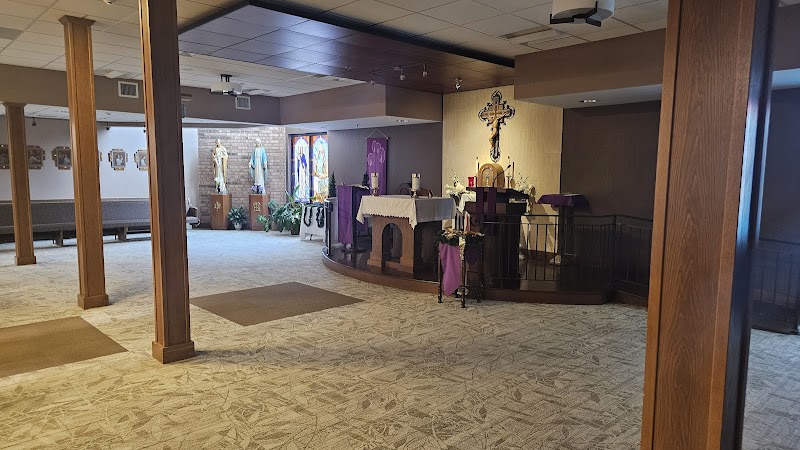
How is Villa St Francis Catholic Inc Staffed?

CMS rates VILLA ST FRANCIS CATHOLIC CARE CENTER INC's staffing level at 5 out of 5 stars, which is much above average compared to other nursing homes. Staff turnover is 29%, compared to the Kansas average of 46%. This relatively stable workforce can support continuity of care.

What Have Inspectors Found at Villa St Francis Catholic Inc?

State health inspectors documented 25 deficiencies at VILLA ST FRANCIS CATHOLIC CARE CENTER INC during 2021 to 2024. These included: 24 with potential for harm and 1 minor or isolated issues.
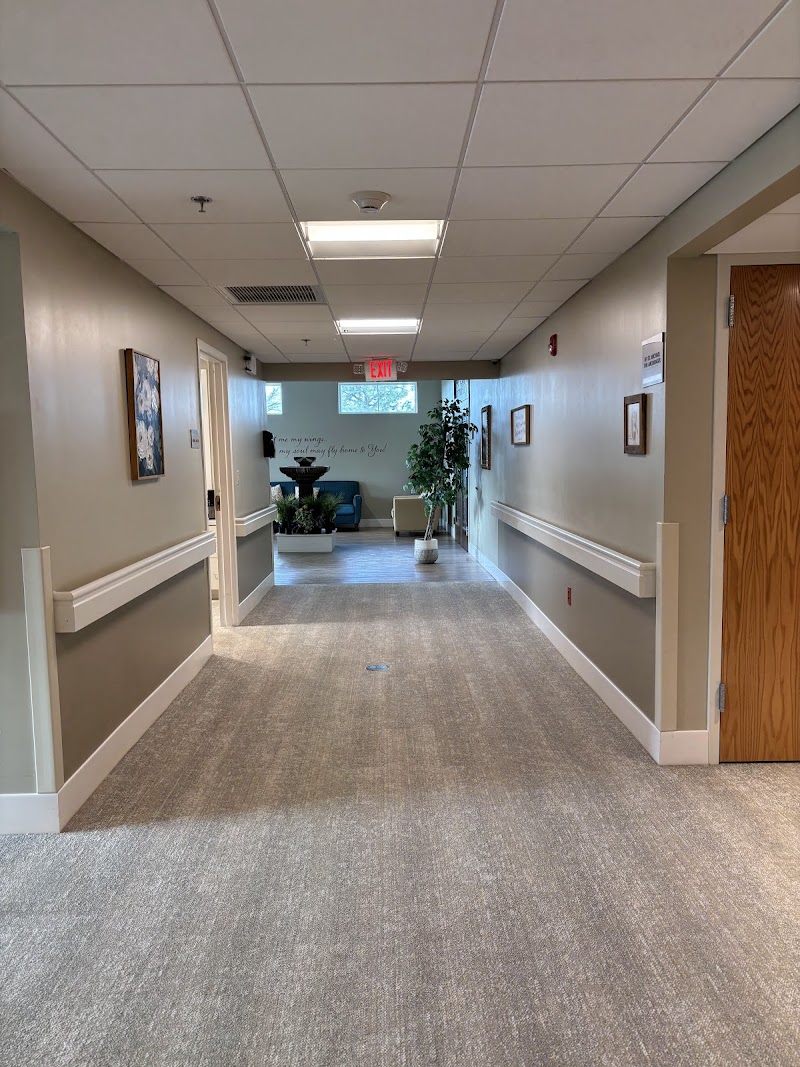
Who Owns and Operates Villa St Francis Catholic Inc?

VILLA ST FRANCIS CATHOLIC CARE CENTER INC is owned by a non-profit organization. Non-profit facilities reinvest revenue into operations rather than distributing to shareholders. The facility operates independently rather than as part of a larger chain. With 170 certified beds and approximately 140 residents (about 82% occupancy), it is a mid-sized facility located in OLATHE, Kansas.
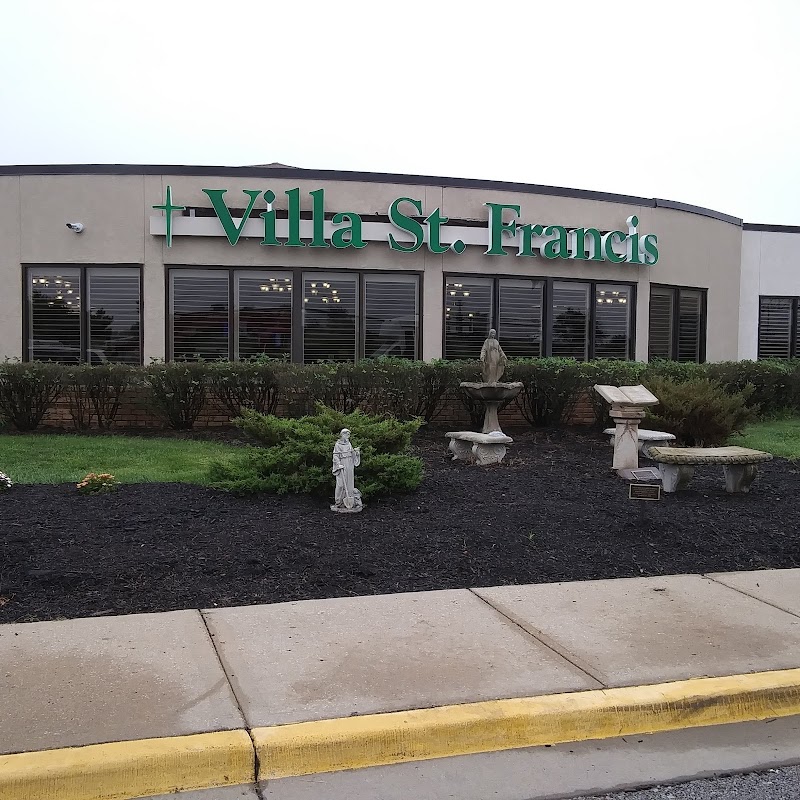
How Does Villa St Francis Catholic Inc Compare to Other Kansas Nursing Homes?

Compared to the 100 nursing homes in Kansas, VILLA ST FRANCIS CATHOLIC CARE CENTER INC's overall rating (5 stars) is above the state average of 2.9, staff turnover (29%) is significantly lower than the state average of 46%, and health inspection rating (3 stars) is at the national benchmark.

What Should Families Ask When Visiting Villa St Francis Catholic Inc?

Based on this facility's data, families visiting should ask: "Can I visit during a mealtime to observe dining assistance and food quality?" "How do you handle medical emergencies, and what is your hospital transfer rate?" "Can I speak with family members of current residents about their experience?"

Is Villa St Francis Catholic Inc Safe?

Based on CMS inspection data, VILLA ST FRANCIS CATHOLIC CARE CENTER INC has a clean safety record: no substantiated abuse findings (meaning no confirmed cases of resident harm), no Immediate Jeopardy citations (the most serious violation level indicating risk of serious injury or death), and is not on the Special Focus Facility watch list (a federal program monitoring the lowest-performing 1% of nursing homes). The facility has a 5-star overall rating and ranks #1 of 100 nursing homes in Kansas. While no facility is perfect, families should still ask about staff-to-resident ratios and recent inspection results during their visit.

Do Nurses at Villa St Francis Catholic Inc Stick Around?

Staff at VILLA ST FRANCIS CATHOLIC CARE CENTER INC tend to stick around. With a turnover rate of 29%, the facility is 17 percentage points below the Kansas average of 46%. Low turnover is a positive sign. It means caregivers have time to learn each resident's needs, medications, and personal preferences. Consistent staff also notice subtle changes in a resident's condition more quickly. Registered Nurse turnover is also low at 19%, meaning experienced RNs are available to handle complex medical needs.

Was Villa St Francis Catholic Inc Ever Fined?

VILLA ST FRANCIS CATHOLIC CARE CENTER INC has no federal fines on record. CMS issues fines when nursing homes fail to meet care standards or don't correct problems found during inspections. The absence of fines suggests the facility has either maintained compliance or corrected any issues before penalties were assessed. This is a positive indicator, though families should still review recent inspection reports for the full picture.

Is Villa St Francis Catholic Inc on Any Federal Watch List?

VILLA ST FRANCIS CATHOLIC CARE CENTER INC is not on any federal watch list. The most significant is the Special Focus Facility (SFF) program, which identifies the bottom 1% of nursing homes nationally based on persistent, serious quality problems. Not being on this list means the facility has avoided the pattern of deficiencies that triggers enhanced federal oversight. This is a positive indicator, though families should still review the facility's inspection history directly.