OSAGE NURSING & REHABILITATION CENTER
1017 MAIN STREET, OSAGE CITY, KS 66523 (785) 528-3138
For profit - Corporation 53 Beds AMERICARE SENIOR LIVING Data: November 2025 1 Immediate Jeopardy citation
Trust Grade
16/100
#272 of 295 in KS
Last Inspection: September 2024

Within standard 12-15 month inspection cycle. Federal law requires annual inspections.

Overview

Osage Nursing & Rehabilitation Center has received a Trust Grade of F, indicating significant concerns about its quality of care and safety. It ranks #272 out of 295 facilities in Kansas, placing it in the bottom half of nursing homes in the state and #2 out of 2 in Osage County, meaning only one local option is worse. The facility's situation is worsening, as it went from 1 reported issue in 2023 to 12 in 2024, raising red flags for families considering this home. Staffing has a mixed rating of 3 out of 5 stars, but with an alarming turnover rate of 82%, which is much higher than the state average of 48%. There have been serious incidents, including a failure to protect residents from abuse, where one resident was found naked and engaging in inappropriate behavior near another resident, as well as multiple sanitation issues in the kitchen that could lead to foodborne illnesses. While the nursing home has some average staffing coverage, the overall picture reveals significant weaknesses that families should carefully consider.

Trust Score
F
16/100
In Kansas
#272/295
Bottom 8%
Safety Record
High Risk
Review needed
Inspections
Getting Worse
1 → 12 violations
Staff Stability
⚠ Watch
82% turnover. Very high, 34 points above average. Constant new faces learning your loved one's needs.
Penalties
✓ Good
$14,891 in fines. Lower than most Kansas facilities. Relatively clean record.
Skilled Nurses
○ Average
Each resident gets 32 minutes of Registered Nurse (RN) attention daily — about average for Kansas. RNs are the most trained staff who monitor for health changes.
Violations
⚠ Watch
26 deficiencies on record. Higher than average. Multiple issues found across inspections.
★☆☆☆☆
1.0
Overall Rating
★★★☆☆
3.0
Staff Levels
★★★☆☆
3.0
Care Quality
★☆☆☆☆
1.0
Inspection Score
Stable
2023: 1 issues
2024: 12 issues

The Good

  • Full Sprinkler Coverage · Fire safety systems throughout facility
  • No fines on record

Facility shows strength in fire safety.

The Bad

1-Star Overall Rating

Below Kansas average (2.9)

Significant quality concerns identified by CMS

Staff Turnover: 82%

36pts above Kansas avg (46%)

Frequent staff changes - ask about care continuity

Federal Fines: $14,891

Below median ($33,413)

Minor penalties assessed

Chain: AMERICARE SENIOR LIVING

Part of a multi-facility chain

Ask about local staffing decisions and management

Staff turnover is very high (82%)

34 points above Kansas average of 48%

The Ugly 26 deficiencies on record

1 life-threatening
Sept 2024 12 deficiencies
CONCERN (D)

Potential for Harm - no one hurt, but risky conditions existed

Resident Rights (Tag F0550)

Could have caused harm · This affected 1 resident

**NOTE- TERMS IN BRACKETS HAVE BEEN EDITED TO PROTECT CONFIDENTIALITY** The facility reported a census of 39 residents with 18 residents sampled, including two residents reviewed for dignity. Based on...

Read full inspector narrative →
**NOTE- TERMS IN BRACKETS HAVE BEEN EDITED TO PROTECT CONFIDENTIALITY** The facility reported a census of 39 residents with 18 residents sampled, including two residents reviewed for dignity. Based on observation, interview, and record review, the facility failed to show respect and dignity to one Resident (R)22, when staff failed to assist the resident with changing her clothing when her shirt became soiled with food. Findings included: - Review of Resident (R)22's electronic medical record (EMR) revealed a diagnosis of major depressive disorder (MDD-major mood disorder which causes persistent feelings pf sadness) with psychotic features (major mental disorder characterized by a gross impairment in reality perception). The Annual Minimum Data Set (MDS), dated [DATE], documented the resident had a Brief Interview for Mental Status (BIMS) score of 15, indicating intact cognition. She had no limitation in range of motion (ROM) and required partial to moderate staff assistance with dressing her upper and lower body. The Activities of Daily Living (ADL) Functional/Rehabilitation Potential Care Area Assessment (CAA), dated 09/07/23, documented the resident required extensive assistance of staff with dressing. The Quarterly MDS, dated 06/02/24, documented the resident had a BIMS score of 13, indicating intact cognition. She had no limitation in ROM and was independent with dressing her upper and lower body. The care plan, revised 06/12/24, instructed staff the resident was mostly independent with ADLs, but staff were to remind the resident to change her clothing when soiled. Review of the resident's EMR from 08/07/24 through 09/04/24, revealed the resident required supervision to partial staff assistance with dressing. On 09/03/24 at 12:25 PM, the resident sat in a chair in the front commons area. She wore a T-shirt which had dried-on food on the front. On 09/03/24 at 02:27 PM, the resident sat in the front commons area and continued to wear the same dirty top with the dried-on food. On 09/04/24 at 09:13 AM, the resident fed herself breakfast in the dining room. While eating, the resident dribbled food onto the front of her clean T-shirt. Following breakfast, the resident went to sit in a chair in the front commons area. On 09/04/24 at 11:47 AM, the resident ambulated to the dining room for lunch. She continued to wear the same dirty T-shirt as she sat down to eat lunch with her peers. On 09/03/24 at 12:25 PM, the resident stated she required staff assistance with changing clothes at times. It was important for her to be neat and clean. On 09/04/24 at 08:45 AM, Certified Nurse Aide (CNA) O stated the resident required assistance with dressing at times. CNA O confirmed the resident's clothing should be changed when soiled with food. On 09/04/24 at 01:07 PM, CNA Q stated the resident required assistance with dressing at times. On 09/04/24 at 02:53 PM, CNA P stated if a resident was wearing dirty clothing, staff would need to prompt her to change. CNA P stated the resident does feed herself and will often dribble food on the front of her shirt. CNA P stated she had seen the resident with food dried to the top of her shirt, but staff did not change her clothing until before the resident went to bed. On 09/04/24 at 03:29 PM, Licensed Nurse (LN) G stated the resident feeds herself and tended to get food on the front of her shirt. Staff should change residents when their clothing became dirty. On 09/05/24 at 09:37 AM, Administrative Nurse D stated it was the expectation for staff to change resident's clothing when they were soiled. The facility policy for Dignity, revised August 2009, included: Each resident shall be cared for in a manner which promotes quality of life, dignity, respect and individuality. The facility failed to assist this resident with changing her clothing when her shirt became soiled with food.
CONCERN (D)

Potential for Harm - no one hurt, but risky conditions existed

Comprehensive Care Plan (Tag F0656)

Could have caused harm · This affected 1 resident

**NOTE- TERMS IN BRACKETS HAVE BEEN EDITED TO PROTECT CONFIDENTIALITY** The facility reported a census of 39 residents with 18 residents included in the sample. Based on observation, record review, an...

Read full inspector narrative →
**NOTE- TERMS IN BRACKETS HAVE BEEN EDITED TO PROTECT CONFIDENTIALITY** The facility reported a census of 39 residents with 18 residents included in the sample. Based on observation, record review, and interview, the facility failed to complete a comprehensive care plan for one Resident (R)12, regarding risk of elopements. Findings included: - Review of Resident (R)12's electronic medical record (EMR) revealed a diagnosis of dementia (progressive mental disorder characterized by failing memory, confusion). The Significant Change Minimum Data Set (MDS), dated [DATE], documented the resident had a Brief Interview for Mental Status (BIMS) score of four, indicating severe cognitive impairment. He had wandering behavior one to three days of the assessment period. He had no limitation in range of motion (ROM) and used a walker with supervision while walking 10 to 150 feet. The Cognitive Loss/Dementia Care Area Assessment (CAA), dated 07/23/24, documented the resident had short and long-term memory loss. The Fall CAA, dated 07/23/24, documented the resident had issues with safety awareness. The Quarterly MDS, dated 06/01/24, documented the resident had a BIMS score of four, indicating severe cognitive impairment. He had wandering behavior one to three days of the assessment period. He had no impairment in ROM and used a walker for walking 10 to 150 feet with staff providing verbal cues or touching/steadying assist. The care plan, revised 06/06/24, lacked staff instruction regarding wandering behaviors. Review of the resident's EMR, revealed Elopement Evaluations which placed the resident at a high risk for elopement on 11/29/23, 12/29/23, and 03/02/24. An Elopement Evaluation, completed 06/01/24, put the resident at no risk for elopement. Review of the resident's EMR, on 08/23/24, revealed documentation the resident attempted to elope from an east exit door. Staff redirected the resident. No further documentation was available regarding the event. Review of behavior documentation, from 08/07/24 through 09/05/24, revealed wandering behaviors 13 times. On 09/03/24 at 10:59 AM, the resident sat in the front commons area with his walker in front of him. No wandering behavior noted at that time. On 09/04/24 at 08:55 AM, the resident rested in his room. No wandering behavior noted at that time. On 09/04/24 at 01:07 PM, Certified Nurse Aide (CNA) Q stated the resident required staff redirection at times with his cares. CNA Q stated she was unsure if the resident was at risk for elopement and was unsure how to find out which residents were at risk for elopement. On 09/04/24 at 02:53 PM, CNA P stated she was unsure which residents were at risk for elopement and was unsure how to find out which residents were at risk for elopement. On 09/04/24 at 03:17 PM, Housekeeping/Maintenance Staff U stated the resident was not at risk for elopement. Staff would need to review the resident's care plans to know which residents were at risk for elopement. On 09/04/24 at 03:29 PM, Licensed Nurse (LN) G stated elopement assessments were completed upon admission and again if a resident would attempt to elope. If a resident were found to be at a risk for elopement it would be added to the care plan. LN G stated the resident was not at risk for elopement. On 09/05/24 at 09:37 AM, Administrative Nurse D stated the resident did not wander into other resident's rooms. Staff are able to identify which residents are at risk for elopement by looking in the care plans. If a resident had a change in their status in regard to wandering, it would be included in their care plans. The facility policy for Elopements and Wandering Residents, undated, included: The facility shall establish and utilize a systematic approach to monitoring and managing residents at risk for elopement or unsafe wandering, including identification and assessment of risk, evaluation and analysis of hazards and risks, implementing interventions to reduce hazards and risks, and monitoring for effectiveness and modifying interventions when necessary. Interventions to increase staff awareness of the resident's risk will be added to the resident's care plan and communicated to appropriate staff. The facility failed to complete a comprehensive care plan for this resident with staff instruction regarding wandering behaviors and risk of elopement.
CONCERN (D)

Potential for Harm - no one hurt, but risky conditions existed

ADL Care (Tag F0677)

Could have caused harm · This affected 1 resident

**NOTE- TERMS IN BRACKETS HAVE BEEN EDITED TO PROTECT CONFIDENTIALITY** The facility reported a census of 39 residents. The sample of 18 residents included eight residents sampled for activities of da...

Read full inspector narrative →
**NOTE- TERMS IN BRACKETS HAVE BEEN EDITED TO PROTECT CONFIDENTIALITY** The facility reported a census of 39 residents. The sample of 18 residents included eight residents sampled for activities of daily living (ADLs). Based on observation, interview, and record review, the facility failed to ensure necessary services to maintain good personal hygiene for the one sampled Resident (R)27s, related to bathing and shaving. Findings included: - Review of Resident (R) 27's undated Physician's Orders, dated 10/04/23 documentation included diagnoses of chronic kidney disease, diabetes mellitus (when the body cannot use glucose, not enough insulin made or the body cannot respond to the insulin), hypertension (high blood pressure) retention of urine, and cerebral palsy (progressive disorder of movement, muscle tone or posture caused by injury or abnormal development in the immature brain, most often before birth). The Significant Change of Status Minimum Data Set (MDS) dated [DATE], documented the resident's Brief Interview for Mental Status (BIMS) score of 14 indicated cognitively intact. He did not report any mood indicators. R 27 reported it was very important to make choices regarding bathing and personal hygiene. The resident was without functional limitation in range of motion to upper or lower extremities. He had an indwelling catheter (tubing inserted to drain the bladder) and ostomy (surgical opening through the abdomen to the intestines). He did not receive therapy or restorative nursing programs (RNP). The Quarterly MDS, dated 07/23/24, lacked changes from above. The Functional Abilities (Self-Care and Mobility Care Area Assessment (CAA), dated 11/09/23, documented the elder had a decline in activities of daily living (ADL) and required staff assistance from to complete his ADL's. The Care Plan, (CP) dated 07/26/24 , directed staff to provide set-up and assistance for shaving during showers. Review of the electronic medical record (EMR) dated 08/31/24 through 09/04/24 documented the resident had not been offered an opportunity to bath and receive a corresponding shave since 08/31/24. On 09/04/24 at 09:27 AM, Resident (R)27 sat in the wheelchair with scraggly facial hair approximately one fourth of an inch or more covering his face and chin and upper lip. His overall appearance was unkept. On inquiry, he reported would like to get shaved because food gets caught in his beard. He stated he liked a trimmed mustache but liked his face shaved. The staff were told to get a mirror and put on the side of the sink and get an electric razor. The nurses tried to get the certified nurse aides (CNA's) to teach him how to stand in front of the mirror and shave, because the mirror was not low enough to see to shave while he sat in his wheelchair. The staff shaved him last on Tuesday, 08/27/24 (seven days prior). R 27 stated he needed an electric razor and mirror to shave himself the only facial hair he wanted was a mustache which he wanted trimmed. His beard was shaggy, and he would have to cut his beard with the scissors so he could eat. Additionally, he reported he would prefer bathing after lunch and prior to supper on Monday, Wednesday, and Saturday. On 09/04/24 at 10:26 AM, CNA Q verified the resident needed staff to help with his ADLs which included baths and shaving. She reported the resident should get shaved on his scheduled shower days and as needed between showers and receive showers according to his preferences. CNA Q reported the facility staff had access to a razor for shave on shower days of his choice. He could shave himself with a regular shaver. Staff have a razor in the shower room for use to shave the residents. On 09/04/24 at 02:05 PM, Licensed Nurse (LN ) G stated staff should bath residents and provide personal hygiene according to the resident's preferences and should provide assistance and set up for shaving when needed. She reported R 27 required staff assistance with his ADLS to include bathing and shaving. Residents should bathe according to their preferences and should be shaved on their scheduled shower days and in between shower days if needed. Verified resident needed a shave. On 09/04/24 at 02:51 PM, Administrative Nurse D verified R27 required assistance with his ADLS which included set up and assist with shaves. She reported his bathing preferences should be considered when his schedule was set up. She reported the staff should assist R27 with his shaves with his baths and or when needed between his scheduled bath days. The facility policy Activities of Daily Living (ADLs), dated 10/2022, documentation included a resident who is unable to carry out activities of daily living will receive the necessary services to maintain grooming and personal hygiene. The facility failed to ensure necessary services to maintain good personal hygiene for this resident related to bathing and shaving.
CONCERN (D)

Potential for Harm - no one hurt, but risky conditions existed

Pressure Ulcer Prevention (Tag F0686)

Could have caused harm · This affected 1 resident

**NOTE- TERMS IN BRACKETS HAVE BEEN EDITED TO PROTECT CONFIDENTIALITY** The facility reported a census of 39 residents with 18 residents selected for review, which included one resident reviewed for p...

Read full inspector narrative →
**NOTE- TERMS IN BRACKETS HAVE BEEN EDITED TO PROTECT CONFIDENTIALITY** The facility reported a census of 39 residents with 18 residents selected for review, which included one resident reviewed for pressure ulcers. Based on observation, interview, and record review, the facility failed to ensure sanitary pressure ulcer care for Resident (R)1. Findings included: - Review of Resident (R)1's medical record revealed diagnoses that included multiple sclerosis (progressive disease of the nerve fibers of the brain and spinal cord), diabetes (when the body cannot use glucose, not enough insulin made or the body cannot respond to the insulin), urinary incontinence and schizophrenia (psychotic disorder characterized by gross distortion of reality, disturbances of language and communication and fragmentation of thought). The Significant Change Minimum Data Set (MDS), dated [DATE], assessed the resident with a Brief Interview for Mental Status (BIMS) score of five, which indicated severe cognitive impairment. The resident had one stage three pressure ulcer (full thickness pressure injury extending through the skin into the tissue below) present upon admission and one surgical wound. The resident was always incontinent of bowel and bladder. The resident received hospice services. The Pressure Ulcer Care Area Assessment (CAA), dated 08/12/24, assessed the resident with a pressure ulcer and surgical wound. Contributing factors included incontinence, pain, and impairment of mobility. The Care Plan reviewed 08/12/24, instructed staff R1 was incontinent of bowel and bladder and required repositioning and brief change every two hours. The resident had history of moisture associated skin damage with skin breakdown to heels and the gluteal fold (area beneath the buttocks) The resident had muscle atrophy (wasting or decrease in size of a part of the body) with spasms and schizophrenia with behaviors. A Physician Order dated 08/09/24 instructed staff to cleanse the inferior sacrum (lower part of the spine just above the buttock) wound with wound cleanser, apply collagen (a substance that enhances wound healing) particles to the base of the wound and secure with bordered foam dressing daily and as needed. A Physician Order dated 08/26/24, instructed staff to cleanse the left ischium wound (area beneath the buttock cheek) with wound cleanser and apply calcium alginate (a substance that forms a gel on the surface of the wound which absorbs moisture) to the wound bed and apply an absorbent dressing. Observation, on 09/04/24 at 09:10 AM, revealed Certified Nurse Aide (CNA) O and CNA N transferred R1 from her broda chair (a type of pressure relieving wheelchair) with a full body mechanical lift into her bed. CNA O stated she did not know if the resident was on Enhanced Barrier Precautions (EBP) and neither CNA O nor CNA N donned Personal Protective Equipment (PPE). CNA O and N then observed the resident was incontinent of urine and positioned the resident onto her side. The resident lacked dressings to her sacrum and ischium. CNA O stated Licensed Nurse G would need to apply the dressings. Observation, on 09/04/24 at 09:22 AM, revealed LN G and LN H, donned gowns, gloves, and masks, and entered R1's room to provide wound care. LNG stated the resident was on EBP due to wounds, and CNA should have donned PPE and did not know how long the wounds were without dressings. LN G cleansed the ischial wound with wound cleanser and noted the wound had a beefy red appearance and was approximately 3 by 2 Centimeters (cm). LN G then changed gloves without sanitizing her hands and cleansed the sacral wound which was yellow/white in color and approximately 0.5 by 1 cm. LN G changed gloves and applied calcium alginate and telfa (a type of gauze that does not adhere to a wound) to the ischial wound and with the same gloves, applied calcium alginate to the sacral wound and covered the area with telfa. Interview on 09/05/24 at 08:30 AM, with Administrative Nurse D, revealed she would expect staff to ensure dressings remained intact to the resident's pressure ulcer and surgical wound and provide wound care with appropriate hand hygiene, gloving and PPE for EBP as required. The facility policy Clean Dressing Change dated 2023, instructed staff to wash hands and put on clean gloves after removing the soiled dressing, after cleansing the wound, and prior to applying medication and dressing. The facility failed to ensure staff provided sanitary wound care to R1's sacral pressure ulcer and ischial surgical wound to prevent infection and enhance wound healing.
CONCERN (D)

Potential for Harm - no one hurt, but risky conditions existed

Accident Prevention (Tag F0689)

Could have caused harm · This affected 1 resident

**NOTE- TERMS IN BRACKETS HAVE BEEN EDITED TO PROTECT CONFIDENTIALITY** The facility reported a census of 39 residents with 18 sampled, including three residents reviewed for accidents. Based on obser...

Read full inspector narrative →
**NOTE- TERMS IN BRACKETS HAVE BEEN EDITED TO PROTECT CONFIDENTIALITY** The facility reported a census of 39 residents with 18 sampled, including three residents reviewed for accidents. Based on observation, interview, and record review, the facility failed to initiate interventions to ensure a safe and secure environment for one Resident (R)12, with a history of wandering behaviors. Findings Included: - Review of Resident (R)12's electronic medical record (EMR) revealed a diagnosis of dementia (progressive mental disorder characterized by failing memory, confusion). The Significant Change Minimum Data Set (MDS), dated [DATE], documented the resident had a Brief Interview for Mental Status (BIMS) score of four, indicating severe cognitive impairment. He had wandering behavior one to three days of the assessment period. He had no limitation in range of motion (ROM) and used a walker with supervision while walking 10 to 150 feet. The Cognitive Loss/Dementia Care Area Assessment (CAA), dated 07/23/24, documented the resident had short and long-term memory loss. The Fall CAA, dated 07/23/24, documented the resident had issues with safety awareness. The Quarterly MDS, dated 06/01/24, documented the resident had a BIMS score of four, indicating severe cognitive impairment. He had wandering behavior one to three days of the assessment period. He had no impairment in ROM and used a walker for walking 10 to 150 feet with staff providing verbal cues or touching/steadying assist. The care plan, revised 06/06/24, lacked staff instruction regarding wandering behaviors. Review of the resident's EMR, revealed Elopement Evaluations which placed the resident at a high risk for elopement on 11/29/23, 12/29/23, and 03/02/24. An Elopement Evaluation, completed 06/01/24, put the resident at no risk for elopement. Review of the resident's EMR, on 08/23/24, revealed documentation the resident attempted to elope from an east exit door. Staff redirected the resident. No further documentation was available regarding the event. Review of behavior documentation, from 08/07/24 through 09/05/24, revealed wandering behaviors 13 times. On 09/03/24 at 10:59 AM, the resident sat in the front commons area with his walker in front of him. No wandering behavior noted at that time. On 09/04/24 at 08:55 AM, the resident rested in his room. No wandering behavior noted at that time. On 09/04/24 at 01:07 PM, Certified Nurse Aide (CNA) Q stated the resident required staff redirection at times with his cares. CNA Q stated she was unsure if the resident was at risk for elopement and was unsure how to find out which residents were at risk for elopement. On 09/04/24 at 02:53 PM, CNA P stated she was unsure which residents were at risk for elopement and was unsure how to find out which residents were at risk for elopement. On 09/04/24 at 03:17 PM, Housekeeping/Maintenance Staff U stated the resident was not at risk for elopement. Staff would need to review the resident's care plans to know which residents were at risk for elopement. On 09/04/24 at 03:29 PM, Licensed Nurse (LN) G stated elopement assessments were completed upon admission and again if a resident would attempt to elope. If a resident were found to be at a risk for elopement it would be added to the care plan. LN G stated the resident was not at risk for elopement. On 09/05/24 at 09:37 AM, Administrative Nurse D stated the resident did not wander into other resident's rooms. Staff are able to identify which residents are at risk for elopement by looking in the care plans. If a resident had a change in their status in regards to wandering it would be included in their care plans. The facility policy for Elopements and Wandering Residents, undated, included: The facility shall establish and utilize a systematic approach to monitoring and managing residents at risk for elopement or unsafe wandering, including identification and assessment of risk, evaluation and analysis of hazards and risks, implementing interventions to reduce hazards and risks, and monitoring for effectiveness and modifying interventions when necessary. Interventions to increase staff awareness of the resident's risk will be added to the resident's care plan and communicated to appropriate staff. The facility failed to initiate interventions to ensure a safe and secure environment for this resident with a history of wandering behaviors.
CONCERN (D)

Potential for Harm - no one hurt, but risky conditions existed

Infection Control (Tag F0880)

Could have caused harm · This affected 1 resident

**NOTE- TERMS IN BRACKETS HAVE BEEN EDITED TO PROTECT CONFIDENTIALITY** The facility reported a census of 39 residents. Based on observation, interview, and record review, the facility failed to ensur...

Read full inspector narrative →
**NOTE- TERMS IN BRACKETS HAVE BEEN EDITED TO PROTECT CONFIDENTIALITY** The facility reported a census of 39 residents. Based on observation, interview, and record review, the facility failed to ensure staff followed Enhanced Barrier Precautions (EBP) for one Resident (R)1 with chronic wounds to prevent the spread of infection as required. Findings included: - Review of Resident (R)1's medical record revealed diagnoses that included multiple sclerosis (progressive disease of the nerve fibers of the brain and spinal cord), diabetes (when the body cannot use glucose, not enough insulin made or the body cannot respond to the insulin), urinary incontinence and schizophrenia (psychotic disorder characterized by gross distortion of reality, disturbances of language and communication and fragmentation of thought). The Significant Change Minimum Data Set (MDS), dated [DATE], assessed the resident with a Brief Interview for Mental Status (BIMS) score of five, which indicated severe cognitive impairment. The resident had one stage three pressure ulcer (full thickness pressure injury extending through the skin into the tissue below) present upon admission and one surgical wound. The resident was always incontinent of bowel and bladder. The resident received hospice services. The Pressure Ulcer Care Area Assessment (CAA), dated 08/12/24, assessed the resident with a pressure ulcer and surgical wound. Contributing factors included incontinence, pain, and impairment of mobility. The Care Plan reviewed 08/12/24, instructed staff R1 was incontinent of bowel and bladder and required repositioning and brief change every two hours. The resident had history of moisture associated skin damage with skin breakdown to heels and the gluteal fold (area beneath the buttocks) The resident had muscle atrophy (wasting or decrease in size of a part of the body) with spasms and schizophrenia with behaviors. A Physician Order dated 08/09/24 instructed staff to cleanse the inferior sacrum (lower part of the spine just above the buttock) wound with wound cleanser, apply collagen (a substance that enhances wound healing) particles to the base of the wound and secure with bordered foam dressing daily and as needed. A Physician Order dated 08/26/24, instructed staff to cleanse the left ischium wound (area beneath the buttock cheek) with wound cleanser and apply calcium alginate (a substance that forms a gel on the surface of the wound which absorbs moisture) to the wound bed and apply an absorbent dressing. Observation, on 09/04/24 at 09:10 AM, revealed Certified Nurse Aide (CNA) O and CNA N transferred R1 from her broda chair (a type of pressure relieving wheelchair) with a full body mechanical lift into her bed. CNA O stated she did not know if the resident was on Enhanced Barrier Precautions (EBP) and neither CNA O nor CNA N donned Personal Protective Equipment (PPE). CNA O and N then observed the resident was incontinent of urine and positioned the resident onto her side. The resident lacked dressings to her sacrum and ischium. CNA O stated Licensed Nurse G would need to apply the dressings. Observation, on 09/04/24 at 09:22 AM, revealed LN G and LN H, donned gowns, gloves, and masks, and entered R1's room to provide wound care. LNG stated the resident was on EBP due to wounds, and CNA should have donned PPE when providing the transfer and incontinence care. Interview on 09/05/24 at 08:30 AM, with Administrative Nurse D, revealed she would expect staff to follow EBP for R1 due to wounds and had informed staff recently about the procedures for donning and doffing PPE for this resident. The facility policy Enhanced Barrier Precautions dated 2024, instructed staff to implement enhanced barrier precautions for the prevention of transmission of multidrug resistant organisms during high contact resident care activities. The facility failed to ensure staff followed Enhanced Barrier Precautions (EBP) for one Resident (R)1 with chronic wounds to prevent the spread of infection as required.
CONCERN (E) 📢 Someone Reported This

A family member, employee, or ombudsman was alarmed enough to file a formal complaint

Potential for Harm - no one hurt, but risky conditions existed

Safe Environment (Tag F0584)

Could have caused harm · This affected multiple residents

The facility reported a census of 39 residents which included 18 residents sampled for review. Based on observation, interview, and record review, the facility failed to provide a safe, functional, sa...

Read full inspector narrative →
The facility reported a census of 39 residents which included 18 residents sampled for review. Based on observation, interview, and record review, the facility failed to provide a safe, functional, sanitary, and comfortable environment for the residents of the facility related to those that used the beauty shop. Findings Included: - On 09/05/24 at 09:32 AM, during tour of the beauty shop with Administrative Staff A the following concerns were identified: 1. The beauty shop lacked an operational negative pressure ventilation fan. 2. The filter on the free-standing dryer filter covered in lint. 3. The workstation cabinet contained unlabeled brush, comb, and a dual hair pick with comb that had hair in the brush bristles and the comb teeth. Administrative Staff A verified the findings above. She agreed the brush, comb, and hair pick was not sanitary and should not be used on multiple residents. Additionally, she stated she did not know what was wrong with the ventilation fan or how long it had not been operational to ensure the resident's comfort when the beautician used chemicals to process resident's hair. The facility lacked a policy to address the above findings to provide a safe, functional, sanitary, and comfortable environment for the residents of the facility related to those that used the beauty shop. The facility failed to provide a safe, functional, sanitary, and comfortable environment for the residents of the facility related to those that used the beauty shop.
CONCERN (E)

Potential for Harm - no one hurt, but risky conditions existed

Incontinence Care (Tag F0690)

Could have caused harm · This affected multiple residents

**NOTE- TERMS IN BRACKETS HAVE BEEN EDITED TO PROTECT CONFIDENTIALITY** The facility reported a census of 39 residents. The sample of 18 residents included four residents reviewed for indwelling cathe...

Read full inspector narrative →
**NOTE- TERMS IN BRACKETS HAVE BEEN EDITED TO PROTECT CONFIDENTIALITY** The facility reported a census of 39 residents. The sample of 18 residents included four residents reviewed for indwelling catheter and incontinence care/treatment. Based on observation, interview, and record review, the facility failed to provide catheter care/and treatment to prevent infection for four residents with indwelling catheters, Residents (R)27, R 14, R16, and R 2. Findings included: - Review of Resident (R) 27's undated Physician's Orders, dated 10/04/23 documentation included diagnoses of chronic kidney disease (CKD), diabetes mellitus (when the body cannot use glucose, not enough insulin made or the body cannot respond to the insulin), hypertension (high blood pressure) retention of urine, and cerebral palsy (progressive disorder of movement, muscle tone or posture caused by injury or abnormal development in the immature brain, most often before birth). The Significant Change of Status Minimum Data Set (MDS) dated [DATE], documented the resident's Brief Interview for Mental Status (BIMS) score of 14 indicated cognitively intact. He did not report any mood indicators. R 27 was without functional limitation in range of motion to upper or lower extremities. He had an indwelling catheter (tubing inserted to drain the bladder) and ostomy (surgical opening through the abdomen to the intestines). The Quarterly MDS, dated 07/23/24, lacked changes from above. The Urinary Incontinence and Indwelling Catheter Care Area Assessment (CAA), dated 11/09/23, documented the resident had an indwelling catheter and was dependent on staff for toileting and personal hygiene which included catheter care. The Care Plan, (CP) dated 07/26/24 documentation included the resident at risk for infection due to catheter/colostomy use and CKD. He had sepsis (infection in the blood that spreads throughout the body) in the past year with stent placement and removal. The staff should change and care for his urinary catheter and colostomy per physician orders and facility protocol. Review of the residents Task: Catheter Care, documentation in the electronic medical record (EMR) dated revealed catheter care dated 08/13/24 through 08/31/24, staff provided daily catheter care for six out of eighteen (18) days. On 09/04/24 at 07:35 AM, R 27 sat in the wheelchair at the dining table. His urinary catheter tubing laid directly on the floor beneath the wheelchair. The resident's left shoed foot rested in direct contact on top of the urinary catheter tubing. On 09/04/24 at 09:27 AM, resident sat in his wheelchair beside the bed. He lacked an anchor or leg strap to position his catheter to prevent injury from the catheter tugging at the insertion site. He reported staff told him they did not have the anchors available on occasion. Additionally, the resident reported he had been treated for recurrent urinary tract infections. On 09/04/24 at 12:44 PM, Certified Nurse Aide (CNA) NN stated the staff should position the resident's catheter bag and tubing below the bladder and off the floor to prevent infection. Additionally, the resident should be provided an anchor on his thigh to position the catheter to prevent injury to the resident. On 09/04/24 at 02:05 PM, Licensed Nurse (LN) G stated staff should position the resident's catheter bag and tubing below the bladder and place the urinary collection bag inside the dignity bag to prevent the tubing and bag from direct contact with the floor. Additionally, the resident should be provided an anchor on his thigh to position the catheter to prevent injury to the resident. On 09/04/24 at 02:51 PM, Administrative Nurse D stated staff should position the resident's catheter bag and tubing below the bladder and placed the urinary collection bag inside the dignity bag to prevent the tubing and bag from direct contact with the floor. Additionally, the resident should be provided an anchor on his thigh to position the catheter to prevent injury to the resident. The facility policy Catheter Care), dated 10/2022, documentation included it is the policy of the facility to ensure that residents with indwelling catheters receive appropriate catheter care. The facility failed to provide catheter care/and treatment to prevent infection for this resident with an indwelling catheter. - Review of Resident (R) 14's undated Physician's Orders, dated 08/23/24 documentation included diagnoses of chronic kidney disease (CKD), diabetes mellitus (when the body cannot use glucose, not enough insulin made or the body cannot respond to the insulin), retention of urine, and Parkinson's disease (slowly progressive neurologic disorder characterized by resting tremor, rolling of the fingers, masklike faces, shuffling gait, muscle rigidity and weakness). The admission Minimum Data Set (MDS ) dated 01/17/24, documented the resident's Brief Interview for Mental Status, (BIMS) score of 12 indicated moderate cognitive impairment. He was without functional limitation in range of motion to upper or lower extremities. He had an indwelling catheter (tubing inserted to drain the bladder). The Urinary Incontinence and Indwelling Catheter Care Area Assessment (CAA), dated 11/09/23, documented the elder had a suprapubic indwelling catheter (S/P catheter-tubing surgically placed through the abdominal wall to the bladder) and was dependent on staff for toileting which included catheter care. The Care Plan (CP) dated 07/15/24, directed staff the resident had a suprapubic catheter and was at risk for infection due to catheter use and CKD The staff should change and care for his urinary catheter per physician orders and facility protocol. On 09/03/24 at 01:52 PM, the resident sat in the wheelchair with six to eight inches of the catheter tubing that dragged on the floor as he self-propelled his wheelchair to the smoking area. On 09/05/24 at 12:56 PM, the resident was in his bed on his left side with the catheter tubing placed through his jogging pants leg positioned below his bladder off the floor. On 09/04/24 at 12:44 PM, Certified Nurse Aide (CNA) NN, reported the staff should position the resident's catheter bag and tubing below the bladder and off the floor to prevent infection. On 09/04/24 at 02:05 PM, Licensed Nurse (LN) G stated staff should position the resident's catheter bag and tubing below the bladder and place the urinary collection bag inside the dignity bag to prevent the tubing and bag from direct contact with the floor. Additionally, the resident should be provided an anchor on his thigh to position the catheter to prevent injury to the resident. On 09/04/24 at 02:51 PM, Administrative Nurse D stated staff should position the resident's catheter bag and tubing below the bladder and placed the urinary collection bag inside the dignity bag to prevent the tubing and bag from direct contact with the floor. The facility policy Catheter Care, dated 10/2022, documentation included it is the policy of the facility to ensure that residents with indwelling catheters receive appropriate catheter care. The facility failed to provide catheter care/and treatment to prevent infection for this resident with a suprapubic indwelling catheters. - Review of Resident (R)2's electronic medical record (EMR) included the following diagnoses: neuromuscular dysfunction of the bladder (the muscles that control the flow of urine out of the body do not relax and prevent the bladder from fully emptying) and paraplegia (paralysis characterized by motor or sensory loss in the lower limbs and trunk). The admission Minimum Data Set (MDS), dated [DATE], documented the resident had a Brief Interview for Mental Status (BIMS) score of 14, indicating intact cognition. He had limited range of motion (ROM) to his bilateral (both) lower extremities, had an indwelling urinary catheter (tube placed in the bladder to drain urine into a collection bag) and was dependent on staff for toileting hygiene. The Urinary Incontinence and Indwelling Catheter Care Area Assessment (CAA), dated 11/10/23, documented the resident had a suprapubic catheter (a flexible tube that drains urine from the bladder through a small incision in the lower abdomen, above the pubic bone) and was dependent on staff for toileting hygiene. The Quarterly MDS, dated 08/06/24, documented the resident had a BIMS score of 13, indicating moderate cognitive impairment. He had limited ROM to his bilateral lower extremities, had an indwelling urinary catheter and was dependent on staff for toileting hygiene. The care plan for activities of daily living (ADL), revised 05/08/24, instructed staff the resident had impaired mobility related to paraplegia. The staff were instructed to ensure the tubing of the urinary catheter was not touching the floor at any time. Review of the resident's EMR revealed the following physician's order: Catheter care, every shift and as needed (PRN), ordered 08/11/24. On 09/03/24 at 12:47 PM, the resident sat in his wheelchair in the dining room eating lunch. The catheter tubing underneath his wheelchair rested directly on the floor of the dining room. On 09/04/24 at 09:11 AM, the resident sat in his wheelchair in the dining room eating breakfast. The catheter tubing underneath his wheelchair rested directly on the floor of the dining room. On 09/04/24 at 11:01 PM, the resident propelled himself in his wheelchair down the hall to his room. The catheter tubing underneath his wheelchair drug on the floor. On 09/04/24 at 09:00 AM, Certified Nurse Aide (CNA) Q stated the resident's catheter tubing should not touch the floor. On 09/04/24 at 02:53 PM, CNA P stated the staff were to ensure the resident's catheter tubing stayed inside of the dignity bag and did not drag on the floor. On 09/04/24 at 03:29 PM, Licensed Nurse (LN) G stated staff were to keep the resident's catheter tubing inside of the dignity bag. The catheter tubing should never be on the floor. On 09/05/24 at 09:37 AM, Administrative Nurse D stated the catheter tubing should not be on the floor. Staff were to ensure the tubing was kept inside of the dignity bag. The facility policy for Catheter Care, undated, included: It is the policy of the facility to ensure residents with indwelling catheters receive appropriate catheter care and maintain their dignity and privacy when indwelling catheters are in use. The facility failed to ensure the catheter tubing for this dependent resident with an indwelling urinary catheter was kept inside of the dignity bag. - Review of Resident (R)16's medical record revealed diagnoses that included neuromuscular disorder of the bladder (dysfunction of the urinary bladder caused by a lesion of the nervous system), chronic kidney disease and congestive heart failure (a condition with low heart output and the body becomes congested with fluid). The Annual Minimum Data Set (MDS) dated [DATE], the resident with a Brief Interview for Mental Status (BIMS) score of 14, which indicated normal cognitive function. The resident had a urinary catheter (insertion of a catheter into the bladder to drain the urine into a collection bag). The resident utilized a walker and/or wheelchair for mobility and required substantial/maximal assistance for toileting hygiene. The resident could propel her wheelchair independently. The Urinary Incontinence and Indwelling Catheter Care Area Assessment (CAA), dated 06/24/24, assessed the resident had an indwelling urinary catheter and required substantial/maximal assistance with toilet transfers and toileting hygiene. The Care Plan reviewed 06/24/24, instructed staff to ensure the urinary was secure to prevent tugging and place the urine collection pouch in a dignity bag and ensure the tubing did not touch the floor. A Physician's Order dated 12/16/21, instructed staff to provide catheter and peri care every shift. A Physician's Order dated 05/22/24, instructed staff to change the urinary catheter with a size 16 French (Fr) with a 30 Cubic Centimeter (cc) balloon every month and as needed. A Physician's Order dated 08/12/24, instructed staff to ensure a catheter anchor was in place to prevent pulling and tugging of the catheter. Observation, on 09/03/24 at 02:07 PM, revealed the resident seated in her wheelchair, propelling herself from the dining room to her room. Approximately six inches of the catheter tubing lay directly on the floor. Observation, on 09/04/24 at 08:00 AM, revealed the resident seated in her wheelchair, propelling herself to the dining room. Approximately six inches of tubing lay directly on the floor. Observation, on 09/04/24 at 01:36 PM, revealed Certified Nurse Aide (CNA) MM, assisted resident with transfer to the toilet and noted the catheter anchor was not in place and was tangled on the lower portion of the urine drainage tubing. Interview on 09/04/24 at 01:40 PM, with Licensed Nurse (LN) G , revealed she would expect staff to ensure R16's catheter anchor was in place and functioning appropriately. LN G obtained a new catheter anchor for replacement. Observation on 09/04/24 at 01:56 PM, revealed CNA M assisted the resident to transfer from the toilet to her recliner. CNA M stated she did know how to attach a catheter anchor and would notify the nurse to apply a new one. Upon seated in her recliner, approximately six inches of the resident's catheter tubing lay directly on the floor. Interview on 09/04/24 at 02:30 PM with Administrative Nurse D, revealed she would expect staff to ensure catheter tubing was secured with an anchoring device, and maintain the tubing off the floor. The facility policy Catheter Care dated 2021, instructed staff to ensure the catheter anchor was in place to prevent pulling/tugging. Residents with an indwelling urinary catheter receive appropriate catheter care and maintain their dignity and privacy. The facility failed to ensure R16's urinary catheter was securely anchored, and tubing was maintained off the floor to prevent trauma and risk of infection.
CONCERN (F) 📢 Someone Reported This

A family member, employee, or ombudsman was alarmed enough to file a formal complaint

Potential for Harm - no one hurt, but risky conditions existed

Food Safety (Tag F0812)

Could have caused harm · This affected most or all residents

The facility reported a census of 39 residents. Based on observation, record review, and interview, the facility failed to prepare and serve food under sanitary conditions, to the residents of the fac...

Read full inspector narrative →
The facility reported a census of 39 residents. Based on observation, record review, and interview, the facility failed to prepare and serve food under sanitary conditions, to the residents of the facility appropriately to prevent the potential for food borne bacteria. Findings included: - During an initial tour of the resident kitchenette, on 09/03/24 at 09:39 AM, the following areas of concern were noted in the facility kitchen: 1. The inside of the microwave contained a dried-on food substance. 2. The stationary can opener contained a build-up of a sticky substance on the area which pierces the can and the handle of the opener. 3. The hand soap dispenser plate had a large amount of a dried, sticky substance. 4. The bottom shelf of one prep table contained food debris. The shelf held three, three-drawer plastic containers with each drawer containing serving utensils. The bottom inside of each of the nine drawers contained dust and small food particles. 5. The tracks of four sliding doors, which contained clean dishes, bowls, plastic containers for food, etc., had a build-up of a black, sticky substance. 6. The insides of the two-door reach-in refrigerator had food debris on the bottom shelf. 7. A wire cart holding clean plates, bowls and plate covers contained ground-in food on all four leg and wheels. The two wire tiers of the cart also contained ground-in food. 8. A wire rack holding clean pots and pans had a build-up of a sticky substance and dust. 9. A plastic three-drawer cart which contained coffee filters, hot chocolate packets and hot tea bags for the residents had a sticky substance on the inside bottom of each of the three drawers. 10. Four of the six wire shelves in the storeroom, used to store food and supplies, contained a build-up of dust. 11. The dish room had three, two door reach-in freezers with food debris on the bottom. One of the freezers contained a build-up of food debris in the rubber door seal. 12. One wire rack that held disposable plates, cups, bowls, napkins and eating utensils had a sticky substance and dust covered the racks. 13. Four plastic rolling carts used to transport clean and dirty dishes had a build-up of food and gunk on all four wheels and the grooves of the handles. On 09/05/24 at 09:34 AM, Administrative staff A stated the dietary staff were responsible for keeping the kitchen clean. The facility lacked a policy for kitchen cleanliness. The facility failed to prepare and serve food under sanitary conditions to the residents of the facility to prevent the potential for food borne bacteria.
CONCERN (F) 📢 Someone Reported This

A family member, employee, or ombudsman was alarmed enough to file a formal complaint

Potential for Harm - no one hurt, but risky conditions existed

Garbage Disposal (Tag F0814)

Could have caused harm · This affected most or all residents

The facility reported a census of 39 residents. Based on observation, interview, and record review, the facility failed to dispose of garbage and refuse properly by failing to ensure the lid of the du...

Read full inspector narrative →
The facility reported a census of 39 residents. Based on observation, interview, and record review, the facility failed to dispose of garbage and refuse properly by failing to ensure the lid of the dumpster was kept close. Findings included: - During an initial tour of the kitchen on 09/03/24 at 09:39 AM, observation revealed the lid to the dumpster outside of the kitchen was left open. On 09/04/24 at 10:41 AM, observation revealed the lid to the dumpster outside of the kitchen was left open. On 09/03/24 at 10:00 AM, Dietary staff BB stated it was the expectation for the lids of the dumpster be kept always closed. The facility lacked a policy for keeping the lid of the dumpster closed. The facility failed to ensure the lid of the dumpster was kept always closed, as required.
CONCERN (F)

Potential for Harm - no one hurt, but risky conditions existed

Staffing Data (Tag F0851)

Could have caused harm · This affected most or all residents

The facility reported a census of 39 residents. Based on observation, interview, and record review, the facility failed to electronically submit to Centers for Medicare and Medicaid Services (CMS) wit...

Read full inspector narrative →
The facility reported a census of 39 residents. Based on observation, interview, and record review, the facility failed to electronically submit to Centers for Medicare and Medicaid Services (CMS) with complete and accurate direct staffing information, based on payroll and other verifiable and auditable data in a uniform format according to specifications established by CMS (i.e. Payroll Base Journal (PBJ), related to licensed nursing staffing information, when the facility failed to accurately report 24 hour per day Licensed Nurse coverage on 11 dates between 04/01/23 and 06/30/23 and four dates between 07/01/23 and 09/30/23 as required. Findings included: - Review of the Payroll Base Journal (PBJ) Staffing Data Report for fiscal year (FY), Quarter 3, 2023 (04/01/23 thru 06/30/23) revealed a lack of License Nurse (LN) for 24 hours/seven days a week 24 hour/day on the following dates: On 04/02/23, Sunday (SU), On 04/12/23, Wednesday (WE), On 04/15/23, Saturday (SA), On 04/16/23, SU, On 04/30/23, SU, On 05/13/23, SA, On 05/14/23, SU, On 05/28/23, SU, On 06/17/23, SA, On 06/24/23, SA, and on 06/30/23, Friday (FR). Review of the PBJ for FY, Quarter 4, 2023 (07/01/23-09/30/23), the following infraction dates the facility failed to have Licensed Nursing Coverage 24 hours/day included: On 07/02/23, Sunday (SU), On 07/08/23, Saturday (SA), On 08/12/23, SA, and On 09/02/23, SA. Interview, on 09/05/24 at 01:29 PM, with Consultant staff HH, revealed the facility initiated a new reporting program to mitigate erroneous calculation of PBJ Licensed Nurse hours. Consultant Staff HH stated it was possible the information regarding licensed nurse hours had not been submitted accurately but the facility did have 24/7 Licensed Nurse coverage. The facility policy for Payroll Based Journal, effective 2022, instructed staff to electronically submit to CMS complete and accurate direct care staffing information, which include information of agency and contract staff based on payroll and other verifiable and auditable data in a uniform format according to specifications established by CMS. The facility failed to electronically submit to Centers for Medicare and Medicaid Services (CMS) with complete and accurate direct staffing information, based on payroll and other verifiable and auditable data in a uniform format according to specifications established by CMS (i.e., Payroll Base Journal (PBJ), related to licensed nursing staffing information when the facility failed to accurately report 24 hour per day Licensed Nurse coverage on 11 dates between 04/01/23 and 06/30/23 and four dates between 07/01/23-09/30/23 as required.
CONCERN (F)

Potential for Harm - no one hurt, but risky conditions existed

Safe Environment (Tag F0921)

Could have caused harm · This affected most or all residents

The facility reported a census of 39 residents which included 18 residents sampled for review. Based on observation, interview, and record review, the facility failed to provide a safe, functional, an...

Read full inspector narrative →
The facility reported a census of 39 residents which included 18 residents sampled for review. Based on observation, interview, and record review, the facility failed to provide a safe, functional, and sanitary environment in the laundry. Findings included: - The laundry tour, on 09/05/24 at 08:34 AM, with Housekeeping/Laundry staff V revealed environmental concerns which included: 1. Two uncovered soiled linen barrels with soiled linens uncovered in the barrels. 2. The concrete floor throughout the laundry room had missing paint/sealant that exposed bare concrete which was unsanitizable. 3. The wall beside the washing machine with peeling sheetrock and a build-up of grime and dust. 4. The egress from the soiled linen/washroom to the clean linen room had grime build-up and rolled up tape on the floor for with grime and dust stuck to the tape. 5. The table used to fold clean laundry and linen was unsanitizable due to a missing laminate strip on the end of the folding surface, which exposed unsealed bare wood which was not sanitizable. On 09/05/24 at 09:45 AM, Administrative Staff A confirmed the above findings related to environmental concerns noted above. She reported the maintenance man was new and the administration was new but had been working on environmental concerns throughout the facility and she would ensure the maintenance man addressed the above identified laundry concerns. The facility lacked a policy related to maintenance and housekeeping in the laundry. The facility failed to provide a safe, functional, and sanitary environment in the laundry.
Jun 2023 1 deficiency 1 IJ (1 facility-wide)
CRITICAL (L) 📢 Someone Reported This

A family member, employee, or ombudsman was alarmed enough to file a formal complaint

Immediate Jeopardy (IJ) - the most serious Medicare violation

Investigate Abuse (Tag F0610)

Someone could have died · This affected most or all residents

⚠️ Facility-wide issue

The facility reported a census of 43 residents, with two included in the sample. Based on observation, interview, and record review the facility failed to ensure the protection of the residents from A...

Read full inspector narrative →
The facility reported a census of 43 residents, with two included in the sample. Based on observation, interview, and record review the facility failed to ensure the protection of the residents from Abuse, Neglect, and Exploitation (ANE) when the facility did not implement any care planned interventions to address the hypersexualized behaviors of bed bound Resident (R)2 (a resident with traumatic brain injury) and did not implement any care planned interventions to address the behaviors of independently mobile R1 (with a history of imprisonment due to the sexually predatory behavior), who was found twice naked in/around R2's room. This failure placed all residents in immediate jeopardy. Findings included: - On 05/31/23 an on-site visit was conducted in the facility regarding KS00180480 reporting R1 was found naked and masturbating at the bedside of bedbound resident R2. The allegation included semen was on the bed and floor of R2. Review of the facility investigation dated 05/31/23 revealed R1 received Hospice services for chronic obstructive pulmonary disease (COPD) and congestive heart failure (CHF). He always required oxygen (O2). He could walk very short distances holding onto his wheelchair. Regarding the incident on 05/30/23 Certified Nurse Aide (CNA) D finished rounds on the north hall when CNA D heard R1 on north hall yelling for help. R1 stood in his doorway hunched over his wheelchair gasping for air. R1 was naked and his brief was at his feet in the doorway. R1's O2 tubing laid on the floor in the hallway behind him and was not attached to his concentrator. CNA D asked R1 what he was doing, and R1 reported he got turned around looking for the bathroom. CNA D assisted him to his wheelchair and reapplied his O2. CNA D asked if he made it to his bathroom or someone else's and R1 reported he thought his, but was not sure. R1's tubing was across the hallway, on the floor and in the doorway of R2's room. R2 had a Brief Interview for Mental Status (BIMS) score of eight, indicating moderate cognitive impairment and a diagnosis of traumatic brain injury (TBI), hemiplegia, hemiparesis (inability to use one side of body), and inappropriate sexual behavior. R2 had a history of making inappropriate sexual comments to the staff. The staff found R2 lying in bed covered with his blanket, and the lights were out. The nurse asked if there had been a man in his room and R2 answered yes. The nurse asked what the man was doing, and R2 said he was jerking off and made a hand gesture. The nurse asked R2 if the man touched him, and R2 said yes and pointed to his arm. The nurse examined his arm and no marks or redness found. R2 was incontinent of both bowel and bladder and staff changed his brief at approximately 03:00AM and at 05:00AM and his brief was undisturbed. The staff found liquid on the floor of R2's room and left it for Administrative Nurse B to examine. During an interview from Administrative Nurse B, the resident (R2) further claimed the man had sexually assaulted him, even though R2's brief was intact. Administrative Nurse B cleaned the fluid up from the floor and reported it was yellow and smelled like ammonia. There was urine in R2's toilet, even though R2 could not get out of bed and did not use the toilet in his room. Review of R1's Care Plan dated 12/01/22 revealed the resident had mental health behaviors with a history of violence, drug, and alcohol abuse. The Care Plan lacked interventions regarding R1's history of sexual offense involving a minor, which required a served prison sentence and the resident currently involved with a parole officer. Review of the Nurse's Notes dated 05/30/23 revealed the nurse notified the resident's guardian of last night's occurrence. The notes failed to include details to describe what the occurrence was and/or who were involved. Review of R2's EMR on 05/31/23 revealed the diagnoses of traumatic brain injury (a serious condition that affects the brain's function). Review of R2's Care Plan dated 03/01/23 revealed the resident required assistance from staff for activities of daily living (ADL) due to a history of brain injury. The Care Plan included the resident had a history of being sexually inappropriate and grabbing both male and female staff and addressed the staff should provide all cares in pairs. The Care Plan lacked interventions to protect resident from R2's sexually inappropriate behaviors. On 05/31/23 at 01:50 PM attempt made to interview R2, but he refused to talk about the incident shaking his head and would not say what happened. The resident got angry and yelled no. On 05/31/23 at 02:15 PM attempt made to interview R1, but he refused to talk to the surveyor and started cussing. During an interview on 05/31/23 at 03:30 PM CNA G reported the night of the incident she was up in front doing paperwork when she heard R1 yell for help. CNA D went and asked R1 what he was doing. R1 was in his room and reported he got confused trying to find the bathroom. His O2 tubing laid in the hall. CNA D told CNA G he asked R2 what was going on and R2 told him R1 was in his room jacking off. She did not go down the hall and stayed up front charting. Interview on 05/31/23 at 02:05 PM revealed Hospice Staff E reported he talked to R1 about the incident but R1 said he was sleepwalking when the incident occurred and was looking for the bathroom. An interview on 05/31/23 at 06:07 PM revealed CNA D reported he heard R1 yelling for help. He went and found R1 naked, with nothing on. His O2 tubing was across the hall in the doorway of R2's room. CNA D asked the resident why he was screaming and how his O2 tubing got across the hall. R1 told CNA D he got turned around looking for the bathroom. When CNA D asked him if he went into the other resident's room to use the bathroom, R1 stated he might have but did not remember. CNA D assisted R1 back to bed and placed his O2 back on. CNA D said he then went across the hall and talked to R2, and R2 told him R1 came in his room and stood by his bed and was jacking off. R2 also reported R1 reached over and touched his hand. The CNA noted there was yellow liquid on the floor, so he left the room and went to get the charge nurse. He also reported this was not the first time this had happened. CNA D stated R1 was seen coming out of R2's room naked a couple of weeks ago, but he did not know exactly when, and no one ever talked to CNA D about it, so he thought they had dealt with it until R1 did it again. On 05/31/23 at 01:20 PM, Administrative Nurse B reported the night of 05/30/23 a resident alleged that another resident sexually abused him in his room. She reported the facility tried to contact KDADS but had to send an e-mail reporting it. She reported the physician was notified when it happened and Administrative Nurse B acknowledged they had not documented any of the occurrence in the chart. The police department were notified and provided a case number and R1's parole officer was also notified. The resident was placed on 1:1 supervision pending the investigation. On 05/31/23 at 01:35 PM Interim Administrative Staff A reported she was just writing the complaint up and had just talked to KDADS but had been trying to get a hold of them. She did send an e-mail when this happened and waited for a return call. Interim Administrative Staff A stated based on the interviews with residents and staff, and the exam by law enforcement and practitioner, no abuse could be substantiated. Interview on 05/31/23 at 03:00 PM Nurse Practitioner H reported both men were his clients and he thoroughly checked R2 for any injury, bruises, or trauma. The resident had no injuries. The R2 denied to the NP anything happened with the other resident. The NP reported R2 had a TBI and had a history of sexual fantasies and behaviors and it was documented in his record, he had done this before. NP H said they attempted to do a gradual dose reduction (GDR) on some of his medications and would need to see what might cause his behaviors. NP H reported he was the practitioner for R1 and with his poor medical condition due to severe chronic obstructive pulmonary disease he did not think it was realistic to think he could do anything like that, as weak and short of air as he is. NP H said there was some concern that semen was found on the floor, but the way it was described by nursing staff, it sounded like it was possibly urine. R1 did have times where he became confused when he tried to get up on his own, but he doubted he could sexually perform. An interview on 06/01/23 at 07:15 AM with Licensed Nurse (LN) C revealed the night of 05/30/23 she heard CNA D down the north hall asking R1 what he was doing, at about 03:15 AM. She then went down the hall and observed R1 standing in his doorway, at the foot of his bed, holding onto his wheelchair. His O2 was off, and the tubing was unplugged from the concentrator. CNA D replaced the resident's O2 tubing. The resident only had a shirt on, his brief was off and lying on the floor, by his feet. R1 told LN C he was looking for the bathroom and did not know if he went in the other resident's room. LN C then went across the hall and asked R2 if there was anyone who came into his room. R2 reported R1 had come in and stood by his bed and jacked off. LN C reported R2 was very sexually driven and had always made comments to staff in a sexual nature. LN C said R2 did report R1 touched his arm. LN C did see fluid on the floor, but it was not by the resident's bed, it was by the second bed in the room. LN C stated it looked like urine to her, but she left it for Administrative Nurse B to see. LN C said Administrative Nurse B told her to write all the incident on paper in a witness statement, so she got the impression she was not to chart it in the Electronic Medical Record (EMR). LN C stated about two weeks ago, just as the night shift was getting ready to leave the building at the end of their shift, a CNA came to the nurse's station and reported staff saw R1 come out of R2's room, naked. The day nurse said she would take care of it, so LN C left for home. When LN C came on duty the next night there had been nothing done or documented about the incident. When this current incident happened, she asked Administrative Nurse B what was going to happen since this was the second time it had happened. She got no reply from Administrative Nurse B. On 06/01/23 at 08:12 AM Administrative Nurse B reported she was aware of the first incident with the resident being seen in the hall without his clothes on and directed staff to take the resident back to his room. Administrative Nurse B stated no investigation or follow-up was done on that incident. 0n 06/01/23 at 08:31 AM Hospice Nurse I reported LN J told her the incident happened around 03:30 AM. LN J told her the fluid looked like semen and that CNA D found R1 naked. R2 stated that R1 was touching his arm while touching himself. When hospice Nurse I asked R1 about it he stated he could not have gotten up. Review of the Facility Policy for Abuse, Neglect and Exploitation dated 03/31/20 revealed Prevention, Identification, Investigation and Protection from abuse. The policy stated facility staff would be educated and trained in abuse upon hire. The care plans would be developed for each applicable resident that identify specific interventions for dealing with residents with behaviors. All facility employees and volunteers are educated to report all alleged or suspected abuse immediately to Administrator or DON. Investigation will be conducted, and administrator will contact KDADS within 24 hours of incident or if meets certain criteria within 2 hours. The facility failed to ensure the protection of the residents from ANE when the facility did not implement any care planned interventions to address the hypersexualized behaviors of bed bound R2 (a resident with traumatic brain injury) and did not implement any care planned interventions to address the behaviors of independently mobile R1 (with a history of imprisonment due to the sexually predatory behavior), who was found twice naked in/around R2's room. On 06/01/23 at 09:38 AM Interim Administrator A and Administrative Nurse B were provided a copy of the Immediate Jeopardy (IJ) template and were informed the failure of the facility to protect the residents from ANE allegations placed all residents in immediate jeopardy. The facilty provided an acceptable plan for removal of the IJ on 06/05/23 at 07:48 AM, which included the following corrective actions: 1. Review/modify current policies as applicable to ensure appropriate procedures nare in place to prevent harm/potential harm on 06/01/23. 2.Checklists and monitoring tools used to verify compliance was ongoing. 3.Educate necessary staff on facility procedures with return demonstration, where applicable. 100% re-education on facility ANE policy and reporting procedures. Written policy and procedures provided to every staff member on 06/01/23. 4.100% care plan review to assure residents with a history of sexual abuses, behaviors or convictions are care planned to indicate interventions for inappropriate behavior. 06/01/23 5. Relocation of R2 from room N20 to W19 and placed in a private room. 6. Room directly across from R1 to remain empty and R1 to continues in a private room on 06/01/23. On 06/05/23 at 02:50 PM the surveyor validated the implementation of the removal plan. The deficient practice remained at a F scope and severity.
Dec 2022 12 deficiencies
CONCERN (D) 📢 Someone Reported This

A family member, employee, or ombudsman was alarmed enough to file a formal complaint

Potential for Harm - no one hurt, but risky conditions existed

Resident Rights (Tag F0550)

Could have caused harm · This affected 1 resident

The facility identified a census of 44 residents. The sample included 15 residents. Based on observations, record review, and interviews, the facility failed to ensure staff treated Resident (R) 91 wi...

Read full inspector narrative →
The facility identified a census of 44 residents. The sample included 15 residents. Based on observations, record review, and interviews, the facility failed to ensure staff treated Resident (R) 91 with dignity. This deficient practice had the risk for decreased self-esteem and dignity for R91. Findings included: - On 12/08/22 at 09:26 AM an unidentified hospice staff and Certified Nurse Aide (CNA) M propelled R91 in the shower chair from his room across the hall to the shower room. R91 was covered with a bath blanket on the front of his body but the side of his legs and buttocks were visible. R91's scrotum was visible underneath the shower chair. On 12/08/22 at 01:36 PM, CNA M stated she treated residents with dignity by making sure they were covered up all the way in the shower chair. She stated she tried to leave a gown on them or wrap a bath blanket all around the back. CNA M stated it was inappropriate to transfer R91 in the shower chair without being covered up. On 12/08/22 at 02:26 PM, Licensed Nurse (LN) G stated residents were treated with dignity by being covered completely in the shower head except for their head because she did not want them to be cold or exposed. On 12/08/22 at 03:07 PM, Administrative Nurse D stated staff made sure they still wore a gown or had a blanket on when transferring in the shower chair. She stated residents were covered top to bottom, as well as their sides and buttocks. The facility's Quality of Life- Dignity policy, last revised August 2009, directed staff promoted, maintained, and protected resident privacy, including bodily privacy during assistance with personal care and during treatment procedures. The facility failed to ensure staff treated R91 with dignity. This deficient practice had the risk for decreased self-esteem and dignity for R91.
CONCERN (D) 📢 Someone Reported This

A family member, employee, or ombudsman was alarmed enough to file a formal complaint

Potential for Harm - no one hurt, but risky conditions existed

Deficiency F0558 (Tag F0558)

Could have caused harm · This affected 1 resident

The facility identified a census of 44 residents. The sample included 15 residents. Based on observations, record review, and interviews, the facility failed to ensure adequate equipment was available...

Read full inspector narrative →
The facility identified a census of 44 residents. The sample included 15 residents. Based on observations, record review, and interviews, the facility failed to ensure adequate equipment was available and used during wheelchair locomotion for Resident (R) 11 and R35. This deficient practice placed the affected residents at risk for unmet needs. Findings included: - On 12/06/22 at 08:00 AM, Certified Medication Aide (CMA) S propelled R35 in her wheelchair into the dining room. There were no foot pedals on her wheelchair and her feet dragged on the ground. The Quarterly MDS dated 10/11/22, documented R35 was independent with no setup help with locomotion. On 12/06/22 at 10:52 AM, Consultant HH propelled R11 in his wheelchair from the dining room to the lobby area. There were no foot pedals on the wheelchair and R11's feet dragged on the floor. On 12/07/22 at 09:48 AM, Consultant HH propelled R11 in his wheelchair from the dining room to the nurse's station. There were no foot pedals on the wheelchair and R11's feet dragged on the ground. The Significant MDS dated 11/15/22, documented R11 required extensive physical assistance with one staff for locomotion. On 12/08/22 at 01:36 PM, Certified Nurse Aide (CNA) M stated she kept residents safe during wheelchair propulsion by making sure they were sat all the way back in the wheelchair and using foot pedals. She stated it was not safe to push a resident in a wheelchair without foot pedals. On 12/08/22 at 02:26 PM, Licensed Nurse (LN) G stated she kept residents safe during wheelchair propulsion by not going too fast and having foot pedals on wheelchairs if they were not able to keep their feet up. She stated if the resident's feet dragged a bit then they needed to have foot pedals on. On 12/08/22 at 03:07 PM, Administrative Nurse D stated there were some residents that used foot pedals and some that did not. She stated staff had residents lift their feet up but recently discovered that was not okay to do and she needed to provide education on that. The facility's Accommodation of Needs policy, not dated, directed the facility made efforts to reasonably accommodate the needs and preferences of the resident as they made use of their physical environment. The facility failed to ensure adequate equipment was available and used during wheelchair locomotion for R11 and R35. This deficient practice placed the affected residents at risk for unmet care needs.
CONCERN (D) 📢 Someone Reported This

A family member, employee, or ombudsman was alarmed enough to file a formal complaint

Potential for Harm - no one hurt, but risky conditions existed

Deficiency F0582 (Tag F0582)

Could have caused harm · This affected 1 resident

The facility identified a census of 44 residents. The sample included 15 residents. Based on record reviews and interview, the facility failed to provide the correct Medicare Liability Notice, CMS 101...

Read full inspector narrative →
The facility identified a census of 44 residents. The sample included 15 residents. Based on record reviews and interview, the facility failed to provide the correct Medicare Liability Notice, CMS 10123-Notice of Medicare Non-Coverage (NOMNC) for Residents (R) 7, R22, and R142. This deficient practice placed these residents and /or legal representatives of uninformed decisions regarding skilled services. Findings included: - Review of the NOMNC form provided and signed by R7, R22, and R142 was not the correct CMS 10123 form. The facility provided R7, R22, and R142 form CMS-10095-NOMNOC. On 12/08/22 at 07:35 AM Social Services X stated she had taken over the responsibility of the NOMNC notification just in the past several months and had been given the forms that were to be filled out and provide to the residents, by the administrative staff after the Minimum Data Set (MDS) director had quit. On 12/08/22 at 03:08 PM Administrative Nurse D stated she had been responsible for the beneficiary notification when she was the medical records director. Administrative Nurse D stated the NOMNC form was to be filled when the resident had completed their skilled therapy and was now aware the form the facility had provided was the incorrect form. The facility's Advanced Beneficiary Notices undated documented a notice of Medicare Non-Coverage (NOMNC), form CMS 101123, would be issued to the resident/representative when Medicare covered services are pending, no matter if the resident was leaving the facility or remained in the facility. This informed the resident/representative on how to request an appeal. The facility failed provide the correct Medicare Liability Notice, CMS 10123-notice of Medicare Non-Coverage (NOMNC) Medicare non-coverage form for R7, R22, and R142. This deficient practice placed these residents and /or legal representatives of uninformed decisions regarding skilled services.
CONCERN (D) 📢 Someone Reported This

A family member, employee, or ombudsman was alarmed enough to file a formal complaint

Potential for Harm - no one hurt, but risky conditions existed

Deficiency F0655 (Tag F0655)

Could have caused harm · This affected 1 resident

The facility identified a census of 44 residents. The sample included 15 residents with two residents reviewed for hospice and end of life. Based on observation, record review, and interviews, the fac...

Read full inspector narrative →
The facility identified a census of 44 residents. The sample included 15 residents with two residents reviewed for hospice and end of life. Based on observation, record review, and interviews, the facility failed to develop a baseline care plan that included hospice and the services that would be provide to Resident (R) 141. This deficient practice created a risk for missed opportunities for services and delayed physical, mental, and psychosocial needs for R141. Findings included: - R141's electronic medical record (EMR) from the Diagnoses tab documented diagnoses of hemiplegia paralysis of one side of the body) and hemiparesis (muscular weakness of one half of the body) following cerebral infarction (sudden death of brain cells due to lack of oxygen caused by impaired blood flow to the brain by blockage or rupture of an artery to the brain) affecting left non-dominant side. The admission Minimum Data Set (MDS) was in progress. R141's Care Area Assessment (CAA) was not completed. R141's Baseline Care Plan dated 12/02/22 lacked documented or direction related to R141's hospice collaboration of care with the facility. On 12/07/22 at 01:07 PM R141 sat in a broda chair (specialized wheelchair with the ability to tilt and recline) reclined in the common room; sports were on the TV. On 12/07/22 at 10:05 AM Administrative Nurse D located R141's baseline care plan in a file cabinet in the MDS director's office. Administrative Nurse D stated the baseline care plan would be placed in the care plan book in the nurse's office. On 12/08/22 at 01:36 PM Agency Certified Nurses Aide (CNA) M stated she was not sure if R141 was on hospice services and was not sure where to find that information. CNA M stated agency staff did not have access to the point of care (POC) information for the residents. CNA M stated she would ask the charge nurse or other staff if she had a question regarding a resident's care. CNA M stated she was not aware of the care plan books that where available om the nurse office. On 12/08/22 at 02:30 PM Licensed Nurse (LN) G stated hospice would usual provide a communication book that stated the services they provided and the frequency of the hospice staff visits. LN G stated hospice would verbally report to the charge nurse at the time of their visit what services they provided during their hospice visit. LN G stated she had not seen hospice visit R141. On 12/08/22 at 03:08 PM Administrative Nurse D stated she expected hospice to visit R141 within 48 hours after admission to collaborate with facility for which services hospice would be providing and initiate a hospice care plan. The facility's Resident Centered Care Pan Process policy last updated 03/28/18 documented a baseline care plan would be developed within 24-48 hours after a resident's admission that would include individualized interventions based on the assessed needs and condition of the elder at the time of admission and the minimum healthcare information necessary to properly care for the resident. The facility failed to develop a person-centered baseline care plan that included hospice and the services that would be provide to Resident (R) 141. This deficient practice created a risk for missed opportunities for services and delayed physical, mental, and psychosocial needs for R141.
CONCERN (D) 📢 Someone Reported This

A family member, employee, or ombudsman was alarmed enough to file a formal complaint

Potential for Harm - no one hurt, but risky conditions existed

Deficiency F0688 (Tag F0688)

Could have caused harm · This affected 1 resident

**NOTE- TERMS IN BRACKETS HAVE BEEN EDITED TO PROTECT CONFIDENTIALITY** The facility identified a census of 44 residents. The sample included 15 residents with two residents sampled for positioning an...

Read full inspector narrative →
**NOTE- TERMS IN BRACKETS HAVE BEEN EDITED TO PROTECT CONFIDENTIALITY** The facility identified a census of 44 residents. The sample included 15 residents with two residents sampled for positioning and limited range of motion (ROM) of extremities. Based on observations, record reviews, and interviews, the facility failed to ensure restorative care (care provided to maintain a person's highest level of physical, mental, and psychosocial function in order to prevent declines that impact quality of life) was performed for Resident (R) 6. This deficient practice had the risk for a decline in functional mobility and worsening of contractures (shortening and hardening of muscles, tendons, or other tissue, often leading to deformity and rigidity of joints). Findings included: - R6 was admitted to the facility on [DATE]. The Diagnoses tab of R6's Electronic Medical Record (EMR) documented diagnoses of lymphedema (swelling caused by accumulation of lymph) and severe intellectual disabilities. The Significant Change Minimum Data Set (MDS) dated 10/01/22, directed R6 required total physical dependence with two staff for bed mobility, transfers, and toileting; total physical dependence with one staff for locomotion, dressing, eating, and personal hygiene. She had impairment on both sides for upper and lower extremities. The Cognitive Loss/Dementia (progressive mental disorder characterized by failing memory, confusion) Care Area Assessment (CAA) dated 10/18/22, directed R6 was unable to verbalize her needs with words but she did make noises or yelled out with anger, discomfort, or joy/happiness. The Activities of Daily Living (ADL) Care Plan dated 04/16/19, directed R6 needed assistance with her ADLs, had a severely impaired ability to perform any ADLs, had contractures in both hands, and required total assistance. The Care Plan directed R6 was dependent on two staff for repositioning, bed mobility, and transfers. The Care Plan lacked direction for restorative care or contracture care. The Task tab of R6's EMR lacked restorative care directions. On 12/06/22 at 12:20 PM, R6 sat in her Broda chair (specialized wheelchair with the ability to tilt and recline) in the television area. Her left and right hands were contracted. On 12/08/22 at 07:39 AM, R6 laid in bed with head of bed elevated. Her left and right hands were contracted. On 12/07/22 at 01:24 PM, Consultant II stated the facility did not have a restorative aide but the Certified Nurse Aides (CNA) did restorative when they got the residents up in the mornings. She stated if a resident was on a restorative program, it was documented in their care plan and in the Tasks tab of the EMR. On 12/08/22 at 01:36 PM, CNA M stated she had asked what she was supposed to do with R6 because contractures could get worse. She stated the facility did not really have restorative care and had not been told to do any restorative care on any residents. CNA M stated she had not been told to do any contracture care or restorative care on R6. On 12/8/22 at 02:26 PM, Licensed Nurse (LN) G stated the facility did not have a restorative program and aides were not educated to do restorative. On 12/8/22 at 03:07 PM, Administrative Nurse D stated the facility did not have a restorative aide and if there were any restorative care needs then they were worked into the CNAs charting where they documented how many minutes they worked with the resident. She stated the CNAs tried to do range-of-motion activities with R6's arms and hands and it should have been located in her Tasks. The facility's Restorative Nursing Services policy, last revised July 2017, directed residents received restorative nursing care as needed to help promote optimal safety and independence. The facility failed to ensure restorative care was performed for R6. This deficient practice had the risk for a decline in functional mobility and worsening of contractures.
CONCERN (D) 📢 Someone Reported This

A family member, employee, or ombudsman was alarmed enough to file a formal complaint

Potential for Harm - no one hurt, but risky conditions existed

Accident Prevention (Tag F0689)

Could have caused harm · This affected 1 resident

**NOTE- TERMS IN BRACKETS HAVE BEEN EDITED TO PROTECT CONFIDENTIALITY** The facility identified a census of 44 residents. The sample included 15 residents with four residents sampled for accidents. Ba...

Read full inspector narrative →
**NOTE- TERMS IN BRACKETS HAVE BEEN EDITED TO PROTECT CONFIDENTIALITY** The facility identified a census of 44 residents. The sample included 15 residents with four residents sampled for accidents. Based on observations, record review, and interviews, the facility failed to provide adequate supervision for Resident (R) 38, who was independently mobile, at risk for elopement (an incident in which a cognitively impaired resident with poor or impaired decision making ability/safety awareness leaves the facility without the knowledge of staff), had a history of exit seeking behavior, and had poor safety awareness. R38 was outside in the fenced-in patio area without staff supervision and climbed the fence to the other side while staff observed from inside. This deficient practice had the risk for accidents and/or injuries for R38. Findings included: - R38 admitted to the facility on [DATE]. The Diagnoses tab of R38's Electronic Medical Record (EMR) documented diagnoses of Wernicke's encephalopathy (degenerative brain disorder caused by a lack of vitamin B1) and disorientation. The admission Minimum Data Set (MDS) dated 09/01/22, documented R38 had a Brief Interview for Mental Status (BIMS) score of zero which indicated severe cognitive impairment. R38 had wandering behavior one to three days that placed him at risk of getting to a potentially dangerous place or intruded on the privacy or activities of others during the assessment period. R38 was independent with activities of daily living (ADLs). The Quarterly MDS dated 11/30/22, documented R38 had a BIMS score of three which indicated severe cognitive impairment. R38 had wandering behavior one to three days during the assessment period. R38 required limited assistance with one staff for bed mobility, transfers, locomotion, and personal hygiene; supervision with setup help only with walking, eating, and toileting. The Cognitive Loss/Dementia (progressive mental disorder characterized by failing memory, confusion) Care Area Assessment (CAA) dated 09/01/22, documented R38 had a long history of alcoholism which caused impaired cognition, disruptive behaviors, along with pacing and wandering. Due to R38's cognition, adjusting to his new environment had been difficult and he required constant redirection from staff which caused him to become increasingly agitated. The Behavioral Well-Being CAA dated 09/01/22, documented R38 had disruptive behaviors and almost constant exit seeking and staff assisted him outside to smoke. The Elopement Risk Care Plan dated 09/02/22, documented R38 had a history of walking through the facility, frequently walked the halls, checked each door, and went out on the patio multiple times a day. The Care Plan directed staff visualized R38's placement in the facility at least hourly. The Activities Care Plan dated 09/02/22, directed R38 was a smoker and like to go outside to smoke which staff assisted him with getting outside to do. The Care Plan directed on nice days, R38 liked to sit outside on the patio and staff helped him out when he requested to go out. The ADL Care Plan dated 09/02/22, directed R38 was mostly independent but needed direction/guidance. The Care Plan directed R28 was independent with mobility and used a wheelchair when his hip/back were bothering him. The Assessments tab of R38's EMR revealed an Elopement Evaluation on 08/26/22 that documented R38 had an elopement score of four which indicated he was at risk for elopement. The Assessments tab of R38's EMR revealed a Smoking Safety Evaluation on 08/29/22 that did not address the level of supervision R38 required for smoking safety. The Notes tab of R38's EMR revealed the following: A Nurses Note on 10/09/22 at 04:04 PM that documented R38 became restless later in the day and started exit seeking. He appeared more agitated and persistent about leaving. An Alert Note on 10/16/22 at 12:21 PM that documented R38 had been wanting to leave that day, stating he needed to go assist his mother with checking on the house. A Behavior Note on 10/17/22 at 06:13 PM that documented earlier in the day, R38 was observed pushing on the exit door and was easily redirected. A Nurses Note on 11/04/22 at 12:50 PM that documented R38 had been observed going to the front door that day and pushing on it. He was easily redirected to exercise activity occurring at the same time. A Nurses Note on 11/28/22 at 06:14 PM that documented around 02:30 PM that day, R38 was observed going out to the back patio and he climbed the back fence near the gate. R38 was then observed to sit on the ground. He was assessed for injury and no injuries were observed. R38 was now always to be accompanied to the back patio with a staff member. On 12/07/22 at 09:55 AM, R38 propelled himself in his wheelchair down the hallway toward the therapy department. Staff intervened and redirected R38. On 12/07/22 at 12:48 PM, R38 sat in his wheelchair in the dining area and looked out the patio door. Staff redirected R38 to the lobby area. On 12/08/22 at 07:50 PM, observation of the fenced-in back patio area revealed a cement patio with a medium-height chain-link fence around the back of the facility. On the other side of the fence, to the right was the employee parking lot which had a mix of rock/gravel and pavement along with several cars. On 12/07/22 at 03:47 PM, Administrative Staff A stated Dietary BB observed R38 sitting on the ground near the fence. Administrative Staff B saw outside her window that R38 had one leg over the fence, trying to climb the fence. He stated R38 had gone outside on numerous occasions and staff were watching for him. Administrative Staff A stated Activities Z was in the activities room watching R38 but turned around, and when she looked back, R38 had already climbed the fence. He stated that until that day, R38 had been considered to be in a secure environment in the fenced-in patio area. Administrative Staff A stated the facility had not envisioned R38 would try to climb the fence. R38 went outside to smoke on previous occasions and there were not always staff outside with him. He stated R38 was screened for smoking safety at least on admission. Administrative Staff A stated because it was witnessed y staff and actions were taken to make sure it did not happen again; it was not considered an elopement. On 12/07/22 at 04:34 PM, Administrative Staff B stated on 11/28/22, she looked out her window and saw R38 on top of the fence. She stated she tried to call Administrative Staff A but there was no answer; she then was going to call Dietary BB but observed that Dietary BB was already with R38. Administrative Staff B stated R38 did not fall but had climbed over the fence then sat down. She stated R38 had been going outside by himself, but staff looked out for him. On 12/07/22 at 04:35 PM, Activities Z stated she had been monitoring R38 from the activity room, on 11/28/22, because he went outside after BINGO. She had BINGO prizes on the table and was watching out the window for R38 who was standing near the fence and brick wall of the facility. She stated another resident caught her attention so she turned her head then heard staff talking. Activities Z stated she exited the activity door and saw Dietary BB outside with R38 on the other side of the fence. She stated R38 had been exit seeking previously but had not had those behaviors that day and had not tried to jump the fence that she witnessed. She stated the patio door can be opened if you push on it and the alarm will sound. On 12/08/22 at 07:41 AM, Licensed Nurse (LN) H stated on 11/28/22 he was in the nurse's station and had heard a commotion that someone was outside and on the ground. He stated R38 was on the ground and Dietary BB was with him. LN H stated R38 had been outside by himself and Activities Z was eyeballing him but could not stop what she was doing to go outside. He stated R38 had been exit seeking that day and he did not think it was safe for a cognitively impaired resident to be outside by himself. LN H stated since the incident was witnessed, and staff were with him immediately afterward, it was not considered an elopement. On 12/08/22 at 08:16 AM, Dietary BB stated that on 11/28/22, she had just returned from the store and was talking to staff when she remembered her mask in the car; when she went back to her car, she heard the fence rattle and looked over to see R38 had already climbed over the fence and his feet were almost on the ground already. She stated he held onto the fence and sat himself down onto the ground. Dietary BB stated she walked over to R38 and asked what he was doing to which he responded he used to do that all the time as a kid but it was not as easy anymore, so his legs got tired and he sat down. She told R38 to stay there and went back to the kitchen door to tell staff to call the nurse but when she returned, staff were already coming outside. Dietary BB stated R38 frequently went to the doors, was care planned for exit seeking, and was on checks. She stated when he was exit seeking, staff let R38 outside to the back patio area because he was safe outside there and he would walk to the fence then look around, but she had never seen R38 try to get out of the fence. Dietary BB stated staff were not generally outside with him but would keep an eye on him. She stated the smoking assessment was deemed safe for R38 to smoke by himself and staff would light his cigarettes for him. On 12/08/22 at 08:25 AM, Administrative Nurse D stated Activities Z had her eyes on R38 from the activity room and Administrative Staff B had seen him climb over the fence from her window. She stated when R38 was outside, staff made sure they were watching him. Administrative Nurse D stated R38 was safe to smoke and had not made any attempts to get over the fence. She stated if the incident was not witnessed then it would have been considered an elopement. The patio door opened up to a secure area and staff always responded as soon as they heard the alarm. The facility's Elopements and Wandering Residents policy, not dated, directed the facility ensured residents who exhibited wandering behavior and/or were at risk for elopement received adequate supervision to prevent accidents. Alarms were not a replacement for necessary supervision. The facility failed to provide adequate supervision for R38, who was independently mobile, at risk for elopement had a history of exit seeking behavior and had poor safety awareness. R38 was outside in the fenced-in patio area smoking without staff supervision and climbed the fence to the other side. This deficient practice had the risk for accidents and/or injuries for R38.
CONCERN (D) 📢 Someone Reported This

A family member, employee, or ombudsman was alarmed enough to file a formal complaint

Potential for Harm - no one hurt, but risky conditions existed

Drug Regimen Review (Tag F0756)

Could have caused harm · This affected 1 resident

**NOTE- TERMS IN BRACKETS HAVE BEEN EDITED TO PROTECT CONFIDENTIALITY** The facility identified a census of 44 residents. The sample included 15 residents with five residents sampled for unnecessary m...

Read full inspector narrative →
**NOTE- TERMS IN BRACKETS HAVE BEEN EDITED TO PROTECT CONFIDENTIALITY** The facility identified a census of 44 residents. The sample included 15 residents with five residents sampled for unnecessary medication review. Based on observations, record review, and interviews, the facility failed to ensure the Consultant Pharmacist (CP) identified and reported antihypertensive (high blood pressure medications) medications were given outside of parameters for Resident (R) R38. This deficient practice had the risk for physical complications and unnecessary medication usage. Findings included: - R38 admitted to the facility on [DATE]. The Diagnoses tab of R38's Electronic Medical Record (EMR) documented diagnoses of Wernicke's encephalopathy (degenerative brain disorder caused by a lack of vitamin B1), disorientation, and essential hypertension (high blood pressure). The admission Minimum Data Set (MDS) dated 09/01/22, documented R38 had a Brief Interview for Mental Status (BIMS) score of zero which indicated severe cognitive impairment. R38 was independent with activities of daily living (ADLs). He received antipsychotic (class of medications used to treat psychosis and other mental emotional conditions), antianxiety (class of medications that calm and relax people with excessive anxiety, nervousness, or tension), and opioid (pain medication) medications seven days and antidepressant (class of medications used to treat mood disorders and relieve symptoms of depression) medications six days in the seven-day lookback period of the assessment. The Quarterly MDS dated 11/30/22, documented R38 had a BIMS score of three which indicated severe cognitive impairment. R38 required limited assistance with one staff for bed mobility, transfers, locomotion, and personal hygiene; supervision with setup help only with walking, eating, and toileting. He received antipsychotic, antianxiety, antidepressant, and opioid medications seven days in the seven-day lookback period of the assessment. The Cognitive Loss/Dementia (progressive mental disorder characterized by failing memory, confusion) Care Area Assessment (CAA) dated 09/01/22, documented R38 had a long history of alcoholism which caused impaired cognition, disruptive behaviors, along with pacing and wandering. Due to R38's cognition, adjusting to his new environment had been difficult and he required constant redirection from staff which caused him to become increasingly agitated. The Medical Issues Care Plan dated 09/02/22, directed R38 had hypertension and staff administered prescribed blood pressure medication as ordered. The Orders tab of R38's EMR documented an order with a start date of 08/25/22 for amlodipine besylate (antihypertensive medication) five milligrams (mg) every morning for hypertension with instructions to hold if systolic blood pressure (SBP- top number, the force your heart exerts on the walls of your arteries each time it beats) was less than 120 millimeters of mercury (mmHg). Review of R38's Medication Administration Record (MAR) for 09/01/22 to 12/08/22 revealed the following dates when amlodipine was given outside of ordered parameters: 09/03/22, 09/18/22, 10/23/22, 11/01/22, 11/07/22, 11/26/22, and 12/03/22. Review of the Medication Regimen Reviews (MRR) for September 2022 through November 2022 lacked evidence the CP identified and reported amlodipine given outside of ordered parameters for R38. On 12/07/22 at 12:48 PM, R38 sat in his wheelchair in the dining room and looked out the patio door, staff redirected him to the lobby area. On 12/08/22 at 02:18 PM, Certified Medication Aide (CMA) R stated the blood pressure medications had parameters located on the orders but the facility also had standing parameters per the doctor. She stated if a blood pressure or pulse was outside the parameters, she notified the nurse and held if the nurse directed her to. On 12/08/22 at 02:26 PM, Licensed Nurse (LN) G stated parameters were located on the order and there were standing parameters in the standing order book. She stated if a blood pressure, pulse, or blood glucose was outside the ordered parameters then the medication was held. On 12/08/22 at 03:07 PM, Administrative Nurse D stated if a blood pressure, pulse, or blood glucose was outside the ordered parameters then the medication was held per the instructions and the physician was notified as directed. On 12/12/22 at 11:31 AM, Consultant GG stated if a medication had ordered parameters, he looked at the parameters and medication and made recommendations if needed. He stated he left what the parameters were up to the facility. The facility's Physician Orders for Medications and Treatments policy, not dated, directed at times, the physician added pulse and/or blood pressure parameters to the resident's orders. The appropriate vital sign was obtained prior to the administration of the medication and the medication was held if the vital sign was outside of the parameters. The facility's Drug Regimen Review policy, dated November 2020, directed the drug regimen review identified following of physician-ordered notification/holding parameters for drugs as appropriate. The facility failed to ensure the CP identified and reported antihypertensive medication given outside parameters for R38. This deficient practice had the risk for unwarranted physical complications and unnecessary medication usage.
CONCERN (D) 📢 Someone Reported This

A family member, employee, or ombudsman was alarmed enough to file a formal complaint

Potential for Harm - no one hurt, but risky conditions existed

Deficiency F0757 (Tag F0757)

Could have caused harm · This affected 1 resident

**NOTE- TERMS IN BRACKETS HAVE BEEN EDITED TO PROTECT CONFIDENTIALITY** The facility identified a census of 44 residents. The sample included 15 residents with five residents sampled for unnecessary m...

Read full inspector narrative →
**NOTE- TERMS IN BRACKETS HAVE BEEN EDITED TO PROTECT CONFIDENTIALITY** The facility identified a census of 44 residents. The sample included 15 residents with five residents sampled for unnecessary medication review. Based on observations, record review, and interviews, the facility failed to ensure antihypertensive (high blood pressure medications) were not given outside of ordered parameters for Resident (R) R38. This deficient practice had the risk for physical complications and unnecessary medication usage. Findings included: - R38 admitted to the facility on [DATE]. The Diagnoses tab of R38's Electronic Medical Record (EMR) documented diagnoses of Wernicke's encephalopathy (degenerative brain disorder caused by a lack of vitamin B1), disorientation, and essential hypertension (high blood pressure). The admission Minimum Data Set (MDS) dated 09/01/22, documented R38 had a Brief Interview for Mental Status (BIMS) score of zero which indicated severe cognitive impairment. R38 was independent with activities of daily living (ADLs). He received antipsychotic (class of medications used to treat psychosis and other mental emotional conditions), antianxiety (class of medications that calm and relax people with excessive anxiety, nervousness, or tension), and opioid (pain medication) medications seven days and antidepressant (class of medications used to treat mood disorders and relieve symptoms of depression) medications six days in the seven-day lookback period of the assessment. The Quarterly MDS dated 11/30/22, documented R38 had a BIMS score of three which indicated severe cognitive impairment. R38 required limited assistance with one staff for bed mobility, transfers, locomotion, and personal hygiene; supervision with setup help only with walking, eating, and toileting. He received antipsychotic, antianxiety, antidepressant, and opioid medications seven days in the seven-day lookback period of the assessment. The Cognitive Loss/Dementia (progressive mental disorder characterized by failing memory, confusion) Care Area Assessment (CAA) dated 09/01/22, documented R38 had a long history of alcoholism which caused impaired cognition, disruptive behaviors, along with pacing and wandering. Due to R38's cognition, adjusting to his new environment had been difficult and he required constant redirection from staff which caused him to become increasingly agitated. The Medical Issues Care Plan dated 09/02/22, directed R38 had hypertension and staff administered prescribed blood pressure medication as ordered. The Orders tab of R38's EMR documented an order with a start date of 08/25/22 for amlodipine besylate (antihypertensive medication) five milligrams (mg) every morning for hypertension with instructions to hold if systolic blood pressure (SBP- top number, the force your heart exerts on the walls of your arteries each time it beats) was less than 120 millimeters of mercury (mmHg). Review of R38's Medication Administration Record (MAR) for 09/01/22 to 12/08/22 revealed the following dates when amlodipine was given outside of ordered parameters: 09/03/22, 09/18/22, 10/23/22, 11/01/22, 11/07/22, 11/26/22, and 12/03/22. Review of the Medication Regimen Reviews (MRR) for September 2022 through November 2022 lacked evidence the CP identified and reported amlodipine given outside of ordered parameters for R38. On 12/07/22 at 12:48 PM, R38 sat in his wheelchair in the dining room and looked out the patio door, staff redirected him to the lobby area. On 12/08/22 at 02:18 PM, Certified Medication Aide (CMA) R stated the blood pressure medications had parameters located on the orders but the facility also had standing parameters per the doctor. She stated if a blood pressure or pulse was outside the parameters, she notified the nurse and held if the nurse directed her to. On 12/08/22 at 02:26 PM, Licensed Nurse (LN) G stated parameters were located on the order and there were standing parameters in the standing order book. She stated if a blood pressure, pulse, or blood glucose was outside the ordered parameters then the medication was held. On 12/08/22 at 03:07 PM, Administrative Nurse D stated if a blood pressure, pulse, or blood glucose was outside the ordered parameters then the medication was held per the instructions and the physician was notified as directed. The facility's Physician Orders for Medications and Treatments policy, not dated, directed at times, the physician added pulse and/or blood pressure parameters to the resident's orders. The appropriate vital sign was obtained prior to the administration of the medication and the medication was held if the vital sign was outside of the parameters. The facility failed to ensure antihypertensive medication were not given outside of ordered parameters for R38. This deficient practice had the risk for unwarranted physical complications and unnecessary medication usage.
CONCERN (D) 📢 Someone Reported This

A family member, employee, or ombudsman was alarmed enough to file a formal complaint

Potential for Harm - no one hurt, but risky conditions existed

Medication Errors (Tag F0758)

Could have caused harm · This affected 1 resident

**NOTE- TERMS IN BRACKETS HAVE BEEN EDITED TO PROTECT CONFIDENTIALITY** The facility identified a census of 44 residents. The sample included 15 residents with five residents sampled for unnecessary m...

Read full inspector narrative →
**NOTE- TERMS IN BRACKETS HAVE BEEN EDITED TO PROTECT CONFIDENTIALITY** The facility identified a census of 44 residents. The sample included 15 residents with five residents sampled for unnecessary medication review. Based on observations, record review, and interviews, the facility failed to ensure a 14-day stop date was added to an as needed (PRN) psychotropic (any drug that affects brain activities associated with mental processes and behavior) medication for R38 and failed to ensure a documented rationale for an extension. This deficient practice had the risk for physical complications and unnecessary medication usage. Findings included: - R38 admitted to the facility on [DATE]. The Diagnoses tab of R38's Electronic Medical Record (EMR) documented diagnoses of Wernicke's encephalopathy (degenerative brain disorder caused by a lack of vitamin B1), disorientation, and essential hypertension (high blood pressure). The admission Minimum Data Set (MDS) dated 09/01/22, documented R38 had a Brief Interview for Mental Status (BIMS) score of zero which indicated severe cognitive impairment. R38 was independent with activities of daily living (ADLs). He received antipsychotic (class of medications used to treat psychosis and other mental emotional conditions), antianxiety (class of medications that calm and relax people with excessive anxiety, nervousness, or tension), and opioid (pain medication) medications seven days and antidepressant (class of medications used to treat mood disorders and relieve symptoms of depression) medications six days in the seven-day lookback period of the assessment. The Quarterly MDS dated 11/30/22, documented R38 had a BIMS score of three which indicated severe cognitive impairment. R38 required limited assistance with one staff for bed mobility, transfers, locomotion, and personal hygiene; supervision with setup help only with walking, eating, and toileting. He received antipsychotic, antianxiety, antidepressant, and opioid medications seven days in the seven-day lookback period of the assessment. The Cognitive Loss/Dementia (progressive mental disorder characterized by failing memory, confusion) Care Area Assessment (CAA) dated 09/01/22, documented R38 had a long history of alcoholism which caused impaired cognition, disruptive behaviors, along with pacing and wandering. Due to R38's cognition, adjusting to his new environment had been difficult and he required constant redirection from staff which caused him to become increasingly agitated. The Psychotropic Drug Use CAA dated 09/01/22, documented R38 received Ativan (antianxiety medication) daily for symptom management. The Elopement Risk Care Plan dated 09/02/22, documented R38 showed signs of increased anxiety and agitation in the late afternoon and evening hours. The Care Plan directed staff administered his medications as ordered and observed for increase/decrease in behaviors. The Orders tab of R38's EMR documented an order with a start date of 08/26/22 and a discontinued date of 09/06/22 for lorazepam (Ativan) 0.5 mg by mouth three times a day for anxiety and agitation; an order with a start date of 08/28/22 and discontinued date of 11/19/22 for lorazepam 0.5 milliliters (mL) sublingually (under the tongue) every six hours as needed for restlessness, agitation, and anxiety; and an order with a start date of 09/07/22 and discontinued date of 11/04/22 for lorazepam 0.5 milligrams (mg) by mouth three times a day for anxiety and agitation for 60 days, may hold if R38 was sleeping. The scheduled Ativan order was changed with a 60 day stop-date instead of the PRN Ativan on 09/06/22. Review of the Medication Regimen Reviews (MRR) for September 2022 revealed a recommendation to add stop dates for PRN lorazepam per regulations. On 09/06/22, the provider extended the stop date by 60 days without a rationale. On 12/07/22 at 12:48 PM, R38 sat in his wheelchair in the dining room and looked out the patio door, staff redirected him to the lobby area. On 12/08/22 at 02:18 PM, Certified Medication Aide (CMA) R stated the order showed when the stop date for Ativan was and if there was no stop date then she notified the nurse. On 12/08/22 at 02:26 PM, Licensed Nurse (LN) G stated Administrative Staff C rounded with the provider who reviewed the pharmacist's recommendations and made the changes. She stated PRN Ativan had a 14-day stop date and she had not seen any rationale when it was extended. On 12/08/22 at 03:07 PM, Administrative Nurse D stated Administrative Staff C reviewed all pharmacy recommendations with the provider and changed any orders. She stated PRN Ativan had a 14-day stop date. The Use of Psychotropic Medication policy, not dated, directed PRN orders for all psychotropic drugs were used only when the medication was necessary to treat a diagnosed specific condition that was documented in the clinical record and for a limited duration, example 14 days. If the attending physician or prescribing physician believed that it was appropriate for a PRN order to extend beyond 14 days, he/she documented their rationale in the resident's medical record and indicated the duration for the PRN order. The facility failed to ensure a 14-day stop date and/or a documented rationale for continued use on a PRN psychotropic medication order for R38. This deficient practice had the risk for unwarranted physical complications and unnecessary medication use.
CONCERN (D) 📢 Someone Reported This

A family member, employee, or ombudsman was alarmed enough to file a formal complaint

Potential for Harm - no one hurt, but risky conditions existed

Deficiency F0761 (Tag F0761)

Could have caused harm · This affected 1 resident

The facility identified a census of 44, one medication storage room, two medication carts, and two nurse carts. Based on observations, record review, and interviews, the failed to properly store and d...

Read full inspector narrative →
The facility identified a census of 44, one medication storage room, two medication carts, and two nurse carts. Based on observations, record review, and interviews, the failed to properly store and date one medicated inhaler (device used for administering a medication that was breathed in to relieve asthma or other lung disorders), one medicated eye drop bottle, and four nebulizer (device which changes liquid medication into a mist easily inhaled into the lungs) vials. This deficient practice had the risk for unwarranted physical complications and ineffective treatment for affected residents. Findings included: - On 12/06/22 at 08:25 AM, the North medication cart revealed one Combivent Respimat (medication used to treat and prevent symptoms caused by ongoing lung disease) inhaler and one bottle of latanoprost (medication used to treat high pressure inside the eye) eye drops opened but not dated. On 12/06/22 at 08:40 AM, the medication room revealed a box of ipratropium bromide/albuterol (medication used to treat and prevent symptoms caused by ongoing lung disease) nebulizer vials with four vials in the top of the box without a foil packet or opened date. A review of the manufacturer's instructions for Combivent Respimat inhaler directed Combivent Respimat inhalers were discarded three months after assembly of inhaler. A review of the manufacturer's instructions for Lantanoprost eye drops directed Latanoprost eye drops stored at room temperature were good for six weeks. A review of the manufacturer's instructions for ipratropium bromide/albuterol nebulizer vials directed vials were stored in pouch until time of use and were protected from light. On 12/08/22 at 02:18 PM, Certified Medication Aide (CMA) R stated when a new inhaler or eye drop bottle was opened, it was dated with the opened date. She stated the CMA did not use nebulizer medications. On 12/08/22 at 02:26 PM, Licensed Nurse (LN) G stated when new inhalers and eye drop bottles were opened, they were dated with an opened date and nebulizer vials were stored in a foil package with the box closed and were good once opened for as long as it says in the manufacturer's instructions. On 12/08/22 at 03:07 PM, Administrative Nurse D stated staff marked on the inhaler or eye drop bottle the opened date. She stated nebulizer vials were stored in the foil packet. The facility's Medication Storage policy, note dated, directed the facility ensured all medications were stored in the pharmacy and/or medication rooms according to the manufacturer's recommendations. All drugs, which require light protection while in storage, remained in the original package, in closed drawers or cabinets, or in a specially wrapped manner until the time of administration. The facility failed to properly store and date one medicated inhaler, one medicated eye drop bottle, and four nebulizer vials. This deficient practice had the risk for unwarranted physical complications and ineffective treatment for affected residents.
CONCERN (D) 📢 Someone Reported This

A family member, employee, or ombudsman was alarmed enough to file a formal complaint

Potential for Harm - no one hurt, but risky conditions existed

Deficiency F0849 (Tag F0849)

Could have caused harm · This affected 1 resident

The facility identified a census of 44 residents. The sample included 15 residents with two residents reviewed for hospice and end of life. Based on observation, record review, and interviews, the fac...

Read full inspector narrative →
The facility identified a census of 44 residents. The sample included 15 residents with two residents reviewed for hospice and end of life. Based on observation, record review, and interviews, the facility failed to ensure a communication process was implemented, which included how the communication will be documented between the facility and the hospice provider, and a failed to provide a description of the services, medication, and equipment provided to Resident (R) 141 by hospice. This deficient practice created a risk for missed opportunities for services and delayed physical, mental, and psychosocial needs for R141. Findings included: - R141's electronic medical record (EMR) from the Diagnoses tab documented diagnoses of hemiplegia paralysis of one side of the body) and hemiparesis (muscular weakness of one half of the body) following cerebral infarction (sudden death of brain cells due to lack of oxygen caused by impaired blood flow to the brain by blockage or rupture of an artery to the brain) affecting left non-dominant side. The admission Minimum Data Set (MDS) was in progress. R141's Care Area Assessment (CAA) was not completed. R141's Baseline Care Plan dated 12/02/22 lacked documented or direction related to R141's hospice collaboration of care with the facility. On 12/07/22 at 01:07 PM R141 sat in a broda chair (specialized wheelchair with the ability to tilt and recline) reclined in the common room; sports were on the TV. On 12/08/22 at 01:36 PM Agency Certified Nurses Aide (CNA) M stated she was not sure if R141 was on hospice services and was not sure where to find that information. CNA M stated agency staff did not have access to the point of care (POC) information for the residents. CNA M stated she would ask the charge nurse or other staff if she had a question regarding a resident's care. On 12/08/22 at 02:30 PM Licensed Nurse (LN) G stated hospice would usual provide a communication book that stated the services they provided and the frequency of the hospice staff visits. LN G stated hospice would verbally report to the charge nurse at the time of their visit what services they provided during their hospice visit. LN G stated she had not seen hospice visit R141. On 12/08/22 at 03:08 PM Administrative Nurse D stated she expected hospice to visit R141 within 48 hours after admission to collaborate with facility for which services hospice would be providing and initiate a hospice care plan. The facility Hospice Program policy last reviewed July 2017 documented communicating with hospice provider to ensure the needs of the resident are addressed and met 24 hours a day. The facility failed to ensure that a communication process was in place to communicate necessary information regarding R141's care between the nursing home and the hospice 24 hours a day, seven days a week including documentation of these communications, and failed to ensure that R141's plan of care included both the hospice plan of care and a description of the services furnished, which had the potential for negative outcomes for R141.
CONCERN (F) 📢 Someone Reported This

A family member, employee, or ombudsman was alarmed enough to file a formal complaint

Potential for Harm - no one hurt, but risky conditions existed

Deficiency F0727 (Tag F0727)

Could have caused harm · This affected most or all residents

The facility identified a census of 44 residents. The sample included 15 residents. Based on observation, record review, and interviews, the facility failed to provide Registered Nurse (RN) coverage e...

Read full inspector narrative →
The facility identified a census of 44 residents. The sample included 15 residents. Based on observation, record review, and interviews, the facility failed to provide Registered Nurse (RN) coverage eight consecutive hours a day, seven days a week. This placed all residents who resided in the facility at risk of lack of RN assessment and oversight of care. Findings included: - Review of the nursing schedule from 09/01/22 through 12/04/22 revealed a lack of Registered Nurse coverage for eight consecutive hours a day, on the following dates: 09/05/22, 09/11/22, 09/25/22, 10/23/22, 10/30/22, 11/13/22, 11/20/22, 11/24/22, 11/27/22, and 12/04/22. On 12/07/22 at 04:45 PM Administrative Staff A stated the facility was unable to provide documentation of Registered Nurse coverage eight consecutive hours for the ten days. On 12/08/22 at 03:08 PM Administrative Nurse D stated she was the person responsible for staffing and the person that who provided Registered Nurse coverage. Administrative Nurse D stated she was not able to provide documentation that she had coverage eight consecutive hours. Administrative Nurse D stated she could show charting documentation she did on some of the dates above. She also stated she could show what time she entered the facility from temperature, screening device. She stated she tracked the hours she worked in her planner as well. On 12/12/22 the facility provided Covid (highly contagious respiratory virus) screening times from the Accushield (electronic symptom and health surveillance device) pasted into two notepad documents for Administrative Nurse D and Administrative Nurse E. The facility further offered the Payroll Based Journal (PBJ) submitted for the months in question, daily schedules, and/or review of medical record chart notes as verification of the presence of an RN in the facility but was unable to provide verification of the consecutive hours as required. The facility's Nursing Services-Registered Nurse (RN) policy undated documented the facility will utilize the services of a Registered Nurse for at least eight consecutive hours per day, seven days per week. The facility failed to provide Registered Nurse coverage eight consecutive hours a day, seven days a week, as required. This placed the residents who resided in the facility at risk of lack of RN assessment and oversight of care.
Apr 2021 1 deficiency
CONCERN (D)

Potential for Harm - no one hurt, but risky conditions existed

Deficiency F0761 (Tag F0761)

Could have caused harm · This affected 1 resident

The facility reported a census of 32 residents. Based on observation, interview, and record review, the facility failed to ensure five insulin pens, when opened for Resident (R)19 and R4, contained la...

Read full inspector narrative →
The facility reported a census of 32 residents. Based on observation, interview, and record review, the facility failed to ensure five insulin pens, when opened for Resident (R)19 and R4, contained labels in accordance with currently accepted professional principles, when they lacked an opened date so the staff could determine the medications' expiration dates. Findings included: - On 04/28/21 at 12:09 PM, Licensed Nurse (LN) G was preparing to administer insulin to Resident (R) 19, the Novolog insulin pen lacked an open date. On 04/28/21 at 12:10 PM, LN G stated that the night shift nurse the night before said she had to poke R19 twice because the first pen used did not have enough insulin, so the open date of the second pen she opened should be dated 04/26/21 and at that time, LN G wrote the date on the pen. On 04/28/21 at 12:20 PM, LN G was preparing to administer insulin to R4. The Novolog insulin pen lacked an open date. There were three other insulin pens besides the Novolog and the one for R19 that lacked an open date for a total of five insulin pens that were opened and in the cart for use by these two different residents. 04/28/21 at 12:21 PM, LN G confirmed the five insulin pens lacked an open date and stated that they should be dated when opened by the nurses. The pens are opened when placed in the cart. On 04/28/21 at 12:43 PM, Administrative Nurse D stated that insulin pens needed to be dated when opened. The facility policy Insulin Administration, revised 09/2014, lacked instructions for dating insulin pens when opened. The facility failed to ensure these five insulin pens, when opened for R19 and R4, contained labels with the medications' open date, so staff could determine the appropriate expiration date of these insulin pens.
Understanding Severity Codes (click to expand)
Life-Threatening (Immediate Jeopardy)
J - Isolated K - Pattern L - Widespread
Actual Harm
G - Isolated H - Pattern I - Widespread
Potential for Harm
D - Isolated E - Pattern F - Widespread
No Harm (Minor)
A - Isolated B - Pattern C - Widespread

Questions to Ask on Your Visit

  • "What changes have you made since the serious inspection findings?"
  • "Why is there high staff turnover? How do you retain staff?"
  • "Can I speak with families of current residents?"
  • "What's your RN coverage like on weekends and overnight?"

Our Honest Assessment

Strengths
  • • Licensed and certified facility. Meets minimum state requirements.
Concerns
  • • Multiple safety concerns identified: 1 life-threatening violation(s). Review inspection reports carefully.
  • • 26 deficiencies on record, including 1 critical (life-threatening) violation. These warrant careful review before choosing this facility.
  • • $14,891 in fines. Above average for Kansas. Some compliance problems on record.
  • • Grade F (16/100). Below average facility with significant concerns.
Bottom line: Trust Score of 16/100 indicates significant concerns. Thoroughly evaluate alternatives.

About This Facility

What is Osage Nursing & Rehabilitation Center's CMS Rating?

CMS assigns OSAGE NURSING & REHABILITATION CENTER an overall rating of 1 out of 5 stars, which is considered much below average nationally. Within Kansas, this rating places the facility higher than 0% of the state's 100 nursing homes. A rating at this level reflects concerns identified through health inspections, staffing assessments, or quality measures that families should carefully consider.
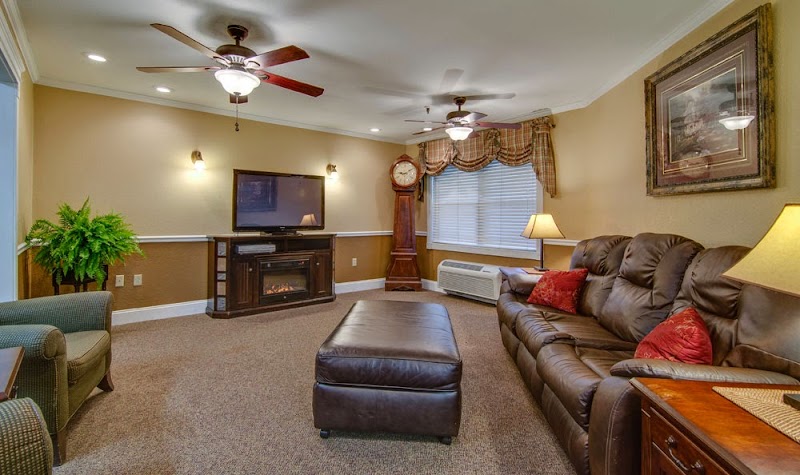
How is Osage Nursing & Rehabilitation Center Staffed?

CMS rates OSAGE NURSING & REHABILITATION CENTER's staffing level at 3 out of 5 stars, which is average compared to other nursing homes. Staff turnover is 82%, which is 36 percentage points above the Kansas average of 46%. High turnover can affect care consistency as new staff learn residents' individual needs. RN turnover specifically is 88%, which is notably high. RNs provide skilled clinical oversight, so turnover in this role can affect medical care quality.

What Have Inspectors Found at Osage Nursing & Rehabilitation Center?

State health inspectors documented 26 deficiencies at OSAGE NURSING & REHABILITATION CENTER during 2021 to 2024. These included: 1 Immediate Jeopardy (the most serious level, indicating potential for serious harm or death) and 25 with potential for harm. Immediate Jeopardy findings are rare and represent the most serious regulatory concerns. They require immediate corrective action.
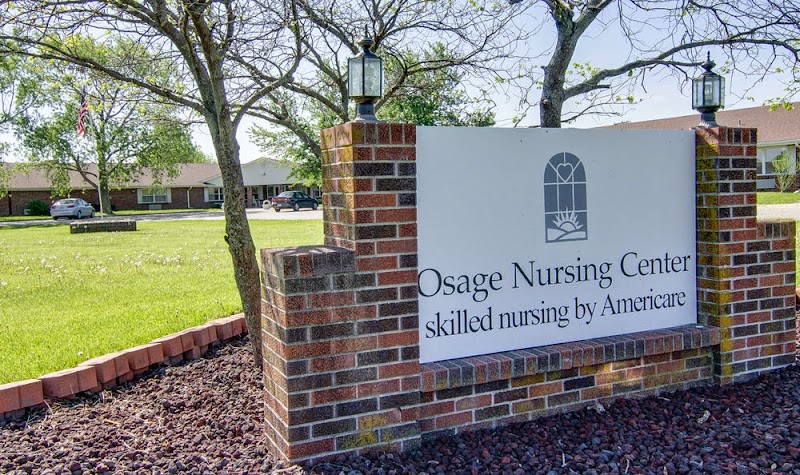
Who Owns and Operates Osage Nursing & Rehabilitation Center?

OSAGE NURSING & REHABILITATION CENTER is owned by a for-profit company. For-profit facilities operate as businesses with obligations to shareholders or private owners. The facility is operated by AMERICARE SENIOR LIVING, a chain that manages multiple nursing homes. With 53 certified beds and approximately 48 residents (about 91% occupancy), it is a smaller facility located in OSAGE CITY, Kansas.
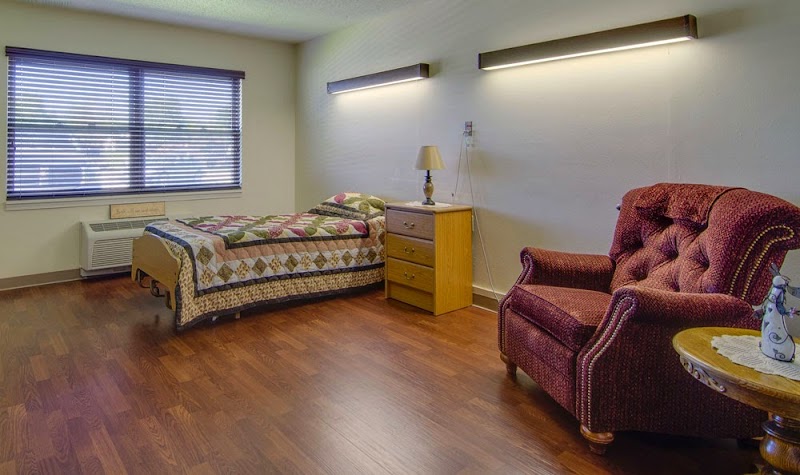
How Does Osage Nursing & Rehabilitation Center Compare to Other Kansas Nursing Homes?

Compared to the 100 nursing homes in Kansas, OSAGE NURSING & REHABILITATION CENTER's overall rating (1 stars) is below the state average of 2.9, staff turnover (82%) is significantly higher than the state average of 46%, and health inspection rating (1 stars) is much below the national benchmark.

What Should Families Ask When Visiting Osage Nursing & Rehabilitation Center?

Based on this facility's data, families visiting should ask: "What changes have been made since the serious inspection findings, and how are you preventing similar issues?" "How do you ensure continuity of care given staff turnover, and what is your staff retention strategy?" "Can I visit during a mealtime to observe dining assistance and food quality?" "How do you handle medical emergencies, and what is your hospital transfer rate?" These questions are particularly relevant given the facility's Immediate Jeopardy citations and the facility's high staff turnover rate.

Is Osage Nursing & Rehabilitation Center Safe?

Based on CMS inspection data, OSAGE NURSING & REHABILITATION CENTER has documented safety concerns. Inspectors have issued 1 Immediate Jeopardy citation (the most serious violation level indicating risk of serious injury or death). The facility has a 1-star overall rating and ranks #100 of 100 nursing homes in Kansas. Families considering this facility should ask detailed questions about what corrective actions have been taken since these incidents.

Do Nurses at Osage Nursing & Rehabilitation Center Stick Around?

Staff turnover at OSAGE NURSING & REHABILITATION CENTER is high. At 82%, the facility is 36 percentage points above the Kansas average of 46%. Registered Nurse turnover is particularly concerning at 88%. RNs handle complex medical decisions and coordinate care — frequent RN changes can directly impact care quality. High turnover means new staff may not know residents' individual needs, medications, or preferences. It can also be disorienting for residents, especially those with dementia who rely on familiar faces. Families should ask: What is causing the turnover? What retention programs are in place? How do you ensure care continuity during staff transitions?

Was Osage Nursing & Rehabilitation Center Ever Fined?

OSAGE NURSING & REHABILITATION CENTER has been fined $14,891 across 1 penalty action. This is below the Kansas average of $33,228. While any fine indicates a compliance issue, fines under $50,000 are relatively common and typically reflect isolated problems that were subsequently corrected. Families should ask what specific issues led to these fines and confirm they've been resolved.

Is Osage Nursing & Rehabilitation Center on Any Federal Watch List?

OSAGE NURSING & REHABILITATION CENTER is not on any federal watch list. The most significant is the Special Focus Facility (SFF) program, which identifies the bottom 1% of nursing homes nationally based on persistent, serious quality problems. Not being on this list means the facility has avoided the pattern of deficiencies that triggers enhanced federal oversight. This is a positive indicator, though families should still review the facility's inspection history directly.