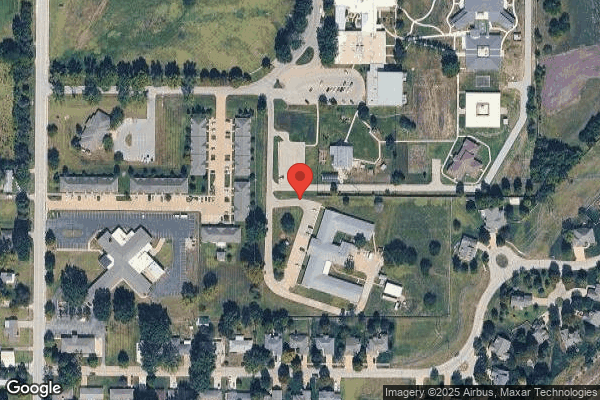
MEDICALODGES PAOLA

501 ASSEMBLY LANE, PAOLA, KS 66071 (913) 294-3345
For profit - Corporation 70 Beds MEDICALODGES, INC. Data: November 2025 5 Immediate Jeopardy citations
Trust Grade
0/100
#209 of 295 in KS
Last Inspection: July 2025

Inspected within the last 6 months. Data reflects current conditions.

Overview

Medicalodges Paola has received a Trust Grade of F, indicating significant concerns and placing it in the bottom tier of nursing homes. It ranks #209 out of 295 facilities in Kansas, placing it in the bottom half, and #3 out of 3 in Miami County, meaning only one local option is better. The facility’s situation is worsening, as it saw an increase in issues from 3 in 2024 to 6 in 2025. Staffing has a relatively good rating of 4 out of 5 stars, but the 50% turnover rate is average and suggests that staff may not stay long-term. However, the facility faces serious concerns with $78,225 in fines, which is higher than 88% of Kansas facilities, indicating recurring compliance issues. Specific incidents include a resident suffering an injury during a transfer due to improper equipment use, leading to a serious leg fracture, and another resident eloping from the facility without staff knowledge, resulting in law enforcement intervention. While the facility does have some strengths, such as decent staffing ratings, the significant fines and troubling incidents raise serious concerns for families considering this option for their loved ones.

Trust Score
F
0/100
In Kansas
#209/295
Bottom 30%
Safety Record
High Risk
Review needed
Inspections
Getting Worse
3 → 6 violations
Staff Stability
⚠ Watch
50% turnover. Above average. Higher turnover means staff may not know residents' routines.
Penalties
○ Average
$78,225 in fines. Higher than 54% of Kansas facilities. Some compliance issues.
Skilled Nurses
⚠ Watch
Each resident gets only 29 minutes of Registered Nurse (RN) attention daily — below average for Kansas. Fewer RN minutes means fewer trained eyes watching for problems.
Violations
⚠ Watch
29 deficiencies on record. Higher than average. Multiple issues found across inspections.
★★☆☆☆
2.0
Overall Rating
★★★★☆
4.0
Staff Levels
★★☆☆☆
2.0
Care Quality
★★☆☆☆
2.0
Inspection Score
Stable
2024: 3 issues
2025: 6 issues

The Good

  • 4-Star Staffing Rating · Above-average nurse staffing levels
  • Full Sprinkler Coverage · Fire safety systems throughout facility
  • No fines on record

Facility shows strength in staffing levels, fire safety.

The Bad

2-Star Overall Rating

Below Kansas average (2.9)

Below average - review inspection findings carefully

Staff Turnover: 50%

Near Kansas avg (46%)

Higher turnover may affect care consistency

Federal Fines: $78,225

Well above median ($33,413)

Moderate penalties - review what triggered them

Chain: MEDICALODGES, INC.

Part of a multi-facility chain

Ask about local staffing decisions and management

The Ugly 29 deficiencies on record

5 life-threatening
Jul 2025 6 deficiencies
CONCERN (D) 📢 Someone Reported This

A family member, employee, or ombudsman was alarmed enough to file a formal complaint

Potential for Harm - no one hurt, but risky conditions existed

Deficiency F0757 (Tag F0757)

Could have caused harm · This affected 1 resident

The facility identified a census of 63 residents. The sample included 17 residents including five residents reviewed for unnecessary medications. Based on record review, interview and observation, the...

Read full inspector narrative →
The facility identified a census of 63 residents. The sample included 17 residents including five residents reviewed for unnecessary medications. Based on record review, interview and observation, the facility failed to act upon blood pressure monitoring for Resident (R) 50 and administer a hypertensive (high blood pressure) medication per the physician orders. This placed the resident at risk for complications related to high blood pressure and ineffective medication regimen.Findings included:- R50's Electronic Health Record (EHR) revealed a diagnosis of hypertension (HTN-elevated blood pressure).R50's 06/27/25 Quarterly Minimum Data Set (MDS) documented a Brief Interview for Mental Status (BIMS) of 15, indicating intact cognition. The MDS recorded R50 had an active diagnosis of hypertension.R50's Care Plan dated 07/27/25 documented he had hypertension. The plan instructed staff to direct R50 to report complaints of headaches, dizziness, vision changes, chest pain, or palpitations. The plan noted R50 received Lisinopril (an antihypertensive medication) and Metoprolol (an antihypertensive medication) for HTN. It directed staff to monitor R50's blood pressure as ordered.R50's Physician's Order noted an order for amlodipine besylate (medication used to lower blood pressure and treat coronary artery disease), five milligrams (mg); give one tablet by mouth (PO) related to hypertension; ordered on 09/25/24. R50's Physician's Order noted an order for propranolol HCl (medication used to treat hypertension and chest pain) 10 mg PO three times a day related to drug-induced tremor; ordered on 08/16/24.R50's Physician's Order noted an order for metoprolol succinate extended release 24 hour (medication used to treat lower blood pressure and treat chest pain) 100mg; take one tablet PO one time a day for HTN; ordered on 08/16/24.R50's Physician's Order noted an order for lisinopril (a medication used to treat HTN) 40 mg every day for HTN ordered 08/16/24.R50's Physician's Order noted an order for clonidine (a medication to lower blood pressure.) 0.1 mg; give one-half tablet as needed (PRN) for systolic blood pressure (SBP- top number, the force your heart exerts on the walls of your arteries each time it beats) that is greater than 160 millimeters (mm) of Mercury (hg), related to HTN. Give for SBP greater than 160 mmHg. Recheck in one hour. May repeat one time in each 24-hour period. Ordered on 03/01/24.R50's EHR revealed the following dates when R50's SBP exceeded 160 mmHg, but the clonidine was not administered:11/01/24 at 07:26 PM, R50 had a blood pressure (BP) of 254 / 94 mmHg. The clonidine was not given as ordered. There was no progress note addressing the blood pressure.03/17/25 at 08:00 AM, R50 had a BP of 165 / 96 mmHg. The clonidine was not given as ordered. There was no progress note addressing the blood pressure.03/31/25 at 08:04 AM, R50 had a BP of 176 / 100 mmHg. The clonidine was not given as ordered. There was no progress note addressing the blood pressure.04/21/25 at 08:04 AM, R50 had a BP of 185 / 106 mmHg. The clonidine was not given as ordered. There was no progress note addressing the blood pressure.06/23/25 at 07:56 AM, R50 had a BP of 170 / 105 mmHg. The clonidine was not given as ordered. There was no progress note addressing the blood pressure.R50's Electronic Medication Administration Record (EMAR) documented that the clonidine was not given since the start of the order.During an observation on 07/29/25 at 09:18 AM, R50 walked in the hall without any concerns. R50 said that sometimes, when he bent down and then stood up too fast, he got lightheaded. He said he did not think he had any concerns with high blood pressure, but he was unsure.On 07/28/25 at 09:51 AM, Certified Medication Aide (CMA) S stated the CMA staff measure R50's blood pressures weekly as ordered. She did not know if he had PRN blood pressure medication orders. CMA S said the nurse gives any PRN medications, and the CMA staff cannot see the PRN orders. CMA S said she would notify the nurse if R50's blood pressure was high, the SBP was 190 or above, she would take it again, then notify the nurse if it was still high. CMA S said that anything less than 190, she would not notify the nurse for R50.On 07/28/25 at 10:58 AM, Licensed Nurse (LN) I stated the CMA gets the blood pressures. LN I said the CMA would notify her if it is high, and she would notify the doctor. LN I said she was unaware if R50 had any PRN blood pressure medications.On 07/28/25 at 12:35 PM, Administrative Nurse E stated R50's clonidine order was a weird order because the facility staff were not monitoring blood pressure. Administrative Nurse E verified R50's clonidine was not given when it should have been given on the above-mentioned dates. Administrative Nurse E said she monitors the blood pressures in the morning meeting and feels R50's blood pressure on 11/01/24 at 07:26 PM for 254 / 94 mmHg was probably a mistake.The facility did not provide a policy.
CONCERN (D) 📢 Someone Reported This

A family member, employee, or ombudsman was alarmed enough to file a formal complaint

Potential for Harm - no one hurt, but risky conditions existed

Infection Control (Tag F0880)

Could have caused harm · This affected 1 resident

The facility reported a census of 63 residents. The sample included 17 residents. Based on interviews, record reviews and observation, the facility staff failed to implement Enhanced Barrier Precautio...

Read full inspector narrative →
The facility reported a census of 63 residents. The sample included 17 residents. Based on interviews, record reviews and observation, the facility staff failed to implement Enhanced Barrier Precautions (EBP-infection control interventions designed to reduce transmission of resistant organisms which employ targeted gown and glove use during high contact care) for Resident (R)8 and for R21 who had wounds and received wound care. This deficient practice placed the residents at increased risk for infections. Findings included:- Observed on 07/27/25 at 09:50 AM, there was no EBP personal protective equipment (PPE) or signage set-up in or around R8's room.Observed on 07/27/25 at 11:57 AM, R21 had no EBP personal protective equipment (PPE) or signage set up in or around his room.Observed on 07/28/25 at 09:00 AM, there was no EBP PPE or signage set up in or around R8's room.Observed on 07/29/25 at 08:35 AM, Licensed Nurse (LN) G opened the door after she finished R21's treatment. LN G stated the incision was closed, but there were two open areas they were debriding (medical removal of dead, damaged, or infected tissue to improve the healing potential for the remaining healthy tissue) with Silvadene (a topical antibiotic used in partial-thickness and full-thickness wounds to prevent infection). There were gloves in the trash can, but no gown. LN G stated they did not wear gowns to provide care which included dressing changes. Observed on 07/29/25 at 09:13 AM, there was no EBP PPE or signage set-up in or around R8's room.On 07/27/25 at 09:50 AM, R8 reported she had wounds on her abdominal folds area that was caused by her briefs that were being treated.On 07/27/25 at 09:50 AM, LN G reported that R8's wounds were open and treated with silver alginate (absorbent dressing material) and an ABD pad. On 07/29/25 at 09:19 AM, LN H reported that R8's abdominal fold wounds were open but not weeping or draining, and when she provided treatment and dressing changes, she would wear gloves only. LN H also stated that EBP PPE was only used if there was a chance of getting bodily fluid on one's person. On 07/29/25 at 09:38 AM, Administrative Nurse E stated that EBP PPE would be utilized along with standard precautions if there were a positive culture colonization, in-dwelling medical devices, or if there were wounds that had a multi-drug-resistant organism that could not be contained.On 07/29/25 at 10:43 AM, Administrative Staff A stated that EBP PPE was expected to be in place whenever a resident had any type of infection.On 07/29/25 at 11:32 AM, Administrative Nurse E stated that R21 should have EPB. The facility's Infection Management Process dated 11/2023 documented that PPE will be available for all staff and that signage would be posted to direct staff and visitors on what PPE is required.
CONCERN (E) 📢 Someone Reported This

A family member, employee, or ombudsman was alarmed enough to file a formal complaint

Potential for Harm - no one hurt, but risky conditions existed

Safe Environment (Tag F0584)

Could have caused harm · This affected multiple residents

The facility reported a census of 63 residents. Based on observation, interview and record review, the facility failed to maintain a clean, comfortable, and homelike environment in four of 23 resident...

Read full inspector narrative →
The facility reported a census of 63 residents. Based on observation, interview and record review, the facility failed to maintain a clean, comfortable, and homelike environment in four of 23 resident rooms on the south hall placing the residents at risk of an uncomfortable and unhomelike environment. Findings included:- During an initial environmental tour of the south hall on 07/26/25 at 08:00 AM, the following issues were noted: 1. Resident (R)38's room had a build-up of a black substance around the base of the toilet. The wall beneath the sink had a large area that had been cut out and not repaired. 2. R13's room had areas of cove base several feet long that had separated from the wall. A build-up of a black substance had built up in the gap between the cove base and the wall. 3. R19's room had an area of cove base that had separated from the wall. A build-up of a black substance had built up in the gap between the cove base and the wall. The base of the window lacked paint in several areas. The bathroom door had multiple areas of missing paint. 4. R24's room had multiple areas on the wall at the head of the bed, which had been repaired but lacked paint. The bathroom had a build-up of a black substance around the base of the toilet. On 07/29/25 at 08:45 AM, Maintenance Staff U confirmed the areas were in need of repair. The facility did not provide a policy for housekeeping and maintenance of resident rooms.
CONCERN (F) 📢 Someone Reported This

A family member, employee, or ombudsman was alarmed enough to file a formal complaint

Potential for Harm - no one hurt, but risky conditions existed

Food Safety (Tag F0812)

Could have caused harm · This affected most or all residents

The facility reported a census of 63 residents and one kitchen. Based on observation, record review, and interview, the facility failed to prepare and serve food under sanitary conditions, to the resi...

Read full inspector narrative →
The facility reported a census of 63 residents and one kitchen. Based on observation, record review, and interview, the facility failed to prepare and serve food under sanitary conditions, to the residents of the facility appropriately to prevent the potential for food borne bacteria placing them at risk of food-related illness.Findings included: - During an initial tour of the kitchen on 07/27/25 at 10:51 AM, the following areas of concern were noted:1. The hand-washing sink had a build-up of dirt and grime.2. The trash can next to the hand-washing sink had dried on food and fluid.3. Three large plastic containers holding dried milk, flour, and sugar had a build-up of dust and a sticky substance on the lids.4. Four cutting boards had deep grooves, making them unsanitizable.5. Several drawers containing cutting boards, cooking utensils, and hot pads had food debris in the bottom.6. A corner cabinet used to hold sandwich bags, plastic wrap, and plastic containers had food debris throughout.7. The fronts of several cabinet doors had a build-up of dried-on food and liquid substance.8. Two preparation tables used to hold pots, pans, clean trays, and plates had food debris on the lowest shelf.9. Two two-door reach-in freezers and one three-door reach-in refrigerator had food debris on the bottom shelf. 10. Several of the wire racks in the reach-in refrigerators had worn off protective plastic coatings, making the racks unsanitizable.11. The splashback behind the sink at the preparation counter had a large crack in the vinyl covering.On 07/29/25 at 09:01 AM, Dietary Staff BB confirmed the areas of concern needed to be corrected.The facility policy for Sanitation of Dining and Food Service Areas, dated 2016, included: The Dining Services staff will uphold sanitation of the dining areas according to the cleaning schedule set forth by the Dining Service Manager. The stationery can opener, worktables, and counters shall be cleaned following each use. The hand-washing sink shall be cleaned daily. Trash barrels and drawers shall be cleaned weekly, and refrigerators, freezers, and food containers shall be cleaned monthly.
CONCERN (F) 📢 Someone Reported This

A family member, employee, or ombudsman was alarmed enough to file a formal complaint

Potential for Harm - no one hurt, but risky conditions existed

Deficiency F0947 (Tag F0947)

Could have caused harm · This affected most or all residents

The facility reported a census of 63 residents. Based on interview, and record review, the facility failed to ensure the mandatory 12-hours of education were completed for one Certified Nurse Aide (CN...

Read full inspector narrative →
The facility reported a census of 63 residents. Based on interview, and record review, the facility failed to ensure the mandatory 12-hours of education were completed for one Certified Nurse Aide (CNA) as required. This placed the residents at risk for decreased quality of care.Findings included:- Review of CNA N's personnel and training records revealed CNA N was hired on 01/20/20. CNA N's files lacked evidence that he had completed any of the mandatory 12 hours of education for the last 12 months.On 07/28/25 at 02:26 PM, Certified Medication Aide (CMA) S stated that required education was performed online through Relias. On 07/29/25 at 10:19 AM, Administrative Nurse D reported that staff were expected to complete mandatory online training, which included the required 12 hours of mandatory training, periodically each month.On 07/29/2025 at 10:39 AM, Administrative Staff A stated that the required and mandatory 12 hours of education had to be done; there was no excuse for it not to be completed in a 12-month period. Administrative Staff A further stated that there was a monitoring system that linked to the annual evaluation of the staff and indicated if the education was complete.The facility's Certified Nursing Assistant Job Summary, dated 10/2014, documented that part of the CNA's responsibility included understanding and complying with Medicalodges' policies and procedures, as well as state and federal requirements.
MINOR (C) 📢 Someone Reported This

A family member, employee, or ombudsman was alarmed enough to file a formal complaint

Minor Issue - procedural, no safety impact

Staffing Information (Tag F0732)

Minor procedural issue · This affected most or all residents

The facility reported a census of 63 residents. Based on observation, interview, and record review, the facility failed to ensure the posted daily nurse staffing sheets included accurate and identifia...

Read full inspector narrative →
The facility reported a census of 63 residents. Based on observation, interview, and record review, the facility failed to ensure the posted daily nurse staffing sheets included accurate and identifiable information to include the daily licensed and unlicensed staff hours, and daily census as required. Findings included:- Observed on 07/27/25 at 09:00 AM, the posted daily staffing sheet only had the first shift staffing information filled out; the second and third shift information was not included, nor were the actual hours worked filled out.Observed on 07/28/25 at 08:00 AM, the posted daily staffing sheet only had the first shift staffing information filled out; the second and third shift information was not included, nor were the actual hours worked filled out.Observed on 07/29/25 at 09:07, the posted staffing sheet only had the first shift information filled out; staffing hours and actual hours were not posted.Review of the daily staffing sheets from 07/29/25, 07/28/25, 07/27/25, 06/22/25, 06/21/25, 06/19/25, 06/16/25, 06/15/25, 06/07/25, 06/02/25, 05/29/25, 05/26/25 revealed they lacked all required information to be posted, including the total number and actual hours worked or daily census. On 07/28/25 at 08:00 AM, Administrative Staff B reported that the charge nurse for each shift, along with Administrative Nurse E, filled out the shift information on the staffing sheet for that shift. Administrative Staff B reported that she, by herself, then completed the actual hours worked for the staff once she verified their clock-in/out.On 07/28/25 at 12:12 PM, Administrative Nurse D stated that the daily staff sheet was filled out and posted by the morning charge nurse and Administrative Nurse E. Administrative Nurse D also stated that the daily staffing sheet was supposed to include facility name, date, staff number working that day, and total hours staff are scheduled to work, along with RN coverage and what shift, and the daily census. Administrative Nurse D further stated that the business office completed the actual hours staff worked, as verified by when staff clocked in/out of their shift. On 07/29/25 at 10:34 AM, Administrative Staff A reported that the posted staffing sheet was to be filled out by the charge nurse on each shift, by that shift, and then posted.The facility did not provide a policy related to sufficient staffing.
Sept 2024 3 deficiencies 3 IJ
CRITICAL (J) 📢 Someone Reported This

A family member, employee, or ombudsman was alarmed enough to file a formal complaint

Immediate Jeopardy (IJ) - the most serious Medicare violation

Free from Abuse/Neglect (Tag F0600)

Someone could have died · This affected 1 resident

**NOTE- TERMS IN BRACKETS HAVE BEEN EDITED TO PROTECT CONFIDENTIALITY** The facility reported a census of 65 residents. The sample included three residents reviewed for accidents. Based on observation...

Read full inspector narrative →
**NOTE- TERMS IN BRACKETS HAVE BEEN EDITED TO PROTECT CONFIDENTIALITY** The facility reported a census of 65 residents. The sample included three residents reviewed for accidents. Based on observation, interview, and record review, the facility failed to prevent the neglect of Resident (R)1, when staff did not utilize appropriate transfer equipment to safely meet the needs of R1, who displayed signs of weakness during cares. On 08/28/24 at 02:40 PM, Licensed Nurse (LN) G, Certified Nurse Aide (CNA) M, CNA N, and Certified Medication Aide (CMA) R assisted R1 to stand, with use of a gait belt that was not the appropriate size for R1. As two of the staff members attempted to pull R1's incontinence brief up, R1's legs became weak, and staff lowered R1 to the floor. During the lowering, the resident's left leg buckled underneath the resident and rotated outward, which caused a popping noise. The facility called Emergency Medical Services (EMS) to transfer R1 to the Emergency Department (ED). R1 admitted to the hospital with an obliquely oriented fracture (the bone fractured at an angle) through the middle to distal (lower portion) femoral (thigh bone) diaphysis (shaft). This deficient practice placed the facility in immediate jeopardy. Findings include: - R1's Physician Order Sheet (POS) dated 07/09/24, revealed diagnoses of chronic obstructive pulmonary disease (progressive and irreversible condition characterized by diminished lung capacity and difficulty or discomfort in breathing), congestive heart failure (a condition with low heart output and the body becomes congested with fluid), osteoarthritis (degenerative changes to one or many joints characterized by swelling and pain), tricompartmental osteoarthritis (cartilage that cushions and protects the bones in certain regions gradually degenerates), morbid (severe) obesity (excessive body fat) with alveolar hypoventilation (a condition causing low oxygen intake causing high levels of carbon dioxide in the blood), anxiety (mental or emotional reaction characterized by apprehension, uncertainty and irrational fear), and mood disorder (category of mental health problems, feelings of sadness, helplessness, guilt, wanting to die were more intense and persistent than what may normally be felt from time to time). The 08/05/24 Entry Minimum Data Set, (MDS), documented the resident admitted to the facility on [DATE]. The 08/12/24 admission MDS documented the resident had a Brief Interview of Mental Status (BIMS) score of 15, which indicated intact cognition. The resident used a manual wheelchair for mobility. The resident required supervision with transfers and toileting due to functional limitations of mobility in bilateral (both) lower extremities. The ADL [Activities of Daily Living] Functional/Rehabilitation Potential Care Area Assessment (CAA), dated 08/20/24, documented the resident required assistance with ADLs due to impaired balance and transition during transfers and functional impairment in activity. The Fall CAA, dated 08/20/24, documented the resident required assistance with transfers due to impaired gait (manner or style of walk) and mobility. R1's Activities of Daily Living Care Plan, dated 08/14/24, included R1 required assistance with ADLs related to physical limitations. R1 required assistance of one staff for dressing and personal care. R1 could self-propel in her manual wheelchair throughout the facility. R1 required more assistance if she complained of pain. An update on 08/20/24 instructed the staff to assist R1 with transfers from the wheelchair to the toilet, as well as dressing after toileting. R1's Fall Care Plan, dated 08/21/24, instructed staff that R1 was at risk for falls. The care plan further instructed staff to remind the resident to utilize her call light when she needed assistance, ensure the pathway in her room remained clean and unobstructed, and all the resident's commonly used items remained in her reach. A 08/30/24 revision instructed staff to transfer R1 with a mechanical lift only. The Fall Risk Assessment dated 08/17/24 and 08/27/24 indicated R1 was a moderate risk for falls. Review of R1's left hip, left femur, and left knee x-ray report, dated 08/28/24, documented obliquely oriented fracture (the bone fractured at an angle) through the middle to distal (lower portion) femoral (thighbone) diaphysis (shaft). The report noted tricompartmental (three compartments of the knee) osteoarthritic (arthritis [painful inflammation and stiffness of the joints] that affects all three compartments of the knee) change for R1. A Nursing Note on 08/28/24 at 05:23 PM, revealed LN G, CNA M, CNA N, and CMA R attempted to change and transfer R1. There were two staff members on each side of R1 and two staff members behind the resident. The resident's legs became weak and staff lowered her to the floor. The resident's bilateral lower extremities were tucked underneath her, and LN G heard an audible pop. LN G observed the resident's left lower extremity rotated outward. Administrative Nurse D assessed R1 and the resident was transported by Emergency Medical Services (EMS) to the Emergency Department (ED). Review of a RISK Progress Note dated 08/30/24 at 12:57 PM, revealed staff lowered R1 to the floor on 08/28/24 at 02:40 PM to prevent a fall. The facility documented suspected abuse or neglect was not determined due to the resident's diagnosis of tricompartmental osteoarthritis (cartilage that cushions and protects the bones in certain regions gradually degenerates in this illness), that could cause femoral stress fractures and the cause of injury was medically related. Review of Administrative Nurse A's Witness Statement on 08/28/24, revealed staff requested her assistance to R1's room. R1 was observed supine (lying face upward) on the floor with her left lower extremity turned outward. During an interview on 09/03/24 at 11:48 AM, LN G reported R1 re-admitted to the facility from the hospital within the last 24 hours related to acute respiratory distress and appeared to be very weak. CMA R entered the resident's room to administer medications and noticed the resident required more assistance due to weakness. LN G reported that she and CMA R attempted to place a gait belt around the resident, but the facility did not have a gait belt that was the appropriate size for R1. LN G reported while providing cares for R1, the resident required more than two staff members due to difficulty standing. LN G reported she asked for CNA M and CNA N to assist with cares. R1 stood as she held onto her wheelchair, assisted by LN G and CMA R on each side of her, while CNA M and CNA N were pulling up her brief. The resident began to express that her legs were becoming too weak to stand and she had shortness of breath, while wearing oxygen at 3 liters. The staff members lowered the resident to the floor. LN G reported while lowering the resident to the floor, there was an audible pop. LN G observed the resident's bilateral lower extremities buckled underneath the resident and her left lower extremity was in an outward rotation. LN G requested for Administrative Nurse A to assess the resident and for a staff member to call for Emergency Medical Services (EMS). When EMS arrived, staff assisted the paramedics to transfer the resident from the floor onto the gurney, and EMS transported R1 to the Emergency Department (ED). LN G reported she did not know the resident's transfer status and she had not received report on R1 after she was re-admitted to the facility, prior to lowering the resident to the floor. LN G reported when she initially entered the resident's room to assist CMA R, she should have asked CMA R to wait so that she could receive guidance from Administrative Nurse D, because the resident appeared weak and short of air at that time. LN G reported that a mechanical lift should have been used during the transfer. On 09/03/24 at 12:09 PM CNA M reported LN G requested her assistance with R1 to change the resident's bedding, clothing, brief, and assist with a transfer. CNA M said the gait belt was too small to wrap around the resident and the facility did not have a gait belt that was the appropriate size for R1. CNA M said the resident was able to stand up with LN G and CMA R on each side to stabilize her. CNA N and CNA M assisted R1 with a change of clothes and a clean brief. R1 became weak and her leg began to buckle so the four staff members assisted the resident to the floor and heard loud audible pops. CMA R exited the resident's room to ask Administrative Nurse D for assistance. EMS arrived, place the resident in a sitting position, and with staff assistance, transferred the resident from the floor to the gurney with a transfer sling. R1 transported to the ED. CNA M said when the resident returned from her hospital stay, the [NAME] (communication and documentation system for nursing staff) and her care plan should have immediately been revised for a mechanical lift. When a resident was newly admitted , staff should receive the type of cares and transfer status during report. CNA M reported she should have asked Administrative Nurse D for guidance on the mechanical lift. During an interview on 09/03/24 at 12:30 PM, CNA N reported on 08/28/24 she was asked to assist with R1's cares and transfer. CNA N reported R1 required two-person assistance for her cares when she was readmitted to the facility on [DATE]. When CNA N entered the resident's room, the resident was standing up, holding onto her wheelchair, assisted by LN G and CNA M. CNA N reported the resident began to have shortness of air and requested to sit down. The resident sat on the side of the bed and began to slide, and staff then assisted R1 to the floor. CNA N said the resident's bilateral lower extremities were underneath her with her left lower extremity extended outward. During an interview on 09/03/24 at 12:39 PM, CMA R reported she asked LN G to assist with R1's incontinent care. CMA R said the staff tried two different two gait belts, but both gait belts were too small. The resident legs became increasingly weak, and staff lowered R1 to the floor. LN G noticed R1's left leg was underneath her and observed an outward rotation. CMA R said the resident required more than one or two staff members. The resident was not care planned for a mechanical lift at the time but should have been care planned for a full body mechanical lift. During an interview on 09/03/24 at 03:37 PM, Administrator Nurse D said based on the investigation the resident should have been care planned and transferred with a mechanical lift. Administrator Nurse D said LN G should have stopped cares and transferred R1 with a mechanical lift. The facility's Abuse, Neglect and Exploitation policy, dated 10/2022, documented that the resident had the right to be free from neglect. The facility failed to prevent the neglect of Resident (R) 1, when staff did not utilize appropriate transfer equipment to safely meet the needs of R1, who displayed signs of weakness during cares and staff had to lower the resident to the floor and sustained an obliquely oriented fracture (the bone fractured at an angle) through the middle to distal (lower portion) femoral (thighbone) diaphysis (shaft). On 09/04/24 at 01:06 PM an IJ template was provided to Administrative Staff A and notified the facility failed to prevent the neglect of R1, when staff did not utilize appropriate transfer equipment to safely meet the needs of R1, who displayed signs of weakness during cares. On 08/29/24 at 02:40 PM, LN G, CNA M, CNA N, and CMA R attempted to stand R1 with use of a gait belt. The gait belt was not utilized due to the gait belt was too small for the resident. The four staff members assisted R1 to a standing position from her bed, as two staff members attempted to pull up her brief. The resident's legs became weak, and staff lowered R1 to the floor. During the lowering, the resident's left leg was buckled underneath the resident, and rotated outward, that caused a popping noise. The facility called Emergency Medical Services (EMS) to transfer R1 to the Emergency Department (ED). R1 admitted to the hospital with an obliquely oriented fracture (the bone fractured at an angle) through the middle to distal (lower portion) femoral (thighbone) diaphysis (shaft). The facility provided an acceptable plan for removal of the immediacy on 09/04/24 at 04:36 PM. On 09/04/24 at 11:00 AM, Administrative Nurse D reported education/training started on 09/04/24 and would be completed on 09/04/24. Administrative Nurse D reported that she reported to the nursing staff R1 was a mechanical lift for transfer when she reported on 08/27/24 from the hospital. All nursing staff would complete the abuse and neglect training prior to working their next shift. The Immediate Jeopardy was determined to first exist on 08/27/24 at 02:40 PM, when Licensed Nurse (LN) G, Certified Nurse Aide (CNA) M, CNA N, and CMA R transferred R1 without the appropriate equipment. The facility identified and implemented the following corrective actions, completed on 09/04/24: 1. On 08/28/24 at 02:40 PM, staff assessed R1. 2. The facility updated R1's care plan related to transfer. All will have transfer ability assessed with revision care plan as 3. Nursing staff educated on R1 to be Hoyer (full body mechanical lift) transfer upon return from the hospital on [DATE]. Staff would be educated upon hire and prior to working their next scheduled shift. 4. Nursing staff educated that if a resident transfer required more than two staff, staff were to use a full body mechanical lift and report to the Director of Nursing immediately. Educated on 08/28/24. 5. Licensed staff educated on updating care plans upon readmission, education began on 09/05/24. 6. Staff would be educated upon hire and prior to working their next scheduled shift. 7. Abuse, Neglect and Exploitation (ANE) training completed with staff by 09/04/24. 8. Staff would be educated to utilize the appropriate size of gait belt for R1. The surveyor verified the implementation of the above corrective actions onsite on 09/04/24 at 04:36 PM, and the deficient practice remained at a G scope and severity.
CRITICAL (J) 📢 Someone Reported This

A family member, employee, or ombudsman was alarmed enough to file a formal complaint

Immediate Jeopardy (IJ) - the most serious Medicare violation

Report Alleged Abuse (Tag F0609)

Someone could have died · This affected 1 resident

The facility reported a census of 65 residents. The sample included three residents reviewed for accidents. Based on observation, interview, and record review, the facility failed to report the elopem...

Read full inspector narrative →
The facility reported a census of 65 residents. The sample included three residents reviewed for accidents. Based on observation, interview, and record review, the facility failed to report the elopement (an incident in which a cognitively impaired resident with poor or impaired decision-making ability/safety awareness leaves the facility without the knowledge of staff) of Resident (R)2 to the State Agency, as required. On 08/27/24 at 08:48 PM R2 left the facility without staff knowledge or supervision and at approximately 10:41 PM, Law Enforcement called the facility to advise them they had received calls noting that R2 was walking on the highway, entered a gas station approximately 0.9 miles from the facility. Law Enforcement advised License Nurse (LN) H that someone needed to come to their location because Law Enforcement had the R2 surrounded with their patrol cars due to his threats to Law Enforcement and the store clerk, yelling, cursing and agitation. The LN H reported she immediately drove to the gas station in her personal vehicle, without contacting Administrative Staff A or Administrative Nurse D and returned to the facility with the R2. While LN H drove back to the facility, she reported the R2 made several attempts to grab the steering wheel of the car while she was driving. The failure of the facility to report an elopement to the State Agency as required, placed R2 in immediate jeopardy. Findings include: - R2's Physician Order Sheet (POS) dated 07/09/24, revealed his diagnoses included schizoaffective disorder (mental health disorder with mood disorder), bipolar type (major mental illness that caused people to have episodes of severe high and low moods), communication deficit (impairments in language comprehensive, speech, verbal, and nonverbal communication), extrapyramidal and movement disorder (movement disorders as a result of taking certain medications), anxiety disorder (mental or emotional reaction characterized by apprehension, uncertainty and irrational fear), and drug induced subacute dyskinesia (involuntary movement disorder). The 07/05/24 admission Minimum Data Set (MDS) documented the resident had a Brief Interview of Mental Status (BIMS) score of 15, which indicated intact cognition. The resident had disorganized thinking and verbal behaviors. The resident was independent with his Activities of Daily Living (ADLs) and had a history of falls. R2's Fall Care Plan, dated 01/11/24, instructed staff the resident would get eight hours of sleep per night. The 01/11/24 Care Plan for R2 did not include Sign Out privileges for R2. R2's Elopement Risk Assessment, dated 05/03/24, revealed a score of 5, indicating a low risk for elopement. R2's Fall Risk Assessment, dated 05/17/24, revealed a score of 15, indicating a moderate risk for falls. Review of the Behavior Note, dated 08/27/24 at 10:41 AM by LN H, revealed Law Enforcement called the facility and reported they received a call stating R2 was walking on the highway, walked into a gas station, and attempted to buy cigarettes with postage stamps. LN H drove her personal car to the location Law Enforcement gave her and returned the resident to the facility. The resident refused an assessment and staff placed the resident on one-on-one monitoring the following morning (08/28/24) at 09:30 AM. Review of a Social Service Progress Note dated 08/28/24 at 09:00 AM, revealed the facility contacted R2's Durable Power of Attorney (DPOA) and they gave R2 Sign Out Privileges (SOP) at that time. The revised Care Plan, dated 08/28/24 (after R2's elopement), instructed staff to know the resident's guardian approved the resident to walk in the community. The resident was educated on the Sign Out Privileges (SOP) policy, where/how to sign out, and to inform the nursing staff if R2 was going to utilize the SOP. On 09/04/24 at 11:33 AM, review the facility video surveillance revealed on 08/27/24 at 08:48 PM, R2 exited the smoking door from the dining room and did not return at that time. The resident wore shoes, jeans, shirt, and a jacket. Review of the State Agency database for the facility revealed lack of reporting the 08/27/24 elopement of R2. On 09/03/24 at 12:09 PM, CNA M reported she was not an approved driver for the facility. CNA M reported the facility policy included an approved driver would transport the resident in the facility van if the facility had an elopement. The front door alarm was to be turned on at 07:00 PM and the smoking door alarm was to be turned on at 11:00 PM. With the behaviors that were reported (agitation, threatening, yelling, and cussing), a staff member should not have picked R2 up in their personal car. Law Enforcement should have transported the resident to the facility. The facility had a communication board at the nurse's desk which indicated which door was opened with clear surveillance video to identify who exited the door. On 09/03/24 at 12:30 PM, CNA N reported when she returned to work on 08/28/24, she was asked by Administrative Nurse D to sit with R2 one-on-one because the resident left the facility grounds. CNA N said R2 had not shown exit seeking behaviors to leave the facility grounds and the resident would sit outside in the smoking area with peers. On 09/03/24 at 11:48 AM, LN G reported she received education related to elopement and stated prior to the elopement on 08/27/24, she was not aware that R2 had left the facility grounds unsupervised. LN G reported that R2 did leave the facility with family but did not have Sign Out Privileges to leave the facility grounds unsupervised. On 08/28/24, R2's family authorized Sign Out Privileges for R2. LN G reported R2 does sit outside in the smoking area and in front of the building on facility benches. On 09/03/24 at 01:10 PM, LN H reported Law Enforcement called the facility on 08/27/24 at 10:40 PM and informed the facility that R2 was at a gas station, and he threatened a gas station clerk. The resident wanted to buy cigarettes with postage stamps. Law Enforcement reported to LN H that police had R2 surrounded with the patrol units due to his threatening behaviors of agitation, yelling, and cursing. She drove to the gas station, (approximately 0.9 miles from the facility) and picked up R2 and brought him back to the facility. As LN H transported the resident to the facility in her personal car, the resident made attempts to grab the steering wheel. LN H reported she was not an approved driver and she knew she was not to transport residents in her personal car. On 09/03/24 at 03:24 PM, Administrative Staff A reported he visited with R2, and R2 reported he exited the facility to buy a pack of cigarettes. Administrative Staff A reported staff would provide R2 with five cigarettes in the morning and five cigarettes in the afternoon. Administrative Staff A reported since R2 planned on returning to the facility after obtaining cigarettes, he felt this was not reportable to the State agency. The facility's Elopement Policy & Procedure policy dated, 12/2022, documented that the facility will minimize the risk of residents leaving the premises without the necessary supervision or authorization to do so. The facility's Elopement Policy & Procedure policy lack information regarding reporting to the State Agency after an elopement. The facility failed to report the 08/27/24 elopement of R2 to the State Agency, as required. On 09/04/24 at 01:06 PM, the IJ template was provided to the Administrative Staff A and notified the facility failure to notify the State Agency of R2's 08/27/24 elopement, when he exited the facility from the smoking door from the dining room exit door on 08/27/24 at 08:48 PM, placed the resident in immediate jeopardy to his health and safety. Law Enforcement notified the facility on 08/27/24 at 10:41 PM of calls that R2 was walking on the highway and entered a gas station approximately 0.9 miles from the facility, threatening a store clerk, wanting to buy cigarettes with postage stamps. On 09/04/24 at 01:30 PM, Administrative Nurse D reported training started on 09/04/24 and would be completed on 09/05/24. Administrative Nurse D reported staff would complete the Elopement Policy & Procedure in-service, prior to working their next shift. The immediate jeopardy was determined to first exist on 08/27/24 at 08:48 PM when R2 exited the facility unsupervised and without the facility's knowledge through the smoking door on 08/27/24 at 08:48 PM, and the facility did not notify the State Agency. The facility provided an acceptable plan for removal of the immediacy on which 09/04/24 04:36 PM, which included the following: 1. The staff would be educated on elopement policy and accountability of resident location by 09/04/24. Staff would be educated upon hire and prior to working their next scheduled shift. 2. On 09/04/24 at 03:50 PM, Administrative Staff A, Administrative Nurse D & Administrative Nurse E received education on Federal Required Reporting. The surveyor verified the implementation of the above corrective actions 09/04/24 at 04:36 PM, and the deficient practice remained at a D scope and severity.
CRITICAL (J) 📢 Someone Reported This

A family member, employee, or ombudsman was alarmed enough to file a formal complaint

Immediate Jeopardy (IJ) - the most serious Medicare violation

Accident Prevention (Tag F0689)

Someone could have died · This affected 1 resident

The facility reported a census of 65 residents. The sample included three residents reviewed for accidents. Based on observation, interview, and record review, the facility failed to protect Resident ...

Read full inspector narrative →
The facility reported a census of 65 residents. The sample included three residents reviewed for accidents. Based on observation, interview, and record review, the facility failed to protect Resident (R) 2 from possible harm when he exited the facility unsupervised and without staff knowledge (elopement) on 08/27/24 at 08:48 PM. At approximately 10:41 PM, Law Enforcement called the facility to inform them they received calls noting R2 was walking on the highway, then entered a gas station (approximately 0.9 miles from the facility), threatened a store clerk, and wanted to buy cigarettes with postage stamps. Law Enforcement informed License Nurse (LN) H someone needed to come to their location because Law Enforcement had R2 surrounded with their patrol cars due to his threats of yelling, cursing and agitation to Law Enforcement Officers and the store clerk. LN H reported she immediately drove her personal vehicle to the gas station, without contacting Administrative Staff A or Administrative Nurse D, and returned to the facility with R2. LN H said as she drove R2 back to the facility, R2 made several attempts to grab the steering wheel of the car while she was driving. This deficient practice placed the resident in immediate jeopardy. Findings include: - R2's Physician Order Sheet (POS) dated 07/09/24, revealed his diagnoses included schizoaffective disorder (mental health disorder with mood disorder), bipolar type (major mental illness that caused people to have episodes of severe high and low moods), communication deficit (impairments in language comprehensive, speech, verbal, and nonverbal communication), extrapyramidal and movement disorder (movement disorders as a result of taking certain medications), anxiety disorder (mental or emotional reaction characterized by apprehension, uncertainty and irrational fear), and drug induced subacute dyskinesia (involuntary movement disorder). The 07/05/24 admission Minimum Data Set (MDS) documented the resident had a Brief Interview of Mental Status (BIMS) score of 15, which indicated intact cognition. The resident had disorganized thinking and verbal behaviors. The resident was independent with his Activities of Daily Living (ADLs) and had a history of falls. R2's Fall Care Plan, dated 01/11/24, instructed staff the resident would get eight hours of sleep per night. The 01/11/24 Care Plan for R2 did not include Sign Out privileges for R2. R2's Elopement Risk Assessment, dated 05/03/24, revealed a score of 5, indicating a low risk for elopement. R2's Fall Risk Assessment, dated 05/17/24, revealed a score of 15, indicating a moderate risk for falls. Review of the Behavior Note, dated 08/27/24 at 10:41 AM by LN H, revealed Law Enforcement called the facility and reported they received a call stating R2 was walking on the highway, walked into a gas station, and attempted to buy cigarettes with postage stamps. LN H drove her personal car to the location Law Enforcement gave her and returned the resident to the facility. The resident refused an assessment and staff placed the resident on one-on-one monitoring the following morning (08/28/24) at 09:30 AM. Review of a Social Service Progress Note dated 08/28/24 at 09:00 AM, revealed the facility contacted R2's Durable Power of Attorney (DPOA) and they gave R2 Sign Out Privileges (SOP) at that time. The revised Care Plan, dated 08/28/24 (after R2's elopement), instructed staff to know the resident's guardian approved the resident to walk in the community. The resident was educated on the Sign Out Privileges (SOP) policy, where/how to sign out, and to inform the nursing staff if R2 was going to utilize the SOP. On 09/04/24 at 11:33 AM, review of the facility video surveillance revealed on 08/27/24 at 08:48 PM, R2 exited the smoking door from the dining room and did not return at that time. The resident wore shoes, jeans, shirt, and a jacket. During an interview on 09/03/24 at 12:09 PM, CNA M reported she was not an approved driver for the facility. CNA M reported the facility policy included an approved driver would transport the resident in the facility van if the facility had an elopement. The front door alarm was to be turned on at 07:00 PM and the smoking door alarm was to be turned on at 11:00 PM. With the behaviors that were reported (agitation, threatening, yelling, and cussing), a staff member should not have picked R2 up in their personal car. Law Enforcement should have transported the resident to the facility. The facility had a communication board at the nurse's desk which indicated which door was opened with clear surveillance video to identify who exited the door. During an interview on 09/03/24 at 12:30 PM, CNA N reported when she returned to work on 08/28/24, she was asked by Administrative Nurse D to sit with R2 one-on-one because the resident left the facility grounds. CNA N said R2 had not shown exit seeking behaviors to leave the facility grounds and the resident would sit outside in the smoking area with peers. During an interview on 09/03/24 at 11:48 AM, LN G reported she received education related to elopement and stated prior to the elopement on 08/27/24, she was not aware that R2 had left the facility grounds unsupervised. LN G reported that R2 did leave the facility with family but did not have Sign Out Privileges to leave the facility grounds unsupervised. On 08/28/24, R2's family authorized Sign Out Privileges for R2. LN G reported R2 does sit outside in the smoking area and in front of the building on facility benches. During an interview on 09/03/24 at 01:10 PM, LN H reported Law Enforcement called the facility on 08/27/24 at 10:40 PM and informed the facility that R2 was at a gas station, and he threatened a gas station clerk. The resident wanted to buy cigarettes with postage stamps. Law Enforcement reported to LN H that police had R2 surrounded with the patrol units due to his threatening behaviors of agitation, yelling, and cursing. She drove to the gas station, (approximately 0.9 miles from the facility) and picked up R2 and brought him back to the facility. As LN H transported the resident to the facility in her personal car, the resident made attempts to grab the steering wheel. LN H reported she was not an approved driver and she knew she was not to transport residents in her personal car. During an interview on 09/03/24 at 03:24 PM, Administrative Staff A reported he received a call from LN I after staff brought R2 back to the facility. Administrative Staff A reported R2 was immediately placed on one-on-one observation on 08/27/24 at 10:45 PM until 08/28/24 at 09:30 AM. Administrative Staff A reported he was unsure what time R2 exited the facility. The nursing staff reported they last saw R2 on 08/27/24 at 09:15 PM. On 08/28/24, staff notified R2's Durable Power of Attorney (DPOA) and they gave R2 Sign Out Privileges. After visiting with R2 on 08/28/24, Administrative Staff A reported R2 said he planned to return after he purchased cigarettes. Administrative Staff A also reported the facility had authorized drivers that lived locally to transport residents at any hour. The facility staff were not authorized to transport residents in their personal vehicles. According to Administrative Staff A, prior to R2 exiting the facility grounds unsupervised, staff provided ten cigarettes that morning for the day for R2, but on 08/27/24, R2 had smoked the ten cigarettes earlier in the day. Administrative Staff A reported he visited with R2, and R2 reported he exited the facility to buy a pack of cigarettes. Administrative Staff A reported staff would provide R2 with five cigarettes in the morning and five cigarettes in the afternoon. The facility's Elopement Policy & Procedure policy dated, 12/2022, documented that the facility will minimize the risk of residents leaving the premises without the necessary supervision or authorization to do so. The facility failed to protect R2 from possible harm when R2 exited the facility unsupervised and without facility staff knowledge from the smoking door from the dining room exit door on 08/27/24 at 08:48 PM. On 08/27/24 at approximately 10:41 PM, Law Enforcement called the facility to advise the facility the resident had entered a gas station approximately 0.9 miles from the facility and threatened a store clerk, wanting to buy cigarettes with postage stamps. On 09/04/24 at 01:06 PM, the IJ template was provided to Administrative Staff A and notified the facility failed to protect R2 from possible harm when he exited the facility from the smoking door off of the dining room exit door on 08/27/24 at 08:48 PM. On 08/27/24 at approximately 10:41 PM, Law Enforcement called the facility to advise the facility that the Law Enforcement received calls that R2 had been walking on the highway, then entered a gas station approximately 0.9 miles from the facility and threatened a store clerk, wanting to buy cigarettes with postage stamps. The immediate jeopardy was determined to first exist on 08/27/24 at 08:48 PM when R2 exited the facility unsupervised and without the facility's knowledge through the smoking door on 08/27/24 at 08:48 PM. The facility provided an acceptable plan for removal of the immediacy on 09/04/24 at 04:36 PM, which included the following: 1. On 08/27/24 at 10:40 PM, the resident was assisted back to the facility by a nurse and the resident refused an assessment. 2. The residents guardian approved walking privileges for R2 with the care plan revised on 08/28/24. 3. R2 educated on the sign out process with care plan revised on 08/28/24. 4. R2 would be assessed to determined sign out privileges and safe walking with the care plan revised by 09/04/24. 5. The staff would be educated on elopement policy and accountability of resident location by 09/04/24. Staff would be educated upon hire and prior to working their next scheduled shift. The surveyor verified the implementation of the above corrective actions 09/04/24 at 04:36 PM, and the deficient practice remained at a D scope and severity.
Nov 2023 8 deficiencies 1 IJ
CRITICAL (J) 📢 Someone Reported This

A family member, employee, or ombudsman was alarmed enough to file a formal complaint

Immediate Jeopardy (IJ) - the most serious Medicare violation

Accident Prevention (Tag F0689)

Someone could have died · This affected 1 resident

**NOTE- TERMS IN BRACKETS HAVE BEEN EDITED TO PROTECT CONFIDENTIALITY** The facility reported a census of 62 residents with 18 residents selected for review, which included two residents reviewed for ...

Read full inspector narrative →
**NOTE- TERMS IN BRACKETS HAVE BEEN EDITED TO PROTECT CONFIDENTIALITY** The facility reported a census of 62 residents with 18 residents selected for review, which included two residents reviewed for elopement. Based on observation, interview, and record review the facility failed to ensure staff provided a safe and secure environment to include adequate supervision for cognitively impaired Resident (R) 44, who the facility care planned for 15-minute checks due to a history of making elopement statements. On 10/22/23 at 05:07 AM R44 left the facility and walked approximately 0.6 miles to a local grocery store (which opened at 06:00 AM). The resident was observed in the grocery store eating at the salad bar. The facility did not realize R44 was missing for four hours and 23 minutes, when local police called the facility at 09:15 AM to report they located the resident and then returned the resident to the facility. This deficient practice placed the resident in immediate jeopardy. Findings included: - Review of Resident (R)44's Physician Order Sheet, dated 10/04/23, revealed diagnoses that included schizoaffective disorder (psychotic disorder characterized by gross distortion of reality, disturbances of language and communication and fragmentation of thought), anxiety disorder (mental or emotional reaction characterized by apprehension, uncertainty, and irrational fear), and poly-osteoarthritis (degenerative changes to one or many joints characterized by swelling and pain). The admission Minimum Data Set (MDS), dated [DATE], assessed the resident with a Brief Interview for Mental Status (BIMS) score of nine, which indicated moderate impairment of cognitive function. The resident hallucinated, had delusions (untrue persistent belief or perception held by a person although evidence shows it was untrue), and verbal behaviors. The resident had no impairment in functional range of motion in her extremities. The resident required supervision or touching assistance with ambulation. She required no mobility devices. The Psychosocial Well-Being Care Area Assessment (CAA), dated 08/29/23, revealed the resident's noncompliance with medications led to exacerbation of symptoms, which affected her cognitive function, mood, and behavior. Review of the Elopement Risk Score in the resident's medical record revealed numerical scores and corresponding risks as: 0-7 not at risk for elopement, 8-9 low risk for elopement, 10-12 moderate risk for elopement, and greater than 13 high risks for elopement. On 08/23/23, the resident had a score of 12, which identified the resident as being at moderate risk for elopement. The Care Plan reviewed 09/25/23 instructed staff to provide R44 with 15-minute safety checks due to recent comments and a history of elopement. A Nurse's Notes dated 10/22/23 indicated, per camera footage, the resident exited the facility at 05:07 AM (prior to sunrise). The resident walked to the grocery store and was returned to the facility by local law enforcement at 09:30 AM. The resident was disoriented to person, place, and time, and was agitated. While out of the facility unsupervised, observation of the area revealed the resident walked approximately 0.6 miles to a grocery store on a two-lane paved road with a 30 mile per hour speed limit. The temperature was 53 degrees Fahrenheit, and sunrise was at 07:50 AM per the historical weather data on the 'Weather Underground' website (www.wunderground.com). While at the grocery store, the resident ate out of the salad bar and store employees called the police department. Review of the 15-minute checks revealed that Certified Medication Aide (CMA) S falsely documented 15-minute checks (verification of the resident's presence). CMA R did not verify the resident's presence in the facility nor did Licensed Nurse (LN) H or LN I . The facility did not know of R44's location until the police department called the facility at approximately 09:08 AM and notified the facility staff that the resident was found in the grocery store eating from the salad bar. Upon return to the facility at approximately 09:30 AM the resident displayed agitated behaviors and resistance to the assessment. Interview on 11/02/23 at 09:00 AM with Certified Medication Aide (CMA) R revealed upon arrival to the facility on [DATE] at 06:00 AM\the previous shift did not indicate that the resident had left the facility. CMA R stated she went down the hall to call the resident to breakfast but did not go into her room or physically see the resident at that time. Interview on 11/02/23 at 09:15 AM with Licensed Nurse (LN) H revealed she arrived at the facility at approximately 06:20 AM and the previous shift did not indicate the resident had left the facility. LN H revealed she worked the south hall without a Certified Nurse Aide (CNA) or CMA and did not complete the scheduled 15-minute checks due to lack of time to perform all required tasks. LN H stated she walked by the resident's room and thought R44 was in her bed but she did not physically see the resident. LN H stated she received a call from the police at 09:15 AM, that the resident was found in the grocery store eating out of the salad bar. The police escorted the resident back to the facility at approximately 09:30 AM. The resident had agitation when she returned. The resident was then put on one-on-one monitoring with the trained maintenance staff. Interview on 11/02/23 at 08:00 AM, with Administrative Nurse D, revealed she expected staff to physically visualize the resident when on scheduled 15-minute checks. Administrative Nurse D stated CMA S falsely documented the 15-minute checks in the medical record, indicating the resident was in the facility. Administrative Nurse D stated this was verified by the facility camera footage when the CMA was not visualized walking to the resident's room throughout her shift. Administrative Nurse D stated the next shift also failed to physically visualize the resident, which would have led them to initiate elopement procedures earlier. Interview on 11/02/23 at 10:42 AM, with Administrative Staff A, revealed prior to the elopement, the front door lacked alarms to notify staff. However, after this resident eloped, the facility utilized alarms on the front door. The Resident Elopement Policy and Procedure dated 12/2022, instructed staff to promote a safe and secure environment to minimize the risk of residents leaving the premises or a safe area without the necessary supervision or authorization to do so. The facility is to have a process to monitor the security of the premises on a routine basis. If an elopement risk is present, the interventions are to be documented on the care plan. The facility failed to ensure R44 remained free of accident hazards when the resident exited the building, unsupervised and without staff knowledge, and remained unaccounted for approximately four hours and 23 minutes. The resident walked approximately 0.6 miles to a grocery store and began eating off the salad bar. The facility did not realize the resident was missing until the police department notified them that the resident was found at the grocery store, and they would bring her back to the facility over four hours after last being seen at the facility. On 11/02/23 at 12:49 PM, Administrative Staff A was provided a copy of the immediate jeopardy (IJ) template and informed of the IJ for failure to ensure the safety of R44 when she eloped from the facility, left unsupervised and without staff knowledge. The facility provided the accepted identified and implemented corrective actions which began on 10/22/23 at 09:30 AM and completed on 10/23/23 at 05:30 PM. The corrective actions reviewed and verified by the surveyor during the onsite investigation included the following: 1. R44 was placed on one-on-one staff supervision immediately following return from elopement on 10/22/23 at 09:30 AM. 2. Impromptu Quality Assurance Performance Improvement (QAPI) meeting held with the Medical Director and members of the Interdisciplinary team on 10/22/23 at 10:20 AM. 3. Staff checked the door alarms for functioning on 10/22/23 at 11:30 AM. 4. All staff in-serviced on general policy and procedures on elopement, and elopement drills completed for all staff on all three shifts began 10/22/23 at 11:20 AM and ended 10/23/23 at 05:30 PM. 5. Elopement training completed for all staff on all three shifts on 10/23/23 at 05:00 PM. 6. Elopement drills completed for all staff on 10/23/23 at 05:30 PM. 7. Resident Council held with the residents on the sign out process on 10/23/23. 8. R44 screened for inpatient hospitalization on 10/23/23 and transferred to acute care psychiatric hospital on [DATE] 10:50 AM. 9. Elopement book updated as needed. 10. All residents at high-risk for elopement would be reviewed and clinical excellence for change in behaviors as needed. 11. Front door alarm was installed and activated when opened from 07:00 PM to 07:00 AM daily. 12. QAPI meeting to review ongoing processes monthly. This deficient practice was cited as past non-compliance with verification and completion of the corrective actions and the deficiency remained at a J scope and severity.
CONCERN (D)

Potential for Harm - no one hurt, but risky conditions existed

Resident Rights (Tag F0550)

Could have caused harm · This affected 1 resident

**NOTE- TERMS IN BRACKETS HAVE BEEN EDITED TO PROTECT CONFIDENTIALITY** The facility reported a census of 62 residents with 18 residents sampled, including one resident reviewed for dignity. Based on ...

Read full inspector narrative →
**NOTE- TERMS IN BRACKETS HAVE BEEN EDITED TO PROTECT CONFIDENTIALITY** The facility reported a census of 62 residents with 18 residents sampled, including one resident reviewed for dignity. Based on observation, interview and record review, the facility failed to show respect and dignity to one Resident (R)25, by not having a dignity bag for his indwelling urinary catheter (a thin, hollow tube inserted through the urethra into the urinary bladder to collect and drain urine) collection bag. Findings included: - Review of Resident (R)25's electronic medical record (EMR), dated 11/01/23, documented a diagnosis of neurogenic bladder (a condition where normal bladder function was disrupted due to nerve damage). The Annual Minimum Data Set (MDS), dated [DATE], documented the resident had a Brief Interview for Mental Status (BIMS) score of 15, indicating intact cognition. He had an indwelling urinary catheter (a thin, hollow tube inserted through the urethra into the urinary bladder to collect and drain urine). The Urinary Incontinence and Indwelling Catheter Care Area Assessment (CAA), dated 05/15/23, documented the resident had an indwelling urinary catheter due to urinary retention. The Quarterly MDS, dated 09/28/23, documented the resident had a BIMS score of 15, indicating intact cognition. He had an indwelling urinary catheter. The care plan, revised 08/28/23, lacked staff instruction on the use of a dignity bag for the resident's catheter bag. Review of the resident's EMR revealed documentation of catheter care to be completed by staff every shift from 10/08/23 through 11/05/23. On 11/01/23 at 09:53 AM, the resident stood in the doorway of his room. The resident's catheter bag hung from his walker and contained pale yellow urine. The catheter bag lacked a dignity bag and was visible to other residents and staff in the hall. On 11/02/23 at 07:03 AM, the resident sat in the front commons area. The resident's catheter bag hung from his walker and lacked a dignity bag. The resident's urinary catheter bag urine was visible to staff, residents and visitors who entered the facility. On 11/02/23 at 11:27 AM, the resident sat at the dining room table. His catheter bag hung from his walker and lacked a dignity bag. The urinary catheter bag was visible to staff and residents in the dining room. On 11/06/23 at 02:53 PM, Certified Medication Aide (CMA) R stated staff were to ensure the resident had a dignity bag to cover his catheter bag. CMA R stated she did not know why the catheter bag was lacking a dignity bag. On 11/06/23 at 02:48 PM, Administrative Nurse D stated it was the expectation for staff to keep the catheter bag in a dignity bag. Administrative Nurse D stated she would order a dignity bag for the resident. The facility lacked a policy for urinary catheters. The facility failed to ensure reasonable dignity for this dependent resident whose urinary catheter bag was visible to anyone in the areas the resident went.
CONCERN (D)

Potential for Harm - no one hurt, but risky conditions existed

Deficiency F0657 (Tag F0657)

Could have caused harm · This affected 1 resident

**NOTE- TERMS IN BRACKETS HAVE BEEN EDITED TO PROTECT CONFIDENTIALITY** The facility reported a census of 62 residents with 18 residents sampled. Based on observation, interview and record review, the...

Read full inspector narrative →
**NOTE- TERMS IN BRACKETS HAVE BEEN EDITED TO PROTECT CONFIDENTIALITY** The facility reported a census of 62 residents with 18 residents sampled. Based on observation, interview and record review, the facility failed to review and revise the care plan for one Resident (R)25, with the failure to include staff instructions on the use of a dignity bag in the care plan for the resident's indwelling urinary catheter collection bag. Findings included: - Review of Resident (R)25's electronic medical record (EMR), dated 11/01/23, documented a diagnosis of neurogenic bladder (a condition where normal bladder function was disrupted due to nerve damage). The Annual Minimum Data Set (MDS), dated [DATE], documented the resident had a Brief Interview for Mental Status (BIMS) score of 15, indicating intact cognition. He had an indwelling urinary catheter (a thin, hollow tube inserted through the urethra into the urinary bladder to collect and drain urine). The Urinary Incontinence and Indwelling Catheter Care Area Assessment (CAA), dated 05/15/23, documented the resident had an indwelling urinary catheter due to urinary retention. The Quarterly MDS, dated 09/28/23, documented the resident had a BIMS score of 15, indicating intact cognition. He had an indwelling urinary catheter. The care plan, revised 08/28/23, lacked staff instruction on the use of a dignity bag for the resident's catheter bag. Review of the resident's EMR revealed documentation of catheter care to be completed by staff every shift from 10/08/23 through 11/05/23. On 11/01/23 at 09:53 AM, the resident stood in the doorway of his room. The resident's catheter bag hung from his walker and contained pale yellow urine. The catheter bag lacked a dignity bag and was visible to other residents and staff in the hall. On 11/02/23 at 07:03 AM, the resident sat in the front commons area. The resident's catheter bag hung from his walker and lacked a dignity bag. The resident's urinary catheter bag urine was visible to staff, residents and visitors who entered the facility. On 11/02/23 at 11:27 AM, the resident sat at the dining room table. His catheter bag hung from his walker and lacked a dignity bag. The urinary catheter bag was visible to staff and residents in the dining room. On 11/06/23 at 02:53 PM, Certified Medication Aide (CMA) R stated staff were to ensure the resident had a dignity bag to cover his catheter bag. CMA R stated she did not know why the catheter bag was lacking a dignity bag. On 11/06/23 at 02:48 PM, Administrative Nurse D she and Administrative Nurse E would normally review and revise a resident care plan. The care plan should include instructions to staff on the use of a dignity bag for this resident. The facility lacked a policy for care plans. The facility failed to review and revise the care plan for this dependent resident with an indwelling urinary catheter for staff to use a dignity bag.
CONCERN (D)

Potential for Harm - no one hurt, but risky conditions existed

Quality of Care (Tag F0684)

Could have caused harm · This affected 1 resident

**NOTE- TERMS IN BRACKETS HAVE BEEN EDITED TO PROTECT CONFIDENTIALITY** The facility reported a census of 62 residents with 18 residents sampled. Based on observation, interview and record review, the...

Read full inspector narrative →
**NOTE- TERMS IN BRACKETS HAVE BEEN EDITED TO PROTECT CONFIDENTIALITY** The facility reported a census of 62 residents with 18 residents sampled. Based on observation, interview and record review, the facility failed to draw the physician ordered labs for this one dependent resident, Resident (R)57, to monitor his well-being and physical/mental health. Findings included: - The Physician Order Sheet (POS), dated 10/31/233, documented the resident had diagnoses, which included: hyperlipidemia (high levels of fat in the blood), major depressive disorder (MDD-a major mood disorder) and alcohol induced dementia (a form of dementia caused by long-term, excessive consumption of alcoholic beverages which can cause memory loss, cognitive impairment, mood changes, gait problems and hallucinations). The Annual Minimum Data Set (MDS), dated [DATE], documented the resident had a Brief Interview for Mental Status (BIMS) score of 10, indicating moderately impaired cognition. He received an antipsychotic (medication used to treat psychosis) and an antidepressant (medication used to treat depression), seven days of the seven-day assessment period. The Psychotropic Drug Use Care Area Assessment (CAA), dated 09/29/23, documented the resident had diagnoses of MDD as well as other mental health diagnoses. The mental health issues were being managed by psychotropic medications (a broad category of drugs which treat many different mental health conditions by altering mood, perceptions and behaviors). The Quarterly MDS, dated 07/01/23, documented the resident received antipsychotic, antidepressant and antianxiety (medication used to treat anxiety) medications seven days of the seven-day assessment period. The care plan for cognitive functioning, revised 10/18/23, instructed staff the resident had a deficit in memory, judgement and decision making due to alcohol induced dementia. Review of the resident's electronic medical record (EMR), revealed the following physician orders: Complete blood count (CBC-a blood test used to look at overall health and find a wide range of conditions), every three months, ordered 09/08/22. Comprehensive metabolic panel (CMP-a blood test which measures 14 different substances in the blood used to provide information about the body's chemical balance, liver and kidney health and metabolism), every three months, ordered 09/08/22. Review of the resident's lab reports, provided by the facility, revealed the staff failed to obtain the ordered tests for CBC and CMP in the month of June 2023, when the lab was due to be drawn. On 11/06/23 at 10:39 AM, Administrative Nurse D stated the CBC and CMP were not done in June 2023, as ordered. The resident had an account balance due to the lab so the lab would not run the ordered labs. It was the expectation that all labs be drawn, as ordered. On 11/06/23 at 12:41 PM, Administrative Nurse E stated the labs were not drawn in June 2023, as ordered and they should have been. Once the facility paid the outstanding balance, the lab was not informed to draw the labs at that time. The labs were next drawn in September 2023. The facility lacked a policy for obtasining physician ordered lab tests. The facility failed to draw the physician ordered labs for this dependent resident, to monitor his well-being and physical/mental health.
CONCERN (D)

Potential for Harm - no one hurt, but risky conditions existed

Infection Control (Tag F0880)

Could have caused harm · This affected 1 resident

The facility reported a census of 62 residents. Based on observation and interview, the facility failed to ensure containment of biohazardous waste in a manner to prevent the spread of infection for o...

Read full inspector narrative →
The facility reported a census of 62 residents. Based on observation and interview, the facility failed to ensure containment of biohazardous waste in a manner to prevent the spread of infection for one Resident (R)47 and failed to obtain identification of the causative organism for the resident's chronic wound. Findings included: - Observation, on 11/01/23 at 11:04 AM, revealed Licensed Nurse (LN) G provided wound vac (a device used to heal wounds by pulling drainage from the wound with pressure) care to Resident (R)47. LN G stated the resident was on contact precautions due to osteomyelitis (infection in the bone) due to the wound on the resident's right foot. Upon completion of the procedure, LN G placed the soiled dressings and used wound vac supplies in a trash can in the resident's room. The resident's room contained a large box lined with a red bag which was uncovered and contained tubing exposed out of the red bag near the room door to the hallway. Observation, on 11/02/23 at 08:48 AM, revealed the box remained full of tubing not contained within the box and the trash can with discarded dressings, tubing from intravenous line remained full. Interview, on 11/02/23 at 02:08 PM, with Certified Medication Aide (CMA) T, revealed she did know what staff were responsible for emptying the trash in R 47's room but thought housekeeping would empty it. Interview on 11/02/23 at 02:10 PM with Administrative Nurse F, revealed nursing staff should empty the biohazard trash from R47's room and place it in the soiled utility room. Interview, on 11/02/23 at 02:30 PM, with Administrative Nurse E, revealed the resident had osteomyelitis in his foot, and was on long term antibiotic therapy both oral and intravenous. Administrative Nurse did not know the identification of the causative organism as wound care did not provide the information. Administrative Nurse E stated that any nursing staff could empty the biohazard trash, and stated the box with the red bag was provided by a biohazard company but it did not include a lid for the box. The facility policy Hazardous Waste Management, dated 10/2017 instructed staff to protect the health and safety of staff, residents and visitors and minimize the risks associated with hazardous materials in accordance with regulations. The facility failed to contain biohazardous waste in a sanitary manner to prevent the spread of infections and failed to obtain the identified causative organism for R47's chronic wound.
CONCERN (E)

Potential for Harm - no one hurt, but risky conditions existed

Safe Environment (Tag F0584)

Could have caused harm · This affected multiple residents

The facility reported a census of 62 residents. Based on observation and interview, the facility failed to ensure a safe, sanitary, and homelike environment for the residents of the facility in the id...

Read full inspector narrative →
The facility reported a census of 62 residents. Based on observation and interview, the facility failed to ensure a safe, sanitary, and homelike environment for the residents of the facility in the identified resident areas. Findings included: - Observation on 11/06/23 at 01:15 PM, with Maintenance staff U, revealed the following areas of concern: 1. Six resident rooms on the north hall contained an accumulation of dirt and grime in the corners of the room. 2. One resident bathroom on the north hall contained staining over the surface of the floor, accumulation of dirt and grime along the perimeter of the floor. 3. The north hall men's shower room contained floor corners with an accumulation of grime. 4. The north hall clean utility room floor contained accumulated grime and debris around the perimeter of the floor, and across the surface of the floor. 5. The resident phone room floor perimeter contained grime and black discolorations. 6. The floor near the north hall exit door contained grime and two dead bugs. (First observed 11/01/23) 7. The corners of the floor at the double doors to the north and south hall all contained an accumulation of grime. Maintenance staff U confirmed the above areas of concern. Interview, on 11/06/23 at 02:00 PM with Administrative Nurse E, confirmed the above and stated staff should clean and make the beds as the previous occupant moved out of the room. The facility policy Resident Room Daily Cleaning Procedures dated 01/31/23, instructed staff use a microfiber mob and floor cleaner to clean the resident room floor by outlining the baseboards and work toward the center of the room and out to the hallway. Depending upon soiled load and layout of the room an additional mop may be needed. The facility failed to ensure a safe, sanitary, and homelike environment for the residents of the facility, in the identified resident areas.
CONCERN (E)

Potential for Harm - no one hurt, but risky conditions existed

Safe Environment (Tag F0921)

Could have caused harm · This affected multiple residents

The resident reported a census of 62 residents. Based on observation, interview, and record review, the facility failed to provide a safe, functional, sanitary, and comfortable environment for residen...

Read full inspector narrative →
The resident reported a census of 62 residents. Based on observation, interview, and record review, the facility failed to provide a safe, functional, sanitary, and comfortable environment for residents and staff in the facility kitchen areas. Findings included: - During an initial tour of the kitchen on 11/02/23 at 08:05 AM, the following areas of concern were noted. The floor throughout the kitchen and storage room had a build-up of dirt and grime around the parameters of the rooms and a heavy build-up of dirt and grime around the feet of all tables and equipment of the kitchen. On 11/06/23 at 02:01 PM, Dietary staff CC confirmed the floors of the kitchen areas needed to be kept clean at all times. The facility policy for Cleaning Rotation, dated 2011, included: The kitchen floors will be cleaned daily. The facility failed to provide a safe, functional, sanitary, and comfortable environment for residents and staff in the kitchen areas.
CONCERN (F)

Potential for Harm - no one hurt, but risky conditions existed

Food Safety (Tag F0812)

Could have caused harm · This affected most or all residents

The facility reported a census of 62 residents. Based on observation, record review and interview, the facility failed to prepare and serve food under sanitary conditions, to the residents of the faci...

Read full inspector narrative →
The facility reported a census of 62 residents. Based on observation, record review and interview, the facility failed to prepare and serve food under sanitary conditions, to the residents of the facility appropriately to prevent the potential for the spread of food borne bacteria. Findings included: - During an initial tour of the kitchen on 11/02/23 at 08:05 AM, the following areas of concern were noted. 1. The front of the cabinet doors of the hand-washing sink were visibly soiled. 2. The trash can by the hand-washing sink had dried-on food debris. 3. Two red rolling carts had a build-up of dirt and grime in the grooved handles. 4. One rolling cart, which held the clean silverware, had four rusty legs and wheels. 5. The two oven doors had a build-up of a sticky substance on the handles of the doors. 6. The oven doors had dried food debris covering most of the surface. 7. The stationary can opener had a dried-on, sticky food substance on the cutting blade tip. 8. Two cutting boards were heavily gouged, making the surface uncleanable. 9. The door of the walk-in refrigerator had chipped, missing paint. 10. A plastic storage rack, which held numerous containers of spices and syrups, was discolored from a build-up of dirt and grime. 11. The reach-in refrigerator had a build-up of food debris in the rubber door seals. 12. A large rubber trash can for Kitchen Trash had dried-on food debris. 13. Two reach-in freezers in the dry storage room had a heavy build-up of food in the rubber door seals. 14. Two large plastic storage containers of sugar and flour had a dusty substance on the lids. 15. Three plastic containers containing pie filling and pudding mixes had a build-up of a dusty debris on the lids. 16. The insides of the microwave had dried-on food substances. On 11/06/23 at 02:01 PM, Dietary staff CC confirmed the areas noted as concerns would need to be taken care of. The facility policy for Cleaning Rotation, dated 2011, included the can openers, worktables and counters would be cleaned following each use. The microwave and food carts would be cleaned daily. The trash barrels, storerooms and shelves would be cleaned weekly. The refrigerators, freezers and ingredient bins would be cleaned monthly. The facility failed to prepare and serve food under sanitary conditions for the residents of the facility appropriately to prevent the potential spread for food borne bacteria.
Sept 2023 1 deficiency 1 IJ
CRITICAL (J) 📢 Someone Reported This

A family member, employee, or ombudsman was alarmed enough to file a formal complaint

Immediate Jeopardy (IJ) - the most serious Medicare violation

Accident Prevention (Tag F0689)

Someone could have died · This affected 1 resident

**NOTE- TERMS IN BRACKETS HAVE BEEN EDITED TO PROTECT CONFIDENTIALITY** The facility reported a census of 62 residents with three selected for review for elopement. Based on observation, interview, an...

Read full inspector narrative →
**NOTE- TERMS IN BRACKETS HAVE BEEN EDITED TO PROTECT CONFIDENTIALITY** The facility reported a census of 62 residents with three selected for review for elopement. Based on observation, interview, and record review the facility failed to prevent an elopement when Resident (R)1 exited the facility grounds, unsupervised on 07/30/23 at 04:48 PM and remained outside of the facility grounds for approximately four hours. While out of the facility unsupervised, the resident walked 0.5 miles to a convenience store on a two-lane paved road. The temperature was 96 degrees Fahrenheit. While at the convenience store, the resident complained of chest pain and Emergency Medical Service (EMS) was called, and the resident was transported to the emergency room. Certified Medication Aide (CMA) R did not locate the resident at dinner time around 05:00 PM and notified Licensed Nurse (LN) H, who told CMA R to look for the resident. LN H or LN G did not know CMA R could not locate the resident and did not activate the elopement protocol. The facility did not know of R1's whereabouts until the emergency room called the facility at 08:50 PM, to notify the facility that the resident was ready for return. Upon return to the facility, R1 stated his intention for leaving was to walk into traffic and kill himself. Findings included: - Review of Resident (R)1's Physician Order Sheet dated 09/03/23, revealed diagnoses that included alcohol induced dementia (progressive mental disorder characterized by failing memory and confusion), major depressive disorder (major mood disorder), anxiety (mental or emotional reaction characterized by apprehension, uncertainty and irrational fear), and post-traumatic stress disorder (PTSD a psychiatric disorder characterized by an acute emotional response to a traumatic event or situation involving severe environmental stress, such as natural disaster, military combat, serious automobile accident, airplane crash or physical torture). The Annual Minimum Data Set (MDS), dated [DATE], assessed the resident with Brief Interview for Mental Status (BIMS) score of 14 which indicated normal cognitive function and fluctuating inattention. The resident's mood score was 8, indicating mild depression. The resident required supervision for activities of daily living, had no balance issues and no impairment in functional range of motion for upper or lower extremities. The Cognitive Loss Care Area Assessment (CAA), dated 10/12/22, assessed the resident had long standing mental illness with difficulty in focusing, was easily distractible, and had forgetfulness. The Care Plan reviewed 07/30/23 instructed staff to continue with one-on-one monitoring while awake and provide every 15-minute checks on the resident when asleep. This care plan included interventions developed on 09/08/22, which included to assist the resident to develop more appropriate methods of coping and interacting with staff and to express feelings. Staff were to establish regular routines for his care and report any changes in his behavior or cognitive status. The care plan did not include interventions for elopement until 07/30/23. Review of the Elopement Risk Score in the resident's medical record revealed numerical scores and corresponding risks as: 0-7 not at risk for elopement, 8-9 low risk for elopement, 10-12 moderate risk for elopement, and greater than 13 high risk for elopement. On 12/31/22, the resident had a score of 15, high risk. On 06/26/23 the resident had a score of 14, high risk. On 07/31/23 the resident had a score of 21, high risk. The Discharge Instructions from the local emergency room, documented the resident's arrival time as 07/30/23 at 06:03 PM. A Nurse's Note, dated 07/30/23, indicated at approximately 08:50 PM, LN G received a phone call from the emergency room of the local hospital notifying the facility that EMS brought the resident to the emergency room from a convenience store when he complained of chest pain. The emergency room staff member informed LN G the resident had been evaluated and was ready to return to the facility, although the resident verbalized to the emergency room staff that the facility kicked him out. Interview, on 09/21/23 at 09:15 AM, with Administrative Nurse D, revealed the resident did not exhibit elopement behavior until the incident on 07/30/23. Prior to the incident, the resident walked outside, and on the facility grounds. The resident was not assessed to leave the facility unsupervised. Interview, on 09/21/23 at 09:20 AM, with Administrative Nurse E, revealed she would expect staff to locate the resident, and if he was not located, to initiate the elopement protocol. Administrative Nurse E stated the resident had long standing mental health issues, which included suicidal thoughts, but noted they were not recently verbalized until the elopement on 07/30/23. Administrative Nurse E stated the Care Plan did not include elopement interventions prior to 07/30/23 because the resident did not voice desire to leave the facility and the Elopement Evaluation Score was not the only determination of elopement consideration. Observation, on 09/21/23 at 09:45 AM, revealed the resident in his bed. The resident responded to questions appropriately, and stated he went outside to smoke or walk around. Interview, on 09/21/23 at 10:30 AM, with LN G, revealed on 07/30/23 she did not know the resident was not in the facility until the time of the phone call from the emergency room at 08:50 PM. LN G stated that the other two staff members working that evening did not initiate the elopement protocol or notify her that the resident could not be located. LN G assessed the resident upon his return to the facility. The resident verbalized that he left the facility with the intent to find a highway and walk in front of traffic to kill himself. LN G stated she placed the resident on one-on-one staff monitoring while awake and every 15 minutes when asleep, and notified administrative staff, his physician, and his responsible party. Interview, on 09/21/23 at 10:45 AM, with LN H, revealed CMA R, did notify her that she had not seen R1 at supper around 06:15 PM and LN H instructed CMA R to look for the resident and notify the charge nurse (LN G) on the resident's hall. Interview, on 09/21/23 at 12:53 PM, with CMA R, revealed she passed medications to the residents and last saw the resident around 04:00 PM. CMA R stated she would go on rounds to notify residents to come to supper around 05:15 PM and 06:15 PM. CMA R stated she notified LN H that she could not find the resident for supper but did not remember the exact time. CMA R stated she did not know the resident was missing from the facility until LN G informed her at 08:50 PM, that he had been in the emergency room at the local hospital. Interview, on 09/21/23 at 02:30 PM, with Administrative Staff A, revealed residents with Sign-Out privileges, could leave the facility grounds, but must sign themselves out and back in and have staff verify that the resident returned to the facility. Administrative Staff A stated R1 did not have Sign-Out privileges. Administrative Staff A stated the facility camera captured the resident left the facility at 04:48 PM. Administrative Staff A stated he would expect staff to look for the resident and activate the elopement protocol. The Resident Elopement Policy and Procedure, dated 12/2022, instructed staff to investigate and report instances of potential elopement. When a resident is discovered missing, staff were to report the suspected resident to the charge nurse or Director of Nursing. The charge nurse is to initiate a search inside the facility and on the premises and coordinate search with staff. If the resident is not located the charge nurse is to notify the administrator and director of nursing. The facility failed to ensure R1 remained free of accidents when the resident exited the building and remained missing for approximately four and a half hours. The resident walked 0.5 miles to a convenience store, developed chest pain, and was taken by EMS to a local emergency room for evaluation. The facility staff did not realize the resident was missing until the emergency room notified them of the resident's evaluation and readiness to return to the facility approximately four and a half hours after last being seen in the facility. On 09/21/23 at 03:42PM, Administrative Staff A was provided a copy of the immediate jeopardy (IJ) template and informed of the IJ for failure to ensure the safety of R1 when he left the facility, unsupervised and without staff knowledge. This deficient practice was cited as past non-compliance as the facility completed the following: The facility identified and implemented the following corrective actions beginning on 07/31/23 at 06:30 AM. 1. LN G assessed the resident upon return from the emergency room and notified the primary care physician of the resident's elopement and emergency room evaluation. 2. LN G notified the psychiatric Nurse Practitioner and place the resident in one-on-one monitoring while awake and 15-minute checks when sleeping. The resident was assessed for eligibility for inpatient psychiatric care and was transferred to behavioral health facility on 08/08/23. 3. On 07/31/23 staff reevaluated the resident's elopement assessment and the care plan was updated. 4. Elopement training and elopement drill completed with staff on 07/31/23. 5. Door functionality checked on 07/31/23. 6. Resident council held with residents on the sign out process on 07/31/23. 7. QAPI (quality assurance performance improvement) meeting held with the administrator, medical director, and assistant director of nursing on 07/31/23. 8. On 07/31/23 at 04:00 PM staff completed the elopement training. During the complaint investigation on 09/21/23, the surveyor validated the completion date of the above items as on 07/31/23 at 04:00 PM, which deemed the deficient practice as past noncompliance. The deficient practice remained at a J scope and severity.
Nov 2022 2 deficiencies
CONCERN (D) 📢 Someone Reported This

A family member, employee, or ombudsman was alarmed enough to file a formal complaint

Potential for Harm - no one hurt, but risky conditions existed

Accident Prevention (Tag F0689)

Could have caused harm · This affected 1 resident

**NOTE- TERMS IN BRACKETS HAVE BEEN EDITED TO PROTECT CONFIDENTIALITY** The facility reported a census of 57 residents and identified six residents as high elopement risks, with three reviewed for acc...

Read full inspector narrative →
**NOTE- TERMS IN BRACKETS HAVE BEEN EDITED TO PROTECT CONFIDENTIALITY** The facility reported a census of 57 residents and identified six residents as high elopement risks, with three reviewed for accidents. Based on observation, record review, and interview, the facility failed to provide adequate supervision for one of the three residents sampled, Resident (R) 1, assessed as a high elopement risk, to ensure she remained free from accident hazards, when the resident exited the facility through an unlocked door without staff knowledge at approximately 02:27 AM on 11/06/22. Findings included: - R1's signed Physician Orders (PO), dated 11/01/22, documented the resident with a diagnosis of schizoaffective disorder, bipolar type (mental health disorder that is marked by a combination of symptoms such as hallucinations or delusions which includes episodes of mania [great excitement or euphoria] and sometimes major depression). The admission Minimum Data Set (MDS), dated [DATE], documented the resident with a Brief Interview for Mental Status (BIMS) score of 15, or intact cognition. The resident required supervision of one staff member with Activities of Daily Living (ADLs) and was independently ambulatory. The ADL Care Area Assessment (CAA), dated 04/22/22, documented the resident required supervision with cueing and reminders from staff for some ADLs. The Quarterly MDS, dated 10/07/22, documented the resident with a BIMS score of 15, or intact cognition. She had fluctuating inattention and disorganized thinking. She required supervision with ADLs and was independently ambulatory. The Care plan, updated 11/06/22, documented the resident with a history of behaviors and elopement at a prior facility. She had the potential for alterations in mood and behavior due to mental health issues. An admission Elopement Risk Evaluation, dated 04/11/22, documented a score of 25 or high risk of elopement. The resident had a history of elopement and wandering. Staff were to monitor the resident closely. A Quarterly Elopement Risk Evaluation, dated 07/11/22, documented the resident with a score of nine or low risk. The resident had no wandering or elopement behaviors since the prior assessment. A Quarterly Elopement Risk Evaluation, dated 10/03/22, documented the resident with a score of 10 or moderate risk. The resident had no wandering or elopement behaviors since the prior assessment. Review of Certified Nurse Aide (CNA) documentation for Monitor - 1 hour Check revealed the staff were to check on the resident every hour due to the risk of elopement. On 11/06/22, documentation revealed that the staff located the resident at 01:53 AM and 02:03AM, prior to the resident's elopement. Interview, on 11/08/22 at 08:50 AM, Administrative Staff D reported the camera footage showed the resident walking down the hallway with her coat after 02:00 AM. There was a glitch in the surveillance system, so there was no camera footage of the resident leaving the building. The exit doors were always unlocked and the residents could go outside all hours of the night. Nobody in the building saw the resident leave. The staff should have been checking on R1 at least every hour. Residents identified as being at high risk for elopement were receiving every hour checks from the staff. The facility policy did not address residents eloping from the facility through doors that remained unlocked throughout the day and night. The facility failed to provide adequate supervision to prevent R1 from leaving the building through an unlocked or alarmed exit door of the facility, without staff knowledge placing the resident at risk for accidents outside of the facility.
CONCERN (E) 📢 Someone Reported This

A family member, employee, or ombudsman was alarmed enough to file a formal complaint

Potential for Harm - no one hurt, but risky conditions existed

Safe Environment (Tag F0584)

Could have caused harm · This affected multiple residents

The facility reported a census of 57 residents. Based on observation and interview, the facility failed to provide housekeeping and maintenance services to maintain an orderly, sanitary, and comfortab...

Read full inspector narrative →
The facility reported a census of 57 residents. Based on observation and interview, the facility failed to provide housekeeping and maintenance services to maintain an orderly, sanitary, and comfortable environment for the residents of the facility, in two of two hallways, and in the facility dining room. Findings included: - On 11/09/22 at 03:30 PM, an environmental tour conducted with Maintenance Staff U, revealed the following concerns: North Hallway: 1. Dirty floor throughout. Dirt and grime build-up in the perimeters and corners of the hallway floor. 2. Carpeting lining the lower section of the walls of the hallway with multiple various dark colored stains. 3. An enclosed resident phone booth with a dirty floor. There was grime build-up around the perimeter of the floor and in the corners. Trash also observed on the floor. 4. Approximately 10 rooms with multiple various sized marred areas to the entrance doors and door jambs. 5. A nurse's station with dirty countertops and stained carpet lining the outside of the station on the wall. 6. A piece of corner trim next to the nurse's station, pulling away from the wall next to the floor. 7. A women's shower room with a cracked plastic shower chair, black mars on the walls, and marred entrance door and door jamb. There was a walk-in tub with hair and grime on the inside floor and a toilet with a dark colored stain around the base on the floor. A rust-colored stain lined the floor next to the wall behind the toilet. South Hallway: 1. Dirty floor throughout. Dirt and grime build-up in the perimeters and corners of the hallway floor. 2. Carpeting lining the lower walls of the hallway with various sized multiple dark colored stains. 3. Approximately 10 rooms with various sized marred areas on the entrance doors and door jambs. 4. A TV room with a dirty floor and areas of debris. Two large windows with multiple fingerprints on the glass and torn curtains coming off the track. There were various sized areas of missing paint on the walls. Dining Room: 1. Dirty floor throughout. Debris under the tables, around the perimeter of the floor and in the corners. 2. Flooring right outside the dining area with visible dirt and grime build-up. Per interview on 11/9/22 at 3:42 PM, Maintenance Staff U verified the concerns above. He stated he tried to follow a schedule and reported that the areas identified were in need of cleaning and repair. The facility undated policy Housekeeping, Laundry, and Maintenance, documented the goals of housekeeping, laundry and maintenance are to maintain a sanitary, comfortable environment .and to keep the interior and exterior of the facility clean, safe, and orderly. The facility failed to provide necessary maintenance and housekeeping services to maintain an orderly, sanitary, and comfortable environment, in these resident areas.
Mar 2022 9 deficiencies
CONCERN (D)

Potential for Harm - no one hurt, but risky conditions existed

Deficiency F0657 (Tag F0657)

Could have caused harm · This affected 1 resident

**NOTE- TERMS IN BRACKETS HAVE BEEN EDITED TO PROTECT CONFIDENTIALITY** The facility reported a census of 63 residents with 18 selected for review. Based on observation, interview and record review, t...

Read full inspector narrative →
**NOTE- TERMS IN BRACKETS HAVE BEEN EDITED TO PROTECT CONFIDENTIALITY** The facility reported a census of 63 residents with 18 selected for review. Based on observation, interview and record review, the facility failed to review and revise the care plan for one sampled resident (R)47, with continued weight loss. Findings included: - Review of resident (R)47's Physician Order Sheet, dated 02/01/22, revealed diagnoses included schizoaffective disorder (psychotic disorder characterized by gross distortion of reality, disturbances of language and communication and fragmentation of thought), bipolar disorder (major mental illness that caused people to have episodes of severe high and low moods), asthma (disorder of narrowed airways that caused wheezing and shortness of breath), hiatal hernia (-protrusion of the stomach through an opening in the diaphragm [a muscle that separates the chest from the abdomen), and gastrointestinal reflux disease (GERD backflow of stomach contents to the esophagus) . The resident had a cholecystectomy (removal of the gallbladder) on 09/29/21. The Annual Minimum Data Set (MDS), dated [DATE], assessed the resident had normal cognitive function with fluctuating inattention and disorganized thinking. The resident had no swallowing disorders, had weight loss and was not on a prescribed weight loss program. The resident had cavities and broken teeth. The resident's height was 74 inches and at the time of this MDS, weighed 171 lbs. The resident had no impairment in functional range of motion in his upper or lower extremities and required supervision with no set up for eating. The Nutrition Care Area Assessment (CAA), dated 01/28/22, assessed the resident had a 10.6% weight loss within the last 180 days with stability in the last couple months. This MDS documented the resident ate most meals well and had a history of dilatation (stretching) of the esophagus (part of the gastrointestinal tract that connects to the stomach) related to frequent vomiting after meals. The Care Plan, reviewed 02/09/22, instructed staff the resident was at risk for altered nutrition due to mental illness and needed to remind the resident to not shovel food into his mouth too fast and to use silverware. The resident sometimes overeats and then vomits. Staff instructed the resident to eat food in moderation. The resident was on a regular diet with large portions. The resident should notify staff of vomiting after meals as he had a history of needing his esophagus dilated. It advised the staff to provide snacks to the full of food before swallowing, with his poor decisions and poor safety awareness. Review of the Report of Procedure, dated 07/14/21, revealed the resident had an EGD with dilatation. The report documented the resident had reflux and sliding hiatal hernia and the Protonix (a medication the reduces acid in the stomach) twice a day provided good control and resolution of the dysphagia. Review of the Report of Procedure, dated 09/29/21 revealed the resident had a cholecystectomy (removal of gallbladder.) Review of the Physician Order Sheet, dated 02/01/22, revealed a Physician Order dated 05/22/18, that instructed staff to provide a regular diet and regular texture. The resident had no orders for nutritional supplements or Protonix. The Registered Dietician Assessment, dated 01/23/22, revealed the resident's weight was 170.6 lbs. with a body mass index of 22.2 (normal 18-24.9.) The dietician estimated his total protein needs of and oriented with impaired decision making, no chewing/swallowing problems. The resident consumed 75-100% regular diet at most meals. Weight is down 10.6% over 180 days, had a dilatation of his esophagus due to frequent vomiting after meals. Weight was fairly stable in the past 90 days will continue with current plan of care. The resident had history of weight loss, GERD, cholecystectomy (removal of the gallbladder), schizoaffective/bipolar disorder and anxiety (mental or emotional reaction characterized by apprehension, uncertainty and irrational fear). The resident was on psychotropics (medications that affect a person's behavior, mood, and thought process. And on anticonvulsants (medications to prevent seizures) and had no new lab test. Review of the Nutrition- Amount Eaten in the Nutrition Task in the electronic medical record from 02/06/22 through 03/06/22, revealed the resident ate 76-100% for 52 meals, five meals 51-75%, four meals 26-50%, and two meals 0-25%, with total meals recorded as 63, with a percentage of 83% of meals consumed at 51-75%. Review of the most recent laboratory results, dated 02/23/22, revealed a hemoglobin of 11.8 (normal 14-18) hematocrit of 35.3 (normal 42-52,) total protein (4.3grams per deciliter (g/dl) (normal 6.4-8.9,) albumin 2.7 (normal 3.5-5.7.) Review of the resident's weights revealed the following: On 12/20/21 weight of 172.5 lbs. On 10/17/22 weight of 170.6 lbs. On 01/31/22 weight of 169 lbs. On 02/28/22 weight of 160 lbs. On 03/03/22 weight of 162.2 lbs. Weight calculations revealed: On 12/20/2021, the resident weighed 172.5 lbs. and on 03/03/2022, the resident weighed 162.2 lbs. which is a -5.97 % loss. On 12/20/2021, the resident weighed 172.5 lbs. on 02/28/2022, the resident weighed 160.6 pounds which is a -6.90 % loss. Interview, on 03/02/22 at 10:30 AM, with Licensed Nurse (LN) I, revealed the resident's family takes R47 out to eat and would bring him snack foods, which staff controlled the distribution of. LN I stated most of his snacks family bring in are junk foods. Observation, on 03/02/22 at 11:42 AM, revealed the resident ate a few bites of tater tot casserole, one bite of lettuce salad, drank a glass of tea, and then did not eat the bread or fruit. Staff recorded this meal intake as 50%. Interview, on 03/02/22 at 1:30 PM, with LN H, revealed the resident had a history of vomiting, and eats a lot of junk food, which included bags of potato chips. LN H stated staff controlled the quantity of snacks given to the resident because he would give the snacks to other residents. LN H stated the resident did not receive dietary supplements. Interview, on 03/02/22 at 04:25 PM, with LN G, revealed the resident eats large bags of potato chips, but did eat dinner. States he often has a snack at night of a sandwich and cool aid. LN G stated the resident did not vomit frequently. Observation, on 03/02/22 at 5:58 PM, revealed the resident ate 90% of his macaroni and cheese, 75% of a fried fish filet, 100% of a serving of applesauce and 100% of tea. Observation, on 03/03/22 at 08:00 AM, revealed the resident at approximately 25% of a breakfast burrito. Interview, on 03/03/22 at 08:15 AM, with the resident, revealed he enjoyed the breakfast burrito and ate all of it. The resident stated he likes fish, chicken and milkshakes but his favorite food was potato chips. Interview, on 03/03/22 at 10:07 AM, with Dietary staff BB, revealed the resident had problems with his esophagus and was not a big eater. States the physician did not order a health shake or nutritional supplement for the resident. The facility did not offer protein bars for snacks, but the evening snack included meat and cheese sandwiches. Observation, on 03/03/22 at 12:27 PM, reveal the resident received a chicken breast with cheese on a bun, coleslaw and sweet potatoes. The resident ate three bites (teaspoons) of sweet potatoes, 5 bites of ice-cream and 120 cubic centimeters (cc) of milk and did not eat any chicken sandwich or coleslaw. The resident then when outside to smoke a cigarette. Observation on 03/03/22 at 12:40 PM, revealed Administrative staff B, recorded his meal intake as 50%. Interview, at that time with Administrative Staff B, revealed she thought he had consumed 50% of his meal. Interview, on 03/07/22 at 11:53 AM, with Administrative Nurse E, revealed the resident had been on Prilosec in the past, but the physician did not reorder it following his cholecystectomy. Administrative Nurse E stated she would expect staff to document his meal intake as accurately as possible and was aware the resident's weights fluctuated. Administrative Nurse E stated the physician reviewed the resident's laboratory results and did not make any changes to his treatment. Administrative Nurse E stated the resident vomited over the weekend and had gone out with family for two meals. Interview, on 03/03/22 at 1:13 PM, with Dietary Consultant GG, revealed the resident had weight fluctuations and had a cholecystectomy and esophageal dilatation in the past. Dietary Consultant GG stated the resident had vomiting when he lays down after meals and staff need to ensure he remains upright. Dietary Consultant GG stated he paces in the hallways and eats junk food. Dietary Consultant GG stated the laboratory results alone do not act as indicators of the resident's nutritional status. Interview, on 03/07/22 at 09:04 AM, with Administrative Nurse F, revealed all staff are responsible for updating the care plan with interventions. She stated usually the interdepartmental team works together to update the treatment plan. She confirmed the care plan should have updates as the resident continued to lose weight with the current interventions, some of which have been in place since 2016. The facility policy Weight Assessment and Intervention, undated, instructed staff the care planning for weigth change or impaired nutrition shall be a multidisciplinary effort and will include the physician, nursing staff Registered Dietician, Consultant Pharmacist and the resident. Individualized care plans will address the following to whatever extent possible: cause of weight change goals for improvement and time frames and parameter for monitoring and reassessment. The facility failed to review and revise this resident's care plan to include interventions for the resident's continued weight loss and fluctuations to ensure enhanced nutritive intake.
CONCERN (D)

Potential for Harm - no one hurt, but risky conditions existed

ADL Care (Tag F0677)

Could have caused harm · This affected 1 resident

**NOTE- TERMS IN BRACKETS HAVE BEEN EDITED TO PROTECT CONFIDENTIALITY** The facility reported a census of 63 residents with 18 selected for review including five residents reviewed for activities of d...

Read full inspector narrative →
**NOTE- TERMS IN BRACKETS HAVE BEEN EDITED TO PROTECT CONFIDENTIALITY** The facility reported a census of 63 residents with 18 selected for review including five residents reviewed for activities of daily living (ADL) cares. Based on observation, record review, and interview, the facility failed to ensure three of those residents, Resident (R)4, R36, and R53 received monitoring to ensure staff offered bathing per the resident preferences and failed to ensure one resident R53 received appropriate fingernail care. Findings included: - The Medication Review Report, dated 02/16/22, for R53, included diagnoses of psychosis (any major mental disorder characterized by a gross impairment in reality testing), the need for assistance with personal hygiene care, muscle weakness, personality change, delusional disorder (untrue persistent belief or perception held by a person although evidence shows it was untrue), anxiety disorder (feelings of worry, anxiety, or fear that are strong enough to interfere with one's daily activities), traumatic brain injury, and tremor. The Annual Minimum Data Set (MDS), dated [DATE], assessed R53 with a Brief Interview of Mental Status (BIMS) score of 15 indicating intact cognition. He had fluctuations of inattention and disorganized thinking. R53 hallucinated and had delusions, did not have any behaviors, and did not reject care. He required supervision and setup assistance for personal hygiene and bathing. He had limitations to his range of motion to one side of his lower extremities. The Cognitive Loss/Dementia Care Area Assessment (CAA), dated 12/20/21, revealed that R53 demonstrated impaired decision making, short and long term memory deficit, inattention, and disorganized thinking per the Clinical Health Review. His cognition could lead to poor decision making, changes in mood and behaviors, decline in cognition and physical functioning, and decreased independence. The Activities of Daily Living [ADL] Functional/Rehabilitation CAA, dated 12/20/21, revealed R53 received supervision with personal hygiene. The CAA did not address bathing. The Quarterly MDS, dated 02/04/22, lacked assessment of R53's cognition per the BIMS assessment or interview of the staff and lacked assessment of signs of delirium. R53 continued with hallucinations and delusions. He had verbal behaviors one to three days and did not reject care. He required supervision only for hygiene and bathing. R53 had limitations to one side of his upper and lower extremities. The Care Plan, dated 09/04/20, revealed R53 had a selfcare deficit and physical limitations due to residual effects of past head injury. R53 preferred to shower during the evening hours on Tuesdays, Thursdays, and Saturdays. He required set-up assistance for personal hygiene and bathing due to hygiene items being kept in a secured area. R53 required frequent reminders regarding scheduled times for ADL completion due to his history of memory impairment. The staff were to provide any assistance necessary for completion of his ADL's due to his physical limitations and unsteady gait. The Documentation Survey Report v2, dated 01/2022, revealed R53 refused bathing on 01/18, 01/20, 01/22, and 01/29/22. Bathing coded as did not occur on 01/08/22. Staff failed to offer bathing on scheduled bath days on 01/04, 01/06, 01/11, 01/13, 01/15, and 01/27/22. R53 did not actually receive any baths during the month of 01/2022. The Documentation Survey Report v2, dated 01/2022, revealed R53 did not reject care during the month. The bathing task, located in the electronic medical record (EMR), revealed R53 preferred showers in the PM on Tuesday, Thursday, and Saturday. The EMR, dated 02/01/22 through 03/01/22, revealed that R53 received a shower on 02/02/22 and 02/10/22, refused a shower on 02/01, 02/03, 02/05, 02/08, 02/12, 02/15, 02/17, 02/26, and 03/01/22. The staff failed to ensure R53 received or staff offered a shower on 02/19, 02/22, and 02/24/22. The Progress Notes, dated 02/01-03/01/22 lacked any notation of the resident's refusal of bathing or personal hygiene tasks. The Documentation Survey Report v2, dated 02/2022, for behavior symptoms during the month, revealed R53 did not reject care. On 03/02/22 at 08:16 AM, R53 was in his wheelchair by the nurse's station. [NAME] flakes were visibly present to his scalp and hair and a few pieces of a white substance was in his facial hair. His shirt had crumbs present and his pants had a light brown/black colored smears to the thigh area. On 03/02/22 at 08:35 AM, observation revealed R53 with fingernail tips that extended past his fingers with a brown substance caked under the fingernails. On 03/02/22 at 08:36 AM, R53 stated he would be taking a shower today and he did not think his fingernails needed trimmed, but they did need cleaned. On 03/02/22 at 11:50 AM, R53 observation revealed him licking his fingers of his left hand after eating a slice of bread. His fingernails remained soiled. On 03/02/22 at 03:18 PM, R53 was in the dining room where resident council meeting was occurring and facility staff reminded the residents in attendance about taking showers. On 03/02/22 at 03:42 PM, R53 continued with the brown substance under his fingernails and white flakes to his scalp and hair. On 03/02/22 at 03:43 PM, R53 stated he was waiting until tomorrow to take a shower. On 03/03/22 at 08:10 AM, R53 was up in his wheelchair propelling himself from the dining room to the nurse's station, white flakes to his hair and scalp with a greasy appearance, fingernails to the left hand with the brown substance under them, and was unable to visualize his right hand at the time. On 03/03/22 at 10:01 AM, Certified Medication Aide (CMA) R, responsible for cares of R53, stated that the KIOSK (electronic documentation system) would alert the staff each day of who was to take a shower, showing the days due and also a place to document the as needed showers. CMA R revealed she worked day shift and would help on the evening shift if needed. CMA R was not aware if R53 resisted or refused his showers, but he did not resist nail care. On 03/03/22 at 10:30 AM, Licensed Nurse (LN) H, revealed she worked day shift and typically the other side of the facility. LN H stated R53 resisted toileting, changing clothes, nail care, and sometimes he would do the tasks if the staff gave him a cigarette. On 03/03/22 at 12:46 PM, CMA T, who worked the evening shift also, stated R53 refused showers and when she went in to ask him, he would say no and that there was a dandruff shampoo available for him. CMA T stated she was [NAME] to try and provide nail care last weekend, but his nails were not long and were clean. On 03/03/22 at 12:48 PM, CMA T confirmed when observed R53's fingernails, they needed to be cleaned and explained she would take care of them when he took his shower this evening. On 03/07/22 at 10:10 AM, Administrative Nurse D stated staff should inform the nurse if a resident refuses their scheduled shower so the nurse can follow up on and put a note in the progress notes and to check and see why the resident does not want to take a shower. The nurses should monitor that showers are being offered. Administrative Nurse D stated that herself and Administrative Nurse E monitor as closely as they can to ensure the nurses are following up on showers. An alert goes to the dashboard of the EMR system if a resident did not have a bath in three days. Administrative Nurse D stated that the CMA or Certified Nurse Aide are responsible for fingernail care and they should be cleaned and trimmed on bath days. On 03/07/22 at 02:24 PM, Administrative Nurse D stated the facility did not have a policy regarding ADL's, they follow nursing standards of care. The facility failed to ensure R53, who required supervision and setup assistance for personal hygiene and bathing cares, received appropriate assistance for bathing and cleaning of fingernails to maintain adequate hygiene. - Review of resident (R)36's Physician Order Sheet, 02/01/22, revealed diagnoses of paranoid (a thought process believed to be heavily influenced by anxiety or fear to the point of irrational thinking) schizophrenia (psychotic disorder characterized by gross distortion of reality, disturbances of language and communication and fragmentation of thought), venous insufficiency (poor circulation in the lower extremities). The Quarterly Minimum Data Set (MDS), dated [DATE], assessed the resident had normal cognitive status with inattention and disorganized thinking. The resident required supervision with bathing. The resident had no function limitation in range of motion in upper or lower extremities and used a walker for balance. The ADL Activity of Daily Living/ Functional Rehabilitation Potential Care Area assessment dated [DATE], assessed the resident required limited assistance with transfers and had a decline in balance and gait required increased assistance with ADL. The resident had incontinence, skin impairment, odor, and a unkempt appearance. The Care Plan, reviewed 01/26/22, instructed staff the resident required cues and set up assistance for bathing but could complete the task. The resident had a history of refusing to bathe despite encouragement. The resident often did not remove his shoes and socks when in bed and had recurrent tinea pedis (athlete's foot). The resident required assistance to complete ADL when having pain. The resident experienced back spasms and discomfort in his leg. It instructed the staff to use non-pharmacological pain relief/reduction methods to promote comfort including warm baths/showers. Review of the ADL-Bathing task report in the electronic medical record for 02/08/22 through 3/05/22, revealed the resident received a bath on 03/02/22, refused a bath four times, and had eight Not Applicable events. Review of the Documentation Survey Report v2 for January 2022, revealed the resident refused a shower/bath 10 times, had one Not Applicable, Did Not Occur incident and received no shower/bathing opportunity for 31 days. Review of the Documentation Survey Report v2 for February 2022, revealed the resident refused a shower/bath three times and had nine Not Applicable, Did Not Occur incidents and received no shower/bathing opportunity for 28 days. Observation, on 03 03/01/22 at 12:07 PM, revealed the resident dressed in several layers of clothing. The resident's clothing had several stains. The resident ambulated with a walker with arms outstretched and a fast gait. Observation on 03/02/22 at 1:18 PM, revealed the resident outside smoking with peers. The resident wore several layers of clothing. Interview, on 03/02/22 at 1:18 PM, with Licensed Nurse (LN) H revealed therapy worked with the resident to improve his gait with his walker. LN H stated the resident did not usually refuse cares, and if he wanted a shower, he will ask staff. Interview, on 03/02/22at 04:09 PM, with LN J, revealed the resident refused cares at times. Interview. on 03/03/22 at 12:57 PM, with Administrative Nurse E, revealed when she worked a night shift recently, and reviewed the shower log, she noted the resident had not received a shower for 30 days. The resident indicated to her that the TV set told him if he took a shower then he would get COVD. Interview, on 03/07/22 at 9:43 AM, with Certified Medication Aide (CMA) RR, revealed the resident often did not cooperate with care, refused to change clothing or bathe and was incontinent of urine at times. CMA RR stated staff documented the baths in the electronic medical record and she used the Not Applicable response when she did not have time to give the resident a bath. CMA RR stated staff did not communicate to the oncoming shift the resident's missed bath. CMA RR stated the resident did take a shower on 03/02/22. Interview, on 03/07/22 at 09:55 AM, with the resident stated it was too cold to take a shower. The resident wore several layers of clothing with stains on his shirt front. Interview, on 03/07/22 at 09:59 AM, with Administrative Nurse E, revealed the evening and day shift charge nurses should review the Dashboard in the electronic medical record with alerted staff for missed baths and she would expect staff members to inform the charge nurse and next shift if a resident refused or did not receive a scheduled bath to ensure follow up. Interview, on 03/07/22 at 02:24 PM, with Administrative Nurse D, revealed the facility lacked a specific policy for bathing/ADL, but would follow standard of care. The facility lacked a policy for bathing or ADL's. The facility failed to follow up with this resident's refusal of showers or staff inability to provide a bathing opportunity (no bathing in 59 days) to ensure the resident received bathing/personal hygiene as a normal person would expect. - The Medication Review Report, dated 02/16/22, for R4, included diagnoses of schizophrenia (psychotic disorder characterized by gross distortion of reality, disturbances of language and communication and fragmentation of thought), anxiety (mental or emotional reaction characterized by apprehension, uncertainty and irrational fear) disorder, delusional (untrue persistent belief or perception held by a person although evidence shows it was untrue) disorder, Alzheimer's disease (progressive mental deterioration characterized by confusion and memory failure), unsteadiness on feet, and cognitive communication deficit. The admission Minimum Data Set (MDS), dated [DATE], assessed R4 with short term and long-term memory problem and moderately impaired decision making. He had inattention and disorganized thinking that fluctuated, hallucinations, delusions, physical behavior symptoms one to three days, verbal behavior symptoms one to three days, and rejected care one to three days. Bathing did not occur during the assessment timeframe. The Activities of Daily Living [ADL] Functional/Rehabilitation Potential Care Area Assessment (CAA), dated 09/22/21, revealed R4 needed supervision with ADL's and had impaired decision making with potential impact of odor and unkempt appearance. The Quarterly MDS, dated 12/10/21, for R4 revealed these changes from the prior assessment as: no physical behavior symptoms, no rejection of care, and required one person physical assistance for part of bathing activity. The Care Plan, dated 03/19/18, revealed staff would encourage R4 to bathe/shower as often as necessary to prevent offensive odors to others. R4 usually preferred to shower during the morning on Monday, Wednesdays, and Fridays, and he had a history of declining cares. The Care Plan directed the staff to assist/supervise his bathing for completeness/cleanliness as needed and he may utilize personal cleansing wipes as a bathing alternative per his preference. When R4 exhibited repetitive refusals to bathe/shower, the staff may offer positive incentive rewards for completing his bath at the discretion of the treatment team. R4 frequently refused staff's attempts to cut/clean his nails. When asked repeatedly about hygiene he could become verbally and physically aggressive towards the staff. The Documentation Survey Report v2, dated 01/2022, for behavior symptoms, revealed R4 did not reject care. The bathing task indicated he preferred showers during the day shift on Monday, Wednesday, and Friday. R4 refused bathing on 01/05/22, 01/26/22, and 01/31/22. Staff did not offer bathing to the resident on 01/03/22, 01/07/22, 01/24/22, and 01/28/22. The coding for bathing on 01/10/22, 01/14/22, 01/17/22, 01/19/22, and 01/21/22 was not applicable and activity did not occur, or non-facility staff provided care. R4 did not receive a shower during the month of January. The Documentation Survey Report v2, dated 02/2022, for behavior symptoms, revealed R4 did not reject care. The bathing task revealed the staff did not offer bathing on 02/02, 02/18, and 02/19/22. R4 refused bathing on 02/09/22, 02/11/22, 02/14/22, and 02/28/22. The coding for bathing on 02/04/22, 02/07/22, 02/16/22, 02/23/22, and 02/25/22 was not applicable and activity did not occur, or non-facility staff provided care. R4 did not receive a shower during the month of February. On 03/01/22 at 10:33 AM, an unidentified non-facility staff member stated that R4 was dirty and his hygiene was not always good when they visited but he was very difficult and resistive. On 03/02/22 at 08:06 AM, R4 sat in the dining room in his wheelchair with disheveled hair, yellow discoloration to his right sock, and his left thumbnail jagged with a brown substance build-up underneath of the nail. On 03/02/22 at 03:52 PM, R4 was propelling his wheelchair out of his room and held up a fist stating, I'm fine. R4's right sock continued to have a yellow discoloration. R4 was wearing a green shirt, purple jacket, and dark gray sweatpants. On 03/03/22 at 08:06 AM, R4 sat in his wheelchair in the dining room watching television. He continued to have the same clothes on as observed on 03/02/22. His hair remained disheveled and was unable to visualize his fingernails or socks. On 03/03/22 at 10:01 AM, Certified Medication Aide (CMA) R, responsible for cares of R4 and worked on the day shift, stated that the KIOSK (electronic documentation system) would alert the staff each day of who was to take a shower, showing the days due and also a place to document as needed showers. CMA R stated R4 required help with showers for dressing/undressing/washing/drying. He refused quite a bit and could get nasty and hateful and physical about it. CMA R stated they would try to persuade him with a pop or a snack and he would still refuse. The nurse would be made aware and would be involved too to try and get him to shower, it was an all day process. R4's fingernails were taken care of on the weekends and he resisted that as well. On 03/03/22 at 10:30 AM, Licensed Nurse (LN) H, revealed she worked day shift and typically the other side of the facility, stated R4 was resistant to cares, he will refuse dressing and try to hit at the staff, he wanted to do it himself but yet he would not do it. The staff try to offer cigarettes or Tootsie pops to be cooperative but he would get the items he wanted and then not do the task. LN H stated showers are documented in the electronic record and she was not sure how to look to see when the last shower was, but the system had a dashboard that would have a message for lack of bathing. If unable to get R4 to shower, then nursing administration would be notified and R4 would be approached by several staff and would eventually take one. LN H stated R4 resisted nail care and would probably try to smack you if attempted. On 03/03/22 at 12:06 PM, R4 sat in his wheelchair while the floor to his room was drying. Housekeeping staff mopped it after alerted by the surveyor of a large wet area on the floor by his bed. R4 had a large visible wet area to his pants also. On 03/03/22 at 12:09 PM, surveyor alerted CMA S that R4's pants were wet. CMA S applied gloves and said to R4 lets get your pants changed and I will get you popcorn right after and R4 responded no then CMA S asked if he wanted a sucker and he responded no, then offered a soda and he responded no. R4 did not raise his voice during the interaction with CMA S. CMA S was unsuccessful in attempting to redirect R4 to his room. On 03/03/22 at 12:15 PM, LN H applied gloves and approached R4 stating let's go to the bathroom and R4 responded no. Then LN H stated, let's get clean clothes and R4 responded no. R4 did not raise his voice or fist to the staff. On 03/03/22 at 12:20 PM, R4 propelled himself to his room and transferred himself to his bed. On 03/03/22 at 12:29 PM, CMA T applied gloves, had bathing wipes in hand, and told the other staff that it worked before for the staff to just go in and start assisting him. CMA T entered R4's room and shut the door. At 12:34 PM, CMA T exited R4's room with soiled linens. On 03/03/22 at 12:35 PM, CMA T stated she went in R4's room and got clean clothes and said let's get changed. CMA T stated she assisted R4 to sit up and he then went into the bathroom and assisted him to change and he said, thank you. CMA T stated she wiped him from waist down with wipes. CMA T stated that the staff just need to say let's do instead of asking him and he would be more compliant. CMA T stated she had never been able to get him to shower unless he was ready for one, he would tell her. CMA T confirmed that R4's right sock was yellow in color from urine. She also stated that he does refuse nail care and would try to approach him with lets do to see if that would work. On 03/03/22 at 02:40 PM, Administrative Nurse E stated showers should be documented in the electronic medical record (EMR) and he had refused showers back to 02/04/22, the length of time the record for showers could be reviewed at that time. Administrative Nurse E stated hygiene had always been an issue for R4, prior to his admission to the facility, and you have to say to him lets go change clothes or approach with several staff and say it is time to change clothes. On 03/07/22 at 09:59 AM, Administrative Nurse E stated each nurse monitors to ensure staff are offering bathing by the day and evening shift nurse and the CNA's would chart in the EMR if a resident refused a shower and would let the nurse know. Administrative Nurse E stated she was not sure what charting of not applicable under bathing meant. Administrative Nurse E stated she used to monitor the dashboard to look at alerts such as bathing, she would let the nurses know who was on the alert list and give a copy to Administrative Nurse D. However, Nurse E explained having to back off of the amount of tasks she was doing as she was working as a charge nurse also, and was not sure how long ago she quit checking the dashboard every morning when on duty. The staff should document for bathing if received, refused, or if the resident was not available on their scheduled days. On 03/07/22 at 10:10 AM, Administrative Nurse D stated she did not know what a coding of not applicable was for the bathing task and she would expect documentation to be completed each scheduled bath day. Administrative Nurse D stated staff should inform the nurse if a resident refuses their scheduled shower so the nurse can follow up on and put a note in the progress notes and to check and see why the resident does not want to take a shower. The nurses should monitor that showers are being offered. Administrative Nurse D stated that herself and Administrative Nurse E monitor as closely as they can to ensure the nurses are following up on the resident showers. An alert goes to the dashboard of the EMR system if a resident did not have a bath in three days. Administrative Nurse D stated that the CMA or Certified Nurse Aide are responsible for fingernail care and should be cleaned and trimmed on bath days. On 03/07/22 at 01:52 PM, CMA R stated that if a bathing task was not done during her shift, she would code it as not applicable or if another shift completed the task. On 03/07/22 at 01:54 PM, CMA LL stated she used the not applicable response for bathing if there was not enough staff and they did not have time to get the bath done, and they usually did not pass the information on to the next shift. On 03/07/22 at 02:24 PM, Administrative Nurse D stated the facility did not have a policy regarding ADL's, they follow nursing standards of care. The facility failed to ensure R4, who required supervision and assist with bathing, received showers or baths and failed to provide education to direct care staff on approaches useful when attempting to bathe the resident by suggesting the task rather than asking. These practices resulted in the lack of showers, according to facility documentation for the months of January and February of 2022.
CONCERN (D)

Potential for Harm - no one hurt, but risky conditions existed

Deficiency F0692 (Tag F0692)

Could have caused harm · This affected 1 resident

**NOTE- TERMS IN BRACKETS HAVE BEEN EDITED TO PROTECT CONFIDENTIALITY** The facility reported a census of 63 residents with 18 selected for review, which included three residents reviewed for nutritio...

Read full inspector narrative →
**NOTE- TERMS IN BRACKETS HAVE BEEN EDITED TO PROTECT CONFIDENTIALITY** The facility reported a census of 63 residents with 18 selected for review, which included three residents reviewed for nutrition. Based on observation, interview and record review, the facility failed to initiate alternative interventions for weight loss for one of the three residents, (R)24's with a weight loss of 6.9% from 12/20/21 to 02/28/22, with a weight loss from 172.5 pounds (lbs.) to 160.6 lbs. in just over two months. Findings included: - Review of resident (R)47's Physician Order Sheet, dated 02/01/22, revealed diagnoses included schizoaffective disorder (psychotic disorder characterized by gross distortion of reality, disturbances of language and communication and fragmentation of thought), bipolar disorder (major mental illness that caused people to have episodes of severe high and low moods), asthma (disorder of narrowed airways that caused wheezing and shortness of breath), hiatal hernia (-protrusion of the stomach through an opening in the diaphragm [a muscle that separates the chest from the abdomen), and gastrointestinal reflux disease (GERD backflow of stomach contents to the esophagus) . The resident had a cholecystectomy (removal of the gallbladder) on 09/29/21. The Annual Minimum Data Set (MDS), dated [DATE], assessed the resident had normal cognitive function with fluctuating inattention and disorganized thinking. The resident had no swallowing disorders, had weight loss and was not on a prescribed weight loss program. The resident had cavities and broken teeth. The resident's height was 74 inches and at the time of this MDS, weighed 171 lbs. The resident had no impairment in functional range of motion in his upper or lower extremities and required supervision with no set up for eating. The Nutrition Care Area Assessment (CAA), dated 01/28/22, assessed the resident had a 10.6% weight loss within the last 180 days with stability in the last couple months. This MDS documented the resident ate most meals well and had a history of dilatation (stretching) of the esophagus (part of the gastrointestinal tract that connects to the stomach) related to frequent vomiting after meals. The Dental CAA, dated 01/28/22, assessed the resident had no chewing or swallowing issues. The Delirium CAA, dated 01/28/22, assessed the resident had difficulty focusing, with inattention, impaired decision making, rambling and irrelevant conversation with a history of long-standing mental health issues. The Care Plan, reviewed 02/09/22, instructed staff the resident was at risk for altered nutrition due to mental illness and needed to remind the resident to not shovel food into his mouth too fast and to use silverware. The resident sometimes overeats and then vomits. Staff instructed the resident to eat food in moderation. The resident was on a regular diet with large portions. The resident should notify staff of vomiting after meals as he had a history of needing his esophagus dilated. It advised the staff to provide snacks to the full of food before swallowing, with his poor decisions and poor safety awareness. Review of the Report of Procedure dated 05/12/21, revealed the resident had an upper GI endoscopy or EGD (esophagogastroduodenoscopy a procedure to diagnose and treat problems in the upper enterogastric tract). Review of the Report of Procedure, dated 07/14/21, revealed the resident had an EGD with dilatation. The report documented the resident had reflux and sliding hiatal hernia and the Protonix (a medication the reduces acid in the stomach) twice a day provided good control and resolution of the dysphagia. Review of the Report of Procedure, dated 09/29/21 revealed the resident had a cholecystectomy (removal of gallbladder.) Review of the Physician Order Sheet, dated 02/01/22, revealed a Physician Order dated 05/22/18, that instructed staff to provide a regular diet and regular texture. The resident had no orders for nutritional supplements or Protonix. The Registered Dietician Assessment, dated 01/23/22, revealed the resident's weight was 170.6 lbs. with a body mass index of 22.2 (normal 18-24.9.) The dietician estimated his total protein needs of and oriented with impaired decision making, no chewing/swallowing problems. The resident consumed 75-100% regular diet at most meals. Weight is down 10.6% over 180 days, had a dilatation of his esophagus due to frequent vomiting after meals. Weight was fairly stable in the past 90 days will continue with current plan of care. The resident had history of weight loss, GERD, cholecystectomy (removal of the gallbladder), schizoaffective/bipolar disorder and anxiety (mental or emotional reaction characterized by apprehension, uncertainty and irrational fear). The resident was on psychotropics (medications that affect a person's behavior, mood, and thought process. And on anticonvulsants (medications to prevent seizures) and had no new lab test. Review of the Nutrition- Amount Eaten in the Nutrition Task in the electronic medical record from 02/06/22 through 03/06/22, revealed the resident ate 76-100% for 52 meals, five meals 51-75%, four meals 26-50%, and two meals 0-25%, with total meals recorded as 63, with a percentage of 83% of meals consumed at 51-75%. Review of the most recent laboratory results, dated 02/23/22, revealed a hemoglobin of 11.8 (normal 14-18) hematocrit of 35.3 (normal 42-52,) total protein (4.3grams per deciliter (g/dl) (normal 6.4-8.9,) albumin 2.7 (normal 3.5-5.7.) Review of the resident's weights revealed the following: On 12/20/21 weight of 172.5 lbs. On 10/17/22 weight of 170.6 lbs. On 01/31/22 weight of 169 lbs. On 02/28/22 weight of 160 lbs. On 03/03/22 weight of 162.2 lbs. Weight calculations revealed: On 12/20/2021, the resident weighed 172.5 lbs. and on 03/03/2022, the resident weighed 162.2 lbs. which is a -5.97 % loss. On 12/20/2021, the resident weighed 172.5 lbs. on 02/28/2022, the resident weighed 160.6 pounds which is a -6.90 % loss. Interview, on 03/02/22 at 10:30 AM, with Licensed Nurse (LN) I, revealed the resident's family takes R47 out to eat and would bring him snack foods, which staff controlled the distribution of. LN I stated most of his snacks family bring in are junk foods. Observation, on 03/02/22 at 11:42 AM, revealed the resident ate a few bites of tater tot casserole, one bite of lettuce salad, drank a glass of tea, and then did not eat the bread or fruit. Staff recorded this meal intake as 50%. Interview, on 03/02/22 at 1:30 PM, with LN H, revealed the resident had a history of vomiting, and eats a lot of junk food, which included bags of potato chips. LN H stated staff controlled the quantity of snacks given to the resident because he would give the snacks to other residents. LN H stated the resident did not receive dietary supplements. Interview, on 03/02/22 at 04:25 PM, with LN G, revealed the resident eats large bags of potato chips, but did eat dinner. States he often has a snack at night of a sandwich and cool aid. LN G stated the resident did not vomit frequently. Observation, on 03/02/22 at 5:58 PM, revealed the resident ate 90% of his macaroni and cheese, 75% of a fried fish filet, 100% of a serving of applesauce and 100% of tea. Observation, on 03/03/22 at 08:00 AM, revealed the resident at approximately 25% of a breakfast burrito. Interview, on 03/03/22 at 08:15 AM, with the resident, revealed he enjoyed the breakfast burrito and ate all of it. The resident stated he likes fish, chicken and milkshakes but his favorite food was potato chips. Interview, on 03/03/22 at 10:07 AM, with Dietary staff BB, revealed the resident had problems with his esophagus and was not a big eater. States the physician did not order a health shake or nutritional supplement for the resident. The facility did not offer protein bars for snacks, but the evening snack included meat and cheese sandwiches. Observation, on 03/03/22 at 12:27 PM, reveal the resident received a chicken breast with cheese on a bun, coleslaw and sweet potatoes. The resident ate three bites (teaspoons) of sweet potatoes, 5 bites of ice-cream and 120 cubic centimeters (cc) of milk and did not eat any chicken sandwich or coleslaw. The resident then when outside to smoke a cigarette. Observation on 03/03/22 at 12:40 PM, revealed Administrative staff B, recorded his meal intake as 50%. Interview, at that time with Administrative Staff B, revealed she thought he had consumed 50% of his meal. Interview, on 03/07/22 at 11:53 AM, with Administrative Nurse E, revealed the resident had been on Prilosec in the past, but the physician did not reorder it following his cholecystectomy. Administrative Nurse E stated she would expect staff to document his meal intake as accurately as possible and was aware the resident's weights fluctuated. Administrative Nurse E stated the physician reviewed the resident's laboratory results and did not make any changes to his treatment. Administrative Nurse E stated the resident vomited over the weekend and had gone out with family for two meals. Interview, on 03/03/22 at 1:13 PM, with Dietary Consultant GG, revealed the resident had weight fluctuations and had a cholecystectomy and esophageal dilatation in the past. Dietary Consultant GG stated the resident had vomiting when he lays down after meals and staff need to ensure he remains upright. Dietary Consultant GG stated he paces in the hallways and eats junk food. Dietary Consultant GG stated the laboratory results alone do not act as indicators of the resident's nutritional status. The facility policy Weight Assessment and Intervention, undated, instructed staff to prevent, monitor and intervene for the undesirable weight change of residents. The physician and the inter-department team (IDT) will identify conditions and medications that may be causing the weight change. Interventions will be developed with the IDT resident registered dietician, physician and pharmacist. The facility failed to identify inaccuracies in the resident's meal intake to reflect the actual amounts consumed, failed to act on the resident's continued weight loss five months after his cholecystectomy. The facility failed to initiate interventions to increase the nutritive value of the foods consumed by this resident with impaired decision making and long-standing mental health issues.
CONCERN (D)

Potential for Harm - no one hurt, but risky conditions existed

Respiratory Care (Tag F0695)

Could have caused harm · This affected 1 resident

**NOTE- TERMS IN BRACKETS HAVE BEEN EDITED TO PROTECT CONFIDENTIALITY** - The Medication Review Report, dated 02/16/22, for R59, included diagnoses of upper respiratory infection and chronic obstructi...

Read full inspector narrative →
**NOTE- TERMS IN BRACKETS HAVE BEEN EDITED TO PROTECT CONFIDENTIALITY** - The Medication Review Report, dated 02/16/22, for R59, included diagnoses of upper respiratory infection and chronic obstructive pulmonary disease (COPD - progressive and irreversible condition characterized by diminished lung capacity and difficulty or discomfort in breathing). The Annual Minimum Data Set (MDS), dated [DATE], assessed R59 with a Brief Interview of Mental Status (BIMS) score of 15, indicating intact cognition and did not require oxygen. The Quarterly MDS, dated 02/11/22, assessed R59 with a BIMS score of 14, indicating intact cognition and required the use of oxygen. The Care Plan, dated 09/04/20 lacked instructions for the use of oxygen. The Physician Order, dated 11/27/20, instructed the use of oxygen at two liters per minute as needed to prevent oxygen saturations from dropping below 90 percent. The orders lacked when to change the tubing or storage of the tubing when not in use. The Treatment Administration Record (TAR), dated for the months of 01/2022, 02/2022, and 03/2022, in the unscheduled other orders box, included oxygen use at two liters as needed for preventing oxygen saturations from dropping below 90 percent. The Licensed Nurse Medication Administration Record (MAR), dated 02/2022, and 03/2022, included a resident photo, dated 01/27/22, with oxygen in place per nasal cannula. On 02/28/22 at 01:13 PM, observed R59's undated oxygen tubing rolled up and stored in the location of the concentrator where a humidifier bottle would be, and not in a plastic bag. On 02/28/22 at 01:14 PM, R59 stated that she wears oxygen at night, and she places the oxygen and removes it on her own. On 03/02/22 at 08:25 AM, R59's undated oxygen tubing was rolled up and stored in the location of where the humidifier bottle would be. On 03/02/22 at 01:40 PM, observed no changes to the oxygen tubing from prior observation. On 03/02/22 at 01:42 PM, Licensed Nurse (LN) I stated the charge nurse should date and change the oxygen tubing every month and the tubing should be stored in a plastic bag when not in use. LN I stated that R59 used her oxygen mostly in the evening and when in bed. On 03/02/22 at 01:54 PM, LN I confirmed with observation the oxygen tubing lacked a date and a plastic bag was not in place to store the tubing when not in use. On 03/02/22 at 02:02PM, Administrative Nurse D stated that oxygen tubing should be dated and changed weekly and should be on the MAR for documentation when completed. The tubing should be stored in a bag when not in use. On 03/07/22 at 02:24 PM, Administrative Nurse D stated the facility did not have a policy for oxygen care, but the tubing should be changed weekly. The facility failed to ensure proper storage and changing of R59's oxygen tubing to prevent respiratory infections. The facility reported a census of 63 residents with 18 selected for review including three residents reviewed for respiratory services. Based on observation, record review, and interview, the facility failed to ensure appropriate services to prevent respiratory infections for the three residents with the failure to ensure oxygen tubing was properly stored when not in use, and failure to date oxygen tubing when changed. The facility failure also included for these three residents; failure to date the humidifier bottle when placed for Resident (R)60, failure ensure the disposable humidifier bottle had water in it and changed timely for R15. These practices increase the risk of the three residents developing a respiratory infection. Findings included: - The Medication Review Report, dated 02/16/22, for R15, included diagnoses of Chronic Obstructive Pulmonary Disease (COPD - progressive and irreversible condition characterized by diminished lung capacity and difficulty or discomfort in breathing) and pneumonia (inflammation of the lungs). The Quarterly Minimum Data Set (MDS), dated [DATE], assessed R15 with a Brief Interview of Mental Status (BIMS) score of 15, indicating intact cognition. The Annual MDS, dated 12/17/21, assessed R15 with a BIMS score of 14, indicating intact cognition and did not use oxygen. The Care Plan, dated 10/15/20, revealed R15 had a potential for respiratory distress related to COPD and a history of pneumonia. She required oxygen as needed per nasal cannula to keep her oxygen saturation levels above 90 percent. The Medication Review Report, dated 02/16/22, included an order dated 10/15/19, for oxygen, at two liters, per nasal cannula, as needed, to keep oxygen saturations above 90 percent, related to COPD. The report lacked instruction for when the tubing should be changed, how to store the tubing when not in use, and humidifier bottle care. The Licensed Medication Administration Record (MAR) dated 01/2022, 02/2022, and 03/2022, included an order for oxygen but no instructions on when to change tubing or care of the humidifier bottle. The resident photo, on the Licensed MAR, dated 01/28/22, showed R15 with oxygen in place per the nasal cannula. The Progress Note, dated 01/24/22 at 09:03 PM, revealed the on-call doctor ordered Levaquin (antibiotic), 500 milligrams (mg), once a day, for pneumonia. This was after the results received of a chest x-ray. On 02/28/22 at 01:15 PM, observed R15's humidifier bottle on her oxygen concentrator empty and dated 01/17/22 and with the oxygen tubing undated. R15 had her oxygen in place per nasal cannula at this time. The concentrator lacked a place to store the oxygen tubing when not in use. On 02/28/22 at 01:16 PM, R15 explained that the staff replaced the humidifier bottle; it had been awhile since the staff changed the oxygen tubing; and there was usually a bag on the machine to put the tubing in when she did not wear it; such as when she goes to the bathroom. R15 further explained that she noticed three days ago the humidifier bottle was empty and had asked the staff to put water in it. On 03/02/22 at 08:21 AM, R15 was resting on her bed without oxygen in place. The oxygen tubing was stored coiled and tucked under the handle of the oxygen concentrator. he humidifier bottle remained empty and dated 01/17/22. On 03/02/22 at 01:42 PM, Licensed Nurse (LN) I stated that the nurse in charge was to change and date the humidifier bottles and change them every month. The staff should date and change the oxygen tubing every month and the tubing should be stored in a plastic bag when not in use. LN I stated that R15 wears her oxygen mostly at night or when in bed. On 03/02/22 at 01:52 PM, LN I confirmed with observation the humidifier bottle, dated 01/17/22, that it was past due to be changed and was empty. The oxygen tubing lacked a date, a plastic bag was not in place to store the tubing when not in use, and the oxygen tubing was lying directly on the floor. LN I stated that sometimes R15 would use the bag to put candy in that was for her oxygen tubing to be stored in. On 03/02/22 at 02:02PM, Administrative Nurse D stated that oxygen tubing should be dated and changed weekly and should be on the MAR for documentation when completed. The tubing should be stored in a bag when not in use, and the humidifier bottles should be checked weekly and dated when changed. On 03/07/22 at 02:24 PM, Administrative Nurse D stated the facility did not have a policy for oxygen care, but the tubing should be changed weekly. The facility failed to ensure R15's humidifier bottle had water in it and changed as needed, failed to ensure the staff changed the oxygen tubing weekly and dated it, and failed to ensure there was a bag to store the oxygen tubing when not in use. R15 required antibiotic treatment for pneumonia in January of 2022. - Review of resident (R)60's Physician Order Sheet, dated 03/01/22, revealed diagnoses included Obstructive sleep apnea, chronic respiratory insufficiency. The Significant Change Minimum Data Set (MDS), dated [DATE], assessed the resident had shortness of breath with exertion and when lying flat. The resident used oxygen. The Cognitive Loss/Dementia Care Area Assessment (CAA), assessed the resident was alert and oriented to person, place and time variably. The resident required assistance with activities of daily living and had been in acute care for pneumonia. Review of the Physician's Order, dated 01/25/22, instructed staff to apply Oxygen per nasal cannula ( a tube that delivers oxygen) /titrate (adjust the flor) to keep saturations (the amount of oxygen in the blood) greater than or equal to 90% (percent) for congestion; cough; shortness of air. A Physician's Order, dated 01/29/22, instructed staff to apply oxygen continuously at two liters per minute every shift. A Physician's Order, dated 02/09/22, instructed staff to apply oxygen only if the resident's oxygen saturation was below 92%. Observation, on 03/01/22at 08:33 AM, revealed the resident's oxygen tubing undated, and the humidifier bottle undated Observation on 03/02/22 at 08:07 AM, revealed the oxygen tubing draped over the grab bar on the resident's bed. The tubing and humidifier bottle remain undated. Interview, on 03/02/22 at 08:10 AM, with the resident the resident wears the oxygen at night. Interview, on 03/03/22 at 11:24 AM with Licensed Nurse (LN) J, revealed the resident wears the oxygen as needed. LN J stated the tubing should be changed weekly and the humidifier dated. The tubing should be stored in a bag. Interview, on 03/07/22 at 02:24 PM, with Administrative Nurse D, revealed she would expect nursing staff to change the tubing weekly and date the tubing and humidifier. Administrative Nurse D stated the facility did not have a specific policy for dating oxygen tubing but would expect staff to follow standard nursing practice. The facility lacked a policy for the procedure of maintaining oxygen tubing and humidifier bottle dating. The facility failed to ensure staff maintained this resident's oxygen tubing and humidifier bottle by dating the components as per standard nursing practice to prevent respiratory infections.
CONCERN (D)

Potential for Harm - no one hurt, but risky conditions existed

Medication Errors (Tag F0758)

Could have caused harm · This affected 1 resident

The facility reported a census of 63 residents with 18 selected for review including five reviewed for unnecessary medications. Based on record review and interview, the facility failed to accurately ...

Read full inspector narrative →
The facility reported a census of 63 residents with 18 selected for review including five reviewed for unnecessary medications. Based on record review and interview, the facility failed to accurately act upon pharmacist recommendations to ensure one of the five residents reviewed, Resident (R)39 remained free of unnecessary medications when the facility failed to follow his orders for his psychotropic (class of medications capable of affecting the mind, emotions, and behavior) medication. Findings included: - The Medication Review Report, dated 02/16/22, for R39, included diagnoses of major depressive disorder (major mood disorder) and insomnia (inability to sleep). The Care Plan, dated 10/15/20, revealed that R39 received Trazadone (antidepressant medication) for insomnia, and that the medication had a Black Box Warning (the strongest form of warning required by the Food and Drug Administration that indicates an increased risk of serious adverse reactions associated with the use of a medication). The Consultant Pharmacist Recommendation to Physician, dated 12/29/21, revealed R39 had been taking Trazadone 75milligrams at HS (hour of sleep) since 08/2021 without a GDR (gradual dose reduction) in the last three months. The physician responded on 01/19/22 with orders to discontinue the resident's Trazadone, 75 mg, by mouth, at HS, and to start Trazadone, 50 mg, by mouth at HS. The Medication Review Report, dated 02/16/22, included an order, dated 01/19/22, for Trazadone, 50 milligrams (mg), by mouth, at bedtime, related to insomnia, 75 mg total. The CMA [Certified Medication Aide] Medication Administration Record, dated 03/2022, included an order, dated 01/19/22, for Trazadone, 50 mg, give one tablet, by mouth, at bedtime, related to insomnia, 75 mg total. On 03/07/22 at 12:22 PM, observation of R39's medication administration card, for the Trazadone, revealed a dose of 50 mg, one-and-a-half tabs, totaling 75 mg. CMA R agreed the dose in the medication card for R39 was 75 mg. On 03/07/22 at 12:29 PM, Administrative Nurse D stated the 75 mg dose of Trazadone was in error and R39 should have been receiving 50 mg. The facility administered the incorrect dose of Trazadone for 47 days, after the pharmacist identified the need to reduce the medication and the physician then ordered the reduction in the medication. On 03/07/22 at 01:03 PM, Administrative Nurse D stated the facility did not have a policy regarding following physician orders, it would be standard nursing practice. The facility failed to accurately act upon the pharmacist recommendation to reduce the resident's Trazadone, after the physician agreed and ordered the reduction in the medication for a total of 47 days.
CONCERN (D)

Potential for Harm - no one hurt, but risky conditions existed

Deficiency F0761 (Tag F0761)

Could have caused harm · This affected 1 resident

The facility reported a census of 63 residents. Based on observation, interview and record review, the facility failed to date six currently used insulin pens when opened for use for three residents U...

Read full inspector narrative →
The facility reported a census of 63 residents. Based on observation, interview and record review, the facility failed to date six currently used insulin pens when opened for use for three residents Unsampled resident (R) 24,42 56, to ensure quality of the insulin administered to these residents. Findings included: - Observation on at 02/28/22 at 04:27 PM, revealed the following items of concern in the medication cart: 1. Resident (R ) 56's used insulin pens of Levimir and Aspartamine, which both lacked an opened date. 2. R24's used insulin pens of Aspartamine and Novoflex, which both lacked an opened date. 3. R42's used two insulin pens, both of Lispro, and both of which lacked an opened date. On 02/28/22 at 04:30 PM, Interview with Licensed Nurse G, confirmed these six insulin type pens lacked opened dates and verified the staff should date the pens when they removed them from the refrigerator for residents' use. On 03/07/22 Interview with Administrative Licensed Nurse D explained that she would expect staff to label insulin pens when opened and taken out of the refrigerator. Nurse D reported that the facility followed best nursing practice. The facility policy Medications and Medication Labels, dated 2007, instructed staff to label medications in accordance with currently accepted professional principles including appropriate auxiliary and cautionary instructions to promote safe medication use following state and federal laws. The facility failed to ensure appropriate labeling of six insulin pens for these three residents when they failed to date them when opened, to ensure quality of the insulins.
CONCERN (E)

Potential for Harm - no one hurt, but risky conditions existed

Safe Environment (Tag F0584)

Could have caused harm · This affected multiple residents

The facility reported a census of 63 residents. Based on observation and interview, the facility to provide housekeeping and maintenance services to maintain and orderly, sanitary and comfortable envi...

Read full inspector narrative →
The facility reported a census of 63 residents. Based on observation and interview, the facility to provide housekeeping and maintenance services to maintain and orderly, sanitary and comfortable environment for the residents of the facility, in five resident rooms on the south hallway, four resident rooms on the north hallway, and in the facility dining room. Findings included: - On 03/01/22 at 10:13 AM, an environmental tour was conducted with, maintenance staff U, which revealed the following concerns: South hallway; 1. A resident's room's flooring contained a dark substance build-up around the edges of the floor. 2. A resident's bathroom floor, in front of the toilet contained a discolored stain area. 3. In a resident's room, a vinyl recliner chair's arm rests contained peeling and cracks over them. 4. The walls in a residents' bathroom, had a dried greenish-brown substance on them. 5. The floors in a residents' room had a brown/gray build-up around the edges of the room. North hallway; 1. A residents room walls, contained a dark substance around the edges. 2. A residents' room floor, contained dark colored staining, near a bed. 3. In a residents' room, an exposed bed mattress revealed it contained a smear areas with a dark brown substance. 4. In a residents' room, one exposed bed mattresses revealed it contained an open tear into it approximately 10 inches long. Dining room; On 03/03/22 at 09:00 AM, observation revealed the following concerns: 1. Three dining chairs with discolored stains on the fabric seats, ranging in size from approximately 3 to 6 centimeters in diameter. 2. Three dining chairs with missing upholstery on the backs, exposing wood and staples from the front. 3. Thirteen chairs contained tears and multiple cracks in the seats' upholstery, ranging in size up to 10 centimeters, which exposed the chair seat's stuffing. Per interview, on 03/01/22 at 10:30 AM, Maintenance staff U verified the identified areas above of concern in need of repair and/or cleaning. The facility undated policy Housekeeping, Laundry, and Maintenance, documented the goals of housekeeping, laundry and maintenance are to maintain a sanitary, comfortable environment .and to keep the interior and exterior of the facility clean, safe and orderly. The facility failed to provide necessary maintenance and housekeeping services to maintain a sanitary and comfortable environment, in these resident areas.
CONCERN (F)

Potential for Harm - no one hurt, but risky conditions existed

Food Safety (Tag F0812)

Could have caused harm · This affected most or all residents

The facility reported a census of 63 residents. Based on observation, interview, and record review the facility failed to provide sanitary food storage, preparation, and distribution for the residents...

Read full inspector narrative →
The facility reported a census of 63 residents. Based on observation, interview, and record review the facility failed to provide sanitary food storage, preparation, and distribution for the residents of the facility. Findings included: - The initial environmental tour of the kitchen on 02/28/22 at 12:20 PM, revealed the following areas of concern: 1. The handles and the front of the convection oven contained a brown colored grime. 2. The backsplash on the grill contained a build-up of grime. 3. The outlet behind the table, where a toaster sat, contained a build-up of grime. 4. The shelf over the grill contained a thick layer of dust. 5. The kitchen cabinets contained a thick layer of grime build-up. Interview, on 02/28/22 at 12:20 PM, with Dietary Staff BB, confirmed the areas/items identified above in need of cleaning. The facility policy Sanitizing Equipment and Food Contact Surfaces, dated 2011, instructed staff to sanitize equipment and food contact surfaces utilizing the proper sanitizing solution. This policy lists a Cleaning Rotation for staff to follow. The facility failed to provide sanitary food preparation, storage, and distribution for the residents of the facility to prevent food borne illness.
CONCERN (F)

Potential for Harm - no one hurt, but risky conditions existed

Safe Environment (Tag F0921)

Could have caused harm · This affected most or all residents

The facility reported a census of 63 residents. Based on observation, interview and record review, the facility failed to maintain floors in the kitchen and dry food storage room in a clean and sanita...

Read full inspector narrative →
The facility reported a census of 63 residents. Based on observation, interview and record review, the facility failed to maintain floors in the kitchen and dry food storage room in a clean and sanitary manner. Findings included: - The initial environmental tour of the kitchen on 02/28/22 at 12:20 PM revealed the following areas of concern: 1. The floors all around the kitchen contained a dark colored grime build-up around the edges, near the walls. 2. The floors all around in the dry storage room contained a build-up of dirt, near the walls. Interview, on 02/28/22 at 12:20 PM, with Dietary Staff BB, confirmed the above kitchen flooring areas in need of cleaning. The facility policy Cleaning Rotation, dated 2011, instructed staff to clean the kitchen and dining room floors daily. The facility failed to maintain the floors in the kitchen and dry food storage area in a clean and sanitary manner.
Understanding Severity Codes (click to expand)
Life-Threatening (Immediate Jeopardy)
J - Isolated K - Pattern L - Widespread
Actual Harm
G - Isolated H - Pattern I - Widespread
Potential for Harm
D - Isolated E - Pattern F - Widespread
No Harm (Minor)
A - Isolated B - Pattern C - Widespread

Questions to Ask on Your Visit

  • "What changes have you made since the serious inspection findings?"
  • "Can I speak with families of current residents?"
  • "What's your RN coverage like on weekends and overnight?"

Our Honest Assessment

Strengths
  • • Licensed and certified facility. Meets minimum state requirements.
Concerns
  • • Multiple safety concerns identified: 5 life-threatening violation(s), $78,225 in fines. Review inspection reports carefully.
  • • 29 deficiencies on record, including 5 critical (life-threatening) violations. These warrant careful review before choosing this facility.
  • • $78,225 in fines. Extremely high, among the most fined facilities in Kansas. Major compliance failures.
  • • Grade F (0/100). Below average facility with significant concerns.
Bottom line: This facility has 5 Immediate Jeopardy findings. Serious concerns require careful evaluation.

About This Facility

What is Medicalodges Paola's CMS Rating?

CMS assigns MEDICALODGES PAOLA an overall rating of 2 out of 5 stars, which is considered below average nationally. Within Kansas, this rating places the facility higher than 0% of the state's 100 nursing homes. A rating at this level reflects concerns identified through health inspections, staffing assessments, or quality measures that families should carefully consider.

How is Medicalodges Paola Staffed?

CMS rates MEDICALODGES PAOLA's staffing level at 4 out of 5 stars, which is above average compared to other nursing homes. Staff turnover is 50%, compared to the Kansas average of 46%.

What Have Inspectors Found at Medicalodges Paola?

State health inspectors documented 29 deficiencies at MEDICALODGES PAOLA during 2022 to 2025. These included: 5 Immediate Jeopardy (the most serious level, indicating potential for serious harm or death), 23 with potential for harm, and 1 minor or isolated issues. Immediate Jeopardy findings are rare and represent the most serious regulatory concerns. They require immediate corrective action.

Who Owns and Operates Medicalodges Paola?

MEDICALODGES PAOLA is owned by a for-profit company. For-profit facilities operate as businesses with obligations to shareholders or private owners. The facility is operated by MEDICALODGES, INC., a chain that manages multiple nursing homes. With 70 certified beds and approximately 61 residents (about 87% occupancy), it is a smaller facility located in PAOLA, Kansas.

How Does Medicalodges Paola Compare to Other Kansas Nursing Homes?

Compared to the 100 nursing homes in Kansas, MEDICALODGES PAOLA's overall rating (2 stars) is below the state average of 2.9, staff turnover (50%) is near the state average of 46%, and health inspection rating (2 stars) is below the national benchmark.

What Should Families Ask When Visiting Medicalodges Paola?

Based on this facility's data, families visiting should ask: "What changes have been made since the serious inspection findings, and how are you preventing similar issues?" "Can I visit during a mealtime to observe dining assistance and food quality?" "How do you handle medical emergencies, and what is your hospital transfer rate?" "Can I speak with family members of current residents about their experience?" These questions are particularly relevant given the facility's Immediate Jeopardy citations.

Is Medicalodges Paola Safe?

Based on CMS inspection data, MEDICALODGES PAOLA has documented safety concerns. Inspectors have issued 5 Immediate Jeopardy citations (the most serious violation level indicating risk of serious injury or death). The facility has a 2-star overall rating and ranks #100 of 100 nursing homes in Kansas. Families considering this facility should ask detailed questions about what corrective actions have been taken since these incidents.

Do Nurses at Medicalodges Paola Stick Around?

MEDICALODGES PAOLA has a staff turnover rate of 50%, which is about average for Kansas nursing homes (state average: 46%). Moderate turnover is common in nursing homes, but families should still ask about staff tenure and how the facility maintains care continuity when employees leave.

Was Medicalodges Paola Ever Fined?

MEDICALODGES PAOLA has been fined $78,225 across 3 penalty actions. This is above the Kansas average of $33,861. Fines in this range indicate compliance issues significant enough for CMS to impose meaningful financial consequences. Common causes include delayed correction of deficiencies, repeat violations, or care failures affecting resident safety. Families should ask facility leadership what changes have been made since these penalties.

Is Medicalodges Paola on Any Federal Watch List?

MEDICALODGES PAOLA is not on any federal watch list. The most significant is the Special Focus Facility (SFF) program, which identifies the bottom 1% of nursing homes nationally based on persistent, serious quality problems. Not being on this list means the facility has avoided the pattern of deficiencies that triggers enhanced federal oversight. This is a positive indicator, though families should still review the facility's inspection history directly.