PRATT HEALTH AND REHAB
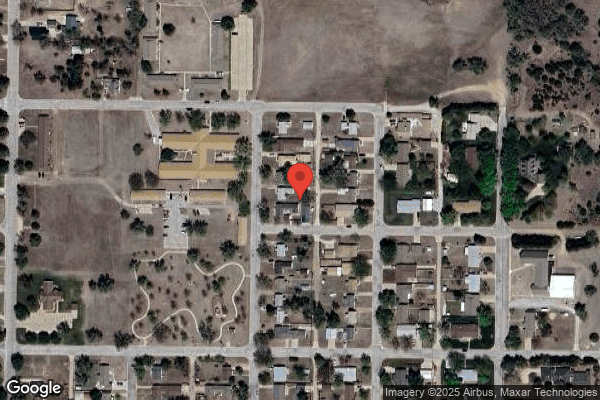
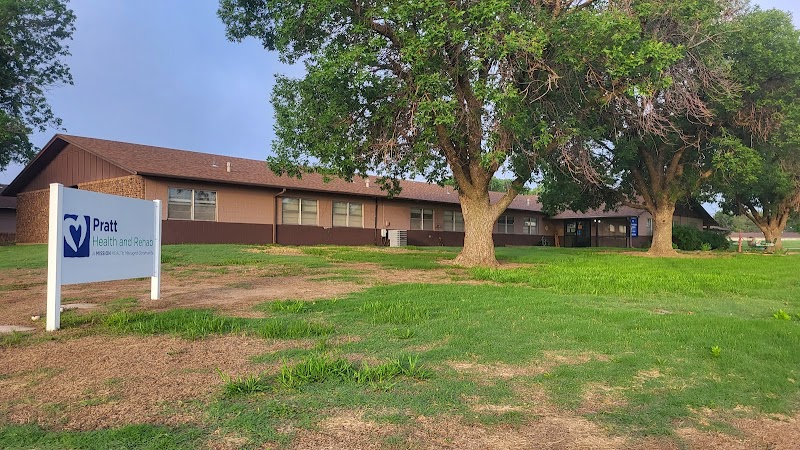
1221 LARIMER STREET, PRATT, KS 67124 (620) 672-6541
For profit - Limited Liability company 45 Beds MISSION HEALTH COMMUNITIES Data: November 2025 1 Immediate Jeopardy citation
Trust Grade
43/100
#152 of 295 in KS
Last Inspection: April 2024

Within standard 12-15 month inspection cycle. Federal law requires annual inspections.

Overview

Pratt Health and Rehab has a Trust Grade of D, indicating below-average performance with some significant concerns. It ranks #152 out of 295 nursing homes in Kansas, placing it in the bottom half overall, but it is the only facility in Pratt County, making it the sole local option. The facility is improving, having reduced reported issues from 9 in 2024 to just 1 in 2025. Staffing is average, with a 3/5 rating and a turnover rate of 50%, which is similar to the state average. While there have been no fines reported, which is a positive sign, there have been serious incidents, including a resident who was not properly secured in a van and fell, sustaining injuries, as well as another resident who did not receive necessary pain management despite having serious conditions. Overall, families should weigh these strengths and weaknesses carefully when considering Pratt Health and Rehab for care.

Trust Score
D
43/100
In Kansas
#152/295
Bottom 49%
Safety Record
High Risk
Review needed
Inspections
Getting Better
9 → 1 violations
Staff Stability
⚠ Watch
50% turnover. Above average. Higher turnover means staff may not know residents' routines.
Penalties
✓ Good
No fines on record. Clean compliance history, better than most Kansas facilities.
Skilled Nurses
○ Average
Each resident gets 37 minutes of Registered Nurse (RN) attention daily — about average for Kansas. RNs are the most trained staff who monitor for health changes.
Violations
⚠ Watch
22 deficiencies on record. Higher than average. Multiple issues found across inspections.
★★★☆☆
3.0
Overall Rating
★★★☆☆
3.0
Staff Levels
★★☆☆☆
2.0
Care Quality
★★★☆☆
3.0
Inspection Score
Stable
2024: 9 issues
2025: 1 issues

The Good

  • Full Sprinkler Coverage · Fire safety systems throughout facility
  • No fines on record

Facility shows strength in fire safety.

The Bad

3-Star Overall Rating

Near Kansas average (2.9)

Meets federal standards, typical of most facilities

Staff Turnover: 50%

Near Kansas avg (46%)

Higher turnover may affect care consistency

Chain: MISSION HEALTH COMMUNITIES

Part of a multi-facility chain

Ask about local staffing decisions and management

The Ugly 22 deficiencies on record

1 life-threatening 1 actual harm
Apr 2025 1 deficiency 1 IJ
CRITICAL (J) 📢 Someone Reported This

A family member, employee, or ombudsman was alarmed enough to file a formal complaint

Immediate Jeopardy (IJ) - the most serious Medicare violation

Accident Prevention (Tag F0689)

Someone could have died · This affected 1 resident

**NOTE- TERMS IN BRACKETS HAVE BEEN EDITED TO PROTECT CONFIDENTIALITY** The facility reported a census of 41 residents with three residents sampled for safety related to transportation outside the fac...

Read full inspector narrative →
**NOTE- TERMS IN BRACKETS HAVE BEEN EDITED TO PROTECT CONFIDENTIALITY** The facility reported a census of 41 residents with three residents sampled for safety related to transportation outside the facility. Based on observation, interview, and record review, the facility failed to ensure that staff provided a safe environment, free of accident hazards during transportation in the facility van. On 03/11/25 at approximately 09:20 AM Certified Nurse Aide (CNA) C failed to ensure Resident (R)1 was safely secured in the facility van before operating the vehicle. CNA C began to drive the van and realized R1 did not have a seatbelt on. CNA C then stopped the vehicle and R1 fell out of the wheelchair onto the floor of the facility van and injured his head, face and left arm. This deficient practice placed R1 in immediate jeopardy. Findings included: - R1's Electronic Health Record (EHR) documented R1 had diagnoses which included diabetes mellitus type 2 (DM2 - when the body cannot use glucose, not enough insulin is made or the body cannot respond to the insulin), long-term use of anticoagulants (a class of medications that prevent or reduce blood clotting) and difficulty walking. The 09/21/24 Annual Minimum Data Set (MDS) documented a Brief Interview for Mental Status (BIMS) score of 15, which indicated intact cognition. The assessment documented R1 utilized a wheelchair, required partial/moderate assistance for transfers, and received an anticoagulant medication. The 09/21/24 Falls Care Area Assessment (CAA) documented R1 was at risk for falls related to impaired gait (manner or style of walking) and mobility; R1 required assistance with transfers. The 02/19/25 Quarterly MDS documented a BIMS score of 14, which indicated intact cognition. The assessment documented R1 utilized a wheelchair, was dependent on staff for transfers, and received an anticoagulant medication. R1's Care Plan documented R1 was at risk for falls related to his recent surgery and cognitive loss, revised 03/17/23. R1's Care Plan documented an intervention with an initiated date of 03/11/25 that staff were re-educated on proper safety protocol in the facility vehicle. The Nursing: Progress Note dated 03/11/25 at 09:30 AM, by Licensed Nurse (LN) D documented CNA C notified the facility that R1 fell out of his wheelchair while in the facility's van. The note documented CNA C notified the staff at the hospital for assistance and one licensed hospital staff and one unlicensed hospital staff responded to the parking lot to assist CNA C and assess R1 for injuries. The note documented the hospital staff assessed R1 and discovered a skin tear to his left elbow, bruising to his left eye area, and an abrasion (scraping or rubbing away of skin) with bruising to the left side of R1's scalp. The Communication: SBAR to Physician dated 03/11/25 at 11:04 AM documented the situation was a fall on 03/11/25. The note documented the background was R1 fell from the wheelchair while being transported to an appointment; R1's seatbelt was not properly secured before the vehicle started moving. R1 had bruising below his left eye and on the left side of his head above the left ear. R1 had a small skin tear on his left elbow. The note documented staff would be re-educated on proper transportation safety protocol. A review of the facility's investigation revealed the following: CNA C's Witness Statement dated 03/11/25 documented she forgot to put R1's seatbelt on him and R1 slid out of the wheelchair. CNA C requested assistance from the hospital and two hospital staff came to the vehicle and assessed R1. The statement noted R1 had a bump on his head, a bruise under his eye and a skin tear on his elbow; R1 stated he was fine, just sore. LN D's Witness Statement dated 03/11/25 documented CNA C called the facility at 09:35 AM and notified LN D that R1 fell from his wheelchair in the facility van while out of the facility for an appointment. LN D documented CNA C revealed she had forgotten to ensure R1's seatbelt was secure. LN D documented CNA C stated the incident occurred at approximately 09:20 AM and CNA C requested assistance from the hospital staff who assessed R1 and assisted R1 back to his wheelchair. In another Witness Statement dated 03/11/25, LN D documented a telephone interview with hospital staff who reported hospital staff found R1 on his back in the facility vehicle with CNA C supporting his head. The statement noted that the hospital staff reported assessment findings that included a skin tear to the left elbow, an abrasion to the left side of R1's head, and bruising to the left eye related to R1's glasses. The statement noted the hospital staff reported R1 was able to stand with assistance and sat in his wheelchair without any complaints of pain or discomfort. During an observation and interview on 04/03/25 at 11:33 AM, R1 sat in his recliner with no visible wounds or bruises observed. R1 stated that he remembered the incident on 03/11/25 but was unsure of how he ended up on the floor. He reported that he was seated in his chair one moment and on the floor the next moment. R1 denied any major injuries. During an interview on 04/03/25 at 12:16 PM, Administrative Staff A stated that after R1 fell on [DATE] at approximately 09:20 AM, CNA C's actions met Administrative Staff A's expectations. Administrative Staff A said CNA C followed the facility's fall procedure by immediately notifying a healthcare professional who was qualified to assess R1 for injuries and then immediately notifying the facility before returning to the facility. Administrative Staff A stated that an ad-hoc Quality Assurance Process Improvement (QAPI) meeting was held to discuss the event and CNA C was immediately re-educated related to safety protocol while transporting residents on 03/11/25. Administrative Staff A revealed red laminated cards were affixed to the facility vehicle on 03/11/25 in specific areas to remind drivers to ensure seatbelts were properly fastened before the vehicle was in motion. Administrative Staff A revealed that R1's Care Plan was reviewed and revised on 03/12/25 at an unknown time. Additionally, Administrative Staff A stated all additional staff who are qualified to drive the facility vehicle received re-education on 03/20/25 which included a skills check-off. Administrative Staff A stated that audits would be performed three times per week for 30 days. During an interview on 04/03/25 at 12:20 PM, Administrative Nurse B reported that CNA C followed the facility's fall protocol after R1's fall on 03/11/25. Administrative Nurse B stated that when CNA C and R1 returned to the facility, CNA C was immediately re-educated related to safety protocols when transporting residents in the facility vehicle; the education included a skills check-off. During an interview on 04/03/25 at 12:30 PM, CNA C revealed that on the date of the incident (03/11/25), R1 was supposed to have a doctor's appointment at the hospital, but when CNA C and R1 arrived at the hospital, the appointment had been canceled. CNA C then took R1 back out to the facility vehicle but failed to correctly secure R1 with a seatbelt in his wheelchair. CNA C said she started driving the facility vehicle and had traveled approximately 500 feet at speeds of 10-12 miles per hour (mph) when she realized R1 was not properly secured with a seatbelt. CNA C then stopped the vehicle and when she did, R1 fell from the wheelchair to the floor and was injured. CNA C stated she called the hospital for assistance and then called the facility. CNA C stated that R1 was offered treatment in the Emergency Department (ED) of the hospital by the hospital staff, but the resident declined. The facility's Transportation, Facility Van policy, dated 10/2024 documented that residents would be transported in the community vehicle in a safe manner and residents would be secured in the vehicle per the community's procedure. The facility failed to ensure R1 was safely secured in the facility van before operating the vehicle and R1 fell out of the wheelchair onto the floor of the facility van and injured his head/face and left arm. This deficient practice placed R1 in immediate jeopardy. On 04/03/25 at 02:15 PM, Administrative Staff A and Administrative Nurse B were provided a copy of the Immediate Jeopardy (IJ) Template for the failure to ensure R1 remained free of accidents. The facility's corrective measures, fully completed on 03/20/25, included the following, which were verified by the surveyor on-site during the investigation. 1. CNA C was immediately re-educated related to safety protocols while driving the facility vehicle, completed on 03/11/25. 2. Red laminated cards were placed in the vehicle at specific points to remind staff to ensure residents were properly secured before moving the vehicle, completed on 03/11/25. 3. R1's Care Plan was reviewed and revised with an updated intervention on 03/12/25 to include an intervention that staff were re-educated on proper safety protocol for appointment transports in the facility vehicle. 4. All staff authorized to drive the facility vehicle received re-education with a return demonstration related to proper securement and safety during transports in the van, completed 03/20/25. 5. The facility continued audits of transports to ensure the residents were safely secured in the van before transport. All corrections were completed before the onsite survey; therefore, the deficient practice was cited as past noncompliance at a scope and severity of J.
Apr 2024 9 deficiencies
CONCERN (D)

Potential for Harm - no one hurt, but risky conditions existed

Resident Rights (Tag F0550)

Could have caused harm · This affected 1 resident

**NOTE- TERMS IN BRACKETS HAVE BEEN EDITED TO PROTECT CONFIDENTIALITY** The facility reported a census of 41 residents with 16 residents selected for review, which included one resident reviewed for d...

Read full inspector narrative →
**NOTE- TERMS IN BRACKETS HAVE BEEN EDITED TO PROTECT CONFIDENTIALITY** The facility reported a census of 41 residents with 16 residents selected for review, which included one resident reviewed for dignity. Based on observation, interview and record review, the facility failed to maintain Resident (R)28's dignity when in bed with only his brief on, to expose himself to the residents, staff and visitors that would go by his room. Findings included: - Review of Resident (R)28's electronic medical record revealed diagnoses that included schizoaffective disorder (psychotic disorder characterized by gross distortion of reality, disturbances of language and communication and fragmentation of thought), and Alzheimer's disease (progressive mental deterioration characterized by confusion and memory failure). The Annual Minimum Data Set (MDS), dated [DATE], assessed the resident with severely impaired cognitive function. The resident had impairment in functional range of motion on one side of his upper and lower extremities. The resident was dependent on staff for activities of daily living. The Cognitive Loss Care Area Assessment (CAA) dated 09/23/23, assessed the resident with risk factors that included self-care deficits, falls and injuries, decreased socialization, mood decline, weight loss, and behavioral issues. The Care Plan, reviewed 03/29/24, instructed staff to keep his blankets and sheets tucked at the foot of the bed when tucking him in at night, otherwise the resident would become tangled up in his sheets and blankets. The resident required staff assistance with bed mobility. Observation, on 04/16/24 at 07:46 AM, revealed the door to the resident's room was open, and visualization from the hallway revealed the resident positioned in bed clothed in a brief with the sheet tangled and not covering his brief or bare legs. Observation, on 04/17/24 at 07:21 AM, revealed the resident positioned in bed and visualization from the hallway revealed the resident positioned in bed clothed in a brief with his bare legs and arms moving about without the sheet covering his body. The room lacked a privacy curtain. Interview, on 04/17/24 at 07:2 1 AM, with Certified Nurse Aide (CNA) MM, revealed the resident likes to move his legs about when in bed, and staff make frequent rounds to try to keep the resident covered. CNA MM stated staff get R28 up last in the morning. Interview, on 04/17/24 at 11:45 AM, with Administrative Nurse D, revealed she would expect staff to clothe the resident with pants when in bed to prevent exposure. The facility policy Exercise of Rights, dated 09/2023, instructed staff to ensure resident privacy and dignity. The facility failed to maintain this dependent resident's dignity when positioned in bed with only his brief on, to expose himself to the residents, staff and visitors that would go by his room.
CONCERN (D)

Potential for Harm - no one hurt, but risky conditions existed

Deficiency F0657 (Tag F0657)

Could have caused harm · This affected 1 resident

**NOTE- TERMS IN BRACKETS HAVE BEEN EDITED TO PROTECT CONFIDENTIALITY** The facility reported a census of 41 residents with 16 residents sampled. Based on observation, record review, and interview, th...

Read full inspector narrative →
**NOTE- TERMS IN BRACKETS HAVE BEEN EDITED TO PROTECT CONFIDENTIALITY** The facility reported a census of 41 residents with 16 residents sampled. Based on observation, record review, and interview, the facility failed to revise the care plan with effective interventions for Resident (R)12 related to lack of wheelchair foot pedals and R 18, related to inability to self-administer medications. Findings included: - Review of Resident (R)12's electronic medical record (EMR), revealed a diagnosis of Alzheimer's disease (progressive mental deterioration characterized by confusion and memory failure). The Significant Change Minimum Data Set (MDS), dated 12/09/23, documented the resident had a Brief Interview for Mental Status (BIMS) score of seven, indicating severe cognitive impairment. He used a wheelchair for mobility and required substantial to maximal assistance for mobility 150 feet and partial to moderate assist for mobility of 50 feet while in the wheelchair. The Activities of Daily Living (ADL)Functional/Rehabilitation Potential Care Area Assessment (CAA), dated 12/09/23, documented the resident would experience further ADL decline. The Quarterly MDS, dated 033/10/24, documented the resident had a BIMS score of six, indicating severe cognitive impairment. He used a wheelchair for mobility and required supervision or touching assistance of staff for wheelchair mobility of 50 feet and 150 feet. The ADL care plan, revised 03/15/24, instructed staff the resident could propel his wheelchair for long distances. The care plan lacked staff instruction regarding the use of foot pedals while propelling the resident in his wheelchair. Review of the resident's EMR from 03/18/24 through 04/15/24, revealed the resident utilized a wheelchair for mobility. On 04/16/24 at 08:43 AM, Certified Nurse Aide (CNA) M propelled the resident in his wheelchair from his room to the dining room. The resident's legs were bent at the knee with his feet underneath the wheelchair seat. The toes of his shoed feet skimmed the floor during transport. The wheelchair lacked foot pedals. On 04/16/24 at 10:48 AM, CNA N propelled the resident from his room to the dining room in his wheelchair. His shoed feet skimmed the floor during transport. The wheelchair lacked foot pedals. On 04/16/24 at 10:48 AM, CNA N stated the resident had foot pedals for his wheelchair in his room. CNA N stated the resident will at times propel himself in the wheelchair, but he gets out of breath easily, so the staff assist him with mobility. On 04/16/24 at 12:28 PM, CNA M stated the resident did not use foot pedals on his wheelchair because he would at times propel himself and the foot pedals would be in his way and could be a tripping hazard. CNA M stated the foot pedals for the wheelchair were somewhere in his room. On 04/16/24 at 12:35 PM, Licensed Nurse (LN) G stated the staff should use foot pedals while propelling residents in their wheelchairs. On 04/17/24 at 0:27 AM, Administrative Nurse D stated it was the expectation for staff to utilize foot pedals while propelling residents in their wheelchairs. The facility policy for Comprehensive Care Plans, effective 09/2023, included: The facility's Interdisciplinary Team (IDT), shall be responsible for the periodic review and updating of the care plan when there has been a change in the resident's condition and at least quarterly. The facility failed to review and revise this dependent resident's care plan to include the use of foot pedals. - Review of Resident (R)18's electronic medical record, revealed diagnoses that included chronic embolism (an obstruction in a blood vessel due to a blood clot or other foreign matter that gets stuck while traveling through the blood stream) of the deep veins of the left lower extremity, edema (swelling resulting from an excessive accumulation of fluid in the body tissues,) and paranoid (a thought process believed to be heavily influenced by anxiety or fear to the point of irrational thinking) personality. The Annual Minimum Data Set (MDS), dated [DATE], assessed the resident with a Brief Interview for Mental Status (BIMS) score of six, which indicated severely impaired cognitive status. The resident received antipsychotic medications. The Psychotropic Drug Use Care Area Assessment (CAA) assessed the resident received antipsychotic medications for psychiatric disorders. The Care Plan, reviewed 02/23/24, instructed staff the resident received Seroquel (an antipsychotic medication) which had a Black Box Warning for severe side effects. The resident had impaired cognitive function and delirium and staff advised to monitor for changes in behaviors and review medications for possible side effects. On 12/27/23, the physician instructed staff to administer Seroquel (an antipsychotic medication) 25 milligrams, every night, for adjustment disorder with disturbance of conduct/agitation. On 04/05/24 the physician instructed staff to administer Seroquel, 50 mg, every morning, for paranoid personality. The Care Plan reviewed 02/23/24, instructed staff the resident occasionally refused to follow a plan of care. Staff instructed that the resident's medications may be set up by nursing staff, placed in a pill cup and left with the resident at her bedside or with the resident in the dining room. Staff to complete a Self-Administration Medication Assessment quarterly and with changes. A Physician Order dated 05/10/23 instructed staff the resident may self-administer medications with nursing staff setup. Medications may be left with resident in dining room or at residents' bedside. Self-Administration assessment completed and to be completed quarterly and PRN. The physician instructed staff to administer the following medications: On 02/10/23 Levothyroxine (a hormone for thyroid replacement) 75 micrograms (mcg) daily, on an empty stomach. 03/30/23 Potassium, 10 milliequivalent (mEq,) daily, for supplement. On 09/07/23 Prilosec, 20 milligrams ( mg,) daily, related to acid reflux. On 11/29/23 Norco( a narcotic pain medication,) 5-325 mg, 1 tablet, by mouth, two times a day, for pain. On 11/30/23 Aspirin, 81 mg, daily. On 12/27/23 Seroquel (an antipsychotic medications used to treat psychiatric disorders,) 25 mg, at night, for adjustment disorder. On 04/05/24 Seroquel,50 mg, every morning, for paranoid personality. On 04/11/24 Cephalexin, 500 milligrams(mg), twice a day, for 10 days. Review of the April 2024 Medication Administration Record (MAR) revealed an entry with start date of 05/10/23 which instructed staff the resident may self-administer medications with nursing staff setup. Medications may be left with resident in dining room or at residents' bedside. Interview, on 04/16/24 with Licensed Nurse (LN) I, revealed the resident could no longer self-administer her medications as she requested the medications crushed in applesauce. Interview, on 04/17/24 at 11:45 AM, with Administrative Nurse D, revealed the resident did not always take her medications, and medications were found in the resident's room, so staff determined she was no longer was safe to self-administer her medications. Administrative Nurse D confirmed staff did not update the care plan and the MAR with the information The facility policy Comprehensive Care Plan revised 09/2023, instructed staff to periodically review and update the care plan when there is a change in the resident's condition. The facility failed to review and revise R 18's care plan to reflect the resident's change in condition for self-administration of medications to ensure compliance with the prescribed medications.
CONCERN (D)

Potential for Harm - no one hurt, but risky conditions existed

ADL Care (Tag F0677)

Could have caused harm · This affected 1 resident

**NOTE- TERMS IN BRACKETS HAVE BEEN EDITED TO PROTECT CONFIDENTIALITY** The facility reported a census of 41 residents with 16 selected for review with one resident reviewed for activities of daily li...

Read full inspector narrative →
**NOTE- TERMS IN BRACKETS HAVE BEEN EDITED TO PROTECT CONFIDENTIALITY** The facility reported a census of 41 residents with 16 selected for review with one resident reviewed for activities of daily living for dependent residents. Based on observation, interview and record review, the facility failed to ensure one Resident (R)28 received facial hair grooming opportunities. Findings included: - Review of Resident (R)28's electronic medical record revealed diagnoses that included schizoaffective disorder (psychotic disorder characterized by gross distortion of reality, disturbances of language and communication and fragmentation of thought), and Alzheimer's disease (progressive mental deterioration characterized by confusion and memory failure). The Annual Minimum Data Set (MDS), dated [DATE], assessed the resident with severely impaired cognitive function. The resident had impairment in functional range of motion on one side of his upper and lower extremities. The resident was dependent on staff for activities of daily living. The Cognitive Loss Care Area Assessment (CAA) dated 09/23/23, assessed the resident with risk factors that included self-care deficits, falls and injuries, decreased socialization, mood decline, weight loss, and behavioral issues. The Care Plan dated 03/29/24, instructed staff the resident required extensive assistance of one staff for personal hygiene. Observation, on 04/15/24 at 08:45 AM, revealed the resident seated in a Broda chair (specialized chair that allows for the resident to lean back and maintain upright posturing.) The resident had several days growth of facial hair. Observation, on 04/16/24 at 07:46 AM, the resident continued with several days' growth of facial hair. Observation, on 04/16/24 at 09:30 AM, revealed the resident received a shower by hospice staff, but did not receive a shave. Observation, on 04/17/24 at 07:21 AM, revealed the resident continued with several days' growth of facial hair. Interview, on 04/17/24 at 07:21 AM, with Certified Nurse Aide (CNA) MM, revealed she shaved the resident on 04/12/24, and did not know why hospice did not provide shaving for the resident. CNA MM stated staff needed to use an electric razor as the resident tended to move about. Observation, on 04/17/24 at 09:15 AM, revealed CNA O feeding the resident oatmeal, and due to his continuous tongue thrusting outward, the cereal dripped down his chin into the stubble. Interview, on 04/17/24 at 11:45 AM, with Administrative Nurse D, revealed she would expect staff to provide shaving for the resident to aide in his facial cleanliness when eating. The facility policy Exercise of Rights, dated 09/2023, instructed staff to ensure resident privacy and dignity groomed as they wish to be groomed. The facility failed to ensure this dependent resident's received shaving opportunities to aide in clean facial hygiene when eating and maintenance of groomed appearance.
CONCERN (D)

Potential for Harm - no one hurt, but risky conditions existed

Quality of Care (Tag F0684)

Could have caused harm · This affected 1 resident

**NOTE- TERMS IN BRACKETS HAVE BEEN EDITED TO PROTECT CONFIDENTIALITY** The facility reported a census of 41 residents with 16 residents selected for review which included three residents reviewed for...

Read full inspector narrative →
**NOTE- TERMS IN BRACKETS HAVE BEEN EDITED TO PROTECT CONFIDENTIALITY** The facility reported a census of 41 residents with 16 residents selected for review which included three residents reviewed for skin issues. Based on observation, interview, and record review, the facility failed to monitor and provide sanitary dressing change for one, Resident (R)18's venous ulcer, of the three residents reviewed for skin issues. Findings included: - Review of Resident (R)18's electronic medical record, revealed diagnoses that included chronic embolism (an obstruction in a blood vessel due to a blood clot or other foreign matter that gets stuck while traveling through the blood stream) of the deep veins of the left lower extremity, edema (swelling resulting from an excessive accumulation of fluid in the body tissues,) and paranoid (a thought process believed to be heavily influenced by anxiety or fear to the point of irrational thinking) personality. The Annual Minimum Data Set (MDS), dated [DATE], assessed the resident with a Brief Interview for Mental Status (BIMS) score of six, which indicated severely impaired cognitive status. The resident had no venous ulcers. The resident had no impairment in functional range of motion in her upper or lower extremities. The Pressure Ulcer Care Area Assessment (CAA), dated 02/20/24, assessed the resident at risk for skin breakdown. The Care Plan reviewed 04/11/24, instructed staff the resident received antibiotics for cellulitis (skin infection caused by bacteria characterized by heat, redness and swelling) of the left lower extremity,and to monitor for adverse effects, but lacked instruction for wound care until 04/17/24, six days later. On 04/10/24, the physician instructed staff to administer Cephalexin (an antibiotic), 500 milligrams, twice a day, for cellulitis of the left lower extremity, for ten days. A Nurse Note, dated 04/15/24 at 12:38 AM, revealed the resident had a weeping wound on her left leg and licensed nurse changed the dressing. On 04/15/24, the physician instructed staff to cleanse the left lower extremity with wound cleanser, apply skin prep (a solution when applied that forms a protective waterproof barrier on the skin)to the resident's peri wound (area around the wound), apply Mepilex Ag (a medicated dressing with silver to aide in wound healing), and apply an Unna boot (a type of wrapped dressing infused with zinc oxide and calamine for compression to aide in the healing of vascular ulcers,) wrap with Keflex (a type of elastic gauze wrap) and ace wrap to the left lower extremity due to two blisters and weeping drainage. Staff instructed to change the Unna boot on Monday, Wednesday, Friday, and as needed, and record the wound measurements, drainage, and signs of infection. A Nurse's note, dated 04/15/24, documented mild redness to the left lower extremity and weeping wounds and 2-3 plus pitting edema. The medical record lacked measurements/description of the blisters. Observation, on 04/17/24 at 09:02 AM, revealed Licensed Nurse (LN) H, prepared to provide wound care to the resident's left lower extremity. LN H placed a towel on the floor and instructed the resident to place her foot on the towel. LN H placed scissors, on the towel and placed an opened paper wrapped package of multiple four by four gauze sponges and a spray bottle of wound cleanser directly on the floor beside the towel. LN H removed the wraps and revealed an yellow/red colored open area on the resident's mid lateral (outer) calf area approximately two centimeters in diameter and an area approximately two centimeters of a previous blister with pink/red coloring. LN cleansed the lower extremity with wound cleanser, dried the area, and applied the Mepilex Ag dressing to the open area and began to wrap the lower extremity with the Unna boot gauze, from the below the knee toward the foot. Interview, on 04/17/24 at 09:30 AM, with LN H, revealed the dressing supplies should be placed on a barrier. LN H stated the resident had a large amount of pitting edema prior to the Unna boot application, and the resident had two blisters previously. Interview, on 04/17/24 at 11:40 AM, with Administrative Nurse D, revealed R18 had two blisters and cellulitis on her left lower extremity prior to application of the Unna boot. Administrative Nurse D stated she would expect staff to document the size and characteristics of the blisters for monitoring. Administrative Nurse D stated she would expect staff to place wound supplies on a sanitary barrier, not directly on the floor and the facility lacked a policy for application of the Unna boot. The facility policy Wound Care Guidelines, effective 03/2023, instructed staff to establish a clean field on the resident's overbed table and ensure all clean items are on a clean field. The facility lacked a policy for application of an Unna boot. The facility failed to ensure staff provided a sanitary dressing change and appropriate technique for application of Unna boot for this resident's lower extremity cellulitis with blisters/ulceration
CONCERN (D)

Potential for Harm - no one hurt, but risky conditions existed

Deficiency F0685 (Tag F0685)

Could have caused harm · This affected 1 resident

**NOTE- TERMS IN BRACKETS HAVE BEEN EDITED TO PROTECT CONFIDENTIALITY** The facility reported a census of 41 residents with 16 residents selected for review, that included one resident reviewed for vi...

Read full inspector narrative →
**NOTE- TERMS IN BRACKETS HAVE BEEN EDITED TO PROTECT CONFIDENTIALITY** The facility reported a census of 41 residents with 16 residents selected for review, that included one resident reviewed for vision. Based on observation, interview, and record review, the facility failed to ensure one Resident (R)14, received vision care. Findings included: - Review of Resident (R)14's electronic medical record revealed diagnoses that included diabetes (when the body cannot use glucose, not enough insulin made, or the body cannot respond to the insulin) and major depressive disorder. The Annual Minimum Data Set (MDS), dated [DATE], assessed the resident with a Brief Interview for Mental Status(BIMS) score of 10, which indicated moderate cognitive impairment. The resident had adequate vision with corrective lenses. The Cognitive Loss Care Area Assessment, (CAA) dated 06/21/23, assessed the resident had risk factors of social isolation and increased anxiety. The Care Plan, reviewed 04/08/24, instructed staff the resident was at risk for potential alterations in his visual status related to use of glasses and diabetes. Staff instructed to assist the resident to keep his glasses clean and free of debris. Staff were to schedule and keep all appointments with his eye doctor. Interview , on 04/15/24 at 10:00 AM, the resident revealed his glasses were stepped on by another resident and facility staff were aware this happened but the pair of glasses he used now were not his prescription, and he could not see as well. The resident stated he needed to see an eye doctor but did not think he could see an eye doctor due to insurance issues. Interview, on 04/17/24 at 11:49 AM, with Administrative Nurse D, revealed the resident had a prescription for new glasses in July of 2022, but had not seen an eye doctor since and his prescription glasses were broken but could not recall when this occurred. Administrative Nurse D stated the resident did have insurance issues when admitted to the facility in 2022, but the issues resolved and R14 could see an eye doctor. The facility policy Exercise of Rights reviewed 09/2023, instructed staff residents have the right to a dignified existence with self-determination and communication with the access to persons and services inside and outside the facility. The facility failed to ensure R14 had access to vision care to provide enhance his sense of wellbeing.
CONCERN (D)

Potential for Harm - no one hurt, but risky conditions existed

Accident Prevention (Tag F0689)

Could have caused harm · This affected 1 resident

The facility reported a census of 41 residents with 16 residents sampled, including five residents reviewed for accidents. Based on observation, interview, and record review, the facility failed to sa...

Read full inspector narrative →
The facility reported a census of 41 residents with 16 residents sampled, including five residents reviewed for accidents. Based on observation, interview, and record review, the facility failed to safely transport one Resident (R)12 in his wheelchair by failing to have foot pedals in place while propelling him in his wheelchair. Findings included: - Review of Resident (R)12's electronic medical record (EMR), revealed a diagnosis of Alzheimer's disease (progressive mental deterioration characterized by confusion and memory failure). The Significant Change Minimum Data Set (MDS), dated 12/09/23, documented the resident had a Brief Interview for Mental Status (BIMS) score of seven, indicating severe cognitive impairment. He used a wheelchair for mobility and required substantial to maximal assistance for mobility 150 feet and partial to moderate assist for mobility of 50 feet while in the wheelchair. The Activities of Daily Living (ADL)Functional/Rehabilitation Potential Care Area Assessment (CAA), dated 12/09/23, documented the resident would experience further ADL decline. The Quarterly MDS, dated 033/10/24, documented the resident had a BIMS score of six, indicating severe cognitive impairment. He used a wheelchair for mobility and required supervision or touching assistance of staff for wheelchair mobility of 50 feet and 150 feet. The ADL care plan, revised 03/15/24, instructed staff the resident could propel his wheelchair for long distances. Review of the resident's EMR from 03/18/24 through 04/15/24, revealed the resident utilized a wheelchair for mobility. On 04/16/24 at 08:43 AM, Certified Nurse Aide (CNA) M propelled the resident in his wheelchair from his room to the dining room. The resident's legs were bent at the knee with his feet underneath the wheelchair seat. The toes of his shoed feet skimmed the floor during transport. The wheelchair lacked foot pedals. On 04/16/24 at 10:48 AM, CNA N propelled the resident from his room to the dining room in his wheelchair. His shoed feet skimmed the floor during transport. The wheelchair lacked foot pedals. On 04/16/24 at 10:48 AM, CNA N stated the resident had foot pedals for his wheelchair in his room. CNA N stated the resident will at times propel himself in the wheelchair, but he gets out of breath easily, so the staff assist him with mobility. On 04/16/24 at 12:28 PM, CNA M stated the resident did not use foot pedals on his wheelchair because he would at times propel himself and the foot pedals would be in his way and could be a tripping hazard. CNA M stated the foot pedals for the wheelchair were somewhere in his room. On 04/16/24 at 12:35 PM, Licensed Nurse (LN) G stated the staff should use foot pedals while propelling residents in their wheelchairs. On 04/17/24 at 0:27 AM, Administrative Nurse D stated it was the expectation for staff to utilize foot pedals while propelling residents in their wheelchairs. The facility policy for Activities of Daily Living, revised 09/2023, included: Residents who are unable to carry out activities of daily living shall receive the necessary care and services to maintain mobility. The facility failed to safely transport this dependent resident in his wheelchair by failing to utilize foot pedals.
CONCERN (D)

Potential for Harm - no one hurt, but risky conditions existed

Medication Errors (Tag F0758)

Could have caused harm · This affected 1 resident

**NOTE- TERMS IN BRACKETS HAVE BEEN EDITED TO PROTECT CONFIDENTIALITY** - Review of Resident (R)34's electronic medical record (EMR) revealed a diagnosis of dementia (progressive mental disorder chara...

Read full inspector narrative →
**NOTE- TERMS IN BRACKETS HAVE BEEN EDITED TO PROTECT CONFIDENTIALITY** - Review of Resident (R)34's electronic medical record (EMR) revealed a diagnosis of dementia (progressive mental disorder characterized by failing memory, confusion). The admission Minimum Data Set (MDS), dated 10/10/23, documented the resident had a Brief Interview for Mental Status (BIMS) score of 12, indicating moderate cognitive impairment. She did not receive antipsychotic medication (medication used to treat psychosis) during the assessment period. The Psychotropic Drug Use Care Area Assessment (CAA), dated 10/10/23, documented risk factors for psychotropic medications (medications which alters mood or thought) included risk for falls, impaired balance, and the potential for adverse side effects of the medication. The Quarterly MDS, dated 03/25/24, documented the resident had a BIMS score of 12, indicating moderately impaired cognition. She did not receive antipsychotic medication during the assessment period. The care plan for psychotropic medications, revised 03/14/24, instructed staff to monitor and report side effects from the medication. Review of the resident's EMR revealed the following physician's order: Seroquel (an antipsychotic medication), 25 milligrams (mg), by mouth (po), at bedtime (HS), for dementia and agitation, ordered 02/21/24. Review of the resident's EMR revealed an Abnormal Involuntary Movement Score (AIMS), completed on 03/14/24, with a score of zero, indicating no abnormal involuntary movement present. On 04/17/24 at 09:02 AM, Administrative Nurse D stated it was the expectation for an AIMS assessment to be completed within the first week of a new antipsychotic medication being administered. The facility lacked a policy for the completion of AIMS assessments. The facility failed to timely complete an AIMS assessment for this resident on antipsychotic medication. The facility reported a census of 41 residents with 16 residents selected for review, which included five residents reviewed for unnecessary medications. Based on observation, interview, and record review, the facility failed to ensure three Residents (R)18, R34 and R35, of the five residents were monitored for adverse effects of antipsychotic (class of medications used to treat psychosis and other mental emotional conditions) medications in a timely manner. Findings included: - Review of Resident (R)18's electronic medical record, revealed diagnoses that included richronic embolism (an obstruction in a blood vessel due to a blood clot or other foreign matter that gets stuck while traveling through the blood stream) of the deep veins of the left lower extremity, edema (swelling resulting from an excessive accumulation of fluid in the body tissues,) and paranoid (a thought process believed to be heavily influenced by anxiety or fear to the point of irrational thinking) personality. The Annual Minimum Data Set (MDS), dated [DATE], assessed the resident with a Brief Interview for Mental Status (BIMS) score of six, which indicated severely impaired cognitive status. The resident received antipsychotic medications. The Psychotropic Drug Use Care Area Assessment (CAA) assessed the resident received antipsychotic medications for psychiatric disorders. The Care Plan, reviewed 02/23/24, instructed staff the resident received Seroquel (an antipsychotic medication) which had a Black Box Warning for severe side effects. The resident had impaired cognitive function and delirium and staff advised to monitor for changes in behaviors and review medications for possible side effects. On 12/27/23, the physician instructed staff to administer Seroquel (an antipsychotic medication) 25 milligrams, every night, for adjustment disorder with disturbance of conduct/agitation. On 04/05/24 the physician instructed staff to administer Seroquel, 50 mg, every morning, for paranoid personality. Review of R18's medical record an Abnormal Involuntary Movement Scale (AIMS to determine severity of abnormal movements (dyskinesia) caused by antipsychotic medications) completed on 01/10/24 (14 days after the start of the medication.) Interview, on 04/17/24 at 11:45 AM, with Administrative Nurse D, confirmed lack of initial AIMS test for R18 until 14 days after therapy began. The facility Psychotropic Drug Use revised 04/2024, instructed staff to note evidence of specific side effects seen in the initial evaluation and to schedule the AIMS test to determine side effect of dyskinesia every six months. The facility failed to ensure staff obtained R 18's baseline AIMS at the start of antipsychotic drug therapy on 12/27/23 to determine adverse effects from the medication. - Review of Resident (R)35's electronic medical record revealed diagnoses that included vascular dementia (progressive mental disorder characterized by failing memory, and confusion ) with psychotic (any major mental disorder characterized by a gross impairment in reality testing) disturbance and major depressive disorder. The Significant Change Minimum Data Set (MDS), dated [DATE], assessed the resident with a Brief Interview for Mental Status (BIMS) score of 06, which indicated severe cognitive impairment. The resident received antipsychotic (class of medications used to treat psychosis and other mental emotional conditions.) The Antipsychotic Drug Use Care Area Assessment (CAA), dated 08/16/23, assessed the resident received antipsychotic medications and staff monitored for adverse effects. The Care Plan, revised 02/02/24, instructed staff the resident was at risk for worsening impaired cognitive function due to delusions, and hallucinations and depression. The resident received psychiatric and medication therapy for treatments. On 04/25/23, the physician instructed staff to administer quetiapine fumarate (an antipsychotic medication), 50 milligrams (mg), daily, for psychosis and sleep. On 08/16/23, the physician instructed staff to administer quetiapine fumarate, 50 mg, one half tab daily, related to hallucinations. Review of the medical record revealed an Abnormal Involuntary Movement Scale (AIMS to determine severity of abnormal movements (dyskinesia) caused by antipsychotic medications) completed on 11/14/23 (seven months after the start of the medication). Interview, on 04/17/24 at 11:45 AM, with Administrative Nurse D, confirmed lack of initial AIMS test for R35 until seven months after therapy began. The facility Psychotropic Drug Use revised 04/2024, instructed staff to note evidence of specific side effects seen in the initial evaluation and to schedule the AIMS test to determine side effect of dyskinesia every six months. The facility failed to ensure staff obtained R 35's baseline AIMS at the start of antipsychotic drug therapy on 04/25/23 and in six months afterwards to determine if the resident sustained adverse effects from the medication.
CONCERN (D)

Potential for Harm - no one hurt, but risky conditions existed

Deficiency F0761 (Tag F0761)

Could have caused harm · This affected 1 resident

The facility reported a census of 41 residents. Based on observation, interview, and record review, the facility to properly dispose of a used Fentanyl (a skin patch used to treat severe pain) after s...

Read full inspector narrative →
The facility reported a census of 41 residents. Based on observation, interview, and record review, the facility to properly dispose of a used Fentanyl (a skin patch used to treat severe pain) after staff removed the medicated patch from Resident (R)38. Findings included: - On 04/16/24 at 10:51 AM, Licensed Nurse (LN) G removed a used Fentanyl patch (a skin patch used to treat severe pain) from the hip of Resident (R)38. After removing the patch, LN G folded the patch with the sticky side together and threw it into the trash can in the resident's room. On 04/16/24 at 10:51 AM, LN G stated she always threw the used Fentanyl patches into the trash can and was unaware the patches needed to be disposed of in a special manner. On 04/17/24 at 10:50 AM, Administrative Nurse D stated the Fentanyl patches should not be disposed of in a resident's trash can. Administrative Nurse D stated she expected the staff to dispose of the patches per facility policy. The facility policy for Receiving Pharmacy Products and Services from Pharmacy, effective 04/01/22, included: Used transdermal system should be folded so that the adhesive side of the system adheres to itself and disposed of in a trash receptacle on the medication cart in such a way to restrict access by staff, residents and visitors or staff should make the patch unusable by mixing the folded patch with an undesirable substance such as kitty litter or wet coffee grounds and place in the trash or place the folded patch in a commercially available disposal kit and disposed per package directions. The facility failed to dispose of a used Fentanyl patch in an acceptable manner.
CONCERN (D)

Potential for Harm - no one hurt, but risky conditions existed

Infection Control (Tag F0880)

Could have caused harm · This affected 1 resident

**NOTE- TERMS IN BRACKETS HAVE BEEN EDITED TO PROTECT CONFIDENTIALITY** The facility reported a census of 41 residents. Based on observation, interview, and record review, the facility failed to monit...

Read full inspector narrative →
**NOTE- TERMS IN BRACKETS HAVE BEEN EDITED TO PROTECT CONFIDENTIALITY** The facility reported a census of 41 residents. Based on observation, interview, and record review, the facility failed to monitor and provide sanitary dressing change for one, Resident (R)18's venous ulcers. Findings included: - Review of Resident (R)18's electronic medical record, revealed diagnoses that included chronic embolism (an obstruction in a blood vessel due to a blood clot or other foreign matter that gets stuck while traveling through the blood stream) of the deep veins of the left lower extremity, edema (swelling resulting from an excessive accumulation of fluid in the body tissues,) and paranoid (a thought process believed to be heavily influenced by anxiety or fear to the point of irrational thinking) personality. The Annual Minimum Data Set (MDS), dated [DATE], assessed the resident with a Brief Interview for Mental Status (BIMS) score of six, which indicated severely impaired cognitive status. The resident had no venous ulcers. The resident had no impairment in functional range of motion in her upper or lower extremities. The Pressure Ulcer Care Area Assessment (CAA), dated 02/20/24, assessed the resident at risk for skin breakdown. The Care Plan reviewed 04/11/24, instructed staff the resident received antibiotics for cellulitis (skin infection caused by bacteria characterized by heat, redness and swelling) of the left lower extremity, and to monitor for adverse effects, but lacked instruction for wound care until 04/17/24, six days later. On 04/10/24, the physician instructed staff to administer Cephalexin (an antibiotic), 500 milligrams, twice a day, for cellulitis of the left lower extremity, for ten days. A Nurse Note, dated 04/15/24 at 12:38 AM, revealed the resident had a weeping wound on her left leg and licensed nurse changed the dressing. On 04/15/24, the physician instructed staff to cleanse the left lower extremity with wound cleanser, apply skin prep (a solution when applied that forms a protective waterproof barrier on the skin)to the resident's peri wound (area around the wound), apply Mepilex Ag (a medicated dressing with silver to aide in wound healing), and apply an Unna boot (a type of wrapped dressing infused with zinc oxide and calamine for compression to aide in the healing of vascular ulcers,) wrap with Keflex (a type of elastic gauze wrap) and ace wrap to the left lower extremity due to two blisters and weeping drainage. Staff instructed to change the Unna boot on Monday, Wednesday, Friday, and as needed, and record the wound measurements, drainage, and signs of infection. A Nurse's note, dated 04/15/24, documented mild redness to the left lower extremity and weeping wounds and 2-3 plus pitting edema. Observation, on 04/17/24 at 09:02 AM, revealed Licensed Nurse (LN) H, prepared to provide wound care to the resident's left lower extremity. LN H placed a towel on the floor and instructed the resident to place her foot on the towel. LN H placed scissors, on the towel and placed an opened paper wrapped package of multiple four by four gauze sponges and a spray bottle of wound cleanser directly on the floor beside the towel. LN H removed the wraps and revealed a yellow/red colored open area on the resident's mid lateral(outer) calf area approximately two centimeters in diameter and an area approximately two centimeters of a previous blister with pink/red coloring. LN cleansed the lower extremity with wound cleanser, dried the area, and applied the Mepilex Ag dressing to the open area and began to wrap the lower extremity with the Unna boot gauze, from the below the knee toward the foot. Interview, on 04/17/24 at 09:30 AM, with LN H, revealed the dressing supplies should be placed on a barrier. LN H stated the resident had a large amount of pitting edema prior to the Unna boot application, and the resident had two blisters previously. Interview, on 04/17/24 at 11:40 AM, with Administrative Nurse D, revealed R18 had two blisters and cellulitis on her left lower extremity prior to application of the Unna boot. Administrative Nurse D stated she would expect staff to place wound supplies on a sanitary barrier, not directly on the floor. The facility policy Wound Care Guidelines, effective 03/2023, instructed staff to establish a clean field on the resident's overbed table and ensure all clean items are on a clean field. The facility failed to ensure staff provided a sanitary dressing change to R18's lower extremity cellulitis with blisters/ulceration.
Jan 2023 1 deficiency
CONCERN (D) 📢 Someone Reported This

A family member, employee, or ombudsman was alarmed enough to file a formal complaint

Potential for Harm - no one hurt, but risky conditions existed

Deficiency F0757 (Tag F0757)

Could have caused harm · This affected 1 resident

**NOTE- TERMS IN BRACKETS HAVE BEEN EDITED TO PROTECT CONFIDENTIALITY** The facility reported a census of 42 residents with three residents reviewed for unnecessary medications. Based on record review...

Read full inspector narrative →
**NOTE- TERMS IN BRACKETS HAVE BEEN EDITED TO PROTECT CONFIDENTIALITY** The facility reported a census of 42 residents with three residents reviewed for unnecessary medications. Based on record review and interview, the facility failed to ensure two of the three residents, Resident (R) 4 and R5 remained free of unnecessary medications when facility staff failed to provide appropriate assessment and monitoring for these residents who self-administer medications in the facility. Findings included: - R4's signed Physician Orders (PO), dated 12/29/22, documented the resident with diagnoses of gout (a disease in which defective metabolism of uric acid causes arthritis, especially in the smaller bones of the feet and episodes of acute pain), hypothyroidism (abnormally low activity of the thyroid gland resulting in metabolic changes in adults), and essential (primary) hypertension (abnormally high blood pressure that is not the result of a medical condition). The Quarterly Minimum Data Set (MDS), dated [DATE], documented the resident with a Brief Interview for Mental Status (BIMS) score of 14, or intact cognition. The resident required limited to extensive assistance of one staff member for Activities of Daily Living (ADL) and used a walker or wheelchair for mobility. The Care Plan, updated 07/21/22, advised the staff that they could leave set up medications with the resident at bedside or in the dining room. A self-administration assessment was to be performed on a quarterly basis to determine the safety of administration. The PO, dated 12/29/22, documented the following orders: 1. May leave set up medications with the resident at bedside/in dining room. Self-administration assessment to be performed on a quarterly basis to determine safety of administration. Ordered on 06/02/22. 2. Allopurinol tablet (antigout agent) 100 milligrams (mg), give 1.5 tablets by mouth one time a day related to gout, unspecified. 1.5 tabs equals 150 mg. Ordered on 04/17/22. 3. Atorvastatin Calcium (lipid-lowering agent) tablet 20 mg, give one tablet by mouth one time a day related to pure hypercholesterolemia, unspecified (too much fat in the blood). Ordered on 04/13/22. 4. Bumex tablet (diuretic) 1 mg, give 1 mg by mouth one time a day for edema (swelling caused by too much fluid trapped in the body's tissues). Ordered on 08/04/22. 5. Euthyrox tablet 1 gram (gm) (Levothyroxine Sodium) (hormone), give one tablet by mouth one time a day related to hypothyroidism, unspecified. Ordered on 04/14/22. 6. Colestipol HCI tablet (lipid [fat] lowering agent) 1 gm, give one by mouth one time a day related to essential (primary) hypertension. Ordered on 04/17/22. 7. Folate tablet 400 micrograms (mcg) (folic acid) (antianemic), give one tablet by mouth one time a day related to vitamin deficiency, unspecified. Ordered on 04/14/22. 8. Multiple vitamin tablet, give one by mouth one time a day for supplementation. Ordered on 04/14/22. 9. Omeprazole capsule delayed release 40 mg (antiulcer agent), give one capsule by mouth one time a day related to gastro-esophageal reflux (a chronic digestive disease where the liquid content of the stomach refluxes into the esophagus [the tube that connects the mouth and stomach]) disease. Ordered on 04/14/22. 10. Potassium tablet 10 milliequivalents (mEq), give one by mouth one time a day for supplement. Ordered on 10/22/22. 11. Revlimid capsule 10 mg (lenalidomide) (immune-modulator), give one capsule one time a day for 21 days on and seven days off related to multiple myeloma (cancer) not having achieved remission. Ordered on 08/17/22. 12. Magnesium Oxide tablet 400 mg, give two tablets by mouth two times a day for hypomagnesemia (lower than normal amount of magnesium in the blood). Ordered on 07/22/22. 13. Acetaminophen tablet 500 mg (non-narcotic pain reliever), give two tablets by mouth three times a day for pain. Ordered on 04/16/22. 14. Ferrous Sulfate (antianemic) tablet 325 (65-FE [iron]) mg, give one tablet by mouth for supplementation. Ordered on 04/16/22. Review of R4's electronic medical record revealed a quarterly Self-Administration Evaluation, dated 06/02/22. The record lacked a quarterly assessment for September 2022 and December 2022. Interview, on 01/05/23 at 12:51 PM, Administrative Nurse D reported that staff should complete self-administration assessments every three months with a new doctor's order put into place, but they were not being done. All residents in the facility who have been cleared for self-administration have not had an assessment since June 2022. The facility's policy for Self-Administration of Drugs F 554, effective 05/22, documented .Policy Interpretation and Implementation .13. The staff and practitioner will periodically (for example, during quarterly MDS reviews) re-evaluate a resident's ability to continue to self-administer medications . The facility failed to ensure R4 remained free of unnecessary medications when facility staff failed to provide appropriate assessment and monitoring to ensure safe administration of this resident's medications. - R5's signed Physician Orders (PO), dated 12/29/22, documented diagnoses of congestive heart failure (a weakness of the heart that leads to a buildup of fluid in the lungs and surrounding body tissues), primary pulmonary hypertension (high blood pressure in the lungs), and gout (a disease in which defective metabolism of uric acid causes arthritis, especially in the smaller bones of the feet and episodes of acute pain). The Quarterly Minimum Data Set (MDS), dated [DATE], documented the resident with a Brief Interview for Mental Status score of 15, or intact cognition. The resident required limited assistance of one staff member for Activities of Daily Living (ADL) and used a walker and wheelchair for mobility. The Care Plan, updated 06/06/22, advised the staff that they may leave set up medications with R5 at the bedside/in dining room. The PO, dated 12/29/22, documented the following orders: 1. May leave set up medications with resident at bedside/in dining room. Ordered on 10/19/20. 2. Atorvastatin Calcium (lipid [fat] lowering agent) tablet 40 milligrams (mg), give one tablet by mouth one time a day for hyperlipidemia (too much fat in the blood). Ordered on 07/13/21. 3. Bumex tablet (diuretic) 1 mg, give 1 mg by mouth one time a day for unspecified congestive heart failure. Ordered on 09/02/22. 4. Carafate tablet (Sulcrafate) (antiulcer agent), give one gram (gm) by mouth one time a day related to gastro-esophageal reflux disease. Ordered on 11/23/20. 5. Glipizide 5 mg, give 0.5 (one half) tablet by mouth one time a day for hyperglycemia (too much sugar in the blood). Administer every morning with breakfast. Ordered on 03/24/22. 6. Levothyroxine Sodium tablet 100 micrograms (mcg) (hormone), give one tablet by mouth one time a day related to hypothyroidism (abnormally low activity of the thyroid gland resulting in metabolic changes in adults), unspecified. Ordered on 04/14/22. 7. Prednisone tablet 5 mg (corticosteroid), give one tablet by mouth one time a day for arthritis. Ordered on 03/25/21. 8. Prevagen capsule (supplement for brain function), give one tablet by mouth one time a day for supplement. Ordered on 12/21/22. 9. Protonix tablet delayed release 40 mg (antiulcer agent), give one by mouth one time a day related to gastro-esophageal reflux disease. Ordered on 12/01/22. 10. Allopurinol tablet 100 mg (antigout), give one table by mouth two times a day for gout, unspecified. Ordered on 05/24/20. 11. Eliquis tablet 5 mg (blood thinner), give one tablet by mouth two times a day related to acute embolism (blood clot) and thrombosis of unspecified deep veins of the left lower extremity. Ordered on 05/24/20. 12. Sotalol HCI 80 mg (antihypertensive), give 40 mg by mouth two times a day related to essential (primary) hypertension (abnormally high blood pressure that is not the result of a medical condition). Give one-half tablet to equal 40 mg. Ordered on 05/24/20. Review of the resident's electronic medical record revealed a quarterly Self-Administration Evaluation, dated 06/02/22. The record lacked a quarterly assessment for September 2022 and December 2022. Interview, on 01/05/23 at 12:51 PM, Administrative Nurse D reported that the assessments are supposed to be performed every three months with a new doctor's order put into place, but they were not being done. All residents in the facility who have been cleared for self-administration have not had an assessment since June 2022. The facility policy Self-Administration of Drugs F 554, effective 05/22, documented .Policy Interpretation and Implementation .13. The staff and practitioner will periodically (for example, during quarterly MDS reviews) re-evaluate a resident's ability to continue to self-administer medications . The facility failed to ensure R5 remained free of unnecessary medications when facility staff failed to provide appropriate assessment and monitoring to ensure safe administration of this resident's medications.
Jul 2022 9 deficiencies 1 Harm
SERIOUS (G)

Actual Harm - a resident was hurt due to facility failures

Deficiency F0697 (Tag F0697)

A resident was harmed · This affected 1 resident

**NOTE- TERMS IN BRACKETS HAVE BEEN EDITED TO PROTECT CONFIDENTIALITY** The facility census totaled 43 residents with 12 included in the sample. Based on observation, interview, and record review the ...

Read full inspector narrative →
**NOTE- TERMS IN BRACKETS HAVE BEEN EDITED TO PROTECT CONFIDENTIALITY** The facility census totaled 43 residents with 12 included in the sample. Based on observation, interview, and record review the facility failed to ensure staff identified and promptly responded to signs of pain expressed by cognitively impaired Resident (R)12, when the resident had two fractured ribs and staff did not offer the resident non-pharmacological pain interventions or as needed (PRN) pain medications. Findings included: - Resident (R)12's signed Physician Orders dated 07/01/22 revealed the following diagnoses: Alzheimer's Disease (progressive mental deterioration characterized by confusion and memory failure), schizoaffective disorders (psychotic disorder characterized by gross distortion of reality, disturbances of language and communication and fragmentation of thought), anxiety disorder (mental or emotional reaction characterized by apprehension, uncertainty and irrational fear), major depressive disorder (major mood disorder ), dementia with behavioral disturbance (major mood disorder), unsteadiness on feet, tremors (involuntary movements of arms and legs) and chronic pain. The Annual Minimum Data Set (MDS) dated [DATE] revealed a Brief Interview for Mental Status (BIMS) score of 00, indicating severe cognitive impairment. The assessment documented the resident had no pain. The Pain Care Area Assessment (CAA) did not trigger for the 05/18/22 assessment. The Care Plan dated 11/05/21 revealed the resident was at risk for potential alteration in comfort, related to diagnoses of chronic pain. The staff interventions included to administer muscle relaxant medication and over the counter pain medication as ordered 06/06/22. Review of the Physician Orders for July 2022 revealed for staff to administer two acetaminophen 325 milligrams (mg) tablets, every four hours, as needed (PRN) for pain. Staff were further directed to administer two ibuprofen 200 mg tablets, every eight hours, PRN for pain. Review of the Medication Administration Record (MAR) for 07/2022 revealed no administration of the two acetaminophen 325 mg tab two between 07/01/22 and 07/25/22, eight administrations of the two ibuprofen 200 mg tablets 07/01/22 given on07/01,07/02, 07/12, 07/13, 07/16, 07/17, 07/20, 07/23, 07/25/2022. Review of the Physician Notes dated 05/27/22 from the Behavioral Health Unit (BHU- an area of the hospital designed specifically for providing care for reasons related to mental health.) revealed the resident had a fall this afternoon resulting in fractured ribs. CT scan (computed tomography - test that used x-ray technology to make multiple cross-sectional views of organs, bone, soft tissue and blood vessels) to confirm fracture. The 06/10/22 at 07:09 PM Nursing Note revealed the resident was wandering the halls. The staff attempted several times to have the resident sit down. However, he would not sit longer than a few minutes. He yelled out help from the front lobby area near the scale. The resident was found lying on his back side in the middle of the floor. The resident stated, his stomach hurt. However, when palpating his stomach area, he denied pain. The pain was near his lower rib area. This writer assessed for injury, assessed vitals, and assessed neurological status with all documented as normal for the resident. He did respond to his name. Staff assisted the resident to the chair from the floor and assisted him back to his room. The Fall Investigation dated 06/15/22 at 06:45 PM revealed staff found the resident on the floor in the dining room. On video the resident stood, leaned over and fell. The resident was encouraged to rest when tired. Resident had a small bruise on middle of his back. Physician and guardian notified. The 07/01/2022 at 05:03 PM Nursing Note revealed CNA staff on north hall heard a crash in the front TV room. The resident was found lying on his right side in front of TV stand in the front lobby area. The partition screen surrounding the scales was knocked over on floor. The resident repeated help me, help me. The resident was tearful and sobbing. Assistance of three staff transferred the resident to a chair. PRN pain medication was given. The resident sat in front of the medication cart and south break room for visual checks. No documentation of injuries. Observation on 07/25/22 at 04:20 PM revealed the resident wandering in halls alternating between yelling and weeping loudly as he walked. Another resident came into the hall and yelled at the resident to shut his mouth, she was tired of listening to him. The resident continued to walk without acknowledging the other resident. No staff responded to situation. Observation on 07/26/22 at 03:30 PM revealed the resident continuously ambulated in the halls, leaned to one side, and cried out in pain. The resident would answer if talked to with one-word responses. Observation on 07/27/22 at 07:00 AM revealed the resident wandering by the front door with only socks on his feet and no shoes. The resident leaned to the right side crying out weeping with face drawn up as if in pain as he walked. On 07/27/22 from 08:00 AM to 11:00 AM the resident continuously wandered throughout the facility. The resident talked louder as he continued to walk and would stop and scream out in pain at times. No staff intervention was noted. Interview on 07/27/22 at 11:00 AM CNA F reported the resident leaned to the side since he came back from the behavior unit. He fell while at the BHU and broke two ribs. She did not know if he leaned because they hurt, but he would cry out and hunch down when walking. Interview on 07/28/22 12:00 PM LN C regarding the assessments for residents with pain on residents that are non-verbal, like R12 they would monitor for yelling, bending over in pain, and they would use the facial scale and give the medication appropriately. Interview on 07/27/22 at 12:10 PM Administrative Nurse B verified the resident demonstrated pain in the area of his fractured ribs and further verified the Medication Administration Record (MAR) was reviewed to reveal the resident had PRN ibuprofen and acetaminophen ordered for pain though it was not being given. The facility failed to ensure staff identified and promptly responded to signs of pain expressed by cognitively impaired Resident (R)12, when the resident had two fractured ribs and staff did not offer the resident non-pharmacological pain interventions or as needed (PRN) pain medications.
CONCERN (D)

Potential for Harm - no one hurt, but risky conditions existed

Deficiency F0625 (Tag F0625)

Could have caused harm · This affected 1 resident

The facility census totaled 43 residents with 12 residents included in the sample. Based on interview and record review the facility failed to provide a bed hold notification with each facility-initia...

Read full inspector narrative →
The facility census totaled 43 residents with 12 residents included in the sample. Based on interview and record review the facility failed to provide a bed hold notification with each facility-initiated hospital transfer. (Resident (R)39) Findings included: - R39's medical record revealed a facility-initiated hospitalization transfer on 07/26/22. R39's medical record lacked evidence of a Bed Hold policy notification to the resident or resident representative. Interview with Administrative Staff L on 07/27/22 at 07:10AM revealed the facility did not give Bed Hold notification forms to the resident or resident representative upon transfer to the hospital. Review of the 05/2022 Bed Hold policy revealed the purpose of the policy was to provide residents and family members/legal representatives information upon transfer to the hospital or upon any medical/therapeutic leave. The policy noted every resident had the right to be informed of the bed hold policy. The facility failed to provide a bed hold notification at the time of R39's facility-initiated hospital transfer.
CONCERN (D)

Potential for Harm - no one hurt, but risky conditions existed

Deficiency F0637 (Tag F0637)

Could have caused harm · This affected 1 resident

The facility reported a census of 43 residents, with 12 in the sample. Based on interview and record review the facility failed to complete a significant change comprehensive assessment for Resident (...

Read full inspector narrative →
The facility reported a census of 43 residents, with 12 in the sample. Based on interview and record review the facility failed to complete a significant change comprehensive assessment for Resident (R)33. Findings included: - R33's pertinent diagnoses from the Electronic Health Record (EHR) documented repeated falls and dementia (progressive mental disorder characterized by failing memory, confusion). The 12/27/21 admission Minimum Data Set (MDS) documented a Brief Interview for Mental Status (BIMS) score of 13, indicating intact cognition. R33 had no behaviors and required limited assistance of one staff with all Activities of Daily Living (ADL). The 03/29/22 Quarterly MDS documented a BIMS of 10, indicating moderately impaired cognition. R33 required limited assistance of one staff for ADL's. The 06/29/22 Quarterly MDS documented a BIMS of 00, indicating severely impaired cognition. R33 had verbal behaviors and rejection of care one to three days of the seven-day look back period. R33 required limited assistance of two staff for transfers and limited assistance of one staff for all other ADL's. R33 had impairment on one side of his body and had two or more injury falls. The record revealed no significant change MDS assessment completed between the 03/29/22 and 06/29/22 quarterly MDS assessments. Observation on 07/26/22 at 07:05 AM R33 sat in his wheelchair self-propelling out of his room, with a strong odor of urine about him. At 07:10 AM Certified Nurse Aid (CNA) H and CNA E returned R33 to his room, cleaned, and changed him. On 07/28/22 at 12:00 PM Administrative Nurse B stated she expected the assessments to be completed accurately and in a timely manner. On 08/01/22 at 01:15 PM Administrative Staff A reported that the remote MDS Coordinator had access to all medical records to complete the assessments. Before completion, the regional nurse checked the MDS assessments for accuracy. The facility used the Resident Assessment Instrument (RAI) manual to complete the assessments. The facility's 05/2022 Comprehensive Assessment policy documented that a comprehensive assessment would be completed with defined significant change. The facility failed to complete a comprehensive assessment after a significant change for R33.
CONCERN (D)

Potential for Harm - no one hurt, but risky conditions existed

Comprehensive Care Plan (Tag F0656)

Could have caused harm · This affected 1 resident

The facility reported a census of 43 residents with 12 residents in the sample. Based on observation, interview, and record review the facility failed to develop a comprehensive care plan to include t...

Read full inspector narrative →
The facility reported a census of 43 residents with 12 residents in the sample. Based on observation, interview, and record review the facility failed to develop a comprehensive care plan to include the use of oxygen (O2) for R27. Findings included: - The 07/02/22 signed Physician's Orders for R27 revealed the diagnosis of chronic obstructive pulmonary disease (COPD, progressive and irreversible condition characterized by diminished lung capacity and difficulty or discomfort in breathing). The 03/20/22 Annual Minimum Data Set (MDS) revealed a Brief Interview for Mental Status (BIMS) revealed a score of 12, indicating moderate cognitive impairment. The MDS did not note the resident's oxygen therapy. The Care Plan dated 04/24/2020 revealed R27 had COPD related to a history of smoking. The staff were to monitor R27 for difficulty breathing on exertion and monitor for signs and symptoms of acute respiratory insufficiency. The care plan lacked use of O2 therapy on the care plan. Review of the Medication Administration Record and the Treatment Administration Record lacked documentation of R27's oxygen therapy. On 07/25/22 at 12:37 PM, R27 had oxygen on and running at two liters, per nasal cannula. Interview with Certified Nurse Aide (CNA) H on 07/25/22 at 01:45 PM revealed R27 always wore oxygen. On 07/27/22 at 03:00 PM revealed Licensed Nurse (LN) C did not know the care plan did not include R27's oxygen use, which ran at two liters per nasal cannula. On 07/27/22 at 01:45 PM, Administrative Nurse B verified R27 had received O2 and the care plan did not include the O2 use for R27. The Oxygen Administration policy dated 06/21 verified that oxygen therapy would be on the resident care plan. The facility failed to develop a care plan for the use of O2 for R27.
CONCERN (D)

Potential for Harm - no one hurt, but risky conditions existed

Deficiency F0657 (Tag F0657)

Could have caused harm · This affected 1 resident

The facility reported a census of 43 residents with 12 residents in the sample. Based on observation, interview, and record review the facility failed to update the care plan to include fall preventio...

Read full inspector narrative →
The facility reported a census of 43 residents with 12 residents in the sample. Based on observation, interview, and record review the facility failed to update the care plan to include fall prevention interventions for Resident (R)12 and R33. Findings included: - R33's pertinent diagnoses from the Electronic Health Record (EHR) documented repeated falls and dementia (progressive mental disorder characterized by failing memory, confusion). The 12/27/21 admission Minimum Data Set (MDS) documented a Brief Interview for Mental Status (BIMS) score of 13, indicating intact cognition and documented R33 had no falls. The 03/29/22 Quarterly MDS documented a BIMS of 10, indicating moderately impaired cognition and documented R33 had no falls. The 07/26/22 Care Plan documented that staff were to toilet R33 every two hours and as needed. The Fall Investigations for 06/17/22 and 07/04/22 documented an intervention for staff to toilet R33 every hour, to prevent further falls. The Care Plan lacked the updated fall prevention interventions from 06/17/22 an d07/04/22 to toilet the resident every hour. On 07/26/22 at 07:05 AM, R33 sat in his wheelchair and self-propelled out of his room, with a strong odor of urine about him. At 07:10 AM Certified Nurse Aid (CNA) H and CNA E returned R33 to his room, cleaned, and changed him. On 07/27/22 at 03:00 PM, Licensed Nurse (LN) C revealed R33 fell most frequently from his chair due to leaning forward. On 07/28/22 at 12:00 PM Administrative Nurse B stated she expected the care plans to be updated in a timely manner. The facilities 05/2022 Care Plans- Comprehensive documented each resident's comprehensive care plan was based on a thorough ongoing assessment of the resident and were revised as information about the resident, and the resident's condition, changed and would incorporate identified problem areas. The facility failed to update R33's care plan with fall interventions to prevent falls for R33. - R12's pertinent diagnoses from the Electronic Health Record (EHR) documented: Alzheimer's disease (progressive mental deterioration characterized by confusion and memory failure), unsteadiness on feet, and tremors (involuntary movements of arms and legs). The 05/18/22 Annual Minimum Data Set (MDS) documented a Brief Interview for Mental Status (BIMS) score of 00, indicating severe cognitive impairment. The MDS documented R12 had two or more non-injury falls and two or more injury falls since the prior assessment. The 06/10/22 Five Day MDS documented a BIMS of 00. R12 had one non-injury fall since readmission. The 05/27/21 Care Plan documented R12 was at risk for injuries related to multiple falls and lacked updated interventions related to the falls experienced by R12 on 06/19/22, 06/25/22, and 07/01/22. Review of the Fall Investigations and Nurse Notes dated 06/19/22, 06/25/22 at 06:45 PM, and 07/01/22 at 05:00 PM documented R12 fell with no major injuries noted. Observation on 07/27/22 at 07:00 AM revealed the resident leaned to his right side as he wandered by the front door with only socks on his feet and no shoes. On 07/27/22 at 01:30 PM Licensed Nurse C reported the resident paced all the time with little rest. He paced until he was exhausted and that led to the resident falling. Interview on 07/27/22 at 12:10 PM Administrative Nurse B revealed she expected the care plan to be updated whenever there was an incident and interventions on the care plan followed. The facilities 05/2022 Falls and Fall Prevention policy documented staff would identify interventions related to the resident's specific risks and causes of falls to try to prevent the resident from falling. The facility failed to update R12's care plan with fall interventions to prevent further falls for R12.
CONCERN (D)

Potential for Harm - no one hurt, but risky conditions existed

Accident Prevention (Tag F0689)

Could have caused harm · This affected 1 resident

The facility census totaled 43 residents with 12 included in the sample. Based on observation, interview, and record review the facility failed to ensure the fall prevention interventions were impleme...

Read full inspector narrative →
The facility census totaled 43 residents with 12 included in the sample. Based on observation, interview, and record review the facility failed to ensure the fall prevention interventions were implemented to prevent further falls for Resident (R)12 and R33. Findings included: - R12's pertinent diagnoses from the Electronic Health Record (EHR) documented: Alzheimer's Disease (progressive mental deterioration characterized by confusion and memory failure), schizoaffective disorders (psychotic disorder characterized by gross distortion of reality, disturbances of language and communication and fragmentation of thought), anxiety disorder (mental or emotional reaction characterized by apprehension, uncertainty and irrational fear), major depressive disorder (major mood disorder ), dementia with behavioral disturbance (major mood disorder), unsteadiness on feet, and tremors (involuntary movements of arms and legs). The 05/18/22 Annual Minimum Data Set (MDS) documented a Brief Interview for Mental Status (BIMS) score of 00, indicating severe cognitive impairment. R12 had two or more falls non injury and two or more injury falls since prior assessment. The 06/10/22 Five Day MDS documented a BIMS of 00. R12 had falls since admit/ prior assessment and one non injury fall. The 05/27/21 Care Plan documented R12 was at risk for injuries related to multiple falls and lacked updated interventions related to the falls experienced by R12 on 06/19/22 06/25/22, and 07/01/22. Review of the Fall Investigations and Nurse Notes dated 06/19/22, 06/25/22 at 06:45 PM, and 07/01/22 at 05:00 PM documented R12 fell with no major injuries noted. Observation on 07/27/22 at 07:00 AM revealed the resident leaned to his right side as he wandered by the front door with only socks on his feet and no shoes. On 07/27/22 from 08:00 AM to 11:00 AM the resident wandered throughout the facility. The resident talked as he walked leaning to the right side as he walked. The resident talked louder as he continued to walk and would stop and scream at times. No staff intervention was noted. Interview on 07/27/22 at 11:00 AM Certified Nurse Aide (CNA) F reported the resident had leaned to that side since he came back from the behavior unit where he fell and broke two ribs. She did not know if he leaned while walking because they hurt or why he was leaning, but he would cry out and hunch down when walking. Interview on 07/27/22 at 12:10 PM Administrative Nurse B revealed she expected the care plan to be updated whenever there was an incident and interventions on the care plan followed. The facilities 05/2022 Falls and Fall Prevention policy documented that staff would identify interventions related to the resident's specific risks and causes to try to prevent the resident from falling The staff will monitor and document the resident's response to interventions intended to reduce falling or the risks of falling. The facility failed to follow planned interventions and provide supervision to prevent further falls for R12. - R33's pertinent diagnoses from the Electronic Health Record (EHR) documented: repeated falls and dementia (progressive mental disorder characterized by failing memory, confusion). The 12/27/21 admission Minimum Data Set (MDS) documented a Brief Interview for Mental Status (BIMS) score of 13, indicating intact cognition. The resident required limited assistance of one staff for all activities of daily living (ADLs) and documented R33 had no falls. The 03/29/22 Quarterly MDS documented a BIMS of 10, indicating moderately impaired cognition and documented R33 had no falls. The 04/21/21 Care Plan for R33 documented staff would place a solid seat support in R33's wheelchair anytime R33 used it. The fall investigations from 06/04/22 through 07/21/22 documented six falls for R33. Observation on 07/27/22 at 08:39 AM revealed R33 had no solid seat support in his wheelchair. Observation on 07/28/22 at 08:15 AM revealed R33 sat in his wheelchair in the dining room with no solid seat support in his wheelchair. Observation of R33's room revealed solid seat support laid on his bed and not in R33's wheelchair as care planned. On 07/26/22 at 09:00 AM Certified Nurse Aid (CNA) H revealed waiting on a special cushion for R33's chair. On 07/27/22 at 03:00 PM Licensed Nurse (LN) C revealed the staff were waiting on the wedge cushion to arrive for R33. On 07/28/22 at 12:00 PM Administrative Staff B confirmed the wedge cushion arrived and they made several attempts to place it in R33's wheelchair with no success and stated they were waiting to catch him out of his chair to place the cushion. The facilities 05/2022 Falls and Fall Prevention policy documented that staff would identify interventions related to the resident's specific risks and causes to try to prevent the resident from falling The staff will monitor and document the resident's response to interventions intended to reduce falling or the risks of falling. The facility failed to implement care planned fall precaution interventions to prevent falls for R33.
CONCERN (D)

Potential for Harm - no one hurt, but risky conditions existed

Respiratory Care (Tag F0695)

Could have caused harm · This affected 1 resident

The facility reported a census of 43 residents with 12 in the sample. Based on observation, interview, and record review the facility failed to obtain an order for the oxygen use administered to R27 p...

Read full inspector narrative →
The facility reported a census of 43 residents with 12 in the sample. Based on observation, interview, and record review the facility failed to obtain an order for the oxygen use administered to R27 per nasal cannula. Findings included: - The 07/02/22 signed Physician's Orders for R27 revealed the diagnosis of chronic obstructive pulmonary disease (COPD, progressive and irreversible condition characterized by diminished lung capacity and difficulty or discomfort in breathing). The 03/20/22 Annual Minimum Data Set (MDS) revealed a Brief Interview for Mental Status (BIMS) revealed a score of 12, indicating moderate cognitive impairment. The MDS did not note the resident's oxygen therapy. The Care Plan dated 04/24/2020 revealed R27 had COPD related to a history of smoking. The staff were to monitor R27 for difficulty breathing on exertion, monitor for signs and symptoms of acute respiratory insufficiency, and for signs and symptoms of infection. Review of the Medication Administration Record (MAR) and the Treatment Administration Record (TAR) lacked documentation of R27's oxygen therapy. On 07/25/22 at 12:37 PM, R27 had oxygen on and running at two liters per minute, per nasal cannula. On 07/26/22 at 12:29 PM R27 wore the oxygen cannula located out of his nose and in in beard area. Licensed Nurse (LN) C did not replace the tubing in his nose. Interview with Certified Nurse Aide (CNA) H on 07/25/22 at 01:45 PM revealed R27 always wore oxygen, but at times he will take it off and the staff will put it back on. On 07/27/22 at 03:00 PM revealed Licensed Nurse (LN) C did not know there was not an order for R27's oxygen, which ran at two liters per nasal cannula. LN C stated the resident's oxygen saturation levels fell quickly into the 50's (normal oxygen saturation level is greater than 90 percent) if oxygen were removed. On 07/27/22 at 01:45 PM, Administrative Nurse B verified R27 had received oxygen therapy without an order. The Oxygen Administration policy dated 06/21 verified that oxygen therapy required a physician's order. The facility failed to obtain an order for oxygen therapy for R27.
CONCERN (D)

Potential for Harm - no one hurt, but risky conditions existed

Deficiency F0757 (Tag F0757)

Could have caused harm · This affected 1 resident

The facility reported a census of 43 with 12 residents in the sample, five residents reviewed for unnecessary medications. Based on observation, interview, and record review the facility failed to ens...

Read full inspector narrative →
The facility reported a census of 43 with 12 residents in the sample, five residents reviewed for unnecessary medications. Based on observation, interview, and record review the facility failed to ensure the licensed nursing staff administrated insulin (hormone which regulates blood sugar) as ordered to Resident (R)27. Findings included: - The signed Physicians Orders dated 07/02/22 revealed diagnosis of type two diabetes mellitus (a disease in which the body's ability to produce or respond to the hormone insulin is impaired, resulting in abnormal metabolism of carbohydrates and elevated levels of glucose in the blood and urine) for R27. The 03/20/22 Annual Minimum Data Set(MDS) revealed a Brief Interview for Mental Status (BIMS) score of 12, indicating moderate cognitive impairment. R27 received daily insulin injections in the seven-day observation period. The Care Plan, revised on 07/07/22, revealed R27 had diabetes mellitus type 2 and the staff were to administer diabetes medication as ordered by the physicians and monitor and document for side effects and effectiveness. The staff were to administer R27's rapid acting and long-acting insulin, as ordered. The staff were to monitor for signs and symptoms of hypoglycemia (low blood sugar) and hyperglycemia (high blood sugar). The Medication Administration Record (MAR) indicated R27 received Insulin Determir Solution (a long acting insulin) 100 units per milliliter (units/ml), at 17 units, one time a day, for diabetes mellitus. The resident received Novolog Solution 100 units/ml, inject six units, subcutaneously, three times a day, related to diabetes mellitus. The MAR for June 2022 revealed R27 did not receive insulin Detemir at 09:00 PM on the following dates 06/22/22, 06/25/22, 06/26/22, and 06/30/22. The MAR for July 2022 revealed R27 did not receive the insulin Detemir at 09:00 PM on the following dates 07/01/22, 07/05/22, 07/06/22, 07/09/22, 07/10/22, 07/13/22, 07/19/22, 07/23/22, 07/24/22, and 07/26/22. Interview with Administrative Nurse B on 07/27/22 at 01:45 PM indicated the missing medications that were scheduled at a specific time 09:00 PM, were not populating on the computer with the other medications, so the nurse missed giving the medication. The policy Administering Medications dated 05/2022 Medications shall be administered in a safe and timely manner and as prescribed, medications must be administered in accordance with the orders, including any required time frame. The facility failed to administer evening insulin to R27 as ordered.
CONCERN (D)

Potential for Harm - no one hurt, but risky conditions existed

Medication Errors (Tag F0758)

Could have caused harm · This affected 1 resident

The facility census totaled 43 residents with 12 included in the sample. Based on observation, interview, and record review the facility failed to administer psychotropic medication as ordered for Res...

Read full inspector narrative →
The facility census totaled 43 residents with 12 included in the sample. Based on observation, interview, and record review the facility failed to administer psychotropic medication as ordered for Resident (R)12's behaviors. Findings included: - Resident (R)12's signed physician orders dated 07/01/22 revealed the following diagnoses: Alzheimer's Disease (progressive mental deterioration characterized by confusion and memory failure), schizoaffective disorders (psychotic disorder characterized by gross distortion of reality, disturbances of language and communication and fragmentation of thought), anxiety disorder (mental or emotional reaction characterized by apprehension, uncertainty and irrational fear), major depressive disorder (major mood disorder ), dementia with behavioral disturbance (major mood disorder), unsteadiness on feet, and tremors (involuntary movements of arms and legs). The 05/18/22 Annual Minimum Data Set (MDS) revealed a Brief Interview for Mental Status (BIMS) score of 00, indicating severe cognitive impairment. The resident had physical behaviors four to six days and verbal behaviors one to three days of the observation period. R12 received antipsychotic one time a day and an antianxiety medication three times a day and noted a gradual dose reduction (GDR) was attempted and contraindicated. The 05/18/22 Mood State Care Area Assessment (CAA) revealed R12 was at risk for potential decline in his mood, noting his total mood score of 11, which indicated moderate depression. The resident received psychoactive medications, which could increase his symptoms of depression, and noted the resident was currently transferred to the Behavioral Health Unit (BHU). The 05/18/22 Behavioral Symptom CAA revealed the resident was at risk for potential increase in his behaviors, possibly due to his schizophrenia, depression, and anxiety. His behaviors could progress and increase, as his diseases progressed. The resident had episodes of yelling out, yelling out profanities, hitting staff, attempting to hit staff, refusing care, and falls. The resident was transferred to a BHU for evaluation and treatment. The 05/18/22 Psychotropic Drug Use CAA revealed the resident was at risk for potential injuries related to the potential side effects of his psychoactive medications. The resident did have multiple medical diagnoses that could worsen with the use of these medications. The 05/27/22 Care Plan revealed the resident was at risk for potential alterations in mood related to his diagnoses of anxiety, schizoaffective disorder, and Alzheimer's disease. The staff were to administer Depakote, as ordered The Physician Order dated 06/14/22 revealed the resident was to receive Divalproex Sodium (Depakote) 500 milligram (mg) every day at bedtime, for schizophrenia. Review of the MAR for July 2022 revealed the staff did not administer R12's Depakote 500 mg dose at 09:00 PM on 07/05, 07/06, 07/10, 07/13, 07/19, 07/20, 07/24, and 07/26. On 07/27/22 at 01:30 PM Licensed Nurse (LN) C reported before the resident was sent to the BHU he was combative, uncooperative, and volatile and it was hard to tell what would make him mad at any time. On 07/25/22 at 04:30 PM Administrative Nurse B reported the resident had been to the BHU and he was on a waiting list to return there, but until then, the facility staff try to monitor him. On 07/27/22 at 12:10 PM Administrative Nurse B verified the staff did not administer R12's Depakote 500 mg dose at 09:00 PM on 07/05, 07/06, 07/10, 07/13, 07/19, 07/20, 07/24, and 07/26. The facility failed to administer psychotropic medication, for R12, as ordered.
Jan 2021 2 deficiencies
CONCERN (D)

Potential for Harm - no one hurt, but risky conditions existed

Deficiency F0688 (Tag F0688)

Could have caused harm · This affected 1 resident

**NOTE- TERMS IN BRACKETS HAVE BEEN EDITED TO PROTECT CONFIDENTIALITY** The facility census totaled 33 residents with 12 included in the sample. Based on observation, interview, and record review the ...

Read full inspector narrative →
**NOTE- TERMS IN BRACKETS HAVE BEEN EDITED TO PROTECT CONFIDENTIALITY** The facility census totaled 33 residents with 12 included in the sample. Based on observation, interview, and record review the facility failed to implement the ordered restorative program for R12 to maintain the resident's left upper extremity mobility. Findings included: - Review of R12's signed Physician Orders dated 12/29/20 revealed the following diagnoses: muscle weakness (decrease in strength in one or more muscles), osteoarthritis (degenerative changes to one or many joints characterized by swelling and pain), and hypertension (elevated blood pressure). Review of the R12's 06/13/20 Significant Change Minimum Data Set (MDS) indicated a Brief Interview for Mental Status (BIMS) score of 08, indicating moderate cognitive impairment. R12 required supervision of one staff with mobility had limited range of motion in one upper extremity and used a wheelchair for mobility. The MDS indicated R12 received active range of motion two days during the seven-day observation period. Review of the 12/07/20 Quarterly MDS revealed a BIMS score of 06, indicating severely impaired cognition. The MDS indicated no significant changes in activities of daily living (ADL) ability from the previous MDS dated [DATE]. R12 continued to have limited range of motion (ROM) in one upper extremity and received Physical Therapy (PT) and Occupational Therapy (OT) five days a week for rehabilitation. Review of the 06/13/20 ADL Care Area Assessment (CAA) revealed staff were to provide assistance to the resident with most of her ADLs due to weakness and visual impairment. Review of the 04/11/20 Care Plan indicated R12 had osteoarthritis of the left shoulder, range of motion exercises, both active and passive, as tolerated. The care plan instructed the staff to monitor/ document/report to the Physician as needed (PRN) any sign and symptoms or complications related to arthritis such as joint pain, joint stiffness, swelling, decline in mobility, decline in self-care ability, and/or swelling. Review of the 12/07/20 Skilled Therapy notes revealed an order to discontinue PT/OT services, as goal met, and recommended restorative nurse program to maintain current level of function. Review of the 12/22/20 at 11:12 AM Care Conference note revealed a restorative program for Active Range of Motion for R12's upper body exercises and eating. Review of the Certified Nurse Aide Task for the prior 30 days (12/28/20-01/26/21) revealed lack of documentation to indicate the staff provided a restorative program to the resident in that time. Observation on 01/26/21 at 07:51 AM revealed R12 in dining room eating breakfast meal no movement observed with her left extremity, hand drawn up no movement with left arm no brace or splint observed on R12 left upper extremity. Interview on 01/27/21 at 04:00 PM with CNA E revealed R12 had limited use of her left arm and hand. CNA did not know what was wrong with R12's shoulder but stated it caused R12 pain if staff grabbed her by the arm while providing cares. Interview on 01/27/21 at 2:45 PM with Administrative Nurse B revealed the facility did not start R12's restorative program, as ordered. Administrative Nurse B verified R12 s restorative program was not done or documented, and stated she expected the resident to receive the care as ordered. Review of the Policy Goals and Objectives, Restorative Services dated 01/20/20 revealed specialized rehabilitative service goals and objectives shall be developed for problems identified through resident assessments and rehabilitative goals and objectives are developed for each resident and are outlined in his/her plan of care relative to therapy services. The facility failed to implement the ordered restorative program for R12 to maintain the resident's left upper extremity mobility.
CONCERN (D)

Potential for Harm - no one hurt, but risky conditions existed

Deficiency F0757 (Tag F0757)

Could have caused harm · This affected 1 resident

The facility reported a census of 38 residents with 12 residents included in the sample. Based on observation, interview, and record review the facility failed to notify the physician for blood sugars...

Read full inspector narrative →
The facility reported a census of 38 residents with 12 residents included in the sample. Based on observation, interview, and record review the facility failed to notify the physician for blood sugars outside the ordered parameters for one of five residents reviewed for unnecessary medications. (Resident (R)22) Findings included: - Review of the R22's signed and undated Physician Orders revealed a diagnosis of diabetes mellitus (a disease in which the body's ability to produce or respond to the hormone insulin is impaired, resulting in abnormal metabolism of carbohydrates and elevated levels of glucose in the blood and urine). Review of the 12/31/20 Minimum Data Set (MDS) revealed a brief interview for mental status (BIMS) score of 15, indicating intact cognition. Review of the Care Plan dated 01/21/21 guided staff to administer insulin as ordered and to encourage R22 to follow a diabetic diet. The care plan included staff to notify the physician if R22's blood sugar (the concentration of glucose in the blood) was less than 50 milligrams per deciliter (mg/dl) or greater than 400 mg/dl. Review of the Medication Administration Record (MAR) from 01/03/21 to 01/26/21 revealed a 07/16/20 order for blood sugar checks obtained twice a day with parameters to notify the physician if less than 50 mg/dl or greater than 225 mg/dl. The documentation of the blood sugar on the MAR revealed the following dates where the staff did not notify the physician of the R22's blood sugar readings of greater than 225 mg/dl for six episodes from the 06:00 AM to 10:00 AM checks (3, 15-17, 19, 23) and for ten days for the evening blood sugar checks (4-5, 14-17, 19, 24-26). Review of the Progress Notes from 01/03/21 to 01/26/21 revealed the progress notes lacked notification to the physician regarding blood sugars greater than 225 mg/dl. Interview on 01/28/21 at 09:00 AM with Licensed Nurse (LN) I revealed when the blood sugars are obtained and the readings are out of the parameters, the staff rechecked the blood sugar then notified the physician. LN I said the staff documented the notification and any new orders obtained in the progress notes. Interview on 01/28/21 at 08:12 AM with Administrative Nurse B revealed she expected the staff to contact the provider for any blood sugars outside the parameters and expected the staff to write a note in the progress notes on who they notified and/or any new orders obtained. The facility failed to provide a policy on 01/28/21 regarding physician notification for blood sugars outside of parameters. The facility failed to ensure the staff notified the physician for blood sugars outside of the ordered parameters for R22.
Understanding Severity Codes (click to expand)
Life-Threatening (Immediate Jeopardy)
J - Isolated K - Pattern L - Widespread
Actual Harm
G - Isolated H - Pattern I - Widespread
Potential for Harm
D - Isolated E - Pattern F - Widespread
No Harm (Minor)
A - Isolated B - Pattern C - Widespread

Questions to Ask on Your Visit

  • "What changes have you made since the serious inspection findings?"
  • "Can I speak with families of current residents?"
  • "What's your RN coverage like on weekends and overnight?"

Our Honest Assessment

Strengths
  • • No fines on record. Clean compliance history, better than most Kansas facilities.
Concerns
  • • Multiple safety concerns identified: 1 life-threatening violation(s), 1 harm violation(s). Review inspection reports carefully.
  • • 22 deficiencies on record, including 1 critical (life-threatening) violation. These warrant careful review before choosing this facility.
  • • Grade D (43/100). Below average facility with significant concerns.
Bottom line: Trust Score of 43/100 indicates significant concerns. Thoroughly evaluate alternatives.

About This Facility

What is Pratt Health And Rehab's CMS Rating?

CMS assigns PRATT HEALTH AND REHAB an overall rating of 3 out of 5 stars, which is considered average nationally. Within Kansas, this rating places the facility higher than 99% of the state's 100 nursing homes. This mid-range rating indicates the facility meets federal standards but may have areas for improvement.

How is Pratt Health And Rehab Staffed?

CMS rates PRATT HEALTH AND REHAB's staffing level at 3 out of 5 stars, which is average compared to other nursing homes. Staff turnover is 50%, compared to the Kansas average of 46%.

What Have Inspectors Found at Pratt Health And Rehab?

State health inspectors documented 22 deficiencies at PRATT HEALTH AND REHAB during 2021 to 2025. These included: 1 Immediate Jeopardy (the most serious level, indicating potential for serious harm or death), 1 that caused actual resident harm, and 20 with potential for harm. Immediate Jeopardy findings are rare and represent the most serious regulatory concerns. They require immediate corrective action.

Who Owns and Operates Pratt Health And Rehab?

PRATT HEALTH AND REHAB is owned by a for-profit company. For-profit facilities operate as businesses with obligations to shareholders or private owners. The facility is operated by MISSION HEALTH COMMUNITIES, a chain that manages multiple nursing homes. With 45 certified beds and approximately 40 residents (about 89% occupancy), it is a smaller facility located in PRATT, Kansas.

How Does Pratt Health And Rehab Compare to Other Kansas Nursing Homes?

Compared to the 100 nursing homes in Kansas, PRATT HEALTH AND REHAB's overall rating (3 stars) is above the state average of 2.9, staff turnover (50%) is near the state average of 46%, and health inspection rating (3 stars) is at the national benchmark.

What Should Families Ask When Visiting Pratt Health And Rehab?

Based on this facility's data, families visiting should ask: "What changes have been made since the serious inspection findings, and how are you preventing similar issues?" "Can I visit during a mealtime to observe dining assistance and food quality?" "How do you handle medical emergencies, and what is your hospital transfer rate?" "Can I speak with family members of current residents about their experience?" These questions are particularly relevant given the facility's Immediate Jeopardy citations.

Is Pratt Health And Rehab Safe?

Based on CMS inspection data, PRATT HEALTH AND REHAB has documented safety concerns. Inspectors have issued 1 Immediate Jeopardy citation (the most serious violation level indicating risk of serious injury or death). The facility has a 3-star overall rating and ranks #1 of 100 nursing homes in Kansas. Families considering this facility should ask detailed questions about what corrective actions have been taken since these incidents.

Do Nurses at Pratt Health And Rehab Stick Around?

PRATT HEALTH AND REHAB has a staff turnover rate of 50%, which is about average for Kansas nursing homes (state average: 46%). Moderate turnover is common in nursing homes, but families should still ask about staff tenure and how the facility maintains care continuity when employees leave.

Was Pratt Health And Rehab Ever Fined?

PRATT HEALTH AND REHAB has no federal fines on record. CMS issues fines when nursing homes fail to meet care standards or don't correct problems found during inspections. The absence of fines suggests the facility has either maintained compliance or corrected any issues before penalties were assessed. This is a positive indicator, though families should still review recent inspection reports for the full picture.

Is Pratt Health And Rehab on Any Federal Watch List?

PRATT HEALTH AND REHAB is not on any federal watch list. The most significant is the Special Focus Facility (SFF) program, which identifies the bottom 1% of nursing homes nationally based on persistent, serious quality problems. Not being on this list means the facility has avoided the pattern of deficiencies that triggers enhanced federal oversight. This is a positive indicator, though families should still review the facility's inspection history directly.