PROTECTION VALLEY MANOR
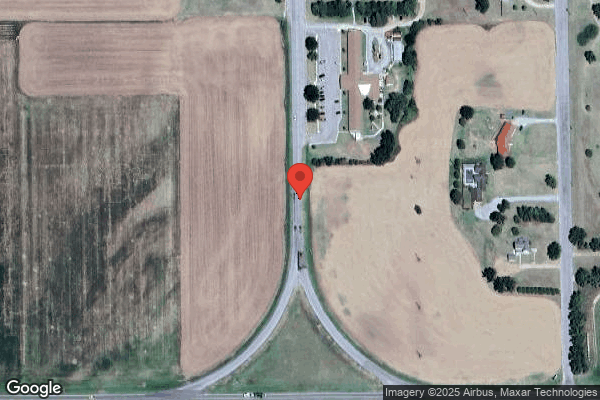
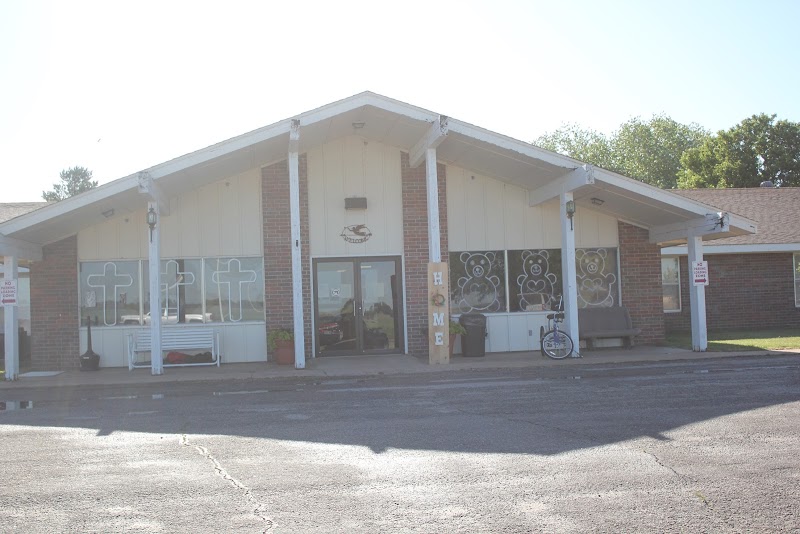
600 S BROADWAY, PROTECTION, KS 67127 (620) 622-4261
Non profit - Corporation 45 Beds Independent Data: November 2025 1 Immediate Jeopardy citation
Trust Grade
78/100
#36 of 295 in KS
Last Inspection: March 2025

Within standard 12-15 month inspection cycle. Federal law requires annual inspections.

Overview

Protection Valley Manor has a Trust Grade of B, indicating it is a good choice for families seeking care, sitting in the top half of nursing homes in Kansas at #36 out of 295. Locally, it ranks #1 out of 2 facilities in Comanche County, meaning there is only one other option nearby. However, the facility is facing a worsening trend, increasing from 2 issues in 2023 to 3 in 2025. Staffing has a mixed rating with 3 out of 5 stars and a turnover rate of 36%, which is better than the state average of 48%, suggesting that staff generally stay long enough to build relationships with residents. While there have been no fines, which is a positive sign, the facility has less RN coverage than 95% of Kansas facilities, raising concerns about adequate nursing support. Specific incidents noted by inspectors include a critical failure to secure the facility, leading to a resident with cognitive impairment exiting without staff knowledge, and multiple concerns regarding food safety in the kitchen, such as improper food storage practices that could risk foodborne illness. Overall, while there are notable strengths in staff retention and no fines, the facility needs to address critical safety issues and improve sanitation practices to ensure resident welfare.

Trust Score
B
78/100
In Kansas
#36/295
Top 12%
Safety Record
High Risk
Review needed
Inspections
Getting Worse
2 → 3 violations
Staff Stability
○ Average
36% turnover. Near Kansas's 48% average. Typical for the industry.
Penalties
✓ Good
No fines on record. Clean compliance history, better than most Kansas facilities.
Skilled Nurses
⚠ Watch
Each resident gets only 17 minutes of Registered Nurse (RN) attention daily — below average for Kansas. Fewer RN minutes means fewer trained eyes watching for problems.
Violations
○ Average
10 deficiencies on record. Average for a facility this size. Mostly minor or procedural issues.
★★★★★
5.0
Overall Rating
★★★☆☆
3.0
Staff Levels
★★★★★
5.0
Care Quality
★★★★★
5.0
Inspection Score
Stable
2023: 2 issues
2025: 3 issues

The Good

  • 5-Star Quality Measures · Strong clinical quality outcomes
  • Full Sprinkler Coverage · Fire safety systems throughout facility
  • No fines on record
  • Staff turnover below average (36%)

    12 points below Kansas average of 48%

Facility shows strength in quality measures, fire safety.

The Bad

Staff Turnover: 36%

Near Kansas avg (46%)

Typical for the industry

The Ugly 10 deficiencies on record

1 life-threatening
Jul 2025 1 deficiency 1 IJ
CRITICAL (J) 📢 Someone Reported This

A family member, employee, or ombudsman was alarmed enough to file a formal complaint

Immediate Jeopardy (IJ) - the most serious Medicare violation

Accident Prevention (Tag F0689)

Someone could have died · This affected 1 resident

**NOTE- TERMS IN BRACKETS HAVE BEEN EDITED TO PROTECT CONFIDENTIALITY** The facility reported a census of 41 residents with one resident sampled for accident hazards. Based on observation, interview, ...

Read full inspector narrative →
**NOTE- TERMS IN BRACKETS HAVE BEEN EDITED TO PROTECT CONFIDENTIALITY** The facility reported a census of 41 residents with one resident sampled for accident hazards. Based on observation, interview, and record review, the facility failed to ensure operational door locks, alarms, and supervision for cognitively impaired Resident (R) 1, a resident at high risk for elopement (when a cognitively impaired resident leaves the facility without the knowledge or supervision of staff) to prevent an elopement. On 06/04/25 at 07:29 PM, R1 exited the facility without staff knowledge or supervision through an unlocked front door. The door was typically locked but the door lock override was implemented, leaving the door unsecured and the alarm disabled. An off-duty staff member observed R1 walking outside, approximately two blocks away from the facility. Staff assisted R1 into the staff member's car and returned the resident to the facility at 07:42 PM. R1 was uninjured. The facility's failure to ensure door locks and alarms were implemented and failure to provide supervision to prevent R1 from eloping through an unlocked door, placed R1 in immediate jeopardy. Findings included: - A review of the Electronic Health Record (EHR) documented R1 had diagnoses that included dementia (a progressive mental disorder characterized by failing memory and confusion) with psychotic (a gross impairment perception) disturbance. R1's 06/03/25 Entry Minimum Data Set (MDS) documented R1 admitted to the facility from her home on [DATE]. R1's 06/09/25 Admission MDS documented a Brief Interview for Mental Status (BIMS) score of six, which indicated severely impaired cognition. The assessment documented R1 had hallucinations (sensing things while awake that appear to be real, but the mind created) and delusions (untrue persistent belief or perception held by a person although evidence shows it was untrue) with wandering behavior one-to-three days during the seven-day observation period. The MDS documented R1 was independent with locomotion and was not at risk for falls. The 06/09/25 Behavioral Symptoms Care Area Assessment (CAA) documented R1 was at high risk for elopement and would often have her belongings packed. R1's paper Elopement Risk Assessment dated 06/03/25 at 03:00 PM recorded a score of 22 which indicated R1 was at high risk for elopement. R1's initial Care Plan lacked interventions related to her high risk for elopement on 06/04/25. On 06/05/25 (after the incident) R1's Care Plan was updated to reflect R1's elopement risk related to impaired safety awareness. The following interventions were initiated on 06/05/25 and revised on 06/06/25: Staff would assess R1 for fall risk. Staff would distract R1 from wandering by offering pleasant diversions, structured activities, food, conversation, television, and books. Staff would identify patterns of R1's wandering and intervene as appropriate. Staff would monitor R1 for fatigue and weakness. Staff would monitor R1's location with visual checks every 30 minutes and document wandering and attempted diversions in the behavior log. Staff would provide structured activities such as toileting, walking inside and outside, utilize orientation strategies such as signs, pictures, and memory boxes. R1 had a WanderGuard (a bracelet that helps monitor residents who are at risk of wandering) placed on her right ankle (revised 06/09/25). R1's EHR documented under the Progress Note tab documented the following: On 06/05/25 at 11:52 AM, Administrative Nurse D documented a late entry for 06/03/25 at 03:15 PM, which recorded staff placed a WanderGuard on R1's right wrist as she declined to have the device placed around her ankle. On 06/03/25 at 03:26 PM, Administrative Nurse D documented R1 was admitted to the facility from a private residence where she had lived for the last five years. R1 was accompanied by family and her family reported R1 had been leaving her apartment to go looking for jobs, find family members, and purchase items but R1 had difficulty remembering where businesses were and would ask for directions from other local businesses. On 06/03/25 at 09:10 PM, Licensed Nurse (LN) H documented R1 had not exhibited exit-seeking behaviors. On 06/04/25 at 10:00 PM, LN H documented that on 06/04/25 at approximately 07:45 PM, an (unnamed) off-duty staff member called the facility to report R1 was walking down the road. The note documented the staff member returned R1 to the facility. LN H assessed R1 who was without injury; R1 was not wearing a WanderGuard. The note documented LN H placed a new WanderGuard on R1's ankle and initiated 30-minute visual checks. LN H's Witness Statement dated 06/06/25 documented on 06/04/25 at approximately 07:45 PM, an (unnamed) off-duty staff member called the facility to report a resident was walking along the road to the west of the facility. The staff member brought R1 back to the facility and R1 was not wearing the WanderGuard. R1 was dressed appropriately for the weather. R1 was without injury and a new WanderGuard was secured to R1's ankle. Certified Nurse Aide (CNA) M's Witness Statement dated 06/06/25 documented LN G came back with an (unnamed) resident at approximately 06:45 PM and the front door alarm sounded. LN H went to the front door and shut off the door alarm. CNA M noted she set up her snack cart for the evening snack rounds and offered R1 a snack between 07:15 PM and 07:20 PM. CNA M documented she finished snack rounds at approximately 07:45 PM and was in the office when the phone rang and then LN H asked CNA M to go check on R1. R1 was not located in her room or bathroom and CNA M alerted LN H. CNA M noted she then went and checked the front door, and the keypad light was green (which indicated the door was unlocked and unsecured). CNA M noted she entered the override code to lock the door, and the keypad light turned red (which indicated the door was locked and secured) and sometime after that, a staff member brought R1 back to the facility. Dietary BB's Witness Statement dated 06/06/25 documented on 06/04/25 at 07:42 PM she was driving in the community with her children and noticed someone walking along the road who looked like a resident in the facility. Dietary BB documented the individual was wearing a red long-sleeve shirt with jeans. Dietary BB was able to positively identify the individual as R1 and initiated contact with the resident. R1 told Dietary BB that she was unsure how she left the facility other than she just walked out. Dietary BB asked R1 to accompany her back to the facility and Dietary BB drove R1 back to the facility in her private vehicle. R1 and Dietary BB were greeted by the facility staff at approximately 07:50 PM. During an observation on 07/01/25 at 08:15 AM, R1 sat in a recliner in her room and appeared to be reading a book. Further observation revealed a WanderGuard on R1's right ankle. During an observation on 07/01/25 at 11:35 AM, R1 walked independently in the hallway. She wore a WanderGuard on her right ankle. On 07/01/25 at 09:33 AM, Administrative Nurse F said that upon admission, the facility initiates the care plan but does not use the baseline care plan template. Administrative Nurse F said the full care plan was initiated within the first 48 hours and included the required basic items; the full care plan was completed within 14 days of when the admission MDS was completed. Administrative Nurse F confirmed R1's Care Plan lacked interventions related to elopement risk until 06/05/25. Administrative Nurse F confirmed that on 06/03/25 at approximately 03:00 PM, staff completed an elopement risk assessment on R1, who scored 22, which indicated a high elopement risk. Administrative Nurse F stated the facility's elopement book at the nursing station was updated at that time and Administrative Nurse D put a WanderGuard on R1's right wrist. Administrative Nurse F said somehow R1 was able to remove the WanderGuard from her wrist and staff later discovered it under R1's bed. On 07/01/25 at 11:32 AM, CNA M confirmed the information documented in her Witness Statement and stated on 06/04/25 at approximately 07:45 PM she checked the front door, and the keypad light was green (which indicated the door was unlocked and unsecured). CNA M noted she entered the override code to lock the door, and the keypad light turned red (which indicated the door was locked and secured) and sometime after that, a staff member brought R1 back to the facility. CNA M said that prior to R1's elopement on 06/04/25, she was unaware of the facility processes in place to check for WanderGuard placement. CNA M confirmed since R1's elopement on 06/04/25, education has been provided related to elopement prevention and revealed staff visually check on R1 every 30 minutes which included visually checking the placement of the WanderGuard on R1's ankle and documenting in the log. On 07/01/25 at 11:37 AM, Certified Medication Aide (CMA) S revealed she was working on 06/04/25, the day that R1 eloped, but she was not in the building at the time of the elopement because the incident occurred after her shift had ended. CMA S said that she was unaware of any facility processes in place to check for WanderGuard placement, prior to the elopement. CMA S confirmed since the incident, staff visually checked the resident's location every 30 minutes, checked the placement of the WanderGuard on R1's ankle and documented it in the log. During an interview on 07/01/25 at 11:45 AM, Dietary BB said she had nothing to add to the Witness Statement and confirmed since R1's elopement on 06/04/25, education was provided related to elopement prevention and steps to follow in the event of an elopement. On 07/01/25 at 11:57 AM, Administrative Nurse D revealed she placed a WanderGuard on R1's wrist on 06/03/25 at approximately 03:15 PM but it was not tight enough on her wrist as she was able to remove it sometime during the day on 06/04/25. R1 was the first resident in a long time to have an elopement risk high enough to warrant WanderGuard placement/use. Administrative Nurse D revealed prior to the elopement on 06/04/25 Administrative Nurse D or Administrative Nurse E checked the placement and function of the WanderGuard system on the doors once per month. Administrative Nurse D or Administrative Nurse E checked the function of the WanderGuard device worn by the resident(s) every morning, and this process was performed by the day shift charge nurse on the weekends or whenever administrative nurses were not in the facility. Administrative Nurse D said on the morning of 06/04/25, she checked the placement and function of R1's WanderGuard and it was in place and functioning appropriately. Administrative Nurse D stated the biggest factor that allowed R1's elopement to occur was the door override code (to disable the door locks) was known by all staff, and a staff member had inadvertently left the front doors unlocked and unsecured. On 07/01/25 at 12:00 PM, Administrative Staff A stated the facility's investigation revealed one of the contributing factors that allowed R1 to elope on 06/04/25 was that a staff member had entered the door override code and did not reset the lock before leaving the area. This allowed R1 to leave the building without the permission, knowledge, or supervision of staff. Administrative Staff A said this was an unacceptable risk, and the door override code had been changed and provided only to Administrative Staff A, Administrative Nurse D, and Maintenance W. The facility's Elopement Risk Policy policy, dated 04/06/17 documented the facility would provide a safe environment for residents at risk for wandering. Every newly admitted resident would be assessed by a licensed nurse to determine the risk for wandering. Residents identified at risk for wandering/elopement must have an individualized plan of care. The policy documented alarmed doors would not be disengaged except for repair or emergency evacuation and required continual and constant observation by a staff member. On 07/01/25 at 02:30 pm, Administrative Staff A and Administrative Nurse D received a copy of the Immediate Jeopardy [IJ] Template and were informed of the IJ for R1. The facility's corrective measures, fully completed on 06/10/25, included the following, which were verified by the surveyor on-site during the investigation. 1. On 06/05/25 at approximately 07:45 PM, a WanderGuard was placed on R1's right ankle and staff implemented visual checks of R1 and R1's WanderGuard every 30 minutes and documented checks in a log. 2. On 06/04/25 at 08:00 PM, a new override code procedure was implemented, and the override code was changed, the only staff who know the override code are Administrative Staff A, Administrative Nurse D, and Maintenance W. The new override code was placed in a sealed bright pink envelope with the emergency evacuation log in the nurses' station. 3. On 06/04/25 at an unknown time, all facility staff were educated related to elopement prevention and procedures to follow in the event of an elopement, completed on 06/10/25. 4. On 06/06/25 an ad hoc Quality Assurance Process Improvement meeting was held. 5. On 06/06/25 the Wander Guard System and Elopement Risk . policies were updated All corrections were completed prior to the onsite survey; therefore, the deficient practice was cited as past noncompliance at a scope and severity of J.
Mar 2025 2 deficiencies
CONCERN (D)

Potential for Harm - no one hurt, but risky conditions existed

Infection Control (Tag F0880)

Could have caused harm · This affected 1 resident

The facility identified a census of 40 residents. The sample included 12 residents. The facility identified residents on Enhanced Barrier Precautions (EBP-infection control interventions designed to r...

Read full inspector narrative →
The facility identified a census of 40 residents. The sample included 12 residents. The facility identified residents on Enhanced Barrier Precautions (EBP-infection control interventions designed to reduce transmission of resistant organisms that employ targeted gown and glove use during high contact care). Based on record review, observations, and interviews, the facility failed to ensure the EBP residents were identified for staff and visitors. Further the facility failed to ensure staff used appropriate hand hygiene between glove changes and to follow infections for trends. These deficient practices placed the residents at risk for infectious diseases. Findings included: - On 03/03/25 at 11:02 AM, observation of Certified Nurse Aide (CNA) M and CNA O provided care for Resident (R) 8. CNA M changed gloves from dirty to clean and did not perform hand hygiene. CNA O changed gloves following cares with no hand hygiene between. On 03/03/25 at 11:17 AM, CNA M revealed she should have performed hand hygiene between glove change. CNA M confirmed she had not performed hand hygiene when changed her gloves from dirty to clean. On 03/05/24 at 09:03 AM, CNA O revealed she should have performed hand hygiene with glove change. CNA O confirmed she had not performed hand hygiene between change of gloves. On 03/05/25 at 08:10 AM, tour of the facility revealed three residents on EBP with no signs on their doors. On 03/05/25 at 09:03 AM, CNA O revealed the residents on EBP would have a sign on their door and there was a list in the breakroom on the bulletin board. On 03/05/25 at 09:05 AM CNA P shows that there was a list of residents with EBP in the breakroom on the bulletin board, she confirmed there would also be a sign on their doors. On 03/05/25 at 09:45 AM, Licensed Nurse (LN) I confirmed each resident with EBP should have a sign on their door and supplies in their rooms. LN I revealed there was a list of EBP residents in the breakroom. On 03/05/25 at 08:27 AM, Administrative Nurse D revealed every resident with EBP should have a sign on their door and supplies in their room. She confirmed some residents without signs on their doors that were on the EBP list. The facility's Enhanced Barrier Precautions (EBP) policy dated 10/04/24 documented that the policy of the facility was to implement enhanced barrier precautions for the prevention of transmission of multidrug-resistant organisms, that employ targeted gown and glove use during high contact resident care activities. The facility failed to ensure staff followed infection prevention protocols and place signs on EBP resident room doors to advise staff and visitors of precautions. This deficient practice placed the residents at risk for infection.
CONCERN (E)

Potential for Harm - no one hurt, but risky conditions existed

Food Safety (Tag F0812)

Could have caused harm · This affected multiple residents

The facility reported a census of 40 residents. Based on observation, interview, and record review, the facility failed to store, prepare, and serve food in a sanitary manner to prevent possible food-...

Read full inspector narrative →
The facility reported a census of 40 residents. Based on observation, interview, and record review, the facility failed to store, prepare, and serve food in a sanitary manner to prevent possible food-borne illness to the residents of the facility. Findings included: - On 03/03/25 at 10:44 AM during an initial tour of the main kitchen, refrigerator and dry food storage areas with Dietary Manager DD, the following areas of concern were observed: One unsealed/open box of outshine popsicles with an expiration date of 5/31/24 in snack freezer. One ten pound-bag of hamburger dethawing dated 2/23/24 in walk in freezer. On 03/03/25 at 10:36 AM, an interview with Dietary Manager DD revealed she expected staff to label, and date opened food items. Dietary Manager DD confrimed the concerns. The facility policy For Snack Refrigerator dated 06/12/2023 revealed Resident's personal items will be properly labeled and dated, will be monitored and disposed of as need be. The facility failed to store, prepare, and serve food in a sanitary manner to prevent possible food-borne illness to the residents of the facility.
Mar 2023 2 deficiencies
CONCERN (D)

Potential for Harm - no one hurt, but risky conditions existed

Deficiency F0657 (Tag F0657)

Could have caused harm · This affected 1 resident

**NOTE- TERMS IN BRACKETS HAVE BEEN EDITED TO PROTECT CONFIDENTIALITY** - Review of R32's diagnoses from the Electronic Health Record (EHR) documented schizophrenia (a psychotic disorder characterized...

Read full inspector narrative →
**NOTE- TERMS IN BRACKETS HAVE BEEN EDITED TO PROTECT CONFIDENTIALITY** - Review of R32's diagnoses from the Electronic Health Record (EHR) documented schizophrenia (a psychotic disorder characterized by gross distortion of reality, disturbances of language and communication and fragmentation of thought), tremor (a neurological disorder where fine motor control has degraded which causes shaking movements in one or more parts of the body, most often the arms/legs) and anxiety (mental or emotional reaction characterized by apprehension, uncertainty and irrational fear). Review of R32's annual Minimum Data Set (MDS), dated [DATE], documented a brief interview for mental status (BIMS) of 14, indicating intact cognition. R32 was independent with ambulation (walking) and transfers. R32 had no falls during the lookback period. Review of R32's quarterly MDS, dated [DATE], documented a BIMS of 15, indicating intact cognition. R32 was independent with ambulation and transfers. R32 had one fall with minor injury. Review of the Falls Care Area Assessment (CAA) dated 08/10/22, revealed that the resident was at increased risk for falls and injury due to medication he was taking, recent fall was due to tripping, and had not been affected by environmental factors. Review of the resident's assessments revealed fall risk screenings, dated: On 02/04/22, with a score of 65, indicating the resident was a high risk for falling. On 05/08/22, with a score of 55, indicating the resident was a high risk for falling. On 11/07/22, with a score of 55, indicating the resident was a high risk for falling. On 02/06/23, with a score of 65, indicating the resident was a high risk for falling. Review of fall reports revealed the following: R32 had a witnessed fall on 07/20/22. The root cause analysis determined that the resident tripped on the wheel of the front wheeled walker (FWW). The immediate intervention was to encourage the resident to remain seated but lacked an intervention on the care plan. R32 had an unwitnessed fall on 09/29/22. The root cause analysis determined that the resident attempted to go to the bathroom without utilizing the call light system to ask for help. The immediate intervention was to instruct the resident to use the call light for assistance, but the care plan lacked an intervention, On 03/15/23 at 04:00 PM, Licensed Nurse (LN) C reported that after a fall, the nurse on duty would come up with an intervention related to that fall to prevent future falls. The IDT (interdisciplinary team) would later update the care plan. On 03/16/23 at 09:14 AM, Administrative Nurse B reported the licensed nurse on duty at the time of a fall would implement an immediate intervention until the IDT could meet to create a permanent intervention and update the resident's care plan to prevent further falls. IDT should meet weekly. The facility's undated Care Plan Revisions policy, documented staff were to revise the care plan after every fall, and to include specific instructions based on the causal factors identified at the time of the occurrence and during the fall investigatory process to prevent or reduce the possibility for recurrence of a fall. The facility failed to review and revise this resident's care plan related to falls. The facility census totaled 42 residents with 12 residents in the sample that included three for falls. Based on observation, interview, and record review, the facility failed to review and revise the care plans for three residents, Resident (R)7, R 22, and R 32 related to fall prevention interventions. Findings included: - R7's Electronic Health Record (EHR) documented diagnoses that included psychosis (any major mental disorder characterized by a gross impairment in reality testing) and major depressive disorder (major mood disorder). The 12/27/22 Annual Minimum Data Set (MDS) documented R7 had a Brief Interview for Mental Status (BIMS) of 12, indicating moderately impaired cognition. R7 had two or more non-injury falls, and one minor injury fall since the prior assessment. The 01/24/23, the Significant Change MDS documented a BIMS score of six, indicating severe cognitive impairment. R7 had two of more non-injury falls since the prior assessment. The 01/24/23 Falls Care Area Assessment (CAA), documented R7 had several falls in the last couple of months. R7 experienced increased weakness and cognitive changes that contributed to the falls. The 02/10/23 Care Plan documented R7 was at risk for injuries related to multiple falls and lacked an updated intervention related to the falls experienced by R7 on 12/11/22 and 01/08/23. Review of Nurse Notes dated 12/11/22, documented R7 had a fall due to weakness, R7 stated her knees had become weak, she lowered herself to the floor, and denied hitting her head. Review of the Fall Investigation for fall on 12/11/22, documented R7 had fallen, and the intervention was to remind R7 (who had moderate cognitive impairment) to use her call light and wait for staff to arrive. Review of the Nurse Notes dated 01/08/23, documented R7 had a fall and she had stated she did not hit her head. Review of the Fall Investigation for fall on 01/08/23, documented R7 had a fall, and the intervention was for staff to ambulate with R7, when she was walking alone. On 03/15/23 at 09:04 AM, R7 sat in her wheelchair, that was being propelled by staff. R 7 stated she was unable to walk by herself anymore. On 03/16/23 at 09:54 AM, Certified Nurse Aide (CNA) E reported R7 had falls, but had not received any injuries, as far as he knew. CNA E stated he had worked there long enough he knew the residents care very well. On 03/16/23 at 10:28 AM, Licensed Nurse (LN) D revealed the care plan should be updated whenever there was an incident. On 02/02/23 at 09:55 AM, Administrative Nurse B revealed that staff should change/revise the care plan with each fall. All the nurses and administration staff could change the resident's care plans. Administrative Nurse B stated the interdisciplinary team (IDT brings together knowledge from different health care disciplines) team met weekly for care plan interventions. She confirmed R7's falls on 12/11/22 and 01/08/23 lacked interventions to prevent further falls on the care plan. The facilities undated Care Plan Revisions policy, documented staff were to revise the care plan after every fall. To include specific instructions based on the causal factors identified at the time of the occurrence and during the fall investigatory process to prevent or reduce the possibility for recurrence of a fall. The facility failed to revise the care plan with interventions after this resident fell on [DATE] and 01/08/23, to prevent further possible falls. - R22's Electronic Health Record (EHR) documented diagnoses that included hallucinations (sensing things while awake that appear to be real, but the mind created) and legal blindness. The 03/25/22 admission Minimum Data Set (MDS) documented R22 had a Brief Interview for Mental Status (BIMS) of 15, indicating intact cognition. R22 had one minor injury fall since the prior assessment. The 12/26/22, the Quarterly MDS documented a BIMS score of 12, indicating moderate cognitive impairment. R22 had two or more non-injury falls, and one minor injury fall since the prior assessment. The 03/25/22 Falls Care Area Assessment (CAA), documented R22 had a history of falls at her previous home. R22 felt that her low blood glucose may contribute to her falls. The 01/25/23 Care Plan documented R22 was at risk for falls due to her blindness and lacked an updated intervention related to the fall experienced by R22 on 12/09/22. Review of the Nurse Notes dated 12/09/22, documented R22 had a fall and she had stated she did not hit her head. Review of the Fall Investigation for fall on 12/09/22, documented R22 had a fall, and the intervention was to educate family to inform staff when leaving the resident alone. On 03/15/23 at 08:21 AM, R22 sat in her recliner, had a blanket over her legs, and the call light was within reach. On 03/15/23 at 01:03 PM, Certified Nurse Aide (CNA) F reported R22 had falls, but had not received any injuries, as far as he knew. CNA F stated he believed R22 just had needed time to get acquainted with the facility, and using the call light, she had falls at the beginning of her stay but not recently. On 03/16/23 at 10:28 AM, Licensed Nurse (LN) D revealed the care plan should be updated whenever there was an incident. On 02/02/23 at 09:55 AM, Administrative Nurse B revealed that staff should change/revise the care plan with each fall. All the nurses and administration staff could change the resident's care plans. Administrative Nurse B stated the interdisciplinary team (IDT brings together knowledge from different health care disciplines) team met weekly for care plan interventions. She confirmed R7's falls on 12/11/22 and 01/08/23 lacked interventions to prevent further falls on the care plan. The facilities undated Care Plan Revisions policy, documented staff were to revise the care plan after every fall. To include specific instructions based on the causal factors identified at the time of the occurrence and during the fall investigatory process to prevent or reduce the possibility for recurrence of a fall. The facility failed to revise the care plan with interventions after this resident fell on [DATE], to prevent further possible falls.
CONCERN (F)

Potential for Harm - no one hurt, but risky conditions existed

Food Safety (Tag F0812)

Could have caused harm · This affected most or all residents

The facility reported a census of 42 residents. Based on observation, interview, and record review, the facility failed to provide sanitary food preparation, storage and serving to prevent the spread ...

Read full inspector narrative →
The facility reported a census of 42 residents. Based on observation, interview, and record review, the facility failed to provide sanitary food preparation, storage and serving to prevent the spread of food borne illness to the residents of the facility. Findings included: - The initial environmental tour of the kitchen, on 03/14/23 at 08:02 AM with Dietary Staff BB, revealed the following items/areas of concerns: 1. The ice machine lacked a two-inch air gap between the drainpipe and the municipal discharge drain. 2. There were 12 stacks of dishes, each approximately 16 inches high, stored on the bottom shelf of a wire rack, approximately eight to 10 inches from the floor, with eating surfaces exposed. The stacks of dishes lacked a covering to protect them from dust or other contamination. 3. There were 14 bowls of assorted dry breakfast cereals portioned out for the next breakfast service, stacked on top of each other, however, the bowls lacked barriers between the food and the bowls. 4. A box of breakfast cereal, open to air with an open date of 02/09/23. 5. A box of breakfast cereal with an open date of 02/01/23. The initial environmental tour of the dry storage, on 03/14/23 at 08:02 AM with Dietary Staff BB revealed a box of minute tapioca, open to air with an open date of 01/06/21. On 03/14/23 at 08:02 AM, Dietary Staff BB stated that dry breakfast cereals that have been opened have a two-week expiration date per policy. Additionally stated that all opened items should be resealed or placed in an air-tight container/packaging. The facility's 04/24/17 Policy & Procedure For Expired Foods documented that expired foods will not be served to residents or staff and all expired foods will be disposed of. Further documents that all dietary staff were responsible to look at food items expiration dates and discard if necessary. The facility's 04/13/10 Food Storage Policy/Procedure documents that plastic containers with tight-fitting covers must be used for storing cereals. The facility failed to store, prepare, and serve food under sanitary conditions for the residents in the facility. This created the potential for the spread of food borne illnesses to the residents of the facility.
Aug 2021 5 deficiencies
CONCERN (D)

Potential for Harm - no one hurt, but risky conditions existed

Deficiency F0625 (Tag F0625)

Could have caused harm · This affected 1 resident

**NOTE- TERMS IN BRACKETS HAVE BEEN EDITED TO PROTECT CONFIDENTIALITY** The facility census totaled 39 residents with 13 included in the sample. Based on interview and record review the facility faile...

Read full inspector narrative →
**NOTE- TERMS IN BRACKETS HAVE BEEN EDITED TO PROTECT CONFIDENTIALITY** The facility census totaled 39 residents with 13 included in the sample. Based on interview and record review the facility failed to provide Resident (R) 6 or her representative with a bed-hold policy upon transfer to a hospital. Findings included: - Review of R6's signed Physician Orders dated 06/01/21 revealed the following diagnoses: type 2 diabetes mellitus (when the body cannot use glucose, not enough insulin is made or the body cannot respond to the insulin) and osteomyelitis (local or generalized infection of the bone and bone marrow). The Annual Minimum Data Set (MDS) dated [DATE] revealed a Brief Interview for Mental Status (BIMS) score of 14 indicating intact cognition. The resident required extensive assistance with activities of daily living (ADL) and was non-ambulatory. The resident received as needed (PRN) pain medication for pain rated eight out of ten, and received Insulin injections antipsychotic, antidepressant and diuretic medications daily in the seven-day observation period. Review of the ADL Care Area Assessment (CAA) dated 01/05/21 revealed R6 required extensive staff assistance with her ADL. She has limitations in mobility as she is obese. She experiences episodes of pain that limit her ability to perform some ADL's. She is very fearful that she is going to fall during her transfers. Has struggled to regain strength since Covid-19. Review of the Care Plan dated 07/28/21 revealed the resident required extensive assistance with all daily cares. Review of the Nurses Progress Notes dated 06/30/21 revealed the resident's physician called this nurse to report she would be admitting the resident to the local hospital from her office for intravenous antibiotics for Osteomyelitis. Review of the physician visit dated 08/26/21 revealed the resident had good improvement on her left pinky finger. Res has been stable since returning from hospitalization. Review of the Electronic Health Record (EMR) dated 06/30/21 lacked evidence of a bed hold policy upon transfer to the hospital. During an interview on 08/25/21 at 11:25 AM CNA F reported the resident was recently in the hospital with an infection in her little finger on her left hand. During an interview on 08/25/21 at 03:45 PM Licensed Nurse C reported the resident was in the hospital on intravenous (IV) antibiotics for Osteomyelitis in her finger. The nurse reported she never sent a bed hold with a resident to the hospital, as she thought that was part of the admission stuff and did not know a bed-hold policy should be given to the responsible party when the resident went to the hospital. During an interview on 08/25/21 at0 4:00 PM Social Service staff D reported she did not know another bed hold policy was required upon hospitalization transfers, since the resident received one at the time of admission. SS D stated she had note sent any bed hold policies out with hospitalization transfers. Interview on 08/25/21 at 04:15 PM revealed Administrative Nurse A did not know the facility should give a bed hold policy to the resident or responsible party for hospitalization transfers of residents. Review of the undated facility policy Bed-Hold Policy revealed that before the facility transfers a resident to the hospital or the resident goes on therapeutic leave, the facility will provide written information to the resident and/or his representative that specifies: the duration of the state bed-hold policy during which the resident is permitted to return and resume residency in the facility: the reserve bed payment policy in the state plan; the facilities policies regarding bed-hold period, which are consistent with the law permitting the resident return. The facility failed to provide R6 or her guardian with a bed-hold policy upon transfer to a hospital.
CONCERN (D)

Potential for Harm - no one hurt, but risky conditions existed

MDS Data Transmission (Tag F0640)

Could have caused harm · This affected 1 resident

**NOTE- TERMS IN BRACKETS HAVE BEEN EDITED TO PROTECT CONFIDENTIALITY** The facility census totaled 39 residents with 13 sampled for review and all sampled residents reviewed for Minimum Data Set (MDS...

Read full inspector narrative →
**NOTE- TERMS IN BRACKETS HAVE BEEN EDITED TO PROTECT CONFIDENTIALITY** The facility census totaled 39 residents with 13 sampled for review and all sampled residents reviewed for Minimum Data Set (MDS) completion. Based on record review and interview the facility failed to complete the required Death in The Facility MDS in a timely manner for Resident (R) 30. Findings included: - Review of the Electronic Medical Record (EMR) for R30 on [DATE] at 04:00 PM revealed R30 died on [DATE] at 09:59 AM. The MDS assessments lacked a completed Death in The Facility MDS assessment for R30. During an interview on [DATE] at 04:10 PM Administrative Nurse B reported she forgot to complete the Death in the Facility MDS assessment. Review of the RAI Manual dated [DATE] revealed when a resident death in the facility occured the facility should complete a Death in the Facility MDS within seven days of the death occurring, and transmitted no later than 14-days after the resident death. The facility failed to complete the required Death in The Facility MDS in a timely manner for R30.
CONCERN (D)

Potential for Harm - no one hurt, but risky conditions existed

Deficiency F0657 (Tag F0657)

Could have caused harm · This affected 1 resident

**NOTE- TERMS IN BRACKETS HAVE BEEN EDITED TO PROTECT CONFIDENTIALITY** The facility reported a census of 39 residents, with 13 sampled. Based on observation, interview, and record review the facility...

Read full inspector narrative →
**NOTE- TERMS IN BRACKETS HAVE BEEN EDITED TO PROTECT CONFIDENTIALITY** The facility reported a census of 39 residents, with 13 sampled. Based on observation, interview, and record review the facility failed to update three resident's care plans in a timely manner, regarding fall interventions for Resident (R) 4 and R8, and skin issues and antibiotic use for R15. Findings Include: - Review of R4's pertinent diagnoses from the Electronic Health Record (EHR) documented: schizophrenia (psychotic disorder characterized by gross distortion of reality, disturbances of language and communication and fragmentation of thought), osteoporosis (abnormal loss of bone density and deterioration of bone tissue with an increased fracture risk), dementia (progressive mental disorder characterized by failing memory, confusion), and type II diabetes mellitus (diabetes mellitus, when the body cannot use glucose, not enough insulin made or the body cannot respond to the insulin). The Annual Minimum Data Set (MDS) dated [DATE] documented a Brief Interview for Mental Status (BIMS) score of 13, indicating intact cognition. The resident was independent with no set up needed for all activities of daily living (ADL) except dressing, toilet use, and personal hygiene which required extensive assistance of one staff. R4 experienced one fall since the last assessment with no injuries or skin issues noted. The 04/13/21 Quarterly MDS documented a BIMS of 10, indicating moderately impaired cognition. R4 had two falls with no injury since the last assessment. Review of R4's Falls Care Area Assessment (CAA) dated 07/13/21 documented when R4 had a temper tantrum he would walk swiftly down the hallway looking down, without care for his safety. This put him at risk for falls. R4 slept very deeply in the chairs in the dayroom, which would put him at risk to fall out of the chair if the chair did not have arms. The 04/08/21 Care Plan for R4 documented interventions for actual falls with dates of falls to include: 04/09/21, changed out the swivel rocker in R4's room 06/27/21, ensure nonskid socks in place 07/22/21, toilet riser removed from R4's bathroom The Care Plan lacked an intervention for R4's 08/20/21 fall. Review of the EHR documented R4 fell on [DATE]. On 08/25/21 at 09:48 AM R4 sat in a chair in his doorway with staff set up to play bingo, R4 allowed and encouraged to place chips on numbers called. R4 smiled and visited with staff during the game. On 08/30/21 at 10:20 AM Certified Medication Aide (CMA) F revealed at the time of a fall whoever saw the resident first got the nurse or Director of Nursing (DON) and then went to the resident to assist in any way they could. The nurse performed the assessment and obtained vital signs (VS) and then instructed the staff of the next steps. The nurse would also perform any wound care needed. On 08/30/21 at 09:24 AM Licensed Nurse (LN) C revealed it was the nurse on duty at the time of the fall who updated intervention on the care plan. On 08/30/21 at 10:07 AM Administrative Nurse A revealed she expected the care plan to be updated timely and accurately. The undated facility Care Plan Revisions policy documented that changes in a resident's condition often require changes to the care plan . the care plan will be revised after every fall to include specific instructions to staff based on the causal factors identified at the time of the occurrence and during the fall investigatory process to prevent or reduce the possibility for recurrence of a fall. The facility failed to update R4's care plan with fall interventions after the 08/20/21 fall. - Review of R8's pertinent diagnoses from the Electronic Health Record (EHR) documented: psychosis (any major mental disorder characterized by a gross impairment in reality testing), extrapyramidal (movement disorders as a result of taking certain medications) symptoms, and type II diabetes mellitus (when the body cannot use glucose, not enough insulin made or the body cannot respond to the insulin), The Annual Minimum Data Set (MDS) dated [DATE] documented a Brief Interview for Mental Status (BIMS) score of 15, indicating intact cognition. The resident was independent with no set up help needed for all activities of daily living (ADL). R8 experienced no falls since the last assessment. The 06/26/21 Quarterly MDS documented a BIMS of 10, indicating moderately impaired cognition. R8 had no falls since the last assessment. Review of R8's Falls Care Area Assessment (CAA) dated 12/26/20 documented R8 had a history of falls with fracture (broken bone). She no longer used a walker with ambulation. She walked with a steady gait and at a safe pace at that time. The 04/15/21 Care Plan for R8 documented interventions for falls with date of fall to include: An undated intervention for staff to encourage R8 to participate in activities that promote exercise, and physical activity for strengthening and improved mobility 11/15/19, encourage R8 to rise slowly from sitting The Care Plan lacked an intervention for R8's 08/23/21 fall. Review of the EHR documented R8 fell on [DATE]. The 08/23/21 Fall Investigation Report documented R8 needed staff assistance when ambulating outside. On 08/26/21 at 09:12 AM R8 sat in her room in the recliner in a dress and a pair of nonskid socks. R8 was alert and awake and stated she was doing well. On 08/30/21 at 10:20 AM Certified Medication Aide (CMA) F revealed at the time of a fall whoever saw the resident first got the nurse or director of nursing (DON) and then went to the resident to assist in any way they could. The nurse performed the assessment and obtained vital signs (VS) and then instructed the staff of the next steps. The nurse would also perform any wound care needed. On 08/30/21 at 09:24 AM Licensed Nurse (LN) C revealed it was the nurse on duty at the time of the fall who updated interventions on the care plan. On 08/30/21 at 10:07 AM Administrative Nurse A revealed she expected the care plan to be updated timely and accurately. The undated facility Care Plan Revisions policy documented that changes in a resident's condition often require changes to the care plan . the care plan will be revised after every fall to include specific instructions to staff based on the causal factors identified at the time of the occurrence and during the fall investigatory process to prevent or reduce the possibility for recurrence of a fall. The facility failed to update R8's care plan with fall interventions after the 08/23/21 fall. - Review of R15's signed Physician Orders dated 08/01/21 revealed the following diagnoses: schizoaffective disorder (psychotic disorder characterized by gross distortion of reality, disturbances of language and communication and fragmentation of thought), delusional disorders (untrue persistent belief or perception held by a person although evidence shows it was untrue), and heart failure (a condition with low heart output and the body becomes congested with fluid). Review of the Annual Minimum Data Set (MDS) dated [DATE] revealed a Brief Interview for Mental Status (BIMS) score of 14, indicating intact cognition. The resident had delusions and verbal behaviors towards staff and rejection of care identified on 1-3 days of the look back period. The resident was independent with activities of daily living (ADLs). She weighed 225 pounds with no weight change. Medications included antipsychotic antidepressant and diuretic medications received daily in the 7-day observation period. Review of the Quarterly MDS dated 06/09/21 revealed the resident would not answer questions to complete the BIMS. Staff answered questions with no changes noted in R15's cognition. The resident had delusions and rejection of care. She weighed 210 pounds. Medications remain the same with physician determining reduction would be clinically contraindicated on 04/22/21 Review of the Nutrition Care Area Assessment (CAA) dated 09/09/20 revealed the resident consumed 75-100% of all meals offered. She could make her own choices of what she liked at meals. She has no issues with chewing or swallowing and received diuretic (medication to promote the formation and excretion of urine) medications. She was overweight and had intakes of excessive amounts of fluid and retains fluid. She frequently refused medication. The staff were to assist her to and from meals on level of health at that mealtime. The CAA noted, at times, she will walk with the walker and other times she needed assistance with transfers into the wheelchair and locomotion to the dining table, by staff. Review of the Care Plan dated 05/15/16 revealed no current nutritional problems to include her protein drinks or weight loss. Review of the resident weights revealed: On 06/04/2021, the resident weighed 210 pounds. On 07/29/2021, the resident weighed 196.4 pounds, which is a -6.48% loss from 06/04/21. Review of the Dietary Progress Notes dated 08/26/21 revealed-Food intake/weight: The resident refused to be weighed this month. Last month her weight was 214 pounds. The resident continued to battle edema in lower extremities. Depending on her mood, she might or might not have refused to take her medication to help keep the edema off. When she refused, she had difficulty breathing. During that time, she usually asked for a protein shake for her meals. We tried to avoid her drinking a shake when she also ate the meal. She loved her high sodium foods that we tried to get her to avoid as well. Observation on 08/25/21 at 11:50 AM revealed the resident had not eaten her lunch but was drinking a protein drink. Observation on 08/30/21 at 07:50 AM revealed the resident sat in her recliner with her plate of uneaten food, on the table beside the resident Observation revealed no protein drink visible. During an interview on 08/25/21 at 11:35 AM Certified Nursing Assistant (CNA) F reported the residents percent of meal consumed, depended on her mood but when she did not eat, she usually took a protein drink. During an interview on 08/26/21 at 12:15 PM CNA G reported she took the residents lunch tray from her room. She stated the resident consumed 25% of her meal, maybe at the most. and no other nourishment During an interview on 08/25/21 at 03:54 PM Licensed Nurse C reported the resident did not like to eat and wanted protein drinks instead for meals and snacks. When she was told how expensive those were, she then just drank them for her meals. Staff offered the meal served but most of the time the resident will only take a protein drink. The resident is encouraged to eat but would not allow staff to assist her. During an interview on 08/30/21 at 03:00 PM Administrative Nurse B acknowledged she should have updated the current care plan to reflect the resident's nutritional status. During an interview on 08/26/21 at 12:00 PM Administrative Nurse A reported the care plan should have been updated. The resident was very resistive of all care but liked her food and ate well. Administrative Nurse A reported she was aware the care plans needed to be updated. Review of the undated facility policy named Care Plan Revisions revealed the care plan would be revised whenever the resident experienced a change in eating/drinking patterns or a change in documented weight. The facility failed to revise the current Comprehensive Care Plan to reflect the change in eating and drinking patterns and the weight change for R 15.
CONCERN (D)

Potential for Harm - no one hurt, but risky conditions existed

Quality of Care (Tag F0684)

Could have caused harm · This affected 1 resident

**NOTE- TERMS IN BRACKETS HAVE BEEN EDITED TO PROTECT CONFIDENTIALITY** The facility reported a census of 39 residents with 13 sampled. Based on observation, interview, and record review the facility ...

Read full inspector narrative →
**NOTE- TERMS IN BRACKETS HAVE BEEN EDITED TO PROTECT CONFIDENTIALITY** The facility reported a census of 39 residents with 13 sampled. Based on observation, interview, and record review the facility failed to provide treatment and care in accordance with professional standards of practice by not completing dressing changes as ordered for Resident (R) 4 and did not accurately complete skin assessments for R8. Findings Include: - Review of R4's pertinent diagnoses from the Electronic Health Record (EHR) documented: schizophrenia (psychotic disorder characterized by gross distortion of reality, disturbances of language and communication and fragmentation of thought), osteoporosis (abnormal loss of bone density and deterioration of bone tissue with an increased fracture risk), dementia (progressive mental disorder characterized by failing memory, confusion), and type II diabetes mellitus (diabetes mellitus, when the body cannot use glucose, not enough insulin made or the body cannot respond to the insulin). The Annual Minimum Data Set (MDS) dated [DATE] documented a Brief Interview for Mental Status (BIMS) score of 13, indicating intact cognition. The resident was independent with no set up needed for all activities of daily living (ADL) except dressing, toilet use, and personal hygiene which required extensive assistance of one staff. The 04/13/21 Quarterly MDS documented a BIMS of 10, indicating moderately impaired cognition. The 04/08/21 Care Plan for R4 documented staff where to monitor, document, and report any new skin issues. Review of the EHR documented R4 fell on [DATE] and obtained a skin tear to his left shin. The Orders in the EHR documented on 08/20/21 staff were to cleanse R4's minor skin tears with normal saline then apply Antibiotic ointment and dressing daily until healed, and to notify provider at first sign of infection. Review of the August 2021 Treatment Administration Record (TAR) documented the dressing applied on 08/20/21 and lacked documentation of daily dressing changes or a change in the order for leave open to air on 08/30/21. On 08/25/21 at 09:48 AM R4 sat in a chair in his doorway and had a dressing on his right shin dated 08/20/21 (five days past the date it was placed). On 08/30/21 at 12:13 PM R4 sat in his room on the bed with no covering to the skin tear on his right shin. The skin tear showed no observable signs of infection. On 08/30/21 at 10:20 AM Certified Medication Aide (CMA) F revealed at the time of a fall whoever saw the resident first got the nurse or director of nursing (DON) and then went to the resident to assist in any way they could. The nurse performed the assessment and obtained vital signs (VS) and then instructed the staff of the next steps. The nurse would also perform any wound care needed. On 08/30/21 at 09:24 AM Licensed Nurse (LN) C revealed it was the nurse on duty at the time of the fall who would initiate any standing orders for minor skin issues or obtain new orders as needed (PRN) for anything more serious. LN C confirmed the order had been entered as PRN instead of scheduled as it should have been. LN C stated that oncoming nurses would not know of the dressing as it would not pop up to be completed when entered as PRN. On 08/30/21 at 10:07 AM Administrative Nurse A revealed she expected the orders in the resident's records to be followed completely and accurately for R4. The facility Routine Orders signed by facility medical director on 05/26/21 documented the staff were to cleanse minor skin tears with normal saline and approximate with steri-strips as needed, apply triple antibiotic ointment and dressing daily until healed, and to notify provider at the first sign of infection. The facility failed to provide R4 with care and treatment in accordance with professional standards of practice by not changing the dressing to his injury as ordered. - Review of R8's pertinent diagnoses from the Electronic Health Record (EHR) documented: psychosis (any major mental disorder characterized by a gross impairment in reality testing), extrapyramidal (movement disorders as a result of taking certain medications) symptoms, and type II diabetes mellitus (when the body cannot use glucose, not enough insulin made or the body cannot respond to the insulin), The Annual Minimum Data Set (MDS) dated [DATE] documented a Brief Interview for Mental Status (BIMS) score of 15, indicating intact cognition. The resident was independent with no set up help needed for all activities of daily living (ADL). The 06/26/21 Quarterly MDS documented a BIMS of 10, indicating moderate cognitive impairment. The 04/15/21 Care Plan for R8 documented staff were to monitor, document, and report any new skin issues. Review of the EHR documented R4 fell on [DATE] and had abrasions noted to the left inner ankle and right knee. The 08/23/21 Fall Investigation Report documented R8 had abrasions to left inner ankle and right knee from the fall. The Skin Observation Tool dated 08/26/21 (three days after the fall) documented R8 had scratches to her left outer ankle and a cut to her second toe, but lacked documentation of any right knee abrasion On 08/26/21 at 09:12 AM R8 sat in her room in the recliner in a dress and a pair of nonskid socks. R8 showed the surveyor the scratches to her left inner ankle and right knee, from her fall. On 08/30/21 at 10:20 AM Certified Medication Aide (CMA) F revealed at the time of a fall whoever saw the resident first would get the nurse or director of nursing (DON) and then went to the resident to provide assistance. The nurse performed the assessments, obtained vital signs (VS), and then instructed the staff of the next steps. The nurse would also perform any wound care needed. On 08/30/21 at 09:24 AM Licensed Nurse (LN) C revealed it was the nurse on duty at the time of the fall who would document the assessment of the resident's injuries, if there were any. Any nurse completing the weekly skin assessment should document the injuries noted until they are healed. LN C confirmed the injuries for R8's fall were on her left inner ankle and right knee, and stated she had not heard anything regarding a cut to R8's toes. On 08/30/21 at 10:07 AM Administrative Nurse A revealed she expected the skin assessments for R8 to be accurately documented. The facility did not provide a policy regarding skin assessments as requested on 08/30/21 at 02:44 PM. The facility failed to provide accurate skin assessments of R8's injuries from her 08/23/21 fall.
CONCERN (E)

Potential for Harm - no one hurt, but risky conditions existed

Accident Prevention (Tag F0689)

Could have caused harm · This affected multiple residents

The facility census totaled 39 residents. Based on observation, interview, and record review the facility failed to provide residents with a safe environment by the failure to secure dangerous chemica...

Read full inspector narrative →
The facility census totaled 39 residents. Based on observation, interview, and record review the facility failed to provide residents with a safe environment by the failure to secure dangerous chemicals in a locked place, inaccessible to the eight cognitively impaired, independently mobile residents living in the facility. Findings included: - Observation on 08/24/21 at 01:59 PM of the unlocked and open public bathroom, accessible to all residents, revealed a container on the counter identified as Di-Cide Ultra Wipes. Upon closer inspection, the Di-Cide Ultra Wipes container label noted to Keep Out of Reach of Children with warnings the wipes could cause severe eye injury. The online literature regarding Di-Cide Ultra Wipes noted Di-Cide Ultra is a hospital-level, one-step, ready-to-use quaternary ammonium, intermediate high-level alcohol-based disinfectant. The online Safety Data Sheet (SDS, a fact sheet developed by manufacturers describing the chemical properties of a product. Material Safety Data Sheets include brand-specific information such as physical data (solid, liquid, color, melting point, flash point, etc.), health effects, first aid, reactivity, storage, handling, disposal, personal protection and spill/leak procedures) regarding Di-Cide Ultra Towelettes noted the signs and symptoms of exposure as: Mild irritation of the eyes, nose and throat. Drowsiness, headache and incoordination may also occur. Swallowing isopropyl alcohol may cause drowsiness, unconsciousness and death. The SDS also noted the precautions in safe handling and use to Keep closed, do not handle or store near flame, heat or strong oxidants. Adequate ventilation required. Do not contaminate water, food or feed by storage and disposal. Interview on 08/24/21 at 02:05 PM Administrative Nurse A removed the chemicals and acknowledged they should not have been in the public bathroom where residents could have gotten to them. Review of the undated facility policy Control of Hazardous Chemicals revealed all substances with warning labels including keep out of reach of children will always be locked and inaccessible. The facility failed to provide residents with a safe environment by the failure to secure dangerous chemicals in a locked place, inaccessible to the eight cognitively impaired, independently mobile residents.
Understanding Severity Codes (click to expand)
Life-Threatening (Immediate Jeopardy)
J - Isolated K - Pattern L - Widespread
Actual Harm
G - Isolated H - Pattern I - Widespread
Potential for Harm
D - Isolated E - Pattern F - Widespread
No Harm (Minor)
A - Isolated B - Pattern C - Widespread

Questions to Ask on Your Visit

  • "What changes have you made since the serious inspection findings?"
  • "Can I speak with families of current residents?"
  • "What's your RN coverage like on weekends and overnight?"

Our Honest Assessment

Strengths
  • • No fines on record. Clean compliance history, better than most Kansas facilities.
  • • 36% turnover. Below Kansas's 48% average. Good staff retention means consistent care.
Concerns
  • • Multiple safety concerns identified: 1 life-threatening violation(s). Review inspection reports carefully.
  • • 10 deficiencies on record, including 1 critical (life-threatening) violation. These warrant careful review before choosing this facility.
Bottom line: Generally positive indicators. Standard due diligence and a personal visit recommended.

About This Facility

What is Protection Valley Manor's CMS Rating?

CMS assigns PROTECTION VALLEY MANOR an overall rating of 5 out of 5 stars, which is considered much above average nationally. Within Kansas, this rating places the facility higher than 99% of the state's 100 nursing homes. This rating reflects solid performance across the metrics CMS uses to evaluate nursing home quality.
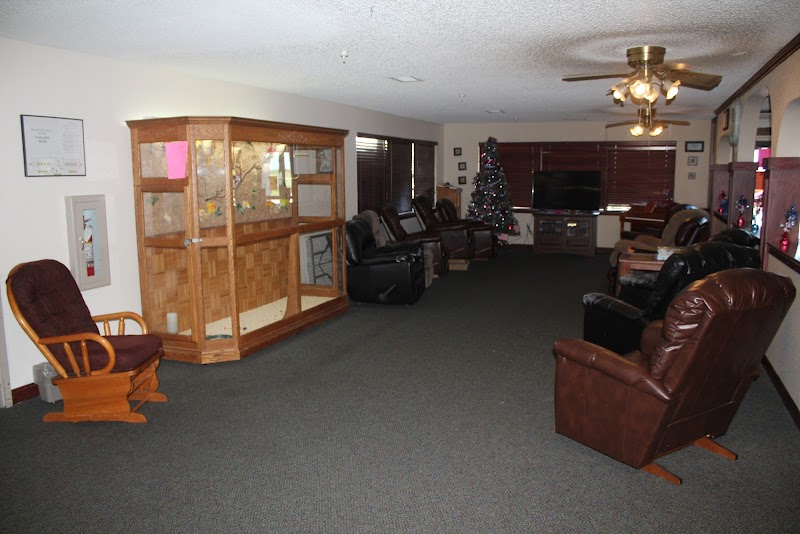
How is Protection Valley Manor Staffed?

CMS rates PROTECTION VALLEY MANOR's staffing level at 3 out of 5 stars, which is average compared to other nursing homes. Staff turnover is 36%, compared to the Kansas average of 46%. This relatively stable workforce can support continuity of care.

What Have Inspectors Found at Protection Valley Manor?

State health inspectors documented 10 deficiencies at PROTECTION VALLEY MANOR during 2021 to 2025. These included: 1 Immediate Jeopardy (the most serious level, indicating potential for serious harm or death) and 9 with potential for harm. Immediate Jeopardy findings are rare and represent the most serious regulatory concerns. They require immediate corrective action.
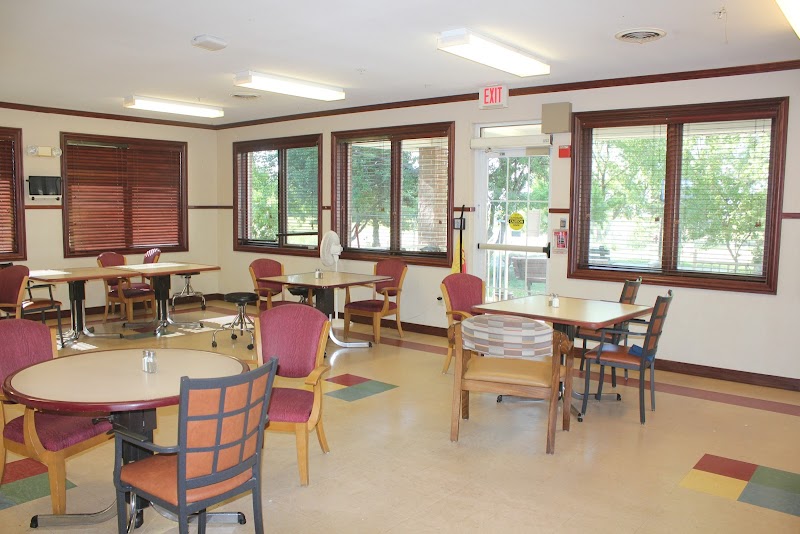
Who Owns and Operates Protection Valley Manor?

PROTECTION VALLEY MANOR is owned by a non-profit organization. Non-profit facilities reinvest revenue into operations rather than distributing to shareholders. The facility operates independently rather than as part of a larger chain. With 45 certified beds and approximately 40 residents (about 89% occupancy), it is a smaller facility located in PROTECTION, Kansas.
How Does Protection Valley Manor Compare to Other Kansas Nursing Homes?

Compared to the 100 nursing homes in Kansas, PROTECTION VALLEY MANOR's overall rating (5 stars) is above the state average of 2.9, staff turnover (36%) is near the state average of 46%, and health inspection rating (5 stars) is much above the national benchmark.

What Should Families Ask When Visiting Protection Valley Manor?

Based on this facility's data, families visiting should ask: "What changes have been made since the serious inspection findings, and how are you preventing similar issues?" "Can I visit during a mealtime to observe dining assistance and food quality?" "How do you handle medical emergencies, and what is your hospital transfer rate?" "Can I speak with family members of current residents about their experience?" These questions are particularly relevant given the facility's Immediate Jeopardy citations.

Is Protection Valley Manor Safe?

Based on CMS inspection data, PROTECTION VALLEY MANOR has documented safety concerns. Inspectors have issued 1 Immediate Jeopardy citation (the most serious violation level indicating risk of serious injury or death). The facility has a 5-star overall rating and ranks #1 of 100 nursing homes in Kansas. Families considering this facility should ask detailed questions about what corrective actions have been taken since these incidents.

Do Nurses at Protection Valley Manor Stick Around?

PROTECTION VALLEY MANOR has a staff turnover rate of 36%, which is about average for Kansas nursing homes (state average: 46%). Moderate turnover is common in nursing homes, but families should still ask about staff tenure and how the facility maintains care continuity when employees leave.

Was Protection Valley Manor Ever Fined?

PROTECTION VALLEY MANOR has no federal fines on record. CMS issues fines when nursing homes fail to meet care standards or don't correct problems found during inspections. The absence of fines suggests the facility has either maintained compliance or corrected any issues before penalties were assessed. This is a positive indicator, though families should still review recent inspection reports for the full picture.

Is Protection Valley Manor on Any Federal Watch List?

PROTECTION VALLEY MANOR is not on any federal watch list. The most significant is the Special Focus Facility (SFF) program, which identifies the bottom 1% of nursing homes nationally based on persistent, serious quality problems. Not being on this list means the facility has avoided the pattern of deficiencies that triggers enhanced federal oversight. This is a positive indicator, though families should still review the facility's inspection history directly.