HOLIDAY RESORT OF SALINA
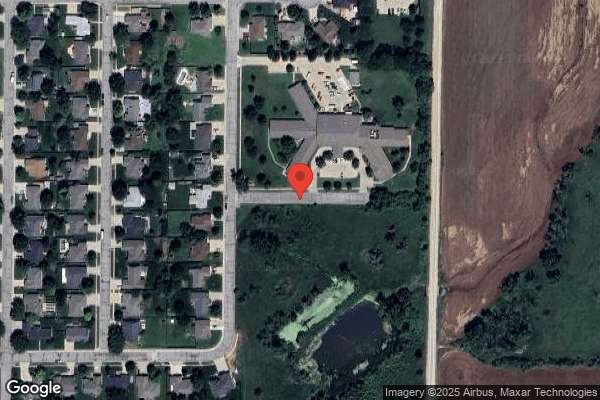
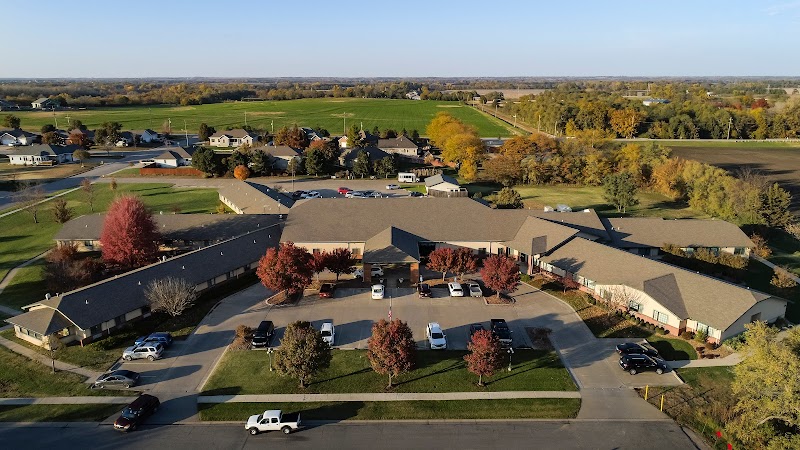
2825 RESORT DRIVE, SALINA, KS 67401 (785) 825-2201
For profit - Limited Liability company 60 Beds MIDWEST HEALTH Data: November 2025 1 Immediate Jeopardy citation
Trust Grade
31/100
#194 of 295 in KS
Last Inspection: July 2025

Inspected within the last 6 months. Data reflects current conditions.

Overview

Holiday Resort of Salina has received a Trust Grade of F, indicating significant concerns about the quality of care provided. Ranking #194 out of 295 nursing homes in Kansas places it in the bottom half of facilities statewide, but it is ranked #2 out of 6 in Saline County, meaning only one local option is rated higher. The facility is worsening, with issues increasing from 2 in 2024 to 17 in 2025, which is alarming for families considering this home. Staffing is a mixed bag; while they have a 3/5 star rating for staffing, the turnover rate is high at 64%, which is concerning compared to the state average of 48%. Additionally, there have been critical incidents, such as administering ten times the prescribed dose of morphine to a resident, and failing to maintain proper sanitation, which raises serious safety concerns. While there is good RN coverage, being higher than 87% of Kansas facilities, the overall picture suggests families should carefully weigh these strengths against the significant weaknesses present.

Trust Score
F
31/100
In Kansas
#194/295
Bottom 35%
Safety Record
High Risk
Review needed
Inspections
Getting Worse
2 → 17 violations
Staff Stability
⚠ Watch
64% turnover. Above average. Higher turnover means staff may not know residents' routines.
Penalties
○ Average
$16,795 in fines. Higher than 56% of Kansas facilities. Some compliance issues.
Skilled Nurses
✓ Good
Each resident gets 57 minutes of Registered Nurse (RN) attention daily — more than average for Kansas. RNs are trained to catch health problems early.
Violations
⚠ Watch
39 deficiencies on record. Higher than average. Multiple issues found across inspections.
★★☆☆☆
2.0
Overall Rating
★★★☆☆
3.0
Staff Levels
★★★☆☆
3.0
Care Quality
★★☆☆☆
2.0
Inspection Score
Stable
2024: 2 issues
2025: 17 issues

The Good

  • Full Sprinkler Coverage · Fire safety systems throughout facility
  • No fines on record

Facility shows strength in fire safety.

The Bad

2-Star Overall Rating

Below Kansas average (2.9)

Below average - review inspection findings carefully

Staff Turnover: 64%

18pts above Kansas avg (46%)

Frequent staff changes - ask about care continuity

Federal Fines: $16,795

Below median ($33,413)

Minor penalties assessed

Chain: MIDWEST HEALTH

Part of a multi-facility chain

Ask about local staffing decisions and management

Staff turnover is elevated (64%)

16 points above Kansas average of 48%

The Ugly 39 deficiencies on record

1 life-threatening
Sept 2025 2 deficiencies
CONCERN (D) 📢 Someone Reported This

A family member, employee, or ombudsman was alarmed enough to file a formal complaint

Potential for Harm - no one hurt, but risky conditions existed

Pharmacy Services (Tag F0755)

Could have caused harm · This affected 1 resident

**NOTE- TERMS IN BRACKETS HAVE BEEN EDITED TO PROTECT CONFIDENTIALITY** The facility had a census of 40 residents. The sample included five residents, with five reviewed for unnecessary medications. B...

Read full inspector narrative →
**NOTE- TERMS IN BRACKETS HAVE BEEN EDITED TO PROTECT CONFIDENTIALITY** The facility had a census of 40 residents. The sample included five residents, with five reviewed for unnecessary medications. Based on observation, record review, and interview, the facility failed to provide the physician ordered medications for one of five sampled residents, Resident (R) 1. This deficient practice placed R1 at risk for ineffective treatment of HIV (Human Immunodeficiency virus, a virus that attacks the body's immune system, leading to a weakened immune system and increase in the risk for cancers and infections). Findings included:- R1's electronic health record (EHR) documented diagnoses of HIV, chronic obstructive pulmonary disease (COPD- a progressive and irreversible condition characterized by diminished lung capacity and difficulty or discomfort in breathing), osteoporosis (abnormal loss of bone density and deterioration of bone tissue with an increased fracture risk), fractured sternum (a long flat T-shaped bone located in the center of the chest wall that protects the heart and other organs), and multiple fractured vertebra (fracture affecting the spinal column). R1's admission Minimum Data Set (MDS), dated [DATE], recorded the resident had a Brief Interview for Mental Status (BIMS) score of 13, indicating intact cognition. The MDS documented R1 received an antidepressant (a class of medications used to treat mood disorders), an anticonvulsant (a class of medications used to control or prevent seizures), and an opioid (a class of controlled drugs used to treat pain). The Activities of Daily Living (ADL) Care Area Assessment (CAA), dated 06/30/25, recorded R1 had a motor vehicle accident with head injuries, fractured vertebrae, and a fractured sternum. R1 worked with physical therapy and occupational therapy to regain his strength and ability to care for himself. The ADL CAA documented R1 needed assistance with all areas of ADLs and had some limitations in mobility due to the fractures and the associated pain.R1's Back Box Warning Medication Care Plan, dated 06/23/25, recorded R1 had medications with black box warnings that were located in the Medication Administration Record and the Treatment Administration Record. The Physician's Order dated 06/18/25 directed staff to administer Biktarvy (a medication used to attack the HIV and lower the amount of HIV in the blood. The med combines three antiviral medications to lower the HIV in your body), oral tablet 50-200-25 milligrams (mg), one tablet by mouth once daily for HIV.Review of the Medication Administration Record (MAR) revealed the following dates the facility did not have the medication available to the resident:On 06/18/25 at 10:50 PM, Nurses Notes documented waiting on delivery. On 06/19/25 at 07:46 AM, Nurses notes documented waiting on delivery. On 06/20/25 at 08:38 AM, Nurses Notes documented waiting on delivery. On 06/21/25 at 10:08 AM, Nurses Notes documented waiting to receive from pharmacy.On 06/22/25 at 07:49 AM, Nurses Notes documented on order.On 06/23/25 at 08:05 AM, Nurses Notes documented waiting on delivery.On 06/24/25 at 06:34 AM, Nurses Notes documented waiting on delivery.On 06/25/25 at 11:57 AM, Nurses Notes documented waiting for medication from pharmacy.On 06/26/25 at 07:59 AM, Nurses Notes documented waiting on delivery.On 06/27/25 at 09:10 AM, Nurses Notes documented waiting on delivery.On 06/28/25 at 10:23 AM, Nurses Notes documented waiting on delivery. On 06/29/25 at 09:58 AM, Nurses Notes documented waiting on delivery.On 06/30/25 at 07:31 AM, Nurses Notes documented waiting for medication from pharmacy.On 07/01/25 at 06:33 AM, Nurses Notes documented awaiting delivery. R1 discharged from the facility to home on [DATE].On 09/02/25 at 02:20 PM, License Nurse (LN) G verified she was aware R1 did not receive his physician-ordered Biktarvy while a resident at the facility. LN G stated she was aware the resident had a grant to cover the cost of the medication, and the facility could call the family, and they would have brought the medication into the facility to administer to the resident. On 09/02/25 at 02:38 PM, Pharmacy Consultant Staff GG verified the pharmacy received an order form the facility to fill the medication Biktarvy on 06/18/25. The pharmacy filled the prescription and attempted to get paid/preapproval through the resident's insurance, and it was denied. The pharmacy would then get approval from the facility for them to cover the charges, so they emailed the facility on 06/18/25 to get the approval with no response, then emailed the facility again on 06/19/25, and Administrative Nurse D stated she was sorry she did not get back with the pharmacy yesterday; however, she would contact them with a response on 06/20/25. The pharmacy was still awaiting a response from the facility. Pharmacist Consultant Staff GG stated they would not email the facility again due to the fact that Administrative Nurse D stated she would get back with them regarding a response on 06/20/25. Pharmacist Consultant Staff GG stated the medication was $4600.00 a month, and if any medication was over $250.00, they would email the facility for approval before sending the medication to the facility, because the facility would be responsible for paying the charge out of pocket. On 09/02/25 at 02:45 PM, Consultant HH verified she was the pharmacy business manager, she had emailed the facility to get a response to have the non-covered medication paid for on 06/18/25 and again on 06/19/25 and as stated above was told by Administrative Nurse D she would get back with the pharmacy on 06/20/25 and she failed to contact them with an approval or denial for payment. On 09/02/25 at 03:15 PM, Social Service Staff X stated an out-of-town hospital had contacted the facility on 06/11/25 to accept R1 as a patient when he was discharged from their facility on 06/18/25 and told the facility he had a diagnosis of HIV and required the medication Biktarvy. The hospital stated the medication would be covered by [NAME] Funding Care Management, so there would not be an out-of-pocket expense for the facility for the medication. Social Service Staff X stated that both Administrative Nurse D and Administrative Nurse E were included in the email from the hospital that indicated R1's medication and how to get that medication paid for. Social Service Staff X verified she did not do anything further before the resident was admitted to the facility, assuming Administrative Nurse D or Administrative Nurse E would have pursued the [NAME] grant/funding, but apparently stated that was not followed through with; she was unaware R1 had not received the medication at the facility. On 09/02/25 at 03:30 PM, Administrative Staff A verified he was unaware of R1 not receiving the physician ordered Bitkarvy and stated before a resident is admitted to the facility the facility should have gotten the medication pre-approved and if they we unable to do that they should have denied the resident's admission to the facility if they were unable to provide the resident with the required care and services. Administrative Staff A verified he had called and texted Administrative Nurse D every thirty minutes since we were in the building and had inquired about the resident medication and did not have a return call or response from Administrative Nurse D. Administrative Staff A verified Administrative Nurse D worked the night shift and got off at 06:00 AM on 09/02/25 and was probably sleeping and should be back at the facility at 06:00 PM tonight and would ask that she would call the surveyor regarding the concern.On 09/02/25 at 10:02 PM, the Administrative Nurse D was unable to be reached.The facility's Medication Administration policy, undated, documented the facility maintained equipment and supplies necessary for the preparation and administration of medication to residents. Medications were administered in accordance with written orders of the attending physician, and at the time they were prepared. The policy documented if the resident refused medication, document the refusal on the Medication Administration Record (MAR) and notify the provider per facility protocol. The staff would document in the MAR the administration of medication, the specific time of administration, refusal, holding of dose, and dosing parameters such as vital signs and lab values.
CONCERN (D) 📢 Someone Reported This

A family member, employee, or ombudsman was alarmed enough to file a formal complaint

Potential for Harm - no one hurt, but risky conditions existed

Deficiency F0760 (Tag F0760)

Could have caused harm · This affected 1 resident

**NOTE- TERMS IN BRACKETS HAVE BEEN EDITED TO PROTECT CONFIDENTIALITY** The facility had a census of 40 residents. The sample included five residents. Based on the interview and record review, the fac...

Read full inspector narrative →
**NOTE- TERMS IN BRACKETS HAVE BEEN EDITED TO PROTECT CONFIDENTIALITY** The facility had a census of 40 residents. The sample included five residents. Based on the interview and record review, the facility failed to correctly transcribe physician orders to provide medication to Resident (R) 1 and R2, upon admission to the facility. This deficient practice caused R1 to not receive his prescription medication for 13 days and R2 to not receive the prescribed medication for four weeks. Findings included: - R1's electronic health record (EHR) documented diagnoses of HIV (Human Immunodeficiency virus, a virus that attacks the body's immune system, leading to a weakened immune system and increase in the risk for cancers and infections), chronic obstructive pulmonary disease (COPD- a progressive and irreversible condition characterized by diminished lung capacity and difficulty or discomfort in breathing), osteoporosis (abnormal loss of bone density and deterioration of bone tissue with an increased fracture risk), fractured sternum (a long flat T-shaped bone located in the center of the chest wall that protects the heart and other organs), and multiple fractured vertebra (fracture affecting the spinal column). R1 's admission Minimum Data Set (MDS), dated [DATE], recorded the resident had a Brief Interview for Mental Status (BIMS) score of 13, indicating intact cognition and received an antidepressant (a class of medications used to treat mood disorders), anticonvulsant (a class of medication used to control or prevent seizures), and opioid (a class of controlled drugs used to treat pain). The Activities of Daily Living (ADL) Care Area Assessment (CAA), dated 06/30/25, recorded R1 had a motor vehicle accident with head injuries, fractured vertebrae, and a fractured sternum. R1 was working with physical therapy and occupational therapy to regain his strength and ability to care for himself. The ADL CAA documented R1 needed assistance with all areas of ADLs and had some limitations in mobility due to the fractures and the associated pain. R1's “Back Box Warning Medication Care Plan, dated 06/23/25, recorded R1 had medications with black box warnings that were located in the medication Administration record and the Treatment administration record. The Physician's Order dated 06/18/25 directed staff to administer Biktarvy (a medication used to attack the HIV and lower the amount of HIV in the blood. The med combines three antiviral medications to lower the HIV in your body), oral tablet 50-200-25 milligrams (mg), one tablet by mouth once daily for HIV. Review of the “Medication Administration Record (MAR) revealed the following dates the facility did not have the medication available to the resident: On 06/18/25 at 10:50 PM, “Nurses Notes” documented “waiting on delivery.” On 06/19/25 at 07:46 AM, “Nurses notes” documented “waiting on delivery.” On 06/20/25 at 08:38 AM, “Nurses Notes documented “waiting on delivery.” On 06/21/25 at 10:08 AM, “Nurses Notes” documented “waiting to receive from pharmacy.” On 06/22/25 at 07:49 AM, “Nurses Notes” documented “on order.” On 06/23/25 at 08:05 AM, “Nurses Notes” documented “waiting on delivery.” On 06/24/25 at 06:34 AM, “Nurses Notes” documented “waiting on delivery.” On 06/25/25 at 11:57 AM, “Nurses Notes” documented “waiting for medication from pharmacy.” On 06/26/25 at 07:59 AM, “Nurses Notes” documented “waiting on delivery.” On 06/27/25 at 09:10 AM, “Nurses Notes” documented “waiting on delivery.” On 06/28/25 at 10:23 AM, “Nurses Notes” documented “waiting on delivery.” On 06/29/25 at 09:58 AM, “Nurses Notes” documented “waiting on delivery.” On 06/30/25 at 07:31 AM, “Nurses Notes” documented “waiting for medication from pharmacy.” On 07/ 01/25 at 06:33 AM, “Nurses Notes” documented “awaiting delivery.” R1 was discharged from the facility to home on [DATE] On 09/02/25 at 02:20 PM, License Nurse (LN) D verified she was aware R1 did not receive his physician-ordered Biktarvy while a resident at the facility. LN D stated she was aware the resident had a “grant” to cover the cost of the medication, and the facility could call the family, and they would have brought the medication into the facility to administer to the resident. On 09/02/25 at 02:38 PM, Pharmacy Consultant Staff GG verified the pharmacy received an order form the facility to fill the medication Biktarvy on 06/18/25. The pharmacy filled the prescription and attempted to get paid/preapproval through the residents' insurance, and it was denied. The pharmacy would then get approval from the facility for them to cover the charges, so they emailed the facility on 06/18/25 to get the approval, with no response. Then, I emailed the facility again on 06/19/25. Administrative Nurse D stated she was sorry she did not get back with the pharmacy yesterday. However, she would contact them with a response on 06/20/25. The pharmacy is still awaiting a response from the facility. Pharmacist Consultant Staff GG stated they would not email the facility again due to the fact that Administrative Nurse D stated she would get back with them regarding a response on 06/20/25. Pharmacist Consultant Staff GG stated the medication was $4600.00 a month, and if any medication was over $250.00, they would email the facility for approval before sending the medication to the facility, because the facility would be responsible for paying the charge out of pocket. On 09/02/25 at 02:45 PM, Consultant HH verified she was the pharmacy business manager, she had emailed the facility to get a response to have the non-covered medication paid for on 06/18/25 and again on 06/19/25 and as stated above was told by Administrative Nurse D she would get back with the pharmacy on 06/20/25 and she failed to contact them with an approval or denial for payment. On 09/02/25 at 03:15 PM, Social Service Staff X stated an out-of-town hospital had contacted the facility on 06/11/25 to accept R1 as a patient when he was discharged from their facility on 06/18/25 and told the facility he had a diagnosis of HIV and required the medication Biktarvy. The hospital stated the medication would be covered by “[NAME] Funding Care Management,” so there would not be an out-of-pocket expense for the facility for the medication. Social Service Staff X stated that both Administrative Nurse D and Administrative Nurse E were included in the email from the hospital that indicated R1 medication and how to get the medication paid for. Social Service Staff X verified she did not do anything further before the resident was admitted to the facility, assuming Administrative Nurse D or Administrative Nurse E would have pursued the [NAME] grant/funding, but apparently stated that was not followed through. She was unaware R1 had not received the medication at the facility. On 09/02/25 at 03:30 PM, Administrative Staff A verified he was unaware of R1 not receiving the physician ordered Bitkarvy and stated before a resident is admitted to the facility the facility should have gotten the medication pre-approved and if they we unable to do that they should have denied the resident's admission to the facility if they were unable to provide the resident with the required care and services. Administrative Staff A verified he had called and texted Administrative Nurse D every thirty minutes since we were in the building and had inquired about the resident medication and did not have a return call or response from Administrative Nurse D. Administrative Staff A verified Administrative Nurse D worked the night shift and got off at 06:00 AM on 09/02/25 and was probably sleeping and should be back at the facility at 06:00 PM tonight and would ask that she would call the surveyor regarding the concern. On 09/02/25 at 10:02 PM, the Administrative Nurse D was unable to be reached. The facility's “Medication Administration” policy undated, documented the facility maintains equipment and supplies necessary for the preparation and administration of medication to residents. Medications are administered in accordance with written orders of the attending physician, and at the time they are prepared. The policy documents if the resident refuses medication, document refusal on the Medication Administration Record (MAR), and notify the provider per facility protocol. The staff would document in the MAR the administration of medication, the specific time of administration, refusal, holding of dose, and dosing parameters such as vital signs and lab values. - R2's “Electronic Medical Record (EMR)” documented R2 was admitted to the facility 02/24/25 and included diagnoses of protein-calorie malnutrition (inadequate intake of both protein and calories), diabetes mellitus (DM- when the body cannot use glucose, not enough insulin made or the body cannot respond to the insulin), atrial fibrillation (rapid, irregular pulse) and cerebral infarction (stroke). R2's “admission Minimum Data Set (MDS),” dated 03/03/25, documented a Brief Interview for Mental Status (BIMS) score of six, indicating severely impaired cognition. The MDS documented R2 required partial staff assistance for activities of daily living and received insulin (a hormone that lowers the level of glucose in the blood). R2's “Care Plan,” dated 02/24/25, directed staff to administer her medication as prescribed by her physician. R2's hospital discharge orders, dated 02/24/25, listed prescribed medications to continue, including Mounjaro (injectable prescription medicine for adults with type 2 diabetes), 5 milligrams (mg)/0.5 milliliters (ml) weekly. R2's Medication Administration Record (MAR) for February and March 2025 lacked documentation of the Mounjaro order. R2's EMR lacked documentation the physician ordered Mounjaro was discontinued. On 09/02/25 at 10:55 AM, Licensed Nurse (LN) H verified Mounjaro was included in the hospital discharge orders for R2 and should have been continued at the facility. On 09/02/25 at 02:43 PM, Consultant Pharmacist GG stated the facility staff sent R2's physician-ordered medication list to the pharmacy after they entered it in the computer system. She verified that what they received did not include Mounjaro. On 09/02/25 at 02:55 PM, LN I verified R2's physician ordered Mounjaro 0.5 mg upon her admission to the facility on [DATE] and had not discontinued the order. On 09/02/25 at 03:15 PM, Administrative Staff A verified that nursing staff should have transcribed the physician orders correctly. The facility's “Medication Administration” policy, dated 01/2021, stated medications were administered in accordance with written orders of the physician.
Jul 2025 15 deficiencies
CONCERN (D)

Potential for Harm - no one hurt, but risky conditions existed

Deficiency F0605 (Tag F0605)

Could have caused harm · This affected 1 resident

**NOTE- TERMS IN BRACKETS HAVE BEEN EDITED TO PROTECT CONFIDENTIALITY** The facility had a census of 45 residents. The sample included 12 residents, with five reviewed for unnecessary medications. Bas...

Read full inspector narrative →
**NOTE- TERMS IN BRACKETS HAVE BEEN EDITED TO PROTECT CONFIDENTIALITY** The facility had a census of 45 residents. The sample included 12 residents, with five reviewed for unnecessary medications. Based on observation, record review, and interview, the facility failed to ensure one resident, Resident (R) 5 was free from antipsychotic (a class of medications used to treat major mental conditions that cause a break from reality) medication without an appropriate indication for use. The facility failed to ensure the physician provided the risk versus benefit for the continued use of antipsychotic medications. This placed R5 at risk of unnecessary medication administration and related complications.Findings included:- The Electronic Medical Record (EMR) for R5 documented diagnoses of dementia without behavioral disturbances (a progressive mental disorder characterized by failing memory and confusion), Alzheimer's disease (progressive mental deterioration characterized by confusion and memory failure), major depressive disorder (major mood disorder that causes persistent feelings of sadness), and diabetes mellitus (DM - when the body cannot use glucose, not enough insulin is made, or the body cannot respond to the insulin).The Quarterly Minimum Data Set (MDS), dated [DATE], documented R5 had severely impaired cognition. The MDS documented R5 required substantial staff assistance for toileting, upper body dressing, personal hygiene, mobility, transfer, and did not ambulate. The MDS further documented R5's preferred language was Spanish, did not reject care, and had other behaviors for one to three days. R5 received antipsychotic, antianxiety (a class of medication that calms and relaxes people), antidepressant (a class of medications used to treat mood disorders), and diuretic (a medication to promote the formation and excretion of urine) medication daily.R5's Care Plan, dated 06/12/25, lacked a care area for antipsychotic medications to direct staff of the indications for the use of the medications, as well as what signs and symptoms to look for.The Physician's Order, dated 06/27/25, directed staff to administer Seroquel (an antipsychotic medication), 25 mg, two tablets, by mouth, twice daily, for major depressive disorder. This was discontinued on 06/03/25.The Physician's Order, dated 07/01/25, directed staff to administer Seroquel, 25 mg, two tablets, by mouth, three times daily for major depressive disorder.The Physician's Order, dated 07/03/25, directed staff to administer Compound Medication (lorazepam, one mg, diphenhydramine (an antihistamine medication) 25 mg, and Haldol (an antipsychotic medication), 1 mg, apply to inner wrist topically, every two hours, as needed for anxiety, restlessness, and agitation. This is to be discontinued on 07/14/25.The EMR lacked documentation of R5's family receiving a risk versus benefit or any other treatment alternatives.The Nurse's Note, dated 03/19/25, documented R5 sat on the side of her bed, speaking and pointing to the room across the hall, asking if there was a problem in that room. R5 began to speak faster Spanish, then leaned forward and went down onto the mat on her knees. R5 stated she was looking for something. The note documented staff called R5's family and was advised to administer Ativan to R5.The Nurse's Note, dated 04/20/25, documented R5 had multiple behaviors today, attempted to stand up from her wheelchair, and then walk. The note further documented R5 also bothered her daughter in her room.The Nurse's Note, dated 06/22/25, documented R5 was very agitated, restless, yelled, and cried that she wanted to go home. Staff asked R5 if she wanted to go to her room to be near her daughter, and she stated yes. The note documented staff were able to medicate R5 for her agitation.The Hospice Note, dated 06/30/25, documented during a routine visit, facility staff attempted to keep R5 in her wheelchair as R5 was agitated and attempted to stand up. R5 spoke very rapidly in Spanish and allowed a Spanish-speaking employee to wheel her into her room. The note further documented R5 hit, screamed, and bit at staff during the day, and an order to increase R5's Seroquel was obtained.On 07/08/25 at 01:08 PM, R5 hollered out in Spanish, cried, and Licensed Nurse (LN) G told her she needed to speak in English. R5 stated 'I don't want to speak English. R5 continued to cry, and LN G asked R5 if she could take R5 to R5's room to be close to her daughter. LN G pushed R5 to her room.On 07/08/25 at 09:40 AM, Certified Nurse Aide (CNA) M stated that R5 liked to be close to her daughter as they are in the same room. CNA M further stated she can understand English some of the time, but when she was frustrated and mad, she spoke in Spanish. CNA M stated she does not always know what she wants or what she is saying. CNA M stated there were a couple of Spanish-speaking staff members, but they were not always in the building to assist with R5.On 07/08/25 at 10:45 AM, Certified Medication Aide (CMA) R stated R5 would often become anxious and agitated and would speak mostly in Spanish. CMA R further stated that Seroquel was given because R5 would get frustrated when staff did not know what she was saying or what she wanted. CMA R stated there was at least one Spanish-speaking staff member, but she was not always working.On 07/08/25 at 10:45 AM, LN G stated R5 could speak some English and could understand what the staff were saying. LN G stated R5 would get agitated, refuse medications, and care. LN G stated R5 received medication for her agitation.On 07/08/25 at 03:00 PM, Consultant Nurse GG stated hospice obtained the order for the Seroquel and that she would assist with the education to staff for documentation of R5's behaviors. Consultant GG further stated that they would have most likely caught that there was no risk versus benefit or physician indication for the use of Seroquel when the Consultant Pharmacist reviewed R5's EMR. On 07/09/25 at 07:45 AM, Consultant GG stated she was unable to find any risk versus benefit or anything from the physician for the indications related to the Seroquel use.The facility's Psychoactive Medications policy, dated 12/4/24, documented psychoactive medications, including antipsychotics, antianxiety, and antidepressants. The medications require gradual dose reduction documentation and informed consent. Prior to initiating or increasing a psychotropic medication, the resident, family, and/or resident representative must be informed of the benefits of the medication, the risks of the medication, including any black box warning for any antipsychotic medications, and alternatives for the medication. The resident has the right to accept or decline the initiation or increase of a psychotropic medication. A written consent form will serve as evidence of the resident's consent to psychotropic medication.
CONCERN (D)

Potential for Harm - no one hurt, but risky conditions existed

Deficiency F0628 (Tag F0628)

Could have caused harm · This affected 1 resident

**NOTE- TERMS IN BRACKETS HAVE BEEN EDITED TO PROTECT CONFIDENTIALITY** The facility had a census of 45 residents. The sample included 12 residents. Based on observation, record review, and interview,...

Read full inspector narrative →
**NOTE- TERMS IN BRACKETS HAVE BEEN EDITED TO PROTECT CONFIDENTIALITY** The facility had a census of 45 residents. The sample included 12 residents. Based on observation, record review, and interview, the facility failed to provide a Bed Hold Notification and State Ombudsman Agency notification of Resident (R) 32's discharge from the facility. This placed R32 at risk for being uninformed.Findings included:- R32's Electronic Medical Record (EMR) documented diagnoses of hemiplegia (paralysis of one side of the body) and hemiparesis (muscular weakness of one half of the body) following cerebral infarction (stroke - sudden death of brain cells due to lack of oxygen caused by impaired blood flow to the brain by blockage or rupture of an artery to the brain) affecting the left non-dominant side, chronic kidney disease, diabetes mellitus (DM - when the body cannot use glucose, not enough insulin is made, or the body cannot respond to the insulin), obesity (excessive body fat), nicotine dependence, cigarettes, lymphedema (tissue swelling caused by accumulation of protein rich fluid), polyarthritis, chronic obstructive pulmonary disease (COPD - a progressive and irreversible condition characterized by diminished lung capacity and difficulty or discomfort in breathing), and chronic respiratory failure with hypoxia (inadequate supply of oxygen).R32's Quarter Minimum Data Set (MDS), dated [DATE], documented that the resident had intact cognition, had verbal symptoms directed toward others, and rejected care occurred one to three days of the look-back period. R32 used a wheelchair for mobility, required setup or clean-up assistance with eating, substantial/maximal assistance with oral hygiene, upper body dressing, and dependent with toileting hygiene. The MDS further documented R32 required partial/moderate assistance with transfers, frequently incontinent of urine, no pain or falls. R32 received insulin (a hormone that lowers the level of glucose in the blood), a diuretic (a medication to promote the formation and excretion of urine), an antiplatelet (a medication used to prevent blood components from clumping together), a hypoglycemic (a medication used to lower blood sugar), and an anticonvulsant (medication used to prevent seizures).R32's MDSs recorded:On 12/11/24, a Discharge Return Anticipated.On 12/16/24, an Entry into the facility.On 12/30/24, a Discharge Return Anticipated.On 01/03/25, an Entry into the facility.On 01/08/25, a Discharge Return Anticipated.On 02/03/25, an Entry into the facility.The EMR documented a Bed Hold Notification was provided to R32 or the resident representative on 12/30/25 and 01/08/25. The EMR lacked a Bed Hold Notification for the discharge on [DATE].On 07/08/25 at 12:06 PM, Social Services Staff X stated she was responsible for providing the residents who were discharged to the hospital with the facility's bed hold policy and notifying the State Ombudsman's Agency department also of discharges. Social Services X stated she had failed to provide this information as related to R32's hospitalizations and must have slipped through the cracks. The facility's Bed-Hold Policy Notice dated 11/28/17 documented that a written notice will be issued to the resident or resident representative upon transfer to a hospital or therapeutic leave. The notice will specify the duration of the bed-hold policy.
CONCERN (D)

Potential for Harm - no one hurt, but risky conditions existed

Comprehensive Care Plan (Tag F0656)

Could have caused harm · This affected 1 resident

**NOTE- TERMS IN BRACKETS HAVE BEEN EDITED TO PROTECT CONFIDENTIALITY** The facility had a census of 45 residents. The sample included 12 residents. Based on observation, record review, and interview,...

Read full inspector narrative →
**NOTE- TERMS IN BRACKETS HAVE BEEN EDITED TO PROTECT CONFIDENTIALITY** The facility had a census of 45 residents. The sample included 12 residents. Based on observation, record review, and interview, the facility failed to develop a comprehensive care plan with individualized, resident-centered interventions for dementia (a progressive mental disorder characterized by failing memory and confusion) care, behaviors, and communication for one resident, Resident (R) 5. This placed the resident at risk for unmet care needs.Findings included:- The Electronic Medical Record (EMR) for R5 documented diagnoses of dementia without behavioral disturbances (a progressive mental disorder characterized by failing memory and confusion), Alzheimer's disease (progressive mental deterioration characterized by confusion and memory failure), major depressive disorder (major mood disorder that causes persistent feelings of sadness), and diabetes mellitus (DM - when the body cannot use glucose, not enough insulin is made or the boy cannot respond to the insulin).The Quarterly Minimum Data Set (MDS), dated [DATE], documented R5 had severely impaired cognition. The MDS documented R5 required substantial staff assistance for toileting, upper body dressing, personal hygiene, mobility, transfer, and did not ambulate. The MDS further documented R5's preferred language was Spanish, did not reject care, and had other behaviors one to three days. R5 received antipsychotic (a class of medication used to treat major mental conditions that cause a break from reality), antianxiety (a class of medication that calms and relaxes people), antidepressant (a class of medications used to treat mood disorders), and diuretic (a medication to promote the formation and excretion of urine) medication daily.R5's Care Plan, dated 06/12/25, lacked an individualized care area for dementia care, behaviors, and communication.The Physician's Order, dated 03/03/25, directed staff to administer trazodone (an antidepressant medication), 150 milligrams (mg), by mouth, at bedtime, for depression.The Physician's Order, dated 03/19/25, directed staff to administer venlafaxine hci (an antidepressant medication), 75 mg, by mouth, twice a day, for depression.The Physician's Order, dated 05/02/25, directed staff to administer sertraline hci (an antidepressant medication), 5 milliliters (ml), by mouth, daily, for major depressive disorder.The Physician's Order, dated 06/06/25, directed staff to administer Ativan (an antianxiety medication), 0.5 mg, by mouth, twice daily for agitation and anxiety.The Physician's Order, dated 06/27/25, directed staff to administer Seroquel (an antipsychotic medication), 25 mg, two tablets, by mouth, twice daily, for major depressive disorder. This was discontinued on 06/30/25The Physician's Order, dated 07/01/25, directed staff to administer Seroquel, 25 mg, two tablets, by mouth, three times daily for major depressive disorder.The Physician's Order, dated 06/30/25, directed staff to administer Compound Medication (lorazepam, one mg; diphenhydramine (an antihistamine medication) 25 mg, and Haldol (an antipsychotic medication), 1 mg, apply to inner wrist topically, every two hours, as needed for anxiety, restlessness, and agitation. This was discontinued on 07/03/25.The Physician's Order, dated 07/03/25, directed staff to administer Compound Medication (lorazepam, one mg, diphenhydramine (an antihistamine medication) 25 mg, and Haldol (an antipsychotic medication), 1 mg, apply to inner wrist topically, every two hours, as needed for anxiety, restlessness, and agitation. This is to be discontinued on 07/14/25.The EMR lacked documentation of R5's family receiving a risk versus benefit or any other treatment alternatives.The Nurse's Note, dated 03/19/25, documented R5 sat on the side of her bed, speaking and pointing to the room across the hall, asking if there was a problem in that room. R5 began to speak faster Spanish, then leaned forward and went down onto the mat on her knees. R5 stated she was looking for something. The note documented that staff called R5's family and was advised to administer Ativan to R5.The Nurse's Note, dated 04/20/25, documented R5 had multiple behaviors today, attempted to stand up from her wheelchair, and then walk. The note further documented R5 also bothered her daughter in her room.The Nurse's Note, dated 06/22/25, documented R5 was very agitated, restless, yelled, and cried that she wanted to go home. Staff asked R5 if she wanted to go to her room to be near her daughter, and R5 stated yes. The note documented staff were able to medicate R5 for her agitation.The Hospice Note, dated 06/30/25, documented that, during a routine visit, facility staff attempted to keep R5 in her wheelchair as R5 was agitated and attempted to stand up. R5 spoke very rapidly in Spanish and allowed a Spanish-speaking employee to wheel her into her room. The note further documented R5 hit, screamed, and bit at staff during the day, and an order to increase R5's Seroquel was obtained.On 07/07/25 at 02:01 PM, R5 spoke in Spanish as an unidentified Certified Nurse Aide (CNA) tried to assist her further back into her wheelchair. R5 continued to speak Spanish when the CNA stated, I don't speak Spanish. At that time, three other staff members approached R5 and surrounded her to get her further back into her wheelchair. R5's Spanish became faster and louder when a staff member went up to her and was able to speak to her in Spanish. R5 was less agitated and even laughed at something the staff member said to her.On 07/08/25 at 10:00 AM, a Certified Medication Aide (CMA) R administered medications to R5 and handed R5 her glass of water. R5 spoke in Spanish. CMA R made a drinking motion with her hand, and R5 again said something in Spanish. CMA R continued to make the drinking motion, and R5 drank her waterOn 07/08/25 at 01:08 PM, R5 hollered out in Spanish and cried. Licensed Nurse (LN) G told her she needed to speak in English. R5 stated 'I don't want to speak English. R5 continues to cry, and LN G asked R5 if she could take R5 to R5's room to be close to her daughter. LN G pushed R5 to her room.On 07/08/25 at 10:45 AM, CMA R stated she would look in the EMR to know how to care for R5.On 07/08/25 at 10:45 AM, LN G stated she did not document in the care plan but knew that she could look at it any time to know how to care for R5.On 07/08/25 at 12:36 PM, Administrative Nurse D stated everyone works on the care plans and that there should be a care plan for dementia, behaviors, and for communication so the staff know how to assist R5.The facility's Care Plan policy, dated 03/21/24, documented that a care plan would be developed for each resident that included measurable objectives to meet a resident's medical, mental, and psychosocial needs and were consistent with the resident's desires and preferences.
CONCERN (D)

Potential for Harm - no one hurt, but risky conditions existed

Deficiency F0676 (Tag F0676)

Could have caused harm · This affected 1 resident

**NOTE- TERMS IN BRACKETS HAVE BEEN EDITED TO PROTECT CONFIDENTIALITY** The facility had a census of 45 residents. The sample included 12 residents, with one reviewed for communication. Based on obser...

Read full inspector narrative →
**NOTE- TERMS IN BRACKETS HAVE BEEN EDITED TO PROTECT CONFIDENTIALITY** The facility had a census of 45 residents. The sample included 12 residents, with one reviewed for communication. Based on observation, record review, and interview, the facility failed to implement alternative communication methods for one resident, Resident (R) 5, who spoke Spanish. This placed the resident at risk for unmet needs, frustration, and agitation.Findings included:- The Electronic Medical Record (EMR) for R5 documented diagnoses of dementia (a progressive mental disorder characterized by failing memory and confusion) without behavioral disturbances, Alzheimer's disease (progressive mental deterioration characterized by confusion and memory failure), major depressive disorder (major mood disorder that causes persistent feelings of sadness), and diabetes mellitus (DM - when the body cannot use glucose, not enough insulin is made, or the boy cannot respond to the insulin).The Quarterly Minimum Data Set (MDS), dated [DATE], documented R5 had severely impaired cognition. The MDS documented R5 required substantial staff assistance for toileting, upper body dressing, personal hygiene, mobility, transfer, and did not ambulate. The MDS further documented that R5's preferred language was Spanish.R5's Care Plan, dated 06/12/25, lacked an individualized care area for communication.On 07/07/25 at 02:01 PM, R5 spoke in Spanish as an unidentified Certified Nurse Aide (CNA) tried to assist her further back into her wheelchair. R5 continued to speak Spanish when the CNA stated, I don't speak Spanish. At that time, three other staff members approached R5 and surrounded her to get her further back into her wheelchair. R5's Spanish because faster and louder when a staff member went up to her and was able to speak to her in Spanish, and R5 was less agitated and even laughed at something the staff said to her.On 07/08/25 at 10:00 AM, a Certified Medication Aide (CMA) R administered medications to R5. R5 spoke in Spanish, and CMA R made a drinking motion with her hand. R5 said something again in Spanish. CMA R continued to make the drinking motion, and R5 drank her water.On 07/08/25 at 01:08 PM, R5 hollered out in Spanish, cried, and Licensed Nurse (LN) G told her she needed to speak in English. R5 stated 'I don't want to speak English. R5 continued to cry, and LN G asked R5 if she could take R5 to R5's room to be close to her daughter. LN G pushed R5 to her room.On 07/08/25 at 09:40 AM, Certified Nurse Aide (CNA) M stated that R5 liked to be close to her daughter as they were in the same room. CNA M further stated she could understand English some of the time, but when she was frustrated and mad, she spoke in Spanish. CNA M stated she does not always know what she wants or what she is saying. CNA M stated there were a couple of Spanish-speaking staff members, but they were not always in the building to assist with R5.On 07/08/25 at 10:45 AM, Certified Medication Aide (CMA) R stated R5 would often become anxious and agitated and would speak mostly in Spanish. CMA R further stated that Seroquel was given because R5 would get frustrated when staff did not know what she was saying or what she wanted. CMA R stated there was at least one Spanish-speaking staff member, but she was not always working.On 07/08/25 at 10:45 AM, LN G stated R5 could speak some English and could understand what the staff were saying. LN G stated R5 would get agitated, refuse medications, and care. LN G stated R5 received medication for her agitation.On 07/08/25 at 12:36 PM, Administrative Nurse D stated that there should be an application on the staff's IPAD (a portable device with a touchscreen, designed for various tasks) that would assist them to understand R5, but stated the application had not been downloaded yet. Upon request, a policy for communication was not provided by the facility.
CONCERN (D)

Potential for Harm - no one hurt, but risky conditions existed

ADL Care (Tag F0677)

Could have caused harm · This affected 1 resident

**NOTE- TERMS IN BRACKETS HAVE BEEN EDITED TO PROTECT CONFIDENTIALITY** The facility had a census of 45 residents. The sample included 12 residents, with 4 reviewed for bathing. Based on observation, ...

Read full inspector narrative →
**NOTE- TERMS IN BRACKETS HAVE BEEN EDITED TO PROTECT CONFIDENTIALITY** The facility had a census of 45 residents. The sample included 12 residents, with 4 reviewed for bathing. Based on observation, record review, and interview, the facility failed to provide consistent bathing services for two residents, Resident (R) 6 and R8. This placed the residents at risk for complications related to poor hygiene.Findings included:- The Electronic Medical Record (EMR) for R6 recorded diagnoses of multiple sclerosis (MS - progressive disease of the nerve fibers of the brain and spinal cord), heart failure, dementia without behavioral disturbance (a progressive mental disorder characterized by failing memory and confusion), and anxiety (mental or emotional reaction characterized by apprehension, uncertainty, and irrational fear) The Quarterly Minimum Data Set (MDS), dated [DATE], documented R6 had moderately impaired cognition. R6 was independent for eating, oral hygiene, dressing, personal hygiene, mobility, and transfers. R6 required substantial staff assistance with bathing. R6's Care Plan, dated 06/26/25, initiated on 06/12/19, directed staff to assist her to wash her back and hair during showers and allow her to wash the rest of herself with a washcloth. The update, dated 11/28/22, documented R6 preferred to take two showers or whirlpools per week. The June and July 2025 Bathing Record documented R6 requested showers on Monday and Thursday, and documented R6 had not received a shower during the following days:06/25/25 - 0707/25 (13 days) The EMR lacked documentation R6 refused her showers. On 07/07/25 at 09:29 AM, R6's hair was greasy, and she stated she did not get a shower very often. R6 stated she was supposed to get one twice per week. On 07/08/25 at 10:00 AM, Certified Medication Aide (CMA) R stated R6 did not refuse her baths, and staff filled out bathing sheets and turned them into the nurse. On 07/08/25 at 10:45 AM, Licensed Nurse G stated that if a resident refused her bath, they would reapproach later and try again. If the resident still refused, they would be put on the schedule for the following day, but R6 did not refuse her baths. On 07/09/25 at 10:39 AM, Administrative Nurse G stated she would be doing more bathing audits to make sure residents received their baths. The facility's Bath and Shower policy, dated 11/28/17, documented that the facility ensured the residents' baths and showers were performed and documented as scheduled according to resident preferences to maintain each resident's hygiene and dignity. The Director of Nursing or designated personnel would review the Bathing Report to ensure each resident received a bath/shower and hair care as required. - R8's EMR documented R8 had diagnoses of intellectual disabilities (a significantly below-average score on a test of mental ability or intelligence and limitations in the ability to function in areas of daily life) and vascular dementia (a progressive mental disorder characterized by failing memory and confusion caused by a decreased blood flow to the brain). R8's Quarterly MDS, dated [DATE], documented R8 had a Brief Interview of Mental Status (BIMS) score of eight, which indicated severe cognitive impairment. The MDS documented R8 was dependent on the staff for showering. R8's Care Plan, revised 04/23/25, documented R8 would like a bath twice a week, not in the early morning. R8's Bathing Schedule documented R8 received a shower on Wednesday and Saturday evenings. R8's Showering Report documented he had a shower on the following days:May last shower 05/31/2506/18/25, 06/25/25, 06/29/25 (refused 06/04/25, 06/07/25, 06/11/25, 06/14/25, and 06/28/25).07/03/25 and as of 07/08/25 (5 days without a shower) refused. On 07/07/25 at 02:36 PM, R8 sat in a wheelchair in the small dining room off the main dining room at a ball-hitting activity with greasy hair. On 07/09/25 at 10:14 AM, Consultant GG stated residents should receive their baths as requested. The facility's Bath and Shower Policy, revised 11/28/17, documented to ensure the resident's baths and showers are performed and documented as scheduled according to resident preference to maintain each resident's hygiene and dignity.
CONCERN (D)

Potential for Harm - no one hurt, but risky conditions existed

Accident Prevention (Tag F0689)

Could have caused harm · This affected 1 resident

**NOTE- TERMS IN BRACKETS HAVE BEEN EDITED TO PROTECT CONFIDENTIALITY** The facility had a census of 45 residents. The sample included 12 residents. Based on observation, record review, and interview,...

Read full inspector narrative →
**NOTE- TERMS IN BRACKETS HAVE BEEN EDITED TO PROTECT CONFIDENTIALITY** The facility had a census of 45 residents. The sample included 12 residents. Based on observation, record review, and interview, the facility failed to provide adequate supervision for Resident (R) 32, who smoked and had a staff-assisted descent to the ground while being assisted with a chair-to-chair transfer. This placed R32 at risk for injuries from smoking and falls.Included findings:- R32's Electronic Medical Record (EMR) documented diagnoses of hemiplegia (paralysis of one side of the body) and hemiparesis (muscular weakness of one half of the body) following cerebral infarction (stroke - sudden death of brain cells due to lack of oxygen caused by impaired blood flow to the brain by blockage or rupture of an artery to the brain) affecting the left non-dominant side, chronic kidney disease, diabetes mellitus (DM - when the body cannot use glucose, not enough insulin is made, or the body cannot respond to the insulin), obesity (excessive body fat), nicotine dependence, cigarettes, lymphedema (tissue swelling caused by accumulation of protein rich fluid), polyarthritis, chronic obstructive pulmonary disease (COPD- a progressive and irreversible condition characterized by diminished lung capacity and difficulty or discomfort in breathing), and chronic respiratory failure with hypoxia (inadequate supply of oxygen).R32's Quarter Minimum Data Set (MDS), dated [DATE], documented the resident had intact cognition, had verbal symptoms directed toward others, and rejected care, which occurred one to three days of the look-back period. R32 used a wheelchair for mobility, required setup or clean-up assistance with eating, substantial/maximal assistance with oral hygiene, upper body dressing, and was dependent with toileting hygiene. The MDS further documented R32 required partial/moderate assistance with transfers, was frequently incontinent of urine, and had no pain or falls. R32 received insulin (a hormone that lowers the level of glucose in the blood), a diuretic (a medication to promote the formation and excretion of urine), an antiplatelet (a medication used to prevent blood components from clumping together), a hypoglycemic (a medication used to lower blood sugar), and an anticonvulsant medication (medication used to prevent seizures). R32's Care Plan, dated 03/31/25, documented that R32 smoked and had been educated on the risks of smoking even with the diagnosis of COPD. The Care Plan documented that R32 could not safely smoke, although he would not give up his smoking materials or allow someone to assist with smoking. R32 signed an informed risk agreement to allow R32 to keep smoking materials on his person and continue to smoke independently against recommendations from the facility. The plan of care documented R32 did not follow directions for the designated smoking area, and staff were to redirect R32 when he went to other areas to smoke. R32's plan of care documented he often fell asleep while smoking and knew the risks associated with this. The plan of care directed staff to set a timer when R32 went outside to check on him. The plan of care documented R32 understood the danger of smoking without assistance. The plan of care documented staff had discussed with R32 where the designated smoking areas were, that he could not smoke in the facility, and how to properly dispose of the cigarette butts. The plan of care directed staff to remind R32 of the need to follow the rules for the safety of himself and others. The facility Smoking Assessment dated 11/14/24, documented R32 reported he would put cigarettes out and put them back into his pack. The assessment documented R32 put a cigarette out in a Styrofoam cup that was located in his room and noted the resident had not safely disposed of cigarettes.The facility's Smoking Assessment dated 12/26/24, documented R32 experienced a recent illness and dozed off when attempting to light and smoke cigarettes. R32 was no longer safe to smoke alone.The Progress Note dated 12/26/24 at 03:52 PM documented that the Social Service Designee (SSD) witnessed R32 outside in the smoking area three times throughout the day, falling asleep while smoking, trying to light an already lit cigarette, and dropping cigarettes on himself. The SSD was with the Certified Dietary Manager (CDM) and other residents who also witnessed the event and had concerns.The Progress Note dated 12/26/24 at 04:00 PM, documented R32 was observed outside smoking and sleeping on multiple occasions. R32 was unable to stay awake long enough to finish his cigarette. R32 fell asleep with a cigarette in his mouth, as well as trying to light a cigarette and getting the flame close to his facial hair while falling asleep. Staff woke R32 up on all of the occasions and became upset with the staff.The Progress Note dated 12/27/25 at 07:46 AM documented R32 had had issues with falling asleep while smoking following a recent illness. The facility presented R32 with the smoking policy and he verbalized understanding. R32 had intact cognition and completed a smoking assessment. R32 was notified that due to facility policies and the recent smoking assessment, it was not recommended that he keep smoking materials on his person or smoke independently.The Progress Note dated 01/24/25 at 09:45 AM documented the nurse went into R32's room to administer medication and found R32 seated in a wheelchair with his eyes closed and a lit cigarette in his hand. The nurse immediately told R32 he could not smoke in his room. R32 apologized and put the cigarette out, stating it was just a habit, as he woke up, pulled a cigarette out of his pocket, and lit it without thinking about it. The nurse reported the incident to the Director of Nursing (DON) and SSD.The Progress Note dated 01/24/25 at 10:22 AM documented the SSD spoke with R32 and explained he was not able to keep his cigarettes and lighter in his room any longer, after lighting up a cigarette in his room. R32 was aggravated and refused to turn over the items, stating it was a complete accident and it would not happen again. The SSD explained to R32 if it did, he would no longer be allowed to keep his smoking items in the room due to safety issues.On 07/08/25 at 01:38 PM, R32 stated the smoke detector in his room malfunctioned and was removed approximately two to three weeks prior. R32 wore a blue plaid shirt with numerous holes on the chest and abdominal area, which appeared to be burn holes. On 07/08/25 at 01:40 PM, Maintenance Director U stated that around a week prior, he was notified by facility staff the smoke detector in R32's room was going on and off. Maintenance Director U reported he went to the facility and removed the smoke alarm from R32's room, due to a malfunction. Maintenance Director U stated he placed a battery-operated smoke detector in the room, which was not directly connected to the fire alarm system. On 07/09/25 at 08:33 AM, observation revealed R32 sat outside in the designated smoking area, smoking a cigarette. He was seated in an electric wheelchair, watching birds eat toast off the ground. No staff or other residents were present. On 07/09/25 at 10:18 AM, Nurse Consultant GG and Administrative Nurse D reported R32 continued to not follow the facility rules related to smoking and discussed the behaviors he exhibited with smoking. They reported the facility provided a smoking apron for the resident, but he refused to wear it. Administrative Nurse D stated that the staff were to set a timer to check on the resident after 30 minutes. Administrative Nurse D and Nurse Consultant GG also reported R32 smoked outside of the designated smoking area and verified R32's smoking materials were kept in his room. The facility's Smoking policy, dated 11/28/17, documented that if a resident chooses to smoke, the facility would offer the resident the opportunity to do so in a safe environment within the guidelines outlined. If the resident is determined to be safe to smoke independently, he/she will be allowed to do so in a designated smoking area. If a resident's smoking assessment indicates he/she is unable to smoke independently, the facility will implement a supervised smoking program. The care plan will reflect the resident's needs regarding smoking. Smoking is not allowed in areas where oxygen is being stored or in any area that is designated as a no-smoking area. Smoking in non-smoking areas, resident rooms, or in bed is prohibited. If the Smoking Assessment indicates the resident is no longer able to smoke independently, the supervised smoking procedure will be followed. - R32's Electronic Medical Record (EMR) documented diagnoses of hemiplegia (paralysis of one side of the body) and hemiparesis (muscular weakness of one half of the body)following cerebral infarction (stroke - sudden death of brain cells due to lack of oxygen caused by impaired blood flow to the brain by blockage or rupture of an artery to the brain) affecting the left non-dominant side, chronic kidney disease, diabetes mellitus (DM - when the body cannot use glucose, not enough insulin is made, or the body cannot respond to the insulin), obesity (excessive body fat), nicotine dependence, cigarettes, lymphedema (tissue swelling caused by accumulation of protein rich fluid), polyarthritis, chronic obstructive pulmonary disease (COPD - a progressive and irreversible condition characterized by diminished lung capacity and difficulty or discomfort in breathing), and chronic respiratory failure with hypoxia (inadequate supply of oxygen).R32's Quarter Minimum Data Set (MDS), dated [DATE], documented that the resident had intact cognition, had verbal symptoms directed toward others, and rejected care occurred one to three days of the look-back period. R32 used a wheelchair for mobility, required setup or clean up assistance with eating, substantial/maximal assistance with oral hygiene, upper body dressing, and dependent with toileting hygiene. The MDS further documented R32 required partial/moderate assistance with transfers, frequently incontinent of urine, no pain or falls. R2 received insulin (a hormone that lowers the level of glucose in the blood), a diuretic (a medication to promote the formation and excretion of urine), an antiplatelet (a medication used to prevent blood components from clumping together), a hypoglycemic (a medication used to lower blood sugar), and an anticonvulsant (medication used to prevent seizures). R32's Care Plan dated 03/31/25, documented R32 was a fall risk. The Care Plan documented R32 could transfer with the assistance of one staff member, a gait belt, and his walker, and chose to be mobile in the wheelchair. The Care Plan documented R32 had a restorative program, but would refuse to participate.The Fall Investigation dated 12/08/25, documented that R32 had been found on the floor of his room, next to the air conditioning unit, with the wheelchair tipped on its side. R32 stated he was trying to readjust in the wheelchair and stood slightly, and felt himself going down, and reached for the wheelchair, but it got away from him. He stated he went down slowly and easily and denied hitting his head. The staff utilized a mechanical lift to assist R32 off the floor and into his wheelchair. R32 vital signs were within normal range, and no injuries were discovered.The Fall Investigation dated 01/20/25, documented R32 heard hollering for help. R32 was found lying in a sitting position on the floor of his room. R32 denied pain or injury. R32's vital signs were within normal range and staff utilized a mechanical lift to raise him from the floor. R32 reported that he attempted to give a treat to a dog and slipped out of the wheelchair. R32 was educated on call light use.On 07/08/25 at 10:14 AM, observation revealed Certified Nurse Aide (CNA) N assisting R32 from the electric wheelchair to the recliner. R32 was able to pivot transfer to the recliner. CNA N did not use a gait belt while assisting the resident to the recliner. CNA N reported not having difficulties with assisting the resident with transfers, but if he was not feeling well, the staff could use a mechanical lift.On 07/07/25 at 03:09 PM, R32 reported he had fallen while being assisted by staff for a transfer from his wheelchair to his recliner. R32 stated that the staff assisting him also went down with him. R32 stated a family member had placed a camera in his room just before he fell. R32 further stated the family member was not happy because she was not informed of the fall and was told the incident was not a fall, because the fall because staff assisted/guided R32 to the ground. On 07/08/25 at 11:55 PM, a family member via a phone conversation reported that the facility failed to notify her that R32 had fallen. The family member stated she had recently placed a camera in the resident's room. The family member was able to report the time of the fall on 04/30/25 at 09:44 PM. The family member stated R32 was being assisted by one staff member with transferring from the wheelchair to his recliner when one of the brakes had not been locked and rolled away, and the staff lowered the resident to the floor. The family member stated that when she had talked to the facility staff, the staff stated it was not considered a fall because the resident was guided to the floor.On 07/09/25 at 10:18 AM, Administrative Nurse D reported that staff had told her R23 had not been on the floor, but on the foot pedal of the wheelchair, so two staff members assisted R32 up into the recliner. Administrative Nurse stated she was not aware of the resident sitting on the floor, and did not consider it to be a fall, or she would have investigated the situation. Nurse Consultant GG verified that the occurrence was defined as a fall.The facility's Falls policy, dated 04/27/18, documented a fall is defined as unintentionally coming to rest on the ground, floor, or other lower level but is not as a result of an overwhelming external force. An episode where a resident lost his/her balance and would have fallen, if not for another person or if he/she had not caught him/herself, is considered a fall. A fall without injury is still a fall. Unless there is evidence suggesting otherwise, when a resident is found on the floor, a fall is considered to have occurred. Individualized care plan interventions will be developed for residents identified through assessment as being a fall risk. Those interventions will be reviewed and updated regularly, and if/when a fall occurs.
CONCERN (D)

Potential for Harm - no one hurt, but risky conditions existed

Deficiency F0744 (Tag F0744)

Could have caused harm · This affected 1 resident

**NOTE- TERMS IN BRACKETS HAVE BEEN EDITED TO PROTECT CONFIDENTIALITY** The facility had a census of 45 residents. The sample included 12 residents, with two reviewed for dementia (progressive mental ...

Read full inspector narrative →
**NOTE- TERMS IN BRACKETS HAVE BEEN EDITED TO PROTECT CONFIDENTIALITY** The facility had a census of 45 residents. The sample included 12 residents, with two reviewed for dementia (progressive mental deterioration characterized by confusion and memory failure) care. Based on observation, record review, and interview, the facility failed to develop and implement an individualized dementia treatment plan for one resident, Resident (R) 5, who had dementia and received psychotropic (alters mood or thought) medication. This placed R5 at risk for decreased quality of life.Findings included:- The Electronic Medical Record (EMR) for R5 documented diagnoses of dementia without behavioral disturbances, Alzheimer's disease (progressive mental deterioration characterized by confusion and memory failure), major depressive disorder (major mood disorder that causes persistent feelings of sadness), and diabetes mellitus (DM - when the body cannot use glucose, not enough insulin is made, or the body cannot respond to the insulin).The Quarterly Minimum Data Set (MDS), dated [DATE], documented R5 had severely impaired cognition. The MDS documented R5 required substantial staff assistance for toileting, upper body dressing, personal hygiene, mobility, transfer, and did not ambulate. The MDS further documented R5's preferred language was Spanish, did not reject care, and had other behaviors for one to three days. R5 received antipsychotic, antianxiety (a class of medication that calms and relaxes people), antidepressant (a class of medications used to treat mood disorders), and diuretic (a medication to promote the formation and excretion of urine) medication daily.R5's Care Plan, dated 06/12/25, lacked an individualized care area for dementia care.The Physician's Order, dated 03/03/25, directed staff to administer trazodone (an antidepressant medication), 150 milligrams (mg), by mouth, at bedtime, for depression.The Physician's Order, dated 03/19/25, directed staff to administer venlafaxine hci (an antidepressant medication), 75 mg, by mouth, twice a day, for depression.The Physician's Order, dated 05/02/25, directed staff to administer sertraline hci (an antidepressant medication), 5 milliliters (ml), by mouth, daily, for major depressive disorder.The Physician's Order, dated 06/06/25, directed staff to administer Ativan (an antianxiety medication), 0.5 mg, by mouth, twice daily for agitation and anxiety.The Physician's Order, dated 06/27/25, directed staff to administer Seroquel (an antipsychotic medication), 25 mg, two tablets, by mouth, twice daily, for major depressive disorder. This was discontinued on 06/03/25The Physician's Order, dated 07/01/25, directed staff to administer Seroquel, 25 mg, two tablets, by mouth, three times daily for major depressive disorder.The Physician's Order, dated 06/30/25, directed staff to administer Compound Medication (lorazepam, one mg, diphenhydramine (an antihistamine medication) 25 mg, and Haldol (an antipsychotic medication), 1 mg, apply to inner wrist topically, every two hours, as needed for anxiety, restlessness, and agitation. This was discontinued on 07/03/25.The Physician's Order, dated 07/03/25, directed staff to administer Compound Medication (lorazepam, one mg; diphenhydramine (an antihistamine medication) 25 mg, and Haldol (an antipsychotic medication), 1 mg, apply to inner wrist topically, every two hours, as needed for anxiety, restlessness, and agitation. This is to be discontinued on 07/14/25.The EMR lacked documentation R5's family received a risk versus benefit or any other treatment alternatives.The Nurse's Note, dated 03/19/25, documented R5 sat on the side of her bed, speaking and pointing to the room across the hall, asking if there was a problem in that room. R5 began to speak faster Spanish, then leaned forward and went down onto the mat on her knees. R5 stated she was looking for something. The note documented staff called R5's family and was advised to administer Ativan to R5.The Nurse's Note, dated 04/20/25, documented R5 had multiple behaviors today, attempted to stand up from her wheelchair, and then walk. The note further documented R5 also bothered her daughter in her room.The Nurse's Note, dated 06/22/25, documented R5 was very agitated, restless, yelled, and cried that she wanted to go home. Staff asked R5 if she wanted to go to her room to be near her daughter, and she stated yes. The note documented staff were able to medicate R5 for her agitation.The Hospice Note, dated 06/30/25, documented, during a routine visit, facility staff attempted to keep R5 in her wheelchair as R5 was agitated and attempted to stand up. R5 spoke very rapidly in Spanish and allowed a Spanish-speaking employee to wheel her into her room. The note further documented R5 hit, screamed, and bit at staff during the day, and an order to increase R5's Seroquel was obtained.On 07/08/25 at 01:08 PM, R5 hollered out in Spanish, cried, and Licensed Nurse (LN) G told her she needed to speak in English. R5 stated 'I don't want to speak English. R5 continued to cry, and LN G asked her if she could take her to her room to be close to her daughter. LN G pushed R5 to her daughters room.On 07/08/25 at 09:40 AM, Certified Nurse Aide (CNA) M stated that R5 liked to be close to her daughter as they are in the same room. CNA M further stated she can understand English some of the time, but when she was frustrated and mad, she spoke in Spanish. CNA M stated she does not always know what she wants or what she is saying. CNA M stated there were a couple of Spanish-speaking staff members, but they were not always in the building to assist with R5.On 07/08/25 at 10:45 AM, Certified Medication Aide (CMA) R stated R5 would often become anxious and agitated and would speak mostly in Spanish. CMA R further stated that Seroquel was given because R5 would get frustrated when staff did not know what she was saying or what she wanted. CMA R stated there was at least one Spanish-speaking staff member, but she was not always working.On 07/08/25 at 10:45 AM, LN G stated R5 could speak some English and could understand what the staff were saying. LN G stated R5 would get agitated, refused medications, and care. LN G stated R5 received medication for her agitation.On 07/08/25 at 12:36 PM, Administrative Nurse D stated R5 should have a dementia treatment plan for staff to know what to do for R5 when she was agitated. Administrative Nurse D further stated that staff should document in the EMR any behaviors she had.The facility's Dementia policy, dated 04/27/18, documented residents who are diagnosed with dementia or display signs of dementia would receive appropriate treatment and services to attain or maintain their highest practicable physical, mental, and psychosocial well-being. The facility would provide dementia treatment and services based on the comprehensive care plan. The facility would ensure adequate medical care, diagnosis, and support based on the diagnosis. The facility would ensure a person-centered, individualized, non-pharmacological approach to care.
CONCERN (D)

Potential for Harm - no one hurt, but risky conditions existed

Deficiency F0757 (Tag F0757)

Could have caused harm · This affected 1 resident

**NOTE- TERMS IN BRACKETS HAVE BEEN EDITED TO PROTECT CONFIDENTIALITY** The facility had a census of 45 residents. The sample included 12 residents, with five reviewed for unnecessary medications. Bas...

Read full inspector narrative →
**NOTE- TERMS IN BRACKETS HAVE BEEN EDITED TO PROTECT CONFIDENTIALITY** The facility had a census of 45 residents. The sample included 12 residents, with five reviewed for unnecessary medications. Based on observation, record review, and interview, the facility failed to notify the physician of blood sugars (a system which measures blood glucose in the body) outside of ordered parameters for one resident, Resident (R) 20. This placed the residents at risk for adverse effects related to medication.Findings included:- The Electronic Medical Record (EMR) for R20 documented diagnoses of Diabetes Mellitus (DM-when the body cannot use glucose, not enough insulin is made, or the body cannot respond to the insulin), major depressive disorder (major mood disorder that causes persistent feelings of sadness), and dementia (a progressive mental disorder characterized by failing memory and confusion).The Quarterly Minimum Data Set (MDS), dated [DATE], documented R20 had moderately impaired cognition. R20 required substantial assistance from staff for upper body dressing, personal hygiene, and transfers. R20 received seven days of insulin (a hormone that lowers the level of glucose in the blood), antidepressant (a class of medications used to treat mood disorders), and antipsychotic (a class of medications used to treat major mental conditions that cause a break from reality) medications during the lookback period. R20's Care Plan, dated 05/08/25, initiated on 11/17/23, directed staff to administer insulin as prescribed by the physician and to notify him if her blood sugar was greater than 70 or less than 300. The care plan further directed staff to monitor her blood glucose (blood glucose monitoring test) as ordered by the physician and as needed.The Physician's Order, dated 11/18/23, directed staff to monitor blood glucose before meals and at bedtime and notify the physician if R20's blood glucose was greater than 300 milligrams (mg) per deciliter (dL) or if below 70 mg/dl.R20's Medication Administration Record, dated May 2025, documented the following days R20's blood sugar was out of parameters, and the physician was not notified.05/22/25 - 325 mg/dl05/29/25 - 302 mg/dlR20's Medication Administration Record, dated June 2025, documented the following days R20's blood sugar was out of parameters, and the physician was not notified.06/04/25 - 313 mg/dl06/06/25 - 303 mg/dl06/08/25 - 321 mg/dl06/25/25 - 69 mg/dlOn 07/08/25 at 08:13 AM, R20 sat in her recliner watching television.On 07/08/25 at 10:45 AM, Licensed Nurse (LN) G stated that if R20's blood sugar was out of parameters, she would retake her blood sugar. LN G further stated that it would be written in a progress note if the physician was notified by phone or by fax.On 07/08/25 at 03:00 PM, Administrative Nurse D stated she was unable to find that the physician was notified of the out-of-parameter blood sugars and would reeducate staff on the procedure. On 07/09/25 at 10:30 AM, Consultant GG verified that the care plan for blood sugar monitoring parameters was backwards and would correct the care plan.The facility's Notification of Changes policy, dated 04/27/18, documented that the facility would inform the resident, the resident's physician, and the resident's representative of any changes in the resident's status. The facility would immediately consult the physician if a need to alter treatment significantly.
CONCERN (D)

Potential for Harm - no one hurt, but risky conditions existed

Deficiency F0849 (Tag F0849)

Could have caused harm · This affected 1 resident

**NOTE- TERMS IN BRACKETS HAVE BEEN EDITED TO PROTECT CONFIDENTIALITY** The facility had a census of 45 residents. The sample included 12 residents, with two reviewed for Hospice (specialized care tha...

Read full inspector narrative →
**NOTE- TERMS IN BRACKETS HAVE BEEN EDITED TO PROTECT CONFIDENTIALITY** The facility had a census of 45 residents. The sample included 12 residents, with two reviewed for Hospice (specialized care that mainly aims to provide comfort and dignity to the patients by providing physical comfort and emotional, social, and spiritual support for people nearing the end of life) services. Based on observation, record review, and interview, the facility failed to ensure a coordinated plan of care, which coordinated care and services provided by the facility with the care and services provided by hospice, was developed and available for Resident (R) 5 and R2. This placed the residents at risk for inappropriate and/or unmet end-of-life care.Findings included:- The Electronic Medical Record (EMR) for R5 documented diagnoses of dementia (a progressive mental disorder characterized by failing memory and confusion) without behavioral disturbances, Alzheimer's disease (progressive mental deterioration characterized by confusion and memory failure), major depressive disorder (major mood disorder that causes persistent feelings of sadness), and diabetes mellitus (DM - when the body cannot use glucose, not enough insulin is made or the boy cannot respond to the insulin). The Quarterly Minimum Data Set (MDS), dated [DATE], documented R5 had severely impaired cognition. The MDS documented R5 required substantial staff assistance for toileting, upper body dressing, personal hygiene, mobility, transfer, and did not ambulate. The MDS further documented R5 received hospice services. R5's Care Plan, dated 06/12/25, initiated on 02/24/25, directed staff to coordinate care with the hospice staff to assure all her needs were being met, and to make sure she was able to spend quality time with family. The care plan documented R5 wanted to be involved in her healthcare and life decisions for as long as she was able. If R5 reached a point where she was no longer able to do so, please honor and respect her advanced directives and other verbalized wishes. The care plan further directed staff to let her family know what her condition was and if she needed or wanted to see them. The staff were directed to provide R5 with medications and other measures to maintain her comfort. The care plan lacked when hospice staff would be in the building and what care and supplies they would provide. The Physician's Order, dated 02/24/25, directed staff to admit R5 to hospice services. On 07/08/25 at 08:15 AM, R5 sat at the dining room table and ate her breakfast. On 07/08/25 at 12:36 PM, Administrative Nurse D stated she would ensure the care plan reflected the collaboration between the facility and hospice. The facility's Hospice policy, dated 11/28/17, documented a significant change in status assessment would be initiated, and the plan of care would be updated to reflect coordination of care and services with hospice. - R2's Electronic Medical Record (EMR) included diagnoses of chronic kidney disease, diabetes mellitus (DM - when the body cannot use glucose, not enough insulin is made, or the body cannot respond to the insulin), overactive bladder, chronic lymphocytic leukemia (a type of cancer of the blood and bone marrow) of B-cell type, polyarthritis (arthritis in five or more joints), Crohn's disease (chronic inflammation of the bowel), and chronic pain syndrome. R2's Significant Change Minimum Data Set, dated [DATE], documented R2 had severe cognitive impairment, and inattention behavior which fluctuated. R2 required partial/moderate assistance with oral hygiene, personal hygiene, lower body dressing, and sit-to-stand. R2 required substantial/moderate assistance with toileting hygiene. R2 was independent with bed rolling, sit to lying, lying to sitting, and toilet transfers. The MDS further documented R2 had occasional urinary incontinence, received a scheduled pain medication regimen, had moderate, frequent pain, which occasionally interfered with day-to-day activities. R2 had a condition or chronic disease that may result in a life expectancy of less than six months. R2's Care Plan dated 06/26/25, instructed staff to coordinate care with the hospice staff to assure all her needs were met, and she had chosen a hospice provider to assist with comfort and care. R2's Care Plan lacked specific discipline visits, medication, and supplies that the hospice provider would provide. The Physician Order dated 05/16/25 instructed staff to admit R2 to a specific hospice provider with the diagnosis of chronic lymphocytic leukemia. The Progress Note dated 05/12/25 at 02:06 PM, documented R2 had returned from a physician appointment with orders for hospice to evaluate and treat R2. On 07/08/25 at 01:20 PM, R2 ambulated with her walker into her bathroom independently, from where she sat in her recliner. On 07/09/25 at 09:07 AM, Certified Nurse Aide (CNA) P reported that the hospice provider supplied R2 with wipes and incontinent supplies. CNA P reported she thought the hospice aide came weekly and was unsure how often a nurse visited the resident. On 07/09/25 at 09:30 AM, Licensed Nurse (LN) I stated that the supplies provided by the hospice provider were on the back of the supply room door. This included gloves, wipes, bed pads, and creams for care. LN I stated that a hospice nurse came one to two times a week, unless the resident was actively dying, and then a nurse would come daily. LN I reported that a hospice aide usually came twice a week and provided bathing for residents. On 07/09/25 at 10:17 AM, Nurse Consultant GG stated that she had not included the hospice staff visits or supplies for care on the facility's plan of care. The facility's Hospice/End of Life policy, dated 11/28/17, documented hospice/end of life services will be provided according to the resident's needs and preferences. Upon the decision to elect hospice services, the physician will be contacted to obtain orders. A significant change in status will be initiated, and the plan of care will be updated to reflect coordination of care and services with hospice.
CONCERN (E)

Potential for Harm - no one hurt, but risky conditions existed

Deficiency F0804 (Tag F0804)

Could have caused harm · This affected multiple residents

The facility had a census of 45 residents. The sample included 12 residents. Based on observation, record review, and interview, the facility failed to correctly prepare a pureed (a texture-modified d...

Read full inspector narrative →
The facility had a census of 45 residents. The sample included 12 residents. Based on observation, record review, and interview, the facility failed to correctly prepare a pureed (a texture-modified diet where all foods are blended or mashed into a smooth, pudding-like consistency) diet for Resident (R) 8. This placed the residents at risk for inadequate nutrition.Findings included:- On 07/08/25 at 11:30 AM, observation revealed Dietary Staff (DS) BB prepared one pureed diet. DS BB placed one serving, approximately three ounces of baked barbecued rib patty in a food processor/blender. DS BB blended the barbecued rib patty, added an unmeasured amount of meat juice, blended to the correct pureed texture, and emptied the barbecued meat into a stainless-steel food storage container, then placed the steel food container in the oven. Continued observation revealed DS BB placed approximately four ounces of cauliflower and broccoli in a food processor/blender. DS BB blended the vegetables to the correct pureed texture and emptied the vegetables into a stainless-steel food storage container, then placed the steel food container on the steam table. Continued observation revealed DS BB placed four ounces of O'Brien potatoes in a food processor/blended. DS BB blended the potatoes to the correct pureed texture and emptied the potatoes into a stainless-steel food storage container, then placed the steel food container on the steam table. Observation revealed there was no recipe for DS BB to look at with food preparation. On 07/08/25 at 11:40 AM, observation revealed DS CC prepared one pureed dessert. DS CC placed one approximately two-inch by two-inch piece of lemon bar in the kitchen aide blender. DS CC blended the lemon bar, added an unmeasured amount of milk, blended to the correct puree texture, and emptied the pureed lemon bar in a stainless-steel food container and placed it beside the steam table covered with foil. Observation revealed there was no recipe for DS CC to look at with food preparationOn 07/08/25 at 12:35 PM, Certified Dietary Manager (CDM) DD verified that the dietary staff are expected to use a pureed recipe when preparing a pureed diet, and the facility had the recipes available. CDM DD verified she would instruct the staff on the use of the facility-provided recipes. The facility's Mechanically Altered Food Preparation policy, dated 04/06/20, documented mechanically altered foods would be prepared using standardized recipes. Standardized recipes would be used to prepare all mechanically altered foods. The recipes would be adjusted according to the number of diets needed and would indicate seasoning and technique to ensure the highest quality, to ensure quality flavor, and maximum nutritive value. The diet spreadsheets would be used for all mechanically altered diets to include mechanical soft and puree diets. Recipes would not use water on thin pureed foods; only milk, broth, juice, gravy, margarine, or other appropriate condiments that preserve the flavor shall be used. Pureed foods shall have the consistency of pudding or mashed potatoes, and a food processor is preferred, but a blender may be used. The flavor of pureed foods would be assessed, and they should have the same desirable flavor as the meu item. The staff shall be in-serviced on proper preparation of mechanically altered foods.
CONCERN (E)

Potential for Harm - no one hurt, but risky conditions existed

Food Safety (Tag F0812)

Could have caused harm · This affected multiple residents

The facility had a census of 45 residents. Based on observation, interview, and record review, the facility failed to prepare and serve food in a sanitary manner when dietary staff did not complete ha...

Read full inspector narrative →
The facility had a census of 45 residents. Based on observation, interview, and record review, the facility failed to prepare and serve food in a sanitary manner when dietary staff did not complete hair coverage with the hairnet and beard cover. This deficient practice placed the residents of the facility who received meals from the facility at risk for foodborne illness.Findings included:- On 07/08/25 at 11:40 AM, observation revealed Dietary Staff (DS) BB in the facility kitchen preparing Resident (R) 8's pureed lemon bar dessert. DS BB wore a beard net but did not cover his entire beard or mustache, and had a hair net that did not cover the back of his hair. On 07/09/25 at 11:45 AM, observation revealed DS EE in the facility kitchen preparing to serve the residents' lunch food trays to the tables. DS EE wore a beard net but did not cover his entire beard or mustache, and had a hair net that did not cover the back of his hair.On 07/09/25 at 12:00 PM, observation revealed the stove hood with brownish gray fuzz substance covered and hanging from the front panel of the stove top hood. Continued observation revealed two commercial convection ovens behind the stove with a fan and motor assembly covered with brownish grease/sticky substance and gray fuzz covering the area located directly behind the stove cooking top. On 07/08/25 at 12:30 PM, observation in the facility kitchen revealed DS FF walked from the dining room door through the kitchen to a closet without a hair net on. DS FF then obtained a hair net and placed it on her head, then washed her hands to start working in the kitchen.On 05/14/25 at 10:00 AM, Certified Dietary Manager BB stated staff were to wear hairnets, cover beards, and have thorough hair coverage, including mustaches with a beard net. Certified Dietary Manager BB verified the maintenance staff, and Dietary staff were responsible for cleaning the kitchen and appliances. Dietary Manager BB verified the stove hood had gray fuzz on the front panel and verified the convection oven had brownish grease/sticky substance on the fan and motor assembly. The facility's Hair Restraint policy, dated 04/27/20, documented hair restraints and/or beard guards shall be worn by all staff in food production, dish washing areas, or when serving food from the steam table. Hair restraints and/or beard guards shall be used to prevent hair from contacting exposed food; clean equipment, utensils, and linens; and unwrapped single-service and single-use items. Hair restraints shall be worn by all staff in food production, kitchen, dish washing, and serving from the steam table, and all hair must be contained within the approved hair restraint. Facial hair must be covered by a beard guard regardless of how closely trimmed. The facility's Cleaning Rotation policy, dated 04/27/20, documented the Dining Services staff would uphold sanitation of the dining and food service areas, equipment, and utensils according to a thorough, written schedule and following manufacturers' guidelines. The Director of Dining Services would record the necessary cleaning and sanitation tasks for the department. Tasks would be designated to specific departmental positions. All cleaning schedules would be posted for all cleaning tasks, and staff would initial the tasks as they were completed.
CONCERN (E)

Potential for Harm - no one hurt, but risky conditions existed

QAPI Program (Tag F0867)

Could have caused harm · This affected multiple residents

The facility had a census of 45 residents. The sample included 18 residents. Based on observation, record review, and interview, the facility failed to ensure that its Quality Assessment and Assurance...

Read full inspector narrative →
The facility had a census of 45 residents. The sample included 18 residents. Based on observation, record review, and interview, the facility failed to ensure that its Quality Assessment and Assurance Committee adequately identified deficient areas of practice and to develop and implement appropriate plans of action to correct the deficient practices for the 45 residents residing in the facility.Findings included:- Based on observation, record review, and interview, the facility failed to identify, document the clinical rationale for administering R5, an antipsychotic medication, when staff failed to understand the resident's wants and needs due to a language barrier. Refer to F605.Based on observation, record review, and interview, the facility failed to notify the Ombudsman and provide a bed hold policy when R32 was transferred to the hospital. Refer to F628. Based on observation, record review, and interview, the facility failed to develop a comprehensive care plan for R5 regarding communication, dementia care, and antipsychotic use for behaviorsRefer to 656.Based on observation, record review, and interview, the facility failed to provide R5 communication devices for a Spanish-speaking resident to communicate her wants and needs to the staff. Refer to 676.Based on observation, record review, and interview, the facility failed to provide dependent residents, R6 and R8, with bathing as care planned.Refer to 677.Based on observation, record review, and interview, the facility failed to provide a safe smoking environment for R32, who was assessed as unsafe and kept his smoking materials in his room. The facility further failed to use a gait belt for safe transfers, which resulted in a fall. Refer to 689.Based on observation, record review, and interview, the facility failed to post daily nursing staffing.Refer to 732.Based on observation, record review, and interview, the facility failed to provide non-pharmacological interventions for R5, who received antipsychotic medication for dementia. Refer to 744. Based on observation, record review, and interview, the facility failed to notify the physician when R20 had blood sugars out of the physician's parameters.Refer to 757.Based on observation, record review, and interview, the facility failed to follow a pureed diet recipe for R8.Refer to 804.Based on observation, record review, and interview, the facility failed to store, prepare, and serve in the kitchen when male dietary staff did not cover their mustache with net covers and failed to maintain clean equipment in the kitchen and failed to discard expired supplements, and lacked a label with the date on food in the nutrition center.Refer to 812.Based on observation, record review, and interview, the facility failed to collaborate the facility care plan with the hospice care plan and documented what services would be provided by hospice. Refer to 849.Based on observation, record review, and interview, the facility failed to offer or provide residents with the Prevnar 20 vaccination.Refer to 883.Based on observation, record review, and interview, the facility failed to maintain the walk-in freezer door in the kitchen.Refer to 908.On 07/09/25 at 01:10 PM, Administrative Staff A stated that the QAA meetings were held monthly and included the medical director.The undated facility's Quality Assurance and Performance Improvement (QAPI) policy documented that the facility would develop, implement, and maintain an effective, comprehensive, data-driven QAPI program that focuses on indicators of the outcomes of care and quality of life.
CONCERN (E)

Potential for Harm - no one hurt, but risky conditions existed

Deficiency F0883 (Tag F0883)

Could have caused harm · This affected multiple residents

**NOTE- TERMS IN BRACKETS HAVE BEEN EDITED TO PROTECT CONFIDENTIALITY** The facility had a census of 45 residents. The sample includes 13 residents, with five residents reviewed for immunizations: Res...

Read full inspector narrative →
**NOTE- TERMS IN BRACKETS HAVE BEEN EDITED TO PROTECT CONFIDENTIALITY** The facility had a census of 45 residents. The sample includes 13 residents, with five residents reviewed for immunizations: Resident (R) 6, R8, R25, R26, and R33, to include pneumococcal (a disease that refers to a range of illnesses that affect various parts of the body and are caused by infection) vaccinations. Based on record review and interviews, the facility failed to offer, obtain an informed declination or a physician documented contraindication for the pneumococcal PCV20 vaccination per the latest guidance from the Centers for Disease Control and Prevention (CDC). This placed the residents at risk for pneumococcal infection and related complications.Findings included:- Review of R6, R8, R25, R23, and R33 clinical medical records lacked evidence that the facility or the resident representative received or signed a consent to receive or informed declination for the pneumococcal vaccine PCV20.Review of R6's electronic health record revealed the resident was admitted to the facility on [DATE]. R6 had not been offered or received a pneumococcal PCV20 vaccine since admission.Review of R8's electronic health record revealed the resident was admitted to the facility on [DATE]. R8 had not been offered or received a pneumococcal PCV20 vaccine since admission.Review of R25's electronic health record revealed the resident was admitted to the facility on [DATE]. R25 had not been offered or received a pneumococcal PVC20 vaccine since admission.Review of R26's electronic health record revealed the resident was admitted to the facility on [DATE]. R26 had not been offered or received a pneumococcal PCV20 vaccine since admission. Review of R33's electronic health record revealed the resident was admitted to the facility on [DATE]. R33 had not been offered or received a pneumococcal PCV20 vaccine since admission.On 07/09/25 at 08:30 AM, Nurse Consultant G stated residents are offered the pneumonia vaccines on admission and as indicated. Nurse Consultant GG said the resident would sign a consent or declination for receiving the vaccine. Nurse Consultant GG verified that every resident in the building had not been reviewed to determine if they were eligible to receive the PCV20 vaccine or if they were they did not have written documentation the facility offered the PCV20 vaccination. Nurse Consultant GG verified they did not have a definitive system in place to determine who was eligible, or if they were eligible, if they had been offered or declined the vaccinations.The facility's Pneumococcal Vaccine policy dated 11/28/17, documented pneumococcal vaccinations would be offered to all residents per the Centers for Disease Control (CDC). At the time of admission, the resident, the resident representative, or attending physician would be contacted to obtain a history of previous pneumococcal vaccinations. The resident and the resident's representative would sign a consent form to receive or to refuse the vaccination. Both the Pneumococcal Conjugate (PCV13) and Pneumococcal Polysaccharide (PPSV23) vaccines would be available. At that time, the facility would provide a copy of the CDC vaccination summary (VIS) to provide them with the vaccination's risks
CONCERN (E)

Potential for Harm - no one hurt, but risky conditions existed

Room Equipment (Tag F0908)

Could have caused harm · This affected multiple residents

**NOTE- TERMS IN BRACKETS HAVE BEEN EDITED TO PROTECT CONFIDENTIALITY** The facility had a census of 45 residents. The sample included 12 residents. Based on observation, record review, and interview,...

Read full inspector narrative →
**NOTE- TERMS IN BRACKETS HAVE BEEN EDITED TO PROTECT CONFIDENTIALITY** The facility had a census of 45 residents. The sample included 12 residents. Based on observation, record review, and interview, the facility failed to ensure and maintain the kitchen walk-in freezer was in a safe operating condition, as the freezer door would build up with ice and would not completely shut. This placed the 45 residents who resided in the facility and received their meals from the facility's kitchen at risk for foodborne illness.Findings included:- On 07/07/25 08:20 AM, observation in the kitchen revealed the walk-in freezer door had ice buildup on the frame of the door and was hard to keep closed.On 07/07/25 at 12:14 PM, Maintenance Staff (MS) U stated he was aware of the problems with the walk-in freezer door building up with ice and not shutting. MS U stated he had talked to six or seven refrigeration vendors, and they could only do part of what needed to be fixed in the walk-in freezer. MS U stated about a year ago that the food in the freezer had to be thrown away due to the out-of-range temperature in the freezer. MS U stated staff have to routinely clean the ice off the freezer door.On 07/07/25 at 08:20 AM, Dietary Staff (DS) DD verified the walk-in freezer door had ice buildup on it for a long time. DS DD stated staff have to break the ice off the freezer door all the time to get it to close tightly. DS DD stated the door needs to be replaced.On 07/09/25 at 10:35 AM, Consultant HH stated he was aware of the issue with the walk-in freezer and had been working on getting it repaired for approximately two months. The facility had several local contractors come out, and they could not fix it. Consultant HH stated the problem was that the two boxes available to use were not the right size, and one could not place the sprinkler in them. The facility had the roof repaired due to it was leaking water into the freezer. The door had come off at one time, and that was repaired and sealed. Consultant HH verified there was an issue approximately a year ago when they had to throw food away due to the temperature of the freezer being too warm. [NAME] stated several local companies had been out to look at repairing the issues, but turned down the job. Consultant HH stated he had recently contacted a contractor out of town who is going to come and look at it, but so far, they have not been here. Consultant HH stated that the problem with repairing it is the company would have to build a hallway to a new one due to its location. When asked if he had documentation regarding details of companies coming out, he stated he had no documentation.Upon request, the facility failed to provide a preventative maintenance policy.
MINOR (C)

Minor Issue - procedural, no safety impact

Staffing Information (Tag F0732)

Minor procedural issue · This affected most or all residents

The facility had a census of 45 residents. The sample included 12 residents. Based on observation, interview, and record review, the facility failed to post the actual scheduled hours worked for nursi...

Read full inspector narrative →
The facility had a census of 45 residents. The sample included 12 residents. Based on observation, interview, and record review, the facility failed to post the actual scheduled hours worked for nursing staff directly responsible for resident care per shift. This placed the residents at risk of being uninformed of nursing staff hours.Findings included:- On 07/07/25 at 08:10 AM, upon entrance into the facility, the Daily Nurse Staffing Report was observed posted on the desk pillars on the North side of the nurse's station, dated 07/06/25 and indicated a census of 45 residents. On 07/08/25 at 07:30 AM, observation revealed the facility lacked a Daily Nurse Staffing Report.On 07/09/25 at 08:10 AM, Nurse Consultant GG verified it was the night shift's responsibility to make sure the Daily Nurse Staffing Report was posted for the current day. Nurse Consultant GG verified on 07/07/25 that the facility had posted a schedule dated 07/06/25, and on 07/08/25, the facility lacked a nursing staffing schedule posting for part of the day. The facility's Daily Nursing Staff Posting policy, dated 11/28/17, documented the facility would post the full-time equivalent number of personnel responsible for providing direct care daily for each shift. At the beginning of each shift, the number of licensed nurses (RNs and LPNs) and the number of unlicensed nursing personnel (CMAs, CNAs, nurse's aide trainees) who provide direct care to the residents would be posted using the Daily Nurse Staffing form. The shift posting information shall include the number of full-time equivalents on duty for that day for that shift. Daily nursing shall be recorded on each facility's Daily Nurse Staff Fork, which will be retained for 18 months.
Oct 2024 2 deficiencies
CONCERN (D) 📢 Someone Reported This

A family member, employee, or ombudsman was alarmed enough to file a formal complaint

Potential for Harm - no one hurt, but risky conditions existed

Resident Rights (Tag F0550)

Could have caused harm · This affected 1 resident

The facility had a census of 44 residents. The sample included eleven residents with eleven residents reviewed for residents right to dignity. Based on observation, record review, and interview, the f...

Read full inspector narrative →
The facility had a census of 44 residents. The sample included eleven residents with eleven residents reviewed for residents right to dignity. Based on observation, record review, and interview, the facility failed to protect Resident (R) 1's dignity when R1 put on his call light because he had to have a bowel movement and a Certified Nurse's Aide (CNA) came into his room turned off his call light, stated she would be right back, and did not return to R1's room for two hours. R1 was incontinent of bowel in bed. This deficient practice placed the R1 at risk for impaired dignity and psychosocial impairment. Findings included: - R1's Electronic Medical Record (EMR) documented R1 had diagnoses of spinal stenosis (degenerative condition of the spine that could cause weakness and loss of use of extremities), diabetes mellitus (DM-when the body cannot use glucose, not enough insulin made or the body cannot respond to the insulin), and severe obesity. The Quarterly Minimum Data Set (MDS), dated 09/06/24, documented R1 had a Brief Interview for Mental Status (BIMS) score of 15 which indicated intact cognition. The MDS documented R1 had impairment on both sides of his lower extremities and was dependent on staff for toileting hygiene, dressing, and transfer and required substantial assistance from staff for bed mobility and bathing. The Care Area Assessment (CAA), dated 06/10/24, documented R1 was dependent on staff for most care and mobility. R1's Care Plan lacked any direction regarding R1's ADL's. On 10/02/24 at 09:15 AM, observation revealed R1 sat in his wheelchair and had an overgrowth of beard and his shirt was unclean with white dander all over the front. (Refer to F677) On 10/02/24 at 09:20 AM, R1 stated that he had been humiliated at the facility because one day he used his call light to call for help because he had to have a bowel movement. A staff came in, turned his call light off, and said she would be right back and then did not come back for two hours. R1 stated he pooped his pants and he was humiliated. R1 stated that he was a grown man and to sit in his refuse really made him very angry because he paid good money to get the care that he needed. On 10/02/24 at 10:30 AM, Certified Medication Aide (CMA) R stated the staff were not taking care of the residents the way they were supposed to be taken care of. CMA R stated lack of staffing for the reason for the lack of care. On 10/02/24 at 11:00 AM, Certified Nurse's Aide (CNA) M stated she was sick about how the residents in the facility were being treated. CNA M stated lack of staffing and more residents requiring two assistants was the cause of the lack of care. On 10/02/24 at 11:30 AM, Licensed Nurse (LN) G stated she was glad the state was in the building so hopefully something would be done about the lack of care the residents were receiving. LN G stated lack of staffing was the reason care was not being completed. On 10/02/24 at 02:30 PM, Administrative Nurse D stated she was sorry if that happened to R1 and said a resident's dignity should always be maintained and care should be provided timely. The Resident Rights Policy, dated 10/01/23, documented that each resident residing in the facility has the right and will be afforded the right to a dignified existence, self-determination, and communication with and access to person and services inside and outside the facility without interference, coercion, discrimination or reprisal. The facility failed to provide care in a manner that promoted R1's dignity. This deficient practice placed the R1 at risk for impaired dignity and psychosocial impairment.
CONCERN (D) 📢 Someone Reported This

A family member, employee, or ombudsman was alarmed enough to file a formal complaint

Potential for Harm - no one hurt, but risky conditions existed

ADL Care (Tag F0677)

Could have caused harm · This affected 1 resident

The facility had a census of 44 residents. The sample included eleven residents reviewed for activities of daily living (ADLs). Based on observation, record review, and interview, the facility failed ...

Read full inspector narrative →
The facility had a census of 44 residents. The sample included eleven residents reviewed for activities of daily living (ADLs). Based on observation, record review, and interview, the facility failed to ensure staff provided consistent bathing and/or showers for three residents, Resident (R)1, R3, and R11. This deficient practice placed the residents at risk for impaired dignity, infection, and alteration in skin integrity. Findings included: - R1's Electronic Medical Record (EMR) documented that R1 had diagnoses of spinal stenosis (degenerative condition of the spine that could cause weakness and loss of use of extremities), diabetes mellitus (DM-when the body cannot use glucose, not enough insulin made or the body cannot respond to the insulin), and severe obesity. The Quarterly Minimum Data Set (MDS), dated 09/06/24, documented R1 had a Brief Interview for Mental Status (BIMS) score of 15 which indicated intact cognition. The MDS documented R1 had impairment on both sides of his lower extremities and was dependent on staff for toileting hygiene, dressing, and transfer and required substantial assistance from staff for bed mobility and bathing. The Care Area Assessment (CAA), dated 06/10/24, documented that R1 was dependent on staff for most care and mobility. R1's Care Plan lacked any direction regarding R1's ADL's. The Bathing Schedule Sheets, documented R1 was scheduled to have showers every Monday and Friday in the afternoon. R1's EMR documented R1 only had four showers from 09/03/24 through 10/02/24. Review of the Skin and Body Assessment bath sheets revealed On 10/02/24 at 09:15 AM, observation revealed R1 had an overgrowth of beard, and his shirt was unclean with white dander all over the front. On 10/02/24 at 09:20 AM, R1 stated that he had not been getting his showers the way he was scheduled, and he felt dirty and unclean. R1 stated he was used to showering every day and to wait 10-14 days for a shower was not acceptable to him. R3's EMR documented R3 had diagnoses of diabetes mellitus, heart failure (a condition with low heart output and the body becomes congested with fluid), and severe obesity. The Quarterly MDS, dated 08/09/24, documented R3 had a BIMS score of 15 which indicated intact cognition. The MDS documented R3 required partial/moderate assistance from staff for toileting hygiene, shower/bathing, and dressing. The CAA, dated 05/10/24, documented R3 required stand-by assistance with transferring and bathing. R3's Care Plan lacked any directions to staff regarding bathing/showering. The Bathing Schedule Sheet documented R3 was to receive showers/bathing every Sunday and Wednesday afternoon. The EMR documented R3 had only received four showers from 09/03/24 through 10/02/24. On 10/02/24 at 09:00 AM, observation revealed R3 up in the recliner. R3 had unkempt hair that had white specks of dandruff throughout her hair. On 10/02/24 at 09:00 AM, R3 stated she had not been getting her showers the way she was supposed to. R3 stated she felt dirty and smelly. R3 stated staff did not have enough time to get her in the shower for bathing. R11's EMR documented diagnoses of hemiplegia on the right dominant side, anxiety, and diabetes mellitus. The Quarterly MDS, dated 08/09/24, documented the BIMS evaluation was not able to be completed and R11 had severely impaired cognition. The MDS documented R11 had impairment on one side of her upper extremity and impairment on one side of her lower extremity. The MDS documented R11 was dependent on staff for toileting hygiene, bathing, dressing, personal hygiene, and transfer. The CAA, dated 05/29/24, documented R11 was incontinent of urine. R11's Care Plan directed staff to bathe R11 two times a week in the morning. The Bathing Schedule Sheet documented R11 was scheduled to receive a shower/bath every Tuesday and Friday morning. The EMR documented R11 had only received three showers/baths from 09/03/24 through 10/02/24. On 10/02/24 at 09:45 AM, observation revealed R11 lay in bed. R11's hair was oily, and she had a distinct odor of urine about her. On 10/02/24 at 10:30 AM, Certified Medication Aide (CMA) R stated the staff were not taking care of the residents the way they were supposed to be taken care of. CMA R stated the residents were not getting showered and bathed and were lucky if they got one every ten days. CMA R stated lack of staffing for the reason for the lack of care. On 10/02/24 at 11:00 AM, Certified Nurse's Aide (CNA) M stated she was sick about how the residents in the facility were being treated. She verified baths were not being done in the facility. CNA M stated lack of staffing and more residents requiring two assistants was the cause of the lack of care. On 10/02/24 at 11:30 AM, Licensed Nurse (LN) G stated she was glad the state was in the building so hopefully something would be done about the lack of care the residents were receiving. LN G verified showers and baths were not being completed as they were scheduled. LN G stated lack of staffing was the reason care was not being completed. On 10/02/24 at 02:30 PM, Administrative Nurse D stated she did not think the showers/baths were not being completed but rather they were not being documented by staff. Administrative Nurse D stated the CNAs were just initialing in the bath book baths had been completed and she was initiating training with staff to ensure they understood how to document. The facility's Activities of Daily Living Policy, revised 04/27/18, documented the residents will be given the appropriate treatment and services to maintain or improve his/her ability to carry out the activities of daily living. The facility will provide care and services based on the comprehensive assessment of the resident and consistent with his/her needs or choices for the following: Hygiene (bathing, dressing, grooming, and oral care), Mobility (transfer and ambulation), Elimination (toileting), Dining (eating including snacks and meals), and Communication (speech, language, functional communication systems). Residents who are unable to carry out activities of daily living and are dependent on staff will receive the necessary services to maintain good nutrition, grooming, and personal and oral hygiene. The facility failed to ensure staff provided consistent bathing and/or showers for three residents. This deficient practice placed the residents at risk for impaired dignity, infection, and alteration in skin integrity.
Dec 2023 1 deficiency
CONCERN (F) 📢 Someone Reported This

A family member, employee, or ombudsman was alarmed enough to file a formal complaint

Potential for Harm - no one hurt, but risky conditions existed

Infection Control (Tag F0880)

Could have caused harm · This affected most or all residents

The facility had a census of 44 residents. The facility identified six residents with COVID-19 (highly contagious respiratory virus) in the facility. Based on observation, record review, and interview...

Read full inspector narrative →
The facility had a census of 44 residents. The facility identified six residents with COVID-19 (highly contagious respiratory virus) in the facility. Based on observation, record review, and interview, the facility failed to provide a safe, sanitary, and comfortable environment to help prevent the development and transmission of disease and infection when reusable equipment was not disinfected between resident use and/or storage in common areas. The facility further failed to ensure Certified Nurse Aide (CNA) M informed the facility he had COVID-19 symptoms and tested positive for COVID-19. This placed the resident's at risk for infection. Findings included: - The facility's COVID-19 staff infection log documented CNA M tested positive for the virus on 11/29/23 but had symptoms that started on 11/23/23. The staffing sheet for the dates of 11/23/23, 11/24/23, and 12/01/23 documented CNA M worked the evening shift. The COVID-19 resident infection log documented 26 residents since 11/17/23 were ill with COVID-19. On 12/07/23 at 02:00 PM, observation revealed Administrative Nurse D entered R1's room with a tote that had a thermometer (an instrument for measuring and indicating temperature), a wrist blood pressure monitor (a device that measures blood pressure), and a pulse oximeter machine (a device that measured percentage of oxygen in the blood) to take the resident's vital signs after a fall. Further observation revealed Administrative Nurse D obtained the resident's vitals, placed the equipment back into the tote and took the tote to the nurse's station without disinfecting the reusable equipment. On 12/07/23 at 02:15 PM, observation revealed CNA N took the tote with the same equipment and went back down to R1's room and obtained his vital signs, then returned the tote back to the nurse's station, and set it down on the counter. CNA N stated she did not sanitize the equipment because the nurse usually did it and verified the vital signs equipment in the tote was not designated to a single resident but was used for any of the residents who did not have COVID-19. CNA N stated the residents with COVID-19 had their own equipment in their rooms. On 12/07/23 at 03:00 PM, Administrative Nurse E stated CNA M told a facility nurse that he tested himself at home for COVID-19 and tested positive on 11/23/23 but did not tell anyone. Administrative Nurse E further stated that CNA M tested positive on 11/29/23 and was sent home. Administrative Nurse E stated the staff should sanitize all the reusable equipment after use, and before they leave the resident room. On 12/07/23 at 03:25 PM, Administrative Nurse D verified she did not sanitize the reusable equipment prior to leaving room R1's room and said she should have used the Sani-wipes to sanitize the equipment. Administrative Nurse D stated CNA M did not tell anyone he tested positive for COVID-19 and confirmed that education was provided to the CNA staff on the symptoms of COVID-19 and CNA M should not have worked. Upon request, a policy for sanitizing reusable medical equipment was not provided by the facility. The facility failed to disinfect reusable medical equipment between resident use, and failed to ensure staff informed the facility of the presence of COVID-19 symptoms and/or a positive test. This placed the residents at risk for infection.
Nov 2023 6 deficiencies
CONCERN (D)

Potential for Harm - no one hurt, but risky conditions existed

Deficiency F0698 (Tag F0698)

Could have caused harm · This affected 1 resident

**NOTE- TERMS IN BRACKETS HAVE BEEN EDITED TO PROTECT CONFIDENTIALITY** The facility had a census of 41 residents. The sample included 12 residents with one reviewed for dialysis (procedure where impu...

Read full inspector narrative →
**NOTE- TERMS IN BRACKETS HAVE BEEN EDITED TO PROTECT CONFIDENTIALITY** The facility had a census of 41 residents. The sample included 12 residents with one reviewed for dialysis (procedure where impurities or wastes were removed from the blood). Based on observation, record review, and interview, the facility failed to adhere to Resident (R) 25's fluid restriction, placing R25 at risk for fluid overload, and dialysis complications. Findings included: - R25's Electronic Medical Record (EMR) documented diagnosis of stage 4 chronic kidney disease (advanced kidney disease), and dependence on dialysis. The Significant Change Minimum Data Set (MDS) dated [DATE], documented R25 had a Brief Interview for Mental Status (BIMS) score of 15 indicating intact cognition. The MDS further documented R25 required minimal assistance with activities of daily living (ADLs). R25 was able to feed herself. She received dialysis three times a week. The Dehydration/Hydration Care Area Assessment Summary (CAA), dated 09/06/23, stated R25 received dialysis three times a week and was on a fluid restriction which could be problematic with electrolyte imbalance. R25's Care Plan, dated 09/06/23, informed the staff R25 had dialysis three days per week on Monday, Wednesday, and Friday. The care plan included interventions for assessing R25's dialysis access site every shift. The care plan lacked an update of interventions for R25's fluid restriction. R25's EMR documented a Physician Order, dated 09/21/23, for a fluid restriction of 32 ounces (960 milliliters) every 24 hours. R25's Treatment Record documented a 24 hour breakdown of the fluids allowed as follows: 06:00AM- 02:00PM 465 milliliters (ml) 02:00PM- 10:00PM 365 ml 10:00PM-06:00AM 115 ml On 11/02/23 at 08:40AM, observation revealed R25 sat on a chair in her room. Further observation revealed the bedside table in front of R25 had a breakfast room tray with a cup of coffee, a small glass of orange juice, a large glass of water and a 12ounce insulted thermos. Continued observation of the resident's room revealed a small refrigerator. On 11/02/23 at 12:10PM, observation revealed R25 sat in a wheelchair in the dining room. Dietary staff served R25 a cup of coffee, a small glass of ice tea, and a large glass of ice water. On 11/06/23 at 08:20AM, observation revealed R25 sat on a chair in her room. Further observation revealed a bedside table in front of R25 which had a breakfast room tray with a cup of coffee, a small glass of orange juice, a large glass of water, a 12ounce insulted thermos, and two empty cans of soda-pop. R25 stated she went to dialysis three times a week. R25 stated she had cans of pop, and juice drinks in her room refrigerator. R25 verified she was on a fluid restriction but did not follow the restriction. On 11/06/23 at 08:40AM, observation revealed Certified Nurse Aide (CNA) O removed the room tray from R25's room. On 11/06/23 at 08:45AM, CNA O stated she was unsure if R25 was on a fluid restriction. CNA O stated the CNA kiosk care plan lacked an intervention for the resident's fluid restriction. CNA O stated she would report to the charge nurse the amount of fluid R25 consumed if she were aware there was a fluid restriction. On 11/06/23 at 09:30AM, Licensed Nurse (LN) G verified R25 was on a fluid restriction and stated the charge nurse documented every shift on the treatment record the amount of fluid R25 consumed. On 11/06/23 at 02:20PM, CNA N stated she was not aware if R25 was on a fluid restriction. On 11/07/23 at 08:50AM, Administrative Nurse D verified R25 was on a fluid restriction and verified she expected the direct care staff to monitor the amount of fluids R25 received in a 24 hour period. Upon request the facility did not provide a policy for fluid restriction. The facility failed to adhere to R25's fluid restriction, placing R25 at risk for fluid overload, and dialysis complications.
CONCERN (D)

Potential for Harm - no one hurt, but risky conditions existed

Deficiency F0742 (Tag F0742)

Could have caused harm · This affected 1 resident

**NOTE- TERMS IN BRACKETS HAVE BEEN EDITED TO PROTECT CONFIDENTIALITY** The facility had a census of 41 residents. The sample included 12 residents, of which two were reviewed for behaviors. Based on ...

Read full inspector narrative →
**NOTE- TERMS IN BRACKETS HAVE BEEN EDITED TO PROTECT CONFIDENTIALITY** The facility had a census of 41 residents. The sample included 12 residents, of which two were reviewed for behaviors. Based on observation, record review, and interview, the facility failed to provide the appropriate treatment and services to attain Resident (R) 23's highest practicable mental and psychosocial (interrelation of social factors and individual thought and behavior) well-being when staff failed to provide R23 with mental and behavioral health services. This placed the resident at risk for decreased quality of care and life. Findings included: - R23's Electronic Medical Record (EMR) documented R23 had diagnoses of trigeminal neuralgia (chronic painful disease which affects the trigeminal nerves present in the face)and major depressive disorder (major mood disorder which causes persistent feelings of sadness). R23's Quarterly Minimum Data Set (MDS), dated [DATE], documented R23 had short- and long-term memory problems and severely impaired cognition. The MDS documented the resident was dependent on staff for most activities of daily living (ADLs) and had behaviors of inattention, altered level of consciousness which fluctuated, and disorganized thinking which were continuously present. R23's Care Plan, revised 10/19/23, documented R23 had behavioral symptoms of yelling for help and banging on the bedside table. The care plan documented R23 got angry with staff at times and used inappropriate language; R23 threw food, drink and other things on the floor and instructed staff to make sure his floor was cleaned up quickly to prevent injuries. The care plan documented R23 liked to have an insulated cup of ice and would often let it melt and pour it in his trash can. The care plan documented R23 would put on his call light and then bang on bedside table or yell for help before staff could get to his room and instructed staff to encourage R23 to wait for staff assistance to arrive to room. The care plan instructed staff to do their best to get to R23's room when they heard R23 yelling/banging on the bedside table or when his call light was on. This would shorten the time R23 would display behaviors. The care plan instructed staff to stop by R23's room when walking by and ask if he needed help with anything. Review of R23's clinical record revealed the resident had numerous periods of medication and meal refusals, rejection of care, yelling out, and behaviors of throwing food and objects on the floor which had increased in frequency throughout the last year. Review of R23's Progress Notes revealed the last social service visit note was 07/05/22 at 10:56 AM. The Physician Progress Note, dated 10/16/23, documented R23 had no complaints, denied fever, chills, shortness of breath, abdominal pain, symptoms of nausea, vomiting diarrhea or constipation. The note documented R23 continued to refuse all medications despite efforts to change pills to liquid. R23 appeared to be doing well that day and the physician would continue to follow up with R23 once monthly. On 11/06/23 at 07:30 AM, observation revealed R23 sat quietly in a bed in his room with his eyes closed. He wore a stocking hat. The floor of R23's room had used Kleenex tissues and a used bed pad underneath his bedside table. R23's room had no lights on. On 11/02/23 at 03:40 PM R23's representative stated R23 had stopped eating food quite a while back; he only drank Boost (nutritional supplement). The representative stated R23 refused showers at times, and R23 had behaviors of throwing things on the floor. On 11/02/23 at 09:32 AM, Certified Medication Aide (CMA) R stated staff offered R23 medications as his physician ordered, but the resident refused the medications. On 11/07/23 at 09:15AM, Certified Nurse Aide (CNA) M stated R23 had behaviors at times of yelling and screaming, and when staff brought him his food, he threw it at staff sometimes but other times would be very sweet. CNA M stated sometimes R23 pretended he could not hear what staff said to him unless he cared about the conversation, then he would respond. CNA M stated when R23 has these behaviors, she picked up items R23 threw and reminded him not to throw things. CNA M stated R23 seemed to be mad at times. She gave an example that R23 liked things organized a certain way on his bedside table and if it was not the way he wanted, it triggered him to get angry. On 11/06/23 at 12:46 PM, Licensed Nurse (LN) G stated R23 had behaviors of yelling and screaming when he needed candy bars, his legs moved, or tissue box taped. LN G said sometimes R23 plays opossum when staff responded to his behaviors by asking what he needed. LN G stated R23 had behaviors the entire time she was employed at the facility. LN G stated R23 refused his medications which was related to the death of his sister. LN G stated R23 was convinced his sister's medications were what killed her. LN G stated R23's sister died a year or year and half ago. On 11/6/23 at 12:28 PM, Social Service Designee (SSD) X stated she had not done much with R23 but went on to say she spoke with his daughters. SSD X stated she had not viewed any behavior notes in R23's medical record. SSD X stated she had noticed when one family member visited, R23's behaviors got worse. SSD X stated R23 did not have behaviors prior to admittance to facility. On 11/07/23 at 09:08 AM, Administrative Nurse D verified the resident had behaviors and had for a long time, from what she understood. Administrative Nurse D shared that, prior to admission, R23 belonged to an extremist group. Administrative Nurse D and Consultant Nurse GG verified R23 had not been seen by a psychologist and stated R23 should be evaluated. The facility's Behavioral Health Policy, revised 11/28/17, documented the facility would provide necessary behavioral healthcare and services which would ensure the necessary care and services were person centered and reflex the residents goals for care while maximizing the residents dignity autonomy, privacy, socialization, independence, choices and safety. The facility failed to seek the appropriate treatment and services to attain R23's highest practicable mental and psychosocial well-being when staff failed to provide R23 with mental and behavioral health services. This placed the resident at decreased quality of care and life.
CONCERN (D)

Potential for Harm - no one hurt, but risky conditions existed

Deficiency F0745 (Tag F0745)

Could have caused harm · This affected 1 resident

**NOTE- TERMS IN BRACKETS HAVE BEEN EDITED TO PROTECT CONFIDENTIALITY** The facility had a census of 41 residents. The sample included 12 residents, of which two were reviewed for behaviors. Based on ...

Read full inspector narrative →
**NOTE- TERMS IN BRACKETS HAVE BEEN EDITED TO PROTECT CONFIDENTIALITY** The facility had a census of 41 residents. The sample included 12 residents, of which two were reviewed for behaviors. Based on observation, record review and interview, the facility failed to provide adequate medical social services to meet Resident (R) 23's mental and behavioral health needs. This placed the resident at risk for decreased quality of care and life. Findings included: - R23's Electronic Medical Record (EMR) documented R23 had diagnoses trigeminal neuralgia (chronic painful disease which affects the trigeminal nerves present in the face) and major depressive disorder (major mood disorder which causes persistent feelings of sadness). R23's Quarterly Minimum Data Set (MDS), dated [DATE], documented R23 had short- and long-term memory problems and severely impaired cognition. The MDS documented the resident was dependent on staff for most activities of daily living (ADLs) and had behaviors of inattention, altered level of consciousness which fluctuated, and disorganized thinking which were continuously present. R23's Care Plan, revised 10/19/23, documented R23 had behavioral symptoms of yelling for help and banging on the bedside table. The care plan documented R23 got angry with staff at times and used inappropriate language; R23 threw food, drink and other things on the floor and instructed staff to make sure his floor was cleaned up quickly to prevent injuries. The care plan documented R23 liked to have an insulated cup of ice and would often let it melt and pour it in his trash can. The care plan documented R23 would put on his call light and then bang on bedside table or yell for help before staff could get to his room and instructed staff to encourage R23 to wait for staff assistance to arrive to room. The care plan instructed staff to do their best to get to R23's room when they heard R23 yelling/banging on the bedside table or when his call light was on. This would shorten the time R23 would display behaviors. The care plan instructed staff to stop by R23's room when walking by and ask if he needed help with anything. Review of R23's medical record revealed the resident had numerous periods of medication and meal refusals, rejection of care, yelling out, and behaviors of throwing food and objects on the floor which had increased in frequency throughout the last year. Review of R23's Progress Notes revealed the last social service visit note was 07/05/22 at 10:56 AM. The Physician Progress Note, dated 10/16/23, documented R23 had no complaints, denied fever, chills, shortness of breath, abdominal pain, symptoms of nausea, vomiting diarrhea or constipation. The note documented R23 continued to refuse all medications despite efforts to change pills to liquid. R23 appeared to be doing well that day and the physician would continue to follow up with R23 once monthly. On 11/06/23 at 07:30 AM, observation revealed R23 sat quietly in a bed in his room with his eyes closed. He wore a stocking hat. The floor of R23's room had used Kleenex tissues and a used bed pad underneath his bedside table. R23's room had no lights on. On 11/02/23 at 03:40 PM R23's representative stated R23 had stopped eating food quite a while back; he only drank Boost (nutritional supplement). The representative stated R23 refused showers at times, and R23 had behaviors of throwing things on the floor. On 11/02/23 at 09:32 AM, Certified Medication Aide (CMA) R stated staff offered R23 medications as his physician ordered, but the resident refused the medications. On 11/07/23 at 09:15AM, Certified Nurse Aide (CNA) M stated R23 had behaviors at times of yelling and screaming, and when staff brought him his food, he threw it at staff sometimes, but other times would be very sweet. CNA M stated sometimes R23 pretended he could not hear what staff said to him unless he cared about the conversation, then he would respond. CNA M stated when R23 has these behaviors she picked up items he threw and reminded him not to throw things. CNA M stated R23 seemed to be mad at times. She gave an example that R23liked things organized a certain way on his bedside table and if it was not the way he wanted, it triggered him to get angry. On 11/06/23 at 12:46 PM, Licensed Nurse (LN) G stated R23 had behaviors of yelling and screaming when he needed candy bars, his legs moved, or tissue box taped. LN G said sometimes R23 plays opossum when staff responded to his behaviors by asking what he needed. LN G stated R23 had behaviors the entire time she was employed at the facility. LN G stated R23 refused his medications which was related to the death of his sister. LN G stated R23 was convinced his sister's medications were what killed her. LN G stated R23's sister died a year or year and half ago. On 11/6/23 at 12:28 PM, Social Service Designee (SSD) X stated she had not done much with R23 but went on to say she spoke with his daughters. SSD X stated she had not viewed any behavior notes in R23'smedical record. SSD X stated she had noticed when one family member visited, R23's behaviors got worse. SSD X stated R23 did not have behaviors prior to admittance to facility. On 11/07/23 at 11:20 AM, Administrative Nurse D verified R23 had behaviors and had for a long time. Administrative Nurse D stated she was uncertain if SSD X should spend more time with R23. Administrative Nurse D stated she did not know SSD X's job description, but she did know SSD X spent a lot of time with R23's family members. The facility's Social Service Policy, revised 04/27/18, documented the facility would provide medically related social services to each resident by qualified staff. The facility failed to provide sufficient and appropriate medical social services to meet R23's mental and behavioral health needs. This placed the resident at risk for decreased quality of care and life.
CONCERN (E)

Potential for Harm - no one hurt, but risky conditions existed

Deficiency F0657 (Tag F0657)

Could have caused harm · This affected multiple residents

**NOTE- TERMS IN BRACKETS HAVE BEEN EDITED TO PROTECT CONFIDENTIALITY** - R19's Electronic Medical Record (EMR) documented R19 had diagnoses of spondylosis (age related degeneration of the bone and di...

Read full inspector narrative →
**NOTE- TERMS IN BRACKETS HAVE BEEN EDITED TO PROTECT CONFIDENTIALITY** - R19's Electronic Medical Record (EMR) documented R19 had diagnoses of spondylosis (age related degeneration of the bone and discs of the spinal column), and pain in right shoulder. R19's Quarterly Minimum Data Set (MDS), dated [DATE], documented R19 had a Brief Interview of Mental Status (BIMS) score of 12, which indicated moderate cognitive impairment. The MDS documented R19 required extensive staff assistance with most activities of daily living (ADLs). R19's balance was unsteady and was only able to stabilize with staff assistance. The MDS documented R19 had one non-injury fall since admission/entry or reentry or prior assessment. R19's Care Plan, revised on 09/14/23, lacked an intervention with instructions to staff to keep her from falling in the shower. The facility Incident Report, dated 09/07/23 at 02:00PM, documented R19 slipped out of shower chair located in the shower room and landed on her bottom. The report documented R19 reported to the nurse she sat on the shower chair and was uncomfortable, so she tried to reposition herself and the shower chair went out from underneath her. The report documented R19 had a purple-colored abrasion on her right buttock measuring five centimeters (cm) by seven cm. Staff educated R19 to let staff assist her with repositioning, especially in the shower room where the floor was cold, wet, and slippery. On 11/02/23 at 12:00PM, observation revealed R19 sat in a wheelchair at the dining room table. On 11/07/23 at 08:50 AM, Administrative Nurse D stated Administrative Nurse E was responsible for updating residents' care plans. Administrative Nurse D said she occasionally assisted Administrative Nurse E. At 10:06 AM Administrative Nurse D verified R19's care plan lacked an intervention/revision after R19's fall on 09/07/23 and stated it should have been updated. The facility's Care Plan Policy, revised on 11/28/2017, documented the director of nursing and the interdisciplinary team would monitor care plans on an ongoing basis to ensure they reflect the current status of the resident. The facility failed to update R19's care plan with an intervention and instructions to staff, after R19's fall on 09/07/23, to prevent R19 from repeating a fall from a shower chair. This placed the resident at risk for future falls due to uncommunicated care needs. - R22's Electronic Medical Record (EMR) documented R22 had diagnose of Parkinson's disease (slowly progressive neurologic disorder characterized by resting tremor, rolling of the fingers, masklike faces, shuffling gait, muscle rigidity and weakness). R22's admission Minimum Data Set (MDS), dated [DATE], documented R22 had a Brief Interview for Mental Status (BIMS) score of 14, which indicated intact cognition. The MDS documented R22 required extensive staff assistance with most activities of daily living (ADLs). R22's balance was not steady and was only able to stabilize with staff assistance; R22 used a wheelchair for mobility. The MDS documented R22 had one non-injury fall since admission. R22's Care Plan, revised 11/02/23, lacked a section regarding falls with instructions to staff regarding interventions to use to prevent R22 from falling. The facility's Incident Report, dated 09/20/23, documented the nurse was called to R22's room. R22 was on the floor, and R22 had a skin tear to his right elbow. The report documented R22 stated he was going to the bathroom and fell. The report documented the resident was educated to utilize his call light and get assistance from staff to the restroom to prevent falls. On 11/02/23 at 01:38 PM, observation revealed R22 sat in a wheelchair in his bathroom. Certified Nurse Aide (CNA) P applied a gait belt around R22's abdomen; Certified Medication Aide (CMA) R placed her hands on the back of the gait belt and assisted R22 to stand using the grab bar on the wall by the toilet. CNA P applied gloves, pulled down R22's incontinent brief and pants with her right hand, then both staff assisted the resident to pivot transfer to the toilet. R22 was unsteady on his feet. On 11/07/23 at 08:50 AM, Administrative Nurse D stated Administrative Nurse E was responsible for updating residents' care plans. Administrative Nurse D said she occasionally assisted Administrative Nurse E. Administrative Nurse D verified R22's care plan lacked a section with interventions to prevent falls and stated it should have one. The facility's Care Plan Policy, revised on 11/28/2017, documented the director of nursing and the interdisciplinary team would monitor care plans on an ongoing basis to ensure they reflect the current status of the resident. The facility failed to update R22's care plan with fall interventions and instructions to staff, after R22's fall on 09/20/23, to prevent future falls. This placed the resident at risk for future falls due to uncommunicated care needs. The facility had a census of 41 residents. The sample included 12 residents. Based on observation, record review, and interview, the facility failed to revise, update, and individualize the care plans for Resident (R) 9 who received oxygen and respiratory treatment, R13 with a urinary catheter (tube inserted in the bladder to drain urine), R24 who received insulin (a hormone to regulate blood sugar) and a diagnosis of diabetes mellitus when the body cannot use glucose, not enough insulin made or the body cannot respond to the insulin), R25 who was on a fluid restriction, and R19 and R22 who were at risk for falls. This deficient practice placed the residents at risk for inadequate and/or inappropriate care related to uncommunicated care needs. Findings included: - R9's Electronic Medical Record (EMR) documented diagnoses of chronic obstructive pulmonary disease (progressive and irreversible condition characterized by diminished lung capacity and difficulty or discomfort in breathing). The Quarterly Minimum Data Set (MDS) dated [DATE], documented R9 received oxygen and respiratory treatments daily. The Care Area Assessment Summary (CAA) dated 11/11/22 for activities of daily living (ADL) stated R9 received oxygen daily and required assistance from staff to place a nasal cannula for oxygen. R9's Care Plan lacked revision or updates for the use of the oxygen and respiratory treatments. On 11/01/23 at 10:30AM, observation revealed R9 in bed. Further observation revealed the resident received oxygen. On 11/07/23 at 08:50AM, Administrative Nurse D verified R9 received oxygen. Administrative Nurse D verified R9's Care Plan lacked interventions for the use of oxygen and the respiratory treatments. The facility's Care Plan policy, dated 11/28/17, stated a care plan is developed for each resident that includes measurable objectives to meet a resident's medical, nursing, mental and psychosocial needs and are consistent with the resident's desires and preferences. The care plan is to be revised, reviewed and updated with changes in a residents care. The facility failed to update the care plan for R9's oxygen and respiratory treatments. This placed the resident at risk for inadequate care due to uncommunicated care needs. - R13's Electronic Medical Record (EMR) documented a diagnosis of neurogenic bladder (dysfunction of the urinary bladder caused by a lesion of the nervous system). The Quarterly Minimum Data Set (MDS), dated [DATE], documented the resident had a urinary catheter. The Care Area Assessment Summary(CAA) dated 06/20/23, documented R13 had a diagnosis of neurogenic bladder and required the use of a urinary catheter. R13's EMR documented a Physician Order on 04/28/23 for urinary catheter flushes (sterile water injected into the urinary catheter tubing to flush the bladder) every Monday, Thursday, and as needed. R13's Care Plan lacked revision or update for the use of the urinary catheter. On 11/06/23 at 01:30PM, observation revealed Certified Nurse Aide (CNA) O emptied R13's urinary catheter. On 11/07/23 at 08:50AM, Administrative Nurse D verified R13 had a urinary catheter. Administrative Nurse D verified R13's care plan lacked interventions for use of the urinary catheter. The facility's Care Plan policy, dated 11/28/17, stated a care plan is developed for each resident that includes measurable objectives to meet a resident's medical, nursing, mental and psychosocial needs and are consistent with the resident's desires and preferences. The care plan is to be revised, reviewed and updated with changes in a residents care. The facility failed to update the care plan for R13's catheter use. This placed the resident at risk for inadequate care due to uncommunicated care needs -R24's Electronic Medical Record (EMR) documented diagnosis of diabetes mellitus (when the body cannot use glucose, not enough insulin made or the body cannot respond to the insulin). The Quarterly Minimum Data Set (MDS) dated [DATE], documented R24 received insulin injections daily. R24's Care Plan lacked update or revision for assessment and monitoring for hyperglycemia (high blood sugar) or hypoglycemia ( low blood sugar) or for the use of the insulin. On 11/02/23 at 10:10AM, observation revealed R24 sat in her wheelchair near the nurses desk. On 11/07/23 at 08:50AM, Administrative Nurse D verified R24 had a diagnosis of diabetes mellitus and received insulin daily. Administrative Nurse D verified R24's care plan lacked interventions for assessment of hypo/hyperglycemia and the daily insulin injections. The facility's Care Plan policy, dated 11/28/17, stated a care plan is developed for each resident that includes measurable objectives to meet a resident's medical, nursing, mental and psychosocial needs and are consistent with the resident's desires and preferences. The care plan is to be revised, reviewed and updated with changes in a residents care. The facility failed to update R24's care plan placing her at risk for inadequate care due to uncommunicated care needs. - R25's Electronic Medical Record (EMR) documented diagnosis of stage 4 chronic kidney disease (advanced kidney disease), and dependence on dialysis (procedure where impurities or wastes were removed from the blood). The Significant Change Minimum Data Set (MDS) dated [DATE], documented R25 had a Brief Interview for Mental Status (BIMS) score of 15 indicating intact cognition. The MDS further documented R25 required minimal assistance with activities of daily living (ADLs). R25 was able to feed herself. She received dialysis three times a week. The Dehydration/Hydration Care Area Assessment Summary (CAA), dated 09/06/23, stated R25 received dialysis three times a week and was on a fluid restriction which could be problematic with electrolyte imbalance. R25's Care Plan, dated 09/06/23, informed the staff R25 had dialysis three days per week on Monday, Wednesday, and Friday. The care plan included interventions for assessing R25's dialysis access site every shift. The care plan lacked an update of interventions for R25's fluid restriction. R25's EMR documented a Physician Order, dated 09/21/23, for a fluid restriction of 32 ounces (960 milliliters) every 24 hours. On 11/06/23 at 08:20AM, observation revealed R25 sat on a chair in her room. Further observation revealed a bedside table in front of R25 which had a breakfast room tray with a cup of coffee, a small glass of orange juice, a large glass of water, a 12ounce insulted thermos, and two empty cans of soda-pop. R25 stated she went to dialysis three times a week. R25 stated she had cans of pop, and juice drinks in her room refrigerator. R25 verified she was on a fluid restriction but did not follow the restriction. On 11/06/23 at 08:40AM, observation revealed Certified Nurse Aide (CNA) O removed the room tray from R25's room. On 11/06/23 at 08:45AM, CNA O stated she was unsure if R25 was on a fluid restriction. CNA O stated the CNA kiosk care plan lacked an intervention for the resident's fluid restriction. On 11/07/23 at 08:50AM, Administrative Nurse D verified R25 was on a fluid restriction and verified she expected the direct care staff to monitor the amount of fluids R25 received in a 24 hour period. Administrative Nurse D verified the care plan lacked the interventions for a fluid restriction. The facility's Care Plan policy, dated 11/28/17, stated a care plan is developed for each resident that includes measurable objectives to meet a resident's medical, nursing, mental and psychosocial needs and are consistent with the resident's desires and preferences. The care plan is to be revised, reviewed and updated with changes in a residents care. The facility failed to update R25's care plan placing her at risk for inadequate care due to uncommunicated care needs.
CONCERN (E)

Potential for Harm - no one hurt, but risky conditions existed

Accident Prevention (Tag F0689)

Could have caused harm · This affected multiple residents

The facility had a census of 41 residents. The sample included 12 residents. Based on observation, record review, and interview, the facility failed to ensure an environment free from accident hazards...

Read full inspector narrative →
The facility had a census of 41 residents. The sample included 12 residents. Based on observation, record review, and interview, the facility failed to ensure an environment free from accident hazards with staff left one of two treatment carts unsupervised and unlocked in the hall by the living room area. This placed the six cognitively impaired, independently mobile residents at risk for preventable accidents or injuries. Finding included: - On 11/02/23 at 08:18 AM, observation revealed a treatment cart unlocked and unsupervised. The cart contained the following items: The first drawer had a pair of scissors, numerous rolls of tape, one (1.5 fluid ounce) bottle antiseptic cleanser and a 22-gauge needle. The second drawer had four boxes of medicated arthritis pain gel, three boxes of albuterol sulfate (0.83 %) inhalation solution (breathing treatment), two tubes of medicated triamcinolone acetonide cream (medication used to treat a variety of skin conditions), two boxes of Spiriva (breathing treatment) one box of ipratropium bromide inhaler (medication used to open airways), one tube medicated ointment used to treat and prevent minor skin irritations, one open box of DuoNeb( combination medication used to open airways) and one full box of DuoNeb inhalation solution. The third drawer had numerous bottles of wound cleanser and wound dressings. The fourth drawer had numerous wound dressings. The fifth drawer had numerous containers of wound cleanser, two bottles of hydrogen peroxide (antiseptic medication), one bottle 40 milliliter (ml) bottle of Hibiclense (antiseptic medication that fights bacteria), and one bottle of 0.25% acetic acid irrigation. On 11/02/23 at 08:58 AM, Licensed Nurse (LN) G verified the above treatment cart was unlocked and stated it should be locked. LN G stated the treatment cart was used for the even numbered rooms in the 200 hall and all of the 300 hall. On 11/02/23 at 09:40 AM, Administrative Nurse D verified the facility had six cognitively impaired, independently mobile residents residing in the facility. Administrative Nurse D stated the treatment carts should be locked. The facility's Medication Storage Policy, revised 01/21, documented medications and biologicals are stored safely, securely, and properly, following manufacturer's recommendations or those of the supplier. The medication supply would be accessible only to licensed nursing personnel, pharmacy personnel, or staff members lawful authorized to administer medications. The facility failed to ensure the residents environment was free from accident hazards when staff left one of two treatment carts unsupervised, unlocked, and accessible to the six cognitively impaired, independently mobile residents who resided in the facility. This placed the residents at risk for preventable accidents and injuries.
CONCERN (F)

Potential for Harm - no one hurt, but risky conditions existed

Room Equipment (Tag F0908)

Could have caused harm · This affected most or all residents

The facility had a census of 41 residents. The sample included 12 residents. Based on observation, record review, and interview the facility failed to ensure the kitchen walk-in freezer was in safe op...

Read full inspector narrative →
The facility had a census of 41 residents. The sample included 12 residents. Based on observation, record review, and interview the facility failed to ensure the kitchen walk-in freezer was in safe operating condition, when the freezer door continued to build up with ice and fail to completely shut. This placed the 41 residents who resided in the facility and received their meals from the facility kitchen at risk for foodborne illness. Findings included: - On 11/01/23 at 08:30AM, observation in the kitchen revealed the walk-in freezer door had ice buildup on the frame of the door and would not stay closed. On 11/06/23 at 12:40 PM, Maintenance Staff (MS) U stated he had been employed at the facility for six years and he was aware of the problems with the walk-in freezer door building up with ice and not shutting. MS U verified the issue had been going on for quite a while. MS U stated he had talked to six or seven refrigeration vendors and turned in the price to replace the freezer, but the problem had not yet received a permanent fix. On 11/06/23 at 02:46 PM, Dietary Staff (DS) BB verified the walk-in freezer door had ice buildup on it for about six months, he put in a maintenance request and the maintenance staff replaced the rubber seal around the door, but it is still doing the same thing. DS BB stated if staff must break the ice off the freezer door all the time to get it close tightly. DS BB stated the door needed to be replaced. On11/06/23 at 12:45PM, Administrative Staff A stated he was aware of the problem with the walk-in freezer door not closing and said maintenance had replaced the rubber seal around the door. Administrative Staff A stated he was unaware the kitchen staff were still having issues with ice buildup making it hard to close the walk-in freezer door, and said he would report the issue to maintenance. On 11/07/23 at 08:00 AM, MS U stated he talked to a refrigerator /freezer company the previous evening about the issue with the ice in the freezer door and was told that essentially, the facility just needed to buy a new one. MS U stated the company was sending an employee to the facility to look at the freezer. Upon request the facility failed to provide a preventative maintenance policy. The facility failed to ensure the kitchen walk-in freezer was in safe operating condition when the freezer door continued to build up with ice and would not completely shut. This placed the 41 residents who resided in the facility and received their meals from the facility kitchen at risk for foodborne illness.
Oct 2023 1 deficiency 1 IJ
CRITICAL (J) 📢 Someone Reported This

A family member, employee, or ombudsman was alarmed enough to file a formal complaint

Immediate Jeopardy (IJ) - the most serious Medicare violation

Deficiency F0760 (Tag F0760)

Someone could have died · This affected 1 resident

**NOTE- TERMS IN BRACKETS HAVE BEEN EDITED TO PROTECT CONFIDENTIALITY** The facility identified a census of 40 residents. The sample included three residents. Based on observation, interview, and reco...

Read full inspector narrative →
**NOTE- TERMS IN BRACKETS HAVE BEEN EDITED TO PROTECT CONFIDENTIALITY** The facility identified a census of 40 residents. The sample included three residents. Based on observation, interview, and record review, the facility failed to ensure residents remained free from significant medication errors when staff administered ten times the ordered dose of morphine sulfate (opioid pain medication) on three separate occasions. Resident (R)1 admitted to the facility for a Hospice respite stay on [DATE]. On [DATE] the facility received an order for morphine sulfate oral solution 10 milligrams (mg)/5 milliliters (ml), give 2.5 ml (5 mg) by mouth two times a day for pain management. The facility received a bottle of morphine concentrate 100 mg/5 ml from the pharmacy. Facility nursing staff administered and R1 received three 2.5 ml doses of the morphine, equaling 50 mg of morphine per dose (45 mg more than ordered) on three occasions: [DATE] in the 06:00-10:00 AM medication pass and at 08:00 PM in the Midnight medication pass, and again on [DATE] in the 06:00-10:00 AM medication pass. On [DATE] at 10:57 PM a nurses note documented the staff held R1's morphine administration at R1's representatives request due to the resident had increased lethargy, confusion, hallucinations, and was resistive to care due to the increased confusion. The facility failed to ensure R1 remained free from significant medication errors, which resulted in three doses of morphine administered to R1 at receiving more than the physician ordered dose of morphine on three occasions. As a result, R1 had hallucinations, and increased confusion and agitation; R1 expired in the facility on [DATE]. This failure placed R1 in immediate jeopardy. Findings included: - R1's Electronic Medical Record (EMR) documented diagnoses of ischemic cardiomyopathy (reduced blood flow heart disease), heart failure (a condition with low heart output and the body becomes congested with fluid), and atrial fibrillation (fast, irregular heartbeat). The admission Summary, dated [DATE] at 01:40 PM, documented R1 admitted to the facility for short term hospice respite care. R1 arrived at the facility via personal transportation. R1 was alert and oriented to person, place, and time. The General Note, dated [DATE] at 05:00 PM, documented the facility nurse was notified R1 had episodes of vomiting and a headache that tramadol (pain medication) was not helping with. The note recorded staff requested an order for as needed Tylenol (pain medication) as R1's representative stated it helps R1 and received an order for Tylenol 500 mg one to two tablets every four hours as needed. The General Note, dated [DATE] at 05:00 PM, documented the hospice nurse was in to see R1. The facility nurse notified the hospice nurse R1 only had an order for tramadol every six hours for pain but R1's representative gave the facility a bottle of morphine ER (extended release) 30 mg pills and a bottle of liquid morphine as well. The General Note, dated [DATE] at 09:41 PM, documented the staff received a physician order to administer morphine 5 mg by mouth twice a day. The facility nurse called the hospice nurse for clarification of the order. The morphine order was not put into the computer due to not having clarification from the hospice nurse on the morphine order. A New Order Note, dated [DATE] at 09:38 PM, documented morphine sulfate oral solution 10mg/5ml; give 2.5 ml by mouth two times a day for pain management. The September Electronic Medication Administration Record (EMAR), documented staff administered 2.5 ml of morphine sulfate oral solution 10mg/5ml on [DATE] on the 06:00 AM - 10:00 AM medication pass, to R1. The September EMAR, documented staff administered 2.5 ml of morphine sulfate oral solution 10mg/5ml on [DATE] on the 08:00 PM - Midnight medication pass, to R1. The September EMAR, documented staff administered 2.5 ml of morphine sulfate oral solution 10 mg/5 ml on [DATE] on the 06:00 AM - 10:00 AM medication pass, to R1. The General Note, dated [DATE] at 10:57 PM, documented staff held R1's oral morphine that night per R1's representative's request, due to R1 being increasingly lethargic and confused. R1's representative stopped and voiced his concerns to nursing staff that evening. R1 was presenting with increased confusion, verbalizations related to hallucinations, and resistance to cares. R1 was not making any sense when talking. The General Note, dated [DATE] at 11:05 PM, documented the facility nurse called and notified on-call Hospice Nurse GG and was waiting for a call back. The General Note, dated [DATE] at 11:10 PM, documented Hospice Nurse GG called the facility nurse back and received report regarding R1's condition. The General Note, dated [DATE] at 11:29 PM, documented the facility nurse contacted R1's representative and reported the situation to him and notified him Hospice Nurse GG was coming to see R1. R1's representative stated he did not want R1 to have any more morphine. R1's representative stated R1 did well with the tramadol when at home. The facility nurse advised R1's representative she would update the hospice nurse with the information and contact him if needed. The General Note, dated [DATE] at 00:14 AM, documented the facility nurse clarified the morphine sulfate dosing with the Hospice Nurse GG and hospice doctor. The staff administered R1's evening dose at that time. The staff applied oxygen to R1 at 4 liters (L) per minute and received a new order for oxygen at 1 to 5 L as needed to keep R1's oxygen saturation level above 90%, or for comfort. The staff notified R1's representative of the morphine clarification and that the hospice doctor suggested a dose be given at that time. R1's representative agreed. The September EMAR, documented the changed morphine order on [DATE] at 00:13 AM to morphine sulfate concentrate solution 100 mg/5 ml. Give 0.25 ml sublingually two times a day for pain management. The General Note, dated [DATE] at 05:08 PM, documented the shift nurse and a second nurse assessed R1 and noted R1 had no vital signs and no cardiac function. The Facility Incident Report, dated [DATE], documented on [DATE] at 04:30 PM, Hospice Nurse GG reported to Administrative Nurse D a liquid morphine medication error that occurred on [DATE] and [DATE]. Per Hospice Nurse GG, the dosage on the morphine in the facility received from the pharmacy was 100 mg / 5 ml. The order received by hospice written as morphine 10 mg / 5 ml, given 5 mg twice daily. On [DATE], Licensed Nurse (LN) G and LN H both clarified with the hospice nurse that the correct amount of morphine sulfate was 2.5 ml, which would correspond with the 10 mg / 5 ml written order. The hospice nurse confirmed the amount to give was correct. On [DATE] the facility educated all nurses to check both the written order and the medication box/card when they came from pharmacy. On [DATE] at 10:10 AM, observation revealed a bottle of morphine concentrate 100 mg / 5 ml with R1's name on. It listed a date of [DATE]. Administrative Nurse D stated the Hospice nurse took the other bottle of morphine for R1. On [DATE] at 10:30 AM, Hospice Nurse GG, stated she did not feel like the medication error caused R1 to die, but the medication error had an effect on R1's change in condition. Hospice Nurse GG stated the facility nurses gave R1 50 mg of morphine per dose instead of 5 mg per dose. On [DATE] at 11:00 AM, LN G stated she clarified the dose with the hospice nurse the dose was 2.5 ml. LN G stated she did not remember the dosage on the bottle, whether it was 10 mg / 5 ml or 100 mg / 5 ml. LN G stated the family brought it and the residents own medications, since she was a respite patient and there were sharpie marks all over the bottle and the box. On [DATE] at 11:30 AM, Administrative Nurse D stated she felt like the medication error was not just on the facility nurses but also on the hospice nurses and the pharmacy. Administrative Nurse D stated her nurses should have looked at the dosage on the bottle and realized it was an incorrect dose and not the 5 mg that was ordered. The facility Medication Administration Policy, dated January of 2021, documented the facility maintains equipment and supplies for the preparation and administration of medications to residents. Medications are administered in accordance with written orders of the attending physician. If a dose seems excessive considering the residents age and condition or a medication seems to be unrelated to the resident's current diagnosis or condition, the nurse calls the physician for clarification prior to the administration of the medication. This interaction with the physician and the resulting clarification are documented in the medical record as appropriate. Nurses will read medication label and compare with the medication administration record before administering. The facility failed to ensure R1 remained free from significant medication errors when staff administered three separate doses of morphine sulfate, each were 45 mg more than the physician ordered, to R1. This placed R1 in Immediate Jeopardy. The following corrections were completed by [DATE]: All nurses were educated on medication administration and specifically, to check both the written order and the medication box/card when they come from pharmacy. The facility performed an audit on all residents with orders for liquid morphine to verify the orders were checked and verified against the dosage on the bottle. All corrections were completed prior to the onsite survey, therefore the deficient practice was deemed past noncompliance and remained at a scope and severity of J.
Apr 2022 12 deficiencies
CONCERN (D)

Potential for Harm - no one hurt, but risky conditions existed

ADL Care (Tag F0677)

Could have caused harm · This affected 1 resident

**NOTE- TERMS IN BRACKETS HAVE BEEN EDITED TO PROTECT CONFIDENTIALITY** The facility had a census of 40 residents. The sample included 12 residents. Based on observation, record review, and interview,...

Read full inspector narrative →
**NOTE- TERMS IN BRACKETS HAVE BEEN EDITED TO PROTECT CONFIDENTIALITY** The facility had a census of 40 residents. The sample included 12 residents. Based on observation, record review, and interview, the facility failed to provide assistance at mealtime for dependent Resident (R) 139, who had a history of a 7.6 percent weight loss in one month. This placed the resident at risk for continued weight loss. Findings included: -R139's Physician Order Sheet (POS), dated 02/28/22, documented diagnoses of hemiplegia (paralysis of one side of the body) and hemiparesis (muscular weakness of one half of the body), facial weakness following nontraumatic intracerebral hemorrhage (ruptured blood vessel causing bleeding inside the brain), aftercare following surgery for malignant neoplasm (cancer tumor) of frontal lobe (brain), mild protein-calorie malnutrition, and depression (abnormal emotional state characterized by exaggerated feelings of sadness, worthlessness, emptiness and hopelessness). The admission Minimum Data Set (MDS), dated [DATE], documented R139 had intact cognition, required supervision and physical assistance of one staff for eating, and had functional range of motion impairment of upper and lower extremities to one side. R139 had loss of liquid/solids from his mouth when eating and drinking, coughing or choking during meals or when swallowing medications, was 70 inches tall, weighed 173 pounds (lbs.), and received speech, occupational and physical therapy. The Activity of Daily Living (ADL) Care Area Assessment (CAA), dated 03/11/22, documented R139 could feed himself with meal set up. The Nutrition Care Plan, dated 03/16/22, documented R139 could feed himself after meal set up, had a significant weight loss since brain surgery, currently being treated with radiation treatments (a cancer treatment to kill cancer cells and shrink tumors), and soon to be doing chemotherapy (treatment of cancer with one or more medications). The Physician Order, dated 02/28/22, ordered a regular consistency and texture diet. Record Review of Weights documented: 03/01/22 173.2 lbs. 03/08/22 165.6 lbs. 03/22/22 171.4 lbs. (13 days between weights) 04/06/22 150.8 lbs. (14 days between weights) (7.6% weight loss) 04/12/22 162.0 lbs. The Registered Dietician Assessment, dated 03/11/22, documented the potential for poor intake, active diagnosis of cancer, and at risk for unintentional weight loss. The Progress Note, dated 03/31/22, documented R139 required assistance with eating. On 04/12/22 at 08:01 AM, observation revealed R139 sat in his wheelchair in the dining room. He was seated at a table with two other male residents. R139 had attempted to eat his breakfast with his right arm and hand (non-dominant side). R139's meal consisted of blueberry pancake, scrambled eggs, and sausage link. The meal was served on a flat plate with no dividers or guard. A sausage link and part of the pancake had been pushed off the plate onto the table on the left side by R139. Administrative Nurse D and other staff members were present in the dining room. R139 had not been assisted with his meal following set up. On 04/13/22 at 10:38 AM, Consultant Staff GG verified R139 should have been assisted with eating. The facility's Activities of Daily Living policy, dated 04/27/18, documented residents will be given appropriate treatment and services to maintain or improve his/her ability to carry out the activities of daily living. Residents who are unable to carry out activities of daily living and are dependent on staff will receive the necessary services to maintain good nutrition, grooming and personal and oral hygiene. The facility failed to provide assistance at mealtime for R139 who had a 7.6 percent weight loss in a month. This placed the resident at risk for continued weight loss.
CONCERN (D)

Potential for Harm - no one hurt, but risky conditions existed

Pressure Ulcer Prevention (Tag F0686)

Could have caused harm · This affected 1 resident

**NOTE- TERMS IN BRACKETS HAVE BEEN EDITED TO PROTECT CONFIDENTIALITY** The facility had a census of 40 residents. The sample included 16 residents with two reviewed for pressure ulcers (localized inj...

Read full inspector narrative →
**NOTE- TERMS IN BRACKETS HAVE BEEN EDITED TO PROTECT CONFIDENTIALITY** The facility had a census of 40 residents. The sample included 16 residents with two reviewed for pressure ulcers (localized injury to the skin and/or underlying tissue usually over a bony prominence, as a result of pressure, or pressure in combination with shear and/or friction). The facility failed to prevent the development of a Stage 2 pressure ulcer (partial thickness loss of skin, presenting as a shallow open ulcer with a red pink wound bed) for Resident (R) 20 and R17. This placed the residents at risk for further skin breakdown, pain, and skin infection. Findings included: - R20's Physician Order Sheet, dated 02/01/22, recorded a diagnosis of morbid obesity (a person is at least 100 pounds overweight), venous insufficiency peripheral (failure of the veins to adequately circulate blood, especially in the lower extremities), kidney disease Stage 3 (the kidney's have mild to moderate damage, and they are less able to filter waste and fluid out of the blood), and depression (abnormal emotional state characterized by exaggerated feelings of sadness, worthlessness, emptiness and hopelessness). R20's admission Minimum Data Set (MDS), dated [DATE], recorded R20 had a Brief Interview for Metal Status (BIMS) score of 15, indicating intact cognition. The assessment revealed R20 required extensive staff assistance of two for bed mobility, personal hygiene, dressing, repositioning and transfers. The resident was at risk for pressure ulcer development and had a pressure reducing device to her bed and chair. The Activities of Daily Living (ADL) Care Plan, dated 02/21/22, recorded R20 required one staff assistance with bed mobility and transfers. The Urinary Incontinence Care Plan, dated 02/21/22, documented R20 was frequently incontinent of bladder and wore incontinent briefs. The Pressure Ulcer Care Plan, dated 02/21/22, documented R20 was at risk for skin breakdown. The Braden Scale for Predicting Pressure Ulcer Risk admission Assessment, dated 02/15/22 documented a score of 14.0 which indicated the resident at moderate risk for pressure ulcer development. The Nurse Progress Note, dated 04/06/22 at 10:01 AM, documented R20 had open areas noted on her left buttocks and coccyx (small triangular bone at the base of the spine) area measuring 1.2 centimeters (cm) x 0.5 cm x 0.1 cm and proximal area (area closer to the center of the body) had three small areas with a total measurement of 1.5 cm x 0.3 cm x 0.1 cm. Staff provided personal cares, barrier cream applied, and the physician was notified. The Weekly Wound Assessment, dated 04/06/22 documented R20 had a Stage 2 facility acquired pressure ulcer on her coccyx with the above documented sizes with no tunneling or undermining. The current treatment plan directed staff to apply barrier cream twice daily and as needed. Staff educated the resident on repositioning and lying on her side when in bed. A Physician's Order, dated 04/07/22, directed staff to cleanse the open areas on R20's bottom with wound cleanser, apply barrier cream to the open areas on her bottom twice a day and as needed until healed then discontinue. On 04/12/22 at 01:55 PM, observation revealed R20 sat in a wheelchair. Certified Nurse Aide (CNA) M and Licensed Nurse (LN) H assisted the resident to the toilet with a sit to stand lift (a device used to assist a person to stand up and be transferred). LN H removed R20's incontinence brief and verified an open area on the coccyx and an open area on her right buttock. LN H verified the open area on the coccyx was a facility acquired pressure ulcer. On 04/12/22 at 10:25 AM, Administrative Nurse H verified R20's Stage 2 pressure ulcer was facility acquired. On 04/12/22 at 10:28 AM, Maintenance Staff U verified R20 had a mattress on her bed since admission on [DATE] and verified the mattress was shot so they replaced it with a new one on 03/24/22. The facility's Wound Assessment, Prevention and Treatment policy, dated 11/28/17, documented a resident who enters the facility without a pressure ulcer will not develop one unless the individual's clinical condition demonstrated that they were unavoidable. The resident would be evaluated and monitored to prevent the development of pressure ulcers and to promote a rapid healing of any pressure ulcers that are present. Pressure ulcer risk prevention would be accomplished by: Completion of the Braden Pressure Ulcer Risk Assessment Identifying and evaluating the risk factors and changes in resident condition Identifying and evaluating factors that can be removed or modified Implementing individualized interventions for effectiveness and modifying them as appropriate. A comprehensive, individualized care plan would be developed to address prevention of development of pressure ulcers, management of risk factors, and treatment strategies for residents with pressure ulcers. The strategies would be developed through collaboration between the resident, his/her representative, the physician, the dietician, and the clinical staff. The facility failed to prevent the development of a facility acquired pressure ulcer for R20, placing the resident at risk for further skin breakdown, pain, and infection. - R17's Physician Order Sheet, dated 03/24/22, recorded a diagnosis of major depressive disorder (abnormal emotional state characterized by exaggerated feelings of sadness, worthlessness, emptiness and hopelessness), arteriosclerotic heart disease (a thickening and hardening of the walls of the coronary arteries and the arteries become clogged with fatty substance called plaques), and kidney disease Stage 3 (the kidney's have mild to moderate damage, and they are less able to filter waste and fluid out of the blood). R17's Quarterly Minimum Data Set (MDS), dated [DATE], recorded R17 had severely impaired cognition and required extensive staff assistance of two for bed mobility, personal hygiene, dressing, repositioning and transfers. The resident was at risk for pressure ulcer development. The Activities of Daily Living (ADL) Care Plan, dated 02/16/22, recorded R17 required two staff assistance with bed mobility and transfers. The Urinary Incontinence Care Plan, dated 02/16/22, documented R17 was frequently incontinent of bladder and wore incontinent briefs. The Skin Care Plan, dated 02/16/22, documented R17 at risk for skin breakdown and staff would encourage the resident to reposition, have a pressure reducing cushion in his recliner, and low air loss mattress on his bed. The Care Plan directed staff to apply barrier cream after each incontinent episode to help protect his skin. The electronic health record (EHR) lacked a Braden scale assessment for predicting pressure ulcer risk. The Skin and Wound progress note, dated 03/04/22 at 02:05 PM, documented R17 had open areas noted to his coccyx (small triangular bone at the base of the spine) area measuring 1.1 centimeters (cm) x 0.5 cm x 0.1 cm and proximal area had 3 small areas with a total measurement of 1.5 cm x 1.2 cm. The notes documented staff were educated to provided personal cares, barrier cream applied, and repositioning techniques. The Skin and Wound progress note, dated 03/14/22 at 01:43 PM, documented R17 had a small open area noted to his coccyx and barrier cream was applied. The note documented to continue with barrier cream to the open area. The Skin and Wound progress note, dated 03/29/22 at 12:17 PM, documented the facility updated the family member of the treatment for R17's wound was barrier cream to his buttocks. Review of the EHR revealed the physician had not been notified of R17's open coccyx wound and the facility lacked weekly wound assessments. On 04/11/22 at 10:55 AM, observation revealed R17 lying in bed on his back with the lights off in the room, his eyes closed, with a low air loss mattress on the bed. Licensed Nurse (LN) H and Certified Nurse Aide (CNA) M assisted the resident to reposition to his left side, removed his brief and observation revealed pink skin over the coccyx with no open areas. LN H cleansed R17 with personal wipes and applied a barrier cream to R17's buttocks. On 04/11/22 at 11:15 AM, LN H verified R17 had a coccyx pressure ulcer that was treated with barrier cream and was currently healed. On 04/11/22 at 11:20 AM, Administrative Nurse D verified she was not aware R17 had a facility acquired pressure area on his coccyx, verified the facility lacked weekly wound assessment after the development of the pressure area, and verified the physician was not notified of the residents development of the pressure area. The facility's Wound Assessment, Prevention and Treatment policy, dated 11/28/17, documented a resident who enters the facility without pressure ulcer will not develop one unless the individual's clinical condition demonstrated that they were unavoidable. The resident would be evaluated and monitored to prevent the development of pressure ulcers and to promote a rapid healing of any pressure ulcers that are present. Pressure ulcer risk prevention would be accomplished by: Completion of the Braden Pressure Ulcer Risk Assessment Identifying and evaluating the risk factors and changes in resident condition Identifying and evaluating factors that can be removed or modified Implementing individualized interventions for effectiveness and modifying them as appropriate. A comprehensive, individualized care plan would be developed to address prevention of development of pressure ulcers, management of risk factors, and treatment strategies for residents with pressure ulcers. The strategies would be developed through collaboration between the resident, his/her representative, the physician, the dietician, and the clinical staff. The facility failed to prevent the development of facility acquired pressure ulcers for R17, placing the resident at risk for further skin breakdown, pain and infection.
CONCERN (D)

Potential for Harm - no one hurt, but risky conditions existed

Incontinence Care (Tag F0690)

Could have caused harm · This affected 1 resident

**NOTE- TERMS IN BRACKETS HAVE BEEN EDITED TO PROTECT CONFIDENTIALITY** The facility has a census of 40 residents. The sample included 12 residents with two reviewed for urinary catheter. Based on obs...

Read full inspector narrative →
**NOTE- TERMS IN BRACKETS HAVE BEEN EDITED TO PROTECT CONFIDENTIALITY** The facility has a census of 40 residents. The sample included 12 residents with two reviewed for urinary catheter. Based on observation, record review and interview, the facility failed to ensure Resident (R) 25's urinary catheter system (tube placed in the bladder to drain urine into a collection bag) had not touched the floor. This placed R25 at risk for urinary tract infections (UTI - infection in the bladder or kidneys). Findings included: - R25's Physician Order Sheet (POS), dated 03/01/22, recorded diagnoses of hemiplegia and hemiparesis (paralysis and muscle weakness of one side of the body) following a cerebral infarction (stoke), malignant neoplasm (cancer tumor) of prostate, anxiety (mental or emotional reaction characterized by apprehension, uncertainty and irrational fear), and vascular dementia (a progressive mental disorder characterized by failing memory and confusion caused by a decreased blood flow to the brain). The Quarterly Minimum Data Set (MDS), dated [DATE], documented R25 had moderately impaired cognition, delusions (untrue persistent belief or perception held by a person although evidence shows it was untrue), and rejection of cares. R25 required extensive assistance of two staff for activities of daily living and had an indwelling urinary catheter. R25's Urinary Catheter/Urinary Retention Care Plan, dated 03/11/22, directed staff to encourage fluid intake, change the catheter as per physician orders, empty the catheter every shift and report output to his nurse. The Care Plan directed staff to provide catheter care every shift, keep the catheter below bladder level, and notify the nurse if the urine was cloudy, irregular color or R25 verbalized pain. The Progress Note, dated 03/10/22 at 05:29 PM, documented R25 had returned from the emergency room with a catheter in place and received a fax for cefdinir 300 milligrams (an antibiotic for treatment of infections) twice a day for ten days. The Physician Order, dated 03/11/22, documented an indwelling catheter for urinary retention and to change the catheter and bag monthly. On 04/12/22 at 12:18 PM, observation revealed Certified Nurse Aide (CNA) O and CNA P assisted R25 out of bed for lunch. R25's bed was positioned low to the floor with the catheter drainage bag hooked to the bed frame towards the foot of the bed and the catheter drainage bag rested on the floor. On 04/12/22 at 12:18 PM, CNA P stated the urinary catheter drainage bag should not have touched the floor. On 04/13/22 at 10:34 AM, Consultant Nurse GG verified R25's catheter bag should not have touched or rested on the floor. The facility's Catheter Drainage Bag policy, dated 11/28/17, documented if the drainage bag or drainage tubing comes into contact with the floor, all area of the bag and tube must be cleansed with alcohol. The facility failed to ensure R25's urinary catheter system had not touched the floor, placing the resident at risk for UTIs.
CONCERN (D)

Potential for Harm - no one hurt, but risky conditions existed

Deficiency F0692 (Tag F0692)

Could have caused harm · This affected 1 resident

**NOTE- TERMS IN BRACKETS HAVE BEEN EDITED TO PROTECT CONFIDENTIALITY** The facility had a census of 40 residents. The sample included 12 residents with three reviewed for nutrition. Based on observat...

Read full inspector narrative →
**NOTE- TERMS IN BRACKETS HAVE BEEN EDITED TO PROTECT CONFIDENTIALITY** The facility had a census of 40 residents. The sample included 12 residents with three reviewed for nutrition. Based on observation, record review, and interview, the facility failed to provide routine weight monitoring for Resident (R) 139, who had a history of a 7.6 percent weight loss in one month. This placed the resident at risk for delayed identification and interventions to prevent further loss weight loss. Findings included: - R139's Physician Order Sheet (POS), dated 02/28/22, documented diagnoses of hemiplegia (paralysis of one side of the body) and hemiparesis (muscular weakness of one half of the body), facial weakness following nontraumatic intracerebral hemorrhage (ruptured blood vessel causing bleeding inside the brain), aftercare following surgery for malignant neoplasm (cancer tumor) of frontal lobe (brain), mild protein-calorie malnutrition, and depression (abnormal emotional state characterized by exaggerated feelings of sadness, worthlessness, emptiness and hopelessness) . The admission Minimum Data Set (MDS), dated [DATE], documented R139 had intact cognition, required supervision and physical assistance of one staff for eating, and had functional range of motion impairment of upper and lower extremities on one side. R139 had loss of liquid/solids from his mouth when eating and drinking, coughing or choking during meals or when swallowing medications, was 70 inches tall, weighed 173 pounds (lbs.), and received speech, occupational and physical therapy . The Activity of Daily Living (ADL) Care Area Assessment (CAA), dated 03/11/22, documented R139 could feed himself with meal set up. The Nutrition Care Plan, dated 03/16/22, documented R139 could feed himself after meal set up, had a significant weight loss since brain surgery, currently being treated with radiation treatments (a cancer treatment to kill cancer cells and shrink tumors), and soon to be doing chemotherapy (treatment of cancer with one or more medications). The Physician Order dated 02/28/22, ordered a regular consistency and texture diet. Record Review of Weights documented: 03/01/22 173.2 lbs. 03/08/22 165.6 lbs. 03/22/22 171.4 lbs. (13 days between weights) 04/06/22 150.8 lbs. (14 days between weights) (7.6% weight loss) 04/12/22 162.0 lbs. The Registered Dietician Assessment, dated 03/11/22, documented the potential for poor intake, active diagnosis of cancer, and at risk for unintentional weight loss. The Progress Note, dated 03/31/22, documented R139 required assistance with eating. On 04/12/22 at 08:01 AM, observation revealed R139 sat in his wheelchair in the dining room. He was seated at a table with two other male residents. R139 had attempted to eat his breakfast with his right arm and hand (non-dominant side). R139's meal consisted of blueberry pancake, scrambled eggs, and sausage link. The meal was served on a flat plate with no dividers or guard. A sausage link and part of the pancake had been pushed off the plate onto the table on the left side by R139. Administrative Nurse D and other staff members were present in the dining room. R139 had not been assisted with his meal following set up. On 04/13/22 at 10:38 AM, Consultant Nurse GG verified R139's weight should have been obtained weekly. The facility's Weight Monitoring policy, dated 11/28/17, documented a weight will be obtained upon admission, weekly for the first four weeks after admission and then monthly thereafter. Additional weights will be obtained based in physician orders, the resident's care plan, or recommendations by the Resident at Risk team. The weight will be compared to the resident's previous weight. Re-weights will be obtained immediately when there is a difference of three pounds from the previous weight. A nurse is responsible for recording the weight in the treatment record. The facility failed to provide routine weight monitoring for R139, who had a history of a 7.6 percent weight loss in one month. This placed the resident at risk for delayed identification and interventions to prevent further loss weight loss.
CONCERN (D)

Potential for Harm - no one hurt, but risky conditions existed

Deficiency F0726 (Tag F0726)

Could have caused harm · This affected 1 resident

The facility had a census of 40 residents. The sample included 12 residents. Based on observation and interview the facility failed to ensure staff possessed adequate competencies to store, prepare, a...

Read full inspector narrative →
The facility had a census of 40 residents. The sample included 12 residents. Based on observation and interview the facility failed to ensure staff possessed adequate competencies to store, prepare, and secure medication and medical information during medication pass. This placed residents at risk of compromised medications and exposure of medical information. Findings included: -On 04/13/22 at 07:30 AM, observation revealed an unattended medication cart on the 300 Hall with a clear plastic medication cup with several pills of a variety of color and shapes on the top of the cart. The electronic medication administration record (eMAR) was visible on a computer screen which contained information related to a resident's medical record. Licensed Nurse (LN) G emerged from Resident (R) 24's room, approached the medication cart and minimized the computer screen. LN G took the medication cup containing the various colors and shapes into R24's room, leaving the medication cart unlocked and out of visual range of the nurse. LN G then proceeded to prepare R139's medication for administration. Upon using a stock bottle of a laxative (a medication used to evacuate bowels), she used her ungloved finger slightly inserted into the bottle to hold all but one pill from coming out of the bottle into the medication cup. LN G then took R139's medication into the room leaving the medication unlocked and out of visual sight of the nurse. On 04/13/22 at 07:30 AM, LN G stated it was not standard practice to leave medications on top of the medication cart or the eMAR visible for anyone in the area. Upon request the facility did not provide a policy regarding medication administration. The facility failed to ensure staff possessed adequate competencies to store, prepare, and secure medication and medical information during medication pass. This placed residents at risk of compromised medications and exposure of medical information.
CONCERN (D)

Potential for Harm - no one hurt, but risky conditions existed

Drug Regimen Review (Tag F0756)

Could have caused harm · This affected 1 resident

**NOTE- TERMS IN BRACKETS HAVE BEEN EDITED TO PROTECT CONFIDENTIALITY** The facility had a census of 40 residents. The sample included 12 residents, of which five were reviewed for unnecessary medicat...

Read full inspector narrative →
**NOTE- TERMS IN BRACKETS HAVE BEEN EDITED TO PROTECT CONFIDENTIALITY** The facility had a census of 40 residents. The sample included 12 residents, of which five were reviewed for unnecessary medications. Based on observation, record review, and interview, the facility failed to ensure the Consultant Pharmacist identified and reported to the Director of Nursing, medical director, and physician, the inappropriate diagnosis for the use of an antipsychotic (class of medications used to treat any major mental disorder characterized by a gross impairment in reality testing and other mental emotional conditions) for one of five residents, Resident (R) 137. This placed the resident at risk for inappropriate use of an antipsychotic medication. Findings included: - R137's Physician Order Sheet (POS) documented diagnoses of Alzheimer's (progressive mental deterioration characterized by confusion and memory failure) disease and dementia (progressive mental disorder characterized by failing memory, confusion) with behavioral disturbance. The admission Minimum Data Set (MDS), dated [DATE], documented R137 had severe cognitive impairment, inattention which fluctuated, delusions (untrue persistent belief or perception held by a person although evidence shows it was untrue), and had verbal and other behaviors which occurred one to three days of the look back period. R137 received antipsychotic and antidepressant (class of medications used to treat mood disorders and relieve symptoms of abnormal emotional state characterized by exaggerated feelings of sadness, worthlessness and emptiness) medications daily on a routine basis only. The Psychotropic Drug Use Care Area Assessment (CAA), dated 04/08/22, documented R137 had a diagnosis of Alzheimer's disease and dementia with behaviors. The CAA also documented she received Seroquel an antipsychotic and Zoloft an antidepressant for depression. The Cognitive Loss with Behavioral Symptoms: Alzheimer's Disease Care Plan, dated 03/29/22, documented R137 had short term memory loss, became agitated, aggressive, and refused care. The Care Plan further documented to administer antidepressant and antipsychotic medications. The Physician Order, dated 03/25/22, directed staff to administer: Seroquel, 25 milligrams (mg) one half tablet at bedtime related to Alzheimer's Disease with late onset. Seroquel, 25 mg every afternoon related to Alzheimer's Disease with late onset. Seroquel, 25 mg every evening related to Alzheimer's Disease with late onset. Seroquel, 25 mg every day (given in the morning) related to dementia without behavioral disturbance. The Pharmacy Consultant Note, dated 04/01/22, lacked documentation concerning the use of an antipsychotic with inappropriate diagnoses of Alzheimer's Disease and dementia. On 04/11/22 at 08:43 AM, observation revealed R137 ambulated in the hallway with her walker and supervision from staff. On 04/13/22 at 10:30 AM, Consultant Nurse GG verified R137 had dementia and Alzheimer's Disease and those were not appropriate diagnoses for the use of Seroquel. The facility's Medication Regimen Review (Monthly Report) policy, dated January 2021, documented the consultant pharmacist reviews the medication regimen of each resident monthly for adverse consequences related to current medications. Findings and recommendations are reported to the Administrator, Director of Nursing, the attending physician, and the Medical Director, where appropriate. The facility failed to ensure the Consultant Pharmacist identified and reported to the Director of Nursing, medical director and physician, the inappropriate diagnosis for the use of an antipsychotic for R137. This placed the resident at risk for inappropriate use of an antipsychotic medication.
CONCERN (D)

Potential for Harm - no one hurt, but risky conditions existed

Medication Errors (Tag F0758)

Could have caused harm · This affected 1 resident

**NOTE- TERMS IN BRACKETS HAVE BEEN EDITED TO PROTECT CONFIDENTIALITY** The facility had a census of 40 residents. The sample included 12 residents, of which five were reviewed for unnecessary medicat...

Read full inspector narrative →
**NOTE- TERMS IN BRACKETS HAVE BEEN EDITED TO PROTECT CONFIDENTIALITY** The facility had a census of 40 residents. The sample included 12 residents, of which five were reviewed for unnecessary medications. Based on observation, record review, and interview, the facility failed to obtain an appropriate diagnosis for Resident (R) 137's use of an antipsychotic (class of medications used to treat any major mental disorder characterized by a gross impairment in reality testing and other mental emotional conditions) medication. This placed the resident at risk of receiving unnecessary psychotropic (medications that affect a person's mental state) medication. Findings included: - R137's Physician Order Sheet (POS) documented diagnoses of Alzheimer's (progressive mental deterioration characterized by confusion and memory failure) disease and dementia (progressive mental disorder characterized by failing memory, confusion) with behavioral disturbance. The admission Minimum Data Set (MDS), dated [DATE], documented R137 had severe cognitive impairment, inattention which fluctuated, delusions (untrue persistent belief or perception held by a person although evidence shows it was untrue), and had verbal and other behaviors which occurred one to three days of the look back period. R137 received antipsychotic and antidepressant (class of medications used to treat mood disorders and relieve symptoms of abnormal emotional state characterized by exaggerated feelings of sadness, worthlessness and emptiness) medications daily on a routine basis only. The Psychotropic Drug Use Care Area Assessment (CAA), dated 04/08/22, documented R137 had a diagnosis of Alzheimer's disease and dementia with behaviors. The CAA also documented she received Seroquel an antipsychotic and Zoloft an antidepressant for depression. The Cognitive Loss with Behavioral Symptoms: Alzheimer's Disease Care Plan, dated 03/29/22, documented R137 had short term memory loss, became agitated, aggressive, and refused care. The Care Plan further documented to administer antidepressant and antipsychotic medications. The Physician Order, dated 03/25/22, directed staff to administer: Seroquel, 25 milligrams (mg) one half tablet at bedtime related to Alzheimer's Disease with late onset. Seroquel, 25 mg every afternoon related to Alzheimer's Disease with late onset. Seroquel, 25 mg every evening related to Alzheimer's Disease with late onset. Seroquel, 25 mg every day (given in the morning) related to dementia without behavioral disturbance. On 04/11/22 at 08:43 AM, observation revealed R137 ambulated in the hallway with her walker and supervision from staff. On 04/13/22 at 10:30 AM, Consultant Nurse GG verified R137 had dementia and Alzheimer's Disease and those were not appropriate diagnoses for the use of Seroquel. The facility's Unnecessary Medication Policy, dated 11/28/17, documented antipsychotic medications are indicated for the treatment of schizophrenia (psychotic disorder characterized by gross distortion of reality, disturbances of language and communication and fragmentation of thought), Tourette's (a nervous system disorder involving repetitive movement or unwanted sounds), and Huntington's (rare abnormal hereditary condition characterized by progressive mental deterioration; a disabling central nervous system movement disorder). The use of antipsychotic medication for any other diagnoses must include physician documentation of rationale. The facility failed to obtain an appropriate diagnosis for R137's use of Seroquel, placing the resident at risk for receiving unnecessary psychotropic medications.
CONCERN (D)

Potential for Harm - no one hurt, but risky conditions existed

Deficiency F0790 (Tag F0790)

Could have caused harm · This affected 1 resident

**NOTE- TERMS IN BRACKETS HAVE BEEN EDITED TO PROTECT CONFIDENTIALITY** The facility had a census of 40 residents. The sample included 12 residents with one reviewed for dental care. Based on observat...

Read full inspector narrative →
**NOTE- TERMS IN BRACKETS HAVE BEEN EDITED TO PROTECT CONFIDENTIALITY** The facility had a census of 40 residents. The sample included 12 residents with one reviewed for dental care. Based on observation, record review and interview, the facility failed to provide timely dental care for one sampled resident, Resident R (20). This placed R20 at risk for pain, dietary concerns, and dental issues. Findings included: - R20's Physician Order Sheet, dated 02/01/22, recorded diagnoses of morbid obesity (a person is at least 100 pounds overweight), venous insufficiency peripheral (failure of the veins to adequately circulate blood, especially in the lower extremities), kidney disease Stage 3 (the kidney's have mild to moderate damage, and they are less able to filter waste and fluid out of the blood), and depression (abnormal emotional state characterized by exaggerated feelings of sadness, worthlessness, emptiness and hopelessness). R20's admission Minimum Data Set (MDS), dated [DATE], recorded she had a Brief Interview for Mental Status (BIMS) score of 15, indicating intact cognition. The assessment revealed R20 was independent with eating, had broken or loose-fitting dentures-chipped or cracked, and broken natural teeth. The Care Area Assessment (CAA), dated 02/14/22, for activities of daily living (ADLs) recorded R20 had upper dentures, no issues with them, had permanent lower teeth with some missing, and denied any chewing issues. The Oral Assessment, dated 02/18/22, documented R20 had natural teeth, oral tissue moist and pink, obvious or likely cavity or broken natural teeth. The resident had mouth or facial pain and discomfort or difficulty chewing and swallowing. The ADL Care Plan, dated 02/21/22, recorded R20 had upper dentures and lower permanent teeth and could brush her teeth with set up assistance. The Care Plan recorded R20's teeth were in poor condition and to contact her dentist or physician if she reported any signs of oral infection. On 04/08/22 at 03:15 PM, observation of R20's mouth revealed she had missing, decayed teeth and some broken off to the gum line on the lower jaw. R20 stated she had discomfort with her dental issues and must eat softer foods due to the dental discomfort. R20 stated she needed to get her bottom teeth pulled, get dentures, and the top dentures had a missing tooth that needed to be replaced. On 04/13/22 at 01:30 PM, Social Service Designee X verified R20 had broken decaying lower teeth and had complained of discomfort with eating. She was unaware of the concern until R20 had identified it with the surveyors. The facility had two dentists in town the facility worked with and Social Service Designee X would get R20 an appointment after discussion with the resident's family member. Social Service Designee X verified the nurse who identified the concern when R20 was admitted on [DATE] failed to provide the information to the the social service designee to get the resident an appointment. Social Service Designee X stated she would add dental to her list of admission questions and would ask the residents upon admission so she would be able to get the residents appointments if needed. The facility's Dental Services policy, dated 11/28/17, documented the facility would provide or obtain dental services to meet the needs of each resident and routine or emergency dental services would be provided to residents through referral to resident's personal dentist and referral to community dentist. Referral to other health care organizations that provide dental services, and a list of community dentist to provide the dental services to the residents would be available from Social Services or his/her designee. Director of Nursing or his/her designee would be responsible for notifying Social Services of the resident's need for dental services. Social Services or his/her designee would be responsible for assisting the resident in making dental appointments and transportation arrangements as necessary. The facility would assist residents who were eligible and wish to participate to apply for reimbursement of dental services as an incurred medical expense under the state plan. If the resident was experiencing dental issues or problems with their dentures, the facility would ensure the resident can still eat and drink adequately while awaiting dental services. The facility failed to provide timely dental care for R20's broken, decaying teeth, placing the resident at risk for pain, dietary concerns, and poor hygiene.
CONCERN (D)

Potential for Harm - no one hurt, but risky conditions existed

Food Safety (Tag F0812)

Could have caused harm · This affected 1 resident

The facility had a census of 40 residents. Based on observation, record review, and interview the facility failed to serve food under sanitary conditions for Resident (R) 18 and R9 during the meal ser...

Read full inspector narrative →
The facility had a census of 40 residents. Based on observation, record review, and interview the facility failed to serve food under sanitary conditions for Resident (R) 18 and R9 during the meal service. This placed the residents at risk for contaminated food. Findings included: - On 04/11/22 at 12:20 PM, during the meal service, observation revealed Certified Nurse Aide (CNA) N in the main dining room took a spoon and a knife and cut up R18's hamburger into quarters. The resident did not pick up the hamburger. CNA N picked up the quarter pieces of hamburger with her bare hand and put it up to R18's mouth to assist her to eat the meal. CNA N did this a few times during the meal service. On 04/11/22 at 12:30 PM, during the meal service, observation revealed CNA N went from the table she was assisting R18 to the hydration bar and got two cups and delivered the drinks to R9's table. CNA N then removed the paper from the two straws with her bare hands, touched the bendable straw tip the resident would drink from, and placed the straws into the two cups in front of the resident. R9 drank from the straws CNA N had touched with her bare hands. On 04/12/22 at 03:30 PM, Administrative Nurse D verified the staff should not touch the resident's food, utensils and straws with bare hands when assisting the residents to eat their food during the meal service. Upon request, the facility failed to provide a policy regarding dietary serving. The facility failed to serve the food items and drinks to R18 and R9 in a sanitary manner during meal service, placing the residents at risk for contaminated food.
CONCERN (E)

Potential for Harm - no one hurt, but risky conditions existed

Deficiency F0576 (Tag F0576)

Could have caused harm · This affected multiple residents

The facility had a census of 40 residents. The sample included 12 residents. Based on observation, record review, and interview, the facility failed to deliver mail in a timely manner which included S...

Read full inspector narrative →
The facility had a census of 40 residents. The sample included 12 residents. Based on observation, record review, and interview, the facility failed to deliver mail in a timely manner which included Saturday. This placed the residents at risk to not receive their communications in a timely manner. Findings included: -On 04/11/22 at 08:52 AM, observation revealed a box labeled Saturday Mail in the entry commons space of the facility containing several envelopes and a paper flyer. On 04/11/22 at 08:52 AM, Administrative Staff A reported the mail was delivered on 04/09/22 and had not been distributed to the residents. Administrative Staff A stated it was the nursing staff's responsibility to deliver the Saturday mail. The facility's undated admission Agreement Resident Rights policy documented the facility must protect and facilitate that resident's right to communicate with individuals and entities within and external to the facility, including reasonable access to stationery, postage, writing implements, and the ability to send mail. The facility failed to ensure the residents received their mail when delivered to the facility, including Saturday.
CONCERN (E)

Potential for Harm - no one hurt, but risky conditions existed

Deficiency F0804 (Tag F0804)

Could have caused harm · This affected multiple residents

The facility had a census of 40 residents. The sample included 12 residents. Based on observation, record review and interview, the facility failed to correctly prepare a pureed diet for six residents...

Read full inspector narrative →
The facility had a census of 40 residents. The sample included 12 residents. Based on observation, record review and interview, the facility failed to correctly prepare a pureed diet for six residents, Resident (R)17, R15, R26, R19, R30 and R33. This placed the residents at risk for inadequate nutrition. Findings included: - On 04/11/22 at 10:30 AM, observation revealed Dietary Staff (DS) BB prepared six pureed diets. DS BB placed approximately four slices, approximately three ounces of baked meat loaf in a food processor/blender. DS BB blended the meatloaf, added an unmeasured amount of beef broth, emptied the meatloaf into a stainless-steel food storage container, then stored the container in the oven. DS BB placed approximately two- and one-half cups of peas in a blender with some juice, blended the peas, emptied the peas into a stainless-steel food storage container, and placed the container in the oven. On 04/11/22 at 11:00 AM, DS BB stated she was unaware she needed to follow a pureed recipe and stated she would blend the food and add the unmeasured amount of liquid to make the food a pureed texture. DS BB verified she used the meatloaf and peas from the meal service from the previous day's meal and could not explain why she did not use the current food for the days lunch menu. On 04/11/22 at 01:30 PM, Certified Dietary Manager (CDM) DD verified the dietary staff are expected to use a pureed recipe when preparing a pureed diet and the facility had a 3-ring binder that had the recipes available. CDM DD verified the cook used the meat and vegetable from the day before, they have been doing this since she started at the facility, and unsure the reason the cook did not use the current days menu. Upon request the facility did not provide a policy for preparation of a pureed diet. The facility failed to prepare a pureed diet using professional standards to maintain nutritive value for R17, R15, R26, R19, R30 and R33. The placed the residents at risk to not receive adequate nutrition.
MINOR (C)

Minor Issue - procedural, no safety impact

Staffing Information (Tag F0732)

Minor procedural issue · This affected most or all residents

The facility had a census of 40 residents. The sample included 12 residents. Based on observation, interview, and record review, the facility failed to post the actual scheduled hours worked for nursi...

Read full inspector narrative →
The facility had a census of 40 residents. The sample included 12 residents. Based on observation, interview, and record review, the facility failed to post the actual scheduled hours worked for nursing staff directly responsible for resident care per shift. This placed the residents at risk to be uninformed of nursing staff hours. Findings included: - On 04/11/22 at 07:30 AM, upon entrance into the facility, the daily nurse staffing report was observed posted on the wall outside of the living room in the commons area, dated 04/10/22 and indicated a census of 40 residents. On 04/12/22 at 07:30 AM, observation revealed the daily nurse staffing report dated 04/10/22. On 04/12/22 at 03:30 PM, Administrative Nurse D verified it was the night shifts responsibility to make sure the daily nurse staffing report was posted for the current day and verified on 04/11/22 and 04/12/22 the facility had the posted schedule dated 04/10/22. The facility's Daily Nursing Staff Posting policy, dated 11/28/17, documented the facility would post the full-time equivalent number personnel responsible for providing direct care daily for each shift. At the beginning of each shift, the number of licensed nurse's (RNs and LPNs) and the number of unlicensed nursing personnel (CMAs, C.N.A, nurse's aide trainees) who provide direct care to the residents will be posted using the Daily Nurse Staffing form. The shift posting information shall include the number of full-time equivalents on duty for that day for that shift. Daily nursing shall be recorded on each facility's Daily Nurse Staff Fork, which will be retained for 18 months. The facility failed to post the daily staffing schedule with the nursing personnel directly responsible for resident care per shift. This placed the residents at risk to be uninformed of nursing staff hours.
Understanding Severity Codes (click to expand)
Life-Threatening (Immediate Jeopardy)
J - Isolated K - Pattern L - Widespread
Actual Harm
G - Isolated H - Pattern I - Widespread
Potential for Harm
D - Isolated E - Pattern F - Widespread
No Harm (Minor)
A - Isolated B - Pattern C - Widespread

Questions to Ask on Your Visit

  • "What changes have you made since the serious inspection findings?"
  • "Why is there high staff turnover? How do you retain staff?"
  • "Can I speak with families of current residents?"
  • "What's your RN coverage like on weekends and overnight?"

Our Honest Assessment

Strengths
  • • Licensed and certified facility. Meets minimum state requirements.
Concerns
  • • Multiple safety concerns identified: 1 life-threatening violation(s). Review inspection reports carefully.
  • • 39 deficiencies on record, including 1 critical (life-threatening) violation. These warrant careful review before choosing this facility.
  • • $16,795 in fines. Above average for Kansas. Some compliance problems on record.
  • • Grade F (31/100). Below average facility with significant concerns.
Bottom line: Trust Score of 31/100 indicates significant concerns. Thoroughly evaluate alternatives.

About This Facility

What is Holiday Resort Of Salina's CMS Rating?

CMS assigns HOLIDAY RESORT OF SALINA an overall rating of 2 out of 5 stars, which is considered below average nationally. Within Kansas, this rating places the facility higher than 0% of the state's 100 nursing homes. A rating at this level reflects concerns identified through health inspections, staffing assessments, or quality measures that families should carefully consider.
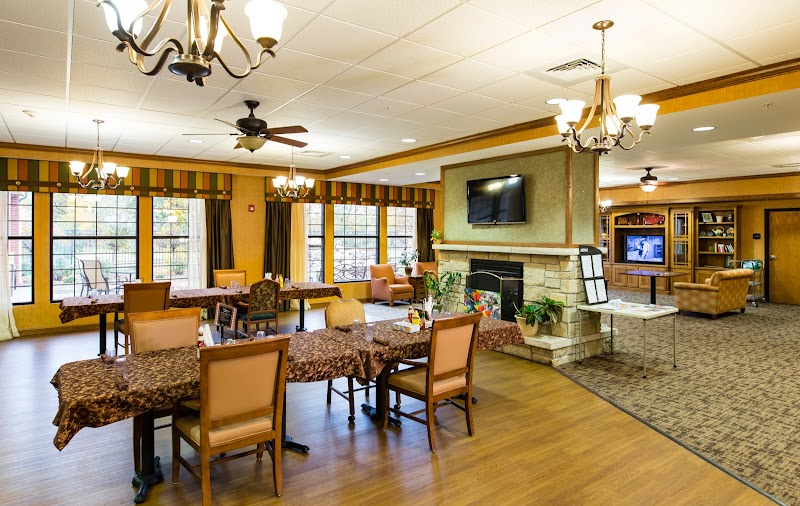
How is Holiday Resort Of Salina Staffed?

CMS rates HOLIDAY RESORT OF SALINA's staffing level at 3 out of 5 stars, which is average compared to other nursing homes. Staff turnover is 64%, which is 18 percentage points above the Kansas average of 46%. High turnover can affect care consistency as new staff learn residents' individual needs. RN turnover specifically is 67%, which is notably high. RNs provide skilled clinical oversight, so turnover in this role can affect medical care quality.

What Have Inspectors Found at Holiday Resort Of Salina?

State health inspectors documented 39 deficiencies at HOLIDAY RESORT OF SALINA during 2022 to 2025. These included: 1 Immediate Jeopardy (the most serious level, indicating potential for serious harm or death), 36 with potential for harm, and 2 minor or isolated issues. Immediate Jeopardy findings are rare and represent the most serious regulatory concerns. They require immediate corrective action.
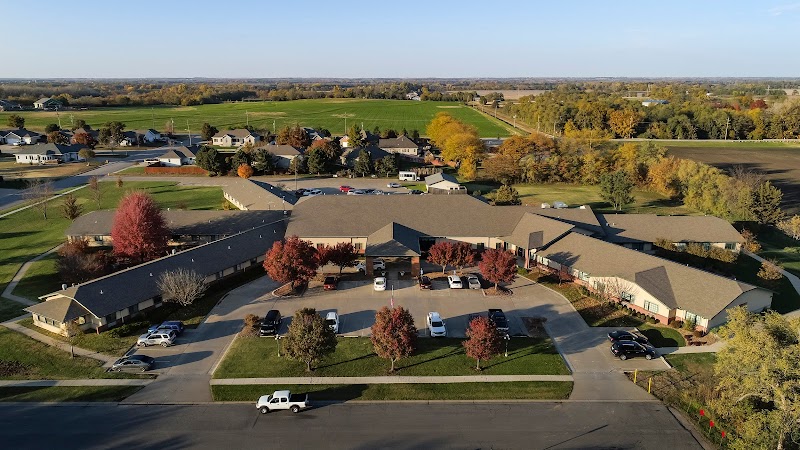
Who Owns and Operates Holiday Resort Of Salina?

HOLIDAY RESORT OF SALINA is owned by a for-profit company. For-profit facilities operate as businesses with obligations to shareholders or private owners. The facility is operated by MIDWEST HEALTH, a chain that manages multiple nursing homes. With 60 certified beds and approximately 43 residents (about 72% occupancy), it is a smaller facility located in SALINA, Kansas.
How Does Holiday Resort Of Salina Compare to Other Kansas Nursing Homes?

Compared to the 100 nursing homes in Kansas, HOLIDAY RESORT OF SALINA's overall rating (2 stars) is below the state average of 2.9, staff turnover (64%) is significantly higher than the state average of 46%, and health inspection rating (2 stars) is below the national benchmark.

What Should Families Ask When Visiting Holiday Resort Of Salina?

Based on this facility's data, families visiting should ask: "What changes have been made since the serious inspection findings, and how are you preventing similar issues?" "How do you ensure continuity of care given staff turnover, and what is your staff retention strategy?" "Can I visit during a mealtime to observe dining assistance and food quality?" "How do you handle medical emergencies, and what is your hospital transfer rate?" These questions are particularly relevant given the facility's Immediate Jeopardy citations and the facility's high staff turnover rate.

Is Holiday Resort Of Salina Safe?

Based on CMS inspection data, HOLIDAY RESORT OF SALINA has documented safety concerns. Inspectors have issued 1 Immediate Jeopardy citation (the most serious violation level indicating risk of serious injury or death). The facility has a 2-star overall rating and ranks #100 of 100 nursing homes in Kansas. Families considering this facility should ask detailed questions about what corrective actions have been taken since these incidents.

Do Nurses at Holiday Resort Of Salina Stick Around?

Staff turnover at HOLIDAY RESORT OF SALINA is high. At 64%, the facility is 18 percentage points above the Kansas average of 46%. Registered Nurse turnover is particularly concerning at 67%. RNs handle complex medical decisions and coordinate care — frequent RN changes can directly impact care quality. High turnover means new staff may not know residents' individual needs, medications, or preferences. It can also be disorienting for residents, especially those with dementia who rely on familiar faces. Families should ask: What is causing the turnover? What retention programs are in place? How do you ensure care continuity during staff transitions?

Was Holiday Resort Of Salina Ever Fined?

HOLIDAY RESORT OF SALINA has been fined $16,795 across 1 penalty action. This is below the Kansas average of $33,247. While any fine indicates a compliance issue, fines under $50,000 are relatively common and typically reflect isolated problems that were subsequently corrected. Families should ask what specific issues led to these fines and confirm they've been resolved.

Is Holiday Resort Of Salina on Any Federal Watch List?

HOLIDAY RESORT OF SALINA is not on any federal watch list. The most significant is the Special Focus Facility (SFF) program, which identifies the bottom 1% of nursing homes nationally based on persistent, serious quality problems. Not being on this list means the facility has avoided the pattern of deficiencies that triggers enhanced federal oversight. This is a positive indicator, though families should still review the facility's inspection history directly.