SMOKY HILL REHABILITATION CENTER
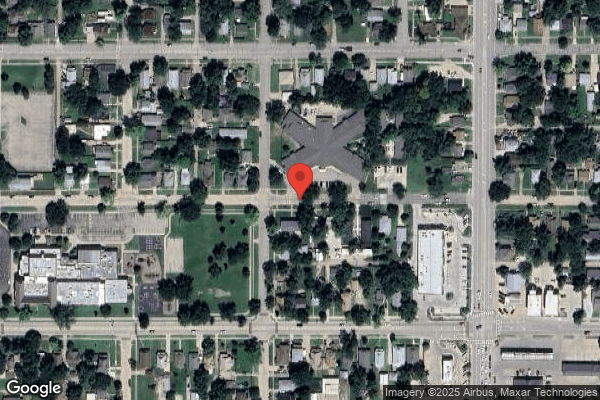
1007 JOHNSTOWN AVENUE, SALINA, KS 67401 (785) 823-7107
For profit - Corporation 90 Beds HMG HEALTHCARE Data: November 2025 4 Immediate Jeopardy citations
Trust Grade
0/100
#284 of 295 in KS
Last Inspection: April 2025

Within standard 12-15 month inspection cycle. Federal law requires annual inspections.

Overview

Smoky Hill Rehabilitation Center has received a Trust Grade of F, indicating significant concerns about the quality of care provided. Ranked #284 out of 295 facilities in Kansas, they are in the bottom half of all nursing homes in the state and last in Saline County. The facility is worsening, with the number of health and safety issues increasing from 9 in 2024 to 17 in 2025. Staffing is problematic, with a low rating of 1 out of 5 stars and a concerning turnover rate of 72%, well above the state average. Additionally, the center has incurred fines totaling $141,165, which is higher than 93% of Kansas facilities, suggesting ongoing compliance problems. There are also critical concerns regarding resident care, including incidents where a resident was left without a call light within reach and not properly assisted after a fall, leading to unnecessary suffering and risk of further injury. Another incident involved neglecting a resident's basic hygiene needs, which could lead to significant health risks. While there are some average quality measures, these strengths do not outweigh the serious deficiencies reported. Families should carefully consider these issues when researching Smoky Hill Rehabilitation Center.

Trust Score
F
0/100
In Kansas
#284/295
Bottom 4%
Safety Record
High Risk
Review needed
Inspections
Getting Worse
9 → 17 violations
Staff Stability
⚠ Watch
72% turnover. Very high, 24 points above average. Constant new faces learning your loved one's needs.
Penalties
✓ Good
$141,165 in fines. Lower than most Kansas facilities. Relatively clean record.
Skilled Nurses
○ Average
Each resident gets 31 minutes of Registered Nurse (RN) attention daily — about average for Kansas. RNs are the most trained staff who monitor for health changes.
Violations
⚠ Watch
64 deficiencies on record. Higher than average. Multiple issues found across inspections.
★☆☆☆☆
1.0
Overall Rating
★☆☆☆☆
1.0
Staff Levels
★★★☆☆
3.0
Care Quality
★☆☆☆☆
1.0
Inspection Score
Stable
2024: 9 issues
2025: 17 issues

The Good

  • Full Sprinkler Coverage · Fire safety systems throughout facility
  • No fines on record

Facility shows strength in fire safety.

The Bad

1-Star Overall Rating

Below Kansas average (2.9)

Significant quality concerns identified by CMS

Staff Turnover: 72%

26pts above Kansas avg (46%)

Frequent staff changes - ask about care continuity

Federal Fines: $141,165

Well above median ($33,413)

Significant penalties indicating serious issues

Chain: HMG HEALTHCARE

Part of a multi-facility chain

Ask about local staffing decisions and management

Staff turnover is very high (72%)

24 points above Kansas average of 48%

The Ugly 64 deficiencies on record

4 life-threatening 6 actual harm
Sept 2025 1 deficiency
CONCERN (F) 📢 Someone Reported This

A family member, employee, or ombudsman was alarmed enough to file a formal complaint

Potential for Harm - no one hurt, but risky conditions existed

Food Safety (Tag F0812)

Could have caused harm · This affected most or all residents

The facility identified a census of 61 residents. Based on observation, interview, and record review, the facility failed to prepare, store, and serve meals under sanitary conditions for the 61 reside...

Read full inspector narrative →
The facility identified a census of 61 residents. Based on observation, interview, and record review, the facility failed to prepare, store, and serve meals under sanitary conditions for the 61 residents who received meals from the facility kitchen. This deficient practice placed all of the residents in the facility at risk for food-borne illnesses.Findings included:- On 09/03/25 at 08:45 AM, observation during the initial tour of the kitchen revealed the following:Dried dirt, dried food splatters, and debris were all over the tiled floor throughout the kitchen.The dishwashing area had dried brown, black, and red food splatter all over the back walls.The area off the dishwashing area where clean dishes were stored, the back wall had brown food splatter on the back wall. The carts that the clean dishes were on had brown, tan, black, and white food debris on them.The food serving area, where the hot table kept food warm, the back wall, stainless steel, had dried red crusty food platter. The back wall above the stainless-steel portion had more splattered food, which was black, brown, and tan in color.On the side of the food serving area on the carts, which kept the clean plates and plate covers, the carts were covered with brown, tan, and white food debris touching the clean plates and plate covers.The microwave had dried brown, tan, and red food debris on the inside of the microwave walls and ceiling.The Vulcan double-sided oven had black and brown old food spillover all over the bottom of the ovens. The oven grates were also covered with brown and black spillover. Aluminum foil pieces were lying on both sides at the bottom of the oven.The second oven with a stove top had a broken stove top grate. [NAME] and tan food debris covered the top of the stove. The inside of the oven had brown and black burned food debris.The side-by-side refrigerator revealed dried red juice in the bottom of both sides. There was dried food debris on the shelves and the bottom of the refrigerator.Two food scales sitting on the shelf were covered with brown and rust colored food debris.The bins holding the clean serving scoops, ladles, and serving utensils had dry brown, tan, and white food debris at the bottom of the bins. The bin tops were covered with grease and food debris and were sticky to the touch.The large commercial can opener with a large, pointed end to pierce the large cans was black with food debris and appeared to have never been cleaned.The ceilings above the food serving area, the food prep area, the dishwashing area, and the food storage area had brown and tan food splatter stains. The walk-in refrigerator had food debris all over the floor of the refrigerator, and it appeared to have been some time since it had been cleaned. The outside of the door had food debris on it.The three trash cans in the kitchen had thick grease on all of them and dried food particles. Two of the trash cans were uncovered.The dried food storage area had sugar and creamer packets all over the floor. The floor was dirty with dried onion skins and general dirt.There were three vents in the kitchen area, one above the clean dishes area, one above the food preparation area, and one above the handwashing sink that had no vent covers. The air filter was exposed to the air in the areas.On 09/03/25 at 09:00 AM, Dietary Staff BB stated it was not her job to clean the kitchen; it was the evening shift's job, and they did not do a good job of cleaning. Dietary Staff BB verified the uncleanliness of the kitchen.On 09/03/25 at 09:30 AM, Administrative Staff A and Administrative Nurse D went to the kitchen and verified the condition of the kitchen. Administrative Staff A stated he had only been at the facility for a week, and he was embarrassed at the condition of the kitchen. On 09/03/25 at 10:30 AM, Administrative Staff A stated he was an interim administrator brought into the facility to clean the facility up and make it a better place for residents to live. Administrative Staff A stated there had been some problems with the certified dietary manager, and he did not think she would be working at the facility for long. Administrative Staff A stated that the condition of the kitchen was unsanitary and unacceptable.The facility's Sanitation Policy, revised October 2008, documented the food service area shall be maintained in a clean and sanitary manner. All kitchens, kitchen areas, and dining areas shall be kept clean and free from litter and rubbish and protected from rodents, roaches, flies, and other insects. All utensils, counters, shelves, and equipment shall be kept clean, maintained in good repair, and shall be free from breaks, corrosion, open seams, cracks, and chipped areas that may affect their use or proper cleaning. Seals, hinges, and fasteners will be kept in good repair. All equipment, food contact areas, and utensils shall be washed to remove or completely loosen soils by using manual or mechanical means necessary and sanitized with hot water and/or sanitizing equipment. Kitchen wastes that are not disposed of by mechanical means shall be kept in clean, leakproof, nonabsorbent, tightly closed containers. The food service manager will be responsible for scheduling staff for regular cleaning of the kitchen and dining areas. Food service staff will be trained to maintain cleanliness throughout their work areas during all tasks, and to clean after each task before moving on to the next assignment.
Apr 2025 14 deficiencies
CONCERN (D)

Potential for Harm - no one hurt, but risky conditions existed

Resident Rights (Tag F0550)

Could have caused harm · This affected 1 resident

**NOTE- TERMS IN BRACKETS HAVE BEEN EDITED TO PROTECT CONFIDENTIALITY** The facility had a census of 65 residents. The sample included 13 residents. Based on observation, record review, and interview,...

Read full inspector narrative →
**NOTE- TERMS IN BRACKETS HAVE BEEN EDITED TO PROTECT CONFIDENTIALITY** The facility had a census of 65 residents. The sample included 13 residents. Based on observation, record review, and interview, the facility failed to provide assistance in privacy for Residents (R) 44 and R48 who wore incontinent briefs, which were visible from the hallway to visitors, staff, and other residents. This deficient practice placed R48 and 4 for impaired dignity and decreased psychosocial well-being. Finding included: - R44's Electronic Medical Record (EMR) recorded diagnoses of diabetes mellitus (DM - when the body cannot use glucose, not enough insulin is made, or the body cannot respond to the insulin(a hormone that lowers the level of glucose in the blood)), morbid obesity (excessive body fat), major depressive disorder (major mood disorder that causes persistent feelings of sadness), delusional (untrue persistent belief or perception held by a person although evidence shows it was untrue) disorder, restless leg syndrome, chronic pain, lymphedema (swelling caused by accumulation of lymph), and chronic respiratory failure The admission Minimum Data Set (MDS), dated [DATE], documented R44 had intact cognition, had no delirium, no psychosis (any major mental disorder characterized by a gross impairment in reality perception), nor exhibited behaviors. R44 was dependent with rolling in bed and transfers. R44 was dependent on toileting hygiene, bathing, and upper and lower body dressing. The MDS further documented that R48 was frequently incontinent, had occasional pain which interfered with day-to-day activities, was short of breath with exertion or lying flat, used oxygen, and had falls before entering the facility. The MDS also recorded received insulin, antianxiety (a class of medications that calm and relax people), antidepressant (a class of medications used to treat mood disorders), diuretic (a medication to promote the formation and excretion of urine), opioid (a class of medications used to treat pain), and hypoglycemic (greater than normal amount of glucose in the blood) medications. The Functional Abilities Care Area Assessment (CAA), dated 03/17/25, documented R44 with impaired abilities due to weakness and comorbidities (the presence of two or more diseases). R44's Interim Plan of Care dated 03/08/25, directed staff to encourage use of the call light due to fall risk, needed partial assistance from another person for functional cognition and setup or clean-up assistance with toileting hygiene, and upper and lower body dressing. The care plan further directed staff that R44 was dependent on bed mobility and personal hygiene. R44's Care Plan, dated 03/24/25, documented that R44 had a behavioral problem utilizing the call light appropriately related to difficulty adjusting to the new environment and had self-care performance deficit, required assistance with decision making, and limited mobility. The care plan directed staff to stop and talk with her as they passed by, but lacked specifics related to how much staff assistance was required for functional abilities. The Progress Note dated 03/08/25 at 05:34 AM documented R44 required a mechanical lift for transfers, two persons for turning, was incontinent of urine and bowel, wore pull-ups, to check every two hours, and change due to heavy wetting. R44 had high anxiety, used the call light to ask for help. The Progress Note dated 03/10/25 at 05:50 AM documented R44 had been very restless overnight, pulling on oxygen tubing, spilling drinks, kicking legs completely out of bed every 20 to 30 minutes, taking her oxygen off, and yelling out instead of using her call light. The Progress Note dated 03/28/25 at 09:48 AM documented speech and occupational therapy to see for mild confusion, cognition, and swallowing goals. The Progress Note dated 04/03/25 at 11:58 PM documented that the psychiatric practitioner recommended utilizing as-needed antianxiety medication for panic/breakthrough anxiety and would follow up in one month. On 04/21/25 at 02:33 PM, ongoing observations revealed R44 had coughing and gagging into a basin in the morning, placing her left leg off the bed, had the lower portion of her body uncovered with her brief and legs visible from the doorway and hall as staff and visitors walked by. No staff assistance until the midday meal was brought to her room. The resident was not assisted with positioning for the meal, the resident remained in bed with the head of the bed only raised 30 degrees. R44 plate and drinks were uncovered and left on the overbed table. R44 lacked assistance with positioning in bed, remained with the head of the bed lowered and ate a few bites, and coughed. On 04/21/25 at 03:01 PM, R44 continued with her left leg off the mattress and hanging, not touching the floor or covered from the waist down, exposing her incontinent brief, which was visualized from the hallway. Staff entered the room and told the resident her leg was hanging, and assisted the resident in putting her leg into the bed and covered the resident. On 04/21/25 at 03:45 PM, R44 had her left leg off the side of the bed and lower body, and an incontinent brief was exposed to staff, visitors, and other residents from the hallway. R44 called out for assistance. R44 stated she could not find her call light and needed her oxygen canula. Social Service Staff X entered the room, found R44's call light, which had been off to the right side of the bed, not within reach of the resident, and provided R44 with oxygen tubing. On 04/21/25 at 04:27 PM, R44 again observed from the hallway with left leg off the bed, lower body uncovered exposing her incontinent brief, and trying to drink with the head of bed at a 30-degree angle, with coughing following taking a drink from her cup. On 04/22/25 at 12:50 PM, staff brought R44's lunch and placed it on the overbed table. R44 was again positioned with the head of the bed at 30 degrees, and no offers to assist R44 into a sitting position for the meal. R44 then moved the plate off the tray and placed it on her abdomen, and tried to take a few bites, then removed the plate and placed it back onto the over-bed table. R44 then attempted to fill her drinking cup with soda from the overbed table while the head of the bed was not elevated. On 04/22/25 at 01:00 PM, R44 stated she relied on staff to adjust her bed, and that she had difficulty managing the bed controls. The bed controls on the right side of the bed, fastened on the bedrail, were not functioning when R44 tried adjusting the bed herself. R44 ' s call light was not within reach of the resident. Social Service Staff X entered the room and found the bed controls not working and placed the call light within reach of the resident. Social Service Staff X reported that he would see that the bed control would be fixed. On 04/22/25 at 03:44 PM, Certified Nurse Aide (CNA) N brought a pizza box into the room and left it on the overbed table. R44, again with the head of the bed lowered to a 30-degree angle, placed the pizza on her abdomen and started to eat it. On 04/22/25 at 03:51 PM, Administrative Staff A, while visualizing R44's head of the bed lowered and trying to eat the pizza, stated R44's position was not safe for eating or drinking and did not accommodate safe swallowing. On 04/23/25 at 01:30 PM, R44 sat in the recliner and called out for assistance. The call light was not within reach, and R44 reported staff had moved it earlier when picking up her meal tray. On 04/23/25 at 02:20 PM, Administrative Nurse E stated staff should assist residents as needed to protect the resident's privacy with closing doors and covering the residents. The facility's Quality of Life-Dignity policy, dated 08/2009, documented that each resident shall be cared for in a manner that promotes and enhances quality of life, dignity, respect, and individuality. Staff shall promote, maintain, and protect residents' privacy, including bodily privacy during assistance with personal care and treatment procedures. - R48's Electronic Medical Record (EMR) documented diagnoses of hypertension (HTN - elevated blood pressure), cerebral infarction (stroke - sudden death of brain cells due to lack of oxygen caused by impaired blood flow to the brain by blockage or rupture of an artery to the brain), chronic kidney disease, angina (chest pain) pectoris, delusional (untrue persistent belief or perception held by a person although evidence shows it was untrue) disorder, anxiety (mental or emotional reaction characterized by apprehension, uncertainty, and irrational fear) disorder, localized edema (swelling resulting from an excessive accumulation of fluid in the body tissues), and major depressive disorder (major mood disorder that causes persistent feelings of sadness). The Annual Minimum Data Set (MDS) recorded R48 had intact cognition, experienced no delirium, or exhibited behaviors. R48 required supervision or touching assistance with functional abilities and mobility. R48 was frequently incontinent of urine and bowel. The MDS further documented R48 received no high-risk medications. The Functional Abilities Care Area Assessment (CAA) dated 03/04/25 recorded that R48 had impairment related to diagnosis, weakness, and comorbidities (several conditions simultaneously). R48's Care Plan dated 04/16/25, recorded R48 exhibited self-care performance deficit, the inability to control urination, and was frequently incontinent. The care plan directed staff R48 required supervision and set up assistance with eating, toileting, to provide an appropriate diet, and had a scheduled toileting program which consisted of taking R48 to the bathroom at 04:00 AM, at bedtime, 11:00 PM, as well as before and after meals, as R48 would allow. On 04/22/25 at 07:50 AM, R48 remained in bed, covered with a blanket, clothing lying on the floor, and the room smelled of urine. On 04/22/25 at 09:33 AM, staff in R48's room gathered urine-soiled clothing and bed linens. R48 had a 600 cc jug of ice water on the bedside table and was standing with the walker wearing only a blue incontinent brief. When staff exited the room and left the door open as R48 proceeded to walk to the dresser to obtain clothing, in which staff and visitors could observe R48 wearing only a brief as they passed in the hall. On 04/23/25 at 02:20 PM, Administrative Nurse E stated staff should assist residents as needed to protect the resident's privacy with closing doors and covering the residents. The facility's Quality of Life-Dignity policy, dated 08/2009, documented each resident shall be cared for in a manner that promotes and enhances quality of life, dignity, respect, and individuality. Staff shall promote, maintain, and protect residents' privacy, including bodily privacy during assistance with personal care and treatment procedures.
CONCERN (D)

Potential for Harm - no one hurt, but risky conditions existed

Deficiency F0582 (Tag F0582)

Could have caused harm · This affected 1 resident

The facility had a census of 65 residents. The sample included 13 residents, with three reviewed for Medicare Liability Notices. Based on the record review and interview, the facility failed to provid...

Read full inspector narrative →
The facility had a census of 65 residents. The sample included 13 residents, with three reviewed for Medicare Liability Notices. Based on the record review and interview, the facility failed to provide the resident (or their representative) a fully completed Advanced Beneficiary Notice (ABN) Centers for Medicare and Medicaid Services (CMS) Form 10055) for skilled services for Resident (R) 12 and R216, which included the estimated cost of services. This placed the residents at risk for uninformed care decisions. Findings included: - The facility provided a CMS Form 10124 to R12 instead of the CMS Form-10055 provided when the skilled services would end on 01/20/25, which informed the R12 that Medicare may not pay future skilled therapy services and provided a cost estimate of continued services. The form included an option for the beneficiary to (1) Receive the specified therapy listed, and bill Medicare for an official decision on payment. I understand if Medicare does not pay, I am responsible for payment, but could appeal Medicare. (2) Receive therapy listed, but do not bill Medicare, I am responsible for payment for services. (3) I do not want the listed therapy services. The facility provided a CMS Form 10124 to R216 instead of the Center of Medicare (CMS)-10055 form provided when the skilled services would end on 03/05/25, which informed the R216 that Medicare may not pay future skilled therapy services and provided a cost estimate of continued services. The form included an option for the beneficiary to (1) Receive the specified therapy listed, and bill Medicare for an official decision on payment. I understand if Medicare does not pay, I am responsible for payment, but could appeal Medicare. (2) Receive therapy listed, but do not bill Medicare, I am responsible for payment for services. (3) I do not want the listed therapy services. On 04/23/25 at 02:30 PM, Administrative Staff A reported the facility had stopped using CMS Form 10055, due to direction from corporate. Upon request, the facility failed to provide a Medicare beneficiary policy.
CONCERN (D)

Potential for Harm - no one hurt, but risky conditions existed

Transfer Notice (Tag F0623)

Could have caused harm · This affected 1 resident

**NOTE- TERMS IN BRACKETS HAVE BEEN EDITED TO PROTECT CONFIDENTIALITY** The facility had a census of 65 residents. The sample included 13 residents, with four reviewed for hospitalization. Based on th...

Read full inspector narrative →
**NOTE- TERMS IN BRACKETS HAVE BEEN EDITED TO PROTECT CONFIDENTIALITY** The facility had a census of 65 residents. The sample included 13 residents, with four reviewed for hospitalization. Based on the record review and interview, the facility failed to notify the Office of the Long-Term Care Ombudsman (LTCO - a public official who works to resolve resident issues in nursing facilities) of R43's discharge. This placed the residents at risk for uninformed care choices. Findings included: - R43's Electronic Medical Record (EMR) documented diagnoses of chronic obstructive pulmonary disease (COPD - a progressive and irreversible condition characterized by diminished lung capacity and difficulty or discomfort in breathing) and acute (a condition characterized by a relatively sudden onset of symptoms that are usually severe) respiratory failure (a condition where the lungs can't adequately provide oxygen to the blood or remove carbon dioxide, leading to dangerously low oxygen levels or high carbon dioxide levels). R43's Quarterly Minimum Data Set (MDS), dated [DATE], documented the resident had a Brief Interview of Mental Status (BIMS) of 15, which indicated intact cognition. The MDS documented supervision with eating and oral hygiene, dependent toileting, showering, lower body dressing, taking off and putting on footwear, chair to bed, tub/shower transfers, wheel in wheelchair, substantial, maximal assist with upper body dressing, personal hygiene, bed mobility, and toilet transfer. R43's Care Plan, revised 03/13/25, documented R43 received nebulizer treatments related to COPD and acute respiratory failure with hypoxia. The plan instructed staff to administer medications as ordered, assist R43 in learning signs of respiratory compromise, elevate R43's head of bed when R43 allows to promote good breathing, and ensure the nebulizer machine was clean and mouth mouthpiece was bagged when not in use. The plan instructed staff to observe/document R43's changes in orientation, increased restlessness, anxiety, and air hunger. R43's Progress Notes, dated 01/17/25 at 04:28 AM, documented the resident was transferred and admitted to the hospital. R43's clinical record lacked evidence the LTCO was notified of R48's hospital transfer. On 04/22/25 at 12:20 PM, R43 rested in bed on his back, with no signs or symptoms of respiratory distress. On 04/22/25 at 04:30 PM, Social Service X verified it was his responsibility to notify the state LTCO of discharges from the facility, and he had not done that. On 04/22/25 at 04:50 PM, Administrative Staff A verified the facility should have notified the LTCO of the resident discharges each month. The facility's Transfer and Discharge Notice Policy, revised December 2016, documented a copy of R43's transfer to the hospital would be sent to the LTCO.
CONCERN (D)

Potential for Harm - no one hurt, but risky conditions existed

Deficiency F0657 (Tag F0657)

Could have caused harm · This affected 1 resident

The facility had a census of 65 residents. The sample included 13 residents. Based on observation, record review, and interview, the facility failed to revise Resident (R) 48's care plan to include th...

Read full inspector narrative →
The facility had a census of 65 residents. The sample included 13 residents. Based on observation, record review, and interview, the facility failed to revise Resident (R) 48's care plan to include the physician-ordered fluid restriction. This placed the resident at risk of fluid overload and unmet care needs. Findings included: - The Electronic Medical Record (EMR) for R48 documented diagnoses of hypertension (HTN - elevated blood pressure), cerebral infarction (stroke - sudden death of brain cells due to lack of oxygen caused by impaired blood flow to the brain by blockage or rupture of an artery to the brain), chronic kidney disease, angina (chest pain) pectoris, delusional (untrue persistent belief or perception held by a person although evidence shows it was untrue) disorder, anxiety (mental or emotional reaction characterized by apprehension, uncertainty, and irrational fear) disorder, localized edema (swelling resulting from an excessive accumulation of fluid in the body tissues), and major depressive disorder (major mood disorder that causes persistent feelings of sadness). The Annual Minimum Data Set (MDS) recorded R48 had intact cognition, experienced no delirium, or exhibited behaviors. R48 required supervision or touch assistance with functional abilities and mobility. R48 was frequently incontinent of urine and bowel. The MDS further documented that R48 received no high-risk medications. The Functional Abilities Care Area Assessment (CAA) dated 03/04/25 recorded that R48 had impairment related to diagnosis, weakness, and comorbidities (several conditions simultaneously). R48's Care Plan dated 04/16/25, recorded R48 exhibited self-care performance deficit, the inability to control urination, and was frequently incontinent. The care plan directed staff R48 required supervision and set up assistance with eating, toileting, to provide an appropriate diet, and had a scheduled toileting program which consisted of taking R48 to the bathroom at 04:00 AM, at bedtime, 11:00 PM, as well as before and after meals, as R48 would allow. The care plan lacked the physician-ordered fluid restriction. The Physician Order dated 10/23/24, directed staff to implement a fluid restriction of three liters (3000 cubic centimeters - cc's) daily. The order directed the dietary department for the day shift to provide 1500 ccs, and nursing would provide 270 ccs. The evening shift dietary department provided 800 ccs, and nursing could provide 270 ccs, and the night shift nursing provided 160 ccs related to chronic kidney disease. The order for the dietary department would give a total of 2300 ccs, and nursing would provide 700 cc, which totaled 3000 ccs in 24 hours. The Nutritional Progress Note, dated 12/05/24, documented R48 remained on a regular diet with dysphagia (swallowing difficulty), advanced texture, and a fluid restriction of three liters daily. The Weight Change Progress Note dated 03/25/25, documented a decrease in weight trend possibly due to a current urinary tract infection and had a three-liter fluid restriction. The note further documented no edema, no diuretic order, and would see if the fluid restriction could be discontinued. On 04/22/25 at 09:33 AM, staff in R48's room, gathering urine-soiled clothing and bed linens. R48 had a 600-cc jug of ice water on the bedside table and was standing with the walker wearing only a blue incontinent brief, when staff exited the room and left the door open as R48 proceeded to walk to the dresser to obtain clothing, in which staff and visitors could observe R48 wearing only a brief as they passed in the hall. On 04/22/25 at 12:08 PM, Certified Nurse Aide (CNA) M reported she was not aware of a fluid restriction but would check on the restriction with the charge nurse. On 04/22/25 at 12:10 PM, Licensed Nurse (LN) G reported R48 had a fluid restriction but could not recall the amount, but stated the dietary department provided fluids with meals, and R48 should not have a 600-cc ice water mug at the bedside. LN G reported that the charge nurse and CNAs work together to determine the intake for the residents who had fluid restrictions, and the nurse should document the amount of intake on R48, but had not done so for R48. On 04/23/25 at 02:30 PM, Administrative Nurse E stated it was the responsibility of nursing staff to record and monitor the intake of residents on fluid restrictions, and expected the fluid restriction on R48's care plan. The facility's Care Planning-Interdisciplinary Team policy, dated 09/2013, documented the facility's Care Planning/Interdisciplinary Team were responsible for the development of an individualized comprehensive care plan for each resident.
CONCERN (D)

Potential for Harm - no one hurt, but risky conditions existed

ADL Care (Tag F0677)

Could have caused harm · This affected 1 resident

**NOTE- TERMS IN BRACKETS HAVE BEEN EDITED TO PROTECT CONFIDENTIALITY** The facility had a census of 65 residents. The sample included 13 residents. Based on observation, record review, and interview,...

Read full inspector narrative →
**NOTE- TERMS IN BRACKETS HAVE BEEN EDITED TO PROTECT CONFIDENTIALITY** The facility had a census of 65 residents. The sample included 13 residents. Based on observation, record review, and interview, the facility failed to provide activities of daily living support for Resident (R) 44 and R48, who required assistance from staff. This placed the residents at risk for ongoing unmet needs and care. Findings included: - R44's Electronic Medical Record (EMR) recorded diagnoses of diabetes mellitus (DM - when the body cannot use glucose, not enough insulin is made, or the body cannot respond to the insulin(a hormone that lowers the level of glucose in the blood)), morbid obesity (excessive body fat), major depressive disorder (major mood disorder that causes persistent feelings of sadness), delusional (untrue persistent belief or perception held by a person although evidence shows it was untrue) disorder, restless leg syndrome, chronic pain, lymphedema (swelling caused by accumulation of lymph), and chronic respiratory failure The admission Minimum Data Set (MDS), dated [DATE], documented R44 had intact cognition, had no delirium, psychosis (any major mental disorder characterized by a gross impairment in reality perception), or exhibited behaviors, was dependent with rolling in bed and transfers. R44 was dependent on toileting hygiene, bathing, and upper and lower body dressing. The MDS further documented that R48 was frequently incontinent, had occasional pain which interfered with day-to-day activities, was short of breath with exertion or lying flat, used oxygen, and had falls before entering the facility. The MDS also recorded received insulin, antianxiety (a class of medications that calm and relax people), antidepressant (a class of medications used to treat mood disorders), diuretic (a medication to promote the formation and excretion of urine), opioid (a class of medications used to treat pain), and hypoglycemic (greater than normal amount of glucose in the blood) medications. The Functional Abilities Care Area Assessment (CAA), dated 03/17/25, documented R44 with impaired abilities due to weakness and comorbidities (the presence of two or more diseases). R44's Interim Plan of Care, dated 03/08/25, directed staff to encourage use of the call light due to fall risk, needed partial assistance from another person for functional cognition and setup or clean-up assistance with toileting hygiene, and upper and lower body dressing. The care plan further directed staff that R48 was dependent on bed mobility and personal hygiene. R44's Care Plan, dated 03/24/25, documented that R44 had a behavioral problem utilizing the call light appropriately related to difficulty adjusting to the new environment and had self-care performance deficit, required assistance with decision making, and limited mobility. The care plan directed staff to stop and talk with her as they passed by, but lacked specifics related to how much staff assistance was required for functional abilities. The Progress Note dated 03/08/25 at 05:34 AM documented R44 required a mechanical lift for transfers, two persons for turning, was incontinent of urine and bowel, wore pull-ups, to check every two hours, and change due to heavy wetting. R48 had high anxiety, used the call light to ask for help. The Progress Note dated 03/10/25 at 05:50 AM documented R44 had been very restless overnight, pulling on cord/oxygen tubing, spilling drinks, kicking legs completely out of bed every 20 to 30 minutes, taking her oxygen off, and yelling out instead of using her call light. The Progress Note dated 03/28/25 at 09:48 AM documented speech and occupational therapy to see for mild confusion, cognition, and swallowing goals. The Progress Note dated 04/03/25 at 11:58 PM documented that the psychiatric practitioner recommended utilizing as-needed antianxiety medication for panic/breakthrough anxiety and would follow up in one month. On 04/21/25 at 02:33 PM, ongoing observations revealed R48 had coughing and gagging into a basin in the morning, placing her left leg off the bed, had the lower portion of her body uncovered with a brief, and legs visible from the doorway and hall as staff and visitors walked by. No staff assistance until the midday meal was brought to her room. The resident was not assisted with positioning for the meal, the resident remained with the head of the bed, and was only raised 30 degrees. R48 plate and drinks were uncovered and left on the overbed table. R44 lacked assistance with positioning in bed, remained with the head of the bed lowered, ate a few bites, and coughed. On 04/21/25 at 03:01 PM, R44 continued with her left leg off the mattress and hanging, not touching the floor or covered from the waist down, exposing her incontinent brief, which was visualized from the hallway. Staff entered the room and told the resident her leg was hanging, and assisted the resident in putting her leg into the bed and covered the resident. On 04/21/25 at 03:45 PM, R44 had her left leg off the side of the bed and lower body, and an incontinent brief was exposed to staff, visitors, and other residents from the hallway. R48 called out for assistance. R48 stated she could not find her call light and needed her oxygen canula. Social Service Staff X entered the room, found R44's call light, which had been off to the right side of the bed, not within reach of the resident, and provided R44 with oxygen tubing. On 04/21/25 at 04:27 PM, R44 again observed from the hallway with left leg off the bed, lower body uncovered exposing her incontinent brief, and trying to drink with the head of bed at a 30-degree angle, with coughing following taking a drink from her cup. On 04/22/25 at 12:50 PM, staff brought R44's lunch and placed it on the overbed table. R44 was again positioned with the head of the bed at 30 degrees, and no offers to assist R48 into a sitting position for the meal. R44 then moved the plate off the tray and placed it on her abdomen, and tried to take a few bites, then removed the plate and placed it back onto the over-bed table. R48 then attempted to fill her drinking cup with soda from the overbed table while the head of the bed was not elevated. On 04/22/25 at 01:00 PM, R44 stated she relied on staff to adjust her bed, and that she had difficulty managing the bed controls. The bed controls on the right side of the bed, fastened on the bedrail, were not functioning when R48 tried adjusting the bed herself. R44's call light was not within reach of the resident. Social Service Staff X entered the room and found the bed controls not working, and placed the call light within reach of the resident. Social Service Staff X reported that he would see that the bed control would be fixed. On 04/22/25 at 03:44 PM, Certified Nurse Aide (CNA) N brought a pizza box into the room and left it on the overbed table. R44, again with the head of the bed lowered to a 30-degree angle, placed the pizza on her abdomen and started to eat it. On 04/22/25 at 03:51 PM, Administrative Staff A, while visualizing R44's head of the bed lowered and trying to eat the pizza, stated R44's position was not safe for eating or drinking and did not accommodate safe swallowing. On 04/23/25 at 01:30 PM, R44, while sitting in the recliner, called out for assistance. The call light was not within reach, and R44 reported staff had moved it earlier when picking up her meal tray. The facility's Repositioning policy, dated 05/2013, documented the purpose of the procedure was to provide guidelines for the evaluation of resident repositioning needs, to aid in the development of an individualized care plan for repositioning, to promote comfort for al bed or chair-bound residents, to prevent skin breakdown, promote circulation, and provide pressure relief for residents. A turning/repositioning program includes a continuous, consistent program for changing the resident's position and realigning the body. A program is defined as a specific approach that is organized, planned, documented, monitored, and evaluated. Upon request, the facility failed to provide a policy for activities of daily living support. - The Electronic Medical Record (EMR) for R48 documented diagnoses of hypertension (HTN - elevated blood pressure), cerebral infarction (stroke - sudden death of brain cells due to lack of oxygen caused by impaired blood flow to the brain by blockage or rupture of an artery to the brain), chronic kidney disease, angina (chest pain) pectoris, delusional (untrue persistent belief or perception held by a person although evidence shows it was untrue) disorder, anxiety (mental or emotional reaction characterized by apprehension, uncertainty, and irrational fear) disorder, localized edema (swelling resulting from an excessive accumulation of fluid in the body tissues), and major depressive disorder (major mood disorder that causes persistent feelings of sadness). The Annual Minimum Data Set (MDS) recorded R48 had intact cognition, experienced no delirium, or exhibited behaviors. R44 requires supervision or touching assistance with functional abilities and mobility. R48 was frequently incontinent of urine and bowel. The MDS further documented that R48 received no high-risk medications. The Functional Abilities Care Area Assessment (CAA) dated 03/04/25 recorded that R48 had impairment related to diagnosis, weakness, and comorbidities (several conditions simultaneously). R48's Care Plan dated 04/16/25, recorded R48 exhibited self-care performance deficit, the inability to control urination, and was frequently incontinent. The care plan directed staff R48 required supervision and set up assistance with eating, toileting, to provide an appropriate diet, and had a scheduled toileting program which consisted of taking R48 to the bathroom at 04:00 AM, at bedtime, 11:00 PM, as well as before and after meals, as R48 would allow. The care plan lacked the physician-ordered fluid restriction. The Weight Change progress note, dated 0/25/25, documented a decrease in weight trend possibly due to a current urinary tract infection and had a three-liter fluid restriction. The note further documented no edema, no diuretic order, and would see if the fluid restriction could be discontinued. On 04/22/25 at 07:50 AM, R48 remained in bed, covered with a blanket, clothing lying on the floor, and the room smelled of urine. On 04/22/25 at 09:33 AM, staff in R48's room gathered urine-soiled clothing and bed linens. R48 had a 600-cc jug of ice water on the bedside table and was standing with the walker wearing only a blue incontinent brief. The staff exited the room and left the door open. R48 proceeded to walk to the dresser to obtain clothing, in which staff and visitors could observe R48 wearing only a brief as they passed in the hall. On 04/23/25 at 02:20 PM, Administrative Nurse E stated staff should assist the residents as needed and to protect their privacy by ensuring the residents are dressed, covered, or have their doors closed. Upon request, the facility failed to provide a policy for activities of daily living support.
CONCERN (D)

Potential for Harm - no one hurt, but risky conditions existed

Incontinence Care (Tag F0690)

Could have caused harm · This affected 1 resident

**NOTE- TERMS IN BRACKETS HAVE BEEN EDITED TO PROTECT CONFIDENTIALITY** The facility had a census of 65 residents. The sample included 13 residents, with four residents reviewed for urinary catheter (...

Read full inspector narrative →
**NOTE- TERMS IN BRACKETS HAVE BEEN EDITED TO PROTECT CONFIDENTIALITY** The facility had a census of 65 residents. The sample included 13 residents, with four residents reviewed for urinary catheter (tube inserted into the bladder to drain urine into a collection bag) or urinary tract infection (UTI - an infection in any part of the urinary system). Based on observation, interview, and record review, the facility failed to provide urinary catheter care in a manner to prevent urinary tract infections for Resident (R) 12. This deficient practice placed R12 at risk for infections and catheter-related complications. Findings included: - R12's Electronic Medical Record documented diagnoses of cerebral infarction (stroke), neuromuscular dysfunction of the bladder (the muscles that control the flow of urine out of the body do not relax and prevent the bladder from fully emptying), and infection due to an indwelling urinary catheter. R12's Annual Minimum Data Set (MDS), dated [DATE], documented R12 had severely impaired cognition. The MDS documented R12 required moderate assistance for toileting, had a urinary catheter, and received antibiotic and diuretic (medication to promote the formation and excretion of urine) medications. R12's Care Plan, dated 03/27/25, directed staff to change the 18 French catheter as ordered, check for patency and urinary output every shift, and observe for pain or discomfort due to the catheter. Staff were to check the catheter tubing for kinks, position the catheter bag and tubing below the level of the bladder, and obtain and document the output every shift. On 04/21/25 at 03:14 PM, R12 was seated in her wheelchair in the dining room. The catheter bag was in a privacy bag hung to dependent drainage under the wheelchair. Approximately four inches of catheter tubing rested on the floor when her foot was on the floor. On 04/23/25 at 07:45 AM, R12 was seated in her wheelchair in the dining room. The catheter bag was in a privacy bag hung to dependent drainage under the wheelchair. Approximately one inch of catheter tubing rested on the floor. On 04/22/25 at 01:13 PM, Administrative Nurse D verified she expected staff to be aware and not allow the tubing to rest or drag on the floor. The facility's Urinary Catheter Care policy, dated September 2014, directed staff to be sure the catheter tubing and drainage bag were kept off the floor.
CONCERN (D)

Potential for Harm - no one hurt, but risky conditions existed

Deficiency F0692 (Tag F0692)

Could have caused harm · This affected 1 resident

The facility had a census of 65 residents. The sample included 13 residents. Based on observation, interview, and record review, the facility failed to monitor Resident (R) 48's physician order for fl...

Read full inspector narrative →
The facility had a census of 65 residents. The sample included 13 residents. Based on observation, interview, and record review, the facility failed to monitor Resident (R) 48's physician order for fluid restriction. This placed R48 at risk of complications related to hydration status due to the resident's cardiac status. Findings included: - The Electronic Medical Record (EMR) for R48 documented diagnoses of hypertension (HTN-elevated blood pressure), cerebral infarction (stroke - sudden death of brain cells due to lack of oxygen caused by impaired blood flow to the brain by blockage or rupture of an artery to the brain), chronic kidney disease, angina (chest pain) pectoris, delusional (untrue persistent belief or perception held by a person although evidence shows it was untrue) disorder, anxiety (mental or emotional reaction characterized by apprehension, uncertainty, and irrational fear) disorder, localized edema (swelling resulting from an excessive accumulation of fluid in the body tissues), and major depressive disorder (major mood disorder that causes persistent feelings of sadness). The Annual Minimum Data Set (MDS) recorded R48 had intact cognition, experienced no delirium, or exhibited behaviors. R44 requires supervision or touching assistance with functional abilities and mobility. R48 was frequently incontinent of urine and bowel. The MDS further documented that R48 received no high-risk medications. The Functional Abilities Care Area Assessment (CAA) dated 03/04/25 recorded that R48 had impairment related to diagnosis, weakness, and comorbidities (several conditions simultaneously). R48's Care Plan dated 04/16/25, recorded R48 exhibited self-care performance deficit, the inability to control urination, and was frequently incontinent. The care plan directed staff R48 required supervision and set up assistance with eating, toileting, to provide an appropriate diet, and had a scheduled toileting program which consisted of taking R48 to the bathroom at 04:00 AM, at bedtime, 11:00 PM, as well as before and after meals, as R48 would allow. The care plan lacked the physician-ordered fluid restriction. The Physician Order dated 10/23/24, directed staff to implement a fluid restriction of three liters (3000 cubic centimeters (cc)) daily. The order directed the dietary department for the day shift to provide 1500 cc, and nursing would provide 270 cc. The evening shift dietary department provides 800 cc, and nursing could provide 270 cc, and the night shift nursing provides 160 cc related to chronic kidney disease. The order for the dietary department would give a total of 2300 cc, and nursing would provide 700 cc, which totaled 3000 cc in 24 hours. The Nutritional Progress Note, dated 12/05/24, documented R48 remained on a regular diet with dysphagia (swallowing difficulty), advanced texture, and a fluid restriction of three liters daily. The Weight Change progress note, dated 0/25/25, documented a decrease in weight trend possibly due to a current urinary tract infection and had a three-liter fluid restriction. The note further documented no edema, no diuretic order, and would see if the fluid restriction could be discontinued. On 04/22/25 at 07:50 AM, R48 remained in bed, covered with a blanket, clothing lying on the floor, and the room smelled of urine. On 04/22/25 at 09:33 AM, staff in R48's room gathered urine-soiled clothing and bed linens. R48 had a 600-cc jug of ice water on the bedside table and was standing with the walker wearing only a blue incontinent brief. When staff exited the room and left the door open as R48 proceeded to walk to the dresser to obtain clothing, in which staff and visitors could observe R48 wearing only a brief as they passed in the hall. On 04/22/25 at 12:08 PM, Certified Nurse Aide (CNA) M reported she was not aware of a fluid restriction but would check on the restriction with the charge nurse. On 04/22/25 at 12:10 PM, Licensed Nurse (LN) G reported R48 had a fluid restriction but could not recall the amount, but stated the dietary department provided fluids with meals, and R48 should not have a 600 cc ice water mug at the bedside. LN G reported that the charge nurse and CNAs work together to determine the intake for the residents who had fluid restrictions, and the nurse should document the amount of intake on R48, but had not done so for R48. On 04/23/25 at 02:30 PM, Administrative Nurse E stated it was the responsibility of nursing staff to record and monitor the intake of residents on fluid restrictions, and expected the fluid restriction on R48's care plan. The facility's Encouraging and Restricting Fluids policy, dated 10/2010, documents that the purpose of this procedure is to provide the resident with the amount of fluids necessary to maintain optimum health. General guidelines direct staff to follow specific instructions concerning food intake or restriction. The general guidelines documented the instructions concerning fluid intake or restriction. Record intake of fluids. When a resident has been placed on fluids, remove the water pitcher and cup from the room. If the resident refuses to have a water pitcher and cup from the room.
CONCERN (D)

Potential for Harm - no one hurt, but risky conditions existed

Medication Errors (Tag F0758)

Could have caused harm · This affected 1 resident

**NOTE- TERMS IN BRACKETS HAVE BEEN EDITED TO PROTECT CONFIDENTIALITY** The facility had a census of 65 residents. The sample included 13 residents. Based on observation, interview, and record review,...

Read full inspector narrative →
**NOTE- TERMS IN BRACKETS HAVE BEEN EDITED TO PROTECT CONFIDENTIALITY** The facility had a census of 65 residents. The sample included 13 residents. Based on observation, interview, and record review, the facility failed to obtain an appropriate indication or the required physician documentation for the continued use of antipsychotic (a class of medications used to treat major mental conditions that cause a break from reality) medication for R42. This placed the resident at risk for unnecessary psychotropic (alters mood or thought) medications and potential adverse effects. Findings included: - R42's Electronic Medical Record documented diagnoses of dementia (progressive mental disorder characterized by failing memory, confusion), cognitive communication deficit (an impairment in organization, sequencing, attention, memory, planning, problem-solving, and safety awareness), and generalized anxiety disorder (mental or emotional disorder characterized by apprehension, uncertainty and irrational fear). R42's Annual Minimum Data Set (MDS), dated [DATE], documented a Brief Interview for Mental Status (BIMS) score of three, indicating severely impaired cognition. The MDS documented R42 displayed physical, verbal, wandering, and rejection of care behaviors. The MDS documented R42 required maximum staff assistance for all activities of daily living. R42 received antipsychotic (class of medications used to treat major mental conditions which cause a break from reality), antianxiety (class of medications that calm and relax people), antidepressant (class of medications used to treat mood disorders), and opioid (narcotic) medications routinely. R42's Care Plan, dated 02/20/25, directed staff to assess R42 for the need to reside in a secure unit upon admission, quarterly, and as needed or appropriate. The care plan further instructed staff to promote an environment conducive to social interaction and provide opportunities for expression of feelings, thoughts, and stressors to assist with coping. R42's Physician Order, dated 03/09/25, directed staff to administer Zyprexa (antipsychotic medication), 5 milligrams (mg) at bedtime for a diagnosis of depression (a mood disorder that causes a persistent feeling of sadness and loss of interest). On 04/22/25 at 11:51 AM, Certified Medication Aide (CMA) R administered medication in pudding to R42, who took the pills whole without problems. On 04/23/25 at 11:06 AM, Consultant Nurse GG verified Zyprexa was not approved by the Center for Medicare and Medicaid Services (CMS) for a diagnosis of depression. The facility's Antipsychotic Medication Use policy, dated April 2007, stated that antipsychotic medication therapy would only be used when necessary to treat a specific condition for which they are indicated and effective.
CONCERN (D)

Potential for Harm - no one hurt, but risky conditions existed

Deficiency F0849 (Tag F0849)

Could have caused harm · This affected 1 resident

**NOTE- TERMS IN BRACKETS HAVE BEEN EDITED TO PROTECT CONFIDENTIALITY** The facility had a census of 65 residents. The sample included 13 residents, with one reviewed for hospice services. Based on ob...

Read full inspector narrative →
**NOTE- TERMS IN BRACKETS HAVE BEEN EDITED TO PROTECT CONFIDENTIALITY** The facility had a census of 65 residents. The sample included 13 residents, with one reviewed for hospice services. Based on observation, record review, and interview, the facility failed to ensure a communication process between the hospice provider and the facility for Resident (R) 18, who admitted to hospice on 02/25/25, which included a plan of care and a description of the services provided, such as contact information, visit frequency, medications, and medical equipment. This placed the resident at risk of not receiving needed care. Findings included: - R18's Electronic Health Record (EHR) revealed diagnoses of sarcopenia (a condition characterized by the progressive decline of skeletal muscle mass, strength, and function) and transient ischemic attack (TIA - temporary episode of inadequate blood supply to the brain). R18's Significant Change Minimum Data Set (MDS), dated [DATE], documented R18 had a Brief Interview of Mental Status (BIMS) of 12, which indicated moderately impaired cognition. The MDS documented R18 required staff supervision with eating, oral hygiene, rolling left to right in bed, wheeling in a wheelchair, partial, moderate staff assistance with toileting, showering, upper and lower body dressing, sit to lying and lying to sitting in bed, and transfers. The MDS documented R18 received hospice services. R18's Care Plan, dated 03/20/25, documented R18 required extensive assistance with most activities of daily living (ADL) care. The plan documented R18 had a terminal prognosis related to diagnoses of sarcopenia and TIA and was admitted to hospice services on 02/25/25. The plan instructed staff to adjust provision of ADLs to compensate for residents' changing abilities, encourage R18 to participate to the extent the resident wishes to participate, assess R18 for coping strategies and respect resident wishes, encourage resident to express her feelings, and listen with non-judgment. The plan instructed staff to work cooperatively with the hospice team to ensure the resident's spiritual, emotional, intellectual, physical, and social needs were met. The plan lacked instructions on the services provided by hospice, including the frequency and type of support visits, supplies, and medical equipment provided by hospice, medications covered by hospice, and the hospice contact information. A review of R18's clinical record revealed the resident was admitted to hospice care on 02/25/25. The Hospice Skilled Nursing Facility Contract dated December 2022, documented the nursing facility plan of care shall mean a written care plan established, maintained, reviewed, and modified, if necessary, by the nursing facility's interdisciplinary team (IDT) with the participation of the hospice patient. The nursing facility plan of care shall be consistent with the hospice plan of care for the hospice patient. On 04/21/25 at 02:40 PM, R18 sat quietly in a recliner in her room without signs and symptoms of pain. On 04/23/25 at 10:26 AM, Administrative Nurse F stated she oversaw updating care plans and verified R18's care plan lacked hospice contact information, medications provided by hospice, supplies, and equipment hospice would provide, visitations, and care they would provide. Administrative Nurse F stated she did not put that information on a hospice resident's care plan. On 04/23/25 at 10:50 AM, Consultant Staff GG verified R18's care plan lacked the services provided by hospice, including the frequency and type of support visits, supplies and medical equipment provided by hospice, medications covered by hospice, and the hospice contact information. Consultant Staff GG stated that staff had not placed this information on the facility care plan; they could get it from the hospice care plan kept at the nurse's station. The facility's Hospice Program Policy, updated August 2010, documented that when a resident participated in the hospice program, a coordinated plan of care between the facility, hospice agency, and resident/family would be developed and should include directives for managing pain and other uncomfortable symptoms.
CONCERN (D)

Potential for Harm - no one hurt, but risky conditions existed

Infection Control (Tag F0880)

Could have caused harm · This affected 1 resident

**NOTE- TERMS IN BRACKETS HAVE BEEN EDITED TO PROTECT CONFIDENTIALITY** The facility had a census of 65 residents. The sample included 13 residents. Based on observation, record review, and interview,...

Read full inspector narrative →
**NOTE- TERMS IN BRACKETS HAVE BEEN EDITED TO PROTECT CONFIDENTIALITY** The facility had a census of 65 residents. The sample included 13 residents. Based on observation, record review, and interview, the facility failed to ensure a sanitary and comfortable environment to help prevent the development and transmission of communicable diseases and infections when staff failed to ensure R43's urinary catheter (a tube inserted into the bladder to drain the urine into a collection bag) tubing and uncovered bag off the floor. Findings included: - R43's Electronic Medical Record (EMR) documented that R43 had diagnoses of obstructive and reflux uropathy (a condition where the normal flow of urine through the urinary tract is blocked, while reflux uropathy (vesicoureteral reflux or VUR) is when urine flows backward from the bladder to the ureters (small tubular structure that drains urine from the bladder) and kidneys (a pair of organs in the abdomen which remove waste and extra water from the blood (as urine) and help keep chemicals (such as sodium, potassium, and calcium) balanced in the body) instead of flowing forward). R43's Quarterly Minimum Data Set (MDS), dated [DATE], documented that R43 had a Brief Interview of Mental Status (BIMS) score of 15, which indicated intact cognition. The MDS documented R43 had a urinary catheter, occasional incontinence of urine, and no urinary tract infection (UTI - infection in any part of the urinary system). R43's Care Plan, revised 03/13/25, instructed staff to provide R43 assistance with toileting. The plan documented the resident had a urinary catheter and instructed staff to change the catheter as ordered, check for patency and urinary output every shift, and check the tubing for kinks· The plan instructed staff to observe, report to the physician any signs or symptoms of UTI, and position R43's catheter bag and tubing below the level of the bladder· On 04/21/25 at 11:15 AM, R43 sat in a wheelchair in the commons area at the front of the facility. Certified Nurse Aide (CNA) M turned the resident's wheelchair around, the wheelchair wheel caught on the urinary catheter tubing, the catheter drainage bag came out of the privacy bag, and landed on the floor. CNA M placed the catheter drainage bag back in the privacy bag on the wheelchair and propelled the resident to the dining room table, with the catheter tubing touching the floor. On 04/22/25 at 01:40 PM, Administrative Nurse E stated she would expect staff to change out R43's urinary catheter drainage bag and tubing if they touched the floor. The facility's Catheter Care, Urinary Policy, revised September 2014, instructed staff to ensure the catheter tubing and drainage bag were kept off the floor.
CONCERN (D)

Potential for Harm - no one hurt, but risky conditions existed

Deficiency F0883 (Tag F0883)

Could have caused harm · This affected 1 resident

The facility had a census of 65 residents. The sample included 13 residents. Based on the interview and record review, the facility failed to offer pneumococcal (type of bacterial infection) PCV20 imm...

Read full inspector narrative →
The facility had a census of 65 residents. The sample included 13 residents. Based on the interview and record review, the facility failed to offer pneumococcal (type of bacterial infection) PCV20 immunizations for Residents (R)3, R18, and R39, per the guidance from the Centers for Disease Control and Prevention (CDC). This placed the resident at risk for pneumococcal infection. Findings included: - R3's Electronic Medical Record (EMR) documented R3 received one Prevnar 13 dose on 04/30/15. The facility lacked documentation of whether R3 was offered or refused any further pneumococcal vaccinations. R18's EMR documented R18 received one Prevnar 13 dose on 03/12/15. The facility lacked documentation of whether R18 was offered or refused any further pneumococcal vaccinations. R39's EMR lacked pneumococcal information, whether R29 was offered, or refused any pneumococcal vaccinations. On 04/23/25 at 02:06 PM, Administrative Nurse E stated she was not aware of the CDC guidance related to the PCV 20 immunization. The facility's Pneumococcal Vaccine policy, dated 08/2016, documents all residents will be offered pneumococcal vaccines to aid in preventing pneumonia/pneumococcal infections. The administration of the pneumococcal vaccines or revaccinations will be made following the current CDC recommendations at the time of the vaccination.
CONCERN (E)

Potential for Harm - no one hurt, but risky conditions existed

Safe Environment (Tag F0584)

Could have caused harm · This affected multiple residents

The facility had a census of 65 residents. The sample included 13 residents. Based on observation, record review, and interview, the facility failed to provide a safe, functional, sanitary, and comfor...

Read full inspector narrative →
The facility had a census of 65 residents. The sample included 13 residents. Based on observation, record review, and interview, the facility failed to provide a safe, functional, sanitary, and comfortable environment for residents who ate in the dining room. This placed the residents who ate in the main dining room at risk for unhomelike, unsanitary conditions. Findings included: - On 04/21/25 at 10:58 AM, approximately 2-3 feet of the mopboard located at the west end of the dining room was coming away from the wall. Approximately 6 inches (in) at the end of the mopboard was lying on the floor. On 04/23/25 at 08:28 AM, Maintenance Staff (MS) U verified the above finding and stated he was aware of the issue with the mopboard; he had placed a table in front of the mopboard, but someone had moved it. MS U stated the facility was changing all the mopboards throughout the facility. MS stated when staff had an environmental issue, they placed it in the telemonitoring system (TELS - refers to a telehealth or telemonitoring platform that uses technology to remotely monitor the health and well-being of residents) in the computer. On 04/23/25 at 08:45 AM, Administrative Nurse E stated she expected MS U to address an issue immediately when it was placed in the TELS system. The facility's Maintenance Service Policy, revised in December 2009, documented the maintenance supervisor was responsible for developing and maintaining a schedule of maintenance service to assure the buildings, grounds, and equipment were maintained in a safe and operable manner.
CONCERN (E)

Potential for Harm - no one hurt, but risky conditions existed

Deficiency F0625 (Tag F0625)

Could have caused harm · This affected multiple residents

**NOTE- TERMS IN BRACKETS HAVE BEEN EDITED TO PROTECT CONFIDENTIALITY** - R3's Electronic Medical Record (EMR) documented diagnoses of major depressive disorder (major mood disorder that causes persis...

Read full inspector narrative →
**NOTE- TERMS IN BRACKETS HAVE BEEN EDITED TO PROTECT CONFIDENTIALITY** - R3's Electronic Medical Record (EMR) documented diagnoses of major depressive disorder (major mood disorder that causes persistent feelings of sadness), diabetes mellitus (DM-when the body cannot use glucose, not enough insulin is made, or the body cannot respond to the insulin), heart failure, obesity (excessive body fat), anxiety (mental or emotional reaction characterized by apprehension, uncertainty, and irrational fear), chronic pain, tracheostomy status (opening through the neck into the trachea through which an indwelling tube may be inserted), and bipolar disorder (a major mental illness that causes people to have episodes of severe high and low moods). R3's Annual Minimum Data Set (MDS), dated [DATE], documented that R3 had intact cognition, no delirium (sudden severe confusion, disorientation, and restlessness), psychosis (any major mental disorder characterized by a gross impairment in reality perception), or exhibited behaviors. R3 required partial/moderate assistance with bed mobility, transfers, toileting hygiene, and upper and lower extremity dressing. The MDS further documented that R3 was frequently incontinent of urine and bowel, had pain, and had shortness of breath when lying flat, received oxygen therapy, and tracheostomy care. R3's Care Plan, dated 04/16/25, documented that R3 had a tracheostomy related to respiratory failure and was at high risk for infections and aspiration (inhaling liquid or food into the lungs). The care plan directed staff to ensure the tracheostomy ties were secured at all times, nursing staff were directed to complete cleaning of the tracheostomy, and check for signs of infection. R3's medical record documented he was hospitalized from [DATE] to 08/19/24. On 04/22/25 at 07:59 AM, R3 was sitting in his wheelchair in the dining room, appropriately dressed and groomed for the day, awaiting his breakfast. On 04/22/25 at 04:30 PM, SSD X verified the facility had not provided a Bed Hold Notice to R3 or his representative upon discharge to the hospital. He stated he only provided the Bed Hold Notice upon admission to the facility. On 04/22/25 at 04:50 PM, Administrative Staff A verified that the facility should have provided a Bed Hold Notice to the resident or their representative upon discharge or transfer to the hospital. The facility's Bed Hold Policy, undated, documented the facility would inform and give a written copy of this policy to the resident and/or representative upon admission and if transferred to a hospital or during therapeutic leave. The facility's Transfer or Discharge Notice policy, dated December 2016, stated the resident or their representative would be given the facility's Bed Hold policy upon impending transfer or discharge. - R38's Electronic Medical Record (EMR) recorded diagnoses of weakness, dependence on renal dialysis (a procedure where impurities or wastes are removed from the blood), diabetes mellitus (DM - when the body cannot use glucose, not enough insulin is made, or the body cannot respond to the insulin), chronic obstructive pulmonary disease (COPD- a progressive and irreversible condition characterized by diminished lung capacity and difficulty or discomfort in breathing), amputation (surgical removal of a body part) of right index finger, chronic pain, and acquired absence of left leg below the knee. R38's Quarterly Minimum Data Set (MDS), dated [DATE], documented R38 had intact cognition, required supervision or touch assistance with upper and lower body dressing, personal hygiene, transfers and bed mobility, and partial/moderate assistance with toileting hygiene, and bathing. R38's Care Plan, dated 02/19/25, documented that R38 required dialysis due to end-stage renal failure. The care plan directed staff to observe R38 for signs and symptoms of complications from dialysis, notify the medical doctor of any signs of infections, and ensure the resident went to dialysis on the scheduled days. R38's medical record documented he was hospitalized from [DATE] to 08/06/24, 08/23/24 to 08/27/24, and 04/18/25 to 04/21/25. On 04/22/25 at 04:30 PM, SSD X verified the facility had not provided a Bed Hold Notice to R38 or his representative upon discharge to the hospital. He stated he only provided the Bed Hold Notice upon admission to the facility. On 04/22/25 at 04:50 PM, Administrative Staff A verified that the facility should have provided a Bed Hold Notice to the resident or their representative upon discharge or transfer to the hospital. The facility's Bed Hold Policy, undated, documented the facility would inform and give a written copy of this policy to the resident and/or representative upon admission and if transferred to a hospital or during therapeutic leave. The facility's Transfer or Discharge Notice policy, dated December 2016, stated the resident or their representative would be given the facility's Bed Hold policy upon impending transfer or discharge. - R43's Electronic Medical Record (EMR) documented the resident had diagnoses of chronic obstructive pulmonary disease (COPD - a progressive and irreversible condition characterized by diminished lung capacity and difficulty or discomfort in breathing) and acute (a condition characterized by a relatively sudden onset of symptoms that are usually severe) respiratory failure (a condition where the lungs can't adequately provide oxygen to the blood or remove carbon dioxide, leading to dangerously low oxygen levels or high carbon dioxide levels). R43's Quarterly Minimum Data Set (MDS), dated [DATE], documented the resident had a Brief Interview of Mental Status (BIMS) of 15, which indicated intact cognition. The MDS documented supervision with eating and oral hygiene, dependent toileting, showering, lower body dressing, taking off and putting on footwear, chair to bed, tub/shower transfers, wheel in wheelchair, substantial, maximal assist with upper body dressing, personal hygiene, bed mobility, and toilet transfer. R43's Care Plan, revised 03/13/25, documented R43 received nebulizer treatments related to COPD and acute respiratory failure with hypoxia. The plan instructed staff to administer medications as ordered, assist R43 in learning signs of respiratory compromise, elevate R43's head of bed when R43 allows to promote good breathing, and ensure the nebulizer machine was clean and mouth mouthpiece is bagged when not in use. The plan instructed staff to observe/document R43's changes in orientation, increased restlessness, anxiety, and air hunger. R43's Progress Notes, dated 01/17/25 at 04:28 AM, documented the resident was transferred and admitted to the hospital. Review of R43's clinical record lacked evidence that the resident or representative was provided the bed hold policy when transferred to the hospital. On 04/21/25 at 11:15 AM, R43 sat in a wheelchair in the commons area at the front of the facility without signs or symptoms of respiratory distress. On 04/22/25 at 04:30 PM, SSD X verified the facility had not provided a Bed Hold Notice upon discharge to the hospital. He only provided the Bed Hold Notice upon admission to the facility. On 04/22/25 at 04:50 PM, Administrative Staff A verified the facility should have provided a Bed Hold Notice to the resident or their representative upon discharge or transfer to the hospital. The facility's Bed Hold Policy, undated, documented the facility would inform and give a written copy of this policy to the resident and/or representative upon admission and if transferred to a hospital or during therapeutic leave. The facility's Transfer and Discharge Notice Policy, revised December 2016, documented the facility should provide a resident and/or representative, when an immediate transfer for urgent medical needs, with the bed hold policy. The facility had a census of 65 residents. The sample included 13 residents, with four reviewed for hospitalization. Based on observation, interview, and record review, the facility failed to provide Resident (R) 46, R3, R38, and R43 a Bed Hold notice when the residents were hospitalized . This deficient practice placed the four residents at risk of not being permitted to return and resume residence in the nursing facility. Findings included: - R46's Electronic Medical Record documented diagnoses of anxiety disorder (mental or emotional disorder characterized by apprehension, uncertainty and irrational fear), diabetes mellitus (DM - when the body cannot use glucose, not enough insulin made or the body cannot respond to the insulin), cognitive communication deficit (an impairment in organization, sequencing, attention, memory, planning, problem-solving, and safety awareness), and major depressive disorder (a mood disorder that causes a persistent feeling of sadness and loss of interest). R46's Quarterly Minimum Data Set (MDS), dated [DATE], documented a Brief Interview for Mental Status (BIMS) score of five, which indicated severe cognitive impairment. R46's Care Plan, dated 02/12/25, directed staff to ensure the call light was within reach, encourage R46 to use it for assistance as needed, and respond promptly to all requests for assistance. R46's medical record documented he was hospitalized from [DATE] to 09/16/24 and again from 11/06/24 to 11/09/24. On 04/22/25 at 11:51 AM, Certified Medication Aide (CMA) R administered medication to R46. On 04/22/25 at 04:30 PM, SSD X verified the facility had not provided a Bed Hold Notice to R46 or his representative upon discharge to the hospital. He stated he only provided the Bed Hold Notice upon admission to the facility. On 04/22/25 at 4:50 PM, Administrative Staff A verified that the facility should have provided a Bed Hold Notice to the resident or their representative upon discharge or transfer to the hospital. The facility's Bed Hold Policy, undated, documented the facility would inform and give a written copy of this policy to the resident and/or representative upon admission and if transferred to a hospital or during therapeutic leave. The facility's Transfer or Discharge Notice policy, dated December 2016, stated the resident or their representative would be given the facility's Bed Hold policy upon impending transfer or discharge.
CONCERN (E)

Potential for Harm - no one hurt, but risky conditions existed

Deficiency F0761 (Tag F0761)

Could have caused harm · This affected multiple residents

The facility had a census of 65 residents. Based on observation, interview, and record review, the facility failed to store medications securely and dispose of expired medications timely. This deficie...

Read full inspector narrative →
The facility had a census of 65 residents. Based on observation, interview, and record review, the facility failed to store medications securely and dispose of expired medications timely. This deficient practice placed residents of the facility at risk for ineffective medication and unsafe access to medications. Findings included: - On 04/21/25 at 08:25 AM, the facility's nurse treatment cart contained one bottle of aspirin (used for pain, fever, and inflammation), 325 milligrams (mg), with an expiration date of 08/2024 and one undated insulin (hormone that lowers the level of glucose in the blood) pen. The observation was verified by Licensed Nurse (LN) I. On 04/21/25 at 08:46 AM, the facility's 300 hall medication cart contained one bottle of biotin (a supplement) 5000 micrograms (mcg) with an expiration date of 03/2025. The expiration date was confirmed by Certified Medication Aide (CMA) R. On 04/22/25 at 02:15 PM, the facility's nurse treatment cart on the 300 hall was unlocked with warfarin (a blood thinner) and other pill medication cards, insulin pens, and breathing treatments accessible. No licensed staff were in sight of the cart for two minutes until the surveyor asked an aide whose cart it was. LN H came around the corner from the other hall and verified she should not have left the cart unlocked. On 04/23/25 at 10:10 AM, the facility's medication room had expired stock medications including: Magnesium chloride (a supplement) 64 mg, one bottle with an expiration date of 02/2025. Folic acid (a supplement) 400 mcg, 6 bottles with an expiration date of 03/2025. On 04/23/25 at 10:19 AM, LN G verified that the magnesium chloride and folic acid had expired dates. On 04/22/25 at 04:40 PM, Administrative Nurse D verified staff should have removed and disposed of the expired medications. Administrative Nurse D verified any cart holding medications should be locked when out of sight of licensed nursing staff. The facility's Storage of Medication policy, dated April 2007, stated that the facility shall not use discontinued or outdated drugs or biologicals, and all such drugs shall be destroyed or returned to the pharmacy. The policy stated that carts, rooms, and cabinets containing drugs and biologicals shall be locked when not in use and shall not be left unattended if open or otherwise potentially available to others.
Feb 2025 2 deficiencies 2 Harm
SERIOUS (G) 📢 Someone Reported This

A family member, employee, or ombudsman was alarmed enough to file a formal complaint

Actual Harm - a resident was hurt due to facility failures

Deficiency F0697 (Tag F0697)

A resident was harmed · This affected 1 resident

The facility identified a census of 63 residents, with three residents reviewed for pain. Based on record review, observation, and interview, the facility failed to obtain the as needed (PRN) pain med...

Read full inspector narrative →
The facility identified a census of 63 residents, with three residents reviewed for pain. Based on record review, observation, and interview, the facility failed to obtain the as needed (PRN) pain medicine prescribed to Resident (R) 1 after a total hip replacement. The facility further failed to follow R1's discharge orders regarding acetaminophen (pain medication) being given four times a day on a scheduled basis and instead put the order into R1's Electronic Medical Record as needed, requiring R1 to ask for the pain medication. On 02/11/25, R1 admitted to the facility for skilled care for rehabilitation after a total hip replacement. The orders from the surgical center documented R1 was to receive 5 milligrams (mg) of oxycodone (pain medication) as needed every six hours, acetaminophen 1000 mg every six hours scheduled, and an order to discontinue the Norco (pain medication) 5/325 mg. The facility failed to try to obtain the oxycodone 5 mg medication until the following day, Saturday, 02/12/25. The local pharmacy did not have any oxycodone. Instead of checking with twelve other pharmacies in town to see if they had oxycodone 5 mg, they had the medical director prescribe Norco 5/325 mg every six hours as needed. R1 told nursing staff multiple times over the weekend she was taking oxycodone 5 mg as needed and Norco 5/325 mg as needed at home before her hip replacement, and the Norco 5/325 mg did not help her pain. Staff did nothing to help alleviate R1's pain over the weekend after a Friday admission. This deficient practice placed R1 at risk for unalleviated pain, decreased ability to participate in rehabilitation, inability to sleep, and psychosocial impairment. Findings included: - R1's EMR documented R1 had diagnoses of aftercare following a joint replacement surgery, anxiety (mental or emotional reaction characterized by apprehension, uncertainty, and irrational fear), and depression (a mood disorder that causes a persistent feeling of sadness and loss of interest). R1's Entry Tracking Record Minimum Data Set (MDS), dated 02/14/25, documented R1 admitted from a short-term hospital and was in the facility for a Medicare-covered stay. R1's Care Plan, dated 02/18/25, documented R1 had acute pain related to postoperative right hip discomfort. The care plan directed facility staff to administer pain medication per physician orders, anticipate R1's need for pain relief, and respond immediately to any complaint of pain, notify R1's physician if interventions were not successful, or if R1's current pain was a significant change from her past experience of pain. The care plan documented R1 required setup/supervision assistance for all activities of daily living (ADL). The Surgical Discharge Instruction, dated 02/14/25, documented R1 could walk as tolerated, use a walker as instructed for four to six weeks following surgery, and use a walker as long as R1 felt unsteady. R1 could use stairs as instructed by physical therapy. R1 was not to flex her right hip more than a right angle or ninety degrees for six weeks, avoid low chairs or sofas, and R1 could sit in a recliner or hard chair. R1 may need to use a high-rise toilet seat; R1 was not to cross her legs for six weeks after surgery. R1's discharge instructions documented R1 was to take acetaminophen 1000 mg by mouth every six hours scheduled, and the last time R1 took the medication was 02/14/25 at 10:00 AM, oxycodone 5 mg by mouth every six hours as needed for pain. The discharge instructions documented R1 was to discontinue Norco 5mg/325mg every four hours as needed for pain. R1's Medication Administration Record (MAR) for February 2025 documented Norco 5/325 mg, give one tablet every six hours as needed for pain with a start date of 02/14/25 and a discontinued date of 02/16/25. R1 received Norco 5/325 mg twice on 02/15/25 once at midnight and once at 08:32 PM. The MAR documented oxycodone 5 mg every four hours by mouth as needed for pain with a start date of 02/14/25. The oxycodone 5 mg was not given until 02/17/25 at 09:33 PM and again on 02/18/25 at 10:39 PM. The MAR documented acetaminophen 1000 mg by mouth every six hours as needed for pain with a start date of 02/14/25. The acetaminophen was given one time on 02/14/25 at 07:38 PM. The Health Status Note, dated 02/14/25 at 12:00 PM, documented R1 arrived at the facility at 11:00 AM from the surgical hospital after having a right hip replacement. The Social Service Note, dated 02/14/25 at 12:27 PM, documented R1 had a Brief Interview for Mental Status (BIMS) score of 15, which indicated intact cognition. The note documented R1 did not have any signs of depression, and discharge planning had begun for R1 to go home with home health services. The Daily Skilled Note, dated 02/14/25 at 11:46 PM, documented R1 was alert and oriented, able to make needs known, had as needed Norco for pain control, and R1 was resting with her call light in reach. The Health Status Note, dated 02/15/25 at 12:16 AM, documented per Administrative Nurse D to continue Norco 5/325mg one tab every six hours as needed. The Daily Skilled Note, dated 02/15/25 at 09:55 AM, documented R1 was upset the way her pain was being handled because she did not feel Norco would hold her pain like the oxycodone did. The Health Status Note, dated 02/15/25 at 01:27 PM, documented the facility nurse was told in report R1 had oxycodone 5 mg at a local pharmacy which needed picked up. Facility staff went to the local pharmacy and the pharmacy did not have a prescription for oxycodone as it had been discontinued due to being on a different pain medication. The note documented staff would continued to use Norco as needed. The note documented there was an order in R1's MAR for oxycodone that came from the hospital. R1 told the nurse she took both pain medications at home. The medical director sent over a prescription for Norco which was available in the facility in the Cubex (medication dispensing machine). R1 stated Norco does not work as well as the oxycodone. The note documented facility staff would continue to use as needed Norco until clarification was obtained on oxycodone versus Norco, but R1's pain was being taken care of. The Daily Skilled Note, dated 02/15/25 at 07:33 PM, documented R1 was upset about her pain medication orders. R1 stated she was almost crying due to hurting so bad. Staff utilized as needed Norco at the time of assessment, and R1 was encouraged to ask for a pain pill at the onset of pain. The Daily Skilled Note, dated 02/16/25 at 08:53 AM, documented R1 was upset with the way her pain was being handled because she did not feel the Norco held her pain like oxycodone. The nurse had to educate R1 on asking for the pain medication as it was not scheduled. The night nurse reported R1 was in tears last night due to being in pain. R1 verbalized understanding. The Health Status Note, dated 02/16/25, documented the medical director reached out to facility staff about R1's pain medication. The medical director discontinued the as needed Norco and directed staff to just do as needed oxycodone. The medical director sent the prescription to Pharm Script for the oxycodone. R1 was told of the order. The Facility Medication Review Report, signed by the facility's medical director on 02/17/25, documented R1 had acetaminophen 1000 mg every six hours as needed for pain, Norco 5/325 mg every six hours as needed for pain, and oxycodone 5 mg every four hours as needed for pain. On 02/19/25 at 10:30 AM, observation revealed R1 sat in a hard-backed chair, legs at a ninety-degree angle, and reading a book. R1 had her call light and water within reach. R1's lights were off, the window shades were open, and the television was off. On 02/19/25 at 10:30 AM, R1 stated she was very upset with the facility for how her pain was managed the first three days at the facility. R1 stated she had Norco and oxycodone prescribed for her to take at home for pain, and Norco never worked to help alleviate her pain. R1 stated oxycodone helped her pain. R1 stated she tried repeatedly to tell the nurses Norco did not work for her, but they would not listen. R1 stated the first three nights she was in the facility, she was in tears every night and could not sleep due to the pain. R1 stated she did not understand how the staff expected her to participate in rehabilitation when her pain was not under control. R1 stated the only reason she was at the facility was for rehabilitation. R1 stated she just wanted to go home with home health and not be in the facility anymore. On 02/19/25 at 11:00 AM, Administrative Nurse D stated she was not aware R1's pain was not relieved over the weekend. Administrative Nurse D stated she knew there had been a problem getting the oxycodone from the local pharmacy as the pharmacy was out of oxycodone. Administrative Nurse D verified there were numerous other pharmacies in town, and staff did not reach out to any other pharmacy to get R1's oxycodone filled but instead had the medical director order Norco. Administrative Nurse D verified R1's acetaminophen 1000 mg every six hours had been ordered scheduled for R1 from the surgical hospital, and the facility staff had input the order in the MAR incorrectly. Administrative Nurse D stated she expected facility staff to help alleviate residents' pain and if residents' pain was not under control, to call and get different orders. On 02/19/25 at 11:30 AM, Administrative Staff A stated R1 admitted to the facility on a Friday, late in the afternoon. Administrative Staff A stated the facility got their medication from a pharmacy company out of another town a couple of hours away, and facility staff had reached out to one of the local pharmacies to obtain R1's medications otherwise, R1's medications would not have been delivered to the facility until 03:00 AM Sunday, 02/16/25. The facility's Pain - Clinical Protocol, revised April 2009, documented the physician and staff will identify individuals who have pain or who are at risk for pain. The nursing staff will assess each individual for pain upon admission, at the quarterly review, upon a change of condition, new or worsening of existing pain. The physician will order appropriate non-pharmacological and medication interventions to address the individual's pain. The staff will discuss significant changes in the level of comfort with the attending physician, who will consider adjusting interventions accordingly. With input from the resident, the physician and staff will establish goals of pain treatment, for example, freedom from pain with minimal medication side effects, less frequent headaches, or improved functioning, mood, or sleep. The facility failed to obtain the as needed pain medicine R1 was prescribed after a total hip replacement. The facility further failed to follow R1's dismissal orders regarding acetaminophen (pain medication) being given four times a day on a scheduled basis and instead put the order into R1's EMR for as needed, requiring R1 to ask for the pain medication without her knowledge. This deficient practice placed R1 at risk for unalleviated pain, decreased ability to participate in rehabilitation, inability to sleep, and psychosocial impairment.
SERIOUS (G) 📢 Someone Reported This

A family member, employee, or ombudsman was alarmed enough to file a formal complaint

Actual Harm - a resident was hurt due to facility failures

Deficiency F0760 (Tag F0760)

A resident was harmed · This affected 1 resident

**NOTE- TERMS IN BRACKETS HAVE BEEN EDITED TO PROTECT CONFIDENTIALITY** The facility identified a census of 63 residents, with three residents reviewed for pain. Based on record review, observation, a...

Read full inspector narrative →
**NOTE- TERMS IN BRACKETS HAVE BEEN EDITED TO PROTECT CONFIDENTIALITY** The facility identified a census of 63 residents, with three residents reviewed for pain. Based on record review, observation, and interview, the facility failed to obtain the as-needed (PRN) pain medicine prescribed to Resident (R) 1 after a total hip replacement. The facility further failed to follow R1's discharge orders regarding acetaminophen (pain medication) being given four times a day on a scheduled basis and instead put the order into R1's Electronic Medical Record (EMR) as needed, requiring R1 to ask for the pain medication. These significant medication errors placed R1 at risk for unalleviated pain, decreased ability to participate in rehabilitation, inability to sleep, and psychosocial impairment. Findings included: - R1's EMR documented R1 had diagnoses of aftercare following a joint replacement surgery, anxiety (mental or emotional reaction characterized by apprehension, uncertainty, and irrational fear), and depression (a mood disorder that causes a persistent feeling of sadness and loss of interest). R1's Entry Tracking Record Minimum Data Set (MDS) dated [DATE], documented R1 admitted from a short-term hospital and was in the facility for a Medicare-covered stay. R1's Care Plan, dated 02/18/25, documented R1 had acute pain related to postoperative right hip discomfort. The care plan directed facility staff to administer pain medication per physician orders, anticipate R1's need for pain relief, respond immediately to any complaint of pain, notify R1's physician if interventions were not successful, or if R1's current pain was a significant change from her past experience of pain. The care plan documented R1 required setup/supervision assistance for all activities of daily living (ADL). The Surgical Discharge Instruction, dated 02/14/25, documented R1 could walk as tolerated, use a walker as instructed for four to six weeks following surgery, and use a walker as long as R1 felt unsteady. R1 could use stairs as instructed by physical therapy. R1 was not to flex her right hip more than a right angle or ninety degrees for six weeks, avoid low chairs or sofas, and R1 could sit in a recliner or hard chair. R1 may need to use a high-rise toilet seat; R1 was not to cross her legs for six weeks after surgery. R1's discharge instructions documented R1 was to take acetaminophen 1000 mg by mouth every six hours scheduled, and the last time R1 took the medication was 02/14/25 at 10:00 AM, oxycodone 5 mg by mouth every six hours as needed for pain. The discharge instructions documented R1 was to discontinue Norco 5 mg/325 mg every four hours as needed for pain. R1's Medication Administration Record (MAR) for February 2025 documented Norco 5/325 mg, give one tablet every six hours as needed for pain with a start date of 02/14/25 and a discontinued date of 02/16/25. R1 received Norco 5/325 mg twice on 02/15/25 once at midnight and once at 08:32 PM. The MAR documented oxycodone 5 mg every four hours by mouth as needed for pain with a start date of 02/14/25. The oxycodone 5 mg was not given until 02/17/25 at 09:33 PM and again on 02/18/25 at 10:39 PM. The MAR documented acetaminophen 1000 mg by mouth every six hours as needed for pain with a start date of 02/14/25. The acetaminophen was given one time on 02/14/25 at 07:38 PM. The Health Status Note, dated 02/14/25 at 12:00 PM, documented R1 arrived at the facility at 11:00 AM from the surgical hospital after having a right hip replacement. The Social Service Note, dated 02/14/25 at 12:27 PM, documented R1 had a Brief Interview for Mental Status (BIMS) score of 15, which indicated intact cognition. The note documented R1 did not have any signs of depression, and discharge planning had begun for R1 to go home with home health services. The Daily Skilled Note, dated 02/14/25 at 11:46 PM, documented R1 was alert and oriented, able to make needs known, had as-needed Norco for pain control, and R1 was resting with her call light in reach. The Health Status Note, dated 02/15/25 at 12:16 AM, documented per Administrative Nurse D to continue Norco 5/325mg one tab every six hours as needed. The Daily Skilled Note, dated 02/15/25 at 09:55 AM, documented R1 was upset with the way her pain was being handled because she did not feel Norco would hold her pain like the oxycodone did. The Health Status Note, dated 02/15/25 at 01:27 PM, documented the facility nurse was told in report R1 had oxycodone 5 mg at a local pharmacy, which needed to be picked up. Facility staff went to the local pharmacy and the pharmacy did not have a prescription for oxycodone as it had been discontinued due to being on a different pain medication. The note documented staff continued to use Norco as needed. The note documented there was an order in R1's MAR for oxycodone that came from the hospital. R1 told the nurse she took both pain medications at home. The medical director sent over a prescription for Norco which was available in the facility in the Cubex (medication dispensing machine). R1 stated Norco did not work as well as the oxycodone. The note documented facility staff would continue to use as-needed Norco until clarification was obtained on oxycodone versus Norco, but R1's pain was being taken care of. The Daily Skilled Note, dated 02/15/25 at 07:33 PM, documented R1 was upset about her pain medication orders. R1 stated she was almost crying due to hurting so bad. Staff utilized as-needed Norco at the time of assessment, and R1 was encouraged to ask for a pain pill at the onset of pain. The Daily Skilled Note, dated 02/16/25 at 08:53 AM, documented R1 was upset with the way her pain was being handled because she did not feel the Norco held her pain like oxycodone. The nurse had to educate R1 on asking for the pain medication as it was not scheduled. The night nurse reported R1 was in tears the prior night due to being in pain. R1 verbalized understanding. The Health Status Note, dated 02/16/25, documented the medical director reached out to facility staff about R1's pain medication. The medical director discontinued the as-needed Norco and directed staff to just do as needed oxycodone. The medical director sent the prescription to Pharm Script for the oxycodone. R1 was told of the order. The Facility Medication Review Report, signed by the facility's medical director on 02/17/25, documented R1 had acetaminophen 1000 mg every six hours as needed for pain, Norco 5/325 mg every six hours as needed for pain, and oxycodone 5 mg every four hours as needed for pain. On 02/19/25 at 10:30 AM, observation revealed R1 sat in a hard-backed chair, legs at a ninety-degree angle, and reading a book. R1 had her call light and water within reach. R1's lights were off, the window shades were open, and the television was off. On 02/19/25 at 10:30 AM, R1 stated she was very upset with the facility for how her pain was managed the first three days at the facility. R1 stated she had Norco and oxycodone prescribed for her to take at home for pain, and Norco never worked to help alleviate her pain. R1 stated oxycodone helped her pain. R1 stated she tried repeatedly to tell the nurses Norco did not work for her, but they would not listen. R1 stated the first three nights she was in the facility; she was in tears every night and could not sleep due to the pain. R1 stated she did not understand how the staff expected her to participate in rehabilitation when her pain was not under control. R1 stated the only reason she was at the facility was for rehabilitation. R1 stated she just wanted to go home with home health and not be in the facility anymore. On 02/19/25 at 11:00 AM, Administrative Nurse D stated she was not aware R1's pain was not relieved over the weekend. Administrative Nurse D stated she knew there had been a problem getting the oxycodone from the local pharmacy as the pharmacy was out of oxycodone. Administrative Nurse D verified there were numerous other pharmacies in town, and staff did not reach out to any other pharmacy to get R1's oxycodone filled but instead had the medical director order Norco. Administrative Nurse D verified that R1's acetaminophen of 1000 mg every six hours had been ordered to be scheduled for R1 from the surgical hospital, and the facility staff had input the order in the MAR incorrectly. Administrative Nurse D stated she expected facility staff to help alleviate residents' pain and if residents' pain was not under control, to call and get different orders. On 02/19/25 at 11:30 AM, Administrative Staff A stated R1 was admitted to the facility on a Friday, late in the afternoon. Administrative Staff A stated the facility got their medication from a pharmacy company out of another town, a couple of hours away, and facility staff had reached out to one of the local pharmacies to obtain R1's medications otherwise, R1's medications would not have been delivered to the facility until 03:00 AM Sunday, 02/16/25. The facility's Medication Monitoring and Management Policy, dated 10/01/2007, documented in order to optimize the therapeutic benefit of medication therapy and minimize or prevent potential adverse consequences, facility staff, the attending physician, and the consultant pharmacist perform ongoing monitoring for appropriate, effective, and safe medication use. When selecting medication and non-pharmacological intervention, members of the interdisciplinary team participate in the care process to identify, assess, address, advocate for, monitor, and communicate the resident's needs and changes in condition. The facility failed to obtain the as-needed pain medicine R1 was prescribed after a total hip replacement. The facility further failed to follow R1's dismissal orders regarding acetaminophen (pain medication) being given four times a day on a scheduled basis and instead put the order into R1's EMR for as-needed, requiring R1 to ask for the pain medication without her knowledge. This deficient practice placed R1 at risk for unalleviated pain, decreased ability to participate in rehabilitation, inability to sleep, and psychosocial impairment.
Sept 2024 3 deficiencies 3 IJ
CRITICAL (J) 📢 Someone Reported This

A family member, employee, or ombudsman was alarmed enough to file a formal complaint

Immediate Jeopardy (IJ) - the most serious Medicare violation

Free from Abuse/Neglect (Tag F0600)

Someone could have died · This affected 1 resident

The facility identified a census of 70 residents with three residents reviewed for abuse, neglect, and exploitation. Based on record review, observation, and interview, the facility failed to ensure R...

Read full inspector narrative →
The facility identified a census of 70 residents with three residents reviewed for abuse, neglect, and exploitation. Based on record review, observation, and interview, the facility failed to ensure Resident (R) 1 remained free from neglect. On 08/16/24 at 07:00 AM Certified Nurse Aide (CNA) M entered R1's room, asked if he wanted to get up and when R1 did not answer, CNA M lifted the covers, patted the front of R1's brief, and left the room without ensuring R1 had his call light in reach. At 08:32 AM, CNA M entered R1's room and placed his food tray on the bedside table but did not raise the head of the bed or unwrap R1's silverware. R1 proceeded to eat breakfast lying flat, using his left hand, and dropping food all over the front of his shirt. At 09:18 AM R1 reached into his brief and pulled out feces. R1 still did not have a call light in reach to call for staff assistance. At 09:28 AM R1 removed a large ball of feces from his brief and placed it on the bedside table. At 09:39 AM, R1 pulled himself to a seated position on the side of the bed, and at 09:41 AM Certified Medication Aid (CMA) R entered the room and gave R1, who sat on the side of the bed, his medications. R1 picked up the ball of feces from the table and showed it to the CMA. CMA R walked out of the room without assisting the resident, leaving R1 sitting on the side of the bed, with no call light in reach, and the wheelchair pushed to R1's far right, out of his reach. Four minutes later, at 09:45 AM, R1 tried to pull the bed pad, which was covered with feces, out from underneath him using his left hand. During this action, R1 fell to the right side but due to his hemiplegia was unable to break his fall and fell to the right, hitting his head on the floor. R1 lay on the floor yelling and staff entered the room at 09:48 AM. Licensed Nurse (LN) G assessed his blood pressure, and then all staff left the room to get linens, leaving R1 on the floor yelling. The staff did not place a pillow or padding underneath R1's head. Staff returned and began cleaning the area and removing the soiled linens from R1's bed. When staff removed the bed pad, there was a soiled, soaked area under the bed pad as well. During this cleanup procedure, R1 remained on the floor, moaning and yelling. Staff did not close the privacy curtain until the cleanup was done and they assisted R1 from the floor. The facility failed to ensure R1 received the care and service he required when staff failed to ensure R1 had a call light in his reach to call for staff assistance and failed to provide assistance after R1 gestured and communicated the need for help by showing staff a ball of feces. The facility further failed to provide basic toileting and incontinent care when staff failed to thoroughly check the resident for incontinence early in the morning, also evidenced by the bed pad and linens soaked and covered with feces. The facility failed to ensure the resident's dignity was protected and failed to provide comfort measures when staff left the resident on the floor, stepping around and over him without providing padding or a pillow. This series of failures resulted in R1 falling from the bed, hitting his head, and having an acute hemorrhagic brain bleed (an emergency condition in which a ruptured blood vessel causes bleeding inside the brain). The facility's neglect placed R1 in immediate jeopardy. Findings included: - R1's Electronic Medical Record (EMR) documented R1 had diagnoses of right-sided hemiplegia (paralysis of one side of the body), cerebrovascular accident (CVA-stroke- sudden death of brain cells due to lack of oxygen caused by impaired blood flow to the brain), aphasia (condition with disordered or absent language function), dysphagia (swallowing difficulty), and repeated falls. The Quarterly Minimum Data Set [MDS], dated 07/25/24, documented R1 was rarely/never understood, had short-term and long-term memory loss; R1 was able to recall the location of his room, staff names, and faces, and that he resided in a nursing home. The MDS documented R1 had impairment on one side of his upper and lower extremities and required a wheelchair for locomotion. The MDS documented R1 required substantial/maximum assistance from staff for toileting, bathing, dressing, bed mobility, and transfers. The MDS documented R1 was always incontinent of bowel and bladder. The MDS documented R1 had one non-injury fall during the lookback period. The Activity of Daily Living Care Area Assessment (CAA), dated 05/13/24, documented R1 required assistance with self-care and mobility due to weakness, limited range of motion, poor coordination, and poor balance. The Fall CAA, dated 05/13/24, documented R1 required assistance with stabilization when moving from surface to surface and took antidepressants that increased his risk for falls. R1's Care Plan documented directed staff to ensure frequently used items were within easy reach (05/16/22) and document and report to the physician as needed post-fall for seventy-two hours of pain, bruises, change in mental status, sleepiness, inability to maintain posture, or agitation (05/18/22). The plan documented R1 needed to be up in his wheelchair for all meals (09/29/22). R1's Care Plan documented R1 was on antiplatelet therapy related to a CVA and staff were to observe, document, and report to the physician any signs and symptoms of anticoagulant complications including blood-tinged or obvious blood in the urine, black tarry stools, dark or bright blood in stools, sudden severe headaches, nausea, vomiting, lethargy, bruising, sudden changes in mental status, or significant changes in vital signs (02/06/23). A soft touch call light was to be placed on the left side of the bed (06/16/23). Staff were to offer R1 toileting between meals and rounding between meals to check for incontinence (11/28/23). R1's Fall Risk Assessment, dated 07/21/24, documented a score of 18, which indicated R1 was a high fall risk. R1's EMR contained a Late Entry Health Status Note, dated 08/16/24 at 09:45 AM but entered in R1's EMR on 08/17/24 at 08:20 PM, documented LN G was called to R1's room for a report of R1 being on the floor. R1 was lying on his left side wearing a t-shirt and a brief. R1 was incontinent of bowel, and he had placed his bowel movement on his side table. R1 was yelling, Saw, you saw, and was hand motioning to get up off the floor. R1's call light was not engaged. R1 was unable to give a description of what happened leading up to the fall due to a language barrier. R1 responded No when asked if he was in any pain. Once R1 was assisted back into bed and cleaned up, R1 began laughing about the situation with the staff. LN G documented she assessed R1's vital signs and neurological status. R1 was assisted to a sitting position and then assisted off the floor and into bed by three staff and a gait belt. LN G documented R1 had an abrasion noted on his right knee; the abrasion was not actively bleeding and there were no other skin concerns observed. The note recorded that staff notified Administrative Nurse D, R1's primary care physician, and R1's responsible party. LN G documented R1's responsible party reviewed camera footage and reported R1 had attempted to pull the bed pad out from underneath him which caused him to slip off the edge of the bed and fall to the floor. The Health Status Note, dated 08/16/24 at 05:21 PM, documented R1 was having emesis (vomiting) and had some bruising to the right side of his face to mid-ear, was answering to his name, and his grips were at baseline. R1's blood pressure was 176/89 millimeters of mercury (mmHg), pulse was 106 beats per minute, temperature was 97.2 degrees Fahrenheit (F), respirations were 18 breaths per minute, and oxygen saturation was at 93 percent (%). Staff notified R1's responsible party and she wanted R1 to go to the emergency room for evaluation. The on-call doctor for R1's primary care physician gave the order to send R1 to the emergency room. R1's EMR documented a Health Status Note, dated 08/16/24 at 05:37 PM, which documented Emergency Medical Services (EMS) was called at 05:35 PM and arrived at the facility at 05:45 PM. EMS left with R1 at 05:49 PM. Staff notified R1's responsible party that R1 was on his way to the emergency room. The EMS Exam and Summary, dated 08/16/24 at 06:00 PM, documented EMS was dispatched to the facility for a resident who experienced an altered level of consciousness for the last five hours. The facility reported R1 was non-ambulatory, did not speak, and had slid out of his low-standing bed onto the ground earlier that morning. Upon arrival, EMS personnel found R1 to be experiencing an altered mental status. The summary documented facility staff reported R1's current condition could be his baseline, but the nurse was not sure. R1 was transported to the local hospital. The Emergency Physician Report, dated 08/16/24 at 07:48 PM, documented R1 arrived at the hospital via EMS secondary to a fall; R1 was sitting at the side of the bed and had a mechanical fall onto his right side at approximately 09:30 AM. R1 had a history of a previous CVA and was non-verbal. R1 was on clopidogrel (medication used to prevent blood from clotting) and was activated as a head alert. A computed tomography (CT scan- test that used X-ray technology to make multiple cross-sectional views of organs, bone, soft tissue, and blood vessels) of the head demonstrated a large subdural hemorrhage ( bleeding between the skull and surface of the brain) on the right side extending from the frontal region (the front part of the brain) along the temporal (the part of the brain that helps you use your senses to understand and respond to the world around you) parietal (region of the brain above the temporal region) region and up over the right convexity (curvature on the skin side) leading to a 1.6-millimeter (mm) shift (deformation of the brain that can occur after a traumatic brain injury) from right to left with compression of the right lateral ventricle (area of the brain that produces and distributes cerebrospinal fluid). The Neurosurgical Consult Note, dated 08/16/24 at 07:50 PM, documented R1 lived in a nursing home. About two years ago R1 had a left-sided stroke which left him aphasic (without the ability for speech), hemiparetic (partial paralysis), and dependent living. The note documented that day, R1 had a ground-level video-recorded fall striking his head. R1 was brought to the emergency room and found to have an acute subdural hematoma (SDH-serious condition, typically caused by head injury, where blood collects between the skull and the surface of the brain). R1's Glasgow Coma Scale (GCS-a system to measure how conscious someone is) score was four which indicated a severe traumatic brain injury. R1 had unequal pupil size and an episode of vomiting. R1 had an intracerebral hemorrhage score (ICH - a prognostic model that predicts the risk of death for patients) of four which indicated a 97% risk of death within the next thirty days. The note documented the neurosurgeon talked with R1's family and indicated R1's prognosis was poor, and the family elected to proceed with comfort care for R1. R1's EMR contained a Health Status Note, dated 08/16/24 at 08:00 PM, which documented the facility received a notification from R1's responsible party that R1 had a major traumatic brain injury (TBI) and brain bleed, and the family was deciding between surgery and comfort care. CMA R's Witness Statement, dated 08/19/24, documented CMA R gave R1 his pills around 09:22 AM. R1 was sitting on the edge of the bed eating breakfast. A short time later, CNA N came from R1's room requesting a nurse because R1 was on the floor. LN H's Witness Statement, dated 08/19/24, documented LN H was the charge nurse of R1's hall and was in a nurse's meeting at the time of the fall. LN H stated the last time she laid eyes on R1 was about 08:30 AM and R1 rested in bed at that time. CNA M's Witness Statement, dated 08/19/24, documented CNA M checked on R1 at 08:00 AM and tried to get R1 up but R1 refused. CNA M stated he checked R1's brief and R1 was dry. CNA M stated he was not aware of the fall when it happened. LN G's Witness Statement, dated 08/19/24, documented that LN G was called to R1's room for a report of R1 being on the floor at 09:45 AM. R1 was lying on his left side wearing a t-shirt and a brief. R1 was incontinent of bowel and had placed part of his bowel movement on his side table. R1 was hand motioning that he wanted to get up off the floor. R1's call light was not engaged. R1 was unable to give a description of what happened leading to his fall. R1 did respond No when asked if he was in any pain. LN G stated she checked R1's vital signs, neurological status, and range of motion. R1 was assisted to a sitting position and then assisted off the floor by three staff. An abrasion was noted on R1's right knee that was not actively bleeding; there were no other skin concerns. LN G stated she notified R1's responsible party, who reviewed the camera footage and stated that R1 had attempted to pull the bed pad from underneath himself which caused the fall because R1 got too close to the edge of the bed. R1's responsible party stated she could not tell if R1 had hit his head or not. CNA O's Witness Statement, dated 09/20/24, documented that CNA O responded to a call on the walkie involving a resident down. CNA O went to R1's room. LN G was already in the room when he got there. R1 was lying on his chest, his feet by the bed, and his head was toward the end of his roommate's bed. CNA O stated he assisted R1 to a comfortable position. CNA O stated LN G did an assessment and staff got R1 cleaned up and comfortable in bed. The Facility Incident Report, dated 08/23/24, documented the morning of 08/16/24 at approximately 09:30 AM R1 fell from his bed, unwitnessed by staff. R1's family utilized a camera in his room. LN G gave report of the fall. R1's family reviewed the footage and observed R1 pulling on his bed pad which resulted in the fall. Neurological exams were initiated at the time of the fall at 09:30 AM and remained within normal limits until approximately 05:30 PM when R1's blood pressure increased and R1 began vomiting. Once vital signs were outside of normal parameters, staff notified R1's primary care physician and obtained orders for R1 to be evaluated in the ER. The staff notified R1's family as well. R1 was sent via EMS to the local hospital around 06:00 PM. Upon evaluation, R1 was found to have a brain bleed at approximately 08:20 PM. R1 was last checked prior to the fall at 08:30 AM. R1 refused to get out of bed; CNA M stated that R1 was dry, and the bedding was clean at that time. Corrective actions taken were to place a bedside commode, as R1 refused staff assistance with toileting. A review of the motion-activated video footage which also recorded audio and date and time stamps revealed the following series of events that occurred on 08/16/24: At 07:01 AM, CNA M entered R1's room and asked R1 if he wanted to get up for breakfast. R1 did not answer. CNA M said, Okay you want to stay in bed. CNA M lifted R1's blankets off him, patted R1's incontinence brief with his ungloved hand, covered R1 up, turned off the light, and left the room. R1's call light and/or cord was not visible on his bed, or anywhere in the footage. At 08:32 AM a staff member entered R1's area for the first since 07:01 AM. CNA M brought in R1's breakfast tray and placed it on the bedside table. CNA M did not raise R1's head of the bed, did not set up R1's tray by unwrapping the silverware, and did not cut up R1's sausage patties. CNA M moved the tray table over R1 as R1 laid flat in bed and left the room. R1's call light and/or cord were not visible on the bed or anywhere in the footage. R1 proceeded to pick up the scrambled eggs and sausage and eat it with his left finger. R1 dropped multiple pieces of food on his shirt. R1 manipulated his coffee cup until he could pick it up, then raised his head slightly off the pillow and attempted to drink the coffee while lying in bed. At 09:18 AM, R1 reached down into his brief with his left hand. R1 brought his left hand out of his brief, looked at his hand, which appeared to have feces on it, and cleaned his hands off on the sheets. R1's call light and/or cord were not visible on the bed or anywhere in the footage. At 09:28 AM, R1 removed his covers with his left hand and left leg. He reached down into his brief removed a large ball of what appeared to be feces and placed it on his bedside table. R1's call light and/or cord were not visible on the bed or anywhere in the footage. At 09:39 AM, R1 used the repositioning rail on the left side of his bed and struggled to pull himself up and position himself on the edge of the bed. R1's call light and/or cord were not visible on the bed or anywhere in the footage. R1's wheelchair was visible to R1's far right, past the end of the bed, and out of reach. The cushion in the wheelchair was partially hanging off the seat. At 09:41 AM, staff entered the area again for the first time since 08:32 AM. CMA R came into R1's room and gave R1 his medications in a small pill cup. CMA R opened an Ensure (nutritional drink) and placed it on the tray table. R1 pointed at the ball of feces on his bedside table. CMA R said, Okay, okay. R1 then picked up the ball of feces from the bedside table and held it out towards CMA R. CMA R then walked out of R1's room. R1's call light and/or cord were not visible on the bed or anywhere in the recorded footage. At 09:43 AM, R1 sat on the side of his bed with his left elbow on his left knee, leaning forward. His feet were not visible, but his legs were bent at a 90-degree angle, and he appeared to have his feet on the floor. R1's wheelchair was visible in the background and R1's bed appeared to be at the same height or slightly higher than the seat of the wheelchair. R1's call light and/or cord were not visible on the bed or anywhere in the recorded footage. At 09:45 AM R1 sat on the side of the bed. R1 tried to pull the bed pad out from underneath him with his left hand. R1 then repositioned himself using his left hand to move a little to his right, then again attempted to pull the bed pad out from underneath him. R1 leaned a bit to the right and then fell off the bed, to his right. R1's right arm remained flaccid, and he fell onto the floor. The right side of R1's face struck the floor, and his back bumped into his wheelchair, which was seen to move backward with the impact. There was a large amount of feces visible on the bed pad, sheet, brief, and on R1's left buttock. There was light brownish-yellow soiling or discoloration on the area of the sheet that was previously under the bed pad that became visible after the bed pad was folded and pulled away from the area. R1 moaned as he struck the floor. At 09:47 AM, R1 lay on the floor yelling out loudly in pain. Staff can be heard outside the door saying, We're coming and asking an unknown person, not visible in the footage, if someone had a walkie. At 09:48 AM, LN G assessed R1's blood pressure using a wrist monitor on R1's left wrist. R1 remained lying on his left side. A staff member partially visible from the waist down repositioned R1's wheelchair and then pushed the chair from the room. LN G removed the wrist cuff from R1's left wrist and told R1 that staff were going to get him up and cleaned up. LN G stood up, placed the wrist cuff on the bedside table, and left the room. R1 continued to moan and yell Oh, oh, [expletive], oh [expletive]. At 09:49 AM, R1 continued to lay on his right side, his right arm was not visible. He continued to call out though all staff had exited the room. Thirty seconds later, three staff members reentered the room. R1 continued to cry out and yell. One staff member, visible from the waist down and identifiable by the attire as LN G, carried in a trash can and set it on the floor between R1 and the bedside table. LN G removed the ball of feces from the bedside and tossed it in the trash. Two staff visible from the legs down stood towards the entryway of R1's area. LN G then wiped the side of the tray table and moved the trash can farther away from the bed. R1 continued to lie on the floor repeating the same Oh [expletive] oh over and over. LN G approached the bed and told R1 to hang on as staff had to get things cleaned up so they could get him up. LN began to remove the soiled linens from R1's bed. When LN G pulled the bed pad completely, a large oval-shaped area on the sheet appeared damp and with discoloration. Another staff stood at the foot of the bed and assisted LN G in removing the soiled linens. R1 continued to call out and became louder and louder in his cries. Without speaking to R1, LN G bent down and unfastened the tape on R1's incontinence brief, then stood, and pulled the privacy curtain between R1's side of the room and his roommates and the entryway. The privacy curtain was visible floating above R1's head and lightly touching his left shoulder. LN G exits the footage viewing area towards the door, then is seen coming back and picking up the soiled linens and again moving towards the door. CNA O stood on the right side of R1's bed and proceeded to clean the mattress with wipes. LN G stood towards the foot of the bed, and CNA O pulled back the privacy curtain momentarily and reentered the area, standing in front of R1, who continued to lie on the floor on his right side crying out, and yelling. At 09:51 AM, CNA O stood in front of R1, who remained on the floor on his right side. LN G stood behind R1, and CNA N remained on the right side of R1's bed. The staff discussed how they would get R1 off the floor while R1 continued to groan and cry out. CNA moved the bedside table and trashcan towards the wall, and then bent down and attempted to bend R1's legs and pull them towards CNA O. LN G informed R1 the staff were going to bed his legs. As CNA O bent and pulled on R1's legs, R1 screamed out and there was feces visible on R1's left hip/buttock area. CNA O let go of R1's legs and stood up. CNA N moved to the foot of the bed. LN G placed her left hand on R1's left upper arm and used her right hand to push him upward. LN G then supported R1's back as CNA O straddled R1's legs and CNA N used both hands to lift R1 from under his left arm/ armpit area. LN G moved to R1's far right and told R1 they were going to get him up. CNA O wrapped his arms around R1's torso and the three staff lifted R1 to a semi-standing position and then pivoted R1 to a seated position on the left side of the bed. The video revealed no gait belt was in use during the transfer from the floor, and no assessment was completed regarding range of motion or attempts to identify any latent injury. No pupil assessment (or hand grips) were assessed. At 09:55 AM, R1 lay in bed while LN G and CNO O provided incontinent care. At 09:57 AM, the two staff completed care and covered R1 with his blankets. At 09:58 AM, R1 lay in bed, covered by his blankets. His flat call light was visible on top of the blue blanket and the cord going off the left side of the bed. LN G stood on the right side of R1's bed and LN G took R1's blood pressure on his left wrist with a wrist monitor. The video revealed no other assessments, including pupil assessment or hand grips were conducted. At 10:00 AM, CNA N brought R1's wheelchair into the room and parked it parallel to the left lower end of the bed. CNA N left the room. At 10:28 AM, R1 lay in bed and tried to reach his water pitcher with his left hand, but the water pitcher on the bedside table was just out of reach for R1 to grab. After multiple attempts, R1 was able to push his water cup into a position that allowed him to pick up the cup. He lifted his head up off the pillow as he lay flat in the bed to take a drink through a straw. At 11:52 AM, CNA M entered R1's room and asked R1 if he was ready to get up for lunch. R1 took his covers off with his left hand. CNA M put sweatpants on R1. During the activity, an abrasion or reddened area was visible on R1's right knee. CNA M placed R1's shoes on his feet. Using a gait belt, CNA M transferred R1 to the wheelchair using a stand pivot transfer. CNA M propelled R1 out of the room. At 12:26 PM, R1 propelled himself in his wheelchair back into his room using his left hand and left leg. R1 used the repositioning rail on the left side of his bed and transferred himself into bed. R1 used his left arm and leg to get his covers up and over himself. R1 did not have his call light. At 12:52 PM, CNA M steps just inside of R1's room, and then immediately left the room without speaking or providing care. R1 did not have his call light. This was the last time staff entered R1's room until 05:21 PM. Review of all the video footage revealed no staff went into R1's room or assessed him from 12:52 PM until 05:21 PM. On 09/18/24 at 01:30 PM, CNA O stated he was in R1's room after the fall. CNA O stated R1 was yelling out in pain. CNA O stated he followed LN G's direction about getting R1 off the floor. CNA O stated staff cleaned up R1's room and bed before providing care to R1. CNA O stated there had been feces on R1's bed pad and when the bed pad was removed it revealed the sheets were urine-soaked. CNA O stated he should have given R1 a pillow and comforted R1. CNA O went on to say the staff should have obtained a lift to get R1 up off the floor instead of just lifting him up underneath his arms. CNA O stated LN G had not checked R1's pupillary response. In an interview on 09/18/24 at 10:30 AM, Administrative Nurse D stated she expected she could trust the two administrative nurses on duty on 08/16/24 to follow the facility's unwitnessed fall policy and neurological check policy. Administrative Nurse D stated the family did not bring the video clips of the events until 10 days after she had submitted the report of the fall with injury to the state. Administrative Nurse D stated they had concerns about how the two nurses and CMA R, CNA M, and CNA N handled the fall even before they saw the videos. She further stated the facility took disciplinary actions for all staff involved in the incident that day and ended up terminating LN G and LN H. Administrative Nurse D also stated the facility provided education to all staff on falls and neurological assessments, completed after she and Administrative Staff A saw the videos the family brought to them. Administrative Nurse D stated she assumed since the neurological checks were documented in R1's chart that they had been performed. Administrative Nurse D stated she expected staff to provide residents comfort after a fall and take care of their needs. Administrative Nurse D stated R1 should have been checked on more frequently and provided with incontinent care more frequently than what had been provided to him. On 09/18/24 at 10:45 AM, Administrative Staff A stated that a lot of things had been missed the day R1 fell. Administrative Staff A said there was no way for the facility staff to know the neurological assessments were not completed when the assessment results were charted in R1's EMR. Administrative Staff A stated she wished the family would have shown the facility the video footage sooner than ten days after the incident. Administrative Staff A stated the facility staff were completely invested in making sure all the residents of the facility were given the care they deserved. The facility's policy Abuse Prevention Program, revised December 2016, documented the residents have the right to be from abuse and neglect. This includes but is not limited to freedom from corporal punishment, involuntary seclusion, verbal, mental, sexual, or physical abuse, and physical or chemical restraints not required to treat the resident's symptoms. The facility and staff should protect all residents from abuse by anyone including but not necessarily limited to facility staff, other residents, consultants, volunteers, staff from other agencies, family members, legal representatives, friends, visitors, or any other individual. The facility will develop and implement policies and procedures to aid the facility in preventing abuse, neglect, or mistreatment of our residents. The facility will require staff training/orientation programs that include abuse prevention, identification and reporting of abuse, stress management, and handling verbally or physically aggressive resident behavior. Implement measures to address factors that may lead to abusive situations. Identify and assess all possible incidents of abuse, investigate, and report any allegations of abuse within time frames as required by federal requirements, establish, and implement a QAPI review and analysis of abuse incidents, and implement changes to prevent future occurrences of abuse. Involve the resident council in monitoring and evaluating the facility's abuse prevention program. The facility's policy Assessing Falls and Their Causes Policy, revised December 2007, documented that if a resident has just fallen or is found on the floor without a witness to the event, nursing staff will record vital signs and evaluate for possible injury to the head, neck, spine, and extremities. Once an assessment rules out significant injury, the nursing staff will help the resident to a comfortable lying, sitting, or standing position and then document relevant details. Nursing will notify the attending physician and family in an appropriate time frame. When a fall results in significant injury or condition change, nursing staff will notify the practitioner immediately by phone. When a fall does not result in significant injury or condition change nursing staff will notify the practitioner routinely by phone. Nursing staff will observe for delayed complications of a fall for approximately 48 hours after an observed or suspected fall and will document findings in the medical record. Documentation will include any observed signs or symptoms of pain, swelling, bruising, deformity, and/or decreased mobility, and any changes in level of responsiveness or consciousness and overall function. It will note the presence or absence of significant findings. The facility's Neurological Assessment Policy, revised October 2010, documented that staff were to familiarize themselves with any existing physical, mental, and or neurological deficits or disorders the resident may have before the assessment. Assess vital signs (temperature, pulse, respirations, blood pressure). Check the resident's motor abilities and mental ability to follow simple commands by asking the resident to move extremities. Use a penlight to check pupil response by turning off room and over bed lights, moving the penlight from the outer to the inner aspect of both eyes noting pupil constriction when the light beam crosses the pupil and pupil dilation when light is removed. Check pupil size to ascertain if they are equal in size. Ask the resident to grip and squeeze your hands to assess and compare strength bilaterally. Ask the resident if he or she is experiencing any numbness, pain and or tingling in any extremity. The frequency of neurological checks will be every 15 minutes for one hour, every thirty minutes for one hour, every 60 minutes for two hours, every four hours for 16 hours, and every eight hours for 48 hours. Neurological checks will be documented in the resident's electronic medical record. The physician will be notified of the resident's change of condition and any deterioration in neurological status will be reported to the physician immediately. On 09/18/24 at 02:32 PM Administrative Staff A received copies of the Immediate Jeopardy [IJ] Templates and was informed the facility failed to prevent the neglect of R1 and ensure he received the care and service he required, when staff failed to ensure R1 had a call light in his reach to call for staff
CRITICAL (J) 📢 Someone Reported This

A family member, employee, or ombudsman was alarmed enough to file a formal complaint

Immediate Jeopardy (IJ) - the most serious Medicare violation

Quality of Care (Tag F0684)

Someone could have died · This affected 1 resident

**NOTE- TERMS IN BRACKETS HAVE BEEN EDITED TO PROTECT CONFIDENTIALITY** The facility identified a census of 70 residents with three residents reviewed for abuse, neglect, and exploitation. Based on re...

Read full inspector narrative →
**NOTE- TERMS IN BRACKETS HAVE BEEN EDITED TO PROTECT CONFIDENTIALITY** The facility identified a census of 70 residents with three residents reviewed for abuse, neglect, and exploitation. Based on record review, observation, and interview, the facility failed to ensure Resident (R) 1 received adequate post-fall treatment consistent with the standards of practice. On 08/16/24 at 09:45 AM R1 fell from a seated position out of bed, onto the floor. R1 fell to the right, hitting his head on the floor. R1 remained on the floor, yelling until staff entered the room at 09:48 AM. Licensed Nurse (LN) G entered the room, assessed his blood pressure with a wrist cuff then all staff left the room to get linens, leaving R1 on the floor yelling. Staff returned and began cleaning the area and preparing R1's bed. During this time, R1 remained on the floor, moaning and yelling. Certified Nurse's Aide M and Licensed Nurse (LN) G started to assist R1 off the floor. Without LN G assessing for fractures or other injuries, CNA M tried to bend R1's legs and R1 yelled out in obvious pain. LN G, CNA M, and Certified Nurse Aide (CNA) N picked R1 up using an underarm method, not using a gait belt, and placed R1 back in bed. LN G wiped the right side of R1's face but made no other assessment of his face or head though R1 had visible redness on the right side of his face and received Plavix (medication used to prevent blood from clotting) daily. LN G assessed a wrist blood pressure but did not perform a neurological assessment on R1. LN G asked R1 if he was in pain but R1 did not answer, and LN G took no further action at that time. At 10:36 AM, LN G entered R1's room again and assessed wrist blood pressure but did not perform a neurological exam. At 11:52 AM CNA M assisted R1 out to lunch and at 12:26 PM R1 self-propelled into his room and transferred himself back to bed. Staff did not reenter R1's room until 05:21 PM when staff found R1 lethargic and with vomit on his bed. R1 was transferred emergently to the acute hospital where he was diagnosed with an acute hemorrhagic brain bleed and subsequently died on [DATE]. The facility's failure to ensure R1 received adequate care consistent with the standards of care after a fall for a resident taking blood thinners placed R1 in immediate jeopardy. Findings included: - R1's Electronic Medical Record (EMR) documented R1 had diagnoses of right-sided hemiplegia (paralysis of one side of the body), cerebrovascular accident (CVA-stroke- sudden death of brain cells due to lack of oxygen caused by impaired blood flow to the brain), aphasia (condition with disordered or absent language function), dysphagia (swallowing difficulty), and repeated falls. The Quarterly Minimum Data Set [MDS], dated 07/25/24, documented R1 was rarely/never understood, had short-term and long-term memory loss; R1 was able to recall the location of his room, staff names, and faces, and that he resided in a nursing home. The MDS documented R1 had impairment on one side of his upper and lower extremities and required a wheelchair for locomotion. The MDS documented R1 required substantial/maximum assistance from staff for toileting, bathing, dressing, bed mobility, and transfers. The MDS documented R1 was always incontinent of bowel and bladder. The MDS documented R1 had one non-injury fall during the lookback period. The Activity of Daily Living Care Area Assessment (CAA), dated 05/13/24, documented R1 required assistance with self-care and mobility due to weakness, limited range of motion, poor coordination, and poor balance. The Fall CAA, dated 05/13/24, documented R1 required assistance with stabilization when moving from surface to surface and took antidepressants that increased his risk for falls. R1's Care Plan documented directed staff to ensure frequently used items were within easy reach (05/16/22) and document and report to the physician as needed post-fall for seventy-two hours of pain, bruises, change in mental status, sleepiness, inability to maintain posture, or agitation (05/18/22). The plan documented R1 needed to be up in his wheelchair for all meals (09/29/22). R1's Care Plan documented R1 was on antiplatelet therapy related to a CVA and staff were to observe, document, and report to the physician any signs and symptoms of anticoagulant complications including blood-tinged or obvious blood in the urine, black tarry stools, dark or bright blood in stools, sudden severe headaches, nausea, vomiting, lethargy, bruising, sudden changes in mental status, or significant changes in vital signs (02/06/23). A soft touch call light was to be placed on the left side of the bed (06/16/23). Staff were to offer R1 toileting between meals and rounding between meals to check for incontinence (11/28/23). R1's Fall Risk Assessment, dated 07/21/24, documented a score of 18, which indicated R1 was a high fall risk. R1's EMR contained a Late Entry Health Status Note, dated 08/16/24 at 09:45 AM but entered in R1's EMR on 08/17/24 at 08:20 PM, documented LN G was called to R1's room for a report of R1 being on the floor. R1 was lying on his left side wearing a t-shirt and a brief. R1 was incontinent of bowel, and he had placed his bowel movement on his side table. R1 was yelling, Saw, you saw, and was hand motioning to get up off the floor. R1's call light was not engaged. R1 was unable to give a description of what happened leading up to the fall due to a language barrier. R1 responded No when asked if he was in any pain. Once R1 was assisted back into bed and cleaned up, R1 began laughing about the situation with the staff. LN G documented she assessed R1's vital signs and neurological status. R1 was assisted to a sitting position and then assisted off the floor and into bed by three staff and a gait belt. LN G documented R1 had an abrasion noted on his right knee; the abrasion was not actively bleeding and there were no other skin concerns observed. The note recorded that staff notified Administrative Nurse D, R1's primary care physician, and R1's responsible party. LN G documented R1's responsible party reviewed camera footage and reported R1 had attempted to pull the bed pad out from underneath him which caused him to slip off the edge of the bed and fall to the floor. The Health Status Note, dated 08/16/24 at 05:21 PM, documented R1 was having emesis (vomiting) and had some bruising to the right side of his face to mid-ear, was answering to his name, and his grips were at baseline. R1's blood pressure was 176/89 millimeters of mercury (mmHg), pulse was 106 beats per minute, temperature was 97.2 degrees Fahrenheit (F), respirations were 18 breaths per minute, and oxygen saturation was at 93 percent (%). Staff notified R1's responsible party and she wanted R1 to go to the emergency room for evaluation. The on-call doctor for R1's primary care physician gave the order to send R1 to the emergency room. R1's EMR documented a Health Status Note, dated 08/16/24 at 05:37 PM, which documented Emergency Medical Services (EMS) was called at 05:35 PM and arrived at the facility at 05:45 PM. EMS left with R1 at 05:49 PM. Staff notified R1's responsible party that R1 was on his way to the emergency room. The EMS Exam and Summary, dated 08/16/24 at 06:00 PM, documented EMS was dispatched to the facility for a resident who experienced an altered level of consciousness for the last five hours. The facility reported R1 was non-ambulatory, did not speak, and had slid out of his low-standing bed onto the ground earlier that morning. Upon arrival, EMS personnel found R1 to be experiencing an altered mental status. The summary documented facility staff reported R1's current condition could be his baseline, but the nurse was not sure. R1 was transported to the local hospital. The Emergency Physician Report, dated 08/16/24 at 07:48 PM, documented R1 arrived at the hospital via EMS secondary to a fall; R1 was sitting at the side of the bed and had a mechanical fall onto his right side at approximately 09:30 AM. R1 had a history of a previous CVA and was non-verbal. R1 was on clopidogrel (medication used to prevent blood from clotting) and was activated as a head alert. A computed tomography (CT scan- test that used X-ray technology to make multiple cross-sectional views of organs, bone, soft tissue, and blood vessels) of the head demonstrated a large subdural hemorrhage ( bleeding between the skull and surface of the brain) on the right side extending from the frontal region (the front part of the brain) along the temporal (the part of the brain that helps you use your senses to understand and respond to the world around you) parietal (region of the brain above the temporal region) region and up over the right convexity (curvature on the skin side) leading to a 1.6-millimeter (mm) shift (deformation of the brain that can occur after a traumatic brain injury) from right to left with compression of the right lateral ventricle (area of the brain that produces and distributes cerebrospinal fluid). The Neurosurgical Consult Note, dated 08/16/24 at 07:50 PM, documented R1 lived in a nursing home. About two years ago R1 had a left-sided stroke which left him aphasic (without the ability for speech), hemiparetic (partial paralysis), and dependent living. The note documented that day, R1 had a ground-level video-recorded fall striking his head. R1 was brought to the emergency room and found to have an acute subdural hematoma (SDH-serious condition, typically caused by head injury, where blood collects between the skull and the surface of the brain). R1's Glasgow Coma Scale (GCS-a system to measure how conscious someone is) score was four which indicated a severe traumatic brain injury. R1 had unequal pupil size and an episode of vomiting. R1 had an intracerebral hemorrhage score (ICH - a prognostic model that predicts the risk of death for patients) of four which indicated a 97% risk of death within the next thirty days. The note documented the neurosurgeon talked with R1's family and indicated R1's prognosis was poor, and the family elected to proceed with comfort care for R1. R1's EMR contained a Health Status Note, dated 08/16/24 at 08:00 PM, which documented the facility received a notification from R1's responsible party that R1 had a major traumatic brain injury (TBI) and brain bleed, and the family was deciding between surgery and comfort care. CMA R's Witness Statement, dated 08/19/24, documented CMA R gave R1 his pills around 09:22 AM. R1 was sitting on the edge of the bed eating breakfast. A short time later, CNA N came from R1's room requesting a nurse because R1 was on the floor. LN H's Witness Statement, dated 08/19/24, documented LN H was the charge nurse of R1's hall and was in a nurse's meeting at the time of the fall. LN H stated the last time she laid eyes on R1 was about 08:30 AM and R1 rested in bed at that time. CNA M's Witness Statement, dated 08/19/24, documented CNA M checked on R1 at 08:00 AM and tried to get R1 up but R1 refused. CNA M stated he checked R1's brief and R1 was dry. CNA M stated he was not aware of the fall when it happened. LN G's Witness Statement, dated 08/19/24, documented that LN G was called to R1's room for a report of R1 being on the floor at 09:45 AM. R1 was lying on his left side wearing a t-shirt and a brief. R1 was incontinent of bowel and had placed part of his bowel movement on his side table. R1 was hand motioning that he wanted to get up off the floor. R1's call light was not engaged. R1 was unable to give a description of what happened leading to his fall. R1 did respond No when asked if he was in any pain. LN G stated she checked R1's vital signs, neurological status, and range of motion. R1 was assisted to a sitting position and then assisted off the floor by three staff. An abrasion was noted on R1's right knee that was not actively bleeding; there were no other skin concerns. LN G stated she notified R1's responsible party, who reviewed the camera footage and stated that R1 had attempted to pull the bed pad from underneath himself which caused the fall because R1 got too close to the edge of the bed. R1's responsible party stated she could not tell if R1 had hit his head or not. CNA O's Witness Statement, dated 09/20/24, documented that CNA O responded to a call on the walkie involving a resident down. CNA O went to R1's room. LN G was already in the room when he got there. R1 was lying on his chest, his feet by the bed, and his head was toward the end of his roommate's bed. CNA O stated he assisted R1 to a comfortable position. CNA O stated LN G did an assessment and staff got R1 cleaned up and comfortable in bed. The Facility Incident Report, dated 08/23/24, documented the morning of 08/16/24 at approximately 09:30 AM R1 fell from his bed, unwitnessed by staff. R1's family utilized a camera in his room. LN G gave report of the fall. R1's family reviewed the footage and observed R1 pulling on his bed pad which resulted in the fall. Neurological exams were initiated at the time of the fall at 09:30 AM and remained within normal limits until approximately 05:30 PM when R1's blood pressure increased and R1 began vomiting. Once vital signs were outside of normal parameters, staff notified R1's primary care physician and obtained orders for R1 to be evaluated in the ER. The staff notified R1's family as well. R1 was sent via EMS to the local hospital around 06:00 PM. Upon evaluation, R1 was found to have a brain bleed at approximately 08:20 PM. R1 was last checked prior to the fall at 08:30 AM. R1 refused to get out of bed; CNA M stated that R1 was dry, and the bedding was clean at that time. Corrective actions taken were to place a bedside commode, as R1 refused staff assistance with toileting. A review of the motion-activated video footage which also recorded audio and date and time stamps revealed the following series of events that occurred on 08/16/24: At 07:01 AM, CNA M entered R1's room and asked R1 if he wanted to get up for breakfast. R1 did not answer. CNA M said, Okay you want to stay in bed. CNA M lifted R1's blankets off him, patted R1's incontinence brief with his ungloved hand, covered R1 up, turned off the light, and left the room. R1's call light and/or cord was not visible on his bed, or anywhere in the footage. At 08:32 AM a staff member entered R1's area for the first since 07:01 AM. CNA M brought in R1's breakfast tray and placed it on the bedside table. CNA M did not raise R1's head of the bed, did not set up R1's tray by unwrapping the silverware, and did not cut up R1's sausage patties. CNA M moved the tray table over R1 as R1 laid flat in bed and left the room. R1's call light and/or cord were not visible on the bed or anywhere in the footage. R1 proceeded to pick up the scrambled eggs and sausage and eat it with his left finger. R1 dropped multiple pieces of food on his shirt. R1 manipulated his coffee cup until he could pick it up, then raised his head slightly off the pillow and attempted to drink the coffee while lying in bed. At 09:18 AM, R1 reached down into his brief with his left hand. R1 brought his left hand out of his brief, looked at his hand, which appeared to have feces on it, and cleaned his hands off on the sheets. R1's call light and/or cord were not visible on the bed or anywhere in the footage. At 09:28 AM, R1 removed his covers with his left hand and left leg. He reached down into his brief removed a large ball of what appeared to be feces and placed it on his bedside table. R1's call light and/or cord were not visible on the bed or anywhere in the footage. At 09:39 AM, R1 used the repositioning rail on the left side of his bed and struggled to pull himself up and position himself on the edge of the bed. R1's call light and/or cord were not visible on the bed or anywhere in the footage. R1's wheelchair was visible to R1's far right, past the end of the bed, and out of reach. The cushion in the wheelchair was partially hanging off the seat. At 09:41 AM, staff entered the area again for the first time since 08:32 AM. CMA R came into R1's room and gave R1 his medications in a small pill cup. CMA R opened an Ensure (nutritional drink) and placed it on the tray table. R1 pointed at the ball of feces on his bedside table. CMA R said, Okay, okay. R1 then picked up the ball of feces from the bedside table and held it out towards CMA R. CMA R then walked out of R1's room. R1's call light and/or cord were not visible on the bed or anywhere in the recorded footage. At 09:43 AM, R1 sat on the side of his bed with his left elbow on his left knee, leaning forward. His feet were not visible, but his legs were bent at a 90-degree angle, and he appeared to have his feet on the floor. R1's wheelchair was visible in the background and R1's bed appeared to be at the same height or slightly higher than the seat of the wheelchair. R1's call light and/or cord were not visible on the bed or anywhere in the recorded footage. At 09:45 AM R1 sat on the side of the bed. R1 tried to pull the bed pad out from underneath him with his left hand. R1 then repositioned himself using his left hand to move a little to his right, then again attempted to pull the bed pad out from underneath him. R1 leaned a bit to the right and then fell off the bed, to his right. R1's right arm remained flaccid, and he fell onto the floor. The right side of R1's face struck the floor, and his back bumped into his wheelchair, which was seen to move backward with the impact. There was a large amount of feces visible on the bed pad, sheet, brief, and on R1's left buttock. There was light brownish-yellow soiling or discoloration on the area of the sheet that was previously under the bed pad that became visible after the bed pad was folded and pulled away from the area. R1 moaned as he struck the floor. At 09:47 AM, R1 lay on the floor yelling out loudly in pain. Staff can be heard outside the door saying, We're coming and asking an unknown person, not visible in the footage, if someone had a walkie. At 09:48 AM, LN G assessed R1's blood pressure using a wrist monitor on R1's left wrist. R1 remained lying on his left side. A staff member partially visible from the waist down repositioned R1's wheelchair and then pushed the chair from the room. LN G removed the wrist cuff from R1's left wrist and told R1 that staff were going to get him up and cleaned up. LN G stood up, placed the wrist cuff on the bedside table, and left the room. R1 continued to moan and yell Oh, oh, [expletive], oh [expletive]. At 09:49 AM, R1 continued to lay on his right side, his right arm was not visible. He continued to call out though all staff had exited the room. Thirty seconds later, three staff members reentered the room. R1 continued to cry out and yell. One staff member, visible from the waist down and identifiable by the attire as LN G, carried in a trash can and set it on the floor between R1 and the bedside table. LN G removed the ball of feces from the bedside and tossed it in the trash. Two staff visible from the legs down stood towards the entryway of R1's area. LN G then wiped the side of the tray table and moved the trash can farther away from the bed. R1 continued to lie on the floor repeating the same Oh [expletive] oh over and over. LN G approached the bed and told R1 to hang on as staff had to get things cleaned up so they could get him up. LN began to remove the soiled linens from R1's bed. When LN G pulled the bed pad completely, a large oval-shaped area on the sheet appeared damp and with discoloration. Another staff stood at the foot of the bed and assisted LN G in removing the soiled linens. R1 continued to call out and became louder and louder in his cries. Without speaking to R1, LN G bent down and unfastened the tape on R1's incontinence brief, then stood, and pulled the privacy curtain between R1's side of the room and his roommates and the entryway. The privacy curtain was visible floating above R1's head and lightly touching his left shoulder. LN G exits the footage viewing area towards the door, then is seen coming back and picking up the soiled linens and again moving towards the door. CNA O stood on the right side of R1's bed and proceeded to clean the mattress with wipes. LN G stood towards the foot of the bed, and CNA O pulled back the privacy curtain momentarily and reentered the area, standing in front of R1, who continued to lie on the floor on his right side crying out, and yelling. At 09:51 AM, CNA O stood in front of R1, who remained on the floor on his right side. LN G stood behind R1, and CNA N remained on the right side of R1's bed. The staff discussed how they would get R1 off the floor while R1 continued to groan and cry out. CNA moved the bedside table and trashcan towards the wall, and then bent down and attempted to bend R1's legs and pull them towards CNA O. LN G informed R1 the staff were going to bed his legs. As CNA O bent and pulled on R1's legs, R1 screamed out and there was feces visible on R1's left hip/buttock area. CNA O let go of R1's legs and stood up. CNA N moved to the foot of the bed. LN G placed her left hand on R1's left upper arm and used her right hand to push him upward. LN G then supported R1's back as CNA O straddled R1's legs and CNA N used both hands to lift R1 from under his left arm/ armpit area. LN G moved to R1's far right and told R1 they were going to get him up. CNA O wrapped his arms around R1's torso and the three staff lifted R1 to a semi-standing position and then pivoted R1 to a seated position on the left side of the bed. The video revealed no gait belt was in use during the transfer from the floor, and no assessment was completed regarding range of motion or attempts to identify any latent injury. No pupil assessment (or hand grips) was assessed. At 09:55 AM, R1 lay in bed while LN G and CNO O provided incontinent care. At 09:57 AM, the two staff completed care and covered R1 with his blankets. At 09:58 AM, R1 lay in bed, covered by his blankets. His flat call light was visible on top of the blue blanket and the cord going off the left side of the bed. LN G stood on the right side of R1's bed and LN G took R1's blood pressure on his left wrist with a wrist monitor. The video revealed no other assessments, including pupil assessment or hand grips were conducted. At 10:00 AM, CNA N brought R1's wheelchair into the room and parked it parallel to the left lower end of the bed. CNA N left the room. At 10:28 AM, R1 lay in bed and tried to reach his water pitcher with his left hand, but the water pitcher on the bedside table was just out of reach for R1 to grab. After multiple attempts, R1 was able to push his water cup into a position that allowed him to pick up the cup. He lifted his head up off the pillow as he lay flat in the bed to take a drink through a straw. At 11:52 AM, CNA M entered R1's room and asked R1 if he was ready to get up for lunch. R1 took his covers off with his left hand. CNA M put sweatpants on R1. During the activity, an abrasion or reddened area was visible on R1's right knee. CNA M placed R1's shoes on his feet. Using a gait belt, CNA M transferred R1 to the wheelchair using a stand pivot transfer. CNA M propelled R1 out of the room. At 12:26 PM, R1 propelled himself in his wheelchair back into his room using his left hand and left leg. R1 used the repositioning rail on the left side of his bed and transferred himself into bed. R1 used his left arm and leg to get his covers up and over himself. R1 did not have his call light. At 12:52 PM, CNA M steps just inside of R1's room, and then immediately left the room without speaking or providing care. R1 did not have his call light. This was the last time staff entered R1's room until 05:21 PM. At 01:41 PM R1 was restless in bed. R1 did not have his call light. R1's bed was not in the lowest position. At 03:10 PM, R1 was restless in bed and held his head with his left hand. At 03:25 PM, R1 rubbed his head and the right side of his face. R1 continued to move around. At 03:30 PM, R1 held his head with his left hand. At 03:45 PM, R1 rolled to his left side and vomited yellow emesis on the sheet. R1 did not have his call light. At 03:58 PM, R1 sat up using his left hand and left leg. R1 positioned himself on the left edge of the bed in a seated position, leaning forward with his head over his knee. At 04:02 PM, R1 sat on the edge of the bed and rocked back and forth and side to side. At 04:13 PM, R1 laid back in bed on his left side, on the emesis. R1 yelled out but did not have a call light. R1 held his head with his left hand. At 05:20 PM staff entered R1's room, noted the emesis and left. Review of all the video footage revealed no staff went into R1's room or assessed him from 12:52 PM until 05:21 PM. R1's EMR recorded the following neurological assessments on 08/16/24 although the video footage revealed R1's temperature, bilateral hand grips, pupillary function and range of motion were not assessed while R1 was in his room: The Neurological Assessment, dated 08/16/24 at 09:45 AM, documented R1 had a blood pressure of 175/87 mm/Hg, pulse of 87 beats per minute, respirations of 20 breaths per minute, and a temperature of 97.8. R1 was documented as being alert, hand grasps were greater on the left then the right (normal finding), moved all extremities, and pupils were reactive to light. The Neurological Assessment, dated 08/16/24 at 10:00 AM, documented R1 had a blood pressure of 150/73 mm/Hg, pulse of 83 beats per minute, respirations of 18 breaths per minute, and a temperature of 97.6. R1 was documented as being alert, hand grasps were greater on the left then the right (normal finding), moved all extremities, and pupils were reactive to light. The Neurological Assessment, dated 08/16/24 at 10:15 AM, documented R1 had a blood pressure of 136/74 mm/Hg, pulse of 73 beats per minute, respirations of 18 breaths per minute, and a temperature of 97.6. R1 was documented as being alert, hand grasps were greater on the left then the right (normal finding), moved all extremities, and pupils were reactive to light. The Neurological Assessment, dated 08/16/24 at 10:30 AM, documented R1 had a blood pressure of 132/80 mm/Hg, pulse of 75 beats per minute, respirations of 19 breaths per minute, and a temperature of 98.4. R1 was documented as being alert, hand grasps were greater on the left then the right (normal finding), moved all extremities, and pupils were reactive to light. The Neurological Assessment, dated 08/16/24 at 11:00 AM, documented R1 had a blood pressure of 144/75 mm/Hg, pulse of 78 beats per minute, respirations of 18 breaths per minute, and a temperature of 97.8. R1 was documented as being alert, hand grasps were greater on the left then the right (normal finding), moved all extremities, and pupils were reactive to light. The Neurological Assessment, dated 08/16/24 at 11:30 AM, documented R1 had a blood pressure of 144/82 mm/Hg, pulse of 83 beats per minute, respirations of 18 breaths per minute, and a temperature of 97.9. R1 was documented as being alert, hand grasps were greater on the left then the right (normal finding), moved all extremities, and pupils were reactive to light. The Neurological Assessment, dated 08/16/24 at 01:30 PM, documented R1 had a blood pressure of 145/78 mm/Hg, pulse of 68 beats per minute, respirations of 18 breaths per minute, and a temperature of 97.5. R1 was documented as being alert, hand grasps were greater on the left then the right (normal finding), moved all extremities, and pupils were reactive to light. On 09/18/24 at 01:30 PM, CNA O stated he was in R1's room after the fall. CNA O stated R1 was yelling out in pain. CNA O stated he followed LN G's direction about getting R1 off the floor. CNA O stated staff cleaned up R1's room and bed before providing care to R1. CNA O stated there had been feces on R1's bed pad and when the bed pad was removed it revealed the sheets were urine-soaked. CNA O stated he should have given R1 a pillow and comforted R1. CNA O went on to say the staff should have obtained a lift to get R1 up off the floor instead of just lifting him up underneath his arms. CNA O stated LN G had not checked R1's pupillary response. In an interview on 09/18/24 at 10:30 AM, Administrative Nurse D stated she expected she could trust the two administrative nurses on duty on 08/16/24 to follow the facility's unwitnessed fall policy and neurological check policy. Administrative Nurse D stated the family did not bring the video clips of the events until 10 days after she had submitted the report of the fall with injury to the state. Administrative Nurse D stated they had concerns about how the two nurses and CMA R, CNA M, and CNA N handled the fall even before they saw the videos. She further stated the facility took disciplinary actions for all staff involved in the incident that day and ended up terminating LN G and LN H. Administrative Nurse D also stated the facility provided education to all staff on falls and neurological assessments, completed after she and Administrative Staff A saw the videos the family brought to them. Administrative Nurse D stated she assumed since the neurological checks were documented in R1's chart that they had been performed. Administrative Nurse D stated she expected staff to provide residents comfort after a fall and take care of their needs. Administrative Nurse D stated R1 should have been checked on more frequently and provided with incontinent care more frequently than what had been provided to him. On 09/18/24 at 10:45 AM, Administrative Staff A stated that a lot of things had been missed the day R1 fell. Administrative Staff A said there was no way for the facility staff to know the neurological assessments were not completed when the assessment results were charted in R1's EMR. Administrative Staff A stated she wished the family would have shown the facility the video footage sooner than ten days after the incident. Administrative Staff A stated the facility staff were completely invested in making sure all the residents of the facility were given the care they deserved. The facility's policy Assessing Falls and Their Causes Policy, revised December 2007, documented that if a resident has just fallen or is found on the floor without a witness to the event, nursing staff will record vital signs and evaluate for possible injury to the head, neck, spine, and extremities. Once an assessment rules out significant injury, the nursing staff will help the resident to a comfortable lying, sitting, or standing position and then document relevant details. Nursing will notify the attending physician and family in an appropriate time frame. When a fall results in significant injury or condition change, nursing staff will notify the practitioner immediately by phone. When a fall does not result in significant injury or condition change nursing staff will notify the practitioner routinely by phone. Nursing staff will observe for delayed complications of a fall for approximately 48 hours after an observed or suspected fall and will document findings in the medical record. Documentation will include any observed signs or symptoms of pain, swelling, bruising, deformity, and/or decreased mobility, and any changes in level of responsiveness or consciousness and overall function. It will note the presence or absence of significant findings. The facility's Neurological Assessment Policy, revised October 2010, documented that staff were to familiarize themselves with any existing physical, mental, and or neurological deficits or disorders the resident may have before the assessment. Assess vital signs (temperature, pulse, respirations, blood pressure). Check the resident's motor abilities and mental ability to follow simple commands by asking the resident to move extremities. Use a penlight to check pupil response [TRUNCATED]
CRITICAL (J) 📢 Someone Reported This

A family member, employee, or ombudsman was alarmed enough to file a formal complaint

Immediate Jeopardy (IJ) - the most serious Medicare violation

Accident Prevention (Tag F0689)

Someone could have died · This affected 1 resident

The facility identified a census of 70 residents with three residents reviewed for abuse, neglect, and exploitation. Based on record review, observation, and interview, the facility failed the facilit...

Read full inspector narrative →
The facility identified a census of 70 residents with three residents reviewed for abuse, neglect, and exploitation. Based on record review, observation, and interview, the facility failed the facility failed to implement safety interventions to ensure Resident (R) 1 remained free from falls. On 08/16/24, R1, laid flat in his bed around 07:00 AM. The bed was not in the lowest position and R1 did not have his call light within reach. Certified Nurse Aide (CNA) M entered R1's room, asked if R1 wanted to get up and when R1 did not answer, CNA M lifted the covers, patted the front of R1's brief and left the room without ensuring R1 had his flat call light in reach. At 08:32 AM, another staff entered R1's room, placed a food tray on the bedside table but did not ensure R1 had his call light. At 09:39 AM, R1 pulled himself to a seated position on the side of the bed. At 09:41 AM Certified Medication Aid (CMA) R entered the room and gave R1, who sat on the side of the bed, his medications. CMA R walked out of the room leaving R1 sitting on the side of the bed, with no call light in reach. Four minutes later, at 09:45 AM, R1 pulled the bed pad, which was covered with feces out from underneath him using his left hand. During this action, R1 fell to the right side but due to his hemiplegia was unable to break his fall. R1 fell to the floor from a seated position, hitting his head on the floor. As a result of the fall, R1 suffered a hemorrhagic brain bleed and subsequently died. The facility's failure to identify the resident's risks and implement immediate basic safety interventions and staff assistance to prevent a fall placed R1 in immediate jeopardy. Findings included: - R1's Electronic Medical Record (EMR) documented R1 had diagnoses of right-sided hemiplegia (paralysis of one side of the body), cerebrovascular accident (CVA-stroke- sudden death of brain cells due to lack of oxygen caused by impaired blood flow to the brain), aphasia (condition with disordered or absent language function), dysphagia (swallowing difficulty), and repeated falls. The Quarterly Minimum Data Set [MDS], dated 07/25/24, documented R1 was rarely/never understood, had short-term and long-term memory loss; R1 was able to recall the location of his room, staff names, and faces, and that he resided in a nursing home. The MDS documented R1 had impairment on one side of his upper and lower extremities and required a wheelchair for locomotion. The MDS documented R1 required substantial/maximum assistance from staff for toileting, bathing, dressing, bed mobility, and transfers. The MDS documented R1 was always incontinent of bowel and bladder. The MDS documented R1 had one non-injury fall during the lookback period. The Activity of Daily Living Care Area Assessment (CAA), dated 05/13/24, documented R1 required assistance with self-care and mobility due to weakness, limited range of motion, poor coordination, and poor balance. The Fall CAA, dated 05/13/24, documented R1 required assistance with stabilization when moving from surface to surface and took antidepressants that increased his risk for falls. R1's Care Plan documented directed staff to ensure frequently used items were within easy reach (05/16/22) and document and report to the physician as needed post-fall for seventy-two hours of pain, bruises, change in mental status, sleepiness, inability to maintain posture, or agitation (05/18/22). The plan documented R1 needed to be up in his wheelchair for all meals (09/29/22). R1's Care Plan documented R1 was on antiplatelet therapy related to a CVA and staff were to observe, document, and report to the physician any signs and symptoms of anticoagulant complications including blood-tinged or obvious blood in the urine, black tarry stools, dark or bright blood in stools, sudden severe headaches, nausea, vomiting, lethargy, bruising, sudden changes in mental status, or significant changes in vital signs (02/06/23). A soft touch call light was to be placed on the left side of the bed (06/16/23). Staff were to offer R1 toileting between meals and rounding between meals to check for incontinence (11/28/23). R1's Fall Risk Assessment, dated 07/21/24, documented a score of 18, which indicated R1 was a high fall risk. R1's EMR contained a Late Entry Health Status Note, dated 08/16/24 at 09:45 AM but entered in R1's EMR on 08/17/24 at 08:20 PM, documented LN G was called to R1's room for a report of R1 being on the floor. R1 was lying on his left side wearing a t-shirt and a brief. R1 was incontinent of bowel, and he had placed his bowel movement on his side table. R1 was yelling, Saw, you saw, and was hand motioning to get up off the floor. R1's call light was not engaged. R1 was unable to give a description of what happened leading up to the fall due to a language barrier. R1 responded No when asked if he was in any pain. Once R1 was assisted back into bed and cleaned up, R1 began laughing about the situation with the staff. LN G documented she assessed R1's vital signs and neurological status. R1 was assisted to a sitting position and then assisted off the floor and into bed by three staff and a gait belt. LN G documented R1 had an abrasion noted on his right knee; the abrasion was not actively bleeding and there were no other skin concerns observed. The note recorded that staff notified Administrative Nurse D, R1's primary care physician, and R1's responsible party. LN G documented R1's responsible party reviewed camera footage and reported R1 had attempted to pull the bed pad out from underneath him which caused him to slip off the edge of the bed and fall to the floor. The Health Status Note, dated 08/16/24 at 05:21 PM, documented R1 was having emesis (vomiting) and had some bruising to the right side of his face to mid-ear, was answering to his name, and his grips were at baseline. R1's blood pressure was 176/89 millimeters of mercury (mmHg), pulse was 106 beats per minute, temperature was 97.2 degrees Fahrenheit (F), respirations were 18 breaths per minute, and oxygen saturation was at 93 percent (%). Staff notified R1's responsible party and she wanted R1 to go to the emergency room for evaluation. The on-call doctor for R1's primary care physician gave the order to send R1 to the emergency room. R1's EMR documented a Health Status Note, dated 08/16/24 at 05:37 PM, which documented Emergency Medical Services (EMS) was called at 05:35 PM and arrived at the facility at 05:45 PM. EMS left with R1 at 05:49 PM. Staff notified R1's responsible party that R1 was on his way to the emergency room. The EMS Exam and Summary, dated 08/16/24 at 06:00 PM, documented EMS was dispatched to the facility for a resident who experienced an altered level of consciousness for the last five hours. The facility reported R1 was non-ambulatory, did not speak, and had slid out of his low-standing bed onto the ground earlier that morning. Upon arrival, EMS personnel found R1 to be experiencing an altered mental status. The summary documented facility staff reported R1's current condition could be his baseline, but the nurse was not sure. R1 was transported to the local hospital. The Emergency Physician Report, dated 08/16/24 at 07:48 PM, documented R1 arrived at the hospital via EMS secondary to a fall; R1 was sitting at the side of the bed and had a mechanical fall onto his right side at approximately 09:30 AM. R1 had a history of a previous CVA and was non-verbal. R1 was on clopidogrel (medication used to prevent blood from clotting) and was activated as a head alert. A computed tomography (CT scan- test that used X-ray technology to make multiple cross-sectional views of organs, bone, soft tissue, and blood vessels) of the head demonstrated a large subdural hemorrhage ( bleeding between the skull and surface of the brain) on the right side extending from the frontal region (the front part of the brain) along the temporal (the part of the brain that helps you use your senses to understand and respond to the world around you) parietal (region of the brain above the temporal region) region and up over the right convexity (curvature on the skin side) leading to a 1.6-millimeter (mm) shift (deformation of the brain that can occur after a traumatic brain injury) from right to left with compression of the right lateral ventricle (area of the brain that produces and distributes cerebrospinal fluid). The Neurosurgical Consult Note, dated 08/16/24 at 07:50 PM, documented R1 lived in a nursing home. About two years ago R1 had a left-sided stroke which left him aphasic (without the ability for speech), hemiparetic (partial paralysis), and dependent living. The note documented that day, R1 had a ground-level video-recorded fall striking his head. R1 was brought to the emergency room and found to have an acute subdural hematoma (SDH-serious condition, typically caused by head injury, where blood collects between the skull and the surface of the brain). R1's Glasgow Coma Scale (GCS-a system to measure how conscious someone is) score was four which indicated a severe traumatic brain injury. R1 had unequal pupil size and an episode of vomiting. R1 had an intracerebral hemorrhage score (ICH - a prognostic model that predicts the risk of death for patients) of four which indicated a 97% risk of death within the next thirty days. The note documented the neurosurgeon talked with R1's family and indicated R1's prognosis was poor, and the family elected to proceed with comfort care for R1. R1's EMR contained a Health Status Note, dated 08/16/24 at 08:00 PM, which documented the facility received a notification from R1's responsible party that R1 had a major traumatic brain injury (TBI) and brain bleed, and the family was deciding between surgery and comfort care. CMA R's Witness Statement, dated 08/19/24, documented CMA R gave R1 his pills around 09:22 AM. R1 was sitting on the edge of the bed eating breakfast. A short time later, CNA N came from R1's room requesting a nurse because R1 was on the floor. LN H's Witness Statement, dated 08/19/24, documented LN H was the charge nurse of R1's hall and was in a nurse's meeting at the time of the fall. LN H stated the last time she laid eyes on R1 was about 08:30 AM and R1 rested in bed at that time. CNA M's Witness Statement, dated 08/19/24, documented CNA M checked on R1 at 08:00 AM and tried to get R1 up but R1 refused. CNA M stated he checked R1's brief and R1 was dry. CNA M stated he was not aware of the fall when it happened. LN G's Witness Statement, dated 08/19/24, documented that LN G was called to R1's room for a report of R1 being on the floor at 09:45 AM. R1 was lying on his left side wearing a t-shirt and a brief. R1 was incontinent of bowel and had placed part of his bowel movement on his side table. R1 was hand motioning that he wanted to get up off the floor. R1's call light was not engaged. R1 was unable to give a description of what happened leading to his fall. R1 did respond No when asked if he was in any pain. LN G stated she checked R1's vital signs, neurological status, and range of motion. R1 was assisted to a sitting position and then assisted off the floor by three staff. An abrasion was noted on R1's right knee that was not actively bleeding; there were no other skin concerns. LN G stated she notified R1's responsible party, who reviewed the camera footage and stated that R1 had attempted to pull the bed pad from underneath himself which caused the fall because R1 got too close to the edge of the bed. R1's responsible party stated she could not tell if R1 had hit his head or not. CNA O's Witness Statement, dated 09/20/24, documented that CNA O responded to a call on the walkie involving a resident down. CNA O went to R1's room. LN G was already in the room when he got there. R1 was lying on his chest, his feet by the bed, and his head was toward the end of his roommate's bed. CNA O stated he assisted R1 to a comfortable position. CNA O stated LN G did an assessment and staff got R1 cleaned up and comfortable in bed. The Facility Incident Report, dated 08/23/24, documented the morning of 08/16/24 at approximately 09:30 AM R1 fell from his bed, unwitnessed by staff. R1's family utilized a camera in his room. LN G gave report of the fall. R1's family reviewed the footage and observed R1 pulling on his bed pad which resulted in the fall. Neurological exams were initiated at the time of the fall at 09:30 AM and remained within normal limits until approximately 05:30 PM when R1's blood pressure increased and R1 began vomiting. Once vital signs were outside of normal parameters, staff notified R1's primary care physician and obtained orders for R1 to be evaluated in the ER. The staff notified R1's family as well. R1 was sent via EMS to the local hospital around 06:00 PM. Upon evaluation, R1 was found to have a brain bleed at approximately 08:20 PM. R1 was last checked prior to the fall at 08:30 AM. R1 refused to get out of bed; CNA M stated that R1 was dry, and the bedding was clean at that time. Corrective actions taken were to place a bedside commode, as R1 refused staff assistance with toileting. A review of the motion-activated video footage which also recorded audio and date and time stamps revealed the following series of events that occurred on 08/16/24: At 07:01 AM, CNA M entered R1's room and asked R1 if he wanted to get up for breakfast. R1 did not answer. CNA M said, Okay you want to stay in bed. CNA M lifted R1's blankets off him, patted R1's incontinence brief with his ungloved hand, covered R1 up, turned off the light, and left the room. R1's call light and/or cord was not visible on his bed, or anywhere in the footage. At 08:32 AM a staff member entered R1's area for the first since 07:01 AM. CNA M brought in R1's breakfast tray and placed it on the bedside table. CNA M did not raise R1's head of the bed, did not set up R1's tray by unwrapping the silverware, and did not cut up R1's sausage patties. CNA M moved the tray table over R1 as R1 laid flat in bed and left the room. R1's call light and/or cord were not visible on the bed or anywhere in the footage. R1 proceeded to pick up the scrambled eggs and sausage and eat it with his left finger. R1 dropped multiple pieces of food on his shirt. R1 manipulated his coffee cup until he could pick it up, then raised his head slightly off the pillow and attempted to drink the coffee while lying in bed. At 09:18 AM, R1 reached down into his brief with his left hand. R1 brought his left hand out of his brief, looked at his hand, which appeared to have feces on it, and cleaned his hands off on the sheets. R1's call light and/or cord were not visible on the bed or anywhere in the footage. At 09:28 AM, R1 removed his covers with his left hand and left leg. He reached down into his brief removed a large ball of what appeared to be feces and placed it on his bedside table. R1's call light and/or cord were not visible on the bed or anywhere in the footage. At 09:39 AM, R1 used the repositioning rail on the left side of his bed and struggled to pull himself up and position himself on the edge of the bed. R1's call light and/or cord were not visible on the bed or anywhere in the footage. R1's wheelchair was visible to R1's far right, past the end of the bed, and out of reach. The cushion in the wheelchair was partially hanging off the seat. At 09:41 AM, staff entered the area again for the first time since 08:32 AM. CMA R came into R1's room and gave R1 his medications in a small pill cup. CMA R opened an Ensure (nutritional drink) and placed it on the tray table. R1 pointed at the ball of feces on his bedside table. CMA R said, Okay, okay. R1 then picked up the ball of feces from the bedside table and held it out towards CMA R. CMA R then walked out of R1's room. R1's call light and/or cord were not visible on the bed or anywhere in the recorded footage. At 09:43 AM, R1 sat on the side of his bed with his left elbow on his left knee, leaning forward. His feet were not visible, but his legs were bent at a 90-degree angle, and he appeared to have his feet on the floor. R1's wheelchair was visible in the background and R1's bed appeared to be at the same height or slightly higher than the seat of the wheelchair. R1's call light and/or cord were not visible on the bed or anywhere in the recorded footage. At 09:45 AM R1 sat on the side of the bed. R1 tried to pull the bed pad out from underneath him with his left hand. R1 then repositioned himself using his left hand to move a little to his right, then again attempted to pull the bed pad out from underneath him. R1 leaned a bit to the right and then fell off the bed, to his right. R1's right arm remained flaccid, and he fell onto the floor. The right side of R1's face struck the floor, and his back bumped into his wheelchair, which was seen to move backward with the impact. There was a large amount of feces visible on the bed pad, sheet, brief, and on R1's left buttock. There was light brownish-yellow soiling or discoloration on the area of the sheet that was previously under the bed pad that became visible after the bed pad was folded and pulled away from the area. R1 moaned as he struck the floor. At 09:47 AM, R1 lay on the floor yelling out loudly in pain. Staff can be heard outside the door saying, We're coming and asking an unknown person, not visible in the footage, if someone had a walkie. At 09:48 AM, LN G assessed R1's blood pressure using a wrist monitor on R1's left wrist. R1 remained lying on his left side. A staff member partially visible from the waist down repositioned R1's wheelchair and then pushed the chair from the room. LN G removed the wrist cuff from R1's left wrist and told R1 that staff were going to get him up and cleaned up. LN G stood up, placed the wrist cuff on the bedside table, and left the room. R1 continued to moan and yell Oh, oh, [expletive], oh [expletive]. At 09:49 AM, R1 continued to lay on his right side, his right arm was not visible. He continued to call out though all staff had exited the room. Thirty seconds later, three staff members reentered the room. R1 continued to cry out and yell. One staff member, visible from the waist down and identifiable by the attire as LN G, carried in a trash can and set it on the floor between R1 and the bedside table. LN G removed the ball of feces from the bedside and tossed it in the trash. Two staff visible from the legs down stood towards the entryway of R1's area. LN G then wiped the side of the tray table and moved the trash can farther away from the bed. R1 continued to lie on the floor repeating the same Oh [expletive] oh over and over. LN G approached the bed and told R1 to hang on as staff had to get things cleaned up so they could get him up. LN began to remove the soiled linens from R1's bed. When LN G pulled the bed pad completely, a large oval-shaped area on the sheet appeared damp and with discoloration. Another staff stood at the foot of the bed and assisted LN G in removing the soiled linens. R1 continued to call out and became louder and louder in his cries. Without speaking to R1, LN G bent down and unfastened the tape on R1's incontinence brief, then stood, and pulled the privacy curtain between R1's side of the room and his roommates and the entryway. The privacy curtain was visible floating above R1's head and lightly touching his left shoulder. LN G exits the footage viewing area towards the door, then is seen coming back and picking up the soiled linens and again moving towards the door. CNA O stood on the right side of R1's bed and proceeded to clean the mattress with wipes. LN G stood towards the foot of the bed, and CNA O pulled back the privacy curtain momentarily and reentered the area, standing in front of R1, who continued to lie on the floor on his right side crying out, and yelling. At 09:51 AM, CNA O stood in front of R1, who remained on the floor on his right side. LN G stood behind R1, and CNA N remained on the right side of R1's bed. The staff discussed how they would get R1 off the floor while R1 continued to groan and cry out. CNA moved the bedside table and trashcan towards the wall, and then bent down and attempted to bend R1's legs and pull them towards CNA O. LN G informed R1 the staff were going to bed his legs. As CNA O bent and pulled on R1's legs, R1 screamed out and there was feces visible on R1's left hip/buttock area. CNA O let go of R1's legs and stood up. CNA N moved to the foot of the bed. LN G placed her left hand on R1's left upper arm and used her right hand to push him upward. LN G then supported R1's back as CNA O straddled R1's legs and CNA N used both hands to lift R1 from under his left arm/ armpit area. LN G moved to R1's far right and told R1 they were going to get him up. CNA O wrapped his arms around R1's torso and the three staff lifted R1 to a semi-standing position and then pivoted R1 to a seated position on the left side of the bed. The video revealed no gait belt was in use during the transfer from the floor, and no assessment was completed regarding range of motion or attempts to identify any latent injury. No pupil assessment (or hand grips) was assessed. At 09:55 AM, R1 lay in bed while LN G and CNO O provided incontinent care. At 09:57 AM, the two staff completed care and covered R1 with his blankets. At 09:58 AM, R1 lay in bed, covered by his blankets. His flat call light was visible on top of the blue blanket and the cord going off the left side of the bed. LN G stood on the right side of R1's bed and LN G took R1's blood pressure on his left wrist with a wrist monitor. The video revealed no other assessments, including pupil assessment or hand grips were conducted. At 10:00 AM, CNA N brought R1's wheelchair into the room and parked it parallel to the left lower end of the bed. CNA N left the room. At 10:28 AM, R1 lay in bed and tried to reach his water pitcher with his left hand, but the water pitcher on the bedside table was just out of reach for R1 to grab. After multiple attempts, R1 was able to push his water cup into a position that allowed him to pick up the cup. He lifted his head up off the pillow as he lay flat in the bed to take a drink through a straw. At 11:52 AM, CNA M entered R1's room and asked R1 if he was ready to get up for lunch. R1 took his covers off with his left hand. CNA M put sweatpants on R1. During the activity, an abrasion or reddened area was visible on R1's right knee. CNA M placed R1's shoes on his feet. Using a gait belt, CNA M transferred R1 to the wheelchair using a stand pivot transfer. CNA M propelled R1 out of the room. At 12:26 PM, R1 propelled himself in his wheelchair back into his room using his left hand and left leg. R1 used the repositioning rail on the left side of his bed and transferred himself into bed. R1 used his left arm and leg to get his covers up and over himself. R1 did not have his call light. At 12:52 PM, CNA M steps just inside of R1's room, and then immediately left the room without speaking or providing care. R1 did not have his call light. This was the last time staff entered R1's room until 05:21 PM. At 01:41 PM R1 was restless in bed. R1 did not have his call light. R1's bed was not in the lowest position. At 03:10 PM, R1 was restless in bed and held his head with his left hand. At 03:25 PM, R1 rubbed his head and the right side of his face. R1 continued to move around. At 03:30 PM, R1 held his head with his left hand. At 03:45 PM, R1 rolled to his left side and vomited yellow emesis on the sheet. R1 did not have his call light. At 03:58 PM, R1 sat up using his left hand and left leg. R1 positioned himself on the left edge of the bed in a seated position, leaning forward with his head over his knee. At 04:02 PM, R1 sat on the edge of the bed and rocked back and forth and side to side. At 04:13 PM, R1 laid back in bed on his left side, on the emesis. R1 yelled out but did not have a call light. R1 held his head with his left hand. At 05:20 PM staff entered R1's room, noted the emesis and left. Review of all the video footage revealed no staff went into R1's room or assessed him from 12:52 PM until 05:21 PM. R1's EMR recorded the following neurological assessments on 08/16/24 although the video footage revealed R1's temperature, bilateral hand grips, pupillary function and range of motion were not assessed while R1 was in his room: The Neurological Assessment, dated 08/16/24 at 09:45 AM, documented R1 had a blood pressure of 175/87 mm/Hg, pulse of 87 beats per minute, respirations of 20 breaths per minute, and a temperature of 97.8. R1 was documented as being alert, hand grasps were greater on the left then the right (normal finding), moved all extremities, and pupils were reactive to light. The Neurological Assessment, dated 08/16/24 at 10:00 AM, documented R1 had a blood pressure of 150/73 mm/Hg, pulse of 83 beats per minute, respirations of 18 breaths per minute, and a temperature of 97.6. R1 was documented as being alert, hand grasps were greater on the left then the right (normal finding), moved all extremities, and pupils were reactive to light. The Neurological Assessment, dated 08/16/24 at 10:15 AM, documented R1 had a blood pressure of 136/74 mm/Hg, pulse of 73 beats per minute, respirations of 18 breaths per minute, and a temperature of 97.6. R1 was documented as being alert, hand grasps were greater on the left then the right (normal finding), moved all extremities, and pupils were reactive to light. The Neurological Assessment, dated 08/16/24 at 10:30 AM, documented R1 had a blood pressure of 132/80 mm/Hg, pulse of 75 beats per minute, respirations of 19 breaths per minute, and a temperature of 98.4. R1 was documented as being alert, hand grasps were greater on the left then the right (normal finding), moved all extremities, and pupils were reactive to light. The Neurological Assessment, dated 08/16/24 at 11:00 AM, documented R1 had a blood pressure of 144/75 mm/Hg, pulse of 78 beats per minute, respirations of 18 breaths per minute, and a temperature of 97.8. R1 was documented as being alert, hand grasps were greater on the left then the right (normal finding), moved all extremities, and pupils were reactive to light. The Neurological Assessment, dated 08/16/24 at 11:30 AM, documented R1 had a blood pressure of 144/82 mm/Hg, pulse of 83 beats per minute, respirations of 18 breaths per minute, and a temperature of 97.9. R1 was documented as being alert, hand grasps were greater on the left then the right (normal finding), moved all extremities, and pupils were reactive to light. The Neurological Assessment, dated 08/16/24 at 01:30 PM, documented R1 had a blood pressure of 145/78 mm/Hg, pulse of 68 beats per minute, respirations of 18 breaths per minute, and a temperature of 97.5. R1 was documented as being alert, hand grasps were greater on the left then the right (normal finding), moved all extremities, and pupils were reactive to light. On 09/18/24 at 01:30 PM, CNA O stated he was in R1's room after the fall. CNA O stated R1 was yelling out in pain. CNA O stated he followed LN G's direction about getting R1 off the floor. CNA O stated staff cleaned up R1's room and bed before providing care to R1. CNA O stated there had been feces on R1's bed pad and when the bed pad was removed it revealed the sheets were urine-soaked. CNA O stated he should have given R1 a pillow and comforted R1. CNA O went on to say the staff should have obtained a lift to get R1 up off the floor instead of just lifting him up underneath his arms. CNA O stated LN G had not checked R1's pupillary response. In an interview on 09/18/24 at 10:30 AM, Administrative Nurse D stated she expected she could trust the two administrative nurses on duty on 08/16/24 to follow the facility's unwitnessed fall policy and neurological check policy. Administrative Nurse D stated the family did not bring the video clips of the events until 10 days after she had submitted the report of the fall with injury to the state. Administrative Nurse D stated they had concerns about how the two nurses and CMA R, CNA M, and CNA N handled the fall even before they saw the videos. She further stated the facility took disciplinary actions for all staff involved in the incident that day and ended up terminating LN G and LN H. Administrative Nurse D also stated the facility provided education to all staff on falls and neurological assessments, completed after she and Administrative Staff A saw the videos the family brought to them. Administrative Nurse D stated she assumed since the neurological checks were documented in R1's chart that they had been performed. Administrative Nurse D stated she expected staff to provide residents comfort after a fall and take care of their needs. Administrative Nurse D stated R1 should have been checked on more frequently and provided with incontinent care more frequently than what had been provided to him. On 09/18/24 at 10:45 AM, Administrative Staff A stated that a lot of things had been missed the day R1 fell. Administrative Staff A said there was no way for the facility staff to know the neurological assessments were not completed when the assessment results were charted in R1's EMR. Administrative Staff A stated she wished the family would have shown the facility the video footage sooner than ten days after the incident. Administrative Staff A stated the facility staff were completely invested in making sure all the residents of the facility were given the care they deserved. The facility's policy Assessing Falls and Their Causes Policy, revised December 2007, documented that if a resident has just fallen or is found on the floor without a witness to the event, nursing staff will record vital signs and evaluate for possible injury to the head, neck, spine, and extremities. Once an assessment rules out significant injury, the nursing staff will help the resident to a comfortable lying, sitting, or standing position and then document relevant details. Nursing will notify the attending physician and family in an appropriate time frame. When a fall results in significant injury or condition change, nursing staff will notify the practitioner immediately by phone. When a fall does not result in significant injury or condition change nursing staff will notify the practitioner routinely by phone. Nursing staff will observe for delayed complications of a fall for approximately 48 hours after an observed or suspected fall and will document findings in the medical record. Documentation will include any observed signs or symptoms of pain, swelling, bruising, deformity, and/or decreased mobility, and any changes in level of responsiveness or consciousness and overall function. It will note the presence or absence of significant findings. On 09/18/24 at 02:32 PM Administrative Staff A received copies of the Immediate Jeopardy [IJ] Templates and was informed that the facility's failure to identify the resident's risks and implement immediate basic safety interventions and staff assistance to prevent a fall placed R1 in immediate jeopardy. The facility identified and implemented immediate corrective actions, which were completed on 08/27/24 that included the following: All nursing staff were re-educated on policies including Quality Care Documentation, Notifying Primary Care Physician (PCP) and Family, Neurological Assessments and Vital Signs, Change in Condition, Gait Belt Use, Falls, Using a Lift, Abuse, Neglect, and Exploitation] Recognition and reporting. The facility implemented a Quality Assurance and Performance Improvement (QAPI) review of the incidents. The facility conducted one-on-one disciplinary counseling with direct care staff on duty. The involved nurses were terminated. Audits were completed to identify residents at risk and to ensure all a[TRUNCATED]
Jul 2024 1 deficiency 1 Harm
SERIOUS (G) 📢 Someone Reported This

A family member, employee, or ombudsman was alarmed enough to file a formal complaint

Actual Harm - a resident was hurt due to facility failures

Accident Prevention (Tag F0689)

A resident was harmed · This affected 1 resident

The facility identified a census of 75 residents with three residents reviewed for falls and accidents. Based on record review, observation, and interview, the facility failed to provide adequate supe...

Read full inspector narrative →
The facility identified a census of 75 residents with three residents reviewed for falls and accidents. Based on record review, observation, and interview, the facility failed to provide adequate supervision and intervene during Resident (R) 1's unsafe behaviors to prevent injury. On 06/15/24, R1 repeatedly leaned forward in his wheelchair and then leaned forward too far, fell headfirst to the floor, and sustained a broken nose and a head laceration (cut). This deficient practice also placed R1 at risk for falls, injuries, and pain. Findings included: - R1's Electronic Medical Record (EMR) documented R1 had diagnoses of cerebrovascular accident (CVA-stroke- sudden death of brain cells due to lack of oxygen caused by impaired blood flow to the brain by blockage or rupture of an artery to the brain), depression (a mood disorder that causes a persistent feeling of sadness and loss of interest), and atrial fibrillation (rapid, irregular heartbeat). The Quarterly Minimum Data Set (MDS), dated 05/15/24, documented R1 had a Brief Interview for Mental Status (BIMS) score of seven, which indicated severe cognitive impairment. The MDS documented R1 required moderate to maximum staff assistance for all activities of daily living (ADLs) except eating, which required supervision. The MDS documented R1 had no behaviors during the look-back period. The MDS documented R1 had no falls during the observation period. The Significant Change MDS, dated 06/20/24, documented the BIMS interview could not be completed due to R1 was rarely/never understood. The MDS documented R1 had short-term and long-term memory problems and did not have the ability to recall the current season, the location of his own room, staff names and faces, or that he was in a nursing home. The MDS documented R1 required maximum assistance from staff for all his ADLs except for eating for which required supervision. The MDS documented R1 had physical and verbal behaviors directed toward others for one to three days during the observation period. The MDS documented R1 had two or more falls with major injuries (bone fractures, joint dislocations, closed head injuries with altered level of consciousness, or subdural hematoma). The Cognitive Loss/Dementia Care Area Assessment (CAA), dated 06/20/24, documented R1 had periods of confusion and yelled at others. The Falls CAA, dated 06/20/24, documented R1 was a fall risk due to his cognitive impairment and his need for assistance with transfers. R1's Care Plan documented R1 had impaired safety awareness and required assistance from two staff for transfers with a full lift. The plan documented R1 was at high risk for falls due to his confusion and history of falls. The plan directed staff to anticipate and meet R1's needs, avoid repositioning furniture, be sure R1's call light was within reach, and encourage R1 to use the call light. The plan directed staff to ensure a safe environment for R1. The staff were to provide R1 with as-needed medication when he became agitated, and a bolster on his bed. The intervention for the fall on 06/15/24 directed staff to continue fall interventions already in place. The Fall Risk Assessment, dated 06/04/24, documented R1 had a fall risk score of 17 and was a high fall risk. The Fall Risk Assessment on 07/05/24, documented R1 had a fall risk score of 27 and was a high fall risk. The Health Status Note, dated 06/15/24, documented the nurse was notified R1 had a fall and hit his nose. Licensed Nurse (LN) G assessed R1 and put R1 in his bed. Staff called Emergency Medical Service (EMS) upon R1's responsible party's request for further evaluation at the hospital. The fall occurred at 01:18 PM and R1 left the facility at 01:50 PM. The Health Status Note, dated 06/15/24, documented R1 had a broken nose and a laceration to his forehead with no acute issues. The Emergency Department Report, dated 06/15/24, documented R1 was seen in the emergency department for a head injury after a fall. The face computed tomography scan (CT scan- a test that uses X-ray technology to make multiple cross-sectional views of organs, bone, soft tissue, and blood vessels) showed an acute comminuted fracture (break or splinter of the bone into more than two fragments) of R1's right and left nasal bone with rightward deviation of the bony nasal septum. There was also a potential chip fracture from the maxillary (upper jawbone) spine. R1's left forehead stellate (radiating from the center in a star-like pattern) laceration was approximated (pulled together) and glued shut. R1's discharge instructions included an instruction that R1 was to see an ear, nose, and throat (ENT) doctor for further evaluation and treatment of the nose fracture. The Health Status Note, dated 06/15/24, documented R1 returned to the facility via the transport van. R1 was awake and alert with confusion. R1 stated, I feel like hell. Certified Nurse Aide (CNA) M's Witness Statement, dated 06/15/24, documented that around 01:30 PM, CNA M was cleaning the dining hall and R1 fell directly on his face. CNA M noted a gash to R1's face, right elbow, and a fractured nose. R1 was assessed by LN G. After R1's vital signs were obtained, the CNA staff lifted R1 with a full lift and placed him back in bed until emergency medical assistance arrived. LN G's Witness Statement, dated 06/15/24, documented LN G was outside getting a soda and was alerted R1 had fallen. LN G approached the situation, and the staff were getting R1 up. LN G called R1's responsible party and she requested R1 be sent to the hospital for further evaluation. LN G then collected R1's paperwork and called 911 and informed them of the situation. LN G then called hospice and left a message regarding the situation. The Health Status Note, dated 06/16/24, documented R1 continued on fall follow-up. R1 had been very restless at times since returning from the ER. R1 was given routine Ativan and as needed morphine for pain. R1 was agitated when redirected. The Ear, Nose and Throat Assessment and Plan of Care Document, dated 06/19/24, documented R1 was seen after sustaining a nasal fracture from a fall from his wheelchair four days ago. The physical exam showed a marked deviation of the nasal dorsum to the left with a collapse of the right lateral wall of the nose and airway obstruction internally on that side. Marked external deviation was apparent on examination and a CT scan obtained in the emergency room confirmed the same. R1 had an airway obstruction on the right side. R1 needed to be scheduled for a closed nasal reduction within a few days. The Health Status Note, dated 06/20/24, documented R1 would have surgery to his nose. R1 was to be at the hospital at 09:30 AM for surgery. R1 would be NPO (nothing by mouth) after midnight. The Facility Incident Report, dated 06/20/24, documented on 06/15/24 R1 propelled himself in his wheelchair around the memory care unit. R1 leaned forward in his wheelchair and staff re-directed him multiple times that he needed to sit back in his chair. CNA M was cleaning up the dining room area and turned around to wipe off the table. CNA M heard a sound and turned back around and saw R1 was on the floor. It appeared that R1 fell out of his wheelchair and R1 was bleeding from his nose. CNA M notified LN G and staff notified hospice. Staff notified hospice and EMS and R1's responsible party. R1's responsible party wanted R1 taken to the hospital for evaluation. R1 was evaluated and found to have a broken nose. R1 returned to the facility with an appointment to see an ENT doctor. Education was provided to the staff that R1 should be monitored closely to help mitigate falls. R1 lived in the memory care unit and was monitored closely. R1's Discharge Instructions, dated 06/21/24, documented R1 had surgery for a nasal fracture. R1 was to keep the nasal splint dry, keep the nasal splint on, and not to blow his nose. The Health Status Note, dated 06/21/24, documented the hospital nurse called and reported R1 was on his way back to the facility and had a nose splint in place that needed to be left on for a week, until his next appointment. On 07/08/24 at 10:30 AM, observation revealed R1 sat in his wheelchair self-propelling around the memory care unit. R1's nose appeared healed and there were no signs of bruising. On 07/08/24 at 10:35 AM, CNA M stated when R1 fell she had turned around for just a second and heard R1 fall. CNA M stated R1 had been leaning forward in his wheelchair off and on all morning. On 07/08/24 at 12:45 PM, Administrative Nurse D stated she did not understand what staff were expected to do to keep R1 from falling. Administrative Nurse D stated CNA M had just turned her back on R1 for a moment and he fell. Administrative Nurse D confirmed R1 had been leaning forward in his wheelchair off and on that morning and staff had redirected him verbally. The facility's Managing Falls and Fall Risk Policy, dated December 2007, documented based on previous evaluations and current data, staff will identify interventions related to the resident's specific risks and causes to try to prevent the resident from falling and to try and minimize complications from falling. Staff will identify appropriate interventions to reduce the risk of falls. If a systematic evaluation of a resident's fall risk identifies several possible interventions the staff may choose to prioritize interventions. The facility failed to provide adequate supervision to intervene during R1's unsafe behaviors to prevent injury when R1 repeatedly leaned forward in his wheelchair, then fell, which resulted in a broken nose and a head laceration. This deficient practice also placed R1 at risk for falls, injuries, and pain.
Jan 2024 5 deficiencies 2 Harm
SERIOUS (G) 📢 Someone Reported This

A family member, employee, or ombudsman was alarmed enough to file a formal complaint

Actual Harm - a resident was hurt due to facility failures

Free from Abuse/Neglect (Tag F0600)

A resident was harmed · This affected 1 resident

The facility identified a census of 77 residents with three residents reviewed for neglect. Based on record review, observation, and interview, the facility failed to ensure Resident (R) 1 remained fr...

Read full inspector narrative →
The facility identified a census of 77 residents with three residents reviewed for neglect. Based on record review, observation, and interview, the facility failed to ensure Resident (R) 1 remained free from neglect when the facility failed to provide the necessary care and services required by R1 for his activities of daily living, personal health, hygiene, nourishment, and hydration, as well as a sanitary and homelike environment. This deficient practice resulted in impaired psychosocial well-being and placed R1 at risk for ongoing neglect. Findings included: - R1's Electronic Medical Record (EMR) documented R1 had diagnoses of cerebral infarction (stroke - sudden death of brain cells due to lack of oxygen caused by impaired blood flow to the brain by blockage or rupture of an artery to the brain), aphasia (condition with disordered or absent language function), hemiplegia (paralysis of one side of the body), and hemiparesis (muscular weakness of one half of the body). The Quarterly Minimum Data Set (MDS), dated 02/01/24, documented R1 was rarely/never understood and had severely impaired cognition for making daily decisions. The MDS documented R1 was always incontinent of urine and bowel. The Cognitive Loss/Dementia Care Area Assessment (CAA), dated 05/04/23, documented R1 was at the facility for aftercare following a stroke. R1 had disorganized thinking and had trouble communicating. The ADL Functional/Rehabilitation Potential CAA, was not triggered. The Urinary Incontinence/Indwelling Catheter CAA, dated 05/04/23, documented R1 was incontinent of urine and bowel and required extensive assistance. R1's Care Plan, documented R1 had a self-care performance deficit due to a stroke. The Plan directed staff to keep R1's call light within reach (05/13/22). The plan documented R1 was a two-person squat-pivot transfer to R1's left side from the bed to the wheelchair, and wheelchair to the bed (11/08/22). R1 required an arm-trough on the right side of his wheelchair (11/08/23). R1's Care Plan directed staff to check R1 for incontinence during rounds; wash, rinse, and dry his perineum, and change clothing as needed after incontinence episodes (11/28/23). R1's Care Plan, directed staff to offer R1 toileting between meals and rounding between meals to check his incontinence (11/28/23). On 02/19/24 at 05:30 PM, observation revealed video files from the video camera in R1's room. The video footage included a date of 02/02/24 and a time clock starting at 06:22 PM. The video showed R1 lying in bed. He struggled to take off an incontinence brief which appeared to be soiled. R1's flat soft-touch call light was tied around the left bed rail at the level of R1's shoulder. R1 was able to remove the brief and toss it to the end of the bed. R1 struggled to sit up in bed and attempted to push himself into a seated position using only his left hand. After several attempts, he was able to sit upright on the left side of the bed. R1 obtained a clean brief. R1 then laid back in bed and tried to open the brief using only his left hand and his teeth. R1 then called out Yo, yo and an unidentified female voice responded, Whatcha need? R1 again yelled out something incomprehensible and the female voice answered, Do what?. At 07:02 PM a female staff wearing nursing scrubs walked over to R1, leaned on his bedside table, and asked him if he needed to be changed. R1 held the open incontinence brief in his left hand and said, Yeah. The staff member left the room and did not return. Between 07:03 PM and 07:05 PM, an unidentified staff member delivered R1's dinner tray to his room and placed it on the bedside table. The staff did not open any cartons or provide any set-up assistance. R1 continued to lay on his bed, with the open brief in his left hand. A continued review of the video revealed R1 continued to struggle to open the brief and used his teeth to release the tabs. R1 called out incomprehensibly. R1 struggled for another 17 minutes to get the brief under his bottom and to cover his front genital area. At 07:22 PM R1 laid back on his bed sighed heavily, and said Oh, oh. Continued footage revealed at 07:42 PM, R1 still rolled and squirmed in bed with the brief under him and over his genitals, but the brief remained unfastened. R1 had spasm like movements observed and verbal expressions of moaning and groaning while he continued to fidget with the brief. The video footage showed R1's supper tray remained untouched on his bedside table. On 02/20/24 at 08:45 AM, R1's room had a strong smell of old urine. R1 laid in bed. When asked R1 how things were going for him, R1 looked down and away and shook his head no. Observation revealed R1 wore a completely saturated incontinence brief, and his bed was saturated with urine. R1's clothes were also saturated with urine. R1's soft touch call light hung at the head of the bed on R1's bed rail, out of his reach. R1's water pitcher was empty. On 02/20/24 at 08:50 AM, Certified Nurse's Aide (CNA) M and CNA N entered R1's room to provide him care. CNA M and CNA N applied gloves without washing their hands. CNA M took R1's urine-soaked pants down his legs and then removed the urine-soaked briefs. CNA M asked CNA N to get the wipes out of R1's drawer. R1 did not have any wipes in his room. CNA N left the room to get more wipes. CNA M continued to undress R1's upper body. R1's shirt was soaked with urine from the bottom of the shirt up to the neck of the shirt. CNA M put R1's dirty clothing in a sack. CNA N came back into the room with wipes, placed gloves on without washing her hands, and proceeded to provide peri care to R1's front side. R1's peri-area was very red and irritated and R1 yelled out when CNA N cleaned the area. CNA N did not change her gloves after providing peri-care to R1. R1 rolled over to his right side and CNA M proceeded to provide peri-care to R1's backside. R1 had dried feces around his anus and surrounding buttock area. CNA M had to use multiple wipes and several attempts to remove the dried feces. CNA M and CNA N applied R1's clean brief and then put on his sweatpants and shoes while wearing the same soiled gloves. CNA M and CNA N assisted R1 to a sitting position. CNA N noted R1's clean sweatpants were wet from the bed being soaked with urine. CNA M and CNA N applied a gait belt while wearing the same soiled gloves and assisted R1 up to his wheelchair, pulling R1'ssweatpants down in preparation to remove before letting R1 sit. On 02/20/24 at 09:19 AM, R1 sat at the breakfast table and drank coffee. R1 had not touched his breakfast tray. On 02/20/24 at 08:55 AM, CNA M stated that he had been in R1's room before when it smelled of urine, but it had never been as bad as it was that day. CNA M stated it was the first time (around 08:55 AM) that staff had entered R1's room that morning. CNA M stated that R1's incontinence brief, clothing, and bedding were all urine-soaked. CNA M stated R1 should receive better care. CNA M stated he did not think the night shift CNA had done anything with R1 all night. On 02/20/24 at 09:10 AM, CNA N stated she should have changed her gloves after providing R1 peri care before touching his clean clothing and gait belt. CNA N stated she had not been in R1's room that morning before now. CNA N verified R1's brief, clothes, and bedding were urine-soaked. On 02/20/24 at 09:19 AM, when asked if he felt safe at the facility, R1 stared at the surveyor with wide eyes and stated, No. You saw. When asked if he received good care at the facility, R1 stated, No. You saw. On 02/20/24 at 10:30 AM, Administrative Staff A expressed disbelief about the condition R1 was in. Administrative Staff A agreed R1 had not received adequate care. The Abuse Prevention Program, revised in December 2016, documented the residents have the right to be free from abuse, neglect, misappropriation of resident property, and exploitation. The policy documented the facility would develop and implement policies and procedures to aid the facility in preventing abuse, neglect, or mistreatment and would require staff training or orientation programs that included such topics as abuse prevention and identification. The policy lacked identification and description of the types of abuse and how staff would recognize abuse. The Quality of Life Policy, revised August 2009, documented each resident shall be cared for in a manner that promotes and enhances quality of life, dignity, respect, and individuality. Residents shall be treated with dignity and respect at all times. Treated with dignity means the resident will be assisted in maintaining and enhancing his or her self-esteem and self-worth. Demeaning practices and standards of care that compromise dignity is prohibited. Staff shall promote dignity and assist residents as needed. Residents are provided with a safe, clean, comfortable and homelike environment. Staff shall provide person-centered care that emphasizes the residents' comfort, independence, personal needs, and preferences. The facility failed to ensure R1 remained free from neglect when staff failed to assist R1 with his basic care needs including incontinence management and assistance with ADL. The facility neglected to ensure R1 had adequate water for hydration and neglected to ensure R1's environment remained clean, sanitary, and comfortable. This deficient practice resulted in impaired psychosocial well-being and placed R1 at risk for ongoing neglect. The scope and severity were determined to be actual harm based on the reasonable person concept due to the circumstances of R1's impaired cognitive status and communication deficit resulting in the inability to fully express his feelings.
SERIOUS (G) 📢 Someone Reported This

A family member, employee, or ombudsman was alarmed enough to file a formal complaint

Actual Harm - a resident was hurt due to facility failures

Pressure Ulcer Prevention (Tag F0686)

A resident was harmed · This affected 1 resident

The facility identified a census of 76 residents with three residents reviewed for pressure ulcers (localized injury to the skin and/or underlying tissue usually over a bony prominence, as a result of...

Read full inspector narrative →
The facility identified a census of 76 residents with three residents reviewed for pressure ulcers (localized injury to the skin and/or underlying tissue usually over a bony prominence, as a result of pressure, or pressure in combination with shear and/or friction). Based on record review and interview, the facility failed to prevent Resident (R) 1 from acquiring two Stage 3 (full thickness pressure injury extending through the skin into the tissue below) pressure ulcers on R1's bilateral posterior (back) upper thighs. R1 sustained shearing (the separation of skin layers caused by friction or trauma) and friction (the mechanical force exerted on skin that is dragged across any surface) injuries to the back of his bilateral thighs. The facility failed to implement pressure ulcer prevention interventions after the shearing and friction injuries, which subsequently progressed to Stage 3 pressure injuries. This deficient practice placed R1 at risk for further pressure ulcers, pain, and related complications. Findings included: - R1's Electronic Medical Record (EMR) documented R1 had diagnoses of Parkinson's disease (a slowly progressive neurologic disorder characterized by resting tremors, rolling of the fingers, masklike faces, shuffling gait, muscle rigidity, and weakness), morbid obesity (excessive body fat) due to excess calories, diabetes mellitus (DM-when the body cannot use glucose, not enough insulin made or the body cannot respond to the insulin), and weakness. The admission Minimum Data Set (MDS), dated 12/10/23, documented R1 had a Brief Interview for Mental Status (BIMS) score of 12, which indicated moderately impaired cognition. The MDS documented R1 was dependent on staff for toileting, bathing, lower body dressing, putting on and taking off footwear, and moving from a seated position to a standing position. The MDS documented R1 was not at risk for pressure ulcer development and had entered the facility without any skin alterations. The Pressure Ulcer/Injury Care Area Assessment (CAA), dated 12/10/23, documented R1 was at risk for developing pressure ulcers due to incontinence and cognitive loss. The CAA documented R1 needed a special mattress or seat cushion to reduce or relieve pressure. R1's Interim Care Plan, dated 12/11/23, documented R1 had various healing scabs due to scabies and bed bug bites. R1 had redness under his pannus (extra skin and fat deposits hang from the stomach or belly area on the abdomen), redness to his perineum (the area between the anus and the genitalia), and an abrasion to his midline back. The only intervention for pressure ulcer prevention listed on this care plan was to inspect R1's skin according to facility protocol. The plan lacked mention of a pressure reduction device in R1's recliner. R1's Care Plan, which was initiated on 12/28/23 (22 days after R1 was admitted ), directed staff R1 required extensive help with bathing, toileting, and transfer (12/28/23). The Care Plan documented R1 slept in his recliner (12/28/23). The Care Plan documented R1 had shearing to his bilateral posterior thighs and directed staff to assist R1 with turning/repositioning during rounds, check R1 for incontinence, and provide care as needed (12/28/23). The Care Plan directed nursing staff to administer treatments as ordered monitor for effectiveness and document R1's wound appearance, color, wound healing, signs and symptoms of infection, and wound size, and to report any changes to R1's physician (12/28/23). The Care Plan documented R1 had a Roho cushion (pressure relief cushion that is made of soft, flexible air cells) in his wheelchair (01/02/24) R1's admission Screener, dated 12/06/23, documented R1 required extensive assistance with bed mobility, and transfer, and was totally dependent on staff for toileting. R1's admission Screener, documented R1 had scattered scabs throughout his entire body due to previous bedbugs and scabies and a large lesion on his midline back; R1 was red and moist in his groin area. The Braden Scale for Predicting Pressure Ulcers, dated 12/06/23, documented R1 had no sensory impairment, was occasionally moist, walked occasionally, and made frequent though slight changes in body or extremity position independently. His food intake was adequate, and there was no apparent problem with friction and shearing. He had a Braden score of 19, which indicated low risk. The Daily Skilled Note, dated 12/12/23, documented R1 preferred to sleep in his recliner. The Weekly Skin Integrity Review, dated 12/13/23, documented R1 had various healing scabs all over body related to scabies/bedbug bites, redness under his pannus with treatment in place for washing and applying nystatin powder three times a day, redness to his perineum with treatment in place to cleanse and apply barrier cream daily and post toileting/incontinent episodes, and an abrasion midline back with treatment in place for daily dressing changes. R1's Skin/Wound Note, dated 12/19/23, documented the nurse was notified by the charge nurse R1 had some skin issues on his bilateral legs. Upon assessment, it was noted R1 had shearing and friction to his bilateral posterior (backside) thighs. The right posterior upper thigh measured 6.0 centimeters (cm) by 5.0 cm with a depth of 0.2 cm. The area was cleansed with wound cleanser and patted dry, and calcium alginate (highly absorbent dressing) was applied and covered with a bordered foam dressing. The dressing was changed daily and as needed. R1's left posterior upper thigh measured 4.0 cm by 5.0 cm with a depth of 0.2 cm. The area was cleansed with wound cleanser, patted dry, calcium alginate was applied, and covered with a bordered foam dressing to be changed daily and as needed. R1 had a cushion in his wheelchair. R1's responsible party and primary care physician were notified. R1's Weekly Skin Integrity Review, dated 12/20/23, documented R1 had an open area to his left posterior upper thigh (friction). The area was red with serosanguineous (semi-thick blood-tinged drainage) and measured 4.0 cm by 5.0 cm with a depth of 0.2 cm. The review documented R1 had an open area to his right posterior upper thigh (friction) that was red with serosanguineous drainage and measured 6.0 cm by 5.0 cm with a depth of 0.2 cm. The Health Status Note, dated 12/20/23, documented R's primary care physician called the facility and told the facility R1's sodium level from his blood draw was critically low and requested R1 go to the emergency room for evaluation. R1 was admitted to the intensive care unit for low sodium level. R1's hospital Discharge Instructions, dated 12/28/23, documented R1's wounds, which were present on admission were progressing towards healing and had greatly decreased since last week on admission. The treatment plan for R1's Stage 3 pressure injuries to his bilateral posterior medial (inner) thighs directed to wash the wounds daily with wound cleanser and pat dry, apply Cavilon (barrier film) wipes to the peri-wound to prevent maceration (softening and breaking down of skin as a result from prolonged exposure to moisture, such as sweat, urine, or feces (or wounds for extended periods), apply a thick coat of SensiCare (protective skin barrier cream) to the wound three times a day and after bowel movements. The orders directed nursing to send TAP's system (strap lifting and turning/repositioning system which minimizes the risk of pressure ulcers), and Prevalon boots (special pressure-reducing heel protectors). The orders directed for a pressure-relieving mattress, friction-reducing surfaces, and turning regimen should be continued at dismissal to prevent pressure-related injuries. The orders noted to call the physician if the wounds started to deteriorate, had increased drainage, and for any other questions or problems. R1's Weekly Skin Integrity Review, dated 12/28/23 and performed at the facility upon readmission documented that R1 had an area of shearing to his right rear thigh but lacked measurements or wound description. The review documented R1 had an area of shearing to his left rear thigh that lacked measurements or description. R1's Interim Care Plan, dated 12/28/23, documented R1 required pressure relieving devices, skin inspection according to facility protocol, incontinent care, and a cushion in his wheelchair and recliner. R1's Weekly Skin Integrity Review, dated 01/04/24, documented R1 had an old open area to his right rear thigh (shearing) which measured 5.0 cm by 2.5 cm with a depth of 0.3 cm. The review documented R1 had an old open area to his left rear thigh (shearing) which measured 2.5 cm by 1.5 cm with a depth of 0.2 cm. The Health Status Note, dated 01/08/24, documented R1 was admitted to the hospital with low potassium. The Health Status Note, dated 01/09/24, documented R1 to start a multivitamin and liquid protein to aid in wound healing upon return from the hospital. The Health Status Note, dated 01/18/24 documented R1 re-admitted to the facility on hospice care. The Health Status Note, dated 01/21/24, documented R1 was found without heart or lung sounds verified by two nurses. Hospice was notified, and orders were obtained for the release of the body. On 01/24/24 at 11:00 AM, Certified Nurse's Aide (CNA) M stated she remembered R1, and she did not remember him being on a turning/repositioning schedule until after he returned from the hospital. CNA M did not remember R1 having a cushion for his wheelchair or recliner. On 01/24/24 at 11:15 AM, Licensed Nurse (LN) G agreed shearing and friction could lead to pressure ulcer formation and pressure ulcer prevention should be addressed on new admissions. On 01/24/24 at 01:30 PM, Administrative Nurse D stated staff wanted to do whatever they could to prevent pressure ulcer prevention. Administrative Nurse D did not agree the facility had not done anything to prevent pressure ulcer formation regarding R1. Administrative Nurse D did not agree shearing and friction were related to pressure ulcer formation. The facility's Prevention of Pressure Ulcers/Injuries, revised in July 2017, documented the purpose of the policy was to provide information regarding the identification of pressure ulcer/injury risk factors and interventions for specific risk factors. Review the resident's care plan and identify the risk factors as well as the interventions designed to reduce or eliminate those considered modifiable. Keep the skin clean and free of exposure to urine and fecal matter. Monitor the resident for weight loss and intake of food and fluids. Choose a frequency for repositioning based on the resident's mobility, the support surface in use, skin condition and tolerance, and the resident's stated preference. Reposition every two hours for residents who are reclining and dependent on staff for repositioning. Teach residents who can change position independently the importance of repositioning. Provide support devices and assistance as needed. Remind and encourage residents to change positions. Select appropriate support surfaces based on the resident's mobility, continence, skin moisture, body size, weight, and overall risk factors. The facility failed to implement pressure ulcer prevention interventions for R1 when he developed shearing and friction-related wounds which subsequently progressed to Stage 3 pressure ulcers. This deficient practice also placed R1 at risk for the development of more pressure ulcers, pain, and other related complications.
CONCERN (D) 📢 Someone Reported This

A family member, employee, or ombudsman was alarmed enough to file a formal complaint

Potential for Harm - no one hurt, but risky conditions existed

Safe Environment (Tag F0584)

Could have caused harm · This affected 1 resident

The facility identified a census of 76 residents with three residents reviewed for infection control. Based on record review, observation, and interview, the facility failed to provide Resident (R) 2 ...

Read full inspector narrative →
The facility identified a census of 76 residents with three residents reviewed for infection control. Based on record review, observation, and interview, the facility failed to provide Resident (R) 2 a safe, clean, comfortable, and homelike environment when staff stripped R2's urine-soaked bedding and left them on the end of his bed creating an unpleasant smell in R2's room. This deficient practice placed R2 at risk for an unclean and uncomfortable environment. Findings included: - R2's Electronic Medical Record (EMR) documented R2 had diagnoses of cerebral infarction (stroke - sudden death of brain cells due to lack of oxygen caused by impaired blood flow to the brain by blockage or rupture of an artery to the brain), aphasia (condition with disordered or absent language function), hemiplegia (paralysis of one side of the body), and hemiparesis (muscular weakness of one half of the body). The Quarterly Minimum Data Set (MDS), dated 11/02/23, documented R2 was rarely/never understood and R2's cognition for making daily decisions was severely impaired. The Cognitive Loss/Dementia Care Area Assessment (CAA), dated 05/04/23, documented R2 was at the facility for aftercare following a stroke, R2 had disorganized thinking and had trouble communicating. The ADL Functional/Rehabilitation Potential CAA, was not triggered. R2's Care Plan, documented R2 had a self-care performance deficit due to a stroke. The plan documented R2 was a two-person squat-pivot transfer to R2's left side from bed to the wheelchair and wheelchair to the bed (11/08/22). R2 required an arm-trough on the right side of his wheelchair (11/08/23). R2's Care Plan directed staff to check him for incontinence during rounds; wash, rinse, and dry his perineum, and change clothing as needed after incontinence episodes (11/28/23). R2's Care Plan, directed staff to offer R2 toileting between meals and rounding between meals to check his incontinence (11/28/23). On 01/24/24 at 09:00 AM, observation revealed R2's room reeked of old urine smell. R2's bedding was at the foot of his bed visibly soaked with urine throughout the bedding. On 01/24/24 at 01:30 PM, Administrative Nurse D stated she expected staff to follow infection control protocols and don gloves before providing any resident care where their hands would become soiled. Administrative Staff D stated that she expected staff to clean the resident's room and take out soiled bedding to provide the residents with a home-like atmosphere. The Homelike Environment Policy, revised in October 2009, documented that residents would be provided a safe, clean, comfortable, and homelike environment. Staff shall provide person-centered care that emphasizes the residents' comfort. The facility failed to provide R2 with a safe, clean, comfortable, and homelike environment. This deficient practice placed R2 at risk for an unclean and uncomfortable environment.
CONCERN (D) 📢 Someone Reported This

A family member, employee, or ombudsman was alarmed enough to file a formal complaint

Potential for Harm - no one hurt, but risky conditions existed

Infection Control (Tag F0880)

Could have caused harm · This affected 1 resident

The facility identified a census of 76 residents with three residents reviewed for infection control. Based on record review, observation, and interview, the facility failed to utilize accepted infect...

Read full inspector narrative →
The facility identified a census of 76 residents with three residents reviewed for infection control. Based on record review, observation, and interview, the facility failed to utilize accepted infection control practices when Certified Nurse's Aide, (CNA) M performed peri care on Resident (R) 2 without using gloves. This deficient practice placed R2 at risk for infections and an unclean environment. Findings included: - R2's Electronic Medical Record (EMR) documented R2 had diagnoses of cerebral infarction (stroke - sudden death of brain cells due to lack of oxygen caused by impaired blood flow to the brain by blockage or rupture of an artery to the brain), aphasia (condition with disordered or absent language function), hemiplegia (paralysis of one side of the body), and hemiparesis (muscular weakness of one half of the body). The Quarterly Minimum Data Set (MDS), dated 11/02/23, documented R2 was rarely/never understood and R2's cognition for making daily decisions was severely impaired. The Cognitive Loss/Dementia Care Area Assessment (CAA), dated 05/04/23, documented R2 was at the facility for aftercare following a stroke. R2 had disorganized thinking and had trouble communicating. The ADL Functional/Rehabilitation Potential CAA, was not triggered. R2's Care Plan, documented R2 had a self-care performance deficit due to a stroke. The plan documented was a two-person squat-pivot transfer to R2's left side from bed to the wheelchair and wheelchair to the bed (11/08/22). R2 required an arm-trough on the right side of his wheelchair (11/08/23). R2's Care Plan directed staff to check him for incontinence during rounds; wash, rinse, and dry his perineum, and change clothing as needed after incontinence episodes (11/28/23). R2's Care Plan, directed staff to offer R2 toileting between meals and rounding between meals to check his incontinence (11/28/23). On 01/24/24 at 09:00 AM, observation revealed R2's room reeked of old urine smell. R2's bedding was at the foot of his bed with visible urine staining throughout the bedding. On 01/24/24 at 09:15 AM, observation revealed R2 sat in his wheelchair at the breakfast table drinking coffee. R2 nodded his head when asked how he was doing. On 01/24/24 at 10:00 AM, observation revealed R2 laid in bed asleep, with covers over him. His shoes were off, and his wheelchair was at his bedside. On 01/24/24 at 11:15 AM, observation revealed R2 laid in bed. CNA M provided R2 peri-care after an incontinent episode. R2 lay in bed quietly. With ungloved hands, CNA M removed tR2's urine-saturated incontinence brief. CNA M grabbed cleansing wipes and wiped R2's perineum (the area between the anus and genitalia) with her bare hands. CNA M replaced R2's incontinence brief with her bare hands. Without performing hand hygiene, CNA M touched R2's face, upper clothing, and lower clothing with her unclean hands. CNA N came into the room to assist R2 with a transfer. CNA M picked up R2's gait belt with her unclean hands and placed the gait belt around R2's waist. CNA M and CNA N transferred R2 to his wheelchair. CNA M situated her clothing with her soiled hands. CNA N assisted R2 out of the room. CNA M then washed her hands. On 01/24/24 at 11:30 AM, CNA M stated that she had not used gloves when she provided R2 peri-care. CNA M said she should have washed her hands and donned gloves prior to providing R2 care. On 01/24/24 at 01:30 PM, Administrative Nurse D stated she expected staff to follow infection control protocols and don gloves prior to providing any resident care where their hands would become soiled. Administrative Staff D stated that she expected staff to clean the residents' rooms and take out soiled bedding to provide the residents with a home-like atmosphere. The Infection Control Policy, revised August 2007, documented the facility's infection control practices are intended to facilitate maintaining a safe, sanitary, and comfortable environment and to help prevent the transmission of diseases and infection. All personnel will be trained on the infection control policies and practices upon hire and periodically thereafter, including where and how to find and use pertinent procedures and equipment related to infection control. The facility failed to utilize accepted infection control practices for R2. This deficient practice placed R2 at risk for infections and an unclean environment.
CONCERN (E) 📢 Someone Reported This

A family member, employee, or ombudsman was alarmed enough to file a formal complaint

Potential for Harm - no one hurt, but risky conditions existed

Abuse Prevention Policies (Tag F0607)

Could have caused harm · This affected multiple residents

The facility identified a census of 77 residents with three residents reviewed for neglect. Based on record review and interview, the facility failed to develop and implement written policies and proc...

Read full inspector narrative →
The facility identified a census of 77 residents with three residents reviewed for neglect. Based on record review and interview, the facility failed to develop and implement written policies and procedures that included what constitutes and how to recognize abuse, neglect, and exploitation of residents, and misappropriation of resident property. This failure placed all cognitively imapired residents who lived at the facility at risk for ongoing abuse or neglect. (Refer to F600) Findings included: - A review of the facility policy Abuse Prevention Program, revised in December 2016 revealed the policy stated staff would identify and assess all possible incidents of abuse but lacked provision on what constitutes abuse, neglect, exploitation, and misappropriation of resident property. The policy further lacked direction on how to recognize signs of abuse, neglect, exploitation, and misappropriation of resident property, such as physical or psychosocial indicators. On 02/21/24 at 10:53 AM, Administrative Staff A stated the facility abuse policy provided at the time of the survey was the entire policy the facility used and confirmed there were no other components of an abuse policy in use at the facility. The facility failed to develop and implement written policies and procedures that included what constitutes and how to recognize abuse, neglect, and exploitation of residents, and misappropriation of resident property. This failure placed all cognitively imapired residents who lived at the facility at risk for abuse, neglect, and exploitation. (Refer to F600)
Dec 2023 4 deficiencies
CONCERN (D) 📢 Someone Reported This

A family member, employee, or ombudsman was alarmed enough to file a formal complaint

Potential for Harm - no one hurt, but risky conditions existed

Deficiency F0655 (Tag F0655)

Could have caused harm · This affected 1 resident

**NOTE- TERMS IN BRACKETS HAVE BEEN EDITED TO PROTECT CONFIDENTIALITY** The facility had a census of 78 residents. The sample included six residents. Based on observation, record review, and interview...

Read full inspector narrative →
**NOTE- TERMS IN BRACKETS HAVE BEEN EDITED TO PROTECT CONFIDENTIALITY** The facility had a census of 78 residents. The sample included six residents. Based on observation, record review, and interview, the facility failed to provide a baseline care plan within 48 hours of admission for Resident (R) 1, which placed the resident at risk for unmet care needs. Findings included: - R1's Electronic Medical Record (EMR) recorded diagnoses of acute on chronic heart failure, acute and chronic respiratory failure with hypoxia (inadequate supply of oxygen), chronic obstructive pulmonary disease (COPD- progressive and irreversible condition characterized by diminished lung capacity and difficulty or discomfort in breathing), acute kidney failure, mitral valve (located between upper and lower heart chamber) insufficiency, acute ischemic heart (decreased supply of oxygenated blood to a body part) disease, and chronic pain syndrome. R1's Comprehensive Admission/Medicare 5-day Minimum Data Set (MDS) was not yet completed due to recent admission. R1's clinical record lacked a baseline care plan which was completed within 48 hours of the resident's admission on [DATE]. On 12/27/23 at 08:13 AM, observation revealed R1 sat in a recliner; staff provided a breakfast tray. On 12/27/23 at 10:29 AM, Certified Nurse Aide (CNA) M reported care information on recently admitted residents was given by the charge nurse and documented in the EMR care [NAME] (nursing tool that gives a brief overview of the care needs of each resident). On 12/27/23 at 10:33 AM, Administrative Nurse E stated she was currently working on R1's baseline care plan. Administrative Nurse E reported she and the admitting nurse were responsible for the initial baseline care plans. On 12/27/23 at 02:00 PM, Administrative Nurse D stated R1's baseline care plan should have been done within 48 hours of admission. Administrative Nurse D verified the baseline care plan had not been completed and locked in the EMR as of 12/27/23, five days after admission. The facility's Preliminary Care Plan policy, dated 08/2006, documented a preliminary plan of care to meet the resident's immediate needs shall be developed for each resident within 24 hours of admission. The preliminary care plan will be used until the staff can conduct the comprehensive assessment and develop an interdisciplinary care plan. The facility failed to provide a baseline care plan within 48 hours of admission for R1, which placed the resident at risk for unmet care needs.
CONCERN (D) 📢 Someone Reported This

A family member, employee, or ombudsman was alarmed enough to file a formal complaint

Potential for Harm - no one hurt, but risky conditions existed

Pressure Ulcer Prevention (Tag F0686)

Could have caused harm · This affected 1 resident

The facility had a census of 78 residents. The sample included six residents. Based on observation, record review, and interview, the facility failed to provide interventions to prevent skin breakdown...

Read full inspector narrative →
The facility had a census of 78 residents. The sample included six residents. Based on observation, record review, and interview, the facility failed to provide interventions to prevent skin breakdown for Resident (R) 6 who had shearing (the separation of skin layers caused by friction or trauma). This placed R6 at increased risk for pressure ulcer (localized injury to the skin and/or underlying tissue usually over a bony prominence, as a result of pressure, or pressure in combination with shear and/or friction) and delayed healing. Findings included: - R6's Electronic Medical Record (EMR) recorded diagnoses of diabetes mellitus (DM-when the body cannot use glucose, not enough insulin made or the body cannot respond to the insulin), chronic kidney disease, depressive disorder (a mood disorder that causes a persistent feeling of sadness and loss of interest), cardiac arrhythmia (heart irregularity), and diaphragmatic hernia (protrusion of an organ through an abnormal opening in the muscle wall of the cavity that surrounds it) with obstruction. R6's Comprehensive Admission/Medicare 5- day Minimum Data Set (MDS) was not yet completed due to recent admission. R6's Baseline Care Plan, dated 12/21/23, directed staff to provide a pressure reducing device and inspect skin according to facility protocol. R6's Weekly Skin Integrity Review dated 12/19/23, documented a 0.8 centimeter (cm) wide by 0.3 cm length area of friction to the coccyx (area at the base of the spine). The Physician Order dated 12/19/23, directed staff to monitor and limit R6's time in the chair to be on a cushion and for two hours, two times a day. On 12/27/23 at 02:00 PM, observation revealed R6 sat in a recliner without a cushion. R6 reported she brought a seat cushion with her, when she admitted to the facility, from the wound care clinic. R6 reported the color was turquoise and she had not seen or used the cushion since then. On 12/27/23 at 03:30 PM, Administrative Nurse D reported R6's record lacked evidence staff monitored R6's time up in a chair. Administrative Nurse D stated R6 should have a pressure relieving cushion in her chair, but said she had no knowledge of R6's turquoise cushion. On 12/27/23 at 05:10 PM Administrative Staff A stated R6's turquoise cushion was located in the laundry. The facility's Prevention of Pressure Ulcer/Injuries policy, dated 07/2017, documented the purpose of the procedure was to provide information regarding identification of pressure ulcer/injury risk factors and interventions for specific risk factors. Review the resident's care plan and identify the risk factors as well as interventions designed to reduce or eliminate those considered modifiable. Chose a frequency of repositioning based on the resident's mobility, the support surface in use, skin condition and tolerance, and resident's stated preference. The facility failed to provided interventions to monitor and treat skin breakdown for R6 which placed the resident at risk for further skin breakdown and delayed healing.
CONCERN (D) 📢 Someone Reported This

A family member, employee, or ombudsman was alarmed enough to file a formal complaint

Potential for Harm - no one hurt, but risky conditions existed

Deficiency F0805 (Tag F0805)

Could have caused harm · This affected 1 resident

The facility had a census of 78 residents. The sample included six residents. Based on observation, interview, and record review, the facility failed to provide a dysphagia (swallowing difficulty) die...

Read full inspector narrative →
The facility had a census of 78 residents. The sample included six residents. Based on observation, interview, and record review, the facility failed to provide a dysphagia (swallowing difficulty) diet for Resident (R) 6 as ordered by the physician. This placed the resident at risk of choking and decreased nourishment. Findings included: - R6's Electronic Medical Record (EMR) recorded diagnoses of diabetes mellitus (DM-when the body cannot use glucose, not enough insulin made or the body cannot respond to the insulin), chronic kidney disease, depressive disorder (a mood disorder that causes a persistent feeling of sadness and loss of interest), cardiac arrhythmia (heart irregularity), and diaphragmatic hernia (protrusion of an organ through an abnormal opening in the muscle wall of the cavity that surrounds it) with obstruction. R6's Comprehensive Admission/Medicare 5- day Minimum Data Set (MDS) was not yet completed due to recent admission. R6's Baseline Care Plan, dated 12/21/23, documented R6 required a regular dysphagia diet (special diet consisting of foods which are easier to chew and swallow). R6'S EMR listed a Physician Order, dated 12/19/23, which directed staff to provide a regular dysphagia diet. On 12/27/23 at 12:33 PM, observation revealed R6 sat in her recliner and ate lunch. The meal consisted of ground ham, mashed potatoes, mixed fruit, chocolate ice cream, and whole Brussel sprouts. On 12/27/23 at 05:10 PM, Administrative Nurse D stated she checked with the dietary department and verified R6's Brussel sprouts should have been cut into smaller pieces for a dysphagia diet. The facility's Dysphagia Mechanically Altered or Mechanical Soft Diet policy, dated 2019, documented the dysphagia diet if for people with mild to moderated dysphagia, and some chewing ability is required. Difficult to chew foods are chopped, shredded, cooked, or altered to make them easier to chew and swallow. Foods to avoid were cooked asparagus, broccoli, Brussel sprouts, cabbage, corn, peas, other fibrous or rubbery vegetables. The facility failed to provide a dysphagia diet as physician order for R6 when R6 was served whole Brussel sprouts. This deficient practice placed the resident at risk for choking and decreased nourishment.
MINOR (C) 📢 Someone Reported This

A family member, employee, or ombudsman was alarmed enough to file a formal complaint

Minor Issue - procedural, no safety impact

Staffing Information (Tag F0732)

Minor procedural issue · This affected most or all residents

The facility had a census of 78 residents. The sample included six residents. Based on observation and interview, the facility failed to display accurate and up to date nursing personnel hours for sta...

Read full inspector narrative →
The facility had a census of 78 residents. The sample included six residents. Based on observation and interview, the facility failed to display accurate and up to date nursing personnel hours for staff responsible for providing direct care accessible to residents and their visitors. Findings included: - During a complaint survey on 12/27/23 at 08:00 AM entry, the facility's posted nursing hours was dated 12/20/23. On 12/27/23 at 04:33 PM, Administrative Nurse D verified the nurse hours should be posted and up to date daily. The facility's Posting Direct Care Daily Staffing Numbers policy, dated 08/2006, documented the facility will post, on a daily basis for each shift, the number of nursing personnel responsible for providing direct care to the residents. The facility failed to display accurate and up to date nursing personnel hours for staff responsible for providing direct care accessible to residents and their visitors.
Aug 2023 18 deficiencies 1 Harm
SERIOUS (G) 📢 Someone Reported This

A family member, employee, or ombudsman was alarmed enough to file a formal complaint

Actual Harm - a resident was hurt due to facility failures

Accident Prevention (Tag F0689)

A resident was harmed · This affected 1 resident

The facility had a census of 69 residents. The sample included 18 residents with six reviewed for falls. Based on observation, record review, and interview the facility failed to provide adequate supe...

Read full inspector narrative →
The facility had a census of 69 residents. The sample included 18 residents with six reviewed for falls. Based on observation, record review, and interview the facility failed to provide adequate supervision and appropriate assessment for the safe use of reclining chairs to prevent falls and hospitalizations for Resident (R)123 who had multiple recliner related falls, one of which resulted in a hip fracture, for R123. Findings Included: - The Medical Diagnosis section within R123's Electronic Medical Records (EMR) included diagnoses of cerebrovascular accident (stroke - sudden death of brain cells due to lack of oxygen caused by impaired blood flow to the brain by blockage or rupture of an artery to the brain), chronic kidney disease, type two diabetes mellitus (when the body cannot use glucose, not enough insulin made or the body cannot respond to the insulin), muscle weakness, psychosis (any major mental disorder characterized by a gross impairment in reality testing), Parkinson's disease (slowly progressive neurologic disorder characterized by resting tremor, rolling of the fingers, masklike faces, shuffling gait, muscle rigidity and weakness), and history of femur fracture (broken large bone of the leg). R123's admission Minimum Data Set (MDS) completed 12/24/22 noted a Brief Interview for Mental Status (BIMS) score of zero indicating severe cognitive impairment. The MDS indicated he required extensive assistance from two staff for bed mobility, transfers, dressing, personal hygiene, and toileting. The MDS indicated he had a history of falls but none since his admission. R123's Quarterly MDS completed 04/19/23 noted BIMS score of zero. The MDS indicated he required extensive assistance from two staff for bed mobility, transfers, dressing, personal hygiene, and toileting. The MDS indicated he was frequently incontinent of bladder, but occasionally incontinent of bowel with no toileting program implemented. The MDS indicated the resident had no falls since the last assessment. R123's Dementia Care Area Assessment (CAA) completed 12/27/22 indicated he had severe cognitive impairment and resided on the memory care unit. The CAA noted he had observable characteristics of confusion, disorientation, and forgetfulness. R123's Falls CAA completed 12/27/23 indicated he had difficulty maintaining balance during transitions and sitting. The CAA indicated his medical diagnoses of bowel/bladder incontinence, and cognitive decline put him at risk for falls. R123's Care Plan created 12/28/23 indicated the resident exhibited a self-care performance deficit for his activities of daily living (ADLs). The plan noted he had actual falls related to poor balance and unrealistic sense of his physical abilities (01/03/23). The care plan instructed staff to anticipate and meet his needs and continue interventions on his plan (01/03/23). The plan instructed staff to keep frequently used items within reach (01/03/23). The plan noted R123 should only use a stationary chair when in the dining room (01/03/23). The plan noted on 03/11/23 a soft touch call light was placed in his room. The plan indicated R123 required assistance from two staff, his walker, and a gait belt for walking, transferring, and toileting (02/17/23). On 06/07/23 R123's plan indicated staff were educated on the importance of easy visualization of him at all times. On 06/15/23 staff were reeducated that R123 was not to be in the recliner in the dining room. R123's Fall Investigation report completed 01/25/23 documented R123 had a non-injury fall. The note indicated he tipped the chair attempting to get out of a recliner in the dining room. The note indicated he was restless and confused during the incident. The report recorded an intervention that R123 would only use stationary chair while in the dining room and indicated he had difficulty with reclining chairs. R123's Fall Investigation on 02/22/23 documented he had an unwitnessed major injury fall in his room when staff found him on the floor in front of his recliner. There report noted staff saw him seated in his recliner three minutes before the fall. The report indicated R123 was sent to an acute care facility for emergency treatment. The report indicated he was treated for a right hip fracture. R123's Fall Investigation on 04/04/23 documented staff witnessed R123 using the recliner and attempted to exit the chair. The report indicated R123 fell backwards out of the chair and landed on his back. The note indicated R123 was moved to the dining area by staff due to his need for monitoring. A review of a Fall Investigation report completed 05/01/23 indicated R123 had an unwitnessed non-injury fall in the dining room while attempting to exit the recliner he sat in. On 08/14/23 at 11:41AM R123's representative stated R123 received two broken hips while at the facility. She stated she felt the facility was not ensuring R123's safety by not checking in on him enough. She stated R123 struggled during transitions between chairs and should not have been allowed back in the recliner after his first hip fracture. On 08/17/23 at 02:10PM Licensed Nurse (LN) H stated indicated staff had difficulty managing R123's falls due to him constantly moving and walking. She stated R123 would constantly wander when staff were not watching him and go into other resident's room or use the recliner. She stated he was easily redirectable when kept in sight. On 08/17/23 at 02:10PM Administrative Nurse D stated the facility tried multiple interventions related to R123's falls. She stated the facility put reminders in place for call light use, alarms, staff assisted walks, adjusting his bed height, and having staff sit outside his room. She stated the facility assessed him after his fall on 06/24/24 and R123 reported no pain or injuries. She further stated he did not exhibit signs of injury, until two days later and was sent out for treatment. A review of the facility's Fall and Fall Risk policy revised 12/2007 indicated the facility will provide continual and interventions to manage residents with high risks related to falls and injuries. The policy indicated the facility will identify risks associated with medical diagnoses, environmental, physical, and medications to minimize or prevent falls. The facility failed to provide adequate supervision and assessment to ensure safe use of recliners for R123. R123 subsequently had a recliner related fall which resulted in a hip fracture. These deficient practices resulted to R123 having a hip fractures.
CONCERN (D) 📢 Someone Reported This

A family member, employee, or ombudsman was alarmed enough to file a formal complaint

Potential for Harm - no one hurt, but risky conditions existed

Resident Rights (Tag F0550)

Could have caused harm · This affected 1 resident

- On 08/14/23 at 02:50 PM R48 was observed from the hallway outside of her bedroom. Her bedroom and bathroom doors were opened which created a large enough gap that anyone passing by could have saw he...

Read full inspector narrative →
- On 08/14/23 at 02:50 PM R48 was observed from the hallway outside of her bedroom. Her bedroom and bathroom doors were opened which created a large enough gap that anyone passing by could have saw her. R48 sat on the toilet in her bathroom. She was heard calling out for staff to assist her. On 08/17/23 at 01:43 PM Certified Nurse Aide (CNA) O stated it would not be appropriate for a resident's bedroom and bathroom doors to be open where people could see the resident's using the bathroom from the hallway. She stated that the doors should be shut, or curtains should be pulled to provide privacy. On 08/17/23 at 02:54 PM Administrative Staff D stated that the bedroom door should be closed while a resident used their bathroom. The facility policy Quality of Life-Dignity noted each resident would be cared for in a manner which promoted and enhanced quality of life, dignity, respect, and individuality. The policy directed residents would be treated with dignity and respect at all times. The facility failed to provide care in a respectful, dignified manner for R48 when staff failed to ensure her bedroom and or bathroom doors were closed to ensure privacy while she used the restroom. This placed the residents at risk for impaired dignity and quality of life. The facility identified a census of 69 residents. The sample included 18 residents with two residents reviewed for dignity. Based on observation, interview and record review, the facility failed to provide care in a respectful, dignified manner for Resident (R) 28 and R48. This placed the residents at risk for impaired dignity and quality of life. Findings included: - R28's Electronic Medical Record (EMR) from the Diagnoses tab documented diagnoses of diabetes mellitus (when the body cannot use glucose, not enough insulin made, or the body cannot respond to the insulin), weakness and pressure ulcer (localized injury to the skin and/or underlying tissue usually over a bony prominence, as a result of pressure, or pressure in combination with shear and/or friction ) of the sacral (area at base of spine) regions, stage 2 ( partial thickness). The Quarterly MDS dated 07/17/23 documented a Brief Interview of Mental Status (BIMS) score of 15 which indicated intact cognition. The MDS documented that R28 required extensive assistance of two staff members for most activities of daily living (ADL). R28's Care Plan dated 02/17/23 documented she had an ADL self-care deficit and required assistance. The plan directed staff R28 required two staff assist for transfers, and directed staff to provide R28 with assistance eating, dressing, bathing, toileting and grooming as needed. On 08/14/23 at 07:30 AM, observations revealed an unidentified staff member provided incontinence cares to R28 with the room door open, the privacy curtain was shut. The staff member stated loudly from behind the curtain I have to, your bottom is so wet. R28's curtains were open during these cares and the cares and resident was visible from outside. On 08//17/23 at 02:23PM, Certified Nurse Aide (CNA) M stated staff should ensure the door is closed and the curtains are pulled when provided incontinence care was given. He stated staff should never talk loudly or speak in a manner that would embarrass the residents. On 08/17/23 at 02:45PM, Licensed Nurse (LN) G stated staff were to always close the doors and pull the curtains during cares. She stated staff would announce Resident Cares in the event someone enters the room. She stated the window curtains should always be closed during cares and assessments. On 08/17/23 at 03:15PM, Administrative Nurse D stated staff were expected to ensure the resident's privacy during cares by closing the curtains and speaking in a dignified manner. She stated the facility holds frequent in-services to promote proper cares. The facility policy Quality of Life-Dignity noted each resident would be cared for in a manner which promoted and enhanced quality of life, dignity, respect, and individuality. The policy directed residents would be treated with dignity and respect at all times. The facility failed to provide care in a respectful, dignified manner for R28 when staff failed to close her room window curtains and announced her incontinence cares loudly for others to hear. This placed the residents at risk for impaired dignity and quality of life.
CONCERN (D) 📢 Someone Reported This

A family member, employee, or ombudsman was alarmed enough to file a formal complaint

Potential for Harm - no one hurt, but risky conditions existed

Deficiency F0558 (Tag F0558)

Could have caused harm · This affected 1 resident

The facilty idenitfied a census of 69. The sample inlcuded 18 residents. based on observation, interview, and record review, the facility failed to ensure Resident (R)48 received a pressure reducing d...

Read full inspector narrative →
The facilty idenitfied a census of 69. The sample inlcuded 18 residents. based on observation, interview, and record review, the facility failed to ensure Resident (R)48 received a pressure reducing device for her wheelchair, in order to reduce the risk for pressure injury development. This placed R48 at increased risk for avoidable pressure injuries. Findings included: - The electronic medical record (EMR) for R48 documented diagnoses of dementia (progressive mental disorder characterized by failing memory, confusion), history of falling, unsteadiness on feet, and weakness. R48's Quarterly Minimum Data Set (MDS) dated 07/14/23 noted a Brief Interview for Mental Status (BIMS) score of nine which indicated moderately impaired cognition. The MDS recorded R48 required extensive assistance of one staff member for bed mobility, transfers, locomotion on and off unit, dressing, toileting, and personal hygiene. The MDS further recorded R48 had a pressure reducing device for her bed and was at risk for developing pressure ulcers. The Cognitive Impairment/Dementia Care Area Assessment (CAA) dated 02/23/23 documents R48 had severe impairment. The Pressure Ulcer/Injury CAA dated 02/23/23, documented R48 was at risk for pressure ulcer/injury due to needing extensive assistance with bed mobility and incontinence. The Care Plan dated 04/09/21, documented R48 had a deficit in memory, judgement, decision making and thought process. The Care Plan dated 06/30/21, documented R48 had potential impairment to skin integrity related to fragile skin. An intervention dated 06/30/21 directed staff to assist R48 with turning and repositioning during rounds. On 08/14/23 at 10:20 AM R48 sat in her wheelchair near the door of her room. R48 called out for someone to help put her in bed. She stated that she wanted to lay down because her wheelchair was too hard to sit in and her bottom hurt. There was no cushion or pressure reducing padding noted to the seat of R48's wheelchair. On 08/15/23 at 12:34 PM R48 laid in her bed. Inspection of her wheelchair revealed there was no cushion or padding in the seat. On 08/17/23 at 02:24 PM Licensed Nurse (LN) G stated if someone was listed as having fragile skin on their care plan, and had a pressure relieving mattress, then they should have a cushion on their wheelchair due to having more sensitive skin. She further stated that she was unaware that R48 did not have any sort of cushion in her wheelchair. On 08/17/23 at 02:54 PM Administrative Nurse D stated if someone was listed as having fragile skin on their care plan, and had a pressure reducing mattress, that they should also have a cushion in their wheelchair. She stated that R48 would probably benefit from having a cushion for her wheelchair. The facility's Quality of Life Accommodation of Needs policy revised August 2009, documented the resident's needs and preferences, including the needs for adaptive devices and modifications to the physical environment, shall be evaluated upon admission and reviewed on an ongoing basis. The facility failed to ensure R48 received a pressure reducing device for her wheelchair, per accepted standards of practice, in order to reduce the risk for pressure injury development. This placed R48 at increased risk for avoidable pressure injuries.
CONCERN (D) 📢 Someone Reported This

A family member, employee, or ombudsman was alarmed enough to file a formal complaint

Potential for Harm - no one hurt, but risky conditions existed

Safe Environment (Tag F0584)

Could have caused harm · This affected 1 resident

**NOTE- TERMS IN BRACKETS HAVE BEEN EDITED TO PROTECT CONFIDENTIALITY** The facility identified a census of 69 residents. The sample included 18 residents. Based on observation, record review, and int...

Read full inspector narrative →
**NOTE- TERMS IN BRACKETS HAVE BEEN EDITED TO PROTECT CONFIDENTIALITY** The facility identified a census of 69 residents. The sample included 18 residents. Based on observation, record review, and interviews, the facility failed to provide a sanitary and clean homelike environment for Resident (R) 58, who had food crumbs left in the wheelchair. This deficient practice placed R58 at risk of pests and impaired psychosocial wellbeing. Findings included: - R58's Electronic Medical Record (EMR) do under the Diagnosis tab documented diagnoses of cerebral infarction (stroke- sudden death of brain cells due to lack of oxygen caused by impaired blood flow to the brain by blockage or rupture of an artery to the brain), hemiplegia (paralysis of one side of the body), hemiparesis (muscular weakness of one half of the body) and falls. R58's Quarterly Minimum Data set (MDS) dated [DATE] the cognition interview was not conducted with the resident as the resident was rarely/never understood. The MDS documented a staff interview which revealed the resident had short- and long-term memory problems. The MDS recorded R58 required extensive assistance of two staff for most activities of daily living (ADL) including bed mobility. R58's Pressure Ulcer Care Area Assessment (CAA) dated 05/15/23 documented R58 was high risk for pressure ulcer related needing assistance with bed mobility. R58's Care Plan dated 05/16/22 documented R58 requires limited assist of one staff participation with meals. On 08/15/23 at 12:47 PM R58 laid on the bed with a metal half-rail pulled up on the left side of the bed. R58 was awake with Tv on in room. A wheelchair was at the foot of R58's bed with food crumbs on the wheelchair cushion. On 08/17/23 at 09:01 AM R58 laid on the bed with metal half-rail pulled up on the left side of the bed. R58's wheelchair sat at the foot of the bed with food crumbs noted on the cushion in wheelchair. On 08/17/23 at 11:03 AM Certified Nurse Aide (CNA) M stated there should never be crumbs in someone wheelchair after meals. CNA M stated that was not homelike and dignified for a resident. On 08/17/23 at 02:24 PM Licensed Nurse (LN) G stated staff should clean a resident's wheelchair after meals and not leave food on the wheelchair seat. On 08/17/23 at 02:56 PM Administrative Nurse D stated staff should never leave food in a resident's wheelchair. The facility's Quality of Life-Homelike Environment policy last revised May 2017 documented the residents are provided with a safe, clean, comfortable, and homelike environment and encouraged to use their personal belongings to the extent possible. The facility staff and management would maximize, to the extent possible, the characteristics of the facility that reflect a personalized, homelike setting. These characteristics include a clean, sanitary, and orderly environment. The facility failed to ensure R58's wheelchair was clean and sanitary after meals. This deficient practice placed R58 at risk of pests and impaired psychosocial wellbeing.
CONCERN (D)

Potential for Harm - no one hurt, but risky conditions existed

Transfer Notice (Tag F0623)

Could have caused harm · This affected 1 resident

**NOTE- TERMS IN BRACKETS HAVE BEEN EDITED TO PROTECT CONFIDENTIALITY** The facility identified a census of 69 residents. The sample included 18 residents with one resident reviewed for hospitalizatio...

Read full inspector narrative →
**NOTE- TERMS IN BRACKETS HAVE BEEN EDITED TO PROTECT CONFIDENTIALITY** The facility identified a census of 69 residents. The sample included 18 residents with one resident reviewed for hospitalization. Based on observation, record review, and interviews, the facility failed to provide written notification of the reason and location for the facility-initiated transfer for Resident (R) 28. This deficient practice placed the resident at risk of delayed care or uncommunicated care needs. Findings included: - R28's Electronic Medical Record (EMR) from the Diagnoses tab documented diagnoses of diabetes mellitus (when the body cannot use glucose, not enough insulin made, or the body cannot respond to the insulin) and muscle weakness. R28's EMR recorded a Discharge Assessment-Return Anticipated Minimum Data Set (MDS) which recorded R28 discharged to the acute hospital on [DATE]. R28's Entry Tracking Record MDS documented R28 returned to the facility on [DATE]. Another Discharge Assessment-Return Anticipated dated 07/04/23 recorded R28 discharged to the acute hospital and the Entry Tracker Record recorded she returned to the facility on [DATE]. The Quarterly MDS dated 07/17/23 documented a Brief Interview of Mental Status (BIMS) score of 15 which indicated intact cognition. The MDS documented that R28 required extensive assistance of two staff members for most activities of daily living (ADL). R28's Care Plan dated 02/28/23 documented she had potential for high or low blood glucose related to her diabetes. The plan directed staff to administer diabetes medications as ordered. Review of R28's EMR under Progress Notes tab documented a Health Status Note on 03/27/23 which recorded R28 had a blood glucose of 520 milligrams (mg) per deciliter (dL). Staff notified the physician and received orders for insulin. Staff administered insulin. The note documented R28's status continued to deteriorate. Staff notified 911 and received orders to send R28 to the emergency room. Review of R28's EMR documented a Health Status Note on 07/04/23 which recorded R28 was unresponsive with a blood sugar of 515 mg/dL. Staff notified physician and received instruction to send the resident out. Emergency medical services arrived and transported R28 to the emergency room. R28's clinical record lacked evidence written notification of the facility-initiated transfer which included location and reason for transfer was provided to R28 or her representatives. The facility was unable to provide written notification of transfer for her hospitalizations as requested on 08/17/23. On 08/14/23 at 08:00AM, R28 sat in bed watching television. She reported that she recently had two emergency trips to the hospital due to her blood sugar levels being too high. She stated she could not remember if the facility provided her with a bed hold or written notification of transfer for her hospitalizations. On 08/17/23 at 01:12PM Social Service X stated the facility provided verbal notification to R28's responsible party but no written form was sent out. The facility policy Transfer or Discharge Notice noted the facility would provide a resident and/or the resident's representative with a 30-day written notice of an impending transfer or discharge. Under the following circumstances, the notice would be given as soon as practicable but before the transfer or discharge: The transfer is necessary for the resident's welfare and the resident's needs can not be met in the facility. The facility failed to provide written notification of the reason and location for the facility-initiated transfer to the hospital to R28 or her representative. This deficient practice placed R28 at risk of delayed care.
CONCERN (D)

Potential for Harm - no one hurt, but risky conditions existed

Deficiency F0625 (Tag F0625)

Could have caused harm · This affected 1 resident

**NOTE- TERMS IN BRACKETS HAVE BEEN EDITED TO PROTECT CONFIDENTIALITY** The facility identified a census of 69 residents. The sample included 18 residents with one resident reviewed for hospitalizatio...

Read full inspector narrative →
**NOTE- TERMS IN BRACKETS HAVE BEEN EDITED TO PROTECT CONFIDENTIALITY** The facility identified a census of 69 residents. The sample included 18 residents with one resident reviewed for hospitalization. Based on observation, interview and record review, the facility failed to provide a copy of the facility bed hold policy to Resident (R)28 and/or their representative, with a written notice specifying the duration and cost of the bed hold policy, at the time of the resident's two transfers to the hospital. This placed the resident at risk for impaired rights. Findings included: - R28's Electronic Medical Record (EMR) from the Diagnoses tab documented diagnoses of diabetes mellitus (when the body cannot use glucose, not enough insulin made, or the body cannot respond to the insulin) and muscle weakness. R28's EMR recorded a Discharge Assessment-Return Anticipated Minimum Data Set (MDS) which recorded R28 discharged to the acute hospital on [DATE]. R28's Entry Tracking Record MDS documented R28 returned to the facility on [DATE]. Another Discharge Assessment-Return Anticipated dated 07/04/23 recorded R28 discharged to the acute hospital and the Entry Tracker Record recorded she returned to the facility on [DATE]. The Quarterly MDS dated 07/17/23 documented a Brief Interview of Mental Status (BIMS) score of 15 which indicated intact cognition. The MDS documented that R28 required extensive assistance of two staff members for most activities of daily living (ADL). R28's Care Plan dated 02/28/23 documented she had potential for high or low blood glucose related to her diabetes. The plan directed staff to administer diabetes medications as ordered. Review of R28's EMR under Progress Notes tab documented a Health Status Note on 03/27/23 which recorded R28 had a blood glucose of 520 milligrams (mg) per deciliter (dL). Staff notified the physician and received orders for insulin. Staff administered insulin. The note documented R28's status continued to deteriorate. Staff notified 911 and received orders to send R28 to the emergency room. Review of R28's EMR documented a Health Status Note on 07/04/23 which recorded R28 was unresponsive with a blood sugar of 515 mg/dL. Staff notified physician and received instruction to send the resident out. Emergency medical services arrived and transported R28 to the emergency room. R28's clinical record lacked evidence a bed-hold was provided to R28 or her representatives at the time of either transfer. The facility was unable to provide signed and completed bed-hold documentation for her hospitalizations as requested on 08/17/23. On 08/14/23 at 08:00AM, R28 sat in bed watching television. She reported that she recently had two emergency trips to the hospital due to her blood sugar levels being too high. She stated she could not remember if the facility provided her with a bed hold or written notification of transfer for her hospitalizations. On 08/17/23 at 01:12PM Social Service X stated the facility completed R28's bed-hold upon her hospitalization but no form was available. The facility policy Bed-Holds and Returns noted that prior to transfers and therapeutic leave, residents or their representatives would be informed in writing of the bed-hold and return policy. The policy noted residents would be provided the following information prior to a transfer: the rights and limitations of the resident regarding bed-holds; the reserve bed payment policy as indicated by state plan ( Medicaid residents);the facility per diem rate required to hold a bed (non-Medicaid residents), or to hold a bed beyond the state bed-hold period ( Medicaid residents) as well as details of the transfer (per the Notice of Transfer) The facility failed to provide a copy of the facility bed hold policy to R28 and/or their representative, with a written notice specifying the duration and cost of the bed hold policy, at the time of the resident's two transfers to the hospital. This placed the resident at risk for impaired rights.
CONCERN (D) 📢 Someone Reported This

A family member, employee, or ombudsman was alarmed enough to file a formal complaint

Potential for Harm - no one hurt, but risky conditions existed

ADL Care (Tag F0677)

Could have caused harm · This affected 1 resident

The facility identified a census of 69 residents. The sample included 18 residents with five residents reviewed for activities of daily living (ADLs) cares. Based on observation, record review, and in...

Read full inspector narrative →
The facility identified a census of 69 residents. The sample included 18 residents with five residents reviewed for activities of daily living (ADLs) cares. Based on observation, record review, and interview, the facility failed to ensure bathing was provided for Resident (R) 55 who required extensive assistance from staff to complete the care. This deficient practice placed R55 at risk for impaired psychosocial wellbeing, potential skin breakdown and/or skin complications from not maintaining good personal hygiene and bathing practices. Findings included: - R55's Electronic Medical Record (EMR) from the Diagnoses tab documented diagnoses of end-stage renal disease (a terminal disease because of irreversible damage to vital tissues or organs) and diabetes mellitus (when the body cannot use glucose, not enough insulin made, or the body cannot respond to the insulin). The admission Minimum Data Set (MDS) dated documented a Brief Interview of Mental Status (BIMS) score of 15 which indicated intact cognition. The MDS documented that R55 required extensive assistance of two staff members for ADLs. The MDS documented R55 received dialysis (procedure where impurities or wastes were removed from the blood) during the look back period. The MDS documented bathing activity did not occur during look back period for R55. R55's ADL Functional/Rehabilitation Potential Care Area Assessment (CAA) dated 06/27/23 documented R55 required extensive assistance with ADLs. R55's Care Plan dated 07/10/23 documented staff would bath R55 per bath/shower schedule. The Care Plan documented R55 required extensive assistance of one staff member with bathing. Review of the EMR under Reports tab from 06/12/23 to 08/14/23 (75 days) revealed bathing tasks: R55 had received 10 showers on following dates 06/22/23, 06/25/23,07/04/23, 07/08/23, 07/15/23, 07/22/23, 08/01/23, 08/05/23, 08/11/23, and 08/13/23. R55 had refused a shower 06/24/23. The EMR lacked any other documented refusals. On 8/17/23 at 01:14 PM R55 laid on the bed looking at her cell phone. R55 stated she had not always received her shower as scheduled and said she asked several times to get a shower. R55 stated she was told by staff they would put her on the list, and she never received her shower. R55 stated she had gone as long as 10 days without a shower, and it made her feel nasty. R55 stated with her health problems, she needed to take a shower on a regular basis. On 08/17/23 at 01:36 PM Certified Nurse Aide (CNA) N stated each resident had an assigned bath/shower day. CNA N stated he was not sure if the resident was offered options for bathing. CNA N stated if a resident refused their bath/shower the staff would offer alternatives and if the resident continued to refuse, staff would notify the nurse, then chart the refusal into the resident's EMR. On 08/17/23 at 02:24 PM Licensed Nurse (LN) G stated the assistant director of nursing would offer every new resident a choice of what shift they would like their bath on and any available slots on the schedule. LN G stated if the resident refused their bath/shower after several attempts by staff the nurse would interview the resident to find out why they had refused. LN G stated the staff would fill out a shower sheet and the resident were asked to sign the sheet. LN G stated the staff would chart the refusal in the electronic record. On 08/17/23 at 02:56 PM Administrative Nurse D stated every resident was asked at the time of admission their preference of time they would like their shower/bath. Administrative Nurse D stated they could not always choose their days if there were no slots open on that day, because they could not bath everybody every day. Administrative Nurse D stated if a resident refused their bath, then the staff would report that to the nurse and the nurse would talk to the resident and find out the reason for the refusal. Administrative Nurse D stated the staff would document the refusal in the electronic record under the resident's bathing. The facility's Shower/Tub Bath policy last revised August 2010 documented the purposes of this procedure was to promote cleanliness, provide comfort to the resident and to observe the condition of the resident's skin. The facility failed to ensure a shower/bath was provided for R55, who required extensive assistance with ADL's, which had the potential to cause skin breakdown and/or skin complications due to poor personal hygiene and impaired psychosocial wellbeing.
CONCERN (D) 📢 Someone Reported This

A family member, employee, or ombudsman was alarmed enough to file a formal complaint

Potential for Harm - no one hurt, but risky conditions existed

Pressure Ulcer Prevention (Tag F0686)

Could have caused harm · This affected 1 resident

**NOTE- TERMS IN BRACKETS HAVE BEEN EDITED TO PROTECT CONFIDENTIALITY** -The Medical Diagnosis section within R46's Electronic Medical Records (EMR) included diagnoses of cerebral infarction (stroke-s...

Read full inspector narrative →
**NOTE- TERMS IN BRACKETS HAVE BEEN EDITED TO PROTECT CONFIDENTIALITY** -The Medical Diagnosis section within R46's Electronic Medical Records (EMR) included diagnoses of cerebral infarction (stroke-sudden death of brain cells due to lack of oxygen caused by impaired blood flow to the brain by blockage or rupture of an artery to the brain), type two diabetes mellitus (when the body cannot use glucose, not enough insulin made or the body cannot respond to the insulin), acute kidney failure, seizures (violent involuntary series of contractions of a group of muscles), and anxiety disorders (mental or emotional reaction characterized by apprehension, uncertainty and irrational fear). R46's Quarterly Minimum Data Set (MDS) completed 07/17/23 noted a Brief Interview for Mental Status score score of zero indicating severe cognitive impairment. The MDS indicated he required extensive assistance from two staff for bed mobility, transfers, dressing, personal hygiene, and toileting. The MDS indicated he used a wheelchair. The MDS indicated R46 had a stage two (partial thickness) pressure ulcer and was at risk for further ulcers. The MDS identified pressure reducing bed devices, pressure ulcer care, and non-surgical dressings as implements treatments. R46's Pressure Ulcer Care Area Assessment (CAA) completed 05/30/23 indicated he was at risk for development of pressure injuries. The CAA indicated incontinence, immobility, limited range of motion, and his medical diagnoses as factors increasing his risks. R46's Care Plan initiated 06/01/23 indicated he had actual skin impairments related to two hard callused (an area of thickened and sometimes hardened skin that forms as a response to repeated friction, pressure, or other irritation) areas on his foot. The plan indicated staff would assist R46 with turning and repositioning during rounds, observe skin for abnormalities, and pad wheelchair arms or any other source of potential injury. The plan encouraged staff to turn and reposition R46 throughout the shift. The plan instructed staff to use caution during transfers and bed mobility to prevent striking his arms and legs against sharp or hard surfaces. The plan indicated R46's right side was flaccid due to a stroke and he required extensive assistance from one to two staff for all his activities of daily living (ADLs). A review of R46's EMR revealed a Braden Assessment (scale used to predict the risk of developing pressure injuries) completed 03/17/23 which indicted a potential risk due to skin moisture, severely limited mobility, and movements. R46's EMR under Weekly Skin assessment completed 08/16/23 indicated he had a resolved (healed) unstageable pressure ulcer (pressure ulcer that wound bed is covered by tissue) on the outside (lateral) of his right foot. The wound initially measured eight centimeters (cm) long by three centimeter wide with no depth. On 08/14/23 at 12:28 PM R46 sat in the dining room on his Broda chair (specialized wheelchair with the ability to tilt and recline). R46's chair had a pressure reducing cushion underneath him. R46's body was slightly turned inward to the left with his right side pushed low in the chair. R46 was at the table with his legs underneath the table as he ate his meal. R46's right leg dangled toward the center of the chair with his right foot stuck in between both foot pedals. The top of R46's right foot pressed against the right the frame of the foot pedal. R46' s right heel pressed against the metal frame of the chair. He remained in the position until 01:25PM. On 08/15/23 at 10:48AM R46 sat in his Broda chair in the dining room. R46's right leg dangled in between the foot pedals with the heel of his feet pressed against the metal frame of the chair. R46 watched television in the dining room. At 12:48PM R46 was asleep in the dining room. His legs remained in the same position since the morning. On 08/17/23 at 08:30AM Certified Nurse Aide (CNA) N stated R46 depended on staff to reposition him due to his right sided weakness. He stated R46 could not move his right leg on his own. He stated staff should be checking on him frequently and repositioning him. On 08/17/23 at 02:22PM Licensed Nurse (LN) H stated R46 can move his left side, but his right side required staff assistance. She stated she was not sure he had pressure ulcer but calluses on his right foot. She stated staff should check on him and reposition him frequently. She stated R46 had little to no sensation on his right side. On 08/17/23 at 03:00PM Administrative Nurse D stated staff were expected to review each resident care plan and care for each resident based on their specific needs. She stated residents at risk for skin breakdown should be provided preventative care such as repositioning, pressure reducing devices, adequate nutrition, and weekly assessments. A review of the facility's Pressure Ulcer Prevention policy revised 07/2017 indicated the facility will identify and provide the appropriate interventions for residents identified at risk for developing pressure related injuries. The policy indicated the facility staff will ensure frequent inspections of the resident's skin, repositioning, and skin care is completed. The facility failed to ensure staff completed frequent repositioning of R46 related to pressure ulcer prevention. This deficient practice placed R46 at risk for complication related to skin breakdown and pressure ulcers. The facility identified a census of 69 residents. The sample included 18 residents with five residents reviewed for prevention and treatment of pressure ulcers (localized injury to the skin and/or underlying tissue usually over a bony prominence, because of pressure, or pressure in combination with shear and/or friction). Based on observation, record review, and interviews, the facility failed to ensure staff implemented appropriate infection control practices during wound care for Resident (R) 17, who had a history of a wound infection. The facility also failed to ensure pressure reducing measures were in place for R46. This deficient practice placed these residents at risk of development of pressure ulcers, of wound worsening and complications related to infections. Findings included: - R17's Electronic Medical Record (EMR) from the Diagnoses tab documented diagnoses of diabetes mellitus (when the body cannot use glucose, not enough insulin made or the body cannot respond to the insulin) and pressure ulcer of unspecified buttock, unspecified stage. The Significant Change Minimum Data Set (MDS) dated [DATE] documented a Brief Interview of Mental Status (BIMS) score of 15 which indicated intact cognition. The MDS documented that R17 required extensive assistance of two staff members for activities of daily living (ADLs). \The MDS documented R17 was at risk of development of pressure ulcer/injury. The MDS documented R17 had a stage four (full thickness tissue loss with exposed bone, tendon, or muscle) and one unstageable (unable to visualize extend due to dead tissue or drainage) pressure ulcer. The MDS documented a pressure reducing device on the bed and pressure ulcer care was provided during the look back period. R17's Quarterly MDS dated 08/03/23 documented a BIMS score of 10 which indicated moderately impaired cognition. The MDS documented that R17 required extensive assistance of two staff members for ADLs. The MDS documented R17 was at risk of development of pressure ulcers and had one unhealed pressure ulcer. The MDS documented R17 had a pressure reducing device on the bed and in the chair, along with pressure ulcer/injury care was provided during the look back period. R17's Pressure Ulcer Care Area Assessment (CAA) dated 05/15/23 documented R17 was at risk of pressure injury. R17's Care Plan dated 03/10/23 documented staff would administer treatment as ordered. Review of the EMR under Orders tab revealed the following physician orders: Cleanse right heel with wound cleanser, apply moisturizing lotion daily for protection dated 02/22/23. Apply moisturizer to left calf area one time a day for wound healing dated 02/22/23. Location of wound: sacral (base of the spine) area- treatment order: cleanse with wound cleanser, pack with collagen (a supplement made from very small pieces of protein), cover with foam dressing daily and as needed dated 04/05/23. On 08/16/23 at 01:22 PM R17 laid on the bed on a low air loss mattress. Licensed Nurse (LN) G and Administrative Nurse E explained the procedure to R17. Administrative Nurse E had gloves on. LN G washed her hands, and donned gloves. Administrative Nurse E assisted R17 with her clothing and positioned R17 onto her left side. LN G removed the soiled dressing from the sacral area, doffed gloves, performed hand hygiene, then donned new gloves. LN G assisted with holding R17's buttocks apart as Administrative Nurse E, wearing the same soiled gloves, cleansed the wound with wound cleaner, applied collagen powder to wound and covered it with a foam dressing. On 08/16/23 at 02:24 PM LN G stated hand hygiene should be performed between glove changes and whenever you touch a resident. On 08/16/23 at 02:56 PM Administrative Nurse D stated hand hygiene should be performed during wound care between soiled and clean actions, between donning and doffing gloves, and any time visible soiled. The facility's Handwashing/Hand Hygiene policy last revised August 2015 documented the facility considered hand hygiene the primary means to prevent the spread of infections. Use of an alcohol-based hand rub or soap and water for the following situations: Before handling clean or soiled dressings, gauze pads, etc.; After contact with a resident's intact skin; After contact with blood or bodily fluids; After handling used dressings, contaminated equipment, etc.; After removing gloves; Integration of glove use along with routine hand hygiene is recognized as the best practice for preventing healthcare-associated infections. The facility failed to ensure R17 was provided wound care following professional standards of infection control. This deficient practice placed R17 at risk of further infection and worsening of pressure ulcer.
CONCERN (D) 📢 Someone Reported This

A family member, employee, or ombudsman was alarmed enough to file a formal complaint

Potential for Harm - no one hurt, but risky conditions existed

Incontinence Care (Tag F0690)

Could have caused harm · This affected 1 resident

The facility had a census of 69 residents. The sample included 18 residents with one reviewed for incontinence cares. Based on observation, record review and interview the facility failed to implement...

Read full inspector narrative →
The facility had a census of 69 residents. The sample included 18 residents with one reviewed for incontinence cares. Based on observation, record review and interview the facility failed to implement an individualized toileting plan for Resident (R)123. This deficient practice placed R123 at risk for complications related to incontinence. Findings Included: -The Medical Diagnosis section within R123's Electronic Medical Records (EMR) included diagnoses of cerebrovascular accident (stroke - sudden death of brain cells due to lack of oxygen caused by impaired blood flow to the brain by blockage or rupture of an artery to the brain), chronic kidney disease, type two diabetes mellitus (when the body cannot use glucose, not enough insulin made or the body cannot respond to the insulin), muscle weakness, psychosis (any major mental disorder characterized by a gross impairment in reality testing), Parkinson's disease (slowly progressive neurologic disorder characterized by resting tremor, rolling of the fingers, masklike faces, shuffling gait, muscle rigidity and weakness), and history of femur fracture (broken large bone of the leg). A review of R123's Quarterly Minimum Data Set completed 04/19/23 noted a Brief Interview for Mental Status (BIMS) score of zero. The MDS indicated he required extensive assistance from two staff for bed mobility, transfers, dressing, personal hygiene, and toileting. The MDS indicated he was frequently incontinent of bladder and occasionally incontinent of bowel with no toileting program. The MDS indicated no falls since last assessment. A review of R123's Dementia Care Area Assessment (CAA) completed 12/27/22 indicated he had severe cognitive impairment and resided on the memory care unit. The CAA noted he had observable characteristics of confusion, disorientation, and forgetfulness. R123's Falls CAA completed 12/27/23 indicated he had difficulty maintaining balance during transitions and sitting. The CAA indicated his medical diagnoses, bowel/bladder incontinence, and cognitive decline put him at risk for falls. R123's Urinary Incontinence CAA completed 12/27/23 indicated he was frequently incontinent of urine and required assistance from staff for toileting. The CAA lacked remarks or information related to a toileting program or maintaining/improving his incontinence status. R123 was not triggered for an Activities of Daily Living (ADLs) CAA. A review of the R123's Care Plan created 12/28/23 indicated he exhibited a self-care performance deficit for his ADLs. The plan noted he had actual falls related to poor balance and unrealistic sense of his physical abilities (01/03/23). The care plan instructed staff to anticipate and meet his needs and continue interventions on his plan (01/03/23). The plan instructed staff to keep frequently used items within reach (01/03/23). The plan noted on 03/11/23 a soft touch call light was placed in his room. The plan indicated R123 required assistance from two staff, his walker, and a gait belt for walking, transferring, and toileting (02/17/23). The plan noted on 06/05/23 that R123 was to be on a toileting plan. The care plan lacked direction or documentation of this plan. A review of a Fall Investigation report completed 05/01/23 indicated R123 had an unwitnessed non-injury fall in the dining room while attempting to exit the recliner he sat in. The report indicated R123 was confused and attempted to take himself to the restroom for toileting. The report indicated a bowel and bladder dairy was completed. . R123's clinical record lacked evidence toileting patterns were assessed and a toileting plan or schedule developed based on R123's individual preferences and patterns. Upon request, the facility was unable to provide evidence of the toileting program or plan. On 08/14/23 at 11:41AM R123's representative indicated R123 received two broken hips while at the facility. She stated R123's toileting usage declined when he admitted at the facility. She stated he always smelled like urine and his incontinence increased. She stated R123 could take himself to the bathroom before he got to the facility and then staff would not attempt to toilet him. She stated he eventually git trained to use the incontinence briefs instead of being toileted. She stated walked in one day and found him peeing on the floor because he was confused and didn't know where his restroom was located. On 08/17/23 at 01:50PM CNA stated she was not sure if the facility had a program to treat incontinence, but each resident would be offered to use the restroom frequently. On 08/17/23 at 02:10PM Licensed Nurse (LN) H stated indicated staff had difficulty managing R123's falls due to him constantly moving and walking. She stated R123 would often wander when he needed to go to find a restroom. She stated staff should offer cognitively impaired resident more opportunities to use the restroom. On 08/17/23 at 02:10PM Administrative Nurse D stated a toileting diary was completed for R123. She stated staff should have offered frequent toileting for R123 and anticipated his needs. She stated staff should follow each resident's care planned interventions. She stated R123 was on a toileting program. A review of the facility's Urinary Incontinence policy revised 09/2012 indicated resident will be initially assessed for impaired urinary continence. The policy indicated appropriate interventions will be implemented to ensure treatable factors and environmental conditions are addressed. The facility failed to implement an individualized toileting plan as noted on R123's care plan. This deficient practice placed R123 at risk for complications related to incontinence.
CONCERN (D) 📢 Someone Reported This

A family member, employee, or ombudsman was alarmed enough to file a formal complaint

Potential for Harm - no one hurt, but risky conditions existed

Deficiency F0698 (Tag F0698)

Could have caused harm · This affected 1 resident

The facility identified a census of 69 residents. The sample included 18 residents with two residents reviewed for dialysis (blood purifying treatment given when kidney function is not optimum). Based...

Read full inspector narrative →
The facility identified a census of 69 residents. The sample included 18 residents with two residents reviewed for dialysis (blood purifying treatment given when kidney function is not optimum). Based on observation, interview, and record review, the facility failed to assess and document arteriovenous (AV-a surgically created connection between artery and a vein used for hemodialysis) fistula for thrill (palpable vibration) and bruit (an audible vascular sound associated with turbulent blood flow usually heard with stethoscope that may occasionally also be palpated as a thrill) every day, and failed to obtain communication from the dialysis center and assess post dialysis for Resident (R) 55. This deficient practice placed the resident at risk for complications related to dialysis. Findings included: - R55's electronic medical record (EMR) from the Diagnoses tab documented diagnoses of end-stage renal disease (a terminal disease because of irreversible damage to vital tissues or organs) and diabetes mellitus (when the body cannot use glucose, not enough insulin made, or the body cannot respond to the insulin). The admission Minimum Data Set (MDS) dated documented a Brief Interview of Mental Status (BIMS) score of 15 which indicated intact cognition. The MDS documented that R55 required extensive assistance of two staff members for activities of daily living (ADLs). The MDS documented R55 received dialysis during the look back period. R55's Urinary Incontinence and Indwelling Catheter Care Area Assessment (CAA) dated 06/27/23 documented R55 required assistance with toileting and was incontinent of bladder. R55's Care Plan lacked documentation related to monitoring access site, checking for bruit and thrill and communication with dialysis center. Review of EMR under Orders tab revealed physician order: May change dressing to dialysis access site-left upper arm, only if soiled with excessive drainage and notify physician for dialysis care dated 06/14/23. Review of the EMR under Miscellaneous tab revealed dialysis communication sheets reviewed from 06/12/23 to 08/14/23 revealed two days the sheets lacked care provided at the dialysis center on the following dates 06/16/23 and 07/14/23. No post dialysis assessment was documented for eight days on the following dates 06/16/23, 06/26/23, 06/30/23, 07/03/23, 07/14/23, 07/17/23, 07/19/23, and 07/31/23. Review of the Medication Administration Record (MAR) and the Treatment Administration Record (TAR) reviewed from 06/12/23 to 08/14/23 lacked evidence of a daily assessment of the dialysis fistula for bruit and thrill for R55. The EMR lacked documentation of verbal communication from the dialysis center related care provided at the dialysis center or post dialysis assessment. On 08/16/23 at 03:54 PM R55 laid on the bed, Licensed Nurse (LN) G entered the room and asked to complete an assessment of left arm fistula. LN G washed hands and checked fistula dressing; she felt for thrill and placed stethoscope on left forearm to listen for bruit. LN G obtained vital signs. R55 denied pain. On 08/16/23 at 04:14 PM LN G stated the dialysis communication sheet post assessment was the only place the assessment of R55's left arm fistula was documented. LN G stated the nurses checked the dressing daily and documented that on the MAR/TAR but did not check the bruit and thrill daily, only on dialysis days. LN G stated if R55 returned to the facility and the dialysis communication sheet lacked the assessment and documentation from the dialysis center, she would call to obtain a verbal report and document that in R55's progress note. On 08/16/23 at 02:56 PM Administrative Nurse D stated she expected the charge nurse to call the dialysis center to obtain a verbal report from the dialysis center if the center had failed to document the care that was provided at dialysis and document that report in the progress note. Administrative Nurse D stated the bruit and thrill should be assessed every shift and documented. The facility's Hemodialysis Access Care policy dated September 2010 documented he general medical nurse should document in the resident's medical record every shift: location of catheter; condition of dressing (intervention s if needed); if dialysis was done during shift; any part of report from dialysis nurse post-dialysis that was provided; observations post-dialysis. The facility failed to obtain communication from the dialysis center regarding R55s' health status with each procedure. The facility further failed to document post dialysis assessment and perform a daily assessment of bruit and thrill for R55. This deficient practice placed R55 at risk for complication related to dialysis.
CONCERN (D) 📢 Someone Reported This

A family member, employee, or ombudsman was alarmed enough to file a formal complaint

Potential for Harm - no one hurt, but risky conditions existed

Deficiency F0700 (Tag F0700)

Could have caused harm · This affected 1 resident

**NOTE- TERMS IN BRACKETS HAVE BEEN EDITED TO PROTECT CONFIDENTIALITY** The facility had a census of 69 residents. The sample included 18 residents, with one reviewed for side rails. Based on observat...

Read full inspector narrative →
**NOTE- TERMS IN BRACKETS HAVE BEEN EDITED TO PROTECT CONFIDENTIALITY** The facility had a census of 69 residents. The sample included 18 residents, with one reviewed for side rails. Based on observation, record review, and interview, the facility failed to assess the actual rail being used to assure safety for Resident (R)58, who had an ordered one-quarter side rail on the right side of his bed but actually had a larger rail, attached to the left side. This placed the resident at risk for injury related to incorrect or unsafe use of side rails. Findings included: - R58's Electronic Medical Record (EMR) do under the Diagnosis tab documented diagnoses of cerebral infarction (stroke- sudden death of brain cells due to lack of oxygen caused by impaired blood flow to the brain by blockage or rupture of an artery to the brain), hemiplegia (paralysis of one side of the body), hemiparesis (muscular weakness of one half of the body) and falls. R58's Quarterly Minimum Data set (MDS) dated [DATE] the cognition interview was not conducted with the resident as the resident was rarely/never understood. The MDS documented a staff interview which revealed the resident had short- and long-term memory problems. The MDS recorded R58 required extensive assistance of two staff for most activities of daily living (ADL) including bed mobility. R58's Care Plan initiated on 05/13/22 and revised on 01/31/23 documented the resident had one-quarter side rail and directed staff to assess the side rail at least quarterly and as needed. The plan directed staff to encourage the use of the bed rail to increase the resident's independence and to assist the residnet as needed. The plan directed staff to monitor the resident during rounds for proper use of the bedside device. R58's EMR recorded a Physician's Order dated 02/10/23 which directed R58 had a right side, one-quarter side rail while the resident was in bed to aid in his bed mobility and promote independence with repositioning. R58's EMR, under the Misc tab, revealed an Informed Consent for use of Bed rails signed by the resident and/or representative on 02/10/23 giving consent for a one-quarter bed rail on the ride side. The Bed Bar/Side Rail Evaluation in R58's EMR dated 08/02/23 documented the resident used a one-quarter side rail on the right-side. The summary of findings from the assessment recorded the residnet used a half rail on the right side. On 08/15/23 at 12:47 PM R58 laid on the bed with a metal half-rail pulled up on the left side of the bed. R58 was awake with Tv on in room. A wheelchair was at the foot of R58's bed with food crumbs on the wheelchair cushion. On 08/17/23 at 07:00 AM R58 was asleep on the bed with the metal half-rail pulled up on the left side of the bed. On 08/17/23 at 09:01 AM R58 laid on the bed with metal half-rail pulled up on the left side of the bed. R58's wheelchair sat at the foot of the bed with food crumbs noted on the cushion in wheelchair. On 08/17/23 at 01:43 PM Certified Nurse Aide (CNA) O stated she was not sure where to find the information if a resident was to have a siderail. CNA O stated it might be located on the [NAME] (a medical information system used by nursing staff as a way to communicate important information on their patients. It is a quick summary of individual patient needs that is updated at every shift change) or care plan. CNA O stated she would ask the charge nurse. On 08/17/23 at02:24 PM Licensed Nurse (LN) G stated siderails would be on the care plan and on the nurse tasks. LN G stated she was not sure what side of the bed R58's siderail should be on. LN G stated the rail should be on the left side to allow R58 to assist with bed mobility not on the right side. LN G stated she would have therapy reevaluate R58's siderail. On 08/17/23 at 02:56 PM Administrative Nurse D stated she was not aware R58's siderail was on the left side of the bed and not on the right side as physician ordered. Administrative Nurse D stated the nurse would sign off daily for the siderail on the nurse tasks. Administrative Nurse D stated therapy would reevaluate R58's siderail. The facility policy Bed Safety recorded the facility strived to provide a safe sleeping environment for the resident. The policy noted if side rails were used, there was an interdisciplinary assessment of the resident, consultation with the attending physician and input from the resident and family. Side rails may be used if assessment and consultation with the attending physician had determined that they are needed to help manage a medical symptom or condition, or to help the resident reposition or move in bed, and no other reasonable alternatives can be identified. The facility failed to assess the actual rail being used to assure safety for R58, who had an order, and consent for, one-quarter side rail on the right side of his bed but actually had a larger rail attached to the left side. This placed the resident at risk for injury related to incorrect or unsafe use of side rails.
CONCERN (D)

Potential for Harm - no one hurt, but risky conditions existed

Deficiency F0805 (Tag F0805)

Could have caused harm · This affected 1 resident

The facility identified a census of 69 residents. The sample included 18 residents. Based on observation, record review, and interviews, the facility failed to provide Resident (R) 19's therapeutic di...

Read full inspector narrative →
The facility identified a census of 69 residents. The sample included 18 residents. Based on observation, record review, and interviews, the facility failed to provide Resident (R) 19's therapeutic diet as ordered by her physician. This deficient practice placed R19 at risk for choking and malnutrition. Findings included: - The Medical Diagnosis section within R19's Electronic Medical Records (EMR) included diagnoses of cerebral infection (stroke-. sudden death of brain cells due to lack of oxygen caused by impaired blood flow to the brain by blockage or rupture of an artery to the brain), dementia (progressive mental disorder characterized by failing memory, confusion), and dysphagia (swallowing difficulty). R19's Quarterly Minimum Data Set (MDS) dated 06/29/23 noted a Brief Interview for Mental Status (BIMS) score of three indicating severe cognitive impairment. The MDS noted that she required supervision and set-up only for eating. The MDS noted that she had weight loss within the last six months but was not on a physician prescribed weight loss plan. R19's Care Plan dated 04/05/23 documented R19 had potential nutritional problems related to her cognition deficit. The plan directed staff to explain and reinforce to the resident the importance of maintaining the diet ordered. The plan noted R19 a regular diet, dysphagia mechanical soft level 2 texture (people on this diet should eat moist and soft-textured foods that are easy to chew. They can also eat pureed, pudding-like foods). The plan further directed staff to observe/document/report to signs of dysphagia including pocketing, choking, coughing, drooling, and holding food in mouth. R19's Physicians Orders revealed a dietary order for a two gram sodium diet, Dys Mech (Dysphagia Mechanical Soft Level 2) texture, Regular consistency, dated 07/18/23. R19's meal ticket for Wednesday 08/16/23 noted on the ticket dysphagia mech (dysphagia mechanical) and recorded ground thyme chicken #10 scoop with two ounces of poultry gravy; honey roasted carrots one half cup; duchess mashed potatoes one half cup; pureed lemon bar #8 scoop and pureed dinner roll/bread #16 scoop. On 08/16/23 at 12:28 PM observation revealed R19 received her menu as stated above except the dinner roll was not pureed. The dinner roll was whole. R19 attempted to eat the roll then stated, I can't eat this. On 08/17/23 at 01:30 PM Dietary Staff BB stated the meals should be checked twice before it reaches the residents. She stated the kitchen staff review the dietary requirement when the meals were prepped and the direct cares staff check it before delivering the meals to the rooms. On 08/17/23 at 02:05 PM Certified Nurse Aide (CNA) M stated the kitchen sends out the meals for the residents that eat in their rooms. She stated each meal comes with a ticket based on the dietary needs of the residents. She stated the kitchen should check the diet of each resident before plating and the direct care staff should ensure the residents get the meals they order. The facility policy Therapeutic Diets noted that therapeutic diets were prescribed by the attending physician and mechanically altered diets were considered therapeutic diets. The texture Modification Inservice noted that proper preparation and delivery of texture-modified diets was critical for residnet safety and wellness. The document noted a Dysphagia Mech Soft Consistency diet required meats to be ground and moistened and bread items were to be pureed to a smooth mousse-like texture. The facility failed to prepare and serve R19's meals specific to her needs when staff failed to ensure R19's bread was pureed per her diet order and meal ticket. This deficient practice placed R19 at risk for complication related to choking and malnutrition.
CONCERN (D)

Potential for Harm - no one hurt, but risky conditions existed

Deficiency F0849 (Tag F0849)

Could have caused harm · This affected 1 resident

**NOTE- TERMS IN BRACKETS HAVE BEEN EDITED TO PROTECT CONFIDENTIALITY** The facility identified a census of 69 residents. The sample included 18 residents with two residents reviewed for hospice servi...

Read full inspector narrative →
**NOTE- TERMS IN BRACKETS HAVE BEEN EDITED TO PROTECT CONFIDENTIALITY** The facility identified a census of 69 residents. The sample included 18 residents with two residents reviewed for hospice services. Based on observation, record review, and interviews, the facility failed to ensure a communication process was in place to communicate necessary information regarding Resident (R) 17's care between the nursing home and the hospice 24 hours a day, seven days a week including documentation of a description of the services, medication, and equipment provided This deficient practice created a risk for missed opportunities for services and delayed physical, mental, and psychosocial care for R17. Findings included: - R17's electronic medical record (EMR) from the Diagnoses tab documented diagnoses of diabetes mellitus (when the body cannot use glucose, not enough insulin made or the body cannot respond to the insulin) and pressure ulcer of unspecified buttock, unspecified stage. The Significant Change Minimum Data Set (MDS) dated [DATE] documented a Brief Interview of Mental Status (BIMS) score of 15 which indicated intact cognition. The MDS documented that R17 required extensive assistance of two staff members for activities of daily living (ADLs). The MDS documented R17 was at risk of development of pressure injury. The MDS documented R17 had a stage four (full thickness tissue loss with exposed bone, tendon, or muscle) and one unstageable (unable to visualize extend due to dead tissue or drainage) pressure ulcer. The MDS documented a pressure reducing device on the bed and pressure ulcer care was provided during the look back period. R17's Quarterly MDS dated 08/03/23 documented a BIMS score of 10 which indicated moderately impaired cognition. The MDS documented that R17 required extensive assistance of two staff members for ADLs. The MDS documented R17 was at risk of development of pressure ulcers and had one unhealed pressure ulcer. The MDS documented R17 had a pressure reducing device on the bed and in the chair, along with pressure ulcer/injury care was provided during the look back period. R17's Pressure Ulcer Care Area Assessment (CAA) dated 05/15/23 documented R17 was at risk of pressure injury. R17's Care Plan lacked documentation related to the services, medication covered by hospice and any medical equipment provided by hospice. Review of the EMR under Orders tab revealed rgw following physician order: Admit to hospice for terminal diagnosis of sarcopenia (is the gradual loss of muscle mass, strength, and function) dated 05/01/23. On 08/15/23 01:27 PM R17 laid on the bed asleep on her right side. On 08/17/23 at 01:36 PM Certified Nurse Aide (CNA) N stated the hospice book contained some information. CNA N stated the care plan should have hospice information. CNA N stated he was not sure if the information of what hospice supplies was listed any were. On 08/17/23 at 02:24 PM Licensed Nurse (LN) G stated the frequency of hospice visits depend on which hospice services provide the care. LN G stated she was not sure what days of the week R17's hospice provided care and what hospice covered for medication or supplies. On 08/17/23 at 02:56 PM Administrative Nurse D stated the plan of care in the EMR should include the list of items provided by hospice and the frequency of visits. Administrative Nurse D stated the staff communicate any needs to the charge nurse who would contact hospice with any concerns. The facility's Hospice Program policy last revised April 2009 documented when a resident participates in the hospice program, a coordinated plan of care between the facility, hospice agency and resident/family would be developed and shall include directives for managing pain and other uncomfortable symptoms. The care plan shall be revised and updated as necessary to reflect the resident's status. Provision of substantially all core services (e.g., physician, nursing, medical, social work, and counseling services) that would be routinely provided directly by the hospice employees and cannot be delegated to the facility as outlined in current hospice regulations. Provision of drugs and medical supplies as needed for palliative and management of the terminal illness and related conditions. The facility and hospice would identify the specific services that would be provided by each entity and this information would be communicated in the plan of care. The hospice and facility would communicate with each other when any changes are indicated or made to the plan of care. The facility failed to ensure that a communication process was in place to communicate necessary information regarding R17's care between the nursing home and the hospice 24 hours a day, seven days a week including documentation of these communications, which had the potential for negative outcomes for R17.
CONCERN (E) 📢 Someone Reported This

A family member, employee, or ombudsman was alarmed enough to file a formal complaint

Potential for Harm - no one hurt, but risky conditions existed

Deficiency F0679 (Tag F0679)

Could have caused harm · This affected multiple residents

The facility identified a census of 69 residents. The sample include 18 residents. Based on observation, record review, and interviews, the facility failed to provide activities for the residents duri...

Read full inspector narrative →
The facility identified a census of 69 residents. The sample include 18 residents. Based on observation, record review, and interviews, the facility failed to provide activities for the residents during weekends. This deficient practice placed the residents at risk for decreased psychosocial wellbeing and boredom. Findings Included: - A review of the facility's Activity Calendar for August, June, and July of 2023 indicated on Saturdays the residents would socialize, read, and get fresh air outside the facility (weather permitted). The calendars indicated a movie would be played on some Saturdays. The calendar revealed either a church service or television service would be provided to the residents. The calendar indicated a Sunday Newspaper was provided for the residents. On 08/16/23 at 02:01 PM, Resident Council members reported the Activity Coordinator (AC) Z worked Monday through Friday. The council reported most weekends do not have staff led activities or scheduled groups for the residents to attend. The council reported Saturdays were more individually ran for each resident to complete their own activity. The council stated they wished the weekday activities would pull over to the weekends and provide more games and entertainment. The council reported they sat around a lot and needed more entertainment. The council reported staff were sometimes very busy and could not hold activities and get cares done. On 08/14/23 at 08:00AM Activities Coordinator (AC) X provided one to one nail care to Resident (R)21 in her room on the dementia unit. AC X reported that he provided one to one activity for each resident based on their preferences and needs. He stated that he worked with the Interdisciplinary Team (IDT) to find activities the residents will enjoy. On 08/17/23 AC X held a Portrait group with the residents in the main entry area. On 08/15/23 at 08:16AM R28 stated things were different on some weekends. She stated not as many staff come around on the weekends and things moved a bit slower. She stated agency staff were not as reliable in coming in, but it had not affected her care so far though she said staff did not have much time to spend with her. On 08/16/23 at 11:35AM Certified Nurses Aid (CNA) N stated AC X will often come around to check with the dementia care residents throughout the week and staff held activities on the secured unit for the residents. She stated AC X had been going to the residents that could not leave their rooms and doing one-one games with them or spending time with them. She stated AC X comes in on some weekends and helped but often it was up to the nursing staff on duty to hold the activity group. She stated sometimes other outside volunteer groups will hold activities. On 08/17/23 at 09:00AM AC X indicated he was not at the facility on weekends but does come in when he can. He stated sometimes other staff will help complete activities or ensure the events were being done. He stated he met with cognitively impaired residents and provided sensory activities such as ballooning, exercise groups, music, portraits, and games to play with them. He stated he goes checks in with residents that choose not to attend activities and offers them alternative groups. A review of the facility's Activity policy revised 12/2006 indicated the activities staff will provide opportunities for residents to perform at their maximum level of function. The policy indicated the resident council is to be promoted and used as a way for soliciting new ideas and suggestions for programs. The facility failed to provide activities for the residents during weekends. This deficient practice placed the residents at risk for decreased psychosocial wellbeing and boredom.
CONCERN (E) 📢 Someone Reported This

A family member, employee, or ombudsman was alarmed enough to file a formal complaint

Potential for Harm - no one hurt, but risky conditions existed

Infection Control (Tag F0880)

Could have caused harm · This affected multiple residents

The facility identified a census of 69 residents. The sample included 18 residents. Based on observation, record review, and interviews, the facility failed to ensure proper infection control standard...

Read full inspector narrative →
The facility identified a census of 69 residents. The sample included 18 residents. Based on observation, record review, and interviews, the facility failed to ensure proper infection control standards were followed related to storage of respiratory equipment, hand hygiene during wound care, foam wheelchair cushion cleanliness, and monitoring of washing machine water temperature. These deficient practices had the risk to spread illness and infections to all residents. Findings included: - On 08/14/23 at 07:04 AM Resident (R) 34's undated continuous positive airway pressure (CPAP- a ventilation device that is used to treat sleep apnea, that blows a gentle stream of air into the nose to keep airway open during sleep) mask was stored in the top drawer of the bedside table without a bag. On 08/14/23 at 07:14 AM R47's foam wheelchair cushion was uncovered in the wheelchair. R47 stated the cover had been missing for over a month. On 08/16/23 at 01:22 PM R17 laid on the bed on a low air loss mattress. Licensed Nurse (LN) G and Administrative Nurse E explained the procedure to R17. Administrative Nurse E had gloves on. LN G washed her hands, and donned gloves. Administrative Nurse E assisted R17 with her clothing and positioned R17 onto her left side. LN G removed the soiled dressing from sacral area, doffed gloves, performed hand hygiene, then donned new gloves. LN G assisted with holdingR17's buttocks apart as Administrative Nurse E, wearing the same soiled gloves, cleansed the wound with wound cleaner, applied collagen powder to wound and covered it with a foam dressing. Review of the water temperature logs provided by the facility lacked evidence staff assessed and monitored water temperatures for laundry services each service day. On 8/16/23 at 10:05 AM Maintence Director U stated the facility had laundry services seven days a week. Maintence Director U stated the water temperature was not checked every day. On 08/16/23 at 01:40 PM Administrative Nurse E stated there was no way to clean or disinfect R47's foam wheelchair cushion. Administrative Nurse E stated there should be a protective cover over the foam cushion. On 08/17/23 at 01:36 PM Certified Nurse Aide (CNA) N stated staff should always preform hand hygiene before and after providing care and should not be preformed between glove changes. On 08/17/23 at 02:24 PM LN G stated respiratory equipment was to be dated and stored in a clean plastic bag when not in use. LN G stated hand hygiene should be performed between glove changes, after providing care and treatments. On 08/17/23 at 02:56 PM Administrative Nurse D stated hand hygiene should be performed between glove changes; Oxygen equipment should be stored in a plastic bag when not in use. The facility's Handwashing/Hand Hygiene policy last revised August 2015 documented the facility considered hand hygiene the primary means to prevent the spread of infections. Use of an alcohol-based hand rub or soap and water for the following situations: Before handling clean or soiled dressings, gauze pads, etc.; After contact with a resident's intact skin; After contact with blood or bodily fluids; After handling used dressings, contaminated equipment, etc.; After removing gloves; Integration of glove use along with routine hand hygiene is recognized as the best practice for preventing healthcare-associated infections. The facility failed to ensure proper infection control standards were followed related to storage of respiratory equipment, hand hygiene during wound care, foam wheelchair cushion sanitation, and monitoring of washing machine water temperature logs. These deficient practices had the risk to spread illness and infections to all residents.
CONCERN (F) 📢 Someone Reported This

A family member, employee, or ombudsman was alarmed enough to file a formal complaint

Potential for Harm - no one hurt, but risky conditions existed

Deficiency F0725 (Tag F0725)

Could have caused harm · This affected most or all residents

The facility identified a census of 69 residents. The sample included 18 residents. Based on observation, record review, and interviews, the facility failed to ensure sufficient weekend staffing. This...

Read full inspector narrative →
The facility identified a census of 69 residents. The sample included 18 residents. Based on observation, record review, and interviews, the facility failed to ensure sufficient weekend staffing. This placed the facility residents at risk for a decline and inadequate resident cares being completed. Findings included: - A review of the Facility Assessment dated 05/07/23 indicated the facility should have a three to five Licensed Nurses (LN), ten -seventeen Certified Nurse's Aides (CNA). The Payroll-Based Journal (PBJ -Staffing Data Report) indicated the facility triggered for excessively low weekend staffing (submitted weekend staffing data was excessively low) for Fiscal Year (FY) Quarter three 2022 through FY Quarter two (April 1, 2022- March 31, 2023). A review of the facility's Posted Staffing for Tuesday (06/07/22) indicated day shift (06:00AM- 02:00PM) had three Registered Nurse's (RN), three Licensed Vocational Nurse LVN, one Certified Medication Aide (CMA), and eight CNA's. The census was 58 residents. A review of the facility's Posted Staffing for Saturday (06/11/22) indicated day shift (06:00AM- 02:00PM) had one RN, one LVN, one CMA, and six CNA's. The census was 58 residents. A review of the facility's Posted Staffing for Sunday (06/12/22) indicated day shift (06:00AM- 02:00PM) had one RN, one LVN, one CMA, and six CNA's. The census was 58 residents. A review of the facility's Posted Staffing for Friday (06/23/23) indicated day shift (06:00AM- 02:00PM) had four RN, three LVN, one CMA, and eight CNA's. The census was 72 residents. A review of the facility's Posted Staffing for Saturday (07/03/23) indicated day shift (06:00AM- 02:00PM) had one RN, two LVN, one CMA, and six CNA's. The census was 72 residents. A review of the facility's Posted Staffing for Friday (06/23/23) indicated day shift (06:00AM- 02:00PM) had four RN, three Nurse LVN, one CMA, and eight CNA's. The census was 72 residents. A review of the facility's Posted Staffing for Saturday (06/24/23) indicated day shift had one RN, three LVN's, one CMA, and four CNA's. The census was 72 residents. A review of the facility's Posted Staffing for Sunday (06/25/23) indicated day shift had one RN, one LVN's, one CMA, and four CNA's. The census was 72 residents. A review of the facility's Posted Staffing for Sunday (08/05/23) indicated day shift had one RN, two LVN's, one CMA, and five CNA's. The census was 74 residents. On 08/15/23 at 08:16AM Resident (R)28 stated things were different on some weekends. She stated not as many staff come around on the weekends and things moved a bit slower. She stated agency staff were not as reliable in coming in but it had not affected her care so far. On 08/16/23 at 02:01 PM, Resident Council members reported the Activity Coordinator (AC) Z worked Monday through Friday. The council reported activities would often be missed on Saturdays due to not having an activities person and staff too busy to complete activity groups and personal pass mail. (Refer to F576 and F679) On 08/17/23 at 01:44 PM CNA N stated the facility had issues with call-offs and staff not showing up for shifts. He stated other nurses would fill in and Administrative Nurse E would often come in to help. On 08/17/23 at 02:07 PM Licensed Nurse (LN) H stated staffing at the facility was not bad but the call offs that occurred made things difficult. She stated that facility went through a period of mainly agency staff calling off each night. She stated the administrative nurses would come in and assist or offer bonuses to get other staff to come in to work. On 08/16/23 at 03:00 PM Administrative Nurse D stated direct care staff should provide activities and projects for the residents if AC Z did not come in on weekends. She stated the facility did not get much mail on Saturday and would often just get passed out on Mondays. She stated the facility went through a time of call offs, but the facility would offer bonuses and the nurse managers would come into assist. She stated if did not affect patient cares. A review of the facility's Staffing revised 04/2007 indicated the facility will provide adequate staffing to meet the care needs of the resident population. The policy noted the facility would ensure sufficient support service staff were also available including environmental, social services, and activities. The facility failed to ensure sufficient weekend staffing. This placed the facility residents at risk for a decline and inadequate resident cares being completed.
CONCERN (F)

Potential for Harm - no one hurt, but risky conditions existed

Food Safety (Tag F0812)

Could have caused harm · This affected most or all residents

The facility identified a census of 69 residents with one kitchen. Based on observation, record review, and interviews, the facility failed to maintain sanitary dietary standards related to food stora...

Read full inspector narrative →
The facility identified a census of 69 residents with one kitchen. Based on observation, record review, and interviews, the facility failed to maintain sanitary dietary standards related to food storage. This deficient practice placed all the residents who received food from the facility kitchen at risk related to food borne illnesses and food safety concerns. Findings included: - On 08/14/23 at 07:27 AM an observation in the main kitchen area revealed three opened bags of wheat bread on a plastic storage shelf. One bag was open to air and undated. On 08/14/23 at 07:28 AM an observation in the main kitchen area revealed two opened bags of hotdog buns on a plastic storage shelf. The bags were undated. On 08/14/23 at 07:29 AM an observation in the kitchen's walk-in refrigerator revealed one cut in half onion in a resealable bag. The bag was undated. On 08/14/23 at 07:31 AM an observation in the kitchen's walk-in refrigerator revealed ham in a pan covered with foil. The foil had a large tear on one side which left the ham exposed to air. On 08/14/23 at 07:32 AM an observation in the kitchen's walk-in freezer revealed ice formation on the side of the freezer/fan box. Ice had formed above food stored on the top shelf. On 08/14/23 at 07:36 AM an observation in the kitchen's dry food storage area revealed one opened bag of cereal. The cereal was in the manufacturer plastic packaging and was stored in a resealable plastic bag. Neither bag was labeled or dated. On 08/14/23 at 07:37 AM an observation revealed food particles in the kitchen's microwave. On 08/14/23 at 07:38 AM an observation in the main kitchen area revealed a spice rack with dust and small debris. On 08/14/23 at 07:39 AM an observation in the main kitchen area revealed old food particles in the kitchen's deep fryer. On 08/14/23 at 07:41 AM an observation in the main kitchen area revealed a large, plastic storage bin that contained oatmeal. The bin was undated. On 08/14/23 at 07:41 AM an observation in the main kitchen area revealed a large, plastic storage bin that contained sugar. The bin was undated. On 08/14/23 at 07:42 AM an observation in the main kitchen area revealed a large, plastic storage bin that contained flour. The bin was undated. On 08/14/23 at 07:42 AM an observation in the main kitchen area revealed a large, plastic storage bin that contained breadcrumbs. The bin was undated. On 08/17/23 at 01:28 PM Dietary BB stated all food items should be labeled and dated after opening. She further stated that food storage bins should be labeled with what is inside the bin and have a date when the food items were placed inside the bins. The facility's Food Storage: Dry Goods policy revised 09/2017, documented storage areas will be neat, arranged for easy identification, and date marked as appropriate. The facility's Food Storage: Cold Foods policy revised 04/2018, documented all foods will be stored wrapped or in covered containers, labeled and dated, and arranged in a manner to prevent cross contamination. The facility failed to maintain sanitary dietary standards related to food storage. This deficient practice placed the residents who received food from the facility kitchen at risk related to food borne illnesses and food safety concerns.
MINOR (C) 📢 Someone Reported This

A family member, employee, or ombudsman was alarmed enough to file a formal complaint

Minor Issue - procedural, no safety impact

Deficiency F0576 (Tag F0576)

Minor procedural issue · This affected most or all residents

The facility identified a census of 69 residents. The sample include 18 residents. Based on observation, record review, and interviews, the facility failed to provide mail services on Saturdays. Find...

Read full inspector narrative →
The facility identified a census of 69 residents. The sample include 18 residents. Based on observation, record review, and interviews, the facility failed to provide mail services on Saturdays. Findings Included: - On 08/16/23 at 02:01 PM, Resident Council members reported the Activity Coordinator (AC) Z worked Monday through Friday. The council reported no mail has been passed out on weekends. The council stated weekend mail may be held until the following Monday and passed out. On 08/17/23 at 09:00AM Activities Coordinator (AC) X indicated he passed out mail on some weekends but often mail was collected and given out the following Monday if no one is available to pass it out. He stated he would try to come in as much as he could or have another staff member try to pass it out. On 08/17/23 at 02:00PM Certified Nurse Aide (CNA) N stated mail would sometimes be passed out on weekends when AC X was at the facility, but he was not sure if other staff could pass it out or access it. On 08/17/23 at 03:11PM Administrative Staff D stated she was not sure if there was a designated staff member to pass mail when AC X was not in the facility but has seen it passed on weekends before. She stated she was not sure if direct care staff or nursing could do it. A review of the facility's Mail and Electronic Communication policy revised 05/2017 indicated that facility will deliver mail unopened Monday through Saturday. The facility failed to deliver residents' mail on Saturdays.
Jun 2023 1 deficiency
CONCERN (D) 📢 Someone Reported This

A family member, employee, or ombudsman was alarmed enough to file a formal complaint

Potential for Harm - no one hurt, but risky conditions existed

Accident Prevention (Tag F0689)

Could have caused harm · This affected 1 resident

**NOTE- TERMS IN BRACKETS HAVE BEEN EDITED TO PROTECT CONFIDENTIALITY** The facility identified a census of 72 residents with three residents reviewed for accidents and hazards. Based on record review...

Read full inspector narrative →
**NOTE- TERMS IN BRACKETS HAVE BEEN EDITED TO PROTECT CONFIDENTIALITY** The facility identified a census of 72 residents with three residents reviewed for accidents and hazards. Based on record review, observation and interview, the facility failed to safely transfer Resident (R) 1 according to his care plan which directed R1 required full assistance by two staff for transfers. This deficient practice placed R1 at risk for accidents and injury. Findings included: - R1's Electronic Medical Record (EMR) documented R1 had diagnoses of hemiplegia (paralysis of one side of the body) and hemiparesis (muscular weakness of one half of the body) effecting the right (dominant) side after a cerebral infarction (sudden death of brain cells due to lack of oxygen caused by impaired blood flow to the brain by blockage or rupture of an artery to the brain), repeated falls, and aphasia (condition with disordered or absent language function). The Annual Minimum Data Set (MDS), dated 05/04/23, documented R1 had a Brief Interview for Mental Status (BIMS) score of three which indicated severe cognitive impairment. The MDS documented R1 required extensive assistance of two staff for transfer and toilet use. The MDS documented R1 required extensive assistance of one staff for bed mobility, locomotion on and off the unit, dressing, personal hygiene, and bathing. The MDS documented R1 was unsteady with transitions and could only stabilize with staff assistance and had impairment on one side of his body. The Cognitive Loss/Dementia Care Area Assessment (CAA), dated 05/04/23, documented R1 was in the facility for aftercare from a cerebral infarction. He had disorganized thinking, and trouble communicating. The Fall CAA, dated 05/04/23, documented R1 required extensive assistance to stabilize when moving from surface to surface. The Activity of Daily Living Care Plan, revised on 11/08/22, directed staff R1 required a two-person squat-pivot transfer to R1's left side from bed to wheelchair and wheelchair to bed with the application of a right knee brace and gait belt. On 06/26/23 at 12:00 PM, observation revealed Certified Nurse Aide (CNA) M transferred R1 from his bed to his wheelchair. CNA M pulled R1's left arm to get him up out of bed. CNA M then placed her hands underneath R1's arm pit and attempted to lift him to a standing position. R1's right arm was dangling and flaccid (limp) and R1's right leg attempted to buckle multiple times. CNA M used her weight to flop R1 into his wheelchair. R1 landed in his wheelchair on his right side with him right arm underneath his body. CNA M then put her hands underneath R1's armpits to straighten him in the wheelchair. On 06/26/23 at 12:15 PM, CNA N stated that R1 was a two-person extensive transfer with a gait belt. On 06/26/23 at 12:30 PM, CNA M stated that she had been told that R1 was a one assist and that was why she assisted him from the bed to the wheelchair in the manner she did. CNA M stated that the transfer did not go very well. CNA M verified that she had not used a gait belt. CNA M stated that she had just been shown the other day how to access the residents plan of care to see how the residents were to be taken care of. CNA M stated that she did not go to the [NAME] (where the plan of care is shown) to ensure she was giving R1 the appropriate care. On 06/26/23 at 12:30 PM, Administrative Nurse D verified that R1 was a two-assist transfer for all transfers and said she expected her staff to use a gait belt for all transfers. The facility's Safe Lifting and Movement of Residents Policy, revised July 2017, documented in order to protect the safety and well-being of staff and residents and to promote quality care, this facility uses appropriate techniques and devices to lift and move residents. Resident safety, dignity, comfort, and medical condition will be incorporated into goals and decisions regarding the safe lifting and moving of residents. Staff responsible for direct care will be trained in the use of manual (gait/transfer belts, lateral boards) and mechanical lifting devices. The facility failed to safely transfer R1 according to his care plan. This deficient practice placed R1 at risk for accidents and injury.
May 2023 1 deficiency
CONCERN (D) 📢 Someone Reported This

A family member, employee, or ombudsman was alarmed enough to file a formal complaint

Potential for Harm - no one hurt, but risky conditions existed

Pressure Ulcer Prevention (Tag F0686)

Could have caused harm · This affected 1 resident

**NOTE- TERMS IN BRACKETS HAVE BEEN EDITED TO PROTECT CONFIDENTIALITY** The facility identified a census of 71 residents. The sample included eight residents with three residents reviewed for pressure...

Read full inspector narrative →
**NOTE- TERMS IN BRACKETS HAVE BEEN EDITED TO PROTECT CONFIDENTIALITY** The facility identified a census of 71 residents. The sample included eight residents with three residents reviewed for pressure ulcers (localized injury to the skin and/or underlying tissue usually over a bony prominence, as a result of pressure, or pressure in combination with shear and/or friction). Based on observations, record review, and interviews, the facility failed to provide consistent pressure ulcer wound care for Resident (R) 2 and R3. This deficient practice had the risk for prolonged wound healing and unwarranted physical complications. Findings included: - R2 admitted to the facility on [DATE], transferred to the hospital on [DATE], and readmitted to the facility on [DATE]. The Diagnoses tab of R2's Electronic Medical Record (EMR) documented diagnoses of cerebral palsy (progressive disorder of movement, muscle tone or posture caused by injury or abnormal development in the immature brain, most often before birth) and diabetes mellitus (when the body cannot use glucose, not enough insulin made or the body cannot respond to the insulin). The admission Minimum Data Set (MDS) dated 05/22/22, documented R2 had a Brief Interview for Mental Status (BIMS) score of 15 which indicated intact cognition. R2 had no pressure wounds. The Quarterly MDS dated 02/02/23, documented R2 had a BIMS score of 15 which indicated intact cognition. R2 required extensive assistance with two staff for bed mobility, transfers, dressing, and toileting; she required extensive assistance with one staff for personal hygiene. R2 had no pressure wounds. The Activities of Daily Living (ADL) Functional/Rehabilitation Potential Care Area Assessment (CAA) dated 05/24/22, documented R2 was cognitively intact and was able to make her needs known. She needed assistance with ADLs. The Pressure Ulcer/Injury CAA dated 05/24/22, lacked an analysis of findings. The Care Plan dated 01/20/23 and last revised 05/17/23, directed R2 had an actual impairment to skin integrity related to a stage four (full-thickness skin and tissue loss- these sores extend below the subcutaneous fat into the deep tissues, including muscle, tendons, and ligaments) pressure wound to her intergluteal cleft (the groove between the buttocks). The Care Plan directed staff administered treatment as ordered. The Assessments tab of R2's EMR revealed a Weekly Skin Integrity Review on 04/20/23 that documented R2 had a stage four pressure wound on her intergluteal cleft that measured 2.5 centimeters (cm) by 1.0 cm by 0.5 cm and a Weekly Skin Integrity Review on 05/17/23 that documented R2 had a stage four pressure wound on her intergluteal cleft that measured 2.0 cm by 1.0 cm by 1.0 cm. The Orders tab of R2's EMR documented an order with a start date of 04/24/23 for coccyx (small triangular bone at the base of the spine)/gluteal cleft wound care. The order directed staff cleansed wound with wound cleanser, pat area dry, applied calcium alginate (dressing which forms a soft, gel that absorbs when it comes into contact with wound exudate) with silver, packed wound lightly, and covered with foam dressing daily and as needed (PRN). Review of R2's Treatment Administration Record (TAR) for 04/25/23 to 05/22/23 revealed a lack of evidence that coccyx/gluteal cleft wound care was completed on 04/25/23, 04/27/23, 05/01/23 to 05/05/23, 05/11/23, and 05/13/23. On 05/23/23 at 04:01 PM, R2 propelled herself in her wheelchair down the hallway towards her room, she appeared comfortable. On 05/23/23 at 04:02 PM, Licensed Nurse (LN) G stated the treatment nurse took care of most of the dressing changes and if she was not available then the nursing staff completed wound care. She stated on the weekends, the nurses completed wound care and were expected to complete wound care on their shift then document in the TAR. On 05/23/23 at 04:13 PM, Administrative Nurse D stated the wound care nurse monitored wounds weekly. She stated the nurses completed dressing changes on the days when the wound nurse did not complete them, and the dressing changes were documented on the TAR. Administrative Nurse D stated if there was a blank on the TAR then the dressing change was not documented or was not done. The facility's Pressure Ulcers/Skin Breakdown policy, last revised March 2014, directed the physician authorized pertinent orders related to wound treatments including wound cleansing and debridement approaches, dressings, and application of topical agents if indicated. The facility failed to provide consistent pressure ulcer wound care for R2. This deficient practice had the risk for prolonged wound healing and unwarranted physical complications. - R3 readmitted to the facility on [DATE]. The Diagnoses tab of R3's Electronic Medical Record (EMR) documented a diagnosis of pressure ulcer to sacral (large triangular bone between the two hip bones) region stage two ((partial thickness skin loss into but no deeper than the dermis [the thick layer of living tissue below the epidermis- surface layer of the skin]). The Significant Change Minimum Data Set (MDS) dated 04/03/23, documented R3 had a Brief Interview for Mental Status (BIMS) score of 15 which indicated intact cognition. R3 required extensive assistance with two staff for bed mobility, transfers, dressing, toileting, and personal hygiene. R3 had four stage three (full-thickness skin loss potentially extending into the subcutaneous [innermost layer of skin in your body] tissue layer) pressure wounds that were present on admission. The Quarterly MDS dated 04/19/23, documented R3 had a BIMS score of 15 which indicated intact cognition. R3 required extensive assistance with two staff for bed mobility, transfers, dressing, toileting, and personal hygiene. R3 had four stage three pressure wounds that were present on admission. The Activities of Daily Living (ADL) Functional/Rehabilitation Potential Care Area Assessment (CAA) dated 04/03/23, documented R3 needed extensive to limited assistance and was cognitively intact and able to make her needs known. The Pressure Ulcer/Injury CAA dated 04/03/23, documented R3 admitted with a stage three on her coccyx (small triangular bone at the base of the spine) and needed assistance with bed mobility. The Care Plan dated 02/05/23, directed R3 had an actual impairment to skin integrity related to stage three pressure injuries to right buttock and directed staff administered treatment as ordered. The Care Plan dated 02/05/23, directed R3 had an actual impairment to skin integrity related to stage three pressure injury to left buttock and directed staff administered treatment as ordered. The Assessments tab of R3's EMR revealed a Weekly Skin Integrity Review on 03/30/23 that documented R3 had a stage three pressure wound to her left buttock that measured 2.0 centimeters (cm) by 2.0 cm by 0.3 cm, a stage three pressure wound to her right buttock that measured 2.0 cm by 1.5 cm by 0.2 cm, a stage three pressure wound to her right buttock that measured 3.0 cm by 2.0 cm by 0.3 cm, and a stage three pressure wound to her right buttock that measured 6.0 cm by 2.0 cm by 0.3 cm; a Weekly Skin Integrity Review on 05/23/23 that documented R3 had a stage three pressure wound to her left buttock that measured 1.0 cm by 0.3 cm by 0.2 cm, a stage three pressure wound to her right buttock that measured 0.2 cm, a stage three pressure wound to her right buttock that measured 0.2 cm by 0.4 cm, and a stage three pressure wound to her right buttock that measured 1.1 cm by 0.8 cm by 0.2 cm. The Orders tab of R3's EMR documented an order with a start date of 03/30/23 and discontinued date of 04/05/23 for right and left buttocks wound care that directed staff washed buttocks every other day with wound cleanser and gently pat dry, applied Cavilon (barrier film that dries quickly to form a breathable coating that helps protect damaged or intact skin from bodily fluids, adhesive trauma, and friction) wipes to the periwound (around the wound) to prevent maceration, applied saline moistened Fibracol (sterile, soft, absorbent, and conformable wound dressing) to wound beds and cover with foam dressing; an order with a start date of 04/05/23 and discontinued date of 04/24/23 for right and left buttocks wound care that directed staff washed buttocks every other day with wound cleanser and gently pat dry, applied collagen (wound care component used to enhance wound repair) and covered with calcium alginate (dressing which forms a soft, gel that absorbs when it comes into contact with wound exudate) then covered with foam dressing, staff applied skin prep (a solution when applied that forms a protective waterproof barrier on the skin) and barrier cream to periwound daily and as needed (PRN); and an order with a start date of 04/24/23 for right and left buttocks wound care that directed staff washed buttocks every other day with wound cleanser and gently pat dry, covered with calcium alginate and silver, then covered with foam dressing, staff applied skin prep and barrier cream to periwound daily and PRN. Review of R2's April and May 2023 Treatment Administration Record (TAR) revealed a lack of documentation that wound care was completed on 04/01/23, 04/05/23, 04/10/23, 04/11/23, 04/13/23, 04/16/23, 05/01/23 to 05/05/23, 05/08/23, and 05/11/23. On 05/23/23 at 03:18 PM, R3 laid in bed and watched television, she appeared comfortable. On 05/23/23 at 04:02 PM, Licensed Nurse (LN) G stated the treatment nurse took care of most of the dressing changes and if she was not available then the nursing staff completed wound care. She stated on the weekends, the nurses completed wound care and were expected to complete wound care on their shift then document in the TAR. On 05/23/23 at 04:13 PM, Administrative Nurse D stated the wound care nurse monitored wounds weekly. She stated the nurses completed dressing changes on the days when the wound nurse did not complete them, and the dressing changes were documented on the TAR. Administrative Nurse D stated if there was a blank on the TAR then the dressing change was not documented or was not done. The facility's Pressure Ulcers/Skin Breakdown policy, last revised March 2014, directed the physician authorized pertinent orders related to wound treatments including wound cleansing and debridement approaches, dressings, and application of topical agents if indicated. The facility failed to provide consistent pressure ulcer wound care for R3. This deficient practice had the risk for prolonged wound healing and unwarranted physical complications.
Feb 2023 1 deficiency 1 IJ
CRITICAL (J) 📢 Someone Reported This

A family member, employee, or ombudsman was alarmed enough to file a formal complaint

Immediate Jeopardy (IJ) - the most serious Medicare violation

Quality of Care (Tag F0684)

Someone could have died · This affected 1 resident

**NOTE- TERMS IN BRACKETS HAVE BEEN EDITED TO PROTECT CONFIDENTIALITY** The facility identified a census of 68 residents with three residents reviewed for quality of care. Based on record review, obse...

Read full inspector narrative →
**NOTE- TERMS IN BRACKETS HAVE BEEN EDITED TO PROTECT CONFIDENTIALITY** The facility identified a census of 68 residents with three residents reviewed for quality of care. Based on record review, observations, and interview, the facility failed to ensure staff implemented care and treatment consistent with standards of care when staff failed to respond to Resident (R)1's acute change in condition and staff administered oral medications to R1 despite R1's decreased level of consciousness and delayed contacting the physician or Emergency Medical Services (EMS) for a dangerously low blood glucose level and abnormal respiration patterns. On 02/16/23 at approximately 07:30 PM, after staff reported R1 was unresponsive, Administrative Nurse D arrived to R1's room and assessed R1 who was sweating, cool to the touch, and had [NAME]-Stoke (abnormal pattern of breathing, characterized by periods of not breathing and deep, rapid breathing) respirations though R1 received oxygen at 2 liters per minute (l/min) per nasal cannula. R1's blood sugar was assessed and measured 44 milligrams per deciliter (mg/dl) with an oxygen saturation between 65-72%. R1's blood pressure was 228/110 millimeters of mercury (mmHg) and she had a severe non-productive cough. Administrative Nurse D then administered glucose gel in the corner of R1's mouth, which R1 did not tolerate well. Administrative Nurse D called R1's Durable Power of Attorney (DPOA), but did not notify the physician. Administrative Nurse D continued to delay any physician notification until R1's representatives made the request for R1 to go the emergency room. EMS was notified at 08:40 PM and R1 was transported to the ER at 08:54 PM. The facility failure to ensure staff provided adequate nursing care for R1 placed R1 in Immediate Jeopardy. Findings included: - R1's Electronic Medical Record (EMR) documented diagnoses of cerebral infarction (sudden death of brain cells due to lack of oxygen caused by impaired blood flow to the brain by blockage or rupture of an artery to the brain), diabetes mellitus (when the body cannot use glucose, not enough insulin made or the body cannot respond to the insulin), and vascular dementia (a progressive mental disorder characterized by failing memory and confusion caused by a decreased blood flow to the brain). The Significant Change Minimum Data Set (MDS), dated 01/28/23, documented R1 had Brief Interview for Mental Status (BIMS) score of two, indicating severe cognitive impairment. The MDS documented R1 required limited to extensive assistance of one to two staff for all activities of daily living. The Cognitive Loss/Dementia Care Area Assessment (CAA), dated 01/28/23, documented R1 had severe cognitive impairment, resided on the memory care unit, and sometimes recognized staff. The Nutritional Status CAA, dated 01/28/23, documented R1 was on consistent carbohydrate diet and had no problems with chewing or swallowing. The Nutritional Care Plan, dated 02/21/23, directed staff to know that R1 was on a consistent carbohydrate diet, mechanical soft consistency with nectar thickened liquids. The care plan lacked direction related to diabetic cares. The undated Standing Orders directed staff to notify the primary care physician when the resident's systolic blood pressure (SBP-maximum level of blood pressure measured related to contraction of the heart during heartbeat; top number of a BP reading) was greater than 180 millimeter of mercury (mmHg) and diastolic blood pressure (DBP-minimum level of blood pressure measured between contractions of the heart; bottom number of a BP reading) was greater than 110 mmHg , blood sugar was less than 80 milligrams per deciliter (mg/dL), and if oxygen saturation was less than 90 percent (%) despite application of oxygen. The facility Electronic Treatment Administration Record (TAR), lacked any intervention to monitor R1's blood sugars. The TAR directed nursing staff to administer Humalog 75/25 (long and short acting insulin), 100 units per 1 milliliter (ml), give 13 units subcutaneously (under the skin) twice a day, one in the morning and at supper. The Health Status Note, dated 02/16/23, documented Administrative Nurse D went to R1's room after care staff reported R1 was unresponsive that evening and did not eat any supper. Administrative Nurse D noted R1 was diaphoretic (sweaty) and cool to the touch. R1 had Cheyne-Stokes respirations with oxygen on at 2 liters per minute (l/min) per nasal canula. R1's blood sugar was 44 mg/dl and oxygen saturation measured between 65-72%, blood pressure was 228/110 mmHg. R1 had a severe cough that was unproductive. R1's head of the bed was elevated. Administrative Nurse D administered 5 cubic centimeters (cc) of glucose gel at the corner of R1's mouth and R1 did not tolerate the administration well. Administrative Nurse D called R1's Durable Power of Attorney (DPOA) and updated her on R1's status. R1's DPOA stated she would come to the facility. Upon the DPOA's arrival to the facility, R1's status was unchanged except R1's blood sugar was 50 mg/dL. The DPOA called R1's son and daughter to tell them to come to the facility. Administrative Nurse D notified the on-call primary care physician at 08:23 PM. As Administrative Nurse D was on the phone with the on-call primary care physician, R1's DPOA told Administrative Nurse D she wanted to keep R1 at the facility until his family arrived as R1's condition remained unchanged. R1 remained unresponsive with Cheyne-Stokes respirations and low oxygen saturation. R1's family arrived at the facility at 08:30 PM and the family decided to send R1 to the emergency room. Emergency medical staff was notified at 08:40 PM, arrived at the facility, and transferred R1 out at 08:54 PM. The Hospital History and Physical, dated 02/16/23 documented staff found R1unresponsive at the nursing facility and the receiving nurse in the emergency room stated, according to the nursing home nurse, there was an hour delay after staff found R1 unresponsive before facility staff called EMS. R1's daughter was at the bedside and confirmed the delay in care and stated nursing home staff told her Maybe it was time to let him go. When EMS arrived, R1's blood glucoses measured in the 40's. R1 was given dextrose (glucose solution) and R1 was hypoxic (inadequate oxygen levels) in route to the hospital. R1 admitted to the hospital with a diagnosis of aspiration pneumonia (an inflammatory condition of the lungs caused by inhaling foreign material or vomit). On 02/27/23 at 01:00 PM, observation revealed R1 sat in a recliner watching TV. R1 had on a cap and was dressed for the day. On 02/27/23 at 01:00 PM, R1 stated he had problems with his blood sugars staying normal. R1 denied any difficulty eating or swallowing. On 02/28/23 at 12:30 PM, R1's DPOA stated R1 should have been sent to the emergency room immediately instead of over an hour later. On 02/27/23 at 02:00 PM, CNA M stated she thought it was odd R1 was not making comments to her as she went up and down the hall. CNA M went into R1's room and he was unresponsive and pretty out of it. CNA M stated CMA R assisted in placing R1 into bed with his oxygen on because R1 was supposed to have oxygen on when he was in bed. CNA M said CMA R told her she though he was okay because she thought R1 had been given a pain pill before they came on shift, and he was probably out of it from the pain pill. CNA M stated she had CMA R finish rounds on the other residents and then CMA R notified the nurse that R1 was still unresponsive. On 02/27/23 at 10:30 AM, Administrative Nurse D stated she was the nurse on the evening of 02/16/23. Administrative Nurse D stated the CNA reported R1 had been unresponsive for their shift and reportedly did not eat supper. Administrative Nurse D stated when she got to his room R1 was cold and clammy and had Cheyne-Stokes respirations. She obtained a blood sugar, and it was 44 mg/dL, so she tried to administer glucose gel into the corner of his buccal (mouth) cavity and it just drooled back out of his mouth. Administrative Nurse D stated R1 was on oxygen at 2 l/min per nasal canula and she kept bumping his oxygen up to see if his oxygen saturations would improve. Administrative Nurse D stated she raised his oxygen up to 5 l/min per nasal canula. Administrative Nurse D stated she called R1's DPOA first because it was inferred that R1's DPOA wanted to lay eyes on R1, before she transported to the hospital. Administrative Nurse D stated she called the on-call physician at probably 07:55 PM and left a message for him to call her back. The on-call physician called her back at 08:23 PM. The DPOA went back and forth between sending R1 to the emergency room or keeping R1 at the facility for comfort care. Administrative Nurse D stated she told the on-call physician what was going on and he told her that it was fine per family's choice to either leave R1 at the facility or transfer him to the emergency room. Administrative Nurse D stated R1's DPOA inferred to her she wanted to see R1 before he was sent to the emergency room because she did not trust the facility staff to make appropriate decisions regarding transfers, but there was never anything like that in writing or in R1's care plan. The facility's Change in a Resident's Condition or Status policy, revised December of 2016, documented the facility shall promptly notify the resident, his or her attending physician, and representative of changes in the resident's medical/mental condition and/or status. A significant change of condition is a major decline or improvement in the resident's status that: will not normally resolve itself without intervention by staff or by implementing standard disease-related clinical interventions; impacts more than one area of the resident's health status; and requires interdisciplinary review and/or revision of the care plan. The facility's Nursing Care of the Resident with Diabetes Mellitus, policy, revised December 2015, documented for symptomatic unresponsive residents with hypoglycemia (low blood sugar) less than 70 mg/dL or less than physician ordered parameter: immediately administer oral glucose paste to the buccal mucosa, intramuscular glucagon or intravenous (administered through the vein) 50% dextrose per facility protocol and notify the physician for further orders. If the resident remains unresponsive, call 911, remain with the resident, monitor vital signs, and hold all diabetic medications. The facility failed to ensure staff implemented care and treatment consistent with standards of care when staff failed to respond to R1's acute change in condition, staff administered oral medications to R1, despite R1's decreased level of consciousness and delay contacting the physician or EMS for dangerously low blood glucose level and abnormal respiration patterns. This deficient practice placed R1 in immediate jeopardy. The facility completed the following corrective actions to remove the immediacy: An in-service was conducted on 02/27/23 on hypoglycemic (low blood glucose) protocol, identifying signs and symptoms of acute changes of condition, and timely notifying the physician of changes of condition by the Clinical Serviced Director with the Director of Nursing. An in-service was initiated by the DON and ADON on 02/27/23 on Hypoglycemic protocol, identifying signs and symptoms of acute changes of condition, timely notifying the physician of changes of condition to licensed nursing staff. After the surveyor verified onsite the immediacy was removed, the scope and severity remained at a G (isolated, actual harm).
Dec 2022 1 deficiency
CONCERN (D) 📢 Someone Reported This

A family member, employee, or ombudsman was alarmed enough to file a formal complaint

Potential for Harm - no one hurt, but risky conditions existed

Transfer Notice (Tag F0623)

Could have caused harm · This affected 1 resident

**NOTE- TERMS IN BRACKETS HAVE BEEN EDITED TO PROTECT CONFIDENTIALITY** The facility identified a census of 68 residents. The sample included three residents. Based on observation, record review, and ...

Read full inspector narrative →
**NOTE- TERMS IN BRACKETS HAVE BEEN EDITED TO PROTECT CONFIDENTIALITY** The facility identified a census of 68 residents. The sample included three residents. Based on observation, record review, and interviews, the facility failed to include the required information on a 30-day discharge notice for Resident (R) 1. This deficient practice had the risk for miscommunication between the facility and resident/family, possible missed opportunity for healthcare services, and involuntary discharge for R1. Findings included: - R1 admitted to the facility on [DATE]. The Diagnoses tab of R1's Electronic Medical Record (EMR) documented diagnoses of cerebral infarction (sudden death of brain cells due to lack of oxygen caused by impaired blood flow to the brain by blockage or rupture of an artery to the brain) and cognitive communication deficit. The admission Minimum Data Set (MDS) dated 05/16/22, documented R1 had a Brief Interview for Mental Status (BIMS) score of two which indicated severe cognitive impairment. R1 required total physical dependence with two staff for bed mobility, dressing, and toileting; total physical dependence with one staff for personal hygiene and eating; and extensive physical assistance with two staff for transfers. R1 had no active discharge plan. The Quarterly MDS dated 12/15/22, documented a BIMS score was not conducted due to R1 rarely/never understood. R1 required extensive physical assistance with one staff for bed mobility, locomotion, dressing, toileting, and personal hygiene; and supervision with setup help only for eating. R1 had an active discharge plan. The Cognitive Loss/Dementia (progressive mental disorder characterized by failing memory, confusion) Care Area Assessment (CAA) dated 05/17/22, documented R1 had a BIMS score of two and had disorganized thinking and trouble communicating. The Care Plan dated 11/09/22, documented R1 had no plan for discharge and required nursing care/supervision. The Care Plan directed R1's family expressed a desire to only be asked about discharge on comprehensive assessments. The Thirty Day Notice issued to R1's family on 11/22/22, documented R1 was involuntarily discharging on 12/22/22 from the facility due to R1's bill for services had not been paid after reasonable and appropriate notice to pay. The notice documented R1 and his family's right to appeal. The notice did not list where R1 would be discharged to and did not explain how R1 or his family could obtain an appeal form or who would assist in completing the form for the appeal. On 12/21/22 at 02:57 PM, R1 laid in bed with his eyes closed. He appeared to be resting comfortably. On 12/21/22 at 02:58 PM, Social Services X stated she did not know what information was sent out with the discharge notices because she had not sent one out; Administrative Staff A sent R1's 30-day discharge notice out. On 12/21/22 at 03:08 PM, Administrative Staff A stated a 30-day discharge notice contained information to contact the State Ombudsman, why the resident was being discharged , and their right to make an appeal. She stated the 30-day notice did not specifically list where the resident was being transferred/discharged to. The facility's Transfer or Discharge Notice policy, last revised December 2016, directed a resident and/or his/her representative was given a 30-day advanced notice of an impending transfer or discharge from the facility. The resident and/or representative was notified in writing of the following information: the reason for the transfer or discharge; the effective date of the transfer or discharge; the location to which the resident was being transferred or discharged ; a statement of the resident's rights to appeal the transfer or discharge including the name, address, email, and telephone number of the entity which receives such requests, information about how to obtain, complete, and submit and appeal form, and how to get assistance completing the appeal process; the name, address, and telephone number of the ombudsman; the name, address, email, and telephone number of the agency responsible for the protection and advocacy of residents with intellectual and developmental disabilities; the name, address, email, and telephone number for the agency responsible for the protection and advocacy of residents with a mental disorder; and the name address, and telephone number for the state health department agency that has been designated to handle appeals of transfers and discharge notices. The facility failed to include the required information on a 30-day discharge notice for R1. This deficient practice had the risk for miscommunication between the facility and resident/family, possible missed opportunity for services, and involuntary discharge for R1.
Mar 2022 12 deficiencies
CONCERN (D)

Potential for Harm - no one hurt, but risky conditions existed

Resident Rights (Tag F0550)

Could have caused harm · This affected 1 resident

**NOTE- TERMS IN BRACKETS HAVE BEEN EDITED TO PROTECT CONFIDENTIALITY** The facility had a census of 55 residents. The sample included 16 residents. Based on observation, record review, and interview,...

Read full inspector narrative →
**NOTE- TERMS IN BRACKETS HAVE BEEN EDITED TO PROTECT CONFIDENTIALITY** The facility had a census of 55 residents. The sample included 16 residents. Based on observation, record review, and interview, the facility failed to promote care in a manner to maintain and enhance dignity and respect for R7, placing the resident at risk for undignified care and services. Findings included: - The Electronic Medical Record (EMR) documented R7 had diagnoses of osteoarthritis (degenerative changes to one or many joints characterized by swelling and pain), dementia with behavioral disturbances (progressive mental disorder characterized by failing memory, confusion), type 2 diabetes mellitus (when the body cannot use sugar, not enough insulin made or the body cannot respond to the insulin), anxiety (mental or emotional reaction characterized by apprehension, uncertainty, and irrational fear), and depression (abnormal emotional state characterized by exaggerated feelings of sadness, worthlessness and emptiness). The Quarterly Minimum Data Set (MDS), dated [DATE], documented R7 had severely impaired cognition and required extensive assistance of two staff for bed mobility, transfers, dressing, and toileting. The Activities of Daily Living (ADLs) Care Plan, dated 03/23/22, directed staff to anticipate and meet the resident's needs and to transfer the resident with two staff. On 03/23/22 at 12:22 PM, observation revealed R7 sat at the dining room table eating lunch. R7 asked Certified Nurse Aide (CNA) N if she could sit in the comfy chair and that her back was killing her. CNA N stated Eat your dinner and then you can lay down. R7 stated But my back is just killing me. CNA N did not respond to the resident. On 03/24/22 at 08:54 AM, observation revealed R7 sat in her wheelchair. R7 asked CNA P if she could sit in the soft chair. CNA P stated No we have to wait until after activities because we do not want to move you again. R7 stated My back hurts, can I sit in the soft chair? R7 did not get transferred into a soft chair. On 03/24/22 at 11:01 AM, observation revealed R7 sat in her wheelchair. R7 asked if she could sit in a soft chair. CNA P stated No, we need to sit here, color, be more social, and not sit in the recliner all the time. On 03/28/22 at 09:39 AM, observation revealed R7 asked CNA O if she could sit in the soft chair three different times. CNA O stated No, you have to wait until CNA NN has finished doing nailcare. R7 continued to ask to be put into the soft chair. Another staff member entered the unit and CNA O did not ask for assistance to transfer the resident. R7 asked to be transferred into a soft chair and CNA O stated, No not until CNA NN is done. R7 cried out, Please, why can't I sit in a soft chair? R7 had to wait to be transferred into a soft chair until CNA NN went to the bathroom. On 03/28/22 at 09:43 AM, CNA O stated she should have asked the CMA when she entered the unit to help her transfer R7 but did not think about it. On 03/28/22 at 11:57 AM, Administrative Nurse D stated staff should have stopped the nailcare and assisted R7 into the recliner. The facility's Dignity policy, dated August 2009, documented each resident shall be cared for in a manner that promotes and enhanced quality of life, dignity, respect, and individuality. The resident would be assisted in maintaining and enhancing his or her self-esteem and self-worth. The facility failed to respond in a timely manner to R7's request for assistance into a recliner, placing the resident at risk for undignified care and services.
CONCERN (D)

Potential for Harm - no one hurt, but risky conditions existed

Deficiency F0554 (Tag F0554)

Could have caused harm · This affected 1 resident

**NOTE- TERMS IN BRACKETS HAVE BEEN EDITED TO PROTECT CONFIDENTIALITY** The facility had a census of 55 residents. The sample included 16 residents. Based on observation, record review, and interview,...

Read full inspector narrative →
**NOTE- TERMS IN BRACKETS HAVE BEEN EDITED TO PROTECT CONFIDENTIALITY** The facility had a census of 55 residents. The sample included 16 residents. Based on observation, record review, and interview, the facility failed to complete a medication self-administration assessment for Resident (R) 20. This placed the resident at risk to not receive his medications or receive the wrong dose of the medications. Findings included: - R20's Electronic Medical Record (EMR) documented diagnoses of type 2 diabetes mellitus (when the body cannot use sugar, not enough insulin made or the body cannot respond to the insulin), depressive disorders (abnormal emotional state characterized by exaggerated feelings of sadness, worthlessness and emptiness), heart failure, fluid overload, and acute (disease characterized by a relatively sudden onset of symptoms that are usually severe) kidney failure (one or both kidneys can no longer function well on their own). R20's Quarterly Minimum Data Set (MDS) documented the resident had a Brief Interview of Mental Status score 15, which indicated intact cognition. The MDS documented R20 required extensive staff assistance with activities of daily living (ADLs) except limited staff assistance with eating. The MDS documented R20 received insulin injections, antipsychotic (medication used to treat any major mental disorder characterized by a gross impairment in reality testing and other mental emotional conditions), anticoagulant (medication that prevents the blood from clotting as quickly or as effectively as normal), and diuretic (medication to promote the formation and excretion of urine) every day during the seven day look back period. R20's ADLs Care Plan, revised 01/27/22, documented R20 was okay with receiving medications in the dining room with meals. The Care Plan documented the staff could leave his medications by his bedside. (initiated on 03/22/22) R20's Medication Care Plan, revised 01/27/22, documented the resident received medications that contained black box warnings and listed the medications with side effects for staff to watch for, but lacked documentation R20 could self administer his medications. Review of R20's EMR revealed a lack of a self administration assessment. On 03/28/22 at 01:21 PM, Administrative Nurse E provided a self administration of medications evaluation sheet for R20, dated 03/22/22, but lacked the date R20 had witnessed and signed the sheet. On 03/22/22 at 03:01 PM, observation revealed R20 resting in bed with his eyes open, and medications on the bedside table in a medication cup. On 03/23/22 at 08:00 AM, observation revealed, Licensed Nurse (LN) J brought R20's two tablets of Lasix (potent diuretic (water pill) used to treat excess accumulation of fluid or swelling of the body), 80 milligrams (mg), in a medication cup and placed it on R20's bedside table, then left the room without watching him take the medication. On 03/28/22 at 10:47 AM, Certified Medication Aide (CMA) R stated the director of nursing gave her a list of residents who could self administer their medications and she placed it in the front of her notebook on the medication cart. Observation revealed R20's name on the list under the heading may leave medications on bedside table. On 03/28/22 at 01:21 PM, Administrative Nurse E verified R20's self administration of medications was completed on 03/28/22 and stated R20 had self administered his medications since admit to the facility on [DATE]. The facility's Self-Administration of Medications policy, revised December 2016, documented as part of residents overall evaluation, the staff and practitioner would assess each resident's mental and physical abilities to determine whether self-administering medications is clinically appropriate for the resident. The facility failed to complete a medication self-administration assessment for R20 to determine what medications he could take safely. This placed R20 at risk to not receive his medications or receive the wrong dose of the medications.
CONCERN (D)

Potential for Harm - no one hurt, but risky conditions existed

Deficiency F0558 (Tag F0558)

Could have caused harm · This affected 1 resident

**NOTE- TERMS IN BRACKETS HAVE BEEN EDITED TO PROTECT CONFIDENTIALITY** The facility had a census of 55 residents. The sample included 16 residents. Based on observation, record review, and interview,...

Read full inspector narrative →
**NOTE- TERMS IN BRACKETS HAVE BEEN EDITED TO PROTECT CONFIDENTIALITY** The facility had a census of 55 residents. The sample included 16 residents. Based on observation, record review, and interview, the facility failed to accommodate the needs of Resident (R) 7, when staff did not provide a chair pad in a recliner the resident wanted to sit in which prevented R7 from sitting in her preferred chair. This placed the resident at risk for discomfort and impaired dignity Findings included: - The Electronic Medical Record (EMR) documented R7 had diagnoses of osteoarthritis (degenerative changes to one or many joints characterized by swelling and pain), dementia with behavioral disturbances (progressive mental disorder characterized by failing memory, confusion), type 2 diabetes mellitus (when the body cannot use sugar, not enough insulin made or the body cannot respond to the insulin), anxiety (mental or emotional reaction characterized by apprehension, uncertainty, and irrational fear), and depression (abnormal emotional state characterized by exaggerated feelings of sadness, worthlessness and emptiness). The Quarterly Minimum Data Set (MDS), dated [DATE], documented R7 had severely impaired cognition and required extensive assistance of two staff for bed mobility, transfers, dressing, and toileting. The Activities of Daily Living (ADLs) Care Plan, dated 03/23/22, directed staff to anticipate and meet the resident's needs and to transfer R7 with two staff. On 03/24/22 at 08:54 AM, observation revealed R7 sat in her wheelchair. R7 asked CNA P if she could sit in the soft chair. CNA P stated No we have to wait until after activities because we do not want to move you again. R7 stated My back hurts, can I sit in the soft chair? Continued observation revealed Licensed Nurse (LN) I entered the dining room and R7 stated, Can I sit in the soft chair? LN I stated Sure you can! CNA P stated, No, we can't transfer R7 into a chair because there isn't any pad on the chair. LN I stated, Then I will go get one. Continued observation revealed LN I left the unit but came back, went into the nurse's room and removed some sheets from the cabinet to put onto the recliners. On 03/24/22 at 08:54 AM, CNA P stated she had not transferred R7 into the recliner because there was not a chair pad on it and would not have transferred her if there was not a pad on the chair. CNA P stated she did not provide a chair pad because she wasagency staff and she did not know where they were. On 03/24/22 at 09:00 AM, Administrative Nurse I stated the corporate office was discontinuing the use of chair pads to make staff toilet the residents, so staff used sheets on the recliners for protection. On 03/28/22 at 11:57 AM, Administrative Nurse D stated R7 should have been transferred into the chair when she requested, with or without a chair pad, and stated the lack of a chair pad was no excuse not to transfer the resident. The facility's Quality of Life-Accommodation of Needs policy, dated August 2009, documented the facility's environment and staff behaviors are directed toward assisting the resident in maintaining and/or achieving independent functioning, dignity and well-being. The resident's individual needs and preferences, including the need for adaptive devices and modification to the physical environment, shall be evaluated upon admission and reviewed on and ongoing basis. In order to accommodate individual needs and preferences, staff attitudes and behaviors must be directed towards assisting the residents in maintaining independence, dignity, and well-being to the extent possible and in accordance with the residents' wishes. The facility failed to accommodate R7's wishes to be transferred into a recliner due to lack of chair pads, placing the resident at risk for discomfort and impaired dignity.
CONCERN (D)

Potential for Harm - no one hurt, but risky conditions existed

Deficiency F0582 (Tag F0582)

Could have caused harm · This affected 1 resident

The facility had a census of 55 residents. The sample included 16 residents, with three reviewed for Beneficiary Notices. Based on record review and interview, the facility failed to provide one of th...

Read full inspector narrative →
The facility had a census of 55 residents. The sample included 16 residents, with three reviewed for Beneficiary Notices. Based on record review and interview, the facility failed to provide one of three sampled residents, Resident (R) 52 (or their representative) the completed Notice of Medicare Non-Coverage Form (NOMNC) 10123 Centers for Medicare and Medicare Services (CMS). This placed the resident at risk to make uninformed decisions about their skilled services. Findings included: - Medicare Form 10123 informed the beneficiary that Medicare may not pay for future skilled therapy. The form included options for the beneficiary to receive specific services listed, and bill Medicare for a decision on payment. The facility lacked documentation staff provided R52, or her representative, form 10123 which included options for the beneficiary to receive specific services listed, and bill Medicare for a decision on payment. The resident's skilled nursing services ended on 10/18/21. On 03/24/22 at 01:00 PM, Social Service Staff X verified the facility had not provided the resident and/or DPOA form CMS 10123. The facility's Demand Billing policy, dated March 2017, indicated the facility would submit demand bills to the Medicare intermediary when requested to do so by the resident. If a resident disputes a facility's conclusion that the billed services are not covered in the Medicare program, the resident has a right to insist that the facility submit a demand bill to the intermediary to confirm that such services are or are not covered. Should the demand bill be rejected by the Medicare intermediary, the facility would provide such information, in writing, to the resident. Should the intermediary determine that such service/item is covered under Medicare program, the facility would refund any advance deposit made by the resident upon receipt of payment of such service from the intermediary. The facility failed to provide R52, or their representatives, CMS form 10123, when discharged from skilled care, placing the resident, or their representatives, at risk to make uninformed decisions about continuation of their skilled care.
CONCERN (D)

Potential for Harm - no one hurt, but risky conditions existed

Comprehensive Care Plan (Tag F0656)

Could have caused harm · This affected 1 resident

**NOTE- TERMS IN BRACKETS HAVE BEEN EDITED TO PROTECT CONFIDENTIALITY** The facility had a census of 55 residents. The sample included 16 residents, with four reviewed for behaviors. Based on observat...

Read full inspector narrative →
**NOTE- TERMS IN BRACKETS HAVE BEEN EDITED TO PROTECT CONFIDENTIALITY** The facility had a census of 55 residents. The sample included 16 residents, with four reviewed for behaviors. Based on observation, record review, and interview, the facility failed to develop a comprehensive care plan for Resident (R) 11, who had multiple behaviors. This placed the resident at risk for inappropriate interventions to prevent or lessen behaviors. Findings included: - The Electronic Medical Record (EMR) documented R11 had diagnoses of senile degeneration of the brain (the mental deterioration that is associated with or the characteristics of old age), and anxiety (mental or emotional reaction characterized by apprehension, uncertainty and irrational fear). The Quarterly Minimum Data Set (MDS), dated [DATE], documented R11 had severely impaired cognition and required limited assistance of one staff for bed mobility, transfers, locomotion off the unit, and required extensive assistance of one staff for toileting and personal hygiene. The MDS further documented R11 had inattention, disorganized thinking continuously present, and received antianxiety medication seven days of the look-back period. The Cognition Care Plan, dated 01/13/22, directed staff to provide cuing and prompting to ensure R11 made attempts at own care before offering assistance, provide reality orientation, and gently redirect activities when the resident made inappropriate actions. The Wandering Elopement Care Plan, dated 01/13/22, directed staff to document wandering behavior and attempt diversional interventions, check on R11's whereabouts during rounds, provide structured activities, and provide reality orientation when needed. The Physician's Order, dated 08/31/21, directed staff to monitor R11's behavior for anxiety every shift. The Nurse's Note, dated 10/26/21 at 07:00 PM, documented R11 had exit seeking behavior and tried to follow staff out of the facility. The resident attempted to get out of the back door of the unit and was entering other resident rooms. R11 received PRN Ativan medication and it was not effective. The Nurse's Note, dated 11/02/21 at 07:31 PM, documented R11 had exit seeking behavior, was redirected and offered a snack. Staff administered PRN Ativan and it was not effective. The Physician's Order, dated 11/18/21, directed staff to administer Ativan (an antianxiety medication), 0.5 milligrams (mg), by mouth twice daily for anxiety. The Physician's Order, dated 12/31/21, directed staff to administer Ativan, 0.5 mg, by mouth, every hour as needed (PRN) for anxiety. The Nurse's Note, dated 01/31/21 at 01:36 AM, documented R11 was restless and exit seeking, staff administered PRN Ativan, and it was not effective. The Nurse's Note, dated 02/08/22, at 02:40 PM, documented R11 was crowding other residents who were trying to visit with their spouses, the staff redirected, and toileted. Staff administered PRN Ativan medication and it was not effective. The Physician's Order, dated 02/23/22, directed staff to administer mirtazapine (an antidepressant medication) 15 mg, by mouth in the evening for depression (abnormal emotional state characterized by exaggerated feelings of sadness, worthlessness, emptiness, and hopelessness). The Nurse's Note, dated 02/28/22, documented R11 attempted to stand up to urinate, was combative with staff, and urinated all over his clothes and the floor. Staff administered PRN Ativan medication and it was not effective. The Nurse's Note, dated 03/04/22 at 08:52 AM, documented R11 was very aggressive with staff and agitated. R11 refused PRN medication but the nurse critically thought and masked the medication in pudding and the resident took it. R11 needed time to get himself collected mentally. The Nurse's Note, dated 03/12/22 at 05:23 AM, documented R11 kept going to both exit doors in the unit and tried to open the doors. Staff redirected the resident back to the dining room area. On 03/23/22 at 10:27 AM, observation revealed R11 at the end of the dementia care unit hall pushing on the back door. The alarm to the back door sounded and the door opened. The door to the unit had also alarmed. Certified Nurse Aide (CNA) M exited the unit to stop the alarm and had not realized R11 had opened the back door. R11 stuck his foot outside the door and stated Oh it is cold. CNA M walked down the unit hall and into the dining room area as the alarm to the back door continued to alarm. Alerted CNA M that R11 had been able to open the back door and that the alarm still sounded. CNA M went to R11 and took him back into the dining room. On 03/24/22 at 11:12 AM, CNA M stated she had thought the nurse had been in the nurse's charting room and had not realized the nurse had left the unit. CNA M further stated R11 had behaviors, would go in and out of resident rooms, and had exit seeking behaviors that required redirection. On 03/28/22 at 09:15 AM, Licensed Nurse (LN) G stated she had not been told R11 had tried to go out the back door. LN G further stated the resident had tried to go out the back door in the past. On 03/28/22 at 09:43 AM, CNA O stated in the past R11 had tried multiple times to go out the back door but had never gotten outside. CNA O stated staff offer redirection, snacks, and activities for the resident. On 03/28/22 at 11:57 AM, Administrative Nurse D stated R11 should have a care plan for behaviors. The facility's Behavioral Assessment, Intervention, and Monitoring policy, dated December 2016, documented a care plan would incorporate findings from the comprehensive assessment would be consistent with current standards of practice. The resident and family would be involved in the development and implementation of the care plan. The resident and family involvement, or attempts to include the resident and family in care planning and treatment would be documented. The facility failed to develop a behavior care plan for R11's behaviors, placing the resident at risk for inappropriate interventions to prevent or lessen his behaviors.
CONCERN (D)

Potential for Harm - no one hurt, but risky conditions existed

Deficiency F0657 (Tag F0657)

Could have caused harm · This affected 1 resident

**NOTE- TERMS IN BRACKETS HAVE BEEN EDITED TO PROTECT CONFIDENTIALITY** The facility had a census of 55 residents. The sample included 16 residents, with one reviewed for skin conditions. Based on obs...

Read full inspector narrative →
**NOTE- TERMS IN BRACKETS HAVE BEEN EDITED TO PROTECT CONFIDENTIALITY** The facility had a census of 55 residents. The sample included 16 residents, with one reviewed for skin conditions. Based on observation, record review, and interview, the facility failed to update Resident (R) 10's care plan with an appropriate intervention to protect his toes, after he received an injury to his left big toe. This placed R10 at risk for further injuries to his toes. Findings included: - R10's Electronic Medical Record (EMR) documented diagnoses of hemiplegia (paralysis of one side of the body), hemiparesis (muscular weakness of one half of the body) following cerebral infarction (sudden death of brain cells due to lack of oxygen caused by impaired blood flow to the brain by blockage or rupture of an artery to the brain) affecting left non dominant side, and type 2 diabetes mellitus (when the body cannot use sugar, not enough insulin made or the body cannot respond to the insulin). R10's Annual Minimum Data Assessment MDS, dated [DATE], documented R10 had a Brief Interview of Mental Status (BIMS) score of 11, which indicated moderately impaired cognition. R10's MDS documented he required total staff assistance with transfers, extensive staff assistance with mobility, dressing, toilet use, personal hygiene, locomotion on and off the unit, and supervision with eating. The MDS documented R10 had no pressure ulcers or skin tears. R10's Activities of Daily Living (ADLs) Care Area Assessment (CAA), dated 01/13/22, instructed staff to transfer him with a hoyer (total body mechanical lift used to transfer residents) lift and two staff assistance. The CAA documented R10 required staff assistance with propelling him in a wheelchair for mobility. R10's Skin Integrity Care Plan, revised 01/17/22, documented R10 had potential for impairment to skin integrity pertaining to left sided hemiparesis and diabetes mellitus. The Care Plan instructed staff to identify/document potential causative factors, eliminate/resolve where possible for skin issues and observe skin injury for abnormalities, failure to heal, signs and symptoms of infection and maceration (softening and breaking down of skin as a result from prolonged exposure to moisture, such as sweat, urine, or feces (or wounds for extended periods) and report them to the physician. The Care Plan documented R10 should have prevalon boots (soft, open toed, comfortable boot designed to lift the heel off of the mattress, minimizing pressure on the heel) on at all times (initiated on 01/08/18). The Care Plan instructed staff to use caution during transfers and bed mobility to prevent striking arms, legs, and hands against any sharp or hard surface. The Care Plan lacked an intervention to protect R10's toes from injury. R10's ADL Care Plan, revised 01/17/22, documented R10 required two staff assistance using a hoyer lift for transfers, and at risk for further skin injury due to his fragile skin. The Care Plan lacked an appropriate intervention to protect R10's toes from injury. R10's Weekly Skin Integrity Review Record documented the following: 02/28/22 his skin intact 03/07/22 his skin intact 03/14/22 his skin intact 03/21/22 he had a dark purple fluid - filled blister, open in the middle with a small amount of serosanguineous (semi-thick reddish) drainage. The wound had 100% granulation tissue (tissue formed during wound healing), no odor, no pain and the area around the wound was intact. The surrounding skin was warm/dry/intact and the blister measured 1.0 centimeter (cm) length x 1.0 cm width x 0.5 cm deep. R10's Progress Note, dated 03/21/22, documented staff observed a new open area to R10's big toe on his left foot, and it appeared to have been a blood blister that had now opened. The note documented R10 reported staff hit it on a doorway when propelling him in a wheelchair within the last couple weeks but he could not remember the exact date. Review of R10's EMR revealed lack of documentation an investigation was conducted regarding the wound on his left big toe or any intervention put into place to prevent the resident from acquiring a new injury to his toes. R10's Progress Note, dated 03/27/22 at 03:53 PM, documented the Wound Care Plus Nurse Practitioner came to the facility and provided wound care to R10's left big toe. The Nurse Practitioner had concerns with the slow healing due to R10's diagnoses. The note documented the wound had full thickness, measured 1.5 cm x 1.0 cm x 0.1 cm, and the wound bed had red granulation tissue with small serosanguineous drainage. The area around the wound was intact, with shiny edema present and restorative interventions included prevalon boots on both feet at all times. On 03/22/22 at 02:57 PM, observation revealed R10 sat in a wheelchair in his room with black socks on, prevalon boots on both feet, with his toes extended out past the foot pedals and prevalon boots. On 03/23/22 at 01:46 PM, observation revealed staff propelled R10, in a high back wheelchair down the 300 hall to the exit door at the end of the hall, with his feet on foot pedals. R10 had socks on and prevalon boots with his toes extended out past the foot pedals and prevalon boots. On 03/23/22 at 10:18 AM, Licensed Nurse (LN) I asked R10 if she could change the dressing on his left big toe and the resident replied yes. LN I applied gloves, removed the heel protector from the left toe, then the sock, and removed the old dressing to reveal a small amount of red drainage on the dressing. Observation revealed at the tip of the great toe an open area, which had bright red drainage, and shaped like a crater. The area around the wound was red, the surrounding skin area was pink, and the wound measured approximately 1.0 cm long x 1.0 cm wide x 0.5 cm deep. On 03/23/22 at 10:20 AM, LN I stated R10 received the wound on his left big toe when staff propelled him out the exit door and down the 300 hall to smoke. On 03/28/22 at 08:35 AM, Administrative Nurse D verified the care plan had not been updated and stated the intervention for prevention for injury to R10's toes were for staff to make sure R10 had the prevalon boots on at all times. The facility's Care Plans-Baseline, revised December 2016, documented the baseline care plan would be used until staff conduct the comprehensive assessment and develop an interdisciplinary person-centered care plan. Any updated information should be detailed on the comprehensive care plan as necessary. The facility failed to revise R10's care plan with an appropriate intervention to protect his toes from injury. This placed R10 at risk for further injury to his toes.
CONCERN (D)

Potential for Harm - no one hurt, but risky conditions existed

ADL Care (Tag F0677)

Could have caused harm · This affected 1 resident

**NOTE- TERMS IN BRACKETS HAVE BEEN EDITED TO PROTECT CONFIDENTIALITY** The facility had a census of 55 residents. The sample included 16 residents with seven residents reviewed for activities of dail...

Read full inspector narrative →
**NOTE- TERMS IN BRACKETS HAVE BEEN EDITED TO PROTECT CONFIDENTIALITY** The facility had a census of 55 residents. The sample included 16 residents with seven residents reviewed for activities of daily living (ADL's). Based on observation, record review, and interview, the facility failed to provide necessary services to maintain good personal hygiene, including bathing for three of the seven reviewed for ADLs. Resident (R) 38, R252 and R23. This placed the residents at risk for poor personal hygiene. Findings included: - The Electronic Medical Record (EMR) documented R38's diagnosis of below the knee amputation of both lower extremities (loss of lower legs), cerebral infarction (a brain lesion in which a cluster of brain cells die when they don't get enough blood), and schizophrenia ( a serious mental illness that affects how a person thinks, feels, and behaves). R38's Quarterly Minimum Data Set (MDS), dated [DATE], recorded the resident had intact cognition, required extensive assistance from two staff for transfers, personal hygiene and bathing did not occur. The ADL Care Plan, dated 03/10/22, directed the staff to provide extensive assistance with bathing and bathe by schedule. Review of the facility's, Weekly Shower Sheet, documented R38's schedule included a shower on Monday and Thursday on the 02:00 PM to 10:00 PM shift. Review of the EMR documented the facility's ADL record for the month of December 2021, January, February and March 2022. Further review of the ADL record revealed R38 received one bath/shower in the past four months. On 03/22/22 at 01:30 PM, observation revealed R38 sat in his room in his wheelchair. Further observation revealed the resident with no shirt on, hair uncombed, dark dried brown substance under his fingernails on both hands, and the room had a stale, body odor. On 03/22/22 at 03:50 PM, observation revealed R38 laid on his bed with his head covered. No hand towels or wash cloths observed in the resident's room. On 03/23/22 at 07:30 AM, observation revealed R38 laid in his bed with his head covered. No hand towels or wash cloths observed in the room and the room had a stale body odor smell. On 03/24/22 at 08:50 AM, observation revealed R38 sat in his wheelchair in the 200 hallway. His hair was uncombed and his T-shirt was wrinkled with a dark brown stain on the front. On 03/28/22 at 09:20 AM, Certified Nurse Aide (CNA) MM stated R38 refused to be bathed. On 03/28/22 at 09:40 AM, CNA Q verified the facility had a scheduled bath/shower for R38 on Monday and Thursday evenings. CNA Q verbalized if a bath/shower does not get done for a resident it is passed on to the next shift and she was unsure what happened after it got passed on. On 03/28/22 at 10:30 AM, Administrative Nurse D stated if a resident refused to have a bath, the CNA's completed a refusal sheet and provided it to the charge nurse and the resident would be bathed the next shift or next day. Administrative Nurse D verified she expected R38 to be bathed or showered. The facility's Shower/Tub Bath policy, dated October 2010, documented the purpose is to promote cleanliness, provide comfort to the resident and to observe the resident's skin. If a resident refuses a bath/shower the reason and the intervention is to be documented in the EMR. The facility failed to provide R38 the necessary care and services for personal hygiene, placing the resident at risk for poor hygiene. - R252's Physician's Order Sheet, dated 03/21/22, recorded diagnoses of Alzheimer's disease (progressive mental deterioration characterized by confusion and memory failure), dementia (progressive mental disorder characterized by failing memory, confusion), and non-traumatic subdural hemorrhage (collection of blood on the surface of the brain). R252's Quarterly Minimum Data Set (MDS), dated [DATE], recorded R252 had a Brief Interview for Mental Status (BIMS) score of five which indicated severely impaired cognition. The MDS recorded she required extensive staff assistance with personal hygiene and bathing did not occur. The Activities of Daily Living (ADL) Care Plan, dated 03/03/22, directed one staff to provide R252 extensive assistance with bathing two times a week. R252's Weekly Shower Sheet documented the resident received a shower/bath on Wednesday and Saturday day shift. The November 2021 Bathing Report documented the resident received a shower/bath on the following days: 11/06/21 11/09/21 11/10/21 11/13/21 11/27/21 - no shower/bath for 13 days The December 2021 Bathing Report documented the resident received a shower/bath on the following days: 12/18/21 - no bath for 20 days 12/29/21 - no bath for 10 days The January 2022 Bathing Report documented the resident received a shower/bath on the following days: 01/05/22 - no shower/bath for 6 days 01/19/22 - no shower/bath for 13 days On 03/22/22 at 10:00 AM, observation revealed R252 sat in a wheelchair in the commons area with uncombed hair and wrinkled clothes. On 03/28/22 at 10:30 AM, Administrative Nurse D verified the residents have scheduled bath/shower days. The aides documented in the electronic health records when the resident received a shower/bath, and if it was not documented, it was not completed. Administrative Nurse D verified if a resident refused a bath the nurse aides would fill out a shower refusal form. After three nurse aides had attempted to ask the resident to bathe, the resident would sign the form and the nurse gave the form to the Director of Nursing. The form would then be scanned into the medical record. The facility's Shower/Tub Bath policy, dated October 2010, documented the facility would provide cleanliness, comfort to the resident and observe the condition of the resident's skin. The following should be recorded on the resident's ADL record and/or in the resident's medical record: 1) The date and time the shower/tub bath was performed. 2) The name and the title of the individual(s) who assisted the resident with the tub/shower bath. 3) All assessment data (e.g., any reddened areas, sores etc., on the resident's skin) obtained during the shower/tub bath. 4) How the resident tolerates the shower/tub bath. 5) If the resident refused the shower/tub bath, the reason(s) why and the interventions taken. 6) The signature and title of the person recording the data. The facility failed to provide the necessary care and bathing services for R252, placing the resident at risk for poor hygiene. - R23's Physician's Order Sheet, dated 03/24/22, recorded diagnoses of bipolar disorder (major mental illness that caused people to have episodes of severe high and low moods) and anxiety (mental or emotional reaction characterized by apprehension, uncertainty and irrational fear). R23's Quarterly Minimum Data Set (MDS), dated [DATE], recorded R23 had a Brief Interview for Mental Status (BIMS) score of 14 which indicated intact cognition. The MDS recorded she required limited staff assistance with personal hygiene and bathing did not occur. The Activities of Daily Living (ADL) Care Plan, dated 01/27/22, directed one staff to provide R23 physical assistance with bathing. R23's Weekly Shower Sheet, documented the resident received a shower/bath on Tuesday and Saturday day shift. The November 2021 Bathing Report documented the resident received a shower/bath on the following days: 11/06/21 11/09/21 11/10/21 11/13/21 11/27/21 - no shower/bath for 13 days. The December 2021 Bathing Report documented the resident received a shower/bath on the following days: 12/18/21 - no bath for 20 days. 12/29/21 - no bath for 10 days. The January 2022 Bathing Report documented the resident received a shower/bath on the following days: 01/05/22 - no shower/bath for 6 days 01/19/22 - no shower/bath for 13 days. On 03/24/22 at 07:50 AM, observation revealed R23 wheeled herself to the dining room for breakfast. Observation of R23 revealed her hair was uncombed and she wore a T-shirt dress. On 03/28/22 at 10:30 AM, Administrative Nurse D verified the residents have scheduled bath/shower days. The aides documented in the electronic health records when the resident received a shower/bath, and if it was not documented, it was not completed. Administrative Nurse D verified if a resident refused a bath the nurse aides would fill out a shower refusal form. After three nurse aides had attempted to ask the resident to bathe, the resident would sign the form, and the nurse gave the form to the Director of Nursing. The form would then be scanned into the medical record. The facility's Shower/Tub Bath policy, dated October 2010, documented the facility would provide cleanliness, comfort to the resident and observe the condition of the resident's skin. The following should be recorded on the resident's ADL record and/or in the resident's medical record: 1) The date and time the shower/tub bath was performed. 2) The name and the title of the individual(s) who assisted the resident with the tub/shower bath. 3) All assessment data (e.g., any reddened areas, sores etc., on the resident's skin) obtained during the shower/tub bath. 4) How the resident tolerates the shower/tub bath. 5) If the resident refused the shower/tub bath, the reason(s) why and the interventions taken. 6) The signature and title of the person recording the data. The facility failed to provide the necessary care and bathing services for R23, placing the resident at risk for poor hygiene.
CONCERN (D)

Potential for Harm - no one hurt, but risky conditions existed

Accident Prevention (Tag F0689)

Could have caused harm · This affected 1 resident

**NOTE- TERMS IN BRACKETS HAVE BEEN EDITED TO PROTECT CONFIDENTIALITY** The facility had a census of 55 residents. The sample included 16 residents, with seven reviewed for accidents. Based on observa...

Read full inspector narrative →
**NOTE- TERMS IN BRACKETS HAVE BEEN EDITED TO PROTECT CONFIDENTIALITY** The facility had a census of 55 residents. The sample included 16 residents, with seven reviewed for accidents. Based on observation, record review, and interview, the facility failed to implement interventions for accidents for two sampled residents. R102 who had three falls from a recliner and R10 who sustained an injury on his toe. This placed the residents at risk for further injury. Findings included: - The Electronic Medical Record (EMR) for R102 documented diagnoses of dementia with behavioral disturbance (progressive mental disorder characterized by failing memory and confusion), delusional disorder (untrue persistent belief or perception held by a person although evidence shows it was untrue), depression (abnormal emotional state characterized by exaggerated feelings of sadness, worthlessness, and emptiness, and psychotic symptoms (any major mental disorder characterized by a gross impairment in reality testing). The admission Minimum Data Set (MDS), dated [DATE], documented R102 required extensive assistance of one staff for bed mobility, transfers, dressing, and toileting. The MDS further documented R102 had unsteady balance, no functional impairment, and had no falls during the look-back period. Review of the EMR lacked documentation an Electronic Recliner Assessment was completed for the resident. The Fall Risk Assessments, dated 12/29/21, 01/12/22, 01/28/22, 01/30/22, and 02/02/22, documented the resident a moderate fall risk. The Fall Risk Assessments, dated 01/13/22 and 02/09/22, documented the resident a high risk for falls. The Fall Care Plan, dated 12/30/21, directed staff to ensure R102's environment was free of clutter, anticipate and meet the resident's needs. The update, dated 01/12/22, directed staff not to let R102 be left alone in her recliner. The update, dated 01/28/22, documented the resident did not have any safety awareness and to continue with interventions already in place. The update, dated 02/02/22, directed staff to not have R102's feet elevated while in a recliner. The update, dated 02/04/22, documented R102's recliner in her room was removed and replaced with a stationary recliner. The Fall Investigation, dated 01/12/22, documented at 06:30 AM, staff found R102 on the floor in the dining room. The resident was seated on her buttocks (bottom) beside the recliner. The investigation further documented the recliner was in the reclined position and R102 did not get hurt. The investigation documented R102 was not to be left alone in a recliner. The Fall Investigation, dated 01/28/22, documented at 02:52 AM, R102 attempted to get up out of the recliner in the dining room by herself and fell forward onto her knees. The investigation further documented the resident did not have safety awareness and directed staff to continue with fall risk interventions already in place. The Fall Investigation, dated 02/02/22, documented at 11:00 AM, R102 tried to get up out of the recliner and slid out. The resident tried to get out of the recliner while it was reclined. The investigation further documented R102 was uninjured and directed staff to provide more frequent checks to determine if the resident wanted out of the chair and to provide continuous monitoring when she was in the chair. The Fall Investigation, dated 02/08/22, documented at 01:00 PM, R102 had been restless and tried to get out of the recliner without assistance. The investigation documented the resident did not understand to put the foot rest down on the recliner. The investigation directed staff to put a new chair in R102's room and gripper socks on the resident to avoid slipping out of the chair. On 03/23/22 at 08:53 AM, observation revealed R102 seated in a recliner in the dining area. Further observation revealed the resident attempted to stand up unassisted but sat back down. Continued observation revealed Certified Nurse Aide (CNA) N quickly ran to R102, placed a gait belt around her waist, and walked with the resident. On 03/23/22 at 11:19 AM, observation revealed R102 stood up from the recliner in the dining room, grabbed her walker, and started walking through the dining room. Further observation revealed CNA N saw the resident in the hall, put a gait belt around R102, and walked with her. On 03/24/22 at 11:09 AM, CNA M stated R102 had not had any recent falls and would walk around the unit independently with her walker. On 03/24/22 at 11:43 AM, Administrative Nurse F stated a recliner assessment would be completed by the therapy department if there was a problem with R102 falling out of the recliner and verified the therapy department had not been notified to complete the assessment after the resident fell out of her recliner. On 03/28/22 at 09:15 AM, Licensed Nurse (LN) G stated she was unaware of any falls R102 had and she had a recliner in her room. LN G further stated she was unaware whether R102 could be in the recliner in her room alone and if so, the staff would sit R102 in a recliner in the dining room to be supervised. On 03/28/22 at 09:43 AM, CNA O stated staff redirect R102 to her walker when she stood unassisted, and did not think the resident had any falls. On 03/28/22 at 11:57 AM, Administrative Nurse D stated staff are to follow R102's care plan to prevent further falls. The facility's Falls-Clinical Protocol policy, dated September 2012, documented staff would identify pertinent interventions to try to prevent subsequent falls and to address risks of serious consequences of falling. If interventions had been successful in preventing falls, the staff would continue with current approaches or reconsider whether those measures are still needed if the problem that required the intervention had resolved. If the individual continued to fall, the staff and physician would re-evaluate the situation and consider other possible reasons for the resident's falling and would reevaluate the continued relevance of current interventions. The facility failed to prevent falls for R102, who had multiple falls from a recliner. This placed the resident at risk for further falls and injury. - R10's Electronic Medical Record (EMR) documented diagnoses of hemiplegia (paralysis of one side of the body), hemiparesis (muscular weakness of one half of the body) following cerebral infarction (sudden death of brain cells due to lack of oxygen caused by impaired blood flow to the brain by blockage or rupture of an artery to the brain) affecting left non dominant side, and type 2 diabetes mellitus (when the body cannot use sugar, not enough insulin made or the body cannot respond to the insulin). R10's Annual Minimum Data Assessment MDS, dated [DATE], documented R10 had a Brief Interview of Mental Status (BIMS) score of 11, which indicated moderately impaired cognition. R10's MDS documented he required total staff assistance with transfers, extensive staff assistance with mobility, dressing, toilet use, personal hygiene, and locomotion on and off the unit, and supervision with eating. The MDS documented R10 had no pressure ulcers or skin tears. R10's Activities of Daily Living (ADLs) Care Area Assessment (CAA), dated 01/13/22, instructed staff to transfer him with a hoyer (total body mechanical lift used to transfer residents) lift and two staff assistance. The CAA documented R10 required staff assistance with propelling him in a wheelchair for mobility. R10's Skin Integrity Care Plan, revised 01/17/22, documented R10 had potential for impairment to skin integrity pertaining to left sided hemiparesis and diabetes mellitus. The Care Plan instructed staff to identify/document potential causative factors, eliminate/resolve where possible for skin issues and observe skin injury for abnormalities, failure to heal, signs and symptoms of infection and maceration (softening and breaking down of skin as a result from prolonged exposure to moisture, such as sweat, urine, or feces (or wounds for extended periods) and report them to the physician. The Care Plan documented R10 should have prevalon boots (soft, open toed, comfortable boot designed to lift the heel off of the mattress, minimizing pressure on the heel) on at all times (initiated on 01/08/18). The Care Plan instructed staff to use caution during transfers and bed mobility to prevent striking arms, legs, and hands against any sharp or hard surface. R10's ADL Care Plan, revised 01/17/22, documented R10 required two staff assistance using a hoyer lift for transfers, and at risk for further skin injury due to his fragile skin. R10's Weekly Skin Integrity Review Record documented the following: 02/28/22 his skin intact 03/07/22 his skin intact 03/14/22 his skin intact 03/21/22 he had a dark purple fluid - filled blister, open in the middle with a small amount of serosanguineous (semi-thick reddish) drainage. The wound had 100% granulation tissue (tissue formed during wound healing), no odor, no pain and the area around the wound was intact. The surrounding skin was warm/dry/intact and the blister measured 1.0 centimeter (cm) length x 1.0 cm width x 0.5 cm deep. R10's Progress Note, dated 03/21/22, documented staff observed a new open area to R10's big toe on his left foot, and it appeared to have been a blood blister that had now opened. The note documented R10 reported staff hit it on a doorway when propelling him in a wheelchair within the last couple weeks but he could not remember the exact date. Review of R10's EMR revealed lack of documentation an investigation was conducted regarding the wound on his left big toe or any intervention put into place to prevent the resident from acquiring a new injury to his toes. R10's Progress Note, dated 03/27/22 at 03:53 PM, documented the Wound Care Plus Nurse Practitioner came to the facility and provided wound care to R10's left big toe. The Nurse Practitioner had concerns with the slow healing due to R10's diagnoses. The note documented the wound had full thickness, measured 1.5 cm x 1.0 cm x 0.1 cm, and the wound bed had red granulation tissue with small serosanguineous drainage. The area around the wound was intact, with shiny edema present and restorative interventions included prevalon boots on both feet at all times. On 03/22/22 at 02:57 PM, observation revealed R10 sat in a wheelchair in his room with black socks on, prevalon boots on both feet, with his toes extending out past the foot pedals and prevalon boots. On 03/23/22 at 01:46 PM, observation revealed staff propelled R10, in a high back wheelchair down the 300 hall to the exit door at the end of the hall, with his feet on foot pedals. R10 had socks on and prevalon boots with his toes extended out past the foot pedals and prevalon boots. On 03/23/22 at 10:18 AM, Licensed Nurse (LN) I asked R10 if she could change the dressing on his left big toe and the resident replied yes. LN I applied gloves, removed the heel protector from the left toe, then the sock, and removed the old dressing to reveal a small amount of red drainage on the dressing. Observation revealed at the tip of the great toe an open area, which had bright red drainage, and shaped like a crater. The area around the wound was red, the surrounding skin area was pink, and the wound measured approximately 1.0 cm long x 1.0 cm wide x 0.5 cm deep. On 03/23/22 at 10:20 AM, LN I stated R10 received the wound on his left big toe when staff propelled him out the exit door and down the 300 hall to smoke. On 03/28/22 at 08:35 AM, Administrative Nurse D stated she had not conducted an investigation regarding R10's wound on his left great toe, because R10 could not specify the exact date he received the wound. Administrative Nurse D stated the intervention put into place to prevent the resident from receiving another injury to his toes was for staff to make sure R10 had the prevalon boots on at all times. Upon request the facility failed to provide a policy regarding preventing resident skin injuries. The facility failed to conduct a timely investigation to determine the root cause of R10's left great toe injury and place an intervention to protect R10's toes. This placed the resident at risk for receiving further skin injuries to his toes.
CONCERN (D)

Potential for Harm - no one hurt, but risky conditions existed

Deficiency F0697 (Tag F0697)

Could have caused harm · This affected 1 resident

**NOTE- TERMS IN BRACKETS HAVE BEEN EDITED TO PROTECT CONFIDENTIALITY** The facility had a census of 55 residents. The sample included 16 residents, with one resident reviewed for pain. Based on obser...

Read full inspector narrative →
**NOTE- TERMS IN BRACKETS HAVE BEEN EDITED TO PROTECT CONFIDENTIALITY** The facility had a census of 55 residents. The sample included 16 residents, with one resident reviewed for pain. Based on observation, record review, and interview. The facility failed to assess and administer pain medication in a timely manner to one sampled resident, Resident (R) 7, who had pain. This placed R7 at risk for further pain and discomfort. Findings included: - The Electronic Medical Record (EMR) documented R7 had diagnoses of osteoarthritis degenerative changes to one or many joints characterized by swelling and pain, dementia with behavioral disturbances (progressive mental disorder characterized by failing memory, confusion), type 2 diabetes mellitus (when the body cannot use sugar, not enough insulin made or the body cannot respond to the insulin), anxiety (mental or emotional reaction characterized by apprehension, uncertainty, and irrational fear), and depression (abnormal emotional state characterized by exaggerated feelings of sadness, worthlessness and emptiness). The Quarterly Minimum Data Set (MDS), dated [DATE], documented R7 had severely impaired cognition and required extensive assistance of two staff for bed mobility, transfers, dressing, and toileting. The MDS further documented the resident had no scheduled pain medication, had as needed pain medication, and R7 exhibited complaints of pain one to two days. The Pain Care Plan, dated 03/23/22, directed staff to administer analgesia (pain medication) per orders, report to the nurse any sign and symptoms of non-verbal pain, any complaints of pain or requests for pain treatment, and identify, record and treat R7's existing conditions which may increase pain and/or discomfort. The Pain Assessment, dated 02/01/22, documented R7 had vocal complaints, facial expressions, and protective body movements. The Pain Assessment further documented the resident complained of pain one to two days of the week and received as needed hydrocodone (medication to treat moderate to severe pain), which was administered with effectiveness. The Physician's Order, dated 03/24/21, directed staff to monitor pain every shift, and administer acetaminophen (a pain reliever) 325 milligrams (mg), by mouth every four hours, as needed for pain. The Physician's Order, dated 08/13/21, directed staff to administer hydrocodone, 5-325 mg, by mouth every six hours, as needed for pain. Review of the Medication Administration Record (MAR) revealed R7 had not received any as needed pain medication for the days of March 23 and 24, 2022. On 03/23/22 at 12:22 PM, observation revealed R7 sat at the dining room table eating lunch. R7 asked Certified Nurse Aide (CNA) N if she could sit in the comfy chair and that her back was killing her. CNA N stated Eat your dinner and then you can lay down. R7 stated But my back is just killing me. CNA N did not respond to the resident. On 03/24/22 at 08:54 AM, observation revealed R7 sat in her wheelchair. R7 asked CNA P if she could sit in the soft chair. Further observation revealed CNA P stated No we have to wait until after activities because we do not want to move you again. R7 stated My back hurts, can I sit in the soft chair? Continued observation revealed R7 did not get transferred into a soft chair. On 03/24/22 at 11:09 AM, CNA M stated R7 would repeat the same things the other residents say, especially if another resident discussed pain. Informed CNA M that both days, there were no other resident's discussing pain when R7 stated she had pain. CNA M stated she thought the nurse was aware the resident was having pain and would give R7's medication. On 03/28/22 at 09:15 AM, Licensed Nurse (LN) G stated she was not aware R7 was having pain and had not administered any pain medication to the resident. On 03/28/22 at 11:57 AM, Administrative Nurse D stated staff should tell the nurse when R7 had pain, so the resident could be assessed, and pain medication given as needed. The facility's Pain policy, dated April 2009 documented the physician and staff would identify individuals who have pain or who are at risk for having pain. The nursing staff would assess each individual for pain upon admission to the facility, at the quarterly review, whenever there was a significant change in condition, and when there was onset of new pain or worsening of existing pain. The staff and physician would also evaluate how pain was affecting mood, activities of daily living, sleep, and the resident's quality of life, including complications such as gait disturbance, social isolation, and falls. The facility failed to assess and administer pain medication in a timely manner for R7, who had pain, placing the resident at risk for further pain and discomfort.
CONCERN (D)

Potential for Harm - no one hurt, but risky conditions existed

Deficiency F0744 (Tag F0744)

Could have caused harm · This affected 1 resident

**NOTE- TERMS IN BRACKETS HAVE BEEN EDITED TO PROTECT CONFIDENTIALITY** The facility had a census of 55 residents. The sample included 16, with two reviewed for dementia care. Based on observation, re...

Read full inspector narrative →
**NOTE- TERMS IN BRACKETS HAVE BEEN EDITED TO PROTECT CONFIDENTIALITY** The facility had a census of 55 residents. The sample included 16, with two reviewed for dementia care. Based on observation, record review, and interview, the facility failed to provide the necessary behavioral health care and services for one sampled resident (R) 11, who had dementia related behaviors. This placed the resident at risk for injury and unmet needs. Findings included: - The Electronic Medical Record (EMR) documented R11 had diagnoses of senile degeneration of the brain (the mental deterioration that is associated with or the characteristics of old age), and anxiety (mental or emotional reaction characterized by apprehension, uncertainty and irrational fear). The Quarterly Minimum Data Set (MDS), dated [DATE], documented R11 had severely impaired cognition and required limited assistance of one staff for bed mobility, transfers, locomotion off the unit, required extensive assistance of one staff for toileting, and personal hygiene. The MDS documented the resident had inattention, disorganized thinking continuously and received antianxiety medication seven days of the look-back period. The Cognition Care Plan, dated 01/13/22, directed staff to provide cuing and prompting to ensure R11 made attempts at own care before offering assistance, provide reality orientation, and gently redirect activities when the resident made inappropriate actions. The Wandering Elopement Care Plan, dated 01/13/22, directed staff to document wandering behavior and attempt diversional interventions, check on R11's whereabouts during rounds, provide structured activities, and provide reality orientation when needed. The Physician's Order, dated 08/31/21, directed staff to monitor R11's behavior for anxiety every shift. The Nurse's Note, dated 10/26/21 at 07:00 PM, documented R11 had exit seeking behavior and tried to follow staff out of the facility. The resident attempted to get out of the back door of the unit and was entering other resident rooms. R11 received PRN Ativan medication and it was not effective. The Nurse's Note, dated 11/02/21 at 07:31 PM, documented R11 had exit seeking behavior, was redirected and offered a snack. Staff administered PRN Ativan and it was not effective. The Physician's Order, dated 11/18/21, directed staff to administer Ativan (an antianxiety medication), 0.5 milligrams (mg), by mouth twice daily for anxiety. The Physician's Order, dated 12/31/21, directed staff to administer Ativan, 0.5 mg, by mouth, every hour as needed (PRN) for anxiety. The Nurse's Note, dated 01/31/21 at 01:36 AM, documented R11 was restless and exit seeking and staff administered PRN Ativan and it was not effective. The Nurse's Note, dated 02/08/22, at 02:40 PM, documented R11 was crowding other residents who were trying to visit with their spouses, was redirected and toileted. Staff administered PRN Ativan medication and it was not effective. The Physician's Order, dated 02/23/22, directed staff to administer mirtazapine, (an antidepressant medication) 15 mg, by mouth in the evening for depression (abnormal emotional state characterized by exaggerated feelings of sadness, worthlessness, emptiness, and hopelessness). The Nurse's Note, dated 02/28/22, documented R11 attempted to stand up to urinate, was combative with staff, and urinated all over his clothes and the floor. Staff administered PRN Ativan medication and it was not effective. The Nurse's Note, dated 03/04/22 at 08:52 AM, documented R11 was very aggressive with staff and agitated. R11 refused PRN medication but the nurse critically thought and masked the medication in pudding and the resident took it. R11 needed time to get himself collected mentally. The Nurse's Note, dated 03/12/22 at 05:23 AM, documented R11 kept going to both exit doors in the unit and tried to open the doors. Staff redirected the resident back to the dining room area. On 03/23/22 at 10:27 AM, observation revealed R11 at the end of the dementia care unit hall pushing on the back door. The alarm to the back door sounded and the door opened. The door to the unit had also alarmed. Certified Nurse Aide (CNA) M exited the unit to stop the alarm and had not realized R11 had opened the back door. R11 stuck his foot outside the door and stated Oh it is cold. CNA M walked down the unit hall and into the dining room area as the alarm to the back door continued to alarm. Alerted CNA M that R11 had been able to open the back door and that the alarm still sounded. CNA M went to R11 and took him back into the dining room. On 03/24/22 at 11:12 AM, CNA M stated she had thought the nurse had been in the nurse's charting room and had not realized the nurse had left the unit. CNA M further stated R11 had behaviors, would go in and out of resident rooms, and had exit seeking behaviors that required redirection. On 03/28/22 at 09:15 AM, Licensed Nurse (LN) G stated she had not been told R11 had tried to go out the back door. LN G stated the resident had tried to go out the back door in the past. On 03/28/22 at 09:43 AM, CNA O stated in the past R11 had tried multiple times to go out the back door but had never gotten outside. CNA O stated staff offer redirection, snacks and activities for the resident. On 03/28/22 at 11:57 AM, Administrative Nurse D stated staff should have made the nurse aware of R11's behavior of exit seeking so it could have been documented. The facility's Behavioral Assessment, Intervention and Monitoring policy dated December 2016, documented behavioral symptoms would be identified using facility approved behavioral screening tools and the comprehensive assessment. The nursing staff would identify, document, and inform the physician about specific details regarding changes in an individual's mental status, behavior, and cognition, including frequency and duration of behavioral symptoms. The staff would inform the physician of any precipitating or relevant factors, or environmental triggers. The interdisciplinary team would evaluate behavioral symptoms in residents to determine the degree of severity, distress and potential safety risk to the resident and develop a plan of care accordingly. The facility failed to provide the necessary behavioral health care and services for R11, who had dementia related behaviors and tried to exit the back door of the dementia care unit, placing the resident at risk for injury and unmet needs.
CONCERN (D)

Potential for Harm - no one hurt, but risky conditions existed

Deficiency F0790 (Tag F0790)

Could have caused harm · This affected 1 resident

**NOTE- TERMS IN BRACKETS HAVE BEEN EDITED TO PROTECT CONFIDENTIALITY** The facility had a census of 55 residents. The sample included 16 residents with one reviewed for dental care. Based on observat...

Read full inspector narrative →
**NOTE- TERMS IN BRACKETS HAVE BEEN EDITED TO PROTECT CONFIDENTIALITY** The facility had a census of 55 residents. The sample included 16 residents with one reviewed for dental care. Based on observation, record review and interview, the facility failed to provide timely dental care for one sampled resident, Resident R (46). This placed R46 at risk for weight loss and dental issues. Findings included: - R46's Electronic Medical Record (EMR) recorded diagnosis of type 2 diabetes mellitus (when the body cannot use sugar, not enough insulin made or the body cannot respond to the insulin), major depressive disorder (major mood disorder), and heart failure. R46's Quarterly Minimum Data Set (MDS), dated [DATE], recorded R46 had a Brief Interview for Mental Status (BIMS) score of 15, indicating intact cognition. The assessment revealed the resident required extensive staff assistance for personal hygiene, dressing and had no oral or dental issues. The Care Area Assessment (CAA), dated 08/05/21, for activities of daily living (ADLs) failed to identify or document any sign/symptoms of dental problems or pain due to the broken, decayed and missing teeth. The Activities of Daily Living (ADL) Care Plan, dated 03/22/22, recorded R46 required extensive assistance with bed mobility, transfers, locomotion, dressing, toileting, hygiene and limited assistance with eating. The Care Plan documented the resident had his natural teeth with a lot of missing teeth. The Care Plan directed staff to provide R46 supervision and assistance with eating and provide the appropriate diet. The Care Plan lacked any documentation of the resident's broken and decaying teeth. The Nurse's Note, dated 02/11/22 at 02:27 PM, documented R46 informed Social Service X of his tooth pain and she offered the resident be seen at urgent care. R46 denied the offer and stated he would go to the first available appointment at a local family and medicine healthcare clinic for low income residents in the community. Review of the resident Interdisciplinary Notes documented R46 had not obtained an appointment or evaluation for his dental concerns until 03/01/22, 17 days after he voiced tooth pain to Social Services X. On 03/22/22 at 11:20 AM, observation of R46's mouth revealed he had missing, decayed, teeth and some broken off to the gum line. On 03/28/22 at 10:30 AM, Administrative Nurse D verified R46 had broken decaying teeth and had a complimentary dental appointment at the facility from the onsite dentist care team. Administrative Nurse D verified she was not aware R46 had not received the ordered antibiotics until 03/25/22. The facility's Dental Service policy, dated December 2016, documented the routine and emergency dental services are available to meet the resident's oral health services in accordance with the resident's assessment and plan of care. And the following are the policy interpretation and implementation;1) Routine and emergency dental services are provided to our residents thru-referral to the residents' personal dentist, referral to community dentist, or referral to a dental care organization that provides dental services. 2) Residents have the right to select dentist of their choice when dental care or services are needed. 3) Social Services representative assist the resident with appointments, transportation arrangements, and for reimbursement of dental services under the state plan, if eligible. The facility failed to provide timely dental care for R46's broken, decaying teeth, placing the resident at risk for infection, weight loss and poor hygiene.
CONCERN (D)

Potential for Harm - no one hurt, but risky conditions existed

Deficiency F0804 (Tag F0804)

Could have caused harm · This affected 1 resident

The facility had a census of 55 residents. The sample included 16 residents. Based on observation, record review and interview, the facility failed to correctly prepare a pureed diet for one resident,...

Read full inspector narrative →
The facility had a census of 55 residents. The sample included 16 residents. Based on observation, record review and interview, the facility failed to correctly prepare a pureed diet for one resident, Resident (R) 27. This placed the resident at risk for inadequate nutrition. Findings included: - On 03/22/22 at 11:30 AM, observation revealed Dietary Staff (DS) BB prepared a pureed diet. DS BB placed two ounces of cooked turkey breast into a blender with 1/4 cup of hot water and blended, then emptied the turkey into a small bowl. DS BB placed two ounces of cooked brussel sprouts with four tablespoons of water into a blender, blended, and then emptied into a small bowl. DS BB placed a dinner roll and four tablespoons of water into a blender, blended, and then emptied into a small bowl. On 03/22/22 at 11:55 AM, DS BB stated he was unaware he needed to follow a pureed recipe and did not know of adding anything but water to food when blending for a pureed diet. On 03/28/22 at 10:00 AM, Administrative Staff A verified dietary staff should use a pureed recipe when preparing a pureed diet. The facility's Therapeutic Diet policy, dated November 2015, documented to follow a prescribed diet by the resident's physician and to use a pureed diet recipe when preparing a pureed diet. The facility failed to prepare a pureed diet using professional standards to maintain nutritional value for R27, placing the resident at risk for inadequate nutrition.
Understanding Severity Codes (click to expand)
Life-Threatening (Immediate Jeopardy)
J - Isolated K - Pattern L - Widespread
Actual Harm
G - Isolated H - Pattern I - Widespread
Potential for Harm
D - Isolated E - Pattern F - Widespread
No Harm (Minor)
A - Isolated B - Pattern C - Widespread

Questions to Ask on Your Visit

  • "What changes have you made since the serious inspection findings?"
  • "Why is there high staff turnover? How do you retain staff?"
  • "Can I speak with families of current residents?"
  • "What's your RN coverage like on weekends and overnight?"

Our Honest Assessment

Strengths
  • • Licensed and certified facility. Meets minimum state requirements.
Concerns
  • • Multiple safety concerns identified: 4 life-threatening violation(s), 6 harm violation(s), $141,165 in fines, Payment denial on record. Review inspection reports carefully.
  • • 64 deficiencies on record, including 4 critical (life-threatening) violations. These warrant careful review before choosing this facility.
  • • $141,165 in fines. Extremely high, among the most fined facilities in Kansas. Major compliance failures.
  • • Grade F (0/100). Below average facility with significant concerns.
Bottom line: This facility has 4 Immediate Jeopardy findings. Serious concerns require careful evaluation.

About This Facility

What is Smoky Hill Rehabilitation Center's CMS Rating?

CMS assigns SMOKY HILL REHABILITATION CENTER an overall rating of 1 out of 5 stars, which is considered much below average nationally. Within Kansas, this rating places the facility higher than 0% of the state's 100 nursing homes. A rating at this level reflects concerns identified through health inspections, staffing assessments, or quality measures that families should carefully consider.

How is Smoky Hill Rehabilitation Center Staffed?

CMS rates SMOKY HILL REHABILITATION CENTER's staffing level at 1 out of 5 stars, which is much below average compared to other nursing homes. Staff turnover is 72%, which is 26 percentage points above the Kansas average of 46%. High turnover can affect care consistency as new staff learn residents' individual needs. RN turnover specifically is 78%, which is notably high. RNs provide skilled clinical oversight, so turnover in this role can affect medical care quality.

What Have Inspectors Found at Smoky Hill Rehabilitation Center?

State health inspectors documented 64 deficiencies at SMOKY HILL REHABILITATION CENTER during 2022 to 2025. These included: 4 Immediate Jeopardy (the most serious level, indicating potential for serious harm or death), 6 that caused actual resident harm, 52 with potential for harm, and 2 minor or isolated issues. Immediate Jeopardy findings are rare and represent the most serious regulatory concerns. They require immediate corrective action.

Who Owns and Operates Smoky Hill Rehabilitation Center?

SMOKY HILL REHABILITATION CENTER is owned by a for-profit company. For-profit facilities operate as businesses with obligations to shareholders or private owners. The facility is operated by HMG HEALTHCARE, a chain that manages multiple nursing homes. With 90 certified beds and approximately 63 residents (about 70% occupancy), it is a smaller facility located in SALINA, Kansas.

How Does Smoky Hill Rehabilitation Center Compare to Other Kansas Nursing Homes?

Compared to the 100 nursing homes in Kansas, SMOKY HILL REHABILITATION CENTER's overall rating (1 stars) is below the state average of 2.9, staff turnover (72%) is significantly higher than the state average of 46%, and health inspection rating (1 stars) is much below the national benchmark.

What Should Families Ask When Visiting Smoky Hill Rehabilitation Center?

Based on this facility's data, families visiting should ask: "What changes have been made since the serious inspection findings, and how are you preventing similar issues?" "How do you ensure continuity of care given staff turnover, and what is your staff retention strategy?" "Can you walk me through typical staffing levels on day, evening, and night shifts?" "Can I visit during a mealtime to observe dining assistance and food quality?" These questions are particularly relevant given the facility's Immediate Jeopardy citations, the facility's high staff turnover rate, and the below-average staffing rating.

Is Smoky Hill Rehabilitation Center Safe?

Based on CMS inspection data, SMOKY HILL REHABILITATION CENTER has documented safety concerns. Inspectors have issued 4 Immediate Jeopardy citations (the most serious violation level indicating risk of serious injury or death). The facility has a 1-star overall rating and ranks #100 of 100 nursing homes in Kansas. Families considering this facility should ask detailed questions about what corrective actions have been taken since these incidents.

Do Nurses at Smoky Hill Rehabilitation Center Stick Around?

Staff turnover at SMOKY HILL REHABILITATION CENTER is high. At 72%, the facility is 26 percentage points above the Kansas average of 46%. Registered Nurse turnover is particularly concerning at 78%. RNs handle complex medical decisions and coordinate care — frequent RN changes can directly impact care quality. High turnover means new staff may not know residents' individual needs, medications, or preferences. It can also be disorienting for residents, especially those with dementia who rely on familiar faces. Families should ask: What is causing the turnover? What retention programs are in place? How do you ensure care continuity during staff transitions?

Was Smoky Hill Rehabilitation Center Ever Fined?

SMOKY HILL REHABILITATION CENTER has been fined $141,165 across 5 penalty actions. This is 4.1x the Kansas average of $34,491. Fines at this level are uncommon and typically indicate a pattern of serious deficiencies, repeated violations, or failure to correct problems promptly. CMS reserves penalties of this magnitude for facilities that pose significant, documented risk to resident health or safety. Families should request specific documentation of what issues led to these fines and what systemic changes have been implemented.

Is Smoky Hill Rehabilitation Center on Any Federal Watch List?

SMOKY HILL REHABILITATION CENTER is not on any federal watch list. The most significant is the Special Focus Facility (SFF) program, which identifies the bottom 1% of nursing homes nationally based on persistent, serious quality problems. Not being on this list means the facility has avoided the pattern of deficiencies that triggers enhanced federal oversight. This is a positive indicator, though families should still review the facility's inspection history directly.