PLEASANT VALLEY MANOR
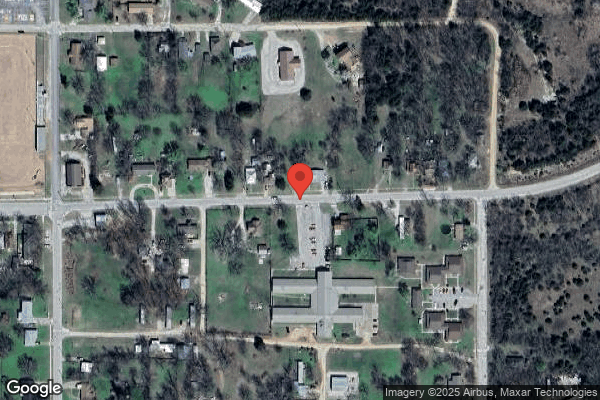
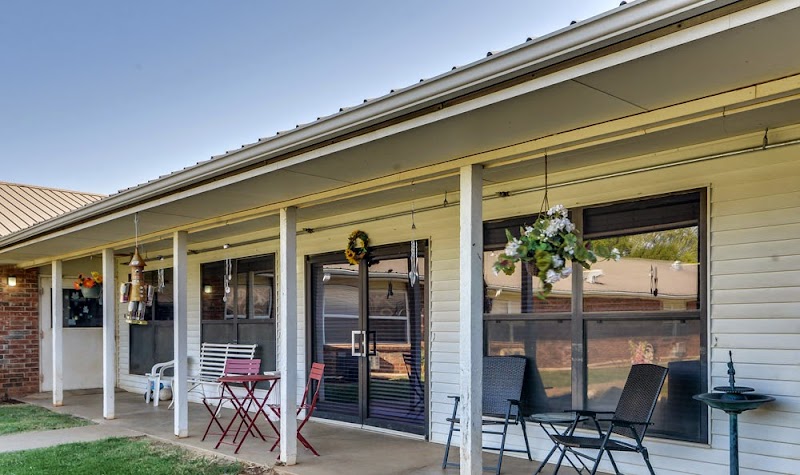
623 E ELM, SEDAN, KS 67361 (620) 725-3153
For profit - Limited Liability company 45 Beds AMERICARE SENIOR LIVING Data: November 2025
Trust Grade
65/100
#151 of 295 in KS
Last Inspection: February 2025

Within standard 12-15 month inspection cycle. Federal law requires annual inspections.

Overview

Pleasant Valley Manor in Sedan, Kansas has a Trust Grade of C+, indicating it's slightly above average but still has room for improvement. In the state ranking, it sits at #151 out of 295, placing it in the bottom half of Kansas facilities, but it is the only nursing home in Chautauqua County. Unfortunately, the facility is worsening, with the number of issues increasing from 3 in 2023 to 7 in 2025. Staffing is a relative strength with a 4/5 rating and a turnover rate of 49%, which is acceptable, but the facility has less RN coverage than 86% of other Kansas homes, which raises some concern for resident care. Specific incidents include failing to maintain sanitary conditions in the kitchen and dining areas, such as overflowing trash and dirty floors, and not having an effective pest control program to keep cockroaches at bay. While the staffing and absence of fines are positives, the rising number of compliance issues and cleanliness concerns are significant drawbacks for families to consider.

Trust Score
C+
65/100
In Kansas
#151/295
Bottom 49%
Safety Record
Low Risk
No red flags
Inspections
Getting Worse
3 → 7 violations
Staff Stability
⚠ Watch
49% turnover. Above average. Higher turnover means staff may not know residents' routines.
Penalties
✓ Good
No fines on record. Clean compliance history, better than most Kansas facilities.
Skilled Nurses
⚠ Watch
Each resident gets only 24 minutes of Registered Nurse (RN) attention daily — below average for Kansas. Fewer RN minutes means fewer trained eyes watching for problems.
Violations
⚠ Watch
15 deficiencies on record. Higher than average. Multiple issues found across inspections.
★★★☆☆
3.0
Overall Rating
★★★★☆
4.0
Staff Levels
★★★★☆
4.0
Care Quality
★★★☆☆
3.0
Inspection Score
Stable
2023: 3 issues
2025: 7 issues

The Good

  • 4-Star Staffing Rating · Above-average nurse staffing levels
  • 4-Star Quality Measures · Strong clinical quality outcomes
  • Full Sprinkler Coverage · Fire safety systems throughout facility
  • No fines on record

Facility shows strength in staffing levels, quality measures, fire safety.

The Bad

3-Star Overall Rating

Near Kansas average (2.9)

Meets federal standards, typical of most facilities

Staff Turnover: 49%

Near Kansas avg (46%)

Higher turnover may affect care consistency

Chain: AMERICARE SENIOR LIVING

Part of a multi-facility chain

Ask about local staffing decisions and management

The Ugly 15 deficiencies on record

Feb 2025 7 deficiencies
CONCERN (D)

Potential for Harm - no one hurt, but risky conditions existed

Resident Rights (Tag F0550)

Could have caused harm · This affected 1 resident

**NOTE- TERMS IN BRACKETS HAVE BEEN EDITED TO PROTECT CONFIDENTIALITY** The facility reported a census of 40 residents with 12 residents sampled, including three residents reviewed for dignity. Based ...

Read full inspector narrative →
**NOTE- TERMS IN BRACKETS HAVE BEEN EDITED TO PROTECT CONFIDENTIALITY** The facility reported a census of 40 residents with 12 residents sampled, including three residents reviewed for dignity. Based on observation, interview and record review, the facility failed to show respect and dignity to one Resident (R)13, regarding staff dressing her in tops which were to large for her and hung on her, exposing her bare skin. Findings included: - Review of Resident (R)13's electronic medical record (EMR) revealed a diagnosis of dementia (progressive mental disorder characterized by failing memory, confusion). The Annual Minimum Data Set (MDS), dated [DATE], documented the resident had a Brief Interview for Mental Status (BIMS) score of three, indicating severe cognitive impairment. She required substantial/maximal staff assistance with upper body dressing. The Functional Abilities Care Area Assessment (CAA), dated 07/21/24, did not trigger. The Quarterly MDS, dated 10/18/24, documented the resident had a BIMS score of three, indicating severe cognitive impairment. She required substantial/maximal staff assistance with upper body dressing. The Care Plan for Activities of Daily Living (ADL), revised 10/22/24, instructed staff the resident required assistance with dressing. Review of the resident's EMR, from 01/01/25 through 01/29/25, revealed the resident required substantial/maximal to dependent staff assistance with dressing. On 01/29/25 at 02:55 PM, the resident sat at the dining room table with two male peers. Her improperly fitting dress fell off of the left shoulder, exposing bare skin. On 01/29/25 at 03:45 PM, the resident continued to sit in the dining room with her bare left shoulder exposed. On 01/30/25 at 08:57 AM, the resident sat in her wheelchair in the therapy room with several other peers. The collar of her t-shirt hung down low, exposing much of the resident's bare chest. On 01/30/25 at 11:51 AM, the resident sat in the dining room awaiting lunch. Her t-shirt collar continued to hang low, exposing much of her bare chest. On 01/30/25 at 01:33 PM, Certified Nurse Aide (CNA) M confirmed the resident's clothing was too large and would sag down exposing her bare skin. On 02/03/25 at 07:29 AM, CNA P stated the resident had lost weight and her clothes no longer fit her properly and would, at times, slide down and expose her skin. On 01/30/25 at 01:43 PM, Licensed Nurse (LN) H stated the resident had lost weight and her clothing did not fit her well. On 02/03/25 at 09:43 AM, Administrative Nurse D stated it was the expectation for resident's clothing to fit them properly and not expose too much of their skin. Administrative Nurse D stated the facility will look into getting the resident clothing that fit properly. The facility policy for Quality of Life--Dignity, undated, included: Staff will promote, maintain and protect the bodily privacy of all residents. The facility failed to dress this dependent resident in well-fitted clothing, instead of too large of clothing which was sliding down and exposing the resident's bare skin.
CONCERN (D)

Potential for Harm - no one hurt, but risky conditions existed

ADL Care (Tag F0677)

Could have caused harm · This affected 1 resident

**NOTE- TERMS IN BRACKETS HAVE BEEN EDITED TO PROTECT CONFIDENTIALITY** The facility reported a census of 40 residents with 12 residents sampled, including 2 residents reviewed for Activities of Daily...

Read full inspector narrative →
**NOTE- TERMS IN BRACKETS HAVE BEEN EDITED TO PROTECT CONFIDENTIALITY** The facility reported a census of 40 residents with 12 residents sampled, including 2 residents reviewed for Activities of Daily Living (ADLS). Based on observation, interview, and record review, the facility failed to ensure two Residents (R)8, regarding staff not dressing the resident in clean clothing and R 13, regarding not assisting the resident at meal times, as care planned. Findings included: - Review of Resident (R)8's electronic medical record (EMR) revealed a diagnosis of Parkinson's disease (slowly progressive neurologic disorder characterized by resting tremor, rolling of the fingers, masklike faces, shuffling gait, muscle rigidity and weakness). The Annual Minimum Data Set (MDS), dated [DATE], documented the resident had a Brief Interviewf or Mental Status (BIMS) score of four, indicating severe cognitive impairment. She required substantial/maximal staff assistance for dressing her upper portion. The Functional Abilities Care Area Assessment, (CAA), dated 01/20/25, did not trigger. The Quarterly MDS, dated 10/23/24, documented the resident had a BIMS score of nine, indicating moderately impaired cognition. She was dependent on staff for dressing of her upper portion. The care plan for Activities of Daily Living (ADL), revised 11/19/24, instructed staff the resident required one staff assistance with dressing. Review of the resident's EMR, from 01/01/25 through 01/29/25, revealed the resident required substantial/maximal to dependent staff assistance with dressing. On 01/29/25 at 10:17 AM, the resident sat in her recliner in her room. The resident wore a blue sweatshirt which had dried liquid and food on the front. On 01/29/25 at 12:37 PM, the resident sat at the dining room table with her peers. The resident continued to wear the dirty sweatshirt. On 01/29/25 at 03:13 PM, the resident sat in her recliner in her room and continued to wear the dirty sweatshirt. On 01/30/25 at 09:00 AM, Certified Nurse Aide (CNA) N stated staff should change resident's clothing when they are dirty. On 01/30/25 at 01:14 PM, CNA M stated the resident's should have clean clothing on at all times. On 02/03/25 at 09:43 AM, Administrative Nurse D stated it was the expectation for staff to ensure resisdent's were always dressed in clean clothing. The facility policy for Quality of Life--Dignity, undated, included: Each resident shall be cared for in a manner that promotes and enhances quality of life, dignity, respect and individuality. The facility failed to ensure this dependent resident was dressed in clean clothing at all times. - Review of Resident (R)13's electronic medical record (EMR) revealed a diagnosis of dementia (progressive mental disorder characterized by failing memory, confusion). The Annual Minimum Data Set (MDS), dated [DATE], documented the resident had a Brief Interview for Mental Status (BIMS) score of three, indicating severe cognitive impairment. She had no swallowing disorder and was independent with eating. The Nutritional Care Area Assessment (CAA), dated 07/21/24, documented the resident had a history of malnutrition (lack of proper nutrition) and a poor appetite. The Functional Abilities CAA, dated 07/21/24, did not trigger. The Quarterly MDS, dated 01/15/25, documented the resident had a BIMS score of three, indicating severe cognitive impairment. She had no swallowing disorders and required setup or clean-up assistance with eating. The nutrition care plan, revised 01/15/25, instructed staff the resident required staff to feed her at mealtimes. Review of the resident's EMR, from 01/06/25 through 02/03/25, revealed the resident required setup to dependent assistance with eating. Review of the resident's EMR, revealed the following physician's order: Regular diet, pureed texture, regular liquids, ordered 01/08/25. On 01/30/25 at 12:25 PM, staff served lunch to the resident which consisted of pureed beef stew, pureed biscuit, and pureed peas. The resident made no attempt to feed herself. At 12:29 PM, Administrative Nurse D placed a spoon in the resident's hand and encouraged her to feed herself. The resident made multiple attempts to feed herself but was unable to get the food from her plate to her mouth with the spoon. At 12:32 PM, Certified Nurse Aide (CNA) N asked the resident to try the beef stew, but CNA N did not offer assistance to the resident. At 12:37 PM, Consultant staff II asked Administrative Nurse D to assist the resident with eating. Administrative Nurse D fed the resident, and the resident ate well with no difficulty swallowing. The resident consumed approximately 75% of her meal. On 02/03/25 at 07:29 AM, CNA P stated the resident will eat well when staff feed her. On 01/30/25 at 01:43 PM, Licensed Nurse (LN) H stated the resident required assistance from staff to feed her since her recent decline. On 01/30/25 at 12:37 PM, Administrative Nurse D stated the resident would usually feed herself and was unsure of why the resident required staff assistance for the noon meal. The facility policy for Quality of Life--Dignity, undated, included: Each resident shall be cared for in a manner that promotes and enhances quality of life, dignity, respect, and individuality. The facility failed to feed this dependent resident who required staff assistance at mealtimes.
CONCERN (D)

Potential for Harm - no one hurt, but risky conditions existed

Accident Prevention (Tag F0689)

Could have caused harm · This affected 1 resident

**NOTE- TERMS IN BRACKETS HAVE BEEN EDITED TO PROTECT CONFIDENTIALITY** The facility reported a census of 40 residents with 12 residents selected for review, including three residents reviewed for acc...

Read full inspector narrative →
**NOTE- TERMS IN BRACKETS HAVE BEEN EDITED TO PROTECT CONFIDENTIALITY** The facility reported a census of 40 residents with 12 residents selected for review, including three residents reviewed for accidents. Based on observation, interview, and record review, the facility failed to safely transfer Resident (R)8. Findings included: - Review of Resident (R)8's Electronic Medical Record (EMR) revealed a diagnosis of Parkinson's disease (slowly progressive neurologic disorder characterized by resting tremor, rolling of the fingers, masklike faces, shuffling gait, muscle rigidity and weakness). The Annual Minimum Data Set (MDS), dated [DATE], documented the resident had a Brief Interview for Mental Status (BIMS) score of four, indicating severe cognitive impairment. She had functional limitation in range of motion (ROM) on both sides of her lower extremity and required substantial to maximal staff assistance for chair-to-bed-to-chair transfers. The Functional Abilities Care Area Assessment (CAA), dated 01/20/25, did not trigger. The Quarterly MDS, dated 10/23/24, documented the resident had a BIMS score of nine, indicating she had moderately impaired cognition. She had limited ROM on both sides of her lower extremity and was dependent on staff for chair-to-bed-to-chair transfers. The Care Plan, revised 11/29/24, instructed staff the resident required two staff and the use of a gait belt when transferred. Review of the resident's EMR, from 01/01/25 through 01/29/25, revealed the resident required substantial/maximal assistance to dependent with all transfers. On 01/30/25 at 09:00 AM, Certified Nurse Aide (CNA) N and Administrative Nurse D transferred the resident from her wheelchair to her recliner in her room. The resident, wearing appropriate footwear, was only able to bear minimal weight during the transfer. On 01/30/25 at 01:14 PM, CNA N and CNA O transferred the resident from her wheelchair to her recliner in her room. The resident, wearing appropriate footwear, was unable to bear weight during the transfer. On 01/30/25 at 09:00 AM, CNA N stated some days the resident could bear weight during transfers and other days she could not, it depended on the day. When the resident did bear weight, it was on her tip toes as she was not able to put her foot down flat on the floor due to the contractures in both of her legs. On 01/30/25 at 01:14 PM, CNA O stated the resident was not usually able to bear her full weight during transfers. On 02/03/25 at 07:31 AM, CNA P stated the resident required extensive assistance of two staff and the gait belt for transfers. CNA P stated the resident was not always able to bear her full weight. On 02/03/25 at 11:03 AM, Consultant Staff GG stated he would not consider a transfer to be safe if the resident could only bear minimal weight. On 02/03/25 at 09:07 AM, Administrative Nurse E stated staff would use a gait belt and two staff assist when transferring the resident. The resident was not always able to bear her weight during transfers. On 01/30/25 at 09:00 AM, Administrative Nurse D stated the resident was not always able to bear weight during transfers. On 01/30/25 at 09:00 AM, Administrative Nurse D stated the resident will bear weight at times on her [NAME] toes but was not always able to bear her full weight during transfers. The facility policy for Safe Resident Handling/Transfers, undated, included: The facility shall ensure residents are handled and transferred safely to prevent or minimize risks for injury and provide a safe, secure, and comfortable experience for the resident. The facility failed to safely transfer this dependent resident.
CONCERN (E) 📢 Someone Reported This

A family member, employee, or ombudsman was alarmed enough to file a formal complaint

Potential for Harm - no one hurt, but risky conditions existed

Infection Control (Tag F0880)

Could have caused harm · This affected multiple residents

The facility reported a census of 40 residents Based on observation, interview, and record review the facility failed to maintain an effective infection control program related to the failure of staff...

Read full inspector narrative →
The facility reported a census of 40 residents Based on observation, interview, and record review the facility failed to maintain an effective infection control program related to the failure of staff to sanitize the glucometer between use and the failure to perform proper hand hygiene. This deficient practice had the potential to spread possible infections to the residents in the facility. Findings included: - During an observation on 01/30/25 at 10:30 AM Certified Medication Aide (CMA) S gathered supplies to complete a glucose check. CMA S went to the therapy room to find R1 and completed a glucose check. CMA S then removed her gloves without preforming hand hygiene, she opened a door and walked to the nurses' station and threw away her gloves and retrieved other gloves, without performing hand hygiene. CMA S also did not sanitize the glucometer (instrument used to calculate blood glucose). CMA S walked through another hallway to R37's room, knocked on the door, performed hand hygiene, applied gloves, and checked R37's blood sugar. She removed her gloves and walked to the nurses' station to report the blood sugar reading. During an interview on 01/30/25 at 10:30 AM, CMA S reported she was not aware that the glucometers needed to be sanitized after use and prior to using on another resident. CMA S also verified she should perform hand hygiene after removing her gloves. During an interview on 02/03/25 at 09:05 AM, Administrative Nurse D expected staff to sanitize the glucometer with sanitizing wipes after every use. Administrative Nurse D expected staff to preform hand hygiene before gloves were applied and after staff removed gloves when glucose checks were completed. During an interview on 02/03/25 at 11:05 AM, ADON Administrative Nurse E reported she expected staff to sanitize the glucometer after each use. She stated she planned to reeducate. Also expected staff to preform hand hygiene before and after glucose checks were preformed after removal of gloves. Also, before the gloves were put on and right after they were taken off, before doing anything else. The facility's Infection Control Policy reviewed 12//2024 revealed hand hygiene was to be performed before and after contact with a resident, immediately after removing gloves, after touching objects and medical equipment in immediate resident care areas. The facility's Glucometer Disinfection policy dated 10/2022 revealed the glucometer was to be cleaned and disinfected after each use. The process for using the glucometer included wash hands, apply gloves, obtain the sample according to the facility policy, remove and discard gloves and preform hand hygiene prior to leaving the room, reapply gloves if there was visible signs of blood or if the resident had HIV, Hepatitis (inflammatory condition of the liver) B or C. Use two disinfectant wipes, the first to clean, the second to disinfect. The facility failed to maintain an effective infection control program related to the failure of staff to sanitize the glucometer between use and the failure to perform proper hand hygiene. This deficient practice had the potential to spread possible infections to the residents in the facility.
CONCERN (F)

Potential for Harm - no one hurt, but risky conditions existed

Food Safety (Tag F0812)

Could have caused harm · This affected most or all residents

The facility reported a census of 40 residents. Based on observation, record review and interview, the facility failed to prepare and serve food to the residents, under sanitary conditions, to prevent...

Read full inspector narrative →
The facility reported a census of 40 residents. Based on observation, record review and interview, the facility failed to prepare and serve food to the residents, under sanitary conditions, to prevent the potential for food borne bacteria. Findings included: - During an initial tour of the kitchenette area between the dining room and kitchen on 01/29/25 at 10:47 AM, the following areas of concern were noted: 1. The pop machine had standing liquid in the spill tray. 2. A trash can was over-flowing with trash and had dried-on liquid and food debris on the top and sides of the trash can. 3. The bags of syrup for the pop machine were kept in a cabinet underneath the pop machine. The bags had spilled syrup which had dried on several areas of the shelfs on which they rested. 4. The cabinet and drawer doors had multiple areas of dried-on food and fluids. During an initial tour of the dining room on 01/29/25 at 10:47 AM, the following areas of concern were noted: 1. The inside of microwave had a heavy build-up of dried on food on the top and all sides of the microwave oven. 2. The juice machine had dried-on juice on the back splash of the machine and in the spill tray. 3. There were several areas of dried-on food on the counter. During an initial tour of the kitchen on 01/29/25 at 10:47 AM, the following areas of concern were noted: 1. The two-door reach-in refrigerator had dried-on food on the front of the doors, the inside of the doors, the vents of the machine and in the handles of the doors. 2. The bottom of the reach-in had dried-on spilled liquid and food debris. 3. Four open gallons of milk lacked open dates. 4. A gallon pitcher of a vanilla supplement lacked a date. 5. The three-door reach-in refrigerator had a sandwich bag with half of a red bell pepper, an open bottle of an orange salad dressing, an open gallon of milk, a partially uncovered container of fruit cocktail, an open quart bottle of BBQ sauce and an open gallon of dill pickle slices, all lacking open dates. 6. A one-gallon container of a white salad dressing lacked an open date and had a large glob of dressing, which had turned into a brownish color, dried to the side of the container. 7. The bottom of the reach-in had a heavy build-up of food debris. 8. The front left corner of the bottom of the reach-in had an area of dried blood. 9. The counter which held the coffee maker had multiple areas of dried-on coffee. 10. The bottom shelves of two food prep tables had food debris. 11. A covered trash can in the dish washing area had dried on food and liquids on all sides as well as the lid to the trash can. 12. Five plastic containers holding cold cereal had a dried-on, sticky food substance on the lids. 13. A three-tiered plastic cart used to stack clean dishes had food debris on all three tiers. 14. A plastic container holding sharp knives had a build-up of dust and debris on the top. 15. The trash can by the oven was overflowing and had dried-on food and liquid on all sides and the lid of the trash can. 16. The wire carts holding clean pots and pans had a build-up of food debris. 17. The dry storage room had three open bags of chips lacking an open date. 18. The three-doored freezer had a build-up of food debris on the bottom. 19. The bread shelf had a sticky build-up on all shelves. On 01/30/25 at 01:30 PM, Administrative Staff A stated the above issues needed to be taken care of immediately. The facility policy for Dietary Cleaning Procedures, undated, included: The facility will store, prepare, distribute, and serve food under sanitary conditions to ensure proper sanitation and food handling practices to prevent the outbreak of foodborne illnesses was attained continuously. The dietitian and/or the dietary manager would review documentation of cleaning tasks and perform quality assurance process tracking and trending with team members at least once a month. The facility failed to prepare and serve food under sanitary conditions for the residents of the facility appropriately to prevent the potential for food borne bacterial.
CONCERN (F)

Potential for Harm - no one hurt, but risky conditions existed

Safe Environment (Tag F0921)

Could have caused harm · This affected most or all residents

The resident reported a census of 40 residents. Based on observation, interview, and record review, the facility failed to provide a safe, functional, sanitary, and comfortable environment for all res...

Read full inspector narrative →
The resident reported a census of 40 residents. Based on observation, interview, and record review, the facility failed to provide a safe, functional, sanitary, and comfortable environment for all residents and staff. Findings included: - During the initial tour of the kitchen areas on 01/29/25 at 10:27 AM, the following area of concern was noted: The floor throughout the kitchen had a heavy build-up of a blackish substance at the end of all table legs and legs of the kitchen equipment. The floor in the kitchenette area had a dried-on red liquid. The floor of the dry storage room had a sticky substance throughout. On 01/30/25 at 01:30 PM, Administrative Staff A stated it was the expectation for the floors to be kept mopped and cleaned at least daily. The facility policy for Dietary Cleaning Procedures, undated, included: The dietary staff will keep the kitchen floor clean and free of debris. The facility failed to provide a safe, functional, sanitary, and comfortable environment for all residents and staff.
CONCERN (F) 📢 Someone Reported This

A family member, employee, or ombudsman was alarmed enough to file a formal complaint

Potential for Harm - no one hurt, but risky conditions existed

Deficiency F0925 (Tag F0925)

Could have caused harm · This affected most or all residents

The facility reported a census of 40 residents. Based on observation, interviewed and record review, the facility failed to maintain an effective pest control program to ensure the facility remained f...

Read full inspector narrative →
The facility reported a census of 40 residents. Based on observation, interviewed and record review, the facility failed to maintain an effective pest control program to ensure the facility remained free of pests, specifically cockroaches, and affected all residents in the facility. Findings included: - During an initial tour of the kitchenette area between the dining room and kitchen on 01/29/25 at 10:47 AM, the following areas of concern were noted: 1. The pop machine had standing liquid in the spill tray. 2. A trash can was over-flowing with trash and had dried-on liquid and food debris on the top and sides of the trash can. 3. The bags of syrup for the pop machine were kept in a cabinet underneath the pop machine. The bags had spilled syrup which had dried on several areas of the shelfs on which they rested. 4. The cabinet and drawer doors had multiple areas of dried-on food and fluids. During an initial tour of the kitchen on 01/29/25 at 10:47 AM, the following areas of concern were noted: 1. The two-door reach-in refrigerator had dried-on food on the front of the doors, the inside of the doors, the vents of the machine and in the handles of the doors. 2. The counter which held the coffee maker had multiple areas of dried-on coffee. 3. The bottom shelves of two food prep tables had food debris. 4. A covered trash can in the dish washing area had dried on food and liquids on all sides as well as the lid to the trash can. 5. Five plastic containers holding cold cereal had a dried-on, sticky food substance on the lids. 6. A three-tiered plastic cart used to stack clean dishes had food debris on all three tiers. 7. The trash can by the oven was overflowing and had dried-on food and liquid on all sides and the lid of the trash can. 8. The wire carts holding clean pots and pans had a build-up of food debris. 9. The bread shelf had a sticky build-up on all shelves. On 01/29/25 at 09:57 AM, Resident (R) 41 stated the facility had roaches in the kitchen and the dining room. The residents were able to see them crawling on the walls in the dining room. The facility has someone come out every month and spray for the bugs. On 01/29/25 at 11:13 AM, R14 stated there were roaches in the kitchen and dining room. On 01/29/25 at 01:13 PM, R37 stated there had been roaches in the dining room for quite a while and he could see them crawling on the walls. On 01/29/25 at 12:43 PM, Certified Medication Aide (CMA) R stated the facility had a problem with roaches in the kitchen. On 01/30/25 at 09:00 AM, Certified Nurse Aide (CNA) N, stated there had been roaches in the dining room and kitchen. CNA N stated when you go into the kitchen you could see them around the dish washer area. On 01/30/25 at 01:14 PM, CNA M stated the kitchen and dining room had roaches. The CNA said you could see them on the walls in the dining room. On 02/03/25 at 07:31 AM, CNA P stated the facility had roaches in the kitchen. On 02/03/25 at 11:41 AM, Consultant HH stated the facility was sprayed monthly for roaches. It would be difficult to get rid of roaches when there was a food supply within easy access to the roaches. On 02/03/25 at 12:05 PM, Administrative Staff A stated the facility was having problems with roaches in the kitchen and dining room. Administrative Staff A stated the facility had a contract with pest control company since, February 2014, and they would come in to spray monthly. Administrative Staff A stated they were unsure how the facility developed a roach problem when the facility was sprayed every month. The facility policy for Pest Control Program, undated, included: It was the policy of the facility to maintain an effective pest control program which eradicated and contained common household pests and rodents. The facility failed to maintain an effective pest control program to ensure the facility was free of pests, specifically roaches, and affected all residents in the facility.
Feb 2023 3 deficiencies
CONCERN (D) 📢 Someone Reported This

A family member, employee, or ombudsman was alarmed enough to file a formal complaint

Potential for Harm - no one hurt, but risky conditions existed

Quality of Care (Tag F0684)

Could have caused harm · This affected 1 resident

**NOTE- TERMS IN BRACKETS HAVE BEEN EDITED TO PROTECT CONFIDENTIALITY** The facility reported a census of 38 residents with 14 selected for review. The sample included four residents for skin conditio...

Read full inspector narrative →
**NOTE- TERMS IN BRACKETS HAVE BEEN EDITED TO PROTECT CONFIDENTIALITY** The facility reported a census of 38 residents with 14 selected for review. The sample included four residents for skin conditions. Based on observation, interview, and record review, the facility failed to ensure Resident (R)4, one of the four sampled residents, received wound treatment and care in accordance with professional standards of practice, with the failure to report a skin tear timely to the nurse for adequate treatment, for the nurse to timely assess the wound/skin tear, and failure to implement immediate intervention implementation to prevent further skin tears for this dependent resident with a history of skin tears. Findings included: - Review of the resident (R)4's, Physician Orders, dated 01/15/23, revealed diagnoses which included, displaced intertrochanteric fracture of right femur (leg bone broken at joint), Alzheimer's Disease (progressive mental deterioration characterized by confusion and memory failure), Parkinson's Disease (slowly progressive neurologic disorder characterized by resting tremor, rolling of the fingers, masklike faces, shuffling gait, muscle rigidity and weakness), epilepsy (seizures), chronic pain, and anxiety disorder (mental or emotional reaction characterized by apprehension, uncertainty and irrational fear). The Annual Minimum Data Set (MDS) dated [DATE], documented, the Brief Interview for Mental Status (BIMS) score of 04, which indicated severe cognitive impairment. She exhibited inattention, disorganized thinking, trouble concentrating, and restlessness (such as moving around a lot more than usual). She directed physical behaviors towards others (e.g., hitting, kicking, pushing, scratching, grabbing). The resident rejected evaluation or care during one to three days of the look back period, which significantly interfered with the resident's care. The resident required extensive assistance of staff for bed mobility, dressing, and toilet use. She required limited assistance of staff for transfer, locomotion, and personal hygiene. She did not walk. Her balance during transition was not steady and was only able to stabilize with staff assistance. The resident had no functional limitation in her range of motion for the upper nor lower extremities. She used a wheelchair (w/c) as a mobility device. The formal clinical skin assessment revealed the resident was at risk for pressure ulcer injury. She received application of dressings to her feet. The Quarterly MDS, dated 02/14/23, documented the following changes from the above which included she required extensive assist for transfers. The resident was without any current skin treatments. The Delirium Care Area Assessment (CAA), dated 06/09/22, documentation included the resident spent the late afternoon and evenings looking for her family members and became distressed and agitated. The Care Plan Meeting Notes, (CP), dated 02/22/23 at 01:53 PM, documentation included the resident representatives expressed concerns due to the resident's skin tears. The Care Plan, dated 2/22/23, documentation included: 1. Staff will need to observe for and report any skin issues noted while assisting the resident with her care, initiated 08/05/2014. 2. The staff added padding to the front of the resident's w/c due to the resident's history of skin tears, initiated 08/24/2017. 3. The resident preferred to be close to other residents when sitting in the wheelchair while in the living room of the facility. She understands that this could cause an accident, initiated 01/09/2018. 4. Staff apply noodle coverings to her assist bars on her bed to prevent bruises to hands and arms in case she bumps them during the night, initiated: 01/28/2022. 5. Staff should check placement of foam wrapped around the w/c frame at the junction of the foot pedals, initiated 06/28/2022. 6. Staff instructed to offer assistance to the bathroom after eating, then assist her to her recliner to watch television, initiated on 09/25/2022. 7. The resident had a skin tear to her right lower leg, follow the treatment plan in her orders, initiated 01/07/23. 8. When the resident sits in the recliner, place a folded-up pillow on the metal part of the recliner to remind her not to put feet through the footrest between the chair to help prevent skin injury, initiated on 01/07/2023. The Physician Orders, dated 01/15/23, included orders for: 1. Apply tubi-grips to bilateral lower extremities when the resident gets out of bed, if her pants do not cover her legs and remove at bedtime, to prevent skin impairment. 01/08/23. 2. Clean the right lower leg with wound cleaner, apply skin prep and allow to dry. Apply steri strips as needed until closed, cover with bordered dressing one time a day, ordered on 01/08/2023. 3. Apply lotion to bilateral lower extremities every shift for skin integrity, ordered 02/20/23. 4. Monitor steri strips on skin tear to shin, apply steri-strips as needed. Monitor for signs and symptoms of infection until resolved, ordered on 02/23/23. Review of Nurses Progress Notes, (NPN), documentation dated 1/7/2023 at 3:48 PM revealed at approximately 08:00 AM, the nurse was performing a skin assessment and noticed a bandage on the resident's right lower leg on the front. She removed the soiled bandage measured both skin tears, Skin Tear #1 measured 4.0 centimeters (CM) by 1.0 CM by no depth and was dried and crusted over. Skin tear #2 measured 2.0 CM by 1.0 CM. by no depth, with bloody drainage. The nurse cleaned the skin tears with wound cleaner, applied skin prep and allowed them to dry, applied steri-strips, and covered with bordered dressing. She applied tubi- grips on the resident's bilateral legs. Review of the Incident Investigation Report, dated 01/07/23, documented the noted skin tears on the skin assessment, on 01/07/23 at 03:24 PM, by the nurse had a dressing in place. The nurse was not aware of the existence of the skin tears/injury prior to the routine skin assessment and discovery of the bandage. The staff identified the skin tear as an injury of unknown origin at that time. Review of a Witness Statement, dated 01/9/23, by CNA Q (the CNA responsible for the resident's care the evening of 01/06/23), included CNA Q reported at approximately 10:00 PM, she found the resident attempting to get out of her recliner by swinging her legs to the side of the recliner. The resident said ouch. CNA Q observed blood on the resident's right outer shin, she cleaned the blood and placed a dry bandage on it. The resident wanted to go to bed, and the CNA assisted the resident to her bed. She stated she forgot to tell the nurse about the skin tear. Review of the Electronic Medical Record (EMR) revealed the nurse did not assess the resident's skin tear when it occurred on 01/06/23 to determine the extent of injury and necessary treatment/care it needed. On 02/23/23 at 02:24 PM, a family member reported that the resident had a lot of skin tears. The facility reported that the skin tears may be related to her scratching herself, but they are unsure. On 02/26/23 at 11:04 AM, tour of the resident's room revealed the resident's bed with foam covering on the turn bar upper left side of the bed. The bathroom call light chain had a foam covering, also on the grab bar beside the toilet. On 02/27/23 at 09:07 AM, the resident sat at the dining table in the wheelchair. The wheelchair's brake handle and metal end caps, and foot pedal mounts contained covering with a pink foam and tape. On 02/27/23 at 09:10 AM, Certified Medication Aide (CMA) T applied the wheelchair foot pedals to the wheelchair and positioned the resident's feet. The resident had on tubi-grips (padding protection) on her bilateral legs. On 02/27/23 at 09:30 AM, CMA T applied a gait belt to transfer the resident to the recliner in the living room. The resident stood with extensive assistance of staff and pivoted to the recliner to a seated position. The CMA elevated the recliner footrest and placed a folded pillow beneath the resident's calf. On 02/27/23 at 03:36 PM, CNA T reported the staff member that first sees a resident with a skin injury should notify the nurse immediately. The nurse should follow-up on the report by assessing the resident to determine the source of the injury to put an immediate intervention in place to prevent further injury. The resident should not be moved until the nurse directs the staff to move the resident. The Nurse will notify the physician and family and obtain orders to treat/dress the wound. The CNAs should not bandage wounds. The resident gets skin tears from time to time. She has a skin tear on each shin with interventions to wear tubi-grips. On 02/28/23 at 10:12 AM, Licensed Nurse (LN) G stated when staff identify skin tears or injury, they should immediately notify the nurse. The nurse will assess the resident to determine the extent of the injury and contact the physician for orders to treat. Immediate interventions are put in place to prevent further injury and the care plan should be updated to communicate the interventions to all care givers. The CNAs fill out witness statements as part of the investigation to determine contributing factors. CNAs should not put a dressing on a skin tear. The resident should not be moved prior to the assessment. On 02/28/23 at 11:11 AM, Administrative Nurse D, confirmed the above findings. She stated staff should report any injury or change of condition immediately to the nurse and the CNAs should not apply any bandages. The facility policy Incidents and Accidents, dated 2022, documentation included Assuring that appropriate and immediate interventions are implemented and corrective actions are taken to prevent reoccurrences and improve the management of resident care. Any injury will be assessed by the licensed nurse or practitioner and the affected individual will not be moved until safe to do so. The facility failed to ensure Resident (R)4 received treatment and care in accordance with professional standards of practice when the staff failed to immediately report the resident's skin tear to the nurse, the nurse did not get to assess the wound and obtain an appropriate treatment for the wound timely. Furthermore, the facility failed to implement an intervention to prevent further skin wounds following this incident of injury/skin tear for this dependent resident, with history of multiple skin tears.
CONCERN (D)

Potential for Harm - no one hurt, but risky conditions existed

Accident Prevention (Tag F0689)

Could have caused harm · This affected 1 resident

**NOTE- TERMS IN BRACKETS HAVE BEEN EDITED TO PROTECT CONFIDENTIALITY** The facility reported a census of 38 residents with 14 residents sampled, including six residents reviewed for accidents. Based ...

Read full inspector narrative →
**NOTE- TERMS IN BRACKETS HAVE BEEN EDITED TO PROTECT CONFIDENTIALITY** The facility reported a census of 38 residents with 14 residents sampled, including six residents reviewed for accidents. Based on observation, interview and record review, the facility failed to provide safe transfers for Resident (R)10, one of the six sampled residents. Findings included: - The Physician Order Sheet (POS), dated 01/23/23, documented Resident (R)10 had a diagnosis of Parkinson's disease (slowly progressive neurologic disorder characterized by resting tremor, rolling of the fingers, masklike faces, shuffling gait, muscle rigidity and weakness). The significant change Minimum Data Set (MDS), dated [DATE], documented the resident had a Brief Interview for Mental Status (BIMS) score of ten, indicating moderately impaired cognition. She required extensive assistance of two staff for transfers and had limited range of motion (ROM) in her upper and lower extremities. The Activities of Daily Living (ADL) Functional/Rehabilitation Potential Care Area Assessment (CAA), dated 01/30/23, documented the resident had a diagnosis of Parkinson's and required assistance with all ADLs. The quarterly MDS, dated 10/21/22, documented the resident had a BIMS score of four, indicating severe cognitive impairment. She required extensive assistance of one staff for transfers and had an impairment in ROM on both sides of her upper and lower extremities. The care plan for ADLs, revised 01/30/23, instructed staff the resident required assistance with all her ADLs. The resident was unable to transfer herself and required assistance of one staff. Review of the resident's electronic medical record EMR, revealed the staff transferred the resident using extensive assistance of one to two staff. On 02/27/23 at 10:52 AM, Certified Nurse Aide (CNA) M and CNA N entered the resident's room to provide cares. Staff set the resident up to the side of the bed and transferred her using total assistance of two staff from the side of the bed to the wheelchair. The resident's socked feet skimmed the floor, and she was unable to bear weight on her legs during the transfer. The staff put their arms under R10's upper arms and grabbed the back of her pants to lift the resident. The staff failed to use a gait belt. On 02/27/23 at 03:28 PM, Certified Medication Aide (CMA) R and CNA O entered the resident's room to transfer the resident from her bed to the wheelchair. Staff put the gait belt on the resident and transferred her from the bed to the wheelchair. During the transfer the resident's socked feet skimmed the floor and she was unable to bear full weight on her legs. On 02/27/23 at 10:52 AM CNA M stated she failed to use the gait belt during the transfer and should have. The resident was unable to bear full weight due to the contractures in her lower extremities. CNA M stated staff mostly lift and transfer the resident. On 02/27/23 at 10:52 AM, CNA N stated the resident was not able to bear weight during her transfer. CNA N confirmed the resident had contractures to her lower extremities. On 02/27/23 at 04:16 PM, CMA R stated the resident was unable to bear full weight on her legs during transfers. On 02/28/23 at 09:18 AM, Licensed Nurse (LN) G stated the resident required staff assistance for transfers. On 02/28/23 at 09:36 AM, Administrative Nurse D stated the staff should always use a gait belt when transferring residents. Residents should be able to bear some weight during a transfer for it to be considered a safe transfer. The facility policy for Safe Transfers, undated, included: Staff members are expected to maintain compliance with safe transfer practices. The facility failed to provide a safe transfer for this dependent resident with contractures to her lower extremities, who could not stand on her legs.
CONCERN (D)

Potential for Harm - no one hurt, but risky conditions existed

Deficiency F0757 (Tag F0757)

Could have caused harm · This affected 1 resident

**NOTE- TERMS IN BRACKETS HAVE BEEN EDITED TO PROTECT CONFIDENTIALITY** The facility reported a census of 38 residents with 14 residents sampled, including five residents reviewed for unnecessary medi...

Read full inspector narrative →
**NOTE- TERMS IN BRACKETS HAVE BEEN EDITED TO PROTECT CONFIDENTIALITY** The facility reported a census of 38 residents with 14 residents sampled, including five residents reviewed for unnecessary medications. Based on observation, interview and record review, the facility failed to ensure one Resident (R)10 was kept free from unnecessary medications regarding the failure to administer as needed (PRN) bowel medication for constipation. Findings included: - The Physician Order Sheet (POS), dated 01/23/23, documented Resident (R)10 had a diagnosis of constipation (difficulty passing stool). The significant change Minimum Data Set (MDS), dated [DATE], documented the resident had a Brief Interview for Mental Status (BIMS) score of 10, indicating moderately impaired cognition. She required extensive assistance of two staff for toileting and was always incontinent of bowel and bladder. The Urinary Incontinence and Indwelling Catheter Care Area Assessment (CAA), dated 01/30/23, documented the resident was dependent on staff for toileting needs. The quarterly MDS, dated 10/21/22, documented the resident had a BIMS score of four, indicating severe cognitive impairment. She required extensive assistance of one staff for toileting and was frequently incontinent of bowel. The care plan for bowel management, revised 01/30/23, instructed staff the resident had as needed (PRN) medications to help prevent and treat constipation. Staff were to monitor the resident's bowel movements (BM) closely and inform the nurse if the resident went three days without a BM. Review of the resident's electronic medical record (EMR), from 01/29/23 through 02/26/23, revealed the resident did not have a BM every three days, without PRN medications to stimulate a BM, on the following dates: No BM from 02/14/23 through 02/18/23, for a total of five days. No BM from 02/24/23 through 02/27/23, for a total of four days. Review of the resident's physician orders for PRN medications for bowels, revealed the following: Biscolax suppository (a stimulant laxative that works by increasing the fluid/salts in the intestines), 10 milligrams (mg) rectally every (Q) 24 hours, PRN, for constipation, ordered 11/24/21. Disposable enema (a procedure in which liquid or gas is injected into the rectum, typically to expel its contents), rectally, Q 24 hours, PRN, for constipation, ordered 12/12/21. Milk of Magnesia (MOM-laxative), 30 milliliters (ml), by mouth (po), Q 24 hours, PRN, for constipation, ordered 12/03/21. Miralax (laxative), 17 grams (gm), Q 24 hours, po, PRN, for constipation, ordered 11/24/21. On 02/28/23 at 09:23 AM, Certified Medication Aide (CMA) S stated the nurse will give her a list of residents who need something (medication) PRN for bowels at the beginning of every shift. The resident's name was on the list that morning, but CMA S stated she had not given the PRN medication to the resident yet. On 02/28/23 at 09:18 AM, Licensed Nurse (LN) G stated she will get a report each morning of residents who had not had a BM for three days or more. LN G stated she will give the list to the CMA who will give the resident a PRN medication to assist the resident to have a BM. On 02/28/23 at 09:36 AM, Administrative Nurse D stated it was the expectation for staff to administer PRN medications to residents who had not had a BM for three days or more. The resident had a history of constipation. The facility's standing orders for Bowel Protocol, undated, included: The staff were to follow the physician's orders for constipation. The facility failed to keep this dependent resident free from unnecessary medications by failing to provide PRN medications for constipation when the resident went four and five days without a BM.
Aug 2021 5 deficiencies
CONCERN (D)

Potential for Harm - no one hurt, but risky conditions existed

Deficiency F0657 (Tag F0657)

Could have caused harm · This affected 1 resident

**NOTE- TERMS IN BRACKETS HAVE BEEN EDITED TO PROTECT CONFIDENTIALITY** The facility reported a census of 45 residents with 15 selected for review. Based on observation, interview, and record review, ...

Read full inspector narrative →
**NOTE- TERMS IN BRACKETS HAVE BEEN EDITED TO PROTECT CONFIDENTIALITY** The facility reported a census of 45 residents with 15 selected for review. Based on observation, interview, and record review, the facility failed to revise Resident (R)7's care plan following falls. Findings included: - The Order Review History Report, dated 07/13/21, for Resident (R)7, included diagnoses of history of falling, muscle weakness, age-related physical debility, and dementia (progressive mental disorder characterized by failing memory, confusion). The admission Minimum Data Set (MDS), dated [DATE], assessed R7 with a Brief Interview of Mental Status (BIMS) score of 11, indicating moderate cognitive impairment. He required supervision and assistance of two or more staff for bed mobility, extensive assistance of two or more staff for transfers and toilet use, limited assistance of one staff for dressing and personal hygiene, and supervision and one staff for assistance with locomotion on and off the unit. He ambulated in the room and corridor one or two times and required assistance of one staff. R7 used a wheelchair for mobility. His balance was not steady and required staff assistance when moving from a seated to standing position, moving on and off the toilet, and transferring from surface to surface. R7 fell in the past two to six months prior to admission and had one non-injury fall since admission. The Falls Care Area Assessment' (CAA), dated 05/21/21, revealed R7 required staff assistance of two for transfers, he had one fall since admission, and the staff would continue to assist him and keep him as safe as possible. The Baseline Care Plan, dated 05/14/21, located in the paper chart, indicated the R7 had a history of falls. An intervention, dated 06/03/21, revealed R7 would put himself on the floor mat at his bedside with the bed at the lowest position. The care plan revealed that R7 was independent in bed mobility, required staff assistance of two for transfers, walking, and toileting, and required assistance of one for locomotion on and off the unit. R7 used a manual wheelchair. Included in the care plan tab in the paper chart was an intervention dated 05/16/21 that revealed staff placed R7's low bed against the wall and a floor mat was in place to prevent injury if he fell out of bed. Additionally, an intervention, dated 06/06/21, revealed the staff applied padding to the legs of the overbed table at his bedside for his safety. The Care Plan, revised 06/15/21, located in the electronic medical record (EMR), revealed R7 was a high risk for falls. The staff were to keep a fall mat at the bedside due to noncompliance with calling for staff assistance, Anti roll backs on the wheelchair due to the resident often forgot to lock his wheelchair brakes, and standby to touching assistance with staff for resident transfers. The Care Plan, dated 08/13/21, located in the paper chart under the care plan tab, included additional interventions with the following dates: 1. On 07/11/21, R7 required his bed to be locked in low position. 2. On 08/13/21, R7 would become impatient and try to transfer himself which would increase his fall risk. If R7 fell, the staff should assess for the cause of the fall and correct if able. A record should be kept of his fall and patterns evaluated, and the staff were to review his medications for possible contributory factors. 3. A handwritten intervention, undated, instructed to keep his room close to the nurses' station. The Progress Notes, located in the EMR, revealed that R7 fell on the following dates: 05/16/21, 05/26/21, 06/03/21, 06/06/21, 06/15/21, 07/01/21, and 08/09/21. The Progress Note, dated 07/01/21, revealed R7 fell and was found on the floor mat at his bedside and stated he was getting up to the toilet and fell. The resident received an abrasion above his left knee, his left nonskid sock in place and the right nonskid sock was on the floor. The note indicated the intervention To be determined. The care plan lacked an intervention until 07/11/21, 10 days following the fall. The Progress Note, dated 08/09/21, the resident fell in his room. The head of his bed was stuck in high Fowler's (upright) position. and the activity at the time of the fall was unknown. The care plan did not include a new intervention. On 08/12/21 at 09:42 AM, R7 was on his bed with his eyes closed, the bed was in low position, positioned against the fall, a fall mat beside the bed, and the call light was within his reach. He had nonskid socks in place and the staff parked the wheelchair near the head of his bed with anti-tip bars in place. The wheelchair was in a locked position. The overbed table had padding to the legs. On 08/17/21 at 08:37 AM, Certified Nurse Aide (CNA) M stated that he is told about new interventions in report and that the care plan has new interventions when a resident had a fall. On 08/17/21 at 01:48 PM, Licensed Nurse (LN) G, stated when a resident had a fall, a new intervention should be put into place, added to the fall report, and written on the care plan. On 08/17/21 at 04:05 PM, Administrative Nurse D stated that an immediate intervention should be put in place after each resident fall and that after the fall on 08/09/21 the bed was switched out so maintenance could repair the bed, however the intervention was not placed in the care plan. The fall on 07/01/21 was to keep the bed in a locked position and a sticker placed on the wall for staff to know the bed should be below that level. Administrative Nurse D confirmed that the care plan lacked the interventions for the two falls. The facility policy Resident Centered Care Plan Process, dated 03/28/18, indicated that at 90-day intervals, or more frequently based on response to the resident's condition, the interdisciplinary team would revise the plan for care, treatment, and services. In addition, the facility's policy Accident/Incident Committee, dated 11/20/17, indicated the purpose was to review post incident documentation to ensure adequate interventions had been put into place to reduce the risk of future occurrences. The committee would review the care plan to ensure immediate interventions were put into place after the incident. The facility failed to revise R7's care plan following falls, for staff guidance, for this resident with multiple falls.
CONCERN (D)

Potential for Harm - no one hurt, but risky conditions existed

Accident Prevention (Tag F0689)

Could have caused harm · This affected 1 resident

**NOTE- TERMS IN BRACKETS HAVE BEEN EDITED TO PROTECT CONFIDENTIALITY** The facility reported a census of 45 residents with 15 selected for review including four residents reviewed for falls. Based on...

Read full inspector narrative →
**NOTE- TERMS IN BRACKETS HAVE BEEN EDITED TO PROTECT CONFIDENTIALITY** The facility reported a census of 45 residents with 15 selected for review including four residents reviewed for falls. Based on observation, interview, and record review, the facility failed to implement new interventions following falls for Resident (R)7, who had multiple falls, to prevent further falls. Findings included: - The Order Review History Report, dated 07/13/21, for Resident (R)7, included diagnoses of history of falling, muscle weakness, age-related physical debility, and dementia (progressive mental disorder characterized by failing memory, confusion). The admission Minimum Data Set (MDS), dated [DATE], assessed R7 with a Brief Interview of Mental Status (BIMS) score of 11, indicating moderate cognitive impairment. He required supervision and assistance of two or more staff for bed mobility, extensive assistance of two or more staff for transfers and toilet use, limited assistance of one staff for dressing and personal hygiene, and supervision and one staff for assistance with locomotion on and off the unit. He ambulated in the room and corridor one or two times and required assistance of one staff. R7 used a wheelchair for mobility. His balance was not steady and required staff assistance when moving from a seated to standing position, moving on and off the toilet, and transferring from surface to surface. R7 fell in the past two to six months prior to admission and had one non-injury fall since admission. The Falls Care Area Assessment' (CAA), dated 05/21/21, revealed R7 required staff assistance of two for transfers, he had one fall since admission, and the staff would continue to assist him and keep him as safe as possible. The Baseline Care Plan, dated 05/14/21, located in the paper chart, indicated the R7 had a history of falls. An intervention, dated 06/03/21, revealed R7 would put himself on the floor mat at his bedside with the bed at the lowest position. The care plan revealed that R7 was independent in bed mobility, required staff assistance of two for transfers, walking, and toileting, and required assistance of one for locomotion on and off the unit. R7 used a manual wheelchair. Included in the care plan tab in the paper chart was an intervention dated 05/16/21 that revealed staff placed R7's low bed against the wall and a floor mat was in place to prevent injury if he fell out of bed. Additionally, an intervention, dated 06/06/21, revealed the staff applied padding to the legs of the overbed table at his bedside for his safety. The Care Plan, revised 06/15/21, located in the electronic medical record (EMR), revealed R7 was a high risk for falls. The staff were to keep a fall mat at the bedside due to noncompliance with calling for staff assistance, Anti roll backs on the wheelchair due to the resident often forgot to lock his wheelchair brakes, and standby to touching assistance with staff for resident transfers. The Care Plan, dated 08/13/21, located in the paper chart under the care plan tab, included additional interventions with the following dates: 1. On 07/11/21, R7 required his bed to be locked in low position. 2. On 08/13/21, R7 would become impatient and try to transfer himself which would increase his fall risk. If R7 fell, the staff should assess for the cause of the fall and correct if able. A record should be kept of his fall and patterns evaluated, and the staff were to review his medications for possible contributory factors. 3. A handwritten intervention, undated, instructed to keep his room close to the nurses' station. The Progress Notes, located in the EMR, revealed that R7 fell on the following dates: 05/16/21, 05/26/21, 06/03/21, 06/06/21, 06/15/21, 07/01/21, and 08/09/21. The Progress Note, dated 06/03/21, revealed R7 fell and was found sitting on the floor mat beside the bed with nonskid socks in place and the wheelchair locked and beside the bed. The Staff believed he slid out of the bed and to continue the safety interventions with the floor mat and the low bed. The facility failed to implement a new intervention to prevent further falls. The Progress Note, dated 06/06/21, revealed R7 fell and was found lying partially on the floor mat at his bedside. The resident received an abrasion (scraping or rubbing away of a surface, such as skin, by friction) above his left knee. A nonskid sock was on his right foot and his left foot was bare, and R7 stated that he needed to Pee. Staff determined the cause of the fall was R7 was attempting to toilet himself. The staff added padding to the legs of the overbed table. The facility failed to implement a new intervention to prevent further falls. The Progress Note, dated 07/01/21, revealed R7 fell and was found on the floor mat at his bedside and stated he was getting up to the toilet and fell. The resident received an abrasion above his left knee, his left nonskid sock in place and the right nonskid sock was on the floor. The note indicated the intervention To be determined. The care plan lacked an intervention until 07/11/21, 10 days following the fall. The facility failed to put an immediate intervention in place to prevent further falls. The Progress Note, dated 08/09/21, the resident fell in his room. The head of his bed was stuck in high Fowler's (upright) position. and the activity at the time of the fall was unknown. The fall lacked a new intervention to prevent further falls and the care plan did not include a new intervention. The facility failed to implement a new intervention following the fall. On 08/12/21 at 09:42 AM, R7 was on his bed with his eyes closed, the bed was in low position, positioned against the fall, a fall mat beside the bed, and the call light was within his reach. He had nonskid socks in place and the staff parked the wheelchair near the head of his bed with anti-tip bars in place. The wheelchair was in a locked position. The overbed table had padding to the legs. On 08/16/21 at 09:51 AM, R7 observed to be sitting on the side of the bed in his room. On 08/16/21 at 01:40 PM, R7 observed to move from lying to sitting position on the side of the bed without difficulty. He had nonskid socks in place, a fall mat by his bed, and the bed in low position. On 08/17/21 at 01:48 PM, Licensed Nurse (LN) G, stated that when a resident had a fall, a new intervention should be put into place, added to the fall report, and written on the care plan. On 08/17/21 at 04:05 PM, Administrative Nurse D stated that an immediate intervention should be put in place after each resident fall and that after the fall on 08/09/21 the bed was switched out so maintenance could repair the bed. The fall on 07/01/21 was to keep the bed in a locked position and a sticker placed on the wall for staff to know the bed should be below that level. Administrative Nurse D confirmed that the other falls lacked immediate interventions. The facility's policy Accident/Incident Committee, dated 11/20/17, indicated the purpose was to review post incident documentation to ensure adequate interventions had been put into place to reduce the risk of future occurrences. The committee would review the care plan to ensure immediate interventions were put into place after the incident. The facility failed to implement immediate interventions following falls for this resident with frequent falls, to prevent further falls.
CONCERN (E)

Potential for Harm - no one hurt, but risky conditions existed

Menu Adequacy (Tag F0803)

Could have caused harm · This affected multiple residents

The facility reported a census of 45 residents with five of those residents that received a pureed diet. Based on observation, interview, and record review, the facility failed to serve the bread item...

Read full inspector narrative →
The facility reported a census of 45 residents with five of those residents that received a pureed diet. Based on observation, interview, and record review, the facility failed to serve the bread item planned on the menu to meet the nutritional needs of the residents. Findings included: - The facility Diet Spreadsheet, for week two, day 11, revealed the pureed menu included the following items: pureed chicken Jambalaya, pureed carrots, pureed dessert/fruit, and pureed buttered dinner roll. On 08/11/21 at 12:15 PM, Dietary staff DD served a pureed diet in the dining room to R15, who was sitting next to R6, who also had a pureed diet. The meal lacked the pureed buttered dinner roll. On 08/11/21 at 12:16 PM, Dietary staff DD confirmed that she served R15 pureed chicken Jambalaya, pureed carrots, and pureed brownie. Dietary staff DD stated he did not get any bread because he was on a pureed diet and those residents do not get bread served to them. On 08/11/21 at 12:19 PM, Dietary staff BB stated that the pureed menu did include bread verified residents on a pureed diet did not receive the bread. The facility policy Menus, dated 10/2008, indicated that menus shall meet the nutritional needs of the residents, be prepared in advance, and be followed. The facility failed to follow the menu and provide the pureed bread item to the five residents with a pureed diet, to meet the nutritional needs of the residents that reside in the facility.
CONCERN (E)

Potential for Harm - no one hurt, but risky conditions existed

Deficiency F0804 (Tag F0804)

Could have caused harm · This affected multiple residents

The facility reported a census of 45 residents including eight residents that ate their meals in their room. Based on observation, interviews, and record review, the facility failed to serve food that...

Read full inspector narrative →
The facility reported a census of 45 residents including eight residents that ate their meals in their room. Based on observation, interviews, and record review, the facility failed to serve food that was palatable and at safe and appetizing temperature to eight residents (R) of the facility that eat their meals in their room, that included (R) 11, R 12, R17, R 20, R 35, R 36, R 40, and R 43 of the facility. Findings included: - During interviews, four residents voiced concerns with the facility food as follows: On 08/11/21 at 10:03 AM, Resident (R)11, stated the food was usually cold when she got her room tray. On 08/11/21 at 10:36 AM, R 20, described the food at the facility as low quality and often overcooked. He stated he usually ate burritos from his stock he kept in his refrigerator instead of the facility food because the food was not good. On 08/11/21 at 02:58 PM, R 12, stated he previously ate his breakfast in the dining room but did not do that anymore. The food was sometimes cold and did not taste good. His wife brought him a meal every day and kept his refrigerator stocked with snacks and food that he could eat in his room. On 08/11/21 at 02:28 PM, R 17, reported the facility had an alternate menu that the residents could select food items from, but often ran out of those foods. On 08/11/21 at 09:04 AM, during the initial tour, Dietary Staff BB reported the facility had an always available menu and the residents could order items from it if they did not like the food they were served. On 08/12/21 at 12:57 PM, during the food prep observation, it was noted the hall/room trays were covered with a lid but lacked a plate warmer beneath when placed on the open cart. On 08/12/21 at 01:05 PM, upon request, dietary staff BB checked the temperature of the last tray served and noted the following concerns: 1. A meatball sub on a bun- the meatball temperature was 120 degrees Fahrenheit (F). 2. Macaroni and cheese was 90 degrees F. 3. Cucumber and tomato salad was 60 degrees F (served as a cold item). 4. Peach cobbler temperature was 80 degrees F. On 08/12/21 01:17 PM, dietary Staff BB verified the cold food items should be at least 40 -degree F or lower and the warm food items should be 140 -degree F or higher. Additionally, the peach cobbler should be a warm/hot food item. On 08/16/21 at 12:15 PM, observed Dietary Staff CC, prepared plates of food without checking the food temperatures. Menu items included: 1. Beef and cheese baked spaghetti. 2. Buttered Italian blend vegetables. 3. Garlic bread. 4. Assorted/desserts/fruit, 5. Gravy. 6. Creamed corn. On 08/16/21 12:27 PM, observed Dietary Staff CC, prepared pureed plates of food without checking the food temperatures for food items that included: 1. Beef and cheese baked spaghetti. 2. Buttered Italian blend vegetables. 3. Garlic bread. 4. Assorted/desserts/fruit. 5. Gravy. 6. Creamed corn. On 08/16/21 at 12:32 PM, Dietary Staff BB stated staff should check the temps before serving food. On 08/16/21 at 01:28 PM, Dietary Staff CC checked the temperature of a requested test tray and noted the following temperatures outside of the acceptable food temperature parameters: 1. Spaghetti at 130 degrees F. 2. Italian veggies at 120 degrees F. 3. Puree vegetables at 130 degrees F. On 08/16/21 at 01:30 PM, Dietary Staff CC confirmed the food temperatures as noted above and stated staff should check the food on the steam table prior to serving the food. Additionally, the canned pears should be refrigerated after opening, placed on ice after removal from the refrigerator, and temperature maintained below 42- degrees F at the time of serving to the residents. On 08/17/21 at 08:37 AM, Certified Nurse Aide (CNA) M, stated residents complain about the food sometimes. They may not like what they have, or it may not be cooked to their specifications. For example, residents complain about the food being cold when they get it. The residents usually have several choices from the alternate menu, sometimes two or three of those items are not available. Sometimes that resident can only eat the food they are out of. On 08/17/21 11:39 AM, Administrative Staff A made aware of kitchen findings mentioned above. On 8/18/21 at 02:36 PM, Dietary Staff BB, identified (R) 11, R 12, R17, R 20, R 35, R 36, R 40, and R 43 as residents who choose to eat their meals in their room. The facility policy for Serving Temperatures for Hot and Cold Foods, dated 2020, documentation included foods would be served at the following temperatures to ensure a safe and appetizing dining experience. Meats and casseroles, vegetables, potatoes, desserts, and gravy should be maintained at 135-170 degrees (F). Cold foods such as dairy products, desserts, and salads should be maintained at 41 degrees (F)or below. The cook would take the temperatures of hot and cold food items using approved thermometers prior to each meal service. The facility failed to serve food that was palatable and at safe and appetizing temperature for the facility residents to eight residents (R) of the facility.
CONCERN (E)

Potential for Harm - no one hurt, but risky conditions existed

Food Safety (Tag F0812)

Could have caused harm · This affected multiple residents

The facility reported a census of 45 residents. Based on observation, interview, and record review, the facility failed to store, prepare, and serve food under sanitary conditions for the residents in...

Read full inspector narrative →
The facility reported a census of 45 residents. Based on observation, interview, and record review, the facility failed to store, prepare, and serve food under sanitary conditions for the residents in the facility. Findings included: - Observation of the kitchen area, on 08/17/21 at 10:30 AM, with Dietary staff BB, revealed the following areas/items of concern: 1. The four vents on the outside of the stove hood contained dust and lint. Below one of the vents, above the oven, had rust spots and the bottom edge of the hood above the oven had an area of rust. 2. There was a broken tile by the freezer, missing tile by the bread storage rack, and cracked floor tile by the dishwashing area. 3. The ceiling contained five vents that had mildew spots and the vent above the dishwasher had lint and dirt present. 4. The light cover above the steam table had a crack approximately three feet in length. The cover had debris settled inside of the cover. 5. The ice machine vent was dirty. The machine sat on a wood platform. The wood platform had water present to the back side with mildew present at one of the back corners. A soiled towel was present on the floor between the platform and the wall, and a cup was under the ice machine. The pipe from the ice machine had a layer of brown substance on the top and appeared moist. 6. A refrigerator, located in proximity to the ice machine, had water on the floor behind the refrigerator as well as two water pitcher lids, and several small items, unable to be determined. 7. A storage rack, next to the dishwashing area, contained several plastic cups stored on a solid flat surface that were not dry. 8. A stack of steam table pans, on the storage shelf, included two pans that were not dry. 9. Two toasters both contained crumbs to the top and large number of crumbs in the trays. The Environmental Report, dated 07/07/21, had been answered yes that the hood vents were cleaned monthly and the heat vents were cleaned monthly. The Ice Machines Service/Cleaning Log, dated 2021, indicated that maintenance service the kitchen ice machine and cleaned the ice machine filters on 08/06/21. On 08/17/21 at 10:40 AM, Dietary Staff BB stated that maintenance should clean the stove vent hood every couple of months. She was not aware of the ceiling vents with mildew or the vent above the dishwashing station with dirt and lint. Dietary Staff BB stated she was not aware of the crack in the light cover or the water and towel behind the ice machine. She stated that maintenance cleaned the vent on the ice machine once a month when the filters were cleaned. Dietary Staff BB stated there was a list of duties to be completed on each shift and those duties are covered upon hire, they do not keep a cleaning log. Dietary Staff BB verified the above concerns. On 08/17/21 at 02:06 PM, Maintenance Staff U stated he cleaned the inside vents of the stove hood and thought the company that it contracted to come would clean the outside of the stove and the ice machine vent. Maintenance Staff U stated he removes the white vents on the ceiling and washes them off and that he repairs items in the kitchen when he was made aware. The environmental rounds for August had not been completed. The facility policy Sanitization, dated 10/2008, revealed that the food service area shall be maintained in a clean and sanitary manner. The Food Services Manager will be responsible for scheduling staff for regular cleaning of kitchen and dining areas. Food service staff would be trained to maintain cleanliness throughout their work areas during all tasks, and to clean after each task before proceeding to the next assignment. The facility failed to store, prepare, and serve food under sanitary conditions for the residents in the facility.
Understanding Severity Codes (click to expand)
Life-Threatening (Immediate Jeopardy)
J - Isolated K - Pattern L - Widespread
Actual Harm
G - Isolated H - Pattern I - Widespread
Potential for Harm
D - Isolated E - Pattern F - Widespread
No Harm (Minor)
A - Isolated B - Pattern C - Widespread

Questions to Ask on Your Visit

  • "Can I speak with families of current residents?"
  • "What's your RN coverage like on weekends and overnight?"

Our Honest Assessment

Strengths
  • • No major safety red flags. No abuse findings, life-threatening violations, or SFF status.
  • • No fines on record. Clean compliance history, better than most Kansas facilities.
Concerns
  • • 15 deficiencies on record. Higher than average. Multiple issues found across inspections.
Bottom line: Mixed indicators with Trust Score of 65/100. Visit in person and ask pointed questions.

About This Facility

What is Pleasant Valley Manor's CMS Rating?

CMS assigns PLEASANT VALLEY MANOR an overall rating of 3 out of 5 stars, which is considered average nationally. Within Kansas, this rating places the facility higher than 99% of the state's 100 nursing homes. This mid-range rating indicates the facility meets federal standards but may have areas for improvement.
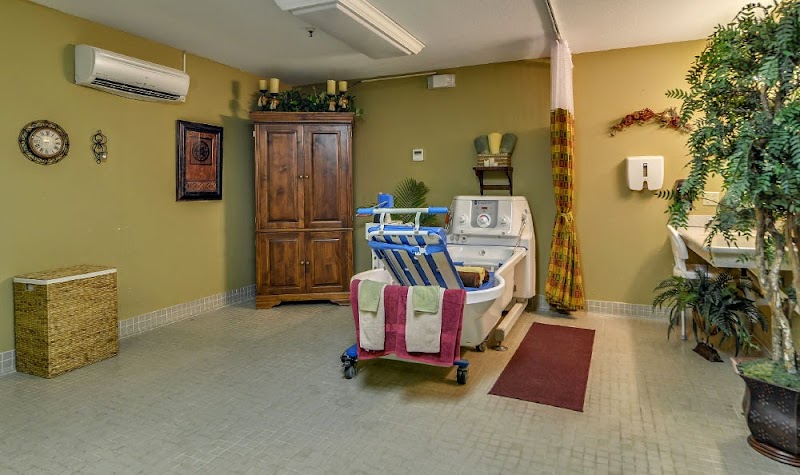
How is Pleasant Valley Manor Staffed?

CMS rates PLEASANT VALLEY MANOR's staffing level at 4 out of 5 stars, which is above average compared to other nursing homes. Staff turnover is 49%, compared to the Kansas average of 46%.

What Have Inspectors Found at Pleasant Valley Manor?

State health inspectors documented 15 deficiencies at PLEASANT VALLEY MANOR during 2021 to 2025. These included: 15 with potential for harm.
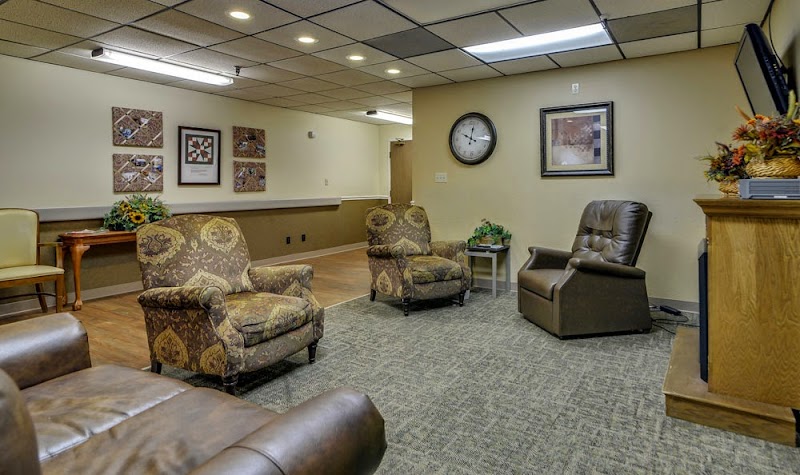
Who Owns and Operates Pleasant Valley Manor?

PLEASANT VALLEY MANOR is owned by a for-profit company. For-profit facilities operate as businesses with obligations to shareholders or private owners. The facility is operated by AMERICARE SENIOR LIVING, a chain that manages multiple nursing homes. With 45 certified beds and approximately 40 residents (about 89% occupancy), it is a smaller facility located in SEDAN, Kansas.
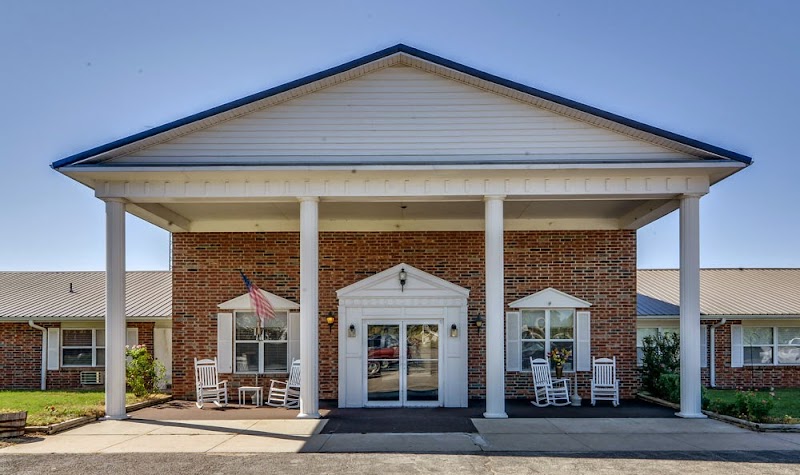
How Does Pleasant Valley Manor Compare to Other Kansas Nursing Homes?

Compared to the 100 nursing homes in Kansas, PLEASANT VALLEY MANOR's overall rating (3 stars) is above the state average of 2.9, staff turnover (49%) is near the state average of 46%, and health inspection rating (3 stars) is at the national benchmark.

What Should Families Ask When Visiting Pleasant Valley Manor?

Based on this facility's data, families visiting should ask: "Can I visit during a mealtime to observe dining assistance and food quality?" "How do you handle medical emergencies, and what is your hospital transfer rate?" "Can I speak with family members of current residents about their experience?"

Is Pleasant Valley Manor Safe?

Based on CMS inspection data, PLEASANT VALLEY MANOR has a clean safety record: no substantiated abuse findings (meaning no confirmed cases of resident harm), no Immediate Jeopardy citations (the most serious violation level indicating risk of serious injury or death), and is not on the Special Focus Facility watch list (a federal program monitoring the lowest-performing 1% of nursing homes). The facility has a 3-star overall rating and ranks #1 of 100 nursing homes in Kansas. While no facility is perfect, families should still ask about staff-to-resident ratios and recent inspection results during their visit.

Do Nurses at Pleasant Valley Manor Stick Around?

PLEASANT VALLEY MANOR has a staff turnover rate of 49%, which is about average for Kansas nursing homes (state average: 46%). Moderate turnover is common in nursing homes, but families should still ask about staff tenure and how the facility maintains care continuity when employees leave.

Was Pleasant Valley Manor Ever Fined?

PLEASANT VALLEY MANOR has no federal fines on record. CMS issues fines when nursing homes fail to meet care standards or don't correct problems found during inspections. The absence of fines suggests the facility has either maintained compliance or corrected any issues before penalties were assessed. This is a positive indicator, though families should still review recent inspection reports for the full picture.

Is Pleasant Valley Manor on Any Federal Watch List?

PLEASANT VALLEY MANOR is not on any federal watch list. The most significant is the Special Focus Facility (SFF) program, which identifies the bottom 1% of nursing homes nationally based on persistent, serious quality problems. Not being on this list means the facility has avoided the pattern of deficiencies that triggers enhanced federal oversight. This is a positive indicator, though families should still review the facility's inspection history directly.