CRESTVIEW NURSING & RESIDENTIAL LIVING
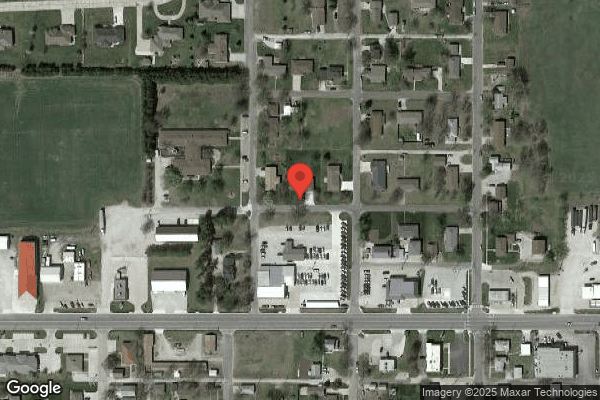
808 N 8TH STREET, SENECA, KS 66538 (785) 336-2156
For profit - Corporation 34 Beds Independent Data: November 2025
Trust Grade
90/100
#14 of 295 in KS
Last Inspection: October 2024

Within standard 12-15 month inspection cycle. Federal law requires annual inspections.

Overview

Crestview Nursing & Residential Living in Seneca, Kansas has an excellent Trust Grade of A, indicating that it is highly recommended for families seeking care. It ranks #14 out of 295 facilities in Kansas, placing it in the top half, and is the best option out of five in Nemaha County. The facility's performance is stable, with three issues identified in both 2021 and 2024, and it has a strong staffing rating of 4 out of 5 stars and a low turnover rate of 23%, which is well below the state's average. However, there are concerns regarding RN coverage, as it is lower than 81% of Kansas facilities, and recent inspections revealed serious incidents, including a resident suffering a fractured finger during a lift transfer and issues with food safety and infection control practices. Overall, while the facility has many strengths, families should be aware of these specific weaknesses when considering care options.

Trust Score
A
90/100
In Kansas
#14/295
Top 4%
Safety Record
Moderate
Needs review
Inspections
Holding Steady
3 → 3 violations
Staff Stability
✓ Good
23% annual turnover. Excellent stability, 25 points below Kansas's 48% average. Staff who stay learn residents' needs.
Penalties
✓ Good
No fines on record. Clean compliance history, better than most Kansas facilities.
Skilled Nurses
○ Average
Each resident gets 31 minutes of Registered Nurse (RN) attention daily — about average for Kansas. RNs are the most trained staff who monitor for health changes.
Violations
○ Average
6 deficiencies on record. Average for a facility this size. Mostly minor or procedural issues.
★★★★★
5.0
Overall Rating
★★★★☆
4.0
Staff Levels
★★★☆☆
3.0
Care Quality
★★★★★
5.0
Inspection Score
Stable
2021: 3 issues
2024: 3 issues

The Good

  • 4-Star Staffing Rating · Above-average nurse staffing levels
  • Low Staff Turnover (23%) · Staff stability means consistent care
  • Full Sprinkler Coverage · Fire safety systems throughout facility
  • No fines on record
  • Staff turnover is low (23%)

    25 points below Kansas average of 48%

Facility shows strength in staffing levels, staff retention, fire safety.

The Bad

No Significant Concerns Identified

This facility shows no red flags. Among Kansas's 100 nursing homes, only 1% achieve this.

The Ugly 6 deficiencies on record

1 actual harm
Oct 2024 3 deficiencies 1 Harm
SERIOUS (G)

Actual Harm - a resident was hurt due to facility failures

Accident Prevention (Tag F0689)

A resident was harmed · This affected 1 resident

**NOTE- TERMS IN BRACKETS HAVE BEEN EDITED TO PROTECT CONFIDENTIALITY** The facility identified a census of 23 residents. The sample included 12 residents with seven residents reviewed for falls. Base...

Read full inspector narrative →
**NOTE- TERMS IN BRACKETS HAVE BEEN EDITED TO PROTECT CONFIDENTIALITY** The facility identified a census of 23 residents. The sample included 12 residents with seven residents reviewed for falls. Based on observation, record review, and interviews, the facility failed to ensure Resident (R) 4 remained free from a preventable accident during a sit-to-stand mechanical lift transfer. This deficient practice resulted in a fractured finger and placed R4 at risk for further complications. Findings included: - R4's Electronic Medical Record (EMR) from the Diagnoses tab documented diagnoses of muscle weakness, low back pain, depression (a mood disorder that causes a persistent feeling of sadness and loss of interest),dementia (a progressive mental disorder characterized by failing memory and confusion), paraplegia (paralysis characterized by motor or sensory loss in the lower limbs and trunk), and Parkinson's disease (a slowly progressive neurologic disorder characterized by resting tremors, rolling of the fingers, masklike faces, shuffling gait, muscle rigidity, and weakness). The Annual Minimum Data Set (MDS) dated [DATE] documented a Brief Interview of Mental Status (BIMS) score of 12 which indicated moderately impaired cognition. The MDS documented R4 had limited function in bilateral extremities. The MDS documented R4 was dependent on staff assistance for toileting, bathing, lower extremity dressing and transfers. The MDS documented R4 had no falls since the MDS dated [DATE]. R4's Falls Care Area Assessment (CAA) dated 08/15/24 documented he had a fall that resulted in a fractured finger. R4's fractured finger was noted two days after his fall. R4's Care Plan dated 07/24/22 documented staff would rearrange his current room to be exactly like his previous room to avoid falls and confusion. The plan of care dated 05/22/23 documented staff were educated on bed positioning. R4's plan of care dated 07/24/24 documented staff were educated on sling and lift placement with the sling. R4's EMR under the Clinical Documentation tab recorded a Note dated 07/24/24 at 06:30 AM that documented R4 had to be assisted to the floor during a transfer with a sit-to-stand mechanical lift. The sling had become unhooked from the sit-to-stand lift on the right side during the transfer. R4 complained of pain to his ring finger on his right hand. R4 was able to complete active range of motion to the finger on his right hand without difficulty. A Note dated 07/24/24 at 09:30 AM documented R4's ring finger on his right hand started to swell and bruise. A Note dated 07/24/24 at 05:49 PM documented R4 continued to complain of pain in his fourth digit on his right hand. That finger had been caught in the sling during the fall from the sit-to stand lift that morning. R4's finger was red and swollen. R4's finger was bruised on the inner part and was bruised and swollen greater than the other finger on his right hand. The licensed nurse decided R4 would need an X-ray to rule out a possible fracture of his finger on the right hand. A Note dated 7/24/24 at 11:44 PM documented R4 continued to complain of pain in his fourth digit on right hand. R4's finger remained bruised. A Note dated 07/25/24 at 10:13 AM documented R4's ring finger on his right hand remained swollen, bruised, and he continued to complain of pain. A Note dated 07/25/24 at 03:50 PM documented R4 returned from an appointment with the physician and was waiting for the results of an X-ray of R4's right hand. A Note dated 07/25/24 at 06:06 PM documented the physician recommended to tape R4's ring finger on his right hand to the next finger to prevent bending his finger till the x-ray results came back. R4 continued to complain of pain in his finger on his right hand. A Note dated 07/26/24 at 10:59 AM documented the physician's office called with x-ray results that revealed a fracture to the fourth digit of his right hand. The physician wanted R4 to return to the clinic and be fitted for the correct splint. An undated and untitled form provided by the facility documented the sling had come loose during a transfer with the sit-to-stand lift for R4 and that resulted in a fall. The form documented the root cause was one of the hooks of the sling gave way and that caused R4 to slide out of sling. The analysis noted that it was apparent that staff did not fully loop the hooks on the sling to the right-side causing the resident to fall. On 10/24/24 at 08:44 AM R4 sat in his wheelchair on the back patio smoking. On 10/24/24 at 09:13 AM, Certified Nurse Aide (CNA) M stated she had been trained on how to safely use the mechanical lifts by another CNA. CNA M stated a resident's weight determined the size of sling and placements of the sling loops on the mechanical lifts was determined by the comfort of the resident. CNA M stated the only way she could think the sling would come loose from the lift was if it was not placed on the lift correctly. On 10/24/24 at 09:35 AM, Licensed Nurse (LN) G stated all mechanical lift transfers are always completed with two staff members. LN G stated the facility provided in-services on lifts. LN G stated the staff train each other on the transfers for each resident. LN G stated the therapy department would determine the placement of sling loops on the mechanical lift. On 10/24/24 at 10:00 AM, Consultant Staff GG stated she would train the staff on safe transfers when a resident started to use a mechanical lift. Consultant Staff GG stated she believed the sling loop had not been placed on the sit-to-stand lift correctly and that is why it had slipped loose during R4's transfer on 07/24/24. On 10/24/24 at 10:44 AM, Administrative Nurse D stated the nursing staff had received yearly skills fair to go over the mechanical lift transfers. Administrative Nurse D stated the current nursing staff did train the new nursing staff members on the resident's transfers during their training. Administrative Nurse D stated the therapy department did provide education and training on safe transfers with the mechanical lifts. The facility's Safe lift, Transfer, and Repositioning Policy last revised 07/01/24 documented it was the policy of this facility to provide safe, appropriate and timely care to each elder in accordance with the eider's comprehensive care plan. All elders would be assessed by the Interdisciplinary Team (IDT) with regard to the need for assistance with transfer activities, mobility, or repositioning in accordance with the Resident Assessment Instrument (RAI) procedures and requirements. Subject to IDT determinations regarding rehabilitation, restoration, or maintenance of functional abilities, or medical contraindications or emergencies or other exceptional circumstances. Elders identified as totally dependent or extensive assistance would be transferred by means of mechanical lift equipment and/or other assistive devices rather than by manual lift. All mechanical lifting devices always required two-person assistance without exception. The nursing supervisors would ensure that mechanical lifting devices and other equipment/aids are accessible to staff. Nursing and environmental services supervisors would ensure that mechanical lifting devices and other equipment/aids are maintained regularly and kept in proper working order. All mechanical lifting devices would be checked on a weekly basis with findings documented on the maintenance log. Nursing supervisors and staff would ensure that mechanical lifting devices and other equipment/aids are stored conveniently and safely. The facility failed to ensure R4 remained free from a preventable accident during a sit-to-stand mechanical lift transfer. This deficient practice resulted in a fractured finger and placed R4 at risk for further complications. The facility completed the following corrections by 07/24/24: The facility updated R4's Care Plan on 07/24/24. Physical Therapy (PT) provided staff education for Safety Steps when using Patient lifts to CNA staff on 07/24/24. Because the facility implemented and completed the corrections prior to the onsite survey, this deficient practice was cited as past noncompliance at a G scope and severity.
CONCERN (D)

Potential for Harm - no one hurt, but risky conditions existed

Deficiency F0657 (Tag F0657)

Could have caused harm · This affected 1 resident

**NOTE- TERMS IN BRACKETS HAVE BEEN EDITED TO PROTECT CONFIDENTIALITY** The facility had a census of 23 residents. The sample included 12 residents, with one reviewed for post-traumatic stress disorde...

Read full inspector narrative →
**NOTE- TERMS IN BRACKETS HAVE BEEN EDITED TO PROTECT CONFIDENTIALITY** The facility had a census of 23 residents. The sample included 12 residents, with one reviewed for post-traumatic stress disorder (PTSD-psychiatric disorder characterized by an acute emotional response to a traumatic event or situation involving severe environmental stress, such as natural disaster, military combat, serious automobile accident, airplane crash, or physical torture). Based on observation, record review, and interview the facility failed to revise the care plan for Resident (R) 21, to provide direction to staff to ensure R21 received care to eliminate or mitigate triggers that may cause re-traumatization of the resident. This placed the resident at risk for impaired care due to uncommunicated care needs. Findings included: - R21's Electronic Medical Record (EMR) documented diagnoses of PTSD, depression (a mood disorder that causes a persistent feeling of sadness and loss of interest), dementia (a progressive mental disorder characterized by failing memory and confusion), and chronic obstructive pulmonary disease (COPD- a progressive and irreversible condition characterized by diminished lung capacity and difficulty or discomfort in breathing) and diabetes mellitus (DM-when the body cannot use glucose, not enough insulin is made, or the body cannot respond to the insulin) type 2. The Quarterly Minimum Data Set (MDS), dated [DATE], documented R21 had moderately impaired cognition, felt down and depressed for two to six days, exhibited hallucination (sensing things while awake that appear to be real, but the mind created) and delusions (untrue persistent belief or perception held by a person although evidence shows it was untrue), and had other behaviors for four to six days. R21 was independent with eating, mobility, transfers, and ambulation. R21 received antipsychotic (a class of medications used to treat major mental conditions that cause a break from reality) and antidepressant (a class of medications used to treat mood disorders) medications on a routine basis. R21's Care Plan. dated 08/14/24, directed staff to monitor for behavior or changes in depression or thoughts of suicide using the behavior flow sheet. The care plan documented R21's mood and behaviors, which were monitored on the quarterly and comprehensive MDS and by staff. R21's Care Plan directed staff to monitor for reminders of past trauma events that resulted in the resident re-experiencing the initial trauma and reporting to the charge nurse though the care plan lacked documentation of R21's actual triggers and nonpharmocological strategies to manage related behavior. The Veteran's Administration Progress Notes, dated 04/25/23, before admission to the facility, documented R21 had flashbacks when he was in the Air Force with triggers of loud noises, crowds, and delusions of jealousy with his wife. The PTSD-Trauma Assessment, undated, documented R21 experienced trauma from a car accident, and when he was flying in the Air Force, he fired a gun, and it was a traumatic experience. The assessment noted that R21 stated he had flashbacks of the car wreck. The Physician's Order, dated 06/13/24, directed staff to administer sertraline (an antidepressant), 100 milligrams (mg), by mouth, daily for depression. The Physician's Order, dated 06/13/24, directed staff to administer aripiprazole (an antipsychotic medication), 7.5 mg, by mouth, at bedtime for PTSD. The Nurse's Note, dated 06/15/24 at 09:58 PM, documented R21 attempted to call his wife and became upset when he was unable to reach her and made repetitive statements about the situation tonight. R21 talked about having a ball of anger and becoming enraged. The Nurse's Note, doted 06/27/24, at 01:00 PM, documented R21 was upset off and on throughout the day with paranoia (a thought process believed to be heavily influenced by anxiety or fear to the point of irrational thinking). R21 had delusional thoughts and was not easily redirectable. The Nurse's Note, dated 07/15/24, at 01:49 PM, documented R21 was exiting various times that day, changing clothes multiple times, putting on his housecoat, and wanting to leave. The Nurse's Note, dated 09/27/24 at 03:27 PM, documented R21 had increased wandering and pacing, looked for his wife often, was exit seeking, and set off the door alarms. R21 was redirected with conversation, food, and staff one-to-one. On 10/23/24 at 02:54 PM, observation revealed R21 ambulated down the hall and into the dining room. On 10/24/24 at 07:47 AM, Licensed Nurse (LN) G stated she thought R21 had PTSD but was unsure and did not know what his triggers might be. LN G said she thought maybe things on the television would be his triggers. LN G stated R21 did not receive mental health services as he was hard of hearing and had dementia. LN G stated R21 came from the Veteran's Administration and provided R21's preadmission paperwork to review for documentation of any triggers R21 might have. On 10/24/24 at 09:30 AM, Certified Nurse Aide (CNA) M stated R21 had behaviors and often looked for his wife. CNA M did not know if R21 had PTSD but stated the staff recently had training regarding PTSD. On 10/23/24 at 10:13 AM, Social Service X stated she spent a lot of time with R21 as she took him to a weekly appointment in town. Social Service X stated she knew R21 had PTSD but did not know what his triggers were and had talked with the family to try to find out what they were. On 10/23/24 at 11:15 AM, Administrative Nurse D stated R21 had PTSD and verified there were no triggers on the care plan. Upon request, a policy for care plan revision was not provided by the facility. The facility failed to revise R21's care plan with individualized person-centered interventions to provide direction to staff to ensure R21 received care to eliminate or mitigate triggers that may cause re-traumatization of the resident. This placed the resident at risk for impaired care due to uncommunicated care needs.
CONCERN (D)

Potential for Harm - no one hurt, but risky conditions existed

Deficiency F0883 (Tag F0883)

Could have caused harm · This affected 1 resident

The facility identified a census of 23 residents. The sample included 12 residents with five reviewed for immunization status. Based on record reviews, and interviews, the facility failed to offer or ...

Read full inspector narrative →
The facility identified a census of 23 residents. The sample included 12 residents with five reviewed for immunization status. Based on record reviews, and interviews, the facility failed to offer or obtain informed declinations or a physician-documented contraindication for the Pneumococcal Conjugate Vaccine (PCV20- vaccination for bacterial infections) pneumococcal (type of bacterial infection) vaccination for Resident (R) 6, R8, and R21. This placed the residents at increased risk for complications related to pneumonia. Findings included: - Review of R6's clinical record revealed the PCV13 was administered on 01/29/18 and the Pneumococcal Polysaccharide Vaccine (PPSV23) was administered on 02/19/19. R6's clinical record lacked documentation the PCV20 was offered or declined and lacked documentation of a historical administration or physician-documented contraindication. A review of R8's clinical record revealed that the PCV13 was administered on 08/28/15 and the PPSV23 was administered on 08/29/16. R8's clinical record lacked documentation the PCV20 was offered or declined and lacked documentation of a historical administration or physician-documented contraindication. A review of R21's clinical record revealed the PCV13 was administered on 02/29/15 and the PPSV23 was administered on 01/19/17. R37's clinical record lacked documentation the PCV20 was offered or declined and lacked documentation of a historical administration or physician-documented contraindication. Upon request for R6, R8, and R21's records of declination or administration of the PCV20 vaccine, the facility was unable to provide consent or declination for these residents. The facility was unable to provide a physician-documented contraindication for all three residents. On 10/23/24 at 01:20 PM, Administrative Nurse D stated her understanding was the PCV20 was not required if the resident had been administered PCV13 and PPSV23. Administrative Nurse D stated the local physician had not ordered or recommended the PCV20 in the past. The facility's undated Influenza, COVID, and Pneumonia Immunization Policy documented that the Advisory Committee on Immunization Practices recommends vaccinating persons who are at high risk for serious complications from influenza, COVID-19, and/or pneumonia, including those 5O years of age and older, who are residents of nursing homes. Recognizing the major impact and mortality of influenza, COVID-19, and/or pneumonia disease on residents of nursing homes; and the effectiveness of vaccines in reducing healthcare costs and preventing illness, hospitalization, and death, this facility had adopted the following policy statements. The Centers for Disease Control and Prevention (CDC) recommended two pneumococcal vaccines for all adults 65 years or older. The facility would administer a dose of PCV13 first, followed by a dose of PPSV23 at least one year later. If any doses of PPSV23 have been administered, a dose of PCV13 would be administered at least one year after the most recent PPSV23 dose. The facility failed to offer and administer PCV20 or obtain informed declinations for R6, R8, and R21 who were eligible to receive the vaccination. This placed R6, R8, and R21 at increased risk for acquiring, transmitting, or experiencing complications from the pneumococcal disease.
Nov 2021 3 deficiencies
CONCERN (D)

Potential for Harm - no one hurt, but risky conditions existed

Deficiency F0761 (Tag F0761)

Could have caused harm · This affected 1 resident

The facility had a census of 23 residents. The sample included 12 residents. Based on observation, interview, and record review, the facility failed to label Resident (R) 9's insulin (hormone which al...

Read full inspector narrative →
The facility had a census of 23 residents. The sample included 12 residents. Based on observation, interview, and record review, the facility failed to label Resident (R) 9's insulin (hormone which allows cells throughout the body to uptake glucose) pen with date opened. Findings included: - On 11/02/21 at 07:50 AM, observation in the medication room revealed R9's Levemir (a long acting insulin that can work for around 24 hours or longer) flex pen lacked a date opened. On 11/02/21 at 07:50 AM, Licensed Nurse (LN) G, verified R9 received insulin daily and the insulin flex pen lacked a date opened and/or a name. On 11/04/21 at 10:30 AM, Administrative Nurse E stated the nurses were to date the insulin pens/vials when opened, label with the resident's name, and discard expired medications. Upon request the facility failed to provide an Insulin storage policy. The facility failed to label and date when opened R9's Levemir flex insulin pen, placing the resident at risk for receiving ineffective medication.
CONCERN (E)

Potential for Harm - no one hurt, but risky conditions existed

Infection Control (Tag F0880)

Could have caused harm · This affected multiple residents

The facility had a census of 23 residents. The sample included 12 residents. Based on observation, interview, and record review, the facility failed to maintain infection control principles during res...

Read full inspector narrative →
The facility had a census of 23 residents. The sample included 12 residents. Based on observation, interview, and record review, the facility failed to maintain infection control principles during resident fresh water and ice pass, and glucometer (instrument used to calculate blood glucose) use. Findings included: - On 11/04/21 at 09:17 AM to 09:20 AM, observation revealed Certified Nurse Aide (CNA) M and CNA N delivered fresh ice water to Resident (R) 8 and R15. Both CNA M and CNA N held the resident's used water mugs over the ice when filling and CNA N tapped the inside top of the mug with the ice scoop when putting the ice in the mug. On 11/04/21 at 01:55 PM, Administrative Nurse D verified staff should not hold the used water mugs over the ice bin and should not touch the scoop to the inside of the mugs. The facility's undated Passing Fresh Ice Water policy directed staff to not touch the pitcher with the ice scoop. The facility failed to maintain infection control principles during resident fresh water and ice pass, placing residents at risk for cross contaminated water and ice. - On 11/02/21 at 12:05 PM, observation revealed Licensed Nurse (LN) G put on clean gloves, gathered the glucometer and container of blood sugar test strips, entered Resident (R) 123's room and obtained a blood sugar reading. Further observation revealed LN G went back to the medication cart and placed the multi-use glucometer back in the plastic basket in the cart without disinfecting the glucometer before or after use. On 11/02/21 at 12:15 PM, LN G stated she had not used any wipes to clean the meter before she used it and verified she had not disinfected the glucometer between residents. On 11/04/21 at 01:30 PM, Administrative Nurse E stated the facility glucometer should be cleaned with disinfectant wipes before and after each resident use. The facility's undated Cleaning and Infection Control of Non-Critical, Reusable Resident Care Equipment policy, documented cleaning of reusable equipment cleaning and maintenance processes will follow manufacture's recommendations for all equipment. The ForaCare blood glucose monitoring system operations and procedure manual documented the meter must be cleaned prior to disinfecting, use one disinfecting wipe to clean (the process of removing dirt) exposed surfaces of the meter thoroughly and remove any visible dirt or blood or any other bodily fluid with the Micro Kill wipe. The manual documented to use a second wipe to disinfect (the process of killing germs) the meter with Micro Kill Medline wipes. The facility failed to properly disinfect the glucometer before and after use, placing R123 at risk for communicable diseases and infections.
CONCERN (F)

Potential for Harm - no one hurt, but risky conditions existed

Food Safety (Tag F0812)

Could have caused harm · This affected most or all residents

The facility had a census of 23 residents. The sample included 12 residents. Based on observation, interview, and record review, the facility failed to store, prepare, and serve food under sanitary co...

Read full inspector narrative →
The facility had a census of 23 residents. The sample included 12 residents. Based on observation, interview, and record review, the facility failed to store, prepare, and serve food under sanitary conditions for 23 residents who received meals from the facility kitchen. Findings included: -On 11/02/21 at 08:02 AM, observation revealed three half gallons of vanilla Greek yogurt with expiration date of 10/28/21 in the silver refrigerator in the main part of the kitchen. The dry storage room had 40 - 4 ounce boxes of juices with an expiration date of 07/20/21, a white grocery sack with ten (sandwich size) bags of popcorn without dates or labels, 20 - 4 ounce containers of vanilla pudding with use by date 04/07/21, four packages of hot dog buns without a received date or expiration dates. The white refrigerator in the main kitchen observed to have four half gallons of heavy whipping cream stored on the bottom shelf next to a 10-pound package of thawing ground beef. On 11/03/21 at 12:21 PM, observation revealed the facility's ice machine had blackish substance across the length of the plastic ice guide, and the freezer next to it had 2-inch frost build up on each four shelves. On 11/02/21 at 08:02 AM, Dietary Staff (DS) BB, verified the out of date foods or unlabeled foods should have been discarded in the dry storage room and refrigerators and the heavy whipping cream should not be stored on bottom shelf of refrigerator with meat products. On 11/03/21 at 12:21 PM, DS BB verified the ice machine plastic guide had blackish substance on the ice guide and the freezer next to it had two inches of ice build-up on the four shelves. The facility's undated Monitoring of Refrigerators and Freezers policy, documented foods in every refrigerator will be checked on a daily basis by the dietary staff and food will be discarded when the food has been in the refrigerator for 48 hours or when the food is past the printed expiration date, or whichever comes first. The facility's undated Kitchen Cleaning Schedule directed staff to monthly defrost and disinfect freezers. The facility's undated Food Storage policy, documented all stock must be rotated with each new order received, food should be dated as to when it was placed on the shelves. The policy further documented raw animal food will be separated from cooked foods to prevent cross contamination. All foods will be checked to assure foods will be consumed by their safe use by dates. Upon request the facility failed to provide an ice machine maintenance policy. The facility failed to store, prepare, and serve food under sanitary conditions for 21 residents who received their meals prepared in the facility kitchen, placing the residents at risk for foodborne illnesses.
Understanding Severity Codes (click to expand)
Life-Threatening (Immediate Jeopardy)
J - Isolated K - Pattern L - Widespread
Actual Harm
G - Isolated H - Pattern I - Widespread
Potential for Harm
D - Isolated E - Pattern F - Widespread
No Harm (Minor)
A - Isolated B - Pattern C - Widespread

Questions to Ask on Your Visit

  • "Can I speak with families of current residents?"
  • "What's your RN coverage like on weekends and overnight?"

Our Honest Assessment

Strengths
  • • Grade A (90/100). Above average facility, better than most options in Kansas.
  • • No fines on record. Clean compliance history, better than most Kansas facilities.
  • • 23% annual turnover. Excellent stability, 25 points below Kansas's 48% average. Staff who stay learn residents' needs.
Concerns
  • • 6 deficiencies on record, including 1 serious (caused harm) violation. Ask about corrective actions taken.
Bottom line: Generally positive indicators. Standard due diligence and a personal visit recommended.

About This Facility

What is Crestview Nursing & Residential Living's CMS Rating?

CMS assigns CRESTVIEW NURSING & RESIDENTIAL LIVING an overall rating of 5 out of 5 stars, which is considered much above average nationally. Within Kansas, this rating places the facility higher than 99% of the state's 100 nursing homes. This rating reflects solid performance across the metrics CMS uses to evaluate nursing home quality.

How is Crestview Nursing & Residential Living Staffed?

CMS rates CRESTVIEW NURSING & RESIDENTIAL LIVING's staffing level at 4 out of 5 stars, which is above average compared to other nursing homes. Staff turnover is 23%, compared to the Kansas average of 46%. This relatively stable workforce can support continuity of care.

What Have Inspectors Found at Crestview Nursing & Residential Living?

State health inspectors documented 6 deficiencies at CRESTVIEW NURSING & RESIDENTIAL LIVING during 2021 to 2024. These included: 1 that caused actual resident harm and 5 with potential for harm. Deficiencies causing actual harm indicate documented cases where residents experienced negative health consequences.

Who Owns and Operates Crestview Nursing & Residential Living?

CRESTVIEW NURSING & RESIDENTIAL LIVING is owned by a for-profit company. For-profit facilities operate as businesses with obligations to shareholders or private owners. The facility operates independently rather than as part of a larger chain. With 34 certified beds and approximately 23 residents (about 68% occupancy), it is a smaller facility located in SENECA, Kansas.

How Does Crestview Nursing & Residential Living Compare to Other Kansas Nursing Homes?

Compared to the 100 nursing homes in Kansas, CRESTVIEW NURSING & RESIDENTIAL LIVING's overall rating (5 stars) is above the state average of 2.9, staff turnover (23%) is significantly lower than the state average of 46%, and health inspection rating (5 stars) is much above the national benchmark.

What Should Families Ask When Visiting Crestview Nursing & Residential Living?

Based on this facility's data, families visiting should ask: "Can I visit during a mealtime to observe dining assistance and food quality?" "How do you handle medical emergencies, and what is your hospital transfer rate?" "Can I speak with family members of current residents about their experience?"

Is Crestview Nursing & Residential Living Safe?

Based on CMS inspection data, CRESTVIEW NURSING & RESIDENTIAL LIVING has a clean safety record: no substantiated abuse findings (meaning no confirmed cases of resident harm), no Immediate Jeopardy citations (the most serious violation level indicating risk of serious injury or death), and is not on the Special Focus Facility watch list (a federal program monitoring the lowest-performing 1% of nursing homes). The facility has a 5-star overall rating and ranks #1 of 100 nursing homes in Kansas. While no facility is perfect, families should still ask about staff-to-resident ratios and recent inspection results during their visit.

Do Nurses at Crestview Nursing & Residential Living Stick Around?

Staff at CRESTVIEW NURSING & RESIDENTIAL LIVING tend to stick around. With a turnover rate of 23%, the facility is 23 percentage points below the Kansas average of 46%. Low turnover is a positive sign. It means caregivers have time to learn each resident's needs, medications, and personal preferences. Consistent staff also notice subtle changes in a resident's condition more quickly.

Was Crestview Nursing & Residential Living Ever Fined?

CRESTVIEW NURSING & RESIDENTIAL LIVING has no federal fines on record. CMS issues fines when nursing homes fail to meet care standards or don't correct problems found during inspections. The absence of fines suggests the facility has either maintained compliance or corrected any issues before penalties were assessed. This is a positive indicator, though families should still review recent inspection reports for the full picture.

Is Crestview Nursing & Residential Living on Any Federal Watch List?

CRESTVIEW NURSING & RESIDENTIAL LIVING is not on any federal watch list. The most significant is the Special Focus Facility (SFF) program, which identifies the bottom 1% of nursing homes nationally based on persistent, serious quality problems. Not being on this list means the facility has avoided the pattern of deficiencies that triggers enhanced federal oversight. This is a positive indicator, though families should still review the facility's inspection history directly.