SUNPORCH OF SMITH COUNTY
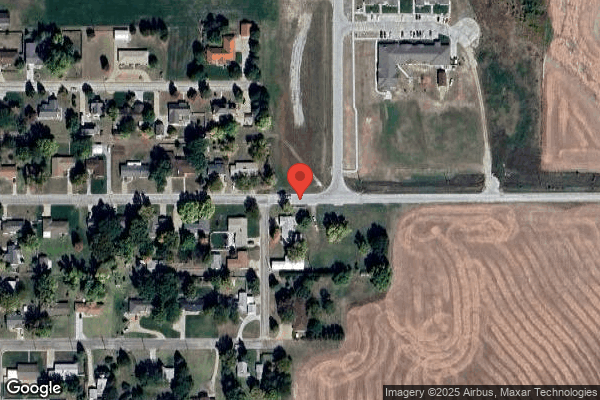
920 E KANSAS AVE, SMITH CENTER, KS 66967 (785) 282-6722
Non profit - Other 22 Beds Independent Data: November 2025
Trust Grade
80/100
#94 of 295 in KS
Last Inspection: October 2024

Within standard 12-15 month inspection cycle. Federal law requires annual inspections.

Overview

Sunporch of Smith County has a Trust Grade of B+, indicating it is above average and recommended for potential residents. It ranks #94 out of 295 facilities in Kansas, placing it in the top half, and is the best option in Smith County. Unfortunately, the facility's trend is worsening, with issues increasing from 3 to 4 over the past year. Staffing is a strong point, with a 5-star rating and a turnover rate of 30%, well below the state average, suggesting that employees are experienced and familiar with residents. However, specific incidents raise concerns, such as a nurse leaving medication cups unattended on a counter and a previous failure to provide adequate registered nurse coverage for eight hours daily. Despite having no fines on record, these issues highlight areas for improvement alongside the facility's strengths.

Trust Score
B+
80/100
In Kansas
#94/295
Top 31%
Safety Record
Low Risk
No red flags
Inspections
Getting Worse
3 → 4 violations
Staff Stability
○ Average
30% turnover. Near Kansas's 48% average. Typical for the industry.
Penalties
✓ Good
No fines on record. Clean compliance history, better than most Kansas facilities.
Skilled Nurses
○ Average
Each resident gets 40 minutes of Registered Nurse (RN) attention daily — about average for Kansas. RNs are the most trained staff who monitor for health changes.
Violations
○ Average
9 deficiencies on record. Average for a facility this size. Mostly minor or procedural issues.
★★★★☆
4.0
Overall Rating
★★★★★
5.0
Staff Levels
★☆☆☆☆
1.0
Care Quality
★★★★★
5.0
Inspection Score
Stable
2023: 3 issues
2024: 4 issues

The Good

  • 5-Star Staffing Rating · Excellent nurse staffing levels
  • Full Sprinkler Coverage · Fire safety systems throughout facility
  • No fines on record
  • Staff turnover below average (30%)

    18 points below Kansas average of 48%

Facility shows strength in staffing levels, fire safety.

The Bad

Staff Turnover: 30%

16pts below Kansas avg (46%)

Typical for the industry

The Ugly 9 deficiencies on record

Oct 2024 4 deficiencies
CONCERN (D)

Potential for Harm - no one hurt, but risky conditions existed

Deficiency F0582 (Tag F0582)

Could have caused harm · This affected 1 resident

The facility had a census of 22 residents. The sample included 12 residents. Based on record review and interview, the facility failed to provide Resident (R)16, R22, and R74, or their representatives...

Read full inspector narrative →
The facility had a census of 22 residents. The sample included 12 residents. Based on record review and interview, the facility failed to provide Resident (R)16, R22, and R74, or their representatives, the completed Centers for Medicare and Medicaid (CMS) Skilled Nursing Facility Advanced Beneficiary Notices (ABN) Form 10055. This placed the resident at risk of uninformed decisions about their skilled services. Findings included: - The Medicare ABN form 10055 informed the beneficiary that Medicare may not pay for future skilled therapy services. The form included an option for the beneficiary to receive specific services listed, and bill Medicare for an official decision on payment. The form stated 1) I understand if Medicare does not pay, I will be responsible for payment but can make an appeal to Medicare, (2) receive therapy listed, but do not bill Medicare, I am responsible for payment for services, (3) I do not want the listed services. A review of the ABN provided to R16 revealed form CMS-R-131 was issued instead of CMS Form 10055. The resident's skilled services ended on 08/16/24 and R16 remained in the facility. A review of the ABN provided to R22 revealed form CMS-R-131 was issued instead of CMS Form 10055. The resident's skilled services ended on 08/23/24 and R22 remained in the facility. A review of the ABN provided to R74 revealed form CMS -R-131 was issued instead of CMS Form 10055. The resident's skilled services ended on 04/24/24 and R74 remained in the facility. On 10/23/24 at 08:30 AM, Administrative Staff A verified the facility provided the CMS-R-131 form to R16, R22, or R74 instead of the ABN CMS-10055. The facility's Advance Beneficiary Notices policy, dated February 2024, recorded the facility would inform residents in advance when changes would occur to their bill. The facility issues the Skilled Nursing Advanced Beneficiary Notice (CMS form 10055). The resident (or representative) is informed that they may choose to continue receiving the skilled services that may not be paid for by Medicare and assume financial responsibility. The facility failed to provide R16, R22, and R74 or their representatives, the correct ABN CMS- 10055 form which included an estimated cost of continued services when discharged from skilled care and remaining in the facility. This placed the residents at risk of uninformed decisions about their services and the continuation of their skilled services.
CONCERN (D)

Potential for Harm - no one hurt, but risky conditions existed

Deficiency F0657 (Tag F0657)

Could have caused harm · This affected 1 resident

The facility had a census of 22 residents. The sample included 12 residents with four residents reviewed for urinary catheter (a tube inserted into the bladder to drain the urine into a collection bag...

Read full inspector narrative →
The facility had a census of 22 residents. The sample included 12 residents with four residents reviewed for urinary catheter (a tube inserted into the bladder to drain the urine into a collection bag.) Based on observation, interview, and record review the facility failed to revise the care plan for Resident (R) 16 who was on Enhanced Barrier Precautions (EBP-infection control interventions designed to reduce transmission of resistant organisms which employ targeted gown and glove use during high contact care). This deficient practice placed R16 at risk for impaired care due to uncommunicated care needs. Findings included: - R16's Electronic Medical Record (EMR) documented diagnoses of benign prostatic hyperplasia (BPH-non-cancerous enlargement of the prostate which can lead to interference with urine flow, urinary frequency, and urinary tract infections,) hypertension (HTN-elevated blood pressure,) and dementia (a progressive mental disorder characterized by failing memory and confusion. The Quarterly Change Minimum Data Set (MDS), dated 09/17/24, documented the resident had severely impaired cognition. The MDS documented R16 was dependent on staff for all activities of daily living (ADLs). The MDS documented R16 had an indwelling catheter. R16's Care Plan, dated 07/07/24, directed staff to monitor, record and report to the physician any signs and symptoms of urinary tract infection, pain, burning, blood-tinged urine, cloudiness, lack of urine output, increased pulse, and increased temperature. The care plan directed the staff to notify the physician if the resident had foul-smelling urine, fever, chill, altered mental status, behavior change, and change in eating patterns. The care plan documented the staff would perform good catheter and peri care at the end of every shift and report any redness or concerns to the charge nurse. The care plan lacked any direction for the staff regarding the EBP care and precautions. On 10/23/24 at 12:10 PM observation revealed Certified Nurse Aide (CNA) M entered the room of R16, who had a Foley catheter. CNA M assisted R16 in ambulating with a walker from his recliner to the bathroom toilet. Observation in the bathroom revealed a plastic tote with personal protection equipment (PPE-supplies including gown and gloves). Continued observation revealed CNA M donned gloves but no gown, disconnected the drain spout from its sleeve at the bottom of the drainage bag, opened the valve on the drain spout, drained the urine into a plastic graduated cylinder (a plastic container with a volume scale used for measuring liquids), cleaned the spout with an alcohol wipe, closed the spout then reattached to the drainage spout to the bag. CNA M assisted the resident with personal care and the resident ambulated with the walker back to his recliner. On 10/23/24 at 04:00 PM interview with Administrative Nurse D verified the care plan lacked documentation the resident required EBP and staff care of the resident with EBP. The facility's Care Plan-Goals and Objectives policy, dated April 2024, stated the facility would incorporate goals and objectives that lead to the resident's highest obtainable level of independence. Care plan goals and objectives are defined as the desired outcomes for a specific resident population. Care plan goals and objectives are entered into the resident's care plan so that all disciplines have access to such information and are able to report whether or not the desired outcomes are being achieved. Goals and objectives are reviewed and/or revised when there has been a significant change in the resident's condition when the desired outcome has not been achieved, when the resident has been readmitted to the facility from the hospital/rehabilitation stay, and at least quarterly. The resident has the right to refuse to participate in establishing care plan goals and objectives. When such refusals are made, appropriate documentation will be entered into the resident's clinical record in accordance with established policies. The facility failed to revise R16's Care Plan to include EBP. This placed R16 at risk for impaired care due to uncommunicated care needs.
CONCERN (D)

Potential for Harm - no one hurt, but risky conditions existed

Infection Control (Tag F0880)

Could have caused harm · This affected 1 resident

The facility had a census of 22 residents. The sample included 12 residents. Based on observation, record review, and interview the facility failed to adhere to infection control for Enhanced Barrier ...

Read full inspector narrative →
The facility had a census of 22 residents. The sample included 12 residents. Based on observation, record review, and interview the facility failed to adhere to infection control for Enhanced Barrier Precautions (EBP -an infection control intervention designated to reduce transmission of resistant organisms that employs targeted gown and gloves used during high contact resident care activities), for Resident (R)16, who had an urinary catheter (a tube inserted into the bladder to drain the urine into a collection bag.) This placed the resident at risk for infection. Findings included: - On 10/23/24 at 12:10 PM observation revealed Certified Nurse Aide (CNA) M entered the room of R16, who had a urinary catheter. CNA M assisted R16 in ambulating with a walker from his recliner to the bathroom toilet. Observation in the bathroom revealed a plastic tote with personal protection equipment (PPE-supplies including gown and gloves). Continued observation revealed CNA M donned gloves but no gown, disconnected the drain spout from its sleeve at the bottom of the drainage bag, opened the valve on the drain spout, drained the urine into a plastic graduated cylinder (a plastic container with a volume scale used for measuring liquids) cleaned the spout with an alcohol wipe closed the spout then reattached to the drainage spout to the bag. CNA M assisted the resident with personal care and the resident ambulated with the walker back to his recliner. On 10/23/24 at 04:00 PM interview with Administrative Nurse D and Administrative Staff A verified the staff should wear PPE for EBP when providing care for R16. They verified they had the PPE equipment in the resident's bathroom but had not informed the staff of the need for its use. Administrivia Staff A stated they would go and do some education with the staff in regard to the EBP and wearing PPE for the resident's care. Administrative Staff A said she would post the necessary signage in the resident's bathroom regarding the use of PPE for a resident on EBP. The facility's Enhanced Barrier Precautions in Skilled Nursing Communities policy, dated January 2024, documented the facility would fully implement EBP as an infection prevention and control intervention to reduce the spread of multi-resistant organisms (MDROS) to residents. EBP's employ targeted gowns and gloves during high-contact resident care activities when contact precautions do not otherwise apply. Gloves and gowns are applied prior to performing the high-contact resident care activity (as opposed to before entering the room). PPE is changed before caring for another resident. Face protection may be used if there is a risk of splash or spray. Examples of high-contact resident care activities requiring the use of gowns and gloves for EBP's include dressings, device care or use (central line, urinary catheter, feeding tubes, tracheostomy/ventilator,) a wound care (any skin opening requiring a dressing.) EBP's are indicated (when contact precautions do not otherwise apply) for residents with wounds and/or indwelling medical devices regardless of MDRO colonization. EBP's remain in place for the duration of the resident's stay or until resolution with wounds or discontinuation of the indwelling medical device that puts them at increased risk. The use of the EBPs does not impose limitations on group activities or room restrictions for residents. Staff are trained in caring for the residents on EBPs. Signs are posted inside the door or wall directly inside the resident's room indicating the type of precautions and PPE required. PPE is available directly inside the resident's room. Residents, families, and visitors are notified of the implementation of EBPs throughout the facility. The facility failed to adhere to infection control standards and policies for R16, who required EBP, which placed the resident at risk for possible exposure to illness.
CONCERN (F)

Potential for Harm - no one hurt, but risky conditions existed

Deficiency F0726 (Tag F0726)

Could have caused harm · This affected most or all residents

- On 10/24/24 at 09:52 AM, observation revealed Licensed Nurse (LN) G stood at the counter in the nurse workroom. There were five residents' medication cups, four with residents' initials, two without...

Read full inspector narrative →
- On 10/24/24 at 09:52 AM, observation revealed Licensed Nurse (LN) G stood at the counter in the nurse workroom. There were five residents' medication cups, four with residents' initials, two without writing, with assorted pills in each cup on the counter. LN G verified she had set the medications up that morning in the locked cabinets in the residents' rooms. LN G said when she saw the residents were back from an activity, she brought the medication cups to the nurse workroom. LN G stated she had not put the initials on the two cups because she knew who the medications belonged to. LN G said she probably should not have set the medications up beforehand. Further observation revealed the nurse's workroom lacked a door. LN G left the nurse's room to administer another resident's medication, with the medication cups still on the counter unattended. On 10/24/24 at 10:00 AM, Administrative Nurse E stated she expected staff to go to the resident's cabinet at the time a resident's medication was supposed to be administered and pop the pills into the medication cup at that time. Administrative Nurse E stated that depending on which resident it was, the nurse should watch the resident take the pills. The facility's Administering Oral Medications Policy, revised October 2023, documented that staff should follow the procedure when administering residents' oral medications: 1. Wash hands. 2. Arrange supplies in the medication cabinet. 3. Place the Medication Administration Record (MAR) within easy viewing distance. 4. Unlock the medication cabinet. 5. Select the drug from the cabinet. 6. Check the label on the medication and confirm the medication name and dose with the MAR. 7. Check the expiration date on the medication. Return any expired medications to the pharmacy. 8. Check the medication dose. Re-check to confirm the proper dose. 9. For unit dose tablets or capsules. Place packaged medications directly into the medication cup. The facility failed to provide a licensed nurse with adequate competency and skills to safely administer medications for the 22 residents residing in the facility. This placed the residents who resided at the facility at risk for medication errors. The facility had a census of 22 residents. The sample included 12 residents. Based on record review and interview, the facility failed to ensure one nurse aide had the appropriate skills, competencies, and active certification and failed to ensure Licensed Nurse staff had the knowledge and skills to safely pass medications to the residents. This placed the residents at risk for impaired quality of care. Findings included: - On 10/23/24 at 02:00 PM, a review of Certified Nurse Aide (CNA) N certification on the Registry Certification and Credentialing site revealed CNA N had an Aide ID issued on 12/18/19 and her certification was marked inactive on 12/18/21. CNA N had been employed at the facility since 07/12/22. On 10/24/24 at 08:30 AM, Administrative Nurse D verified, after reviewing the State of Kansas Nurse Aide Registry Certification and Credentialing database, that CNA N had an inactive certification. Administrative Nurse D verified she would contact the state's credentialing office to get guidance on how to get CNA N's certification renewed so she could work at the facility. The Nurse Aide Qualifications and Training Requirements, policy, dated August 2024, documented Nurse Aides must undergo a state-approved training program. Nurse Aide is any individual providing nursing or nursing-related services to residents in the facility. The term may include an individual who provides these services through an agency or under a contract with the facility but is not a licensed health professional, a registered dietician, or someone who volunteers to provide such service without pay. The facility will only employ those nurse aides who meet the requirements set forth in the federal and state statutes concerning the staffing long long-term care facilities. The facility will not employ any individual as a nurse aide for more than 4 months full-time, temporary. Per diem, or otherwise, unless the individual is competent to provide designated nursing care and nursing-related services; and that individual has completed a training program and competency evaluation program, or a competency evaluation program approved by the state, or the individual has been deemed competent as provided in the requirements of participation. The facility failed to ensure one nurse aide had the active certification, placing the residents who resided in the facility at risk of receiving impaired quality of care.
May 2023 3 deficiencies
CONCERN (D)

Potential for Harm - no one hurt, but risky conditions existed

Comprehensive Assessments (Tag F0636)

Could have caused harm · This affected 1 resident

**NOTE- TERMS IN BRACKETS HAVE BEEN EDITED TO PROTECT CONFIDENTIALITY** The facility had a census of 21 residents. The sample included 12 residents. Based on record review, observation and interview t...

Read full inspector narrative →
**NOTE- TERMS IN BRACKETS HAVE BEEN EDITED TO PROTECT CONFIDENTIALITY** The facility had a census of 21 residents. The sample included 12 residents. Based on record review, observation and interview the facility failed to complete the required Annual Minimum Data Set (MDS) for Resident (R) 12 which placed the resident at risk for inappropriate care and unmet needs. Findings included: - R12's Quarterly Minimum Data Set (MDS), dated [DATE], documented R12 had severe cognitive impairment, required extensive assistance of two staff for activities of daily living, and frequently incontinent of urine and bowel. The MDS further documented R12 had scheduled pain medication regimen, took an antianxiety medication (class of medications that calm and relax people with excessive anxiety- mental or emotional reaction characterized by apprehension, uncertainty and irrational fear, nervousness, or tension), antidepressant (class of medications used to treat mood disorders and relieve symptoms of depression- abnormal emotional state characterized by exaggerated feelings of sadness, worthlessness, emptiness and hopelessness), diuretic (medication to promote the formation and excretion of urine) and opioid (used to treat pain) daily. R12 had a condition or chronic disease that may result in a life expectance of less than six months and received hospice care. R12 had a completed Annual MDS assessment with Care Area Assessments, dated 03/29/22. Review of R12's completed MDS lacked a comprehensive MDS since the last annual MDS over one year ago. On 05/01/23 at 02:31 PM, observation revealed R12 laid on a low air loss mattress, in bed, covered with blankets after staff attempted to feed the midday meal and hospice staff visited. On 05/03/23 at 02:00 PM, Administrative Nurse E verified a quarterly MDS had been completed on 03/14/23 and an annual assessment should have been completed instead. The facility's undated MDS Assessment Scheduling-Assessment Timing policy, documented assessments must be conducted based on the resident's length of stay and the length of time between Assessment Reference Date (ARD). The federal Omnibus Budget Reconciliation Act (OBRA) assessments may be scheduled early if a nursing home wanted to stagger due dates for assessments. As a result, more than three OBRS Quarterly assessments may be completed on particular resident in a given year, to the Annual may be completed early to ensure that regulatory time frames between assessments are met. The facility failed to complete an annual/comprehensive MDS assessment for R12 which placed the resident at risk of inappropriate care and unmet care needs.
CONCERN (D)

Potential for Harm - no one hurt, but risky conditions existed

Comprehensive Care Plan (Tag F0656)

Could have caused harm · This affected 1 resident

**NOTE- TERMS IN BRACKETS HAVE BEEN EDITED TO PROTECT CONFIDENTIALITY** The facility had a census 21 residents. The sample included 12 residents. Based on observation, interview, and record review, th...

Read full inspector narrative →
**NOTE- TERMS IN BRACKETS HAVE BEEN EDITED TO PROTECT CONFIDENTIALITY** The facility had a census 21 residents. The sample included 12 residents. Based on observation, interview, and record review, the facility failed to develop a comprehensive care plan for Resident (R)12 who received hospice (special care to people who are near the end of life)services, which placed the resident at risk for unmet care needs. Findings included: - R12's Electronic Medical Record (EMR) recorded diagnoses of hypertension (elevated blood pressure), osteoporosis (abnormal loss of bone density and deterioration of bone tissue with an increased fracture risk), chronic pain, major depressive disorder (major mood disorder), edema (swelling resulting from an excessive accumulation of fluid in the body tissues) and sleep related hypoventilation (breathing at an abnormally slow rate). The Quarterly Minimum Data Set (MDS), dated [DATE], documented R12 had severe cognitive impairment and required extensive assistance of two staff for activities of daily living. R12 was frequently incontinent of urine and bowel. The MDS further documented R12 had scheduled pain medication regimen, took an antianxiety medication (class of medications that calm and relax people with excessive anxiety- mental or emotional reaction characterized by apprehension, uncertainty and irrational fear, nervousness, or tension), antidepressant (class of medications used to treat mood disorders and relieve symptoms of depression), diuretic (medication to promote the formation and excretion of urine) and opioid (used to treat pain) daily. R12 had a condition or chronic diseased that may result in a life expectance of less than six months and received hospice care. The Psychotropic Drug Use Care Area Assessment (CAA), dated 03/22/22, documented R12 was on hospice care, had signs of depression related to declining status and recent loss of R12's spouse. R12's Care Plan lacked hospice problem, goals, and treatment interventions. The Physician Orders, dated 05/13/20, documented admission to hospice and Do No Resuscitate (DNR - a written legal order to withhold cardiopulmonary resuscitation, in respect of the wishes of a person in case their heart stopped or they stopped breathing). The Progress Note, dated 04/27/23 at 01:00 PM, documented the hospice nurse visited with no changes in cares or medications. R12 slept through the visit. On 05/01/23 at 02:31 PM, observation revealed R12 laid on a low air loss mattress, in bed, covered with blankets after staff attempted to feed the midday meal and hospice staff visited. On 05/01/23 at 10:00 AM, Consultant Staff GG reported R12 was on hospice services for approximately three years. On 05/03/23 at 08:34 AM, Administrative Nurse D stated the care plan should reflect R12's hospice services and care for the resident. The facility's Care Plans, Comprehensive Person-Centered policy, dated 03/2022, documented a comprehensive, person centered care plan that includes measurable objectives and timetable to meet the resident's psychosocial and functional needs is developed and implemented for each resident, which included which professional services are responsible for each element of care and reflect currently recognized standards of practice for problem areas and conditions. The facility failed to develop a comprehensive care plan related to care and services provided by hospice for R12 which placed the resident at risk of unmet care needs.
CONCERN (D)

Potential for Harm - no one hurt, but risky conditions existed

Accident Prevention (Tag F0689)

Could have caused harm · This affected 1 resident

The facility had a census of 21 residents. The sample included 12 residents with one of five reviewed for accidents and/or falls. Based on observation, record review, and interviews, the facility fail...

Read full inspector narrative →
The facility had a census of 21 residents. The sample included 12 residents with one of five reviewed for accidents and/or falls. Based on observation, record review, and interviews, the facility failed to identify and implement interventions to prevent further falls for Resident (R)21. This placed the resident at risk for further falls and fall related injuries. Findings included: -- R21's Electronic Medical Record (EMR) recorded diagnoses of radiculopathy (a disease of the root of a nerve such as a pinched nerve or a tumor) of lumbar (lower portion of spine) region, chronic kidney disease, diabetes mellitus (when the body cannot use glucose, not enough insulin made or the body cannot respond to the insulin), hemiplegia (paralysis of one side of the body) and hemiparesis (muscular weakness of one half of the body) following cerebral infarction (stroke - sudden death of brain cells due to lack of oxygen caused by impaired blood flow to the brain by blockage or rupture of an artery to the brain) affecting left non-dominant side, major depressive disorder (abnormal emotional state characterized by exaggerated feelings of sadness, worthlessness, emptiness and hopelessness), and hypertension (elevated blood pressure). The Annual Minimum Data Set dated 03/14/23, recorded R21 had severe cognitive impairment, required extensive assistance of one staff for activities of daily living, was not steady and only able to stabilize with staff assistance with walking and turning around facing the opposite direction, and had functional range of motion affecting one side upper and lower extremities. The MDS further documented had no current toileting program and was occasionally incontinent of urine and bowel, had pain which limited day to day activities, and a fall with injury. The Fall Care Area Assessment (CAA) dated 03/23/23, documented R21 had a significant fall history related to very poor balance and safety awareness following a stroke with left sided weakness and deficits, and at times does well but was generally unsteady and at high risk for falls. The CAA further documented R21 became upset with staff when falls occurred and frequently blamed staff for falls. R21 insists on doing cares on own at times and staff to provided education of the risks associated with falls and ensure understanding. The Fall Care Plan documented R21 was a risk for falls related to recent history of stroke with left sided weakness. The care plan recorded fall, injuries, and interventions as follows: On 05/20/22 at 10:42 PM, stood with bare feet in the shower, had small pink discoloration to middle left side of back. The intervention of do not stand R21 on towels or use shoes or gripper socks. On 05/22/22 at 04:14 PM, R21 found sitting on floor by stool after taking self to bathroom. R21 sent to emergency room due to left ear bleeding and require two sutures to left ear. The intervention to continued education and room checks. On 06/22/22 at 06:04 PM, R21 found on the floor in front of toilet, without injury, and the intervention to re-educated to the use of call light and pendant and had R21 demonstrated the use correctly. On 07/05/22 at 05:06 PM, found on floor in front of recliner. The intervention placed was to encouraged R21 to ask for assistance with cares. On 07/19/22 at 00:12 AM, R21 slid out of recliner attempting to pick up a pillow off the floor. R21 broke open a scab to a skin rear from a previous fall. The intervention was to reeducate R21 to use call button and ask for assistance. On 08/02/22 at 03:20 AM, R21 found sitting in front of his recliner, footrest up, opened scab to skin tear and new steri-strips applied. The intervention was to remove wooded pedestal and continue to provide education to resident not to attempt self-transfers. On 10/15/22 at 08:30 PM, staff assisted R21 in the bathroom, staff turned away from resident to obtain a gait belt, when R21 tried to stand and fell. No new intervention for preventing further falls. On 11/03/22 at 03:53 PM, staff noted R21 sat on the floor of his room. No injuries found. The interventions to keep phone within reach and educate R21 on asking for staff assistance. On 11/23/22 at 08:45 PM, R21 slid from his recliner trying to pick something off the floor. R21 received two skin tears to his right elbow. The intervention to provided activities that promote exercise and strength building where possible and encourage to ask for help more often. On 12/20/22 at 08:19 PM, R21was with staff in the shower room when R21 stood from the chair and fell on buttocks. No injury noted. The intervention to hold shower bars while standing in the shower and education provided on safe choices. On 02/20/23 at 03:18 AM staff heard a loud bang, found R21 on floor by his bed, and gripper socks on upside down. R21 had a skin tear to the top of right hand and right elbow and an abrasion to left back. The intervention to ensure gripper socks were worn correctly and to continue to encourage use of call bell and wait for assistance. On 04/20/23 at 05:35 AM, staff heard a loud bang and found R21 on the floor by his bed. R21 reported he hit his left forehead and had a hematoma, and skin tears to right wrist and left upper arm and steri-strips applied. The intervention to provide education to allow staff enough time to respond to the call light before getting up. On 05/01/23 at 05:20 AM, staff heard noise from R21's room and found resident in the bathroom sitting between the sink and shower. R21 had skin tear to left upper arm and steri-strips applied. The intervention to educate to the use of alternate call light if pendant does not work. On 05/01/23 at 03:00 PM, observation revealed facility staff reminding R21 not to walk alone. R21 stated he wanted to check out of the facility, and he could walk. On 05/02/23 at 02:04 PM, Certified Nurse Aide M stated R21 had memory problems and to prevent falls the staff take him to the bathroom and check on him frequently and encouraged him to call for assistance. On 05/03/23 at 08:39 AM, Administrative Nurse D verified R21 had memory issues and the fall interventions of educating and remind R21 to use his call light and call for assistance was not successful in preventing R21 from falling and other interventions should have been attempted. The facility's Falls and Fall Risk, Managing policy, dates 03/2018, documented based on previous evaluation and current data, the staff will identify interventions related to the resident's specific risks and causes to try to prevent the resident from falling and to try to minimize complications from falling. If the resident continues to fall, staff will re-evaluate the situation and whether it is appropriate to continue or change current interventions. The facility failed to identify and implement approrpiate, resident-centered interventions to prevent falls for R21 who was severely cognitively imapired. This placed the resident at risk for further falls and fall related injuries.
Nov 2021 2 deficiencies
CONCERN (F)

Potential for Harm - no one hurt, but risky conditions existed

Deficiency F0727 (Tag F0727)

Could have caused harm · This affected most or all residents

The facility had a census of 21 residents. The sample included 12 residents. Based on observation, record review, and interview, the facility failed to use the services of a registered nurse for at le...

Read full inspector narrative →
The facility had a census of 21 residents. The sample included 12 residents. Based on observation, record review, and interview, the facility failed to use the services of a registered nurse for at least eight consecutive hours a day, seven days a week for the 21 residents who resided in the facility. Findings included: - Review of the Registered Nursing Staffing Schedule for September and October 2021, recorded registered nursing coverage was lacking a registered nurse for at least eight consecutive hours a day for 11 of 61 days. On 11/03/21 at 01:45 PM, Administrative Staff A verified the facility was not in compliance for the daily eight consecutive hour registered nurse coverage for the months of September and October. On 11/04/21 at 10:45 AM, Administrative Nurse D verified there were eleven days without registered nurse coverage in the months of September and October and stated there had not been a plan in place for when the Director of Nursing went on maternity leave to provide the eight hours of registered nurse coverage on all the weekends. The facility's undated Staffing policy documented licensed nurses and certified nursing assistants are available 24 hours a day to provide direct resident care services. The facility will use the services of a Registered Nurse for at least eight consecutive hours a day, seven days a week. The facility failed to provide a registered charge nurse for the 21 residents who resided in the facility, placing the facility and the residents at risk for inadequate nurse guidance and leadership.
CONCERN (F)

Potential for Harm - no one hurt, but risky conditions existed

Food Safety (Tag F0812)

Could have caused harm · This affected most or all residents

**NOTE- TERMS IN BRACKETS HAVE BEEN EDITED TO PROTECT CONFIDENTIALITY** The facility had a census of 21 residents. Based on observation, record review, and interview, the facility failed to prepare, s...

Read full inspector narrative →
**NOTE- TERMS IN BRACKETS HAVE BEEN EDITED TO PROTECT CONFIDENTIALITY** The facility had a census of 21 residents. Based on observation, record review, and interview, the facility failed to prepare, store, and serve meals under sanitary conditions for the 21 residents who received meals from the facility kitchens. Findings included: - On 11/01/21 at 10:00 AM, observation during the initial tour of the facility kitchens revealed the following: The microwaves in [NAME] House and [NAME] House with dried brown food particles all over the inside of the microwaves. An uncovered, unlabeled dish of ice cream in the freezer with ice crystals covering the ice cream. On 11/01/21 at 11:45 AM, observation revealed Certified Nurse Aide (CNA) M used gloved hands to dip a cup into a bag of ice and fill the cups up with ice for lunch. CNA M went to the dry storage room and punched in the code to the dry storage room with her gloved hand, went into the dry storage room and then came back out and continued to dip the cup into the bag of ice to fill the cups with ice for the residents with the soiled gloved hand. On 11/03/21 at 02:45 PM, observation revealed CNA N took a bag of ice out of the freezer and banged it multiple times on the floor to break up the ice and then proceeded to dip a cup into the ice bag to fill the ice pitchers for the residents. On 11/04/21 at 10:45 AM, Administrative Nurse D verified that the ice cream should not have been stored in the freezer without being covered with wrap and labeled. She stated an ice scoop should have been used to dip ice out of the ice bag instead of staff using cups to place ice into the residents' cups. She also verified the ice in the bag should not have been broken up on the floor and then used due to being unclean. Administrative Nurse D verified the microwaves should be cleaned after every meal. The facility's undated Safe Food Storage Guidelines policy documented for staff to use foil, plastic wrap, or airtight containers designed for refrigerating or freezing food. The facility's undated Sanitation policy documented all utensils, counters, shelves, and equipment shall be kept clean, maintained in good repair and shall be free from breaks, corrosions, open seams, cracks, and chipped areas that may affect their use or proper cleaning. All equipment, food contact surfaces, and utensils shall be washed to remove or completely loosen soils by using the manual or mechanical means necessary and sanitized using hot water and/or chemical sanitizing solution. The facility's undated Safe Distribution of Ice and Water in Healthcare Facilities policy documented for staff to protect bulk ice supply from contamination. Once ice is dispensed it is considered used and should not be returned to the bulk supply. Use an ice scoop to access ice from bulk ice supply. Do not use a glass or hands to scoop ice. The facility failed to prepare, store, distribute, and serve food under sanitary conditions for the 21 residents who received meals from the facility kitchens, placing the residents at risk for food borne illness.
Understanding Severity Codes (click to expand)
Life-Threatening (Immediate Jeopardy)
J - Isolated K - Pattern L - Widespread
Actual Harm
G - Isolated H - Pattern I - Widespread
Potential for Harm
D - Isolated E - Pattern F - Widespread
No Harm (Minor)
A - Isolated B - Pattern C - Widespread

Questions to Ask on Your Visit

  • "Can I speak with families of current residents?"
  • "What's your RN coverage like on weekends and overnight?"

Our Honest Assessment

Strengths
  • • Grade B+ (80/100). Above average facility, better than most options in Kansas.
  • • No major safety red flags. No abuse findings, life-threatening violations, or SFF status.
  • • No fines on record. Clean compliance history, better than most Kansas facilities.
  • • 30% turnover. Below Kansas's 48% average. Good staff retention means consistent care.
Concerns
  • • No significant concerns identified. This facility shows no red flags across CMS ratings, staff turnover, or federal penalties.
Bottom line: Generally positive indicators. Standard due diligence and a personal visit recommended.

About This Facility

What is Sunporch Of Smith County's CMS Rating?

CMS assigns SUNPORCH OF SMITH COUNTY an overall rating of 4 out of 5 stars, which is considered above average nationally. Within Kansas, this rating places the facility higher than 99% of the state's 100 nursing homes. This rating reflects solid performance across the metrics CMS uses to evaluate nursing home quality.

How is Sunporch Of Smith County Staffed?

CMS rates SUNPORCH OF SMITH COUNTY's staffing level at 5 out of 5 stars, which is much above average compared to other nursing homes. Staff turnover is 30%, compared to the Kansas average of 46%. This relatively stable workforce can support continuity of care. RN turnover specifically is 60%, which is notably high. RNs provide skilled clinical oversight, so turnover in this role can affect medical care quality.

What Have Inspectors Found at Sunporch Of Smith County?

State health inspectors documented 9 deficiencies at SUNPORCH OF SMITH COUNTY during 2021 to 2024. These included: 9 with potential for harm.

Who Owns and Operates Sunporch Of Smith County?

SUNPORCH OF SMITH COUNTY is owned by a non-profit organization. Non-profit facilities reinvest revenue into operations rather than distributing to shareholders. The facility operates independently rather than as part of a larger chain. With 22 certified beds and approximately 21 residents (about 95% occupancy), it is a smaller facility located in SMITH CENTER, Kansas.

How Does Sunporch Of Smith County Compare to Other Kansas Nursing Homes?

Compared to the 100 nursing homes in Kansas, SUNPORCH OF SMITH COUNTY's overall rating (4 stars) is above the state average of 2.9, staff turnover (30%) is significantly lower than the state average of 46%, and health inspection rating (5 stars) is much above the national benchmark.

What Should Families Ask When Visiting Sunporch Of Smith County?

Based on this facility's data, families visiting should ask: "Can I visit during a mealtime to observe dining assistance and food quality?" "How do you handle medical emergencies, and what is your hospital transfer rate?" "Can I speak with family members of current residents about their experience?"

Is Sunporch Of Smith County Safe?

Based on CMS inspection data, SUNPORCH OF SMITH COUNTY has a clean safety record: no substantiated abuse findings (meaning no confirmed cases of resident harm), no Immediate Jeopardy citations (the most serious violation level indicating risk of serious injury or death), and is not on the Special Focus Facility watch list (a federal program monitoring the lowest-performing 1% of nursing homes). The facility has a 4-star overall rating and ranks #1 of 100 nursing homes in Kansas. While no facility is perfect, families should still ask about staff-to-resident ratios and recent inspection results during their visit.

Do Nurses at Sunporch Of Smith County Stick Around?

SUNPORCH OF SMITH COUNTY has a staff turnover rate of 30%, which is about average for Kansas nursing homes (state average: 46%). Moderate turnover is common in nursing homes, but families should still ask about staff tenure and how the facility maintains care continuity when employees leave.

Was Sunporch Of Smith County Ever Fined?

SUNPORCH OF SMITH COUNTY has no federal fines on record. CMS issues fines when nursing homes fail to meet care standards or don't correct problems found during inspections. The absence of fines suggests the facility has either maintained compliance or corrected any issues before penalties were assessed. This is a positive indicator, though families should still review recent inspection reports for the full picture.

Is Sunporch Of Smith County on Any Federal Watch List?

SUNPORCH OF SMITH COUNTY is not on any federal watch list. The most significant is the Special Focus Facility (SFF) program, which identifies the bottom 1% of nursing homes nationally based on persistent, serious quality problems. Not being on this list means the facility has avoided the pattern of deficiencies that triggers enhanced federal oversight. This is a positive indicator, though families should still review the facility's inspection history directly.