MENNONITE FRIENDSHIP COMMUNITIES INC
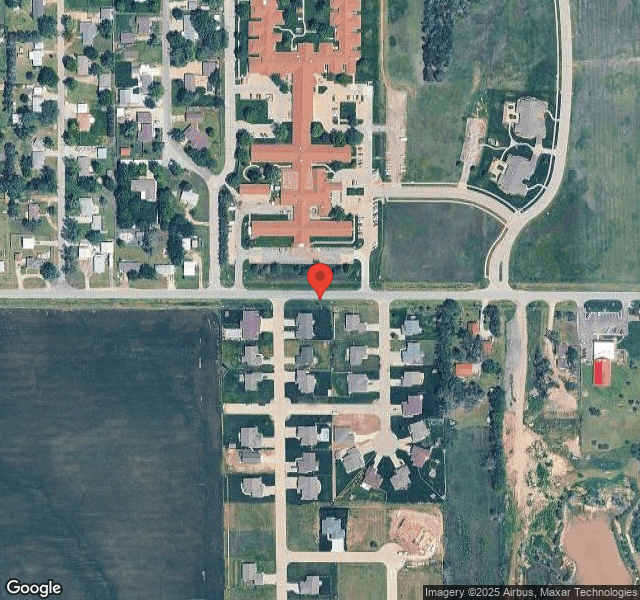

600 W BLANCHARD AVENUE, SOUTH HUTCHINSON, KS 67505 (620) 663-7175
Non profit - Corporation 100 Beds Independent Data: November 2025
Trust Grade
75/100
#28 of 295 in KS
Last Inspection: January 2025

Within standard 12-15 month inspection cycle. Federal law requires annual inspections.

Overview

Mennonite Friendship Communities Inc in South Hutchinson, Kansas has a Trust Grade of B, which indicates it is a good facility, solid but not outstanding. It ranks #28 out of 295 facilities in Kansas, placing it in the top half, and is the top-ranked facility out of 7 in Reno County. However, the trend is concerning as the number of issues has worsened from 4 to 11 in just two years. Staffing is a relative strength, with a turnover rate of 0%, which is well below the state average, but the RN coverage is lacking, being lower than 83% of facilities in Kansas. The facility has incurred $34,498 in fines, which is average for the area, but indicates some compliance issues. Specific incidents noted include improper food storage, such as serving cheese without proper dating and failing to wash hands after handling food. Additionally, there were concerns about handling and disposing of biohazard waste in a way that could lead to cross-contamination and infection. Overall, while the facility has strong staffing metrics, the rising number of health and safety concerns and inadequate RN coverage are important factors for families to consider.

Trust Score
B
75/100
In Kansas
#28/295
Top 9%
Safety Record
Low Risk
No red flags
Inspections
Getting Worse
4 → 11 violations
Staff Stability
○ Average
Turnover data not reported for this facility.
Penalties
✓ Good
$34,498 in fines. Lower than most Kansas facilities. Relatively clean record.
Skilled Nurses
⚠ Watch
Each resident gets only 28 minutes of Registered Nurse (RN) attention daily — below average for Kansas. Fewer RN minutes means fewer trained eyes watching for problems.
Violations
⚠ Watch
24 deficiencies on record. Higher than average. Multiple issues found across inspections.
★★★★★
5.0
Overall Rating
★★★☆☆
3.0
Staff Levels
★★★★★
5.0
Care Quality
★★★★☆
4.0
Inspection Score
Stable
2023: 4 issues
2025: 11 issues

The Good

  • 5-Star Quality Measures · Strong clinical quality outcomes
  • Full Sprinkler Coverage · Fire safety systems throughout facility
  • No fines on record

Facility shows strength in quality measures, fire safety.

The Bad

Federal Fines: $34,498

Above median ($33,413)

Moderate penalties - review what triggered them

The Ugly 24 deficiencies on record

Aug 2025 2 deficiencies
CONCERN (D) 📢 Someone Reported This

A family member, employee, or ombudsman was alarmed enough to file a formal complaint

Potential for Harm - no one hurt, but risky conditions existed

Deficiency F0627 (Tag F0627)

Could have caused harm · This affected 1 resident

**NOTE- TERMS IN BRACKETS HAVE BEEN EDITED TO PROTECT CONFIDENTIALITY** The facility had a census of 68 residents. The sample included six residents with one resident reviewed for involuntary discharg...

Read full inspector narrative →
**NOTE- TERMS IN BRACKETS HAVE BEEN EDITED TO PROTECT CONFIDENTIALITY** The facility had a census of 68 residents. The sample included six residents with one resident reviewed for involuntary discharge. Based on interviews and record review, the facility failed to ensure the involuntary discharge notice issued to Resident (R)1 or their representative contained a statement of appeal rights, the location to which the resident would be discharged and the contact information for the required state agencies (SA). The facility additionally failed to ensure the reason for the involuntary discharge was documented in the resident's medical record. This placed the resident at risk for impaired rights and inappropriate discharge. Findings included:- R1's Electronic Health Record (EHR) documented diagnoses that included respiratory failure (severely impaired lung function) with hypoxia (inadequate supply of oxygen), hypothyroidism (a condition characterized by decreased activity of the thyroid gland), weakness, and a need for assistance with personal careR1's Discharge - Return Not Anticipated Minimum Data Set (MDS) dated [DATE] documented R1 had a planned discharge from the facility to another long-term care facility on 06/27/25.R1's EHR under the Physician Orders did not contain an order to discharge from the facility.R1's EHR Resident Documents contained a scanned order, dated 06/26/25, to discharge R1 to a different long-term care facility on 06/27/25, signed by the provider on 06/25/25.Review of an untitled document dated 05/22/25, provided by Administrative Nurse D on 08/26/25 at 11:18 AM, revealed a letter sent to R1's representative, which informed R1's representative of a pending discharge on [DATE] for non-payment of services. The letter informed R1's representative she would need to find alternative living arrangements for R1 before 07/21/25 and offered assistance from facility staff. The letter contained contact information for the long-term care ombudsman (LTCO- an official appointed to investigate an individual's complaints). The letter contained a list of long-term care facilities in the area with telephone numbers. The letter did not contain the location to which R1 would be discharged , a statement of appeal rights (including name, address, and telephone number of the entity which receives such requests), nor information on how to initiate and/or submit an appeal or contact information for the SA. The letter was signed by Administrative Staff A.During an interview on 08/26/25 at 11:58 AM, Administrative Nurse D confirmed R1 was discharged for non-payment of services and provided supporting documentation that indicated R1 had been denied Medicaid services due to failure to submit required paperworkAdministrative Staff A was unavailable for interview on 08/26/25.The facility's Resident Rights policy, dated 01/30/12, did not address the discharge process.The facility's Admission, Transfer, and Discharge Policy policy, dated 11/2024, documented the facility would follow the regulations and policies regarding appropriate notification of discharge, including the right to appeal. If the facility staff mandated a transfer or discharge from the facility, documentation would be made in the clinical record (EHR) of the reason(s) for and conditions under which the transfer/discharge was mandated. This would include methods for transitioning care and responsibility from one clinician, organization, program, or service to another. The policy did not address providing a written discharge summary, recapitulation of stay, or medication reconciliation to the resident or the resident's representative.
CONCERN (D) 📢 Someone Reported This

A family member, employee, or ombudsman was alarmed enough to file a formal complaint

Potential for Harm - no one hurt, but risky conditions existed

Deficiency F0628 (Tag F0628)

Could have caused harm · This affected 1 resident

**NOTE- TERMS IN BRACKETS HAVE BEEN EDITED TO PROTECT CONFIDENTIALITY** The facility had a census of 68 residents. The sample included six residents with one resident reviewed for involuntary discharg...

Read full inspector narrative →
**NOTE- TERMS IN BRACKETS HAVE BEEN EDITED TO PROTECT CONFIDENTIALITY** The facility had a census of 68 residents. The sample included six residents with one resident reviewed for involuntary discharge. Based on interviews and record review, the facility failed to provide a written discharge summary, recapitulation of the stay or reconciliation of medications for Resident (R) 1 who discharged . This placed the resident at risk for impaired rights related to continuity of care and missed community healthcare services. Findings included:- R1's Electronic Health Record (EHR) documented diagnoses that included respiratory failure (severely impaired lung function) with hypoxia (inadequate supply of oxygen), hypothyroidism (a condition characterized by decreased activity of the thyroid gland), weakness, and a need for assistance with personal careR1's Discharge - Return Not Anticipated Minimum Data Set (MDS) dated [DATE] documented R1 had a planned discharge from the facility to another long-term care facility on 06/27/25.R1's EHR under the Physician Orders did not contain an order to discharge from the facility.R1's EHR Resident Documents contained a scanned order, dated 06/26/25, to discharge R1 to a different long-term care facility on 06/27/25, signed by the provider on 06/25/25.R1's EHR Resident Documents contained a Transfer / Discharge Instructions form dated 06/27/25, documented the resident was discharged to another facility. The form noted attachments included R1's demographic data, most recent diagnostic results, advanced directives (a legal document in which a person specifies what actions should be taken for their health if they are no longer able to make decisions for themselves), immunization records, and a copy of the current medication administration record (MAR). The form reviewed ADL (activities of daily living such as walking, grooming, toileting, dressing, and eating) status, recent vital signs, and state agency contact numbers. Page three of the form regarding special care needed, antibiotics, transmission-based precautions and the list of other discharge paperwork was left blank. The form was signed by staff and R1's representative on 06/27/25.R1's EHR Progress Notes documented:On 05/27/25 at 10:04 AM, staff documented R1's provider requested a list of all medications ordered to be faxed prior to discharge.On 05/30/25 at 09:52 AM, staff documented they contacted R1's representative to inform them that R1's physician would not sign discharge orders unless R1 was being discharged to another long-term care facility. Staff documented they provided information to R1's representative about other long-term care facilities.On 06/23/25 at 08:32 AM, staff documented a referral was faxed to another long-term care facility at the request of R1's representative, then called the other long-term care facility to verify receipt of the referral.On 06/24/25 at 02:35 PM, staff documented R1's representative called to notify the facility that another long-term care facility had accepted R1; R1 would discharge on [DATE]. Staff contacted the receiving long-term care facility and verified the receiving facility would pick up R1 on 06/27/25.On 06/26/25 at 10:20 AM, staff documented the provider signed the discharge order on 06/25/25.On 06/27/25 at 11:25 AM, staff documented R1 was discharged to another long-term care facility on 06/27/25 at 11:22 AM, accompanied by staff from the receiving facility and R1's representative. Staff documented R1's EHR, under the Discharge Summary tab, contained documentation of discharge instructions, recapitulation, and education provided to R1 and/or R1's representative.R1's EHR Discharge Summary tab lacked evidence that the facility provided a written discharge summary, recapitulation of the stay, or medication reconciliation to R1 or R1's representative.During an interview on 08/26/25 at 11:18 AM, Administrative Nurse D revealed that prior to any discharge, the social services designee (SSD) would arrange for continuity of care, whether the discharge was to the community or to another facility. Administrative Nurse D said at the time of discharge, the SSD would ensure arrangements were made, and the nurse on duty would review the medications with the resident and/or their representative and perform a reconciliation of medications to clearly communicate when future doses were due. Administrative Nurse D reviewed R1's EHR during the interview and confirmed R1's EHR Discharge Summary tab lacked documentation of a written discharge summary, recapitulation of stay, and medication reconciliation provided to R1 or R1's representative. Additionally, Administrative Nurse D identified the Transfer / Discharge Instructions document in the EHR's Resident Documents as an old form that was formerly used for transfers to the hospital and confirmed it lacked a written discharge summary recapitulation of stay and medication reconciliation. Administrative Nurse D stated at the time of discharge, the Transfer / Discharge Instructions form was the appropriate form to have been used, and the nurse should have documented a discharge summary, recapitulation of stay, and medication reconciliation in the Progress Notes tab of R1's EHR. Administrative Nurse D confirmed R1's Progress Notes did not contain evidence a discharge summary, recapitulation of stay, or medication reconciliation was performed.During an interview on 08/26/25 at 11:58 AM, Administrative Nurse D confirmed R1 was discharged for non-payment of services and provided supporting documentation that indicated R1 had been denied Medicaid services due to failure to submit required paperworkThe facility's Resident Rights policy, dated 01/30/12, did not address the discharge process.The facility's Admission, Transfer, and Discharge Policy policy, dated 11/2024, documented the facility would follow the regulations and policies regarding appropriate notification of discharge, including the right to appeal. If the facility staff mandated a transfer or discharge from the facility, documentation would be made in the clinical record (EHR) of the reason(s) for and conditions under which the transfer/discharge was mandated. This would include methods for transitioning care and responsibility from one clinician, organization, program, or service to another. The policy did not address providing a written discharge summary, recapitulation of stay, or medication reconciliation to the resident or the resident's representative.
Jan 2025 9 deficiencies
CONCERN (D) 📢 Someone Reported This

A family member, employee, or ombudsman was alarmed enough to file a formal complaint

Potential for Harm - no one hurt, but risky conditions existed

Notification of Changes (Tag F0580)

Could have caused harm · This affected 1 resident

**NOTE- TERMS IN BRACKETS HAVE BEEN EDITED TO PROTECT CONFIDENTIALITY** The facility had a census of 65 residents. The sample included 16 residents, with six reviewed for unnecessary medications. Base...

Read full inspector narrative →
**NOTE- TERMS IN BRACKETS HAVE BEEN EDITED TO PROTECT CONFIDENTIALITY** The facility had a census of 65 residents. The sample included 16 residents, with six reviewed for unnecessary medications. Based on observation, record review, and interview, the facility failed to notify the physician for blood sugars outside of physician ordered parameters for one resident, Resident (R) 34. This placed the resident at risk for hyperglycemic (greater than normal amount of glucose in the blood) and hypoglycemic (less than normal amount of sugar in the blood) episodes related to delayed physician involvement. Findings included: - The Electronic Medical Record (EMR) for R34 documented diagnoses of diabetes mellitus (DM - when the body cannot use glucose type 2, not enough insulin made, or the body cannot respond to the insulin), depression (a mood disorder that causes a persistent feeling of sadness and loss of interest), and anxiety (a mental or emotional reaction characterized by apprehension, uncertainty, and irrational fear). The Annual Minimum Data Set (MDS), dated [DATE], documented R34 had intact cognition. R34 was independent with all activities of daily living, except for supervision with showers. R34 received insulin (a hormone that lowers the level of glucose in the blood) daily. R34's Care Plan, dated 12/17/24, initiated on 12/04/24, directed staff to obtain Accu-checks (blood glucose monitoring test) as ordered, observe, and monitor for any signs and symptoms of hyperglycemia and or hypoglycemia. The care plan directed staff to administer medications as ordered. The update, dated 09/19/24, documented R34 was very active in managing his blood sugar routines and had a Dexcom blood glucose monitoring machine (a continuous glucose monitor that tracked your blood sugar without finger pricks). The nurses would help change Dexcom as needed and ordered. R34's Physician's Order, dated 07/02/24, directed staff to notify the physician if his blood sugar was less than 90 milliliters (ml) per deciliter (dl) or greater than 300 ml/dl, at 07:30 AM, 11:30 AM, 05:30 PM, and at hour of sleep (HS) for a total of four times per day for diabetes mellitus, type 2. The Physician's Order, dated 08/1/24 directed staff to administer Humalog (a rapid-acting insulin used to lower blood glucose) insulin sliding scale with meals: 131-180-2U 181-240-4U 241-300-6U 301-350-8U 351-400-10U for dm type 2 R34's Nurse Treatment Record, dated December 2024, documented the following days R34's blood sugar was out of parameters and the physician was not notified: 12/03/24 at HS- 301 ml/dl 12/06/24 at 0530 PM- 302 ml/dl 12/15/24 at 11:30 AM- 376 ml/dl 12/15/24 at HS- 303 ml/dl 12/16/24 at 11:30 AM- 320 ml/dl 12/16/24 at 05:30 PM- 312 ml/dl 12/21/24 at HS- 343 ml/dl 12/28/24 at HS- 354 ml/dl R34's Nurse Treatment Record, dated January 2025, documented the following days R34's blood sugar was out of parameters and the physician was not notified: 01/06/25 at 11:30 AM- 303 01/06/25 at HS- 316 01/09/25 at 11:30 AM- 302 01/14/25 at 1130 AM- 310 On 01/14/25 at 11:00 AM, R34 was at the treatment cart with his glucometer and it read 310 ml/dl. Licensed Nurse (LN) G administered 8 units of Humulog insulin to R34. On 01/14/25 at 12:15 PM, LN G stated that R34 did have orders to notify the physician if his blood sugars were out of the ordered parameters. LN G verified that she should have contacted the physician when R34's blood sugar was out of parameters. LN G further stated R34 liked to be in control of his blood sugars. LN G stated the physician felt R34 was on too much insulin, but the family did not want anything changed at this time. On 01/15/25 at 11:02 AM, Administrative Nurse D stated nursing staff should follow the physician's orders and notify the physician when the blood sugars were out of parameters. The facility's Guidelines For Notifying Physician of Clinical Problems, dated 01/23, documented, clinical care problems and significant changes in condition of residents must be communicated to the resident's physician, the resident's physician's designee or the facility medical director in a timely efficient and effective manner. Staff are to notify the physician whenever there is a need to alter treatment significantly, a significant change in resident's condition, and should a resident develop a clinical problem that required physician intervention. The facility failed to notify the physician as ordered when R34's blood sugar was out of the physician-ordered parameters. This placed the resident at risk for hyperglycemic and hypoglycemic episodes related to delayed physician involvement.
CONCERN (D) 📢 Someone Reported This

A family member, employee, or ombudsman was alarmed enough to file a formal complaint

Potential for Harm - no one hurt, but risky conditions existed

MDS Data Transmission (Tag F0640)

Could have caused harm · This affected 1 resident

**NOTE- TERMS IN BRACKETS HAVE BEEN EDITED TO PROTECT CONFIDENTIALITY** The facility had a census of 65 residents. The sample included 16 residents. Based on record review and interview the facility f...

Read full inspector narrative →
**NOTE- TERMS IN BRACKETS HAVE BEEN EDITED TO PROTECT CONFIDENTIALITY** The facility had a census of 65 residents. The sample included 16 residents. Based on record review and interview the facility failed to verify the Center for Medicare and Medicaid Services (CMS) received transmissions of the Minimum Data Set (MDS) containing the Resident Assessment Instruments (RAI) for two of 65 residents, R34 and R37. Findings included: - R34's Comprehensive MDS, dated [DATE], was completed and signed but not submitted to CMS. R37's Quarterly MDS, dated [DATE], was submitted but not received by CMS. On 01/14/25 at 01:00 PM, Licensed Nurse (LN) K verified the two resident's MDS had not been received by CMS and stated she was responsible to ensure they were submitted and accepted. The facility's MDS Process policy, dated 11/2022, stated staff were to transmit the MDS within seven days of completion. The facility failed to verify CMS received transmissions of the MDS containing the Resident Assessment Instruments for R34 and R37.
CONCERN (D) 📢 Someone Reported This

A family member, employee, or ombudsman was alarmed enough to file a formal complaint

Potential for Harm - no one hurt, but risky conditions existed

Tube Feeding (Tag F0693)

Could have caused harm · This affected 1 resident

**NOTE- TERMS IN BRACKETS HAVE BEEN EDITED TO PROTECT CONFIDENTIALITY** The facility had a census of 65 residents. The sample included 16 residents of which one was reviewed for the G-Tube (Gastrostom...

Read full inspector narrative →
**NOTE- TERMS IN BRACKETS HAVE BEEN EDITED TO PROTECT CONFIDENTIALITY** The facility had a census of 65 residents. The sample included 16 residents of which one was reviewed for the G-Tube (Gastrostomy- surgical creation of an artificial opening into the stomach through the abdominal wall) feeding management. Based on observation, record review, and interview, the nurse failed to listen for the placement of the G-tube before administering medications and nutritional feeding for Resident (R)45. This placed the resident at risk for complications related to the feeding tube. Finding included: - R45's Electronic Health Record (EHR) revealed diagnoses of recorded a diagnosis of dysphasia (swallowing disorder), and cerebral infarct (damage to tissue in the brain due to loss of oxygen in the area). R 45's Quarterly Minimum Data Set (MDS), dated [DATE], recorded R45 had short- and long-term memory loss with severely impaired cognition. The MDS recorded R45 required extensive assistance with transfers, bed mobility, dressing, toilet use, and personal hygiene. The MDS recorded the resident had a feeding tube. R45's Care Plan, dated 11/29/24, recorded R45 required a tube feeding for nutritional maintenance. The care plan directed the staff to administer tube feedings per physician order, assess tube placement, patency, and residual every shift including before and after meals and after administration of any fluids. The care plan documented staff could give medications as cocktail per physician order. The care plan recorded staff would report to the physician any side effects of abdominal pain from the abdominal binder, abdominal distention constipation or diarrhea. R45's Physician Order dated 12/26/24, directed the staff to administer Isosource (liquid nutritional supplement), 1.5 calorie per milliliter (ml), six ounces (oz) per G-Tube four times a day. The order directed staff to crush medications, and dissolve in water, then administer the medication with a total of 200 ml of water per feeding and medication administration. On 01/13/24 at 04:00 PM, Licensed Nurse (LN) I crushed the resident medications and added a small amount of water to dissolve the medications before administering per G-tube. LN I administered 50 ml of water followed by the following medications; Cyclobenzaprine (muscle relaxant) 5 milligram (mg) one tablet, Pepcid (antiacid) 40 mg, one tablet, Lopressor (lowers blood pressure) 100 mg one tablet, Tramadol (pain relief) 500 mg, one tablet. Then administer 6 oz of Isorsource 1.5 calorie per ml nutritional supplement followed by 50 ml of water, and approximately 100 ml of water with the nutritional supplement. LN G failed to listen for placement or check stomach residual prior to administration of medications and nutritional supplements. On 01/15/25 at 09:10 AM, Administrative Nurse D verified the nursing staff were to check placement prior to administering medication and feedings. Administrative Nurse D verified she would have a mini-in-service to re-educate the staff regarding the G-tube protocol including how and when to check placement. The facility's Enteral Tube Use and Care policy, dated 11/2022, documented the policy of the facility is to utilize feeding tubes in accordance with physician orders and current clinical standards of practice, with interventions to prevent complications to the extent possible. The policy documented to initiate bolus tube feeding clamp or pinch the distal end of gastrostomy tube, minimize the air flow potential until the syringe was attached. The policy documented to attach the syringe to the end of the tube, elevate the tube above the resident's abdomen, fill the syringe with formula, and allow the syringe to empty gradually, refilling until the prescribed amount has been delivered, and then flush with the prescribed amount of lukewarm water as ordered. The policy documented if the resident has continuous feeding to check for residual if the physician ordered it, and verify placement of tube by aspirating stomach contents. The Nurse failed to check R45's G-tube placement, prior to medication administration and nutritional feeding, as ordered, placing the resident at risk for complications related to the G-tube.
CONCERN (D) 📢 Someone Reported This

A family member, employee, or ombudsman was alarmed enough to file a formal complaint

Potential for Harm - no one hurt, but risky conditions existed

Drug Regimen Review (Tag F0756)

Could have caused harm · This affected 1 resident

**NOTE- TERMS IN BRACKETS HAVE BEEN EDITED TO PROTECT CONFIDENTIALITY** - R27's Electronic Medical Record documented diagnoses of Alzheimer's disease (progressive mental deterioration characterized by...

Read full inspector narrative →
**NOTE- TERMS IN BRACKETS HAVE BEEN EDITED TO PROTECT CONFIDENTIALITY** - R27's Electronic Medical Record documented diagnoses of Alzheimer's disease (progressive mental deterioration characterized by confusion and memory failure) and recurrent major depressive disorder (MDD - mood disorder that causes a persistent feeling of sadness and loss of interest). The Quarterly Minimum Data Set (MDS), dated [DATE], documented a Brief Interview for Mental Status (BIMS) score of 10, indicating moderately impaired cognition. The MDS documented R27 had verbal behaviors, was independent with eating, wheelchair mobility, required supervision for walking, and moderate staff assistance for dressing and transfers. The MDS documented R27 received an antipsychotic (a class of medications used to treat major mental conditions that cause a break from reality) medication, and the physician documented a dose reduction was clinically contra-indicated. The Psychotropic Drug Use Care Plan, dated 10/22/24, directed staff to observe for nonverbal signs of anxiety, restlessness, trembling, or pacing. Administer Risperdal as ordered. See the Black Box Warning (BBW- highest safety-related warning that medications can have assigned by the Food and Drug Administration) in the physician orders and follow pharmacy recommendations. R27's disruptive behavior problems related to inappropriate statements or questions towards staff and residents such as Are you a man or a woman, repetitive questions, yelling at staff, and taunting other residents. The care plan directed staff to remind R27 that this type of talk is inappropriate, reapproach him as needed, or try using different staff members. Staff were to assess whether R27 understood what he was doing, and all staff were to be consistent with the handling of behaviors. R27's care plan directed staff to have R27 sit with other men in the dining room, notify the provider of increased behaviors, and document the behaviors. Staff were to escort R27 to and from the dining room to help ensure that R27 did not make comments to other residents that were upsetting to them. The Physician Order, dated 08/28/23, directed staff to administer Risperdal (an antipsychotic drug), 0.5 milligrams (mg) (½ tab) at bedtime for recurrent MDD. The Consultant Pharmacist Recommendation, dated 08/28/23, requested clarification of the diagnosis for Risperdal and if using for a non-approved diagnosis requested thorough documentation describing what has been tried and failed and why the severity of the symptoms justified the use of the drug. The provider wrote the patient was admitted on these medications for dementia with behaviors and they were actively working on dose reduction as they had not seemed to be necessary at this time. No rationale for the continued use of Risperdal was written. The fax note to the physician, dated 12/02/23, stated R27 had some behaviors in the last month such as repetitively asking if you are a man or woman, looking down staff shirts, and saying, I can tell you're a woman. The spouse stated his psychotropic medications were decreased and she would like them changed back or changed to something a different medication. The Physician Order, dated 12/13/23, increased Risperdal to 0.5 mg twice daily for MDD. The Consultant Pharmacist Recommendation, dated 06/29/24, requested an approved diagnosis for Risperdal, or a GDR (gradual dose reduction). The physician had not provided a rationale for the continued use of Risperdal for dementia with behaviors. The Physician Order, dated 07/07/24, decreased Risperdal to 0.25 mg, twice daily, for dementia (progressive mental disorder characterized by failing memory, and confusion) with behaviors. The facility's fax to the physician, dated 09/06/24 fax to PCP stated no behaviors of psychosis, hallucinations, or harmful behaviors were documented. Do you want to re-evaluate if Risperdal should be continued? PCP responded- had been decreased in the past, and no rationale was written. Review of progress notes from 06/01/24 to 01/10/25 revealed one note documented personal sexual behavior on 09/02/24 at 01:29 AM, and a behavior note regarding a sexual comment on 12/07/24. The progress notes lacked any other behavior incidents. The Consultant Pharmacist Recommendation, dated 12/30/24, requested a GDR for Risperdal. The physician wrote that Risperdal was decreased. The Physician Order, dated 01/10/25, directed staff to decrease Risperdal to 0.5 mg (1/2 tab) at bedtime. The order was documented to be noted by a facility nurse on 01/10/25. The January 2025 Medication Administration Record (MAR) did not show any change in the dose of Risperdal starting 01/10/25 to 01/14/25. The MAR had documentated staff administered 0.5 mg (1/2 tab) twice daily on 01/11/25, 01/12/25, 01/13/25, and 01/14/25, which was four doses more than the physician ordered. The fax note to the physician, dated 01/14/25, stated R27's spouse would like to decline the Risperdal change, and stated she did not like the aggressive comments he has made. The Physician Order, dated 01/14/25, Risperdal 0.5 mg tablet 1/2 tab (0.25 mg) by mouth daily, twice daily For Dementia with Behaviors January 2025 Point of Care documentation for verbal behavioral symptoms directed toward others was all 0s. Physical hitting, kicking, pushing, scratching, grabbing, and sexual were all 0s. Other physical symptoms such as hitting or scratching self, pacing, rummaging, public sexual acts, disrobing in public, throwing or smearing food or bodily wastes, verbal/vocal symptoms like screaming, disruptive sounds, and or rejection of care. All shifts documented no behaviors in January. On 01/13/25 at 02:52 PM, R27 sat in a recliner in his room. He asked the surveyor questions about education and religion but was not upset, angry, or confrontational. On 01/14/25 at 04:12 PM, Certified Nurse Aide (CNA) P assisted R27 to stand with a gait belt and walker. She provided incontinence care, changed gloves, and placed a clean brief on R27. The resident sat back down in his recliner to wait for his wife. The resident was pleasant and very cooperative. On 01/14/25 at 12:10 PM, Administrative Nurse D stated when the pharmacist consultant recommended documentation of behaviors the staff sent the request to the physician to reduce or discontinue the Risperdal due to a lack of behaviors. On 01/14/25 at 01:55 PM, Licensed Nurse (LN) H stated she had not observed the resident display angry or harmful behaviors. LN H stated the spouse reported the resident became verbally aggressive when visiting her at the independent living facility. LN H verified staff had not changed the MAR to reflect the 01/10/24 physician order to decrease the Risperdal. The order to keep the Risperdal dose at twice daily came on 01/14/25. She verified the resident had received Risperdal twice daily from 01/11/25 through 01/14/25 and should not have. On 01/15/25 at 09:55 AM, Administrative Nurse D verified staff should have followed the physician's order of 01/10/25 to decrease the dose of Risperdal. The facility's Psychotropic Medication Use policy, dated 11/2022, stated residents who used psychotropic drugs would receive a gradual dose reduction and behavioral interventions unless clinically contraindicated. This was to ensure the elder did not receive unnecessary medications and the lowest possible dose would be administered for the shortest amount of time. The elder's need for psychotropic medication would be monitored and when the medication could be lowered or discontinued. The attending physician must certify that a psychotropic medication was necessary to treat a specific condition or behavior. Behaviors for which these drugs are used must present a danger for elders or others, interfere with the staff's ability to provide care or cause the elder frightful distress due to paranoia, hallucinations, or delusions. The consultant pharmacist would review the appropriateness of all medication orders for medications to be administered by staff. The drug dosage must be periodically reduced with the goal of discontinuing it or replacing it with another less potent prescription. All antipsychotics would be tapered as a gradual dose reduction unless clinically contraindicated. After the first year a GDR would be attempted annually unless clinically contraindicated. For any elder receiving an antipsychotic to treat behavioral symptoms related to dementia, the GDR may be clinically contraindicated if the elder's target symptoms returned or worsened after the most recent attempt at a GDR and the physician has documented the clinical rationale for why any additional attempted dose reduction would be likely to impair the resident's function or increase distressed behavior. The Consultant Pharmacist Medication Review policy, dated 03/17/23, stated the consultant pharmacist would document in the resident's clinical record that the drug regimen review has been performed including a review of unnecessary drugs. The pharmacist would provide monitoring of the resident's response to treatment and care, complications of adverse consequences of the treatments, irregularity of any event that was inconsistent with approaches to providing pharmaceutical services, and duration of medication. The licensed pharmacist reviewed each resident's medical and drug regimen at least monthly for skilled and long-term care residents. The licensed pharmacist would report any irregularities to the attending physician, the medical director, and the director of nursing. The physicians and director of nursing should provide timely responses to irregularities identified as a result of a resident's medication regimen review. The facility failed to follow the consultant pharmacist's recommendation to obtain the physician's rationale for the continued use of the antipsychotic Risperdal for R27 who had a diagnosis of Alzheimer's dementia, placing R27 at risk for adverse effects of the antipsychotic medication. The facility had a census of 65 residents. The sample included 16 residents, with six reviewed for unnecessary medications. Based on observation, record review, and interview, the facility failed to ensure the Consultant Pharmacist (CP) identified and reported the lack of an appropriate indication or required physician documentation for Resident (R) 38's and R27's use of an antipsychotic (a class of medications used to treat major mental conditions that cause a break from reality) medication and for the lack of a specific 14-day stop date for R38's as needed (PRN) Ativan (an antianxiety medication). This placed the residents at risk for inappropriate use of medication and related complications. Findings included: - The Electronic Medical Record (EMR) for R38 documented diagnoses of dementia without behavior disturbance (a progressive mental disorder characterized by failing memory and confusion), anxiety (mental or emotional reaction characterized by apprehension, uncertainty, and irrational fear), and depression (a mood disorder that causes a persistent feeling of sadness and loss of interest). The Quarterly Minimum Data Set (MDS), dated [DATE], documented R38 had moderately impaired cognition. R38 was dependent upon staff for toileting, lower body dressing, mobility, and transfers. R38 was always incontinent of bladder and frequently incontinent of bowel and had rejected care one to three days of the seven-day look-back period. R38 received an antipsychotic, an antianxiety (a class of medications that calm and relax people), an antidepressant (a class of medication used to treat mood disorders), and an opioid (a class of controlled drugs used to treat pain). R38's Care Plan, dated 12/17/24, initiated on 04/23/21, directed staff to administer medication as ordered, observe for nonverbal signs of anxiety, and determine any behavior cycles or events. The update, dated 02/14/23, directed staff to offer visits to a mental health center, and involve family. The update, dated 01/18/24, directed staff to listen to her frustrations and concerns, provide reassurance, and provide all care with two staff members. The update, dated 04/29/24, directed staff to offer reassurance if tearful or upset, and to encourage R38 to attend activities. R38's care plan directed staff to smile and compliment R38 to promote feelings of belonging and importance. The Physician's Order, dated 08/12/24, directed staff to administer Ativan (an antianxiety medication), 1 milligram (mg), one to two tablets, by mouth, every four to six hours, as needed, for anxiety. The EMR documented a stop date of 01/01/2035. The Physician's Order, dated 08/21/24, directed staff to administer Seroquel (an atypical antipsychotic medication), 100 mg, by mouth, twice per day, for depression. R38's EMR lacked evidence of a physician documented rationale which included the risks versus benefits for R38's Seroquel. The CP's monthly medication review (MMR) for R38 recorded on 07/15/24 documented R38 received PRN Ativan and did not have a specific stop date which was required, the physician responded with none. The 07/29/24 MRR documented R38 had a diagnosis of depression for her Seroquel which was not acceptable and asked the physician if there was a different diagnosis he wanted to use and if he wanted to reduce the medication. The physician documented do not reduce and had not provided an appropriate diagnosis or indication for the use of the Seroquel. The MRR dated 08/30/24 documented R38 received PRN Ativan and to please provide a specific stop date as the surveyors could question it if it was over six months to a year, due to the patient needing to be reassessed on a regular basis. The physician documented lifetime. The MRR for 09/29/24, 10/30/24, 11/28/24, and 12/30/24 did not make any recommendation or indication for continued use of Seroquel or a 14-day stop date for the PRN Ativan. On 01/14/25 at 07:45 AM, R38 received her medication without concern and was very pleasant and joked with staff. On 0/14/25 at 08:00 AM, Certified Nurse Aide (CNA) O stated R38 could be rude at times if staff failed to get what R38 wanted right away. CNA O further stated two staff go to her room to provide cares as she has accused staff of not providing care. On 01/15/25 at 09:55 AM, Licensed Nurse (LN) I stated, R38 had some behaviors and could be rude to staff. LN I stated R38 received Seroquel twice per day and had as needed anxiety medication if she needed it. LN I stated R38 went to a mental health professional every couple of months and staff charted if she had behaviors. On 01/15/25 at 10:47 AM, Administrative Nurse D stated she was unaware the diagnosis for R38's Seroquel was not an approved diagnosis, and would work with the physician to obtain a rationale for the diagnosis. Administrative Nurse D further stated, that the stop date for the as needed Ativan was not correct and was unsure if it was entered incorrectly. Administrative Nurse D stated the pharmacy had not reported any recommendations for the Seroquel diagnosis or the stop date for the PRN Ativan after the August 2024 review. The facility's Medication Review and Pharmacist Notification to Physician policy, dated 03/17/23, documented the consultant pharmacist documents in the resident's clinical record that the drug regimen review had been performed including a review of unnecessary drugs. The pharmacist provides monitoring of the resident's response to treatment and care, complications of adverse consequences of the treatments, irregularity of any event that was inconsistent with approaches to providing pharmaceutical services, and duration of medication. The licensed pharmacist reviewed each resident's medical and drug regimen at least monthly for skilled and long-term care residents. The licensed pharmacist would report any irregularities to the attending physician, the medical director, and the director of nursing. The physicians and director of nursing should provide timely responses to irregularities identified as a result of the resident's medication regimen review. The facility failed to ensure the CP identified and reported the lack of an appropriate indication for the use of Seroquel, an antipsychotic medication, and for the lack of a specific 14-day stop date for R38's PRN Ativan. This placed the resident's at risk for inappropriate use of medication and related complications.
CONCERN (D) 📢 Someone Reported This

A family member, employee, or ombudsman was alarmed enough to file a formal complaint

Potential for Harm - no one hurt, but risky conditions existed

Deficiency F0757 (Tag F0757)

Could have caused harm · This affected 1 resident

**NOTE- TERMS IN BRACKETS HAVE BEEN EDITED TO PROTECT CONFIDENTIALITY** The facility had a census of 65 residents. The sample included 16 residents, with six reviewed for unnecessary medications. Base...

Read full inspector narrative →
**NOTE- TERMS IN BRACKETS HAVE BEEN EDITED TO PROTECT CONFIDENTIALITY** The facility had a census of 65 residents. The sample included 16 residents, with six reviewed for unnecessary medications. Based on observation, record review, and interview, the facility failed to notify the physician of blood sugars outside of physician ordered parameters for one resident, Resident (R) 34. This placed the resident at risk for hyperglycemic (greater than normal amount of glucose in the blood) and hypoglycemic (less than normal amount of sugar in the blood) episodes and adverse effects related to medications. Findings included: - The Electronic Medical Record (EMR) for R34 documented diagnoses of diabetes mellitus (DM - when the body cannot use glucose type 2, not enough insulin made, or the body cannot respond to the insulin), depression (a mood disorder that causes a persistent feeling of sadness and loss of interest), and anxiety (a mental or emotional reaction characterized by apprehension, uncertainty, and irrational fear). The Annual Minimum Data Set (MDS), dated [DATE], documented R34 had intact cognition. R34 was independent with all activities of daily living, except for supervision with showers. R34 received insulin (a hormone that lowers the level of glucose in the blood) daily. R34's Care Plan, dated 12/17/24, initiated on 12/04/24, directed staff to obtain Accu-checks (blood glucose monitoring test) as ordered, observe, and monitor, any signs and symptoms of hyperglycemia and hypoglycemia. The care plan directed staff to administer medications as ordered. The update, dated 09/19/24, documented R34 was very active in managing his own blood sugar routines and had a Dexcom blood glucose monitoring machine (a continuous glucose monitor that tracked your blood sugar without finger pricks). The nurses would help change Dexcom as needed and ordered. R34's Physician's Order, dated 07/02/24, directed staff to notify the physician if his blood sugar was less than 90 milliliters (ml) per deciliter (dl) or greater than 300 ml/dl, at 07:30 AM, 11:30 AM, 05:30 PM, and at hour of sleep (HS) for a total of four times per day for diabetes mellitus, type 2. The Physician's Order, dated 08/1/24 directed staff to administer Humalog (a rapid-acting insulin used to lower blood glucose) insulin sliding scale with meals: 131-180-2U 181-240-4U 241-300-6U 301-350-8U 351-400-10U for dm type 2 R34's Nurse Treatment Record, dated December 2024, documented the following days R34's blood sugar was out of parameters and the physician was not notified: 12/03/24 at HS- 301 ml/dl 12/06/24 at 0530 PM- 302 ml/dl 12/15/24 at 11:30 AM- 376 ml/dl 12/15/24 at HS- 303 ml/dl 12/16/24 at 11:30 AM- 320 ml/dl 12/16/24 at 05:30 PM- 312 ml/dl 12/21/24 at HS- 343 ml/dl 12/28/24 at HS- 354 ml/dl R34's Nurse Treatment Record, dated January 2025, documented the following days R34's blood sugar was out of parameters and the physician was not notified: 01/06/25 at 11:30 AM- 303 01/06/25 at HS- 316 01/09/25 at 11:30 AM- 302 01/14/25 at 1130 AM- 310 On 01/14/25 at 11:00 AM, R34 was at the treatment cart with his glucometer and it read 310 ml/dl. Licensed Nurse (LN) G administered 8 units of Humulog insulin to R34. On 01/14/25 at 12:15 PM, Licensed Nurse G stated R34 had orders to notify the physician if his blood sugars were out of the ordered parameters and verified that she should have contacted the physician when R34's blood sugar was out of parameters. Licensed Nurse G further stated R34 liked to be in control of his blood sugars. R34's physician felt he was on too much insulin but the family did not want anything changed at this time. On 01/15/25 at 11:02 AM, Administrative Nurse D stated nursing staff should follow the physician's orders and notify the physician when the blood sugars were out of parameters. The facility's Guidelines For Notifying Physician of Clinical Problems, dated 01/23, documented clinical care problems and significant changes in condition of residents must be communicated to the resident's physician, the resident's physician's designee, or the facility medical director in a timely efficient and effective manner. Staff are to notify the physician whenever there is a need to alter treatment significantly, a significant change in resident's condition, and should a resident develop a clinical problem that required physician intervention. The facility's Blood Glucose Monitoring policy, revised on 03/23, documented if the resident's test result was outside acceptable parameters, whether as ordered by the ordering physician or less than 50 ml/dl or greater than 400 ml/dl, by glucometer, and the resident is symptomatic requiring immediate intervention, care would be provided in accordance with the physician orders or standard, best practice procedure. If the resident had a diagnosis of hyperglycemia, insulin would be administered only upon the order of a physician. The facility failed to notify the physician as ordered when R34's blood sugar was out of the physician-ordered parameters. This placed the resident at risk for complications and adverse effects related to medications.
CONCERN (D) 📢 Someone Reported This

A family member, employee, or ombudsman was alarmed enough to file a formal complaint

Potential for Harm - no one hurt, but risky conditions existed

Medication Errors (Tag F0758)

Could have caused harm · This affected 1 resident

**NOTE- TERMS IN BRACKETS HAVE BEEN EDITED TO PROTECT CONFIDENTIALITY** - R27's Electronic Medical Record documented diagnoses of Alzheimer's disease (progressive mental deterioration characterized by...

Read full inspector narrative →
**NOTE- TERMS IN BRACKETS HAVE BEEN EDITED TO PROTECT CONFIDENTIALITY** - R27's Electronic Medical Record documented diagnoses of Alzheimer's disease (progressive mental deterioration characterized by confusion and memory failure) and recurrent major depressive disorder (MDD- mood disorder that causes a persistent feeling of sadness and loss of interest). The Quarterly Minimum Data Set (MDS), dated [DATE], documented a Brief Interview for Mental Status (BIMS) score of 10, indicating moderately impaired cognition. The MDS documented R27 had verbal behaviors, was independent with eating, wheelchair mobility, required supervision for walking, and moderate staff assistance for dressing and transfers. The MDS documented R27 received antipsychotic (a class of medications used to treat major mental conditions that cause a break from reality) medication, and the physician documented a dose reduction was clinically contra-indicated. The Psychotropic Drug Use Care Plan, dated 10/22/24, directed staff to observe for nonverbal signs of anxiety, restlessness, trembling, or pacing. Administer Risperdal as ordered. See the Black Box Warning (BBW - highest safety-related warning that medications can have assigned by the Food and Drug Administration) in the physician orders and follow pharmacy recommendations. Disruptive Behavior Problems related to inappropriate statements or questions towards staff and residents such as Are you a man or a woman, repetitive questions, yelling at staff, and taunting other residents. The care plan directed staff to remind R27 that this type of talk is inappropriate, reapproach him as needed, or try using different staff members. Assess whether he understands what he is doing, and all staff were to be consistent with the handling of behaviors. Staff were directed to have R27 sit with other men in the dining room. Staff were directed to notify the provider of increased behaviors and document the behaviors. Staff were to escort R27 to and from the dining room to help ensure that he was not making comments to other residents that were upsetting to them. The Physician Order, dated 08/28/23, directed staff to administer Risperdal (an antipsychotic drug), 0.5 milligrams (mg) (½ tab) at bedtime for recurrent MDD. The Consultant Pharmacist Recommendation, dated 08/28/23, requested clarification of the diagnosis for Risperdal and if using for a non-approved diagnosis requested thorough documentation describing what has been tried and failed and why the severity of the symptoms justified the use of the drug. The provider wrote the patient was admitted on these medications for dementia with behaviors and they were actively working on dose reduction as they did not seem to be necessary at this time. No rationale for the continued use of Risperdal was written. The fax note to the physician, dated 12/02/23, stated R27 had some behaviors in the last month such as repetitively asking if you are a man or woman, looking down staff shirts and said, I can tell you're a woman. The spouse stated his psychotropic medications were decreased and she would like them changed back or a different medication. The Physician Order, dated 12/13/23, increased Risperdal to 0.5 mg twice daily for MDD. The Consultant Pharmacist Recommendation, dated 06/29/24, requested an approved diagnosis for Risperdal, or a GDR-gradual dose reduction. The physician did not provide a rationale for the continued use of Risperdal for dementia with behaviors. The Physician Order, dated 07/07/24, decreased Risperdal to 0.25 mg, twice daily, for dementia with behaviors. The facility's fax to the physician, dated 09/06/24 fax to Primary Care Physician (PCP) stated no behaviors of psychosis, hallucinations or harmful behaviors documented. Do you want to re-evaluate if Risperdal should be continued? PCP responded- has been decreased in the past. No rationale written. Review of progress notes from 06/01/24 to 01/10/25 revealed one note documented personal sexual behavior on 09/02/24 at 01:29 AM, and a behavior note regarding a sexual comment on 12/07/24. The progress notes lacked any more behavior notes. The Consultant Pharmacist Recommendation, dated 12/30/24, requested a GDR for Risperdal. The physician wrote that Risperdal was decreased. The Physician Order, dated 01/10/25, directed staff to decrease Risperdal to 0.5 mg (1/2 tab) at bedtime. The order was documented as noted by a facility nurse on 01/10/25. The January 2025 Medication Administration Record (MAR) did not show any change in the dose of Risperdal starting 01/10/25 to 01/14/25. The MAR had documentation staff administered 0.5 mg (1/2 tab) twice daily on 01/11/25, 01/12/25, 01/13/25, and 01/14/25, which was four doses more than physician ordered. The fax note to the physician, dated 01/14/25, stated R27's spouse would like to decline the Risperdal change, and stated she did not like the aggressive comments he has made. The Physician Order, dated 01/14/25, Risperdal 0.5 mg tablet 1/2 tab (0.25 mg) by mouth daily, twice daily For Dementia with Behaviors January 2025 Point of Care documentation for verbal behavioral symptoms directed toward others was all 0s. Physical hitting, kicking, pushing, scratching, grabbing, and sexual were all 0s. Other physical symptoms such as hitting or scratching self, pacing, rummaging, public sexual acts, disrobing in public, throwing or smearing food or bodily wastes, or verbal/vocal symptoms like screaming disruptive sounds, and rejection of care. All shifts documented no behaviors in January. On 01/13/25 at 02:52 PM, R27 sat in a recliner, in his room. He asked the surveyor questions about education and religion but was not upset, angry, or confrontational. On 01/14/25 at 04:12 PM, Certified Nurse Aide (CNA) P assisted R27 to stand with a gait belt and walker. She provided incontinence care, changed gloves, and placed a clean brief on R27. The resident sat back down in his recliner to wait for his wife. The resident was pleasant and very cooperative. On 01/14/25 at 12:10 PM, Administrative Nurse D stated when the pharmacist consultant recommended documentation of behaviors the staff sent the request to the physician to reduce or discontinue the Risperdal due to a lack of behaviors. On 01/14/25 at 01:55 PM, Licensed Nurse (LN) H stated she had not observed the resident display angry or harmful behaviors. LN H stated the spouse reported the resident became verbally aggressive when visiting her at the independent living facility. LN H verified staff had not changed the MAR to reflect the 01/10/24 physician order to decrease the Risperdal. The order to keep the Risperdal dose at twice daily came on 01/14/25. She verified the resident had received Risperdal twice daily from 1/11/25 through 01/14/25 and should not have. On 01/15/25 at 09:55 AM, Administrative Nurse D verified staff should have followed the physician's order of 01/10/25 to decrease the dose of Risperdal. The facility's Psychotropic Medication Use policy, dated 11/2022, stated residents who use psychotropic drugs would receive a gradual dose reduction and behavioral interventions unless clinically contraindicated. This was to ensure the elder did not receive unnecessary medications and the lowest possible dose would be administered for the shortest amount of time. The elder's need for psychotropic medication would be monitored and when the medication could be lowered or discontinued. The attending physician must certify that a psychotropic medication was necessary to treat a specific condition or behavior. Behaviors for which these drugs are used must present a danger for elders or others, interfere with the staff's ability to provide care, or cause the elder frightful distress due to paranoia, hallucinations, or delusions. The consultant pharmacist would review the appropriateness of all medication orders for medications to be administered by staff. The drug dosage must be periodically reduced with the goal of discontinuing it or replacing it with another less potent prescription. All antipsychotics would be tapered as a gradual dose reduction unless clinically contraindicated. After the first year a GDR would be attempted annually unless clinically contraindicated. For any elder receiving an antipsychotic to treat behavioral symptoms related to dementia, the GDR may be clinically contraindicated if the elder's target symptoms returned or worsened after the most recent attempt at a GDR and the physician has documented the clinical rationale for why any additional attempted dose reduction would be likely to impair the resident's function or increase distressed behavior. The facility failed to obtain the physician's rationale for the continued use of the antipsychotic Risperdal for R27 who had a diagnosis of Alzheimer's dementia, placing R27 at risk for adverse effects of the antipsychotic medication. The Facility had a census of 65 residents. The sample included 16 residents, with six reviewed for unnecessary medications. Based on observation, record review, and interview, the facility failed to ensure Resident (R)38 and R27 had an approved diagnosis or a physician-documented rationale which included risks versus benefits for R38's use of Seroquel (antipsychotic - class of medications used to treat major mental conditions which cause a break from reality) and for R27's use of Risperdal (an antipsychotic medication) The facility further failed to ensure a 14-day stop date to be reassessed on a regular basis for R38. This placed the residents at risk for unnecessary medications and related complications. Findings included: - The Electronic Medical Record (EMR) for R38 documented diagnoses of dementia without behavior disturbance (a progressive mental disorder characterized by failing memory and confusion), anxiety (mental or emotional reaction characterized by apprehension, uncertainty, and irrational fear), and depression (depression (a mood disorder that causes a persistent feeling of sadness and loss of interest). The Quarterly Minimum Data Set (MDS), dated [DATE], documented R38 had moderately impaired cognition. R38 was dependent upon staff for toileting, lower body dressing, mobility, and transfers. R38 was always incontinent of bladder and frequently incontinent of bowel and had rejected care one to three days of the seven-day look-back period. R38 received an antipsychotic, an antianxiety (a class of medications that calm and relax people, an antidepressant (a class of medications used to treat mood disorders), and an opioid (a class of controlled drugs used to treat pain). R38's Care Plan, dated 12/17/24, initiated on 04/23/21, directed staff to administer medication as ordered, observe for nonverbal signs of anxiety, and determine any behavior cycles or events. The update, dated 02/14/23, directed staff to offer visits to a mental health center, and involve family. The update, dated 01/18/24, directed staff to listen to her frustrations and concerns, provide reassurance, and provide all care with two staff members. The update, dated 04/29/24, directed staff to offer reassurance if tearful or upset. R38's care plan directed staff to encourage R38 to attend activities, smile, and compliment R38 to promote feelings of belonging and importance The Physician's Order, dated 08/12/24, directed staff to administer Ativan (an antianxiety medication), 1 milligram (mg), one to two tablets, by mouth, every four to six hours, as needed, for anxiety. The EMR documented a stop date of 01/01/2035. The Physician's Order, dated 08/21/24, directed staff to administer Seroquel, 100 mg, by mouth, twice per day, for depression. R38's EMR lacked evidence of a physician-documented rrationalewhich included the risks versus benefits for R38's Seroquel. On 01/14/25 at 07:45 AM, R38 received her medication without concern and was very pleasant and joked with staff. On 0/14/25 at 08:00 AM, Certified Nurse Aide O stated R38 could be rude at times if you don't get what she wants right away. CNA O further stated two staff go to her room to provide care as she has accused staff of not providing care. On 01/15/25 at 09:55 AM, Licensed Nurse (LN) I stated, R38 had some behaviors and could be rude to staff. LN I stated R38 received Seroquel twice per day, and did have as needed (PRN) anxiety medication if she needed it. LN I stated R38 did go to a mental health professional every couple of months and staff chart if she had behaviors. On 01/15/25 at 10:47 AM, Administrative Nurse D stated she was unaware the diagnosis for R38's Seroquel was not an approved diagnosis and would work with the physician to obtain a rationale for the diagnosis. Administrative Nurse D further stated, that the stop date for the PRN Ativan was not correct and was unsure if it was entered incorrectly. The facility's Psychotropic Medication Use policy, dated 11/22, documented residents would not receive psychotropic drugs pursuant to a PRN order unless that medication was necessary to treat a diagnosed specific condition that was documented in the clinical record. PRN orders for psychotropic drugs are limited to 14 days, except as provided, if the attending physician or prescribing practitioner believed that it is appropriate for the PRN order to be extended beyond 14 days. The physician was required to document their rationale in the resident's medical record and indicate the duration of the PRN order. All physician orders for antipsychotic medications would be clear and accurate and would include a diagnosis, condition, or indication for use; and the consultant pharmacist would review the appropriateness of all medication orders for medications to be administered by clinical staff. The attending physician must certify that a psychotropic medication was necessary to treat a specific condition/behavior the antipsychotic medication would be prescribed only when indicated by assessment and medical necessity and after nonpharmacological interventions or alternatives have been considered or used all orders would be clear, and accurate and would in include a diagnosis, condition or indication for use, and the pharmacist would review the appropriateness of all medication orders. The facility failed to obtain an appropriate physician rationale or indication of the use of R38's Seroquel and failed to ensure a stop date for the PRN Ativan. This placed the resident at risk for unnecessary medications and related complications.
CONCERN (D) 📢 Someone Reported This

A family member, employee, or ombudsman was alarmed enough to file a formal complaint

Potential for Harm - no one hurt, but risky conditions existed

Deficiency F0760 (Tag F0760)

Could have caused harm · This affected 1 resident

**NOTE- TERMS IN BRACKETS HAVE BEEN EDITED TO PROTECT CONFIDENTIALITY** The facility had a census of 65 residents. The sample included 16 residents with six reviewed for unnecessary drugs. Based on ob...

Read full inspector narrative →
**NOTE- TERMS IN BRACKETS HAVE BEEN EDITED TO PROTECT CONFIDENTIALITY** The facility had a census of 65 residents. The sample included 16 residents with six reviewed for unnecessary drugs. Based on observation, interview, and record review the facility failed to follow physician orders when administering medication to Resident (R) 27, resulting in a medication error continuing for 4 days. This placed R27 at risk for adverse effects from the medication. - R27's Electronic Medical Record documented diagnoses of Alzheimer's disease (progressive mental deterioration characterized by confusion and memory failure) and recurrent major depressive disorder (MDD - mood disorder that causes a persistent feeling of sadness and loss of interest). The Quarterly Minimum Data Set (MDS), dated [DATE], documented a Brief Interview for Mental Status (BIMS) score of 10, indicating moderately impaired cognition. The MDS documented R27 had verbal behaviors, was independent with eating, wheelchair mobility, required supervision for walking, and moderate staff assistance for dressing and transfers. The MDS documented R27 received antipsychotic (a class of medications used to treat major mental conditions that cause a break from reality) medication, and the physician documented a dose reduction was clinically contra-indicated. The Psychotropic Drug Use Care Plan, dated 10/22/24, directed staff to observe for nonverbal signs of anxiety, restlessness, trembling, or pacing. Administer Risperdal as ordered. See the Black Box Warning (BBW - highest safety-related warning that medications can have assigned by the Food and Drug Administration) in the physician orders and follow pharmacy recommendations. Disruptive Behavior Problems related to inappropriate statements or questions towards staff and residents such as Are you a man or a woman, repetitive questions, yelling at staff, and taunting other residents. The care plan directed staff to remind R27 that this type of talk is inappropriate, reapproach him as needed, or try using different staff members. Assess whether he understands what he is doing, and all staff were to be consistent with the handling of behaviors. Staff were directed to have R27 sit with other men in the dining room. Staff were directed to notify the provider of increased behaviors and document the behaviors. Staff were to escort R27 to and from the dining room to help ensure that he was not making comments to other residents that were upsetting to them. The Physician Order, dated 01/10/25, directed staff to decrease Risperdal to 0.5mg 1/2-tab at bedtime. The order was documented as noted by a facility nurse on 01/10/25. The January 2025 Medication Administration Record (MAR) did not show any change in the dose of Risperdal starting 01/10/25 to 01/14/25. The MAR had documentation staff administered 0.5 mg (1/2 tab) twice daily on 01/11/25, 01/12/25, 01/13/25, and 01/14/25; which was four doses more than the physician ordered. The fax note to the physician, dated 01/14/25, stated R27's spouse would like to decline the Risperdal change, and stated she did not like the aggressive comments he has made. The Physician Order, dated 1/14/25, Risperdal 0.5 mg tablet 1/2 tab (0.25 mg) by mouth daily, twice daily For Dementia with Behaviors On 01/14/25 at 04:12 PM, Certified Nurse Aide (CNA) P assisted R27 to stand with a gait belt and walker. She provided incontinence care, changed gloves, and placed a clean brief on R27. The resident sat back down in his recliner to wait for his wife. The resident was pleasant and very cooperative. On 01/14/25 at 01:55 PM, Licensed Nurse (LN) H verified staff had not changed the MAR to reflect the 01/10/24 physician order to decrease the Risperdal. The order to administer the Risperdal dose twice daily came on 01/14/25. She verified the resident had received Risperdal twice daily from 1/11/25 through 01/14/25 and should not have. On 01/15/25 at 09:55 AM, Administrative Nurse D verified staff should have followed the physician's order of 1/10/25 to decrease the dose of Risperdal. The facility's Medication Administration policy, dated 05/2023, stated staff were to review all new medication orders and fax them to the pharmacy in a timely manner. Staff were directed to start all initial doses of medications within 24 hours or as instructed by the provider. The facility failed to follow physician orders when administering medication to R27, resulting in a medication error that continued for four days. This placed R27 at risk for adverse effects from the medication.
CONCERN (D) 📢 Someone Reported This

A family member, employee, or ombudsman was alarmed enough to file a formal complaint

Potential for Harm - no one hurt, but risky conditions existed

Deficiency F0849 (Tag F0849)

Could have caused harm · This affected 1 resident

**NOTE- TERMS IN BRACKETS HAVE BEEN EDITED TO PROTECT CONFIDENTIALITY** The facility had a census of 65 residents. The sample included 16 residents with one reviewed for hospice (a type of health care...

Read full inspector narrative →
**NOTE- TERMS IN BRACKETS HAVE BEEN EDITED TO PROTECT CONFIDENTIALITY** The facility had a census of 65 residents. The sample included 16 residents with one reviewed for hospice (a type of health care that focuses on the terminally ill patient's pain and symptoms and attending to their emotional and spiritual needs at the end of life) services. Based on observation, record review, and interview, the facility failed to ensure coordinated care and services provided by the facility with the care and services provided by hospice for Resident (R) 41. This placed the residents at risk for inadequate end-of-life care. Findings included: - R41's Electronic Health Record (EHR) revealed diagnoses of Chronic Obstructive Pulmonary Disease chronic obstructive pulmonary disease (COPD- a progressive and irreversible condition characterized by diminished lung capacity and difficulty or discomfort in breathing), and dysphagia (swallowing difficulty). R41's Quarterly Minimum Data Set (MDS), dated [DATE], recorded R41 had a Brief Interview for Mental Status score of six which indicated severe cognitive impairment. The MDS recorded he required extensive staff assistance with transfers and activities of daily living (ADLs). The MDS documented the resident received hospice services. R41's facility Care Plan, dated 11/08/24, recorded R41 required extensive staff assistance with most ADL care. R41's Care Plan documented the resident had a terminal prognosis and required hospice services. The care plan directed the staff to provide comfort and encourage family and friends support system. The care plan directed staff to observe closely for signs of pain and administer medications as ordered. The facility care plan lacked instruction on the services provided by hospice including the frequency and type of support visits, supplies and medical equipment provided by hospice, medications covered by hospice, and the hospice contact information. Review of R41's clinical record revealed the resident was admitted to hospice care on 07/27/23. The facility had a plan of care provided by hospice in the electronic health record. On 01/13/25 at 03:45 AM, R41 was dressed in street clothes and sat in a recliner in her room. On 01/15/25 at 09:00 AM, Administrative Nurse D verified the facility lacked specific information on the facility care plan that coordinated with the hospice care plan. The facility's Hospice Service policy, dated 6/2020, documented what each resident would receive, and the facility would provide the necessary care and services to attain or maintain the highest practicable physical, mental, and psychosocial well-being in accordance with the comprehensive assessment and plan of care. The facility would provide continuity of care to provide residents who are terminally ill with the opportunity to receive comprehensive, interdisciplinary care that recognizes their spiritual needs and to assist the residents, family members, and friends to live as fully and completely as possible with meaning and dignity. Residents and family members may be offered hospice care upon request of the residents and families and/or guardians to meet the care and service needed. The physician would provide a written certification and request hospice care when the resident is determined to require hospice care. An individualized plan of care would be developed before hospice care begins, including an assessment of the resident's and family's needs for services. The interdisciplinary team would review and plan to implement the hospice care services, with advanced care planning, and would address the resident's wishes regarding treatment of acute illness, hospitalization treating acute illness, and hospitalization. The staff would provide and periodically review the resident plan of care, addressing services, and support that accommodate and honor the resident's choices and rights, manage pain and other physical, mental, and psychosocial symptoms, and strive to meet the resident's physical, mental, psychosocial, and spiritual needs. The interdisciplinary care plan would integrate the care and services provided by the facility and the hospice provider including resident, staff, and physician comfort with dealing with death. The care plan would communicate and/or provide the coordination of participants and agencies providing aspects of palliative care including the hospice providers and the facility would exchange information from respective care plan reviews, assessment updates, and resident and family conferences to ensure continued provision of changing necessary care and services. The care plan documented the facility would notify hospice when the resident experiences a significant change in physical, mental, social, emotional, cultural, and spiritual needs related to the terminal illness and related conditions related to the resident's well-being, comfort, and dignity throughout the dying process. The facility failed to coordinate care between the facility and the hospice provider for R41, who received hospice services. This deficient practice placed [NAME] at risk for inadequate end-of-life care.
CONCERN (E) 📢 Someone Reported This

A family member, employee, or ombudsman was alarmed enough to file a formal complaint

Potential for Harm - no one hurt, but risky conditions existed

Accident Prevention (Tag F0689)

Could have caused harm · This affected multiple residents

The facility had a census of 65 residents. The sample included 16 residents. Based on observation, record review, and interview the facility failed to ensure an environment free from accident hazards ...

Read full inspector narrative →
The facility had a census of 65 residents. The sample included 16 residents. Based on observation, record review, and interview the facility failed to ensure an environment free from accident hazards when staff left an activated steam table in an unlocked closet, with an unsecured gate, and the coffee station left accessible to residents with an unclosed gate. This placed the eight cognitively impaired independently mobile residents at risk for preventable accidents or injuries. Findings included: - On 01/13/25 at 10:10 AM observation revealed an activated steam table located in the 100-hall dining room in an unlocked open bifold door closet, with an unlocked combination padlock on the left-hand side of the trifold wooden white gate, in front of the closet. On 01/13/25 at 10:11 AM, Certified Nurse Aide (CNA) M verified that there was an activated steam table located in the 100-hall dining room in an unlocked bifold door closet, with an unlocked combination padlock on the left-hand side of the trifold wooden white gate. CNA M stated she was unaware who was responsible for keeping the gate locked, she never messed with it. CNA M stated it was probably dietary staff. 01/13/25 at 10:18 AM, Certified Dietary Manager (CDM) BB verified the left side of the gate should be secured with the combination padlock when the steam table was activated but she did not know the combination. CDM BB checked the water temperature in the first steam table pan on the left and it was 158.5 degrees Fahrenheit (F). The water temperature of the middle steam table pan was 160.1F. The third pan was empty. The CDM BB checked the top metal part of the steam table around the pans, and it was 98F. CDM BB stated she would not want a resident to touch it. CDM BB turned off the steam table and locked the gate. On 01/13/25 at 11:46 AM, an activated steam table was located in the southwest 100 hall dining room closet with the left-hand side of the white gate unlocked, without staff present. Resident (R) 31 sat in a chair at a table on the far side of the dining room. Observation revealed at 11:52 AM Dietary Staff (DS) DD propelled R22 into the dining room in a wheelchair to the same table, then left the dining room. At 11:55 AM R50 ambulated into the dining room and sat at the same table. At 11:58 AM R28 ambulated with a walker with an aide, sat at the same table, then left the dining room, with the gate still unlocked. Further observation revealed DS DD returned to the dining room and served the residents their noon meals. On 01/15/25 at 10:40 AM, Administrative Nurse D stated she expected staff to lock the gate in the southwest 100 hall dining room, when the steam table was activated or remain in the dining room when the steam table was activated. The facility's Use of Steam Table in Dining Area Policy, revised in 2020, documented that once the steam table is in the serving location, it is plugged in to help maintain food temperatures and must be continually staffed by an employee. A steam table is never left unattended in an area readily accessible to residents. The facility failed to ensure the resident environment remained free from accident hazards when staff left an activated steam table unsupervised and unlocked. This placed the eight cognitively impaired independently mobile residents at risk for preventable accidents or injuries. - On 01/14/25 at 03:55 PM, observation revealed no staff in the area or sight of the beverage station with the gate open. The beverage station area included a hot chocolate machine and a coffee dispensing machine with two push-button spigots. The kitchen door was closed and only one resident was at the very far end of the large room. On 01/14/25 at 04:00 PM, CDM BB obtained coffee temperatures from the coffee dispensers at 157F and 160F. CDM BB verified staff should place the security gate to close access to the beverage station area when they were not in the area to monitor access. The facility's Precautions for Handling Hot Beverages Policy, revised in 2020, documented that coffee and hot beverage equipment should be placed in areas that would be safe for residents. If self-serve stations are available, consider a dispenser to minimize spillage. The facility failed to ensure an environment free from accident hazards when staff left the beverage station gate open. This placed the eight cognitively impaired independently mobile residents at risk for preventable accidents or injuries.
Mar 2023 4 deficiencies
CONCERN (D)

Potential for Harm - no one hurt, but risky conditions existed

Pharmacy Services (Tag F0755)

Could have caused harm · This affected 1 resident

The facility census totaled 69 residents with 17 residents sampled, that included five residents sampled for unnecessary medications. Based on observation, interview, and record review, the facility f...

Read full inspector narrative →
The facility census totaled 69 residents with 17 residents sampled, that included five residents sampled for unnecessary medications. Based on observation, interview, and record review, the facility failed to follow physician's orders for Resident (R)12, related to physician ordered insulin. This failure placed the resident at risk for adverse effects related to medication use. Findings included: - R12's diagnoses from the Electronic Health Record (EHR) included diabetes mellitus, type 2 (when the body cannot use glucose, not enough insulin made or the body cannot respond to the insulin) and dementia (progressive mental disorder characterized by failing memory, confusion). The 10/24/22 quarterly Minimum Data Set (MDS) documented a Brief Interview for Mental Status (BIMS) of 14, indicating intact cognition. R12 received insulin injections daily in the seven-day look-back period. The 01/22/23 annual MDS documented the resident had a BIMS of 15, indicating intact cognition. R12 received insulin injections daily in the seven-day look-back period. The 01/22/23 Care Area Assessment (CAA) lacked documentation related to insulin use. The 03/09/23 Care Plan lacked documentation specific to insulin administration. The Electronic Health Record (EHR) included the following physician orders: 1. Novolog Flexpen insulin 100 unit/mL (milliliter) - 10 units subcutaneous (an injection beneath the skin) three times daily, with meals, ordered 01/20/17. 2. Accucheck (a device to obtain the resident's blood sugar level) four times daily before each meal and at bedtime. Notify the physician if the resident's blood sugar was below 50 and/or over 400 milligrams/deciliter (mg/dL). Review of the physician's orders lacked an order with blood sugar parameters to withhold medication and notify the physician. Review of the 02/2023 to 03/2023 Medication Administration Record (MAR) revealed the following concerns: 1. On 02/07/23 at 04:49 PM, Novolog Flexpen was not administered with the resident's blood sugar documented of 97 mg/dL. 2. On 02/26/23 at 04:51 PM, Novolog Flexpen was not administered with the resident's blood sugar documented of 91 mg/dL. 3. On 03/02/23 at 12:06 PM, Novolog Flexpen was not administered with the resident's blood sugar documented of 112 mg/dL. 4. On 03/03/23 at 12:55 PM, Novolog Flexpen was not administered with the resident's blood sugar documented of 133 mg/dL. 5. On 03/07/23 at 10:50 AM, Novolog Flexpen was not administered with the resident's blood sugar documented of 98 mg/dL. The Progress Notes lacked documentation related to the physician notification of insulin having been held with rationale. On 03/09/23 at 11:51 AM, Licensed Nurse (LN) G revealed that there is a physician order to notify the physician if the blood glucose level was below 50 mg/dL or above 400 mg/dL and verified there was no order with parameters to hold the resident's insulin dose(s). Furthermore, LN G stated that if a nurse felt the insulin should be held, then staff should notify the physician for an order clarification. On 03/09/23 at 01:16 PM, Administrative Nurse D revealed that if R12's blood sugar was below 100 mg/dL, nurses would hold the scheduled insulin dose and feed the resident. Additionally, Administrative Nurse D revealed that no order exists in the EHR for staff to have parameters to hold R12's insulin dose(s). The facility's 06/01/18 Medication Administration policy documented that staff should execute hold orders only with a physician's order. The facility failed to follow physician's orders for R12 related to insulin not being administered as the physician ordered. This placed the resident at risk for adverse effects related to medication use.
CONCERN (D)

Potential for Harm - no one hurt, but risky conditions existed

Drug Regimen Review (Tag F0756)

Could have caused harm · This affected 1 resident

The facility reported a census of 69 with 17 residents in the sample that included five residents reviewed for unnecessary medications. Based on observation, interview, and record review, the facility...

Read full inspector narrative →
The facility reported a census of 69 with 17 residents in the sample that included five residents reviewed for unnecessary medications. Based on observation, interview, and record review, the facility failed to follow up in a timely manner on the recommendations made by the pharmacist for Resident (R)12. This caused the resident to receive unnecessary medications for a total of 19 days. - R12's diagnoses from the Electronic Health Record (EHR) included diabetes mellitus, type 2 (when the body cannot use glucose, not enough insulin made or the body cannot respond to the insulin), dementia (progressive mental disorder characterized by failing memory, confusion), bipolar disorder (major mental illness that caused people to have episodes of severe high and low moods) and major depressive disorder (a major mood disorder). The 10/24/22 quarterly Minimum Data Set (MDS) documented a Brief Interview for Mental Status (BIMS) of 14, indicating intact cognition. R12 received an antipsychotic (class of medications used to treat psychosis [any major mental disorder characterized by a gross impairment in reality testing] and other mental emotional conditions) and antidepressant medications (class of medications to treat depression [abnormal emotional state characterized by exaggerated feelings of sadness, worthlessness and emptiness]) daily in the seven-day look-back period. The 01/22/23 annual MDS documented a BIMS of 15, indicating intact cognition. R12 received antipsychotic and antidepressant medications daily in the seven-day look-back period. The 01/22/23 Psychotropic Care Area Assessment (CAA) documented R12 resident received antipsychotic and antidepressant medications daily in the seven-day look-back period. The 03/09/23 Care Plan instructed staff to review pharmacy consultant recommendations and to follow up as indicated. The Electronic Health Record (EHR) included the following physician orders: 1. Desvenlafaxine (an antidepressant medication) 50 mg (milligrams) to be given orally, one tablet by mouth every morning for psychotropic regimen, ordered 01/20/17. 2. Risperidone (an antipsychotic medication) 1 mg to be given orally, twice daily, for bipolar disorder, ordered 01/20/17. 3. Trazodone (an antidepressant medication) 50 mg to be given orally, daily for insomnia/depression, ordered 01/20/17. Review of the facility's pharmacy consultant's reviews revealed the following concerns: 1. On 06/29/22, the consultant pharmacist requested an order with parameters for abnormal blood sugar readings to be communicated to the physician. The physician ordered to contact the physician if the resident's blood sugar readings was under 50 or over 400 milligrams/deciliter (mg/dL). The physician signed the pharmacy consult on 07/18/22, a total of 19 days after the request was made. 2. On 08/31/22, the consultant pharmacist requested a reduction in dose(s) for the resident's psychotropic medications (desvenlafaxine, risperidone and/or trazodone). The physician ordered for the Desvenlafaxine to be reduced from 100 mg daily to 50 mg daily on 09/19/22, a total of 19 days staff administered the higher dosage. 3. On 08/31/22, the consultant pharmacist had a request related to famciclovir (antiviral medication) 250 mg for the resident's diagnosis of herpes simplex (a viral infection marked by watery blisters on the skin or mucous membranes of the lips, mouth, face, or genitals), whether the physician wanted the medication continued or discontinued. due to possible side effects of nausea and diarrhea. The physician discontinued the famciclovir on 09/19/22, a total of 19 days after the request was made. The Progress Notes lacked documentation related to physician notification from staff about pharmacy recommendations. On 03/09/23 at 11:51 AM, Licensed Nurse (LN) G revealed that when the pharmacist would send recommendations, the process was for Administrative Nurse D to send them to the charge nurse of each unit, the charge nurse(s) then send them to the respective physician, the time frame for completion from the physician should be approximately two to three days, if the nurse(s) doesn't get a response in a few days, the request should be resent to the physician. Furthermore, 19 days is too long to wait without resolution of the pharmacist's recommendation. On 03/09/23 at 01:16 PM, Administrative Nurse D stated that nurses should be expected to send the pharmacist's recommendation to the physician and to attempt contact if no response in three to five days. Additionally, physicians expected to respond to the pharmacist's recommendations in three to five days. Administrative Nurse D stated 19 days was too long to wait for resolution of pharmacist's recommendations. The facility's 11/2019 Medication Review policy documented that the licensed pharmacist would report any irregularities to the attending physician, medical director and the director of nursing (DON). The physicians and the director of nursing should provide timely responses to irregularities identified during the medication regimen review (MRR). The facility's 11/2019 Pharmacist Notification to Physician Procedure policy documented the following: 1. During the monthly MRR, the pharmacist would provide reports/recommendations to the DON and the medical director. 2. The charge nurse would send recommendation to the physician within three business days (via fax, in-person delivery or placed in a folder for physician to review during rounding). 3. If no response from the physician after seven business days, the recommendations would be re-faxed and the charge nurse would contact the physician via telephone to provide follow up. The facility failed to follow up in a timely manner on the recommendations made by the pharmacist for R12. This caused the resident to receive unnecessary medications for 19 days.
CONCERN (F)

Potential for Harm - no one hurt, but risky conditions existed

Food Safety (Tag F0812)

Could have caused harm · This affected most or all residents

The facility reported a census of 69 residents with one central kitchen. Based on observation, interview, and record review, the facility failed to store foods safely and sanitary by the staff's failu...

Read full inspector narrative →
The facility reported a census of 69 residents with one central kitchen. Based on observation, interview, and record review, the facility failed to store foods safely and sanitary by the staff's failure to date and reseal open food items and the failure to use gloves appropriately when serving food. Findings included: - On 03/07/23 at 07:47 AM, observation of the refrigerator located in the food service area of the kitchen revealed an approximately 3-inch stack of sliced cheese wrapped in plastic wrap. The cheese had no open date or use by date written on the packaging. Dietary staff CC verified the opened, undated cheese and disposed the cheese. On 03/07/23 at 08:05 AM, dietary staff DD observed passing room trays on 100 hall. After giving a resident her tray, she assisted the resident with setting up her food. She picked up the resident's toast, butter, and jelly with the same gloved hands used to pass out all room trays on the food cart. On 03/08/23 at 01:05 PM, dietary staff BB reported she had been told by her staff about the cheese found on initial tour and had reminded her staff about dating all food items prior to returning to storage. (Cold or dry storage). She also reported teaching the dietary staff about proper food handling and glove usage but would have to do more education. Review of the facility's Policy named Food Storage Dry, Refrigerated, and Frozen dated 2020, revealed all food items would be labeled. The label must include the name of the food and the date by which it should be sold, consumed, or discarded. Review of the facility's Policy named Use of Gloves in Food Service dated 11/2017, revealed gloves used to handle food are for single use only and will not be washed or re-used. Gloves will be used for handling of ready to eat foods if food is to be touched and utensils not used. The facility failed to store foods safely and sanitary by the staff's failure to date and reseal open food items and the failure to use gloves appropriately when serving food.
CONCERN (F)

Potential for Harm - no one hurt, but risky conditions existed

Infection Control (Tag F0880)

Could have caused harm · This affected most or all residents

The facility reported a census of 69 residents which included a sample of 17 residents. Based on observation, interview, and record review, the facility failed to handle, store, and process linen and ...

Read full inspector narrative →
The facility reported a census of 69 residents which included a sample of 17 residents. Based on observation, interview, and record review, the facility failed to handle, store, and process linen and biohazard waste (infectious waste deemed a threat to public health or environment) in a manner to prevent the cross contamination and spread of infection in resident (R)69's isolation room and one of four soiled utility rooms. Findings included: - On 03/08/23 at 11:00 AM, observed a red bag lined container, used for disposal of trash/used PPE in resident's (R)69's isolation room lacked a cover to contain the overflowing used personal protective equipment (PPE). Maintenance staff FF and GG PPE and entered the resident's room. After completing a maintenance task in the room, Maintenance Staff FF and GG removed their used/soiled PPE, placed it in the container, and shoved it down in the container with their ungloved hand. They agreed the used PPE should have been emptied and the lid closed to prevent cross contamination and the spread of infection. Staff FF and GG reported the housekeeping staff, and/or the nursing staff should remove the used PPE bags and blue soiled linen from the isolation rooms when full and take them to the soiled utility rooms for processing of linen and biohazardous waste. Furthermore, they confirmed the facility ran out of Bio-hazardous boxes due to supply issues and the increase of residents with COVID. On 03/08/23 at 11:15 AM, Housekeeping Staff V stated staff used red bags to dispose of trash from the isolation rooms and should be placed in the soiled utility room in a biohazardous box for disposal. The blue bags used to contain the soiled linens from the isolation rooms. She confirmed the housekeeping staff would pick up the soiled linen from the soiled utility room if the certified nurse aides (CNA) did not take the blue bags to the laundry from the isolation rooms. On 03/08/23 at 11:25 AM, Licensed Nurse (LN) H confirmed red bags were to be used to dispose of trash from the isolation rooms and should be placed in the soiled utility room in a biohazardous box for disposal. The blue bags were to be used to contain the soiled linens from the isolation rooms. She confirmed the housekeeping staff would pick up the soiled linen from the soiled utility room if the CNA's did not take the blue bags to the laundry from the isolation rooms. On 03/08/23 at 11:27 AM, during the tour of 300 hall's soiled utility room with LN I, observation revealed three full plastic bags laid directly on the floor. LN I reported blue bags contained soiled linen from isolation rooms and one red bag which contained trash/biohazardous waste from an isolation room. She stated bags with soiled linen nor trash should not be placed directly on the floor. The blue bags of linen should be in a linen cart and the trash should be contained in a biohazardous carton for disposal. On 03/08/23 at 11:33 AM, Housekeeping staff V verified three full plastic bags laid directly on the floor in the soiled utility room on 300 hall. She reported soiled linens were to be delivered to the laundry at the end of each shift by the certified nurse aides (CNAs). The other linen rooms were bigger and had barrels with lids, however this one was so small it does not have room for barrels like the other halls. The linen and trash should be in contained barrels and not on the floor to prevent the spread of infection. On 03/08/23 at 12:21 PM, CNA M confirmed the soiled linen from the isolation rooms should be contained in blue bags and the trash went in the red bags for transport to the soiled utility rooms on each unit. She stated the red bagged trash should then be placed in the biohazardous container for disposal and the blue bags should be placed in the closed laundry cart or barrel to prevent cross contamination and the spread of infection. Bagged trash or linen should never be placed directly on the floor in the soiled utility room. 03/09/23 10:06 AM, Administrative Nurse D verified the isolation rooms should have a red bag in a closed container for trash disposal of biohazardous waste and a container linen with a blue bag for soiled linen. The trash and linen should be in a closed container to prevent cross contamination and the spread of infection. The red and blue bags should be overfilled but closed and stored appropriately off the floor. The facility policy Infection Prevention and Control Plan, dated 06/2022, documentation included it is the policy of the facility to establish and maintain an infection prevention and control program designed to provide a safe, sanitary, and comfortable environment and to help prevent the development and transmission of communicable disease and infections. Laundry and direct care staff shall handle, store process, and transport linens to prevent the spread of infection. The facility failed to handle, store, and process linen and biohazard waste in a manner to prevent the cross contamination and spread of infection in resident (R)69's isolation room and one of four soiled utility rooms.
Sept 2021 9 deficiencies
CONCERN (D)

Potential for Harm - no one hurt, but risky conditions existed

Resident Rights (Tag F0550)

Could have caused harm · This affected 1 resident

**NOTE- TERMS IN BRACKETS HAVE BEEN EDITED TO PROTECT CONFIDENTIALITY** The facility had a census of 77 residents with 20 included in the sample. Based on observation, interview, and record review the...

Read full inspector narrative →
**NOTE- TERMS IN BRACKETS HAVE BEEN EDITED TO PROTECT CONFIDENTIALITY** The facility had a census of 77 residents with 20 included in the sample. Based on observation, interview, and record review the facility failed place urinary drainage bags in dignity bags to keep the drainage bag away from public view for Residents (R) 38 and R 9. Findings included: - R38's Physician Orders dated 03/22/21 revealed the following diagnoses: neurogenic bladder, (dysfunction of the urinary bladder caused by a lesion of the nervous system), overactive bladder (bladder control problem which leads to a sudden urge to urinate), and chronic kidney disease (inability of the kidneys to excrete wastes, concentrate urine and conserve electrolytes). The Annual Minimum Data Set (MDS) dated [DATE] revealed a Brief Interview for Mental Status (BIMS) score of 15 indicating intact cognition. The resident required extensive assistance of two staff for bed mobility and transfers. The resident had an indwelling urinary catheter. The resident received diuretic medications. The Quarterly Minimum data set (MDS) dated [DATE] revealed a BIMS of 11 indicating moderate cognitive impairment. The resident had no changes in daily care. The resident had an indwelling urinary catheter. The resident received diuretic medications. The Urinary Incontinence/Catheter Care Area Assessment (CAA) dated 11/13/20 revealed the resident had an indwelling urinary catheter in place to assist with her neurogenic bladder. She required staff assist to maintain and manage the catheter. Licensed Nurse to change the catheter monthly per order. Review of the Care Plan dated 07/19/21 revealed the resident had a urinary catheter due to a neurogenic bladder. Interventions directed staff to change the catheter per order. Observation on 09/01/21 at 11:03 AM revealed the resident lying in bed waiting for the lunch meal. The resident had a catheter drainage bag with urine visible in the bag hanging on the side of the bed and no dignity bag used to cover the urine collection bag. The bag containing urine was visible from the hallway. Observation on 09/02/21 at 01:20 PM revealed the resident lying in bed in a semi- [NAME] (laying with head elevated) position. The resident's catheter bag hung from the side of the bed with no dignity bag in place and urine visible in the bag from the hallway. Observation on 09/07/21 at 07:19 AM revealed the resident's catheter bag hanging from side of bed without a dignity bag. Observation on 09/07/21 at 10:00 AM revealed the resident lay in bed watching television. Her catheter bag visibly hhanging on the side of the bed with no dignity bag on the drainage bag. During an interview on 09/02/21 the resident reported she had the catheter for a long while. Staff take care of all the care for it but did not remember a dignity bag being used. During an interview on 09/07/21 at 04:03 PM CNA H acknowledged no dignity bag was on the catheter drainage bag and she was not sure why. During an interview on 09/07/21 at 04:30 PM Licensed Nurse C reported all catheter bags were to be in a dignity bag with a tub underneath to prevent it from touching the floor. She was not aware of the resident not having a dignity bag. During an interview on 09/08/21 at 12:15 PM Administrative Nurse A reported all catheters always need to be kept off the floor and in a dignity bag. The Facility Policy for Catheter Care dated 11/19 revealed to keep drainage bag below level of the resident's bladder and keep the bag and tubing off the floor. Place the drainage bag into a cover bag for dignity both at bedside and in the wheelchair. The facility failed to place R 38's urinary drainage bag in a dignity bag. - R9's signed Physician Orders dated 07/21/21 revealed the following diagnoses: neuromuscular dysfunction of bladder, (dysfunction of the urinary bladder caused by a lesion of the nervous system), and overactive bladder (bladder control problem which leads to a sudden urge to urinate). The Annual Minimum Data Set (MDS) dated [DATE] revealed a Brief Interview for Mental Status (BIMS) score of five indicating severe cognitive impairment. The resident required extensive assistance of two staff for bed mobility, transfers, hygiene, dressing and bathing. The resident had an indwelling foley catheter. The Quarterly MDS dated 06/26/21 revealed a BIMS of three indicating severe cognitive impairment with no changes in daily cares. The resident continued with a catheter. The Urinary Incontinence/Indwelling Catheter CAA Care Area Assessment (CAA) dated 03/26/21 revealed the resident required total assistance for catheter management and care. Review of the Care Plan dated 07/21/21 revealed R9 had a suprapubic catheter (a catheter inserted into bladder through abdominal wall) with diagnosis of neurogenic bladder. He had potential for infection and catheter related complications. Interventions included the following: Keep catheter bag below bladder level. Keep tubing and drainage bag from touching floor. Monitor urine appearance, amount, odor and clarity Maintain a closed, sterile, system, tubing free of kinks. Secure catheter tubing to upper leg with leg strap to prevent catheter begin pulled out. Change catheter monthly and as needed per physician orders Provide and encourage fluids of choice. Appointment with Urologist as scheduled and as needed. Observation on 09/01/21 at 08:32 AM revealed the resident lying in bed awake and restless. The resident had an indwelling catheter without a dignity bag and hanging off the end of the bed onto the floor. During an interview on 09/01/21 at 08:32 AM Certified Nursing Assistant (CNA) G reported residents with catheters usually had a dignity bag the drainage bag went in. She was unsure why the resident did not use one on his catheter. She did not remember seeing one used with the resident. During an interview on 09/07/21 at 10:45 AM CNA O reported the resident had a catheter staff emptied at the end of the shift and when needed. The (Licensed Nurse) LN took care of the catheter not the CNAs because it was a suprapubic catheter. During an interview on 09/07/21 at 3:55 PM LN C reported all catheter bags were to be in dignity bags and his bag should not have been on the floor. During an interview on 09/08/21 at 12:15 PM Administrative Nurse A reported all catheters always need to be kept off the floor and in a dignity bag. The Facility Policy for Catheter Care dated 11/19 revealed to keep drainage bag below level of the resident's bladder and keep the bag and tubing off the floor. Place the drainage bag into a cover bag for dignity both at bedside and in the wheelchair. The facility failed to place R9's urinary drainage bag in a dignity bag.
CONCERN (D)

Potential for Harm - no one hurt, but risky conditions existed

Transfer Notice (Tag F0623)

Could have caused harm · This affected 1 resident

**NOTE- TERMS IN BRACKETS HAVE BEEN EDITED TO PROTECT CONFIDENTIALITY** The facility reported a census of 77 residents with 20 sampled, including one for hospitalization. Based on observation, intervi...

Read full inspector narrative →
**NOTE- TERMS IN BRACKETS HAVE BEEN EDITED TO PROTECT CONFIDENTIALITY** The facility reported a census of 77 residents with 20 sampled, including one for hospitalization. Based on observation, interview, and record review the facility failed to send a copy of the facility-initiated hospitalization transfer/discharge notice to the representative of the Office of the State Long-Term Care Ombudsman for Resident (R) 39. Findings included: - R39's Minimum Data Set (MDS) tracking form dated August 2021 revealed the resident discharged to the hospital on [DATE] and returned to the facility on [DATE]. Review of R39's Electronic Health Record (EHR) lacked evidence of written notification of the facility-initiated hospitalization transfer/discharge and bed hold to R39's Office of the State Long-Term Care Ombudsman. Observation of 09/02/21 at 03:06 PM R39 sat in the day room in her wheelchair actively watching television, and the staff checked on R39 often. On 09/08/21 at 11:50 AM a request for logs of R39's transfers from the facility to the hospital in the time period July 2021 to August 2021, Medical Records staff K reported the facility failed to complete such transfer logs. She stated she had only the residents who discharged home or transferred to the hospital that did not live here on her log that she transmitted to the Office of the State Long-Term Care Ombudsman. Interview with Administrative Nurse A on 09/08/21 at 12:15 PM revealed she expected staff to send the logs of hospital transfers to the State Ombudsmen's office monthly. The 09/21 Administration policy documented staff will send a monthly summary of all discharges from the facility to the State and Regional Ombudsman. The facility failed to send a copy of the notice of facility-initiated hospitalization transfer/discharge to a representative of the Office of the State Long-Term Care Ombudsman when R39 transferred to the hospital.
CONCERN (D)

Potential for Harm - no one hurt, but risky conditions existed

Deficiency F0625 (Tag F0625)

Could have caused harm · This affected 1 resident

**NOTE- TERMS IN BRACKETS HAVE BEEN EDITED TO PROTECT CONFIDENTIALITY** The facility reported a census of 77 residents with 20 sampled including one for hospitalization. Based on observation, intervie...

Read full inspector narrative →
**NOTE- TERMS IN BRACKETS HAVE BEEN EDITED TO PROTECT CONFIDENTIALITY** The facility reported a census of 77 residents with 20 sampled including one for hospitalization. Based on observation, interview, and record review the facility failed to provide a copy of the facility bed hold policy to Resident (R) 39 or her representative for her 07/31/21 facility-initiated hospitalization. Findings Include: - Review of R39's Minimum Data Set (MDS) tracking form dated August 2021 revealed the resident discharged to the hospital on [DATE] and returned to the facility on [DATE]. Review of R39's Electronic Health Record lacked evidence of written notification of the facility-initiated hospitalization transfer and bed hold to R39 or her representative. Observation of 09/02/21 at 03:06 PM R39 sat in the day room in her wheelchair actively watching television, and the staff checked on R39 often. On 09/08/21 at 11:37 AM Social Services Designee (SSD) Staff J stated the bed holds were done at the time of the admission to the nursing facility and the facility did not give a bed hold policy to the resident or representative at the time of hospitalization. She stated the life enhancement staff contacted the resident or their family for updates on anticipated return to the facility. On 09/08/21 at 11:40 AM Medical Record Staff K stated the life enhancement staff took care of the bed hold policy when residents were transferred to the hospital and stated they called the resident or representative to check on their plans to return to the facility. Medical Record Staff K stated the facility did hold the resident's bed for them. On 09/08/21 at 11:46 AM Life Enhancement/SSD Staff W stated the facility gave the resident or resident representative a copy of the bed hold policy at the time of admission to the facility, and if the resident was gone long enough, she called or emailed them to check on their plan to continue residence at the facility or not. On 09/08/21 at 11:49 AM Licensed Nurse X stated she did not give the bed hold policy to a resident at the time of a hospitalization transfer. On 09/08/21 at 12:15 PM Administrative Nurse A reported she thought Life Enhancement/SSD staff took care of the bed hold policies when residents transferred to the hospital and did not think nurses sent those out. Administrative Nurse A did not know the facility were not sending a copy of the bed hold policy to the resident or responsible party when a resident admitted to the hospital. The 06/18 Bed-Hold/ readmission Policy documented all residents are made aware of facility's bed-hold policy and reserve bed payment policy before and upon transfer to a hospital or when taking a therapeutic leave of absence. The facility failed to provide a copy of the bed hold policy for R39 or her representative for her 07/31/21 hospitalization.
CONCERN (D)

Potential for Harm - no one hurt, but risky conditions existed

Comprehensive Care Plan (Tag F0656)

Could have caused harm · This affected 1 resident

**NOTE- TERMS IN BRACKETS HAVE BEEN EDITED TO PROTECT CONFIDENTIALITY** The facility census totaled 77 residents, with 20 included in the sample, and one resident reviewed for oxygen use. Based on int...

Read full inspector narrative →
**NOTE- TERMS IN BRACKETS HAVE BEEN EDITED TO PROTECT CONFIDENTIALITY** The facility census totaled 77 residents, with 20 included in the sample, and one resident reviewed for oxygen use. Based on interview, observation, and record review, the facility failed to ensure the care plan included information on the use of oxygen for Resident (R) 186. Findings included: - Review of R186's Electronic Health Record (EHR) revealed the following diagnoses: acute respiratory failure with hypoxia (inadequate supply of oxygen) or hypercapnia (excessive carbon dioxide in the bloodstream), sleep apnea (disorder of sleep characterized by periods without respirations), and acute pulmonary edema (accumulation of extravascular fluid in the lung tissues). The admission Minimum Data Set (MDS) dated [DATE] revealed a Brief Interview for Mental Status (BIMS) score of 14 which indicated intact cognition. R186 received oxygen therapy. The Activities of Daily Living (ADL)/ Rehabilitation Potential Care Area Assessment (CAA) dated 08/14/21 revealed R186 admitted with diagnoses of pulmonary edema and respiratory failure (a condition in which your blood does not have enough oxygen or has too much carbon dioxide). R186's Care Plan lacked staff interventions relevant to respiratory care for the resident, to include oxygen use, oxygen tubing, or bubbler humidifier. The Physician Orders dated 08/07/21 revealed an order for use of an oxygen concentrator, and included to wash the filters weekly with warm, soapy water, rinse well, and pat dry. The orders further noted to change the oxygen tubing and humidifier bottle weekly on Sunday. The Physician Orders dated 08/07/21 revealed on order for oxygen at two liters per minute via nasal cannula continuously for respiratory failure. Observation on 09/02/21 at 11:51 AM of R186's room revealed the resident was not in his room and his oxygen tubing connected to the oxygen concentrator was not stored in a plastic bag but was set down on his recliner. Further observation revealed the date on the bubbler humidifier bottle read 08/15/21, which indicated the oxygen tubing and humidifier were last changed out 18 days ago. During an interview on 09/07/21 at 03:44 PM, Certified Medication Aide (CMA) N stated R186 used oxygen continuously. CMA N stated the CMA's were responsible for changing out tubing and the bubbler and thought this should be done weekly. CMA N stated there should be a bag connected to the concentrator in which the tubing should be stored when not in use. During an interview on 09/08/21 at 09:53 AM, Licensed Nurse (LN) M stated R186 used oxygen continuously. LN M stated the LN or the CMA's were responsible for replacing the oxygen tubing but did not know how often it should be changed. LN M stated the tubing and bubbler should be dated when it was changed, and the tubing should be kept with the portable oxygen tank or the oxygen concentrator when not in use but did not know if the tubing should be stored in a plastic bag when not in use. During an interview on 09/08/21 at 01:07 PM, Administrative Nurse D stated she was not sure if R186 used oxygen. Administrative Nurse D stated that if a resident used oxygen this should be included in the care plan. Administrative Staff D verified that there was nothing listed on R186's care plan that indicated he used oxygen. During an interview on 09/08/21 at 09:01 AM, Administrative Nurse A stated the use of oxygen should be included in a resident's care plan. Review of the Comprehensive Care Plan policy dated 11/19 revealed, MFC will ensure that each resident will have a person-centered comprehensive care plan developed and implemented to meet his/her other preferences and goals, and address the resident's medical, physical, mental and psychosocial needs. The facility failed to ensure the care plan included information about the use of oxygen for R186.
CONCERN (D)

Potential for Harm - no one hurt, but risky conditions existed

Incontinence Care (Tag F0690)

Could have caused harm · This affected 1 resident

**NOTE- TERMS IN BRACKETS HAVE BEEN EDITED TO PROTECT CONFIDENTIALITY** The facility reported a census of 77 residents with 20 included in the sample, and two reviewed for urinary catheter. Based on o...

Read full inspector narrative →
**NOTE- TERMS IN BRACKETS HAVE BEEN EDITED TO PROTECT CONFIDENTIALITY** The facility reported a census of 77 residents with 20 included in the sample, and two reviewed for urinary catheter. Based on observation, interview, and record review the facility failed to provide necessary services to decrease the risk of a urinary tract infection when the staff failed to ensure Resident (R) 9's urinary catheter drainage bag did not come in direct contact with the floor. Findings included: - R9's signed Physician Orders dated 07/21/21 revealed the following diagnoses: neuromuscular dysfunction of bladder (dysfunction of the urinary bladder caused by a lesion of the nervous system) and overactive bladder (bladder control problem which leads to a sudden urge to urinate). The Annual Minimum Data Set (MDS) dated [DATE] revealed a Brief Interview for Mental Status (BIMS) score of five, indicating severe cognitive impairment. The resident required extensive assistance of two staff for bed mobility, transfers, hygiene, dressing, and bathing. The resident had an indwelling urinary catheter. The Quarterly MDS dated 06/26/21 revealed a BIMS of three, indicating severe cognitive impairment and the resident continued with a urinary catheter. The Urinary Incontinence/Indwelling Catheter CAA Care Area Assessment (CAA) dated 03/26/21 revealed the resident required total assistance for catheter management and care. Review of the Care Plan dated 07/21/21 revealed R9 had a suprapubic catheter (a catheter inserted into bladder through abdominal wall) with diagnosis of neurogenic bladder. He had potential for infection and catheter related complications. The care plan interventions included the to keep the catheter bag below the bladder level and to keep the tubing and drainage bag from touching the floor. Observation on 09/01/21 at 08:32 AM revealed the resident in bed, awake and restless. The resident had an indwelling catheter (without a dignity bag cover) and hanging off the end of the bed, with the drainage bag touching the floor. During an interview on 09/01/21 at 08:40 AM Certified Nurse Aide (CNA) G reported the urinary catheter drainage bag should never be touching the floor. During an interview on 09/07/21 at 10:45 AM CNA O reported the Licensed Nurse (LN) took care of the catheter, not the CNA's, because it was a suprapubic catheter (catheter entering bladder through hole in abdomen). CNA O said if the catheter bag hung too low, there should be a tub by his bed to put the urinary catheter drainage bag in, to keep it off the floor. During an interview on 09/07/21 at 03:55 PM LN C reported the resident's catheter bag should not have be on the floor at any time. During an interview on 09/08/21 at 12:15 PM Administrative Nurse A reported all urinary catheters always needed to be kept off the floor. The facility failed to provide necessary services to decrease the risk of a urinary tract infection when staff failed to ensure R9's urinary catheter drainage bag did not rest on the floor beside his bed.
CONCERN (D)

Potential for Harm - no one hurt, but risky conditions existed

Respiratory Care (Tag F0695)

Could have caused harm · This affected 1 resident

**NOTE- TERMS IN BRACKETS HAVE BEEN EDITED TO PROTECT CONFIDENTIALITY** The facility census totaled 77 residents, with 20 included in the sample, and one resident reviewed for oxygen use. Based on obs...

Read full inspector narrative →
**NOTE- TERMS IN BRACKETS HAVE BEEN EDITED TO PROTECT CONFIDENTIALITY** The facility census totaled 77 residents, with 20 included in the sample, and one resident reviewed for oxygen use. Based on observation, interview, and record review the facility failed to ensure staff changed out the oxygen tubing and the bubbler humidifier as scheduled and failed to ensure staff properly/sanitarily stored the residents oxygen tubing when not in use for Resident (R)186. Findings included: - Review of R186's Electronic Health Record (EHR) revealed the following diagnoses: acute respiratory failure with hypoxia (inadequate supply of oxygen) or hypercapnia (excessive carbon dioxide in the bloodstream), sleep apnea (disorder of sleep characterized by periods without respirations), and acute pulmonary edema (accumulation of extravascular fluid in the lung tissues). The admission Minimum Data Set (MDS) dated [DATE] revealed a Brief Interview for Mental Status (BIMS) score of 14 which indicated intact cognition. R186 received oxygen therapy. The Activities of Daily Living (ADL)/ Rehabilitation Potential Care Area Assessment (CAA) dated 08/14/21 revealed R186 admitted with diagnoses of pulmonary edema and respiratory failure (a condition in which your blood does not have enough oxygen or has too much carbon dioxide). R186's Care Plan lacked staff interventions relevant to respiratory care for the resident, to include oxygen use, oxygen tubing, or bubbler humidifier. The Physician Orders dated 08/07/21 revealed an order for use of an oxygen concentrator, and included to wash the filters weekly with warm, soapy water, rinse well, and pat dry. The orders further noted to change the oxygen tubing and humidifier bottle weekly on Sunday. Observation on 09/02/21 at 11:51 AM of R186's room revealed the resident was not in his room and his oxygen tubing connected to the oxygen concentrator was not stored in a plastic bag but was set down on his recliner. Further observation revealed the date on the bubbler humidifier bottle read 08/15/21, which indicated the oxygen tubing and humidifier were last changed out 18 days ago. During an interview on 09/07/21 at 03:44 PM, Certified Medication Aide (CMA) N stated R186 used oxygen continuously. CMA N stated the CMA's were responsible for changing out tubing and the bubbler and thought this should be done weekly. CMA N stated there should be a bag connected to the concentrator in which the tubing should be stored when not in use. During an interview on 09/08/21 at 09:53 AM, Licensed Nurse (LN) M stated R186 used oxygen continuously. LN M stated the LN or the CMA's were responsible for replacing the oxygen tubing but did not know how often it should be changed. LN M stated the tubing and bubbler should be dated when it was changed, and the tubing should be kept with the portable oxygen tank or the oxygen concentrator when not in use, but did not know if the tubing should be stored in a plastic bag when not in use. During an interview on 09/08/21 at 09:01 AM Administrative Nurse A stated the oxygen tubing and bubbler should be changed out weekly by the either the LN or CMA. Administrative Nurse A stated when the oxygen tubing was not in use it should be stored in a plastic bag located on the oxygen concentrator. Review of the Oxygen Therapy policy dated 09/21 revealed, Change tubing and cannula or mask, and humidifier bottle weekly. The policy did not mention how the tubing should be stored when not in use. Review of the Nebulizer Equipment Care policy dated 10/19 revealed, When not in use ensure tubing is stored in a plastic bag . The facility failed to ensure the oxygen tubing and bubble humidifier were changed out weekly as ordered and failed to ensure the staff stored the resident's oxygen tubing in accordance with sanitary practices, when not in use.
CONCERN (D)

Potential for Harm - no one hurt, but risky conditions existed

Infection Control (Tag F0880)

Could have caused harm · This affected 1 resident

The facility census totaled 77 residents with 20 residents included in the sample. Based on observation, interview, and record review the facility failed to ensure a sanitary environment by the failur...

Read full inspector narrative →
The facility census totaled 77 residents with 20 residents included in the sample. Based on observation, interview, and record review the facility failed to ensure a sanitary environment by the failure of staff to change gloves and perform hand hygiene when going from dirty to clean areas, while changing the brief for one resident. Resident (R) 12. Findings included: - Observation on 09/07/21 at 10:25 AM revealed Certified Nurse Aide (CNA) G and CNA O toileting R12. CNA G pulled R12s pants down and removed his wet brief. CNA G removed R 12's pants due to being wet and a new clean pair placed on the resident along with a clean brief. CNA G then reached back to adjust the lift in the bathroom never changing her gloves from the wet brief. The resident was partially lifted to do peri care with wet wipes. CNA G performed peri care on the resident with gloved hands. She then pulled up and adjusted the clean brief and pants still wearing the gloves used for peri-care. During an interview on 09/07/21 at10:30 AM CNA G reported she should have probably changed her gloves more than she did. During an interview on 09/07/21 at 10:32 AM CNA O reported she would change her gloves after touching anything soiled and before going to clean During an interview on 09/08/21 at 12:20 PM Administrative Staff A reported all aides have received multiple trainings in the proper use of gloves and expected the staff member to know the correct way to use them. The facility policy Hand Hygiene dated 05/21 revealed staff should wear gloves when it can be reasonably anticipated that contact with potentially infectious materials such as when a resident is incontinent of bowel or urine. The policy further noted staff should change gloves during resident care if the hands will move from a contaminated body site (perineal area) to a clean body-site. The facility failed to ensure a sanitary environment for R12 by the failure of CNA staff to change gloves and perform hand hygiene during resident incontinent care.
CONCERN (E)

Potential for Harm - no one hurt, but risky conditions existed

MDS Data Transmission (Tag F0640)

Could have caused harm · This affected multiple residents

The facility had a census of 77 residents with 18 residents in the sample. Based on interview and record review the facility failed to transmit Minimum Data Set (MDS) assessments to Centers for Medica...

Read full inspector narrative →
The facility had a census of 77 residents with 18 residents in the sample. Based on interview and record review the facility failed to transmit Minimum Data Set (MDS) assessments to Centers for Medicare & Medicaid Services (CMS) in a timely manner for four residents reviewed. Residents (R)9, R4, R2, and R5. Findings included: - Record review on 09/07/21 at 09:17 AM revealed: R5's Death in Facility MDS completed on 05/19/21 and no transmission date R2's Quarterly MDS signed as complete on 06/25/21 and no transmission date R4's Quarterly MDS signed as complete on 07/02/21 and no transmission date R9's Quarterly MDS signed as complete on 07/06/21 and no transmission date During an interview on 09/07/21 at 03:00 PM Administrative Nurse D acknowledged the assessments were not submitted to CMS in a timely manner. She reported she did not know if she transmitted the assessments or if the other MDS Coordinator or the DON transmitted them. During an interview on 09/07/21 at 03:10 PM Administrative Nurse A reported it was Administrative Nurse E who transmitted the MDS and Administrative Nurse A thought she did it weekly, but would check on why the assessments were not transmitted. Review of the facility's policy for MDS Process dated 11/19 revealed the facility would follow the 3.0 RAI [Resident Assessment Instrument] Manual for completion and submission of the MDS for each resident. According to the 3.0 RAI Manual, dated October 2019, all Medicare and/or Medicaid-certified nursing homes must transmit required MDS data records to CMS Quality Improvement and Evaluation System (QIES) Assessment Submission and Processing (ASAP) system. Comprehensive assessments must be transmitted electronically within 14 days of the Care Plan Completion Date +14 days. All other MDS assessments must be submitted within 14 days of the MDS Completion Date + 14 days. The facility failed to transmit Minimum Data Set (MDS) assessments to CMS in a timely manner for four residents reviewed.
CONCERN (F)

Potential for Harm - no one hurt, but risky conditions existed

Food Safety (Tag F0812)

Could have caused harm · This affected most or all residents

The facility reported a census of 77 residents, with one main kitchen. Based on observation, interview, and record review the facility failed to store foods and dishes in a safe and sanitary manner by...

Read full inspector narrative →
The facility reported a census of 77 residents, with one main kitchen. Based on observation, interview, and record review the facility failed to store foods and dishes in a safe and sanitary manner by the failure of staff to perform hand hygiene and use gloves appropriately in the kitchen and during meal service. Findings included: - On 09/01/21 at 08:35 AM during initial tour of the main kitchen the following were observed: In the walk-in refrigerator, noted one eight-ounce (oz) boost breeze with a use by date of 06/29/21, one eight oz boost breeze with a use by date of 08/10/21, one eight oz ensure plus with a use by date of 08/01/21. Dietary Staff (DS) R removed these items. One stack of 12 different sized metal bowls were stacked upright. On 09/01/21 at 08:35 AM DS U stated, that is the way we always stack them. On 09/01/21 at 09:10 AM DS Y prepared spinach for the noon meal and had frozen spinach in a pan. DS Y then took an unopened bag of frozen spinach and placed it on top of the open raw spinach in the pan and cut it open to add to the open raw spinach. Placing the plastic bag from the freezer box onto the raw frozen open spinach. During an interview on 09/01/21 at 09:10 AM DS Y revealed she thought that was the way the spinach should be done. She stated the plastic from the unopened bag was hard to hold and placing it on the open spinach would stop the fluid from leaking everywhere. On 09/01/21 at 11:50 AM during the dining observation, DS V moved a trash can, picked up several straws and sugar packets, and placed them on the room trays. She then picked up and looked through the resident's meal tickets, placed her hands on the countertop, placed tickets on the meal trays, grabbed a stack of plates, and opened the gate to the serving area without hand hygiene. On 09/01/21 at 12:10 PM DS U pulled drinking glasses apart by holding the rim of the glasses before filling them with water and placed them on the tables for the residents. On 09/01/21 at 12:19 PM DS U stated they were not to touch the rims of the drinking glasses when serving, and she was unaware that she touched the rim of the glasses during serving. On 09/01/21 at 12:25 PM DS V revealed she would wash her hands once or twice during each meal service time. She stated she was unaware she moved a trash can and then proceeded to touch plates and attempt to serve. On 09/07/21 at 10:43 AM during a follow up visit to the main kitchen DS T prepared plated and pureed cake. DS T used gloved hands to plate pieces of cake, she then touched the handle of the spatula that was left sitting on the counter top, the lid to the blender, placed her hands on the counter top, and then proceeded to continue to pick up pieces of cake to place in the blender and on the plates using the same gloved hands. On 09/07/21 at 10:53 AM DS T stated she washed her hands just a little while ago but that she should probably have a plate or something on the countertop to place the used spatula and knife on. During an interview on 09/07/21 at 12:54 PM Certified Dietary Manager R expected all expired items be removed from use. She further stated that it was all staff responsibility to check expiration dates. DS R stated that all dishware should be stored inverted, and that she expected her staff to know this. Dietary Staff R stated that she also expected all her staff to know proper glove use and hand hygiene as the whole facility just had training on this subject, and that it was her responsibility to ensure her staff knew proper hand hygiene and glove use. DS R stated staff should not use gloved hands to touch any food items, they should always use a utensil and that utensil should be placed in the pan to which it was being used. The Proper Hand Washing and Glove Use policy dated 2020 documented that staff were to change gloves if they become contaminated by touching the face, hair, uniform, or other non-food contact surface, such as door handles and equipment. The facility failed to store, prepare, and serve food in accordance with professional standards for food service safety by the failure of staff dispose of expired food items and to perform appropriate hand hygiene and use gloves appropriately.
Understanding Severity Codes (click to expand)
Life-Threatening (Immediate Jeopardy)
J - Isolated K - Pattern L - Widespread
Actual Harm
G - Isolated H - Pattern I - Widespread
Potential for Harm
D - Isolated E - Pattern F - Widespread
No Harm (Minor)
A - Isolated B - Pattern C - Widespread

Questions to Ask on Your Visit

  • "Can I speak with families of current residents?"
  • "What's your RN coverage like on weekends and overnight?"

Our Honest Assessment

Strengths
  • • No major safety red flags. No abuse findings, life-threatening violations, or SFF status.
Concerns
  • • 24 deficiencies on record. Higher than average. Multiple issues found across inspections.
  • • $34,498 in fines. Higher than 94% of Kansas facilities, suggesting repeated compliance issues.
Bottom line: Generally positive indicators. Standard due diligence and a personal visit recommended.

About This Facility

What is Mennonite Friendship Communities Inc's CMS Rating?

CMS assigns MENNONITE FRIENDSHIP COMMUNITIES INC an overall rating of 5 out of 5 stars, which is considered much above average nationally. Within Kansas, this rating places the facility higher than 99% of the state's 100 nursing homes. This rating reflects solid performance across the metrics CMS uses to evaluate nursing home quality.

How is Mennonite Friendship Communities Inc Staffed?

CMS rates MENNONITE FRIENDSHIP COMMUNITIES INC's staffing level at 3 out of 5 stars, which is average compared to other nursing homes.

What Have Inspectors Found at Mennonite Friendship Communities Inc?

State health inspectors documented 24 deficiencies at MENNONITE FRIENDSHIP COMMUNITIES INC during 2021 to 2025. These included: 24 with potential for harm.

Who Owns and Operates Mennonite Friendship Communities Inc?

MENNONITE FRIENDSHIP COMMUNITIES INC is owned by a non-profit organization. Non-profit facilities reinvest revenue into operations rather than distributing to shareholders. The facility operates independently rather than as part of a larger chain. With 100 certified beds and approximately 72 residents (about 72% occupancy), it is a mid-sized facility located in SOUTH HUTCHINSON, Kansas.

How Does Mennonite Friendship Communities Inc Compare to Other Kansas Nursing Homes?

Compared to the 100 nursing homes in Kansas, MENNONITE FRIENDSHIP COMMUNITIES INC's overall rating (5 stars) is above the state average of 2.9 and health inspection rating (4 stars) is above the national benchmark.

What Should Families Ask When Visiting Mennonite Friendship Communities Inc?

Based on this facility's data, families visiting should ask: "Can I visit during a mealtime to observe dining assistance and food quality?" "How do you handle medical emergencies, and what is your hospital transfer rate?" "Can I speak with family members of current residents about their experience?"

Is Mennonite Friendship Communities Inc Safe?

Based on CMS inspection data, MENNONITE FRIENDSHIP COMMUNITIES INC has a clean safety record: no substantiated abuse findings (meaning no confirmed cases of resident harm), no Immediate Jeopardy citations (the most serious violation level indicating risk of serious injury or death), and is not on the Special Focus Facility watch list (a federal program monitoring the lowest-performing 1% of nursing homes). The facility has a 5-star overall rating and ranks #1 of 100 nursing homes in Kansas. While no facility is perfect, families should still ask about staff-to-resident ratios and recent inspection results during their visit.

Do Nurses at Mennonite Friendship Communities Inc Stick Around?

MENNONITE FRIENDSHIP COMMUNITIES INC has not reported staff turnover data to CMS. Staff turnover matters because consistent caregivers learn residents' individual needs, medications, and preferences. When staff frequently change, this institutional knowledge is lost. Families should ask the facility directly about their staff retention rates and average employee tenure.

Was Mennonite Friendship Communities Inc Ever Fined?

MENNONITE FRIENDSHIP COMMUNITIES INC has been fined $34,498 across 2 penalty actions. The Kansas average is $33,424. While any fine indicates a compliance issue, fines under $50,000 are relatively common and typically reflect isolated problems that were subsequently corrected. Families should ask what specific issues led to these fines and confirm they've been resolved.

Is Mennonite Friendship Communities Inc on Any Federal Watch List?

MENNONITE FRIENDSHIP COMMUNITIES INC is not on any federal watch list. The most significant is the Special Focus Facility (SFF) program, which identifies the bottom 1% of nursing homes nationally based on persistent, serious quality problems. Not being on this list means the facility has avoided the pattern of deficiencies that triggers enhanced federal oversight. This is a positive indicator, though families should still review the facility's inspection history directly.