CHEYENNE COUNTY VILLAGE INC
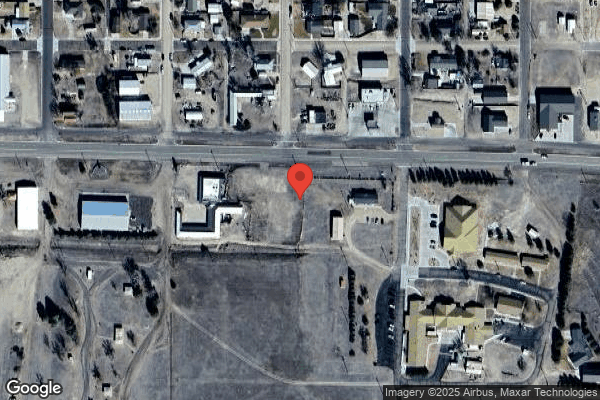

820 S DENISON STREET, ST FRANCIS, KS 67756 (785) 332-2531
Non profit - Corporation 30 Beds Independent Data: November 2025 1 Immediate Jeopardy citation
Trust Grade
31/100
#178 of 295 in KS
Last Inspection: September 2023

Over 2 years since last inspection. Current conditions may differ from available data.

Overview

Cheyenne County Village Inc has received a Trust Grade of F, indicating poor performance and significant concerns about the quality of care provided. They rank #178 out of 295 nursing homes in Kansas, placing them in the bottom half of the state's facilities, although they are the only option in Cheyenne County. The facility is reportedly improving, having reduced issues from nine in 2023 to two in 2024. Staffing is a relative strength, with a rating of 4 out of 5 stars, although the 50% turnover rate is average for the state. However, the facility has faced serious concerns, including a failure to properly monitor and treat a resident's Stage 3 pressure ulcer, leading to infection, and inadequate pain management during dressing changes, which resulted in untreated pain. Additionally, the kitchen did not maintain proper food safety standards, risking foodborne illness for residents.

Trust Score
F
31/100
In Kansas
#178/295
Bottom 40%
Safety Record
High Risk
Review needed
Inspections
Getting Better
9 → 2 violations
Staff Stability
⚠ Watch
50% turnover. Above average. Higher turnover means staff may not know residents' routines.
Penalties
✓ Good
$13,287 in fines. Lower than most Kansas facilities. Relatively clean record.
Skilled Nurses
○ Average
Each resident gets 37 minutes of Registered Nurse (RN) attention daily — about average for Kansas. RNs are the most trained staff who monitor for health changes.
Violations
⚠ Watch
31 deficiencies on record. Higher than average. Multiple issues found across inspections.
★★☆☆☆
2.0
Overall Rating
★★★★☆
4.0
Staff Levels
★★★☆☆
3.0
Care Quality
★★☆☆☆
2.0
Inspection Score
Stable
2023: 9 issues
2024: 2 issues

The Good

  • 4-Star Staffing Rating · Above-average nurse staffing levels
  • Full Sprinkler Coverage · Fire safety systems throughout facility
  • No fines on record

Facility shows strength in staffing levels, fire safety.

The Bad

2-Star Overall Rating

Below Kansas average (2.9)

Below average - review inspection findings carefully

Staff Turnover: 50%

Near Kansas avg (46%)

Higher turnover may affect care consistency

Federal Fines: $13,287

Below median ($33,413)

Minor penalties assessed

The Ugly 31 deficiencies on record

1 life-threatening 1 actual harm
Apr 2024 2 deficiencies 1 IJ
CRITICAL (J) 📢 Someone Reported This

A family member, employee, or ombudsman was alarmed enough to file a formal complaint

Immediate Jeopardy (IJ) - the most serious Medicare violation

Pressure Ulcer Prevention (Tag F0686)

Someone could have died · This affected 1 resident

**NOTE- TERMS IN BRACKETS HAVE BEEN EDITED TO PROTECT CONFIDENTIALITY** The facility identified a census of 43 residents with three residents reviewed for pressure ulcers. Based on record review and i...

Read full inspector narrative →
**NOTE- TERMS IN BRACKETS HAVE BEEN EDITED TO PROTECT CONFIDENTIALITY** The facility identified a census of 43 residents with three residents reviewed for pressure ulcers. Based on record review and interview, the facility failed to identify, monitor, and provide appropriate treatments and interventions, to prevent pressure ulcers from worsening and prevent infection for Resident (R) 1. R1 admitted to the facility on [DATE] with a Stage 3 pressure ulcer (full thickness pressure injury extending through the skin into the tissue below) on his coccyx (area at the base of the spine). Nursing staff did not perform consistent wound assessments to include measurements and presence of infection. On 09/08/23, 81 days after admission, R1's wound had worsened and had foul-smelling yellow drainage. A wound culture recorded R1 had Methicillin-Resistant Staphylococcus Aureus (MRSA-a type of bacteria resistant to many antibiotics) and Escherichia coli (E. coli-bacteria commonly found in the lower intestine that had a potential for causing infections in the urinary tract with inadequate incontinence care) in the wound, and Consultant GG ordered a new treatment and started R1 on an antibiotic, Doxycycline. R1's Electronic Medical Record (EMR) alerted staff that the LiquaCel powder, used in R1's wound treatment, would interfere with the absorption of the antibiotic, but staff did not notify the providers, so no action was taken. On 09/11/23 a diagnostic scan of R1's abdomen and pelvis revealed sacral osteomyelitis (local or generalized infection of the bone and bone marrow). R1 had new order for intravenous (IV-administered directly into the bloodstream via a vein) and oral antibiotics. The wound consultant team saw R1 on Fridays and gave new orders for daily wound dressing changes. The facility nursing staff did not follow the orders regarding the wound dressing changes as Consultant GG issued multiple warning to staff to ensure the AG rope (used to absorb drainage and promote wound healing) was out of the wound. There were multiple occasions when the wound dressing was not performed as ordered due to unavailable wound supplies. The wound continued to worsen and on 10/16/23 was recorded as a Stage 4 pressure ulcer (a deep pressure wound that reaches the muscles, ligaments, or even bone) with exposed bone. On 11/23/23 R1's wound erupted with uncontrollable bleeding and R1 was sent to the local Emergency Department. R1 then transferred to a higher level of care and admitted to the hospital with sepsis (life threatening systemic reaction that develops due to infections which cause inflammation throughout the entire body) and dehydration. R1 died on [DATE]. The facility failure to provide appropriate pressure reducing interventions, failure to consistently monitor R1's wounds and assess and address signs of infection, failure to involve the physician when needed, and failure to provide appropriate wound care services and treatments including ensuring availability of treatment supplies, placed R1 in Immediate Jeopardy. Findings included: - R1's Electronic Medical Record (EMR) documented R1 had diagnoses of Stage 3 pressure ulcer, congestive heart failure (CHF-a condition with low heart output and the body becomes congested with fluid), metastatic lung cancer, hypertension (high blood pressure), and hyperlipidemia (condition of elevated blood lipid levels). The admission Minimum Data Set (MDS), dated 06/23/23, documented a Brief Interview for Mental Status (BIMS) was not completed for R1. The MDS documented R1 did not have an altered level of consciousness, disorganized thinking, or inattention. The MDS documented R1 required substantial staff assistance with toileting, bathing, dressing, bed mobility, and transfer. The MDS documented R1 had not received scheduled pain medication, as needed pain medication, or any non-medication interventions for pain. During the pain interview, R1 stated he had the presence of pain, but the rest of the interview was not completed. The MDS documented R1 was at risk for developing pressure ulcers and had a Stage 3 pressure ulcer that was present on admission. The MDS documented R1 received a pressure reducing device for his bed, was not on a turning/repositioning program, did not have nutrition or hydration interventions to manage skin problems, was receiving pressure ulcer care and applications or nonsurgical dressing other than to his feet. The Quarterly MDS, dated 10/27/23, documented R1 had a Brief Interview for Mental Status score of five which indicated severely impaired cognition. The MDS documented R1 had impairment on both sides of his lower extremities. The MDS documented R1 was dependent on staff for oral hygiene, toileting hygiene, bathing, lower body dressing, putting on and taking off footwear, and personal hygiene. R1 required substantial staff assistance for rolling left to right, sitting to lying, lying to sitting, transfers, and ambulation. The MDS documented R1 had not received scheduled pain medication, as needed pain medication, or any non-medication interventions for pain. During the pain interview, R1 stated he had occasional pain during the look back period that was moderate in strength. The MDS documented R1 was at risk of developing pressure ulcers and currently had a Stage 4 pressure ulcer that was not present on admission. The MDS documented R1 had a pressure reducing device for his bed, a pressure reducing device for his bed, was not on a turning/repositioning program, had nutrition or hydration interventions to manage skin problems, received pressure ulcer care, and had application of ointments/medication other than to his feet. The Nutrition Care Area Assessment (CAA), dated 06/23/23, documented R1 admitted with a Stage 3 pressure injury to his coccyx and a deep tissue injury to his right heel. On admission R1 reported stabbing pain to his coccyx. The Pressure Ulcer/Injury CAA, dated 06/23/23, documented R1 had a Stage 3 pressure injury to his coccyx and deep tissue injury to his heel. The CAA documented R1 had bowel incontinence and required extensive assistance with bed mobility. R1 was on a Sizewise (a specialized mattress for pressure relief) mattress and was at risk for unidentified pain. R1's Care Plan directed staff R1 required extensive assistance of one to two staff for bed mobility and staff were to turn/reposition R1 every two hours in bed (06/19/23). R1 required an air mattress on his bed and cushions in his recliner and wheelchair (09/15/23). R1 required weekly treatment documentation to include measurement of each area of skin breakdown's width, length, depth, type of tissue, and exudate (09/15/23). R1 needed to be reminded to turn/reposition at least every two hours (09/15/23). R1 had acute pain related to pressure injury to the sacrum and R1 would verbalize adequate relief of pain. Staff were to monitor and document side effects of pain medication and report to the nurse any changes in usual activity attendance patterns related to signs or symptoms or complaints of pain or discomfort. (06/19/23). The Admitting Hospital Wound Care Note, dated 06/16/23, documented R1's pressure ulcer was present on admission to the hospital. R1's coccyx wound measured 2.2 centimeters (cm) by 3.7 cm by 0.2 cm, with 60% granulation tissue and 40% slough (dead tissue, usually cream or yellow in color). The Braden Scale for Predicting Pressure Sore Risk, dated 06/19/23, documented R1's risk score was 15, which indicated at risk. R1's was chairfast, skin was very moist, and noted friction and shear was a potential problem. The admission Data Collection, dated 06/19/23, documented R1 had a Stage 3 pressure ulcer but no measurements were taken. A pressure reducing device for R1's bed would be used, R1's heels would be floated, and a turning and repositioning program would be implemented. The admission Note, dated 06/20/23, documented R1 admitted on [DATE] at 02:00 PM with the admitting diagnosis of malignant tumor of the lung. R1 was weak but could walk twenty feet. R1's speech and vision were good but R1 was hard of hearing. R1 admitted with a Stage 3 pressure ulcer to his buttock, was a fall risk due to weakness, shown how to use the call light, and educated to wait for assistance to avoid a fall. The Advance Care Planning Note, dated 06/20/23, documented R1 was at the facility to gain strength after losing weight and strength from chemotherapy. R1 would participate in physical therapy and occupational therapy. R1's goal was to gain weight and strength so he could continue chemotherapy and return home. The Wound Daily Observation Note, dated 06/20/23, documented R1 had a foam dressing in place. The wound margin was pink and R1 denied pain. The wound did not have any drainage and the wound bed had pink epithelial tissue. The note documented the primary care provider was aware. The Wound Daily Observation Note, dated 06/24/23, documented R1's foam dressing was intact but had bowel movement in it, so it was removed. The wound was cleansed with normal saline and baby shampoo and rinsed. Skin prep (liquid skin protectant) was applied around the outer skin. Aquacel (a wound dressing) was placed into the wound and a foam dressing placed to cover the wound. The center of the wound was red with active bleeding. The old dressing had a moderate amount of yellow drainage and no odor. R1 denied pain. The wound bed was not assessed. R1's primary care provider was not notified. The Wound Daily Observation, dated 06/25/23, documented R1's dressing was removed, there was bowel movement in the wound, and the surrounding skin was red. R1 denied pain. The wound had fresh bleeding from the wound. Staff cleansed the wound with normal saline and baby shampoo, rinsed, applied skin prep to the surrounding skin, applied Aquacel, and covered with a foam dressing. The Wound Daily Observation Note, dated 06/26/23, documented R1's dressing was changed and there was bowel movement in the dressing. The surrounding skin was red. There was no pain noted with the dressing change. A small amount of yellow/red drainage was noted. The wound bed was covered with s. The wound was cleaned with normal saline and baby shampoo, rinsed, skin prep applied to the surrounding skin, Aquacel applied, and covered with a foam dressing. R1's primary care provider was not notified of changes. The Consultant Note, dated 06/26/24, documented R1 was a new admission with a Stage 3 pressure ulcer to his sacrum (large triangular bone/area between the two hip bones). Consultant HH recommended four ounces of fortified juice at breakfast and an eight-ounce protein shake in the afternoon along with a multivitamin and Vitamin C 500 milligrams (mg) twice a day. R1's estimated calorie needs for healing were 2200 to 2500 calories. The Wound Daily Observation Note, dated 06/29/23, documented R1's wound treatment was completed per doctor's orders. The skin surrounding the wound was pink. R1 denied pain. No drainage was noted. The wound bed was not assessed. The note lacked notification of the changes to R1's primary care provider. The Wound Daily Observation Note, dated 06/30/23, documented the dressing was changed per R1's primary care provider's order. The skin around the wound was not assessed. No pain was noted during dressing change. Staff were unable to tell if there was drainage as R1 had bowel movement underneath the dressing. The wound bed had granulation (new tissue formed during wound healing). The note lacked notification of R1's primary care provider. The Wound Daily Observation Note, dated 07/03/23, documented R1's dressing was changed per his primary care provider's orders. Skin surrounding the wound was red. R1 had no complaints of pain. A moderate amount of yellow drainage was noted without odor. The wound bed had granulation tissue. The note lacked notification of R1's primary care provider. The Skin Observation Tool, dated 07/03/23, documented R1's coccyx wound measured 4 cm by 2 cm by 0.5 cm. The Wound Daily Observation Note, dated 07/04/23, documented R1's dressing was left in place because the dressing did not need changed. Staff documented R1's dressing was clean dry and intact and not changed because it was changed yesterday. (R1's dressing change order directed staff to change R1's dressing daily) The Wound Daily Observation Note, dated 07/05/23, documented R1's dressing was changed per doctor's orders. The skin surrounding the wound was pink. R1 denied pain. There was yellow drainage with active bleeding and the wound bed had granulation tissue. The note lacked notification of R1's primary care provider. The Wound Daily Observation Note, dated 07/08/23, documented R1's dressing was changed per his primary care providers orders. The skin surrounding the wound was red and staff noted a little old blood on the old dressing. The wound bed had granulation tissue. The note lacked notification of R1's primary care provider. The Wound Daily Observation Note, dated 07/09/23 documented a new dressing was applied to R1's wound. The skin surrounding the wound was pink. R1 denied pain. The wound bed had granulation tissue. The note lacked notification of R1's primary care provider. The Skin Observation Tool dated 07/09/23 documented R1 had a Stage 3 decubitus ulcer (localized skin and tissue injuries that occur when the blood supply to the skin is cut off for more than two to three hours) to his coccyx which measured 3 cm by 1 cm by 0.7 cm. The Nutrition Note, dated 07/13/24, documented R1 would be receiving six-ounce house supplements with meals. The note included the mid-afternoon supplement shake was going untouched as R1 was always napping. The Wound Daily Observation Note, dated 07/14/23, documented R1 did not have a dressing to his coccyx. The treatment was done per doctor's orders. The skin surrounding the wound was red. R1 denied pain. No drainage or odor noted. The wound bed had granulation tissue. The note lacked notification of R1's primary care provider. The Skin Observation Tool, dated 07/16/23, documented R1's coccyx wound measured 2.5 cm by 0.5 cm by 0.4 cm. The Wound Daily Observation Note, date 07/17/23, documented R1 did not have a dressing in place to his coccyx. A new dressing was applied per doctor's orders. The skin surrounding the wound was red. R1 denied pain. No drainage or odor noted. The wound bed had granulation tissue. The note lacked notification of R1's primary care provider. The Wound Daily Observation Note, dated 07/22/23, documented there was a band-aid on R1's wound. The skin surrounding the wound was red. R1 denied pain. The wound bed was red, with no drainage or odor noted. The note included R1's primary care provider did not need to be notified at that time. The Skin Observation Tool, dated 07/24/23, documented R1's coccyx wound measured 2.5 cm by 0.7 cm by 0.5 cm. The Wound Daily Observation Note, dated 08/02/23, documented R1 did not have a dressing in place on his coccyx. Treatment to R1's Stage 3 decubitus ulcer done per doctor's orders. The skin surrounding the wound was red, with no drainage or odor noted, and R1 denied pain. The wound bed had some granulation tissue noted. R1's primary care provider was not notified. The Order Note, dated 08/02/23, documented R1 was to start LiquaCel (a liquid protein supplement) twice a day for wound healing assistance. The Wound Daily Observation Note, dated 08/05/23, documented R1's dressing to his coccyx was intact. A new dressing was applied per doctor's orders. The skin surrounding the wound was pink. A moderate amount of yellow drainage was noted. The wound bed had granulation tissue. The note lacked notification of R1's primary care provider. The Skin Observation Tool, dated 08/08/23, documented R1's coccyx wound measured 5 cm by 3 cm. The Wound Daily Observation Note, dated 08/10/23, documented there was no dressing to R1's coccyx wound. Dressing change was performed per doctor's orders. The skin surrounding the wound was pink. R1 denied pain. There was no drainage or odor noted. The wound bed had granulation tissue. The note lacked notification of R1's primary care provider. The Skin Observation Tool, documented R1's coccyx wound measured 4 cm by 2 cm. The Wound Daily Observation Note, dated 08/16/23, documented R1 had no dressing to his coccyx. A new dressing was applied per doctor's orders. The skin surrounding the wound was pink. R1 denied pain. The wound bed had granulation tissue and no drainage or odor. The note lacked notification of R1's primary care provider. The Wound Daily Observation Note, dated 08/20/23, documented R1 had no dressing to his coccyx. Treatment was performed per doctor's orders. The skin surrounding the wound was pink. R1 denied pain. The wound bed had granulation tissue with no drainage or odor noted. The note lacked notification of R1's primary care provider. The Skin Observation Tool, dated 08/22/23, documented R1's coccyx wound was deep and measured 4 cm by 2 cm. The Wound Daily Observation Note, dated 08/23/23, documented R1 did not have a dressing to his coccyx. The treatment was done per doctor's orders. The skin surrounding the wound was pink. R1 denied pain. There was no drainage or odor noted. The wound bed had slough. The note lacked notification of R1's primary care provider. The Wound Daily Observation Note, dated 08/25/23, documented R1 had no dressing in place to his coccyx. The treatment was done per doctor's orders. The skin surrounding the wound was red. R1 denied pain. No drainage or odor was noted. The wound bed was not assessed. R1's primary care provider was not notified. The Skin Observation Tool, dated 08/29/23, documented R1 had an open sore on his coccyx and was healing slowly. The 09/03/23 Health Status Note documented R1 felt warm during rounds. R1's temperature was 100.5 degrees Fahrenheit (F) and staff administered 1000 milligrams (mg) of Tylenol (a fever reducing medication) to R1. The Daily Wound Observation Note, dated 09/04/23, documented R1's dressing was intact and changed. The skin surrounding the wound was pink. There was a moderate amount of thick yellow bloody drainage. The wound bed had slough. The note lacked notification of R1's primary care provider. The Skin Observation Tool, dated 09/05/23, documented R1's coccyx wound measured 2.5 cm by 0.5 cm with tunneling on the top side that measured 2.5 cm and tunneling on the right side which measured 0.5 cm. The note documented R1 sat in his recliner all day and refused to lay in bed during the day. The note stated the facility faxed R1's primary care provider requesting to send R1 to wound care as R1's wound was tunneling and had heavy drainage. The Daily Wound Observation Note, dated 09/05/23, documented R1 did not have a dressing in place but the dressing had been changed several times due to drainage. The skin surrounding the wound was red. R1 had pain rated at 8 out of 10, on a zero to ten scale. There was a huge amount of yellow drainage. The wound had 2.5 cm of tunneling at the top of the wound and 0.5 cm of tunneling to the right side of the wound. R1's primary care provider was notified of the change and a fax was sent requesting wound care. The Communication with Physician Note, dated 09/05/23, documented R1's Stage 3 pressure wound to his coccyx, which he was admitted with on 06/19/23, was becoming smaller in size. R1's wound had a huge amount of drainage without odor. Tunneling was noted 2.5 cm at the top of the wound and 0.5 cm noted to the right side of the wound. R1 denied pain since his admission but today his pain was rated 8 out of 10. The New Order Fax, dated 09/05/23, referred R1 to wound care at the hospital for evaluation and treatment for a Stage 3 decubitus ulcer and an order for oxycodone 5 mg by mouth every four hours as needed for coccyx pain. The Wound Daily Observation Note, dated 09/06/23 documented R1's dressing was saturated with drainage. The dressing was changed. R1's wound measurements to his coccyx measure 3.2 cm by 7 cm with tunneling to the right side of the wound which measured 0.7 cm. There was no pain with the dressing change. There was an excess amount of drainage, and an ABD pad was applied to accommodate the drainage. The drainage was yellow, pus-like drainage. The wound bed contained slough. R1's primary care physician ordered wound care at the hospital. The Wound Daily Observation Note, dated 09/08/23, documented R1 had gone to the hospital for wound care. The Wound Culture Result, dated 09/09/23, documented R1's coccyx wound had MRSA and E. coli. The Wound Daily Observation Note, dated 09/09/23, documented R1's dressing was intact and to be changed every other day and as needed. The dressing change orders included: Flush with 20 milliliters (ml) of quarter strength Dakin's solution (a topical antiseptic made of diluted sodium hypochlorite traditionally used to clean wounds to prevent infection), Flush with 20 ml normal saline, Aquacel AG rope (a wound dressing) into the wound bed, fluff 4 by 4's (gauze), apply XTRASORB (a super absorbent dressing), and secure with Mefix (skin friendly dressing retention tape). The Wound Daily Observation Note, dated 09/10/23, documented R1's dressing to his coccyx was intact. No dressing change needed as the dressing was change last night. The Wound Daily Observation Note, dated 09/10/23 at 08:45 PM, documented R1's dressing was changed to his coccyx. Erythema (redness) and drainage was noted. R1 stated the pain was terrible when the dressing was being changed. The wound had copious amounts of serosanguinous (semi-thick blood-tinged drainage) and purulent (producing or containing pus) drainage. The existing bandage was fully saturated. When flushed, a large amount of serosanguinous fluid was expelled from the wound. The wound bed had a slight amount of slough and tunneling was noted. Primary care physician had already been notified and R1 was being seen at the wound care. The Order Note, dated 09/11/23, documented doxycycline hyclate (an antibiotic) 100 mg by mouth twice a day for fourteen days for wound. The EMR system identified a possible drug interaction with LiquaCel Oral Liquid. LiquaCel Oral Liquid could impair the gastrointestinal absorption and decrease the antimicrobial effectiveness of doxycycline hyclate (an oral antibiotic) 100 mg. The facility staff failed to notify R1's primary care provider of the drug interaction. The Wound Daily Observation Note, dated 09/12/23, documented R1's dressing to his coccyx was changed. The skin surrounding the wound was pink. The wound measured 2.0 cm by 0.8 cm with 2.5 cm of tunneling to the right. R1 was given Percocet (a pain pill) at 11:45 AM. The drainage was greenish in color and there was a large amount of drainage. A small amount of odor noted. The wound bed had slough. R1's primary care provider was not notified as R1 would see wound care on Friday at 01:00 PM. The Skin Observation Tool, dated 09/05/23, documented R1's coccyx wound measured 2.5 cm by 0.5 cm with tunneling on the top side that measured 2.5 cm and tunneling on the right side which measured 0.5 cm. The note documented R1 would sit in his recliner all day and refused to lay in bed during the day. The Physician Note, dated 09/13/23, documented R1 saw wound cared for a pressure ulcer to his buttock that was infected with Methicillin-resistant Staphylococcus aureus (MRSA-a type of bacteria resistant to many antibiotics) and Escherichia coli (E. coli-bacteria commonly found in the lower intestine that had a potential for causing infections in the urinary tract with inadequate incontinence care) and was on doxycycline. R1 received dressing changes and there was concern about a fistula (abnormal passage from an internal organ to the body surface or between two internal organs) but the Computed Tomography (CT) scan was negative for this. There were findings of osteomyelitis (local or generalized infection of the bone and bone marrow). The wound care practitioner would speak to family about R1's goals. The Wound Daily Observation Note, dated 09/13/23, documented the dressing to R1's coccyx was saturated and had to be changed. The skin surrounding the wound was pink and R1 denied pain. Tunneling was noted to be deeper on top and both sides of the wound, with heavy yellow drainage noted. R1 primary care provider did not need to be notified as she saw R1 that day. The Wound Daily Observation Note, dated 09/14/23, documented R1 did not need a dressing change that day because R1 had been to the hospital for wound care. The Wound Daily Observation Note, dated 09/14/23, documented R1's coccyx dressing had to be changed because it was saturated. The margin around the wound was red and surrounding tissue was pink. R1 stated he was having some pain, but it was tolerable. The drainage was thick, yellow pus with a strong odor. The wound bed contained slough. R1's primary care physician did not need notified as R1 would go to wound care on Friday. The Wound Data Collection, dated 09/14/23, documented R1's coccyx wound measured 3.2 cm by 0.9 cm by 2.5 cm with 2.5 cm tunneling to the right side. The note documented R1's wound was worsening. The wound bed has 100% slough. The wound had heavy purulent (producing or containing pus) drainage. Preventative measures were air mattress, ROHO (pressure relief cushion that is made of soft, flexible air cells) cushion to the wheelchair, and LiquaCel with meals. The Wound Daily Observation Note, dated 09/15/23, documented R1's dressing was intact to his coccyx and the dressing was not changed due to R1 would go to wound care that day. The Health Status Note, dated 09/15/23, documented new orders from wound care for IV antibiotics, weekly labs, and order for a magnetic resonance imaging (MRI-medical imaging used to view soft tissue). Orders would be faxed later that day. The New Order Fax, dated 09/15/23, documented new orders for R1's coccygeal osteomyelitis. New orders: Daptomycin (antibiotic) 6 mg/kg IV daily to start 09/16/23, Augmentin (an oral antibiotic) 875/125 mg one tab twice a day by mouth for six weeks, pharmacy to contact wound care provider on replacing Daptomycin with Dalvance (antibiotic), contact precautions MRSA/E.coli, and MRI of pelvis with and without IV contrast. The Wound Collection Tool, dated 09/15/23, documented R1's coccyx wound measured 3.0 cm by 1.2 cm by 2.5 cm with tunneling on the right and left of the wound. R1's wound was worsening. The wound bed was 100% slough. The wound had purulent drainage. The skin surrounding the wound was denuded (loss of epidermis caused by exposure to urine, feces, body fluids, wound drainage, or friction). Undermining was identified. The wound was suspected of infection. Preventative measures: air mattress, cushion to chair and wheelchair, LiquaCel with meals, stand to reposition every three hours. The Wound Daily Observation Note, dated 09/16/23, documented the dressing to R1's coccyx was changed because it was completely soiled with bowel movement and drainage. The wound's margin was red, and the surrounding skin was pink. R1 stated the dressing change was very painful. There was a large amount of purulent drainage with strong odor. The wound bed had slough. R1's primary care provider was not notified as she was already aware and R1 was seen at wound care. The Communication with Physician Note, dated 09/16/23, documented Consultant GG was called to clarify if he wanted the IV antibiotics started that day. The Augmentin (antibiotic) could be started on the following Monday. The Communication with Family Note, dated 09/16/23, documented R1's responsible party was called to gain permission to transport R1 to the hospital for IV antibiotics. R1's responsible party was notified Augmentin would be started by mouth on Monday and labs would be done weekly per Consultant GG. The Wound Daily Observation Note, dated 09/16/23, documented R1's dressing to his coccyx was saturated with drainage and bowel movement. The skin surrounding the wound was pink. R1 had pain present while doing the treatment to his coccyx but refused pain medication. The drainage was cloudy, thin, and yellow with no odor. The wound bed contained slough. Consultant GG was called for clarification of faxed order. IV antibiotics were started that day and oral antibiotic could be started the following Monday when the pharmacy was open. The Order Note, dated 09/16/23, documented Amoxicillin/Pot Clavulanate (Augmentin/antibiotic) 875/125 mg one tablet by mouth every twelve hours for coccygeal osteomyelitis for sixteen weeks. The Antibiotic Monitoring Note, dated 09/16/23, documented R1's appetite had decreased. The Antibiotic Monitoring Note, dated 09/16/23, documented R1 was on Daptomycin (antibiotic) IV 6 mg per kilogram (kg) that had been started that morning. R1 had decreased fluid and food intake. The Wound Daily Observation Note, date 09/17/23, documented R1's coccyx dressing was saturated with yellow drainage and bowel movement. The skin surrounding the wound was pink. Some pain noted with dressing change but R1 did not require any pain medication. There was a large amount of thick yellow/bloody drainage without odor. R1's primary care provider was not notified due to R1 went to wound care of Fridays and had daily dressing changes at the facility. The Wound Daily Observation Note, dated 09/18/23, documented R1's dressing was saturated with drainage and bowel movement and was changed per doctor's orders. The skin surrounding the wound was pink. R1 had noted pain with the dressing change and was compliant with lying on his right side while the dressing was changed. The wound bed had slough. There was a large amount of thick yellow drainage without odor. R1's primary care provider did not need notified due to daily dressing changes at the facility and wound care on Fridays. The Antibiotic Monitoring Note, dated 09/18/23, documented R1's appetite had decreased, and the primary care provider had not been notified. The Communication with Physician Note, dated 09/18/23, documented Consultant GG was notified to clarify R1 would take doxycycline that morning then it would be discontinued and would start on amoxicillin 875/125 mg twice a day thru 01/24/24 and would continue Daptomycin, 6mg/kg IV daily at the hospital, until the new antibiotic arrived; then Daptomycin would be discontinued and R1 would only have one IV antibiotic weekly. The New Fax Order, dated 09/18/23, documented R1 would receive Dalvance 1500 mg IV on 09/19/23 and then in eight days R1 would receive the second dose of Dalvance 1500 mg IV for diagnosis of osteomyelitis of the coccyx. Per the Dalvance website (www.dalvance.com) the medication is used to treat acute bacterial skin and skin structure infections (ABSSSI) caused by designated susceptible strains of Gram-positive microorganisms. The Important safety information header noted Clostridioides difficile-associated diarrhea (CDAD) has been reported with nearly all systemic antibacterial agents, including DALVANCE, with severity ranging from mild diarrhea to fatal colitis. Evaluate if diarrhea occurs. The Antibiotic Monitoring Note, dated 09/18/23, documented R1 had a decreased appetite and R1's primary care provider was not notified.[TRUNCATED]
SERIOUS (G) 📢 Someone Reported This

A family member, employee, or ombudsman was alarmed enough to file a formal complaint

Actual Harm - a resident was hurt due to facility failures

Deficiency F0697 (Tag F0697)

A resident was harmed · This affected 1 resident

The facility identified a census of 43 residents with three residents reviewed for pain. Based on record review and interview, the facility failed to provide Resident (R) 1 with pain relieving measure...

Read full inspector narrative →
The facility identified a census of 43 residents with three residents reviewed for pain. Based on record review and interview, the facility failed to provide Resident (R) 1 with pain relieving measures prior to or after pressure ulcer dressing changes though R1 had documented pain and demonstrated signs of discomfort during dressing change. This deficient practice resulted in untreated pain for R1 and placed him at risk for continued unnecessary pain and altered psychosocial well-being. Findings included: - R1's Electronic Medical Record (EMR) documented R1 had diagnoses of Stage 3 pressure ulcer, congestive heart failure (CHF-a condition with low heart output and the body becomes congested with fluid), metastatic lung cancer, hypertension (high blood pressure), and hyperlipidemia (condition of elevated blood lipid levels). The admission Minimum Data Set (MDS), dated 06/23/23, documented R1 had a Brief Interview for Mental Status (BIMS), which was not completed. The MDS documented R1 did not have an altered level of consciousness, disorganized thinking, or inattention. The MDS documented R1 required substantial staff assistance with toileting, bathing, dressing, bed mobility, and transfer. The MDS documented R1 had not received scheduled pain medication, as needed pain medication, or any non-medication interventions for pain. During the pain interview, R1 stated he had the presence of pain, but the rest of the interview was not completed. The MDS documented R1 was at risk for developing pressure ulcers and had a Stage 3 pressure ulcer that was present on admission. The MDS documented R1 received a pressure reducing device for his bed, was not on a turning/repositioning program, did not have nutrition or hydration interventions to manage skin problems, was receiving pressure ulcer care and applications or nonsurgical dressing other than to his feet. The Quarterly MDS, dated 10/27/23, documented R1 had a Brief Interview for Mental Status score of five which indicated severely impaired cognition. The MDS documented R1 had impairment on both sides of his lower extremities. The MDS documented R1 was dependent on staff for oral hygiene, toileting hygiene, bathing, lower body dressing, putting on and taking off footwear, and personal hygiene. R1 required substantial staff assistance for rolling left to right, sitting to lying, lying to sitting, transfers, and ambulation. The MDS documented R1 had not received scheduled pain medication, as needed pain medication, or any non-medication interventions for pain. During the pain interview, R1 stated he had occasional pain during the look back period that was moderate in strength. The MDS documented R1 as at risk for developing pressure ulcers and currently had a Stage 4 pressure ulcer that was not present on admission. The MDS documented R1 had a pressure reducing device for his bed, a pressure reducing device for his bed, was not on a turning/repositioning program, had nutrition or hydration interventions to manage skin problems, received pressure ulcer care, and had application of ointments/medication other than to his feet. The Nutrition Care Area Assessment (CAA), dated 06/23/23, documented R1 was admitted with a Stage 3 pressure injury to his coccyx (area at the tailbone) and a deep tissue injury to his right heel. On admission R1 reported stabbing pain to this coccyx. The Pressure Ulcer/Injury CAA, dated 06/23/23, documented R1 had a Stage 3 pressure injury to his coccyx and deep tissue injury to his heel. The CAA documented R1 had bowel incontinence and required extensive assistance with bed mobility. R1 was on a Sizewise (a specialty mattress that provides active pressure redistribution) mattress and was at risk for unidentified pain. R1's Care Plan directed staff to know R1 required extensive assistance of one to two staff for bed mobility and staff were to turn/reposition R1 every two hours in bed (06/19/23). R1 required an air mattress on his bed and cushions in his recliner and wheelchair (09/15/23). R1 required weekly treatment documentation to include measurement of each area of skin breakdown's width, length, depth, type of tissue, and exudate (09/15/23). R1 needed to be reminded to turn/reposition every at least every two hours (09/15/23). R1 had acute pain related to pressure injury to the sacrum and R1 would verbalize adequate relief of pain. Staff were to monitor and document side effects of pain medication and report to the nurse any changes in usual activity attendance patterns related to signs or symptoms or complaints of pain or discomfort. (06/19/23). The New Order Fax, dated 09/05/23, ordered for a referral for R1 to wound care at the hospital for evaluation and treatment for Stage 3 pressure ulcer and an order for oxycodone (narcotic opioid pain medication) 5 mg by mouth every four hours as needed for coccyx pain. The Daily Wound Observation Note, dated 09/05/23, documented R1 did not have a dressing in place but the dressing was changed several times due to drainage. The skin surrounding the wound was red. R1 rated his pain an eight on a 0-10 scale (zero being no pain and 10 the worst pain imaginable). There was a huge amount of yellow drainage from the wound. The wound had tunneling present, which measured 2.5 cm at the top of the wound and 0.5 cm of tunneling to the right side of the wound. R1's primary care provider was notified of the change and the facility sent a fax requesting wound care. The Wound Daily Observation Note, dated 09/10/23 at 08:45 PM, documented staff changed R1's dressing to his coccyx and noted erythema (redness) and drainage. R1 stated the pain was terrible when staff changed the dressing. There were copious amounts of serosanguinous (semi-thick blood-tinged drainage) and purulent (producing or containing pus) drainage. The existing bandage was fully saturated. When flushed, a large amount of serosanguinous fluid expelled from the wound. The wound bed had a slight amount of slough and tunneling was noted. The resident's primary care physician was already notified and R1 was being seen at the hospital for wound care. R1's MAR, dated September 2023, documented staff did not administer pain medication to R1 until after the dressing change on 09/14/23. The Wound Daily Observation Note, dated 09/16/23, documented staff changed the dressing to R1's coccyx because it was completely soiled with bowel movement and drainage noted to the area. The wound's margins were red, and the surrounding skin was pink. R1 stated the dressing change was very painful. There was a large amount of purulent drainage noted with strong odor from the wound. The wound bed had slough present. R1's primary care provider was not notified as she was already aware and R1 was seen at the hospital for wound care. R1's MAR, dated September 2023, documented R1 was not given any pain medication on 09/16/23. The Wound Daily Observation Note, date 09/17/23, documented R1's coccyx dressing was saturated with yellow drainage and bowel movement. The skin surrounding the wound was pink. R1 had some pain noted with the dressing change, but R1 did not require any pain medication. There was a large amount of thick yellow/bloody drainage without odor from the wound. R1's primary care provider was not notified due to R1 went to wound care of Fridays at the hospital and had daily dressing changes at the facility. R1's MAR, dated September 2023, documented R1 was not given any pain medication on 09/17/23. The Wound Daily Observation Note, dated 09/18/23, documented R1's dressing was saturated with drainage and bowel movement and was changed per doctor's orders. The skin surrounding the wound was pink. R1 had pain with the dressing change and was compliant with lying on his right side while staff changed the dressing. The wound bed had slough present and there was a large amount of thick yellow drainage without odor noted from the wound. R1's primary care provider did not need notified due to daily dressing changes at the facility and wound care at the hospital on Fridays. R1's MAR, dated September 2023, documented R1 was not given any pain medication on 09/18/23. The Wound Daily Observation Note, dated 09/20/23, documented R1's coccyx dressing was intact but was saturated through the dressing. Staff completed a dressing treatment per doctor's orders. The skin surrounding the wound was a normal pink color. R1 denied pain but jumped a few times while staff completed the treatment. There was a copious amount of light brown, thick, slimy drainage without odor from the wound. The wound bed center was red and had slough present. Tunneling was noted upward and on both sides of the wound. R1's primary care provider was not notified. T R1's MAR, dated September 2023, documented R1 was not given any pain medication on 09/20/23. The Wound Daily Observation Note, dated 09/20/23, documented R1's coccyx dressing was changed due to being saturated with bowel and urine. The skin surrounding the wound was pink. R1 verbalized pain during the dressing change but then stated it was ok once staff completed the dressing change. There were copious amounts of yellow and brown tinged discharge with a foul smell from the wound. The wound bed was red with slough and tunneling present. R1's primary care physician was not notified. R1's MAR, dated September 2023, documented R1 was not given any pain medication on 09/20/23. The Wound Daily Observation Note, dated 09/23/23, documented R1's coccyx dressing was saturated with a large amount of drainage and was changed per doctor's orders. The skin surrounding the wound had undermining present. R1 voiced some pain with the dressing change. There was a large thick amount of slimy brown drainage from the wound. The wound bed had slough present with a bright red center. R1's primary care provider was not notified. Wound care gave new dressing orders on 09/22/23. R1's MAR, dated September 2023, documented R1 was not given any pain medication on 09/23/23. The Wound Daily Observation Note, dated 09/23/23, documented R1's coccyx dressing was completely saturated and soiled with bowel. The dressing change was completed. The skin around the wound had undermining. R1 had pain with the dressing change. There was thick yellow and brown slimy drainage with a foul odor. The wound bed had slough present with a red center. Staff removed e 45 cm of the existing AG rope (a packing to help absorb moderate to heavy amounts of wound drainage) was and packed 45 cm of new AG rope into the wound. R1's primary care provider was not notified. R1's MAR, dated September 2023, documented R1 was not given any pain medication on 09/23/23. The Wound Daily Observation Note, dated 09/24/23, documented R1's coccyx dressing was soiled with bowel movement present. Staff changed R1's dressing. Undermining was noted to the wound. R1 had pain with the dressing change. There was thick brown slimy discharge from the wound, which was foul smelling. The wound bed had slough with a bright red center present. R1's primary care provider was not notified as she was already aware. R1's MAR, dated September 2023, documented R1 was not given any pain medication on 09/24/23. The Wound Daily Observation Note, dated 09/25/23, documented R1's coccyx dressing was intact, old dressing removed, and treatment done with a new dressing in place. The skin surrounding the wound was pink. R1 had pain while the treatment was performed. There was a heavy amount of thick brownish drainage with some odor present. The wound bed had undermining and slough. R1's primary care provider was not notified as she was already aware. R1's MAR, dated September 2023, documented R1 was not given any pain medication on 09/25/23. The Wound Daily Observation Note, dated 09/26/23, documented R1's coccyx dressing was intact but soiled. The old dressing was removed, and treatment done per order. The skin surrounding the wound was pink. R1 had pain with the treatment. There was a copious amount of thick brown drainage with a foul odor. The would bed had undermining, slough, and was red. During the dressing change 45 cm of AG rope was removed from the wound. No AG rope was inserted into the wound as there was no AG rope available. An AG pad was placed on the wounds entrance. R1's primary care provider was not notified as she was already aware. R1's MAR, dated September 2023, documented R1 was not given any pain medication on 09/26/23. The Wound Daily Observation Note, dated 09/26/23, documented R1's coccyx dressing was intact. The old dressing was removed, and a new dressing was applied without the AG rope as the facility was out. The skin surrounding the wound was pink. R1 had pain in his coccyx with the dressing change. There was a large amount of dark brown fluid that was very odorous. The wound bed had slough. R1's primary care provider was not notified due to R1 receiving daily dressing changes at the facility and weekly wound care at the hospital. R1's MAR, dated September 2023, documented R1 was not given any pain medication on 09/26/23. The Wound Daily Observation Note, dated 09/27/23, documented R1's coccyx dressing was intact but saturated with drainage. Staff completed a treatment and applied a new dressing. The skin surrounding the wound was undermining. R1 had intermittent pain during the dressing change. There was a large amount of serosanguineous drainage that was thick and slimy and without odor from the wound. The wound bed had approximately fifty percent granulation tissue. R1's primary care provider was not notified because she was already aware. R1's MAR, dated September 2023, documented R1 was not given any pain medication on 09/27/23. The Wound Daily Observation, dated 10/04/23, documented R1's coccyx dressing was intact but saturated with drainage. Staff completed the treatment per doctor's orders with a new dressing in place. The skin surrounding the wound was pink. R1 denied pain but flinched during the treatment. The wound bed had slough and tunneling present. There was a moderate amount of thick brownish slimy discharge from the wound. R1's wound culture results noted R1 was negative and no longer needed to be in isolation. R1's MAR, dated October 2023, documented R1 was not given pain medication before or after the dressing change on 10/04/23. The Wound Daily Observation, dated 10/05/23, documented R1's coccyx dressing was intact and was changed. The skin surrounding the wound was beefy red. R1 had pain with the dressing change. There was a large amount of thick brown fluid with some odor. The wound bed had slough. R1's primary care provider was not notified. R1's MAR, dated October 2023, documented R1 was not given any pain medication on 10/05/23. The Wound Daily Observation Note, dated 10/07/23, documented R1's dressing was intact and was changed. The skin surrounding the wound was beefy red. R1 had pain with the dressing change. There was a copious amount of thick dark brown fluid with odor from the wound. The wound bed had slough. R1's primary care provider was not notified. R1's MAR, dated October 2023, documented R1 was not given any pain medication on 10/07/23. The Wound Daily Observation Note, dated 10/08/23, documented R1's coccyx dressing was intact but saturated and removed and a new dressing was applied. The skin surrounding the wound had exposed subcutaneous tissue that was beefy red and erythematous with fifty percent granulation tissue present. R1 had pain with the dressing change. The wound bed had slough. R1's primary care provider was not notified because R1 went to weekly wound care at the hospital on Fridays. R1's MAR, dated October 2023, documented R1 was not given any pain medication on 10/08/23. The Wound Daily Observation Note, dated 10/10/23, documented R1's dressing was intact, saturated, and changed. The skin surrounding the wound had exposed subcutaneous tissue with erythema and fifty percent granulation tissue present. R1 had increased pain with the placement of the Aquacel rope. There was a copious amount of thick brown drainage. The wound bed had slough. R1's primary care provider was not notified. R1's MAR, dated October 2023, documented R1 was not given any pain medication on 10/10/23. The Wound Daily Observation Note, dated 10/12/23, documented R1's coccyx dressing was changed per orders. The skin surrounding the wound was light pink. R1 cussed and moaned when his wound was packed. There was a large amount of brownish liquid drainage. The wound bed was not assessed. R1's primary care provider already aware. R1's MAR, dated October 2023, documented R1 was not given pain medication before or after the dressing change on 10/12/23. The Wound Daily Observation Note, dated 10/13/23, documented R1 had a shower that day and R1's dressing was changed. The ulcer border had undermining and was beefy red. R1 had increased pain with the dressing change to his sacral region. There was an excessive amount of thick, brownish bloody drainage with odor noted from the wound. The wound bed had slough present. R1's primary care provider was not notified because R1 went to wound care that day at the hospital. The Wound Daily Observation Note, dated 10/15/23, documented R1's coccyx dressing was intact but soiled and changed per doctor's orders. The skin surrounding the wound was beefy red. R1 voiced pain with the dressing change. There was a large amount of thick brownish bloody drainage with some odor noted from the wound. The wound bed had slough present. R1's primary care provider was not notified. R1's MAR, dated October 2023, documented R1 was not given any pain medication on 10/13/23. The Wound Daily Observation Note, dated 10/17/23, documented R1's coccyx dressing was intact but soiled and was changed per doctor's orders. The skin surrounding the wound was red. R1 had pain with the dressing change. There was thick drainage with odor present. The wound bed had slough. An AG rope was used with the dressing change. R1's primary care provider was not notified. R1's MAR, dated October 2023, documented R1 was not given any pain medication on 10/17/23. The Wound Daily Observation Note, dated 10/19/23, documented R1's coccyx dressing was changed, and staff was unable to find the AG rope inside R1's wound. R1 was very agitated with the dressing change. R1 moaned a lot during the dressing change and fought with cares and tried hitting at the nurse. There was brownish colored drainage present from the wound. The wound bed was not assessed. R1's primary care provider was already aware. R1's MAR, dated October 2023, documented R1 was not given any pain medication before or after the dressing change on 10/19/23. The Wound Daily Observation Note, dated 10/22/23, documented R1's coccyx dressing was intact but soiled. The dressing was changed per orders. The wound margin showed the ulcers border was undermining and red. R1 had pain with the dressing change and did not tolerate the dressing change well. There was slimy brown malodorous drainage from the wound. The wound bed had slough present. R1's primary care provider was not notified. R1's MAR, dated October 2023, documented R1 was not given any pain medication on 10/22/23. The Wound Daily Observation Note, dated 10/23/23, documented R1's coccyx dressing was intact but saturated from drainage. The treatment was done per orders. The wound margin was undermining. R1 had sharp pain rated an eight while Aquacel (a wound dressing) was being placed inside the tunnel. There was a heavy amount of slimy brownish drainage with odor noted from the wound. The wound bed had slough. R1's primary care provider was not notified as R1 was seen by provider every Friday in wound care. R1's MAR, dated October 2023, documented R1 was not given any pain medication on 10/23/23. The Wound Daily Observation Note, dated 10/24/23, documented R1's coccyx dressing was soiled and changed. The wound margin was red with undermining. R1 had pain with the dressing change. There was a large amount of thick brown drainage. The wound bed had slough. R1's primary care provider was not notified. R1's MAR, dated October 2023, documented R1 was not given any pain medication on 10/24/23. The Wound Daily Observation Note, dated 10/25/23, documented R1's coccyx dressing was soiled and changed. The wound margin was red and tunneling. R1 complained of pain to the sacral area with the dressing change. There was thick brown drainage present from the wound. The wound bed had slough present. Two AG ropes were used in dressing R1's wound. R1's primary care provider was not notified. R1's MAR, dated October 2023, documented R1 was not given any pain medication on 10/25/23. The Wound Daily Observation Note, dated 10/26/23, documented R1's coccyx dressing was intact but saturated and leaking drainage from the wound site. Staff completed the wound treatment per doctor's orders. The wound margin had undermining. R1 had pain during the dressing change. There was a large amount of brown drainage with some odor noted from the wound. The wound bed had slough present. R1's primary care provider was not notified as provider would observe the next day. R1's MAR, dated October 2023, documented R1 was not given any pain medication on 10/26/23. The Wound Daily Observation Note, dated 11/14/23, documented R1's coccyx dressing was soiled and removed. Staff completed the treatment per doctor's order. The wound margin was pink and undermining. R1 had pain with the dressing change and did not tolerate the dressing change well. R1 continued to try to roll onto his back. There was a moderate amount of brown slimy drainage from the wound. The wound bed had slough and undermining present. R1's MAR, dated November 2023, documented R1 was not given any pain medication on 11/14/23. On 04/02/24 at 12:30 PM, Licensed Nurse (LN) G stated R1 would refuse to lay down in bed and would sit in his recliner all day. LN G stated R1 always denied pain during dressing changes. LN G stated she could not recall if R1 was on a turning/repositioning program. On 04/02/24 at 02:30 PM, Administrative Nurse D agreed that all interventions to prevent R1's pressure ulcer from worsening were not in place on R1's admission to the facility. Administrative D was unaware R1 was not administered pain medication before or after dressing changes. The facility's Pain Policy, revised October 2022, documented the purposes of this procedure are to help the staff identify pain in the resident, develop interventions that are consistent with the residents' goals and needs and that address the underlying causes of pain. The pain management program is based on a facility-wide commitment to appropriate assessment and treatment of pain, based on professional standards of practice, the comprehensive care plan and the resident's choices related to pain management. Pain Management is defined as the process of alleviating the resident's pain based on his or her clinical condition and established treatment goals. Pain management is a multidisciplinary care process that includes the following: Assessing the potential for pain, recognizing the presence of pain, identifying characteristics of pain, developing, and implementing approaches to pain management, Identifying, and using specific strategies for different levels and sources of pain, monitoring for the effectiveness of interventions, and modifying approaches as necessary. The facility failed to provide R1 with pain relieving measures prior to or after pressure ulcer dressing changes though R1 had documented pain and demonstrated signs of discomfort during dressing change. This deficient practice resulted in untreated pain for R1 and placed him at risk for continued unnecessary pain and altered psychosocial well-being.
Sept 2023 9 deficiencies
CONCERN (D)

Potential for Harm - no one hurt, but risky conditions existed

Resident Rights (Tag F0550)

Could have caused harm · This affected 1 resident

**NOTE- TERMS IN BRACKETS HAVE BEEN EDITED TO PROTECT CONFIDENTIALITY** The facility had a census of 24 residents. The sample included 12 residents. Based on observation, record review, and interview ...

Read full inspector narrative →
**NOTE- TERMS IN BRACKETS HAVE BEEN EDITED TO PROTECT CONFIDENTIALITY** The facility had a census of 24 residents. The sample included 12 residents. Based on observation, record review, and interview the facility failed to ensure Resident (R) 22 was treated with dignity, when staff failed to provide a privacy bag for his indwelling urinary catheter (tube placed in the bladder to drain urine into a collection bag). This placed the resident at risk for an undignified experience. Findings included: - R22's Electronic Medical Record (EMR) documented he had diagnoses of retention of urine (lack of ability to urinate and empty the bladder) and urinary tract infection (UTI-an infection in any part of the urinary system). R22's Quarterly Minimum Data Set (MDS), dated [DATE], documented R22 had a Brief Interview of Mental Status (BIMS) score of two, which indicated severely impaired cognition. The MDS documented R22 required extensive staff assistance with dressing and toilet use, and limited staff assistance with bed mobility, transfers, and personal hygiene. The MDS documented R22 had an indwelling urinary catheter and was frequently incontinent of bowel. R22's Indwelling Catheter Care Plan, dated 08/30/23, documented R22 had a urinary catheter, and instructed staff to position the catheter collection bag and tubing below the level of R22's bladder and away from entrance room door; check tubing for kinks, and monitor for signs and symptoms of discomfort on urination and frequency. The care plan documented R22 required limited staff assistance with personal hygiene and toileting. On 09/26/23 at 10:00 AM, observation revealed R22 in a resident council meeting, with other residents present, with an uncovered urine drainage bag hooked to the left side of his wheelchair. On 09/26/23 at 11:30 AM, observation revealed R22 self-propelled in a wheelchair to the dining room with an uncovered urine drainage bag hooked on left side of the wheelchair. On 09/26/23 at 01:51 PM, Licensed Nurse (LN) G verified the above observation and stated staff adjusted R22's catheter tubing but the resident pulled on it and took his catheter bag out of the privacy bag and hooked it on the front of his wheelchair. LN G stated the urinary drainage bag should be in the privacy bag. On 09/27/23 at 03:01 PM, Administrative Nurse D stated staff should make sure R22's urinary drainage bag was in a privacy bag. The facility's Dignity Policy, revised February 2021, documented each resident should be cared for in a manner that promotes and enhances his or her sense of well-being , level of satisfaction with life, and feelings of self- worth and self-esteem. Resides would be treated wit dignity and respect at all times. The facility staff failed to ensure R22 was treated with dignity when staff failed to place his urinary catheter bag in a privacy cover. This placed the resident at risk for an undignified experience.
CONCERN (D)

Potential for Harm - no one hurt, but risky conditions existed

Comprehensive Care Plan (Tag F0656)

Could have caused harm · This affected 1 resident

**NOTE- TERMS IN BRACKETS HAVE BEEN EDITED TO PROTECT CONFIDENTIALITY** The facility had a census of 24 residents. The sample included 12 residents. Based on observation, record review, and interview,...

Read full inspector narrative →
**NOTE- TERMS IN BRACKETS HAVE BEEN EDITED TO PROTECT CONFIDENTIALITY** The facility had a census of 24 residents. The sample included 12 residents. Based on observation, record review, and interview, the facility failed to develop a comprehensive care plan to include Resident (R)9's diagnosis of diabetes mellitus (DM-when the body cannot use glucose, not enough insulin made, or the body cannot respond to the insulin). This deficient practice placed the resident at risk for inappropriate care due to uncommunicated care needs. Findings included: - R9's Electronic Medical Record (EMR) documented she had a diagnosis of diabetes mellitus. The Quarterly Minimum Data Set (MDS), dated [DATE], recorded the resident had severely impaired cognition, and required moderate assistance for bed mobility, transfers and locomotion. The MDS further recorded R9 received insulin (a hormone medication to control blood sugar) injections daily. R9's EMR lacked a comprehensive care plan which addressed the use of insulin, signs of symptoms of hypoglycemia (low blood sugar) or hyperglycemia (high blood sugar) and direction for the nursing staff to care for the resident with diabetes mellitus. Review of R9's EMR revealed a Physician Order, dated 07/27/23 for an Accucheck (a blood test for glucose levels) four times a day. The Nurses Notes dated 08/23/23 at 04:30PM documented the charge nurse was called to the dining room to assess R9 who was unresponsive, and had an Accucheck reading of 35 milliliters (ml) per deciliter (dL). The note documented the charge nurse administered R9 orange juice with sugar by using a straw and encouraged R9 to swallow. On 09/25/23 at 01:00PM, observation revealed R9 sat in a recliner chair in her room. On 09/26/23 at 12:30PM, Administrative Nurse D verified the facility lacked a care plan for R9's diabetes mellitus and use of insulin. The facility's Care Planning policy, dated 2023, stated each resident is to have a comprehensive care plan regarding individual needs and care provided for each resident. The facility failed to develop a comprehensive care plan for R9, placing her at risk for inadequate care due to uncommunicated care needs.
CONCERN (D)

Potential for Harm - no one hurt, but risky conditions existed

Deficiency F0658 (Tag F0658)

Could have caused harm · This affected 1 resident

**NOTE- TERMS IN BRACKETS HAVE BEEN EDITED TO PROTECT CONFIDENTIALITY** The facility had a census of 24 residents. The sample included 12 residents. Based on observation, record review and interview t...

Read full inspector narrative →
**NOTE- TERMS IN BRACKETS HAVE BEEN EDITED TO PROTECT CONFIDENTIALITY** The facility had a census of 24 residents. The sample included 12 residents. Based on observation, record review and interview the facility failed to provide care which met professional standards for Resident (R) 9's treatment of hypoglycemia (low blood sugar) when staff adminstered liquids orally to R9 while R9 had decreased consciousness. This placed the resident at risk for further complications including choking. Findings included: - R9's Electronic Medical Record (EMR) recorded a diagnosis of diabetes mellitus (DM-when the body cannot use glucose, not enough insulin made, or the body cannot respond to the insulin). The Quarterly Minimum Data Set (MDS), dated [DATE], recorded the resident had severely impaired cognition, and required moderate assistance for bed mobility, transfers and locomotion. The MDS further recorded R9 received insulin (a hormone medication to control blood sugar) injections daily. R9's EMR lacked a care plan for diabetes mellitus. Review of R9's EMR revealed a Physician Order, dated 07/27/23, for an Accucheck (a blood test for glucose levels) four times a day. The Nurses Notes dated 08/23/23 at 04:30PM documented the charge nurse was called to the dining room to assess R9 who was unresponsive, and had an Accucheck reading of 35 milliliters (ml) per deciliter (dL). The note documented the charge nurse administered R9 orange juice with sugar by using a straw and encouraged R9 to swallow. On 09/25/23 at 01:00PM, observation revealed R9 sat in a recliner chair in her room. On 09/26/23 at 09:20AM, Licensed Nurse (LN) G verified R9's Accuchecks fluctuated. LN G was unsure of the care to provide R9 for hypoglycemia. On 09/26/23 at 12:30PM, Administrative Nurse D verified the nurse should not have given R9 anything orally if R9 was unresponsive. The facility's Professional Standards policy, dated 08/2022, states the licensed nurse will use skills, and abilities and make professional judgments based on the needs of each resident. The facility failed to provide care which met professional standards in the treatment of R9's hypoglycemic episode. This placed the resident at risk for further complications.
CONCERN (D)

Potential for Harm - no one hurt, but risky conditions existed

Incontinence Care (Tag F0690)

Could have caused harm · This affected 1 resident

**NOTE- TERMS IN BRACKETS HAVE BEEN EDITED TO PROTECT CONFIDENTIALITY** The facility had a census of 24 residents. The sample included 12 residents. Based on observation, record review and interview t...

Read full inspector narrative →
**NOTE- TERMS IN BRACKETS HAVE BEEN EDITED TO PROTECT CONFIDENTIALITY** The facility had a census of 24 residents. The sample included 12 residents. Based on observation, record review and interview the facility failed to provide appropriate care for Resident (R) 20's suprapubic catheter (urinary bladder catheter inserted through the abdomen into bladder), placing R20 at risk for infection. Findings included: - R20's Electronic Medical Record (EMR) documented diagnosis of benign prostatic hyperplasia (BPH-non-cancerous enlargement of the prostate which can lead to interference with urine flow, urinary frequency and urinary tract infections) urinary retention (lack of ability to urinate and empty the bladder), and suprapubic catheter. The Quarterly Minimum Data Set (MDS) dated [DATE], documented R20 had short and long term memory problems, and moderately impaired cognition. The MDS further documented R20 was independent with bed mobility and transfers and required supervision with ambulation. R20 had a suprapubic catheter. The Urinary Incontinence/Catheter Care Area Assessment Summary (CAA), dated 11/14/22, stated R20 had a suprapubic catheter, and staff were required to provide appropriate care for the catheter. R20's Care Plan, dated 07/14/23, directed the staff to position the suprapubic catheter bag and tubing below the level of the bladder in order for urine to drain into the catheter bag. On 09/25/23 at 01:30PM , observation revealed R20 ambulated with a front wheeled walker down the south hallway. R20's catheter tubing stuck out over the front of his pants and was wrapped around the handles of the walker. On 09/26/23 at 08:10AM, observation revealed R20 sat on a chair in his room. R20's urinary catheter bag laid on the floor. On 09/26/26 at 11:20AM, observation revealed R20 ambulated down the south hallway with a front wheeled walker. R20 held onto the urinary catheter tubing with his right hand and the tubing was wrapped around the handle of the walker. On 09/27/23 at 09:15AM, observation revealed R20 ambulated down the south hallway with his urinary catheter bag dragging on the floor behind him as he walked. On 09/27/23 at 12:50PM, observation revealed R20 ambulated out of the dining room with his urinary catheter tubing wrapped around the handles of his walker. On 09/27/23 at 02:50PM, Administrative Nurse D verified R20's suprapubic catheter tubing should not be wrapped around the walker and the urinary catheter bag should not drag on the floor. The facility's Suprapubic Catheter Care policy, dated 10/2010, states the urinary drainage bag must be positioned lower than the bladder at all times to prevent the urine in the tubing and drainage bag from flowing back into the urinary bladder. The resident with a suprapubic catheter is to be checked frequently to make sure the tubing is free of kinks and the urine is flowing freely in the tubing. The facility failed to provide appropriate care for R20's suprapubic catheter tubing and catheter bag, placing the resident at risk for urinary infection.
CONCERN (D)

Potential for Harm - no one hurt, but risky conditions existed

Deficiency F0726 (Tag F0726)

Could have caused harm · This affected 1 resident

**NOTE- TERMS IN BRACKETS HAVE BEEN EDITED TO PROTECT CONFIDENTIALITY** The facility had a census of 24 residents. The sample included 12 residents. Based on observation, record review and interview t...

Read full inspector narrative →
**NOTE- TERMS IN BRACKETS HAVE BEEN EDITED TO PROTECT CONFIDENTIALITY** The facility had a census of 24 residents. The sample included 12 residents. Based on observation, record review and interview the facility failed to ensure staff possessed the skill and knowledge required to conduct a thorough skin assessment in order to identify and treat R22's skin conditions. This placed R22 at risk for ongoing and worsening skin break down. Findings included: - R22's Electronic Medical Record (EMR) documented he had diagnoses of retention of urine (lack of ability to urinate and empty the bladder), urinary tract infection (UTI-an infection in any part of the urinary system) and skin picking disease. R22's Quarterly Minimum Data Set (MDS), dated [DATE], documented R22 had a Brief Interview of Mental Status (BIMS) score of two, which indicated severely impaired cognition. The MDS documented R22 required extensive staff assistance with dressing and toilet use, and limited staff assistance with bed mobility, transfers, and personal hygiene. The MDS documented R22 had an indwelling urinary catheter (tube placed in the bladder to drain urine into a collection bag) and was frequently incontinent of bowel. R22's Activities of Daily Living (ADLs) Care Plan, revised 08/08/23, documented R22 required extensive staff assistance with bathing and his bath day was Wednesday afternoon, and as needed (PRN). R22's Pressure Ulcer Care Plan, revised 08/08/23, instructed staff to follow facility policies and protocols for the prevention andtreatment of skin breakdown. The plan directed staff to monitor, document, and report any changes in skin status. R22's Bath Schedule documented R22 was scheduled for a bath on Wednesday, 09/27/23 day shift, with skin assessment. R22's Bathing Task, in the EMR documented on 09/27/23 day shift bathing activity did not occur. The Skin Observation Tool, dated 09/27/23 at 02:42 PM, documented R22's right knee still had scabs which had been that way for a long time and no other skin problems. On 09/27/23 at 02:03 PM, observation revealed Certified Nurse Aide (CNA) M provided R22 incontinent cares. R22's scrotum was red and tender to touch. R22 stated the area hurt. CNA M told R22 she would report the skin issue to the charge nurse. On 09/27/23 at 02:52 PM, Licensed Nurse (LN) H stated the CNA had not told her R22 had any skin issues. On 09/27/23 at 02:57 PM, LN H verified she had performed a skin assessment on R22 but did not notice any skin issues regarding R22's scrotum. LN H stated this she did not look at R22's scrotum during the skin assessment because R22 was sitting on toilet when she did the assessment. On 09/27/23 at 03:01 PM, Administrative Nurse D stated she expected staff, to go in and physically assess resident from head to toe during weekly skin assessments and document what they find. Administrative Nurse D stated the assessments were usually performed at bath time. On 09/27/23 at 03:08 PM, LN H stated she usually conducted weekly skin assessments during the resident's bath but R22 had not received a bath that day. The facility did not provide a policy regarding skin assessments. The facility failed to ensure staff possessed the skill and knowledge required to conduct a thorough skin assessment in order to identify and treat R22's skin conditions. This placed R22 at risk for ongoing and worsening skin break down.
CONCERN (D)

Potential for Harm - no one hurt, but risky conditions existed

Infection Control (Tag F0880)

Could have caused harm · This affected 1 resident

The facility had a census of 24 residents. The sample included 12 residents. Based on observation, record review, and interview, the facility failed follow acceptable standards of infection control wh...

Read full inspector narrative →
The facility had a census of 24 residents. The sample included 12 residents. Based on observation, record review, and interview, the facility failed follow acceptable standards of infection control when staff failed to provide adequate hand hygiene during personal cares for Resident (R)22 and R7. This placed the residents at increased risk for infection. Findings included: - On 09/27/23 at 08:30 AM, observation revealed Certified Nurse Aide (CNA) M knocked on R7's door and asked the resident if she was ready to get up then explained she was going to provide incontinent care. CNA M washed her hands, applied gloves, unfastened R7's incontinent brief, then provided catheter (tube inserted into the bladder to drain urine) and front perineal (genital) care with a premoistened wipe. Wearing the same soiled gloves, CNA M applied an ace wrap to R7's left foot and lower leg, then placed a gripper sock over the wrap on the same foot. CNA M then touched R7's pillow, and blanket, and assisted CNA N to remove R7's gown. CNA M placed R7's bra, blouse and pants onto the resident wearing the same gloves. CNA M picked up a bottle of deodorant, sprayed under R7's arms, cued R7 to turn to her right side, then removed R7's incontinent brief. CNA M provided perineal care to R7's buttock area, then pulled up a new incontinent brief that CNA N had placed on R7. Continued observation revealed CNA M, with the same soiled gloves, adjusted R7's catheter bag in the resident left leg of pant, readjusted R7's blouse, placed the soiled gloved hands in the residents pant pockets to adjust the lining. CNA M assisted R7 to sit up in bed, touching R7's clothing with the soiled gloves. Further observation revealed CNA M, with the same soiled gloves, touched the curtain to open it, placed the full lift control into her hands, and used it to lift the resident. CNA M adjusted R7's feet on the wheelchair pedals, then removed the full lift jacket from behind R7. CNA M continued to wear the same pair of soiled gloves and readjusted R7's blouse, touched the bars of the wheelchair, propelled R7 to the bathroom, picked up R7's toothpaste and toothbrush, squeezed the toothpaste on the toothbrush, picked up a drinking glass, turned on water and filled the glass. Continued observation revealed CNA M, with the same soiled gloves, returned to R7's bed, and touched the sheets, top cover and pillow when making the bed. On 09/27/23 at 02:03 PM, observation revealed CNA M washed her hands, then applied gloves. CNA M pulled down R22's pants, unfastened the incontinent brief, then provided incontinent care to R22's front perineal (private) area. Wearing the same soiled gloves, the CNA picked up a tube of wash creme, applied some on a premoistened wipe, then assisted R22 to turn on his right side. During this activity, CNA M touched R22's pants, shirt and back with the soiled gloves. Further observation revealed CNA M removed the incontinent brief from underneath the resident to reveal dried stool on the resident's back perineal area. CNA M placed a new incontinent brief underneath the resident, then assisted R22 in turning on his back touching his clothes again, then fastened the brief and removed and discarded the gloves. Further observation revealed CNA M failed to wash her hands after removing the gloves. On 09/27/23 at 08:30 AM, CNA M verified she had not changed gloves during catheter care and said she should have. CNA M stated she usually does change her gloves. On 09/27/23 at 02:03 PM, CNA M verifed she had not changed her gloves after providing perineal care and stated she was unaware she should. On 09/27/23 at 03:01 PM, Administrative Nurse D stated when staff provided incontinent cares, staff should change gloves and wash hands between dirty and clean. The facility's Catheter Care, Urinary Policy, revised August 2022, documented steps in the procedure for routine perineal hygiene was to wash and dry hands. The facility staff failed to failed to follow acceptable standards of infection control when staff failed to change soiled gloves during personal cares and further failed to perform hand hygiene after removal of gloves. This placed the residents at risk for infection.
CONCERN (F)

Potential for Harm - no one hurt, but risky conditions existed

Food Safety (Tag F0812)

Could have caused harm · This affected most or all residents

The facility had a census of 24 residents. The facility identified one main kitchen. Based on observation, record review, and interview the facility failed to prepare, store, and serve food in accorda...

Read full inspector narrative →
The facility had a census of 24 residents. The facility identified one main kitchen. Based on observation, record review, and interview the facility failed to prepare, store, and serve food in accordance with professional standards for food service safety for the 24 residents who resided in the facility and received their food from the facility kitchen, when facility failed to ensure clean and sanitary food prep areas. The facility kitchen staff failed to label and date food in the kitchen refrigerator and freezer. This placed the 24 residents, who resided at the facility and received food from the facility kitchen at risk for receiving foodborne illness. Findings included: - On 09/25/23 at 11:25 AM, observation in the kitchen revealed the following in the two-door silver refrigerator: unlabeled and undated plastic bags of lettuce aproximately three-quarters full, unlabeled and undated five pound (lb) bag of grated cheddar cheese, and unlabeled and undated plastic bags with four hard boiled eggs. The white upright freezer had the following unlabeled and undated food items: a plastic bag with four pork fritter patties, a 22.75 ounce bag of country gravy mix one-quarter full, two (30 oz) bags of chicken breast nuggets, a plastic bag with nine sausage patties, two plastic bags of tator tots one bag of French fries all aproximately three-quarters full. The freezer also contained undated half full plastic bags of fried okra, sweet potato fries, and chicken strips as well as a bag with three breaded fish squares. Inside the freezer door compartment was an unsealed bag of chicken nuggets aproximately one-quarter full On 9/25/23 at 11:36 AM, Certified Dietary Manager (CDM) BB verified the above finding and stated staff should label and date all open food items before placing them in the refrigerator or freezer. CDM BB stated staff were bad about not labeling and dating food items due to the fact the food items were used up very quickly. CDM BB discarded the above food items in a trash can. On 09/26/23 at 10:30 AM, observation revealed in the kitchen the following unlabeled, undated food items in the white upright freezer: a bag of smiley fries, a bag of meat balls one-quarter full, a bag of french fries one half full and an unsealed bag of breaded mushrooms aporximately half full. On 09/26/23 at 10:30 AM observation revealed the flour and sugar bins were unlabeled and undated. On 09/26/23 at 10:30 AM, observation revealed during the preparation of the pureed diets, Dietary Staff (DS) CC applied gloves then touched the oven, counter, and her blouse. DS CC then used the same contaminated gloved right hand to transfer the beef tips and noodles from one container to another, then picked up four rolls and placed them in a blender with same soiled gloves. on 09/26/23 at 03:30 PM. CDM BB verified the above findings and stated staff should label and date food when opened and food items should be in a sealed bag. CDM BB stated staff should not use their gloved hands to transfer food items from one container to another or when picking up rolls, they should use utensils. The facility's Food Preparation and Service Policy, revised November 2022, documented food and nutrition services employees would prepare, distribute and serve food in a manner that complies with safe food handling practices. The facility's Preventing Foodborne Illness-Employee Hygiene and Sanitary Practices, revised November 2022, documented food and nutrition services employees follow appropriate hygiene and sanitary procedures to prevent the spread of foodborne illness. The policy instructed staff to conduct hand washing/hand hygiene during food preparation, as often as necessary to remove soil and contamination and to prevent cross contamination when changing tasks The policy instructed staff to discard gloves after completing the task for which they are used. The facility failed to prepare, store, and serve food in accordance with professional standards for food service safety. This placed the 24 residents who resided at the facility and received food from the facility kitchen at risk for receiving foodborne illness.
CONCERN (F)

Potential for Harm - no one hurt, but risky conditions existed

Staffing Data (Tag F0851)

Could have caused harm · This affected most or all residents

The facility had a census of 24 residents. Based on observation, interview, and record review, the facility failed to submit complete and accurate staffing information through Payroll Based Journaling...

Read full inspector narrative →
The facility had a census of 24 residents. Based on observation, interview, and record review, the facility failed to submit complete and accurate staffing information through Payroll Based Journaling (PBJ) as required. This deficient practice placed the residents at risk for unidentified and ongoing inadequate nurse staffing. Findings included: - The PBJ report provided by the Centers for Medicare & Medicaid Services (CMS) for Fiscal year (FY) 2022 Quarter 4 and FY 2023 Quarters 1 and 2 indicated the facility did not have licensed nurse coverage 24 hours a day, seven days a week on multiple (51) dates. Review of the facility licensed nurse timeclock data for the dates listed on the PBJ revealed a licensed nurse was on duty for 24 hours a day seven days a week. On 09/25/23 at 10:00AM, observation revealed a registered nurse on duty in the facility. On 09/27/23 at 08:00AM, Administrative Staff A verified the facility did not send in the correct data to CMS for payroll-based data. The facility's Reporting Payroll Based Data Journal policy, dated 08/2022, states complete, and accurate direct care staffing information is to be reported electronically and, in the uniform, specified by CMS. The facility failed to submit accurate PBJ data which placed the residents at risk for unidentified and ongoing inadequate staffing.
CONCERN (F)

Potential for Harm - no one hurt, but risky conditions existed

Deficiency F0868 (Tag F0868)

Could have caused harm · This affected most or all residents

The facility had a census of 24 residents. The sample included 12 residents. Based on record review and interview, the facility lacked evidence the required committee members attended the Quality Asse...

Read full inspector narrative →
The facility had a census of 24 residents. The sample included 12 residents. Based on record review and interview, the facility lacked evidence the required committee members attended the Quality Assessment and Assurance (QAA) committee quarterly meetings. This placed the residents who resided in the facility at risk for decreased quality of care. Findings included: - On 09/28/23 at 10:00AM, review of the facility's Quality Assurance Performance Improvement (QAPI) meeting attendance sheets lacked signatures of attendees/committee members on the sheets. The sheets had just typed names of who was expected to attend the quarterly meetings. On 09/28/23 at 10:15AM, Administrative Staff A stated the facility does not have members of the QAPI team sign in when they have attended the meeting. The facility's Quality Assurance& Performance Improvement Policy, dated 03/2022, documented it was the facility policy each resident and/or patient received the necessary care to attain or maintain the highest practicable physical, mental, psychosocial well-being, in accordance with the resident's comprehensive assessment and plan of care. The QAPI program sets care protocols and implements mechanisms for evaluating compliance with those protocols in accordance with the guidance provided by the Centers of Medicare & Medicaid Services (CMS). the plan was data driven, proactive approach to improving the quality of life, care and services in the centers. The QAPI involved team members at all levels of the organization to identify opportunities for improvement, address gaps in system or processes, developed and implemented an improvement or corrective plan and continuously monitored the effectiveness of interventions. The facility failed to retain evidence the required QAA and QAPI members attended meetings at least quarterly which placed residents at risk of unidentified quality care services.
Oct 2022 15 deficiencies
CONCERN (D)

Potential for Harm - no one hurt, but risky conditions existed

Notification of Changes (Tag F0580)

Could have caused harm · This affected 1 resident

**NOTE- TERMS IN BRACKETS HAVE BEEN EDITED TO PROTECT CONFIDENTIALITY** The facility had a census of 27. The sample included 12 residents. Based on record review and interview the facility failed to n...

Read full inspector narrative →
**NOTE- TERMS IN BRACKETS HAVE BEEN EDITED TO PROTECT CONFIDENTIALITY** The facility had a census of 27. The sample included 12 residents. Based on record review and interview the facility failed to notify Resident (R) 28's physician of an unintended indwelling urinary catheter (tube placed in the bladder to drain urine into a collection bag) removal and a decline of condition within 24 hours of death. The placed the R28 at risk for unmet care and services. Findings included: -The Medical Diagnosis section within R28's Electronic Medical Record (EMR) included diagnoses of fracture of the right femur (thigh bone), dysphagia (swallowing difficulty), retention of urine, pain, and hypertension (elevated blood pressure). The admission Minimum Data Set (MDS), dated [DATE], documented R28 had intact cognition, no delirium (sudden severe confusion, disorientation and restlessness), psychosis (any major mental disorder characterized by a gross impairment in reality testing), or exhibited behaviors. The MDS further documented R28 required extensive assistance of two persons for activities of daily living, and had an indwelling urinary catheter. R28 had no pain treatment and had surgery requiring active skilled nursing facility care. The Urinary Incontinence/Indwelling Catheter Care Area Assessment, dated 09/07/22, documented R28 had moderately impaired cognition, was at risk for falls, had decreased safety awareness, and had an indwelling urinary catheter which placed R28 at risk for trauma and infection due to catheter use. The Care Plan dated 09/07/22, documented R28 had an indwelling catheter due to urinary retention. The care plan further documented to monitor/record/report to medical doctor of urinary track infections, pain, burning, blood tinged urine, urine cloudiness, no output, deepening urine color, increased temperature, urinary frequency, foul smelling urine, fever, chills, altered mental status, changes in behaviors and eating patterns. The Physician Order Sheet, dated 08/25/22, documented use of a urinary catheter. The order directed staff to bladder train as needed per protocol, then discontinue the catheter. The Physician Order, dated 09/16/22, documented R28 was overall approaching a palliative care (care designed to relieve or reduce intensity of uncomfortable symptoms with end of life conditions) approach and staff would do what R28 wanted in terms of eating, sleeping, and work around R28's schedule. The order further instructed staff to discontinue tamsulosin (medication used to treat enlarged prostate) but may restart if R28 had any bladder problems. The 09/16/22 at 05:42 PM Progress Note recorded R28 attempted to transfer himself, was yelling, and pulled out his catheter. The note further documented the catheter was not reinserted and staff would continue to monitor and see about reinserting the next shift. The record review lacked documentation the physician was notified of the catheter removal. The 09/21/22 at 01:45 PM Progress Note documented R28 complained of not feeling well. Staff changed R28's brief and noted 100 cubic centimeter (cc) or less urine output. R28 had not drank. He was assisted to bed and had a Covid-19 (an acute respiratory illness caused by a coronavirus) test with a negative result. The medical record lacked evidence the staff notified the physician of R28's condition. The 09/26/22 Progress Notes documented the follow: Aat 06:37 AM, staff assessed R28's vital signs. He had not opened his eyes; he moaned and spoke incoherently at times. His respirations were 29 breaths per minute; he took both deep and shallow breaths within the minute, and was mouth breathing. At 10:05 AM R28 was talkative and wanting to get up for breakfast; staff tried to get him up, but R28 lost his balance and laid back into bed. The note further documented staff went to get a meal tray and when they returned to the room R28 was snoring. At 01:26 PM, the note documented water was given to R28 with the head of bed elevated and he choked. At 04:06 PM, staff updated the resident's representative on R28's condition. The representative requested morphine (a narcotic pain reliever) and atropine drops (medication used to decrease respiratory secretions), and requested staff update the representative of any changes. The note documented a fax was sent to the physician. R28's medical record lacked evidence the choking incident was reported to the physician and the medications requested by the resident representative's requests were followed up on. The 09/27/22 at 05:10 AM, Progress Note recorded R28's vital signs had ceased. On 10/13/22 at 10:12 AM, Administrative Nurse D verified the indwelling urinary catheter was not included in R28's baseline care plan, and R28's medical record lacked physician notification of the resident pulling it out on 09/16/22, the choking episode, and the condition change within the 24 hours of death. The facility's Guidelines For Notifying Physician of Clinical Problems, dated 09/2017, documented guidelines are intended to ensure that medical care problems are communicated to the medical staff in a timely, efficient and effective manner, and all significant changes in the resident status are assessed and documented in the medical record. The charge nurse or supervisor would contact the attending physician if a clinical situation appears to require immediate discussion and management. The facility failed to notify R28's physician of an accidental removal of the indwelling catheter and the change of condition experienced 24 hours prior to the resident death, which placed R28 at risk for unmet care needs.
CONCERN (D)

Potential for Harm - no one hurt, but risky conditions existed

Report Alleged Abuse (Tag F0609)

Could have caused harm · This affected 1 resident

The facility had a census of 27 residents. The sample included 12 residents with two residents reviewed for abuse and four residents reviewed for accidents. Based on observation, record review, and in...

Read full inspector narrative →
The facility had a census of 27 residents. The sample included 12 residents with two residents reviewed for abuse and four residents reviewed for accidents. Based on observation, record review, and interview, the facility failed to report resident to resident abuse to the appropriate State Agency (SA). This placed the facility's residents at risk of ongoing abuse. Findings included: - The Medical Diagnosis section withing R15's Electronic Medical Record (EMR) included diagnoses of dementia (progressive mental disorder characterized by failing memory, confusion), mood disturbance, depressive disorder (abnormal emotional state characterized by exaggerated feelings of sadness, worthlessness, emptiness and hopelessness), anxiety (mental or emotional reaction characterized by apprehension, uncertainty and irrational fear) disorder, restlessness and agitation (feeling of aggravation or restlessness brought on by a provocation or a medical condition), need for assistance with personal cares, chronic pain and urinary incontinence. The Quarterly Minimum Data Set, date 08/10/22, documented R15 had severe cognitive impairment, no signs or symptoms of delirium (sudden severe confusion, disorientation and restlessness), no psychosis (any major mental disorder characterized by a gross impairment in reality testing). R15 had physical behavioral symptoms directed at others and rejected evaluations or cares which occurred one to three days during the look back period. The MDS further documented R15 required extensive assistance of two persons for activities of daily living. R15 was frequently incontinent of urine and bowel, and received scheduled pain and anxiety medication. The Annual Care Area Assessment (CAA), dated 05/25/22, documented R15 had unspecified dementia, anxiety disorder, chronic pain, aphasia (condition with disordered or absent language function), and severe cognitive impairment. The CAA further documented R15 was at risk for communication deficits and activities of daily living function decline due to her cognitive impairment. The Care Plan dated 08/25/22 documented R15 had impaired cognitive or impaired thought process related to dementia without behaviors. The care plan instructed staff to monitor/document/report any changes in decision, making ability, memory, recall and general awareness, difficulty expressing self, difficulty understanding others, level of consciousness, and mental status. The 12/22/21 at 03:00 PM Progress Note documented R15 struck another resident with the back of her hand because the other resident had repeatedly yelled for help. The note further documented R15 was removed from the situation and calmed down and staff kept both residents apart. On 10/12/22 at 02:43 PM, observation revealed R15 sat in a wheelchair in the hallway. Housekeeper U stated R15 followed her because R15 thought they were going downtown. On 10/12/22 at 04:02 PM, Administrative Nurse D stated a report to the SA was not completed for R15's resident to resident incident because the facility's consultant stated the act needed to be malicious in nature to be reportable and R15's actions were determined nonmalicious because of R15's dementia. The facility's Abuse and Neglect Clinical Protocol, dates 03/2018, documented the physician and staff will help to identify factors for abuse within the facility such as residents with unmanaged problematic behavior. The facility management and staff will institute measures to address the needs of resident and minimize the possibility of abuse and neglect. The management and staff, with the physician's support will address situations of suspect or identified abuse and report them in a timely manner to appropriate agencies consistent with applicable laws and regulations. The facility failed to report R15's resident to resident abuse to the SA which placed the residents at risk for ongoing abuse.
CONCERN (D)

Potential for Harm - no one hurt, but risky conditions existed

Investigate Abuse (Tag F0610)

Could have caused harm · This affected 1 resident

**NOTE- TERMS IN BRACKETS HAVE BEEN EDITED TO PROTECT CONFIDENTIALITY** The facility had a census of 27 residents. The sample included 12 residents with two residents reviewed for abuse and four resid...

Read full inspector narrative →
**NOTE- TERMS IN BRACKETS HAVE BEEN EDITED TO PROTECT CONFIDENTIALITY** The facility had a census of 27 residents. The sample included 12 residents with two residents reviewed for abuse and four residents reviewed for accidents. Based on observation, record review, and interview, the facility failed to investigate an unwitnessed fall for cognitively impaired Resident (R) 17. This placed the resident at risk for unidentified and/or ongoing abuse or neglect. Findings Included: - The Electronic Medical Record (EMR) documented R17 had diagnoses of dementia with behavioral disturbance (a progressive mental disorder characterized by failing memory and confusion caused by decreased blood flow to the brain), hypertension (high blood pressure), diabetes mellitus type 2 (when the body's ability to produce or respond to the hormone insulin is impaired), and overactive bladder (a problem with bladder function that causes the sudden need to urinate). R17's Quarterly Minimum Data Set (MDS), dated [DATE], documented R17 had severely impaired cognition and required limited assistance of one staff for bed mobility, transfers, and toileting. The MDS further documented R17 had unsteady balance, no functional impairment, and had two falls since prior assessment. The Fall Risk Assessments dated 8/23/22, 6/2/22, 5/21/22, and 02/21/22 documented R17 was a high risk for falls. The Fall Care Plan, dated 09/19/22, directed staff to encourage the resident to use her call light for assistance. The care plan recorded R17 could ambulate independently with her walker and required cues and direction. The care plan lacked further interventions to prevent falls. The Incident Report, dated 05/03/22, documented R17 was found on her knees next to her bed and the resident could not say what happened. The document further stated she was assisted up and put back to bed by two staff; she did not complain of pain. The document lacked an investigation or root cause analysis regarding the fall. Review of the EMR lacked documentation regarding the fall. On 10/11/22 at 10:00 AM, observation revealed Certified Nurse Aide (CNA) N placed a gait belt around R17's waist and assisted the resident to stand up. R17's gait was slow, unsteady, and she walked hunched over with her walker to the bathroom. On 10/13/22 10:44 AM, Administrative Nurse D verified an investigation into the fall was not completed because an agency nurse was on duty at the time of the fall. Administrated Nurse D further stated an investigation and root cause analysis should have been completed after the fall. The facility Fall and Fall Risk, Managing policy, dated 03/18/22, documented staff would identify interventions related to the resident's specific risks and causes to try to prevent the resident from falling and try to minimize complications from falling. The policy further documented staff would monitor and document each resident's response to interventions intended to reduce falling or the risks of falls. If interventions were successful in preventing falling, staff would continue the interventions or reconsider whether those measures were still needed if the problem that the intervention has resolved. The facility failed to investigate an unwitnessed fall for cognitively impaired R17, placing the resident at risk for further injury and unidentified abuse or mistreatment.
CONCERN (D)

Potential for Harm - no one hurt, but risky conditions existed

Comprehensive Care Plan (Tag F0656)

Could have caused harm · This affected 1 resident

**NOTE- TERMS IN BRACKETS HAVE BEEN EDITED TO PROTECT CONFIDENTIALITY** The facility had a census of 27 residents. The sample included 12 residents. Based on observation, record review, and interview,...

Read full inspector narrative →
**NOTE- TERMS IN BRACKETS HAVE BEEN EDITED TO PROTECT CONFIDENTIALITY** The facility had a census of 27 residents. The sample included 12 residents. Based on observation, record review, and interview, the facility failed to develop a comprehensive care plan for one sample resident, Resident (R) 3, who had a diagnosis of severe thrombocytopenia (deficiency of platelets in the blood causing bleeding into the tissues, bruising, and slow blood clotting after injury). This placed the resident at risk of complications related to bleeding or bruising. Findings included: - The Electronic Medical Record (EMR) recorded R3 had diagnoses of dementia without behavioral disturbances (a progressive mental disorder characterized by failing memory and confusion caused by decreased blood flow to the brain), weakness (lacking strength), thrombocytopenia, and hypertension (high blood pressure). R3's Significant Change Minimum Data Set (MDS) dated [DATE], documented R3 had severely impaired cognition and required supervision of one staff for bed mobility. transfers, ambulation, dressing and toileting. The assessment further documented R3 had unsteady balance had two or more falls and did not take an anticoagulant (having the effect of retarding or inhibiting the coagulation of the blood) medication. R3's EMR lacked documentation of a thrombocytopenia care plan, with interventions to prevent bleeding and bruising. The Nurse's Note, dated 09/13/22, documented R3 had multiple bruises to his arms, face, inside his mouth, and tongue and requested to discontinue his blood thinner and order blood work. The Physician Progress Note, dated 09/14/22, documented R3 was bruising easier and had bruises all over his arms, face, back of his neck, in his mouth and on the right cheek. The note further documented R3's blood work showed a platelet count of 4000 and R3 was on Eliquis (an anticoagulant medication), had no fever, no evidence of infection, and no blood in his stool, urine, or vomiting. The documentation noted a diagnosis of acute isolated severe thrombocytopenia with bruising and bleeding and recorded the physician would discuss with R3's family to recommend inpatient transfer for acute treatment and workup of acute thrombocytopenia. The Physician Order, dated 09/14/22, directed staff to administer dexamethasone (an anti-inflammatory medication), 40 milligrams (mg), daily for four days. The Physician Progress Note, dated 09/21/22, documented R3 had diffuse bruising over his arms with some improvement. The note further documented the physician was working with the pharmacy to get immunoglobulin infusion (IVIG-a therapy treatment for patients with antibody deficiencies) ordered for R3 at 85 grams (gm) daily for two doses and then recheck his platelets in several days after. The Physician Progress Note, dated 10/05/22, documented R3's platelet count had improved to 30,000 with oral steroids and two doses of IVIG. The note further documented R3 had a repeat platelet count scheduled two weeks from the last check and the physiciane would see R3 on the next routine visit and as needed to follow if to see if R3 needed more platelets. On 10/10/22 at 02:30 PM, observation revealed R3 had diffuse bruising to both arms and face. On 10/12/22 at 09:47 AM, Certified Nurse Aide M stated she would tell her charge nurse if the resident had more bruising. On 10/12/22 at 02:17 PM, Licensed Nurse (LN) G stated R3's anticoagulant was discontinued when R3 started to have diffuse bruising; R3 received an infusion to help with the clotting. On 10/13/22 at 10:45 AM, Administrative Nurse D stated a care plan should have been implemented with direction to staff on what to watch for with the resident's bruising. The facility's Care Plans, Comprehensive Person-Centered policy, dated March 2022, documented a comprehensive person-centered care plan that included measurable objectives and timetables to meet the resident's physical, psychosocial and functional needs was developed and implemented for each resident, The care plan interventions were derived from a thorough analysis of the information gathered as part of the comprehensive assessment. The facility failed to develop a comprehensive care plan for R3 after he was diagnosed with thrombocytopenia. This placed the resident at risk for complications related to bleeding and bruising.
CONCERN (D)

Potential for Harm - no one hurt, but risky conditions existed

Deficiency F0657 (Tag F0657)

Could have caused harm · This affected 1 resident

**NOTE- TERMS IN BRACKETS HAVE BEEN EDITED TO PROTECT CONFIDENTIALITY** The facility had a census of 27 residents. The sample included 12 residents. Based on observation, record review, and interview,...

Read full inspector narrative →
**NOTE- TERMS IN BRACKETS HAVE BEEN EDITED TO PROTECT CONFIDENTIALITY** The facility had a census of 27 residents. The sample included 12 residents. Based on observation, record review, and interview, the facility failed to update care plan with interventions for Resident (R)15, R7and R23. This deficient practice placed the residents at risk for unmet care needs. Findings included: -The Medical Diagnosis section within R15's Electronic Medical Record (EMR) included diagnoses of dementia (progressive mental disorder characterized by failing memory, confusion), mood disturbance, depressive disorder (abnormal emotional state characterized by exaggerated feelings of sadness, worthlessness, emptiness and hopelessness), anxiety (mental or emotional reaction characterized by apprehension, uncertainty and irrational fear) disorder, restlessness and agitation (feeling of aggravation or restlessness brought on by a provocation or a medical condition), need for assistance with personal cares, chronic pain and urinary incontinence. The Quarterly Minimum Data Set, date 08/10/22, documented R15 have severe cognitive impairment, no signs or symptoms of delirium (sudden severe confusion, disorientation and restlessness), no psychosis (any major mental disorder characterized by a gross impairment in reality testing), had physical behavioral symptoms directed at others and rejected evaluations or cares which occurred one to three days during a look back period. The MDS further documented R15 required extensive assistance of two persons for activities of daily living, was frequently incontinent of urine and bowel, and received scheduled pain and anxiety medication. The Annual Care Area Assessment (CAA), dated 05/25/22, documented R15 had unspecified dementia, anxiety disorder, chronic pain, aphasia (condition with disordered or absent language function), severe cognitive impairment. The CAA further documented R15 was at risk for communication deficits and activities daily living function decline due to her cognitive impairment. The Care Plan, dated 08/25/22, documented R15 had impaired cognitive or impaired thought process related to dementia without behaviors. The care plan instructed staff to monitor/document/report any changes in decision, making ability, memory, recall and general awareness, difficulty expressing self, difficulty understanding others, level of consciousness, and mental status. The 12/10/21 at 01:24 PM Progress Note documented R15 had rammed her wheelchair into residents, staff, and furniture. The note documented one on one supervision to prevent injuries to others. The care plan lacked intervention update. The 12/22/21 at 03:00 PM Progress Note documented R15 had struck another resident with the back of her hand because the other resident had been repeatedly yelling for help. The note further documented R15 was removed from the situation and calmed down and kept both residents apart. The care plan lacked intervention. The 02/06/22 at 03:17 PM Progress Note documented R15 had angry behavior and tried to enter multiple resident rooms throughout the day. She continually stood up from wheelchair, yelled at staff and residents. The note further documented staff attempted to entertain R15 but she would run into them with the walker. The care plan lacked intervention to address this behavior. The 04/15/22 at 12:15 PM Progress Note documented R15 behavior was angry and aggressive,and yelling. She went into other residents' rooms and took plate at noon and dumped it. The care plan lacked interventions to address this behavior. The 04/22/22 at 09:06 AM Progress Note documented R15 threw a glass of water in the dining room and had been removed from the table. The care lacked intervention to address this behavior. The 04/30/22 at 05:17 PM Progress Note documented R15 had angry behavior in the dining room and wheeled herself around the dining room. The note further documented dietary staff asked R15 if she wanted something to drink besides water and R15 stated she did not want water. R15 then picked up her water glass and threw water into the face of another resident sat next to her. R15 was removed from the dining room. The care plan lacked intervention to address this behavior. On 10/12/22 at 02:43 PM, observation revealed R15 in a wheelchair in the hallway. Housekeeper U stated R15 had been following her because R15 thought they were going downtown. R15 was alert and independently mobile in her wheelchair. On 10/13/22 at 03:01 PM, Certified Medication Aide (CMA) R stated if residents had behaviors, the staff tried to see what was wrong. Staff checked with the resident to see if the resident wase hungry, thirsty, needed to go to the bathroom or had pain. CMA R was not sure what was on the care plan specifically for R15. On 10/13/22 at 10:21 AM, Administrative Nurse D verified the care plan lacked interventions to address R15's ongoing behaviors and lacked non-pharmacological interventions. The facility's Behavioral Assessment, Intervention and Monitoring policy, dated 03/2019, documented the interdisciplinary team will evaluate behavioral symptoms in residents to determine the degree of severity, distress and potential safety risk to the resident, and develop a plan of care accordingly. Safety strategies will be implemented if necessary, to protect the resident and others from harm. The care plans the rationale for the intervention and approaches. The facility failed to revise R15s care plan to address verbal and physical behaviors which placed the resident at risk of continued behaviors. The Medical Diagnosis section within Resident (R)7s Electronic Medical Record (EMR) included diagnoses of dementia (progressive mental disorder characterized by failing memory, confusion) without behavioral disturbance, hallucinations (sensing things while awake that appear to be real, but the mind created), history of falls, anxiety (mental or emotional reaction characterized by apprehension, uncertainty and irrational fear), depression (abnormal emotional state characterized by exaggerated feelings of sadness, worthlessness, emptiness and hopelessness), pain, insomnia (inability to sleep), retention of urine and restlessness and agitation (feeling of aggravation or restlessness brought on by a provocation or a medical condition). The admission Minimum Data Set, dated 07/25/22, documented R7 had severe cognitive impairment, had no delirium (sudden severe confusion, disorientation and restlessness), hallucinations, or psychosis (any major mental disorder characterized by a gross impairment in reality testing). R7 had verbal behavioral symptoms directed toward others and significantly disrupted care and or living environment one to three days during the look back period. The MDS further documented R7 required limited to extensive assistance of one staff for activities of daily living (ADL's), was not steady and only able to stabilize with staff assistance, had falls after admission with one injury, received scheduled pain, antipsychotic (class of medications used to treat psychosis and other mental emotional conditions), and antidepressant (class of medications used to treat mood disorders and relieve symptoms of depression) medications. The Dementia/Cognitive Loss Care Area Assessment (CAA), dated 07/27/22, documented R7 had dementia, hallucinations, depression, history of falls, anxiety, severe cognitive impairment, and had behaviors of yelling/screaming two days of the look back period. The CAA further documented R7 was at risk for behaviors, falls and ADL decline. The Care Plan, initiated 07/18/22, documented R7 was at high risk for falls related to dementia. Interventions directed staff to place the call light within reach and encourage use for assistance as needed. R7 needed prompt response to all request for help. The care plan documented R7 had an actual fall with no injury, the interventions directed staff to provide activities that promote strength building where possible, provide one to one activity, and consult physical therapy for strength and mobility. The Fall/Incident Progress Notes documented: On 07/22/22 at 07:29 PM, R7 stated he fell in his bathroom earlier yesterday. The records lacked intervention update to care plan and investigation. On 08/02/22 at 02:50 PM, the care plan review made changes R7 was now independent with front wheeled walker throughout the facility. The care plan lacked this intervention. On 09/23/22 at 02:06 PM, staff heard yelling, and found R7 lying on the bathroom floor. R7 reported he got dizzy while looking down. The care plan review document no changes. On 09/23/22 at 07:45 PM, R7 was found on the floor of his bathroom, no apparent injuries, Ativan reschedule for a different time. The care plan lacked this intervention. On 09/24/22 at 09:45 AM, staff heard R7 yelling from his room. R7 found sitting on the floor in front of his recliner. R7 reported trying to reach for something on his side table, stood up and lost his balance, went to sit down and slid off the chair to the floor. Intervention to move the side table closer to recliner for ease of retrieving items. The care plan lacked this intervention. On 09/25/22 at 02:20 AM, R7 found on the floor of his bedroom. R7 stated he was coming back from the bathroom and got dizzy. R7 was re-educated on importance of calling for help before he ambulated. The care plan lacked interventions to prevent further falls. On 09/25/22 at 01:15 PM, R7 found in bathroom, had incontinent bowel movement on toilet and floor. R7 attempted to clean self and had baby powder on his buttocks, jeans and floor. Staff aided clean up. R7 became belligerent, conducted 30 minutes checks and changed timing of antianxiety medication. Baby powder was removed as it is a serious fall hazard. These interventions where not reflected in the care plan. On 09/30/22 at 09:10AM, R7 found on the floor neat the closet in his room. R7 reported going to breakfast, but he had already had breakfast. R7 had also been incontinent and staff aided with product change and clothing change. The care plan lacked intervention to prevent further falls. On 10/2/22 at 07:45 AM, documented staff was assisted to the dining room for breakfast, R7 attempted to get out of chair unassisted and fell backwards, R7 had remained on 30-minute checks, and re-educated to wait for assistance. The care plan lacked intervention to prevent further falls. On 10/08/22 at 08:55 AM, documented staff heard R7 yelling, was found on floor by recliner. R7 stated the floor slipped, the assisted to the bathroom. The not further documented R7 had dementia and would try 30-minute checks throughout the day, and R7 had not tolerated alarms as the alarms upset him and increased his anxiety level. The care plan lacked these interventions. On 10/11/22 at 12:18 PM observation revealed R7 returning from lunch, independently with a front wheeled walker, and goes into his bathroom. Staff reminded R7 that staff needed to keep eyes on him because of falls. On 10/12/22 at 08:19 AM, Licensed Nurse (LN) G, stated when a resident has fallen the nurses assesses the resident for injury, a fall packet is initiated and documented in the progress notes. Staff are to have a huddle meeting afterwards to determine cause of falls. LN G stated the nurses and Director of Nursing were responsible to update the care plan with interventions to prevent further falls. On 10/13/22 at 12:06 PM, Administrative Nurse D, stated after a fall the facility had a process that included a fall assessment, and a fall investigation should be completed, and a care plan updated with interventions to prevent further falls. Administrative Nurse D verified R7's care plan lacked interventions following falls. The facility's Managing Falls and Fall Risk policy, dated 03/2018, documented based on previous evaluations and current data, the staff will identify interventions related to the resident's specific risks and causes to try to prevent the resident from falling and to try to minimize complications from falling. The staff with the input of the attending physician, will implement a resident-centered fall prevention plan to reduce the specific risk factors or falls for each resident at risk or with a history of a fall. If falling recurs despite initial interventions staff will implement additional or different interventions or indicate why the current approach remains relevant. The staff will monitor and document each resident's response to interventions intended to reduce falling or the risks of falling. If the resident continues to fall, staff will re-evaluate the situation and whether it is appropriate to continue or change current intervention. The facility failed to update R7's care plan with fall interventions which placed the resident at risk for continued falls and behaviors. - The Electronic Medical Record (EMR) documented R23 had diagnoses of constipation, atrial fibrillation (irregular heart rate), pain (a unpleasant sensory and emotional experience associated with actual or potential tissue damage), and weakness (lacking strength). R23's Quarterly Minimum Data Set (MDS), dated [DATE], documented R23 had intact cognition and required extensive assistance of one staff for bed mobility, transfers, ambulation, and toileting. The MDS further documented R23 had unsteady balance, lower impairment on both sides and had no falls, The Fall Risk Assessments, dated 09/07/22, 06/07/22, 05/19/22, and 03/08/22 documented R17 was a high risk for falls. The Fall Care Plan, dated 09/27/22, documented R23 a high risk for falls and directed staff to keep her call light within reach and provide a safe environment. The care plan lacked further interventions to prevent falls. The Fall Investigation, dated 05/19/22, documented R23 was on the floor by her bathroom door. The investigation documented a Certified Nurse Aide (CNA) had just taken her to the bathroom and had left the resident at her sink to wash her hands when the resident lost her balance and fell. The investigation documented staff should stay with the resident. On 10/11/22 at 10:45 AM, observation revealed CNA O placed a gait belt around the resident's waist, had R23 scoot to the front of her recliner, and assisted the resident to stand up. R23's gait was slow as she has one leg shorter than the other, and CBA O held onto her gait belt all the way into the bathroom. On 10/11/22 at 10:40 AM, CNA O stated R23 had a fall around her sink and stated the resident could not stand unassisted at the sink because she would fall. CNA O further stated she did not know what interventions were put into place after the fall. On 10/12/22 at 02:30 PM, Licensed Nurse (LN) G stated staff are not to leave the resident unattended while she was at the sink because she was a high fall risk. On 10/13/22 at 10:45 AM, Administrative Nurse D stated the CNA was not supposed to leave the resident unattended and verified the care plan should be updated with the interventions. The facility's Care Plan, Comprehensive, Person-Centered policy, dated March 2022, documented the interdisciplinary team reviewed and updated the care plan when there had been a significant change in the resident's condition, when the desired outcome was not met, when the resident had been readmitted from a hospital stay, and at least quarterly in conjunction with the required quarterly MDS assessment. The facility failed to revise R23's care plan with person- centered interventions to prevent falls, placing the resident at risk for further falls and injury.
CONCERN (D)

Potential for Harm - no one hurt, but risky conditions existed

Deficiency F0660 (Tag F0660)

Could have caused harm · This affected 1 resident

**NOTE- TERMS IN BRACKETS HAVE BEEN EDITED TO PROTECT CONFIDENTIALITY** The facility had a census of 27 residents. The sample included 12 residents, with one reviewed for discharge. Based on interview...

Read full inspector narrative →
**NOTE- TERMS IN BRACKETS HAVE BEEN EDITED TO PROTECT CONFIDENTIALITY** The facility had a census of 27 residents. The sample included 12 residents, with one reviewed for discharge. Based on interview and record review, the facility failed to develop a discharge plan for one sampled resident, Resident (R) 27, who admitted to the facility for skilled therapy. This placed the resident at risk for unidentified discharge goals and impaired discharge planning. Findings included: - The Electronic Medical Record (EMR) documented R27 had diagnoses of weakness (lacking strength) and sacrum fracture (a break in the large triangular bone that forms the last part of the vertebral column). The admission Minimum Data Set (MDS), dated [DATE], documented R27 had intact cognition and required extensive assistance of one staff for bed mobility, transfers, ambulation, and toileting. The MDS further documented R27 expected to be discharged to the community but no discharge planning had occurred. The EMR lacked documentation a discharge plan had been developed upon admission to the facility. The Nurse's Note, dated 07/07/22 at 04:49 PM, documented R27 was admitted to the facility with a closed sacral fracture and was a high fall risk. The note further stated R27 planned to discharge to home after therapy. On 10/12/22 at 2:30 PM, Licensed Nurse (LN) G stated she did the admission paperwork but was not involved in the discharge plan process. On 10/13/22 at 10:44 AM, Administrative Nurse D verified there was not a discharge plan developed when the resident was admitted to the facility. The facility's Discharge Summary and Plan policy dated December 2016, documented the post discharge plan would be developed by the care planning interdisciplinary team with the assistance of the resident and his or her family and would include where the individual planned to reside, arrangements that had been made for follow-up care and services, and a description of the resident's stated discharge goals. The facility failed to develop a discharge plan for R27, who planned to go back to the community after therapy, placing the resident at risk for unidentified discharge goals and impaired discharge planning.
CONCERN (D)

Potential for Harm - no one hurt, but risky conditions existed

Deficiency F0676 (Tag F0676)

Could have caused harm · This affected 1 resident

**NOTE- TERMS IN BRACKETS HAVE BEEN EDITED TO PROTECT CONFIDENTIALITY** The facility had a census of 27 residents. The sample included 12 residents, with two reviewed for activities of daily living (A...

Read full inspector narrative →
**NOTE- TERMS IN BRACKETS HAVE BEEN EDITED TO PROTECT CONFIDENTIALITY** The facility had a census of 27 residents. The sample included 12 residents, with two reviewed for activities of daily living (ADLs). Based on observation, record review, and interview, the facility failed to provide consistent bathing services for Resident (R) 3 who required staff assistance with bathing. This placed the residents at risk for complications related to poor hygiene. Findings Included: - The Electronic Medical Record (EMR) recorded R3 had diagnoses of dementia without behavioral disturbances (a progressive mental disorder characterized by failing memory and confusion caused by decreased blood flow to the brain), weakness (lacking strength), thryombocytopenia (deficiency of platelets in the blood causing bleeding into the tissues, bruising, and slow blood clotting after injury), and hypertension (high blood pressure). R3's Quarterly Minimum Data Set (MDS), dated [DATE], documented R3 had moderately impaired cognition and was independent with all ADL's. The MDS further documented bathing did not occur during the look back period. The ADL Care Plan, dated 07/19/22, directed staff to check R3's nail length, trim and clean them on bath days and as necessary. The care plan documented R3 was able to perform tasks in the shower independently with supervision on Saturday evening and as needed. The September and October 2022 Bathing Record documented R3 requested showers on Saturdays evenings and documented the resident had not received a shower during the following days: 09/11/22-09/26/22 (16 days) 09/28/22-10/07/22 (10 days) The EMR documented R3 refused his shower on 09/17/22. On 10/11/22 at 09:45 AM, observation revealed R3's hair was uncombed, and his fingernails were long and had brown substance underneath them. On 10/12/22 at 02:17 PM, Licensed Nurse (LN) G stated R3 used to be independent in the shower but now required supervision. LN G further stated R3 often refused showers and staff tried to get the resident to take a shower on Saturday so he was clean for church on Sundays. On 10/13/22 at 09:47 AM, Certified Nurse Aide (CNA) M stated R3 had a history of refusing his showers and when he refused, staff went during the day or the next day to get him to take a shower. On 10/13/22 at 10:45 AM, Administrative Nurse D stated if a resident refused, staff should chart it in the EMR and continue to encourage the resident to take a shower. The Bath, Shower/Tub policy, dated February 2018, documented the facility promoted cleanliness to provide comfort to the resident and to observe the condition of the resident's skin. The policy further documented, if the resident refused, staff notify the supervisor of the refusal and report of there information in accordance with facility policy and professional standards of care. The facility failed to provide consistent bathing opportunities for R3, placing the resident at risk for complications related to poor hygiene.
CONCERN (D)

Potential for Harm - no one hurt, but risky conditions existed

ADL Care (Tag F0677)

Could have caused harm · This affected 1 resident

**NOTE- TERMS IN BRACKETS HAVE BEEN EDITED TO PROTECT CONFIDENTIALITY** The facility had a census of 27 residents. The sample included 12 residents, with two reviewed for activities of daily living (A...

Read full inspector narrative →
**NOTE- TERMS IN BRACKETS HAVE BEEN EDITED TO PROTECT CONFIDENTIALITY** The facility had a census of 27 residents. The sample included 12 residents, with two reviewed for activities of daily living (ADLs). Based on observation, record review, and interview, the facility failed to provide consistent bathing services for Resident (R)17. This placed the resident at risk for complications related to poor hygiene. Findings included: - The Electronic Medical Record (EMR) documented R17 had diagnoses of dementia with behavioral disturbance (a progressive mental disorder characterized by failing memory and confusion caused by decreased blood flow to the brain), hypertension (high blood pressure), diabetes mellitus type 2 (when the body's ability to produce or respond to the hormone insulin is impaired), and overactive bladder (a problem with bladder function that causes the sudden need to urinate). R17's Quarterly Minimum Data Set (MDS), dated [DATE], documented R17 had severely impaired cognition and limited assistance of one staff for bed mobility, transfers, toileting, and personal hygiene. The MDS further documented R17 was dependent upon one staff member for bathing. The ADL Care Plan, dated 09/19/22, documented R17 was dependent upon staff for bathing twice a week on Tuesday and Friday evening and as necessary. The care plan further documented R17 required extensive assistance of one staff for personal hygiene. The June, July, and August 2022 Bathing Record documented R17 requested showers on Tuesday and Friday evenings and documented the resident had not received a shower during the following days: 06/13/22-07/21/22 (39 days) 07/23/22-08/01/22 (10 days) The EMR documented R17 refused her shower on 06/24 and 07/19/22. The September and October 2022 Bathing Record documented R17 requested showers on Tuesday and Friday evenings and documented the resident had not received a shower during the following days: 09/21/22-10/03/22 (13 days) The EMR documented R17 refused her shower on 09/23/22 and 09/27/22. On 10/11/22 at 10:00 AM, observation revealed R17's hair was uncombed, and her fingernails had a brown substance underneath them. On 10/11/22 at 10:00 AM, Certified Nurse Aide (CNA) N stated R17 was able to brush her own hair with supervision but was unsure if the resident refused her baths. CNA N further stated if it was a resident's bath day, it was written on the CNA sheet and after the shower was given, staff charted the bath in the EMR. 10/12/22 at 02:30 PM, Licensed Nurse G stated R17 refused her baths often and if her fingernails were dirty, the bath aide was supposed to clean them during baths. On 10/13/22 10:44 AM, Administrative Nurse D stated R17 refused her baths often and staff should continue to offer her showers. The Bath, Shower/Tub policy, dated February 2018, documented the facility promoted cleanliness to provide comfort to the resident and to observe the condition of the resident's skin. The policy further documented, if the resident refused, staff notify the supervisor of the refusal and report of there information in accordance with facility policy and professional standards of care. The facility failed to provide consistent bathing for R17, placing the resident at risk for complications related to poor hygiene.
CONCERN (D)

Potential for Harm - no one hurt, but risky conditions existed

Quality of Care (Tag F0684)

Could have caused harm · This affected 1 resident

**NOTE- TERMS IN BRACKETS HAVE BEEN EDITED TO PROTECT CONFIDENTIALITY** The facility had a census of 27 residents. The sample included 12 residents with one reviewed for constipation. Based on observa...

Read full inspector narrative →
**NOTE- TERMS IN BRACKETS HAVE BEEN EDITED TO PROTECT CONFIDENTIALITY** The facility had a census of 27 residents. The sample included 12 residents with one reviewed for constipation. Based on observation, record review, and interview, the facility failed to identify and provide interventions for lack of bowel movements for Resident (R) 23 who had a history of constipation (difficulty in emptying the bowels). This placed the resident at risk for impaction (a mass of dry, hard stool that cannot pass out of the colon or rectum). Findings included: - The Electronic Medical Record (EMR) documented R23 had diagnoses of constipation, atrial fibrillation (irregular heart rate), pain (a unpleasant sensory and emotional experience associated with actual or potential tissue damage), and weakness (lacking strength). R23's Quarterly Minimum Data Set (MDS), dated [DATE], documented R23 had intact cognition and required extensive assistance of one staff for bed mobility, transfers, ambulation, and toileting. The MDS further documented R23 was frequently incontinent of bowel. The Care Plan, dated 09/27/22, documented R23 had bowel incontinence related to weakness and directed staff to provide pericare after each incontinent episode. The care plan lacked interventions to prevent constipation. R23's admission Assessment, dated 03/08/22, documented the resident was alert with moderately impaired cognition. R23 had a history of constipation and had bowel incontinence. The Physician Order, dated 03/22/22, directed staff to administer Milk of Magnesia (a laxative used to treat constipation), 30 milliliters (ml), every 24 hours, as needed for constipation. The Physicians Order, dated 03/09/22, directed staff to administer Miralax (a laxative to treat constipation), 17 grams (gm), every 24 hours, as needed for constipation. The Bowel Monitoring Record, dated July 2022, documented R23 did not have a bowel movement for the following days: 07/05/22 - 07/8/22 (4 consecutive days) 07/16/22-07/20/22 (4 consecutive days) 07/22/22-07/25/22 (4 consecutive days) The Treatment Administration Record, dated July 2022, lacked documentation interventions were provided during the lack of bowel elimination on the above dates. The Bowel Monitoring Record, dated September 2022, documented R23 did not have a bowel movement for the following days: 09/20/22-09/24/22 (4 consecutive days) The Treatment Administration Record, dated September 2022, lacked documentation interventions were provided during the lack of bowel elimination on the above dates. The Bowel Movement Record, dated October 2022, documented R23 did not have a bowel movement for the following days: 10/08/22-10/11/22 (4 consecutive days) The Treatment Administration Record, dated October 2022, lacked documentation interventions were provided during the lack of bowel elimination on the above dates. On 10/10/22 at 02:45 PM, observation revealed R23 sat in her recliner watching television. On 10/11/22 at 10:45 AM, Certified Nurse Aide (CNA) O stated R23 had problems with constipation and staff administered as needed medication for her constipation. CNA O further stated if a resident did not have a bowel movement for two days, their name was put on a list and the nurse administered the as needed medication. On 10/12/22 at 02:17 AM, Licensed Nurse (LN) G stated if a resident did not have a bowel movement for two days, their name was flagged, and the resident was administered a laxative. LN G said if the laxative was not effective, staff also offered prune juice or repeated the laxative. On 10/13/22 at 10:44 AM, Administrative Nurse D stated if the resident refused any of the as needed laxatives, staff should document the refusal and continue to offer. Upon request, a bowel movement protocol was not provided by the facility. The facility failed to identify the lack of bowel elimination and provide interventions for R26, who had a history of constipation, placing the resident at risk for impaction.
CONCERN (D)

Potential for Harm - no one hurt, but risky conditions existed

Accident Prevention (Tag F0689)

Could have caused harm · This affected 1 resident

**NOTE- TERMS IN BRACKETS HAVE BEEN EDITED TO PROTECT CONFIDENTIALITY** The facility had a census of 27 residents. The sample included 12 residents, with four reviewed for falls. Based on observation,...

Read full inspector narrative →
**NOTE- TERMS IN BRACKETS HAVE BEEN EDITED TO PROTECT CONFIDENTIALITY** The facility had a census of 27 residents. The sample included 12 residents, with four reviewed for falls. Based on observation, record review, and interview, the facility failed to implement meaningful, resident centered interventions to prevent falls for Resident (R) 17, and R23. This placed the residents at increased risk for falls and fall related injury. Findings included: - The Electronic Medical Record (EMR) documented R17 had diagnoses of dementia with behavioral disturbance (a progressive mental disorder characterized by failing memory and confusion caused by decreased blood flow to the brain), hypertension (high blood pressure), diabetes mellitus type 2 (when the body's ability to produce or respond to the hormone insulin is impaired), and overactive bladder (a problem with bladder function that causes the sudden need to urinate). R17's Quarterly Minimum Data Set (MDS), dated [DATE], documented R17 had severely impaired cognition and limited assistance of one staff for bed mobility, transfers, and toileting. The MDS further documented R17 had unsteady balance, no functional impairment, and had two falls since prior assessment. The Fall Risk Assessments, dated 8/23/22, 6/2/22, 5/21/22, and 02/21/22 documented R17 was a high risk for falls. The Fall Care Plan, dated 09/19/22, directed staff to encourage the resident to use her call light for assistance. It recorded R17 could ambulate independently with her walker and required cues and direction. The care plan lacked further interventions to prevent further falls. The Incident Report, dated 05/03/22, documented R17 was found on her knees next to her bed and the resident could not say what happened. The document further stated she was assisted up and put back to bed by two staff and did not complain of pain. The document lacked an investigation or root cause analysis regarding the fall. Review of the EMR lacked documentation regarding the fall. The Fall Investigation, dated 06/01/22, documented R17 attempted to self transfer and lost her balance and fell to the floor. R17 was assisted up and placed into bed by two staff members. The investigation directed staff to check on the resident every 30 minutes and to leave her door open. The EMR lacked evidence the intervention of 30 minute checks was implemented. The Fall Investigation, dated 07/31/22, documented R17 was found on the floor with one pant leg down around her ankle and the other pant leg was off. The resident was incontinent and had tried to change her pants. The investigation lacked interventions to prevent further falls. On 10/11/22 at 10:00 AM, observation revealed Certified Nurse Aide (CNA) N placed a gait belt around R17's waist and assisted the resident to stand up. R17's gait was slow, unsteady, and she walked hunched over with her walker to the bathroom. On 10/11/22 at 10:00 AM, CNA N stated R17 was able to walk independently with her walker; staff tried to walk with her but she would get out of bed on her own and walk down the hall. CNA N further stated she was unsure of any falls for R17 or any interventions to prevent falls. On 10/12/22 at 02:30 PM, Licensed Nurse (LN) G stated R17 could walk independently. LN G acknowledged R17 had falls but was unaware of any new interventions related to R17's falls. On 10/13/22 10:44 AM, Administrative Nurse D verified an investigation into the fall on 05/03/22 was not completed because an agency nurse was on duty at the time of the fall. Administrated Nurse D further stated an investigation and root cause analysis should have been completed after the falls and the care plan should be updated to show interventions were implemented to prevent falls. The facility Fall and Fall Risk, Managing policy, dated 03/18/22, documented staff would identify interventions related to the resident's specific risks and causes to try to prevent the resident from falling and try to minimize complications from falling. The policy further documented staff would monitor and document each resident's response to interventions intended to reduce falling or the risks of falls. If interventions were successful in preventing falling, staff would continue the interventions or reconsider whether those measures were still needed if the problem that the intervention has resolved. The facility failed to implement meaningful, person-centered falls for cognitively impaired R17, who had multiple falls, placing the resident at risk for further falls and injury. - The Electronic Medical Record (EMR) documented R23 had diagnoses of constipation, atrial fibrillation (irregular heart rate), pain (a unpleasant sensory and emotional experience associated with actual or potential tissue damage), and weakness (lacking strength). R23's Quarterly Minimum Data Set (MDS), dated [DATE], documented R23 had intact cognition and required extensive assistance of one staff for bed mobility, transfers, ambulation, and toileting. The MDS further documented R23 had unsteady balance, lower impairment on both sides and had no falls, The Fall Risk Assessments, dated 09/07/22, 06/07/22, 05/19/22, and 03/08/22 documented R23 was a high risk for falls. The Fall Care Plan, dated 09/27/22, documented R23 a high risk for falls and directed staff to keep her call light within reach, and provide a safe environment. The Fall Investigation, dated 05/19/22, documented R23 was on the floor by her bathroom door. The investigation documented a Certified Nurse Aide (CNA) had just taken her to the bathroom and had left the resident at her sink to wash her hands when the resident lost her balance and fell. The investigation documented staff should stay with the resident. The clinical record lacked evidence this intervention was added tot he plan of care. On 10/11/22 at 10:45 AM, observation revealed CNA O placed a gaitbelt around the resident's waist, had R23 scoot to the front of her recliner , and assisted the resident to stand up. R23's gait was slow as she has one leg shorter than the other, and CBA O held onto her gait belt all the way into the bathroom. On 10/11/22 at 10:40 AM, CNA O stated R23 had a fall around her sink and stated the resident could not stand unassisted at the sink because she would fall. CNA O further stated she did not know what interventions were put into place after the fall. On 10/12/22 at 02:30 PM, Licensed Nurse (LN) G stated staff are not to leave the resident unattended while she was at the sink because she was a high fall risk. On 10/13/22 at 10:45 AM, Administrative Nurse D stated the CNA was not supposed to leave the resident unattended and verified no interventions were implemented after the fall. The facility Fall and Fall Risk, Managing policy, dated 03/18/22, documented staff would identify interventions related to the resident's specific risks and causes to try to prevent the resident from falling and try to minimize complications from falling. The policy further documented staff would monitor and document each resident's response to interventions intended to reduce falling or the risks of falls. If interventions were successful in preventing falling, staff would continue the interventions or reconsider whether those measures were still needed if the problem that the intervention has resolved. The facility failed to implement the intervention identified to prevent falls for R23, who had a fall, placing the resident at risk for further falls and injury.
CONCERN (D)

Potential for Harm - no one hurt, but risky conditions existed

Incontinence Care (Tag F0690)

Could have caused harm · This affected 1 resident

**NOTE- TERMS IN BRACKETS HAVE BEEN EDITED TO PROTECT CONFIDENTIALITY** The facility had a census of 27 residents. The sample included 12 residents with two reviewed for urinary catheter (tube inserte...

Read full inspector narrative →
**NOTE- TERMS IN BRACKETS HAVE BEEN EDITED TO PROTECT CONFIDENTIALITY** The facility had a census of 27 residents. The sample included 12 residents with two reviewed for urinary catheter (tube inserted into bladder to drain urine into a collection bag). Based on observation, record review, and interview the facility failed to provide appropriate treatment and services to prevent urinary tract infections, when staff failed to ensure R22's, who had a history of urinary tract infections (UTIs- infection of any part of the urinary system), urinary catheter bag remained off contaminated surfaces. This placed R22 at increased risk for recurring UTI and related complications. Findings included: - R22's Electronic Medical Record (EMR) documented R22 had diagnosis of UTI. R22's Quarterly Minimum Data Set, (MDS), dated [DATE], documented R22 required extensive staff to supervision assistance with activities of daily living (ADLs). R22 had an indwelling urinary catheter, and was frequently incontinent of bowel. R22's ADLs Care Plan, revised on 08/25/22, documented R22 required extensive staff assistance to supervision with ADLs. R22's Indwelling Catheter Care Plan, revised on 08/25/22, documented the resident had a urinary catheter and instructed staff to check tubing for kinks when R22 was up each shift, monitor for signs and symptoms of discomfort on urination and frequency, and monitor/document for pain/discomfort due to catheter. R22's EMR documented he had a UTI on 04/14/22 and 06/10/22. On 10/11/22 at 12:41 PM, observation revealed Certified Nurse Aide (CNA) O assisted R22 to the bathroom and had him sit on the toilet. Observation revealed CNA O placed gloves on, removed R22's incontinent brief, took the urinary catheter drainage bag out of a privacy bag, placed it on the floor, without a barrier underneath it, took R22's left shoe off and left leg out of the pant leg. Observation revealed CNA O removed and discarded gloves, placed new gloves on, and proceeded to place a new incontinent brief over the shoe of R22's right prothesis, and the inside of the incontinent brief touched the bottom of R22's right shoe. Observation revealed CNA O picked the urinary catheter drainage bag off the floor, strung it through the incontinent brief and pant leg. On 10/13/22 at 10:20 AM, Administrative Nurse D stated R22's catheter tubing, drainage bag, and incontinent brief should not touch the floor, and the incontinent brief should not touch the bottom of his shoes when staff provided incontinent cares. The facility's Urinary Catheter Care Policy, revised 08/2022, documented the purpose of the procedure was to prevent urinary catheter associated complications, including urinary tract infections. Use aseptic technique when handling or manipulating the drainage system. Use aseptic technique when handling or manipulating the drainage system. Be sure the catheter tubing and drainage bag are kept off the floor. The facility failed to provide appropriate treatment and services to prevent urinary tract infections when staff failed to ensure R22's urinary catheter remained off contaminated surfaces. This placed the resident at increased risk for UTI.
CONCERN (D)

Potential for Harm - no one hurt, but risky conditions existed

Deficiency F0726 (Tag F0726)

Could have caused harm · This affected 1 resident

**NOTE- TERMS IN BRACKETS HAVE BEEN EDITED TO PROTECT CONFIDENTIALITY** The facility had a census of 27. The sample included 12 residents. Based on record review and interview the facility failed to e...

Read full inspector narrative →
**NOTE- TERMS IN BRACKETS HAVE BEEN EDITED TO PROTECT CONFIDENTIALITY** The facility had a census of 27. The sample included 12 residents. Based on record review and interview the facility failed to ensure staff possessed the skills and knowledge necessary to accurately assess and respond to changes in Resident (R) 28's condition which included physician involvement and notification. The placed the R28 at risk for unmet care and services. Findings included: -The Medical Diagnosis section within R28's Electronic Medical Record (EMR) included diagnoses of fracture of the right femur (thigh bone), dysphagia (swallowing difficulty), retention of urine, pain, and hypertension (elevated blood pressure). The admission Minimum Data Set (MDS), dated [DATE], documented R28 had intact cognition, no delirium (sudden severe confusion, disorientation and restlessness), psychosis (any major mental disorder characterized by a gross impairment in reality testing), or exhibited behaviors. The MDS further documented R28 required extensive assistance of two persons for activities of daily living, and had an indwelling urinary catheter (tube inserted into the bladder to drain urine). R28 had no pain treatment and had surgery requiring active skilled nursing facility care. The Urinary Incontinence/Indwelling Catheter Care Area Assessment, dated 09/07/22, documented R28 had moderately impaired cognition, was at risk for falls, had decreased safety awareness, and had an indwelling urinary catheter which placed R28 at risk for trauma and infection due to catheter use. The Care Plan dated 09/07/22, documented R28 had an indwelling catheter due to urinary retention. The care plan further documented to monitor/record/report to medical doctor of urinary track infections, pain, burning, blood tinged urine, urine cloudiness, no output, deepening urine color, increased temperature, urinary frequency, foul smelling urine, fever, chills, altered mental status, changes in behaviors and eating patterns. The Physician Order Sheet, dated 08/25/22, documented use of a urinary catheter. The order directed staff to bladder train as needed per protocol, then discontinue the catheter. The Physician Order, dated 09/16/22, documented R28 was overall approaching a palliative care (care designed to relieve or reduce intensity of uncomfortable symptoms with end of life conditions) approach and would do what R28 wanted in terms of eating, sleeping, and work around R28's schedule. The order further instructed staff to discontinue tamsulosin (medication used to treat enlarged prostate) but may restart if R28 had any bladder problems. The 09/21/22 at 01:45 PM, Progress Note documented R28 complained of not feeling well. Staff changed R28's brief and noted 100 cubic centimeter (cc) or less urine output. R28 had not drank. He was assisted to bed and had a Covid-19 (an acute respiratory illness caused by a coronavirus) test with a negative result. The medical record lacked evidence the staff notified the physician of R28's condition. The 09/26/22 Progress Notes documented: At 06:37 AM, staff assessed R28's vital signs. He had not opened his eyes; he moaned and spoke incoherently at times. His respiration were 29 breaths per minute; he took both deep and shallow breaths within the minute and was mouth breathing. At 10:05 AM, R28 was talkative and wanting to get up for breakfast, staff tried to get him up, but R28 lost his balance and laid back into bed. The note further documented staff went to get a meal tray and when they returned to the room R28 was snoring. At 01:26 PM, the note documented water was given to R28 with the head of bed elevated and he choked. At 04:06 PM, staff updated the resident's representative on R28's condition. The representative requested morphine (a narcotic pain reliever) and atropine drops (medication used to decrease respiratory secretions), and requested staff update the representative of any changes. The note documented a fax was sent to the physician. R28's medical record lacked evidence the choking incident was reported to the physician and lacked evidence of staff follow up on the request for medications in respone to R28's conditiona nd his representative's request. The 09/27/22 at 05:10 AM, Progress Note recorded R28's vital signs had ceased. On 10/13/22 at 10:12 AM, Administrative Nurse D verified the indwelling urinary catheter was not included in R28's baseline care plan, and R28's medical record lacked physician notification of the resident pulling it out on 09/16/22, the choking episode, and the condition change within the 24 hours of death. The facility's Guidelines For Notifying Physician of Clinical Problems, dated 09/2017, documented guidelines are intended to ensure that medical care problems are communicated to the medical staff in a timely, efficient and effective manner, and all significant changes in the resident status are assessed and documented in the medical record. The charge nurse or supervisor would contact the attending physician if a clinical situation appears to require immediate discussion and management. The facility failed to ensure staff possessed the skills and knowledge necessary to accurately assess and respond to changes in Resident (R) 28's condition which included physician involvement and notification This placed the R28 at risk for unmet or delayed care and services.
CONCERN (D)

Potential for Harm - no one hurt, but risky conditions existed

Deficiency F0744 (Tag F0744)

Could have caused harm · This affected 1 resident

The facility had a census of 27 residents. The sample included twelve residents with two reviewed for behaviors. Based on observation, interview, and record review, the facility failed to provide deme...

Read full inspector narrative →
The facility had a census of 27 residents. The sample included twelve residents with two reviewed for behaviors. Based on observation, interview, and record review, the facility failed to provide dementia (progressive mental disorder characterized by failing memory, confusion) care and services to maintain the highest practicable level of wellbeing for Resident (R)15. This placed the resident at risk decreased quality of life. Findings included: -The Medical Diagnosis section within R15's Electronic Medical Record (EMR) included diagnoses of dementia, mood disturbance, depressive disorder (abnormal emotional state characterized by exaggerated feelings of sadness, worthlessness, emptiness and hopelessness), anxiety (mental or emotional reaction characterized by apprehension, uncertainty and irrational fear) disorder, restlessness and agitation (feeling of aggravation or restlessness brought on by a provocation or a medical condition), need for assistance with personal cares, chronic pain and urinary incontinence. The Quarterly Minimum Data Set, date 08/10/22, documented R15 had severe cognitive impairment, no signs or symptoms of delirium (sudden severe confusion, disorientation and restlessness), no psychosis (any major mental disorder characterized by a gross impairment in reality testing). R15 had physical behavioral symptoms directed at others and rejected evaluations or cares which occurred one to three days during the look back period. The MDS further documented R15 required extensive assistance of two persons for activities of daily living, was frequently incontinent of urine and bowel, and received scheduled pain and anxiety medication. The Annual Care Area Assessment (CAA), dated 05/25/22, documented R15 had unspecified dementia, anxiety disorder, chronic pain, aphasia (condition with disordered or absent language function), and severe cognitive impairment. The CAA further documented R15 was at risk for communication deficits and had an activities daily living function decline due to her cognitive impairment. The Care Plan, dated 08/25/22, documented R15 had impaired cognitive or impaired thought process related to dementia without behaviors. The care plan instructed staff to monitor/document/report any changes in decision, making ability, memory, recall and general awareness, difficulty expressing self, difficulty understanding others, level of consciousness, and mental status. The 12/10/21 at 01:24 PM Progress Note, documented R15 rammed her wheelchair into residents, staff, and furniture. The note documented one on one supervision to prevent injuries to others. The 12/22/21 at 03:00 PM Progress Note documented R15 struck another resident with the back of her hand because the other resident had been repeatedly yelling for help. The note further documented R15 was removed from the situation and calmed down and kept both residents apart. The 02/06/22 at 03:17 PM Progress Note documented R15 had angry behavior throughout the day and tried to enter multiple resident rooms. She continually stood up from wheelchair, yelled at staff and residents. The note further documented staff attempted to entertain R15 but R15 would run into them with the walker. The 04/15/22 at 12:15 PM Progress Note, documented R15 behavior was angry and aggressive, was yelling, and going into another residents' rooms. R15 took a plate at noon and dumped it in her lap. The 04/22/22 at 09:06 AM Progress Note documented R15 threw a glass of water in the dining room. Staff removed R15 from the table. The 04/30/22 at 05:17 PM Progress Note, documented R15 had angry behavior in the dining room and wheeled herself around the dining room. The note further documented dietary staff asked R15 if she wanted something to drink besides water and R15 stated she did not want water. R15 then picked up her water glass and threw the water into the face of another resident who was sitting next to her. Staff removed R15 from the dining room. The clinical record lacked evidence staff evaluated for causal factors or triggers and lacked interventions for prevention of further behaviors and/or redirection when behaviors occur. On 10/12/22 at 02:43 PM, observation revealed R15 in a wheelchair in the hallway. Housekeeper U stated R15 had been following her, because R15 thought they were going downtown. R15 is alert and independently mobile in her wheelchair. On 10/13/22 at 03:01 PM, Certified Nurse Aide (CNA) O stated residents who have behaviors the staff try to see what is wrong, they check with the resident to see if they are hungry, thirsty, need to go to the bathroom or might have pain. On 10/12/22 at 11:06 AM, Social Service Designee (SSD) X mental health service needs were done through a telehealth system. SSD X reported the resident's medication was reviewed and talk therapy conducted every two weeks. On 10/13/22 at 10:21 AM, Administrative Nurse D verified the care plan lacked interventions to address R15's ongoing behaviors and lack of non-pharmacological interventions should have also been in place. Administrative Nurse D verified R15 had not had mental health services for ongoing behaviors. The facility's Behavioral Assessment, Intervention and Monitoring policy, dated 03/2019, documented the interdisciplinary team will evaluate behavioral symptoms in residents to determine the degree of severity, distress and potential safety risk to the resident, and develop a plan of care accordingly. Safety strategies will be implemented if necessary, to protect the resident and others from harm. The care plans the rationale for the intervention and approaches. The facility failed to provide person-centered dementia care and services to maintain the highest practicable level of wellbeing for R15. This placed the resident at risk for decreased quality of life.
CONCERN (D)

Potential for Harm - no one hurt, but risky conditions existed

Medication Errors (Tag F0758)

Could have caused harm · This affected 1 resident

**NOTE- TERMS IN BRACKETS HAVE BEEN EDITED TO PROTECT CONFIDENTIALITY** The facility had a census of 27 residents. The sample included 12 residents. Based on observation, record review, and interview ...

Read full inspector narrative →
**NOTE- TERMS IN BRACKETS HAVE BEEN EDITED TO PROTECT CONFIDENTIALITY** The facility had a census of 27 residents. The sample included 12 residents. Based on observation, record review, and interview the facility failed to ensure Resident (R)7's as needed Ativan (an antianxiety medication) had a stop date and Seroquel (antipsychotic medication used to treat psychosis and other mental emotional conditions) had an approved diagnosis as required, and further failed to ensure R17 had an approved diagnosis for the use of risperidone (antipsychotic). This practice placed R7 and R17 at risk for adverse side effects related to psychotropic (altering mood or mind) medication use. Findings included: -The Medical Diagnosis section within Resident (R)7s Electronic Medical Record (EMR) included diagnoses of dementia without behavioral disturbance, hallucinations (sensing things while awake that appear to be real, but the mind created), history of falls, anxiety (mental or emotional reaction characterized by apprehension, uncertainty and irrational fear), depression (abnormal emotional state characterized by exaggerated feelings of sadness, worthlessness, emptiness and hopelessness), pain, insomnia (inability to sleep), retention of urine and restlessness and agitation (feeling of aggravation or restlessness brought on by a provocation or a medical condition). The admission Minimum Data Set, dated 07/25/22, documented R7 had severe cognitive impairment, had no delirium (sudden severe confusion, disorientation and restlessness), hallucinations, or psychosis (any major mental disorder characterized by a gross impairment in reality testing). R7 had verbal behavioral symptoms directed toward others and significantly disrupted care and or living environment one to three days during a look back period. The MDS further documented R7 required limited to extensive assistance of one staff for activities of daily living (ADL's), was not steady and only able to stabilize with staff assistance, had falls after admission with one injury, received scheduled pain, antipsychotic (class of medications used to treat psychosis and other mental emotional conditions), and antidepressant (class of medications used to treat mood disorders and relieve symptoms of depression) medications. The Dementia/Cognitive Loss Care Area Assessment (CAA), dated 07/27/22, documented R7 had dementia, hallucinations, depression, history of falls, anxiety, severe cognitive impairment, and had behaviors of yelling/screaming two days. The CAA further documented R7 was at risk for behaviors, falls and ADL decline. The Care Plan initiated on 07/27/22, documented R7 had potential for physical and verbal aggression with episodes of hollering. The intervention directed staff to administer medications as ordered, monitor/document for side effects and effectiveness, explain all procedures to the resident starting and allow time to adjust to changes. The Physician Orders dated 07/19/22, directed staff to administer: Seroquel 25 mg for hallucinations. The Physician Orders dated 09/24/22, directed staff to administer: Lorazepam 0.5 mg every 6 hours as needed for increased anxiety and dementia with behavioral disturbance. On 10/11/22 at 12:18 PM, observation revealed R7 independently returned to his room after the midday meal. He walked with a walker, greeted staff in the hallway, entered his room, stopped in the bathroom, then sat in the recliner. R7 requested his door be left open to the hallway. Shortly thereafter R7 hollered at anyone passing his room door for someone to come and turn the television on. On 10/13/22 at 12:03 PM, Administrative Nurse D, verified R7 had an Ativan as needed order without a stop date and received Seroquel with an unapproved diagnosis of hallucinations. The facility's Psychotropic Medication Use policy, dated July 2022, documented residents who have not used psychotropic medications are not prescribed or given these medications unless the medication was determined to be necessary to treat a specific condition that was diagnosed and documented in the medical record. The facility failed to ensure R7's as needed Ativan had a stop date and Seroquel had an approved diagnosis as required. This practice placed R7 at risk for adverse side effects related antipsychotic medication use. - The Electronic Medical Record (EMR) documented R17 had diagnoses of dementia with behavioral disturbance (progressive mental disorder characterized by failing memory, confusion), hypertension (high blood pressure), diabetes mellitus type 2 (diabetes mellitus type 2 (when the body's ability to produce or respond to the hormone insulin is impaired), and overactive bladder (a problem with bladder function that causes the sudden need to urinate). The Quarterly Minimum Data Set (MDS), dated [DATE], documented R17 had severely impaired cognition and required limited assistance of one staff for bed mobility, transfers, toileting and personal hygiene. The MDS further documented R17 had physical behavior one to three days per week and received an antipsychotic (a class of medication used to manage delusions, hallucinations and paranoia) medication seven days during the look back period. R17's Care Plan, dated 09/19/22, documented R17 received psychotropic (medications which alter mood or thought) medications related to dementia with behaviors, had a black box warning medication, and directed staff to monitor for side effects and effectiveness, consult with pharmacy to consider dosage reduction as appropriate. The Physician Order, dated 04/21/22, directed staff to administer risperidone (an antipsychotic medication), 0.25 milligrams (mg) three times a day, for dementia with behavioral disturbance. On 10/11/22 at 08:20 AM an observation reveled Certified Medication Aide (CMA) M crushed and mixed R17's medication in pudding and administered it to R17 without difficulty. On 10/11/22 at 10:00 AM, Certified Nurse Aide (CNA) N stated R17 did not have behaviors when she cared for the resident and stated they have a good relationship. On 10/13/22 at 10:45 AM, Administrative Nurse D verified dementia was not an appropriate diagnosis for the risperidone medication, The facility's Psychotropic Medication Use policy, dated July 2022, documented residents who have not used psychotropic medications are not prescribed or given these medications unless the medication was determined to be necessary to treat a specific condition that was diagnosed and documented in the medical record. The facility failed to ensure an appropriate diagnosis for the use of R17's risperidone. placing the resident at risk for adverse side effects related to antipsychotic medication use.
CONCERN (F)

Potential for Harm - no one hurt, but risky conditions existed

Antibiotic Stewardship (Tag F0881)

Could have caused harm · This affected most or all residents

The facility had a census of 27 residents. The sample included 12 residents. Based on record review and interview the facility failed to maintain an ongoing infection surveillance program which includ...

Read full inspector narrative →
The facility had a census of 27 residents. The sample included 12 residents. Based on record review and interview the facility failed to maintain an ongoing infection surveillance program which included antibiotic stewardship. This placed the 27 residents who resided in the facility at increased risk for receiving an infection and/or negative effects of antibiotic use. Findings included: - On 10/13/22 at 10:11 PM, Administrative Nurse D verified the facility infection prevention program lacked an antibiotic stewardship element and stated she had not implemented one. The facility's Antibiotic Stewardship Policy, revised 12/2016, documented antibiotics would be prescribed and administered to residents under the guidance of the facility's antibiotic stewardship program. When a nurse called a physician/prescriber to communicate suspected infections and had the following information available: signs and symptoms, when first onset of symptoms were first observed, resident hydration status, current medications list, allergy information, infection type, any orders for warfarin (medication used to thin blood), last creatinine clearance (a test that helps determine whether the kidneys are functioning normally) if available and time of last antibiotic dose. When antibiotics were prescribed to a resident over the phone the primary care practitioner would assess the resident within 72 hours of the telephone order. The facility failed to maintain an ongoing infection surveillance program which included antibiotic stewardship. This placed the 27 residents who resided in the facility at risk for receiving an infection.
Jul 2021 5 deficiencies
CONCERN (D)

Potential for Harm - no one hurt, but risky conditions existed

Deficiency F0657 (Tag F0657)

Could have caused harm · This affected 1 resident

- R11's Quarterly MDS, dated 03/05/21, documented the resident had moderately impaired cognition and required limited assistance of one staff for transfers, unsteady balance, upper and lower functiona...

Read full inspector narrative →
- R11's Quarterly MDS, dated 03/05/21, documented the resident had moderately impaired cognition and required limited assistance of one staff for transfers, unsteady balance, upper and lower functional impairment on both sides, and no falls. The Quarterly MDS, dated 05/28/21, documented the same as the 03/05/21 MDS except the resident had severely impaired cognition and two or more falls with injury. The Fall Care Area Assessment (CAA), dated 12/11/20, documented the resident had slight limited sensory perception (the process of becoming aware of something through the senses), occasionally walked, limited mobility, and required limited staff assistance with transfers and ambulation per the resident's plan of care. The revised Fall Care Plan, dated 07/23/21, originally dated 02/13/21, documented the resident a high risk for falls and directed staff to ensure the resident wore appropriate footwear when ambulating, and anticipate and meet the resident's needs. The update, dated 03/14/21, directed staff to make sure the resident's window shades were down, and physical therapy to screen. The update, dated 05/29/21, directed staff to place the resident's recliner next to her bed for closer transfers. The update, dated 07/23/21, documented the resident used a chair and bed alarm, and directed staff to ensure the device was in place as needed. The Fall Risk Assessment, dated 03/02/21, documented the resident a high risk for falls. The Fall Risk Assessment, dated 05/29/21, documented the resident a high risk for falls. The Fall Risk Assessment, dated 07/09/21, documented the resident a high risk for falls. The Fall Investigation, dated 03/09/21, documented the resident fell at 11:05 PM as she came back from the bathroom. The investigation documented the resident did not have an alarm and questioned the need for an alarm. The investigation further documented staff transferred the resident to the hospital for right hip pain. (The record lacked documentation of interventions to prevent further falls) The Nurse's Note, dated 03/10/21 at 03:30 AM, documented the facility spoke with hospital staff who informed the facility the resident did not have any fractures, did have significant pain, and directed facility staff to monitor the resident closely for the next few days. The Fall Investigation, dated 03/11/21, documented the resident fell at 03:00 PM as she was coming back from the bathroom. The investigation documented staff found the resident on the floor with her oxygen tubing coiled around an unidentified part of the residents body. The resident stated she was coming back from the bathroom, felt dizzy and fell backwards. The investigation further documented the nurse reminded the resident to use her call light and would possibly get a bed alarm. (The record lacked documentation a bed alarm was put into place) The Fall Investigation, dated 03/28/21, documented the resident fell at 07:05 AM going to the bathroom. The investigation documented the resident obtained a skin tear to her right and left elbows, and staff educated the resident to the consequences of not allowing assistance with transfers and ambulation. The Fall Investigation, dated 05/28/21, documented the resident fell at 10:30 PM, and staff found the resident on the floor between her bed and her recliner. The document recorded the resident was going to bed when she fell and complained of right arm pain, and staff transferred the resident to the hospital for evaluation. The Nurse's Note, dated 05/29/21 at 02:47 AM, documented the resident stayed at the hospital overnight for observation for pain control and did not have any fractures at this time. On 07/28/21 at 09:55 AM, observation revealed Licensed Nurse (LN) G placed a gait belt around the resident's waist, assisted the resident to stand, and transferred her from her wheelchair to another wheelchair to go to an appointment. Further observation revealed LN G tried to explain what the resident needed to do to transfer safely into the other wheelchair, but the resident did not seem to understand what LN G wanted her to do. LN G continued to cue and encourage the resident to turn her body to sit in the other wheelchair and eventually LN G had to physically assist the resident to turn. On 07/27/21 at 02:30 PM, LN G stated the resident had bed and chair alarms but could not recall how long the resident had used them. LN G further stated the resident was cognitively impaired and often forgot to call for assistance. On 07/28/21 at 09:11 AM, Administrative Nurse D stated the resident was a high risk for falls, did not know when staff placed alarms on the resident, and verified she had just updated the care plan with the alarms. Administrative Nurse D verified there were not timely interventions put into place for the resident after her falls. On 07/28/21 at 09:35 AM, Certified Nurse Aide (CNA) M stated the resident had declined in cognition and did not like to get up out of bed very often. CNA M further stated the resident had a lot of falls because she often forgot to call, got up on her own, and did not want to exercise. The facility's Care Plan, Comprehensive Person Centered policy, dated December 2016, documented the assessments of residents are ongoing and care plans are revised as information about the resident and the residents condition changes. The policy documented the interdisciplinary team must review and update the care plan when there had been a significant change in the resident's condition, when the desired outcome was not met, when the resident had been readmitted to the facility from a hospital stay, and at least quarterly in conjunction with the required MDS assessment. The facility failed to revise R11's care plan to include interventions to prevent further falls, placing the resident at risk for injury. - R15's Quarterly MDS, dated 09/28/20, documented the resident had moderately impaired cognition, required extensive assistance of one staff for transfers, toileting, ambulation, had upper and lower functional impairment on both sides, unsteady balance, and one fall since prior assessment. The Annual MDS, dated 06/11/21, documented the same as the 09/28/21 MDS except the resident had intact cognition, required extensive assistance of two staff for toileting, and two or more falls since the prior assessment. The Activities of Daily Living CAA, dated 06/11/21, documented the resident had impaired balance and required staff assistance for toileting, dressing, hygiene, transfers, and bed mobility. The Falls CAA, dated 06/11/21, documented the resident had impaired balance and three falls during her lookback period. The Fall Care Plan, dated 07/09/21, originally dated 02/21/21, directed staff to keep a pathway clutter free, encourage the resident to use the call light, and wait for assistance with all transfers. The update, dated 04/02/21, directed staff to start a toileting diary and review for a toileting program. The update, dated 07/09/21, directed staff to provide activities that promoted exercise and strength building where possible and provide 1:1 activities if bedbound. The Toilet Diary, dated 04/08/21, directed staff to check, ask, and or toilet hourly for 72 hours but lacked documentation a toileting diary had been completed. The Fall Risk Assessment, dated 12/16/20, documented the resident a high risk for falls. The Fall Investigation, dated 12/16/20, documented the resident stated she lost her balance, fell, and had an abrasion to her head. (The record lacked documentation of interventions to prevent further falls) The Fall Investigation, dated 04/01/21, documented the resident on the ground lying over the top of two legs of her walker. The investigation documented the resident was confused at times and had been coming back from the bathroom. The investigation further documented staff would do a 72-hour toileting diary. (The record lacked documentation a toileting diary was completed) The Fall Risk Assessment, dated 04/02/21, documented the resident a high risk for falls. The Fall Investigation, dated 04/15/21, documented the resident on the floor in front of her family member's recliner. The investigation documented the resident stated she was going to the bathroom to wash her face and lost her balance. Staff assessed the resident and found no bruising or bumps. (The record lacked documentation of interventions to prevent further falls) The Fall Risk Assessment, dated 07/08/21, documented the resident a high risk for falls. On 07/27/21 at 04:30 PM, observation revealed CNA N applied a gait belt around the resident and placed his right foot in front of the resident's feet so they would not slide forward. The resident placed her hands on her walker and stood up. CNA N held onto the resident's gait belt as she ambulated to the bathroom to wash her hands for supper. Further observation revealed the resident walked slowly to the sink, washed her hands, and asked for the wheelchair as she felt weak and was going to fall. Continued observation revealed a second CNA quickly got the resident's wheelchair and the resident sat down in her wheelchair. On 07/27/21 at 02:30 PM, LN G stated the resident had dementia (progressive mental disorder characterized by failing memory, confusion), had a lot of falls, and her cognition had really declined. LN G stated the resident required one-person assistance with transfers and used a wheelchair to go long distances. On 07/27/21 at 02:45 PM, R15 stated she needed assistance with transfers and ambulation. The resident stated she had become more unsteady, forgot to call for assistance at times, and had falls. On 07/27/21 at 04:40 PM, CNA N stated the resident had declined in cognition and staff reminded her, but she forgot and had fallen. On 07/28/21 at 09:11 AM, Administrative Nurse D verified she was unable to find documentation staff had completed a toileting diary and verified they had not put fall preventions into place for the resident after her falls. The facility's Care Plan, Comprehensive Person Centered policy, dated December 2016, documented the assessments of residents are ongoing and care plans are revised as information about the resident and the residents condition changes. The policy documented the interdisciplinary team must review and update the care plan when there had been a significant change in the resident's condition, when the desired outcome was not met, when the resident had been readmitted to the facility from a hospital stay, and at least quarterly in conjunction with the required MDS assessment. The facility failed to revise R15's care plan to include interventions to prevent further falls, placing the resident at risk for injury. The facility had a census of 28 residents. The sample included 12 residents, with six reviewed for falls. Based on observation, record review, and interview, the facility failed to revise three of six sampled residents' fall care plans, Resident (R) 6, R11, and R15. Findings included: - R6's Annual Minimum Date Set (MDS), dated 09/11/20, recorded the resident had long- and short-term memory loss with moderately impaired decision-making skills. The MDS recorded the resident required extensive assistance of one staff for bed mobility, dressing, eating, toileting, and personal hygiene. The MDS recorded the resident had upper body functional limitation in range of motion on one side, lower body functional limitation on both sides, and no falls. The Quarterly MDS, dated 05/21/21, recorded the same as the 09/11/20 MDS except the resident had severely impaired decision-making skills and one fall with injury. The Activities of Daily Living Care Plan, dated 04/19/21, directed staff to assist the resident with transfers using a sit to stand lift (mechanical lift to transfer people from a sitting to a standing position) due to dementia (progressive mental disorder characterized by failing memory, confusion), and the resident refused to participate in cares. The revised Fall Care Plan, dated 04/01/21, originally dated 09/28/20, directed staff to check on the resident's needs every 30-60 minutes and as needed and remind the resident to use her call light for transfers. The care plan directed staff to assist the resident with transfers due to her history of falling trying to self-transfer, poor comprehension, and poor balance. The care plan directed staff to ensure the resident wore appropriate footwear and kept the footrest on the resident's recliner down so the resident did not try to crawl out of the recliner with the footrest up. The Nurse's Note, dated 09/27/20 at 07:00 PM, documented staff found the resident lying on the floor on her right side, knees bent with lacerations above her right eye, under her eye, and on her right arm by her elbow. The note documented staff observed a small amount of bleeding, documented the resident was on Coumadin (prevents or reduces coagulation of blood, prolonging the clotting time), and applied steri-strips (wound closure tape) to the areas. The Incident Report, dated 09/27/20, documented staff found the resident on the floor lying on her right side, knees bent with blood on the floor under her head. Two staff assisted the resident to roll over onto her back and noticed a laceration above her right eye, applied a cold wet cloth, and pressure to the laceration. The note documented a superficial laceration under the resident's right eye with no bleeding and wound left open to air. Staff applied skin prep and steri-strips to the resident's right arm (no documented location), and initiated neurological checks (assess mental status, nerves motor and sensory function, pupil response, reflexes and vital signs). The Incident Report, dated 04/19/21, documented staff found the resident on the floor lying prone (chest down and back up) in the hallway leading to the dining room. The resident had a 0.5 centimeter (cm) by 0.2 cm cut above her left upper lip with a small amount of bleeding. Two staff used a gait belt and transferred the resident into her wheelchair. Staff propelled the resident to her room and initiated neurological checks. The Morse Fall Risk Assessment, dated 09/08/20 recorded a score of 75, indicating a high fall risk. The Fall Risk Assessment, dated 03/02/21, recorded a score of 15 (score of 7 or higher indicates a high fall risk). On 07/22/21 at 01:30 PM, observation revealed the resident sat in a wheelchair in the commons area in front of the nurse's station with eyes closed. On 07/28/21 at 09:00 AM, Certified Nurse Aide (CNA) M stated the resident was impulsive and tried to do things on her own even though she was unable to safely. CNA M stated staff reminded the resident to use her call light but she did not remember, so staff checked on her frequently. On 07/28/21 at 09:45 AM, Administrative Nurse D stated the medical records lacked an investigation, implementation of new interventions, and care plan updates with each fall. The facility's Comprehensive- Person Centered Care Plan policy, dated December 2012, documented the facility must update and review the care plan when there has been a significant change in the residents condition, when the desired outcome is not met, when the resident has been readmitted to the facility from a hospital stay and at least quarterly, in conjunction with the required quarterly MDS assessment. The policy documented assessments of the residents are ongoing and care plans are revised as information about the resident and the residents condition changes. The facility failed to revise R6's care plan to include new fall interventions, placing the resident at risk for further injury.
CONCERN (D)

Potential for Harm - no one hurt, but risky conditions existed

Accident Prevention (Tag F0689)

Could have caused harm · This affected 1 resident

**NOTE- TERMS IN BRACKETS HAVE BEEN EDITED TO PROTECT CONFIDENTIALITY** The facility had a census of 28 residents. The sample included 12 residents, with six reviewed for accidents. Based on observati...

Read full inspector narrative →
**NOTE- TERMS IN BRACKETS HAVE BEEN EDITED TO PROTECT CONFIDENTIALITY** The facility had a census of 28 residents. The sample included 12 residents, with six reviewed for accidents. Based on observation, record review, and interview, the facility failed to prevent accidents for three of six sampled residents, Resident (R) 6, R11, and R15. Findings included: - R11's Quarterly Minimum Data Set (MDS), dated [DATE], documented the resident had moderately impaired cognition and required limited assistance of one staff for transfers, unsteady balance, upper and lower functional impairment on both sides, and no falls. The Quarterly MDS, dated 05/28/21, documented the same as the 03/05/21 MDS except the resident had severely impaired cognition and had two or more falls with injury. The Fall Care Area Assessment (CAA), dated 12/11/20, documented the resident had slight limited sensory perception (the process of becoming aware of something through the senses), occasionally walked, limited mobility, and required limited staff assistance with transfers and ambulation per the resident's plan of care. The revised Fall Care Plan, dated 07/23/21, originally dated 02/13/21, documented the resident a high risk for falls, directed staff to ensure the resident wore appropriate footwear when ambulating, and anticipate and meet the resident's needs. The update, dated 03/14/21, directed staff to make sure the resident's shades were down and physical therapy to screen. The update, dated 05/29/21, directed staff to place the resident's recliner next to her bed for closer transfers. The update, dated 07/23/21, documented the resident used chair and bed alarms and directed staff to ensure the device was in place as needed. The Fall Risk Assessment, dated 03/02/21, documented the resident a high risk for falls. The Fall Risk Assessment, dated 05/29/21, documented the resident a high risk for falls. The Fall Risk Assessment, dated 07/09/21, documented the resident a high risk for falls. The Fall Investigation, dated 03/09/21, documented the resident fell at 11:05 PM as she came back from the bathroom. The investigation documented the resident did not have an alarm and questioned the need for an alarm. The investigation further documented staff transferred the resident to the hospital for right hip pain. (The record lacked documentation of interventions to prevent further falls) The Nurse's Note, dated 03/10/21 at 03:30 AM, documented the facility spoke with the hospital who informed the facility the resident did not have any fractures, did have significant pain, and directed facility staff to monitor the resident closely for the next few days. The Fall Investigation, dated 03/11/21, documented the resident fell at 03:00 PM as she came back from the bathroom. The investigation documented staff found the resident on the floor with her oxygen tubing coiled around an unidentified part of the residents body. The resident stated she was coming back from the bathroom, felt dizzy, and fell backwards. The investigation further documented the nurse reminded the resident to use her call light and would possibly get a bed alarm. (The record lacked documentation a bed alarm was put into place) The Fall Investigation, dated 03/28/21, documented the resident fell at 07:05 AM going to the bathroom. The investigation documented the resident sustained a skin tear to her right and left elbows. The investigated documented staff educated the resident to the consequences of not allowing assistance with transfers and ambulation. The Fall Investigation, dated 05/28/21, documented the resident fell at 10:30 PM, and was found on the floor between her bed and her recliner. The document recorded the resident was going to bed when she fell, complained of right arm pain, and staff transferred the resident to the hospital for evaluation. The Nurse's Note, dated 05/29/21 at 02:47 AM, documented the resident stayed at the hospital overnight for observation for pain control and did not have any fractures at this time. On 07/28/21 at 09:55 AM, observation revealed Licensed Nurse (LN) G placed a gait belt around the resident's waist, assisted the resident to stand, and transferred from her wheelchair to another wheelchair to go to an appointment. Further observation revealed LN G tried to explain what the resident needed to do to transfer safely into the other wheelchair, but the resident did not seem to understand what LN G wanted her to do. LN G continued to cue and encourage the resident to turn her body to sit in the other wheelchair and eventually LN G had to physically assist the resident to turn. On 07/27/21 at 02:30 PM, LN G stated the resident had bed and chair alarms but could not recall how long the resident had used them. LN G further stated the resident was cognitively impaired and often forgot to call for assistance. On 07/28/21 at 09:11 AM, Administrative Nurse D stated the resident was a high risk for falls, did not know when staff placed alarms on the resident, and verified she had just updated the care plan with the alarms. Administrative Nurse D verified there were not timely interventions put into place for the resident after her falls. On 07/28/21 at 09:35 AM, Certified Nurse Aide (CNA) M stated the resident has declined in cognition and did not like to get up out of bed very often. CNA M further stated the resident had a lot of falls because she often forgot to call, and got up on her own, and did not want to exercise. The facility's Falls and Fall Risk Managing policy, dated March 2018, documented the staff would identify interventions related to the resident's specific risk and causes to try to prevent the resident from falling. The document stated if the resident had recurring falls despite the initial interventions, staff would implement additional or different interventions, or indicate why the current approach remained relevant. The staff would monitor and document each resident's response to interventions intended to reduce falls or the risk of falling. The facility failed to implement timely interventions to prevent falls for cognitively impaired R11, placing the resident at risk for further falls and injury. - R15's Quarterly MDS, dated 09/28/20, documented the resident had moderately impaired cognition, required extensive assistance of one staff for transfers, toileting, ambulation, upper and lower functional impairment on both sides, unsteady balance, and one fall since prior assessment. The Annual MDS, dated 06/11/21, documented the same as the 09/28/21 MDS except the resident had intact cognition and required extensive assistance of two staff for toileting, upper and lower functional impairment on both sides, and had two or more falls since the prior assessment. The Activities of Daily Living Care Area Assessment (CAA), dated 06/11/21, documented the resident had impaired balance and required staff assistance for toileting, dressing, hygiene, transfers, and bed mobility. The Falls CAA, dated 06/11/21, documented the resident had impaired balance and three falls during her lookback period. The Fall Care Plan, dated 07/09/21, originally dated 02/21/21, directed staff to keep a pathway clutter free, encourage the resident to use the call light, and wait for assistance with all transfers. The update, dated 04/02/21, directed staff to start a toileting diary and review for a toileting program. The update, dated 07/09/21, directed staff to provide activities that promote exercise and strength building where possible and provide 1:1 activity if bedbound. The Toilet Diary, dated 04/08/21, directed staff to check, ask, and or toilet hourly for 72 hours but lacked documentation a toileting diary had been completed. The Fall Risk Assessment, dated 12/16/20, documented the resident a high risk for falls. The Fall Investigation, dated 12/16/20, documented the resident stated she lost her balance, fell, and had an abrasion to her head. (The record lacked documentation of interventions to prevent further falls) The Fall Investigation, dated 04/01/21, documented the resident on the ground lying over the top of two legs of her walker. The investigation documented the resident was confused at times and had been coming back from the bathroom. The investigation further documented staff would do a 72-hour toileting diary. (The record lacked documentation a toileting diary was completed) The Fall Risk Assessment, dated 04/02/21, documented the resident a high risk for falls. The Fall Investigation, dated 04/15/21, documented the resident was on the floor in front of her husband's recliner. The investigation documented the resident stated she was going to the bathroom to wash her face and lost her balance. Staff assessed the resident and found no bruising or bumps. (The record lacked documentation of interventions to prevent further falls) The Fall Risk Assessment, dated 07/08/21, documented the resident a high risk for falls. On 07/27/21 at 04:30 PM, observation revealed CNA N applied a gait belt around the resident and placed his right foot in front of the resident's feet, so they would not slide forward. The resident placed her hands on her walker and stood up. CNA N held onto the resident's gait belt as she ambulated to the bathroom to wash her hands for supper. Further observation revealed the resident walked slowly to the sink, washed her hands and asked for the wheelchair as she felt weak and was going to fall. Continued observation revealed a second CNA quickly got the resident's wheelchair and the resident sat down in her wheelchair. On 07/27/21 at 02:30 PM, LN G stated the resident had dementia, fell a lot, and her cognition had declined. LN G stated the resident required one-person assistance with transfers and used a wheelchair to go long distances. On 07/27/21 at 02:45 PM, R15 stated she needed assistance with transfers and ambulation. The resident stated she has become more unsteady and forgot to call for assistance at times and had falls. On 07/27/21 at 04:40 PM, CNA N stated the resident had been declining in cognition and staff reminded her, but she forgot and had fallen. On 07/28/21 at 09:11 AM, Administrative Nurse D verified she was unable to find documentation staff had completed a toileting diary and verified they had not put fall preventions into place for the resident after her falls. The facility's Falls and Fall Risk Managing policy, dated March 2018, documented the staff would identify interventions related to the resident's specific risk and causes to try to prevent the resident from falling. The document stated if the resident had recurring falls despite the initial interventions, staff would implement additional or different interventions, or indicate why the current approach remained relevant. The staff would monitor and document each resident's response to interventions intended to reduce falls or the risk of falling. The facility failed to implement interventions to prevent falls for R15, placing the resident at risk for further falls and injury. - R6's Annual Minimum Date Set (MDS), dated 09/11/20, recorded the resident had long and short-term memory loss with moderately impaired decision-making skills. The MDS recorded the resident required extensive assistance of one staff for bed mobility, dressing, eating, toileting, and personal hygiene. The MDS recorded the resident had upper functional limitation in range of motion on one side, lower functional limitation on both sides, and no falls. The Quarterly MDS, dated 05/21/21, recorded the same as the 09/11/20 MDS except the resident had severely impaired decision-making skills and one fall with injury. The Activities of Daily Living Care Plan, dated 04/19/21, directed staff to assist the resident with transfers using a sit to stand lift (mechanical lift to transfer people from a sitting to a standing position), due to dementia (progressive mental disorder characterized by failing memory, confusion) and the resident refused to participate in cares. The revised Fall Care Plan, dated 04/01/21, originally dated 09/28/20, directed staff to check on the resident's needs every 30-60 minutes and as needed, and remind the resident to use her call light for transfers. The care plan directed staff to assist the resident with transfers due to her history of falling trying to self-transfer, poor comprehension, and poor balance. The care plan directed staff to ensure the resident wore appropriate footwear and keep the footrest on the resident's recliner down so the resident did not try to crawl out of the recliner with the footrest up. The Nurses Note, dated 09/27/20 at 07:00 PM, documented staff found the resident lying on the floor on her right side, knees bent with lacerations above her right eye, under her eye, and on her right arm by her elbow. The note documented staff observed a small amount of bleeding, documented the resident was on Coumadin (a blood thinner medication), and applied steri-strips (wound closure tape) to the areas. The Incident Report, dated 09/27/20, documented staff found the resident on the floor lying on her right side, knees bent with blood on the floor under her head. Two staff assisted the resident to roll over onto her back and noticed a laceration above her right eye, applied a cold wet cloth and pressure to the laceration. The note documented a superficial laceration under the resident's right eye with no bleeding and left open to air. Staff applied steri-strips, skin prep and steri-strips to the resident's right arm (no documented location), and initiated neurological checks (assess mental status, nerves motor and sensory function, pupil response, reflexes and vital signs). The Incident Report, dated 04/19/21, documented staff found the resident on the floor lying prone (chest down and back up) in the hallway leading to the dining room. The resident had a 0.5 centimeter (cm) by 0.2 cm cut above left upper lip with a small amount of bleeding. Two staff transferred the resident using a gait belt into her wheelchair. Staff propelled the resident to her room and initiated neurological checks. The Morse Fall Risk Assessment, dated 09/08/20 recorded a score of 75, indicating a high fall risk. The Fall Risk Assessment, dated 03/02/21, recorded a score of 15 (a score of 7 or higher indicates a high fall risk). On 07/22/21 at 01:30 PM, observation revealed the resident sat in a wheelchair in the commons area in front of the nurse's station with eyes closed. On 07/28/21 at 09:00 AM, Certified Nurse Aide (CNA) M stated, the resident was impulsive, and tried to do things on her own even though she was unable to safely. C.NA M stated staff reminded the resident to use her call light, but she did not remember, so staff checked on her frequently. On 07/28/21 at 09:45 AM, Administrative Nurse D stated the medical records lacked an investigation implementation of new interventions with each fall. The facility's Fall Prevention and Management policy, dated March 2018, recorded a fall refers to any unintentional coming to rest on the ground, floor or other lower level, but not the result of an overwhelming external force. The policy documented the staff, with the input of the attending physician, will implement resident centered fall prevention plan to reduce the specific risk factors of falls for each resident at risk or with a history of falls. The policy recorded if falling reoccurs despite initial interventions, staff will implement additional of different interventions, or indicate why the current approach remains relevant. The policy recorded if the resident continues to fall, staff will re-evaluate the situation and whether it is appropriate to continue or change current interventions. As, needed, the attending physician would help staff reconsider possible causes that may not previously have been identified. The staff would monitor and document each resident's response to interventions intended to reduce falling or the risk of falling. The facility failed to provide adequate supervision and interventions to prevent falls for cognitively impaired R6, who had multiple falls with injury, placing the resident at risk for further falls.
CONCERN (D)

Potential for Harm - no one hurt, but risky conditions existed

Medication Errors (Tag F0758)

Could have caused harm · This affected 1 resident

The facility had a census of 28 residents. The sample included 12 residents, with five reviewed for unnecessary medications. Based on observations, record review, and interview, the facility failed to...

Read full inspector narrative →
The facility had a census of 28 residents. The sample included 12 residents, with five reviewed for unnecessary medications. Based on observations, record review, and interview, the facility failed to ensure an appropriate diagnosis for one of the five sampled residents, Resident (R) 24's antipsychotic (medication used to treat any major mental disorder characterized by a gross impairment in reality testing) medication Zyprexa. Findings included: - R24's Physician Order Sheet (POS), dated 07/14/21 documented diagnoses of dementia (progressive mental disorder characterized by failing memory, confusion) without behavioral disturbance and anxiety (intense, excessive, and persistent worry and fear about everyday situations) disorder. R24's Quarterly Minimum Data Set (MDS) , dated 07/02/21, recorded the resident had severely impaired cognition and no behaviors. The MDS recorded the resident required extensive assistance of one to two staff for transfers. The MDS documented the resident received an antipsychotic medication seven days during the lookback period. R24's Cognitive Loss/Dementia Care Area Assessment (CAA), dated 11/16/20, recorded the resident had a diagnosis of dementia with severe cognitive impairment, and inattention and disorganized thinking. R24's Care Plan, dated 07/12/21, directed staff to monitor the resident for possible signs and symptoms of agitation, unsteadiness, poor appetite, depression, and confusion regarding the use of Zyprexa, and report to the physician. R24's Abnormal Involuntary Movement Scale (AIMS) Assessment, (assessment for detection of involuntary movements related to use of antipsychotic medications) dated 05/16/21, recorded a score of 0 (a score of two or higher indicates the resident has involuntary movements). The Physician Order, dated 01/15/20, directed staff to administer the resident Zyprexa for a diagnosis of dementia without behavioral disturbance. The Pharmacy Consult review, dated 06/30/21, documented the diagnosis of dementia as an inappropriate diagnosis for the use of Zyprexa. On 07/21/21 at 03:30 PM, observation revealed the resident sat up in her recliner and read the newspaper with no behaviors noted. On 07/28/21 at 10:05 AM, Administrative Nurse D verified dementia was not an appropriate diagnosis for a resident who received Zyprexa. The facility's Antipsychotic Medication Use policy, dated December 2016, documented antipsychotic medications may be considered for residents with dementia but only after medical, physical, functional, psychological, emotional, psychiatrics, social and environmental causes of behavioral symptoms have been identified and addressed. Antipsychotic medications will be prescribed at the lowest possible dosage for the shortest period and are subject to gradual dose reduction. Antipsychotic medication shall generally be used for the following conditions/diagnosis as documented in the record, consistent with the definitions(s) in the Diagnostic and Statistical Manual of Mental Disorders (current or subsequent additions): Schizophrenia (psychotic disorder characterized by gross distortion of reality, disturbances of language and communication and fragmentation of thought) , Schizo-affective disorder, delusional disorder, mood disorders, psychosis (any major mental disorder characterized by a gross impairment in reality testing) in the absence of dementia, medical illness with psychotic symptoms and/or treatment related psychosis or mania, Tourette's disorder (nervous system disorder involving repetitive movements or unwanted sounds), Huntington's (hereditary, neurodegenerative illness with physical, cognitive and emotional symptoms), hiccups, nausea and vomiting associated with cancer or chemotherapy The facility failed to ensure an appropriate diagnosis for the use of R24's Zyprexa, placing the resident at risk for adverse side effects.
CONCERN (E)

Potential for Harm - no one hurt, but risky conditions existed

Food Safety (Tag F0812)

Could have caused harm · This affected multiple residents

The facility had a census of 28 residents. Based on observation and interview, the facility failed to store food in a safe and sanitary manner for the 28 residents that resided in the facility and rec...

Read full inspector narrative →
The facility had a census of 28 residents. Based on observation and interview, the facility failed to store food in a safe and sanitary manner for the 28 residents that resided in the facility and received meals from the kitchen. Findings Included: - On 07/21/21 at 08:40 AM, observation during initial kitchen tour revealed the commercial double door refrigerator contained the following items: five hamburger patties in a plastic bag with no date opened one plastic bag with two hard boiled eggs with no date when the eggs were boiled one half full opened package of approximately 100 pieces Hormel fully cooked bacon with no date opened. On 07/21/21 at 09:00 AM, observation of the upright freezer revealed the following opened, frost covered, and undated items: four bags of French toast with 30 pieces in each bag eight waffles 20 hushpuppies four bags of cinnamon raisin biscuits with approximately 30 biscuits in each bag 20 sausage patties four slices of rye bread four bags containing one chicken strip with 12 French fries in a bag four triangular hash brown patties in one bag. Continued observation revealed the freezer shelves covered with approximately one-inch thick frost ice buildup. On 07/21/21 at 10:30 PM, observation during initial kitchen tour revealed one - 4 foot (ft) by 2 ft overhead florescent light fixture, located directly above the food preparation area, with black and brown gray lint on the top and sides of the light cover. Continued observation revealed eight overhead florescent lights 4 ft by 2 ft, located in the food preparation area with gray lint covering the top perimeter of the lights. Continued observation of the stove hood had gray lint covering the top of the hood. On 07/28/21 at 09:30 AM, Dietary Staff (DS) BB verified the refrigerator contained food that was not dated when opened, the freezer had ice on the shelves with food not dated, and frost covered the food in the freezer that need to be discarded. On 07/28/21 at 10:40 AM, DS BB verified the kitchen staff did not clean the light fixtures and assumed the maintenance staff cleaned the overhead florescent light fixtures. DS BB verified the dirty stove hood and stated dietary staff would clean the top of the stove hood. The facility's Food Receiving and Storage policy, dated October 2017, documented the foods shall be received and stored in a manner that complies with safe food handling practices. All food stored in the refrigerator or freezer will be covered, labeled, and dated with use by date. The policy documented the freezer must keep frozen foods frozen solid with the wrappers of frozen foods intact until thawing. Upon request, the facility did not provide a policy for cleaning or preventative maintenance. The facility failed store food in a safe and sanitary manner for the 28 residents that resided in the facility and received meals from the facility kitchen, placing the residents at risk for foodborne illness.
MINOR (C)

Minor Issue - procedural, no safety impact

Deficiency F0577 (Tag F0577)

Minor procedural issue · This affected most or all residents

The facility had a census of 28 residents. The sample included 12 residents. Based on record review and interview, the facility failed to ensure the last three years complaint survey investigation res...

Read full inspector narrative →
The facility had a census of 28 residents. The sample included 12 residents. Based on record review and interview, the facility failed to ensure the last three years complaint survey investigation results were available for public review. Findings included: - On 07/21/21 at 11:30 AM, surveyors reviewed the Survey Result Binder in the plastic storage container outside the Administrators office. The facility failed to ensure complaint survey investigation from the previous three years were available for review. Continued observation revealed only one complaint survey completed the past three years was in the binder. On 07/21/21 at 12:00 PM, Administrative Staff A verified the complaint survey results were not in the survey binder, retrieved the results, and added them to the binder. Upon request, the facility did not provide a policy for posting of the survey investigation results. The facility failed to ensure the last three years complaint survey inspection results were available for public review, placing the residents, staff, and visitors at risk for receiving inaccurate survey information.
Understanding Severity Codes (click to expand)
Life-Threatening (Immediate Jeopardy)
J - Isolated K - Pattern L - Widespread
Actual Harm
G - Isolated H - Pattern I - Widespread
Potential for Harm
D - Isolated E - Pattern F - Widespread
No Harm (Minor)
A - Isolated B - Pattern C - Widespread

Questions to Ask on Your Visit

  • "What changes have you made since the serious inspection findings?"
  • "Can I speak with families of current residents?"
  • "What's your RN coverage like on weekends and overnight?"

Our Honest Assessment

Strengths
  • • Licensed and certified facility. Meets minimum state requirements.
Concerns
  • • Multiple safety concerns identified: 1 life-threatening violation(s), 1 harm violation(s). Review inspection reports carefully.
  • • 31 deficiencies on record, including 1 critical (life-threatening) violation. These warrant careful review before choosing this facility.
  • • $13,287 in fines. Above average for Kansas. Some compliance problems on record.
  • • Grade F (31/100). Below average facility with significant concerns.
Bottom line: Trust Score of 31/100 indicates significant concerns. Thoroughly evaluate alternatives.

About This Facility

What is Cheyenne County Village Inc's CMS Rating?

CMS assigns CHEYENNE COUNTY VILLAGE INC an overall rating of 2 out of 5 stars, which is considered below average nationally. Within Kansas, this rating places the facility higher than 0% of the state's 100 nursing homes. A rating at this level reflects concerns identified through health inspections, staffing assessments, or quality measures that families should carefully consider.

How is Cheyenne County Village Inc Staffed?

CMS rates CHEYENNE COUNTY VILLAGE INC's staffing level at 4 out of 5 stars, which is above average compared to other nursing homes. Staff turnover is 50%, compared to the Kansas average of 46%.

What Have Inspectors Found at Cheyenne County Village Inc?

State health inspectors documented 31 deficiencies at CHEYENNE COUNTY VILLAGE INC during 2021 to 2024. These included: 1 Immediate Jeopardy (the most serious level, indicating potential for serious harm or death), 1 that caused actual resident harm, 28 with potential for harm, and 1 minor or isolated issues. Immediate Jeopardy findings are rare and represent the most serious regulatory concerns. They require immediate corrective action.

Who Owns and Operates Cheyenne County Village Inc?

CHEYENNE COUNTY VILLAGE INC is owned by a non-profit organization. Non-profit facilities reinvest revenue into operations rather than distributing to shareholders. The facility operates independently rather than as part of a larger chain. With 30 certified beds and approximately 22 residents (about 73% occupancy), it is a smaller facility located in ST FRANCIS, Kansas.

How Does Cheyenne County Village Inc Compare to Other Kansas Nursing Homes?

Compared to the 100 nursing homes in Kansas, CHEYENNE COUNTY VILLAGE INC's overall rating (2 stars) is below the state average of 2.9, staff turnover (50%) is near the state average of 46%, and health inspection rating (2 stars) is below the national benchmark.

What Should Families Ask When Visiting Cheyenne County Village Inc?

Based on this facility's data, families visiting should ask: "What changes have been made since the serious inspection findings, and how are you preventing similar issues?" "Can I visit during a mealtime to observe dining assistance and food quality?" "How do you handle medical emergencies, and what is your hospital transfer rate?" "Can I speak with family members of current residents about their experience?" These questions are particularly relevant given the facility's Immediate Jeopardy citations.

Is Cheyenne County Village Inc Safe?

Based on CMS inspection data, CHEYENNE COUNTY VILLAGE INC has documented safety concerns. Inspectors have issued 1 Immediate Jeopardy citation (the most serious violation level indicating risk of serious injury or death). The facility has a 2-star overall rating and ranks #100 of 100 nursing homes in Kansas. Families considering this facility should ask detailed questions about what corrective actions have been taken since these incidents.

Do Nurses at Cheyenne County Village Inc Stick Around?

CHEYENNE COUNTY VILLAGE INC has a staff turnover rate of 50%, which is about average for Kansas nursing homes (state average: 46%). Moderate turnover is common in nursing homes, but families should still ask about staff tenure and how the facility maintains care continuity when employees leave.

Was Cheyenne County Village Inc Ever Fined?

CHEYENNE COUNTY VILLAGE INC has been fined $13,287 across 1 penalty action. This is below the Kansas average of $33,212. While any fine indicates a compliance issue, fines under $50,000 are relatively common and typically reflect isolated problems that were subsequently corrected. Families should ask what specific issues led to these fines and confirm they've been resolved.

Is Cheyenne County Village Inc on Any Federal Watch List?

CHEYENNE COUNTY VILLAGE INC is not on any federal watch list. The most significant is the Special Focus Facility (SFF) program, which identifies the bottom 1% of nursing homes nationally based on persistent, serious quality problems. Not being on this list means the facility has avoided the pattern of deficiencies that triggers enhanced federal oversight. This is a positive indicator, though families should still review the facility's inspection history directly.