GREELEY COUNTY HOSPITAL LTCU
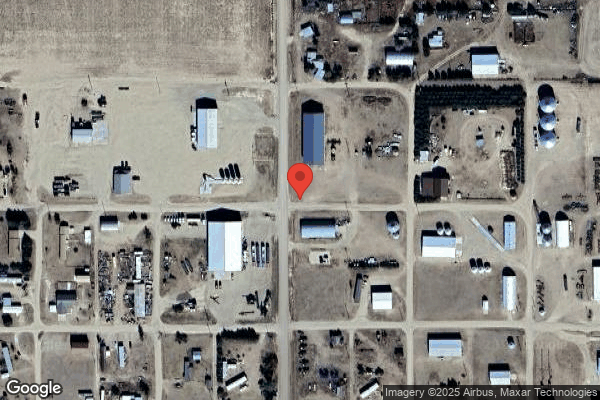
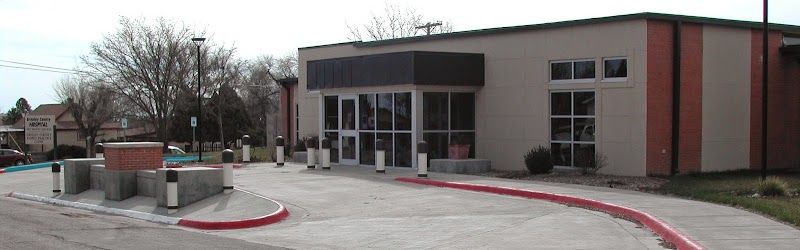
506 3RD STREET, TRIBUNE, KS 67879 (620) 376-4221
Non profit - Corporation 16 Beds Independent Data: November 2025
Trust Grade
63/100
#70 of 295 in KS
Last Inspection: August 2024

Within standard 12-15 month inspection cycle. Federal law requires annual inspections.

Overview

Greeley County Hospital LTCU has a Trust Grade of C+, which means it is slightly above average but still has room for improvement. Ranking #70 out of 295 facilities in Kansas places it in the top half, while being #1 of 1 in Greeley County indicates it is the only option available locally. The facility is trending positively, showing improvement from 9 issues in 2023 to just 4 in 2024. Staffing is a strong point, with a 5/5 star rating and a turnover rate of only 25%, which is well below the state average. However, there have been some concerning incidents, such as a resident suffering a second-degree burn from a hot beverage served in the wrong cup and another resident falling and breaking her hip due to inadequate staff response. Overall, while Greeley County Hospital LTCU shows strengths in staffing and safety improvements, families should be aware of past incidents that indicate potential risks.

Trust Score
C+
63/100
In Kansas
#70/295
Top 23%
Safety Record
High Risk
Review needed
Inspections
Getting Better
9 → 4 violations
Staff Stability
✓ Good
25% annual turnover. Excellent stability, 23 points below Kansas's 48% average. Staff who stay learn residents' needs.
Penalties
✓ Good
No fines on record. Clean compliance history, better than most Kansas facilities.
Skilled Nurses
✓ Good
Each resident gets 67 minutes of Registered Nurse (RN) attention daily — more than 97% of Kansas nursing homes. RNs are the most trained staff who catch health problems before they become serious.
Violations
⚠ Watch
20 deficiencies on record. Higher than average. Multiple issues found across inspections.
★★★★☆
4.0
Overall Rating
★★★★★
5.0
Staff Levels
★★★☆☆
3.0
Care Quality
★★★☆☆
3.0
Inspection Score
Stable
2023: 9 issues
2024: 4 issues

The Good

  • 5-Star Staffing Rating · Excellent nurse staffing levels
  • Low Staff Turnover (25%) · Staff stability means consistent care
  • Full Sprinkler Coverage · Fire safety systems throughout facility
  • No fines on record
  • Staff turnover is low (25%)

    23 points below Kansas average of 48%

Facility shows strength in staffing levels, staff retention, fire safety.

The Bad

No Significant Concerns Identified

This facility shows no red flags. Among Kansas's 100 nursing homes, only 1% achieve this.

The Ugly 20 deficiencies on record

3 actual harm
Aug 2024 4 deficiencies 1 Harm
SERIOUS (G)

Actual Harm - a resident was hurt due to facility failures

Accident Prevention (Tag F0689)

A resident was harmed · This affected 1 resident

**NOTE- TERMS IN BRACKETS HAVE BEEN EDITED TO PROTECT CONFIDENTIALITY** The facility had a census of 16 residents. The sample included nine residents with two reviewed for accidents. Based on observat...

Read full inspector narrative →
**NOTE- TERMS IN BRACKETS HAVE BEEN EDITED TO PROTECT CONFIDENTIALITY** The facility had a census of 16 residents. The sample included nine residents with two reviewed for accidents. Based on observation, record review, and interview the facility failed to ensure an environment free from accidents for Resident (R)3, when staff served her a hot beverage in the wrong cup. R3 spilled the hot beverage on her abdomen, which caused a second-degree burn (potentially painful burn that affects the first and second layer of the skin) and placed the resident at risk for increased pain. Findings included: - R3's Electronic Health Record (EHR) revealed diagnoses of multiple sclerosis (MS-a disorder of the central nervous system marked by weakness, numbness, a loss of muscle coordination, and problems with vision, speech, and bladder control), major depressive disorder (major mood disorder which causes persistent feelings of sadness), dysphagia (swallowing difficulty), and weakness. R3's admission Minimum Data Set (MDS), dated [DATE], recorded the resident had a Brief Interview Mental Status (BIMS) score of 13, indicating intact cognition. The assessment revealed the resident required set-up assistance with eating. R3's Hot Liquid Assessment dated 06/27/24, documented a score of three and a score of two that indicated a risk of spills from hot liquid. The assessment documented the resident was to have hot liquids in a cup with lids. R3's Care Plan, dated 06/27/24, recorded R3 required staff assistance with most activities of daily living (ADL) care. The care plan documented the resident had a self-care performance deficit with contractures (abnormal fixation of a joint or muscle) and could feed herself. The plan documented that staff would assist with cutting up her food. The plan directed staff to serve hot liquids in a lidded cup, due to R3's documented risk of spills from hot liquids. R3's Care Conference dated 07/10/24, documented the resident had honey-thickened liquids, preferred water only, and used a Kennedy cup (a lightweight, easy to grip, no-spill cup that only dispensed liquids as the resident sucked on the straw) with meals. R3's EHR recorded a Progress Note, dated 07/25/24 at 09:14 AM, that documented R3 dropped her Styrofoam cup of hot cocoa, and the lid came off; this caused the cocoa to spill onto R3's abdomen. Staff called the clinic, and no new orders were obtained at that time. Staff made an appointment for R3 to see the physician in the morning. The Progress Note, dated 07/25/24 at 11:26 AM, documented R3 went to the hospital to see the physician. R3's abdomen was assessed and had redness that remained on the upper abdomen under the breast area. The area was 0.6 centimeters (cm) with round, raised, fluid-filled blisters in the middle of the burned area. The physician ordered medication for the burned area. The late entry Progress Note, dated 07/25/24 at 11:40 AM, documented R3 had a hot liquid spill incident. The staff were educated, and a report was sent to the state agency. The note documented the burn occurred because the resident was in isolation for positive COVID-19 (highly contagious respiratory virus) status and dietary staff served her meals and liquids in disposable containers. R3's hot liquids were served in a Styrofoam cup. The note recorded that dietary staff were operating under old COVID-19 guidelines where disposable plates and cups were used. The Progress Note, dated 07/26/24 at 11:01 AM, documented R3 continued to have burns to the top of her abdomen under the breast. The area was red with one blister present, approximately 1 cm, round, and fluid-filled. Staff applied bacitracin (a topical antibiotic ointment) and Telfa (non-stick dressing) dressing. The Progress Note, dated 07/27/24 at 12:09 AM, documented R3 had a dressing in place on the abdomen on the burns. R3's skin continued to be blistered. The resident denied discomfort. The Progress Note, dated 07/27/24 at 09:55 AM, documented that staff applied bacitracin ointment topically one time a day for blisters to R3's abdomen and covered with a nonadherent gauze dressing until healed. The note documented the resident's skin continued with redness to the right upper abdomen under her breast with one large fluid-filled clear blister to the inner upper abdomen. When the dressing change was completed, R3 complained the area was tender to touch. The Physician Notes, dated 07/30/24 at 03:43 PM documented R3's provider visited to follow up on the burn to R3's abdomen but issued no new orders. R3's Skin Assessment dated 08/08/24, documented a faded area with slight redness to the upper mid-abdomen. The area was small, scaly, and had a scab healing. The assessment noted no open areas. R3's Hot Liquid Assessment, dated 08/08/24 (14 days after the hot liquid burn), documented the resident had a neurological diagnosis, a psychiatric diagnosis, poor muscular control, and low mobility. The assessment documented the resident had experienced burns from a previous spill and would benefit from a burn-proof protector during the consumption of hot liquids. The assessment documented the resident could not manage hot liquids independently and was at risk for hot liquid spills. On 08/28/24 at 07:50 AM, observation revealed R3 sat in a wheelchair at the dining room table dressed in street clothes. Continued observation revealed the resident had three drinks in Kennedy cups. On 08/27/24 at 09:30 AM, Administrative Nurse D verified she was on vacation when the incident occurred. Administrative Nurse D stated the resident was diagnosed with COVID-19 on 07/15/24 and was in her room on isolation precautions. Administrative Nurse D verified the dietary staff prepared a room tray for the resident that included a Styrofoam cup with a lid and a straw but due to the resident's limited mobility, hand contractures, and weakness, she put a hole in the cup when she grabbed it and the lid popped off resulting in the liquid leaking on her abdomen. This caused burns. Administrative Nurse D verified the resident was supposed to have a Kennedy cup, not a Styrofoam cup, and that is the reason she sustained the burns to her abdomen. Administrative Nurse D instructed the dietary department it was ok for an isolation resident to have the Kennedy cups instead of the Styrofoam and they could sanitize the cup. Administrative Nurse D verified the facility completed a hot liquid assessment upon admission on [DATE]. Administrative Nurse D stated that after R3's burn incident, the facility utilized a new Hot Liquid Assessment that used more information to identify residents at risk for burns and spills. The facility's Hot Beverage policy dated 08/14/24 , documented that all hot beverages served to residents in their room or dining room would be in insulated mugs and the temperature should not exceed 160 degrees Fahrenheit. The facility failed to provide R3 with the correct Kennedy cup to prevent hot liquid accidents resulting in R3 spilling the hot liquid on her abdomen which caused a second-degree burn and placed the resident at risk for increased pain. The facility completed all corrective actions, to include staff education, by 08/15/24, prior to the onsite survey. Therefore, the deficient practice was deemed past noncompliance at a G scope and severity.
CONCERN (D)

Potential for Harm - no one hurt, but risky conditions existed

Quality of Care (Tag F0684)

Could have caused harm · This affected 1 resident

**NOTE- TERMS IN BRACKETS HAVE BEEN EDITED TO PROTECT CONFIDENTIALITY** The facility had a census of 16 residents. The sample included nine residents with two reviewed for skin issues. Based on observ...

Read full inspector narrative →
**NOTE- TERMS IN BRACKETS HAVE BEEN EDITED TO PROTECT CONFIDENTIALITY** The facility had a census of 16 residents. The sample included nine residents with two reviewed for skin issues. Based on observation, interview, and record review the facility failed to perform weekly skin assessments and follow-up documentation of non-pressure related skin issues found for Resident (R) 9, placing R9 at risk for further skin issues. Findings included: - R9's Electronic Medical Record (EMR) documented diagnoses of dermatitis (swelling and irritation of the skin), history of venous thrombosis (a clot that developed within a blood vessel) absence of the right leg above the knee, and anemia (inadequate number of healthy red blood cells to carry adequate oxygen to body tissues). The Quarterly Minimum Data Set (MDS), dated [DATE], documented a Brief Interview for Mental Status (BIMS) score of 14, indicating intact cognition. The MDS documented that R9 was independent with eating and required staff assistance with dressing toileting and mobility. The MDS documented R9 was at risk for pressure ulcers (localized injury to the skin or underlying tissue usually over a bony prominence, as a result of pressure, or pressure in combination with shear and/or friction) but had no skin issues. R9's Care Plan, dated 11/02/23 and revised on 04/24/24, stated the resident required skin inspection (weekly and as needed) and directed staff to observe for redness, open areas, scratches, cuts, bruises and report changes to the nurse. The Progress Note, dated 07/01/24 documented an open wound approximately one centimeter (cm) by 0.5cm, on R9's lower left leg just below the knee. The note stated the site had been oozing clear fluid and the nurse covered it with a 2x2 gauze and band-aid. R9's EMR had no follow-up note or assessment of the skin issue and the next skin assessment was dated 07/26/24, three and half weeks later. The Skin Assessment, dated 07/26/24, documented a scabbed area to the top of R9's left second toe, measuring 1 cm x 0.5 cm, and a band-aid was applied. R9's EMR had no follow-up note or assessment of the skin issue and the next skin assessment was dated 08/13/24, over two weeks later. A review of the documented Skin Assessments revealed four separate weeks without an assessment (07/07-13/24, 07/14-20/24, 07/28/24 - 08/03/24, 08/04-10/24.) On 08/29/24 at 08:59 AM, observation revealed R9 was in bed. Administrative Nurse D performed a skin check and found no skin issues on R9's left leg and toe. On 08/27/24 at 08:05 AM, Administrative Nurse D verified staff had not documented skin assessments weekly and she verified staff should have followed up on the documented skin issues of 07/01/24 and 07/26/24. The facility's Skin Assessment policy, dated 08/29/24, stated all residents would receive a head-to-toe skin assessment on admission and weekly thereafter. Any skin issues identified should be documented on the assessment form. The facility failed to perform weekly skin assessments and follow-up documentation of skin issues found for R9. This placed R9 at risk for further skin issues due to the lack of routine skin assessments and follow-up of identified skin issues.
CONCERN (D)

Potential for Harm - no one hurt, but risky conditions existed

Deficiency F0761 (Tag F0761)

Could have caused harm · This affected 1 resident

**NOTE- TERMS IN BRACKETS HAVE BEEN EDITED TO PROTECT CONFIDENTIALITY** The facility had a census of 16 residents. The sample included nine residents. Based on observation, interview, and record revie...

Read full inspector narrative →
**NOTE- TERMS IN BRACKETS HAVE BEEN EDITED TO PROTECT CONFIDENTIALITY** The facility had a census of 16 residents. The sample included nine residents. Based on observation, interview, and record review the facility failed to label and date one vial of insulin (a hormone that lowers the level of glucose in the blood) for Resident (R) 15, placing R15 at risk of receiving expired or ineffective insulin. Findings included: - On [DATE] at 09:24 AM, observation in the facility's medication storage room revealed one Fiasp (fast-acting insulin) insulin vial which had been accessed, but not dated at that time. On [DATE] Medlineplus.Gov documented unrefrigerated unopened vials, cartridges, and pens of insulin aspart solution (Fiasp) can be used within 28 days, but after that time they must be discarded. On [DATE] at 09:24 AM, Administrative Nurse D verified the vial should have been dated when opened and first accessed. The facility's Medication Labeling and Storage policy, dated [DATE], stated medications would be labeled and stored in accordance with facility requirements and state and federal laws. Multi-dose vials that have been opened or accessed would be dated and discarded within 28 days unless the manufacturer specified a different date for that vial. The facility failed to date R15's vial of insulin when opened, placing her at risk of receiving ineffective insulin.
CONCERN (F)

Potential for Harm - no one hurt, but risky conditions existed

Staffing Data (Tag F0851)

Could have caused harm · This affected most or all residents

The facility had a census of 16 residents. Based on record review and interview, the facility failed to submit complete and accurate staffing information through Payroll Based Journal (PBJ) as require...

Read full inspector narrative →
The facility had a census of 16 residents. Based on record review and interview, the facility failed to submit complete and accurate staffing information through Payroll Based Journal (PBJ) as required. This deficient practice placed the residents at risk for unidentified and ongoing inadequate nurse staffing. Findings included: - The PBJ report provided by the Centers for Medicare & Medicaid Services (CMS) for Fiscal Year (FY) 2024 Quarter 1 indicated no licensed nurse coverage on the following dates: 10/08/23, 10/09/23, 10/15/23, 10/22/23, 10/28/23, 11/05/23, 11/11/23, 11/16/23, 11/23/23, 11/24/23, 12/03/23, 12/17/23, and 12/30/23. A review of the facility's licensed nurse payroll data for the dates listed above revealed a licensed nurse was on duty 24 hours a day, seven days a week. On 08/27/24 at 11:30 AM, Administrative Nurse D verified the facility had submitted nursing hours and data for the PBJ that lacked the coverage of the agency and hospital RN coverage. Administrative Nurse D verified the nurse clock in hours and the facility had nurse coverage on all the days documented above. The Mandatory Submission of Uniformed Staffing Information, dated 08/29/24 documented the facility complete submission of staffing information-based payroll data in a uniform format as specified by regulatory requirements. The facility would electronically submit to the Centers for Medicare and Medicaid Services (CMS). The data would include the category of work for each person on direct care staff, including, but not limited to if the individual is a registered nurse (RN)), licensed practical nurse (LPN), certified nursing assistant, therapist, or other type of medical personnel as specified by CMS. The Director of Nursing (DON) would review that monthly to ensure accurate reporting and notify the designated person assigned to data submission as to any corrections needing to be made. Prior to the end of the quarter submissions, the DON would again review entire quarterly submissions to ensure accurate reporting and notify the designated person assigned data submission as to any corrections needing to be made. The facility failed to submit accurate PBJ data which placed the residents at risk for unidentified and ongoing inadequate staffing.
Jun 2023 9 deficiencies 2 Harm
SERIOUS (G)

Actual Harm - a resident was hurt due to facility failures

Accident Prevention (Tag F0689)

A resident was harmed · This affected 1 resident

**NOTE- TERMS IN BRACKETS HAVE BEEN EDITED TO PROTECT CONFIDENTIALITY** The facility had a census of 18 residents. The sample included eight residents. Based on observation, record review and intervie...

Read full inspector narrative →
**NOTE- TERMS IN BRACKETS HAVE BEEN EDITED TO PROTECT CONFIDENTIALITY** The facility had a census of 18 residents. The sample included eight residents. Based on observation, record review and interview the facility failed to promote an environment free of hazards for Resident (R)8 who smoked cigarettes but was not assessed for safe smoking practices by the facility. This placed the resident at risk for avoidable injuries and fire related hazards Findings included: - R8's diagnoses include cerebrovascular disease (CVA-sudden death of brain cells due to lack of oxygen caused by impaired blood flow to the brain by blockage or rupture of an artery to the brain) major depressive disorder (major mood disorder) , hyperkalemia (greater than normal amounts of calcium in the blood), hypertension (elevated blood pressure), and gastro-esophageal reflux disease (backflow of stomach contents to the esophagus). R8's Annual Minimum Data Set (MDS), dated [DATE], documented the resident had a Brief Interview for Mental Status (BIMS) score of 15 indicating intact cognition. The MDS documented R8 was independent with activities of daily living (ADLs), used a cane or walker for mobility and required staff supervision in the facility. R8's Activities of Daily Living Care Plan, dated 03/22/23, directed staff to assist the resident to use a wheelchair for independent locomotion as needed for weakness and being unsteady. The care plan recorded R8 had limited physical mobility and right-handed weakness post CVA. R8's Smoking Care Plan dated 03/22/23, directed staff to instruct R8 about smoking risk and hazards and about cessation aids that were available to quit smoking. The care plan further stated the resident could smoke unsupervised and instructed the resident was able to keep the lighter and cigarettes at bedside. R8's clinical record lacked evidence the facility assessed R8 for safe smoking practices including safe storage of smoking materials . On 06/05/23 at 12:45 PM, observation revealed R8 sat in a wheelchair in enclosed patio. Further observation revealed R8 took a cigarette and lighter out of her shorts pocket and lit a cigarette. R8 smoked the cigarette and placed the lighter back in her shorts pocket. R8 propelled herself into the facility independently. On 06/06/23 at 09:20 AM, Administrative Nurse D verified R8 was the only resident in the facility who smoked and said R8 could smoke any time. Administrative Nurse D said R8 kept her cigarettes and lighter in her room. Administrative Nurse D verified the facility lacked a safe smoking assessment for the resident and said staff would complete one. The Smoking Assessment policy, dated June 6, 2023, documented the facility would allow residents to smoke in designated areas on the property if the facility is adhered to by the resident. When the resident requests to smoke, the Care Plan Team will assess the resident's capabilities and deficits to determine appropriate supervision and assistance. Smoking will be allowed in designated outdoor areas in the facility that are not near flammable substances or where oxygen is used. Residents, resident representatives, and visitors will be informed of the facility's smoking policy at the time of admission. The purpose of this policy is to ensure an assessment is complete when a resident request to smoke or use other smoking materials to ensure precautions are taken for every resident's safety as well as the safety of others in the facility. Smoking is not a right, but a privilege and with all privilege and with all privileges come responsibilities. If this Smoking Policy is not followed, the facility reserves the right to exclude the residents from smoking either temporarily or permanently. The Smoking Policy documented if any resident chose to smoke, they will be assessed by a member of the Interdisciplinary team using the Smoking Safety Screen Assessment. The facility failed to promote a safe environment for R8 and all the residents residing in the facility, placing the residents at risk for smoke or fire.
SERIOUS (G)

Actual Harm - a resident was hurt due to facility failures

Deficiency F0725 (Tag F0725)

A resident was harmed · This affected 1 resident

The facility identified a census of 16 residents. Based on record review, observation, and interview, the facility failed to provide sufficient nurse staffing with the appropriate competencies and ski...

Read full inspector narrative →
The facility identified a census of 16 residents. Based on record review, observation, and interview, the facility failed to provide sufficient nurse staffing with the appropriate competencies and skill sets to assure residents safety and attain or maintain the highest practicable physical, mental, and psychosocial wellbeing for Resident (R)1 which resulted in R1 falling and breaking her left hip. On 07/26/23 at 02:15 AM, Certified Medication Aide (CMA) R sat at the nurse's station and heard someone yelling. CMA R went down the hallway and found R1 in her room by her bed. R1 stated, I fell, and I can't get up and R1 stated she was trying to reach her call light, which was noted to be at the end of her bed. CMA R called the hospital to get one of the nurses to come help with R1's assessments and neurological checks. R1 told the hospital nurse her left hip hurt. The two hospital nurses who responded to the incident provided a few routine checks of R1's range of motion and then decided to take R1 to the emergency room. CMA R notified R1's son about the fall and R1 went to the emergency room. R1 sustained a broken left hip and transferred to a higher level of care for surgical repair of her left hip R1 sustained a broken left hip and was sent to a higher level of care for surgical repair of her left hip. This deficient practice placed R1 at risk for falls, injury, and pain. Findings included: - R1's Electronic Medical Record, documented R1 had diagnoses of Parkinson's Disease (slowly progressive neurologic disorder characterized by resting tremor, rolling of the fingers, masklike faces, shuffling gait, muscle rigidity and weakness), major depressive disorder (major mood disorder), and adult failure to thrive. The Quarterly Minimum Data Set (MDS), dated 05/27/23, documented R1 had a Brief Interview for Mental Status (BIMS) score of eight which indicated severely impaired cognition. The MDS documented R1 required limited to extensive assistance of one person for all of her activities of daily living. The MDS documented R1 had two or more falls during the look back period without injury. The Activity of Daily Living (ADL)/Rehabilitation Potential Care Area Assessment (CAA), dated 11/24/22, documented R1 required limited assistance with ADL's due to severe visual impairment. The CAA documented R1 was a high fall risk. The Cognitive Loss/Dementia CAA, dated 11/24/22, documented R1 was a one assist with transfers and ambulation due to vision issues and had a history of falls. The Fall Care Plan, dated 11/21/22, documented R1 was a high risk for falls due to gait/balance problems. The care plan documented R1 would be free from minor injury and would not sustain serious injury. The care plan directed staff to anticipate and meet R1's needs, ensure R1's call light was within reach, promptly respond to all requests for assistance, ensure R1 was wearing appropriate footwear during the day and non-skid socks at night when ambulating or mobilizing in her wheelchair. The Fall Risk Assessment, dated 05/30/23, documented R1 had a fall risk score of 85 which indicated she was a high fall risk. The EMR lacked any nursing documentation regarding R1's fall. The Witness Statement, dated 07/26/23, documented CNA M was in another resident's room performing 02:00 AM rounds when CMA R came and told CMA M that R1 had fallen. CMA M finished with the resident she was working with and offered her assistance. The two emergency room nurses came to R1's room. CNA M stated she helped get R1 up to her wheelchair. CNA M stated R1 stated she was trying to reach for her call light when she had fallen. CNA M stated the previous CNA had forgotten to give R1 her call light. The Witness Statement, dated 07/26/23, documented CMA R was sitting at the nurses station when she heard R1 yelling, I fell and I can't get up. CMA R asked R1 what had happened and R1 stated that she was trying to get her call light at the end of the bed. CMA R stated that an agency CNA had put R1 to bed the previous evening and did not put R1's call light next to her but left it at the end of the bed. CMA R called the hospital for a nurse to come over and check R1 out. Two emergency room nurses came over. R1 complained of her left hip hurting. The nurses did some range of motion with R1. The two nurses suggested that R1 be taken to the emergency room. CMA R stated that she notified R1's Durable Power of Attorney (DPOA) of the fall. R1 was unavailable for observation or interview. On 07/31/23 at 01:00 PM, Administrative Nurse D stated that there had not be a Licensed Nurse (LN) on the evening of 07/25/23 through the morning of 07/26/23. Administrative Nurse D stated that the LN that was scheduled was called away due to an emergency, so the facility had the nurses at the hospital provide nursing coverage. Administrative Nurse D stated that the LN provided assessments and medication administration to the Skilled residents of the facility and the CMA provided medication administration to the other residents in the facility. Administrative Nurse D stated that once the Skilled residents' medications were administered a CMA and CNA could handle the twenty-nine residents in the building and call a nurse over from the hospital if needed. Administrative Nurse D verified that there was not a LN in the facility supervising and caring for the residents in the facility at the time of R1's fall. Administrative Nurse D stated that the facility would normally staff one LN, one CMA, and one CNA for the night shift. Administrative Nurse D stated that not having a LN on shift didn't happen a lot but it did happen and they have used the hospital nurses as coverage before. Administrative Nurse D stated that R1 rarely slept in her bed but would rather sleep out in the living area in a recliner. The night of 07/25/23 thru 07/26/23, R1 had requested to go to bed. Administrative Nurse D stated that CMA R and CNA M did rounds at 12:00 AM and just looked in on R1 and did not go in her room to ensure that her call light was in reach. Administrative Nurse D stated that she had educated CMA R and CNA M to ensure that they understood the importance of going into the residents rooms and laying eyes on them to ensure the residents were safe. Administrative Nurse D stated the facility did not have a staffing policy. The facility Fall Policy, dated 10/12/22, documented in the event a fall occurs the charge nurse will evaluate and investigate the fall and implement any immediate interventions deemed necessary, complete the Fall Assessment, obtain a set of vital signs, follow procedures in the neuro check policy, notify the physician of the fall, and monitor and document for 72 hours post fall. In an attempt to prevent falls, the following shall occur: orientation to place (room, equipment, bathroom, etc.), residents shall be assessed for toileting needs, shoes or slippers shall be used for ambulation and provided if the resident does not have any, bed shall be maintained in lowest position, rooms shall be free from excess equipment and furniture, routine nursing rounds shall be done for assessment of needs, gait belts will be available for assistance with ambulation, needs for assistive devices and assistance shall be communicated to other departments participating in resident care, and utilization of bed and chair alarms for residents when deemed appropriate. The facility did not provide a staffing policy. The facility failed to provide sufficient nurse staffing with the appropriate competencies and skill sets to assure residents safety and attain or maintain the highest practicable physical, mental, and psychosocial wellbeing for R1 which resulted in R1 falling and breaking her left hip. This deficient practice placed R1 at risk for falls with injury and pain.
CONCERN (D)

Potential for Harm - no one hurt, but risky conditions existed

Resident Rights (Tag F0550)

Could have caused harm · This affected 1 resident

The facility had a census of 16 residents. The sample included eight residents. Based on observation, record review, and interview, the facility failed to promote care in a manner to maintain and enha...

Read full inspector narrative →
The facility had a census of 16 residents. The sample included eight residents. Based on observation, record review, and interview, the facility failed to promote care in a manner to maintain and enhance dignity and respect when staff administered nasal spray to Resident (R)2 in the dining room with other residents in full view of the procedure. This placed the resident at risk for an undignified experience. Findings included: - On 06/06/23 at 07:55 AM, observation revealed R2 sat at the dining room table and Certified Medication Aide (CMA) M administered fluticasone propionate (anti-allergy nasal spray) nasal spray and morning medications to the resident's nostril while 15 other residents were in the dining room in full view of the nasal administration. On 06/08/23 at 09:20 AM, Administrative Nurse D stated she expected the nurse to administer the nasal spray to the resident in another, private area. The facility's Resident Rights policy dated February 23, 2023, documented each resident residing in the facility has the right and would be afforded the right to a dignified existence self-determination, and communication with and access to persons and services inside and outside the facility without interference. The policy documented each resident would be treated with dignity and would be allowed and encouraged to make choices, to be able to have access to friends and family of choices at times the resident chooses, and to services providers of the residents choice both inside and outside the facility and be free from abuse, neglect and misappropriation of personal property. The facility failed to promote care for R2 in a manner to maintain and enhance dignity and respect, placing the residents at risk for an undignified experience.
CONCERN (D)

Potential for Harm - no one hurt, but risky conditions existed

Deficiency F0625 (Tag F0625)

Could have caused harm · This affected 1 resident

**NOTE- TERMS IN BRACKETS HAVE BEEN EDITED TO PROTECT CONFIDENTIALITY** The facility had a census of 16 residents. The sample included eight residents with one reviewed for hospitalization. Based on o...

Read full inspector narrative →
**NOTE- TERMS IN BRACKETS HAVE BEEN EDITED TO PROTECT CONFIDENTIALITY** The facility had a census of 16 residents. The sample included eight residents with one reviewed for hospitalization. Based on observation, interview, and record review the facility failed to inform Resident (R) 11 of the facility's bed hold policy when she was transferred to the hospital. This deficient practice placed R11 at risk to make uninformed decisions regarding her care. Findings included: - R11's Electronic Medical Record documented diagnoses of pain, right leg above knee amputation (surgical removal of a limb), heart failure (condition that develops when your heart doesn't pump enough blood for your body's needs), anemia (condition in which the blood doesn't have enough healthy red blood cells), polyneuropathy (malfunction of many peripheral nerves throughout the body), hypertension (high blood pressure), cellulitis (bacterial skin infection), and a history of blood clots. R11's Annual Minimum Data Set (MDS), dated [DATE], documented a Brief Interview for Mental Status (BIMS) score of 15, indicating intact cognition. The MDS documented R11 was independent with eating, hygiene, and locomotion, but required staff assistance with dressing, toileting, and transfers. R11's medical record documented R11 was hospitalized [DATE] to 03/13/23. R11's clinical record lacked evidence she received a bed hold notice for the above hospitalization. The facility was unable to provide evidence R11 received a bed hold notice. On 06/06/23 at 07:09 AM, observation revealed R11 at the dining table and Certified Medication Aide (CMA) R administered medication to her. On 06/08/23 at 09:22 AM, Administrative Nurse D verified staff had not provided a bed hold notice to the resident. Upon request the facility did not provide a Bed Hold Notice policy. The facility failed to inform R11 of the facility's bed hold policy or provide the notice when R11 was transferred to the hospital, placing R11 at risk to make uninformed decisions regarding her care.
CONCERN (D)

Potential for Harm - no one hurt, but risky conditions existed

Pharmacy Services (Tag F0755)

Could have caused harm · This affected 1 resident

**NOTE- TERMS IN BRACKETS HAVE BEEN EDITED TO PROTECT CONFIDENTIALITY** The facility had a census of 16 residents. The sample included eight residents with one reviewed for vision. Based on observatio...

Read full inspector narrative →
**NOTE- TERMS IN BRACKETS HAVE BEEN EDITED TO PROTECT CONFIDENTIALITY** The facility had a census of 16 residents. The sample included eight residents with one reviewed for vision. Based on observation, interview, and record review the facility failed to ensure availability of eye drops as prescribed by the physician for Resident (R) 14. This deficient practice placed R14 at risk for eye discomfort or further reduction in vision. Findings included: - R14's Electronic Medical Record documented diagnoses of glaucoma (group of eye conditions that can cause blindness), dry eye syndrome (condition that occurs when your tears aren't able to provide adequate lubrication for your eyes) and ocular pain (physical discomfort in the eye's surface or deep within the eye, ranging from a slight irritation to severe pain). The Quarterly Minimum Data Set (MDS), dated [DATE], documented a Brief Interview for Mental Status (BIMS) score of 15, indicating intact cognition. The MDS documented a mood score of 14, indicating significant depression (common and serious medical illness that negatively affects how you feel, the way you think and how you act), and was independent with all activities of daily living. The MDS documented R14 received pain medication as needed and reported frequent severe pain. The Medication Care Plan, dated 03/29/23, directed staff to administer medications as ordered, monitor for side effects and effectiveness, and provide a pharmacy review monthly or per protocol. The Physician Order, dated 04/28/2023, directed staff to administer Refresh Optiv Mega-3 Ophthalmic Solution 0.5-1-0.5 % (carboxymethylcellu lose-glycerinpolysorbate 80) Instill one drop in left eye every hour for dry eyes. The order was changed to one drop both eyes every two hours while awake, 05/19/23. The Medication Administration Record (MAR) documented the eye drops were not administered as ordered 57 opportunities in April, 128 times in May, and none the first five days of June 2023. The Optometrist Note, dated 01/11/23, stated R14 had a history of 20 eye surgeries. R14 was blind in the right eye and had blurry vision in his left eye. The Optometrist Note, dated 04/12/23, recorded R14 had bilateral, corneal opacity, of the left eye (OS) with recent worsening. The note recorded a plan to refer to a corneal specialist. The note also recorded corneal edema (swelling), in both eyes and severe stage glaucoma in the right eye (OD). The Medication Note, dated 04/19/23 at 04:00 PM, documented Refresh Optiv Mega-3 Ophthalmic Solution eye drops were on back order from pharmacy. The Medication Note, dated 06/6/23 at 04:02 PM, documented Refresh Optiv Mega-3 Ophthalmic Solution was on back order. The 06/06/23 at 07:49 PM late entry note documented that on 05/19/23 and on 06/02/23, during R14's eye physician appointments, R14 told his physician that he was out of the Refresh Optiv Mega-3. The staff with him reported it was on backorder and was not sure when it would be available. R14 asked the physician if he could use the PRN (as needed) Systane eye drops until the prescription eye drops were available. The physician agreed to that. On 06/06/23 at 07:36 AM, observation revealed Certified Medication Aide (CMA) R administered medications to R14 including Systane Ultra 0.3-0.4%, one drop in each eye. On 06/05/23 at 12:10 PM, R14 stated one staff always administered his eye drops late and he usually had to go ask for them. On 06/05/23 at 03:25 PM, CMA S stated the Refresh Megs Optiv 3 eye drops were not in from the pharmacy yet and stated R14 had not received them since last month, 05/09/23. CMA S stated R14 received the eye drops hourly then the order was switched to every two hours. She stated staff administer the PRN Systane eye drops as an alternative. On 06/07/23 at 08:13 AM, Administrative Nurse D verified staff should have notified the optometrist the ophthalmic solution had not been delivered or administered when they did not receive it the first week or two after it was ordered. She stated the transportation aide heard R14 discuss it with his optometrist during the appointment. Administrative Nurse D verified the lack of facility documentation regarding physician awareness of the lack of administration due to not receiving the medication from pharmacy. Administrative Nurse D stated she had contacted the pharmacist who verified they had not reported the issue to the optometrist. The facility's Administration of Medications policy, dated 12/15/22, stated the charge nurse or CMA should administer medications as ordered by the physician. The facility failed to ensure availability of eye drops as prescribed by the physician for R14, placing R14 at risk for eye discomfort, and further decline in visual function.
CONCERN (D)

Potential for Harm - no one hurt, but risky conditions existed

Drug Regimen Review (Tag F0756)

Could have caused harm · This affected 1 resident

**NOTE- TERMS IN BRACKETS HAVE BEEN EDITED TO PROTECT CONFIDENTIALITY** The facility had a census of 16 residents. The sample included eight residents, with five reviewed for unnecessary medications. ...

Read full inspector narrative →
**NOTE- TERMS IN BRACKETS HAVE BEEN EDITED TO PROTECT CONFIDENTIALITY** The facility had a census of 16 residents. The sample included eight residents, with five reviewed for unnecessary medications. Based on observation, record review, and interview, the facility's failed to ensure the Consultant Pharmacist identified and reported an inappropriate indication for the use of an antipsychotic medication (class of medications used to treat any major mental disorder characterized by a gross impairment in reality testing and other mental emotional conditions) for one of five sampled residents, Resident (R)13 and failed to notify the director of nursing of missing administration of prescribed eye drops for R14. This placed the residents at risk for unnecessary medications and related side effects. Findings included: - R13 ' s Physician Order Sheet (POS), documented diagnoses of dementia (progressive mental disorder characterized by failing memory, confusion) without behavioral disturbance, and anxiety (mental or emotional reaction characterized by apprehension, uncertainty and irrational fear.) R13 ' s Quarterly Minimum Data Set (MDS), dated [DATE], recorded the resident had intact cognition with inattentive behaviors and disorganized thinking. The MDS recorded the resident was independent with bed mobility, locomotion on the unit, dressing and personal hygiene. The MDS documented R13 received an antipsychotic medication seven days during the lookback period. R13's Cognitive loss/Dementia Care Area Assessment, dated 08/31/22 recorded the resident had a diagnosis of dementia with confusion. R13's Psychotropic [affects mood or thought] Care Plan, dated 03/13/23 directed staff to monitor the resident's behaviors. R13 would pace, wander, and disrobe. R13 had inappropriate response to verbal communication, and violence/aggression towards staff/others. The Physician Order, dated 09/01/22, directed the staff to administer R13 ' s Zyprexa (antipsychotic medication) 5 (mg) milligrams, one time a day, for a diagnosis of dementia without behavioral disturbance. The Pharmacy Consult review on 03/24/23 recommended the physician attempt a gradual dose reduction (GDR). The physician replied the physician could address the recommendations at the next psychiatric appointment. On 06/06/23 at 07:50 AM, observation revealed the R13 sat at the dining room table, nicely groomed and dressed. While R13 ate breakfast, Certified Medication Aide (CMA) R administered R13 ' s morning medications. On 06/08/23 at 09:20 AM, Administrative Nurse D verified the inappropriate diagnosis of dementia without behavioral disturbance for R13's use of the Zyprexa medications. Administrative Nurse D further acknowledged there were no recommendations from the pharmacist for an appropriate indication for the use of the Zyprexa. The facility's Psychotropic Medication Monitoring policy, dated October 17, 2022, documented the facility would use and administer psychotropic medications appropriately working with the interdisciplinary team to ensure the appropriate use, evaluation, and monitoring. The facility would make every effort to comply with State and Federal regulations related to the use of psychopharmacological medications in the facility to include regular review for continued need, appropriate dose, side effects, risk and/or benefits. The policy documented upon admission to the facility a resident who had physician ordered psychoactive medication and a diagnosis of dementia, the Director of nursing and staff would obtain an approved diagnosis from the physician for the antipsychotic medication and a specific behavior for the medication use. The facility's Drug Regimen Review policy, dated October 28, 2022, documented the consultant pharmacist would perform a drug regimen review on each resident living in the facility at the of the resident ' s admission to the facility and at least monthly and when requested by a team member of the facility. The review would include but not limited to: Irregularities of any drug that met criteria for an unnecessary drug. Documentation of any/all irregularities on a separate, written report that is sent to the attending physician and the DON and lists: resident ' s name, relevant drug, irregularity identified. Attending physician must document that identified irregularity had been reviewed and what, if any, action had been taken to address the irregularity and document rational for decision(s). The pharmacist would assist in management of the resident ' s medical regimen including Psychotropic drugs defined as any drug that affects brain activity associated with mental process and behavior' with recommendation of Gradual Dose Reduction as appropriate. The facility failed to ensure the Consultant Pharmacist identified and reported to the facility Director of Nursing (DON), medical director, and physician the inappropriate indication for R13's use of Zyprexa. This placed the resident at risk for inappropriate use of an antipsychotic medication. - R14's Electronic Medical Record documented diagnoses of glaucoma (group of eye conditions that can cause blindness), dry eye syndrome (condition that occurs when your tears aren't able to provide adequate lubrication for your eyes) and ocular pain (physical discomfort in the eye's surface or deep within the eye, ranging from a slight irritation to severe pain). The Quarterly Minimum Data Set (MDS), dated [DATE], documented a Brief Interview for Mental Status (BIMS) score of 15, indicating intact cognition. The MDS documented a mood score of 14, indicating significant depression (common and serious medical illness that negatively affects how you feel, the way you think and how you act), and was independent with all activities of daily living. The MDS documented R14 received pain medication as needed and reported frequent severe pain. The Medication Care Plan, dated 03/29/23, directed staff to administer medications as ordered, monitor for side effects and effectiveness, and provide a pharmacy review monthly or per protocol. The Physician Order, dated 04/28/2023, directed staff to administer Refresh Optiv Mega-3 Ophthalmic Solution 0.5-1-0.5 % (carboxymethylcellu lose-glycerinpolysorbate 80) Instill one drop in left eye every hour for dry eyes. The order was changed to one drop both eyes every two hours while awake, 05/19/23. The Medication Administration Record (MAR) documented the eye drops were not administered as ordered 57 opportunities in April, 128 times in May, and none the first five days of June 2023. The Medication Note, dated 04/19/23 at 04:00 PM, documented Refresh Optiv Mega-3 Ophthalmic Solution eye drops were on back order from pharmacy. The Pharmacist Consultant Reviews, dated 04/23/23 and 05/23/23, documented no irregularities and lacked notation of the numerous times R14's prescribed eye drops were not administered. The Medication Note, dated 06/6/23 at 04:02 PM, documented Refresh Optiv Mega-3 Ophthalmic Solution was on back order. The 06/06/23 at 07:49 PM, late entry note documented on 05/19/23 and on 06/02/23, during R14's eye physician appointments, R14 told his physician that he was out of the Refresh Optiv Mega-3. The staff with him reported it was on backorder and was not sure when it would be available. R14 asked the physician if he could use the PRN (as needed) Systane eye drops until the prescription eye drops were available. The physician agreed to that. On 06/06/23 at 07:36 AM, observation revealed Certified Medication Aide (CMA) R administered medications to R14 including Systane Ultra 0.3-0.4%, one drop in each eye. On 06/05/23 at 03:25 PM, CMA S stated the Refresh Megs Optiv 3 eye drops were not in from the pharmacy yet and stated R14 had not received them since last month, 05/09/23. CMA S stated R14 received the eye drops hourly then the order was switched to every two hours. She stated staff administer the PRN Systane eye drops as an alternative. On 06/07/23 at 08:13 AM, Administrative Nurse D stated she had contacted the pharmacist who verified they had not reported the issue to the optometrist or notified the director of nursing or physician of the missing administration documentation. The facility's Drug Regimen Review policy, dated 10/28/22, stated the consultant pharmacist would document any irregularities on a separate written report to the attending physician and the director of nursing and would include medication ordered but not administered. The facility's failed to ensure the Consultant Pharmacist identified and notified the facility of R14's missing administrations of the eye drops as prescribed, placing R14 at risk for eye discomfort, and further decline in visual function.
CONCERN (D)

Potential for Harm - no one hurt, but risky conditions existed

Medication Errors (Tag F0758)

Could have caused harm · This affected 1 resident

**NOTE- TERMS IN BRACKETS HAVE BEEN EDITED TO PROTECT CONFIDENTIALITY** The facility had a census of 16 residents. The sample included eight residents, with five reviewed for unnecessary medications. ...

Read full inspector narrative →
**NOTE- TERMS IN BRACKETS HAVE BEEN EDITED TO PROTECT CONFIDENTIALITY** The facility had a census of 16 residents. The sample included eight residents, with five reviewed for unnecessary medications. Based on observation, record review, and interview, the facilty failed to provide an acceptable indication, or a documented physician rationale which included the multiple unsuccessful attempts for nonpharmacological symptom management and risk versus benefits for Resident (R) 13 who received an antipsychotic (class of medications used to treat psychosis (any major mental disorder characterized by a gross impairment in reality testing) and other mental emotional conditions) medication. This placed the resident at risk for unnecessary antipsychotic medication and related side effects. Findings included: - R13' s Physician Order Sheet (POS), documented diagnoses of dementia (progressive mental disorder characterized by failing memory, confusion) without behavioral disturbance, and anxiety (mental or emotional reaction characterized by apprehension, uncertainty and irrational fear). R13's Quarterly Minimum Data Set (MDS), dated [DATE], recorded the resident had intact cognition with inattentive behaviors and disorganized thinking. The MDS recorded the resident was independent with bed mobility, locomotion on the unit, dressing and personal hygiene. The MDS documented R13 received an antipsychotic medication seven days during the lookback period. R13's Cognitive loss/Dementia Care Area Assessment, dated 08/31/22 recorded the resident had a diagnosis of dementia with confusion. R13's Psychotropic [affects mood or thought] Care Plan, dated 03/13/23, directed staff to monitor the resident's behaviors. R13 would pace, wander, and disrobe. R13 had inappropriate response to verbal communication, and violence/aggression towards staff/others. The Physician Order, dated 09/01/22, directed the staff to administer Zyprexa (antipsychotic medication) 5 milligrams (mg), one time a day, for a diagnosis of dementia without behavioral disturbance. The Pharmacy Consult review on 03/24/23 recommended the physician attempt a gradual dose reduction (GDR). The physician replied the physician could address the recommendations at the next psychiatric appointment. R13's clinical record lacked evidence of a documented physician rationale which included the multiple unsuccessful attempts for nonpharmacological symptom management and risk versus benefits for the continued use for Zyprexa. On 06/06/23 at 07:50 AM, observation revealed the R13 sat at the dining room table, nicely groomed and dressed. While R13 ate breakfast, Certified Medication Aide (CMA) R administered R13 ' s morning medications. On 06/08/23 at 09:20 AM, Administrative Nurse D verified the inappropriate diagnosis of dementia without behavioral disturbance for R13's use of the Zyprexa medications. The facility's Psychotropic Medication Monitoring policy, dated October 17, 2022, documented the facility would use and administer psychotropic medications appropriately working with the interdisciplinary team to ensure the appropriate use, evaluation, and monitoring. The facility would make every effort to comply with State and Federal regulations related to the use of psychopharmacological medications in the facility to include regular review for continued need, appropriate dose, side effects, risk and/or benefits. The policy documented upon admission to the facility a resident who had physician ordered psychoactive medication and a diagnosis of dementia, the Director of nursing and staff would obtain an approved diagnosis from the physician for the antipsychotic medication and a specific behavior for the medication use. The facilty failed to provide an acceptable indication, or a documented physician rationale which included the multiple unsuccessful attempts for nonpharmacological symptom management and risk versus benefits for R13's Zyprexa. This placed the resident at risk for adverse medication effects.
CONCERN (D)

Potential for Harm - no one hurt, but risky conditions existed

Deficiency F0804 (Tag F0804)

Could have caused harm · This affected 1 resident

The facility had a census of 16 residents. The sample included eight residents. Based on observation, record review and interview, the facility failed to correctly prepare a pureed diet for Resident (...

Read full inspector narrative →
The facility had a census of 16 residents. The sample included eight residents. Based on observation, record review and interview, the facility failed to correctly prepare a pureed diet for Resident (R)3 and R5 This placed the residents at risk for inadequate nutrition. Findings included: - On 06/07/23 at 10:30 AM, observation revealed Dietary Staff (DS) CC prepared two pureed diets. Dietary Staff CC placed two serving (3 ounces) of pork chops in a food blender with approximately 16 tablespoons of pork juice. She then blended to the pureed texture and emptied the pureed pork chops in a metal pan and placed in the oven. DS CC placed two servings of Au Grauten potatoes, which she said stated was two ounces and added two tablespoons of potato juice/broth, in a food blender, blended to the pureed texture and emptied in a metal pan and placed in the oven. Dietary Staff CC placed two servings of carrots, approximately two-ounce servings in a food blender and added one package of broth to add flavor and blended to the puree texture. DS CC placed two dinner rolls, in a food blender and added approximately one teaspoon of milk and one teaspoon of butter and blended to the puree texture. On 06/06/23 at 10:35AM, Dietary Staff CC stated she was aware of the amount of liquid she needed to achieve the correct puree texture and did not have a specific recipe to follow for the above pureed food . On 06/07/23 at 03:20 PM, DS BB verified the dietary staff were expected to use a pureed recipe when preparing a pureed diet at the facility. DS BB stated she had just started the Dietary Manager job at the facility and the last Dietary Manager did not have specific paper copies available for each food pureed. DS BB verified the amount of the food and ingredients in a recipe should be followed to achieve the correct nutritional food value and texture and stated she was looking into getting recipes for the foods pureed. The facility's Puree Diet policy, dated January 17, 2020, recorded a resident may require a puree diet if they had trouble chewing and swallowing foods. The policy documented to ensure complete and balanced nutrition while maintaining a puree diet the staff would ensure foods are properly prepared and served by following the Quality in Quantity recipe book, add necessary thickener and appropriate liquid of nutritive value and flavor to obtain desired consistency, portions per recipe, heat or chill the pureed food to safe serving temperatures pureed food shall be prepared into a smooth mashed potato consistency, and appearance is smooth like pudding. The facility failed to prepare pureed diets using professional standards to maintain nutritive and palatable value for R3 and R5. The placed the residents at risk for inadequate nutrition.
MINOR (C)

Minor Issue - procedural, no safety impact

Deficiency F0576 (Tag F0576)

Minor procedural issue · This affected most or all residents

The facility had a census of 16 residents. The sample included eight residents. Based on observation, interview, and record review the facility failed to provide mail delivery for residents on Saturda...

Read full inspector narrative →
The facility had a census of 16 residents. The sample included eight residents. Based on observation, interview, and record review the facility failed to provide mail delivery for residents on Saturdays. Findings included: - On 06/06/23 at 02:38 PM, observation revealed Social Services Designee (SSD) X delivered mail to Resident (R) 11 and had her sign a form. On 06/06/23 at 02:38 PM, SSD X stated hospital administrative staff picked up mail at the post office, then notified facility staff of any resident mail. SSD X verified no staff retrieved and delivered the mail on weekends. On 06/07/23 at 12:52 PM, during the interview for resident council, R1 stated the facility did not deliver mail to the residents on Saturdays as there was no administrative staff on duty to go to the post office to get it. On 06/06/23 at 02:55 PM, Administrative Nurse D verified facility staff did not deliver mail to residents on Saturdays. She stated the hospital administrative staff got the mail from the post office during weekdays, and brought the mail to facility staff; those staff did not work weekends so there was no one to go to the post office on Saturdays. The facility's Right to Send and Receive Mail policy, dated 06/06/23, stated residents would receive all mail unopened and mail would be delivered to the resident on the day it was received by the facility. The facility would arrange for mail pick up on the day the mail is delivered to the post office box. The facility failed to provide services for mail delivery on Saturdays.
Oct 2021 7 deficiencies
CONCERN (D)

Potential for Harm - no one hurt, but risky conditions existed

Deficiency F0657 (Tag F0657)

Could have caused harm · This affected 1 resident

**NOTE- TERMS IN BRACKETS HAVE BEEN EDITED TO PROTECT CONFIDENTIALITY** The facility had a census of 30 residents. The sample included 12 residents. Based on observation, record review, and interview,...

Read full inspector narrative →
**NOTE- TERMS IN BRACKETS HAVE BEEN EDITED TO PROTECT CONFIDENTIALITY** The facility had a census of 30 residents. The sample included 12 residents. Based on observation, record review, and interview, the facility failed to revise care plans for two of 12 sampled residents, Resident (R) 8, and R13 who had several falls with no new interventions. Findings included: - R8's Physician Order Sheet (POS), dated 09/01/21, documented diagnoses of Parkinson's Disease (a progressive disease of the nervous system marked by tremor, muscular rigidity, and slow, imprecise movement), and cerebral infarction (brain or retinal cell death due to prolonged ischemia [an inadequate blood supply to an organ]). The admission Minimum Data Set (MDS), dated [DATE], documented the resident had intact cognition, and required limited assistance of one staff for ambulation and transfers. R8 had unsteady balance, no upper or lower functional impairment and had one non-injury fall and one injury fall since the last assessment The Fall Risk Assessments, dated 09/01/21 and 10/18/21, documented the resident a high risk for falls. The Fall Care Plan, dated 09/08/21, documented R8 was a high risk for falls due to poor communication, unaware of safety needs, gait and balance problems. The Care Plan directed staff to get a physical therapy consultation for strength and mobility, encourage physical activity, and monitor for risk of falls. The update, dated 09/14/21, directed staff to obtain physical therapy evaluation and treat as ordered. The Care Plan lacked further person-centered interventions meant to address risk factors or prevent future falls. The Physician Order's, dated 09/01/21, directed staff to obtain a physical therapy evaluation and treat due to new admission to the facility. (Review of the clinical record lacked documentation a therapy evaluation was completed.) The Fall Investigation, dated 09/11/21, documented at 11:00 PM, staff heard the resident yelling and found her seated on the bathroom floor. The resident obtained a 1.0-centimeter (cm) x 1.0 cm scrape to her left anterior knee. The investigation documented staff assisted the resident up and walked with her to her bed. The investigation further documented the resident crossed her legs and walked on her toes when she ambulated. The Nurse's Note, dated 09/12/21 at 09:38 AM, documented the resident frequently set off her motion alarm, rarely used her call light, and yelled out for assistance. The Fall investigation, dated 10/17/21, documented at 08:40 PM, staff heard the resident's motion alarm sound and found the resident on the floor between her recliner and bed. The investigation documented R8 had periods of confusion, disorientation at times, and her call light cord was under her on the floor. Her recliner foot rest was still inclined in the upright position. The resident obtained skin tears to the top of her right arm. R8's clinical record lacked evidence interventions were implemented related to the 10/17/21 fall. On 10/19/21 at 09:24 AM, observation revealed R8 independently transferred herself from her wheelchair to her recliner. Further observation revealed her motion detector did not alarm during the movement. On 10/20/21 at 11:00 AM, observation revealed the resident seated in her recliner. Further observation revealed the motion detector did not alarm when this surveyor moved in front of it. This surveyor notified Certified Nurse Aide (CNA) P that it was not alarming. CNA P inspected the motion sensor and concluded the motion detector was not positioned correctly to alarm if the resident attempted to get out of her recliner. On 10/21/21 at 09:56 AM, CNA O stated R8 had falls, and walked with her feet turned in. CNA O stated there were times they were unable to get to R8 before she had a fall. CNA O stated the resident's motion alarm was checked at the beginning of the shift to make sure it worked and placed correctly to ensure the staff are aware when the resident tried to get out of her recliner alone. CNA O stated R8 had not received any physical therapy. On 10/21/21 at 10:15 AM, Administrative Nurse D stated staff should implement interventions in an attempt to prevent further falls. The facility's Care Plan policy, dated 05/10/17, documented the facility would develop a comprehensive care plan for each resident that included measurable objectives to meet the resident's needs in order to attain or maintain the resident's highest practicable physical, mental, and psychosocial well being. The facility would ensure timely and accurate documentation and information to the resident and their family or medical representative by using the results of the resident assessment to develop review and revise the resident's comprehensive plan of care. The facility failed to update R8's care plan with interventions to prevent further falls, placing the resident at risk for further falls. - R13's Physician Order Sheet (POS), dated 07/02/21, documented diagnoses of dementia without behavioral disturbances (progressive mental disorder characterized by failing memory, confusion), and hallucinations (an experience involving the apparent perception of something not present). The Quarterly Minimum Data Set (MDS), dated [DATE], documented the resident had severely impaired cognition and required extensive assistance of two staff for bed mobility and transfers, balance during transitions and walking did not occur. She had no upper or lower functional impairment and had two or more falls with injury per the MDS. R13's Significant Change MDS, dated 10/07/21, documented the same as the 10/13/20 MDS except the resident had one non-injury and one injury fall. The Fall Risk Assessments, dated 01/26/21, 03/23/21, 05/11/21, 07/01/21, and 10/11/21, documented the resident a high risk for falls. The revised Fall Care Plan, originally dated 07/22/17, documented R13 was a high risk for falls and required a safe environment and directed staff to anticipate and meet the residents needs by providing activities for diversion and distraction. The update, dated 07/14/21, directed staff to transfer the resident into a recliner at the nurse's station to keep the resident safe while not under direct supervision. The Fall Investigation, dated 03/16/21, documented at 08:54 PM, the resident was found by staff on the floor in the dining room. The investigation documented staff were busy in other resident's rooms assisting with cares when the resident fell out of her wheelchair. The resident did not receive any injury and was assisted back into her wheelchair. The staff was educated on early signs of agitation and directed to notify the nurse quickly. The Fall Investigation, dated 09/17/21, documented at 07:35 PM, the resident was lying on her left side on the floor in the dining room. The investigation documented the resident's forehead, on the right side, had a star shaped 2 centimeter (cm) x 2 cm laceration (cut) and the resident would not allow staff to assess her. The resident was placed on a gurney and taken to the emergency room (ER) for evaluation. The investigation further documented the fall was unwitnessed, the wound was sutured (stitches) and R13 returned to the facility without change in her status. On 10/20/21 at 03:00 PM, observation revealed Certified Nurse Aide (CNA) P and CNA N placed the sit to stand lift (a lift designed to assist patients who have some mobility but need assist to rise from a sitting position) sling around the resident's waist, placed the resident's feet on the footplate, had the resident hold onto the handles, and raised the resident to a standing position. The resident was lowered into a recliner by the nurse's station. On 10/21/21 at 10:00 AM, CNA O stated the resident had a couple falls out of her wheelchair, the most recent fall, she obtained a laceration on her forehead. CNA O stated they transfer her into a recliner because when she would get sleepy, she would fall out of her wheelchair. On 10/21/21 at 10:15 AM, Administrative Nurse D stated staff should have implemented interventions to prevent the resident from falling out of her wheelchair. The facility's Care Plan policy, dated 05/10/17, documented the facility would develop a comprehensive care plan for each resident that included measurable objectives to meet the resident's needs in order to attain or maintain the resident's highest practicable physical, mental, and psychosocial well being. The facility would ensure timely and accurate documentation and information to the resident and their family or medical representative by using the results of the resident assessment to develop review and revise the resident's comprehensive plan of care. The facility failed to update R13's care plan with interventions to prevent falls out of her wheelchair, placing the resident at risk for further falls.
CONCERN (D)

Potential for Harm - no one hurt, but risky conditions existed

Quality of Care (Tag F0684)

Could have caused harm · This affected 1 resident

**NOTE- TERMS IN BRACKETS HAVE BEEN EDITED TO PROTECT CONFIDENTIALITY** The facility had a census of 30 residents. The sample included 12 residents. Based on observation, record review and interview t...

Read full inspector narrative →
**NOTE- TERMS IN BRACKETS HAVE BEEN EDITED TO PROTECT CONFIDENTIALITY** The facility had a census of 30 residents. The sample included 12 residents. Based on observation, record review and interview the facility failed to provide the necessary cares and services to ensure appropriate wheelchair posture and positioning for one sampled resident, Resident (R) 1. Findings included: - The Physician Order Sheet, dated 10/03/21, recorded diagnoses of Cerebrovascular Accident (loss of blood flow to part of the brain which damages brain tissue), stroke (medical emergency due to interruption of blood flow to the brain), and right sided hemiplegia (complete loss of strength or paralysis to one side of the body). The Quarterly Minimum Data Set (MDS), dated [DATE], recorded R1 had a Brief Interview for Mental Status (BIMS) score of three (severe cognitive impairment), with physical and verbal behaviors. The MDS recorded R1 required extensive staff assistance with most activities of daily living (ADLs), had impaired balance, and used a wheelchair for mobility. The Mobility Care Plan, dated 09/30/21, recorded R1's right side had flaccid paralysis (hanging loosely or limply without muscle strength), and the resident propelled her wheelchair with her left hand on the wheel and left foot on the floor. The Care Plan recorded R1 leaned significantly to the left in her wheelchair, and directed staff to assist the resident as needed to reposition and correct her posture. The Physical Therapy Evaluation, dated 03/10/21, recorded R1 had flaccid right sided hemiplegia, required a lift to transfer, and was wheelchair bound. The evaluation recorded R1 had a pronounced lean to the left, no longer recognized her anatomical midline (body center), and attempts to apply a wheelchair wing pad to correct the lean proved unsuccessful. The Physical Therapy (PT) Discharge Note, dated 04/28/21, recorded R1 discharged after one visit and current status unknown. The Physician's Order, dated 06/21/21, directed staff to obtain an Occupational Therapy (OT) consult to evaluate positioning options for R1's left leaning posture. The Restorative Progress Note, dated 09/30/21, recorded R1's posture had steadily worsened, she leaned so far to the left she was almost bent in half, and after staff assistance to reposition R1, she quickly returned to her left leaning posture. The progress note recorded PT and restorative interventions were not successful to correct R1's wheelchair posture. On 10/19/21 at 09:39 AM, observation revealed R1 ambulated independently in her wheelchair in the hall, using her left foot to propel the wheelchair. Continued observation revealed R1's torso leaned to the left over the wheelchair arm, her left arm dangled with the hand touching the floor, and her head rested and slid on the handrail. On 10/21/21 at 07:53 AM, Administrative Nurse D stated R1 leaned significantly to the left in her wheelchair, PT and restorative interventions were not successful to correct R1's wheelchair posture, and the facility had not obtained an OT evaluation to address the resident's wheelchair posture as ordered by the physician. Upon request the facility was not able to provide a policy for wheelchair positioning. The facility failed to provide the necessary cares and services to ensure appropriate wheelchair posture and positioning for R1, placing the resident at risk for worsened wheelchair mobility and ADL function.
CONCERN (D)

Potential for Harm - no one hurt, but risky conditions existed

Accident Prevention (Tag F0689)

Could have caused harm · This affected 1 resident

**NOTE- TERMS IN BRACKETS HAVE BEEN EDITED TO PROTECT CONFIDENTIALITY** The facility had a census of 30 residents. The sample included 12 residents, with five reviewed for accidents. Based on observat...

Read full inspector narrative →
**NOTE- TERMS IN BRACKETS HAVE BEEN EDITED TO PROTECT CONFIDENTIALITY** The facility had a census of 30 residents. The sample included 12 residents, with five reviewed for accidents. Based on observation, record review, and interview, the facility failed to ensure each resident received adequate supervision and assistive devices to prevent accidents for Resident (R) 8 and R13. This placed the residents at increased risk for injuries related to accidents and/or hazards. Findings included: - R8's Physician Order Sheet (POS), dated 09/01/21, documented diagnoses of Parkinson's Disease (a progressive disease of the nervous system marked by tremor, muscular rigidity, and slow, imprecise movement), and cerebral infarction (brain or retinal cell death due to prolonged ischemia [an inadequate blood supply to an organ]). The admission Minimum Data Set (MDS), data 09/01/21, documented the resident had intact cognition and required limited assistance of one staff for ambulation and transfers. R8 had unsteady balance, no upper or lower functional impairment and had one non-injury fall and one injury fall since the last assessment The Fall Risk Assessments, dated 09/01/21 and 10/18/21, documented the resident a high risk for falls. The Fall Care Plan, dated 09/08/21, documented R8 was a high risk for falls due to poor communication, unaware of safety needs, gait and balance problems. The Care Plan directed staff to get a physical therapy consultation for strength and mobility, encourage physical activity, and monitor for risk of falls. The update, dated 09/14/21, directed staff to obtain physical therapy evaluation and treat as ordered. The Care Plan lacked further person-centered interventions meant to address risk factors or prevent future falls. The Physician Order's, dated 09/01/21, directed staff to obtain a physical therapy evaluation and treat due to new admission to the facility. (Review of the clinical record lacked documentation a therapy evaluation was completed.) The Fall Investigation, dated 09/11/21, documented at 11:00 PM, staff heard the resident yelling and found her seated on the bathroom floor. The resident obtained a 1.0-centimeter (cm) x 1.0 cm scrape to her left anterior knee. The investigation documented staff assisted the resident up and walked with her to her bed. The investigation further documented the resident crossed her legs and walked on her toes when she ambulated. The Nurse's Note, dated 09/12/21 at 09:38 AM, documented the resident frequently set off her motion alarm, rarely used her call light and yelled out for assistance. The Fall investigation, dated 10/17/21, documented at 08:40 PM, staff heard the resident's motion alarm sound and found the resident on the floor between her recliner and bed. The investigation documented R8 had periods of confusion, disorientation at times, and her call light cord was under her on the floor. Her recliner foot rest was still inclined in the upright position. The resident obtained skin tears to the top of her right arm. R8's clinical record lacked evidence interventions were implemented related to the 10/17/21 fall. On 10/19/21 at 09:24 AM, observation revealed R8 independently transferred herself from her wheelchair to her recliner. Further observation revealed her motion detector did not alarm during the movement. On 10/20/21 at 11:00 AM, observation revealed the resident seated in her recliner. further observation revealed the motion detector did not alarm when this surveyor moved in front of it. This surveyor notified Certified Nurse Aide (CNA) P that it was not alarming. CNA P inspected the motion sensor and concluded the motion detector was not positioned correctly to alarm if the resident attempted to get out of her recliner. On 10/21/21 at 09:56 AM, CNA O stated R8 had falls, and walked with her feet turned in. CNA O stated there were times they were unable to get to R8 before she had a fall. CNA O stated the resident's motion alarm was checked at the beginning of the shift to make sure it worked and placed correctly to ensure the staff are aware when the resident tried to get out of her recliner alone. CNA O stated R8 had not received any physical therapy. On 10/21/21 at 10:15 AM, Administrative Nurse D verified the resident had not received any physical therapy per physician order. Administrative Nurse D stated staff should implement interventions in an attempt to prevent further falls and staff need to make sure the resident motion detector was properly placed to alert staff when the resident gets up on her own. The facility's Fall Policy, dated 06/21/17, documented physical therapy would assess all residents on admission, with any significant change of health status or at a minimum of every six months. The policy further documented the charge nurse would evaluate and investigate the fall and implement any immediate interventions deemed necessary and monitor the interventions weekly for one month. The facility failed to provide adequate supervision, failed to ensure interventions were implemented as ordered, failed to ensure appropriate placement of a motion sensor and failed to develop and implement interventions to prevent or reduce falls for R8. This deficient practice placed the resident at risk for further falls. - R13's Physician Order Sheet (POS). dated 07/02/21, documented diagnoses of dementia without behavioral disturbances (progressive mental disorder characterized by failing memory, confusion), and hallucinations (an experience involving the apparent perception of something not present). The Quarterly Minimum Data Set (MDS), dated [DATE], documented the resident had severely impaired cognition and required extensive assistance of two staff for bed mobility and transfers, balance during transitions and walking did not occur. She had no upper or lower functional impairment and had two or more falls with injury per the MDS. R13's Significant Change MDS, dated 10/07/21, documented the same as the 10/13/20 MDS except the resident had one non-injury and one injury fall. The Fall Risk Assessments, dated 01/26/21, 03/23/21, 05/11/21, 07/1/21, and 10/11/21, documented the resident a high risk for falls. The revised Fall Care Plan, originally dated 07/22/17, documented R13 was a high risk for falls and required a safe environment and directed staff to anticipate and meet the residents needs by providing activities for diversion and distraction. The update, dated 07/14/21, directed staff to transfer the resident into a recliner at the nurse's station to keep the resident safe while not under direct supervision. The Fall Investigation, dated 03/16/21, documented at 08:54 PM, the resident was found by staff on the floor in the dining room. The investigation documented staff were busy in other resident's rooms assisting with cares when the resident fell out of her wheelchair. The resident did not receive any injury and was assisted back into her wheelchair. The staff was educated on early signs of agitation and directed to notify the nurse quickly. The Fall Investigation, dated 09/17/21, documented at 07:35 PM, the resident was lying on her left side on the floor in the dining room. The investigation documented the resident's forehead, on the right side, had a star shaped 2 centimeter (cm) x 2 cm laceration (cut) and the resident would not allow staff to assess her. The resident was placed on a gurney and taken to the emergency room (ER) for evaluation. The investigation further documented the fall was unwitnessed, the wound was sutured (stitches) and R13 returned to the facility without change in her status. On 10/20/21 at 03:00 PM, observation revealed Certified Nurse Aide (CNA) P and CNA N placed the sit to stand lift (a lift designed to assist patients who have some mobility but need assist to rise from a sitting position) sling around the resident's waist, placed the resident's feet on the footplate, had the resident hold onto the handles, and raised the resident to a standing position. The resident was lowered into a recliner by the nurse's station. On 10/21/21 at 10:00 AM, CNA O stated the resident had a couple falls out of her wheelchair, the most recent fall, she obtained a laceration on her forehead. CNA O stated they transfer her into a recliner because when she would get sleepy, she would fall out of her wheelchair. On 10/21/21 at 10:15 AM, Administrative Nurse D stated staff should have implemented interventions to prevent the resident from falling out of her wheelchair. The facility's Fall Policy, dated 06/21/17, documented physical therapy would assess all residents on admission, with any significant change of health status or at a minimum of every six months. The policy further documented the charge nurse would evaluate and investigate the fall and implement any immediate interventions deemed necessary and monitor the interventions weekly for one month. The facility failed to provide adequate supervision and failed to follow R13's plan of care when staff failed to place her in a recliner which resulted in a fall. This deficient practice placed the resident at risk for further falls.
CONCERN (D)

Potential for Harm - no one hurt, but risky conditions existed

Deficiency F0740 (Tag F0740)

Could have caused harm · This affected 1 resident

**NOTE- TERMS IN BRACKETS HAVE BEEN EDITED TO PROTECT CONFIDENTIALITY** The facility had a census of 30 residents. The sample included 12 residents, with three reviewed for behaviors. Based on observa...

Read full inspector narrative →
**NOTE- TERMS IN BRACKETS HAVE BEEN EDITED TO PROTECT CONFIDENTIALITY** The facility had a census of 30 residents. The sample included 12 residents, with three reviewed for behaviors. Based on observation, record review, and interview, the facility failed to follow the behavior plan of care for one of three sampled residents Resident (R) 20. Findings included: - R20's Physician Order Sheet (POS), dated 09/13/21, documented the resident had a diagnosis of frontotemporal dementia (an uncommon type of dementia that causes problems with behavior and language). The Quarterly Minimum Data Set (MDS), dated [DATE], documented the resident had impaired cognition, was independent will all activities of daily living (ADLs) except for dressing, hallucinations (an experience involving the apparent perception of something not present), daily verbal behaviors toward others, and other behaviors four to six days of the lookback period. R20's Quarterly MDS, dated 07/21/21, documented the same as the 10/21/20 MDS except the resident wandered daily and had delusions (a belief or impression that is firmly maintained despite being contradicted by what is generally accepted as reality). The revised Behavior Care Plan, dated 07/28/21, originally dated 11/13/19, documented the resident had a potential to be verbally aggressive and startling to other residents. The update dated 12/18/19 directed staff to attempt redirection for delusions and behaviors and notify provider if she became problematic. The update, dated 12/08/28, documented the resident's triggers for physical aggression are news on the TV, loud noises, large groups of people and directed staff to de-escalate the resident with 1:1 and guide the resident away from the source of distress. The Care Plan documented the resident tolerated small groups of people at a time and reacted to touch by yelling out. The update, dated 05/25/21, directed staff to monitor behaviors every shift and document observed behaviors and attempted interventions. The Physician's Order, dated 03/01/21, directed staff to administer Trazadone HCL, (an antidepressant [medications used to treat mood disorders and relieve symptoms of depression]) 50 milligrams (mg) by mouth at bedtime for frontotemporal dementia. The Physician's Order, dated 09/17/21, directed staff to administer Celexa, (an antidepressant) 10 mg by mouth daily for frontotemporal dementia. The Behavior Monitoring Sheet, dated November and December 2020, documented the resident exhibited behaviors of screaming, seeing, feeling and hearing things that were not there and staff provided interventions of 1:1 and redirection. The Behavior Monitoring Sheet, dated January-September 2021, documented the resident exhibited behaviors of continuous screaming, yelling, and hallucinations and staff provided interventions of 1:1 and redirection. The Nurse's Note, dated 11/04/20 at 12:39 PM, documented the resident frequently yelled out her responses when staff or other residents asked her a question or would clap her hands together loudly several times. The Nurse's Note, dated 11/11/20 at 09:54 PM, documented R20 walked up to a male resident who was seated at a table and yelled Boo!. CNA M immediately took the resident to the living room and sat her in a recliner The Nurses Note, dated 12/16/20 at 11:28 AM, documented the resident occasionally yelled out loudly to staff and other residents when they acknowledged her, then the resident would stare at the person for a few seconds and walked away. The note documented the resident would walk up to certain residents, lean in toward them and yell out BOO! or just scream out at them. The staff would direct R20 away from the residents and occasionally the resident would continue the behavior. The Nurse's Note, dated 03/20/21 at 06:48 PM, documented the resident yelled at other residents in the dining room. The Nurse's Note, dated 04/16/21 at 03:50 PM, documented R20 was observed with her hand raised up to hit another resident. CNA M intervened before the resident was able to hit the resident. The note documented the resident had an angry look on her face and it was unclear what made the resident angry. The Physician's Documentation, dated 04/28/21, documented the resident yelled out inappropriately and physically threatened to strike out at others. The note directed staff to continue the Trazadone and may advance the dosage to 75 mg or 100 mg at bedtime to continue to improve the resident's sleep and mood. The Nurse's Note, dated 05/08/21 at 10:54 AM, documented the resident yelled at visitors when they talked to her and staff had to step in to remind the resident not to yell. The Nurse's Note, dated 06/11/21 at 11:05 AM, documented staff found a spare walker to give to the resident because she was taking another residents walker. The Nurse's Note, dated 07/08/21 at 12:22 PM, documented the resident stopped by R4 and clapped her hands in R4's face. The note further documented, in response R4 raised her arm to swing at the resident. Staff intervened and took R20 away from R4. The Physicians Order, dated 09/15/21, directed staff to continue the Celexa and Trazadone medication and may advance the Trazadone as advised on 04/28/21. The Nurse's Note, dated 09/29/21 at 11:25 PM, documented R20 walked up to a dining room table and stood there and stared at R1 which caused R1 to become angry and shove her plate of food at R20. R20 yelled and picked up R1's food. The note further documented R1 swung her arm toward R20 as staff intervened. On 10/18/21 at 12:00 PM, observation revealed, during the noon meal, a resident played the piano. Further observation revealed the resident got up from her dining table, wandered between tables, stopped and stared at residents. Continued observation revealed the resident stopped and yelled, I'm fine at another resident. On 10/19/21 at 11:23 AM, observation revealed, during the noon meal, a resident played the piano. Further observation revealed the resident walked towards this surveyor, balled up her fists, leaned in towards the surveyor's face and yelled, I'm fine. Continued observation revealed staff took the resident back to her table and sat her down. On 10/20/21 at 11:44 AM, observation revealed, during the noon meal, a resident played the piano. Further observation revealed the resident stood up from her dining table and began to walk between tables. The resident stopped at tables, stared at the different resident's, and moved on. Continued observation revealed the residents avoided making eye contact with R20 and did not talk to her. On 10/19/21 at 11:30 AM, Alert and Oriented, Anonymous Resident A, stated she was scared the first time the resident yelled at her, so now she does not try to interact with her unless absolutely necessary. On 10/20/21 at 08:49 AM, Alert and Oriented, Anonymous Resident B, stated R20 yelled at other residents and stated, that's not right! Resident B further stated she does not make any contact with R20 at all. On 10/20/21 at 09:39 AM, Alert and Oriented, Anonymous Resident C, stated she did not make eye contact with her because R20 snapped at residents if they responded to her. Resident C stated staff got R20 when she got into other people's face and yelled. On 10/21/21 at 09:20 AM, Certified Nurse Aide (CNA) O, stated some residents have stated they get nervous around R20 and staff would intervene if she was inappropriate. On 10/21/21 at 10:15 AM, Administrative Nurse D, stated the resident was seen by a psychiatrist who prescribed antidepressants to assist with the resident's mood. Administrative Nurse D further stated staff intervene when the resident yelled or was inappropriate. The facility's Behavior Management and Monitoring policy, dated 06/29/17, documented the resident would be monitored on a daily basis to identify the presence of target behaviors and any adverse effects of the medications prescribed. In the event the resident's behavior became abusive, hostile, assaultive, or unmanageable in any way that would jeopardize his or her safety or the safety of others, the charge nurse must provide for the safety of all concerned, notify the family and the physician for instruction. The resident's who displayed behaviors were treated properly and promptly with either medications that are ordered by their physician for the purpose of managing for behaviors, or interventions that are beneficial to the resident to alleviate or manage the behavior. The facility failed to follow cognitively impaired R20's behavior care plan which identified her triggered behaviors for loud noises and large groups of people, placing her at risk for increased behaviors.
CONCERN (D)

Potential for Harm - no one hurt, but risky conditions existed

Drug Regimen Review (Tag F0756)

Could have caused harm · This affected 1 resident

**NOTE- TERMS IN BRACKETS HAVE BEEN EDITED TO PROTECT CONFIDENTIALITY** The facility had a census of 30 residents. The sample included 12 residents with five reviewed for unnecessary medications. Base...

Read full inspector narrative →
**NOTE- TERMS IN BRACKETS HAVE BEEN EDITED TO PROTECT CONFIDENTIALITY** The facility had a census of 30 residents. The sample included 12 residents with five reviewed for unnecessary medications. Based on observation, record review and interview, the facility's consultant pharmacist failed to notify the Director of Nursing, medical director, or physician of the lack of a 14 day stop date or physician's rationale for extended use for as needed (PRN) psychotropic medication (medication used to manage symptoms of anxiety, depression and mood distress) for two sampled residents, Resident (R) 1 and R14. Findings included: - The Physician Order Sheet, dated 10/03/21, recorded diagnoses of dementia (persistent mental disorder marked by memory loss and impaired reasoning), major depression (mental health disorder characterized by persistent depressed mood, causing significant impairment of daily life), and anxiety (mental health disorder characterized by worry and fear that interferes with daily life). The Quarterly Minimum Data Set (MDS), dated [DATE], recorded R1 had a Brief Interview for Mental Status (BIMS) score of three (severe cognitive impairment), with physical and verbal behaviors. The MDS recorded R1 required extensive staff assistance with most activities of daily living (ADLs), and received scheduled antipsychotic (medications used to treat significant mental health problems) and antidepressant medication (medication used to treat moods and symptoms associated with depression) seven days a week. The Medication Care Plan, dated 09/30/21, directed staff to administer R1's medications as ordered by the physician, and monitor the medications for effectiveness, or adverse side effects. The Physician's Order, dated 01/06/21, directed staff to administer Ativan (antianxiety medication used to reduce symptoms of anxiety and agitation distress) 0.5 milligrams (mg) or 1.0 mg every six hours PRN to R1 for anxiety and agitation. Review of R1's medical record lacked documentation the PRN Ativan had a 14 day stop date or physician's rationale for extended use. Review of the Monthly Pharmacist Medication Regimen Reviews, dated 01/21/21 to 09/28/21 (8 months), lacked documentation the pharmacist addressed R1's PRN Ativan without a 14 day stop date, or physician's rational for extended use. On 10/19/21 at 08:48 AM, observation revealed R1 ambulated independently in her wheelchair using her left hand and foot. Continued observation revealed R1 leaned to the left with her torso, left arm and head extended over the wheelchair arm. On 10/21/21 at 07:53 AM, Administrative Nurse D stated the pharmacist had not addressed R1's PRN psychotropic medication without a 14 day stop date or physician's rationale for extended use. On 10/22/21 at 09:37 AM, Pharmacist Consultant GG stated she had not been provided information for the current psychotropic medication regulations. The facility's Monthly Medication Review, policy, dated July 2017, did not address current regulations for PRN psychotropic medications to have a 14 day stop date or a physician's rationale for extended use. The facility's consultant pharmacist failed to notify the Director of Nursing, medical director, or the physician the lack of a stop date for R1's PRN psychotropic medication without a 14 day stop date or physician's rationale for extended use, placing the resident at risk to receive unnecessary psychotropic medications and adverse medication side effects. - The Physician Order Sheet, dated 10/01/21, recorded diagnoses of Parkinson's Disease (central nervous system disorder that affects movement), dementia (persistent mental disorder marked by memory loss and impaired reasoning), major depression (mental health disorder characterized by persistent depressed mood, causing significant impairment of daily life), and anxiety (mental health disorder characterized by worry and fear that interferes with daily life). The Significant Change MDS, dated 10/07/21, recorded R14 had a Brief Interview for Mental Status (BIMS) score of six (severe cognitive impairment), with disruptive behaviors. The MDS recorded R14 required extensive staff assistance with most activities of daily living (ADLs), received scheduled antipsychotic and antidepressant medications seven days a week, and PRN antianxiety medication three days a week. The Medication Care Plan, dated 10/0721, directed staff to administer a PRN psychotropic medication when R14 had disruptive behaviors, and monitor the medication for effectiveness, or adverse side effects. The Physician's Order, dated 04/07/20, directed staff to administer Xanax (antianxiety medication used to reduce symptoms of anxiety and agitation distress) 0.25 milligrams (mg) every eight hours PRN to R14 for anxiety and agitation. Review of R14's medical record lacked documentation the PRN Xanax had a 14 day stop date or physician's rationale for extended use. Review of the Monthly Pharmacist Medication Regimen Reviews, dated 04/22/20 to 09/28/21 (17 months), lacked documentation the pharmacist addressed R14's PRN Xanax without a 14 day stop date, or physician's rational for extended use. On 10/20/21 at 03:39 PM, observation revealed R1 ambulated independently in his wheelchair in the hall, and visited with staff and other residents. On 10/21/21 at 07:53 AM, Administrative Nurse D stated the pharmacist had not addressed R14's PRN psychotropic medication without a 14 day stop date or physician's rationale for extended use. On 10/22/21 at 09:37 AM, Pharmacist Consultant GG stated she had not been provided information for the current psychotropic medication regulations. The facility's Monthly Medication Review, policy, dated July 2017, did not address current regulations for PRN psychotropic medications to have a 14 day stop date or a physician's rationale for extended use. The facility's consultant pharmacist failed to notify the Director of Nursing, medical director, or the physician the lack of a stop date for R14's PRN psychotropic medication without a 14 day stop date or physician's rationale for extended use, placing the resident at risk to receive unnecessary psychotropic medications and adverse medication side effects.
CONCERN (D)

Potential for Harm - no one hurt, but risky conditions existed

Medication Errors (Tag F0758)

Could have caused harm · This affected 1 resident

**NOTE- TERMS IN BRACKETS HAVE BEEN EDITED TO PROTECT CONFIDENTIALITY** The facility had a census of 30 residents. The sample included 12 residents with five reviewed for unnecessary medications. Base...

Read full inspector narrative →
**NOTE- TERMS IN BRACKETS HAVE BEEN EDITED TO PROTECT CONFIDENTIALITY** The facility had a census of 30 residents. The sample included 12 residents with five reviewed for unnecessary medications. Based on observation, record review and interview, the facility failed to ensure a 14 day stop date or physician's rationale for extended use for a PRN (as needed) psychotropic medication (medications that affect a person's mental state) for two of five sampled residents, Residents (R) 1 and 14. Findings included: - The Physician Order Sheet, dated 10/03/21, recorded diagnoses of dementia (persistent mental disorder marked by memory loss and impaired reasoning), major depression (mental health disorder characterized by persistent depressed mood, causing significant impairment of daily life), and anxiety (mental health disorder characterized by worry and fear that interferes with daily life). The Quarterly Minimum Data Set (MDS), dated [DATE], recorded R1 had a Brief Interview for Mental Status (BIMS) score of three (severe cognitive impairment), with physical and verbal behaviors. The MDS recorded R1 required extensive staff assistance with most activities of daily living (ADLs), and received scheduled antipsychotic (medications used to treat significant mental health problems) and antidepressant medication (medication used to treat moods and symptoms associated with depression) seven days a week. The Medication Care Plan, dated 09/30/21, directed staff to administer R1's medications as ordered by the physician, and monitor the medications for effectiveness, or adverse side effects. The Physician's Order, dated 01/06/21, directed staff to administer Ativan (antianxiety medication used to reduce symptoms of anxiety and agitation distress) 0.5 milligrams (mg) or 1.0 mg every six hours PRN to R1 for anxiety and agitation. Review of R1's medical record lacked documentation the PRN Ativan had a 14 day stop date or physician's rationale for extended use. Review of the Monthly Pharmacist Medication Regimen Reviews, dated 01/21/21 to 09/28/21 (8 months), lacked documentation the pharmacist addressed R1's PRN Ativan without a 14 day stop date, or physician's rational for extended use. On 10/19/21 at 08:48 AM, observation revealed R1 ambulated independently in her wheelchair using her left hand and foot. Continued observation revealed R1 leaned to the left with her torso, left arm and head extended over the wheelchair arm. On 10/21/21 at 07:53 AM, Administrative Nurse D stated the facility had not addressed R1's PRN psychotropic medication without a 14 day stop date or physician's rationale for extended use. The facility's Psychotropic Medication, policy, dated 06/28/2017, did not address current regulations for PRN psychotropic medications to have a 14 day stop date or a physician's rationale for extended use. The facility failed to ensure a 14 day stop date or physician's rationale for extended use for R1's PRN psychotropic medication, placing the resident at risk to receive unnecessary psychotropic medications and adverse medication side effects. - The Physician Order Sheet, dated 10/01/21, recorded diagnoses of Parkinson's Disease (central nervous system disorder that affects movement), dementia (persistent mental disorder marked by memory loss and impaired reasoning), major depression (mental health disorder characterized by persistent depressed mood, causing significant impairment of daily life), and anxiety (mental health disorder characterized by worry and fear that interferes with daily life). The Significant Change MDS, dated [DATE], recorded R14 had a BIMS score of six (severe cognitive impairment), with disruptive behaviors. The MDS recorded R14 required extensive staff assistance with most activities of daily living (ADLs), received scheduled antipsychotic and antidepressant medications seven days a week, and PRN antianxiety medication three days a week. The Medication Care Plan, dated 10/0721, directed staff to administer a PRN psychotropic medication when R14 had disruptive behaviors, and monitor the medication for effectiveness, or adverse side effects. The Physician's Order, dated 04/07/20, directed staff to administer Xanax (antianxiety medication used to reduce symptoms of anxiety and agitation distress) 0.25 mg every eight hours PRN to R14 for anxiety and agitation. Review of R14's medical record lacked documentation the PRN Xanax had a 14 day stop date or physician's rationale for extended use. Review of the Monthly Pharmacist Medication Regimen Reviews, dated 04/22/20 to 09/28/21 (17 months), lacked documentation the pharmacist addressed R14's PRN Xanax without a 14 day stop date, or physician's rational for extended use. On 10/20/21 at 03:39 PM, observation revealed R1 ambulated independently in his wheelchair in the hall, and visited with staff and other residents. On 10/21/21 at 07:53 AM, Administrative Nurse D stated the facility had not addressed R14's PRN psychotropic medication without a 14 day stop date or physician's rationale for extended use. The facility's Psychotropic Medication, policy, dated 06/28/2017, did not address current regulations for PRN psychotropic medications to have a 14 day stop date or a physician's rationale for extended use. The facility failed to ensure a 14 day stop date or physician's rationale for extended use for R14's PRN psychotropic medication, placing the resident at risk to receive unnecessary psychotropic medications and adverse medication side effects.
CONCERN (D)

Potential for Harm - no one hurt, but risky conditions existed

Deficiency F0825 (Tag F0825)

Could have caused harm · This affected 1 resident

**NOTE- TERMS IN BRACKETS HAVE BEEN EDITED TO PROTECT CONFIDENTIALITY** - R8's Physician Order Sheet (POS), dated 09/01/21, documented diagnoses of Parkinson's Disease (a progressive disease of the ne...

Read full inspector narrative →
**NOTE- TERMS IN BRACKETS HAVE BEEN EDITED TO PROTECT CONFIDENTIALITY** - R8's Physician Order Sheet (POS), dated 09/01/21, documented diagnoses of Parkinson's Disease (a progressive disease of the nervous system marked by tremor, muscular rigidity, and slow, imprecise movement), and cerebral infarction (brain or retinal cell death due to prolonged ischemia [an inadequate blood supply to an organ]). The admission Minimum Data Set (MDS), data 09/01/21, documented the resident had intact cognition, and required limited assistance of one staff for ambulation and transfers. R8 had unsteady balance, no upper or lower functional impairment and had one non-injury fall and one injury fall since the last assessment The Fall Risk Assessments, dated 09/01/21 and 10/18/21, documented the resident a high risk for falls. The Fall Care Plan, dated 09/08/21, documented R8 was a high risk for falls due to poor communication, unaware of safety needs, gait and balance problems. The Care Plan directed staff to get a physical therapy consultation for strength and mobility, encourage physical activity, and monitor for risk of falls. The update, dated 09/14/21, directed staff to obtain physical therapy evaluation and treat as ordered. The Care Plan lacked further person-centered interventions meant to address risk factors or prevent future falls. The Physician Order's, dated 09/01/21, directed staff to obtain a physical therapy evaluation and treat due to new admission to the facility. Review of the clinical record lacked documentation a therapy evaluation was completed. The Fall Investigation, dated 09/11/21, documented at 11:00 PM, staff heard the resident yelling and found her seated on the bathroom floor. The resident obtained a 1.0-centimeter (cm) x 1.0 cm scrape to her left anterior knee. The investigation documented staff assisted the resident up and walked with her to her bed. The investigation further documented the resident crossed her legs and walked on her toes when she ambulated. On 10/19/21 at 09:24 AM, observation revealed R8 independently transferred herself from her wheelchair to her recliner. Further observation revealed her motion detector did not alarm during the movement. On 10/21/21 at 09:56 AM, CNA O stated R8 had falls, and walked with her feet turned in. CNA O stated there were times they were unable to get to R8 before she had a fall. CNA O stated the resident's motion alarm was checked at the beginning of the shift to make sure it worked and placed correctly to ensure the staff are aware when the resident tried to get out of her recliner alone. CNA O stated R8 had not received any physical therapy. On 10/21/21 at 10:15 AM, Administrative Nurse D verified the resident had not received any physical therapy per physician order. Administrative Nurse D stated the physical therapy department had been behind in therapy evaluations and had not been able to complete an evaluation on the resident. Upon request, a physical therapy policy was not provided by the facility. The facility failed to provide Physical Therapy services for R8, as ordered by the physician and per R8's plan of care, placing the resident at increased risk for falls and a decline in physical condition. The facility had a census of 30 residents. The sample included 12 residents. Based on observation, record review and interview the facility failed to obtain a physician ordered occupational therapy (OT) evaluation for Resident (R) 1's wheelchair positioning and postures problems, and provide physician ordered physical therapy (PT) services for R8's strengthening and safety needs. Findings included: - The Physician Order Sheet, dated 10/03/21, recorded diagnoses of cerebrovascular accident (loss of blood flow to part of the brain which damages brain tissue), stroke (medical emergency due to interruption of blood flow to the brain), and right sided hemiplegia (complete loss of strength or paralysis to one side of the body). The Quarterly Minimum Data Set (MDS), dated [DATE], recorded R1 had a Brief Interview for Mental Status (BIMS) score of three (severe cognitive impairment), with physical and verbal behaviors. The MDS recorded R1 required extensive staff assistance with most activities of daily living (ADLs), had impaired balance, and used a wheelchair for mobility. The Mobility Care Plan, dated 09/30/21, recorded R1's right side had flaccid paralysis (hanging loosely or limply without muscle strength), and the resident propelled her wheelchair with her left hand on the wheel and left foot on the floor. The Care Plan recorded R1 leaned significantly to the left in her wheelchair, and directed staff to assist the resident as needed to reposition and correct her posture. The Physical Therapy Evaluation, dated 03/10/21, recorded R1 had flaccid right sided hemiplegia, required a lift to transfer, and was wheelchair bound. The evaluation recorded R1 had a pronounced lean to the left, no longer recognized her anatomical midline (body center), and attempts to apply a wheelchair wing pad to correct the lean proved unsuccessful. The Physical Therapy (PT) Discharge Note, dated 04/28/21, recorded R1 discharged after one visit, and current status unknown. The Physician's Order, dated 06/21/21, directed staff to obtain an Occupational Therapy (OT) consult to evaluate positioning options for R1's left leaning posture. R8's clinical record lacked evidence an OT evaluation was provided as ordered. The Restorative Progress Note, dated 09/30/21, recorded R1's posture had steadily worsened, she leaned so far to the left she was almost bent in half, and after staff assistance to reposition R1, she quickly returns to her left leaning posture. The progress note recorded PT and restorative interventions were not successful to correct R1's wheelchair posture. On 10/19/21 at 09:39 AM, observation revealed R1 ambulated independently in her wheelchair in the hall, using her left foot to propel the wheelchair. Continued observation revealed R1's torso leaned to the left over the wheelchair arm, her left arm dangled with the hand touching the floor, and her head rested and slid on the handrail. On 10/21/21 at 07:53 AM, Administrative Nurse D stated the facility did not have access to in-house OT, and the facility had not obtained an OT evaluation from outside sources to address the resident's wheelchair posture problems as ordered by the physician. Upon request the facility was not able to provide a policy for wheelchair positioning or physician orders. The facility failed to obtain a physician ordered occupational therapy (OT) evaluation for Resident (R) 1's wheelchair positioning and postures problems, placing the resident at risk for worsened wheelchair mobility and ADL function.
Understanding Severity Codes (click to expand)
Life-Threatening (Immediate Jeopardy)
J - Isolated K - Pattern L - Widespread
Actual Harm
G - Isolated H - Pattern I - Widespread
Potential for Harm
D - Isolated E - Pattern F - Widespread
No Harm (Minor)
A - Isolated B - Pattern C - Widespread

Questions to Ask on Your Visit

  • "Can I speak with families of current residents?"
  • "What's your RN coverage like on weekends and overnight?"

Our Honest Assessment

Strengths
  • • No fines on record. Clean compliance history, better than most Kansas facilities.
  • • 25% annual turnover. Excellent stability, 23 points below Kansas's 48% average. Staff who stay learn residents' needs.
Concerns
  • • Multiple safety concerns identified: 3 harm violation(s). Review inspection reports carefully.
  • • 20 deficiencies on record, including 3 serious (caused harm) violations. Ask about corrective actions taken.
Bottom line: Mixed indicators with Trust Score of 63/100. Visit in person and ask pointed questions.

About This Facility

What is Greeley County Hospital Ltcu's CMS Rating?

CMS assigns GREELEY COUNTY HOSPITAL LTCU an overall rating of 4 out of 5 stars, which is considered above average nationally. Within Kansas, this rating places the facility higher than 99% of the state's 100 nursing homes. This rating reflects solid performance across the metrics CMS uses to evaluate nursing home quality.
How is Greeley County Hospital Ltcu Staffed?

CMS rates GREELEY COUNTY HOSPITAL LTCU's staffing level at 5 out of 5 stars, which is much above average compared to other nursing homes. Staff turnover is 25%, compared to the Kansas average of 46%. This relatively stable workforce can support continuity of care.

What Have Inspectors Found at Greeley County Hospital Ltcu?

State health inspectors documented 20 deficiencies at GREELEY COUNTY HOSPITAL LTCU during 2021 to 2024. These included: 3 that caused actual resident harm, 16 with potential for harm, and 1 minor or isolated issues. Deficiencies causing actual harm indicate documented cases where residents experienced negative health consequences.
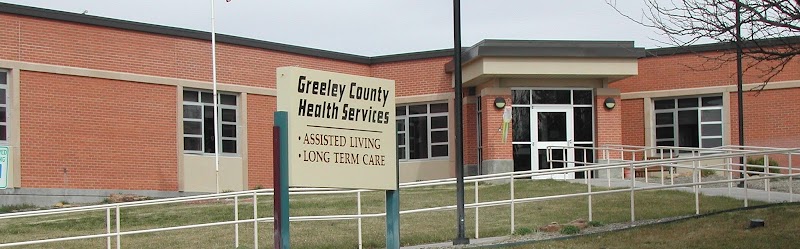
Who Owns and Operates Greeley County Hospital Ltcu?

GREELEY COUNTY HOSPITAL LTCU is owned by a non-profit organization. Non-profit facilities reinvest revenue into operations rather than distributing to shareholders. The facility operates independently rather than as part of a larger chain. With 16 certified beds and approximately 15 residents (about 94% occupancy), it is a smaller facility located in TRIBUNE, Kansas.
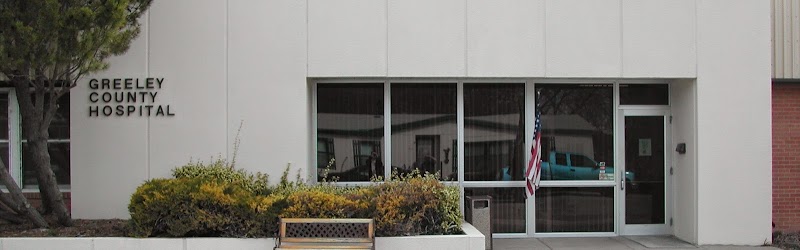
How Does Greeley County Hospital Ltcu Compare to Other Kansas Nursing Homes?

Compared to the 100 nursing homes in Kansas, GREELEY COUNTY HOSPITAL LTCU's overall rating (4 stars) is above the state average of 2.9, staff turnover (25%) is significantly lower than the state average of 46%, and health inspection rating (3 stars) is at the national benchmark.

What Should Families Ask When Visiting Greeley County Hospital Ltcu?

Based on this facility's data, families visiting should ask: "Can I visit during a mealtime to observe dining assistance and food quality?" "How do you handle medical emergencies, and what is your hospital transfer rate?" "Can I speak with family members of current residents about their experience?"

Is Greeley County Hospital Ltcu Safe?

Based on CMS inspection data, GREELEY COUNTY HOSPITAL LTCU has a clean safety record: no substantiated abuse findings (meaning no confirmed cases of resident harm), no Immediate Jeopardy citations (the most serious violation level indicating risk of serious injury or death), and is not on the Special Focus Facility watch list (a federal program monitoring the lowest-performing 1% of nursing homes). The facility has a 4-star overall rating and ranks #1 of 100 nursing homes in Kansas. While no facility is perfect, families should still ask about staff-to-resident ratios and recent inspection results during their visit.

Do Nurses at Greeley County Hospital Ltcu Stick Around?

Staff at GREELEY COUNTY HOSPITAL LTCU tend to stick around. With a turnover rate of 25%, the facility is 21 percentage points below the Kansas average of 46%. Low turnover is a positive sign. It means caregivers have time to learn each resident's needs, medications, and personal preferences. Consistent staff also notice subtle changes in a resident's condition more quickly.

Was Greeley County Hospital Ltcu Ever Fined?

GREELEY COUNTY HOSPITAL LTCU has no federal fines on record. CMS issues fines when nursing homes fail to meet care standards or don't correct problems found during inspections. The absence of fines suggests the facility has either maintained compliance or corrected any issues before penalties were assessed. This is a positive indicator, though families should still review recent inspection reports for the full picture.

Is Greeley County Hospital Ltcu on Any Federal Watch List?

GREELEY COUNTY HOSPITAL LTCU is not on any federal watch list. The most significant is the Special Focus Facility (SFF) program, which identifies the bottom 1% of nursing homes nationally based on persistent, serious quality problems. Not being on this list means the facility has avoided the pattern of deficiencies that triggers enhanced federal oversight. This is a positive indicator, though families should still review the facility's inspection history directly.