WESTERN PRAIRIE SENIOR LIVING LLC
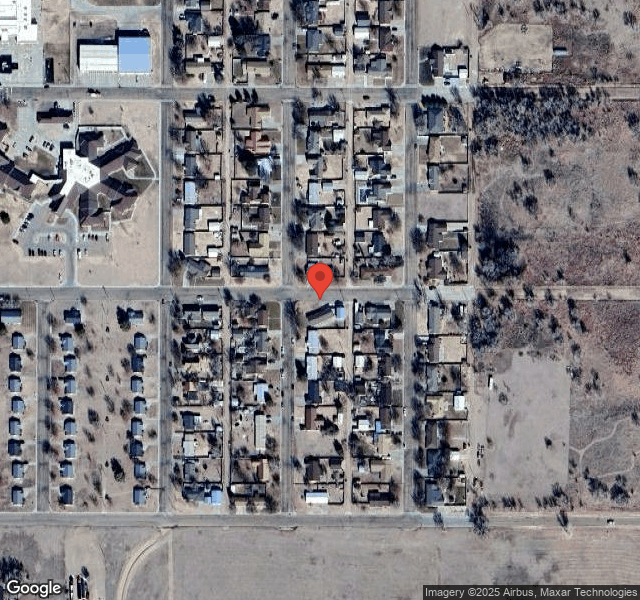
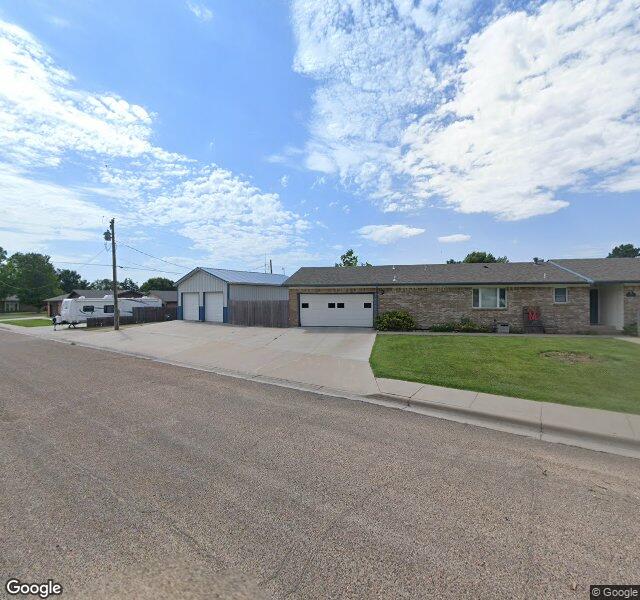
510 E SAN JACINTO AVENUE, ULYSSES, KS 67880 (620) 356-3331
For profit - Corporation 60 Beds MIDWEST HEALTH Data: November 2025
Trust Grade
65/100
#171 of 295 in KS
Last Inspection: December 2023

Within standard 12-15 month inspection cycle. Federal law requires annual inspections.

Overview

Western Prairie Senior Living LLC, located in Ulysses, Kansas, has a Trust Grade of C+, indicating it is slightly above average but not exceptional. It ranks #171 out of 295 facilities in Kansas, placing it in the bottom half, but it is the only nursing home option in Grant County. The facility is experiencing a worsening trend, with issues increasing from 4 in 2022 to 6 in 2023. Although staffing is a strength with a rating of 4 out of 5 stars and a turnover rate of 44% (below the state average of 48%), there is concerningly less RN coverage than 95% of Kansas facilities, which can impact resident care. While there have been no fines recorded, there have been several issues identified, such as staff failing to maintain proper infection control practices and not providing the required RN coverage for eight consecutive hours each day, which raises concerns about resident safety and care quality.

Trust Score
C+
65/100
In Kansas
#171/295
Bottom 43%
Safety Record
Low Risk
No red flags
Inspections
Getting Worse
4 → 6 violations
Staff Stability
○ Average
44% turnover. Near Kansas's 48% average. Typical for the industry.
Penalties
✓ Good
No fines on record. Clean compliance history, better than most Kansas facilities.
Skilled Nurses
⚠ Watch
Each resident gets only 24 minutes of Registered Nurse (RN) attention daily — below average for Kansas. Fewer RN minutes means fewer trained eyes watching for problems.
Violations
⚠ Watch
17 deficiencies on record. Higher than average. Multiple issues found across inspections.
★★★☆☆
3.0
Overall Rating
★★★★☆
4.0
Staff Levels
★★★★☆
4.0
Care Quality
★★★☆☆
3.0
Inspection Score
Stable
2022: 4 issues
2023: 6 issues

The Good

  • 4-Star Staffing Rating · Above-average nurse staffing levels
  • 4-Star Quality Measures · Strong clinical quality outcomes
  • Full Sprinkler Coverage · Fire safety systems throughout facility
  • No fines on record
  • Staff turnover below average (44%)

    4 points below Kansas average of 48%

Facility shows strength in staffing levels, quality measures, fire safety.

The Bad

3-Star Overall Rating

Near Kansas average (2.9)

Meets federal standards, typical of most facilities

Staff Turnover: 44%

Near Kansas avg (46%)

Typical for the industry

Chain: MIDWEST HEALTH

Part of a multi-facility chain

Ask about local staffing decisions and management

The Ugly 17 deficiencies on record

Dec 2023 6 deficiencies
CONCERN (D)

Potential for Harm - no one hurt, but risky conditions existed

Assessment Accuracy (Tag F0641)

Could have caused harm · This affected 1 resident

**NOTE- TERMS IN BRACKETS HAVE BEEN EDITED TO PROTECT CONFIDENTIALITY** - The Electronic Health Records (EHR) documented R29 had the following diagnoses that included pressure ulcer ( localized injury...

Read full inspector narrative →
**NOTE- TERMS IN BRACKETS HAVE BEEN EDITED TO PROTECT CONFIDENTIALITY** - The Electronic Health Records (EHR) documented R29 had the following diagnoses that included pressure ulcer ( localized injury to the skin and/or underlying tissue usually over a bony prominence, as a result of pressure, or pressure in combination with shear and/or friction) of sacral region (small triangular bone at the base of the spine) and urinary tract infection (UTI - an infection of the lower urinary tract including the bladder and urethra [the tube that carries urine from the bladder to the outside of the body]). The 09/07/23 admission Minimum Data Set (MDS) documented a Brief Interview for Mental Status (BIMS) score of 15, indicating intact cognition. The assessment documented R29 did not have an indwelling urinary catheter (insertion of a catheter into the bladder to drain the urine into a collection bag). The 09/07/23 Care Area Assessment (CAA) documented R29 had an indwelling catheter to promote wound healing. The Care Plan updated 09/20/23, documented R29 required a urinary catheter, and instructed staff to perform catheter care each shift and as needed. The Physician Orders documented 08/23/23 to continue the Foley catheter on admission. The Treatment Administration Record (TAR) from 8/31/23 to 12/08/23 documented indwelling catheter care performed each shift. The EHR documented the following: On 8/31/23 the EHR's -Bowel and Bladder Assessment documented R29 had a urinary catheter. Review of the progress notes revealed on 09/02/23, staff inserted a urinary catheter into the resident. On 09/04/23, R29's urinary catheter came out. On 09/06/23, R29's urinary catheter slipped out with fully inflated bulb during wound care. On 12/06/23 at 01:06 PM, Administrative Nurse F revealed that corporate personnel complete sections of the MDS and confirmed the MDS as inaccurate. On 12/07/23 at 01:18 PM, Consultant Nurse I confirmed the MDS was inaccurate. The expectation was that assessments were to be accurate per the guidelines of the Resident Assessment Instrument (RAI manual is an assessment that helps facility staff gather definitive information on a resident's strengths and needs, which must be addressed in an individualized care plan). On 12/07/23 at 01:40 PM, Administrative Nurse B revealed that her expectation was for all assessments, including the MDS assessments, to be accurate. The facility's MDS policy dated 11/28/17, documented that residents would receive an accurate assessment reflective of the resident's status at the time of the assessment by staff who were qualified to assess and knowledgeable about the resident's status. The facility failed to accurately assess the MDS for R29 related to indwelling catheter. This placed the resident at risk for uncommunicated care needs including catheter care. The facility census totaled 39 residents with 12 included in the sample. Based on observation, interview and record review the facility failed to complete an accurate Minimum Data Set (MDS) for two sampled residents including, Resident (R)7 by the failure to include the resident's pressure ulcer and (R) 29's indwelling urinary catheter use on the MDS. Findings included: - R7's pertinent diagnoses from the signed Physician's Order dated 11/23/23 included Alzheimer's disease with late onset (progressive mental deterioration characterized by confusion and memory failure), severe dementia (progressive mental disorder characterized by failing memory and confusion), with agitation (feeling of aggravation or restlessness brought on by a provocation or a medical condition), and anxiety (mental or emotional reaction characterized by apprehension, uncertainty and irrational fear). The 7/17/23 Significant Change in Status MDS revealed a BIMS of 99 indicating severely impaired cognition. R7 required extensive assistance of one to two staff for all cares and was always incontinent of bowel/bladder. The assessment indicated no current pressure ulcer and the resident was not at risk for a pressure ulcer. The resident had pressure relieving devices on his bed/chair with a turn/reposition program. The 09/14/23 readmission Significant Change in Status Minimum Data Set (MDS) revealed the resident as unable to complete a Brief Interview for Mental Status (BIMS) with memory problems and severely impaired cognition. R7 required total dependence of two staff for all cares and was always incontinent of bowel/bladder. The assessment indicated no current pressure ulcer and the resident not at risk for a pressure ulcer. The resident had pressure relieving devices on his bed/chair with a turn/reposition program. The facility failed to include a coccyx wound/pressure ulcer identified by staff upon acute care readmission on [DATE], for an accurate MDS. The 09/14/23 Care Area Assessment (CAA) documented: Pressure Ulcer CAA-Resident had Alzheimer's and dementia. She was non-verbal and rarely understood or able to understand others. Staff need to pay attention to non-verbal cues and anticipate needs/wants. She was incontinent and requires staff assistance for all Activities of Daily Living (ADLs) including incontinent brief check and change. Staff need to reposition the resident every two hours. The resident has a pressure reducing mattress and cushion to the wheelchair. The record lacked documentation of a coccyx wound/pressure ulcer. The 12/06/23 Care Plan lacked instructions related to the resident's coccyx wound, wound prevention, or wound treatment when the resident readmitted to the facility with the wound/pressure ulcer on 09/07/23. The Electronic Health Records (EHR) Physician Orders dated 11/03/23 documented instructions to staff to apply a Mepilex dressing to the resident's coccyx and to change it one time a day, every three day(s) and as needed PRN. Staff to monitor the coccyx dressing site each shift. The Treatment Administration Record (TAR) documented 11/03/23 to 12/06/23 the staff changed of the dressing to the resident's coccyx and dressing checks of the resident's coccyx dressing. This record lacked documentation of the coccyx wound/pressure ulcer care prior to 11/03/23. The wound was first documented on readmission to the facility from acute care on 09/07/23 as a coccyx slit. The Progress Notes dated 09/07/23 at 04:30 PM, documented the resident re-admitted from acute care with Hospice services at 03:30 PM. Hospice in the facility to assess the resident. Skin assessment revealed an open slit to the resident's coccyx. Staff changed the Mepilex dressing to the resident's coccyx pressure ulcer. The note lacked further description or measurement of the area. R7's EHR lacked weekly documentation with description of the coccyx wound/pressure ulcer. On 9/14/2023 a Braden Scale for Predicting Pressure Sore Risk identified the resident with a score of 12 (high risk). On 11/03/23 at 06:29 AM, a Skin/Wound Note documented R1 had a two centimeter (cm) open area to the coccyx. The surrounding skin was within normal limits. Staff applied a Mepilex dressing and notified the wound care nurse. The EHR reviewed, revealed no further documentation with description or measurements of the wound. Review of Hospice progress notes revealed: On 09/07/23 documented skin as progressing without additional documentation found. On 09/21/23 documented skin as progressing. On 10/05/23 documented skin as progressing. On 10/19/23 documented no skin integrity issues. On 11/02/23 documented no skin integrity issues. On 11/16/23 documented 1 cm area of concern to coccyx. Observations on 12/06/23 from 08:30 AM to 10:46 AM, (two hours and 16 minutes) revealed the resident sat in her recliner with feet elevated and without staff offering the resident a change of position. On 12/06/23 at 10:46 AM Certified Nursing Assistant (CNA) G, CNA H and Licensed Nurse (LN) C entered the resident's room and assisted R7 onto the bed. The staff rolled R7 to her right side, with clothing removed and loosened the brief. The staff removed the resident's brief. LN C removed the border gauze dressing to the resident's coccyx. CNA G then performed incontinence care with R7's skin on the bottom/coccyx area appearing red in color. LN C provided the wound measurement as one cm x one half cm. She then dated/initialed the dressing after she applied it to the wound. Interview on 12/06/23 at 10:58 AM with CNA G revealed the staff completed every two-hour check and change of the resident for incontinence. On 12/06/23 at 11:08 AM LN C reported she identified the resident's coccyx wound as a pressure wound that would open and close but stated that hospice was managing the wound. LN C stated she did a weekly skin assessment on all residents with wounds. LN C reported the wound was closed on 11/28/23 so no wound assessment was completed on that date. LN C reported she was not on duty when the resident readmitted from acute care and staff did not notify her of the resident's wound. The floor nurses were responsible for inputting the weekly skin assessment for residents with their showers. On 12/07/23 at 11:30 AM Administrative Nurse F confirmed the MDS completed on 09/14/23 was inaccurate by not including the resident's pressure ulcer on the assessment. On 12/07/23 at 12:22 PM Administrative Nurse B reported she expected the MDS, care plans and weekly skin/wound assessments to be accurate and completed. A policy for MDS assessments was requested on 12/07/23. The facility used the RAI manual as reference per facility staff. The facility failed to complete an accurate Minimum Data Set (MDS) for R7 by the failure to include the resident's pressure ulcer on the assessment.
CONCERN (D)

Potential for Harm - no one hurt, but risky conditions existed

Comprehensive Care Plan (Tag F0656)

Could have caused harm · This affected 1 resident

**NOTE- TERMS IN BRACKETS HAVE BEEN EDITED TO PROTECT CONFIDENTIALITY** The facility census totaled 39 residents with 12 included in the sample. Based on observation, interview and record review the f...

Read full inspector narrative →
**NOTE- TERMS IN BRACKETS HAVE BEEN EDITED TO PROTECT CONFIDENTIALITY** The facility census totaled 39 residents with 12 included in the sample. Based on observation, interview and record review the facility failed to develop a comprehensive care plan for Resident (R)7 by the failure to include the resident's pressure ulcer. Findings included: - R7's pertinent diagnoses from the signed Physician's Order dated 11/23/23 included Alzheimer's disease with late onset (progressive mental deterioration characterized by confusion and memory failure), severe dementia (progressive mental disorder characterized by failing memory and confusion), with agitation (feeling of aggravation or restlessness brought on by a provocation or a medical condition), and anxiety (mental or emotional reaction characterized by apprehension, uncertainty and irrational fear). The 7/17/23 Significant Change in Status MDS revealed a BIMS of 99 indicating severely impaired cognition. R7 required extensive assistance of one to two staff for all cares and was always incontinent of bowel/bladder. The assessment indicated no current pressure ulcer and the resident was not at risk for a pressure ulcer. The resident had pressure relieving devices on his bed/chair with a turn/reposition program. The 09/14/23 readmission Significant Change in Status Minimum Data Set (MDS) revealed the resident as unable to complete a Brief Interview for Mental Status (BIMS) with memory problems and severely impaired cognition. R7 required total dependence of two staff for all cares and was always incontinent of bowel/bladder. The assessment indicated no current pressure ulcer and the resident not at risk for a pressure ulcer. The resident had pressure relieving devices on his bed/chair with a turn/reposition program. The facility failed to include a coccyx wound/pressure ulcer identified by staff upon acute care readmission on [DATE], for an accurate MDS. The 09/14/23 Pressure Ulcer Care Area Assessment (CAA) documented the resident had Alzheimer's and dementia. She was non-verbal and rarely understood or able to understand others. Staff need to pay attention to non-verbal cues and anticipate needs/wants. She was incontinent and requires staff assistance for all Activities of Daily Living (ADLs) including incontinent brief check and change. Staff need to reposition the resident every two hours. The resident has a pressure reducing mattress and cushion to the wheelchair. The record lacked documentation of a coccyx wound/pressure ulcer. The 12/06/23 Care Plan lacked instructions related to the resident's coccyx wound/pressure ulcer, wound prevention, or wound treatment when the resident readmitted to the facility with the wound/pressure ulcer on 09/07/23. The Electronic Health Records (EHR) Physician Orders dated 11/03/23 documented instructions to staff to apply a Mepilex dressing to the resident's coccyx and to change it one time a day, every three day(s) and as needed PRN. Staff to monitor the coccyx dressing site each shift. The Treatment Administration Record (TAR) documented 11/03/23 to 12/06/23 the staff changed of the dressing to the resident's coccyx and dressing checks of the resident's coccyx dressing. This record lacked documentation of the coccyx wound/pressure ulcer care prior to 11/03/23. The wound was first documented on readmission to the facility from acute care on 09/07/23 as a coccyx slit. The Progress Notes dated 09/07/23 at 04:30 PM, documented the resident re-admitted from acute care with Hospice services at 03:30 PM. Hospice in the facility to assess the resident. Skin assessment revealed an open slit to the resident's coccyx. Staff changed the Mepilex dressing to the resident's coccyx pressure ulcer. The note lacked further description or measurement of the area. On 11/03/23 at 06:29 AM, a Skin/Wound Note documented R1 had a two centimeter (cm) open area to the coccyx. The surrounding skin was within normal limits. Staff applied a Mepilex dressing and notified the wound care nurse. The EHR reviewed, revealed no further documentation with description or measurements of the wound. Review of Hospice progress notes revealed: On 09/07/23 documented skin as progressing without additional documentation found. On 09/21/23 documented skin as progressing. On 10/05/23 documented skin as progressing. On 10/19/23 documented no skin integrity issues. On 11/02/23 documented no skin integrity issues. On 11/16/23 documented a one cm area of concern to coccyx. Observations on 12/06/23 from 08:30 AM to 10:46 AM, (two hours and 16 minutes) revealed the resident sat in her recliner with feet elevated and without staff offering the resident a change of position. On 12/06/23 at 10:46 AM Certified Nursing Assistant (CNA) G, CNA H and Licensed Nurse (LN) C entered the resident's room and assisted R7 onto the bed. The staff rolled R7 to her right side, with clothing removed and loosened the brief. The staff removed the resident's brief. LN C removed the border gauze dressing to the resident's coccyx. CNA G then performed incontinence care with R7's skin on the bottom/coccyx area appearing red in color. LN C provided the wound measurement as one cm x one half cm. She then dated/initialed the dressing after she applied it to the wound. Interview on 12/06/23 at 10:58 AM with CNA G revealed the staff completed every two-hour check and change of the resident for incontinence. On 12/06/23 at 11:08 AM LN C reported she identified the resident's coccyx wound as a pressure wound that would open and close but stated that hospice was managing the wound. LN C stated she did a weekly skin assessment on all residents with wounds. LN C reported the wound was closed on 11/28/23 so no wound assessment was completed on that date. LN C reported she was not on duty when the resident readmitted from acute care and staff did not notify her of the resident's wound. The floor nurses were responsible for inputting the weekly skin assessment for residents with their showers. On 12/07/23 at 11:30 AM Administrative Nurse F confirmed the Comprehensive Care Plan completed on 09/14/23 was inaccurate by not including the resident's pressure ulcer on the care plan, on 09/07/23, when returning from acute care with it. On 12/07/23 at 12:22 PM Administrative Nurse B reported she expected the MDS, care plans and weekly skin/wound assessments to be accurate and completed. A policy for care plans was requested on 12/07/23 with no policy provided. The facility failed to develop a comprehensive care plan for R7 by the failure to include the residents pressure ulcer on the plan of care, on 09/07/23 when R7 returned from acute care with it.
CONCERN (F)

Potential for Harm - no one hurt, but risky conditions existed

Deficiency F0727 (Tag F0727)

Could have caused harm · This affected most or all residents

The facility reported a census of 39 residents. Based on interview and record review, the facility failed to staff the facility with a Registered Nurse (RN) for eight consecutive hours each day, as re...

Read full inspector narrative →
The facility reported a census of 39 residents. Based on interview and record review, the facility failed to staff the facility with a Registered Nurse (RN) for eight consecutive hours each day, as required. Findings included: - The facility's time sheets, schedules, and staff posting, reviewed from 07/01/22 through 06/30/2023, the last four quarters, revealed the following dates without the required eight consecutive hours of registered nurse (RN) staff: July of 2022: 07/02-04/22, 07/09/22, 07/16-17/22, 07/23-24/22, and 07/30-31/22. August of 2022: 08/06/22, 08/13/22, 08/20-21/22, and 08/27-28/22. September of 2022: 09/03/22, 09/10-11/22, 09/18/22, and 09/24/22. October of 2022: 10/08-09/22, 10/15-16/22, and 10/29-30/22. November of 2022: 11/05-06/22, 11/12/22, and 11/19-20/22. December of 2022: 12/03-04/22, 12/10-11,22, 12/17-18/22, and 12/24/22. January of 2023: 01/01/23, 01/14/23, 01/22/23, and 01/29/23. February of 2023: 02/04/23, 02/11/23, and 02/19/23. March of 2023: 03/05/23, 03/19/23, and 03/26/23. April of 2023: 04/02/23, 04/09/23, 04/15-16/23, and 04/30/23. May of 2023: 05/07/23, 05/13/23, 05/20/23, 05/21/23, June of 2023: 06/03/23, 06/04/23, 06/10/23, 06/11/23, and 06/18/23. The facility lacked RN coverage for 63 days of the previous four quarters of staffing reviewed. On 12/07/23 at 02:00 PM, Administrative Staff A, confirmed the facility lacked the required RN staffing as noted above. He reported the facility had difficulty recruiting RNs in the facility rural setting. The facility failed to provide a policy to address the eight consecutive hours of registered nursing staff as required. The facility failed to provide RN coverage for eight consecutive hours each day for the residents of the facility as required on 63 occasions over the previous four quarters.
CONCERN (F)

Potential for Harm - no one hurt, but risky conditions existed

Staffing Data (Tag F0851)

Could have caused harm · This affected most or all residents

The facility reported a census of 39 residents. Based on interview and record review, the facility failed to electronically submit to Centers for Medicare and Medicaid Services, (CMS) complete and acc...

Read full inspector narrative →
The facility reported a census of 39 residents. Based on interview and record review, the facility failed to electronically submit to Centers for Medicare and Medicaid Services, (CMS) complete and accurate direct care staffing information, including information for agency and contract staff, based on payroll and other verifiable and auditable data in a uniform format according to specifications established by CMS {i.e., Payroll Base Journal (PBJ)}, related to licensed nursing staff coverage 24 hours a day and Registered Nurse (RN) coverage for eight consecutive hours each day. Findings included: - Review of the Payroll Base Journal (PBJ) Staffing Data Report for the fourth quarter of fiscal year (FY) 2022, (07/01/22 through 09/30/22), revealed the lack of a License Nurse (LN) for 24 hours/seven days a week (24/7) on 07/21/2022, 08/03/22, 08/06/22, 08/07/22, 08/09/22, 08/10/22, and 09/26/22 (seven days of the quarter). Review of the facility's time sheets for licensed nursing staff on the above dates, revealed the facility had the required licensed nursing staff 24 hours each day, as required. The facility reported inaccurate staffing data for seven days of the above quarter. Additionally, the Payroll Base Journal (PBJ) Staffing Data documented the facility lacked Registered Nurse (RN) coverage for eight consecutive hours each day on 22 dates which included 08/07/22, during the above timeframe. Review of the facility's time sheets for licensed nursing staff on the above dates revealed the facility had the required RN coverage for 8 consecutive hours on 08/07/22. The facility reported inaccurate staffing data for seven days of the above quarter. Review of the Payroll Base Journal (PBJ) Staffing Data Report for fiscal year (FY), Quarter one of 2023, (10/01/23 through 12/31/23), revealed the lack of a License Nurse (LN) for 24 hours/seven days a week 24/7) on 10/09/22, 11/20/22, and 12/10/22. Review of the facility's time sheets for licensed nursing staff on the above dates revealed the facility had the required licensed nursing staff 24 hours each day, as required. The facility had reported inaccurate staffing data. Review of the Payroll Base Journal (PBJ) Staffing Data Report for fiscal year (FY), Quarter two of 2023 (01/01/23 through 06/30/23), documented the facility lacked RN staffing for eight consecutive hours each day on 10 dates which included 01/02/23, and 01/29/23, during the above timeframe. Review of the facility's time sheets for licensed nursing staff on the above dates revealed the facility had the required RN coverage for 8 consecutive hours on 01/02/23 and 01/29/23. The facility submitted inaccurate staffing information. On 12/07/23 at 02:00 PM, Administrative Staff A confirmed the facility PBJ reporting to CMS lacked accurate data to reflect direct care provided by administrative nursing staff (RN) when providing direct care. He stated the facility did have 24-hours of a LN on duty each day. The above dates on the PBJ which did not reflect LN staffing was not accurate. He also confirmed the RN coverage documentation was not accurate as noted above. The facility lacked a policy to address the submission of accurate PBJ staffing report to CMS. The facility failed to electronically submit to Centers for Medicare and Medicaid Services, (CMS) complete and accurate direct care staffing information, including information for agency and contract staff, based on payroll and other verifiable and auditable data in a uniform format according to specifications established by CMS {i.e., Payroll Base Journal (PBJ)}, related to licensed nursing staff and RN coverage.
CONCERN (F)

Potential for Harm - no one hurt, but risky conditions existed

Infection Control (Tag F0880)

Could have caused harm · This affected most or all residents

The facility reported a census of 39 residents with 12 residents sampled. Based on observation, interview, and record review, the facility failed to maintain an effective infection control program wit...

Read full inspector narrative →
The facility reported a census of 39 residents with 12 residents sampled. Based on observation, interview, and record review, the facility failed to maintain an effective infection control program with the failure of staff, failed to clean a full body mechanical lift between resident uses, to change gloves and perform hand hygiene between phases of incontinence care and to perform hand hygiene between resident room contacts when delivering laundry to resident rooms. This deficient practice has the potential to lead to cross contamination between residents and negatively affect every resident in the facility. Findings include: - On 12/06/23 at 10:00 AM, Certified Nurse Aide (CNA) G and CNA H moved a full body mechanical lift from Resident (R)14's room out into the hallway and into R24's room. Staff failed to clean the mechanical lift after use. On 12/06/23 at 10:08 AM, CNA G moved the mechanical lift from R24's room out into the hallway and into a supply storage closet. Staff failed to clean the mechanical lift after use. On 12/06/23 at 10:09 AM, CNA G confirmed the mechanical lift was not cleaned between resident uses or before storage. CNA G revealed that correct procedure was to clean the mechanical lift between resident uses and before the mechanical lift was placed in storage. On 12/07/23 at 12:09 PM, Administrative Nurse C revealed that lifts were to be cleansed/disinfected after every use. The facility failed to provide a policy related to cleaning of lifts as requested on 12/07/23. The facility failed to maintain an effective infection control program with the failure of staff to clean a mechanical lift between resident uses. This deficient practice has the potential to lead to cross contamination between residents and negatively affect every resident that required a mechanical lift in the facility. - On 12/06/23 at 10:46 AM, R7 was in bed, and Certified Nurse Aide (CNA) G and CNA H provided incontinent cares. Staff pulled R7's slacks down and removed the soiled disposable brief. CNA G and CNA H cleansed R7's perineum (area of the body between genitals and anus) and buttocks. CNA G and CNA H placed a clean brief on R7. Staff failed to change their gloves and perform hygiene after dirty phase of incontinence care and before clean phase of incontinence care. On 12/06/23 at 11:06 AM, CNA G and CNA H confirmed that staff should perform hand hygiene and change their gloves between phases of incontinence cares and confirmed that they failed to perform hand hygiene and change gloves between phases of incontinence care. On 12/06/23 at 11:08 AM, Licensed Nurse (LN) D revealed that staff were to change their gloves and should perform hand hygiene between dirty and clean phases of incontinence care. On 12/06/23 at 11:08 AM, Administrative Nurse C revealed that staff where to change their gloves and perform hand hygiene between dirty and clean phases of incontinence care. On 12/06/23 at 11:16 AM, Administrative Nurse B revealed that her expectation was for staff to change gloves and perform hand hygiene between dirty and clean phases of incontinence care. The facility's Hand Hygiene policy, dated 11/28/17 documented staff were to perform hand hygiene after contact with body fluids or objects and surfaces in the resident's environment. The facility failed to maintain an effective infection control program with the failure of staff to change gloves and perform proper hand hygiene between phases of incontinence care. This deficient practice has the potential to lead to cross contamination between residents and negatively affect every resident in the facility. - On 12/06/23 at 02:09 PM, Laundry Staff J observed delivering laundry to multiple resident rooms without performing hand hygiene with alcohol-based hand rub (ABHR) between resident rooms. On 12/06/23 at 02:10 PM, Laundry Staff J confirmed that she did not perform hand hygiene with ABHR between resident rooms. On 12/07/23 at 11:24 AM, Maintenance Manager K revealed that his expectation was for laundry personnel to perform hand hygiene with ABHR between resident rooms while delivering laundry. On 12/07/23 at 12:09 PM, Administrative Nurse C revealed that her expectation was for staff to perform hand hygiene with ABHR between resident room contacts for any reason. Further revealed that all staff have access to individual pocket-sized containers of ABHR as provided by the facility. The facility's Hand Hygiene policy, dated 11/28/17 documented that staff were to perform hand hygiene with ABHR after contact with objects and surfaces in the resident's environment. The facility failed to maintain an effective infection control program with the failure of staff to perform hand hygiene between resident room contacts when delivering laundry to resident rooms. This deficient practice has the potential to lead to cross contamination between residents and negatively affect every resident in the facility.
CONCERN (F)

Potential for Harm - no one hurt, but risky conditions existed

Safe Environment (Tag F0921)

Could have caused harm · This affected most or all residents

The facility census totaled 39 residents. Based on observation, interview, and record review the facility failed to provide a sanitary environment by the failure to have lids on the trash cans in the ...

Read full inspector narrative →
The facility census totaled 39 residents. Based on observation, interview, and record review the facility failed to provide a sanitary environment by the failure to have lids on the trash cans in the soiled utility rooms. This deficient practice had the potential to be an unsanitary environment which would affect all residents in the facility. Findings included: - On 12/07/23 at 11:24 AM, Maintenance Manager K, identified three soiled utility rooms in the facility during environmental tour: 1. On the 200-hall, the trash can in the soiled utility room lacked a lid or cover. 2. On the 300-hall, the trash can in the soiled utility room lacked a lid or cover. 3. On the 400-hall, the trash can in the soiled utility room lacked a lid or cover. On 12/07/23 at 11:30 AM, Maintenance Manager K revealed that all trash cans in the soiled utility rooms should be always covered with a lid. On 12/07/23 at 12:22 PM, Administrative Nurse B revealed that all trash cans in the soiled utility rooms should be always covered with a lid. On 12/07/23 at 12:30 PM, Administrative Staff A revealed that all trash cans in the soiled utility rooms should be always covered with a lid. The facility failed to provide a policy related to lids or the covering on trash cans in the soiled utility rooms as requested on 12/07/23. The facility failed to provide a sanitary environment by the failure to have lids or covers on the trash cans in the soiled utility rooms. This deficient practice had the potential to be an unsanitary environment which would affect all residents in the facility.
Jan 2022 4 deficiencies
CONCERN (D)

Potential for Harm - no one hurt, but risky conditions existed

Drug Regimen Review (Tag F0756)

Could have caused harm · This affected 1 resident

**NOTE- TERMS IN BRACKETS HAVE BEEN EDITED TO PROTECT CONFIDENTIALITY** - The Order Summary Report dated 12/07/21 documented a diagnosis for dementia (progressive mental disorder characterized by fail...

Read full inspector narrative →
**NOTE- TERMS IN BRACKETS HAVE BEEN EDITED TO PROTECT CONFIDENTIALITY** - The Order Summary Report dated 12/07/21 documented a diagnosis for dementia (progressive mental disorder characterized by failing memory and confusion) and hypertensive heart disease (elevated blood pressure). The Quarterly Minimum Data Set (MDS) dated [DATE] documented R11 had both short-term and long-term memory problems and received an antipsychotic and a diuretic daily during the last seven days. The Care Plan did not address the use of metoprolol or parameters. The Care Plan dated 01/10/22 documented R11 experienced behavioral symptoms. Interventions included to administer Risperdal (medication to treat mental disorders) as ordered to help manage her behaviors. The 10/15/19 Physicians Orders documented metoprolol (medication to treat high blood pressure) 50 milligrams (mg) by mouth two times a day for hypertension. Hold medication and contact physician if pulse is less than 50 beats per minute. The 06/01/21 Physicians Orders documented Risperdal 0.25 milligrams (mg) by mouth at bedtime for increased agitation secondary to dementia. The 10/02/21 Physicians Orders documented Risperdal 0.25 mg by mouth in the morning and 0.5 mg by mouth at bedtime related to dementia. The Electronic Medication Administration Record (EMAR) from November 2021 through January 2022 documented R11 received metoprolol and Risperdal twice daily as ordered. The facility completed an AIMS assessment on 11/04/21. There was no AIMS assessment completed prior to initiating Risperdal on 10/02/21. The Medication Regimen Reviews for R11 from 01/01/21 through 01/24/22 documented no recommendations from consulting pharmacists regarding AIMS assessments, inappropriate diagnosis for Risperdal, or pulse parameters for metoprolol. Observation on 01/25/22 at 07:50 AM revealed R11 sat at a table in her wheelchair in the dining room eating breakfast independently. She appeared relaxed and calm and did not appear agitated, anxious, withdrawn, or in pain. Staff treated her with respect and asked periodically if she needed anything. On 01/26/22 at 09:48 AM Certified Medication Aide (CMA) H stated R11 exhibited angry outburst behaviors. Staff removed her from the situation, took her back to her room, and gave her space. There were no parameters for pulse when administering metoprolol to R11. On 01/26/22 at 10:34 AM Licensed Nurse (LN) F stated nurses monitored for side effects of medications daily, but she did not know if periodic AIMS assessments were completed. She stated there were parameters for pulse for metoprolol administration. The Certified Medication Aide (CMA) obtained R11's pulse before administering metoprolol each time. LN F monitored the pulse in R11's Electronic Health Record (EHR) and the CMA would report to her if the pulse was out of parameter range. The pulse was documented in R11's EHR under the weights and vitals tab. She checked each shift if pulse was within parameters as ordered by the physician. On 01/26/26 at 02:09 PM Administrative Nurse B stated she expected AIMS assessments be completed for residents taking antipsychotic medications. She believed dementia was an inappropriate diagnosis for the use of Risperdal and consulted with R11's physician about the order. She expected pulses be obtained and parameters followed per physician's order for metoprolol. The consulting pharmacist was unavailable for interview as attempted on 01/27/22 at 09:30 AM and 01/31/22 at 09:05 AM. The facility's Abnormal Involuntary Movement Scale (AIMS) Examination policy revised 11/28/17 documented AIMS examinations will be performed on each resident prior to initiation of an antipsychotic medication or Reglan, every six (6) months thereafter and with any significant change while receiving antipsychotic medications. The facility's Medication Monitoring Medication Regimen Review (Monthly Report) policy dated 01/2021 documented: The consultant pharmacist identifies irregularities through a variety of sources including: medication administration records (MARs); prescriber's orders; progress notes of prescribers, nurses, and/or consultants; care plans; laboratory and diagnostic test results, behavior monitoring information, the facility staff and attending physician, and from interviewing, assessing, and/or observing the resident. The consulting pharmacist failed to identify AIMS assessment not completed prior to initiating Risperdal, an inappropriate diagnosis for Risperdal, and missing pulse parameters before administering metoprolol for R11. The facility census totaled 34 residents with five residents reviewed for unnecessary medications. Based on observation, interview, and record review the facility failed to ensure the consultant pharmacist identified missing parameters for Metoprolol (blood pressure medication), identify missing Abnormal Involuntary Movement Scale (AIMS), and notify the facility of an inappropriate diagnosis for the use of Risperdal (an antipsychotic) for Resident (R)11. The facility also failed to respond to the recommendation to attempt a Gradual Dose Reduction (GDR) of Cymbalta (an antidepressant) for R1. Findings included: - R1's Order Summary Report dated 11/09/21 revealed a diagnosis of major depressive disorder (abnormal emotional state characterized by exaggerated feelings of sadness, worthlessness, emptiness and hopelessness). The Significant Change Minimum Data Set (MDS) dated [DATE] revealed a Brief Interview for Mental Status (BIMS) score was not completed. R1 had short-term memory problems. R1 received an antidepressant six days during the lookback period. The Quarterly MDS dated 10/15/21 revealed a BIMS score of 11 indicating moderately impaired cognition. R1 received an antidepressant daily. The Cognitive Loss / Dementia CAA dated 04/29/21 revealed R1 had a diagnosis of major depressive disorder. The Care Plan dated 11/15/2021 revealed staff were to watch R1 for any side effects associated with the use of Cymbalta. An order dated 11/02/21 for Cymbalta 30 milligrams (mg), instructed staff to administer 90 mg by mouth daily for depression (abnormal emotional state characterized by exaggerated feelings of sadness, worthlessness and emptiness). The Medication Regimen Review (MRR) dated 09/20/21 revealed a recommendation for a GDR for Cymbalta from 90 mg to 60 mg daily. There was no follow-up by the physician to this request. An observation on 01/25/22 at 07:47 AM revealed R1 sat in her wheelchair at the dining room independently eating breakfast. R1did not show any signs or symptoms of depression. In an interview on 01/26/22 at 10:15 AM, Administrative Nurse B stated pharmacist recommendations should be given to the physician for follow-up and expected back within a week, and if the physician did not agree with the recommendation they should provide a risk versus benefits statement stating why they disagreed with this request. The consulting pharmacist was unavailable for interview as attempted on 01/27/22 at 09:30 AM and 01/31/22 at 09:05 AM. The Medication Regimen Review (Monthly Report) policy dated 01/21 revealed: MRR recommendations and findings are acted upon and documented by the facility staff and/or prescriber per time-frame outlined in the facility policy .Prescriber accepts and acts upon suggestion, or rejects and provides an explanation for disagreeing. Per CMS regulations, if recommendations are rejected, the prescriber must provide a brief explanation . The facility failed to ensure the physician followed up on the consultant pharmacist recommendation of a GDR regarding Cymbalta for R1.
CONCERN (D)

Potential for Harm - no one hurt, but risky conditions existed

Deficiency F0757 (Tag F0757)

Could have caused harm · This affected 1 resident

**NOTE- TERMS IN BRACKETS HAVE BEEN EDITED TO PROTECT CONFIDENTIALITY** - The Order Summary Report dated 12/07/21 documented diagnosis for hypertensive heart disease (elevated blood pressure). The Qua...

Read full inspector narrative →
**NOTE- TERMS IN BRACKETS HAVE BEEN EDITED TO PROTECT CONFIDENTIALITY** - The Order Summary Report dated 12/07/21 documented diagnosis for hypertensive heart disease (elevated blood pressure). The Quarterly Minimum Data Set (MDS) dated [DATE] documented R11 had both short-term and long-term memory problems and received a diuretic daily during the last seven days. The Care Plan dated 09/03/19 documented R11 took medications that have black box warnings. Staff were to watch out for the indicated reactions and notify her doctor right away. The 10/15/19 Physicians Orders documented metoprolol 50 milligrams (mg) by mouth two times a day for hypertension. Hold medication and contact physician if pulse is less than 50 beats per minute. The Electronic Medication Administration Record (EMAR) from November 2021 through January 2022 documented R11 received metoprolol twice daily as ordered. No parameters were documented. Observation on 01/25/22 at 07:50 AM revealed R11 sat at a table in her wheelchair in the dining room eating breakfast independently. She appeared relaxed and calm and did not appear agitated, anxious, withdrawn, or in pain. Staff treated her with respect and asked periodically if she needed anything. On 01/26/22 09:48 AM Certified Medication Aide (CMA) H stated there were no parameters for pulse when administering metoprolol to R11. On 01/26/22 10:34 AM Licensed Nurse (LN) F stated there were parameters for pulse for metoprolol administration. The Certified Medication Aide (CMA) obtained R11's pulse before administering metoprolol each time. LN F monitored the pulse in R11's Electronic Health Record (EHR) and the CMA would report to her if the pulse was out of parameter range. The pulse was documented in R11's EHR under the weights and vitals tab. She checked each shift if pulse was within parameters as ordered by the physician. On 01/26/26 at 02:09 PM Administrative Nurse B stated she expected pulses be obtained and parameters followed per physician's order for metoprolol. The facility's Medication Monitoring Medication Regimen Review (Monthly Report) policy dated 01/2021 documented: The consultant pharmacist identifies irregularities through a variety of sources including: medication administration records (MARs); prescriber's orders; progress notes of prescribers, nurses, and/or consultants; care plans; laboratory and diagnostic test results, behavior monitoring information, the facility staff and attending physician, and from interviewing, assessing, and/or observing the resident. The facility failed to obtain the R11 pulse before administering metoprolol. The facility census totaled 34 residents with five residents reviewed for unnecessary medications. Based on observation, interview, and record review the facility failed to ensure parameters were documented for Metoprolol (blood pressure medication) for Resident (R)11, and the facility failed to notify the physician of blood glucose results outside of parameters for R1 and R4. Findings included: - R1's Order Summary Report dated 11/09/21 revealed a diagnosis of diabetes mellitus (when the body cannot use glucose, not enough insulin made or the body cannot respond to the insulin). The Significant Change Minimum Data Set (MDS) dated [DATE] revealed a Brief Interview for Mental Status (BIMS) score was not completed. R1 had short-term memory problems. R1 received insulin six days during the lookback period. The Quarterly MDS dated 10/15/21 revealed a BIMS score of 11 indicating moderately impaired cognition. R1 received insulin daily. The Care Plan dated 11/15/21 revealed staff were to check R1's blood sugars according to the orders and let the doctor or Advanced Practice Registered Nurse (APRN) know if the level was outside of parameters. An order dated 11/02/21 for blood glucose monitoring before meals and at bedtime for diabetes mellitus. Notify physician if blood glucose was greater than 400 milligrams/deciliter (mg/dL) or less than 100 mg/dl and as needed for elevated blood glucose. Review of the November 2021 Electronic Medication Administration Record (EMAR) revealed the physician was not notified on the following dates when blood sugars were out of parameters (mg/dL): 11/01/21 for a blood sugar of 87. 11/06/21 for a blood sugar of 97. 11/07/21 for a blood sugar of 91. 11/10/21 for a blood sugar of 93. 11/16/21 for a blood sugar of 88. 11/25/21 for a blood sugar of 94. 11/29/21 for a blood sugar of 90. Review of the December 2021 EMAR revealed the physician was not notified on the following dates when blood sugars were out of parameters (mg/dL): 12/01/21 for a blood sugar of 93. 12/04/21 for a blood sugar of 86. 12/17/21 for a blood sugar of 96. 12/25/21 for a blood sugar of 93. 12/26/21 for a blood sugar of 73. 12/30/21 for a blood sugar of 99. Review of the January 2022 EMAR revealed the physician was not notified on the following dates when blood sugars were out of parameters (mg/dL): 01/05/22 for a blood sugar of 90. 01/05/22 for a blood sugar of 89. 01/09/22 for a blood sugar of 89. 01/11/22 for a blood sugar of 98. An observation on 01/25/22 at 07:47 AM revealed R1 sat in her wheelchair at the dining room independently eating breakfast. R1did not show any signs or symptoms of hypoglycemia (less than normal amount of glucose in the blood) or hyperglycemia (greater than normal amount of glucose in the blood). In an interview on 01/26/22 at 09:45 AM, Licensed Nurse (LN) F stated R1 received insulin which had parameters to notify the physician if her blood sugars were less than 100 or greater than 400. LN F stated she would assess the resident for signs or symptoms and then notify the physician and document this in the progress notes. In an interview on 01/26/22 at 01:06 PM, LN C stated she would include a progress note if the physician was notified about blood sugars out of parameters. LN C stated if there were no progress notes written then the physician was not notified. In an interview on 01/26/22 at 10:15 AM, Administrative Nurse B stated she expected the nursing staff to follow the parameters associated with medications and notify the physician if R1 was out of parameters. Administrative Nurse B stated the physician should be notified and document physician notifications either in the regular progress notes or on the administration progress notes. The Clinician Notification policy dated November 2017 revealed, It is the policy that notification of physicians and other clinicians will be done on a timely basis .Decision making regarding notification parameters for clinical signs and symptoms will be based on Physician orders and physician specific parameters. The facility failed to ensure the staff notified the physician as ordered for blood sugars less than 100 mg/dL for R1. - Resident (R) 4's Order Summary Report dated 11/30/21 revealed diagnosis of diabetes mellitus (when the body cannot use glucose, not enough insulin made or the body cannot respond to the insulin). The Annual Minimum Data Set (MDS) dated [DATE] revealed a Brief Interview for Mental Status (BIMS) score of 99 indicating a BIMS could not be obtained and received insulin daily. The Quarterly MDS dated 10/22/21 revealed a BIMS score of 99 indicating a BIMS could not be assessed and received insulin daily. The Care Plan dated 06/29/21 revealed staff were to check R4's glucose levels as ordered by my physician and to administer medications for controlling blood sugars per physician orders. An order dated 11/02/21 for blood glucose monitoring every morning and at bedtime related to diabetes mellitus and notify physician if blood glucose was greater than 400 milligrams/deciliter (mg/dL) or less than 60 mg/dl. Review of the November 2021 Electronic Medication Administration Record (EMAR) revealed the physician was not notified on the following dates when blood sugars were out of parameters (mg/dL): 11/20/21 for a blood sugar of 442. Review of the December 2021 EMAR revealed the physician was not notified on the following dates when blood sugars were out of parameters (mg/dL): 12/04/21 for a blood sugar of 407. Review of the January 2022 EMAR revealed the physician was not notified on the following dates when blood sugars were out of parameters (mg/dL): 01/02/22 for a blood sugar of 435. 01/05/22 for a blood sugar of 405. 01/08/22 for a blood sugar of 413. An observation on 01/25/22 at 07:59 AM revealed R4 sat in her wheelchair at the dining room eating breakfast. R4 did not show any signs or symptoms of hypoglycemia (less than normal amount of glucose in the blood) or hyperglycemia (greater than normal amount of glucose in the blood). An interview on 01/26/22 at 09:53 AM, Licensed Nurse (LN) F stated R4 took medications that had parameters associated with them and were to notify the physician if blood sugars were greater than 400 or less than 60. LN F stated she would assess R4 if her blood sugars were out of parameters, notify the physician and document this in a progress note. In an interview on 01/26/22 at 10:15 AM, Administrative Nurse B stated she expected the nursing staff to follow the parameters associated with medications and notify the physician if R1 was out of parameters. Administrative Nurse B stated the physician should be notified and document physician notifications either in the regular progress notes or on the administration progress notes. The Clinician Notification policy dated November 2017 revealed, It is the policy that notification of physicians and other clinicians will be done on a timely basis .Decision making regarding notification parameters for clinical signs and symptoms will be based on Physician orders and physician specific parameters. The facility failed to ensure the staff notified the physician as ordered for blood sugars more than 400 mg/dL for R4.
CONCERN (D)

Potential for Harm - no one hurt, but risky conditions existed

Medication Errors (Tag F0758)

Could have caused harm · This affected 1 resident

**NOTE- TERMS IN BRACKETS HAVE BEEN EDITED TO PROTECT CONFIDENTIALITY** The facility reported a census of 34 residents with five residents reviewed for unnecessary medications. Based on observation, i...

Read full inspector narrative →
**NOTE- TERMS IN BRACKETS HAVE BEEN EDITED TO PROTECT CONFIDENTIALITY** The facility reported a census of 34 residents with five residents reviewed for unnecessary medications. Based on observation, interview, and record review the facility failed to ensure one of five residents did not receive unnecessary medications when the facility did not complete an Abnormal Involuntary Movement Scale (AIMS) assessment before initiating Risperdal (antipsychotic medication) and the facility did not ensure an appropriate indication for prescribing Risperdal for Resident (R)11. Findings included: - The Order Summary Report dated 12/07/21 documented diagnosis for dementia (progressive mental disorder characterized by failing memory and confusion). The Quarterly Minimum Data Set (MDS) dated [DATE] documented R11 had both short-term and long-term memory problems and received an antipsychotic daily during the last seven days. The Care Plan dated 01/10/22 documented R11 experienced behavioral symptoms. Interventions included to administer Risperdal as ordered to help manage her behaviors. The 06/01/21 Physicians Orders documented Risperdal 0.25 milligrams (mg) by mouth at bedtime for increased agitation secondary to dementia. The 10/02/21 Physicians Orders documented Risperdal 0.25 mg by mouth in the morning and 0.5 mg by mouth at bedtime related to dementia. The State Operations Manual, Appendix PP documented, If antipsychotic medications are prescribed, documentation must clearly show the indication for the antipsychotic medication, the multiple attempts to implement care-planned, non-pharmacological approaches, and ongoing evaluation of the effectiveness of these interventions. The Electronic Medication Administration Record (EMAR) from November 2021 through January 2022 documented R11 received Risperdal twice daily as ordered. The facility completed an AIMS assessment on 11/04/21. There was no AIMS assessment completed prior to initiating Risperdal. Observation on 01/25/22 07:50 AM revealed R11 sat at a table in her wheelchair in the dining room eating breakfast independently. She appeared relaxed and calm. She did not appear agitated, anxious, withdrawn, or in pain. Staff treated her with respect and asked periodically if she needed anything. On 01/26/22 09:48 AM Certified Medication Aide (CMA) H stated R11 exhibited angry outburst behaviors. Staff removed her from the situation, took her back to her room, and gave her space. On 01/26/22 10:34 AM Licensed Nurse (LN) F stated nurses monitored for side effects of medications daily, but she was not aware if periodic AIMS assessments were completed. On 01/26/26 at 02:09 PM Administrative Nurse B stated she expected AIMS assessments be completed for residents taking antipsychotic medications. She believed dementia was an inappropriate diagnosis for the use of Risperdal and consulted with R11's physician about the order. The facility's Abnormal Involuntary Movement Scale (AIMS) Examination policy revised 11/28/17 documented AIMS examinations will be performed on each resident prior to initiation of an antipsychotic medication or Reglan, every six months thereafter and with any significant change while receiving antipsychotic medications. The facility failed to complete an AIMS assessment prior to initiating Risperdal and failed to provide an appropriate diagnosis.
MINOR (C)

Minor Issue - procedural, no safety impact

Deficiency F0577 (Tag F0577)

Minor procedural issue · This affected most or all residents

The facility reported a census 34 residents. Based on observation, interview, and record review the facility failed to inform the residents who attended resident council of the location of the state s...

Read full inspector narrative →
The facility reported a census 34 residents. Based on observation, interview, and record review the facility failed to inform the residents who attended resident council of the location of the state survey notebook and failed to inform the residents of the right to read the survey results. Findings included: - Observation on 01/24/22 at 07:25 AM during the initial tour of the facility the state survey results were not located. There was no signage posted to indicate the location of the survey results. On 01/24/22 at 02:35 PM Administrative Staff A stated he had the notebook in his office. Administrative Staff A stated the survey results were usually displayed on the counter behind the reception desk and there was another copy of the notebook displayed near the nurses' station. Observation on 01/24/22 at 02:40 PM revealed the nurse's station did not have a state survey results notebook. On 01/24/22 at 02:53 PM Administrative Staff A stated the staff recently moved the survey results notebook to the activities room desk on the 200 Hall. Observation on 01/24/22 at 02:55 PM revealed the State Survey Results notebook was a dark green three-ringed binder with the title lightly written on the notebook and was not very easily seen and was located next to the wall by the activities room desk. Observation on 01/24/22 at 04:00 PM revealed a state survey results notebook on the counter behind the reception desk. There was no sign indicating the location of this notebook and it was not easily/readily available without request, as an individual would have to go behind the reception desk counter in order to access it. On 01/26/22 at 02:45 PM during resident council meeting, R31 stated she did not know the location of the State Survey Notebook and did not know the residents could access the survey results. The facility did not provide a policy regarding state survey results as requested on 01/24/22. The facility failed to inform the residents of the location of the State Survey Notebook and of the right to read the survey results.
Feb 2020 7 deficiencies
CONCERN (D)

Potential for Harm - no one hurt, but risky conditions existed

Transfer Requirements (Tag F0622)

Could have caused harm · This affected 1 resident

The facility census totaled 41 residents with 12 residents in the sample. Based on observation, interview, and record review the facility failed to appropriately prepare a resident for transfer to the...

Read full inspector narrative →
The facility census totaled 41 residents with 12 residents in the sample. Based on observation, interview, and record review the facility failed to appropriately prepare a resident for transfer to the hospital, when facility staff failed to document preparation for a hospitalization transfer of Resident (R) 10 on 06/25/20. Findings included: - Review of R10's pertinent diagnoses from 01/30/20 Physician's Order sheet revealed: pneumonia (an inflammation of the lungs). Review of the 05/24/19 Annual Minimum Data Set (MDS) revealed a Brief Interview for Mental Status (BIMS) of 14, indicating intact cognition. R10's total severity score was four, indicating minimal depression with no behaviors noted. She was noted to have received antidepressants and antibiotics during the seven-day review period. R10 used oxygen (O2) and had respiratory therapy noted for 112 minutes during the review period. Review of the 11/15/19 Quarterly MDS revealed a BIMS of nine, indicating moderately impaired cognition. R10's total severity score was zero, indicating no depression and no behaviors noted. She received antidepressants and antibiotics daily during the seven-day review period. R10 used O2 and had respiratory therapy during the review period. Review of the 05/24/19 ADL Care Area Assessment (CAA) revealed R10 was dependent on staff for all daily cares and transferred with a full mechanical lift and two staff. She occasionally needed assist with eating and could ask staff for assistance when needed. The staff would include Care Plan revisions to maintain her current level of functioning and to ensure daily needs were met. The resident's 08/08/16 Care Plan lacked information about respiratory care. Review of transfers to hospital for R10 dated 06/25/19 revealed R10 went to the hospital for pneumonia of the right upper lobe due to an infectious organism. Review of progress notes dated 06/25/19 revealed no nursing note made about the resident's hospitalization transfer. Observation of R10 on 02/05/20 at 11:47 AM revealed Licensed Nurse (LN) E in R10's room and O2 saturation noted at 92%. Breathing treatment started at 12:05 PM and ended at 12:16 PM. Interview on 02/06/20 at 08:03 AM with LN E revealed she expected the LN to conduct an assessment, obtain vital signs, and treat any wounds when the facility transferred a resident to the hospital. LN E said the LN's charted those in a progress note. Interview with Administrative Nurse B on 02/06/20 at 10:56 AM revealed there were no in-direct forms filled out by the LN which included preparation information about who was contacted, vital signs, etc. Review of 01/03/18 Western Prairie Senior Living admission Packet revealed the facility shall give notice of transfer or discharge to the .family member or legal representative. The facility failed to complete progress notes indicating the care and preparation before transfer to the hospital for R10.
CONCERN (D)

Potential for Harm - no one hurt, but risky conditions existed

Comprehensive Care Plan (Tag F0656)

Could have caused harm · This affected 1 resident

The facility census totaled 41 residents (R) with 12 residents in the sample. Based on observation, interview, and record review the facility failed to ensure the comprehensive care plan was complete ...

Read full inspector narrative →
The facility census totaled 41 residents (R) with 12 residents in the sample. Based on observation, interview, and record review the facility failed to ensure the comprehensive care plan was complete for R26, including the resident's use of antipsychotics and behavior monitoring. Findings included: - Review of R26's pertinent diagnoses from the 12/10/19 Physician's Order Sheet revealed: Alzheimer's Disease (progressive mental deterioration characterized by confusion and memory failure), anxiety disorder (mental or emotional reaction characterized by apprehension, uncertainty and irrational fear), and depression (abnormal emotional state characterized by exaggerated feelings of sadness, worthlessness and emptiness). Review of the 12/02/19 admission Minimum Data Set (MDS) revealed a brief interview for mental status (BIMS) of eight, indicating moderately impaired cognition. He scored zero on the mood score indicating no signs or symptoms of depression. R26 utilized antipsychotic (class of medications used to treat psychosis and other mental emotional conditions) and antianxiety (class of medications that calm and relax people with excessive anxiety, nervousness, or tension) medications seven of the seven-day review period. Review of the 12/02/19 Psychotropic Medication Care Area Assessment (CAA) revealed he received Seroquel (antipsychotic medication) for depression and anxiety and had Ativan (antianxiety medication) as needed (PRN) for anxiety. Review of Care Plan, last revised 11/26/19, revealed the resident took medications with black box warnings (BBW, a type of warning that appears on the package insert for certain prescription drugs) and he required staff to help watch out for the indicated reactions and notify the physician if any were seen. There was no mention of monitoring behaviors or what specific behavior was to be monitored. Review of Physician Orders revealed Seroquel ordered to be administered on 11/25/19 for anxiety. Observation of R26 on 02/04/20 at 09:05 AM revealed the resident without behaviors or signs/symptoms of medication related side effects. He was dressed and groomed appropriately and able to feed self without difficulty. Interview with Certified Nurse Aide (CNA) I on 02/04/20 at 03:48 PM revealed R26 did reject cares at times because he liked to do everything himself. But they were expected to document if he had behaviors every shift. Interview with Licensed Nurse (LN) E 02/05/20 at 03:02 PM revealed the staff monitored him for exit seeking when he first arrived. However, he just liked to walk now. Interview with Administrative Nurse B 02/04/20 at 01:01 PM revealed if things are pertinent for the resident, they should be on the care plan. The CNAs and LNs told the MDS coordinator if there were changes needed on a resident's care plan. Review of 11/28/17 Care Plan policy revealed a comprehensive care plan must be developed within seven days of completion of the MDS and CAAs or within 21 days after admission, whichever came first. The care plan should reflect individualized problems, goals, and interventions. The facility failed to ensure the completion of the comprehensive care plan for R26, including the resident's use of antipsychotics and behavior monitoring.
CONCERN (D)

Potential for Harm - no one hurt, but risky conditions existed

Deficiency F0657 (Tag F0657)

Could have caused harm · This affected 1 resident

The facility census totaled 41 residents (R) with 12 residents in the sample. Based on observation, interview, and record review the facility failed to ensure R10 care plan was updated to reflect care...

Read full inspector narrative →
The facility census totaled 41 residents (R) with 12 residents in the sample. Based on observation, interview, and record review the facility failed to ensure R10 care plan was updated to reflect care regarding behavioral medications and respiratory care. Findings included: - Review of R10's pertinent diagnoses from 01/30/20 Physician's Order sheet revealed: major depressive disorder (MDD, a major mood disorder) and pneumonia (an inflammation of the lungs). Review of the 05/24/19 Annual Minimum Data Set (MDS) revealed a Brief Interview for Mental Status (BIMS) of 14, indicating intact cognition. R10's total severity score was four, indicating minimal depression with no behaviors noted. She was noted to have had antidepressants (class of medications used to treat mood disorders and relieve symptoms of depression) and antibiotics (a class of medication used to treat an infection) during the seven-day review period. R10 used oxygen (O2) and had respiratory therapy provided for 112 minutes during the review period. Review of the 11/15/19 Quarterly MDS revealed a BIMS of nine, indicating moderately impaired cognition. R10's total severity score was 0, indicating no depression with no behaviors noted. She received antidepressants and antibiotics daily during the seven-day review period. R10 used O2 and had respiratory therapy during the review period. Review of the 05/24/19 Mood Care Area Assessment (CAA) revealed she had a diagnosis of depression with a mood interview score of four. Her care plan would include to monitor for mood and worsening of depression. Review of the 05/24/19 Psychotropic CAA revealed she took Celexa (antidepressant medication) for depression and her care plan would monitor for side effect symptoms and worsening condition. Behavioral symptoms were not triggered. Review of 08/08/16 Care Plan included the following interventions: 09/29/17, staff were instructed to monitor black box warnings (appears on the label of a prescription medication to alert consumers and healthcare providers about safety concerns, such as serious adverse effects or life-threatening risks) and adverse effects for all medications in her regimen and report any issues to the charge nurse. The care plan lacked specific targeted behaviors and information about breathing treatments with nebulizer cleaning schedule for R10. Review of Physician Orders included: 10/17/19, Ipratropium-Albuterol Solution 0.5 - 2.5 3 milligrams (mg)/3 milliliter (ml)- 1 vial inhale orally via nebulizer four times a day related to abnormal finding of lung field 10/17/19, Oxygen per Nasal Cannula at 2L (liters), monitor oxygen saturation every shift related to Pneumonia 10/17/19, Budesonide Suspension 0.5 mg/2ml- 1 vial inhale orally via nebulizer two times a day for Shortness of Breath 10/17/19, Citalopram Hydrobromide Tablet 10mg- Give 10mg by mouth at bedtime related to MDD The 08/16/19 Abnormal Involuntary Movement Scale (AIMS) (abnormal movements) was incomplete. Review of staff task Monitor- select side effects, other psychoactive medication Celexa target behavior secluding self in room dated October 2019 to February 2020 revealed 74 missing documentations for this task, which staff were to complete on each shift. Observation of R10 on 02/05/20 at 11:47 AM revealed Licensed Nurse (LN) E in R10's room and O2 saturation noted at 92%. Breathing treatment started at 12:05 PM and ended at 12:16 PM. LN E placed the nebulizer and tubing in the storage bag without cleaning the nebulizer. Interview with Certified Nurse Aide (CNA) H on 02/04/20 at 03:40 PM revealed the staff were to clear the breathing treatment machine after each use. R10 wore her O2 all the time at 2 liters per nasal cannula. Interview with CNA J on 02/05/20 at 09:22 AM revealed the nurses did the behavior monitoring every shift and said it must be charted. Interview with Licensed Nurse (LN) E on 02/04/20 at 09:19 AM revealed staff usually cleaned the nebulizers every night and said day shift staff did not have to clean it after every use. At night, the staff cleaned the nebulizers with soap and water. She would have to check the policy with the Director of Nursing (DON) to check and make sure the cleaning was appropriate for the nebulizers. The nurses do the AIMS scores when the residents admitted and the MDS coordinator conducted them with the MDS after that. R10's behavior included she secluded herself. Interview with Administrative Nurse B on 02/04/20 at 10:58 AM revealed she expected pertinent items to be on the care plan for each resident. The CNAs and LNs told the MDS coordinator of changes needed on a resident's care plan. The nurse's charted the behaviors every shift and as needed. Administrative Nurse B expected the staff to clean the mask for breathing treatments and stated staff rinsed, set it out to dry, and then placed it in the holding bag. The facility had not logged the cleaning of the nebulizers at night, and she did not know if the staff used the vinegar/water mixture or if it was just a water rinse that they used to rinse the nebulizers off. Interview with Administrative Staff G on 02/05/20 at 03:25 PM revealed the LN usually told her about resident changes or in the quarterly meetings as well. Administrative Staff G expected the staff to chart behaviors every shift and as needed when the resident experienced a behavior. Review of 11/28/17 Care Plan policy revealed a comprehensive care plan must be developed within seven days of completion of the MDS and CAAs or within 21 days after admission, whichever came first. The care plan should reflect individualized problems, goals, and interventions. The facility failed to ensure R10 care plan was updated to reflect care regarding behavioral medications and respiratory care.
CONCERN (D)

Potential for Harm - no one hurt, but risky conditions existed

Medication Errors (Tag F0758)

Could have caused harm · This affected 1 resident

**NOTE- TERMS IN BRACKETS HAVE BEEN EDITED TO PROTECT CONFIDENTIALITY** The facility reported a census of 41 residents with 12 included in the sample and five reviewed for unnecessary medications. Bas...

Read full inspector narrative →
**NOTE- TERMS IN BRACKETS HAVE BEEN EDITED TO PROTECT CONFIDENTIALITY** The facility reported a census of 41 residents with 12 included in the sample and five reviewed for unnecessary medications. Based on observation, interview, and record review the facility failed to monitor behaviors associated with antipsychotic medication use as well as completiion of the Abnormal Involuntary Movement Scale (AIMS) assessments for Resident (R) 5, R10, and R26, to assess for and avoid possible adverse drug reactions and unnecessary medications. Findings included: - Review of the Physician Order Sheet dated 01/29/20 documented the following diagnoses for R5: anxiety (mental or emotional reaction characterized by apprehension, uncertainty and irrational fear), atrial fibrillation (rapid, irregular heart beat), tachycardia (rapid heartbeat greater than 100 beats per minute), and hypertension (elevated blood pressure). Review of the admission Minimum Data Set (MDS) dated [DATE] documented a Brief Mental Status (BIMS) score of 12, indicating moderate cognitive impairment. R5 required extensive two staff assistance with all Activities of Daily Living (ADL) and received antipsychotic medications for seven of the seven day look back period. Review of the Psychotropic Drug Use Care Area Assessment (CAA) dated 05/21/19 documented R5 had a diagnosis of anxiety and currently took Seroquel 25 milligram (mg) daily. Review of the Abnormal Involuntary Movement Scale (AIMS) assessments dated 08/05/19 and 11/10/19 documented R5 with no ordered antipsychotic medications. Review of Physician Orders dated 01/29/20 documented R5 received Seroquel 50 mg daily at bedtime, ordered on 06/12/19. The physician decreased the Seroquel to 25 mg at bedtime on 11/21/19. Review of the Behavioral Monitoring Staff Task Sheets from 10/01/19 through 02/04/20 revealed staff did not document targeted behaviors each shift for R5 a total of 65 times. Interview with Social Services (SS) staff G on 02/05/20 at 03:32 PM revealed SS staff G did not know why the staff did not complete the AIMs assessments or why there were incorrect ones completed. SS G stated she would complete them, she would not leave them incomplete, and the computer program notified her when they were incomplete. SS G said she thought it was just an oversight and could not state why it would not have been completed and stated she did them quarterly with the MDS. Review of the facilities 11/28/17 Abnormal Involuntary Movement Scale (AIMS) policy documented AIMS would be performed on each resident prior to initiation of an antipsychotic medication, every six months thereafter, and with any significant change while receiving antipsychotic medications. Review of the facilities 11/28/17 dated Unnecessary Medication policy documented behavior and side effect monitoring would be documented in the resident's clinical record. The facility failed to properly monitor R5 for behaviors and AIMS to prevent the use of unnecessary medication use and adverse drug reactions related to antipsychotic medications received for R5. - Review of R10's pertinent diagnoses from 01/30/20 Physician's Order sheet revealed: major depressive disorder (MDD, a major mood disorder). Review of the 05/24/19 Annual Minimum Data Set (MDS) revealed a Brief Interview for Mental Status (BIMS) of 14, indicating intact cognition. R10's total severity score was four, indicating minimal depression with no behaviors noted. She was noted to have had antidepressants and antibiotics during the seven-day review period. Review of the 11/15/19 Quarterly MDS revealed a BIMS of nine, indicating moderately impaired cognition. R10's total severity score was 0, indicating no depression and no behaviors noted. She received antidepressants, and antibiotics daily during the seven-day review period. Review of the 05/24/19 Mood State Care Area Assessment (CAA) revealed she had a diagnosis of depression with a mood interview score is four. Her care plan would instruct staff to monitor the resident for mood and worsening of depression. Review of the 05/24/19 Psychotropic CAA revealed she took Celexa for depression and her care plan instructed staff to monitor for side effect symptoms and worsening condition. Review of 08/08/16 Care Plan included the following interventions: 09/29/17: Staff were to monitor black box warnings (BBW, appears on the label of a prescription medication to alert consumers and healthcare providers about safety concerns, such as serious adverse effects or life-threatening risks) and adverse effects for all medications in her regimen and report any issues to the charge nurse. She required two-person assistance for all transfers. The care plan lacked specific targeted behaviors for R10. Review of Physician Orders revealed the following: 10/07/18, Reglan Tablet 5 milligrams (mg)- Give 5mg by mouth three times a day before meals related to gastro-esophageal reflux disease (GERD, backflow of stomach contents to the esophagus). 10/17/19, Citalopram Hydrobromide Tablet 10 mg- Give 10 mg by mouth at bedtime related to MDD. The Abnormal Involuntary Movement Scale (AIMS) (abnormal movements) dated 08/16/19 was not completed. Review of staff task Monitor- select side effects, other psychoactive medication Celexa target behavior secluding self in room dated October 2019 to February 2020 revealed 74 missing documentations for this task, which staff were to complete on each shift. Observation of R10 on 02/05/20 at 11:47 AM revealed Licensed Nurse (LN) E in R10's room for blood glucose (BG) check, resident interaction appropriate, no behaviors noted. Interview with Licensed Nurse (LN) E on 02/04/20 at 09:19 AM revealed the nurses do the AIM's scores when the residents admitted and the MDS coordinator conducted them with the MDS after that. R10's behavior included that she secluded herself. Interview with Certified Nurse Aide (CNA) J on 02/05/20 at 09:22 AM revealed the nurses did the behavior monitoring every shift and said it must be charted. Interview with Administrative Nurse B on 02/04/20 at 10:58 AM revealed the nurse's charted the resident's behaviors every shift and as needed. Interview with Administrative Staff G on 02/05/20 at 03:25 PM revealed staff were expected to chart behaviors every shift and as needed when the resident experienced a behavior. Review of 11/28/17 Unnecessary Medications policy revealed an unnecessary drug was any drug used .without adequate monitoring. Psychoactive drugs include Anti-psychotics. The care plan for psychotropic medications included the name of the medication used, the indicated behaviors being treated .behavior .monitoring will be documented in the resident's clinical record. Review of 11/28/17 Abnormal Involuntary Movement Scale (AIMS) Examination policy revealed the facility performed AIMS testing on all resident's receiving antipsychotic medications or Reglan. The facility failed to complete behavior monitoring and the Abnormal Involuntary Movement Scale (AIMS) for R10. - Review of R26's pertinent diagnoses from the 12/10/19 Physician's Order Sheet revealed: Alzheimer's Disease (progressive mental deterioration characterized by confusion and memory failure), diabetes mellitus (when the body cannot use glucose, not enough insulin made or the body cannot respond to the insulin), anxiety disorder (mental or emotional reaction characterized by apprehension, uncertainty and irrational fear), and depression (abnormal emotional state characterized by exaggerated feelings of sadness, worthlessness and emptiness). Review of the 12/02/19 admission Minimum Data Set (MDS) revealed a brief interview for mental status (BIMS) of eight, indicating moderately impaired cognition. He scored zero on the mood score indicating no signs or symptoms of depression. R26 utilized antipsychotic (class of medications used to treat psychosis and other mental emotional conditions) and antianxiety (class of medications that calm and relax people with excessive anxiety, nervousness, or tension) medications seven of the seven-day review period. Review of the 12/02/19 Psychotropic Medication Care Area Assessment (CAA) revealed he received Seroquel (antipsychotic medication) for depression and anxiety and had Ativan (antianxiety medication) as needed (PRN) for anxiety. Review of Care Plan, last revised 11/26/19, revealed the resident took medications with black box warnings (BBW, a type of warning that appears on the package insert for certain prescription drugs) and he required staff to help watch out for the indicated reactions and notify the physician if any were seen. Review of Physician Orders revealed Seroquel ordered to be administered on 11/25/19 for anxiety. Review of the staff task Monitor- select side effects, other psychoactive medication documentation from 12/06/19 to 02/04/20 revealed missing documentation for over 30 areas/days related to behaviors the resident did or did not display related to the use of Seroquel. The Abnormal Involuntary Movement Scale (AIMS, a 12-item clinician-rated scale to assess severity to execute voluntary movements) completed on 11/29/19, marked incorrectly, noted the resident did not receive antipsychotics (which were initiated on 11/25/19). Observation of R26 on 02/04/20 at 09:05 AM revealed the resident without behaviors or signs/symptoms of medication related side effects. He was dressed and groomed appropriately and able to feed self without difficulty. Interview with Certified Nurse Aide (CNA) I on 02/04/20 at 03:48 PM revealed R26 did reject cares at times because he liked to do everything himself. But the CNA's were expected to report to the nurse for documentation if he had behaviors every shift. Interview with Licensed Nurse (LN) E 02/05/20 at 03:02 PM revealed the staff monitored him for exit seeking when he first arrived. However, he just liked to walk now. Interview with Administrative Nurse B 02/04/20 at 01:01 PM revealed they expected the AIMS assessment to be correct according to the resident's diagnosis, medications (antipsychotics), and assessments. Review of 11/28/17 Unnecessary Medications policy revealed an unnecessary drug was any drug used .without adequate monitoring. Psychoactive drugs include Anti-psychotics. The care plan for psychotropic medications included the name of the medication used, the indicated behaviors being treated .behavior .monitoring will be documented in the resident's clinical record. Review of 11/28/17 Abnormal Involuntary Movement Scale (AIMS) Examination policy revealed the facility performed AIMS testing on all resident's receiving antipsychotic medications or Reglan. The facility failed to ensure the staff completed behavioral documentation on R26 to ensure the reason for the antipsychotic medication Seroquel. The facility also failed to ensure the staff completed the AIMS assessment correctly.
CONCERN (D)

Potential for Harm - no one hurt, but risky conditions existed

Infection Control (Tag F0880)

Could have caused harm · This affected 1 resident

**NOTE- TERMS IN BRACKETS HAVE BEEN EDITED TO PROTECT CONFIDENTIALITY** The facility census totaled 41 residents with 12 residents in the sample. Based on observation, interview, and record review the...

Read full inspector narrative →
**NOTE- TERMS IN BRACKETS HAVE BEEN EDITED TO PROTECT CONFIDENTIALITY** The facility census totaled 41 residents with 12 residents in the sample. Based on observation, interview, and record review the facility failed to ensure appropriate cleaning of the nebulizers after each use and did not have logs for nightly nebulizer cleanings as well for Resident (R)10. Findings included: - Review of R10's pertinent diagnoses from 01/30/20 Physician's Order sheet revealed: pneumonia (an inflammation of the lungs). Review of the 05/24/19 Annual Minimum Data Set (MDS) revealed a Brief Interview for Mental Status (BIMS) of 14, indicating intact cognition. She used oxygen (O2) and had respiratory therapy noted for 112 minutes during the seven-day review period. Review of the 11/15/19 Quarterly MDS revealed a BIMS of nine, indicating moderately impaired cognition. She used O2 and had respiratory therapy during the seven-day review period. Review of the 05/24/19 ADL Care Area Assessment (CAA) revealed R10 was dependent on staff for all daily cares and transferred with a full mechanical lift and two staff. The staff would include care plan revisions to maintain her current level of functioning and to ensure daily needs were met. Review of 08/08/16 Care Plan revealed lack of nebulizer treatments on the care plan. Review of Physician Orders revealed the following: 10/17/19, Ipratropium-Albuterol Solution 0.5 - 2.5 3 milligrams (mg)/3 milliliter (ml)- 1 vial inhale orally via nebulizer four times a day related to abnormal finding of lung field. 10/17/19, Oxygen per Nasal Cannula at 2 liters (L), monitor oxygen saturation every shift related to pneumonia. 10/17/19, Budesonide Suspension 0.5mg/2ml- 1 vial inhale orally via nebulizer two times a day for shortness of breath. 01/16/20, Cefdinir Capsule 300mg- Give 300mg by mouth two times a day related to pneumonia for six days ends 01/21/20. Review of transfers to hospital for R10 dated 06/25/19 revealed R10 went to the hospital for pneumonia of the right upper lobe due to an infectious organism. Review of progress notes dated 06/25/19 revealed no nursing note was made about resident's hospitalization. Review of 07/06/19 ED to Hospital Admission revealed R10's pneumonia was slightly worsening, and she was admitted [DATE] for low O2 saturations and respiratory distress. Review of transfers to hospital for R10 dated 09/30/19 revealed R10 had low oxygen saturations. Review of general note dated 10/11/2019 at 11:37 PM revealed the resident admitted from the hospital on [DATE] after treatment for pneumonia. Review of transfers to hospital for R10 dated 10/12/19 revealed the resident tested positive for influenza B (a strain of the flu virus) and Rhinovirus (a group of viruses including one that causes the common cold). Review of 01/14/20 ED Provider Notes revealed R10 with a diagnosis of pneumonia and influenza B. Observation of R10 on 02/05/20 at 11:47 AM revealed Licensed Nurse (LN) E in R10's room and O2 saturation noted at 92%. Breathing treatment started at 12:05 PM and ended at 12:16 PM. LN E placed the nebulizer and tubing in the storage bag without cleaning the nebulizer. Interview with R10 on 02/03/20 at 11:05 AM revealed she went to the hospital at least six times in the last year. Interview with Certified Nurse Aide (CNA) H on 02/04/20 at 03:40 PM revealed the staff were to clean the breathing treatment machine and nebulizer after each use. R10 wore her O2 all the time at 2 liters per nasal cannula. Interview with CNA I on 02/04/20 at 03:56 PM revealed R10 was sick a lot. CNA I said R10 went to the hospital in the past for pneumonia and influenza B. Interview with LN E on 02/04/20 at 09:19 AM revealed staff usually cleaned the nebulizers every night and said day shift staff did not have to clean it after every use. At night, the staff cleaned the nebulizers with soap and water. She would have to check the policy with the Director of Nursing (DON) to check and make sure the cleaning was appropriate for the nebulizers. Interview with Administrative Nurse B on 02/04/20 at 10:58 AM revealed she expected the staff to clean the mask for breathing treatments and stated staff rinsed, set it out to dry, and then placed it in the holding bag. The facility had not logged the cleaning of the nebulizers at night, and she did not know if the staff used the vinegar/water mixture or if it was just a water rinse that they used to rinse the nebulizers off. Review of 11/28/17 Infection Control policy revealed (the facility) will monitor episodes of infection .or increases in the rate of infection. Each resident identified as having an acute infection will be reviewed at the weekly Resident-at-Risk meeting. Review of 11/28/17 Hand-held Nebulizer Cleaning policy revealed in between each use the plastic cups, lids, mouth pieces will be cleaned with warm soapy water, rinsed thoroughly, and placed on paper towels to air dry. After cleaning and air-drying, place all pieces in a plastic bag that has been labeled with the resident's name. The facility failed to ensure appropriate cleaning of the nebulizers after each use and did not have logs for nightly cleanings of the nebulizer as well for R10.
CONCERN (E)

Potential for Harm - no one hurt, but risky conditions existed

Grievances (Tag F0585)

Could have caused harm · This affected multiple residents

The facility identified a census of 41 and a sample of 12. Based on observation, interview, and record review the facility failed to ensure the right of the residents to file a grievance anonymously b...

Read full inspector narrative →
The facility identified a census of 41 and a sample of 12. Based on observation, interview, and record review the facility failed to ensure the right of the residents to file a grievance anonymously by lack of grievance boxes and instructions accessible and/or visible to all residents, including those in wheelchairs and with poor vision. attendance (Resident (R)12, R4, R13, R28, R23, R26, R35, R20, R19, R39, R36, R41, R16, and R15) Findings included: - Review of the Resident Council Meeting Minutes from 01/28/19-01/28/20 lacked information regarding discussions about filing grievances anonymously or how residents filed grievances anonymously within the facility. Observations from 02/03/20 through 02/06/20 revealed boxes mounted approximately four to five feet high on the wall at the nursing station and at the end of each of the three halls. Each grievance box included blank grievance forms. Instructions for how to file a grievance were positioned on the wall above the grievance box; however, the font was too small for residents with less than adequate vision and/or wheelchair dependent residents to read. An interview on 02/05/20 at 10:45 AM with the Resident Council members in attendance (Resident (R)12, R4, R13, R28, R23, R26, R35, R20, R19, R39, R36, R41, R16, and R15) unanimously reported they did not know how to file a grievance. An interview on 02/06/20 at 08:34 AM with Certified Nurse Aide (CNA) D stated she verbally communicated grievances to the nursing staff, who completed the grievance form for the resident(s) and gave the form to the administrator. CNA D reported she did not see a resident complete a grievance form independently. An interview on 02/06/20 at 08:50 AM with Licensed Nurse (LN) E stated she completed grievance forms for the resident(s) and gave the form(s) to social services. LN E stated if social service designee (SSD) was not available, she put the form(s) in the SSD C's box mounted on the wall outside of her office door. LN E reported she had never sen a resident fill out a grievance form. An interview on 02/06/20 at 10:02 AM with Administrative Nurse B stated the staff who received the complaint filled out the grievance form and gave it to Administrative Staff A. Administrative Nurse B reported staff placed the grievance forms under his office door, when Administrative Staff A was not there, since he did not have a box. Administrative Nurse B stated she preferred documents such as completed grievance forms to be placed underneath her office door for privacy. An interview on 02/06/20 at 11:21 AM with SSD C stated the staff usually completed grievances for residents and often placed the grievances in the box by her door. SSD C stated she also completed grievances for residents and gave the form(s) to Administrative Staff A or placed the form(s) underneath his office door if he was not there. An interview on 02/06/20 at 11:44 AM with Administrative Staff A revealed he mounted six plastic file holders on walls throughout the facility which held grievance forms and said there were instructions by each box. Administrative Staff A stated the staff gave grievance forms to him or SSD C, and if neither were there then the staff and/or person filing the grievance waited for one of them to return or gave the form to the charge nurse. Administrative Staff A agreed the grievance boxes were placed too high on the wall and the instructions were placed too high for anyone in a wheelchair to reach, as well as the instructions were placed too high and the font/print was too small to be read. The facility's undated 504 Grievance Procedure documented, . no otherwise qualified handicapped individual. shall, solely by reasons of his handicap, be excluded from the participation in, be denied the benefits of, or be subjected to discrimination under any program or activity receiving Federal financial assistance. This Facility will make appropriate arrangements to assure that disabled personas can participate in or make use of this grievance process on the same basis as the nondisabled. The facility's undated policy titled, Grievances, documented, The right to file grievances anonymously, and lacked information or instruction for how residents could file a grievance anonymously within the facility. The facility failed to ensure the right of the residents to file a grievance anonymously by not ensuring the grievance boxes and instructions were accessible and/or visible to all residents, including those in wheelchairs and/or with poor vision.
CONCERN (E)

Potential for Harm - no one hurt, but risky conditions existed

Deficiency F0625 (Tag F0625)

Could have caused harm · This affected multiple residents

The facility identified a census of 41 residents and the sample included 12. Based on observation, interview, and record review the facility failed to ensure the staff provided the residents and/or re...

Read full inspector narrative →
The facility identified a census of 41 residents and the sample included 12. Based on observation, interview, and record review the facility failed to ensure the staff provided the residents and/or resident representative(s) a written notice of the bed-hold policy and return upon the facility-initiated hospitalization transfer of Resident (R)10, R12, R21, R38, and R39. Findings included: - Review of R10's hospital transfer records revealed facility-initiated hospitalization transfers on 02/06/20, 07/07/19, 10/12/29, and 01/14/20. Review of R10's Nursing Progress Note lacked documentation of a written bed-hold notice provided to the resident and/or resident representative(s). Review of R12's hospital transfer records revealed facility-initiated hospitalization transfers on 06/20/19 and 10/26/19. Review of R12's Nursing Progress Notes lacked documentation of a written bed-hold notice provided to the resident and/or resident representative(s). Review of R38's hospital transfer records revealed facility-initiated hospitalization transfers on 06/17/19 and 02/01/20. Review of R38's Nursing Progress Notes lacked documentation of a written bed-hold notice provided to the resident and/or resident representative(s). Review of R39's hospital transfer records revealed facility-initiated hospitalization transfer on 06/10/19 and 07/16/19. Review of R39's Nursing Progress Note lacked documentation of a written bed-hold notice provided to the resident and/or resident representative(s). Review of the Nursing Progress Note dated 11/19/19 at 02:30 PM revealed the facility initiated a hospitalization transfer of R21. Review of R21's Nursing Progress Note lacked documentation of a written bed-hold notice provided to the resident and/or resident representative(s). An interview on 02/06/20 at 08:03 AM with Licensed Nurse (LN) E stated the facility had bed-hold notices but did not send them when residents were transferred to the hospital. An interview with 02/06/20 at 09:02 AM with Social Service Designee (SSD) C stated the facility notified family over the phone for emergencies, but they did not send written bed-hold notices. An interview on 02/04/20 at 10:58 AM with Administrative Nurse B reported SSD C completed the emergency transfer bed holds, and nurses completed the non-emergent bed-hold notices. An interview on 02/06/20 at 11:44 AM with Administrative Staff A revealed the bed-hold notices were not being done. The facility's policy titled, Bed-Hold Policy, revised on 11/28/17, documented, Written notice of the bed-hold policy will be issued to the resident or resident representative upon transfer to a hospital or therapeutic leave. The notice will specify the duration of the bed-hold policy. The facility failed to ensure the facility staff provided the residents and/or resident representative(s) written notice of the bed-hold policy and return upon the resident's facility-initiated hospital transfer for R10, R12, R21, R38, and R39.
Understanding Severity Codes (click to expand)
Life-Threatening (Immediate Jeopardy)
J - Isolated K - Pattern L - Widespread
Actual Harm
G - Isolated H - Pattern I - Widespread
Potential for Harm
D - Isolated E - Pattern F - Widespread
No Harm (Minor)
A - Isolated B - Pattern C - Widespread

Questions to Ask on Your Visit

  • "Can I speak with families of current residents?"
  • "What's your RN coverage like on weekends and overnight?"

Our Honest Assessment

Strengths
  • • No major safety red flags. No abuse findings, life-threatening violations, or SFF status.
  • • No fines on record. Clean compliance history, better than most Kansas facilities.
  • • 44% turnover. Below Kansas's 48% average. Good staff retention means consistent care.
Concerns
  • • 17 deficiencies on record. Higher than average. Multiple issues found across inspections.
Bottom line: Mixed indicators with Trust Score of 65/100. Visit in person and ask pointed questions.

About This Facility

What is Western Prairie Senior Living Llc's CMS Rating?

CMS assigns WESTERN PRAIRIE SENIOR LIVING LLC an overall rating of 3 out of 5 stars, which is considered average nationally. Within Kansas, this rating places the facility higher than 99% of the state's 100 nursing homes. This mid-range rating indicates the facility meets federal standards but may have areas for improvement.

How is Western Prairie Senior Living Llc Staffed?

CMS rates WESTERN PRAIRIE SENIOR LIVING LLC's staffing level at 4 out of 5 stars, which is above average compared to other nursing homes. Staff turnover is 44%, compared to the Kansas average of 46%. This relatively stable workforce can support continuity of care. RN turnover specifically is 60%, which is notably high. RNs provide skilled clinical oversight, so turnover in this role can affect medical care quality.

What Have Inspectors Found at Western Prairie Senior Living Llc?

State health inspectors documented 17 deficiencies at WESTERN PRAIRIE SENIOR LIVING LLC during 2020 to 2023. These included: 16 with potential for harm and 1 minor or isolated issues.

Who Owns and Operates Western Prairie Senior Living Llc?

WESTERN PRAIRIE SENIOR LIVING LLC is owned by a for-profit company. For-profit facilities operate as businesses with obligations to shareholders or private owners. The facility is operated by MIDWEST HEALTH, a chain that manages multiple nursing homes. With 60 certified beds and approximately 33 residents (about 55% occupancy), it is a smaller facility located in ULYSSES, Kansas.

How Does Western Prairie Senior Living Llc Compare to Other Kansas Nursing Homes?

Compared to the 100 nursing homes in Kansas, WESTERN PRAIRIE SENIOR LIVING LLC's overall rating (3 stars) is above the state average of 2.9, staff turnover (44%) is near the state average of 46%, and health inspection rating (3 stars) is at the national benchmark.

What Should Families Ask When Visiting Western Prairie Senior Living Llc?

Based on this facility's data, families visiting should ask: "Can I visit during a mealtime to observe dining assistance and food quality?" "How do you handle medical emergencies, and what is your hospital transfer rate?" "Can I speak with family members of current residents about their experience?"

Is Western Prairie Senior Living Llc Safe?

Based on CMS inspection data, WESTERN PRAIRIE SENIOR LIVING LLC has a clean safety record: no substantiated abuse findings (meaning no confirmed cases of resident harm), no Immediate Jeopardy citations (the most serious violation level indicating risk of serious injury or death), and is not on the Special Focus Facility watch list (a federal program monitoring the lowest-performing 1% of nursing homes). The facility has a 3-star overall rating and ranks #1 of 100 nursing homes in Kansas. While no facility is perfect, families should still ask about staff-to-resident ratios and recent inspection results during their visit.

Do Nurses at Western Prairie Senior Living Llc Stick Around?

WESTERN PRAIRIE SENIOR LIVING LLC has a staff turnover rate of 44%, which is about average for Kansas nursing homes (state average: 46%). Moderate turnover is common in nursing homes, but families should still ask about staff tenure and how the facility maintains care continuity when employees leave.

Was Western Prairie Senior Living Llc Ever Fined?

WESTERN PRAIRIE SENIOR LIVING LLC has no federal fines on record. CMS issues fines when nursing homes fail to meet care standards or don't correct problems found during inspections. The absence of fines suggests the facility has either maintained compliance or corrected any issues before penalties were assessed. This is a positive indicator, though families should still review recent inspection reports for the full picture.

Is Western Prairie Senior Living Llc on Any Federal Watch List?

WESTERN PRAIRIE SENIOR LIVING LLC is not on any federal watch list. The most significant is the Special Focus Facility (SFF) program, which identifies the bottom 1% of nursing homes nationally based on persistent, serious quality problems. Not being on this list means the facility has avoided the pattern of deficiencies that triggers enhanced federal oversight. This is a positive indicator, though families should still review the facility's inspection history directly.