GOOD SAMARITAN SOCIETY - VALLEY VISTA
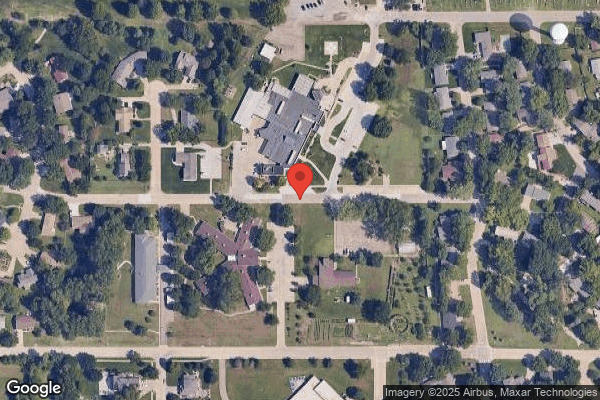

2011 GRANDVIEW DRIVE, WAMEGO, KS 66547 (785) 456-9482
Non profit - Corporation 45 Beds GOOD SAMARITAN SOCIETY Data: November 2025 1 Immediate Jeopardy citation
Trust Grade
51/100
#69 of 295 in KS
Last Inspection: February 2024

Within standard 12-15 month inspection cycle. Federal law requires annual inspections.

Overview

Good Samaritan Society - Valley Vista in Wamego, Kansas, has a Trust Grade of C, which means it is average and falls in the middle of the pack among nursing homes. It ranks #69 out of 295 facilities in Kansas, placing it in the top half, and is #2 out of 4 in Pottawatomie County, indicating only one local option is better. Unfortunately, the facility's trend is worsening, with issues increasing from 7 in 2022 to 12 in 2024. Staffing is a strong point, earning a 5/5 star rating, with a turnover rate of 27%, significantly lower than the state average of 48%, showing that staff are likely to stay and have familiarity with residents. However, the facility has $26,525 in fines, which is concerning as it is higher than 79% of Kansas facilities, suggesting repeated compliance problems. Additionally, there are specific incidents of concern, such as a resident with a history of wandering being left unsupervised, allowing them to exit the facility, and another resident not receiving the necessary nutritional supplements, which put them at risk for malnutrition. While the facility has good RN coverage, more than 96% of state facilities, the presence of serious and critical issues highlights the need for improvement.

Trust Score
C
51/100
In Kansas
#69/295
Top 23%
Safety Record
High Risk
Review needed
Inspections
Getting Worse
7 → 12 violations
Staff Stability
✓ Good
27% annual turnover. Excellent stability, 21 points below Kansas's 48% average. Staff who stay learn residents' needs.
Penalties
✓ Good
$26,525 in fines. Lower than most Kansas facilities. Relatively clean record.
Skilled Nurses
✓ Good
Each resident gets 68 minutes of Registered Nurse (RN) attention daily — more than 97% of Kansas nursing homes. RNs are the most trained staff who catch health problems before they become serious.
Violations
⚠ Watch
27 deficiencies on record. Higher than average. Multiple issues found across inspections.
★★★★☆
4.0
Overall Rating
★★★★★
5.0
Staff Levels
★★★★☆
4.0
Care Quality
★★★☆☆
3.0
Inspection Score
Stable
2022: 7 issues
2024: 12 issues

The Good

  • 5-Star Staffing Rating · Excellent nurse staffing levels
  • 4-Star Quality Measures · Strong clinical quality outcomes
  • Low Staff Turnover (27%) · Staff stability means consistent care
  • Full Sprinkler Coverage · Fire safety systems throughout facility
  • No fines on record
  • Staff turnover is low (27%)

    21 points below Kansas average of 48%

Facility shows strength in staffing levels, quality measures, staff retention, fire safety.

The Bad

Federal Fines: $26,525

Below median ($33,413)

Moderate penalties - review what triggered them

Chain: GOOD SAMARITAN SOCIETY

Part of a multi-facility chain

Ask about local staffing decisions and management

The Ugly 27 deficiencies on record

1 life-threatening 1 actual harm
May 2024 1 deficiency 1 IJ
CRITICAL (J) 📢 Someone Reported This

A family member, employee, or ombudsman was alarmed enough to file a formal complaint

Immediate Jeopardy (IJ) - the most serious Medicare violation

Accident Prevention (Tag F0689)

Someone could have died · This affected 1 resident

The facility identified a census of 39 residents with three residents reviewed for elopement. Based on record review, observation, and interview, the facility failed to ensure staff provided adequate ...

Read full inspector narrative →
The facility identified a census of 39 residents with three residents reviewed for elopement. Based on record review, observation, and interview, the facility failed to ensure staff provided adequate supervision to cognitively impaired Resident (R) 1, who had a history of wandering and elopement, to prevent R1 from exiting the facility unsupervised through an unlocked kitchen area and door. On 05/04/24 at approximately 05:58 PM R1 sat in the dining room finishing his supper. The only Certified Nurse Aide (CNA) in the dining room assisted another resident out of the dining room. R1 then got up from his table and, with his walker, walked to the dishwasher room. R1 attempted to open the door but it was locked. R1 left his walker at that doorway and walked back towards the front of the dining room. R1 walked to the next doorway, which was open and permitted R1 to enter the kitchen. R1 walked through the facility kitchen and went out the back door of the kitchen at 06:02 PM. The regular alarm sounded and Licensed Nurse (LN) G checked the alarm system that was going off. The alarm system indicated the interior kitchen door and another outside door by the dietary manager's office were triggered. LN G looked towards the dining room and Dietary Staff BB, who was coming down the hall, stated the cook went out for a break and must have set off the alarm. LN G shut off the alarm. Dietary Staff BB walked outside four minutes later and discovered R1 outside by the dumpsters. Dietary Staff BB asked R1 he was doing and R1 said, Enjoying the weather. R1 was eating ice cream at the time. CNA M came outside with the trash and both aides redirected R1 back into the facility without incident. R1 was outside on the property unattended for 4 minutes. The facility failed to ensure R1 received adequate supervision to prevent him from entering the kitchen unattended and exiting the facility unsupervised and unbeknownst to staff. This failure placed R1 in immediate jeopardy. Findings included: - R1's Electronic Medical Record (EMR) documented R1 had diagnoses of cognitive communication deficit, weakness, disorientation, a history of falls, and difficulty walking. The Quarterly Minimum Data Set (MDS), dated 03/08/24, documented R1 had a Brief Interview for Mental Status (BIMS) score of five, which indicated severe cognitive impairment. The MDS documented R1 required moderate assistance from staff for toileting hygiene, bathing, and lower body dressing. The MDS documented R1 required supervision for ambulation. The MDS documented R1 had a history of delusions and wandering. The MDS documented R1 had two or more non-injury falls and one fall with a minor injury during the observation period. The Cognitive Loss/Dementia Care Area Assessment (CAA), dated 11/17/23, documented R1 had increased confusion and disorientation. The Functional Abilities CAA, dated 11/17/23, documented R1 was independent with most of his activities of daily living (ADL) with general oversight and limited assistance with bathing. The CAA documented R1 was able to move about the facility independently with a front-wheeled walker. The Behavioral Symptoms CAA, dated 11/17/23, documented R1 had a history of wandering and had attempted to exit the building without assistance. The CAA documented R1 utilized a WanderGuard (a bracelet that helps monitor residents who are at risk of wandering) that alerted staff with a separate alarm when opening an exit door. R1's Care Plan documented R1 would not leave the facility unattended (01/05/24). Staff were directed to offer to take R1 for walks outdoors if weather permitted (12/06/23). Staff were directed to ensure R1's WanderGuard was in place and functioning properly (01/26/24). R1's family would be educated to use the sign-in/sign-out sheet at the nurse's station (01/23/23). Staff were directed to ensure exit door alarms were in working order (01/23/23). R1's Elopement Risk Assessment, dated 04/10/24, documented R1 as at risk for elopement. The assessment documented R1 had a history of leaving the building, a history of wandering, increased confusion, and forgetfulness, had wandered in the last 60 days, had elopement attempts in the past, had packed his belongings in the past, had repeatedly opened doors/set off secure door alarms, verbalized statements about leaving, and wandered with no rational purpose and attempted to open doors. The Mood/Behavior Note, dated 03/27/24 documented R1 continually wandered around his room and into the hallway without his walker. The staff had to continually remind R1 to use his walker, however R1 was unable to remember sixty seconds after being reminded. R1 did not feel like he lived here and wanted to go home. The Mood/Behavior Note, dated 04/10/24, documented R1 had increased agitation due to his belief that another female resident was his wife. R1 attempted to go into the female resident's room at which time the female resident told R1 to get out. Staff stepped in, closed the door, and tried to redirect R1. R1 became angry and stated he was going to hit someone if they did not let him be. The Mood/Behavior Note, dated 04/24/24, documented R1 was showing an increased risk for elopement. R1 had been going to exits and stated he wanted to find his car. R1 was opening and closing doors in the facility looking for an exit. R1 stood at one exit, and he read, door will open in 15 seconds then asked the nurse if they should go for it. The staff redirected R1 to his room to watch a movie. R1 sat in his recliner with his eyes closed. The Communication with Physician Note, dated 05/04/24 documented staff informed LN I and LN G that R1 was found outside by the dumpster. Upon arriving on scene, R1 was with CNA M and Dietary Staff BB. The staff assisted R1 back into the facility by wheelchair and obtained R1's vital signs. The staff completed R1's skin assessment with no skin abnormalities noted. The staff notified R1's primary care physician and responsible person of the situation. The staff notified maintenance staff of the WanderGuard system not activating and had staff watch the door until fixed. The undated Facility Incident Report revealed on 05/04/24 at approximately 05:58 PM R1 sat in the dining room finishing his supper. There was one aide in the dining room at the assisted table. The aide got up and assisted another resident out of the dining room. R1 then got up from his table with his walker and walked to the dishwasher room. The door was closed. R1 attempted to open the door but it was keypad locked. R1 left his walker at the doorway turned around and walked back towards the front of the dining room. R1 walked to the next doorway and found entry into the kitchen. The kitchen door was open (if closed would have required a keypad lock). R1 walked through the kitchen and went out the back door of the kitchen at 06:02 PM. The regular alarm sounded (that door did not have a WanderGuard alarm). LN G was seen checking the alarm system that was going off. The alarm system indicated the interior kitchen door and another outside door by the dietary manager's office. LN G looked towards the dining room and Dietary Staff BB came up the hall and stated the cook was in her car and must have set off the alarm when going out for a break. LN G shut off the alarm. Dietary Staff BB walked outside four minutes later and discovered R1 outside by the dumpsters. Dietary Staff BB asked what R1 was doing and R1 said, Enjoying the weather. CNA M went outside with the trash and both aides redirected R1 back into the facility without incident. R1 was outside on the property unattended for four minutes. LN G escorted R1 to his room, vitals were taken and were within normal limits, and a skin assessment was completed (no abnormalities found). CNA M's Witness Statement, dated 05/04/24, documented CNA M was taking out the trash and saw R1, called R1's name, and went to R1. CNA M called LN G to inform her of what happened. Dietary Staff BB's Witness Statement, dated 05/04/24, documented Dietary Staff BB saw LN H turn off the alarm as he was walking by. Dietary Staff BB went out back to let the cook know about another resident and saw R1 outside without his walker. Dietary Staff BB asked R1 what he was doing out there and R1 said, Just enjoying the weather. CNA M came out with the trash and the staff called both nurses, who came out and redirected R1 back into the facility. LN G's Witness Statement, dated 05/04/24, documented CNA M called her personal cell phone and informed LN G R1 was outside of the building by the dumpster trash can. R1 was fully clothed and had on a jacket and a ball cap. R1 had on his shoes. The sky was clear, still daylight, and the air was warm on the skin. CNA M and Dietary Staff BB were with R1, each had a hold of one of R1's arms and stood by R1. R1 walked back into the facility with CNA M and LN I. LN I assisted LN G with R1. R1 did not have his walker with him. R1 had no obvious injury, had a strong gait, and no shortness of air was noted. On 05/16/24 at 09:45 AM R1 sat in the day room drinking coffee and watching people. R1 had a WanderGuard to his right wrist. His walker was at his side. On 05/16/24 at 10:15 AM, observation revealed the path R1 took through the kitchen had pots and pans, drawers with knives and utensils, cleaning products, and a hot grill. Observation of the outside area revealed a concrete parking lot with cracks in the concrete, an air conditioning unit, two large dumpsters, and a street with a posted speed limit of thirty miles an hour. On 05/16/24 at 10:00 AM, Administrative Nurse D stated if the kitchen staff had closed the door to the kitchen, then R1 would not have been able to run the keypad lock to the door and would not have gotten out of the building. Administrative Nurse D stated she immediately put an intervention in place the kitchen door must always remain closed. On 05/16/24 at 10:30 AM, Administrative Staff A stated that a CNA did come to the kitchen door to check the alarm but did not see anything. Administrative Staff A stated the cook was on break out in the parking lot and if she had been parked different direction, she would have seen R1 come out of the building. The Elopement Policy, dated 07/11/23, documented the SNF location will be responsible for maintaining a system that clearly defines the mechanisms and procedures for monitoring residents/clients at risk for elopement. These include identifying, evaluating, and analyzing environmental hazards and risks and implementing monitoring and modifying interventions as needed. On 05/16/24 at 03:10 PM Administrative Staff A received a copy of the Immediate Jeopardy [IJ] Template which noted the facility's failure to ensure R1 received adequate supervision to prevent him from entering the kitchen unattended and exiting the facility unsupervised and unbeknownst to staff, placed R1 in immediate jeopardy. All corrective actions were completed on 05/14/24 and included: R1's WanderGuard was checked and was working properly. Immediate education for all staff and kitchen staff to keep the kitchen door closed when the kitchen is not occupied. The facility immediately checked all residents who had WanderGuards to make sure the WanderGuards were functioning properly. The facility also checked all of the WanderGuards on the doors to make sure they were functioning as well. All residents with WanderGuard were assessed and their elopement assessment was updated if needed to make sure it was up to date. The facility would also use walkie-talkies to communicate when exit-seeking behaviors were seen with any resident. R1's Care Plan was updated by adding a nursing order for the nurse to sign off and write progress notes if he was exit seeking and added it to the care plan for the aides to document. Since all corrections were completed before the onsite survey, the citation was deemed past noncompliance.
Feb 2024 11 deficiencies
CONCERN (D)

Potential for Harm - no one hurt, but risky conditions existed

Deficiency F0657 (Tag F0657)

Could have caused harm · This affected 1 resident

**NOTE- TERMS IN BRACKETS HAVE BEEN EDITED TO PROTECT CONFIDENTIALITY** The facility had a census of 41 residents. The sample included 12 residents. Based on observation, record review, and interview,...

Read full inspector narrative →
**NOTE- TERMS IN BRACKETS HAVE BEEN EDITED TO PROTECT CONFIDENTIALITY** The facility had a census of 41 residents. The sample included 12 residents. Based on observation, record review, and interview, the facility failed to revise the care plan with trauma triggers and coping strategies for Resident (R)19 and failed to address sexual behaviors for R3. The placed R19 and R3 at risk for impaired care due to uncommunicated care needs. Findings included: - R19's Electronic Medical Record (EMR) documented diagnoses of pain, malignant (the tendency of a medical condition, especially tumors, to become progressively worse, most familiar as a characteristic of cancer) neoplasm (tumor) of left female breast, degenerative disease of nervous system, repeated falls, generalized anxiety(mental or emotional reaction characterized by apprehension, uncertainty and irrational fear) disorder, major depressive disorder (major mood disorder which causes persistent feelings pf sadness), chronic obstructive pulmonary disease (COPD- progressive and irreversible condition characterized by diminished lung capacity and difficulty or discomfort in breathing), need for assistance personal care, dementia (progressive mental disorder characterized by failing memory, confusion), severe with psychotic (any major mental disorder characterized by a gross impairment in reality perception) disturbance, Alzheimer's (progressive mental deterioration characterized by confusion and memory failure) disease with early onset, and visual hallucinations (sensing things while awake that appear to be real, but the mind created) and auditory hallucinations. The Quarterly Minimum Data Set (MDS), dated [DATE], recorded R19 had moderate cognitive impairment, and exhibited no signs or symptoms of delirium (sudden severe confusion, disorientation, and restlessness)or psychosis (any major mental disorder characterized by gross impairment in reality perception) and exhibited no behaviors. R19 required partial/moderate assistance with most activities of daily living. The MDS further documented R19 received scheduled and as-needed pain medication, an antipsychotic (class of medications used to treat major mental conditions that cause a break from reality), antianxiety (class of medications that calm and relax people), an antidepressant (class of medications used to treat mood disorders). Antipsychotics were received on a routine basis only, with a gradual dose reduction (GDR) on 09/12/23 and the physician had not documented a GDR as contraindicated. R19's Care Plan, dated 01/16/24, documented R19 had a psychosocial well-being deficit, reliving trauma related to a history of sexual abuse and family discord and diagnoses of anxiety and depression. The care plan lacked triggers and coping strategies. The Trauma Assessment, dated 10/09/21, documented R19 experienced sexual trauma perpetrated by family during R19's youth. The trauma symptoms and triggers that caused reliving a traumatic experience of startling easily to sudden noises, and coping strategies for relieving a traumatic experience R19 preferred that staff knock on her door prior to entering so that they did not startle her and leave the bathroom light on at night. On 02/05/24 at 11:00 AM, Certified Nurse Aide (CNA) M stated she was not aware of R19's trauma history but that information would be helpful with care due to the resident's confusion. On 02/05/24 at 10:34 AM, Licensed Nurse (LN) G reported she was not aware of R19's of trauma triggers or coping strategies but tried to document on behaviors R19 exhibited. On 02/05/24 at 01:00 PM, Administrative Nurse D verified R19's care plan should have trauma triggers and coping strategies. The facility's Care Plan policy, dated 11/01/23, documented to develop a comprehensive care plan using an interdisciplinary team approach to provide guidance to the interdisciplinary team in developing the initial care plan. Residents will receive and be provided the necessary care and services to attain or maintain the highest practicable well-being in accordance with the comprehensive assessment. Each resident will have an individualized, person-centered, comprehensive plan of care that will include measurable goals and timetables directed toward achieving and maintaining the resident's optimal medical, nursing, physical, functional, spiritual, emotional, psychosocial, and educational needs. Any problems, needs and concerns identified will be addressed through use of departmental assessments, the Resident Assessment Instrument (RAI) and review of the physician's orders. The care plan will emphasize the care and development of the whole person ensuring that the resident will receive appropriate care and services. It will address the relationship of items or services required and facility responsibility for providing these services. The facility failed to revise/include R19's care plan to include trauma triggers and coping strategies which placed the resident at risk for impaired care due to uncommunicated care needs. - The Electronic Medical Record (EMR) documented R3 had diagnoses of anxiety (mental or emotional reaction characterized by apprehension, uncertainty, and irrational fear), edema (swelling caused due to excess fluid accumulation in the body tissues), pain, and hypertension (high blood pressure). The Quarterly Minimum Data Set (MDS), dated [DATE], documented R3 had intact cognition and was independent with all activities of daily living (ADL), had no behaviors, and received antianxiety (class of medications that calm and relax people) and antidepressant (class of medications used to treat mood disorders) medications. The Quarterly MDS, dated 12/22/23, documented R3 had intact cognition and was independent with ADL, had no behaviors, and received antianxiety and antidepressant medication. R3's Care Plan, initiated on 03/18/20, documented R3 had the potential to relive trauma related to his wife's passing and his own near-death experience. The plan directed staff to remove R3 to a calm, safe environment, allow him to vent and share feelings when conflict arises, and provide opportunities for him to participate in care and decisions about his care. The update, dated 10/22/20, directed staff to assist R3 with activities that were meaningful and of interest, encourage, support, and maintain as much independence and control as possible; and engage R3 in one-on-one conversations about his interests during times of increased activities. The update, dated 03/31/22, directed staff to consult with psychiatric services as needed. The plan lacked direction to staff related to R3's sexual advances, behaviors, and comments. The Physician's Order, dated 07/22/21, directed staff to administer clonazepam (antianxiety medication), 0.5 milligrams (mg), by mouth, in the morning for anxiety, The Physician's Order, dated 06/26/23, directed staff to document any sexual advances, behaviors, and comments to staff and/or other residents every day and evening shift. R3's Medication Administration Record (MAR) for November 2023, lacked behavior monitoring documentation on the following days: 11/01/23 11/02/23 11/04/23 11/05/23 11/06/23 11/08/23 11/09/23 11/11/23 11/12/23 11/16/23 11/20/23 11/21/23 11.23/23 11/24/23 11/26/23 R3's MAR for December 2023, lacked behavior monitoring documentation on the following days: 12/02/23 12/07/23 12/08/23 12/12/23 12/15/23 12/17/23 12/18/23 12/23/23 12/24/23 12/29/23 12/30/23 R3's MAR for January 2024 lacked behavior monitoring documentation on the following days: 01/04/24 01/09/24 01/11/24 01/12/24 01/15/24 01/18/24 01/19/24 01/22/24 01/23/24 01/25/24 01/26/24 01/30/24 The Nurse's Notes, dated 02/04/23 at 08:52 AM, documented during insulin (controls the amount of sugar in the blood by moving into the cells) administration, R3 spanked the nurse's butt and he was advised to not do that again as that was the second time it happened. The Nurse's Note, dated 06/20/23 at 09:50 AM documented R3 was found in the activity room, seated in a chair, with his pants down. The note further documented that staff asked R3 why he had his pants down, and he just laughed. The Nurse's Note, dated 06/26/23 at 08:30 AM, documented R3 attempted to kiss the nurse during a medication pass. The Nurse's Note, dated 08/24/24 at 12:12 PM, documented R3 grabbed the nurse around the hip with his arm and pulled her towards him, The staff told R3 no and informed him he could not touch staff like that. On 01/30/23 at 02:50 PM, observation revealed R3 ambulated down the hall with his walker into the activity room. On 02/05/24 at 10:00 AM, Licensed Nurse (LN) G stated the nurse documented in the MAR whether or not R3 had any behaviors. LN G stated if R3 had behaviors, the behaviors were documented in the progress note. On 02/05/24 at 10:45 AM, Certified Nurse Aide (CNA) M stated R3 did not have any behaviors. On 02/05/24 at 12:35 PM, Administrative Nurse D stated staff should make sure they were signing the MAR whether R3 had any sexual behaviors toward staff. Administrative Nurse D said the care plan should reflect the resident and his behaviors. The facility's Care Plan policy, dated 11/01/23, documented the interdisciplinary team would review care plans at least quarterly and would be reviewed, evaluated and updated when there is a significant change in the resident's condition. The facility failed to revise R3's Care Plan to direct staff with interventions when R3 had inappropriate behaviors. This placed R3 at risk for imapired care due to uncommunicated care needs.
CONCERN (D)

Potential for Harm - no one hurt, but risky conditions existed

Deficiency F0660 (Tag F0660)

Could have caused harm · This affected 1 resident

The facility had a census of 41 residents. The sample included 12 residents, with one reviewed for discharge. Based on interview and record review, the facility failed to develop a discharge plan for ...

Read full inspector narrative →
The facility had a census of 41 residents. The sample included 12 residents, with one reviewed for discharge. Based on interview and record review, the facility failed to develop a discharge plan for one sampled resident, Resident (R) 40, who discharged to home with family. This placed the resident at risk for unidentified discharge goals and impaired discharge planning. Findings included: - The Electronic Medical Record (EMR) for R40 documented diagnoses of sepsis (a life-threatening systemic reaction that develops due to infections that cause inflammation throughout the entire body), encephalopathy (a broad term for any brain disease that alters brain function or structure), hypertension (high blood pressure), dementia without behavioral disturbance (a progressive mental disorder characterized by failing memory, confusion), and weakness. The EMR lacked evidence a discharge care plan had been developed upon admission to the facility. The Nurse's Note, dated 11/03/23 at 11:40 AM, documented R40 was admitted to the facility after hospitalization for sepsis and planned to return home after therapy. On 01/31/24 at 08:45 AM, Administrative Nurse E verified there was not a care plan or a recapitulation of R40's stay in the facility. Administrative Nurse E stated she thought R40 was going to remain in the facility. The facility's Discharge and Transfer policy, dated 01/03/24, documented that the social worker or designated individual will, prior to discharge, coordinate a discharge plan with the interdisciplinary team and resident and/or responsible party, and arrange community resources and referrals. The facility failed to develop a discharge plan for R40, who planned to go back to the community after therapy. This placed the resident at risk for unidentified discharge goals and impaired discharge planning.
CONCERN (D)

Potential for Harm - no one hurt, but risky conditions existed

Deficiency F0661 (Tag F0661)

Could have caused harm · This affected 1 resident

The facility had a census of 41 residents. The sample included 12 residents. Based on record review and interview, the facility failed to develop a discharge summary that included a recapitulation (a ...

Read full inspector narrative →
The facility had a census of 41 residents. The sample included 12 residents. Based on record review and interview, the facility failed to develop a discharge summary that included a recapitulation (a concise summary of the resident's stay and course of treatment in the facility) of the resident's stay and post-discharge plan for Resident (R)40. This placed the resident at risk for impaired care and services. Findings included: - The Electronic Medical Record (EMR) for R40 documented diagnoses of sepsis (a life-threatening systemic reaction that develops due to infections that cause inflammation throughout the entire body), encephalopathy (a broad term for any brain disease that alters brain function or structure), hypertension (high blood pressure), dementia without behavioral disturbance (a progressive mental disorder characterized by failing memory, confusion), and weakness. The EMR lacked evidence a discharge care plan had been developed upon admission to the facility. The Nurse's Note, dated 11/03/23 at 11:40 AM, documented R40 was admitted to the facility after hospitalization for sepsis and planned to return home after therapy. R40's clinical record lacked evidence of a recapitulation of R40's stay. On 01/31/24 at 08:45 AM, Administrative Nurse E verified there was not a care plan or a recapitulation of R40's stay in the facility. Administrative Nurse E stated she thought R40 was going to remain in the facility. The facility's Discharge and Transfer policy, dated 01/03/24, documented that the social worker or designated individual will, prior to discharge, coordinate a discharge plan with the interdisciplinary team and resident and/or responsible party, and arrange community resources and referrals. The facility failed to develop a discharge summary that included a recapitulation of the resident's stay and post-discharge plan for Resident R40. This placed the resident at risk for impaired care and services.
CONCERN (D)

Potential for Harm - no one hurt, but risky conditions existed

ADL Care (Tag F0677)

Could have caused harm · This affected 1 resident

**NOTE- TERMS IN BRACKETS HAVE BEEN EDITED TO PROTECT CONFIDENTIALITY** The facility had a census of 41 residents. The sample included 12 residents. Based on observation, record review, and interview,...

Read full inspector narrative →
**NOTE- TERMS IN BRACKETS HAVE BEEN EDITED TO PROTECT CONFIDENTIALITY** The facility had a census of 41 residents. The sample included 12 residents. Based on observation, record review, and interview, the facility failed to provide cueing or assistance with eating for Resident (R) 17 who had weight loss. This placed the resident at risk of continued weight loss and unmet care needs. Findings included: - R17's Electronic Medical Record (EMR) documented diagnoses of pain, spinal stenosis (degenerative condition of the spine that could cause weakness and loss of use of extremities), essential tremor, gastroesophageal reflux disease (GERD-backflow of stomach contents to the esophagus), anxiety (mental or emotional reaction characterized by apprehension, uncertainty and irrational fear) disorder, dementia (progressive mental disorder characterized by failing memory, confusion), heart disease, and muscle weakness. The Quarterly Minimum Data Set (MDS), dated [DATE], documented R17 had severe cognitive impairment, delusions (untrue persistent belief or perception held by a person although evidence shows it was untrue), and wandering behavior that occurred one to three days of the observation period. R17 required supervision or touch assistance with eating, was 60 inches tall, weighed 112 pounds (lbs.), and had no weight loss. R17 was on a mechanically altered diet. R17's Care Plan, dated 12/18/23, documented R17 had an activity of daily living (ADL) self-care deficit related to requiring extensive assistance with most ADLs secondary to a diagnosis of Parkinson's disease (slowly progressive neurologic disorder characterized by resting tremor, rolling of the fingers, masklike faces, shuffling gait, muscle rigidity and weakness) and dementia. The care plan directed staff R17 was independent but did require supervision at times of increased fatigue and may require some assistance and cueing. R17's Care Plan, dated 12/18/23, documented R17 had an unexpected weight loss related to increased fatigue and sleeping more secondary to a diagnosis of dementia and Parkinson's disease. The care plan directed staff R17 was independent but does require supervision, at times of increased fatigue may require some assistance and cueing. On 01/30/24 at 12:47 PM, observation revealed R17 sat in the dining room for the midday meal. She was provided with beef vegetable soup, half a deli sandwich, and blueberry pear cobbler. R17 sat at the table and looked at the food with occasional tremors in her hands. No staff offered assistance to R17, and the resident did not eat her meal. On 01/31/24 at 07:58 AM observation revealed R17 sat in her wheelchair. Staff brought the resident to the dining room and assisted her with the menu selection for breakfast. Staff brought R17 a cup of coffee and a cloth napkin, and wrapped silverware. R17 unwrapped the silverware in a slow process and drank from the coffee cup. At 08:04 AM R17's breakfast was brought to the table. The meal consisted of scrambled eggs and a cut-up pancake with syrup. R17 held the silverware in her right hand but used her left hand to raise the food to her mouth. R17 had tremors in her hands and had difficulty getting food onto the silverware. At 08:22 AM, R17 continued to struggle with getting food to her mouth which was a slow process using both hands and she continued to have tremors. No staff offered any assistance or cueing. At 08:45 AM staff offered to cut up the food. R17 indicated no as the food was already in bite-size pieces. The staff did not offer assistance with eating. R17 appeared to get stuck and/or frozen at times. At 09:10 AM R17 ate most of the pancake and only a few bites of eggs. On 02/01/24 at 11:58 AM observation revealed staff brought R17 to the dining room and placed her at her table. R17 picked up a pencil and attempted to fill out the menu selection but struggled to complete it due to hand tremors. At 12:07 PM a staff member assisted R17 with filling out menu choices, and dietary staff furnished R17 with coffee and supplement. At 12:38 PM, R17 received a cheeseburger. Staff assisted with placing sauce on the hamburger. R17 struggled to place lettuce and onion on the burger and ate using both hands, but the lettuce kept falling onto her lap. R17 continued to struggle to keep the burger together. No staff offered additional assistance. On 02/05/24 at 11:00 AM Certified Nurse Aide (CNA) M verified R17 had had a weight loss and staff weighed her weekly. CNA M reported R17 was able to feed herself but took a very long time to eat. CNA M said in the past, staff offered to help her and R17 told staff I can do it. On 02/05/24 at 10:34 AM, Licensed Nurse (LN) G stated she had known R17 for a long time and said R17 may have lost 10 pounds. LN G said the resident received supplements, used weighted silverware, and cups with lids, and took a long time to eat. LN G said R17 did not like to be fed, but staff should offer assistance. On 02/05/24 at 01:00 PM Administrative Nurse D verified R17 had weight loss, and took a long time to eat, but should be offered assistance and provided with fresh hot foods if taking a long time. The facility's Restorative-Identifying Decline in Activities of Daily Living, dated 01/16/24, documented the purpose of identifying declines in ADL function and to consider interventions to avoid ADL decline. Residents with disease processes such as Parkinson's disease can result in a loss of independence. ADL decline associated with certain disease processes is unavoidable but with restorative interventions, the effects of the disease can be slowed. The facility failed to provide cueing or offer assistance to R17 at mealtimes who had weight loss. This placed the resident at risk for continued weight loss and unmet care needs.
CONCERN (D)

Potential for Harm - no one hurt, but risky conditions existed

Accident Prevention (Tag F0689)

Could have caused harm · This affected 1 resident

**NOTE- TERMS IN BRACKETS HAVE BEEN EDITED TO PROTECT CONFIDENTIALITY** The facility had a census of 41 residents. The sample included 12 residents, with four reviewed for accidents. Based on observat...

Read full inspector narrative →
**NOTE- TERMS IN BRACKETS HAVE BEEN EDITED TO PROTECT CONFIDENTIALITY** The facility had a census of 41 residents. The sample included 12 residents, with four reviewed for accidents. Based on observation, record review, and interview, the facility failed to ensure Resident (R) 22's personal alarm system was monitored as ordered to prevent elopement (when a cognitively impaired resident leaves the facility without staff knowledge or supervision). This placed the resident at risk for preventable accidents. Findings included: - The Electronic Medical Record (EMR) for R22 documented diagnoses of weakness, unsteadiness on feet, hypertension (high blood pressure), cognitive-communication deficit (difficulty with any aspect of communication that is affected by disruption of cognition), and disorientation (having lost one's self of direction). The admission Minimum Data Set (MDS), dated [DATE], documented R22 had intact cognition and required extensive assistance from one staff for dressing and toileting, and limited assistance from one staff for bed mobility, transfers, ambulation, and personal hygiene. The MDS further documented R22 had disorganized thinking that fluctuated, was unsteady, and had upper functional limitation on one side. The Significant Change MDS, dated 12/15/23, documented R22's cognition was not assessed and required set-up assistance for personal hygiene, and supervision for toileting, showers, dressing, transfers, and ambulation. The MDS further documented R22 had no functional limitation and had no falls. R22's Care Plan, dated 11/27/23, initiated on 01/23/23, directed staff to offer to take R22 for a walk outdoors if weather permitted, ensure Wander Guard (bracelet that sets off an alarm when residents wearing one attempt to exit the building without an escort) was in place and properly functioning, educate families to use the sign in/sign out sheet at the nurse's station, and ensure that exit door alarms are in working order. The Physician's Order, dated 01/23/23, directed staff to ensure Wander Guard was functioning properly two times per day. R22's Medication Administration Record (MAR), dated November 2023 lacked documentation the Wander Guard was assessed to be working properly on the following days: Day Shift-11/04/23, 11/05/23, 11/11/23, 11/12/23, 11/20/23, 11/23/23, 11/24/23, 11/26/23 Evening Shift-11/01/23, 11/04/23, 11/09/23, 11/11/23, 11/12/23, 11/21/23, 11/24/23, 11/25/23. 11/30/23 R22's MAR dated December 2023 lacked documentation the Wander Guard was assessed to be working properly on the following days: Day Shift-12/15/23, 12/18/23, 12/19/23, 12/23/23 Evening Shift-12/02/23, 12/03/23, 12/07/23, 12/08/23, 12/15/23, 12/16/23, 12/17/23, 12/21/23, 12/24/23, 12/29/23, 12/30/23 R22's MAR dated January 2024 lacked documentation the Wander Guard was assessed to be working properly on the following days: Day Shift-01/04/24, 01/09/24, 01/12/24, 01/16/24, 01/18/24, 01/19/24, 01/22/24, 01/23/24, 01/25/24, 01/26/24, 01/30/24 Evening Shift-01/04/24, 01/05/24, 01/11/24, 01/15/24, 01/20/24, 01/22/24, 01/25/24 On 02/05/24 at 10:00 AM, Licensed Nurse (LN) G stated R22 got confused at times and wandered around the facility but LN G did not know of any time R22 had left the facility unsupervised. LN G further stated she checked R22's Wander Guard when she worked and documented it in the MAR after she checked it. On 02/05/24 at 10:45 AM, Certified Nurse Aide (CNA) M stated R22 had a Wander Guard that would sound whenever he got close to the doors. CNA M further stated that R22 liked to go to the doors and look out but never tried to leave the facility unattended. The facility's Elopement policy, dated 07/11/23, All skilled nursing residents would be assessed for risk of elopement through the pre-admission and/or admission process and as needed. In the event of a suspected missing resident, check locations where the resident would spend time, and if unable to locate the resident, contact the administrator, director of nursing services, and charge nurse. The area would be searched and if the resident was found, the resident would be evaluated for injuries. In all cases, the family, physician, and other agencies as required by state and/or federal regulation would be notified. The facility failed to ensure the personal alarm system used to prevent elopement for R22 was monitored as ordered. This placed the resident at risk for preventable accidents.
CONCERN (D)

Potential for Harm - no one hurt, but risky conditions existed

Deficiency F0699 (Tag F0699)

Could have caused harm · This affected 1 resident

**NOTE- TERMS IN BRACKETS HAVE BEEN EDITED TO PROTECT CONFIDENTIALITY** The facility had a census of 41 residents. The sample included 12 residents. Based on observation, record review, and interview,...

Read full inspector narrative →
**NOTE- TERMS IN BRACKETS HAVE BEEN EDITED TO PROTECT CONFIDENTIALITY** The facility had a census of 41 residents. The sample included 12 residents. Based on observation, record review, and interview, the facility failed to ensure Resident (R) 19 received trauma-informed care to eliminate or mitigate triggers that may cause re-traumatization of the resident which placed R19 at risk for impaired quality of life. Findings included: - R19's Electronic Medical Record (EMR) documented diagnoses of pain, malignant (the tendency of a medical condition, especially tumors, to become progressively worse, most familiar as a characteristic of cancer) neoplasm (tumor) of left female breast, degenerative disease of nervous system, repeated falls, generalized anxiety(mental or emotional reaction characterized by apprehension, uncertainty and irrational fear) disorder, major depressive disorder (major mood disorder which causes persistent feelings pf sadness), chronic obstructive pulmonary disease (COPD- progressive and irreversible condition characterized by diminished lung capacity and difficulty or discomfort in breathing), need for assistance personal care, dementia (progressive mental disorder characterized by failing memory, confusion), severe with psychotic (any major mental disorder characterized by a gross impairment in reality perception) disturbance, Alzheimer's (progressive mental deterioration characterized by confusion and memory failure) disease with early onset, and visual hallucinations (sensing things while awake that appear to be real, but the mind created) and auditory hallucinations. The Quarterly Minimum Data Set (MDS), dated [DATE], recorded R19 had moderate cognitive impairment, and exhibited no signs or symptoms of delirium (sudden severe confusion, disorientation, and restlessness)or psychosis (any major mental disorder characterized by gross impairment in reality perception) and exhibited no behaviors. R19 required partial/moderate assistance with most activities of daily living. The MDS further documented R19 received scheduled and as-needed pain medication, an antipsychotic (class of medications used to treat major mental conditions that cause a break from reality), antianxiety (class of medications that calm and relax people), an antidepressant (class of medications used to treat mood disorders). Antipsychotics were received on a routine basis only, with a gradual dose reduction (GDR) on 09/12/23 and the physician had not documented a GDR as contraindicated. R19's Care Plan, dated 01/16/24, documented R19 had a psychosocial well-being deficit, reliving trauma related to a history of sexual abuse and family discord and diagnoses of anxiety and depression. The care plan lacked triggers and coping strategies. The Trauma Assessment, dated 10/09/21, documented R19 experienced sexual trauma perpetrated by family during R19's youth. The trauma symptoms and triggers that caused reliving a traumatic experience of startling easily to sudden noises, and coping strategies for relieving a traumatic experience R19 preferred that staff knock on her door prior to entering so that they did not startle her and leave the bathroom light on at night. On 02/05/24 at 11:00 AM, Certified Nurse Aide (CNA) M stated she was not aware of R19's trauma history but that information would be helpful with care due to the resident's confusion. On 02/05/24 at 10:34 AM, Licensed Nurse (LN) G reported she was not aware of R19's of trauma triggers or coping strategies but tried to document on behaviors R19 exhibited. On 02/05/24 at 01:00 PM, Administrative Nurse D verified that R19's Care Plan should have trauma triggers and coping strategies. The facility's Trauma Informed Care policy, dated 11/16/23, documented the purpose to provide trauma-informed care and avoid re-traumatizing residents. Trauma-informed care means being intentional by anticipating and avoiding institutional processes and practices that are likely to re-traumatize a resident who has a history of trauma. Staff will ensure that residents who experience trauma receive culturally competent, trauma-informed care in accordance with professional standards of practice and accounting for residents' experiences and preferences to eliminate or mitigate triggers that may cause re-traumatization. The facility failed to communicate relevant information from R19's trauma history to allow staff to provide trauma-informed care to eliminate or mitigate triggers that may cause re-traumatization. This placed the resident at risk for impaired quality of life.
CONCERN (D)

Potential for Harm - no one hurt, but risky conditions existed

Deficiency F0740 (Tag F0740)

Could have caused harm · This affected 1 resident

**NOTE- TERMS IN BRACKETS HAVE BEEN EDITED TO PROTECT CONFIDENTIALITY** The facility has a census of 41 residents. The sample included 12 residents, with eight residents reviewed for behaviors. Based ...

Read full inspector narrative →
**NOTE- TERMS IN BRACKETS HAVE BEEN EDITED TO PROTECT CONFIDENTIALITY** The facility has a census of 41 residents. The sample included 12 residents, with eight residents reviewed for behaviors. Based on observation, record review, and interview, the facility failed to monitor Resident (R) 3 for sexual behaviors and failed to provide supervision for R11, who had resident-to-resident altercations. This placed the residents at risk for decreased quality of life. Findings Include: - The Electronic Medical Record (EMR) documented R3 had diagnoses of anxiety (mental or emotional reaction characterized by apprehension, uncertainty, and irrational fear), edema (swelling caused due to excess fluid accumulation in the body tissues), pain, and hypertension (high blood pressure). The Quarterly Minimum Data Set (MDS), dated [DATE], documented R3 had intact cognition and was independent with all activities of daily living (ADL), had no behaviors, and received antianxiety (class of medications that calm and relax people) and antidepressant (class of medications used to treat mood disorders) medications. The Quarterly MDS, dated 12/22/23, documented R3 had intact cognition and was independent with ADL, had no behaviors, and received antianxiety and antidepressant medication. R3's Care Plan, initiated on 03/18/20, documented R3 had the potential to relive trauma related to his wife's passing and his own near-death experience. The plan directed staff to remove R3 to a calm, safe environment, allow him to vent and share feelings when conflict arises, and provide opportunities for him to participate in care and decisions about his care. The update, dated 10/22/20, directed staff to assist R3 with activities that were meaningful and of interest, encourage, support, and maintain as much independence and control as possible; and engage R3 in one-on-one conversations about his interests during times of increased activities. The update, dated 03/31/22, directed staff to consult with psychiatric services as needed. The plan lacked direction to staff related to R3's sexual advances, behaviors, and comments. The Physician's Order, dated 07/22/21, directed staff to administer clonazepam (antianxiety medication), 0.5 milligrams (mg), by mouth, in the morning for anxiety, The Physician's Order, dated 06/26/23, directed staff to document any sexual advances, behaviors, and comments to staff and/or other residents every day and evening shift. R3's Medication Administration Record (MAR) for November 2023, lacked behavior monitoring documentation on the following days: 11/01/23 11/02/23 11/04/23 11/05/23 11/06/23 11/08/23 11/09/23 11/11/23 11/12/23 11/16/23 11/20/23 11/21/23 11.23/23 11/24/23 11/26/23 R3's MAR for December 2023, lacked behavior monitoring documentation on the following days: 12/02/23 12/07/23 12/08/23 12/12/23 12/15/23 12/17/23 12/18/23 12/23/23 12/24/23 12/29/23 12/30/23 R3's MAR for January 2024 lacked behavior monitoring documentation on the following days: 01/04/24 01/09/24 01/11/24 01/12/24 01/15/24 01/18/24 01/19/24 01/22/24 01/23/24 01/25/24 01/26/24 01/30/24 The Nurse's Notes, dated 02/04/23 at 08:52 AM, documented during insulin (controls the amount of sugar in the blood by moving into the cells) administration, R3 spanked the nurse's butt and he was advised to not do that again as that was the second time it happened. The Nurse's Note, dated 06/20/23 at 09:50 AM documented R3 was found in the activity room, seated in a chair, with his pants down. The note further documented that staff asked R3 why he had his pants down, and he just laughed. The Nurse's Note, dated 06/26/23 at 08:30 AM, documented R3 attempted to kiss the nurse during a medication pass. The Nurse's Note, dated 08/24/24 at 12:12 PM, documented R3 grabbed the nurse around the hip with his arm and pulled her towards him, The staff told R3 no and informed him he could not touch staff like that. On 01/30/23 at 02:50 PM, observation revealed R3 ambulated down the hall with his walker into the activity room. On 02/05/24 at 10:00 AM, Licensed Nurse (LN) G stated the nurse documented in the MAR whether or not R3 had any behaviors. LN G stated if R3 had behaviors, the behaviors were documented in the progress note. On 02/05/24 at 10:45 AM, Certified Nurse Aide (CNA) M stated R3 did not have any behaviors. On 02/05/24 at 12:35 PM, Administrative Nurse D stated staff should make sure they were signing the MAR whether R3 had any sexual behaviors toward staff. Upon request, a policy for behavior was not provided by the facility. The facility failed to monitor R3's behaviors. This placed the resident at risk for decreased quality of life. - The Electronic Medical Record (EMR) documented R11 had diagnoses of cerebral infarction (stroke - the sudden death of brain cells due to lack of oxygen caused by impaired blood flow to the brain by blockage or rupture of an artery to the brain), weakness, and diabetes mellitus (DM-when the body cannot use glucose, not enough insulin made, or the body cannot respond to the insulin). The admission Minimum Data Set (MDS), dated [DATE] documented R11 had severely impaired cognition and required extensive assistance from two staff for bed mobility, transfers, toileting, and locomotion. The MDS further documented R11 had other behaviors daily and did not take any medication. The Annual MDS, dated 12/01/23, documented R11 had severely impaired cognition and required substantial/maximum assistance for dressing, partial/moderate assistance with mobility, showers, and toileting, and the MDS further documented R11 had verbal behaviors one to three days per week. R11's Care Plan, dated 12/19/23, initiated on 05/01/23, directed staff to intervene as necessary to protect the rights and safety of others, and approach and calmly speak to him. The plan directed staff to divert his attention, remove him from the situation, and take him to an alternate location as needed. The care plan further directed staff to have one-to-one conversations with R11 when he had disruptive behaviors. The Nurse's Note, dated 04/11/23 at 08:50 AM, documented R11 yelled at another resident in the hall and told him to move out of his way and that he was going to run right into him. The Nurse's Note, dated 05/01/23 at 03:41 PM, documented that R11 kicked at another resident while in the activity room. The Nurse's Note, dated 05/27/23 at 10:57 AM, documented R11 pushed another resident's wheelchair in the common area and stated the resident was in the way. When the staff asked him to stop, R11 began to yell at the nurse and raised his hand to her. The Nurse's Note, dated 05/28/23 at 07:22 PM, documented R11 yelled at another resident and told them to shut up or to shut their mouth. Staff attempted to redirect R11 and he cursed and continued to tell other residents to shut up. The Nurse's Note, dated 06/27/23 at 05:02 PM documented R11 cursed at kitchen staff when the resident was asked not to talk negatively to another resident. The Nurse's Note, dated 10/13/23 at 03:11 PM, documented R11 kicked at and hollered at another resident and called her names. The Nurse's Note, dated 10/15/23 at 05:15 PM, documented R11 pushed another resident's wheelchair to move her out of the way so she wouldn't enter into the dining room. The Nurse's Note, dated 10/21/23 at 02:15 PM, documented R11 pushed another resident in her wheelchair and yelled at her to move and stop removing her shoes and socks. The note further documented the nurse intervened and asked the resident to let go of the resident's wheelchair three times and the nurse had to physically move the other resident away from the resident. The Nurse's Note, dated 11/28/23 at 11:21 AM, documented R11 became upset with another resident and attempted to kick her but hit the wheel of her chair instead. The note further documented staff attempted to separate them and told him to stop and he began to call staff names. On 01/303/24 at 03:20 PM, observation revealed R11 was beside R9 and began to kick at her wheelchair. R11 tried to pull R9's wheelchair back as R9 tried to roll forward. Further observation revealed that R11 told R9 to stop going toward the fish tank as she continued to try to move away from him. On 02/05/24 at 10:00 AM, Licensed Nurse (LN) G stated R11 had behaviors and tried to boss other residents around but R11 never hit another resident. LN G stated R11 liked control and the residents frustrated him. On 02/05/24 at 10:45 AM, Certified Nurse Aide (CNA) M stated when R11 got mad at another resident she separated the residents, made sure they were safe, and told the nurse. CNA M stated R11 never hit a resident, just kicked at their wheelchair. Upon request, a policy for behaviors was not provided by the facility. The facility failed to provide adequate supervision and redirection to R11, who had behaviors. This placed the resident at risk for decreased quality of life.
CONCERN (D)

Potential for Harm - no one hurt, but risky conditions existed

Drug Regimen Review (Tag F0756)

Could have caused harm · This affected 1 resident

**NOTE- TERMS IN BRACKETS HAVE BEEN EDITED TO PROTECT CONFIDENTIALITY** The facility had a census of 41 residents. The sample included 12 residents. Based on observation, record review, and interview,...

Read full inspector narrative →
**NOTE- TERMS IN BRACKETS HAVE BEEN EDITED TO PROTECT CONFIDENTIALITY** The facility had a census of 41 residents. The sample included 12 residents. Based on observation, record review, and interview, the facility failed to ensure the Consultant Pharmacist identified and reported that Resident (R) 8 lacked a 14-day stop date or specified duration with physician rationale for as-needed (PRN) psychotropic (alters mood or thought) medication and R3 lacked evidence of blood sugar checks and insulin administration as ordered. This placed the residents at risk for inappropriate use of medications. Findings included: - R8's Electronic Medical Record (EMR) documented diagnoses of cerebral infarction (stroke - the sudden death of brain cells due to lack of oxygen caused by impaired blood flow to the brain by blockage or rupture of an artery to the brain) without residual deficit, chronic kidney disease, chronic obstructive pulmonary disease (COPD- a progressive and irreversible condition characterized by diminished lung capacity and difficulty or discomfort in breathing), generalized anxiety (mental or emotional reaction characterized by apprehension, uncertainty, and irrational fear) disorder, insomnia (inability to sleep), heart failure, dementia (a progressive mental disorder characterized by failing memory, confusion), mild without behavioral disturbance, psychotic (any major mental disorder characterized by gross impairment in reality perception) disturbance, generalized weakness, need for assistance with personal cares. The Quarterly Minimum Data Set (MDS), dated [DATE], documented R8, had moderate cognitive impairment, no delirium (sudden severe confusion, disorientation, and restlessness) or psychosis, and had not exhibited behaviors. R8 required substantial/maximum with activities of daily living. R8 received scheduled pain medications and an antianxiety (class of medications that calm and relax people), an antidepressant (class of medications used to treat mood disorders), a diuretic (medication to promote the formation and excretion of urine), and opioid medication to treat pain). The MDS further documented R8 had a condition or chronic disease that may result in a life expectancy of less than six months and received hospice (specialized care for end-of-life) care. The Psychotropic Drug Use Care Area Assessment (CAA), dated 03/20/23, documented R8 was prescribed an antidepressant secondary to a diagnosis of depression (a mood disorder that causes a persistent feeling of sadness and loss of interest). R8's Care Plan, dated 12/18/23, documented R8 was on medication with a Black Boxed Warning (BBW- highest safety-related warning that medications can be assigned by the Food and Drug Administration) and or warnings of adverse consequences. The care plan directed staff to monitor for adverse side effects such as drowsiness, tiredness, dizziness, weakness, dry mouth, diarrhea, nausea, and change in appetite and to report as necessary. The Physician Order, dated 10/02/23, directed staff to administer lorazepam (antianxiety medication) 0.5 milligrams (mg) by mouth every 12 hours as needed (PRN) anxiety or agitation. The order lacked a stop date. The Progress Note, dated 09/30/23 at 10:56 AM, documented R8 was very anxious and continuously looked for her daughter. R8 was tearful about money and family members; the staff called hospice to get lorazepam ordered. The monthly Consultant Pharmacy Reviews for R8 lacked mention of the required 14-day stop date or need for a specified duration for the PRN lorazepam. On 02/01/24 at 12:23 PM observation revealed R8 in the dining room. The staff brought her meal to the table. R8 was very appreciative and excited about the hamburger. On 02/05/34 at 10:34 AM, Licensed Nurse (LN) G reported R8 was confused and did not remember her children had passed away. LN G stated that R8 could be very verbal. LN G stated she had not administered lorazepam to R8 on her shifts. On 02/05/23 at 01:00 PM, Administrative Nurse D verified R8's lorazepam order lacked a 14-day stop date and evaluation to continue PRN use. The facility's Medication: Drug Regimen Review, dated 02/10/23, documented to prevent medication errors that could cause harm to a resident or result in resident hospitalization, and identify the potential for adverse side effects. Drug Regimen Review is a process that includes both medication reconciliation and a review of all medications a resident is currently using to identify and prevent potential clinically significant medication issues. For any mood-altering and pain medications (particularly opioids, antipsychotics, antianxiety, antidepressants, hypnotics, etc.) ask how long they have been on the medication and why and add this information to the resident care plan. The facility failed to ensure the Consultant Pharmacist identified and reported that R8 lacked a 14-day stop date or specified duration with physician rationale for PRN lorazepam use. This placed R8 at risk for inappropriate use of medication. - The Electronic Medical Record (EMR) documented R3 had diagnoses of diabetes mellitus (DM-when the body cannot use glucose, not enough made, or the body cannot respond to the insulin) type 2, anxiety (mental or emotional reaction characterized by apprehension, uncertainty and irrational fear), edema (swelling caused due to excess fluid accumulation in the body tissues), pain, and hypertension (high blood pressure). The Annual Minimum Data Set (MDS), dated [DATE], documented R3 had intact cognition and was independent with all activities of daily living (ADL) except supervision with toileting. R3 was continent of bowel and bladder and received insulin daily. The Quarterly MDS, dated 12/22/23, documented R3 had intact cognition and was independent for ADL. R3 was continent of bowel and bladder and received insulin daily. R3's Care Plan, dated 12/27/23, initiated on 03/31/22, directed staff to monitor, document, and report to the physician any signs and symptoms of hypoglycemia (low blood sugar), refer to the medication administration record (MAR) and treatment administration record (TAR) for Accucheck (measures sugar in the blood) and insulin schedule. The Physician's Order, dated 08/31/22, directed staff to check R3's blood sugar four times per day, notify the physician if his blood sugar was less than 80 milligrams per deciliter (mg/dl) or greater than 450 mg/dl, and give juice if less than 80. R3's Medication Administration Record/Treatment Administration Record (MAR/TAR) for November 2023, lacked blood sugar check documentation on the following days and times: 5:00 PM-11/15/23, 11/28/23,11/29/23 09:00 PM-11/04/23, 11/13/23 R3's MAR/TAR for December 2023, lacked blood sugar check documentation on the following days and times: 05:00 PM-12/13/23, 12/31/23 09:00 PM-12/25/23 R3's MAR/TAR for January 2024, lacked blood sugar check documentation on the following days and times: 07:00 AM-01/30/24 05:00 PM-01/03/23, 01/19/24 09:00 PM-01/05/24, 01/29/24, 01/30/24 The Physician's Order, dated 09/14/22, directed staff to administer Novolog (rapid-acting insulin). 12 units (U), subcutaneous (beneath the skin), in the evening for diabetes mellitus type 2. R3's MAR/TAR for November 2023, lacked insulin administration documentation on the following days: 11/15/23 11/28/23 11/29/23 R3's MAR/TAR for December 2023, lacked insulin administration documentation on the following days: 12/13/23 12/31/23 R3's MAR/TAR) for January 2024, lacked insulin administration documentation on the following days: 01/03/24 01/19/24 01/28/24 The Medication Regimen Reviews, dated January 2023-January 2024, failed to identify the lack of documentation for R3's insulin and blood sugar checks. On 01/30/23 at 02:50 PM, observation revealed R3 ambulated down the hall with his walker into the activity room. On 02/05/24 at 10:00 AM, Licensed Nurse (LN) G stated the nurse documented in the MAR after she obtained R3's blood sugar and insulin administration On 02/05/24 at 12:35 PM, Administrative Nurse D verified the lack of documentation and stated staff should make sure they were signing the MAR after they obtained R3's blood sugar and administered his insulin. Administrative Nurse D stated she had not been made aware by the Consultant Pharmacist of the missing documentation. The facility's Medication: Drug Regimen Review policy, dated 2/10/23, documented the pharmacist would complete a written report noting any drug irregularities or issues of concern for each resident reviewed. The pharmacist would also complete the Medication Regimen Review Summary and a report would be given to the director of nursing services upon completion of each monthly drug regimen review. The report reviewed medication to ensure that doses and duration are appropriate to each resident's clinical condition, age, and comorbidities, monitoring education for efficacy and adverse consequences, potential medication irregularities, medication-related errors, and gradual dose reduction. The facility's Consultant Pharmacist failed to identify and report the lack of insulin administration documentation for R3. This placed the resident at risk for physical decline.
CONCERN (D)

Potential for Harm - no one hurt, but risky conditions existed

Deficiency F0757 (Tag F0757)

Could have caused harm · This affected 1 resident

**NOTE- TERMS IN BRACKETS HAVE BEEN EDITED TO PROTECT CONFIDENTIALITY** The facility had a census of 41 residents. The sample included 12 residents, with six reviewed for unnecessary medications. Base...

Read full inspector narrative →
**NOTE- TERMS IN BRACKETS HAVE BEEN EDITED TO PROTECT CONFIDENTIALITY** The facility had a census of 41 residents. The sample included 12 residents, with six reviewed for unnecessary medications. Based on observation, record review, and interview, the facility failed to follow physician orders for Resident (3), who received insulin (controls the amount of sugar in the blood by moving into the cells), and failed to monitor R3's blood sugar as ordered. This placed the resident at risk for physical decline. Findings included: - The Electronic Medical Record (EMR) documented R3 had diagnoses of diabetes mellitus (DM-when the body cannot use glucose, not enough made, or the body cannot respond to the insulin) type 2, anxiety (mental or emotional reaction characterized by apprehension, uncertainty and irrational fear), edema (swelling caused due to excess fluid accumulation in the body tissues), pain, and hypertension (high blood pressure). The Annual Minimum Data Set (MDS), dated [DATE], documented R3 had intact cognition and was independent with all activities of daily living (ADL) except supervision with toileting. R3 was continent of bowel and bladder and received insulin daily. The Quarterly MDS, dated 12/22/23, documented R3 had intact cognition and was independent for ADL. R3 was continent of bowel and bladder and received insulin daily. R3's Care Plan, dated 12/27/23, initiated on 03/31/22, directed staff to monitor, document, and report to the physician any signs and symptoms of hypoglycemia (low blood sugar), refer to the medication administration record (MAR) and treatment administration record (TAR) for Accucheck (measures sugar in the blood) and insulin schedule. The Physician's Order, dated 08/31/22, directed staff to check R3's blood sugar four times per day, notify the physician if his blood sugar was less than 80 milligrams per deciliter (mg/dl) or greater than 450 mg/dl, and give juice if less than 80. R3's Medication Administration Record/Treatment Administration Record (MAR/TAR) for November 2023, lacked blood sugar check documentation on the following days and times: 5:00 PM-11/15/23, 11/28/23,11/29/23 09:00 PM-11/04/23, 11/13/23 R3's MAR/TAR for December 2023, lacked blood sugar check documentation on the following days and times: 05:00 PM-12/13/23, 12/31/23 09:00 PM-12/25/23 R3's MAR/TAR for January 2024, lacked blood sugar check documentation on the following days and times: 07:00 AM-01/30/24 05:00 PM-01/03/23, 01/19/24 09:00 PM-01/05/24, 01/29/24, 01/30/24 The Physician's Order, dated 09/14/22, directed staff to administer Novolog (rapid-acting insulin). 12 units (U), subcutaneous (beneath the skin), in the evening for diabetes mellitus type 2. R3's MAR/TAR for November 2023, lacked insulin administration documentation on the following days: 11/15/23 11/28/23 11/29/23 R3's MAR/TAR for December 2023, lacked insulin administration documentation on the following days: 12/13/23 12/31/23 R3's MAR/TAR) for January 2024, lacked insulin administration documentation on the following days: 01/03/24 01/19/24 01/28/24 The Medication Regimen Reviews, dated January 2023-January 2024, failed to identify the lack of documentation for R3's insulin and blood sugar checks. On 01/30/23 at 02:50 PM, observation revealed R3 ambulated down the hall with his walker into the activity room. On 02/05/24 at 10:00 AM, Licensed Nurse (LN) G stated the nurse documented in the MAR after she obtained R3's blood sugar and insulin administration On 02/05/24 at 12:35 PM, Administrative Nurse D verified the lack of documentation and stated staff should make sure they were signing the MAR after they obtained R3's blood sugar and administered his insulin. The facility's Blood Glucose Monitoring policy and procedure, dated 01/31/24, directed staff to verify the physician's order, perform quality control tests daily or as directed by the manufacturer, document the results in the log. The policy further directed staff to perform the blood glucose check and document once completed. The facility's Medication Administration policy, dated 03/29/23, documented that if a medication was given but not signed for, the responsible medication person has 24 hours to sign, provided there was definitive evidence that the medication was administered. If not signed for within 24 hours, it was considered a medication error and an incident report must be completed. The staff are to document that the medication was given as soon as possible after administration. The facility failed to follow physician orders for R3, who received insulin and failed to monitor R3's blood sugar as ordered. This placed the resident at risk for physical decline.
CONCERN (D)

Potential for Harm - no one hurt, but risky conditions existed

Medication Errors (Tag F0758)

Could have caused harm · This affected 1 resident

**NOTE- TERMS IN BRACKETS HAVE BEEN EDITED TO PROTECT CONFIDENTIALITY** The facility had a census of 41 residents. The sample included 12 residents of which six were reviewed for unnecessary medicatio...

Read full inspector narrative →
**NOTE- TERMS IN BRACKETS HAVE BEEN EDITED TO PROTECT CONFIDENTIALITY** The facility had a census of 41 residents. The sample included 12 residents of which six were reviewed for unnecessary medications. Based on observation, record review, and interview, the facility failed to ensure Resident (R) 8 had a stop date for the use of as-needed (PRN) lorazepam (antianxiety-class of medications that calm and relax people), R9 had an approved indication or the required documentation for the use of Seroquel (antipsychotic- class of medications used to treat major mental conditions which cause a break from reality), and R19 had complete behavior documentation related the use of three psychotropic (alters mood or thought) medications. This placed the residents at risk of receiving unnecessary psychotropic medications. Findings included: - R8's Electronic Medical Record (EMR) documented diagnoses of cerebral infarction (stroke - the sudden death of brain cells due to lack of oxygen caused by impaired blood flow to the brain by blockage or rupture of an artery to the brain) without residual deficit, chronic kidney disease, chronic obstructive pulmonary disease (COPD- a progressive and irreversible condition characterized by diminished lung capacity and difficulty or discomfort in breathing), generalized anxiety (mental or emotional reaction characterized by apprehension, uncertainty, and irrational fear) disorder, insomnia (inability to sleep), heart failure, dementia (a progressive mental disorder characterized by failing memory, confusion), mild without behavioral disturbance, psychotic (any major mental disorder characterized by gross impairment in reality perception) disturbance, generalized weakness, need for assistance with personal cares. The Quarterly Minimum Data Set (MDS), dated [DATE], documented R8, had moderate cognitive impairment, no delirium (sudden severe confusion, disorientation, and restlessness) or psychosis, and had not exhibited behaviors. R8 required substantial/maximum with activities of daily living. R8 received scheduled pain medications and an antianxiety (class of medications that calm and relax people), an antidepressant (class of medications used to treat mood disorders), a diuretic (medication to promote the formation and excretion of urine), and opioid medication to treat pain). The MDS further documented R8 had a condition or chronic disease that may result in a life expectancy of less than six months and received hospice (specialized care for end-of-life) care. The Psychotropic Drug Use Care Area Assessment (CAA), dated 03/20/23, documented R8 was prescribed an antidepressant secondary to a diagnosis of depression (a mood disorder that causes a persistent feeling of sadness and loss of interest). R8's Care Plan, dated 12/18/23, documented R8 was on medication with a Black Boxed Warning (BBW- highest safety-related warning that medications can be assigned by the Food and Drug Administration) and or warnings of adverse consequences. The care plan directed staff to monitor for adverse side effects such as drowsiness, tiredness, dizziness, weakness, dry mouth, diarrhea, nausea, and change in appetite and to report as necessary. The Physician Order, dated 10/02/23, directed staff to administer lorazepam (antianxiety medication) 0.5 milligrams (mg) by mouth every 12 hours as needed (PRN) anxiety or agitation. The order lacked a stop date. The Progress Note, dated 09/30/23 at 10:56 AM, documented R8 was very anxious and continuously looked for her daughter. R8 was tearful about money and family members; the staff called hospice to get lorazepam ordered. R8's EMR lacked a specified duration with rationale for the PRN lorazepam. On 02/01/24 at 12:23 PM observation revealed R8 in the dining room. The staff brought her meal to the table. R8 was very appreciative and excited about the hamburger. On 02/05/34 at 10:34 AM, Licensed Nurse (LN) G reported R8 was confused and did not remember her children had passed away. LN stated that R8 could be very verbal. LN stated she had not administered lorazepam to R8 on her shifts. On 02/05/23 at 01:00 PM, Administrative Nurse D verified R8's lorazepam order lacked a 14-day stop date and evaluation to continue PRN use. The facility's Psychotropic Medications policy, dated 12/06/23, documented to evaluate behavior interventions and alternatives before using psychotropic medications and to eliminate unnecessary psychotropic medications. Each resident's drug regimen must be free from unnecessary drugs. An unnecessary drug is any drug used in excessive doses including duplicate drug therapy, for excessive duration, without adequate monitoring, without adequate indications for use, and in the presence of adverse consequences that indicate the dose should be reduced or discontinued and a combination of the previous described of the reasons. If the attending physician or prescribing practitioner believes that it is appropriate for the PRN order to be extended beyond 14 days, he or she should document the rationale in the resident's medical record and indicate the duration of the PRN order. The facility failed to ensure R8 had a stop date for the use of PRN lorazepam which placed the resident at risk of receiving unnecessary psychotropic medication. - R9's Electronic Medical Record (EMR) documented R9 had diagnoses of cognitive communication deficit, disturbance of salivary secretions, generalized muscle weakness, Alzheimer's (progressive mental deterioration characterized by confusion and memory failure) disease, vascular dementia (a progressive mental disorder characterized by failing memory and confusion caused by a decreased blood flow to the brain), moderate with psychotic (severe mental disorder that cause abnormal thinking and perceptions) disturbance. The Quarterly Minimum Data Set (MDS), dated [DATE], documented R9 had severe cognitive impairment, inattention behavior which fluctuated, no psychosis (any major mental disorder characterized by gross impairment in reality perception), and wandering behavior which occurred four to six days of the look back period. The MDS further documented R9 received an antipsychotic on a routine basis only, a gradual dose reduction (GDR) attempt on 08/31/23, and no physician documentation of GDR as clinically contraindicated. The Behavioral Symptoms Care Area Assessment (CAA), dated 08/28/23, documented R9 had Alzheimer's disease, was observed to display short- and long-term memory impairment, disorientation, speech is often confused and jumbled, and was rarely or never understood. R9's Care Plan, dated 12/18/23, documented R9 used psychopharmacological medication related to the dementia process evidenced by the use of Seroquel (a class of medications used to treat major mental conditions that cause a break from reality). The care plan directed staff to provide the following sleep encouragement techniques: limit caffeine intake after morning time, decrease the noise level in the evenings, provide lighting that is conducive to sleep, regular bedtime routine, maximize daily activities, and encourage socialization. The care plan continued to direct staff to attempt non-medication approaches which were not specified. The Physician Order, dated 09/01/23, directed staff to administer Seroquel 12.5 milligrams (mg) by mouth one time a day related to vascular dementia, moderate, with psychotic disturbance. The Consultant Pharmacist Review, dated 04/03/23, documented the use of Seroquel, an antipsychotic for other than schizophrenia (a mental disorder characterized by gross distortion of reality, disturbances of language and communication, and fragmentation of thought), Huntington's diseases (rare abnormal hereditary condition characterized by progressive mental deterioration, a disabling central nervous system movement disorder), or Tourette's (condition of the nervous syndrome causing uncontrollable repetitive movements or unwanted sounds) is discouraged and can lead to a reduced star rating and fines for the facility. Antipsychotics for the behavior of dementia show a 35 percent (%) increase in mortality and a 50% increase in hospitalizations. Periodic review is needed due to the Boxed Warning (BBW- highest safety-related warning that medications can have assigned by the Food and Drug Administration) for sudden death and the risk of elevated lipids (fatty acids in the blood), glucose (blood sugar), extrapyramidal ( EPS-movement disorders as a result of taking certain medications), seizures (violent involuntary series of contractions of a group of muscles), stroke, pneumonia (inflammation of the lungs), falls, and leg or lung blood clots. For the behavior of dementia, results may be not better than a placebo. Guidelines advise limiting antipsychotic use to residents who present a danger to themselves or others or show persistent inconsolable distress. The Consultant Pharmacist Review, dated 01/03/24, documented the same concern as on 04/03/23. The physician's response dated 01/10/24 documented no change, the medication remained effective and without significant side effects. R9's clinical record lacked evidence of documented physician rationale which included the multiple unsuccessful attempts for nonpharmacological symptom management and risk versus benefit for the continued use of R9's Seroquel. On 02/05/24 at 10:34 AM Licensed Nurse G stated she was aware of the approved diagnoses for the use of R9's Seroquel use. On 02/05/24 at 01:00 PM, Administrative Nurse D verified the diagnosis of R9's dementia for Seroquel use was not appropriate. The facility's Psychotropic Medications policy, dated 12/06/23, documented to evaluate behavior interventions and alternatives before using psychotropic medications and to eliminate unnecessary psychotropic medications. Each resident's drug regimen must be free from unnecessary drugs. An unnecessary drug is any drug used in excessive doses including duplicate drug therapy, for excessive duration, without adequate monitoring, without adequate indications for use, and in the presence of adverse consequences that indicate the dose should be reduced or discontinued and a combination of the previous described of the reasons. Residents do not receive psychotropic drugs pursuant to a PRN order unless that medication is necessary to treat a diagnosed specific condition that is documented in the clinical record. The facility failed to ensure an approved indication or the required physician documentation for R9's use of Seroquel, which placed the resident at risk of receiving unnecessary psychotropic medication. - R19's Electronic Medical Record (EMR) documented diagnoses of pain, malignant (the tendency of a medical condition, especially tumors, to become progressively worse, most familiar as a characteristic of cancer) neoplasm (tumor) of left female breast, degenerative disease of nervous system, repeated falls, generalized anxiety(mental or emotional reaction characterized by apprehension, uncertainty and irrational fear) disorder, major depressive disorder (major mood disorder which causes persistent feelings pf sadness), chronic obstructive pulmonary disease (COPD- progressive and irreversible condition characterized by diminished lung capacity and difficulty or discomfort in breathing), need for assistance personal care, dementia (progressive mental disorder characterized by failing memory, confusion), severe with psychotic (any major mental disorder characterized by a gross impairment in reality perception) disturbance, Alzheimer's (progressive mental deterioration characterized by confusion and memory failure) disease with early onset, and visual hallucinations (sensing things while awake that appear to be real, but the mind created) and auditory hallucinations. The Quarterly Minimum Data Set (MDS), dated [DATE], recorded R19 had moderate cognitive impairment, and exhibited no signs or symptoms of delirium (sudden severe confusion, disorientation, and restlessness)or psychosis (any major mental disorder characterized by gross impairment in reality perception) and exhibited no behaviors. R19 required partial/moderate assistance with most activities of daily living. The MDS further documented R19 received scheduled and as-needed pain medication, an antipsychotic (class of medications used to treat major mental conditions that cause a break from reality), antianxiety (class of medications that calm and relax people), an antidepressant (class of medications used to treat mood disorders). Antipsychotics were received on a routine basis only, with a gradual dose reduction (GDR) on 09/12/23 and the physician had not documented a GDR as contraindicated. The Psychotropic Drug Use Care Area Assessment (CAA), dated 10/23/23, documented R19 was prescribed an antidepressant secondary to the diagnosis of depression, an antipsychotic secondary to delusions and hallucinations, and an antianxiety medication secondary to the diagnosis of anxiety. Nursing staff were to monitor closely for adverse effects. R19's Care Plan, dated 01/16/24, documented R19 had impaired cognitive function and/or impaired thought processes related to occasional confusion, memory impairment, hallucinations, and delusions impairment secondary to a diagnosis of dementia. The plan directed staff to monitor, document, and report to the health care provider any changes in cognitive function, specifically changes in decision-making ability, memory, recall and general awareness, difficulty expressing self, difficulty understanding others, level of consciousness, and mental status. R19's electronic Treatment Administration Record, (TAR) with a start date of 02/20/23, instructed staff to write progress notes to explain if R19 had signs or symptoms of depression, nightmares, or insomnia (inability to sleep) two times a day related to major depressive disorder. R19's January 2024 TAR record lacked documentation of behavior monitoring on morning medication passes on January 10, 11, 14, 16, 18, 21, 22, 23, 27 and 31. The bedtime medication pass lacked documentation of monitoring on January 20. On 02/05/24 at 01:00 PM, Administrative Nurse D stated monitoring for psychotropic drug use should be completed. The facility's Psychotropic Medications policy, dated 12/06/23, documented to evaluate behavior interventions and alternatives before using psychotropic medications and to eliminate unnecessary psychotropic medications. Each resident's drug regimen must be free from unnecessary drugs. An unnecessary drug is any drug used in excessive doses including duplicate drug therapy, for excessive duration, without adequate monitoring, without adequate indications for use, and in the presence of adverse consequences that indicate the dose should be reduced or discontinued and a combination of the previous described of the reasons. Residents do not receive psychotropic drugs pursuant to a PRN order unless that medication is necessary to treat a diagnosed specific condition that is documented in the clinical record. While the use of PRN psychotropic medications is not encouraged, if a prn physician's order is received, ensure that the order has clear parameters, ie., severe agitation that does not respond to the other care plan interventions. It is important to initiate other care plan interventions before the use of PRN psychotropic medications. If the attending physician or prescribing practitioner believes that it is appropriate for the prn order to be extended beyond 14 days, he or she should document their rationale in the resident's medical record and indicate the duration for the prn order. The facility failed to complete behavior documentation related to the use of three psychotropic medications which placed R19 at risk of receiving unnecessary psychotropic medications.
CONCERN (F)

Potential for Harm - no one hurt, but risky conditions existed

Food Safety (Tag F0812)

Could have caused harm · This affected most or all residents

The facility had a census of 41 residents. The sample included 12 residents. Based on observation, record review, and interview, the facility failed to store, prepare, and service food in a sanitary m...

Read full inspector narrative →
The facility had a census of 41 residents. The sample included 12 residents. Based on observation, record review, and interview, the facility failed to store, prepare, and service food in a sanitary manner for the residents who reside in the facility and receive meals from the facility kitchen which placed the residents at risk for foodborne illness. Findings included: -On 01/30/24 at 08:32 AM, during the initial tour of the facility's kitchen, observation revealed the walk-in refrigerator stored a five-pound open, unsealed, undated roll of meat on the eye level shelf. On the shelf directly under the open unsealed meat roll were four small bowls of chopped lettuce and four cream-type pie slices which were not covered or labeled. Further into the walk-in refrigerator was an open, undated, unsealed bag of chopped lettuce, celery stocks, and hash brown type of potato patties. The walk-in freezer contained three plastic-wrapped waffles and an open unsealed box of chicken strips that lacked open dates. Upon further observation, Dietary Staff (DS) BB prepared over-easy cooked eggs for resident consumption. On 01/30/24 at 08:32 AM, DS CC verified food storage should be labeled to content, date open, covered, or sealed in the refrigerator and freezers. DS CC said meat should be stored on lower shelves and stated the eggs used for the over-easy eggs were not pasteurized. The facility's Food-Supply Storage policy, dated 05/11/23, documented that foods that have been opened or prepared are placed in an enclosed container, dated, labeled, and stored properly. Raw foods will be stored on shelves below cooked foods. The facility failed to store, prepare, and service food in a sanitary manner for the residents who reside in the facility and receive meals from the facility kitchen which placed the residents at risk for foodborne illness.
Aug 2022 7 deficiencies 1 Harm
SERIOUS (G)

Actual Harm - a resident was hurt due to facility failures

Deficiency F0692 (Tag F0692)

A resident was harmed · This affected 1 resident

**NOTE- TERMS IN BRACKETS HAVE BEEN EDITED TO PROTECT CONFIDENTIALITY** The facility had a census of 43 residents. The sample included 14 residents, with three reviewed for nutrition. Based on observa...

Read full inspector narrative →
**NOTE- TERMS IN BRACKETS HAVE BEEN EDITED TO PROTECT CONFIDENTIALITY** The facility had a census of 43 residents. The sample included 14 residents, with three reviewed for nutrition. Based on observation, record review, and interview the facility failed to provide the correct physician ordered nutritional supplement for Resident (R)34, who had a significant unplanned weight loss. The facility failed to notify the Registered Dietician and/or physician when R34 continued to decline an ordered nutritional supplement. The facility further failed to identify and implement additional interventions to prevent weight loss, which included the resident's preferred meals and snacks and failed to attempt to fortify routinely consumed food items. These deficient practices placed R34, who had a significant loss of 15.54 percent in 30 days at continued risk for unintentional weight loss, malnutrition, and related complications. Findings included: -The Medical Diagnosis section within R34's Electronic Medical Record (EMR) included diagnoses of chronic pain syndrome, hypertension (elevated blood pressure), constipation, muscle weakness, reduced mobility, vitamin D deficiency, pressure ulcers (localized injury to the skin and/or underlying tissue usually over a bony prominence, as a result of pressure, or pressure in combination with shear and/or friction) to right heel and sacral region (large triangular bone between the two hip bones), and depressive disorder (abnormal emotional state characterized by exaggerated feelings of sadness, worthlessness, emptiness and hopelessness). The admission Minimum Data Set (MDS) dated [DATE] recorded R34 had a Brief Interview for Mental status (BIMS) score of 14, which indicated intact cognition. She required extensive assistance of one to two staff with all activities of daily living (ADLs) except eating, for which she was identified as independent. The MDS recorded R34 had no swallowing issues and weighed 150 pounds (lbs.). The Quarterly MDS dated 07/01/22 documented the resident had moderate cognitive impairment, required extensive assistance of one staff for activities of daily living, had pain, and received routine and as needed pain medication. R34 weighed 131 lbs., was 64 inches tall, and had weight loss while on a physician prescribed weight loss regimen. The MDS further documented R34 had pressure ulcers and received antidepressant (class of medications used to treat mood disorders and relieve symptoms of depression- abnormal emotional state characterized by exaggerated feelings of sadness, worthlessness, emptiness and hopelessness), anticoagulant (medication that prolongs clotting time), and opioid (a substance used to treat moderate to severe pain) medications. The Nutritional Status Care Area Assessment (CAA), dated 01/17/22, documented R34 had poor oral intake and suffered from several pressure ulcers, which were present on admission. R34 was currently prescribed liquid protein, and a multivitamin due to skin issues and a heart healthy diet related to diagnosis of hypertension. The CAA further documented R34 was frequently monitored by nursing, dietary department, and registered dietician (RD) in regard to nutritional status. The Care Plan revised on 07/18/22, documented R34 had unplanned weight loss related to decreased appetite related to pain. The care plan directed staff to weigh R34 weekly, offer snacks and meals that R34 preferred, review overall meal plan with the resident/family, and adjust goals and interventions to meet the resident's preferences and weight goals. The care plan recorded an intervention initiated on 01/04/22, revised on 07/18/22, which directed staff to know the resident was on a heart healthy diet and was able to feed herself. She benefited from Boost pudding twice daily and Boost Breeze twice daily. Staff were to encourage adequate fluid and food intake. The care plan lacked mention of R34's food preferences and/or preferred snacks. The Physician Order, dated 01/04/22, directed staff to provide a heart healthy diet. The Physician Order, dated 04/07/22, directed staff to give Boost Pudding (a nutritional supplement high in calories and protein) two times a day for supplement. The Nutritional Status Progress Note, dated 05/27/22, documented R34 weighed 154.4 lbs., which showed a loss of 5.2 percent (%) since 04/26/22, and weight loss related to fluid shifts. Resident continued treatment to right heel and buttock. She received liquid protein, a multivitamin, and vitamin C daily to promote healing. Diet was to be heart healthy with a Boost pudding twice a day to increase calories and prevent further weight loss. Staff were to monitor weight trends, intake, and skin integrity. Refer to RD as needed. R34's EMR recorded a weight of 154.4 lbs. on 06/01/22. R34's EMR recorded a weight of 131.8 lbs. on 06/20/22 which represented a 22.6 lbs. (14.64 %) loss in 20 days. The Nutritional Status Progress Note, dated 06/24/22, documented R34's weight was 131 lbs., which showed a significant weight loss of 14% in two weeks. Resident continued treatment to right heel and buttocks. She received liquid protein, a multivitamin, and vitamin C daily to promote healing. Diet remained heart healthy with Boost pudding twice a day. Intake was variable. Recommended Boost Breeze twice a day to increase calories and prevent further weight loss. Monitor weight trends, intake, and skin integrity and referred to RD as needed. On 06/28/22 a Progress Note documented staff sent a fax to the resident's physician regarding dietician recommendations. The Physician Order, dated 06/30/22, directed staff to give juice-enhanced (Boost Breeze) two times a day for supplement. This order was discontinued on 07/21/22. R34's EMR recorded a weight of 130.4 lbs. on 07/05/22, which represented a 15.54 % loss in one month. On 07/22/22 The Nutritional Status Progress Note, dated 07/22/22, documented R34 weighed 131 lbs., which was a 15.8% weight loss since 06/13/22, 18.5% loss since 04/19, and a loss of 12% since 01/21/22. She received treatment to area on buttocks. She received liquid protein, a multivitamin, and vitamin C daily to promote healing. Diet was heart healthy, Boost pudding and Boost Breeze twice a day, but Boost Breeze had been discontinued due to R34 refusal. Continue current dietary plan, monitor weight trends, intake, and skin integrity. Refer to RD as needed. Review of the intake records in R44's EMR revealed during the month of June 2022 R34 refused the morning Boost pudding five times and the evening Boost pudding five times. The supplement was recorded as not applicable (NA) six times. The July 2022 intake record for the Boost pudding revealed R34 refused the morning supplement seven times, and nine opportunities were recorded as NA. R42 refused the evening supplement 22 times and three opportunities were recorded as NA. The August 2022 (08/01/22-08/09/22) intake record revealed R34 refused the morning supplement one time, and the supplement was recorded NA on four occasions. The evening supplement was refused five times and recorded as NA on one occasion. On 08/08/22 at 12:00 PM R34 sat in the dining room in her wheelchair at a large table with other women. She had chicken noodle soup, French fries, and cooked carrots. She ate her soup slowly, but independently . On 08/10/22 at 08:36 AM, observation revealed staff taking R32's breakfast into the resident's room. The resident was awake with the head of the bed elevated and watching the TV. Meal tray consisted of one egg, one banana, one slice of toast, half a long [NAME] doughnut, a cup of coffee and Boost Breeze. On 08/09/22 at 02:00 PM Licensed nurse (LN) H reported R34 received supplements. LN H said she was unsure about R34's weight situation. On 08/10/22 at 08:47 AM Administrative Nurse E stated it was the nursing staff who were to provide the physician ordered supplement to the resident. She stated she noticed while passing the breakfast tray on 08/09/22 R34 had Boost Breeze on the breakfast tray, but the physician order had been for Boost pudding, and stated the facility did not have the Boost pudding. Administrative Nurse E stated the dietary staff must have provided the Boost Breeze on R32's breakfast tray because the resident ate breakfast in her room. Administrative Nurse E stated when staff chart NA it meant either the resident was not available, or the boost was not available. On 08/12/22 at 08:42 AM Consultant RD stated she was not aware R34 refused the Boost pudding supplement. She reported she would have continued to try other interventions to supplement R34's intake. She stated she expected facility staff to inform her with monitoring results for R34, including intake and refusals. Consultant RD stated the dietary manager was new and Consultant RD continued to work with the facility kitchen/dietary staff to address any resident concerns. On 08/12/22 at 08:42 AM Consultant RD stated the facility would continue to implement interventions as needed. She said the facility staff informed her R34 ate mostly noodle soup, but had recently started ordering more off the menu. The facility's Identifying Residents With Impaired Nutritional Status and Nutritional Risk policy, dated 05/31/22, recorded residents with impaired nutritional status or risk may be identified by nursing, food and nutrition services and other healthcare professionals by using the EMR weights, food and fluid intake, reports, mealtime observations and other pertinent information. The policy documented those at risk may include pressure ulcers or wounds, significant weight loss/gain (5% in 30 days, 7.5% in 90 days, 10% in 180 days), unplanned weight loss/gain, decline in food/fluid intake. The facility failed to provide the correct physician ordered nutritional supplement for R34, who had a significant unplanned weight loss. The facility failed to notify the RD and physician when R34'd routinely declined the ordered supplement. The facility further failed to identify and implement additional interventions to prevent weight loss which included the resident's preferred meals and snacks and failed to attempt to fortify routinely consumed food items. These deficient practices placed R34, who had a significant loss of 15.54 % in one month (36 days) at continued risk for unintentional weight loss, malnutrition, and related complications.
CONCERN (D)

Potential for Harm - no one hurt, but risky conditions existed

Deficiency F0657 (Tag F0657)

Could have caused harm · This affected 1 resident

**NOTE- TERMS IN BRACKETS HAVE BEEN EDITED TO PROTECT CONFIDENTIALITY** -The Medical Diagnosis section within R2's Electronic Medical Record (EMR) included diagnoses of pain, urinary tract infection, ...

Read full inspector narrative →
**NOTE- TERMS IN BRACKETS HAVE BEEN EDITED TO PROTECT CONFIDENTIALITY** -The Medical Diagnosis section within R2's Electronic Medical Record (EMR) included diagnoses of pain, urinary tract infection, depressive disorder (abnormal emotional state characterized by exaggerated feelings of sadness, worthlessness, emptiness and hopelessness), Parkinson's disease (slowly progressive neurologic disorder characterized by resting tremor, rolling of the fingers, masklike faces, shuffling gait, muscle rigidity and weakness), diabetes mellitus (when the body cannot use glucose, not enough insulin made or the body cannot respond to the insulin) with diabetic nephropathy (weakness, numbness, and pain from nerve damage, usually in the hands and feet), heart failure, dementia (progressive mental disorder characterized by failing memory, confusion), difficulty in walking, muscle weakness. The Significant Minimum Data Set (MDS), dated [DATE], documented the R2 had intact cognition, exhibited no behaviors, required extensive assistance of one to two staff for activities of daily living, was not steady and only able to stabilize with staff assistance with surface to surface transfers. The MDS documented R2 always incontinent of bladder and bowel with no urinary toilet program and had two or more falls with no injuries and two or more falls with injury. The MDS further documented R2 had a condition or chronic disease that may result in life an expectancy of less than six months. The Fall Care Area Assessment (CAA), dated 05/12/22, documented R2 required extensive to total support with all Activities of Daily Living (ADLs) but was able to feed himself. R2 was alert to self, staff anticipated needs due to fluctuating cognitive status. R2admitted to hospice services with diagnosis of Lewy body dementia. The Fall Care Plan initiated 01/03/22, documented R2 had an actual fall with minor injury. The care plan directed staff to lay the resident down when he showed signs of lethargy (state of sleepiness or deep unresponsiveness and inactivity) and fatigue; keep R2 in visible/community areas in the late evening when he wanted to stay up in order for more staff to visualize his attempts to transfer self. The Progress Notes recorded the following falls. 12/29/21 at 01:15 PM resident fell onto the floor out of his wheelchair. R2 was to be lifted into his bed for a nap but toppled out the front of the wheelchair. R2 had minor carpet burn to left forehead and reported his nose hurt. Investigation initiated and on 01/03/22 Care Plan intervention to lay R2 down if lethargic. 01/05/22 at 03:04 PM resident returned to the facility via wheelchair pushed by staff when he slid out of the wheelchair onto the foot pedals, when going over the door transition piece. The note documented R2 worked with therapy for a new wheelchair with better positioning. Investigation signed completed 02/22. The care plan lacked new intervention to prevent falls 02/12/22 R 07:20 PM R2 found on the floor and he reported hitting his head but had no pain. Nursing order to place fall mat next to bed. Investigation initiated and care plan intervention to use of fall mat. 02/28/22 at 07:27 PM R2 found on floor on the fall mat, three staff assisted the resident to bed and bed placed in the lowest position. The note recorded R2's toes to be bandaged. The note did not specify what injury to toes. On 02/28/22 at 07:49 PM R2 found on floor again. Investigation initiated and care plan intervention of resident may prefer to sleep in recliner as suggested by resident's family member. 03/03/22 at 04:53 PM R2 found on floor on fall mat, this incident lacked investigation upon request. The care plan lacked new intervention to prevent further falls. 03/18/22 at 10:00 PM R2 found on sitting on mat on the floor in his room, this incident lacked investigation upon request. The Care plan lacked new intervention to prevent further falls 03/19/22 at 03:17 PM R2 observed sitting on the floor, this incident lacked investigation upon request. The care plan lacked new intervention to prevent further falls. 03/20/22 at 11:00 PM R2 observed lying on fall mat, investigation initiated. The care plan intervention to monitor resident every hour was initiated. 03/23/22 at 08:21 AM R2 observed lying on his right side on the floor. Investigation initiated. The care plan lacked new intervention to prevent further falls. 03/25/22 at 07:38 PM R2 found on floor on fall mat. Investigation initiated. The care plan lacked new intervention to prevent the further falls. 04/08/22 at 06:30 AM staff reported R2 with possible fall the evening prior, but staff no longer on duty for details. R2 reported right arm and head pain. Investigation initiated. The care plan intervention to keep resident visible community areas in the late evening when he wants to stay up to keep him from self-transferring. 05/04/22 at 06:35 PM R2 found on floor in his room, reported his hitting head on the floor and complained of neck pain. Sent to hospital and returned at 10:10 PM. Investigation initiated. The care plan lacked new intervention to prevent further falls. 05/23/22 at 04:14 PM R2 found sitting on fall mat. Investigation initiated. The care plan intervention to use soft touch call light. 05/27/22 at 02:12 PM R2 on fall mat on floor. R2 complained of discomfort to right great toe. Investigation initiated. The care plan intervention to replace fall mat with non-slip mat. On 08/09/22 at 07:58AM observation revealed R2 remained in bed. His bed was in a low position and a mat on the floor next to the bed. On 08/09/22 at 01:43 PM Licensed Nurse (LN) H reported when a resident fell, the staff were to do an investigation called a Fall Huddle to determine a root cause. The incident was documented in the EMR and an intervention to prevent falls was placed there and it carried over to the care plan. The MDS nurse checked the care plan to ensure updates were current. On 08/10/22 at 02:13 PM Administrative Nurse E verified the nursing staff on duty initiated an investigation and are to place a new intervention in the risk management EMR to prevent further falls. Falls were discussed at the daily meeting, then she reviewed the care plan to update as needed. On 08/10/22 at 04:14 PM Administrative Nurse D stated with each fall a new and appropriate intervention should be immediately be implemented and the care plan should reflect the intervention. The facility's Fall Prevention and Management, policy dated 03/30/22, documented a root cause analysis is completed from the Fall Huddle to review identifying the cause of a problem so that the best solution can be identified and put into place. Staff to continue to monitor effectiveness of the interventions. The facility failed update R2's care plan with resident-centered interventions to attempt to prevent falls which placed the resident at risk for further falls and injury. - The Medical Diagnosis section within R30's Electronic Medical Record (EMR) included diagnoses of history of falling, emphysema (long-term, progressive disease of the lungs characterized by shortness of breath), age-related physical debility, wedge compression fracture of second lumbar vertebra, history of transient ischemic attack (TIA-mini stroke), muscle weakness, pain, difficulty in walking, macular degeneration (progressive deterioration of the retina) and legal blindness, nondisplaced fracture of greater trochanter of left femur (thigh bone) and depression (abnormal emotional state characterized by exaggerated feelings of sadness, worthlessness, emptiness and hopelessness). The Significant Change Minimum Data Set (MDS), dated [DATE], documented R30 had intact cognition, exhibited no behaviors, requires supervision of one staff member for most activities of daily living (ADLs), was not steady and only able to stabilize with staff assistance with balance during transition and walking. The MDS documented R30 was occasionally incontinent of bladder and had a condition or chronic disease that may result in a life expectancy of less than six months. The MDS further documented one non injury fall. The Fall Care Area Assessment (CAA), dated 07/11/22, documented R30 required supervision with transfers and ambulation, but would often refuse to call staff for assistance or utilize her front wheeled walker even with staff encouragement. She was working with physical and occupational therapy and discharged from services on 06/28/22. Staff checked on R30 frequently. The Fall Care Plan initiated 03/22/21, documented R30 had an actual fall with injury .The care plan directed staff to monitor R20 for significant changes in gait, mobility, positioning device, standing/sitting balance and lower extremity function and check orthostatic blood pressure changes and manage predisposing conditions. On 06/24/21 intervention initiated directed staff to remind R30 about how to manage oxygen tubing to help reduce or prevent falls. On 12/10/21 intervention initiated directed staff to educate R30/family/Interdisciplinary Team (IDT) as to causes of fall and encourage the resident to participate in activities that promote exercise, physical activity for strengthening and improved mobility. On 12/21/21 intervention initiated directed staff to to educate R30/family about safety reminders and what to do if a fall occurs. On 05/18/22 intervention initiated directed staff to ensure resident is wearing appropriate footwear non-slip socks or slippers at all times. On 05/20/22 intervention initiated to offer a snack after lunch. On 06/05/22 intervention directed staff to minimize the potential for falls the staff to check her water jug in room. The Progress Notes recorded the following falls: 10/24/21 at 04:30 PM R30 reported she had fell to the floor landing on her knees and crawled to the recliner to pull herself up, then walked over to her bed. No investigation provided upon request. The care plan lacked new intervention to prevent to prevent further falls. 11/08/21 at 01:39 AM R30 lost her balance and fell which was witness by a Certified Nurse Aide (CNA). Resident had skin tears to left arm and told the nurse she hit the grab bar when she had fallen an hour before in her bathroom (first fall on that date) but did not want to tell anyone. Investigation initiated and intervention to instruct and modify environment, and potentially tangled in the tubing from the oxygen. 12/27/21 at 07:10 PM R30 reported to a CNA, she had fallen and hurt herself. Nurse documented bruising to the pad of her hands below and up to her thumbs on both hands. The right thumb looked out of place/possibly dislocated. She had two skin tears to her left forearm. R30 reported both areas painful and she hit her head on the door frame. A small bump to top of skull, and then also reported pain in left great toe. R30 was sent to the emergency room. No investigation provided upon request . The care plan lacked new intervention to prevent further falls. 05/15/22 at 02:56 PM R30 found on floor in the hallway, skin tear to left shin, abrasion to left knee and complained of pain to left hip. Resident sent to the emergency room for evaluation. 05/15/22 at 04:49 PM R30 returned from the emergency department. The X-Ray impression documented a right and left inferior ramus (pubic bone) fractures. Investigation initiated 0n 05/20/22 and care plan updated with intervention to offer snack after lunch. 06/05/22 at 08:33 PM facility nurse received phone call from R30's family member, reported R30 called and reported she had fell in her room, on the way to the bathroom to get water. Investigation initiated and care plan updated with instructions to check water pitcher every time when in room. 07/01/22 at 10:03 PM, R30 found sitting on her buttock in front of commode. She reported her legs gave out. The note further documented the bedside commode was removed from the room to encourage increased use of call light. Investigation initiated. The care plan lacked new intervention to prevent further falls 07/11/22 at 03:50 AM R30 found sitting on the floor. Reported she was going to sit on the commode, but commode had been removed. R30 complained of pain in right arm and buttocks. Note documented significant skin tear to right forearm. Investigation initiated and suggested returning commode to the room. This was not reflected on the care plan. 07/13/22 at 08:35 PM R30 on the floor in front of door. R30 reported she was on her way back from the bathroom and her legs gave out. The note documented the bathroom light was not functioning at that time. Investigation initiated. The care plan lacked intervention to prevent further falls. 07/20/22 at 07:25 PM R30 observed on the floor in her room. Investigation initiated and suggested the resident to be moved to be closer to the nurse and nurse aide station. The care plan did not reflect the suggestion nor interventions to prevent further falls. 07/26/22 at 01:23 PM R30 observed kneeling beside her bed. Investigation initiated. The care plan lacked intervention to prevent further falls. 07/26/22 at 06:41 PM R30 found transferring self to commode. R30 was half on commode and hanging onto the bed. Resident had right elbow skin tear and right lower leg skin tear. No investigation provided upon request. The care plan lacked intervention to prevent further falls. On 08/10/22 at 08:20 AM observation revealed in bed, wearing oxygen tubing via nasal cannula. The oxygen machine along the wall at the foot of her bed. A bedside commode was placed at the foot end of her bed. The lights were off, and she had her eyes closed. The walker was placed near the door of the room, not within reaching distance from the bed. On 08/09/22 at 01:43 PM Licensed Nurse (LN) H reported when a resident fell the staff were to do an investigation called a Fall Huddle to determine a root cause, then the incident is documented into the EMR and an intervention placed to prevent falls are to be placed there and it carries over to the care plan. The MDS nurse then will check the care plan to ensure updates current. On 08/10/22 at 02:13 PM Administrative Nurse E verified the nursing staff on duty initiated an investigation and are to place a new intervention in the risk management EMR to prevent further falls. Falls are discussed at the daily meeting, then she reviews the care plan to update as needed. On 08/10/22 at 04:14 PM Administrative Nurse D stated with each fall a new and appropriate intervention should be immediately be implemented and the care plan should reflect the intervention. The facility's Fall Prevention and Management, policy dated 03/30/22, documented a root cause analysis is completed from the Fall Huddle to review identifying the cause of a problem so that the best solution can be identified and put into place. Staff to continue to monitor effectiveness of the interventions. The facility failed to update R30's care plan with resident-centered interventions to prevent falls which placed the resident at risk for further falls and injury The facility had a census of 43 residents. The sample included 14 residents, with eight reviewed for falls. Based on observation, record review, and interview, the facility failed to update interventions on the care plan to prevent falls for Resident (R) R2, and R30. This deficient practice placed the residents at increased risk for fall related injuries due to uncommunicated care needs. Findings included:
CONCERN (D)

Potential for Harm - no one hurt, but risky conditions existed

Deficiency F0697 (Tag F0697)

Could have caused harm · This affected 1 resident

**NOTE- TERMS IN BRACKETS HAVE BEEN EDITED TO PROTECT CONFIDENTIALITY** The facility had a census of 43 residents. The sample included 14 residents. Based on observation, record review and interview, ...

Read full inspector narrative →
**NOTE- TERMS IN BRACKETS HAVE BEEN EDITED TO PROTECT CONFIDENTIALITY** The facility had a census of 43 residents. The sample included 14 residents. Based on observation, record review and interview, the facility failed to appropriately treat Resident (R) 8's pain following a fall which resulted in a fractured right hip. This placed R8 at increased risk for unresolved pain and impaired comfort. Findings included: - R8's Medical Diagnosis section of the Electronic Medical Record (EMR) included diagnoses of altered mental status, Alzheimer's (progressive mental deterioration characterized by confusion and memory failure )disease, acute kidney failure, restlessness and agitation, muscle weakness, difficulty in walking, and unsteady on feet. The admission Minimum Data Set (MDS), dated [DATE], documented R8 had severe cognitive impairment, required extensive assistance of one to two staff for activities of daily living, was not steady, and only able to stabilize with human assistance with balance and transition. He had no functional range of impairment or therapy services. The MDS documented R8 had no pain, and fell prior to being admitted . The MDS further documented R8 fell since admission two or more times with no injury. He had received an antianxiety (medication used to treat anxiety) medication for three days of the look back period. On 04/20/22 R8's Fall Care Plan, directed staff to place phone and tablet within his reach. R8 utilized a soft touch call light and directed to place a soft touch call light where R8 attempted to ambulate or transfer without assistance. Educate/instruct resident and family on safe use of assistive devices, place call light in reach and remind R8 to utilize. The care plan further documented do not keep R8's feet elevated in the recliner and offer to toilet R8 every two hours. On 04/20/22 the Physician Order stated activity level as tolerated. The Progress Note dated 04/19/22 at 01:03 PM documented R8 had been admitted from the hospital for skilled services. The note further documented he fell twice at home and transferred to the hospital were he had been treated for an urinary tract infection. The Progress Note dated 04/19/22 documented at approximately 04:25 PM, R8 called out and a Certified Nurse Aide (CNA) found him on the floor. R8 denied pain and no injuries found. The Progress Note dated 04/19/22 at 09:00 PM recorded R8 was again found on the floor in front of his recliner. The Progress Note dated 04/20/22 at 11:20 AM documented a care conference with R8's relative and recorded R8 was a fall risk and fell a few times since admission. The Progress Note dated 04/20/22 at 12:57 PM documented R8 was found on his hands and knees picking up his cell phone and tablet off the floor. The Progress Note dated 04/22/22 documented the physician authorized a floor mat and low bed. The note further documented an increase in the dose of antianxiety medication to one milligram (mg) of Ativan ( a sedative used to treat anxiety) up to three times a day (TID) as needed for agitation. The Progress Note dated 04/23/22 at 06:06 PM documented R8 sat on the floor in his room. R8 stated he was trying to go to the bathroom. He was wearing slick socks, his pants were partially down, and his wheelchair was unlocked. The Progress Note at 02:21 AM dated 04/23/22, documented staff assisted R8 to the bathroom and noted a dark purple bruise with greenish color border to R8's coccyx (tailbone). The Progress Note dated 04/26/22 at 08:34 AM documented staff called the physician and reported that R8 complained of increased pain in his hips since the last fall. Staff used the total body lift due to the resident did not want to stand. The Progress Note dated 04/26/22 at 08:34 AM documented R8 yelled out when staff attempted to move his lower extremities and/or transfer the resident. Staff used the full body lift due to safety. The Progress Note dated 04/26/22 at 10:04 AM documented physician ordered X-Ray to pelvis. The Progress Note dated 04/26/22 at 01:00 PM documented R8's x-Ray findings revealed a fracture to his right hip; the resident was transferred to a hospital. The Progress Note dated 05/02/22 at 02:00 PM documented R8 had been hospitalized and his conditions and complications treated during most recent hospitalization for acute pain and debility secondary to an acute right hip fracture. Skilled services were provided. Review of the April 2022 Medication Administration Record (MAR) revealed the facility administered Ativan 0.5 mg once a day on 04/19/22, 04/20/22 and 04/21/22 for agitation. The resident received Ativan one mg three times a day on 04/23/22, 04/24/22, and one time a day on 04/25/22. The clinical record lacked evidence pain medication was ordered and /or administered from 04/23/22 through 04/26/22 when R8 was discharged to the hospital with a right hip fracture. On 08/10/22 at 12:26 PM observation revealed R8 ate lunch in the dining room while seated in a wheelchair . On 08/10/22 at 03:32 PM, Administrative Nurse D stated R8 should have been treated with pain medication when he complained of pain. Administrative nurse D confirmed R8 should have received other interventions, including pain management, prior to receiving increased doses of an antianxiety medication for agitation. The facility's Pain Management policy, dated 12/07/21, documented the registered nurse will assess current pain levels and develop with the physician and interdisciplinary team interventions that may be non-pharmacological, as well as pharmacological. The registered nurse will review response to medication interventions and work closely with the physician to assist in the individualized pain management plan. The nurses working directly with resident must continually monitor and observe the resident for success of the pain management plan and report to the nurse manager and prescriber as necessary to keep the resident comfortable. The facility failed to appropriately treat R8's complaints of pain following a fall which had resulted in a right hip fracture, placing the resident at risk for continued untreated pain.
CONCERN (D)

Potential for Harm - no one hurt, but risky conditions existed

Drug Regimen Review (Tag F0756)

Could have caused harm · This affected 1 resident

**NOTE- TERMS IN BRACKETS HAVE BEEN EDITED TO PROTECT CONFIDENTIALITY** - R2's Medical Diagnosis section of the Electronic Medical Record (EMR) included diagnoses of hypertension (elevated blood press...

Read full inspector narrative →
**NOTE- TERMS IN BRACKETS HAVE BEEN EDITED TO PROTECT CONFIDENTIALITY** - R2's Medical Diagnosis section of the Electronic Medical Record (EMR) included diagnoses of hypertension (elevated blood pressure), depressive disorder (abnormal emotional state characterized by exaggerated feelings of sadness, worthlessness, emptiness and hopelessness ), Parkinson's disease (slowly progressive neurologic disorder characterized by resting tremor, rolling of the fingers, masklike faces, shuffling gait, muscle rigidity and weakness) chronic kidney disease, diabetes mellitus (when the body cannot use glucose, not enough insulin made or the body cannot respond to the insulin), heart failure, and dementia (progressive mental disorder characterized by failing memory, confusion) without behavioral disturbance. The Significant Change Minimum Data Set (MDS), dated [DATE], documented R2 had intact cognition, required extensive assistance of one to two staff members for activities of daily living, received scheduled pain medication, insulin (injectable medication to lower blood sugars), antipsychotic (class of medications used to treat psychosis- any major mental disorder characterized by a gross impairment in reality testing ,and other mental emotional conditions), antianxiety (class of medications that calm and relax people with excessive anxiety- mental or emotional reaction characterized by apprehension, uncertainty and irrational fear, nervousness, or tension), antidepressant (class of medications used to treat mood disorders and relieve symptoms of depression abnormal emotional state characterized by exaggerated feelings of sadness, worthlessness, emptiness, and hopelessness, and an antibiotic (medication used to treat infections). Then MDS further documented the antipsychotic was received on a routine basis only, had not had a gradual dose reduction or physician documentation the gradual dose reduction was clinically contraindicated. The Psychotropic Drug Use Care Area Assessment (CAA), dated 07/22/22, documented R2 was prescribed Seroquel for diagnosis of Lewy body dementia. The CAA further documented nursing and pharmacist monitor medication and adverse effects frequently and report as necessary. The Care Plan documented R2 took medication with a warning of adverse consequences. The care plan further documented consult with pharmacy, and healthcare provider to consider dose reduction when clinically appropriate. The Physician Order dated 03/23/22, direct staff to administer Seroquel 25 milligrams (mg) by mouth two times a day related to Parkinson's disease. The Pharmacy Consultation Report, dated 06/01/22, recommended a gradual dose reduction, to discontinue use, or change dosage, to the medication. The pharmacist did not comment on the approved uses of Seroquel for Parkinson's disease. On 08/09/22 at 01:20 PM R2 sat in his wheelchair in his room following lunch. He watched TV and his call light was attached to his wheelchair. In 08/10/22 at 04:30 PM, Administrative Nurse D reported the pharmacist reviewed the charts monthly. The pharmacist gave recommendation to the facility. Administrative Nurse D stated she sent the recommendations to the physicians for review and response. She was unable to find whether this was done or not. She verified she was responsible for this task. The facility's Medication: Drug Regimen Review policy, dated 01/25/22, documented the drug regimen review was a process that included both medication reconciliation and a review of all medications for a resident was currently using to identify and prevent potentially clinically significant medication issues. The drug regimen review was performed for each resident at least once a month by a licensed pharmacist. This review included a review of the resident's medical chart. The facility failed to ensure the CP identified and reported an appropriate diagnosis for the use of antipsychotic medication for R2. This placed the resident at risk for adverse side effects with the use of Seroquel. The facility had a census of 43 residents. The sample included 14 residents, with five reviewed for unnecessary medications. Based on observation, record review, and interview, the facility's Consultant Pharmacist (CP) failed to identify Resident (R) 42's PRN (as needed) alprazalom (a sedative used to treat anxiety) did not have a stop date, and failed to identify an inappropriate diagnosis for R2's Seroquel (antipsychotic medication), placing the resident at risk for unnecessary psychotropic (altering mood or thought) medications. Findings included: - The Electronic Medical Record (EMR) for R42 documented had diagnoses of dementia without behavioral disturbance (progressive mental disorder characterized by failing memory, confusion), depression (abnormal emotional state characterized by exaggerated feelings of sadness, worthlessness, emptiness and hopelessness), and anxiety (mental or emotional reaction characterized by apprehension, uncertainty and irrational fear), and difficulty walking (a change in normal walking pattern). The admission Minimum Data Set (MDS), dated [DATE], documented R42 had severely impaired cognition and required extensive assistance of two staff for bed mobility, transfers, toileting, and the resident did not ambulate. The MDS further documented R42 received antianxiety medication on a routine basis. The Black Box Warning Care Plan, dated 06/22/22, initiated on 04/21/22, directed staff to monitor for adverse effects, limit dosages and durations to the minimum required, and report as necessary. The care plan further directed staff to consult with the pharmacy; healthcare provider to consider dosage reduction when clinically appropriate and to monitor R42's condition based on clinical practice guidelines or clinical standards of practice. The Physician's Order, dated 06/05/22, directed staff to administer alprazolam 0.5 milligrams (mg) every 24 hours PRN for anxiety. The order lacked a stop date for the PRN alprazolam. The Medication Regimen Review, dated 07/06/22, lacked evidence the CP identified the PRN medication did not have a stop date. The Medication Regimen Review, dated 08/01/22, lacked evidence the CP identified the PRN medication did not have a stop date. On 08/10/22 at 11:50 AM, observation revealed R42 sat in her recliner, her eyes were closed. On 08/10/22 at 03:45 PM, Administrative Nurse D verified the order did not have a stop date and that the pharmacist did not bring it to her attention in July or this month. 08/11/22 at 05:30 PM, the CP was unavailable. The facility's Medication: Drug Regimen Review policy, dated 01/25/22, documented the drug regimen review was a process that included both medication reconciliation and a review of all medications for a resident was currently using to identify and prevent potentially clinically significant medication issues. The drug regimen review was performed for each resident at least once a month by a licensed pharmacist. This review included a review of the resident's medical chart. The facility's CP failed to identify and report the lack of a stop date on R42's PRN alprazolam. This placed the resident at risk for adverse side effects related to psychotropic medication
CONCERN (D)

Potential for Harm - no one hurt, but risky conditions existed

Deficiency F0757 (Tag F0757)

Could have caused harm · This affected 1 resident

**NOTE- TERMS IN BRACKETS HAVE BEEN EDITED TO PROTECT CONFIDENTIALITY** The facility had a census of 43 residents. The sample included 14 residents with five reviewed for unnecessary medications. Base...

Read full inspector narrative →
**NOTE- TERMS IN BRACKETS HAVE BEEN EDITED TO PROTECT CONFIDENTIALITY** The facility had a census of 43 residents. The sample included 14 residents with five reviewed for unnecessary medications. Based on observation, record review and interview, the facility failed to obtain from the physician, blood sugar parameters for Resident (R) 10, who received insulin (injectable hormone used to control blood sugar levels). This placed R10 at risk for hyperglycemic (high blood sugar) or hyperglycemic (low blood sugar) episodes. Findings included: - The Electronic Medical Record (EMR) documented R10 had diagnoses of diabetes mellitus type 2 (when the body cannot use glucose, not enough made, or the body cannot respond to the insulin), hypertension (high blood pressure), and dementia without behavioral disturbance (progressive mental disorder characterized by failing memory and confusion). The Quarterly Minimum Data Set (MDS), dated [DATE], documented R10 had intact cognition and was independent with all activities of daily living (ADL). The MDS further documented R10 received insulin, an antidepressant (a class of medication that is used to treat mood disorders and relieve symptoms of depression), a diuretic (medication to promote the formation and excretion of urine), and an opioid (medication to treat moderate to severe pain) during the look back period. The Diabetic Care Plan, dated 03/08/22 directed staff to monitor, document, and report signs and symptoms of hypoglycemia or hyperglycemia to the doctor and to refer to the Medication Administration Record (MAR) or Treatment Administration Record (TAR) for accu-check (a system which measures blood glucose in the body) and insulin schedules. The Physician's Order, dated 12/04/19, directed staff to obtain accu-checks before meals and at bedtime. The order lacked blood sugar parameters for the resident. The Physician's Order, dated 02/16/22, directed staff to administer NovoLog (fast acting) insulin per sliding scaleif blood sugar was: 200 - 299 administer 1 unit 300 - 399 administer 2 units 400 - 499 administer 4 units The TAR, dated May 2022, documented the following days R10's accu-check was over 500. 05/09/22 - 513 05/31/22 - 500 The EMR lacked documentation the physician was notified of the accu-check reading. The TAR, dated June 2022, documented the following day R10's accu-check was over 500. 06/11/22 - 512 The EMR lacked documentation the physician was notified of the accu-check reading. The Communication with the Physician Note, dated 07/13/22 at 06:38 PM, documented R10's accu-check was 598 and the physician directed staff to administer 5 units of Novolog and retake the resident's accu-check after one hour after the initial evening accu-check and administer Novolog per the sliding scale. On 08/09/22 at 07:40 AM, observation revealed R10 ate breakfast in her room while watching television. On 08/09/22 at 08:00 AM, Licensed Nurse (LN) K stated R10 had a sliding scale for insulin but did not have parameters for her accu-checks. LN K stated the sliding scale goes to 499 and she assumed that when the accu-checks were over 499, the nurse should call the physician for further orders. On 08/10/22 at 03:45 PM, Administrative Nurse D stated there should be parameters for the resident's blood sugar and that staff should contact the physician if the accu-checks were over 500. A policy for blood sugar parameters was not provided by the facility, The facility failed to obtain, from the physician, blood sugar parameters for R 10. This placed R10 at risk for hyperglycemic or hyperglycemic episodes.
CONCERN (D)

Potential for Harm - no one hurt, but risky conditions existed

Medication Errors (Tag F0758)

Could have caused harm · This affected 1 resident

**NOTE- TERMS IN BRACKETS HAVE BEEN EDITED TO PROTECT CONFIDENTIALITY** - R2's Medical Diagnosis section of the Electronic Medical Record (EMR) included diagnoses of hypertension (elevated blood press...

Read full inspector narrative →
**NOTE- TERMS IN BRACKETS HAVE BEEN EDITED TO PROTECT CONFIDENTIALITY** - R2's Medical Diagnosis section of the Electronic Medical Record (EMR) included diagnoses of hypertension (elevated blood pressure), depressive disorder (abnormal emotional state characterized by exaggerated feelings of sadness, worthlessness, emptiness and hopelessness ), Parkinson's disease (slowly progressive neurologic disorder characterized by resting tremor, rolling of the fingers, masklike faces, shuffling gait, muscle rigidity and weakness) chronic kidney disease, diabetes mellitus (when the body cannot use glucose, not enough insulin made or the body cannot respond to the insulin), heart failure, and dementia (progressive mental disorder characterized by failing memory, confusion) without behavioral disturbance. The Significant Change Minimum Data Set (MDS), dated [DATE], documented R2 had intact cognition, required extensive assistance of one to two staff members for activities of daily living, received scheduled pain medication, insulin (injectable medication to lower blood sugars), antipsychotic (class of medications used to treat psychosis- any major mental disorder characterized by a gross impairment in reality testing ,and other mental emotional conditions), antianxiety (class of medications that calm and relax people with excessive anxiety- mental or emotional reaction characterized by apprehension, uncertainty and irrational fear, nervousness, or tension), antidepressant (class of medications used to treat mood disorders and relieve symptoms of depression abnormal emotional state characterized by exaggerated feelings of sadness, worthlessness, emptiness, and hopelessness, and an antibiotic (medication used to treat infections). The MDS further documented the antipsychotic was received on a routine basis only, had not had a gradual dose reduction or physician documentation the gradual dose reduction was clinically contraindicated. The Psychotropic [altering mood or thought] Drug Use Care Area Assessment (CAA), dated 07/22/22, documented R2 was prescribed Seroquel for diagnosis of Lewy body dementia. The CAA further documented nursing and pharmacist monitor medication and adverse effects frequently and report as necessary. The Care Plan documented R2 took medication with a warning of adverse consequences. The care plan further documented consult with pharmacy, and healthcare provider to consider dose reduction when clinically appropriate. The Physician Order dated 03/23/22, direct staff to administer Seroquel 25 milligrams (mg) by mouth two times a day related to Parkinson's disease. The Pharmacy Consultation Report, dated 06/01/22, recommended a gradual dose reduction, to discontinue use, or change dosage, to the medication. The pharmacist did not comment on the approved uses of Seroquel for Parkinson's disease. On 08/09/22 at 01:20 PM R2 sat in his wheelchair in his room following lunch. He was watching TV and his call light was attached to his wheelchair. In 08/10/22 at 04:30 PM, Administrative Nurse D reported the pharmacist reviews the charts monthly. The pharmacist gives recommendation to the facility. Administrative Nurse D stated she then sends the recommendations to the physicians for review and response. She was unable to find whether this was done or not. She verified she was responsible for this task. The facility's Psychotropic Medication policy, dated 12/01/21, documented each resident's drug regimen must be free from unnecessary drugs. An unnecessary drug is any drug when used in the presence of adverse consequences that indicate the dose should be reduced or discontinued. The facility failed to ensure an appropriate diagnosis for the use of antipsychotic medication for R2. This placed the resident at risk for adverse side effects. The facility had a census of 43 residents. The sample included 14 residents, with five reviewed for unnecessary medication. Based on observation, record review, and interview, the facility failed to obtain a stop date for Resident (R) 42's as needed (PRN) alprazolam (a sedative used to treat anxiety) and failed to ensure an appropriate diagnosis for R2's Seroquel (antipsychotic medication). This placed the residents at risk for adverse side effects. Findings included: - The Electronic Medical Record (EMR) for R42 documented had diagnoses of dementia without behavioral disturbance (progressive mental disorder characterized by failing memory, confusion), depression (abnormal emotional state characterized by exaggerated feelings of sadness, worthlessness, emptiness and hopelessness), and anxiety (mental or emotional reaction characterized by apprehension, uncertainty and irrational fear), and difficulty walking. The admission Minimum Data Set (MDS), dated [DATE], documented R42 had severely impaired cognition and required extensive assistance of two staff for bed mobility, transfers, toileting, and the resident did not ambulate. The MDS further documented R42 received antianxiety medication on a routine basis. The Black Box Warning Care Plan, dated 06/22/22, initiated on 04/21/22, directed staff to monitor for adverse effects, limit dosages and durations to the minimum required, and report as necessary. The care plan further directed staff to consult with the pharmacy, healthcare provider to consider dosage reduction when clinically appropriate and to monitor R42's condition based on clinical practice guidelines or clinical standards of practice. The Physician's Order, dated 06/05/22, directed staff to administer alprazolam 0.5 milligrams (mg) every 24 hours PRN for anxiety. The order lacked a stop date for the PRN alprazolam. On 08/10/22 at 11:50 AM, observation revealed R42 sat in her recliner, her eyes were closed. On 08/10/22 at 03:45 PM, Administrative Nurse D verified the order did not have a stop date. The facility's Psychotropic Medications policy, dated 12/01/21, documented PRN psychotropic (alters mood or thought) medications are limited to 14 days and if the attending physician believes that it is appropriate for the PRN order to be extended beyond 14 days, he or she should document their rationale in the resident's medical record and indicate the duration for the PRN order. The facility failed to identify the lack of a stop date for R42's PRN alprazolam, placing the resident at risk for receiving unnecessary psychotropic medication.
CONCERN (E)

Potential for Harm - no one hurt, but risky conditions existed

Accident Prevention (Tag F0689)

Could have caused harm · This affected multiple residents

**NOTE- TERMS IN BRACKETS HAVE BEEN EDITED TO PROTECT CONFIDENTIALITY** The facility had a census of 43 residents. The sample included 14 residents. Based on observation, record review, and interview,...

Read full inspector narrative →
**NOTE- TERMS IN BRACKETS HAVE BEEN EDITED TO PROTECT CONFIDENTIALITY** The facility had a census of 43 residents. The sample included 14 residents. Based on observation, record review, and interview, the facility failed to identify causative factors and implement resident-centered interventions to prevent falls for Resident (R) 30 and R14 who had falls which resulted in fractures, and R2, R36, R40 , and R42 who had multiple falls. Findings included: - The Medical Diagnosis section within R30's Electronic Medical Record (EMR) included diagnoses of history of falling, emphysema (long-term, progressive disease of the lungs characterized by shortness of breath), age-related physical debility, wedge compression fracture of second lumbar vertebra, history of transient ischemic attack (TIA-mini stroke), muscle weakness, pain, difficulty in walking, macular degeneration (progressive deterioration of the retina) and legal blindness, nondisplaced fracture of greater trochanter of left femur (thigh bone) and depression (abnormal emotional state characterized by exaggerated feelings of sadness, worthlessness, emptiness and hopelessness). The Significant Change Minimum Data Set (MDS), dated [DATE], documented R30 had intact cognition, exhibited no behaviors, requires supervision of one staff member for most activities of daily living (ADLs), was not steady and only able to stabilize with staff assistance with balance during transition and walking. The MDS documented R30 was occasionally incontinent of bladder and had a condition or chronic disease that may result in a life expectancy of less than six months. The MDS further documented one non injury fall. The Fall Care Area Assessment (CAA), dated 07/11/22, documented R30 required supervision with transfers and ambulation, but would often refuse to call staff for assistance or utilize her front wheeled walker even with staff encouragement. She was working with physical and occupational therapy and discharged from services on 06/28/22. Staff checked on R30 frequently. The Fall Care Plan initiated 03/22/21, documented R30 had an actual fall with injury .The care plan directed staff to monitor R20 for significant changes in gait, mobility, positioning device, standing/sitting balance and lower extremity function and check orthostatic blood pressure changes and manage predisposing conditions. The Care Plan listed the following interventions: On 06/24/21 intervention initiated which directed staff to remind R30 about how to manage oxygen tubing to help reduce or prevent falls. On 12/10/21 intervention initiated which directed staff to educate R30/family/interdisciplinary team (IDT) as to causes of falls and encourage the resident to participate in activities that promote exercise, physical activity for strengthening and improved mobility. On 12/21/21 intervention initiated which directed staff to educate R30/family about safety reminders and what to do if a fall occurs. On 05/18/22 intervention initiated which directed staff to ensure resident was wearing appropriate footwear non-slip socks or slippers at all times. On 05/20/22 intervention initiated which directed staff to offer the resident a snack after lunch. On 06/05/22 intervention initiated which directed staff to minimize the potential for falls the staff to check R30's water jug in her room. The Progress Notes recorded the following falls: 10/24/21 at 04:30 PM R30 reported she had fell to the floor landing on her knees and crawled to the recliner to pull herself up, then walked over to her bed. No investigation provided upon request. The care plan lacked new intervention to prevent to prevent further falls. 11/08/21 at 01:39 AM R30 lost her balance and fell which was witness by a Certified Nurse Aide (CNA). Resident had skin tears to left arm and told the nurse she hit the grab bar when she had fallen an hour before in her bathroom (first fall on that date) but did not want to tell anyone. Investigation initiated and intervention to instruct and modify environment, and potentially tangled in the tubing from the oxygen. 12/07/21 R30 self-reported a fall, had dark bruises to left forearm and both hands. Investigation initiated. The care plan lacked new intervention to prevent further falls. 12/27/21 at 07:10 PM R30 reported to a CNA, she had fallen and hurt herself. Nurse documented bruising to the pad of her hands below and up to her thumbs on both hands. The right thumb looked out of place/possibly dislocated. She had two skin tears to her left forearm. R30 reported both areas were painful, and she hit her head on the door frame. Staff observed a small bump to top of R30's skull, and R30 also reported pain in the left great toe. R30 was sent to the emergency room. No investigation provided upon request. The care plan lacked new intervention to prevent further falls. 05/15/22 at 02:56 PM staff found R30 on the floor in the hallway. She had a skin tear to her left shin, abrasion to left knee and complained of pain to her left hip. Resident sent to the emergency room for evaluation. 05/15/22 at 04:49 PM R30 returned from the emergency department. The x-ray impression documented a right and left inferior ramus (pubic bone) fractures. Investigation initiated 0n 05/20/22 and care plan updated with intervention to offer snack after lunch. 07/01/22 at 10:03 PM, R30 sat on her buttocks in front of commode. She reported her legs gave out. The note further documented the bedside commode was removed from the room to encourage increased use of call light. Investigation initiated. The care plan lacked new intervention to prevent further falls 07/11/22 at 03:50 AM R30 found sitting on the floor. Reported she was going to sit on the commode, but commode had been removed. R30 complained of pain in right arm and buttocks. Note documented significant skin tear to right forearm. Investigation initiated and suggested returning commode to the room. This was not reflected on the care plan. 07/13/22 at 08:35 PM R30 on the floor in front of door. R30 reported she was on her way back from the bathroom and her legs gave out. The note documented the bathroom light was not functioning at that time. Investigation initiated. The care plan lacked intervention to prevent further falls. 07/20/22 at 07:25 PM R30 observed on the floor in her room. Investigation initiated and suggested the resident to be moved to be closer to the nurse and nurse aide station. The care plan did not reflect the suggestion nor interventions to prevent further falls. 07/26/22 at 01:23 PM R30 observed kneeling beside her bed. Investigation initiated. The care plan lacked intervention to prevent further falls. 07/26/22 at 06:41 PM R30 found transferring self to commode. R30 was half on commode and hanging onto the bed. Resident had right elbow skin tear and right lower leg skin tear. No investigation provided upon request. The care plan lacked intervention to prevent further falls. On 08/10/22 at 08:20 AM observation revealed in bed, wearing oxygen tubing via nasal cannula. The oxygen machine along the wall at the foot of her bed. A bedside commode was placed at the foot end of her bed. The lights were off, and she had her eyes closed. The walker was placed near the door of the room, not within reaching distance from the bed. On 08/09/22 at 01:43 PM Licensed Nurse (LN) H reported when a resident fell the staff were to do an investigation called a Fall Huddle to determine a root cause, then the incident is documented into the EMR and an intervention placed to prevent falls are to be placed there and it carries over to the care plan. The MDS nurse then will check the care plan to ensure updates current. On 08/10/22 at 02:13 PM Administrative Nurse E verified the nursing staff on duty initiated an investigation and are to place a new intervention in the risk management EMR to prevent further falls. Falls are discussed at the daily meeting, then she reviews the care plan to update as needed. On 08/10/22 at 04:14 PM Administrative Nurse D stated with each fall a new and appropriate intervention should be immediately be implemented and the care plan should reflect the intervention. The facility's Fall Prevention and Management, policy dated 03/30/22, documented a root cause analysis is completed from the Fall Huddle to review identifying the cause of a problem so that the best solution can be identified and put into place. Staff to continue to monitor effectiveness of the interventions. The facility failed to investigate causative factors for repeated falls and identify and implement interventions for R30 who had multiple falls including falls with major injury. This placed R30 at ongoing risk for fall related injury. - The Electronic Medical Record (EMR) for R14 recorded diagnoses of Parkinson's disease (slowly progressive neurologic disorder characterized by resting tremor, rolling of the fingers, masklike faces, shuffling gait, muscle rigidity and weakness) dementia without behavioral disturbance (progressive mental disorder characterized by failing memory, confusion), edema (swelling resulting from an excessive accumulation of fluid in the body's tissue) and anxiety (mental or emotional reaction characterized by apprehension, uncertainty and irrational fear). The Quarterly Minimum Data Set (MDS), dated [DATE], documented R14 had severely impaired cognition and required limited assistance of one staff for transfers, toileting, and personal hygiene. The MDS documented R14 had unsteady balance, no functional impairment, and had two or more non injury falls. The Fall Care Area Assessment (CAA), dated 08/30/21, documented R14 had falls prior to admission, self-transferred often, and did not ask for assistance. The Fall Risk Assessments, dated 05/22/22, 06/21/22, and 07/08/22, documented the resident a high risk for falls. The Fall Care Plan, dated 06/22/22, initiated on 08/24/21, directed staff to ensure bed was lowered to lowest position while in bed, ensure her walker was placed next to the bed while the resident was lying down, ensure R14 wore non-skid socks when ambulating, and place a soft mat at bedside while in bed every shift. The update, dated 09/02/21, directed staff to provide a scoop mattress and floor mat alarm per family and R14's request to help reduce fall risk. The Fall Investigation, dated 11/15/21 at 08:40 AM, documented R14 had attempted to dress herself, had non grip socks on, and her walker was not near her. The investigation further documented R14's fall mat was not in use The Nurse's Note, dated 11/15/21 at 07:26 PM, documented staff found R14 on the floor beside her bed with both hands behind her back holding herself in a sitting position. The resident wore a bra, sweater, an incontinence brief, and her socks. The resident was crying out that her shoulder hurt. The resident was assessed, and staff lifted her off the floor with the full mechanical lift and two nurses. The note documented R14 was taken to the hospital emergency room. The X-ray (creates pictures of the inside of your body) Report, date 11/15/21, documented R14 had an acute mildly inferiorly displaced fracture (broken) of the distal clavicle (collarbone) The Physician's Order, dated 11/16/21, directed staff to keep R14's arm at her side to bathe, wear a sling ( a device to limit movement of the shoulder or elbow while it heals) for comfort, and follow-up in six weeks. On 08/09/21 at 10:13 AM, observation revealed R14 sat in her wheelchair in the living room area. Further observation revealed Certified Nurse Aide (CNA) N placed a gait belt around the resident's wait, placed a walker in front of her, and assisted R14 to stand up to ambulate. R14's balance was steady, and she was able to ambulate a few steps with CNA N holding onto her gait belt. On 08/09/22 at 10:13 AM, CNA N stated R14 was usually in the living room area for staff to keep an eye on her because she tries to stand up and she would fall. CNA N further stated she has an alarmed mat that was to be kept beside her bed. On 08/10/22 at 02:53 PM, Licensed Nurse (LN) J verified she had been the nurse at the time of the fall and the fall mat was not in place beside R14's bed. On 08/10/22 at 03:44 PM, Administrative Nurse D stated she expected staff to implement fall interventions and to follow the interventions that were on the care plan. The facility's Fall Prevention and Management policy, dated 03/30/33, documented the facility used a proactive approach before a fall occurred and care planned the appropriate interventions. The policy further documented for a fall prevention and management program to be successful, must be accountability from the leadership and caregivers to assist in creating an effective fall prevention and management program with positive outcomes. The facility failed to follow cognitively impaired R14's care plan as a result of this deficient practice, R14 fell, and sustained a fractured clavicle. - The Electronic Medical Record (EMR) documented R36 had diagnoses of Parkinson's disease (slowly progressive neurologic disorder characterized by resting tremor, rolling of the fingers, masklike faces, shuffling gait, muscle rigidity and weakness) dementia without behavioral disturbance (progressive mental disorder characterized by failing memory, confusion), edema (swelling resulting from an excessive accumulation of fluid in the body's tissue), and depression (abnormal emotional state characterized by exaggerated feelings of sadness, worthlessness, emptiness and hopelessness). The Annual Minimum Data Set (MDS), dated [DATE], documented R36 had intact cognition and required extensive assistance of one staff for bed mobility, transfers, dressing, and toileting. The MDS further documented R14 had unsteady balance, upper functional impairment on one side, and had one non injury fall. The Quarterly MDS, dated 07/01/22, documented R36 had intact cognition and required extensive assistance of two staff for bed mobility, transfers, dressing, and extensive assistance of one staff for toileting. The MDS further documented R36 had unsteady balance, upper functional impairment on both sides, and had two or more falls without injury. The Fall Assessments, dated 03/22/22, 04/15/22, 05/24/22, 06/01/22, and 08/02/22 documented a high risk for falls. The Fall Care Plan, dated 07/18/22, initiated on 04/07/22, directed staff to assist R36 with getting ready for bed and ensure she approved of her clothing, monitor her for significant changes in gait, mobility, and positioning devices, provide a soft touch call light while in bed or chair to alert staff if she attempted to transfer, ambulate without assistance, and ensure R36 wore appropriate footwear when ambulating. The update, dated 06/02/22, directed staff to avoid clothing that is a fall risk. The Investigation Report, dated 03/22/22 at 06:30 AM, documented R36 had an unwitnessed, non-injury fall in her room while trying to take a walker out of her room. The investigation documented staff observed the resident seated on the floor with her back against her dresser. The clinical record lacked evidence of a resident centered intervention was put into place to prevent further falls. The Nurse's Note, dated 06/01/22 at 08:45 PM, documented the resident was found seated on the floor by her bedside table, with her pants down around her knees and no footwear in place. The Certified Nurse Aide (CNA) reported she had been in the room and assisted the resident with her top but had gotten called away before she had completed R36's bedtime cares. The note further documented R36 had a slightly reddened area approximately 1-inch x 5 inch at the spine, skin intact, and no other injury. The resident was assessed for other injuries and would continue to monitor her. The Fall Scene Huddle, dated 06/01/22 at 08:45 PM, documented staff started to assist R36 with getting ready for bed. The staff assisted her with her top and left to go to another resident room. The huddle further documented R36 removed her shoes and fell while trying to remove her pants. On 08/09/22 at 09:35 AM, observation revealed R36 sat in her recliner with her pants at her ankles, and stated, the water is coming! Further observation revealed CNA O placed a gait belt around the resident's waist and assisted the resident to stand so she could pull up the resident's pants and take her to the bathroom. Continued observation revealed R36 ambulated slowly to the bathroom and was assisted on to the toilet. On 08/09/22 at 09:35 AM, CNA O stated R36 was a one person assist with transfers, often tried to stand up on her own and would fall. CNA O further stated staff check on her a lot to make sure she is not trying to walk by herself. On 08/10/22 at 09:35 AM, Licensed Nurse (LN) I stated R36 was a high fall risk and staff check on her when they go up and down the hall as the resident would stand up unassisted and used her furniture as a device to walk around her room. On 08/10/22 at 03:55 PM, Administrative Nurse D stated the resident was a high risk for falls and staff should not have left her alone during cares. The facility's Fall Prevention and Management policy, dated 03/30/33, documented the facility used a proactive approach before a fall occurred and care planned the appropriate interventions. The policy further documented for a fall prevention and management program to be successful, must be accountability from the leadership and caregivers to assist in creating an effective fall prevention and management program with positive outcomes. The facility failed to follow R36's care plan for falls and failed to implement resident centered interventions for falls placing the resident at risk for further falls. - The Electronic Medical Record (EMR) for R40 documented diagnoses of dementia without behavioral disturbance (progressive mental disorder characterized by failing memory, confusion), cerebral infarction (occurs as a result of disrupted blood flow to the brain due to problems with the blood vessels that supply it), anxiety (mental or emotional reaction characterized by apprehension, uncertainty and irrational fear), and venous insufficiency (failure of the veins to adequately circulate the blood). The admission Minimum Data Set (MDS), dated [DATE], documented R40 had long and short term memory problems with moderately impaired decision making skills and required extensive assistance of two staff for bed mobility, transfers, toileting, and extensive assistance of one staff for dressing and personal hygiene. The MDS further documented R40 had unsteady balance, had no functional impairment, and had one fall since admission. The Fall Assessments, dated 06/06/22 and 07/02/22 documented R40 a high risk for falls. The Fall Care Plan, dated 08/07/22, initiated on 06/10/22, directed staff to encourage participation and plan diversion activities such as busy blanket, help staff fold laundry, listen to music, and 1:1 socializing with staff, a soft touch call light used to alert staff to resident's movement. The update, dated 07/12/22, directed staff to take the resident on a wheelchair stroll inside or outside if she is restless to help her feel she can move around, as she is unsafe to get up on her own. The update, dated 08/07/22 directed staff to move the resident to bed A with the bed against the wall with her concave (scooped) mattress and fall mat in place on the open side of the bed, and keep a dim light on her side of the room. The Fall Scene Huddle, dated 07/08/22, documented R40 was in the living room area as she waited to be taken to bed. The resident was told multiple times by several staff to remain seated in her chair. The huddle further documented Dietary Staff CC passed by the resident on her way to clock out to go home and reminded her to stay seated in her wheelchair. The huddle documented Dietary Staff CC passed by the resident again and reminded R40 to stay seated and as the resident tried to sit back down in the wheelchair, she did not get on the seat completely and slid onto the floor. The resident received a skin tear to her right elbow which measured 3 centimeters (cm) x 4.5 cm. The Fall Scene Huddle, dated 08/07/22, documented R40 was found on the floor in her room and had slid between the bed and wall at the window. The huddle further documented R40 obtained a small skin tear to the back of her right hand that measured 3 cm x 0.1 cm, and bandage closures were applied. On 08/09/22 at 10:17 AM, observation revealed a fall mat beside R40's bed and a soft touch call light lying on her bed. Further observation revealed R40 had bilateral arm protectors on and sat on the side of the bed. Continued observation revealed CNA O placed a gait belt around R40's waist and assisted the resident to stand, pivot turn, and sat her into her wheelchair. On 08/10/22 at 08:30 AM, observation revealed R40 sat in her roommate's recliner and stated she had walked there all by herself. On 08/09/22 at 10:17 AM, CNA O stated R40 was one of the highest risks for falls, and she liked to get up by herself and fall. On 08/10/22 at 11:50 AM, Licensed Nurse (LN) I stated R40 loved to listen to music and staff involve her in activities. R40 had a fall mat, scooped mattress and a fidget blanket (a sensory and therapy blanket for residents who have dementia) to help prevent falls. On 08/10/22 at 03:55 PM, Administrative Nurse D stated staff should have tried other interventions instead of just telling R40 to sit down. The facility's Fall Prevention and Management policy, dated 03/30/33, documented the facility used a proactive approach before a fall occurred and care planned the appropriate interventions. The policy further documented for a fall prevention and management program to be successful, must be accountability from the leadership and caregivers to assist in creating an effective fall prevention and management program with positive outcomes. The facility failed to implement interventions for fall prevention for cognitively impaired R40, placing her at risk for further falls. - The Electronic Medical Record (EMR) for R42 documented had diagnoses of dementia without behavioral disturbance (progressive mental disorder characterized by failing memory, confusion), depression (abnormal emotional state characterized by exaggerated feelings of sadness, worthlessness, emptiness and hopelessness), and anxiety (mental or emotional reaction characterized by apprehension, uncertainty and irrational fear), and difficulty walking (a change in normal walking pattern). The admission Minimum Data Set (MDS), dated [DATE], documented R42 had severely impaired cognition and required extensive assistance of two staff for bed mobility, transfers, toileting, and the resident did not ambulate. The MDS further documented R42 had unsteady balance, lower functional impairment on both sides, and had a fracture prior to admission. The Quarterly MDS, dated 07/15/22, documented, R42 had severely impaired cognition and required extensive assistance of twos staff for bed mobility, transfers, and extensive assistance of one staff for dressing, toileting, and personal hygiene. The MDS further documented R42 had unsteady balance, had lower functional impairment on one side, and had one non injury fall. The Fall Assessments, dated 05/12/22 documented R42 a high risk for falls and 06/22/22, and 08/04/22 documented R42 a medium risk for falls. The Activities of Daily Living (ADLs) Care Plan, documented an intervention initiated on 04/21/22 which directed R42 required extensive assistance of two staff for transfers and ensure proper use of gait belt. The Fall Care Plan, dated 07/26/22, initiated on 05/13/22, directed staff to ensure R42 wore appropriate footwear (slip resistant shoes) when ambulating or mobilizing in her wheelchair and wore gripper socks when in bed. The update, dated 06/22/22, directed staff to ensure a gait belt was used during transfers. The Fall Scene Huddle, dated 06/22/22 at 06:10 PM, documented R42 was lowered to the floor during a transfer after her knees buckled and she lost her balance. The huddle further documented the resident did not have on a gait belt at the time of transfer and R42 did not receive an injury. The Fall Scene Huddle, dated 08/04/22 at 07:25 AM, documented R42 was lowered to the bathroom floor during a transfer after she was unable to pivot or lift her feet. The huddle further documented the resident did not have on a gait belt at the time of transfer and R42 did not receive an injury. On 08/09/22 at 09:00 AM, observation revealed, CNA N placed a gait belt around the resident's waist and placed a transfer disk on the floor in front of the resident. CNA N told the resident to lean forward and use her hands to push off the arms of the wheelchair. CNA N and CNA O each took one arm of the resident, placed their hands under the resident's arms and tried to assist the resident to stand. R42 had a hard time standing but the CNA's were about to stand her up and pivot into the recliner. On 08/09/22 at 09:00 AM, CNA N stated the resident came into the facility with a cam boot (a medical device worn to immobilize and for weight bearing for injuries to the foot), it was awkward and the resident would trip over it and fall. CNA N further stated R42 did not try to get up by herself anymore and staff always should use a gait belt while transferring her because she is a difficult transfer. On 08/10/22 at 12:15 PM, Licensed Nurse (LN) I stated R42 does not get up by herself anymore and that the last fall she had, staff had to lower her to the floor. LN I further stated she thought staff used a gait belt during that fall but was not sure. On 08/10/22 at 03:55 PM Administrative Nurse D stated she expected staff to follow the care plan and use a gait belt during transfers of a resident. On 08/10/22 at 05:42 PM, CNA M stated she had received training for neglect and would consider neglect as not honoring requests, not listening to the resident, not using gait belts during transfers, not answering the call light, and not providing good care. The facility's Abuse and Neglect policy, dated 03/31/22, documented the resident had the right to be free from abuse, neglect, misappropriation of resident property and exploitation. The abuse/neglect policies and procedures cannot and do not guarantee that abuse will never occur. To prevent such occupancies, all reasonable measures within our control would be taken. The facility failed to ensure staff used a gait belt during transfers resulting in two falls. This deficient practice placed the resident at risk for injury.
Jun 2021 8 deficiencies
CONCERN (D)

Potential for Harm - no one hurt, but risky conditions existed

Deficiency F0657 (Tag F0657)

Could have caused harm · This affected 1 resident

**NOTE- TERMS IN BRACKETS HAVE BEEN EDITED TO PROTECT CONFIDENTIALITY** The facility had a census of 41 residents. The sample included 12 residents. Based on observation, record review, and interview,...

Read full inspector narrative →
**NOTE- TERMS IN BRACKETS HAVE BEEN EDITED TO PROTECT CONFIDENTIALITY** The facility had a census of 41 residents. The sample included 12 residents. Based on observation, record review, and interview, the facility failed to follow Resident (R) 3's toileting plan as care planned and failed to implement fall interventions for R7, who rolled out of bed twice. Findings included: - R3's Quarterly Minimum Data Set (MDS), dated [DATE], documented the resident had severely impaired cognition, required limited assistance of one staff for transfers, and frequently incontinent of bowel and bladder. The MDS documented the resident had two or more falls with minor injury, no functional impairment, and unsteady balance. The Fall Care Area Assessment (CAA), dated 02/17/21, documented the resident at risk for falls due to weakness, very poor safety awareness, severely impaired cognition, and often forgot to use her call light or walker. The CAA directed staff to monitor the resident for increased fall risk and reminders to use her walker and call light to reduce fall risk. The Fall Care Plan, dated 02/11/21, directed staff to remind the resident not to bend over to pick up dropped items, encourage the use of a grabber, and monitor for significant changes in gait, mobility, positioning devices, balance, and extremity joint function. The update, dated 03/05/21, directed staff to review the resident's medical conditions that predisposed the resident to falls, observe for injuries and check range of motion at the time of the fall. The update, dated 05/26/21, directed staff to monitor for visual and auditory impairments and remind the resident to keep her walker with her. The Urinary Incontinence Care Plan, dated 02/24/21, directed staff to check, prompt and assist the resident with toileting every four hours. The update, dated 03/05/21, directed staff to tell the resident it was time to go to the bathroom to help reduce refusals and falls. The update, dated 03/30/21, directed staff to check, prompt and assist the resident with toileting every two hours and tell the resident it was time to go to the bathroom. The Fall Tool, dated 02/11/21, documented the resident a high risk for falls. The Fall Tool, dated 05/11/21, documented the resident a medium risk for falls. The Bladder Incontinence Data Collection Tool, dated 02/14/21, documented the resident required toileting two times during the night, impaired cognition which affected toileting, impaired long- and short-term decision-making skills, and the resident could not be taught. The Fall Investigation, dated 03/01/21, documented at 05:45 AM the resident stated she fell in the bathroom but could not remember what she was doing. The resident stated she thought she just walked in the bathroom without her walker and did not get hurt. The investigation further documented staff monitored the resident for 72 hours for changes in cognition, bruises, and pain. The Toileting Audit Report, dated 03/01/21, lacked documentation staff toileted the resident throughout the night. The Fall Investigation, dated 03/03/21, documented at 08:05 AM staff found the resident lying on the floor in her room on her right side with her arm under her. The resident had a large skin tear on her right elbow and stated she was attempting to go to the bathroom. The note documented staff bandaged the resident's elbow and started neurological checks (an examination of the resident's reflex's and motor responses to determine whether the nervous system (the network of nerve cells and fibers which transmits nerve impulses between parts of the body) was impaired). The Toileting Audit Report, dated 03/03/21 documented the resident had not been toileted since 01:31 AM on 03/03/21. (6 hours and 34 min since previous toileting) The Fall Investigation, dated 04/11/21, documented at 06:11 AM staff found the resident with her back to the bathroom door. The investigation documented staff last toileted the resident on 04/10/21 at 09:16 PM. The investigation documented the resident was not injured and directed staff to ensure the resident's walker was within reach. The Fall Investigation, dated 04/19/21, documented at 08:15 AM staff found the resident on the floor in her room after she slipped off her loveseat. The investigation documented staff last toileted the resident at 12:53 AM and had not been toileted since due to the resident became restless when her sleep was disturbed. On 05/27/21 at 11:30 AM, observation revealed the resident ambulated down the hall using her walker with standby assistance from staff. On 06/01/21 at 03:30 PM, Certified Nurse Aide (CNA) N stated the resident was a high risk for falls and would get up on her own. CNA N stated staff toileted the resident every two hours. On 06/02/21 at 09:00 AM, Licensed Nurse (LN) I stated the resident had a lot of falls because she tried to be independent and staff spent a lot of time with her so she did not get restless. LN I further stated staff toileted the resident every two hours. On 06/02/21 at 11:45 AM, Administrative Nurse D stated the toileting care plan had been changed multiple times to make sure staff were getting the resident up to go to the bathroom and expected staff to toilet the resident as she was a high fall risk. The facility's Care Plan policy, dated 01/16/20, documented each resident will have an individualized, person centered, comprehensive plan of care that included measurable goals, and timetables directed toward achieving and maintaining the resident's optimal needs. The care plan will emphasize the care and development of the whole person ensuring that the resident received appropriate care and services. The interdisciplinary team will review care plans at least quarterly and will be reviewed, evaluated and updated when there is significant change in the resident's condition. The facility failed to assist cognitively impaired R3 with toileting as care planned, placing the resident at risk for falls. - R7's Quarterly MDS, dated 03/02/21, documented the resident had intact cognition, independent with transfers and ambulation, one fall since prior assessment, no functional impairment, and steady gait. The Fall CAA, dated 12/01/20, documented the resident at risk for falls due to weakness, poor safety awareness, and often abandoned her walker. The CAA further documented the resident worked with physical therapy to increase strength and safety to help prevent further falls or decrease future fall risk. The Fall Care Plan, dated 03/10/21, directed staff to educate the resident to not bend over and pick up dropped items, wear correct footwear, and monitor for 72 hours for changes in mental status. The care plan further directed staff to monitor the resident for significant changes in gait, mobility, balance, joint function, review for significant changes in cognition, safety awareness, and decision-making capacity. The care plan further directed staff to review the resident's history of recent or recurrent falls. The Fall Tool, dated 11/16/20, documented the resident a low risk for falls. The Fall Tool, dated 05/19/21, documented the resident a medium risk for falls. The Fall Investigation, dated 11/16/20 at 04:35 AM, documented staff heard a loud boom sound coming from the 100 Hall. The investigation documented the resident stated she was sleeping, rolled out of bed, and hit the floor. The resident received a skin tear on the back of her right forearm, staff assist her off the floor, and helped her back into bed. The investigation documented the intervention for the incident would be to review the resident's history of recent recurrent falls. The Fall Investigation, dated 05/19/21 at 05:05 AM, documented the resident's call light was on and the resident was on the floor. The resident stated she turned over and fell out of bed, and staff noted no injury. The investigation documented there were no new interventions available for this fall. On 05/27/21 at 08:20 AM, observation revealed the resident independently ambulated with her walker in her room. On 06/01/21 at 03:30 PM, CNA N stated the resident was independent with transfers and ambulation. On 06/02/21 at 09:00 AM, LN I stated the resident rolled out of bed, and because she was so independent there wasn't an intervention put into place. On 06/02/21 at 11:45 AM, Administrative Nurse D stated the facility had talked to the resident about what they could do prevent the resident from falling out of bed but were unable to find an appropriate intervention. The facility's Care Plan policy, dated 01/16/20, documented each resident will have an individualized, person centered, comprehensive plan of care that included measurable goals, and timetables directed toward achieving and maintaining the resident's optimal needs. The care plan would emphasize the care and development of the whole person ensuring that the resident received appropriate care and services. The interdisciplinary team would review care plans at least quarterly and would be reviewed, evaluated and updated when there is significant change in the resident's condition. The facility failed to identify and implement interventions to address R7's falls out of bed on the care plan, placing the resident at risk for injury.
CONCERN (D)

Potential for Harm - no one hurt, but risky conditions existed

Deficiency F0676 (Tag F0676)

Could have caused harm · This affected 1 resident

**NOTE- TERMS IN BRACKETS HAVE BEEN EDITED TO PROTECT CONFIDENTIALITY** The facility had a census of 41 residents. The sample included 12 residents, with two reviewed for activities of daily living (A...

Read full inspector narrative →
**NOTE- TERMS IN BRACKETS HAVE BEEN EDITED TO PROTECT CONFIDENTIALITY** The facility had a census of 41 residents. The sample included 12 residents, with two reviewed for activities of daily living (ADLs). Based on observation, record review, and interview, the facility failed to provide bathing and shaving services as care planned for one of two sampled residents, Resident (R) 17. Findings included: - R17's Quarterly Minimum Data Set (MDS), dated [DATE], documented the resident had severely impaired cognition, required extensive assistance of one staff for bathing, and supervision assistance of one staff for personal hygiene. The ADL Care Area Assessment, (CAA), dated 12/15/20, directed staff to monitor the resident's need for assistance and any other significant changes in ability to perform ADLs. The ADL Care Plan, dated 03/04/21, documented the resident requested bathing three times a week, directed staff to offer the resident a choice of a bath or shower, and assist the resident daily with shaving. The May 2021 Bathing Record documented the resident received a shower on the following days: 5/18/21 5/28/21 (9 days) On 05/26/21, 05/27/21, 06/01/21, and 06/02/21, observation revealed the resident unshaven. On 05/26/21 at 09:48 AM, the resident stated he wished staff would shave him daily but they, just don't do it. On 06/01/21 at 03:10 PM, Certified Nurse Aide (CNA) O stated the nurse aides shaved the residents during showers unless the resident was diabetic, then the nurses shaved the residents. On 06/02/21 at 09:00 AM, Licensed Nurse (LN) I stated the resident often refused showers and shaving and staff document the resident showers in the computer and on a shower sheet. LN I verified the resident had not had a shower for nine days in May and the nurses were to shave the resident. On 06/02/21 at 01:15 PM, Administrative Nurse D verified the resident did not have a shower for nine days in May and the resident should be shaved daily. The facility's Shaving policy, dated 09/20/20, documented the facility would promote positive self-image and well-being, and to encourage resident participation in self-care. The facility's Bathing policy, dated 09/10/20, documented the facility would promote cleanliness and general hygiene, to stimulate circulation of the skin, promote comfort, relaxation and well-being, observe the resident's condition, assist the resident with personal care, and promote safety for the resident in the bath. The facility failed to provide R17 bathing and shaving services as care planned, placing the resident at risk for poor hygiene.
CONCERN (D)

Potential for Harm - no one hurt, but risky conditions existed

Accident Prevention (Tag F0689)

Could have caused harm · This affected 1 resident

**NOTE- TERMS IN BRACKETS HAVE BEEN EDITED TO PROTECT CONFIDENTIALITY** The facility had a census of 41 residents. The sample included 12 residents with six reviewed for accidents. Based on observatio...

Read full inspector narrative →
**NOTE- TERMS IN BRACKETS HAVE BEEN EDITED TO PROTECT CONFIDENTIALITY** The facility had a census of 41 residents. The sample included 12 residents with six reviewed for accidents. Based on observation, record review, and interview, the facility failed to implement interventions to prevent falls for two of six sampled residents, Resident (R) 3, when staff did not follow her toileting care plan and R7, who rolled out of bed twice. Findings included: - R3's Quarterly Minimum Data Set (MDS), dated [DATE], documented the resident had severely impaired cognition, required limited assistance of one staff for transfers, and two or more falls with minor injury. The MDS documented the resident frequently incontinent of bowel and bladder, no functional impairment, and unsteady balance. The Fall Care Area Assessment (CAA), dated 02/17/21, documented the resident at risk for falls due to weakness, very poor safety awareness, severely impaired cognition, and often forgot to use her call light or walker. The CAA directed staff to monitor the resident for increased fall risk and reminders to use her walker and call light to reduce fall risk. The Fall Care Plan, dated 02/11/21, directed staff to remind the resident not to bend over to pick up dropped items, encourage the use of a grabber, and monitor for significant changes in gait, mobility, positioning devices, balance, and extremity joint function. The update, dated 03/05/21, directed staff to review the resident's medical conditions that predisposed the resident to falls, observe for injuries, and check range of motion at the time of the fall. The update, dated 05/26/21, directed staff to monitor for visual and auditory impairments, and remind the resident to keep her walker with her. The Urinary Incontinence Care Plan, dated 02/24/21, directed staff to check, prompt, and assist with toileting every four hours. The update, dated 03/05/21, directed staff to tell the resident it was time to go to the bathroom to help reduce refusals and falls. The update, dated 03/30/21, directed staff to check, prompt, and assist the resident with toileting every two hours, and tell the resident it was time to go to the bathroom. The Fall Tool, dated 02/11/21, documented the resident a high risk for falls. The Fall Tool, dated 05/11/21, documented the resident a medium risk for falls. The Bladder Incontinence Data Collection Tool, dated 02/14/21, documented the resident required toileting two times during the night, impaired cognition which affected toileting, impaired long- and short-term decision-making skills, and the resident could not be taught. The Fall Investigation, dated 03/01/21, documented at 05:45 AM the resident stated she fell in the bathroom but could not remember what she was doing. The resident stated she thought she just walked in the bathroom without her walker and did not get hurt. The investigation further documented staff monitored the resident for 72 hours for changes in cognition, bruises, and pain. The Toileting Audit Report, dated 03/01/21, lacked documentation staff toileted the resident throughout the night. The Fall Investigation, dated 03/03/21, documented at 08:05 AM staff found the resident lying on the floor in her room on her right side with her arm under her. The resident had a large skin tear on her right elbow and stated she was attempting to go to the bathroom. The note documented staff bandaged the resident's elbow and started neurological checks (an examination of the resident's reflexes and motor responses to determine whether the nervous system (the network of nerve cells and fibers which transmits nerve impulses between parts of the body) was impaired). The Toileting Audit Report, dated 03/03/21, documented the resident had not been toileted since 01:31 AM on 03/03/21. (6 hours and 34 min since toileted prior to fall) The Fall Investigation, dated 04/11/21, documented at 06:11 AM staff found the resident with her back to the bathroom door. The investigation documented staff last toileted the resident on 04/10/21 at 09:16 PM. The investigation documented the resident was not injured and directed staff to ensure the resident's walker was within reach. The Fall Investigation, dated 04/19/21, documented at 08:15 AM staff found the resident on the floor in her room after she slipped off her loveseat. The investigation documented staff last toileted the resident at 12:53 AM and had not been toileted since due to the resident became restless when her sleep was disturbed. On 05/27/21 at 11:30 AM, observation revealed the resident ambulated down the hall with her walker and standby assistance from staff. On 06/01/21 at 03:30 PM, Certified Nurse Aide (CNA) N stated the resident was a high risk for falls and would get up on her own. CNA N stated the resident was toileted every two hours. On 06/02/21 at 09:00 AM, Licensed Nurse (LN) I stated the resident had a lot of falls because she tried to be independent, and staff spent a lot of time with her so she did not get restless. LN I further stated staff toileted the resident every two hours. On 06/02/21 at 11:45 AM, Administrative Nurse D stated the toileting care plan had been changed multiple times to make sure staff were getting the resident up to go to the bathroom and expected staff to toilet the resident as she was a high fall risk. The facility's Fall Prevention and Management policy, dated 04/06/21, documented the risk of falling for resident's in long-term care locations substantially increases due to decreased mobility, frailty, muscle weakness, gait disturbance and disease progression and the obligation of the facility was to provide the safest environment possible for the residents trusted to their care. The facility failed to assist cognitively impaired R3 with toileting as care planned, placing the resident at risk for falls. - R7's Quarterly MDS, dated 03/02/21, documented the resident cognitively intact, independent with transfers and ambulation, one fall since prior assessment, no functional impairment, and steady gait. The Fall CAA, dated 12/01/20, documented the resident at risk for falls due to weakness, poor safety awareness, and often abandoned her walker. The CAA further documented the resident worked with physical therapy to increase strength and safety to help prevent further falls or decrease future fall risk. The Fall Care Plan, dated 03/10/21, directed staff to educate the resident to not bend over and pick up dropped items, wear correct footwear, and monitor for 72 hours for changes in mental status. The care plan further directed staff to monitor the resident for significant changes in gait, mobility, balance, joint function, and review for significant changes in cognition, safety awareness, and decision-making capacity. The care plan further directed staff to review the resident's history of recent or recurrent falls. The Fall Tool, dated 11/16/20, documented the resident a low risk for falls. The Fall Tool, dated 05/19/21, documented the resident a medium risk for falls. The Fall Investigation, dated 11/16/20 at 04:35 AM, documented staff heard a loud boom sound coming from the 100 Hall. The investigation documented the resident stated she was sleeping, rolled out of bed and hit the floor. The resident received a skin tear on the back of her right forearm, staff assist her off the floor and helped her back into bed. The investigation documented the intervention for the incident would be to review the resident's history of recent recurrent falls. The Fall Investigation, dated 05/19/21 at 05:05 AM, documented the resident's call light was on and the resident was on the floor. The resident stated she turned over and fell out of bed, and staff noted no injury. The investigation documented there were no new interventions available for this fall. On 05/27/21 at 08:20 AM, observation revealed the resident independently ambulated with her walker in her room. On 06/01/21 at 03:30 PM, CNA N stated the resident was independent with transfers and ambulation. On 06/02/21 at 09:00 AM, LN I stated the resident rolled out of bed and because she was so independent there was no new intervention put into place. On 06/02/21 at 11:45 AM, Administrative Nurse D stated the facility had talked to the resident about what they could do prevent the resident from falling out of bed but were unable to find an appropriate intervention. The facility's Fall Prevention and Management policy, dated 04/06/21, documented the risk of falling for resident's in long-term care locations substantially increases due to decreased mobility, frailty, muscle weakness, gait disturbance and disease progression and the obligation of the facility was to provide the safest environment possible for the residents trusted to their care The facility failed to identify and implement interventions to address R7's falls, placing the resident at risk for injury.
CONCERN (D)

Potential for Harm - no one hurt, but risky conditions existed

Drug Regimen Review (Tag F0756)

Could have caused harm · This affected 1 resident

**NOTE- TERMS IN BRACKETS HAVE BEEN EDITED TO PROTECT CONFIDENTIALITY** The facility had a census of 41 residents. The sample included 12 residents with five reviewed for unnecessary medications. Base...

Read full inspector narrative →
**NOTE- TERMS IN BRACKETS HAVE BEEN EDITED TO PROTECT CONFIDENTIALITY** The facility had a census of 41 residents. The sample included 12 residents with five reviewed for unnecessary medications. Based on observation, record review, and interview, the facility's Consultant Pharmacist failed to identify medication concerns for two of five sampled residents, Resident (R) 10's blood pressures (BP) and pulses out of physician ordered parameters, identify an inappropriate diagnosis for R10's Seroquel (antipsychotic), and lack of physician's response to recommended gradual dose reduction for R10's Seroquel and R18's Sonata (hypnotic). Findings included: - R10's Physician Order Sheet (POS), dated 05/12/21, documented diagnoses of hypertension (elevated blood pressure), dementia (a progressive mental disorder characterized by failing memory, confusion), and anxiety (a mental or emotional reaction characterized by apprehension, uncertainty, and irrational fear). R10's Quarterly Minimum Data Set (MDS), dated [DATE], recorded the resident had a Brief Interview for Mental Status (BIMS) score of six, indicating severe cognitive impairment. The MDS recorded the resident independent to requiring supervision of one staff for all activities of daily living, received antipsychotic medication on a routine basis, and a Gradual Dose Reduction (GDR) had not been attempted, and was not contraindicated. The Black Box Warning Care Plan, dated 04/01/21, directed staff to monitor the resident for hypotension (low blood pressure) for the high blood pressure medication Ramipril. The care plan recorded the antipsychotic medication, Seroquel, was not approved for the treatment of patients with dementia-related psychosis. The Physician Order, dated 10/14/20, directed staff to administer the resident Metoprolol Succinate ER (high blood pressure medication) 25 milligrams (mg) by mouth daily in the morning for hypertension, hold and notify the Primary Care Physician (PCP) if Systolic Blood Pressure (SBP) less than 90 millimeter of Mercury (mmHg), Diastolic Blood Pressure (DBP) less than 60 mmHg, or pulse less than 55 beats per minute (bpm). The Physician Order, dated 09/18/20, directed staff to administer the resident Ramipril 2.5 mg by mouth daily for hypertension, and hold and notify the PCP if SBP less than 90 mmHg or DBP less than 60 mmHg. The Physician Order dated 01/07/21, directed staff to administer the resident Seroquel 25 mg by mouth twice a day for anxiety. The Medication Regimen Review, dated 02/03/21, recommended to reduce the dosage of Seroquel to 25 mg by mouth daily or to discontinue the medication. If the physician did not want to make a change in the medications he needed to provide a reason as to why. The physician failed to respond to the recommendations and the facility failed to follow up with the physician regarding the recommendations. The Medication Regiment Reviews, dated October 2020-May 2021, failed to identify blood pressures and pulses out of physician ordered parameter. Review of R10's Electronic Medical Record-Vital Signs for March 2021-May 2021 documented the following out of parameter blood pressures and pulses: 03/02/21 - BP 109/50 mmHg, pulse 50 bpm 03/05/21 - BP 108/58 mmHg 03/12/21 - BP 115/50 mmHg 03/26/21 - BP 95/55 mmHg 03/29/21 - BP 108/54 mmHg 04/04/21 - BP 106/56 mmHg 04/07/21 - BP 112/56 mmHg 04/13/21 - BP 107/50 mmHg 04/17/21 - BP 103/57 mmHg 04/20/21 - BP 102/56 mmHg 05/20/21 - pulse 54 bpm On 06/02/21 at 08:32 AM, Licensed Nurse (LN) H stated she knew the parameters for the blood pressures and the pulses, and if the blood pressures and pulses were out of parameter she would hold the medications, call the physician, fax the physician, and wait for direction on whether to continue to hold the medication or administer it. LN H stated she would do nothing with the medication until she heard back from the provider, write a nurse's note regarding the situation, and obtain vital signs before administering the morning medication pass. LN H stated she was unsure why the medications were given when the vital signs were out of parameters or why the provider was not notified. On 06/02/21 at 01:47 PM, Administrative Nurse D stated she expected the nurses to know the parameters of blood pressure medications, know when the vital signs were out of parameters to hold the medications, and contact the physician. Administrative Nurse D stated when she went through the pharmacy reviews she noticed there were several reviews that did not have responses from the provider attached to them and stated she needed to come up with a better system to ensure the facility received a response back from the attending physician. Administrative Nurse D verified that anxiety was not any appropriate diagnosis for Seroquel. The facility's Unnecessary Medication policy, dated 01/18/21, documented each resident's drug regimen must be free from unnecessary drugs. An unnecessary drug is any drug when used in excessive dose, for excessive duration, without adequate monitoring, without adequate indications for its use, in the presence of adverse consequences which indicate the dose should be reduced or discontinued. or any combinations of the previous. The facility's Medication Documentation policy, dated 10/15/20, documented if applicable, appropriate precautionary measures will accompany administration of certain medications and will be documented according to physician orders. The physician will be notified of any side effects, adverse reaction, medication error, corrective action taken, consequences or any readings outside the parameters established by the physician. The facility's Drug Regimen Review policy, dated 12/11/20, documented the licensed pharmacist will complete the drug regimen review by assessing the medication list (prescription, over-the-counter, herbals, vitamins, total parenteral nutrition and oxygen) and resident's medical chart to identify potentially clinically significant medication issues. The drug regimen review will identify the following: review of medications to assure that doses and duration are appropriate to each resident's clinical condition, age, and comorbidities; monitoring of medications for efficacy and adverse consequences; potential medication irregularities and response to these irregularities; medication related errors; and gradual dose reduction. The pharmacist will complete a written report noting any drug irregularities or issues of concern for each resident reviewed. The pharmacist will also complete the Medication Regimen Review Summary for QAPI Committee document. Both reports will be given to the director of nursing services upon completion of each monthly DRR. The reports must be shared with the attending physician and the location's medical director, and these reports must be acted on. The facility's Consultant Pharmacist failed to identify R10's blood pressures and pulses out of physician ordered parameters, identify an inappropriate diagnosis for R10's Seroquel, and lack of physician's response to recommended gradual dose reduction for R10's Seroquel, placing the resident at risk for receiving inappropriate medications. - R18'sPOS, dated 05/12/21, documented diagnoses of multiple sclerosis (progressive disease of the nerve fibers of the brain and spinal cord), major depressive disorder (major mood disorder), anxiety (mental or emotional reaction characterized by apprehension, uncertainty, and irrational fear), and insomnia (inability to sleep). R18's Annual MDS, dated 03/30/21, recorded the resident had a BIMS score of 13, indicating intact cognition, and no behaviors. The MDS recorded the resident required one to two limited to extensive staff assistance with all activities of daily living. The Black Box Warning Care Plan, dated 04/15/21, documented the use of Sonata could result in complex sleep behaviors that may result in serious injuries including death. The Consultant Pharmacists Monthly Medication Review, dated 07/06/20, recommended the medication Sonata, scheduled to be given every night, be changed to 10 mg by mouth at bedtime as needed, discontinued, or requested a note from the physician regarding the benefit and continued need. The attending provider failed to respond to the recommendation, the facility failed to ensure that a response was received from the attending physician, and the Consultant Pharmacist failed to identify the continued use of Sonata after 07/06/20. The Physician Order, dated 05/12/21, directed staff to administer the resident Sonata 10 mg by mouth every evening at bedtime. On 06/02/21 at 01:52 PM, Administrative Nurse D stated when she went through the pharmacy reviews she noticed there were several of them that did not have a physician response attached to them and stated she needed to come up with a better system to ensure the facility received a response back from the attending physician. The facility's Drug Regimen Review policy, dated 12/11/20, documented the licensed pharmacist will complete the drug regimen review by assessing the medication list (prescription, over-the-counter, herbals, vitamins, total parenteral nutrition and oxygen) and resident's medical chart to identify potentially clinically significant medication issues. The drug regimen review will identify the following: review of medications to assure that doses and duration are appropriate to each resident's clinical condition, age, and comorbidities; monitoring of medications for efficacy and adverse consequences; potential medication irregularities and response to these irregularities; medication related errors; and gradual dose reduction. The pharmacist will complete a written report noting any drug irregularities or issues of concern for each resident reviewed. The pharmacist will also complete the Medication Regiment Review Summary for QAPI Committee document. Both reports will be given to the director of nursing services upon completion of each monthly DRR. The reports must be shared with the attending physician and the location's medical director, and these reports must be acted on. The facility's Consultant Pharmacist failed to identify R18's continued use of Sonata without a GDR after the 07/06/20 recommendation, placing the resident at risk for receiving unnecessary psychotropic medications.
CONCERN (D)

Potential for Harm - no one hurt, but risky conditions existed

Deficiency F0757 (Tag F0757)

Could have caused harm · This affected 1 resident

**NOTE- TERMS IN BRACKETS HAVE BEEN EDITED TO PROTECT CONFIDENTIALITY** The facility had a census of 41 residents. The sample included 12 residents with five reviewed for unnecessary medications. Base...

Read full inspector narrative →
**NOTE- TERMS IN BRACKETS HAVE BEEN EDITED TO PROTECT CONFIDENTIALITY** The facility had a census of 41 residents. The sample included 12 residents with five reviewed for unnecessary medications. Based on observation, record review, and interview, the facility failed to follow physician orders for administration of Ramipril (blood pressure medication) and Metoprolol Succinate (blood pressure medication), and failed to notify the physician for blood pressures and pulses out of the physician ordered parameters for one out of five resident, Resident (R)10. Findings included: - R10's Physician Order Sheet (POS), dated 05/12/21, documented diagnoses of hypertension (elevated blood pressure), dementia (a progressive mental disorder characterized by failing memory, confusion), and anxiety (a mental or emotional reaction characterized by apprehension, uncertainty, and irrational fear). R10's Quarterly Minimum Data Set (MDS), dated [DATE], recorded the resident had a Brief Interview for Mental Status (BIMS) score of six, indicating severe cognitive impairment. The MDS recorded the resident independent to requiring supervision of one staff for all activities of daily living. The MDS recorded the resident received antipsychotic medication on a routine basis, a Gradual Dose Reduction (GDR) had not been attempted, and was not contraindicated. The Black Box Warning Care Plan, dated 04/01/21, directed staff to monitor the resident for hypotension (low blood pressure) for the high blood pressure medication Ramipril. The Physician Order, dated 10/14/20, directed staff to administer the resident Metoprolol Succinate ER 25 milligrams (mg) by mouth daily in the morning for hypertension, and hold and notify the Primary Care Physician (PCP) if Systolic Blood Pressure (SBP) less than 90 millimeter of Mercury (mmHg), Diastolic Blood Pressure (DBP) less than 60 mmHg, or pulse less than 55 beats per minute (bpm). The Physician Order, dated 09/18/20, directed staff to administer the resident Ramipril 2.5 mg by mouth daily for hypertension and hold and notify the Primary Care Physician (PCP) if SBP less than 90 mmHg or DBP less than 60 mmHg. The Medication Regimen Reviews, dated October 2020-May 2021, failed to identify blood pressures and pulses out of physician ordered parameter. Review of R10's Electronic Medical Record-Vital Signs for March 2021-May 2021 documented the following out of parameter blood pressures and pulses: 03/02/21 - BP 109/50 mmHg, pulse 50 bpm (medications held but PCP not notified) 03/05/21 - BP 108/58 mmHg - (medications held but PCP not notified) 03/12/21 - BP 115/50 mmHg - (medications administered and PCP not notified) 03/26/21 - BP 95/55 mmHg - (medications administered and PCP not notified) 03/29/21 - 108/54 mmHg - (medications held but PCP not notified) 04/04/21 - BP 106/56 mmHg - (medications administered and PCP not notified) 04/07/21 - BP 112/56 mmHg - (medications administered and PCP not notified) 04/13/21 - BP 107/50 mmHg - (medications administered and PCP not notified) 04/17/21 - BP 103/57 mmHg - (medications held but PCP not notified) 04/20/21 - BP 102/56 mmHg - (medications held but PCP not notified) 05/20/21 - pulse 54 bpm - (Metoprolol Succinate administered and PCP not notified) On 06/02/21 at 08:32 AM, Licensed Nurse (LN) H stated she knew the parameters for the blood pressures and pulses, and if the blood pressures and pulses were out of parameter she would hold the medications, call the physician, fax the physician, and wait for direction on whether to continue to hold the medication or administer it. LN H stated she would do nothing with the medication until she heard back from the provider, write a nurse's note regarding the situation, and obtain vital signs before administering the morning medication pass. LN H stated she was unsure why the medications were given when the vital signs were out of parameters or why the provider was not notified. On 06/02/21 at 01:47 PM, Administrative Nurse D stated she expected the nurses to know the parameters of blood pressure medications, know when the vital signs were out of parameters to hold the medications, and contact the physician. Administrative Nurse D stated when she went through the pharmacy reviews she noticed there were several reviews that did not have responses from the provider attached to them and stated she needed to come up with a better system to ensure the facility received a response back from the attending physician. The facility failed to follow physician orders for administration of R10's Ramipril and Metoprolol Succinate, and failed to notify the physician for blood pressures and pulses out of the physician ordered parameters, placing the resident at risk for adverse side effects.
CONCERN (D)

Potential for Harm - no one hurt, but risky conditions existed

Medication Errors (Tag F0758)

Could have caused harm · This affected 1 resident

**NOTE- TERMS IN BRACKETS HAVE BEEN EDITED TO PROTECT CONFIDENTIALITY** The facility had a census of 41 residents. The sample included 12 residents with five reviewed for unnecessary medications. Base...

Read full inspector narrative →
**NOTE- TERMS IN BRACKETS HAVE BEEN EDITED TO PROTECT CONFIDENTIALITY** The facility had a census of 41 residents. The sample included 12 residents with five reviewed for unnecessary medications. Based on observations, record review, and interview, the facility failed to ensure an appropriate diagnosis for Resident (R) 10's Seroquel (antipsychotic medication). Findings included: - R10's Physician Order Sheet (POS), dated 05/12/21, documented diagnoses of hypertension (elevated blood pressure), dementia (a progressive mental disorder characterized by failing memory, confusion), and anxiety (a mental or emotional reaction characterized by apprehension, uncertainty, and irrational fear). R10's Quarterly Minimum Data Set (MDS), dated [DATE], recorded the resident had a Brief Interview for Mental Status (BIMS) score of six, indicating severe cognitive impairment. The MDS recorded the resident independent to requiring supervision of one staff for all activities of daily living, received antipsychotic medication on a routine basis, and a Gradual Dose Reduction (GDR) had not been attempted and was not contraindicated. The Black Box Warning Care Plan, dated 04/01/21, documented Seroquel was not approved for the treatment of patients with dementia-related psychosis. The Physician Orders dated 01/07/21, directed staff to administer the resident Seroquel 25 mg by mouth twice a day for anxiety. On 06/02/21 at 01:47 PM, Administrative Nurse D verified that anxiety was not any appropriate diagnosis for Seroquel. The facility's Unnecessary Medication Policy, dated 01/18/21, documented each resident's drug regimen must be free from unnecessary drugs. An unnecessary drug is any drug when used in excessive dose, for excessive duration, without adequate monitoring, without adequate indications for its use, in the presence of adverse consequences which indicate the dose should be reduced or discontinued. or any combinations of the previous. The facility failed to ensure an appropriate diagnosis for R10's Seroquel, placing the resident at risk for adverse side effects.
CONCERN (F)

Potential for Harm - no one hurt, but risky conditions existed

Deficiency F0801 (Tag F0801)

Could have caused harm · This affected most or all residents

The facility had a census of 41 residents. Based on observation, record review, and interview, the facility failed to provide a certified dietary manager to carry out the functions of food and nutriti...

Read full inspector narrative →
The facility had a census of 41 residents. Based on observation, record review, and interview, the facility failed to provide a certified dietary manager to carry out the functions of food and nutritional services for the 41 residents who resided in the facility and received meals from the facility kitchen. Findings included: - On 05/26/21 at 08:30 AM, observations revealed Dietary Staff (DS) BB participated and provided oversight of the breakfast meal preparation and service. On 05/26/21 at 08:30 AM, DS BB stated he was not certified but currently attended classes to become certified and was about half done with the classes. On 06/02/21 at 01:54 PM, Administrative Nurse D stated DS BB was not certified, was taking classes to become certified, and just started in the position a month ago. The facility's Organizational Structure Food and Nutrition Services policy, 03/08/21, documented the person who has overall responsibility for food and nutrition services at locations offering rehabilitation/skilled care services has the director of food and nutrition services job code to ensure that Centers for Medicare and Medicaid minimum education requirements are reflected. As of November 18, 2016, all newly hired director of food and nutrition services must meet the CMS minimum requirement such as Certified Dietary Manager (CDM) conferred by Association of Foodservice and Nutrition Professionals. The facility failed to provide a certified dietary manager to carry out the function of food and nutritional services, placing the 41 residents who received meals from the facility kitchen at risk for nutritional problems and weight loss.
CONCERN (F)

Potential for Harm - no one hurt, but risky conditions existed

Food Safety (Tag F0812)

Could have caused harm · This affected most or all residents

The facility had a census of 41 residents. Based on observation, record review, and interview, the facility failed to prepare, store, and serve meals under sanitary conditions for the 41 residents who...

Read full inspector narrative →
The facility had a census of 41 residents. Based on observation, record review, and interview, the facility failed to prepare, store, and serve meals under sanitary conditions for the 41 residents who received meals from the facility kitchen. Findings included: - On 05/26/21 at 08:30 AM, observation during initial tour of the kitchen revealed the following: Parts Per Million (PPM) Sanitation Log missing documentation for two days in March, 15 days in April, and 25 days in May. The June PPM log had not been started as of 06/02/21 at 01:30 PM. Walk-in refrigerator/freezer Temperature Logs missing temperatures for two days in February, three days in April, and three days in May. Salad bar refrigerator Temperature Logs missing temperatures three days in February, one day in April, and 26 days in May. Dining room silver refrigerator Temperature Logs missing temperatures three days in February, and 12 days in May. On 06/02/21 at 01:54, Administrative Nurse D stated she understood how important it was for the temperature logs of the refrigerators to be completed to ensure the residents were not placed at risk for food borne illness. She also stated the sanitization logs needed to be completed to ensure all of the kitchenware was being sanitized appropriately. Upon request, the facility failed to provide a policy regarding safe food storage. The facility failed to prepare, store, distribute, and serve food under sanitary conditions for the 41 residents who received meals from the facility kitchen, placing the resident at risk for food borne illnesses.
Understanding Severity Codes (click to expand)
Life-Threatening (Immediate Jeopardy)
J - Isolated K - Pattern L - Widespread
Actual Harm
G - Isolated H - Pattern I - Widespread
Potential for Harm
D - Isolated E - Pattern F - Widespread
No Harm (Minor)
A - Isolated B - Pattern C - Widespread

Questions to Ask on Your Visit

  • "What changes have you made since the serious inspection findings?"
  • "Can I speak with families of current residents?"
  • "What's your RN coverage like on weekends and overnight?"

Our Honest Assessment

Strengths
  • • 27% annual turnover. Excellent stability, 21 points below Kansas's 48% average. Staff who stay learn residents' needs.
Concerns
  • • Multiple safety concerns identified: 1 life-threatening violation(s), 1 harm violation(s), $26,525 in fines. Review inspection reports carefully.
  • • 27 deficiencies on record, including 1 critical (life-threatening) violation. These warrant careful review before choosing this facility.
  • • $26,525 in fines. Higher than 94% of Kansas facilities, suggesting repeated compliance issues.
  • • Grade C (51/100). Below average facility with significant concerns.
Bottom line: Mixed indicators with Trust Score of 51/100. Visit in person and ask pointed questions.

About This Facility

What is Good Samaritan Society - Valley Vista's CMS Rating?

CMS assigns GOOD SAMARITAN SOCIETY - VALLEY VISTA an overall rating of 4 out of 5 stars, which is considered above average nationally. Within Kansas, this rating places the facility higher than 99% of the state's 100 nursing homes. This rating reflects solid performance across the metrics CMS uses to evaluate nursing home quality.
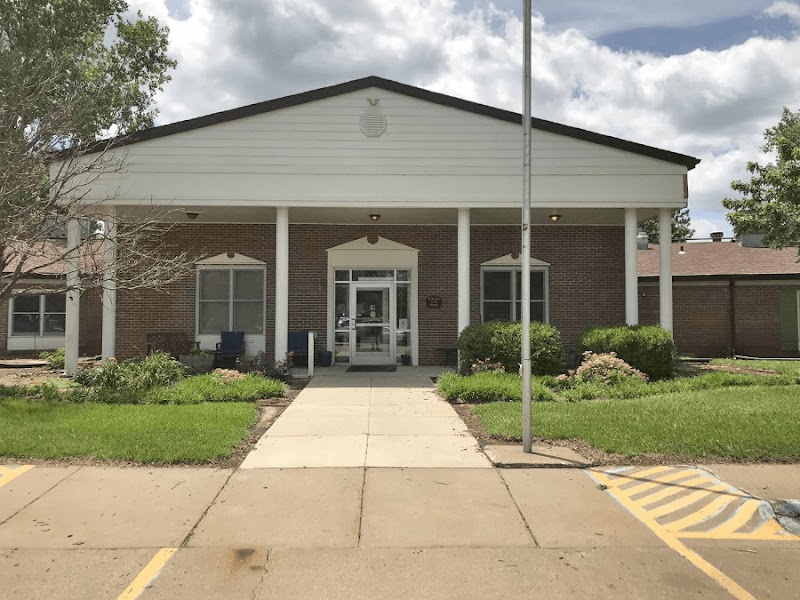
How is Good Samaritan Society - Valley Vista Staffed?

CMS rates GOOD SAMARITAN SOCIETY - VALLEY VISTA's staffing level at 5 out of 5 stars, which is much above average compared to other nursing homes. Staff turnover is 27%, compared to the Kansas average of 46%. This relatively stable workforce can support continuity of care.

What Have Inspectors Found at Good Samaritan Society - Valley Vista?

State health inspectors documented 27 deficiencies at GOOD SAMARITAN SOCIETY - VALLEY VISTA during 2021 to 2024. These included: 1 Immediate Jeopardy (the most serious level, indicating potential for serious harm or death), 1 that caused actual resident harm, and 25 with potential for harm. Immediate Jeopardy findings are rare and represent the most serious regulatory concerns. They require immediate corrective action.
Who Owns and Operates Good Samaritan Society - Valley Vista?

GOOD SAMARITAN SOCIETY - VALLEY VISTA is owned by a non-profit organization. Non-profit facilities reinvest revenue into operations rather than distributing to shareholders. The facility is operated by GOOD SAMARITAN SOCIETY, a chain that manages multiple nursing homes. With 45 certified beds and approximately 43 residents (about 96% occupancy), it is a smaller facility located in WAMEGO, Kansas.
How Does Good Samaritan Society - Valley Vista Compare to Other Kansas Nursing Homes?

Compared to the 100 nursing homes in Kansas, GOOD SAMARITAN SOCIETY - VALLEY VISTA's overall rating (4 stars) is above the state average of 2.9, staff turnover (27%) is significantly lower than the state average of 46%, and health inspection rating (3 stars) is at the national benchmark.

What Should Families Ask When Visiting Good Samaritan Society - Valley Vista?

Based on this facility's data, families visiting should ask: "What changes have been made since the serious inspection findings, and how are you preventing similar issues?" "Can I visit during a mealtime to observe dining assistance and food quality?" "How do you handle medical emergencies, and what is your hospital transfer rate?" "Can I speak with family members of current residents about their experience?" These questions are particularly relevant given the facility's Immediate Jeopardy citations.

Is Good Samaritan Society - Valley Vista Safe?

Based on CMS inspection data, GOOD SAMARITAN SOCIETY - VALLEY VISTA has documented safety concerns. Inspectors have issued 1 Immediate Jeopardy citation (the most serious violation level indicating risk of serious injury or death). The facility has a 4-star overall rating and ranks #1 of 100 nursing homes in Kansas. Families considering this facility should ask detailed questions about what corrective actions have been taken since these incidents.

Do Nurses at Good Samaritan Society - Valley Vista Stick Around?

Staff at GOOD SAMARITAN SOCIETY - VALLEY VISTA tend to stick around. With a turnover rate of 27%, the facility is 19 percentage points below the Kansas average of 46%. Low turnover is a positive sign. It means caregivers have time to learn each resident's needs, medications, and personal preferences. Consistent staff also notice subtle changes in a resident's condition more quickly. Registered Nurse turnover is also low at 27%, meaning experienced RNs are available to handle complex medical needs.

Was Good Samaritan Society - Valley Vista Ever Fined?

GOOD SAMARITAN SOCIETY - VALLEY VISTA has been fined $26,525 across 2 penalty actions. This is below the Kansas average of $33,344. While any fine indicates a compliance issue, fines under $50,000 are relatively common and typically reflect isolated problems that were subsequently corrected. Families should ask what specific issues led to these fines and confirm they've been resolved.

Is Good Samaritan Society - Valley Vista on Any Federal Watch List?

GOOD SAMARITAN SOCIETY - VALLEY VISTA is not on any federal watch list. The most significant is the Special Focus Facility (SFF) program, which identifies the bottom 1% of nursing homes nationally based on persistent, serious quality problems. Not being on this list means the facility has avoided the pattern of deficiencies that triggers enhanced federal oversight. This is a positive indicator, though families should still review the facility's inspection history directly.