WATHENA HEALTHCARE & REHABILITATION CENTER
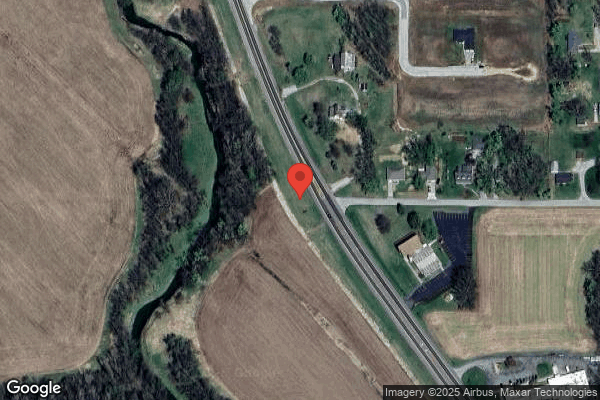

2112 HIGHWAY 36, WATHENA, KS 66090 (785) 989-3141
For profit - Limited Liability company 60 Beds RECOVER-CARE HEALTHCARE Data: November 2025
Trust Grade
60/100
#170 of 295 in KS
Last Inspection: September 2024

Within standard 12-15 month inspection cycle. Federal law requires annual inspections.

Overview

Wathena Healthcare & Rehabilitation Center has a Trust Grade of C+, indicating it is decent and slightly above average compared to other facilities. It ranks #170 out of 295 in Kansas, placing it in the bottom half, but it is the only nursing home in Doniphan County, ranking #1 locally. The facility is showing improvement, with issues decreasing from 13 in 2023 to 6 in 2024, although there are still some concerns about staffing, rated at 2 out of 5 stars, which is below average. Notably, there have been no fines, which is a positive sign, and the facility has average RN coverage, suggesting that registered nurses are available to catch potential issues. However, there are some significant concerns, such as the dietary manager lacking certification, which could put residents at risk for unmet nutritional needs, and failures in food safety management that could expose residents to food-borne illnesses. Additionally, the facility has not conducted a thorough assessment of staffing needs for emergencies, which could compromise care during critical times.

Trust Score
C+
60/100
In Kansas
#170/295
Bottom 43%
Safety Record
Low Risk
No red flags
Inspections
Getting Better
13 → 6 violations
Staff Stability
⚠ Watch
51% turnover. Above average. Higher turnover means staff may not know residents' routines.
Penalties
✓ Good
No fines on record. Clean compliance history, better than most Kansas facilities.
Skilled Nurses
○ Average
Each resident gets 37 minutes of Registered Nurse (RN) attention daily — about average for Kansas. RNs are the most trained staff who monitor for health changes.
Violations
⚠ Watch
26 deficiencies on record. Higher than average. Multiple issues found across inspections.
★★★☆☆
3.0
Overall Rating
★★☆☆☆
2.0
Staff Levels
★★★★☆
4.0
Care Quality
★★★☆☆
3.0
Inspection Score
Stable
2023: 13 issues
2024: 6 issues

The Good

  • 4-Star Quality Measures · Strong clinical quality outcomes
  • Full Sprinkler Coverage · Fire safety systems throughout facility
  • No fines on record

Facility shows strength in quality measures, fire safety.

The Bad

3-Star Overall Rating

Near Kansas average (2.9)

Meets federal standards, typical of most facilities

Staff Turnover: 51%

Near Kansas avg (46%)

Higher turnover may affect care consistency

Chain: RECOVER-CARE HEALTHCARE

Part of a multi-facility chain

Ask about local staffing decisions and management

The Ugly 26 deficiencies on record

Sept 2024 6 deficiencies
CONCERN (D)

Potential for Harm - no one hurt, but risky conditions existed

Deficiency F0625 (Tag F0625)

Could have caused harm · This affected 1 resident

**NOTE- TERMS IN BRACKETS HAVE BEEN EDITED TO PROTECT CONFIDENTIALITY** The facility identified a census of 39 residents. The sample included 12 residents with three residents reviewed for hospitaliza...

Read full inspector narrative →
**NOTE- TERMS IN BRACKETS HAVE BEEN EDITED TO PROTECT CONFIDENTIALITY** The facility identified a census of 39 residents. The sample included 12 residents with three residents reviewed for hospitalization. Based on observation, record review, and interviews, the facility failed to provide a bed hold policy notice to Resident (R) 4 and R20 or their representatives when they transferred to the hospital. This deficient practice had the risk of impaired ability to return to the facility and to the previous room for R4 and R20. Findings included: - R4 admitted to the facility on [DATE], discharged to the hospital on [DATE], readmitted to the facility on [DATE], discharged to the hospital on [DATE], and readmitted to the facility on [DATE]. R4's Electronic Medical Record (EMR) documented diagnoses of nausea, chronic obstructive pulmonary disease (COPD- a progressive and irreversible condition characterized by diminished lung capacity and difficulty or discomfort in breathing), and cough. The Annual Minimum Data Set (MDS) dated 01/15/24, documented that R4 had a Brief Interview for Mental Status (BIMS) score of 15 which indicated intact cognition. The Quarterly MDS dated 07/17/24, documented R4 had a BIMS score of 15 which indicated intact cognition. The Functional Abilities Care Area Assessment (CAA) dated 01/25/24, documented that staff assisted R4 with activities of daily living (ADL) care as needed and anticipated her care. R4's Care Plan dated 07/15/22, documented R4 had an ADL self-care performance deficit and required assistance with her care needs. Staff encouraged R4 to participate to the fullest extent possible with each interaction. R4's EMR revealed a General Note on 05/20/24 at 05:17 PM that R4 had nausea and vomiting after lunch and experienced pain in her abdomen. The facility sent R4 to the emergency room (ER) and notified R4's representative. Upon request, the facility did not provide documentation that R4 or her representative received a written notice of the bed hold policy for R4's transfer to the hospital on [DATE] and 05/20/24. On 09/23/24 at 02:16 PM, R4 lay in bed and watched television. On 09/25/24 at 01:26 PM, Social Services X stated when a resident transferred to the hospital, she sent a written notification of transfer to their representative. She stated the nurse filled out a bed hold in the EMR but did not send the notice out to the representative. On 09/25/24 at 01:31 PM, Licensed Nurse (LN) G stated when a resident transferred to the hospital, the nurse completed a transfer form in the EMR and then notified the family and doctor. He stated the nurse filled out a bed hold assessment that documented if the resident was their own person but he did not give out the bed hold to the resident or their representative. On 09/25/24 at 01:47 PM, Administrative Nurse D stated when a resident transferred to the hospital, the nurse notified the on-call nurse and the resident's representative. She stated the nurse completed a bed hold assessment in the EMR, but she was unsure if the staff sent out the bed hold policy to the representative. The facility's Bed Hold Notice Upon Transfer policy, dated 2023, directed at the time of transfer for hospitalization or therapeutic leave, the facility provided the resident and/or their representative a written notice which specified the duration of the bed-hold policy and addressed information explaining the return of the resident to the next available bed. The facility failed to provide a bed hold policy notice to R4 or their representatives when she transferred to the hospital. This deficient practice had the risk of impaired ability to return to the facility and to the previous room for R4. - R20's Electronic Medical Record (EMR) documented diagnoses of chronic respiratory failure a long-term condition where there is not enough oxygen), hypertension (HTN-elevated blood pressure), paraplegia (paralysis characterized by motor or sensory loss in the lower limbs and trunk), and a pressure ulcer (localized injury to the skin and underlying tissue usually over a bony) of sacral (large triangular bone/area between the two hip bones) area. R20's Annual Minimum Data Set (MDS) dated 10/05/23 documented a Brief Interview for Mental Status (BIMS) score of 15 which indicated intact cognition. R20 had impairment of both lower extremities. R20 was dependent on staff for all functional abilities. R20 had an indwelling catheter (tube placed in the bladder to drain urine into a collection bag). R20 had an unhealed Stage 4 (a deep pressure wound that reaches the muscles, ligaments, or even bone) pressure ulcer. R20's Discharge MDS dated 12/10/23 documented he had an unplanned discharge to a short-term acute hospital with a return anticipated. R20's Discharge MDS dated 02/16/24 documented he had an unplanned discharge to a short-term acute hospital with a return anticipated. R20's Discharge MDS dated 02/23/24 documented he had an unplanned discharge to a short-term acute hospital with a return anticipated. R20's Discharge MDS dated 03/07/24 documented he had an unplanned discharge to a short-term acute hospital with a return anticipated. R20's Discharge MDS dated 04/05/24 documented he had an unplanned discharge to a short-term acute hospital with a return anticipated. R20's Discharge MDS dated 04/13/24 documented he had an unplanned discharge to a short-term acute hospital with a return anticipated. R20's Discharge MDS dated 04/25/24 documented he had an unplanned discharge to a short-term acute hospital with a return anticipated. R20's Discharge MDS dated 05/18/24 documented he had an unplanned discharge to a short-term acute hospital with a return anticipated. R20's Discharge MDS dated 06/26/24 documented he had an unplanned discharge to a short-term acute hospital with a return anticipated. R20's Quarterly MDS dated 07/02/24 documented a BIMS score of 15 which indicated intact cognition. R20 had impairment of both lower extremities. R20 was dependent on staff for all functional abilities. R20 had an indwelling catheter. R20 had an unhealed stage 4 pressure ulcer. R20 04/25/24's Discharge MDS dated 07/31/24 documented he had an unplanned discharge to a short-term acute hospital with a return anticipated. R20's Pressure Ulcer Care Area Assessment (CAA) dated 10/18/23 documented that staff was to assist with repositioning per the protocol and as needed to help maintain skin integrity. The licensed nursing staff was to monitor skin integrity every week to help monitor for any skin issues. Incontinence creams were to be used as needed to help maintain skin integrity. A pressure redistributing surface was in place on the resident's bed and on his wheelchair to help maintain skin integrity. R20's Care Plan last revised on 07/22/24 directed staff to monitor and document any signs or symptoms of infection in any open area. The facility was unable to provide evidence the bed hold policy was provided to R20 on 12/10/23, 02/23/24, 03/07/24, 04/05/24, 04/25/24, 05/18/24, 06/26/24, and 07/31/24. On 09/25/24 at 01:26 PM, Social Services X stated when a resident transferred to the hospital, she sent a written notification of transfer to their representative. Social Services X stated the nurse filled out a bed hold in the EMR but did not send the notice out to the representative. On 09/25/24 at 01:31 PM, Licensed Nurse (LN) G stated when a resident was transferred to the hospital, the nurse completed a transfer form in the EMR, then they would notify the family and doctor. He stated the nurse filled out a bed hold assessment that documented if the resident was their own person, but he did not give out the bed hold to the resident or their representative. On 09/25/24 at 01:47 PM, Administrative Nurse D stated when a resident transferred to the hospital, the nurse notified the on-call nurse and the resident's representative. She stated the nurse completed a bed hold assessment in the EMR, but she was unsure if the staff sent out the bed hold policy to the representative. The facility's Bed Hold Notice Upon Transfer policy, not dated, directed at the time of transfer for hospitalization or therapeutic leave, the facility provided the resident and/or their representative a written notice that specified the duration of the bed-hold policy and addressed information explaining the return of the resident to the next available bed. The facility failed to provide a bed hold notice to R20 or their representative when R20 transferred to the hospital. This deficient practice had the risk of impaired ability to return to the facility or the same room for R20.
CONCERN (F)

Potential for Harm - no one hurt, but risky conditions existed

Deficiency F0801 (Tag F0801)

Could have caused harm · This affected most or all residents

The facility identified a census of 39 residents. The facility had one main kitchen and one dining area. Based on record review and interview, the facility failed to ensure the director of food and nu...

Read full inspector narrative →
The facility identified a census of 39 residents. The facility had one main kitchen and one dining area. Based on record review and interview, the facility failed to ensure the director of food and nutrition services had the required qualifications of a certified dietary manager (CDM). This placed the residents at risk for unmet dietary and nutritional needs. Findings included: - On 09/23/24 at 04:27 PM, Dietary BB stated the registered dietitian visited every two weeks. Dietary BB stated she still needed to pass the test to become a CDM because she took it once and did not pass but had to wait 90 days to try again. On 09/24/24 at 11:05 AM, Dietary BB stated she had been the dietary manager for four years and it had taken a couple of years to get the CDM education completed because of the pandemic. On 09/25/24 at 01:36 PM, Administrative Staff A stated Dietary BB had taken the state test to become a CDM but did not pass. He stated the current plan included her taking the test again but they might have to see if another dietary member wanted to become certified or find a CDM if it did not work out. The facility policy Organizational Plan and Roles of Key Staff documented that in states without an established minimum standard, the following qualifications of the Dining Services Manager should be considered: Certified Dietary Manager {CDM, CFPP) credential; or Certified food service manager; or National certification for food service management and safety from a national certifying body; or Associate's or higher degree in food service management or hospitality from an accredited institution of higher learning. The facility failed to ensure the director of food and nutrition services had the required qualifications of a CDM. This placed the residents at risk for unmet dietary and nutritional needs.
CONCERN (F)

Potential for Harm - no one hurt, but risky conditions existed

Food Safety (Tag F0812)

Could have caused harm · This affected most or all residents

The facility identified a census of 39 residents. The facility had one main kitchen. Based on observations, record review, and interviews, the facility failed to ensure the big cooler maintained an ap...

Read full inspector narrative →
The facility identified a census of 39 residents. The facility had one main kitchen. Based on observations, record review, and interviews, the facility failed to ensure the big cooler maintained an appropriate temperature range, failed to ensure staff consistently monitored cooler and freezer temperatures, and failed to ensure staff consistently monitored the dishwasher temperatures and chemical sanitation levels. The facility further failed to ensure adequate hand hygiene during meal service. This deficient practice placed residents at risk for food-borne illnesses. Findings included: - On the initial tour of the kitchen on 09/23/24 at 08:11 AM, the big cooler had a temperature of 46 degrees Fahrenheit. The big cooler contained produce, cheese, condiment containers, eggs, sour cream, cottage cheese, and other food items. On 09/24/24 at 07:48 AM, Administrative Nurse D delivered a bowl to a resident in the dining room and then helped a male resident with a clothing protector. She then asked Resident (R) 3 if he wanted a clothing protector and helped him put it on. The kitchen staff brought out a cart of food and without performing hand hygiene, Administrative Nurse D grabbed a plate, sat it back down, and then touched another plate on another cart. She then grabbed an empty tray and moved the breakfast plate/bowl/cups to the tray. Administrative Nurse D moved another covered plate on the cart and then pushed the cart towards the kitchen door. R4's clothing protector fell off and she attempted to refasten it then walked over to the stack of clean clothing protectors to grab a different one for R4. Administrative Nurse D placed the previous clothing protector on the table after placing the new clothing protector on R4. She then walked away from the table moved her hair out of her face then pushed a food cart towards a female resident. She gave the female resident cups of fluids, and her breakfast tray then pushed the cart towards the kitchen. Administrative Nurse D then performed hand hygiene. On 09/24/24 at 11:19 AM, the big cooler had a temperature of 46 degrees Fahrenheit. Dietary BB verified the big cooler's temperature and reported the temperature at 48 degrees Fahrenheit. Review of the Temp Log- Big Cooler from 09/01/24 to 09/22/24 revealed missing temperature monitoring documentation on 09/01/24 evening (PM), 09/06/24 morning (AM) and PM, 09/08/24 PM, 09/09/24 PM, 09/11/24 PM, 09/14/24 PM, 09/15/24 PM, 09/18/24 PM, 09/20/24 PM, and 09/21/24 PM. The Temp Log instructions directed staff recorded temperatures for each cooler in the department; record time, temperature, and initials twice per day (AM and PM); and notify the supervisor immediately if the cooler temperature was not within the acceptable range of 41 degrees Fahrenheit to 33 degrees Fahrenheit. Review of the Temp Log- Milk and Juice Cooler from 09/01/24 to 09/22/24 revealed missing temperature monitoring documentation on 09/01/24 PM, 09/06/24 AM and PM, 09/08/24 PM, 09/09/24 PM, 09/11/24 PM, 09/14/24 PM, 09/15/24 PM, 09/18/24 PM, 09/20/24 PM, and 09/21/24 PM. The Temp Log instructions directed staff recorded temperatures for each cooler in the department; record time, temperature, and initials twice per day (AM and PM); and notify the supervisor immediately if the cooler temperature was not within the acceptable range of 41 degrees Fahrenheit to 33 degrees Fahrenheit. Review of the Temp Log- Kitchen Big Freezer from 09/01/24 to 09/22/24 revealed missing temperature monitoring documentation on 09/01/24 PM, 09/06/24 AM and PM, 09/08/24 PM, 09/09/24 PM, 09/11/24 PM, 09/14/24 PM, 09/15/24 PM, 09/18/24 PM, 09/20/24 PM, and 09/21/24 PM. The Temp Log instructions directed staff recorded temperatures for each cooler in the department; record time, temperature, and initials twice per day (AM and PM); and notify the supervisor immediately if the freezer temperature was not within the acceptable range of two degrees Fahrenheit or below. Review of the Temp Log- Kitchen Small Freezer from 09/01/24 to 09/22/24 revealed missing temperature monitoring documentation on 09/01/24 PM, 09/06/24 AM and PM, 09/08/24 PM, 09/09/24 PM, 09/11/24 PM, 09/14/24 PM, 09/15/24 PM, 09/18/24 PM, 09/20/24 PM, and 09/21/24 PM. The Temp Log instructions directed staff recorded temperatures for each cooler in the department; record time, temperature, and initials twice per day (AM and PM); and notify the supervisor immediately if the freezer temperature was not within the acceptable range of two degrees Fahrenheit or below. A review of the Dish Machine Log- Low Temp from 09/01/24 to 09/22/24 revealed missing temperature and sanitizer level monitoring documentation for 16 out of 66 possible scheduled times. The Dish Machine Log instructions directed staff to record wash temperature, sanitizer parts per million (ppm), and initials three times per day; and notify the supervisor immediately if sanitizer ppm was not within the acceptable range of 50 to 100 ppm. A review of the Pots and Pans Sanitization Log from 09/01/24 to 09/22/24 revealed missing sanitizer level monitoring documentation for 12 out of 66 possible scheduled times. The Pots and Pans Sanitization Log did not include instructions. On 09/24/24 at 11:12 AM, Dietary CC stated she checked refrigerator and freezer temperatures every morning. She stated the cook's responsibility included checking the refrigerator and freezer temperatures in both morning and evening and the dietary aide checked the dishwasher temperature and sanitizer levels. Dietary CC stated the refrigerator temperature had to stay below 41 degrees Fahrenheit and if the temperature reached above 41 degrees Fahrenheit, she let Dietary BB know about it. On 09/24/24 at 11:13 AM, Dietary BB stated the cook's responsibility included checking refrigerator and freezer temperatures and the dietary aide monitored the dishwasher temperature and sanitizer levels. She stated she reviewed the monitoring logs every morning and if they were not completed, she called the staff to do them. Dietary BB stated if staff discovered refrigerator or freezer temperatures out of range, they notified her and she notified maintenance. On 09/25/24 at 01:28 PM, Certified Medication Aide (CMA) R stated staff performed hand hygiene after each tray during meal pass. On 09/25/24 at 01:31 PM, Licensed Nurse (LN) G stated staff performed hand hygiene between trays during meal service. On 09/25/24 at 01:47 PM, Administrative Nurse D stated if staff passed trays without touching anything in the resident's room, they performed hand hygiene every three to four residents. She stated if staff passed trays in the dining room, they performed hand hygiene in between residents because they usually touched the residents to set them up for the meal. The facility's Food Storage policy, dated 2020, directed the facility to set refrigerators to the proper temperature and the setting must ensure the internal temperature of food was 41 degrees Fahrenheit or lower and staff conducted random temperature checks of food items. The facility's Dishwashing: Machine Operation policy, dated 2020, directed twice daily, staff recorded either the final rinse temperature for high-temperature dishwashing machines or sanitizer concentration for low-temperature dishwashing machines with chemical sanitizer. The facility's Hand Hygiene policy, dated 2024, directed all staff to perform proper hand hygiene procedures to prevent the spread of infection to other personnel, residents, and visitors. The facility failed to ensure the big cooler maintained an appropriate temperature range, failed to ensure staff consistently monitored cooler and freezer temperatures, and failed to ensure staff consistently monitored the dishwasher temperatures and chemical sanitation levels. The facility further failed to ensure adequate hand hygiene during meal service. This deficient practice placed residents at risk for food-borne illnesses.
CONCERN (F)

Potential for Harm - no one hurt, but risky conditions existed

Deficiency F0838 (Tag F0838)

Could have caused harm · This affected most or all residents

The facility identified a census of 39 residents. The sample included 12 residents. Based on interviews and record review, the facility failed to conduct a thorough facility-wide assessment to determi...

Read full inspector narrative →
The facility identified a census of 39 residents. The sample included 12 residents. Based on interviews and record review, the facility failed to conduct a thorough facility-wide assessment to determine the resources necessary to care for residents competently during both day-to-day operations and emergencies. This failure affected all 39 residents residing in the facility. Findings Included: - An inspection of the Facility Assessment dated 08/01/24 provided by the facility revealed the following: The assessment failed to identify the specific staffing levels needed for each unit and identify the number of Registered Nurses (RN), Licensed Nurses (LPN), Certified Medication Aides (CMA), and Certified Nurse Aides (CNA) needed for each unit, patient acuity, and census. The assessment lacked the staffing levels required for each shift. The assessment lacked an informed contingency plan for events that do not require activation of the facility's emergency plan but have the potential to impact resident care. The assessment lacked a contingency plan to maximize recruitment and retention of direct care staff. The assessment failed to identify the means of input gathered from the residents and their representatives when formulating the assessment data. On 09/25/24 at 01:54 PM Administrative Staff A stated the facility had just revised the facility assessment on 08/01/24 and thought all areas had been covered for the new requirements. Administrative Staff A stated he would be going over the new requirements again and adding in the areas that were lacking. The facility was unable to provide a policy related to its facility assessment as requested on 09/25/24. The facility failed to conduct a thorough, updated facility-wide assessment to determine what resources were necessary to care for residents competently during both day-to-day operations and emergencies. This failure affected all 39 residents residing in the facility.
CONCERN (F)

Potential for Harm - no one hurt, but risky conditions existed

Infection Control (Tag F0880)

Could have caused harm · This affected most or all residents

The facility identified a census of 39 residents. Based on observations, record review, and interviews, the facility failed to ensure staff followed Enhanced barrier precautions (EBP), and failed to e...

Read full inspector narrative →
The facility identified a census of 39 residents. Based on observations, record review, and interviews, the facility failed to ensure staff followed Enhanced barrier precautions (EBP), and failed to ensure staff performed appropriate hand hygiene during medication pass. The facility further failed to assess, identify risks, and create a plan to address the risk for Legionella disease (Legionella is a bacterium that can cause pneumonia in vulnerable populations) or other opportunistic waterborne pathogens. This deficient practice placed the residents at risk for infectious diseases. Findings included: - On 09/24/24 at 08:58 AM, Resident (R)8 had an isolation basket with isolation supplies on the back of her room door without a sign denoting the type of isolation or PPE required. Licensed Nurse (LN) G performed wound care on R8 without wearing an isolation gown. On 09/24/24 at 09:20 AM, R16 had an isolation basket with isolation supplies on the back of his room door without a sign denoting the type of isolation or PPE required. Certified Nurse Aide (CNA) P performed catheter care without wearing an isolation gown. On 09/25/24 at 08:03 AM, Certified Medication Aide (CMA) R obtained R26's blood pressure in his room. She exited his room then donned (put on) gloves and disinfected the blood pressure machine and cuff with disinfecting wipes. CMA R doffed (removed) gloves but did not perform hand hygiene before preparing R26's medications. On 09/25/24 at 08:22 AM, CMA R prepared R29's medications. She donned gloves and placed a tablet of Seroquel (antipsychotic medication- a class of medications used to treat major mental conditions that cause a break from reality) in a pill cutter, placed half a tablet in a medication cup, then wasted the other half in the sharps container. CMA R disinfected the tablet cutter with a disinfectant wipe and then doffed gloves. She did not perform hand hygiene before continuing with R29's medication pass. Upon request, the facility was unable to provide a Legionella water management plan. On 09/25/24 at 12:05 PM, Maintenance U stated he had not done anything with the Legionella water management plan yet but it would be his responsibility. On 09/25/24 at 01:28 PM, CMA R stated staff performed hand hygiene after touching residents and before leaving the resident's room. She stated she performed hand hygiene after taking off her gloves. CMA R stated staff knew what residents required EBP from the signs on the doors and sometimes from the report. On 09/25/24 at 01:31 PM, LN G stated staff performed hand hygiene before and after care, after touching residents, and before and after using gloves. He stated staff knew what residents required EBP by their name being in blue outside their door. LN G stated the facility held an in-service about EBP and they no longer had isolation signs. He stated staff wore gloves and isolation gowns with any direct care with residents on EBP. On 09/25/24 at 01:36 PM, Administrative Staff A stated in December 2023, the facility completed the Legionella assessment and planned to get the testing in place but the maintenance man at the time passed away and it was not put into place. On 09/25/24 at 01:47 PM, Administrative Nurse D stated staff performed hand hygiene any time they went into a resident's room and when coming out of their room, before and after putting gloves on, and when going from a dirty to clean procedure with glove changes. She stated staff knew what residents required EBP by their name being in blue outside their room. Administrative Nurse D stated residents on EBP had isolation baskets hanging on the back of their door that had gloves and isolation gowns to be worn. She stated staff discussed EBP at length. Administrative Nurse D stated the facility did have isolation signs on the door but they were told to take them down and find a new way to mark what residents required EBP. She stated she expected staff to wear isolation gowns and gloves any time they performed direct contact with residents on EBP. The facility's Legionella Surveillance policy, last revised 05/31/22, directed the facility to establish primary and secondary strategies for the prevention and control of Legionella infections. The facility's Enhanced Barrier Precautions policy, dated 04/01/24, directed EBP referred to an infection control intervention designed to reduce the transmission of multidrug-resistant organisms that employed targeted gown and glove use during high-contact resident care activities. The policy directed the facility to have discretion on how to communicate to staff which residents required the use of EBP, as long as staff were aware of which residents required the use of EBP before providing high-contact care activities. The facility's Hand Hygiene policy, dated 2024, directed all staff to perform proper hand hygiene procedures to prevent the spread of infection to other personnel, residents, and visitors. The policy directed if a task required gloves, staff performed hand hygiene before donning gloves and immediately after removing gloves. The facility failed to ensure staff followed EBP, and failed to ensure staff performed appropriate hand hygiene during medication pass. The facility further failed to assess, identify risks, and create a plan to address the risk for Legionella disease or other opportunistic waterborne pathogens. This deficient practice placed the residents at risk for infectious diseases.
CONCERN (F)

Potential for Harm - no one hurt, but risky conditions existed

Deficiency F0945 (Tag F0945)

Could have caused harm · This affected most or all residents

The facility identified a census of 39 residents. Based on record review and interviews, the facility failed to ensure agency direct care staff had received the required infection control training. Th...

Read full inspector narrative →
The facility identified a census of 39 residents. Based on record review and interviews, the facility failed to ensure agency direct care staff had received the required infection control training. This placed the residents at risk for impaired care and decreased quality of life. Finding included: - On 07/10/24 at 10:40 AM a review of the training for agency Certified Nurses Aid (CNA) M, and CNA N and CNA O revealed the following: CNA M's facility-provided credentialling file lacked evidence training was completed for infection control training. CNA N's facility-provided credentialling file lacked evidence training was completed for infection control training. CNA O's facility-provided credentialling file lacked evidence training was completed for infection control training. On 09/25/24 at 01:48 PM Administrative Nurse D stated the facility did go over resident rights and Abuse, Neglect, and Exploitation training with the agency staff. Administrative Nurse D stated she would begin doing the communication, infection control, and the other required nurse aide training upon hire and orientation. On 09/25/24 at 01:5 PM Administrative Staff A stated that he just assumed that agency staff had completed the required training, but none of that information was sent by the Agency company. Administrative Staff A stated that staff would ensure that the training was completed upon their first shift of working from this time forward. The facility did not provide a policy regarding required training for nurse aide staff as requested. The facility failed to ensure agency direct care staff had received infection control training. This placed the residents at risk for impaired care and decreased quality of life.
Apr 2023 13 deficiencies
CONCERN (D)

Potential for Harm - no one hurt, but risky conditions existed

Resident Rights (Tag F0550)

Could have caused harm · This affected 1 resident

**NOTE- TERMS IN BRACKETS HAVE BEEN EDITED TO PROTECT CONFIDENTIALITY** The facility identified a census of 41 residents. The sample included 13 residents with two residents reviewed for dignity. Base...

Read full inspector narrative →
**NOTE- TERMS IN BRACKETS HAVE BEEN EDITED TO PROTECT CONFIDENTIALITY** The facility identified a census of 41 residents. The sample included 13 residents with two residents reviewed for dignity. Based on observation, record review, and interviews, the facility failed to ensure Resident (R) 19 was treated with dignity. This deficient practice placed R19 at risk for negative psychosocial outcomes and decreased autonomy and dignity. Findings included: - R19's Electronic Medical Record (EMR) from the Diagnoses tab documented diagnoses of dementia without behaviors (progressive mental disorder characterized by failing memory, confusion), major depressive disorder (major mood disorder), and posttraumatic stress disorder (PTSD- psychiatric disorder characterized by an acute emotional response to a traumatic event or situation involving severe environmental stress, such as natural disaster, military combat, serious automobile accident, airplane crash or physical torture). The Significant Change Minimum Data Set (MDS) dated [DATE] documented a Brief Interview of Mental Status (BIMS) score of three which indicated severely impaired cognition. The MDS documented that R19 required extensive assistance of two staff members for activities of daily living (ADLs). R19's Cognitive Loss Care Area Assessment (CAA) dated 03/31/23 documented staff would monitor for signs and symptoms of acute mental status changes. Staff would communicate using short and simple sentences to allow adequate time for R19 to understand and for him to communicate his needs. Staff would approach R19 in a calm and non-threatening manner as to help R19 feel calm and unhurried. R19's Care Plan dated 02/10/22 documented caregivers would provide opportunities for positive interaction and attention. The Care Plan dated 03/04/22 documented staff had been educated not slam doors or cause loud noises around R19 because it could upset him and could make R19 have an anxiety attack (mental or emotional reaction characterized by apprehension, uncertainty, and irrational fear) and his PSTD would kick in. The Care Plan dated 11/09/22 documented staff would provide a quiet, non-threatening environment with decreased stimulation. On 04/24/23 at 09:27 AM R19 sat in a Broda chair (specialized wheelchair with the ability to tilt and recline) slightly reclined in the common area in front of the TV. R19's shirt was pulled upend R19' abdomen area was exposed, and no behaviors noted. R19 cheerfully engaged visitors and staff as they passed him. On 04/24/23 at 11:28 AM R19 remained in common area slightly reclined in the Broda chair, his shirt remained pulled up and R19's abdomen was exposed. R19 remained cheerful as he engaged staff and visitors as they passed by him, no behaviors noted. On 04/24/23 at 12:09 PM R19 sat reclined in Broda chair in the dining, his abdomen was exposed. Certified Nurse Aide (CNA) N commanded R19 several times in a loud tone to pull his shirt down over his exposed abdomen. CNA N then attempted to pull R19's shirt down over his exposed abdomen at the dining room table. R19 became agitated and began to yell out. On 04/26/23 at 03:03 PM Licensed Nurse (LN) G stated R19 did not have behaviors very often. LN G stated CNA N should have removed R19 from the dining room to a more private area to provide personal care. On 04/26/23 at 03:40 PM Administrative Nurse D stated the expectation would be to provide personal care in a private area. Administrative Nurse D stated R19 had a history of removing his shirt at times but was not sure if that was on his care plan. The facility's Attachment J: Statement of Resident Rights undated policy documented each resident would have a right to a dignified existence, self-determination, and communication with and access to persons and services inside and outside the adult care home. The facility failed to ensure R19 was treated with dignity. This deficient practice placed R19 at risk for negative psychosocial outcomes and decreased autonomy and dignity.
CONCERN (D)

Potential for Harm - no one hurt, but risky conditions existed

Notification of Changes (Tag F0580)

Could have caused harm · This affected 1 resident

**NOTE- TERMS IN BRACKETS HAVE BEEN EDITED TO PROTECT CONFIDENTIALITY** The facility identified a census of 41 residents. The sample included 13 residents. Based on observation, record review, and int...

Read full inspector narrative →
**NOTE- TERMS IN BRACKETS HAVE BEEN EDITED TO PROTECT CONFIDENTIALITY** The facility identified a census of 41 residents. The sample included 13 residents. Based on observation, record review, and interviews, the facility failed to notify the physician of Resident (R) 96's refusal to be weighed for weight loss monitoring. This deficient practice placed R96 at risk of miscommunication between facility and physician and a possible missed opportunity for healthcare services related to continued weight loss. Findings included: - R96's Eelectronic Medical Record (EMR) from the Diagnoses tab documented diagnoses of dementia with behaviors (progressive mental disorder characterized by failing memory, confusion), mild cognitive impairment, and psychosis (any major mental disorder characterized by a gross impairment testing). The admission Minimum Data Set (MDS) dated [DATE] documented a Brief Interview of Mental Status (BIMS) score of 99 and a staff interview documented R96 had severely impaired cognition. The MDS documented that R96 required extensive assistance of two staff members for activities of daily living (ADLs). The MDS documented no weight loss for R96 during the look back period. The MDS documented R96 did not exhibit behavior of refusal of care during look back period. The Quarterly MDS dated 03/23/23 documented a BIMS score of 99 and a staff documented R96 had moderately impaired cognition. The MDS documented that R96 required limited assistance of one staff member for ADLs. The MDS documented R96 was on a physician-prescribed weight-loss regimen. The MDS documented R96 did not exhibit behavior of refusal of care during look back period. R96's Nutritional Status Care Area Assessment (CAA) dated 03/03/23 documented R96 was to maintain current level of functioning and have no significant weight loss or weight gain through next review. R96's Care Plan dated 04/11/23 documented diet order for a regular/general diet with regular consistency and texture. The Care Plan documented staff was to encourage R96 to eat meals in the dining area. The Care Plan documented R96 ate meals in his room. The Care Plan documented R96 understood the importance of maintaining his diet as ordered. R96 understood the consequences of refusal, obesity/malnutrition risk factors. By compliance, R96 could reach his goals. The Care Plan documented health shake two times a day. The Care Plan lacked direction for a physician-prescribed weight-loss regimen. Review of the EMR under Orders tab revealed physician orders: Weigh daily for three days, then weekly for four weeks, and then monthly in the morning every Friday for routine monitoring dated 04/11/23. Review of the EMR under Vitals tab documented a weight on 02/20/23 of 121 pounds (lbs.) and a weight on 03/02/23 of 114 lbs., which revealed a seven-pound loss in nine days. Review of R96's Medication Administration Record (MAR) for April 2023 revealed a health shake two times a day for weight loss was discontinued on 04/03/23. Offer a HS snack was discontinued on 04/03/23. Review of R96's Treatment Administration Record (TAR) for April 2023 revealed documentation of a weight of 114 lbs. on 04/12/23, 04/13/23, and 04/14/23. The TAR documented R96 refused weekly weight on 04/21/23. The clinical record lacked documentation of physician notification of R96's refusal of compliance for weight monitoring. On 04/25/23 at 12:18 PM R96 sat on the edge of the bed, lunch tray on bedside table. The tray lacked fluids. R96 ate lunch unassisted. On 04/26/23 at 03:03 PM Licensed Nurse (LN) G stated the physician assistant came to the facility weekly to review for any changes related to the residents and the physician came to the facility monthly. LN G stated R96 refused to be weighed frequently. LN G stated the physician should be notified of R96's refusals. On 04/26/23 at 03:40 PM Administrative Nurse D stated R96 should have been reviewed upon return from the hospital visit related to prior weight loss. Administrative Nurse D stated the interventions for health shakes was not carried over from previous orders when R96 returned from the hospital. Administrative Nurse D stated she had no RD recommendations for R96. Administrative Nurse D stated the physician came monthly and the physician came weekly to the facility to make rounds. The facility's Notification of changes undated policy documented the facility would promptly notify the medical provider of any changes in the resident's care including clinical complications, decision making/choices for cognitively impaired residents, or changes of care. The facility failed to notify the physician of R96's refusal to be weighed for weight loss monitoring. This deficient practice placed R96 at risk of miscommunication between facility and physician and a possible missed opportunity for healthcare services related to continued weight loss.
CONCERN (D)

Potential for Harm - no one hurt, but risky conditions existed

Deficiency F0582 (Tag F0582)

Could have caused harm · This affected 1 resident

The facility identified a census of 41 residents with 13 residents included in the sample. The facility identified two residents who discharged from Medicare Part A services. Based on interview and re...

Read full inspector narrative →
The facility identified a census of 41 residents with 13 residents included in the sample. The facility identified two residents who discharged from Medicare Part A services. Based on interview and record review the facility failed to issue CMS (Center for Medicare/Medicaid Services) Skilled Nursing Facility Advance Beneficiary Notification (SNF ABN) form 10055 (the form used to notify Medicare A participants of potential financial liability when a Medicare Part A episode ends) with the required information for Resident (R) 34 and R247. This failure placed the residents at risk for decreased autonomy and impaired right to appeal. Findings included: - Review of R34's Electronic Medical Record (EMR) documented the Medicare Part A episode began on 09/14/22 and ended on 12/16/22. R34 remained in the facility for custodial care. The facility-issued SNF ABN 10055 lacked an estimated cost for continued services. Review of R247's Electronic Medical Record (EMR) documented the Medicare Part A episode began on 08/29/22 and ended on 11/11/22. R247 remained in the facility for custodial care. The facility-issued SNF ABN 10055 lacked an estimated cost for continued services. On 04/26/23 at 02:39 PM Social Services X stated that she received training through the facility's management company; however, she reported that she was unsure if she was trained specifically on whether the ABNs required an estimated cost for continued services to be listed on the forms. The facility's Advance Beneficiary Notices policy, dated 11/01/19, documented that the current CMS-approved version of the forms shall be used at the time of issuance to the beneficiary and the contents of the form shall comply with related instructions and regulations regarding the use of the form. The facility failed to ensure the forms provided at the end of skilled services contained the required information for the residents to make informed choices and appeal the non-coverage decisions. This failure placed the residents at risk for decreased autonomy and impaired right to appeal.
CONCERN (D)

Potential for Harm - no one hurt, but risky conditions existed

Deficiency F0657 (Tag F0657)

Could have caused harm · This affected 1 resident

**NOTE- TERMS IN BRACKETS HAVE BEEN EDITED TO PROTECT CONFIDENTIALITY** The facility identified a census of 41 residents. The sample included 13 residents. Based on observation, record review, and int...

Read full inspector narrative →
**NOTE- TERMS IN BRACKETS HAVE BEEN EDITED TO PROTECT CONFIDENTIALITY** The facility identified a census of 41 residents. The sample included 13 residents. Based on observation, record review, and interviews, the facility failed to update the comprehensive care plan with current interventions related to a significant weight loss for Resident (R) 96. This deficient practice placed R96 at increased risk for continued weight loss due to uncommunicated care needs/goals. Findings included: - R96's Electronic Medical Record (EMR) from the Diagnoses tab documented diagnoses of dementia with behaviors (progressive mental disorder characterized by failing memory, confusion), mild cognitive impairment, and psychosis (any major mental disorder characterized by a gross impairment testing). The admission Minimum Data Set (MDS) dated [DATE] documented a Brief Interview of Mental Status (BIMS) score of 99 and a staff interview documented R96 had severely impaired cognition. The MDS documented that R96 required extensive assistance of two staff members for activities of daily living (ADLs). The MDS documented no weight loss for R96 during the look back period. The MDS documented R96 did not exhibit behavior of refusal of care during look back period. The Quarterly MDS dated 03/23/23 documented a BIMS score of 99 and a staff documented R96 had moderately impaired cognition. The MDS documented that R96 required limited assistance of one staff member for ADLs. The MDS documented R96 was on a physician-prescribed weight-loss regimen. The MDS documented R96 did not exhibit behavior of refusal of care during look back period. R96's Nutritional Status Care Area Assessment (CAA) dated 03/03/23 documented R96 was to maintain current level of functioning and have no significant weight loss or weight gain through next review. R96's Care Plan dated 04/11/23 documented diet order for a regular/general diet with regular consistency and texture. The Care Plan documented staff was to encourage R96 to eat meals in the dining area. The Care Plan documented R96 ate meals in his room. The Care Plan documented R96 understood the importance of maintaining his diet as ordered. R96 understood the consequences of refusal, obesity/malnutrition risk factors. By compliance, R96 could reach his goals. The Care Plan documented health shake two times a day. The Care Plan lacked direction for a physician-prescribed weight-loss regimen. Review of the EMR under Orders tab revealed physician orders: Weigh daily for three days, then weekly for four weeks, and then monthly in the morning every Friday for routine monitoring dated 04/11/23. Review of the EMR under Vitals tab documented a weight on 02/20/23 of 121 pounds (lbs.) and a weight on 03/02/23 of 114 lbs., which revealed a seven-pound loss in nine days. Review of R96's Medication Administration Record (MAR) for April 2023 revealed a health shake two times a day for weight loss was discontinued on 04/03/23. Offer a HS snack was discontinued on 04/03/23. Review of R96's Treatment Administration Record (TAR) for April 2023 revealed documentation of a weight of 114 lbs. on 04/12/23, 04/13/23, and 04/14/23. The TAR documented R96 refused weekly weight on 04/21/23. The clinical record lacked documentation of physician notification of R96's refusal of compliance for weight monitoring. The clinical record lacked any documentation, order or direction of a physician ordered weight loss regimen. On 04/25/23 at 12:18 PM R96 sat on the edge of the bed, lunch tray on bedside table. The tray lacked fluids. R96 ate lunch unassisted. On 04/26/23 at 02:45 PM Certified Nurses Aide (CNA) M stated the CNAs had access to the [NAME] (a medical information system used by nursing staff to communicate important information on their patients. It is a quick summary of individual patient needs that is updated at every shift change) which provided the information for the care for each of the residents. CNA M stated the CNAs obtain the weights and report the results to the nurse. CNA M stated if a resident refused, she would attempt a few more times and if continued to refuse, she would report the refusal to the nurse. CNA M stated snacks are documented by the evening shift, if a resident had received a snack during the dayshift, it was not documented anywhere because there was no place to document. CNA M stated she would offer R96 a snack at times to redirect him. On 04/26/23 at 03:03 PM Licensed Nurse (LN) G stated the Administrative Nurse D and Administrative Staff B update the care plans with any new interventions or changes for each resident. LN G stated, Registered Dietician (RD) comes to the facility monthly to review weights and make recommendations for weight loss. LN G stated the Rd reviewed all new admission and possibly the readmission for dietary needs to prevent weight loss. LN G stated staff review resident's weights weekly and review interventions related to weight loss. LN G stated the kitchen passed the health shakes out to the resident's mealtime and the amount consumed was documented in the meal's intake. LN G stated the CNA's documented the snack intake. LN G stated R96 refused to be weighed frequently. LN G stated the physician should be notified of R96's refusals. On 04/26/23 at 03:40 PM Administrative Nurse D stated all the staff had access to the care plan or [NAME] for all the residents. Administrative Nurse D stated R96 should have been reviewed upon return from the hospital visit related to prior weight loss. Administrative Nurse D stated the interventions for health shakes was not carried over from previous orders whenR96 returned from the hospital. Administrative Nurse D stated she had no RD recommendations for R96. The facility's Weight Monitoring undated policy documented monitoring the interventions and revising as necessary. The care plan should identify the president's personal goals and preferences and reflect the resident-specific interventions. The facility failed to update current comprehensive person-centered care plan with current interventions related to a significant weight loss for R96. This deficient practice placed R96 at increased risk for continued weight loss due to uncommunicated care needs/goals.
CONCERN (D)

Potential for Harm - no one hurt, but risky conditions existed

Pressure Ulcer Prevention (Tag F0686)

Could have caused harm · This affected 1 resident

The facility identified a census of 41 residents. The sample included 13 residents. Based on observation, record review, and interviews, the facility failed to ensure staff implemented appropriate inf...

Read full inspector narrative →
The facility identified a census of 41 residents. The sample included 13 residents. Based on observation, record review, and interviews, the facility failed to ensure staff implemented appropriate infection control practices during wound care for Resident (R) 246, who had a history of cellulitis (skin infection caused by bacteria characterized by heat, redness and swelling). This deficient practice placed R246 at risk of wound worsening and complications related to infections. Findings included: - R246's Electronic Medical Record (EMR) from the Diagnoses tab documented diagnoses of depression (abnormal emotional state characterized by exaggerated feelings of sadness, worthlessness and emptiness) and obesity (a condition of being grossly overweight). The admission Minimum Data Set (MDS) was in progress and not completed. R246's Care Area Assessment (CAA) was in progress. R246's Care Plan dated 04/11/23 documented for staff to apply peri-guard (petrolatum-based barrier ointment) to buttocks every shift related to moisture-associated skin damage (MASD-inflammation or skin erosion caused by prolonged exposure to a source of moisture such as urine, stool, sweat, wound drainage, saliva or mucous) and directed staff to provide the treatment as ordered. The Care Plan dated 04/12/23 documented staff to cleanse R246's left buttocks with normal saline or wound cleaner and apply foam dressing. Review of the EMR under Orders tab revealed the following physician orders: Cleanse buttocks with normal saline or wound cleanser, apply peri guard and antifungal cream to buttocks every shift for MASD dated 04/11/23. Left buttock: cleanse with normal saline or wound cleanser, apply hydrogel (water-based gel which donates moisture and aides' autolytic debridement) and cover with ABD pad (highly absorbent dressing that provides padding and protection for large wounds) as needed when soiled. No tape to skin dated 04/19/23. Left buttock: cleanse with normal saline or wound cleanser, apply hydrogel (water-based gel which donates moisture and aides' autolytic debridement) and cover with ABD pad daily. No tape to skin dated 04/19/23. On 04/25/23 at 01:00 PM R246 laid on the bed, Administrative Nurse F entered the room and explained the procedure to R246. She placed an electronic tablet directly onto the bedside table. Administrative Nurse F exited the room and returned with wound care supplies in a plastic basket; she placed the plastic basket directly onto the bedside table next to the electronic tablet without a clean barrier. Administrative Nurse F washed hands in the bathroom, Licensed Nurse (LN) G entered the room and hand sanitized, both staff donned gloves. LN G removed the incontinence brief from R246, LN G doffed gloves, no hand hygiene preformed. Administrative Nurse F cleansed the open area on R246's lower back on his left side, then cleansed the buttocks and rectal area with wound cleanser. Administrative Nurse F then doffed gloves and donned a new pair of gloves without performing hand hygiene. LN G obtained wound pictures of R246's buttocks and coccyx area. LN G donned gloves and applied a foam dressing to R246's open area on his lower left back. Administrative Nurse F and LN G washed hands in the bathroom and exited the room with wound care basket and electronic tablet. Administrative Nurse F placed items on the treatment cart without a clean barrier. On 04/26/23 at 02:45 PM Certified Nurses Aide (CNA) M stated hand hygiene should be performed between every patient, before and after providing care, and after every third item you touch. CNA M stated shared equipment should be disinfected between each resident and the facility policy was to use disincentive wipes that are locked in the medication cart, treatment cart and in the locked medication room. CNA M stated staff had to ask for the disincentive wipes from the nurse. On 04/26/23 at 03:03 PM Licensed Nurse (LN) G stated hand hygiene would be performed between donning and doffing only if hands were visibly soiled, hand hygiene should be performed between every resident's care. LN G stated a clean barrier should be placed between medical supplies/equipment if placed on resident's personal items in their room to prevent spread of infection. LN G stated shared equipment should be cleaned and disinfected between each use. On 04/26/23 at 3:40 PM Administrative Nurse D stated hand hygiene should be performed when a person's hands are visibly soiled between donning and doffing of gloves, between every third interactions, and shared equipment should be disinfected between each use. Administrative Nurse D stated shared equipment was disinfected with disinfect wipes that were locked up in the medication cart and treatment cart; the facility placed some in the locked utility room starting that week. Administrative Nurse D stated her expectation would be to place a clean barrier down when nursing staff place shared equipment onto resident personal belongings to prevent spread of infection. The facility's Wound Treatment management policy dated 01/01/20 documented it is the policy of this facility to provide evidence-based treatment in accordance with current standards of practice and physician orders. The Facility's Hand Hygiene policy last revised 05/31/22 documented hand hygiene should be performed either with soap and water or alcohol-based hand rub after handling contaminated objects, before applying and after removing personal protective equipment (PPE) including gloves, and after handling items potentially contaminated with blood, body fluids, secretions, or excretions. The facility failed to ensure staff implemented appropriate infection control practices during wound care for R246, who had a history of cellulitis. This deficient practice placed R246 at risk of wound worsening and complications related to infections.
CONCERN (D)

Potential for Harm - no one hurt, but risky conditions existed

Accident Prevention (Tag F0689)

Could have caused harm · This affected 1 resident

**NOTE- TERMS IN BRACKETS HAVE BEEN EDITED TO PROTECT CONFIDENTIALITY** - The Diagnoses tab of R35's Electronic Medical Record (EMR) documented diagnoses of dementia (progressive mental disorder chara...

Read full inspector narrative →
**NOTE- TERMS IN BRACKETS HAVE BEEN EDITED TO PROTECT CONFIDENTIALITY** - The Diagnoses tab of R35's Electronic Medical Record (EMR) documented diagnoses of dementia (progressive mental disorder characterized by failing memory, confusion) and abnormal weight loss. The admission Minimum Data Set (MDS), dated [DATE], documented R35 had a Brief Interview for Mental Status (BIMS) score of six which indicated severe cognitive impairment. The MDS documented that R35 required limited assistance of one staff member during transfers, walking and toileting. The MDS documented that R35 was frequently incontinent of urine, always continent of bowel and that a toileting program had not been attempted. The Quarterly MDS, dated 12/28/22, documented R35 had a BIMS score of 99 and staff indicated that R35 was unable to complete the interview. Staff assessment indicated R35 had moderate cognitive impairment, had poor decision making and required cues/supervision. The MDS documented that R35 required limited assistance of one staff member during walking and transfers, and extensive assistance of one staff member for toileting. The MDS documented that R35 was frequently incontinent of urine, and bowel and that a toileting program had not been attempted. The Urinary Incontinence CAA dated 09/27/22, documented that R35's urinary incontinence will be addressed in resident's care plan and that staff to provide incontinence cares as needed to help minimize risks of incontinence. The Falls CAA dated 09/27/22, documented that R35's falls will be addressed in resident's care plan and that staff to anticipate and meet resident's care needs so that resident does not attempt to unsafely perform ADL cares without staff assistance. Review of R35's Care Plan, dated 09/23/22, documented that R35 was at risk for incontinence due to impaired mobility and directed staff to check and change to maintain dignity. An update dated 02/07/23 directed staff to assist with toileting when R35 woke up in the mornings, before each meal, at bedtime and as needed. Review of R35's Care Plan, 11/12/22, documented that R35 had a fall/s related to impaired mobility, gait/balance problems and impaired thought process. The Care Plan updated 12/01/22 directed staff to encourage R35 to wear nonskid socks when not wearing shoes, use walker while ambulating to bathroom and while in in her room and hallway, and use call light for assistance as needed. The Care Plan updated on 03/13/23 directed staff to frequently ask R35 if she would like assistance with bathroom mobility. The Nurses Note dated 11/13/22 documented that staff found R35 sitting on the floor and that R35 had stated that she had crawled from her bathroom to her recliner. The Facility Investigation #889, dated 11/14/22, concluded R35 was found on the floor in her room crawling from the bathroom to her recliner. No injury was noted at the time. The investigation also documented that she had a fall earlier in the day. It documented the facility would request a urinalysis related to falls. The investigation documented that staff educated R35 to use the call light before ambulating. The Incident Note, dated 11/29/22 documented that an aide found R35 on the floor in the bathroom with no socks on and skin tears on her right elbow. The Facility Investigation #907, dated 11/30/22, concluded that R35 was noted to be on the floor in her restroom and that she had several skin tears. The investigation documented that R35 ambulates with a walker independently. It further documented that nonskid strip would be applied in her restroom to prevent future falling. The investigation recorded incontinence as a predisposing physiological factor. The Incident Note dated 12/09/22 documented that staff found R35 sitting near the bathroom on the floor wearing nonslip socks. The Facility Investigation #915, dated 12/13/22, documented that R35 was noted to be sitting on the ground near the bathroom door. The investigation further documented that R35 had on nonskid socks at the time. It recorded that no injuries were noted. It directed staff to encourage R35 to use her walker when ambulating to the restroom. The Nurses Note, dated 02/22/23, documented that R35 was noted to be on the floor sitting in her bowel movement and leaning back on her bed. The facility could not provide an investigation. The General Note, dated 03/13/23, documented that R35 had used her call light and informed staff that she had fallen. R35 was found sitting on the floor, facing her bed. The note further documented that R35 stated that she was returning from the restroom and missed the bed. Her bathroom light was noted to still be on with the door open. The note documented that R35 reported hitting her head on the floor and a small bump was noted to be on the back right, top of her head. The facility could not provide an investigation. On 04/25/23 at 07:54 AM an observation revealed R35 sat on the side of her bed and ate breakfast. On 04/26/23 at approximately 05:40 PM an observation revealed that R35 used her walker while ambulating in the hallway without any staff assistance. On 04/26/23 at 03:03 PM Licensed Nurse (LN) G stated that R35 often overestimates her limits and falls. LN G stated that R35 gets up to walk, walks to the bathroom alone and forgets to use her walker. He further stated that R35 was fairly independent; however, he reported that staff check her every two hours or if staff hear her up in her room. On 04/26/23 at 03:44 PM Administrative Nurse D stated that R35 has dementia and that at times she does not sue her walker when getting out of bed to go to the restroom. She stated that she is reminded to use her walker when ambulating, use her call light and keep nonskid socks on. Administrative Nurse D was asked if R35 does well with reminders when considering her diagnosis of dementia, and she stated that it depends on the day as to whether reminders work. Administrative Nurse D stated that she did not believe a toileting program was started for the resident and that she believed the resident was independent while using the bathroom. The facility's undated policy Accidents and Supervision documented that the facility shall establish and utilize a systemic approach to address resident risk and environmental hazards to minimize the likelihood of accidents. The policy further documents in the section titled Monitoring and Modification that monitoring is the process of evaluating the effectiveness of care plan interventions. Modifications is the process of adjusting interventions as needed to make them more effective in addressing hazards and risks. The facility failed to identify and implement resident centered interventions and evaluate toileting needs and patterns in order to prevent falls for R35, who was at risk for falls. R35 had multiple falls, with five specifically related to toileting or bathroom needs, which resulted in skin tears. The facility had a census of 39 residents. The sample included 13 residents with five residents reviewed for accidents. Based on observation, record review and interview the facility failed to secure rooms containing hazardous materials out of reach of the residents and ensure the proper usage of wheelchair foot pedals during transport for Residents (R)10 and R11. The facility additionally failed to implement individualized toileting interventions in response to repeated falls for R35. This deficient practice placed the residents at risk for preventable injuries and accidents. Findings Included: - On 04/24/23 at 07:40AM an inspection of the facility's Supplemental Oxygen storage room revealed the door securing the room was unlocked and accessible to the residents. The room contained 48 oxygen cannister stored in racks and three small cylinder cannister left unsecured on a shelf above the larger tank rack. At 07:45AM Licensed Nurse (LN) G secured the room and reported it should always be locked. On 04/24/23 at 07:47AM an inspection of the facility 100's hallway Shower Room revealed the entry door unlocked and accessible to the residents. An inspection of the shower room revealed, and unsecured cabinet contained a bottle of drain cleaner and foul odor enzymatic spray bottle. A Virex-Plus disinfectant spray bottle sat on a shelf in the room. All the cleaning agents contained the Caution- Keep Out of Reach for Children label indicating a poison ingestion risk. A red Sharp (bin to place used needles and lancets) container box sat on the floor with used disposable shaving razors inside. On 04/24/23 at 07:52AM an inspection of the facility's Beauty Salon revealed the entry door unlocked and accessible to the residents. An inspection of the room revealed a bottle of Virex-Plus left out on top of a cabinet and a disposable razor left by the sink. An inspection of the room's hair washing sink revealed the water temperature reached 118 degrees Fahrenheit. On 04/24/23 at 08:12AM an inspection of the facility's 200's hallway Shower Room revealed the entry door unlocked and accessible to the residents. An inspection of the room revealed an unmounted Sharps box filled with used disposable containers left on the bathtub area. On 04/26/23 at 10:23AM the beauty salon and both shower rooms were again found unlocked and accessible to the residents. On 04/26/23 at 03:05PM Certified Nurses Aid (CNA) M stated resident should never have access to chemicals or the rooms that store them. On 04/26/23 at 03:30PM Administrative Nurse D stated that all the room with potential hazards should be locked and keep out of reach from residents. She stated staff should have ensured the chemicals were left secured after use. A review of the facility's Accidents and Supervision policy revised 11/2017 indicated that facility will identify, implement, and monitor environmental hazards to prevent accident. The policy indicated staff will continue to monitor and report potential hazards that place the resident at risk for injury or illness. A review of the facility's Oxygen Therapy policy 01/2020 indicated oxygen shall be stored in a secured and safe manner. The facility failed to secure oxygen tanks and hazardous materials out of reach of the residents. This deficient practice placed the residents at risk for preventable injuries and accidents. - The Medical Diagnosis section within R10's Electronic Medical Records (EMR) included diagnoses of bipolar disorder (major mental illness that caused people to have episodes of severe high and low moods), morbid obesity (severely overweight), neuropathy (pain associated with nerve damage), muscle weakness, cerebrovascular accident (sudden death of brain cells due to lack of oxygen caused by impaired blood flow to the brain by blockage or rupture of an artery to the brain), cognitive communication deficit, and schizoaffective disorder (psychotic disorder characterized by gross distortion of reality, disturbances of language and communication and fragmentation of thought). A review of R10's Quarterly Minimum Data Set (MDS) completed 03/04/23 noted he had a Brief Interview for Mental Status (BIMS) score of six indicating severe cognitive impairment. The MDS indicated he required extensive assistance from two staff for bed mobility, transfers, dressing, toileting, and bathing. The MDS indicated he required extensive assistance from one staff for locomotion in his wheelchair. A review of R10's Activities of Daily Living (ADLs) Care Area Assessment (CAA) completed 08/07/22 indicated still will assist him with ADLs as needed and encourage resident participation to promote independence. R10 was not triggered for Falls CAA. A review of R10's Care Plan initiated 04/04/22 indicated he required assistance from one staff for bed mobility, transfers, toileting, personal hygiene, dressing, and locomotion. The plan noted he used a wheelchair for mobility. The plan instructed staff to ensure he had well fitting socks and or shoes for ambulation. The plan indicated he had a history falls. On 04/25/23 at 12:33PM staff transported R10 from the dining room through television area and to his room. R10 had no foot pedals on his wheelchair. R10's feet slid on the floor as she pushed him towards the 200 hallways. R10 was asked by staff to pick up his feet while staff continued to push him to his room with both feet dragging on the floor. On 04/26/23 at 02:50PM Certified Nurses Aid (CNA) M stated staff should never allow a resident's feet to drag and should ensure the foot pedals were properly being used. She stated that some residents push themselves around in their wheelchairs, but staff should be using the foot pedals when pushing them. On 04/26/23 at 02:50PM Certified Nurses Aid (CNA) M stated staff should never allow a resident's feet to drag and should ensure the foot pedals were properly being used. She stated that some residents push themselves around in their wheelchairs, but staff should be using the foot pedals when pushing them. On 04/26/23 at 03:40PM Administrative Nurse D stated staff are expected use the foot pedals when transporting residents to prevent falls and injury. A review of the facility's Fall Prevention Program revised 01/2017 indicated staff will ensure all residents are wearing appropriate footwear while ambulating or being transported. The policy indicated All assistive devices must be in good repair and used appropriately to ensure resident safety and prevent falls and injuries. The facility failed to utilize R10's wheelchair foot pedals resulting in his feet dragging during transport to his room. This deficient practice placed the residents at risk for preventable injuries and accidents. - The Medical Diagnosis section within R11's Electronic Medical Records (EMR) included diagnoses of Parkinson's disease (slowly progressive neurologic disorder characterized by resting tremor, rolling of the fingers, masklike faces, shuffling gait, muscle rigidity and weakness), dementia (progressive mental disorder characterized by failing memory, confusion), seizures (violent involuntary series of contractions of a group of muscles), and type two diabetes mellitus (when the body cannot use glucose, not enough insulin made or the body cannot respond to the insulin). A review of R11's Quarterly Minimum Data Set (MDS) dated [DATE] indicated a Brief Interview for Mental Status (BIMS) assessment could not be completed due to severe cognitive impairment. The MDS indicated R11 required total assistance from two staff for all activities of daily living (ADLs). A review of R11's ADLs Care Area Assessment (CAA) completed 07/14/22 instructed staff to monitor him for acute mental status changes related to his medical condition. R11 was not triggered for Falls CAA. A review of R11's Care Plan initiated 07/01/22 indicated he was at risk for impaired skin integrity related to impaired mobility. The plan instructed for staff education related to the causes of skin break down during repositioning, ambulation, and transferring. The plan indicted he was dependent on staff for bed mobility, transfers, grooming, toileting, locomotion, and bathing. On 04/24/22 at 08:20AM R11 sat in the television day room area. R11's feet were off his foot pedals and resting on the floor. R11's arms and upper body had visible shakes and rigid movements as he attempted to use his body to move his wheelchair back towards his room. At 08:25AM an unidentified staff member asked R11 if he wanted to go back to his room. The staff member pushed R11 forward without checking his feet placement. R11's wheelchair abruptly stopped as his feet went under the wheelchairs leg rest. R11's feet were then placed on the foot pedals by staff and was taken to his room. On 04/26/23 at 02:50PM Certified Nurses Aid (CNA) M stated staff should never allow a resident's feet to drag and should ensure the foot pedals were properly being used. She stated that some residents push themselves around in their wheelchairs, but staff should be using the foot pedals when pushing them. She stated R11 likes to move his feet around during transport and staff should always check his positioning before moving him. On 04/26/23 at 03:40PM Administrative Nurse D stated staff are expected use the foot pedals when transporting residents to prevent falls and injury. A review of the facility's Fall Prevention Program revised 01/2017 indicated staff will ensure all residents are wearing appropriate footwear while ambulating or being transported. The policy indicated All assistive devices must be in good repair and used appropriately to ensure resident safety and prevent falls and injuries. The facility failed to ensure R11's was on his wheelchair's foot pedals before pushing him resulting his feet being ran over by the wheelchair. This deficient practice placed the residents at risk for preventable injuries and accidents.
CONCERN (D)

Potential for Harm - no one hurt, but risky conditions existed

Incontinence Care (Tag F0690)

Could have caused harm · This affected 1 resident

**NOTE- TERMS IN BRACKETS HAVE BEEN EDITED TO PROTECT CONFIDENTIALITY** - R35 admitted to the facility on [DATE]. The Diagnoses tab of R35's Electronic Medical Record (EMR) documented a diagnosis of v...

Read full inspector narrative →
**NOTE- TERMS IN BRACKETS HAVE BEEN EDITED TO PROTECT CONFIDENTIALITY** - R35 admitted to the facility on [DATE]. The Diagnoses tab of R35's Electronic Medical Record (EMR) documented a diagnosis of vascular dementia (progressive mental disorder characterized by failing memory, confusion). The admission Minimum Data Set (MDS), dated 09/27/22, documented R35 had a Brief Interview for Mental Status (BIMS) score of six which indicated severe cognitive impairment. The MDS documented that R35 required limited assistance of one staff member during transfers, walking and toileting. R35 was frequently incontinent of urine, always continent of bowel movements, and that a toileting program had not been attempted. The Quarterly MDS, dated 12/28/22, documented R35 had a BIMS score of 99 and staff indicated that R35 was unable to complete the interview. Staff assessment indicated R35 had moderate cognitive impairment, had poor decision making and required cues/supervision. R35 required limited assistance of one staff member during walking and transfers, and extensive assistance of one staff member for toileting. R35 was frequently incontinent of urine and bowel movements, and a toileting program had not been attempted. The Cognitive Loss/Dementia Care Area Assessment (CAA), dated 09/27/22, documented that R35's cognition will be addressed in resident's care plan and staff were to monitor for signs and symptoms of acute mental status changes to help treat the underlying condition. The Activities of Daily Living (ADL) Functional/ Rehabilitation Potential CAA, dated 09/27/22, documented that R35's functional mobility will be addressed in resident's care plan and that staff were to assist with ADL cares as needed, anticipating cares, so that care needs are effectively met. The Falls CAA, dated 09/27/22, documented that R35's falls will be addressed in resident's care plan and that staff to anticipate and meet resident's care needs so that resident does not attempt to unsafely perform ADL cares without staff assistance. The Urinary Incontinence CAA dated 09/27/22, documented that R35's urinary incontinence will be addressed in resident's care plan and that staff to provide incontinence cares as needed to help minimize risks of incontinence. The ADL Assistance Care Plan, dated 09/23/22, documented R35 needed ADL assistance for weakness from recent hospitalization. The Care Plan documented R35 required assistance with one staff for toileting. The Bowel and Bladder Care Plan, dated 09/23/22, documented R35 was frequently incontinent and was at risk for incontinence due to impaired mobility. The Care Plan documented the following interventions: staff check and changed R35 to maintain dignity, initiated 09/23/22; R35 took any medication ordered related to incontinence and constipation, initiated 09/23/22; staff provided good peri-care (involves washing the genital and rectal areas of the body or peri-area) after incontinent episodes and used barrier cream as needed to keep R35's skin healthy, initiated 09/23/22; and staff assisted R35 with toileting when she was awake in the morning, before each meal, at bedtime, and as needed, initiated 02/07/23. The Falls Care Plan, dated 11/12/22, documented R35 had a fall related to impaired mobility, gait/balance problems, and impaired thought processes. The Care Plan revealed an intervention, dated 11/14/22, that documented R35 had a fall on 11/13/22 and was found on the floor in her room and stated she was coming back from the bathroom and staff were to round on R35 frequently. The Care Plan revealed an intervention, dated 11/29/22, that documented R35 had a fall on 11/29/22 and was noted to be on the floor in her restroom. The Care Plan revealed an intervention, dated 02/23/22, that documented R35 had a fall on 02/22/23 and was noted to be in on the floor in her room, sitting in bowel movement and staff had to coax R35 to let them clean her up. The Care Plan revealed an intervention, dated 03/13/23, that documented R35 had a fall on 03/13/23 and staff frequently asked her if she wanted assistance with bathroom mobility. The Assessments tab of R35's EMR revealed a Bowel and Bladder Assessment on 09/28/22 that documented R35 had a score of 15 which indicated she was a good candidate for individualized toileting/self-toileting. The Assessment documented R35 had the ability to participate in a bowel and bladder training program and a toileting program was appropriate for R35. R35 needed assistance from one side and was always mentally aware of toileting needs. R35's medical record lacked evidence of further bowel and bladder assessments after the initial assessment on 09/28/22 and lacked evidence the facility implemented a bowel and bladder training program or a toileting program. On 04/25/23 at 07:54 AM, R35 sat on her bed and ate breakfast. On 04/26/23 at 02:44 PM, Certified Nurse Aide (CNA) M stated there were no bowel and bladder programs at that time and staff knew if a resident was incontinent by checking them every two hours. On 04/26/23 at 03:03 PM, Licensed Nurse (LN) G stated R35 was pretty independent and went to the bathroom alone. He stated the CNAs go in R35's room if they hear her up and check to see if she needed to use the restroom. LN G stated he was not sure if it was care planned. He stated if the resident was able to bladder train, they were checked every two hours to try and retrain. LN G stated all incontinent residents were checked every two hours. On 04/26/23 at 03:44 PM, Administrative Nurse D stated R35 was independent with using the bathroom and sometimes refused to let staff check on her. She stated R35 was not on a toileting program. Administrative Nurse D stated a bowel and bladder assessment triggered in EMR system and once it was done, Administrative Nurse F reviewed it and met with Administrative Staff B to implement a bowel and bladder program if needed but she was unaware of any resident on a bowel and bladder program at that time. The facility did not provide a policy related to Bowel and Bladder Management as requested on 04/26/2023. The facility failed to identify increased incontinence for R35 or implement an individualized toileting program per the last assessment. This deficient practice placed R35 at risk for complications related to incontinence. The facility identified a census of 41 residents. The sample included 13 residents with three reviewed for bowel and bladder management. Based on observation, record review, and interviews, the facility failed to implement individualized toileting interventions related to bowel and bladder incontinence for Residents (R)12, and R35. This deficient practice placed the residents at risk for complications related to incontinence. Findings Included: -The Medical Diagnosis section within R12's Electronic Medical Records (EMR) included diagnoses of urinary incontinence (involuntary passage of urine occurring soon after a strong sense of urgency to void), Parkinson's disease (slowly progressive neurologic disorder characterized by resting tremor, rolling of the fingers, masklike faces, shuffling gait, muscle rigidity and weakness), muscle spasms, history of hip fracture (broken bone), major depressive disorder (major mood disorder), morbid obesity (severely overweight), and type two diabetes mellitus (when the body cannot use glucose, not enough insulin made or the body cannot respond to the insulin). A review of R12's Quarterly Minimum Data Set (MDS) dated [DATE] noted a Brief Interview for Mental Status (BIMS) score of 15 indicating intact cognition. The MDS indicated she required supervision with all her activities of daily living (ADLs). The MDS indicated she was not on a toileting program for bowel or bladder incontinence but had frequent urinary incontinence. A review of R12's Activities of Daily Living Care Area Assessment (CAA) completed 04/12/22 indicated she required assistance from staff as needed but staff should encourage resident participation in ADLs to promote independence. The MDS indicated she was taking diuretic medication (medication to promote the formation and excretion of urine). R12's Urinary Incontinence CAA completed 04/12/22 instructed staff to provide incontinence cares and assistance as needed to help minimize the risks associated with incontinence. A review of R12's Care Plan created 04/04/22 indicated she was independent with transfers, bed mobility, toileting, and locomotion with her wheelchair. The plan instructed staff to provide good peri-care after incontinent episodes and provide barrier cream to protect her skin. The plan lacked intervention related to frequency of toileting, prompted assistance, and interventions related to her recent decline in bowel continence. A review of R12's Bowel and Bladder Assessment completed 01/10/23 noted she was continent of bowel and frequently incontinent of bladder. The assessment noted she was a good candidate for an individualized/self-toileting. The assessment indicated she had the ability to communicate and had no surgical or medically conditions related to the onset of incontinence. The assessment noted she was on a diuretic and could not always make it to the restroom. A review of R12's Bowel and Bladder Assessment complete 04/04/23 noted she was a good candidate for an individualized/self-toileting. The assessment indicated she had a decline in bowel incontinence and required assisted to from staff while toileting. The assessment indicated she had no medical conditions associated with her urinary incontinence. The assessment indicated she was occasionally incontinent of urine but taking diuretics. R12's clinical record lacked evidence of an indivdualized plan which addressed R12's bladder incontinence and increased bowel incontinence. On 04/24/23 at 10:03AM R12 reported she has had an increase in bowel and bladder incontinence due to needing more assistance from staff for toileting. She stated she was able to toilet herself but broke her hip during a fall while toileting. She stated that she believed increased toileting opportunities from staff would help eliminate some of her incontinence. She was not sure if she was ever on a toileting program. On 04/26/23 at 02:50PM Certified Nurses Aid (CNA) M stated that she was not aware of any of the residents having individualized toileting plan. She stated staff do complete check and changes on residents and attempting two-hour toileting. She stated that R12 was independent but would receive assistance if needed. She stated that all staff have access to the care plans to review each resident's assistance requirements. On 04/26/23 at 03:05PM Licensed Nurse (LN) G stated all residents are on a two-hour toileting but if someone is able to retrain for toileting they should be put on an individualized plan. He was not sure if R12 was on a plan. On 04/26/23 at 03:35PM Administrative Nurse D stated that all residents are assessed upon admission for bowel and bladder. She stated the interdisciplinary team reviews each resident's care needs and will implement interventions specific to their needs. She stated no residents were currently on an individualized plan, but staff should be checking in on each resident and offer assistance with cares. The facility did not provide a policy related to Bowel and Bladder Management as requested on 04/26/2023. The facility failed to implement individualized toileting interventions to assist R12 with bowel and bladder incontinence. This deficient practice placed the residents at risk for complications related to incontinence.
CONCERN (D)

Potential for Harm - no one hurt, but risky conditions existed

Deficiency F0692 (Tag F0692)

Could have caused harm · This affected 1 resident

**NOTE- TERMS IN BRACKETS HAVE BEEN EDITED TO PROTECT CONFIDENTIALITY** - R35 admitted to the facility on [DATE]. The Diagnoses tab of R35's Electronic Medical Record (EMR) documented a diagnosis of v...

Read full inspector narrative →
**NOTE- TERMS IN BRACKETS HAVE BEEN EDITED TO PROTECT CONFIDENTIALITY** - R35 admitted to the facility on [DATE]. The Diagnoses tab of R35's Electronic Medical Record (EMR) documented a diagnosis of vascular dementia (progressive mental disorder characterized by failing memory, confusion) and abnormal weight loss. The admission Minimum Data Set (MDS), dated 09/27/22, documented R35 had a Brief Interview for Mental Status (BIMS) score of six which indicated severe cognitive impairment. The MDS documented that R35 required limited assistance of one staff member during transfers, walking and toileting. R35 had no significant weight loss or weight gain. The Quarterly MDS, dated 12/28/22, documented R35 had a BIMS score of 99 and staff indicated that R35 was unable to complete the interview. Staff assessment indicated R35 had moderate cognitive impairment, had poor decision making and required cues/supervision. R35 required limited assistance of one staff member during walking and transfers, and extensive assistance of one staff member for toileting. R35 had no significant weight loss or weight gain. The Cognitive Loss/Dementia Care Area Assessment (CAA), dated 09/27/22, documented that R35's cognition will be addressed in resident's care plan and staff were to monitor for signs and symptoms of acute mental status changes to help treat the underlying condition. The Activities of Daily Living (ADL) Functional/ Rehabilitation Potential CAA, dated 09/27/22, documented that R35's functional mobility will be addressed in resident's care plan and that staff were to assist with ADL cares as needed, anticipating cares, so that care needs are effectively met. The Nutritional CAA dated 09/27/22, documented that R35 had potential for altered nutrition and that she was to maintain current level of functioning and have no significant weight loss or gain through next review. The ADL Assistance Care Plan, dated 09/23/22, documented R35 needed ADL assistance for weakness from recent hospitalization. The Care Plan documented R35 required setup assistance with eating. The Care Plan, dated 09/23/22 and revised on 10/26/22, documented R35 had a potential for diet/nutrition changes due to new environment and recent admission to the center. R35 was at risk for weight loss due to recent acute hospital stay. The Care Plan revealed an intervention, initiated 01/13/23, that documented R35 received a health shake two times a day for weight loss. The Weights/Vitals tab of R35's EMR documented a weight on 10/13/22 of 134.0 pounds (lbs), a weight on 11/01/22 of 133.0 lbs, a weight on 12/01/22 of 128.0 lbs, a weight on 01/02/23 for 126.0 lbs, a weight on 02/01/23 of 127.0 lbs, a weight on 03/01/23 of 127.0 lbs, and a weight on 04/07/23 of 124.0 lbs. The Assessments tab of R35's EMR revealed a Nutritional Assessment on 12/28/22 that documented R35 lost two pounds in one month and eight pounds in three months. The registered dietitian recommended health shakes twice a day. The Orders tab of R35's EMR documented an order with a start date of 01/11/23 for health shake two times a day for weight loss. Review of R35's clinical record lacked evidence the facility monitored R35's intake of the twice daily health shakes. On 04/25/23 at 07:54 AM, R35 sat on her bed and ate breakfast. On 04/26/23 at 02:44 PM, Certified Nurse Aide (CNA) M stated the CNAs were responsible for documenting what percentage of meals residents consumed and the health shakes were included into the drink intake during meals, not documented separately. On 04/26/23 at 03:03 PM, Licensed Nurse (LN) G stated the dietitian came to the facility once a month and made recommendations to Administrative Nurse D or Administrative Nurse F then they were reported to the physician. LN G stated snacks were documented by CNAs and some supplements were charted by kitchen staff and were mixed with meal percentages. The facility's Weight Monitoring policy, not dated, documented the facility monitored the interventions and revised as necessary. The care plan identified the resident's personal goals and preferences and reflected the resident-specific interventions. The facility failed to monitor health shake intakes to evaluate effectiveness of weight loss prevention interventions for R35. This deficient practice had the risk for increased weight loss for R35. The facility identified a census of 41 residents. The sample included 13 residents with five reviewed for nutrition. Based on observation, record review, and interviews, the facility failed to monitor weekly weights and ensure supplements for Resident (R) 96 who had a history of weight loss and failed to monitor the effectiveness of interventions for R35, who continued to lose weight. This deficient practice placed the residents at risk for continued unintended weight loss and malnutrition. Findings included: - R96's Electronic Medical Record (EMR) from the Diagnoses tab documented diagnoses of dementia with behaviors (progressive mental disorder characterized by failing memory, confusion), mild cognitive impairment, and psychosis (any major mental disorder characterized by a gross impairment testing). The admission Minimum Data Set (MDS) dated [DATE] documented a Brief Interview of Mental Status (BIMS) score of 99 and a staff interview documented R96 had severely impaired cognition. The MDS documented that R96 required extensive assistance of two staff members for activities of daily living (ADLs). The MDS documented no weight loss for R96 during the look back period. The MDS documented R96 did not exhibit behavior of refusal of care during look back period. The Quarterly MDS dated 03/23/23 documented a BIMS score of 99 and a staff documented R96 had moderately impaired cognition. The MDS documented that R96 required limited assistance of one staff member for ADLs. The MDS documented R96 was on a physician-prescribed weight-loss regimen. The MDS documented R96 did not exhibit behavior of refusal of care during look back period. R96's Nutritional Status Care Area Assessment (CAA) dated 03/03/23 documented R96 was to maintain current level of functioning and have no significant weight loss or weight gain through next review. R96's Care Plan dated 04/11/23 documented diet order for a regular/general diet with regular consistency and texture. The Care Plan documented staff was to encourage R96 to eat meals in the dining area. The Care Plan documented R96 ate meals in his room. The Care Plan documented R96 understood the importance of maintaining his diet as ordered. R96 understood the consequences of refusal, obesity/malnutrition risk factors. By compliance, R96 could reach his goals. The Care Plan documented health shake two times a day. The Care Plan lacked direction for a physician-prescribed weight-loss regimen. Review of the EMR under Orders tab revealed physician orders: Weigh daily for three days, then weekly for four weeks, and then monthly in the morning every Friday for routine monitoring dated 04/11/23. Review of the EMR under Vitals tab documented a weight on 02/20/23 of 121 pounds (lbs.) and a weight on 03/02/23 of 114 lbs., which revealed a seven-pound loss in nine days. Review of R96's Medication Administration Record (MAR) for April 2023 revealed a health shake two times a day for weight loss was discontinued on 04/03/23. Offer a HS snack was discontinued on 04/03/23. Review of R96's Treatment Administration Record (TAR) for April 2023 revealed documentation of a weight of 114 lbs. on 04/12/23, 04/13/23, and 04/14/23. The TAR documented R96 refused weekly weight on 04/21/23. The clinical record lacked documentation of physician notification of R96's refusal of compliance for weight monitoring. The clinical record lacked any documentation, order or direction of a physician ordered weight loss regimen. On 04/25/23 at 12:18 PM R96 sat on the edge of the bed, lunch tray on bedside table. The tray lacked fluids. R96 ate lunch unassisted. On 04/26/23 at 02:45 PM Certified Nurses Aide (CNA) M stated the CNAs obtain the weights and report the results to the nurse. CNA M stated if a resident refused, she would attempt a few more times and if continued to refuse, she would report the refusal to the nurse. CNA M stated snacks are documented by the evening shift, if a resident had received a snack during the dayshift, it was not documented any where because there was no place to document. CNA M stated she would offer R96 a snack at times to redirect him. On 04/26/23 at 03:03 PM Licensed Nurse (LN) G stated the Registered Dietician (RD) comes to the facility monthly to review weights and make recommendations for weight loss. LN G stated the RD reviewed all new admission and possibly the readmission for dietary needs to prevent weight loss. LN G stated staff review resident's weights weekly and review interventions related to weight loss. LN G stated the kitchen passed the health shakes out to the resident's mealtime and the amount consumed was documented in the meal's intake. LN G stated the CNA's documented the snack intake. LN G stated R96 refused to be weighed frequently. LN G stated the physician should be notified of R96's refusals. On 04/26/23 at 03:40 PM Administrative Nurse D stated R96 should have been reviewed upon return from the hospital visit related to prior weight loss. Administrative Nurse D stated the interventions for health shakes was not carried over from previous orders when R96 returned from the hospital. Administrative Nurse D stated she had no RD recommendations for R96. The facility's Weight Monitoring undated policy documented monitoring the interventions and revising as necessary. The care plan should identify the resident's personal goals and preferences. Reflect the resident-specific interventions. Resident with weight loss would be monitored weekly. The physician should be informed of a significant change in weight. The physician should be encouraged to document the diagnosis or clinical condition that may have contributed to the weight loss. The facility failed to monitor weekly weights and ensure supplements for R96 who had a history of significant weight loss. This deficient practice placed R96 at risk of continued unintended weight loss and malnutrition.
CONCERN (D)

Potential for Harm - no one hurt, but risky conditions existed

Respiratory Care (Tag F0695)

Could have caused harm · This affected 1 resident

**NOTE- TERMS IN BRACKETS HAVE BEEN EDITED TO PROTECT CONFIDENTIALITY** The facility identified a census of 41 residents. The sample included 13 residents with two reviewed for respiratory care. Based...

Read full inspector narrative →
**NOTE- TERMS IN BRACKETS HAVE BEEN EDITED TO PROTECT CONFIDENTIALITY** The facility identified a census of 41 residents. The sample included 13 residents with two reviewed for respiratory care. Based on observation, record review, and interviews, the facility failed to store Resident (R)12 and R26's supplemental oxygen equipment (masks and tubing) in a sanitary manner. This deficient practice placed both residents at risk for complications related to respiratory care and infections. Findings Included: - The Medical Diagnosis section within R12's Electronic Medical Records (EMR) included diagnoses of urinary incontinence (involuntary passage of urine occurring soon after a strong sense of urgency to void), Parkinson's disease (slowly progressive neurologic disorder characterized by resting tremor, rolling of the fingers, masklike faces, shuffling gait, muscle rigidity and weakness), muscle spasms, history of hip fracture (broken bone), major depressive disorder (major mood disorder), morbid obesity (severely overweight), and type two diabetes mellitus (when the body cannot use glucose, not enough insulin made or the body cannot respond to the insulin). A review of R12's Quarterly Minimum Data Set (MDS) dated [DATE] noted a Brief Interview for Mental Status (BIMS) score of 15 indicating intact cognition. The MDS indicated she required supervision with all her activities of daily living (ADLs). The MDS indicated she received oxygen treatments. A review of R12's Activities of Daily Living Care Area Assessment (CAA) completed 04/12/22 indicated she required assistance from staff as needed but staff should encourage resident participation in ADLs to promote independence. A review of R12's Care Plan initiated 11/26/23 indicated she received oxygen therapy related to her medical diagnoses. The plan instructed staff to provided supplemental oxygen (two liters) via nasal cannula at night. The plan instructed staff to clean the filter and change the tubing weekly. The plan lacked documentation indicating how the oxygen equipment would be stored when not in use. On 04/24/23 at 08:52AM R12's oxygen tubing was on the floor with her nasal cannula hanging off the trash can next to her bed. At 10:12AM her tubing and cannula were both on the floor next to her bed. On 04/24/23 at 03:05PM Certified Nurse's Aide (CNA) M stated oxygen therapy equipment should be changed out every Sunday and stored in a plastic bag when not in use. She stated that if the tubing or cannula becomes contaminated the nurse will change it out. On 04/24/23 at 03:20PM Licensed Nurse (LN) G stated all staff should be checking the oxygen equipment each time cares are provided in the rooms. He stated that tubing and oxygen equipment should be stored in plastic barrier bag when not in use. On 4/24/23 at 03:35PM Administrative Nurse D stated staff are expected to store all oxygen tubing and equipment when not in use. She stated that R12 does take her oxygen cannula off, but staff should be ensuring its stored in a sanitary manner. A review of the facility's Oxygen Administration policy revised 11/2017 indicated oxygen equipment and tubing would be handled in a sanitary manner. The policy indicated all delivery devices (tubing, nasal cannulas, masked) be stored in plastic bags when not in use. The facility failed to ensure R12's supplemental oxygen equipment and nasal cannula was stored in a sanitary manner when not in use. This deficient practice placed both residents at risk for complications related to respiratory care and infections.
CONCERN (D)

Potential for Harm - no one hurt, but risky conditions existed

Deficiency F0757 (Tag F0757)

Could have caused harm · This affected 1 resident

**NOTE- TERMS IN BRACKETS HAVE BEEN EDITED TO PROTECT CONFIDENTIALITY** The facility identified a census of 41 residents. The sample included 13 residents with five residents reviewed for unnecessary ...

Read full inspector narrative →
**NOTE- TERMS IN BRACKETS HAVE BEEN EDITED TO PROTECT CONFIDENTIALITY** The facility identified a census of 41 residents. The sample included 13 residents with five residents reviewed for unnecessary medication. Based on observation, record review, and interviews, the facility failed to notify the medical provider of Resident (R)11's repeated refusals for his lab draws related to his valproic acid levels (also known as Depakote- medication used to treat seizure disorders). This deficient practice placed R11 at risk for unnecessary medicals and adverse medication effects (unintended harmful reaction to a drug administered at normal dosage). Findings Included: - The Medical Diagnosis section within R11's Electronic Medical Records (EMR) included diagnoses of Parkinson's disease (slowly progressive neurologic disorder characterized by resting tremor, rolling of the fingers, masklike faces, shuffling gait, muscle rigidity and weakness), dementia (progressive mental disorder characterized by failing memory, confusion), seizures (violent involuntary series of contractions of a group of muscles), and type two diabetes mellitus (when the body cannot use glucose, not enough insulin made or the body cannot respond to the insulin). A review of R11's Quarterly Minimum Data Set (MDS) dated [DATE] indicated a Brief Interview for Mental Status (BIMS) assessment could not be completed due to severe cognitive impairment. The MDS indicated R11 required total assistance from two staff for all activities of daily living (ADLs). A review of R11's Cognitive Loss Care Area Assessment (CAA) completed 07/14/22 instructed staff to monitor him for acute mental status changes related to his medical condition. R11's Psychotropic Medication CAA completed 07/14/22 indicated staff should monitor him for adverse side effects (unintended effect of a medication, diagnostic test or therapeutic intervention) related to his medications and complications. A review of R11's Care Plan initiated 07/01/22 indicated he took Depakote medication related to his history of seizures. A review of R11's Physician Orders revealed an order started 07/16/22 for staff to administer 250 milligrams (mg) of Depakote (delayed release) every morning related to his seizures. On 07/27/22 a second Depakote order was added for R11 to receive an additional 500mg of Depakote (delayed released) totaling 750mg every morning. On 08/12/22 a lab order was added to obtain his valproic acid levels. A review of R11's Consulting Pharmacist Review dated 08/05/22 recommended an annual or bi-annual valproic acid level test be completed based on R11's medication review. The medical provider /agreed with the need for the lab test. A review of the contracted laboratory communication form for R11 on 08/16/22 revealed his valproic acid level test was not performed and the order was cancelled by the lab services. A review of R11's Consulting Pharmacist Review dated 01/12/23 recommended monitoring guidelines for Depakote include annual valproic acid levels be reviewed. The facility acknowledged the recommendation and ordered. A review of the contracted laboratory communication form for R11 on 02/10/23 revealed R11 refused to his blood drawn for his ordered labs. The communication indicated labs services would attempt to perform the blood draw on two further attempts and then discontinue the order per resident's request. The communication instructed the facility staff to notify R11's medical provider of his refusal and to reschedule his blood draw. A review of R11's EMR revealed no notification to R11's medical providers related to his lab refusals or ordered valproic acid levels. A review of R11's EMR revealed no valproic acid levels available for review. The facility was unable to provide R11's valproic acid levels as requested on 04/27/23. A review of R11's Lab Results in his EMR revealed he had successful lab results drawn on 12/29/22 and 01/27/23 but neither included his valproic acid levels. On 04/24/22 at 08:20AM R11 sat in the television day room area. R11's feet were off his foot pedals and resting on the floor. R11's arms and upper body had visible shakes and rigid movements as he attempted to use his body to move his wheelchair back towards his room. At 08:25AM an unidentified staff member asked R11 if he wanted to go back to his room. The staff member pushed R11 forward without checking his feet placement. R11's wheelchair abruptly stopped as his feet went under the wheelchairs leg rest. On 04/27/23 at 03:05PM Licensed Nurse (LN) G stated that R11 can be difficult to get labs on, but staff should reschedule his draw the next if he refused. He stated the contracted lab company does not always notify staff of missing or needed labs and the nurses should be checking the orders and results. He stated that medical provider should be notified of the refusal. On 04/27/23 at 03:35PM Administrative Nurse D stated that lab orders were printed out by medical records and given to the nurses to assist with the lab draws. She stated if a resident refused labs a fax or notification would be sent to the medical provider. She stated that labs would be rescheduled for the resident. She stated that R11 had refused several times to complete the lab draws and a notification was sent to his medical provider. A review of the facility's Notification of Change policy revised 11/2017 indicated that facility would promptly notify the medical provider of any changes in the resident's care including clinical complications, decision making/choices for cognitively impaired residents, or changes of care. The facility failed to notify the medical provider of R11's repeated refusals for his lab draws related to his valproic acid levels. This deficient practice placed R11 at risk for unnecessary medications and adverse medication effects.
CONCERN (E)

Potential for Harm - no one hurt, but risky conditions existed

Deficiency F0679 (Tag F0679)

Could have caused harm · This affected multiple residents

The facility identified a census of 41 residents. The sample include 13 residents. Based on observation, record review, and interviews, the facility failed to provide activities for the residents duri...

Read full inspector narrative →
The facility identified a census of 41 residents. The sample include 13 residents. Based on observation, record review, and interviews, the facility failed to provide activities for the residents during weekends. This deficient practice placed the affected residents at risk for decreased psychosocial wellbeing. Findings Included: - A review of the Activity Calendar for April 2023 indicated Saturday activities listed were Resident Choice and Movies with a resident shopping trip on the 04/15/23. A review of Sunday activities revealed only Church and Leisure for the month. A review of January 2023, February 2023, and March 2023 calendars revealed the same activities pattern with little facility led groups. On 04/24/23 at 10:33AM, Resident Council members reported the facility used to have a volunteer come in on weekends to provide games and activities, but the volunteer stopped coming. The council reported the Activities Coordinator tried to come in some weekends but many weekends, the residents do not have activities other than television. On 04/26/23 at 02:45PM Activities Coordinator (AC) Z reported that she came in some weekend to provide some activities. She stated the volunteer the facility had to provide weekend activities stopped coming. She stated snacks and games were left out for the residents on the weekends. A review of the facility's Activities policy revised 08/2019 indicated that facility will provide ongoing programs to support resident's choice of activities and preferences. The policy indicated the provided activities will promote emotional health, social wellbeing, pleasure, comfort, and interest. The facility failed provide consistent activities for the residents during weekends. This deficient practice placed the residents at risk for decreased psychosocial wellbeing.
CONCERN (E)

Potential for Harm - no one hurt, but risky conditions existed

Deficiency F0761 (Tag F0761)

Could have caused harm · This affected multiple residents

The facility reported a census of 41 resident. Based on observations, record review, and interviews, the facility failed to ensure safe/secure storage for one of the two medication carts in the facili...

Read full inspector narrative →
The facility reported a census of 41 resident. Based on observations, record review, and interviews, the facility failed to ensure safe/secure storage for one of the two medication carts in the facility. This deficient practice placed the residents at risk for accidental medication ingestion or diversion. Findings Included: - On 04/25/2023 at 08:53AM the medication storage (treatment) cart was left unsecured in the 100's hallway. An inspection of the cart revealed Resident (R)12's Novolog (short-acting hormone which regulates blood sugar) Kwik pen injector medication and Lantus (long-acting hormone which regulates blood sugar) kwikpen injector medication, R24's prochlorperazine medication (used to treat migraines and nausea), R22's cyanocobalamin (vitamin b12 supplements) medication, and R6's Tylenol medication. The cart was secured by Licensed Nurse (LN) G at 09:00AM. LN G reported the nurses should ensure the carts are locked when not in use or unattended. On 04/26/23 at 03:35PM Administrative Nurse D stated staff should be locking the cart any time they are not using them. She reported that the nurse thought she secured the cart before leaving it but the lock was not fully pushed in to secure it. A review of the facility's Medication Storage policy revised 01/2020 that all medications will stored in a manner that is sanitary, temperature/moisture controlled, and secured. The facility failed to ensure safe/secure storage for one of the two medication carts in the facility. This deficient practice placed the residents at risk for accidental medication ingestion or diversion.
MINOR (C)

Minor Issue - procedural, no safety impact

Deficiency F0576 (Tag F0576)

Minor procedural issue · This affected most or all residents

The facility identified a census of 41 residents. The sample include 13 residents. Based on observation, record review, and interviews, the facility failed to provide mail services on Saturdays. Find...

Read full inspector narrative →
The facility identified a census of 41 residents. The sample include 13 residents. Based on observation, record review, and interviews, the facility failed to provide mail services on Saturdays. Findings Included: - On 04/24/23 at 10:31AM, Resident Council members reported that facility does not provide mail services for the residents on Saturdays. The council reported that most of the mail they received was on Monday due to no one passing it over the weekend. On 04/26/23 at 02:15PM Activities Coordinator (AC) Z reported that she was responsible for delivering the mail to the residents but does not work every weekend. She stated staff should have been providing the mail to the residents on weekend. She stated that the direct care staff should have pulled out greeting cards and presents for the residents and delivered it to them. She stated if staff was unable to pass the mail, she would deliver it on the following Monday. She stated the facility had volunteers to come in on weekends to assist but haven't the last few Saturdays. On 04/26/23 at 03:40PM Administrative Nurse D stated that staff should be assisting will mail delivery on Saturdays. The facility did not provide a policy related to mail delivery as requested on 04/26/23. The facility failed to provide mail services on Saturdays. This deficient practice placed 41 residents at risk for decreased psychosocial wellbeing.
Oct 2021 7 deficiencies
CONCERN (D)

Potential for Harm - no one hurt, but risky conditions existed

Transfer Notice (Tag F0623)

Could have caused harm · This affected 1 resident

The facility identified a census of 34 residents. The sample included 12 residents; one resident sampled for hospitalization. Based on observations, record reviews, and interviews, the facility failed...

Read full inspector narrative →
The facility identified a census of 34 residents. The sample included 12 residents; one resident sampled for hospitalization. Based on observations, record reviews, and interviews, the facility failed to notify the state ombudsman of transfers and failed to provide a written notification of transfers to Resident (R) 3 or to his family/durable power of attorney (DPOA- legal document that named a person to make healthcare decisions when the resident was no longer able to) in a practicable amount of time. This deficient practice had the risk of miscommunication between facility and resident/family and possible missed opportunity for healthcare services. Findings included: - R3 was sent to the hospital emergency room (ER) on the following dates: 02/24/21, 02/27/21, 03/09/21, 03/29/21, 04/30/21, 05/01/21, 07/29/21, 09/23/21, and 10/12/21. The Diagnoses tab of R3's Electronic Medical Record (EMR) documented diagnoses of neuromuscular dysfunction of bladder (dysfunction of the urinary bladder caused by a lesion of the nervous system) and urinary tract infection. The admission Minimum Data Set (MDS) dated 05/20/21, documented R3 had a Brief Interview for Mental Status (BIMS) score of 15 which indicated intact cognition. R3 required extensive physical assistance with one staff member for personal hygiene; extensive physical assistance with two staff members for bed mobility and dressing; and total dependence with two staff members for transfers and toileting. R3 had an indwelling catheter. The Quarterly MDS dated 10/12/21, documented R3 had a BIMS score of 15 which indicated intact cognition. R3 required total dependence with two staff members for bed mobility, transfers, dressing, and toileting; and total dependence with one staff member for personal hygiene. R3 had an indwelling catheter. The Activities of Daily Living (ADL)/Rehabilitation Potential Care Area Assessment (CAA) dated 05/20/21, documented staff assisted R3 with ADL cares as needed and anticipated cares so that care needs were effectively met. The ADL Assistance Care Plan dated 04/14/21, documented R3 had impaired mobility and directed assistance needed with ADLs. Upon request, the facility provided written notifications of transfers for ER transfers on 07/29/21 and 10/12/21. The facility failed to provide written notification of transfers for ER transfers on 02/24/21, 02/27/21, 03/09/21, 03/29/21, 04/30/21, 05/01/21, and 09/23/21. Upon request, the facility provided state ombudsman notifications for facility transfers/discharges for February 2021 to September 2021. The facility did not notify the state ombudsman for the following ER transfers: 02/24/21, 02/27/21, 04/30/21, and 09/23/21. On 10/19/21 at 07:55 AM, R3 sat in his electric wheelchair in the dining room and ate breakfast independently. He appeared comfortable and without signs of distress. On 10/20/21 at 01:38 PM, Social Services X stated she sent written notification of transfers for emergency transfers only if they were admitted to the hospital and discharged from the facility. She stated she notified the state ombudsman monthly of transfers if the resident was admitted to the hospital and discharged from the facility. She stated she did not send written notification of transfer and did not notify the state ombudsman if a resident went to the ER and came back to the facility. On 10/20/21 at 02:12 PM, Administrative Nurse D stated the nurses notified Social Services X of any transfers to the hospital and she sent written notification of transfer for residents who went to hospital and admitted but not for ER visits. She stated the family was notified by nursing staff. Social Services X notified the state ombudsman monthly for any resident who was admitted to the hospital from the facility. The facility's Transfer and Discharge policy, not dated, directed for emergency transfers/discharges, the facility provided a transfer notice as soon as practicable to resident and representative and the Social Services Director provided notice of transfer to the state ombudsman monthly. The facility failed to provide written notification of transfers to resident and/or family and failed to notify the state ombudsman of transfers for R3. This deficient practice had the risk of miscommunication between facility and resident/family and possible missed opportunity for healthcare services for R3.
CONCERN (D)

Potential for Harm - no one hurt, but risky conditions existed

Assessment Accuracy (Tag F0641)

Could have caused harm · This affected 1 resident

The facility identified a census of 41 residents. The sample included 12 residents. Based on observations, record reviews, and interviews, the facility failed to ensure accurate assessment and documen...

Read full inspector narrative →
The facility identified a census of 41 residents. The sample included 12 residents. Based on observations, record reviews, and interviews, the facility failed to ensure accurate assessment and documentation on the Minimum Data Set (MDS) for documentation of anticoagulant (medication used to prevent blood from thickening or clotting) use for Resident (R) 23. This deficient practice had the risk for miscommunication related to anticoagulation status. Findings included: - The Diagnoses tab of R23's Electronic Medical Record (EMR) documented diagnoses of peripheral vascular disease (abnormal condition affecting the blood vessels), coronary angioplasty status (procedure used to widen blocked or narrowed heart arteries), essential hypertension (high blood pressure), and atherosclerotic heart disease (buildup of fats, cholesterol, and other substances in and on artery walls). The admission MDS dated 09/27/21, documented R23 had a Brief Interview for Mental Status (BIMS) score of 13 which indicated intact cognition. R23 required limited physical assistance with one staff member for bed mobility, transfers, locomotion, dressing, and toileting. R23 received anticoagulant medication seven days in the seven-day lookback period. The Activities of Daily Living (ADL) Functional/Rehabilitation Potential Care Area Assessment (CAA) dated 09/27/21, documented staff assisted R23 with ADL cares as needed and anticipated cares so care needs were effectively met. The Care Plan dated 07/27/21, documented R23 required the use of an anti-coagulant due to blood clot prevention and directed staff to notify primary care provider of any adverse lab results or side effects. The Orders tab of R23's EMR documented an order with a start date of 09/22/21 for clopidogrel bisulfate (Plavix- antiplatelet medication- prevents platelets which are a type of blood cell from collecting and forming clots that may cause a heart attack or stroke) 75 milligrams (mg) one time a day for blood clot prevention. On 10/19/21 at 12:27 PM, R3 sat in his wheelchair at a table in the dining. He ate 75-100% of lunch independently and appeared comfortable. On 10/20/21 at 02:10 PM, Administrative Nurse E stated she looked under the order for the classification and she considered Plavix an anti-coagulant. She was taught for MDS, Plavix was an anti-coagulant. The facility's MDS 3.0 Completion policy, not dated, directed residents were assessed using a comprehensive assessment process in order to identify care needs and to develop an interdisciplinary care plan. The policy directed all disciplines followed the guidelines in Chapter Three of the current Resident Assessment Instrument (RAI) Manuel for coding each assessment. The Centers for Medicare and Medicaid Services (CMS) RAI Version 3.0 Manual dated October 2019, directed antiplatelet medications such as clopidogrel, were not coded as anticoagulant medications. The facility failed to ensure accurate assessment and documentation on the MDS for documentation of anticoagulant for R23. This deficient practice had the risk for miscommunication related to anticoagulation status for R23.
CONCERN (D)

Potential for Harm - no one hurt, but risky conditions existed

Pharmacy Services (Tag F0755)

Could have caused harm · This affected 1 resident

**NOTE- TERMS IN BRACKETS HAVE BEEN EDITED TO PROTECT CONFIDENTIALITY** The facility identified a census of 34 residents. The sample included 12 residents. Based on record reviews and interviews, the ...

Read full inspector narrative →
**NOTE- TERMS IN BRACKETS HAVE BEEN EDITED TO PROTECT CONFIDENTIALITY** The facility identified a census of 34 residents. The sample included 12 residents. Based on record reviews and interviews, the facility failed to ensure availability of physician ordered pain medication for Resident (R) 182. This deficient practice had the risk for unwarranted physical pain and complications. Findings included: - R182 admitted to facility on 10/01/21 and discharged to hospital on [DATE]. The Diagnoses tab of R182's Electronic Medical Record (EMR) documented diagnoses of low back pain, muscle weakness, and idiopathic peripheral autonomic neuropathy (condition of unknown cause that occurs when the nerves that control involuntary bodily functions are damaged). The admission Minimum Data Set (MDS) dated 10/08/21, documented R182 had a Brief Interview for Mental Status (BIMS) of 15 which indicated intact cognition. R182 received opioid (pain medication) seven days in the seven-day lookback period. The Pain Care Area Assessment (CAA) dated 10/08/21, documented R182's pain was addressed in the care plan and staff monitored for pain every shift and administered medications as ordered. The Pain Care Plan dated 10/04/21, documented R182 was at risk for alteration in comfort and directed staff to assess for pain each shift and treat reported pain in a timely manner. The Orders tab of R182's EMR documented an order with a start date of 10/01/21 for Lyrica (pain medication) 300 milligrams (mg) two times a day for nerve pain. Review of October 2021 Medication Administration Record (MAR) revealed R182 did not receive scheduled doses of Lyrica on 10/08/21 evening (PM), 10/09/21 morning (AM), 10/09/21 PM, 10/10/21 AM and PM, and 10/11/21 AM. On 10/20/21 at 01:43 PM, Licensed Nurse (LN) G stated it probably was not acceptable for a resident to go without Lyrica. She stated if a resident missed a medication, it was documented, and the physician was notified. If a medication was unavailable, the nurse notified the pharmacy and the pharmacy was to send the medication. LN G stated there was a backup pharmacy the facility could use if the facility pharmacy did not have a medication. On 10/20/21 at 02:12 PM, Administrative Nurse D stated according to the facility policy, 24 hours was the longest a resident went without a medication. She stated R182 was going to be out of Lyrica going into the weekend of 10/08/21 and the physician sent an electronic prescription to the pharmacy. Saturday, 10/09/21, the pharmacy notified the facility that they were out of the medication and it would not be available until Monday, 10/11/21. She stated the facility had a backup pharmacy available now. The facility's Medication Reordering policy, dated 01/01/20, documented the facility accurately and safely provided or obtained pharmaceutical services including the provision of routine and emergency medications and biologicals in a timely manner to meet the needs of each resident. The policy directed the facility was allowed 24 hours to begin a new medication unless otherwise specified by the physician. The facility failed to obtain pain medication for R182. This deficient practice had the risk for unwarranted physical pain and complications for R182.
CONCERN (D)

Potential for Harm - no one hurt, but risky conditions existed

Drug Regimen Review (Tag F0756)

Could have caused harm · This affected 1 resident

**NOTE- TERMS IN BRACKETS HAVE BEEN EDITED TO PROTECT CONFIDENTIALITY** The facility identified a census of 34 residents. The sample included 12 residents; five residents sampled for unnecessary medic...

Read full inspector narrative →
**NOTE- TERMS IN BRACKETS HAVE BEEN EDITED TO PROTECT CONFIDENTIALITY** The facility identified a census of 34 residents. The sample included 12 residents; five residents sampled for unnecessary medication review. Based on observations, record reviews, and interviews, the facility failed to ensure the Consultant Pharmacist (CP) identified and reported to facility isosorbide mononitrate (antihypertensive medication, used to treat hypertension- high blood pressure) given outside of parameters, lack of heart rate documentation for isosorbide mononitrate with set heart rate parameters, lack of blood pressure/heart rate parameters for metoprolol tartrate (antihypertensive medication) which was occasionally held for Resident (R) 23; failed to ensure the CP identified and reported metoprolol succinate (antihypertensive medication) was held without set parameters for R7; and failed to ensure the CP identified and reported lack of blood pressure/heart rate documentation for amlodipine (antihypertensive) with set parameters for R9. This deficient practice had the risk for unwarranted physical complications and unnecessary medication use. Findings included: - The Diagnoses tab of R23's Electronic Medical Record (EMR) documented diagnoses of peripheral vascular disease (abnormal condition affecting the blood vessels), coronary angioplasty status (procedure used to widen blocked or narrowed heart arteries), essential hypertension (high blood pressure), and atherosclerotic heart disease (buildup of fats, cholesterol, and other substances in and on artery walls). The admission Minimum Data Set (MDS) dated [DATE], documented R23 had a Brief Interview for Mental Status (BIMS) score of 13 which indicated intact cognition. R23 required limited physical assistance with one staff member for bed mobility, transfers, locomotion, dressing, and toileting. R23 received anticoagulant medication seven days in the seven-day lookback period. The Activities of Daily Living (ADL) Functional/Rehabilitation Potential Care Area Assessment (CAA) dated 09/27/21, documented staff assisted R23 with ADL cares as needed and anticipated cares so care needs were effectively met. The Care Plan dated 07/27/21, documented R23 had altered cardiovascular status related to angina (chest pain) and hypertension and directed staff to monitor vital signs and notify medical doctor of significant abnormalities. The Care Plan dated 07/27/21, documented R23 took medications that had potential adverse side effects and directed abrupt cessation of antihypertensive medications was avoided in patients with coronary artery disease which could cause exacerbation of angina. The Orders tab of R23's EMR documented an order with a start date of 07/27/21, discontinued date of 09/21/21 for isosorbide mononitrate extended release (ER) 60 milligrams (mg) in the morning for hypertension with parameters to hold medication and notify provider if systolic blood pressure (SBP- top number, the force your heart exerts on the walls of your arteries each time it beats) was less than 120 millimeters of mercury (mmHg), diastolic blood pressure (DBP- bottom number, minimum level of blood pressure measured between contractions of the heart) was less than 60 mmHg, or HR was less than 60 beats per minute (bpm); an order with a start date of 09/22/21 for isosorbide mononitrate ER 60 mg in the morning for hypertension with the same parameters to hold medication and notify provider as previous order; an order with a start date of 07/27/21, discontinued 08/06/21 for metoprolol 25 mg two times a day for hypertension with same parameters to hold medication and notify provider as isosorbide mononitrate order; an order with a start date of 08/06/21, discontinued date of 09/21/21 for metoprolol tartrate 25 mg two times a day for hypertension with no set parameters as previous metoprolol tartrate order had; and an order with a start date of 09/21/21 for metoprolol tartrate 25 mg two times a day for hypertension with no set parameters. Review of R23's July 2021 Medication Administration Record (MAR) revealed isosorbide mononitrate had BP documentation but lacked HR documentation with set parameters and metoprolol had set parameters but no documentation for BP or HR. Review of R23's August 2021 MAR revealed isosorbide mononitrate had BP documentation but lacked HR documentation with set parameters. Isosorbide mononitrate was administered when BP was outside set parameters on 08/10/21 and 08/14/21. Metoprolol tartrate was held when the order lacked set parameters on 08/07/21 morning (AM), 08/09/21 AM. Review of R23's September 2021 MAR revealed isosorbide mononitrate had BP documentation but lacked HR documentation with set parameters. Isosorbide mononitrate was administered when BP was outside set parameters on 09/22/21, 09/28/21, and 09/30/21. Metoprolol tartrate was held when the order lacked set parameters on 09/09/21 AM, 09/10/21 AM, and 09/13/21 AM. Review of R23's October 2021 MAR revealed isosorbide mononitrate had BP documentation but lacked HR documentation with set parameters. Isosorbide mononitrate was administered when BP was outside of set parameters on 10/01/21, 10/05/21, 10/06/21, 10/07/21, 10/08/21, 10/12/21, and 10/18/21. Metoprolol tartrate was held when the order lacked set parameters on 10/02/21 AM, 10/11/21 AM, and 10/12/21 AM. Review of the Monthly Regimen Review (MRR) for July 2021 to October 2021 lacked evidence the CP identified and reported isosorbide mononitrate given outside parameters, isosorbide mononitrate missing HR documentation, and metoprolol held without set parameters. On 10/19/21 at 12:27 PM, R3 sat in his wheelchair at a table in the dining. He ate 75-100% of lunch independently and appeared comfortable. On 10/20/21 at 01:43 PM, Licensed Nurse (LN) G stated every blood pressure medication used standing orders if there were no set parameters on the order. If a blood pressure/heart rate was outside parameters, the medication was held, and the physician was notified. The MAR should have had BP/heart rate documentation for blood pressure medications. The Director of Nursing (DON) received the pharmacy reviews from the pharmacist and the nurse practitioner reviewed them when she rounded weekly. On 10/20/21 at 02:12 PM, Administrative Nurse D stated there were standing orders for blood pressure medications if there were no set parameters on the order. If a blood pressure/heart rate was outside of parameters, the medication was held according to the parameters and the physician was notified. There should have blood pressure/heart rate documentation with administration for blood pressure medications. The pharmacist sent pharmacy reviews to the DON and the nurse practitioner reviewed and addressed them when she rounded. On 10/21/21 at 10:33 AM CP GG stated he reviewed all resident's medical charts monthly and made his recommendations based on irregularities that he found during that review. He checked to make sure medications were held or not given when a blood pressure or pulse were outside of ordered parameters. He expected a blood pressure and pulse be obtained prior to administration of certain cardiac medications, but staff needed to take some responsibility for knowing the medication they are administering. He discussed with the DON and Interdisciplinary Team about possible recommendations for parameter changes for residents if he noticed a consistency and a need for different parameters. Monthly recommendations were sent to the DON. The facility's Medication Regimen Review policy, dated 01/01/20, directed the drug regimen review was reviewed at least once a month by a licensed pharmacist. The MRR included review of the medical record in order to prevent, identify, report and resolve medication-related problems, medication errors, and other irregularities. The pharmacist had access to the resident's medical record, including the MAR. The facility's Preventing Medication Errors policy, dated 01/01/20, directed ensured residents were free of any significant medication errors. The policy directed that staff obtained and record vital signs when applicable or per physician orders; when applicable, medication was held for vital signs outside the physician's prescribed parameters. The policy outlined example guidelines for medication administration and directed antihypertensives required vital signs prior to administration as ordered by physician with individual reporting parameters. The facility's Standing Medication/Treatment Orders signed 04/11/19, lacked direction on blood pressure/heart rate parameters for blood pressure medications. The facility failed to ensure the CP identified and reported to facility isosorbide mononitrate given outside of parameters, lack of HR documentation for isosorbide mononitrate with set parameters, and lack of BP/HR parameters for metoprolol tartrate which was occasionally held for R23. This deficient practice had the risk for unwarranted physical complications and unnecessary medication use for R23. - The Diagnoses tab of R7's Electronic Medical Record (EMR) documented diagnoses of essential hypertension (high blood pressure) and dementia (progressive mental disorder characterized by failing memory, confusion) without behavioral disturbance. The admission Minimum Data Set (MDS) dated 01/28/21, documented R7 had a Brief Interview for Mental Status (BIMS) of three which indicated severe cognitive impairment. R7 required supervision with setup for bed mobility, transfers, walking, eating, and locomotion; extensive physical assistance with one staff for dressing, toileting, and personal hygiene. The Quarterly MDS dated 07/31/21, documented R7 had a BIMS score of 3 which indicated severe cognitive impairment. R7 required extensive physical assistance with one staff for bed mobility and dressing; total physical dependence with one staff for personal hygiene; and supervision with setup help for walking, locomotion, and eating. The Cognitive Loss/Dementia Care Area Assessment (CAA) dated 01/28/21, documented staff monitored R7 for signs and symptoms of acute mental status changes to help treat underlying conditions. The Black Box Warning (BBW- warnings required by the Food and Drug Administration for certain medications that carry serious safety risks) Care Plan dated 02/12/19, documented R7 was at risk for potential side effects related to current medication regimen and warned against interruption or discontinuation of metoprolol without health care provider's advice. The Orders tab of R7's EMR documented an order with a start date of 08/17/19 for metoprolol succinate extended release (ER) 200 milligrams (mg) in the morning for hypertension. The order lacked blood pressure (BP)/heart rate (HR) parameters for when to hold medication. Review of R7's July 2021 to October 2021 Medication Administration Record (MAR) revealed metoprolol succinate was held without set BP/HR parameters for the following dates: 07/03/21, 07/13/21, 07/17/21, 07/27/21, 07/28/21, 07/31/21, 08/05/21, 08/09/21, 08/12/21, 08/16/21, 08/19/21, 08/23/21, 08/27/21, 08/30/21, 08/31/21, 09/06/21, 09/07/21, 09/09/21, 09/10/21, 09/14/21, 09/28/21, 10/04/21, 10/07/21, 10/11/21, and 10/12/21. Review of R7's Medication Regimen Review (MRR) for July 2021 to October 2021 lacked evidence the CP identified and reported metoprolol succinate was held without set parameters. On 10/19/21 at 07:54 AM, R7 sat in a chair at table in dining room and ate breakfast independently. She smiled at her tablemates and appeared comfortable. On 10/20/21 at 01:43 PM, Licensed Nurse (LN) G stated every blood pressure medication used standing orders if there were no set parameters on the order. If a blood pressure/heart rate was outside parameters, the medication was held, and the physician was notified. The MAR should have had BP/heart rate documentation for blood pressure medications. The Director of Nursing (DON) received the pharmacy reviews from the pharmacist and the nurse practitioner reviewed them when she rounded weekly. On 10/20/21 at 02:12 PM, Administrative Nurse D stated there were standing orders for blood pressure medications if there were no set parameters on the order. If a blood pressure/heart rate was outside of parameters, the medication was held according to the parameters and the physician was notified. There should have blood pressure/heart rate documentation with administration for blood pressure medications. The pharmacist sent pharmacy reviews to the DON and the nurse practitioner reviewed and addressed them when she rounded. On 10/21/21 at 10:33 AM CP GG stated he reviewed all resident's medical charts monthly and made his recommendations based on irregularities that he found during that review. He checked to make sure medications were held or not given when a blood pressure or pulse were outside of ordered parameters. He expected a blood pressure and pulse be obtained prior to administration of certain cardiac medications, but staff needed to take some responsibility for knowing the medication they are administering. He discussed with the DON and Interdisciplinary Team about possible recommendations for parameter changes for residents if he noticed a consistency and a need for different parameters. Monthly recommendations were sent to the DON. The facility's Medication Regimen Review policy, dated 01/01/20, directed the drug regimen review was reviewed at least once a month by a licensed pharmacist. The MRR included review of the medical record in order to prevent, identify, report and resolve medication-related problems, medication errors, and other irregularities. The pharmacist had access to the resident's medical record, including the MAR. The facility's Preventing Medication Errors policy, dated 01/01/20, directed ensured residents were free of any significant medication errors. The policy directed that staff obtained and record vital signs when applicable or per physician orders; when applicable, medication was held for vital signs outside the physician's prescribed parameters. The policy outlined example guidelines for medication administration and directed antihypertensives required vital signs prior to administration as ordered by physician with individual reporting parameters. The facility's Standing Medication/Treatment Orders signed 04/11/19, lacked direction on blood pressure/heart rate parameters for blood pressure medications. The facility failed to ensure the CP identified and reported metoprolol succinate was held without set blood pressure/heart rate parameters for R7. This deficient practice had the risk for unwarranted physical complications and unnecessary medication use. - The electronic medical record (EMR) for R9 documented diagnoses of hypertension (HTN-elevated blood pressure), and dyspnea (shortness of breath). The admission Minimum Data Set (MDS) dated [DATE] for R9 documented a Brief Interview for Mental Status (BIMS) score of 13 which indicated intact cognition. She required partial to moderate assistance of one staff for activities of daily living (ADLs) and used a wheelchair for mobility. The Quarterly MDS dated 08/07/21 for R9 documented a BIMS score of 12 which indicated mild cognitive impairment. She required limited to extensive assistance of one staff for ADLs. The ADLs Care Area Assessment dated 05/07/21 documented staff assisted R9 with ADL cares as needed, anticipating cares, so that her care needs were effectively met. The Oxygen Therapy Care Plan dated 05/06/21 directed staff to give medications as ordered; monitor and document side effects and effectiveness. The Orders tab in the EMR under the Order Summary Report documented an order dated 05/11/21 for amlodipine besylate 2.5 milligram (mg) tablet to be given by mouth in the morning for HTN, hold if systolic pressure (the first number of a blood pressure that indicates how much pressure your blood exerts against the artery walls) was below 100 or below 60 diastolic pressure (the pressure on the artery walls between heartbeats) or a pulse below 60 and notify the physician. The Medication Administration Record (MAR) for R9 for the months of May, June, July, August, September, and October 2021 lacked a blood pressure or pulse reading when her amlodipine was given daily. The Vital Signs tab lacked a daily blood pressure and/or pulse reading for R9 for the months of May 2021to October 2021. The Medication Regimen Review done by the CP for R9 for the months of May, June, July, August, and September of 2021 showed no noted irregularities for the amlodipine or the lack of the blood pressure and pulse readings for the medication during those months. On 10/19/21 at 09:39 AM R9 sat in her chair in her room, had a blanket on her lap, and wore her oxygen nasal canula (a hollow tube device used to supply supplemental oxygen). In an interview on 10/20/21 at 01:43 PM with Licensed Nurse (LN) G, she stated there was standing orders for parameters, if the blood pressure was less than 100 or 60, and pulse was less than 60, the medication should be held and notify physician. She stated the nurse put in orders from the hospital, medical records reviewed them after being entered, and the Assistant Director of Nursing (ADON) audited the orders as well. LN G said every blood pressure medication should use the standing orders and should go off the standing orders to hold medication and notify the physician. She further stated there should be documentation for blood pressure and pulse when out of parameters or when the medication was held. In an interview on 10/20/21 at 2:12 PM Administrative Nurse D stated there was standing orders for blood pressures and blood pressure medications should have parameters on the order. She said blood pressure medications should have a place on the MAR to document the blood pressure and pulse readings with the administration of the medication. In an interview on 10/21/21 at 10:33 AM CP GG stated he reviewed all resident's medical charts monthly and made his recommendations based on irregularities that he found during that review. He checked to make sure medications were not held or given when a blood pressure or pulse were outside of ordered parameters. He would expect that a blood pressure and pulse be obtained prior to administration of certain cardiac medications, but staff need to take some responsibility for knowing the medication they are administering. He at times discussed with the DON and Interdisciplinary Team about possible recommendations for parameter changes for residents if he notices a consistency and a need for different parameters. His monthly irregularities that are noted and recommendations are then sent to the DON. The facility policy Medication Regimen Review implemented 01/01/20 documented: the drug regimen of each resident is reviewed at least once a month by a licensed pharmacist and includes a review of the resident's medical chart; Medication Regimen Review (MRR) is a thorough evaluation of the medication regimen of a resident, with the goal of promoting positive outcomes and minimizing adverse consequences and potential risks associated with medication. The MMR includes - review of the medical record in order to prevent identify, report, and resolve medication-related problems, medication errors, or irregularities. The pharmacist shall document either that no irregularity was identified or the nature of any identified irregularities. The facility failed to ensure that the CP identified irregularities in R9's medication regimen for amlodipine, which was administered by staff without a blood pressure or pulse being obtained prior to administration of medication per parameters on the order. This had the potential of unnecessary medication administration and unwarranted side effects for R9.
CONCERN (D)

Potential for Harm - no one hurt, but risky conditions existed

Deficiency F0757 (Tag F0757)

Could have caused harm · This affected 1 resident

**NOTE- TERMS IN BRACKETS HAVE BEEN EDITED TO PROTECT CONFIDENTIALITY** The facility identified a census of 34 residents. The sample included 12 residents; five residents sampled for unnecessary medic...

Read full inspector narrative →
**NOTE- TERMS IN BRACKETS HAVE BEEN EDITED TO PROTECT CONFIDENTIALITY** The facility identified a census of 34 residents. The sample included 12 residents; five residents sampled for unnecessary medication review. Based on observations, record reviews, and interviews, the facility failed to ensure isosorbide mononitrate (antihypertensive medication, used to treat hypertension- high blood pressure) was not given outside of parameters, failed to ensure heart rate documentation for isosorbide mononitrate with set heart rate parameters, failed to ensure blood pressure/heart rate parameters for metoprolol tartrate (antihypertensive medication) which was occasionally held for Resident (R) 23; failed to ensure metoprolol succinate (antihypertensive medication) had set blood pressure/heart rate parameters which was held without set ordered parameters and failed to obtain ordered laboratory services for R7; and failed to blood pressure/heart rate documentation for amlodipine (antihypertensive) with set parameters for R9. This deficient practice had the risk for unwarranted physical complications and unnecessary medication use. Findings included: - The Diagnoses tab of R23's Electronic Medical Record (EMR) documented diagnoses of peripheral vascular disease (abnormal condition affecting the blood vessels), coronary angioplasty status (procedure used to widen blocked or narrowed heart arteries), essential hypertension (high blood pressure), and atherosclerotic heart disease (buildup of fats, cholesterol, and other substances in and on artery walls). The admission Minimum Data Set (MDS) dated [DATE], documented R23 had a Brief Interview for Mental Status (BIMS) score of 13 which indicated intact cognition. R23 required limited physical assistance with one staff member for bed mobility, transfers, locomotion, dressing, and toileting. R23 received anticoagulant medication seven days in the seven-day lookback period. The Activities of Daily Living (ADL) Functional/Rehabilitation Potential Care Area Assessment (CAA) dated 09/27/21, documented staff assisted R23 with ADL cares as needed and anticipated cares so care needs were effectively met. The Care Plan dated 07/27/21, documented R23 had altered cardiovascular status related to angina (chest pain) and hypertension and directed staff to monitor vital signs and notify medical doctor of significant abnormalities. The Care Plan dated 07/27/21, documented R23 took medications that had potential adverse side effects and directed abrupt cessation of antihypertensive medications was avoided in patients with coronary artery disease which could cause exacerbation of angina. The Orders tab of R23's EMR documented an order with a start date of 07/27/21, discontinued date of 09/21/21 for isosorbide mononitrate extended release (ER) 60 milligrams (mg) in the morning for hypertension with parameters to hold medication and notify provider if systolic blood pressure (SBP- top number, the force your heart exerts on the walls of your arteries each time it beats) was less than 120 millimeters of mercury (mmHg), diastolic blood pressure (DBP- bottom number, minimum level of blood pressure measured between contractions of the heart) was less than 60 mmHg, or HR was less than 60 beats per minute (bpm); an order with a start date of 09/22/21 for isosorbide mononitrate ER 60 mg in the morning for hypertension with the same parameters to hold medication and notify provider as previous order; an order with a start date of 07/27/21, discontinued 08/06/21 for metoprolol 25 mg two times a day for hypertension with same parameters to hold medication and notify provider as isosorbide mononitrate order; an order with a start date of 08/06/21, discontinued date of 09/21/21 for metoprolol tartrate 25 mg two times a day for hypertension with no set parameters as previous metoprolol tartrate order had; and an order with a start date of 09/21/21 for metoprolol tartrate 25 mg two times a day for hypertension with no set parameters. Review of R23's July 2021 Medication Administration Record (MAR) revealed isosorbide mononitrate had BP documentation but lacked HR documentation with set parameters and metoprolol had set parameters but no documentation for BP or HR. Review of R23's August 2021 MAR revealed isosorbide mononitrate had BP documentation but lacked HR documentation with set parameters. Isosorbide mononitrate was administered when BP was outside set parameters on 08/10/21 and 08/14/21. Metoprolol tartrate was held when the order lacked set parameters on 08/07/21 morning (AM), 08/09/21 AM. Review of R23's September 2021 MAR revealed isosorbide mononitrate had BP documentation but lacked HR documentation with set parameters. Isosorbide mononitrate was administered when BP was outside set parameters on 09/22/21, 09/28/21, and 09/30/21. Metoprolol tartrate was held when the order lacked set parameters on 09/09/21 AM, 09/10/21 AM, and 09/13/21 AM. Review of R23's October 2021 MAR revealed isosorbide mononitrate had BP documentation but lacked HR documentation with set parameters. Isosorbide mononitrate was administered when BP was outside of set parameters on 10/01/21, 10/05/21, 10/06/21, 10/07/21, 10/08/21, 10/12/21, and 10/18/21. Metoprolol tartrate was held when the order lacked set parameters on 10/02/21 AM, 10/11/21 AM, and 10/12/21 AM. On 10/19/21 at 12:27 PM, R3 sat in his wheelchair at a table in the dining. He ate 75-100% of lunch independently and appeared comfortable. On 10/20/21 at 01:43 PM, Licensed Nurse (LN) G stated every blood pressure medication used standing orders if there were no set parameters on the order. If a blood pressure/heart rate was outside parameters, the medication was held, and the physician was notified. The MAR should have had BP/heart rate documentation for blood pressure medications. On 10/20/21 at 02:12 PM, Administrative Nurse D stated there were standing orders for blood pressure medications if there were no set parameters on the order. If a blood pressure/heart rate was outside of parameters, the medication was held according to the parameters and the physician was notified. There should have blood pressure/heart rate documentation with administration for blood pressure medications. The facility's Preventing Medication Errors policy, dated 01/01/20, directed ensured residents were free of any significant medication errors. The policy directed that staff obtained and record vital signs when applicable or per physician orders; when applicable, medication was held for vital signs outside the physician's prescribed parameters. The policy outlined example guidelines for medication administration and directed antihypertensives required vital signs prior to administration as ordered by physician with individual reporting parameters. The facility's Standing Medication/Treatment Orders signed 04/11/19, lacked direction on blood pressure/heart rate parameters for blood pressure medications. The facility failed to ensure isosorbide mononitrate was not given outside of parameters, failed to ensure HR documentation for isosorbide mononitrate with set parameters, and failed to ensure BP/HR parameters for metoprolol tartrate which was occasionally held for R23. This deficient practice had the risk for unwarranted physical complications and unnecessary medication use for R23. - The Diagnoses tab of R7's Electronic Medical Record (EMR) documented diagnoses of essential hypertension (high blood pressure) and dementia (progressive mental disorder characterized by failing memory, confusion) without behavioral disturbance. The admission Minimum Data Set (MDS) dated 01/28/21, documented R7 had a Brief Interview for Mental Status (BIMS) of three which indicated severe cognitive impairment. R7 required supervision with setup for bed mobility, transfers, walking, eating, and locomotion; extensive physical assistance with one staff for dressing, toileting, and personal hygiene. The Quarterly MDS dated 07/31/21, documented R7 had a BIMS score of 3 which indicated severe cognitive impairment. R7 required extensive physical assistance with one staff for bed mobility and dressing; total physical dependence with one staff for personal hygiene; and supervision with setup help for walking, locomotion, and eating. The Cognitive Loss/Dementia Care Area Assessment (CAA) dated 01/28/21, documented staff monitored R7 for signs and symptoms of acute mental status changes to help treat underlying conditions. The Black Box Warning (BBW- warnings required by the Food and Drug Administration for certain medications that carry serious safety risks) Care Plan dated 02/12/19, documented R7 was at risk for potential side effects related to current medication regimen and warned against interruption or discontinuation of metoprolol without health care provider's advice. The Orders tab of R7's EMR documented an order with a start date of 08/17/19 for metoprolol succinate extended release (ER) 200 milligrams (mg) in the morning for hypertension. The order lacked blood pressure (BP)/heart rate (HR) parameters for when to hold medication. Review of R7's July 2021 to October 2021 Medication Administration Record (MAR) revealed metoprolol succinate was held without set BP/HR parameters for the following dates: 07/03/21, 07/13/21, 07/17/21, 07/27/21, 07/28/21, 07/31/21, 08/05/21, 08/09/21, 08/12/21, 08/16/21, 08/19/21, 08/23/21, 08/27/21, 08/30/21, 08/31/21, 09/06/21, 09/07/21, 09/09/21, 09/10/21, 09/14/21, 09/28/21, 10/04/21, 10/07/21, 10/11/21, and 10/12/21. R7's August 2021 Medication Regimen Review (MRR) revealed a provider order on 08/10/21 for thyroid function tests including T3, T4, and TSH. R7's medical record revealed TSH level obtained 08/12/21 but T3 and T4 were not obtained. On 10/19/21 at 07:54 AM, R7 sat in a chair at table in dining room and ate breakfast independently. She smiled at her tablemates and appeared comfortable. On 10/20/21 at 01:43 PM, Licensed Nurse (LN) G stated every blood pressure medication used standing orders if there were no set parameters on the order. If a blood pressure/heart rate was outside parameters, the medication was held, and the physician was notified. The MAR should have had BP/heart rate documentation for blood pressure medications. She stated medical records was responsible for new orders. On 10/20/21 at 02:12 PM, Administrative Nurse D stated there were standing orders for blood pressure medications if there were no set parameters on the order. If a blood pressure/heart rate was outside of parameters, the medication was held according to the parameters and the physician was notified. There should have blood pressure/heart rate documentation with administration for blood pressure medications. She stated medical records updated the medical record with new orders. On 10/20/21 at 02:14 PM, Administrative Nurse F stated she put lab orders in as soon as she received the order and the lab came to the facility Tuesday and Thursdays. The facility's Preventing Medication Errors policy, dated 01/01/20, directed ensured residents were free of any significant medication errors. The policy directed that staff obtained and record vital signs when applicable or per physician orders; when applicable, medication was held for vital signs outside the physician's prescribed parameters. The policy outlined example guidelines for medication administration and directed antihypertensives required vital signs prior to administration as ordered by physician with individual reporting parameters. The facility's Standing Medication/Treatment Orders signed 04/11/19, lacked direction on blood pressure/heart rate parameters for blood pressure medications. The facility's Physician Visits and Physician Delegation policy, dated 02/01/20, directed when possible, the licensed nurse reviewed the medical record for completeness prior to the physician leaving. The facility failed to ensure there were blood pressure/heart rate parameters for metoprolol succinate which was held without set blood pressure/heart rate parameters and failed to obtain ordered laboratory services for R7. This deficient practice had the risk for unwarranted physical complications and unnecessary medication use. - The Electronic Medical Record (EMR) for R9 documented diagnoses of hypertension (HTN-elevated blood pressure), and dyspnea (shortness of breath). The admission Minimum Data Set (MDS) dated [DATE] for R9 documented a Brief Interview for Mental Status (BIMS) score of 13 which indicated intact cognition. She required limited to moderate assistance of one staff for activities of daily living (ADLs) and used a wheelchair for mobility. The Quarterly MDS dated 08/07/21 for R9 documented a BIMS score of 12 which indicated mild cognitive impairment. She required limited to extensive assistance of one staff for ADLs. The ADLs Care Area Assessment dated 05/07/21 documented staff assisted R9 with ADL cares as needed, anticipating cares, so that her care needs were effectively met. The Oxygen Therapy Care Plan dated 05/06/21 directed staff to give medications as ordered; monitor and document side effects and effectiveness. The Orders tab in the EMR under the Order Summary Report documented an order dated 05/11/21 for amlodipine besylate 2.5 milligram (mg) tablet to be given by mouth in the morning for HTN, hold if systolic pressure (the first number of a blood pressure that indicates how much pressure your blood exerts against the artery walls) was below 100 or below 60 diastolic pressure (the pressure on the artery walls between heartbeats) or a pulse below 60 and notify the physician. The Medication Administration Record (MAR) for R9 for the months of May, June, July, August, September, and October 2021 lacked a blood pressure or pulse reading when her amlodipine was given daily. The Vital Signs tab lacked a daily blood pressure and/or pulse reading for R9 for the months of May 2021to October 2021. On 10/19/21 at 09:39 AM R9 sat in her chair in her room, had a blanket on her lap, and wore her oxygen nasal canula (-a hollow tube device used to supply supplemental oxygen). In an interview on 10/20/21 at 01:43 PM with Licensed Nurse (LN) G, she stated there was standing orders for parameters, if the blood pressure was less than 100 or 60, and pulse was less than 60, the medication should be held and notify physician. She stated the nurse put in orders from the hospital, medical records reviewed them after being entered, and the Assistant Director of Nursing (ADON) audited the orders as well. LN G said every blood pressure medication should use the standing orders and should go off the standing orders to hold medication and notify the physician. She further stated there should be documentation for blood pressure and pulse when out of parameters or when the medication was held. An interview on 10/20/21 at 2:12 PM Administrative Nurse D stated there was standing orders for blood pressures and blood pressure medications should have parameters on the order. She said blood pressure medications should have a place on the MAR to document the blood pressure and pulse readings with the administration of the medication. The facility policy Preventing Medication Errors dated 01/01/20 documented: The facility will ensure its resident are free of any significant medication errors; obtain and record vital signs, when applicable or per physician orders; when applicable, medication will be held for those vital signs outside of the physician's prescribed parameters. Medications requiring vital signs prior to administration: antihypertensives (as ordered by physician with individual reporting parameters). The facility failed to ensure that staff monitored R9's blood pressure or pulse being prior to administration of medication per parameters on the order. This had the potential of unnecessary medication administration and unwarranted side effects for R9.
CONCERN (E)

Potential for Harm - no one hurt, but risky conditions existed

Food Safety (Tag F0812)

Could have caused harm · This affected multiple residents

The facility identified a census of 34 residents. The facility had one main kitchen. Based on observations, record reviews, and interviews, the facility failed to ensure that food items were properly ...

Read full inspector narrative →
The facility identified a census of 34 residents. The facility had one main kitchen. Based on observations, record reviews, and interviews, the facility failed to ensure that food items were properly stored in a safe and sanitary manner after the original sealed package had been opened, and the food item was not placed in a sealed container/storage bag with the proper labeling and date. This deficient practice had the risk to spread food-borne illness to residents and staff. Findings included: - The initial tour of the facility kitchen on 10/18/21 at 07:19 AM revealed the following: in dry storage area there was an opened bag of dried mashed potato chips that was not in a sealed bag, was not labeled or dated when opened. There was a sealed plastic storage bag with flour tortillas inside, the bag was not dated or labeled; there was a sealed plastic storage bag in the refrigerator that contained half of a tomato, no label or date on the bag; the freezer had an opened box of grilled chicken breast fillets, original bag in box was opened to air, remaining chicken breasts had not been placed in a sealed bag, and not labeled with open date. In an interview with Dietary Staff CC on 10/18/21 at 07:30 AM, she stated she noticed the box of chicken breast had been opened, and she said the remainder of the chicken breasts should have been placed in a sealed bag with a label and date (she disposed of those items). In an interview with Dietary Staff BB on 10/20/21 at 01:57 PM, she stated that kitchen staff are trained about proper food storage. Those items should have all been put in the proper storage container or bag, then labeled and dated. She stated her staff usually do a good job of bagging, labeling and dating food items after original container is opened. The undated facility policy Food Safety Requirement documented the following: Food safety practices shall be followed throughout the facility's entire food handling process; Elements of the process include the following- Storage of food in a manner that helps prevent deterioration or contamination of the food, including from growth of micro-organisms; Refrigerated storage-foods that require refrigeration shall be refrigerated immediately upon receipt or placed in freezer; Practices to maintain safe refrigerated storage include: labeling, dating, and monitoring refrigerated food, including, but not limited to leftovers, so it is used by its use-by date, or frozen (where applicable)/discarded, and keeping foods covered or in tight containers. The facility failed to ensure kitchen/dietary staff properly stored, labeled, and dated food items after their original storage container/package was opened. This deficient practice had the risk to spread food-borne illness to residents and staff.
CONCERN (E)

Potential for Harm - no one hurt, but risky conditions existed

Infection Control (Tag F0880)

Could have caused harm · This affected multiple residents

The facility identified a census of 34 residents. The sample included 12 residents; three residents on 14-day isolation (transmission-based precautions [infection control precautions in health care] t...

Read full inspector narrative →
The facility identified a census of 34 residents. The sample included 12 residents; three residents on 14-day isolation (transmission-based precautions [infection control precautions in health care] taken after admission to prevent potential spread of COVID-19 [an acute respiratory illness in humans caused by coronavirus, capable of producing severe symptoms and in some cases death]) on the 200 hall. Based on observations, record reviews, and interviews, the facility failed to ensure appropriate hand hygiene with meal tray pass, appropriate personal protective equipment (PPE) usage in isolation room and failed to ensure prevention of cross-contamination during cleaning of an isolation room. This deficient practice increased the risk of infection and illness to the affected residents. Findings included: - On 10/18/21 at 08:30 AM, Resident (R) 25, R132, and R183 were on 14-day isolation after being admitted due to being unvaccinated against COVID-19. There were PPE storage bins outside their rooms but there were no signs on their doors or doorframes that instructed staff what PPE was required upon entry. On 10/18/21 at 09:32 AM, Licensed Nurse (LN) G and Consultant II wore surgical masks and donned (put on) gown, gloves, and shoe protectors. They did not don eye shields before entering R132's room. On 10/18/21 at 07:40 AM, Certified Nurse Aide (CNA) N passed meal trays down the 200 hall. CNA N entered R25's room without donning PPE and delivered breakfast then exited room, no hand hygiene was performed. CNA N entered R19's room and delivered breakfast then exited room, no hand hygiene performed. CNA N moved down hallway to R183's room and entered without donning PPE to deliver breakfast. No hand hygiene was observed before entering, after exiting, or between meal plate delivery for observed residents. On 10/19/21 at 07:40 AM, Contact Precaution signs were posted on R25, R132, and R183's doors. The signs directed staff to wear gowns and gloves inside the room. On 10/19/21 at 07:41 AM, CNA O donned PPE which included shoe protectors, isolation gown, and gloves. She already wore a KN95 mask (face mask designed to provide higher protection in a contaminated area). She entered R132's room and delivered a breakfast plate. CNA O doffed (removed) gloves, gown, and shoe protectors inside R132's doorframe then exited room. No hand hygiene was performed after doffing PPE and before pushing meal cart down hallway. On 10/19/21 at 09:27 AM, Housekeeping U wore a KN95, donned gown and gloves then entered R132's room. He gathered R132's trash and placed on the ground in the room. He exited the room and proceeded down the hallway in PPE to the soiled utility room to grab a trash barrel. The housekeeping cart was in front of R132's doorway. Housekeeping U grabbed cleaning bottles/supplies off the cart and proceeded to the bathroom to clean, afterward the bottles were returned to the cart, no disinfection observed before placing back on the cart. Housekeeping U grabbed the broom off the cart and swept the floor in the bathroom then the room, afterward the broom was placed back on the cart, no disinfection of the broom was observed before returned to the cart. Housekeeping U grabbed the mop and mopped the floor in the bathroom then the room, afterward the mop head was placed in a bag and the mop was returned to the cart, no disinfection of the mop was observed before returned to the cart. Housekeeping U doffed gown and gloves before exiting R132's room, no hand hygiene observed after doffing PPE, proceeded down the hallway with the trash bin to the soiled utility room. No hand hygiene observed after exiting soiled utility room. On 10/19/21 at 12:29 PM, Consultant HH wore a KN95 and entered R132's room without donning PPE. She talked to R132 in his room then exited room, no hand hygiene was observed after exiting room before proceeding down hallway. On 10/20/21 at 11:04 AM, CNA N stood inside R183's room without wearing PPE and talked with her. On 10/20/21 at 01:25 PM, Housekeeping V stated the isolation rooms were cleaned last and were cleaned in pairs. Both staff donned PPE, one cleaned the room while the other stood outside with the housekeeping cart to hand the cleaning staff items and to disinfect equipment before placed back on the cart. On 10/20/21 at 01:30 PM, CNA M stated hand hygiene was performed before entering and upon exiting resident rooms and after every meal tray passed in a room, after doffing PPE. She stated the unvaccinated residents were placed in quarantine upon admission and were treated as though they had COVID-19. She stated the appropriate PPE to enter quarantine rooms was mask, gown, gloves, but no eye shields. She stated PPE was always worn in the isolation/quarantine rooms, even if just stepping in quickly to talk to the resident. On 10/20/21 at 01:43 PM, LN G stated hand hygiene was performed before entering and upon exiting resident rooms, and before and after every meal tray pass, and after doffing PPE. She stated the unvaccinated residents were placed in isolation upon admission and treated as though they have COVID-19. Appropriate PPE was gown, gloves, shoe protectors, and mask, if they were showing symptoms then an eye shield was worn. On 10/20/21 at 02:02 PM, Administrative Nurse D stated hand hygiene was performed before and after resident cares, before entering and upon exiting resident rooms, after each meal tray delivery if the resident or environment was touched. Unvaccinated residents were placed on isolation/quarantine on admission and appropriate PPE was mask, gown, gloves, and goggles. The admitting nurse was responsible for placing isolation signs on the resident's door. The facility's Novel Coronavirus Prevention and Response policy, dated 04/28/21, directed interventions to prevent the spread of respiratory germs within the facility included promoting easy and correct use of PPE by posting signs on the door or wall outside of the resident room that clearly describes the type of precautions needed and required PPE and making PPE including facemask, eye protection, gowns, and gloves available immediately outside the resident's room. The facility's Serving a Meal policy, dated 09/09/20, lacked direction on hand hygiene with meal tray delivery. The facility's Hand Hygiene policy, dated 11/01/19, directed staff performed proper hand hygiene procedures to prevent the spread of infection to other personnel, residents, and visitors. The policy directed hand hygiene was performed between resident contacts, after handling contaminated objects, before applying and after removing PPE, and before and after providing care to residents in isolation. The facility's Infection Prevention and Control Program policy, dated 11/01/19, directed all reusable items and equipment requiring special cleaning, disinfection, or sterilization were cleaned in accordance with facility procedures governing cleaning and sterilization of soiled or contaminated equipment. The facility failed to ensure appropriate hand hygiene with meal tray pass, appropriate PPE usage in isolation rooms, and failed to ensure prevention of cross-contamination during cleaning of an isolation room. This deficient practice increased the risk of infection and illness to the affected residents.
Understanding Severity Codes (click to expand)
Life-Threatening (Immediate Jeopardy)
J - Isolated K - Pattern L - Widespread
Actual Harm
G - Isolated H - Pattern I - Widespread
Potential for Harm
D - Isolated E - Pattern F - Widespread
No Harm (Minor)
A - Isolated B - Pattern C - Widespread

Questions to Ask on Your Visit

  • "Can I speak with families of current residents?"
  • "What's your RN coverage like on weekends and overnight?"

Our Honest Assessment

Strengths
  • • No major safety red flags. No abuse findings, life-threatening violations, or SFF status.
  • • No fines on record. Clean compliance history, better than most Kansas facilities.
Concerns
  • • 26 deficiencies on record. Higher than average. Multiple issues found across inspections.
Bottom line: Mixed indicators with Trust Score of 60/100. Visit in person and ask pointed questions.

About This Facility

What is Wathena Healthcare & Rehabilitation Center's CMS Rating?

CMS assigns WATHENA HEALTHCARE & REHABILITATION CENTER an overall rating of 3 out of 5 stars, which is considered average nationally. Within Kansas, this rating places the facility higher than 99% of the state's 100 nursing homes. This mid-range rating indicates the facility meets federal standards but may have areas for improvement.

How is Wathena Healthcare & Rehabilitation Center Staffed?

CMS rates WATHENA HEALTHCARE & REHABILITATION CENTER's staffing level at 2 out of 5 stars, which is below average compared to other nursing homes. Staff turnover is 51%, compared to the Kansas average of 46%. RN turnover specifically is 57%, which is notably high. RNs provide skilled clinical oversight, so turnover in this role can affect medical care quality.

What Have Inspectors Found at Wathena Healthcare & Rehabilitation Center?

State health inspectors documented 26 deficiencies at WATHENA HEALTHCARE & REHABILITATION CENTER during 2021 to 2024. These included: 25 with potential for harm and 1 minor or isolated issues.

Who Owns and Operates Wathena Healthcare & Rehabilitation Center?

WATHENA HEALTHCARE & REHABILITATION CENTER is owned by a for-profit company. For-profit facilities operate as businesses with obligations to shareholders or private owners. The facility is operated by RECOVER-CARE HEALTHCARE, a chain that manages multiple nursing homes. With 60 certified beds and approximately 39 residents (about 65% occupancy), it is a smaller facility located in WATHENA, Kansas.

How Does Wathena Healthcare & Rehabilitation Center Compare to Other Kansas Nursing Homes?

Compared to the 100 nursing homes in Kansas, WATHENA HEALTHCARE & REHABILITATION CENTER's overall rating (3 stars) is above the state average of 2.9, staff turnover (51%) is near the state average of 46%, and health inspection rating (3 stars) is at the national benchmark.

What Should Families Ask When Visiting Wathena Healthcare & Rehabilitation Center?

Based on this facility's data, families visiting should ask: "Can you walk me through typical staffing levels on day, evening, and night shifts?" "Can I visit during a mealtime to observe dining assistance and food quality?" "How do you handle medical emergencies, and what is your hospital transfer rate?" "Can I speak with family members of current residents about their experience?" These questions are particularly relevant given the below-average staffing rating.

Is Wathena Healthcare & Rehabilitation Center Safe?

Based on CMS inspection data, WATHENA HEALTHCARE & REHABILITATION CENTER has a clean safety record: no substantiated abuse findings (meaning no confirmed cases of resident harm), no Immediate Jeopardy citations (the most serious violation level indicating risk of serious injury or death), and is not on the Special Focus Facility watch list (a federal program monitoring the lowest-performing 1% of nursing homes). The facility has a 3-star overall rating and ranks #1 of 100 nursing homes in Kansas. While no facility is perfect, families should still ask about staff-to-resident ratios and recent inspection results during their visit.

Do Nurses at Wathena Healthcare & Rehabilitation Center Stick Around?

WATHENA HEALTHCARE & REHABILITATION CENTER has a staff turnover rate of 51%, which is 5 percentage points above the Kansas average of 46%. Moderate turnover is common in nursing homes, but families should still ask about staff tenure and how the facility maintains care continuity when employees leave.

Was Wathena Healthcare & Rehabilitation Center Ever Fined?

WATHENA HEALTHCARE & REHABILITATION CENTER has no federal fines on record. CMS issues fines when nursing homes fail to meet care standards or don't correct problems found during inspections. The absence of fines suggests the facility has either maintained compliance or corrected any issues before penalties were assessed. This is a positive indicator, though families should still review recent inspection reports for the full picture.

Is Wathena Healthcare & Rehabilitation Center on Any Federal Watch List?

WATHENA HEALTHCARE & REHABILITATION CENTER is not on any federal watch list. The most significant is the Special Focus Facility (SFF) program, which identifies the bottom 1% of nursing homes nationally based on persistent, serious quality problems. Not being on this list means the facility has avoided the pattern of deficiencies that triggers enhanced federal oversight. This is a positive indicator, though families should still review the facility's inspection history directly.