WILSON CARE AND REHAB
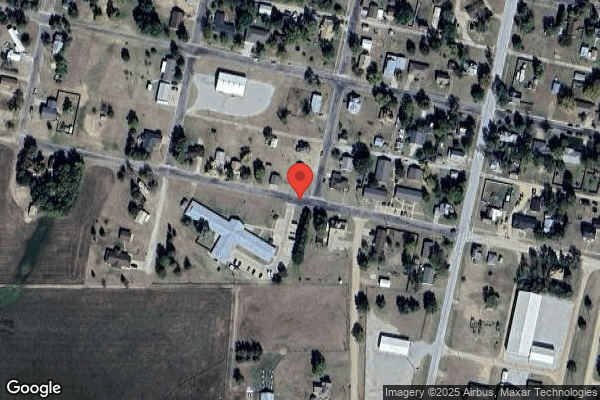
611 31ST STREET, WILSON, KS 67490 (785) 658-2505
For profit - Limited Liability company 40 Beds MISSION HEALTH COMMUNITIES Data: November 2025 1 Immediate Jeopardy citation
Trust Grade
28/100
#232 of 295 in KS
Last Inspection: February 2024

Within standard 12-15 month inspection cycle. Federal law requires annual inspections.

Overview

Wilson Care and Rehab has received a Trust Grade of F, indicating significant concerns about the quality of care provided. Ranking #232 out of 295 facilities in Kansas places it in the bottom half, and #2 out of 2 in Ellsworth County suggests there is only one local option that is better. Although the facility is improving, with a decrease in issues from 13 in 2022 to 9 in 2024, it still has a high staffing turnover rate of 73%, which is concerning compared to the state average of 48%. While there have been no fines reported, which is a positive sign, specific incidents, such as failure to report witnessed abuse and inadequate sanitation of kitchen equipment, raise serious concerns about resident safety and care quality. Overall, families should weigh these strengths and weaknesses carefully when considering this nursing home for their loved ones.

Trust Score
F
28/100
In Kansas
#232/295
Bottom 22%
Safety Record
High Risk
Review needed
Inspections
Getting Better
13 → 9 violations
Staff Stability
⚠ Watch
73% turnover. Very high, 25 points above average. Constant new faces learning your loved one's needs.
Penalties
✓ Good
No fines on record. Clean compliance history, better than most Kansas facilities.
Skilled Nurses
○ Average
Each resident gets 40 minutes of Registered Nurse (RN) attention daily — about average for Kansas. RNs are the most trained staff who monitor for health changes.
Violations
⚠ Watch
31 deficiencies on record. Higher than average. Multiple issues found across inspections.
★★☆☆☆
2.0
Overall Rating
★★☆☆☆
2.0
Staff Levels
★★☆☆☆
2.0
Care Quality
★★☆☆☆
2.0
Inspection Score
Stable
2022: 13 issues
2024: 9 issues

The Good

  • Full Sprinkler Coverage · Fire safety systems throughout facility
  • No fines on record

Facility shows strength in fire safety.

The Bad

2-Star Overall Rating

Below Kansas average (2.9)

Below average - review inspection findings carefully

Staff Turnover: 73%

27pts above Kansas avg (46%)

Frequent staff changes - ask about care continuity

Chain: MISSION HEALTH COMMUNITIES

Part of a multi-facility chain

Ask about local staffing decisions and management

Staff turnover is very high (73%)

25 points above Kansas average of 48%

The Ugly 31 deficiencies on record

1 life-threatening
Feb 2024 9 deficiencies
CONCERN (D) 📢 Someone Reported This

A family member, employee, or ombudsman was alarmed enough to file a formal complaint

Potential for Harm - no one hurt, but risky conditions existed

Transfer Notice (Tag F0623)

Could have caused harm · This affected 1 resident

**NOTE- TERMS IN BRACKETS HAVE BEEN EDITED TO PROTECT CONFIDENTIALITY** The facility had a census of 34 residents. The sample included 12 residents with one reviewed for hospitalization. Based on obse...

Read full inspector narrative →
**NOTE- TERMS IN BRACKETS HAVE BEEN EDITED TO PROTECT CONFIDENTIALITY** The facility had a census of 34 residents. The sample included 12 residents with one reviewed for hospitalization. Based on observation, interview, and record review the facility failed to notify the state's Long Term Care Ombudsman (LTC) Ombudsman (a person who advocates for residents of nursing homes), as required, of Resident (R) 19's discharge from the facility. This placed the resident at risk for impaired rights and/or advocate involvement. Findings included: - R19 's Electronic Medical Record documented diagnoses of chronic obstructive pulmonary disease (COPD- a progressive and irreversible condition characterized by diminished lung capacity and difficulty or discomfort in breathing), polycythemia vera (a chronic blood disorder), malnutrition, cerebral infarction (stroke), congestive heart failure (CHF-a condition with low heart output and the body becomes congested with fluid), sepsis (life-threatening systemic reaction that develops due to infections which cause inflammation throughout the entire body), and viral pneumonia (inflammation of the lungs). The Quarterly Minimum Data Set (MDS), dated [DATE], documented a Brief Interview for Mental Status (BIMS) score of 15, indicating intact cognition. The MDS documented R19 required set-up assistance or supervision for most activities of daily living. R19's Care Plan, dated 01/23/24, stated R19 had altered respiratory status and difficulty breathing related to COPD and directed staff to administer medication and inhalers as ordered and monitor for effectiveness and side effects. The plan directed staff to monitor and document changes in orientation, increased restlessness, anxiety, and air hunger. R19's medical record documented she was hospitalized on the following dates: 11/23/23 to 11/27/23 12/08/23 to 12/12/23 12/18/23 to 12/26/23 01/10/24 to 01/16/24 The facility was unable to provide evidence of LTC Ombudsman notification for the above discharge and or transfers. On 01/31/24 at 02:48 PM, observation revealed therapy staff assisted R19 back to her room and into her recliner. On 02/01/24 at 930 AM, Administrative Staff A verified the facility had not notified the LTC Ombudsman of the resident's discharges from the facility in November 2023 and December 2023. The facility's Transfer and or Discharge policy, dated 05/2023, stated the facility would send a notice of the discharge to the State Long Term Care Ombudsman. The facility failed to notify the state LTC Ombudsman, as required, of R19's discharge from the facility. This placed the resident at risk for impaired rights and/or advocate involvement.
CONCERN (D) 📢 Someone Reported This

A family member, employee, or ombudsman was alarmed enough to file a formal complaint

Potential for Harm - no one hurt, but risky conditions existed

Deficiency F0625 (Tag F0625)

Could have caused harm · This affected 1 resident

**NOTE- TERMS IN BRACKETS HAVE BEEN EDITED TO PROTECT CONFIDENTIALITY** The facility had a census of 34 residents. The sample included 12 residents with one reviewed for hospitalization. Based on obse...

Read full inspector narrative →
**NOTE- TERMS IN BRACKETS HAVE BEEN EDITED TO PROTECT CONFIDENTIALITY** The facility had a census of 34 residents. The sample included 12 residents with one reviewed for hospitalization. Based on observation, interview, and record review, the facility failed to provide Resident (R)19 with a Bed Hold Notice (the right of an individual to resume nursing facility residency after he or she has been away from the facility due to hospitalization or therapeutic leave). This placed the resident at risk of not being allowed to return to the same room upon discharge from the hospital. Findings included: - R19 's Electronic Medical Record documented diagnoses of chronic obstructive pulmonary disease (COPD- a progressive and irreversible condition characterized by diminished lung capacity and difficulty or discomfort in breathing), polycythemia vera (a chronic blood disorder), malnutrition, cerebral infarction (stroke), congestive heart failure (CHF-a condition with low heart output and the body becomes congested with fluid), sepsis (life-threatening systemic reaction that develops due to infections which cause inflammation throughout the entire body), and viral pneumonia (inflammation of the lungs). The Quarterly Minimum Data Set (MDS), dated [DATE], documented a Brief Interview for Mental Status (BIMS) score of 15, indicating intact cognition. The MDS documented R19 required set-up assistance or supervision for most activities of daily living. R19's Care Plan, dated 01/23/24, stated R19 had altered respiratory status, difficulty breathing related to COPD and directed staff to administer medication and inhalers as ordered and monitor for effectiveness and side effects. The plan directed staff to monitor and document changes in orientation, increased restlessness, anxiety, and air hunger. R19's medical record documented she was hospitalized on the following dates: 11/23/23 to 11/27/23 12/08/23 to 12/12/23 12/18/23 to 12/26/23 01/10/24 to 01/16/24 The facility was unable to provide evidence that R19 received a Bed Hold Notice prior to her hospitalizations. On 01/31/24 at 02:48 PM, observation revealed therapy staff assisted R19 back to her room and into her recliner. On 02/01/24 at 930 AM, Administrative Staff A verified the facility had not provided the resident or her representative a Bed Hold Notice prior to her discharges from the facility in November 2023 and December 2023. The facility's Bed Hold policy, dated 05/2023, stated the facility would inform the resident or their representative of the bed hold policy upon admission and prior to a transfer for hospitalization and a copy would be filed in the resident's medical record. The facility failed to provide R19 a Bed Hold Notice prior to her four hospitalizations, placing the resident at risk of not being allowed to return to the same room upon discharge from the hospital.
CONCERN (D) 📢 Someone Reported This

A family member, employee, or ombudsman was alarmed enough to file a formal complaint

Potential for Harm - no one hurt, but risky conditions existed

Drug Regimen Review (Tag F0756)

Could have caused harm · This affected 1 resident

**NOTE- TERMS IN BRACKETS HAVE BEEN EDITED TO PROTECT CONFIDENTIALITY** The facility had a census of 34 residents. The sample included 12 residents, with five reviewed for unnecessary medications. Bas...

Read full inspector narrative →
**NOTE- TERMS IN BRACKETS HAVE BEEN EDITED TO PROTECT CONFIDENTIALITY** The facility had a census of 34 residents. The sample included 12 residents, with five reviewed for unnecessary medications. Based on observation, record review, and interview, the facility failed to ensure the Consultant Pharmacist identified and reported an inappropriate indication or a documented physician rationale which included the multiple unsuccessful attempts for nonpharmacological symptom management and risk versus benefit for the continued use of Resident (R)31's antipsychotic medication (class of medications used to treat any major mental disorder characterized by a gross impairment in reality testing and other mental emotional conditions). This placed the resident at risk for unnecessary medications and related side effects. Findings included: - R31's Physician Order Sheet (POS), documented diagnoses of dementia (progressive mental disorder characterized by failing memory, and confusion) with behavioral disturbance, and cerebral infarction (stroke - sudden death of brain cells due to lack of oxygen caused by impaired blood flow to the brain by blockage or rupture of an artery to the brain.) R31's Quarterly Minimum Data Set (MDS), dated [DATE], recorded the resident had short- and long-term memory loss. The MDS recorded the resident was dependent on bed mobility, locomotion on the unit, dressing, and personal hygiene. The MDS documented R13 received an antipsychotic medication during the lookback period. R31's Care Area Assessment, dated 05/14/23 recorded the resident had a stroke, was not able to communicate and had cognitive decline. R31's Care Plan, dated 11/22/23 directed staff to monitor the resident's behaviors and signs and symptoms of depression and talk about feelings and deficits. The Physician Order, dated 10/19/23, directed the staff to administer R31's Zyprexa (antipsychotic medication) 7.5 (mg) milligrams, one time a day, for a diagnosis of vascular dementia with behavioral disturbance. The Pharmacy Consult reviews on 10/31/23, 11/30/23, 12/26/23, and 01/31/24 lacked a recommendation for an appropriate indication for use. R31's clinical record lacked evidence of documented physician rationale which included the multiple unsuccessful attempts for nonpharmacological symptom management and risk versus benefit for the continued use of R31's Zyprexa. On 01/31/24 at 08:00 AM, observation revealed the R31 sat at the dining room table, nicely groomed and dressed, eating breakfast, Certified Medication Aide (CMA) R administered R31's morning medications. On 02/01/24 at 10:00 AM, Administrative Nurse D verified the inappropriate diagnosis of vascular dementia with behavioral disturbances for R31's use of Zyprexa medication. Administrative Nurse D further acknowledged there were no recommendations from the pharmacist for an appropriate indication for the use of Zyprexa. The facility's Medication Regimen Reviews dated 9/2023 documented the consulting pharmacist shall review the medication regimen per state and federal guidelines. The pharmacist would report irregularities to the attending physician, the family medical director, and the director of nursing. Provision of irregularity report on a separate, written report and includes the resident's name, relevant drug, and the irregularity that has been identified. Provide a passage for follow-up on these reports. Provide the Attending Physician with access or a process to document in the resident's medical record that includes the irregularity that has been reviewed, actions if any that have been taken to address it, and rationale for no change based upon the reported irregularity. The facility's Psychotropic Drug Use policy, dated 4/2023, documented a review of the medication regimen to identify the following drug classes, noted to be psychotropic: antipsychotics, anti-depressants, anxiolytics, and hypnotics and review the medication regime for the following types of medications which may include the above, and apply appropriate clinical indications, monitoring, and documentation. CNS (Central Nervous system) systems agent mood stabilizers, anticonvulsants, muscle relaxants, anticholinergic medication, and antihistamines. The physician's order would include diagnosis, condition, or symptom for what is being ordered and dose. During the comprehensive, person-centered care planning process, the resident and/or their representative should be informed of the prescribed treatment. Gradual Dose Reductions will be conducted per CMS guidelines. Through an ongoing assessment process, monitoring should include; medication to medication and medication to food interactions, clinical conditions, properties of the medication boxed warnings, and the resident history of adverse consequences to a similar medication. The facility failed to ensure the Consultant Pharmacist identified and reported the inappropriate indication for R31's use of Zyprexa. This placed the resident at risk for unnecessary use of an antipsychotic medication.
CONCERN (D) 📢 Someone Reported This

A family member, employee, or ombudsman was alarmed enough to file a formal complaint

Potential for Harm - no one hurt, but risky conditions existed

Medication Errors (Tag F0758)

Could have caused harm · This affected 1 resident

**NOTE- TERMS IN BRACKETS HAVE BEEN EDITED TO PROTECT CONFIDENTIALITY** The facility had a census of 34 residents. The sample included 12 residents, with five reviewed for unnecessary medications. Bas...

Read full inspector narrative →
**NOTE- TERMS IN BRACKETS HAVE BEEN EDITED TO PROTECT CONFIDENTIALITY** The facility had a census of 34 residents. The sample included 12 residents, with five reviewed for unnecessary medications. Based on observation, record review, and interview, the facility failed to ensure an appropriate indication or a documented physician rationale which included the multiple unsuccessful attempts for nonpharmacological symptom management and risk versus benefit for the continued use of antipsychotic (class of medications used to treat major mental conditions which cause a break from reality testing) for Resident (R)31. This deficient practice placed the resident at risk for unnecessary psychotropic medication and related complications. Findings included: - R31's Physician Order Sheet (POS), documented diagnoses of dementia (progressive mental disorder characterized by failing memory, and confusion) with behavioral disturbance, and cerebral infarction (stroke - sudden death of brain cells due to lack of oxygen caused by impaired blood flow to the brain by blockage or rupture of an artery to the brain.) R31's Quarterly Minimum Data Set (MDS), dated [DATE], recorded the resident had short- and long-term memory loss. The MDS recorded the resident was dependent on bed mobility, locomotion on the unit, dressing, and personal hygiene. The MDS documented R13 received an antipsychotic medication during the lookback period. R31's Care Area Assessment, dated 05/14/23 recorded the resident had a stroke, was not able to communicate and had cognitive decline. R31's Care Plan, dated 11/22/23 directed staff to monitor the resident's behaviors and signs and symptoms of depression and talk about feelings and deficits. The Physician Order, dated 10/19/23, directed the staff to administer R31's Zyprexa (antipsychotic medication) 7.5 (mg) milligrams, one time a day, for a diagnosis of vascular dementia with behavioral disturbance. The Pharmacy Consult reviews on 10/31/23, 11/30/23, 12/26/23, and 01/31/24 lacked a recommendation for an appropriate indication for use. R31's clinical record lacked evidence of documented physician rationale which included the multiple unsuccessful attempts for nonpharmacological symptom management and risk versus benefit for the continued use of R31's Zyprexa. On 01/31/24 at 08:00 AM, observation revealed the R31 sat at the dining room table, nicely groomed and dressed, eating breakfast, Certified Medication Aide (CMA) R administered R31's morning medications. On 02/01/24 at 10:00 AM, Administrative Nurse D verified the inappropriate diagnosis of vascular dementia with behavioral disturbance for R31's use of the Zyprexa medications. The facility's Psychotropic Drug Use policy, dated 4/2023, documented a review of the medication regimen to identify the following drug classes, noted to be psychotropic: antipsychotics, anti-depressants, anxiolytics, and hypnotics and review the medication regime for the following types of medications which may include the above, and apply appropriate clinical indications, monitoring, and documentation. The physician's order would include diagnosis, condition, or symptom for what is being ordered and dose. During the comprehensive, person-centered care planning process, the resident and/or their representative should be informed of the prescribed treatment. Gradual Dose Reductions will be conducted per CMS guidelines. Through an ongoing assessment process, monitoring should include; medication to medication and medication to food interactions, clinical conditions, properties of the medication boxed warnings, and the resident history of adverse consequences to a similar medication. The facility failed to ensure an appropriate indication or the required documentation for the use of R31's Zyprexa placing the resident at risk for adverse side effects.
CONCERN (E) 📢 Someone Reported This

A family member, employee, or ombudsman was alarmed enough to file a formal complaint

Potential for Harm - no one hurt, but risky conditions existed

Deficiency F0565 (Tag F0565)

Could have caused harm · This affected multiple residents

The facility had a census of 34 residents. Based on observation, record review, and interview the facility failed to resolve grievances recorded during resident council meetings. This placed the resid...

Read full inspector narrative →
The facility had a census of 34 residents. Based on observation, record review, and interview the facility failed to resolve grievances recorded during resident council meetings. This placed the residents at the facility at risk for unresolved grievances and decreased quality of life. Findings included: - Review of the Resident Council Minutes from February 2023 to January 2024 recorded grievances from the resident council which staff had not addressed the residents' concerns regarding Certified Nurse Aides (CNA) and staff on their personal phones during care (five meetings the concern was expressed), too much noise at nights and TV too loud in the commons area (six meetings the concern was expressed), short staffing (three meetings the concerns were expressed), and various other concerns not addressed. A review of the facility's Grievance/Variance Log from January 2023 to December 2023 recorded grievances that were unresolved or ongoing. On 02/01/24 at 09:30 AM, In an interview with four residents, the residents verbalized they had concerns and grievances with the above-documented concerns. The residents stated they would file a grievance, and discuss concerns over and over each month, however, staff would not inform the residents of the resolution or concern regarding the grievance, or a resolution regarding the expressed grievance. The residents stated there was no system in place, that they knew about, to address grievances and resolutions. On 02/01/24 at 10:30 AM, Administrative Staff A verified the lack of a system in place for the residents to express grievances, or a system to respond to the residents for a resolution or follow through of the grievances. Administrative Staff A stated the facility did not presently have social service staff and said she would be implementing a system and policy for grievances expressed at the resident council meetings. The facility's Resident Council, Family Council policy, dated 10/2023, states the facility supports residents and their desires to be involved and have input in the operations of the facility through the Resident Council and if one exists Family Council. The purpose of the Resident Council is to provide a forum for the residents to have input in the operation of the facility, and discuss concerns. The facility failed to respond to resident council grievances and failed to have a system in place to inform the residents of concerns or grievance resolution from concerns expressed in the resident council meetings, placing the residents in the facility at risk for unresolved issues.
CONCERN (E) 📢 Someone Reported This

A family member, employee, or ombudsman was alarmed enough to file a formal complaint

Potential for Harm - no one hurt, but risky conditions existed

Deficiency F0761 (Tag F0761)

Could have caused harm · This affected multiple residents

**NOTE- TERMS IN BRACKETS HAVE BEEN EDITED TO PROTECT CONFIDENTIALITY** The facility had a census of 34 residents. Based on observation, interview, and record review, the facility failed to label insu...

Read full inspector narrative →
**NOTE- TERMS IN BRACKETS HAVE BEEN EDITED TO PROTECT CONFIDENTIALITY** The facility had a census of 34 residents. Based on observation, interview, and record review, the facility failed to label insulin (a hormone that lowers the level of glucose in the blood) pens or vials with an opened date or discard date. This placed residents who received the insulins at risk for expired or ineffective insulin. Findings included: - On [DATE] at 08:29 AM, observation revealed the facility's nurses cart held six insulin pens that had not been dated when opened: One Lantus (long-acting insulin) pen open with no date, for Resident (R)16. One Lantus pen and one Humalog (fast-acting insulin) pen, open with no date for R31. One Lispro (rapid-acting insulin) pen, open with no date for R3. One Lantus pen opened, with no date for R9. One Lantus pen opened, with no date, for R30. On [DATE] at 08:29 AM, Licensed Nurse (LN) H verified the lack of dates and stated nurses were to write the date on the insulin pens or vials when they were first opened for use. The facility's Insulin Administration policy, dated 04/2023, stated staff was to record the expiration date on the vial/pen when opening a new vial/pen and follow the manufacturer's recommendations for expiration after opening. The facility failed to label insulin pens or vials with an opened date or discard date, placing residents who received the insulins at risk for expired or ineffective insulin.
CONCERN (E) 📢 Someone Reported This

A family member, employee, or ombudsman was alarmed enough to file a formal complaint

Potential for Harm - no one hurt, but risky conditions existed

Deficiency F0883 (Tag F0883)

Could have caused harm · This affected multiple residents

The facility identified a census of 34 residents. The sample included 12 residents with five residents reviewed for immunizations, Resident (R)3, R4, R10, R16, R19, and R87, to include pneumococcal va...

Read full inspector narrative →
The facility identified a census of 34 residents. The sample included 12 residents with five residents reviewed for immunizations, Resident (R)3, R4, R10, R16, R19, and R87, to include pneumococcal vaccinations (helps protect against serious illnesses like pneumonia). Based on record review and interviews, the facility failed to follow the latest guidance from the Centers for Disease Control and Prevention (CDC) when they failed to offer, obtain an informed declination or a physician-documented contraindication for the pneumococcal PCV 20 vaccination. This deficient practice placed the residents at risk of acquiring, spreading, and experiencing complications from the pneumococcal disease. Findings included: - Review of R3, R4, R10, R16, R87, and R19's clinical medical records lacked evidence the facility or the resident representative received or signed consent or informed declination for the current pneumococcal vaccine PCV20. On 02/05/24 at 11:30 AM, Administrative Nurse D stated the facility was reviewing resident records to determine if they were eligible for the newest PCV 20 vaccine. She verified no staff had offered the residents the vaccine. The facility's Pneumococcal Vaccine policy dated 09/2023, stated residents would be offered the pneumococcal vaccine to aid in preventing pneumococcal infections. New recommendations were published by the CDC in February 2023. Prior to or upon admission residents would be assessed for eligibility to receive the pneumococcal vaccine and when indicated, will be offered the vaccine unless medically contraindicated or the resident has already been vaccinated. Administration of the pneumococcal vaccination or re-vaccination would be made in accordance with current CDC recommendations. The facility failed to offer the PCV20 pneumococcal vaccination. This deficient practice placed the residents at risk of acquiring, spreading, and experiencing complications from pneumococcal disease.
CONCERN (F) 📢 Someone Reported This

A family member, employee, or ombudsman was alarmed enough to file a formal complaint

Potential for Harm - no one hurt, but risky conditions existed

Food Safety (Tag F0812)

Could have caused harm · This affected most or all residents

**NOTE- TERMS IN BRACKETS HAVE BEEN EDITED TO PROTECT CONFIDENTIALITY** The facility had a census of 34 residents. The facility had one kitchen. Based on observation, interview, and record review the ...

Read full inspector narrative →
**NOTE- TERMS IN BRACKETS HAVE BEEN EDITED TO PROTECT CONFIDENTIALITY** The facility had a census of 34 residents. The facility had one kitchen. Based on observation, interview, and record review the facility failed to ensure appropriate sanitation of dishware used for preparing, and serving residents' meals, and failed to prepare, store, distribute, and serve food under sanitary conditions for the 34 residents in the facility, who receive their meals from the kitchen. This deficient practice placed the residents of the facility at risk for food-borne illness. Findings included: - On 01/30/24 at 08:40 AM, observation revealed Dietary Staff (DS) CC operated the dishwasher and attempted to test the dishwasher rinse for chemical sanitation. The wash and rinse temperatures were 105 degrees Fahrenheit (F). DS CC used sanitizer testing strips which indicated no chemicals. The dishwasher was connected to Betco low-temperature machine sanitizer and used [NAME] All Temperature Rinse Aide and [NAME] All Temperature Dish Machine Detergent. The Dishwasher Temperature Logs, dated January 2024, documented morning, noon, and evening temperatures of 90- and 100 degrees Fahrenheit (F.). The documented chemical sanitation checks recorded 200 parts per million (PPM-the amount of chlorine left over after a process where there is more chlorine than contaminate present.) On 01/30/24 at 8:45 AM, during the initial tour, observation revealed the following: One 4-foot by 3-foot ceiling-mounted heater and air conditioner unit, located at the entrance to the kitchen and blowing air directly across the food preparation area. The air vent grill was covered with a brown grease/sticky substance and a gray fuzzy substance. Continued observation revealed an airflow register/vent located directly above the dishwashing area was covered with a brown grease/sticky substance and a gray fuzzy substance. On 01/30/24 at 10;45 AM, DS CC verified the dishwasher temperature was 105 degrees F. and verified the chemical test strips for bleach sanitization lacked a reading of the chemical sanitization. On 1/31/24 at 12:10 PM, DS BB verified the chemical test strips lacked a reading of the chemical sanitization and verified the January 2024 Dish Machine Temperature/Chemical log recorded temperatures of 90 and 100 degrees and verified the low-temperature dishwasher's lowest reading should be 120 degrees. DS DD verified the facility's chemicals used to wash and rinse the dishes did not provide the appropriate sanitization and stated the hot water booster unit was not turned on and that is why the temperatures were low. DS BB Verified she would be providing education to the dietary staff regarding dish machine temperatures and sanitization. The facility's Dishwashing Machine Use policy, dated 10/2023, stated food service staff are required to operate the dishwashing machine and would be trained in all steps of dishwashing machine use by the supervisor or a designee proficient in all aspects of proper use and sanitation. Dish machines that use hot water to sanitize 165 degrees Fahrenheit (F) for stationary rack, single temperature dish machines. Dish machines that use chemicals to sanitize, must maintain a wash temperature of 120F and have a final rinse of 50 ppm of chlorine. The operator would check temperatures using the machine gauge with each dishwashing machine cycle and will record the results in a facility-approved log. The operator would monitor the gauge frequently during the dish machine cycle. Inadequate temperatures would be reported to the supervisor and corrected immediately. The supervisor would check the calibration of the gauge weekly by running a secondary thermometer through the machine to compare temperatures or using commercial test strips following the manufacturer's instructions. If hot water temperatures or chemical sanitization concentrations do not meet requirements, cease use of the dishwashing machine immediately until temperatures and PPM are adjusted. The facility's Sanitization policy, dated 10/2023, stated the food service area should be maintained in a clean and sanitary manner. All kitchen areas and dining areas should be kept clean, free from litter and rubbish, and protected from rodents, roaches, flies, and other insects. Utensils, counters, shelves, and equipment shall be kept clean and maintained in good repair and shall be free from breaks, corrosion, open seams, cracks, and chipped areas that may affect their use or proper cleaning. Kitchen and dining room surfaces not in contact with food shall be cleaned on a regular schedule and frequently enough to prevent the accumulation of grime. The facility failed to ensure appropriate sanitation of dishware used for preparing, and serving residents' meals and failed to prepare, store, distribute, and serve food under sanitary conditions for the 34 residents residing in the facility, who received their meals from the kitchen.
CONCERN (F) 📢 Someone Reported This

A family member, employee, or ombudsman was alarmed enough to file a formal complaint

Potential for Harm - no one hurt, but risky conditions existed

Staffing Data (Tag F0851)

Could have caused harm · This affected most or all residents

The facility had a census of 34 residents. Based on record review and interview, the facility failed to submit complete and accurate staffing information through the Payroll-Based Journal (PBJ) as req...

Read full inspector narrative →
The facility had a census of 34 residents. Based on record review and interview, the facility failed to submit complete and accurate staffing information through the Payroll-Based Journal (PBJ) as required. This deficient practice placed the residents at risk for unidentified and ongoing inadequate nurse staffing. Findings included: - The PBJ report provided by the Centers for Medicare & Medicaid Services (CMS) for Fiscal Year (FY) 2023 the PBJ report for Quarter 2 indicated the facility had excessively low weekend staff. The PBJ report for Quarter 3 indicated the facility did not have licensed nurse coverage 24 hours a day, seven days a week on following days: 04/01/23, 04/02/23, 04/08/23, 04/15/23, 04/17/23, 04/19/23, 04/22/23, 04/29/23, 04/30/23, 05/06/23, 05/20/23, 05/27/23, 05/28/23, 06/03/23, 06/10/23, 06/11/23, 06/24/23, and 06/25/23 and had excessive low weekend staff. A review of the facility licensed nurse payroll data for the dates listed on the PBJ revealed a licensed nurse was on duty for 24 hours a day seven days a week. On 02/05/24 at 01:15 PM, Administrative Staff A verified the facility failed to send in the correct data to CMS for the PBJ and verified the facility did have licensed nurse coverage The facility's Nursing Services policy, dated 09/2023 recorded the facility would provide adequate staff with the appropriate competencies and skill sets to provide nursing and related services to assure residents' safety and attain or maintain the highest practicable physical, mental, and psychosocial well-being of each resident. The facility would maintain adequate staffing on each shift to ensure that the resident's needs and services are met and identify any state minimum requirements for staff and compare to current staffing and alter to meet needs. The facility would provide resources to function of staffing to ensure a licensed staff 24 hours a day, 7 days a week. The facility failed to submit accurate PBJ data which placed the residents at risk for unidentified and ongoing inadequate staffing.
Nov 2022 1 deficiency 1 IJ (1 facility-wide)
CRITICAL (L) 📢 Someone Reported This

A family member, employee, or ombudsman was alarmed enough to file a formal complaint

Immediate Jeopardy (IJ) - the most serious Medicare violation

Report Alleged Abuse (Tag F0609)

Someone could have died · This affected most or all residents

⚠️ Facility-wide issue

The facility identified a census of 39 residents with three reviewed for abuse and neglect. Based on observation, record review, and interview, the facility failed to ensure staff immediately reported...

Read full inspector narrative →
The facility identified a census of 39 residents with three reviewed for abuse and neglect. Based on observation, record review, and interview, the facility failed to ensure staff immediately reported witnessed abuse. On 10/26/22 between 10:00 PM and 11:00 PM, Certified Nurse Aide (CNA) M, CNA N, and CNA Q repositioned cognitively impaired Resident (R) 1. R1 swatted at CNA M. CNA Q then slapped R1's hand and told him no. CNA M witnessed CNA Q slap R1, but did not report to the charge nurse or facility administrative staff. Later in her shift, CNA M texted the information to CNA P. CNA P identified the incident as reportable and encouraged CNA M to report the incident, however CNA P then delayed reporting the abuse until 02:30 PM on 10/27/22. CNA M and CNA P failed to immediately report the abuse to Administrative Staff A until approximately 16 hours after the event. Due to the failure to report, CNA Q worked the remainder of her shift, until 06:00 AM on 10/27/22, which placed R1, and the 38 other residents CNA Q had access to, in immediate jeopardy. Findings included: - R1's Electronic Medical Record (EMR) documented diagnoses of dementia (progressive mental disorder characterized by failing memory, confusion), psychotic disturbance (major mental disorder characterized by a gross impairment in reality testing), and anxiety (mental or emotional reaction characterized by apprehension, uncertainty and irrational fear). R1's Quarterly Minimum Data Set (MDS), dated 10/15/22, documented R1 was rarely/never understood and had severely impaired cognitive functioning. The MDS further documented R1 required extensive assistance of two plus staff for bed mobility, transfer, locomotion on unit, dressing, toileting, personal hygiene, and bathing. R1's Cognitive Loss/Dementia Care Area Assessment (CAA), dated 04/09/22, documented R1 had cognitive loss related to dementia, had exhibited physical behavioral symptoms directed towards others, and had rejected care. R1's Activity of Daily Living (ADL) CAA, dated 04/09/22, documented R1 had an ADL deficit related to dementia, weakness, and immobility. R1's Behavioral Symptom CAA, dated 04/09/22, documented R1 had exhibited behaviors directed towards others, was resistive to care, had sensory impairments, and a diagnosis of dementia. R1's Care Plan, dated 04/13/22, lacked any interventions related to R1's dementia or behavioral symptoms. The Nurse's Note, dated 10/27/22 at 04:21 PM, documented staff completed a head-to-toe assessment of R1. R1 had a skin tear on his right hand by his thumb; no bruising or redness was noted anywhere else on R1's body. The Facility Investigation, signed on 11/01/22, documented a discussion was held between CNA M and CNA P on 10/27/22 at approximately 05:27 AM that brought up CNA M witnessed CNA Q slap R1 on the hand. CNA P then reported the incident to Administrative Staff A on 10/27/22 at approximately 02:30 PM. The investigation noted that during the course of the investigation CNA N, and CNA Q repositioned cognitively impaired Resident (R) 1. R1 swatted at CNA M. CNA Q then slapped R1's hand and told him no. The Witness Statement, dated 10/27/22, documented by CNA Q stated she went to work on 10/26/22 at 10:00 PM. CNA Q stated in the witness statement there were four CNA's in R1's room checking and changing and repositioning R1. R1 was clinging to the arms of his chair. The CNAs were able to get R1 to release the arms of his chair and reposition R1 in his chair. CNA Q then placed a sheet over R1 and left the room. The Witness Statement, dated 10/27/22, documented by CNA M stated she and two other CNAs were in R1's room to change him for bed when CNA Q walked in to help. After assisting R1 into his chair, R1 slapped CNA M's hand and then CNA Q slapped R1's hand and told him no. On 11/07/22 at 10:00 AM, R1 sat in the living room of the facility in his wheelchair. R1 stared blankly at the television. R1 was unable to respond to any questions or conversation. On 11/07/22 at 11:00 AM, CNA P stated at 05:17 AM on 10/27/22 CNA M texted her regarding CNA Q slapping R1's hand during cares. CNA P stated that she told CNA M she needed to report the incident to Administrative Staff A and CNA M stated she would report it. CNA P stated when she came to work at approximately 02:30 PM she went and talked to Administrative Staff A about the incident and Administrative Staff A was unaware of the incident. CNA P stated she did not report the incident earlier because she thought CNA M was going to report it. On 11/07/22 at 02:28 PM, CNA M stated she provided cares to R1 with the assistance of CNA N and CNA Q. CNA M stated she was on R1's left side and CNA Q was in front of R1. CNA M stated R1 swatted at her hand and then CNA Q slapped R1's hand and told R1 no. CNA M stated she was going to report the incident to the charge nurse immediately, but when she came out of R1's room there were seven call lights going off and so she just went to work. On 11/07/22 at 11:05 AM, Licensed Nurse (LN) H stated she was the charge nurse on 10/26/22 on the 10:00 PM to 06:00 AM shift. LN H stated the incident with R1 was not reported to her the entire shift. LN H stated CNA M should have reported the incident to her so she could have sent CNA Q home to protect R1 and the other residents. On 11/07/22 at 09:30 AM, Administrative Staff A stated that she was unaware of the incident happening to R1 until 10/27/22 at approximately 02:30 PM when CNA P notified her that CNA M texted CNA P about the incident. Administrative Staff A stated that she expected her staff to report the incident immediately to the charge nurse or herself, so CNA Q could have been suspended immediately, a head-to-toe assessment of R1 could have been completed immediately, and the investigation could have been started immediately. Administrative Staff A stated CNA Q was terminated from employment at the facility. The facility's Abuse Prevention Program, policy, dated August 2022, documented residents have the right to be free from abuse, neglect, misappropriation of resident property, corporal punishment, exploitation and involuntary seclusion and any physical or chemical restraint not required to treat the resident's medical condition. The facility administration and employees are committed to protecting residents from abuse by anyone including, but no necessarily limited to: facility staff, other residents, consultants, volunteers, and staff agencies providing services to our residents, family members, legal guardians, surrogates, sponsors, friends, visitors, or any other individual. Comprehensive policies and procedures have been developed to aid the facility administration in preventing abuse, neglect, or mistreatment. The abuse prevention program provides policies and procedures that govern, as a minimum: protocols for conducting employment background checks, mandated staff training/orientation programs that include abuse prevention, identification, reporting of abuse, and dementia management, policies to prevent and prohibit all types of abuse, identification of occurrences and patterns of potential mistreatment/abuse, protection of residents during abuse investigations, development of investigative protocols governing resident abuse, theft, misappropriation of resident property, resident-to-resident abuse, and resident-to-staff abuse, timely and thorough investigations of all reports and allegations of abuse, reporting and filing of accurate documents relative to the incidents of abuse including the reporting of crimes, ongoing review and analysis of abuse incidents and implementation of changes to prevent future occurrences of abuse. The facility failed to ensure staff immediately reported witnessed staff to resident abuse which allowed CNA Q to work the remainder of her shift, placing R1 and the 38 other residents in the facility in immediate jeopardy. On 10/27/22 the facility completed corrective actions which included staff education on the immediate reporting of abuse, a root cause analysis and review and staff education on the facility's Abuse Prevention Program policy. The deficient practice was cited as past noncompliance. The scope and severity remained at an L.
Sept 2022 12 deficiencies
CONCERN (D)

Potential for Harm - no one hurt, but risky conditions existed

Deficiency F0582 (Tag F0582)

Could have caused harm · This affected 1 resident

**NOTE- TERMS IN BRACKETS HAVE BEEN EDITED TO PROTECT CONFIDENTIALITY** The facility had a census of 38 residents. The sample included 12 residents. Based on interview, and record review the facility ...

Read full inspector narrative →
**NOTE- TERMS IN BRACKETS HAVE BEEN EDITED TO PROTECT CONFIDENTIALITY** The facility had a census of 38 residents. The sample included 12 residents. Based on interview, and record review the facility failed to provide the Skilled Nursing Facility (SNF) Advanced Beneficiary Notice (ABN), CMS form 10055, which contained an estimated cost to continue services for skilled services, at the end of the skilled stay. This deficient practice placed three of three sampled residents, Resident (R) 24, R29, and R31, at risk for uninformed decisions regarding skilled services. Findings included: - The CMS SNF ABN form 10055 informed the beneficiary that Medicare may not pay for future skilled therapy services. The form included an option for the beneficiary to receive specific services listed, and bill Medicare for an official decision on payment. The form stated 1) I understand if Medicare does not pay, I will be responsible for payment, but can make an appeal to Medicare, (2) receive therapy listed, but do not bill Medicare, I am responsible for payment for services, (3) I do not want the listed services. R24 admitted on [DATE] and the Medicare Part A stay ended on 06/30/22. A CMS form 10055 was signed on 05/04/22 with no option chosen. The CMS form 10123 was signed on 06/24/22 and no new SNF ABN was issued at the end of the Part A stay. R29 admitted on [DATE] and the Medicare Part A stay ended on 07/14/22. A CMS form 10055 was signed on 06/08/22 with no option chosen. The CMS 10123 was signed on 07/06/22 and no new SNF ABN was issued at the end of the Part A stay. R31 admitted [DATE] and the Medicare Part A started on 08/07/22 and ended on 09/09/22. The CMS form 10123 was signed on 09/06/22. No SNF ABN was issued though the residnet remained in the facility. On 09/21/22 at 10:00 Am Administrative Staff B stated the CMS forms were not completed correctly. She stated staff were confused as to what services were to be listed as the form indicated Medicare does not pay for everything. She stated residents signed the form at admission as the facility puts that form in the admission packet. The facility's Beneficiary Notices policy, dated 08/2022, documented a Medicare beneficiary had the right to appeal the decision to terminate Medicare covered services. The facility was to also inform the beneficiary of possible non-coverage at least two days prior to termination of all Part A services when the beneficiary still has days left in the benefit period. The facility was to use the Notice of Medicare Provider Non-Coverage form CMS 10123 to inform the beneficiary of how to request an expedited redetermination. The facility must also provide a liability notice giving the resident an option to start the appeals process. The facility must provide the Skilled Nursing Facility Advanced Beneficiary Notice of Non-Coverage form CMS 10055 to inform the beneficiary of potential non-coverage. The policy documented both forms were to be maintained in a binder with Social Services. The facility failed to provide required information upon discharge from Medicare Part A skilled therapy services, placing the affected residents at risk for uninformed decisions.
CONCERN (D)

Potential for Harm - no one hurt, but risky conditions existed

Comprehensive Care Plan (Tag F0656)

Could have caused harm · This affected 1 resident

The facility had a census of 38 residents. The sample included 12 residents. Based on observation, interview, and record review, the facility failed to develop a comprehensive care plan for Resident (...

Read full inspector narrative →
The facility had a census of 38 residents. The sample included 12 residents. Based on observation, interview, and record review, the facility failed to develop a comprehensive care plan for Resident (R) 187 who smoked which placed the resident at risk of unidentified and/or uncommunicated care needs related to smoking. Findings included: - R187's diagnoses included encephalitis (inflammatory condition of the brain), alcohol dependence with withdrawal, complete traumatic amputation (surgical removal) at knee level right lower leg, complete traumatic amputation of left foot at ankle level, alcohol induced disorder, anxiety (mental or emotional reaction characterized by apprehension, uncertainty and irrational fear disorder, and major depressive (major mood disorder) disorder. The Quarterly Minimum Data Set, dated 08/19/22, recorded R187 had intact cognition, was independent with supervision for activities of daily living. R187 was not steady, but able to stabilize without staff assistance with transition, had functional range of motion impairment to lower extremities both sides. He received antidepressant (medications used to treat depression), and had occupational and physical therapy treatments. The Care Plan, revised 09/16/22, lacked goals and interventions related to choice to smoke cigarettes. The Smoking Evaluation, dated 08/13/22, documented R187 had no cognitive loss, visual deficit, or dexterity problems. R187 could light his own cigarette, and no equipment was needed. R187 liked to smoke in the morning after breakfast, in the afternoon after lunch, and at night after supper. On 09/21/22 at 04:40 PM observation revealed R187 returned from the dining room patio after smoking and ambulated with walker. Staff were present on patio during the smoking activity. On 09/22/22 at 10:26 AM Certified Nurse Aide (CNA) M reported the residents smoked in the morning, afternoon, and evening. CNA M stated R187 usually did not come out to smoke for the morning time. CNA M reported each resident who smoked had a labeled container with their name that contained cigarettes. CNA M reported the facility did not have a list of residents who smoked to confirm if it was included on their care plan. On 09/22/22 at 03:10 PM Administrative Nurse D verified smoking should be included on R187's care plan. The facility's Comprehensive Care Plan policy, dated 08/2022, documented the community supported residents in making own choices and having control over their daily lives. The comprehensive care is based on a thorough assessment that includes but not limited to the MDS and physician orders. Assessment of residents are ongoing and care plans are revised as information about the resident and resident's condition. Each residents comprehensive care plan is designed to incorporate identified problem areas, risk factors associated with identified problems, build on the residents strength reflect the residents expressed wishes regarding care and treatment, aid in preventing or reducing declines in the residents functional status and or functional levels. The facility failed to develop a comprehensive care for R187's smoking placing the resident at risk of unidentified problem areas and risk factors associated with his choice to smoke.
CONCERN (D)

Potential for Harm - no one hurt, but risky conditions existed

Quality of Care (Tag F0684)

Could have caused harm · This affected 1 resident

**NOTE- TERMS IN BRACKETS HAVE BEEN EDITED TO PROTECT CONFIDENTIALITY** The facility had a census of 38 residents. The sample included 12 residents. Based on observation, record review, and interview,...

Read full inspector narrative →
**NOTE- TERMS IN BRACKETS HAVE BEEN EDITED TO PROTECT CONFIDENTIALITY** The facility had a census of 38 residents. The sample included 12 residents. Based on observation, record review, and interview, the facility failed to ensure Resident (R)25 received the necessary treatments and cares related to treatment of skin tears when staff failed to use appropriate hand hygiene during wound care and failed to accurately apply dressings and monitor as ordered by the physician. These deficient practices placed the resident for incomplete death record and delayed wound healing. Findings Included: - R25's diagnoses included anxiety disorder, major depressive disorder (mood disorder characterized by severe sadness), and dementia with behavioral disturbance (progressive mental disorder characterized by failing memory, confusion,) . The 5 day Minimum Data Set (MDS), dated [DATE], documented staff assessed R25 had severe cognitive impairment, required extensive assistance of two staff for activities of daily living, was not steady during transition and only able to stabilize with staff assistance; R25 used a wheelchair for mobility. The MDS further recorded R25 was at risk for pressure ulcers (localized injury to the skin and/or underlying tissue usually over a bony prominence, as a result of pressure, or pressure in combination with shear and/or friction) and had skin tears (thin adhesive strips use to close shallow cuts and wounds). The Care Plan, dated 09/14/22, documented R25 had impairment to skin integrity related to fragile skin and skin tears. The care plan directed staff to follow facility's protocol for treatment of injury, monitor and document location, size and treatment of skin injury. the care plan further directed staff to report abnormalities, failure to heal, or signs of infection to R25's medical doctor. The care plan directed staff to use caution during transfers and bed mobility to prevent striking arms, legs, and hands against sharp or hard surfaces, and to provide wound care to skin tears on R25's bilateral lower extremities as ordered. On 07/22/22 the Physician Order documented treatment to skin tears on right calf, right shin, and left lateral (pertaining to the side, away from the middle) lower leg The order directed staff to cleanse wounds per facility policy, pat dry, apply skin prep (a liquid film to intact skin forms a protective film to reduce friction during removal of tape) to peri wound (tissue surrounding wound); cut and fit silver collagen sheet (dressing used to absorb wound drainage) to wound bed. Cover with non-bordered foam dressing, secure with stretch gauze and tape and apply elastic bandage as directed. Change dressing three times a week on Monday, Wednesday and Fridays. On 09/17/22 the Physician Order documented wound cleanser liquid apply to outer left lower leg everyday shift for skin tears. Apply steri-strips and leave on until they fall off; apply telfa pad (dressing used to absorb drainage) and dressing. Apply geriatric sleeve (geri-sleeve: used to protect extremities from abrasions, bruise, and tears) to R25's bilateral lower extremities every morning prior to getting out of bed and remove at bedtime. The Progress Note, on 08/23/22 at 02:15 AM, documented R25 had occupational and physical therapy, required two persons to assist with transfers, was able to move around in the facility independently in wheelchair. The note further documented continued to monitor R25's lower legs, skin was very fragile and tears easily. The Progress Note on 09/13/22, documented R25 had skin tears to right lower leg had two scabbed areas with redness around parameter, the left lower leg had two skin tears one with steri-strips with small amount of serosanguinous drainage (semi-thick reddish drainage). The Weekly Wound Tracking Worksheet on 09/16/22 documented R25 had left outer shin skin abrasion and right shin and calf skin tears. The worksheet did not address the skin tear with steri-strips. The Weekly Wound Tracking Worksheet on 09/20/22 documented left shin abrasion and right shin and calf wound. The worksheet did not address the skin tear with steri-strips. On 09/21/22 at 01:50 PM observation revealed Licensed Nurse (LN) H assisted R25 to her room via wheelchair for lower extremity wound care. R25 had protective sleeves to her lower legs. LN H placed gloves on, then pulled the sleeves down to ankle level on both legs. LN H said the right leg should have a dressing in place over the upper outer shin area, explaining a physician order will be obtained to address to discontinuation of ordered dressing due to wound area scabbed. LN H then removed bordered gauze from left lower and upper leg wounds. The left lower wound had silver alginate patch adhered to the wound bed. The wound had a small amount of yellowish drainage. The left upper calf area had three steri strips to the triangle shaped wound. LN H proceeded to use wound cleanser and gauze to cleanse the right upper shin scabbed area and both upper and lower left leg wounds. LN H used the same gloves to apply skin prep to the peri wounds on each leg. LN H then examined the wounds touching all wound sites with the unclean gloves. LN H using the same unclean gloves and personal scissors, cut silver alginate patch to place on the lower left leg wound, opened bordered wound dressings and covered the left leg upper and lower wounds. (LN H did not date or initial the dressings applied). LN H finished the procedure by pulling back up the sleeves to both legs. LN H had not used stretch gauze and tape to lower extremities, nor changed gloves during the procedure. On 09/21/22 at 04:34 PM observation revealed R25 wheeled self in hallway and the wheelchair had caught the leg of the mechanical lift. The laundry aid assisted R25 to get untangled from the mechanical lift leg. On 09/26/22 at 11:33 AM, Administrative Nurse E, verified she had not measured or addressed the upper left skin tear with steri-strips. Administrative Nurse E stated she was responsible to measure and track wounds weekly. Administrative Nurse E stated she had not been notified of the skin tear with steri-strips to the upper left calf. On 09/22/22 at 11:30 AM Administrative Nurse D verified gloves should be changed during wound care between tasks of a dressing change and wounds are to be measured weekly which included skin tears. The facility's Wound Care Guidelines , dated 05/2021, documented the purpose of this procedure guidelines for care of wounds and to promote healing. The policy directed staff to verify the physician order for treatment, review the care plan and current orders, and diagnosis to determine if there are special resident needs. Apply disposable gloves, loosen tape and remove dressing, pulling glove over dressing and discard into appropriate receptacle, wash and dry hands thoroughly, wear gloves when physically touching the wound. Pick up sponge with paper and apply over surface of the wound, mark tape with initials, time, and date. The facility failed to change gloves, and failed to provide follow wound care and dressing as ordered by the physician. The deficient practice placed the resident at risk for delayed wound healing.
CONCERN (D)

Potential for Harm - no one hurt, but risky conditions existed

Deficiency F0698 (Tag F0698)

Could have caused harm · This affected 1 resident

The facility had a census of 38 residents. The sample included 12 residents with one reviewed for dialysis (the process of removing waste products and excess fluid from the body when the kidneys are n...

Read full inspector narrative →
The facility had a census of 38 residents. The sample included 12 residents with one reviewed for dialysis (the process of removing waste products and excess fluid from the body when the kidneys are not able to adequately filter the blood) . Based on observation, record review, and interview, the facility failed to provide ongoing communication and assessment of Resident (R) 16's dialysis treatment. This placed the resident at risk for complications and health decline. Findings included: - R16's Physician's Order Sheet, dated 09/17/22 documented the resident had diagnoses of end stage renal disease (decline in kidney function.) R16's admission Minimum Data Set (MDS), dated 07/22/22, recorded R16 had a Brief Interview for Mental Status (BIMS) score of 13 which indicated intact cognition. The MDS recorded he required extensive assistance of two staff for bed mobility, transfers, limited assistance of one staff with personal hygiene, and limited assistance of two staff with toilet use. The MDS further recorded R16 was occasionally incontinent of urine and recorded the resident received dialysis treatment. The Dialysis Care Plan, dated 07/12/22, documented R16 received dialysis three times a week on Tuesdays, Thursdays and Saturdays. The Care Plan lacked a mode of transportation to the appointment. The Physician Order, dated 04/22/22 directed staff the resident required dialysis three times a week. The facility lacked evidence of communication and collaboration from the dialysis center to the facility for orders, guidance or direction. On 09/21/22 at 07:15 AM, observation revealed R16 laid in bed with his right foot in a dressing with a wound vac (machine which applies gentle negative pressure to assist in wound healing) attached to the end of his foot. Continued observation revealed the resident was dressed in a street clothes and had a dialysis shunt in the left upper arm; the dialysis site was covered with a gauze dressing. On 09/21/22 at 05:45 PM, Administrative Nurse E verified R16 received dialysis three times a week on Monday, Wednesdays and Fridays (which had recently changed from the days listed on the care plan) and the facility failed to send a communication sheet with the resident when he left the facility. Administrative Nurse E stated the facility did not receive a communication sheet from the dialysis center when R16 returned to the facility. On 09/26/22 at 09:10 AM, Administrative Nurse D verified the facility failed to send a communication sheet with the resident to dialysis and the dialysis center did not send a communication sheet to the facility after the resident completed his treatment. The facility's Dialysis, Care for a Resident, policy, dated May 2022, documented residents with end stage renal disease would be cared for according to currently recognized standards of care. The community would assist the resident in establishing a placement with a dialysis center. Obtain orders for dialysis to be provided at a certified dialysis center. The facility's Care Planning/Interdisciplinary Team, in coordination with the resident, his/her family or representative, develops and maintains comprehensive care plan for each resident that identifies the highest level of functioning the resident may be expected to attain. The policy documented prior to dialysis provide communication to include, new labs and results, any changes in diet, intake or resistance to care, and any concerns with the access site. The policy documented upon return from dialysis, document post weight, bleeding at site of other complications, or if the resident was unable accept dialysis, for any reason. The facility failed to provide communication with R16's dialysis facility, placing the resident at risk for complications and health decline.
CONCERN (D)

Potential for Harm - no one hurt, but risky conditions existed

Medication Errors (Tag F0758)

Could have caused harm · This affected 1 resident

**NOTE- TERMS IN BRACKETS HAVE BEEN EDITED TO PROTECT CONFIDENTIALITY** The facility had a census of 38 residents. The sample included 12 residents. Based on observation, interview, and record review ...

Read full inspector narrative →
**NOTE- TERMS IN BRACKETS HAVE BEEN EDITED TO PROTECT CONFIDENTIALITY** The facility had a census of 38 residents. The sample included 12 residents. Based on observation, interview, and record review the facility failed to ensure proper indication for the administration of antipsychotic (class of medications used to treat psychosis and other mental emotional conditions) medications for three of six residents reviewed for unnecessary medication, Resident (R) 19, R17, and R28. This placed the residents at risk for unnecessary psychotropic medications and related complications. Findings included: - R19's medical diagnoses included dementia (progressive mental disorder characterized by failing memory, confusion) without behavioral disturbance, psychotic disturbance (sever mental disorders that cause abnormal thinking and perceptions), mood disturbance (category of mental health problems, feelings of sadness, helplessness, guilt, wanting to die were more intense and persistent than what may normally be felt from time to time), anxiety (mental or emotional reaction characterized by apprehension, uncertainty and irrational fear )and depressive disorders (abnormal emotional state characterized by exaggerated feelings of sadness, worthlessness, emptiness and hopelessness). The Annual Minimum Data Set (MDS), dated [DATE], documented R19 had severe cognitive impairment, inattention and disorganized thinking behavior which had been continuous, and did not exhibit behaviors. The MDS further documented R19 received antipsychotic and antidepressant (class of medications used to treat mood disorders and relieve symptoms of depression) on a daily basis. The Psychotropic Drug Use Care Area Assessment (CAA), dated 08/11/12, documented R19 was prescribed psychotropic (medication which alters mood or thought) medication. The Care Plan documented R19 took medication that contained a black box warning (being or containing a warning of a serious or life-threatening side effect), quetiapine (antipsychotic). The Physician Order, dated 04/14/22, directed staff to administer quetiapine 50 milligrams (mg), to give one and a half tablets at bedtime for dementia. The Physician Order, dated 04/24/22, directed staff to administer quetiapine 50 mg in the morning related to dementia without behavioral disturbance. The Quarterly Antipsychotic Review, dated 08/06/22, documented R19 took 150 mg of quetiapine daily and diagnosis of dementia without behavioral disturbance. On 08/29/22 at 11:01 PM a Behavior Progress Note documented R19 was confused, agitated, frustrated, and exhausted. R19 had been hitting, cussing and name calling toward staff. R19 felt threatened and wanting the police called. Redirection and one to one staff provided. The Pharmacy Medication Regimen Review monthly report lacked addressing the use of of Seroquel (quetiapne) with dementia diagnosis not appropriate. On 09/21/22 at 01:37 PM observation revealed R19 carried a blanket and purse, and stated she was going home. Staff redirected R19 to her room, explaining where R19's possessions were. 09/22/22 at 03:10 PM Administrative Nurse D verified the use of quetiapine with dementia diagnosis was not appropriate. The facility's Unnecessary Drugs, Psychotropic Use policy, dated 5/2022, documented review of the medication regimen to identify the following drug classes, noted to be psychotropic: antipsychotics, anti-depressants, anxiolytics, and hypnotics and review the medication regime for the following types of medications which may include the above , and apply appropriate clinical indications, monitoring and documentation. CNS systems agent mood stabilizers, anticonvulsants, muscle relaxants, anticholinergic medication, antihistamines. The physician order would include diagnosis, condition or symptom for what is being ordered and dose. During the comprehensive, person centered care planning process, the resident and/or their representative should be informed of the prescribed treatment. Gradual Dose Reductions will be conducted per CMS guidelines. Through and ongoing assessment process, monitoring should include; medication to medication and medication to food interactions, clinical conditions, properties of the medication boxed warnings, and the resident history of adverse consequences to a similar medication. The failed to ensure an appropriate diagnosis for the use of the antipsychotic medication, quetiapine. This practice placed R19 at risk for receiving unnecessary medication. - R17's Physician Order Sheet (POS), dated 08/01622 documented diagnoses of dementia without behavioral disturbance (progressive mental disorder characterized by failing memory, confusion,) cerebral ischemia (acute brain injury that results from impaired blood flow to the brain,) and anxiety (mental or emotional reaction characterized by apprehension, uncertainty and irrational fear). R17's Quarterly Minimum Data Set (MDS), dated [DATE], recorded the resident had a Brief Interview for Mental Status (BIMS) score of five (moderately impaired cognition). The MDS recorded the resident required extensive assistance of one to two staff for bed mobility, locomotion on the unit, dressing and personal hygiene. The MDS documented R17 received an antipsychotic medication seven days during the lookback period. R17's Cognitive Loss/Dementia Care Area Assessment, dated 01/05/22 recorded the resident was prescribed an antipsychotic. R17's Care Plan, dated 08/01/22 documented the resident had impaired thought process due to dementia with mild cognitive impairment. The care plan directed the staff to administer medications as directed, monitor for effectiveness and possible adverse reactions, and keep her routine as consistent and provide consistent care givers in order to decrease confusion. The care plan documented the resident received risperidone (antipsychotic medication) and the medication increased mortality in elderly patients with dementia- related psychosis (mental break from reality). Risperidone was not approved for the treatment of patients with dementia. The Physician Order, dated 07/27/22, directed the staff to administer R17 Risperdal (risperidone) 0.5 milligrams (mg) one tablet twice a day for a diagnosis of dementia without behavioral disturbance. The Pharmacy Consult dated 09/21/22, documented the reviews from 09/01/21 until 09/21/22 recommended the facility follow up with the outstanding recommendations regarding clarification of the risperidone diagnosis to ensure compliance an antipsychotic medication. On 09/21/22 at 08:20 AM, observation revealed the resident sat in her wheelchair at the dining room table, dressed in street clothes and nicely groomed. Continued observation revealed staff assisted the resident to eat her breakfast. On 09/22/22 at 02:00 PM, Administrative Nurse D verified the resident received Risperdal, an antipsychotic medication with a diagnosis of dementia without behavioral disturbance and that was an inappropriate diagnosis for the medication. Administrative Nurse D verified the pharmacy had sent monthly reviews to the facility and the last Director of Nursing had a stack on her desk that had not been followed through with for nine months prior to Administrative Nurse D starting the position. The facility's Unnecessary Drugs, Psychotropic Use policy, dated 5/2022, documented review of the medication regimen to identify the following drug classes, noted to be psychotropic: antipsychotics, anti-depressants, anxiolytics, and hypnotics and review the medication regime for the following types of medications which may include the above , and apply appropriate clinical indications, monitoring and documentation. CNS systems agent mood stabilizers, anticonvulsants, muscle relaxants, anticholinergic medication, antihistamines. The physician order would include diagnosis, condition or symptom for what is being ordered and dose. During the comprehensive, person centered care planning process, the resident and/or their representative should be informed of the prescribed treatment. Gradual Dose Reductions will be conducted per CMS guidelines. Through and ongoing assessment process, monitoring should include; medication to medication and medication to food interactions, clinical conditions, properties of the medication boxed warnings, and the resident history of adverse consequences to a similar medication. The facility failed to ensure an appropriate diagnosis for the use of R17's Risperdal placing the resident at risk for adverse side effects. - R28's Physician Order Sheet (POS), dated 08/16/ 22 documented diagnoses of dementia without behavioral disturbance (progressive mental disorder characterized by failing memory, confusion,) cerebral vascular disease (sudden death of brain cells due to lack of oxygen caused by impaired blood flow to the brain by blockage or rupture of an artery to the brain,) and anxiety. R28's Quarterly Minimum Data Set (MDS), dated [DATE], recorded the resident had severely impaired cognition. The MDS recorded the resident required extensive assistance of two staff for bed mobility, transfers, locomotion on the unit, dressing and personal hygiene. The MDS documented R28 received an antipsychotic medication seven days during the lookback period. R28's Cognitive Loss/Dementia Care Area Assessment, dated 02/08/22 recorded the resident was prescribed an antipsychotic for dementia, anxiety and insomnia and disorientation. R28's Care Plan, dated 08/08/22 documented the resident had impaired thought process due to dementia. The care plan directed the staff to administer medications as directed, monitor for effectiveness and possible adverse reactions, and engage resident in simple, structured activities that avoid overly demanding tasks. The care plan documented the resident received an antipsychotic medication and the medication increased mortality in elderly patients with dementia- related psychosis and increased the risk of death. The Physician Order, dated 09/07/22, directed the staff to administer R28 Risperdal (antipsychotic) 1.0 milligrams (mg) one tablet twice a day for a diagnosis of dementia with behavioral disturbance. The facility lacked documentation of the Pharmacy Consult reviews since the resident's admission [DATE]. On 09/21/22 at 08:38 AM, observation revealed the resident sat in a wheelchair dressed in street clothes in the facility van. Licensed Nurse (LN) I crushed pills one at a time and capsules were opened and mixed in chocolate pudding; aspirin (reduce pain and inflammation) 81milligram (mg), one tablet daily, Lasix (edema) 20 mg, one tablet daily, risperidone 1.0 mg, one tablet, levothyroxine (thyroid hormone) 75 micrograms (mcg) once daily. LN I administered the medications to the resident in the facility van, before R28 left for a dentist appointment. On 09/22/22 at 02:00 PM, Administrative Nurse D verified the resident received Risperdal, an antipsychotic medication with a diagnosis of dementia without behavioral disturbance and that was an inappropriate diagnosis for the medication. Administrative Nurse D verified the pharmacy had sent monthly reviews to the facility and the last Director of Nursing had a stack on her desk that had not been followed through with for nine months prior to Administrative Nurse D starting the position. The facility's Unnecessary Drugs, Psychotropic Use policy, dated 5/2022, documented review of the medication regimen to identify the following drug classes, noted to be psychotropic: antipsychotics, anti-depressants, anxiolytics, and hypnotics and review the medication regime for the following types of medications which may include the above , and apply appropriate clinical indications, monitoring and documentation. CNS systems agent mood stabilizers, anticonvulsants, muscle relaxants, anticholinergic medication, antihistamines. The physician order would include diagnosis, condition or symptom for what is being ordered and dose. During the comprehensive, person centered care planning process, the resident and/or their representative should be informed of the prescribed treatment. Gradual Dose Reductions will be conducted per CMS guidelines. Through and ongoing assessment process, monitoring should include; medication to medication and medication to food interactions, clinical conditions, properties of the medication boxed warnings, and the resident history of adverse consequences to a similar medication. The facility failed to ensure an appropriate diagnosis for the use of R28's Risperdal placing the resident at risk for adverse side effects.
CONCERN (D)

Potential for Harm - no one hurt, but risky conditions existed

Deficiency F0761 (Tag F0761)

Could have caused harm · This affected 1 resident

**NOTE- TERMS IN BRACKETS HAVE BEEN EDITED TO PROTECT CONFIDENTIALITY** The facility had a census of 38 residents. The sample included 12 residents. Based on observation, interview, and record review,...

Read full inspector narrative →
**NOTE- TERMS IN BRACKETS HAVE BEEN EDITED TO PROTECT CONFIDENTIALITY** The facility had a census of 38 residents. The sample included 12 residents. Based on observation, interview, and record review, the facility failed to label Resident (R)10, R16, R20, and R84's insulin (hormone which allows cells throughout the body to uptake glucose) pens with the date opened and expiration date. This placed these residents at risk for ineffective medications. Findings included: - On [DATE] at 08:30 AM, observation of the nurse's medication/treatment cart, revealed the following: R10's Levemir (long acting insulin) flex pen lacked a date opened, and a date of expiration. R 16's Lantus (long acting insulin) flex pen lacked a date opened, and a date of expiration. R20's Humalog (fast acting insulin) flex pen lacked a date opened, and a date of expiration. R84's Lantus (long acting insulin) flex pen lacked a date opened, and a date of expiration. On [DATE] at 08:40 AM, Licensed Nurse (LN) G, verified the nurses were to date the insulin pens/vials when opened and discard the expired insulin. On [DATE] at 9:30 PM, Administrative Nurse D verified the nurses should label and date the insulin pens and vials with the resident's name and discard expired items. The facility's undated Storage of Medication policy, dated 05/2022 documented the facility shall store all drugs and biologicals in a safe, secure, and orderly manner. The facility shall not use discontinued, outdated, or deteriorated drugs or biologicals, all such drugs shall be returned to the dispensing pharmacy or destroyed. The facility failed to label and date the residents flex insulin pens and vials with an opened date and expiration date, placing the residents at risk for ineffective medications.
CONCERN (D)

Potential for Harm - no one hurt, but risky conditions existed

Deficiency F0849 (Tag F0849)

Could have caused harm · This affected 1 resident

**NOTE- TERMS IN BRACKETS HAVE BEEN EDITED TO PROTECT CONFIDENTIALITY** The facility had a census of 38 residents. The sample included 12 residents with one reviewed for hospice (a type of health care...

Read full inspector narrative →
**NOTE- TERMS IN BRACKETS HAVE BEEN EDITED TO PROTECT CONFIDENTIALITY** The facility had a census of 38 residents. The sample included 12 residents with one reviewed for hospice (a type of health care that focused on the terminally ill patient's pain and symptoms and attending to their emotional and spiritual needs at the end of life) services. Based on observation, record review, and interview, the facility failed to ensure a coordinated plan of care, which coordinated care and services provided by the facility with the care and services provided by hospice, was developed and implemented for Resident (R)30. This placed R30 at risk for inappropriate end of life cares. Findings included: - R30's Physician Order Sheet, dated 09/19/22, revealed diagnoses of atrial fibrillation (rapid, irregular heartbeat), dysphagia (swallowing difficulty), depression (abnormal emotional state characterized by exaggerated feelings of sadness, worthlessness and emptiness) and pain. R30's Significant Change Minimum Data Set (MDS), dated [DATE], recorded R30 had severely impaired cognition. The MDS recorded she required extensive two staff assistance with bed mobility and transfers and received hospice services. The Activities of Daily Living (ADL) Care Plan, dated 07/01/22, recorded R30 required a gait belt and one to two staff assistance with bed mobility, transfers, locomotion, dressing, toileting, hygiene and limited assistance with eating. The Care Plan failed to document the resident was admitted to hospice and received hospice services and lacked information regarding the visits the resident would received from hospice, the provided equipment and the hospice covered medications. The Physician Order, dated 08/19/22 documented the resident required hospice services. On 09/21/22 at 08:10 AM, observation revealed R30 sat in a chair at the dining room table with staff supervision and set up assistance with her breakfast. On 09/26/22 at 9:20 AM, Administrative Nurse D stated she expected the facility to have a hospice care plan for R30 to be able to coordinate care with hospice services. Administrative Nurse D verified the facility lacked a hospice care plan for R30 since her admission to hospice 08/19/22. The facility's Hospice Program policy, dated June 2018, documented the community may contract hospice services for residents who wish to participate in such programs including services that will be provided and the coordination of services. The community may limit the hospice providers as related to the coordination and communication of care within the community. The policy documented the community would identify in writing the services that the Hospice would provide and address in the resident's person-centered care plan and obtain a physician order for Hospice services to include diagnosis. The policy documented to promote continuity of care, collaborate with the hospice, nursing home and resident/representative on a coordinated care plan noted in the medical record to include but not limited to: Resident /representative choices regarding care. The hospice philosophy of care and all services needed for palliative and management of terminal illness and related conditions. Measurable goals and interventions based on comprehensive and ongoing assessment. Interventions that address, as appropriate the identification of timely pertinent nonpharmacological and pharmacological interventions to manage pain and other symptoms of discomfort. Identification of services the nursing home will continue to provide; and the identification of the provider responsible for performing specific services/ functions that have been agreed upon. Although the Hospice provider retains the primary responsibility for the provision of care and services, included but not limited to, the community must coordinate the care and ensure the resident receives all necessary care and services. The facility failed to coordinate care between themselves and the hospice provider for R30, who received hospice services, placing her at risk for inappropriate end of life care.
CONCERN (E)

Potential for Harm - no one hurt, but risky conditions existed

Accident Prevention (Tag F0689)

Could have caused harm · This affected multiple residents

The facility had a census of 38 residents. The sample included 12 residents. Based on observation, interview, and record review the facility failed to store hazardous cleaning chemicals in a safe mann...

Read full inspector narrative →
The facility had a census of 38 residents. The sample included 12 residents. Based on observation, interview, and record review the facility failed to store hazardous cleaning chemicals in a safe manner. This deficient practice placed the five cognitively impaired, independently mobile residents at risk for injury and/or accidents. Findings included: - On 09/20/22 at 09:05 AM, observation revealed a one-quart spray bottle of CLR mold and mildew stain remover, labeled: keep out of reach of children, avoid contact with eyes or clothing, was found under the sink in an unlocked cabinet in the family/conference room. On 09/20/22 at 09:05 AM, Administrative Staff A verified the chemical should be locked away. On 09/20/22 at 09:10 AM, observation revealed the west soiled utility room unlocked with a quart spray bottle of all-purpose cleaner labeled: flammable, wear rubber gloves, on the counter. The door did not lock even though it had a keypad lock. On 09/20/22 at 09:10 AM, Housekeeping Staff U verified the door should be locked. On 09/20/22 at 09:20 AM, observation revealed the east hall soiled utility room unlocked with a quart spray bottle of all-purpose cleaner labeled: flammable, wear rubber gloves, on the hopper. On 09/21/22 at 04:20 PM, Administrative Staff A stated the soiled utility doors should have been locked or the chemicals secured in a locked area. The facility's Storage Areas, Environmental Services policy, dated 05/2022, documented cleaning supplies should be stored as instructed on the labels of such products. The facility failed to store hazardous cleaning chemicals in a safe manner, placing the five cognitively impaired, independently mobile residents at risk for injury and accidents.
CONCERN (E)

Potential for Harm - no one hurt, but risky conditions existed

Drug Regimen Review (Tag F0756)

Could have caused harm · This affected multiple residents

**NOTE- TERMS IN BRACKETS HAVE BEEN EDITED TO PROTECT CONFIDENTIALITY** The facility had a census of 38 residents. The sample included 12 residents. Based on observation, record review, and interview,...

Read full inspector narrative →
**NOTE- TERMS IN BRACKETS HAVE BEEN EDITED TO PROTECT CONFIDENTIALITY** The facility had a census of 38 residents. The sample included 12 residents. Based on observation, record review, and interview, the facility failed to ensure the Consultant Pharmacist (CP) identified and reported the lack of an appropriate indication for use of an antipsychotic (class of medications used to treat psychosis and other mental emotional conditions) ) medication for Resident (R) 19, R17, and R28 . This placed the residents at risk for unnecessary medications and related complications. The facility further failed to ensure a system to ensure CP medication reviews were maintained, acknowledged and addressed for R25. This placed the resident at risk for unnecessary medication or inadequate monitoring. Findings included: - R19's medical diagnoses included dementia (progressive mental disorder characterized by failing memory, confusion) without behavioral disturbance, psychotic disturbance (sever mental disorders that cause abnormal thinking and perceptions), mood disturbance (category of mental health problems, feelings of sadness, helplessness, guilt, wanting to die were more intense and persistent than what may normally be felt from time to time), anxiety (mental or emotional reaction characterized by apprehension, uncertainty and irrational fear )and depressive disorders (abnormal emotional state characterized by exaggerated feelings of sadness, worthlessness, emptiness and hopelessness). The Annual Minimum Data Set (MDS), dated [DATE], documented R19 had severe cognitive impairment, inattention and disorganized thinking behavior which had been continuous, and did not exhibit behaviors. The MDS further documented R19 received antipsychotic and antidepressant (class of medications used to treat mood disorders and relieve symptoms of depression) on a daily basis. The Psychotropic Drug Use Care Area Assessment (CAA), dated 08/11/12, documented R19 was prescribed psychotropic (medication which alters mood or thought) medication. The Care Plan documented R19 took medication that contained a black box warning (being or containing a warning of a serious or life-threatening side effect), quetiapine (antipsychotic). The Physician Order, dated 04/14/22, directed staff to administer quetiapine 50 milligrams (mg), to give one and a half tablets at bedtime for dementia. The Physician Order, dated 04/24/22, directed staff to administer quetiapine 50 mg in the morning related to dementia without behavioral disturbance. The Quarterly Antipsychotic Review dated 08/06/22 documented R19 took 150 mg of quetiapine daily with a diagnosis of dementia without behavioral disturbance. On 08/29/22 at 11:01 PM a Behavior Progress Note documented R19 was confused, agitated, frustrated, and exhausted. R19 had been hitting, cussing and name calling toward staff. R19 felt threatened and wanted the police called. Redirection and one to one staff provided. The Pharmacy Medication Regimen Review monthly report lacked addressing the use of Seroquel (quetiapine) with dementia diagnosis as not appropriate. On 09/21/22 at 01:37 PM observation revealed R19 carried a blanket and purse, and stated she was going home. Staff redirected R19 to her room, explaining where R19's possessions were. 09/22/22 at 03:10 PM Administrative Nurse D verified the use of quetiapine with dementia diagnosis was not appropriate and the pharmacist should have identified it during review of records. The facility's Medication Regimen Reviews dated 5/2022 documented the consulting pharmacist shall review the medication regimen per state and federal guidelines. The pharmacist would report irregularities to the attending physician, the family medical director and the director of nursing. Provision of irregularity report on a separate, written report and includes the resident's name, relevant drug and the irregularity that has been identified. Provide a passage for follow up on these reports. Provide the Attending Physician with access or a process to document in the resident's medical record that includes the irregularity that has been reviewed , actions if any that has been taken to address it, and rationale for no change based upon the reported irregularity. The facility failed to ensure the Consultant Pharmacist identified and reported the use of quetiapine with an unapproved diagnosis of dementia, which placed R19 at risk of antipsychotic use side effects. - R25's diagnoses included anxiety (mental or emotional reaction characterized by apprehension, uncertainty and irrational fear) disorder, major depressive disorder (mood disorder characterized by severe sadness), and dementia with behavioral disturbance (progressive mental disorder characterized by failing memory, confusion). The 5-day Minimum Data Set (MDS), dated [DATE], documented staff assessed R25 had severe cognitive impairment, required extensive assistance of two staff for activities of daily living, was not steady during transition and only able to stabilize with staff assistance; R25 used a wheelchair for mobility. The MDS further recorded R25 received antidepressant (medication used to treat depression), antianxiety (medication used to treat anxiety), and opioid (narcotic pain relief) daily. The Psychotropic Drug Use Care Area Assessment (CAA), dated 04/14/22, recorded psychotropic (medications which alter mood or thought) drug use related to depression, anxiety, and dementia. The Medication Care Plan, dated 09/14/22, documented R25 took medications that contained a black box warning (being or containing a warning of a serious or life-threatening side effect). The Physician Order Sheet (POS), dated 09/17/22 instructed staff to administer: Ergocalciferol (vitamin D supplement) 1.25 mg daily for vitamin D deficiency. Escitalopram (antidepressant) 5 mg daily related to major depressive disorder. Ferrous sulfate (iron supplement) 325 mg daily related to anemia. Levothyroxine (medication used to treat thyroid disorder) 75 mcg daily related to hypothyroidism. Mirtazapine (antidepressant) 15 mg daily at bedtime related to major depressive disorder. Vitamin B-12 500 mcg daily for vitamin supplement. Vitamin D3 400 unit daily for hypocalcemia. Buspirone (antianxiety medication) 7.5 mg two times a day for anxiety disorder. Lorazepam (psychotropic anxiety medication) 0.5 mg three times a day related to anxiety disorder. Tramadol (pain medication) 50 mg two times a day for pain. The Pharmacy Medication Regimen Review Progress Note recorded on: 04/01/22 No irregularities 05/15/22 No irregularities 06/27/22 Irregularity noted see report 07/25/22 Irregularity noted see report 08/23/22 Irregularity noted see report 09/21/22 Irregularity noted see report On 09/26/22 at 3:00 PM Administrative Nurse D verified she was unable to locate the CP irregularity report sent to the facility. The facility's Medication Regimen Reviews dated 5/2022 documented the consulting pharmacist shall review the medication regimen per state and federal guidelines. The pharmacist would report irregularities to the attending physician, the family medical director and the director of nursing. Provision of irregularity report on a separate, written report and includes the resident's name, relevant drug and the irregularity that has been identified. Provide a passage for follow up on these reports. Provide the Attending Physician with access or a process to document in the resident's medical record that includes the irregularity that has been reviewed , actions if any that has been taken to address it, and rationale for no change based upon the reported irregularity. The facility failed to maintain, acknowledge and act upon the CP medication review placing R25 at risk of unwarranted effects and use of prescribed medication. - R17's Physician Order Sheet (POS), dated 08/01622 documented diagnoses of dementia without behavioral disturbance (progressive mental disorder characterized by failing memory, confusion,) cerebral ischemia (acute brain injury that results from impaired blood flow to the brain,) and anxiety (mental or emotional reaction characterized by apprehension, uncertainty and irrational fear). R17's Quarterly Minimum Data Set (MDS), dated [DATE], recorded the resident had a Brief Interview for Mental Status (BIMS) score of five (moderately impaired cognition). The MDS recorded the resident required extensive assistance of one to two staff for bed mobility, locomotion on the unit, dressing and personal hygiene. The MDS documented R17 received an antipsychotic medication seven days during the lookback period. R17's Cognitive Loss/Dementia Care Area Assessment, dated 01/05/22 recorded the resident was prescribed an antipsychotic. R17's Care Plan, dated 08/01/22 documented the resident had impaired thought process due to dementia with mild cognitive impairment. The care plan directed the staff to administer medications as directed, monitor for effectiveness and possible adverse reactions, and keep her routine as consistent and provide consistent care givers in order to decrease confusion. The care plan documented the resident received risperidone (antipsychotic medication) and the medication increased mortality in elderly patients with dementia- related psychosis (mental break from reality). Risperidone was not approved for the treatment of patients with dementia. The Physician Order, dated 07/27/22, directed the staff to administer R17 Risperdal (risperidone) 0.5 milligrams (mg) one tablet twice a day for a diagnosis of dementia without behavioral disturbance. The Pharmacy Consult dated 09/21/22, documented the reviews from 09/01/21 until 09/21/22 recommended the facility follow up with the outstanding recommendations regarding clarification of the risperidone diagnosis to ensure compliance with an antipsychotic medication. On 09/21/22 at 08:20 AM, observation revealed the resident sat in her wheelchair at the dining room table, dressed in street clothes and nicely groomed. Continued observation revealed staff assisted the resident to eat her breakfast. On 09/22/22 at 02:00 PM, Administrative Nurse D verified the resident received Risperdal, an antipsychotic medication with a diagnosis of dementia without behavioral disturbance and that was an inappropriate diagnosis for the medication. Administrative Nurse D verified the pharmacy had sent monthly reviews to the facility and the last Director of Nursing had a stack on her desk that had not been followed through with for nine months prior to Administrative Nurse D starting the position. The facility's Unnecessary Drugs, Psychotropic Use policy, dated 5/2022, documented review of the medication regimen to identify the following drug classes, noted to be psychotropic: antipsychotics, anti-depressants, anxiolytics, and hypnotics and review the medication regime for the following types of medications which may include the above , and apply appropriate clinical indications, monitoring and documentation. CNS systems agent mood stabilizers, anticonvulsants, muscle relaxants, anticholinergic medication, antihistamines. The physician order would include diagnosis, condition or symptom for what is being ordered and dose. During the comprehensive, person centered care planning process, the resident and/or their representative should be informed of the prescribed treatment. Gradual Dose Reductions will be conducted per CMS guidelines. Through and ongoing assessment process, monitoring should include; medication to medication and medication to food interactions, clinical conditions, properties of the medication boxed warnings, and the resident history of adverse consequences to a similar medication. The facility's Medication Regimen Reviews dated 5/2022 documented the consulting pharmacist shall review the medication regimen per state and federal guidelines. The pharmacist would report irregularities to the attending physician, the family medical director and the director of nursing. Provision of irregularity report on a separate, written report and includes the resident's name, relevant drug and the irregularity that has been identified. Provide a passage for follow up on these reports. Provide the Attending Physician with access or a process to document in the resident's medical record that includes the irregularity that has been reviewed , actions if any that has been taken to address it, and rationale for no change based upon the reported irregularity. The facility failed to ensure the Consultant Pharmacist recommendations for R17 were acknowledged and acted upon regarding the use of antipsychotic medication, Risperdal with an inappropriate diagnosis. This placed the resident at risk for inappropriate use of an antipsychotic medication with side effects. - R28's Physician Order Sheet (POS), dated 08/16/ 22 documented diagnoses of dementia without behavioral disturbance (progressive mental disorder characterized by failing memory, confusion,) cerebral vascular disease (sudden death of brain cells due to lack of oxygen caused by impaired blood flow to the brain by blockage or rupture of an artery to the brain,) and anxiety (mental or emotional reaction characterized by apprehension, uncertainty and irrational fear). R28's Quarterly Minimum Data Set (MDS), dated [DATE], recorded the resident had severely impaired cognition. The MDS recorded the resident required extensive assistance of two staff for bed mobility, transfers, locomotion on the unit, dressing and personal hygiene. The MDS documented R28 received an antipsychotic medication seven days during the lookback period. R28's Cognitive Loss/Dementia Care Area Assessment, dated 02/08/22 recorded the resident was prescribed an antipsychotic for dementia, anxiety and insomnia and disorientation. R28's Care Plan, dated 08/08/22 documented the resident had impaired thought process due to dementia. The care plan directed the staff to administer medications as directed, monitor for effectiveness and possible adverse reactions, and engage resident in simple, structured activities that avoid overly demanding tasks. The care plan documented the resident received an antipsychotic medication and the medication increased mortality in elderly patients with dementia- related psychosis and increased the risk of death. The Physician Order, dated 09/07/22, directed the staff to administer R28 Risperdal (antipsychotic) 1.0 milligrams (mg) one tablet twice a day for a diagnosis of dementia with behavioral disturbance. The facility lacked documentation of the Pharmacy Consult reviews since the resident's admission [DATE]. On 09/21/22 at 08:38 AM, observation revealed the resident sat in a wheelchair dressed in street clothes in the facility van. Licensed Nurse (LN) I crushed pills one at a time and capsules were opened and mixed in chocolate pudding; aspirin (reduce pain and inflammation) 81milligram (mg), one tablet daily, Lasix (edema) 20 mg, one tablet daily, risperidone 1.0 mg, one tablet, levothyroxine (thyroid hormone) 75 micrograms (mcg) once daily. LN I administered the medications to the resident in the facility van, before R28 left for a dentist appointment. On 09/22/22 at 02:00 PM, Administrative Nurse D verified the resident received Risperdal, an antipsychotic medication with a diagnosis of dementia without behavioral disturbance and that was an inappropriate diagnosis for the medication. Administrative Nurse D verified the pharmacy had sent monthly reviews to the facility and the last Director of Nursing had a stack on her desk that had not been followed through with for nine months prior to Administrative Nurse D starting the position. The facility's Unnecessary Drugs, Psychotropic Use policy, dated 5/2022, documented review of the medication regimen to identify the following drug classes, noted to be psychotropic: antipsychotics, anti-depressants, anxiolytics, and hypnotics and review the medication regime for the following types of medications which may include the above , and apply appropriate clinical indications, monitoring and documentation. CNS systems agent mood stabilizers, anticonvulsants, muscle relaxants, anticholinergic medication, antihistamines. The physician order would include diagnosis, condition or symptom for what is being ordered and dose. During the comprehensive, person centered care planning process, the resident and/or their representative should be informed of the prescribed treatment. Gradual Dose Reductions will be conducted per CMS guidelines. Through and ongoing assessment process, monitoring should include; medication to medication and medication to food interactions, clinical conditions, properties of the medication boxed warnings, and the resident history of adverse consequences to a similar medication. The facility's Medication Regimen Reviews dated 5/2022 documented the consulting pharmacist shall review the medication regimen per state and federal guidelines. The pharmacist would report irregularities to the attending physician, the family medical director and the director of nursing. Provision of irregularity report on a separate, written report and includes the resident's name, relevant drug and the irregularity that has been identified. Provide a passage for follow up on these reports. Provide the Attending Physician with access or a process to document in the resident's medical record that includes the irregularity that has been reviewed , actions if any that has been taken to address it, and rationale for no change based upon the reported irregularity. The facility failed to ensure the Consultant Pharmacist recommendations for R28 were acknowledged and acted upon and failed to maintain evidence the medications were reviewed at least monthly by the CP. This placed the resident at risk for inappropriate use of an antipsychotic medication with side effects.
CONCERN (F)

Potential for Harm - no one hurt, but risky conditions existed

Infection Control (Tag F0880)

Could have caused harm · This affected most or all residents

The facility had a census of 38 residents. The sample included 12 residents. Based on observation, interview, and record review the facility failed to monitor laundry temperatures to ensure proper dis...

Read full inspector narrative →
The facility had a census of 38 residents. The sample included 12 residents. Based on observation, interview, and record review the facility failed to monitor laundry temperatures to ensure proper disinfection and cleaning of soiled linens and clothing. This deficient practice placed residents at risk for infection and illness. Findings included: - On 09/21/22 at 12:00 PM, observation in the facility's laundry rooms revealed Housekeeping V checked the temperature logs for the washing machines. Washer 1 (small one used for bleaching) temperature log for August 2022 lacked documentation on 8/1, 8/9, 8/19, 8/20, 8/21, 8/30, and 8/31. Washer 3 (commercial) August 2022 temperature log lacked documentation of temperatures on 8/1, 8/9, 8/11-24, 8/30, and 8/31. The September 2022 temperature logs for Washer 3 lacked documentation from 9/1/22 to 9/9/22. On 09/21/22 at 12:10 PM, Housekeeping V verified the lack of documentation for the washing temperatures. The facility's Soiled Laundry and Bedding policy, dated 11/2017, recommended guidelines for laundry cycles were hot water 160F for 25 minutes. Low temperature washing 71-77 f plus 125 parts per million chlorine bleach rinse. The facility failed to monitor laundry temperatures to ensure proper disinfection and cleaning, placing residents at risk for infection. .
CONCERN (F)

Potential for Harm - no one hurt, but risky conditions existed

Deficiency F0925 (Tag F0925)

Could have caused harm · This affected most or all residents

The facility had a census of 38 residents. The sample included 12 residents. Based on observation, interview, and record review the facility failed to provide an environment reasonably free of insects...

Read full inspector narrative →
The facility had a census of 38 residents. The sample included 12 residents. Based on observation, interview, and record review the facility failed to provide an environment reasonably free of insects. This deficient practice placed the residents of the facility at risk for irritation and potential insect borne illnesses. Findings included: - 09/20/22 at 11:20 AM, observation in the facility kitchen revealed numerous common flies on surfaces and flying round. The kitchen did not have an outside exit. On 09/20/22 at 11:50 AM the dining room where residents ate their meals also had numerous flies landing on surfaces including their beverages and persons. On 9/20/22 at 12:10 PM, observation in the dining room revealed numerous flies throughout the meal service landed the tip of a resident's sippy cup. Continued observation revealed flies landed on the tables, and on residents' food. Resident (R) 18 had a fly swatter he brought to the dining room from his room and swatted the flies when they landed on his table. R18 got up from the table without his walker to swat the flies. On 09/21/22 at 01:58 PM, observation revealed R186 laid in a recliner in the commons area covered from the top of his head with a green bedspread/blanket. R186 stated the blanket keeps the flies off me. Continued observation revealed seven to twelve flies on the blanket at any given time while the resident was covered. On 09/21/22 at 02:40 PM, Administrative Staff A stated the maintenance staff had contacted the pest control service but she did not know what was done. On 09/22/22 at 08:30 AM, Administrative Staff A stated she had contacted the building supervisor and received a different number to contact the pest control company used by the facility. She reported she called the pest control company and they stated they would send someone to the facility as soon as possible. The facility's invoice from the pest control company, dated 09/02/22, indicated the pest control had serviced the facility by checking exterior bait stations. The facility's Sanitation policy, dated 11/2017, documented all kitchens and dining rooms shall be kept clean and protected from flies and other insects. The facility failed to provide an environment reasonably clear of insects, placing the residents of the facility at risk for irritation and potential insect borne illnesses.
MINOR (C)

Minor Issue - procedural, no safety impact

Staffing Information (Tag F0732)

Minor procedural issue · This affected most or all residents

The facility had a census of 38 residents. The sample included 12 residents. Based on observation, interview, and record review the facility failed to post daily staffing in a public place. Findings ...

Read full inspector narrative →
The facility had a census of 38 residents. The sample included 12 residents. Based on observation, interview, and record review the facility failed to post daily staffing in a public place. Findings included: - On 09/20/22 at 09:45 AM, no posting of staff was found in common areas, or entry. Administrative Staff A was unable to locate the posted staffing at that time as well. An unidentified charge nurse brought Administrative Staff A a binder with the daily staffing sheets. The 9/20/22 daily sheet was completed with names, and shifts, but no hours. The staffing sheets also had names of residents with noted appointments and showers written on it. The binder was kept in a drawer in the nurse's desk. On 09/21/22 at 10:45 AM, no nursing staff was posted. on 09/21/22 at 01:55 PM Certified Medication Aid (CMA) R verified the daily staffing was not posted. She provided the daily staffing binder from the desk drawer at the nurse's desk. On 09/22/22 at 08:47 AM, no staffing was posted. Administrative Nurse D verified the staffing for the day should be posted in a public place. The facility's Posting Direct Care Daily Staffing Numbers policy, dated 09/2022, documented the facility would post, on a daily basis for each shift, the number of nursing personnel responsible for providing direct care to residents. At the beginning of each shift the number of licensed and unlicensed nursing personnel would be posted in a prominent location (accessible to residents and visitors) and in a clear and readable format. The information would include facility name, census, current date, total number of hours worked by licensed and unlicensed staff directly responsible for resident care. The total number of hours the individual actually worked for that shift. The staffing posting forms would be kept for a minimum of 18 months. The facility failed to post daily staffing to inform residents, visitors and the public of the type of staff and hours worked for the direct care of the residents.
Jul 2021 9 deficiencies
CONCERN (D)

Potential for Harm - no one hurt, but risky conditions existed

Deficiency F0578 (Tag F0578)

Could have caused harm · This affected 1 resident

**NOTE- TERMS IN BRACKETS HAVE BEEN EDITED TO PROTECT CONFIDENTIALITY** The facility had a census of 30 residents with one reviewed for advance directives (a written document which indicated the medic...

Read full inspector narrative →
**NOTE- TERMS IN BRACKETS HAVE BEEN EDITED TO PROTECT CONFIDENTIALITY** The facility had a census of 30 residents with one reviewed for advance directives (a written document which indicated the medical decisions for health care professionals when the person could not speak). Based on observation, interview, and record review, the facility failed to ensure advanced directives were clearly indicated for Resident (R) 11. Findings included: - R11's Physician Order Sheet (POS), dated [DATE], documented diagnoses of congestive heart failure (a condition with low heart output and the body becomes congested with fluid), hypertension (high blood pressure), and cerebral infarction (sudden death of brain cells due to lack of oxygen caused by impaired blood flow to the brain by blockage or rupture of an artery to the brain). The POS, dated [DATE], lacked documentation of the resident's advanced directives. The admission Minimum Data Set (MDS), dated [DATE] documented the facility admitted the resident on [DATE]. The MDS documented the resident had a Brief Interview for Mental Status (BIMS) score of 14 which indicated R11 was cognitively intact. The MDS documented the resident required extensive assistance of one to two staff for all activities of daily living and supervision with eating. The admission Care Plan, dated [DATE], lacked instruction to staff for resuscitation (revive someone from unconsciousness or apparent death) if the resident stopped breathing. Review of R11's Electronic Medical Record (EMR) from [DATE] to [DATE] lacked documentation of the resident's resuscitation wishes. On [DATE] at 01:30 PM, Licensed Nurse (LN) G stated the code status of each resident should be in their care plan and on the resident's profile in the EMR and confirmed R11 did not have a code status in the care plan or on the resident's profile on the EMR. On [DATE] at 02:30 PM, Administrative Nurse D confirmed the advanced directives were not available and expected each resident to have documented advance directives on admission. The facility's Advance Directive policy, dated [DATE], documented prior to or on admission of a resident to the facility, the Social Services Director or designee will provide written information to the resident concerning his/her right to make decisions concerning medical care, including the right to accept or refuse medical or surgical treatment, and the right to formulate advance directives. Prior to or on admission of a resident the Social Services Director or designee will inquire of the resident, and/or his/her family members, about the existence of any written advance directives. Information about whether or not the resident has executed an advance directive shall be displayed prominently in the medical record. The Director of Nursing Services or designee will notify the Attending Physician of advance directives so that appropriate orders can be documented in the resident's medical record and plan of care. The facility failed to clearly identify R11's advanced directives in his EMR, placing the resident at risk for receiving inappropriate care.
CONCERN (D)

Potential for Harm - no one hurt, but risky conditions existed

Notification of Changes (Tag F0580)

Could have caused harm · This affected 1 resident

**NOTE- TERMS IN BRACKETS HAVE BEEN EDITED TO PROTECT CONFIDENTIALITY** The facility had a census of 30 residents. The sample included 12 residents, with five reviewed for unnecessary medications. Bas...

Read full inspector narrative →
**NOTE- TERMS IN BRACKETS HAVE BEEN EDITED TO PROTECT CONFIDENTIALITY** The facility had a census of 30 residents. The sample included 12 residents, with five reviewed for unnecessary medications. Based on observation, record review and interview the facility failed to notify the physician of an abnormal lab to monitor anticoagulant (medication used to prevent blood clots) therapy for one of five sampled residents, Resident (R) 24. Findings included: - The admission Minimum Data Set (MDS, dated [DATE], recorded R24 had a Brief Interview for Mental Status score of five (severe cognitive impairment) with inattention, disorganized thinking, and physical and verbal behaviors. The MDS recorded R24 required limited staff assistance with activities of daily living (ADLs), and received an anticoagulant medication seven days a week. R24's Care Plan, dated 07/08/21, lacked documentation for interventions to address the resident's use of an anticoagulant medication. The Physician's Order, dated 06/19/21, directed staff to administer warfarin (anticoagulant medication) 6 milligrams (mg) every day to R24 for aortic valve replacement. The Physician's Order, dated 06/22/21, directed staff to complete a Prothrombin Time/International Normalized Ratio, (PT/INR) laboratory test (measure clotting factors of the blood) every week for R24's use of warfarin 6 mg every day. The Laboratory Results, dated 07/01/21, recorded the PT/INR was not completed due to the age of the specimen. Review of R24's Electronic Medical Record - Labs (EMR) lacked documentation staff completed a PT/INR the week following 07/01/21 as ordered by the physician (2 weeks without laboratory testing). The PT/INR Laboratory Results, dated 07/13/21, recorded a high level of 3.9 (normal on warfarin therapy 2.0-3.0) Review of R24's EMR lacked documentation the facility notified the physician of the abnormal PT/INR. On 07/22/21 at 08:36 AM, observation revealed R24 walked with a walker and stand-by staff assistance in the hall. On 07/21/21 at 11:45 AM, Licensed Nurse (LN) G stated staff administered warfarin 6 mg to R24 every day, staff should monitor laboratory test for the medication as ordered by the physician, and report abnormal PT/INR levels to the physician. On 07/22/21 at 09:15 AM, Administrative Nurse D stated staff should monitor laboratory tests for R24's anticoagulant use as ordered by the physician, and promptly report abnormal PT/INR levels to the physician. The facility's Lab and Diagnostic Test Results policy, dated May 2021, directed staff to complete labs as ordered by the physician, and promptly report abnormal results to the physician. The facility's Change in Condition, policy, dated May 2021, directed staff to promptly report abnormal labs and diagnostic tests to the physician, to ensure the resident received appropriate cares and medications. The facility failed to notify the physician of R24's elevated PT/INR, placing the resident at risk for adverse side effects.
CONCERN (D)

Potential for Harm - no one hurt, but risky conditions existed

Comprehensive Care Plan (Tag F0656)

Could have caused harm · This affected 1 resident

**NOTE- TERMS IN BRACKETS HAVE BEEN EDITED TO PROTECT CONFIDENTIALITY** The facility had a census of 30 residents. The sample included 12 residents. Based on observation, record review and interview t...

Read full inspector narrative →
**NOTE- TERMS IN BRACKETS HAVE BEEN EDITED TO PROTECT CONFIDENTIALITY** The facility had a census of 30 residents. The sample included 12 residents. Based on observation, record review and interview the facility failed to develop a care plan to address anticoagulant therapy (medication used to prevent blood clots) for one of 12 sampled residents, Resident (R) 24. Findings included: - The admission Minimum Data Set (MDS, dated [DATE], recorded R24 had a Brief Interview for Mental Status score of five (severe cognitive impairment) with inattention, disorganized thinking, and physical and verbal behaviors. The MDS recorded R24 required limited staff assistance with activities of daily living (ADLs), and received an anticoagulant medication seven days a week. R24's Care Plan, dated 07/08/21, lacked documentation for interventions to address the resident's use of an anticoagulant medication. The Physician's Order, dated 06/19/21, directed staff to administer warfarin (anticoagulant medication) 6 milligrams (mg) every day to R24 for aortic valve replacement. The Physician's Order, dated 06/22/21, directed staff to complete a Prothrombin Time/International Normalized Ratio, (PT/INR) laboratory test (measure clotting factors of the blood) every week for R24's use of warfarin six mg every day. The Laboratory Results, dated 07/01/21, recorded the PT/INR was not completed due to the age of the specimen. Review of R24's Electronic Medical Record - Labs (EMR) lacked documentation staff completed a PT/INR the week following 07/01/21 as ordered by the physician (2 weeks without laboratory testing). The PT/INR Laboratory Results, dated 07/13/21, recorded a high level of 3.9 (normal on warfarin therapy 2.0-3.0) Review of R24's EMR lacked documentation the facility notified the physician of the abnormal PT/INR. On 07/22/21 at 08:36 AM, observation revealed R24 walked with a walker and stand-by staff assistance in the hall. On 07/21/21 at 11:45 AM, Licensed Nurse (LN) G stated staff administered warfarin six mg to R24 every day, and staff should monitor laboratory test for the medication as ordered by the physician. LN G stated R24 should have a care plan for anticoagulant use to direct staff to monitor for bleeding, and provide safe care interventions. On 07/22/21 at 09:15 AM, Administrative Nurse D stated staff should monitor laboratory tests for R24's anticoagulant use as ordered by the physician, and develop an anticoagulant medication care plan to ensure appropriate safety interventions for R24. The facility's Comprehensive Care Plan, policy, dated May 2021, directed staff to identify a resident's needs and risks, and develop a care plan to implement interventions to address the resident's care needs and safety. The facility failed to develop a care plan to address R24's anticoagulant therapy, placing the resident at risk for inadequate monitoring and safety interventions.
CONCERN (D)

Potential for Harm - no one hurt, but risky conditions existed

Accident Prevention (Tag F0689)

Could have caused harm · This affected 1 resident

The facility had a census of 30 residents. The sample included 12 residents. Based on observation, interview, and record review, the facility failed to provide an environment free from accident hazard...

Read full inspector narrative →
The facility had a census of 30 residents. The sample included 12 residents. Based on observation, interview, and record review, the facility failed to provide an environment free from accident hazards for one of 12 sampled residents, Resident (R) 131, who's left wheelchair armrest was missing a cushioned pad and exposed sharp metal. Findings included: - On 07/19/21 at 02:22 PM, observation revealed R131's wheelchair armrest did not have a cushioned pad and exposed sharp metal. On 07/20/21 at 10:30 AM, observation revealed two Certified Nurse Aides (CNAs) transferred R131 into his wheelchair using a full lift (a machine used to transfer a person from one place to another safely). The resident placed his left arm onto the wheelchair's left armrest. The armrest was sharp metal without any cushion. On 07/21/21 at 04:30 PM, observation revealed the resident sat in his wheelchair and visited with family outside. R131's wheelchair lacked a cushion to the left armrest exposing sharp metal. On 07/22/21 at 10:30 AM observation revealed the resident sat in his wheelchair and watched TV in his room. The wheelchair lacked a cushion to the left armrest exposing sharp metal. On 07/19/21 at 02:22 PM, R131 stated he received bruises on his arms from the wheelchair arm rest, there had not been a cushion on the arm of the wheelchair for a while and he told the facility all they had to do was wrap some wash cloths around the arm of the wheelchair with duck tape. On 07/20/21 at 10:22 PM, Certified Nurses Assistant (CNA) M stated the wheelchair's left armrest had been without a cushion since R131's admission. They try to lay the lift seat over the left armrest to protect the resident's arm. On 07/22/21 at 01:52 PM, Licensed Nurse (LN) G stated when a new admission came into the facility with their own medical equipment (wheelchair), the equipment should be inspected for safety and labeled with the resident's name. If the equipment was not safe to use, the equipment would not be used until it could be made safe or new equipment could be found. On 07/22/21 at 02:30 PM, Administrative Nurse D stated she had observed the resident's wheelchair while R131 was on a visit with his family and noticed the left armrest cushion missing. Family then reported that the wheelchair the resident was in was not his wheelchair. Administrative Nurse G stated she was going to get a hold of the transferring facility to locate the residents personal wheelchair. Administrative Nurse D stated she expected all the durable medical equipment used by residents to be safe for them to use. The facility's Safety and Supervision of Residents policy, dated May 2021, documented the facility strives to make the environment as free from accident hazards as possible. Resident safety and supervision and assistance are facility wide priorities. Safety risks and environmental hazards are identified on an ongoing basis through a combination of employee training, employee monitoring, and reporting processes. Employees shall be trained and inserviced on potential accident hazards and how to identify and report accident hazards, and try to prevent avoidable accidents. The facility failed to provide an environment free from accident hazards for R131, who's left wheelchair armrest was missing a cushioned pad and exposed sharp metal, placing the resident at risk for injury.
CONCERN (D)

Potential for Harm - no one hurt, but risky conditions existed

Pharmacy Services (Tag F0755)

Could have caused harm · This affected 1 resident

The facility had a census of 30 residents. The sample included 12 residents. Based on observation, record review, and interview the facility failed to ensure the availability of physician ordered medi...

Read full inspector narrative →
The facility had a census of 30 residents. The sample included 12 residents. Based on observation, record review, and interview the facility failed to ensure the availability of physician ordered medications for one of 12 sampled residents, Resident (R) 82. Findings included: - R82's Electronic Medical Record (EMR), documented the facility admitted R82 on 07/10/21 and had not completed the resident's admission Minimum Data Set (MDS). The admission Managed Care Evaluation, dated 07/10/21, recorded R82's admission diagnoses were total care deficit and spinal stenosis (degenerative condition of the spine that could cause weakness and loss of use of extremities. The evaluation recorded R82 alert and oriented, able to make his needs known, required extensive staff assistance with most activities of daily living (ADLs), and transferred with a full lift and two staff assistance. The facility's Pain Assessment, dated 07/16/21, recorded R82 able to accurately report pain, had frequent severe pain in his joints, back, neck, and difficulty sleeping. The Physician's Orders, dated 07/19/21, directed staff to administer Valium (sedative medication used to treat anxiety and insomnia) five milligrams (mg) at bedtime to R82 for anxiety, and Oxycodone (narcotic medication for severe pain) five mg every eight hours for pain. The July 2021 Medication Administration Record (MAR) recorded the following physician ordered medications were not administered to R5 and marked as Not Available (NA) or waiting on physician script: Valium five mg at bedtimes (three times) Oxycodone five mg every eight hours (five times). On 07/22/21 at 08:54 AM, observation revealed R82 sat in a wheelchair wearing a facemask, face shield, gown, and staff transported the resident out an exit door to a smoking area. Continued observation revealed R82 had no signs or symptoms of anxiety or pain. On 07/22/21 at 08:42 AM, Licensed Nurse (LN) G stated staff should ensure medications were available to R82 as ordered by the physician, and if medications were not available, staff should notify the physician and pharmacy immediately. On 07/22/21 at 09:15 AM, Administrative Nurse D stated staff should be aware of the facility's procedures to ensure physician ordered medications were available, and notify the physician and pharmacy promptly to ensure medications were available to treat R82's medical needs. The facility's Medication and Treatment policy, dated May 2021, directed staff to ensure new orders for medication were delivered timely from the pharmacy to prevent any delays for the resident's medication administration. The facility failed to ensure the availability of physician ordered medications for R82, placing the resident at risk for increased or worsened anxiety and pain.
CONCERN (D)

Potential for Harm - no one hurt, but risky conditions existed

Deficiency F0757 (Tag F0757)

Could have caused harm · This affected 1 resident

**NOTE- TERMS IN BRACKETS HAVE BEEN EDITED TO PROTECT CONFIDENTIALITY** The facility had a census of 30 residents. The sample included 12 residents, with five reviewed for unnecessary medications. Bas...

Read full inspector narrative →
**NOTE- TERMS IN BRACKETS HAVE BEEN EDITED TO PROTECT CONFIDENTIALITY** The facility had a census of 30 residents. The sample included 12 residents, with five reviewed for unnecessary medications. Based on observation, record review, and interview, the facility failed to complete physician ordered lab work to adequately monitor an anticoagulant medication (medication used to prevent blood clots) for one of five sampled residents, Resident (R) 24. Findings included: The admission Minimum Data Set (MDS), dated [DATE], recorded R24 had a Brief Interview for Mental Status score of five (severe cognitive impairment) with inattention, disorganized thinking, and physical and verbal behaviors. The MDS recorded R24 required limited staff assistance with activities of daily living (ADLs), and received an anticoagulant medication seven days a week. R24's Care Plan, dated 07/08/21, lacked documentation for interventions to address the resident's use of an anticoagulant medication. The Physician's Order, dated 06/19/21, directed staff to administer warfarin (anticoagulant medication) 6 milligrams (mg) every day to R24 for aortic valve replacement. The Physician's Order, dated 06/22/21, directed staff to complete a Prothrombin Time/International Normalized Ratio, (PT/INR) laboratory test (measure clotting factors of the blood) every week for R24's use of warfarin six mg every day. The Laboratory Results, dated 07/01/21, recorded the PT/INR was not completed due to the age of the specimen. Review of R24's Electronic Medical Record - Labs (EMR) lacked documentation staff completed a PT/INR the week following 07/01/21 as ordered by the physician (2 weeks without laboratory testing). The PT/INR Laboratory Results, dated 07/13/21, recorded a high level of 3.9 (normal on warfarin therapy 2.0-3.0). Review of R24's EMR lacked documentation the facility notified the physician of the abnormal PT/INR. On 07/22/21 at 08:36 AM, observation revealed R24 walked with a walker and stand-by staff assistance in the hall. On 07/21/21 at 11:45 AM, Licensed Nurse (LN) G stated staff administered warfarin six mg to R24 every day, and staff should monitor laboratory test for the medication as ordered by the physician. LN G stated R24 should have a care plan for anticoagulant use to direct staff to monitor for bleeding, and provide safe care interventions. On 07/22/21 at 09:15 AM, Administrative Nurse D stated staff should monitor laboratory tests for R24's anticoagulant use as ordered by the physician, and develop an anticoagulant medication care plan to provide appropriate safety interventions. The facility's Unnecessary Medication policy, dated May 2021, directed staff to monitor medications for effectiveness and adverse side effects. The facility's Lab and Diagnostic Test Results policy, dated May 2021, directed staff to complete labs as ordered by the physician, and promptly report abnormal results to the physician The facility failed to complete physician ordered lab work to adequately monitor warfarin for R24, placing the resident at risk for adverse side effects.
CONCERN (D)

Potential for Harm - no one hurt, but risky conditions existed

Medication Errors (Tag F0758)

Could have caused harm · This affected 1 resident

**NOTE- TERMS IN BRACKETS HAVE BEEN EDITED TO PROTECT CONFIDENTIALITY** The facility had a census of 30 residents. The sample included 12 residents with five reviewed for unnecessary medications. Base...

Read full inspector narrative →
**NOTE- TERMS IN BRACKETS HAVE BEEN EDITED TO PROTECT CONFIDENTIALITY** The facility had a census of 30 residents. The sample included 12 residents with five reviewed for unnecessary medications. Based on observation, record review and interview, the facility failed to ensure an appropriate diagnosis for the use of an antipsychotic medication (class of medication used to treat major mental disorder characterized by gross impairment in reality testing and other mental illness conditions) for two of five sampled residents, Resident (R) 24, R28. Findings Included: - The admission Minimum Data Set (MDS), dated [DATE], recorded R24 had a Brief Interview for Mental Status score of five (severe cognitive impairment) with inattention, disorganized thinking, and physical and verbal behaviors. The MDS recorded R24 required limited staff assistance with most activities of daily living (ADLs), and received an antipsychotic medication seven days a week. The Mood and Behavior Care Plan, dated 07/08/21, recorded R24 had diagnoses of dementia (progressive mental disorder characterized by failing memory and confusion) and Alzheimer's disease (progressive mental deterioration characterized by confusion and memory failure). The care plan directed staff to redirect R24's behaviors and agitation, and record the resident's behaviors and interventions on the behavioral log. The Physician's Order, dated 07/03/21, directed staff to administer seroquel (antipsychotic medication) 25 milligrams (mg) two times a day to R24 for dementia with behaviors. The Black Box Warning (BBW - warning the medication has potentially dangerous side effects and/or serious safety risks), dated 07/03/21, recorded Seroquel ineffective for behaviors related to dementia, and increased mortality risks in elderly patients with dementia related psychosis. The Pharmacist Medication Regimen Review, dated 07/09/21, did not address the inappropriate diagnoses for the resident's use of Seroquel. On 07/20/21 at 11:48 AM, observation revealed R24 sat in a chair in the common area with other residents, with no signs of agitation or behaviors. On 07/21/21 at 11:45 AM, Licensed Nurse (LN) G stated R24 received a scheduled antipsychotic medication for dementia with behaviors. On 07/22/15 at 09:15 AM, Administrative Nurse D stated R24 received scheduled Seroquel for dementia with behaviors, the medication had a BBW for the diagnosis, and the facility's Consultant Pharmacist had not addressed the inappropriate diagnosis or BBW. The facility's Unnecessary Medication policy, dated May 2021, directed staff to review medications for appropriate clinical indications, and medical risks for BBW. The facility failed to ensure R24 had an appropriate diagnosis for the use of Seroquel, placing the resident at risk for adverse side effects. - R28's Quarterly MDS, dated 07/02/21, recorded the resident had severe cognitive impairment with inattention and disorganized thinking. The MDS recorded R28 required limited staff assistance with most ADLs, and received an antipsychotic medication seven days a week. The Mood and Behavior Care Plan, dated 07/02/21, recorded R28 had diagnoses of dementia, directed staff to redirect R28's behaviors as needed, and record the resident's behaviors, and interventions on the behavioral log. The Physician's Order, dated 06/30/21, directed staff to administer risperidone (antipsychotic medication) 0.25 mg two times a day to R28 for dementia without behaviors. The BBW, dated 07/03/21, recorded risperidone ineffective for behaviors related to dementia, and increased mortality risks in elderly patients with dementia related psychosis. The Pharmacist Medication Regimen Review, dated 07/09/21, did not address the inappropriate diagnoses for the use of the resident's risperidone. On 07/21/21 at 10:12 AM, observation revealed R28 sat in a chair in the common area with other residents, with no signs of agitation or behaviors. On 07/21/21 at 11:45 AM, Licensed Nurse (LN) G stated R28 received a scheduled antipsychotic medication for dementia without behaviors. On 07/22/15 at 09:15 AM, Administrative Nurse D stated R28 received scheduled risperidone for dementia without behaviors, the medication had a BBW for the diagnosis, and the facility's Consultant Pharmacist had not addressed the inappropriate diagnosis or BBW. The facility's Unnecessary Medication policy, dated May 2021, directed staff to review medications for appropriate clinical indications, and medical risks for BBW. The facility failed to ensure R28 had an appropriate diagnosis for the use of risperidone, placing the resident at risk for adverse side effects.
CONCERN (E)

Potential for Harm - no one hurt, but risky conditions existed

Drug Regimen Review (Tag F0756)

Could have caused harm · This affected multiple residents

**NOTE- TERMS IN BRACKETS HAVE BEEN EDITED TO PROTECT CONFIDENTIALITY** - R6's Physician Order Sheet (POS), dated 07/14/21, documented diagnoses of malignant neoplasm of cardia (cancer of the anatomic...

Read full inspector narrative →
**NOTE- TERMS IN BRACKETS HAVE BEEN EDITED TO PROTECT CONFIDENTIALITY** - R6's Physician Order Sheet (POS), dated 07/14/21, documented diagnoses of malignant neoplasm of cardia (cancer of the anatomical border between the esophagus and the stomach), type 2 diabetes (when the body cannot use glucose, not enough insulin made or the body cannot respond to insulin), and chronic obstructive pulmonary disease (progressive and irreversible condition characterized by diminished lung capacity and difficulty or discomfort in breathing). R6's Quarterly Minimum Data Set (MDS), dated [DATE], recorded the resident had a Brief Interview for Mental Status (BIMS) score of 11, indicating moderately impaired cognition. The MDS recorded the resident required limited to extensive assistance of two staff for all activities of daily living (ADLs) except eating, which required total dependence on one staff. The Black Box Warning Care Plan, dated 06/30/21, lacked any warnings regarding acetaminophen medication) usage. The Physician's Order, dated 11/30/20, directed the facility to administer oxycodone/acetaminophen (pain medication) 5/325 mg give one tablet via J-tube (a soft plastic tube placed through the skin of the abdomen into the midsection of the small intestine to deliver food and medicine) every six hours as needed. The Physician's Order, dated 12/19/20, directed the facility to administer acetaminophen syrup 160 mg/5 ml, give 650 mg via J-tube every six hours as needed. The May-July 2021 Consultant Pharmacists Monthly Medication Reviews, recommended the facility to add Not to exceed acetaminophen maximum of 3 grams in a 24-hour period to the resident's Medication Administration Record (MAR). On 07/22/21 at 02:30 PM, Administrative Nurse D stated she had not completed the Consultant Pharmacist's recommendation regarding the acetaminophen maximum dosage until 07/11/21. The facility's Medication Regimen Review policy, dated May 2021, documented the Consultant Pharmacist shall review the medication regiment per state and federal guidelines. Reporting of irregularities to the attending physician, the facility medical director and the director of nursing. Provision of irregularity reports on a separate written report to the attending physician, facility medical director and the director of nursing providing the resident's name, relevant drug and the irregularity that has been identified, providing a passage for follow-up on these reports. The Director of Nursing and the Consultant Pharmacist will agree on the process and steps to be taken once an irregularity has been identified that requires an urgent action to protect the resident. The facility failed to act upon the Consultant Pharmacist's recommendations for R6's acetaminophen in a timely manner, placing the resident at risk for receiving an acetaminophen overdose. - R11's POS, dated 07/06/21, documented diagnoses of congestive heart failure (condition with low heart output and the body becomes congested with fluid), hypertension (high blood pressure), and cerebral infarction (sudden death of brain cells due to lack of oxygen caused by impaired blood flow to the brain by blockage or rupture of an artery to the brain). The admission MDS, dated 05/19/21, documented the facility admitted R11 on 05/13/21. The MDS documented the resident had a BIMS score of 14, indicating cognitively intact. The MDS documented the resident required extensive assistance of one to two staff for all ADLs except eating, which required supervision. The Pain Care Plan, dated 05/13/21, lacked any documentation regarding acetaminophen or hydrocodone/acetaminophen administration. The Physician's Order, dated 05/14/21, directed staff to administer acetaminophen two tablets by mouth every six hours as needed for pain. The Physician's Order, dated 05/14/21, directed staff to administer hydrocodone/acetaminophen 5/325 mg one tablet by mouth every six hours as needed. The June-July Consultant Pharmacists Monthly Medication Review, recommended the facility to add Not to exceed acetaminophen maximum of 3 grams in a 24-hour period to the resident's MAR. On 07/22/21 at 02:30 PM, Administrative Nurse D stated she had not completed the Consultant Pharmacist's recommendation regarding the acetaminophen maximum dosage until 07/11/21. The facility's Medication Regimen Review policy, dated May 2021, documented the Consultant Pharmacist shall review the medication regiment per state and federal guidelines. Reporting of irregularities to the attending physician, the facility medical director and the director of nursing. Provision of irregularity reports on a separate written report to the attending physician, facility medical director and the director of nursing providing the resident's name, relevant drug and the irregularity that has been identified, providing a passage for follow-up on these reports. The Director of Nursing and the Consultant Pharmacist will agree on the process and steps to be taken once an irregularity has been identified that requires an urgent action to protect the resident. The facility failed to act upon the Consultant Pharmacist's recommendations for R11's acetaminophen in a timely manner, placing the resident at risk for receiving an acetaminophen overdose. - R20's POS, dated 07/14/21, documented diagnoses of end stage renal disease (terminal illness because of irreversible damage to the kidneys) and hypertension (high blood pressure). The Quarterly MDS, dated 06/25/21, documented the resident had a BIMS score of 14, indicating intact cognition. The MDS documented the resident required limited assistance of one staff for toileting and dressing, independent with bed mobility and transfers, and required supervision with eating. The Black Box Warning Care Plan, dated 04/24/21, lacked any guidance regarding acetaminophen or hydrocodone/acetaminophen dose restrictions. The Physician's Order, dated 05/14/21, directed staff to administer Tylenol Extra Strength (acetaminophen) 500 mg by mouth every four hours as needed for pain. The Physician's Order, dated 05/29/20, directed staff to administer hydrocodone/acetaminophen 7.5/325 mg one tablet by mouth every four hours as needed. The March and July 2021 Consultant Pharmacist's Monthly Medication Review recommended the facility to add Not to exceed acetaminophen maximum of 3 grams in a 24-hour period to the resident's MAR. The April, May, and June 2021 Consultant Pharmacist's Monthly Medication Reviews failed to identify the need for acetaminophen dose restrictions. On 07/22/21 at 02:30 PM, Administrative Nurse D stated she had not completed the Consultant Pharmacist's recommendation regarding the acetaminophen maximum dosage until 07/11/21. The facility's Medication Regimen Review policy, dated May 2021, documented the Consultant Pharmacist shall review the medication regiment per state and federal guidelines. Reporting of irregularities to the attending physician, the facility medical director and the director of nursing. Provision of irregularity reports on a separate written report to the attending physician, facility medical director and the director of nursing providing the resident's name, relevant drug and the irregularity that has been identified, providing a passage for follow-up on these reports. The Director of Nursing and the Consultant Pharmacist will agree on the process and steps to be taken once an irregularity has been identified that requires an urgent action to protect the resident. The facility failed to act upon the Consultant Pharmacist's recommendations for R20's acetaminophen in a timely manner, placing the resident at risk for receiving an acetaminophen overdose. The facility had a census of 30 residents. The sample included 12 residents, with five reviewed for unnecessary medications. Based on observation, record review, and interview, the facility's Consultant Pharmacist failed to report an inappropriate diagnosis for the use of an antipsychotic medication (class of medication used to treat major mental disorder characterized by gross impairment in reality testing and other mental illness conditions) for two of five sampled residents, Resident (R) 24, R28. Findings Included: - The admission Minimum Data Set (MDS), dated [DATE], recorded R24 had a Brief Interview for Mental Status score of five (severe cognitive impairment) with inattention, disorganized thinking, and physical and verbal behaviors. The MDS recorded R24 required limited staff assistance with most activities of daily living (ADLs), and received an antipsychotic medication seven days a week. The Mood and Behavior Care Plan, dated 07/08/21, recorded R24 had diagnoses of dementia (progressive mental disorder characterized by failing memory and confusion) and Alzheimer's disease (progressive mental deterioration characterized by confusion and memory failure). The care plan directed staff to redirect R24's behaviors and agitation, and record the resident's behaviors and interventions on the behavioral log. The Physician's Order, dated 07/03/21, directed staff to administer Seroquel (antipsychotic medication) 25 milligrams (mg) two times a day to R24 for dementia with behaviors. The Black Box Warning (BBW - warning the medication has potentially dangerous side effects and/or serious safety risks), dated 07/03/21, recorded Seroquel ineffective for behaviors related to dementia and increased mortality risks in elderly patients with dementia related psychosis. The Pharmacist Medication Regimen Review, dated 07/09/21, did not address the inappropriate diagnoses for the resident's use of Seroquel. On 07/20/21 at 11:48 AM, observation revealed R24 sat in a chair in the common area with other residents, with no signs of agitation or behaviors. On 07/21/21 at 11:45 AM, Licensed Nurse (LN) G stated R24 received a scheduled antipsychotic medication for dementia with behaviors. On 07/22/15 at 09:15 AM, Administrative Nurse D stated R24 received scheduled Seroquel for dementia with behaviors, the medication had a BBW for the diagnosis, and the facility's Consultant Pharmacist had not addressed the inappropriate diagnosis or BBW. The facility's Medication Regimen Review policy, dated May 2021, directed the facility's Consultant Pharmacist to ensure appropriate diagnosis for medication use, and report medical risk for BBW. The facility's Consultant Pharmacist failed to report an inappropriate diagnosis for R24's use of Seroquel , placing the resident at risk for adverse side effects. - R28's Quarterly MDS, dated 07/02/21, recorded the resident had severe cognitive impairment with inattention and disorganized thinking. The MDS recorded R28 required limited staff assistance with most ADLs, and received an antipsychotic medication seven days a week. The Mood and Behavior Care Plan, dated 07/02/21, recorded R28 had diagnoses of dementia, directed staff to redirect R28's behaviors as needed, and record the resident's behaviors and interventions on the behavioral log. The Physician's Order, dated 06/30/21, directed staff to administer risperidone (antipsychotic medication) 0.25 mg two times a day to R28 for dementia without behaviors. The BBW, dated 07/03/21, recorded risperidone ineffective for behaviors related to dementia and increased mortality risks in elderly patients with dementia related psychosis. The Pharmacist Medication Regimen Review, dated 07/09/21, did not address the inappropriate diagnoses for the resident's use of the scheduled risperidone. On 07/21/21 at 10:12 AM, observation revealed R28 sat in a chair in the common area with other residents, with no signs of agitation or behaviors. On 07/21/21 at 11:45 AM, Licensed Nurse (LN) G stated R28 received a scheduled antipsychotic medication for dementia without behaviors. On 07/22/15 at 09:15 AM, administrative Nurse D stated R28 received scheduled risperidone for dementia without behaviors, the medication had a BBW for the diagnosis, and the facility's Consultant Pharmacist had not addressed the inappropriate diagnosis or BBW. The facility's Medication Regimen Review policy, dated May 2021, directed the facility's Consultant Pharmacist to ensure appropriate diagnosis for medication use, and report medical risk for BBW. The facility's Consultant Pharmacist failed to report an inappropriate diagnosis for R28's use of risperidone, placing the resident at risk for adverse side effects.
CONCERN (E)

Potential for Harm - no one hurt, but risky conditions existed

Food Safety (Tag F0812)

Could have caused harm · This affected multiple residents

**NOTE- TERMS IN BRACKETS HAVE BEEN EDITED TO PROTECT CONFIDENTIALITY** The facility has a census of 30 residents. Based on observations, record review, and interview, the facility failed to prepare, ...

Read full inspector narrative →
**NOTE- TERMS IN BRACKETS HAVE BEEN EDITED TO PROTECT CONFIDENTIALITY** The facility has a census of 30 residents. Based on observations, record review, and interview, the facility failed to prepare, store, and serve meals under sanitary conditions for the 29 residents who received meals from the facility kitchen. Findings included: - On 07/19/21 at 12:30 PM, observations during the initial tour of the kitchen revealed the following: Walk-in freezer with a box of opened [NAME] Regular Skin On Potato Wedges and a box of un-opened box of Tony's Supreme Pizza's on the floor of the freezer. Sliding door side by side refrigerator with dried dark brown food particles in the tracks to the doors. Microwave with dried tan colored food particles on the ceiling and the floor of the microwave. The AM [NAME] Duties, dated July 2021, documented the microwave had been cleaned inside and out on 07/18/21 (the previous day). The cleaning schedule recorded the microwave was being cleaned daily. On 07/19/21 at 01:00 PM, Dietary Staff (DS) BB verified the boxes of food being stored on the floor of the walk-in freezer, the brown food particles in the tracks of the side by side refrigerator, and the dried tan colored food particles on the ceiling and the floor of the microwave. On 07/22/21 at 02:30 PM, Administrative Nurse D stated that she expected food to be stored off the floor and the kitchen to be clean. The facility's Food Safety Requirements policy, dated February 2021, documented foods shall be received and stored in a manner that complies with safe food handling practices. Food in designated dry storage areas shall be kept off the floor (at least 6 inches). The facility's Sanitation policy, dated February 2021, documented the food service area shall be maintained in a clean and sanitary manner. All kitchens, kitchen areas, and dining areas shall be kept clean, free from litter and rubbish and protected from rodents, roaches, flies, and other insects. Equipment, food contact surfaces and utensils shall be washed to remove or completely loosen soils by using the manual or mechanical means necessary and sanitized using hot water and/or chemical sanitizing solutions. The facility failed to prepare, store, distribute, and serve food under sanitary conditions for the 29 residents who received meals from the facility kitchen, placing the residents at risk for food borne illnesses.
Understanding Severity Codes (click to expand)
Life-Threatening (Immediate Jeopardy)
J - Isolated K - Pattern L - Widespread
Actual Harm
G - Isolated H - Pattern I - Widespread
Potential for Harm
D - Isolated E - Pattern F - Widespread
No Harm (Minor)
A - Isolated B - Pattern C - Widespread

Questions to Ask on Your Visit

  • "What changes have you made since the serious inspection findings?"
  • "Why is there high staff turnover? How do you retain staff?"
  • "Can I speak with families of current residents?"
  • "What's your RN coverage like on weekends and overnight?"

Our Honest Assessment

Strengths
  • • No fines on record. Clean compliance history, better than most Kansas facilities.
Concerns
  • • Multiple safety concerns identified: 1 life-threatening violation(s). Review inspection reports carefully.
  • • 31 deficiencies on record, including 1 critical (life-threatening) violation. These warrant careful review before choosing this facility.
  • • Grade F (28/100). Below average facility with significant concerns.
  • • 73% turnover. Very high, 25 points above average. Constant new faces learning your loved one's needs.
Bottom line: Trust Score of 28/100 indicates significant concerns. Thoroughly evaluate alternatives.

About This Facility

What is Wilson Care And Rehab's CMS Rating?

CMS assigns WILSON CARE AND REHAB an overall rating of 2 out of 5 stars, which is considered below average nationally. Within Kansas, this rating places the facility higher than 0% of the state's 100 nursing homes. A rating at this level reflects concerns identified through health inspections, staffing assessments, or quality measures that families should carefully consider.

How is Wilson Care And Rehab Staffed?

CMS rates WILSON CARE AND REHAB's staffing level at 2 out of 5 stars, which is below average compared to other nursing homes. Staff turnover is 73%, which is 27 percentage points above the Kansas average of 46%. High turnover can affect care consistency as new staff learn residents' individual needs. RN turnover specifically is 62%, which is notably high. RNs provide skilled clinical oversight, so turnover in this role can affect medical care quality.

What Have Inspectors Found at Wilson Care And Rehab?

State health inspectors documented 31 deficiencies at WILSON CARE AND REHAB during 2021 to 2024. These included: 1 Immediate Jeopardy (the most serious level, indicating potential for serious harm or death), 29 with potential for harm, and 1 minor or isolated issues. Immediate Jeopardy findings are rare and represent the most serious regulatory concerns. They require immediate corrective action.

Who Owns and Operates Wilson Care And Rehab?

WILSON CARE AND REHAB is owned by a for-profit company. For-profit facilities operate as businesses with obligations to shareholders or private owners. The facility is operated by MISSION HEALTH COMMUNITIES, a chain that manages multiple nursing homes. With 40 certified beds and approximately 36 residents (about 90% occupancy), it is a smaller facility located in WILSON, Kansas.

How Does Wilson Care And Rehab Compare to Other Kansas Nursing Homes?

Compared to the 100 nursing homes in Kansas, WILSON CARE AND REHAB's overall rating (2 stars) is below the state average of 2.9, staff turnover (73%) is significantly higher than the state average of 46%, and health inspection rating (2 stars) is below the national benchmark.

What Should Families Ask When Visiting Wilson Care And Rehab?

Based on this facility's data, families visiting should ask: "What changes have been made since the serious inspection findings, and how are you preventing similar issues?" "How do you ensure continuity of care given staff turnover, and what is your staff retention strategy?" "Can you walk me through typical staffing levels on day, evening, and night shifts?" "Can I visit during a mealtime to observe dining assistance and food quality?" These questions are particularly relevant given the facility's Immediate Jeopardy citations, the facility's high staff turnover rate, and the below-average staffing rating.

Is Wilson Care And Rehab Safe?

Based on CMS inspection data, WILSON CARE AND REHAB has documented safety concerns. Inspectors have issued 1 Immediate Jeopardy citation (the most serious violation level indicating risk of serious injury or death). The facility has a 2-star overall rating and ranks #100 of 100 nursing homes in Kansas. Families considering this facility should ask detailed questions about what corrective actions have been taken since these incidents.

Do Nurses at Wilson Care And Rehab Stick Around?

Staff turnover at WILSON CARE AND REHAB is high. At 73%, the facility is 27 percentage points above the Kansas average of 46%. Registered Nurse turnover is particularly concerning at 62%. RNs handle complex medical decisions and coordinate care — frequent RN changes can directly impact care quality. High turnover means new staff may not know residents' individual needs, medications, or preferences. It can also be disorienting for residents, especially those with dementia who rely on familiar faces. Families should ask: What is causing the turnover? What retention programs are in place? How do you ensure care continuity during staff transitions?

Was Wilson Care And Rehab Ever Fined?

WILSON CARE AND REHAB has no federal fines on record. CMS issues fines when nursing homes fail to meet care standards or don't correct problems found during inspections. The absence of fines suggests the facility has either maintained compliance or corrected any issues before penalties were assessed. This is a positive indicator, though families should still review recent inspection reports for the full picture.

Is Wilson Care And Rehab on Any Federal Watch List?

WILSON CARE AND REHAB is not on any federal watch list. The most significant is the Special Focus Facility (SFF) program, which identifies the bottom 1% of nursing homes nationally based on persistent, serious quality problems. Not being on this list means the facility has avoided the pattern of deficiencies that triggers enhanced federal oversight. This is a positive indicator, though families should still review the facility's inspection history directly.