Signature Healthcare at Jackson Manor Rehab and We
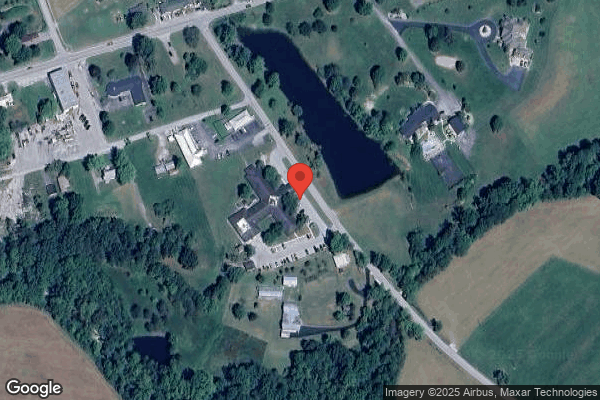
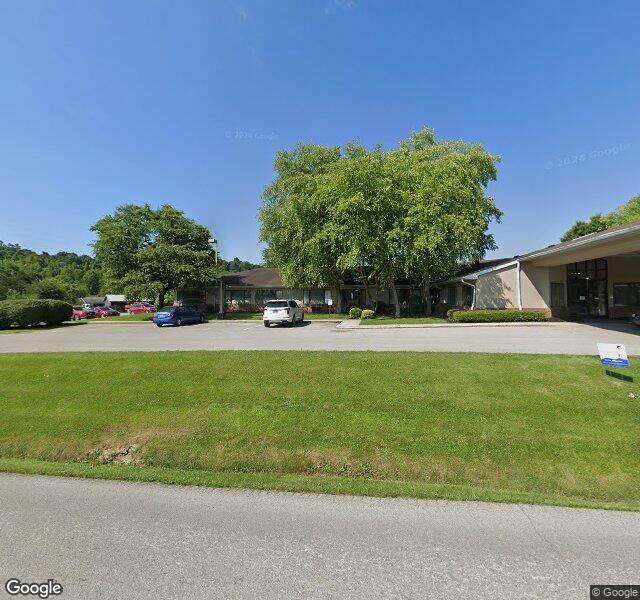
96 HIGHWAY 3444, Annville, KY 40402 (606) 364-5197
For profit - Corporation 51 Beds SIGNATURE HEALTHCARE Data: November 2025
Trust Grade
45/100
#186 of 266 in KY
Last Inspection: May 2025

Inspected within the last 6 months. Data reflects current conditions.

Overview

Signature Healthcare at Jackson Manor Rehab and We has received a Trust Grade of D, indicating below-average quality of care with some concerns. It ranks #186 out of 266 facilities in Kentucky, placing it in the bottom half, and it's the only option in Jackson County. While the facility is showing improvement, reducing issues from 4 in 2023 to 2 in 2025, staffing is a significant concern with a poor rating of 1 out of 5 stars and a high turnover rate of 77%, well above the state average. On a positive note, the facility has good RN coverage, exceeding 97% of Kentucky facilities, which is crucial for catching potential problems. However, past inspections revealed issues such as inadequate staffing during meal times leading to delays and concerns about food quality, with residents reporting that meals were often cold and unappetizing. Overall, families should weigh these strengths against the weaknesses when considering this facility.

Trust Score
D
45/100
In Kentucky
#186/266
Bottom 31%
Safety Record
Low Risk
No red flags
Inspections
Getting Better
4 → 2 violations
Staff Stability
⚠ Watch
77% turnover. Very high, 29 points above average. Constant new faces learning your loved one's needs.
Penalties
✓ Good
No fines on record. Clean compliance history, better than most Kentucky facilities.
Skilled Nurses
✓ Good
Each resident gets 85 minutes of Registered Nurse (RN) attention daily — more than 97% of Kentucky nursing homes. RNs are the most trained staff who catch health problems before they become serious.
Violations
⚠ Watch
19 deficiencies on record. Higher than average. Multiple issues found across inspections.
★★☆☆☆
2.0
Overall Rating
★☆☆☆☆
1.0
Staff Levels
★★★★☆
4.0
Care Quality
★★★☆☆
3.0
Inspection Score
Stable
2023: 4 issues
2025: 2 issues

The Good

  • 4-Star Quality Measures · Strong clinical quality outcomes
  • Full Sprinkler Coverage · Fire safety systems throughout facility
  • No fines on record

Facility shows strength in quality measures, fire safety.

The Bad

2-Star Overall Rating

Below Kentucky average (2.8)

Below average - review inspection findings carefully

Staff Turnover: 77%

30pts above Kentucky avg (46%)

Frequent staff changes - ask about care continuity

Chain: SIGNATURE HEALTHCARE

Part of a multi-facility chain

Ask about local staffing decisions and management

Staff turnover is very high (77%)

29 points above Kentucky average of 48%

The Ugly 19 deficiencies on record

May 2025 2 deficiencies
CONCERN (D)

Potential for Harm - no one hurt, but risky conditions existed

MDS Data Transmission (Tag F0640)

Could have caused harm · This affected 1 resident

Based on record review, interview, facility document, policy review, and review of the Long-Term Care Facility Resident Assessment Instrument [RAI] 3.0 User's Manual, the facility failed to ensure Min...

Read full inspector narrative →
Based on record review, interview, facility document, policy review, and review of the Long-Term Care Facility Resident Assessment Instrument [RAI] 3.0 User's Manual, the facility failed to ensure Minimum Data Set (MDS) assessments were transmitted to the Centers for Medicare & Medicaid Services (CMS) system within 14 days after the assessments were completed for three (Resident (R)12, R34, and R47) of three sampled residents reviewed for resident assessments. The findings included: A facility policy titled, Resident Assessment, revised on 09/15/2023, revealed, 15. The Assessment Coordinator will be responsible for ensuring that all required resident assessments are completed and submitted in accordance with current federal and state guidelines outlined in the RAI manual. Review of the Long-Term Care Facility Resident Assessment Instrument 3.0 User's Manual, Version 1.19.1, effective 10/2024, indicated, under the Comprehensive Assessments section, The MDS must be transmitted (submitted and accepted into iQIES) electronically no later than 14 calendar days after the care plan completion date (V0200C2 + 14 calendar days). In addition, review of the Non-Comprehensive Assessments and Entry and Discharge Reporting section revealed that, The MDS must be transmitted (submitted and accepted into iQIES) electronically no later than 14 calendar days after the MDS completion date (Z0500B + 14 calendar days). 1. A Resident Face Sheet indicated the facility admitted R12 on 10/28/2015 and most recently readmitted the resident on 08/29/2023. Review of an annual MDS, with an Assessment Reference Date (ARD) of 02/27/2025 revealed R12's assessment was signed as complete by the MDS Coordinator on 03/10/2025. A Final Validation Report, dated 04/30/2025 at 9:22 AM, revealed the annual MDS assessment was not submitted until 04/30/2025. The Final Validation Report indicated, Record Submitted Late: The submission date is more than 14 days after V0200C2 on this new (A0050 equals 1) comprehensive assessment (A0310A equals 01, 03.04, or 05). During an interview on 05/02/2025 at 10:49 AM, the MDS Coordinator reviewed R12's MDS assessment and confirmed the assessment was not transmitted timely, and he was not sure why. 2. A Resident Face Sheet indicated the facility admitted R34 on 09/17/2024 and most recently readmitted the resident on 12/18/2024. A quarterly MDS, with an ARD of 03/25/2025, revealed R34's assessment was signed as complete by the MDS Coordinator on 04/09/2025. A Final Validation Report, dated 05/01/2025 at 11:44 AM, revealed the quarterly MDS assessment was not submitted until 05/01/2025. The Final Validation Report indicated, Record Submitted Late: The submission date is more than 14 days after Z0500B on this new (A0050 equals 1) assessment. During an interview on 05/02/2025 at 10:44 AM, the MDS Coordinator reviewed R34's MDS assessment and stated the assessment was not transmitted timely as it should have been transmitted by day 14 after completion. He stated he was not sure why the MDS was not transmitted timely other than that he was new and still learning. 3. A Resident Face Sheet indicated the facility admitted R47 on 12/11/2024. A discharge MDS, with an ARD of 01/21/2025, revealed R47's assessment was signed as complete by the MDS Coordinator on 01/27/2025. A Final Validation Report, dated 04/30/2025 at 9:31 AM, revealed the discharge assessment was not submitted until 04/30/2025. The Final Validation Report indicated, Record Submitted Late: The submission date is more than 14 days after Z0500B on this new (A0050 equals 1) assessment. During an interview on 05/02/2025 at 10:55 AM, the MDS Coordinator reviewed R47's MDS assessment and confirmed the assessment was transmitted late. During an interview on 05/02/2025 at 5:16 PM, the Administrator revealed he expected all MDS assessments to be completed and transmitted timely according to the most recent RAI manual.
CONCERN (D)

Potential for Harm - no one hurt, but risky conditions existed

Assessment Accuracy (Tag F0641)

Could have caused harm · This affected 1 resident

Based on interview, record review, and facility policy review, the facility failed to ensure the accuracy of Minimum Data Set (MDS) assessments for three (Resident (R) 107, R21, and R53) of 15 sampled...

Read full inspector narrative →
Based on interview, record review, and facility policy review, the facility failed to ensure the accuracy of Minimum Data Set (MDS) assessments for three (Resident (R) 107, R21, and R53) of 15 sampled residents. MDS data was not coded accurately, in accordance with instructions from the Resident Assessment Instrument (RAI) User Manual, related to fall history, antipsychotic use, and/or discharge status. Findings included: A facility policy titled, Resident Assessment, revised on 09/15/2023, revealed, 1. The Resident Assessment Instrument User Manual version 3.0 will be utilized for all items coded on Minimum Data Set (MDS) assessments., Care Area Assessments (CAA) development, Care planning, MDS scheduling, submission, modifications, and Medicare regulations. The policy continued, 6. Assessment data will/may be collected from sources including the resident's medical record, interview with the resident and/or resident representative, observations, assessment tools including PASRR Level II determination and the Preadmission Screening & Resident Review (PASRR) evaluation, facility electronic medical records, and from other healthcare professionals with knowledge of the resident to ensure the assessment accurately reflects the resident's status. 1. A Resident Face Sheet indicated the facility admitted R107 on 04/17/2025. Review of an admission MDS, with an Assessment Reference Date (ARD) of 04/24/2025, identified that R107 had not had any falls since admission/entry, reentry, or their prior assessment. However, review of an Event Report revealed R107 sustained a fall on 04/23/2025 at 4:02 PM, while attempting to get up unassisted. During an interview on 04/30/2025 at 9:42 AM with the MDS Coordinator and the Clinical Reimbursement Consultant (CRC), the MDS Coordinator stated R107's MDS should have indicated the resident had a fall with minor injury. The CRC confirmed the resident's fall was not captured in the MDS and should have been recorded as a fall with minor injury. During an interview on 05/02/2025 at 5:13 PM, the Administrator stated R107's fall on 04/23/2025 should have been captured in the resident's MDS assessment. 2. A Resident Face Sheet indicated the facility admitted R21 on 09/02/2020, and most recently readmitted the resident on 08/11/2021. According to the Resident Face Sheet, the resident had a medical history that included diagnoses of paranoid personality disorder; major depressive disorder, and schizophrenia. a. Review of R21's 12/2024 Medication Administration History revealed documentation that the resident received Seroquel 25 milligrams (mg) in the morning on 12/07/2024, 12/08/2024, 12/10/2024, 12/11/2024, and 12/12/2024 and received Seroquel 100 mg at bedtime on 12/07/2024, 12/08/2024, 12/09/2024 and 12/13/2024. Review of R21's quarterly MDS, with an ARD of 12/13/2024, revealed the resident took an antipsychotic medication during the last seven days or since admission/entry or reentry if less than seven days. However, under section N0450. Antipsychotic Medication Review, the MDS was marked, 0. No- Antipsychotics were not received, which indicated the resident did not receive antipsychotic medications since admission/entry or reentry or the prior OBRA assessment, whichever was more recent. b. Review of R21's 03/2025 Medication Administration History: 03/01/2025 - 03/31/2025 revealed documentation that the resident received Seroquel 25 mg in the morning on 03/08/2025, 03/09/2025, 03/10/2025, 03/11/2025, 03/12/2025, 03/13/2025 and 03/14/2025 and received Seroquel 100 mg at bedtime on 03/08/2025, 03/09/2025, 03/10/2025, 03/11/2025, 03/12/2025, 03/13/2025, and 03/14/2025. Review of R21's quarterly MDS, with an ARD of 03/14/2025, revealed the resident took an antipsychotic medication during the last seven days or since admission/entry or reentry if less than seven days. However, under section N0450. Antipsychotic Medication Review,' the MDS was marked 0. No- Antipsychotics were not received, which indicated the resident did not receive antipsychotic medications since admission/entry or reentry or the prior OBRA assessment, whichever was more recent. During an interview on 04/30/2025 at 9:52 AM with the MDS Coordinator and the CRC, the MDS Coordinator stated R21's MDS related to the Antipsychotic Medication Review should have indicated the resident routinely received antipsychotic medications. He stated it was an oversight when he was reviewing the resident record. The CRC confirmed the MDS assessments were coded incorrectly. During an interview on 05/02/2025 at 5:15 PM, the Administrator stated he expected the MDS Coordinator to review the resident's entire medical record and complete MDS assessments accurately. 3. A Resident Face Sheet indicated the facility admitted R53 on 02/07/2025. According to the Resident Face Sheet, the resident had a medical history that included a diagnosis of unspecified displaced fracture of the first cervical vertebra. Review of a physician's order, dated 02/21/2025, revealed an order for R53 to discharge home with home health services. Per the Resident Face Sheet, the resident discharged home with home health services on 02/28/2025. Review of a Resident Progress Notes, dated 02/28/2025 at 12:16 PM, also revealed R53 discharged home with home health services. Review of the discharge MDS, with an ARD of 02/28/2025, revealed it documented R53's discharge status as 04. Short-Term General Hospital, rather than a discharge to home. During an interview on 05/02/2025 at 10:47 AM, the MDS Coordinator stated R53's discharge location documented in the MDS was inaccurate, confirming that the resident discharged home with home health services and did not discharge to the hospital. He stated it was a mistake and the MDS should have been coded as 12, for home under care of organized home health service organization, not 04, for a short-term hospital. During an interview on 05/02/2025 at 1:29 PM, the Director of Nursing (DON) stated R53's MDS assessment was inaccurate. He stated the MDS should have been coded to identify the resident discharged home with home health services, not to a short-term hospital. He stated his expectation was for MDS assessments to be completed accurately. During an interview on 05/02/2025 at 5:15 PM, the Administrator stated he expected all MDS assessments to be completed accurately. He stated R53's MDS discharge assessment was inaccurate and should have reflected that the resident discharged home and not to a hospital.
Dec 2023 1 deficiency
CONCERN (D) 📢 Someone Reported This

A family member, employee, or ombudsman was alarmed enough to file a formal complaint

Potential for Harm - no one hurt, but risky conditions existed

Free from Abuse/Neglect (Tag F0600)

Could have caused harm · This affected 1 resident

**NOTE- TERMS IN BRACKETS HAVE BEEN EDITED TO PROTECT CONFIDENTIALITY** Based on observation, interview, record review, and review of the facility's policy, it was determined the facility failed to en...

Read full inspector narrative →
**NOTE- TERMS IN BRACKETS HAVE BEEN EDITED TO PROTECT CONFIDENTIALITY** Based on observation, interview, record review, and review of the facility's policy, it was determined the facility failed to ensure an environment that was free from verbal abuse involving one (1) of eighteen (18) sampled residents (Resident #7). On 08/02/2023, Resident #8 entered Resident #7 room and cursed at Resident #7. The findings include: Review of the facility's policy titled, Abuse, Neglect, and Misappropriation of Property, effective 05/27/2016, revealed it was the organization's intention to prevent the occurrence of abuse, neglect, exploitation, injuries of unknown origin, and misappropriation of resident property, and to assure that all alleged violations of federal or state laws which involved abuse, neglect, exploitation, injuries of unknown origin, and misappropriation of resident property are investigated, and reported immediately to the facility administrator, the state survey agency, and other appropriate state and local agencies in accordance with federal and state law. Continued review of the facility's policy revealed abuse was defined as the willful infliction of injury, unreasonable confinement, intimidation, or punishment with resulting physical harm, pain, or mental anguish which included verbal abuse, sexual abuse, physical abuse, mental abuse, and abuse facilitated or enabled through the use of technology. Additional review of the policy revealed verbal abuse was defined as the use of any oral, written, or gestured language that included any threat, or any frightening, disparaging, or derogatory language, to residents or their families, or within their hearing distance, regardless of age, ability to comprehend, or disability. Review of the facility investigation, dated 08/02/2023, revealed Resident #8 rolled his/her chair into Resident #7's room and cussed at Resident #7 and Resident #7 became upset. Continued review of the facility investigation revealed the allegation was unsubstantiated due to neither resident had willful intent to do harm. Additional review of the facility investigation revealed the incident was reported to the Ombudsman, DCBS, and OIG on the day of the incident and five days later for the final report. Review of Resident #7's admission Record revealed Resident #7 was admitted to the facility on [DATE] with diagnoses to include Unspecified Dementia without behavioral disturbance and Unspecified Mental Disorder due to known physiological condition. Review of Resident #7's Annual Minimum Data Set (MDS) dated [DATE] revealed Resident #7 had been assessed by the facility as having a Brief Interview for Mental Status (BIMS) score of three (3) out of fifteen (15) indicating the resident was severely cognitively impaired. Review of Resident #7's Comprehensive Care Plan (CCP) initiated on 11/20/2023 revealed Resident #7 was at risk for psychosocial harm related to stress following an unexpected environmental change with a goal to include the resident would have minimal to no alterations in mood and behavior. Interventions included discuss with Resident #7 any concerns or fears he/she may have as needed. Continued review of Resident #7's CCP revealed Resident #7 was at risk for Activities of Daily Living (ADLS) related to unspecified dementia with a goal to include the resident would express satisfaction with daily routine and leisure activities. Interventions included to provide materials of interest (craft supplies and puzzles) as well as playing gospel and country music initiated 08/03/2023. Review of Resident #7's Progress Note dated 08/02/2023, entered by Registered Nurse (RN) #2, revealed Resident #8 rolled into Resident #7's room and cussed at him/her and Resident #7 became upset. Review of Resident #7's Skin assessment dated [DATE] no skin issues were observed after the incident. Review of Resident #7's Progress Note dated 08/03/2023, entered by Director of Nursing (DON), revealed Resident #7 was upset when Resident #8 wandered in his/her room. Review of Resident #7's Psychiatric Progress Note dated 08/09/2023, entered by Advanced Registered Nurse Practitioner (ARNP) #1, revealed Resident #7 had no documented behaviors since the incident on 08/02/2023 and no new recommendations documented. Review of Resident #7's Safety Check Logs dated 08/02/2023, 08/03/2023, and 08/04/2023 revealed Resident #7 continued on every fifteen (15) minute checks after the incident. Observation of Resident #7 on 12/19/2023 at 9:34 AM, 12/20/2023 at 1:46 PM, and 12/21/2023 at 11:40 AM revealed Resident #7 was calm with clean, neat appearance, well-groomed, no foul odor, and no behavioral outbursts were observed. Continued observations revealed Resident #7 stayed in his/her room and worked on puzzle books, sewing crafts, and watched TV. During an interview with Resident #7 on 12/19/2023 at 9:27 AM, he/she stated he/she did not want Resident #8 in his/her room so he/she shooed (Resident #7 made a hand gesture to leave) Resident #8 out of his/her room. Resident #7 did admit he/she made contact with Resident #8's leg, but stated he/she was just trying to get Resident #8 out of the room as Resident #8 was cussing and fussing. Review of Resident #8's admission Record revealed Resident #8 was admitted to the facility on [DATE] with diagnoses to include Unspecified Dementia with behavioral disturbance and Unspecified Depression. Review of Resident #8's Quarterly MDS dated [DATE] revealed Resident #8 had been assessed by the facility as having a BIMS) score of four (4) out of fifteen (15) indicating the resident was severely cognitively impaired. Review of Resident #8's Comprehensive Care Plan (CCP) dated 02/05/2021, revealed focus of behaviors; cursing at others, hitting at others; and making incoherent noise initiated on 05/25/2023 with a goal to include Resident #8's behaviors would not result in disruption of others environment. Interventions included place dog picture on door initiated on 11/10/2021, offer to play favorite music initiated on 02/05/2021, increase involvement in activities initiated on 11/10/2021, Social Service Director (SSD) to follow up for any mood changes initiated on 08/22/2022, use diversional activities initiated on 11/09/2021, assisting resident away from other residents initiated on 08/03/2023, observe for unmet needs and offer toileting, food, fluids, and offer to lay down for rest periods initiated on 08/03/2023, and psych consult on next routine visit initiated on 08/03/2023. Review of Resident #8's Progress Note dated 08/02/2023, entered by Registered Nurse (RN) #2, revealed Resident #8 rolled into Resident #8's room and cussed at him/her and Resident #8 became upset. Review of Resident #8's Skin assessment dated [DATE] no skin issues were noted after the incident. Review of Resident #8's Psychiatry Progress Note dated 08/09/2023 revealed Resident #8 was pleasantly confused with labile mood and intermittent behaviors. Continued review of the progress note revealed Resident #8 was not a danger to self or others and no new recommendations was documented. Review of Resident #8's Safety Check Log dated 08/02/2023, 08/03/2023, and 08/04/2023 revealed Resident #8 continued on every fifteen (15) minute checks after the incident. Observation on 12/19/2023 and 12/20/2023 revealed Resident #8 was up in broda chair with clean, neat appearance, well-groomed, no body odor, and confused. Resident #8 was observed to be sitting by the nursing station making incoherent sounds. Due to Resident #8's cognitive status, the resident was not able to discuss the incident that occurred on 08/02/2023. During an interview with Medical Director (MD) on 12/15/2023 at 3:34 PM, she stated she had Resident #7 as a resident. The MD stated she was made aware of the resident-to-resident allegations whenever she was the acting MD of the residents. The MD stated Resident #7 had a brain injury as a child and he/she could be quite funny at times. The MD stated due to Resident #7's cognition, he/she would not be able to do something willful to another resident. The MD stated she would expect the facility staff to follow the policies and to protect the residents from abuse. During an interview with former Social Services Director (SSD) #2 on 12/20/2023 at 9:15 AM, she stated she was the SSD during the incident between Resident #7 and Resident #8. SSD #2 stated Resident #7 liked to stay in his/her room a lot and Resident #7 and Resident #8 knew each other prior to them coming to the facility. SSD #2 stated Resident #8 wandered around the facility and he/she had good days and bad days. SSD #2 stated Resident #8 was sitting in the doorway of Resident #7's room cursing, and Resident #7 started yelling for him/her to get out of his/her room. SSD #2 stated she did the follow up with the previous administrator, but she could not remember her name. SSD #2 stated care plan was updated to move Resident #8 to another part of the facility and she did psychosocial assessment for 3 days after the incident. SSD #2 doesn't remember any other incident between the residents. During an interview with SSD #1 on 12/21/2023 at 11:57 AM, she stated if she suspected abuse between 2 residents, she would separate the residents immediately and report to charge nurse. She stated she would then report the incident to the administrator. She stated Resident #8 was seen monthly by psychiatry for any behaviors but could be seen weekly if needed. SSD #1 stated the types of abuse are physical, sexual, emotional/mental, verbal, neglect, and misappropriation and she would expect the staff to follow the policies and to protect all residents from abuse. She stated staff being more involved with the residents by trying to distract or divert from the behavior by walking with the resident, talking to the resident, taking residents to scheduled activities, and watching TV with the residents. SSD #1 stated these techniques were good to prevent the behaviors. During an interview with Certified Nursing Assistant (CNA) #3 on 12/20/2023 at 10:31 AM, she stated she Resident #7 and Resident #8 knew each other prior to both admissions to the facility. CNA #3 stated Resident #8 was in his/her wheelchair and in the doorway of Resident #7. CNA #3 stated she heard cursing and went to investigate but RN #2 was already there and separating the residents. CNA #3 stated Resident #8 was doing his/her usual yelling like always and was known to curse at others in the past. CNA #3 stated if she suspected abuse or witnessed abuse, then she would make sure the residents were separated and safe and would go report the abuse to her charge nurse. During an interview with RN #2 on 12/20/2023 at 1:43 PM, she stated she had worked at the facility for about 7 or 8 years. RN #2 stated Resident #8 wheels him/herself up and down the hallway most days. RN #2 stated she was helping another resident at the nursing station when she heard an oh and she went to check it out. RN #2 stated Resident #8 was in his/her wheelchair in doorway of Resident #7's room cursing at Resident #7. She stated Resident #7 was making a shoo motion (gestured with hand to leave) at Resident #8. RN #2 stated she did not witness physical contact between the two residents. RN #2 stated she separated both residents and checked both residents for injuries. RN #2 stated she did not see any injuries on either resident. RN #2 stated Resident #8 had occasional behaviors of fussing and cussing at staff. RN #2 stated she reported the incident immediately to the Director of Nursing (DON) after assessing both residents for injuries. RN #2 stated staff moved Resident #8 to another wing of the facility and Resident #8 was placed on 1:1 monitoring. RN #2 stated Resident #7 just did not want Resident #8 in his/her room and was usually never mean and usually pleasant to everyone. RN #2 stated abuse training included types of abuse, first thing to do if you suspect abuse, how to report abuse, and what to do if you suspect abuse. RN #2 stated if abuse was suspected she would remove the alleged abuser from the scene, ensure residents were safe, and report immediately to the administrator who was the abuse coordinator in the facility. During an interview with the DON on 12/21/2023 at 1:16 PM, she stated she remembered the incident between Resident #7 and Resident #8. The DON stated Resident #7 was placed on 1:1 monitoring, both residents were separated, and psychiatry services was consulted to evaluate both residents. The DON stated abuse training occurred after any resident-to-resident altercation or after any abuse allegation in the facility. The DON stated it was her expectation for all staff to follow the facility policies and to protect the residents from abuse. During an interview with the Administrator on 12/21/2023 at 1:54 PM, she stated she had been the administrator in the facility since August 2023. The Administrator stated she encouraged the use of redirection after resident-to-resident altercations, and she knew Resident #8 liked to talk about clothes. The Administrator stated the Interdisciplinary Team (IDT) met and discussed all resident-to-resident altercations in the next stand up meeting after an incident occurred in the facility. The Administrator stated the IDT discussed what happened and what the plan was moving forward. The Administrator stated the Quality Assurance Performance Improvement (QAPI) team would cover all abuse allegations in an ad hoc QAPI meeting after an incident occurred and during the routine monthly meeting after the incident. The Administrator stated QAPI met to discuss the reportable and what interventions need to be put into place or if anything needed to be changed or revised from the incident. The Administrator stated it was her expectation for staff to follow abuse policy and any staff who violated the policy would be written up.
Apr 2023 3 deficiencies
CONCERN (D) 📢 Someone Reported This

A family member, employee, or ombudsman was alarmed enough to file a formal complaint

Potential for Harm - no one hurt, but risky conditions existed

Deficiency F0559 (Tag F0559)

Could have caused harm · This affected 1 resident

Based on interview, record review, and review of the facility policy, it was determined the facility failed to ensure each resident received a written notice, including the reason for the change, befo...

Read full inspector narrative →
Based on interview, record review, and review of the facility policy, it was determined the facility failed to ensure each resident received a written notice, including the reason for the change, before the resident's room or roommate in the facility had been changed for one (1) of eleven (11) sampled residents (Resident #4). Record review and staff interview revealed Resident #4 had a roommate for eight (8) days during the month of March 2022. Additionally, Resident #4 was private pay from 11/03/2021 to 03/21/2022. The findings include: Review of the facility policy titled, Resident Rights,updated 04/17/2023, revealed the facility recognized the basic right for each resident to participate in decisions, voice grievances, and have the facility respond to those grievances. Record review revealed the facility admitted Resident #4 on 08/25/2021 with diagnoses of Chronic Obstructive Pulmonary Disease (COPD), Rheumatoid Arthritis, Muscle Weakness, Cognitive Communication Deficit, Dementia, Delirium, Anxiety, and Encephalopathy. Review of Resident #4's Quarterly Minimum Data Set (MDS) assessment, dated 03/03/2022, revealed the facility did not assess the resident's Brief Interview for Mental Status (BIMS) score. However, review of the admission MDS assessment, dated 09/01/2021, revealed the resident was assessed to have a BIMS score of eight (8) out of fifteen (15), which indicated the resident had severe cognitive impairment. Review of Resident #4's COVID Test, dated 03/10/2022, revealed the resident was COVID positive. Review of Resident #4's Progress Note, dated 03/14/2022, revealed the family had been notified the resident would have a roommate during COVID related to not having enough COVID rooms for the resident to remain in a private room. Continued review revealed no documented evidence to support the family had been notified in writing Resident #4 would have a roommate nor had the resident or family been given a choice to have another resident moved into the Private Room with Resident #4. Review of Resident#4's Notes Report, dated 04/12/2022, revealed the business office took eight (8) days from private rate for Resident #4 not being in a private room during COVID, per the Administrator. A new statement was sent to the Administrator and Assistant Business Office Manager to send to the family. Review of Resident #4's Facility's [NAME] Statements for November 2021 through March 2022 revealed Resident #4 had been billed at a semi-private room rate of two-hundred and thirty-two dollars ($232) daily for eight (8) days. Resident #4 no longer resided in the facility. Interview with Family Member #4, on 04/20/2023 at 10:58 am., revealed when they had window visit the resident on 03/12/2022, the resident was in a private room. Per interview, when the family had another window visit on 03/13/2022, the resident had a roommate. Family Member #4 stated, the family was not notified Resident #4 would be getting a roommate prior to the window visit on 03/13/2022. Interview with the Business Office Manager (BOM), on 04/20/2023 at 12:05 p.m., revealed Resident #4 had a roommate from 03/13/2022 to 03/20/2022. She further stated the family was sent a bill on 02/20/2022 for the month of March 2022, as bills were sent out each month to prepay for the following month. She continued to state Resident #4's family did not prepay his/her bill every month but did pay at the end of the month. She stated Resident #4's March 2022 bill had been adjusted to include the semi-private rate of $232 a day (total $1936) because Resident #4 had a roommate 03/13/2022 to 03/20/22. She further stated Resident #4 discharged from the facility on 03/21/2022 and was not billed for that date. She continued to state the resident's family paid $2904 on 04/14/2022 and the remaining $1936 was written off the bill on 04/30/2022. Interview with the Administrator, on 04/20/2023 at 12:29 p.m., revealed she had been a Signature stakeholder since September 2021, and it was her expectation if a resident was paying privately, they would go through the BOM and pay the current rate for a room and receive the same care as other residents. She stated the resident and/or resident's family had a right to be notified prior to any room change. She further stated if a resident was in a private room, she would have to get clearance from her supervisors before another resident was moved into that room. She continued to state the nurse or the social services director should notify the resident and/or resident's family before a resident changed rooms or a roommate was moved into the room. Interview with the Regional Nurse Consultant, on 04/20/2023 at 12:50 p.m., revealed Resident #4 did have a roommate beginning 03/13/2022. However, the only documentation the facility could provide of family notification was the 03/14/2022 Progress Note. She further stated the resident and or family should have been notified in writing of a change in room status.
CONCERN (D) 📢 Someone Reported This

A family member, employee, or ombudsman was alarmed enough to file a formal complaint

Potential for Harm - no one hurt, but risky conditions existed

Accident Prevention (Tag F0689)

Could have caused harm · This affected 1 resident

Based on observation, interview, and review of the facility's policy, it was determined the facility failed to ensure the residents' environment remained as free from accident hazards as possible for ...

Read full inspector narrative →
Based on observation, interview, and review of the facility's policy, it was determined the facility failed to ensure the residents' environment remained as free from accident hazards as possible for one (1) of eleven (11) sampled residents, Resident #2. In addition, the facility had 3 wandering residents located within the facility. Observation, on 04/18/2023 at 9:43 a.m., revealed Housekeeper #1 closed the door to the housekeeping cart and entered Room C9 and closed the door. The cart was left unlocked and unattended by staff with Resident #1 standing in the hallway across from the cart. Resident #1 had a Brief Interview for Mental Status score of eleven (11) out of fifteen (15) indicating the resident was cognitively intact. The findings include: Review of the facility's policy titled Stocking a Cart dated 11/2018, revealed a locked box was required if chemicals were stored on a cart. Continued review revealed this was especially important in resident areas. Observation, on 04/18/2023 at 9:43 a.m., revealed Housekeeper #1 closed the door to the housekeeping cart and entered Room C9 and closed the door. The cart was left unlocked with chemicals stored inside and Resident #1 standing in the hallway across from the cart. Interview, on 04/18/2023 at 9:44 a.m. with Housekeeper #1 revealed she had worked in the facility for a few months. She stated the cart should be locked to prevent residents from getting in the cart and drinking something that could hurt them. She further stated, I should have locked the cart before I went into the room, we just had an in-service yesterday with our supervisor about making sure the cart was locked. Review of the Safety Data Sheet for Glance NA Glass and Multi-Surface Cleaner Non-Ammoniated, Version Number Five (5), revealed the product could cause serious eye damage/eye irritation. Review of the Safety Data Sheet for Prominence Heavy Duty Floor Cleaner revealed this product could cause skin corrosion/irritation and for serious eye damage/eye irritation. Review of the Safety Data Sheet for Sealed Air Diversey Care Good Sense HC 7 Liquid Air Freshener revealed the product could cause Skin Corrosion/Irritation and Serious Eye Damage/Eye Irritation. Review of the Safety Data Sheet for Ecolab Peroxide Multi Surface Cleaner and Disinfectant revealed the product could cause Oral Acute Toxicity, Inhalation Acute Toxicity, Dermal Acute Toxicity, Skin Corrosion, Serious Eye Damage, and Skin Sensitization. Interview on 04/18/2023 at 1:30 p.m. with the Housekeeping Supervisor revealed the top drawer of the housekeeping cart could be unlocked because no chemicals were stored there but the lower door of the cart should be locked when not attended by staff because there were cleaning chemicals stored in the care that could harm residents. Further interview revealed she had just in-serviced staff the prior day about ensuring the carts were locked when not in attendance. It was her expectation staff follow the facility's policy and lock the housekeeping cart to ensure residents did not have access to the chemicals stored in the cart. Interview, on 04/20/2023 at 12:29 PM, with the Administrator revealed the facility had three (3) wandering residents with a BIMS score at Eight (8) or below, meaning these residents had severe cognitive impairment. It was her expectation that the Housekeeping Carts remain locked to protect residents from harm. She stated housekeeping is a contracted service, and she expected the housekeeping carts would be locked to keep residents and visitors out of the cart to keep them from getting hurt. She continued to state she excepted all staff to follow the policies to protect residents, families, visitors, and staff from harm.
CONCERN (D) 📢 Someone Reported This

A family member, employee, or ombudsman was alarmed enough to file a formal complaint

Potential for Harm - no one hurt, but risky conditions existed

Deficiency F0761 (Tag F0761)

Could have caused harm · This affected 1 resident

Based on observation, interview, and review of the facility's policy, it was determined the facility failed to ensure proper storage of drugs and biologicals. Observation, on 04/18/2023 at 7:55 a.m. ...

Read full inspector narrative →
Based on observation, interview, and review of the facility's policy, it was determined the facility failed to ensure proper storage of drugs and biologicals. Observation, on 04/18/2023 at 7:55 a.m. revealed Registered Nurse (RN) #1 exited the medication room across from the nurse's station leaving the door unlocked and unattended by nursing staff. Additional observation of the medication room revealed the medication cart had been left unlocked. Continued observation revealed Resident #1 and Resident #2 sitting in wheelchairs in the day room near the nurse's station. Record review revealed Resident #2 had a Brief Interview for Mental Status (BIMS) score of three (3), indicating the resident was severely cognitively impaired. The findings include: Review of the facility's policy titled Medication Storage, Storage of Medication, dated 01/2021, revealed medications and biologicals were expected to be stored properly to maintain their integrity and to support safe effective drug administration. The medication supply should be accessible only to licensed nursing personnel, pharmacy personnel, or staff members lawfully authorized to administer medications. Further review revealed medication rooms, cabinets and medication supplies should remain locked when not in use or attended by persons with authorized access. Observation, on 04/18/2023 at 7:55 a.m. revealed RN #1 exited the medication room across from the nurse's station leaving the door unlocked and unattended. Additional observation of the medication room revealed the med cart had been left unlocked. Continued observation revealed Resident #1 and Resident #2 sitting in wheelchairs in the day room near the nurse's station. Record review revealed Resident #2 had a Brief Interview for Mental Status (BIMS) score of three (3), indicating the resident was severely cognitively impaired. Interview with Unit Manager (UM) #1, on 04/18/2023 at 8:00 a.m., revealed the medication room and medication cart should have been locked to protect residents from getting into medication/chemicals that could be harmful or causing death. Further interview revealed the computer on top of the medication cart should have been locked to protect protected health information, and to prevent others from seeing confidential resident information. Interview with the Director of Nursing (DON), on 04/19/2023 at 10:30 a.m., revealed she expected all staff to follow the facility policies and the medication room, medication carts, and computers should be locked per policy. Continued interview revealed the facility had three (3) residents that wandered whose BIMS score had been assessed to be eight (8) or below, which indicated the residents had severe cognitive impairment. Interview, on 04/20/2023 at 12:29 PM, with the Administrator revealed the facility had three (3) wandering residents in the facility with a BIMS score at Eight (8) or below, meaning these residents had severe cognitive impairment. It was her expectation that the medication storage room, medication carts and computers were locked per the Director of Nursing instructions and per facility policies. She further stated all medications should be within date, stored at proper temperatures. She continued to state this was important to keep residents, visitors, and unauthorized staff from being able to get into these areas and take medications or chemicals they are not supposed to and could overdose or possibly die. She continued to state she excepted all staff to follow the policies to protect residents, families, visitors, and staff from harm.
Sept 2020 7 deficiencies
CONCERN (D)

Potential for Harm - no one hurt, but risky conditions existed

Comprehensive Care Plan (Tag F0656)

Could have caused harm · This affected 1 resident

**NOTE- TERMS IN BRACKETS HAVE BEEN EDITED TO PROTECT CONFIDENTIALITY** 2. Review of the medical record for Resident #10 revealed the resident was readmitted to the facility on [DATE] with diagnoses i...

Read full inspector narrative →
**NOTE- TERMS IN BRACKETS HAVE BEEN EDITED TO PROTECT CONFIDENTIALITY** 2. Review of the medical record for Resident #10 revealed the resident was readmitted to the facility on [DATE] with diagnoses including Cerebral Infarction, Diabetes Mellitus Type II, Hemiplegia affecting left non-dominant side, Irritable Bowel Syndrome, and Atherosclerotic Heart Disease. Review of the Quarterly MDS for Resident #10 dated 07/03/2020, Section C0500, Cognitive Patterns, revealed the resident had a BIMS score of fifteen (15) indicating the resident was cognitively intact. Further review of the MDS Section G0110, Functional Status, Section I, Toilet Use, revealed the resident required extensive assistance of two (2) plus persons for toileting. Review of the MDS Sections H0300 and H0400, Bladder and Bowel, revealed the resident was occasionally incontinent of urine and bowel. Review of Resident #10's Comprehensive Care Plan, dated 02/04/2020, revealed the resident had a potential for complications associated with urinary incontinence related to hemiplegia with an intervention for staff to check the resident for incontinence episodes and provide perineal care after each incontinence episode. Observation of Resident #10, on 09/22/2020 at 4:04 PM, revealed the resident sitting up in his/her wheelchair in his/her room. Interview with Resident #10, on 09/24/2020 at 9:39 AM, revealed he/she frequently had to wait for over twenty (20) minutes for staff to answer his/her call light to provide incontinence care. Interview with State Registered Nurse Aide (SRNA) #2, on 09/24/2020 at 4:12 PM, revealed Resident #10 was incontinent at times. SRNA #2 further revealed staff must check the care plan prior to beginning each shift to care for the resident. SRNA #2 also revealed rounds should be done every two hours to check residents for incontinence to provide perineal care or, if the resident had an episode of incontinence, as soon as possible to provide care. However, SRNA #2 stated staff were not always able to provide care timely to the residents, due to not having an adequate number of staff to provide the care. Interview with Licensed Practical Nurse (LPN) #1, on 09/24/2020 at 4:03 PM, revealed Resident #10 had incontinence episodes. The LPN further revealed all staff were instructed to review the care plan prior to providing care for residents. LPN #1 revealed staff try to make rounds every two hours to check the residents for incontinence or provide the perineal care as soon as possible if the resident had an episode of incontinence. However, the LPN stated perineal care was provided late at times due to not having an adequate number of staff to provide the care. Interview with the Director of Nursing (DON), on 09/24/2020 at 4:29 PM, revealed staff were to review the resident's care plan before providing resident care and care should be provided according to the care plan. The DON further revealed staff should make rounds every two (2) hours to check residents for incontinence or if a resident has an incontinence episode the resident should be provided perineal care immediately. The DON revealed she was not aware of any residents having to wait over five (5) to ten (10) minutes for care when they ring their call light. The DON further revealed she monitored call lights being answered and monitored for incontinence care by making rounds daily. The DON revealed she was not aware of any resident not receiving incontinence or perineal care as needed. Based on observation, interview, and record review, it was determined the facility failed to develop a comprehensive care plan for one (1) resident (Resident #15) and failed to implement the care plan for one (1) of fifteen (15) sampled residents (Resident #10). Resident #15 had an admission assessment with a reference date of 07/14/2020 that assessed the resident to be occasionally incontinent of urine. The facility failed to develop a care plan to address the resident's toileting needs. Resident #10's care plan stated for the resident to be checked for incontinence episodes every two (2) hours; however, the facility failed to implement Resident #10's care plan and the resident had to wait extended amounts of time for incontinence care. The findings include: Review of the facility policy titled Comprehensive Care Plans, with a last reviewed and revised date of 07/19/2018, revealed a person-centered comprehensive care plan is developed for each resident to meet the resident's medical, nursing, mental, and psychological needs. 1. Review of the record for Resident #15 revealed the resident was admitted to the facility on [DATE] with diagnoses that included Coronary Artery Disease and Hypertension. Further review of the record revealed an admission Minimum Data Set (MDS) assessment with a reference date of 07/14/2020 that assessed the resident to have a Brief Interview for Mental Status (BIMS) score of fourteen (14) indicating the resident was interviewable. The assessment also stated the resident was occasionally incontinent of bladder (defined as less than seven episodes of incontinence in the previous seven days). Further review of the MDS revealed the resident required the extensive assistance of two (2) staff persons for transfers and toileting needs. Review of the comprehensive care plan under the category of elimination, and a problem start date of 09/23/2020, revealed the resident had a potential for complications associated with urinary incontinence and the approaches or interventions included to check the resident for incontinence episodes approximately every two (2) hours and provide peri (perineal) care after each incontinence episode. The care plan did not include any interventions or information related to toileting needs. Observation of Resident #15, on 09/22/2020 at 9:28 AM, revealed the resident was in a wheelchair in the hallway and was independently moving himself/herself throughout the facility. Interview with Resident #15, on 09/23/2020 at 9:26 AM, revealed the resident stated that he/she was mostly continent of bladder, but the staff did not respond to the call lights in a timely manner which caused the resident to have incontinence episodes. The resident stated although he/she is continent, he/she required assistance to get to the restroom. The resident further stated that the incontinence episodes occur at least every other day. Interview with State Registered Nursing Assistant (SRNA) #6 on 09/24/2020 at 10:21 AM revealed that she often cared for Resident #15. SRNA #6 stated that the resident was incontinent at times. She stated that the resident calls out for assistance for toileting, but staff usually have to change Resident #15 because the resident has been incontinent. SRNA #6 further stated that they do not offer to toilet Resident #15, that the resident calls for assistance when needed. Interview with the Minimum Data Set (MDS) Nurse on 09/24/2020 at 4:44 PM revealed she had completed the resident's MDS upon admission and then developed the care plan along with the Interdisciplinary Team (IDT). The MDS nurse stated she was unaware that Resident #15's care plan did not include toileting needs and since he/she was only occasionally incontinent, the care plan should address toileting needs.
CONCERN (D)

Potential for Harm - no one hurt, but risky conditions existed

Accident Prevention (Tag F0689)

Could have caused harm · This affected 1 resident

**NOTE- TERMS IN BRACKETS HAVE BEEN EDITED TO PROTECT CONFIDENTIALITY** Based on observation, interview, record review, and facility policy review, it was determined the facility failed to ensure resi...

Read full inspector narrative →
**NOTE- TERMS IN BRACKETS HAVE BEEN EDITED TO PROTECT CONFIDENTIALITY** Based on observation, interview, record review, and facility policy review, it was determined the facility failed to ensure residents at risk for elopement received supervision to prevent accidents for one (1) of fifteen (15) sampled residents (Resident #11). Resident #11 was assessed at risk for elopement and displayed wandering behaviors; however, the facility failed to ensure the resident's picture and identifying information were in the Elopement Book per the resident's plan of care and facility policy. The findings include: Review of facility policy titled, Elopement/Wandering, reviewed 05/30/2018, revealed, A wandering/elopement notebook containing pictures and pertinent demographic information will be maintained by social services, kept at nurse's stations and receptionist desk. Updates will be done at least quarterly. Review of Resident #11's medical record revealed the resident was admitted to the facility on [DATE] with diagnoses including Encephalopathy, Unspecified Dementia without behavioral disturbance, Cognitive Communication Defect, and Presence of Cerebrospinal Fluid Drainage Device-Ventriculoperitoneal Shunt. Review of Resident #11's Minimum Data Set (MDS) assessment dated [DATE] revealed the resident had a Brief Interview for Mental Status (BIMS) score of three (3) indicating the resident had severe cognitive impairment. Further review of the MDS revealed that in Section E, Behavior, of the MDS the resident was marked under E0900-Wandering, Presence & Frequency as two (2) indicating the resident had this type of behavior 4-6 days out of the seven (7) day assessment period (but less than daily). Review of Resident #11's Care Plan, dated 07/06/2020, revealed the resident was care planned with the problem of Resident is at risk for elopement as evidenced by increased elopement observation score and/or actual attempts to elope secondary to dementia, new environment, and new routine. The resident has an intervention to update elopement book at each nursing station. Review of Resident #11's Observation Detail List Report, dated 07/06/2020, revealed the facility had marked Resident is determined to be AT RISK for elopement. Review of the Elopement Book located at the nurses' station and at the Receptionist desk, where the main door was located, revealed Resident #11's name was in the book on the front page. However, there was no picture or identifying information in either notebook. Observation of Resident #11, on 09/22/2020 at 9:57 AM, revealed the resident had a wanderguard on his/her ankle. Observation of Resident #11, on 09/24/2020 at 8:21 AM, revealed the resident out walking up and down the hall; when asked what the resident was doing they said, Just looking around. Observation and interview with Resident #11, on 09/22/2020 at 9:57 AM, revealed the resident was straightening his/her bed. The resident was wearing a jacket and was asked if he/she was going anywhere. The resident said, No, it's too cool this morning. Interview with the Social Services Director, on 09/24/2020 at 3:34 PM, revealed the information (resident's picture and identifying information) should have been in the Elopement Book and should be updated with every new resident with elopement concerns. Interview on 09/25/2020 at 12:51 PM, with the Administrator, revealed the Elopement Books should have been updated with Resident #11's picture and identifying information.
CONCERN (D)

Potential for Harm - no one hurt, but risky conditions existed

Incontinence Care (Tag F0690)

Could have caused harm · This affected 1 resident

Based on observation, interview, record review, and facility policy review, the facility failed to ensure a resident who was continent of bladder received assistance to maintain continence for one (1)...

Read full inspector narrative →
Based on observation, interview, record review, and facility policy review, the facility failed to ensure a resident who was continent of bladder received assistance to maintain continence for one (1) of fifteen (15) sampled residents (Resident #15). Resident #15 was assessed by the facility on the admission Minimum Data Set to be occasionally incontinent of bladder (resident was incontinent less than seven times during the seven-day look back period). The facility failed to provide care and services to ensure the resident received assistance with toileting. Interview with Resident #15 revealed the resident was now having more incontinence episodes because staff were not toileting the resident when needed. The findings include: Interview with the facility's Care Consultant on 09/24/2020 at 5:00 PM revealed the facility did not have a policy regarding toileting needs for residents. The Care Consultant stated staff were expected to follow a resident's care plan regarding toileting needs. Observation and interview, on 09/23/2020 at 9:26 AM, revealed Resident #15 was in a wheelchair and was independently moving in the hallway of the facility in the wheelchair. The resident was able to move the wheelchair to the resident's room and answered questions appropriately. Resident #15 stated he/she knows when he/she needs to use the restroom, but staff do not offer to take him/her to the toilet and often do not answer the call light in time to get to the toilet before having an incontinence episode. Resident #15 stated he/she had an incontinence episode approximately every other day. The resident stated he/she did not like being incontinent, but it had not interfered with activities of daily living. Review of the record for Resident #15 revealed the facility admitted the resident on 07/08/2020 with diagnoses which included Coronary Artery Disease and Hypertension. Further review of the record revealed an admission Minimum Data Set (MDS) assessment with a reference date of 07/14/2020 that assessed the resident to have a Brief Interview for Mental Status (BIMS) score of fourteen (14) indicating the resident was interviewable. The assessment also stated the resident was occasionally incontinent of bladder (defined as less than seven episodes of incontinence in the previous seven days). Further review of the MDS revealed the resident required the extensive assistance of two (2) staff persons for transfers and toileting needs. Review of the comprehensive care plan under the category of elimination and a problem start date of 09/23/2020 revealed the resident has a potential for complications associated with urinary incontinence and the approaches or interventions included to check the resident for incontinence episodes approximately every two (2) hours and provide peri (perineal) care after each incontinence episode. The care plan did not include any interventions or information related to toileting needs. Interview with State Registered Nursing Assistant (SRNA) #6, on 09/24/2020 at 10:21 AM, revealed that she often cared for Resident #15. SRNA #6 stated the resident was incontinent at times. She stated that the resident called out for assistance for toileting, but staff usually had change Resident #15 because the resident had been incontinent. SRNA #6 further stated they do not offer to toilet Resident #15, because the resident called for assistance when needed. Interview with the MDS Coordinator, on 09/24/2020 at 4:44 PM, revealed if a resident was assessed to be occasionally incontinent, but had some ability to be continent, then a care plan should be developed to ensure the resident's toileting needs were met. The MDS Coordinator stated that Resident #15 should have a care plan to address the resident's toileting needs and was unaware that the care plan did not include direction on toileting the resident.
CONCERN (D)

Potential for Harm - no one hurt, but risky conditions existed

Unnecessary Medications (Tag F0759)

Could have caused harm · This affected 1 resident

Based on observation, interview, and facility policy review it was determined the facility failed to ensure the facility was free of a medication error rate of 5% or greater. Observations during medic...

Read full inspector narrative →
Based on observation, interview, and facility policy review it was determined the facility failed to ensure the facility was free of a medication error rate of 5% or greater. Observations during medication administration on 09/24/2020 revealed the nurse made two (2) medication errors out of thirty-one (31) opportunities for a medication administration error rate of 6.45%. The Findings Include: Review of the facility policy titled Medication Administration General Guidelines, dated September 2018, revealed medications were to be administered as prescribed and in accordance with manufacturers' specifications and good nursing principles and practices. The policy further stated medications were to be administered in accordance with written order of the prescriber. Observation of medication administration for Resident #3, on 09/24/2020 at 10:26 AM, revealed Nurse #1 prepared and administered Januvia (anti-diabetic medication) 50 milligram (mg) tablet. Review of the record for Resident #3 revealed a physician's order for Januvia and the medication was to be administered at 9:00 AM daily. Observation of medication administration for Resident #11, on 09/24/2020 at 10:37 AM, revealed Nurse #1 prepared and administered Lorazepam (anti-anxiety medication) one-half of a 0.5 mg tablet for a dose of 0.25 mg. Review of the medical record for Resident #11, revealed a physician's order for Lorazepam 0.5 mg tablet to be given twice daily. Interview with Nurse #1, on 09/24/2020 at 11:45 AM, revealed that she was aware that she had given Resident #3 the Januvia late. She stated the medication was ordered to be given at 9:00 AM, but she had been given another assignment by the administrator that morning and was unable to give the medication at the time ordered or within the one-hour time frame for giving medication. Further interview with Nurse #1 revealed that she had given Resident #11 one-half of the Lorazepam tablet for a dose of 0.25 mg. Nurse #1 stated the pharmacy sent the medication that way and she thought the order was for Lorazepam 0.25 mg instead of Lorazepam 0.5 mg. Interview with the Facility Care Consultant, on 09/24/2020 at 12:30 PM, revealed she had reviewed the physician's order for the Lorazepam and confirmed the order was for Lorazepam 0.5 mg. The Facility Care Consultant stated she was unsure why the pharmacy had only sent one-half of a tablet as the dose for the resident. The Facility Care Consultant also stated most medication orders were written with a flexible time and she was unsure why the Januvia for Resident #3 was written to be given at 9:00 AM, but the expectation was for medications to be given within a one-hour window of the ordered time. Interview with the Director of Nursing (DON), on 09/25/2020 at 12:46 PM, revealed staff competency for medication administration was monitored and medication errors were corrected when identified. The DON stated physician orders were reviewed for accuracy related to medications; however, the facility had not identified a concern with Resident #27's medications.
CONCERN (D)

Potential for Harm - no one hurt, but risky conditions existed

Infection Control (Tag F0880)

Could have caused harm · This affected 1 resident

Based on observation, interview, record review, review of facility policy and review of Centers for Disease Control (CDC) guidance, it was determined the facility failed to prevent the possible spread...

Read full inspector narrative →
Based on observation, interview, record review, review of facility policy and review of Centers for Disease Control (CDC) guidance, it was determined the facility failed to prevent the possible spread of COVID-19 for two (2), Resident #186 and Resident #187, of forty-two (42) sampled resident's. Resident's #186 and #187 were new admits to the facility and were not placed in isolation per the facility policy and per CDC guidance. The findings include: Review of the facility policy titled, Novel Coronavirus (COVID-19), last revised date 08/31/2020, revealed For residents admitted to a facility and whose COVID status is unknown/they have not been tested: Resident/patient placed in droplet precautions for 14 days. Review of the CDC Preparing for COVID-19 in Nursing Homes updated 06/25/2020, revealed as demonstrated by the COVID-19 pandemic, a strong infection prevention and control (ICP) program was critical to protect residents and healthcare personnel (HCP). Continued review of CDC guidance revealed the facility should create a plan for managing new admissions and readmissions whose COVID-19 status was unknown to include: placing the resident in a single person room or in a separate observation area so the resident can be monitored for evidence of COVID-19; and HCP should wear an N95 or higher level respirator, eye protection (goggles or a face shield that covered the front and sides of the face), gloves, and gown when caring for these residents. Further review revealed residents could be transferred out of the observation area to the main facility if they remain afebrile and without symptoms for 14 days after their admission. Review of facility inservice titled Infection Control and prevention, Hand Hygiene, PPE, Coronavirus, dated 06/11/2020, revealed Isolation for new admits and any current residents that go out for an appointment or to ER - 14 days droplet precautions. Record review revealed the facility admitted Resident #186 on 09/11/2020 with diagnosis of Acute on Chronic Diastolic Heart Failure Pleural Effusion, Intra-Abdominal and Pelvic Swelling, Mass and Lump. Continued review revealed the resident had a hospice referral. Further review of the resident's record revealed staff took the resident vitals taken daily. Resident #186 Minimum Data Set (MDS) assessment was not done due to resident had not been in the facility for 14 days. Review of Resident #186's baseline care plan, dated 09/11/20, revealed the resident was At risk for active infection related to (r/t) potential exposure to COVID-19. The resident had intervention to, Isolation as warranted per resident's condition and Maintain appropriate PPE use according to state requirements and availability. Observation on 09/22/2020 at 9:20 AM, of Resident #186, revealed the resident in their room lying in bed yelling help me. Two (2) staff members (who were not wearing Personal Protective Equipment) went into the room and repositioned the resident and the resident stopped yelling. There was no signage on the resident's door for isolation precautions and there was no Personal Protective Equipment (PPE) at the doorway. An interview was attempted with Resident #186, on 09/22/2020 at 9:20 AM, but was unsuccessful. The resident was unable to answer questions and would only say help me. Record review of Resident #187 revealed the facility admitted the resident on 09/15/2020 with diagnosis of Atrial Fibrillation, Nontramatic Intracerebral Hemorrhage, and Hemiplegia following a Cerebral Infarction affecting the right dominant side. Further review of the resident's record revealed staff took the resident's vitals daily. Resident #187 Minimum Data Set (MDS) assessment was not done due to resident had not been in the facility for 14 days. Review of Resident #187 baseline care plan, dated 09/18/20, revealed the resident was At risk for active infection related to (r/t) potential exposure to COVID-19. The resident had intervention for Isolation as warranted per resident's condition and Maintain appropriate PPE use according to state requirements and availability. Observation on 09/22/2020 at 9:30 AM, of Resident #187, revealed the resident in his/her room with eyes open. There was no signage on the resident's door stating the resident was in isolation precautions and there was no Personal Protective Equipment at the doorway. Interview on 09/22/2020 at 9:30 AM, of Resident #187, revealed the resident was able to answer questions appropriately. The resident stated he/she was admitted to the facility last week. The resident stated he/she had not been out of his/her room due to being in Quarantine. Resident #187 stated staff were wearing mask but not wearing gowns when in his/her room providing care. Interview on 09/22/2020 at 10:05 AM, with Nurse #2, revealed that resident's that go out of the facility for appointment or new admits were placed in droplet precautions for fourteen (14) days. When questioned if Resident #186 and Resident #187 were in isolation do to being new admits, she said, should they be. Interview on 09/22/2020 at 3:00 PM, with State Registered Nursing Assistant (SRNA) #1, revealed she usually worked the Hall that Resident #186 and Resident #187 were on and they had not been in isolation before today. Observation on 09/22/2020 at 4:13 PM, of Resident #186 and Resident #187, revealed both residents were in droplet isolation with signage on the residents' room doors and PPE carts position outside of both doorways. Interview on 09/23/2020 at 6:06 PM, with Director of Nursing (DON), who was also the Infection Preventionist, revealed staff was inserviced to place all new resident's or resident's that have been out of the facility for appointments, in fourteen (14) day isolation when they entered or reentered the building. She stated Resident #186 and Resident #187 should have been placed in isolation on admission.
CONCERN (E)

Potential for Harm - no one hurt, but risky conditions existed

Deficiency F0725 (Tag F0725)

Could have caused harm · This affected multiple residents

**NOTE- TERMS IN BRACKETS HAVE BEEN EDITED TO PROTECT CONFIDENTIALITY** 2. Review of the medical record for Resident #10 revealed the resident was readmitted to the facility on [DATE] with diagnoses i...

Read full inspector narrative →
**NOTE- TERMS IN BRACKETS HAVE BEEN EDITED TO PROTECT CONFIDENTIALITY** 2. Review of the medical record for Resident #10 revealed the resident was readmitted to the facility on [DATE] with diagnoses including Cerebral Infarction, Diabetes Mellitus Type II, Hemiplegia affecting left non-dominant side, Irritable Bowel Syndrome, and Atherosclerotic Heart Disease. Review of the Quarterly MDS for Resident #10, dated 07/03/2020, Section C0500, Cognitive Patterns, revealed the resident had a BIMS score of fifteen (15) indicating the resident is cognitively intact. Further review of the MDS Section G0110, Functional Status, Section I, Toilet Use, revealed the resident required extensive assistance of two (2) plus persons for toileting. Review of the MDS Sections H0300 and H0400, Bladder and Bowel, revealed the resident was occasionally incontinent of urine and bowel. Review of Resident #10's Comprehensive Care Plan dated 02/04/2020 revealed the resident has a potential for complications associated with urinary incontinence related to hemiplegia with an intervention for staff to check the resident for incontinence episodes and provide perineal care after each incontinence episode. Observation of Resident #10, on 09/22/2020 at 4:04 PM, revealed the resident sitting up in his/her wheelchair in her room. Interview with Resident #10, on 09/24/2020 at 9:39 AM, revealed he/she frequently had to wait for over twenty (20) minutes for staff to answer his/her call light to provide incontinence care. Resident #10 further revealed he/she would ring his/her call light informing staff he/she needed assistance to be cleaned up and had to wait for extensive periods of time over twenty (20) minutes. Interview with State Registered Nurse Aide (SRNA) #2, on 09/24/2020 at 4:12 PM, revealed rounds should be done every two (2) hours to check residents for incontinence to provide perineal care, or if the resident had an episode of incontinence as soon as possible to provide care. SRNA #2 further revealed Resident #10 was incontinent at times. SRNA #2 also revealed rounds should be done every two hours to check residents for incontinence to provide perineal care, or if the resident had an episode of incontinence as soon as possible to provide care. SRNA #2 revealed staff were not always able to provide care timely to the residents due to not having an adequate number of staff to provide the care. Interview with LPN #1, on 09/24/2020 at 4:03 PM, revealed Resident #10 did have incontinence episodes. LPN #1 further revealed staff try to make rounds every two hours to check the residents for incontinence or provide the perineal care as soon as possible if the resident has had an episode of incontinence. The LPN also revealed perineal care was provided late at times due to not having an adequate number of staff to provide the care. Interview with the Director of Nursing (DON), on 09/24/2020 at 4:29 PM, revealed staff should make rounds every two (2) hours to check residents for incontinence or if a resident had an incontinence episode, the resident should be provided perineal care immediately. The DON revealed she was not aware of any residents having to wait over five (5) to ten (10) minutes for care when they ring their call light. The DON further revealed she monitored call lights being answered and monitored for incontinence care by making rounds daily. The DON revealed she was not aware of any resident not receiving incontinence or perineal care as needed. Based on observation, interview, record review, and facility policy review it was determined the facility failed to have sufficient staffing to provide for the care needs of the residents in the facility. Resident #10 and Resident #15 had incontinence episodes while waiting on staff to help them to the bathroom. Resident #30 and Resident #20 did not receive assistance with shaving due to insufficient staff and were observed to have several days' growth of beard. The findings include: Review of the facility policy titled, Scheduling and Staffing, revised date 11/07/2018, revealed, The facility will staff the building using the following considerations, when applicable as it pertains to each individual facility resident needs and population: A.) Acuity Based Staffing modeling as a guideline, not a minimum, which considers our resident populations Minimum Data Set (MDS) input; each facility's volume of assessments and admissions. B.) State and Federal regulations; any mandated staffing minimums. C.) Reviews of the acuity level and needs of the current resident population by the facility Administrator/Chief Executive Officer (CEO) and Director of Nursing (DON). Review of the facility Daily Staffing Form, a form posted daily by the facility showing the resident census for the day and the actual hours worked by the staff, for 09/01/2020 through 09/24/2020, revealed one day with a resident census of 36, one day with a resident census of 38, one day with a resident census of 39, one day with a resident census of 40, six days with a resident census of 41, ten days with a resident census of 42, and four days with a resident census of 43; for an average daily census of 41 residents from 09/01/2020 through 09/24/2020. Further review of the daily staffing forms, revealed an average of daily worked hours of 121 for the same timeframe. Interview with the Administrator revealed the facility was expected to have 3.25 hours of work for each resident. Therefore, the facility would be expected to provide an average of 133.25 worked hours, which was an average of 12.25 less work hours than what was expected. There were 13 days between 09/01/2020 and 09/24/2020 with three (3) State Registered Nurse Aides (SRNAs) to perform care for residents on the 7:00 AM - 7:00 P.M. shift. Review of the Facility Assessment, dated 2020, revealed the areas of Daily Care, Bed Mobility, Bathing, and Hygiene/Grooming were marked In Progress. Interview with the Administrator on 09/25/2020 at 12:51 PM revealed the In Progress meant not enough staff to perform those care areas. 1. Observation on 09/22/2020 at 10:23 AM, of Resident #20 and Resident #30, revealed both residents were sitting in the lobby in wheelchairs. Both residents had a heavy growth of beard on their faces. Observation on 09/23/2020 at 8:58 AM of Resident #20 and Resident #30 revealed both residents in their beds still with several days' growth of facial hair. Record review revealed the facility admitted Resident #20 to the facility on [DATE] with diagnoses of Acute Respiratory Disease, and Unspecified Dementia without behavioral disturbance. Continued review of Resident #20's Minimum Data Set (MDS) assessment dated [DATE] revealed the resident had a Brief Interview for Mental Status (BIMS) score of 3 indicating severe cognitive impairment. Further review of Resident #20's MDS revealed the facility had assessed the resident to be totally dependent on staff for personal hygiene. Review of Resident #20's Care Plan dated 06/03/2020 revealed the resident's ADL Function related to ability to maintain personal hygiene has deteriorated related to Dementia with an approach for showers twice a week per preference. Review of Resident #20's shower sheets for the month of September revealed the resident received a shower two (2) times a week but did not indicate when the resident was shaved. Record review revealed the facility admitted Resident #30 on 10/23/2018 with diagnoses of Unspecified Dementia without behavioral disturbances and Acute Respiratory Disease. Continued review of Resident #30's Minimum Data Set (MDS) assessment dated [DATE] revealed the resident had a Brief Interview for Mental Status (BIMS) score of 3 indicating severe cognitive impairment. Further review of the MDS revealed the facility had assessed Resident #30 to require extensive assistance (resident involved in activity staff provided weight bearing support) with personal hygiene. Review of Resident #30's care plan dated 06/03/2020 revealed the resident's ADL Function related to ability to maintain personal hygiene has deteriorated with an approach for showers twice a week per preference. Review of Resident #30's shower sheets for the month of September revealed the resident received a shower two (2) times a week but the shower sheet did not indicate when the resident was shaved. Interview on 09/22/2020 at 4:03 PM, with Resident #30, revealed the resident rubbed his/her face and stated, I don't like it when asked if they liked to have hair on their face. An interview was attempted with Resident #20, on 09/22/2020 at 4:03 PM; however, the resident did not answer when questioned. Interviews with Resident #6 (BIMS score 15), Resident #10 (BIMS score 10), Resident #15 (BIMS score 14), Resident #17 (BIMS score 15), and Resident #86 (new admission and BIMS score not assessed yet), on 09/23/2020 at 2:00 PM, during the Resident Council meeting revealed the facility did not have enough staff to answer call lights in a timely manner. Residents stated that the average wait time for staff to answer a call light was 30 - 35 minutes; however, they sometimes waited up to an hour. Interview on 09/22/2020 at 3:00 PM, with State Registered Nurse Aide (SRNA) #1, revealed there were usually three SRNAs on the day shift and each SRNA usually had two to three resident showers to give. She stated they try to shave residents on shower days but sometimes there was just not enough time. She further stated she had fourteen (14) residents to care for today (09/22/2020) with two (2) resident baths to complete. Further interview revealed she would be able to get turns and baths done but it was hard to give all the assistance needed. Interview on 09/23/2020 at 9:11 AM, with SRNA #3 revealed, We absolutely do not have enough staff. Most of the time there were three (3) SRNAs on the day shift and three (3) on the night shift. We have lost a lot of good staff due to not having enough help. Interview on 09/24/2020 at 5:05 PM, with SRNA #2, revealed she had shaved Resident #20 and Resident #30 because they needed it and we had extra staff yesterday (09/23/2020). She further revealed she only shaved them and did not shower the residents because they were not due a shower. She stated the residents should be shaved on their shower days but sometimes it was just not possible due to not enough time. Interview with Nurse #3, on 09/25/2020 at 9:15 AM, revealed that most days there were two nurses and three SRNAs. She further stated that three SRNAs was not enough staffing. Interview on 09/23/2020 at 12:30 PM, with the Director of Nursing (DON), revealed they like to have four SRNAs on the day shift. Further interview revealed currently the facility did not have restorative nursing in the building because they don't have the staff for it at this time. The DON stated she had residents to tell her they have had to wait a while for staff to answer call lights. The DON stated she knew what the facility assessment was but she had not had any input into it. She stated she made rounds several times a day and had not identified any concerns with resident care. Interview with the Administrator, on 09/25/2020 at 12:51 PM, revealed the facility assessment was a model where input was entered into the system and it shoots out the results. He stated the model he had used was based on a census of 37 and it showed in progress for areas of Daily Care, Bed Mobility, Bathing, and Hygiene/Grooming. When asked to explain why the area said in progress he said that meant those areas were not sufficiently staffed. The Administrator stated they would like to see four SRNAs on the day shift.
CONCERN (E)

Potential for Harm - no one hurt, but risky conditions existed

Food Safety (Tag F0812)

Could have caused harm · This affected multiple residents

Based on observation, interview and facility policy review it was determined the facility failed to ensure food was stored under sanitary conditions (covered, labeled and dated) for 12 residents who r...

Read full inspector narrative →
Based on observation, interview and facility policy review it was determined the facility failed to ensure food was stored under sanitary conditions (covered, labeled and dated) for 12 residents who receive thickened liquids. In addition, observation, on 09/22/2020 at 9:50 AM, revealed unlabeled and undated food and food products being stored in the refrigerator for use. The findings include: Review of the facility policy titled, Food Storage, revised 03/09/2020, revealed food products should be covered, labeled and dated. Observation of the walk in refrigerator during initial tour of the kitchen, on 09/22/20 at 9:50 AM, revealed forty-eight (48) small clear plastic cups covered with clear plastic wrap, on large trays with a yellow/golden thick liquid in each cup unlabeled and undated. Per interview with the Dietary Manager at the time of the observation, the yellow/golden thick liquid was nectar honey flavored thickener, used to thicken liquids for residents that require thickened liquids for drinking. The observation also revealed forty-eight (48) small clear plastic cups covered with clear plastic wrap on large trays with a red thick liquid in each cup unlabeled and undated. The Dietary Manager revealed this was cranberry flavored thickener, used to thicken liquids for residents requiring thickened liquids for drinking. Further observation of the walk in refrigerator during initial tour in the kitchen, on 09/22/20 at 9:50 AM, revealed five (5) bowls covered with clear plastic wrap containing what appeared to be vegetable soup that were unlabeled and undated along with two (2) bowls covered with plastic wrap, containing brown beans that were unlabeled and undated. The observation also revealed four (4) bowls covered with plastic wrap unlabeled and undated containing a slice of onion and tomato in each bowl. Interview with the Dietary Cook, on 09/24/2020 at 8:27 AM, revealed all food stored in the kitchen should always be labeled and dated. The Dietary [NAME] revealed she had just prepared the thickener in the cups. The Dietary [NAME] stated she was going to use the thickener soon and did not take the time to label and date the cups. The Dietary [NAME] further revealed she did not know why the bowls containing the vegetable soup, brown beans and onion and tomato were not dated. The Dietary [NAME] revealed she had been trained to cover, label and date all food products in the kitchen. Interview with the Dietary Manager, on 09/24/2020 at 9:05 AM, revealed all food products in the kitchen should always be covered, labeled and dated. The Dietary Manager further revealed she had recently became dietary manager and was in the process of organizing the kitchen. The Dietary Manager also revealed all staff had been trained in covering, labeling and dating all food products. The Dietary Manager revealed she monitored covering, labeling and dating of food products by spot checking daily.
Mar 2019 6 deficiencies
CONCERN (D)

Potential for Harm - no one hurt, but risky conditions existed

Resident Rights (Tag F0550)

Could have caused harm · This affected 1 resident

Based on observation, interview, record review, and facility policy review, it was determined the facility failed to protect the right to a dignified existence for one (1) of two (2) residents (Reside...

Read full inspector narrative →
Based on observation, interview, record review, and facility policy review, it was determined the facility failed to protect the right to a dignified existence for one (1) of two (2) residents (Resident #44). Interview with Resident #44 on 03/26/19 at 11:34 AM, revealed the facility failed to maintain the resident's colostomy bag (a small pouch used to collect stool) to prevent leakage of stool, resulting in the resident feeling bad. The findings include: Review of a facility policy titled, Resident Rights, revised 08/16/18, revealed the facility would make every effort to assure that the resident was always treated with respect, kindness, and dignity. Review of the medical record for Resident #44 revealed the facility admitted the resident on 09/22/17, with diagnoses that included Ulcerative Colitis, Massive Peritoneum Sepsis, Pancytopenia, and Chronic Anemia. Review of the most recent quarterly Minimum Data Set (MDS) assessment for Resident #44 dated 02/20/19, revealed the resident had a Brief Interview for Mental Status (BIMS) score of fifteen (15), which indicated intact cognition. The MDS also revealed the resident had a colostomy and required extensive assistance with toileting. Review of a comprehensive care plan dated 10/05/17, revealed the facility developed an intervention for staff to check the resident's elimination device (colostomy bag) every shift and as needed for appropriate fit, leakage, and the need for emptying. Observation and interview with Resident #44 on 03/26/19 at 11:34 AM, revealed the resident only rang the call light to ask for assistance when his/her colostomy burst open due to a buildup of gas in the bag or due to being too full of stool. The resident stated he/she had to wait most times approximately thirty (30) minutes for staff to replace the colostomy bag and assist the resident with cleaning off the stool. The resident stated it made him/her feel bad and annoyed when the bag burst and he/she had to wait for staff assistance. Interview conducted with State Registered Nurse Aide (SRNA) #6 on 03/28/19 at 4:40 PM, revealed she felt they did not have enough staff to provide the care required by the residents. She stated she recalled the resident waiting a few minutes; however, she could understand why the resident would feel bad if the colostomy bag was not changed timely; Resident #44 was particular about his/her appearance. Interview conducted with SRNA #5 on 03/28/19 at 4:49 PM, revealed she was sure it probably had taken up to thirty (30) minutes at times to change Resident #44's colostomy bag. The SRNA stated they just did not have enough staff to care for residents timely. The SRNA stated Resident #44 was always well groomed and she could understand the resident feeling bad because it had taken so long to replace the resident's colostomy bag. Interview conducted with Registered Nurse (RN) #1 on 03/28/19 at 5:07 PM, revealed it took several minutes sometimes to answer call lights. The RN stated Resident #44 did not ring his/her call light very often, usually only to replace his/her colostomy bag. The RN stated Resident #44 had very few complaints and if he/she stated it took that long, then it was true. The RN stated she could understand the resident feeling bad because it took so long to replace the colostomy bag because the resident was very particular about his/her appearance. Interview with the Director of Nursing (DON) on 03/28/19 at 6:47 PM, revealed she made rounds daily and had not identified any concerns with undignified appearances or disrespect.
CONCERN (F)

Potential for Harm - no one hurt, but risky conditions existed

Deficiency F0725 (Tag F0725)

Could have caused harm · This affected most or all residents

Based on observation, interview, and review of facility policy, it was determined the facility failed to ensure sufficient staff was available to provide nursing and related services to maintain the h...

Read full inspector narrative →
Based on observation, interview, and review of facility policy, it was determined the facility failed to ensure sufficient staff was available to provide nursing and related services to maintain the highest practicable physical, mental, and psychosocial well-being. Observation during meal service on 03/26/19 revealed not enough staff were available to deliver meal trays timely during the lunch meal. The group interview revealed residents stated call lights were not answered timely. In addition, interview with Resident #44 on 03/26/19 at 11:34 AM, revealed the resident had to wait up to thirty (30) minutes for staff to replace his/her colostomy bag. The findings include: Review of the facility policy titled, Scheduling and Staffing, revised date 05/24/18, revealed the facility was staffed according to each individual resident's acuity and care needs. A Resident Council Meeting conducted on 03/27/19 at 10:00 AM revealed residents who lived on Hallway C were served last during meal service. They stated their food was cold a lot. In addition, the residents stated that it took longer than it should for staff to respond to call lights during meal times. Observation and interview with Resident #44 on 03/26/19 at 11:34 AM, revealed the resident only rang the call light to ask for assistance when his/her colostomy burst open due to a buildup of gas in the bag or due to being too full of stool. The resident stated he/she had to typically wait approximately thirty (30) minutes for staff to replace the colostomy bag and assist the resident with cleaning off the stool. Observation on 03/26/19 at 12:05 PM revealed a resident meal cart arrived on the floor. Further observation revealed two (2) facility staff members delivered meal trays to residents and the last meal was not served until 12:59 PM, forty-four (44) minutes after the meal cart was delivered. Interview on 03/26/19 at 3:50 PM with Resident #12 revealed he/she was always one of the last residents to receive his/her meal, and it was cold a lot of the time. Interview on 03/27/19 at 9:20 AM with Resident #35 revealed that the chicken sandwich served on 03/26/19 was cold. Observation of the evening meal service on 03/28/19 at 5:56 PM revealed administrative staff were assisting with the meal service in the dining room and serving meals to residents in their rooms. Interview on 03/28/19 at 5:06 PM and 5:56 PM with State Registered Nurse Aide (SRNA) #4 revealed administrative staff did not typically help with meal service. SRNA #4 stated normally SRNAs had to deliver resident meal trays and answer call lights, causing meal pass to take longer than it should. Continued interview revealed call lights sometimes sounded for ten (10) to fifteen (15) minutes before staff could respond. SRNA #4 stated other staff members (nursing, administration) would not assist them and answer call lights. Interview with SRNA #6 on 03/28/19 at 4:33 PM and 4:40 PM revealed that during meal time residents may have to wait up to fifteen (15) minutes for assistance after ringing their call light because there were only two staff persons to assist residents with meals and to answer call lights. SRNA #6 stated Resident #44 may have had to wait several minutes to have his/her colostomy bag replaced. The SRNA stated she felt they did not have enough staff to provide the care required by the residents. An interview conducted with SRNA #5 on 03/28/19 at 4:49 PM, revealed she felt it should take no more than five (5) to ten (10) minutes to answer a resident's call light, but stated she was sure it had probably had taken up to thirty (30) minutes at times. The SRNA stated there were not enough nurse aides to provide care. She further stated some nurses would assist with answering call lights and assist residents, but others would not. An interview conducted with Registered Nurse (RN) #1 on 03/28/19 at 5:07 PM, revealed it took several minutes sometimes to answer call lights because the facility needed more SRNAs. Interview with the Staff Development Coordinator (SDC) on 03/28/19 at 5:29 PM revealed that it should take staff no more than five (5) minutes to respond to a call light and that all nursing staff was expected to respond to call lights. Further interview revealed that she had not been able to do call light response monitoring because she was new and had been required to work as a staff nurse because we're short-staffed. Interview with the Director of Nursing (DON) on 03/28/19 at 6:47 PM revealed that call light response should be under five (5) minutes and should never take thirty (30) minutes; however, she stated she had not monitored to ensure the facility was meeting that expectation. Interview with the Administrator on 03/28/19 at 6:29 PM revealed that staffing was based on resident acuity. The Administrator stated the facility continually hired nurses and SRNAs to fill positions. She further stated the facility attempted to replace staff who called in with staff who worked on an as needed basis, or management staff filled the position.
CONCERN (F)

Potential for Harm - no one hurt, but risky conditions existed

Deficiency F0802 (Tag F0802)

Could have caused harm · This affected most or all residents

Based on observation, interview, and record review, it was determined the facility failed to employ sufficient dietary staff with the appropriate competencies and skill sets to safely and effectively ...

Read full inspector narrative →
Based on observation, interview, and record review, it was determined the facility failed to employ sufficient dietary staff with the appropriate competencies and skill sets to safely and effectively carry out the functions of food and nutrition service for forty-two (42) residents who received meals at the facility. Observation and interview revealed there was not enough dietary staff to serve food to residents timely. In addition, the recipe was not followed for the pureed ranch chicken sandwich; the temperature of the potato salad was not taken, and the potato salad was not properly cooled on 03/26/19. The findings include: 1. A post survey telephone interview conducted with the Dietary Director on 04/02/19 at 11:42 AM revealed the facility did not have a dietary staffing policy. Observation of the evening meal service on 03/26/19 at 5:01 PM revealed there were two (2) dietary staff persons working in the Kitchen during the tray line meal service. Review of the Dietary Department's monthly staff schedule revealed five (5) individuals were employed in the Kitchen. According to the schedule for 03/26/19, three (3) employees were working in the Kitchen for lunch, and two (2) employees for the supper meal service on 03/26/19. Interview with the Dietary Director on 03/26/19 at 8:13 PM and on 03/28/19 at 8:53 AM revealed the staff person who did dishes and a cook were scheduled but were not able to work that day and the Dietary Director had to cook and serve the food. Review of the facility's Times Carts Go Out schedule (undated) revealed the evening meal would be delivered to the dining room at 5:15 PM and meals would be delivered to the floor at 5:30 PM. However, on 03/26/19 evening meals were not delivered to the floor until 5:47 PM, seventeen (17) minutes late. 2. Review of the facility's Cooling Monitor for Hazardous Foods policy, with a revision date of 08/31/18, revealed the temperature of Potatoes and Mayo Mixed Salads must be documented or recorded on the Cooling Monitoring Form (FORM 406) or other designated form every hour. Further review of the policy revealed the food should be cooled from 140 degrees Fahrenheit (F) to 70 degrees F within two (2) hours and cooled from 70 degrees F to 41 degrees F in an additional four (4) hours. Review of the facility's Preventing Foodborne Illness - Food Handling policy, with a revision date of July 2014, revealed potentially hazardous foods held in the danger zone (41 degrees F to 135 degrees F) for more than four (4) hours (if being prepared from ingredients at room temperature) or six (6) hours (if cooked and cooled) would be discarded. Interview with the Dietary Manager on 03/26/19 at 8:13 PM revealed she made two batches of potato salad. Continued interview revealed she took the temperature of the first batch of potato salad, but did not take the temperature of the second batch. Review of the facility's Food Temperature Chart for the meals served on 03/26/19 revealed the temperature of the first batch of potato salad that was served to residents in the dining room on 03/26/19 at approximately 5:14 PM was 35 degrees F. However, there was no documentation of the temperature of the second batch of potato salad that was served to residents in their rooms on 03/26/19 at approximately 5:47 PM. Interview with the Dietary Director at 8:13 PM on 03/26/19 and at 7:24 PM on 03/28/19 revealed she made the potato salad at 3:00 PM on 03/26/19. She stated she placed the potato salad in the refrigerator but did not place the second batch of potato salad on ice for cooling and did not take the temperature of the potato salad to ensure it was served at the appropriate temperature. 3. Review of the Food Temperatures policy, revised 01/04/19, revealed generally hot food was palatable between 110 degrees Fahrenheit (F) and 120 degrees F and cold food was palatable between 50 degrees F and 45 degrees F. At 6:02 PM on 03/26/19 a palatability test was conducted of a meal tray with the Dietary Director. The test revealed the pureed and regular Ranch Chicken Sandwich and the pureed and regular Potato Salad were not palatable. Review of the facility's recipe for Pureed Sandwiches (undated) revealed sandwiches should be pureed with broth or 2% milk. According to the facility's Chicken Sandwich recipe, chicken should be pureed utilizing chicken broth. However, continued interview with the Dietary Director at 8:13 PM on 03/26/19 and at 7:24 PM on 03/28/19 revealed she pureed the ranch chicken sandwich with water instead of following the recipe and using chicken broth. Interview with the Dietary Director on 03/26/19 at 8:13 PM and on 03/28/19 at 8:53 AM revealed the kitchen had been short-staffed for six (6) months. She stated she felt rushed during the evening meal on 03/26/19, and felt the Potato Salad not being properly cooled and forgetting to take the temperature of the Potato Salad was related to not enough staffing in the kitchen. She further stated she should have thinned the pureed Ranch Chicken Sandwich with broth or milk, instead of water. Interview with the Registered Dietitian (RD) on 03/27/19 at 12:56 PM revealed the kitchen had available positions that needed to be filled for at least over a month.
CONCERN (F)

Potential for Harm - no one hurt, but risky conditions existed

Deficiency F0804 (Tag F0804)

Could have caused harm · This affected most or all residents

Based on observation, interview, and review of the facility policy, it was determined the facility failed to ensure food was palatable and at a safe and appetizing temperature. Three (3) of twenty-nin...

Read full inspector narrative →
Based on observation, interview, and review of the facility policy, it was determined the facility failed to ensure food was palatable and at a safe and appetizing temperature. Three (3) of twenty-nine (29) sampled residents and seven (7) residents who attended the Resident Council Meeting stated foods served at the facility did not taste good and the food was often served cold. A test tray of the meal served to forty-two (42) facility residents on 03/26/19 revealed the Ranch Chicken Sandwich and Potato Salad were not palatable and were not within a palatable temperature as defined by the facility's policy. The findings include: Review of the Food Temperatures policy, revised 01/04/19, revealed generally hot food was palatable between 110 degrees Fahrenheit (F) and 120 degrees F and cold food was palatable between 50 degrees F and 45 degrees F. Interview with seven (7) residents who attended the Resident Council Meeting on 03/27/19 at 10:31 AM revealed the food served at the facility did not taste good and the food was often cold. At 6:02 PM on 03/26/19 a palatability test was conducted of a meal tray with the Dietary Director. The test revealed the pureed and regular Ranch Chicken Sandwich and the pureed and regular Potato Salad was not palatable. Further, the food was outside the palatability parameters the facility's policy recommended. The regular Ranch Chicken Sandwich was 94.2 degrees Fahrenheit (F) (recommended temperature per policy was 110-120 degrees F) and was cold to taste. In addition, the pureed Potato Salad was 57.6 degrees F and the regular Potato Salad was 55.9 degrees F (recommended temperature per policy was 45-50 degrees F) and had an undesirable and unappetizing taste. Interview with the Dietary Director at 8:13 PM on 03/26/19 and at 7:24 PM and 03/27/19 revealed she agreed the Ranch Chicken Sandwich was cold. Review of the facility's recipe for Pureed Sandwiches (undated) revealed sandwiches should be pureed with broth or 2% milk. According to the facility's Chicken Sandwich recipe, chicken should be pureed utilizing chicken broth. However, continued interview with the Dietary Director at 8:13 PM on 03/26/19 and at 7:24 PM on 03/28/19 revealed she pureed the Ranch Chicken Sandwich with water instead of following the recipe and using chicken broth. Interview with Resident #12 on 03/26/19 at 3:50 PM revealed he/she had concerns with cold food. Resident #12 stated, I always get my tray last and my food is frequently cold. Interview with Resident #35 on 03/27/19 at 9:20 AM revealed he/she did not eat much of the supper meal the night before. Further interview revealed, The Chicken Sandwich was not good and was cold. I only ate one bite. Interview with Resident #44 on 03/27/19 at 11:17 AM regarding the meal served on the evening of 03/26/19 revealed, My potato salad tasted funny, like tartar sauce was on the potatoes. It tasted weird. I even had the [SRNA] to smell it and the [SRNA] said it smelled like tartar sauce. I quit eating it because I was afraid I would get food poisoning. I think they need the show, Worst Cooks in America, to come here and show them how to cook. Interview with State Registered Nurse Aide (SRNA) #4 on 03/28/19 at 5:06 PM revealed the food did not look appetizing that was served to the residents of the facility. Interview with the Registered Dietitian (RD) on 03/28/19 at 7:37 PM revealed the Dietary Manager should have followed the recipe for the pureed chicken sandwich and the temperatures should have been in accordance with facility policy.
CONCERN (F)

Potential for Harm - no one hurt, but risky conditions existed

Food Safety (Tag F0812)

Could have caused harm · This affected most or all residents

Based on observation, interview, and facility policy review, it was determined the facility failed to distribute and serve food under sanitary conditions during the lunch and supper meal service on 03...

Read full inspector narrative →
Based on observation, interview, and facility policy review, it was determined the facility failed to distribute and serve food under sanitary conditions during the lunch and supper meal service on 03/26/19 and the lunch meal service on 03/27/19 for forty-two (42) residents who received nutrition from the Kitchen. The facility failed to cool the potato salad and hold the food at a safe temperature, and failed to clean the juice machine, and a heavy buildup of dust was observed on the machine. Further, observation revealed the Regional [NAME] President (RVP) entered the Kitchen on three (3) occasions while tray line service was in progress to retrieve a prepared food tray with no beard restraint in place. In addition, staff removed a meal tray from the dining room meal cart, brought the tray inside the Kitchen, and placed it on the meal cart that was being loaded with residents' food. The findings include: 1. Review of the facility's Cooling Monitor for Hazardous Foods policy, with a revision date of 08/31/18, revealed the temperature of Potatoes and Mayo Mixed Salads must be documented or recorded on the Cooling Monitoring Form (FORM 406) or other designated form every hour. Further review of the policy revealed the food should be cooled from 140 degrees Fahrenheit (F) to 70 degrees F within two (2) hours and cooled from 70 degrees F to 41 degrees F in an additional four (4) hours. Review of the facility's Preventing Foodborne Illness - Food Handling policy, with a revision date of July 2014, revealed potentially hazardous foods held in the danger zone (41 degrees F to 135 degrees F) for more than four (4) hours (if being prepared from ingredients at room temperature) or six (6) hours (if cooked and cooled) would be discarded. Interview with the Dietary Manager on 03/26/19 at 8:13 PM revealed she made two batches of potato salad. Continued interview revealed she took the temperature of the first batch of potato salad, but did not take the temperature of the second batch. Review of the facility's Food Temperature Chart for the meals served on 03/26/19 revealed the temperature of the first batch of potato salad that was served to residents in the dining room on 03/26/19 at approximately 5:14 PM was 35 degrees F. However, there was no documentation of the temperature of the second batch of potato salad that was served to residents in their rooms on 03/26/19 at approximately 5:47 PM. Interview with the Dietary Director at 8:13 PM on 03/26/19 and at 7:24 PM on 03/28/19 revealed she made the potato salad at 3:00 PM on 03/26/19. She stated she placed the potato salad in the refrigerator but did not place the second batch of potato salad on ice for cooling and did not take the temperature of the potato salad to ensure it was served at the appropriate temperature. A test tray conducted at 6:02 PM on 03/26/19 revealed the pureed Potato Salad was 57.6 degrees F and the regular Potato Salad was 55.9 degrees F, both having an undesirable and unappetizing taste and both salads were outside the palatability parameters set forth by the facility. Interview with Resident #44 on 03/27/19 at 11:17 AM revealed, My potato salad tasted funny, like tartar sauce was on the potatoes. It tasted weird. I even had the [SRNA] to smell it and the [SRNA] said it smelled like tartar sauce. I quit eating it because I was afraid I would get food poisoning. I think they need the show, Worst Cooks in America, to come here and show them how to cook. Interview with the Registered Dietitian (RD) on 03/28/19 at 7:37 PM revealed she had concerns that the Dietary Director did not take the temperature of the second batch of Potato Salad. The RD stated Potato Salad was a potentially hazardous food that could cause a foodborne illness and should have been cooled for six (6) hours. Further interview revealed the Potato Salad should have been colder when served. 2. Review of the facility policy, Juice Dispenser, (undated) revealed the facility would use a clean cloth that has been soaked in sanitizer and clean all parts of the juice gun and mounting bracket to include the handle and diffuser. Further review of the policy revealed the policy did not address the cleaning of the condenser coils and the outside and top of the juice dispenser. Observation of the facility kitchen on 03/26/19 at 9:00 AM during initial tour, and on 03/26/19 at 11:30 AM during the lunch meal service, revealed the juice dispenser was heavily soiled with dust on the condenser coils and had a heavy buildup of dust on the top and inside of the juice dispenser. Review of the invoice provided by the facility dated 02/22/19 at 9:46 AM revealed the juice machine was serviced to install parts; however, there was no evidence the juice dispenser was cleaned/sanitized. Review of the Check off List --- Dishwasher (Daily) provided by the facility (undated) revealed on Mondays staff would clean the juice machine and table with juice machine. Interview with the Maintenance Director on 03/27/19 at 3:05 PM revealed he agreed the juice dispenser had dust on the coils and needed to be cleaned. Continued interview revealed when the contracted company came to the facility to service the juice machine they also cleaned the machine. Additional interview revealed he had cleaned the juice dispenser in the past but could not recall a date. Interview with the RVP on 03/27/19 at 4:06 PM revealed a contract company was responsible for maintaining and servicing the juice machine. Further interview revealed the last service provided to the juice machine was on 02/22/19. 3. Review of facility policy, Sanitation Criteria for Completion of RD's Quarterly Report, with a revision date of 01/15/19, revealed hair restraints would be properly in place for hair, beards, and mustaches. Further observations on 03/26/19 at 5:10 PM, 5:22 PM, and 5:26 PM revealed the RVP entered the Kitchen three (3) times without wearing/securing his facial hair with a hair restraint during the Supper meal service. Continued observations revealed he retrieved a prepared tray from the tray line all three (3) times. Interview with the RVP on 03/26/19 at 8:30 PM revealed he forgot to wear a beard restraint in the kitchen. 4. Review of the facility policy, Trayline and Setup and Service, with a revision date of 07/02/18 revealed the policy did not address returning food to the kitchen. Observation of the facility kitchen on 03/27/19 at 11:56 AM revealed the Activity Aide brought Resident #21's tray from the dining room meal cart inside the Kitchen and placed it on a meal cart being loaded with prepared trays from the steam table. Interview with the Activity Aide at 12:09 PM on 03/27/19 revealed she took the tray from the dining room meal cart back to a meal cart in the Kitchen because the resident was not available. Continued interview revealed no facility staff stopped me from placing the tray on the meal cart in the Kitchen. Interview with the Dietary Director on 03/27/19 at 12:06 PM and on 03/28/19 at 8:53 AM and 7:24 PM revealed the meal tray should not have been placed on the meal cart in the Kitchen because of contamination reasons. Continued interview revealed the RVP should have had his facial hair secured with a hair restraint because of contamination and infection control measures. Further interview revealed the juice dispenser was cleaned weekly or when the dietary staff noticed the juice machine was dirty. Interview with the Registered Dietitian (RD) on 03/27/19 at 12:07 PM and 2:56 PM revealed she would not expect a prepared meal tray to be placed on the meal cart in the Kitchen after it had left the kitchen. The RD stated she was shocked when it happened and did not prevent or stop the tray from being placed on the meal cart. Further interview revealed she performed monthly audits of the kitchen and had not identified any concerns related to Sanitation. The RD stated she was unsure if the juice machine was on a cleaning schedule.
CONCERN (F)

Potential for Harm - no one hurt, but risky conditions existed

Infection Control (Tag F0880)

Could have caused harm · This affected most or all residents

**NOTE- TERMS IN BRACKETS HAVE BEEN EDITED TO PROTECT CONFIDENTIALITY** 2. Review of the facility's Handwashing/Hand Hygiene policy, revised August 2015, revealed hand hygiene should be performed befo...

Read full inspector narrative →
**NOTE- TERMS IN BRACKETS HAVE BEEN EDITED TO PROTECT CONFIDENTIALITY** 2. Review of the facility's Handwashing/Hand Hygiene policy, revised August 2015, revealed hand hygiene should be performed before and after assisting residents with meals. Observation of meal service on 03/26/19 at 11:42 AM and 4:35 PM, and on 03/27/19 at 11:30 AM revealed staff did not assist residents with hand hygiene prior to the meals. Interview on 03/28/19 at 9:07 AM with State Registered Nurse Aides (SRNAs) #5, #6, and #7 revealed that they have witnessed residents not getting hand hygiene prior to receiving meals. Interview on 03/28/19 at 5:29 PM with the Staff Development Coordinator/Infection Control Nurse revealed she was new to the position and had not been monitoring to ensure staff were assisting residents with hand hygiene prior to meals. She stated she had worked as a staff nurse and had not noticed any concerns with hand hygiene. Interview on 03/28/19 at 6:47 PM with the Director of Nursing (DON) revealed that prior to meals, staff should assist residents with proper hand hygiene. Further interview revealed she was present during the lunch and evening meal service on 03/26/19 and the lunch meal service on 03/27/19, and stated she did not observe staff assist residents with hand hygiene. The DON further stated, That is a system failure. Based on observation, interview, record review, and facility policy review, it was determined the facility failed to maintain an effective infection prevention and control program to provide a safe and sanitary environment to prevent the transmission and development of infection. Observation of wound care for Resident #17 revealed the resident was in Contact Isolation due to an infection of the resident's pressure sore. The facility failed to ensure staff took measures to prevent the spread of the infection. Further observation revealed a nurse took wound cleanser in Resident #17's room, utilized the cleanser to clean the resident's wound, and took the cleanser out of the room and stored it in a treatment cart that contained other residents' treatment items. In addition, staff failed to assist residents with hand hygiene prior to meal service on 03/26/19 at the lunch and evening meals, and on 03/27/19 for the lunch meal. The findings include: 1. Review of the facility's Policies and Practices - Infection Control policy, revised October 2018 revealed that the facility's infection control policies and procedures were intended to facilitate maintaining a safe, sanitary, and comfortable environment and to help prevent and manage transmission of diseases and infections. Interview with the Staff Development Coordinator/Infection Control Coordinator on 03/28/19 at 5:29 PM revealed that if a nurse took medication into a resident's room who was on Transmission Based Precautions, the medication should be in a disposable medication cup. She stated staff should never take a container into the room and bring it back out for storage. Review of Resident #17's medical record revealed the facility readmitted the resident on 04/23/18, with diagnoses of Multiple Sclerosis, Pressure Ulcer of the Right Hip, Adult Failure to Thrive, and Dementia with Lewy Bodies. Review of Resident #17's Quarterly Minimum Data Set (MDS) dated [DATE] revealed the resident had one Stage IV pressure ulcer. Review of Resident #17's care plan dated 03/13/19 revealed the facility placed the resident on Contact Precautions. According to the resident's physician orders for March 2018 the resident had Methicillin Resistant Staphylococcus Aureus (MRSA) to the resident's right hip pressure ulcer (MRSA infection is caused by a type of staph bacteria that has become resistant to many of the antibiotics commonly used to treat ordinary staph infections). Observation of the door to Resident #17's room on 03/26 19 at 9:45 AM revealed Personal Protective Equipment (PPE) was available and there was a sign posted that stated individuals should speak with the nurse before entering the room. Observation of wound care for Resident #17 on 03/27/19 at 2:59 PM revealed Registered Nurse (RN) #1 removed a bottle of Dakin's cleaning solution that was used to treat the resident's Stage IV pressure ulcer to the right hip from the resident's room and returned to the bottle to the treatment cart. Interview with RN #1 on 03/27/19 at 4:16 PM revealed she had trained regarding Infection Control practices, including Contact Precautions during orientation to the facility and had recently completed a computer module training. RN #1 stated she cleaned the Dakin's solution bottle with a bleach wipe before returning the bottle to the treatment cart. She stated the former DON had conducted the training for orientation and taught her that this was an acceptable practice. Interview with the Assistant Director of Nursing (ADON) on 03/28/19 at 2:22 PM revealed when a resident was on contact precautions, nothing should be brought out of the room once taken in because it would be considered contaminated. The ADON stated if it's a cream or cleaning solution, it should be put in a medicine cup and taken into the room.
Understanding Severity Codes (click to expand)
Life-Threatening (Immediate Jeopardy)
J - Isolated K - Pattern L - Widespread
Actual Harm
G - Isolated H - Pattern I - Widespread
Potential for Harm
D - Isolated E - Pattern F - Widespread
No Harm (Minor)
A - Isolated B - Pattern C - Widespread

Questions to Ask on Your Visit

  • "Why is there high staff turnover? How do you retain staff?"
  • "Can I speak with families of current residents?"
  • "What's your RN coverage like on weekends and overnight?"

Our Honest Assessment

Strengths
  • • No major safety red flags. No abuse findings, life-threatening violations, or SFF status.
  • • No fines on record. Clean compliance history, better than most Kentucky facilities.
Concerns
  • • 19 deficiencies on record. Higher than average. Multiple issues found across inspections.
  • • Grade D (45/100). Below average facility with significant concerns.
  • • 77% turnover. Very high, 29 points above average. Constant new faces learning your loved one's needs.
Bottom line: Trust Score of 45/100 indicates significant concerns. Thoroughly evaluate alternatives.

About This Facility

What is Signature Healthcare At Jackson Manor Rehab And We's CMS Rating?

CMS assigns Signature Healthcare at Jackson Manor Rehab and We an overall rating of 2 out of 5 stars, which is considered below average nationally. Within Kentucky, this rating places the facility higher than 0% of the state's 100 nursing homes. A rating at this level reflects concerns identified through health inspections, staffing assessments, or quality measures that families should carefully consider.

How is Signature Healthcare At Jackson Manor Rehab And We Staffed?

CMS rates Signature Healthcare at Jackson Manor Rehab and We's staffing level at 1 out of 5 stars, which is much below average compared to other nursing homes. Staff turnover is 77%, which is 30 percentage points above the Kentucky average of 46%. High turnover can affect care consistency as new staff learn residents' individual needs. RN turnover specifically is 85%, which is notably high. RNs provide skilled clinical oversight, so turnover in this role can affect medical care quality.

What Have Inspectors Found at Signature Healthcare At Jackson Manor Rehab And We?

State health inspectors documented 19 deficiencies at Signature Healthcare at Jackson Manor Rehab and We during 2019 to 2025. These included: 19 with potential for harm.

Who Owns and Operates Signature Healthcare At Jackson Manor Rehab And We?

Signature Healthcare at Jackson Manor Rehab and We is owned by a for-profit company. For-profit facilities operate as businesses with obligations to shareholders or private owners. The facility is operated by SIGNATURE HEALTHCARE, a chain that manages multiple nursing homes. With 51 certified beds and approximately 47 residents (about 92% occupancy), it is a smaller facility located in Annville, Kentucky.

How Does Signature Healthcare At Jackson Manor Rehab And We Compare to Other Kentucky Nursing Homes?

Compared to the 100 nursing homes in Kentucky, Signature Healthcare at Jackson Manor Rehab and We's overall rating (2 stars) is below the state average of 2.8, staff turnover (77%) is significantly higher than the state average of 46%, and health inspection rating (3 stars) is at the national benchmark.

What Should Families Ask When Visiting Signature Healthcare At Jackson Manor Rehab And We?

Based on this facility's data, families visiting should ask: "How do you ensure continuity of care given staff turnover, and what is your staff retention strategy?" "Can you walk me through typical staffing levels on day, evening, and night shifts?" "Can I visit during a mealtime to observe dining assistance and food quality?" "How do you handle medical emergencies, and what is your hospital transfer rate?" These questions are particularly relevant given the facility's high staff turnover rate and the below-average staffing rating.

Is Signature Healthcare At Jackson Manor Rehab And We Safe?

Based on CMS inspection data, Signature Healthcare at Jackson Manor Rehab and We has a clean safety record: no substantiated abuse findings (meaning no confirmed cases of resident harm), no Immediate Jeopardy citations (the most serious violation level indicating risk of serious injury or death), and is not on the Special Focus Facility watch list (a federal program monitoring the lowest-performing 1% of nursing homes). The facility has a 2-star overall rating and ranks #100 of 100 nursing homes in Kentucky. While no facility is perfect, families should still ask about staff-to-resident ratios and recent inspection results during their visit.

Do Nurses at Signature Healthcare At Jackson Manor Rehab And We Stick Around?

Staff turnover at Signature Healthcare at Jackson Manor Rehab and We is high. At 77%, the facility is 30 percentage points above the Kentucky average of 46%. Registered Nurse turnover is particularly concerning at 85%. RNs handle complex medical decisions and coordinate care — frequent RN changes can directly impact care quality. High turnover means new staff may not know residents' individual needs, medications, or preferences. It can also be disorienting for residents, especially those with dementia who rely on familiar faces. Families should ask: What is causing the turnover? What retention programs are in place? How do you ensure care continuity during staff transitions?

Was Signature Healthcare At Jackson Manor Rehab And We Ever Fined?

Signature Healthcare at Jackson Manor Rehab and We has no federal fines on record. CMS issues fines when nursing homes fail to meet care standards or don't correct problems found during inspections. The absence of fines suggests the facility has either maintained compliance or corrected any issues before penalties were assessed. This is a positive indicator, though families should still review recent inspection reports for the full picture.

Is Signature Healthcare At Jackson Manor Rehab And We on Any Federal Watch List?

Signature Healthcare at Jackson Manor Rehab and We is not on any federal watch list. The most significant is the Special Focus Facility (SFF) program, which identifies the bottom 1% of nursing homes nationally based on persistent, serious quality problems. Not being on this list means the facility has avoided the pattern of deficiencies that triggers enhanced federal oversight. This is a positive indicator, though families should still review the facility's inspection history directly.