Woodland Oaks

1820 Oakview Road, Ashland, KY 41101 (606) 325-5200
For profit - Corporation 110 Beds BLUEGRASS HEALTH KY Data: November 2025
Trust Grade
60/100
#204 of 266 in KY
Last Inspection: April 2025

Within standard 12-15 month inspection cycle. Federal law requires annual inspections.

Overview

Woodland Oaks in Ashland, Kentucky, has a Trust Grade of C+, indicating it is decent and slightly above average. However, it ranks #204 out of 266 facilities in the state, placing it in the bottom half, but it is #2 out of 3 in Boyd County, meaning only one nearby option is better. The facility's trend is worsening, with issues increasing from 1 in 2019 to 4 in 2025. Staffing is rated 2 out of 5 stars, which is below average, with a turnover rate of 51%, similar to the state average. Although there are no fines on record, inspectors noted several concerns, such as unlabelled medications in treatment carts and lapses in infection control practices, including failure to perform proper hand hygiene during medication administration. While the lack of fines is a positive aspect, families should be aware of the facility's staffing challenges and recent compliance issues.

Trust Score
C+
60/100
In Kentucky
#204/266
Bottom 24%
Safety Record
Low Risk
No red flags
Inspections
Getting Worse
1 → 4 violations
Staff Stability
⚠ Watch
51% turnover. Above average. Higher turnover means staff may not know residents' routines.
Penalties
✓ Good
No fines on record. Clean compliance history, better than most Kentucky facilities.
Skilled Nurses
○ Average
Each resident gets 34 minutes of Registered Nurse (RN) attention daily — about average for Kentucky. RNs are the most trained staff who monitor for health changes.
Violations
○ Average
9 deficiencies on record. Average for a facility this size. Mostly minor or procedural issues.
★★☆☆☆
2.0
Overall Rating
★★☆☆☆
2.0
Staff Levels
★☆☆☆☆
1.0
Care Quality
★★★☆☆
3.0
Inspection Score
Stable
2019: 1 issues
2025: 4 issues

The Good

  • Full Sprinkler Coverage · Fire safety systems throughout facility
  • No fines on record

Facility shows strength in fire safety.

The Bad

2-Star Overall Rating

Below Kentucky average (2.8)

Below average - review inspection findings carefully

Staff Turnover: 51%

Near Kentucky avg (46%)

Higher turnover may affect care consistency

Chain: BLUEGRASS HEALTH KY

Part of a multi-facility chain

Ask about local staffing decisions and management

The Ugly 9 deficiencies on record

Apr 2025 4 deficiencies
CONCERN (D) 📢 Someone Reported This

A family member, employee, or ombudsman was alarmed enough to file a formal complaint

Potential for Harm - no one hurt, but risky conditions existed

Grievances (Tag F0585)

Could have caused harm · This affected 1 resident

Based on interview, record review, and review of the facility's policies, the facility failed to document a resident's concern for lost, missing, or stolen items for 1 of 21 sampled residents, Residen...

Read full inspector narrative →
Based on interview, record review, and review of the facility's policies, the facility failed to document a resident's concern for lost, missing, or stolen items for 1 of 21 sampled residents, Resident (R) 363. In interviews with the Complainant and the facility's staff, they stated R363's dentures were lost, missing, or stolen. However, the facility failed to document the missing, lost, or stolen item on the grievance log, provide a facility investigation, and offer a replacement for the missing, lost, or stolen dentures. The findings include: Review of the facility's policy titled, Reporting Abuse to Facility Management, undated, revealed each resident had the right to be free from abuse, neglect, misappropriation of resident's property, and exploitation. Review of the facility's policy titled, Grievance Policy, effective 01/27/2025, revealed the Administrator was responsible to ensure the investigation of grievances and complaints. Per the policy, the Administrator could designate the Social Services Director or a different designee who would serve as the Grievance Coordinator. Review of R363's Face Sheet, from the residents's closed electronic medical record (EMR), revealed the facility admitted the resident on 03/08/2024 with diagnoses of cellulitis of the left lower limb, injury of the head, and chronic kidney disease. Review of R363's quarterly Minimum Data Set [MDS], with an Assessment Reference Date (ARD) of 04/09/2024, from the residents's closed EMR, revealed the facility assessed the resident to have a Brief Interview for Mental Status [BIMS] score of nine of 15, indicating she was moderately impaired. Review of 363's Comprehensive Care Plan (CCP), created on 03/09/2024, from the residents's closed EMR, revealed R363's oral/dental status was resident wears full dentures. Review of the facility's Grievance Logs, dated April 2024, revealed the missing dentures were not documented as missing, lost, or stolen. Review of R363's Progress Note, dated 04/06/2024, written by the Social Services Director (SSD), and located in R363's closed EMR, revealed the resident's Guardian was informed that a dental company had been contacted by the SSD and required more information to schedule an appointment for R363. Per the note, the Guardian stated, She would call [the dental company] on Monday. Review of the Administrator's typed note, located in R363's closed EMR and dated 04/15/2024, revealed she [the Administrator] spoke with the Complainant about the lost dentures and stated the resident thought he threw them away. The note stated she informed the Complainant she had looked in the laundry room and kitchen. The typed note further revealed the Administrator would continue to look for the dentures, and she gave the Complainant information on denture services in the area. During an interview with the Complainant on 04/15/2025 at 6:34 PM, she stated once she got R363 home and noticed his dentures were missing, she contacted the facility and spoke with the SSD. The Complainant stated the SSD told her she would look for the dentures and give her a call back with any information if they were found or not. The Complainant stated the SSD did call her back and told the Complainant she could not find the missing dentures. The Complainant stated that at no time did the SSD imply the facility was going to replace the resident's missing dentures. The Complainant stated that after two weeks of no communication from the facility, she received a call from the SSD stating she needed to call a dental company to provide more information to schedule an appointment. The Complainant stated she did not bother calling the facility back because she had already taken the resident to an appointment, and the dentures were in the process of being made. The Complainant stated she paid $800 for the replacement dentures for R363. During an interview with State Registered Nurse Aide (SRNA) 7 on 04/17/2025 at 1:40 PM, she stated she had never received any education on receiving grievances from residents. During an interview with Licensed Practical Nurse (LPN) 9 on 04/17/2025 at 1:41 PM, she stated there was a paper residents could fill out or a form a facility staff could complete and give to the SSD for grievances. LPN9 stated she could also tell her unit manager, and the unit manager would write the grievance on their report sheet to pass to the next nurse on duty if an item was not found on her shift. During an interview with LPN10 on 04/17/2025 at 1:44 PM, she stated she would tell a nurse on duty if a resident had a grievance to report. LPN10 stated she thought there was a piece of paper a staff member could fill out concerning a grievance. LPN10 stated she might have seen the grievance form before, but she was unsure. During an interview with the Social Services Director (SSD) on 04/17/2025 at 2:49 PM, she stated all grievances were taken seriously and were investigated. The SSD stated once a grievance was filed, she tried to locate the missing item. She stated if the item was not found, the facility would replace the missing item. The SSD stated she did not think to complete the grievance form and conduct an investigation for the missing dentures because she told the Complainant the resident had thrown them away. The SSD stated she called the dental company to get the resident an appointment to replace the dentures. The SSD stated, during the phone call with the dental company, she did not have all the resident's information. The SSD stated she then called the Complainant to explain to her she needed to call the dental company to provide more information, so the resident could be scheduled for an appointment for the dentures. The SSD stated, after this communication with the Complainant, she had not had any further ones. During an interview with the Director of Nursing (DON) on 04/17/2025 at 3:52 PM, she stated the Grievance Compliance Officer for the facility was the SSD. She stated if items like dentures were missing, staff would look through the trash, as she had found many residents took their dentures out of their mouths after dinner, wrapped them in a napkin, and placed them on the food tray. The DON stated when residents placed their wrapped dentures on their food tray, if the SRNA's picked up the food trays and did not notice the wrapped dentures, the dentures mistakenly went in the trash. The DON stated staff working in resident care had been educated only to tell the Administrator, SSD, or DON of any compliant or grievance they received from a resident. The DON stated when she received a grievance, she investigated as thoroughly as possible. She stated she had the SSD contact the family to get any information about the grievance, and she scheduled a follow-up appointment to make sure the grievance was resolved. During an interview with the Administrator on 04/17/2025 at 3:21 PM, she stated any resident could file a grievance. The Administrator stated the grievance forms were located at the nurse's station. However, she stated staff was accustomed to going to the SSD, Assistant Director of Nursing, or DON to discuss a grievance filed by a resident. The Administrator stated if an item was reported missing, she, the SSD, and all facility staff tried to locate the item. She stated if the item could not be located, the facility would replace the item. The Administrator stated once a grievance had been filed, she had five working days to revisit the grievance and provide a resolution.
CONCERN (D)

Potential for Harm - no one hurt, but risky conditions existed

Deficiency F0658 (Tag F0658)

Could have caused harm · This affected 1 resident

**NOTE- TERMS IN BRACKETS HAVE BEEN EDITED TO PROTECT CONFIDENTIALITY** Based on observation, interview, record review, and review of the facility's policy, the facility failed to ensure that services...

Read full inspector narrative →
**NOTE- TERMS IN BRACKETS HAVE BEEN EDITED TO PROTECT CONFIDENTIALITY** Based on observation, interview, record review, and review of the facility's policy, the facility failed to ensure that services provided met professional nursing standards for 2 of 3 sampled residents, Residents (R) 6 and R19. On 04/15/2025 at 8:05 AM, Licensed Practical Nurse (LPN) 3 was observed during medication administration to give the medication cup containing each resident's medication to R6 and R19, but she did not to stay and watch the residents take their medications. The findings include: Review of the facility's policy titled, Preparation and General Guidelines: Medication Administration, dated November 2021, revealed residents could self-administer medications when specifically authorized by the attending physician and in accordance with procedures for self-administration of medications. Further review revealed the resident was always observed after administration to ensure the dose was completely ingested. Review of Resident (R) 6's Face Sheet located in his Electronic Medical Record (EMR) revealed he was admitted to the facility on [DATE] with medical diagnoses of diabetes mellitus with mild diabetic retinopathy, dysphagia following a cerebral infarction, and vascular dementia. Review of R19's Face Sheet located in her EMR revealed the facility admitted the resident on 05/15/2017 with the medical diagnoses of cirrhosis of the liver, hypertension, and fibromyalgia. Observation of medication administration on 04/15/2025 at 8:05 AM revealed Licensed Practical Nurse (LPN) 3 delivered a cup of pills to R6. LPN3 then left the room prior to R6 taking his medications. She returned to her medication cart, located in the hall at the door of R6's room. LPN3 stood with her back to R6 while he was taking his medications, not observing him take the pills. LPN3 began preparing medications for the next resident, R19. LPN3 would periodically ask R6 if he was finished taking his medications while continuing to prepare medications for R19. In an interview with LPN3 on 04/15/2025 at 8:05 AM, when asked if she observed residents take their medications, she stated she would observe any confused resident or resident that she was unfamiliar with take their medications. She further stated she did not need to observe R6 because she knew he would take it without her needing to observe him. Further observation of medication administration on 04/15/2025 at 8:15 AM revealed LPN3 brought R19's medications into R19's room. She gave R19's nose spray, eye drops, took a finger stick blood glucose, and administered R19's insulin. However, LPN3 did not stay afterwards to observe R19 take her pill form medications. Instead, LPN3 returned to the hallway to the medication cart and began preparing medications for the next resident. In an interview on 04/16/2025 at 10:47 AM with Registered Nurse (RN) 2/Unit Manager she stated during medication administration her expectation was that staff observed and aided the resident in taking their medications. In an interview on 04/17/2025 at 9:17 AM with Assistant Director of Nursing (ADON) 2, who was also the Infection Preventionist and Staff Educator, she stated it was not acceptable for a nurse to leave pills in the room with a resident and go to the medication cart or in the hallway while the resident was taking their pills. She stated residents should be observed to ensure they took their medications. In an interview on 04/17/2025 at 1:51 PM with the Director of Nursing (DON), she stated it was not acceptable for nursing staff to not observe residents take their medications. She stated residents possibly could not take the medications, spill them, or another resident could take them. In an interview on 04/17/2025 at 2:42 PM with the Administrator, she stated it was her expectation that during medication administration, the nurse remained in the room with the resident to ensure the medication was taken.
CONCERN (E)

Potential for Harm - no one hurt, but risky conditions existed

Infection Control (Tag F0880)

Could have caused harm · This affected multiple residents

Based on observation, interview, record review, review of the manufacturer's directions for use, and review of the facility's policies, the facility failed to establish and maintain an infection preve...

Read full inspector narrative →
Based on observation, interview, record review, review of the manufacturer's directions for use, and review of the facility's policies, the facility failed to establish and maintain an infection prevention and control program designed to provide a safe, sanitary, and comfortable environment and helped prevent the development and transmission of communicable diseases and infections for three (3) of three (3) sampled residents reviewed for infection control, Resident (R) 6, R8, and R19. Observation on 04/15/2025 and 04/16/2025 revealed Licensed Practical Nurse (LPN) 3 did not perform appropriate hand hygiene and don (put on) gloves when required during medication administration for R6, R8, and R19. Additional observation on 04/16/2025 revealed LPN3 did not disinfect shared equipment when required; did not disinfect R19's glucometer as directed before and after use; did not use a barrier for R19's glucometer; and touched the medication cart and other residents' insulin pens while wearing soiled gloves. The findings include: Review of the facility's policy titled, Infection Prevention Program Overview, not dated, revealed it was the goal of the infection prevention program to decrease the risk of infection in residents and personnel, monitor for occurrence of infection, implement appropriate control measures, identify and correct problems relating to infection prevention practices, and maintain compliance with state and federal regulations relating to infection prevention. Further review revealed the scope of the infection prevention program was comprised of surveillance of infections with implementation of control measures and prevention of infections, outbreak investigations, policy and procedure review/revision, staff education, quality assurance, and consultation. Review of the facility's policy titled, Preparation and General Guidelines-Medication Administration and General Guidelines, dated 11/2021, revealed hand washing and hygiene should be performed by the person administering the medication before beginning medication administration; prior to handling any medications (gloves were worn with direct contact); after coming into direct contact with the resident; before and after administering ophthalmic, topical, vaginal, rectal, and parenteral preparations; or via enteral tubes. Review of the Assure Prism Multi Blood Glucose Monitoring System Cleaning and Disinfecting Procedure, revised 08/2015, revealed the meter should be cleaned and disinfected after each use on a resident. It stated the cleaning procedure was needed to clean dirt, blood, and other bodily fluids off the exterior of the meter before performing the disinfection procedure. The directions stated the disinfection procedure was needed to prevent the transmission of blood borne pathogens. Further review of the procedure revealed that cleaning and disinfection could be performed by using Clorox Germicidal Wipes, Dispatch Hospital Cleaner Disinfectant Towels with Bleach, Super Sani Cloth Germicidal Disposable Wipes, or CaviWipes1. Further review stated the contact time for Clorox Germicidal Wipes (those used by the facility) was two minutes. Further review of the directions provided a step-by-step on how to clean the glucometer. 1. Review of R6's Face Sheet located in his Electronic Medical Record (EMR) revealed the facility admitted the resident on 12/07/2020 with medical diagnoses of diabetes mellitus with mild diabetic retinopathy, dysphagia following a cerebral infarction, and vascular dementia. Observation on 04/15/2025 at 8:05 AM of medication administration revealed LPN3 was popping the medications from the medication cards into her ungloved hand and then placing them into R6's medication cup. In an interview with LPN3 on 04/15/2025 at 8:05 AM, she stated she washed her hands prior to popping the pills out of the blister packages on the medication cards, and her hands were clean. She stated she did not pop them directly into the cup because there was not enough room in the drawer to do so. 2. Review of R19's Face Sheet located in her EMR revealed the facility admitted the resident on 05/15/2017 with the medical diagnoses of cirrhosis of the liver, hypertension, and fibromyalgia. Review of R19's Physician Orders located in her EMR revealed that she received 1 spray per nostril of fluticasone propionate, 50 mcg per spray, once daily and Systane Restore eye drops, 1 per eye, once per day. a. Observation on 04/16/2025 at 8:15 AM of medication administration revealed LPN3 placed a pulse oximeter onto the finger of R19 and did not clean the pulse oximeter, a piece of shared equipment, prior to or after use. Further observation revealed LPN3 placed the pulse oximeter onto R19's bed prior to use and then on her bedside table after use. LPN3 placed the pulse oximeter into its case without cleaning it and placed the case back onto the medication cart. b. Observation on 04/16/2025 at 8:20 AM of medication administration revealed LPN3 did not perform hand hygiene or don gloves prior to administration of R19's nose spray and eye drops. Further observation revealed she did not perform hand hygiene between the administration of the nose spray and the eye drops. LPN3 was then noted to don gloves but did not perform hand hygiene prior to putting on the gloves to take R19's finger stick blood glucose (FSBG). She also did not use a barrier for R19's personal glucometer, but instead placed it directly onto the bedside table. Further observation revealed LPN3 did not clean the glucometer prior to use or after use. She placed the uncleaned glucometer back into the storage box and put the box in R19's nightstand. LPN3 then realized she forgot the value of the FSBG and then took the uncleaned glucometer out of the storage box with ungloved hands to review the FSBG value. LPN3 was also observed obtaining the insulin pen from the medication cart wearing the gloves she wore when she performed the FSBG for R19. She was observed touching the bagged insulin pens of other residents with the dirty gloves and touching the medication cart handle, lock, and computer keyboard all while wearing those soiled gloves. 3. Review of R8's Face Sheet located in her EMR revealed the facility admitted the resident on 02/19/2013 with the medical diagnoses of osteoarthritis of the knee, hypertension, and cerebral palsy. Review of R8's Physician Orders, located in her EMR revealed she had an order for Lubricating Eye Drops, 0.5%, 1 drop per eye, once per day. Observation on 04/16/2025 at 8:35 AM of medication administration revealed LPN3 did not perform hand hygiene prior to entering R8's room nor did she don gloves to administer her eye drops. In additional interview with LPN3 on 04/15/2025 at 8:20 AM, she stated hand hygiene should be performed between residents, alcohol gel for each resident and hand washing for every third resident. She stated she was unsure when to clean and disinfect R19's personal glucometer, stating that she never cleaned it. She stated shared equipment such as the pulse oximeter needed to be cleaned after each resident. She stated she was unsure how long the contact time was for the Clorox Germicidal Wipes when using it to clean personal glucometers or shared equipment. When asked if a barrier was needed when using a resident's personal glucometer, she stated she should have used one but did not. She stated she placed the clean pulse oximeter into her scrub pocket prior to use on a resident, so it did not need a barrier. LPN3 stated she should have performed hand hygiene and placed on gloves prior to administering eye drops or nasal spray and changed her gloves and hand sanitized between the nasal spray and the eye drops. In additional interview with LPN3 on 04/15/2025 at 11:30 AM, she stated the residents' personal glucometers should be cleaned after each use, and the contact time for the wipes the facility used (Clorox Germicidal Wipes) was three minutes. In an interview with Registered Nurse (RN) 2 on 04/16/2025 at 10:47 AM, she stated pills were never to be popped out of their blister packs into an ungloved hand due to infection control practices. She stated, if the pill must be touched, it must be with a gloved hand. She stated staff should wear gloves when preparing and administering any type of medication, including pills, and gloves should be changed between medication types (eye drops to nose spray to pills to injections). She stated when gloves were changed, hand hygiene should be performed. She stated staff should never wear used gloves in the hallway, and gloves should always be worn when performing finger sticks for obtaining blood glucose values. She stated hand hygiene was to be performed before and after resident care of any type. She stated shared equipment, such as a pulse oximeter, was to be cleaned after use on each resident. She stated personal glucometers should also be cleaned after each use. She stated both personal equipment and shared equipment should be placed on a barrier during use to keep them and the area clean. In an interview with the Assistant Director of Nursing (ADON) 1 on 04/17/2025 at 8:10 AM, she stated a nurse should never pop pills into their ungloved hand. She stated gloves should be worn when preparing medications, and the medication should be popped directly into a medication cup, which was placed on a barrier during medication preparation and administration. She stated the eye drops or nasal spray containers should be placed in a medication cup as a barrier when taking them into a resident's room. She stated gloves should be changed with each new type of medication and between each resident, but staff did not need to perform hand hygiene between glove changes. She stated after every third resident, staff should wash their hands instead of hand sanitizing with alcohol-based hand gel. She stated staff should never wear used gloves into the hallway and should never touch the medication cart or medications with soiled gloves. She stated shared equipment should be cleaned after each resident use. She stated barriers should be placed for shared and single use equipment when placing them on surfaces. In an interview on 04/16/2025 at 9:27 AM with ADON2, who was also the Infection Preventionist and the Staff Educator, she stated when preparing or administering medications staff should never pop pills out into ungloved hands because of contamination. She stated staff should hand sanitize between residents when providing care such as administering medications. She stated gloves should always be worn when administering nose spray, eye drops, injections, when giving oral chemotherapy, when applying patches such as a fentanyl patch, and when applying cardiac medication pastes. She stated when staff was done with resident care, they should discard their gloves prior to exiting the room and never wear them in the hallway or when touching the medication cart. She stated staff did not need to change gloves between medications such as eye drops and nose sprays. She stated hand hygiene should always be done before and after any resident care, prior to and after performing a procedure, and whenever staff encountered bodily fluids. She stated shared equipment as well as personal equipment like glucometers, should be cleaned/disinfected after each use. She stated glucometers were to be wiped down with the Clorox Germicidal Wipes and kept wet for three minutes. She stated staff should never touch the glucometers without gloves, and glucometers should be placed onto a barrier prior to use as should shared equipment. She stated when staff did not wear gloves or perform hand hygiene they put themselves and the residents at risk for contracting an illness and spreading infections. In an interview with the Director of Nursing (DON) on 04/17/2025 at 1:51 PM, she stated staff should never touch pills with ungloved hands nor should staff touch resident food or perform personal care without gloves due to infection issues. She stated staff should wear gloves when administering eye drops, nose sprays, or giving injections. She stated shared equipment should be cleaned after each use/each resident, and personal glucometers should also be cleaned/disinfected after each use. She stated the contact time for the disinfectant was three minutes. She stated glucometers and the pulse oximeter should be placed on a barrier when in a resident's room to keep them clean. She stated staff should never touch a glucometer with ungloved hands. She stated hand hygiene should be done before and after any action when a staff member touched a resident or their surroundings. She stated staff should perform hand hygiene between glove changes and should never wear soiled gloves from a resident's room into the hallway. She stated her expectation was that between each medication type administered, gloves should be changed. In an interview with the Medical Director on 04/17/2025 at 2:20 PM, she stated staff should perform hand hygiene after they performed care or touched a resident's food or belongings. She stated nurses should not be popping medications into their ungloved hands, and she wanted them to wear gloves when they administered nasal sprays, eye drops, or injections. She stated shared equipment should be cleaned after each resident, and personal glucometers should be cleaned after each use. In an interview with the Administrator on 04/17/2025 at 2:42 PM, she stated hand hygiene should be performed when providing care such as meal setup, incontinence care, or when staff encountered bodily fluids. She stated she expected staff not to pop pills into their ungloved hand prior to administration because it was an infection prevention issue. She stated staff should wear gloves when administering nasal sprays, eye drops, and injections but did not need to wear gloves when giving pills. She stated staff should perform hand hygiene when changing gloves and should remove gloves and hand sanitize after performing a finger stick blood glucose (FSBG). She stated staff should never wear used gloves into the hallway or touch the medication cart with soiled gloves. She stated multi-use equipment should be cleaned after each use/between residents.
CONCERN (F)

Potential for Harm - no one hurt, but risky conditions existed

Deficiency F0761 (Tag F0761)

Could have caused harm · This affected most or all residents

Based on observation, interview, and facility policy review, the facility failed to ensure all drugs were labeled in accordance with professional standards in 5 out of 6 treatment carts and 2 out of 6...

Read full inspector narrative →
Based on observation, interview, and facility policy review, the facility failed to ensure all drugs were labeled in accordance with professional standards in 5 out of 6 treatment carts and 2 out of 6 medication carts. Observation on 04/16/2025 revealed that five treatment carts and two medication carts had many multi-use patient specific lotions, powders, creams, eye drops, nasal sprays, and inhalers that were not dated after being opened. The findings include: Review of the facility's policy titled, Medication Storage in the Facility, dated November 2021, revealed when the original seal of a manufacturer's container or vial was initially broken, the container or vial would be dated, if applicable, for medications requiring a shortened expiration date. Per the policy, the nurse shall place a date opened sticker on the medication and enter the date opened and the new date of expiration if applicable. Examples of medications with shortened expiration dates included insulins and inhalers. Observation on 04/16/2025 at 7:25 AM of the medication cart from the 300 Hallway revealed it contained a bottle of artificial tears, an albuterol inhaler, and another bottle of eye drops that were not dated as to when they were opened. Observation on 04/16/2025 at 7:44 AM of the treatment cart from the 100/200 Hallway revealed 15 bottles of powders of various types, three tubes of nystatin cream, and seven bottles of lotions of various types which were all opened but not dated with the date they were opened. Observation on 04/16/2025 at 8:03 AM of the treatment cart from the 500 Hallway revealed that 11 tubes of various types of creams (including diclofenac, Aspercreme, hydrocortisone, and zinc), three bottles of Cetaphil and Aveno lotions, and two bottles of Biofreeze were not labeled with the date they were opened. Observation on 04/16/2025 at 8:17 AM of the treatment cart from the 400 Hallway revealed that 22 bottles of various powders were not dated with an opened date and 15 creams were not dated as to when they were opened. Observation on 04/16/2025 at 8:23 AM of the treatment cart on the Rehabilitation Hallway revealed that one tube of opened cream (zinc) and two containers of powder (nystatin) were not labeled with an opened date. Observation on 04/16/2025 at 8:40 AM of the treatment cart on the 300 Hallway revealed nine bottles of solutions (Dekins, betadine, peroxide, and Silvadene) were opened but unlabeled as to when they had been opened. Also, 21 various types of lotions and creams were opened and not dated with the opened date. Observation on 04/16/2025 at 8:55 AM of the medication cart on the 200 Hallway revealed there was one inhaler that was not labeled with when it was opened. In an interview with Licensed Practical Nurse (LPN) 5 on 04/16/2025 at 7:34 AM, she stated if a multi-use vial of medication was not dated as to when it was opened, it could be outdated and no longer effective. In an interview with LPN2 on 04/16/2025 at 8:03 AM, she stated if medications were not dated when opened, they could be bad (expired) and not effective for the treatment of the condition they were used for. In an interview with the Wound Nurse on 04/16/2025 at 8:30 AM, she stated it was the facility's policy to date any multi-use medication when opened to make sure it was discarded prior to expiration. In an interview with the Assistant Director of Nursing (ADON) 1 on 04/17/2025 at 8:10 AM, she stated she expected staff to date multi-use bottles/tubes/inhalers when opened. She stated the date the medication was opened should be written both on the container containing the medication and any box or bag that the medication container was stored in. She stated, if the bottle was not dated but the bag or box was dated with the opened date, boxes could get mixed up or thrown away, and staff would not know when the medication expired. She stated if there was no date on either the container or the box/bag it was stored in, staff would not know when it expired. She stated the issue with not knowing the expiration date was that an expired medication could be given, and it might not be as effective. In an interview with ADON2 on 04/17/2025 at 9:20 AM, she stated staff was trained to date multi-use medications upon opening. She stated the date should be written on the pharmacy label on the medication container. She stated if the container was stored in a box or a bag, the date should also be written on those too. She stated the reason for dating the medications when they were opened was to help staff know how long the medication could be kept. In an interview with the Director of Nursing (DON) on 04/17/2025 at 1:51 PM, she stated staff should date both the bottle and the box for a medication to ensure the opened date was still known if something happened to the box. She stated if the medication and/or the box was not dated, staff risked not knowing if the medication was still good and able to be used. In an interview with the Medical Director for the facility on 04/17/2025 at 2:20 PM, she stated it was her expectation that staff date multi-use medications when opened to prevent use of expired medications. In an interview with the Administrator on 04/17/2025 at 2:42 PM, she stated she was unsure if it was the facility's practice/policy to date multi-use containers of medications with the date they were opened.
Nov 2019 1 deficiency
CONCERN (E)

Potential for Harm - no one hurt, but risky conditions existed

Respiratory Care (Tag F0695)

Could have caused harm · This affected multiple residents

4. Review of Resident #301's medical record revealed the facility admitted the resident on 11/03/19 with diagnoses including Dementia, Chronic Congestive Heart Failure, COPD, Pneumonia, and Pulmonary ...

Read full inspector narrative →
4. Review of Resident #301's medical record revealed the facility admitted the resident on 11/03/19 with diagnoses including Dementia, Chronic Congestive Heart Failure, COPD, Pneumonia, and Pulmonary Fibrosis. Observation on 11/14/19 at 2:10 PM, revealed Resident #301 had oxygen in use at two (2) liters per minute via nasal cannula; however, the nasal cannula and oxygen tubing was not dated to indicate when it was last changed. 5. Review of Resident #302's medical record revealed the facility admitted the resident on 09/26/19 with diagnoses including Malignant Neoplasm of Unspecified part of Bronchus or Lung, COPD, and Acute and Chronic Respiratory Failure. Observation of Resident #302, on 11/14/19 at 2:14 PM, revealed oxygen was in use per nasal cannula at two (2) liters per minute while the resident was seated in a chair in his/her room. Further observation revealed the oxygen tubing and cannula was not dated to indicate when it was last changed. Interview on 11/14/19 at 11:10 AM, with State Registered Nurse Aide (SRNA) #5, revealed she noticed dates on the oxygen tubing in the past; however, not consistently. Further interview revealed any oxygen tubing was to be labeled with the date it was last changed, but she was unaware of how often the tubing needed to be changed. Continued interview revealed at times she had to replace oxygen tubing due to contamination such as the tubing falling on the floor. Further interview revealed it was the responsibility of the nurse to routinely change the oxygen tubing and date the tubing. Interview on 11/14/19 at 2:15 PM, with SRNA #1 and SRNA #2, revealed the SRNAs changed the oxygen tubing and nasal cannulas once weekly, but did not date the tubing. Interview on 11/14/19 at 2:20 PM, with the Rehabilitation Unit Manager for the 500 unit, revealed the oxygen tubing, cannula, and nebulizer masks and tubing was to be changed every Saturday night, and should be dated when changed out. Interview with Licensed Practical Nurse (LPN) #2, on 11/14/19 at 2:44 PM, revealed oxygen equipment including oxygen tubing, masks, cannulas; C-PAP tubing and mask; and nebulizer tubing, mouth pieces and masks were changed out and marked with the dated it was changed out weekly by the nurses on night shift. Per interview, this was important to ensure these items were clean and did not harbor bacteria and organisms that could make a resident sick with an upper respiratory illness. Interview on 11/14/19 at 3:02 PM, with the South Unit Coordinator, revealed in the past, nurses were responsible to change out the oxygen tubing and respiratory equipment and date the items as they were changed out; however, there was now a respiratory service who changed the oxygen equipment including oxygen tubing, masks, cannulas; C-PAP tubing and mask; and nebulizer tubing, mouth pieces and masks monthly. Further interview revealed the SRNAs should alert the nurse if these items needed to be changed due to contamination and at that point the nurse should change it out and date it with their initials as per standard nursing practice. Further interview revealed oxygen tubing, nebulizer tubing or C-Pap tubing should be stored in plastic bags when not in use. Interview on 11/14/19 at 3:10 PM, with the SRNA Supervisor, revealed the SRNAs were allowed to change out oxygen tubing and inform the nurse. Further interview revealed she was not aware that oxygen or nebulizer tubing required labeling with the date in which it was changed. Interview on 11/14/19 at 3:15 PM, with the Staff Development Coordinator/ Infection Control Nurse, revealed oxygen equipment including oxygen tubing, masks, cannulas; C-PAP tubing and mask; and nebulizer tubing, mouth pieces and masks were to be changed by the respiratory company contracted with the facility. Further interview revealed if a resident's tubing was soiled, frail, or dropped on the floor it should be changed out by the facility nurse and a sticker applied with the nurse's initials and date. Further interview revealed education had not yet been provided to nursing staff regarding the change in the process as these respiratory tubing and devices used to be changed out by nursing staff weekly. Additional interview revealed it was important to ensure respiratory tubing and supplies were changed out at least monthly for infection control purposes. Interview on 11/14/19 at 3:24 PM, with the Director of Nursing (DON), revealed the nurses used to change out respiratory tubing and supplies weekly, but now there was a contracted Respiratory Company who did this monthly. Per interview, the nurses still changed out the respiratory tubing or equipment as needed if it was dropped, dirty or not working. Continued interview revealed when the Respiratory Company or facility nurses changed out these items, there should be a label with the date placed on the oxygen therapy tubing and other respiratory equipment in order for staff to know when these items had last been changed out. Per interview, if the oxygen tubing, masks, nebulizer tubings and C-Pap tubings and other respiratory equipment was not changed monthly, it could be a source of contamination as bacteria could develop causing infection and illness to residents. Interview on 11/14/19 at 4:00 PM, with the Administrator, revealed the facility contracted with a respiratory company to come in monthly to change tubing for oxygen and other respiratory equipment. Per interview, it was the nurse's responsibility at all other times to maintain and change out respiratory tubing and supplies as needed. Further, there should be a date when respiratory tubing and supplies were changed out in order to ensure it was changed out monthly. Based on observation, interview, record review, and review of the facility policy, it was determined the facility failed to provide residents with necessary respiratory care and services in accordance with professional standards of practice for five (5) of twenty-eight (28) sampled residents (Residents #54, #60, #88, #301, and #302). Observation on 11/12/19, 11/13/19, and 11/14/19, revealed Resident #54, #60, #301, and #302's oxygen tubing and nasal cannula was not dated to indicate when it was last changed. In addition, observation on 11/12/19, revealed Resident #88's C-PAP (continuous positive airway pressure) tubing and mask was lying on his/her rolling walker and was not dated to indicate when it was last changed, nor was it in a protected bag while not in use. The findings include: Review of the facility Oxygen Use Policy, undated, revealed staff should promote resident safety in administering oxygen. Per Policy, the oxygen cannula or mask does require scheduled changing and should be changed when visibly soiled. Review of the Respiratory Company email to the facility Administrator, dated 11/14/19 at 4:21 PM, revealed the Company contracted with the facility to provide respiratory change outs, dating and placing a sticker on the associated supply once a month. 1. Review of Resident #54's medical record revealed the facility re-admitted the resident on 06/27/19 with diagnoses including Chronic Respiratory Failure, Pneumonia, and Chronic Obstructive Pulmonary Disease (COPD). Observation of Resident #54, on 11/12/19 at 12:17 PM, and on 11/13/19 at 9:02 AM, revealed he/she was lying in bed with oxygen in use per nasal cannula at four (4) liters per minute via the oxygen concentrator. Further observation revealed the nasal cannula and oxygen tubing was not dated to indicate when it was last changed. 2. Review of Resident #60's medical record revealed the facility readmitted the resident on 11/28/17 with diagnoses including Acute Respiratory Failure with Hypoxia, Acute on Chronic Diastolic Congestive Heart Failure (CHF), and Chronic Ischemic Heart Disease. Observation on 11/12/19 at 12:37 PM, revealed Resident #60 was in bed with his/her eyes closed with oxygen in use per nasal cannula. The resident's oxygen was set at five (5) liters per minute via an oxygen concentrator with humidified water. Further observation revealed the nasal cannula and oxygen tubing was not dated to indicate when it was last changed. 3. Review of Resident #88's medical record revealed the facility admitted the resident on 05/16/18 with diagnoses including Obstructive Sleep Apnea, COPD, and Pulmonary Fibrosis. Review of Resident #88's medical record revealed Monthly November 2019 Physician's Orders to apply C-PAP nightly and take off in the morning due to Sleep Apnea with the setting to be set at ten (10). Observation on 11/12/19 at 12:20 PM, revealed Resident #88's C-PAP tubing and mask was lying on his/her rolling walker and was not labeled nor was it in a protected bag while not in use. Resident #88 was not in his/her room.
Sept 2018 4 deficiencies
CONCERN (D)

Potential for Harm - no one hurt, but risky conditions existed

Deficiency F0658 (Tag F0658)

Could have caused harm · This affected 1 resident

Based on observation, interview, record review, review of facility Policy, and review of the Kentucky Board of Nursing (KBN) Advisory Opinion Statement (AOS) #14, it was determined the facility failed...

Read full inspector narrative →
Based on observation, interview, record review, review of facility Policy, and review of the Kentucky Board of Nursing (KBN) Advisory Opinion Statement (AOS) #14, it was determined the facility failed to meet professional standards of quality. Observation on 09/26/18 of the 200 Hallway medication cart, revealed an unidentified pill, which was loose in a cup, and not in the packaging. The findings include: Review of the facility Medication Ordering and Receiving from Pharmacy Policy, undated, revealed Medications are labeled in accordance with facility requirements, state, and federal laws. Each Prescription medication label includes resident's name; specific directions for use, including route of administration; medication name; strength of the medication; Prescriber's name; date dispensed; quantity of medication; expiration date of medication; prescription number; accessory labels; and initials of dispensing pharmacist. Review of the KBN, AOS #14, revised October 2015, Roles of Nurses in the implementation of Patient Care Orders, revealed in accordance with Kentucky Revised Statutes (KRS) 314.021 (2), nurses are responsible and accountable for making decisions that are based upon the individual's educational preparation and current clinical competence in nursing and requires licensees to practice nursing with reasonable skill and safety. Further review revealed licensed nurses should administer medication and treatment as prescribed by the Physician, Physician Assistant, Dentist, or Advanced Practice Registered Nurse (ARNP). Observation on 09/26/18 at 9:30 AM, of the medication cart on the 200 Hallway with Certified Medication Aide (CMA) #1, revealed there was a single loose blue pill in a medication cup without packaging or identifying information. Interview with CMA #1, on 09/26/18 at 4:00 PM, revealed she did not leave the loose blue pill in the medication cart. CMA #1 stated medications left loose and not in the packaging in the medication cart would need to be disposed of and reported to the Director of Nursing (DON). Interview with CMA #3, on 09/26/18 at 4:24 PM, revealed if a resident refused or did not take a medication once the package was opened, the medication should be properly discarded and the reason the medication was not administered should be documented on the Medication Administration Record (MAR). Further interview revealed a loose pill left in the medication cart with no identifying packaging, should not be administered to a resident and the medication would need to be taken to the DON for further investigation. Interview with Registered Nurse (RN) #1, on 09/27/18 at 10:30 AM, revealed she left the loose blue pill in the cup in the the medication cart. Per interview, the medication was Proscar (medication used to treat Prostatic Hyperplasia) and the medication belonged to Resident #93. RN #1 stated Resident #93 did not want to take the medication (Proscar) at the time scheduled time, and she left the loose Proscar pill in a cup for administration later when the resident was ready for the medication. Continued interview revealed RN #1 was aware this was not proper procedure. RN #1 further stated, as a standard of practice she would not administer a medication from the medication cart that was not labeled or in the package. Interview with the DON, on 09/26/18 at 10:00 AM, revealed through her investigation she discovered the unidentified blue pill left in the medication cart on the 200 Hallway belonged to Resident #93. The DON stated the pill was identified by the facility as Proscar 5 milligrams (mg) which the resident was to receive each morning. Additional interview on 09/27/18 at 5:10 PM, with the DON, revealed it was her expectation the nurses and CMAs dispose of medication in the proper manner, if the resident refused the medication. Per interview, the nurses and CMAs were also to follow the facility policies, guidelines and practices for reporting a missed dose. The DON stated she would not expect staff to administer a medication which was left in the cart opened without a package or pharmacy label as this created the potential for a medication error. Interview with the Administrator, on 09/27/18 at 5:43 PM, revealed nursing staff should not leave a loose pill which was not in the package in the medication cart for later administration as this was not safe. Per interview, the nurses and CMAs were to follow Physician's Orders, facility policies, and the pharmacy and drug manufacturer's guidelines and recommendations when administering medications.
CONCERN (D)

Potential for Harm - no one hurt, but risky conditions existed

Deficiency F0659 (Tag F0659)

Could have caused harm · This affected 1 resident

**NOTE- TERMS IN BRACKETS HAVE BEEN EDITED TO PROTECT CONFIDENTIALITY** Based on observation, interview, record review, review of the National Pressure Ulcer Advisory Panel (NPUAP) guidelines, review ...

Read full inspector narrative →
**NOTE- TERMS IN BRACKETS HAVE BEEN EDITED TO PROTECT CONFIDENTIALITY** Based on observation, interview, record review, review of the National Pressure Ulcer Advisory Panel (NPUAP) guidelines, review of the Manufacturer's Recommendations for Air Mattresses, and review of the Centers for Medicare and Medicaid Services, Resident Assessment Instrument (RAI) Manual 3.0, it was determined the facility failed to ensure services provided are delivered by qualified individuals who have the skills, experience and knowledge to provide care and services that meet the resident's needs for one (1) of five (5) sampled residents (Resident #15). Resident #15's Comprehensive Care Plan (CCP) revealed the resident had the potential for impaired skin integrity, initiated 01/07/15, and revised 09/26/18, which included an intervention for a weekly skin assessment by a licensed nurse. Observation of a skin assessment for Resident #15 on 09/27/18, revealed the resident had an identified reddened area over a bony prominence of the coccyx, and review of the current September 2018 Physician's Orders, revealed a treatment order initiated 03/01/18, for a foam dressing treatment for the area. However, review of the weekly skin assessments, dated 06/15/18 through 09/21/18, revealed the reddened area to the resident's coccyx was only assessed two (2) times during this review period. In addition, Resident #15's CCP revealed an intervention to assist with turning and repositioning every two (2) hours and as needed; however, observation on 09/25/18, 09/26/18, and 09/27/18, revealed the resident was lying on his/her back, and had not been turned and repositioned every two (2) hours. Furthermore, Resident #15's CCP revealed an intervention for a pressure redistributing mattress, Low Air Loss (LAL). However, staff were not regulating or knowledgeable of the resident's appropriate Low Air Loss (LAL) mattress setting in order to ensure this was an effective treatment to prevent or to heal skin breakdown. The findings include: Interview with the Director of Nursing (DON), on 09/27/18 at 6:01 PM, revealed the facility did not have a policy related to following the Care Plan; however, used the Centers for Medicare and Medicaid Services, Resident Assessment Instrument (RAI) Manual 3.0 as a guide. Further interview revealed the facility did not have a policy specific to skin assessments or prevention of pressure ulcers, but used NPUAP guidelines. Continued interview revealed the facility did not have a policy related to Air Mattresses; however, followed the Manufacturer's Recommendations. Review of the Centers for Medicare and Medicaid Services, Resident Assessment Instrument (RAI) Manual 3.0, dated October 2016, revealed the Comprehensive Care Plan is an interdisciplinary communication tool and must include measurable objectives and time frames and must describe the services to be furnished to attain or maintain the resident's highest practicable physical, mental, and psychosocial well-being. Further review revealed the services provided or arranged must be consistent with each resident's written Plan of Care. Review of the Pressure Injury Prevention Points, dated April, 2016, from the National Pressure Ulcer Advisory Panel (NPUAP) organization, revealed all individuals at risk for pressure injury should be provided inspection of the skin at least daily for signs of pressure injury, especially nonblanchable erythema. Additional review revealed these individuals should be provided assistance with turning and repositioning based on a frequency for turning according to the support surface in use. Continued review revealed the level of immobility, exposure to moisture, body size and weight of the individual should be considered when choosing a support surface. Further, an individual should continue to be repositioned when placed on any support surface. Review of the Operation Manual for the LAL Air Mattress utilized by the facility, revealed the intended use of the mattress series is to provide individualized comfort and to reduce the incidence of pressure ulcers. Additionally, the Weight Setting Selection should be adjusted by choosing the patient's corresponding weight setting using the plus and minus buttons. Continued review revealed recommendations to follow the Hand Check procedure to decide the appropriate pressure level. Further, the Hand Check procedure is used to see if a suitable pressure is selected by sliding one hand between the air mattress and the foam base or bed frame to feel the patient's buttocks. An acceptable range is approximately one (1) inch to one and a half (1.5) inches. Review of Resident #15's Electronic Medical Record (EMR) revealed the facility admitted the Resident on 03/02/16, with diagnoses including Alzheimer's Disease, Depressive Disorder, Anxiety Disorder, Heart Failure, Chronic Kidney Disease Stage three (III), Anorexia, Adult Failure to Thrive, Neoplasm of uncertain behavior of Bladder, History of Transient Ischemic Attack and Cerebral Infarction, and Localized Edema. Review of Resident #15's Quarterly Minimum Data Set (MDS) Assessment, dated 07/09/18, revealed the facility assessed the resident as having severe cognitive impairment. Further review of the MDS Assessment revealed the facility assessed the resident as requiring extensive assistance of two (2) staff for bed mobility and toileting; and as frequently incontinent of bowel and bladder. Further, per the MDS Assessment, the Resident weighed one hundred and twenty nine (129) pounds and was at risk of developing pressure ulcers. Review of Resident #15's Order Summary Report, dated 01/01/18 through 09/30/18, revealed Active Physician's Order with an original date of 03/01/18, to turn and reposition the resident every two (2) hours and as needed (PRN); and specialty mattress LAL every shift. Further review revealed Active Physician's Orders with an original date of 03/01/18, to pad and protect coccyx with foam dressing due to blanchable redness, and change every three (3) days and as needed (PRN). Review of the Treatment Administration Record (TAR), dated June 2018 through September 2018, revealed Resident #15's coccyx treatment with foam dressing, was signed as administered daily per Physician's Orders. Review of Resident #15's Weekly Skin Assessments, dated 06/15/18 through 09/21/18, revealed skin assessments were performed weekly; however, there was no documented evidence staff monitored the reddened area to the coccyx weekly, as per the CCP. The Skin assessment dated [DATE], revealed the coccyx area was described as red/blanchable with foam dressing, clean dry and intact. The Skin assessment dated [DATE], revealed the coccyx area was described as a pink blanchable area with treatment in place. However, these were the only Skin Assessments from 06/15/18 through 09/21/18, which documented the presence of discoloration to Resident #15's coccyx. Review of the Braden Scale for Predicting Pressure Sore Risk Assessment, dated 09/26/18, revealed Resident #15 was at mild risk for developing a pressure sore. The risk factors included: could not always communicate discomfort or the need to be turned; very limited mobility as evidence by being unable to make frequent or significant changes independently; occasionally moist; and potential for friction and shearing of the skin when moved. Review of the Comprehensive Care Plan (CCP), initiated 01/07/15, revised 09/26/18, revealed Resident #15 had the potential for impaired skin integrity related to debility and often staying in bed; refusing turning and re-positioning at times; history of Suspected Tissue Damage Injury to left heel; and red coccyx. The goal stated the resident was to have intact skin and the risk for impaired skin integrity was to be minimized through nursing interventions/education. Interventions included, but were not limited to: weekly skin assessments by licensed staff to monitor for any indication of skin breakdown initiated 01/07/15; turn and reposition every two (2) hours and PRN initiated 02/21/18; and pressure redistributing mattress (LAL mattress) initiated 04/19/18. Review of the State Registered Nursing Assistant (SRNA) [NAME] (SRNA Care Plan) dated 09/28/18, revealed Resident #15 required turning and repositioning every two (2) hours and as needed (PRN). Additionally, per the [NAME], the resident required a pressure-redistributing mattress, LAL mattress. Further review of the [NAME], revealed the resident required skin observations. Observation on 09/25/18 at 2:27 PM; 09/25/18 at 4:21 PM; and 09/26/18 at 7:29 AM; revealed Resident #15 was lying in bed on his/her back in a semi-Fowlers position, under the covers up to his/her chest, with his/her head on a single pillow. Further, the LAL mattress settings were: Static/Alternating button was set to Alternating pressure mode; Cycle Time Button was set to ten (10) minute cycle time of inflation; Weight Setting Button (used to adjust the pressure of the inflated cells based on the patient's weight) was set to four hundred fifty (450) pounds. Observation on 09/26/18 at 9:49 AM, revealed Resident #15 was lying in bed on his/her back in a semi-Fowlers position, under the covers up to his/her chest, with his/her head on a single pillow. SRNA #1 entered the resident's room, pulled the privacy curtain, then closed the door. At 9:54 AM, SRNA #1 exited the resident's room with a clear plastic garbage bag with a blue brief in it. However, Resident #15 remained in the same position. Additional observation on 09/26/18 at 11:47 AM; 09/26/18 at 3:18 PM; and 09/27/18 at 8:10 AM; revealed Resident #15 was lying in bed on his/her back in a semi-Fowlers position, under the covers up to his/her chest, with his/her head on a single pillow. Further, the LAL mattress settings were Static/Alternating button was set to Alternating pressure mode; Cycle Time Button was set to ten (10) minute cycle time of inflation; Weight Setting Button (used to adjust the pressure of the inflated cells based on the patient's weight) was set to four hundred fifty (450) pounds. Interview with the Quality Assurance (QA) Nurse/ Wound Nurse, on 09/27/18 at 9:20 AM, revealed she had worked in the facility as a Licensed Practical Nurse (LPN) for thirteen (13) years. Per interview, she was responsible for following Pressure Ulcers which were Stage II and higher. The QA Nurse stated Resident #15 was at risk for skin breakdown related to refusing to turn and reposition at times, immobility, and a history of skin breakdown. Continued interview revealed the Resident had preventative skin interventions in place including a non-sterile dressing to his/her coccyx, weekly skin assessments, a LAL mattress, and a turning and reposition program. The QA Nurse revealed, per Resident #15's turning and reposition program, the SRNAs assigned to the resident were to turn and reposition the resident every two (2) hours and as needed. Per interview, the nurses assigned to Resident #15 should be monitoring the hall during rounds for compliance and consistency to ensure the resident was turned and repositioned, as per the Care Plan. Continued interview with the QA Nurse/ Wound Nurse, on 09/27/18 at 9:20 AM, revealed direct care floor nurses were to assess residents' skin weekly, and any skin impairment should be monitored with a description of the skin concern documented in the EMR. Per interview, this was to ensure the medical record was accurate, the resident's condition was monitored sufficiently and the resident received necessary care and services related to skin integrity. Per interview, Resident #15's reddened area to the coccyx should have been documented with a description of the area weekly from the time the area was identified. Additional interview with the QA Nurse, revealed she was unaware of how LAL mattress settings were determined for each individual resident or how to ensure the LAL mattress was on the correct setting. She stated she thought the Physician or the company who delivered the Mattress determined the LAL mattress setting. Further interview revealed it was her expectation the CCP was followed related to skin assessments weekly, and LAL mattress. Per interview, the CCP weekly skin assessment intervention would include assessment and description of any areas of skin breakdown, and the LAL mattress intervention would include ensuring the correct setting for the individual resident, in order to provide quality care. Observation of Resident #15, on 09/27/18 at 9:40 AM, revealed the resident was lying in bed on his/her back in semi-Fowlers position on a LAL Air Mattress. The QA Nurse initiated a skin assessment during this observation, and Resident #15 was noted to have a non-sterile adhesive dressing over his/her coccyx. Additional observation revealed when the dressing was removed from the resident's coccyx, there was an area of erythema approximately the size of a quarter, over the bony prominence of the coccyx. The QA Nurse palpated the area, which was noted to be blanchable. Interview with SRNA #1, on 09/27/18 at 9:44 AM, revealed he checked the [NAME]/SRNA Care Plan on the kiosk in the hallways as a reference for providing care to the residents. Per interview, he reported any change in a residents' skin to the nurse. Further interview revealed Resident #15's preventative skin interventions included turning and repositioning every two (2) hours, LAL mattress, and per the nurse's direction pillows under the resident's feet. He stated he was frequently assigned to Resident #15 and the resident did not try to resist or refuse turning and repositioning. He further stated LAL mattress settings were based on the individual resident's weight; however, he had never been trained on LAL mattress setting so he never observed the settings or adjusted the settings. Continued interview revealed ensuring each resident's preventative skin interventions were in place was important to decrease a residents risk for skin breakdown, and provide good care. Interview with SRNA #2, on 09/27/18 at 9:51 AM, revealed he reviewed the resident's [NAME]/SRNA Care Plan on the kiosk in the hallway for interventions related to providing care for residents. He stated this [NAME]/SRNA Care Plan included skin prevention interventions for each resident. The State Agency (SA) Representative and SRNA #2 reviewed Resident #15's [NAME]/SRNA Care Plan and noted interventions to turn and reposition the resident every two (2) hours, LAL mattress, and skin observation. Continued interview with SRNA #2, revealed he turned and repositioned Resident #15 every two (2) hours, without resistance or refusal. Further interview revealed he was unaware of how to determine the proper LAL mattress setting as he had never been training on monitoring or adjusting the settings. Interview with Registered Nurse (RN) #1, on 09/27/18 at 3:18 PM, revealed all areas of skin impairment should be consistently documented on the weekly skin assessments, especially reddened areas over bony prominence which required current Physician ordered treatment. RN #1 stated accurate and consistent weekly skin assessments of all areas of skin impairment was important to evaluate if the current treatment was effective and to identify deterioration of areas of skin breakdown. Continued interview with RN #1, revealed Resident #15 was to be turned and repositioned every two (2) hours. Per interview, she tried to ensure the resident was repositioned off his/her back, but the resident was known to wiggle onto his/her back after being turned and repositioned. However, she did state she expected the SRNAs to re-approach and re-position the resident when the resident would turn self on to his/her back. Per interview, she tried to ensure the Care Plans were followed related to turning and repositioning the residents by conducting rounds down the hallway, assisting SRNAs with resident care, and communicating with SRNAs. Further interview with RN #1, revealed she was aware LAL mattress settings were determined by the individual resident's weight, and if the settings were not accurate the mattress may not be as effective at treating and preventing skin breakdown. However, she stated she was unaware of how to ensure the mattress setting was accurate or where the appropriate setting would be documented in the medical record. She stated the nurses initialed on the TAR every shift to indicate the LAL mattress was in place and she knew to report obvious problems with LAL mattresses, or an alarm sounding on the LAL mattress to her supervisor or the mattress company. However, she stated she was unaware of any check, or monitoring for LAL mattress settings. Continued interview with RN #1 revealed all CCP skin interventions should be followed. Interview with the Minimum Data Set (MDS) Nurse, on 09/27/18 at 5:30 PM, revealed Resident #15 had a Care Plan intervention for weekly skin assessments and during a skin assessment the nurse was to assess and document all areas of skin impairment. Continued interview revealed accurate and consistent skin assessments were important because the assessments assisted and guided the interdisciplinary team in developing and providing necessary quality care to each resident. Per interview, the CCP was not followed related to weekly skin assessments if each area of skin impairment was not assessed. Additionally, she stated she expected preventative skin interventions to be implemented by direct care staff, including turning and repositioning residents every two (2) hours for Resident #15, as per the CCP. Further interview revealed there was an intervention on Resident #15's CCP for a LAL mattress and the company provided an initial set up including an assessment for each resident to determine the appropriate LAL mattress setting. However, per interview she was unaware of staff monitoring the LAL mattress to ensure it was effective in treating or preventing skin breakdown. Interview with the Director of Nursing (DON), on 09/27/18 at 6:01 PM, revealed Resident #15's skin assessments should have been completed weekly to include an accurate ongoing reflection of all skin impairment, as per the CCP. Additional interview revealed turning and repositioning was expected to be provided consistently for Resident #15, as per the individualized CCP and monitored for compliance by the nurse. Continued interview revealed Resident #15 had a Care Plan intervention for a LAL mattresses, and LAL mattresses should be provided to residents at correct settings per the manufacturer's recommendation by qualified staff. However, per interview, the facility staff did not monitor or regulate the LAL mattress settings in order to ensure the mattress was an effective intervention for treatment or prevention of skin breakdown, and relied on the LAL mattress company to maintain the settings. Further interview revealed it was her expectation the CCP interventions to prevent and heal skin breakdown be followed. Interview with the Senior Director of Clinical Services, on 09/27/18 at 5:40 PM, revealed she expected weekly skin assessments to accurately reflect the resident's skin and all skin impairment should be documented on the assessment, including reddened areas over bony prominences, as per the care plan. Additionally, she expected residents to be turned and repositioned, as per their individualized care plan. Continued interview revealed LAL mattress settings were determined by the manufacturer and were to be maintained by utilizing the Hand Check procedure. However, per interview, the individual resident's mattress settings were not documented anywhere in the facility and staff were not expected to monitor LAL mattress settings or perform the Hand Check procedure. Per interview, she did expect staff to alert the company if they noticed an obvious problem with the LAL mattress. Interview with the Administrator, on 09/27/18 at 5:50 PM, revealed CCP interventions such as skin assessments should accurately reflect a resident's current skin status to ensure new changes in skin integrity were identified and necessary care was provided to the resident. Additional interview revealed the CCP interventions related to turning and repositioning should be implemented. Continued interview revealed staff should provide CCP interventions, such as LAL mattresses, per manufacturer's recommendations. Further interview revealed in order to provide quality care to residents, the CCP needed to be implemented. Post Survey phone interview with the LAL mattress Representative, on 10/01/18 at 4:45 PM, revealed the distributors/providers for the LAL mattress was to provide initial set up and maintenance for LAL mattresses. Per interview, the recommendations for settings, in the User Manual, for the LAL mattresses were strictly based on weight. Further interview revealed the Physicians were to determine recommendations for the LAL mattress beyond the User Manual.
CONCERN (D)

Potential for Harm - no one hurt, but risky conditions existed

Deficiency F0761 (Tag F0761)

Could have caused harm · This affected 1 resident

Based on observation, interview, record review, and review of facility Policy, it was determined the facility failed to ensure proper storage of drugs and biologicals. Observation on 09/26/18, of the ...

Read full inspector narrative →
Based on observation, interview, record review, and review of facility Policy, it was determined the facility failed to ensure proper storage of drugs and biologicals. Observation on 09/26/18, of the South Medication Room refrigerator, revealed two (2) vials of Tubersol which were opened and not dated. Additional observation revealed a bottle of Acetylcysteine Solution which was opened, but not marked with an open date. In addition, the Acetylcysteine Solution had no pharmacy label to include the resident's name, prescription number, date, physician's name, caution statements, and directions. Furthermore, observation 09/26/18 of the 200 Hallway medication cart, revealed an unidentified pill, which was loose and not in the packaging. The findings include: Review of the facility Medication Storage in the Facility Policy, undated, revealed Medications and biologicals are stored safely, securely, and properly, following the manufacturer's recommendations or those of the supplier. Review of the facility Medication Ordering and Receiving from Pharmacy Policy, undated, revealed Medications are labeled in accordance with facility requirements, state, and federal laws. Each Prescription medication label includes, resident's name; specific directions for use, including route of administration; medication name; strength of the medication; Prescriber's name; date dispensed; quantity of medication; expiration date of medication; prescription number; accessory labels; and initials of dispensing pharmacist. 1. Review of the Mantoux Tuberculin Skin Test Facilitator Guide: Centers for Disease Control and Prevention (CDC), March 2003, revealed Tuberculin vials (Tuberculin is a sterile protein extract from cultures of tubercle bacillus, used in a test by hypodermic injection for infection with or immunity to tuberculosis) are to include the date and initials of the person opening the vial. Vials open past thirty (30) days are to be disposed of and a new vial used. Observation on 09/26/18 at 9:00 AM, of the medication refrigerator in the south medication room, revealed two (2) vials of opened Tubersol with no date or initials on the vials. Additional Observation revealed a bottle of opened Acetylcysteine Inhalant Solution 20% (twenty percent), six (6) grams per thirty (30) milliliters (medication used to dissolve mucous in the treatment of chronic bronchitis, asthma and emphysema). There was no date to indicate the open date of the Acetylcysteine Inhalant Solution, and there was no pharmacy label to include the resident's name; dosage to be administered; prescription number; date; physician name; caution statements; and directions. Interview with Licensed Practical Nurse (LPN) #3, on 09/26/18 at 9:10 AM, revealed multi-dose medications such as Acetylcysteine Inhalant Solution should be dated with the open date, and should have a pharmacy label to indicate the resident's name, prescription number, date issued, physician's name, caution statements, and directions. Further interview with LPN #3, revealed it was standard practice to date and initial Tubersol on the vial when opened. Per interview, Tubersol was good thirty-(30) days from the date it was opened. Continued interview revealed if Tubersol was not dated when opened, it was to be discarded because the expiration date would be unknown. 2. Observation on 09/26/18 at 9:30 AM, of the medication cart on the 200 Hallway with Certified Medication Aide (CMA) #1, revealed a single loose blue pill in a medication cup without packaging or identifying information. Interview with CMA #1 on 09/26/18 at 4:00 PM, revealed she was not the individual who left the loose blue pill in the medication cart. Additional interview revealed prior to administering a medication, she verified the right resident, right medication, right dose, right time and right route according to the Medication Administration Record (MAR). Per interview, medications left loose and not in the packaging in the medication cart would need to be disposed of and reported to the Director of Nursing (DON). Interview with CMA #3 on 09/26/18 at 4:24 PM, revealed if a resident did not take a medication once the package was opened, the medication should be properly discarded and the refusal should be indicated on the MAR. Additional interview revealed a loose pill left in the cart with no identifying packaging, should not be administered to a resident and the medication would need to be taken to the DON for further investigation. Interview with Registered Nurse (RN) #1, on 09/27/18 at 10:30 AM, revealed the blue pill left in the medication cart was Proscar (medication used to treat Prostatic Hyperplasia) and the medication belonged to Resident #93. Per interview, Resident #93 did not want to take the medication (Proscar) at the time scheduled time. RN #1 stated she left the loose Proscar pill in a cup with no packaging for administration later when the resident was ready for the medication. Further interview revealed RN #1 was aware this was not proper procedure. RN #1 stated, as a standard of practice she would not administer a medication from the medication cart that was not labeled or in the package. Interview with the DON, on 09/26/18 at 10:00 AM, revealed after her investigation the unidentified blue pill left in the medication cart on the 200 Hallway belonged to Resident #93. Per interview, the pill was identified by the facility as Proscar 5 milligrams (mg) which the resident was to receive each morning. Further interview on 09/27/18 at 5:10 PM, with the DON, revealed it was her expectation the nurses and CMAs dispose of medication in the proper manner, if the resident refused the medication. Per interview, the nurses and CMAs were to follow the facility policies, guidelines and practices for reporting a missed dose. The DON stated she would not expect staff to administer a medication which was left in the cart opened without a package or pharmacy label as this created the potential for a medication error which could cause an adverse reaction. Additional interview revealed she would expect an unlabled medication such as the Acetylcysteine Inhalant Solution which was left in the medication refrigerator to be discarded and reported to her. Additional interview revealed Tubersol should be marked on the vial with the open date and the nurse's initials as it expired thirty (30) days after opening. Interview with the Administrator, on 09/27/18 at 5:43 PM, revealed no nurse or CMA should leave a loose pill in the medication cart for later administration. Further interview revealed the nurses and CMAs were to follow Physician's Orders, facility policies, and the pharmacy and drug manufacturer's guidelines and recommendations when administering medications. Per interview, a multidose medication such as Tubersol should be marked with the open date as the medication expired thirty (30) days after opening. The Administrator stated all multidose medications were to be labeled according to the facilities policies and standards of practice.
CONCERN (D)

Potential for Harm - no one hurt, but risky conditions existed

Medical Records (Tag F0842)

Could have caused harm · This affected 1 resident

**NOTE- TERMS IN BRACKETS HAVE BEEN EDITED TO PROTECT CONFIDENTIALITY** Based on observation, interview, record review, and review if the facility's Policy, it was determined the facility failed to ma...

Read full inspector narrative →
**NOTE- TERMS IN BRACKETS HAVE BEEN EDITED TO PROTECT CONFIDENTIALITY** Based on observation, interview, record review, and review if the facility's Policy, it was determined the facility failed to maintain medical records in accordance with accepted professional standards and practices that are complete and accurately documented for one (1) of twenty-two (22) sampled residents (Resident #41). Resident #41 had an order for a suprapubic catheter prior to being transferred and admitted to the hospital on [DATE]. The resident was re-admitted to the facility on [DATE] with a suprapubic catheter; however, there was no documented evidence the new re-admission orders or current active Physician's Orders included orders for the suprapubic catheter. The findings include: Review of the facility's Physician Medication Orders Policy, dated 08/01/13, revealed the Charge Nurse or the Director of Nursing Services shall forward to pharmacy the order for all prescribed medications. Drug and biological orders must be recorded on the Physician's Order Sheet in the resident's chart. Continued review of the Policy, revealed orders must be recorded immediately in the resident's chart by the person receiving the order and must include the date and time order. Review of Resident #41's medical record revealed the facility admitted the resident on 12/16/15, with diagnoses of Congestive Heart Failure, Peripheral Vascular Disease, and Benign Prostatic Hyperplasia with Lower Urinary Tract Symptoms. Further review of Resident #41's medical record revealed the facility transferred Resident #41 to the hospital on 7/11/18 related to a Urinary Tract Infection and the resident was admitted to the hospital on that date. The facility re-admitted Resident #41 on 07/14/18. Review of Resident #41's current Physician Orders dated 09/06/18, with the original date of 07/14/18, revealed an order to cleanse supra pubic cath site with wound cleanser and apply drainage sponge (every day shift); however, there review of the re-admission orders dated 07/14/18 and the current active Physician's Order related there was no orders for a suprapubic catheter. Observation of Resident #41, on 09/26/18 at 9:30 AM, revealed the resident had a suprapubic catheter in place with drainage bag draining on the right side of the bed. Interview with Licensed Practical Nurse (LPN) #1, on 9/27/18 at 4:05 PM, revealed when a facility transferred or discharged a resident to the hospital, and the resident was admitted to the hospital, the nurse placed the resident's Physician's Orders on hold. Per interview, when and if the resident was re-admitted to the facility, the orders on hold were then to be restarted per the doctor's approval and two (2) nurses were to verify the orders were correct. Further interview revealed if a resident had a suprapubic catheter in place, there should be an active order for the catheter. Interview with LPN #2, on 9/27/17 at 5:01 PM, revealed when the facility transferred or discharged a resident to the hospital, and the resident was admitted to the hospital, the nurse obtained a bed hold and placed the resident's current orders on hold. Per interview, when the resident was re-admitted to the facility, the orders were to be re-activated. LPN #2 stated previous orders which were on hold and any new orders were to be checked and verified by two (2) nurses per the doctor's approval. Further interview revealed if a resident had a suprapubic catheter in place on re-admission to the facility, there should be an active Physician's Order for the catheter and an order for catheter care. Interview with the Director of Nursing (DON), Senior Clinical Service Director (SCSD) and the Administrator on 09/27/18 at 5:30 PM, revealed Resident #41 should have had an active order for a suprapubic catheter upon re-admission to the facility in order for there to be an , accurate representation of the resident. The SCSD stated the lack of an order for Resident #41's suprapubic catheter was most likely a result due to a transcription error during re-admission.
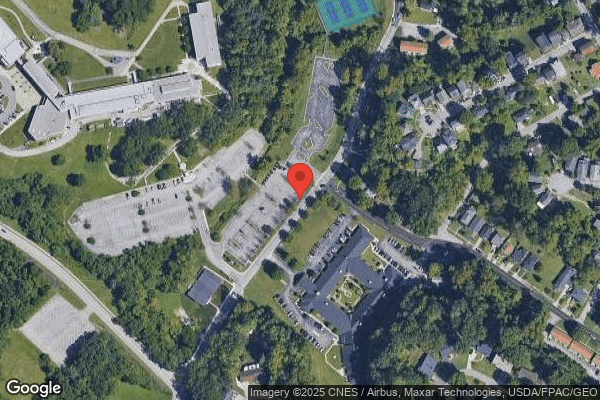
Understanding Severity Codes (click to expand)
Life-Threatening (Immediate Jeopardy)
J - Isolated K - Pattern L - Widespread
Actual Harm
G - Isolated H - Pattern I - Widespread
Potential for Harm
D - Isolated E - Pattern F - Widespread
No Harm (Minor)
A - Isolated B - Pattern C - Widespread

Questions to Ask on Your Visit

  • "Can I speak with families of current residents?"
  • "What's your RN coverage like on weekends and overnight?"

Our Honest Assessment

Strengths
  • • No major safety red flags. No abuse findings, life-threatening violations, or SFF status.
  • • No fines on record. Clean compliance history, better than most Kentucky facilities.
Concerns
  • • No major red flags. Standard due diligence and a personal visit recommended.
Bottom line: Mixed indicators with Trust Score of 60/100. Visit in person and ask pointed questions.

About This Facility

What is Woodland Oaks's CMS Rating?

CMS assigns Woodland Oaks an overall rating of 2 out of 5 stars, which is considered below average nationally. Within Kentucky, this rating places the facility higher than 0% of the state's 100 nursing homes. A rating at this level reflects concerns identified through health inspections, staffing assessments, or quality measures that families should carefully consider.

How is Woodland Oaks Staffed?

CMS rates Woodland Oaks's staffing level at 2 out of 5 stars, which is below average compared to other nursing homes. Staff turnover is 51%, compared to the Kentucky average of 46%.

What Have Inspectors Found at Woodland Oaks?

State health inspectors documented 9 deficiencies at Woodland Oaks during 2018 to 2025. These included: 9 with potential for harm.

Who Owns and Operates Woodland Oaks?

Woodland Oaks is owned by a for-profit company. For-profit facilities operate as businesses with obligations to shareholders or private owners. The facility is operated by BLUEGRASS HEALTH KY, a chain that manages multiple nursing homes. With 110 certified beds and approximately 105 residents (about 95% occupancy), it is a mid-sized facility located in Ashland, Kentucky.

How Does Woodland Oaks Compare to Other Kentucky Nursing Homes?

Compared to the 100 nursing homes in Kentucky, Woodland Oaks's overall rating (2 stars) is below the state average of 2.8, staff turnover (51%) is near the state average of 46%, and health inspection rating (3 stars) is at the national benchmark.

What Should Families Ask When Visiting Woodland Oaks?

Based on this facility's data, families visiting should ask: "Can you walk me through typical staffing levels on day, evening, and night shifts?" "Can I visit during a mealtime to observe dining assistance and food quality?" "How do you handle medical emergencies, and what is your hospital transfer rate?" "Can I speak with family members of current residents about their experience?" These questions are particularly relevant given the below-average staffing rating.

Is Woodland Oaks Safe?

Based on CMS inspection data, Woodland Oaks has a clean safety record: no substantiated abuse findings (meaning no confirmed cases of resident harm), no Immediate Jeopardy citations (the most serious violation level indicating risk of serious injury or death), and is not on the Special Focus Facility watch list (a federal program monitoring the lowest-performing 1% of nursing homes). The facility has a 2-star overall rating and ranks #100 of 100 nursing homes in Kentucky. While no facility is perfect, families should still ask about staff-to-resident ratios and recent inspection results during their visit.

Do Nurses at Woodland Oaks Stick Around?

Woodland Oaks has a staff turnover rate of 51%, which is about average for Kentucky nursing homes (state average: 46%). Moderate turnover is common in nursing homes, but families should still ask about staff tenure and how the facility maintains care continuity when employees leave.

Was Woodland Oaks Ever Fined?

Woodland Oaks has no federal fines on record. CMS issues fines when nursing homes fail to meet care standards or don't correct problems found during inspections. The absence of fines suggests the facility has either maintained compliance or corrected any issues before penalties were assessed. This is a positive indicator, though families should still review recent inspection reports for the full picture.

Is Woodland Oaks on Any Federal Watch List?

Woodland Oaks is not on any federal watch list. The most significant is the Special Focus Facility (SFF) program, which identifies the bottom 1% of nursing homes nationally based on persistent, serious quality problems. Not being on this list means the facility has avoided the pattern of deficiencies that triggers enhanced federal oversight. This is a positive indicator, though families should still review the facility's inspection history directly.