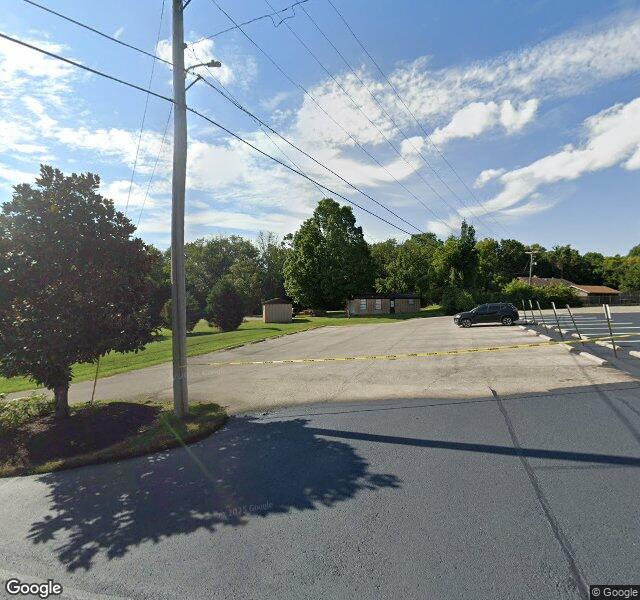
Bardstown Health & Rehabilitation

120 Life Care Way, Bardstown, KY 40004 (502) 348-4220
For profit - Limited Liability company 100 Beds HILL VALLEY HEALTHCARE Data: November 2025
Trust Grade
45/100
#148 of 266 in KY
Last Inspection: July 2025

Inspected within the last 6 months. Data reflects current conditions.

Overview

Bardstown Health & Rehabilitation has a Trust Grade of D, indicating below-average performance with some concerning issues. They rank #148 out of 266 facilities in Kentucky, placing them in the bottom half, but they are the top choice among the two homes in Nelson County. The facility is improving, having reduced its issues from 14 in 2021 to 3 in 2025. Staffing is average with a 3/5 rating and a turnover rate of 56%, which is similar to the state average, suggesting some stability. Although there have been no fines recorded, some specific concerns include failures in medication storage and instances of resident-to-resident abuse, highlighting both improvements needed in care practices and a need for vigilant oversight.

Trust Score
D
45/100
In Kentucky
#148/266
Bottom 45%
Safety Record
Low Risk
No red flags
Inspections
Getting Better
14 → 3 violations
Staff Stability
⚠ Watch
56% turnover. Above average. Higher turnover means staff may not know residents' routines.
Penalties
✓ Good
No fines on record. Clean compliance history, better than most Kentucky facilities.
Skilled Nurses
✓ Good
Each resident gets 50 minutes of Registered Nurse (RN) attention daily — more than average for Kentucky. RNs are trained to catch health problems early.
Violations
⚠ Watch
24 deficiencies on record. Higher than average. Multiple issues found across inspections.
★★☆☆☆
2.0
Overall Rating
★★★☆☆
3.0
Staff Levels
★★☆☆☆
2.0
Care Quality
★★☆☆☆
2.0
Inspection Score
Stable
2021: 14 issues
2025: 3 issues

The Good

  • Full Sprinkler Coverage · Fire safety systems throughout facility
  • No fines on record

Facility shows strength in fire safety.

The Bad

2-Star Overall Rating

Below Kentucky average (2.8)

Below average - review inspection findings carefully

Staff Turnover: 56%

Near Kentucky avg (46%)

Frequent staff changes - ask about care continuity

Chain: HILL VALLEY HEALTHCARE

Part of a multi-facility chain

Ask about local staffing decisions and management

Staff turnover is elevated (56%)

8 points above Kentucky average of 48%

The Ugly 24 deficiencies on record

Jul 2025 3 deficiencies
CONCERN (D)

Potential for Harm - no one hurt, but risky conditions existed

Deficiency F0657 (Tag F0657)

Could have caused harm · This affected 1 resident

Based on interview, record review, and review of facility policy, it was determined the facility failed to revise the Comprehensive Care Plan for 1 of 15 sampled residents, Resident (R)42. Specificall...

Read full inspector narrative →
Based on interview, record review, and review of facility policy, it was determined the facility failed to revise the Comprehensive Care Plan for 1 of 15 sampled residents, Resident (R)42. Specifically, the facility failed to revise R42's Care Plan with interventions to address weight loss after the resident sustained a 32.6 pound (18.09%) severe weight loss in less than one month.The finding Include: Review of the facility's Care Planning-Interdisciplinary Team policy, undated, revealed .2. The care plan is based on the resident's comprehensive assessment and is developed by a Care Planning/Interdisciplinary Team which may include, but is not necessarily limited to the following personnel: a. the resident's Attending Physician; b. The Registered Nurse who has responsibility for the resident; c. The Dietary Manager/Dietician; d. The Social Services Worker responsible for the resident; e. The Activity Director/Coordinator; f. Therapists (speech, occupational, recreational, etc.), as applicable; g. Consultants (as appropriate); h. The Director of Nursing (as applicable); i. The Licensed Nurse responsible for resident care; j. Nursing Assistants responsible for the resident's care; and k. Others as appropriate or necessary to meet the needs of the resident. Review of the facility's Weight Assessment and Intervention policy revealed. 4. Any weight change of 5% or more [unless otherwise specified in the resident's care plan or Physician's order] since the last weight will be retaken for confirmation. If the weight is verified, nursing will immediately notify the physician/practitioner and dietary team. Per policy. 7. The physician/ practitioner, resident and resident representative will be informed of significant weight change [gain/loss]. Review of R42's Face Sheet, revealed the facility admitted the resident on 03/17/2023 with diagnoses including Type 2 diabetes mellitus with diabetic neuropathy, Chronic Kidney Disease, and cerebral infarction. Review of R42's Weight Vitals Log located in the electronic medical record (EMR), revealed the resident's weight obtained on 12/13/2024 was180.2 pounds (lbs). The next weight obtained on 01/06/2025, revealed a weight of 147.6. Therefore, the resident had a 32.6 pound (18.09 % (percent) severe weight loss in less than one month. Review of R42's Progress Notes found in the EMR, revealed no documentation or Nurse's notes on the day R42 was weighed on 01/06/2025. Review of R42's quarterly Minimum Data Set (MDS) assessment with an Assessment Reference Date of 03/11/2025, revealed the facility assessed the resident to have a weight loss of 5% or more in the last month or loss of 10% or more in the last six months while not being on a physician-prescribed weight loss program. Review of R42's Care Plan Report dated 03/11/2025, revealed it was not revised to indicate the resident sustained weight loss. Additionally, there was no documented evidence of new interventions to address the resident's weight loss until 06/05/2025, (five months after the severe weight loss was recorded on 01/06/2025). In an interview with R42, on 07/15/2025 at 9:44 AM, the resident stated, No one has notified me of weight loss. In an interview with Registered Nurse (RN)2 on 07/16/2025 at 10:42 AM, she stated, if a significant weight loss occurred during a resident's monthly weight check, the resident's weight should be re-checked. RN2 further stated if the weight re-check still showed a significant weight change, this should be reported to the Unit Manager. In an interview with the Register Dietitian (RD), on 07/17/2025 at 9:31AM, she stated she thought R42's weight loss from December 2024 to January 2025 was due to a fluid shift from medication and diagnosis of gout. She further stated during this time frame, R42 was suffering from a mass on his left side of the neck/jaw area and was prescribed antibiotics which may have suppressed his appetite. In continued interview, the RD stated when there was a significant weight change such as with R42, the facility was to ensure new care plan interventions were put into place immediately to prevent further weight loss. The RD stated she completed the nutrition care plans; however, she was not notified of R42's weigh change. In continued interview, the RD stated, weight loss was to be discussed during the Skin, Weight Assessment Team (SWAT) meetings and also with the interdisciplinary team (IDT). During an interview with the Director of Nursing (DON), on 07/17/2025 at 2:46 PM, she stated during the timeframe of R42's weight loss, the facility was transitioning over to a new company. She stated R42's weight loss went unnoticed because of the transition and it fell through the cracks. In continued interview, the DON stated R42's weight loss should have been caught and his or her Care Plan should have been revised with interventions to address weight loss. The DON stated, timely care planning is important to make sure the resident is cared for properly. During an interview with the Administrator, on 07/17/2025 at 3:00 PM, he stated it was his expectation for care plans to be reviewed and revised, based on the residents' needs.
CONCERN (D)

Potential for Harm - no one hurt, but risky conditions existed

Deficiency F0692 (Tag F0692)

Could have caused harm · This affected 1 resident

Based on interview, record review, and review of facility policy, the facility failed to ensure that a resident receives and maintains acceptable parameters of nutritional status, such as body weight,...

Read full inspector narrative →
Based on interview, record review, and review of facility policy, the facility failed to ensure that a resident receives and maintains acceptable parameters of nutritional status, such as body weight, unless the resident's clinical condition demonstrates that this is not possible for 1 of 2 sampled residents reviewed for nutrition, Resident (R)42. Specifically, the facility failed to identify and respond to R42's 32.6 pound (18.09%) severe weight loss in less than one month.The finding include: Review of the facility's Weight Assessment and Intervention policy revealed. 4. Any weight change of 5% or more [unless otherwise specified in the resident's care plan or Physician's order] since the last weight will be retaken for confirmation. If the weight is verified, nursing will immediately notify the physician/practitioner and dietary team. Per policy. 7. The physician/ practitioner, resident and resident representative will be informed of significant weight change [gain/loss]. Review of R42's Face Sheet, revealed the facility admitted the resident on 03/17/2023 with diagnoses including Type 2 diabetes mellitus with diabetic neuropathy, Chronic Kidney Disease, and cerebral infarction. Review of R42's quarterly Minimum Data Set (MDS) with an Assessment Reference Date (ARD) date of 12/11/2024, revealed the facility assessed the resident as having a Brief Interview for Mental Status (BIMS) score of a 11 out of 15 indicating moderate cognitive impairment. Further review revealed the facility assessed the resident as having no weight loss. Review of R42's Weight Vitals Log located in the electronic medical record (EMR), revealed the resident's weight was 182.2 pounds (lbs.) on 12/11/2024. Further review of the Weight Vitals Log, revealed R42's weight was 180.2 pounds (lbs.) on 12/13/2024. The resident's weight obtained on 01/06/2025, revealed a weight of 147.6. This revealed an 18.09 percent (%) severe weight loss in less than one month. Review of R42's quarterly Minimum Data Set (MDS) assessment with an Assessment Reference Date of 03/11/2025, revealed the facility assessed the resident as having a weight loss of 5% or more in the last month or loss of 10% or more in the last 6 months while not being on a physician-prescribed weight loss program. Review of R42's Care plan, revealed there were no interventions implemented related to the weight loss until 06/05/2025, (five months after the severe weight loss was recorded on 01/06/2025). Review of R42's Fluid Report from 12/01/2024 to 12/31/2024, revealed no decline in the resident's fluid intake during the time frame of his weight loss. Review of R42's Weight Vitals Log revealed the resident's weight remained stable until a weight was obtained at 158.2 lbs. on 04/01/2025, showing the resident gained weight. During interview with R42, on 07/15/2025 at 9:44 AM, the resident was questioned if he had ever lost weight or been notified that he had a significant weight loss while in the facility. R42 responded, No one has notified me of weight loss. During interview with Certified Nursing Aids (CNA)6 and (CNA)7 on 07/16/2025 at 10:32 AM, they both stated the CNAs were only responsible for obtaining the residents' weights, and the nurses inputted the weights into the EMR. In further interview, they both stated if a weight was out of the normal weight range for a resident, the CNA was to re-weigh the resident and report back to the nurse. During an interview with Registered Nurse (RN)2 on 07/16/2025 at 10:42 AM, she stated, if a significant amount of weight loss occurred during a resident's monthly weight check, the weight should be re-checked. RN2 stated after the weight re-check, if there was a significant weight change, this should be reported to the Unit Manager, in order for corrective interventions to be implemented. Further, she stated, the resident and/or the resident's responsible party should be notified immediately of the weight change. Additionally, RN2 stated per facility policy, staff was to notify the Registered Dietitian (RD), of significant weight changes. During interview with the RD on 07/17/2025 at 9:31AM, she stated she believed R42's weight loss from December 2024 to January 2025 was due to a fluid shift from medication and diagnosis of gout. She further stated during this time frame, R42 was suffering from a mass on his, left side of the neck/jaw area. The RD stated the resident was prescribed amoxicillin (an antibiotic) at the time which could have decreased the resident's appetite during this time frame. In further interview with the RD, she stated when there was a significant weight change such as with R42, the facility was to ensure interventions were put into place immediately to prevent further weight loss. The RD further stated, the weight loss was to be discussed during the Skin, Weight Assessment Team (SWAT) meetings, and also with the interdisciplinary team (IDT). During an interview with the Director of Nursing (DON), on 07/17/2025 at 2:46 PM, she stated during the timeframe of R42's weight loss, the facility was transitioning over to a new company and R42's weight loss went unnoticed because of the transition and it fell through the cracks. The DON then stated weight loss should be identified from the floor nurse to the Unit Manager (UM), and if the UM was out of the facility, the responsibility would fall on her (DON). The DON further stated at the time R42's weight loss occurred, the Unit Manager was out on extended leave and the responsibility of reporting the weight change was her (DON's) responsibility. The DON stated she had inputted R42's weight into the EMR on 01/06/2025 and had not identified the weight loss. In continued interview, the DON stated for any significant weight loss, the RD and the facility's SWAT should be notified; however, she stated this did not happen when R42's severe weight loss was recorded in January 2025. During an interview with the Administrator, on 07/17/2025 at 3:00 PM, he stated it was his expectation staff review the monthly weights, and if weight loss was noted, they were to change the resident's weights to weekly, in order to closely monitor the resident for further weight loss. Additionally, staff was to implement measures in an attempt to prevent further weight loss.
CONCERN (E)

Potential for Harm - no one hurt, but risky conditions existed

Deficiency F0761 (Tag F0761)

Could have caused harm · This affected multiple residents

Based on observation, interview, and review of facility policies and medication guidelines, the facility failed to store, label and dispose of medications in accordance with accepted professional stan...

Read full inspector narrative →
Based on observation, interview, and review of facility policies and medication guidelines, the facility failed to store, label and dispose of medications in accordance with accepted professional standards for 1 of 2 medication rooms and 2 of 2 medication carts. Observation of the East Medication Room refrigerator on 07/14/2025, revealed an opened ampule of Tubersol without an expiration date or opened date. Observation of the Medication Cart 2 Narcotics bin on 07/16/2025, revealed an unidentified tablet secured with tape into a blister pack containing one milligram Lorazepam tablets. Observation of Medication Cart 1, on 07/17/2025, revealed 14 unidentified loose pills, tablets and capsules in the cart drawer with the medication blister packs. The findings include: Review of the facility policy entitled, Medication Storage, last reviewed 02/2025, revealed the Home (facility) must store all drugs and biologicals in a safe, secure and orderly manner. The facility was to ensure no expired or discontinued medications were stored within stock, house, routine or PRN (as necessary) medications that were readily available for administration. Continued review revealed the facility must not use discontinued, outdated or deteriorated drugs or biologicals, and ensure all such drugs were returned to the dispensing pharmacy or destroyed. Further review revealed all expired medications are removed immediately upon discovery and placed in the appropriate holding receptacle for pick up and destruction by the Director of Nursing (DON) or Designee. Review of the facility policy entitled, Controlled Substance Disposal, last reviewed 10/19/2022, revealed when a dose of a controlled substance is removed from the container for administration, but refused by the resident or not given for any reason, it is not placed back in the container. It is destroyed in the presence of two licensed nursing personnel, and/or in accordance with facility policy and state regulations, and the disposal is documented on the accountability record. Review of the Tubersol- purified protein derivative (PPD) (diagnostic antigen to aid in the detection of tuberculosis), package insert, provided by Sanofi Pasteur Limited, undated, revealed a vial of Tubersol which has been entered and in use for 30 days should be discarded and do not use after expiration date. Observation, on 07/14/2025 at 10:05 AM revealed Unit Manager (UM)1 opened the East Medication Room refrigerator to reveal a one millimeter (ml) multi-dose vial of Tubersol with 0.1 ml remaining. No expiration date or open date was identified. During an interview with UM1 on 07/14/2025 at 10:10 AM, she stated medications were to be discarded before their expiration dates. She stated this was important to ensure residents did not receive medicine that was no longer effective or medicine that could possibly cause harm. Observation of the Medication Cart 2 Narcotics bin on 07/16/2025 at 8:00 AM, revealed an unidentified tablet secured with tape into a blister pack containing one milligram Lorazepam tablets. Registered Nurse (RN)2 wasted the tablet with a witness. During an interview with Registered Nurse (RN)2 on 07/16/2025 at 3:45 PM, she stated she disposed of medications which were either expired or unidentifiable to ensure residents received clean and effective medications. During an interview on 07/16/2025 at 9:00 AM, Licensed Practical Nurse (LPN) 4 stated she had found expired medications on Medication Cart 1 in the past and promptly destroyed them and reordered when necessary. She stated she destroyed medications when expired as she wasn't sure of their efficacy and was concerned for the residents' health. Observation of Medication Cart 1, on 07/17/2025 at 8:30 AM, revealed 14 unidentified loose pills, tablets and capsules in the cart drawer with the medication blister packs. During an interview on 07/18/2025 at 9:50 AM, UM2 stated nurses should check all medications for expiration dates before administering the medication. Any expired medication, loose pills or taped cards should be wasted. In further interview, UM2 stated there was an education binder at the Nurse's station outlining the cart and medication room audits night shift nursing staff was responsible for completing. During an interview with the Assistant Director of Nursing (ADON) on 07/18/2025 at 2:00 PM, she stated she trained nurses to mark Tubersol vials with the expiration date when first opened. She stated unlabeled PPD vials should be discarded because if used, it might prevent the detection of active Tuberculosis. She further stated loose pills or taped in pills could be ineffective and should be wasted. The ADON stated the education binder at the Nurse's station listed nightly medication cart and medication room audits. She stated typically night shift nurses completed the audits and either the Director of Nursing (DON), the UMs or she (ADON) would review each morning to ensure completion. During interview with the Director of Nursing (DON) on 07/18/2025 at 4:00 PM, she stated it was her expectation for the night shift nurses to perform a nightly audit for all medication expiration dates in the medication rooms and carts. The DON stated the night supervisors trained the floor nurses to perform the audits and oversee the process. If audits were incomplete, one of the UMs or she (DON) would complete it and she would reeducate or counsel the nursing staff responsible. She explained there was risk of injury to the resident if they received expired medication and she was responsible for resident safety. The DON stated it was her expectation for any medications which were accidentally popped out of blister packs or dropped, be wasted as it was unsanitary to administer them and taping them back into a pack was against pharmacy practice. In further interview, the DON stated the Pharmacy performed medication cart checks quarterly and the findings were reported in the Quality Assurance Performance Improvement (QAPI) meeting. The DON was unaware of any recent issues with expired, loose, or taped medications. Interview with the Advanced Registered Nurse Practitioner (ARNP) on 07/18/2025 at 2:30PM, revealed if medication was expired, undated or unidentifiable, she would expect nursing staff to destroy it and notify the DON. She stated her concern was the medication may be ineffective. In addition, she stated she would expect to be notified for refills if additional medication was needed. Review of the most recent Audit, titled Night Shift Nurse Task Binder, July 2025 revealed night shift nursing cleaned the medication carts on Tuesdays and checked medication expiration dates on Thursdays. The forms were completed for Monday July 14th, Tuesday July 15th and Wednesday July 16th, 2025. Per the Audit, the ADON was in the process of completing the audit for Thursday July 17, 2025, as it was incomplete. During interview with the Administrator, on 07/18/2025 at 4:48 PM, he stated it was his expectation for nursing staff to check for expiration dates before administration of medications. He stated the pharmacist reported in the facility's QAPI meetings on audits performed of the medication carts. The Administrator stated if a nurse found out of date medications or taped in medications, he expected those nurses to report that information to facility administrative staff. He stated he expected the ADON and DON to audit medication and treatment carts at least monthly. The Administrator further stated it was important to discard medications before the expiration date because nursing staff would not know if the medicine was effective or if it could be harmful for the resident. He also stated taped in controlled medications were not allowed, and policy should be followed for controlled medications.
May 2021 14 deficiencies
CONCERN (D)

Potential for Harm - no one hurt, but risky conditions existed

Notification of Changes (Tag F0580)

Could have caused harm · This affected 1 resident

**NOTE- TERMS IN BRACKETS HAVE BEEN EDITED TO PROTECT CONFIDENTIALITY** Based on interview, record review and review of facility policy, it was determined the facility failed to ensure the physician w...

Read full inspector narrative →
**NOTE- TERMS IN BRACKETS HAVE BEEN EDITED TO PROTECT CONFIDENTIALITY** Based on interview, record review and review of facility policy, it was determined the facility failed to ensure the physician was notified of a resident change in condition for one (1) of thirty-one (31) sampled residents (Resident #313). On [DATE], a change in skin condition was noted on Resident #313's nose; however, the physician was not notified until [DATE]. The findings include: Review of facility policy titled Change in Residents Condition or Status undated, revealed it was the policy of the facility to ensure that the residents' attending physicians and representatives were notified of changes in the resident condition or status. Further review revealed the nurse would record in the resident's medical record any changes in the resident's medical condition or status. Review of a witness statement by LPN #9 revealed on [DATE], Resident #313 was noted to have a reddened area with what looked like a white head pimple coming up on his/her nose. Review of a wound assessment dated [DATE] revealed the area to the resident's nose was noted on [DATE] and the LPN described the area as a scratch. LPN #10 documented the area on the resident's nose was assessed as a 0.2 x 0.2 centimeter area. There was no documentation that the resident's physician was notified on [DATE] or on [DATE] of the noted change in the skin to Resident #313's nose. The resident physician was not notified until [DATE] (four days after the change was observed). On [DATE], documentation in the progress notes revealed the resident had swelling and a weeping sore to the nose. The physician was notified and new orders for a x-ray and wound culture were received. The x-ray results revealed Resident #313 had a faint linear lucency anterior to bridge of nasal bones suspected for an acute non- displaced hairline fracture. Further review of the record revealed on [DATE], that Wound Care physician was notified and evaluated the resident's nose. The Wound Care Physician documented three (3) areas to the resident's nose and one area was debrided. Continued review revealed new orders for treatment and antibiotics were also received from the Wound Care Physician Further review of Resident #313 record revealed the resident expired at the facility on [DATE]. Interviews on [DATE] with RN #2 at 10:52 AM, LPN #8 at 10:55 AM and LPN #9 at 3:00 PM, revealed skin changes should be documented in nurses notes and reported to physician. LPN #9 stated she did not recall writing the witness statement about Resident #313's nose or being notified of the area. Interview with Director of Nursing, on [DATE] at 10:02 AM, revealed nursing staff were expected to report resident skin changes to the physician and document the change in the nurse's notes. Interview with the Administrator, on [DATE] at 11:26 AM, revealed it was her expectation for staff to document skin changes in the nurses notes and report such changes to the physician. Interview with Resident #313's physician, on [DATE] on 9:53 AM, revealed she could not recall if facility notified her of skin changes to Resident #313 nose prior to [DATE]. The physician further stated it would be her expectation to be notified of any skin changes when they occurred.
CONCERN (D)

Potential for Harm - no one hurt, but risky conditions existed

Deficiency F0583 (Tag F0583)

Could have caused harm · This affected 1 resident

**NOTE- TERMS IN BRACKETS HAVE BEEN EDITED TO PROTECT CONFIDENTIALITY** Based on record review, interview and review of facility policy, the facility failed to protect the right to privacy and confide...

Read full inspector narrative →
**NOTE- TERMS IN BRACKETS HAVE BEEN EDITED TO PROTECT CONFIDENTIALITY** Based on record review, interview and review of facility policy, the facility failed to protect the right to privacy and confidentiality for two (2) of thirty-one (31) sampled residents (Resident #363 and Resident #364). The facility failed to ensure the privacy and confidentiality of Resident #363 and Resident #364 when Resident #365 took photographs in the facility common area of both residents and posted them on his/her public social media page without the knowledge or consent of Resident #363 or Resident #364 or their resident representatives. Findings include: Review of facility policy titled, Resident Rights, (undated) revealed residents have the right of privacy over personal and clinical records. Privacy will include personal care, medical treatments, telephone use, visits, letters, and meetings or resident groups. Further review revealed the policy stated residents may approve or refuse release of records, except in the event of a transfer or legal situation. Review of facility photo consent policy, (undated) revealed the facility may photograph or video resident for identification, security and/or health related purposes. Further review revealed photographs may be used to help identify resident in event of unauthorized absence, but shall otherwise be kept confidential. Review of Resident #364 closed record revealed the facility admitted the resident on [DATE] with diagnoses of Chronic Obstructive Pulmonary Disease, Cerebrovascular disease and Dysphagia. Review of Minimum Data Set (MDS) dated [DATE] revealed the resident was assessed with a Brief Interview for Mental Status Score (BIMS) of zero (0), indicating severe cognitive impairment. Further review revealed the resident expired on [DATE]. Review of Resident #363 closed record revealed the facility admitted the resident on [DATE] with diagnoses of Congestive Heart Failure, Atrial Fibrillation, and Alzheimer's Disease. Review of MDS dated [DATE] revealed the facility assessed the resident to have a BIMS score of 0. Further record review revealed the resident expired on [DATE]. Review of incident report dated [DATE] revealed Resident #365 had been discharged from the facility on [DATE] and escorted from facility by police due to threatening staff and residents. On [DATE], Resident #365 posted photos on his/her Facebook social media page of Resident #364, asleep in a chair leaning to the side. In addition, the Resident #365 posted a photo on the same social media page of Resident #363 slumped over in a wheelchair. Both pictures were posted without the knowledge or consent of the resident or resident's representative. Further review revealed staff had suspected Resident #365 was taking photos of other residents on his/her personal device and the facility Administrator had discussed staff concerns with Resident #365. The Administrator had educated the resident on consents and social media policy, but the resident denied taking photos at that time. Further review revealed the facility notified Resident #364's representative and the local police department. On [DATE], Resident #365 removed the photos from his/her Facebook page. Interview with RN #1, on [DATE] at 10:06 AM, revealed she recalled when Resident #365 was escorted out of building but was not working that day. She stated she did not witness Resident #365 taking photos of other residents, but photos of Resident #364 were posted on his/her Facebook page. She further stated that Resident #365 was spoken to several times about dignity, resident rights and privacy. Interview with LPN #4, on [DATE] at 4:20 PM, revealed that she recalled Resident #365 posted photos on his/her Facebook of Resident #364 and Resident #363 after he/she was discharged from the facility. She stated that staff saw Resident #365 taking photos, and Administration had been notified, but she was unsure what had been said to Resident #365 in regard to taking photos or videos in the facility. Interview with State Registered Nurse Aide (SRNA) #10, on [DATE] at 10:50, revealed staff was aware that Resident #365 was taking photos and recording staff and residents for approximately two months before Resident #365 was discharged . The SRNA stated staff had reported it to the Administrator. She further stated that the facility spoke with Resident #365 about resident rights to privacy and Health Insurance Portability and Accountability Act (HIPPA), but stated staff still suspected he was recording on his cell phone, although Resident #365 denied it. Interview with Social Service Director, on [DATE] at 3:01 PM, revealed she recalls the incident of Resident #365 posting photos of Resident #364 and Resident #363 on social media. She stated, When it came to our attention that Resident #365 was taking photos on his personal device, he/she was instructed on HIPPA and resident privacy. She stated the resident was asked not to take photos of residents and that he/she did not have permission to do so. She further stated that she did not recall if the incident occurred while Resident #365 was still in the facility or after his discharge, but believed the photos were posted after he/she was discharged . Interview with the Assistant Director of Nursing, on [DATE] at 10:15 AM, revealed she recalled Resident #365 had posted photos on his/her Facebook page of Resident #364 and Resident #363 after he/she was discharged from the facility. She further stated staff had suspected Resident #365 was recording on his/her personal device while still at the facility, and the Administrator was aware. She stated that the facility contacted the families to notify them of the photos when the facility became aware. Interview with Director of Nursing (DON), on [DATE] at 1:34 PM, revealed she recalled an incident where Resident #365 posted photos of Resident #364 and Resident #363 on his/her social media page. She stated that the photos were posted after Resident #365 had been discharged from the facility and the facility became aware of the photos by staff who saw them on Facebook. When asked what action the facility took, she responded that the families were notified and that Resident #365 removed the photos the next day. She further stated that Resident #365 was educated by the Administrator about HIPPA and privacy, and inappropriateness of recording or taking photos of residents without permission. Interview with Administrator, on [DATE] at 4:05 PM, revealed the facility became aware that Resident #365 had taken photos of Resident #364 and Resident #363 and posted to his/her Facebook social media page from staff on [DATE]. She stated Resident #365 was no longer a resident in the facility at the time of the incident and that after speaking with her corporate risk manager the facility notified the families of the incident. She stated that the facility immediately reported the incident to the Office of the Inspector General, Department of Community Based Service and the Ombudsman. When asked if the facility was aware that Resident #365 had been recording staff and resident and taking photos with his/her personal cell phone, she responded that the facility was aware but the resident had denied the allegations. She stated that the facility action was to update the care plan to address the recording of staff and residents and that she spoke with Resident #365 to educate him/her about HIPPA, privacy, and not taking photos without the resident's permission.
CONCERN (D)

Potential for Harm - no one hurt, but risky conditions existed

Deficiency F0602 (Tag F0602)

Could have caused harm · This affected 1 resident

Based on observation, interview, record review and review of facility policy, it was determined the facility failed to protect two (2) of thirty-one (31) sampled residents (Residents #11 and #47) from...

Read full inspector narrative →
Based on observation, interview, record review and review of facility policy, it was determined the facility failed to protect two (2) of thirty-one (31) sampled residents (Residents #11 and #47) from misappropriation of resident property (controlled medications). The Controlled medication count was not correct for Resident #11 and #47 on 04/28/2021. The findings include: A review of the facility abuse policy titled Abuse Prevention undated, revealed it was the policy of the facility to prevent misappropriation of resident property. A review of the facility policy for controlled substance accountability titled Policy and Procedure Controlled Substances undated revealed it was policy to maintain individual record of receipt and distribution of all controlled drugs in sufficient detail to enable an accurate reconciliation. Further review of the policy revealed records shall be maintained by authorized nursing personnel of all controlled drugs administered to residents at the facility. 1. Review of the medical record for Resident #11 revealed the facility admitted the resident on 02/04/2021 with diagnoses which included Osteoarthritis, Rotator Cuff Tear, Rupture of Left Shoulder, and Chronic Pain Syndrome. A review of Physicians Orders dated 02/16/2021 revealed the Resident was prescribed Percocet 10-325 milligram (mg) tablets every four hours as needed for pain. An observation of the Residents Percocet tablets on 04/28/21 at 9:15 AM, revealed the controlled drug count sheet indicated there should be seven (7) Percocet tablets available and the Percocet pill pack only had six (6) pills left in the pack. Interview with Licensed Practical Nurse (LPN #4), on 04/28/2021 at 9:15 AM, revealed she had administered a Percocet to Resident #11 that morning at 7:00 AM and had not signed out the pill on the narcotic sheet. Further interview with LPN #4 revealed she often did not sign out controlled medications until she had completed the medication pass. 2. A review of the medical record for Resident #47 revealed the facility admitted the resident on 04/20/2019 with diagnoses, which included Chronic Pain Syndrome, Vascular Dementia, Cerebral Infarction, and Pain in Right Arm. A review of physicians orders revealed Resident #47 was ordered to have Hydrocodone-Acetaminophen Tablets 7.5-325 mg every four hours for pain. Observation on 04/28/2021 at 8:30 AM, of controlled drug accountability for Resident #47's Hydrocodone-Acetaminophen tablets revealed eight (8) pills available in the pack and according to the Controlled Drug sheet ten (10) pills should be available. Interview with Registered Nurse (RN) #2, on 04/28/2021 at 8:30 AM, revealed the RN had administered one Hydrocodone-Acetaminophen to Resident #47 and did not sign the medication out as required. According to RN #2, she could not account for the missing medication and would notify the Director of Nursing. Interview with the Director of Nursing (DON), on 04/30/2021 at 9:05 AM, revealed RN #2 had reported the discrepancy of the controlled medication to her and she was still reviewing the controlled substance accountability. According to the DON, nurses were required to sign out all controlled substances when administered and count daily with the oncoming shift. The DON said nurses were required to report any discrepancy to the DON to prevent misappropriation/diversion of resident's medications. Further interview revealed the DON monitored the controlled medication accountability by making rounds and had not identified any recent concerns with missing medications or with controlled medication accountability.
CONCERN (D)

Potential for Harm - no one hurt, but risky conditions existed

Report Alleged Abuse (Tag F0609)

Could have caused harm · This affected 1 resident

**NOTE- TERMS IN BRACKETS HAVE BEEN EDITED TO PROTECT CONFIDENTIALITY** Based on interview, record review and facility policy review, it was determined the facility failed to report an allegation of v...

Read full inspector narrative →
**NOTE- TERMS IN BRACKETS HAVE BEEN EDITED TO PROTECT CONFIDENTIALITY** Based on interview, record review and facility policy review, it was determined the facility failed to report an allegation of verbal abuse timely for one (1) of thirty one (31) sampled residents (Resident #9). State Registered Nurse Aide (SRNA) #18 failed to immediately report an allegation of verbal abuse toward Resident #9 by SRNA #19. The findings include: Review of the facility policy titled, Abuse Prevention Program, updated 05/02/2017, revealed employees are required to report any incident, allegation or suspicion of potential abuse, neglect or mistreatment they observe, hear about or suspect to the Administrator or an immediate supervisor who will immediately report the allegation to the administrator. Review of the medical record for Resident #9, revealed the resident was readmitted to the facility on [DATE] with diagnoses including Cerebral Infarction, Cerebrovascular Disease, Morbid Obesity, Muscle Wasting Atrophy, Hemiplegia and Hemiparesis. Review of the Minimum Data Set (MDS) quarterly assessment dated [DATE] revealed the resident had a Brief Interview for Mental Status (BIMS) score of eleven (11) indicating the resident had moderately impaired cognitively. Review of an initial facility investigation dated 11/06/2019 by Registered Nurse (RN) #5 who was the interim Director of Nursing (DON) revealed State Registered Nurse Aide (SRNA) #18 overheard SRNA #19 say an inappropriate word to Resident #25 on 11/02/2019 or 11/03/2019. Interview with Resident #9, on 04/27/2021 at 8:39 AM, revealed he did not ever recall any staff talking inappropriately to him. Resident #9 further revealed all the staff treat him very well and he did not remember SRNA #19 ever caring for him. An interview with RN #4 was unsuccessful as the RN is no longer working for the facility and the facility had no forwarding phone number. Attempts to interview SRNA #18 and SRNA #19 were unsuccessful as both no longer work at the facility and attempts to reach via phone were also unsuccessful. Interview with the DON, on 05/01/2021 at 10:49 AM, revealed she was not employed at the facility on 11/02/2019 and 11/03/2019, and was not familiar with the incident. The DON further revealed staff are trained on abuse monthly and are to report any allegation of abuse immediately. The DON revealed SRNA's are to report any allegation to the nurse supervisor or call the nurse manager on call. Interview with the Administrator, on 05/01/2021 at 11:18 AM, revealed SRNA #18 should have reported the allegation of abuse immediately to the DON. The Administrator further revealed SRNA #18 did not report the abuse to anyone until 11/06/2019 when she reported it to the DON. The Administrator revealed she monitors for abuse by making rounds and speaking with the residents. The Administrator revealed she had not identified any concerns with staff reporting allegations of abuse.
CONCERN (D)

Potential for Harm - no one hurt, but risky conditions existed

Investigate Abuse (Tag F0610)

Could have caused harm · This affected 1 resident

**NOTE- TERMS IN BRACKETS HAVE BEEN EDITED TO PROTECT CONFIDENTIALITY** Based on interview, record review and policy review, the facility failed to ensure an abuse allegation was thoroughly investigat...

Read full inspector narrative →
**NOTE- TERMS IN BRACKETS HAVE BEEN EDITED TO PROTECT CONFIDENTIALITY** Based on interview, record review and policy review, the facility failed to ensure an abuse allegation was thoroughly investigated for one (1) of thirty-one (31) sampled residents (Resident #163). The facility investigated an abuse allegation related to a nurse making an inappropriate statement to Resident #163 when the resident requested pain medication on [DATE]. Although, the facility investigated the statement made by the nurse to the resident, the facility failed to investigate the if the resident received the pain medication as requested. The findings include: Review of the facility policy titled, Abuse Prevention Program, updated [DATE], revealed it is the policy of the facility to prevent resident abuse, neglect, mistreatment and misappropriation of resident property. The policy also stated each resident receives care and services in a person-centered environment in which all individuals are treated as human beings. The policy further revealed any incident or allegation involving abuse or mistreatment will result in an abuse investigation. Review of the facility policy titled Resident Behaviors and Facility Practices, undated, it stated that residents have the right to be free from verbal, sexual, mental abuse, corporal punishment and involuntary seclusion. It further stated that the facility must implement procedures that protect the resident from abuse, neglect or mistreatment and misappropriation of their property. Review of the medical record for Resident #163 revealed the resident was readmitted to the facility on [DATE] with diagnoses including Chronic Obstructive Pulmonary Disease, Acute Kidney Failure, Acute Respiratory Failure and Atrial Fibrillation. Further review of the medical record revealed the resident's Minimum Data Set (MDS) admission assessment dated [DATE] revealed the resident had a Brief Interview for Mental Status (BIMS) score of eleven (11) indicating the resident was moderately cognitively impaired. Review of the physician orders for Resident #163 revealed the resident had an order on [DATE] for Tylenol with Codeine #3 Tablet 300-30 milligram (mg), give one tablet by mouth every 8 hours as needed for moderate pain. Further review of the medical record revealed Resident #163 expired on [DATE] in the facility. Review of the facility abuse investigation dated [DATE] revealed Resident #163 and a family member alleged Licensed Practical Nurse (LPN) #7 made an inappropriate statement to them when LPN #7 was asked for pain medication for Resident #163's pain on [DATE]. Resident #163 and the family member asked for Resident #163's pain medication and LPN #7 responded that Resident #163 had already received her pain medication. The investigation revealed the facility suspended LPN #7 on [DATE]. The facility investigated the inappropriate comment made by LPN #7; however, the facility failed to investigate if pain medication was given to Resident #163 as ordered and requested by the resident. Review of the medication administration record (MAR) revealed the resident did not receive any pain medication on [DATE], [DATE], [DATE] and [DATE]. Further review of the Narcotics log out sheet revealed no pain medication was signed out for Resident #163 on [DATE], [DATE], [DATE] and [DATE]. The facility failed to investigation if the resident received the pain medication as requested. Interview attempted via phone call to Resident #163's family was unsuccessful. Interview attempted via phone call to LPN #7 was unsuccessful. Interview with LPN #5, on [DATE], at 9:51 AM, revealed he had worked at the facility a few times with LPN #7. LPN #5 further revealed he did not recall anything about Resident #163 or the alleged incident. LPN #5 also revealed he had never know LPN #7 to be abusive to any residents. Interview with the Director of Nursing (DON), [DATE] at 10:45 AM revealed she was not employed at the facility at the time. The DON revealed when a resident is in pain she expects staff to administer pain medication. The DON further revealed staff are trained monthly on abuse. The DON also revealed she monitors for abuse by making rounds and talking to the residents. Interview with the Administrator, on [DATE] at 9:53 AM, revealed she began an investigation immediately upon being told about the allegation against LPN #7. The Administrator revealed she concentrated on the verbal altercation and did not investigate if the resident received the pain medication. The Administrator revealed the pain medication should have been investigated also.
CONCERN (D)

Potential for Harm - no one hurt, but risky conditions existed

Deficiency F0657 (Tag F0657)

Could have caused harm · This affected 1 resident

**NOTE- TERMS IN BRACKETS HAVE BEEN EDITED TO PROTECT CONFIDENTIALITY** Based on interview, record review and facility policy review, the facility failed to revise/update the comprehensive plan of car...

Read full inspector narrative →
**NOTE- TERMS IN BRACKETS HAVE BEEN EDITED TO PROTECT CONFIDENTIALITY** Based on interview, record review and facility policy review, the facility failed to revise/update the comprehensive plan of care for two (2) of thirty one (31) sampled residents (Resident #25 and Resident #313) related to safety concern and a change in skin condition. The findings include: Review of facility's policy Incidents/Accidents and Falls undated, revealed resident care plans will be addressed to ensure that any needed points of focus have measurable goals with appropriate goals interventions in place. Review of facility policy titled Resident Care Manual, Subject Care Plan Review, undated revealed the resident should be assessed visually and verbally, as well as obtain information from the Health Care Records and interview Nursing Assistants prior to completing the MDS and reviewing the Plan of Care. 1. Review of the medical record for Resident #25 revealed the facility admitted the resident on [DATE] with a diagnosis of Heart Failure, Chronic Kidney Disease, Atrial Fibrillation, Anxiety Disorder and Diabetes Mellitus Type II. Review of the annual Minimum Data Set (MDS) assessment dated [DATE], revealed the facility assessed Resident #25 to have a Brief Interview for Mental Status (BIMS) score of 15 indicating the resident was cognitively intact. Review of the medical record revealed the resident had a hot glue gun in his possession unbeknownst to staff and administration, and was using the hot glue gun in his room on [DATE]. Per the record, the resident left the glue gun unattended and the hot glue gun caused a fire in the resident's room on [DATE]. Review of the Comprehensive Plan of Care for Resident #25 dated [DATE] revealed the resident did not have a focus concern for safety with a goal or interventions. Interview with Resident #25, on [DATE] at 8:22 AM, revealed he had the hot glue gun in his possession and did not reveal to staff the glue gun was in his possession. Further interview with the resident revealed he went to the bathroom, left the glue gun unattended and a piece of cardboard started burning. The resident stated staff had to assist with putting out the fire. The resident further revealed he has not had a hot glue gun in his possession since [DATE]. Interview with the MDS Coordinator, on [DATE] at 10:07 AM, revealed she did not update the care plan to address a safety concern with a hazardous item (hot glue gun). The MDS Coordinator revealed she did update the care plan related to the anxiety the resident had after the incident on [DATE], but did not think about updating the care plan in regard to the resident's safety. The MDS Coordinator stated she should have updated the care plan for safety concerns with a goal and interventions. Interview with the Director of Nursing (DON), on [DATE] at 10:53 AM, revealed the care plan should have been updated to reflect the safety concern of the resident having a hazardous item. The DON further revealed she monitored care plans in the morning clinical meetings and by random audits. The DON stated she had not identified any concerns with care plans not being developed or updated. 2. Review of facility medical record for Resident #313 the revealed that resident was admitted on [DATE] with diagnosis of Disorders of Peripheral Nervous System, Type 2 Diabetes Mellitus, Chronic Obstructive Pulmonary Disease, Alzheimer's Disease, Dementia, Hypothyroidism and a history of repeated falls. Review of the the Minimum Data Set (MDS) completed on [DATE] revealed Resident #313 had a Brief Interview for Mental Status Score which of zero (0) indicating the resident had severely impaired cognition. Further review of the record revealed on [DATE] Resident # 313 was noted to have a reddened area with what looked like a white head pimple coming up on nose per staff witness statement by LPN # 9. Review of a wound assessment dated [DATE] documented by LPN #10, revealed the area on the resident's nose was assessed on [DATE] as a 0.2 x 0.2 centimeter area scratch. Per the nursing notes, the resident had swelling and a weeping sore to the nose, and new orders for x-ray and wound culture were received. The x-ray results revealed Resident #313 had a faint linear lucency anterior to bridge of nasal bones suspected for an acute non displaced hairline fracture. Further review revealed on [DATE], the Wound Care physician was notified and evaluated the resident's nose and three (3) areas were noted with one area debrided. New orders for treatment and antibiotics were also noted. Review of Resident #313 Comprehensive Care Plan revealed the change in skin condition and fracture to the resident's nose was not addressed on the plan of care. Further review of the record revealed the resident expired on [DATE]. Interview with MDS Coordinator, on [DATE] at 11:00 AM, revealed that skin changes and injuries should be updated/revised on a resident's comprehensive care plan. The MDS nurse stated Resident #313 care plan should have been updated and revised after skin changes and a fracture to nose occurred.
CONCERN (D)

Potential for Harm - no one hurt, but risky conditions existed

Deficiency F0676 (Tag F0676)

Could have caused harm · This affected 1 resident

**NOTE- TERMS IN BRACKETS HAVE BEEN EDITED TO PROTECT CONFIDENTIALITY** Based on observation, interview, record review, and review of facility policy, the facility failed to provide care and services ...

Read full inspector narrative →
**NOTE- TERMS IN BRACKETS HAVE BEEN EDITED TO PROTECT CONFIDENTIALITY** Based on observation, interview, record review, and review of facility policy, the facility failed to provide care and services to ensure one (1) of thirty-one (31) sampled residents (Resident #14) received assistance with bathes and showers. The facility assessed Resident #14 to require extensive assistance of staff for bathing/showers. However, from 01/12/2021 through 01/20/2021, the facility staff failed to assist the resident with bathes or showers. The findings include: Review of the facility's policies Activities of Daily Living (ADL) Routine Care not dated, revealed Activity of Daily Living (ADL) care of the resident includes: Assisting the resident in personal care such as bathing and showering. Review of Resident #14's medical record revealed the facility admitted the resident on 01/31/2016 originally and the latest readmission date of 11/16/2020. The resident's diagnoses included Schizoaffective Disorder, Borderline Personality, Anxiety, auditory and visual Hallucinations, and Cerebral Vascular Accident (CVA) with Paralysis of the right arm. Review of the Minimum Data Set (MDS) assessment dated [DATE] revealed the resident had a Brief Interview for Mental Status (BIMS) score of 15 which indicated the resident was cognitively intact. Further review of the MDS revealed the facility assessed the resident to require total assist of one staff with showering. Review Resident #14's care plan dated 11/16/2020 revealed the facility addressed the resident's ADL status and added interventions for staff to assist the resident with showering and listed that the resident required Extensive/total assisted by one (1) staff with showering. Review of the Certified Nurse Aide (CNA) [NAME] revealed Resident #14 required assistance by one (1) staff for bathing/showers. Further review of the record revealed Resident #14 was diagnosed with the COVID-19 virus on 01/13/2021 and was moved to the facility's COVID unit on 01/13/2021. Observation of Resident #14 on 04/30/2021 at 10:54 AM revealed the resident was lying in bed with the call light within reach. The resident was dressed in his/her personal clothing and the resident was clean. Interview with Resident #14 on 04/26/2021 at 3:30 PM revealed no problems with staff assisting him/her with ADL's. Review of Medical records WEST TASK SCHEDULE Sheet revealed Resident #14 was scheduled for Showers on Mondays and Thursdays. Review of the Bathing Documentation Report revealed no showers or bed baths were documented as completed for Resident #14 from 01/12/2021 through 01/20/2021. Interview with Registered Nurse (RN) #2, on 04/30/2021 at 10:42 AM, revealed Resident #14 refused a lot of things when he/she was in the COVID unit. The RN stated she did not know if the resident received his/her baths while in the COVID unit; however, the RN stated if it was not documented it was not done. Interview on 04/30/2021, with State Registered Nurse Aide (SRNA) #12, at 10:32 AM, SRNA #11 at 3:49 PM, and SRNA 10 at 10:20 AM revealed all were unable to complete resident bathes/showers as assisted due insufficient staffing. SRNA #12 stated if the resident refuses his/her bath/shower I let my nurse know. Interview with Licensed Practical Nurse (LPN) #1, on 04/29/21 at 9:18 AM revealed the SRNA's will notified the nurse if a resident refuses a bath and the nurse should document the refusal. Further record review of progress notes dated 01/12/2021 through 01/20/2021 revealed the notes did not contain any documentation of Resident #14 refusing bathes or showers. Interview with Director of Nursing (DON), on 04/30/2021 at 4:25 PM, revealed the nurse aides are responsible for assisting with or giving resident bathes. The DON stated she and the RN were responsible for ensuring resident bathes are completed. The DON stated at times they would pull the scheduler who is also SRNA to help with baths if needed. The DON stated the facility would try to get staff to come in when short staffed but they don't show up. The DON stated if residents don't get their scheduled bath, sometimes staff try to make up the bath on a Sunday. The DON stated if staff completed a resident bath or shower, it was documented. However, the DON stated if the bath/shower was not documented, it was not done.
CONCERN (D)

Potential for Harm - no one hurt, but risky conditions existed

Quality of Care (Tag F0684)

Could have caused harm · This affected 1 resident

**NOTE- TERMS IN BRACKETS HAVE BEEN EDITED TO PROTECT CONFIDENTIALITY** Based on observation, interview, record review and facility policy review, it was determined the facility failed to ensure care ...

Read full inspector narrative →
**NOTE- TERMS IN BRACKETS HAVE BEEN EDITED TO PROTECT CONFIDENTIALITY** Based on observation, interview, record review and facility policy review, it was determined the facility failed to ensure care was provided to a surgical wound in accordance with professional standards of practice for one (1) of thirty-one (31) sampled residents (Resident #54). Observations during wound care revealed the nurse did not wash her hands between glove changes while performing the wound care. The findings include: Review of the facility policy titled, Handy Hygiene Guidelines, undated, revealed hand hygiene should be done when hands are visibly soiled, exposure to a spore forming organism has been suspected or proven, before and after eating, and after using the restroom hands should be washed with a non-microbial soap or anti-microbial soap. Review of Resident #54's medical record revealed the resident was readmitted to the facility on [DATE] with diagnoses of Cellulitis of Left Lower Limb, Congestive Heart Failure, Diabetes Mellitus Type II and Unspecified Open Wound Left Lower Leg. Review of the Minimum Data Set (MDS) Quarterly assessment dated [DATE] revealed the facility assessed the resident to have a Brief Interview Status (BIMS) of 6 indicating the resident was severely cognitively impaired. Observation of wound care for a surgical wound on the anterior left lower leg of Resident #54 revealed Licensed Practical Nurse (LPN) #4 washed and sanitized hands, applied gloves and removed soiled dressing from the wound. The LPN then changed her gloves without washing and sanitizing hands before regloving. LPN #4 cleaned the wound with gauze saturated with normal saline, removed gloves and regloved without washing and sanitizing hands. The LPN then applied Santyl ointment with a cotton swab and covered with and ABD island dressing, LPN #4 removed gloves and went to treatment cart at the resident,s door and obtained a pair of gloves from the box and regloved without washing and sanitizing hands and applied Aquaphor moisturizer to the resident's feet. Interview with LPN #4, on 04/28/2021 at 3:56 PM, revealed she should have washed her hands after removing her gloves and before regloving. The LPN revealed she had been trained numerous times on hand washing. LPN #4 further revealed she just forgot due to having a stressful day. Interview with the Director of Nursing (DON), on 04/30/2021 at 4:26 PM, revealed staff should always wash their hands anytime they remove their gloves. The DON further revealed she monitors for hand washing by spot checking and doing competency check offs. The DON also revealed she had not identified any concerns with staff hand washing.
CONCERN (D)

Potential for Harm - no one hurt, but risky conditions existed

Pressure Ulcer Prevention (Tag F0686)

Could have caused harm · This affected 1 resident

**NOTE- TERMS IN BRACKETS HAVE BEEN EDITED TO PROTECT CONFIDENTIALITY** Based on observation, interview, record review and facility policy review, it was determined the facility failed to ensure a res...

Read full inspector narrative →
**NOTE- TERMS IN BRACKETS HAVE BEEN EDITED TO PROTECT CONFIDENTIALITY** Based on observation, interview, record review and facility policy review, it was determined the facility failed to ensure a resident with a pressure ulcer received the necessary treatment to promote healing and prevent infection for (1) of thirty-one (31) sampled residents (Resident #24). Observations during wound care revealed the nurse did not wash her hands between glove changes while performing the wound care. The findings include: Review of the facility policy titled, Handy Hygiene Guidelines, undated, revealed hand hygiene should be done when hands are visibly soiled, exposure to a spore forming organism has been suspected or proven, before and after eating, and after using the restroom hands should be washed with a non-microbial soap or anti-microbial soap. Record review revealed the facility admitted Resident #24 on 03/11/2020 with diagnosis to include presence of Left Artificial Hip Joint, Nutritional Deficiency unspecified, Pressure Ulcer of right heel Stage IV, and Osteoporosis. Review of Resident #24 Minimum Data Set (MDS) assessment dated [DATE] revealed the facility assessed the resident to have a Brief Interview for Mental Status (BIMS) score of 12, indicating moderate cognitive impairment. Further review of the MDS indicated the facility had assessed the resident to have a Stage IV pressure wound. Review of Resident #24 physician order, dated 12/04/2020, revealed an order for right heel protector to be worn at all times as tolerated due to right heel wound. Further review of the physician orders revealed an order, dated 03/12/2021, for Santyl Ointment 250 unit/GM apply to right heel topically every day shift for wound care, cover with ADB pad and wrap with Kerlix. Observation on 04/27/2021 at 10:21 AM of wound care to Resident #24's pressure ulcer revealed Registered Nurse (RN) #1 washed hands and put on gloves then cleaned the wound to the resident's right heel. The nurse then removed the soiled gloves and donned clean gloves. The RN proceeded to put Santyl Ointment on the wound, placed an ABD pad on the wound and wrapped the wound with Kerlix. Review of the facility competency titled, Handwashing Competency revealed Registered Nurse #1 had been checked off doing proper hand hygiene. However, the checklist was not dated and did not mention when hand hygiene should be performed. Observation and interview with Resident #24 on 04/26/2021 at 3:37 PM revealed the resident sitting in a wheelchair with a right heel protector in place. The resident stated he/she had the wound for awhile and stated I think I wore shoes that were too tight. Interview on 04/28/2021 at 10:00 AM, with RN #1, revealed she forgot to wash her hands between glove changes. She stated they had been inserviced several times about hand hygiene and had checkoffs. She further stated she had just got nervous. Interview on 04/29/2021 at 8:45 AM, with Director on Nursing (DON), revealed she would expect staff to wash their hands between glove changes. She further stated that staff had been inserviced multiply times on hand hygiene, and she had not identified any concerns to this point.
CONCERN (D)

Potential for Harm - no one hurt, but risky conditions existed

Incontinence Care (Tag F0690)

Could have caused harm · This affected 1 resident

**NOTE- TERMS IN BRACKETS HAVE BEEN EDITED TO PROTECT CONFIDENTIALITY** Based on observation, interview, record review and a review of the facility policy, it was determined the facility failed to pro...

Read full inspector narrative →
**NOTE- TERMS IN BRACKETS HAVE BEEN EDITED TO PROTECT CONFIDENTIALITY** Based on observation, interview, record review and a review of the facility policy, it was determined the facility failed to provide appropriate treatment/services (incontinent care) to prevent urinary tract infections for one (1) of thirty-one (31) sampled residents (Resident #58) who was incontinent of urine. The findings include: A review of the facility policy for incontinent care titled Policy and Procedure Perineal Care undated revealed to ensure that residents receive personal hygiene after periods of incontinence to prevent infection, odors, and promote comfort, the perineum to include the genitalia was to be cleaned, rinsed and patted dry. A review of the medical record for Resident #58 revealed the facility admitted the resident on 06/25/2013 with diagnoses, which included Morbid Obesity, Intracranial Injury, Dementia, and Muscle Weakness. A review a significant change minimum data set (MDS) assessment dated [DATE] revealed the resident had a brief interview for mental status (BIMS) score of three (3) indicating severe cognitive impairment. The resident was also assessed to be always incontinent of bowel and bladder. Observation of a skin assessment and wound care for Resident #53 conducted by Registered Nurse (RN) #2 on 04/28/2021 at 3:33 PM, revealed Resident #53 was incontinent of urine. RN #2 removed the resident's soiled brief, cleaned the resident's buttocks, and placed a clean brief on the resident. However, the RN failed to clean or perform peri care to the resident's front perineum area. Interview with RN #2, on 04/28/2021 at 3:48 PM, revealed the RN should have cleaned the resident's front peri area as a part of incontinent care and thought she did but was nervous. The RN stated she may have forgot. Interview with the Director of Nursing (DON), on 04/30/2021 at 9:05 AM, revealed the DON made rounds daily to monitor staff for care concerns and had not identified any concerns with staff failing to provide incontinent care. According to the DON, she would expect staff to provide peri care to residents who were incontinent and if residents were not provided incontinent care they would be at risk for skin breakdown and urinary tract infections.
CONCERN (D)

Potential for Harm - no one hurt, but risky conditions existed

Deficiency F0698 (Tag F0698)

Could have caused harm · This affected 1 resident

**NOTE- TERMS IN BRACKETS HAVE BEEN EDITED TO PROTECT CONFIDENTIALITY** Based on observation, interview, record review and facility policy review, it was determined the facility failed to coordinate c...

Read full inspector narrative →
**NOTE- TERMS IN BRACKETS HAVE BEEN EDITED TO PROTECT CONFIDENTIALITY** Based on observation, interview, record review and facility policy review, it was determined the facility failed to coordinate care with outside dialysis center that provided services to one (1) of thirty-one (31) sampled residents (Resident #20). Resident #20 required outpatient hemodialysis treatments three (3) times a week due to end stage renal failure. Per transportation records, Resident #20 had seventeen (17) treatments from 03/15/2021 to 04/26/2021. However, there was no communication forms/documented evidence that the facility coordinated care with the dialysis center between 03/15/2021 and 04/26/2021. The findings include: Review of the facility's dialysis policy (undated), revealed that the facility assures coordination of care for residents requiring hemodialysis including that all residents that are admitted to the facility with needs for hemodialysis will have coordination of services between the facility and the hemodialysis prior to admission. It further stated that a dialysis communication sheet will return with the resident after dialysis session to communicate to the facility information regarding the dialysis session, that the facility will continue to monitor the resident after dialysis for any signs and symptoms of complications from dialysis and that changes in the residents condition will be documented and reported to the physician. Review of Resident #20 facility record revealed that resident #20 was admitted to facility on 03/13/2021 with Peripheral Vascular Disease, Type 2 Diabetes Mellitus with Diabetic Neuropathy, End Stage Renal Disease, Anxiety, and Myocardial Infarction. Review of Resident #20's Minimum Data Set (MDS) assessment dated [DATE] revealed the facility assessed the resident to have a Brief Interview for Mental Status (BIMS) score of fifteen (15), which indicated the resident was cognitively intact. Review of Resident #20's physician orders dated April 2021, revealed the resident was to receive outpatient hemodialysis three (3) times her week, on Monday, Wednesday and Friday's. Review of the transportation records revealed Resident #20 was transported to the dialysis center for dialysis treatment seventeen (17) times between 03/15/2021 to 04/26/2021. However, there was no communication forms/documented evidence that the facility coordinated care with the dialysis center between 03/15/2021 and 04/26/2021. Observation and interview on 04/27/2021 at 09:34 AM revealed resident #20 was in his/her room, alert and oriented and able to answer questions appropriately. Resident # 20 reported that he/she goes to dialysis on Monday, Wednesday and Friday every week, has no problems with transportation to and from dialysis or any concerns related to dialysis. Interview on 04/28/2021 at 10:16 AM, with RN #2, revealed that no paper work was sent with resident to dialysis or received back from dialysis. Interview on 04/29/2021 at 09:10 AM, with LPN # 1, revealed that she was not present when Resident #20 left for dialysis but that resident did not return with any communication forms from dialysis. Interview with Director of Nursing, on 04/29/2021 at 09:14 AM, revealed there was no written communication record between the facility and Resident #20's dialysis center. The Director of Nursing further stated the Dialysis Center would typically call with any concerns regarding Resident #20.
CONCERN (D)

Potential for Harm - no one hurt, but risky conditions existed

Deficiency F0760 (Tag F0760)

Could have caused harm · This affected 1 resident

Based on observation, interview, record review and a review of the facility policy for medication administration, it was determined the facility failed to ensure one (1) of thirty-one (31) sampled res...

Read full inspector narrative →
Based on observation, interview, record review and a review of the facility policy for medication administration, it was determined the facility failed to ensure one (1) of thirty-one (31) sampled residents (Resident #53) was free of significant medication errors. Resident #53 was ordered to have Dilantin (a medication to control seizures) 150 milligrams (mg) every day. However, the resident received the incorrect dose of Dilantin (100 mg instead of 150 mg) for three (3) days in April (on 04/26/2021, 04/27/2021 and 04/28/2021). The findings include: A review of the facility policy for medication administration errors titled Policy and Procedure Medication Administration Errors, undated, revealed if a resident missed a dose of medication it was considered an error. The administration of the medication dose was less that what was ordered, or if the medication was not delivered to the resident/facility in a timely manner, it was considered a medication error. A review of the medical record for Resident #53 revealed the facility admitted the resident on 05/18/2019 with diagnoses which included Unspecified Convulsions, Cerebrovascular Disease, Left Side Hemiplegia and Hemiparesis. A review of the physician's orders for Resident #53 dated 12/07/2020 revealed the resident was ordered to receive Dilantin 150 mg daily at 8:00 AM in the form of a 100 mg capsule and 50 mg tablet for a total dose of 150 mg. A review of the April 2021 medication administration record (MAR) revealed no documented omitted doses or any doses documented as not administered or not available for administration for the dates of 04/26-28/2021. A review Resident #53's Dilantin levels dated 04/02/2021 revealed a low level of 3.3 micrograms per milliliter (ug/ml) with normal range listed at (10-20 ug/ml). A Dilantin level dated 04/28/2021 obtained at 5:15 PM revealed a low Dilantin Level of 7.4 ug/ml. Observation of medication administration for Resident #53 on 04/28/2021 at 8:52 AM revealed LPN #4 only administered a 100 mg tablet of Dilantin and the Dilantin 50 mg tablet was not available for administration. Interview with Licensed Practical Nurse (LPN) #4, on 04/28/2021 at 12:45 PM, who administered medications for Resident #53, revealed the resident had not had the Dilantin 50 mg tablets available for 04/26/2021, 04/27/2021 and 04/28/2021 (3 days). Further interview with the LPN revealed she had faxed the request to pharmacy but did not think the fax was received by pharmacy. According to the LPN, she had not informed the resident's physician of the omitted doses and marked the medication as administered on 4/28/2021 at 8:00 AM by accident because the resident had received the 100 mg tablet. Interview with the Director of Nursing (DON), on 04/28/2021 at 12:50 PM, revealed the nurse should have marked the medication as unavailable and called the pharmacy to obtained the medication. The DON stated the nurse should have contacted the physician regarding the error of the medication not being administered. Interview with Resident #53's Physician, on 04/30/2021 at 09:20 AM, revealed the Physician was contacted after the error was discovered on 04/28/2021. The Physician stated the Resident was ordered to receive an extra dose of Dilantin and a laboratory Dilantin Levels was ordered for the resident. Further interview revealed the Dilantin was used to treat the resident's seizure disorder and that the physician would expect the medication to be administered as ordered. According to the physician, the resident would have the potential to be at increased risk for seizures if the resident was not receiving medications as ordered.
CONCERN (E)

Potential for Harm - no one hurt, but risky conditions existed

Free from Abuse/Neglect (Tag F0600)

Could have caused harm · This affected multiple residents

**NOTE- TERMS IN BRACKETS HAVE BEEN EDITED TO PROTECT CONFIDENTIALITY** Based on observation, interview, record review, and facility policy review, it was determined the facility failed to protect fou...

Read full inspector narrative →
**NOTE- TERMS IN BRACKETS HAVE BEEN EDITED TO PROTECT CONFIDENTIALITY** Based on observation, interview, record review, and facility policy review, it was determined the facility failed to protect four (4) of thirty-one (31) residents from resident to resident abuse. The facility failed to protect Resident #10 from abuse resulting in a skin tear to the hand. The facility failed to protect Resident #35, #366 and #313 from verbal abuse. The findings include: Review of the facility policy titled, Abuse Prevention Program, updated 05/02/2017, revealed it is the policy of the facility to prevent resident abuse, neglect, mistreatment and misappropriation of resident property. The policy also stated each resident receives care and services in a person-centered environment in which all individuals are treated as human beings. The policy further revealed any incident or allegation involving abuse or mistreatment will result in an abuse investigation. Review of the facility policy titled Resident Behaviors and Facility Practices, undated, it stated that residents have the right to be free from verbal, sexual, mental abuse, corporal punishment and involuntary seclusion. It further stated that the facility must implement procedures that protect the resident from abuse, neglect or mistreatment and misappropriation of their property. 3. Review of incident report dated 10/09/20 revealed an incident involving Resident #365 and Resident #313. Per the investigation, Resident #313 unintentionally bumped into Resident #365's legs and ran into his/her foot with his/her wheelchair. Further review revealed Resident #365 became angry and made a verbally inappropriate comment and threat to Resident #313. RN #1 immediately separated the residents and placed Resident #365 on fifteen (15) minute checks for closer monitoring and referred Resident #365 to Behavioral Health and Social Services Director for follow up. Review of Resident #313's closed record revealed the resident was admitted to the facility on [DATE] with diagnoses of Hypothyroidism, Delusional Disorder, Anxiety Disorder and Alzheimer's Disease. Review of MDS dated [DATE] revealed the facility assessed the resident with a BIMS score of 99 indicating the resident was unable to complete the interview. Further review revealed the resident expired on 01/27/2021. Review of RN #1 witness statement dated 10/13/2020 revealed Resident #313 was yelling out which was a normal behavior for the resident. Resident #365 came out of the television room, Resident #365 told Resident #313 to shut up or he/she would put shaving cream in Resident #313's mouth and make him/her stop. Per RN #1's statement, Resident #365 also stated to Resident #313, if you don't stop I will roll you in the shower room and make you stop. Further review revealed RN #1 spoke with Resident #365 about the inappropriate comments, separated the two residents and placed both residents on fifteen (15) minute checks. Review of Resident #365's witness statement dated 10/12/2020 revealed Resident #365 was at the nurses station getting his/her medication and stated Resident #313 ran over his/her foot twice and bumped into his/her sore leg. Further review revealed he/she told Resident #313 to watch out and went into the television room where Resident #313 came in spitting and yelling. Resident #365 then stated that he/she told Resident #365 to shut up and that Resident #313 needed his/her mouth washed out with shaving cream. Review of Resident #365's progress notes dated 10/09/2020 at 5:34 PM revealed RN #1 documented that Resident #365 was walking out of the bistro lounge area to his/her room and stated to Resident #313, if you don't stop, I'm going to put f------ shaving cream in your mouth, and I'll make you stop. Further review revealed RN #1 separated the residents, attempted to educate Resident #365 about resident rights and not speaking to other residents inappropriately, and placed Resident #365 on behavior monitoring. Interview with RN #1 on 04/28/2021 at 10:06 AM revealed she cared for Resident #365 and stated, He/she cussed me in the hallway one day and was verbally abusive to staff and residents and threatening. The RN stated she could not recall if Resident #365 was verbally abusive to other residents specifically, but stated Resident #365 did have an incident of making inappropriate comments to Resident #313 on one occasion. She stated that Resident #313 had unintentionally ran into Resident #365's foot or leg and that Resident #365 threatened to put shaving cream in Resident #313's mouth to make him/her stop. She further stated that both residents were separated and Resident #365 was placed on fifteen (15) minute checks after the incident and it was immediately reported to the Administrator and Social Services Director. Interview with SRNA #10, on 04/30/2021 at 10:50 AM, revealed Resident #365 was verbally aggressive to staff and the resident made an inappropriate comment toward Resident #313. She stated she did not witness the incident, but that had been made aware that Resident #365 had made a threatening and inappropriate statement to Resident #313. Review of Resident #365's closed record revealed he/she was admitted to the facility on [DATE] with diagnoses of Varicose Veins of left lower extremity with Ulcer to other part of lower leg, Multiple Subsegmental Pulmonary Emboli and Alcoholic Cirrhosis of the Liver. Review of Resident #365's MDS dated [DATE] revealed the facility assessed the resident to have a BIMS score of fifteen (15). Further review revealed Resident #365 was discharged from the facility on 11/15/2020. Review of Resident #365's psychotherapy progress note dated 10/12/2020 revealed a new treatment of dealing with conflict. Continued review revealed the resident voiced understanding about ways to properly vent and continue to minimize any explosive behaviors. Interview with Behavioral Health Advanced Practiced Registered Nurse (APRN) on 05/01/2021 at 10:25 AM revealed Resident #365 was seen weekly for behavior and mental health counseling. The APRN stated Resident #365 had a history of depression, anger management issues and poor impulse control. She further stated that Resident #365 would have benefited from a mood stabilizer, but the resident refused to take the medication, and due his/her mental status being intact it was her responsibility to respect the resident's decision not to take the medication. The APRN stated she was not aware of an incident between Resident #313 and #365. The APRN stated she was aware that Resident #365 had become increasingly aggressive toward staff prior to discharge but did not think the resident was a threat to other resident until the incident occurred between Resident #365 and #366 on 11/10/2020. Interview with Social Services Director on 04/28/2021 at 03:10 PM revealed the protocol if a resident to resident altercation occurs, is to immediately reported to the Administrator and DON, residents are separated in a safe area and the resident is placed on 15 minute checks or 1:1 if necessary, social services follows up daily for 72 hours to ensure there are no psychosocial concerns and a consult psychiatric services, if necessary. She further stated that if the resident has no behavior history and an incident occurs, the resident is referred to psych services for evaluation for behavior and the family and physician are notified. The Social Worker stated she was not aware or could not recall a prior incident involving Resident #365 having an altercation with another resident prior to the incident to 11/10/2020. The Social worker stated she was aware of Resident #365 being aggressive toward staff. Interview with the Director of Nursing (DON) on 04/29/2021 at 1:34 PM revealed that she was aware of the incident between Resident #365 and Resident #313 and that she recalled Resident #365 had made inappropriate comments to Resident #313 on one occasion. She further stated that the Administrator had discussed the incident and inappropriate comments with Resident #365 and that he/she was being seen weekly by the behavioral health APRN. When asked what the facility had determined regarding the incident with Resident #313, she responded that the facility determined inappropriate comments had been made by Resident #365 to Resident #313. Interview with the Administrator, on 04/30/2021 at 4:05 PM revealed the facility was aware that Resident #365 had been exhibiting verbally inappropriate behaviors toward staff and made inappropriate comments to Resident #313. Further interview revealed the facility was aware of increased escalating behaviors and did report and investigate the incident with Resident #313. The administrator stated to ensure residents are free from abuse, the staff are inserviced regularly on identifying and reporting potential abuse. When asked what action the facility took to protect residents from potential abuse by Resident #365, she responded that behavior interventions and monitoring were in place on the care plan, behavioral health was seeing the resident weekly and that the Ombudsman had been involved in care planning as well. The Administrator stated the facility did not substantiate abuse by Resident #365 toward Resident #313. 4. Review of incident report dated 11/10/2020 revealed Resident #365 became upset when Resident #366 had an incontinence episode in the bistro lounge area. Licensed Practical Nurse (LPN) #9 and State Registered Nurse Aide (SRNA) #11 overheard Resident #365 make an inappropriate comment in a raised tone of voice to Resident #366 and then Resident #365 began cursing and making inappropriate statements to staff. The residents were separated and Resident #365 was placed on fifteen (15) minute checks in his/her room and Resident #366 was assisted with incontinence care and returned to bistro lounge area. Further review revealed the facility did not determine abuse had occurred upon completion of their investigation, but determined inappropriate comments had been made by Resident #365. The facility continued Resident#365 and Resident #366 with Behavioral Health counseling and Social Services follow up to monitor for psychosocial concerns. Review of Resident #366's closed record revealed the facility admitted the resident on 05/08/2017 with diagnoses of Type II Diabetes Mellitus, Chronic Respiratory Failure with Hypoxia, and Narcolepsy without Cataplexy. Review of Resident #366's Minimum Data Set (MDS) dated [DATE] revealed the facility assessed the resident to have a Brief Interview for Mental Status Score of thirteen (13), indicating the resident was cognitively intact. Further review revealed the resident expired on 01/22/2021. Attempts were made to interview LPN #9 and SRNA #11 whom were present at the time of the incident on 11/12/2020 between Resident #365 and Resident #366, but attempts were unsuccessful. Review of LPN #9's witness statement dated 11/10/2020, revealed Resident #366 was asleep in the chair in the bistro lounge area and Resident #365 walked up to him/her and told him/her to wake up, he/she was pissy and that he/she had peed on the chair he/she had bought. Further review revealed, SRNA #11 told Resident #365 not to speak to Resident #366 like that and that Resident #366 had the right to sit in the bistro. Resident #365 then called the SRNA a bitch and went to his/her room. Review of SRNA #11's witness statement dated 11/11/2020, revealed Resident #365 was overhead yelling at Resident #366 to, wake up, get up, you are pissy, you piss on everything. Further review revealed Resident #366 was asleep in the chair and when the SRNA told Resident #365 that Resident #366 had the right to sit there also, Resident #365 told her she could not tell him/her what to do. The resident told the SRNA she was a bitch and then went to his/her room. Review of Resident #366's progress note dated 11/10/2020 at 11:00 PM, revealed LPN #9 documented that Resident #366 had an incontinence episode in the bistro lounge area and that Resident #365 walked up to Resident #366 and started pointing his/her finger in Resident #366's face and told him/her to, take his/her pissy ass back to his/her room and not to leave the recliner in the lounge covered in piss. Further review revealed LPN #9 documented that the residents were separated and Resident #365 was place on fifteen (15) minute checks. The Director of Nursing (DON) and Administrator were notified of verbal abuse, and Resident #366 went to his/her room, clothing was changed, and the resident was returned to the lounge area. Review of Resident #365's closed record revealed he/she was admitted to the facility on [DATE] with diagnoses of Varicose Veins of left lower extremity with Ulcer to other part of lower leg, Multiple Subsegmental Pulmonary Emboli and Alcoholic Cirrhosis of the Liver. Review of Resident #365's MDS dated [DATE] revealed the facility assessed the resident to have a BIMS score of fifteen (15). Further review revealed Resident #365 was discharged from the facility on 11/15/2020. Review of Resident #365's progress notes dated 11/10/2020 at 4:52 PM revealed an Interdisciplinary Team Meeting was held with Resident #365 to discuss discharge planning to a personal care home where he/she would have more freedom with others his/her own age. Further review revealed Resident #365 became angry, refused to sign the care plan record and was pacing the hallway looking ahead without eye contact stating, No, I don't want to talk. Continued review revealed the Social Services Director attempted to diffuse the resident's anger and encourage the resident. Per the noted, the Behavioral Health Advanced Practice Nurse Practitioner (APRN) would be updated. Interview with Social Services Director on 04/28/2021 at 3:10 PM revealed she was familiar with incident between Resident #365 and Resident #366. She stated no psychosocial concerns were identified with Resident #366 following the incident. She further stated that Resident #366 did have a history of urinating in inappropriate areas and Resident #365 was easily angered and annoyed by it. The Social Worker stated she was not aware or could not recall a prior incident involving Resident #365 having an altercation with another resident prior to the incident to 11/10/2020. Per the Social Worker, Resident #365 had become angry and refused to sign his/her care plan record after the discharge planning meeting on 11/10/2020. The Social Worker stated the facility had found more suitable personal care placement for Resident #365 but the resident left the room refusing to discuss the discharge further. Interview with RN #1, on 04/28/2021 at 10:06 AM, revealed Resident #365 came to facility initially for rehab after a fall and was homeless at the time of admission. The RN stated when rehab was complete the resident was going to stay in long-term care. However, the resident was discharged several days after the 11/10/2020 incident with Resident #366, after Resident #365 became verbally and physically aggressive with staff requiring a police escort out of the facility. The RN stated she cared for Resident #365 and the resident was very manipulative, watched the doors, and would try to get door codes. The RN stated the resident had a fixation on her and would obtain and call staff cell phones. She stated she had to stop caring for Resident #365 due to him/her making inappropriate and uncomfortable comments. Interview with LPN #4, on 04/28/2021 at 4:20 PM, revealed she recalled Resident #365 having an incident with Resident #366, but was not present at the time of the incident. She further stated that Resident #365 frequently complained and got upset about Resident #366 wetting himself/herself in the common areas. Interview with SRNA #10, on 04/30/2021 at 10:50 AM, revealed that Resident #365 would get angry because Resident #366 would sometimes fall asleep in the chair in the bistro common area and urinate on himself/herself. She further stated that Resident #366 preferred not to wear a brief and that Resident #365 had not had any physical altercations with residents, only threats. The SRNA stated Resident #365 was verbally aggressive to staff and that he/she had a prior incident with an inappropriate comment being made toward Resident #313. Interview with SRNA #6, on 04/28/2021 at 4:10 PM, revealed she was not present at the time the incident occurred between Resident #365 and Resident #366. She stated she did recall that Resident #365 would get agitated easily and annoyed with other residents. The SRNA stated Resident #365 would yell or curse at staff in front of residents. Review of Resident #365's Psychiatric Periodic Evaluation dated 11/04/2020 revealed the Resident #365 was cognitively intact, verbalized needs and had good interpersonal skills and was being treated for depression with Celexa 10 mg daily by mouth. Further review revealed the Behavioral Health APRN noted the resident to have continued behaviors of verbal aggression and cursing at staff and that the resident continued to refuse medications for his/her mood disorder. Interview with Behavioral Health APRN on 05/01/2021 at 10:25 AM revealed Resident #365 was seen weekly for behavior and mental health counseling. The APRN stated Resident #365 had a history of depression, anger management issues and poor impulse control. She further stated that Resident #365 would have benefited from a mood stabilizer, but the resident refused to take the medication, and due his/her mental status being intact it was her responsibility to respect the resident's decision not to take the medication. When asked if she was aware that Resident #365 had an incident with another resident, she responded that she was not aware of any prior incidents until she was notified of the incident on 11/10/2020 between Resident #365 and #366. The APRN stated she did not think Resident #365 was a risk to other residents for physical or verbal abuse until the incident occurred on 11/10/2020, but that she was aware of Resident #365 had become increasingly aggressive toward staff prior to the incident. Interview with the Assistant Director of Nursing (ADON), on 04/30/2021 at 10:15 AM, revealed she did not recall anything about the incident between Resident #365 and Resident #366. She further stated that she did not provide care often to Resident #366, but recalled he/she liked to sit in front area of facility and greet people coming into the facility. The ADON stated she was not aware of any resident to resident incidents involving Resident #365; however, she stated she was aware Resident #365 would frequently get agitated and make remarks to staff, but could not recall specific remarks. Interview with the Director of Nursing (DON), on 04/29/2020 at 1:34 PM, revealed she was aware of the incident between Resident #365 and Resident #366. The DON said she recalled Resident #365 had become upset with Resident #366 due to him/her urinating on himself/herself while sleeping in a chair in the bistro lounge and Resident #365 told Resident #366 to get up and go change. She further stated she and the Administrator had discussed the incident and inappropriate comments made by the resident, and that the resident was being seen weekly by the behavioral health APRN. When asked what the facility had determined regarding the incident, she responded that the facility determined inappropriate comments had been made by Resident #365 to Resident #366. Interview with the Administrator on 04/30/2021 at 4:05 PM revealed the facility was aware that Resident #365 had been exhibiting verbally inappropriate behaviors toward staff prior to the incident with Resident #366 and had a previously made inappropriate comments to another resident. Further interview revealed the facility was aware of increased escalating behaviors and did report and investigate the incident with Resident #366. The administrator stated to ensure residents are free from abuse, the staff are inserviced regularly on identifying and reporting potential abuse. When asked what action the facility took to protect residents from potential abuse by Resident #365, she responded that behavior interventions and monitoring were in place on the care plan, behavioral health was seeing the resident weekly and that the Ombudsman had been involved in care planning as well. She further stated that Resident #365 became more aggressive with staff following his/her thirty (30) day notification of discharge on [DATE]. The Administrator stated after investigating the incident between Resident #365 and Resident #366, the facility did not determine abuse occurred. The resident continued to receive Behavior Health counseling and Social Services followed up with both Resident #365 and Resident #366. 1. Review of incident investigation dated 02/23/2021 revealed Resident # 10 had a small skin tear to the left hand and that Resident #314 had long fingernails. Review of a five (5) day follow-up note dated 02/27/2021, revealed it was possible that Resident #314 had made physical contact with Resident #10 while trying to secure a snack for consumption but that actual willful abuse could not substantiated. It also reported that Resident #10 and Resident # 314 had been separated since the incident on 02/23/2021 and no further incidents had been reported. Further review of the follow-up note revealed Resident #10 and Resident #314 were evaluated by Behavioral Health after the incident and Resident #314 had a medication added to take daily. Both Resident #10 and Resident #314 would continue to be monitored by Behavioral Health, care plans reviewed and updated as needed, and Social Services would follow up with Resident #10 and Resident #314 for any psychosocial concerns. Review of facility records for Resident #10 revealed that the resident was admitted on [DATE] with diagnosis of Alzheimer's, Depression, Osteoarthritis, Dementia, Anemia, and Hypothyroidism. Review of the Minimum Data Set (MDS) completed on 02/15/2021 revealed Resident #10 had a Brief Interview for Mental Status (BIMS) Score of was eight (8), which indicated moderate cognitive impairment. Review of facility records for Resident #314 revealed that the resident was admitted on [DATE] with diagnosis of Alzheimer's, Dementia, Hypertension, Gastroesophageal Reflux Disease and Atherosclerotic Heart Disease. Review of the Minimum Data Set (MDS) completed 03/30/2021 revealed Resident #314 had a BIMS Score of seven (7) which indicated severe cognitive impairment. Review of a facility incident form dated 02/23/2021 revealed Resident #10 reported that Resident #314 made contact with Resident #10's left hand. Resident #10 reported that Resident #314 did not like Resident #10 and did not want to share his/her snacks. Review of facility progress notes dated 02/23/2021 at 1:11 PM, revealed Resident #10 came to the nursing station stating I need something to clean my hand, my roommate just scratched and hit me. It was further documented in progress notes that the nurse observed a raised purple area and a scratch mark to the resident's hand. Review of witness statement by Resident #10 revealed Resident #314 got mad at Resident #10 and scratched her. The report stated Resident #10 pointed to the top of his/her left hand. Per the statement, Resident #10 said Resident # 314 wanted Resident #10 cookies and candy and that Resident # 10 stated I don't want her in my room. Review of witness statement by Resident #314 revealed Resident # 314 stated that Resident #10 did not like him/her and Resident #10 did not want to talk to Resident #314. It was also recorded that Resident #314 denied hitting Resident #10. Observation of and Interview with Resident #10, on 04/27/2021 at 3:27 PM revealed the resident was in bed eating snacks. The resident stated he/she remembered there had been an incident related to his/her candy but could not remember any details. Observation of Resident #314 was not possible as the resident was discharged from facility on 3/30/2021. Interview with State Registered Nurse Aide (SRNA) #4, on 04/28/2021 at 2:59 PM, revealed the incident between Resident #10 and Resident #314 was not witnessed by staff. SRNA #4 further stated that Resident #10's family had sent in candy and food for Resident #10. The SRNA stated Resident #10 was in room with the food items and came out to nurse's station requesting a Band-Aid. Staff inquired why Resident #10 needed a band aid and Resident #10 reported that Resident #314 hit Resident #10's hand when attempting to get food from her. Interview on 4/28/2021 at 9:29 AM with the Social Worker, revealed that the social worker had conducted interviews with Resident #10 and #314 after the incident. The Social Worker stated Resident #10 had been known to share items with residents and staff. The Social Worker further reported that Residents #10 and #314 were separated after the incident and Resident #314 was later transferred to a Psychiatric Behavioral Unit for evaluation. The Social Worker further stated that Resident #10 was followed daily for 72 hours and no psychosocial concerns were identified. Interview with Director of Nursing (DON), on 4/29/2021 at 9:00 AM and 5/01/2021 at 10:23 AM , revealed she expected staff to protect the residents from resident to resident verbal and physical abuse by implementing interventions to include close monitoring of residents, redirection, closer supervision of residents in common areas, activities and diversion. The DON stated Resident #10 had candy in her room and that Resident #10 reported that Resident # 314 had scratched her hand. The DON further stated the residents were separated after the incident and Resident #314 was placed on 1:1 observation. Per the DON, Resident #314 was later sent out for a psychological evaluation. Interview with Administrator, on 5/01/2021 at 11:26 AM, revealed she expected staff to monitor, divert and separate residents as needed to ensure that residents are not engaged in physical or verbal, resident to resident abuse. The Administrator further reported that staff were offered training in abuse monitoring and reporting and managing behaviors of residents. 2. Review of a facility investigation dated 01/24/2021, revealed Resident #3 and Resident #35 were roommates. Resident #35 reported on 1/24/2021 that Resident #3 had made an inappropriate statement to him/her while they were in their resident room. The report further revealed that Resident #35 had asked to be moved to another resident room and the resident was moved on 01/24/2021. Review of the five (5) day follow-up note dated 01/29/2021 revealed that Residents #3 and #35 had remained separated and there had not been any other issues. Per the investigation report, the facility did not substantiate abuse. According to the report, both Resident #3 and Resident #35 were followed up by Behavioral health, Medication changes were made for Resident # 3, and Resident #3 was diagnosed with an infection, which was being treated. Further review revealed Resident #3 was on 1:1 supervision due to increased agitation and that both Resident #3 and Resident #35 care plans were reviewed and updated as appropriate. Per the report, social services were following Resident #3 and Resident #35 for psychosocial issues. Review of the medical record for Resident #3 revealed that the resident was admitted on [DATE] with a diagnosis of Parkinson's Disease, Type 2 Diabetes Mellitus, Chronic Obstructive Pulmonary Disease, Dementia, Hypertension, Anxiety, and Paranoid Schizophrenia. Review the Minimum Data Set (MDS) completed on 12/29/2020 revealed Resident #3 had a BIMS Score of five (5), which indicated severe cognitive impairment. Further review of facility records revealed the resident tested positive for COVID 19 on 01/11/2021, was diagnosed with Pneumonia and treatment was initiated on 01/28/2021 for probable Urinary Tract Infection. Review of medical records for Resident #35 revealed the facility admitted the resident on 04/03/2018, with a diagnosis of Intervertebral Disc Degeneration, Heart Failure, Dementia, Osteoarthritis, Major Depressive Disorder, and Hypertension. Review of the the Minimum Data Set (MDS) completed on 12/23/2020 revealed that Resident #35 had a Brief Interview for Mental Status Score which was eight (8), which indicated moderate cognitive impairment. Review of witness statement by LPN #8 revealed when she entered the resident room, Resident #35 stated he/she wanted to report Resident #3. Per the statement, Resident #35 had told LPN # 8 that Resident #3 called him/her crazy and said he/she would kill Resident #35. Per the statement, Resident #3 was immediately removed from the room. Review of witness statement by the Admissions Staff/Manager on Duty (MOD), revealed Resident #35 stated that Resident #3 called him/her crazy and told resident #35 he/she will kill him/her. It further was recorded by the MOD that Resident #35 wanted to move and that Resident #3 was not in the room at the time of interview. Observation of Resident #35 on 04/27/2021 at 9:00 AM revealed the resident was resting in bed with his/her eyes closed. Observation of and interview with Resident #35 on 04/28/21 at 8:29 AM, revealed the resident was resting in bed. The resident did not respond to questions about the incident. The resident did state she had no current concerns. Observation of Resident # 3 on 04/27/2021 at 9:00, 4/28/2021 8:29 AM and 9:55 AM and 4/29/2021 at 12:30 PM revealed the resident was up in wheelchair in the hall, at the nurses station and the common area. Resident #3 was pleasant and talkative. The resident was not observed to exhibit any aggressive behaviors toward staff or other residents. Interview on 04/27/2021 at 2:00 PM with LPN # 8, revealed she remembered the incident between residents #3 and #35 but could not recall exact statements made during and after the incident. LPN #8 further stated Resident #3 was moved to a different room and that no further incidents between residents #3 and #35 were observed. Interview on 04/30/2021 at 12:50 PM, with Admissions Staff/Manager on Duty (MOD), revealed Resident #35 reported to her that he/she was fearful after resident #3 had made the statement that resident #35 was crazy and that Resident #3 was going to kill him/her. The admission Staff stated Resident #3 was moved to a different room. The Admissions staff/MOD also stated that Resident #35 did not report any further feelings of being fearful or scared after Resident #3 was moved from the room they were sharing. Interview with the Social Worker, on 04/28/2021 at 9:29 AM, revealed Resident #3 become agitated and made verbal threats to Resident #35 and that Resident #35 had expressed fear to the nurses. It was also reported that Resident #3 was experiencing some infections. The Social Worker stated she felt like the behavior, making a threatening statement, had been related to the infections. The Social Worker further stated that the residents were separated immediately and both residents were followed up with by social services daily for 72 (seventy-two) hours for psychosocial concerns. Per the Social Worker, both residents were followed up with by behavioral health. The Social Worker stated Resident #35 did not express any further fear after the Residents were separated. Interview with Director of Nursing (DON), on 4/29/2021 9:00 AM and 5/01/2021 10:23 AM revealed she expected staff to protect the residents from resident to resident verbal and physical abuse. The DON stated Residents # 3 and #35 were immediately separated after the incident and that no further concerns have been identified. Interview with Administrator on 5/01/2021 11:26 AM revealed she expected staff to monitor, divert and separate residents as needed to ensure that residents are not engaged in physical or verbal resident to resident abuse. The Administrator further stated staff was offered training in abuse monitoring and reporting and managing behaviors of residents. Per the Administrator, Resident #35 was separated fr[TRUNCATED]
CONCERN (E)

Potential for Harm - no one hurt, but risky conditions existed

Food Safety (Tag F0812)

Could have caused harm · This affected multiple residents

Based on observation, interview, record review and review of facility policy, the facility failed to ensure the temperature of each cooked food item was checked before served per facility policy for 5...

Read full inspector narrative →
Based on observation, interview, record review and review of facility policy, the facility failed to ensure the temperature of each cooked food item was checked before served per facility policy for 57 meals between 04/01/2021 and 04/25/2021. The findings include: Review of the facility's policies Monitoring food temperatures for Meal Service undated revealed the temperature for each food item shall be recorded in the Temperature Log Book. Observation on 04/26/2021 at 4:39 PM revealed the Dietary Manager took temperatures of each cooked food item on the steam table for the resident's dinner meal. The Dietary Manager then documented the food temperatures in a log book. Review of the Temperature Log Book revealed that for the month of April, 2021, facility staff had failed to document food temperatures for all three (3) meals for 19 of 25 days in April, 2021. Meal temperatures were not documented on the following days: 04/01-11/2021, 04/13/2021, 04/15-16/2021, 04/20/2021 and 04/22-25/2021. Interview with Dietary Manager, on 04/28/2021 at 8:48 AM, revealed Temperatures are supposes to be checked on every meal before they are served. We check meat items before they are taken out of the oven. I'm in the kitchen myself so I know the staff are taking temperatures, but they sometimes forget to write it down. Interview with Administrator, on 05/01/2021 at 11:18 AM, revealed that staff needs to log all food temperatures. The Administrator stated the dietary manager and Dietician usually monitored the temperature log. Per the Administrator, the potential of not monitoring temperatures can lead to growth of bacteria. The Administrator stated food Temperatures should be documented.
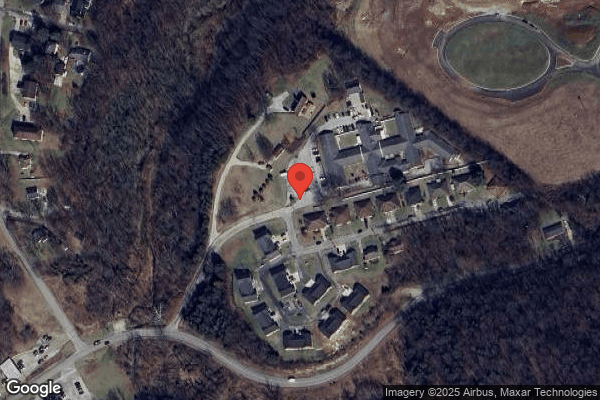
Jun 2019 7 deficiencies
CONCERN (D)

Potential for Harm - no one hurt, but risky conditions existed

Comprehensive Care Plan (Tag F0656)

Could have caused harm · This affected 1 resident

Based on observation, interview, record review, and review of the facility's policy, it was determined the facility failed to implement care plan interventions for one (1) of thirty-eight (38) sampled...

Read full inspector narrative →
Based on observation, interview, record review, and review of the facility's policy, it was determined the facility failed to implement care plan interventions for one (1) of thirty-eight (38) sampled residents, Residents #63. Observations revealed the facility failed to provide dining assistance as care planned. The findings include: Record review of the facility's policy, Baseline Care Plan Assessment/Comprehensive Care Plans, undated, revealed the Comprehensive Care Plan would be a person-centered plan of care approach for each resident, which included measurable objectives and timetables, and implemented to meet the resident's nursing, physical functioning, mental, and psychosocial needs. Review of Resident #63's clinical record revealed the facility admitted the resident on 05/15/19 with the diagnoses including Dysphagia, Dementia, and Neuroleptic Induced Parkinsonism. Review of the admission Assessment for Resident #63, dated 05/15/19, revealed the facility assessed the resident's weight as one hundred and nineteen (119) pounds. Review of the Quarterly Minimum Data Set (MDS) for Resident #63, dated 06/07/19, revealed the facility assessed the resident as unable to complete a cognitive assessment for Section C: Cognitive Patterns. Review of the two (2) previous Brief Interview for Mental Status (BIMS) dated 05/16/19 and 05/27/19 revealed Resident #63 scored a five (5) on both assessments. The facility assessed the resident's eating status as an extensive assist of two (2) persons for meal intake. Further review revealed the facility assessed the resident's functional abilities for eating, Section GG, as requiring substantial or maximum assistance to consume food/meals. Review of Resident #63's Comprehensive Care Plan, dated 05/22/10, revealed the facility identified a focus on 05/22/19, whiched stated the resident was at risk for a nutritional problems or potential nutritional problems because the resident did not use dentures, was unable to feed him/herself, and was provided a mechanically altered diet. The facility listed a goal to have Resident #63 remain nutritionally stable without significant weight change. The facility included interventions for this focus, which included monitoring and documentation of side effects of medications administered, explaining to the resident the importance to maintain the diet ordered with encouragement to comply with the consequences of refusal. Additional interventions included monitoring weight as ordered, monitor/record/report to the doctor the signs and symptoms of malnutrition which included significant weight loss of three (3) pounds in a week or greater than five (5) per cent weight loss in a month. The facility interventions also included to provide and serve the resident's diet as ordered and to monitor the resident's intake with each meal recorded. Review of Resident #63's Certified Nursing Assistant (CNA) care guide, undated, revealed staff were to assist Resident #63 with all meals and was to take the resident to the dining hall for all meals. Observation, on 06/19/19 at 8:37 AM, revealed Resident #63 appeared to be asleep in bed, and the breakfast tray was present. The food appeared untouched and the supplement drink carton was full. Further observation revealed Resident #63's printed tray ticket noted the resident was to be in the dining hall for meals. Continued observation, on 06/19/19 at 12:28 PM, revealed Resident #63 appeared to be sleeping in his/her bed. There was no lunch tray present. At 2:00 PM, the Dietary Aide # 3 stated all the trays for the facility were completed. However, at 2:15 PM, no lunch was present in the Resident's room. Review of Resident #63's admission weight, dated 05/15/19, revealed the facility assessed the residents weight as one hundred and nineteen pounds point nine (119.9) pounds. On, 5/29/19 the facility assessed Resident #63's weight as one hundred and sixteen (116) pounds. Review of the Dietician's note for Resident #63, dated 05/29/19 at 2:16 PM, revealed the Dietician assessed the resident with a three point nine (3.9) percent weight loss after two (2) weeks. Record Review for Resident #63's Food Intake, dated 05/15/19 through 05/31/19, revealed staff failed to record three (3) periods of meal intake. Record Review for Resident #63's documentation of amount eaten, dated 06/01/19 through 06/20/19, revealed staff failed to record five (5) periods of meal intake. Review of a nurse's note for Resident #63, dated 05/22/19 at 2:05 PM, revealed staff were to continue weekly weights. Further review of Resident #63's clinical record revealed the facility did not record a weekly weight for the resident after 05/29/2019. On 06/20/19, this surveyor requested a current weight for Resident #63. Certified Nursing Assistant (CNA) # 9 obtained a weight and stated the resident's weight as one hundred and six point three (106.3) pounds. Review of thirty (30) days weight reference revealed Resident #63 weight was an eleven point thirty-four (11.34) percent loss. Interview with Resident #63's Physician, dated 06/20/19 at 2:35 PM, revealed staff were to inform her for weight loss for residents. The physician stated staff did not inform her of weight loss concerns for Resident #63. Interview with Certified Nursing Assistant (CNA) #7, on 06/21/19 at 4:20 PM, revealed she was agency staff. She stated she was unable to review the CNA plan of care for her assigned residents. She stated she received minimal report on care needs for her assigned residents and did not write the information down before she started caring for the residents. She stated care plans told the staff how to provide care of residents and staff should follow at all times. She stated if staff did not provide proper care then the resident's condition would get worse. Interview with Registered Nurse (RN) #3, on 06/21/19 at 4:40 PM, revealed staff were to read the resident care plans to learn how to provide care for a resident and all staff were to follow the care plan. She stated staff were unable to meet a resident's needs if staff did not follow the care plan. RN #3 stated not following the care plans may place residents at risk for changes in condition, which would make the resident worse. Interview with the Assistant Director of Nursing (ADON), 06/21/19 at 5:40 PM, revealed staff were to follow care plans for residents to ensure they met the residents' needs. She stated the facility maintained electronic care plans and not printed versions; therefore, contract (agency) staff needed access to the care plan in the computer. She stated the facility initiated a resident's care plan upon admission and then updated it as needed. She stated all staff were to follow care plans as written and if not followed it could lead to harm or illness for the resident. She further stated she did not audit care plans to the actual care performed on the floor. Interview with the DON, on 06/21/19 at 6:20 PM, revealed staff were to follow resident care plans and this included the DON. She stated the facility completed resident care plans to meet the specific needs of each resident. The DON stated if the facility did not follow the care plan then the facility failed to ensure the resident was followed for alterations in nutrition and weight loss. In addition, the DON stated Resident #63 was lost in the shuffle and she was not aware of the weight loss. Interview with the Administrator, on 06/21/19 at 6:46 PM, revealed she rounded in the facility routinely to insure staff addressed identified issues proactively. However, she stated she did not review the clinical processes in the facility. She further stated as Administrator of the facility she was responsible to ensure all residents were safe and to ensure the facility and staff cared for all residents
CONCERN (D)

Potential for Harm - no one hurt, but risky conditions existed

Deficiency F0692 (Tag F0692)

Could have caused harm · This affected 1 resident

**NOTE- TERMS IN BRACKETS HAVE BEEN EDITED TO PROTECT CONFIDENTIALITY** Based on observation, interview, record review, and review of facility program Skin, and Weight Assessment Team (SWAT), it was d...

Read full inspector narrative →
**NOTE- TERMS IN BRACKETS HAVE BEEN EDITED TO PROTECT CONFIDENTIALITY** Based on observation, interview, record review, and review of facility program Skin, and Weight Assessment Team (SWAT), it was determined the facility failed to provide care and services to maintain or address a resident's nutritional status for one (1) of thirty-eight (38) sampled residents, Resident #63. Observations revealed Staff did not provide or assist Resident #63 with meals after the facility identified the resident with potential for alteration in nutritional status. The findings include: Review of the SWAT Program, undated, revealed the facility identified residents at nutritional risk. The facility assessed the nutritional status of the resident, and aggressively reviewed and addressed those residents with significant weight loss. The facility monitored the identified residents weekly with a goal to improve the residents' nutritional status. The facility assessed, observed, and reviewed the clinical and dietary interventions implemented to address the identified factors for the altered nutritional status. Furthermore, the facility notified the physician for identified emergent issues. Additional review reviewed the facility indicators for inclusion in SWAT monitoring included a five (5) percent (%) weight change in thirty (30) days, new admissions, Changes in Condition (CoC), and residents on weekly weights. The facility procedure included weekly meetings, weekly completion of the SWAT form. Staff recorded and monitored the interventions decided by the team, added the interventions to the resident's care plan, and the Certified Nursing Assistant (CNA) assignment information was updated. Further review revealed the facility reviewed a new resident weekly until after four (4) weeks with no weight concerns and eight (8) weeks of stable weights for other residents. However, the facility program noted if a resident's food intake remained below an acceptable level, staff monitored the resident for intake and reviewed alternative interventions for implementation. Review of Resident #63's clinical record revealed the facility admitted the resident to the facility on [DATE] with the diagnoses of Dysphagia, Dementia, and Neuroleptic Induced Parkinsonism. Review of Resident #63's admission Assessment, dated 05/15/19, revealed the facility assessed the resident's weight as one hundred and nineteen (119) pounds. Review of Resident #63's Cognitive Pattern Assessment, dated 05/16/19, 05/27/19, and 06/07/19, revealed the facility assessed Resident #63's cognitive patterns with the Brief Interview for Mental Status (BIMS). On 05/16/19, the facility assessed the resident with a score of five (5). On 05/27/19, the facility assessed the resident with a score of five. On 06/07/19, the facility assessed the resident with a core of ninety-nine (99) and determined the resident was unable to participate with the cognition assessment. Review of Resident #63's Quarterly Minimum Data Set (MDS), dated [DATE], revealed the facility assessed the resident's eating status and determined the resident required a two (2) person physical assistance for the consumption of food. Continued review revealed the facility assessment of the resident's functional abilities for eating, under Section GG, determined the resident required substantial and or maximum assistance to consume food/meals. Observation, on 06/19/19 at 8:37 AM, revealed Resident #63 was asleep in bed, and the breakfast tray was present. However, the food appeared untouched and the supplement drink carton appeared full. Further observation revealed Resident #63's printed tray ticket noted the facility was to transport the resident to the dining hall for meals. Continued observation, on 6/19/19 at 12:28 PM, revealed Resident #63 appeared asleep in his/her bed. The resident's did not have a lunch tray. At 2:00 PM, the Dietary Aide #6 stated all the trays for the facility were completed, and at 2:15 PM the Dietary Manager stated all staff had delivered all resident lunch trays. However, at 2:15 PM, no lunch tray was available for Resident #63. Review of the CNA guide for Resident #63, undated, revealed CNA staff assisted Resident #63 with all meals and moved the resident to the dining hall for all meals. Review of Resident #63's documentation of amount eaten dated 05/15/19 through 05/31/19, revealed the following codes to reflect meal consumption. A zero (0) indicated the resident consumed zero (0) to twenty-five (25) percent (%); a one (1) indicated the resident consumed twenty-six (26) to fifty (50) %; a two (2) indicated the resident consumed fifty-one (51) to seventy-five (75) %; a three (3) indicated the resident consumed seventy-six (76) to one hundred (100) %, and a four (4) indicated the resident was unavailable. During this time-period of forty-eight (48) meals provided by the facility, the staff recorded Resident #63's meal consumption with eighteen (18) instances of no intake, thirteen (13) instances of 1, nine (9) instances of 3. Further review revealed staff failed to record three (3) percentage of meal intake. Review for Resident #63's documentation of amount eaten, dated 06/01/19 through 06/20/19, revealed staff recorded intake for ten (10) meals as a 0, nineteen (19) meals as a 1, out of a possible of sixty (60) meals. Review of a Nursing Note for Resident #63, dated 05/22/19 at 2:05 PM, revealed SWAT team reviewed resident, the resident did well with assistance for meals, and staff were to continue weekly weights. Review of Resident #63's Dietician note, dated 05/29/19 at 2:16 PM, revealed the Dietician assessed the resident with a three point nine (3.9) percent weight loss at two (2) weeks. The Dietician noted Resident #63's intake oral foods began declining on 05/21/19. The Dietician recommended magic cup supplements with lunch and dinner as well as health shakes three (3) times a day with meals. The Dietician further recommended mighty shakes between meals in order to maintain the residents' appetite; and, the SWAT team was to continue to monitor the resident. Review of Resident #63's nurses note, dated 06/05/19 at 5:39 PM, revealed the nurse notified the DON of the resident's refusal to eat breakfast and lunch and seemed unable to swallow. Continued Review of Resident #63's nurses notes, dated 06/20/19 at 07:33 PM, revealed staff remarked Resident #63's appetite continued to be poor. Review of Resident #63's Physician Order (PO) sheets, dated 05/15/19 through 06/20/19, revealed the facility no order for weekly weights as noted on the SWAT audit tool. Review of Resident #63 Treatment Order Sheet (TAR), dated 05/15/19 to 06/30/19, revealed the facility did not include a line item for weekly weight to cue staff to obtain and record the resident's weight. Review of Resident #63's admission weight, dated 05/15/19, revealed the facility assessed the residents weight as one hundred and nineteen pounds point nine (119.9) pounds. On, 05/29/19 the facility assessed Resident #63's weight as one hundred and sixteen (116) pounds. Further review revealed the facility did not record a weekly weight on the resident after 05/29/19. On 06/20/19, this surveyor requested a current weight for Resident #63. CNA #9 obtained a weight and stated Resident #63's weight as one hundred and six point three (106.3) pounds. Review of thirty days (30) weight reference revealed Resident #63 weight with an eleven point thirty-four (11.34) percent loss. Interview with CNA #6, 06/19/19 at 2:29 PM, revealed staff fed Resident #63 in his/her room. She stated she was assigned to Resident #63 on 06/19/19. CNA #6 stated she was in the dining hall for breakfast and lunch and could was not sure if Resident #63 was fed those meals. She further stated all staff were responsible to ensure residents ate meals. She stated if staff did not provide assistance to residents, that were assessed to need assistance, the residents could lose weight and become sick. Interview with Licensed Practical Nurse #3, on 06/21/19 at 12:13 PM, revealed staff were to feed Resident #63. She stated if residents refused to eat, the CNA was to inform a nurse. She stated the nurse then attempted to feed the resident. If unsuccessful, the nurse told the manager on duty or the Director of Nursing (DON) and documented the resident's refusal in the electronic record. LPN #3 further stated staff were aware of Resident #63's poor appetite, and their responsibility to monitor closely. LPN #3 stated the facility monitored residents with known poor appetites for malnourishment, skin breakdown, and the resident's cognition. The LPN further stated staff were to take Resident #63 to the dining room for supervision and assistance during meals. She stated facility staff were aware the resident was not eating well but was unsure about agency staff's knowledge of the resident. She stated CNA's were to record, monitor and report to the nurse if a resident's intake was less than fifty (50) percent. She stated staff obtained weights on admission, for three (3) days in a row, and then weekly for four (4) weeks. Review of Resident #63's SWAT Weight Management record, dated 05/22/19 and 05/29/19, revealed the facility placed Resident #63's name on the title line with the admission of 05/15/19. Continued review revealed the facility failed to complete all sections on the audit tool with the exception of weekly weight for 05/22/19 and a note to continue weekly weights noted on 05/29/19. Further review revealed the facility documentation on this tool stopped after 05/29/19 Interview with Resident #63's Nurse Practitioner, dated 06/21/19 at 2:07 PM, revealed the facility did not notify her of concerns with Resident #63's weight loss. She stated she was aware of the resident's poor appetite and that the staff provided assistance and supplements. She further stated she had not reviewed the resident's weight on a weekly or recent basis. Interview with Resident #63's Physician, dated 06/02/19 at 2:35 PM, revealed staff were to inform her for weight loss for residents. She stated staff did not inform her about their weight loss concerns for Resident #63. Interview with CNA #9, on 06/21/19 at 2:35 PM, revealed she cared for Resident #63 when the resident resided on the Rehab Unit. She stated rehab unit staff assisted the resident with all meals and the resident ate well with assistance. Interview with CNA #7, on 06/21/19 at 4:20 PM, revealed she was agency staff and she was unable to review the CNA plan of care for her assigned residents. She stated she received minimal report on care needs for her assigned residents and did not write the information down. She stated if residents did not receive proper care they needed, then the resident's condition would get worse. Interview with Registered Nurse (RN) #3, on 06/21/19 at 4:40 PM, revealed the nurses provided a list to the CNA, which listed residents for whom a weight was required. She stated the Unit Manager (UM) provided the list for the nurses to distribute. She further stated the facility placed weight needs on the resident treatment records to cue staff to when the weights were to be obtained. She stated CNA's reported the weight of a resident and the nurses recorded the weight in the vital sign section of the electronic record. She stated residents not monitored for weight loss were at risk for further weight loss and were a high risk for acute changes in condition. She stated all staff, from the CNA's to the Director of Nursing (DON), were responsible to ensure weights were obtained and documented per the facility protocol. She stated the facility was to monitor the first three days, then weekly for weight loss until the facility determined the resident was not a risk. Interview with the Assistant Director of Nursing (ADON), on 06/21/19 at 5:40 PM, revealed on admission the staff obtained the resident's weight for three (3) days in a row, and weekly for four (4) weeks. She stated the SWAT team reviewed all new admissions for the risk of weight loss and if the team identified a resident at risk, staff monitored that resident closer and began interventions. She stated the staff notified the doctor when a resident lost weight. She stated the facility was to place weight monitor needs on the electronic treatment record to alert staff as to when to obtain a resident's weight. She further stated residents who were identified with weight loss were to be placed on the SWAT list for weekly monitoring. She stated residents were at risk for further weight loss, skin breakdown and decline of overall health and it was the responsibility of the DON to ensure the staff followed procedure. However, she further stated a system to insure staff monitored residents for weight loss may be necessary Interview with the Dietician, on 06/21/19 at 6:09 PM, revealed she attended the facility SWAT meetings. She stated the facility held SWAT review meetings on a weekly basis but meetings were very inconsistent. She stated the SWAT team members discussed Resident #63's weight loss after admission but she did not recall a facility discussion of Resident #63 after that point. She further stated she did not have a tool to monitor SWAT residents who were on the SWAT review list and she trusted the facility to track resident's weight and bring the information for review. However, she stated it was the Dietician's responsibility to ensure residents were assessed and evaluated for nutritional needs, which included weight loss. She stated she did not write the recommendations on the physician order sheet for the physician to approve and was not sure how the facility was to complete this task. She stated if the facility was to complete weekly weights then the monitoring tool the facility used would indicate a weight loss which needed to be followed. She stated the facility was to record, track, and follow-up on the residents' well-being, and if this was not completed the resident would be impacted and would decline. Interview with the DON, on 06/21/19 at 6:20 PM, revealed the facility was to print a weight exception report, which identified residents with weight loss for the SWAT team review. She stated the facility was to include a SWAT audit form to track each resident, document interventions and follow-up. She stated the facility staff were to obtain weights at admission, for three (3) days after admission, and then weekly for four (4) weeks. The DON added, however, the facility used many agency staff who did not have access to policy and procedure in the electronic system and the facility did not provide a binder with printed policies for even the basic information such as admissions. She stated as DON she followed the SWAT residents but she did not have a tracking or audit tool with a list of the residents to follow. She stated the facility binder was unorganized and as DON she was unable to keep up with who needed to be tracked. She stated the facility SWAT team did not discuss Resident #63 after 05/29/19 and the facility was unaware the resident continued to lose weight until 06/20/19. The DON stated Resident #63 was now diagnosed with anemia, increased agitation, and worse overall than when the facility admitted the resident and weight loss could be a reason for the decline. Interview with the Administrator, on 06/21/19 at 6:46 PM, revealed her first day as interim administrator was 06/18/19. She stated as the Regional Director she visited the facility on a routine basis to ensure any issues identified were proactively addressed. However, she stated she did not review the clinical processes in the facility and was not aware of any issues before survey. She further stated as Administrator of the facility she was responsible to ensure all residents were safe and staff provided care for all residents.
CONCERN (D)

Potential for Harm - no one hurt, but risky conditions existed

Medication Errors (Tag F0758)

Could have caused harm · This affected 1 resident

Based on observation, interview, record review, and facility policy review, it was determined the facility failed to ensure one (1) of thirty-eight (38) residents, Resident #63, was free from unnecess...

Read full inspector narrative →
Based on observation, interview, record review, and facility policy review, it was determined the facility failed to ensure one (1) of thirty-eight (38) residents, Resident #63, was free from unnecessary psychotropic medication and as needed (PRN) psychotropic medication (Ativan). In addition, the facility did not monitor behaviors or for side effects of a psychoactive medication. (Ativan/Lorazepam). The findings include: Review of the facility policy, Medication Regimen Review, undated, revealed the consulting pharmacist reviewed resident medications in detail and followed federal mandated standards of care. Additionally, the consulting pharmacist reviewed all as needed orders to include condition, side effects, and the potential unnecessary medication usage. The pharmacist reported irregularities to the attending physician or care provider. Review of the facility policy, Unnecessary Drugs, undated, revealed a full assessment of the resident was required to substantiate the need to administer psychotropic medications. The physician and clinical pharmacist consultant reviewed the necessity of the medications and reviewed to ensure appropriate parameters were set with the written request of the medication. Review of the facility policy, Resident Behaviors and Facility Practices, undated, revealed the facility did not use psychoactive drugs for the convenience or if not required to treat a medical symptom. Review of the facility policy, Psychotropic Medication Behavior Management Meetings, undated, revealed the facility monitored residents with behaviors. The meetings ensured the facility had appropriate interventions in place to manage any behavior with non-pharmacological interventions before a psychoactive medication was included in the resident's care. Orders for PRN use were time limited and only for specific, clearly documented circumstance(s). Nurses were required to monitor the drug use daily and note any adverse effects such as increased somnolence or function decline. Review of the clinical record for Resident #63 revealed the facility admitted the resident on 05/15/19, with the diagnoses including Unspecified Dementia with Behavioral Disturbance, Unspecified Psychosis not due to a substance or known physiological condition, and Cognitive Communication Deficit. The facility did not provide a behavior monitor audit form for Resident #63. Review of a Physician Telephone Order (PO) sheet, for Resident #63, dated 06/05/19, revealed an order written and signed by the provider for Lorazepam, zero point five (0.5) milligrams (mg), twice daily. A medical reason or indication was not included with the written order. Continued review of Resident #63's PO sheet, dated 06/11/19, at 9:30 PM, revealed an order was written and signed by the provider without a reason or diagnosis for Lorazepam Intensol (liquid) two (2) mg slash (/) milliliter (ml) (2 mg/ml), and to administer zero point five (0.5) mg twice daily with one PRN dose daily. Further review revealed the order did not include an end date. Review of the Medication Regimen Review Sheet for Resident #63, undated, revealed the consulting pharmacist completed a medication review on 05/22/19 and 06/18/19. Further review revealed no noted concerns written by the pharmacist. Review of the Medication Administration Record (MAR) for Resident #63, dated 06/1/19 through 06/30/19, revealed on 06/11/19 at 3:47 AM, a one-time dose of Ativan one (1) mg was administered for Dementia with Behavioral Disturbances. Review of the Nurses' Notes for Resident #63, dated 06/11/19 at 5:29 AM, revealed the resident screamed most of the night, a PRN dose of Ativan one half (0.5) mg was given, on 06/10/19 at 10:12 PM, and was noted as ineffective. Staff noted the on-call provider was notified and the facility received a one-time order to inject Ativan one (1) mg Intramuscularly (IM). Further Review of Resident #63's MAR, dated 05/15/19 through 06/30/19, revealed no order for behavior monitoring or side effect monitoring of a medication psychotropic. Review of Resident #63's Treatment Administration Record (TAR), dated 05/15/19 through 06/30/19, revealed no order for behavior monitoring or side effect monitoring of a psychotropic medication. Observation and interview, on 06/18/19 at 3:00 PM, revealed Resident #63 in the television room with the Activity Director (AD). Observations revealed the resident with the behavior of lip smacking with intervals of tongue thrusts. Continued observations revealed the resident attempted to stand with redirection from the AD to sit down. The AD stated the resident was a very busy person at all times. Further observations revealed Resident #63 was calm, quiet and responded to his/her name; however, Resident #63 appeared unable to focus when this surveyor attempted conversation with the resident and he/she frequently dosed off and then would reattempt to stand. Observation and interview, on 06/21/19 at 2:35 PM, revealed the resident in a wheelchair in the hallway and continued to attempt to stand while a Certified Nursing Assistant (CNA) #9 redirected the resident to sit down. When attempting to stand, Resident #63 had his/her eyes closed and would mumble. CNA #9 stated the resident would not stay seated, nor could she remain with the resident, whom she stated needed one on one, or the resident was going to fall. Resident #63 again stood in front of the wheelchair while holding onto CNA #9's while he/she mumbled, with eyes closed and the resident marched in place. CNA #9 restated she didn't have time to deal with the resident as she needed to continue to complete other tasks and voiced her frustration to LPN #6. LPN #6 instructed the aide to take Resident #63 to the restroom and then LPN #6 would attempt to monitor the resident. CNA #9 then took Resident #63 to the bathroom returned with the resident in his/her wheelchair, and placed the resident in the Television (TV) area with a baby doll in hand. CNA #9 encouraged the resident to watch TV and left the area. Interview with CNA #9, on 06/21/19 at 2:25 PM, revealed the resident lived in the rehabilitation wing of the facility and was typically cooperative, alert, would take direction, and occasionally confused. CNA #9 stated she was shocked to see Resident #63 in this condition today, and clarified the resident's condition as appearing to sleep while attempting to stand, pacing in place, and generally a complete zombie from previous times she (CNA #9) worked with the resident. CNA #9 stated Resident #63 could not follow requests, was restless and was going to get hurt. She stated the nurse on duty was aware of the resident's condition as they had spoken about how constantly sleepy she was, and did not eat today. CNA #9 stated the resident needed one on one supervision for safety. Review of a nurse's note for Resident #63, dated 06/21/19 at 1:49 PM, revealed the resident was constantly trying to get up from the wheelchair, one to one was attempted, and after staff administered PRN medications Resident #63 seemed to calm down. Review of Resident #63's Controlled Substance Record, dated 06/11/19, revealed on 06/21/19 at 3:00 PM, Lorazepam Intensol zero point two five (0.25) mg was given by LPN #6. Interview with LPN #6, on 06/21/19 at 4:00 PM, revealed she administered PRN Ativan to Resident #63, on 06/21/19, and related to the resident's constant need for redirection without success. LPN #6 stated the CNA's were unable to manage the resident while attempting to complete the care of other residents. She further stated she did not notify the Assistant Director of Nursing (ADON) or the Director of Nursing (DON) that Resident #63 may need higher supervision before she administered the PRN Ativan. She stated Resident #63 seemed tired all the time and the resident's behaviors were worse than when initially admitted to long term care. LPN #6 stated she believed the resident was over-restless for it to be anxiety related. She stated the facility did not provide tools for monitoring behaviors or the side effects of medication for Resident #63 or for any resident on the unit. LPN #6 stated she was unable to provide the attention the resident required as he/she kept trying to get up and down in the wheelchair and LPN #6 needed to continue her work for other residents during medication pass. She stated the facility did not have staff for one (1) on one (1) supervision. She further stated all staff were responsible to care for the residents, including safe medication administration. She stated residents could become doped up and resident falls could worsen. Observation, on 06/21/19 at 4:00 PM, revealed Resident #63 in his/her bed with eyes closed and the resident snored. Interview with the Nurse Practitioner (NP), on 06/21/19 at 2:15 PM, revealed she wrote the order for Ativan/Lorazepam after consulting with the NP at the Psychology Services because staff reported the resident was combative, uncooperative, yelling and disturbing other residents. She stated staff were to monitor Resident #63 at all times for side effects. She further stated staff vocalized they attempted interventions but did not give detail nor did she review written documentation of behavior monitoring/interventions by staff. Interview with the Medical Director (MD), on 06/21/19 at 2:35 PM, revealed she was assigned as the attending physician for Resident #63. The MD stated the NP typically visited the facility and addressed the resident needs. The MD stated PRN psychotropic medications were written with a fourteen (14) day stop date and she would not prescribe PRN Ativan/Lorazepam to a resident who could not request the medication. The MD stated behavior monitoring and side effects of the psychoactive medication was an absolute requirement for use of these medications. She stated the NP's who were assigned to the facility, were not to write or change orders for psychoactive medications, and especially if physiology was involved. She stated the NP should have requested to re-evaluate the resident when behavior changes were noted. She stated the NP managed the residents with her (the MD) oversight only after she (MD) completed the initial evaluation and the required medical assessments. Interview with the Assistant Director of Nursing (ADON), on 06/21/19 at 5:40 PM, revealed the facility instituted a behavior monitor sheet by the Director of Nursing (DON) a month ago. However, upon attempted review with the surveyor, the ADON was not able to locate the monitoring book for the [NAME] Nursing Unit where Resident #63 lived. She stated if not available, staff were unable to document and track behaviors. She stated the purpose of behavior monitoring was to track a resident's behaviors to gain a better understanding of the needs of the resident. She stated the order for Resident #63's PRN Ativan/Lorazepam did not provide either a reason or a stop date for the medication and staff failed to record when they documented the order. The ADON stated Resident #63 was not monitored for side effects. She stated Resident #63 slept all the time, had increasingly agitated behavior and was a rollercoaster. Interview with the DON, on 06/21/19 6:09 PM, revealed the facility did not have a monitoring system for resident behaviors and medication side effects before implementing psychoactive medications. She stated she attempted to institute a behavior-tracking tool to monitor residents with behaviors; however, if staff could not locate the book the facility attempt to monitor was ineffective. She further stated she did not receive any audit sheet for behavior monitoring with concerns for Resident #63, and stated the electronic MAR/TAR system at the facility was not equipped to document monitored behaviors and medication side effects. She further stated PRN use for psychotropic medication was only for the diagnosed condition provided by the provider who wrote and or signed the order. Additionally, the DON stated the facility staff followed residents for behavior issues, and the interventions instituted which staff documented and reviewed with facility behavior team before use of PRN order for a psychoactive medication. Review of the Psychotropic Drug Committee Meeting Form, dated 06/19/19, revealed Resident #63 name. However, the form was blank with the exception of a notation indicating attempted to send to Psychology. Interview with Administrator, on 06/21/19 at 6:46 PM, revealed she did not review the clinical process for orders or use of PRN or scheduled psychoactive medication. She further stated it was her responsibility to ensure the facility followed regulations and to ensure the residents were cared for and safe. Interview with the Nurse Consultant, 06/21/19 at 7:20 PM, revealed she was unaware of issues with staff monitoring resident behavior, side effects, or use of PRN psychoactive medication in the facility. She further stated PRN use was to be limited to fourteen (14) days, prescribed for a specific use, and used only when indicated for the prescribed use.
CONCERN (D)

Potential for Harm - no one hurt, but risky conditions existed

Menu Adequacy (Tag F0803)

Could have caused harm · This affected 1 resident

Based on observation, interview, record review, and facility policy review it was determined the facility failed to ensure dining choices were honored for one (1) of eleven (11) sampled residents, Res...

Read full inspector narrative →
Based on observation, interview, record review, and facility policy review it was determined the facility failed to ensure dining choices were honored for one (1) of eleven (11) sampled residents, Resident #42. The findings include: Review of the policy Meal Service, undated, revealed the facility would serve each resident a diet that was appropriate for the physical, cognitive, and psychosocial needs of the resident. Review of the policy Resident Preferences, undated, revealed the facility ensured the resident received care as to their preference and choice as part of a person centered approach to care. The objective was to deliver care while honoring the resident's likes and not subjecting to them any dislikes developed over a lifetime of experiences in living. Review of the clinical record revealed the facility admitted Resident #42 on 06/27/18 with diagnoses to include Chronic Obstructive Pulmonary Disease (COPD), Dysphagia, Gastroesophageal Reflux Disease (GERD), and Type 2 Diabetes Mellitus. Review of the quarterly Minimum Data Set (MDS) assessment, dated 05/17/19, revealed the facility assessed the resident with a Brief Interview for Mental Status (BIMS) score of fifteen (15) out of fifteen (15) and determined the resident was interviewable. Observation, on 06/18/19 at 9:33 AM, revealed Resident #42 seated in a wheelchair in his/her room. Interview during observation revealed the resident did not like spicy food; however, on 06/17/19 the food served for supper was so spicy it burnt his/her mouth. The resident revealed the facility previously distributed menus but he/she had not received a menu for about two (2) or three (3) weeks. Interview, on 06/19/19 at 3:11 PM, with Certified Nursing Assistant (CNA) #5 revealed Resident #42 selected food/meals from the dietary menu and stated the Assistant Dietary Manager was responsible for providing residents with the menu. Interview with the Assistant Food Service Director, on 06/20/19 at 2:46 PM, revealed he and the Dietary Manager handed out the selective menu to residents weekly. He revealed he knew by heart which residents received a selective menu and stated he had made a list for the new Dietary Manager but did not specify if he included Resident #42 on the list. The Assistant Director revealed he was not aware of any issues with delivery of selective menus to residents. The Assistant Food Service Director revealed it would be important to honor preferences to ensure residents ate their food and prevent potential weight loss. Interview with the Food Services Director, on 06/20/19 at 3:19 PM, revealed she had a list of residents who received selective menus; however, there were a couple of residents missing from the list. She further revealed she did not refer to the resident list when she passed out weekly menus and could not be sure the menu was delivered to all of the residents who wanted one. The Food Services Director revealed residents had the right to choose food they liked and stated the system for distributing menus appeared to be broken. Interview with the Administrator, on 06/20/19 at 5:00 PM, revealed she was not aware of any concerns related to availability of menus. The Administrator revealed the Dietary Manager met with residents upon admission to review preferences and residents could choose from the always available menu.
CONCERN (D)

Potential for Harm - no one hurt, but risky conditions existed

Infection Control (Tag F0880)

Could have caused harm · This affected 1 resident

Based on observation, interview, and facility policy review it was determined the facility failed to implement an effective infection control program as evidenced by clean personal care items stored i...

Read full inspector narrative →
Based on observation, interview, and facility policy review it was determined the facility failed to implement an effective infection control program as evidenced by clean personal care items stored in one (1) of three (3) soiled utility rooms located on the Rehab unit. The findings include: Review of the policy Infection Prevention and Control revealed the Infection Preventionist would make facility wide rounds at least weekly to identify any visible breaches within the physical environment, identify and correct any potential deficits as discovered. Observation of the 100 Hall soiled utility room, on 06/18/19 at 9:55 AM, with the Transportation Driver revealed clean bedpans stacked on a counter top. Interview during observation revealed the bedpans should be stored inside the cabinet. Observation of the 100 Hall soiled utility room, on 06/19/19 at 8:40 AM, with Licensed Practical Nurse (LPN) #2 revealed two (2) boxes of new urinals stored on top of a cabinet located across from a hopper sink. Interview with LPN #2 during observation revealed clean items should not be stored in the soiled utility room. Observation of the 200 Hall soiled utility room, on 06/21/19 at 9:53 AM, revealed clean, unused bedpans stored in the room. Interview with LPN #8 during observation revealed clean stock should not be stored in the soiled utility room. Further interview with the Transportation Driver, on 06/21/19 at 2:56 PM, revealed he and the Assistant Director of Nursing (ADON) were responsible for stocking new supplies on the nursing units. The Driver revealed the only items stored in the soiled utility room were urinals, bedpans, and urine collection cups. He stated he helped with central supply as needed; however, he was not trained on infection control procedures as related to storage of clean supplies. Interview with Assistant Director of Nursing (ADON), on 06//21/18 at 2:38 PM, revealed she and the Transportation Driver were responsible for Central Supply and stocking supply rooms on the nursing units. The ADON revealed she noticed clean supplies (urinals, bedpans, and miscellaneous items) were stored in the soiled utility room of the [NAME] unit and she notified the former Administrator of her concerns; however, the issue was not addressed. The ADON revealed clean supplies should not be stored in the soiled utility room because there was a risk of cross contamination and potential spread of infection. Interview with the Director of Nursing (DON), on 06/21/19 at 3:45 PM, revealed she was not aware clean supplies were stored in the soiled utility rooms. She stated clean supplies should not be stored in the utility rooms. According to the DON, clean items could potentially be contaminated if they came in contact with soiled equipment and residents could get sick. Interview with the Interim Administrator, on 06/21/19 at 5:00 PM, revealed she was not aware clean supplies were stored in soiled utility rooms.
CONCERN (E)

Potential for Harm - no one hurt, but risky conditions existed

Deficiency F0761 (Tag F0761)

Could have caused harm · This affected multiple residents

Based on observation, interview, record review and facility policy it was determined the facility failed to ensure medications were properly labeled and dated for two (2) of three (3) medication rooms...

Read full inspector narrative →
Based on observation, interview, record review and facility policy it was determined the facility failed to ensure medications were properly labeled and dated for two (2) of three (3) medication rooms in the [NAME] and Rehab Nursing Stations. Observations revealed opened bottles of Tubersol (a purified protein derivative of the Mycobacterium tubercula used with the detection of tuberculosis (TB)) were not labeled with a date and time the agent was opened. In addition the facility failed to ensure one (1) of three (3) refrigerated medication lock boxes were properly secured to the refrigerator. Other observations revealed one (1) of four (4) medication room doors were unsecured for four (4) of four (4) days and one (1) of four (4) medication carts unlocked and unsupervised. The findings include: 1. Review of the facility policy titled, Medication Storage in the Facility, dated 04/2018, revealed medications were to be stored safe, secured, and properly. The medications were to be accessible only by licensed personnel, pharmacy or staff members' authorized to administer medication. Further review revealed all medications were to be properly labeled. Observation, on 06/19/19 at 3:37 PM, revealed Licensed Practical Nurse (LPN) #6 opened the medication refrigerator and revealed a two (2) cc bottle of Tubersol unlabeled, opened, and without a date or time on the bottle. Interview with LPN #6, on 06/19/19 at 3:37 PM, revealed all medications were to be dated and labeled when opened. She stated medications used with unknown open dates could be ineffective. She further stated an ineffective TB serum could lead to the facility not identify a resident who was exposed to TB. She stated this could relate to an unidentified resident with TB and would affect all residents in the facility. She stated the facility did not provide education for medications in regard to proper label and dating. However, as a nurse she knew the medications were to be labeled with a date and time when initially opened. Interview with LPN #1, on 06/19/19 at 3:50 PM, revealed the refrigerated box with scheduled medications were to be double locked. However, she stated she was unsure about whether the locked box was to be secured to the inside of the refrigerator. She stated all staff were responsible to ensure scheduled medications were stored, secured, dated and labeled at all times. She stated the facility provided education to lock medication carts and to ensure all products were dated and labeled. However, she stated this was a verbal reminder and not an in-service. Observation on 06/20/19 at 4:05 PM, revealed the Rehab Nursing station medication refrigerator contained an unlabeled and undated bottle of Tubersol. Interview with Certified Medication Technician (CMT) #1, on 06/20/19 at 4:05 PM, revealed all medication was to be labeled and dated when opened to ensure all staff were aware of when the medication was opened. He stated this was to ensure the effectiveness of the medication was known. He stated this medication was used in the detection of TB and if over thirty (30) days was not as effective and could give a false reading. He stated the facility residents would be at risk if a resident was positive but the test was not concluded positive due to the lack of effective serum. He stated all staff were responsible to ensure medications were labeled properly. 2. Review of facility policy, Medication Storage in the Facility, dated April 2018, revealed medications stored safe, secured, and properly. The medications were accessible only by licensed personnel, pharmacy or staff members authorized to administer medication. Further review revealed scheduled two (2) medications of the Controlled Substances Act were to be stored in a permanently affixed compartment. Observation, on 06/19/19 at 3:37 PM, revealed Licensed Practical Nurse (LPN) #6 removed the controlled medication lock box from the medication refrigerator and placed the lock box on the counter on the [NAME] Nursing Station (WNS) medication room. No device, connecting the lock box to the refrigerator, was visible. The lock box contained forty-two (42) cc's of liquid Ativan. Observation, on 06/20/19 at 4:05 PM, revealed Certified Medication Technician (CMT) #1 removed the inner refrigerated controlled medication box for the Central Nurses Station (CNS) and placed the lock box on the counter. Continued observation revealed the box was not attached to the refrigerator by any tethered device and the box contained thirty four (34) cc's of Lorazepam in three (3) separate vials. Interview with LPN #6, on 06/19/19 at 3:37 PM, revealed the facility secured controlled medications with a double lock. However, LPN #6 was unsure if the lock box needed to be attached to the refrigerator. She stated, in the current manner, the lock box was able to be walked out of the facility, and medications would not be available for residents. She stated if not available the resident could be in pain or have increased anxiety. She stated nurses, aides and administration had access to the medication room and nurses working on the unit had a key to the refrigerator. She stated the facility did not provide education for medication securement except with of verbal reminders to keep all medication room doors and carts locked. Interview with LPN #1, on 06/19/2019 at 3:50 PM, revealed the refrigerated lock box for the controlled scheduled medications was to be double-locked. However, she was unsure if the locked box was to be attached to the inside of the refrigerator. She stated all staff were responsible to ensure controlled medications were secured at all times. She stated the facility provided verbal reminders to lock medication carts. Interview with CMT #1, on 06/20/19 at 4:05 PM, revealed the box was to be secured in a double lock fashion, but he was not sure about an attachment to the refrigerator. However, CMT #1 stated since the box was not attached, the medications were vulnerable for diversion which would mean the resident would not have ordered medications. He further stated the facility educated staff on the securement of medications and controlled drugs. Interview with the Director of Nursing (DON), on 06/21/19 at 6:09 PM, revealed she was not sure whether the inner compartment box needed to be secured to the refrigerator. Interview with the Administrator, on 06/21/2019 at 6:46 PM, revealed the facility audited for concerns which could be proactively addressed. She stated the facility did not identify issues with the security of the scheduled medication boxes in the medication refrigerators. She stated it was the facility's job to ensure the residents were safe and cared for by the staff 3. Observation, on 06/21/19 at 9:00 AM, revealed the medication room door was opened on the Rehab Unit hallway with no staff present. Continued observations revealed the room contained an automatic medication dispenser. Interview with CMT #1, on 06/20/19 at 4:05 PM, revealed the door to the stored automatic medication dispenser was to be locked at all times. He stated the medication dispenser was locked, required a password, the cabinets was locked on the door but anything was possible, the door was to be locked at all times and staff were told to keep the door locked. Interview with the Director of Nursing, on 06/20/19 at 12:39 PM, revealed the door to the medication room in the rehab hallway was to remain locked at all times. She stated the area was not well supervised and the room contained medications in locked cabinets and an automatic medication dispenser for staff's use. She stated the door was to be locked at all times and the licensed staff in the facility were aware the door was to be locked at all times. She stated staff were trained in April 2019 when the automatic dispenser was set up in the facility. Interview with the Administrator, on 06/21/19 at 6:46 PM, revealed the facility audited for concerns which could be proactively addressed. She stated it was the facility's job to ensure the residents were safe and cared for by the staff. 4. Observation, on 06/21/19 at 3:35 PM, revealed an unlocked and unsupervised medication cart on the [NAME] Hall of the facility. Further observations revealed residents walked by the unlocked medication cart, in addition to nursing aides and the Assistant Director of Nursing (ADON). Continued observation revealed at 4:00 PM LPN #6 came to the cart and locked it. Interview with LPN #6, on 06/21/19 at 4:00 PM, revealed medication carts were to be locked at all times and she was responsible to ensure the cart was locked when unattended. She stated residents on the hallway could pull a drawer open and get medications not prescribed for them. She stated if ingested the resident could become ill and may need transfer to the hospital. She stated the facility gave continual reminders to keep medication cart locked. Observation, on 06/19/19 at 3:35 PM, revealed one medication cart on the [NAME] Nurses Hallway was unlocked. Staff were observed behind the desk unable to visualize the cart and residents were observed passing the cart. Continued observations revealed LPN #6 came to the cart and locked the cart at 4:00 PM. Interview with LPN #6, on 06/19/2019 at 4:00 PM, revealed she was aware medication carts were to be locked. She stated this was to prevent theft from residents, staff or visitors of medications. She further stated acquired medications which are not prescribed can cause the person to become ill. She further stated she and all staff were responsible to ensure the medication carts were locked and the residents safe. Interview with the Director of Nursing (DON), on 06/20/19 at 12:39 PM, revealed staff were to keep medication carts locked at all times. She stated residents were at risk as they may obtain medications not prescribed to them and then get sick. She stated the facility did not provide staff education in regards to keeping medication carts locked. However, all nurses were aware to keep medication carts locked.
CONCERN (F)

Potential for Harm - no one hurt, but risky conditions existed

Food Safety (Tag F0812)

Could have caused harm · This affected most or all residents

Based on observation, interview and review of facility policy, it was determined the facility failed to follow the dishwasher manufacturer recommendations for the high temperature wash cycle in the fa...

Read full inspector narrative →
Based on observation, interview and review of facility policy, it was determined the facility failed to follow the dishwasher manufacturer recommendations for the high temperature wash cycle in the facility kitchen. Observation during survey revealed the dishwasher temperature reached one hundred forty (140) degrees Fahrenheit for several wash cycles. In addition, other observations during survey revealed the Dietary [NAME] #2 was unsure of the correct calibration process for the thermometer. The findings include: 1. Review of the facility Census and Condition, dated 06/18/19, revealed seventy-three (73) of seventy-three (73) residents received their meals from the kitchen. Review of the facility policy Dishwashing: Machine, dated 2017, revealed the Dining Services staff maintained the operation of the dishwashing machine according to established procedures and manufacturer guidelines. Following these procedures and guidelines ensured effective cleaning and sanitizing of all tableware and equipment used in the preparation and service of food. The policy stated for staff to check the machine each morning before washing dishes and again at each meal before washing dishes. If staff had not used the dishwasher for several hours, it recommended the machine to run for a cycle or two (2) to allow the dishwasher to reach proper function. Staff recorded wash/rinse temperatures and sanitizer concentration on the dish machine log before they washed any dishes. If the dishwasher was not at the correct hot water temperature, or the proper sanitizing concentration, staff were not to proceed to wash dishes and take corrective action. Review of the facility Service Report, dated 06/10/19, revealed the dishwasher were cleaned and serviced due to lime build up. The report indicated the Dishwasher was washing at temperature of one hundred, fifty-two (152) degrees Fahrenheit and final rinse was one hundred, eighty-five (185) degrees Fahrenheit. Review of the Owner's Manual for CMA Dish machines model 180, no date, revealed to initially fill the machine daily, press the auto fill rocker switch. The Auto fill timer would fill the machine until water begins to flow into the scrap trap. When the door are open and then closed, the wash cycle begins automatically. The wash tank heater would maintain the wash water temperature at one hundred, fifty-five (155) degrees Fahrenheit. The booster heater would produce a minimum of one hundred eighty (180) degrees Fahrenheit final rinse water each cycle providing the incoming water supply was a minimum one hundred twenty (120) degrees Fahrenheit. Observation of Dietary Aide #1, on 06/19/19 at 1:14 PM, revealed she completed two (2) cycles using the dishwasher full of dishes before this writer stopped her. Dietary Aid #1 stated she was going to proceed with the third load but did not read the temperature, which the dishwasher wash cycle displayed at one hundred forty (140) degrees Fahrenheit and the rinse reached one hundred eighty (180) degrees Fahrenheit. The Dietary Aide #1 had not recorded the temperatures or observed the temperatures to make sure it was correct. The Dietary Director ran the dishwasher seven (7) times before the thermometer moved up to the manufacturer recommended temperature. Observation of the dishwasher, on 06/20/19 at 8:41 AM, revealed the wash temperature reached one hundred fifty-one (151) degrees Fahrenheit and the rinse temperature reached one hundred eighty-five (185) degrees Fahrenheit. The Dietary Director revealed she did not call the vendor because the dishwasher wash temperature read one hundred sixty (160) degrees Fahrenheit before she left last night. Interview with Dietary Aide #1, on 06/19/19 at 1:32 PM, revealed she usually looked at the temperature however, she was nervous. Dietary Aide #1 report it was important to make sure the dishwasher was running at the correct temperature to ensure the dishes were sanitized and clean. She stated the residents could become sick and possibly die from contamination. Continued interviewed with Dietary Aide #1, on 06/19/19 at 1:32 PM, revealed she knew the dishwasher wash temperature should reach one hundred sixty-five (165) to one hundred eighty (180) degrees Fahrenheit and the rinse temperature should reach between one hundred seventy-five (175) to one hundred eighty (180) degrees Fahrenheit. She stated she may have to run the dishwasher a few times, two (2) - three (3) times, before the dishwasher got to temperature. Dietary Aid #1 reported the dishwasher cooling down between uses could be the reason why it took six (6) to seven (7) times yesterday before the dishwasher reached temperature. Dietary Aid #1 revealed she had not written down the lunch dishwasher temperatures but would before she left for the day. Dietary Aid #1 stated she always remembered the temperatures and wrote them down later. Interview with Dietary Aide #2, on 06/20/19 at 8:36 AM, revealed the dishwasher was used by other staff and already at temperature when she started. She stated the dishwasher wash cycle usually ran between one hundred sixty (160) and one hundred eighty (180) degrees Fahrenheit and above one hundred eighty (180) degrees Fahrenheit for the rinse. Dietary Aide #2 revealed the facility provided on the job training. She stated operating the dishwasher was not a difficult job and she began operating the dishwasher independently after been shown how to twice. She stated she insured the dishwasher had been running because the red light was on. The Dietary Aide reported she was unsure of what to do if the dishwasher failed to reach the required temperature, possibly ask someone. Dietary Aide #2 stated if the machine did not operate properly when cleaning dishes the residents may become ill. Interview with [NAME] #2, on 06/20/19 at 1:49 PM, revealed she used the dishwasher to clean the pans last night but was unsure of the temperatures of the wash or rinse cycles. She stated she believed since the dishwasher worked earlier it was acceptable to use. [NAME] #2 stated the facility did not provide her with training to operate the dishwasher. Interview with Assistant Dietary Director, on 06/20/19 at 02:49 PM, revealed a poster in the kitchen explained how to operate the dishwasher so all staff could use the dishwasher. He reported the facility trained all kitchen staff members on the proper temperatures of the dishwasher, which was one hundred sixty-five (165) degrees Fahrenheit for the wash, and one hundred eighty-five (185) degrees Fahrenheit for the rinse. In addition, kitchen staff provided staff-to-staff training, however, the facility did not complete a competency test. Interview with Dietary Director (DD), on 06/20/19 at 9:52 AM, revealed she agreed the dishwasher wash temperature reached one hundred forty (140) degrees Fahrenheit and staff completed six (6) cycles before the dishwasher reached the appropriate temperature to insure sanitation. The DD reported she had not reviewed the facility policy or manufacturer recommendations for the dishwasher temperature before this survey process. Furthermore, the Dietary Director reported when the dishwasher was down for repair, the facility utilized paper products and hand washed pots/pans until the repair occurred. The DD stated the dishwasher not reaching proper temperature, may result in residents becoming ill or an outbreak of sickness. The DD revealed she watched staff use the dishwasher and the vendor reviewed everything about the dishwasher. The DD reported staff trained each other on kitchen equipment. Interview with [NAME] #1 on 06/20/19 at 01:16 PM revealed another staff member provided training on-the-job when he began working at the facility as a dishwasher. [NAME] #1 reported the dishwasher wash temperature should reach between one hundred fifty (150) and one hundred sixty (160) degrees Fahrenheit and one hundred eighty (180) degrees Fahrenheit for the rinse cycle. He stated after the dishwasher reached the correct temperature staff recorded the temperature in the log. Staff contacted the director or maintenance if the dishwasher did not reach temperature. If staff used the dishwasher when not at correct temperature, residents could get sick from bacteria, or cross contamination and widespread illness. 2. Review of facility policy Thermometer Calibration, dated 2017, revealed staff recorded all temperatures of food using a bi-metallic stem type or digital thermometer, with accuracy, to within three (3) degrees Fahrenheit. Staff re-calibrated thermometers on a monthly basis, or as necessary; and, the [NAME] or Dining Service Manager initiated on the appropriate date to verify completion of the task. Observation, on 06/18/19 at 10:57 AM, revealed [NAME] #1 was reaching towards food to obtain the temperature without calibrating the thermometer before this writer stopped him. The Dietary Director then instructed [NAME] #1 to complete the calibration process. [NAME] #1 was not sure what temperatures the thermometer should reach to ensure correct calibration. [NAME] #1 believed the temperature should reach thirty-two (32) degrees Fahrenheit or below. The digital thermometer read thirty point seven (30.7) in a cup of ice water. [NAME] #1 stated the facility did not maintain a log to record calibration of the thermometer. Interview with [NAME] #1 on 06/20/19 at 1:16 PM revealed he could not remember when the last time he completed a calibration of the thermometer and could not be sure if the thermometer provided accurate readings. He stated the facility did not maintain adequate thermometer calibration records the entire time he worked there, about six (6) years. Interview with Dietary Director, on 06/20/19 at 9:52 AM, revealed she believed the last time staff calibrated the digital thermometer was a month and half ago, before she was hired; and, staff did not maintain a log to verify prior calibration temperatures.
Understanding Severity Codes (click to expand)
Life-Threatening (Immediate Jeopardy)
J - Isolated K - Pattern L - Widespread
Actual Harm
G - Isolated H - Pattern I - Widespread
Potential for Harm
D - Isolated E - Pattern F - Widespread
No Harm (Minor)
A - Isolated B - Pattern C - Widespread

Questions to Ask on Your Visit

  • "Why is there high staff turnover? How do you retain staff?"
  • "Can I speak with families of current residents?"
  • "What's your RN coverage like on weekends and overnight?"

Our Honest Assessment

Strengths
  • • No major safety red flags. No abuse findings, life-threatening violations, or SFF status.
  • • No fines on record. Clean compliance history, better than most Kentucky facilities.
Concerns
  • • 24 deficiencies on record. Higher than average. Multiple issues found across inspections.
  • • Grade D (45/100). Below average facility with significant concerns.
  • • 56% turnover. Above average. Higher turnover means staff may not know residents' routines.
Bottom line: Trust Score of 45/100 indicates significant concerns. Thoroughly evaluate alternatives.

About This Facility

What is Bardstown Health & Rehabilitation's CMS Rating?

CMS assigns Bardstown Health & Rehabilitation an overall rating of 2 out of 5 stars, which is considered below average nationally. Within Kentucky, this rating places the facility higher than 0% of the state's 100 nursing homes. A rating at this level reflects concerns identified through health inspections, staffing assessments, or quality measures that families should carefully consider.

How is Bardstown Health & Rehabilitation Staffed?

CMS rates Bardstown Health & Rehabilitation's staffing level at 3 out of 5 stars, which is average compared to other nursing homes. Staff turnover is 56%, which is 10 percentage points above the Kentucky average of 46%. High turnover can affect care consistency as new staff learn residents' individual needs.

What Have Inspectors Found at Bardstown Health & Rehabilitation?

State health inspectors documented 24 deficiencies at Bardstown Health & Rehabilitation during 2019 to 2025. These included: 24 with potential for harm.

Who Owns and Operates Bardstown Health & Rehabilitation?

Bardstown Health & Rehabilitation is owned by a for-profit company. For-profit facilities operate as businesses with obligations to shareholders or private owners. The facility is operated by HILL VALLEY HEALTHCARE, a chain that manages multiple nursing homes. With 100 certified beds and approximately 45 residents (about 45% occupancy), it is a mid-sized facility located in Bardstown, Kentucky.

How Does Bardstown Health & Rehabilitation Compare to Other Kentucky Nursing Homes?

Compared to the 100 nursing homes in Kentucky, Bardstown Health & Rehabilitation's overall rating (2 stars) is below the state average of 2.8, staff turnover (56%) is near the state average of 46%, and health inspection rating (2 stars) is below the national benchmark.

What Should Families Ask When Visiting Bardstown Health & Rehabilitation?

Based on this facility's data, families visiting should ask: "How do you ensure continuity of care given staff turnover, and what is your staff retention strategy?" "Can I visit during a mealtime to observe dining assistance and food quality?" "How do you handle medical emergencies, and what is your hospital transfer rate?" "Can I speak with family members of current residents about their experience?" These questions are particularly relevant given the facility's high staff turnover rate.

Is Bardstown Health & Rehabilitation Safe?

Based on CMS inspection data, Bardstown Health & Rehabilitation has a clean safety record: no substantiated abuse findings (meaning no confirmed cases of resident harm), no Immediate Jeopardy citations (the most serious violation level indicating risk of serious injury or death), and is not on the Special Focus Facility watch list (a federal program monitoring the lowest-performing 1% of nursing homes). The facility has a 2-star overall rating and ranks #100 of 100 nursing homes in Kentucky. While no facility is perfect, families should still ask about staff-to-resident ratios and recent inspection results during their visit.

Do Nurses at Bardstown Health & Rehabilitation Stick Around?

Staff turnover at Bardstown Health & Rehabilitation is high. At 56%, the facility is 10 percentage points above the Kentucky average of 46%. High turnover means new staff may not know residents' individual needs, medications, or preferences. It can also be disorienting for residents, especially those with dementia who rely on familiar faces. Families should ask: What is causing the turnover? What retention programs are in place? How do you ensure care continuity during staff transitions?

Was Bardstown Health & Rehabilitation Ever Fined?

Bardstown Health & Rehabilitation has no federal fines on record. CMS issues fines when nursing homes fail to meet care standards or don't correct problems found during inspections. The absence of fines suggests the facility has either maintained compliance or corrected any issues before penalties were assessed. This is a positive indicator, though families should still review recent inspection reports for the full picture.

Is Bardstown Health & Rehabilitation on Any Federal Watch List?

Bardstown Health & Rehabilitation is not on any federal watch list. The most significant is the Special Focus Facility (SFF) program, which identifies the bottom 1% of nursing homes nationally based on persistent, serious quality problems. Not being on this list means the facility has avoided the pattern of deficiencies that triggers enhanced federal oversight. This is a positive indicator, though families should still review the facility's inspection history directly.