COUNTRYSIDE CENTER FOR REHABILITATION AND NURSING
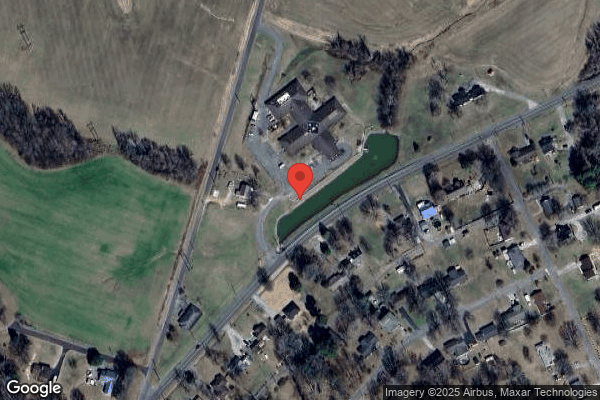

47 MARGO AVENUE, BARDWELL, KY 42023 (270) 628-5424
For profit - Limited Liability company 53 Beds SIMCHA HYMAN & NAFTALI ZANZIPER Data: November 2025
Trust Grade
50/100
#155 of 266 in KY
Last Inspection: January 2025

Within standard 12-15 month inspection cycle. Federal law requires annual inspections.

Overview

Countryside Center for Rehabilitation and Nursing has a Trust Grade of C, which means it is average and sits in the middle of the pack compared to other facilities. It ranks #155 out of 266 in Kentucky, placing it in the bottom half of the state, but it is the only option in Carlisle County. The facility is showing a worsening trend, with issues increasing from 3 in 2019 to 4 in 2025. Staffing is relatively strong with a 3/5 rating and a turnover rate of 31%, which is better than the state average, indicating that staff members tend to stay longer. While there are no fines recorded, there are concerns regarding food safety procedures and the lack of proper training for the infection preventionist, raising potential risks for residents.

Trust Score
C
50/100
In Kentucky
#155/266
Bottom 42%
Safety Record
Low Risk
No red flags
Inspections
Getting Worse
3 → 4 violations
Staff Stability
○ Average
31% turnover. Near Kentucky's 48% average. Typical for the industry.
Penalties
✓ Good
No fines on record. Clean compliance history, better than most Kentucky facilities.
Skilled Nurses
○ Average
Each resident gets 39 minutes of Registered Nurse (RN) attention daily — about average for Kentucky. RNs are the most trained staff who monitor for health changes.
Violations
⚠ Watch
21 deficiencies on record. Higher than average. Multiple issues found across inspections.
★★☆☆☆
2.0
Overall Rating
★★★☆☆
3.0
Staff Levels
★☆☆☆☆
1.0
Care Quality
★★★☆☆
3.0
Inspection Score
Stable
2019: 3 issues
2025: 4 issues

The Good

  • Full Sprinkler Coverage · Fire safety systems throughout facility
  • No fines on record
  • Staff turnover below average (31%)

    17 points below Kentucky average of 48%

Facility shows strength in fire safety.

The Bad

2-Star Overall Rating

Below Kentucky average (2.8)

Below average - review inspection findings carefully

Staff Turnover: 31%

15pts below Kentucky avg (46%)

Typical for the industry

Chain: SIMCHA HYMAN & NAFTALI ZANZIPER

Part of a multi-facility chain

Ask about local staffing decisions and management

The Ugly 21 deficiencies on record

Jan 2025 4 deficiencies
CONCERN (D)

Potential for Harm - no one hurt, but risky conditions existed

Comprehensive Care Plan (Tag F0656)

Could have caused harm · This affected 1 resident

Based on interview, record review and review of facility policy, it was determined the facility failed to develop and implement a comprehensive person-centered care plan for one of one sampled residen...

Read full inspector narrative →
Based on interview, record review and review of facility policy, it was determined the facility failed to develop and implement a comprehensive person-centered care plan for one of one sampled residents (Resident (R) 12) receiving hemodialysis services. R12 began receiving off-site hemodialysis services on 12/26/2024; however, the facility failed to include the hemodialysis services on the resident's Comprehensive Care Plan. The findings include: Review of the facility policy titled, Comprehensive Care Plan with a revision date of 02/2024 revealed the Comprehensive Care Plan will describe, at a minimum, the services that are to be furnished to attain or maintain the resident's highest practicable physical, mental and psychosocial well-being. Review of the facility policy titled, Hemodialysis with a revision date of 02/24/2024, revealed the facility will provide the necessary care and treatment consistent with professional standards of practice, physician orders, and the comprehensive care plan to meet the special medical and nursing needs of residents receiving hemodialysis. Record review revealed the facility admitted R12 on 09/21/2022 with diagnoses which included: schizophrenia disorder, bipolar type; hypertensive chronic kidney disease with stage 1 through stage 4 chronic kidney disease; type 2 diabetes mellitus without complications; and chronic obstructive pulmonary disease. Review R12's of the most recent Quarterly Minimum Data Set (MDS) assessment with an Assessment Reference Date (ARD) of 12/20/2024 revealed a Brief Interview for Mental Status (BIMS) score of eight out of 15, indicating moderate cognitive impairment. Review of the facility's CMS-802 (Matrix of resident care needs) revealed the matrix indicated zero residents were receiving dialysis in the facility. Review of the nursing progress notes revealed the R12 received the first hemodialysis treatment via perm-a-cath on 12/26/2024. Review of the physician's orders dated 01/29/2025 revealed R12 attends hemodialysis off-site three times per week. The order included the pick up time, location, and phone number of the hemodialysis facility. Review of R12's Comprehensive Care Plan revealed the plan did not address that the resident was receiving hemodialysis services. During an interview on 01/30/2025 at 11:05 AM, the Minimum Data Set Nurse (MDS) nurse stated she would expect R12 to have a care plan related to dialysis. The MDS nurse stated that while she does have a large role in the development of the care plan, all nurses in the facility are capable of making entries in the care plan. During an interview on 01/29/2024 at 10:15 AM, the Director of Nursing (DON) stated R12 had begun hemodialysis in December of last year. She further stated that there were no other residents who were receiving dialysis currently and it had been a while since there was a resident who received dialysis. The DON stated that dialysis was addressed in the nutrition care plan for R12 but that the resident was not specifically care planned for hemodialysis. The DON stated the hemodialysis services for R12 should have been reflected in the resident's care plan.
CONCERN (D)

Potential for Harm - no one hurt, but risky conditions existed

Pharmacy Services (Tag F0755)

Could have caused harm · This affected 1 resident

Based on observation, interview, and review of facility policy, the facility failed to ensure that drug records were in order and that an account of all controlled drugs was maintained by the facility...

Read full inspector narrative →
Based on observation, interview, and review of facility policy, the facility failed to ensure that drug records were in order and that an account of all controlled drugs was maintained by the facility for one of four medication carts and one (1) of one (1) medication storage room. Observation during a narcotic count of the 100 Hall medication cart on 01/30/2025 at 11:00 AM with Licensed Practical Nurse (LPN) 2 revealed the narcotic count was incorrect for six narcotic medications belonging to four different residents (Resident (R) 4, 5, 10, and R16). The findings include: Review of the facility policy titled, Medication Storage in The Facility - Controlled Substance Storage dated May 2022, revealed that at each shift change, or when keys are transferred, a physical inventory of all controlled substances, including refrigerated items was conducted by two licensed nurses and was documented. Further review of the policy revealed that any discrepancy in controlled substance counts was reported to the Director of Nursing (DON) immediately. On 01/30/2025 at 11:00 AM, the narcotics in the 100 Hall medication cart were counted with LPN2 and there were discrepancies with six of the narcotic medications. 1. Resident (R) 16's tramadol count was 49; however, according to the narcotic record, the count was 53. 2. R16's liquid Morphine amount on the count sheet was 9.25 milliliters (ml); however, observation of the bottle revealed 8 ml. 3. R16's refrigerated liquid lorazepam count was 28.25 ml; however, observation of the bottle revealed approximately 24 ml. 4. R10's oxycodone/acetaminophen (APAP) count was 39; however, according to the narcotic record, there should have been 40. 5. R5's liquid Morphine on the count sheet was 6.75 ml; however, observation of the bottle revealed four ml in the bottle. 6. R4's liquid Morphine on the count sheet was 14 ml; however, observation of the bottle revealed eight ml in the bottle. In an Interview on 01/30/2025 at 11:30 AM, LPN2 stated she did not count the narcotics when she accepted the medication cart keys when her shift started on 01/30/2025. She stated the cart had been counted this morning by Kentucky Medication Aide (KMA) 5 who was working dayshift and the LPN from night shift. LPN2 stated she trusted that the narcotic count was correct but didn't complete a narcotic count. In an interview on 01/30/2025 at 11:45 AM, KMA5 stated she counted the cart with the night shift nurse, LPN7. She stated it was chaotic this morning due to a resident having behaviors and that she must have missed it due to the distractions in the vicinity. KMA5 stated it was difficult concentrating and that she failed to notice the counts were not correct. KMA5 stated during the narcotic count this morning, she counted the pills and the night nurse had the count sheet which she used to call out the number of pills listed on the sheet. Per KMA5, she checked the pills to see if the number matched the count sheet. She stated if the count was wrong, the staff counting would figure it out. KMA5 stated if she had noticed the discrepancy, she would have told the dayshift LPN or the DON. KMA5 stated that dayshift did not typically count the liquid controlled substances in the refrigerator because night shift was typically the ones who give the liquid narcotics. In an interview on 01/30/2025 at 12:10 PM, the DON stated there was not a history of discrepancies with narcotic medication counts in the facility and if there was a discrepancy, the staff was supposed to notify her. However, staff did not notify her of a narcotic count discrepancy this morning, 01/30/2025. The refrigerator controlled substance container was obtained from the refrigerator and accessed by the DON to confirm the count of the liquid lorazepam for Resident (R)16, the DON advised the bottles of liquid lorazepam leak but did not verbalize a method of accounting for loss due to leakage. In an interview on 01/30/2025 at 6:30 PM, LPN6 stated she has received education regarding narcotic handling. LPN6 reported that two nurses work at night. LPN6 verbalized that if a narcotic was dropped, it was wasted with another nurse as a witness. She stated if the narcotic count was incorrect, she was to notify the DON immediately. LPN6 also stated if she had to leave during her shift, she would complete a narcotic count when she left and when she returned. In an interview on 01/30/2025 at 6:39 PM, LPN7 stated she had been trained upon hire regarding handling of narcotics and verbalized that a narcotic should be signed out at the time the medication was removed from the cart. Per LPN7, she had completed the narcotic count with KMA5 at the end of her shift on the morning of 01/30/2025. LPN7 stated, It was so crazy this morning, we had a rough night with another resident, and I get distracted. I called the numbers on the count sheet. LPN7 stated that if there was a discrepancy she was to call the DON for further instructions. In an interview with the DON and the Regional Resource Nurse on 01/30/2025 at 5:21 PM, the DON stated the Pharmacy representative looks at expiration dates for the medications on the carts but does not complete a narcotic count. The DON and Regional Resource Nurse advised it was their expectation that narcotics were counted, according to facility policy. They also stated that documentation of wasted narcotics should be documented according to facility policy. In an interview on 01/30/2025 at 6:06 PM, the Administrator stated it was important to follow the process for narcotic medication counts. She stated moving forward focused attention would be placed in this area including Quality Assurance and Performance Improvement follow up.
CONCERN (E)

Potential for Harm - no one hurt, but risky conditions existed

Deficiency F0813 (Tag F0813)

Could have caused harm · This affected multiple residents

**NOTE- TERMS IN BRACKETS HAVE BEEN EDITED TO PROTECT CONFIDENTIALITY** Based on observation, interview and review of facility policy, it was determined the facility failed to ensure that foods brough...

Read full inspector narrative →
**NOTE- TERMS IN BRACKETS HAVE BEEN EDITED TO PROTECT CONFIDENTIALITY** Based on observation, interview and review of facility policy, it was determined the facility failed to ensure that foods brought in by family and/or visitors were stored in a safe and sanitary manner for four of 13 sampled residents (Resident (R) 5, 6, 37, and R50) with personal in room refrigerators. The findings include: On 01/28/2025 and 01/30/2025, the State Survey Agency (SSA) requested a policy on resident refrigerators. On 01/30/2025 at 4:50 PM, the Director of Nursing (DON) stated the facility did not have a policy on resident personal refrigerators. Review of facility policy, Use and Storage of Foods Brought in by Family or Visitors, revised on 01/06/2025, revealed. it was the right of the residents of the facility to have food brought in by family or other visitors; however, the food must be handled in a way to ensure the safety of the resident. Family members or other visitors may bring the resident food of their choosing. All food items that are already prepared by the family or visitor brought in must be labeled with content and dated. The prepared food must be consumed by the resident within three days. If not consumed within three days, food would be thrown away by facility staff. The facility will not be responsible for maintaining any reusable items. Facility staff would assist residents in accessing and consuming food that were brought in by the resident and family if the resident is not able to do so on their own. 1. Observation on 01/28/2025 at 9:46 AM in room [ROOM NUMBER]B of R5's personal refrigerator revealed a temperature check form taped to the outer door, dated January 2025, with the last temperature reading recorded on 01/24/2025. The temperature reading on thermometer located inside the door read fifty-four (54) degrees Fahrenheit (F). The inside of the refrigerator was dirty and there were 2 styrofoam containers, and a paper plate covered with aluminum foil visible inside the refrigerator. The freezer had a large amount of ice build up that was brown in color which looked like a soda may have leaked in the freezer. Certified Nursing Assistant (CNA) 1 and CNA2 were observed in the hall and the surveyor requested they check the resident's refrigerator. CNA1 and CNA2 checked refrigerator and removed the items (styrofoam containers, foil covered plate and molded food items) from the refrigerator. Continued observation with CNA1 and CNA2, of R5's refrigerator revealed a large foam container, not labeled or dated, with left over dessert (cake) that was covered with black specks, a foam container, not labeled or dated, with left over food that appeared to be turkey and dressing, a small piece of ham, and green beans. The ham had a circular area of green and white mold, the green beans were completely covered with a green mold, the turkey had spots of green and white mold. The paper plate contained 3 partially eaten desserts with green mold. 2. Observation with CNA1 and CNA2 on 01/28/2025 at 9:55 AM, in room [ROOM NUMBER]A of R6's personal refrigerator revealed a temperature check form taped to the outer door dated January 2025. Further observation revealed the form has no temperature recordings for January 2025. The temperature reading on the thermometer located inside the refrigerator read fifty (50) degrees F. Observed inside the refrigerator was four chocolate drinks with an expiration date of 12/22/2024, a Ziploc bag not labeled or dated that contains 4 pieces of lunch meat (bologna) that was a light brown in color with black mold present on the edges, and packaged lunch meat (ham) with an expiration date of 12/19/2024. Further observation revealed the CNAs removed the old and molded food from R6's refrigerator. 3. Observation in room [ROOM NUMBER] of R50's personal refrigerator revealed a temperature check sheet form attached to the outside of the door which had no temperatures recorded for January 2025. The current temperature inside the refrigerator was 40 degrees F and there were no items observed in the refrigerator. 4. Observation in room [ROOM NUMBER] of R37's personal refrigerator revealed a temperature check sheet form attached to the outside of the door which had no temperatures recorded since 01/24/2025. The current temperature inside the refrigerator was 38 degrees F. The freezer was observed to have a large amount of ice built up. In interview on 01/28/2025 at 10:10 AM, CNA1 stated she thought maintenance was responsible for checking the temperatures on the resident refrigerators but was not sure. She further stated she thought maybe nursing staff was responsible for cleaning the refrigerators. She stated she had not been told to clean or check the resident refrigerators. CNA1 then stated that housekeeping was supposed to be checking the temperatures. She stated she would find out for sure and let me know. She stated fifty (50) degrees was too warm for a refrigerator and if a resident ate food that was molded or spoiled they could get sick. Interview with CNA2 on 01/28/2025 at 10:10 AM, she stated she did not know who was responsible for checking the refrigerators. In a follow up interview with CNA1 on 01/28/2025 at 2:25 PM, she stated she asked and there was some confusion on who was supposed to be checking the refrigerators. She stated she did not have a definite answer. In an interview on 01/30/2025 at 4:50 PM, the Director of Nursing (DON) stated the facility did not have a policy on resident personal refrigerators. When asked who was responsible for checking, cleaning and obtaining the temperatures, she stated there was some confusion on who was doing what. She stated everybody thought someone else was checking them. She stated they were in the process of fixing it. The DON stated a refrigerator at 50 degrees F was too warm and a resident could get sick if they ate spoiled food. During an interview with the Administrator on 01/30/2025 at 5:43 PM, she stated there was confusion about who was responsible for taking temperature readings and cleaning resident refrigerators. The Administrator stated she believed there was a policy in the admission paperwork, but she would have to review it. She stated fifty (50) degrees Fahrenheit was too warm for a refrigerator. She stated an outcome for residents consuming out-of-date or spoiled foods was that a resident could get food poisoning.
CONCERN (F)

Potential for Harm - no one hurt, but risky conditions existed

Deficiency F0882 (Tag F0882)

Could have caused harm · This affected most or all residents

Based on interviews and review of the facility's policy, it was determined the facility failed to ensure the individual assigned the responsibilities of the Infection Preventionist (IP) had received s...

Read full inspector narrative →
Based on interviews and review of the facility's policy, it was determined the facility failed to ensure the individual assigned the responsibilities of the Infection Preventionist (IP) had received specialized training in infection control and prevention. This had the potential to affect all fifty (50) residents residing in the facility On 01/27/2025 at 7:05 PM, the entrance conference was conducted with the Administrator who revealed that the Staff Development Coordinator (SDC) was the designated Infection Preventionist (IP) for the facility. The findings include: Review of facility policy Infection Preventionist, revised 08/20/2024, revealed, the facility would employ one or more qualified individuals with responsibility for implementing the facility's infection prevention and control program. Continued review revealed, that an infection preventionist was defined as an individual designated by the facility to be responsible for the infection prevention and control program. The facility would ensure the infection preventionist was qualified by education, training, experience or certification. Additionally, the IP must have obtained specialized Infection Prevention and Control (IPC) training beyond initial professional training or education prior to assuming the role and must provide evidence of training through a certificate of completion or equivalent documentation. Review of the facility policy, Infection Prevention and Control Program, revised on 02/21/2024, revealed, the facility would establish and maintain an infection prevention and control program designed to provide a safe, sanitary, and comfortable environment and to help prevent the development and transmission of communicable diseases and infections. Continued review revealed the designated Infection Preventionist (IP) was responsible for oversight of the program and served as a consultant to the staff on infectious diseases, resident room placement, implementing isolation precautions, and staff/resident exposure surveillance. All staff were responsible for following all policies and procedures related to the program. Review of The Centers for Disease Control and Prevention (CDC) certificate, provided by the facility, revealed the Director of Nursing had completed the Nursing Home Infection Preventionist Training Course on 05/11/2023. However, no certificate of completion was received for the SDC/IP. In interview with the Staff Development Coordinator/Infection Preventionist, RN, on 01/30/2025 at 2:43 PM, she stated she had been the designated IP since August 2024. When asked about her training, the IP stated she had not completed the specialized training on infection control. She stated she performed all duties related to infection control such as antibiotic stewardship, infection tracking, staff and resident vaccines and reported her findings to the Quality Assurance Performance Improvement (QAPI) meetings. During an interview with the Director of Nursing (DON) on 01/30/2025 at 3:45 PM, she stated the Infection Preventionist had six months to complete the specialized training on infection control. She stated the IP had until mid February to complete the training. When asked if that was the requirement, the DON stated it was. The Surveyor requested to review the requirement. In a follow up interview with the DON on 01/30/2025 at 4:43 PM, she stated she had thought there was a six month window. She further stated she had completed the training and was the facility back up. She stated the SDC/IP was designated as the IP and performed all duties related to infection control. She stated the SDC was working on the training now. In an interview with the Administrator on 01/30/25 at 5:43 PM, she stated the facility was currently working on changing their enhanced barrier precautions guideline changes. She stated she was under the impression the SDC had six months to complete the specialized training on infection control. She further stated the SDC had been performing the duties of the IP.
Dec 2019 3 deficiencies
CONCERN (D)

Potential for Harm - no one hurt, but risky conditions existed

Comprehensive Care Plan (Tag F0656)

Could have caused harm · This affected 1 resident

**NOTE- TERMS IN BRACKETS HAVE BEEN EDITED TO PROTECT CONFIDENTIALITY** Based on interview, record review, and facility policy review, it was determined the facility failed to implement the Comprehens...

Read full inspector narrative →
**NOTE- TERMS IN BRACKETS HAVE BEEN EDITED TO PROTECT CONFIDENTIALITY** Based on interview, record review, and facility policy review, it was determined the facility failed to implement the Comprehensive Care Plan for one (1) of twelve (12) sampled residents (Resident #12). Resident #1 was care planned for one staff to provide oral care with dentures; however, observations revealed oral care was not being completed by staff. The findings include: Review of the facility policy titled, Care Plans, Comprehensive Person-Centered, dated December 2016, revealed a comprehensive, person-centered care plan that includes measurable objectives and timetables to meet the resident's physical, psychosocial and functional needs is developed and implemented for each resident. The comprehensive care plan will describe the services that are to be furnished to attain or maintain the resident's highest practicable physical, mental, and psychosocial well-being. Record review revealed the facility admitted Resident #12 readmitted on [DATE] with diagnoses which included Chronic Kidney Disease, Stage IV; Acquired Absence of Left Leg Above Knee, Muscle Weakness, and Need for Assistance with Personal Care. Review of the Quarterly Minimum Data Set (MDS) assessment, dated 10/07/19 revealed the facility assessed Resident #13's cognition as moderately impaired with a Brief Interview of Mental Status (BIMS) score of six (6) which indicated the resident was not interviewable. However, interview with the Resident revealed the resident was interviewable and answered all questions appropriately. Further review of the MDS assessment revealed the resident required extensive assist for personal hygiene which included oral hygiene. Review of Resident #12's Activities of Daily Living Comprehensive Care Plan for self care performance deficit related to amputation, dated 01/30/19 revealed the resident had upper and lower denture and required extensive assist of one staff to maximize independence. However, interview with Certified Nurse Aide (CNA) #1 on 12/17/19 at 1:40 PM revealed she had given the resident a shower today and was assigned to the resident today and yesterday. She stated she had not cleaned the resident's dentures today nor yesterday. She further revealed she could not remember the last time she cleaned them. She further revealed she knew she was supposed to follow the Care Plan has written. Interviews with Resident #12's family member at 1:33 PM, and Resident #12 at 1:36 PM revealed the resident's dentures are not cleaned by staff. Interview with Resident #12 on 12/17/19 at 1:36 PM revealed his/her dentures were hardly ever cleaned unless his/her family cleaned them. He/She stated, they are busy around here. Interview on 12/17/19 at 1:55 PM with the Charge Nurse revealed she followed up periodically to make sure staff are following care plans. She stated the resident will also let her know. She revealed the resident's caregiver had complained in the past about care; however, she thought it had been resolved. Interview with the Director of Nursing (DON) and Assistant Director of Nursing (ADON) revealed they expected staff to follow the Comprehensive Care Plans/CNA care plans as ordered and expected all care to be carried out including oral care/denture care. The DON and ADON revealed they expected the CNA's to tell the charge nurse and the CNA's on the following shift to get the care done.
CONCERN (D)

Potential for Harm - no one hurt, but risky conditions existed

ADL Care (Tag F0677)

Could have caused harm · This affected 1 resident

**NOTE- TERMS IN BRACKETS HAVE BEEN EDITED TO PROTECT CONFIDENTIALITY** Based on interview, record review, and facility policy review, it was determined the facility failed to provide oral/denture car...

Read full inspector narrative →
**NOTE- TERMS IN BRACKETS HAVE BEEN EDITED TO PROTECT CONFIDENTIALITY** Based on interview, record review, and facility policy review, it was determined the facility failed to provide oral/denture care for one (1) of twelve (12 ) sampled residents, per facility policy (Resident #12). The findings include: Review of the facility policy for Oral Care, not dated, revealed staff will provide, remind, or cue oral care for residents. Interventions for care of dentures: remove dentures daily for at lease three (3) hours for gums to rest. Clean dentures with denture paste, denture brush, and soak in cool water. Brush the mouth tissues and tongue with soft bristle brush prior to applying the dentures. The dentures should be thoroughly rinsed. Record review revealed the facility admitted Resident #12 readmitted on [DATE] with diagnoses which included Chronic Kidney Disease, Stage IV; Acquired Absence of Left Leg Above Knee, Muscle Weakness, and Need for Assistance with Personal Care. Review of the Quarterly Minimum Data Set (MDS) assessment, dated 10/07/19 revealed the facility assessed Resident #13's cognition as moderately impaired with a Brief Interview of Mental Status (BIMS) score of six (6) which indicated the resident was not interviewable. However, interview with the Residnet revealed the resident was interviewable and answered all questions appropriately. Further review of the MDS assessment revealed the resident required extensive assist for personal hygiene which included oral hygiene. Review of the Activities of Daily Living Comprehensive Care Plan for self care performance deficit related to amputation, dated 01/30/19 revealed a goal that stated resident will improve current level of function in (ADL index) through the review date. Interventions included oral care: The resident has upper and lower dentures. Personal Hygiene/oral care. The resident requires extensive assist of one (1) staff to maximize independence. Interview with Resident #12's family member on 12/17/19 at 1:33 PM revealed most days the resident's face and hands are dirty and dentures are not clean. She stated she cleans them most days when she visits. Interview with Resident #12 on 12/17/19 at 1:36 PM revealed his/her dentures were hardly ever cleaned unless his/her family cleaned them. He/She stated, they are busy around here. Interview on 12/17/19 at 1:40 PM with Certified Nurse Aide (CNA) #1 revealed she had given the resident a shower today and was assigned to the resident today and yesterday. She stated she had not cleaned the resident's dentures today nor yesterday. She further revealed she could not remember the last time she cleaned them; however, she she had cleaned them in the past. She stated the resident dentures should be cleaned daily but she did not have the time. She further revealed she did not make the Charge Nurse aware she had not provided oral/denture care for the resident. She stated she knew she should follow the care plan but did not know if the facility had an oral care policy or not. Interview on 12/17/19 at 1:55 PM with the Charge Nurse revealed CNA #1 did not inform her that she did not provide oral care for Resident #12. She stated, If she had told me I would have gotten it done. Interview with the Director of Nursing (DON) and Assistant Director of Nursing (ADON) on 12/18/19 at 10:12 AM, revealed they expected the staff to follow the Oral Care facility policy and Comprehensive/CNA Care Plans. The DON and ADON stated they also expected all care to be carried out including oral care/denture care. The DON revealed if the staff cannot get it done, she expected the CNA's to tell the charge nurse so that someone can go do the care.
CONCERN (D)

Potential for Harm - no one hurt, but risky conditions existed

Staffing Information (Tag F0732)

Could have caused harm · This affected 1 resident

Based on observation, interview and review of the facility's policy, it was determined the facility failed to ensure the nurse staffing data was posted in a prominent place readily accessible to resid...

Read full inspector narrative →
Based on observation, interview and review of the facility's policy, it was determined the facility failed to ensure the nurse staffing data was posted in a prominent place readily accessible to residents and visitors. Observations throughout the survey revealed the only staffing posted was dated 12/09/19, and included the staffing information for 12/09/19. The findings include: Review of the facility's policy titled, Posting Direct Care Daily Staffing Numbers, last revised July 2016, revealed within two (2) hours of the beginning of each shift, the number of Licensed Nurses (RN's, LPN's, and LVN's) and the number of unlicensed nursing personnel (CNA's) directly responsible for resident care would be posted in a prominent location (accessible to residents and visitors) and in a clear and readable format. Observations on 12/16/19 through 12/18/19, revealed staffing was posted, however the day of staffing showing was dated 12/09/19 on all three (3) days. Interview with the Medical Records Clerk, on 12/18/19 at 10:00 AM, revealed she was responsible for posting the staffing and was not aware she needed to pull it forward daily and update it. Interview with the Director of Nursing (DON), on 12/18/19 at 10:15 AM, revealed staffing should be posted and updated daily. She stated it was the Medical Records Clerks responsibility to update the staffing daily. Interview with the Administrator, on 12/18/19 at 10:25 AM, revealed the staffing should have been updated daily.
Oct 2018 14 deficiencies
CONCERN (D)

Potential for Harm - no one hurt, but risky conditions existed

Comprehensive Care Plan (Tag F0656)

Could have caused harm · This affected 1 resident

Based on observation, interview, record review, and review of the Resident Assessment Instrument (RAI) Version 3.0 Manual, Chapter One (1), it was determined the facility failed to implement a compreh...

Read full inspector narrative →
Based on observation, interview, record review, and review of the Resident Assessment Instrument (RAI) Version 3.0 Manual, Chapter One (1), it was determined the facility failed to implement a comprehensive person-centered care plan for two (2) of fourteen (14) sampled residents (Residents #17 and #192). Observations on 10/02/18 and 10/03/18, revealed the facility failed to ensure Resident #17's low air loss (LAL) mattress was set at Therapy 4 per the comprehensive care plan to aid in the healing of pressure wounds for Resident #17. In addition, Resident #192 was care planned to receive analgesic (Lidocaine paatch) as per orders; however, the patch was not applied for three (3) days. The findings include: Interview with the Director of Nursing (DON) on 10/04/18 at 10:55 AM, revealed the facility does not have a specific policy related to following the care plan and staff use the Resident Assessment Instrument (RAI) regarding the implementation of care plans. He stated the facility follows state and federal guidelines related to care plans. Review of the RAI Version 3.0 Manual, Chapter One (1), dated October 2018, provided by the facility, revealed implementation of the care plan is putting a course of action (specific interventions derived through interdisciplinary individualized care planning) into motion by staff knowledgeable about the resident's care goals and approaches; carrying out the how and when of resident care. 1. Record review revealed the facility admitted Resident #17 on 04/30/18, with diagnoses which included Pressure Ulcer of Sacral Region, Stage 4; Pressure Ulcer of Left Buttock, Stage 4; and Schizophrenia. Review of the Quarterly Minimum Data Set (MDS) assessment, dated 08/06/18, revealed the facility was unable to complete a Brief Interview for Mental Status (BIMS) score, due to Resident #17's cognition was severely impaired, which indicated the resident was not interviewable. Review of Resident #17's Comprehensive Care Plan, dated 05/02/18, revealed an intervention to follow facility protocols for treatment of injury. Review of the Physician's Order dated 08/16/18, revealed an order for a Low Air Loss (LAL) mattress with setting of Therapy 4, and to hand check daily, every day shift. However, observations on 10/02/18 at 2:33 PM and 10/03/18 at 9:34 AM, revealed the LAL mattress was set on Therapy 8. Interview with Certified Nurse Aide (CNA) #1 on 10/03/18 at 3:00 PM, revealed only the nurses may change the setting of LAL mattresses. She stated she was unsure what the LAL setting should be on for Resident #17. Interview with Licensed Practical Nurse (LPN) #2 on 10/03/18 at 3:05 PM, revealed Resident #17's LAL mattress should be on Therapy 4 and after viewing the setting on Therapy 8, LPN #2 placed it on the ordered setting. She stated the setting is checked on day shift and she is not sure how it was overlooked or if someone had accidentally bumped the setting, causing it to change. Interview with LPN #1 on 10/03/18 at 3:25 PM, revealed she had worked day shift on 10/02/18 and 10/03/18 and had recalled seeing the LAL mattress setting on Therapy 4. She stated the setting may have been bumped by accident or possibly an aide may have done so while providing care. 2. Record review revealed the facility admitted Resident #192 on 09/30/18 with diagnoses which included Spastic Hemiplegia Affecting Left Nondominant Side; Dorsalgia, Unspecified; Other Chronic Pain; Sciatica, Right Side. Review of the BIMS exam dated 09/30/18 revealed a score of fifteen (15) which indicated the Resident's cognition was intact, and the resident was interviewable. Review of the Comprehensive Care plan dated 10/02/18 revealed Resident #192 has (chronic) pain related to chronic back pain, sciatica with interventions to administer analgesia (Percocet, Ibuprofen, Lidocaine patch) as per orders initiated 10/02/18. However, review of the October 2018 Medication Administration Record (MAR) revealed Lidocaine Patch 5% apply to skin topically one time a day was not applied on 10/01/18, 10/02/18 and 10/03/18. Review of the Nursing Progress Notes dated 10/01/18 at 7:13 AM and 8:08 AM, 10/02/18 at 10:20 AM, and 10/03/18 at 8:15 AM revealed the Lidocaine Patch was Not Given as it was not available. Observation in the DON's Office on 10/03/18 at 5:25 PM, revealed there were two (2) boxes of Lidocaine Patches laying on his desk. The DON stated the patches were found in the bottom drawer of the treatment cart and he did not know how or when they where put there. Interview with Resident #192 on 10/03/18 at 4:25 PM revealed he/she had been using the Lidocaine patch prior to admission but had not received it since. The resident stated the patch helped when she used it and would make her more comfortable now. Interview with the DON on 10/04/18 at 10:55 AM, revealed he expected the residents care plan interventions to be followed by nursing.
CONCERN (D)

Potential for Harm - no one hurt, but risky conditions existed

Deficiency F0657 (Tag F0657)

Could have caused harm · This affected 1 resident

Based on interview, record review, and facility policy review, it was determined the facility failed to ensure they reviewed and revised the care plan for one (1) of fourteen (14) sampled residents (R...

Read full inspector narrative →
Based on interview, record review, and facility policy review, it was determined the facility failed to ensure they reviewed and revised the care plan for one (1) of fourteen (14) sampled residents (Resident #18). Resident #18 sustained falls on 07/27/18 and 09/28/18, however, the facility failed to address the root cause and update the care plan with appropriate interventions. On 07/27/18, the resident attempted to pick up a newspaper from a chair in the hallway, lost his/her balance and tried to catch himself/herself and sustained a fracture to his/her right thumb. Resident #18 sustained a second fall on 09/28/18 after attempting to open a bottom drawer on a table, lost his/her balance and fell on his/her right side, with no injury sustained. However, the facility failed to address the root cause and update the care plan with appropriate interventions. The findings include: Review of the facility policy titled, Falls-Clinical Protocol, last revised September 2012, revealed based on the preceding assessment, the staff will identify pertinent interventions to try to prevent subsequent falls and to address risks of serious consequences of falling. Further review of the policy revealed if underlying causes cannot be readily identified or corrected, staff will try various relevant interventions. Record review revealed the facility readmitted Resident #18 on 01/10/17 with diagnoses which included Muscle Weakness, Difficulty in Walking, and Major Depressive Disorder. Review of the Significant Change Minimum Data Set (MDS) assessment, dated 08/03/18, revealed the facility assessed Resident #18's cognition as intact with a Brief Interview for Mental Status (BIMS) score of fourteen (14), which indicated the resident was interviewable. Review of the facility provided fall investigations, revealed on 07/27/18, Resident #18 attempted to pick up a newspaper from a chair in the hallway, lost his/her balance and tried to catch himself/herself and sustained a fracture to his/her right thumb. Review of the interventions for the fall on 07/27/18, revealed the resident was educated to ask for help if needing something that required bending and for physical therapy to evaluate. Further review revealed the resident sustained a second fall on 09/28/18 after attempting to open a bottom drawer on a table, lost his/her balance and fell on his/her right side, with no injury sustained. Review of the interventions for the fall on 09/28/18, revealed the resident was educated to ask for help if needing something from the bottom drawer. Review of the Comprehensive Care Plan revealed the same interventions were put in place for both falls and no documented evidence of new interventions put in place for the second fall on 09/28/18. Interview with Resident #18 on 10/04/18 at 2:01 PM, revealed he/she did not remember the fall on 09/28/18. He/she stated, It must have been someone else, I don't remember the fall in my room while reaching for something. She stated she was working with therapy for strength and uses the walker during therapy sessions. Interview with the Director of Nursing (DON) on 10/04/18 at 12:52 PM, revealed he felt the interventions were the same, but appropriate for the resident. He stated updating the care plans is all staffs responsibility. He stated after taking the DON position he noticed the post falls investigations needed improvement and nurses were not always putting appropriate interventions in place. He stated as of 08/22/18, he was working on a self-improvement plan and had noticed a decline in falls. He further stated he was educating staff as new falls occur to ensure appropriate interventions are put in place.
CONCERN (D)

Potential for Harm - no one hurt, but risky conditions existed

Deficiency F0661 (Tag F0661)

Could have caused harm · This affected 1 resident

**NOTE- TERMS IN BRACKETS HAVE BEEN EDITED TO PROTECT CONFIDENTIALITY** Based on interview, record review, and facility policy review, it was determined the facility failed to complete a discharge sum...

Read full inspector narrative →
**NOTE- TERMS IN BRACKETS HAVE BEEN EDITED TO PROTECT CONFIDENTIALITY** Based on interview, record review, and facility policy review, it was determined the facility failed to complete a discharge summary and recapitulation of the resident's stay for one (1) of three (3) residents' closed records reviewed in the selected sample of fourteen (14) residents (Resident #42). Resident #42 was discharged home on [DATE]; however, the facility did not complete a recapitulation of the resident's stay. The findings include: Review of facility policy titled, Discharge Summary and Plan, last revised December 2016, revealed the discharge summary will include a recapitulation of the resident's stay at the facility and a final summary of the resident's status at the time of discharge in accordance with established regulations governing release of resident information. Record review revealed the facility admitted Resident #42 on 06/26/18 and discharged the resident home on [DATE]. However, further review of this resident's closed record, revealed no documented evidence of a complete recapitulation of this resident's stay. Interview with Unit Manager #1 on 10/04/18 at 10:41 AM, revealed she was the person responsible for doing the recapitulation of stays. She stated they did not have one done for Resident #42. Interview with Regional Minimum Data Set (MDS) Nurse on 10/04/18 at 10:48 AM, revealed she expected the discharge summaries and recapitulation of stay to be done per facility policy and per the federal regulations. Interview with Regional Nurse on 10/04/18 at 10:55 AM, revealed she expected the discharge summaries and the recapitulation of stay to be done as per facility policy and per the federal regulations.
CONCERN (D)

Potential for Harm - no one hurt, but risky conditions existed

Pressure Ulcer Prevention (Tag F0686)

Could have caused harm · This affected 1 resident

Based on observation, interview, record review, and facility policy review, it was determined the facility failed to ensure a resident with pressure ulcers receives necessary treatment and services, t...

Read full inspector narrative →
Based on observation, interview, record review, and facility policy review, it was determined the facility failed to ensure a resident with pressure ulcers receives necessary treatment and services, to promote healing and prevent new ulcers from developing for one (1) of fourteen (14) sampled residents (Resident #17). Resident #17 was admitted with two (2) Stage 4 wounds and a Low Air Loss (LAL) mattress with a setting of Therapy 4 was put in place to promote healing and prevent further ulcers from developing. However, observations on 10/02/18 and 10/03/18, revealed the LAL mattress was set on Therapy 8 instead of Therapy 4. The findings include: Review of the facility policy titled, Support Surfaces Guidelines, last revised September 2013, revealed the purpose is to provide guidelines for the assessment of appropriate pressure reducing and relieving devices for residents at risk of skin breakdown. Further review of the policy revealed the use of appropriate support surfaces with interventions such as turning, repositioning, and moisture management can assist in reducing pressure ulcer development. Further, care strategies include the monitoring for other pressure risk factors and providing interventions as indicated. Record review revealed the facility admitted Resident #17 on 04/30/18, with diagnoses which included Pressure Ulcer of Sacral Region, Stage 4; Pressure Ulcer of Left Buttock, Stage 4; and Schizophrenia. Review of the Quarterly Minimum Data Set (MDS) assessment, dated 08/06/18, revealed the facility was unable to complete a Brief Interview for Mental Status (BIMS) score, due to Resident #17's cognition was severely impaired, which indicated the resident was not interviewable. Review of Resident #17's Comprehensive Care Plan, dated 05/02/18, revealed an intervention to follow facility protocols for treatment of injury. Review of the Physician's Order dated 08/16/18, revealed an order for a Low Air Loss (LAL) mattress with setting of Therapy 4, and to hand check daily, every day shift. Review of the October 2018 Treatment Administration Record (TAR) revealed to use a LAL mattress with a setting of Therapy 4, hand check daily, every day shift. Further review of the TAR revealed Licensed Practical Nurse (LPN) #1 had initialed the TAR for this assitive device on 10/02/18 and 10/03/18, indicating the LAL was on the ordered setting. However, observations on 10/02/18 at 2:33 PM and 10/03/18 at 9:34 AM, revealed the LAL mattress was set on Therapy 8 instead of Therapy 4 per Physician's Order. Interview with Certified Nurse Aide (CNA) #1 on 10/03/18 at 3:00 PM, revealed only the nurses may change the setting of LAL mattresses. Interview with Licensed Practical Nurse (LPN) #2 on 10/03/18 at 3:05 PM, revealed Resident #17's LAL mattress should be on Therapy 4 and after viewing the setting on Therapy 8, LPN #2 placed it on the ordered setting. She stated the setting is checked on day shift and she is not sure how it was overlooked or if someone had accidentally bumped the setting, causing it to change. Interview with LPN #1 on 10/03/18 at 3:25 PM, revealed she had worked dayshift on 10/02/18 and 10/03/18 and had recalled seeing the LAL mattress setting on Therapy 4. She stated the setting may have been bumped by accident or possibly an aide may have done so while providing care. Interview with the Director of Nursing (DON) on 10/04/18 at 10:55 AM, revealed he expected the residents care plan interventions to be followed by nursing. He stated the CNA's do not change the LAL mattress settings and he expected the nurses to check the settings. He revealed it was currently on the Treatment Administration Record (TAR) to be checked on dayshift and he would ensure it would be updated to include all shifts.
CONCERN (D)

Potential for Harm - no one hurt, but risky conditions existed

Accident Prevention (Tag F0689)

Could have caused harm · This affected 1 resident

**NOTE- TERMS IN BRACKETS HAVE BEEN EDITED TO PROTECT CONFIDENTIALITY** Based on interview, record review, and facility policy review, it was determined the facility failed to provide adequate supervi...

Read full inspector narrative →
**NOTE- TERMS IN BRACKETS HAVE BEEN EDITED TO PROTECT CONFIDENTIALITY** Based on interview, record review, and facility policy review, it was determined the facility failed to provide adequate supervision and assistive devices to prevent accidents for two (2) of fourteen (14) sampled residents (Resident #1 and #18). Resident #1 was assessed and care planned as high fall risk related to confusion, unaware of safety needs, and history of falls. The resident had two (2) falls in less than a month (07/23/18 and 08/07/18); however, the facility failed to put interventions in place that were appropriate for the resident's cognition/thinking and/or addressed the root cause of the fall per the facility policy. In addition, Resident #18 sustained falls on 07/27/18 and 09/28/18. On 07/27/18, the resident attempted to pick up a newspaper from a chair in the hallway, lost his/her balance and tried to catch himself/herself and sustained a fracture to his/her right thumb; and on 09/28/18 the resident sustained a second fall after attempting to open a bottom drawer on a table, lost his/her balance and fell on his/her right side, with no injury sustained. However, the facility failed to put intevetnions in place to address the root cause. The findings included: Review of the facility policy titled, Falls-Clinical Protocol, last revised September 2012, Treatment/Management section revealed the staff and physician will identify pertinent interventions to try to prevent subsequent falls and to address risks of serious consequences of falling. If underlying causes cannot be readily identified or corrected, staff will try various relevant interventions, based on assessment of the nature of category of falling, until falling reduces or stops or until a reason is identified for its continuation. 1. Record review revealed the facility admitted Resident #1 on 03/01/18 with diagnoses which included Cognitive Communication Deficit, Muscle Weakness (Generalized), Mild Cognitive Impairment, Difficulty Walking, Osteoarthritis (unspecified site). Review of the quarterly Minimum Data Set (MDS) assessment, dated 06/20/18 revealed the facility assessed Resident #1's cognition as intact with a Brief Interview for Mental Status (BIMS) score of fifteen (15) which indicated the resident was interviewable. Further review of the MDS revealed the facility assessed the resident to require extensive assist of one (1) staff for toileting; limited assist of one (1) with transfers and walking; the resident was unsteady and only able to stabilize with human assistance for standing, walking, moving on and off the toilet, and surface to surface transfers. The resident was also assessed to be mobile via wheel chair and transfer with the use of a walker. The resident also takes routine pain, anti-anxiety, anti-diuretic, anti-depressant, and anti-coagulant medications. Review of the facility's Falls Time Line revealed Resident #1 fell on [DATE] at 1:02 AM while attempting to go to the bathroom unassisted and sustained bruising to bilateral buttocks and right hand. The resident utilized a bed-side table to stabilize self and it rolled causing loss of balance. The intervention implemented for this fall was listed on the Time Line form as resident assessed for injury, neuro checks. There was no documented evidence that a Fall Risk Assessment was completed at that time nor was there a new intervention listed on the comprehensive care plan to address the resident using the bedside table to stabilize self. Review of the facility's Falls Time Line revealed Resident #1 fell on [DATE] at 6:00 PM while attempting to transfer unassisted and sustained a bruise to the left scapula. The resident was found in the floor in his/her room and stated he/she was attempting to ambulate utilizing the bed-side table for support. The intervention implemented for this fall was listed on the Time Line form as review safe ambulation and transfer techniques with the resident. There was no documented evidence that a Fall Risk Assessment was completed at that time. Review of the comprehensive care plan revealed the intervention put in place for this fall was Reviewed safe ambulation and transfer techniques with resident even though the resident was assessed as unaware of safety needs, has confusion and cognitive impairment. There was no intervention put in place to address the resident's bedside table moving when he/she tried to stabilize self. Interview with the Director of Nursing on 10/04/18 at 1:22 PM revealed the interventions written on the Falls Time Line for these two (2) falls were not appropriate for this resident. The DON stated he was in the process of putting together a performance improvement plan related to falls due to problems with missing documentation and inappropriate interventions on falls. However, the plan had not been implemented at the time of survey. 2. Record review revealed the facility readmitted Resident #18 on 01/10/17 with diagnoses which included Muscle Weakness, Difficulty in Walking, and Major Depressive Disorder. Review of the Significant Change MDS assessment, dated 08/03/18, revealed the facility assessed Resident #18's cognition as intact with a BIMS score of fourteen (14), which indicated the resident was interviewable. Review of the facility provided fall investigations, revealed on 07/27/18, Resident #18 attempted to pick up a newspaper from a chair in the hallway, lost his/her balance and tried to catch himself/herself and sustained a fracture to his/her right thumb. Review of the interventions for the fall on 07/27/18, revealed the resident was educated to ask for help if needing something that required bending and for physical therapy to evaluate. Further review revealed the resident sustained a second fall on 09/28/18 after attempting to open a bottom drawer on a table, lost his/her balance and fell on his/her right side, with no injury sustained. Review of the interventions for the fall on 09/28/18, revealed the resident was educated to ask for help if needing something from the bottom drawer. Review of the Comprehensive Care Plan revealed the same interventions were put in place for both falls and no documented evidence of new interventions put in place for the second fall on 09/28/18 to address the resident reaching for items that were on the floor or in a bottom drawer which were out of his/her reach unless he/she bent over. Interview with Resident #18 on 10/04/18 at 2:01 PM, revealed he/she did not remember the fall on 09/28/18. He/she stated, It must have been someone else, I don't remember the fall in my room while reaching for something. She stated she was working with therapy for strength and uses the walker during therapy sessions. Interview with the Director of Nursing (DON) on 10/04/18 at 12:52 PM, revealed he felt the interventions were the same, but appropriate for the resident. He stated updating the care plans is all staffs responsibility. He stated after taking the DON position he noticed the post falls investigations needed improvement and nurses were not always putting appropriate interventions in place. He stated he was working on a self-improvement plan.
CONCERN (D)

Potential for Harm - no one hurt, but risky conditions existed

Deficiency F0697 (Tag F0697)

Could have caused harm · This affected 1 resident

**NOTE- TERMS IN BRACKETS HAVE BEEN EDITED TO PROTECT CONFIDENTIALITY** Based on observation, interview, record review and review of the facilities policy, it was determined the facility failed to ens...

Read full inspector narrative →
**NOTE- TERMS IN BRACKETS HAVE BEEN EDITED TO PROTECT CONFIDENTIALITY** Based on observation, interview, record review and review of the facilities policy, it was determined the facility failed to ensure pain management was provided consistent with the resident's goal and preferences for one (1) of fourteen (14) sampled residents (Resident #192). On admission [DATE]), orders were written for Lidocaine Patch 5%, apply to skin topically one time a day for pain. However, review of the Medication Administration Record and the Nurse's Notes revealed the Resident #192 did not receive the Lidocaine Patch for three (3) days. The Findings Included: Review of the facility policy titled Medication Shortages/Unavailable Medications, last revised 01/01/13, revealed upon discovery that the facility has an inadequate supply of medication to administer to a resident, facility staff should immediately initiate action to obtain the medication from pharmacy. If the medication shortage is discovered at the time of medication administration, and during normal pharmacy hours: the facility nurse should call Pharmacy to determine the status of the order. If the medication has not been ordered, the licensed facility nurse should place the order or reorder for the next scheduled delivery. If the next available delivery causes delay or a missed dose in the resident's medication schedule, the facility nurse should obtain the medication from the emergency medication supply to administer the dose. If the medication is not available in the emergency medication supply, facility staff should notify pharmacy and arrange for an emergency delivery. If an emergency delivery is unavailable, facility nurse should contact the attending physician to obtain orders or directions. when a missed dose is unavoidable, facility nurse should document the missed dose and the explanation for such missed dose on the medication administration record (MAR) and in the nurse's notes per facility policy. Such documentation should include the following information: A description of the circumstances of the medication shortage; a description of pharmacy's response upon notification; and actions taken. Record review revealed the facility admitted Resident #192 on 09/30/18 with diagnoses which included Spastic Hemiplegia Affecting Left Nondominant Side; Dorsalgia, Unspecified; Other Chronic Pain; Sciatica, Right Side. Review of the Brief Interview for Mental Status (BIMS) exam dated 09/30/18 revealed a score of fifteen (15) which indicated the Resident's cognition was intact, and the Resident was interviewable. Review of the Pain assessment dated [DATE] revealed, over a five (5) day period, Resident #192 experienced pain frequently, the pain made it hard to sleep at night, and the pain had limited the resident's day-to-day activities. The resident rated his/her pain a seven (7) on scale of 00-10 and described the pain as severe. The staff assessed the resident's indicators of pain as non-verbal sounds, facial expressions, and protective body movement or postures. Additionally, review of the Pain Level Summary revealed the resident had constant pain. Review of Resident #192's October 2018 Physician's Orders revealed to apply a Lidocaine Patch 5% to skin topically one time a day for pain. Review of the Comprehensive Care plan dated 10/02/18 revealed Resident #192 has (chronic) pain related to chronic back pain, sciatica with interventions to administer analgesia (Percocet, Ibuprofen, Lidocaine patch) as per orders. Review of the Medication Administration Record (MAR) for October, 2018, revealed Lidocaine Patch 5% to skin topically one time a day was coded a nine (9) for 10/01/18, 10/02/18 and 10/03/18, which indicated Other/See Nurse Notes. Review of the Nursing Progress Notes on 10/01/18 at 7:13 AM and 8:08 AM revealed the Lidocaine Patch was Not Given; documentation on 10/02/18 at 10:20 AM revealed the Lidocaine Patch was unavailable; and documentation on 10/03/18 at 8:15 AM revealed the Lidocaine Patch was unavailable and a call was placed to the pharmacy. Further review revealed there was no documented evidence the physician was notified that the resident was not receiving the Lidocaine Patch. Interview with Resident #192 on 10/03/18 at 4:25 PM revealed his/her pain was constant, but had improved since the as needed oral analgesic was changed to routine. Resident #192 stated he/she had been using the Lidocaine patch prior to admission but had not received it since. The resident further stated the patch helped when she used it and would make her more comfortable now. Interview with the Director of Nursing (DON) on 10/03/18 at 3:24 PM revealed the facility was having problems getting admission medications from the pharmacy. The DON stated Resident #192 was admitted on Sunday, the orders were sent to the pharmacy Sunday night, and Monday morning the medications were not at the facility. The DON revealed the Pharmacy was contacted and the pharmacy representative reported the orders were laying on the desk at the pharmacy waiting to be filled. The DON revealed he was aware the resident's medications arrived sometime before noon on Monday, 10/01/18, but he was not aware the Lidocaine patch had not arrived. The DON stated the staff should have contacted the pharmacy to find out when the medication could be expected. He further stated if the staff had a problem getting the medications, the staff should have notified him to intervene. The DON further revealed he expected the staff to follow the facility policy. However, when this surveyor entered the DON's office on 10/03/18 at 5:25 PM, there were two (2) boxes of Lidocaine Patches laying on his desk. The DON stated the patches were found in the bottom drawer of the treatment cart and he did not know how or when they where put there.
CONCERN (D)

Potential for Harm - no one hurt, but risky conditions existed

Deficiency F0725 (Tag F0725)

Could have caused harm · This affected 1 resident

Based on interview, record review and review of facility policy, it was determined the facility failed to ensure there was sufficient nursing staff to provide showers for one (1) of fourteen (14) samp...

Read full inspector narrative →
Based on interview, record review and review of facility policy, it was determined the facility failed to ensure there was sufficient nursing staff to provide showers for one (1) of fourteen (14) sampled residents, Resident #1. The findings include: Review of facility policy titled Staffing, revised April 2007, revealed the facility is to maintain adequate staffing on each shift to ensure the residents needs and services are met. Record review revealed the facility readmitted Resident #1 on 04/26/17 with diagnoses which included Depression, Atrial Fibrillation, Seizure Disorder, Heart Failure and Arthritis. Review of the Quarterly Minimum Data Set (MDS) assessment, dated 09/20/18, revealed the facility assessed Resident #1's cognition as intact with a Brief Interview for Mental Status (BIMS) score of fifteen (15) which indicated the resident was interviewable. Interview with Resident #1 on 10/02/18 at 3:56 PM, revealed he/she has to wait a couple of extra days to get a shower or bath at times due to there not being enough staff to give him/her one. Interview with Certified Nurse Aide (CNA) #3 on 10/03/18 at 9:57 AM, revealed on some days they cannot get showers or baths done due to call ins or short staffing. She stated they have to either put the shower off a day or try to get the next shift to do it. She also stated weekends and second shift seem to be the main problems with staffing and call ins. She revealed she is working a lot of overtime due to a shortage of staff in the evenings and weekends. Interview with CNA #2 on 10/03/18 at 10:04 AM, revealed when she works it has been short staffed and she has had to do baths/showers that were missed the day before due to short staffing and the staff working could not get to them. Interview with CNA #4 on 10/03/18 at 10:07 AM, revealed from time to time the facility had short staffing. She stated there have been residents' baths and showers missed due to not enough staff to get them done. Interview with CNA #5 on 10/03/18 at 10:10 AM, revealed she knew baths and showers for the residents have been missed due to short staffing. Interview with CNA #6 on 10/03/18 at 10:12 AM, revealed afternoon shifts was the worst staffing and baths/showers have been missed. She stated she gets called alot to come in and cover other shifts. Interview with CNA #7 on 10/03/18 at 10:24 AM, revealed the facility is short staffed all the time, but afternoons seemed to be the worst. She stated she has had to pick up showers and or baths on her shift that were missed the day before due to staff not having time or enough staff to get them done. She stated she knows that Resident #1 has had baths/showers not done do to short staffing. Interview with Licensed Practical Nurse (LPN) #1 on 10/03/18 at 02:25 PM, revealed she had seen that there had been some short staffing. She stated she is there on all different shifts working and trying to help out where she can. She stated there has been times when residents have missed baths/showers or care due to staff shortage. Interview with LPN #2 on 10/03/18 at 02:56 PM, revealed she has been seeing some staff shortage on afternoon shifts where care, baths or showers are missed or passed on to the next shift or the next day. She stated she sees administration has to work the floor or day shift workers work over. Interview with Registered Nurse (RN) #1 on 10/03/18 at 02:43 PM, revealed she has volunteered to work as a CNA before due shortage of staff. She stated she is aware resident showers and baths have been missed. Interview with facility Director of Nursing (DON) on 10/03/18 at 01:51 PM, revealed the facility had recently went through a downturn of staffing where staffing has been tough due to staff have quit and went to other jobs. He stated the biggest issues have been on their afternoon shift. He stated he has had occasional complaints from residents and have tried to correct it as soon as he had heard about missed showers. He further stated they are doing quite a bit of overtime for CNA's to fill the gap on their afternoon shortage of CNA's. Interview with Regional Nurse on 10/04/18 at 11:12 AM, revealed she expected the facility to ensure the facility is staffed appropriately in a manner in which basic cares and needs are not being missed and are provided.
CONCERN (D)

Potential for Harm - no one hurt, but risky conditions existed

Deficiency F0809 (Tag F0809)

Could have caused harm · This affected 1 resident

Based on observation, interview, record review, and facility policy review, it was determined the facility failed to routinely offer bedtime snacks for one (1) of fourteen (14) sampled residents (Resi...

Read full inspector narrative →
Based on observation, interview, record review, and facility policy review, it was determined the facility failed to routinely offer bedtime snacks for one (1) of fourteen (14) sampled residents (Resident #1). The finding include: Review of the facility policy Frequency of Meals, last revised September 2013, revealed each resident shall receive at least three (3) meals and at least (1) snack daily. It further stated evening snacks will be offered routinely to all residents not on diets prohibiting bedtime nourishment. Record review revealed the facility readmitted Resident #1 on 04/26/17 with diagnoses which included Depression, Atrial Fibrillation, Seizure Disorder, Heart Failure and Arthritis. Review of the Quarterly Minimum Data Set (MDS) assessment, dated 09/20/18, revealed the facility assessed this resident's Brief Interview for Mental Status (BIMS) score to be a fifteen (15) which indicated this resident's cognition was intact and interviewable. Interview with Resident #1 on 10/02/18 at 3:56 PM, revealed he/she was not offered evening or bed time snacks by staff. Interview with facility Dietary Manager on 10/03/18 at 03:17 PM, revealed the kitchen fixes snacks for the staff to offer to the residents. He stated they have a variety of snacks they have available for staff to give the residents. Observation with the Dietary Manager of the snack/nutritional refrigerator on 10/03/18 at 3:23 PM, revealed there were containers full of snacks for the residents. Interview with the Dietary Manager, at that time revealed it appeared the snacks the kitchen prepared on 9/30/18 and on 10/01/18 had not been offered to residents as the containers still contained the foods the kitchen had prepared for the staff to provide to the residents. Interview with Certified Nurse Aide (CNA) #1 on 10/03/18 at 3:49 PM, revealed she offered snacks to some residents but not all residents. She stated it was possible some residents who want snacks were not offered them. She revealed she knew it was a requirement that residents be offered a snack at bed time. Interview with CNA #2 on 10/03/18 at 4:28 PM, revealed she has not seen any bedtime snacks passed to the residents when she works. She stated she has not passed or offered any snacks to the residents at bed time. Interview with CNA #3 on 10/03/18 at 4:31 PM, revealed when she worked the evening shifts she did not see any staff offering the residents bed time snacks. She stated she has not offered the residents any bed time snacks. Interview with Regional Nurse on 10/04/18 at 11:07 AM, revealed she would expected the staff to ensure they were offering bed time snacks and let the residents know of the availability of snacks. She stated she expected the facility staff to follow facility policy. Interview with the Director of Nursing on 10/03/18 at 3:30 PM, revealed he was not aware staff needed to offer the residents snacks. He stated he thought snacks were available for residents request and did not know staff needed to offer snacks to the residents. He also stated he has never educated or trained staff on offering snacks or bedtime snacks to the residents as he was not aware himself.
CONCERN (D)

Potential for Harm - no one hurt, but risky conditions existed

Deficiency F0849 (Tag F0849)

Could have caused harm · This affected 1 resident

Based on interview, record review, and facility policy review, it was determined the facility failed to designate a member of the facility's interdisciplinary team who is responsible for collaborating...

Read full inspector narrative →
Based on interview, record review, and facility policy review, it was determined the facility failed to designate a member of the facility's interdisciplinary team who is responsible for collaborating with hospice representatives and coordinating LTC facility staff participation in the hospice care planning process for those residents receiving these services, communicating with hospice representatives and other healthcare providers participating in the provision of care for the terminal illness, related conditions, and other conditions, to ensure quality of care for the patient and family for two (2) of fourteen (14) sampled residents (Residents #11 and #17). Residents #11 and #17 were receiving Hospice care; however, the Social Worker was not aware she was responsible for coordinating LTC facility staff participation in the hospice care planning process and communicating with hospice representatives and other healthcare providers participating in the provision of care for Resident #11 and #17. In addition, the care plan did not designate the discipline that was responsible for providing each aspect of the resident's care per facility policy. The findings included: Review of the facility policy titled Hospice Program, last revised July 2017, revealed the facility had designated the Social Services Director (SSD) to coordinate care provided to the resident by the facility staff and the hospice staff. The SSD is responsible for the following: Collaborating with hospice representatives and coordinating facility staff participation in the hospice care planning process for residents receiving these services. Coordinated care plan for residents receiving hospice services will include the most recent hospice plan of care as well as the care and services provided by our facility (including the responsible provider and discipline assigned to specific tasks) in order to maintain the resident's highest practicable physical, mental and psychosocial well-being. The coordinated care plan will reflect the resident's goals and wishes, as stated in his or her advance directives and during ongoing communication with the resident or representative. The coordinated care plan shall be revised and updated as necessary to reflect the resident's current status. 1. Record review revealed the facility admitted Resident #11 on 10/20/17 with diagnoses which included Hemiplegia and Hemiparesis following Cerebral Infarction Affecting Left non-Dominant Side. Further review revealed the resident was admitted to Hospice services on 05/08/17 prior to admission to the facility with a terminal diagnosis of Hemiplegia following Cerebral Infarction. Review of Resident #11's Comprehensive Care Plan dated 06/12/18 and signed by the SSD revealed the Focus was {Resident} has Hospice Care. Interventions included Work cooperatively with hospice team to ensure resident's spiritual, emotional, intellectual, physical and social needs are met; and work with nursing staff to provide maximum comfort for resident. However, further review of the Comprehensive Care Plans (facility) revealed the facility did not delineate the responsible provider and discipline assigned to the specific tasks per facility policy. 2. Record review revealed the facility admitted Resident #17 on 04/30/18, with diagnoses which included Pressure Ulcer of Sacral Region, Stage 4, Pressure Ulcer of Left Buttock, Stage 4, and Schizophrenia. Further review revealed the resident was admitted to Hospice services on 03/12/18, prior to admission to the facility with terminal diagnosis of Chronic Osteomyelitis and Adult Failure To Thrive. Review of Resident #17's Hospice Care Plans dated 03/12/18 revealed specific care the Hospice nurse provided during weekly visits along with parameters and guidelines for vital signs, pain control, and wound care management. However, review of Resident #17's Comprehensive Care Plan dated 03/12/18, and signed by the SSD revealed the Focus was {Resident} has Hospice Care. Interventions included Work cooperatively with hospice team to ensure {Resident's} spiritual, emotional, intellectual, physical and social needs are met; and Work with nursing staff to provide maximum comfort for {resident}. However, further review of the Comprehensive Care Plans (facility) revealed the facility did not delineate the responsible provider and discipline assigned to the specific tasks per facility policy. Interview (Post Survey) with the Social Services Director (SSD) on 10/17/18 at 3:57 PM revealed he was not aware that he was responsible for collaborating with hospice representatives and coordinating facility staff participation in the hospice care planning process for residents receiving these services as per facility policy. The SSD further stated the practice of coordinating care between Hospice and the facility had not been in place prior to the survey. Interview with the Director of Nursing (DON) on 10/04/18 at 10:43 AM revealed there is no one key point contact person in the facility related to Hospice care. He stated he was not aware that the care plans needed to be coordinated between the facility and hospice.
CONCERN (D)

Potential for Harm - no one hurt, but risky conditions existed

Safe Environment (Tag F0921)

Could have caused harm · This affected 1 resident

Based on observation, interview, record review, and review of facility policy, it was determined the facility failed to ensure proper storage of drugs and biological's related to medications observed ...

Read full inspector narrative →
Based on observation, interview, record review, and review of facility policy, it was determined the facility failed to ensure proper storage of drugs and biological's related to medications observed in a residents bathroom for one (1) of fourteen (14) sampled residents (Resident #13). The findings include: Review of the facility policy titled, Storage of Medications, last revised April 2007, revealed the facility shall store all drugs and biological's in a safe, secure, and orderly manner. Further review of the policy revealed the facility shall not use discontinued, outdated, or deteriorated drugs or biological's. All such drugs shall be returned to the dispensing pharmacy or destroyed. Continued review of the policy revealed only persons authorized to prepare and administer medications shall have access to the medication room, including the keys. Review of the facility's list of wandering residents revealed two (2) wandering residents. Record review revealed the facility readmitted Resident #13 on 01/30/17 with diagnoses which included Type 2 Diabetes, Morbid Obesity, and Major Depressive Disorder. Review of the Quarterly Minimum Data Set (MDS) assessment, dated 07/30/18, revealed the facility assessed Resident #13's cognition as intact with a Brief Interview of Mental Status Score (BIMS) of fifteen (15), which indicated the resident was interviewable. Review of Resident #13's Physician's Orders dated October 2018, revealed no order for the Venelex Ointment. Review of Resident #13's Physician's Orders dated October 2018, revealed no order for the Venelex Ointment. Observation of Resident #13's bathroom on 10/02/18 at 11:01 AM and at 12:12 PM, revealed a tube of Venelex Ointment on the back of the toilet. Interview with Resident #13 on 10/02/18 at 12:15 PM , revealed he/she could not recall what the cream was used for and it had been in the bathroom for weeks. Resident #13 stated he/she could not recall using the cream. Interview with Certified Nurse Aide (CNA) #3 on 10/03/18 at 3:31 PM, revealed medicated creams should not be left at the resident's room. She stated the nurses keep medications locked in the treatment carts. Interview with Licensed Practical Nurse (LPN) #1 on 10/03/18 at 3:00 PM, revealed medicated creams are kept in the treatment cart and not in the residents room. Interview with the Director of Nursing (DON) on 10/04/18 at 12:52 PM, revealed he expected medicated creams to be locked in the medication cart and not left in the residents bathroom.
CONCERN (F)

Potential for Harm - no one hurt, but risky conditions existed

Food Safety (Tag F0812)

Could have caused harm · This affected most or all residents

Based on observation, interview, and facility policy review, it was determined the facility failed to ensure food was stored, prepared, distributed and served in accordance with professional standards...

Read full inspector narrative →
Based on observation, interview, and facility policy review, it was determined the facility failed to ensure food was stored, prepared, distributed and served in accordance with professional standards for food service safety. Observations on 09/18/18 revealed a visibly dirty manual can opener and expired foods being stored in the refrigerators. Review of the Census and Condition, dated 10/02/18, revealed forty-five (45) of forty-five (45) residents received their food from the kitchen. The findings include: 1. Review of facility policy titled Refrigerators and Freezers, revised December 2014, revealed all food shall be appropriately dated to ensure proper rotation by expiration dates. Received dates (dates of delivery) will be marked on cases and on individual items removed from cases for storage. Use by dates will be completed with expiration dates on all prepared food in refrigerators. Expiration dates on unopened food will be observed and use by dates indicated once food is opened. Observation of the Kitchen on 10/02/18 at 10:34 AM, revealed in the walk-in refrigerator a used by date of 9/27/18 of a bag of biscuits, a container of cottage cheese half full with no open date or used by date present. Observation of the reach-in refrigerator on 10/02/18 at 10:42 AM, revealed a container of ketchup with and expired date of 09/25/18. Interview with the Dietary Manager on 10/02/18 at 10:45 AM, revealed he expected staff to discard any expired foods and ensure all foods were labeled with open dates and used by dates. 2. Review of facility policy titled, Sanitation, last revised October 2008, revealed all equipment, food contact surfaces, and utensils shall be washed to remove or completely loosen soils by using the manual or mechanical means necessary and sanitized using hot water and/or chemical sanitizing solutions. Observation of the kitchen on 10/02/18 at 11:23 AM, revealed a manual can opener with a build up of brown material on the cutting edge and area surrounding the cutting edge. Interview with the Dietary Manager on 10/02/18 at 11:25 AM, revealed he expected the manual can opener to be cleaned after each use to prevent any build up. Interview with Regional Nurse on 10/04/18 at 11:14 AM, revealed she expected the kitchen equipment to be clean and sanitary. She stated she expected foods that were expired and past used by dates to be discarded.
MINOR (C)

Minor Issue - procedural, no safety impact

Deficiency F0582 (Tag F0582)

Minor procedural issue · This affected most or all residents

Based on interview and review of the Skilled Nursing Facility Beneficiary Protections Notifications, it was determined the facility failed to issue the appropriate and required Skilled Nursing Facilit...

Read full inspector narrative →
Based on interview and review of the Skilled Nursing Facility Beneficiary Protections Notifications, it was determined the facility failed to issue the appropriate and required Skilled Nursing Facility Advanced Beneficiary Notices (SNFABN) to resident/beneficiaries when Medicare covered services were ending for three (3) of three (3) Medicare Discharges reviewed (Resident's #38, #21 and #A). Review of Resident #38's, #21's and #A's Medicare Discharge, revealed the facility did not issue a SNFABN CMS Form-10055. The findings include: Review of a typed letter from the facility Administrator, dated 10/04/18, revealed the facility follows the federal regulations related to issuing the SNF ABN's. Review of the Skilled Nursing Facility Beneficiary Protection Notification Review completed by the facility revealed the facility discharged Resident #38 from Medicare Part A services with the last covered day being 09/24/18; Resident #21 on 04/27/18; and Resident #A on 07/13/18; however, the residents still had benefit days that were not exhausted. Further review of the Skilled Nursing Facility Beneficiary Protection Notification Review, revealed the facility did not provide a SNFABN form CMS-10055 to these residents. Interview with the Business Office Manager on 10/02/18 at 04:13 PM, revealed prior to today she was unaware of the CMS requirement for the SNF ABN form, but as of today they will be implementing the form. Interview with the Regional Nurse on 10/04/18 at 10:58 AM, revealed she would expect the facility to issue the SNF ABN's per the federal regulations.
MINOR (C)

Minor Issue - procedural, no safety impact

Transfer Notice (Tag F0623)

Minor procedural issue · This affected most or all residents

**NOTE- TERMS IN BRACKETS HAVE BEEN EDITED TO PROTECT CONFIDENTIALITY** Based on interview, record review and review of the facility policy, it was determined the facility failed to ensure a written n...

Read full inspector narrative →
**NOTE- TERMS IN BRACKETS HAVE BEEN EDITED TO PROTECT CONFIDENTIALITY** Based on interview, record review and review of the facility policy, it was determined the facility failed to ensure a written notice of transfer/discharge, which included the reason for the resident's transfer, was sent to a representative of the Office of the State Long-Term Care Ombudsman for four (4) of fourteen (14) sampled residents (Residents #28, #22, #1 and #4. ) and one (1) of three (3) closed records review (Resident #8). Record review for Residents #28, #22, #1, #4, and #8, revealed no documented evidence a representative of the Office of the State Long-Term Care Ombudsman was notified of resident transfers. The finding include: Review of the facility policy titled, Transfer or Discharge Notice, last reviewed December 2016, revealed before the transfer or discharge occurs, the facility will notify the resident and/or representative of the transfer or discharge and the reasons for the move in writing. Send a copy of the transfer or discharge notice to a representative of the Office of the State Long Term Care Ombudsman. The facility's notice will include an explanation of the right of appeal to transfer to the State as well as the name, address, and phone number of the State Long-Term Care Ombudsman, and the facility will send a copy of the transfer or discharge notice to a representative of the State Long-Term Care Ombudsman. According to 42 CFR 483.15(c)(4)(ii)(D). Copies of notices for emergency transfers must also still be sent to the ombudsman, but they may be sent when practicable, such as in a list of residents on a monthly basis. 1. Record review revealed the facility readmitted Resident #28 on 08/27/18, with diagnoses which included Hypertension and Diabetes Mellitus. Review of a Nurses Note dated 08/22/18, revealed Resident #28 was sent to the emergency room (ER) for evaluation and treatment. However; further review of the medical record revealed there was no documented evidence a representative of the Office of the State Long-Term Care Ombudsman was notified of the resident's transfer to the hospital. 2. Record review revealed the facility readmitted Resident #4 on 08/07/15, with diagnoses which included Altered Mental Status, Pain, an Anxiety Disorder. Review of a Nurses Note dated 06/27/18, revealed Resident #4 was sent to the emergency room (ER) for evaluation and treatment. However; further review of the medical record revealed there was no documented evidence a representative of the Office of the State Long-Term Care Ombudsman was notified of the resident's transfer to the hospital. 3. Record review revealed the facility admitted Resident #22 on 08/07/18 with diagnoses which included Diverticulosis of Intestine, Part Unspecified, Without Perforation or Abscess with Bleeding. Review of the Physician's Order dated 08/12/18 revealed the resident was transferred to the hospital. However, further review of the medical record revealed there was no documented evidence a representative of the Office of the State Long-Term Care Ombudsman was notified of the resident's transfer. 4. Record review revealed the facility admitted Resident #1 on 12/29/16 with diagnoses which included Chronic Obstructive Pulmonary Disease (COPD), unspecified. Review of the Physician's Orders dated 02/17/18 and 06/13/18 revealed Resident #1 was transferred to the hospital on both dates. However, further review of the medical record revealed there was no documented evidence a representative of the Office of the State Long-Term Care Ombudsman was notified of either transfer. 5. Record review revealed the facility admitted Resident #8 on 08/08/17, with diagnoses which included Hypertension and Cerebrovascular Accident. Further review of the resident's medical record revealed Resident #8 was transferred to an acute care hospital on [DATE]; however, there was no documented evidence in the medical record that a representative of the Office of the State Long-Term Care Ombudsman was notified of the transfer. Interview with Social Services on 10/04/18 at 1:35 PM, revealed he only notified the Ombudsman of involuntary discharges and was not aware the facility was to notify the Ombudsman when a resident was transferred out. Interview with the facility Administrator on 10/04/18 at 8:38 AM, revealed she was not aware the facility was to notify a representative of the Office of the State Long-Term Care Ombudsman office when a resident was transferred out. She was only aware the facility needed to make a representative of the State Ombudsman office aware of all involuntary discharges.
MINOR (C)

Minor Issue - procedural, no safety impact

Deficiency F0625 (Tag F0625)

Minor procedural issue · This affected most or all residents

**NOTE- TERMS IN BRACKETS HAVE BEEN EDITED TO PROTECT CONFIDENTIALITY** Based on interview, record review, and facility policy review, it was determined the facility failed to provide written notice t...

Read full inspector narrative →
**NOTE- TERMS IN BRACKETS HAVE BEEN EDITED TO PROTECT CONFIDENTIALITY** Based on interview, record review, and facility policy review, it was determined the facility failed to provide written notice to the resident and resident's representative at the time of transfer for hospitalizations that specified the duration of the bed-hold policy for four (4) of fourteen (14) sampled residents (Residents #28, #22, #1, and #4 ) and for one (1) of three (3) closed records reviewed (Resident #8) The findings include: Review of the facility policy titled, Bed Hold Notice of Policy and Authorization, not dated, revealed the resident may request the facility hold a bed while absent from the Center for therapeutic leave or temporary stays in an acute care hospital. The resident must request any desired bed hold within twenty-four (24) hours of receiving the notice of discharge or transfer. 1. Record review revealed the facility readmitted Resident #28 on 08/27/18, with diagnoses which included Hypertension and Diabetes Mellitus. Review of the resident's medical record revealed Resident #28 was transferred to an acute care hospital on [DATE]; however, there was no documented evidence in the medical record of a Bed Hold offered to this resident or resident's representative. 2. Record review revealed the facility readmitted Resident #4 on 08/07/15, with diagnoses which included Altered Mental Status, Pain, an Anxiety Disorder. Review of the resident's medical record revealed Resident #4 was transferred to an acute care hospital on [DATE]; however, there was no documented evidence in the medical record of a Bed Hold offered to this resident or resident's representative. 3. Record review revealed the facility admitted Resident #8 on 08/08/17, with diagnoses which included Hypertension and Cerebrovascular Accident. Review of the resident's medical record revealed Resident #8 was transferred to an acute care hospital on [DATE]; however, there was no documented evidence in the medical record of a Bed Hold offered to this resident or resident's representative. 4. Record review revealed the facility admitted Resident #22 on 08/07/18 with diagnoses which included Diverticulosis of Intestine, Part Unspecified, Without Perforation or Abscess with Bleeding. Further review revealed Resident #22 was hospitalized [DATE] through 08/20/18; however, there was no documented evidence written bed hold information was given to the resident or resident's representative for the transfer. 5. Record review revealed the facility admitted Resident #1 on 12/29/16 with diagnoses which included Chronic Obstructive Pulmonary Disease (COPD), unspecified. Further review revealed Resident #1 was hospitalized on [DATE] through 03/01/18 and again on 06/13/18 through 06/14/18. However, there was no documented evidence written bed hold information was given to the resident or resident's representative for the transfers. Interview with the Director of Nursing (DON) on 10/04/18 at 12:52 PM, revealed he was not aware bed hold forms needed to be completed for residents transferred out of the facility. He stated Bed Hold forms would now be placed in transfer packets to ensure all residents received them during transfers out of the facility. Interview with the facility Administrator on 10/04/18 at 8:38 AM, revealed the facility had not been completing Bed Hold forms for residents.
Understanding Severity Codes (click to expand)
Life-Threatening (Immediate Jeopardy)
J - Isolated K - Pattern L - Widespread
Actual Harm
G - Isolated H - Pattern I - Widespread
Potential for Harm
D - Isolated E - Pattern F - Widespread
No Harm (Minor)
A - Isolated B - Pattern C - Widespread

Questions to Ask on Your Visit

  • "Can I speak with families of current residents?"
  • "What's your RN coverage like on weekends and overnight?"

Our Honest Assessment

Strengths
  • • No major safety red flags. No abuse findings, life-threatening violations, or SFF status.
  • • No fines on record. Clean compliance history, better than most Kentucky facilities.
  • • 31% turnover. Below Kentucky's 48% average. Good staff retention means consistent care.
Concerns
  • • 21 deficiencies on record. Higher than average. Multiple issues found across inspections.
  • • Grade C (50/100). Below average facility with significant concerns.
Bottom line: Mixed indicators with Trust Score of 50/100. Visit in person and ask pointed questions.

About This Facility

What is Countryside Center For Rehabilitation And Nursing's CMS Rating?

CMS assigns COUNTRYSIDE CENTER FOR REHABILITATION AND NURSING an overall rating of 2 out of 5 stars, which is considered below average nationally. Within Kentucky, this rating places the facility higher than 0% of the state's 100 nursing homes. A rating at this level reflects concerns identified through health inspections, staffing assessments, or quality measures that families should carefully consider.
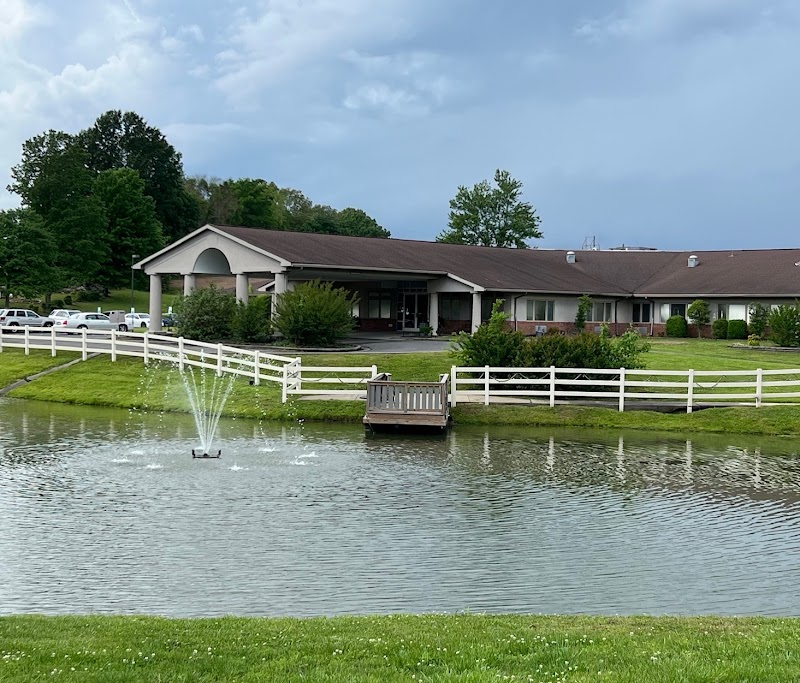
How is Countryside Center For Rehabilitation And Nursing Staffed?

CMS rates COUNTRYSIDE CENTER FOR REHABILITATION AND NURSING's staffing level at 3 out of 5 stars, which is average compared to other nursing homes. Staff turnover is 31%, compared to the Kentucky average of 46%. This relatively stable workforce can support continuity of care.

What Have Inspectors Found at Countryside Center For Rehabilitation And Nursing?

State health inspectors documented 21 deficiencies at COUNTRYSIDE CENTER FOR REHABILITATION AND NURSING during 2018 to 2025. These included: 18 with potential for harm and 3 minor or isolated issues.

Who Owns and Operates Countryside Center For Rehabilitation And Nursing?

COUNTRYSIDE CENTER FOR REHABILITATION AND NURSING is owned by a for-profit company. For-profit facilities operate as businesses with obligations to shareholders or private owners. The facility is operated by SIMCHA HYMAN & NAFTALI ZANZIPER, a chain that manages multiple nursing homes. With 53 certified beds and approximately 46 residents (about 87% occupancy), it is a smaller facility located in BARDWELL, Kentucky.
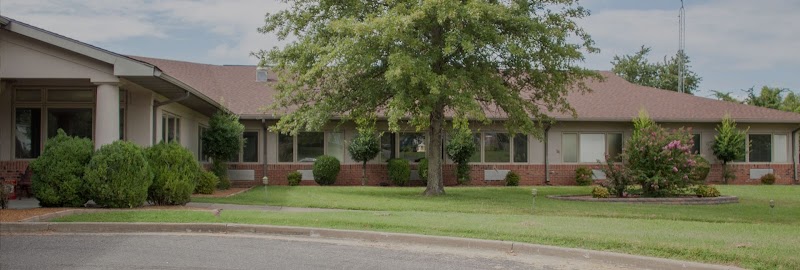
How Does Countryside Center For Rehabilitation And Nursing Compare to Other Kentucky Nursing Homes?

Compared to the 100 nursing homes in Kentucky, COUNTRYSIDE CENTER FOR REHABILITATION AND NURSING's overall rating (2 stars) is below the state average of 2.8, staff turnover (31%) is significantly lower than the state average of 46%, and health inspection rating (3 stars) is at the national benchmark.

What Should Families Ask When Visiting Countryside Center For Rehabilitation And Nursing?

Based on this facility's data, families visiting should ask: "Can I visit during a mealtime to observe dining assistance and food quality?" "How do you handle medical emergencies, and what is your hospital transfer rate?" "Can I speak with family members of current residents about their experience?"

Is Countryside Center For Rehabilitation And Nursing Safe?

Based on CMS inspection data, COUNTRYSIDE CENTER FOR REHABILITATION AND NURSING has a clean safety record: no substantiated abuse findings (meaning no confirmed cases of resident harm), no Immediate Jeopardy citations (the most serious violation level indicating risk of serious injury or death), and is not on the Special Focus Facility watch list (a federal program monitoring the lowest-performing 1% of nursing homes). The facility has a 2-star overall rating and ranks #100 of 100 nursing homes in Kentucky. While no facility is perfect, families should still ask about staff-to-resident ratios and recent inspection results during their visit.

Do Nurses at Countryside Center For Rehabilitation And Nursing Stick Around?

COUNTRYSIDE CENTER FOR REHABILITATION AND NURSING has a staff turnover rate of 31%, which is about average for Kentucky nursing homes (state average: 46%). Moderate turnover is common in nursing homes, but families should still ask about staff tenure and how the facility maintains care continuity when employees leave.

Was Countryside Center For Rehabilitation And Nursing Ever Fined?

COUNTRYSIDE CENTER FOR REHABILITATION AND NURSING has no federal fines on record. CMS issues fines when nursing homes fail to meet care standards or don't correct problems found during inspections. The absence of fines suggests the facility has either maintained compliance or corrected any issues before penalties were assessed. This is a positive indicator, though families should still review recent inspection reports for the full picture.

Is Countryside Center For Rehabilitation And Nursing on Any Federal Watch List?

COUNTRYSIDE CENTER FOR REHABILITATION AND NURSING is not on any federal watch list. The most significant is the Special Focus Facility (SFF) program, which identifies the bottom 1% of nursing homes nationally based on persistent, serious quality problems. Not being on this list means the facility has avoided the pattern of deficiencies that triggers enhanced federal oversight. This is a positive indicator, though families should still review the facility's inspection history directly.