The Terrace Nursing and Rehabilitation Center
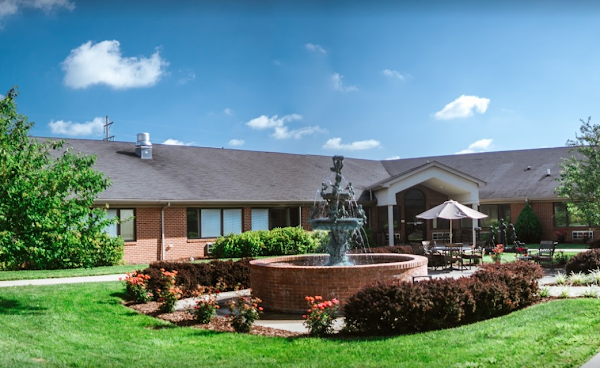
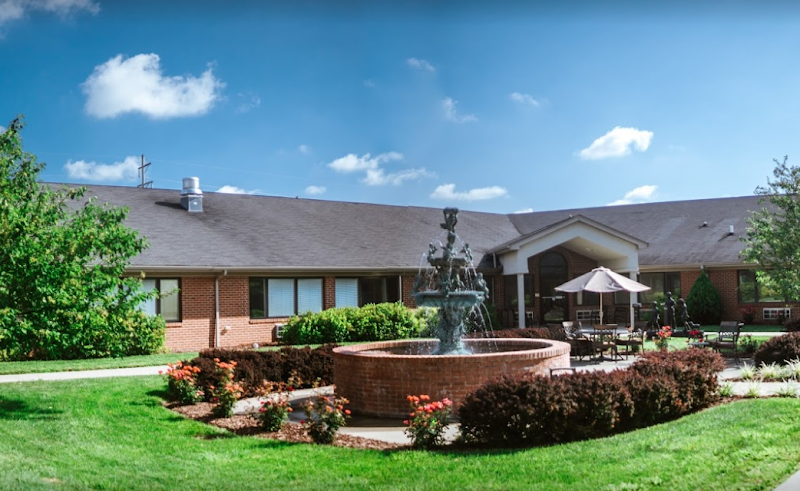
1043 BROOKLYN BOULEVARD, BEREA, KY 40403 (859) 228-0551
For profit - Limited Liability company 102 Beds BLUEGRASS HEALTH KY Data: November 2025
Trust Grade
80/100
#84 of 266 in KY
Last Inspection: March 2025

Within standard 12-15 month inspection cycle. Federal law requires annual inspections.

Overview

The Terrace Nursing and Rehabilitation Center in Berea, Kentucky has a Trust Grade of B+, indicating it is above average and recommended for families considering care options. It ranks #84 out of 266 facilities in Kentucky, placing it in the top half, and is #2 out of 5 in Madison County, meaning there is only one better local alternative. The facility is on an improving trend, having reduced its issues from 2 in 2024 to just 1 in 2025. However, staffing is a concern with a low rating of 1 out of 5 stars, though the turnover rate of 41% is better than the state average. Importantly, there have been no fines recorded, which is a positive sign. Specific incidents highlight areas needing attention: one resident’s discharge assessment was not transmitted on time, and another resident was not provided the required two-person assistance, resulting in a fall. While the facility has strengths like a good health inspection rating and no fines, the lack of adequate RN coverage, being lower than 98% of state facilities, raises concerns about the quality of care. Families should weigh these strengths and weaknesses carefully when making their decision.
Trust Score
B+
80/100
In Kentucky
#84/266
Top 31%
Safety Record
Low Risk
No red flags
Inspections
Getting Better
2 → 1 violations
Staff Stability
○ Average
41% turnover. Near Kentucky's 48% average. Typical for the industry.
Penalties
✓ Good
No fines on record. Clean compliance history, better than most Kentucky facilities.
Skilled Nurses
⚠ Watch
Each resident gets only 16 minutes of Registered Nurse (RN) attention daily — below average for Kentucky. Fewer RN minutes means fewer trained eyes watching for problems.
Violations
✓ Good
Only 5 deficiencies on record. Cleaner than most facilities. Minor issues only.
★★★★☆
4.0
Overall Rating
★☆☆☆☆
1.0
Staff Levels
★★☆☆☆
2.0
Care Quality
★★★★★
5.0
Inspection Score
Stable
2024: 2 issues
2025: 1 issues

The Good

  • Full Sprinkler Coverage · Fire safety systems throughout facility
  • No fines on record
  • Staff turnover below average (41%)

    7 points below Kentucky average of 48%

Facility shows strength in fire safety.

The Bad

Staff Turnover: 41%

Near Kentucky avg (46%)

Typical for the industry

Chain: BLUEGRASS HEALTH KY

Part of a multi-facility chain

Ask about local staffing decisions and management

The Ugly 5 deficiencies on record

Mar 2025 1 deficiency
CONCERN (D)

Potential for Harm - no one hurt, but risky conditions existed

MDS Data Transmission (Tag F0640)

Could have caused harm · This affected 1 resident

Based on interview, record review, and review of the Resident Assessment Instrument (RAI) Manual, the facility failed to electronically transmit the discharge assessment within 14 days for one (1) res...

Read full inspector narrative →
Based on interview, record review, and review of the Resident Assessment Instrument (RAI) Manual, the facility failed to electronically transmit the discharge assessment within 14 days for one (1) resident, Resident (R) 19. R19's discharge date was 11/14/2024, but R19's Minimum Data Set (MDS) was not transmitted until 03/02/2025. The findings include: Review of the Resident Assessment Instrument (RAI) Manual, dated 10/2024, revealed the MDS completion date must be no later than seven (7) days from the Event Date for a Death in Facility Assessment. Further review of the RAI Manual revealed the MDS should be transmitted within 14 days of the Event Date for Death in a Facility. Review of the facility's policy, MDS Completion and Submission Timeframes, dated 08/01/2013, revealed the facility would conduct and submit resident assessments in accordance with current federal and state submission timeframes. Review of R19's Face Sheet revealed the facility admitted the resident on 10/29/2024 with diagnoses which included malignant neoplasm of the spinal cord, diabetes, and chronic kidney disease. Review of R19's electronic medical record (EMR) revealed the last documented MDS, with an ARD of 11/14/2024, showed Death in Facility, and was signed by the MDS Coordinator on 11/14/2024 as verified the assessment was complete. However, the MDS was listed as Exported but not Accepted, which indicated the MDS had not been transmitted and accepted per the RAI guidelines. In an interview, on 03/03/2025 at 3:30 PM, MDS Nurse 1 stated the facility followed the RAI Manual for guidelines and timeframes of submitting the MDS. She further stated R19's Death in Facility MDS should have been transmitted within 14 days of R19's discharge date of 11/14/2024. In an interview, on 03/03/2025 at 3:35 PM, the [NAME] President of Clinical Reimbursement stated the facility follows the RAI Guidelines for submission of MDSs and discharge assessments should be transmitted within 14 days of completion. She further stated R19's discharge MDS had been overlooked and was transmitted on 03/02/2025.
Feb 2024 2 deficiencies
CONCERN (D) 📢 Someone Reported This

A family member, employee, or ombudsman was alarmed enough to file a formal complaint

Potential for Harm - no one hurt, but risky conditions existed

Comprehensive Care Plan (Tag F0656)

Could have caused harm · This affected 1 resident

**NOTE- TERMS IN BRACKETS HAVE BEEN EDITED TO PROTECT CONFIDENTIALITY** Based on interview, record review, and review of the facility's policy, it was determined the facility failed to develop and imp...

Read full inspector narrative →
**NOTE- TERMS IN BRACKETS HAVE BEEN EDITED TO PROTECT CONFIDENTIALITY** Based on interview, record review, and review of the facility's policy, it was determined the facility failed to develop and implement a comprehensive person-centered care plan (CCP) for one (1) of sixteen (16) sampled residents, (Resident #3). On [DATE] at 10:25 AM, State Registered Nurse Aide (SRNA) #12 failed to follow the intervention in place on Resident #3's CCP that stated Resident #3 was a two (2) person assist for bed mobility for bottom to top and side to side changes, and as a result, SRNA #12 caused Resident #3 to roll out of the bed and on to the floor. The findings include: Review of the facility policy titled, Care Plans - Comprehensive, dated 09/2022, revealed an individualized comprehensive care plan that included measurable objectives and timetables to meet the resident's medical, nursing, mental and psychological, cultural and trauma-informed needs would be developed for each resident. Review of the Policy Interpretation and Implementation section, item one (1) revealed, the facility's Care Planning/Interdisciplinary Team, in coordination with the resident, his/her family or representative (sponsor), would develop and maintain a comprehensive care plan for each resident that identified the highest level of functioning the resident might be expected to attain. Further review revealed each resident's comprehensive care plan was designed to incorporate identified problem areas; would incorporate risk factors associated with identified problems; would reflect treatment goals, timetables and objectives in measurable outcomes; and aid in preventing or reducing declines in the resident's functional status and/or functional levels; and would reflect currently recognized standards of practice for problem areas and conditions. Review of Resident #3 admission Record revealed the facility had admitted the resident on [DATE] with diagnoses to include of Alzheimer's, Vascular Dementia, Dysphagia, Diabetes, Obesity and Incomplete Paraplegia. Resident #3 expired at the facility on [DATE]. Review of Resident #3's Quarterly Minimum Data Set Assessment (MDS) dated [DATE], revealed the facility had assessed the resident to have a Brief Interview for Mental Status (BIMS) score of three (03) out of fifteen (15), indicating severe cognitive impairment. Continued review of the MDS revealed Resident #3 had been assessed as requiring extensive assistance of two (2) staff for bed mobility and extensive assistance of two (2) staff for toileting. Review of Resident #2's Fall Risk assessment dated [DATE] revealed the resident had been assessed as a high fall risk. Review of Resident #3's Comprehensive Care Plan (CCP) for Activities of Daily Living (ADLs) initiated on [DATE] revealed Resident #3 had ADL deficits related to impaired cognition, impaired physical functioning, weakness, paraplegia, dementia, fibromyalgia, chronic pain, depression and behaviors with a goal to include the resident would have ADL care needs met daily as measured by, he/she being observed as clean, well-groomed and odor free through next review. Interventions for bed mobility initiated on [DATE] revealed Resident #3 was an assist of two (2) staff for being moved bottom to top in the bed and an assist of two (2) for being moved side to side in the bed. Review of Resident #3's Incident Note dated [DATE] at 12:25 AM, entered by LPN #3, revealed Nursing staff was in Resident #3's room to provide morning ADLs and turned Resident #3 in the bed, facing the doorway. Resident #3 moved his/her legs off the side of the bed, propelling his/her body off the side of the bed. Resident #3 landed on the floor, on his/her buttocks, at the bedside, with his/her neck against the nightstand, and his/her arms were outstretched at each side, and his/her legs were outstretched towards the bathroom door. Further review of the note revealed Resident #3 was assessed and had no complaints of pain or injury. Continued review revealed neurological checks were initiated and found to be within normal limits, hand grips and speech were also found to be within normal limits, and his/her pupils were equal and reactive. Additional review revealed a rotation was observed to the left lower extremity. Ongoing review revealed one (1) of Resident #3's responsible parties and the Advance Practice Registered Nurse (APRN) were notified, and Resident #3 was transported to the hospital emergency department by Emergency Medical Services (EMS) for evaluation. Review of the facility Root Cause Analysis (RCA) Interdisciplinary Team (IDT) Note dated [DATE] at 1:34 PM, entered by LPN #1, revealed Resident #3 sustained a witnessed fall on [DATE] at 10:25 AM. continued review revealed the RCA had been documented as nursing staff were in the resident's room to provide ADL's and when staff turned the resident in bed, facing the doorway, the resident moved his/her legs off the side of bed, propelling his/her body off the side of bed, causing the resident to land on the floor on his/her buttocks. Resident #3 was documented as stating his/her arm hurt, and the physician and family were notified. Review of the facility document titled, State Registered Nurse Assignment (SRNA) Group dated [DATE] for Day Shift, 6:30 AM to 6:30 PM, revealed SRNA #11, SRNA #12, SRNA #13 and SRNA #15 were all assigned to resident care on the 300 Hall where Resident #3 was located. SRNA #12 was assigned to care for Resident #3. Review of Resident #3's Emergency Department (ED) Provider Notes dated [DATE], revealed Resident #3 had presented to the ED after a fall at the nursing home. Continued review revealed a Computed Tomagraphy (CT) of the head without contrast, CT of the Cervical Spine without contrast, Chest X-ray, X-rays of the right and left forearms, right and left humerus, right and left hip were completed without evidence of bleed or fracture. Resident #3 was transported back to the facility. During an interview on [DATE] at 10:11 AM with LPN #3 one of the aides let her know Resident #3 had fallen out of bed. LPN #3 stated Resident #3 was a very heavy person and was difficult to roll in the bed. She stated State Registered Nurse Aide (SRNA) #12 was caring for Resident #12 the day the resident fell out of the bed, and she stated SRNA #12 told her the resident's leg had flopped over the side of the bed, which caused Resident #3 to roll out of the bed. LPN #3 stated she did not think there was another SRNA in the room with SRNA #12 at the time of the incident. LPN #3 stated she sent Resident #3 to the hospital for evaluation because one of his/her legs appeared to be turned out and a looked like it was a different length from the other leg. LPN #3 further stated it was odd the way Resident #3 landed, he/she was sitting straight up on the floor, with his/her back against the bedside table, and his/her arms at either side and legs straight out. LPN #3 stated she did not notice and injuries at the time of her assessment of the resident. LPN #3 stated Resident #3 was two (2) staff assist for mobility and that would have been visible on the [NAME]. LPN #3 further stated, Resident #3 had been a long-time resident of the facility, and his/her care had not recently changed and SRNA #12 was not a new aide, and she should have been familiar with Resident #3's plan of care. The State Survey Agency attempted to call SRNA #12 on [DATE] at 10:19 AM and [DATE] at 1:30 PM. The SSA left messages for SRNA #12 for a return call. All attempts to reach SRNA #12 were unsuccessful. During an interview on [DATE] at 11:20 AM, with SRNA #11, he stated he was on duty the day of the incident involving Resident #3, but did not assist SRNA #12 with care. He stated he was informed of the incident after the fact, and he stated he did not know how many staff were providing care to Resident #3 when the fall happened. SRNA #11 stated if he needed to know how a resident needed to be transferred, or the number of staff required to assist a resident with mobility, he would ask a nurse. SRNA #11 stated he did not know what a [NAME] was and had not been educated on the use of the [NAME]. During a phone interview on [DATE] at 12:47 PM, with SRNA #13, she stated she did not assist with the care of Resident #3 the day of the fall but helped get him/her on the gurney after the fall occurred. SRNA #13 stated she did not know how many staff were in the room caring for Resident #3 at the time of the fall. She stated if she needed information on how a resident transferred or the number of staff assistance needed, she could find that information on the [NAME]. SRNA #13 further stated she thought Resident #3 was a two person assist for mobility. During a phone interview on [DATE] at 1:04 PM, with SRNA #15, she stated she was not on the unit when Resident #3 fell, nor did she care for Resident #3 the day he/she fell out of bed. SRNA #15 stated information regarding resident transfer and mobility assist was on the [NAME], and she was not positive but believed Resident #3 required a two person assist for mobility. During an interview on [DATE] at 1:40 PM, with the Assistant Director of Nursing (ADON), the Director of Nursing (DON) and the Administrator, they stated the incident involving Resident #3's fall out of bed happened on a weekend and none of them were at the facility at the time the incident occurred. They all agreed SRNA #12 was in Resident #3's room waiting for assistance and began providing care before help arrived . They further stated SRNA #12 knew Resident #3 was a two (2) person staff assist for care, and providing care to the resident without assistance of another staff member created an increased safety risk to the resident. The DON stated the [NAME] was available to every SRNA on the charting Kiosks and the SRNA's had to check it off as completed during their shift. The ADON, DON and Administrator all stated they expected the SRNA to review the [NAME] at the beginning of each shift and follow the residents car plan to ensure the safety of the resident. They further stated they expected staff to follow all the facility's policy's.
CONCERN (D) 📢 Someone Reported This

A family member, employee, or ombudsman was alarmed enough to file a formal complaint

Potential for Harm - no one hurt, but risky conditions existed

Accident Prevention (Tag F0689)

Could have caused harm · This affected 1 resident

**NOTE- TERMS IN BRACKETS HAVE BEEN EDITED TO PROTECT CONFIDENTIALITY** Based on interview, record review, and review of the facility's policy, it was determined the facility failed to provide supervi...

Read full inspector narrative →
**NOTE- TERMS IN BRACKETS HAVE BEEN EDITED TO PROTECT CONFIDENTIALITY** Based on interview, record review, and review of the facility's policy, it was determined the facility failed to provide supervision to each resident to prevent avoidable accidents for one (1) of sixteen (16) sampled residents, (Resident #3). On [DATE] at 10:25 AM, State Registered Nurse Aide (SRNA) #12 failed to follow the intervention in place on Resident #3's Comprehensive Care Plan (CCP) that stated Resident #3 was a two (2) person assist for bed mobility for bottom to top and side to side changes, and as a result, SRNA #12 caused Resident #3 to roll out of the bed and onto the floor. The findings include: Review of the facility policy titled, Falls and Fall Risk, Management, dated [DATE], revealed based on previous evaluations and current data, the staff would identify interventions related to the resident's specific risks and causes to try and prevent the resident from falling and to try to minimize complications from falling. Continued review revealed the staff, with input from the Attending Physician, would identify appropriate interventions to reduce the risk of falls. Review of the facility policy titled, Care Plans - Comprehensive, dated 09/2022, revealed an individualized comprehensive care plan that included measurable objectives and timetables to meet the resident's medical, nursing, mental and psychological, cultural and trauma-informed needs would be developed for each resident. Review of the Policy Interpretation and Implementation section, item one (1) revealed, the facility's Care Planning/Interdisciplinary Team, in coordination with the resident, his/her family or representative (sponsor), would develop and maintain a comprehensive care plan for each resident that identified the highest level of functioning the resident might be expected to attain. Further review revealed each resident's comprehensive care plan was designed to incorporate identified problem areas; would incorporate risk factors associated with identified problems; would reflect treatment goals, timetables and objectives in measurable outcomes; and aid in preventing or reducing declines in the resident's functional status and/or functional levels; and would reflect currently recognized standards of practice for problem areas and conditions. Review of Resident #3 admission Record revealed the facility had admitted the resident on [DATE] with diagnoses to include of Alzheimer's, Vascular Dementia, Dysphagia, Diabetes, Obesity and Incomplete Paraplegia. Resident #3 expired at the facility on [DATE]. Review of Resident #3's Quarterly Minimum Data Set Assessment (MDS) dated [DATE], revealed the facility had assessed the resident to have a Brief Interview for Mental Status (BIMS) score of three (03) out of fifteen (15), indicating severe cognitive impairment. Continued review of the MDS revealed Resident #3 had been assessed as requiring extensive assistance of two (2) staff for bed mobility and extensive assistance of two (2) staff for toileting. Review of Resident #2's Fall Risk assessment dated [DATE] revealed he/she had been assessed as a high fall risk. Review of Resident #3's Comprehensive Care Plan (CCP) for Activities of Daily Living (ADLs) initiated on [DATE] revealed Resident #3 had ADL deficits related to impaired cognition, impaired physical functioning, weakness, paraplegia, dementia, fibromyalgia, chronic pain, depression and behaviors with a goal to include the resident would have ADL care needs met daily as measured by, he/she being observed as clean, well-groomed and odor free through next review. Interventions for bed mobility initiated on [DATE] revealed Resident #3 was an assist of two (2) staff for being moved bottom to top in the bed and an assist of two (2) for being moved side to side in the bed. Review of Resident #3's Incident Note dated [DATE] at 12:25 AM, entered by LPN #3, revealed Nursing staff was in Resident #3's room to provide morning ADLs and turned Resident #3 in the bed, facing the doorway. Resident #3 moved his/her legs off the side of the bed, propelling his/her body off the side of the bed. Resident #3 landed on the floor, on his/her buttocks, at the bedside, with his/her neck against the nightstand, and his/her arms were outstretched at each side, and his/her legs were outstretched towards the bathroom door. Further review of the note revealed Resident #3 was assessed and had no complaints of pain or injury. Continued review revealed neurological checks were initiated and found to be within normal limits, hand grips and speech were also found to be within normal limits, and his/her pupils were equal and reactive. Additional review revealed a rotation was observed to the left lower extremity. Ongoing review revealed one (1) of Resident #3's responsible parties and the Advance Practice Registered Nurse (APRN) were notified, and Resident #3 was transported to the hospital emergency department by Emergency Medical Services (EMS) for evaluation. Review of the facility Root Cause Analysis (RCA) Interdisciplinary Team (IDT) Note dated [DATE] at 1:34 PM, entered by LPN #1, revealed Resident #3 sustained a witnessed fall on [DATE] at 10:25 AM. continued review revealed the RCA had been documented as nursing staff were in the resident's room to provide ADL's and when staff turned the resident in bed, facing the doorway, the resident moved his/her legs off the side of bed, propelling his/her body off the side of bed, causing the resident to land on the floor on his/her buttocks. Resident #3 was documented as stating his/her arm hurt, and the physician and family were notified. Review of the facility document titled, State Registered Nurse Assignment (SRNA) Group dated [DATE] for Day Shift, 6:30 AM to 6:30 PM, revealed SRNA #11, SRNA #12, SRNA #13 and SRNA #15 were all assigned to resident care on the 300 Hall where Resident #3 was located. Continued review revealed SRNA #12 had been assigned to care for Resident #3. Review of Resident #3's Emergency Department (ED) Provider Notes dated [DATE], revealed Resident #3 had presented to the ED after a fall at the nursing home. Continued review revealed a Computed Tomagraphy (CT) of the head without contrast, CT of the Cervical Spine without contrast, Chest X-ray, X-rays of the right and left forearms, right and left humerus, right and left hip were completed without evidence of bleed or fracture. Resident #3 was transported back to the facility. During an interview on [DATE] at 10:11 AM with LPN #3 one of the aides let her know Resident #3 had fallen out of bed. LPN #3 stated Resident #3 was a very heavy person and was difficult to roll in the bed. She stated State Registered Nurse Aide (SRNA) #12 was caring for Resident #12 the day the resident fell out of the bed, and she stated SRNA #12 told her the resident's leg had flopped over the side of the bed, which caused Resident #3 to roll out of the bed. LPN #3 stated she did not think there was another SRNA in the room with SRNA #12 at the time of the incident. LPN #3 stated she sent Resident #3 to the hospital for evaluation because one of his/her legs appeared to be turned out and a looked like it was a different length from the other leg. LPN #3 further stated it was odd the way Resident #3 landed, he/she was sitting straight up on the floor, with his/her back against the bedside table, and his/her arms at either side and legs straight out. LPN #3 stated she did not notice and injuries at the time of her assessment of the resident. LPN #3 stated Resident #3 was two (2) staff assist for mobility and that would have been visible on the [NAME]. LPN #3 further stated, Resident #3 had been a long-time resident of the facility, and his/her care had not recently changed and SRNA #12 was not a new aide, and she should have been familiar with Resident #3's plan of care. The State Survey Agency attempted to call SRNA #12 on [DATE] at 10:19 AM and [DATE] at 1:30 PM. The SSA left messages for SRNA #12 for a return call. All attempts to reach SRNA #12 were unsuccessful. During an interview on [DATE] at 11:20 AM, with SRNA #11, he stated he was on duty the day of the incident involving Resident #3 but did not assist SRNA #12 with care. He stated he was informed of the incident after the fact, and he stated he did not know how many staff were providing care to Resident #3 when the fall happened. SRNA #11 stated if he needed to know how a resident needed to be transferred, or the number of staff required to assist a resident with mobility, he would ask a nurse. SRNA #11 stated he did not know what a [NAME] was and had not been educated on the use of the [NAME]. During a phone interview on [DATE] at 12:47 PM, with SRNA #13, she stated she did not assist with the care of Resident #3 the day of the fall but helped get him/her on the gurney after the fall occurred. SRNA #13 stated she did not know how many staff were in the room caring for Resident #3 at the time of the fall. She stated if she needed information on how a resident transferred or the number of staff assistance needed, she could find that information on the [NAME]. SRNA #13 further stated she thought Resident #3 was a two person assist for mobility. During a phone interview on [DATE] at 1:04 PM, with SRNA #15, she stated she was not on the unit when Resident #3 fell, nor did she care for Resident #3 the day he/she fell out of bed. SRNA #15 stated information regarding resident transfer and mobility assist was on the [NAME], and she was not positive but believed Resident #3 required a two person assist for mobility. During an interview on [DATE] at 1:40 PM, with the Assistant Director of Nursing (ADON), the Director of Nursing (DON) and the Administrator, they stated the incident involving Resident #3's fall out of bed happened on a weekend and none of them were at the facility at the time the incident occurred. They all agreed SRNA #12 was in Resident #3's room waiting for assistance and began providing care before help arrived . They further stated SRNA #12 knew Resident #3 was a two (2) person staff assist for care, and providing care to the resident without assistance of another staff member created an increased safety risk to the resident. The DON stated the [NAME] was available to every SRNA on the charting Kiosks and the SRNA's had to check it off as completed during their shift. The ADON, DON and Administrator all stated they expected the SRNA to review the [NAME] at the beginning of each shift and follow the residents car plan to ensure the safety of the resident. They all further stated they expected staff to follow the facility's policy and protect residents from falls.
Jan 2019 2 deficiencies
CONCERN (D)

Potential for Harm - no one hurt, but risky conditions existed

Comprehensive Care Plan (Tag F0656)

Could have caused harm · This affected 1 resident

**NOTE- TERMS IN BRACKETS HAVE BEEN EDITED TO PROTECT CONFIDENTIALITY** Based on observation, interview, record review, and facility policy review, it was determined the facility failed to implement t...

Read full inspector narrative →
**NOTE- TERMS IN BRACKETS HAVE BEEN EDITED TO PROTECT CONFIDENTIALITY** Based on observation, interview, record review, and facility policy review, it was determined the facility failed to implement the comprehensive plan of care for two (2) of twenty-three (23) sampled residents (Residents #55 and #73) related to securing indwelling urinary catheters. Resident #55 and Resident #73 both had interventions on their comprehensive plans of care to secure the residents' urinary catheters (to prevent trauma). However, observation of indwelling catheter care for Resident #73 on 01/23/19 and Resident #55 on 01/24/19, revealed the indwelling urinary catheters were not secured. The findings include: Review of the facility's policy titled, Care Plans-Comprehensive, dated 08/01/13, revealed daily care and documentation would be consistent with the resident's care plan. 1. A review of Resident #55's medical record revealed the facility admitted the resident on 11/21/18, with diagnoses that included Chronic Kidney Disease and Neuromuscular Dysfunction of the Bladder. The medical record revealed Resident #55 was admitted to the facility with a suprapubic urinary catheter. A review of an admission Minimum Data Set (MDS) assessment dated [DATE], revealed the facility had assessed the resident to have a Brief Interview for Mental Status Score (BIMS) of nine (9) which indicated moderately impaired cognitive status and was therefore interviewable. A review of Resident #55's comprehensive care plan dated 11/22/18, revealed staff were required to keep the resident's indwelling urinary catheter tubing secured. Observation of suprapubic urinary catheter care for Resident #55 on 01/24/19 at 8:51 AM, revealed the resident's catheter was not secured, and Kentucky Medication Aide (KMA) #1 did not secure the catheter after providing suprapubic catheter care. An interview with KMA #1 on 01/24/19 at 9:00 AM, revealed she was required to check residents' comprehensive plans of care daily or anytime they were unsure what care was required by a resident. The KMA stated she was aware Resident #55's catheter was required to be secured. The KMA stated she should have secured the resident's catheter and was not sure why she had not. 2. Review of the medical record for Resident #73 revealed the resident was admitted to the facility on [DATE], with diagnoses including Osteoarthritis, Brain Stem Stroke Syndrome, Cerebral Infarction, Dementia without Behavioral Disturbance, Chronic Obstructive Pulmonary Disease, and Neuromuscular Dysfunction of the Bladder. Review of the Quarterly Minimum Data Set (MDS) assessment dated [DATE], Section C: Cognitive Patterns, revealed Resident #73 was unable to complete the Brief Interview for Mental Status (BIMS). Further review of the MDS Assessment, Section H: Bladder and Bowel, revealed the resident had an indwelling urinary catheter. Review of the Comprehensive Plan of Care for Resident #73 dated 07/23/18, revealed the resident had an indwelling urinary catheter intervention to keep the catheter bag and tubing below the level of the bladder and secured. Observation of indwelling urinary catheter care for Resident #73 was conducted on 01/23/19 at 9:42 AM. State Registered Nursing Assistant (SRNA) #2 was observed to provide care. The observation revealed Resident #73's indwelling urinary catheter was not secured prior to the catheter care being conducted. SRNA #2 also failed to secure the indwelling urinary catheter after the care was completed. Interview with SRNA #2 on 01/24/19 at 2:26 PM, revealed she was required to check residents' plans of care every shift before performing care. The SRNA further revealed Resident #73 should have had his/her indwelling urinary catheter secured as the care plan stated and she had just overlooked securing the indwelling urinary catheter. Interview with the Director of Nursing (DON) on 01/24/19 at 2:04 PM, revealed she made rounds throughout the facility daily to ensure residents were receiving the care they required as directed by the residents' comprehensive plans of care. The DON stated she would randomly ask staff to give her a report on the care required by residents. The DON stated she had not identified any concerns with residents not receiving the care as directed in their comprehensive plans of care.
CONCERN (D)

Potential for Harm - no one hurt, but risky conditions existed

Incontinence Care (Tag F0690)

Could have caused harm · This affected 1 resident

**NOTE- TERMS IN BRACKETS HAVE BEEN EDITED TO PROTECT CONFIDENTIALITY** 2. Review of the medical record for Resident #73 revealed the resident was admitted to the facility on [DATE], with diagnoses in...

Read full inspector narrative →
**NOTE- TERMS IN BRACKETS HAVE BEEN EDITED TO PROTECT CONFIDENTIALITY** 2. Review of the medical record for Resident #73 revealed the resident was admitted to the facility on [DATE], with diagnoses including Brain Stem Stroke Syndrome, Cerebral Infarction, Dementia without Behavioral Disturbance, Chronic Obstructive Pulmonary Disease, and Neuromuscular Dysfunction of the Bladder. Review of the most recent Quarterly Minimum Data Set (MDS) assessment dated [DATE], Section C: Cognitive Patterns, revealed Resident #73 was unable to complete the Brief Interview for Mental Status (BIMS). Further review of the MDS Assessment, Section H: Bladder and Bowel, revealed the resident had an indwelling urinary catheter. Review of the Comprehensive Plan of Care for Resident #73 dated 07/23/18, revealed the resident had a urinary catheter intervention to keep the catheter bag and tubing below the level of the bladder and secured. Observation of indwelling urinary catheter care for Resident #73 was conducted on 01/23/19 at 9:42 AM. State Registered Nursing Assistant (SRNA) #2 was observed to provide care. The observation revealed Resident #73's indwelling urinary catheter was not secured prior to the catheter care being conducted. SRNA #2 also failed to secure the indwelling urinary catheter after the care was completed. Interview with SRNA #2 on 01/24/19 at 2:26 PM, revealed she had been trained by the facility to secure indwelling urinary catheters to the resident's leg to prevent trauma or injury. The SRNA stated she had just overlooked securing the indwelling urinary catheter, but she should have secured it. Interview with the Director of Nursing (DON) on 01/24/19 at 2:03 PM, revealed she monitored care by making rounds every morning and checking on all the residents. The DON further revealed all indwelling urinary catheters should be secured and if a security device has fallen off it should promptly be resecured. The DON further revealed she had not identified any concerns with indwelling urinary catheters not being secured. Based on observation, interview, record review, and facility policy review, it was determined the facility failed to ensure two (2) of twenty-three (23) sampled residents (Residents #55 and #73) received appropriate treatment and services for an indwelling urinary catheter. Observation of indwelling urinary catheter care for Resident #55 on 01/25/19 and Resident #77 on 01/24/19, revealed staff failed to secure the indwelling urinary catheters to prevent trauma as required by the facility's policy. The findings include: Review of the facility's policy titled, Catheter Associated Urinary Tract Infection Prevention, undated, revealed the facility's policy was to secure urinary catheter tubing to prevent movement. 1. Review of the medical record for Resident #55 revealed the facility admitted the resident on 11/21/18, with diagnoses that included Chronic Kidney Disease and Neuromuscular Dysfunction of the Bladder. The medical record revealed Resident #55 was admitted to the facility with a suprapubic urinary catheter. Review of an admission Minimum Data Set (MDS) assessment dated [DATE], revealed the facility had assessed the resident to have a Brief Interview for Mental Status (BIMS) score of nine (9) which indicated moderately impaired cognitive status and the resident was therefore interviewable. Review of the comprehensive care plan for Resident #55 dated 11/22/18, revealed staff were required to keep the resident's catheter tubing secured. Observation of suprapubic urinary catheter care for Resident #55 on 01/24/19 at 8:51 AM, revealed the resident's catheter was not secured, and Kentucky Medication Aide (KMA) #1 did not secure the catheter after providing suprapubic catheter care. An interview with KMA #1 on 01/24/19 at 9:00 AM, revealed the KMA was aware Resident #55's catheter was required to be secured. The KMA stated she should have secured the resident's catheter and was not sure why she had not. Interview with the Director of Nursing (DON) on 01/24/19 at 2:04 PM, revealed she made rounds throughout the facility daily to ensure residents were receiving the care they required. The DON stated staff were required to secure all indwelling urinary catheters with butterfly clips, tape, or leg straps. The DON revealed she had not identified any residents' urinary catheters not being secured.
Understanding Severity Codes (click to expand)
Life-Threatening (Immediate Jeopardy)
J - Isolated K - Pattern L - Widespread
Actual Harm
G - Isolated H - Pattern I - Widespread
Potential for Harm
D - Isolated E - Pattern F - Widespread
No Harm (Minor)
A - Isolated B - Pattern C - Widespread

Questions to Ask on Your Visit

  • "Can I speak with families of current residents?"
  • "What's your RN coverage like on weekends and overnight?"

Our Honest Assessment

Strengths
  • • Grade B+ (80/100). Above average facility, better than most options in Kentucky.
  • • No major safety red flags. No abuse findings, life-threatening violations, or SFF status.
  • • No fines on record. Clean compliance history, better than most Kentucky facilities.
  • • Only 5 deficiencies on record. Cleaner than most facilities. Minor issues only.
Concerns
  • • No significant concerns identified. This facility shows no red flags across CMS ratings, staff turnover, or federal penalties.
Bottom line: Generally positive indicators. Standard due diligence and a personal visit recommended.

About This Facility

What is The Terrace Nursing And Rehabilitation Center's CMS Rating?

CMS assigns The Terrace Nursing and Rehabilitation Center an overall rating of 4 out of 5 stars, which is considered above average nationally. Within Kentucky, this rating places the facility higher than 99% of the state's 100 nursing homes. This rating reflects solid performance across the metrics CMS uses to evaluate nursing home quality.
How is The Terrace Nursing And Rehabilitation Center Staffed?

CMS rates The Terrace Nursing and Rehabilitation Center's staffing level at 1 out of 5 stars, which is much below average compared to other nursing homes. Staff turnover is 41%, compared to the Kentucky average of 46%. This relatively stable workforce can support continuity of care. RN turnover specifically is 56%, which is notably high. RNs provide skilled clinical oversight, so turnover in this role can affect medical care quality.

What Have Inspectors Found at The Terrace Nursing And Rehabilitation Center?

State health inspectors documented 5 deficiencies at The Terrace Nursing and Rehabilitation Center during 2019 to 2025. These included: 5 with potential for harm.
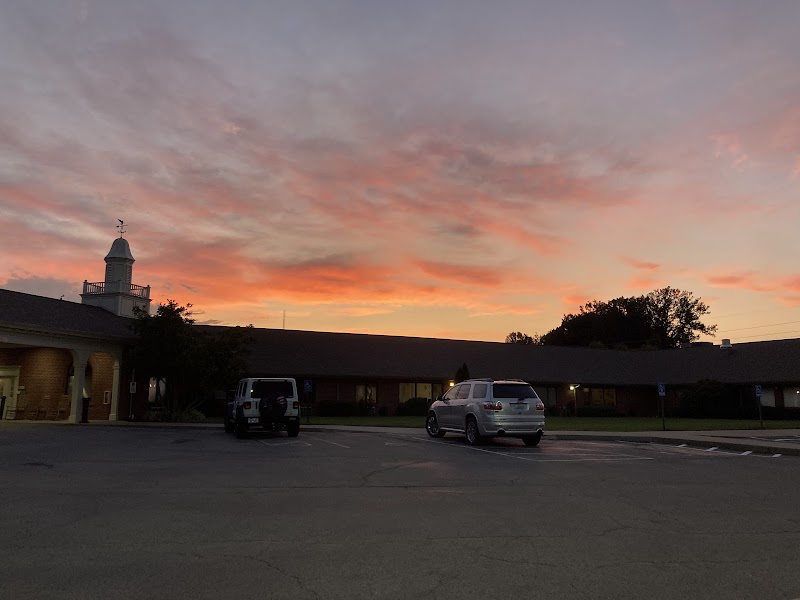
Who Owns and Operates The Terrace Nursing And Rehabilitation Center?

The Terrace Nursing and Rehabilitation Center is owned by a for-profit company. For-profit facilities operate as businesses with obligations to shareholders or private owners. The facility is operated by BLUEGRASS HEALTH KY, a chain that manages multiple nursing homes. With 102 certified beds and approximately 95 residents (about 93% occupancy), it is a mid-sized facility located in BEREA, Kentucky.

How Does The Terrace Nursing And Rehabilitation Center Compare to Other Kentucky Nursing Homes?

Compared to the 100 nursing homes in Kentucky, The Terrace Nursing and Rehabilitation Center's overall rating (4 stars) is above the state average of 2.8, staff turnover (41%) is near the state average of 46%, and health inspection rating (5 stars) is much above the national benchmark.

What Should Families Ask When Visiting The Terrace Nursing And Rehabilitation Center?

Based on this facility's data, families visiting should ask: "Can you walk me through typical staffing levels on day, evening, and night shifts?" "Can I visit during a mealtime to observe dining assistance and food quality?" "How do you handle medical emergencies, and what is your hospital transfer rate?" "Can I speak with family members of current residents about their experience?" These questions are particularly relevant given the below-average staffing rating.

Is The Terrace Nursing And Rehabilitation Center Safe?

Based on CMS inspection data, The Terrace Nursing and Rehabilitation Center has a clean safety record: no substantiated abuse findings (meaning no confirmed cases of resident harm), no Immediate Jeopardy citations (the most serious violation level indicating risk of serious injury or death), and is not on the Special Focus Facility watch list (a federal program monitoring the lowest-performing 1% of nursing homes). The facility has a 4-star overall rating and ranks #1 of 100 nursing homes in Kentucky. While no facility is perfect, families should still ask about staff-to-resident ratios and recent inspection results during their visit.

Do Nurses at The Terrace Nursing And Rehabilitation Center Stick Around?

The Terrace Nursing and Rehabilitation Center has a staff turnover rate of 41%, which is about average for Kentucky nursing homes (state average: 46%). Moderate turnover is common in nursing homes, but families should still ask about staff tenure and how the facility maintains care continuity when employees leave.

Was The Terrace Nursing And Rehabilitation Center Ever Fined?

The Terrace Nursing and Rehabilitation Center has no federal fines on record. CMS issues fines when nursing homes fail to meet care standards or don't correct problems found during inspections. The absence of fines suggests the facility has either maintained compliance or corrected any issues before penalties were assessed. This is a positive indicator, though families should still review recent inspection reports for the full picture.

Is The Terrace Nursing And Rehabilitation Center on Any Federal Watch List?

The Terrace Nursing and Rehabilitation Center is not on any federal watch list. The most significant is the Special Focus Facility (SFF) program, which identifies the bottom 1% of nursing homes nationally based on persistent, serious quality problems. Not being on this list means the facility has avoided the pattern of deficiencies that triggers enhanced federal oversight. This is a positive indicator, though families should still review the facility's inspection history directly.