Bowling Green Nursing and Rehabilitation Center
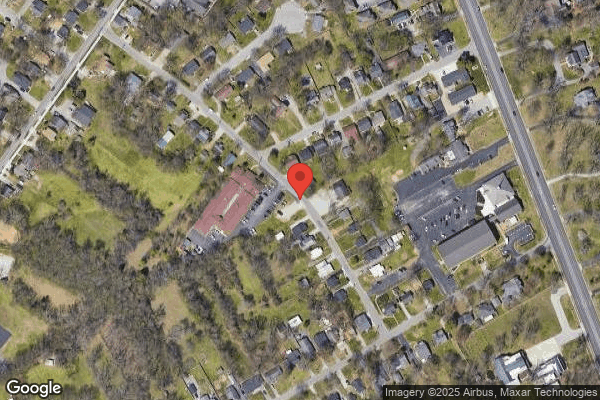
1561 Newton Ave, Bowling Green, KY 42104 (270) 842-1611
For profit - Limited Liability company 66 Beds BENJAMIN LANDA Data: November 2025
Trust Grade
70/100
#96 of 266 in KY
Last Inspection: November 2024

Within standard 12-15 month inspection cycle. Federal law requires annual inspections.

Overview

Bowling Green Nursing and Rehabilitation Center has a Trust Grade of B, indicating it is a good choice for families looking for care options. It ranks #96 out of 266 facilities in Kentucky, placing it in the top half of nursing homes in the state, and #3 out of 7 in Warren County, meaning only two local options are rated higher. Unfortunately, the facility is trending worse, with issues increasing from 3 in 2018 to 5 in 2024. Staffing is a concern, with a low rating of 1 out of 5 stars and a turnover rate of 51%, which is about average for the state. While there have been no fines, some serious concerns have been noted, such as failing to conduct necessary assessments for hospice residents and a reported incident of physical abuse between residents, indicating that while there are strengths in the facility, some significant weaknesses need to be addressed.

Trust Score
B
70/100
In Kentucky
#96/266
Top 36%
Safety Record
Low Risk
No red flags
Inspections
Getting Worse
3 → 5 violations
Staff Stability
⚠ Watch
51% turnover. Above average. Higher turnover means staff may not know residents' routines.
Penalties
✓ Good
No fines on record. Clean compliance history, better than most Kentucky facilities.
Skilled Nurses
⚠ Watch
Each resident gets only 20 minutes of Registered Nurse (RN) attention daily — below average for Kentucky. Fewer RN minutes means fewer trained eyes watching for problems.
Violations
○ Average
8 deficiencies on record. Average for a facility this size. Mostly minor or procedural issues.
★★★☆☆
3.0
Overall Rating
★☆☆☆☆
1.0
Staff Levels
★★☆☆☆
2.0
Care Quality
★★★★☆
4.0
Inspection Score
Stable
2018: 3 issues
2024: 5 issues

The Good

  • Full Sprinkler Coverage · Fire safety systems throughout facility
  • No fines on record

Facility shows strength in fire safety.

The Bad

3-Star Overall Rating

Near Kentucky average (2.8)

Meets federal standards, typical of most facilities

Staff Turnover: 51%

Near Kentucky avg (46%)

Higher turnover may affect care consistency

Chain: BENJAMIN LANDA

Part of a multi-facility chain

Ask about local staffing decisions and management

The Ugly 8 deficiencies on record

Nov 2024 2 deficiencies
CONCERN (D)

Potential for Harm - no one hurt, but risky conditions existed

Deficiency F0637 (Tag F0637)

Could have caused harm · This affected 1 resident

Based on interview, record review, and review of the Centers for Medicare & Medicaid Services Long-Term Care Facility Resident Assessment Instrument [RAI] 3.0 User's Manual, the facility failed to ens...

Read full inspector narrative →
Based on interview, record review, and review of the Centers for Medicare & Medicaid Services Long-Term Care Facility Resident Assessment Instrument [RAI] 3.0 User's Manual, the facility failed to ensure a significant change in status assessment (SCSA) Minimum Data Set (MDS) assessment was completed for one of two sampled resident (Resident (R) 4) reviewed for hospice. R4 was admitted to hospice care on 09/16/2024; however, a SCSA MDS had not been completed. The findings include: The Centers for Medicare & Medicaid Services Long-Term Care Facility Resident Assessment Instrument [RAI] 3.0 User's Manual, dated 10//2024, specified, 03. Significant Change in Status Assessment (SCSA) The SCSA is a comprehensive assessment for a resident that must be completed when the IDT [interdisciplinary team] has determined that a resident meets the significant change guidelines for either major improvement or decline. Per the manual, An SCSA is required to be performed when a terminally ill resident enrolls in a hospice program or changes hospice providers and remains a resident at the nursing home. The ARD [assessment reference date] must be within 14 days from the effective date of the hospice election. Review of R4's medical record on the admission Face Sheet revealed the facility admitted the resident on 06/02/2017. According to the admission Face Sheet, the resident had a medical history that included diagnoses of adult failure to thrive, anorexia, cerebral infarction, unspecified dementia, and intellectual disabilities. Review of R4's physician orders revealed an undated order that indicated the resident was on hospice. Review of R4's care plan, titled Advance Directive, established 04/06/2021, revealed an intervention with a start date of 09/16/2024, that indicated the resident was placed on hospice care. Further review of R4's medical record revealed no evidence to indicate a SCSA MDS assessment had been completed since the resident was admitted to hospice care on 09/16/2024. During an interview on 11/06/2024 at 9:01 AM, the MDS Coordinator stated she was not aware of the rule regarding the completion of a SCSA MDS following a resident being placed on hospice. The MDS Coordinator confirmed that a SCSA MDS was not completed when R4 was placed on hospice. During an interview on 11/07/2024 at 9:02 AM, the Director of Nursing (DON) stated her expectation was for staff to follow the state and federal guidelines for completing assessments timely. The DON stated she was not aware a SCSA MDS should have been completed when a resident was placed on hospice. During an interview on 11/07/2024 at 9:16 AM, the Administrator stated her expectation was for assessments to be completed per the RAI guidelines. The Administrator stated she was aware a SCSA MDS needed to be completed when R4 was placed on hospice; however, she was unaware the MDS Coordinator did not know about this rule.
CONCERN (D)

Potential for Harm - no one hurt, but risky conditions existed

Drug Regimen Review (Tag F0756)

Could have caused harm · This affected 1 resident

Based on interview, record review, and facility policy review, the facility failed to take action after receiving a pharmacy recommendation for one of five sampled residents (Resident (R) 6) reviewed ...

Read full inspector narrative →
Based on interview, record review, and facility policy review, the facility failed to take action after receiving a pharmacy recommendation for one of five sampled residents (Resident (R) 6) reviewed for unnecessary medications. The findings include: A facility policy titled, Behavior and Psychoactive Medication Protocol, with a review date of 11/2020, revealed Purpose: The facility strives to enhance the Quality of Life and Quality of Care of residents experiencing behavior and receiving psychoactive medications through the Behavior and Psychoactive Medication review process. Each resident shall receive individualized care and services to attain or maintain their highest practicable physical, mental, and psychosocial well-being. Protocol: * The facility IDT [interdisciplinary team] works with the physician to determine the appropriate diagnosis associated with the resident's symptoms so the underlying causes of symptoms are recognized and treated appropriately. * Physician orders and pharmacist reviews clinically support the diagnosis and reason for the medication, including and evaluation of risk versus benefit of the medication to be shared with resident and/or responsible party. A review of R6's medical record which included the admission Face Sheet revealed the facility admitted the resident on 08/15/2024. According to the admission Face Sheet, the resident's medical history included diagnoses of Alzheimer's disease and dementia. Review of an admission Minimum Data Set (MDS), with an Assessment Reference Date (ARD) of 08/21/2024, revealed R6 had a Brief Interview for Mental Status (BIMS) of 4, which indicated the resident has severe cognitive impairment. The MDS indicated the resident received antipsychotic medication on a routine basis. Review of R6's care plan, titled Psychotropic Drug Use, established 08/24/2024, revealed the resident was at risk for complications as evidenced by the use of psychotropic medications and a history of falls related to a diagnosis of dementia. Review of R6's Medication Orders, revealed an order for risperidone (an antipsychotic medication) oral tablet 0.25 milligrams one tablet by mouth on the day shift between 2:00 PM and 5:00 PM. Review of R6's pharmacy recommendation report dated 08/16/2024, revealed a recommendation to Please clarify/document the approved diagnosis to justify use of Risperdal [risperidone] and update order in EMR [electronic medical record]. There was no outcome listed. Continued review of the pharmacy recommendation report for R6 dated 08/27/2024, revealed a recommendation to Please clarify/document the approved diagnosis to justify use of Risperdal and update order in EMR. The outcome was listed as No response 09/24/2024. Further review of the pharmacy recommendations report for R6 dated 10/28/2024, revealed a recommendation to Please clarify/document the approved diagnosis to justify use of Risperdal and update order in EMR. There was no outcome listed. During a telephone interview on 11/05/2024 at 2:44 PM, Pharmacist 7 stated the facility had not responded to the recommendations to add an approved diagnosis to the risperidone for R6, which was why she recommended it again at the end of October 2024. Pharmacist 7 stated she did not know why there had been no response to her identified irregularity, but stated sometimes recommendations fell through the cracks. During a telephone interview on 11/06/2024 at 12:39 PM, R6's primary physician stated if he had not responded to the pharmacy recommendation for R6, it must have been a miscommunication. During an interview on 11/07/024 at 9:03 AM, the Director of Nursing stated she expected staff to respond to irregularities identified in the medication regiment review.
Oct 2024 2 deficiencies
CONCERN (D) 📢 Someone Reported This

A family member, employee, or ombudsman was alarmed enough to file a formal complaint

Potential for Harm - no one hurt, but risky conditions existed

Free from Abuse/Neglect (Tag F0600)

Could have caused harm · This affected 1 resident

Based on interview, record review, and review of the facility's policies, the facility failed to protect one of seven sampled residents (Resident (R)1) from physical abuse. On 09/10/2024 staff witness...

Read full inspector narrative →
Based on interview, record review, and review of the facility's policies, the facility failed to protect one of seven sampled residents (Resident (R)1) from physical abuse. On 09/10/2024 staff witnessed R2 hit R1 on the cheek. The findings include: Review of the facility's policy titled, Abuse Prohibition Standard of Practice, revised 07/2022, revealed the facility would prohibit and prevent abuse, neglect, exploitation, misappropriation of resident property and to ensure reporting and investigating of alleged violations in accordance with Federal and State laws. Review of R2's Facesheet revealed the facility admitted R2 on 04/27/2022 with diagnoses that included schizoaffective disorder, depressive type, cognitive communication deficit, and dementia in other diseases classified elsewhere. Review of R2's quarterly Minimum Data Set (MDS), with an Assessment Reference Date (ARD) of 09/05/2024 revealed the resident had a Brief Interview for Mental Status (BIMS) score of 13 out of 15, which indicated the resident was cognitively intact. Further review of Section E (Behavior) of the MDS revealed R2 had not exhibited any behaviors during the review period. Review of R1's Facesheet revealed the facility admitted R1 on 09/22/2022 with diagnoses that included alcohol dependence with alcohol-induced persisting amnestic disorder, psychotic disorder with delusions and dementia. Review of R1's Quarterly MDS with an ARD of 08/03/2024 revealed the R1 had a BIMS score of an eight out of 15, indicating moderate cognitive impairment. Review of the facility's Investigation Initial Report, dated 09/10/2024, revealed Certified Nursing Assistant (CNA) 1 witnessed R2 hit his roommate, R1 on the cheek. Review of R2's Care Plan revealed the facility developed a care plan for behaviors on 04/27/2022. However, further review of the document revealed there was no documented evidence the care plan was revised after the resident to resident altercation on 09/10/2024. Review of the facility's Investigation Five Day Report, dated 09/16/2024, revealed R1 stated he had been bickering with R2 when R2 suddenly hit him on the cheek. R1 stated he was not injured and he did feel safe in the facility but he wanted a new roommate. Further review revealed R2 was moved to another room. The 5 day report further revealed staff stated R1 and R2 had been long time roommate and there had been no problems had been noted in the past. R2 was placed on every 15 minute checks for 24 hours to ensure no other behavioral variances occurred. R1 was monitored for pain, skin, and psychosocial distress, which none were noted. During an interview with R2 on 10/01/2024 at 4:00 PM, he stated he moved rooms several months ago because he did not get along with his previous roommate very well. R2 stated R1 would do things to annoy him. R2 stated he didn't argue with R1 but he did not like things that R1 did such as rolling his tray around the room when it should have been left alone. R2 stated he never had a physical altercation with R1. R2 stated he had seen R1 in the hall and in the dining room since he changed rooms and there had not been any issues. During an interview with CNA 1 on 10/01/2024 at 3:25 PM, she stated she heard a loud noise such as an argument and went to R1 and R2's room. CNA 1 stated she observed R1 in his wheelchair at the bathroom door and R2 was standing over him and proceeded to slap R1 on the cheek. CNA 1 stated she immediately separated R1 and R2 and removed R1 from the room to keep him safe. CNA 1 stated she did not know of any arguments between the two residents in the past and none since this incident. CNA 1 stated R2 was moved to another room and do occasionally see each other in the hall but neither seem to even recognize the other due to their memory issues. CNA 1 further stated she did not think either resident even remembered the incident happening. During an interview with the Director of Nursing (DON) on 10/03/2024 at 11:02 AM, she stated R1 and R2 were separated immediately and R1 was brought to the nurses station and assessed immediately. The DON stated R1 denied any physical injuries but did not really have any recollection of the event. She stated R2 was moved to another hall. The DON stated R2 had no behavioral problems in the past and he had no recollection of anything happening between himself and R1. During an interview with the Administrator on 10/03/2024 at 10/03/2024, she stated R2 had no prior behavioral problems and had none since the incident with R1. She stated R2 denied hitting R1 immediately after the incident. The Administrator stated if CNA 1 had not witnessed the altercation, the facility would have unsubstantiated it.
CONCERN (D) 📢 Someone Reported This

A family member, employee, or ombudsman was alarmed enough to file a formal complaint

Potential for Harm - no one hurt, but risky conditions existed

Deficiency F0657 (Tag F0657)

Could have caused harm · This affected 1 resident

Based on observation, interview, record review and review of facility policy, it was determined the facility failed to revise the Comprehensive Care Plan following a behavioral change for Resident #2 ...

Read full inspector narrative →
Based on observation, interview, record review and review of facility policy, it was determined the facility failed to revise the Comprehensive Care Plan following a behavioral change for Resident #2 (R2). Review of R2's Comprehensive Care Plan revealed the care plan was not revised to include interventions for change in behavior. The findings include: Review of the facility's policy titled, Comprehensive Care Plans Standard of Practice, dated 10/2020 and reviewed 10/2020, revealed an individualized comprehensive care plan that included measurable objectives and timetables to meet the resident's medical, nursing, mental and psychosocial needs would be developed for each resident. The protocol stated care plans would be reviewed and updated when there was a significant change in the resident's condition or when a desired outcome was not met, and that assessments were ongoing and care plans would be revised as information about the resident and resident's condition may change. Review of R2's Facesheet revealed the facility admitted R2 on 04/27/2022 with diagnoses that included schizoaffective disorder, depressive type, cognitive communication deficit, and dementia in other diseases classified elsewhere. Review of R2's quarterly Minimum Data Set (MDS), with an Assessment Reference Date (ARD) of 09/05/2024 revealed the resident had a Brief Interview for Mental Status (BIMS) score of 13 out of 15, which indicated the resident was cognitively intact. Further review of Section E (Behavior) of the MDS revealed R2 had not exhibited any behaviors during the review period. Review of the facility's Investigation Initial Report, dated 09/10/2024, revealed Certified Nursing Assistant (CNA) 1 witnessed R2 hit his roommate, R1 on the cheek. Review of the facility's Investigation Five Day Report, dated 09/16/2024, revealed R1 stated he had been bickering with R2 when R2 suddenly hit him on the cheek. R1 stated he was not injured and he did feel safe in the facility but he wanted a new roommate. Further review revealed R2 was moved to another room. The 5 day report further revealed staff stated R1 and R2 had been long time roommate and there had been no problems had been noted in the past. R2 was placed on every 15 minute checks for 24 hours to ensure no other behavioral variances occurred. R1 was monitored for pain, skin, and psychosocial distress, which none were noted. Review of R2's Care Plan revealed the facility developed a care plan for behaviors on 04/27/2022. However, further review of the document revealed there was no documented evidence the care plan was revised after the resident to resident altercation on 09/10/2024. During an interview with R2 on 10/01/2024 at 4:00 PM, he stated he moved rooms one-two months ago because he did not get along with his previous roommate very well. R2 stated R1 would do things to annoy him. R2 stated he didn't argue with R1 but he did not like things that R1 did such as rolling his tray around the room when it should have been left alone. R2 stated he never had a physical altercation with R1. R2 stated he had seen R1 in the hall and in the dining room since he changed rooms and there had not been any issues. During an interview with CNA 1 on 10/01/2024 at 3:25 PM, she stated she heard a loud noise such as an argument and went to R1 and R2's room. CNA 1 stated she observed R1 in his wheelchair at the bathroom door and R2 was standing over him and proceeded to slap R1 on the cheek. CNA 1 stated she immediately separated R1 and R2 and removed R1 from the room to keep him safe. CNA 1 stated she did not know of any arguments between the two residents in the past and none since this incident. CNA 1 stated R2 was moved to another room and do occasionally see each other in the hall but neither seem to even recognize the other due to their memory issues. CNA 1 further stated she did not think either resident even remembered the incident happening. During an interview with the Assistant Director of Nursing (ADON) on 10/02/2024 at 3:38 PM, she stated the care plan was to let everyone know how to care for the resident. The ADON stated if anything changed with the resident, the care plan should be revised immediately by the nurse on the floor or the person that found the problem. The ADON stated if the care plan was not revised, staff would have a hard time knowing how to care for the resident. During an interview with the MDS Coordinator on 10/02/2024 at 3:56 PM, she stated she was responsible for developing the comprehensive care plan, reviewing the care plan during clinical meeting and ensure the care plans had the appropriate interventions. The MDS coordinator stated R2's behavioral care plan should have been updated by the nurse on the floor. She further stated the Interdisciplinary team (IDT) should have discussed the incident during clinical meeting the following morning and if the care plan had not been updated or an intervention added, it should have been caught and added at that time. The MDS coordinator further stated if this was not done, R2 could have had continued behaviors that were not addressed. During an interview with the Director of Nursing on 10/03/2024 at 11:02 AM, she stated R2 should have had a problem of physical aggression added to his care plan with an appropriate intervention. The DON stated she expected the care plan to be updated and revised to allow staff to know how to care for and/or intervene with the resident correctly. The DON stated if the care plan was not revised, it could be detrimental to the resident and staff would not know how to provide care to the residents. The DON further stated the facility was in process of training the floor nurses to add interventions to the care plan. She continued to state that the IDT would discuss the care plan and edit with appropriate interventions if needed. During an interview with the Administrator on 10/03/2024 at 10/03/2024, she stated the care plan was to provide a guide for staff to instruct them on care for the residents. She stated if the care plan was not revised, staff may not know how to properly care for the residents. She further stated any of the nursing administration or floor staff could update a care plan and it should be done immediately.
Feb 2024 1 deficiency
CONCERN (D) 📢 Someone Reported This

A family member, employee, or ombudsman was alarmed enough to file a formal complaint

Potential for Harm - no one hurt, but risky conditions existed

Deficiency F0602 (Tag F0602)

Could have caused harm · This affected 1 resident

**NOTE- TERMS IN BRACKETS HAVE BEEN EDITED TO PROTECT CONFIDENTIALITY** Based on interviews, record review, the facility investigation, and facility policy review, it was determined the facility faile...

Read full inspector narrative →
**NOTE- TERMS IN BRACKETS HAVE BEEN EDITED TO PROTECT CONFIDENTIALITY** Based on interviews, record review, the facility investigation, and facility policy review, it was determined the facility failed to protect residents from misappropriation of funds for three (3) of eleven (11) sampled residents (Resident #6, #10, and #11). Resident funds were found missing during a routine request by a resident's family member for funds to pay a bill. The investigation determined the facility had completed the corrective action on 06/24/2023, therefore it was determined to be past noncompliance with a compliance date of 06/25/2023. The findings include: Review of the facility's policy, Abuse Prohibition Standard of Practice, dated 07/2022 revealed the facility would prohibit and prevent abuse, neglect, exploitation, misappropriation of resident property and ensure reporting and investigating of alleged violations in accordance with Federal and State laws. Further review of the policy revealed Misappropriation of Resident Property was the deliberate misplacement, exploitation, or wrongful, temporary or permanent use of the resident's belongings or money without the resident's consent. 1. Review Resident #6's Face Sheet revealed the facility admitted the resident on 08/30/2018 with diagnoses which included Anxiety Disorder, Heredity and Idiopathic Neuropathy, and Chronic Pain. Review of Resident #6's Quarterly Minimum Data Set (MDS) assessment, dated 12/01/2023, revealed the facility assessed the resident to have a Brief Interview of Mental Status (BIMS) score of fourteen (14) out of fifteen (15), indicating the resident was cognitively intact. Review of the Facility Investigation and review of the Resident Fund Management Service (RFMS), dated 12/17/2021, revealed the a total of $11,523.80 had been removed from Resident #6's account by the former Business Office Manager. Review of Resident #6's RFMS account revealed a total amount missing of $11,523.80 was reimbursed to the resident's RFMS account. 2. Review of Resident #10's Face Sheet revealed the facility admitted the resident on 12/11/2019 with diagnoses which included Wernicke's Encephalopathy, Alcohol Abuse, Anxiety Disorder, and Seizures. Review of Resident #10's Quarterly MDS assessment, dated 01/12/2024, revealed the facility assessed the resident to have BIMS score of fourteen (14) out of fifteen, which indicated the resident was cognitively intact. Review of Resident #10's Resident Fund Management Service (RFMS) account document, not dated, revealed a total of $1861.84 had been removed from the resident's account. Further review of the document revealed that on 08/24/2022 $1861.24 had been refunded back to the resident's account. 3. Review of Resident #11's face sheet revealed the facility admitted the resident on 10/28/2015 with diagnoses which included Anxiety Disorder, End Stage Renal Disease, and Dependence on Renal Dialysis. Review of Resident #11's Quarterly MDS assessment dated [DATE], revealed the facility assessed the resident to have a BIMS score of fifteen (15) out of fifteen, indicating the resident was cognitively intact. Review of Resident #11's RFMS account document, not dated, revealed a total of $1354.00 had been removed from the resident's account. Further review of the account revealed $1354.00 had been refunded to the resident on 08/24/2022. Review of the former Business Office Manager's (BOM)personnel file revealed date of hire was 02/15/2019 and her last day of employment was 12/10/2021. Further review revealed there were no concerns with the criminal background check upon hire. The State Surveyor attempted telephone interviews with the former BOM on 02/27/2024 at 12:38 PM, 02/27/2024 at 1:46 PM and on 02/28/2024 at 4:05 PM, without success. In an interview with the Administrator on 02/27/2024 at 1:33 PM, she stated misappropriation of resident funds was discovered when the Regional Business Office Manager (BOM) took over the position after the previous staff member resigned on 12/10/2021. She stated that on December 17, 2021, a resident's family member had requested some money to pay the resident's bills. The Regional BOM reviewed the resident's account and found there was not enough money. The Administrator stated an investigation started at this time and other discrepancies were identified with resident accounts. She stated the former BOM had access to the employees' social security numbers, and she used those numbers to open several personal accounts at various banking institutions. The Administrator stated several staff members revealed personal accounts had been opened in their names without their knowledge or consent. She stated the former BOM would move money from one resident account to another so that it was not caught until after leaving employment from the facility. The Administrator further stated Resident #6 had never given anyone authorization to remove money from his/her account. She stated all money had been refunded back to the resident's accounts and law enforcement had been notified. In an interview with Detective #2, on 02/28/24 at 1:25 PM, stated he was the lead investigating officer for the alleged embezzlement, and he was expecting an indictment in the coming weeks to be handed down. He revealed the facility had been cooperative during the investigation and the money had been refunded to the individuals affected. In an interview with the Regional Business Office Manager, on 02/28/2024 at 2:44 PM she stated after the discovery resident funds were missing, she notified the police and a forensic accountant was brought in to investigate. The Regional Business Office Manager revealed her own investigation was completed in August 2022. The Forensic Accountant and Attorneys hired by the company continued their investigation which resulted in all money returned to the residents on 08/24/2022. *The facility implemented the following actions to correct the deficient practice: 1. Resident #6, Resident #10 and Resident #11's RFMS accounts were audited, and money missing was reimbursed back into accounts on 08/24/2022. 2. The facility initiated an investigation into resident funds on 12/17/2021. All current Resident RFMS accounts were audited by the Regional Business Officer Manager (BOM). 3. The Director of Nursing (DON) provided education to staff on the abuse policy and Misappropriation of Property. 4. Re-education was provided to the Administrator and BOMs in the facilities by the Regional BOM regarding resident trust procedures from the beginning of admission to discharge. 5. The facility uses a float Business Office Manager (BOM) who reviews random resident accounts to ensure resident funds are not misappropriated. 6. The Regional Business Office Manager provided education to the new Business Office Manager on required forms, authorization processes, how to handle direct deposit funds, the required forms for signatures, opening accounts in RFMS, and forms of incomes on the accounts. Further education was provided on closing accounts, and daily, monthly and quarterly reconciliation. 7. All identified issues are discussed during Quality Assurance Performance Improvement (QAPI) meetings for further recommendations. **The State Survey Agency Validated the corrective action by the facility as follows: 1. Review of all RFMS accounts revealed the missing money was refunded to Resident #6, Resident #10 and Resident #11's RFMS accounts on 08/24/2022. 2. In an interview with the Regional Business Officer Manager (BOM) on 02/28/2024 at 2:44 PM, she stated she completed her investigation was completed in August 2022. She further stated she had received education regarding the facility's abuse policy when she was hired. 3. Review of staff education documents revealed all current staff had been in-serviced on the facility's Abuse Policy. During interviews with Certified Nurse Aide (CNA) #1 on 02/27/24 at 9:15 AM, CNA #2 at 10:27 AM, Social Services Director at 9:33 AM, Registered Nurse (RN) #1 at 10:36 AM, CNA #3 at 10:45 AM, CNA #4 at 10:54 AM, Licensed Practical Nurse (LPN) #1 at 11:07 AM, and the Assistant Director of Nursing (ADON) at 11:15 AM, they stated they had received Abuse training from the Director of Nursing (DON). In an interview with the current BOM on 02/28/2024 at 2:00 PM, she stated she had received education regarding the facility's abuse policy when she was hired. 4. Review of Resident Trust Accounts binder and education revealed Administration had been educated on the accounting process involving resident funds. In an interview with the Regional BOM on 02/28/2024 at 2:00 PM, she stated she had educated the new Business Office Manager on the facility's process of resident accounts. She stated resident trust accounts were now kept on a share drive so that the Regional Field Accountant has access and audits were completed. 5. In an interview with the Payroll Clerk on 02/28/2024 at 2:23 PM, she revealed a float BOM comes to the facility unannounced to complete audits of resident accounts. 6. In an interview with the Regional BOM on 02/28/2024 at 2:00 PM, she stated she had educated the new Business Office Manager on the facility's process of resident accounts. 7. In interviews with the Administrator on 02/27/2024 at 1:33 PM and the Regional Business Office Manager on 02/28/2024 at 2:44 PM, they stated that any identified issues concerning resident accounts would be discussed during Quality Assurance Performance Improvement (QAPI) meetings for further recommendations.
Aug 2018 3 deficiencies
CONCERN (D)

Potential for Harm - no one hurt, but risky conditions existed

Comprehensive Care Plan (Tag F0656)

Could have caused harm · This affected 1 resident

**NOTE- TERMS IN BRACKETS HAVE BEEN EDITED TO PROTECT CONFIDENTIALITY** Based on observation, interview, record review and facility policy review, it was determined the facility failed to implement a ...

Read full inspector narrative →
**NOTE- TERMS IN BRACKETS HAVE BEEN EDITED TO PROTECT CONFIDENTIALITY** Based on observation, interview, record review and facility policy review, it was determined the facility failed to implement a comprehensive person-centered care plan for one (1) of seventeen (17) sampled residents (Resident #24). Resident #34 was care planned for wound care which included cleaning wound on left lower extremity with Normal Saline (NS); however, observation on 08/13/18 revealed the licensed nurse failed to clean the wound prior to treatment. The findings include: Review of the facility's Comprehensive Care Plans, Standard of Practice, last revised November 2017 revealed it was the practice of the facility to develop and implement a comprehensive person-centered care plan for each resident, consistent with resident rights, that includes measurable objectives and time frames to meet a resident's medical, nursing, and mental and psychosocial needs that are identified in the resident's comprehensive assessment. The comprehensive care plan should describe the following: a. The services that are to be furnished to attain or maintain the resident's highest practicable physical, mental, and psychosocial well-being. b. Any services that would otherwise be furnished, but are not provided due to resident's exercise of his or her right to refuse treatment. c. Any specialized services or specialized rehabilitation services the nursing facility will provide as a result of PASARR recommendations. d. Medically related. g. The resident's goals for admission, desired outcomes, and preferences for future discharge. Record review revealed the facility admitted Resident #24 on 06/02/18 after spending several weeks in a trauma hospital where the resident underwent several surgeries to repair major trauma to bilateral lower extremities sustained from a motor vehicle accident. Diagnoses included Acute Pain due to Trauma, Displaced Intarticular Fracture of bilateral calcaneus, Fracture right Talus, Fracture proximal and distal right fibula, Fracture left Talus, Anxiety Disorder and Constipation. Review of the admission Minimum Data Set (MDS) assessment dated [DATE] revealed the facility assessed Resident #24's cognition as moderately impaired with a Brief Interview of Mental Status (BIMS) score of 9 which indicated the resident was interviewable. Review of Resident #24's Comprehensive Care Plan with Problem Impaired Skin Integrity dated 08/08/18 revealed the skin will remain intact related to the Left Lower Extremity with surgical wounds and splint. Resident has a risk for impaired skin integrity related to resident being bed/chair bound due to non weight bearing status, overweight for height with skin folds. Dependent with mobility. The Goal is for the skin to remain intact with no date noted. Approaches included: Treatment as ordered, assess effectiveness and notify Physician for alternate treatment as needed. Review of Resident #24's Physician Orders dated August 2018 revealed to clean left lower extremity with Normal Saline (NS) and Place NS Wet to Dry on the inner aspect of left leg. Wrap with Kerlix and Ace wrap daily. However, observation of the wound dressing change on 08/13/18 at 9:30 AM, revealed Registered Nurse (RN) #1 did not cleanse the wound with Normal Saline and no cleansing was performed at all to the wound. Interview with RN #1 on 08/13/18 at 9:50 AM revealed she was not aware of any concerns with the wound care performed. She stated she may have forgotten something but was unable to remember at the time. She revealed she was not sure what information the facility's policy on wound care and hand washing contained. She stated she was not sure what the resident's care plan said regarding wound care and she did not look at the physician orders prior to doing the dressing change. Interview with the Assistant Director of Nursing (ADON))/Infection Control Nurse on 08/13/18 at 10:05 AM revealed she expected staff to use the policy and procedures for wound care and to follow the Comprehensive Care Plan as written. She stated each staff has training once a month which included infection control education. Interview with Director of Nursing (DON) on 08/14/18 at 8:28 AM revealed she expected the staff to follow physician orders as written and wounds are always to be cleaned prior to dressing placement. She stated staff should also follow the care plans as written.
CONCERN (D)

Potential for Harm - no one hurt, but risky conditions existed

Quality of Care (Tag F0684)

Could have caused harm · This affected 1 resident

**NOTE- TERMS IN BRACKETS HAVE BEEN EDITED TO PROTECT CONFIDENTIALITY** Based on observation, interview, record review and facility policy review, it was determined the facility failed to ensure one (...

Read full inspector narrative →
**NOTE- TERMS IN BRACKETS HAVE BEEN EDITED TO PROTECT CONFIDENTIALITY** Based on observation, interview, record review and facility policy review, it was determined the facility failed to ensure one (1) of seventeen (17) sampled residents received treatment and care in accordance with professional standards of practice and the comprehensive person-centered care plan related to surgery wound. Observation of wound care on 08/13/18 revealed staff failed provide wound care in accordance to follow physician orders for wound care and also failed to follow the Comprehensive care plan as written. The findings include: Review of the facility policy, Wound Care, last reviesed January 2002 revealed the purpose of this procedure is to provide guidelines for the care of wounds to promote healing. Preparation included to verify the Physician's Order for the procedure, review the resident's care plan to assess for any special needs of the resident and assemble the equipment and supplies as needed. Equipment and supplies included to perform the procedure: Dressing material as indicated, Disposable cloths as indicated, Antiseptic, and Personal Protective Equipment. Steps of the procedure include: establish clean field and place all items to be used during procedure on the clean field. Arrange the supplies so they can be easily reached. Wash and dry hands thoroughly. Position resident. As needed, place disposable cloth next to resident (under the wound) to serve as a barrier to protect the bed linen and other body sites. Put on exam glove. Loosen tape and remove dressing. Pull glove over dressing and discard into appropriate receptacle. Wash and dry your hands thoroughly. Put on gloves. Cleanse and apply treatments as indicated. Dress wound. [NAME] tape with initials, time, and date and apply to dressing. Discard disposable items into the designated container. Discard all soiled laundry, linen, towels, and washcloths into the soiled laundry container. Remove disposable gloves and discard into designated container. Wash and dry your hands thoroughly. Reposition the bed covers. Make the resident comfortable. Use clean field saturated with alcohol to wipe overbed table. Return the overbed table to its proper position. Wash and dry your hands thoroughly. Record review revealed the facility admitted Resident #24 on 06/02/18 after spending several weeks in a trauma hospital where the resident underwent several surgeries to repair major trauma to bilateral lower extremities sustained from a motor vehicle accident. Diagnoses included Acute Pain due to Trauma, Displaced Intarticular Fracture of bilateral calcaneus, Fracture right Talus, Fracture proximal and distal right fibula, Fracture left Talus, Anxiety Disorder and Constipation. Review of the admission Minimum Data Set (MDS) assessment dated [DATE] revealed the facility assessed Resident #24's cognition as moderately impaired with a Brief Interview of Mental Status (BIMS) score of 9 which indicated the resident was interviewable. Review of Resident #24's Comprehensive Care Plan for Impaired Skin Integrity dated 08/08/18 revealed the skin will remain intact related to the Left Lower Extremity with surgical wounds and splint with an intervention for treatment as ordered Review of Resident #24's Physician Orders dated August 2018 revealed a wound care order to clean left lower extremity with Normal Saline (NS) and place NS Wet to Dry on the inner aspect of left leg. Wrap with Kerlix and Ace wrap daily. Observation of wound care on 08/13/18 at 9:30 AM to the left and right ankles by Registered Nurse (RN) #1 revealed she placed the clean dressings on the overbed table without cleaning the table or placing down a barrier. She then washed her hands prior to start of wound care and donned gloves. She pulled a pair of scissors from her uniform pocket and immediately started removing the old dressings without cleaning the scissors, then dropped the dressings in the bedside trash receptacle. RN #1 failed to place a barrier under the resident's lower extremities prior to wound care. She then removed her gloves and immediately donned another pair of gloves without washing her hands. RN #1 was then observed to use her dirty scissors to cut a gauze to cover the wet to dry wound and wet the resident's bed with saline that she moistened the gauze dressing with. She then took paper towels and placed them under the resident's feet and failed to wash her hands after applying the dressing. She also failed to clean the overbed table after using it and left the resident with wet bedding after the dressing change. She touched the resident's overbed table and privacy curtain with dirty gloves. The RN then removed her gloves, washed her hands and left the room. The RN left the dirty dressings in the trash receptacle at the resident's bed side. Interview with RN #1 on 08/13/18 at 9:50 AM revealed she was not aware of any concerns with the wound care performed. She stated she may have forgotten something but was unable to remember at the time. She revealed she was not sure what information the facility's policy on wound care and hand washing contained. and was not sure what the resident's care plan said regarding wound care. She also revealed she did not look at the physician orders prior to doing the dressing change. Interview with the Assistant Director of Nursing (ADON)/Infection Control Nurse on 08/13/18 at 10:05 AM revealed she expected staff to use the policy and procedures for wound care and to follow the Comprehensive Care Plan as written. She also revealed that once a month each staff has training, which includes infection control education. Interview with Director of Nursing (DON) on 08/14/18 at 8:28 AM revealed she expected the staff to follow physician orders and care plans. She stated wounds should always be cleaned prior to dressing placement. She revealed handwashing should be completed upon entering the room, when gloves are soiled, when changing gloves and after wound care is completed.
MINOR (C)

Minor Issue - procedural, no safety impact

Staffing Information (Tag F0732)

Minor procedural issue · This affected most or all residents

Based on interview and review of staff posting, it was determined the facility failed to ensure staffing information was posted in a prominent place readily accessible to residents and visitors and st...

Read full inspector narrative →
Based on interview and review of staff posting, it was determined the facility failed to ensure staffing information was posted in a prominent place readily accessible to residents and visitors and staffing information was accurate and or current. Observation on 08/12/18 (Sunday) at 9:15 AM, revealed a Daily Staffing posted that was dated 08/10/18 (Friday). The findings include: Interview with facility Administrator on 08/14/18 at 11:15 AM, revealed the facility did not have a specific policy related to Nursing Staff Information being posted, but the facility followed the State and Federal guidelines. Observation on 08/12/18 (Sunday) at 9:15 AM, revealed a Daily Staffing posted, dated 08/10/18 (Friday). Interview with Licensed Practical Nurse (LPN) #1 on 08/14/18 at 3:34 PM, revealed staff used to write out the daily staffing by hand and post it daily; however; since the facility went to the computer version Day Shift took over the responsibility. She stated she had never been shown how to complete the staffing in the computer system. She revealed she was under the impression Day Shift was supposed to print out one for Saturday and Sunday, clip them to the metal frame on the wall, near the exit door, next to the copy room; and If there were any changes in the staff assignment the staff on duty would change the numbers by ink pen. She stated she did not feel it was her responsibility to post the staffing as she was never educated on the computer system and she was never instructed to print off the staffing sheet, nor was she instructed to ensure it was posted. Interview with the Director of Nursing (DON) on 08/13/18 at 10:32 AM, revealed the daily staffing information was required to be posted daily. She stated the night nurses were responsible to ensure it was posted every night on their shift for Saturday and Sunday. She revealed the night shift nurse that worked this past Friday night, generally worked days, and possibly could not get into the on shift staffing program and that may have been the possible reason it would not have been posted. She further stated she would have expected either nurse to ensure the most current up to date staffing was posted, for the weekend. Interview with the facility Administrator on 08/13/18 at 1:32 PM, revealed the facility recently got tagged by their corporate nurse for not posting the staffing daily during the week, and she had only addressed it with the day shift weekly nurses, and not with the night shift staff, which still seems to be the problem. The Administrator stated, the night nurses had not been educated on the computer system and weekends were still a problem. She stated the nurses on the weekend do not have access to On Shift desk top (computer system); however, they could have written one by hand to ensure it was posted.
Understanding Severity Codes (click to expand)
Life-Threatening (Immediate Jeopardy)
J - Isolated K - Pattern L - Widespread
Actual Harm
G - Isolated H - Pattern I - Widespread
Potential for Harm
D - Isolated E - Pattern F - Widespread
No Harm (Minor)
A - Isolated B - Pattern C - Widespread

Questions to Ask on Your Visit

  • "Can I speak with families of current residents?"
  • "What's your RN coverage like on weekends and overnight?"

Our Honest Assessment

Strengths
  • • No major safety red flags. No abuse findings, life-threatening violations, or SFF status.
  • • No fines on record. Clean compliance history, better than most Kentucky facilities.
Concerns
  • • No major red flags. Standard due diligence and a personal visit recommended.
Bottom line: Mixed indicators with Trust Score of 70/100. Visit in person and ask pointed questions.

About This Facility

What is Bowling Green Nursing And Rehabilitation Center's CMS Rating?

CMS assigns Bowling Green Nursing and Rehabilitation Center an overall rating of 3 out of 5 stars, which is considered average nationally. Within Kentucky, this rating places the facility higher than 99% of the state's 100 nursing homes. This mid-range rating indicates the facility meets federal standards but may have areas for improvement.

How is Bowling Green Nursing And Rehabilitation Center Staffed?

CMS rates Bowling Green Nursing and Rehabilitation Center's staffing level at 1 out of 5 stars, which is much below average compared to other nursing homes. Staff turnover is 51%, compared to the Kentucky average of 46%. RN turnover specifically is 60%, which is notably high. RNs provide skilled clinical oversight, so turnover in this role can affect medical care quality.

What Have Inspectors Found at Bowling Green Nursing And Rehabilitation Center?

State health inspectors documented 8 deficiencies at Bowling Green Nursing and Rehabilitation Center during 2018 to 2024. These included: 7 with potential for harm and 1 minor or isolated issues.

Who Owns and Operates Bowling Green Nursing And Rehabilitation Center?

Bowling Green Nursing and Rehabilitation Center is owned by a for-profit company. For-profit facilities operate as businesses with obligations to shareholders or private owners. The facility is operated by BENJAMIN LANDA, a chain that manages multiple nursing homes. With 66 certified beds and approximately 56 residents (about 85% occupancy), it is a smaller facility located in Bowling Green, Kentucky.

How Does Bowling Green Nursing And Rehabilitation Center Compare to Other Kentucky Nursing Homes?

Compared to the 100 nursing homes in Kentucky, Bowling Green Nursing and Rehabilitation Center's overall rating (3 stars) is above the state average of 2.8, staff turnover (51%) is near the state average of 46%, and health inspection rating (4 stars) is above the national benchmark.

What Should Families Ask When Visiting Bowling Green Nursing And Rehabilitation Center?

Based on this facility's data, families visiting should ask: "Can you walk me through typical staffing levels on day, evening, and night shifts?" "Can I visit during a mealtime to observe dining assistance and food quality?" "How do you handle medical emergencies, and what is your hospital transfer rate?" "Can I speak with family members of current residents about their experience?" These questions are particularly relevant given the below-average staffing rating.

Is Bowling Green Nursing And Rehabilitation Center Safe?

Based on CMS inspection data, Bowling Green Nursing and Rehabilitation Center has a clean safety record: no substantiated abuse findings (meaning no confirmed cases of resident harm), no Immediate Jeopardy citations (the most serious violation level indicating risk of serious injury or death), and is not on the Special Focus Facility watch list (a federal program monitoring the lowest-performing 1% of nursing homes). The facility has a 3-star overall rating and ranks #1 of 100 nursing homes in Kentucky. While no facility is perfect, families should still ask about staff-to-resident ratios and recent inspection results during their visit.

Do Nurses at Bowling Green Nursing And Rehabilitation Center Stick Around?

Bowling Green Nursing and Rehabilitation Center has a staff turnover rate of 51%, which is about average for Kentucky nursing homes (state average: 46%). Moderate turnover is common in nursing homes, but families should still ask about staff tenure and how the facility maintains care continuity when employees leave.

Was Bowling Green Nursing And Rehabilitation Center Ever Fined?

Bowling Green Nursing and Rehabilitation Center has no federal fines on record. CMS issues fines when nursing homes fail to meet care standards or don't correct problems found during inspections. The absence of fines suggests the facility has either maintained compliance or corrected any issues before penalties were assessed. This is a positive indicator, though families should still review recent inspection reports for the full picture.

Is Bowling Green Nursing And Rehabilitation Center on Any Federal Watch List?

Bowling Green Nursing and Rehabilitation Center is not on any federal watch list. The most significant is the Special Focus Facility (SFF) program, which identifies the bottom 1% of nursing homes nationally based on persistent, serious quality problems. Not being on this list means the facility has avoided the pattern of deficiencies that triggers enhanced federal oversight. This is a positive indicator, though families should still review the facility's inspection history directly.