River Valley Nursing Home
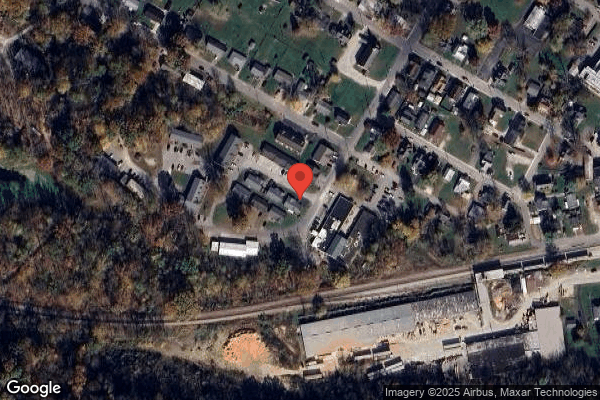
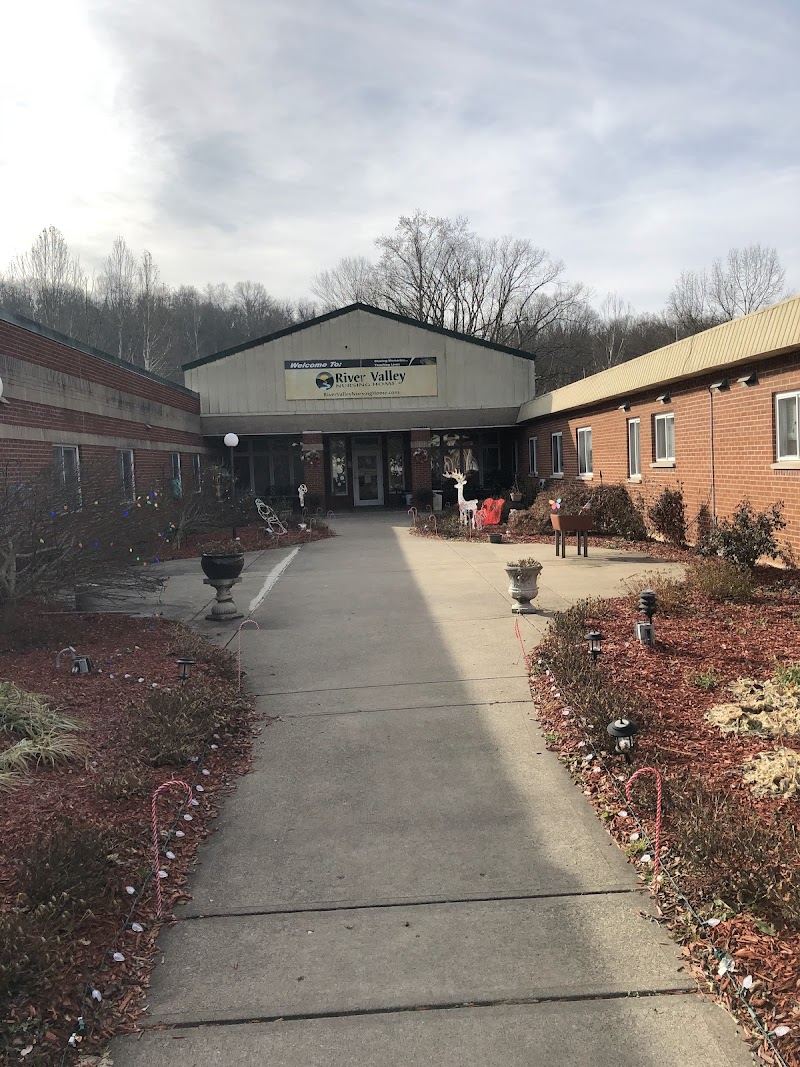
305 Taylor Street, Butler, KY 41006 (859) 472-2217
For profit - Corporation 60 Beds MATTISYAHU NUSSBAUM Data: November 2025
Trust Grade
70/100
#131 of 266 in KY
Last Inspection: June 2025

Inspected within the last 6 months. Data reflects current conditions.

Overview

River Valley Nursing Home in Butler, Kentucky has a Trust Grade of B, indicating it is a good choice for families looking for care. It ranks #131 out of 266 facilities in Kentucky, placing it in the top half, and is the only option in Pendleton County. The facility is showing improvement, with issues decreasing from 3 in 2024 to 2 in 2025. However, staffing is a concern, with only 1 out of 5 stars and a high turnover rate of 52%, which is around the state average. There have been no fines reported, which is a positive sign, but the facility has less RN coverage than 84% of Kentucky facilities, meaning residents may not receive as much oversight as they should. Specific incidents of concern include failing to provide required RN coverage for eight consecutive hours on multiple days, inadequate infection control measures such as not cleaning equipment properly, and not developing comprehensive care plans for residents with specific needs. While the facility has strengths, including good health inspection scores, these weaknesses raise important questions about the level of care that residents may receive.
Trust Score
B
70/100
In Kentucky
#131/266
Top 49%
Safety Record
Low Risk
No red flags
Inspections
Getting Better
3 → 2 violations
Staff Stability
⚠ Watch
52% turnover. Above average. Higher turnover means staff may not know residents' routines.
Penalties
✓ Good
No fines on record. Clean compliance history, better than most Kentucky facilities.
Skilled Nurses
⚠ Watch
Each resident gets only 23 minutes of Registered Nurse (RN) attention daily — below average for Kentucky. Fewer RN minutes means fewer trained eyes watching for problems.
Violations
✓ Good
Only 5 deficiencies on record. Cleaner than most facilities. Minor issues only.
★★★☆☆
3.0
Overall Rating
★☆☆☆☆
1.0
Staff Levels
★★★☆☆
3.0
Care Quality
★★★★☆
4.0
Inspection Score
Stable
2024: 3 issues
2025: 2 issues

The Good

  • Full Sprinkler Coverage · Fire safety systems throughout facility
  • No fines on record

Facility shows strength in fire safety.

The Bad

3-Star Overall Rating

Near Kentucky average (2.8)

Meets federal standards, typical of most facilities

Staff Turnover: 52%

Near Kentucky avg (46%)

Higher turnover may affect care consistency

Chain: MATTISYAHU NUSSBAUM

Part of a multi-facility chain

Ask about local staffing decisions and management

The Ugly 5 deficiencies on record

Jun 2025 2 deficiencies
CONCERN (D)

Potential for Harm - no one hurt, but risky conditions existed

Comprehensive Care Plan (Tag F0656)

Could have caused harm · This affected 1 resident

Based on interview, record review, and review of the facility's policies, the facility failed to develop and implement a comprehensive person-centered care plan for each resident, consistent with the ...

Read full inspector narrative →
Based on interview, record review, and review of the facility's policies, the facility failed to develop and implement a comprehensive person-centered care plan for each resident, consistent with the resident rights that included measurable objectives and timeframes to meet a resident's medical, nursing, and mental and and psychosocial needs for 1 of 17 sampled residents, Resident (R) 34. R34 was identified as exhibiting exit-seeking behaviors on 05/25/2025, and a Wander Guard device was placed on 05/26/2025. However, R34 was not care planned for wandering. The findings include: Review of the facility's policy titled, Comprehensive Care Plans, 2025, revealed the facility would develop and implement comprehensive person-centered care plans for each resident to meet the resident's medical, nursing, and mental and psychosocial needs, and all services would meet professional standards of quality. Review of the facility's policy titled, Elopement and Wandering Residents, 2024, revealed residents identified with wandering behaviors or risk for elopement would receive adequate supervision in accordance with their person-centered plan of care. Review of R34's admission Record revealed the facility admitted the resident on 09/09/2024 with diagnoses to include schizophrenia unspecified; unspecified psychosis not due to a substance or known physiological condition; and insomnia, unspecified. Review of R34's quarterly Minimum Data Set [MDS], with an Assessment Reference Date (ARD) of 03/19/2025, revealed the facility assessed the resident to have a Brief Interview for Mental Status [BIMS] score of five of 15, indicating severe cognitive impairment. No behaviors were noted on the MDS at that time. Review of R34's Nurse Progress Note, dated 05/25/2025 at 11:18 AM, revealed R34 attempted to exit a door by the nurses' station, and she indicated, when approached by staff, she wanted to go outside. Review of R34's Elopement Evaluation, dated 05/25/2025 at 11:20 AM, revealed the resident wanders aimlessly or non-goal-directed. Review of R34's Physician's Orders, dated 05/26/2025, revealed an order for the placement of a Wander Guard (a wireless system that protected memory care residents from elopement with bracelets and door controllers). Review of R34's Nurse Progress Note, dated 05/26/2025 at 11:31 AM, revealed a Wander Guard was applied to R34's left ankle. Review of R34's Nurse Progress Note, dated 05/30/2025 at 12:57 PM, revealed R34 ambulated in the hallway by herself and sat in the lobby at times. Per the note, R34 continued to wander at times, and a code alert (Wander Guard) was in place. Review of R34's Comprehensive Care Plan, last revised 06/24/2025, revealed no care plan for wandering behaviors or indicating placement of a Wander Guard. In an interview on 06/26/2025 at 9:22 AM with the Minimum Data Set (MDS) Coordinator and Director of Nursing (DON), the DON stated before she became DON, she was the MDS Coordinator. She stated when the replacement MDS Coordinator left in late 2023, she worked in that position in addition to being DON. She stated the facility was actively looking for a new MDS Coordinator. The DON stated whoever entered the order for the Wander Guard, was supposed to do an elopement assessment and develop the care plan around those issues. She stated she was not sure how R34's care plan was missed, describing it as an oversight that had since been corrected once brought to her attention. She stated not just one person, but several people reviewed the care planning process, but R34's just got overlooked somehow. The DON also stated it was important for resident information to be on the care plan so every staff member knew what they were supposed to do, a guide to follow in providing care. In an interview on 06/26/2025 at 9:48 AM with the Administrator, she stated she did not have involvement in the care planning process. She stated her expectation was for care plans to be comprehensive and resident centered. She stated accurate care plans were important so staff knew how to provide appropriate care for each resident.
CONCERN (D)

Potential for Harm - no one hurt, but risky conditions existed

Deficiency F0760 (Tag F0760)

Could have caused harm · This affected 1 resident

Based on observation, interview, record review, review of the manufacturer's medication prescribing information, and review of the facility's policy, the facility failed to ensure residents were free ...

Read full inspector narrative →
Based on observation, interview, record review, review of the manufacturer's medication prescribing information, and review of the facility's policy, the facility failed to ensure residents were free of any significant medication errors for 1 of 4 sampled residents, Resident (R) 17. The findings include: Review of the facility's policy titled, Medication Administration, undated, revealed medications were administered by licensed nurses or other staff who were legally authorized to do so in the state, as ordered by the physician and in accordance with professional standards of practice, in a manner to prevent contamination or infection. Further review revealed medications should be administered as ordered in accordance with manufacturer's specifications. Review of R17's admission Record revealed the facility admitted the resident on 09/11/2024 with diagnoses including chronic obstructive pulmonary disease (COPD), end stage renal disease (ESRD), and type 2 diabetes. Review of R17's quarterly Minimum Data Set [MDS], with an Assessment Reference Date (ARD) of 04/04/2025, revealed the facility assessed the resident to have a Brief Interview for Mental Status [BIMS] score of 15 out of 15, which indicated the resident was cognitively intact. Review of R17's Physician's Orders revealed an active order, dated 06/11/2025, for Trelegy Ellipta inhaler one puff once daily for COPD. Further review revealed instructions for mouth to be rinsed after use to avoid oral thrush. Review of R17's electronic medication administration record (eMAR) revealed documented daily administration of Trelegy Ellipta inhaler that began on 06/11/2025 per physician order. Review of the manufacturer's prescribing information for Trelegy Ellipta, revised 12/2022, revealed instructions located under warnings/precautions that stated mouth should be rinsed with water without swallowing after inhalation, so the risk of oral thrush was reduced. Further review revealed Trelegy Ellipta contained the active ingredient, fluticasone furoate (corticosteroid). Observation on 06/25/2025 at 9:34 AM revealed R17 was administered Trelegy Ellipta inhaler; however, staff did not ensure the resident rinsed her mouth after administration per the manufacturer's specifications. In an interview with Kentucky Medication Aide (KMA) 1 on 06/25/2025 at 3:21 PM, she stated prior to administration of inhalers, she performed hand hygiene and donned clean gloves. KMA1 stated following administration of an inhaler, the resident rinsed with water if indicated so oral infections such as thrush were prevented. KMA1 stated she failed to ensure R17 rinsed her mouth after her inhaler was used this morning. In an interview with KMA2 on 06/26/2025 at 9:17 AM, she stated R17 received a daily inhaler, Trelegy Ellipta, and the resident administered it herself. KMA2 stated inhalers often led to thrush, and it was important R17 rinsed with water after use so oral infections were prevented. In an interview with the contracted Pharmacist on 06/26/2025 at 10:18 AM, he stated rinsing the mouth with water after use was generally recommended for inhalers that contained steroids. He further stated if a resident failed to rinse after use, left over residue from the inhaler potentially led to thrush or other oral infections. In an interview on 06/26/2025 at 10:52 AM with Licensed Practical Nurse (LPN) 4, she stated when residents received inhalers, it was important staff ensured they rinsed with water after use because inhalers left a powder residue that could cause oral infections. In an interview with the Director of Nursing (DON) on 06/26/2025 at 12:25 PM, she stated she expected staff practiced what they had learned when they administered medications and that included staff stayed at the bedside, knew why medication was given, ensured resident swallowed medication, and medication was given at the right time. She further stated the facility's policy for medication administration was used as a guideline for administering medications. The DON stated it was her expectation staff educated residents regarding proper use of inhalers, so they knew to rinse their mouth with water after use. The DON stated it was important residents rinsed after an inhaler was used so oral infections such as thrush were prevented. In an interview with the Administrator on 06/26/2025 at 12:31 PM, she stated she expected medications prescribed to residents were administered as ordered and directed. She further stated if staff had questions, they referenced the medication administration policy or called the physician for clarification. The Administrator stated the facility's policy related to medication administration stated manufacturer's specifications were followed. She further stated she knew it was important staff ensured residents rinsed their mouth following inhaler use but was unsure why it should be done.
Sept 2024 3 deficiencies
CONCERN (D) 📢 Someone Reported This

A family member, employee, or ombudsman was alarmed enough to file a formal complaint

Potential for Harm - no one hurt, but risky conditions existed

Pharmacy Services (Tag F0755)

Could have caused harm · This affected 1 resident

**NOTE- TERMS IN BRACKETS HAVE BEEN EDITED TO PROTECT CONFIDENTIALITY** Based on observation, interview, record review, and review of the facility's policies, the facility failed to provide pharmaceut...

Read full inspector narrative →
**NOTE- TERMS IN BRACKETS HAVE BEEN EDITED TO PROTECT CONFIDENTIALITY** Based on observation, interview, record review, and review of the facility's policies, the facility failed to provide pharmaceutical services to meet the needs of each resident for 1 of 19 sampled residents, Resident (R) 14. R14 was ordered to have a fentanyl patch (synthetic opioid pain reliever delivered transdermally) placed every 72 hours. On [DATE] a new fentanyl patch was placed on R14. On [DATE] it was due to be changed, the prescription had expired, and the medication was not available. R14 did not have a new fentanyl patch placed until [DATE], 48 hours past due. The findings include: Review of the facility's policy titled, Medication Orders: Controlled Substance Prescriptions, dated 11/2021, revealed before a controlled drug could be dispensed, the pharmacy must be in receipt of a prescription. The policy revealed partial fill requests for controlled level II drugs should be made allowing for appropriate time for the pharmacy to obtain the prescription and to assure an adequate supply was on hand. The policy stated the pharmacy contacted the prescriber for direction when delivery of a medication would be delayed or was not or would not be available. Review of the facility's policy titled, Preparation and General Guidelines: Controlled Substances, dated 11/2021, revealed all controlled medications were reordered when a minimum of a five-day supply remained to allow time for acquisition and transmittal of the required original written prescription to the provider pharmacy, if necessary. Review R14's Face Sheet revealed the facility admitted the resident on [DATE] with diagnoses of Alzheimer's disease, osteoarthritis with pathological fracture, and vertebral disc degeneration with collapsed vertebra. Review of R14's quarterly Minimum Data Set (MDS), with an assessment reference date (ARD) of [DATE], revealed the facility assessed the resident to have a Brief Interview for Mental Status (BIMS) score of six out of 15, which indicated severe cognitive impairment. The MDS also assessed the R12 to have a high-risk drug class use, which included opioids. Review of R14's Orders revealed a fentanyl transdermal patch 75 micrograms per hour (mcg/hr) to be applied to the skin every 72 hours with a start date of [DATE] and an end date of [DATE]. Further review revealed a new order for the same medication and instructions was placed on [DATE] with an end date of [DATE]. Review of R14's Medication Administration Record (MAR) identified a fentanyl patch was applied on [DATE], with the next patch applied on [DATE] at 12:00 PM by Licensed Practical Nurse (LPN) 2. Further review revealed Norco 7.5-325 milligram (mg) tablet (opioid pain reliever used to treat moderate to severe pain) was given as scheduled twice a day every day on all days in 02/2024. Additional review revealed Tylenol Extra Strength 500 mg (a non-narcotic pain reliever), two tablets were given three times a day as scheduled on [DATE], [DATE], and [DATE]. Review of R14's Nursing Progress Note, dated [DATE], revealed a fentanyl patch was replaced as ordered. Review of R14's Nursing Progress Note, dated [DATE] at 1:52 PM, revealed LPN6 notified the Nurse Practitioner (NP) of the need for a new prescription for fentanyl and noted the NP had sent the prescription to the pharmacy. Review of R14's Nursing Progress Note, dated [DATE], revealed at 10:00 AM Registered Nurse (RN) 1 called the pharmacy to confirm the order for fentanyl was received. Per the note, the pharmacy informed RN1 the medication would be sent that day. Review of R14's Nursing Progress Note, dated [DATE] revealed at 4:10 PM RN1 called the pharmacy to get the estimated time of arrival of the fentanyl patch and was informed it would leave the pharmacy by 6:00 PM. Review of R14's Nursing Progress Note, dated [DATE] revealed at 6:00 PM RN1 documented R14 did not complain of pain and did not exhibit any signs or symptoms of withdrawal. Review of R14's Nursing Progress Note, dated [DATE] revealed LPN 2 observed the fentanyl patch that was applied last date was loose, it was removed, and a new fentanyl patch was placed and covered with Tegaderm (a transparent medical dressing). Review of a pharmacy document labeled Prescription History, dated [DATE] for R14 identified prescription 21270848 was entered on [DATE] at 1:34 PM, reviewed at 4:11 PM, label printed at 7:39 PM, and was placed in tote for delivery to the facility on [DATE] at 11:25 PM. Further review of the document identified the delivery information for who was assigned the delivery, who received the delivery, but the delivery date had no information documented. Review of the pharmacy Packing Slip, dated [DATE] for prescription 21270848 identified one fentanyl patch was delivered to the facility and signed as being accepted by LPN7. Further review of the document revealed the section titled refused control was blank, and LPN7 signed her name and dated it [DATE]. Review of a pharmacy document labeled Prescription History, dated [DATE] for R14 identified prescription 21271802 was entered on [DATE] at 1:32 PM, reviewed at 1:47 PM, label printed at 2:13 PM, and placed in tote for delivery to facility on [DATE] at 5:17 PM. Further review of the document identified the delivery information for who was assigned the delivery, who received the delivery, but the delivery date had no information documented. Review of the pharmacy Packing Slip, dated [DATE] for prescription 21271802 identified five fentanyl patches were delivered to the facility and signed as being accepted by LPN7. Further review of the document revealed the section titled refused control was blank, and LPN7 signed her name and dated it [DATE]. Observation on [DATE] at 9:04 AM of the fentanyl patch placed on R14's right shoulder revealed the patch was dated [DATE] and was initialed by the nurse that placed it, which corresponded to documentation on R14's MAR. In an interview with family member (F) 1 of R14 on [DATE] at 1:39 PM, she stated R14 had been using fentanyl patches for chronic back pain for at least 30 years. F1 stated she kept track of when the patch was due to be changed and visited several times a week, always checking the patch. F1 stated she checked the patch on R14 and noted it was due to be changed the same day and mentioned to the nurse on duty, name she did not recall, and was told she would take care of it. F1 stated she returned the following day for a visit, and when she checked, the same patch was still in place, and it was now 24 hours past when it was due to be changed. F1 stated she did not recall when it was finally replaced, but she was told by facility staff that it was delayed because of delivery from the pharmacy. She stated she was told, when it finally arrived, it had the wrong label on it and could not be administered. She stated, to the best of her memory, it was five days between when the last patch was placed and R14 had a new one placed. F1 stated she believed R14 was having withdrawal symptoms as evidenced by her observation of R14's sweating and lack of appetite. She stated R14 was having pain but could not verbalize distinct symptoms other than those previously mentioned. In an interview with LPN7 on [DATE] at 1:47 PM, she stated she recalled R14's family member was upset that R14's fentanyl patch had not been changed when it was due. She stated she recalled calling a provider to request a new prescription, and she asked for the administration due dates to be changed due to the fentanyl patch being off-schedule because of late administration. She stated she believed the future doses should be rescheduled from the point the new patches were delivered. LPN7 stated a fentanyl patch was delivered on her shift by the pharmacy, she checked the label and reported that the name was for a different resident. So, she stated she completed the pharmacy return information at the bottom of the delivery form and signed for the patch to be returned. LPN7 stated the following night shift the pharmacy made another delivery of the fentanyl patches, the label was correct, she signed for acceptance of the patches, and placed a new fentanyl patch on R14 that night. LPN7 stated she could not recall if she placed the patch on [DATE] or [DATE] due to confusion sometimes with night shift starting on one date and ending on another date. She also stated she could not remember what she documented or where she documented it. In an interview with LPN2 on [DATE] at 6:49 PM, she stated she was not working when the situation occurred but did receive in report that R14's fentanyl patch was on order and waiting to be delivered. She stated there was a lapse in replacing it. LPN 2 stated the process for reordering a narcotic medication was to first determine if the resident had refills remaining or if a new prescription was required. LPN2 stated if a resident was out of refills a new prescription was needed. She stated, in that case, the nurse contacted the NP, and the NP placed an order in the electronic chart. However, she stated a second, different NP who handled controlled medication prescriptions was contacted to send the prescription to the pharmacy. LPN2 stated she did not recall there being any other incidents of R14 not receiving her fentanyl patches as ordered since that occurrence, and she did not recall R14 having any signs or symptoms of withdrawal while caring for her. In an interview with LPN6 on [DATE] at 8:00 PM, she stated she had worked previously as a Unit Manager at the facility and, in that role, would do audits of the medication carts and would call pharmacy when a refill of a medication was needed, would verify orders of medications, and checked on delivery estimated arrivals. LPN6 stated the facility's policy at that time was that all controlled substances required a new prescription every time the last one ran out, and they could only write for a small number of refills. LPN6 stated she recalled R14 but did not recall the incident involving the fentanyl patch not being placed when due or any issue with labeling or delivery. In an interview with RN1 on [DATE] at 11:47 AM, she stated she was told in report from the night shift nurse that R14's fentanyl patch was late because pharmacy had delivered it, but something was wrong with the label, it had to be returned, and staff was waiting for re-delivery. RN1 stated a family member came to the desk irate after finding out a new patch had not been placed, and she personally called the pharmacy several times regarding the prescription and delivery of the fentanyl patch. RN1 stated the family member informed the pharmacy the medication was time sensitive. RN1 stated during that time she monitored R14 very closely, obtained frequent vital signs, and assessed for any signs or symptoms of withdrawal. She stated she kept the family informed every time she placed a call to the pharmacy. RN1 stated R14 never exhibited any signs or symptoms of withdrawal, complained of pain, or exhibited any non-verbal signs of pain. She stated she administered other narcotic pain medication that was scheduled along with scheduled Tylenol. RN1 stated the fentanyl patch was never delivered on her shift, but when she returned for her next shift R14 had received a new fentanyl patch. In an interview with the Consultant Pharmacist on [DATE] at 4:06 PM, he stated he was not actively involved in the process of filling medications or receiving refill orders, but the process for filling narcotic prescriptions at the facility was the provider entered the order into the electronic medication system, and typically the nurse caring for the resident was the one who notified pharmacy of a request for refill. The Consultant Pharmacist stated the pharmacy did two deliveries daily through the week and on weekends did a nighttime delivery only. The Consultant Pharmacist stated that in situations where a medication was needed more urgently the nurse could call the pharmacy, speak with a pharmacist, would be given an access code, and could pull the medication from the Pyxis system, if the medication was stocked. He stated if the medication was not stocked, the facility must wait for delivery and contact the prescribing provider to get any further direction. The Consultant Pharmacist stated he did not have computer access at the current time and was unable to look at the record for R14 to give specific details. However, he stated in a typical situation, a fentanyl patch could have continued to have residual delivery of the medication if left on past 72 hours, but he was unable to quantify due to unknown variances. In an interview with the Clinical Director of Pharmacy Services on [DATE] at 9:48 AM, she stated at the request of the State Survey Agency (SSA) Surveyor she pulled the requested pharmacy documents. She stated her review revealed a delivery of one fentanyl patch was sent out on [DATE] on the late night run and was delivered to the facility sometime after midnight. She stated this delivery was signed and accepted. Then, she stated an additional five fentanyl patches, which made the order complete, was sent out for delivery on [DATE], and was received and accepted by the facility. The Clinical Director of Pharmacy Services stated the pharmacy had no records with documentation that a fentanyl patch was returned due to a label error. She stated, if that had occurred, it would have been discussed and investigated through the pharmacy's quality assurance program and would have been discussed with the facility's administration and the prescribing provider. She stated fentanyl patch withdrawal would typically start within two to three days of not receiving a new patch. She stated the withdrawal usually presented with anxiety as a first symptom, and it would be difficult to determine the amount of fentanyl that would continue to be excreted by a patch if left on past the ordered 72 hours. In an interview with the Director of Nursing (DON) on [DATE] at 10:33 AM, she stated she was not aware of any incident concerning R14 until the SSA Surveyor requested pharmacy documents. The DON stated she reviewed the records and could not provide any answers regarding the incident, but the expectation was for all medication administration to occur on time, when they were due, and they should be charted appropriately on the MAR. The DON stated refills and prescriptions should be initiated when the nurse administered the last dose of a medication to prevent a resident from running completely out and not receiving the next scheduled dose. The DON stated the pharmacy delivered medications twice a day through the week and once on a night run on the weekends. She stated the facility had never had any issues with obtaining medications when needed. She stated the facility would add the incident to the Quality Assurance Performance Improvement (QAPI) meeting for discussion and investigation to prevent further occurrences. In an interview with the Administrator on [DATE] at 10:46 AM, she stated she was not aware of the reported incident until today when informed by the SSA Surveyor. The Administrator stated that now the incident had been discovered, there would be discussion of it in QAPI, with the Medical Director, and she would be meeting with the DON to determine if more audits of MAR's and charts needed to occur. The Administrator stated the situation would be investigated and would determine what education should be provided to nursing staff and direct education to the LPN involved.
CONCERN (E)

Potential for Harm - no one hurt, but risky conditions existed

Infection Control (Tag F0880)

Could have caused harm · This affected multiple residents

Based on observation, interview, record review, review of the manufacturer's instructions for use, and review of the facility's policies, the facility failed to maintain infection control precautions ...

Read full inspector narrative →
Based on observation, interview, record review, review of the manufacturer's instructions for use, and review of the facility's policies, the facility failed to maintain infection control precautions for the following: 1) enhanced barrier precautions (EBP) for 1 out of 14 sampled residents on EBPs, Resident (R) 6; 2) cleaning the mechanical lift after use for 1 of 1 observation of mechanical lift use, R37; and 3) cleaning glucometers (device used to measure blood glucose levels) for 2 of 2 observations of glucometer use, R17 and R151. The findings include: 1. Review of the facility's policy titled, Clinical Standard & Guideline Enhanced Barrier Precautions, last revised 12/19/2023, revealed it was the policy to ensure that additional and appropriate Personal Protective Equipment (PPE) was utilized, when indicated, to prevent the spread of multidrug-resistant organisms also known as MDROs. EBPs were defined as the use of PPE, gowns and gloves, during high-contact resident care activities that generated opportunities for transfer of MDROs in the form of blood or body fluids, onto the hands and/or clothing of the rendering caregiver. Per the policy, EBP was to be used when Contact Precautions did not otherwise apply and where there was a diagnosis of a MDRO or a colonized MDRO. Observation on 09/05/2024 at 10:59 AM revealed an EBP sign on R6's door directing staff to wear gloves and gown when providing high contact resident care, such as bathing/showers. Further observation revealed Certified Nursing Aide (CNA) 3 gave a bed bath to R6 without wearing a gown. During interview with CNA3 on 09/05/2024 at 11:22 AM, she stated she thought the other resident in the room was on EBP which was why she did not wear a gown. However, review of R6's annual Minimum Data Set assessment, with an assessment reference date (ARD) of 04/18/2024, revealed R6 was diagnosed as having an MDRO infection. During interview with the Infection Preventionist on 09/06/2024 at 1:29 PM, she stated she did not do any specific audits on the rooms where residents were on EBP. She stated she expected staff to follow what was posted on the EBP sign. 2. Review of the facility's policy titled, Safe Resident Handling/Transfers, not dated, revealed all residents required safe handling when transferred to prevent or minimize the risk for injury to themselves and the employees that assisted them. Per the policy, while manual lifting techniques might be utilized dependent upon the resident's condition and mobility, the use of mechanical lifts were a safer alternative and should be used. Per the policy, the lift would be cleaned and disinfected after each resident use. Review of the facility's Inservice on Hand Hygiene & PPE, Bloodborne Pathogens, Cleaning Glucometer, Dressing Changes, Isolation Precautions, COVID Policy/Vaccination, Cleaning Multiple Use Items, dated 01/18/2024, stated, Cleaning of multi-resident use equipment, examples of multi-resident use equipment: scales and Hoyer [mechanical] lift handles. Clean multi-resident use equipment between each resident use with a bleach-based wipe, bleach solution of 1:10 dilution or other product designated that meets regulation. Observation on 09/06/2024 at 10:22 AM revealed CNA11 and CNA12 put R37 back to bed using a mechanical lift, and then they changed R37's brief. CNA11 left the room with the lift, went down the hall, put the lift in the shower room, and shut the door without cleaning/disinfecting the lift. During interview with CNA11 on 09/06/2024 at 10:35 AM, she stated she should have cleaned the lift after she used the lift. 3. Review of the manufacturer's instructions for use of the Assure Prism glucometers, revised 04/2021, revealed the manufacturer had validated Clorox Healthcare Bleach Germicidal Wipes, Dispatch Hospital Cleaner Disinfectant Towels with Bleach, CaviWipes1, and PDI Super Sani-Cloth Germicidal Disposable Wipe for disinfecting the glucometer. Observation on 09/06/2024 at 11:28 AM revealed Licensed Practical Nurse (LPN) 4 removed the glucometer from the compartment with R151's name (each resident had their own glucometer). She performed a blood glucose check on R151. After the check, she put the glucometer back in the drawer without cleaning the glucometer. She then went to R17's room, removed the glucometer from the compartment with R17's name, and performed a glucose check on R17. After the check, she used an alcohol pad to clean the glucometer. She cleaned the glucometer from 11:32:10 to 11:32:20 with the alcohol wipe and then put the glucometer back in the drawer. During interview with LPN4 at 11:36 AM, she stated she should clean the glucometer for a few seconds with an alcohol wipe. She did not state she was taught to clean the glucometer, and her name was not listed on the infection control education dated 01/18/2024. During interview with LPN2 on 09/03/2024 at 2:14 PM, she stated the cleaning process for glucometers was to use bleach wipes and allow to air dry for three minutes. She stated this was done after every use. During interview with the Director of Nursing on 09/06/2024 at 1:38 PM, she stated she expected the staff to clean the glucometers according to the manufacturer's directions. She stated she had not been auditing the glucometer checks.
CONCERN (F)

Potential for Harm - no one hurt, but risky conditions existed

Deficiency F0727 (Tag F0727)

Could have caused harm · This affected most or all residents

Based on interview, record review, and review of the facility's policy, the facility failed to provide eight consecutive hours of Registered Nurse (RN) coverage for 12 out of 92 days from 03/01/2024 t...

Read full inspector narrative →
Based on interview, record review, and review of the facility's policy, the facility failed to provide eight consecutive hours of Registered Nurse (RN) coverage for 12 out of 92 days from 03/01/2024 through 05/31/2024 and 27 out of 92 days from 06/01/2024 through 08/31/2024. The findings include: Review of the facility's policy titled, Nursing Services and Sufficient Staff, dated February 2023, revealed except when waived, the facility must use the services of an RN for at least eight consecutive hours a day, seven days a week. Further review revealed the Director of Nursing (DON) could serve as a charge nurse only when the facility had an average daily occupancy of 60 or fewer residents. Review of the facility's daily schedules of the 92 day period from 03/01/2024 through 05/31/2024 revealed a lack of evidence of an RN on duty for 12 dates. These dates were 03/09/2024, 03/10/2024, 03/23/2024, 03/24/2024, 03/30/2024, 04/07/2024, 04/21/2024, 05/04/2024, 05/18/2024, 05/19/2024, 05/25/2024, and 05/26/2024. Further review of the facility's daily schedules of the 92 day period from 06/01/2024 through 08/31/2024 revealed the facility did not have an (RN) scheduled to work on 27 dates. These dates were 06/01/2024, 06/02/2024, 06/08/2024, 06/09/2024, 06/15/2024, 06/16/2024, 06/22/2024, 06/23/2024, 06/29/2024, 06/30/2024, 07/06/2024, 07/07/2024, 07/13/2024, 07/14/2024, 07/20/2024, 07/21/2024, 07/27/2024, 07/28/2024, 08/03/2024, 08/04/2024, 08/10/2024, 08/11/2024, 08/17/2024, 08/18/2024, 08/24/2024, 08/25/2024, and 08/31/2024. Review of the Payroll Based Journal (PBJ) Staffing Data Report, run on 08/30/2024, triggered no RN hours for four or more days within the second quarter (April through June 2024). During an interview with Certified Nursing Aide (CNA) 6 on 09/05/2024 at 12:10 PM, she stated she did not usually complete her assignments. She stated staff had a lot of bed baths and must cut corners to make sure everyone was clean and dry. She stated she felt staff must skip over nail care and shaves because staff did not have time to do them. She stated staff tried to pass things on to the next shift. During an interview with CNA5 on 09/05/2024 at 7:05 PM, she stated the facility had been very short staffed. She stated the facility used agency nurses but sometimes staffing was still short. She further stated she had worked several shifts with only one other nurse caring for the entire building. During an interview with the Director of Nursing (DON) on 09/05/2024 at 3:55 PM, she stated most of the staff call-ins for being absent happened on the weekends. She stated, at that time, the facility utilized agency staff or asked facility staff already on duty to stay over to help. She stated management staff would come in if needed. She further stated she talked to staff about their workloads and areas they needed help from other shifts. She stated staff discussed staffing and retention weekly and then again monthly in Quality Assurance and Performance Improvement (QAPI) meetings. She stated the facility had plenty of staff now but could use an RN on night shift. During an interview with the Administrator on 09/05/2024 at 4:10 PM, she stated the facility did not have an RN staffing waiver. She stated she had accommodated staffing by asking facility staff to come in, using agency staffing, or the DON to cover as needed. She further stated they had utilized the DON to fulfill the RN requirements Monday-Friday when the patient census was below 60. She further stated the facility had recently lost an RN staff member and was in the process of hiring another RN now.
Understanding Severity Codes (click to expand)
Life-Threatening (Immediate Jeopardy)
J - Isolated K - Pattern L - Widespread
Actual Harm
G - Isolated H - Pattern I - Widespread
Potential for Harm
D - Isolated E - Pattern F - Widespread
No Harm (Minor)
A - Isolated B - Pattern C - Widespread

Questions to Ask on Your Visit

  • "Can I speak with families of current residents?"
  • "What's your RN coverage like on weekends and overnight?"

Our Honest Assessment

Strengths
  • • No major safety red flags. No abuse findings, life-threatening violations, or SFF status.
  • • No fines on record. Clean compliance history, better than most Kentucky facilities.
  • • Only 5 deficiencies on record. Cleaner than most facilities. Minor issues only.
Concerns
  • • No major red flags. Standard due diligence and a personal visit recommended.
Bottom line: Mixed indicators with Trust Score of 70/100. Visit in person and ask pointed questions.

About This Facility

What is River Valley Nursing Home's CMS Rating?

CMS assigns River Valley Nursing Home an overall rating of 3 out of 5 stars, which is considered average nationally. Within Kentucky, this rating places the facility higher than 99% of the state's 100 nursing homes. This mid-range rating indicates the facility meets federal standards but may have areas for improvement.

How is River Valley Nursing Home Staffed?

CMS rates River Valley Nursing Home's staffing level at 1 out of 5 stars, which is much below average compared to other nursing homes. Staff turnover is 52%, compared to the Kentucky average of 46%.

What Have Inspectors Found at River Valley Nursing Home?

State health inspectors documented 5 deficiencies at River Valley Nursing Home during 2024 to 2025. These included: 5 with potential for harm.

Who Owns and Operates River Valley Nursing Home?

River Valley Nursing Home is owned by a for-profit company. For-profit facilities operate as businesses with obligations to shareholders or private owners. The facility is operated by MATTISYAHU NUSSBAUM, a chain that manages multiple nursing homes. With 60 certified beds and approximately 53 residents (about 88% occupancy), it is a smaller facility located in Butler, Kentucky.

How Does River Valley Nursing Home Compare to Other Kentucky Nursing Homes?

Compared to the 100 nursing homes in Kentucky, River Valley Nursing Home's overall rating (3 stars) is above the state average of 2.8, staff turnover (52%) is near the state average of 46%, and health inspection rating (4 stars) is above the national benchmark.

What Should Families Ask When Visiting River Valley Nursing Home?

Based on this facility's data, families visiting should ask: "Can you walk me through typical staffing levels on day, evening, and night shifts?" "Can I visit during a mealtime to observe dining assistance and food quality?" "How do you handle medical emergencies, and what is your hospital transfer rate?" "Can I speak with family members of current residents about their experience?" These questions are particularly relevant given the below-average staffing rating.

Is River Valley Nursing Home Safe?

Based on CMS inspection data, River Valley Nursing Home has a clean safety record: no substantiated abuse findings (meaning no confirmed cases of resident harm), no Immediate Jeopardy citations (the most serious violation level indicating risk of serious injury or death), and is not on the Special Focus Facility watch list (a federal program monitoring the lowest-performing 1% of nursing homes). The facility has a 3-star overall rating and ranks #1 of 100 nursing homes in Kentucky. While no facility is perfect, families should still ask about staff-to-resident ratios and recent inspection results during their visit.

Do Nurses at River Valley Nursing Home Stick Around?

River Valley Nursing Home has a staff turnover rate of 52%, which is 6 percentage points above the Kentucky average of 46%. Moderate turnover is common in nursing homes, but families should still ask about staff tenure and how the facility maintains care continuity when employees leave.

Was River Valley Nursing Home Ever Fined?

River Valley Nursing Home has no federal fines on record. CMS issues fines when nursing homes fail to meet care standards or don't correct problems found during inspections. The absence of fines suggests the facility has either maintained compliance or corrected any issues before penalties were assessed. This is a positive indicator, though families should still review recent inspection reports for the full picture.

Is River Valley Nursing Home on Any Federal Watch List?

River Valley Nursing Home is not on any federal watch list. The most significant is the Special Focus Facility (SFF) program, which identifies the bottom 1% of nursing homes nationally based on persistent, serious quality problems. Not being on this list means the facility has avoided the pattern of deficiencies that triggers enhanced federal oversight. This is a positive indicator, though families should still review the facility's inspection history directly.