SHADY LAWN NURSING AND REHABILITATION CENTER
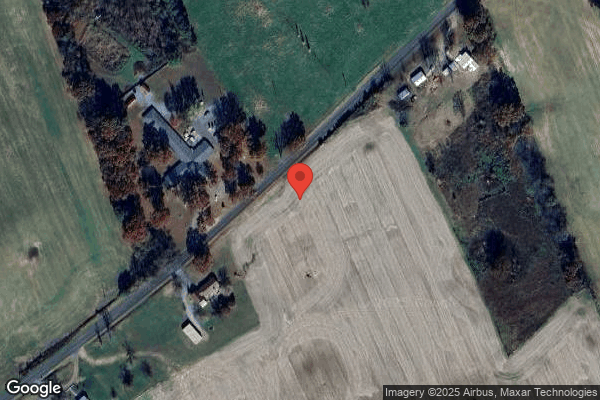
2582 CERULEAN ROAD, CADIZ, KY 42211 (270) 522-3236
For profit - Limited Liability company 50 Beds BENJAMIN LANDA Data: November 2025
Trust Grade
85/100
#31 of 266 in KY
Last Inspection: July 2025

Inspected within the last 6 months. Data reflects current conditions.

Overview

Shady Lawn Nursing and Rehabilitation Center in Cadiz, Kentucky has a Trust Grade of B+, indicating it is above average and recommended for families seeking care. It ranks #31 out of 266 facilities in the state, placing it in the top half, and it is the only nursing home in Trigg County. The facility is showing improvement, as it has reduced its issues from 1 in 2021 to 0 in 2025. However, staffing is a concern with a rating of 2 out of 5 stars and a turnover rate of 66%, which is significantly higher than the state average. On the positive side, there are no fines on record and the center has more RN coverage than 78% of Kentucky facilities, which helps catch potential problems. Specific incidents noted include failures in food safety standards, as food in the kitchen was not properly dated, and concerns regarding the use of personal protective equipment by staff, which could affect resident safety. Additionally, there was a lack of proper monitoring for a resident undergoing dialysis, indicating gaps in care planning. While Shady Lawn has strengths, such as strong RN coverage and a clean fine record, families should consider the staffing issues and specific care deficiencies.

Trust Score
B+
85/100
In Kentucky
#31/266
Top 11%
Safety Record
Low Risk
No red flags
Inspections
Getting Better
1 → 0 violations
Staff Stability
⚠ Watch
66% turnover. Above average. Higher turnover means staff may not know residents' routines.
Penalties
✓ Good
No fines on record. Clean compliance history, better than most Kentucky facilities.
Skilled Nurses
✓ Good
Each resident gets 46 minutes of Registered Nurse (RN) attention daily — more than average for Kentucky. RNs are trained to catch health problems early.
Violations
○ Average
8 deficiencies on record. Average for a facility this size. Mostly minor or procedural issues.
★★★★★
5.0
Overall Rating
★★☆☆☆
2.0
Staff Levels
★★★★☆
4.0
Care Quality
★★★★★
5.0
Inspection Score
Stable
2021: 1 issues
2025: 0 issues

The Good

  • 4-Star Quality Measures · Strong clinical quality outcomes
  • Full Sprinkler Coverage · Fire safety systems throughout facility
  • No fines on record

Facility shows strength in quality measures, fire safety.

The Bad

Staff Turnover: 66%

20pts above Kentucky avg (46%)

Frequent staff changes - ask about care continuity

Chain: BENJAMIN LANDA

Part of a multi-facility chain

Ask about local staffing decisions and management

Staff turnover is elevated (66%)

18 points above Kentucky average of 48%

The Ugly 8 deficiencies on record

Nov 2021 1 deficiency
CONCERN (E)

Potential for Harm - no one hurt, but risky conditions existed

Infection Control (Tag F0880)

Could have caused harm · This affected multiple residents

**NOTE- TERMS IN BRACKETS HAVE BEEN EDITED TO PROTECT CONFIDENTIALITY** Based on observation, interview, and record review, it was determined the facility failed to ensure staff properly utilized pers...

Read full inspector narrative →
**NOTE- TERMS IN BRACKETS HAVE BEEN EDITED TO PROTECT CONFIDENTIALITY** Based on observation, interview, and record review, it was determined the facility failed to ensure staff properly utilized personal protective equipment (PPE), which included the donning (putting PPE on) and doffing (taking PPE off) when entering one (1) of two (2) sampled isolation rooms. This had the potential to affect all facility residents. The findings include: Review of the Centers of Disease Control and Prevention (CDC) publication, titled, Interim Infection Prevention and Control Recommendations for Healthcare Personnel During the Coronavirus Disease 2019 (COVID-19) Pandemic, updated 09/10/20201, revealed it provided guidance for the proper use of Personal Protective Equipment (PPE). Review revealed, healthcare professionals who entered the room of a patient (resident) with suspected or confirmed Severe Acute Respiratory Syndrome Coronavirus 2 (SAR-CoV-2) infection were to adhere to Standard Precautions and use a National Institute for Occupational Safety and Health (NIOSH) approved N95 (filtering facepiece respirator) or equivalent respirator, gown, gloves, and eye protection. Review of the facility's policy titled, Vaccination and Symptom Based Resident Room Assignment Guide, revealed For new admissions: the unvaccinated residents- was admitted into the YELLOW [contact precautions initiated] zone to monitor for COVID related symptoms following the CDC's (Centers for Disease Control and Prevention's) guidance. Per review the CDC's guidance was currently ten (10) to fourteen (14) days with no symptoms observed during daily monitoring. Record review revealed the facility admitted Resident #1 on 11/11/2021, and the facility placed the resident in isolation due to being a new admission with no vaccination history for the Coronavirus. 1. Observation on 11/16/2021 at 8:18 AM, revealed Registered Nurse (RN) #2 enter room [ROOM NUMBER], only wearing a mask. Per observation, room [ROOM NUMBER] was on isolation precautions, as there was a sign noting the resident's precautions on the outside of the resident's room door. Further observation of the sign revealed the green/yellow indicator on the sign was circled, the sign noted persons entering the room were to wash and/or sanitize their hands before and after providing resident care. Continued observation of the sign revealed staff were to wear a gown if there was a risk of becoming soiled, all persons were to wear a mask when entering the room, wear goggles or a face shield if splashing was likely, and wear gloves when delivering direct care. Interview with Registered Nurse (RN) #2, on 11/16/2021 at 8:20 AM, revealed the resident in room [ROOM NUMBER] (Resident #1) was on isolation precautions because the resident was a new admission to the facility, and therefore had been placed on the COVID protocol. RN #2 stated only a mask was required unless it was a possibility a staff person might become soiled and then a gown was required to be worn. Continued interview with RN #2 revealed staff would not know if they were going to get into a situation where they might get soiled after entering the room. RN #2 further revealed staff wore gloves only if coming into contact with the resident. Further interview revealed RN #2 did not know how long the resident (Resident #1) would be on isolation precautions, as it depended on his/her vaccination status. RN #2 additionally stated Resident #1 had not been vaccinated. Interview on 11/16/2021 at 10:23 AM, with Registered Nurse (RN) #3 revealed staff were to wear a gown, gloves, and mask to enter room [ROOM NUMBER], Resident #1's room. She stated she would wear a gown, gloves, and mask when administering the resident his/her medications. RN #3 stated Resident #1 could not swallow oral medications and had a Percutaneous Endoscopic Gastrostomy (PEG) tube which was utilized for medication administration. Further interview revealed the RN was not sure if Resident #1 had been vaccinated or not. She further stated the resident was on isolation precautions because he/she was a new admission to the facility. Interview on 11/16/2021 at 10:27 AM, with Certified Nursing Assistant (CNA) #1, revealed that when providing care to Resident #1, she was to wear a mask, gown, and gloves. The CNA stated she did not wear a face shield when providing care for the resident. Further interview revealed Resident #1 was on isolation precautions because he/she had only arrived at the facility a few days ago. 2. Observation on 11/17/2021 at 8:16 AM, revealed Certified Nursing Assistant (CNA) #3 walked down the hallway and placed a soda can on the isolation cart outside of room [ROOM NUMBER], Resident #1's room, and entered the resident's room without applying any type of PPE. Interview on 11/17/2021 at 8:19 AM, with CNA #3 revealed she should not have entered an isolation room without wearing PPE. Per interview, CNA #3 stated she answered Resident #1's call light and assisted the resident on his/her bedpan. Further interview revealed she should have worn a gown, mask, gloves, and face shield when providing the bedpan for Resident #1. Interview on 11/17/2021 at 9:45 AM, with the Interim Director of Nursing (IDON), regarding an in-service dated 08/19/2021 related to isolation precautions, revealed it was staff's responsibility to know why a resident was on isolation, and should ask the nurse what Personal Protective Equipment (PPE) staff were to wear prior to entering a resident's room. Further interview revealed the department head staff were informed, during their morning meeting, the reasoning behind a resident being placed on isolation precautions and the date the resident was placed on precautions. In an additional interview on 11/17/2021 at 10:31 AM, the IDON revealed Resident #1, who resided in room [ROOM NUMBER], was on contact isolation precautions and not droplet isolation precautions. Per interview, contact isolation meant the resident had tested negative for COVID-19 and had no COVID-19 symptoms. The IDON revealed a resident was placed on droplet isolation precautions when the resident had a fever. Per interview, the IDON stated staff were only to wear a surgical mask in the green/yellow isolation room when staff were not touching the affected resident. She further stated she was unsure if nurses were to wear face shields when administering medications to a resident with a PEG tube, which would increase the chances of staff's contact with the resident's body fluids. Further interview revealed the IDON acknowledged it was a possibility for a resident to become positive for COVID-19 at any time.
Jan 2019 7 deficiencies
CONCERN (D)

Potential for Harm - no one hurt, but risky conditions existed

Comprehensive Care Plan (Tag F0656)

Could have caused harm · This affected 1 resident

Based on interview, record review, and review of the facility policy, it was determined the facility failed to implement a comprehensive person-centered care plan, for one (1) of fourteen (14) sampled...

Read full inspector narrative →
Based on interview, record review, and review of the facility policy, it was determined the facility failed to implement a comprehensive person-centered care plan, for one (1) of fourteen (14) sampled residents (Resident #22), related to dialysis services. Resident #22 received hemodialysis and had a comprehensive care plan with interventions to check the Arterio-venous graft (AVG) for the pulsing feeling, thrill, and assess for signs/symptoms of infection each shift. However, review of the clinical record revealed the assessments were not conducted and documented per the care plan. The findings include: Review of the facility policy titled Comprehensive Care Plans Standard of Practice, dated November, 2016, and last revised November, 2017, revealed it is the practice of this facility to develop and implement a comprehensive person-centered care plan for each resident, consistent with resident rights, that includes measurable objectives and time frames to meet a resident's medical, nursing, and mental and psychosocial needs that are identified in the resident's comprehensive assessment. Record review revealed the facility admitted Resident #22 on 12/06/18 with diagnoses which included End Stage Renal Disease and Dependence on Renal Dialysis. Review of the admission Minimum Data Set (MDS) assessment, dated 12/14/18, revealed the facility assessed Resident #22's cognition as intact with a Brief Interview for Mental Status (BIMS) score of fifteen (15), which indicated the resident was interviewable. In addition, the Annual MDS assessment revealed the resident received dialysis. Review of the Physician's Order Sheet, dated January, 2019, revealed Resident #22 was to receive dialysis on Mondays, Wednesdays, and Fridays; no blood pressure or blood draws from the left arm; check bruit/thrill of the left upper extremity arterio-vascular site every shift; dialysis access site will be monitored for signs and symptoms of infection and bleeding every shift and as needed. Review of the Comprehensive Care Plan for Hemodialysis, not dated, revealed Resident #22 went to dialysis on Mondays, Wednesdays, and Fridays; check bruit and thrill every shift, call the Physician if there was a problem noted with the bruit/thrill; dialysis access site will be monitored for signs and symptoms of infection and bleeding every shift and as needed. Review of the December, 2018 and the January, 2019 Medication Administration Records (MARs) and Treatment Administration Records (TARs) revealed there was no documented evidence licensed staff conducted assessments of Resident #22's AVG site each shift. Review of the Nurse's Notes, dated December, 2018, and January, 2019, revealed Resident #22's AVG site was assessed appropriately on the days he/she received dialysis. However, further review revealed site assessments were not completed or documented, according to the facility policy, on the days the resident did not receive dialysis. Additionally, on the days the resident did not receive dialysis, assessments were only done one (1) time during a twenty-four (24) hour period or not at all. Interview with Resident #22, on 01/16/19 at 8:37 AM, revealed he/she went to dialysis three (3) times a week. The resident stated the nurses checked the AVG site as needed, but not with any regularity. Interview with Licensed Practical Nurse (LPN) #2, on 01/17/19 at 4:33 PM, revealed she assessed Resident #22's AVG for thrill, bruit and signs and symptoms of infection every shift. However, she did not document the assessment anywhere. She stated it's normal to check for thrill, bruit and signs and symptoms of infection, but didn't think about documenting the assessment. Interview with LPN #3, on 01/17/19 at 4:43 PM, revealed he checked the AVG site every day. He further stated he had not documented the assessment every day, but when he did, he documented in the nurse's progress notes. Interview with the Director of Nursing (DON), on 01/17/19 at 4:16 PM, and on 01/17/18 at 5:14 PM, revealed there were no entries on the TAR, indicating to check for thrill/bruit, signs and symptoms of infection, or bleeding. She stated nursing had been documenting the assessments in the Nurse's Notes. The DON further stated it was her expectation for nurses to check the AVG for thrill, bruit and signs and symptoms of infection every shift and after dialysis, as ordered and care planned. Additionally, she stated she expected staff to be familiar with the care plans and familiar with any updates to the care plans.
CONCERN (D)

Potential for Harm - no one hurt, but risky conditions existed

Deficiency F0657 (Tag F0657)

Could have caused harm · This affected 1 resident

Based on interview, record review, and review of the facility policy, the facility failed review and revise the care plan, for one (1) of fourteen (14) sampled residents (Resident #27). Resident #27 ...

Read full inspector narrative →
Based on interview, record review, and review of the facility policy, the facility failed review and revise the care plan, for one (1) of fourteen (14) sampled residents (Resident #27). Resident #27 had a fall on 12/13/18 when he/she became dizzy after toileting and lost his/her balance. However, the intervention on the care plan was a duplicate intervention of 10/23/18. The findings include: Review of the facility policy titled Comprehensive Care Plans Standard of Practice, dated November, 2016, and last revised November, 2017, revealed it is the practice of this facility to develop and implement a comprehensive person-centered care plan for each resident, consistent with resident rights, that includes measurable objectives and time frames to meet a resident's medical, nursing, and mental and psychosocial needs that are identified in the resident's comprehensive assessment. The comprehensive care plan will be reviewed and revised by the interdisciplinary team after each comprehensive, significant change of condition and quarterly Minimum Data Set (MDS) assessment. Record review revealed the facility admitted Resident #27 on 07/06/18 with diagnoses which included Chronic Pain, Anxiety Disorder, Major Depressive Disorder, Spinal Stenosis, and Osteoarthritis. Review of the Quarterly MDS assessment, dated 12/18/18, revealed the facility assessed Resident #27's cognition as intact with a Brief Interview for Mental Status (BIMS) score of fifteen (15), indicating the resident was interviewable. Additionally, the facility assessed the resident as requiring limited assistance of one (1) staff for transfers and ambulation in the room; balance was steady at all times during transition; had no range of motion limitations; was continent of bowel and bladder and received anti-depressant and diuretic medications. Review of the Comprehensive Care Plan, dated 07/06/18, revealed a problem of potential for fall secondary to weakness, decreased strength, and does not always ask for assistance. Review of the approaches included verbal cueing to place the call light on for assistance, dated 10/23/18. Review of a Facility Investigation Worksheet, dated 12/13/18, revealed Resident #27 took cardiovascular, diuretic, and antihypertensive medications up to four (4) hours before having a fall on 12/13/18. The resident was alert and oriented to person, place, and time. The floor was dry and the lighting was adequate. Immediate intervention was to send the resident to the emergency room (ER) for evaluation related to rectal bleeding. Further review of the Comprehensive Care Plan approaches listed for 12/13/18 included verbal cueing to place the call light on for assistance when the resident felt dizzy (a duplicate approach); vital signs and neuro checks as indicated; and therapy screen as needed. Review of the Fall Risk Data Set, dated 12/18/18, completed by Registered Nurse (RN) #1, revealed Resident #27 required minimal assistance with transfers, was full weight bearing, used a walker and a wheelchair, and received two (2) or more medications which may contribute to falls. The score for the assessment was eight (8), indicating the resident was at high risk for falls. Review of the notes on the Fall Risk Assessment revealed any resident with previous falls should be considered high risk until fall free for six (6) months. Further review of the notes revealed the resident had a fall on 12/13/18 related to dizziness and weakness. ER evaluation revealed no major injury, urinalysis obtained, culture and sensitivity results received, and started on Macrobid (antibiotic) 100 [milligrams] mg orally (po) twice a day (BID), continue to assess. Review of the Therapy Referral Form, not dated, revealed the root cause of the 12/13/18 fall was that Resident #27 became dizzy when getting up from the toilet, as well as having low blood pressure. Further review of the Therapy Referral Form revealed a response from rehabilitation services as nursing reporting [patient] presenting with Urinary Tract Infection (UTI), so services are not required at this time. Interview with RN #1, on 01/17/19 at 2:39 PM, revealed Resident #27 fell due to dizziness. The RN stated the immediate intervention was to send him/her to the ER due to rectal bleeding. Interview with the Assistant Director of Nursing (ADON), on 01/17/19 at 2:35 PM, revealed the root cause of the fall was dizziness after toileting. The ADON stated the immediate intervention was to send the resident to the ER for evaluation due to rectal bleeding and the intervention put in place upon Resident #27's return was to verbally cue him/her to place the call light on for assistance when he/she felt dizzy, even though a 10/23/18 intervention for verbal cue to place call light on for assistance was initiated on 10/23/18. The ADON further stated she updated the care plan on 12/13/18 and added the new intervention. She further stated the intervention was a new and different intervention, because it stated when he/she feels dizzy. Interview with the Director of Nursing (DON), on 01/17/19 at 2:40 PM and at 5:14 PM, revealed the Interdisciplinary Team (IDT) met to discuss the resident's fall and collaboratively come up with an intervention. The IDT determined Resident #27 needed to be reminded to call for assistance before getting up, and the intervention was added to the care plan on 12/13/18. However, it was documented throughout the care plan that the resident got up without calling for assistance. The DON further stated she expected a more problem-oriented intervention for the specific root cause to be initiated rather than a duplicate intervention. Additionally, the DON stated the wording of the 12/13/18 intervention was poor and should have raised a flag for the person updating the care plan. The DON stated the ADON and the MDS Coordinator were responsible for updating the care plans.
CONCERN (D)

Potential for Harm - no one hurt, but risky conditions existed

Deficiency F0661 (Tag F0661)

Could have caused harm · This affected 1 resident

**NOTE- TERMS IN BRACKETS HAVE BEEN EDITED TO PROTECT CONFIDENTIALITY** Based on interview, closed record review, and review of the facility policy, it was determined the facility failed to complete a...

Read full inspector narrative →
**NOTE- TERMS IN BRACKETS HAVE BEEN EDITED TO PROTECT CONFIDENTIALITY** Based on interview, closed record review, and review of the facility policy, it was determined the facility failed to complete a discharge summary and recapitulation of the resident's stay, for one (1) of three (3) residents' closed records reviewed for discharge planning (Resident #36). Resident #36 was discharged home on [DATE]; however, there was no documented evidence a recapitulation of stay and discharge summary was completed per the facility policy. The findings include: Review of the facility policy titled, Discharge Planning Standard of Practice, last reviewed August 2017, revealed the discharge summary should include completion of a discharge form by the charge nurse or designee for anticipated discharge to home or to another facility; a medication reconciliation of medications or pre-discharge medications with post discharge medications and discharge teaching instructions/when to call the doctor. Closed record review revealed the facility admitted Resident #36 on 10/02/18 and discharged the resident home on [DATE]. Further review of the closed record revealed no documented evidence the discharge summary had been completed by nursing. Interview with Medical Records, on 01/17/19 at 12:53 PM, revealed she filed the resident's discharge summary when each department completed their section. She further stated she did not notice Resident #36's discharge summary had not been completed by nursing. She stated she would be checking the forms in the future to ensure they were completed. Interview with the Director of Nursing (DON), on 01/17/19 at 5:20 PM, revealed each department completed a section on the discharge summary. She further stated it was the responsibility of the nurse on duty to complete the discharge summary for the resident and she was not aware the nurse had not completed the discharge summary for Resident #36. She stated the nurse working that day was no longer employed by the facility. She stated she expected a discharge summary to be completed on each resident upon the resident's discharge.
CONCERN (D)

Potential for Harm - no one hurt, but risky conditions existed

Accident Prevention (Tag F0689)

Could have caused harm · This affected 1 resident

Based on observation, interview, record review, and review of the facility policy, the facility failed to provide adequate supervision and assistive devices to prevent accidents, for one (1) of fourte...

Read full inspector narrative →
Based on observation, interview, record review, and review of the facility policy, the facility failed to provide adequate supervision and assistive devices to prevent accidents, for one (1) of fourteen (14) sampled residents (Resident #27), related to fall interventions not being revised as appropriate. Resident #27 had a fall on 12/13/18 when he/she became dizzy after toileting and lost his/her balance. However, the intervention placed on the care plan was a duplicate intervention, dated 10/23/18. The findings include: Review of the facility policy titled Fall Assessment/Intervention Process, last updated 10/2015, revealed all residents on admission, re-admission, and at least quarterly will be assessed for fall risk and appropriate interventions initiated immediately to reduce the risk of injuries with falls. Fall/Incident Investigation tool must accompany any fall. The Interdisciplinary team (IDT)/designee will review and ensure implementation of any recommendation offered by utilization of this investigation tool. Therapy will screen all falls and document their recommendations for interventions, equipment and/or possible therapy services. The care plan will be updated to reflect any changes to risk factors or needed interventions. Record review revealed the facility admitted Resident #27 on 07/06/18 with diagnoses which included Chronic Pain, Anxiety Disorder, Major Depressive Disorder, Spinal Stenosis, and Osteoarthritis. Review of the Quarterly Minimum Data Set (MDS) assessment, dated 12/18/18, revealed the facility assessed Resident #27's cognition as intact with a Brief Interview for Mental Status (BIMS) score of fifteen (15), indicating the resident was interviewable. Additionally, the facility assessed the resident as requiring limited assistance of one (1) staff for transfers and ambulation in the room; balance was steady at all times during transition; had no range of motion limitations; was continent of bowel and bladder and received anti-depressant and diuretic medications. Review of the Comprehensive Care Plan, dated 07/06/18, revealed problem of potential for fall secondary to weakness, decreased strength, does not always ask for assistance. Approaches included verbal cue to place call light on for assistance, dated 10/23/18. Observation, on 01/16/19 at 9:35 AM, revealed there were anti-skid strips on the bathroom floor and on the floor at his/her bedside, a raised toilet seat in the bathroom, and a low bed. Interview with Resident #27, on 01/16/19 at 9:35 AM, revealed he/she had fallen while at the facility. Review of the Nurse's Progress Notes, dated 12/13/18 at 11:20 AM, revealed Resident #27 was found on the floor on his/her back. Further review of the Nurse's Progress Notes revealed the resident complained of being dizzy when assisted by three (3) staff with standing. Blood was noted in the toilet as a result of a previous bowel movement. Blood was also noted on the resident's right lower neck, and appeared that a mole had been torn during the fall. Review of the Facility Investigation Worksheet, dated 12/13/18, revealed Resident #27 had taken cardiovascular, diuretic, and antihypertensive medications up to four (4) hours before the fall. The resident was alert and oriented to person, place, and time. Further review of the Facility Investigation Worksheet revealed the floor was dry and the lighting was adequate. The immediate intervention was to send the resident to the emergency room (ER) for an evaluation related to rectal bleeding. Further review of the Comprehensive Care Plan approaches listed for 12/13/18 included verbal cueing to place the call light on for assistance when the resident felt dizzy (a duplicate approach); vital signs and neuro checks as indicated; and therapy screen as needed. Review of the Fall Risk Data Set, dated 12/18/18, completed by Registered Nurse (RN) #1, revealed Resident #27 required minimal assistance with transfers, was full weight bearing, used a walker and a wheelchair, and received two (2) or more medications which may contribute to falls. The score for the assessment was eight (8), indicating the resident was at high risk for falls. Review of the notes on the Fall Risk Assessment revealed any resident with previous falls should be considered high risk until fall free for six (6) months. Further review of the notes revealed the resident had a fall on 12/13/18 related to dizziness and weakness. ER evaluation revealed no major injury, urinalysis obtained, culture and sensitivity results received, and started on Macrobid (antibiotic) 100 [milligrams] mg orally (po) twice a day (BID), continue to assess. Review of the Therapy Referral Form, not dated, revealed the root cause of the 12/13/18 fall was that Resident #27 became dizzy when getting up from the toilet, as well as having low blood pressure. Further review of the Therapy Referral Form revealed a response from rehabilitation services as nursing reporting [patient] presenting with Urinary Tract Infection (UTI), so services are not required at this time. Interview with RN #1, on 01/17/19 at 2:39 PM, revealed Resident #27 fell due to dizziness. The RN stated the immediate intervention was to send him/her to the ER due to rectal bleeding. Interview with the Assistant Director of Nursing (ADON), on 01/17/19 at 2:35 PM, revealed the root cause of the fall was dizziness after toileting. The ADON stated the immediate intervention was to send the resident to the ER for evaluation due to rectal bleeding and the intervention put in place upon Resident #27's return was to verbally cue him/her to place the call light on for assistance when he/she felt dizzy, even though a 10/23/18 intervention for verbal cue to place call light on for assistance was initiated on 10/23/18. The ADON further stated she updated the care plan on 12/13/18 and added the new intervention. She further stated the intervention was a new and different intervention, because it stated when he/she feels dizzy. Interview with the Director of Nursing (DON), on 01/17/19 at 2:40 PM and at 5:14 PM, revealed the Interdisciplinary Team (IDT) met to discuss the resident's fall and collaboratively come up with an intervention. The IDT determined Resident #27 needed to be reminded to call for assistance before getting up, and the intervention was added to the care plan on 12/13/18. However, it was documented throughout the care plan that the resident got up without calling for assistance. The DON further stated she expected a more problem-oriented intervention for the specific root cause to be initiated rather than a duplicate intervention. Additionally, the DON stated the wording of the 12/13/18 intervention was poor and should have raised a flag for the person updating the care plan. The DON stated the ADON and the MDS Coordinator were responsible for updating the care plans.
CONCERN (D)

Potential for Harm - no one hurt, but risky conditions existed

Deficiency F0698 (Tag F0698)

Could have caused harm · This affected 1 resident

Based on interview, record review, and review of the facility policy, it was determined the facility failed to ensure residents who required dialysis received services consistent with the professional...

Read full inspector narrative →
Based on interview, record review, and review of the facility policy, it was determined the facility failed to ensure residents who required dialysis received services consistent with the professional standards of practice, for one (1) of fourteen (14) sampled residents (Resident 22). Resident #22 was receiving hemodialyis; however, the facility failed to check the Arterio-venous graft (AVG) for the pulsing feeling, thrill each shift per facility policy. The findings include: Interview with the Director of Nursing (DON), on 01/17/19 at 4:16 PM, revealed the facility does not have a policy for dialysis care. The DON further stated a nursing manual was used for reference. Review of the Nursing Services, Policy and Procedure Manual for Long-Term Care, Volume 2, Revised in 04/2012, revealed care of the AVG involves the primary goals of preventing infection and maintaining patency of the catheter (preventing clots). To prevent infection and/or clotting: keep the access site clean at all times; do not use the access site arm to take blood samples, administer intravenous (IV) fluids or give injections; check for signs of infections (warmth, redness, tenderness, or edema) at the access site when performing routine care and at regular intervals; do not use the access arm to take blood pressure; advise the resident not to sleep on, wear tight jewelry or lift heavy objects with the access arm; check the color and temperature of the fingers, and the radial pulse of the access arm when performing routine care and at regular intervals; and check patency of the site at regular intervals, palpate the site to feel the thrill, or use a stethoscope to hear the whoosh or bruit of blood flowing through the access. The general medical nurse should document in the resident's medical record every shift as follows: location of the catheter; condition of the dressing (interventions if needed); if dialysis was done during the shift; any part of report from dialysis nurse post-dialysis being given; and observations post-dialysis. Record review revealed the facility admitted Resident #22 on 12/06/18 with diagnoses which included End Stage Renal Disease and Dependence on Renal Dialysis. Review of the admission Minimum Data Set (MDS) assessment, dated 12/14/18, revealed the facility assessed Resident #22's cognition as intact with a Brief Interview for Mental Status (BIMS) score of fifteen (15), which indicated the resident was interviewable. In addition, the Annual MDS assessment revealed the resident received dialysis. Review of the Physician's Order Sheet, dated January, 2019, revealed Resident #22 was to receive dialysis on Mondays, Wednesdays, and Fridays; no blood pressure or blood draws from the left arm; check bruit/thrill of the left upper extremity arterio-vascular site every shift; dialysis access site will be monitored for signs and symptoms of infection and bleeding every shift and as needed. Review of the Comprehensive Care Plan for Hemodialysis, not dated, revealed Resident #22 went to dialysis on Mondays, Wednesdays, and Fridays; no blood draws from the left arm AVG site or arm of AVG placement; check bruit and thrill every shift, call the Physician if there was a problem noted with the bruit/thrill; dialysis access site will be monitored for signs and symptoms of infection and bleeding every shift and as needed. Review of the December, 2018 and the January, 2019 Medication Administration Records (MARs) and Treatment Administration Records (TARs) revealed there was no documented evidence licensed staff conducted assessments of Resident #22's AVG site each shift. Review of the Nurse's Notes, dated December, 2018, and January, 2019, revealed Resident #22's AVG site was assessed appropriately on the days he/she received dialysis. However, further review revealed site assessments were not completed or documented, according to the facility policy, on the days the resident did not receive dialysis. Additionally, on the days the resident did not receive dialysis, assessments were only done one (1) time during a twenty-four (24) hour period or not at all. Interview with Resident #22, on 01/16/19 at 8:37 AM, revealed he/she went to dialysis three (3) times a week. The resident stated the nurses checked the AVG site as needed, but not with any regularity. Interview with Licensed Practical Nurse (LPN) #2, on 01/17/19 at 4:33 PM, revealed she assessed Resident #22's AVG for thrill, bruit and signs and symptoms of infection every shift. However, she did not document the assessment anywhere. She stated it's normal to check for thrill, bruit and signs and symptoms of infection, but didn't think about documenting the assessment. Interview with LPN #3, on 01/17/19 at 4:43 PM, revealed he checked the AVG site every day. He further stated he had not documented the assessment every day, but when he did, he documented in the nurse's progress notes. Interview with the Director of Nursing (DON), on 01/17/19 at 4:16 PM, and on 01/17/18 at 5:14 PM, revealed there were no entries on the TAR, indicating to check for thrill/bruit, signs and symptoms of infection, or bleeding. She stated nursing had been documenting the assessments in the Nurse's Notes. The DON further stated it was her expectation for nurses to check the AVG for thrill, bruit and signs and symptoms of infection every shift and after dialysis, as ordered and care planned. Additionally, she stated she expected staff to be familiar with the care plans and familiar with any updates to the care plans.
CONCERN (D)

Potential for Harm - no one hurt, but risky conditions existed

Deficiency F0761 (Tag F0761)

Could have caused harm · This affected 1 resident

**NOTE- TERMS IN BRACKETS HAVE BEEN EDITED TO PROTECT CONFIDENTIALITY** Based on observation, interview, and review of the facility's policy and procedure, it was determined the facility failed to ens...

Read full inspector narrative →
**NOTE- TERMS IN BRACKETS HAVE BEEN EDITED TO PROTECT CONFIDENTIALITY** Based on observation, interview, and review of the facility's policy and procedure, it was determined the facility failed to ensure drugs used in the facility are labeled in accordance with currently accepted professional principles. On [DATE], observation of two (2) of two (2) medication carts on the Long Hall and Short Hall, revealed medication not dated when opened. The findings include: Review of the facility's policy titled, Medication Administration, dated 09/18, revealed certain products or package-types such as multi-dose vials and ophthalmic drugs have specified shortened end-of-use dating, once opened, to ensure medication purity and potency. When the date open expiration dating is not available from the manufacturer, the following may be considered in determining facility policy: Position statements from American Society of Ophthalmic, Registered Nurses and American Society of Cataract and Refractive Surgery (ASCRS) state the multi-use eye drops and ointments should be disposed of twenty-eight (28) days after initial use. These position statements are based on safety guidelines that have been established for safe use and are considered as best practice. Observation of the Long Hall medication cart, on [DATE] at 2:25 PM, revealed one (1) bottle of Fluorometholone 0.1% eye drops, dated [DATE]. Observation of the Short Hall medication cart, on [DATE] at 2:30 PM, revealed one (1) bottle of Ketotifen 0.025% eye drops, dated [DATE]. Interview with Licensed Practical Nurse (LPN) #1, on [DATE] at 2:45 PM, revealed if medications were expired, they should be removed from the medication cart and reordered. She further stated the expired eye drops may have been overlooked because the expiration dates were different depending on the type of eye drop. Interview with the Director of Nursing (DON), on [DATE] at 5:19 PM, revealed she expected the nurses to be aware of the expiration dates of eye drops on the medication carts. She further stated if medications were approaching the expiration date, the medication should be reordered. Any expired medication should be removed from the cart, and the medication should be disposed. She stated nursing staff were educated on labeling of medication during their orientation period.
CONCERN (F)

Potential for Harm - no one hurt, but risky conditions existed

Food Safety (Tag F0812)

Could have caused harm · This affected most or all residents

Based on observation, interview, and review of facility policies, it was determined the facility failed to ensure food was stored, prepared, distributed, and served in accordance with professional sta...

Read full inspector narrative →
Based on observation, interview, and review of facility policies, it was determined the facility failed to ensure food was stored, prepared, distributed, and served in accordance with professional standards for food service safety. Observation of the kitchen, on 01/15/19, revealed food stored in the refrigerator and freezer was not dated. Review of the facility Census and Condition, dated 01/15/19, revealed thirty-five (35) of thirty-five (35) residents received their meals from the kitchen. The findings include: Review of the facility policy titled, Labeling and Dating, not dated, revealed proper labeling and dating of food ensures that all foods are stored, rotated, and utilized in a First In and First Out manner. Guidelines for Labeling and Dating 1. All foods should be dated upon receipt before being stored. 2. Food labels must include the food item name, the date of preparation/receipt removal from the freezer, and the use by date as outlined in the attached guidelines. 3. Items that are removed from a labeled case in the freezer and placed in the refrigerator for thawing should be labeled with the date of removal from the freezer and an appropriate use by date as outlined. Observation of the freezer, on 01/15/19 at 12:44 PM, revealed a bag of breadsticks opened and not dated. Further observation of the refrigerator revealed a bag of breadsticks not dated. Review of the facility policy titled, Glove Usage, not dated, revealed gloves should be changed when they are dirty, torn, damaged, discolored, or contaminated. Further review of the facility policy revealed staff must always remember to wash their hands in between glove changes. Observation during a lunch meal, on 01/16/19 at 11:33 AM, revealed Dietary Aide #1 touched her shirt and pulled her shirt downward. Further observation revealed she did not wash her hands after touching her shirt or prior to touching the clean dishes. Interview with Dietary Aide #1, on 01/16/19 at 12:16 PM, revealed she should have removed her gloves and washed her hands after she touched her shirt. She stated after touching contaminated items, she should have removed her gloves and washed her hands. Interview with the Dietary Manager, on 01/16/19 at 12:23 PM, revealed she expected all food items stored in the refrigerator and freezer to be dated when prepared or opened. She further stated the Dietary Aide should have changed her gloves after touching her shirt during a meal pass.
Understanding Severity Codes (click to expand)
Life-Threatening (Immediate Jeopardy)
J - Isolated K - Pattern L - Widespread
Actual Harm
G - Isolated H - Pattern I - Widespread
Potential for Harm
D - Isolated E - Pattern F - Widespread
No Harm (Minor)
A - Isolated B - Pattern C - Widespread

Questions to Ask on Your Visit

  • "Why is there high staff turnover? How do you retain staff?"
  • "Can I speak with families of current residents?"
  • "What's your RN coverage like on weekends and overnight?"

Our Honest Assessment

Strengths
  • • Grade B+ (85/100). Above average facility, better than most options in Kentucky.
  • • No major safety red flags. No abuse findings, life-threatening violations, or SFF status.
  • • No fines on record. Clean compliance history, better than most Kentucky facilities.
Concerns
  • • 66% turnover. Above average. Higher turnover means staff may not know residents' routines.
Bottom line: Generally positive indicators. Standard due diligence and a personal visit recommended.

About This Facility

What is Shady Lawn's CMS Rating?

CMS assigns SHADY LAWN NURSING AND REHABILITATION CENTER an overall rating of 5 out of 5 stars, which is considered much above average nationally. Within Kentucky, this rating places the facility higher than 99% of the state's 100 nursing homes. This rating reflects solid performance across the metrics CMS uses to evaluate nursing home quality.

How is Shady Lawn Staffed?

CMS rates SHADY LAWN NURSING AND REHABILITATION CENTER's staffing level at 2 out of 5 stars, which is below average compared to other nursing homes. Staff turnover is 66%, which is 20 percentage points above the Kentucky average of 46%. High turnover can affect care consistency as new staff learn residents' individual needs.

What Have Inspectors Found at Shady Lawn?

State health inspectors documented 8 deficiencies at SHADY LAWN NURSING AND REHABILITATION CENTER during 2019 to 2021. These included: 8 with potential for harm.

Who Owns and Operates Shady Lawn?

SHADY LAWN NURSING AND REHABILITATION CENTER is owned by a for-profit company. For-profit facilities operate as businesses with obligations to shareholders or private owners. The facility is operated by BENJAMIN LANDA, a chain that manages multiple nursing homes. With 50 certified beds and approximately 42 residents (about 84% occupancy), it is a smaller facility located in CADIZ, Kentucky.

How Does Shady Lawn Compare to Other Kentucky Nursing Homes?

Compared to the 100 nursing homes in Kentucky, SHADY LAWN NURSING AND REHABILITATION CENTER's overall rating (5 stars) is above the state average of 2.8, staff turnover (66%) is significantly higher than the state average of 46%, and health inspection rating (5 stars) is much above the national benchmark.

What Should Families Ask When Visiting Shady Lawn?

Based on this facility's data, families visiting should ask: "How do you ensure continuity of care given staff turnover, and what is your staff retention strategy?" "Can you walk me through typical staffing levels on day, evening, and night shifts?" "Can I visit during a mealtime to observe dining assistance and food quality?" "How do you handle medical emergencies, and what is your hospital transfer rate?" These questions are particularly relevant given the facility's high staff turnover rate and the below-average staffing rating.

Is Shady Lawn Safe?

Based on CMS inspection data, SHADY LAWN NURSING AND REHABILITATION CENTER has a clean safety record: no substantiated abuse findings (meaning no confirmed cases of resident harm), no Immediate Jeopardy citations (the most serious violation level indicating risk of serious injury or death), and is not on the Special Focus Facility watch list (a federal program monitoring the lowest-performing 1% of nursing homes). The facility has a 5-star overall rating and ranks #1 of 100 nursing homes in Kentucky. While no facility is perfect, families should still ask about staff-to-resident ratios and recent inspection results during their visit.

Do Nurses at Shady Lawn Stick Around?

Staff turnover at SHADY LAWN NURSING AND REHABILITATION CENTER is high. At 66%, the facility is 20 percentage points above the Kentucky average of 46%. High turnover means new staff may not know residents' individual needs, medications, or preferences. It can also be disorienting for residents, especially those with dementia who rely on familiar faces. Families should ask: What is causing the turnover? What retention programs are in place? How do you ensure care continuity during staff transitions?

Was Shady Lawn Ever Fined?

SHADY LAWN NURSING AND REHABILITATION CENTER has no federal fines on record. CMS issues fines when nursing homes fail to meet care standards or don't correct problems found during inspections. The absence of fines suggests the facility has either maintained compliance or corrected any issues before penalties were assessed. This is a positive indicator, though families should still review recent inspection reports for the full picture.

Is Shady Lawn on Any Federal Watch List?

SHADY LAWN NURSING AND REHABILITATION CENTER is not on any federal watch list. The most significant is the Special Focus Facility (SFF) program, which identifies the bottom 1% of nursing homes nationally based on persistent, serious quality problems. Not being on this list means the facility has avoided the pattern of deficiencies that triggers enhanced federal oversight. This is a positive indicator, though families should still review the facility's inspection history directly.