


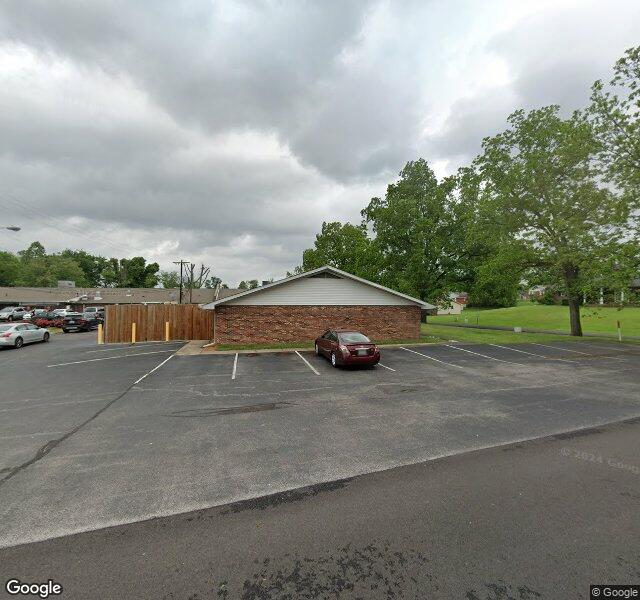
Clinton Place

106 Padgett drive, Clinton, KY 42031 (270) 653-5558
For profit - Corporation 91 Beds SIMCHA HYMAN & NAFTALI ZANZIPER Data: November 2025
Trust Grade
38/100
#215 of 266 in KY
Last Inspection: June 2024

Within standard 12-15 month inspection cycle. Federal law requires annual inspections.

Overview

Clinton Place has received a Trust Grade of F, indicating poor quality and significant concerns about care. Ranking #215 out of 266 facilities in Kentucky places it in the bottom half, and it is the second worst option in Hickman County. While the facility is improving, having reduced issues from 8 in 2019 to just 2 in 2024, it still faces serious problems. Staffing is a relative strength with a turnover rate of 39%, lower than the state average, but the overall rating for staffing is only 2 out of 5 stars, suggesting more room for improvement. Notably, there have been serious incidents, including a resident developing skin issues due to a lack of pest control, with maggots found in their wounds, raising serious concerns about cleanliness and care standards.

Trust Score
F
38/100
In Kentucky
#215/266
Bottom 20%
Safety Record
Moderate
Needs review
Inspections
Getting Better
8 → 2 violations
Staff Stability
○ Average
39% turnover. Near Kentucky's 48% average. Typical for the industry.
Penalties
⚠ Watch
$8,512 in fines. Higher than 94% of Kentucky facilities. Major compliance failures.
Skilled Nurses
⚠ Watch
Each resident gets only 28 minutes of Registered Nurse (RN) attention daily — below average for Kentucky. Fewer RN minutes means fewer trained eyes watching for problems.
Violations
⚠ Watch
13 deficiencies on record. Higher than average. Multiple issues found across inspections.
★☆☆☆☆
1.0
Overall Rating
★★☆☆☆
2.0
Staff Levels
★☆☆☆☆
1.0
Care Quality
★★☆☆☆
2.0
Inspection Score
Stable
2019: 8 issues
2024: 2 issues

The Good

  • Full Sprinkler Coverage · Fire safety systems throughout facility
  • No fines on record
  • Staff turnover below average (39%)

    9 points below Kentucky average of 48%

Facility shows strength in fire safety.

The Bad

1-Star Overall Rating

Below Kentucky average (2.8)

Significant quality concerns identified by CMS

Staff Turnover: 39%

Near Kentucky avg (46%)

Typical for the industry

Federal Fines: $8,512

Below median ($33,413)

Minor penalties assessed

Chain: SIMCHA HYMAN & NAFTALI ZANZIPER

Part of a multi-facility chain

Ask about local staffing decisions and management

The Ugly 13 deficiencies on record

1 actual harm
Jun 2024 2 deficiencies 1 Harm
SERIOUS (G) 📢 Someone Reported This

A family member, employee, or ombudsman was alarmed enough to file a formal complaint

Actual Harm - a resident was hurt due to facility failures

Quality of Care (Tag F0684)

A resident was harmed · This affected 1 resident

**NOTE- TERMS IN BRACKETS HAVE BEEN EDITED TO PROTECT CONFIDENTIALITY** Based on observation, record review, interviews, and facility policy review it was determined that the facility failed to provid...

Read full inspector narrative →
**NOTE- TERMS IN BRACKETS HAVE BEEN EDITED TO PROTECT CONFIDENTIALITY** Based on observation, record review, interviews, and facility policy review it was determined that the facility failed to provide quality of care related to skin impairment and Activities of Daily Living for one of 33 sampled residents. (Resident #45 (R45)). On 07/15/2023 at 12:44 AM, nursing observed small white insects approximately 3 cm [centimeters] in size what appeared to look like small worms, in creases of resident's wound beds on both lower extremities. The resident had a temp of 101.6 and was complaining of chills and sweats. Resident 45 was sent to the emergency room for evaluation. Additionally, staff documented on 06/01/2024 and 06/02/2024 the resident had white particles on her outer thigh area of BLE (bilateral extremities), in the resident abdominal folds, and inner creases of BLE. In an interview with R45 on 06/24/2024 at 2:28 PM, she stated that she has had maggots on her legs at least two (2) times, but only went to the hospital for them once. R45 stated she had lots of flies in her room sometimes. The findings include: Review of the facility's policy titled, Resident Rights, revised 03/18/2024, revealed the resident had the right to a dignified existence, and the right to reside and receive services in the facility with reasonable accommodation of resident needs and preferences, except when to do so would endanger the health and safety of the resident or other residents. Review of the facility's policy titled, Activities of Daily Living (ADLs), revised 08/09/2023, revealed the facility will ensure a resident's abilities in Activities of Daily Living (ADLs) do not deteriorate unless deterioration was unavoidable. A resident who was unable to carry out activities of daily living would receive the necessary services to maintain good nutrition, grooming, personal and oral hygiene. Record review revealed the facility admitted Resident 45 on 12/16/2020 with diagnoses to include [NAME]-[NAME] Syndrome, Lymphedema, and Unspecified Intellectual Disabilities. Review of Resident #45's Quarterly Minimum Data Set assessment dated [DATE] revealed Resident #45 was assessed to have a Brief Interview for Mental Status (BIMS) Score of fourteen (14) out of fifteen (15), indicating the resident was cognitively intact. Observation of the facility on 06/23/2024 at 6:10 PM, revealed four (4) flies swarming on the 200 Hall and Dining Room area. On 06/24/2024 at 2:28 PM, observation revealed three (3) flies in R45's room and one (1) on the resident's bed. On 06/25/2024 at 10:00 AM, observation revealed three (3) flies swarming on the 200 Hall of the facility. Observation on 06/26/2024 at 1:27 PM, revealed several flies in R45's room with three (3) flies resting on the Resident's thigh area. Also, five (5) additional flies were noted swarming over the resident's bed. Further observation revealed nursing staff waving their hands to shoo the flies away. Observation on 06/27/2024 at 1:42 PM revealed flies in R45's room with one fly on the resident's face and one fly on the left side of the resident's neck. During an interview with R45 at this time, she stated that she did not like the flies on her and that they made her feel bad. Review of Resident 45's (R45) care plan revised 06/09/2023, revealed the facility care planned the resident for nutritional problems r/t [NAME]-[NAME] Syndrome which results in her not feeling full; morbid obesity with weight greater than 500 lbs; and weight gain since admission. Further review revealed R45 frequently refused to allow weight to be obtained. MD aware, with interventions to include CCHO Controlled Carbohydrate diet with HS (night time) snack, Dietary to provide low calorie dense food/snacks between meals upon resident's request, Educate/encourage family to bring resident healthy snacks instead of candy, chips, sugary drinks. Provide and serve diet as ordered. Regular Diet with thin liquids. Resident 45's last weight was 640 lbs on 06/11/2024. Review of Resident 45's shower schedule revealed the resident was scheduled on Mondays and Thursdays during dayshift for baths. Review of Activities of Daily Living (ADLs) documentation revealed Resident 45 was given a complete bed bath on 07/14/2023 by State Registered Nurse Aide #6 (SRNA6). Review of the Nursing Progress Note dated 07/15/2023 at 12:44 AM revealed the nurse was summoned to the resident's room. Further review revealed the nurse observed small white insects approximately 3 cm [centimeters] in size what appeared to look like small worms, in creases of resident's wound beds on both lower extremities. Nurse notified the DON [Director of Nursing], DON stated that she would contact the wound care nurse to get new orders. Resident had a temp of 101.6. Resident was complaining of chills and sweats. Nurse contacted on call services. The doctor on call gave order to send resident to ER. RP notified and arrived at the facility to escort resident to ER. Resident left facility via ambulance at approx 0030. Review of hospital records revealed a Skin Assessment documented by the emergency room Physician on 07/15/2023 at 2:01 AM revealed multiple areas of wetness especially noted in all of the resident's skin folds due to her weight. There was one maggot noted along the right side of the resident's body. Review of the facility's document titled, Pest Sighting Log, revealed twenty (20) flies were found and killed at the 200 Hall nurse's station and ten (10) flies were found and killed in R45's room on 05/21/2024 at 9:00 AM, also, ten (10) flies were found and killed in the same room on 06/01/2024 at 10:00 AM. Review of the Nursing Progress Note, dated 06/01/2024 at 11:45 AM, revealed the nurse was summoned by staff to R45's room r/t SRNA seeing white particles on the resident's outer right thigh. Further nursing assessment revealed white particles were noted coming out of the outer thigh area of BLE (bilateral extremities), in the resident abdominal folds, and inner creases of BLE. Review of the Nursing Progress Note, dated 06/02/2024 at 2:55 PM revealed, Complete bed bath given today x 4 staff members. [NAME] particles continue to right outer thigh area. None noted to abdominal folds or left thigh. Dakins and triad cream continues. In an interview with R45 on 06/24/2024 at 2:28 PM, she stated that she has had maggots on her legs at least two (2) times, but only went to the hospital for them once. R45 stated she had lots of flies in her room sometimes. In an interview with R45's mother on 06/25/2024 at 9:43 AM, she stated she felt that the facility was not providing quality care for the resident. She stated R45 called her and told her that she had laid and waited for someone to come and change her for hours and that it was mainly afternoon staff. She stated they use the resident's size and instances of care refusal as an excuse to not take care of her. She further stated R45 had had maggots on her at least twice that she knew of. She stated she got a call from a nurse around midnight on 07/15/2023 and the nurse reported she found maggots on R45 and was sending her to the hospital. She stated she met the resident at the hospital and the hospital emergency room (ER) staff informed her that they also had to clean maggots off the resident. She stated the Director of Nursing (DON) had told her they were working on a plan to get rid of the flies in the facility, but no one had followed up with her in regards to it. She further stated R45 had recently called her crying and scared stating, She is afraid those bugs might come back. In an interview with State Registered Nurse Aide (SRNA) #1 on 06/25/2024 at 1:00 PM, she stated that she was doing rounds with another SRNA. She stated when she turned R45 over, she saw something white fall onto her gloved hand. She stated she started wiping the resident and observed small, white, rice-like objects falling from the resident and noted they were moving. She stated they were generally all over the bed and crawling out from Resident 45's skin. She stated she told the other SRNA that she was going to go get the nurse, and she left and came back with the nurse who assessed the resident and stated they looked like maggots. During further interview, she stated that they cleaned R45 up and called the DON who advised them against documenting the incident, and to wait and get direction from her because she needed to find out what to do about it. SRNA #1 stated she recalled seeing flies in R45's room. She stated approximately two weeks after the incident she was called into the Administrator's office and blamed by the Administrator for R45 getting the maggots. She stated the administrator stated to her that she was not doing her job because R45 did not get a bath. SRNA1 stated that was the first time she had worked with R45 in over three weeks because she was working the Memory Care Unit and not on the hall where R45 resided so it was not possible for her to have provided care to this resident. She stated she resigned from the facility after her meeting with Administrator. In an interview SRNA6 on 06/26/2024 at 2:45 PM, she stated she assisted staff with care and provided a bed bath for R45 on 07/14/2023. She stated there were always flies present in R45's room. She stated she had seen maggots on the resident's bed but not on her. In an interview with Licensed Practical Nurse (LPN) #1 on 06/25/2024 at 11:35 AM, she stated that she observed the maggots on R45 on 07/15/2023. She stated it was her first time working at the facility as she was a new employee. She stated SRNA #1 came and requested her to come to R45's room. She stated she assessed resident and noted maggots were falling out of R45's folds and creases in her legs, and abdomen. She stated she called the Director of Nursing (DON) and the DON advised her to just treat the resident with some Dankins solution (a type of hypochlorite solution used to clean wounds). She stated the DON told her that this had happened to the resident before. She stated the DON informed her not to chart the incident, but LPN #1 stated she knew that was wrong and documented her findings. She notified the Physician on call who gave orders to send R45 to the hospital. In an interview with Registered Nurse (RN) #4 on 06/27/2024 at 2:10 PM, she stated on 06/01/2024 she was summoned to R45's room by the SRNAs regarding possible maggot sightings on the resident. She stated she observed white particles noted coming out of the outer thigh area of the resident's Bilateral Lower Extremities (BLE), in the resident's abdominal folds, and the resident's inner creases. She stated the white particles appeared to be maggots to her but she was told by her DON that since she was not pest control that she cannot say what she though it was and was advised by the DON to document her findings as white particles instead of maggots. She stated she tried to keep R45 clean and dry and apply treatments as ordered to reduce the skin issues. She further stated that it would be a great idea for R45 to get more baths per week, but the facility just did not have the man power to do so. In an interview with the Director of Nursing on 06/27/2024 at 1:20 PM, she stated if a resident has skin breakdown and wound care recommended they increase the number of baths a resident received they would do so. The DON stated that in her opinion R45 was on a great bathing schedule as it was. During further interview the DON stated the nursing staff were very well trained to care for this resident and provide them with a complete bed bath. She further stated R45 has a history of refusing care because she has a preference of which staff members provided her care. In a second interview with the Director of Nursing on 06/28/2024 at 12:48 PM, she stated she received a call from the nurse around 9-10 at night, the nurse informed her that she saw white things on R45' legs. The DON stated she told the nurse to call the on call physician who gave orders to send Resident #45 to the hospital. She further stated within this month RN # 4 called her and informed her that she saw them again and she advised her to call the medical director and he ordered treatments for resident. She stated she just told staff to document the facts, and state what they saw. In an interview with the Medical Director (MD) on 06/27/2024 at 3:33 PM, he stated the On Call Doctor gave the order for R45 to go out the ER. He stated that R45 had had them at least twice that he was aware of. The MD stated the Root Cause of the problem was the flies in the facility. In an interview with the Administrator on 06/28/2024 at 1:23 PM, She stated the DON contacted her and she instructed them to call the on call physician services who ordered R45 to go out to the hospital. She stated she followed up with the family in regards to the situation. During the interview, she stated she maintained an open line of communication for them to talk with her about any concerns. She stated that they have pest control come monthly, placed fly lights in residents' rooms, fly swatters, air blowers, and tried to keep the windows shut. She stated she had to educate R45 on keeping the windows shut. She stated the resident was her own person and would tell you what she wanted and could be very non-compliant and resistant to care.
CONCERN (F) 📢 Someone Reported This

A family member, employee, or ombudsman was alarmed enough to file a formal complaint

Potential for Harm - no one hurt, but risky conditions existed

Deficiency F0925 (Tag F0925)

Could have caused harm · This affected most or all residents

**NOTE- TERMS IN BRACKETS HAVE BEEN EDITED TO PROTECT CONFIDENTIALITY** Based on observation, interviews, record review, and review of the facility's policy it was determined the facility failed to ma...

Read full inspector narrative →
**NOTE- TERMS IN BRACKETS HAVE BEEN EDITED TO PROTECT CONFIDENTIALITY** Based on observation, interviews, record review, and review of the facility's policy it was determined the facility failed to maintain an effective pest control program to ensure it was free of pests. All 81 residents had the potential to be affected. On 07/15/2023, 06/01/2024, and 06/02/2024, Resident (R) 45 was found to have maggots in her skin folds and bilateral lower extremity wound beds. Observation on 06/27/2024 at 1:42 PM revealed flies in R45's room with one fly on the resident's face and one fly on the left side of the resident's neck. Refer to F684. The findings include: Review of the facility's policy titled, Resident Rights, revised 03/18/2024, revealed the resident had a right to a safe, clean, comfortable and home like environment. Review of the facility's policy titled, Pest Control, revised 03/23/2024, revealed the facility shall maintain an effective, on-going pest control program that ensures the building is kept free of insects and rodents. Review of the facility's policy titled, Maintenance Service, revised 09/20/2023, revealed maintenance personnel shall follow established safety regulations to ensure the safety and well-being of all concerned. Review of the facility's Pest Control Monthly Service Report's dated 01/24/2024 at 11:30 AM, 02/22/2024 at 11:30 AM, 03/28/2024 at 12:35 PM, 04/24/2024 at 12:00 PM, 05/23/2024 at 1:40 PM, and 06/21/2024 at 12:20 PM, revealed the pest control company treated the facility's exterior perimeter and points of entry. Further review service reports revealed it was for general services, but did not list the specific type of treatment provided. Review of the facility's document titled, Pest Sighting Log, not dated, revealed on 05/21/2024 at 9:00 AM, twenty flies were found and killed at the 200 Hall nurse's station and ten flies were found and killed in R45's room. On 05/27/2024 at 10:00 AM twelve flies were found in the employee breakroom and bathroom but only four were killed. On 06/01/2024 at 10:00 AM, ten flies were found and killed in R45's room. On 06/01/2024 at 11:00 AM, 15 flies were found and killed at the 200 Hall Nurse Station. On 06/01/2024 at 1:00 PM 10 flies were found and killed in the room of Resident (R) 63. On 06/01/2024 at 7:00 AM, 10 flies were found and killed in R4's room . On 06/02/2024 at 2:00 PM, 10 flies were found and killed at the Nurse Station on 200 Hall. On 06/02/2024 at 6:00 PM, eight flies were found and killed in the room of R37. On 06/02/2024 at 6:00 PM, four flies were found and killed in the room of R63. On 06/09/2024 at 10:45 AM, three flies were found and killed in the room of R53. On 06/23/2024 at 6:10 PM, observation revealed four flies swarming on the 200 Hall and dining room area. On 06/23/2024 at 6:23 PM, observation revealed four flies swarming in Resident (R) 37's room and one fly landing on resident's arm and another one landing on the resident's bed. On 06/24/2024 at 2:28 PM, observation revealed three flies in R45's room and one (1) on the resident's bed. On 06/25/2024 at 10:00 AM, observation revealed three flies swarming on the 200 Hall of the facility. Observation on 06/26/2024 at 1:27 PM revealed flies in R45's room with three (3) flies resting near the resident's thigh. Also, five (5) additional flies were noted swarming over the resident's bed. Nursing staff was observed to be waving their hands to shoo the flies away. On 06/26/2024 at 1:40 PM, observation revealed four (4) flies swarming around Hall 200 and in and out of multiple residents' rooms. During an interview with State Registered Nurse Aide (SRNA) 4, at this time, she stated the flies were a problem all over the facility. Observation on 06/27/2024 at 1:42 PM revealed flies in R45's room with one fly on the resident's face and one fly on the left side of the resident's neck. During an interview with R45, at this time, she stated that she did not like the flies on her and that they made her feel bad. Record review revealed the facility admitted R45 on 12/16/2020 with diagnoses to include [NAME]-[NAME] Syndrome, Lymphedema, and Unspecified Intellectual Disabilities. Review of R45's Quarterly Minimum Data Set Assessment with an Assessment Reference Date (ARD) of 04/08/2024 revealed the facility assessed R45 to have a Brief Interview for Mental Status (BIMS) Score of fourteen (14) out of fifteen (15). This score indicated the resident was cognitively intact. In an interview with R45 on 06/24/2024 at 2:28 PM, she stated that she has had lots of flies in her room at times, and had maggots on her legs at least two (2) times. In an interview with SRNA6 on 06/26/2024 at 2:45 PM, she stated she has seen numerous flies throughout the facility and that they seem to be a persistent problem. During an interview with SRNA4 on 06/26/2024 at 1:40 PM, she stated the flies were a problem all over the facility. In an interview with Registered Nurse (RN) 4 on 06/27/2024 at 2:10 PM, she stated they have logged pest sightings on the pest control logbook that was located at the nurse's station. She stated they also reported the fly problem to Maintenance and they appeared to have been working on it. She stated the facility gave out fly swatters, and put up pest control light stations to try and combat the flies. RN4 stated she couldn't recall when these measures were put in place. She stated she felt there was more the facility could do to help get rid of the flies. She stated she last saw pest control at the facility about a month ago. The State Survey Agency (SSA) surveyor contacted the facility's Pest Control Company on 06/25/2024 at 9:40 AM and on 06/27/2024 at 3:55 PM, with no response or return call. In an interview with the facility's Maintenance Director on 06/27/2024 at 3:17 PM, he stated he had been the maintenance director since 09/2023. He stated that the current pest control company had always been the pest control provider and there had not been any considerations made by him or administration to seek other pest control companies. He stated that the current company was doing ok. He stated this year had been a rough year for pest control in general, and ever since spring hit this year the pest control became an issue. He further stated they had not located a point of entry for the flies. The Maintenance Director further stated he provided fly swatters, and made sure the windows were screened. In an interview with the Administrator on 06/28/2024 at 1:23 PM, she stated that they have pest control come monthly. She stated they had also, placed fly lights in R45's room, given out fly swatters, placed air blowers over some of the exit doors, and tried to keep the windows shut. The Administrator stated she had to educate R45 on keeping the windows shut. She stated she had no issues with the current pest control company and thought they had been the best company thus far. The Administrator stated she felt that they had done the best they could to control the flies in the facility. She stated they were working on adding more blowers to the outside to help control them and keep them away from the entrances. The Administrator further stated it was difficult because they were out in the middle of fields and located next to a creek bed, where the pests just tend to be in abundance.
Mar 2019 8 deficiencies
CONCERN (D)

Potential for Harm - no one hurt, but risky conditions existed

Notification of Changes (Tag F0580)

Could have caused harm · This affected 1 resident

Based on interview, and record review, it was determined the facility failed to notify the representative of one (1) of twenty-three (23) sampled residents of a medication change (Resident #45). On 0...

Read full inspector narrative →
Based on interview, and record review, it was determined the facility failed to notify the representative of one (1) of twenty-three (23) sampled residents of a medication change (Resident #45). On 03/02/19, an order was written to discontinue Resident #45's Celexa; however, staff failed to notify Resident #45's representative. The findings include: Interview with the Director of Nursing (DON) on 03/29/19 at 10:12 AM, revealed the facility did not have a specific policy related to notification/change in condition but follows state and federal guidelines. Record review revealed the facility admitted Resident #45 on 08/31/17, with diagnoses which included Unspecified Psychosis, Unspecified Lack of Coordination, Paranoid Personality Disorder, Major Depressive Disorder, and Anxiety Disorder. Review of the Quarterly Minimum Data Sets (MDS) assessment, dated 01/25/19 revealed the facility assessed Resident #45's cognition as intact with a Brief Interview for Mental Status (BIMS) score of fifteen (15) which indicated the resident was interviewable. Further review of the record revealed the resident had a legal family guardian. Review of Resident #45's Progress Notes dated 03/02/19 at 9:14 PM, revealed the Director of Nursing (DON) documented new order received to discontinue Celexa due to pharmacy recommendation. Review of Physician's Orders dated 03/02/19, revealed an order to discontinue Celexa twenty (2) milligrams (mg). However, further review of the Progress Notes, dated 03/02/19, revealed there was no documented evidence Resident #45's family was made aware of the medication change. Interview with Resident #45's Responsible Party on 03/22/19 at 3:21 PM, revealed she did not know the resident's Celexa had been stopped until she spoke with staff at the Geriatric-Psych Unit on 03/13/19, and viewed the nursing homes list of medications. She stated she was very upset she was not notified of the medication changes due to the residents multiple psych and depression diagnoses. Interview with the Director of Nursing (DON) on 03/29/19 at 10:12 AM, revealed she was responsible for notifying residents' responsible parties of medication changes. The DON stated Resident #45's Celexa was discontinued and she called Resident #45's responsible party but could not remember if she left a message. She further stated she failed to document the notification. Interview with the Administrator on 03/29/19 at 4:30 PM, revealed she would have expected nursing to notify the resident's responsible party of any medication changes.
CONCERN (D)

Potential for Harm - no one hurt, but risky conditions existed

Deficiency F0637 (Tag F0637)

Could have caused harm · This affected 1 resident

**NOTE- TERMS IN BRACKETS HAVE BEEN EDITED TO PROTECT CONFIDENTIALITY** 2. Record review, revealed the facility admitted Resident #5 on 12/06/16 with diagnoses which included Wedge Compression Fractur...

Read full inspector narrative →
**NOTE- TERMS IN BRACKETS HAVE BEEN EDITED TO PROTECT CONFIDENTIALITY** 2. Record review, revealed the facility admitted Resident #5 on 12/06/16 with diagnoses which included Wedge Compression Fracture of T11-T12 Vertebra, History of Falling, Adjustment Disorder with Depressed Mood, Anxiety Disorder, Acute Bronchitis, Cerebral Infraction, Muscle Weakness, Cognitive Communication Deficit, and Parkinson's Disease. Review of an Annual MDS assessment, dated 09/16/18 revealed section G showed Resident #5's ADL's were coded as Bed mobility: 3/2 Transfer: 3/2 Eating: 2/2 Toileting: 3/2. Further review revealed the quarterly MDS completed on 12/13/18 section G showed Resident #5's ADL's were coded as Bed mobility: 2/2 Transfer: 2/2 Eating: 2/2 Toileting: 2/2. The records showed Resident #5's ADL's improved as the resident went from requiring extensive assistance to only requiring limited assistance in the three (3) care areas of Bed mobility , Transferring and Toileting; however, review of Resident #5's MDS assessments revealed there was no documented evidence a significant change MDS was completed per the RAI manual. Review of a Quarterly MDS assessment, dated 02/02/19, revealed the facility assessed Resident #5's cognition as intact, with a BIMS score of fifteen (15), which indicated the resident was interviewable. Interview with MDS Coordinator on 03/29/19 at 9:12 AM revealed she was not aware Resident #5 had an improvement. The MDS Coordinator stated the person who completed the MDS on 12/13/18 no longer was employed by the facility and . The MDS Coordinator stated she did not observe there was an improvement in Resident #5's ADL's and she did not investigate to see why there was an improvement. The MDS Coordinator revealed if she did observe an improvement she would have completed a Significant change Assessment. The MDS Coordinator stated she is still learning their new system and she has more to learn regarding the alerts the systems provides in regards to completing changes. 3. Record review revealed the facility admitted Resident #43 on 02/18/13 with diagnoses which included Malignant Neoplasm of Unspecified Part of Bronchus or Lung, Muscle Weakness, History of falling, and Pure Hypercholesterolemia, Unspecified. Review of Quarterly MDS assessment, dated 03/01/19, revealed the facility assessed Resident #43's cognition as moderately impaired with a BIMS score of eleven (11), which indicated the resident was not interviewable. Review of the admission MDS completed on 12/17/18 section G showed Resident #43's ADL's were coded as Bed Mobility: 1/2, Transfer: 1/2, Eating: 1/1, and Toileting: 1/2. Further review revealed the Quarterly MDS completed on 03/01/19 section G showed Resident #43's ADL's were coded as Bed Mobility: 3/3, Transfer: 3/3, Eating: 3/2, Toileting: 3/3. The records showed that Resident #43 went from only requiring supervision to requiring extensive assistance in the all four (4) areas of Bed Mobility, Transfer, Eating and Toileting; however, further review of the resident's MDS assessments revealed there was no documented evidence a Significant Change MDS assessment was completed per the RAI manual. Interview with MDS Coordinator on 03/29/19 at 09:50 AM revealed she believed a significant change assessment should have been completed based on Resident #43's decline. The MDS Coordinator stated there was an expected decline in Resident #43 ADL's. The MDS Coordinator stated staff were are not aggressively treating any of Resident #43's declines and they were not trying to restore any areas of decline as they were just providing comfort measures. Interview with the Director of Nursing (DON) on 03/29/19 at 3:45 PM revealed a Significant Change in Condition assessment should have been initiated for Resident #5 and Resident #43 due to the improvement and decline. The DON stated she should have recognized a change either in improvement or decline in the residents and brought it to the MDS Coordinator's attention. The DON further stated the MDS Coordinator should have recognized that an improvement or decline occurred and completed a Significant Change Assessment. Based on interview, record review, and review of the Resident Assessment Instrument (RAI) 3.0 User's Manual, it was determined the facility failed to complete a Significant Change in Status Minimum Data Set (MDS) assessment for three (3) of twenty-three (23) sampled residents (Residents #5, #36, and #43). Resident #36 had a decline in activities of daily living (ADL's), bowel and bladder continence, cognition, and a significant weight loss from 10/28/18 to 01/24/19; Resident #43 had a decline in four (4) areas of ADL's; and, Resident #5 had an Improvement in three (3) areas of ADL's. However, further review of the residents' MDS assessments revealed a significant change in condition was not identified and a Significant Change MDS assessment was not completed per the RAI 3.0 Users Manual. The findings include: Interview with the MDS Coordinator, on 03/27/19 at 4:58 PM, revealed the facility does not have a policy for completion of MDS assessments; however, the RAI 3.0 User's Manual was used as reference when completing MDS assessments. Review of the RAI 3.0 User's Manual, Version 1.16, October, 2019, revealed a significant change is a major decline or improvement in a resident's status that: will not normally resolve itself without intervention by staff or by implementing standard disease-related clinical interventions, the decline is not considered self-limiting; impacts more than one area of the resident's health status; and requires interdisciplinary review and/or revision of the care plan. MDS assessments are not required for minor or temporary variations in resident status - in these cases, the resident's condition is expected to return to baseline within two (2) weeks. However, staff must note these transient changes in the resident's status in the resident's record and implement necessary assessment, care planning, and clinical interventions, even though an MDS assessment is not required. 1. Record review revealed the facility admitted Resident #36 on 03/20/18 with diagnoses which included Parkinson's Disease. Review of the Quarterly MDS assessment dated [DATE], Section C, Cognitive Pattern, Item C0500 revealed Resident #36 had a BIMS score of Fourteen (14) indicating intact cognition. Review of Section G, Functional Status, Items G0110 A, B, and I revealed the resident required limited assist of one (1) staff (coded 2/2) for bed mobility and toileting; and supervision with stand-by assist (coded 1/1) for transfers. Review of Section H, Bladder and Bowel, Item H0300, revealed the resident was occasionally incontinent of urine; and Item H0400 revealed he/she was always continent of bowel. Additional review of the MDS, Section K, Swallowing/Nutritional Status, Item K0200B, revealed the Resident weighed 221 pounds. Review of the Quarterly MDS assessment dated [DATE], Section C, Cognitive Pattern, Item C0500 revealed Resident #36 had a BIMS score of ninety-nine (99) indicating severely impaired cognition. Review of Section G, Functional Status, Items G0110 A, B, and I, revealed the resident required extensive assistance of two (2) staff (coded 3/3) with bed mobility and toileting, a decline from previous coded 2/2; and limited assistance of one (1) staff (Coded 2/2) for transfers, a decline from previous coded 1/1. Review of Section H, Bladder and Bowel, Item H0300, revealed the resident was frequently incontinent of bowel and bladder, a decline in continence. Additional review of the MDS, Section K, Swallowing/Nutritional Status, Item K0200B, revealed a dash - with no weight recorded. However, review of the Weights summary revealed the resident weighed 181 pounds on 01/30/19, down eighteen percent (18%) since the previous MDS assessment. However, further review of Resident #26's MDS assessments revealed there was no Significant Change MDS assessment completed per the RAI manual. Review of the Care Plan Conference Summary dated 01/17/19 revealed there was no documented evidence that a significant change in condition was discussed during the meeting. Interview with Physical Therapy Assistant (PTA) on 03/27/19 at 1:22 PM revealed when the therapy department received the referral for Resident #36 on 01/19/19, Resident #36 had declined in physical abilities, standing, ambulation, and poor safety awareness. The PTA stated the resident transfers were a struggle for the resident. He further revealed the decline was due to the resident's increased weakness. Interview with Occupational Therapist (OT) on 03/27/19 at 1:34 PM revealed Resident #36 was referred to OT after a hospitalization on 01/08/19. OT stated prior to hospitalization, the resident required stand-by assistance to minimal assistance with ADL's, however after hospitalization, the resident required moderate to maximum assistance. The OT further revealed the resident was not able to make much progress due to lack of cooperation and extreme lethargy and was discharged from OT services on 02/15/19. Interviews with the MDS Coordinator on 03/27/19 at 4:58 PM and on 03/28/19 at 12:26 PM revealed completion of MDS assessments was her responsibility. She stated if there was a change in more than two (2) areas, she should initiate a significant change in condition assessment within a fourteen (14) day period of that change. The MDS Coordinator stated it was a team effort to identify a resident's decline or improvement. She stated the Interdisciplinary Team (IDT) met each day to discuss residents' conditions. The MDS Coordinator stated the system usually prompts the coordinator if there is a decline in an area, but the system did not alert for this resident's decline. She stated she did not realize the resident had a decline and no one had alerted the IDT of changes. Additionally, the MDS Coordinator stated the resident fluctuates in ADL ability and bowel and bladder, however, there was no documented evidence of the fluctuations. She further revealed the significant decline in the resident's condition was over-looked and was not initiated as it should have been. Interview with the Director of Nursing (DON) on 03/27/19 at 2:46 PM and on 03/28/19 at 8:33 AM revealed a Significant Change in Condition assessment should have been initiated for Resident #36 due to decline. She stated she should have recognized a change/decline in the resident and brought the MDS Coordinator's attention to it. She revealed she does not know exactly what the facility's process was, for a resident decline, at this time. The DON further stated the MDS Coordinator should have recognized a decline when the care plan was updated with the MDS Assessment information and should have followed policy to follow up.
CONCERN (D)

Potential for Harm - no one hurt, but risky conditions existed

Comprehensive Care Plan (Tag F0656)

Could have caused harm · This affected 1 resident

2. Record review revealed the facility admitted Resident #9 on 07/16/18 with diagnoses which included Dementia with Behavioral Disturbance, Major Depressive Disorder and Alzheimer's Disease. Review of...

Read full inspector narrative →
2. Record review revealed the facility admitted Resident #9 on 07/16/18 with diagnoses which included Dementia with Behavioral Disturbance, Major Depressive Disorder and Alzheimer's Disease. Review of the quarterly MDS assessment, dated 03/12/19 revealed the facility assessed Resident #9's cognition as severely impaired with a BIMS score of five (5), which indicated the resident was not interviewable. Review of the Comprehensive Care Plan, dated 07/16/18 through 02/06/19, revealed there was no Care Plan developed to address the person-centered care needs for a resident with Dementia. 3. Record review revealed the facility admitted Resident #52 on 02/22/19 with diagnoses which included Acute and Chronic Respiratory Failure with Hypoxia, Displaced Intertrochanteric Fracture of the Left Femur and routine healing of a Closed Fracture. Review of an Urinalysis Report, dated 03/22/19 at 3:24 AM, revealed a trace of Ketone and Protein, positive for Nitrite, small Leukocyte Esterase, six-ten (6-10) white blood cells and three plus (3+) Bacteria. Review of a Progress Note, dated 03/22/19 at 5:11 AM, revealed an order to start Bactrim DS Tablet 800-160 milligrams (mg), one (1) tablet by mouth two (2) times a day for a Urinary Tract Infection (UTI) until 03/31/19. Review of the Physician Order Summary Report, dated 03/22/19, revealed an order for Bactrim DS tablet 800-160 mg (Sulfamethoxazole - Trimethoprim), give one (1) tablet by mouth two (2) times a day for UTI until 03/31/19 11:59 PM. However, review of the Comprehensive Care Plan, last revised 03/28/19, revealed there was no Care Plan developed for the UTI for which the resident was started on medication to treat. Interview with Licensed Practical Nurse (LPN) #2, on 03/29/19 at 10:29 AM, revealed the MDS Nurse was responsible for developing and updating the care plans. Interview with the DON, on 03/29/19 at 3:45 PM, revealed a specific care plan should have been developed for a resident with Dementia. She stated the MDS Nurse was responsible for the developing the care plans. Based on interview, record review, and review of facility policy, it was determined the facility failed to develop a person-centered care plan for each resident that includes measurable objectives and time frames to meet a resident's medical, nursing, mental and psychosocial needs that are identified in the comprehensive assessment for three (3) of twenty-three (23) sampled residents, (Residents #36, #9, and #52). Record review revealed the facility failed to develop a person-centered, individualized activities of daily living care plan for Resident #36; a care plan to reflect the care of a resident with dementia for Resident #9; and a care plan for care of a resident with a Urinary Tract Infection for Resident #52. The findings include: Review of the facility policy titled, Comprehensive Assessment and the Care Delivery Process, last revised December, 2017, revealed comprehensive assessments will be conducted to assist in developing person-centered care plans. Decision making leads to a person-centered plan of care including selection and implementation of interventions based on the assessment and information analysis. Periodic monitoring to review progress and adjust treatment as well as overall care and services as necessary. 1. Record review revealed the facility admitted Resident #36 on 03/20/18 with diagnoses which included Parkinson's Disease. Review of the Quarterly Minimum Data Set (MDS) assessment, dated 01/24/19 revealed the facility assessed Resident #36's cognition as severely impaired with a Brief Interview of Mental Status (BIMS) score of ninety-nine (99) which indicated the resident was not interviewable. Review of the Comprehensive Care Plan, not dated, revealed the listed problem of Activities of Daily Living (ADL) Maintenance, with no goal listed. Further review of the care plan revealed interventions included: Meal intake - Provide diet as ordered and record intake; Bowel - Assist as needed with toileting and record (each shift); Bladder - assist resident as needed and record each shift whether voided; Bath - Assist resident as needed with bathing. The care plan was not goal oriented, person-centered, or individualized for Resident #36 as the care plan did not include the amount of assistance needed and by how many staff for each ADL for this specific resident. Interviews with the MDS Coordinator on 03/27/19 at 4:58 PM and on 03/28/19 at 12:26 PM revealed care plans were updated by a combination of staff and ADL care plans were initiated per nursing, possibly the admission nurse. The MDS Coordinator stated Resident #36's ADL care plan was not person-centered or individualized and it should have been, stating it's not too very specific. Interview with the Director of Nursing (DON) on 03/28/19 at 8:33 AM revealed the MDS Coordinator was responsible for creating care plans. She stated care plans should reflect the condition of the resident and she expected the care plans be individualized and person-centered.
CONCERN (D)

Potential for Harm - no one hurt, but risky conditions existed

Deficiency F0657 (Tag F0657)

Could have caused harm · This affected 1 resident

**NOTE- TERMS IN BRACKETS HAVE BEEN EDITED TO PROTECT CONFIDENTIALITY** Based on interview, record review, and facility policy review it was determined the facility failed to revise the care plan for ...

Read full inspector narrative →
**NOTE- TERMS IN BRACKETS HAVE BEEN EDITED TO PROTECT CONFIDENTIALITY** Based on interview, record review, and facility policy review it was determined the facility failed to revise the care plan for one (1) of twenty-three (23) sampled residents (Resident #60). Resident #60 received hemodialysis three (3) times a week and had a physician order for staff to palpate for bruit and thrill in left arm every shift. However, the comprehensive care plan did not reflect the intervention and there was no documented evidence the assessment of the site was completed The findings include: Review of the facility's policy titled, Comprehensive Assessments and the Care Delivery Process, revised December 2016, revealed comprehensive assessments, care planning and the care delivery process involve collecting and analyzing information, choosing and initiating interventions, and then monitoring results and adjusting interventions. Select and implement interventions leading to a person-centered plan of care. 1. Record review revealed the facility admitted Resident #60 on 03/18/19 with diagnosis which included End Stage Renal Disease. Review of the Five (5)-Day Prospective Pay System (PPS) Minimum Data Set, dated [DATE], revealed the facility assessed Resident #60's cognition as severely impaired with a Brief Interview for Mental Status (BIMS) score of eight (8). In addition, the assessment revealed the resident was receiving dialysis. Review of the Physician's Orders, revealed an order for Dialysis Monday, Wednesday, and Friday, dated 03/28/10; and, an order to palpate arterio-vascular (AV) shunt - check for bruit and thrill left arm every shift, dated 03/27/19. However, review of Comprehensive Care Plan for resident needs hemodialysis, initiated 02/24/19, revealed the care plan was not revised to include monitoring the AV site for thrill/bruit every shift. Interview with the Director of Nursing (DON) on 03/27/19 at 9:34 AM, revealed Resident #60's fistula monitoring for thrill and bruit was not being checked and stated, I failed to update the care plan to indicate the thrill/bruit assessments.
CONCERN (D)

Potential for Harm - no one hurt, but risky conditions existed

Incontinence Care (Tag F0690)

Could have caused harm · This affected 1 resident

**NOTE- TERMS IN BRACKETS HAVE BEEN EDITED TO PROTECT CONFIDENTIALITY** 2. Record review revealed the facility admitted Resident #42 on 08/03/18 with diagnoses which included Major Depressive Disorder...

Read full inspector narrative →
**NOTE- TERMS IN BRACKETS HAVE BEEN EDITED TO PROTECT CONFIDENTIALITY** 2. Record review revealed the facility admitted Resident #42 on 08/03/18 with diagnoses which included Major Depressive Disorder, Cognitive Communication Deficit, Dysarthria and Anarthria, Muscle Weakness, Unspecified Lack of Coordination, Dysphagia Following Cerebral Infraction, Essential Hypertension, and Chronic Obstructive Pulmonary Disease. Review of the Quarterly MDS assessment dated [DATE] revealed the facility assessed Resident #59's cognition as moderately impaired with a BIMS score of ten (10), which indicated the resident was interviewable. Review of Resident #42's admission MDS dated [DATE] Section H, Bowel & Bladder revealed the facility coded Resident #42 as frequently incontinent of bladder and not rated for bowel. Review of the Quarterly MDS assessment completed on 11/02/18 revealed the facility coded Resident #42 as always incontinent of bowel and bladder. Further review of the 90 day Quarterly MDS assessment completed on 01/24/19 revealed the facility still coded Resident #42 as always incontinent of bladder and bowel. However, record review revealed there was no documented evidence the resident was assessed upon admission or quarterly for a bladder continence program per facility policy. Interview with MDS Coordinator on 03/29/19 at 09:35 AM revealed that a 72 hour bladder and bowel assessment was not completed. The MDS Coordinator stated she was unable to answer what the process was when a decline was noted because she does not know. The MDS Coordinator stated it was the CNA's and nurse's responsibility to notify the DON of declines in resident's bowel and bladder and then the DON would dictate the next steps. The MDS Coordinator stated when a decline was noted, the DON would bring that information to IDT at the DON's discretion. The MDS Coordinator stated she was unsure of what the bowel and bladder protocol was. The MDS Coordinator revealed it was her professional opinion that when a decline in bowel and bladder was noted it should be investigated to see what can be done to address the decline and possibly restore the resident back to their baseline. Interviews with the Director of Nursing (DON) on 03/27/19 at 2:46 PM and on 03/28/19 at 8:33 AM revealed if a three (3)-day bowel and bladder tracking and assessments were not on the charts, they were not done. The DON stated the bowel and bladder assessment and tracking have not been done for Resident #36, nor had a bowel and bladder program been initiated. The DON stated she expected the MDS Coordinator to bring the concern related to a resident's bowel and bladder decline to the Interdisciplinary (IDT) team meeting and a program should be initiated when appropriate. The DON further stated the MDS Coordinator should recognize a decline when updating the care plans with MDS assessments and follow policy to follow up. Based on interview, record review, and review of the facility policy, it was determined the facility failed to ensure that a resident who is continent of bladder and bowel on admission receives services and assistance to maintain continence unless his or her clinical condition is or becomes such that continence is not possible to maintain for two (2) of twenty-three (23) sampled residents (Residents #36 and #42). Resident #36 and Resident #42 had a decline in bowel and bladder status; however, a bowel and bladder assessment was not completed nor was a bowel and bladder program put in place to attempt to restore the residents to his/her previous continent status or prevent further decline per facility policy. The findings include: Review of the facility policy titled, Bladder Continence Program, dated 08/01/12, revealed the purpose of the policy was to ensure that a resident who is incontinent of bladder receives appropriate treatment and services to prevent urinary tract infections and to restore as much bladder function as possible; and to determine the appropriate aid in helping the resident achieve continence. Upon admission, each incontinent resident will be assessed for a bladder continence program. Do not attempt bowel and bladder retraining on the same resident at the same time. Each incontinent resident with a significant change will be reassessed quarterly, and annually at a minimum. A licensed nurse will evaluate for the ability to participate in a retraining program and will reassess quarterly, with a significant change and annually. Review of the facility policy titled, Bowel Continence Program, dated 08/01/12, revealed the purpose of the policy was to provide a method by which to assess resident's ability to control bowel functions. To promote continence of bowel, prevent skin breakdown, and to promote self-esteem, independence and feeling of dignity The ultimate goal of the program is regular bowel habits without laxative support. Upon admission each incontinent resident is assessed for a bowel continence program. Do not attempt bladder retraining on the same resident at the same time. Residents will be reassessed quarterly and annually at a minimum. A licensed nurse will evaluate for the ability to participate in a retraining program and will reassess quarterly as determined by information obtained from the MDS. 1. Record review revealed the facility admitted Resident #36 on 03/20/18 with diagnoses which included Parkinson's Disease. Review of the Quarterly Minimum Data Set (MDS) Assessment, dated 10/28/18, Section H, Bladder and Bowel, Item H0300, revealed the facility assessed Resident #36 was occasionally incontinent of urine; and Item H0400 revealed he/she was always continent of bowel. Review of the Quarterly MDS assessment dated [DATE], Section H, Bladder and Bowel, Item H0300 and H0400 revealed the facility assessed Resident #36 was frequently incontinent of bowel and bladder, a decline in bowel and bladder continence. However, record review revealed there was no documented evidence the resident was assessed upon admission or quarterly for a bladder continence program per facility policy. Further review of the Quarterly Minimum Data Set (MDS) assessment, dated 01/24/19 revealed the facility assessed Resident #36's cognition as severely impaired with a Brief Interview of Mental Status (BIMS) score of ninety-nine (99) which indicated the resident was not interviewable. Review of the Comprehensive Care Plan revealed there was no care plan initiated for the decline in continence and the ADL Maintenance Care plan revealed interventions to include: bowel - assist as needed with toileting and record (each shift) whether resident had a bowel movement; and bladder - assist resident as needed and record each shift whether voided. Interview with Licensed Practical Nurse (LPN) #1 on 03/27/19 at 10:32 AM revealed the Certified Nurse Aides (CNA's) usually do a three (3)-day (72 hour) tracking upon admission which is initiated by the nurse completing the admission. LPN #1 stated the admitting nurse completes the bottom section of the assessment and it goes in the resident's chart. However, after the LPN reviewed Resident #36's chart, she stated there were no bowel and bladder assessments found. Interview with LPN #2 on 03/28/19 at 3:38 PM revealed bowel and bladder tracking should be initiated on admission, on re-entry and with a decline. LPN #2 stated the tracking was initiated on admission per the admission nurse on each unit and it was the nurse's responsibility to initiate increased toileting or whatever it takes to promote continence. She stated CNA's should report a decline to the nurse and the nurse was to report it to the DON/physician. Additionally, the LPN stated the MDS should catch a decline with quarterly assessments, if it was not caught before the MDS. Interview with the Assistant Director of Nursing (ADON) on 03/27/19 at 3:11 PM revealed the night shift nurses on the units were responsible for completing the bowel and bladder assessments. The ADON stated the CNA's were provided a paper copy for a seventy-two (72) hour patterning assessment documentation upon admission and reentry. She stated after searching the Resident's #36's chart and the overflow documentation, she was unable to find a bowel and bladder assessment for Resident #36.
CONCERN (D)

Potential for Harm - no one hurt, but risky conditions existed

Deficiency F0698 (Tag F0698)

Could have caused harm · This affected 1 resident

**NOTE- TERMS IN BRACKETS HAVE BEEN EDITED TO PROTECT CONFIDENTIALITY** 2. Record review revealed the facility admitted Resident #41 on 05/08/18 with diagnosis which included End Stage Renal Disease, ...

Read full inspector narrative →
**NOTE- TERMS IN BRACKETS HAVE BEEN EDITED TO PROTECT CONFIDENTIALITY** 2. Record review revealed the facility admitted Resident #41 on 05/08/18 with diagnosis which included End Stage Renal Disease, and Chronic Kidney Disease. Review of the Quarterly MDS assessment dated [DATE] revealed the facility assessed Resident #41's cognition as intact with a BIMS score of fifteen (15) which indicated the resident was interviewable. In addition, further review of the MDS assessment revealed the resident was receiving dialysis. Review of the Comprehensive Care Plan, initiated 03/17/19, revealed the resident needed hemodialysis related to renal failure with interventions to monitor/document/report as needed for signs and symptoms of infection to access site (redness, swelling, warmth, or drainage). Review of the Physician's Orders, revealed an order for Dialysis Tuesday, Thursday, and Saturday, dated 03/17/19; and, an order to palpate AV shunt - check for bruit and thrill in left arm every shift, dated 03/17/19. Review of the March 2019 MAR revealed there was no documented evidence licensed staff were conducting assessments of the resident's fistula every shift as ordered until 03/17/19, night shift, ten (10) months after admission. Interview with LPN #1 on 03/29/19 at 11:30 AM, revealed he has cared for Resident #41. LPN #1 stated he checked the resident's shunt for thrill/bruit regularly, but did not document the assessment in the nurse notes and did not notice the routine check was not on the MAR. Interview with the DON on 03/29/19 at 3:45 PM, revealed Resident #41 had received dialysis since admission. She stated the fistula monitoring for thrill and bruit was not placed on the MAR until 03/17/19 and it was not checked prior to that. The DON stated the care plan was not updated to indicate the thrill/bruit assessments until the same day the physicians order was put in on 03/17/19 either. The DON also stated she expected staff to check the shunt sites for thrill/bruit and infections routinely and document the findings. Based on interview, record review and facility policy review, it was determined the facility failed to ensure that residents who require dialysis receive such services, consistent with professional standards of practice, the comprehensive person-centered care plan, and the residents' goals and preferences for two (2) of twenty-three (23) sampled residents (Residents #41 and #60). Resident #41 received dialysis on Tuesday, Thursday and Saturday and Resident #60 received dialysis on Monday's Wednesdays and Fridays; however, the facility failed to assess the residents' fistulas for thrill (a pulsing feeling), bruit (a whoosh), and signs and symptoms of infections per facility policy. The findings included: Review of the facility policy titled, Hemodialysis Access Care, last revised September 2010, revealed the primary goals of care of the arterio-vascular fistula (AVF) involves preventing infection and maintaining patency of the catheter (preventing clots). To prevent infection and/or clotting: keep the access site clean at all times; do not use the access site arm to take blood samples, administer intravenous fluids or give injections; check for signs of infections (warmth, redness, tenderness or edema) at the access site when performing routine care and at regular intervals; do not use the access arm to take blood pressure; advise the resident not to sleep on, wear tight jewelry or lift heavy objects with the access arm; check the color and temperature of the fingers, and the radial pulse of the access arm when performing routine care and at regular intervals; and check patency of the site at regular intervals, palpate the site to feel the thrill, or use a stethoscope to hear the whoosh or bruit of blood flow through the access. Post dialysis, if the dressing becomes wet, dirty, or not intact, the dressing shall be changed by a licensed nurse trained in this procedure. 1. Record review revealed the facility admitted Resident #60 on 03/18/19 with diagnosis which included End Stage Renal Disease. Review of the Five (5)-Day Prospective Pay System (PPS) Minimum Data Set, dated [DATE], revealed the facility assessed Resident #60's cognition as moderately impaired with a Brief Interview for Mental Status (BIMS) score of eight (8) which indicated the resident was interviewable. In addition, further review of the MDS assessment revealed the resident was receiving dialysis. Review of the Comprehensive Care Plan, initiated 02/24/19, revealed the resident needs hemodialysis related to renal failure with interventions to monitor/document/report as needed for signs and symptoms of infection to access site (redness, swelling, warmth, or drainage). Review of the Physician's Orders, revealed an order for Dialysis Monday, Wednesday, and Friday, dated 03/28/10; and, an order to palpate arterio-vascular (AV) shunt - check for bruit and thrill left arm every shift, dated 03/27/19. Review of the March 2019, Medication Administration Record (MAR) revealed there was no documented evidence licensed staff were conducting assessments of the resident's fistula every shift as ordered until 03/26/19, evening shift, eight (8) days after admission. Interview with Licensed Practical Nurse (LPN) #3 on 03/28/19 at 12:08 PM, revealed she routinely cared for Resident #60. LPN #3 stated she checked the resident's shunt for thrill/bruit regularly, but did not document the assessment in the nurse notes and did not notice the routine check was not on the MAR. Interview with the Director of Nursing (DON) on 03/27/19 at 9:34 AM, revealed Resident #60 was receiving Dialysis on admission. She stated the fistula monitoring for thrill and bruit was not placed on the MAR until 03/26/19 and was not being checked prior to that. The DON stated, I failed to update the care plan to indicate the thrill/bruit assessments as well. She stated she expected staff to check the shunt sites for thrill/bruit and infections routinely and document the findings.
CONCERN (D)

Potential for Harm - no one hurt, but risky conditions existed

Deficiency F0761 (Tag F0761)

Could have caused harm · This affected 1 resident

Based on observation, interview, and review of facility policy, it was determined the facility failed to ensure drugs and biologicals used in the facility were dated/labeled in accordance with current...

Read full inspector narrative →
Based on observation, interview, and review of facility policy, it was determined the facility failed to ensure drugs and biologicals used in the facility were dated/labeled in accordance with currently accepted professional principles. On 03/26/19, observation of one (2) of two (4) medications carts on Side Two hall and the Lighthouse Unit, revealed staff failed to date medications when opened per facility policy. The findings include: Review of the facility policy titled, Medication Expiration Dating, last revised April 09/26/16, revealed all eye drops must be dated once they are opened. Observation of the Cart #2 on Side Two hall medication cart on 03/26/19 at 3:25 PM, revealed one(1) bottle of General Artificial Tears eye drops were open and did not have an open date labeled on them per facility policy, even though it had been opened and in use. Observation of the medication cart on the Lighthouse Unit on 03/26/19 at 3:45 PM, revealed one (1) bottle of Timolol Maleate 0.5% eye drops were open and did not have an open date labeled on them per facility policy, even though it had been opened and in use. Interview with Licensed Practical Nurse (LPN) #4 on 03/26/19 at 3:30 PM, revealed eye drops should be dated when opened by the nurse who first uses them. She further stated she was unsure why the bottle of eye drops were not dated. Interview with Registered Nurse (RN) #1 on 03/26/19 at 3:50 PM, revealed the eye drops on the medications carts were supposed to be labeled with an open date and was unsure why they had not been. Interview with the facility Pharmacy Consultant on 03/28/19 at 11:03 AM, revealed all eye drops should be dated when opened because it the date of expiration is usually determined by the date in which the drops were opened. Interview with the Director of Nursing (DON), on 03/29/19 at 10:12 AM, revealed she expected the nurses to be aware of the requirement of labeling of medication containers when opened. She further stated nurses are checked off on medication pass upon hire and pharmacy conducts routine audits on all medication carts in the facility.
CONCERN (F)

Potential for Harm - no one hurt, but risky conditions existed

Food Safety (Tag F0812)

Could have caused harm · This affected most or all residents

Based on observation, interview, and facility policy review, it was determined the facility failed to ensure food was stored in accordance with professional standards for food service safety. Kitchen...

Read full inspector narrative →
Based on observation, interview, and facility policy review, it was determined the facility failed to ensure food was stored in accordance with professional standards for food service safety. Kitchen observation on 03/26/19, revealed ice build-up on a shelf below the fan and an area of the floor of the walk-in freezer. Review of the Census and Condition, dated 03/26/19, revealed sixty-five (65) of sixty-seven (67) residents received their food from the kitchen. The findings include: Review of facility document titled, Food Storage/Safety Checklist, not dated, revealed freezer unit shelving and floors should be clean and free from ice build-up. Review of the facility document titled, Repair Requisition, dated 03/12/19, revealed a work order related to ice on the freezer floor was requested by the Dietary Manager. Observation of the walk-in freezer on 03/26/19 at 11:40 AM, revealed there was a ice build-up on a shelf below the fan and an area of the floor of the walk-in freezer. Interview with Dietary Manager on 03/26/19 at 11:50 AM, revealed she had completed a work order for the issue and the maintenance man was aware. She stated the freezer temperatures were checked daily and were within normal range. The Dietary Manager further stated she would expect the freezer to be free of frozen condensation and the issue to be resolved, as the ice build-up could be a potential fall hazard to employees and the freezer should be maintained in proper working order. Post-survey interview with the Maintenance Man on 04/12/19 at 8:47 AM, revealed he had chipped the ice away in the walk-in freezer on 03/12/19, and checked the functioning of the defrost light indicator and found no issues elsewhere. He stated the Dietary Manager made him aware again on 03/26/19 and after consulting with someone found there was a second breaker for the defrost light behind the freezer that had tripped and there was no light to indicate defrost mode.
Feb 2018 3 deficiencies
CONCERN (D)

Potential for Harm - no one hurt, but risky conditions existed

Deficiency F0661 (Tag F0661)

Could have caused harm · This affected 1 resident

**NOTE- TERMS IN BRACKETS HAVE BEEN EDITED TO PROTECT CONFIDENTIALITY** Based on interview, record review and review of the Federal Regulation, it was determined the facility failed to complete a disc...

Read full inspector narrative →
**NOTE- TERMS IN BRACKETS HAVE BEEN EDITED TO PROTECT CONFIDENTIALITY** Based on interview, record review and review of the Federal Regulation, it was determined the facility failed to complete a discharge summary and recapitulation of the resident's stay for one (1) of seventeen (17) sampled residents (Resident #70). Resident #70 was discharged home on [DATE]; however, there was no documented evidence a discharge summary or recapitulation of stay was completed. The findings include: Interview with Director of Nursing (DON) on 2/23/18 at 9:11 AM, revealed the facility did not have a specific policy on discharge summaries or a resident's recapitulation of stay and they use the State and Federal Regulations. Review of Federal Regulations F-661 at §483.21(c)(2) Discharge Summary, revealed When the facility anticipates discharge, a resident must have a discharge summary that includes, but is not limited to, the following: (i) A recapitulation of the resident's stay that includes, but is not limited to, diagnoses, course of illness/treatment or therapy, and pertinent lab, radiology, and consultation results. (ii) A final summary of the resident's status to include items in paragraph (b)(1) of §483.20, at the time of the discharge that is available for release to authorized persons and agencies, with the consent of the resident or resident's representative. Record review revealed the facility admitted Resident #70 on 11/24/18 and discharged the resident home on [DATE]. Further review of this resident's closed record, revealed no evidence of a discharge summary or recapitulation of stay. Interview with Medical Records Director on 02/22/18 at 3:19 PM, revealed there was no discharge summary or recapitulation of stay for Resident #70. Interview with Minimum Data Set (MDS) Coordinator on 02/22/18 at 3:31 PM, revealed the nurses on whatever unit the residents are on are responsible for ensuring the discharge summaries are done and Social Services is responsible for discharge care planning. Interview with the Social Services Director on 02/22/18 at 03:42 PM, revealed she did not know about recapitulation's of resident stays. She stated she just knows they do a care plan conference summary. Interview with the DON on 02/23/18 at 9:11 AM, revealed they have identified they have a system process issue with the discharge summaries on discharged residents. Interview with facility Administrator on 02/23/18 at 11:14 AM, revealed she expects the Discharge summaries and recapitulation of stays to be done per the federal guidelines. She stated she expects the facility to do the summaries and recapitulation of stays as required.
CONCERN (D)

Potential for Harm - no one hurt, but risky conditions existed

Infection Control (Tag F0880)

Could have caused harm · This affected 1 resident

Based on observation, interview, record review and facility policy review, it was determined the facility failed to establish and maintain an infection prevention and control program designed to provi...

Read full inspector narrative →
Based on observation, interview, record review and facility policy review, it was determined the facility failed to establish and maintain an infection prevention and control program designed to provide a safe, sanitary and comfortable environment and to help prevent the development and transmission of communicable diseases and infections for two (2) of seventeen (17) sampled residents (Residents #42 and #50). Observations revealed the Certified Nurse Aides (CNA's) failed to don gloves appropriately or change gloves/wash hands during peri care/catheter care per policy for Residents #42 and #50. The findings include: Review of facility policy titled, Infection Control, dated 11/01/17, revealed the facility's infection control policy and practices are intended to facilitate maintaining a safe sanitary and comfortable environment and to help prevent and manage transmission of diseases and infections. The facility's infection control policies and practices apply equally to all team members with the objectives of facilities policies and practices are to: Prevent, identify, detect, investigate, report and control infections in the facility. All team members shall follow the hand washing/hand hygiene procedures to prevent the spread of infection to other team members, residents, and visitors. Use alcohol based hand rub or alternatively soap and water for the following situations: after handling used dressings, contaminated equipment, etc. Hand hygiene is the final step after removing and disposing of personal protective equipment. The use of gloves does not replace hand washing/hand hygiene. Integration of gloves use along with routine hand hygiene is recognized as the best practice for preventing healthcare associated infections. Review of facility policy titled, Peri Care Audit Tool, not dated, revealed staff must gather supplies, have bags ready for linen and garbage and wash hands and applies/puts on gloves. Male- washes tip first, and retracts foreskin if applicable. The shaft and then the scrotal sac, buttocks, washes sides first, then the middle then removes gloves, washes/sanitizes hands and re-gloves. Applies clean brief, dresses resident, cleans up work area. Foley catheter present--staff must wash catheter tube first before starting the peri care. Wash from the meatus up the tube about (6) six inches times two (2), changing position of cloth. Hold the tube in place with your other hand to stabilize the tube and it won't get tugged on during washing. 1. Record review revealed the facility readmitted Resident #42 on 01/17/18 with diagnoses which included Sepsis, Acute Kidney Failure, Severe Sepsis with Septic Shock, and Bipolar Disorder. Observation on 02/22/18 at 9:02 AM revealed CNA #2 had on gloves, filled the basin with water from faucet in Resident #42's bathroom, and then turned the water off. CNA #2 turned the television off using the television remote, touched the bed remote, moved the sheets/blanket of the resident, opened and placed a plastic bag at the head of Resident #42, cleaned the groin of Resident #42, then the meatus and then the catheter tubing, and obtained wipes from the other side of the bed without changing gloves. CNA #2 then changed gloves, cleaned buttocks, replaced brief with clean brief, pulled pillows up and stacked them around the resident, hung up the catheter bag, placed pillows under Resident #42's feet, gave the resident the TV remote, placed blankets on the resident and emptied the bath basin without changing gloves. Interview on 02/22/18 at 1:50 PM with CNA #2 revealed she should have changed gloves before doing catheter care and after cleaning the buttocks. She stated she needed to change gloves because germs everywhere. Interview on 02/23/18 at 10:05 AM with DON revealed she would expect the staff to follow the Peri Care Audit Tool. Interview with Director of Nursing (DON) on 2/23/18 at 9:11 AM, revealed the facility did not have a specific policy on donning and doffing of gloves and they use the State and Federal Regulations. 2. Record review revealed the facility admitted Resident #50 on 02/161/8, with diagnoses which included Urinary Tract Infections, Obesity, and Chronic Obstructive Pulmonary Disease. Observation on 02/22/18 at 9:13 AM, revealed CNA #1 removed gloves from her pocket and donned them to provide catheter care to Resident #50. CNA #1 proceeded to fill two bath basins, one with clean water and a second with soapy water, to be used for catheter care. CNA #1 provided the resident care while wearing the same gloves. Interview with CNA #1 on 02/22/18 at 2:05 PM, revealed she should not have used the gloves she removed from her pocket to provide resident care. She stated she would consider the gloves dirty because of cross contamination due to carrying objects such as pens and a phone in the same pocket. She revealed she should remove the gloves directly from the box prior to providing any type of care to keep from cross contaminating anything. Interview on 02/23/18 at 10:05 AM with DON revealed she would not expect the staff to carry gloves in their pockets. She further stated she would expect staff to remove gloves from the box prior to providing care to residents.
CONCERN (F)

Potential for Harm - no one hurt, but risky conditions existed

Food Safety (Tag F0812)

Could have caused harm · This affected most or all residents

Based on observation, interview, and review of facility protocol, it was determined the facility failed to ensure food was stored, prepared and served in accordance with professional standards, by pro...

Read full inspector narrative →
Based on observation, interview, and review of facility protocol, it was determined the facility failed to ensure food was stored, prepared and served in accordance with professional standards, by properly checking expiration dates for left over foods, not thawing meat properly in the walk-in refrigerator, and not ensuring food in the walk-in freezer was stored properly. Review of the Census and Condition, dated 02/20/18, revealed sixty-nine (69) of sixty-nine (69) residents received their food from the kitchen. The findings include: 1. Review of facility policy titled, Thawing Methods, dated 01/01/17, revealed the facility is to thaw foods in shallow pans to catch drippings. Observation of walk-in refrigerator on 02/20/18 at 11:27 AM, revealed two (2) rolls of hamburger meat thawing out in a card board box and the card board box was sitting on top of a empty plastic milk crate which was on the refrigerator floor with no drip pan. 2. Review of facility policy titled, Frozen Storage, dated 01/01/07, revealed opened frozen food will be properly bagged, dated and labeled in an additional sealed container. Observation of walk-in freezer on 2/20/18 at 11:35 AM, revealed a box of waffles not sealed and open to air. Interview with [NAME] #1 on 02/23/18 at 9:53 AM, revealed she expects all foods to be sealed properly when stored in the freezer or refrigerator. She also stated she expects meats to be thawed out using a drip pan. Interview with Dietary Manager on 02/23/18 at 9:52 AM, revealed she expects all foods to be sealed properly when stored in the freezer or refrigerator and all meats to be thawed out properly per policy. Interview with facility Administrator on 02/23/18 at 11:14 AM, revealed she expects kitchen staff to follow facility policy and procedure related to thawing of meats and sealing of food in the freezer.
Understanding Severity Codes (click to expand)
Life-Threatening (Immediate Jeopardy)
J - Isolated K - Pattern L - Widespread
Actual Harm
G - Isolated H - Pattern I - Widespread
Potential for Harm
D - Isolated E - Pattern F - Widespread
No Harm (Minor)
A - Isolated B - Pattern C - Widespread

Questions to Ask on Your Visit

  • "Can I speak with families of current residents?"
  • "What's your RN coverage like on weekends and overnight?"

Our Honest Assessment

Strengths
  • • 39% turnover. Below Kentucky's 48% average. Good staff retention means consistent care.
Concerns
  • • 13 deficiencies on record, including 1 serious (caused harm) violation. Ask about corrective actions taken.
  • • Grade F (38/100). Below average facility with significant concerns.
Bottom line: Trust Score of 38/100 indicates significant concerns. Thoroughly evaluate alternatives.

About This Facility

What is Clinton Place's CMS Rating?

CMS assigns Clinton Place an overall rating of 1 out of 5 stars, which is considered much below average nationally. Within Kentucky, this rating places the facility higher than 0% of the state's 100 nursing homes. A rating at this level reflects concerns identified through health inspections, staffing assessments, or quality measures that families should carefully consider.

How is Clinton Place Staffed?

CMS rates Clinton Place's staffing level at 2 out of 5 stars, which is below average compared to other nursing homes. Staff turnover is 39%, compared to the Kentucky average of 46%. This relatively stable workforce can support continuity of care.

What Have Inspectors Found at Clinton Place?

State health inspectors documented 13 deficiencies at Clinton Place during 2018 to 2024. These included: 1 that caused actual resident harm and 12 with potential for harm. Deficiencies causing actual harm indicate documented cases where residents experienced negative health consequences.

Who Owns and Operates Clinton Place?

Clinton Place is owned by a for-profit company. For-profit facilities operate as businesses with obligations to shareholders or private owners. The facility is operated by SIMCHA HYMAN & NAFTALI ZANZIPER, a chain that manages multiple nursing homes. With 91 certified beds and approximately 85 residents (about 93% occupancy), it is a smaller facility located in Clinton, Kentucky.

How Does Clinton Place Compare to Other Kentucky Nursing Homes?

Compared to the 100 nursing homes in Kentucky, Clinton Place's overall rating (1 stars) is below the state average of 2.8, staff turnover (39%) is near the state average of 46%, and health inspection rating (2 stars) is below the national benchmark.

What Should Families Ask When Visiting Clinton Place?

Based on this facility's data, families visiting should ask: "Can you walk me through typical staffing levels on day, evening, and night shifts?" "Can I visit during a mealtime to observe dining assistance and food quality?" "How do you handle medical emergencies, and what is your hospital transfer rate?" "Can I speak with family members of current residents about their experience?" These questions are particularly relevant given the below-average staffing rating.

Is Clinton Place Safe?

Based on CMS inspection data, Clinton Place has a clean safety record: no substantiated abuse findings (meaning no confirmed cases of resident harm), no Immediate Jeopardy citations (the most serious violation level indicating risk of serious injury or death), and is not on the Special Focus Facility watch list (a federal program monitoring the lowest-performing 1% of nursing homes). The facility has a 1-star overall rating and ranks #100 of 100 nursing homes in Kentucky. While no facility is perfect, families should still ask about staff-to-resident ratios and recent inspection results during their visit.

Do Nurses at Clinton Place Stick Around?

Clinton Place has a staff turnover rate of 39%, which is about average for Kentucky nursing homes (state average: 46%). Moderate turnover is common in nursing homes, but families should still ask about staff tenure and how the facility maintains care continuity when employees leave.

Was Clinton Place Ever Fined?

Clinton Place has been fined $8,512 across 1 penalty action. This is below the Kentucky average of $33,164. While any fine indicates a compliance issue, fines under $50,000 are relatively common and typically reflect isolated problems that were subsequently corrected. Families should ask what specific issues led to these fines and confirm they've been resolved.

Is Clinton Place on Any Federal Watch List?

Clinton Place is not on any federal watch list. The most significant is the Special Focus Facility (SFF) program, which identifies the bottom 1% of nursing homes nationally based on persistent, serious quality problems. Not being on this list means the facility has avoided the pattern of deficiencies that triggers enhanced federal oversight. This is a positive indicator, though families should still review the facility's inspection history directly.