SIGNATURE HEALTHCARE AT SUMMIT MANOR REHAB & WELLN
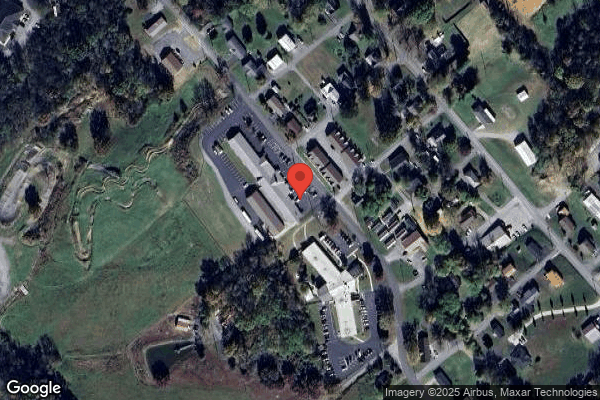

400 BOMAR HEIGHTS, COLUMBIA, KY 42728 (270) 384-2153
For profit - Corporation 104 Beds SIGNATURE HEALTHCARE Data: November 2025
Trust Grade
80/100
#72 of 266 in KY
Last Inspection: January 2025

Within standard 12-15 month inspection cycle. Federal law requires annual inspections.

Overview

Signature Healthcare at Summit Manor Rehab & Wellness in Columbia, Kentucky, has a Trust Grade of B+, indicating it is above average and recommended for families considering care options. It ranks #72 of 266 facilities in Kentucky, placing it in the top half, and is the only nursing home in Adair County, making it the best local option available. The facility is showing an improving trend, reducing issues from four in 2019 to just one in 2025, and has had no fines, which is a positive sign of compliance. Staffing is rated average with a turnover rate of 35%, which is better than the state average, but the RN coverage is also average, meaning they may not have the highest level of nursing support. However, there have been some concerns, including incidents where dietary staff did not follow proper sanitation protocols when preparing food, failing to wash hands and check food temperatures. Additionally, two residents were not notified about bed hold policies upon their transfer to a hospital, and there was an issue with the accuracy of assessments for a resident's range of motion not being properly documented. Overall, while Signature Healthcare at Summit Manor has strengths in its rankings and improvement trend, families should be aware of these specific areas needing attention.

Trust Score
B+
80/100
In Kentucky
#72/266
Top 27%
Safety Record
Low Risk
No red flags
Inspections
Getting Better
4 → 1 violations
Staff Stability
○ Average
35% turnover. Near Kentucky's 48% average. Typical for the industry.
Penalties
✓ Good
No fines on record. Clean compliance history, better than most Kentucky facilities.
Skilled Nurses
○ Average
Each resident gets 35 minutes of Registered Nurse (RN) attention daily — about average for Kentucky. RNs are the most trained staff who monitor for health changes.
Violations
⚠ Watch
11 deficiencies on record. Higher than average. Multiple issues found across inspections.
★★★★☆
4.0
Overall Rating
★★★☆☆
3.0
Staff Levels
★★★★☆
4.0
Care Quality
★★★★☆
4.0
Inspection Score
Stable
2019: 4 issues
2025: 1 issues

The Good

  • 4-Star Quality Measures · Strong clinical quality outcomes
  • Full Sprinkler Coverage · Fire safety systems throughout facility
  • No fines on record
  • Staff turnover below average (35%)

    13 points below Kentucky average of 48%

Facility shows strength in quality measures, fire safety.

The Bad

Staff Turnover: 35%

11pts below Kentucky avg (46%)

Typical for the industry

Chain: SIGNATURE HEALTHCARE

Part of a multi-facility chain

Ask about local staffing decisions and management

The Ugly 11 deficiencies on record

Jan 2025 1 deficiency
CONCERN (D)

Potential for Harm - no one hurt, but risky conditions existed

Food Safety (Tag F0812)

Could have caused harm · This affected 1 resident

Based on observation, interview, and review of the facility's policy, it was determined the facility failed to prepare, distribute, and serve food in a sanitary manner and in accordance with professio...

Read full inspector narrative →
Based on observation, interview, and review of the facility's policy, it was determined the facility failed to prepare, distribute, and serve food in a sanitary manner and in accordance with professional standards for food service safety. Dietary staff failed to wash hands and change gloves prior to preparing resident foods and failed to check the temperatures of seven of ten food items on the steam table during the dinner meal on 01/21/2025. The findings include: Review of the facility's policy titled, Food: Preparation revised 09/2017, revealed all foods were prepared in accordance with the Food and Drug Administration (FDA) Food Code. Per the policy, all staff would practice proper hand washing techniques and glove use and the staff would be responsible for food preparation procedures that avoid contamination by potentially harmful physical, biological, and chemical contamination. Further review of the policy revealed, all utensils, food contact equipment, and food contact surfaces were required to be cleaned and sanitized after every use. An observation on 01/21/2025 at 5:26 PM, revealed Dietary Aide 1 used a brown paper towel to clean the thermometer in between checking the temperature of the milk and apple juice. Further observation at 5:33 PM, revealed Dietary Aide 1 and [NAME] 1 put gloves on without performing hand hygiene. Continued observation at 5:36 PM on 01/21/2025 revealed, [NAME] 1 rinsed a soiled dish off and put it in the dishwasher, and went back to the steam table without performing hand hygiene or changing gloves. Furthermore, [NAME] 1 put the chopper in the dishwasher wearing the same gloves then, got the chopper out if the dishwasher while it was still wet, and sat it on the counter. Then, [NAME] 1 retrieved the food pusher from the dirty sink to use for the chopper. Continued observation revealed, [NAME] 1 was wearing the same gloves when she put the bread in the chopper and used the dirty food pusher for pureed bread. An observation on 01/21/2025 at 5:41 PM, revealed [NAME] 1 rinsed the thermometer off at the sink under water; [NAME] 1 then proceeded to check the temperature of the chicken breast and pork tenderloin. There were no temperatures taken for the noodles, lima beans, tater tots, cauliflower, salad, gravy, or mashed potatoes that were on the tray line for the evening meal. During an interview with Dietary Manager 1 on 01/22/2024 at 2:12 PM, Dietary Manager 1 stated she was responsible for ensuring dietary staff abided by the guidelines to ensure proper food service to the residents. The Dietary Manager stated she expected the staff to change gloves and wash their hands when leaving the steam table or touching anything they were not cooking. She further stated she expected the staff to use the dishwasher for dirty dishes and let them air dry. Dietary Manager 1 stated staff should use an alcohol pad to wash the thermometer off in-between uses and let air dry before checking the temperatures. During an interview with the Administrator on 01/23/2024 at 2:04 PM, the Administrator stated she expected the Dietary staff to follow the protocols and policies. The Administrator further stated all food temperatures should be checked per the policy.
Oct 2019 4 deficiencies
CONCERN (D)

Potential for Harm - no one hurt, but risky conditions existed

Deficiency F0625 (Tag F0625)

Could have caused harm · This affected 1 resident

**NOTE- TERMS IN BRACKETS HAVE BEEN EDITED TO PROTECT CONFIDENTIALITY** Based on interview, record review, and review of the facility policy, it was determined the facility failed to provide two (2) o...

Read full inspector narrative →
**NOTE- TERMS IN BRACKETS HAVE BEEN EDITED TO PROTECT CONFIDENTIALITY** Based on interview, record review, and review of the facility policy, it was determined the facility failed to provide two (2) of twenty-eight (28) sampled residents (Resident #57 and Resident #79) with notification regarding bed hold upon transfer out of the facility. Residents #57 and #79 did not receive notifications regarding bed hold when transferred to an acute care hospital. The findings include: Review of the facility policy, Facility Bedhold, dated 11/12/18, revealed the facility would notify the resident/responsible party of the facility's bed hold and readmission policies at time of admission and anytime a resident is transferred to the hospital or goes out on therapeutic leave. The policy further stated the facility would provide a written notice of the bed hold and readmission policies before a resident's transfer to the hospital or for overnight therapeutic leave. 1. Observation of Resident #57 on 10/15/19 during initial tour at approximately 12:00 noon, revealed the resident lying on his/her back in bed with head-of-bed side rails up. Further observation revealed the resident was awake and alert and had an orthotic splint to the right upper arm. Review of the record revealed Resident #57 was admitted to the facility on [DATE] and had diagnoses of Fracture of the Shaft of Humerus, right, Cerebral Infarction, Hypertension, Bipolar Disorder, Other Specified Depressive Disorder, Anxiety Disorder, Diaphragmatic Hernia, and Chronic Ischemic Heart Disease. Review of the Minimum Data Set (MDS) quarterly assessment, dated 09/05/19, revealed a Brief Interview for Mental Status (BIMS) score of twelve (12), which indicated the resident had moderate cognitive impairment. The MDS also revealed the resident required extensive assistance of one (1) person for the activities of bed mobility, transfer, ambulation in room, dressing, toilet use, and personal hygiene. Further review of the medical record revealed Resident #57 was transferred to an acute care hospital on [DATE], following a fall with injury while out of the facility with family. The record did not reveal that the resident or family had been provided with notification of bed hold. 2. Observation of Resident #79 on 10/15/19 at 1:29 PM revealed the resident in a wheelchair in the dining room. Further observation revealed the resident was neatly clothed and his/her hair was styled. The resident was being assisted with eating lunch by a State Registered Nurse Aide (SRNA). Review of the medical record revealed Resident #79 was admitted to the facility on [DATE] and had diagnoses of Alzheimer's Disease, Chronic Kidney Disease, Dementia, Chronic Ischemic Heart Disease, Hypertension, Other Specified Depressive Disorder, Obsessive-Compulsive Disorder, and Bacterial Pneumonia. The MDS annual assessment, dated 06/27/19, revealed the resident required extensive assistance of two (2) or more persons for the activities of bed mobility, transfer, and ambulation in room and corridor. Further review of the record revealed Resident #79 had been transferred to the hospital on [DATE] and was readmitted to the facility on [DATE]. The record also revealed the resident was transferred to the hospital on [DATE] and returned to the facility on [DATE]. The record revealed no evidence that a bed hold notification had been provided to the responsible party for either transfer. Interview with the Business Office Manager (BOM) on 10/17/19 at 2:26 PM revealed she had not provided notification of bed holds for Residents #57 or #79 upon transfer to the hospital. She stated the facility did not issue notification of bed holds unless the resident was private pay and neither of these residents were private pay. Interview with the Director of Nursing (DON) on 10/17/19 at 4:34 PM revealed when a resident was transferred from the facility the BOM would call the family to see if they wished to hold the bed. She stated she was not aware the resident/family was required to be notified regarding bed hold upon transfer, nor was she aware the facility policy stated this. Interview with the Administrator on 10/17/19 at 4:54 PM revealed when a resident was transferred the facility was required to issue a notification of bed hold immediately to the resident or responsible party. He stated he was not aware the bed holds were not being issued as per policy and regulation.
CONCERN (D)

Potential for Harm - no one hurt, but risky conditions existed

Assessment Accuracy (Tag F0641)

Could have caused harm · This affected 1 resident

**NOTE- TERMS IN BRACKETS HAVE BEEN EDITED TO PROTECT CONFIDENTIALITY** Based on observation, interview, record review, facility policy review, and review of the Resident Assessment Instrument (RAI) M...

Read full inspector narrative →
**NOTE- TERMS IN BRACKETS HAVE BEEN EDITED TO PROTECT CONFIDENTIALITY** Based on observation, interview, record review, facility policy review, and review of the Resident Assessment Instrument (RAI) Manual, it was determined that the facility failed to ensure accuracy of Minimum Data Set (MDS) assessments for one (1) of thirty-two (32) sampled residents (Resident #20). Resident #20 was observed to have limited range of motion to bilateral upper and lower extremities that was not coded on the MDS. The findings include: Review of the facility policy titled Resident Assessment, review date 07/31/18, revealed on page 1, The facility must conduct initially and periodically a comprehensive, accurate, standardized reproducible assessment of each resident's functional capacity. Review of the Resident Assessment Instrument page G-37 revealed specific steps to test the resident's upper and lower extremities for range of motion. For each hand, instruct the resident to make a fist and then open their hand. Review of Resident #20's medical record revealed the resident was admitted to the facility on [DATE] with diagnoses of Chronic Obstructive Pulmonary Disease, Cerebral Infarction, Rheumatoid Arthritis, Heart Disease, and Osteoporosis. Review of Resident #20's MDS dated [DATE] revealed the resident had a Brief Interview for Mental Status score of 15, indicating the resident had little to no cognitive impairment. Further review of the resident's MDS revealed the resident was coded to need extensive assistance in bed mobility, transfer, dressing, and toileting. Furthermore, the resident was coded as requiring a walker and wheelchair. The resident was coded with having no impairment in range of motion. Review of Resident #20's care plan revealed the resident was at risk for falls related to weakness, unsteady gait, balance problems, and osteoporosis. Further review of the care plan revealed the resident was at risk for self-care deficit complication - needs or requires assistance with all ADLs (activities of daily living) related to weakness, unsteady gait, balance problems. Observation and interview of Resident #20 on 10/15/19 at 05:52 PM revealed the resident had contractures to bilateral hands, contractures to bilateral feet, and limited range of motion to bilateral shoulders. The resident stated he/she was able to feed himself/herself after tray setup. The resident further revealed he/she needed assistance with toileting and dressing because he/she was not able to open his/her hands. The resident's fingers were observed to be contracted and both wrists were contracted. The resident demonstrated by taking their right hand and lifting the left hand to a straight position; however, when the resident released the left hand it would fall back down. The resident stated the wrist is worn away and the doctors tell me I'm not healthy enough for a joint replacement. The resident further stated he/she had a history of bilateral knee replacement and bilateral hip replacement and both ankles and toes were contracted. The resident further stated that he/she could walk a few steps with a walker but needed a wheelchair to go outside of his/her room. The resident was unable to open his/her hand. Interview on 10/17/19 at 2:02 PM with the MDS Coordinator revealed that she agreed the resident should have been coded with bilateral limitations in range of motion to both upper and lower extremities. The MDS Coordinator further revealed the resident should have a care plan regarding the limitations in range of motion. Interview on 10/17/19 at 4:35 PM with the Director of Nursing (DON) revealed she agreed that the resident had limitations in range of motion and should have been coded as such. She also agreed that the resident should have been care planned to have bilateral limitations to both upper and lower extremities. The DON further stated she did not review MDS's for accuracy.
CONCERN (D)

Potential for Harm - no one hurt, but risky conditions existed

Comprehensive Care Plan (Tag F0656)

Could have caused harm · This affected 1 resident

**NOTE- TERMS IN BRACKETS HAVE BEEN EDITED TO PROTECT CONFIDENTIALITY** Based on observation, interview, record review, and facility policy review it was determined that the facility failed to develop...

Read full inspector narrative →
**NOTE- TERMS IN BRACKETS HAVE BEEN EDITED TO PROTECT CONFIDENTIALITY** Based on observation, interview, record review, and facility policy review it was determined that the facility failed to develop a person-centered care plan for one (1) of thirty-two (32) sampled residents (Resident #20) that met the resident's needs. Resident #20 was observed to have limited range of motion to bilateral upper and lower extremities that was not addressed on the resident's care plan. The findings include: Review of the facility policy titled Comprehensive Care Plans, reviewed 07/19/18, revealed on page 1, The Comprehensive Care Plan is based on a thorough assessment that includes, but is not limited to the Resident Assessment Instrument. Review of the Resident Assessment Instrument page G-37 revealed specific steps to test the resident's upper and lower extremities for range of motion. Review of #20's medical record revealed the resident was admitted to the facility on [DATE] with diagnosis of Chronic Obstructive Pulmonary Disease, Cerebral Infarction, Rheumatoid Arthritis, Heart Disease, and Osteoporosis. Review of Resident #20's Minimum Data Set (MDS) dated [DATE] revealed the resident had a Brief Interview for Mental Status score of 15, indicating the resident had little to no cognitive impairment. Further review of the resident's MDS revealed the resident was coded to need extensive assistance in bed mobility, transfer, dressing, and toileting. Furthermore, the resident was coded as requiring a walker and wheelchair. The resident was coded with having no impairment in range of motion. Review of Resident #20's care plan revealed the resident was at risk for falls related to weakness, unsteady gait, balance problems, and osteoporosis. Further review of the care plan revealed the resident was at risk for self-care deficit complication - needs or requires assistance with all ADLs (activities of daily living) related to weakness, unsteady gait, balance problems. Further review of the care plan revealed the care plan did not address the resident's limitations in range of motion. Observation and interview of Resident #20 on 10/15/19 at 5:52 PM revealed the resident had contractures to bilateral hands, contractures to bilateral feet, and limited range of motion to bilateral shoulders. The resident further revealed he/she needed assistance with toileting and dressing because he/she was not able to open his/her hands. The resident demonstrated by taking his/her right hand and lifting the left hand to a straight position; however, when the resident released the left hand it would fall back down. The resident stated the wrist is worn away and the doctors tell me I'm not healthy enough for a joint replacement. The resident further stated he/she had a history of bilateral knee replacement and bilateral hip replacement but ankles and toes were contracted. Interview on 10/17/19 at 2:02 PM with the MDS Coordinator revealed that she agreed the resident should have been coded with bilateral limitations in range of motion to both upper and lower extremities. The MDS Coordinator further revealed the resident should have a care plan regarding the limitations in range of motion. The MDS Coordinator stated that anyone can update the care plan but the IDT team develops and maintains a comprehensive care plan for each resident. Interview on 10/17/19 at 4:35 PM with the Director of Nursing (DON) revealed she agreed that the resident had limitations in range of motion and should have been coded as such. She also agreed that the resident should have been care planned to have Bilateral Limitations to both upper and lower extremities. The DON further stated the care plan was reviewed upon admission and should have included the limitation in range of motion.
CONCERN (D)

Potential for Harm - no one hurt, but risky conditions existed

Deficiency F0761 (Tag F0761)

Could have caused harm · This affected 1 resident

**NOTE- TERMS IN BRACKETS HAVE BEEN EDITED TO PROTECT CONFIDENTIALITY** Based on observation, interview, and record review, it was determined the facility failed to ensure expired medication was not a...

Read full inspector narrative →
**NOTE- TERMS IN BRACKETS HAVE BEEN EDITED TO PROTECT CONFIDENTIALITY** Based on observation, interview, and record review, it was determined the facility failed to ensure expired medication was not available for use and was identified timely and removed from the current medication supply. Observation of the nurses cart on Sunset Blvd. on [DATE] at 11:34 AM revealed an open bottle of Humulin R dated as opened on [DATE] for unsampled Resident #72. Review of Resident #72's Physician's Orders revealed Humulin R insulin had been discontinued on [DATE]. The findings include: Review of facility policy, Medication Administration, dated [DATE], revealed the policy did not address insulin but on Page 4, Section 8.c stated, Certain products or package types such as multi-dose vials and ophthalmic drops have specific shortened end-of-use dating once opened, to ensure medication purity and potency (Refer to Section 9.10-Medication With Shortened Expiration Dates). Further review of the policy revealed there was no Section 9.10. Further review of the facility policy, Medication Administration, revealed the policy did not address removal of discontinued medication. Although the facility policy did not address expiration dates for opened multi-dose vials of medications, interview with the Unit Manager on [DATE] at 11:35 AM revealed insulin should be pulled and discarded after it had been opened for 30 days. Observation of the nurses cart on Sunset Blvd. on [DATE] at 11:34 AM revealed 1 bottle of Humulin R with an opened date of [DATE] and still available for use on [DATE] for Resident #72. Review of Resident #72's Physician's Order revealed Humulin R had been discontinued on [DATE]. Interview on [DATE] at 11:35 AM with the Unit Manager revealed that each nurse is responsible for checking the dates on medication prior to dispensing them. She further stated that the medication should have been pulled on [DATE] by the nurse that took the order to discontinue the medication and insulin should have been pulled after it had been opened for 30 days. The Unit Manager stated that the cart was checked a day earlier, [DATE], for expired medication. Interview on [DATE] at 4:44 PM with the Director of Nursing (DON) revealed when medications are expired they should be pulled and if medications are discontinued they should be pulled from the cart. The DON continued by saying it is the Unit Manager's responsibility to check the medication cart. She further stated that she had not identified any concerns with medication carts.
Sept 2018 6 deficiencies
CONCERN (D)

Potential for Harm - no one hurt, but risky conditions existed

MDS Data Transmission (Tag F0640)

Could have caused harm · This affected 1 resident

**NOTE- TERMS IN BRACKETS HAVE BEEN EDITED TO PROTECT CONFIDENTIALITY** Based on interview, record review, and facility policy review, it was determined the facility failed to ensure one (1) of one (1...

Read full inspector narrative →
**NOTE- TERMS IN BRACKETS HAVE BEEN EDITED TO PROTECT CONFIDENTIALITY** Based on interview, record review, and facility policy review, it was determined the facility failed to ensure one (1) of one (1) resident assessment was transmitted within 14 days after Resident #1's discharge to an acute care hospital on [DATE], with no return anticipated. The findings include: Review of the facility's policy, Resident Assessment, with a revision date of June 2017, revealed a return not anticipated Minimum Data Set (MDS) discharge assessment would be transmitted within fourteen (14) days of the completion date. Review of Resident #1's medical record revealed the facility admitted the resident on 04/29/18, with diagnoses including Diabetes Mellitus. Review of Resident #1's discharge MDS completed by the facility on 05/20/18, revealed the resident had been discharged from the facility to an acute care hospital on [DATE], with no return anticipated. However, there was no evidence the facility had transmitted the assessment as of 09/13/18. Interview conducted with the MDS Coordinator on 09/13/18 at 9:15 AM, revealed the MDS had not been transmitted. The MDS Coordinator stated the assessment was required to be transmitted within fourteen (14) days, but it had been missed. Interview with the Director of Nursing (DON) on 09/13/18 at 4:17 PM, revealed the MDS Coordinator was responsible for ensuring MDS assessments were transmitted timely. The DON stated Resident #1's assessment had been missed. The DON stated she routinely received a report from the MDS Coordinator and had not identified any previous concerns with MDS assessments not being transmitted timely.
CONCERN (D)

Potential for Harm - no one hurt, but risky conditions existed

PASARR Coordination (Tag F0644)

Could have caused harm · This affected 1 resident

**NOTE- TERMS IN BRACKETS HAVE BEEN EDITED TO PROTECT CONFIDENTIALITY** Based on interview, record review, and facility policy review, it was determined the facility failed to complete a Level II Prea...

Read full inspector narrative →
**NOTE- TERMS IN BRACKETS HAVE BEEN EDITED TO PROTECT CONFIDENTIALITY** Based on interview, record review, and facility policy review, it was determined the facility failed to complete a Level II Preadmission Screening and Resident Review (PASARR) for one (1) of twenty-five (25) sampled residents. Resident #6 was diagnosed with Schizophrenia on 06/13/18; however, the facility failed to ensure a Level II PASARR assessment was completed. The findings include: Interview with the Director of Nursing revealed the facility did not have a policy regarding the completion of PASARR assessments. Review of Resident #68's medical record revealed the resident was admitted to the facility on [DATE] with diagnoses that included Unspecified Dementia without Behavioral Disturbance, Anxiety Disorder, Cerebrovascular Disease, Visual Hallucinations, Hemiplegia affecting Left Nondominant Side, and Arthropathy. Further review of the resident's medical record revealed a Level I PASARR was completed for Resident #68 on 09/30/08. Further review revealed Resident #68 received a new diagnosis of Schizophrenia on 06/13/18. According to the resident's physician orders dated 06/13/18, the resident's physician prescribed Zyprexa (antipsychotic medication) related to a diagnosis of Schizophrenia. Review of Resident #68's quarterly Minimum Data Set (MDS) Assessments dated 06/23/18 and 08/06/18 revealed the resident was unable to complete the Brief Interview for Mental Status due to being severely cognitively impaired. Further review of the MDS Quarterly Assessments revealed Resident #68 had a diagnosis of Schizophrenia. Review of the Comprehensive Care Plan for Resident #68 revealed the facility identified the resident was at risk for adverse effects of psychotropic medications used to treat Schizophrenia and would receive continued monitoring through 11/06/18. There was no documented evidence that Resident #68 had a Level II PASARR assessment when the resident was newly diagnosed with Schizophrenia on 06/13/18. Interview with the Social Service Worker on 09/13/18 at 5:17 PM revealed he/she was aware Resident #68 had received a new diagnosis of Schizophrenia on 06/13/18. The Social Service Worker further stated she was aware a Level II PASARR was required due to the diagnosis and was responsible for referring residents for the assessment but failed to ensure Resident #68 received the Level II PASARR assessment.
CONCERN (D)

Potential for Harm - no one hurt, but risky conditions existed

Comprehensive Care Plan (Tag F0656)

Could have caused harm · This affected 1 resident

**NOTE- TERMS IN BRACKETS HAVE BEEN EDITED TO PROTECT CONFIDENTIALITY** Based on observation, interview, record review, and facility policy review, it was determined the facility failed to follow the ...

Read full inspector narrative →
**NOTE- TERMS IN BRACKETS HAVE BEEN EDITED TO PROTECT CONFIDENTIALITY** Based on observation, interview, record review, and facility policy review, it was determined the facility failed to follow the care plan for one (1) of twenty-five (25) sampled residents related to bowel and bladder. The facility staff failed to provide the assistance Resident #63 required for bed mobility as required on the Comprehensive Care Plan. The findings include: Review of the facility policy titled, Comprehensive Care Plans, not dated, revealed a person-centered Comprehensive Care Plan that included measurable objectives and timetables to meet the resident's medical, nursing, mental, and psychological needs was developed for each resident and included how the facility would assist the resident to meet their needs, goals, and preferences. Review of Resident #63's medical record revealed the facility admitted the resident on 07/22/13 with diagnoses that include Chronic Obstructive Pulmonary Disease, Pleural Effusion, Pneumonia, Flaccid Hemiplegia affecting Left Nondominant Side, Heart Failure, and Atherosclerosis. Review of the quarterly Minimum Data Set (MDS) assessment dated [DATE], revealed Resident #63 had a Brief Interview for Mental Status (BIMS) score of three (3), indicating the resident was severely cognitively impaired and not interviewable. Further review of the assessment revealed Resident #63 was frequently incontinent of bowel and bladder and required the extensive assistance of two (2) persons for toileting and bed mobility. Review of Resident #63's Comprehensive Care Plan initially dated 07/28/16 revealed the facility identified that the resident had a self-care deficit with activities of daily living and developed a care plan with interventions for the resident to have the assistance of two (2) persons for toileting and bed mobility. However, observation of incontinence care for Resident #63 on 09/12/18 at 10:47 AM revealed State Registered Nurse Aide (SRNA) #1 assisted the resident with bed mobility while providing incontinence care, without the assistance of another staff person. Interview with SRNA #1 on 09/13/18 at 2:55 PM revealed she was aware Resident #63 required assistance of two (2) persons for bed mobility. SRNA #1 stated she got in a hurry and did not wait for a second staff person to assist. Interview with the Director of Nursing (DON) on 09/13/18 at 5:48 PM revealed staff were required to follow residents' care plans. The DON stated SRNA #1 should have waited for the assistance of another person to assist Resident #63 with bed mobility and incontinence care.
CONCERN (D)

Potential for Harm - no one hurt, but risky conditions existed

Incontinence Care (Tag F0690)

Could have caused harm · This affected 1 resident

**NOTE- TERMS IN BRACKETS HAVE BEEN EDITED TO PROTECT CONFIDENTIALITY** Based on observation, interview, record review, and a review of the facility's incontinence care policy, it was determined the f...

Read full inspector narrative →
**NOTE- TERMS IN BRACKETS HAVE BEEN EDITED TO PROTECT CONFIDENTIALITY** Based on observation, interview, record review, and a review of the facility's incontinence care policy, it was determined the facility failed to ensure one (1) of twenty-five (25) sampled residents (Resident #59) with urinary incontinence received appropriate treatment and services to prevent urinary tract infections. Observation revealed staff failed to provide incontinence care for Resident #59 on 09/12/18 in accordance with the facility's policy. The findings include: A review of the facility's policy titled Perineal Care Male or Female, undated, revealed the penis and scrotum were required to be cleaned and dried for male residents who were incontinent. A review of the medical record for Resident #59 revealed the facility admitted the resident on 01/26/18 with diagnoses that included Dementia, Chronic Back Pain, Transient Ischemic Attacks, and Urinary Retention. A review of the most recent quarterly Minimum Data Set (MDS) assessment dated [DATE] revealed the facility assessed the resident to be frequently incontinent of urine and always incontinent of bowel. A review of the plan of care for Resident #59 revealed the facility identified that the resident had the potential for complications associated with incontinence of bowel and bladder and required peri-care after incontinence episodes. Observation conducted during a skin assessment for Resident #59 on 09/12/18 at 3:55 PM revealed the resident was incontinent of both urine and stool; however, Licensed Practical Nurse (LPN) #1 was observed to only cleanse stool from the resident's buttocks area, and did not cleanse the resident's penis or scrotum as required by the facility's policy. Interview with LPN #1 on 09/12/18 at 4:00 PM, revealed the LPN did not clean and dry the resident's genitalia because she did not notice the resident was incontinent of urine. An interview with the Director of Nursing (DON) on 09/13/18 at 3:07 PM revealed she monitored incontinence care and had not identified any concerns. Further interview with the DON revealed if a resident was incontinent, the entire peri-area should be cleansed to ensure the resident's skin was clean and dry.
CONCERN (D)

Potential for Harm - no one hurt, but risky conditions existed

Food Safety (Tag F0812)

Could have caused harm · This affected 1 resident

Based on observation, interview, record review, and review of the facility policy it was determined the facility failed to maintain the kitchen environment and equipment in a sanitary manner. Observat...

Read full inspector narrative →
Based on observation, interview, record review, and review of the facility policy it was determined the facility failed to maintain the kitchen environment and equipment in a sanitary manner. Observation revealed the drip pan on the range had a buildup of food debris and dried stains, the can opener had a buildup of dried food debris on the cutting blade and stains on the base of the unit, and the bottom of the plate warmer was soiled with food and liquid stains. The findings include: 1. Review of the facility's kitchen sanitation policy, dated 02/19/15, revealed the drip pan underneath the range top was to be removed and cleaned after each evening shift. Observation of the drip pan under the range top at 8:35 AM on 09/11/18 revealed the drip pan was soiled with a buildup of food debris and burnt grease. Review of the weekly cleaning schedule revealed the range drip pan had been cleaned on Friday (no date or initials) and was wiped off on Monday (no date or initials). Interview with the Dietary Manager (DM) at 8:40 AM CDT on 09/11/18 revealed it had been a few days since the range drip pan had been cleaned. The DM stated the range drip pan should be cleaned after the evening shift. 2. Review of the facility policy for the can opener, dated 09/01/11, revealed the can opener was to be cleaned after each meal preparation and more frequently if needed. Observation of the can opener at 8:45 AM on 09/11/18 revealed there was a buildup of dried food on the cutting blade of the can opener. Further observation revealed there was dried food debris and dried liquid stains on the base plate of the unit. Review of the daily cleaning schedule revealed the can opener had been cleaned on Monday (no date or initials). Review of the weekly cleaning schedule revealed the can opener had been thoroughly cleaned on Wednesday (no date or initials). Interview with the DM at 8:45 AM CDT on 09/11/18 revealed the can opener did not appear to have been cleaned. The DM stated the can opener should be cleaned after each meal. 3. Review of the facility policy for the lowerator (plate warmer and storage) revealed the lowerator was to be wiped down daily and thoroughly cleaned every week. Observation of the lowerator at 8:40 AM CDT on 09/11/18 revealed there was dried food and liquid stains on the outside and inside surfaces of the lowerator. Review of the daily cleaning schedule revealed the lowerator was checked off to have been cleaned on Monday (no date or initials). Review of the weekly schedule revealed the lowerator was not listed to be cleaned weekly. Interview with the cook at 8:40 AM CDT on 09/11/18 revealed the lowerator was supposed to be wiped down at the end of each day, but had not been wiped off in a while.
CONCERN (D)

Potential for Harm - no one hurt, but risky conditions existed

Infection Control (Tag F0880)

Could have caused harm · This affected 1 resident

**NOTE- TERMS IN BRACKETS HAVE BEEN EDITED TO PROTECT CONFIDENTIALITY** Based on observation, interview, record review, and a review of the facility policy it was determined the facility failed to mai...

Read full inspector narrative →
**NOTE- TERMS IN BRACKETS HAVE BEEN EDITED TO PROTECT CONFIDENTIALITY** Based on observation, interview, record review, and a review of the facility policy it was determined the facility failed to maintain an infection control program to prevent the development and transmission of infectious disease for two (2) of twenty-five (25) sampled residents (Resident #15 and Resident #70). Staff failed to utilize standard precautions of changing gloves and performing hand hygiene after performing incontinence care for Resident #15 and performing wound care treatment for Resident #70. The findings include: A review of the facility's infection control policy titled Standard Precautions, with a revision date of December 2007, revealed staff were required to change gloves and perform hand hygiene as necessary during care of a resident to prevent cross-contamination and when performing wound care and moving from a dirty site to a clean site. 1. A review of Resident #15's medical record revealed the resident was admitted to the facility on [DATE] with diagnoses that included Dementia, Cerebral Vascular Accident, and a History of Urinary Tract Infections. Review of Resident #15's quarterly Minimum Data Set (MDS) assessment dated [DATE], revealed the resident was assessed to be incontinent of bladder and frequently incontinent of bowel. Review of Resident #15's plan of care dated 06/20/18 revealed the resident was to be checked/changed and/or toileted every two hours and as needed. Observation of incontinence care provided to Resident #15 on 09/12/18 at 3:05 PM revealed State Registered Nurse Aide (SRNA) #2 provided incontinence care for Resident #15. However, SRNA #2 failed to change gloves and perform hand hygiene prior to applying a clean incontinence brief on the resident. In addition, observation revealed the SRNA then repositioned the resident in bed and touched the resident's linens while wearing the soiled gloves. Interview with SRNA #2 on 09/12/18 at 3:15 PM revealed the SRNA stated she was nervous and did not realize that she did not change her gloves and wash her hands after she had cleaned the resident's perineal area prior to applying a clean brief and repositioning the resident in bed. 2. Review of Resident #70's medical record revealed the facility admitted the resident on 07/11/18 with diagnoses that included Alzheimer's Dementia, Coronary Artery Disease, Diabetes, Anxiety, Insomnia, and Urinary Retention. Review of Resident #70's significant change Minimum Data Set (MDS) assessment dated [DATE] revealed the resident was assessed to utilize a urinary catheter and to be incontinent of bowel. Review of Resident #70's care plan dated 08/24/18 revealed staff were to provide urinary catheter care as indicated. Observation of a skin assessment and catheter care for Resident #70 was conducted on 09/12/18 at 2:35 PM. The observation revealed SRNA #3 failed to remove contaminated gloves and perform hand hygiene after completing catheter care for the resident. Interview with SRNA #3 on 09/12/18 at 3:00 PM revealed she forgot to change gloves and perform hand hygiene after providing catheter care to Resident #70. Interview with the Director of Nursing (DON) on 09/13/18 at 3:07 PM revealed she monitored resident care by making rounds and was not aware of any concerns with SRNAs not using standard precautions when providing care to residents.
Understanding Severity Codes (click to expand)
Life-Threatening (Immediate Jeopardy)
J - Isolated K - Pattern L - Widespread
Actual Harm
G - Isolated H - Pattern I - Widespread
Potential for Harm
D - Isolated E - Pattern F - Widespread
No Harm (Minor)
A - Isolated B - Pattern C - Widespread

Questions to Ask on Your Visit

  • "Can I speak with families of current residents?"
  • "What's your RN coverage like on weekends and overnight?"

Our Honest Assessment

Strengths
  • • Grade B+ (80/100). Above average facility, better than most options in Kentucky.
  • • No major safety red flags. No abuse findings, life-threatening violations, or SFF status.
  • • No fines on record. Clean compliance history, better than most Kentucky facilities.
  • • 35% turnover. Below Kentucky's 48% average. Good staff retention means consistent care.
Concerns
  • • 11 deficiencies on record. Higher than average. Multiple issues found across inspections.
Bottom line: Generally positive indicators. Standard due diligence and a personal visit recommended.

About This Facility

What is Signature Healthcare At Summit Manor Rehab & Welln's CMS Rating?

CMS assigns SIGNATURE HEALTHCARE AT SUMMIT MANOR REHAB & WELLN an overall rating of 4 out of 5 stars, which is considered above average nationally. Within Kentucky, this rating places the facility higher than 99% of the state's 100 nursing homes. This rating reflects solid performance across the metrics CMS uses to evaluate nursing home quality.

How is Signature Healthcare At Summit Manor Rehab & Welln Staffed?

CMS rates SIGNATURE HEALTHCARE AT SUMMIT MANOR REHAB & WELLN's staffing level at 3 out of 5 stars, which is average compared to other nursing homes. Staff turnover is 35%, compared to the Kentucky average of 46%. This relatively stable workforce can support continuity of care.

What Have Inspectors Found at Signature Healthcare At Summit Manor Rehab & Welln?

State health inspectors documented 11 deficiencies at SIGNATURE HEALTHCARE AT SUMMIT MANOR REHAB & WELLN during 2018 to 2025. These included: 11 with potential for harm.
Who Owns and Operates Signature Healthcare At Summit Manor Rehab & Welln?

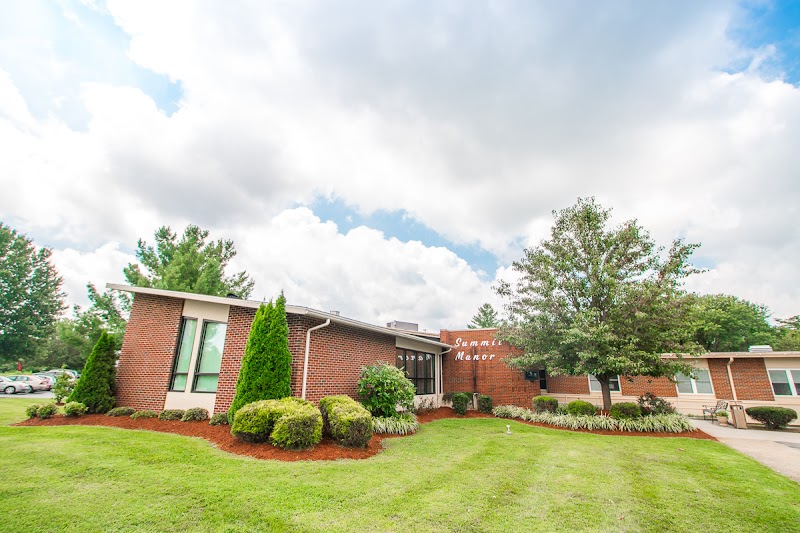
SIGNATURE HEALTHCARE AT SUMMIT MANOR REHAB & WELLN is owned by a for-profit company. For-profit facilities operate as businesses with obligations to shareholders or private owners. The facility is operated by SIGNATURE HEALTHCARE, a chain that manages multiple nursing homes. With 104 certified beds and approximately 86 residents (about 83% occupancy), it is a mid-sized facility located in COLUMBIA, Kentucky.
How Does Signature Healthcare At Summit Manor Rehab & Welln Compare to Other Kentucky Nursing Homes?

Compared to the 100 nursing homes in Kentucky, SIGNATURE HEALTHCARE AT SUMMIT MANOR REHAB & WELLN's overall rating (4 stars) is above the state average of 2.8, staff turnover (35%) is significantly lower than the state average of 46%, and health inspection rating (4 stars) is above the national benchmark.

What Should Families Ask When Visiting Signature Healthcare At Summit Manor Rehab & Welln?

Based on this facility's data, families visiting should ask: "Can I visit during a mealtime to observe dining assistance and food quality?" "How do you handle medical emergencies, and what is your hospital transfer rate?" "Can I speak with family members of current residents about their experience?"

Is Signature Healthcare At Summit Manor Rehab & Welln Safe?

Based on CMS inspection data, SIGNATURE HEALTHCARE AT SUMMIT MANOR REHAB & WELLN has a clean safety record: no substantiated abuse findings (meaning no confirmed cases of resident harm), no Immediate Jeopardy citations (the most serious violation level indicating risk of serious injury or death), and is not on the Special Focus Facility watch list (a federal program monitoring the lowest-performing 1% of nursing homes). The facility has a 4-star overall rating and ranks #1 of 100 nursing homes in Kentucky. While no facility is perfect, families should still ask about staff-to-resident ratios and recent inspection results during their visit.

Do Nurses at Signature Healthcare At Summit Manor Rehab & Welln Stick Around?

SIGNATURE HEALTHCARE AT SUMMIT MANOR REHAB & WELLN has a staff turnover rate of 35%, which is about average for Kentucky nursing homes (state average: 46%). Moderate turnover is common in nursing homes, but families should still ask about staff tenure and how the facility maintains care continuity when employees leave.

Was Signature Healthcare At Summit Manor Rehab & Welln Ever Fined?

SIGNATURE HEALTHCARE AT SUMMIT MANOR REHAB & WELLN has no federal fines on record. CMS issues fines when nursing homes fail to meet care standards or don't correct problems found during inspections. The absence of fines suggests the facility has either maintained compliance or corrected any issues before penalties were assessed. This is a positive indicator, though families should still review recent inspection reports for the full picture.

Is Signature Healthcare At Summit Manor Rehab & Welln on Any Federal Watch List?

SIGNATURE HEALTHCARE AT SUMMIT MANOR REHAB & WELLN is not on any federal watch list. The most significant is the Special Focus Facility (SFF) program, which identifies the bottom 1% of nursing homes nationally based on persistent, serious quality problems. Not being on this list means the facility has avoided the pattern of deficiencies that triggers enhanced federal oversight. This is a positive indicator, though families should still review the facility's inspection history directly.