
The Heritage

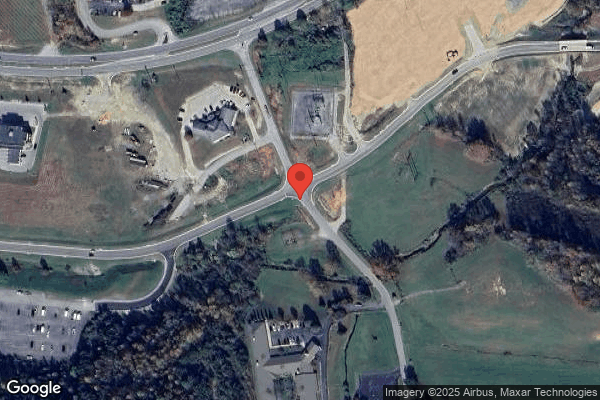
192 Bacon Creek Road, Corbin, KY 40702 (606) 526-1900
For profit - Corporation 85 Beds BLUEGRASS HEALTH KY Data: November 2025
Trust Grade
65/100
#142 of 266 in KY
Last Inspection: April 2025

Within standard 12-15 month inspection cycle. Federal law requires annual inspections.

Overview

The Heritage in Corbin, Kentucky has a Trust Grade of C+, indicating it is slightly above average but not particularly strong. It ranks #142 out of 266 facilities in Kentucky, placing it in the bottom half, but it is the second-best option out of five in Whitley County. The facility is improving, with issues decreasing from four in 2021 to two in 2025. However, staffing is a weakness, rated at only 1 out of 5 stars with a high turnover rate of 57%, which is concerning compared to the state's average of 46%. On a positive note, the facility has not incurred any fines, suggesting compliance with regulations, and there is average RN coverage, which is helpful for resident care. Specific incidents included staff failing to respect residents' privacy by not knocking before entering rooms and a cook not fully covering their beard when preparing food, potentially risking contamination. Additionally, the facility did not update a resident's care plan when their ability to use a call light changed, which could hinder their access to assistance. Overall, while The Heritage has some strengths, families should be aware of the staffing issues and specific areas needing improvement.

Trust Score
C+
65/100
In Kentucky
#142/266
Bottom 47%
Safety Record
Low Risk
No red flags
Inspections
Getting Better
4 → 2 violations
Staff Stability
⚠ Watch
57% turnover. Above average. Higher turnover means staff may not know residents' routines.
Penalties
✓ Good
No fines on record. Clean compliance history, better than most Kentucky facilities.
Skilled Nurses
○ Average
Each resident gets 33 minutes of Registered Nurse (RN) attention daily — about average for Kentucky. RNs are the most trained staff who monitor for health changes.
Violations
○ Average
8 deficiencies on record. Average for a facility this size. Mostly minor or procedural issues.
★★★☆☆
3.0
Overall Rating
★☆☆☆☆
1.0
Staff Levels
★★★☆☆
3.0
Care Quality
★★★★☆
4.0
Inspection Score
Stable
2021: 4 issues
2025: 2 issues

The Good

  • Full Sprinkler Coverage · Fire safety systems throughout facility
  • No fines on record

Facility shows strength in fire safety.

The Bad

3-Star Overall Rating

Near Kentucky average (2.8)

Meets federal standards, typical of most facilities

Staff Turnover: 57%

11pts above Kentucky avg (46%)

Frequent staff changes - ask about care continuity

Chain: BLUEGRASS HEALTH KY

Part of a multi-facility chain

Ask about local staffing decisions and management

Staff turnover is elevated (57%)

9 points above Kentucky average of 48%

The Ugly 8 deficiencies on record

Apr 2025 2 deficiencies
CONCERN (D) 📢 Someone Reported This

A family member, employee, or ombudsman was alarmed enough to file a formal complaint

Potential for Harm - no one hurt, but risky conditions existed

Deficiency F0657 (Tag F0657)

Could have caused harm · This affected 1 resident

Based on observation, interview, record review, and review of the facility's policy, it was determined the facility failed to revise the care plan for one (Resident (R) 18) of 23 sampled residents. R1...

Read full inspector narrative →
Based on observation, interview, record review, and review of the facility's policy, it was determined the facility failed to revise the care plan for one (Resident (R) 18) of 23 sampled residents. R18's comprehensive care plan called for the use of a call light as an approach to deal with care problems including falls and incontinence. Once R18 was no longer able to use a call light, the facility failed to revise the care plan to ensure the resident was able to summon help if needed. The findings include: Review of the facility's policy Care Plans-Comprehensive H5MAPL0110, revised 09/2022, revealed that assessments of residents are ongoing, and care plans are revised as information about the resident and the resident's condition change. Review of R18's record revealed the facility admitted R18 on 07/13/2022, with diagnoses which included unspecified dementia. Review of R18's record revealed the admission Minimum Data Set (MDS), with an Assessment Reference Date (ARD) of 07/14/2022, documented that the resident had a Brief Interview for Mental Status (BIMS) score of 4/15, indicating severe cognitive impairment. In addition, the MDS noted that the resident had a cognitive communication deficit. Review of additional MDS assessments (annual MDS of 05/3/2024 and annual MDS of 03/30/2025) revealed the resident continued to be severely cognitively impaired, based on a BIMS score of 3/15. Review of R18's Comprehensive Care Plan (CCP), initiated on 10/11/2022 and with a current target date of 05/06/2025, revealed the resident was assessed to have impaired cognitive thought process related to dementia, with short-and long-term memory loss deficits. Further review of R18's CCP revealed that, in response to the risk for falls, the resident was care planned to keep call light in reach- encourage use of call light (07/20/2022). In addition, review of the care plan revealed that in response to the problem of bowel and bladder incontinence, staff were to Keep call light in reach. (02/07/2024). Observation on 04/27/2025 revealed that R18's call light was repeatedly out of reach. At 2:17 PM, R18's call light was observed on the floor. At 3:10 PM, R18's call light was again observed to be on the floor, to the right of the trash can on the floor. At this time, two staff members (Certified Nurse Aide (CNA) 2 and Registered Nurse (RN)1) were observed in the resident's room. Staff changed R18's trash bag in the trash can, then the two staff members exited the room, leaving the call light on the floor. At 3:47 PM, R18's call light was observed to still be on the floor, while R18 was sleeping. At 4:02 PM, R18 was awake, and the call light was observed to still be on the floor. An attempt to interview the resident at this time was unsuccessful, as she was nonresponsive to questions. During an interview with CNA2 on 04/27/2025 at 3:22 PM concerning R18's call light being on the floor for almost two hours, CNA2 stated, Well, she doesn't use it anyways [sic]. Additional interviews with CNA7 on 04/30/2025 at 9:50 AM, Licensed Practical Nurse (LPN) 4 on 04/30/2025 at 9:56 AM, and the Unit Coordinator on 04/30/2025 at 10:02 AM, all confirmed that R18 can no longer use the call light. Interview with Family Member (FM) 18 on 04/30/2025 at 10:50 AM, revealed that she has not paid attention to whether R18's call light was on the floor because the resident cannot understand how to use it. Interview with the MDS Coordinator on 04/30/2025 at 2:10 PM revealed that she is responsible for revising care plans when a resident's condition/abilities changed. The MDS Coordinator stated that the Social Worker is responsible for assessing the resident's communication ability. The MDS Coordinator then care plans for residents with communication deficits to have more frequent rounds, basing the need for care plan revision on what she sees in progress notes and what is reported to her by staff members. The MDS Coordinator also noted that she gets information from morning meeting and conversations with direct staff and will revise the care plan if staff notify her of the need for a change. Further interview with the MDS Coordinator revealed she was not aware that R18 could no longer use the call light. Interview on 04/30/2025 at 2:20 PM with the Social Services staff revealed that she was aware that R18 no longer used a call light; however, she had not informed the MDS Coordinator so that the care plan could be revised to meet the resident's current abilities. Interview with the Administrator on 04/30/2025 at 2:15 PM revealed that she expects staff to provide personalized care for each resident, adding that care for residents is not a one size fits all. The Administrator stated that they revise and change care plans quarterly as well as with any change in the resident's care.
CONCERN (D)

Potential for Harm - no one hurt, but risky conditions existed

Infection Control (Tag F0880)

Could have caused harm · This affected 1 resident

**NOTE- TERMS IN BRACKETS HAVE BEEN EDITED TO PROTECT CONFIDENTIALITY** Based on observation, interview, record review, and facility policy review, the facility failed to take action to help prevent t...

Read full inspector narrative →
**NOTE- TERMS IN BRACKETS HAVE BEEN EDITED TO PROTECT CONFIDENTIALITY** Based on observation, interview, record review, and facility policy review, the facility failed to take action to help prevent the development and transmission of communicable diseases and infections for one (Resident (R) 49) of three sampled residents reviewed during medication administration. Licensed Practical Nurse (LPN) 3) was observed to drop three of R49's medication tablets/capsules onto the top of the medication cart while pressing medications out of blister packets. LPN3, who was bare-handed, picked up each of the medications that were dropped onto the cart without wearing gloves, then placed the medications in a plastic cup with the rest of R49's medications, and administered the medications to the resident. The findings include: Review of the facility's undated policy, titled, Infection Control revealed the prevention of spread of infections is accomplished by use of hand hygiene, standard precautions and other barriers. Review of the facility's policy titled, Medication Administration General Guidelines, dated 11/2021, revealed the procedures included: The person administering medications adheres to good hand hygiene, which includes washing hands thoroughly: before beginning a medication pass, prior to handling any medication (gloves are to be worn if direct contact). Record review revealed the facility admitted R49 on 07/16/2021 with diagnoses of chronic obstructive pulmonary disease (COPD), malignant neoplasm of upper lobe, left bronchus or lung, and solitary pulmonary nodule. Record review of current physician orders revealed R49's medication orders included: a. hydrochlorothiazide oral tablet 12.5 milligrams (mg), give one tablet by mouth one time a day for COPD, b. Tessalon [NAME] Oral capsule 100mg (Benzonatate), give two capsules by mouth three times a day for cough, and c. Probiotic oral capsule (Saccharomyces boulardii), give one capsule by mouth two times a day for lung cancer. Observation, on 04/29/2025 at 8:40 AM, revealed that, in preparation for medication administration, LPN3, who was not wearing gloves, pulled R49's pharmacy blister packets, and punctured the packets to drop eight tablets and capsules into a plastic 30 milliliter (ml) cup. During the observation, LPN3 dropped one Probiotic capsule onto the top of the medication cart, which was not covered with a barrier so as to prevent contamination with the surface. LPN3 failed to don gloves before she picked up the capsule with her bare fingers, and then placed the capsule into the plastic cup. LPN3 also dropped the hydrochlorothiazide tablet onto the medication cart and again picked up the tablet with her bare fingers and placed the tablet into the plastic cup. In addition, LPN3 dropped one Tessalon [NAME] capsule onto the medication cart then picked up the capsule with her bare fingers and placed it into the plastic medication cup. After failing to don gloves prior to picking up and touching these three medications with her bare hand, LPN3 then administered the medications to R49. On 04/29/2025 at 8:56 AM, interview with LPN3 confirmed that she had dropped the one tablet and two capsules onto the cart and that she had picked them up with her bare hands without donning gloves. LPN3 indicated that she should have donned gloves prior to touching the various medications, as it was important to don gloves because of infection control. During an interview, with the Director of Nursing (DON), on 04/30/2025 at 3:56 PM, she stated it was her expectation staff would don gloves before touching a resident's medications. The DON stated LPN3 should have wasted (discarded) the medications that she dropped on the cart and pulled new ones from the blister packs to administer to the resident. The DON further stated that LPN3 was new to the facility, indicating that the LPN3 needed additional training.
Oct 2021 4 deficiencies
CONCERN (D)

Potential for Harm - no one hurt, but risky conditions existed

Comprehensive Care Plan (Tag F0656)

Could have caused harm · This affected 1 resident

**NOTE- TERMS IN BRACKETS HAVE BEEN EDITED TO PROTECT CONFIDENTIALITY** Based on observation, interview, record review, and facility policy review, it was determined the facility failed to ensure care...

Read full inspector narrative →
**NOTE- TERMS IN BRACKETS HAVE BEEN EDITED TO PROTECT CONFIDENTIALITY** Based on observation, interview, record review, and facility policy review, it was determined the facility failed to ensure care plan interventions were implemented for one (1) of three twenty-seven (27) sampled residents ( Resident #5), related to positioning/orthotic devices for contractual management. The facility failed to apply a splint to Resident #5's right hand as indicated in the care plan. The findings include: Review of the facility policy titled Care Planning dated 08/01/2013, revealed the Care Planning/Interdisciplinary Team was responsible for the development of an individualized comprehensive care plan for each resident. Review of the record for Resident #5 revealed the facility admitted the resident on 07/02/2020 with diagnoses that included Parkinson's, Hemiplegia/Hemiparesis following Cerebral Infarct affecting right dominant side, pain, and stiffness right wrist and hand, and Diabetes Type 2. Review of the Quarterly Minimum Data Set (MDS) assessment conducted on 10/08/2021 revealed the resident's Brief Interview Mental Status (BIMS) scare was 13, which indicated the resident was interviewable. The MDS also assessed Resident #5 to have one sided impairment of the (right) upper and lower extremities. Review of Resident #5's Comprehensive Care Plan dated 07/02/2020, and CNA (Certified Nurse Aide) care plan revealed an intervention for the resident to wear a tight hand palm protector with finger separations 4-6 hours per day. Per the plan of care, the staff responsible for applying the splint was nursing and the CNA. Observation of Resident #5 at 11:20 AM and 12:09 PM on 10/26/2021 and at 2:35 PM, and 3:00 PM on 10/27/2021 revealed the resident was in his/her room and was not wearing a splint on the right hand. Interview with Resident #5 on 10/28/2021 at 10:02 AM revealed he/she was supposed to use a splint on the right hand, but the staff had not put the splint on in 2-4 days. Review of the Therapy to Restorative Nursing Communication, form revealed the resident was to have passive range of motion to right upper extremity, with inclusion of right hand digits with focus on gentle flexion of all joints and emphasis of extension of fifth digit (pinky finger). The restorative aide was checked off on applying adaptive equipment on 10/05/2021 for Resident #5. However, further review of the restorative documentation revealed the splint to the right hand was not initiated until 10/28/2021. Review of Residents Splint/Brace/Prosthesis Flowsheet dated October 2021, revealed Resident #5's splint could be applied at 10:00 AM or 2:00 PM, then removed at 2:00 PM or 6:00 PM. Further review of the documentation revealed the splint was applied starting on 10/28/21, at 10:00 AM and removed at 2:00 PM. Interview on 10/29/21 at 1:08 PM with the Restorative Aide, revealed therapy staff provided training to Restorative staff. Occupational Therapy had established a functional maintenance plan on 09/30/2021 for Resident #5. The Restorative Aide stated when a restorative care plan is completed, a copy goes to the Director of Nursing (DON) and when the resident is discharged from therapy the DON makes assignments for restorative staff. The Restorative Aide stated on the days restorative staff was pulled to work the unit to fill in as needed, the SRNA's usually pick up restorative treatments, except not all were not trained on splint placement. Per the Restorative Aide, restorative staff tries to pick up those residents even when pulled to work the floor. The Restorative Aide stated although she was checked off on splint placement for resident #5 on 10/05/2021, she had to wait until assignment was by DON prior to beginning treatment. Per the Restorative Aide, application of the splint to Resident #5's hand was not initiated treatment until 10/28/2021. Interview with SRNA #3 on 10/28/21 3:30 PM revealed splints are applied by the therapist as ordered then by restorative staff when the resident is discontinued from therapy. Interview on with Director of Nursing (DON) on 10/29/21 at 3:03 PM revealed the DON expected staff to review the [NAME] (Nurse Aide care plan) and to provide care per the plan of care. The DON stated Resident #5's care plan indicated an orthotic device to the resident's right hand 4-6 hours daily. The DON stated she did not know why the splint was not applied to Resident #5's hand on 10/26/2021, and 10/27/2021. Per the DON, there was no documentation the splint was applied prior to 10/28/2021. Interview with Administrator on 10/29/21 03:37 PM, revealed the Administrator expected staff to follow the plan of care and to meet resident needs.
CONCERN (D)

Potential for Harm - no one hurt, but risky conditions existed

Deficiency F0688 (Tag F0688)

Could have caused harm · This affected 1 resident

**NOTE- TERMS IN BRACKETS HAVE BEEN EDITED TO PROTECT CONFIDENTIALITY** Based on observation, interview, record review, and facility policy review, it was determined the facility failed to provide app...

Read full inspector narrative →
**NOTE- TERMS IN BRACKETS HAVE BEEN EDITED TO PROTECT CONFIDENTIALITY** Based on observation, interview, record review, and facility policy review, it was determined the facility failed to provide appropriate treatment and services to maintain/prevent decline in range of motion for one (1) of twenty-seven (27) sampled residents( Resident #5), related to positioning/orthotic devices for contractual management. The facility failed to apply a splint to Resident #5's right hand as indicated in the care plan to manage the resident's contracture. The findings include: Review of the record for Resident #5 revealed the facility admitted the resident on 07/02/2020 with diagnoses that included Parkinson's, Hemiplegia/Hemiparesis following Cerebral Infarct affecting right dominant side, pain, and stiffness right wrist and hand, and Diabetes Type 2. Review of the Quarterly Minimum Data Set (MDS) assessment conducted on 10/08/2021 revealed a Brief Interview Mental Status (BIMS) of 13, which indicated the resident was interviewable. Further review of the assessment revealed the facility assessed Resident #5 to have one sided impairment of the (right) upper and lower extremities. Also, that Resident #5 required extensive assistance of two (2) persons with bed mobility. Review of Resident #5's Comprehensive Care Plan dated 07/02/2020, revealed the facility had addressed the resident contratures on the plan and added an intervention for the resident to wear a tight hand palm protector with finger separations 4-6 hours per day. Per the plan, nurses and Certified Nurse aides were responsible to ensure the intervention was implemented. Observation of Resident #5 at 11:20 AM and at 12:09 PM on 10/26/2021 and at 2:35 PM and 3:00 PM on 10/27/20121 revealed the resident was in his/her room and was not wearing a splint on the right hand. Interview with Resident #5 on 10/28/2021 at 10:02 AM revealed he/she was supposed to use a splint on the right hand, but the staff had not put the splint on in 2-4 days. Review of the document, 'Therapy to Restorative Nursing Communication, sheet revealed the restorative aide was checked off on applying adaptive equipment on 10/05/2021 for Resident #5. However, further review of the restorative documentation revealed the splint to the right hand was not documented as initiated until 10/28/2021. Review of Residents Splint/Brace/Prosthesis Flowsheet dated October 2021 revealed the splint for Resident #5 could be applied at 10:00 AM or 2:00 PM, then removed at 2:00 PM or 6:00 PM. Per the documentation, the splint was applied starting on 10/28/21, at 10:00 AM and removed at 2:00 PM. Interview on 10/29/21 at 1:08 PM with the Restorative Aide revealed therapy staff provided training to Restorative staff to include the application of splints. Occupational Therapy staff had established a functional maintenance plan on 09/30/2021 for Resident #5. After the plan is completed a copy goes to the Director of Nursing (DON) and when therapy discharges the resident the DON makes assignments for restorative staff. Per the Restorative Aide, when restorative staff are pulled to work on the unit instead of providing restorative services, restorative staff try to pick up the resident's with splints because not all the SRNA's have been trained to apply splints. The Restorative Aide stated she had to wait until assignment was made by DON prior to beginning treatment. The Restorative Aide stated Resident #5's treatment (splint) was not initiated until 10/28/2021, on day shift. Interview with SRNA #3 on 10/28/21 3:30 PM revealed, the [NAME] was reviewed, at the beginning of shift to review for any changes or new orders. The SRNA reported splints were applied by the therapist as ordered. Interview on 10/29/21 at 3:03 PM with Director of Nursing (DON) revealed that the DON expected staff to review the [NAME] to determine what care to provide. Per the DON, Unit managers make rounds, the facility hold morning meetings, and nurses check to make sure SRNA's are providing care per the care plan/orders. The DON stated no concerns had been identified related to resident splints. Interview with Administrator, on 10/29/21 at 3:37 PM revealed to ensure treatments were provided as ordered nursing staff were to monitor to ensure treatments were done. The Administrator stated it was expected for staff to follow the plan of care and to meet resident's needs
CONCERN (E)

Potential for Harm - no one hurt, but risky conditions existed

Resident Rights (Tag F0550)

Could have caused harm · This affected multiple residents

Based on observation, interview, record review and review of facility policy, it was determined the facility failed to ensure residents were treated with dignity and respect for three (3) of twenty-se...

Read full inspector narrative →
Based on observation, interview, record review and review of facility policy, it was determined the facility failed to ensure residents were treated with dignity and respect for three (3) of twenty-seven sampled residents (Resident #10, #24 and #30). Observation on 10/26/2021 at 12:13 PM on the 200 hall revealed three (3) aides who were delivering resident lunch trays failed to knock on the resident's door before entering three (3) different resident rooms. The findings include: Review of the facility policy titled, Resident Rights undated, revealed employees shall treat all residents with kindness, respect and dignity. Federal and state laws guarantee certain basic rights to all residents of the facility. This included the right to privacy and confidentiality. The policy also revealed residents are entitled to exercise their rights and privileges to the fullest extent possible. The facility would always make every effort to assist each resident in the implementation of those rights to assure the residents were always treated with respect, kindness and dignity. Observation on 10/26/2021 at 12:00 PM, revealed State Registered Nurse Aide (SRNA) #5, SRNA #6, and Nurse Aide (NA) #1 entered resident rooms (Resident #10, #24 and #30) to delivery lunch trays and did not knock before they entered the resident's room. Review of Resident #10's clinical records revealed the facility admitted the resident on 02/12/2021 with diagnosis of Sepsis, Urinary Tract Infection (UTI), and Pneumonia. The Brief Interview for Mental Status (BIMS) report dated 10/20/2021, revealed Resident #10 scored a fourteen (14) out of fifteen (15) the resident which indicated the resident was cognitively intact. Interview with Resident #10 on 10/29/2021 at 9:29 AM, revealed staff usually knocked on the door before they entered the room. The resident also stated he/she wanted staff to knock before they came in his/her room. Review of Resident #24's clinical records revealed the facility admitted resident on 04/17/2020 with diagnosis of Type 2 Diabetes, Delusional Disorder, Major Depressive Disorder, UTI and Hypertension (HTN). The BIMS report dated 08/09/2021, revealed Resident #24 scored an eight (8) out of fifteen (15) which indicated the resident moderately impaired cognition. Interview with Resident #24 on 10/29/2021 at 9:35 AM, revealed staff usually knocked before they entered his/her room. The resident stated he/she expected staff to knock before they came into his/her room. Review of Resident #30's clinical records revealed the facility admitted resident on 09/11/2019 with diagnosis of Type 2 Diabetes, HTN, Hypothyroidism and Major Depressive Disorder. The BIMS report dated 08/13/2021, revealed Resident #30 was non-interviewable with a BIM's of three (3) out of fifteen (3) which indicated severe cognitive impairment. Interview with State Registered Nursing Assistant (SRNA) #5 and #6 on 10/26/2021 at 1:59 PM, revealed they both had worked at the facility for about two months. They revealed they were trained on Resident Rights during orientation. Both explained resident had the right to privacy, to be social, to choose what they wanted to wear, to dignity and respect. They revealed ways to honor resident's privacy was to close the resident's door, pull the curtain closed and knock on the door before they entered. SRNA #5 and SRNA #6 also stated it was important to knock so the resident did not get scared when a staff member walked in. They admitted they usually knocked on the door but were just scattered today when passing meal trays at lunch. Interview with Nurse Assistant (NA) #1 on 10/26/2021 at 2:21 PM, revealed she was a NA student and had been at the facility since March of 2021. She revealed she worked on the floor for a couple of months. NA #1 also revealed she was trained on Resident Rights at new employee orientation. She explained residents have the right to privacy and that was provided when staff shut the resident's door, pulled their curtain, closed the blinds, knock on the door and introduce yourself. She also stated it was important to inform residents what would be done while in their room. She revealed she normally knocked on the door before she entered but did not today because staff were in a hurry to get the lunch trays out. Interview with SRNA #11 and SRNA #12 on 10/29/2021 at 11:00 AM, revealed she had been at the facility for five (5) months and SRNA #12 revealed she had been at the facility for five (5) years. Both SRNA stated they were trained at orientation and received in-services on Resident Rights. Additionally, the facility had posters throughout that explaining Resident Rights. They revealed residents have the right to make choices. Per the SRNAs, residents were allowed privacy and that was provided when staff knocked on the door before they enter. SRNA #11 and SRNA #12 also revealed other forms of privacy were to ensure resident's curtains were pulled closed, bathroom door was closed while resident used it and to ensure resident was covered up. Both stated those services helped to provide residents with dignity and respect. Interview with Licensed Practical Nurse (LPN) #2 on 10/29/2021 at 10:28 AM, revealed she had been at the facility for eleven (11) years. She revealed she was trained she on Resident Rights. and all staff should knock on the resident's doors before they enter the room because the room was the resident's home. She stated it was all about respect and privacy. Interview with the Director of Nursing (DON) on 10/29/2021 at 3:00 PM, revealed residents had multiple rights and it was important that they were able to have and do what they wanted. The DON also stated, The facility is the resident's home. She further revealed all new hires were informed of Resident Rights at orientation and explained the importance to help and advocate for the residents. She stated that the facility did in-services every April and November. She stated the facility expected all staff to follow procedures and policies. Interview with facility Administrator on 10/29/2021 at 3:33 PM, revealed the facility covered Resident Rights annually with residents and twice yearly with staff members. Resident Rights were discussed in Resident Council. She further revealed the Ombudsman was recently at the facility and an informative packet on Resident Rights was provided to residents. The Administrator revealed the expectation was that all staff members would knock on the door before they entered the resident's room, she stated, This is their home, we should always knock and introduce ourselves when we go in. Staff were expected to knock when they delivered trays too, the only time staff were not required to knock was in an emergency.
CONCERN (E)

Potential for Harm - no one hurt, but risky conditions existed

Food Safety (Tag F0812)

Could have caused harm · This affected multiple residents

**NOTE- TERMS IN BRACKETS HAVE BEEN EDITED TO PROTECT CONFIDENTIALITY** Based on observation, interview, record and facility policy review, it was determined the facility failed to prepare, distribute...

Read full inspector narrative →
**NOTE- TERMS IN BRACKETS HAVE BEEN EDITED TO PROTECT CONFIDENTIALITY** Based on observation, interview, record and facility policy review, it was determined the facility failed to prepare, distribute and serve food in accordance with the professional standards for food service safety. Observation in the facility kitchen on 10/26/2021 at 10:40 AM revealed a cook with a full beard plating food for the residents' lunch. The cook's beard was not fully covered with a beard guard to prevent resident foods from potential contamination. In addition, the facility failed to maintain accurate and complete temperature logs for the steam table on three separate occasions, 10/03/2021 at 4:00 PM, 10/14/2021 at 4:00 PM and 10/20/2021 at 4:00 PM. Findings include: Review of facility policy titled, Employee Sanitary Practice (2013) revealed this policy was to promote guidelines for employee sanitary practice and all employees should wear hairnets and all hair must be covered to include facial hair. 1. Observation on 10/26/2021 at 10:40 AM revealed the facility cook (Cook #1) did not have on a beard cover while he plated food for lunch. The cook did have on a surgical mask, which covered most of his face; however, both sides of his face had facial hair that was not covered. Interview with the [NAME] #1, on 10/26/2021 at 11:00 AM, revealed he did not think about the need for a beard cover because he had a surgical mask on and thought it covered his beard. He further revealed it was facility policy for kitchen staff to wear a hairnet and a beard guard if facial hair was present at all times in the kitchen. Interview with the facility Dietary Manager (DM), on 10/29/2021 at 9:20 AM, revealed she had worked as DM since July 2021. She stated she has been working to get her certification and was supervised remotely by the Registered Dietitian (RD) and the Senior Director of Nutrition (SDN). She stated it was the facility expectation all kitchen staff would have their hair and/or beard covered with a hairnet or beard guard. She also stated any staff who did not want to wear a beard guard would be expected to be clean shaven. The DM revealed staff needed to wear hair guards to prevent hair contamination in food. Interview with the facility RD, on 10/29/2021 at 9:57 AM, revealed she is a preceptor to the DM, she was available remotely if the DM had any questions. The RD revealed she was not informed of any concerns about hairnets or beard guards; however, she would expect staff to abide by the facility policy and wear hairnets/beard guards while in the kitchen. She stated this was important to ensure hair did not get into residents food. Interview with the Senior Director of Nutrition (SDN), on 10/29/2021 at 10:45 AM, she revealed she was a consultant to the DM. She worked directly with the DM to revamp the entire kitchen process. The SDN visited the facility monthly. Additionally, she was available to DM daily by phone to answer any questions she may have. The SDN stated she had not been contacted about concerns with hairnets or beard covers. She stated hairnets/beard covers were worn to prevent food contamination from hair. She revealed it was her expectation that kitchen staff would follow the facility policy and all kitchen staff should wear hairnets/beard cover while in the kitchen. Interview with the Director of Nursing (DON), on 10/29/2021 at 3:00 PM, revealed she had not been informed prior to survey there were concerns with kitchen staff in regard to hairnets and beard guards. She revealed it was important for all kitchen staff to wear hairnets and/or beard guards to ensure food did not get hair in it. Hair would contaminate resident's food. She also revealed she would expect staff to follow the facility policy. Interview with the Administrator, on 10/29/2021 at 3:33 PM, revealed hairnets and or beard guards should be worn any time staff were in the kitchen. She revealed that hairnets and or beard guards were worn to prevent hair contamination in the resident's food. She also stated she expected facility policy and procedure to be followed at all times. 2. Review of facility policy and procedure manual, titled Food Production and Food Safety, reference of Chapter 3, Food Temperatures, dated 2019, revealed the temperatures of all food items were to be taken and properly recorded prior to service of each meal. Additionally, a sample food temperature log provided in the packet revealed temperatures were to be recorded prior to service and again half way through service of the meal. Observation of the steam table logs on 10/26/2021 at 11:00 AM, revealed blank slots for 10/03/2021 for 4:00 PM, 10/14/2021 for 4:00 PM and 10/20/2021 for 4:00 PM. However, when the facility provided the document at the end of the day on 10/26/2021 at 4:00 PM, and each of blank slots had been filled in. Interview with the Dietary Manager (DM) on 10/29/2021 at 9:02 AM, revealed steam temperature logs were important to ensure the food was at the correct temperature before it was served. She also revealed if the food was not cooked to proper temperature, it could result in foodborne illnesses to the residents. The DM stated the temperature logs were to be completed by the cook and should have been filled in when the temperatures were taken. The DM revealed the facility had determined there was one staff member who had not filled out the log as he took temperatures (Cook #1). Continued interview with the DM on 10/29/2021 at 9:02 AM, further revealed [NAME] #1 was the person who filled in the missing dates of 10/3/2021, 10/14/2021 and 10/20/201 all at 4:00 PM, before the document was provided. She stated she was not aware of any temperature concerns brought to the facility by residents in August 2021 or September 2021. Interview with the Registered Dietitian (RD) on 10/29/2021 at 9:57 AM, revealed she was not informed of any concerns with the steam tray temperature logs prior to the survey. She revealed the importance of the temperature logs were to certify food was stored and served at the correct temperature to ensure residents did not get sick with foodborne illness. Interview with the Senior Director of Nutrition (SDN) on 10/29/2021 at 10:45 AM, revealed she had previously discussed temperature logs with the DM and the importance of them being completed at the time they were taken. She stated temperature logs were important to ensure food temperatures did not enter the danger zone to and to ensure resident did not get foodborne illnesses. Interview with the Director of Nursing (DON) on 10/29/2021 at 3:00 PM, revealed the facility had complaints about food temperatures in August 2021. She revealed in July 2021 they lost all of the kitchen staff and they had to start over with new staff. She revealed the facility did audits of trays when they were delivered at mealtime and did not find any concerns with food temperatures. Additionally, she revealed she had not heard any new concerns about food temperatures. She revealed if a resident did get a tray with cold food, a new tray would be retrieved, as reheating of trays does not comply with policy. During the interview with the DON on 10/29/2021 at 3:00 PM, the facility Corporate Nurse Consultant was present. She provided a written statement from the Facility [NAME] #1 which read, I keep temps on my prep chart daily. I didn't move them from prep chart to temp log until I realized I hadn't moved them. I keep the temp for the day on my prep chart. I forgot to on [DATE]th, [DATE]th and [DATE]trh, signed by the cook. However, when requested the facility failed to provide copies of the prep chart to verify the cook had documented the temperatures on the prep chart. Interview with the Administrator on 10/29/2021 at 3:33 PM, revealed temperature logs were important because they made sure food was heated to the correct temperature to be served. She revealed improper temperatures could lead to residents with foodborne illness. The Administrator further revealed in July 2021, the entire kitchen staff walked out and they had worked hard with the new staff to get them trained in such a short amount of time. She stated the management staff did audit after audit and worked with residents to insure their food was not cold and to address any other food concerns. Additionally, she revealed she would expect for her staff to always follow policy and procedures.
Apr 2019 2 deficiencies
CONCERN (D)

Potential for Harm - no one hurt, but risky conditions existed

Deficiency F0661 (Tag F0661)

Could have caused harm · This affected 1 resident

**NOTE- TERMS IN BRACKETS HAVE BEEN EDITED TO PROTECT CONFIDENTIALITY** Based on record review, interview, and review of the facility policy, it was determined the facility failed to complete a discha...

Read full inspector narrative →
**NOTE- TERMS IN BRACKETS HAVE BEEN EDITED TO PROTECT CONFIDENTIALITY** Based on record review, interview, and review of the facility policy, it was determined the facility failed to complete a discharge summary for one (1) of three (3) closed records (Resident #76). Review of the closed record for Resident #76 revealed the resident's discharge summary was incomplete. The findings include: Review of the facility policy, Transfer and Discharge Protocol, undated, revealed the policy did not address completing a discharge summary. Review of Resident #76's medical record revealed the facility admitted the resident on 11/28/18 for rehabilitation following a right total hip replacement. Review of Resident #76's Minimum Data Set (MDS) discharge assessment, dated 01/03/19, revealed the facility discharged Resident #76 home on [DATE]. Review of Resident #76's Nursing and Rehabilitation Facility Discharge Checklist revealed the form included the resident's name and discharge date ; however, the other areas of the form were blank, including review of scheduled appointments, potential complications, medications, etc. Interview with the Director of Nursing on 04/04/19 at 2:51 PM, confirmed Resident #76's discharge summary was not completed upon discharge. She stated discharge charts were required to be monitored through quality assurance (QA) audits; however, she stated she did not remember the last time a discharge audit was performed. The DON stated she had not been aware that Resident #76's discharge audit was not complete until questioned by the surveyor.
CONCERN (D)

Potential for Harm - no one hurt, but risky conditions existed

Tube Feeding (Tag F0693)

Could have caused harm · This affected 1 resident

**NOTE- TERMS IN BRACKETS HAVE BEEN EDITED TO PROTECT CONFIDENTIALITY** Based on observation, interview, record review, and review of the facility policy it was determined the facility failed to ensur...

Read full inspector narrative →
**NOTE- TERMS IN BRACKETS HAVE BEEN EDITED TO PROTECT CONFIDENTIALITY** Based on observation, interview, record review, and review of the facility policy it was determined the facility failed to ensure two (2) of twenty-two (22) sampled residents received appropriate care and treatment of enteral feedings to prevent possible complications. Resident #13 and Resident #14 were observed on 04/02/19 to have enteral feeding bags hanging that were not dated or timed to reflect when they were initiated. The findings include: Review of the facility policy, Tube Feedings, undated, revealed feeding could be hung for no more than twenty-four (24) to forty-eight (48) hours. 1. Review of Resident #13's medical record revealed the facility admitted the resident on 09/12/13 with diagnoses including Convulsions, Hypertension, Encephalopathy, Persistent Vegetative State, Contractures, Diabetes Mellitus, and Anoxic Brain Damage. Review of Resident #13's Minimum Data Set (MDS) assessment, dated 01/16/19, revealed the facility had assessed the resident to have severe cognitive impairment. The MDS also revealed the resident received at a minimum fifty-one (51) percent more calories via enteral feeding. Review of physician orders for Resident #13 dated 02/08/18, revealed the resident received a continuous enteral feeding of DiabetiSource at 70 milliliters per hour. Observation of Resident #13 on 04/02/19 at 8:37 AM revealed the resident was in bed and the enteral feeding was infusing as ordered. However, the bag containing the enteral feeding was not labeled with the date or time of initiation. 2. Review of Resident #14's medical record revealed the facility admitted the resident on 11/29/17 with the diagnoses including Cerebrovascular Accident, Diabetes Mellitus, Major Depressive Disorder, Atrial Fibrillation, Dysphagia, and Complete Amputation of Right Lower Leg. Review of Resident #14's MDS, dated [DATE], revealed the facility assessed the resident to have a Brief Interview for Mental Status (BIMS) score of five (5), indicating the resident had severe cognitive impairment. The MDS also revealed the resident received at a minimum fifty-one (51) percent more calories via enteral feeding. Review of Resident #14's care plan dated 10/31/18, revealed the resident had an alteration in nutrition and was to receive DiabetiSource enteral feedings. Observation of Resident #14 on 04/02/19 at 8:37 AM revealed the resident was lying in bed with the enteral feeding infusing. However, the bag containing the enteral feeding was not labeled with the date or time of initiation. Interview with Licensed Practical Nurse (LPN) #1 on 04/04/19 at 9:39 AM, revealed a bag of enteral feeding could continue to infuse for up to forty-eight (48) hours, but in order to know when to discard the feeding it would have to be labeled with the time of initiation. Interview with Registered Nurse (RN) #1 on 04/04/19 at 9:28 AM, revealed enteral feedings should be labeled with the date and time of initiation, to ensure the feeding did not remain hanging for longer than permissible. Interview with the Director of Nursing (DON) on 04/04/19 at 1:39 PM, revealed enteral feeding bags were to be labeled when hung with the date and time of initiation. The DON stated she was not aware of any current issues with staff not labeling enteral feedings appropriately.
Understanding Severity Codes (click to expand)
Life-Threatening (Immediate Jeopardy)
J - Isolated K - Pattern L - Widespread
Actual Harm
G - Isolated H - Pattern I - Widespread
Potential for Harm
D - Isolated E - Pattern F - Widespread
No Harm (Minor)
A - Isolated B - Pattern C - Widespread

Questions to Ask on Your Visit

  • "Why is there high staff turnover? How do you retain staff?"
  • "Can I speak with families of current residents?"
  • "What's your RN coverage like on weekends and overnight?"

Our Honest Assessment

Strengths
  • • No major safety red flags. No abuse findings, life-threatening violations, or SFF status.
  • • No fines on record. Clean compliance history, better than most Kentucky facilities.
Concerns
  • • 57% turnover. Above average. Higher turnover means staff may not know residents' routines.
Bottom line: Mixed indicators with Trust Score of 65/100. Visit in person and ask pointed questions.

About This Facility

What is The Heritage's CMS Rating?

CMS assigns The Heritage an overall rating of 3 out of 5 stars, which is considered average nationally. Within Kentucky, this rating places the facility higher than 99% of the state's 100 nursing homes. This mid-range rating indicates the facility meets federal standards but may have areas for improvement.

How is The Heritage Staffed?

CMS rates The Heritage's staffing level at 1 out of 5 stars, which is much below average compared to other nursing homes. Staff turnover is 57%, which is 11 percentage points above the Kentucky average of 46%. High turnover can affect care consistency as new staff learn residents' individual needs.

What Have Inspectors Found at The Heritage?

State health inspectors documented 8 deficiencies at The Heritage during 2019 to 2025. These included: 8 with potential for harm.

Who Owns and Operates The Heritage?

The Heritage is owned by a for-profit company. For-profit facilities operate as businesses with obligations to shareholders or private owners. The facility is operated by BLUEGRASS HEALTH KY, a chain that manages multiple nursing homes. With 85 certified beds and approximately 78 residents (about 92% occupancy), it is a smaller facility located in Corbin, Kentucky.

How Does The Heritage Compare to Other Kentucky Nursing Homes?

Compared to the 100 nursing homes in Kentucky, The Heritage's overall rating (3 stars) is above the state average of 2.8, staff turnover (57%) is significantly higher than the state average of 46%, and health inspection rating (4 stars) is above the national benchmark.

What Should Families Ask When Visiting The Heritage?

Based on this facility's data, families visiting should ask: "How do you ensure continuity of care given staff turnover, and what is your staff retention strategy?" "Can you walk me through typical staffing levels on day, evening, and night shifts?" "Can I visit during a mealtime to observe dining assistance and food quality?" "How do you handle medical emergencies, and what is your hospital transfer rate?" These questions are particularly relevant given the facility's high staff turnover rate and the below-average staffing rating.

Is The Heritage Safe?

Based on CMS inspection data, The Heritage has a clean safety record: no substantiated abuse findings (meaning no confirmed cases of resident harm), no Immediate Jeopardy citations (the most serious violation level indicating risk of serious injury or death), and is not on the Special Focus Facility watch list (a federal program monitoring the lowest-performing 1% of nursing homes). The facility has a 3-star overall rating and ranks #1 of 100 nursing homes in Kentucky. While no facility is perfect, families should still ask about staff-to-resident ratios and recent inspection results during their visit.

Do Nurses at The Heritage Stick Around?

Staff turnover at The Heritage is high. At 57%, the facility is 11 percentage points above the Kentucky average of 46%. High turnover means new staff may not know residents' individual needs, medications, or preferences. It can also be disorienting for residents, especially those with dementia who rely on familiar faces. Families should ask: What is causing the turnover? What retention programs are in place? How do you ensure care continuity during staff transitions?

Was The Heritage Ever Fined?

The Heritage has no federal fines on record. CMS issues fines when nursing homes fail to meet care standards or don't correct problems found during inspections. The absence of fines suggests the facility has either maintained compliance or corrected any issues before penalties were assessed. This is a positive indicator, though families should still review recent inspection reports for the full picture.

Is The Heritage on Any Federal Watch List?

The Heritage is not on any federal watch list. The most significant is the Special Focus Facility (SFF) program, which identifies the bottom 1% of nursing homes nationally based on persistent, serious quality problems. Not being on this list means the facility has avoided the pattern of deficiencies that triggers enhanced federal oversight. This is a positive indicator, though families should still review the facility's inspection history directly.