Dawson Springs Health and Rehabilitation Center
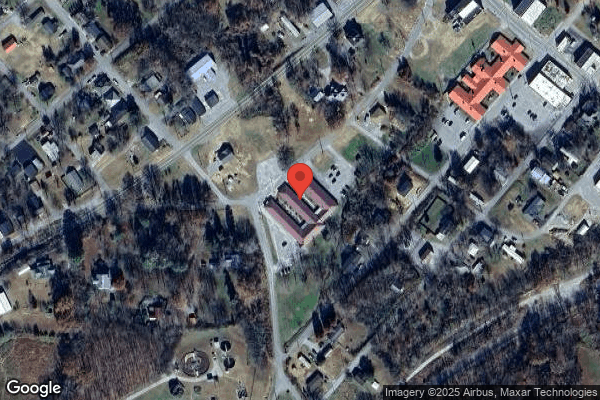

213 Water Street, Dawson Springs, KY 42408 (270) 797-2025
For profit - Limited Liability company 59 Beds Independent Data: November 2025
Trust Grade
70/100
#101 of 266 in KY
Last Inspection: June 2025

Inspected within the last 6 months. Data reflects current conditions.

Overview

Dawson Springs Health and Rehabilitation Center has a Trust Grade of B, indicating it is a solid choice for families looking for care. It ranks #101 out of 266 facilities in Kentucky, placing it in the top half, and #4 out of 7 in Hopkins County, meaning there are only three local options that are better. The facility is improving, with reported issues decreasing from three in 2021 to one in 2025. Staffing is a strength, as it received a 4 out of 5 stars with a turnover rate of 35%, which is below the state average of 46%. However, there were some concerns, such as the improper storage of food and inadequate sanitation in the kitchen, which could potentially affect the residents' safety. Overall, while there are strengths in staffing and improvement trends, families should be aware of the noted deficiencies and ensure they are comfortable with the facility's practices.

Trust Score
B
70/100
In Kentucky
#101/266
Top 37%
Safety Record
Low Risk
No red flags
Inspections
Getting Better
3 → 1 violations
Staff Stability
○ Average
35% turnover. Near Kentucky's 48% average. Typical for the industry.
Penalties
✓ Good
No fines on record. Clean compliance history, better than most Kentucky facilities.
Skilled Nurses
○ Average
Each resident gets 39 minutes of Registered Nurse (RN) attention daily — about average for Kentucky. RNs are the most trained staff who monitor for health changes.
Violations
✓ Good
Only 4 deficiencies on record. Cleaner than most facilities. Minor issues only.
★★★☆☆
3.0
Overall Rating
★★★★☆
4.0
Staff Levels
★★★★☆
4.0
Care Quality
★★★☆☆
3.0
Inspection Score
Stable
2021: 3 issues
2025: 1 issues

The Good

  • 4-Star Staffing Rating · Above-average nurse staffing levels
  • 4-Star Quality Measures · Strong clinical quality outcomes
  • Full Sprinkler Coverage · Fire safety systems throughout facility
  • No fines on record
  • Staff turnover below average (35%)

    13 points below Kentucky average of 48%

Facility shows strength in staffing levels, quality measures, fire safety.

The Bad

3-Star Overall Rating

Near Kentucky average (2.8)

Meets federal standards, typical of most facilities

Staff Turnover: 35%

11pts below Kentucky avg (46%)

Typical for the industry

The Ugly 4 deficiencies on record

Jun 2025 1 deficiency
CONCERN (F)

Potential for Harm - no one hurt, but risky conditions existed

Food Safety (Tag F0812)

Could have caused harm · This affected most or all residents

Based on observation, interview, and review of the facility's policy, the facility failed to store food in accordance with professional standards for food service safety. Food items were not dated at ...

Read full inspector narrative →
Based on observation, interview, and review of the facility's policy, the facility failed to store food in accordance with professional standards for food service safety. Food items were not dated at the time of storage. Food that had been opened were not covered and/or sealed to prevent contamination. The deficiency had the potential to affect 47 of the facility's 47 residents who consumed food from the kitchen. The findings include: Review of the facility's undated policy titled, Dry Food Storage, revealed dry food should be stored in a manner that ensures food safety, optimum nutrient, and optimum aesthetic quality. Dry food products should be labeled and dated when received. All leftovers were dated with the open date and stored accordingly ensuring that food was covered completely in the original box to prevent air exposure. Review of the facility's undated policy titled, Refrigerated Food Storage, revealed refrigerated food should be stored in a manner that ensures food safety, optimum nutrient, and optimum aesthetic quality. All refrigerated products should be labeled indicating product name and dated when product was received, and dated when product was opened. Food should be covered completely in the original box to prevent air exposure. Review of the facility's undated policy titled, Frozen Food Storage, revealed refrigerated food should be stored in a manner that ensures food safety, optimum nutrient, and optimum aesthetic quality. All frozen products should be labeled indicating product name and dated when product was received, and dated when product was opened. Food should be covered completely in the original box to prevent air exposure. a. Observation of Freezer 2, on 06/23/2025 at 10:25 AM, revealed sausage patties, pancakes, egg omelets, and biscuits were in their original container/box with flaps opened, and the food items were not covered in the plastic bag and was not dated potentially exposing the foods to air contaminants. Continued observation revealed sausage links out of the original container/box without a label and was undated. Additionally, three bags of diced celery and one bag of green beans were opened and placed into a plastic storage bag but had not been dated. b. Observation of Refrigerator 3, on 06/23/2025 at 10:40 AM, revealed a large clear bag of shredded cheddar cheese out of the original container/box with no open date or expiration date. In an interview with Dietary Aide 1, on 06/24/2025 at 2:00 PM, she stated her general duties included distributing food/snack carts on the units, preparing drinks and desserts in the kitchen, and then passing drinks and desserts during meal times for the dining room. She stated she was also responsible for putting away stock when delivered, and those food items were dated with a received by date before being stored. She stated she was aware that refrigerated and freezer food items stored in their original container / box with an inner plastic bag was tied or sealed and the outer flaps on the box was closed and opened by date was included. She further stated if staff had not followed food safety guidelines to prevent freezer burn and/or contamination, food could be ruined and potentially make residents sick. Additionally, she stated all dietary staff should be checking labels and dates and ensuring food items were sealed and covered, noting she would discard any food items that were stored and undated as there was no certain way to know when it had been opened. In an interview with Dietary Aide2, on 06/24/2025 at 2:10 PM, she stated she had worked in the facility for eleven years. She stated she had generally washed dishes but had helped where needed. She stated any food items that were received would be dated with the received date before being stored. She stated that food items that were left over from the steam table the cook would generally store those items. She stated if she was storing leftovers they would be covered, labeled and dated to ensure it was used within the appropriate time frame. She stated if she had stored any food items in its original container/box in the refrigerator or freezer that had previously been opened, the plastic bag would be covered and the box flaps would be closed and an open date would be marked. Food in the freezer that was not sealed could be freezer burned and would not be suitable for the resident because it would not taste good and would not be safe to serve. She stated any food items in the refrigerator that had been placed in a container or storage bag required a label, the open date and should be covered to prevent contamination. She stated if she found any food items without a date that item would be discarded because no one would know when it was opened or when it should be discarded and she would never serve that food to the residents. In an interview with Dietary Manager (DM), on 06/24/25 at 2:22 PM, she stated worked at the facility for thirty years and started out as a cook then moved into management later on. She stated the dietary aides were given a handbook, and they had access to a policy handbook in the kitchen to refer to if needed. She stated they would have new hires train with a preceptor, then they will get official orientation from the Registered Dietician. The RD instructed on allergies, handwashing, food storage, temps, etc. and were completed monthly. The RD had instructed on the International Dysphagia Diet Standardization Initiative (IDDSI) diet which was used to determine meal textures and consistencies. She stated all dietary staff were responsible for the food storage and labeling. She stated she expected staff to store the food items the proper way, if they are storing leftovers in containers to use small containers, label and date correctly. She stated if the food item was opened, it should be labeled with an opened and expiration date. She stated when new stock was received it had been rotated moving the older products to the front and the new to the back. She further stated food items that were not properly stored and labeled would potentially need to be discarded. Additionally, resident outcomes if the food items had been stored for a long period of time but not dated, may cause sickness for anyone but noted staff were aware not to use undated foods in the facility because the residents could potentially get sick and that was not acceptable. In an interview with the Administrator, on 06/25/2025 at 10:00 AM, she stated her expectations for dietary staff members were to follow the policies and procedures of the facility and guidelines set forth by the Registered Dietitian which were in compliance with the Food and Drug Administration (FDA) food service code and Center for Medicare & Medicaid Services (CMS) regulations. She stated all dietary staff were responsible for the foods stored in the pantry, refrigerator, or freezer to be covered, labeled, and dated properly. Additionally, she stated it was important for dietary staff to follow food safety guidelines in order to avoid foodborne illness noting resident safety and satisfaction was among the facility and staff's greatest concern.
Mar 2021 3 deficiencies
CONCERN (D)

Potential for Harm - no one hurt, but risky conditions existed

Incontinence Care (Tag F0690)

Could have caused harm · This affected 1 resident

Based on observation, interview, record review, and facility Protocol review, it was determined the facility failed to ensure that one (1) of one (1) residents in the facility with an indwelling urina...

Read full inspector narrative →
Based on observation, interview, record review, and facility Protocol review, it was determined the facility failed to ensure that one (1) of one (1) residents in the facility with an indwelling urinary catheter (Resident #50) received appropriate treatment and services to prevent urinary tract infections (UTI). Observations on 03/24/2021 revealed Resident #50's urinary catheter drainage bag was on the floor. Observation of State Registered Nursing Assistant (SRNA) #1 at 1:41 PM on 03/24/2021 revealed the SRNA picked the catheter bag up off the floor, moved it closer to the resident, but put it back on the floor without ensuring the catheter bag was maintained off the floor to prevent UTIs. The findings include: Review of the facility policy titled Foley Catheter Protocol, revised 02/04/2014 revealed SRNAs were to check residents with an indwelling catheter every two (2) hours to ensure the catheter bag was maintained off the floor. Record review revealed the facility admitted Resident #50 on 12/03/2020 with diagnoses that included Benign Prostatic Hyperplasia (BPH) with lower urinary tract symptoms. Review of the admission Minimum Data Set (MDS) Assessment with a reference date of 12/10/2020 revealed the resident had an indwelling urinary catheter on admission. Review of the most recent physician's orders, revealed an order for the indwelling catheter due to the diagnosis of BPH and to utilize a leg drainage bag when the resident was out of bed. Further review of physician's orders revealed a telephone order dated 03/24/2021 that stated the bedside drainage bag could be used when a leg drainage bag was not available. Further review of the record revealed a care plan for the risk of infection related to the use of an indwelling catheter, dated 12/16/2020, revealed interventions to include for the resident to utilize a bedside drainage bag at night and a leg drainage bag while out of bed. The care plan was revised on 03/24/2021 to include an intervention that it was acceptable to utilize the bedside drainage bag temporarily when a leg drainage bag was not available. Further review of the resident's medical record revealed no evidence the resident had experienced a UTI since admission. Observations of Resident #50 on 03/23/2021 at 10:06 AM, 1:20 PM, and 4:50 PM, revealed the resident moved from the chair to the bed independently in the room and was utilizing a urinary leg drainage bag for the indwelling catheter. Observations on 03/24/2021 at 10:45 AM revealed the resident was sitting on the bed with a bedside drainage bag lying on the floor beside the bed. Further observation of Resident #50 on 03/24/2021 at 12:05 PM revealed the resident was sitting in a chair at the counter in his/her room with the bedside drainage bag hanging on the chair. At 1:28 PM on 03/24/2021, Resident #50 was feeding him/herself lunch with the urinary catheter drainage bag noted lying on the floor next to the chair. On 03/24/2021 at 1:39 PM, Resident #50 transferred himself/herself from the chair back to the bed with the catheter bag remaining on the floor. SRNA #1 was observed to enter the resident's room at 1:41 PM, clean the resident's face, and pick up the catheter drainage bag and move it closer to the bed; but put the catheter drainage bag back on the floor. SRNA #1 then took the resident's lunch tray and left the room. At 1:46 PM on 03/24/2021, SRNA #2 entered Resident #50's room and picked the catheter drainage bag up off the floor and hung it on the bed frame. Observation of Resident #50 on 3/24/2021 at 4:40 PM revealed the resident was utilizing a leg bag instead of the bedside drainage bag. Interview with SRNA #2, on 03/24/2021 at 1:50 PM revealed she noticed Resident #50's catheter bag on the floor and picked it up because catheter bags are not to be left on the floor. She further stated that she had asked about the leg drainage bag for Resident #50 and was told that there were no leg bags available that day and that was why the resident did not have a leg bag in place. Interview with SRNA #1, on 03/24/2021 at 2:01 PM revealed she was the SRNA assigned for Resident #50 that day. She stated when she entered Resident #50's room and saw the urinary drainage bag lying on the floor, she forgot to move it off the floor because Resident #50 usually had a leg drainage bag and she just didn't think about it. She stated when she got Resident #50 up this morning, she could not find a leg drainage bag and reported it to the nurse. Interview with Licensed Practical Nurse (LPN) #1 on 03/24/2021 at 4:40 PM revealed SRNA #1 reported to her that they did not have a leg urinary drainage bag for Resident #50 that morning. She stated she spoke with the supply person and they got one as soon as possible. LPN #1 stated that all staff were trained to maintain catheter bags off the floor to prevent urinary tract infections. Interview with the Director of Nursing (DON), on 03/26/2021 at 9:54 AM revealed the facility expected all staff to ensure catheter bags were maintained off the floor due to the risk for infection if a catheter bag was on the floor. The DON further stated that care audits were done on a daily basis through daily rounds and she had not identified this to be a concern.
CONCERN (D)

Potential for Harm - no one hurt, but risky conditions existed

Deficiency F0761 (Tag F0761)

Could have caused harm · This affected 1 resident

Based on observation, interview, and facility policy review, it was determined the facility failed to ensure that all drugs and biologicals used in the facility were labeled in accordance with profess...

Read full inspector narrative →
Based on observation, interview, and facility policy review, it was determined the facility failed to ensure that all drugs and biologicals used in the facility were labeled in accordance with professional standards, including expiration dates and with appropriate accessory and cautionary instructions. Observation of two (2) of four (4) medication carts revealed one (1) cart had 2 boxes of expired medications. The findings include: Review of the facility policy titled. Medication Storage, dated 08/17/2017, revealed medications will be dated at time of opening as appropriate (ie. Insulin, TB Solution, etc.). Outdated, contaminated or deteriorated medications and those in containers that are cracked, soiled, unlabeled or without secure closures are immediately removed from stock, and disposed of according to procedures for medication destruction and reordered from the pharmacy if a current order exists. Observation of Medication Cart #1 on 03/25/2021 at 11:15 AM, revealed the following expired medications: Resident #45 - Colace 100 milligrams (mg) capsules - fourteen (14) capsules with an expiration date of 06/27/2020. Resident #22 - Colace 100 mg capsules - twenty-seven (27) capsules with an expiration date of 10/29/2020. Interview with Director of Nursing (DON) on 3/25/2021 at 11:15 AM revealed she expected nurses and medication techs to check the carts daily and remove any expired medications. The DON further stated she and the Assistant Director of Nursing (ADON) randomly checked carts but revealed she had no documentation of audits. She revealed Pharmacy typically completed monthly reviews but had not been in the building since the pandemic started
CONCERN (E)

Potential for Harm - no one hurt, but risky conditions existed

Food Safety (Tag F0812)

Could have caused harm · This affected multiple residents

Based on observation, interview, and facility policy review, it was determined the facility failed to maintain sanitary conditions related to dirty, soiled kitchen floors. Observation revealed the kit...

Read full inspector narrative →
Based on observation, interview, and facility policy review, it was determined the facility failed to maintain sanitary conditions related to dirty, soiled kitchen floors. Observation revealed the kitchen floor was not clean with black soiled marks on the floor as the base of the entrance doorway; and, black areas and dust particles to the floor to the left of the steam table and beside the hot water heater. The findings include: Review of facility policy titled, Food preparation and Handling, not dated, revealed the kitchen and equipment are to be clean and the kitchen to be neat and orderly. Observation of the kitchen floor, on 03/23/2021 at 12:14 PM, revealed there were black, soiled marks on the floors at the entrance door to the kitchen at the bottom where the door frame meets the door at the floor. In addition, there were black areas to various areas of flooring in the kitchen to include to the left of the steam table which also had dust particles, and was beside the hot water tank. Interview with the Dietary Director, on 03/25/21 at 2:15 PM revealed the kitchen floors were cleaned every night. She stated she was not aware of the soiled floor to the left of the steam table nor at the base of the entry door to the kitchen. Interview with the Administrator on 03/25/2021 at 3:30 PM revealed she was aware of the concerns regarding the floors in the kitchen.
Understanding Severity Codes (click to expand)
Life-Threatening (Immediate Jeopardy)
J - Isolated K - Pattern L - Widespread
Actual Harm
G - Isolated H - Pattern I - Widespread
Potential for Harm
D - Isolated E - Pattern F - Widespread
No Harm (Minor)
A - Isolated B - Pattern C - Widespread

Questions to Ask on Your Visit

  • "Can I speak with families of current residents?"
  • "What's your RN coverage like on weekends and overnight?"

Our Honest Assessment

Strengths
  • • No major safety red flags. No abuse findings, life-threatening violations, or SFF status.
  • • No fines on record. Clean compliance history, better than most Kentucky facilities.
  • • Only 4 deficiencies on record. Cleaner than most facilities. Minor issues only.
  • • 35% turnover. Below Kentucky's 48% average. Good staff retention means consistent care.
Concerns
  • • No major red flags. Standard due diligence and a personal visit recommended.
Bottom line: Mixed indicators with Trust Score of 70/100. Visit in person and ask pointed questions.

About This Facility

What is Dawson Springs Health And Rehabilitation Center's CMS Rating?

CMS assigns Dawson Springs Health and Rehabilitation Center an overall rating of 3 out of 5 stars, which is considered average nationally. Within Kentucky, this rating places the facility higher than 99% of the state's 100 nursing homes. This mid-range rating indicates the facility meets federal standards but may have areas for improvement.
How is Dawson Springs Health And Rehabilitation Center Staffed?

CMS rates Dawson Springs Health and Rehabilitation Center's staffing level at 4 out of 5 stars, which is above average compared to other nursing homes. Staff turnover is 35%, compared to the Kentucky average of 46%. This relatively stable workforce can support continuity of care.

What Have Inspectors Found at Dawson Springs Health And Rehabilitation Center?

State health inspectors documented 4 deficiencies at Dawson Springs Health and Rehabilitation Center during 2021 to 2025. These included: 4 with potential for harm.

Who Owns and Operates Dawson Springs Health And Rehabilitation Center?

Dawson Springs Health and Rehabilitation Center is owned by a for-profit company. For-profit facilities operate as businesses with obligations to shareholders or private owners. The facility operates independently rather than as part of a larger chain. With 59 certified beds and approximately 47 residents (about 80% occupancy), it is a smaller facility located in Dawson Springs, Kentucky.

How Does Dawson Springs Health And Rehabilitation Center Compare to Other Kentucky Nursing Homes?

Compared to the 100 nursing homes in Kentucky, Dawson Springs Health and Rehabilitation Center's overall rating (3 stars) is above the state average of 2.8, staff turnover (35%) is significantly lower than the state average of 46%, and health inspection rating (3 stars) is at the national benchmark.

What Should Families Ask When Visiting Dawson Springs Health And Rehabilitation Center?

Based on this facility's data, families visiting should ask: "Can I visit during a mealtime to observe dining assistance and food quality?" "How do you handle medical emergencies, and what is your hospital transfer rate?" "Can I speak with family members of current residents about their experience?"

Is Dawson Springs Health And Rehabilitation Center Safe?

Based on CMS inspection data, Dawson Springs Health and Rehabilitation Center has a clean safety record: no substantiated abuse findings (meaning no confirmed cases of resident harm), no Immediate Jeopardy citations (the most serious violation level indicating risk of serious injury or death), and is not on the Special Focus Facility watch list (a federal program monitoring the lowest-performing 1% of nursing homes). The facility has a 3-star overall rating and ranks #1 of 100 nursing homes in Kentucky. While no facility is perfect, families should still ask about staff-to-resident ratios and recent inspection results during their visit.

Do Nurses at Dawson Springs Health And Rehabilitation Center Stick Around?

Dawson Springs Health and Rehabilitation Center has a staff turnover rate of 35%, which is about average for Kentucky nursing homes (state average: 46%). Moderate turnover is common in nursing homes, but families should still ask about staff tenure and how the facility maintains care continuity when employees leave.

Was Dawson Springs Health And Rehabilitation Center Ever Fined?

Dawson Springs Health and Rehabilitation Center has no federal fines on record. CMS issues fines when nursing homes fail to meet care standards or don't correct problems found during inspections. The absence of fines suggests the facility has either maintained compliance or corrected any issues before penalties were assessed. This is a positive indicator, though families should still review recent inspection reports for the full picture.

Is Dawson Springs Health And Rehabilitation Center on Any Federal Watch List?

Dawson Springs Health and Rehabilitation Center is not on any federal watch list. The most significant is the Special Focus Facility (SFF) program, which identifies the bottom 1% of nursing homes nationally based on persistent, serious quality problems. Not being on this list means the facility has avoided the pattern of deficiencies that triggers enhanced federal oversight. This is a positive indicator, though families should still review the facility's inspection history directly.