KENSINGTON NURSING AND REHABILITATION CENTER
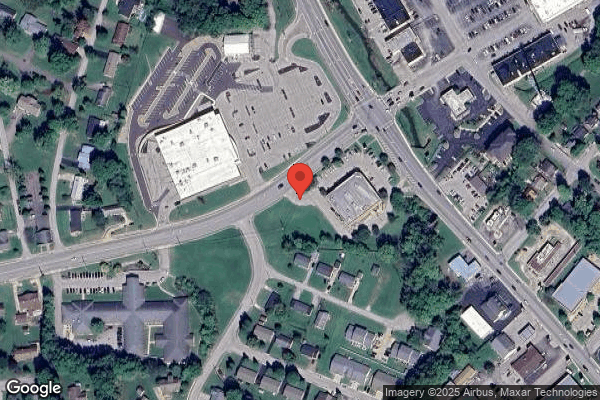
225 SAINT JOHN ROAD, ELIZABETHTOWN, KY 42701 (270) 769-3314
For profit - Limited Liability company 82 Beds ENCORE HEALTH PARTNERS Data: November 2025
Trust Grade
40/100
#231 of 266 in KY
Last Inspection: March 2025

Within standard 12-15 month inspection cycle. Federal law requires annual inspections.

Overview

Kensington Nursing and Rehabilitation Center has a Trust Grade of D, which indicates below-average quality and some concerns about care. It ranks #231 out of 266 facilities in Kentucky, placing it in the bottom half, and is #7 of 7 in Hardin County, meaning there is only one local option that is better. The facility is showing signs of improvement, with issues decreasing from 17 in 2019 to just 2 in 2025. Staffing is a weakness here, rated at 1 out of 5 stars, and while the turnover rate is average at 47%, the overall staffing level still raises concerns about resident care. Although there have been no fines, which is positive, recent inspections revealed critical issues such as food safety violations, including improperly stored and expired food items, and staff not following proper food temperature guidelines, which could affect resident health.

Trust Score
D
40/100
In Kentucky
#231/266
Bottom 14%
Safety Record
Low Risk
No red flags
Inspections
Getting Better
17 → 2 violations
Staff Stability
⚠ Watch
47% turnover. Above average. Higher turnover means staff may not know residents' routines.
Penalties
✓ Good
No fines on record. Clean compliance history, better than most Kentucky facilities.
Skilled Nurses
○ Average
Each resident gets 32 minutes of Registered Nurse (RN) attention daily — about average for Kentucky. RNs are the most trained staff who monitor for health changes.
Violations
⚠ Watch
27 deficiencies on record. Higher than average. Multiple issues found across inspections.
★☆☆☆☆
1.0
Overall Rating
★☆☆☆☆
1.0
Staff Levels
★★☆☆☆
2.0
Care Quality
★★☆☆☆
2.0
Inspection Score
Stable
2019: 17 issues
2025: 2 issues

The Good

  • Full Sprinkler Coverage · Fire safety systems throughout facility
  • No fines on record

Facility shows strength in fire safety.

The Bad

1-Star Overall Rating

Below Kentucky average (2.8)

Significant quality concerns identified by CMS

Staff Turnover: 47%

Near Kentucky avg (46%)

Higher turnover may affect care consistency

Chain: ENCORE HEALTH PARTNERS

Part of a multi-facility chain

Ask about local staffing decisions and management

The Ugly 27 deficiencies on record

Mar 2025 2 deficiencies
CONCERN (D)

Potential for Harm - no one hurt, but risky conditions existed

Deficiency F0761 (Tag F0761)

Could have caused harm · This affected 1 resident

**NOTE- TERMS IN BRACKETS HAVE BEEN EDITED TO PROTECT CONFIDENTIALITY** Based on observation, interview, and review of the facility's policy, the facility failed to ensure proper storage of biological...

Read full inspector narrative →
**NOTE- TERMS IN BRACKETS HAVE BEEN EDITED TO PROTECT CONFIDENTIALITY** Based on observation, interview, and review of the facility's policy, the facility failed to ensure proper storage of biologicals for 1 of 2 treatment carts. Observation of the 100 hall treatment cart on [DATE], revealed 28 packages of Hydrogel which expired in 2023 and 2024. The findings include: Review of the facility's policy titled, Medication Storage, effective [DATE], revealed medications were stored in carts and nursing staff was responsible for maintaining medication storage in a safe manner. Observation with Licensed Practical Nurse (LPN)9, on [DATE] at 1:25 PM, revealed the 100 hall treatment cart contained twenty-eight individually wrapped packages of Hydrogel, which expired 2023 and 2024. (Hydrogel is a wound dressing that helps keep wounds moist, which promotes healing by creating an environment conducive to cell growth). During interview on [DATE] at 1:25 PM, LPN9 stated she did not recall any residents receiving Hydrogel treatments at this time on the 100 hall. She stated hydrogel was used for wound treatment. The LPN stated the nurses tried to go through the treatments carts to ensure there were no expired treatments; however, there was no one designated person responsible to go through the carts. She further stated the expired hydrogel treatment may not be effective, as it may not heal wounds. During interview on [DATE] at 3:11 PM, the Director of Nursing (DON) stated all staff should be aware of expiration dates for treatments, and anyone who used the treatment should check the expiration date. He further stated he was not aware if staff documented when a treatment expired; however, the nurse should reorder the treatment upon discovering it expired. The DON further stated he audited the medication carts regularly and looked at expiration dates; however, he did not audit the treatment carts. In further interview, the DON stated he did not recall any residents receiving hydrogel treatment at this time. He stated he could not recall the purpose of hydrogel. However, he stated it was his expectation expired treatments would not be used, but would be discarded, and reordered. He further stated if an expired treatment was used the treatment could be ineffective or could cause harm to the resident. During an interview on [DATE] at 3:34 PM, the Interim Administrator stated she expected expired treatments to be discarded. She stated the DON was responsible to ensure the clinical team discarded expired treatments. The Administrator further stated she did not know if using the expired treatment of hydrogel could cause harm to a resident.
CONCERN (F)

Potential for Harm - no one hurt, but risky conditions existed

Food Safety (Tag F0812)

Could have caused harm · This affected most or all residents

**NOTE- TERMS IN BRACKETS HAVE BEEN EDITED TO PROTECT CONFIDENTIALITY** Based on observation, interview, and review of the facility's policy, the facility failed to store food in accordance with profe...

Read full inspector narrative →
**NOTE- TERMS IN BRACKETS HAVE BEEN EDITED TO PROTECT CONFIDENTIALITY** Based on observation, interview, and review of the facility's policy, the facility failed to store food in accordance with professional standards for food service safety, which had the potential to affect 74 of the facility's 74 residents who consumed food from the kitchen. Observation of the kitchen on 03/23/2025, revealed unlabeled, undated, unsealed, and expired food items in the walk-in refrigerator and the dry pantry storage area. The findings include: Review of the facility policy titled, Policy and Procedure Manual, Food Storage, dated 2019, [NAME] and Associates, Inc. Chapter three: Food Production and Food Safety 3-22, revealed foods should be dated as it is placed on the shelves if required by state regulation. In addition, date marking will be visible on all high-risk food to indicate the date by which a ready-to-eat TCS (Time/Temperature Control for Safety) food should be consumed, sold, or discarded. Continued review revealed plastic containers with tight-fitting covers must be used for storing grain products, sugar, dried vegetables, and broken lots of bulk foods. All containers must be legible and accurately labeled and dated. Observation of the kitchen, on 03/23/2025 starting at 11:10 AM, revealed the single walk-in refrigerator had one clear cup of white substance (of yogurt consistency) which was unlabeled, and undated; and eleven unfrozen Magic Cups (fortified ice cream) which was undated. Further observation revealed one case of Danimals Yogurt in individual containers which was expired with an expiration date of 03/05/2025; one Tupperware container labeled ham salad which was expired with a handwritten expiration date of 03/12/2025; and one Tupperware container labeled tomato soup which was expired with a date of 03/16/2025. Additionally, there was one block of bologna covered in plastic Ziplock, which was unlabeled with a handwritten date of 03/12/2025. Observation of the dry pantry storage area, revealed one cardboard box of uncooked rice in the original plastic bag which was opened without securement. Further observation revealed one package of [NAME] English Muffins with the handwritten opened date of 02/06/2025 and package expiration date of 02/14/2025. During an interview with the Dietary Director, on 03/24/2025 at 8:50 AM, he stated, It was everyone's responsibility, the cook, the dietician, even me, to check the refrigerator, freezer, and dry pantry storage for expired food items. He additionally stated, the refrigerator, freezer, and dry storage pantry should be checked for expired food items daily. During an interview with the Director of Nursing, on 03/26/2025 at 2:50 PM, he stated it was his expectation expired food items in the kitchen would be discarded. He additionally stated expired food items could make residents sick and cause harm. During an interview with the Interim Administrator, on 03/26/2025 at 3:34 PM, she stated there should be no expired food items in the kitchen and expired food items should be discarded if found. She additionally stated residents could become ill from expired food items.
Oct 2019 17 deficiencies
CONCERN (D)

Potential for Harm - no one hurt, but risky conditions existed

Deficiency F0561 (Tag F0561)

Could have caused harm · This affected 1 resident

Based on observation, interview, record review, and facility policy review, it was determined the facility failed to ensure one (1) of twenty-five (25) sampled residents had a right to make choices ab...

Read full inspector narrative →
Based on observation, interview, record review, and facility policy review, it was determined the facility failed to ensure one (1) of twenty-five (25) sampled residents had a right to make choices about aspects of his or her life in the facility that were significant to the resident (Resident #30). Resident #30 wanted to get out of bed after breakfast daily; however, staff failed to assist the resident out of bed. The findings include: Review of the facility policy titled, Resident Rights, not dated, revealed the resident has a right to a dignified existence, self-determination, and communication with and access to persons and services inside and outside the center. The center must provide equal access to quality care regardless of diagnosis, severity of condition, or payment source. The center must ensure the resident can exercise rights without interference, coercion, discrimination, or reprisal from the center. Record review revealed the facility admitted Resident #30 on 09/10/18 with diagnoses which included Heart Failure, Renal Insufficiency, Arthritis, and Post Motor Vehicle Accident. Review of the Annual Minimum Data Set (MDS) assessment, dated 08/16/19, revealed the facility assessed Resident #30's cognition as intact with a Brief Interview of Mental Status (BIMS) score of fifteen (15) which indicated the resident was interviewable. Further review of the Annual MDS revealed the resident's daily preferences were very important decisions for him/her to make and the resident required extensive assist of two (2) for bed mobility, extensive assist of one (1) for transfers and dressing, and the resident was only able to stabilize with assistance when transferring surface to surface. Observation and interview of Resident #30 on 10/15/19 at 12:34 PM revealed the resident was in bed and stated he/she could not get up out of bed by him/herself and depended on staff for help. The resident stated he/she had asked to get up in the past; however, he/she was told no one was available to help him/her. He/She stated the staff help when they can but there was not enough staff to help to get him/her up out of bed. Interview with Resident #30 on 10/17/19 at 11:30 AM, revealed he/she was in bed and had not been able to get up today since there was not enough help. He/she stated, They try to get me up right before lunch so that I can stay up to right before supper, then I am back to bed. The resident also revealed he/she would like to get up earlier but there was not enough staff to help him/her until right before lunch when a third Certified Nurses Aide (CNA) starts to work. The resident further stated he/she felt trapped in bed since he/she could not transfer by him/herself. Interview with CNA #2 on 10/18/19 at 1:10 PM revealed she worked with Resident #30 and she does not have time to get the resident up until the third CNA comes in at 10:00 AM. She stated she knew Resident #30 wanted to get out of bed but she could not get him/her up till later before lunch. She revealed she had asked multiple times for help and he/she was tired of asking. She revealed she knew no one would help. Interview with Licensed Practical Nurse (LPN) #3 on 10/18/19 at 1:48 PM revealed she was very busy in the mornings giving medications and was usually running behind. She stated if she stopped to help the aides, then she would get further behind on her medications, finger sticks and insulin injections. She also revealed she understood the CNA's could not get everyone up out of bed as the residents would like. Interview with Director of Nursing (DON) on 10/18/19 at 3:44 PM revealed she expected the residents to get out of bed when the resident wanted to. She stated she expected resident rights to be exercised. Interview with the Administrator on 10/18/19 at 4:58 PM revealed she knew the resident's rights were not being violated and felt that the resident could get up when he/she wanted to. She stated it was a communication problem and the staff would get it fixed.
CONCERN (D)

Potential for Harm - no one hurt, but risky conditions existed

Comprehensive Care Plan (Tag F0656)

Could have caused harm · This affected 1 resident

**NOTE- TERMS IN BRACKETS HAVE BEEN EDITED TO PROTECT CONFIDENTIALITY** Based on observation, interview, record review, and facility's policy review, it was determined the facility failed to implement...

Read full inspector narrative →
**NOTE- TERMS IN BRACKETS HAVE BEEN EDITED TO PROTECT CONFIDENTIALITY** Based on observation, interview, record review, and facility's policy review, it was determined the facility failed to implement a comprehensive person-centered care plan one (1) of twenty-five (25) sampled residents (Resident #22). Resident #22 sustained falls on 09/18/19, 09/26/19, 10/12/19, and 10/13/19 due to the facility not ensuring staff not leave the resident alone in his/her room or dining room without staff supervision per care plan. The findings include: Review of the facility policy titled, Person-Centered Care Plan, last revised 07/01/19, revealed the facility must develop and implement a Person-Centered Care Plan which is individualized after completing of the Comprehensive Assessment for each resident that includes measurable objectives and timetables to meet a resident's medical, nursing, nutrition, and mental and psychosocial needs that are identified in the comprehensive assessments. The care plan will be reviewed and revised by the interdisciplinary team after each assessment. A comprehensive person-centered care plan must be developed for each resident and must describe services that are to be furnished and any services that would otherwise be required but are not provided due to the resident's exercise of rights, including the right to refuse treatment. The Care plans will be customized to each individual resident's preferences and needs. The care plans must be communicated to appropriate staff, resident, health care decision maker and family. The care plans will be reviewed and revised by the interdisciplinary team after each assessment, including both the comprehensive and quarterly review assessments, and as needed to reflect the response to care and changing needs and goals. Review of the medical record revealed the facility admitted Resident #22 on 05/24/17 with diagnoses to include Chronic Obstructive Pulmonary Disease, Unspecified Dementia Without Behavioral Disturbance, Difficulty In Walking, History of Falling, and Peripheral Vascular Disease. Review of Quarterly Minimum Data Set (MDS), dated [DATE], revealed the facility assessed Resident #22's cognition as severely impaired with a Brief Interview for Mental Status (BIMS) score of zero (0) which indicated the resident was rarely/never understood. Further review of the MDS, Section G: Functional Status, revealed the facility assessed Resident #22's ability to transfer as 2/2; which indicated one staff person was to provide guided maneuvering of limbs or other non-weight-bearing assistance. Review of Resident #22's Comprehensive Care Plan titled, Resident at Risk for Falls, initiated 05/26/17, revealed interventions to encourage resident to be up at nursing station while awake; when finished with meals, encourage to come out of dining room and lie down, do not leave resident in dining room alone; resident to be in the TV room across from the nurses station; and do not leave resident alone in restorative dining and/or in room while up in wheelchair. However, review of Risk Management System (RMS) Event Summary Reports, dated 09/18/19 at 9:20 AM, 09/26/19 at 5:35 PM, 10/12/19 at 5:35 PM, and 10/13/19 at 5:05 PM revealed Resident #22 sustained falls from his/her wheelchair when he/she was left in the dining room or his/her room instead of at nursing station, in TV room across the hall in the dining room, or where the resident had supervision per care plan. Interview with Certified Nurse Aide (CNA) #7, on 10/18/19 at 1:50 PM, revealed she was working when Resident #22 had three (3) of the falls. She stated the resident was not to be alone during mealtime, however, CNA #7 admitted she left Resident #22 unsupervised and in the dining room alone to answer another resident's call light on 09/18/19. CNA #7 revealed she was aware Resident #22 was alone in his/her bedroom, while up in the wheelchair while she was providing care to other residents during falls on 10/12/19 and 10/13/19, when the resident should have been in TV room across from nursing station while up in his/her wheelchair. Interview with Certified Nursing Assistant (CNA) #6, on 10/17/17 at 2:20 PM, revealed Resident #22 is care planned to not to be left alone in dining room or in bedroom alone while in wheelchair however, CNA #6 revealed she left the resident unsupervised in the dining room while providing care to other residents on 09/26/19. Interview with Licensed Practical Nurse LPN#1, Unit Manager, on 10/18/19 at 4:30 PM, revealed she would expect staff to follow Resident #22's care plan related to fall interventions due the resident's diagnosis and history of falling. She stated the resident had decreased safety awareness and staff failed to ensure Resident #22's safety related to falls. Interview with the Director of Nursing (DON), on 10/18/19 at 4:50 PM, revealed she expected staff to ensure Resident #22's safety and all staff members to follow the resident's care plan interventions to decrease potential of falls.
CONCERN (D)

Potential for Harm - no one hurt, but risky conditions existed

Deficiency F0657 (Tag F0657)

Could have caused harm · This affected 1 resident

**NOTE- TERMS IN BRACKETS HAVE BEEN EDITED TO PROTECT CONFIDENTIALITY** Based on interview, record review, and facility policy review, it was determined the facility failed to ensure the care plan was...

Read full inspector narrative →
**NOTE- TERMS IN BRACKETS HAVE BEEN EDITED TO PROTECT CONFIDENTIALITY** Based on interview, record review, and facility policy review, it was determined the facility failed to ensure the care plan was reviewed and revised by the interdisciplinary team after each assessment, including both the comprehensive and quarterly review assessments for two (2) of twenty-five (25) sampled residents (Resident #35 and #66) The facility failed to revise the care plan per facility policy for Resident #35 related to skin breakdown and Resident #66 related to receiving showers three (3) time a week. The findings include: Review of the facility policy titled, Person-Centered Care Plan, last revised 07/01/19 revealed the facility must develop and implement a Person-Centered Care Plan which is individualized after completing of the Comprehensive Assessment for each resident that includes measurable objectives and timetables to meet a resident's medical, nursing, nutrition, and mental and psychosocial needs that are identified in the comprehensive assessments.The care plans will be reviewed and revised by the interdisciplinary team after each assessment, including both the comprehensive and quarterly review assessments, and as needed to reflect the response to care and changing needs and goals. 1. Record review revealed the facility readmitted Resident #35 on 11/30/17 with diagnoses which included Congestive Heart Failure, Acquired Absence of Right Below the Knee, Type II Diabetes Mellitus and Bipolar Disorder. Review of Quarterly Minimum Data Set (MDS) assessment, dated 08/30/19, revealed the facility assessed Resident #35's cognition as severely impaired as the Brief Interview for Mental Status (BIMS) was not attempted since the resident was rarely/never understood and not interviewable. Further review of the MDS assessment revealed the resident had a diabetic foot ulcer. Review of a Wound assessment dated [DATE] revealed an onset of skin breakdown described the as unstagable eschar measuring 3.1 centimeters (cm) x 3.0 cm x less than 0.1 cm to right dorsum of foot. However, review of Resident #35's Comprehensive Care Plan for At risk for skin breakdown, last revised 08/27/19 revealed there was no revision to reflect the actual skin breakdown to the right dorsal foot or interventions to address the wound care/treatment. Interview with Licensed Practical Nurse (LPN) #1 on 10/17/19 at 3:02 PM revealed she was not aware Resident #35's Care Plan for potential for skin breakdown had not been revised. She stated it should have been revised to actual breakdown and interventions added to address the wound. She also revealed she would not have revised this resident's care plan as she was not in charge of this unit. Interview with the Director of Nursing (DON) on 10/18/19 at 3:13 PM revealed the Care Plan should have been revised and updated upon the skin becoming an actual breakdown and wound. She stated the unit managers and/or the nursing staff caring for resident were responsible for updating the Comprehensive Care Plans. She stated she expected the care plans to reflect the resident's ongoing problems and interventions for treatment. 2. Record review revealed the facility admitted Resident #66 on 08/25/17 with diagnoses which included Muscle Weakness, Major Depressive Disorder, Anxiety Disorder and Cauda Equina Syndrome related to a Motor Vehicle Accident. Review of the Quarterly MDS assessment, dated 09/25/19 revealed the facility assessed Resident #66's cognition as intact with a BIMS score of fifteen (15) which indicated the resident was interviewable. Further review revealed the resident was totally dependent on two (2) staff members for bathing. Review of the Comprehensive Care Plan for resident at risk for decreased ability to perform Activities of Daily Living (ADL's) in bathing, grooming, personal hygiene, dressing etc., dated 09/07/17 revealed intervention dated 03/27/19, to provide resident with extensive assist of one to two (1-2) as needed for bathing, hygiene and dressing. Review of a Physician Order dated 10/03/19 revealed an order for Resident #66 to have bath/shower three (3) times weekly for Seborrhea Treatment; however, further review of the Care Plan for ADL's revealed there was no revision of the care plan to include bath/showers three (3) times a week for Seborrhea treatment Review of the October 2019 Weekly Bath and Skin Report revealed the resident refused care on 10/04/19 and received three (3) showers from 10/03/19 to 10/16/19 (two {2}weeks). Interview with Resident #66 on 10/18/19 at 9:39 AM revealed he/she had received a physician order from the dermatologist to have a shower three times weekly for the Seborrhea he/she had around the scalp and face. Resident #66 stated he/she refused bed baths because it was like bathing in dirt, and he/she only wanted showers. Interview with Unit Manager on 10/18/19 at 3:11 PM, revealed the order should have been noted upon return of the resident's return from the doctor. She stated the order should have been noted and the Care Plan and Bath schedule revised to include the new order. Interview on 10/18/19 at 3:38 PM with DON revealed when this surveyor asked for a copy of the order, she revealed she had not seen the order before. She stated the resident should be getting showers three times a week per the order. The DON further revealed when the resident came back with new orders, the order should have been put in by nurse when the resident returned; however, there was no documented evidence the nurse saw the order since the order was not noted on the care plan or a new Weekly Bath and Skin report as it should have shown. She stated the resident has been made a new shower schedule to reflect his/her shower schedule.
CONCERN (D)

Potential for Harm - no one hurt, but risky conditions existed

Deficiency F0658 (Tag F0658)

Could have caused harm · This affected 1 resident

Based on observation, interview, record review, and facility policy review, it was determined the facility failed to ensure the services provided or arranged by the facility, as outlined by the compre...

Read full inspector narrative →
Based on observation, interview, record review, and facility policy review, it was determined the facility failed to ensure the services provided or arranged by the facility, as outlined by the comprehensive care plan, met professional standards of quality for one (1) of twenty-five (25) sampled residents (Resident #65). Staff failed to provide sterile technique per facility policy when providing Tracheostomy Care for Resident #66. The findings include: Review of the facility policy titled, Tracheostomy Care, dated 01/01/04 revealed to perform Tracheostomy care at least two times daily and as needed. Cleanse hands. Put on personal protective equipment. Remove soiled dressing and inner cannula. Loosen trach holder enough so that you are able to maneuver under trach place. Remove gloves. Discard in waste bag and cleanse hands. Open sterile trach kit using aseptic technique. Remove sterile drape from trach care kit and spread on bedside table. Do not touch inner sterile field. Empty sterile contents of trach care kit onto sterile drape. Fill basin with sterile water and another with peroxide. Put on sterile gloves. Remove inner cannula from peroxide soak and clean inside with soft brush or pipe cleaner. Rinse with sterile water. Place the cleaned inner cannula inside trach tube and lock in place. Place drain sponge under trach tube neck plate, pulling the ends up under the trach holder. Remove gloves and cleanse hands. Record review revealed the facility admitted Resident #65 on 09/11/19 with diagnoses which included Pneumonia due to Methicillin Resistant Staphylococcus Aureus (MRSA), Paralysis of Vocal Cords, Nodules of Vocal Cords, Chronic Obstructive Pulmonary Disease (COPD), Klebsiella Pneumoniae, Acute Respiratory Failure with Hypoxia, and Encounter for Attention to Tracheostomy. Review of the admission MDS assessment, dated 09/18/19, revealed the facility assessed Resident #65's cognition as intact with a BIMS score of thirteen (13), which indicated the resident was interviewable. Review of the Comprehensive Care Plan for Resident exhibits or is at risk for respiratory complications related to tracheostomy, dated 09/12/19 revealed an interventions for Trach care two (2) times daily and as needed for extra secretions. However, observation of Tracheostomy tube change and care by Licensed Practical Nurse (LPN) #1, Unit Manager Transitional Care Unit, on 10/18/19 at 1:10 PM revealed she failed to use sterile technique while providing Tracheostomy Care when she contaminated her sterile gloves when she picked up a bottle of sterile saline with her sterile gloves on and emptied it into the tray. In addition, she failed to remove the contaminated gloves, wash her hands, and don new sterile gloves prior to pulling the inner cannula out of the hydrogen peroxide and cleaning the tube. She rapidly replaced the contaminated inner cannula since she had not changed her contaminated gloves. Interview with the Licensed Practical Nurse (LPN) #1 on 10/18/19 at 1:10 PM revealed she would not have changed anything with her tracheostomy care technique. She stated she was not aware she contaminated her gloves with the saline bottle; however when she thought about it she agreed her hands would have been contaminated. She revealed she was nervous since someone was watching her. Interview with the Director of Nursing (DON) on 10/18/19 at 3:14 PM revealed she expected the staff to follow to use sterile technique to accomplish Tracheostomy Care.
CONCERN (D)

Potential for Harm - no one hurt, but risky conditions existed

Deficiency F0675 (Tag F0675)

Could have caused harm · This affected 1 resident

Based on observation, interview, record review, and facility policy review, it was determined the facility failed to provide the necessary care and services to attain or maintain the highest practicab...

Read full inspector narrative →
Based on observation, interview, record review, and facility policy review, it was determined the facility failed to provide the necessary care and services to attain or maintain the highest practicable physical, mental, and psychosocial well-being, consistent with the resident's comprehensive assessment and plan of care for one (1) of twenty-five (25) sampled residents (Resident #2). Therapy wrote an order on 10/09/19 for Resident #2 to be up in a Broda Chair for two (2) hours a day, seven (7) days a week because the resident enjoyed getting out of bed; however, staff were not getting the resident out of bed daily. The findings include: Review of the facility Resident's Rights, not dated, revealed the resident has a right to a dignified existence, self-determination, communication, with access to persons and services. Record review revealed the facility admitted Resident #2 on 06/25/19 with diagnoses which included Osteomyelitis, Acquired Absence of the left leg below the knee, and Diabetes Mellitus. Review of the Significant Change Minimum Data Set (MDS) assessment, dated 10/02/19, revealed the facility assessed Resident #2's cognition was intact with a Brief Interview for Mental Status (BIMS) score of fifteen (15) which indicated the resident was interviewable. Further review of the MDS assessment revealed the resident was totally dependent with the assistance of two (2) for transfers. Review of a Therapy/Communication to Nursing form, dated 10/09/19 revealed for nursing to get Resident #2 up in Broda chair two (2) hours a day, seven (7) days a week. Review of Resident #2 Comprehensive Care Plan dated 07/03/19 revealed, Resident/Patient requires assistance/is dependent for Activities of Daily Living (ADL) care-provide resident/patient with extensive, total assist of two (2) for transfers using a slide board and/or hoyer (mechanical) lift. Observations on 10/15/19 at 8:49 AM, 11:00 AM, and 2:45 PM and on 10/16/19 at 9:10 AM, 1:25 PM and 3:00 PM revealed the resident lying in bed and not up in his/her Broda chair. Observation on 10/17/19 at 2:00 PM revealed Resident #2 was up in the Broda chair. Interview with Resident #2 on 10/15/19 at 8:49 AM revealed he/she was supposed to be assisted up two (2) hours a day, seven days a week, and that was not happening. Resident #2 stated the Certified Nurse Aides (CNA's) complain they are unable to get him/her up because two (2) CNA's have to transfer him/her with a mechanical lift and there is not enough staff for two CNA's to be available to transfer him/her. The interview further revealed he/she had to wait up to forty-five (45) minutes for a CNA to respond to the call light. Interview with CNA #8 on 10/18/19 at 12:56 PM revealed Resident #2 had an order to get up two (2) hours every day and the resident wants to get up, but Resident #2 required the use of a mechanical lift by two staff for transfer. CNA #8 stated it was hard to find someone to help get the resident up and then staff had to worry about finding enough staff to transfer him/her to bed at the end of the two hours. Interview with Licensed Practical Nurse #3 on 10/15/19 at 12:15 PM revealed she was unable to do her own work, much less follow the CNA's to see if they were doing their work, due to staffing. She stated it was the administration's fault as they were told there was a staffing problem, but have done nothing about it. Interview with Physical Therapist (PT) #9 on 10/18/19 at 9:00 AM, revealed there is not enough staff to get the residents out of bed. PT #9 stated he wrote an order to get Resident #2 up two (2) hours a day, because he/she enjoys getting up, but a shortage of staff was almost a daily concern and it really made their job hard. He further revealed he could tell what kind of day it was going to be when he finds out the number of staff working. Interview with the Director of Nursing (DON), on 10/18/19 at 2:10 PM revealed she was not aware of the resident not getting up, but it was her expectation that all orders and resident's plan of care be followed.
CONCERN (D)

Potential for Harm - no one hurt, but risky conditions existed

ADL Care (Tag F0677)

Could have caused harm · This affected 1 resident

2. Record review revealed the facility admitted Resident #66 on 08/25/17 with diagnoses which included Muscle Weakness, Major Depressive Disorder, Anxiety Disorder and Cauda Equina Syndrome related to...

Read full inspector narrative →
2. Record review revealed the facility admitted Resident #66 on 08/25/17 with diagnoses which included Muscle Weakness, Major Depressive Disorder, Anxiety Disorder and Cauda Equina Syndrome related to a Motor Vehicle Accident. Review of the Quarterly MDS assessment, dated 09/25/19 revealed the facility assessed Resident #66's cognition as intact with a BIMS score of fifteen (15) which indicated the resident was interviewable. Further review revealed the resident was totally dependent on two (2) staff members for bathing. Review of a Physician Order dated 10/03/19 revealed an order for resident to have bath/shower three (3) times weekly for Seborrhea Treatment. Review of the September 2019 Weekly Bath and Skin Report revealed no more than two (2) showers a week; however, when this surveyor requested a copy of the September 2019 bath/skin reports on 10/18/19 at 3:16 PM, the Director of Nursing revealed she could not find the bath reports to give a copy. Review of the October 2019 Weekly Bath and Skin Report revealed the resident received three (3) showers in two (2) weeks (10/01/19 to 10/16/19), on 10/08/19, 10/11/19, and 10/16/19 and a bed bath on 10/01/19. Interview with Resident #66 on 10/18/19 at 9:39 AM revealed he/she had received a physician order from the dermatologist to have a shower three (3) times weekly for the Seborrhea he/she had around the scalp and face. He/She stated he refused bed baths because it is like bathing in dirt; and he/she only wants showers. Review of the October Bath report revealed a Bed Bath had been given on 10/01/19; however, the resident stated, That is falsification of my record because I refuse bed baths. Interview with CNA #1 on 10/18/19 at 12:37 PM revealed Resident #66 never refuses his shower but refuses a bed bath. Interview with DON on 10/18/19 at 3:38 PM revealed the DON was not aware Resident #66 had an order for three (3) baths/showers a week. She stated the resident should have received showers three times a week. She stated when the resident came back with new orders, the orders should have been put in as an update to the bath/shower schedule and the Comprehensive Care Plan and the CNA care sheet should have been updated by the nurse. Based on interview, record review, and facility policy review, it was determined the facility failed to ensure two (2) of twenty-five (25) sampled residents who were unable to carry out activities of daily living received the necessary services to maintain good grooming, and personal hygiene (Resident #32 and #66). Resident #66 had a physician order to receive bath/shower three (3) times a week for Seborrhea treatment, and Resident #32 was to receive two (2) showers a week; however, staff failed to ensure the residents received their baths and/or showers. The findings include: Review of the facility policy titled Activities of Daily Living (ADL's) dated 11/28/16, revealed .based on the comprehensive assessment of a patient and with the patient's needs and choices, the Center must provide the necessary care and services to ensure that a patient who is unable to carry out ADL's receives the necessary services to maintain good grooming, and personal hygiene. 1. Record review revealed the facility admitted Resident #32 on 06/28/16 with diagnoses which included Obesity, Generalized Anxiety Disorder, Hemiplegia and Hemiparesis following Cerebrovascular Disease, and Anoxic Brain Damage. Review of a quarterly Minimum Data Set (MDS) assessment, dated 08/28/19, revealed the facility assessed Resident #32's cognition as intact with a Brief Interview for Mental Status (BIMS) score of ten (10) which indicated the resident was interviewable. The MDS further revealed the resident had no behaviors of rejecting care (coded:0) and bathing did not occur (coded:8/8). Under section H for Urinary and Bowel Incontinence it was coded 3, indicating resident was always incontinent. Review of Resident #32 Comprehensive Care Plan Focus, dated 12/13/19, and Certified Nursing Aide (CNA) Care Plan, not dated revealed it is important for the resident to choose between a tub bath, shower, bed bath, or sponge bath. Review of Resident #32's Weekly Bath and Skin Report revealed he/she received two (2) showers in September 2019 (09/20/19 and 09/22/19); and three (3) showers from 10/02/19-10/12/19 (10/02/19, 10/09/19 and 10/12/19). Interview with Resident #32 on 10/18/19 at 4:29 PM revealed he/she prefers to stay in bed, but never refuses a shower. Resident #32 stated he/she will frequently refuse a bed bath because he/she does not like bed baths. The resident further stated he/she was suppose to get two (2) showers a week and wants a shower every time it is due. The resident revealed he did not like the lift but understood this was the only way for him/her to get a shower Interview with Certified Nurse Aide (CNA) #2 on 10/18/19 at 12:15 PM revealed Resident #32 required a mechanical lift to get up, which takes two (2) staff and frequently there was just not enough staff to get him/her up. Interview with Licensed Practical Nurse (LPN) #3 on 10/15/19 at 12:15 PM revealed she was unable to do her own work, much less follow the CNA's to see if they were doing their work. She stated it was the administration's fault, as they have been told there was a staffing problem, but will do nothing about it. Interview with the Director of Nursing (DON) on 10/18/19 at 3:45 PM regarding showers and baths revealed she was aware Resident #32 refused care at times, but was not aware he/she was not receiving his/her showers as desired.
CONCERN (D)

Potential for Harm - no one hurt, but risky conditions existed

Quality of Care (Tag F0684)

Could have caused harm · This affected 1 resident

Based on observation, interview, and record review, it was determined the facility failed to ensure one (1) of twenty-five (25) sampled residents received treatment and care in accordance with profess...

Read full inspector narrative →
Based on observation, interview, and record review, it was determined the facility failed to ensure one (1) of twenty-five (25) sampled residents received treatment and care in accordance with professional standards of practice, the comprehensive person-centered care plan, and the residents' choices, based on the comprehensive assessment (Resident #219) Resident #219 had an order to put on right elbow brace in the AM and take off in the PM, but multiple observations revealed the resident was not wearing it. The findings include: Record review revealed the facility admitted Resident #219 on 11/17/17 with diagnoses which included Generalized Muscle Weakness, Borderline Intellectual Functioning, and Schizophrenia. Review of the quarterly Minimum Data Set (MDS) assessment, dated 08/30/19, revealed the facility assessed Resident #219's cognition as intact with a Brief Interview for Mental Status score of thirteen (13)) which indicated the resident was interviewable. Further review of the MDS assessment revealed the resident had not received restorative services during the lookback period. Review of an order written by Therapy dated 08/09/19, and the October 2019 Physician Orders revealed to Donn/doff right (apply/remove) elbow brace at 7AM/7PM. Patient to wear right elbow brace from 7 AM-7PM. Review of Resident #219's Comprehensive Care Plan for requires supervision/assist with Activities of Daily Living (ADL's), dated 11/17/19, revealed an intervention dated 09/09/19 for Nursing to don/doff right elbow brace, patient to wear right elbow brace. However, review of Resident #219 Certified Nurse Aide (CNA) care plan, not dated, revealed there was nothing listed related to applying or removing a right elbow brace. Observation on 10/15/19 at 11:35 AM revealed the resident lying in bed. A sign was posted above the head of the bed that stated to put left wrist splint (referrring to elbow brace) on in the morning (AM) and remove in the afternoon (PM). Further observation revealed Resident #219 did not have on an elbow brace. Observations on 10/15/19 at 2:29 PM, on 10/16/19 at 8:59 AM, and on 10/17/19 at 10:00 AM and 2:00 PM, revealed the resident did not have an elbow brace in place. Attempted interviews with Resident #219 at these times revealed the resident would not respond to surveyors questions about the elbow brace. Interview with Restorative Aide/Certified Nurse Aide (CNA) #9 on 10/18/19 at 8:40 AM revealed Resident #219 was not on his restorative case load, that nursing should be applying the splint. Interview with CNA #2 on 10/18/19 at 12:26 PM revealed she was aware of the sign posted above the head of the bed of Resident #219 but thought it was for Restorative to do. Interview with CNA #8 on 10/18/19 at 12:45 PM revealed she was not aware Resident #219 wore an elbow splint. She stated she saw the sign on the wall but thought it was for restorative, and she had never been instructed on how to apply the splint. Interview with Physical Therapist (PT) #8 on 10/18/19 at 1:14 PM revealed when a resident is discontinued (D/C) from therapy to restorative or nursing, the aide is trained on the recommended task by the therapist, then a communication form is signed by that aide, a copy is given to the DON, and therapy will keep a copy. The interview further revealed the brace was used for elbow pain, and the therapist thought it was helping. Interview with Licensed Practical Nurse #3 on10/15/19 at 12:15 PM revealed she was unable to do her own work, much less follow the CNA's to see if they were doing their work, due to staffing. She stated it was the fault of the administration, that they had been told there was a staffing problem, but will do nothing about it. Interview with the Director of Nursing (DON), on 10/18/19 at 1:44 PM revealed she was unable to find a communication form from therapy to nursing/restorative related to Resident #219's brace, but one should have been placed in her mail box. She stated she expected nursing and restorative staff to follow the physician's orders and the resident's plan of care.
CONCERN (D)

Potential for Harm - no one hurt, but risky conditions existed

Accident Prevention (Tag F0689)

Could have caused harm · This affected 1 resident

Based on observation, interview, record review, and facility policy review, it was determined the facility failed to ensure one (1) of twenty-five (25) sampled residents received adequate supervision ...

Read full inspector narrative →
Based on observation, interview, record review, and facility policy review, it was determined the facility failed to ensure one (1) of twenty-five (25) sampled residents received adequate supervision and assistive devices to prevent accidents (Resident #22). Resident #22 was care planned to encourage resident to be up at nursing station while awake, for resident to be in TV room across from nurses station when not in restorative dining, and to encourage the resident to come out of dining room when finished with breakfast, to lay down after meals, and do not have resident in dining room alone. However, Resident #22 sustained falls on 09/18/19, 09/26/19, 10/12/19, and 10/13/19 due to being left alone in the dining room or his/her bedroom without supervision of staff. The findings include: Review of the facility's policy titled, Falls Management, last revised 03/15/16, revealed residents will be assessed for falls risk as part of the nursing assessment process. Those determined to be at risk will receive appropriate interventions to reduce risk and minimize injury. Residents experiencing a fall will receive appropriate care and investigation of a fall to reduce risk for falls and minimize the actual occurrence of falls. Practice standards identify resident's fall risk by reviewing the Nursing Assessment and Fall Risk Evaluation. Document accident/incident as a new event in the Risk Management System (RMS), on Change of Condition note, on 24-Hour report, and in Investigation using the Fall Investigation/QA and other appropriate tools in RMS. Record review revealed the facility admitted Resident #22 on 05/24/17 with diagnoses which included Chronic Obstructive Pulmonary Disease, Unspecified Dementia Without Behavioral Disturbance, Difficulty In Walking, History of Falling, and Peripheral Vascular Disease. Review of the Nursing admission Assessment, dated 05/24/17, revealed the facility assessed Resident #22 as a moderate fall risk with a score of eighteen (18). Review of Resident #22's Comprehensive Care Plan for Resident at Risk for Falls, initiated 05/26/17, revealed the facility assessed the resident as a falls risk related to impaired mobility, antidepressant medication, and resident removes/turns off/hides alarm. Further review revealed intervention was added on 04/05/19, to encourage resident to be up at nursing station while awake. Review of a Quarterly Minimum Data Set (MDS) assessment, dated 08/09/19, revealed the facility assessed Resident #22's cognition as severely impaired with a Brief Interview for Mental Status (BIMS) score of zero (0) which indicated the resident was rarely/never understood. Further review of the MDS, Section G: Functional Status, revealed the facility assessed Resident #22's ability to transfer as 2/2; which indicated he/she required one (1) staff to provide guided maneuvering of limbs or other non-weight-bearing assistance. Review of the RMS Event Summary Report, dated 09/18/19 at 9:20 AM, revealed Resident #22 fell in the dining room when he/she leaned forward in the wheelchair to pick up a spoon off the floor. Further review revealed the resident landed on his/her right side and immediately began to complain of pain to his/her right hip and right shoulder. Resident #22 was sent to the emergency room (ER) for evaluation and returned to facility following evaluation with no injury noted. Further review of the RMS Event Summary Report identified the root cause of the fall as the resident was reaching for something and the facility implemented an intervention to encourage the resident to come out of dining room when finished with breakfast, resident to lay down after meals, and do not have resident in dining room alone. Further review of Resident #22's Resident at Risk for Falls care plan, initiated 05/26/17, revealed the care plan was revised on 09/18/19 to include interventions to encourage the resident to come out of dining room when finished with breakfast, resident to lay down after meals, and do not have resident in dining room alone. Review of RMS Event Summary Report, dated 09/26/19 at 5:35 PM, revealed Resident #22 fell out of wheelchair in dining room attempting to pick trash off the floor. Review of the event summary report revealed the fall was unwitnessed although the resident sustained no injuries. The facility identified the root cause of the fall was the resident reaching for something on the floor and fell out of wheelchair; however, there was no documented evidence the facility identified the staff failed to follow the care plan when they left the resident alone in the dining room. The facility implemented an intervention for resident to be in TV room across from nurses station when not in restorative dining. Further review of Resident #22's Resident at Risk for Falls care plan, initiated 05/26/17, revealed the care plan was revised on 09/26/19 to include intervention for resident to be in TV room across from nurses station when not in restorative dining. Review of RMS Event Summary Report, dated 10/12/19 at 5:35 PM, revealed Resident #22 was noted sitting in the floor of his/her bedroom. Further review revealed the resident stated, wanted to get something out from under the bed. Review of the event summary report revealed the fall was unwitnessed and no injuries were sustained. The facility identified the root cause of fall as resident attempted to transfer unassisted; however, there was no documented evidence the facility identified the Resident was not in the TV room across from the nurses station when not in restorative dining per the facility care plan. Review of RMS Event Summary Report, dated 10/13/19 at 5:05 PM, revealed staff member observed Resident #22 walking in his/her bedroom and the resident turned quickly and fell down to the floor. Further review of the Event Summary Report revealed assessment of the resident revealed no injuries. The facility identified the root cause of the fall as attempted ambulation without assistance with an intervention for Alarmed Velcro Seatbelt to wheelchair. However, there was no documented evidence the facility identified the resident was not at nursing station while awake and not be left alone in room while in wheel chair per care plan. Interview with Certified Nursing Assistant (CNA) #6, on 10/17/17 at 2:20 PM, revealed Resident #22 is care planned not to be left alone in dining room or in bedroom alone while in wheelchair; however, staff have left the resident unsupervised when providing care to other residents at the time the resident had falls. Interview with CNA #7, on 10/18/19 at 1:50 PM, revealed she was working when Resident #22 had three (3) of the falls. She stated the resident is not to be alone during mealtime; however, CNA #7 admitted she left Resident #22 unsupervised to answer a call light to check on another resident on 09/18/19. Interview with Licensed Practical Nurse (LPN) #1, Unit Manager, on 10/18/19 at 4:30 PM, revealed she would expect staff to follow Resident #22's care plan related to fall interventions due the Resident's diagnosis and history of falling. She stated the resident had decreased safety awareness and staff failed to ensure Resident #22's safety related to falls. Interview with the Director of Nursing (DON), on 10/18/19 at 4:50 PM, revealed she would expect the staff to ensure Resident #22's safety. She stated all staff members are expected to follow the resident's care plan interventions to decrease potential of falls.
CONCERN (D)

Potential for Harm - no one hurt, but risky conditions existed

Incontinence Care (Tag F0690)

Could have caused harm · This affected 1 resident

Based on observation, interview, record review and facility policy review, it was determined the facility failed to ensure a resident who is incontinent of bladder receives appropriate treatment and s...

Read full inspector narrative →
Based on observation, interview, record review and facility policy review, it was determined the facility failed to ensure a resident who is incontinent of bladder receives appropriate treatment and services to prevent urinary tract infections for one (1) of twenty-five (25) sampled residents (Resident #3). Certified Nurse Aide (CNA) #2, while performing catheter care on 10/18/19 at 9:10 AM, failed to wash the catheter tubing per facility policy. The findings include: Review of the facility policy titled, Indwelling Urinary - Care of, last revised 02/01/1, revealed #10 Wash perineal area with no-rinse cleanser; pat dry. For female, use downward strokes from pubic to rectal area using alternate sites on the washcloth with each downward stroke. #11 Cleanse the proximal third of the catheter with soap and water, washing away from the insertion site and manipulating the catheter as little as possible. Rinse. Record review revealed the facility admitted Resident #3 on 07/03/19 with diagnoses which included Dementia, Urinary Tract Infection (UTI), and Retention of Urine. Review of the Significant Change Minimum Data Set (MDS) assessment, dated 10/10/19 revealed the facility assessed Resident #3's cognition as severely impaired with a Brief Interview for Mental Status (BIMS) score of three (3) which indicated the resident was not interviewable. Review of Resident #3's October 2019 Physician Orders, revealed to perform Catheter Care every day and night shift, with a start date of 07/04/19. Review of Resident #3's Comprehensive Care Plan for resident requires indwelling Foley catheter due to retention, dated 08/13/19 revealed an intervention to provide catheter care twice a day and as needed (PRN). Observation of Resident #3's peri/catheter care provided by Certified Nurse Aide (CNA) #2, on 10/18/19 at 9:10 AM, revealed CNA #2 cleaned the peri area appropriately but noticed stool from the rectum, so she turned the resident to clean the buttocks area, then preceded to apply clothing, failing to clean the catheter tubing when assisted to turn back over. Interview with CNA #2 revealed she realized she messed up, as she was nervous and failed to clean the tubing after rolling the resident to his/her back. Interview with the Director of Nursing (DON) on 10/18/19 at 10:00 AM revealed she expected staff to clean the tubing when performing peri/catheter care, per facility policy.
CONCERN (D)

Potential for Harm - no one hurt, but risky conditions existed

Deficiency F0692 (Tag F0692)

Could have caused harm · This affected 1 resident

Based on observation, interview, record review, and facility policy review, it was determined the facility failed to ensure one (1) of twenty-five (25) sampled residents was offered sufficient fluid i...

Read full inspector narrative →
Based on observation, interview, record review, and facility policy review, it was determined the facility failed to ensure one (1) of twenty-five (25) sampled residents was offered sufficient fluid intake to maintain proper hydration and health (Resident #3). The findings include: Review of facility policy titled Nutrition/Hydration Management, dated 03/15/16, revealed .The implementation of an individual patient's nutrition/hydration management occurs within the care delivered process. Staff will consistently observe and monitor patients for changes and implement revisions to the plan of care as needed to provide safe and effective care to manage patient's nutrition and hydration needs. Record review revealed the facility admitted Resident #3 on 07/03/19 with diagnoses which included Dementia, Urinary Tract Infection (UTI), Retention of Urine, and Dehydration. Review of the Significant Change Minimum Data Set (MDS) assessment, dated 10/10/19, revealed the facility assessed Resident #3's cognition as severely impaired with a Brief Interview for Mental Status (BIMS) score of three (3) which indicated the resident was not interviewable. Review of Resident #3's Nutritional Assessment, dated 07/08/19, revealed Resident #3's estimated fluid needs to be 2789 milliliters per day (ml/day). Review of Resident #3 Basic Metabolic Panel (BMP) collected 10/11/19 revealed A Blood Urea Nitrogen (BUN)/Creatinine Ratio of 44 (normal range 6-25), indicating an increased ratio may be to a condition that causes a decrease in the flow of blood to the kidneys, such as congestive heart failure (CHF) or dehydration. Review of Resident #3's Comprehensive Care Plan for patient has suspected/actual Urinary Tract Infection, dated 10/15/19 revealed an intervention to offer encourage fluids of choice. Observation on 10/15/19 at 8:05 AM revealed the resident was sitting in a wheel chair in his/her room with a urinary catheter under the resident's wheel chair with dark, amber colored urine in the tubing. The resident's water picture was sitting on the television stand, not the bed side tray, out of the resident's reach. Observation on 10/15/19 at 11:13 AM revealed Resident #3 was sitting up in lobby, his/her lips were dry and peeling, eyes sunken, and he/she was confused, answering questions inappropriately. Observation on 10/15/19 at 11:42 AM revealed the resident to look frail and fragile, and had dry lips. Licensed Practical Nurse (LPN) #1 assessed the resident's lips to be dry and the resident' skin skin to be dry, cracking and flaky during skin assessment. Observation on 10/16/19 at 12:35 AM revealed Resident #3 sitting in the dining room, waiting for lunch, with plate and drinks sitting in front of him/her. The resident was sitting out of reach of the table without anyone offering to push up his/her wheel chair or offer assist. Observation on 10/16/19 at 8:02 AM revealed Resident #3 was sitting in room eating breakfast, with a empty glass of orange juice noted, with no other fluids noted on the tray. Further observation on 10/16/19 at 8:55 AM revealed the water picture was still sitting on the television stand as the day before , out of the resident's reach. Observation of the water picture revealed dried red liquid on the lid. Interview with Resident #3's daughter/Power of Attorney, on 10/16/19 at 9:15 AM revealed Resident #3 has a history of UTI's and was dehydrated in July and had to have an IV prior to admission. She stated when she visited on Saturday (10/12/19), she put a water pill in the resident's water picture that turned the water red. She stated when she came for a visit on the following Monday (10/14/19), the water in the water picture was still red so she knew the resident had not been given any fresh water. Interview with the Dietary Manager on 10/18/19 at 3:41 PM revealed Resident #3 should be getting liquid protein at 10:00 AM, 2:00 PM, and 8:00 PM; and at least two (2) times a week the snacks come back not being passed. Interview with the Director of Nursing (DON) on 10/18/19 at 3:54 PM revealed, there had been a problem with the snacks getting delivered, so now either a unit manager or Certified Medication Aide (CMA) is supposed to sign that she was aware the snacks were on the unit and passed. She stated fresh ice water should be passed every shift and she expected the water to get passed.
CONCERN (D)

Potential for Harm - no one hurt, but risky conditions existed

Respiratory Care (Tag F0695)

Could have caused harm · This affected 1 resident

Based on observation, interview, and record review, it was determined the facility failed to provide respiratory care, consistent with professional standards of practice, for one (1) of twenty-five (2...

Read full inspector narrative →
Based on observation, interview, and record review, it was determined the facility failed to provide respiratory care, consistent with professional standards of practice, for one (1) of twenty-five (25) sampled residents (Resident #3). Resident #3 had orders for Oxygen (02) at two (2) liters per minute via nasal cannula continuously; however, observation revealed Resident #3 was not receiving oxygen. The findings include: Record review revealed the facility admitted Resident #3 on 07/03/19 with diagnoses which included Dementia, Atrial Fibrillation, Peripheral Vascular Disease (PVD), Anemia, and Rhabdomyolysis Review of the Significant Change Minimum Data Set (MDS) assessment, dated 10/10/19 revealed the facility assessed Resident #3's cognition as severely impaired with a Brief Interview for Mental Status (BIMS) score of three (3) which indicated the resident was not interviewable. Review of Resident #3's October 2019 Physician's Orders reveal to administer O2 at two (2) liters per minute via nasal cannula continuously to keep saturation (sats) greater than ninety percent (90%). Observation on 10/15/19 at 11:48 AM revealed an 02 tank on Resident #3's wheelchair and an 02 concentrator in the resident's room running but not in use. Observation on 10/16/19 at 8:50 AM and 1:14 PM revealed Resident #3 was sitting in the lounge in a wheelchair without 02 in use. Interview with the Director of Nursing (DON) on 10/17/19 at 01:46 PM, after being made aware of the continuous 02 order revealed the resident had an illness in September 2019 that required the resident to need 02, but the O2 was no longer needed. However, she stated she expected the staff to follow the physician's orders.
CONCERN (D)

Potential for Harm - no one hurt, but risky conditions existed

Deficiency F0761 (Tag F0761)

Could have caused harm · This affected 1 resident

Based on observation, interview and review of the facility policy, it was determined the facility failed to ensure drugs and biological's used in the facility must be labeled in accordance with curren...

Read full inspector narrative →
Based on observation, interview and review of the facility policy, it was determined the facility failed to ensure drugs and biological's used in the facility must be labeled in accordance with currently accepted professional principles, and include the appropriate accessory and cautionary instructions, and the expiration date when applicable. Observations of one (1) of four (4) medication carts revealed two (2) insulin pens and one (1) bottle of insulin were not dated when opened. The findings include: Review of the facility's policy, titled Storage and Expiration Dating of Medications, Biological's, Syringes and Needles, last revised 10/31/16, revealed once any medication or bilogical package was opened, the facility should follow manufacturer or supplier guidelines with respect to expiration dates for opened medications and the date opened should be recorded on the medication container when the medication has a shortened expiration date once opened. Observation of medication storage on 10/17/19 at 3:40 PM, revealed one (1) of four (2) medication carts (cart for 200 hall) revealed one (1) pen of Levimer, one (1) pen of Humalog, and one (1) bottle of Novolog Mix insulin, was not dated when opened. Interview with Licensed Practical Nurse (LPN) #1, on 10/18/19 at 3:19 PM, revealed any multidose vials of medication should be dated when opened. Interview with Unit Manager (UM) #1, on 10/17/19 at 3:54 PM, revealed it was the facility policy to date multidose vials of medications when opened. Interview with the Director of Nursing (DON), on 10/18/19 at 4:18 PM, revealed it was her expectation multidose vials of medications would be dated when opened.
CONCERN (D)

Potential for Harm - no one hurt, but risky conditions existed

Deficiency F0809 (Tag F0809)

Could have caused harm · This affected 1 resident

Based on observation, interview and facility policy review, it was determined the facility failed to ensure suitable, nourishing alternative meals and snacks must be provided to residents who want to ...

Read full inspector narrative →
Based on observation, interview and facility policy review, it was determined the facility failed to ensure suitable, nourishing alternative meals and snacks must be provided to residents who want to eat at non-traditional times or outside of scheduled meal service times, consistent with the resident plan of care for (1) of twenty-five (25) sampled residents (Resident #3). The findings include: Review of facility policy titled Nutrition/Hydration Management, dated 03/15/16, revealed .The implementation of an individual patient's nutrition/hydration management occurs within the care delivered process. Staff will consistently observe and monitor patients for changes and implement revisions to the plan of care as needed to provide safe and effective care to manage patient's nutrition and hydration needs. Record review revealed the facility admitted Resident #3 on 07/03/19 with diagnoses which included Dementia, Urinary Tract Infection (UTI), Retention of Urine, and Dehydration. Review of the Significant Change Minimum Data Set (MDS) assessment, dated 10/10/19, revealed the facility assessed Resident #3's cognition as severely impaired with a Brief Interview for Mental Status (BIMS) score of three (3) which indicated the resident was not interviewable. The MDS further revealed the resident required supervision with one person to assist for feeding. Review of Resident #3's October 2019 Physician Orders revealed to provide liquid protein, 30 milliliters (ml) three times a day (TID) and house supplement two times (BID) a day until 10/27/19. Observation on 10/16/19 at 8:51 AM revealed resident snacks were brought from the kitchen and placed behind the nurse's desk that contained four (4) to five (5) supplemental shakes with resident's name on them, and also oatmeal cream pies. Observation on 10/16/19 at 9:40 AM and 10:03 AM revealed snacks continued to sit at the nurse station. Interview with Certified Nurse Aide (CNA) #3 on 10/18/19 at 3:45 PM revealed she cannot answer for other staff but she passes her snacks. Interview with Licensed Practical Nurse (LPN) #4 on 10/16/19 at 10:15 AM revealed it was the responsible of the CNA's to pass the snacks and she was not sure why they had not been passed. Interview with the Dietary Manager on 10/18/19 at 3:41 PM revealed at least two (2) times a week, snacks come back not passed. She stated Resident #3 should be getting liquid protein at 10:00 AM, 2:00 PM, and 8:00 PM which means the resident is not getting his/her snacks as ordered. Interview with the Director of Nursing (DON) on 10/18/19 at 3:54 PM revealed she was aware of the concerns of snacks not being passed. She stated they had been trying to correct the problem by having either a Certified Medication Aide (CMA) or the Unit Manager sign for the snacks when they were brought out, and then hold the CNA's accountable for passing them, but this had not been followed implemented. Interview with the Administrator on 10/18/19 at 04:10 PM revealed the snacks needed to be passed, and the facility needed to QA this problem because the current plan was not working, and more improvement was needed.
CONCERN (D)

Potential for Harm - no one hurt, but risky conditions existed

Infection Control (Tag F0880)

Could have caused harm · This affected 1 resident

**NOTE- TERMS IN BRACKETS HAVE BEEN EDITED TO PROTECT CONFIDENTIALITY** 1. Review of the facility policy, Wound Dressings: Aseptic dated 06/01/96 and revised on 11/28/17 revealed to use a clean barrie...

Read full inspector narrative →
**NOTE- TERMS IN BRACKETS HAVE BEEN EDITED TO PROTECT CONFIDENTIALITY** 1. Review of the facility policy, Wound Dressings: Aseptic dated 06/01/96 and revised on 11/28/17 revealed to use a clean barrier (plastic bag, towel, etc.). Clean over-bed table, place clean barrier on the over-bed table and place supplies on the barrier. Cleanse hands. If a break in aseptic technique occurs, stop the procedure, remove gloves, cleanse hands, and apply clean gloves. Open dressings without contaminating. Keep the dressing/gauze within the open packet and place it directly on top of the barrier. Apply clean gloves. Discard dressing and gloves according to infection control policy. Cleanse hands. Apply gloves. Cleanse or irrigate wound as ordered. Apply and secure clean dressing. Remove gloves and discard according to procedure. Apply prepared label. Cleanse hands. Reusable dressing care equipment must be cleaned and disinfected according to manufacturer's instructions. Record review revealed the facility admitted Resident #16 on 04/09/19 with diagnoses which included Anemia, Coronary Artery Disease, Hypertension, Cirrhosis of Liver, Cerebral Vascular Accident, and Dementia. Observation of Licensed Practical Nurse (LPN) #1 performing Gastrostomy Tube care on 10/18/19 at 10:29 AM revealed she contaminated the bathroom door with dirty gloved hands and again with her bare hand prior to washing hands after handling soiled linens. Interview with LPN #1 on 10/18/19 at 10:42 AM revealed she should have opened the door to the bathroom so that she did not touch the handle when going in to wash her hands and again she should have put on clean gloves after washing hands to remove soiled linen and trash. Interview with Director of Nursing (DON) on 10/18/19 03:33 PM revealed she expected staff to follow care plans and policy as written. 2. Record review revealed the facility admitted Resident #30 on 09/10/18 with diagnoses which included Heart Failure, Renal Insufficiency, Arthritis, Post Motor Vehicle Accident. Observation of Resident #30's wound care to coccyx on 10/17/19 at 11:45 AM revealed Licensed Practical Nurse (LPN) #1 tore a paper towel from the sink and placed on over bed table without cleaning the over bed table prior to or after wound care. Interview with LPN #1 on 10/18/19 at 1:30 PM revealed she was unaware the facility policy states to clean the over bed table prior to laying down the barrier and she would follow the policy as written. 3. Record review revealed the facility admitted Resident #35 on 10/17/17 and readmitted on [DATE] with diagnoses which included Congestive Heart Failure, Seizures, Alzheimer's Disease, Essential Hypertension, Acute and Chronic Respiratory Failure, Acquired Absence of Left Leg Below the Knee, and Major Depressive Disorder. Observation of wound care on 10/17/19 at 3:02 PM revealed LPN #1 did not clean the over-bed table prior to placing a clean barrier down and did not clean the over bed table after treatment was completed. Interview with the DON, on 10/18/19 at 3:15 PM revealed she expected all staff to use appropriate hand washing techniques as policy states and to follow aseptic technique as written. The DON stated all over bed tables are to be cleaned prior to placing barrier on the table. Based on observation, interview and review of the facility's policy, it was determined the facility failed to ensure it must establish and maintain an infection prevention and control program designed to provide a safe, sanitary and comfortable environment and to help prevent the development and transmission of communicable diseases and infections. Licensed staff failed to clean the over bed table prior to placing a clean barrier on table to prepare for wound care for Residents Residents #30 and #35. In addition, staff failed to wash hands or remove dirty gloves after providing wound care or handling dirty linen, prior to touching a bathroom door handle. The findings include:
CONCERN (F)

Potential for Harm - no one hurt, but risky conditions existed

Deficiency F0802 (Tag F0802)

Could have caused harm · This affected most or all residents

Based on observation, interview, and facility policy review, it was determined the facility failed to employ sufficient staff with the appropriate competencies and skills sets to carry out the functio...

Read full inspector narrative →
Based on observation, interview, and facility policy review, it was determined the facility failed to employ sufficient staff with the appropriate competencies and skills sets to carry out the functions of the food and nutrition service Review of the facility Census and Condition, dated 10/15/19, revealed seventy-three (73) of seventy-six (76) residents received meals from the kitchen. A food tray line observation on 10/15/19 at 11:15 AM, revealed the day shift cook did not know the correct food temperatures of cold food. The findings include: Review of the facility's policy titled Food: Quality and Palatability, dated 05/2014, revealed the [NAME] (s) would prepare food in a sanitary manner utilizing the principles of Hazard Analysis Critical Control Point ) HACCP and time and temperature guidelines as outlined in the Federal Food Code. Observation of a meal service on 10/15/19 at 11:15 AM, revealed the temperature of the tuna fish sandwiches was fifty-three. seven (53.7) degrees Fahrenheit (F); cucumber and tomato salad was at a temperature of fifty-two. nine (52.9) degrees F, and the pudding was at a temperature of sixty-four.seven (64.7) degrees F. Cold foods should have a holding temperature of forty-one (41) degrees F. or below. However, interview with Dietary [NAME] #1, on 10/15/19 at 11:45 AM revealed she was not aware of what the temperature of the cold food should be. She stated she was aware the food temperatures were on the back of her name badge, however, she did not refer to them until the dietary manager reminded her of this. She stated she had been educated on food temperatures on hire. Interview with the Dietary Manager, on 10/16/19 at 1:52 PM, revealed she had a lot of training that needed to be done and it was her expectation the cook and other dietary staff should know the accurate food temperatures before serving. Interview with the Dietitian, on 10/18/19 at 3:08 PM revealed she expected staff to serve food at proper temperatures.
CONCERN (F)

Potential for Harm - no one hurt, but risky conditions existed

Deficiency F0804 (Tag F0804)

Could have caused harm · This affected most or all residents

Based on observation, interview and review of the facility policy, it was determined the facility failed to ensure it must have food prepared by methods that conserve nutritive value, flavor, and appe...

Read full inspector narrative →
Based on observation, interview and review of the facility policy, it was determined the facility failed to ensure it must have food prepared by methods that conserve nutritive value, flavor, and appearance and food and drink that is palatable, attractive, and at a safe and appetizing temperature. Review of the facility Census and Condition, dated 10/15/19, revealed seventy-three (73) of seventy-six residents received meals from the kitchen. The findings include: Review of the facility's policy, titled Food and Nutrition Services Policies and Procedures dated 06/15/18, revealed foods were to be served at temperatures appropriate for food safety and palatability and food were to be held at appropriate holding temperatures. Observation of a lunch meal tray line service on 10/15/19 at 11:45 PM, revealed food was not at appropriate temperatures for serving. The foods included were tuna fish croissant sandwiches, cucumber and tomato salads. and pudding. The temperature of the tuna fish sandwiches was fifty-three. seven (53.7) degrees Fahrenheit (F); cucumber and tomato salad temperature was fifty-two. nine (52.9) degrees F, and the pudding temperature was sixty-four. seven (64.7) degrees F. The holding temperatures of these food items should have been at a cold temperature of forty-one (41) degrees F. or below. Interview with Dietary [NAME] #1, on 10/15/19 at 11:45 AM revealed she was not aware of what the temperature of the cold food should be; however, the appropriate temperatures for cold food was on the back of her name badge. Interview with the Dietary Manager, on 10/16/19 at 1:52 PM, revealed she had a lot of training that needed to be done and she expected the cook and other dietary staff to know the accurate food temperatures before serving. Interview with the Dietitian, on 10/18/19 at 3:08 PM revealed she expected staff to serve food at proper temperatures.
CONCERN (F)

Potential for Harm - no one hurt, but risky conditions existed

Food Safety (Tag F0812)

Could have caused harm · This affected most or all residents

Based on observation, interview and review of the facility's policy, it was determined the facility failed to ensure it must prepare, distribute, and serve food in accordance with professional standar...

Read full inspector narrative →
Based on observation, interview and review of the facility's policy, it was determined the facility failed to ensure it must prepare, distribute, and serve food in accordance with professional standards for food service safety. Review of the facility Census and Condition, dated 10/15/19, revealed seventy-three (73) of seventy-six (76) residents received their meals from the kitchen. Observation of a lunch meal service on 10/15/19 revealed dietary staff was not washing their hands in between glove changes or before donning gloves. The findings include: Review of the facility's policy, titled Food and Nutrition Services Policies and Procedures, last revised 06/15/18 revealed hand washing should be performed before preparing or handling food; before putting on disposable gloves to begin a task that involved food; during preparation of food; after contacting any soiled equipment or utensils; and when moving from one task to another. Use of disposable gloves did not take the place of proper hand washing. Observation of a lunch meal service, on 10/15/19 at 12:05 PM, revealed the day shift cook touched trash can lids and did not wash her hands and change gloves. In addition, the night shift cook came into the kitchen to begin his shift, and did not wash his hands before donning gloves or between glove changes before beginning food preparation for the dinner meal. Further observation revealed the day shift cook had gloves on and rinsed them under water and wiped them dry on her pants and continued to prepare food. Interview with Dietary [NAME] #1, on 10/18/19 at 1:50 PM, revealed she had been educated on changing gloves and washing her hands. She stated she should have washed her hands and changed her gloves. Interview with the Dietary Manager, on 10/16/19 at 1:52 PM, revealed she needed to do a lot of training with the staff and she expected staff to wash their hands and change gloves as needed. Interview with the Dietitian, on 10/18/19 at 3:08 PM, revealed it was her expectation the staff wash their hands and change gloves.
Aug 2018 8 deficiencies
CONCERN (D)

Potential for Harm - no one hurt, but risky conditions existed

Notification of Changes (Tag F0580)

Could have caused harm · This affected 1 resident

Based on interview, record review, and review of the facility's policies, it was determined the facility failed to notify the physician or Advanced Practice Registered Nurse of a prescribed medication...

Read full inspector narrative →
Based on interview, record review, and review of the facility's policies, it was determined the facility failed to notify the physician or Advanced Practice Registered Nurse of a prescribed medication unavailable for administration to one (1) of thirty-two (32) sampled residents, Resident #34. The findings include: Review of the facility's policy, Notification of Change in Condition, dated 11/28/18, revealed the facility would immediately inform the physician when there was a need to alter treatment significantly. Review of the facility's policy, General Medication Administration, dated 07/24/18, revealed staff on the medication cart were to administer medications within one (1) hour of the prescribed time unless otherwise indicated by the prescriber. In addition, if medications were not available for administration as prescribed, the facility was to notify the physician or advanced practice provider, and or pharmacy as indicated, and the notification was to be documented. Review of the clinical record for Resident #34 revealed the facility admitted the resident on 01/18/18, with diagnoses of Multiple Sclerosis, Paraplegia, and unspecified Diabetes Mellitus. Review of the resident's care plan, dated 05/01/18, revealed the resident was at risk of alteration in comfort related to chronic pain and interventions included the facility was to medicate the resident as ordered for pain and report to the physician as indicated. Review of the resident's Quarterly Minimum Data Set (MDS) , dated 07/04/18, revealed the facility assessed the resident with a Brief Interview for Mental Status (BIMS) score of fifteen (15) out of fifteen (15) and determined the resident was interviewable. Review of Resident #34's Physician Orders, dated 04/09/18, revealed an order for Gabapentin 600 milligrams (mg), by mouth four (4) times a day for nerve pain. Review of Resident 34's Medication Administration Record (MAR) for July 2018 and August 2018, revealed Gabapentin 600 mg was scheduled for administration at 6:00 AM, 11:00 AM, 4:00 PM, and 7:00 PM. However, MAR documentation revealed the medication was not administered on 07/04/18 at 11:00 AM, 4:00 PM, and 7:00 PM, and on 07/05/18 at 6:00 AM, a twenty-four (24) hour period without the medication. In addition, on 08/04/18 at 4:00 PM, the space for documentation of administration was blank and the 7:00 PM dose was documented as not given. Review of Resident #34's Progress Notes, including electronic MAR notes, revealed the facility did not notify the physician or Advanced Practice Registered Nurse (APRN) the Gabapentin was not administered on 07/04/18, 07/05/18, and 08/04/18. Interview with Resident #34, on 08/14/18 at 3:10 PM, revealed he/she was prescribed Gabapentin four (4) times a day for pain and staff had not administered the medication for three (3) doses on 07/04/18, and one (1) dose on 07/05/18. He/she stated the facility did not administer the medication to him/her on 08/04/18 for two (2) consecutive doses. The resident stated the nurse told him/her they notified the pharmacy. Interview, on 08/21/18 at 1:55 PM, with Licensed Practical Nurse (LPN) #4 revealed notification to the resident, family, and the physician or APRN should be made in several situations including whenever medication was not available to administer as ordered, and could not be obtained out of the Emergency Drug Kit (EDK) box or pharmacy. She stated when the physician or APRN was notified of unavailable medications, the prescriber would often order to hold the medication, skip the dose, give as soon as possible, or substitute another medication for the one unavailable. The LPN stated documentation in the progress notes should include notification of the resident, family, and physician or APRN if the medication was unavailable to administer, and any new orders received. Interview, on 08/21/18 at 3:31 PM, with the APRN revealed a paper script was required to re-order Gabapentin (a controlled medication). She stated not all nurses notified her when a medication needed to be re-written, and some nurses called to ask for prescriptions after hours when she had been at the facility all day. In addition, the practice she worked with had noticed an increase in calls from the facility after hours asking for medication refill orders. The APRN stated no one at the facility notified her Resident #34 went without Gabapentin for a twenty-four (24) hour period in July or August. She stated the half-life of Gabapentin was five (5) to seven (7) hours, and in twenty-four (24) hours without the medication, it would be out of the resident's system. The APRN stated the adverse reaction for abrupt discontinuation of the medication included seizures and pain with withdrawal. She further stated Gabapentin at a 600 mg dose required gradual decreases instead of abrupt stopping for safety. Interview, on 08/21/18 at 4:35 PM, with the Director of Nursing (DON) revealed the nurse should notify the physician or APRN, and document, when medications were not available to administer as prescribed and document the reason not administered in the progress notes or the electronic MAR notes. In addition, the DON stated the clinical team, which included the DON, Assistant DON, and Center Executive Director, audited the progress notes. However, she stated no one audited the MARs for medications given or to assure corresponding progress and/or MAR notes were entered, such as reasons for medications not administered and proper notifications. The DON stated Resident #34 could have experienced pain due to Gabapentin not administered as prescribed. Interview, on 08/21/18 at 5:24 PM, with the Center Executive Director revealed she expected to be informed of any problems in the facility, and was unaware nursing staff had not notified the physician or APRN of medications unavailable for administration.
CONCERN (D)

Potential for Harm - no one hurt, but risky conditions existed

Deficiency F0697 (Tag F0697)

Could have caused harm · This affected 1 resident

Based on interview, record review, and review of the facility's policy, it was determined the facility failed to provide effective pain management for one (1) of thirty-two (32) sampled residents, Res...

Read full inspector narrative →
Based on interview, record review, and review of the facility's policy, it was determined the facility failed to provide effective pain management for one (1) of thirty-two (32) sampled residents, Resident #34 did not receive medication for pain as scheduled. The findings include: Review of the facility's policy, Pain Management, dated 03/01/18, revealed the facility was to provide pain management for residents who required such services to maintain the highest possible level of comfort. Review of Resident #34's clinical record revealed the facility admitted the resident on 01/18/18, with diagnoses of Multiple Sclerosis, Paraplegia, and unspecified Diabetes Mellitus. Review of the resident's Quarterly Minimum Data Set (MDS) , dated 07/04/18, revealed the facility assessed the resident with a Brief Interview for Mental Status (BIMS) score of fifteen (15) out of fifteen (15) and determined the resident was interviewable. The facility determined the resident was on a scheduled pain medication regimen for the last five (5) days. Review of the resident's Care Plan, dated 05/01/18, revealed the resident was at risk for alteration in comfort related to chronic pain with an intervention to medicate the resident as ordered for pain. Review of Physician Orders for Resident #34, dated 04/09/18, revealed an order for Gabapentin 600 milligram (mg), four (4) times a day for nerve pain. Review of Resident 34's Medication Administration Record (MAR), for July 2018 and August 2018, revealed Gabapentin 600 mg was scheduled for administration at 6:00 AM, 11:00 AM, 4:00 PM, and 7:00 PM daily. However, documentation revealed staff did not administer the medication on 07/04/18 at 11:00 AM, 4:00 PM, and 7:00 PM, and on 07/05/18 at 6:00 AM, twenty-four (24) hours in which the facility did not administer the medication. In addition, documentation revealed the medication was not administered to the resident on 08/04/18 at 4:00 PM, the space on the MAR was blank, and the 7:00 PM dose was documented as not given. Further review of the MAR revealed an order for Acetaminophen 325 mg, two (2) tablets as needed for pain every four (4) hours, and an order for Norco 5-325 mg, one (1) tablet every twelve(12) hours as needed for moderate pain. However, staff did not document administration of either Acetaminophen or Norco on 07/04/18, 07/05/18, or 08/04/18 when the Gabapentin was not administered. Review of Resident #34's Progress Notes, including electronic MAR notes, revealed no documentation staff offered alternative pain management interventions including Acetaminophen or Norco, when Gabapentin 600 mg was unavailable. Interview with Resident #34, on 08/14/18 at 3:10 PM, revealed the Gabapentin treated his/her nerve pain and staff did not administer three (3) doses of the medication on 07/04/18, one (1) dose on 07/05/18 (four (4) consecutive doses), and two (2) consecutive doses on 08/04/18. Resident #34 stated on 07/04/18, 07/05/18, and 08/04/18, he/she experienced increased nerve pain and muscle spasms, felt worried, anxious, and cried when he/she did not receive the Gabapentin. The resident further stated staff did not offer any other method of pain management during the time he/she went without the Gabapentin. Interview, on 08/21/18 at 1:55 PM, with Licensed Practical Nurse (LPN) #4 revealed when a medication was not available for administration, nursing staff notified the physician or Advanced Practice Registered Nurse (APRN), because they might order an alternative medication in place of the unavailable medication. Interview, on 08/21/18 at 11:25 AM, with Registered Nurse (RN) #1 revealed the nurse should notify the physician any time medication was unavailable for administration and document in the progress notes. The RN stated when Gabapentin was refilled, a new paper prescription was needed from the physician, and the nurse faxed it to the pharmacy to be filled stat. She stated the pharmacy should deliver a stat order within four (4) hours, but she had seen it take longer. Interview, on 08/21/18 at 3:31 PM, with the APRN revealed staff did not inform her Resident #34 went without the Gabapentin in July 2018 or August 2018. She further stated she would never stop the medication abruptly due to the risk of pain and other withdrawal symptoms. The APRN stated the half-life of Gabapentin was five (5) to seven (7) hours, and in twenty-four (24) hours without the medication, it would have been out of the residents system, resulting in pain. Interview, on 08/21/18 at 4:35 PM, with the Director of Nursing (DON) revealed documentation on the MAR showed Resident #34 did not receive Gabapentin for four (4) consecutive doses starting 07/04/18 through 07/05/18, and two (2) consecutive doses on 08/04/18. The DON stated she did not know why staff did not administer the medication to the resident. In addition, the DON stated the MAR entries did not have corresponding progress notes related to the un-administered medication and there was not a physician's order to hold the medication. The DON stated the resident would have experienced pain due to the Gabapentin not administered as prescribed. Interview, on 08/21/18 at 5:24 PM, with the Center Executive Director revealed she was unaware medication was not available for administration.
CONCERN (D)

Potential for Harm - no one hurt, but risky conditions existed

Deficiency F0761 (Tag F0761)

Could have caused harm · This affected 1 resident

Based on observation, interview, record review, and review of the facility's policy, it was determined the facility failed to ensure insulin was labeled with the date opened in one (1) of four (4) med...

Read full inspector narrative →
Based on observation, interview, record review, and review of the facility's policy, it was determined the facility failed to ensure insulin was labeled with the date opened in one (1) of four (4) medication carts. In addition keys to medication cart that contained the locked narcotic box were handed off to staff without counting to ensure all controlled medications in the narcotic box were reconciled for one (1) of four (4) medication carts. The findings include: 1. Review of the facility's policy, Storage and Expiration Dating of Medications, Biologicals, Syringes, and Needles, dated 10/31/16, revealed staff should record the date opened on the medication container when the medication had a shortened expiration date once opened. Observation of the 200 Hall medication cart, on 08/17/18 at 10:51 AM, revealed an opened, in-use vial of Humalog insulin not labeled with the date it was opened. Interview, on 08/17/18 at 10:52 AM, with the Unit Manager revealed she was unaware the opened insulin was not dated when opened. She stated she worked from that medication cart earlier in the morning and had not noticed it. The Unit Manager stated staff should have labeled the insulin vial with the date opened so it could be discarded in a timely manner to avoid using past the expiration date. Interview, on 08/21/18 at 11:25 AM, with Registered Nurse (RN) #1 revealed staff should label insulin vials with the date opened due to the medication expiring sooner once it was opened. She stated staff could administer the undated insulin past the discard date, and it might not be effective. She stated the Unit Manager was to monitor the medication carts to assure proper labeling of medications, and sometimes the Director of Nursing (DON) would direct staff to check the medication carts for outdated or unlabeled drugs. Interview, on 08/21/18 at 4:35 PM, with the DON revealed she expected staff to label insulin with the date opened and discard it in a timely manner. She stated if staff administered insulin that had been opened too long, the resident might become ill. She stated it was the responsibility of the Unit Managers to monitor for proper labeling of drugs and biologicals, and all administration staff had audited the drugs. The DON further stated the facility trained all staff who administered medications regarding labeling drugs and biologicals. Interview, on 08/21/18 at 5:24 PM, with the Center Executive Director revealed she expected nursing staff to perform as trained and directed by the DON. She stated she was unaware of drugs or biologicals not labeled when opened. 2. Review of the facility's policy, Management of Controlled Drugs, dated 05/01/16, revealed all staff who administered medications were to safeguard controlled drugs. A complete count of all Schedule II-IV controlled drugs was required at change of shift or any time in which narcotic keys were surrendered from one licensed nursing staff to another. In addition, the count was to have been performed by two (2) licensed nurses. Observation of the 200 Hall medication cart, on 08/17/18 at 10:53 AM, revealed the Unit Manager had possession of the keys to the cart, which included the key to the locked narcotic box within the cart. Interview, on 08/17/18 at 10:54 AM, with the Unit Manager revealed she worked on the 200 Hall medication cart in the morning until 9:00 AM and then an LPN took over the cart and accepted the keys. The Unit Manager stated she did not count the narcotics at that time, and did not sign the Shift Count before she handed off the keys to the LPN. She further stated another LPN counted the narcotics with the LPN that accepted the keys, but neither of the LPNs signed the Shift Count to document they had counted and reconciled the narcotic count. Review of the Narcotic Shift Count, for the 200 Hall medication cart, dated 08/17/18, revealed there were no signatures for the oncoming or off going staff, to verify they counted narcotics to ensure the count was correct. Interview, on 08/18/18 at 9:05 AM, with LPN #6 revealed she did not sign the Shift Count to document counting the narcotics in the 200 Hall medication cart before handing off the keys to the nurse orienting her. The LPN stated the purpose of counting narcotics was to assure all narcotics were there, and the purpose of signing was to verify the narcotics were counted and correct. She further stated if the count was not done, narcotics could come up missing and the nurse accepting the keys without counting would be held responsible for any missing narcotics. She stated she should count the narcotics and sign each time she handed the keys to someone. Interview, on 08/21/18 at 4:05 PM, with RN #1 revealed staff responsible for the medication cart was to count narcotics and sign the Shift Count at each change of shift, and when staff handed keys to other staff in the middle of a shift. She stated she did not hand over the keys to the medication cart and narcotic box to other staff without first counting the narcotics and signing the Shift Count in the narcotic book. She further stated if the narcotic count was not correct, no one could leave the facility until the count was reconciled. Interview, on 08/21/18 at 4:35 PM, with the DON revealed she expected nursing staff to count the narcotics and sign the count sheet every time keys to the medication cart were handed to another staff. She stated the purpose was to assure the narcotic count was correct. She further stated the facility did not want anyone walking away with resident narcotics, which could result in medication not being available to the residents. She stated the facility trained staff in orientation to complete the narcotic count and sign the count sheet. The DON further stated Unit Managers monitored for narcotic counts and signatures, and the DON and Assistant DON were responsible to assure the unit managers completed the checks and they also did spot checks. Interview, on 08/21/18 at 5:24 PM, with the Center Executive Director revealed she was not aware of nursing staff handing off the medication cart keys to other staff without first counting the narcotics and signing the count sheet.
CONCERN (E)

Potential for Harm - no one hurt, but risky conditions existed

Comprehensive Care Plan (Tag F0656)

Could have caused harm · This affected multiple residents

**NOTE- TERMS IN BRACKETS HAVE BEEN EDITED TO PROTECT CONFIDENTIALITY** Based on observation, interview, record review, and facility policy review, it was determined the facility failed to implement t...

Read full inspector narrative →
**NOTE- TERMS IN BRACKETS HAVE BEEN EDITED TO PROTECT CONFIDENTIALITY** Based on observation, interview, record review, and facility policy review, it was determined the facility failed to implement the care plans for ten (10) of thirty-two (32) sampled residents, Resident #13, #16, #29, #32, #34, #37, #38, #43, and #66 regarding showers, and Resident #15 for toileting. The findings include: Review of the facility's policy, Person-Centered Care Plan, dated 03/01/18, revealed the facility must implement a person-centered care plan for each resident to include instructions needed to provide effective care to meet professional standards of quality care. Review of the facility's policy, Activities of Daily Living (ADL), dated 11/28/16, revealed the facility must provide the necessary care and services to maintain or improve the residents' ability to carry out ADLs and a resident who was unable to carry out ADLs received the necessary services to maintain good grooming and personal/oral hygiene. 1. Record review for Resident #16 revealed the facility admitted the resident on 06/01/18, with diagnoses of Atrial Fibrillation and Coronary Artery Disease. Review of the admission Minimum Data Set (MDS), dated [DATE], revealed the resident required physical help of one (1) staff for bathing. The facility assessed the resident with a Brief Interview for Mental Status (BIMS) score of fourteen (14) out of fifteen (15) and determined the resident was interviewable. Review of the Care Plan for Resident #16 revealed the resident required assistance and was dependent for ADL care to include personal hygiene/bathing. Interview with Resident #16, on 08/08/18 at 9:05 AM, revealed it had been over two (2) weeks since he/she received a shower and it made the resident feel dirty and upset. Resident #16 stated he/she could wash up a little bit but not totally on his/her own. Review of the facility's shower records for Resident #16 revealed he/she had a shower on 06/21/18 and none again until 07/05/18. 2. Record review for Resident #66 revealed the facility admitted the resident on 07/24/17, with diagnoses of Generalized Osteoarthritis, Cardiac Arrhythmia, Insomnia, and Dysphagia. Review of the Annual MDS, dated [DATE], revealed the resident needed set up help with bathing and assessed Resident #66 with a BIMS score of fifteen (15) out of fifteen (15) and determined the resident was interviewable. Review of the Care Plan for Resident #66, dated 08/06/18, revealed the resident was to receive supervision/cuing, assistance with ADLs as needed. Interview with Resident #66, on 08/08/18 at 10:00 AM, revealed the resident was showered when he/she 'bugged' staff for one. The resident stated he/she did not feel that should have to happen and it made him/her feel frustrated. Resident #66 further stated he/she needed assistance for a shower and it was on the care plan for the showers to be given twice a week. Review of the facility's shower records for Resident #66 revealed the resident received a shower on 07/16/18 and not again until 07/30/18, fourteen (14) days without a shower. 3. Record review revealed the facility admitted Resident #13 on 02/12/18, with diagnoses of Muscle Weakness, Parkinson's, and History of Falls. Review of the Quarterly MDS, dated [DATE], revealed the resident required physical assistance of one (1) staff for bathing. The facility assessed the resident with a BIMS score of fifteen (15) out of fifteen (15) and determined the resident was interviewable. Review of Resident #13's Care Plan, revised 04/16/18, revealed he/she required limited to extensive assistance from one (1) staff to complete ADLs including transfers, toileting, personal hygiene, and bathing. Interview, on 08/13/18 at 5:15 PM, with Resident #13 revealed he/she had to insist staff shower the resident twice a week and felt without insisting; he/she would not receive showers as scheduled. 4. Record review revealed the facility admitted Resident #34 on 01/18/18, with diagnoses of Multiple Sclerosis, Paraplegia, and unspecified Diabetes Mellitus. Review of the Quarterly MDS, dated [DATE], revealed the resident required physical assistance of one (1) staff for bathing. The facility assessed the resident with a BIMS score of fifteen (15) out of fifteen (15) and determined the resident was interviewable. Review of Resident #34's Care Plan, revised 05/01/18, revealed he/she was dependent on one (1) to two (2) staff for ADL care including bathing, transfers, toileting, and personal hygiene. Interview with Resident #34, on 08/13/18 at 5:16 PM, revealed the resident insisted staff give him/her showers as scheduled twice weekly and stated staff got upset when he/she pushed staff for showers. 5. Record review revealed the facility admitted Resident #43 on 02/15/18, with diagnoses of Parkinson's Disease, Muscle Weakness, and Lack of Coordination. Review of the Quarterly MDS, dated [DATE], revealed the resident required physical assistance of one (1) staff for bathing. The facility assessed the resident with a BIMS score of fifteen (15) out of fifteen (15) and determined the resident was interviewable. Review of Resident #43's Care Plan, revised 02/16/18, revealed he/she was dependent on two (2) staff for assistance with ADLs including toileting, transfers, personal hygiene, and bathing. Interview with Resident #43, on 08/21/18 at 10:53 AM, revealed the resident often missed scheduled Saturday showers. He/she stated Saturday before last (08/11/18) he/she did not get a shower and then did not get a shower on the following Wednesday (8/15/18). The resident stated he/she usually received at least one (1) shower a week, and if he/she complained about a missed shower, staff would wash his/her perineal area if he/she engineered it. The resident stated he/she felt sticky, unhappy, and disappointed when staff missed giving him/her a shower. The resident stated he/she would not wait a week for a shower at home. Review of the facility's shower records for Resident #43's revealed he/she did not receive showers from 07/07/18 until 07/18/18, ten (10) days without a shower, and no shower between 07/18/18 and 07/25/18, six (6) days. As of 08/16/18, the resident received a shower on 08/07/18, and not after. 6. Record review for Resident #29 revealed the facility readmitted the resident on 06/12/18, with diagnoses of Chronic Respiratory Failure with Hypoxia, Anemia, and Anxiety Disorder. Review of the Quarterly MDS, dated [DATE], revealed the resident required physical assistance of one (1) staff for bathing. The facility assessed the resident with a BIMS score of fifteen (15) out of fifteen (15) and determined he/she was interviewable. Review of the Care Plan for Resident #29, revised 06/13/18, revealed the resident required assistance and was dependent for ADL care to include personal hygiene/bathing. Interview with Resident #29, on 08/08/18 at 10:23 AM, revealed he/she had to beg for showers and sometimes went two (2) weeks without a shower. Resident #29 stated he/she could wash up at the sink somewhat but it was difficult as the resident was wheelchair bound. Resident #29 stated there seemed to be enough staff but they were out on the smoke dock or taking lots of breaks. Review of the facility's shower records for Resident #29 revealed the resident had a shower on 08/03/18 and not another until 08/14/18, eleven (11) days with no shower. 7. Record review for Resident #37 revealed the facility admitted the resident on 01/11/18, with diagnoses of Hemiplegia Post Cerebrovascular Accident, Chronic Obstructive Pulmonary Disease, and Bipolar Disorder. Review of the Annual MDS, dated [DATE], revealed the facility determined the resident required physical assistance of one (1) staff for bathing. The facility assessed Resident #37 with a BIMS score of fifteen (15) out of fifteen (15) and determined he/she was interviewable. Review of the Care Plan for Resident #37, revised 08/08/18, revealed the resident required assistance and was dependent for ADL care to include personal hygiene/bathing. Interview with Resident #37, on 08/08/18 at 10:45 AM, revealed he/she felt residents were not getting showers as they should but he/she received a shower on this date, but felt it was because a surveyor was in the building. Review of the facility's shower records for Resident #37 revealed he/she went seven (7) days without a shower between 08/08/18 and 08/15/18. 8. Record review for Resident #32 revealed the facility admitted the resident on 08/22/17, with diagnoses of Respiratory Failure, Bipolar Disorder, Acute Kidney Failure, and Status Epilepticus. Review of the Quarter MDS, dated [DATE], revealed the facility determined the resident required physical assistance of one (1) staff for bathing. The facility assessed the resident with a BIMS score of fourteen (14) out of fifteen (15) and determined the resident was interviewable. Review of the Care Plan for Resident #32, revised 01/17/18, revealed he/she required assistance to include ADL care in bathing and grooming, Observation of Resident #32, on 08/08/18 at 1:00 PM, revealed the resident had long, oily appearing hair, and his/her ears were full of hair. The resident had what appeared to be several days' growth of beard. Interview with Resident #32, on 08/08/18 at 1:00 PM, revealed he/she received a shower on 08/07/18, but that was seven (7) days after the one before. Resident #32 stated it upset him/her because he/she could not maintain cleanliness. Review of the facility's shower records for Resident #32 revealed the resident went without a shower from 07/28/18 to 08/09/18, twelve (12) days. 9. Record review for Resident #38 revealed the facility admitted the resident on 08/07/15, with diagnoses of Diabetes Mellitus, Thyroid Disorder, and Osteoarthritis. Review of the Annual MDS, dated [DATE], revealed the facility determined the resident required physical assistance of one (1) staff for bathing. The facility assessed the resident with a BIMS score of fifteen (15) out of fifteen (15) and determined the resident was interviewable. Review of the Care Plan for Resident #38 revealed he/she required assistance to include ADL care in bathing and grooming. Interview with Resident #38, on 08/08/18 at 11:00 AM, revealed he/she did not get showers as scheduled, which made him/her feel dirty. The resident stated he/she was not able to wash himself/herself. Review of the facility's shower records for Resident #38 revealed he/she did not receive a shower for seven (7) days in the month of June 2018. 10. Record review revealed the facility admitted Resident #15 on 02/23/18. Review of the Quarterly MDS, dated [DATE], revealed the facility determined the resident required extensive assistance of (2) staff for toileting. The facility assessed the resident with a BIMS score of eleven (11) out of fifteen (15) and determined the resident interviewable. Interview with Certified Nursing Assistant (CNA) #1, on 08/15/18 at 12:53 PM, revealed on the weekend of 08/05/18, she arrived to work at 6:00 AM and Resident #15 did not get his/her brief changed until 3:00 PM. She stated it was because he/she was a two (2) person assist and CNA #1 could not change him/her by herself so he/she laid in urine all day. Review of Care plan for Resident #15, dated 06/14/18, revealed the resident was dependent on staff for ADL care with an intervention to provide extensive to total assistance of one (1) to (2) staff for toileting. Interview with Resident #15, on 08/16/18 at 3:45 PM, revealed he/she went a whole day not having his/her brief checked or changed. The resident stated he/she wore a brief because he/she was unable to go to the bathroom on his/her own. He/she stated it was after 3:00 PM before anyone checked or changed him/her, which made the resident feel like no one cared. Interview with CNA #2, on 08/08/18 at 10:04 AM, revealed the CNAs had a care plan for each resident that was created from the comprehensive care plan and on that plan was the shower schedule for the resident and the type of assistance the resident needed. She stated some of the CNAs did not do their residents' showers and she did not know why, but some of them took too many breaks in her opinion. Interview with CNA #5, on 08/09/18 at 11:20 AM, revealed she was trained by the facility to follow the CNA care plan for each resident and it contained the information about their shower days and the type of assistance the residents needed. CNA #5 stated she usually got all of her assigned resident showers done but was sometimes too busy to get them all accomplished. Interview with the 200-300 Unit Manager, on 08/13/18 at 3:00 PM, revealed staff was to implement the care plan for each resident, as it was the guide to the residents' care in the facility. She stated the CNA care plan was created from the residents' comprehensive care plan and it should be followed to include giving the residents their showers as scheduled. The Unit Manger further stated if the care plan was not implemented the resident could be harmed. Interview with the Director of Nursing (DON), on 08/20/18 at 2:00 PM, revealed staff should follow the residents' care plans at all times to ensure their quality of care, and their ADL capabilities were documented on their care plans. She stated residents could be harmed if the care plan was not implemented. Interview with the Center Executive Director, on 08/20/18 at 2:20 PM, revealed the residents' care plans should be implemented at all times, and staff was trained to do so and she did not know why some of the residents' care plans were not implemented correctly. She stated she made rounds but was unaware showers were not done timely for each resident. She stated residents could be harmed if their care plans were not implemented.
CONCERN (E)

Potential for Harm - no one hurt, but risky conditions existed

ADL Care (Tag F0677)

Could have caused harm · This affected multiple residents

**NOTE- TERMS IN BRACKETS HAVE BEEN EDITED TO PROTECT CONFIDENTIALITY** Based on observation, interview, record review, and facility policy review, it was determined the facility failed to provide the...

Read full inspector narrative →
**NOTE- TERMS IN BRACKETS HAVE BEEN EDITED TO PROTECT CONFIDENTIALITY** Based on observation, interview, record review, and facility policy review, it was determined the facility failed to provide the necessary services to residents to maintain grooming and personal hygiene for eleven (11) of thirty-two (32) sampled residents, Residents #13, #16, #29, #32, #33, #34, #37, #38, #43, and #66 in regard to bathing, and Resident #15 for timely incontinent care. The findings include: Review of the facility's policy, Activities of Daily Living (ADL), dated 11/28/16, revealed the facility must provide the necessary care and services to maintain or improve the residents' ability to carry out ADLs and a resident who was unable to carry out ADLs received the necessary services to maintain good grooming and personal/oral hygiene. 1. Interview with Resident #33, on 08/08/18 at 9:30 AM, revealed the resident stated he/she did not receive showers as scheduled, it had been going on for a long time, and it made him/her feel unclean. Observation of Resident #33, on 08/08/18 at 9:30 AM, revealed unkempt, oily-appearing hair and fingernails that were long and appeared dirty with a dark substance under them. Record review revealed the facility admitted Resident #33 on 10/01/06. Review of the Quarterly Minimum Data Set (MDS), dated [DATE], revealed the facility determined the resident required physical assistance of (2) staff for bathing. The facility assessed the resident with a Brief Interview for Mental Status (BIMS) score of twelve (12) out of fifteen (15) and determined him/her interviewable. Review of the facility's shower record for Resident #33 revealed the resident had one (1) shower in June 2018, on 06/28/18, and in July 2018, the resident had a shower on 07/16/18 and none thereafter until 08/06/18. 2. Interview with Resident #16, on 08/08/18 at 9:05 AM, revealed it had been over two (2) weeks since he/she received a shower and it made the resident feel dirty and upset. Resident #16 stated he/she could wash up a little bit but not totally on his/her own. Record review for Resident #16 revealed the facility admitted the resident on 06/01/18. Review of the admission MDS, dated [DATE], revealed the facility determined the resident required physical help of one (1) staff for bathing. The facility assessed Resident #16 with a BIMS score of fourteen (14) out of fifteen (15) and determined the resident was interviewable. Review of the facility's shower records for Resident #16 revealed he/she had a shower on 06/21/18 and none again until 07/05/18. 3. Interview with Resident #66, on 08/08/18 at 10:00 AM, revealed he/she got a shower when staff was 'bugged' for one, and the resident felt that should not have to happen and it made him/her frustrated. Resident #66 further stated he/she needed assistance with showers and he/she was to receive a shower twice a week. Record review for Resident #66 revealed the facility admitted the resident on 07/24/17. Review of the Annual MDS, dated [DATE], revealed the facility determined the resident needed set up help with bathing and assessed Resident #66 with a BIMS score of fifteen (15) out of fifteen (15) and determined the resident was interviewable. Review of the facility's shower records for Resident #66 revealed the resident received a shower on 07/16/18 and not again until 07/30/18, fourteen (14) days without a shower. 4. Interview, on 08/13/18 at 5:15 PM, with Resident #13 revealed he/she insisted staff shower the resident on scheduled days twice a week. He/she felt without insisting, he/she would not receive showers as scheduled. Record review revealed the facility admitted Resident #13 on 02/12/18. Review of the Quarterly MDS, dated [DATE], revealed the facility determined the resident required physical assistance of one (1) staff for bathing. The facility assessed the resident with a BIMS score of fifteen (15) out of fifteen (15) and determined the resident was interviewable. 5. Interview, on 08/13/18 at 5:16 PM, with Resident #34 revealed the resident had to insist staff give him/her showers as scheduled twice weekly. The resident stated staff got upset when he/she pushed staff for showers. Record review revealed the facility admitted Resident #34 on 01/18/18. Review of the Quarterly MDS, dated [DATE], revealed the facility determined the resident required physical assistance of one (1) staff for bathing. The facility assessed the resident with a BIMS score of fifteen (15) out of fifteen (15) and determined the resident was interviewable. 6. Interview with Resident #43, on 08/21/18 at 10:53 AM, revealed the resident often missed his/her shower scheduled on Saturdays. He/she stated Saturday before last (08/11/18) he/she did not get a shower and then did not get a shower on the following Wednesday (8/15/18). In addition, the resident stated he/she usually received at least one (1) shower a week, and if he/she complained about a missed shower, staff would wash his/her perineal area, and apply powder, but only if he/she engineered it. The resident stated when staff missed giving him/her a shower as scheduled, he/she felt sticky, unhappy, and disappointed. The resident stated at home, he/she would not wait a week for a shower. Record review revealed the facility admitted Resident #43 on 02/15/18. Review of the Quarterly MDS, dated [DATE], revealed the facility determined resident required physical assistance of one (1) staff for bathing. The facility assessed the resident with a BIMS score of fifteen (15) out of fifteen (15) and determined the resident was interviewable. Review of the facility's shower records for Resident #43 revealed he/she did not receive showers from 07/07/18 until 07/18/18, ten (10) days without a shower, and no shower between 07/18/18 and 07/25/18, six (6) days. As of 08/16/18, the resident received a shower on 08/07/18, and none after. 7. Interview, on 08/08/18 at 10:23 AM, with Resident #29 revealed he/she got showers by 'begging' for them and sometimes had gone two (2) weeks without a shower. Resident #29 stated he/she could wash up at the sink somewhat but it was difficult as the resident was wheelchair bound. Resident #29 stated there seemed to be enough staff, but they were out on the smoke dock or taking lots of breaks. Record review for Resident #29 revealed the facility readmitted the resident on 06/12/18. Review of the Quarterly MDS, dated [DATE], revealed the facility determined the resident required physical assistance of one (1) staff for bathing. The facility assessed the resident with a BIMS score of fifteen (15) out of fifteen (15) and determined he/she was interviewable. Review of the facility's shower records for Resident #29 revealed the resident had a shower on 08/03/18 and not another until 08/14/18, eleven (11) days with no shower. 8. Interview with Resident #37, on 08/08/18 at 10:45 AM, revealed he/she felt the residents were not getting showers as they should, but he/she received a shower on this date and felt it was because a surveyor was in the facility. Record review for Resident #37 revealed the facility admitted the resident on 01/11/18. Review of the Annual MDS, dated [DATE], revealed the facility determined the resident required physical assistance on one (1) staff for bathing. The facility assessed Resident #37 with a BIMS score of fifteen (15) out of fifteen (15) and determined he/she was interviewable. Review of the facility's shower records for Resident #37 revealed he/she went seven (7) days without a shower between 08/08/18 and 08/15/18. 9. Interview with Resident #32, on 08/08/18 at 1:00 PM, revealed he/she received a shower on 08/07/18 and that was seven (7) days since the last one. Resident #32 stated it upset him/her because he/she could not maintain cleanliness. Observation of Resident #32, on 08/08/18 at 1:00 PM, revealed the resident had long, oily appearing hair, ears full of hair, and what appeared to be several days' growth of beard. Record review for Resident #32 revealed the facility admitted the resident on 08/22/17. Review of the Quarter MDS, dated [DATE], revealed the facility determined the resident required physical assistance of one (1) staff for bathing. The facility assessed the resident with a BIMS score of fourteen (14) out of fifteen (15) and determined the resident was interviewable. Review of the facility's shower records for Resident #32 revealed the resident went without a shower from 07/28/18 to 08/09/18, twelve (12) days. 10. Interview with Resident #38, on 08/08/18 at 11:00 AM, revealed he/she did not get the showers assigned to him/her on time. Resident #38 stated it made him/her feel dirty and he/she was not able to wash himself/herself. Record review for Resident #38 revealed the facility admitted the resident on 08/07/15. Review of the Annual MDS, dated [DATE], revealed the facility determined the resident required physical assistance of one (1) staff for bathing. The facility assessed the resident with a BIMS score of fifteen (15) out of fifteen (15) and determined the resident was interviewable. Review of the facility's shower records for Resident #38 revealed he/she did not receive a shower for seven (7) days in the month of June 2018. 11. Interview with Certified Nursing Assistant (CNA) #1, on 08/15/18 at 12:53 PM, revealed on the weekend of 08/05/18, Resident #15 did not get his/her brief changed until 3:00 PM because he/she was a two (2) person assist and CNA #1 could not change him/her by herself so, the resident laid in urine all day. The CNA stated she arrived to work at 6:00 AM. Interview with Resident #15, on 08/16/18 at 3:45 PM, revealed he/she went a whole day not having his/her brief checked or changed. The resident stated he/she wore a brief because he/she was unable to go to bathroom on his/her own. He/she stated it was after 3:00 PM before anyone checked or changed him/her, which made the resident feel like no one cared. Record review revealed the facility admitted Resident #15 on 02/23/18. Review of the Quarterly MDS, dated [DATE], revealed the facility determined the resident required extensive assistance of (2) staff for toileting. The facility assessed the resident with a BIMS score of eleven (11) out of fifteen (15)and determined the resident interviewable. Interview with CNA #2, on 08/08/18 at 10:04 AM, revealed most of the residents were dependent to some degree if not totally for assistance with their personal hygiene to include bathing and oral hygiene. She stated she was trained to provide assistance with residents' bathing needs but sometimes felt too rushed with her workload to get the job done adequately. She further stated she always tried to provide all of her residents with their showers/bathing needs. CNA #2 further revealed she understood residents felt badly if staff did not provide necessary assistance with their personal grooming. Interview with CNA #5, on 08/09/18 at 11:20 AM, revealed she usually got all of her assigned resident showers done, but sometimes was too busy to get them all accomplished. She stated she knew residents could feel unclean if they were not assisted with their personal hygiene adequately. Interview with the 200-300 Unit Manager, on 08/13/18 at 3:00 PM, revealed she was aware some of the residents were not getting their showers timely and had reported that to the Director of Nursing (DON). However, she stated she had not had time to monitor the shower/bathing of the residents on any consistent basis due to filling in when nurses called off work. She further stated she knew some of the residents were feeling bad about not getting their showers timely and she reported CNAs who did not seem to be doing their job as they should. Interview with the DON, on 08/20/18 at 2:00 PM, revealed she became aware some of the residents were not getting their showers timely in July 2018 from the resident council meeting and provided an in-service for the CNA staff on 07/29/18 regarding getting their showers done timely. She stated she was getting shower monitoring reports from the Rehab Unit Manager but not from the 200-300 Unit Manager and she addressed that issue with the manager. She further stated she was unaware residents were not currently getting their showers timely. Interview with the Center Executive Director, on 08/21/18 at 2:20 PM, revealed she made rounds but was unaware showers were currently not being done timely for each resident, and she depended on the DON to provide information to her about monitoring the showers to ensure they were done timely. She stated she did not document her rounds of the facility or ask residents specific questions about their care, but perhaps she should in the future.
CONCERN (E)

Potential for Harm - no one hurt, but risky conditions existed

Administration (Tag F0835)

Could have caused harm · This affected multiple residents

Based on observation, interview, record review, and review of the Center Executive Director (CED) position description, it was determined the facility was not administered in a manner, which enabled i...

Read full inspector narrative →
Based on observation, interview, record review, and review of the Center Executive Director (CED) position description, it was determined the facility was not administered in a manner, which enabled it to use its resources effectively and efficiently to attain or maintain the highest practicable physical, mental, and psychosocial well-being of each resident. Ten (10) of thirty-two (32) sampled residents #13, #16, #29, #32, #33, #34, #37, #38, #43, and #66 were not receiving showers timely. The findings include: Review of the position description for the CED, dated 01/01/16, revealed the CED would create an environment in which staff members were highly engaged and focused on providing the highest level of clinical care and compassion to residents and families. The CED would administer and coordinate all activities of the facility to assure the highest degree of quality of care was consistently provided to residents to ensure residents received the proper services. 1. Interview with Resident #16, on 08/08/18 at 9:05 AM, revealed it had been over two (2) weeks since he/she had received a shower and it made the resident feel dirty and upset. Resident #16 stated he/she could wash up a little bit but not totally on his/her own. Record review for Resident #16 revealed the facility assessed the resident on 06/08/18, with a Brief Interview for Mental Status (BIMS) score of fourteen (14) out of fifteen (15) and determined the resident interviewable. The facility assessed the resident required physical help of one (1) staff for bathing. The shower records revealed he/she had a shower on 06/21/18 and none again until 07/05/18. 2. Interview with Resident #66, on 08/08/18 at 10:00 AM, revealed he/she got a shower when the staff was 'bugged' for one and the resident stated he/she did not feel that should have to happen and it made him/her feel frustrated. Record review for Resident #66 revealed the facility assessed the resident on 08/01/18 with a BIMS score of fifteen (15) out of fifteen (15) and determined the resident interviewable. The facility assessed the resident needed set up help with bathing. The shower records revealed the resident received a shower on 07/16/18 and not again until 07/30/18, fourteen (14) days without a shower. 3. Interview, on 08/13/18 at 5:15 PM, with Resident #13 revealed he/she insisted staff shower the resident on scheduled days twice a week. He/she felt without insisting, he/she would not receive showers as scheduled. Record review for Resident #13 revealed the facility assessed the resident on 05/07/18 with a BIMS score of fifteen (15) out of fifteen (15) and determined the resident interviewable. The facility assessed the resident required physical assistance of one (1) staff for bathing. 4. Interview, on 08/13/18 at 5:16 PM, with Resident #34 revealed the resident had to insist staff give him/her showers as scheduled twice weekly. The resident stated staff got upset when he/she pushed staff for showers. Record review for Resident #34 revealed the facility assessed the resident on 07/04/18 with a BIMS score of fifteen (15) out of fifteen (15) and determined the resident interviewable. The facility assessed the resident required physical assistance of one (1) staff for bathing. 5. Interview with Resident #43, on 08/21/18 at 10:53 AM, revealed the resident often missed his/her shower scheduled on Saturdays, which made him/her feel sticky, unhappy, and disappointed. Record review for Resident #43 revealed the facility assessed the resident on 07/10/18 with a BIMS score of fifteen (15) out of fifteen (15) and determined the resident was interviewable. The facility assessed the resident required physical assistance of one (1) staff for bathing. Shower records revealed he/she did not receive showers from 07/07/18 until 07/18/18, ten (10) days without a shower, and no shower between 07/18/18 and 07/25/18, six (6) days. As of 08/16/18, the resident received a shower on 08/07/18, and none after. 6. Interview, on 08/08/18 at 10:23 AM, with Resident #29 revealed he/she got showers by 'begging' for them and sometimes he/she had gone two (2) weeks without a shower. Resident #29 stated he/she could wash up at the sink somewhat but it was difficult as the resident was wheelchair bound. Record review for Resident #29 revealed the facility assessed the resident on 05/22/18 with a BIMS score of fifteen (15) out of fifteen (15) and determined him/her interviewable. The facility assessed the resident required physical assistance of one (1) staff for bathing. Shower records revealed the resident had a shower on 08/03/18 and then again on 08/14/18, eleven (11) days with no shower. 7. Interview with Resident #37, on 08/08/18 at 10:45 AM, revealed he/she felt the residents were not getting showers as they should but he/she received a shower on this date and felt it was because a surveyor was in the facility. Record review for Resident #37 revealed the facility assessed the resident on 06/28/18 with a BIMS score of fifteen (15) out of fifteen (15) and determined the resident interviewable. The facility assessed the resident required physical assistance on one (1) staff for bathing. Shower records revealed the resident went seven (7) days without a shower between 08/08/18 and 08/15/18. 8. Interview with Resident #32, on 08/08/18 at 1:00 PM, revealed he/she received a shower on 08/07/18, which was seven (7) days since the last one. Resident #32 stated it upset him/her because he/she could not maintain cleanliness. Observation of Resident #32, on 08/08/18 at 1:00 PM, revealed the resident had long, oily appearing hair, ears filled with hair, and what appeared to be several days' growth of beard. Record review for Resident #32 revealed the facility assessed the resident on 06/21/18 with a BIMS score of fourteen (14) out of fifteen (15) and determined the resident was interviewable. The facility assessed the resident required physical assistance of one (1) staff for bathing. Shower records revealed the resident was without a shower from 07/28/18 to 08/09/18, twelve (12) days. 9. Interview with Resident #38, on 08/08/18 at 11:00 AM, revealed he/she did not get the showers assigned to him/her on time, which made him/her feel dirty and he/she was not able to wash himself/herself. Record review for Resident #38 revealed the facility assessed the resident on 06/30/18 with a BIMS score of fifteen (15) out of fifteen (15) and determined the resident was interviewable. The facility assessed the resident required physical assistance of one (1) staff for bathing. Shower records revealed he/she did not receive a shower for seven (7) days in the month of June 2018. 10. Interview with Resident #33, on 08/08/18 at 9:30 AM, revealed the resident stated he/she did not receive showers as scheduled, it had been going on for a long time, and it made him/her feel unclean. Observation of Resident #33, on 08/08/18 at 9:30 AM, revealed unkempt, oily-appearing hair and fingernails that were long and appeared dirty with a dark substance under them. Record review for Resident #33 revealed the facility assessed the resident on 07/01/18 with a BIMS score of twelve (12) out of fifteen (15) and determined him/her interviewable. The facility assessed the resident required physical assistance of (2) staff for bathing. Shower records revealed the resident had one (1) shower in June 2018, on 06/28/18, and in July 2018, the resident had a shower on 07/16/18 and none thereafter until 08/06/18. Interview with the Director of Nursing, on 08/20/18 at 2:00 PM, revealed she became aware some of the residents were not getting their showers timely in July 2018 from the resident council meeting and provided an in-service for the CNA staff on 07/29/18 regarding getting their showers done timely. She stated she was getting shower monitoring reports from the Rehab Unit Manager but not from the 200-300 Unit Manager and she had addressed that issue with the manager. She further stated she was unaware residents were not currently getting their showers timely. Interview with the CED, on 08/21/18 at 4:30 PM, revealed she made rounds with the residents in the facility but did not document those rounds and was unaware showers were not being provided timely for each resident. She stated she depended on the Director of Nursing to provide information to her about monitoring the showers to ensure they were done timely. The CED stated she was educated to her position, understood the residents were being adversely affected by not receiving showers/personal hygiene timely, and realized her responsibility to the facility.
CONCERN (E)

Potential for Harm - no one hurt, but risky conditions existed

QAPI Program (Tag F0867)

Could have caused harm · This affected multiple residents

Based on observation, interview, record review, and review of the facility's policy, it was determined the quality assessment and assurance committee did not develop and implement an appropriate plan ...

Read full inspector narrative →
Based on observation, interview, record review, and review of the facility's policy, it was determined the quality assessment and assurance committee did not develop and implement an appropriate plan of action to correct an identified quality deficiency. Ten (10) of thirty-two (32) sampled residents, Resident #13, #16, #29, #32, #33, #34, #37, #38, #43, and #66 were not receiving showers timely. The findings include: Review of the Facility Quality Assurance Performance Improvement (QAPI) Process, dated 02/13/17, revealed the facility was committed to incorporating the principles of QAPI into all aspects of the facility work processes, service lines, and departments. In addition, Improvement Activities (IA) and Performance Improvement Projects (PIPS) were the structure and means through which identified problem areas were addressed with data analysis, process improvements, and ongoing monitoring whenever necessary using an interdisciplinary team approach. During survey, observation, interview, and record review revealed Resident #13, #16, #29, #32, #33, #34, #37, #38, #43, and #66 were identified not receiving their scheduled showers/personal hygiene assistance from staff, which had been ongoing since June 2018. Refer to F677 Interview with the Director of Nursing (DON), on 08/21/18 at 3:30 PM, revealed the facility identified an issue with residents not receiving showers/personal hygiene assistance in July 2018, and did not take the issue to the QAPI Committee for the initiation of IAs and PIPS to ensure the complete process of data analysis, process improvement, and ongoing monitoring was occurring. Interview with the Center Executive Director, on 08/21/18 at 5:00 PM, revealed she was aware of the concern regarding residents not receiving showers/personal hygiene as scheduled in July 2018. She stated the DON scheduled a shower in-service for the CNAs in July 2018, which she thought would be sufficient to correct the problem. She stated the concern was not taken to the QAPI Committee; however, it probably should have, as it appeared to be ongoing.
CONCERN (F)

Potential for Harm - no one hurt, but risky conditions existed

Food Safety (Tag F0812)

Could have caused harm · This affected most or all residents

Based on observation, interview, record review, and review of the facility's policies, it was determined the facility failed to store, prepare, and serve food under sanitary conditions. Observations r...

Read full inspector narrative →
Based on observation, interview, record review, and review of the facility's policies, it was determined the facility failed to store, prepare, and serve food under sanitary conditions. Observations revealed a scoop in the container of thickener and food items not sealed or labeled. The floor was littered with trash and small brown/green food like particles. There was a soiled rolling cart and a large open trash can in the food prep and cooking areas. There were dry substances and particles on the walls and the wall vent had dust particles on the screen. In addition, kitchen staff and a guest entered the kitchen wearing flip-flops, no hair restraints, nor did they wash their hands. The findings include: Review of the facility's policy, Staff Attire, dated September 2017, revealed all employees wore approved attire for the performance of their duties. All staff members wore their hair off the shoulders, confined in a hairnet or cap, and facial hair properly restrained. All staff members wore clean approved attired, including appropriate footwear (closed toe, full shoe, with non-slip sole) for safety, daily. Review of the facility's policy, Authorized Kitchen Personnel, dated September 2017, revealed only authorized individuals accessed the kitchen through food preparation, storage, and service areas to minimize the potential for cross contamination. All dining service staff members monitored the entrance to the food preparation and service area to ensure limited access to scheduled dining service employees in proper uniform, delivery persons, and maintenance workers. All authorized personnel must wear appropriate head covering while in the kitchen or production area. Review of the facility's policy, Receiving, dated September 2017, revealed safe food handling procedures for time and temperature control were practiced in the transportation, delivery, and subsequent storage of all food items. All food items would be appropriately labeled and dated through either manufacture packaging or staff notation. Review of the facility's policy, Food Storage: Dry Goods, revealed all dry goods would be appropriately stored in accordance with the FDA Food Code. All packages and canned food items would be kept clean, dry, and properly sealed. Storage areas would be neat, arranged for easy identification, and date marked as appropriate. Observation during dinner meal, on 08/13/18 at 6:15 PM, revealed Certified Nursing assistant (CNA) #2 entered the kitchen without a hairnet. Interview with [NAME] #1, on 08/13/18 at 6:15 PM, revealed she witnessed CNA #2 in the kitchen without a hairnet. [NAME] #1 stated hairnets were important to keep hair from getting into food. [NAME] #1 also stated no one, especially the resident, would want to find hair in his/her food. Interview with CNA #2, on 08/13/18 at 6:20 PM, revealed she entered the kitchen area without first applying hairnet. CNA #2 stated she was busy and did not think about it, but hairnets were important to wear in the kitchen to prevent hair from getting into the food and to prevent residents from obtaining food illnesses. Observation of the kitchen, on 08/13/18 at 3:40 PM, during dinner service preparation, revealed a large garbage can without a lid near the food prep area and cooking areas. Kitchen Aide #3's female guest entered the kitchen with the assistance of staff but she immediately left. The [NAME] and Kitchen Aide #2 stated they did not recognize the female who entered the kitchen but confirmed Kitchen Aide #3 worked in the facility. Kitchen Aide #3 and her guest entered the kitchen without hairnets and were told to put on hairnets by the Cook. Kitchen Aide #3 re-entered the kitchen with her guest, without proper uniform and wearing flip-flops, put on hairnets, but did not wash their hands. Kitchen Aide #3 stated after her shift, she was contacted by her manager and told to return to work to clean up her area. She stated she was already at home when she received the telephone call and had already changed out of her uniform. Interview with the Dietary Manager (DM), on 08/14/18 at 8:21 AM, revealed she was responsible for the daily operation of the kitchen and followed the facility's policy and procedures. She stated the facility had a uniform policy, which kitchen staff was trained on. The DM stated she called Kitchen Aide #3 to return to the facility to clean her area in the kitchen; however, she did not know the employee was out of uniform and brought a guest. Interview with Corporate Floater/Cook, on 08/14/18 at 11:30 AM, revealed garbage cans should be covered with lids to control insects and prevent cross contamination. Observation of the storage room, on 08/14/18 at 8:32 AM, revealed a three (3) pound box of Sysco Salt was not sealed; one (1) sixteen (16) ounce Lays chips was not sealed or labeled; and a scoop was left in the thickener container. Observation of the kitchen, on 08/14/18 at 2:30 PM, revealed the floor was littered with white scraps of paper and clear plastic. There were brown/green food like particles under the steamtable and food prep tables, and a brown liquid under the steamtable. Interview with the Regional Support (RS) and the DM, on 08/15/18 at 1:56 PM, revealed lids on the garbage cans were needed for infection control. The RS stated no visitors were allowed in the kitchen for safety and to prevent food cross contamination, and all employees were required to be in uniform while in the kitchen. The RM stated the scoop did not belong in the thickener container or any other container. The DM stated leaving the scoop in the thickener could cause cross contamination and was unsanitary. The DM stated all food in the storage room needed to be dated and sealed after opened for pest control, infection control, and to prevent staff from serving out of date food. Continued interview with the DM, on 08/15/18 at 2:24 PM, revealed a weekly cleaning list ensured tasks were completed. She stated kitchen staff was required to sign off on the list as cleaning tasks were completed. The DM stated she did not know the reason why kitchen staff did not follow protocol. The DM stated the steamtable leaked and the company was called to repair. She stated the cleanliness of the kitchen was important to prevent foodborne illnesses. Observation of the kitchen, on 08/16/18 at 9:15 AM, revealed the warmer, dishwasher, oven, and sides of the steamtable had dried, white spots and other substances on them. The sides of the equipment contained dried foods particles. The floor was littered with plastic wrap, white paper, and other substances. The vent (in the wall) had dust particles on the screen. Further interview with the DM, on 08/16/18 at 9:30 AM, revealed deep cleaning for the kitchen was performed by housekeeping on a monthly basis. She stated the cooks cleaned the floors daily and large equipment weekly, and housekeeping staff deep cleaned the floors monthly. The DM monitored the cleaning of the equipment and floors by auditing the cleaning schedule. Additionally, she stated if kitchen staff did not perform cleaning tasks as scheduled, she provided training, oral discipline, written discipline, then actions for dismissal. Interview with Housekeeping, on 08/21/18 at 10:55 AM, revealed housekeeping staff did not enter the kitchen to clean any area, including the floors. She stated housekeeping cleaned the dining area and usually left the building around 4:00 PM each afternoon. She stated she did not know the code to get into the kitchen area. Interview with the Account (kitchen) Supervisor, on 08/21/18 at 11:02 AM, revealed she completed a night report, which included stripping and waxing the kitchen floors once per month. She stated the floors had not been stripped or waxed in August because the scrubber machine needed a part replaced. She stated her manager ordered the part about a month ago.
Understanding Severity Codes (click to expand)
Life-Threatening (Immediate Jeopardy)
J - Isolated K - Pattern L - Widespread
Actual Harm
G - Isolated H - Pattern I - Widespread
Potential for Harm
D - Isolated E - Pattern F - Widespread
No Harm (Minor)
A - Isolated B - Pattern C - Widespread

Questions to Ask on Your Visit

  • "Can I speak with families of current residents?"
  • "What's your RN coverage like on weekends and overnight?"

Our Honest Assessment

Strengths
  • • No major safety red flags. No abuse findings, life-threatening violations, or SFF status.
  • • No fines on record. Clean compliance history, better than most Kentucky facilities.
Concerns
  • • 27 deficiencies on record. Higher than average. Multiple issues found across inspections.
  • • Grade D (40/100). Below average facility with significant concerns.
Bottom line: Trust Score of 40/100 indicates significant concerns. Thoroughly evaluate alternatives.

About This Facility

What is Kensington's CMS Rating?

CMS assigns KENSINGTON NURSING AND REHABILITATION CENTER an overall rating of 1 out of 5 stars, which is considered much below average nationally. Within Kentucky, this rating places the facility higher than 0% of the state's 100 nursing homes. A rating at this level reflects concerns identified through health inspections, staffing assessments, or quality measures that families should carefully consider.

How is Kensington Staffed?

CMS rates KENSINGTON NURSING AND REHABILITATION CENTER's staffing level at 1 out of 5 stars, which is much below average compared to other nursing homes. Staff turnover is 47%, compared to the Kentucky average of 46%.

What Have Inspectors Found at Kensington?

State health inspectors documented 27 deficiencies at KENSINGTON NURSING AND REHABILITATION CENTER during 2018 to 2025. These included: 27 with potential for harm.

Who Owns and Operates Kensington?

KENSINGTON NURSING AND REHABILITATION CENTER is owned by a for-profit company. For-profit facilities operate as businesses with obligations to shareholders or private owners. The facility is operated by ENCORE HEALTH PARTNERS, a chain that manages multiple nursing homes. With 82 certified beds and approximately 75 residents (about 91% occupancy), it is a smaller facility located in ELIZABETHTOWN, Kentucky.

How Does Kensington Compare to Other Kentucky Nursing Homes?

Compared to the 100 nursing homes in Kentucky, KENSINGTON NURSING AND REHABILITATION CENTER's overall rating (1 stars) is below the state average of 2.8, staff turnover (47%) is near the state average of 46%, and health inspection rating (2 stars) is below the national benchmark.

What Should Families Ask When Visiting Kensington?

Based on this facility's data, families visiting should ask: "Can you walk me through typical staffing levels on day, evening, and night shifts?" "Can I visit during a mealtime to observe dining assistance and food quality?" "How do you handle medical emergencies, and what is your hospital transfer rate?" "Can I speak with family members of current residents about their experience?" These questions are particularly relevant given the below-average staffing rating.

Is Kensington Safe?

Based on CMS inspection data, KENSINGTON NURSING AND REHABILITATION CENTER has a clean safety record: no substantiated abuse findings (meaning no confirmed cases of resident harm), no Immediate Jeopardy citations (the most serious violation level indicating risk of serious injury or death), and is not on the Special Focus Facility watch list (a federal program monitoring the lowest-performing 1% of nursing homes). The facility has a 1-star overall rating and ranks #100 of 100 nursing homes in Kentucky. While no facility is perfect, families should still ask about staff-to-resident ratios and recent inspection results during their visit.

Do Nurses at Kensington Stick Around?

KENSINGTON NURSING AND REHABILITATION CENTER has a staff turnover rate of 47%, which is about average for Kentucky nursing homes (state average: 46%). Moderate turnover is common in nursing homes, but families should still ask about staff tenure and how the facility maintains care continuity when employees leave.

Was Kensington Ever Fined?

KENSINGTON NURSING AND REHABILITATION CENTER has no federal fines on record. CMS issues fines when nursing homes fail to meet care standards or don't correct problems found during inspections. The absence of fines suggests the facility has either maintained compliance or corrected any issues before penalties were assessed. This is a positive indicator, though families should still review recent inspection reports for the full picture.

Is Kensington on Any Federal Watch List?

KENSINGTON NURSING AND REHABILITATION CENTER is not on any federal watch list. The most significant is the Special Focus Facility (SFF) program, which identifies the bottom 1% of nursing homes nationally based on persistent, serious quality problems. Not being on this list means the facility has avoided the pattern of deficiencies that triggers enhanced federal oversight. This is a positive indicator, though families should still review the facility's inspection history directly.