Signature Healthcare of Elizabethtown
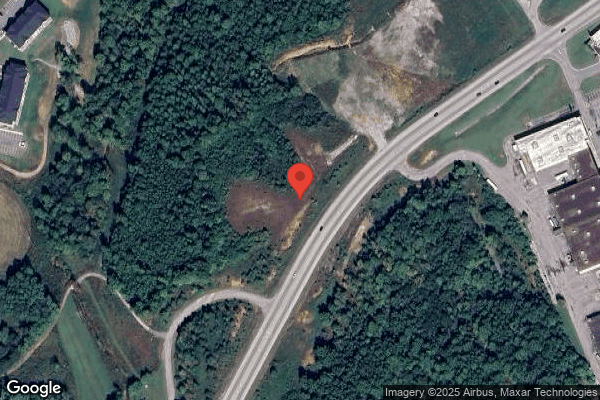
1850 Veteran's Way, Elizabethtown, KY 42701 (270) 769-2363
For profit - Corporation 124 Beds SIGNATURE HEALTHCARE Data: November 2025
Trust Grade
90/100
#37 of 266 in KY
Last Inspection: October 2024

Within standard 12-15 month inspection cycle. Federal law requires annual inspections.

Overview

Signature Healthcare of Elizabethtown has received a Trust Grade of A, indicating it is considered excellent and highly recommended among nursing homes. With a state rank of #37 out of 266 facilities in Kentucky, they are in the top half, and they rank #3 out of 7 in Hardin County, meaning there are only two local options that are better. The facility is showing improvement, as the number of reported issues decreased from 2 in 2023 to 1 in 2024. Staffing is average with a rating of 3 out of 5 stars and a turnover rate of 47%, which is in line with the state average. Notably, the facility has not incurred any fines, which is a positive sign, and they provide more RN coverage than many other facilities, ensuring that registered nurses are available to address potential health issues. However, there have been some concerning incidents. For example, the facility failed to properly date food items in the walk-in freezer, which poses potential safety risks. Additionally, they did not complete mandatory background checks on two new dietary staff members before their employment, which could compromise resident safety. Lastly, there was a documented case where a resident with severe cognitive impairments was at risk for falls, but the care plan was not adequately followed to prevent incidents. Overall, while Signature Healthcare of Elizabethtown has many strengths, these weaknesses should be carefully considered by families looking for a nursing home.

Trust Score
A
90/100
In Kentucky
#37/266
Top 13%
Safety Record
Low Risk
No red flags
Inspections
Getting Better
2 → 1 violations
Staff Stability
⚠ Watch
47% turnover. Above average. Higher turnover means staff may not know residents' routines.
Penalties
✓ Good
No fines on record. Clean compliance history, better than most Kentucky facilities.
Skilled Nurses
✓ Good
Each resident gets 50 minutes of Registered Nurse (RN) attention daily — more than average for Kentucky. RNs are trained to catch health problems early.
Violations
⚠ Watch
11 deficiencies on record. Higher than average. Multiple issues found across inspections.
★★★★★
5.0
Overall Rating
★★★☆☆
3.0
Staff Levels
★★★★★
5.0
Care Quality
★★★★☆
4.0
Inspection Score
Stable
2023: 2 issues
2024: 1 issues

The Good

  • 5-Star Quality Measures · Strong clinical quality outcomes
  • Full Sprinkler Coverage · Fire safety systems throughout facility
  • No fines on record

Facility shows strength in quality measures, fire safety.

The Bad

Staff Turnover: 47%

Near Kentucky avg (46%)

Higher turnover may affect care consistency

Chain: SIGNATURE HEALTHCARE

Part of a multi-facility chain

Ask about local staffing decisions and management

The Ugly 11 deficiencies on record

Oct 2024 1 deficiency
CONCERN (E)

Potential for Harm - no one hurt, but risky conditions existed

Employment Screening (Tag F0606)

Could have caused harm · This affected multiple residents

Based on interview, record review, and review of facility policy, the facility failed to complete the Kentucky (KY) Adult Caregiver Misconduct Registry checks prior to beginning employment on 2 of 3 c...

Read full inspector narrative →
Based on interview, record review, and review of facility policy, the facility failed to complete the Kentucky (KY) Adult Caregiver Misconduct Registry checks prior to beginning employment on 2 of 3 contracted dietary employees, Dietary Aide (DA) 1 and [NAME] 1. DA 1 began employment at the facility on 09/04/2024, and [NAME] 1 began employment on 09/11/2024. However, the facility failed to complete the KY Caregiver Misconduct Registry checks for both employees prior to employment, as the check were not completed until 10/24/2024, during the State Survey Agency (SSA) survey. The findings include: Review of the Kentucky Revised Statutes (KRS) 209.032 regulations revealed a vulnerable adult services provider, such as a long-term care facility, was to, Query as to whether prospective or current employee has validated substantiated finding of adult abuse, neglect, or exploitation -- Administrative regulations -- Central registry of substantiated findings made on or after July 15, 2014. Continued review of the Statute revealed an employee included a person hired directly or through contract by a vulnerable adult services provider with duties that involved or might involve one-on-one contact with a resident. Further review revealed a vulnerable adult services provider was to query the Cabinet as to if a validated substantiated finding of adult abuse, neglect, or exploitation was entered against an individual who was a prospective employee of the provider. Review of the facility's policy titled, Abuse, Neglect, and Misappropriation of Property revised 09/15/2023, revealed the facility conducted screenings to provide protection for the health, welfare, and rights of each resident residing in the facility. Continued review revealed the screening included conducting criminal background checks and a search of the State Aide Abuse Registry. Further review revealed however, the Kentucky Adult Caregiver Misconduct Registry (KACMR) checks were not included as part of the facility's screening process. Review of the Contracted Employee Policy, under section 12. Criminal Background Checks, revealed the contracted agency must perform a criminal background check (including State Abuse Registries and the National Sex Offender Registry). Per review, the contracted agency was to perform the checks on each of its respective personnel (including, without limitation, any of its contractors and agents who were to perform services or duties on-site at any facility) in accordance with Federal and State requirements. Continued review revealed the checks were to be performed in order to verify that such individuals who had contact with facility residents or had access to residents' medical records had not been found to have engaged in improper or illegal conduct relating to the elderly, children, or vulnerable individuals. Review of the personnel file for DA 1 revealed he was employed by the facility through a contracted company on 09/04/2024. Further review revealed however, the Kentucky Adult Caregiver Misconduct Registry (KACMR) check was not completed until 10/24/2024. Review of the personnel file for [NAME] (C) 1 revealed she was employed by the facility through a contracted company on 09/11/2024. Further review revealed however, the KACMR check was not completed until 10/24/2024. In interview with the Director of Nursing (DON) on 10/25/2024 at 9:35 AM, she stated the facility was contract or agency free or were almost contract or agency free as of July 2024. She stated the facility no longer used contract or agency employees and had not done that since July 2024. The DON further stated she had no knowledge of the background checks completed for new hires. In interview with Dietary District Manager (DDM) 1 on 10/25/2024 at 10:05 AM, he stated all the dietary staff were employees of a contracted company. He stated those employees were subject to the same background checks and any other state regulated checks prior to employment. DDM 1 stated if those checks were not done, the said potential employee would not be employed. Per DDM 1 in interview, both the contracted dietary employees' KACMR checks had, in fact, been done, just not before they were allowed to start working. He further stated he had not been aware the KACMR checks for DA 1 and [NAME] 1 were completed minutes before their files were produced for review by the SSA. In interview with the Administrator on 10/25/2024 at 10:40 AM, she stated contracted staff were responsible for their own background checks. She stated the contracted company had a district manager who worked in the facility with the dietary manager. The Administrator stated she did not know the exact procedure, but they (contract agency) was required to meet the same guidelines as the facility for whomever they hired. She stated she did not know their (contract agency) procedures; however, could find out through their corporate office as corporate did the facility's checks. She said it was an issue if the checks were not done, and the potential employee would not be hired. The Administrator stated she would email the facility's learning department and call the corporate office to check to see if the KACMR checks were mistakenly misfiled on the two employees in question (DA 1 and [NAME] 1). She reported the purpose of the KACMR checks was to keep people with misconduct from working in the facility. Per the Administrator in interview, she was not able to come up with a hypothetical potential issue if the checks were not being completed (as required). She stated someone employed directly by the facility would not be allowed to work because the policy for all facility employees to have the checks done prior to beginning work. The Administrator further stated she would have to look at the contract company's policy regarding background checks for potential new employees. She implied she was not the person responsible for overseeing the pre-employment checks for any contracted staff, and stated corporate was supposed to be taking care of that. In interview on 10/25/2024 at 11:33 AM, the Administrator reported employees were not able to be paid if the KACMR check had not been completed. She stated she was waiting for corporate to respond regarding the possible misfiled KACMR checks for DA 1 and [NAME] 1. In interview on 10/25/2024 at 12:45 PM, the Administrator reported she had been unable to locate the KACMR checks on the two contracted dietary employees (DA 1 and [NAME] 1).
Nov 2023 2 deficiencies
CONCERN (D) 📢 Someone Reported This

A family member, employee, or ombudsman was alarmed enough to file a formal complaint

Potential for Harm - no one hurt, but risky conditions existed

Resident Rights (Tag F0550)

Could have caused harm · This affected 1 resident

**NOTE- TERMS IN BRACKETS HAVE BEEN EDITED TO PROTECT CONFIDENTIALITY** Based on observation, interview, record review, and review of facility's policy, it was determined that the facility failed to e...

Read full inspector narrative →
**NOTE- TERMS IN BRACKETS HAVE BEEN EDITED TO PROTECT CONFIDENTIALITY** Based on observation, interview, record review, and review of facility's policy, it was determined that the facility failed to ensure residents were treated with dignity and respect in a manner that enhanced the resident's quality of life for one (1) of seven (7) sampled resident residents (Resident #2). The facility failed to honor Resident #2's right to refuse taking his/her medication. On 06/18/2023, Registered Nurse (RN) #3 was observed by staff holding Resident #2's nose during medication administration. The RN was overheared telling Resident #2, see there you go, after making him/her take the medication. On 10/27/2023 observation revealed Resident #2 was in his/her room, in bed sitting up, looking at television. Resident #2 was non-verbal so he/she was unable to be interviewed. In interview on 10/27/2023 at 9:01 AM, with [NAME] Clerk said Resident #2 says some words sometimes. The facility failed to honor resident's right to refuse take medications. The findings include: Review of the facility's policy titled, Resident Rights, last revised September 2023, revealed all residents had the right to be treated with respect and dignity. Continued review revealed resident's rights were to be promoted and protected by the facility. Further review revealed the facility would make every effort to support each resident in exercising his/her right to assure that the resident was always treated with respect, kindness, and dignity. Review of Resident #2's admission Record revealed the facility admitted the resident on 08/21/2021, with diagnoses of Dementia with Agitation, Muscle Weakness, Cognitive Communication Deficit, Dysphagia, Heart Failure, Paranoid Personality Disorder, and Parkinson's Disease. Review of Resident #2's Quarterly Minimum Data Set (MDS) assessment dated [DATE], revealed the facility assessed the resident to have a Brief Interview for Mental Status (BIMS) score of six (6) out of a possible fifteen (15), which indicated he/she was severely cognitively impaired. Continued review of the MDS, section E, regarding Behaviors, revealed the facility assessed Resident #2 had no indicators of Psychosis, and no behavioral symptoms directed toward others. Review of Resident #2's Comprehensive Care Plan revealed the facility care planned the resident's risk for behaviors such as refusal of care and medication from time to time. Continued review revealed interventions which included when Resident #2 was agitated with care or medication administration staff were to step back, allow time for the resident to calm down, and then re-approach. Review of the facility's investigation written witness statements revealed three (3) staff members including the perpetrator, RN #3, gave statements, that Resident #2 had not wanted to take his/her medication so the perpetrator pushed Resident #2's chin upward and pinched his/her nose so that the resident would swallow the medication. Observation on 10/27/2023 at 10:53 AM, revealed Certified Medical Technician (CMT) #6 assisted an un-sampled resident with his/her liquid medication administration. Continued observations revealed during the process of receiving the liquid medication administration the resident became choked. Further observation revealed CMT #6 stopped to ensure the resident had stopped choking. Further observation revealed CMT #6 asked the resident if he/she wanted to continue taking his/her medication. Additional observation revealed after the resident had recovered, CMT #6 continued to administer his/her medication until gone. During an interview on 10/27/2023 at 10:57 AM, CMT #6 stated the facility educated staff on residents' rights which included abuse and dignity; however, she had not provided care for Resident #2. The CMT stated anytime a resident became agitated or refused medication, she asked the resident why he/she was refusing, then tried to re-engage the resident later and if he/she continued to refuse she documented why the resident refused. CMT #6 stated she attempted to meet the needs of the resident on his/her cognitive level. The State Survey Agency (SSA) Surveyor was unable to reach RN #3 via telephone for an interview. In interview on 10/30/2023 at 11:24 AM, Registered Nurse (RN) #2 stated she worked at the facility on an as needed (PRN) basis. RN #2 stated if a resident refused to take their medication and staff attempted to force him/her to take it that was a form of abuse. The RN further stated it was the resident's right to refuse medication, and she documented why the resident refused to take the medication. Additionally, after reviewing the care plan for Resident #2, she stated staff might need to reapproach the resident later and try to administer the medication. RN #2 further stated she had never seen a resident forced to take their medication. In interview on 10/31/2023 at 10:34 AM, the Director of Nursing (DON), stated she received a call from Certified Nursing Assistant (CNA) #8, on 06/18/2023, stating he witnessed Registered Nurse (RN) involved in the incident hold Resident #2's nose to make him/her take their medication. The DON stated the CNA reported overhearing the RN telling Resident #2, see there you go. She stated she instructed staff to have the RN escorted out of the facility and for Resident #2 to be assessed. The DON stated the following day, 06/19/2023, she and the Administrator contacted the RN who said she did not remember holding Resident #2's nose. She stated the RN told them it was time for her to retire from nursing and would not comment anymore about the incident. The DON further stated it was never appropriate to hold a resident's nose and force him/her to take medication. During an interview on 10/31/2023 at 11:16 AM, the Administrator stated she received a call about the abuse allegation regarding Resident #2. She stated there had been a phone interview with RN#3 about not honoring the resident's refusal of medications. The Administrator stated the RN reported she was unable to remember making Resident #2 take his/her medications. She stated however, other staff witnessed the incident. The Administrator stated the RN had decided that day to resign from her position at the facility. In additional interview the Administrator stated Resident #2 had been assessed with no decline in his/her psychosocial wellbeing or skin injury noted. She further stated the facility treated all residents with dignity and respect all the time.
CONCERN (D) 📢 Someone Reported This

A family member, employee, or ombudsman was alarmed enough to file a formal complaint

Potential for Harm - no one hurt, but risky conditions existed

Accident Prevention (Tag F0689)

Could have caused harm · This affected 1 resident

**NOTE- TERMS IN BRACKETS HAVE BEEN EDITED TO PROTECT CONFIDENTIALITY** Based on observation, interview, record review, and review of the facility's policy it was determined the facility failed to hav...

Read full inspector narrative →
**NOTE- TERMS IN BRACKETS HAVE BEEN EDITED TO PROTECT CONFIDENTIALITY** Based on observation, interview, record review, and review of the facility's policy it was determined the facility failed to have an effective system to ensure adequate supervision and monitoring to prevent resident to resident altercations for three (3) of seven (7) sampled residents (Residents #1, #3, and #4). The facility failed to provide adequate supervision to ensure Residents #4 was protected from abuse by Resident #3. On 06/04/2023 at 12:07 PM, Resident #3, who had a history of physical aggression towards staff, hit Resident #4 once across the face, while agitated for an unknown reason. Resident #4 was observed to have a raised area on his/her lip after the incident. The facility failed to provide adequate supervision per Resident #3's care plan for the safety to other residents. On 10/11/2023 at 2:00 PM, Resident #3 was sitting in the Bistro area, and had pulled the table cloth off the dining room table when Resident #1 redirected Resident #3 and attempted to take the table cloth away. Resident #3 then hit Resident #1 on his/her right leg approximately six (6) to seven (7) times before staff could separate residents. After the incident, Resident #1 was assessed by nursing staff but no injuries were found. The finding include: Review of the facility's policy titled, Safety and Supervision of Resident, revised 09/15/2023, revealed resident safety and supervision that was appropriate based on the individual resident's needs were facility-wide priorities. Per review, when accident hazards were identified, the facility was to evaluate and analyze the cause(s) of the hazards and develop strategies to mitigate or remove the hazards to the extent possible. Further review revealed the facility was to complete a root cause analysis and determine an intervention based on the root cause. 1. Review of Resident #3's record revealed the facility admitted the resident on 11/14/2023, with diagnoses which included Atherosclerotic Heart Disease; Chronic Kidney Disease, Stage two (2); and Alzheimer's Disease. Review of Resident #3's Quarterly Minimum Data Set (MDS) assessment dated [DATE], revealed the facility assessed the resident to have a Brief Interview for Mental Status (BIMS) score of three (3), which indicated the resident was severely cognitive impaired. Continued review of the MDS, section E, titled Behaviors, revealed Resident #3 had experienced Psychosis, and exhibited behavioral symptoms directed toward others. Review of Resident #3's Comprehensive Care Plan (CCP) the facility had care planned the resident for behaviors. Continued review revealed the interventions for behaviors included every fifteen (15) minute checks; medication changes; and to maintain a calm environment and approach to the resident. Review of facility investigation revealed On 06/04/2023, Resident #3 and Resident #4 where in the hallway when Resident #3 rolled up to Resident #4 in his/her wheelchair and hit him/her in the mouth. Resident #4 sustained a raised area located on his/her lip. Review of Resident #3's Psychiatry Progress Note dated 10/20/2023, revealed the resident continued to display irritability at times. Continued review of the Note revealed Resident #3 also had verbal and physical aggression toward staff and other residents. Further review revealed Resident #3 was currently prescribed Depakote as a mood stabilizer and Citalopram for anxiety and depression. Observation of Resident #3 on 10/27/2023 at 9:49 AM, revealed the resident was sitting in his/her wheelchair in the facility's Bistro area, propelling himself/herself around the room. In interview on 10/27/2023 at 9:50 AM, Resident #3 stated he/she had friends at the facility; however, could not recall their names. Resident #3 could not recall any altercations with other residents or staff. In addition, Resident #3 was unable to recall the names of family, friends, or staff. 2. In interview on 10/27/2023 at 8:54 AM, Resident #1 stated while in the Bistro area he/she attempted to take the tablecloth away from Resident #3, after he/she had removed it from the table. Resident #1 stated Resident #3 had been angry at that time and used his/her fist hitting Resident #1's right leg six (6) to seven (7) times. Resident #1 continued to state that Resident #3 had cognitive deficits and would not remember the incident. Resident #1 stated Resident #3 was moved to the other side of the building after the incident. In addition, Resident #1 stated he/she was assessed by nursing staff which revealed no injuries. 3. In interview on 10/27/2023 at 2:02 PM, Resident #4 indicated she/he did not remember having an altercation with another resident. Resident #4 stated he/she got along with everyone including staff at the facility. In interview on 10/27/2023 at 2:07 PM, Certified Nursing Assistant (CNA) #2 stated Resident #4 had a history of alcoholism before his/her admission to the facility and he/she had been confused. In continued interview CNA#2 stated Resident #4 liked to visit other residents. She stated she did not remember any aggressive behaviors occurring between residents; however, further stated all abuse was reported to the Administrator or/and DON. Interview on 10/31/2023 at 9:32 AM, Licensed Practical Nurse (LPN) #3 reported there were documented resident-to-resident altercations which included incidents over loud televisions, visitors, or lights being on. The LPN stated staff reminded the residents to be respectful of each other. In continued interview LPN #3 stated most of the disagreements were with residents who had cognitive issues. LPN #3 further stated if the situation warranted, residents could have their room changed, or be placed on one (1) on one (1) supervision or every fifteen (15) minute checks. In interview on 10/31/2023 at 10:34 AM, the Director of Nursing (DON) stated she received a report on 06/04/2023 at 1:05 PM that Resident #3 had hit Resident #4 in the mouth, injuring his/her lip. The DON stated the facility was unable to figure out the root cause of the altercation. In continued interview the DON stated it was possible Resident #4 reminded Resident #3 of someone from his/her past experiences. The DON stated at that time the facility decided the best interventions for Resident #3 were every fifteen (15) minute checks, psychotherapy, and Celexa (an antidepressant) 20 mg. In addition, the DON stated the facility decided staff would monitor and document Resident #3's aggressive behaviors. In continued interview, on 10/31/2023 at 10:34 AM, the DON stated it was reported on 10/11/2023, when Resident #3 was in the dining room, he/she was involved in another altercation with Resident #1. The DON stated at that time the Assistant Director of Nursing (ADON) was notified; however, she was no longer employed at the facility. In continued interview the DON stated Resident #1 had taken a tablecloth away from Resident #3 after he/she had taken it off the dining table. Per the DON, Resident #3 thought the tablecloth was his/her own personal item and proceeded to hit Resident #1. The DON stated after the altercation, Resident #3 was continued on the every fifteen (15) minute checks, medication changes were made, and staff increased his/her activities. According to the DON, the Interdisciplinary Team (IDT) members were still trying to find Resident #3's triggers for his/her aggressive behaviors. In addition, the DON stated Resident #1 had been educated and encouraged not to approach other residents and to contact staff if he/she had concerns. In interview on 10/31/2023 at 11:16 AM, the Administrator stated Resident #3 had been diagnosed with Dementia and was followed by psychiatry, along with the Advanced Practice Registered Nurse (APRN) who had adjusted the resident's medications. The Administrator stated she had directed staff to document Resident #3's behaviors while he/she was on fifteen (15) minute checks. In continued interview the Administrator stated Resident #3 had no concept of what he/she was doing; however, staff was educated on how to assist the resident and provide necessary supervision. The Administrator stated Resident #1 had been educated to get staff to assist with addressing any concerns he/she had with others. Per the Administrator, Resident #1 had a habit of inserting himself/herself into other residents' visits with their families, their personal business, and other residents' private affairs. The Administrator stated her staff had been educated on Dementia care and reporting abuse. In interview on 11/03/2023 at 2:46 PM, the APRN stated Resident #3 had been diagnosed with acute Dementia with cognitive impairments. The APRN stated Resident #3 had been adjusting to his/her medication changes, and staff was instructed to document, monitor, and immediately notify the APRN of any aggressive behavior concerns. She stated the facility could not prevent behaviors of any resident; however, interventions had been implemented for Resident #3 to prevent repeat behaviors. In addition, she stated it had been five (5) months since Resident #3 had any negative behaviors which was an improvement. The APRN stated the goal of the facility was to keep all residents safe, including Resident #3.
Jul 2021 1 deficiency
CONCERN (D)

Potential for Harm - no one hurt, but risky conditions existed

Infection Control (Tag F0880)

Could have caused harm · This affected 1 resident

**NOTE- TERMS IN BRACKETS HAVE BEEN EDITED TO PROTECT CONFIDENTIALITY** Based on observations, interviews, record review and facility policy review, it was determined the facility failed to prevent th...

Read full inspector narrative →
**NOTE- TERMS IN BRACKETS HAVE BEEN EDITED TO PROTECT CONFIDENTIALITY** Based on observations, interviews, record review and facility policy review, it was determined the facility failed to prevent the possible spread of COVID-19 for one (1) of eighteen (18) sampled residents (Resident #230). Resident #230, who had not received the COVID-19 vaccine, was admitted to the facility on [DATE]. Observation of Resident #230 and the resident's room on 06/29/2021 revealed the facility failed to place the resident in isolation, per the facility's policy; and, failed to place appropriate signage and Personal Protective Equipment (PPE) outside the resident's door. The findings include: Review of the facility's policy, Novel Coronavirus (COVID-19) dated 06/02/2021, revealed the facility would place all new admissions to the facility who were not fully vaccinated for COVID-19 in isolation and on droplet precautions for fourteen (14) days. Review of Resident #230's medical record revealed the facility admitted the resident on 06/25/2021 with diagnoses that included Hypertension, Peripheral Vascular Disease, Diabetes, Depression and Atrial Fibrillation. Review of an E-mail notification dated 06/25/2021 at 1:41 PM sent from the Admissions Coordinator to the Director of Nursing (DON), Infection Control Nurse, and Administrator, revealed Resident #230 had not received the COVID-19 vaccination. Review of Resident #230's Physician's orders dated 06/25/2021, revealed the facility was to place the resident on droplet precautions upon admission to the facility for fourteen (14) days. Review of Resident #230's Baseline Care Plan for infection control dated 06/28/2021, revealed the resident was to be in isolation and on infection precautions as warranted per the resident's condition and Physician's Orders. Observation of Resident #230 on 06/29/2021 at 1:00 PM and 4:11 PM revealed the resident was sitting up on the side of the bed in his/her room. Continued observation revealed there was no identifier on the resident's room door or in an adjacent area indicating the resident was in isolation or on droplet precautions and no Personal Protective Equipment (PPE) was available for use prior to entering the resident's room. Interview with Registered Nurse (RN) #2, on 07/01/2021 at 10:30 AM, revealed when the facility admitted a resident not vaccinated for COVID-19, the facility automatically placed the resident in isolation and on droplet precautions for fourteen (14) days. RN #2 stated the facility should have placed Resident #230 in isolation and on precautions upon admission. Interview with the Infection Control Nurse (ICN), on 07/01/2021 at 12:41 PM, revealed the facility placed newly admitted residents who were not COVID-19 vaccinated in isolation and on precautions. Further interview revealed the Admissions Coordinator sent out an email related to the new admission's vaccine status. The ICN stated the Administration and the Interdisciplinary Team (IDT) discussed all new admissions and their vaccination status daily in the morning meeting. Continued interview with the ICN revealed staff documented new admissions and their vaccination status on the huddle sheet at the nurse's station, so all staff would be aware. Further interview with the ICN revealed staff should have placed Resident #230 in isolation upon arrival. She stated she was not aware of what occurred that made the facility miss placing the resident in isolation and on precautions. Interview with Licensed Practical Nurse (LPN) #4, on 07/01/2021 at 4:05 PM, revealed she was on duty when Resident #230 arrived to the floor on 06/25/2021. Continued interview with the LPN revealed she was aware of the facility's policy on newly admitted residents, and knew Resident #230 was not vaccinated for COVID-19. However, LPN #4 stated she forgot and failed to place an isolation kit/PPE on/at the resident's door. Interview with the Admissions Coordinator on 07/01/2021 at 10:45 AM, revealed she sent out the email to the department heads related to Resident #230's vaccination status prior to admission. The admission Coordinator stated staff should have placed the resident in isolation and on precautions. Interview with the Director of Nursing (DON), on 06/30/2021 at 3:56 PM, revealed the facility admitted Resident #230 on 06/25/2021, who was not vaccinated for COVID-19. Further interview with the DON revealed unvaccinated new admissions were placed in isolation and on precautions for fourteen (14) days. The DON stated staff should have placed the isolation/PPE kit on the resident's door immediately upon arrival. Interview with the Administrator, on 07/01/2021 at 5:41 PM, revealed all the department heads received an email regarding any new admissions with their vaccination status. Further interview revealed staff should have known and placed Resident #230 in isolation. The Administrator stated the Huddle team members discussed new admissions and their vaccination status each morning in the huddle meeting, but he did not know the staff failed to follow the policy for Resident #230.
May 2019 7 deficiencies
CONCERN (D)

Potential for Harm - no one hurt, but risky conditions existed

Deficiency F0583 (Tag F0583)

Could have caused harm · This affected 1 resident

Based on observation, interview, record review, and facility policy review, it was determined the facility failed to ensure a resident's right to personal privacy and confidentiality during personal c...

Read full inspector narrative →
Based on observation, interview, record review, and facility policy review, it was determined the facility failed to ensure a resident's right to personal privacy and confidentiality during personal care for one (1) of twenty-one (21) sampled residents (Resident #28). Staff failed to pull the privacy curtain for Resident #28 while providing care and another staff entered the room, without knocking or introducing herself prior to entering the room, exposing the resident to the outer hallway. The findings include: Review of facility policy titled, Resident Rights, dated 06/30/17, revealed all residents have the right to be treated with respect and dignity. These rights will be promoted and protected by the facility. All residents will be treated in a manner and in an environment that promotes maintenance or enhancement of quality of life. When providing care and services, the stakeholder will respect the resident's individuality and value their input by providing them a dignified existence, through self-determination and communication with and access to persons and services inside and outside the facility. Federal and state laws guarantee certain basic rights to all residents of the facility. These rights include the resident's right to:. Privacy and confidentially. The facility will make every effort to support each resident in exercising his/her right to ensure that the resident is always treated with respect, kindness, and dignity. Record review revealed the facility readmitted Resident #28 on 03/19/19 with diagnoses of Dementia, and Cognitive Communication Deficit. Review of a Significant Change Minimum Data Set (MDS) assessment, dated 05/24/19, revealed with Brief Interview for Mental Status (BIMS) score of ninety-nine (99) which indicated the resident was not interviewable. Observation on 05/29/19 at 3:05 PM revealed Certified Nurse Aide (CNA) #2 closed the door but failed to close the privacy curtain prior to providing care to Resident #28. Further observation revealed CNA #3 quickly entered the the resident's room during this time but failed to knock on the door or introduce herself, exposing Resident #28 to the outer hallway. Interview with CNA #2 on 05/29/19 at 3:15 PM revealed she forgot to pull the privacy curtain and knew it should always be pulled when giving resident care to protect the privacy of the resident. Interview with CNA #3 on 05/29/19 at 3:20 PM revealed she was looking for another resident, and was in a hurry so failed to knock on the door or introduce herself, but knew that was what she should have done. Interview with the Director of Nursing (DON) on 05/31/19 at 7:27 PM revealed she expected staff to always provide privacy while giving resident care, and they are taught this in CNA training and through annual competencies.
CONCERN (D)

Potential for Harm - no one hurt, but risky conditions existed

Comprehensive Care Plan (Tag F0656)

Could have caused harm · This affected 1 resident

Based on observation, interview, record review, and review of facility policy, it was determined the facility failed to ensure the comprehensive care plan was implemented for one (1) of twenty-one (21...

Read full inspector narrative →
Based on observation, interview, record review, and review of facility policy, it was determined the facility failed to ensure the comprehensive care plan was implemented for one (1) of twenty-one (21) sampled residents (Residents #3). Observation during a lunch meal on 05/30/19, revealed Certified Nurse Aide (CNA) #1 did not spoon liquids to Resident #3, as care planned. The findings include: Review of the facility's policy Comprehensive Care Plans, not dated, revealed a person-centered Comprehensive Care Plan that includes measurable objectives and timetables to meet the resident's medical, nursing, mental and psychological needs is developed for each resident. The care plan will include how the facility will assist the resident to meet their needs, goals and preferences. Care plan interventions are implemented after consideration of the resident's problem areas and their causes. Interventions address the underlying source(s) of the problems area(s), rather than addressing only symptoms or triggers. The interventions will reflect action, treatment, or procedure to meet the objectives toward achieving the resident goals. Record review revealed the facility admitted Resident #3 on 05/31/18, with diagnoses, which included Dementia and Alzheimer's Disease. Review of the Quarterly Minimum Data Set (MDS) Assessment, dated 02/11/19, revealed the facility was unable to complete a Brief Interview of Mental Status (BIMS), as Resident #3 is rarely/never understood. Further review of the Quarterly MDS revealed Resident #3 required extensive assistance of one (1) staff for eating. Review of a Physician's telephone order, dated 05/22/19 revealed all nectar thick liquids are to be given with a spoon. Review of Resident #3's Comprehensive Care Plan dated 06/06/18, revealed the resident to be nutritionally at risk with interventions to include nectar thick liquids given with spoon. Observation on 05/30/19 at 1:06 PM, revealed CNA #1 was assisting Resident #3 with his/her lunch meal. Further observation revealed she placed the drinks to Resident #3's mouth and did not spoon the liquids to the resident. Continued observation revealed Resident #3 coughed several times after taking drinks from the cup. After the surveyor viewed Resident #3's dietary slip, CNA #1 then began to spoon the liquids to Resident #3. Interview with CNA #1 on 05/30/19 at 1:25 PM, revealed she should have spooned the liquids to the resident because it stated to do so on the dietary slip. CNA #1 stated this keeps the resident from coughing so much. Interview with the Director of Nursing (DON) on 05/31/19 at 8:21 PM, revealed she expected the aides to follow the residents care plans and to be aware of any changes on the dietary slips.
CONCERN (D)

Potential for Harm - no one hurt, but risky conditions existed

Deficiency F0692 (Tag F0692)

Could have caused harm · This affected 1 resident

Based on interview, record review, and facility policy review, it was determined the facility failed to ensure one (1) of twenty-one (21) sampled residents maintained acceptable parameters of nutritio...

Read full inspector narrative →
Based on interview, record review, and facility policy review, it was determined the facility failed to ensure one (1) of twenty-one (21) sampled residents maintained acceptable parameters of nutritional status (Resident #8). On 05/13/19, the facility identified a significant weight loss of 10.5% for Resident #8, however, the facility failed to place Resident #8 on weekly weights after identifying a significant weight loss. The findings include: Review of the facility policy, Weight Monitoring, revised 09/28/17, revealed if significant weight change is identified the Registered Dietician will be notified as appropriate, for any recommendations. Residents will be weighed weekly for four (4) weeks, and reviewed until the resident's weight has stabilized or the issue is resolved through other parameters. Record review revealed the facility admitted Resident #8 on 02/19/19, with diagnoses which included Chronic Obstructive Pulmonary Disease (COPD), Hypertension, and Anxiety. Review of the admission Minimum Data Set (MDS) assessment, dated 02/26/19, revealed the facility assessed Resident #8's cognition as severely impaired with a Brief Interview of Mental Status (BIMS) score of six (6), which indicated the resident was not interviewable. Review of Resident #8's Comprehensive Care Plan for Nutritionally at Risk due to use of diuretics dated 03/05/19, revealed a goal for the resident's weight to remain within five (5) pounds plus or minus current weight through next review date with interventions to monitor weight for significant weight loss, chewing/swallowing problems and Registered Dietician (RD) to evaluate and treat as needed. Review of Resident #8's Weight Record revealed the resident weighed 157 pounds on 04/10/19 and 140.50 pounds on 05/13/19, which was a significant weight loss of 10.50 percent in one (1) month. However, further review of the record revealed the resident was not placed on weekly weights per facility policy. Review of the Weight Record revealed Resident #8's weight was not obtained again until 05/30/19, at which time the resident weighed 137.5 pounds. Interview with the Registered Dietitian (RD) on 05/31/19 at 1:11 PM, revealed he had identified Resident #8's weight loss on 05/13/19 and he added fortified foods to add more calories since the resident's intake was at sixty (60) percent or greater with all meals. The RD stated the resident should have been placed on weekly weights, but for some reason it may have been overlooked. He stated the residents weight was obtained as recently as 05/30/19. Interview with the Director of Nursing (DON) on 05/30/19 at 8:21 PM, revealed she would have expected a resident with significant weight loss to be placed on weekly weights. She stated this could be a nursing measure, one put in place by the RD, or the physician. The DON stated somehow it was missed by all disciplines.
CONCERN (D)

Potential for Harm - no one hurt, but risky conditions existed

Tube Feeding (Tag F0693)

Could have caused harm · This affected 1 resident

Based on observation, interview, record review, and facility policy review, it was determined the facility failed to ensure a resident who is fed by enteral means received the appropriate treatment an...

Read full inspector narrative →
Based on observation, interview, record review, and facility policy review, it was determined the facility failed to ensure a resident who is fed by enteral means received the appropriate treatment and services to prevent complications of enteral feeding including but not limited to aspiration and pneumonia for one (1) of one (1) sampled resident with a feeding tube (Residents #84). Observation revealed a licensed staff failed to check for tube placement prior to administering flushes and medications to Resident #84's gastrostomy tube. The findings include: Review of the facility's policy, titled Medication Administration Through Enteral Feeding Tubes, dated September 2018, revealed nursing should verify tube placement per facility protocol prior to flushing the tube and administering medications. Record review revealed the facility readmitted Resident #84, on 02/15/19, with diagnoses which included Personal History of Traumatic Brain Injury, and Gastrostomy Status. Review of the Annual Minimum Data Set (MDS) Assessment, dated 05/05/19, revealed the facility was unable to complete a Brief Interview of Mental Status (BIMS), as Resident #84 is rarely/never understood. Further review of the MDS assessment, Section G revealed the resident was totally dependent on staff for all care needs. Review of the Comprehensive Care Plan for potential for complications related to using/having a feeding tube revealed interventions to include check tube placement by draw back aspiration and auscultation prior to administering any bolus enteral feeding. Observation during a medication pass, on 05/29/19 at 11:57 AM, revealed Registered Nurse (RN) #1 did not check for tube placement prior to administering flushes and medications to Resident #84's gastrostomy tube. Interview with Registered Nurse (RN) #1, on 05/31/19 at 12:51 PM, revealed she knew she should have checked for placement of the tube prior to administering flushes and medications. Interview with the Director of Nursing (DON), on 05/31/29 at 8:21 PM, revealed she expected nurses to check tube placement prior to administering any fluids and/or medications to prevent aspiration.
CONCERN (D)

Potential for Harm - no one hurt, but risky conditions existed

Deficiency F0761 (Tag F0761)

Could have caused harm · This affected 1 resident

Based on observation, interview, and review of the facility's policy and procedure, it was determined the facility failed to ensure drugs used in the facility are labeled in accordance with currently ...

Read full inspector narrative →
Based on observation, interview, and review of the facility's policy and procedure, it was determined the facility failed to ensure drugs used in the facility are labeled in accordance with currently accepted professional principles. On 05/30/19, observation of one (1) of three (3) medication carts on the A, B, and C Hall, revealed medication was not dated when opened. The findings include: Review of the facility's policy titled, Medications With Special Expiration Date Requirements, dated September 2010, revealed the date of opening should be noted on the container/vial. Observation of the C Hall medication cart, on 05/30/19 at 4:22 PM, revealed an opened bottle of Cetirizine not dated, with approximately one-fourth (1/4) of liquid remaining. Interview with Licensed Practical Nurse (LPN) #1, on 05/30/19 at 4:24 PM, revealed all liquid medications should be dated when opened. Interview with the Director of Nursing (DON), on 05/30/19 at 5:19 PM, revealed she expected the nurses to date liquid medications when opened to ensure it is not used beyond the expiration date.
CONCERN (E)

Potential for Harm - no one hurt, but risky conditions existed

Deficiency F0657 (Tag F0657)

Could have caused harm · This affected multiple residents

2. Record review revealed the facility re-admitted Resident #11 on 02/09/19 with diagnoses which included Unspecified Dementia, Muscle Weakness, Difficulty in walking, Repeated Falls, Abnormalities of...

Read full inspector narrative →
2. Record review revealed the facility re-admitted Resident #11 on 02/09/19 with diagnoses which included Unspecified Dementia, Muscle Weakness, Difficulty in walking, Repeated Falls, Abnormalities of Gait and Mobility, Need for Continuous Supervision, Unsteadiness on Feet, Cognitive Communication Deficit, Major Depressive Disorder, and Acute and Chronic Respiratory Failure. Review of Quarterly MDS assessment, dated 02/22/19, revealed the facility assessed Resident #11's cognition as severely impaired with a BIMS score of three (03), which indicated the resident was not interviewable. Review of the Comprehensive Care Plan, Falls Risk, dated 02/21/17, revealed the resident was at risk for injury related to falls due to balance problems during transition, fall history, and dementia with mood disorder. Further review revealed interventions for staff to use fall risk screen, report falls to physician and responsible party, observe for side effects that cause gait disturbance, ensure call light within reach, ensure adequate lighting provided, keep high traffic areas clear of clutter, refer to therapy as needed, non-skid strips to bathroom floor and both sides of bed, encourage resident to sit closer in the dining room, encourage rest, and proper footwear. In addition, review of the CNA Care Plan not dated revealed interventions listed were observe for appropriate footwear, orient to room and surroundings, offer to lay down after meals, fall mat, and check for incontinence if resident appears restless. Review of the Facility Fall Incident Reports dated 02/08/19, 05/08/19, 05/11/19, and 05/22/19 revealed Resident #11 sustained falls; however, further review of the Comprehensive Care Plan and CNA Care Plan, revealed there was no documented evidence the care plans were revised with an intervention to address the root cause of each fall and to try to prevent further falls. In addition, review of Facility Fall Incident Report dated 04/13/19 revealed Resident #11 had a fall and the facility's identified post fall intervention was for Restorative Nursing; however, further review of the Comprehensive and CNA Care Plans revealed there was no documented evidence the care plan was revised to include Restorative services and further record review revealed no documented evidence Restorative Care was provided. 3. Record review, revealed the facility re-admitted Resident #70 on 10/10/18 with diagnosis which included Down Syndrome, Unspecified Intellectual disabilities, Muscle weakness, Repeated Falls, Dependence on wheelchair, Lack of Coordination, abnormalities of gait and mobility and depressive episodes. Review of Quarterly MDS assessment, dated 04/26/19, revealed the facility assessed Resident #70's cognition as severely impaired with a BIMS score of zero (0), which indicated the resident was not interviewable. Review of the Comprehensive Care Plan, Falls Risk, dated 10/23/18, revealed the resident was at risk for injury related to falls due to history of falls and intellectual disabilities. Further review revealed interventions for staff to observe for appropriate footwear, encourage activities, refer to therapy as needed, orient to room and surroundings as needed, dycem to wheelchair, alarm to chair, offer to lay own after meals, doll/stuffed animal for security, fall mat, ensure proper position in wheelchair, and check for incontinence when resident appears restless. In addition, review of the CNA Care Plan not dated revealed interventions for a raised toilet seat, call light within reach, non-skid strips to bathroom floor, nonskid socks, and toilet every two hours. Review of Facility Fall Incident Reports dated 01/21/19, 03/26/19 and 04/04/19 revealed the cause of all three (3) falls was related to Resident #70 sliding out of his wheelchair. In addition, review of Facility Fall Incident Reports dated 02/25/19, 03/11/19, 03/22/19, 03/23/19, and 04/19/19 revealed the cause of these falls was related to Resident #70 having unwitnessed falls in room. Lastly, review of Facility Fall Incident Reports dated 04/18/19 and 04/19/19 revealed these falls occurred as a result of Resident #70 having a seizure and falling out of wheelchair. However, further review of the Comprehensive Care Plan, dated 10/23/19 and CNA Care Plan not dated revealed the care plans were not revised with interventions to prevent falls from wheelchair after the 01/21/19, 03/26/19 and 04/04/19 falls, for unsupervised falls from bed and in room after the 03/11/19, 03/22/19, 03/23/19, and 04/19/19 falls; and to address falls and prevent injuries related to seizures for the 04/18/19 and 04/19/19 falls. 4. Record review, revealed the facility re-admitted Resident #32 on 07/20/18 with diagnosis which included Cerebral Infarction, Pick's Disease, Chronic Obstructive Pulmonary Disease, Muscle Weakness, Abnormalities of gait and mobility, Altered mental status, Unspecified lack of coordination and Cognitive communication deficit. Review of Quarterly MDS assessment, dated 03/22/19, revealed the facility assessed Resident #32's cognition as severely impaired with a BIMS score of zero (0), which indicated the resident was not interviewable. Review of the Comprehensive Care Plan, Falls Risk, dated 08/02/18, revealed the resident was at risk for injury related to falls dementia, history of seizures, recent stroke, right sided weakness, wandering, communication deficit, and poor safety awareness. Further review revealed interventions in place were to provide adequate lighting, refer to therapy as needed, provide family education on safety awareness, keep bedside tables out of reach for safety, observe for appropriate footwear, fall mats, anti-roll backs to wheelchair, and bed and chair alarms. In addition, review of the CNA Care Plan under safety/falls risk, not dated, revealed there were interventions to provide chair and bed alarm, right arm tray on wheelchair, and leans to right side in wheelchair. Review of Facility Fall Incident Reports dated 02/20/19, 03/09/19, 03/10/19, 04/24/19, 05/15/19, 05/21/19, 05/22/19, and 05/26/19 revealed the cause of all of the falls was related to Resident #32 attempting unassisted transfers and/or unwitnessed falls in room due to inadequate supervision. However, further review of the Comprehensive Care Plan dated 08/02/18, and CNA Care Plan not dated revealed there were no revisions to the care plan to try to prevent further falls due to the resident attempting unassisted transfers and falling in room after the 02/20/19, 03/09/19, 03/10/19, 04/24/19, 05/15/19, 05/21/19, 05/22/19, and 05/26/19 falls. Interview with LPN #4 on 05/31/19 at approximately 7:25 PM revealed nursing is responsible for completing the resident assessment, investigation, documentation and immediate care plan intervention related to a resident fall. LPN #4 stated the information then goes to the IDT team and they identify additional interventions if necessary and ensure the care plan is updated. LPN #4 stated he was unsure who was responsible for updating the care plan if the IDT team failed to do so. Interview with LPN #5 on 05/31/19 at approximately 7:30 PM revealed nursing is responsible for assessing resident, notifying physician and responsible party, documentation and identifying interventions after a resident has a fall in the facility. LPN #5 stated the information then goes to the IDT team and they look at the falls information and ensure completion of everything, to include identifying interventions and ensuring the care plan was updated. LPN #5 stated the IDT team is the final set of eyes that review the falls and ensure the care was updated to reflect new interventions identified. Interview with the DON on 05/31/19 at 5:11 PM revealed the IDT team goes over all orders in the morning meeting and it is the responsibility of the IDT team, the MDS Coordinator, and Unit Managers to update care plans. She stated all interventions attempted should have been added on the care plan, but none were, and she did not know what could have happened that they were not. Based on interview, record review, and facility policy review it was determined the facility failed to ensure four (4) of twenty-one (21) sampled residents care plans were revised related to nutrition, or falls (Residents #11, #70, #32 and #10) . Resident #10 had a Significant Weight Loss from 12/10/18 to 05/13/19 (154 pounds {lbs} to 113.5 lbs) with multiple interventions attempted by the physician, the Dietician, family members and staff; however, the staff failed to revise the Comprehensive Care Plan related to the significant weight loss to include goal, and interventions that were attempted. In addition, Resident #11, #70, and #32 had multiple falls, however, the facility failed to revised the care plan to address the root cause of the falls to try to prevent future falls. The findings include: Review of the facility's policy Comprehensive Care Plans, not dated, revealed a person-centered Comprehensive Care Plan that includes measurable objectives and timetables to meet the resident's medical, nursing, mental and psychological needs is developed for each resident. The care plan will include how the facility will assist the resident to meet their needs, goals and preferences. Care plan interventions are implemented after consideration of the resident's problem areas and their causes. Interventions address the underlying source(s) of the problems area(s), rather than addressing only symptoms or triggers. The interventions will reflect action, treatment, or procedure to meet the objectives toward achieving the resident goals. 1. Record review revealed the facility admitted Resident #10 on 02/21/18 with diagnoses which included Alzheimer's Disease and need for continuous supervision. Review of the Annual Minimum Data Set (MDS) assessment, dated 02/22/19 revealed the facility assessed Resident #10's cognition as severely impaired with a Brief Interview for Mental Status (BIMS) score of three (3), which indicated the resident was not interviewable. Review of Resident #10's Comprehensive Care Plan, dated 02/26/19, for: I am at nutritional risk: I am a picky eater, I like bananas, pudding, and ice cream revealed a goal I will have no significant weight changes by next review. Further review revealed interventions to weigh and monitor per protocol and provide diet, snack, and supplement as ordered. Review of Resident #10's Medical Nutrition Review dated 02/26/19 revealed his/her weight was down 7.5 % in one (1) month. Supplemented with promod 30 milliliters (ml) (a protein supplement) two times a day (BID), Medplus 120 ml BID, and Vitamin C juices BID. Review of Resident #10 Physician's Orders dated 05/12/19 revealed to draw a complete blood count (CBC) and basic metabolic panel (BMP) related to weight loss, on 0/13/ 19 and to add to weekly weights related to weight loss. Review of Point Click Care (PCC) electronic charting system for weights and vital sign recordings revealed Resident #10 weighed 154 pounds (lbs) on 12/10/18 and 113.5 lbs on 05/13/19; a 26.3 percent (%) weight loss in six (6) months. However, further review of the Comprehensive Care Plan, dated 02/26/19 revealed there were no revisions to address the resident's significant weight loss or the interventions put in place to address the weight loss. Observation on 05/31/19 at 7:46 AM revealed staff assisted Resident #10 with breakfast but he/she refused all food and drink at the time of the observation. Further observation revealed the Certified Nurse Aide (CNA) spoke in Spanish to try to encourage intake, but without success. Interview on 05/31/19 at 9:24 AM with Resident #10's daughter and Power of Attorney (POA) related to weight loss, stated the resident was extremely stubborn at this time and she realized you cannot make him/her eat and have tried. She stated she felt staff tried every possible intervention to encourage him/her to eat but without success. Interview with Licensed Practical Nurse (LPN) #1, Charge Nurse, on 05/31/19 at 4:00 PM revealed the goal and interventions listed on Resident #10's care plan no longer apply, and should have been updated. Interview with the Director of Nursing (DON) on 05/31/19 at 5:11 PM revealed the Interdisciplinary Team (IDT) team goes over all orders in the morning meeting and it is the responsibility of the IDT team, the MDS Coordinator, and Unit Managers to update care plans. She stated all interventions attempted should have been added on the care plan, but none were, and she did not know what could have happened that they were not.
CONCERN (F)

Potential for Harm - no one hurt, but risky conditions existed

Food Safety (Tag F0812)

Could have caused harm · This affected most or all residents

Based on observation, interview, and facility policy review, it was determined the facility failed to ensure food was stored, in accordance with professional standards for food service safety. Observ...

Read full inspector narrative →
Based on observation, interview, and facility policy review, it was determined the facility failed to ensure food was stored, in accordance with professional standards for food service safety. Observation of the kitchen, on 05/29/19, revealed food stored in the walk-in freezer was not dated. Review of the facility Census and Condition, dated 05/29/19, revealed seventy-one (71) of seventy-six (76) residents received their meals from the kitchen. The findings include: Review of the facility policy titled, Food Storage, last revised 11/01/14, revealed all products should be dated upon receipt and when they are prepared. Observation of the walk-in freezer during initial tour, on 05/29/19 at 11:20 AM, revealed one (1) bag of hush puppies and two (2) bags of french fries not dated. Interview with Dietary Aide #1, on 05/30/19 at 5:17 PM, revealed all items stored in the freezer should be dated and labeled. Interview with the Dietary Manager, on 05/29/19 at 11:30 AM, revealed she expected all food items in the freezer to be dated. She stated the cook was going to use those items today.
Understanding Severity Codes (click to expand)
Life-Threatening (Immediate Jeopardy)
J - Isolated K - Pattern L - Widespread
Actual Harm
G - Isolated H - Pattern I - Widespread
Potential for Harm
D - Isolated E - Pattern F - Widespread
No Harm (Minor)
A - Isolated B - Pattern C - Widespread

Questions to Ask on Your Visit

  • "Can I speak with families of current residents?"
  • "What's your RN coverage like on weekends and overnight?"

Our Honest Assessment

Strengths
  • • Grade A (90/100). Above average facility, better than most options in Kentucky.
  • • No major safety red flags. No abuse findings, life-threatening violations, or SFF status.
  • • No fines on record. Clean compliance history, better than most Kentucky facilities.
Concerns
  • • 11 deficiencies on record. Higher than average. Multiple issues found across inspections.
Bottom line: Generally positive indicators. Standard due diligence and a personal visit recommended.

About This Facility

What is Signature Healthcare Of Elizabethtown's CMS Rating?

CMS assigns Signature Healthcare of Elizabethtown an overall rating of 5 out of 5 stars, which is considered much above average nationally. Within Kentucky, this rating places the facility higher than 99% of the state's 100 nursing homes. This rating reflects solid performance across the metrics CMS uses to evaluate nursing home quality.

How is Signature Healthcare Of Elizabethtown Staffed?

CMS rates Signature Healthcare of Elizabethtown's staffing level at 3 out of 5 stars, which is average compared to other nursing homes. Staff turnover is 47%, compared to the Kentucky average of 46%.

What Have Inspectors Found at Signature Healthcare Of Elizabethtown?

State health inspectors documented 11 deficiencies at Signature Healthcare of Elizabethtown during 2019 to 2024. These included: 11 with potential for harm.

Who Owns and Operates Signature Healthcare Of Elizabethtown?

Signature Healthcare of Elizabethtown is owned by a for-profit company. For-profit facilities operate as businesses with obligations to shareholders or private owners. The facility is operated by SIGNATURE HEALTHCARE, a chain that manages multiple nursing homes. With 124 certified beds and approximately 116 residents (about 94% occupancy), it is a mid-sized facility located in Elizabethtown, Kentucky.

How Does Signature Healthcare Of Elizabethtown Compare to Other Kentucky Nursing Homes?

Compared to the 100 nursing homes in Kentucky, Signature Healthcare of Elizabethtown's overall rating (5 stars) is above the state average of 2.8, staff turnover (47%) is near the state average of 46%, and health inspection rating (4 stars) is above the national benchmark.

What Should Families Ask When Visiting Signature Healthcare Of Elizabethtown?

Based on this facility's data, families visiting should ask: "Can I visit during a mealtime to observe dining assistance and food quality?" "How do you handle medical emergencies, and what is your hospital transfer rate?" "Can I speak with family members of current residents about their experience?"

Is Signature Healthcare Of Elizabethtown Safe?

Based on CMS inspection data, Signature Healthcare of Elizabethtown has a clean safety record: no substantiated abuse findings (meaning no confirmed cases of resident harm), no Immediate Jeopardy citations (the most serious violation level indicating risk of serious injury or death), and is not on the Special Focus Facility watch list (a federal program monitoring the lowest-performing 1% of nursing homes). The facility has a 5-star overall rating and ranks #1 of 100 nursing homes in Kentucky. While no facility is perfect, families should still ask about staff-to-resident ratios and recent inspection results during their visit.

Do Nurses at Signature Healthcare Of Elizabethtown Stick Around?

Signature Healthcare of Elizabethtown has a staff turnover rate of 47%, which is about average for Kentucky nursing homes (state average: 46%). Moderate turnover is common in nursing homes, but families should still ask about staff tenure and how the facility maintains care continuity when employees leave.

Was Signature Healthcare Of Elizabethtown Ever Fined?

Signature Healthcare of Elizabethtown has no federal fines on record. CMS issues fines when nursing homes fail to meet care standards or don't correct problems found during inspections. The absence of fines suggests the facility has either maintained compliance or corrected any issues before penalties were assessed. This is a positive indicator, though families should still review recent inspection reports for the full picture.

Is Signature Healthcare Of Elizabethtown on Any Federal Watch List?

Signature Healthcare of Elizabethtown is not on any federal watch list. The most significant is the Special Focus Facility (SFF) program, which identifies the bottom 1% of nursing homes nationally based on persistent, serious quality problems. Not being on this list means the facility has avoided the pattern of deficiencies that triggers enhanced federal oversight. This is a positive indicator, though families should still review the facility's inspection history directly.