Elkton Nursing and Rehabilitation Center
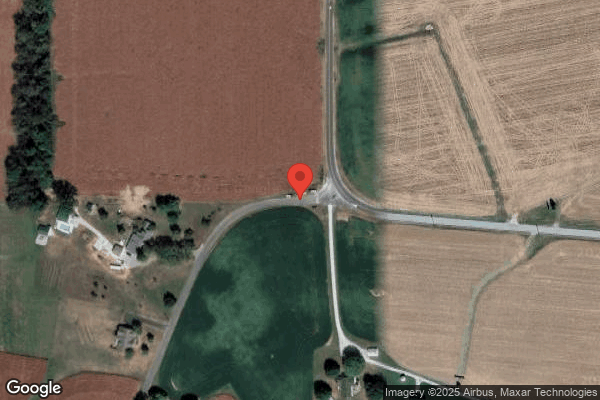

506 Allensville Road, Elkton, KY 42220 (270) 265-5321
For profit - Limited Liability company 60 Beds Independent Data: November 2025
Trust Grade
35/100
#222 of 266 in KY
Last Inspection: September 2024

Within standard 12-15 month inspection cycle. Federal law requires annual inspections.

Overview

Elkton Nursing and Rehabilitation Center has a Trust Grade of F, indicating significant concerns about the quality of care provided. Ranking #222 out of 266 facilities in Kentucky places it in the bottom half, and it is the only nursing home in Todd County, meaning there are no better local options. The facility is improving, with the number of issues decreasing from eight in 2024 to just one in 2025. However, staffing is a notable weakness, with a poor rating of 1 out of 5 stars and a high turnover rate of 68%, far above the state average. Additionally, the center faced $30,641 in fines, which is concerning as it is higher than 89% of Kentucky facilities, suggesting ongoing compliance issues. Specific incidents have raised alarms, such as staff not being fit tested for N95 masks while caring for COVID-19 patients and residents' call lights being out of reach, leading to delayed assistance. Overall, while there are some signs of improvement, the facility's weaknesses are significant and concerning for families considering care options.

Trust Score
F
35/100
In Kentucky
#222/266
Bottom 17%
Safety Record
Low Risk
No red flags
Inspections
Getting Better
8 → 1 violations
Staff Stability
⚠ Watch
68% turnover. Above average. Higher turnover means staff may not know residents' routines.
Penalties
⚠ Watch
$30,641 in fines. Higher than 80% of Kentucky facilities, suggesting repeated compliance issues.
Skilled Nurses
⚠ Watch
Each resident gets only 19 minutes of Registered Nurse (RN) attention daily — below average for Kentucky. Fewer RN minutes means fewer trained eyes watching for problems.
Violations
⚠ Watch
16 deficiencies on record. Higher than average. Multiple issues found across inspections.
★☆☆☆☆
1.0
Overall Rating
★☆☆☆☆
1.0
Staff Levels
★☆☆☆☆
1.0
Care Quality
★★☆☆☆
2.0
Inspection Score
Stable
2024: 8 issues
2025: 1 issues

The Good

  • Full Sprinkler Coverage · Fire safety systems throughout facility
  • No fines on record

Facility shows strength in fire safety.

The Bad

1-Star Overall Rating

Below Kentucky average (2.8)

Significant quality concerns identified by CMS

Staff Turnover: 68%

22pts above Kentucky avg (46%)

Frequent staff changes - ask about care continuity

Federal Fines: $30,641

Below median ($33,413)

Moderate penalties - review what triggered them

Staff turnover is elevated (68%)

20 points above Kentucky average of 48%

The Ugly 16 deficiencies on record

Jul 2025 1 deficiency
CONCERN (E) 📢 Someone Reported This

A family member, employee, or ombudsman was alarmed enough to file a formal complaint

Potential for Harm - no one hurt, but risky conditions existed

Deficiency F0558 (Tag F0558)

Could have caused harm · This affected multiple residents

Based on observation, interview, and review of facility policy, the facility failed to ensure residents had the right to receive services in the facility with reasonable accommodations of resident nee...

Read full inspector narrative →
Based on observation, interview, and review of facility policy, the facility failed to ensure residents had the right to receive services in the facility with reasonable accommodations of resident needs and preferences for 7 out of 15 sampled residents, Resident (R)8, R9, R30, R32, R33, R36, and R49. R32 and R36 complained call lights were not answered timely. Additionally, observations on 07/22/2024, and 07/24/2025, revealed R8, R9, R30, R33, and R49's call light was out of reach, and inaccessible to the residents.Review of the facility policy titled, Resident Rights, undated, revealed the resident has the right to a dignified existence, self-determination, and communication with and access to persons and services inside and outside the facility. Review of the facility policy titled, Placement of Call Light and Answering Call Light, undated, revealed the call light should be plugged in at all times, and when a resident is in bed or confined to a chair the call light shall be within reach of the resident. Further review of the policy revealed all defective call lights should be reported to the nurse supervisor promptly; and answer the resident's call light immediately. Review of the facility document titled, In-Service Training Report, dated 05/28/2025, revealed all call lights must be answered immediately by any available staff even if you are not assigned to that room or section. 1. Review of R32's Face Sheet located in the Electronic Medical Record (EMR), revealed the facility admitted the resident on 01/21/2025 with diagnoses including fibromyalgia, major depressive disorder, gastroesophageal reflux disease without esophagitis, and cough, unspecified. Review of R32's quarterly Minimum Data Set (MDS) assessment with an Assessment Reference date (ARD) of 05/14/2025, revealed the facility assessed R32 as having a Brief Interview for Mental Status (BIMS) score of 15 out of 15, indicating intact cognition. Further review revealed R32 was assessed as ambulation not attempted, and as always incontinent of bowel and bladder. Continued review revealed the facility assessed the resident as receiving oxygen therapy. Review of R32's Comprehensive Care Plan, revealed a focus area stating the resident would have no substantiated false accusations/allegations through next assessment date. Date Initiated: 01/27/2025, Revised on: 05/13/2025, Target Date: 08/06/2025. Interventions included: Abuse policy is to be followed with each allegation as indicated; Allow resident to discuss feelings of anger, powerlessness, and frustration as needed; and Allow resident to express thoughts without judgement from facility staff. All interventions were initiated on 01/27/2025 and revised on 04/07/2025. Observation of R32, on 07/22/2025 at 12:34 PM, revealed she was in bed and was receiving oxygen at 3.5 liters per minute per nasal cannula. During an interview with R32, on 07/22/2025 at 12:34 PM, she stated at times her call light went off for over an hour before staff would come to her room to answer it. R32 stated at times staff (could not recall which staff) would just stand outside her room looking at her like she had the plague. She stated she was told by one of the nurses (could not recall which nurse) that most staff were banned from her room. She stated she did not want anyone banned from her room. R32 further stated the nurses on both sides of the building would not enter her room. In further interview with R32, on 07/22/2025 at 12:34 PM, she stated she was having trouble breathing and her oxygen (saturation) was low. She stated staff would not come to her room to help her. R32 stated she begged someone to call the ambulance. She further stated she started screaming to get someone back to her room. R32 stated she felt panicked when staff did not answer her call light timely. During an interview with SRNA3 and SRNA5, on 07/25/2025 at 10:45 AM, they both stated sometimes they would have to go find people that were allowed in R32's room, unless it was an emergency as the resident would only allow certain staff to care for her. They could not recall a specific incident related to staff not answering her call light timely. However, further interview revealed it was important for staff to answer R32's call light quickly in case there was an emergency. During an interview with SRNA2, on 07/25/2025 at 10:50 AM, she stated R32 would only allow a handful of people in her room. Also, there had to be two people minimum to go into her room because of her history of making accusations against staff. However, SRNA2 stated it was important for staff to answer R32's call light quickly to keep her calm. During an interview with Licensed Practical Nurse (LPN)4, on 07/25/2025 11:00 AM, she stated only certain staff were allowed in R32's room, unless it was an emergency. In further interview, she stated R32 would have panic attacks thinking that her oxygen saturations were low, and staff would try to calm her down. However, LPN4 stated it was important for staff to answer R32's call light quickly to keep her from panicking. 2. Review of R36's Face Sheet, revealed the facility admitted the resident on 05/22/2024, with diagnosis including cerebral infarction, hemiplegia affecting left side, dysphagia, and type 2 diabetes. Review of R36's quarterly MDS Assessment, dated 06/28/2025, revealed the facility assessed the resident as having a BIMS score of 15 out of 15, indicating intact cognition. Continued review of the MDS, revealed the facility assessed the resident as requiring substantial/maximal assistance with mobility, dressing, bathing, and toileting. Further, the facility assessed the resident as always incontinent of bowel and bladder. During an interview with R36, on 07/22/2025 at 3:33 PM, she stated one morning before night shift left, staff assisted her up in her wheelchair around 6:20 AM. She stated shortly after, she had a bowel movement while up in the chair. R36 stated she rang the call light which took a long time for an aide to answer, and then the aide told her it was change of shift and she would have to wait for dayshift to assist her. R36 could not recall the date of the incident nor the name of the aide who told her she would have to wait. In further interview, R36 stated it always took forever for her call light to be answered during shift change. She stated most days and nights it took well over an hour for someone to answer her call light. During an interview with SRNA3 and SRNA5, on 07/25/2025 at 10:45 AM, they both stated they were unaware of R36 having to wait for incontinence care or wait a long time for the call light to be answered. During an interview with SRNA2, on 07/25/2025 at 10:50 AM, she stated she could not recall an incident when R36 had a bowel movement in the wheelchair. Per interview, residents should not have to wait a long time for the call lights to be answered or for incontinence care to be provided. During an interview with SRNA6, on 07/25/2025 at 10:55 AM, she stated she could not recall an incident where R36 had to wait a long time for incontinence care; however, stated it was important for staff to answer call lights timely and provide the needed care. 3.Review of R8's Face Sheet, revealed the facility admitted the resident on 03/07/2025 with diagnoses to include Parkinsonism, acute osteomyelitis of the right ankle and foot, and muscle weakness. Review of R8's quarterly Minimum Data Set (MDS) Assessment with an Assessment Reference Date (ARD) of 06/14/2025, revealed the facility assessed the resident as having a Brief Interview for Mental Status (BIMS) score of four out of 15 indicating severe cognitive impairment. Observation of R8 on 07/24/2025 at 3:10 PM, revealed the resident was sitting up in the wheelchair in front of his bedside table and the call light was not in reach. The call light was wrapped around the bed rail which was furthest away from him. 4.Review of R9's Face Sheet, revealed the facility admitted the resident on 10/16/2019 with diagnoses to include unspecified sequelae cerebral infarction, chronic obstructive pulmonary disease, and aphasia following cerebral infarction. Review of R9's quarterly Minimum Data Set (MDS) Assessment with an Assessment Reference Date (ARD) of 05/27/2025, revealed staff did not perform a Brief Interview for Mental Status (BIMS) as the resident was rarely or never understood. Observation of R9, on 07/22/2025 at 1:23 PM, revealed the call light was on the floor and inaccessible to the resident. 5.Review of R 30's Face Sheet, revealed the facility admitted the resident on 07/10/2017 with diagnoses to include epilepsy, heart failure, and unspecified dementia. Review of R30's quarterly Minimum Data Set (MDS) Assessment with an Assessment Reference Date (ARD) of 06/14/2025, revealed the facility assessed the resident as having a Brief Interview for Mental Status (BIMS) score of 11 out of 15, indicating moderate cognitive impairment. Observation of R30, on 07/24/2025 at 3:20 PM, revealed the resident's call light was tied to his bed and hanging in the floor. R 30 was sitting up in his wheelchair in the middle of his room away from the bed, and the call light was not in reach. 6.Review of R33's Face Sheet, revealed the facility admitted the resident on 07/11/2025 with diagnoses to include cerebral infarction, acute kidney failure, and encounter for palliative care. R 33's MDS Assessment was not completed due to the resident being a recent admission.Observation of R33, on 07/24/2025 at 3:09 PM, 3:30 PM, and 5:15 PM, revealed the resident was lying in bed and the call light was noted to be lying on the floor out of the resident's reach. 7. Review of R49's Face Sheet, revealed the facility admitted the resident on 07/17/2025 with diagnoses to include hyperlipidemia, anxiety disorder, and other specified soft tissue disorder. R49's MDS Assessment was not completed due to the resident being a recent admission. Observation of R49, on 07/24/2025 at 3:01 PM, revealed the resident's call light was noted lying on the floor as the resident was asleep in bed. The call light was out of reach of the resident. In an interview with State Registered Nurse Aide (SRNA) 3, on 07/25/2025 at 11:36 AM, she stated before leaving a resident's room staff was to make sure the call light was in reach. She further stated the call light should not be lying in the floor. In an interview with Licensed Practical Nurse (LPN 3), on 07/25/2025 at 2:37 PM, she stated staff should check for call light placement before leaving the room and make sure it was within reach of the resident. She stated a resident could have a fall or need some kind of assistance and would not be able to call staff for help if the call light was out of reach. In an interview with the Assistant Director of Nursing (ADON), on 07/25/2025 at 1:09 PM, she stated she constantly addressed issues with staff regarding the call lights. She stated call lights would be going off all the time while nursing staff was sitting at the desk and not answering, to the point she would have to go and answer them herself. She stated the facility needed to have in-services for the staff to educate them to answer the call lights immediately and to ensure the call lights were in reach of the resident before leaving the resident's room. Further, she stated she had high expectations for the care the residents at the facility received, and the facility needed to work on the call light issue. In an interview with the Director of Nursing (DON), on 07/25/2025 at 2:43 PM, she stated it was her expectation for all residents' call lights to be within reach of the resident. She stated the call lights should also be answered within a timely manner. She further stated staff had a lot of down time on the night shift so there should be no delay in answering the call lights on that shift. She further stated the facility was going to have to have heavy amounts of in-services to educate staff to answer call lights quickly and to ensure the call light was accessible to the resident. In an interview with the Administrator, on 07/25/2025 at 3:00 PM, he stated it was his expectation for the staff to provide compassionate care to the residents, according to their care plan. He stated it was the staffs' job to meet the needs of the residents. The Administrator further stated he thought call lights were brought up in resident council meeting. However, he stated he was not sure if any education had been presented to staff regarding the call light issue. He stated in the future there would need to be education, training and in-services to bring everyone up to standard regarding call lights. He further stated it was his expectation for call lights to be answered timely. The Administrator stated no staff should walk past a call light without acknowledging it, and if it was a non-clinical staff member who could not take care of the need, they should let the resident know they would be finding someone who could take care of them.
Sept 2024 8 deficiencies
CONCERN (D) 📢 Someone Reported This

A family member, employee, or ombudsman was alarmed enough to file a formal complaint

Potential for Harm - no one hurt, but risky conditions existed

Report Alleged Abuse (Tag F0609)

Could have caused harm · This affected 1 resident

Based on interview, record review, facility document review, and review of facility policy, the facility failed to report an allegation of abuse within the two (2) hour time frame for one (1) of three...

Read full inspector narrative →
Based on interview, record review, facility document review, and review of facility policy, the facility failed to report an allegation of abuse within the two (2) hour time frame for one (1) of three (3) residents reviewed for abuse prohibition, (Resident (R) 40. The findings include: Review of the facility policy titled, Abuse, Neglect and Exploitation, revised 04/10/2023, revealed, It is the policy of this facility to provide protections for the health, welfare and rights of each resident by developing and implementing written policies and procedures that prohibit and prevent abuse, neglect, exploitation and misappropriation of resident property. According to the policy, Physical Abuse includes, but is not limited to hitting, slapping, punching, biting, and kicking. The policy also revealed, under Reporting/Response, the facility will have written procedures that include reporting of all alleged violations to the Administrator, state agency, adult protective services and to all other required agencies including law enforcement when applicable, immediately, but not later than two (2) hours after the allegation is made, if the events that cause the allegation involve abuse or result in serious bodily injury. Review of R40's admission Record revealed the facility admitted the resident on 07/20/2023 with diagnoses including Alzheimer's disease and anxiety. Review of R40's Comprehensive Care Plan included a focus area initiated 08/15/2023, which revealed the resident was at risk for increased behaviors, altered mood state, and altered psychosocial well-being related to diagnoses of anxiety and dementia. Interventions directed staff to be alert for expressions of mood indicators, behaviors, and/or altered psychosocial well-being (initiated 08/15/2023). Review of R40's Quarterly Minimum Data Set (MDS), with an Assessment Reference Date (ARD) of 08/10/2024, revealed the facility completed a Staff Assessment for Mental Status, which indicated the resident was severely impaired in cognitive skills for daily decision making. Review of the [State Agency] Long Term Care Facility - Self-Reported Incident Form Final Report/5 Day Follow-up, dated 09/03/2024, revealed an incident allegedly occurred in the dining room on 08/24/2024 at approximately 7:00 PM, and R49 who had a BIMS score of 15, indicating intact cognition, was a witness to the incident. The report revealed R49 was sitting at a table talking to R40 when R34 rolled up in a wheelchair. R34 started to kick R40's foot and told R40 to move to another table. According to the report, there were no staff in the dining room at the time of the alleged abuse. R49 advised R34 to stop kicking R40's foot; however, R34 stated R49 was not the boss of them and continued to kick R40's foot. Per the report, R49 moved R40 away from R34 so R34 would not be able to kick R40. According to the facility's report, Registered Nurse (RN)9 stated R49 reported the allegation of abuse to her on 08/24/2024 at approximately 7:00 PM. However, the report revealed the Administrator was not aware of the allegation of abuse until 08/26/2024 at approximately 9:15 AM, when an investigation of the allegation of abuse was initiated. (According to the facility's Initial Report, dated 08/26/2024, the facility submitted the Initial Report to the state agency on 08/26/2024 at 10:50 AM, two (2) days after the alleged incident occurred.) Interview with the Administrator, on 09/11/2024 at 9:20 AM, revealed RN9 did not notify him of the allegation of abuse until 08/26/2024. The Administrator stated once he was notified, he started an investigation and submitted a report to the state agency on 08/26/2024. According to the Administrator, the facility was out of compliance for reporting time for the allegation of resident-to-resident abuse. Interview with RN #9, on 09/12/2024 at 11:55 AM, revealed R49 reported R34 was kicking at R40's foot with an open toed shoe and R49 separated the residents. RN9 stated any allegation of abuse was expected to be reported immediately to administration. However, RN9 further stated she did not report this incident immediately to administration on 08/24/2024 because she did not consider R34 kicking at R40's feet to be abuse. During a follow-up interview, on 09/12/2024 at 4:31 PM, the Administrator stated staff was expected to report allegations of abuse immediately and he would report the allegation of abuse to the state agency within two (2) hours.
CONCERN (D)

Potential for Harm - no one hurt, but risky conditions existed

PASARR Coordination (Tag F0644)

Could have caused harm · This affected 1 resident

Based on interview, record review, and review of facility policy, the facility failed to initiate a new Level I Preadmission Screening and Resident Review (PASARR) for a resident who received new psyc...

Read full inspector narrative →
Based on interview, record review, and review of facility policy, the facility failed to initiate a new Level I Preadmission Screening and Resident Review (PASARR) for a resident who received new psychiatric diagnoses following admission. This affected one (1) of one (1) residents reviewed for PASARR requirements, (Resident (R)14. The findings include: An undated facility policy titled, Preadmission Assessment and Annual Resident Review (PASARR), revealed, The purpose of the Preadmission Assessment and Annual Resident Review Program (PASARR) policy and procedure is to develop guidelines for admission related to those individuals with mental illness and intellectual disabilities to ensure they receive the care and services needed in the most appropriate setting. R14's Pre-admission Screening and Resident Review (PASARR) Nursing Facility Identification Screen (Level I), dated 07/15/2013, prior to R14's admission to the facility, revealed the resident did not have a major mental disorder, to include severe anxiety disorder, other psychotic disorders, or another mental disorder that may lead to a chronic disability. The Level I screening indicated the resident did not meet the criteria for mental illness or mental retardation. Review of R14's admission Record revealed the facility admitted the resident on 07/16/2013. According to the admission Record, the resident had a medical history that included diagnoses including psychosis due to a substance or known physiological condition (onset 08/07/2015), anxiety disorder (onset 10/22/2015), and major depressive disorder (onset 10/22/2015). Review of R14's Comprehensive Care Plan included a focus area initiated on 04/11/2014, which revealed the resident was non-complaint with care being provided as evidenced by a rejection of care and refusal of medications. Interventions directed staff to allow the resident to make as many choices as possible within limits (initiated 04/11/2014); to be alert to increased signs and symptoms of depression, and to promptly report to the physician symptoms such as crying, sadness, and verbalizing self-worth; and to notify the physician of unwillingness to accept care and/or medications (initiated 04/11/2014). Review of R14's Comprehensive Diagnostic Evaluation & Treatment Plan, dated 08/06/2015, revealed the Reason for Referral indicated delusional/anxiety. The record revealed the DSM - IV [Diagnostic and Statistical Manual of Mental Disorders - Fourth Edition] Diagnoses indicated the resident had diagnoses of generalized anxiety disorder, depression, vascular dementia with disturbance of mood and behavior with delusions, and psychosis. Further review of R14's Comprehensive Care Plan included a focus area revised on 04/10/2023, which revealed the resident was at risk for increased behaviors, altered mood state, and altered psychosocial well-being related to a diagnosis of cerebrovascular accident (CVA-Stroke), resulting in brain damage with moderate confusion, increased agitation and attention seeking behaviors. Interventions directed staff to be alert for expressions of mood indicators, behaviors, and/or altered psychosocial well-being (initiated 03/26/2014); document all displayed mood indicators/behaviors and determine effectiveness of interventions (initiated 03/26/2014); seek a psychiatric consultation as ordered (initiated 03/26/2014); assess for the cause of the increased mood indicators/behaviors (initiated 03/26/2014); and tell the resident to stop the exhibited behavior while immediately distancing the recipient/resident to prevent harm from aggression (initiated 08/16/2015). Review of R14's Quarterly Minimum Data Set (MDS), with an Assessment Reference Date (ARD) of 07/08/2024, revealed the facility assessed the resident as having a Brief Interview for Mental Status (BIMS) score of nine (9) out of 15 indicating moderate cognitive impairment. Per the MDS, the resident had active psychiatric diagnoses of anxiety, depression, and psychotic disorder. Further review of the MDS, revealed the resident was receiving antidepressant medication during the assessment timeframe. Review of R14's Diagnosis Report, dated 09/11/2024, revealed diagnoses including manic psychosis (onset 08/07/2015), recurrent major depressive disorder (onset 10/22/2015), and anxiety disorder (onset 10/22/2015). Further review of R14's medical record revealed no other PASARR had been completed since admission to the facility. Additionally, there was no evidence to indicate a referral was made to the appropriate state-designated authority after receiving new psychiatric diagnoses. During an interview, on 09/12/2024 at 3:07 PM, the Medical Records Director (MRD) stated she had worked at the facility since 2008. She further stated when she was alerted there was a new admission coming to the facility, she accessed the electronic system to fill out the initial application for a Level I screening. If the application was positive, the state designated mental health authority would call the facility and start the process for a Level II evaluation to be completed. The MRD stated if a resident received a new psychiatric diagnosis, she logged into the electronic system and updated the diagnosis to see if it triggered a positive Level I screening. She further stated, when R14 received new diagnoses in 2015, she should have updated the diagnoses in the electronic system and completed another Level I screening to see if it triggered as positive. During an interview, on 09/12/2024 at 3:26 PM, the Director of Nursing (DON) stated she did not know anything at all about the PASARR process. During an interview, on 09/12/2024 at 4:07 PM, the Administrator stated he expected the PASARR assessments to be completed as appropriate.
CONCERN (D)

Potential for Harm - no one hurt, but risky conditions existed

Deficiency F0658 (Tag F0658)

Could have caused harm · This affected 1 resident

Based on observation, interview, record review, and review of facility policy, the facility failed to ensure services provided by the facility met professional standards of quality for one (1) of thre...

Read full inspector narrative →
Based on observation, interview, record review, and review of facility policy, the facility failed to ensure services provided by the facility met professional standards of quality for one (1) of three (3) residents observed during medication pass, (Resident (R)8. R8's Physician's Order sheet for 09/2024, revealed a current order for metformin hydrochloride (HCL) 1,000 milligrams (mg) with instructions to give one (1) tablet by mouth every morning at 9:00 AM. The Physician's Order sheet further revealed a current order for metformin HCL 500 mg with instructions to give one (1) tablet at 5:00 PM. During an observation of medication administration on 09/10/2024 at 9:08 AM, Kentucky Medication Aide (KMA)12 was unable to locate R8's metformin hydrochloride (HCL) 1,000 milligram (mg) tablets. Staff interviews revealed R8's metformin HCL 1,000 mg tablets had been reordered on 08/31/2024, but had not been delivered. Staff interviews further revealed they had been administering two (2) 500 milligram (mg) tablets of metformin HCL instead of the ordered 1,000 mg tablet for the 9:00 AM dose. Staff had not notified the physician, the 1,000 mg tablets were unavailable or followed up with pharmacy. The findings include: Review of the facility policy titled, Administering Medications, revised on 11/15/2011, revealed Medications will be administered in a timely manner and as prescribed by the resident's Attending Physician or the facility's Medical Director. The policy indicated, . The Director of Nursing Services is responsible for the supervision and direction of all personnel with medication administration duties and functions. Medications must be administered in a timely manner and in accordance with the Attending Physician's written/verbal orders. The policy further revealed . The individual administering the medication must ensure that the right medication, right dosage, right time and right method of administration are verified e.g. [exempli gratia, for example], review of drug label, physician's order, etc. [et cetera; and so forth] before the medication is administered. Review of R8's admission Record revealed the facility admitted the resident on 08/02/2021. According to the admission Record, the resident had a medical history that included a diagnosis of type 2 diabetes mellitus. Review of R8's Comprehensive Care Plan, revealed a focus area revised 02/25/2020, stating the resident was at risk for hyperglycemia and hypoglycemia related to a diagnosis of diabetes. Interventions directed staff to give diabetic medications as ordered by the physician (initiated 08/18/2021). Review of R8's quarterly Minimum Data Set (MDS), with an Assessment Reference Date (ARD) of 08/08/2024, revealed the facility assessed the resident as having a Brief Interview for Mental Status (BIMS) score of 11 out of 15, indicating moderate cognitive impairment. Further review revealed the facility assessed the resident as having an active diagnosis of diabetes mellitus. Review of R8's Physician's Order sheet for 09/2024, revealed a current order dated 03/30/2024 for metformin hydrochloride (HCL) (medication used to treat type 2 diabetes) 1,000 milligrams (mg) with instructions to give one (1) tablet by mouth every morning at 9:00 AM. The Physician's Order sheet further revealed a current order dated 03/30/2024 for metformin HCL 500 mg with instructions to give one (1) tablet at 5:00 PM. During an observation of medication administration on 09/10/2024 at 9:08 AM, for R8, KMA12 was unable to find metformin 1,000 mg tablets in the medication cart. After looking in the medication room for back-up medication, the metformin 1,000 mg tablets could not be found. R8's MAR for the timeframe from 09/01/2024 through 09/10/2024, revealed staff documented the resident received metformin 1,000 mg on 09/01/2024 through 09/09/2024 and indicated the medication was not given on 09/10/2024. During an interview, on 09/11/2024 at 11:34 AM, the Director of Nursing (DON) stated R8 received metformin 500 mg in the evening and staff should have doubled up the 500 mg medication instead of leaving the resident without any of the medication for the 9:00 AM dose. When asked if it was acceptable to double up on medication to get the correct milligrams, she stated, That is what I would have done. During an interview, on 09/11/2024 at 2:51 PM, the Social Services Director (SSD), who was also a KMA, stated R8's metformin had been reordered on 08/31/2024 and still had not been delivered. She stated the MAR had been signed several times indicating the medication was administered. The SSD further stated R8 had not missed a dose when she had administered medications because she had given the resident two (2) 500 mg tablets of metformin to make 1,000 mg for the 9:00 AM dose. During a subsequent interview, on 09/12/2024 at 10:28 AM, the SSD stated she had passed medications to R8 on 09/01/2024 and 09/08/2024. She stated R8 had been out of metformin 1,000 mg tablets for a few days, but she was not exactly sure how many days. She further stated the resident could have been out of the 1,000 mg tablets on 09/01/2024 because she had told the nurse to reorder them on that date and had administered the resident two (2) of the resident's evening 500 mg metformin tablets on 09/08/2024 for the 9:00 AM dose. The SSD stated she had not called the physician about doubling up on the metformin because she did not have permission to call the doctor. She stated she was not sure if the nurse had called the physician related to this. She further stated she felt doubling up smaller doses of a medication was acceptable as long as the resident received the correct amount of the medication. During an interview, on 09/12/2024 at 12:01 PM, Licensed Practical Nurse (LPN) 27 stated she had passed medication to R8 on 09/06/2024 and 09/07/2024. She stated R8 had been out of metformin 1,000 mg for a few weeks and although the facility had an overflow of medications, the metformin was not included. LPN27 stated she had been administering two (2) 500 mg metformin tablets in order for the resident to receive the correct dose of medication. However, she further stated it was not acceptable to double up smaller doses of a medication to equal the prescribed amount. LPN27 stated the physician should be notified immediately if a medication refill was needed or if a new prescription needed to be written, but she had not called the doctor in reference to R8 being out of the metformin 1,000 mg tablets. During a phone interview, on 09/11/2024 at 4:04 PM, Pharmacist 23, from the facility's dispensing pharmacy, stated it would not be appropriate for facility staff to use two (2) metformin 500 mg tablets when they ran out of the 1,000 mg tablets. He stated doing this would cause them to run out of the 500 mg tablets before it was due to be refilled. During a follow up interview, on 09/12/2024 at 3:26 PM, the Director of Nursing (DON) stated if the orders were for metformin 1,000 milligrams (mg), give one (1) tablet by mouth every morning at 9:00 AM, it would not be appropriate for staff to administer two (2) 500 mg tablets. She stated when staff identified a resident was out of a medication, they should contact the pharmacy to send the medication. In the meantime, they would need to call the doctor to get an order if needed, and document the phone call in the nurse's notes. During an interview, on 09/12/2024 at 4:07 PM, the Administrator stated it was his expectation for staff to administer medications as ordered and to reorder medications as needed.
CONCERN (D)

Potential for Harm - no one hurt, but risky conditions existed

ADL Care (Tag F0677)

Could have caused harm · This affected 1 resident

**NOTE- TERMS IN BRACKETS HAVE BEEN EDITED TO PROTECT CONFIDENTIALITY** Based on observation, interview, record review, and review of facility policy, the facility failed to ensure staff provided assi...

Read full inspector narrative →
**NOTE- TERMS IN BRACKETS HAVE BEEN EDITED TO PROTECT CONFIDENTIALITY** Based on observation, interview, record review, and review of facility policy, the facility failed to ensure staff provided assistance with activities of daily living (ADLs) for one (1) of one (1) sampled residents reviewed for ADLs, Resident (R)41. Although R41 had a contracture of the left hand, the facility failed to ensure R41's nails were trimmed. The findings include: Review of the facility's undated policy, titled Nail Care, revealed routine cleaning and inspection of nails will be provided during ADL care on an ongoing basis. Routine nail care, to include trimming and filing, will be provided on a regular schedule (such as weekly on Wednesday 3-11 shift). Nail care will be provided between scheduled occasions as the need arises. The resident's plan of care will identify the frequency of nail care to be provided; the type of nail care to be provided; the person(s) responsible for providing nail care such as licensed nurse, nurse aide, podiatrist, or activity professional. Review of R41's admission Record revealed the facility admitted the resident on 07/05/2023. According to the admission Record, the resident had a medical history that included diagnoses of cerebral infarction (stroke), hemiplegia and hemiparesis (weakness on one side of the body) affecting left non-dominant side, and contracture of muscle in the left hand. Review of R41's Comprehensive Care Plan, included a focus area initiated on 07/14/2023, revealing the resident was at risk for self-care deficit related to non-independence with ADLs, impaired mobility, weakness, and a diagnosis of cerebrovascular accident (CVA). Interventions directed staff to provide nail care per the facility policy. Review of R41's Annual Minimum Data Set (MDS), with an Assessment Reference Date (ARD) of 07/12/2024, revealed the facility assessed the resident as having a Brief Interview for Mental Status (BIMS) score of 13 out of 15 indicating intact cognition. Further review revealed the facility assessed the resident as not having rejected care during the assessment period. Additional review revealed R41 required substantial/maximal staff assistance with personal hygiene. Review of R41's [NAME] (a care plan that acts as a quick reference guide to the individual needs of residents), as of 09/12/2024, revealed no information related to nail care. Observation on 09/09/2024 at 11:26 AM, revealed R41 had long, jagged fingernails. R41's left hand was contracted. During a concurrent interview, R41 stated the fingernails on her left hand really need trimmed. Resident #41 stated she was concerned her fingernails would cause a wound on her contracted hand if they were not trimmed. Observation on 09/11/2024 at 2:45 PM, revealed R41's fingernails continued to be long and jagged. During a concurrent interview R41 stated, if staff did not trim her fingernails, the nails on her contracted hand would cut the skin. During interview on 09/12/2024 at 10:45 AM, State Registered Nurse Aide (SRNA)1 stated the SRNAs trimmed resident fingernails unless the resident was diabetic. SRNA1 further stated she was unsure if R41 was diabetic, and she would need to ask the nurse. Additionally, SRNA1 stated R41 was compliant with care and did not refuse care. During interview on 09/12/2024 at 12:28 PM, SRNA10 stated she trimmed resident fingernails whenever she saw that it needed to be done, or whenever the resident requested their nails be trimmed. SRNA10 stated she was unaware of R41 asking for her nails to be trimmed. She stated R41s family trimmed her nails. During interview on 09/12/2024 at 1:32 PM, Licensed Practical Nurse (LPN)5 was asked to check R41's nails. LPN5 checked R41's nails and stated the activity department trimmed the resident's nails. LPN5 then picked up R41s left hand and stated staff had to be real careful with the resident's contracted hand because the nails would dig into the skin. During interview on 09/12/2024 at 1:38 PM, LPN7 stated the nurses trimmed diabetic resident's fingernails once a week. LPN7 further stated the SRNAs were responsible for trimming the non-diabetic resident's nails upon request or when the resident's nails needed cut or filed. LPN7 stated the SRNAs usually trimmed nails when they gave showers, but the nurse was not sure if nail trimming was documented anywhere. LPN7 stated it was important for R41 to receive routine and as needed nail care promptly due to the resident's hand contracture. During interview on 09/12/2024 at 2:49 PM, the Social Services Director (SSD) stated the SRNAs performed nail care for residents who were not diabetic. The SSD stated nail care should be performed on the resident's shower days, not a scheduled day, or just when the SRNA noticed the nails were long. The SSD stated she was not sure if nail care was documented anywhere. During interview, on 09/12/2024 at 3:42 PM, Occupational Therapist (OT)24 stated R41 was not diabetic so anyone could trim her nails. During interview, on 09/12/2024 at 2:52 PM, the Director of Nursing (DON) stated nail care was the responsibility of the treatment nurse. The DON further stated the facility did not currently have a treatment nurse, and therefore the SRNAs or nurses were to perform nail care. The DON stated she was not aware of any schedule for nail care; but nails were to be trimmed as needed on shower days. In further interview, the DON stated it was her expectation residents' nails would be clean, filed and not jagged. During interview, on 09/12/2024 at 3:16 PM, the Administrator stated it was his expectation for resident nail care to be performed routinely, and nails should be cleaned, trimmed, and not jagged.
CONCERN (D)

Potential for Harm - no one hurt, but risky conditions existed

Drug Regimen Review (Tag F0756)

Could have caused harm · This affected 1 resident

Based on interview, record review, facility document review, and review of facility policy, the facility failed to ensure pharmacy recommendations were acted upon timely for one (1) of five (5) sample...

Read full inspector narrative →
Based on interview, record review, facility document review, and review of facility policy, the facility failed to ensure pharmacy recommendations were acted upon timely for one (1) of five (5) sampled residents reviewed for unnecessary medications, Resident (R)10. The findings include: A facility policy titled, Medication Regimen Review, revised 06/02/2024, revealed, the consultant pharmacist will conduct MRRs (medication regimen reviews) if required under a Pharmacy Consultant Agreement and will make recommendations based on the information made available in the residents' health record. The facility should alert the medical director where MRRs are not addressed by the attending physician in a timely manner. The attending physician/prescriber should address the consultant pharmacist's recommendation no later than their next scheduled visit to the facility to assess the resident, per facility policy and state or federal regulations. Review of R10's admission Record revealed the facility admitted the resident on 02/03/2023 and readmitted the resident on 11/06/2023. According to the admission Record, the resident's medical history included diagnoses of hypertension and chronic combined systolic and diastolic heart failure. A Consultation Report, electronically signed by Pharmacist15, on 06/18/2024, revealed R10 received atenolol 50 milligrams (mg) twice a day for hypertension with the recommendation to consider adjusting the dose of atenolol to 25 mg twice daily for hypertension. Further review revealed the physician had not signed the report. Another Consultation Report, electronically signed by Pharmacist15 on 06/18/2024, revealed R10 received Myrbetriq (mirabegron) (a medication to treat overactive bladder) 50 mg daily with a recommendation to reduce Myrbetriq to 25 mg once daily. Further review revealed the physician had not signed the report. Another Consultation Report, electronically signed by Pharmacist15 on 06/18/2024, revealed R10 received tetrahydrozoline eye drops (an ophthalmic decongestant), which should be limited to 72 hours to avoid worsening symptoms with the recommendation to discontinue the tetrahydrozoline eye drops. Further review revealed the physician had not signed the report. Resident10's Physician's Order, dated 06/2024, contained the following orders: atenolol 50 mg with instructions to give one (1) tablet by mouth two (2) times a day; Myrbetriq extended release 50 mg tablet with instructions to give one (1) tablet by mouth once a day; and tetrahydrozoline eye drops 0.05% with instructions to instill one (1) drop into each eye two (2) times a day. R10's Physician's Orders, dated 07/2024, 08/2024, and 09/2024 contained the same orders for atenolol, Myrbetriq, and tetrahydrozoline. There was no indication the pharmacist recommendations from 06/18/2024 had been reviewed by the physician. During an interview, on 09/11/2024 at 11:27 AM, the Director of Nursing (DON) stated after the pharmacist visited the facility, within that same week, she received an email that contained the recommendations. She stated the pharmacist sent the June recommendations on 06/18/2024 per the date on the recommendation report, and she was not the DON at the facility at that time. The DON confirmed the physician had not responded to the recommendations for R10. The DON further stated, if the physician had responded to the recommendations, the recommendation report would have been signed and in the resident's chart under orders. During an interview, on 09/12/2024 at 8:33 AM, Pharmacist15 stated she came to the facility at least once a month to do a comprehensive regimen review for each resident. She stated after she completed the pharmacy reviews, they were posted on their website for the facility to review. Pharmacist15 stated, as a courtesy, she also emailed the pharmacy reviews to the DON and the Administrator. She stated she reconciled on the next visit to see if the recommendations had been reviewed by the provider. Pharmacist15 stated she did not see a response for the recommendations in June for R10. She reported the recommendations on 06/18/2024, and sent the report to the former DON, the Administrator, and a regional staff member. Pharmacist15 stated if she saw a follow up was not completed, then she would reissue the recommendations. She stated she expected staff to follow up on the recommendations by her next visit, the following month. During an interview, on 09/12/2024 at 9:39 AM, the Medical Director stated if a pharmacist made a recommendation, staff must let the physician know timely. The Medical Director stated, timely would be whatever the policy and procedure indicated. The Medical Director further stated R10 went to the hospital and the recommendations may have fell through during that time. During an interview, on 09/12/2024 at 8:55 AM, the Administrator stated the DON was responsible for making sure the pharmacist recommendations were followed up on by the provider. The Administrator stated the recommendations were communicated to him and the DON via email. The Administrator further stated it was his expectation for there to be a response and/or a follow-up to the recommendations.
CONCERN (E)

Potential for Harm - no one hurt, but risky conditions existed

Pharmacy Services (Tag F0755)

Could have caused harm · This affected multiple residents

**NOTE- TERMS IN BRACKETS HAVE BEEN EDITED TO PROTECT CONFIDENTIALITY** Based on observation, interview, record review, and review of facility policy, the facility failed to ensure medications were ob...

Read full inspector narrative →
**NOTE- TERMS IN BRACKETS HAVE BEEN EDITED TO PROTECT CONFIDENTIALITY** Based on observation, interview, record review, and review of facility policy, the facility failed to ensure medications were obtained from the pharmacy in a timely manner for two (2) of three (3) sampled residents reviewed for pharmacy services, Resident (R)8 and R32. (Refer to F658) The findings include: Review of the facility policy titled, Administering Medications, revised on 11/15/2011, revealed, Medications will be administered in a timely manner and as prescribed by the resident's attending physician or the facility's Medical Director. 1. Review of R32's admission Record revealed the facility admitted the resident on 02/17/2020. According to the admission Record, the resident's medical history included a diagnosis of atrial fibrillation. Review of R32's Comprehensive Care Plan, revealed a focus area revised 02/25/2020, stating the resident had a self-care deficit. Interventions directed staff to administer medications as ordered. Review of R32's Quarterly Minimum Data Set (MDS), with an Assessment Reference Date of 07/08/2024, revealed the facility assessed the resident as having a Brief Interview for Mental Status (BIMS) score of six (6) out of 15, indicating severe cognitive impairment. Further review of the MDS, revealed the resident received an anticoagulant medication. Review of R32's Physician's Order sheet, revealed a current order initiated 03/06/2024, for Eliquis (anticoagulant medication) five (5) milligram (mg) tablet, give one (1) tablet by mouth once a day for atrial fibrillation. During observation of medication pass, on 09/10/2024 at 8:40 AM, Kentucky Medication Aide (KMA)12 was unable to locate R32's Eliquis tablet in either the medication cart or the medication room. 2. Review of R8's admission Record revealed the facility admitted the resident on 08/02/2021. According to the admission Record, the resident's medical history included a diagnosis of type 2 diabetes mellitus. Review of R8's Comprehensive Care Plan, revealed a focus area revised 02/25/2020, stating the resident was at risk for hyperglycemia and hypoglycemia related to a diagnosis of diabetes. Interventions directed staff to administer diabetic medications as ordered by the physician (initiated 08/18/2021). Review of R8's quarterly Minimum Data Set (MDS), with an Assessment Reference Date (ARD) of 08/08/2024, revealed the facility assessed the resident to have a Brief Interview for Mental Status (BIMS) score of 11 out of 15, indicating moderate cognitive impairment. Additional review revealed the facility assessed the resident as having an active diagnosis of diabetes mellitus. A Physician's Order sheet for R8 revealed a current order dated 03/30/2024, for metformin hydrochloride (medication used to treat diabetes mellitus), 1,000 milligrams, give one (1) tablet by mouth every morning. During an observation of medication pass, on 09/10/2024 at 9:08 AM, KMA12 was unable to find R8's metformin tablet in either the medication cart or in the medication room. During an observation, on 09/11/2024 at 12:12 PM, Licensed Practical Nurse (LPN)7 checked the medication cart and stated R8's metformin tablets were, Still not in the cart, and R32's Eliquis tablets were, Not in the cart either. LPN7 stated she looked for the stickers that should have been pulled from both medication boxes and faxed to the pharmacy in order to refill the medications, but could not find them. LPN7 then located a Refill Reorder Form with the sticker for R8's metformin tablets dated as faxed to the pharmacy on 08/31/2024. LPN7 was not able to locate a Refill Reorder Form with R32's sticker for Eliquis 5 mg. LPN7 stated, If we were having trouble getting the medication from pharmacy, we should pick up the phone and call. During an interview, on 09/12/2024 at 10:47 AM, KMA12 stated the process for reordering medications was to pull the sticker from the medication box and put the sticker on a pharmacy sheet. KMA 12 stated at the end of her shift, she would give it to the nurse on duty to fax to the pharmacy. During a telephone interview, on 09/11/2024 at 3:39 PM, Pharmacist15 stated R8's 1,000 mg metformin tablets were sent to the facility on [DATE] in a count of 30 pills. Pharmacist15 further stated R8's 1,000 mg metformin tablets had been filled again that morning, 09/11/2024, and would be in the facility's delivery that night. Further, Pharmacist15 stated R32's 5 mg Eliquis tablets had last been filled on 08/19/2024 in a count of 14 pills. Pharmacist15 stated R32's 5 mg Eliquis tablets had been filled again that morning and would be in the facility's delivery that night. During a telephone interview, on 09/11/2024 at 4:04 PM, Pharmacist23, from the facility's dispensing pharmacy, stated 30 tablets of R8's 1,000 mg metformin had last been sent out on 07/22/2024, and That order would not be enough medication to last until 09/11/2024. It should have been ordered sooner. Pharmacist23 also stated, regarding R32's 5 mg Eliquis tablets, A 14-day supply was dispensed on 08/19/2024, again, we are 23 days past the date it was filled, and only 14 tablets were sent. They ran out of medication prior to receiving the next shipment, which is being sent to them tonight, 09/11/2024. Pharmacist23 further stated, Both of those medications are in the facility's emergency kit and should have been pulled from it; however, if they had been pulled, we would have a pull slip, and we do not. Pharmacist23 stated the facility was on the box system, so there was not an alert for them to reorder medication, and when the medication was running low the facility had to notify the pharmacy. During an interview, on 09/12/2024 at 3:26 PM, the Director of Nursing stated she expected nursing staff to notify the pharmacy when they were out of a medication and have the pharmacy send it as soon as possible. During an interview, on 09/12/2024 at 4:07 PM, the Administrator stated he expected staff to reorder medication timely, as they needed to, and to have a process to ensure the facility received the medication that was ordered.
CONCERN (E)

Potential for Harm - no one hurt, but risky conditions existed

Unnecessary Medications (Tag F0759)

Could have caused harm · This affected multiple residents

Based on observation, interview, record review, and facility policy review, the facility failed to ensure the medication error rate was less than 5 percent (%). Observation of medication administratio...

Read full inspector narrative →
Based on observation, interview, record review, and facility policy review, the facility failed to ensure the medication error rate was less than 5 percent (%). Observation of medication administration revealed there were two (2) errors out of 27 opportunities, which resulted in a medication error rate of 7.41%. This affected two (2) of three (3) residents observed during medication administration, Resident (R)8 and and R32. Refer to F658 The findings include: A facility policy titled, Administering Medications, revised on 11/15/2011, revealed, Medications will be administered in a timely manner and as prescribed by the resident's attending physician or the facility's Medical Director. The policy further revealed the Director of Nursing Services is responsible for the supervision and direction of all personnel with medication administration duties and functions. Medications must be administered in a timely manner and in accordance with the attending physician's written/verbal orders. Should a drug be withheld, refused, or given other than at the scheduled time, the individual administering the medication must initial and circle the MAR (Medication Administration Record) space provided for that particular drug. 1. Review of R32's admission Record revealed the facility admitted the resident on 02/17/2020. Per the admission Record, the resident's medical history included a diagnosis of atrial fibrillation. R32's current Physician's Order sheet for September 2024, contained an order initiated 03/06/2024 for Eliquis (anticoagulant medication used to prevent blood clots) 5 milligram (mg) tablet with instructions to give one (1) tablet by mouth once a day for atrial fibrillation. During an observation of medication pass, on 09/10/2024 at 8:40 AM, Kentucky Medication Aide (KMA)12 was unable to find Eliquis 5 mg in the medication cart for R32. KMA12 then looked in the medication room, but was not able to find the resident's Eliquis 5 mg tablets. R32's September 2024 Medication Administration Record (MAR), revealed staff initialed and circled the resident's 09/10/2024, 9:00 AM dose of Eliquis, indicating the medication was not administered. 2. Review of R8's admission Record revealed the facility admitted the resident on 08/02/2021. Per the admission Record, the resident's medical history included a diagnosis of type 2 diabetes mellitus. R8's current Physician's Order sheet for September 2024, contained an order initiated 03/30/2024 for metformin HCL (hydrochloride) (a medication that lowers blood sugar levels) 1,000 mg with instructions to give one (1) tablet by mouth every morning. During an observation of medication pass, on 09/10/2024 at 9:08 AM, KMA12 was unable to find metformin 1,000 mg in the medication cart. After KMA12 checked the medication room for back-up medication, metformin 1,000 mg tablets could not be found for R8. R8's September 2024 MAR, revealed staff initialed and circled the resident's 09/10/2024, 9:00 AM dose of metformin, indicating the medication was not administered. During an interview, on 09/12/2024 at 10:47 AM, KMA12 stated R32's Eliquis 5 mg tablets and R8's metformin 1000 mg tablets were not in the medication cart and she could not give them. During an interview, on 09/12/2024 at 3:26 PM, the Director of Nursing (DON) stated when the facility was out of a medication, she expected the nurses to contact the pharmacy and ask that they send the medication as soon as possible. She further stated, in the meantime, if the facility had to troubleshoot, the nurses should have called the doctor if needed. During an interview, on 09/12/2024 at 4:07 PM, the Administrator stated it was his expectation for medications to be given as ordered and to have a process to ensure the facility was receiving ordered medications.
CONCERN (F)

Potential for Harm - no one hurt, but risky conditions existed

Infection Control (Tag F0880)

Could have caused harm · This affected most or all residents

4. During an interview on 09/11/2024 at 3:05 PM, State Registered Nurse Aide (SRNA)8 stated she started working at the facility at the beginning of March. She stated she had not been fit tested for an...

Read full inspector narrative →
4. During an interview on 09/11/2024 at 3:05 PM, State Registered Nurse Aide (SRNA)8 stated she started working at the facility at the beginning of March. She stated she had not been fit tested for an N95 (respirator) mask. SRNA8 further stated she last cared for a resident with Coronavirus Disease 2019 (COVID-19) about one (1) month ago. During an interview, on 09/11/2024 at 3:18 PM, SRNA6 stated she started working at the facility two (2) years ago. She stated when she was assigned to a resident that had COVID-19, she wore an N95 mask, gloves, and gown. SRNA6 further stated she had not been fit tested for an N95 mask. During an interview, on 09/11/2024 at 3:30 PM, LPN7 stated she had been employed at the facility for eight (8) years. She further stated it had been a few weeks since she had provided care to a resident with COVID-19. In further interview, LPN7 stated she wore a gown, gloves, and an N95 mask when caring for residents with COVID-19; however, she had not been fit tested for an N95 mask. During an interview, on 09/11/2024 at 4:00 PM, Registered Nurse (RN)19 stated she had provided care to residents with COVID-19 about a month ago. She further stated when providing care to residents with COVID-19, she wore a gown, gloves, and N95 mask; however, she stated she had not been fit tested to wear an N95 mask. During an interview, on 09/12/2024 at 11:13 AM, Kentucky Medication Aide (KMA)20 stated he had been working in the facility since July. He further stated he had not been fit tested to wear an N95 mask. During an interview, on 09/12/2024 at 11:47 AM, RN9 stated she conducted COVID-19 tests during the facility's outbreak. However, she stated she had not been fit tested to wear an N95 mask. During an interview, on 09/12/2024 at 12:29 PM, RN21 stated she had been employed at the facility for almost three (3) years. She further stated she tested on e (1) resident during the COVID-19 outbreak, but had never been fit tested to wear an N95 mask. A document titled, Covid Tracing For Staff, revealed staff who cared for residents during the COVID-19 outbreak. SRNA6, LPN7, SRNA8, and RN9 were included on the document. During an interview, on 09/12/2024 at 2:06 PM; and 09/12/2024 at 5:31 PM, the DON confirmed the staff listed on the Covid Tracing For Staff were assigned to residents that had been diagnosed with COVID-19 during the outbreak. In further interview, the DON stated the facility used N95 masks if they had positive cases of COVID-19 in the building; however, fit testing had not been completed. The DON stated the facility was not aware of what fit testing was and the facility did not have a policy related to fit testing. During an interview, on 09/12/2024 at 3:51 PM, the Administrator confirmed they did not do fit testing for the N95 masks at the facility. Based on observation, interview, record review, and review of facility policy, the facility failed to establish and maintain an infection prevention and control program designed to provide a safe, sanitary and comfortable environment and to help prevent the development and transmission of communicable diseases and infections. Staff failed to maintain infection control practices during urostomy care for Resident (R)2; during wound care for R26; and during medication administration for R4. Additionally, the facility failed to ensure staff was fit tested for a N95 respirator mask required for respiratory protection when working with Coronavirus Disease 2019 (COVID-19) positive residents. These failures had the potential to affect all residents that resided in the facility. The findings include: Review of the facility policy titled, Infection Prevention and Control Program, dated 01/01/2024, revealed, This facility has established and maintains an infection prevention and control program designed to provide a safe, sanitary, and comfortable environment and to help prevent the development and transmission of communicable diseases and infections as per accepted national standards and guidelines. The policy further revealed, Standard Precautions: a. All staff shall assume that all residents are potentially infected or colonized with an organism that could be transmitted during the course of providing resident care services. b. Hand hygiene shall be performed in accordance with our facility's established hand hygiene procedures. c. All staff shall use personal protective equipment (PPE) according to established facility policy governing the use of PPE. 1. Review of R2's admission Record revealed the facility admitted the resident on 04/15/2024. According to the admission Record, the resident's medical history included diagnoses of quadriplegia and other artificial openings of urinary tract status. Review of R2's Comprehensive Care Plan included a focus area revised 05/07/2024, which revealed the resident had a self-care deficit and required assistance with activities of daily living. Interventions included dependent for toileting hygiene. Review of R2's Quarterly Minimum Data Set (MDS), with an Assessment Reference Date (ARD) of 07/23/2024, revealed the facility assessed R2 as having a Brief Interview for Mental Status (BIMS) score of 15 out of 15, which indicated intact cognition. The MDS further revealed the resident was dependent on staff for toileting and had a urostomy. During an observation of urostomy care, for R2, on 09/12/2024 at 8:51 AM, Registered Nurse (RN)13 laid down a clean barrier on the bedside table, prepared the needed supplies, and then washed her hands. She stepped outside the resident's door and donned a gown and gloves for enhanced barrier precautions. RN13 then removed the soiled urostomy bag from the resident's abdomen and dropped the soiled bag onto the floor instead of into a trash receptacle. Without changing gloves or sanitizing or washing her hands, RN13 opened the new drainage bag and attached it to the drainage tubing and laid the new urostomy bag and tubing on top of the resident's bedding, without a barrier underneath. RN13 cleansed the urostomy site with warm washcloths, placed the soiled washcloths into a trash bag on the floor, then reached over and picked up the soiled urostomy bag from off the floor and placed it in the trash. Urine was observed running down the side of the resident's abdomen and RN13 retrieved a drainage pad and tucked it under the resident's abdomen with the same soiled gloves. With the same soiled gloves, RN13 applied skin prep adhesive around the stoma site, peeled the backing from the new urostomy bag, and adhered it to the resident's abdomen. RN13 then gathered the soiled drainage pad, placed it in the trash, doffed her gown and gloves, placed them in the trash, and exited the room without washing her hands. At no time after donning her initial gown and gloves did RN13 change her gloves or sanitize or wash her hands between clean and dirty processes of changing the urostomy bag and providing urostomy care. During an interview, on 09/12/2024 at 11:20 AM, RN13 stated she should have changed her gloves and washed her hands after taking off the dirty urostomy bag and before placing the clean urostomy bag to the resident's stoma site. During an interview, on 09/12/2024 at 3:26 PM, the Director of Nursing (DON) stated it was her expectation for the nurses to follow the proper infection control techniques they had been taught and to know when to change gloves. During an interview, on 09/12/2024 at 4:07 PM, the Administrator stated it was his expectation for urostomy care to be performed in a clinically sound manner and for staff to adhere to best practices. 2. Review of R26's admission Record revealed the facility admitted the resident on 10/25/2019. According to the admission Record, the resident's medical history included diagnoses of peripheral vascular disease and chronic peripheral venous insufficiency. Review of R26's Annual Minimum Data Set (MDS), with an Assessment Reference Date (ARD) of 08/26/2024, revealed the facility assessed the resident as having a BIMS score of 13 out of 15, which indicated intact cognition. The MDS also revealed the resident had two (2) venous or arterial ulcers. Review of R26's Comprehensive Care Plan, revised on 11/01/2019, revealed a focus area stating the resident was at risk for cardiac problems due to diagnoses of peripheral vascular disease and venous insufficiency. During an observation of wound care for R26, on 09/12/2024 at 1:55 PM, Licensed Practical Nurse (LPN)7 opened wound care supplies in the hallway, on top of the treatment cart. LPN7 applied hand sanitizer to her hands, grabbed the wound care supplies, walked into R26's room and placed the supplies on a bedside table, without a clean barrier in place. LPN7 removed the soiled dressings from the resident's lower right leg, folded the dressings in half, and placed them on top of the resident's bed linens instead of in the trash. She then removed her soiled gloves and placed them on top of the bedside table next to the clean dressings. LPN7 re-gloved without sanitizing or washing her hands. LPN7 then cleansed the resident's right leg wound with a wound cleanser and gauze, poured collagen powder onto her right gloved hand and began patting it onto the wound bed, and sprayed the resident's leg with skin prep spray. LPN7 then removed her gloves, and without sanitizing or washing her hands, she re-gloved, cleaned the resident's left lower leg wound with wound cleanser and sprayed the resident's left leg with skin prep spray. When the wound care was complete, LPN7 gathered up the soiled dressings, empty dressing packaging and soiled gloves from on top of the bedside table, threw the items into the trash and removed her gloves. At no time during the wound care process did LPN7 sanitize or wash her hands between glove changes when going from dirty to clean processes. During an interview, on 09/12/2024 at 3:26 PM, the DON stated it was her expectation for the nurses to follow proper infection control technique in providing care for open wounds. Per interview, this would include placing clean supplies on a clean barrier, and washing hands or applying alcohol gel (hand sanitizer) between donning gloves. Further, staff should not contaminate clean items with dirty items during wound care, and should not open wound care supplies in the hallway. During an interview, on 09/12/2024 at 4:07 PM, the Administrator stated it was his expectation for wound care to be performed in a clinically sound manner and for staff to adhere to best practices. 3. During an observation of medication pass on the 200 Hall, on 09/10/2024 at 8:17 AM, Kentucky Medication Aide (KMA)12 donned gloves and began preparing medications. KMA12 touched multiple surfaces on/in the medication cart, poured medications into her gloved hand, then placed the medications into a medication cup and administered the medications to R4. During an interview, on 09/12/2024 at 3:26 PM, the DON stated it was her expectation for the nursing staff to maintain standard precautions for medication distribution. During an interview, on 09/12/2024 at 4:07 PM, the Administrator stated it was his expectation for the nurses to administer medications appropriately.
Dec 2019 2 deficiencies
CONCERN (D)

Potential for Harm - no one hurt, but risky conditions existed

Comprehensive Care Plan (Tag F0656)

Could have caused harm · This affected 1 resident

**NOTE- TERMS IN BRACKETS HAVE BEEN EDITED TO PROTECT CONFIDENTIALITY** Based on observation, record review, facility policy review, and interview, it was determined that the facility failed to implem...

Read full inspector narrative →
**NOTE- TERMS IN BRACKETS HAVE BEEN EDITED TO PROTECT CONFIDENTIALITY** Based on observation, record review, facility policy review, and interview, it was determined that the facility failed to implement care plan interventions to prevent falls for one (1) of sixteen (16) sampled residents (Resident #20). Resident #20 had a care plan with a focus for falls that was initiated on 10/17/19. An intervention was initiated on 10/22/19 to have non-skid strips in place in front of the toilet to prevent falls. Observation on 12/05/19 revealed no non-skid strips in place in front of the resident's toilet. The findings include: Review of the facility's policy entitled Care Plan - Comprehensive, not dated, revealed an individualized comprehensive care plan that includes measurable objectives and timetables to meet the resident's medical, nursing, mental, and psychosocial needs is developed for each resident. Further review of the policy revealed each resident's comprehensive care plan has been designed to incorporate identified problem areas and risk factors associated with the identified problems. According to the policy, care plans are revised as changes in the resident's condition dictate. Observation on 12/03/19 at 9:54 AM during the initial tour of the facility revealed Resident #20 sitting in a wheelchair in the resident's room. Interview with Resident #20 revealed the resident was admitted to the facility after falling at home. Review of the Minimum Data Set (MDS) dated [DATE] for Resident #20 revealed the resident was admitted to the facility on [DATE] with diagnoses that included Coronary Artery Disease, Heart Failure, Dementia, Glaucoma, and Macular Degeneration. According to the MDS, the resident had a history of falls prior to admission to the facility. Review of the nurse's notes for Resident #20 dated 10/21/19 revealed the resident was observed on the bathroom floor beside the toilet. According to the note, Resident #20 stated he/she was holding onto the rail and his/her feet slid. Further review of the note revealed the floor was noted to be slick. Review of the physician's orders dated 10/21/19 revealed a new order for non-skid strips to be placed in front of the toilet. Review of the care plan for Resident #20 revealed a focus for falls that was initiated on 10/17/19. Further review of the care plan revealed an intervention for non-skid strips in front of the toilet initiated on 10/22/19. Observation of Resident #20's bathroom on 12/05/19 at 12:10 PM revealed there were no strips present on the bathroom floor in front of the toilet. Interview with the Director of Nursing (DON) on 12/05/19 at 12:41 PM confirmed there were no non-skid strips present on the floor in front of the resident's toilet. Further interview revealed the resident was moved from another room in the facility to the room where the resident now resides. According to the interview, the resident should have non-skid strips in place in front of the toilet. Interview with the Administrator on 12/06/19 at 9:43 AM revealed Resident #20 was moved to the new room on 11/04/19. Further interview revealed the facility checked the rooms after the move; however, the staff failed to ensure the non-skid strips were in place in the bathroom.
CONCERN (D)

Potential for Harm - no one hurt, but risky conditions existed

Accident Prevention (Tag F0689)

Could have caused harm · This affected 1 resident

**NOTE- TERMS IN BRACKETS HAVE BEEN EDITED TO PROTECT CONFIDENTIALITY** Based on observation, policy review, record review, and interview, the facility failed to ensure the resident's environment rema...

Read full inspector narrative →
**NOTE- TERMS IN BRACKETS HAVE BEEN EDITED TO PROTECT CONFIDENTIALITY** Based on observation, policy review, record review, and interview, the facility failed to ensure the resident's environment remains as free of accident hazards as is possible for one (1) of sixteen (16) sampled residents (Resident #20). Resident #20 had a physician's order dated 10/21/19 to have non-skid strips in front of the toilet due to a fall. Observation on 12/05/19 revealed there were no non-skid strips in place in front of the resident's toilet. The findings include: Review of the facility's policy entitled Fall Prevention, dated 08/04/09, revealed residents are comprehensively assessed for fall risk in order to avoid injury related to falls and maintain maximum physical functioning as much as possible. Further review of the policy revealed the post fall assessment is completed after any fall to accurately document possible causative factors, and revision of interventions to prevent further occurrences. Observation on 12/03/19 at 9:54 AM during the initial tour of the facility revealed Resident #20 sitting in a wheelchair in the resident's room. Interview with Resident #20 revealed the resident was admitted to the facility after falling at home. Review of the Minimum Data Set (MDS) dated [DATE] for Resident #20 revealed the resident was admitted to the facility on [DATE] with diagnoses that included Coronary Artery Disease, Heart Failure, Dementia, Glaucoma, and Macular Degeneration. According to the MDS, the resident had a history of falls prior to admission to the facility. Review of the nurse's notes for Resident #20 dated 10/21/19 revealed the resident was observed on the bathroom floor beside the toilet. According to the note, Resident #20 stated he/she was holding onto the rail and his/her feet slid. Further review of the note revealed the floor was noted to be slick. Review of the physician's orders dated 10/21/19 revealed a new order for non-skid strips to be placed in front of the toilet. Review of the physician orders dated December 2019 revealed an order for non-skid strips in front of the toilet. Review of the care plan for Resident #20 revealed a focus for falls that was initiated on 10/17/19. Further review of the care plan revealed an intervention for non-skid strips in front of the toilet initiated on 10/22/19. Observation of Resident #20's bathroom on 12/05/19 at 12:10 PM revealed there were no strips present on the bathroom floor in front of the toilet. Interview with the Director of Nursing (DON) on 12/05/19 at 12:41 PM confirmed there were no non-skid strips present on the floor in front of the resident's toilet. Further interview revealed the resident was moved from another room in the facility to the room where the resident now resides. According to the interview, the resident should have non-skid strips in place in front of the toilet. Interview with the Administrator on 12/06/19 at 9:43 AM revealed Resident #20 was moved to the new room on 11/04/19. Further interview revealed the facility checked the rooms after the move; however, the staff failed to ensure the non-skid strips were in place in the bathroom.
Sept 2018 5 deficiencies
CONCERN (D)

Potential for Harm - no one hurt, but risky conditions existed

Comprehensive Care Plan (Tag F0656)

Could have caused harm · This affected 1 resident

**NOTE- TERMS IN BRACKETS HAVE BEEN EDITED TO PROTECT CONFIDENTIALITY** Based on interview, record review, and facility policy review. it was determined the facility failed to implement a comprehensiv...

Read full inspector narrative →
**NOTE- TERMS IN BRACKETS HAVE BEEN EDITED TO PROTECT CONFIDENTIALITY** Based on interview, record review, and facility policy review. it was determined the facility failed to implement a comprehensive person-centered care plan for one (1) of fifteen (15) sampled residents (Resident #17). Resident #17 was care planned to attempt a gradual dose reduction (GDR) of antipsychotic, anti-anxiety, and antidepressants every three months; however, there was only one (1) (04/28/18)recommended GDR since the resident was admitted on [DATE]. The findings include: Review of facility policy titled, Care-Plan-Goals and Objective not dated, revealed care plans shall incorporate goals and objectives that lead to the resident's highest obtainable level of independence. Review of the policy titled Medication and Management, not dated, revealed if a resident is admitted on an anti-psychotic medication or the facility initiates anti-psychotic therapy, the facility must attempt a Gradual Dose Reduction (GDR) in two separate quarters (with at least one month between the attempts) within the first year, unless clinically contraindicated. Record review revealed the facility admitted Resident #17 on 04/03/18 with diagnoses which included Right Cerebral Vascular Accident (CVA) , Parkinson's, Dementia with behaviors, Anxiety, and Depression. Review of the Quarterly Minimum Data Set (MDS) assessment, dated 07/11/18, revealed the facility assessed Resident #17's cognition to be intact with a Brief Interview for Mental Status (BIMS) score of nine (9) which indicated the resident was interviewable. Further review revealed the resident had Psychiatric/Mood Disorders with diagnoses of Anxiety Disorder and Depression (other than Bipolar). Review of the Resident #17's September 2018 Physician Orders revealed to administer Alprazolam 1 milligram (mg). three times a day (TID), ordered 04/03/18; Cymbalta 20 mg two (2) times a day (BID), ordered 04/03/18; Prozac 20 mg TID, ordered 04/03/18; Remeron 15 mg. at bedtime (HS), ordered 06/27/18; and, Seroquel 25 mg. at HS., ordered 04/13/18, Review of Resident #17's Comprehensive Care Plan for Potential for side effects related to the use of anti-psychotic, anti-depressant, and anti-anxiety medications dated 04/12/18 revealed an intervention to attempt a gradual reduction every three (3) months, however, further review of the medical record revealed a gradual dose reduction was recommended but denied by the Physician on 04/28/18. Further review revealed no other dose reductions were recommended per care plan. Interview with the Minimum Data Set (MDS) Coordinator on 09/13/18 at 2:00 PM revealed she was responsible for updating the care plans and the intervention to attempt a GDR every three (3) months was in place when she was hired, so she just continued to use it. Interview with the Administrator on 09/13/18 at 2:30 PM, revealed the intervention to attempt a GDR every three (3) months should not have been on the care plan and was removed, and in the future the facility would follow the pharmacy recommendations.
CONCERN (D)

Potential for Harm - no one hurt, but risky conditions existed

Incontinence Care (Tag F0690)

Could have caused harm · This affected 1 resident

Based on observation, interview, record review, and facility policy review, it was determined the facility failed to ensure a resident with or without an indwelling catheter, receives the appropriate ...

Read full inspector narrative →
Based on observation, interview, record review, and facility policy review, it was determined the facility failed to ensure a resident with or without an indwelling catheter, receives the appropriate care and services to prevent urinary tract infections (UTI) to the extent possible for one (1) of fifteen (15) sampled residents (Resident #20). Observation on 09/11/18 revealed Certified Nurse Aide (CNA) #1 and #2 failed to wash their hands prior to Resident #20's incontinent care, and after gloves were removed. In addition, CNA #3 washed out the bath basin and cleaned off the over the bed table after the incontinent care but failed to wash her hands. The findings include: Review of the facility policy titled, Incontinence dated 04/04/17 revealed the standard would be based on the resident's comprehensive assessment, all residents that are incontinent will receive appropriate treatment and services to ensure dignity is maintained. Briefs and/or disposable pads are used for residents who are incontinent of urine, feces, or both. Residents will be washed and changed with water and soap from front to back using a wash cloth and patted dry. Gloves are always worn when in contact with body fluids or secretions. Review of the facility policy titled, Perineal Care, not dated, revealed perineal care is provided to clean the perineum and provide comfort. Perineal care is performed by all nursing personnel. The procedure revealed the nursing personnel is to wash hands before and after perineal care. Wear gloves. Wipe perineal area. For females, dry center of vulva from top downward. Review of the facility policy, Handwashing/Hand Hygiene, last revised April 2012 revealed the facility considers hand hygiene the primary means to prevent the spread of infections. Employees must wash their hands for at least fifteen (15) seconds using antimicrobial or non-antimicrobial soap and water under the following conditions: a. When coming on duty. b. When hands are visibly soiled (hand washing with soap and water). c. Before and after direct resident contact (for which hand hygiene is indicated by acceptable professional practice). h. Before and after assisting a resident with personal care. m. Before and after assisting a resident with toileting (hand washing with soap and water). q. After contact with a resident's mucous membranes and body fluids or excretions. r. After handling soiled or use linens, dressings, bedpans, catheters, and urinals. s. After handling soiled equipment or utensils. Dry hands thoroughly with paper towels and then turn off faucets with a clean, dry paper towel. Discard towels into trash. Record review revealed the facility admitted Resident #20 on 04/06/18 with diagnoses which included Irritable Bowel Syndrome, Difficulty Walking, Weakness, Dementia without Behavioral Disturbance, and Major Depressive Disorder. Review of the Quarterly Minimum Data Set (MDS) assessment, dated dated 07/16/18, revealed the facility assessed Resident #20's cognition as severely impaired with a Brief Interview for Mental Status not attempted as the resident was severely cognitively impaired and rarely/never understood. Observation of incontinent care on 09/11/18 at 3:08 PM revealed CNA's #1, #2, and #3 (CNA student) walked into the room and put on gloves without washing their hands. Resident #20 had a urine and stool filled brief. CNA #1 removed the dirty brief and removed his gloves, then donned another pair of gloves without washing his hands. He continued with peri care. After peri care was completed by CNA #1 and CNA #2, they removed their soiled gloves, did not wash their hands and donned another pair of gloves. CNA #1 and #2 placed a clean brief on the resident, touching both the resident's skin including his/her peri area. CNA #2 removed the soiled bag of trash and linen from the bed, tied them in a knot and then removed her gloves and walked out of the room with the trash and dirty linen. CNA #1 removed his gloves and left the room. He went out to the nurses station and began touching papers and did not wash his hands. CNA #3 stayed in the room and emptied the bath basin and cleared off the over the bed table used; however, she did not wash her hands. Interview with CNA #3 on 09/21/18 at 3:20 PM revealed she should wash her hands after completing tasks of clearing the over the bed table and emptying the bath basin. Phone interview on 09/13/18 at 3:22 PM with CNA #1 regarding hand washing revealed he realized after he left the resident's room that he should have washed his hands after explaining the procedure to the resident and during the procedure if the gloves become dirty, and also after completing the procedure. He stated he was nervous and knew he was going to do something wrong. He revealed he did not follow the handwashing, peri care policies as written. Phone interview with CNA #2 on 09/13/18 at 3:25 PM revealed hand washing should be done on entering the room, if gloves become soiled, and after completing peri care. She stated trash and soiled linen should be bagged and taken out with gloves. She revealed she did not follow the policy of handwashing and peri care as written. Interview with the Infection Control Nurse and Director of Nursing (DON) on 09/12/18 at 4:30 PM revealed nursing personnel should follow the incontinent care/peri care/handwashing policies. Hands should have been washed upon entering the room, after removing the soiled brief, and after care completed.
CONCERN (D)

Potential for Harm - no one hurt, but risky conditions existed

Medication Errors (Tag F0758)

Could have caused harm · This affected 1 resident

**NOTE- TERMS IN BRACKETS HAVE BEEN EDITED TO PROTECT CONFIDENTIALITY** Based on interview, record review, review of the facility's policy and procedure, and review of the guidelines from the Table 1 ...

Read full inspector narrative →
**NOTE- TERMS IN BRACKETS HAVE BEEN EDITED TO PROTECT CONFIDENTIALITY** Based on interview, record review, review of the facility's policy and procedure, and review of the guidelines from the Table 1 Medication Issues of Particular Relevance, it was determined the facility failed to ensure one (1) of fifteen (15) sampled residents was not administered a Psychotropic medication without an appropriate diagnosis for one of fifteen (15) sampled residents (Resident #17) related to the use of Seroquel without an appropriate psychiatric diagnosis. The findings include: Review of the facility's policy and procedure, titled Medication Guide Seroquel not dated, revealed Seroquel could have caused serious side effects including risk of death in the elderly with dementia and was not for treating psychosis in the elderly with dementia; and, risk of suicidal thoughts or actions. Additionally, the policy revealed medications were sometimes prescribed for purposes other than those listed in a Medication Guide and Seroquel was not to be used for a condtion for which it was not prescribed. Review of guidelines from the Table 1 Medication Issues of Particular Relevance, retrieved from: 61 Tune, L. [NAME], S., [NAME], E. & [NAME], T. (1992). Anticholinergic effects of drugs commonly prescribed for the elderly: Potential means for assessing risk of delirium. American Journal of Psychiatry, 149, pp. 1393-1394. 62 Tune, L.E. (2000). Serum anticholinergic activity levels and delirium in the elderly. Seminars in Clinical Neuropsychiatry, 5, pp. 149-153, revealed, all antipsychotic medications carry a Food and Drug Administration (FDA) Black Box Warning. Since June 16, 2008, the FDA warned healthcare professionals that both conventional and atypical antipsychotics are associated with an increased risk of death in elderly patients treated for dementia-related psychosis. An antipsychotic medication should generally be used only for the following conditions/diagnoses as documented in the record and as meets the definition(s) in the Diagnostic and Statistical Manual of Mental Disorders, Fourth Edition, Training Revision (DSM-IV TR) or subsequent editions): * Schizophrenia * Schizo-affective disorder * Schizophreniform disorder * Delusional Disorder * Mood disorder (e. g.) bipolar disorder, severe depression refractory to other therapies and/or with psychotic features) * Psychosis in the absence of dementia * Medical illnesses with psychotic symptoms (e. g., neoplastic disease or delirium) and/or treatment related psychosis or mania (e. g., high-dose steroids) * Tourette's DisordeHuntington disease * Hiccups (not induced by other medications) * Nausea and Vomiting associated with cancer or chemotherapy. Record review revealed the facility admitted Resident #17 on 04/03/18 with diagnoses which included Right Cerebral Vascular Accident (CVA) , Parkinson's, Dementia with behaviors, Anxiety, and Depression. Review of the Quarterly Minimum Data Set (MDS) assessment, dated 07/11/18, revealed the facility assessed Resident #17's cognition to be intact with a Brief Interview for Mental Status (BIM) score of nine (9) which indicated the resident was interviewable. Further review revealed the resident had Psychiatric/Mood Disorders with diagnoses of Anxiety Disorder and Depression (other than Bipolar). Review of the Resident #17's September 2018 Physician Orders revealed to administer Seroquel (antipsychotic) 25 milligrams (mg.) at HS (bedtime); however, further review of the resident's record revealed there was no diagnoses to support the use of the Seroquel. Interview with the Director of Nursing (DON) on 09/13/18 at 10:45 AM revealed she thought the diagnoses of depression and anxiety was enough for the use of an antipsychotic and failed to know they were not appropriate to support the medication use. Interview with the Administrator on 09/13/18 at 2:20 PM revealed she felt the pharmacy should have made the facility aware of the inappropriate diagnoses.
CONCERN (D)

Potential for Harm - no one hurt, but risky conditions existed

Infection Control (Tag F0880)

Could have caused harm · This affected 1 resident

Based on observation, interview, record review, and facility policy review, it was determined the facility failed to establish and maintain an infection prevention and control program designed to prov...

Read full inspector narrative →
Based on observation, interview, record review, and facility policy review, it was determined the facility failed to establish and maintain an infection prevention and control program designed to provide a safe, sanitary and comfortable environment and to help prevent the development and transmission of communicable diseases and infections for one (1) of fifteen (15) sampled residents (Resident #31). Observation on 09/11/18 revealed the Certified Nurse Aide (CNA) failed to wear gloves when providing oral care to Resident #31. The findings include: Review of the Mosby's Textbook for Long-Term Care Nursing Assistants, Seventh Edition on Brushing and Flossing the resident's teeth revealed in Procedure #12 to decontaminate your hands. Put on the gloves. Brush and floss the teeth. Remove and discard the gloves. Decontaminate your hands. Wear gloves to wipe off the over the bed table with paper towels. Discard the paper towels. Remove the gloves. Decontaminate your hands. Record review revealed the facility admitted Resident #31 on 04/11/16 with diagnoses which included Quadriplegia, Intellectual Disabilities, Cerebral Palsy, Aphasia and History of Traumatic Brain Injury. Observation on 09/11/18 at 9:38 AM revealed CNA #4 provided Resident #31 oral care without gloves. Further observation revealed the resident's mouth had a large amount of thick yellow/white secretions and peeling skin on lips. Interview with CNA #4 on 09/11/18 at 9:50 AM revealed she should have used gloves when doing oral care. Interview with the Infection Control Nurse and Director of Nursing (DON) on 09/12/18 at 4:30 PM revealed gloves should be worn during oral care and any care where there is a possibility of coming in contact with mucous membranes to prevent infections.
CONCERN (F)

Potential for Harm - no one hurt, but risky conditions existed

Food Safety (Tag F0812)

Could have caused harm · This affected most or all residents

Based on observation, interview, and facility policy review, it was determined the facility failed to ensure food was stored, prepared, distributed and served in accordance with professional standards...

Read full inspector narrative →
Based on observation, interview, and facility policy review, it was determined the facility failed to ensure food was stored, prepared, distributed and served in accordance with professional standards for food service safety. Kitchen observation on 09/11/18, revealed dried food debris and particles on shelves of refrigerator, visible dried food spills on the kitchen walls. and improper food storage. Review of the Census and Condition, dated 09/11/18, revealed fifty (50) of fifty-one (51) residents received their food from the kitchen. The findings include: Review of the facility policy, Food Storage, dated 01/05/15, revealed food storage areas shall be maintained in a clean, safe, and sanitary manner. Further review of the policy revealed food service staff will maintain clean food storage areas and all foods stored in walk-in refrigerators and freezers will be stored on shelves, racks, dollies, or other surfaces that facilitate thorough cleaning. Observation of the kitchen on 09/11/18 at 9:10 AM, revealed a visibly soiled refrigerator containing visible food debris and spills on the shelves. Further observation revealed a box of potatoes on the floor of a walk-in refrigerator and a dried orange food spill on the kitchen wall. Interview with Dietary Aide #1 on 09/11/18 at 9:30 AM, revealed the refrigerators should be cleaned on a regular basis and any visibly soiled areas such as the walls should be wiped down to remove spills and food stains. She stated no food items should be stored on the floor of the walk-in refrigerator. Interview with the Dietary Manager on 09/12/18 at 10:00 AM, revealed she expected the refrigerators to be clean of food particles and debris. She stated it was the responsibility of all kitchen staff to clean up visibly soiled areas in the kitchen to include food storage areas and the walls.
Understanding Severity Codes (click to expand)
Life-Threatening (Immediate Jeopardy)
J - Isolated K - Pattern L - Widespread
Actual Harm
G - Isolated H - Pattern I - Widespread
Potential for Harm
D - Isolated E - Pattern F - Widespread
No Harm (Minor)
A - Isolated B - Pattern C - Widespread

Questions to Ask on Your Visit

  • "Why is there high staff turnover? How do you retain staff?"
  • "Can I speak with families of current residents?"
  • "What's your RN coverage like on weekends and overnight?"

Our Honest Assessment

Strengths
  • • Licensed and certified facility. Meets minimum state requirements.
Concerns
  • • 16 deficiencies on record. Higher than average. Multiple issues found across inspections.
  • • $30,641 in fines. Higher than 94% of Kentucky facilities, suggesting repeated compliance issues.
  • • Grade F (35/100). Below average facility with significant concerns.
  • • 68% turnover. Above average. Higher turnover means staff may not know residents' routines.
Bottom line: Trust Score of 35/100 indicates significant concerns. Thoroughly evaluate alternatives.

About This Facility

What is Elkton Nursing And Rehabilitation Center's CMS Rating?

CMS assigns Elkton Nursing and Rehabilitation Center an overall rating of 1 out of 5 stars, which is considered much below average nationally. Within Kentucky, this rating places the facility higher than 0% of the state's 100 nursing homes. A rating at this level reflects concerns identified through health inspections, staffing assessments, or quality measures that families should carefully consider.

How is Elkton Nursing And Rehabilitation Center Staffed?

CMS rates Elkton Nursing and Rehabilitation Center's staffing level at 1 out of 5 stars, which is much below average compared to other nursing homes. Staff turnover is 68%, which is 22 percentage points above the Kentucky average of 46%. High turnover can affect care consistency as new staff learn residents' individual needs. RN turnover specifically is 75%, which is notably high. RNs provide skilled clinical oversight, so turnover in this role can affect medical care quality.

What Have Inspectors Found at Elkton Nursing And Rehabilitation Center?

State health inspectors documented 16 deficiencies at Elkton Nursing and Rehabilitation Center during 2018 to 2025. These included: 16 with potential for harm.

Who Owns and Operates Elkton Nursing And Rehabilitation Center?

Elkton Nursing and Rehabilitation Center is owned by a for-profit company. For-profit facilities operate as businesses with obligations to shareholders or private owners. The facility operates independently rather than as part of a larger chain. With 60 certified beds and approximately 53 residents (about 88% occupancy), it is a smaller facility located in Elkton, Kentucky.

How Does Elkton Nursing And Rehabilitation Center Compare to Other Kentucky Nursing Homes?

Compared to the 100 nursing homes in Kentucky, Elkton Nursing and Rehabilitation Center's overall rating (1 stars) is below the state average of 2.8, staff turnover (68%) is significantly higher than the state average of 46%, and health inspection rating (2 stars) is below the national benchmark.

What Should Families Ask When Visiting Elkton Nursing And Rehabilitation Center?

Based on this facility's data, families visiting should ask: "How do you ensure continuity of care given staff turnover, and what is your staff retention strategy?" "Can you walk me through typical staffing levels on day, evening, and night shifts?" "Can I visit during a mealtime to observe dining assistance and food quality?" "How do you handle medical emergencies, and what is your hospital transfer rate?" These questions are particularly relevant given the facility's high staff turnover rate and the below-average staffing rating.

Is Elkton Nursing And Rehabilitation Center Safe?

Based on CMS inspection data, Elkton Nursing and Rehabilitation Center has a clean safety record: no substantiated abuse findings (meaning no confirmed cases of resident harm), no Immediate Jeopardy citations (the most serious violation level indicating risk of serious injury or death), and is not on the Special Focus Facility watch list (a federal program monitoring the lowest-performing 1% of nursing homes). The facility has a 1-star overall rating and ranks #100 of 100 nursing homes in Kentucky. While no facility is perfect, families should still ask about staff-to-resident ratios and recent inspection results during their visit.

Do Nurses at Elkton Nursing And Rehabilitation Center Stick Around?

Staff turnover at Elkton Nursing and Rehabilitation Center is high. At 68%, the facility is 22 percentage points above the Kentucky average of 46%. Registered Nurse turnover is particularly concerning at 75%. RNs handle complex medical decisions and coordinate care — frequent RN changes can directly impact care quality. High turnover means new staff may not know residents' individual needs, medications, or preferences. It can also be disorienting for residents, especially those with dementia who rely on familiar faces. Families should ask: What is causing the turnover? What retention programs are in place? How do you ensure care continuity during staff transitions?

Was Elkton Nursing And Rehabilitation Center Ever Fined?

Elkton Nursing and Rehabilitation Center has been fined $30,641 across 7 penalty actions. This is below the Kentucky average of $33,385. While any fine indicates a compliance issue, fines under $50,000 are relatively common and typically reflect isolated problems that were subsequently corrected. Families should ask what specific issues led to these fines and confirm they've been resolved.

Is Elkton Nursing And Rehabilitation Center on Any Federal Watch List?

Elkton Nursing and Rehabilitation Center is not on any federal watch list. The most significant is the Special Focus Facility (SFF) program, which identifies the bottom 1% of nursing homes nationally based on persistent, serious quality problems. Not being on this list means the facility has avoided the pattern of deficiencies that triggers enhanced federal oversight. This is a positive indicator, though families should still review the facility's inspection history directly.